


Skip to content
Okroshka
Featured recipe

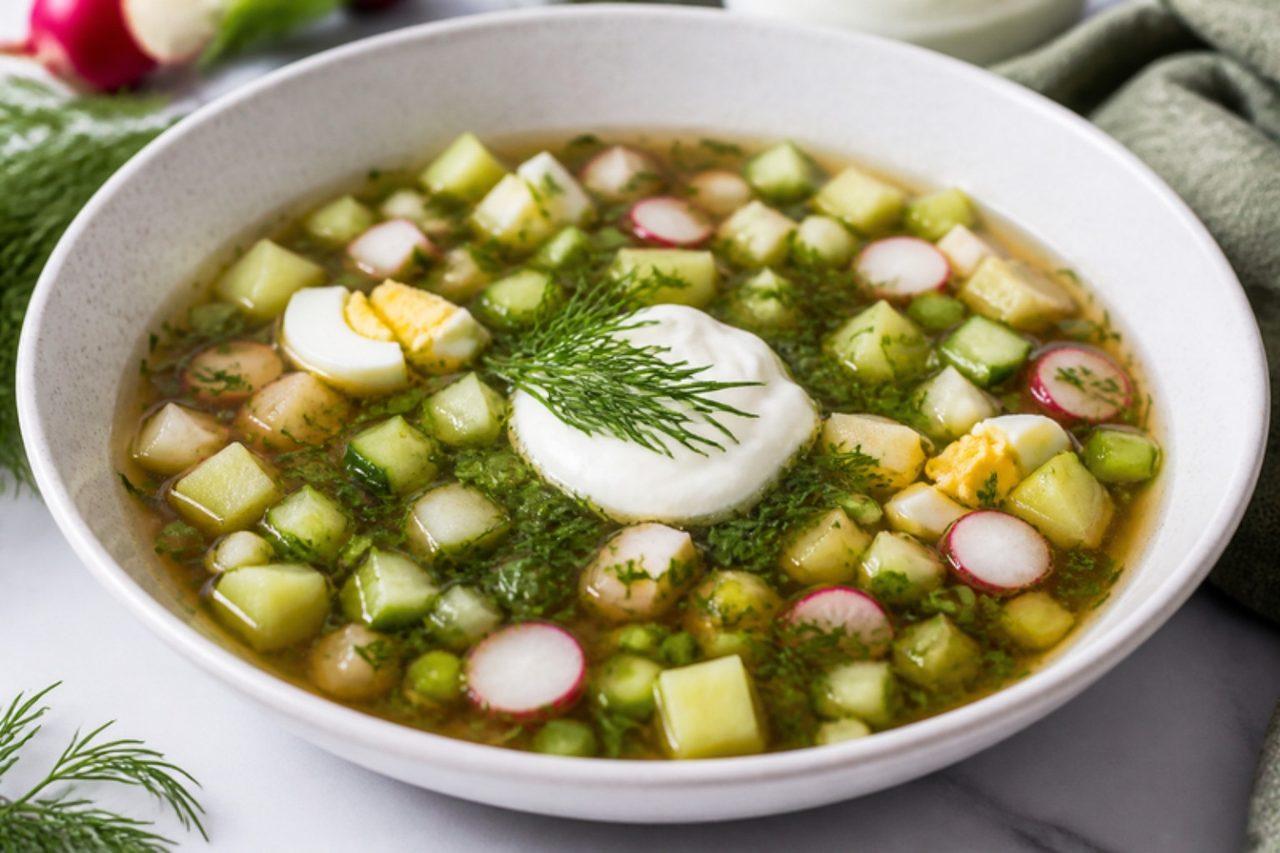
Okroshka

Cold vegetable and kvass soup

When Moscow swelters in July, okroshka replaces every hot soup: a bowl of finely chopped radishes, cucumber, potato, egg and a forest of green onion and dill, with ice-cold kvass poured over at the table. It is the lunch of dacha weekends and of hot afternoons on the Volga, and families argue over whether kvass or kefir is the right base (kefir works well and is less sweet). The name comes from kroshit, to crumble, since everything is chopped small. Chef's tip: rub the spring onions and dill with salt first until they give off juice; it releases a green, pungent flavour that tastes of summer.

Read more 0 views

What to eat today?

Around the world

Today's trip: Paraguayan

A new country every day, from every cuisine on the site.

Paraguayan

Ka'i ladrillo

Peanut molasses bricks 40 minMore from Paraguayan (27) →

This week's collection

Kid-friendly dinners
537 recipes · a new collection every Monday

Latest recipes

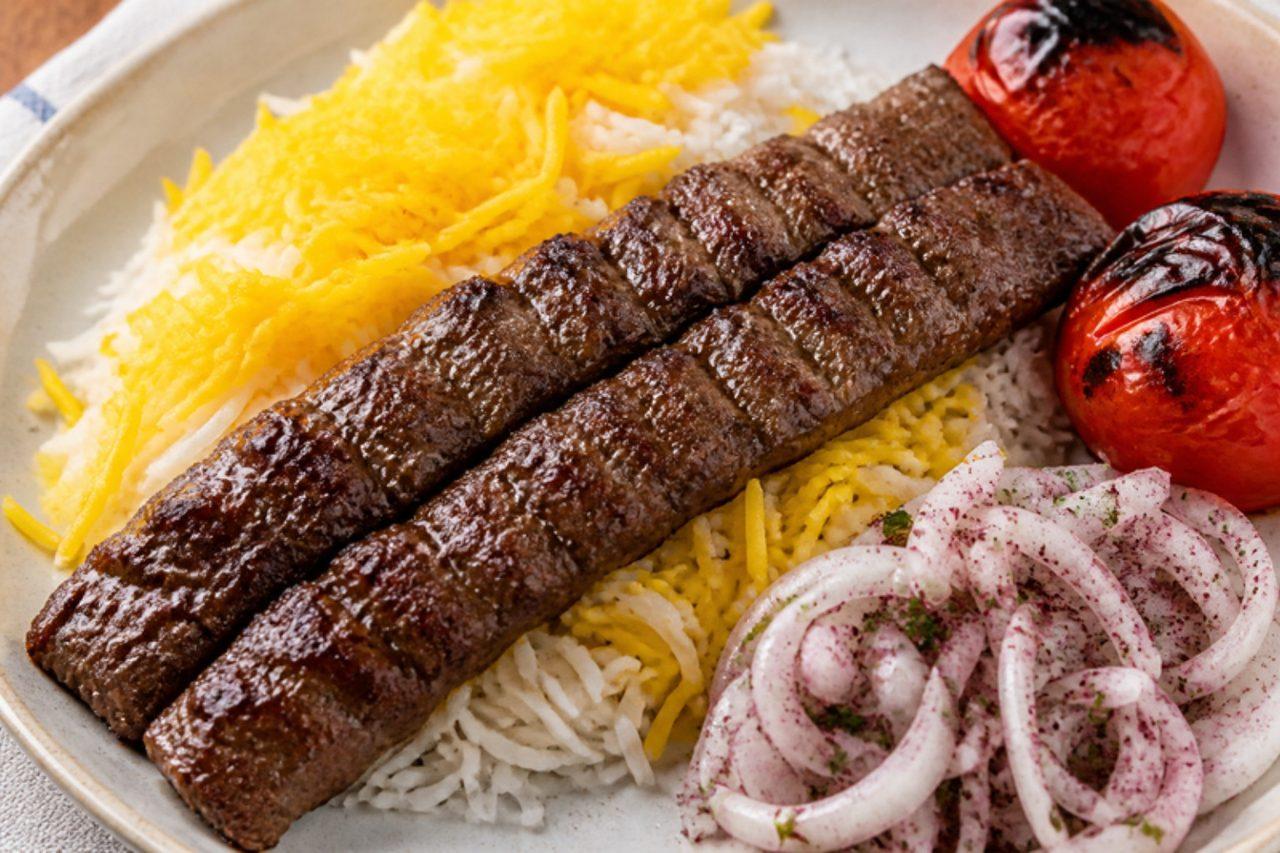
Kabab koobidehMinced lamb kebabs

Koobideh is the kebab of Tehran's bazaar lunch houses and roadside chelo-kababis, laid on a hill of buttered rice with a raw egg yolk or a slab of butter melting into the grains. The name means 'pounded': minced lamb is kneaded with grated onion until it turns sticky and pale, then pressed by hand along wide, flat skewers and grilled hard over coals. It comes out juicy and onion-sweet, with little ridges from your fingers. Eat it with charred tomatoes, raw onion, fresh herbs and lavash on the side. Chef's tip: squeeze every drop of juice out of the grated onion; wet mince slips straight off the skewer.

by KrazyBadal 0 views

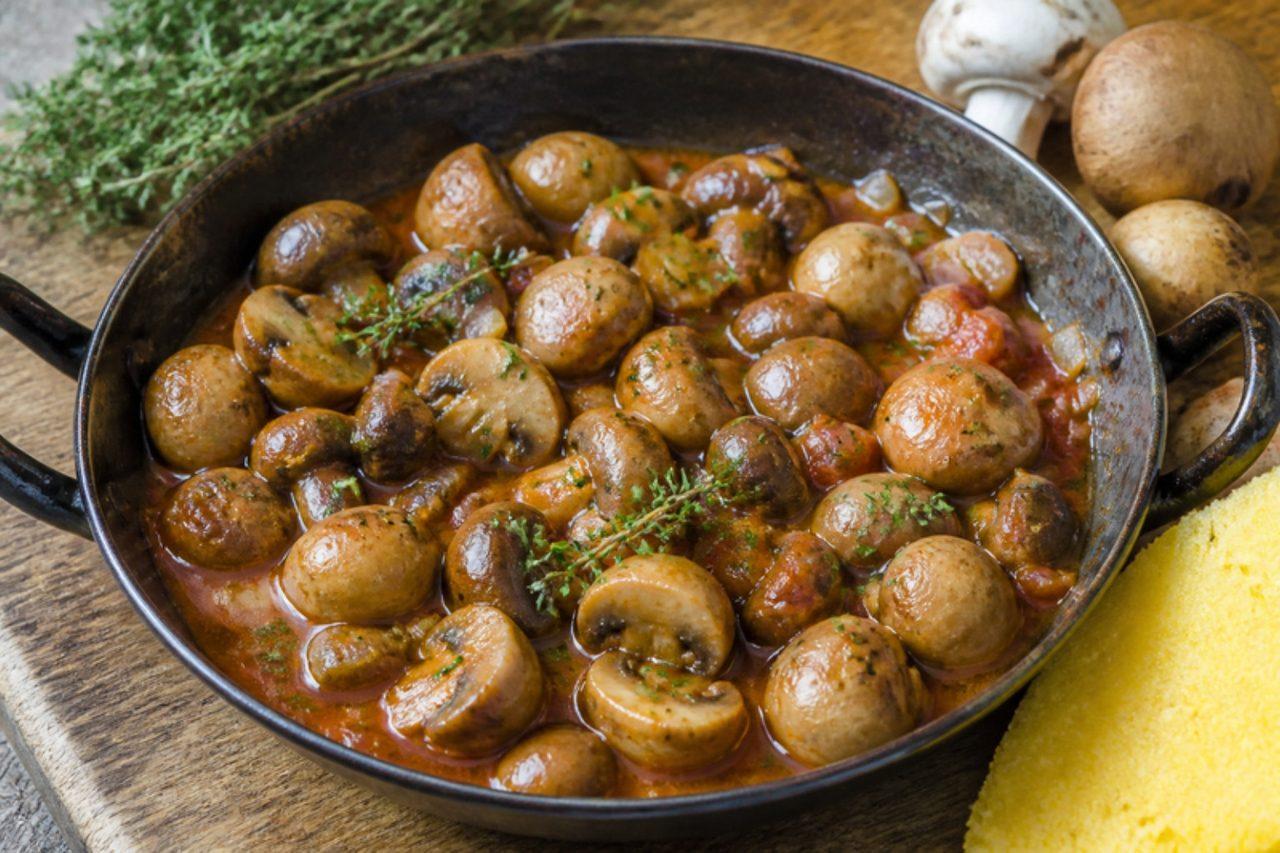
Tocăniță de ciuperciMushroom stew

Tocăniță is the everyday stew of Romanian home cooking, and the mushroom version is a fixture of the Orthodox fasting days, when Transylvanian cooks use forest mushrooms gathered in the Apuseni hills and city cooks use button mushrooms from the market. Onions, garlic, tomato, white wine and thyme cook down into a thick, glossy sauce, without the sour cream and paprika of a Hungarian paprikás. It is always eaten with hot mămăligă and a spoon of the sauce over the top. Chef's tip: brown the mushrooms in batches in a hot pan; crowding them is the usual mistake, and they then stew grey in their own water instead of turning golden.

by KrazyBadal 0 views

KaassouffléFried Gouda in breadcrumbs

Despite the French-sounding name, a Dutch kaassoufflé has nothing to do with a baked soufflé. It is a snack-bar classic, fried in the frituur of every cafetaria from Groningen to Maastricht: a rectangle of thin pastry wrapped around a slab of young Gouda, coated in breadcrumbs and deep-fried until the cheese inside goes molten. It is the vegetarian's answer to the kroket, eaten at lunch or on the way home from football, with a squeeze of mayonnaise or sweet chilli sauce. Chef's tip: chill the filled, breaded pockets for at least 30 minutes before frying; cold pastry and cheese stay sealed in the hot oil, while warm ones burst and leak.

by KrazyBadal 0 views

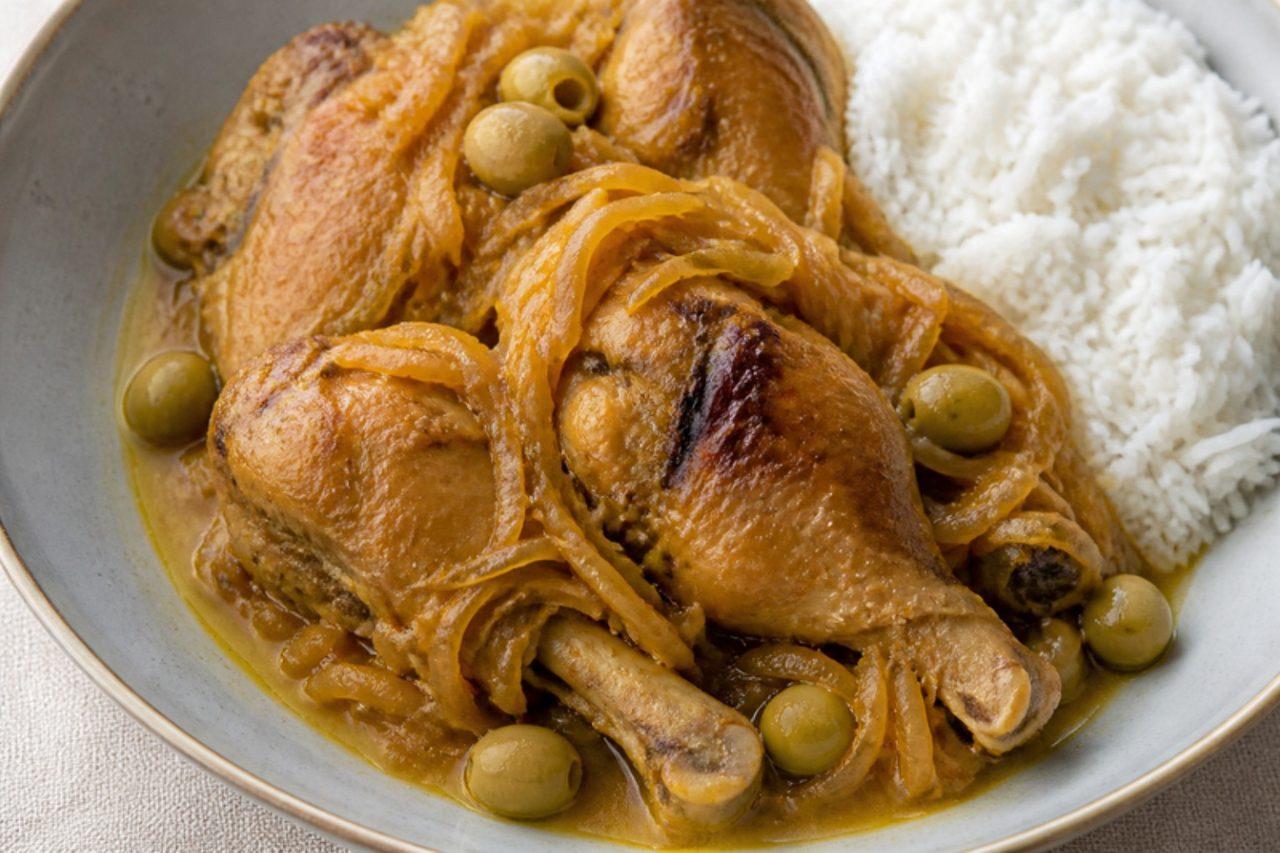
Yassa pouletLemon onion chicken

Yassa comes from Casamance, the green, rice-growing south of Senegal, and has become the dish Dakar families cook for guests and naming ceremonies. Chicken spends a night in lemon juice, mustard and a huge pile of sliced onions, is grilled or browned until charred at the edges, then braised in those same onions until they collapse into a sharp, sweet, jammy sauce. It is served over plain white rice with a green olive or two on top. A common mistake is rushing the onions; if they are still crunchy the sauce tastes raw and harsh, so give them the full half hour. Chef's tip: keep the marinade, because it becomes the sauce; just boil it well with the onions so it is safe to eat.

by KrazyBadal 0 views

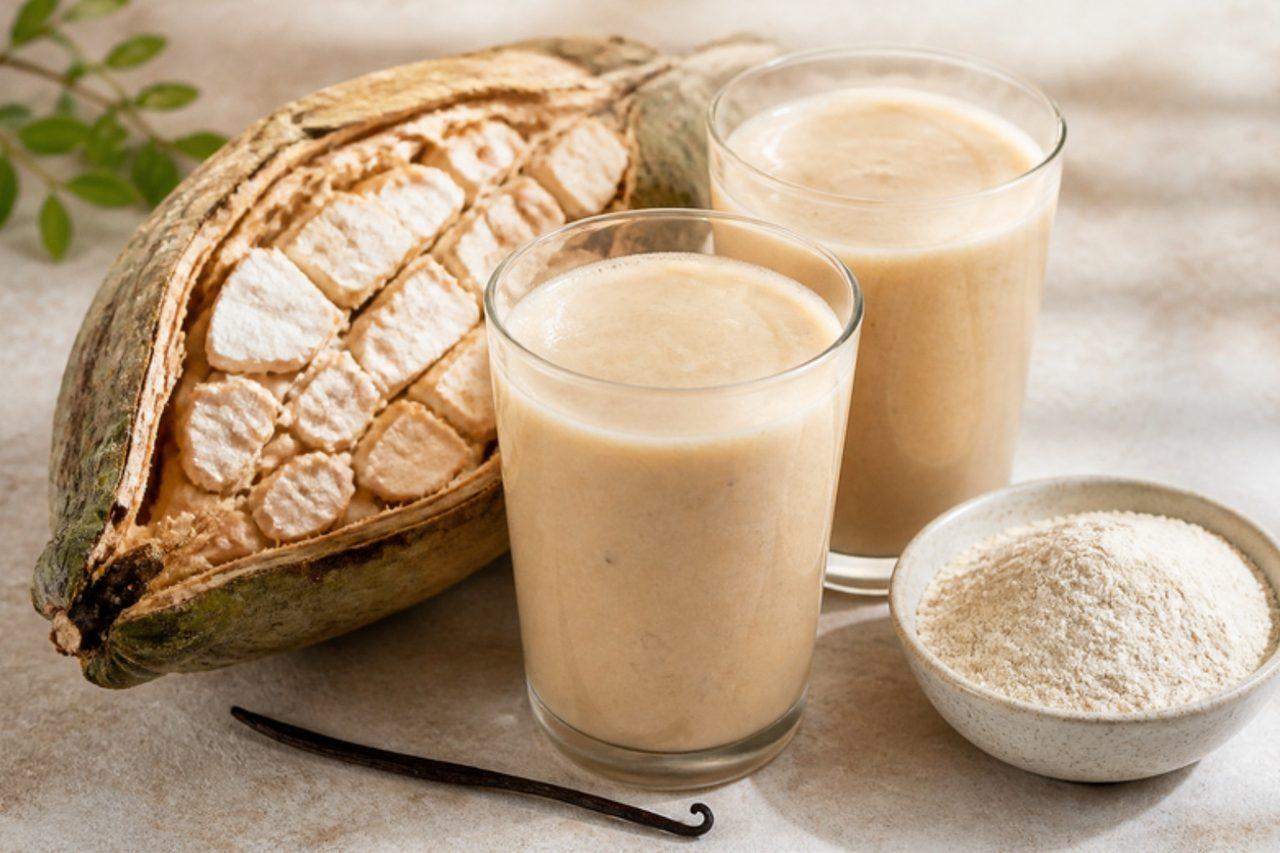
Jus de bouyeBaobab fruit drink

Bouye is the Wolof name for the powdery white pulp of the baobab fruit, and jus de bouye is the thick, creamy-tart drink sold in reused bottles from coolers all over Dakar and served at every family celebration. It tastes like sherbet with a hint of pear. Most cooks now use baobab powder, which is sold in health shops as well as African grocers. Sweetened condensed milk is optional but common. Chef's tip: whisk the powder into a little water first to make a smooth paste; poured straight into a jug it forms lumps that never dissolve.

by KrazyBadal 0 views

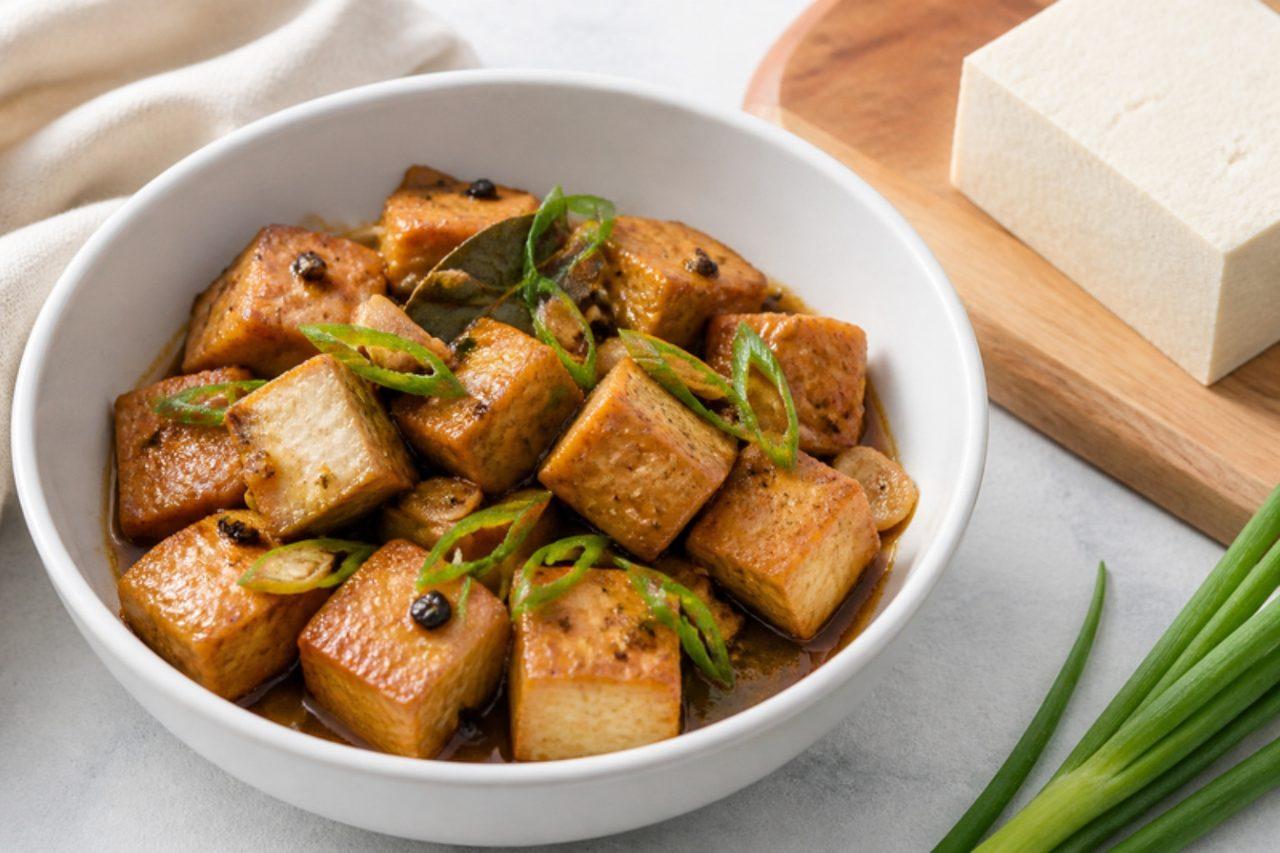
Tofu adoboTofu braised in vinegar and soy

Adobo is the dish Filipinos call national, cooked in some form in nearly every home from Ilocos down to Mindanao, and the meat versions are what most people know. In Catholic households, though, Holy Week and the Fridays of Lent call for a meatless table, and adobong tokwa (tofu adobo) is the answer many families reach for. Firm tofu is fried until it has a golden skin, then simmered in a reduced sauce of cane vinegar, soy sauce, a whole head of garlic, bay leaves and whole peppercorns until the sauce clings, sour and salty with a little sweetness. It tastes even better the next day and is eaten with mounds of plain rice. Chef's tip: press the tofu well and fry it properly; a dry, golden crust is what soaks up the adobo sauce instead of turning it watery.

by KrazyBadal 0 views

Ohn no khao swe with tofuCoconut noodle soup with tofu

Ohn no khao swe is the comforting coconut noodle soup that Burmese families serve for weekend lunches and for crowds at donation feasts, especially around Mandalay and Yangon. Wheat noodles sit in a rich, mildly spiced coconut broth thickened with chickpea flour, and everyone adds their own toppings: lime, sliced raw onion, chilli flakes, coriander and crispy fried noodles. It's normally made with chicken; tofu and chickpeas take its place here. Chef's tip: stir the coconut milk in at the end and keep it at a gentle simmer; a hard boil makes the coconut split and turn oily.

by KrazyBadal 0 views

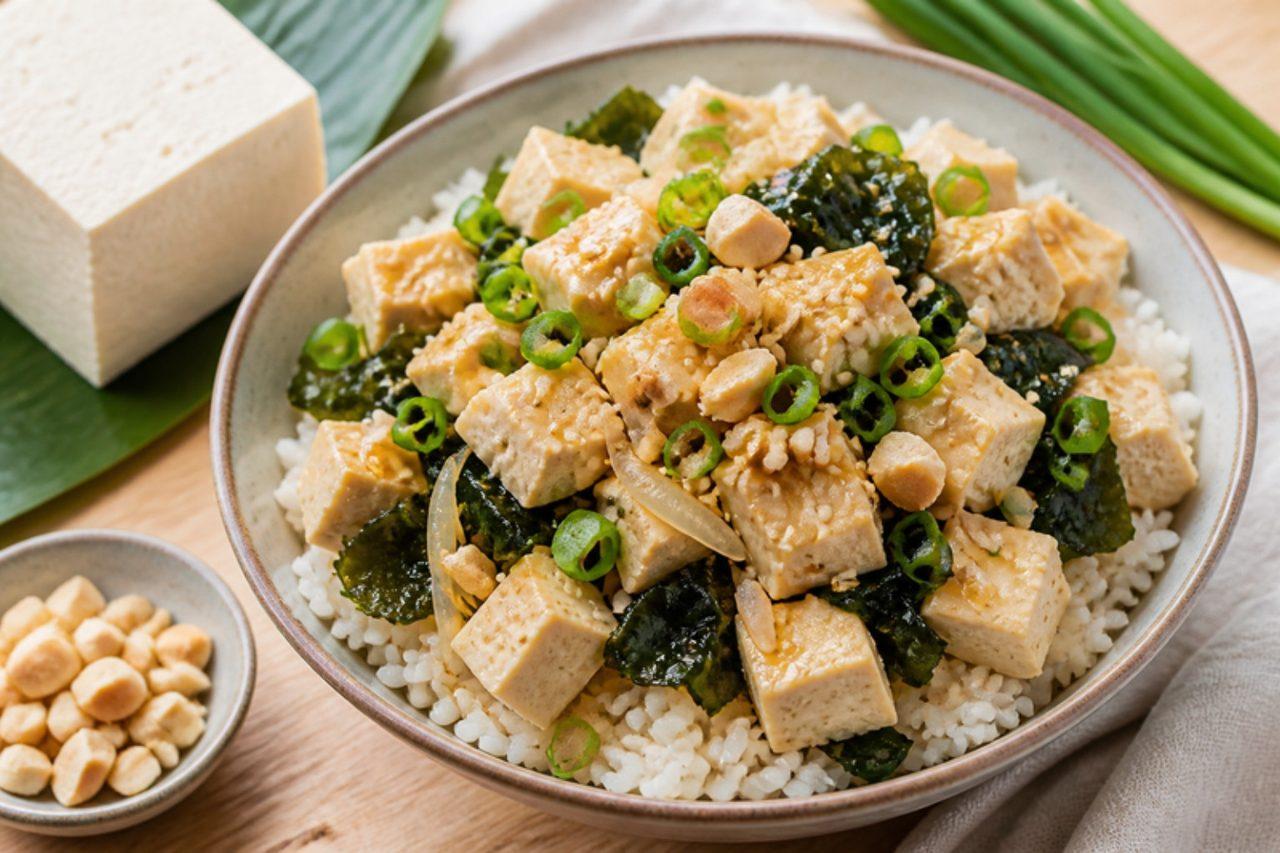
Hawaiian tofu pokeMarinated tofu bowl

Poke (say 'POH-keh', meaning 'to cut into pieces') is Hawaii's everyday snack: in local markets and at the deli counters of Honolulu, raw cubed fish is tossed with soy, sesame oil, sweet Maui onion, seaweed and inamona (roasted candlenut). Tofu poke has become a standard option at those same counters, and it's how this recipe is written; the original uses raw tuna (ahi) instead of tofu. Serve it as a pūpū (snack) or over rice. Chef's tip: press the tofu well and dry it; firm, dry cubes soak up the dressing instead of watering it down.

by KrazyBadal 0 views

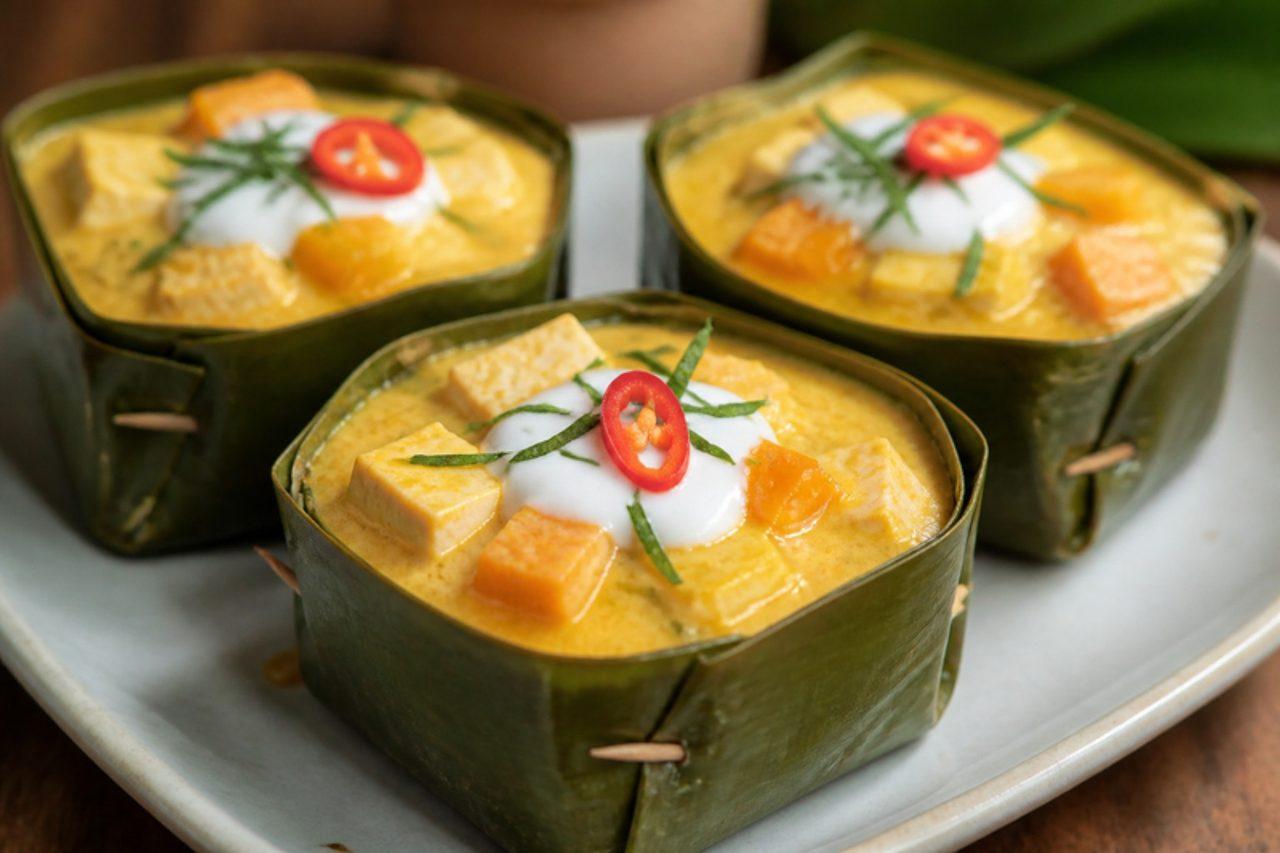
Tofu and pumpkin amokSteamed tofu and pumpkin custard

Amok is the dish Cambodians proudly serve to visitors, especially around Siem Reap and the Tonlé Sap, where it is traditionally made with freshwater fish. This home version keeps everything that makes it amok, the fragrant kroeung, thick coconut cream and a beaten egg that sets it into a soft, spoonable custard, but fills the banana-leaf cups with firm tofu and sweet pumpkin instead. Noni leaves (slok ngor) usually line the cups; young spinach gives the same green layer. Serve it with plain jasmine rice for a special dinner. Chef's tip: stir the custard in one direction only while you mix the coconut cream and egg; Cambodian cooks say this keeps it silky, and it also stops air bubbles that leave holes once steamed.

by KrazyBadal 0 views

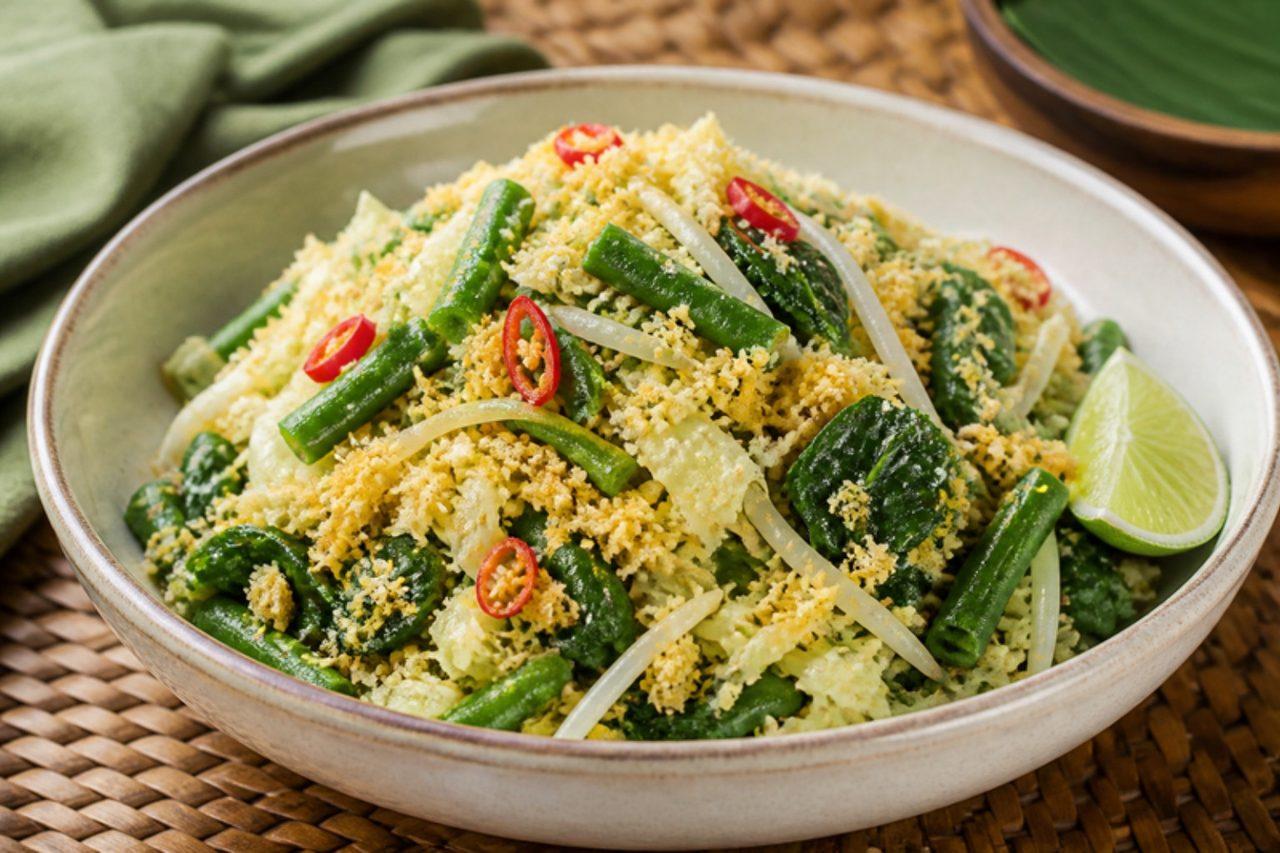
Jukut urabGreens with spiced coconut

Jukut urab turns up on almost every Balinese rice plate and at temple-day feasts: blanched long beans, greens and bean sprouts tossed with freshly grated coconut that has been fried with a little bumbu of shallot, chilli, kencur and lime leaf. It is bright, crunchy and only gently hot, the fresh side dish that balances heavier ones. Many cooks add shrimp paste to the bumbu; this one leaves it out. Chef's tip: toss the vegetables and coconut only just before serving, or the coconut draws out water and the dish turns soggy.

by KrazyBadal 0 views

Joojeh kababSaffron chicken skewers

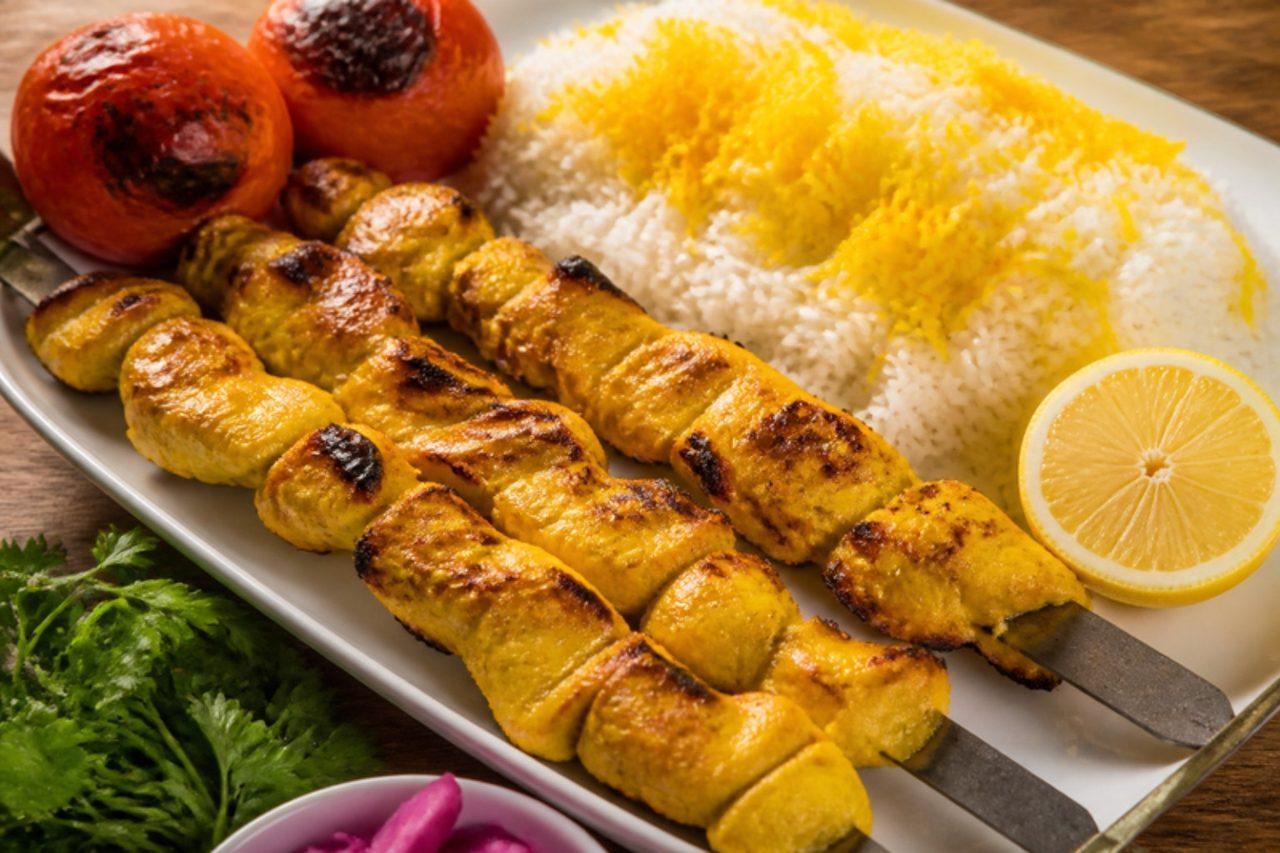
Joojeh kabab is what fills Tehran's parks on Sizdah Bedar, the thirteenth day of Nowruz, when families picnic outdoors and grills smoke under the plane trees; it is just as common on restaurant platters beside koobideh. Chunks of chicken soak overnight in yogurt, grated onion, lemon and bloomed saffron, then cook fast over high heat so the edges char while the middle stays juicy and golden-orange. Serve with buttery chelow rice, grilled tomatoes and a pinch of sumac. Chef's tip: grind the saffron threads with a pinch of sugar before steeping them in hot water; you get twice the colour from the same few threads.

by KrazyBadal 0 views

JolpanFlattened rice with curd and jaggery

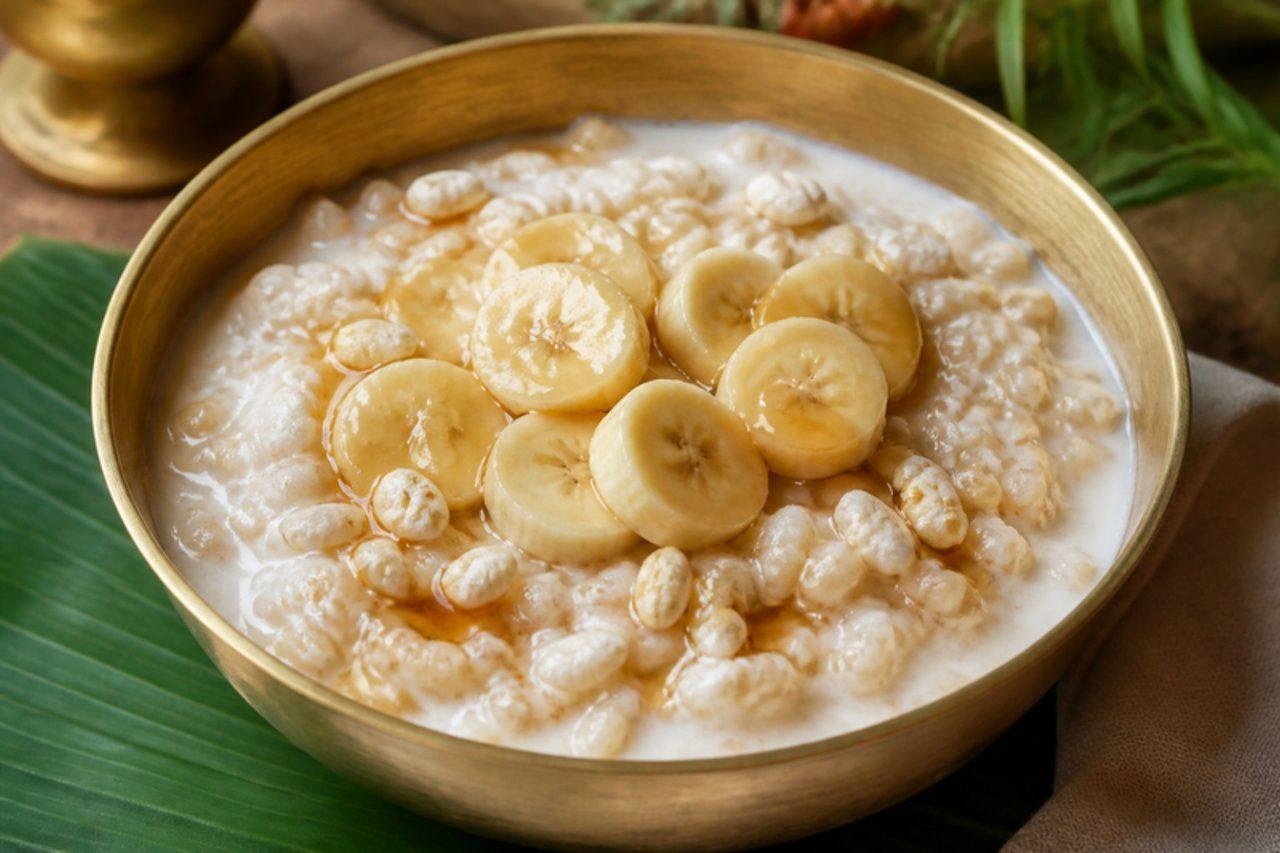
Jolpan is how Assam starts the morning of Magh Bihu and Bohag Bihu, and how guests are welcomed in villages all year: a bowl of chira (flattened rice), muri, or sticky bora saul, served with thick curd, yellow jaggery or gur, and sometimes cream. It is not cooked so much as assembled, and every family has its own order: soak the chira, top with doi, crumble in gur. Variants such as komal saul (a soft rice that needs only soaking) are also jolpan. Chef's tip: rinse the chira quickly and drain it at once; a long soak turns it to paste.

by KrazyBadal 0 views

Jolada rotti with ennegaiSorghum flatbread with stuffed aubergine

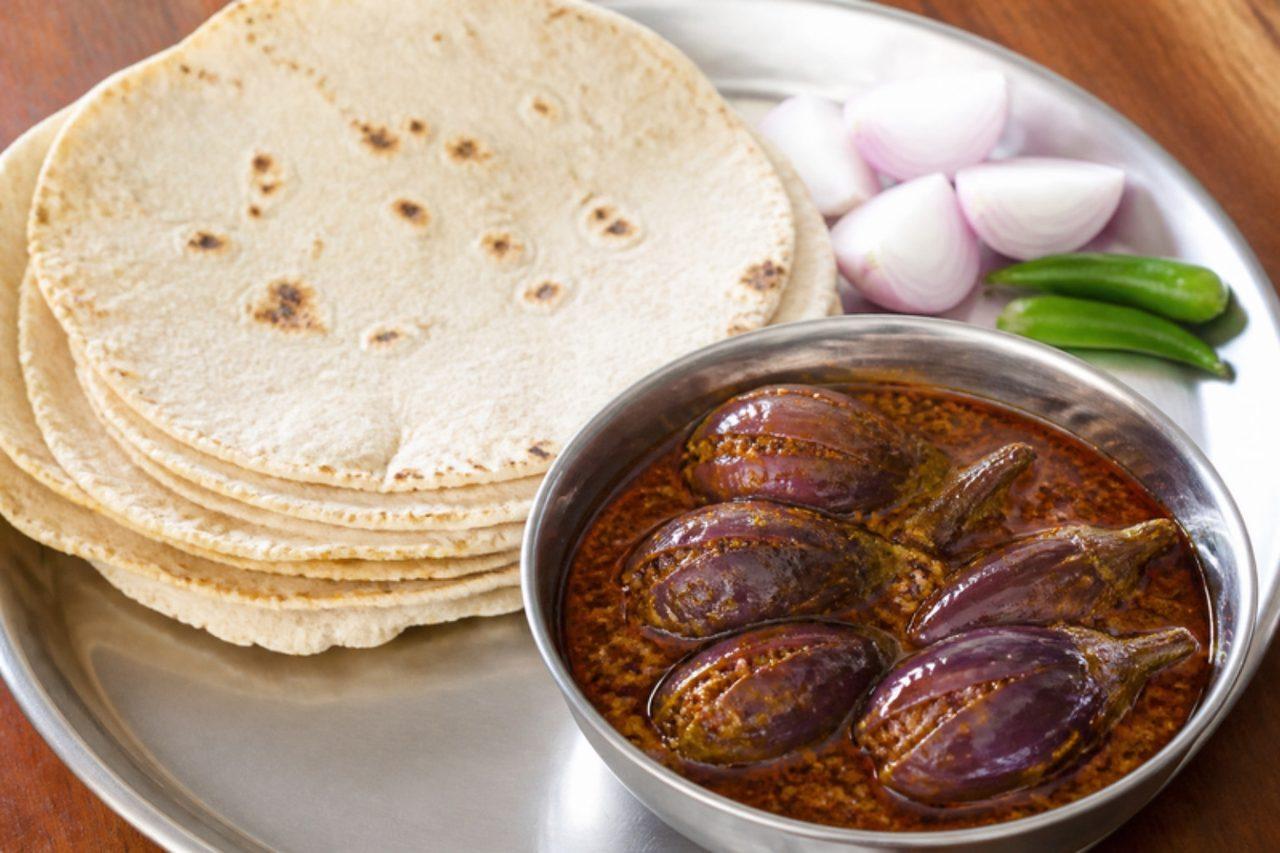
Across Hubballi, Dharwad, Vijayapura and the dry plains of north Karnataka, a meal means jolada rotti: thin, crisp sorghum flatbreads slapped out by hand, often by the hundred and stored in cloth to eat with everything. Their best-loved partner is ennegai, which means 'oil vegetable': small brinjals slit and stuffed with roasted peanuts, sesame, dry coconut and spices, then cooked slowly in plenty of oil until they collapse into a thick, nutty gravy. It is wedding food, field food and Sunday food, with raw onion, a wedge of lemon and spicy chutney powder on the side. Chef's tip: use boiling water for the jowar dough; it gelatinises the flour slightly, so the rotti holds together without any wheat.

by KrazyBadal 0 views

Jodhpuri kabuliLayered vegetable rice

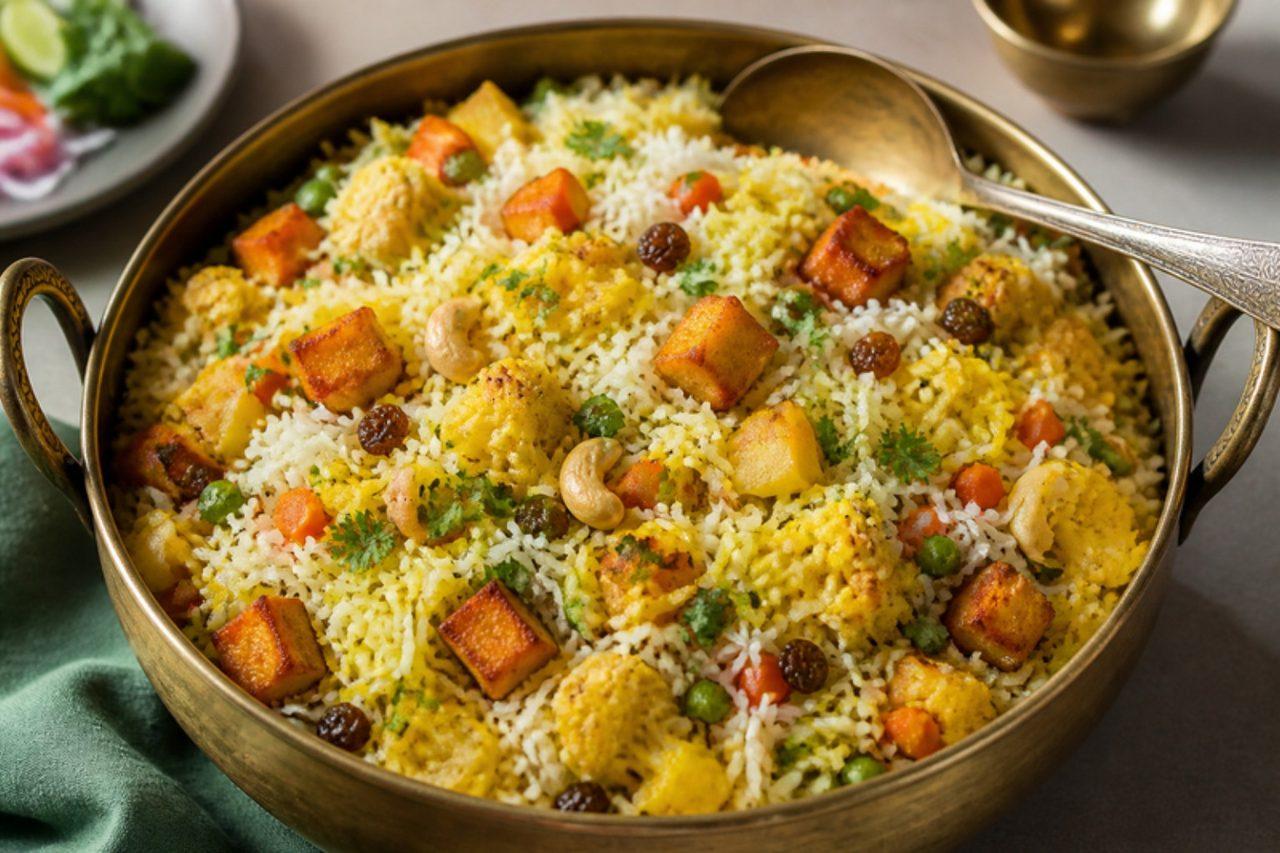
Jodhpuri kabuli is a celebration rice from Marwar that has nothing to do with chickpeas; the name refers to its rich, layered style. Rice is stacked with vegetables simmered in spiced yogurt and milk, crisp fried bread cubes, cashews, raisins and saffron, then steamed under a lid so the bread absorbs the juices while the top stays crunchy. Jodhpur families cook it for weddings and festive lunches, and it is eaten on its own with raita or kadhi. A common mistake is layering the bread at the bottom, where it becomes soggy; it belongs in the middle and on top. Chef's tip: cook the rice only until it still has a firm bite, because it will finish cooking during the dum.

by KrazyBadal 0 views

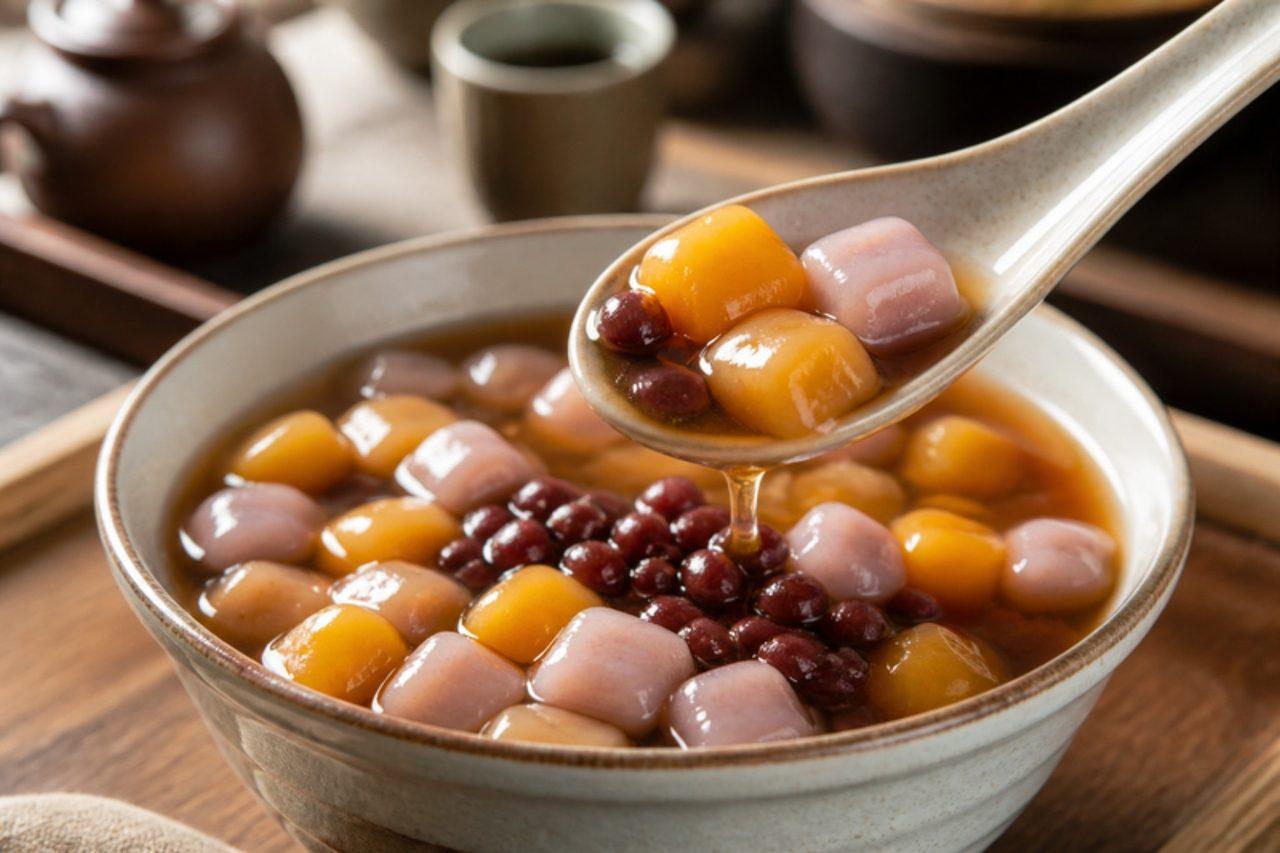
Jiufen taro ballsTaro balls in syrup

Jiufen, the old gold-mining town clinging to the hills above Taiwan's northeast coast, is famous for bowls of chewy purple taro and orange sweet potato balls, eaten in steep teahouses with a view of the sea. Shops serve them hot in a light sugar syrup in winter and over shaved ice in summer, often with mung beans or red beans. They are just steamed root vegetables kneaded with tapioca starch, so they're naturally gluten free and have a bouncy, QQ chew Taiwanese people love. Chef's tip: knead the starch into the vegetables while they are still hot; the heat partly cooks the starch and makes the dough smooth and pliable.

by KrazyBadal 0 views

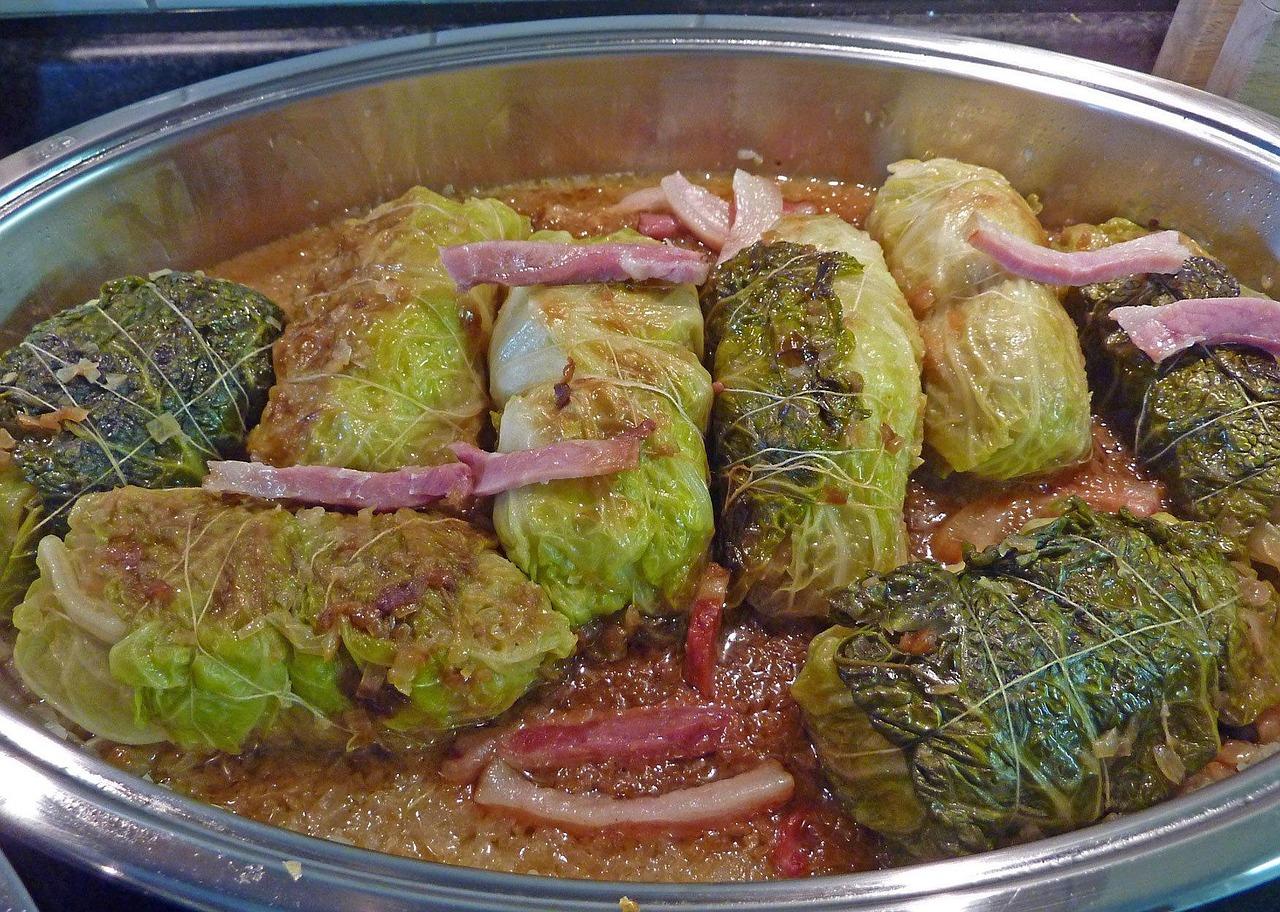
Töltött káposztaStuffed cabbage rolls

Töltött káposzta is the dish Hungarians make for Christmas and the wedding feasts of the countryside, a huge pot that tastes better each day. It is a pork dish: soured cabbage leaves are rolled around a filling of pork mince, rice, onion and paprika, then layered with chopped sauerkraut and smoked pork ribs or sausage and simmered for hours. It is served with a dollop of soured cream and bread. Chef's tip: look for whole soured cabbage heads (sold for this dish in Eastern European shops); if you cannot find them, blanch fresh savoy leaves and add extra sauerkraut.

by KrazyBadal 0 views

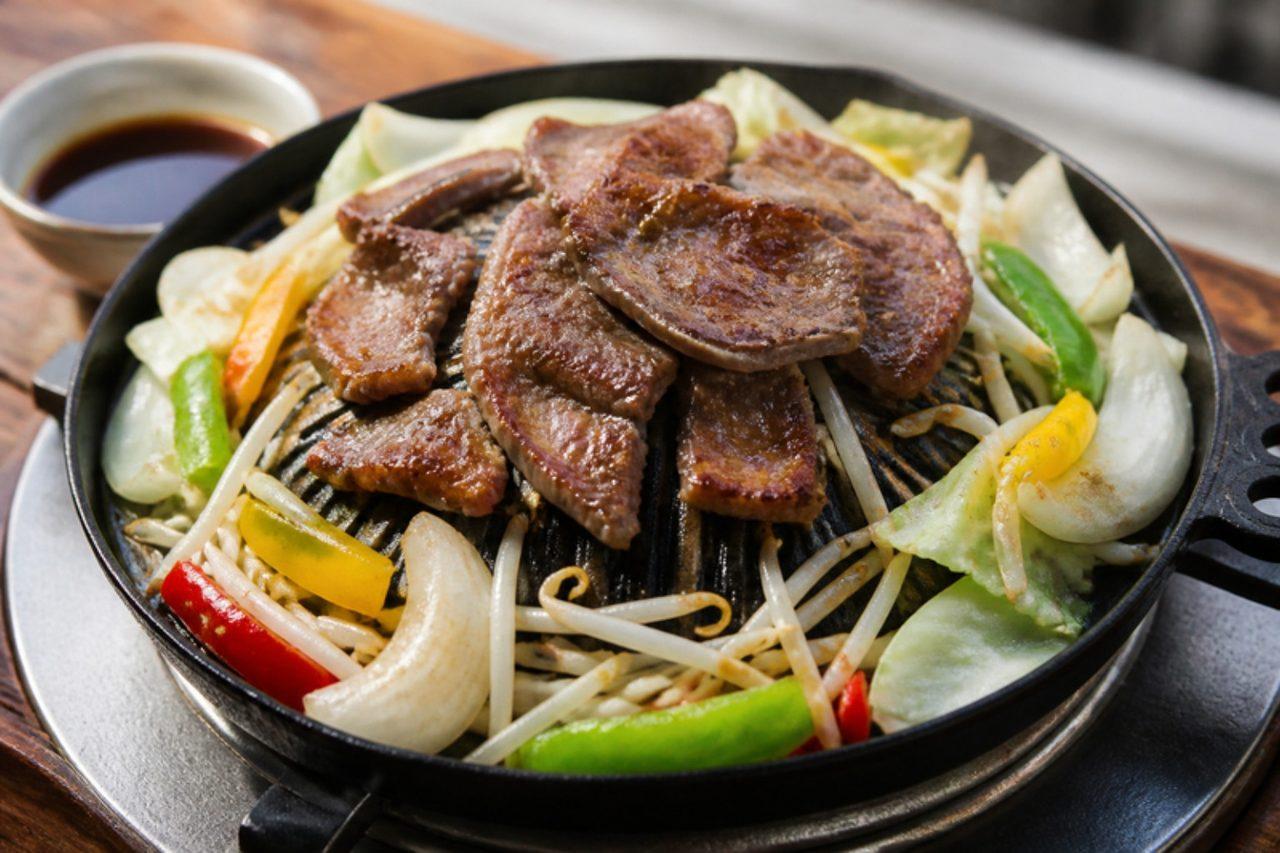
JingisukanGrilled lamb and vegetables

When the cherry trees bloom in Sapporo in early May, parks fill with groups grilling lamb on ridged, dome-shaped pans, and the city's beer halls serve it all year. Named after Genghis Khan, the dish grew up after Hokkaido began raising sheep for wool in the early 20th century. In the Sapporo style, plain lamb is seared on the hump of the pan while bean sprouts, onion and pumpkin cook on the rim in the dripping juices, and everything is dipped in a fruity soy sauce. No domed pan? A heavy frying pan or flat griddle works well. Chef's tip: grease the pan with a piece of lamb fat rather than oil, as it gives the vegetables a rich, meaty flavour.

by KrazyBadal 0 views

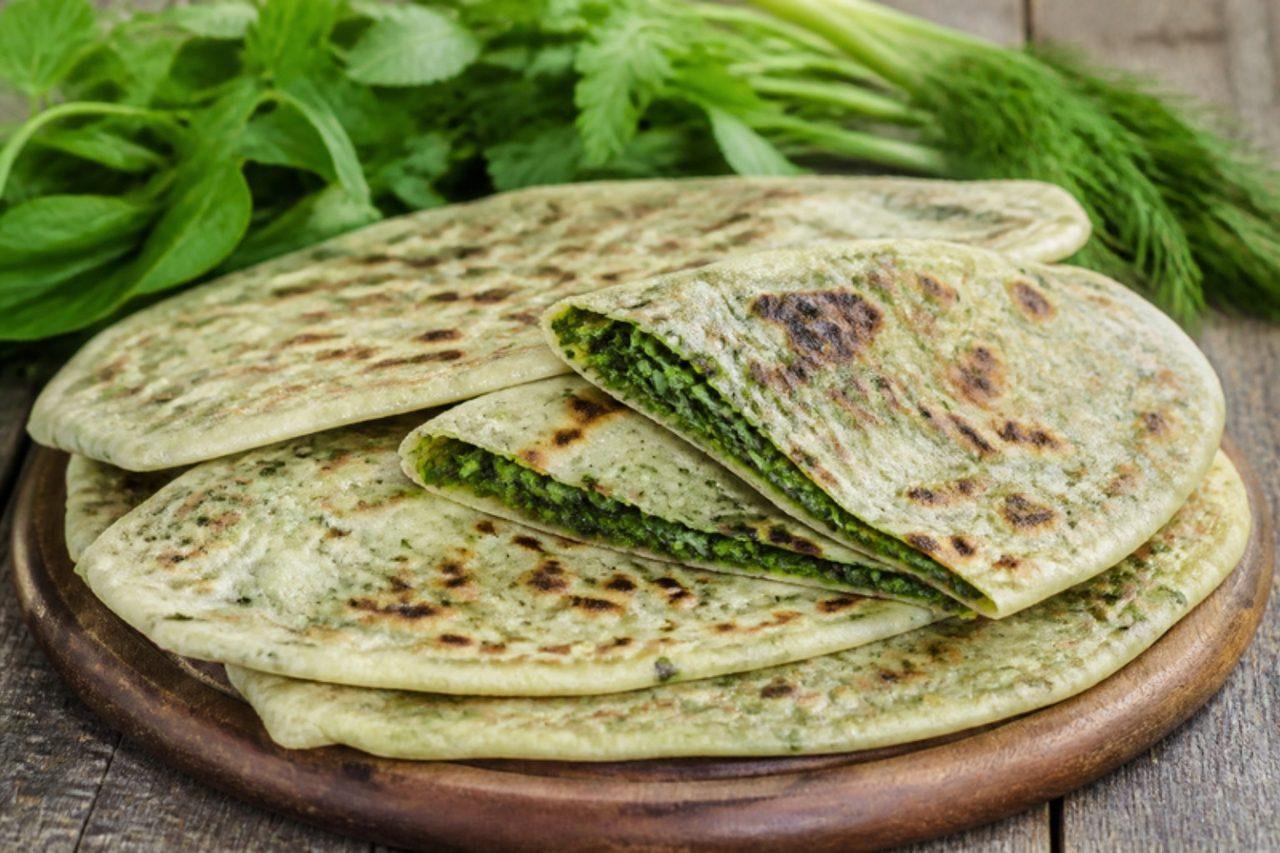
Jingalov hatsWild greens flatbread

Jingalov hats comes from Artsakh (Nagorno-Karabakh), where women in Stepanakert markets would roll the dough around armfuls of greens and cook the flat parcels on a hot saj in front of the queue. The filling is nothing but herbs and leaves, ten to twenty kinds when spring greens are at their best: sorrel, spinach, dill, coriander, spring onion, beet leaves, mint and nettle, wilted with oil and salt. The bread is eaten hot from the griddle at Easter and through Lent, folded in half and dripping with green juices. Displaced families now sell it in Yerevan, where it has become a street-food symbol of home. Chef's tip: mix at least six different greens and keep some sharp ones such as sorrel or lemon juice in the mix; with spinach alone the filling tastes flat.

by KrazyBadal 0 views

JianbingSavoury egg crêpe

Jianbing guozi began in Tianjin and is now Beijing's favourite breakfast on the go: a crêpe spread on a round griddle, cracked over with egg, brushed with sauces and folded round a crunchy fried cracker. Vendors make one in two minutes; at home a large non-stick pan works. The batter mixes mung bean and wheat flour for a tender, slightly nutty pancake. Chef's tip: spread the batter thin and fast while the pan is hot, then lower the heat before adding the egg so the crêpe stays pliable.

by KrazyBadal 0 views

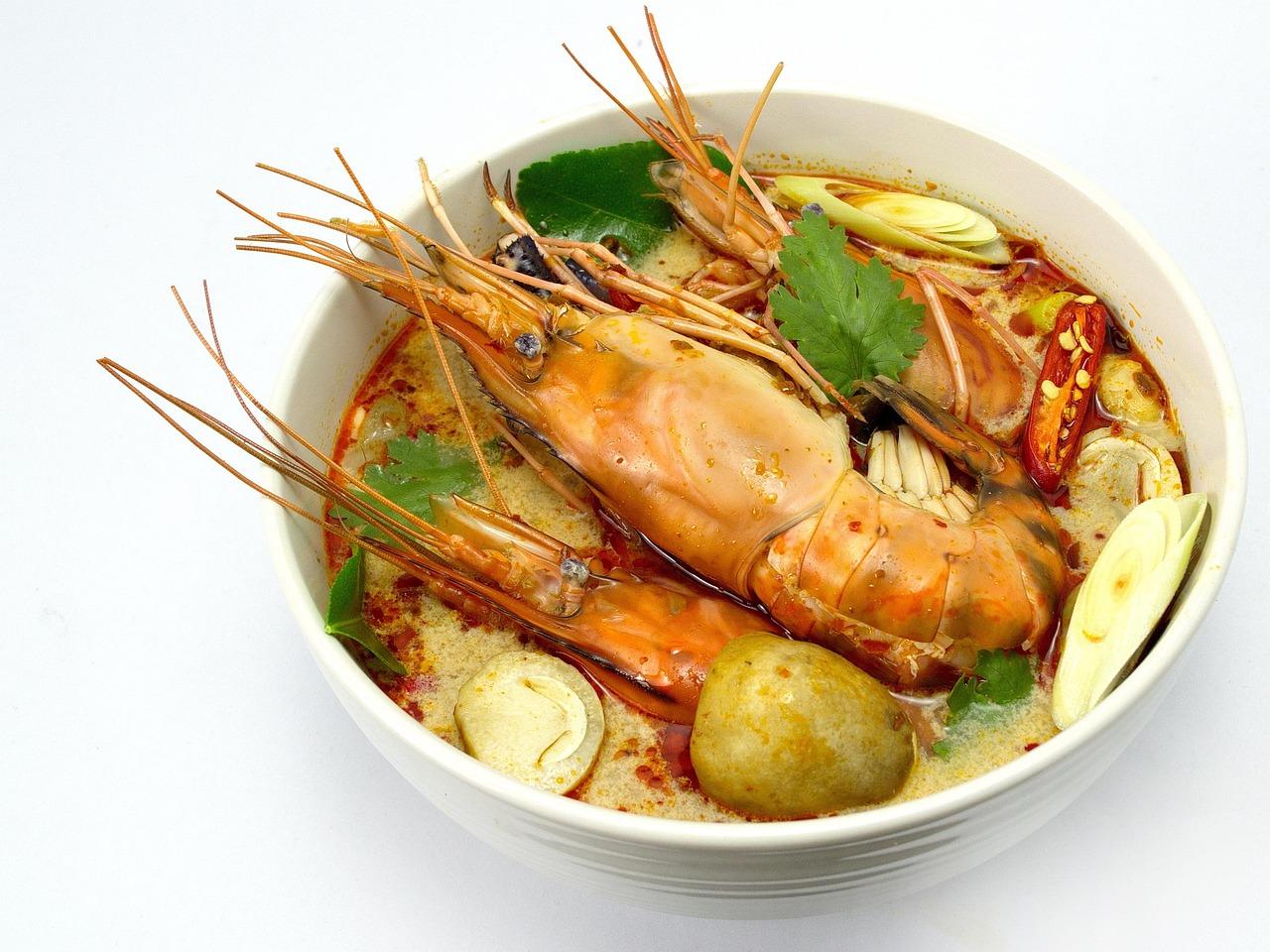
Tom yum goongHot and sour prawn soup

Steaming bowls of this prawn soup land on almost every table in central Thailand, from riverside shophouses in Ayutthaya to family dinners in Bangkok, where it sits in the middle to be shared with rice and two or three other dishes. The broth is thin but loud: sour from lime, salty from fish sauce, hot from crushed bird's eye chillies, and perfumed by bruised lemongrass, galangal and torn makrut lime leaf, which flavour the soup but are left in the bowl. This is the clear style (nam sai) with a spoonful of roasted chilli paste for colour and a gentle sweetness; the creamy nam khon style adds evaporated milk, which we leave out to keep it dairy free. Serve it piping hot with plain jasmine rice. Chef's tip: simmer the prawn heads and shells for five minutes before anything else goes in, and the soup tastes of the sea rather than of water.

25 minThaiSoupsGluten freeSpicy
by KrazyBadal 0 views

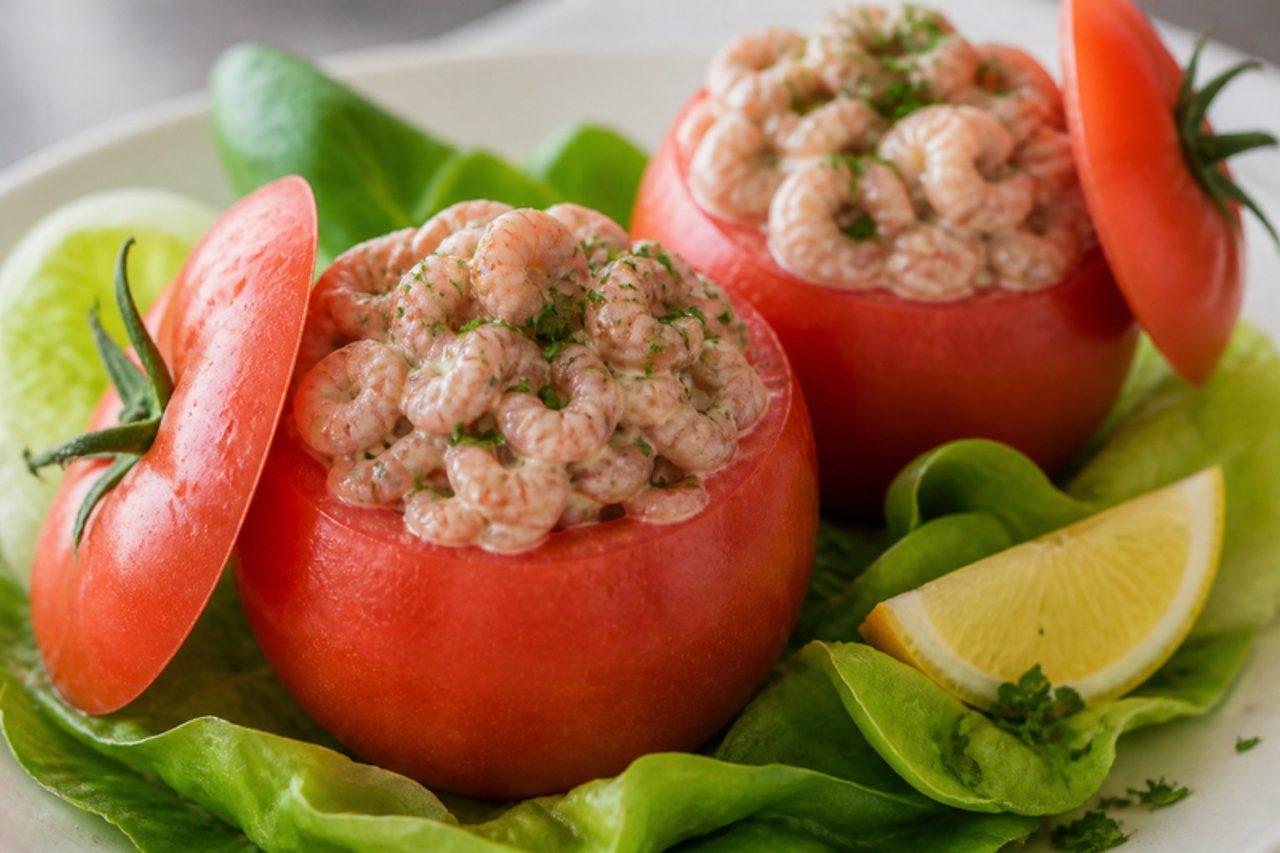
Tomaat-garnaalTomatoes stuffed with grey shrimp

Along the Belgian coast, from Ostend to De Panne, tomaat-garnaal is the starter that tells you you are at the seaside: a hollowed raw tomato heaped with tiny, sweet North Sea grey shrimp in homemade mayonnaise, served with lettuce, lemon and often a few chips. The shrimp are caught and boiled on the boats, so they come ready-cooked and peeled. Because the dish has so few parts, everything depends on good ripe tomatoes and very fresh shrimp. The thing people often get wrong is drowning the shrimp in mayonnaise; use just enough to bind them so their sweetness comes through. Chef's tip: salt the hollowed tomatoes and turn them upside down for 10 minutes so they do not leak water onto the plate.

by KrazyBadal 0 views

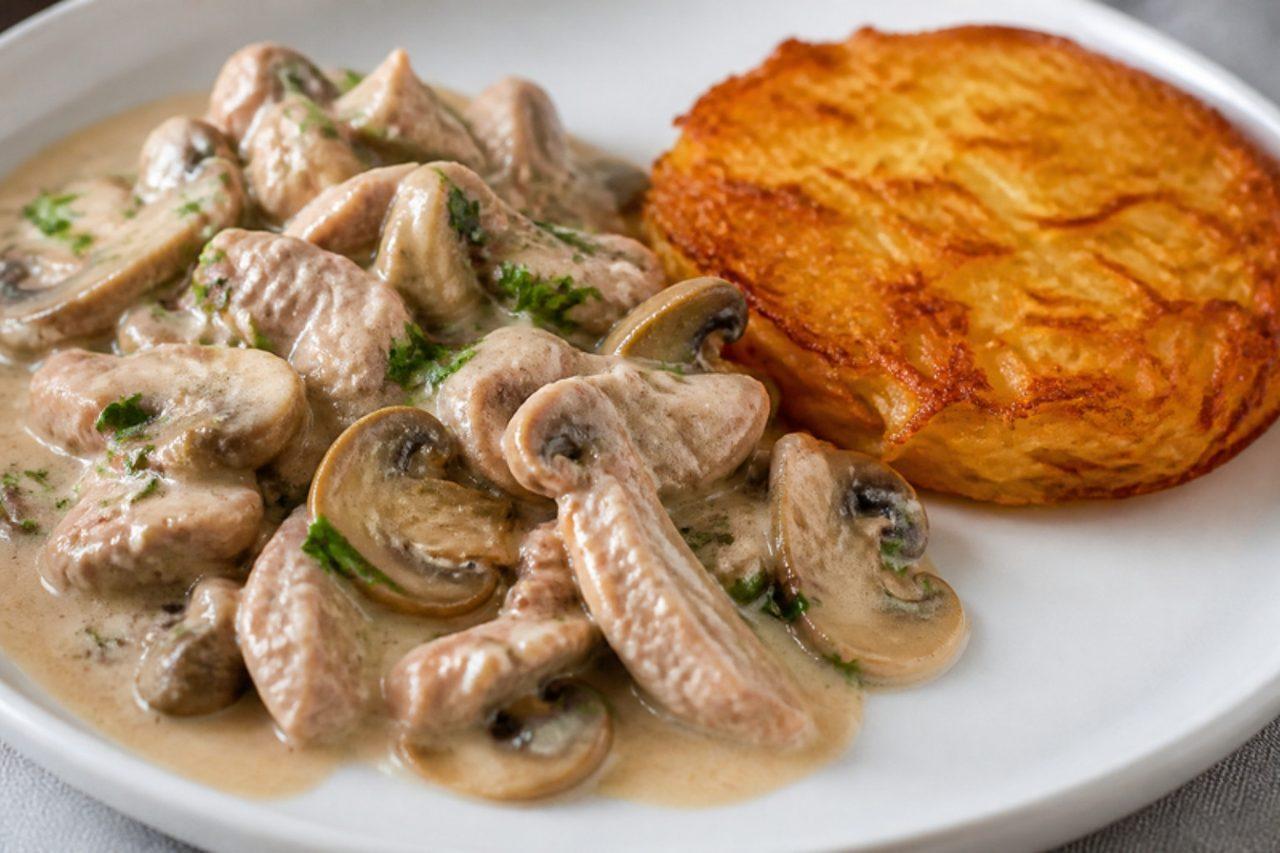
Zürcher GeschnetzeltesSliced veal in mushroom cream sauce

Zürcher Geschnetzeltes is the signature dish of Zurich's old guild restaurants and a favourite Sunday meal in homes across German-speaking Switzerland. Thin strips of veal are seared quickly, then the pan is deglazed with white wine and finished with cream and mushrooms into a pale, glossy sauce, and the whole thing is served beside a golden, crisp rösti. The wine adds alcohol (most cooks it off); for an alcohol-free version use the same amount of chicken stock with 1 teaspoon of lemon juice. The usual error is cooking the veal in the sauce until it toughens; sear it fast, take it out, and only warm it through at the end. Chef's tip: boil the potatoes for the rösti a day ahead and chill them; cold, firm potatoes grate cleanly and fry up crisp.

65 minSwissMeatGluten free
by KrazyBadal 0 views

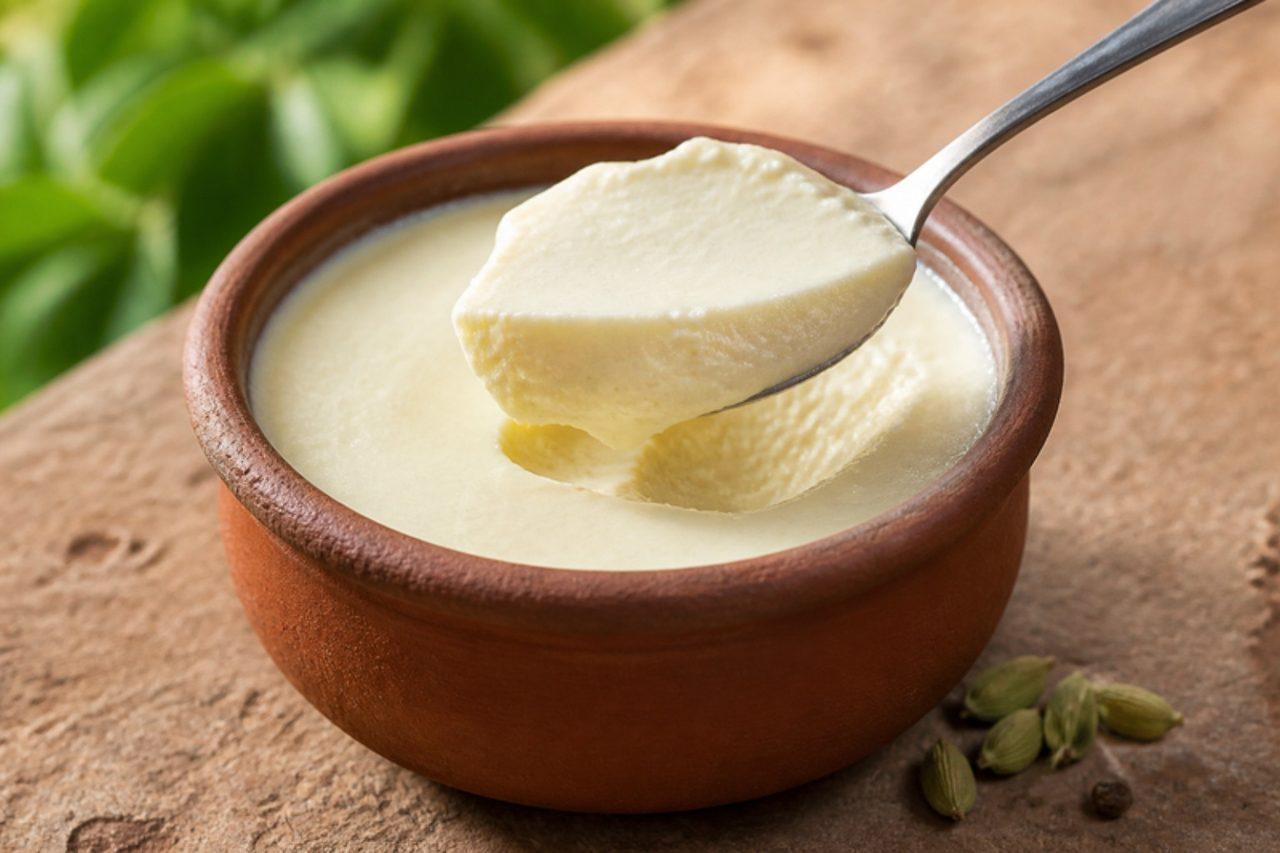
Juju dhauThick sweet curd

Juju dhau means king of curds in the Newar language, and it belongs to Bhaktapur, the old brick-and-temple city east of Kathmandu, where it is sold in round clay bowls from shops around Durbar Square and taken home by the stack. Full-fat milk, traditionally buffalo milk, is boiled down by a third until it is rich and faintly caramel, sweetened, then set overnight in unglazed clay pots that soak up the whey, leaving a custard-thick, creamy yogurt with a pale golden skin. No wedding, festival or important meal in the Valley ends without it, and it is eaten on its own with a small spoon. People often rush the reduction, and the yogurt then sets thin and sour. Chef's tip: if you don't have clay pots, set it in ceramic ramekins and pour off any whey after setting; and keep it warm and undisturbed, wrapped in a blanket, so it sets in one smooth layer.

by KrazyBadal 0 views

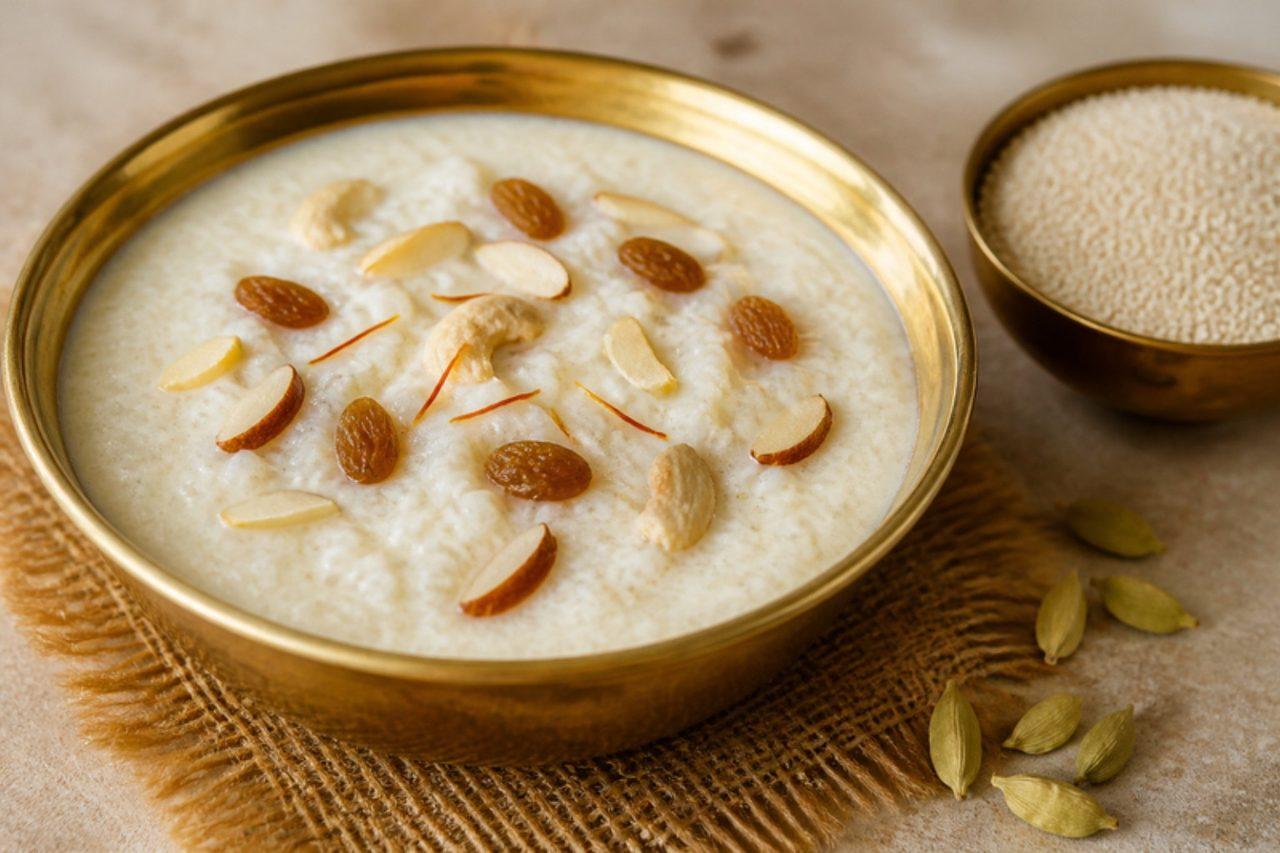
Jhangora ki kheerBarnyard millet pudding

Jhangora is barnyard millet, a hardy grain that grows on the high fields of Garhwal and Kumaon, and this kheer is how most hill families turn it into something special. It cooks faster than rice kheer and ends up softer and silkier, with a light, nutty taste. Because millet isn't a cereal grain, it's eaten on Navratri and Ekadashi fasts, when you'll find bowls of it at temples and in homes from Rishikesh to Chamoli. It is just as good chilled the next day. Chef's tip: soak the millet for 20 minutes before cooking; it softens evenly and you won't be left with hard little grains in the pudding.

by KrazyBadal 0 views

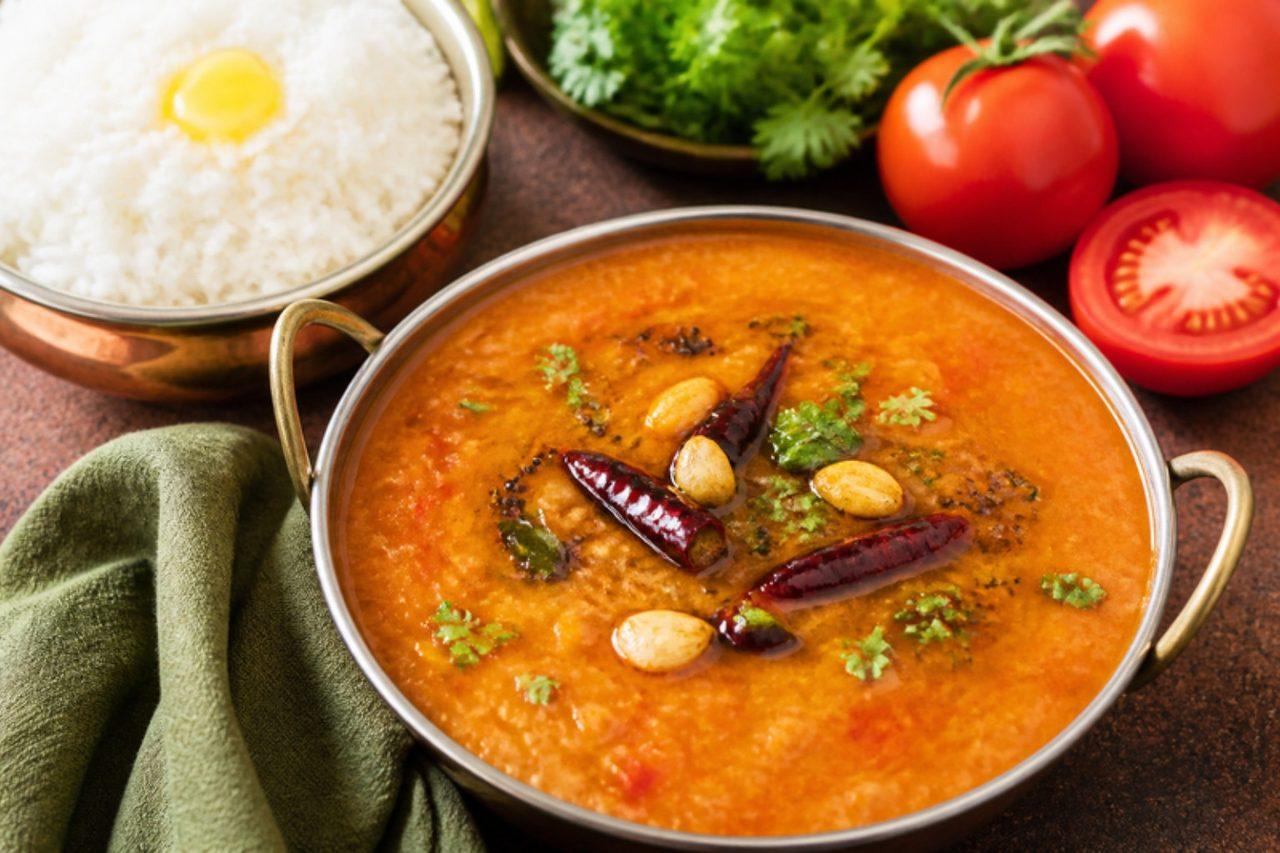
Tomato pappuTomato dal

Pappu (dal) is the backbone of an Andhra meal, and tomato pappu is the one most Telugu households cook on an ordinary weekday. Toor dal is cooked with plenty of ripe tomatoes, onion, green chillies and a little tamarind, then mashed to a thick, rustic consistency and finished with a fierce garlic and red chilli popu (tempering). It's tangier and hotter than a North Indian dal, and it's mixed into hot rice with a spoon of ghee and eaten with avakaya pickle and a crisp fried vegetable. Chef's tip: mash the dal and tomatoes together with a whisk or a wooden mathu while hot; it gives the creamy, slightly rough texture that blending never does.

by KrazyBadal 0 views

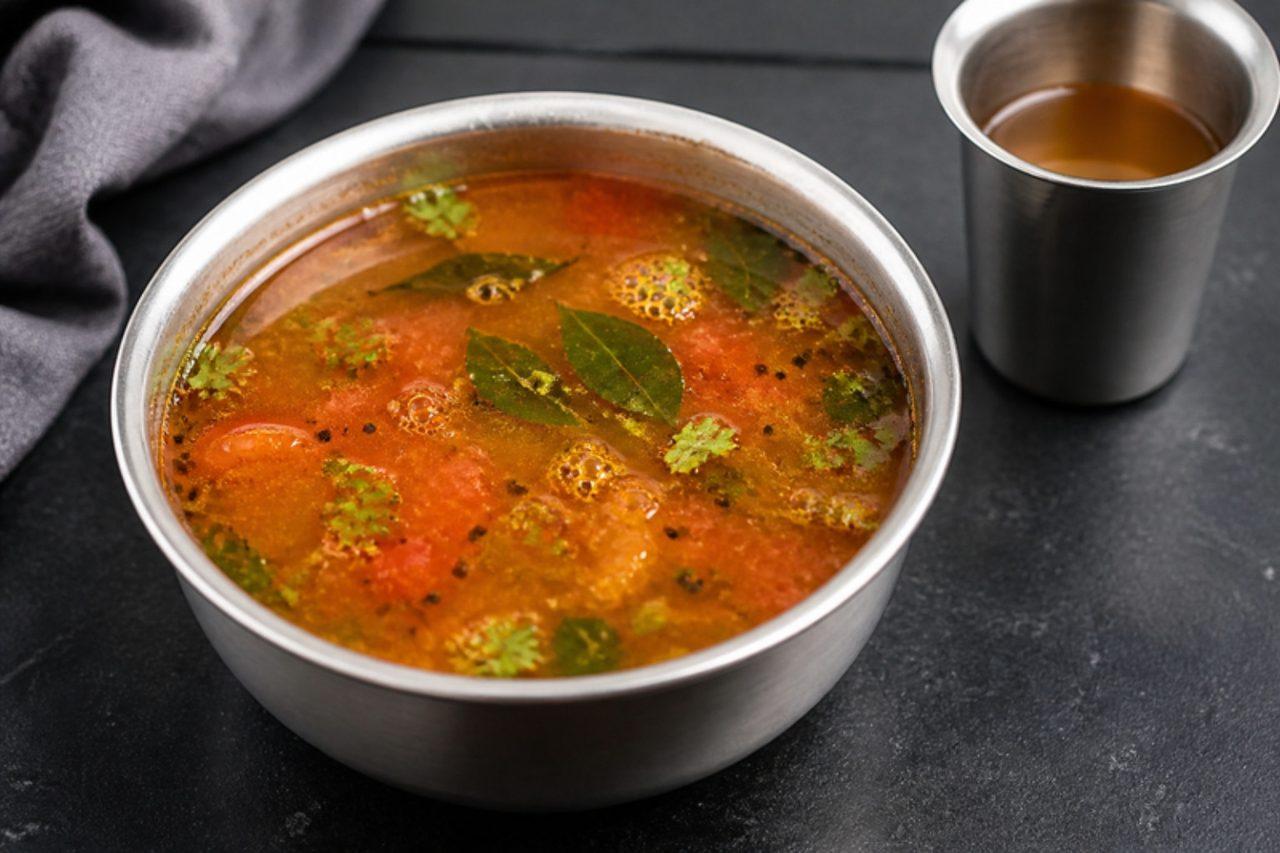
Tomato rasamTomato tamarind soup

Rasam is the thin, sour, peppery broth that runs through every Tamil Nadu meal, poured over rice after sambar or sipped from a tumbler when you have a cold. This tomato version is the everyday kind: ripe tomatoes and tamarind simmered with crushed garlic, black pepper and cumin, then lifted with a tempering of mustard seeds, dried chilli and curry leaves. It's light, warming and ready in 25 minutes. Serve it with plain rice and a dry vegetable, or on its own in a cup. Chef's tip: once you add the spice mix, take the rasam off the heat as soon as it froths up; boiling it hard turns the flavour flat and the pepper harsh.

by KrazyBadal 0 views

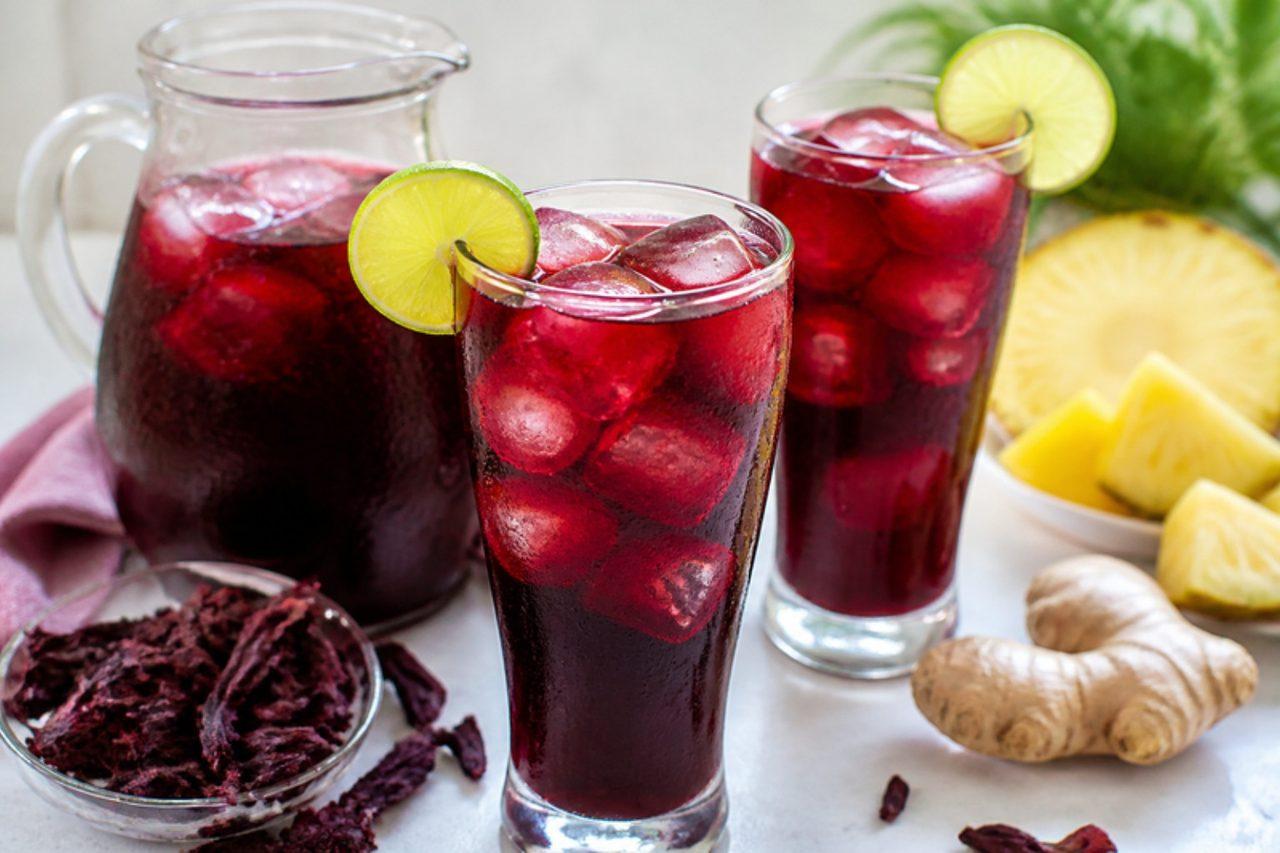
ZoboHibiscus and pineapple drink

Zobo is the deep crimson drink sold ice-cold in recycled bottles at Nigerian bus parks, markets and parties, and in Ghana the same drink is called sobolo, often made punchier with extra ginger and grains of selim. Dried hibiscus calyces are boiled with pineapple peel, fresh ginger and cloves, then strained and sweetened, giving a tart, fruity, gently spicy drink. It is drunk fresh and alcohol-free, very cold, especially in the dry heat before the rains. Chef's tip: sweeten the drink once it is strained and still warm, tasting as you go; hibiscus tastes much sharper hot than when it is chilled, so leave it a touch sweeter than you think.

by KrazyBadal 0 views

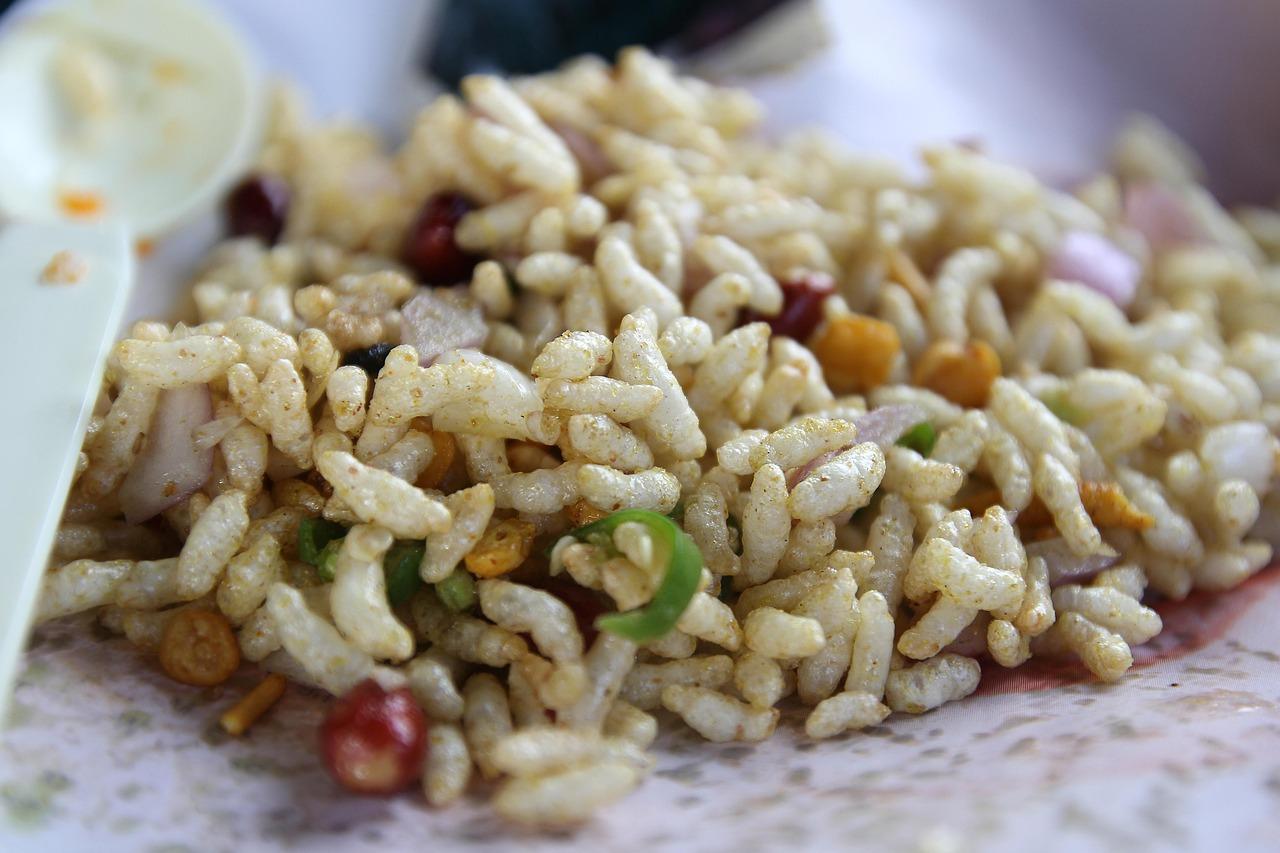
JhalmuriSpiced puffed rice

Jhalmuri is the snack Kolkata eats on the move: outside Howrah station, along the Maidan, on suburban local trains, where a vendor tosses puffed rice in a tin with raw mustard oil, chopped onion, cucumber, green chilli and a fistful of chanachur, then tips it into a cone of newspaper. The sharp, nose-tingling mustard oil is what separates it from Mumbai's bhel; there is no sweet chutney at all, only salt, lime and heat. Eat it the minute it is mixed, while it still crackles. Chef's tip: warm the puffed rice in a dry pan for a couple of minutes first; even fresh muri crisps up noticeably.

by KrazyBadal 0 views

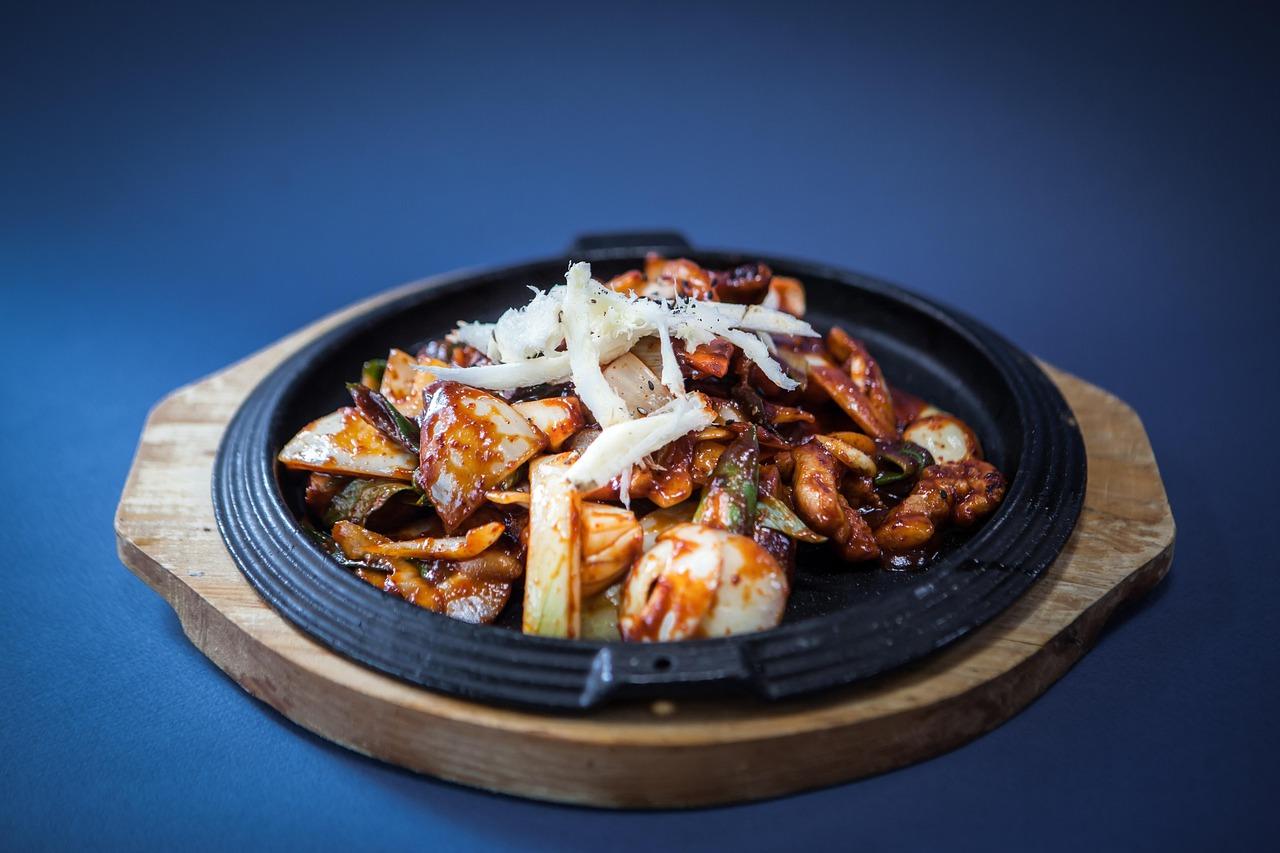
Jeyuk bokkeumSpicy stir-fried pork

Jeyuk bokkeum is the backbone of the Korean lunch: almost every baekban (set-meal) restaurant near offices and building sites serves it with rice, soup and little side dishes, and it is just as common at home on weeknights. Thin slices of pork are fried hard in a sauce of gochujang, chilli flakes, garlic and ginger until the edges catch and caramelise. Eat it over rice, or wrap a piece in a lettuce leaf with a slice of raw garlic. Chef's tip: fry the pork on its own first until the fat runs, then add the sauce; you get smoky, sticky edges instead of boiled meat.

25 minKoreanMeatSpicy
by KrazyBadal 0 views

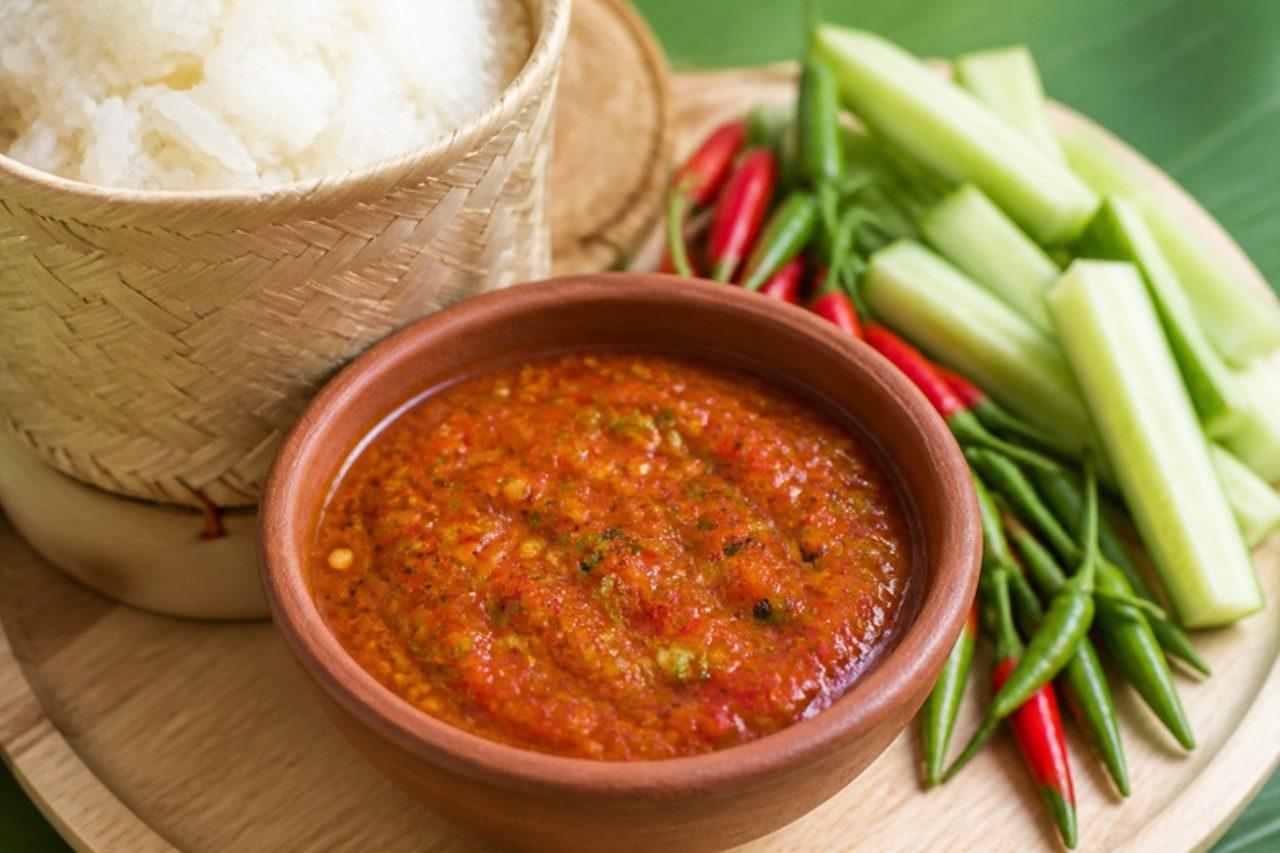
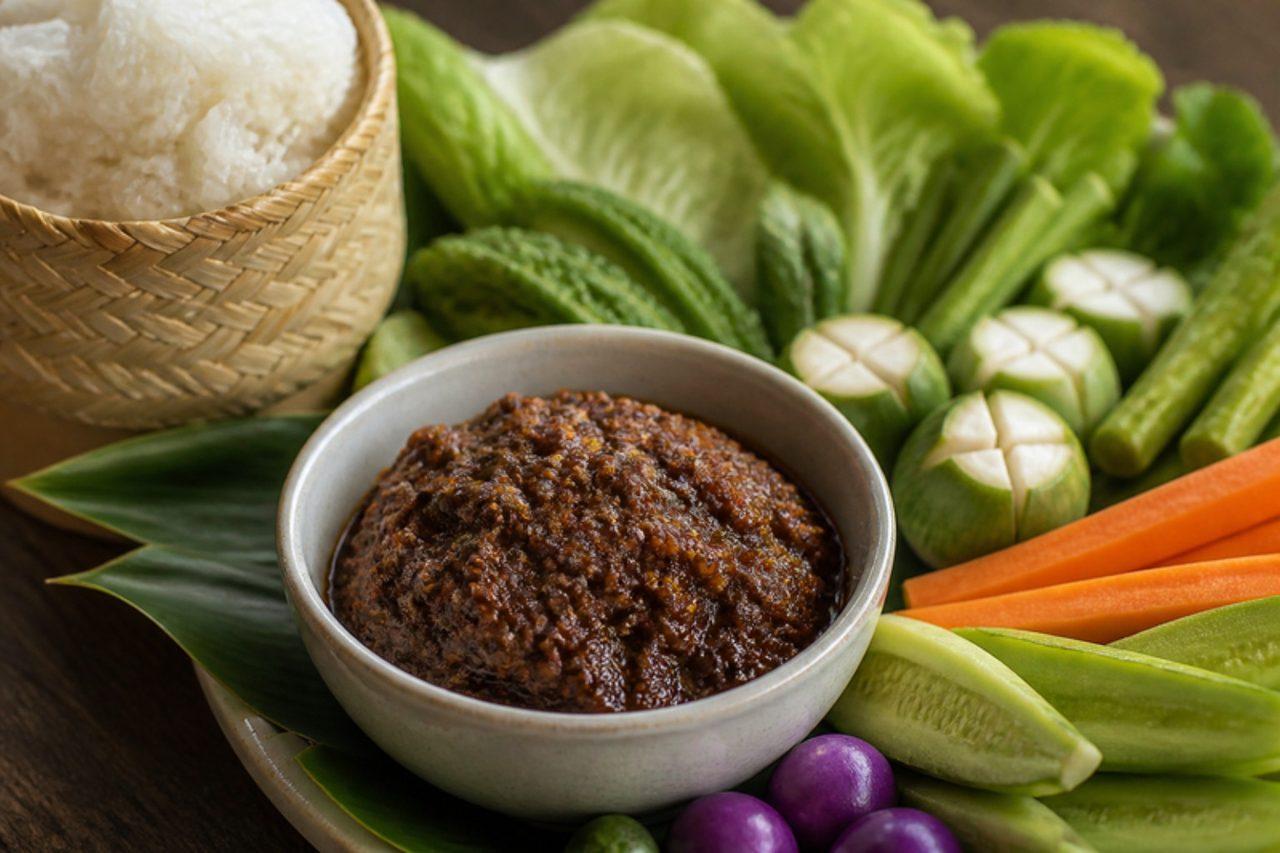
Jeow mak lenRoasted tomato and chilli dip

No Lao meal is complete without a jeow, a pounded dip eaten by pinching a ball of sticky rice and dragging it through. Jeow mak len, made from tomatoes charred over the coals until their skins split, is the everyday one from Vientiane to the villages of the north, smoky, garlicky and as hot as you dare. It's served alongside grilled vegetables, raw cucumber and long beans, and keeps well for a few days. Chef's tip: grill everything until it is genuinely blackened in patches; the burnt bits are the flavour, so don't peel all the skin away.

by KrazyBadal 0 views

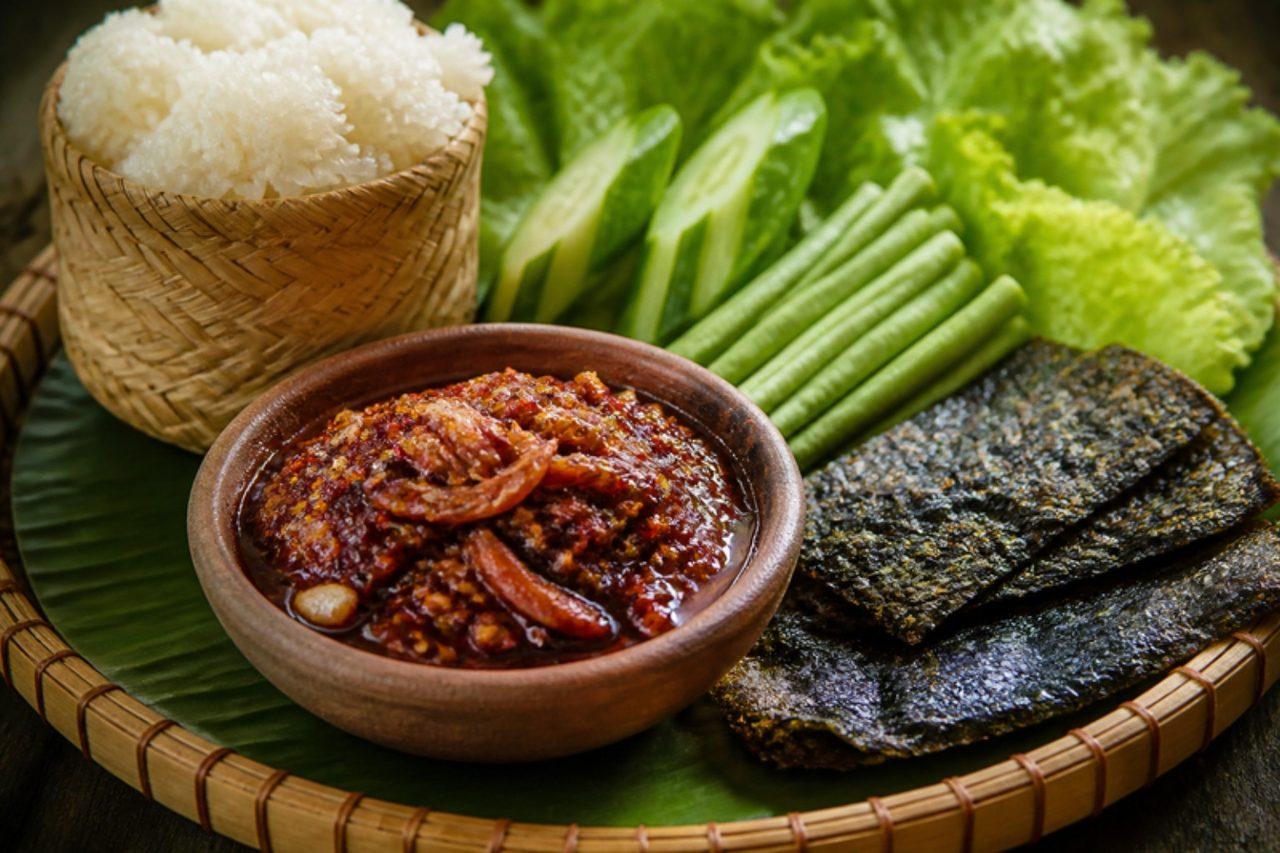
Jeow bongSweet-hot chilli paste with pork skin

Jeow bong is the famous chilli relish of Luang Prabang, the old royal capital, sold in little jars at its night market and eaten with sticky rice, crisp river-weed sheets and fresh vegetables at almost every Lao meal. Dried chillies, roasted garlic, shallot and galangal are pounded with palm sugar and fish sauce into a sticky, smoky, sweet-hot jam. This version contains pork: traditionally it includes thin strips of dried buffalo skin, and here it uses cooked pork skin for the same chewy texture. Chef's tip: roast the aromatics until truly blackened in spots; that char gives jeow bong its smoky depth.

by KrazyBadal 0 views

Yellow rice (geelrys)Sweet turmeric rice

Geelrys, or yellow rice, is the bright, faintly sweet rice that comes to the table in the Western Cape with bobotie, curries and Sunday roasts, and at Cape Malay weddings and funerals alike. It is cooked with turmeric, a stick of cinnamon, a little sugar and plump raisins, then finished with a knob of butter so the grains gleam. The sweetness is gentle, just enough to soften a spicy curry. Chef's tip: add the raisins at the start so they plump in the cooking water; added at the end they stay tough and chewy.

by KrazyBadal 0 views

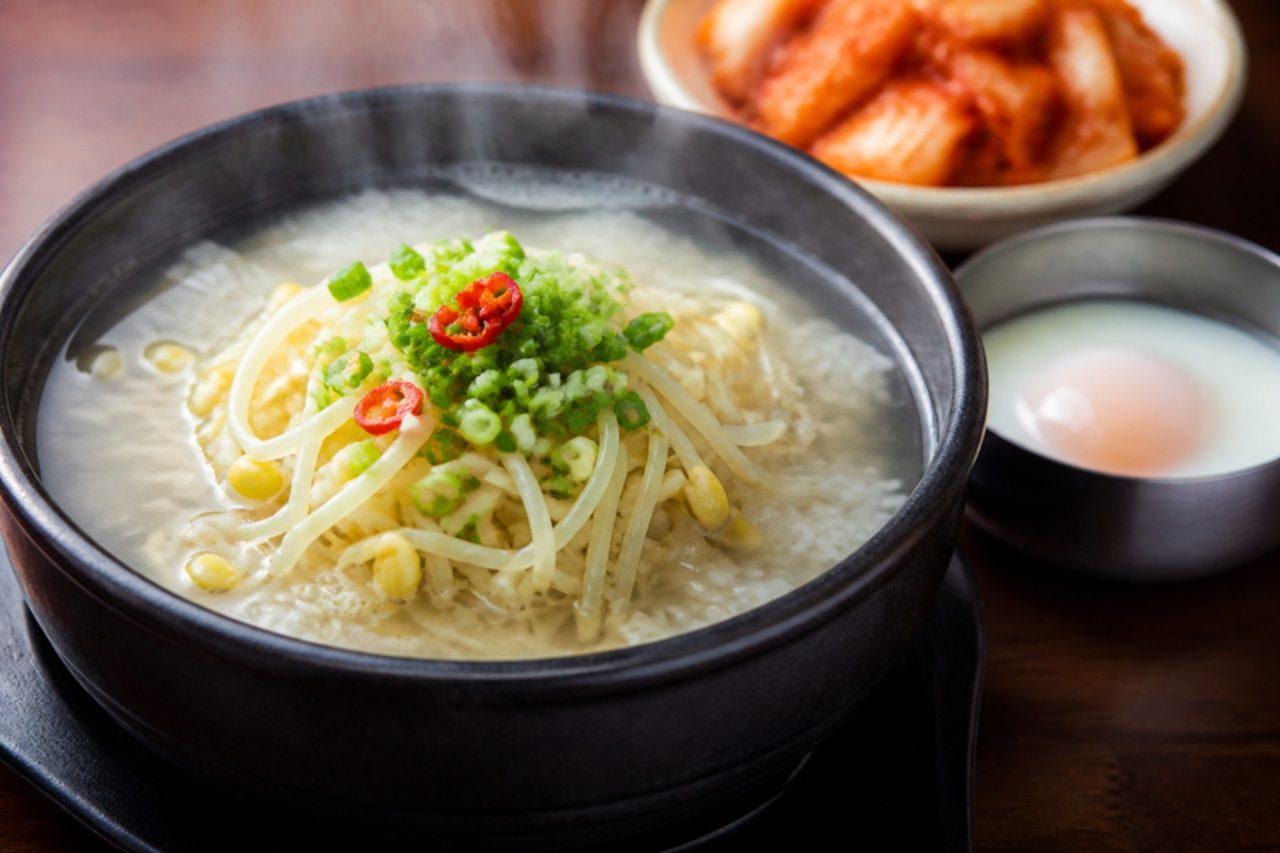
Jeonju kongnamul gukbapBean sprout rice soup

Jeonju, the North Jeolla city known for bibimbap, starts its day with kongnamul gukbap (콩나물국밥): a scalding clay bowl of clear soybean-sprout broth over rice, sharp with garlic and chilli, served before dawn to market traders and, famously, to anyone with a hangover. Many Jeonju shops bring a half-cooked egg in a separate cup, which you season with a little broth and crumbled seaweed and slurp first. The usual broth is anchovy based, with salted shrimp at the table; here it is kelp, shiitake and soup soy sauce. Chef's tip: keep the lid on while the sprouts cook and don't open it until they are done; lifting it early is said to give them a raw, grassy smell.

by KrazyBadal 0 views

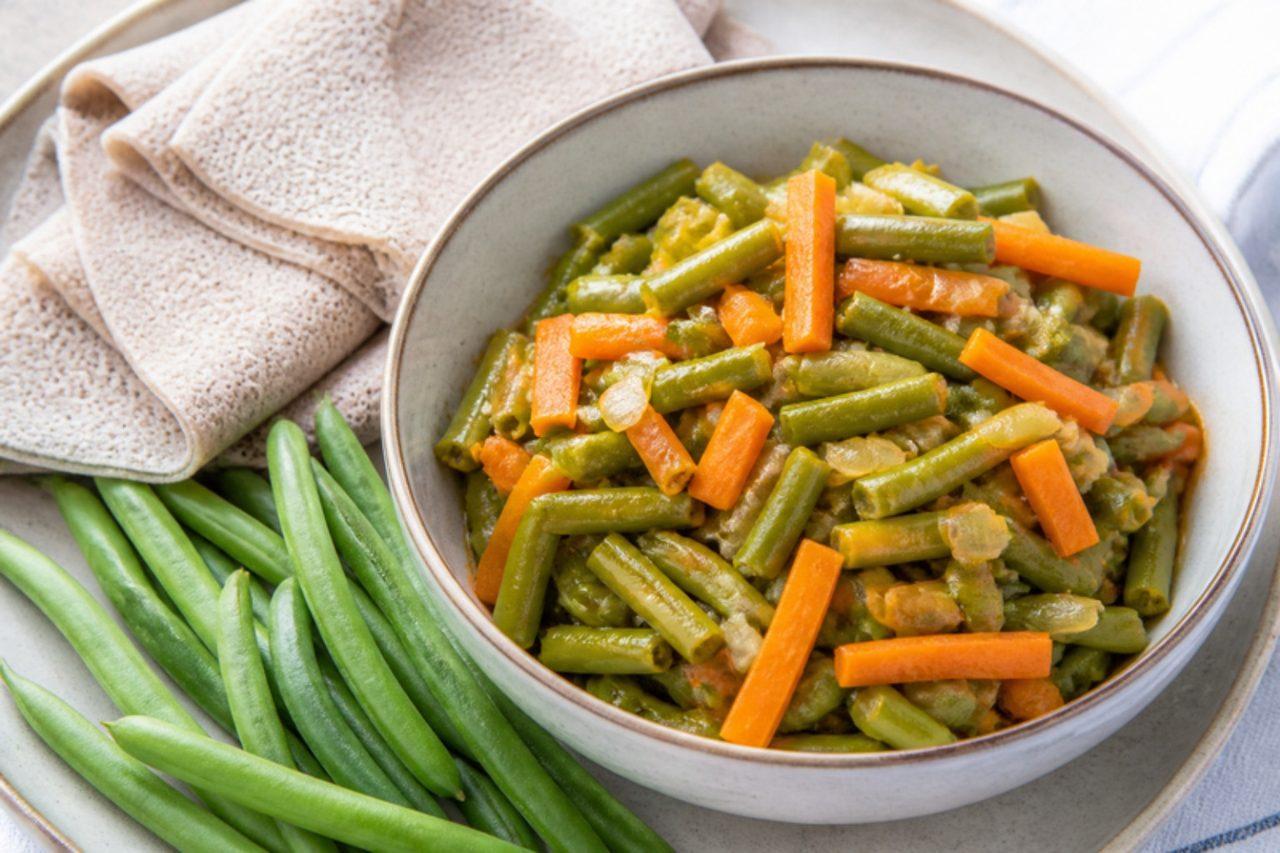
FosoliaGreen beans and carrots

Fosolia takes its name from the Italian fagioli, a reminder of the Italian occupation of the 1930s, but it is now completely Ethiopian and a regular on fasting platters in Addis Ababa and Dire Dawa. Green beans and carrot batons are cooked with lots of onion, garlic and ginger until tender but still bright, then served warm with injera or rice. It is quick, mild and colourful. Chef's tip: cut the beans and carrots to the same length and thickness so they cook evenly.

by KrazyBadal 0 views

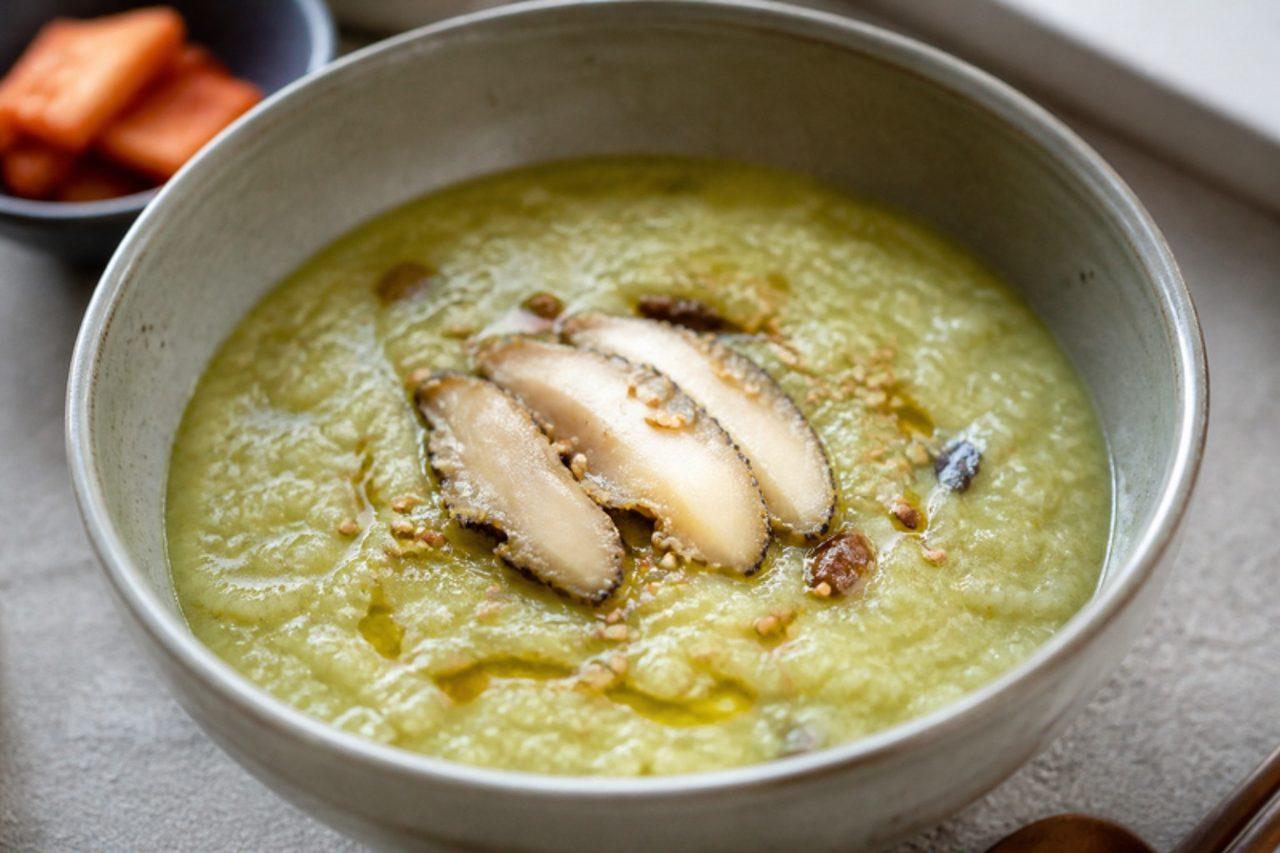
Jeonbok jukAbalone rice porridge

Jeju's haenyeo, the island's women free-divers, have gathered abalone from its rocky coast for generations, and porridge made with it is a favourite breakfast on the island. Restaurants near the harbours and many hotel breakfast tables offer it, often a soft green-grey from the abalone guts cooked into the rice. It's gentle, warming food, also cooked for anyone who is unwell or tired. Frozen cleaned abalone works well; the porridge is just paler without the guts. Chef's tip: toast the soaked rice in sesame oil with the abalone until the grains turn translucent at the edges before adding any water; it gives the porridge its nutty flavour.

by KrazyBadal 0 views

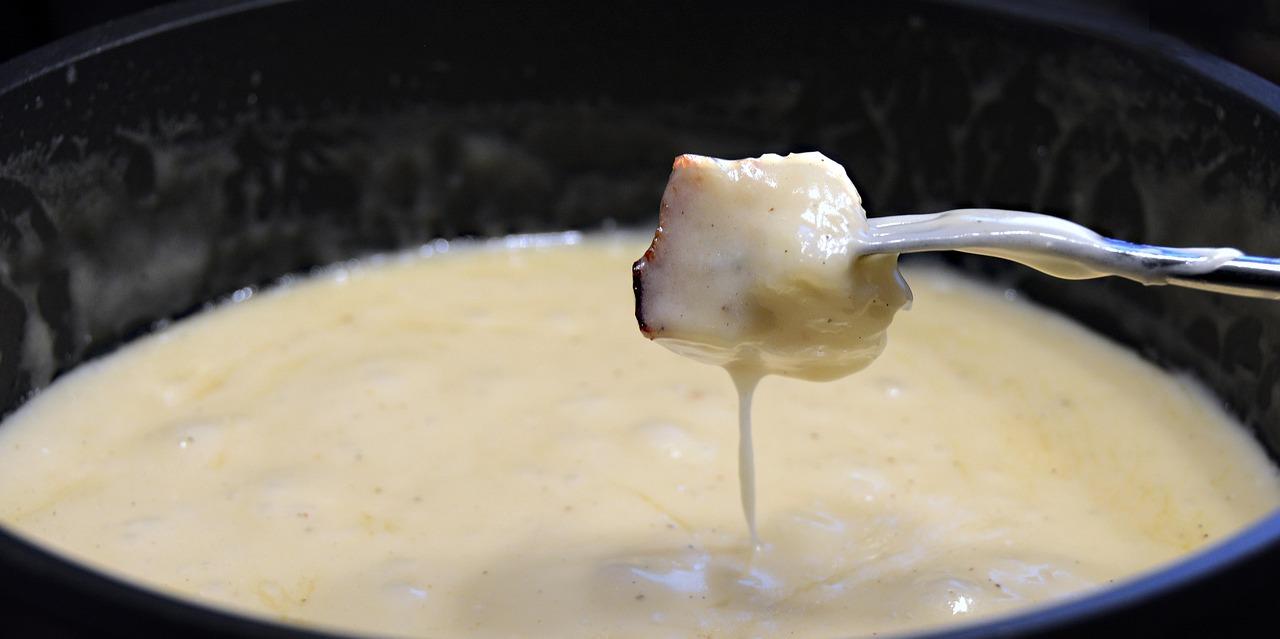
Fondue moitié-moitiéGruyère and Vacherin fondue

Moitié-moitié means half and half, and in Fribourg it names the canton's own fondue: equal weights of nutty Gruyère and soft, buttery Vacherin fribourgeois melted with dry white wine in a glazed earthenware caquelon. Families light the burner in the middle of the table on cold evenings from October to March, and ski huts above Gruyères serve it after a day on the slopes. The Vacherin makes it silkier and milder than a Gruyère-only fondue, so it clings to the bread in a thick, glossy coat. Serve with day-old bread, a plate of cornichons and small boiled potatoes, and drink white wine or warm black tea with it; locals say cold water sits badly with all that cheese. Traditional Gruyère and Vacherin are made with animal rennet, so for a vegetarian table look for wheels labelled with microbial or vegetarian rennet, or ask a cheesemonger for a similar Alpine cheese that uses it. Chef's tip: grate the cheese rather than cubing it and let it come to room temperature for 30 minutes; it melts evenly and the fondue stays smooth.

by KrazyBadal 0 views

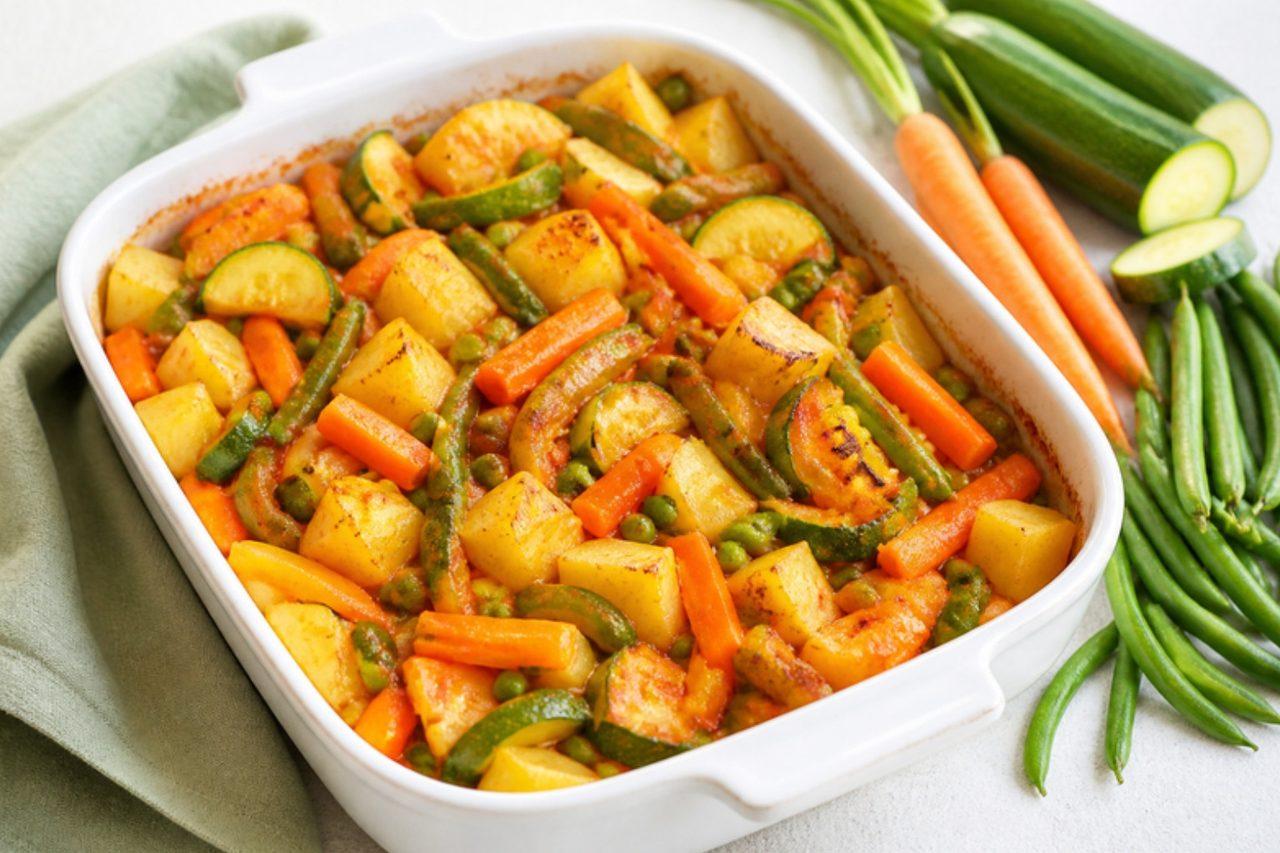
TorlyBaked mixed vegetables

Torly is a tray of mixed vegetables (potatoes, courgettes, carrots, green beans, peas, peppers) baked in a tomato and garlic sauce until soft and slightly caramelised at the edges. The name is Turkish, a reminder of Ottoman times, but it has long been an everyday Egyptian home dish, usually cooked when the summer markets are full of courgettes and served with white rice or vermicelli rice. Many families add meat; this meat-free version is just as common in fasting seasons. Chef's tip: cut the potatoes and carrots smaller than the courgettes, so everything is tender at the same moment.

by KrazyBadal 0 views

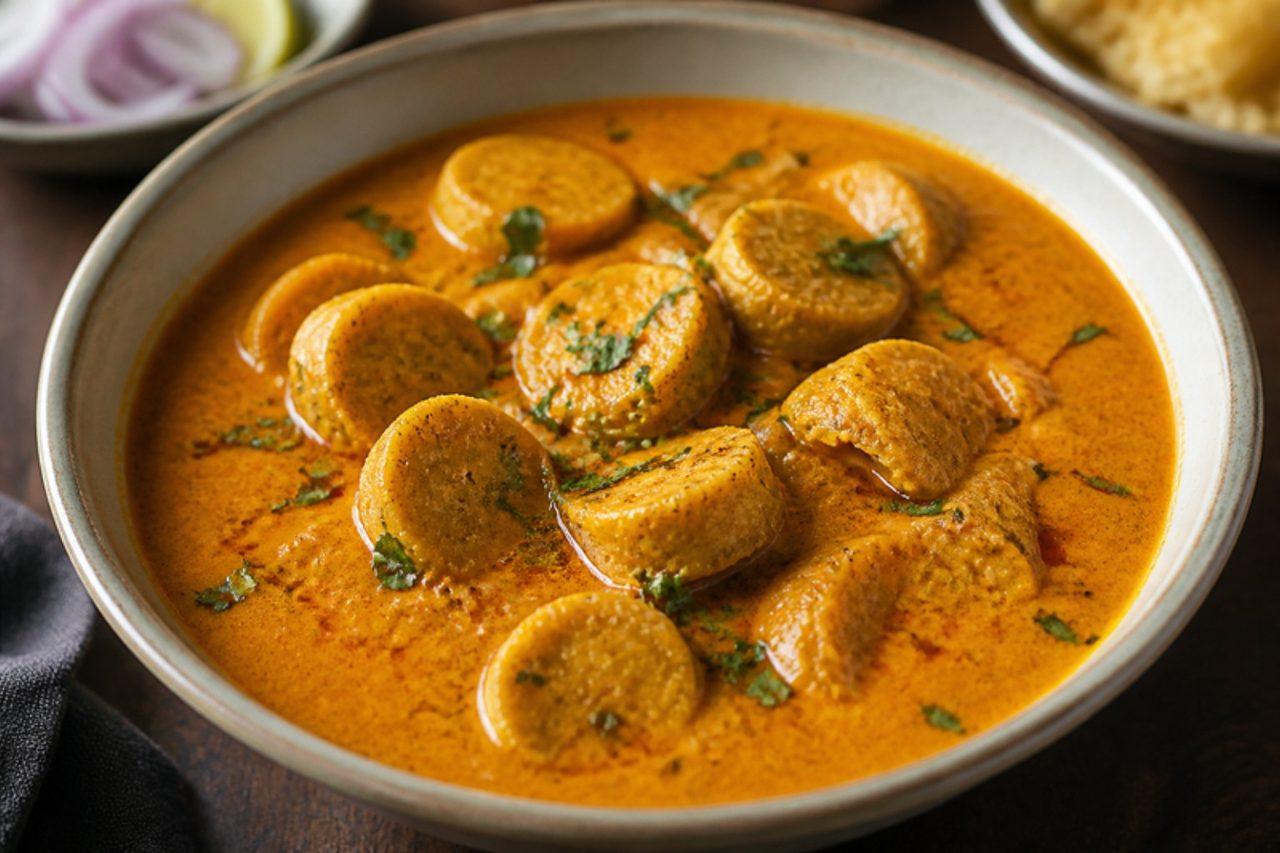
Gatte ki sabziGram flour dumplings in spiced yogurt gravy

Gatte ki sabzi comes from the deserts of Rajasthan, where fresh vegetables were scarce and cooks turned gram flour into 'vegetables' instead. Firm, spiced besan rolls are boiled, sliced into little wheels and then simmered in a tangy yogurt gravy until they soak up its flavour. The dumplings are soft but hold their shape and the gravy is gently sour with a warming heat. Serve with phulka, bajra roti or steamed rice. Chef's tip: keep the cooking water from the gatte and use it for the gravy; it carries their flavour and a little starch that helps keep the yogurt from splitting.

by KrazyBadal 0 views

GataSweet bread with buttery filling

Gata is the sweet bread Armenians bake for Candlemas (Trndez) in February and for New Year, often with a coin hidden inside for luck; whoever finds it is set for the year. Every region shapes it differently, but the best-known are the large golden rounds sold by women at the roadside near Garni temple and Geghard monastery, cut into wedges for the drive home. Inside a tender, slightly flaky dough made with matsun (yogurt) and butter is khoriz, a sweet crumble of flour, sugar and butter that bakes into a soft, sandy layer. Eat it with black coffee or tea. Chef's tip: roll the dough thin and fold the khoriz inside like an envelope before rolling again; the folding creates layers so the gata is light rather than doughy.

by KrazyBadal 0 views

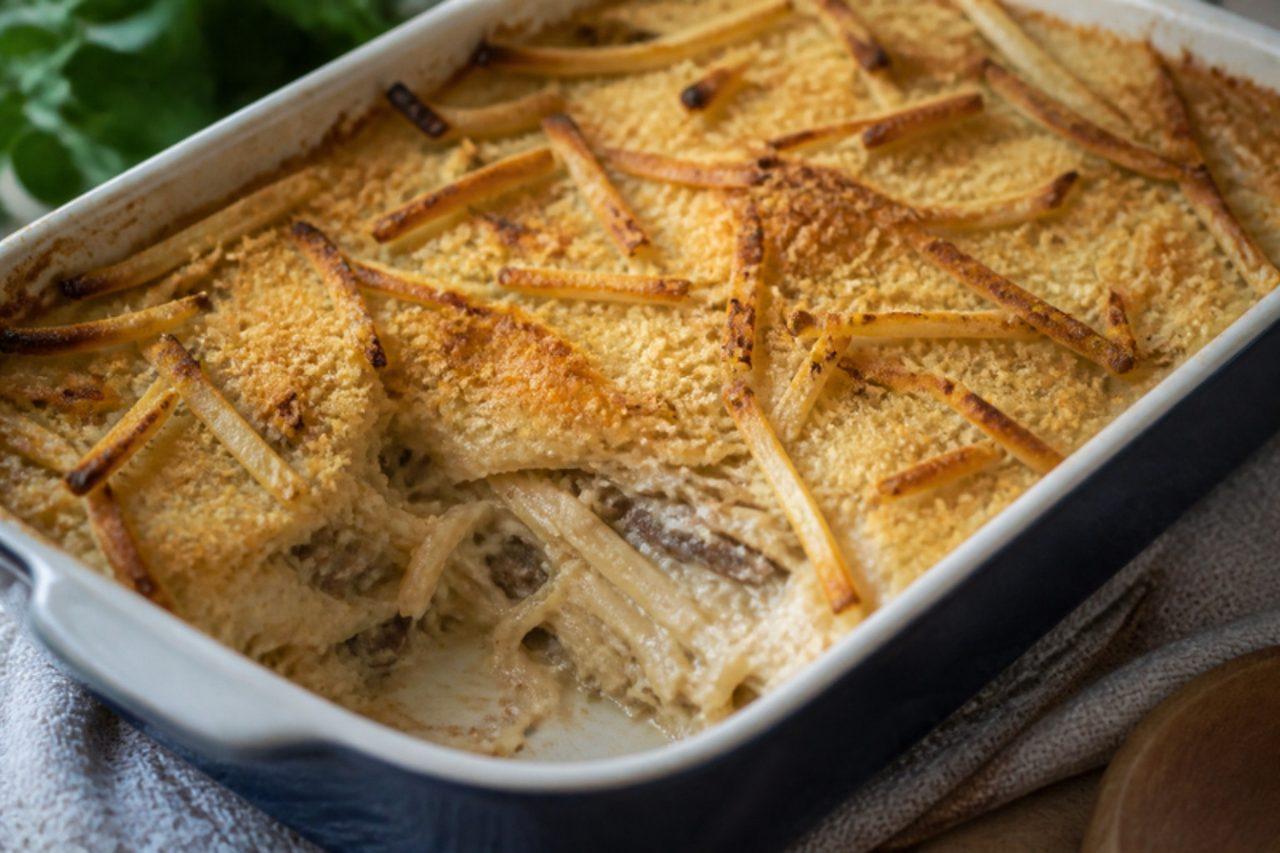
Jansson's temptationPotato, onion and sprat gratin

No Swedish Christmas table, from Gothenburg to Luleå, is complete without a dish of Janssons frestelse, and it often comes back at Easter and midsummer too. Matchsticks of potato and soft onion are baked in cream with Swedish-style spiced sprats (labelled ansjovis in Sweden), which melt into the sauce and season it with a salty, sweet-spiced depth rather than a fishy taste. It is rich, so a spoonful sits beside ham, meatballs and pickled herring rather than being a main course on its own. Many people go wrong by buying Mediterranean salted anchovies; they are far saltier and the gratin turns harsh, so look for the sweet-cured sprats in Scandinavian shops. Chef's tip: cut the potatoes into thin sticks rather than slices; the starch on their many edges thickens the cream as it bakes.

by KrazyBadal 0 views

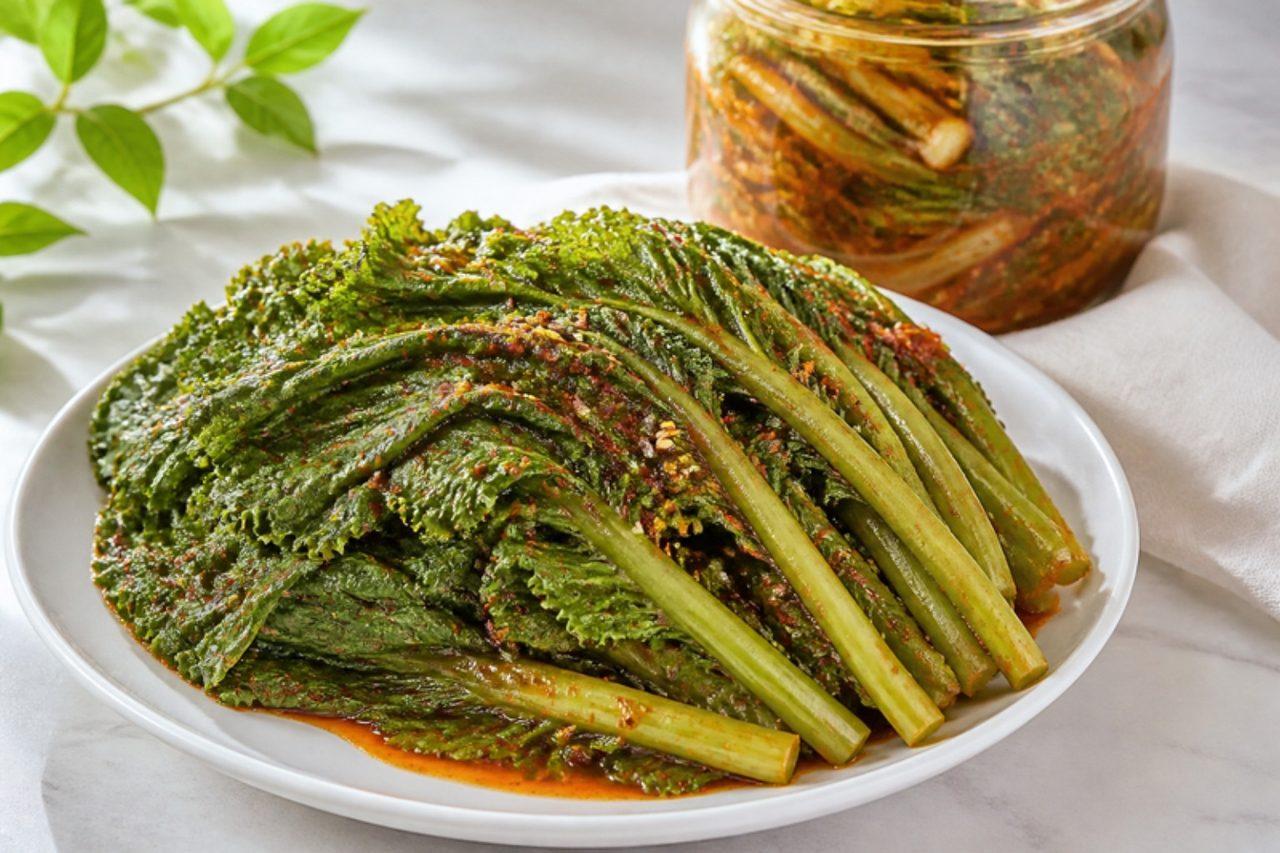
Gat kimchiMustard leaf kimchi

Dolsan island, off the port city of Yeosu in South Jeolla, grows a purple-tinged mustard green called gat that is milder and more tender than mainland mustard leaves, and gat kimchi (갓김치) made from it is the region's pride. The leaves keep a hot, wasabi-like bite that softens and turns tangy after a week or two of fermenting. Jeolla kimchi is usually heavy with fish sauce and salted anchovy; this version gets its depth from a kelp-and-rice porridge, pear, onion and soy, so it is vegan. Eat it with plain rice, noodles or on the side of jeon. Chef's tip: salt the leaves stems-first and turn them halfway; the thick stems need longer than the leaves.

by KrazyBadal 0 views

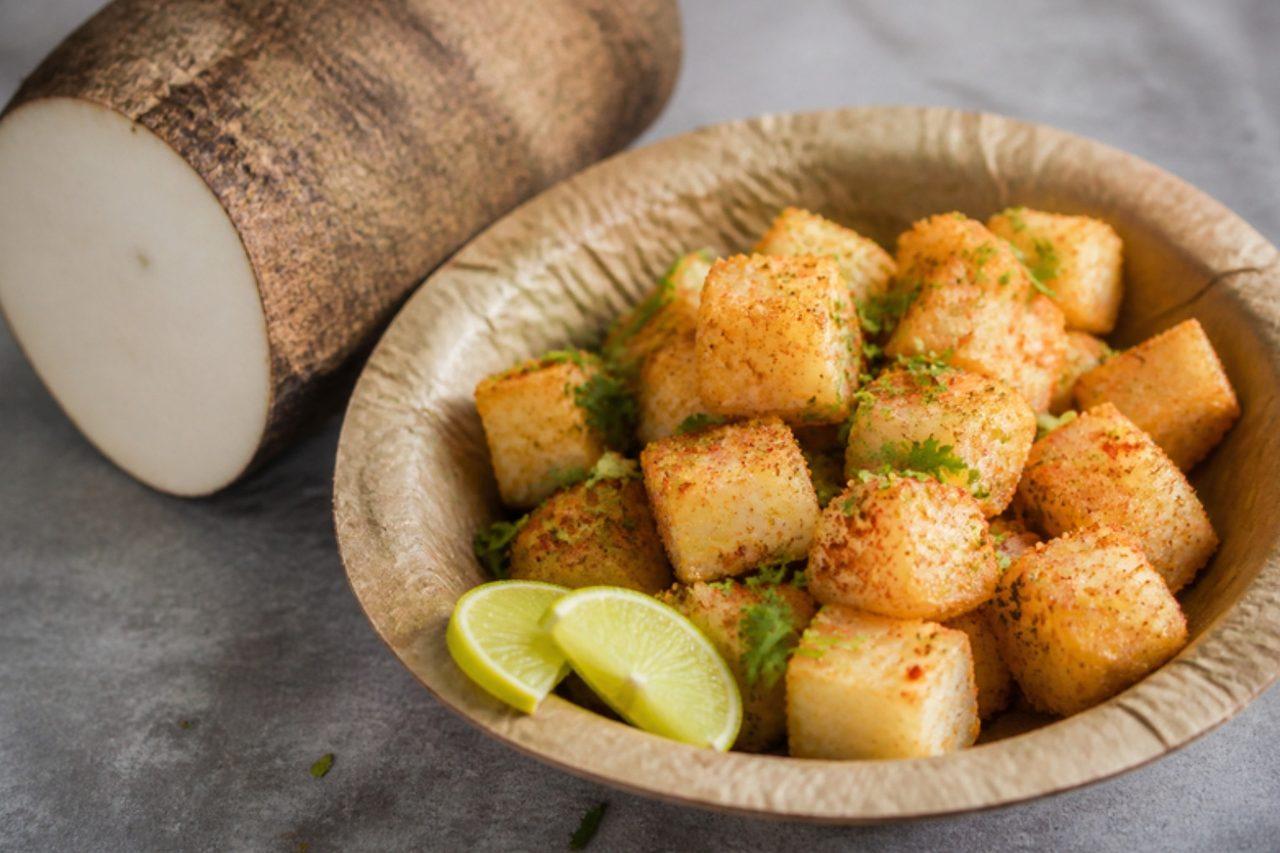
Garadu chaatFried yam chaat

When the nights turn cold in Indore, the stalls of Sarafa Bazaar pile their woks with garadu, a starchy, slightly sticky yam that only appears from November to February. It is boiled, fried until the edges crunch, then shaken with a punchy masala of roasted cumin, black salt and chilli and finished with lime. People eat it standing up from a leaf bowl, often as the savoury stop between jalebi and rabri. Garadu can be hard to find outside Madhya Pradesh; purple yam or white yam from an Asian or African grocer is the closest match, and taro (arbi) works in a pinch. Chef's tip: boil the cubes only until a knife meets slight resistance, then let them steam dry completely, because wet yam spits in the oil and never crisps.

by KrazyBadal 0 views

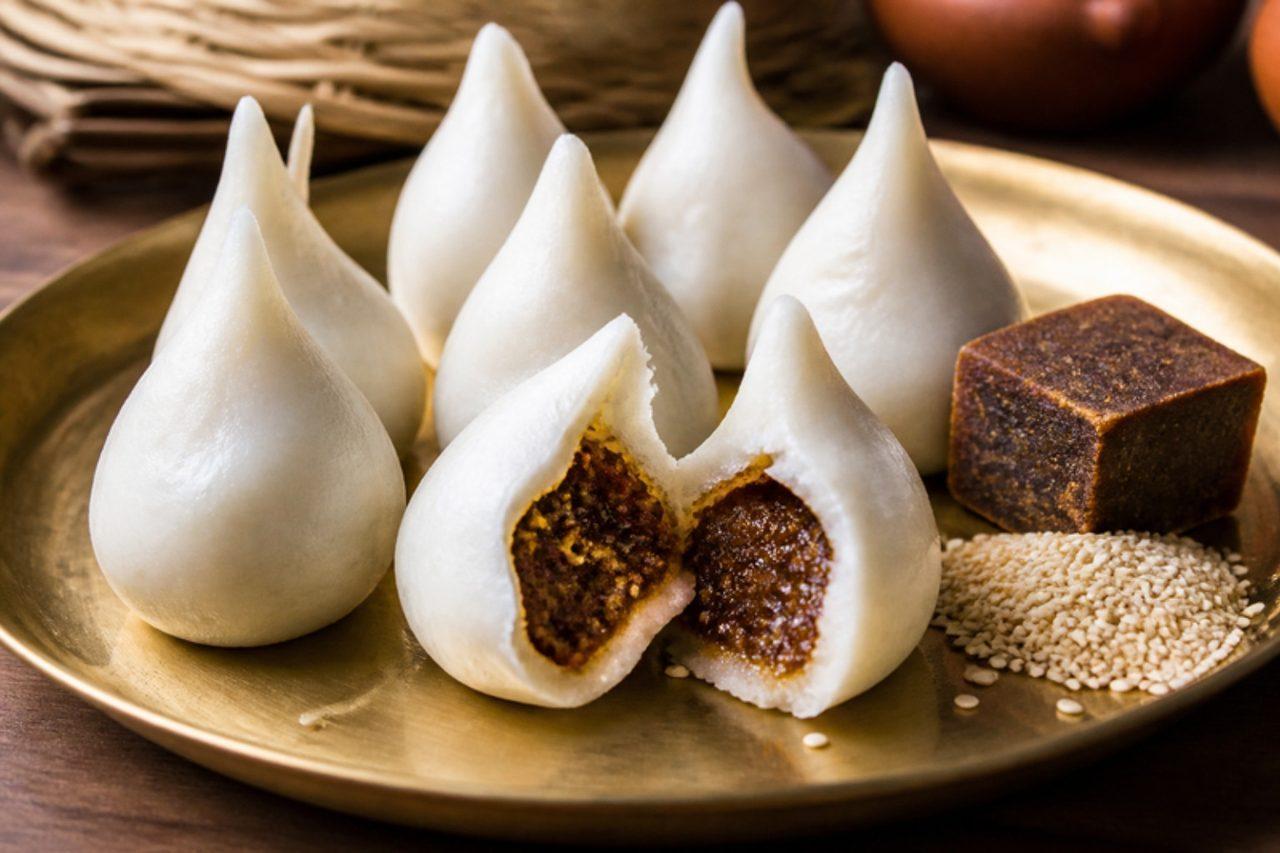
YomariSteamed rice flour dumplings

Yomari are the sweet dumplings of the Newars of the Kathmandu Valley, made once a year on Yomari Punhi, the full moon of December that marks the end of the rice harvest. Freshly milled rice flour is kneaded with hot water, pinched into a hollow cone, filled with chaku, a dark, fudgy Newari molasses, and toasted sesame, then shaped with a pointed tail like a fish or a teardrop and steamed. Children go from house to house singing for them, and families offer a few to the gods before anyone eats. The shell is soft and slightly chewy, and the filling melts into warm, smoky caramel. The usual mistake is mixing the dough with lukewarm water: it must be just off the boil so the starch swells and the dough stretches without cracking. Chef's tip: keep a bowl of warm water beside you and dip your fingertips often; damp hands smooth out cracks as you shape.

by KrazyBadal 0 views

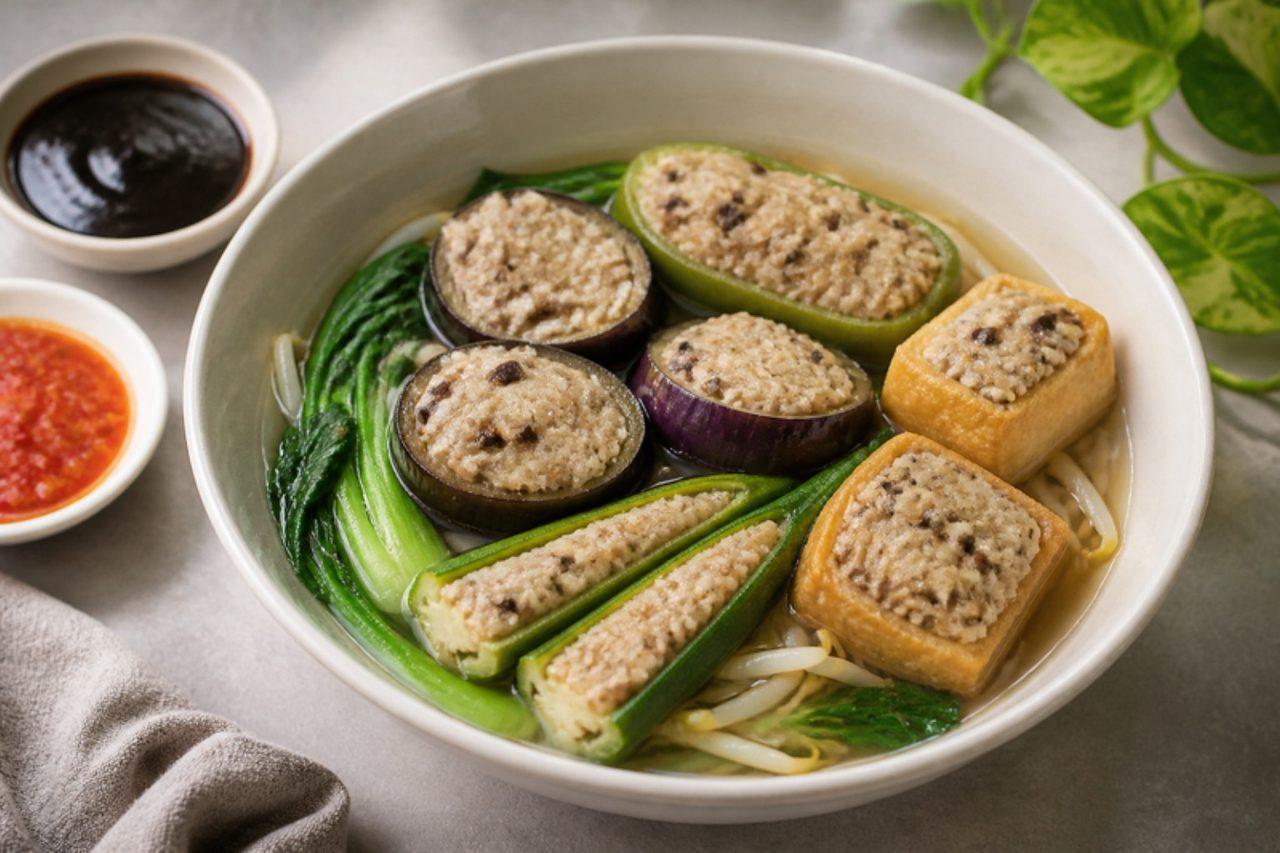
Yong tau fooStuffed tofu and vegetables

Hakka miners brought yong tau foo to the tin town of Ampang, on the edge of Kuala Lumpur, and families still drive there on weekends for big bowls of it. You choose your pieces from a counter, tofu, chillies, okra, aubergine and bitter gourd, each stuffed with a savoury paste, and the stall poaches or fries them and serves them in a light broth, with a sweet brown sauce and chilli sauce to dip. The traditional filling is fish and pork; this one is firm tofu, shiitake, water chestnut and carrot. It is a gentle, light meal. Chef's tip: press the stuffing in tightly and smooth it flush with a wet finger, so it stays put while it cooks.

by KrazyBadal 0 views

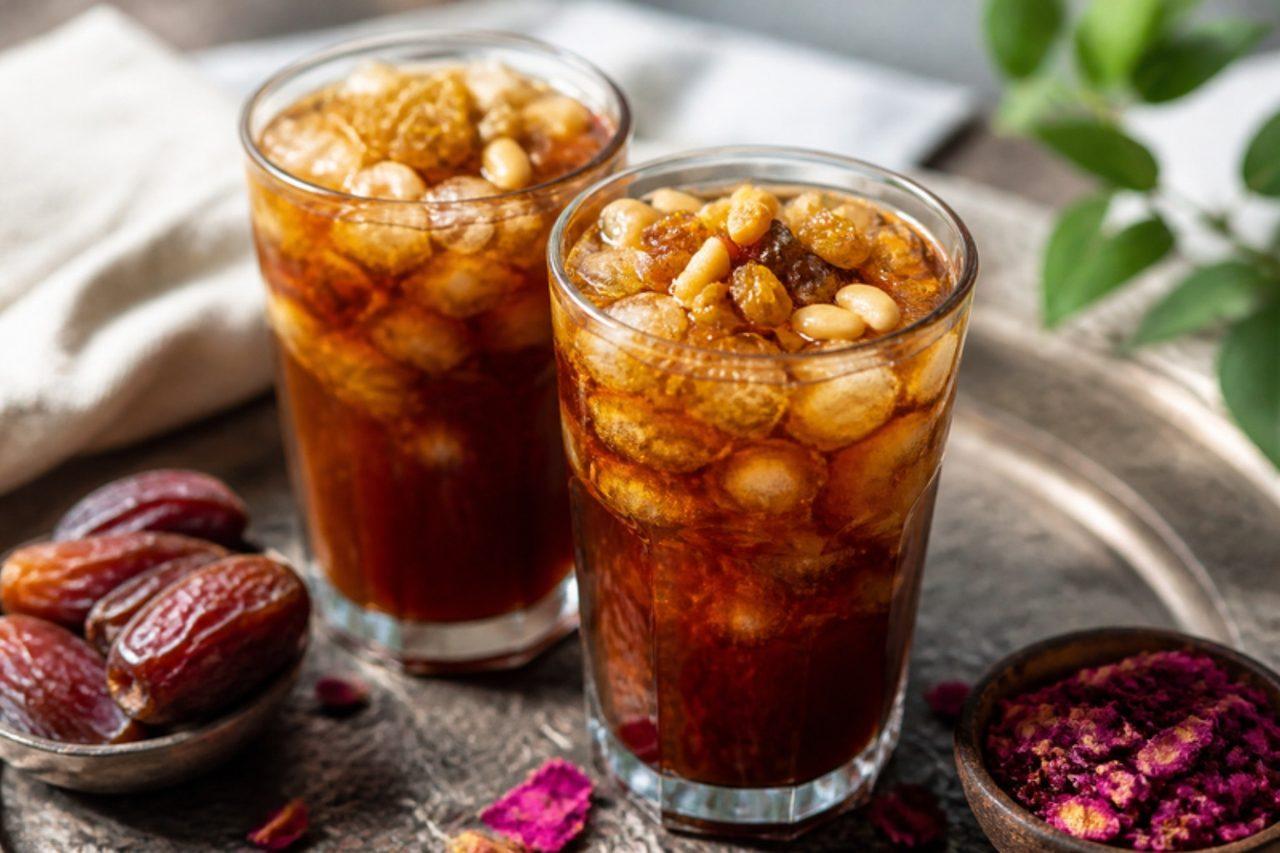
JallabDate and grape molasses drink

During Ramadan in Beirut and Sidon, street sellers ladle jallab from big glass jars at sunset, and families keep a bottle of the dark syrup in the fridge all summer. Made from date and grape molasses with a hint of rose water, it tastes of caramel and dried fruit, and it is served over crushed ice with a spoon for the pine nuts and golden raisins floating on top. Bottled jallab gets its smoky edge from incense smoke; this home version skips that and is made straight from the two molasses. Chef's tip: soak the raisins in the drink for five minutes before serving so they plump up and sink less.

by KrazyBadal 0 views

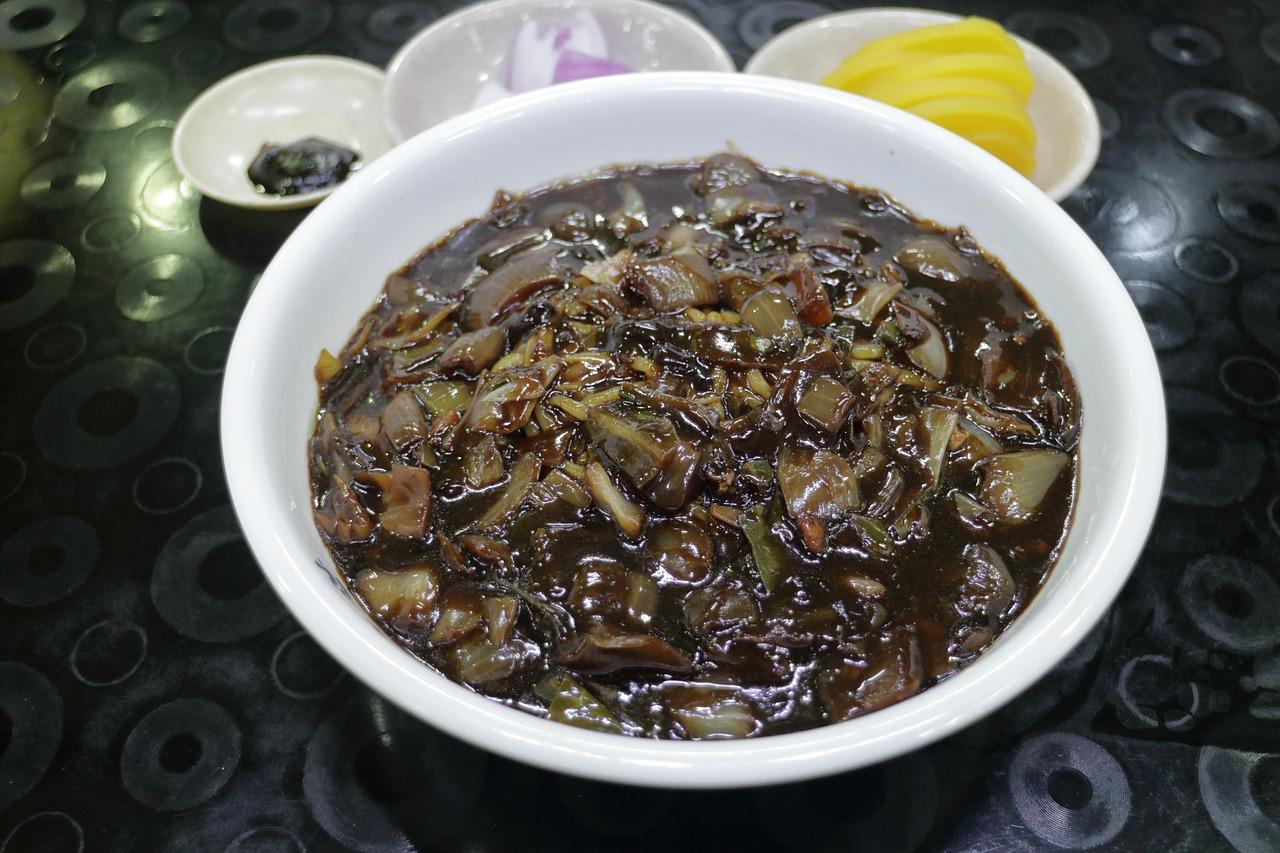
JajangmyeonBlack bean noodles

Jajangmyeon was first served by Chinese cooks in Incheon's Chinatown, by the port, and the old restaurant building there is now a museum about the dish. Today it is the most ordered takeaway in Korea, delivered in minutes by scooter on moving day, and eaten by singles on Black Day, 14 April. The sauce is built on chunjang, a thick, salty black-bean paste, fried with diced pork, onion, courgette and potato until it shines. Chef's tip: cut the pork and all the vegetables into the same 1.5 cm dice so they cook evenly and every forkful gets a bit of each.

by KrazyBadal 0 views

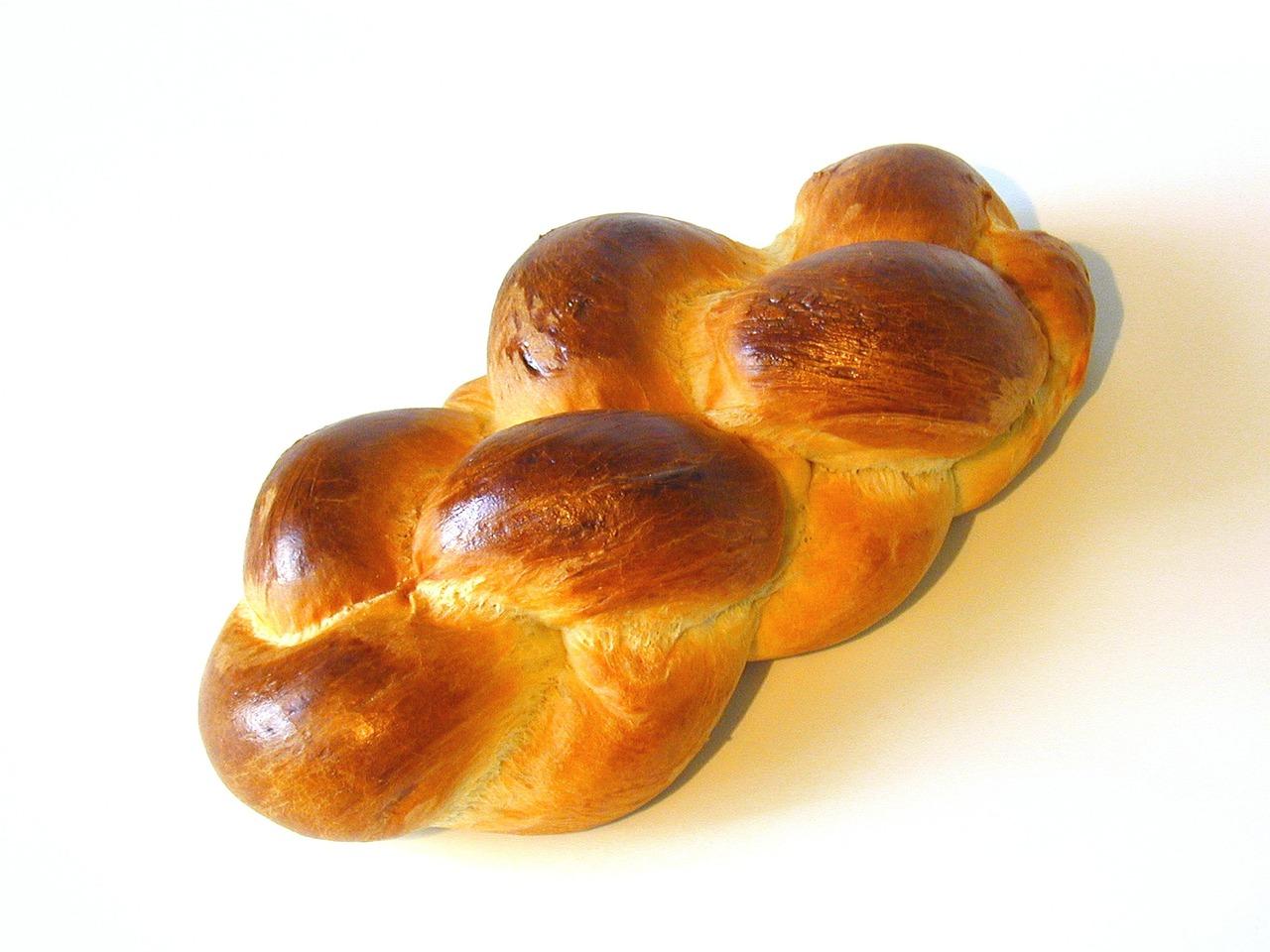
ZopfPlaited butter bread

In German-speaking Switzerland the Sunday breakfast table is not complete without a Zopf (Züpfe in Bern): a shiny, plaited white loaf made with milk and plenty of butter, sliced thick and spread with more butter and jam or honey. Bakeries from Bern to St Gallen bake them on Saturday nights, and many families plait their own on Sunday morning. The crumb is soft, light and faintly sweet from the butter, not the sugar, and the egg-yolk glaze gives a deep brown, glossy crust. Leftovers make excellent French toast (Fotzelschnitte). Chef's tip: let the shaped plait rest in a cool place for 15 minutes before glazing and baking; the strands hold their shape and the pattern stays crisp.

by KrazyBadal 0 views

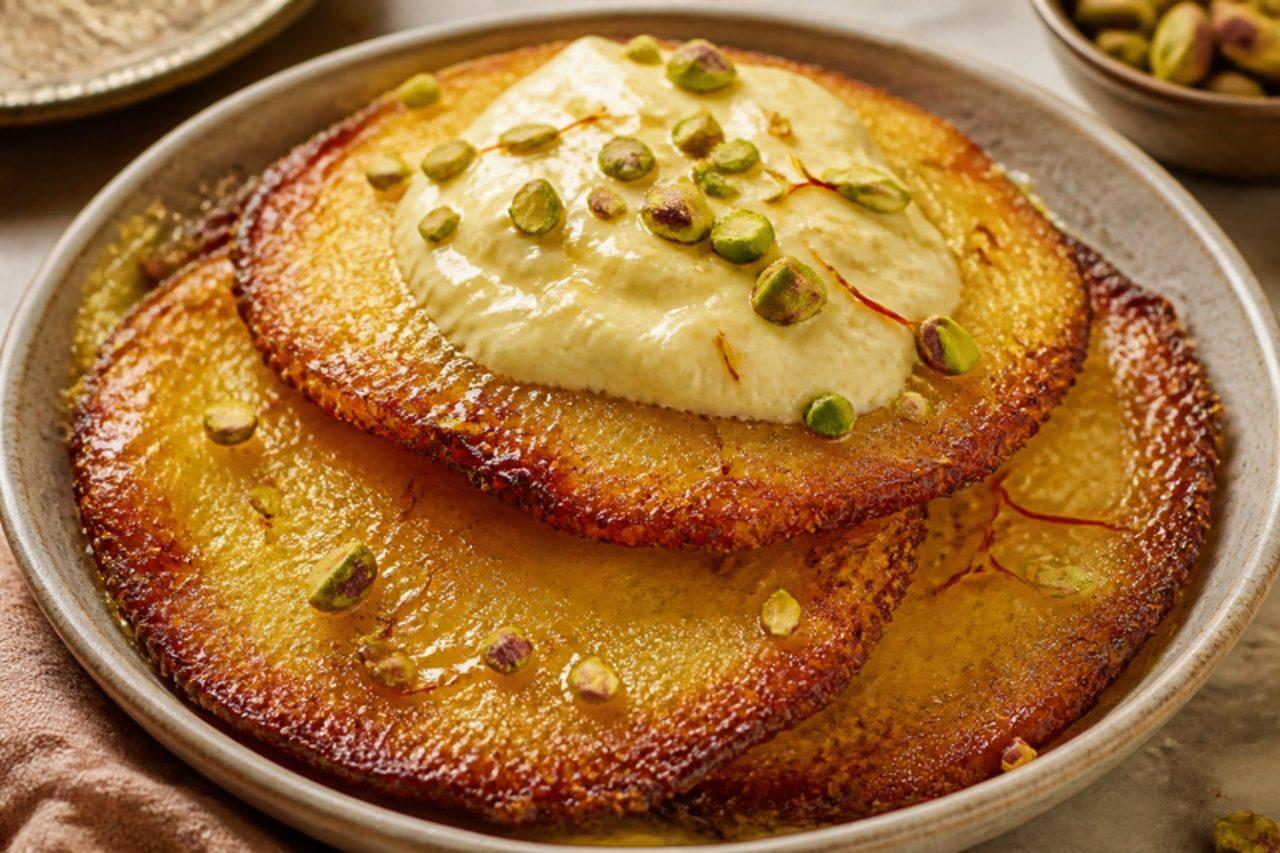
Jaipuri malpuaSweet fried pancakes in syrup

Jaipur's old-city sweet shops fry malpua in wide pans of ghee from winter through Holi and Teej, and serve them stacked in a bowl with thick rabri. The batter is made with milk, a little khoya and crushed fennel, so each pancake turns soft and spongy in the middle with crisp, lacy brown edges, then soaks up a saffron-cardamom syrup. Some families also make them as an offering on Holi morning. The usual mistake is skipping the rest: unrested batter spreads unevenly and stays flat and chewy. Chef's tip: pour the batter into the centre of the pan from close above so it spreads by itself; this is how the lacy edges form.

by KrazyBadal 0 views

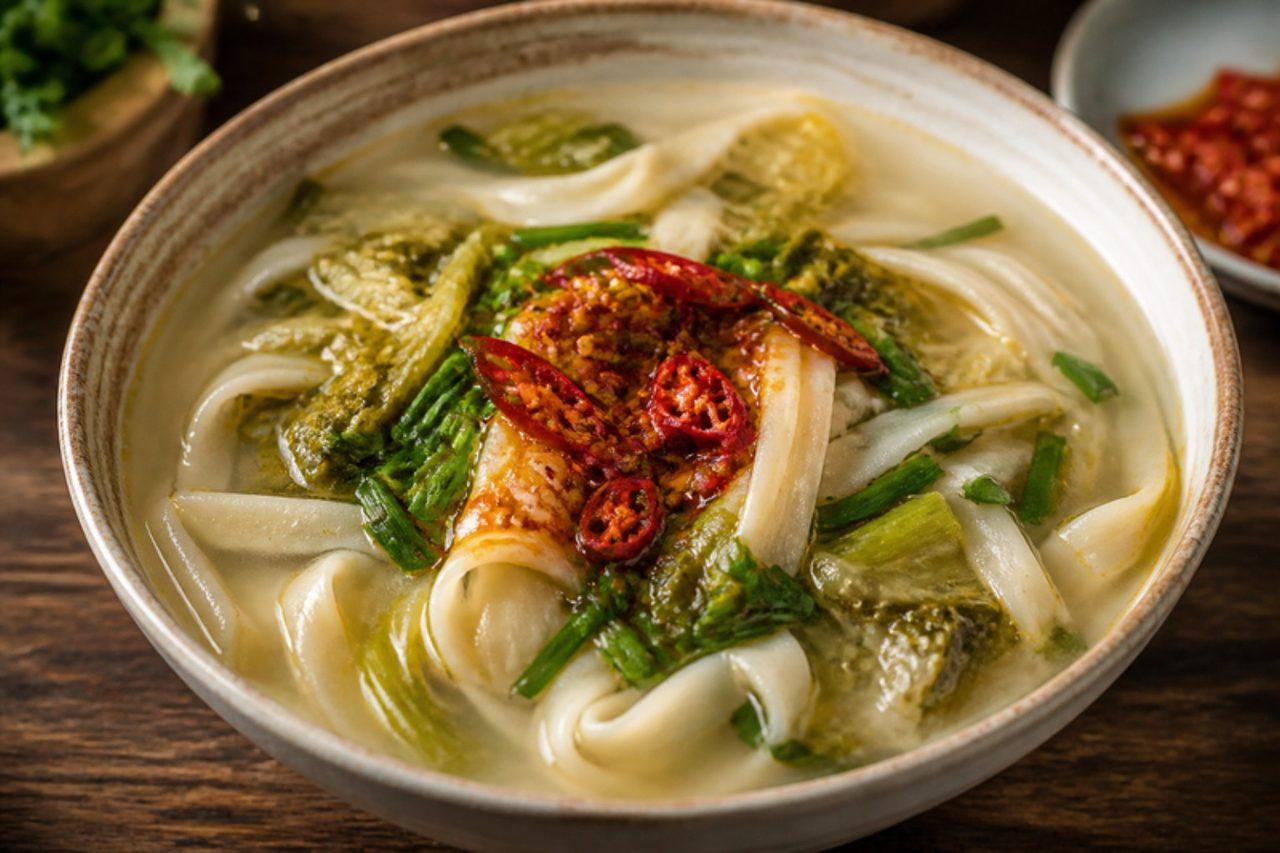
Gansu jiangshui noodlesNoodles in tangy fermented vegetable broth

Tianshui and other towns in Gansu keep a crock of jiangshui going all summer: a pale, sour liquid made by fermenting greens in starchy noodle water. It is heated with chilli, Sichuan pepper and garlic chives and poured over hand-cut noodles, a cooling, refreshing bowl that people say beats the heat. The ferment takes 3–4 days in a warm kitchen, then keeps going for weeks if you top it up. Chef's tip: a spoonful of sauerkraut brine jump-starts the first batch, so it sours cleanly instead of growing off-flavours.

by KrazyBadal 0 views

Jaew bongRoasted chilli paste

Isan and Lao households keep a jar of this thick, smoky relish in the kitchen the way other cooks keep mustard, scooping it onto sticky rice for a quick lunch or setting it out with steamed vegetables and crackling. Its backbone is pla ra, the funky fermented fish of the north-east, pounded with charred shallots, garlic, galangal and toasted chillies into a dark, rough-textured paste that is salty, sweet-smoky and fiery. For safety and ease this version uses bottled cooked pla ra (or anchovy sauce) and boils it before it goes in, since homemade raw pla ra can carry parasites. Serve with sticky rice, cucumber, cabbage and long beans. Chef's tip: roast the aromatics until properly blackened in patches; the char is the flavour, so don't stop when they are merely soft.

by KrazyBadal 1 views

Torta fritaFried dough discs

In Uruguay, a grey rainy afternoon has one answer: torta frita and mate. These thin discs of dough, pierced with a hole in the middle, are fried until puffed and golden and either sprinkled with sugar or eaten plain, still hot, between sips passed around the circle. In Montevideo you'll smell them from street stalls on wet days; at home they're made with butter or beef fat, here with butter. Chef's tip: the hole in the middle isn't decoration; it lets the centre cook through at the same speed as the edges.

by KrazyBadal 0 views

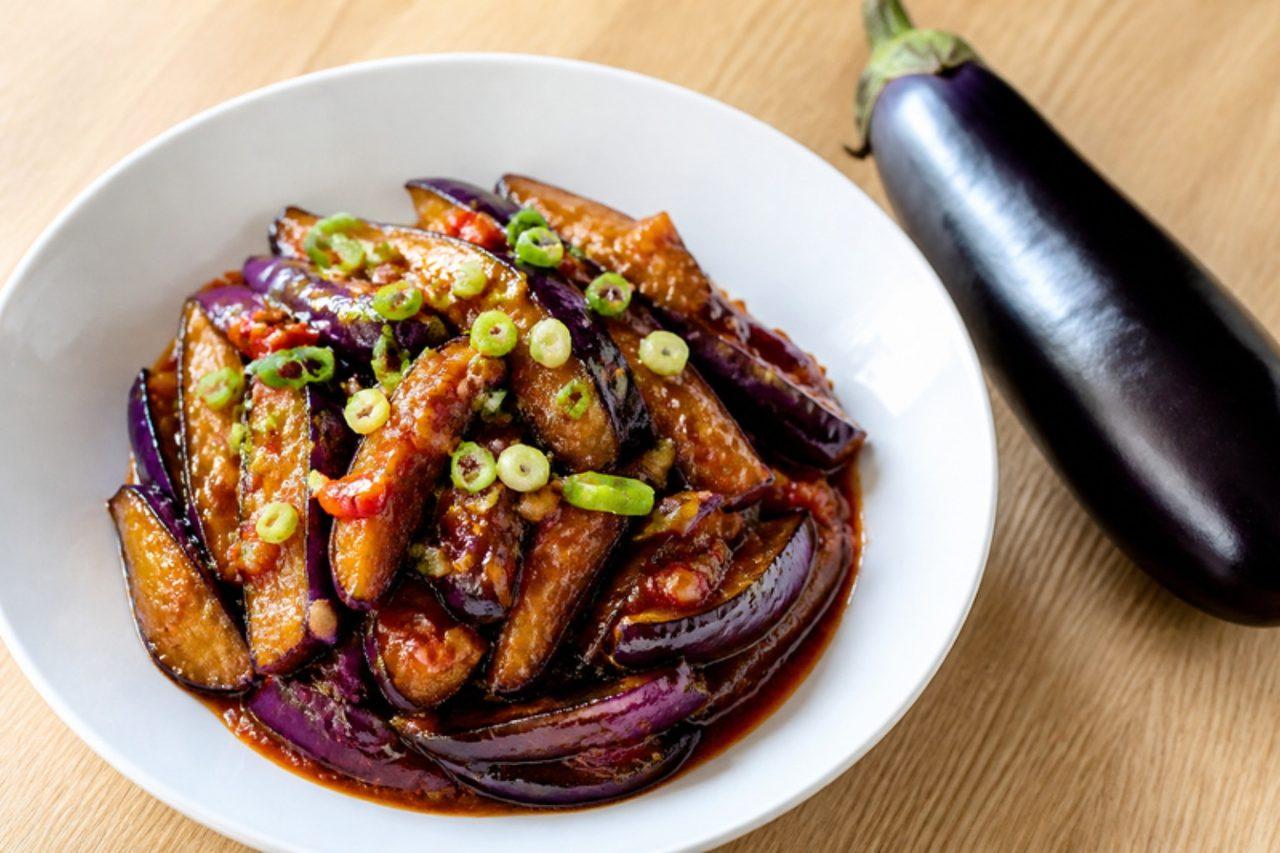
Yu xiang aubergineSweet and sour garlic aubergine

Yu xiang is a Sichuan flavour named after the way local cooks once seasoned fish, but it contains no fish at all: pickled chilli, garlic, ginger and spring onion balanced with sugar and black vinegar. Aubergine is the dish most Chengdu households make with it, often for a weekday supper, because the soft, creamy flesh drinks up the sauce. Serve it with rice and a plain green vegetable. Chef's tip: salt the aubergine fingers for 15 minutes and squeeze them dry; they then absorb far less oil and turn silky instead of greasy.

by KrazyBadal 0 views

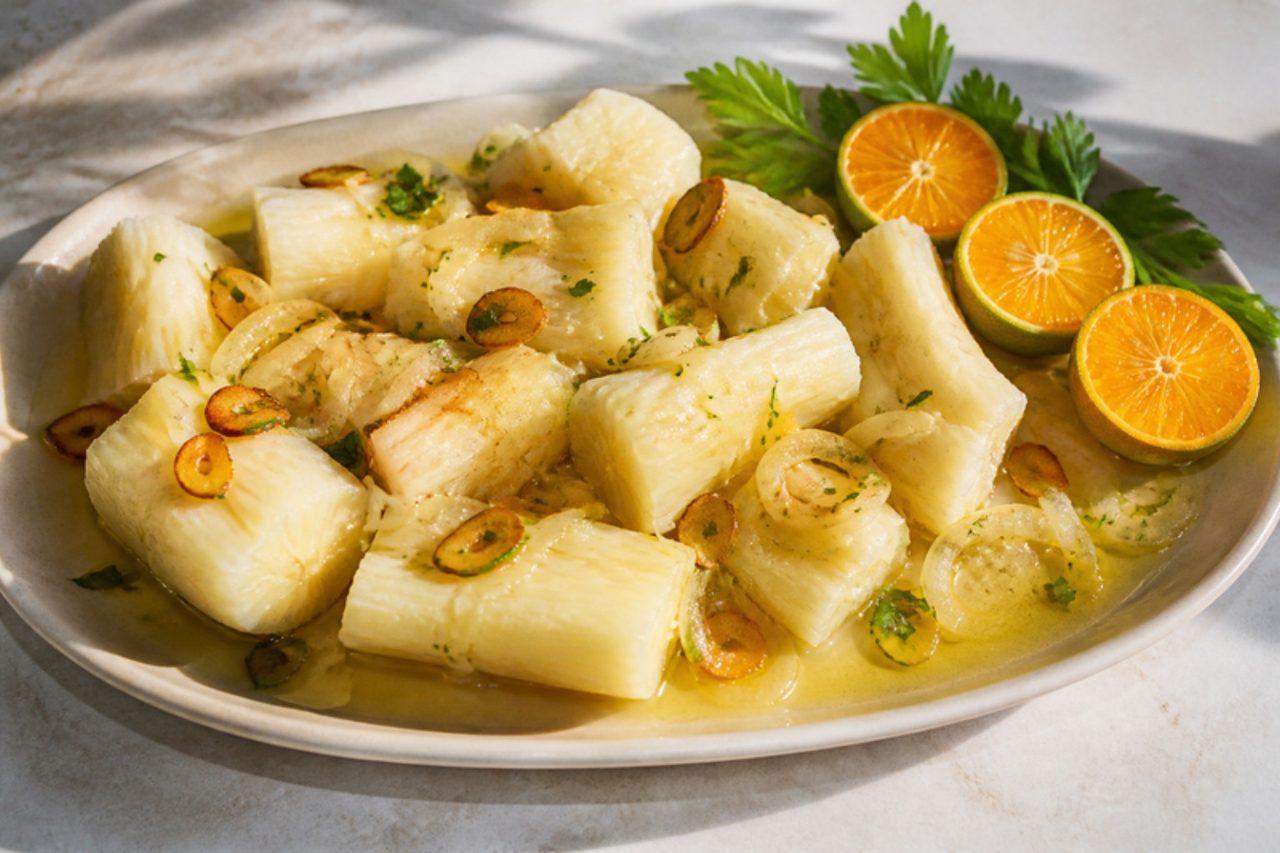
Yuca con mojoCassava with garlic sauce

Yuca con mojo is a fixture of the Cuban Nochebuena feast and of everyday family dinners in Matanzas and Miami alike: chunks of cassava boiled until they crack open and turn soft, then drenched in a hot dressing of olive oil, lots of garlic, onion rings and sour orange juice. The yuca soaks up the tangy, garlicky oil like a sponge. Serve it beside moros y cristianos or black beans. Chef's tip: add a splash of cold water to the pot halfway through boiling; Cuban cooks say it 'shocks' the yuca and helps it split open and turn tender.

35 minCubanSidesVeganGluten free
by KrazyBadal 0 views

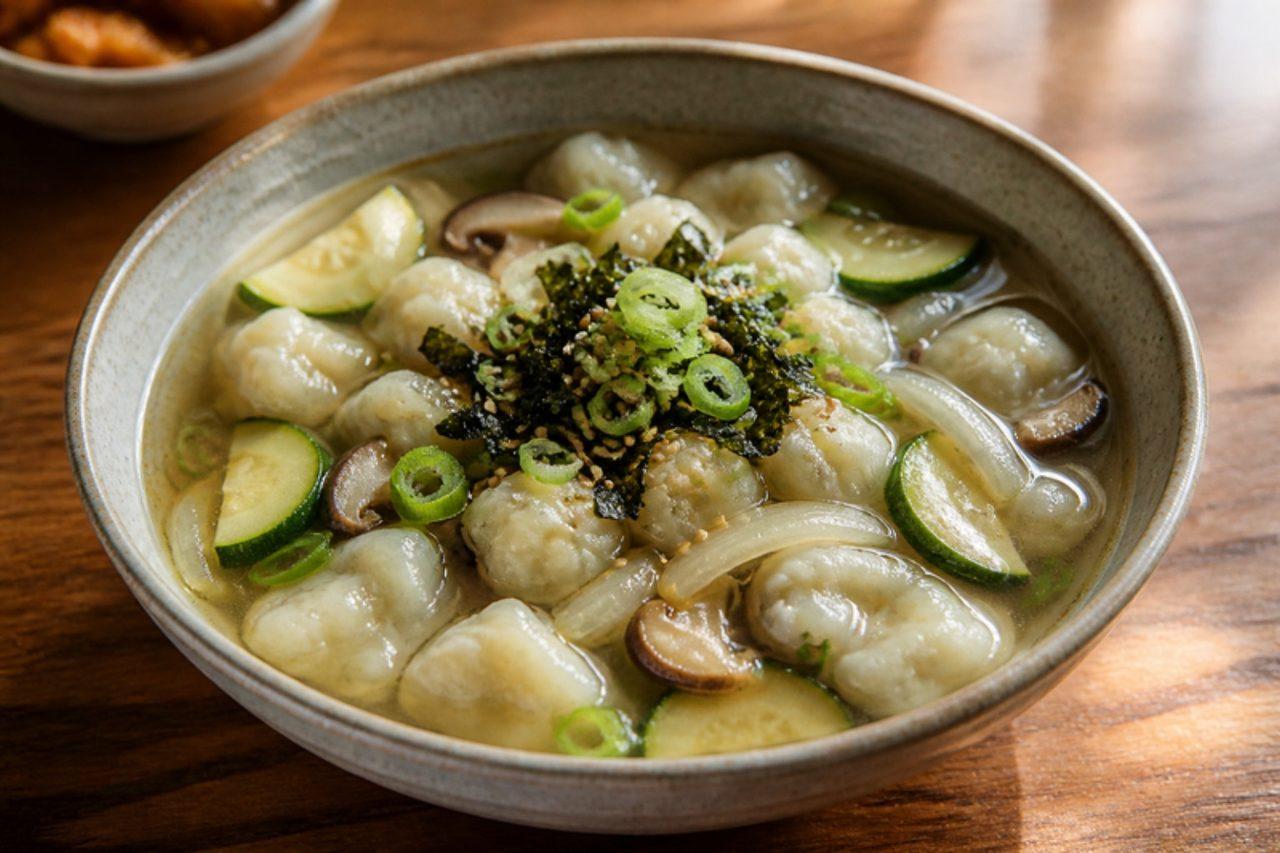
Gamja ongsimiPotato dumpling soup

Ongsimi (옹심이) means 'little bird egg' in the Gangwon dialect, and it describes the small, chewy dumplings that Gangneung cooks make from grated potato and its own starch. Gangwon's mountains grow more potatoes than rice, and ongsimi restaurants around Gangneung still serve the dumplings in plain anchovy or kelp broth with courgette, sometimes with knife-cut noodles added. This version uses kelp and shiitake, so it is vegan and gluten free if you season with tamari. The dumplings are translucent, slippery and springy, nothing like gnocchi. Chef's tip: let the potato water stand until the white starch settles at the bottom, then add every bit of that starch back to the grated potato; it is what makes the dumplings chewy.

by KrazyBadal 0 views

Tortang talongAubergine omelette

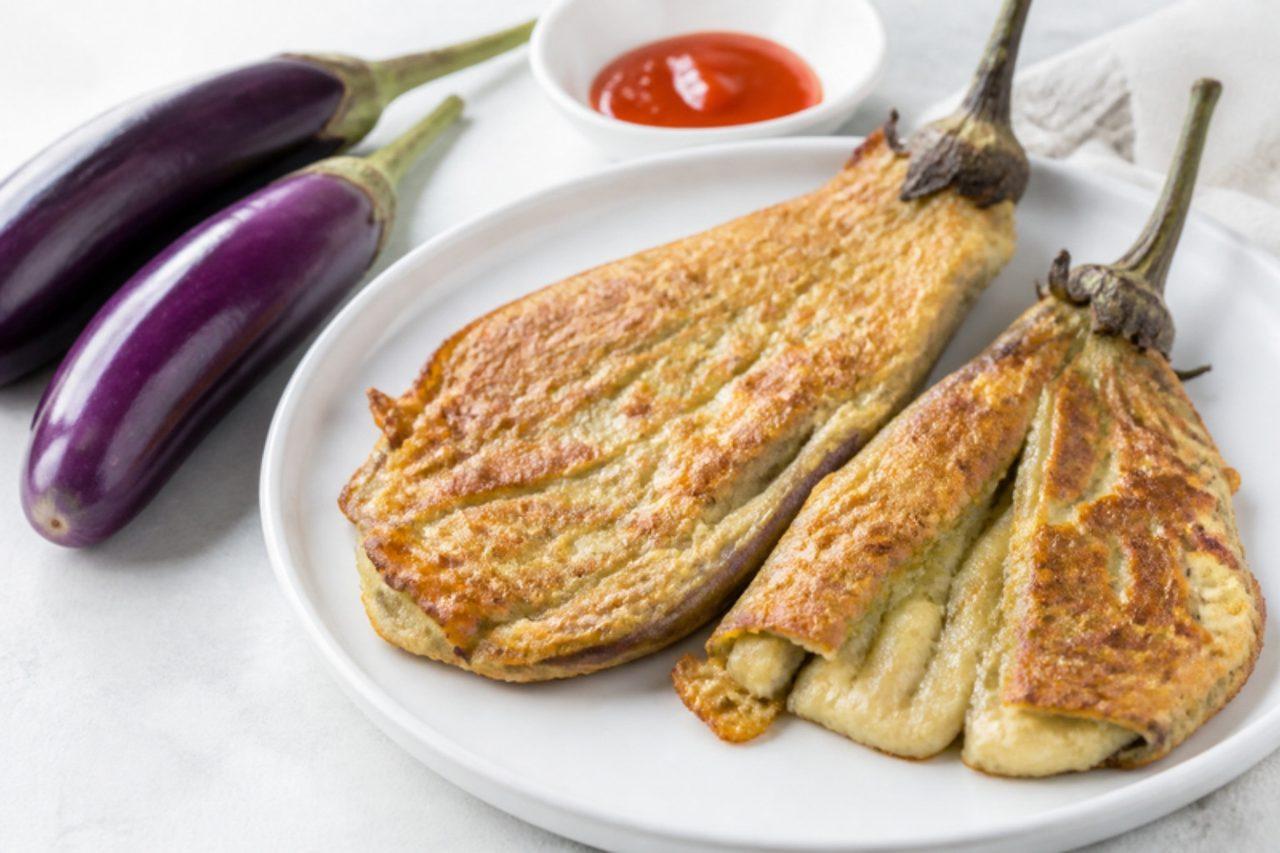
Tortang talong is a weekday lunch in Filipino homes from Luzon to Visayas, the dish a mother makes when the fridge holds only a few eggs and some long aubergines from the market. The aubergines are charred whole over a gas flame until the skin blackens and the flesh goes smoky and soft, then peeled (the stem left on as a handle), flattened into a fan with a fork, dipped in seasoned egg and fried until golden. The result is a thin, smoky omelette shaped like an aubergine. Filipinos eat it with rice and banana ketchup or a dish of vinegar with garlic. Chef's tip: char the aubergines right on the flame, not in the oven; that smoky taste is the whole dish.

by KrazyBadal 0 views

YudofuSimmered tofu hot pot

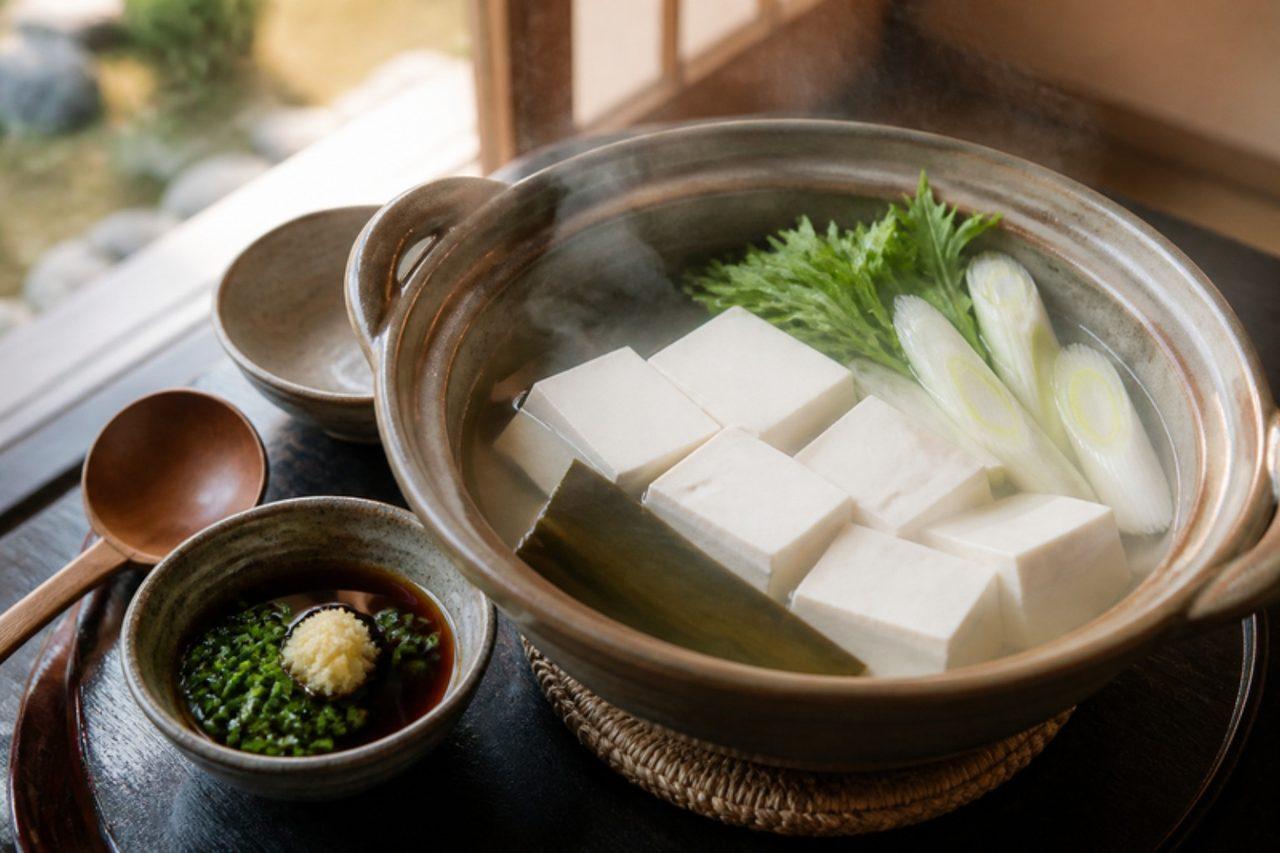
Yudofu is the simplest dish in Kyoto and one of the most loved. The city's soft water makes fine tofu, and the restaurants around Nanzen-ji temple in the Higashiyama hills have served it to pilgrims for centuries as part of Buddhist vegetarian cooking. A block of tofu is warmed in an earthenware pot over a sheet of kombu and lifted out with a little slotted ladle, then dipped in citrusy soy with spring onion and ginger. It's a winter dish, best eaten slowly at the table on a cold evening. Chef's tip: never let the water boil. The tofu is ready when it trembles and starts to rise; boiling makes it spongy and full of holes.

by KrazyBadal 0 views

Gamja jeonPotato pancakes

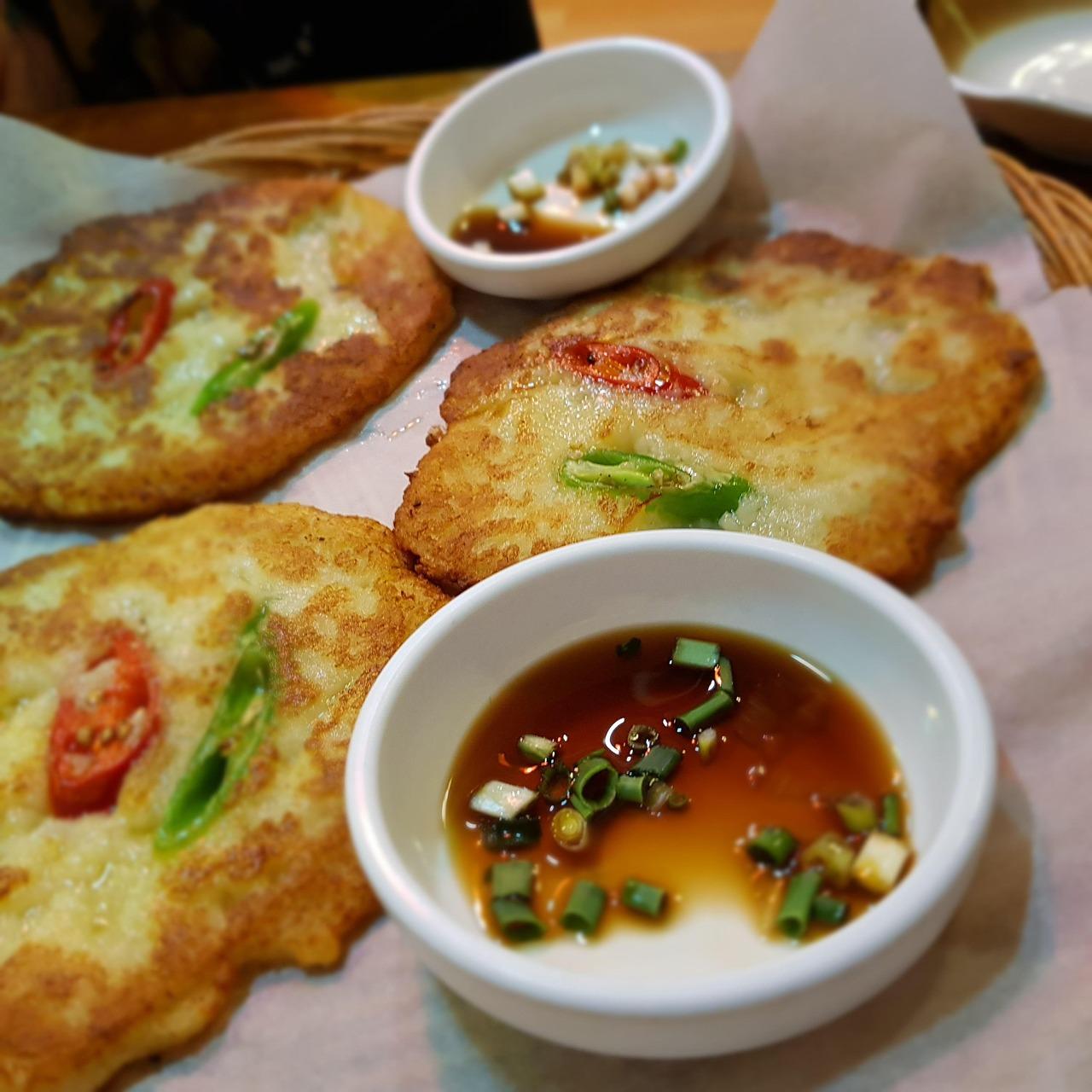
On rainy afternoons in Gangwon province, roadside stalls and mountain trail restaurants fry gamja jeon (감자전): pancakes of nothing but grated potato, salt and a few slices of chilli, fried in plenty of oil until the edges turn lacy and glassy-crisp while the middle stays soft and chewy. It is a different thing from a Western rösti, made from a wet purée rather than shreds. Eat them hot with a sharp soy dipping sauce and a bowl of makgeolli or barley tea. Chef's tip: press each pancake thin with the back of a spoon as soon as it hits the pan; thick ones stay gluey inside.

by KrazyBadal 0 views

Gambas al ajilloGarlic prawns

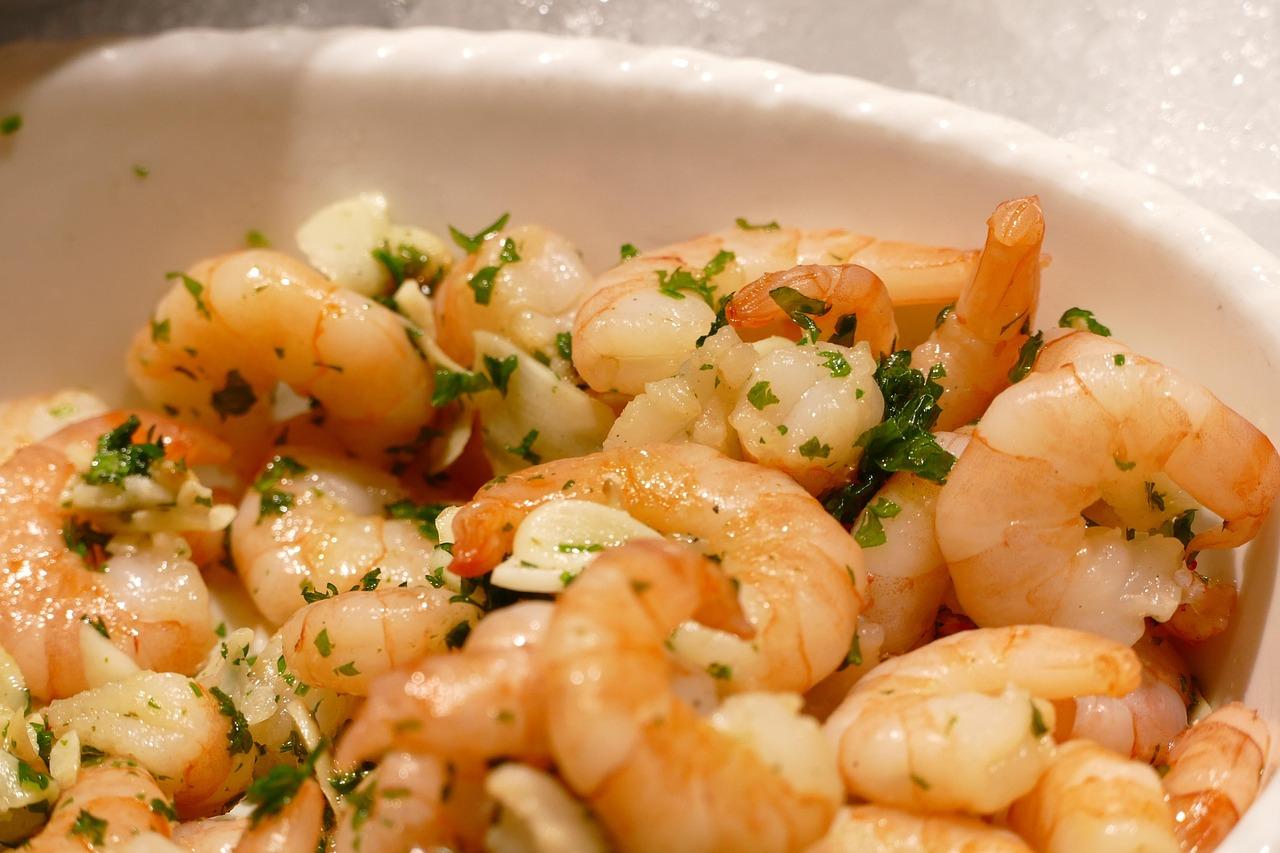
Walk into a bar near Madrid's Plaza Mayor or Puerta del Sol and you will hear gambas al ajillo before you see them: peeled prawns still spitting in a small terracotta cazuela of olive oil, sliced garlic and dried chilli. They arrive at the table bubbling, with a basket of bread for mopping up the golden oil, which many people think is the best part. At home it takes ten minutes and works as a tapa for four or a quick supper for two. Chef's tip: pat the prawns completely dry with kitchen paper before they go in, so they sizzle in the oil instead of stewing in their own water.

by KrazyBadal 0 views

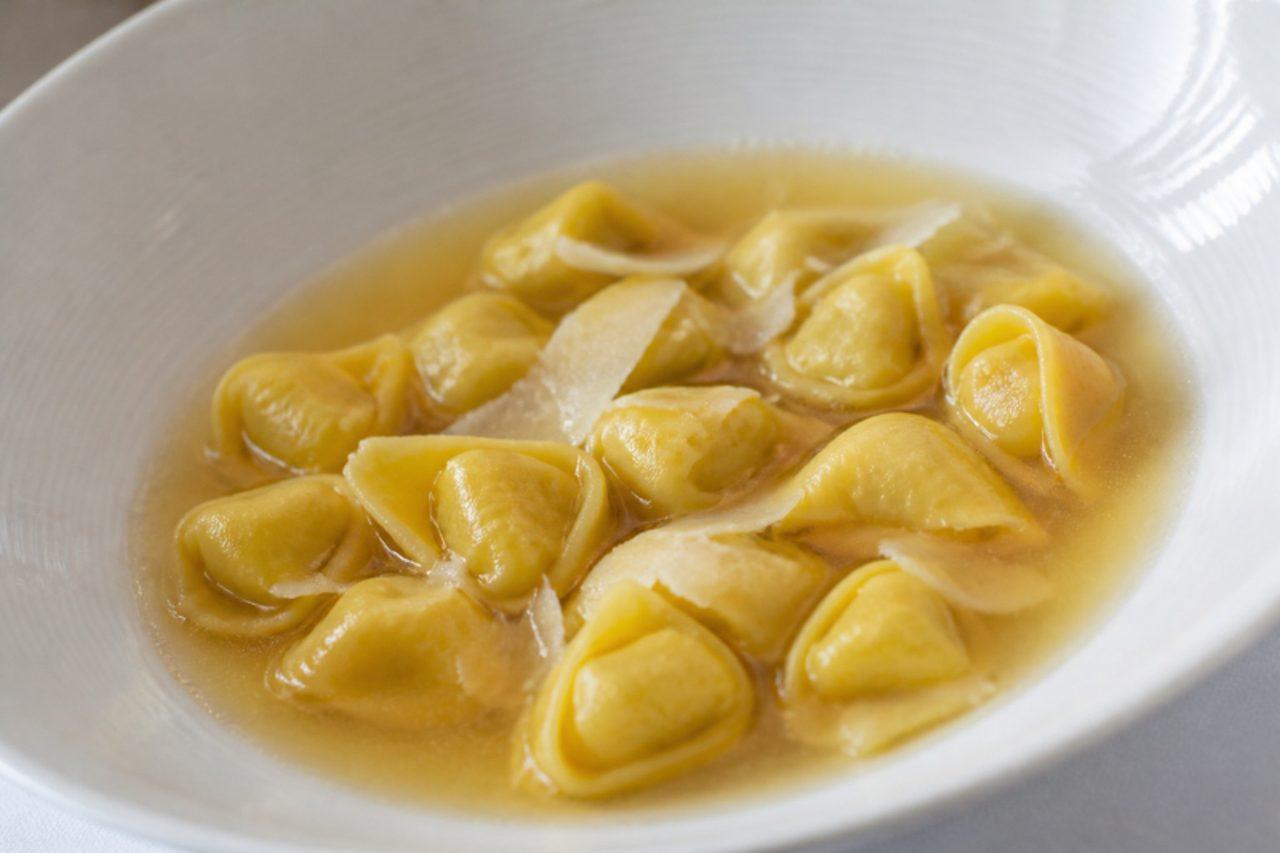
Tortellini in brodoTortellini in broth

Christmas Day in Bologna and Modena begins at the kitchen table, with whole families folding hundreds of tortellini no bigger than a fingertip around a filling of pork loin, mortadella, prosciutto and parmigiano. They are served in a clear, golden broth made from capon, or from chicken and beef, simmered so gently it barely moves. The pasta should be thin enough to see the filling through, and the little rings bob in the bowl with a spoonful of parmigiano on top. It is a full afternoon's work, so make the broth and tortellini a day ahead and freeze any extras on a floured tray; on a busy weeknight, 500 g of good bought tortellini simmered in the homemade broth is a perfectly respectable shortcut. A common mistake is letting the broth boil: it turns cloudy and greasy instead of clear. Chef's tip: make the filling the day before and keep it in the fridge; it firms up and is much easier to dot onto the tiny squares.

240 minItalianSoups
by KrazyBadal 0 views

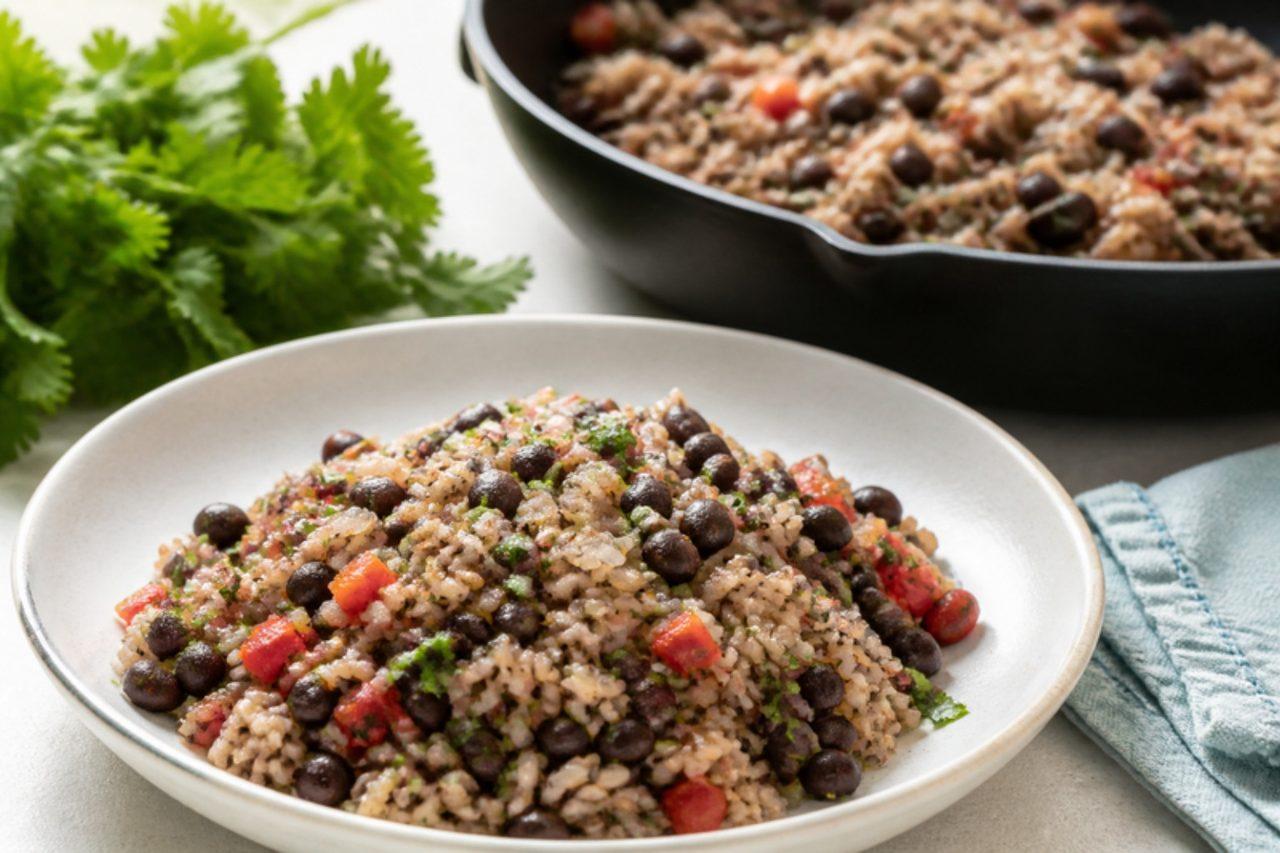
Gallo pintoRice and black beans

Gallo pinto means 'spotted rooster', for the speckled look of rice tossed with beans, and both Costa Rica and Nicaragua claim it. In Costa Rica it's black beans with plenty of coriander and a tangy brown sauce, served at breakfast with eggs, sour cream and fried plantain; in Nicaragua red beans are fried harder with onion until the rice turns rusty. This version follows the Costa Rican breakfast table and gets its tang from cumin and a little soy sauce. Chef's tip: use rice cooked the day before and keep a cup of the bean cooking liquid; that dark liquid is what colours the rice.

by KrazyBadal 0 views

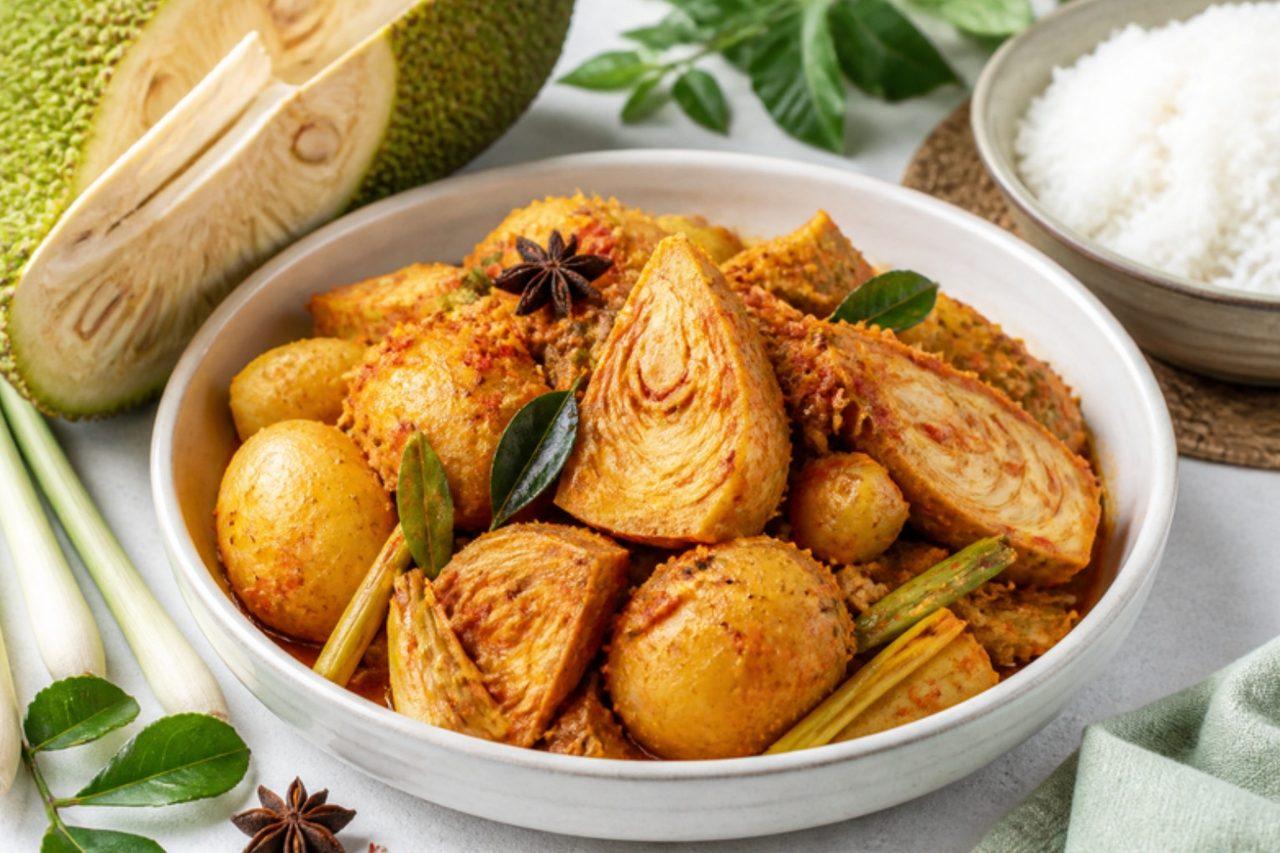
Jackfruit rendangJackfruit and potato coconut curry

Rendang belongs to the Minangkabau people of West Sumatra, who cook it for weddings, Eid and every big family gathering, stirring a wide pan for hours until the coconut milk cooks right down and fries the spices in its own oil. Minang cooks also make vegetable rendangs, and young jackfruit suits the method perfectly: its stringy texture soaks up the chilli, galangal and toasted coconut until each piece is dark brown and almost chewy at the edges. It's drier than a curry, eaten with plain rice in small portions because it's so rich. Chef's tip: once the oil separates, keep stirring over a low heat and let the paste darken to the colour of strong coffee — stopping early leaves you with a red curry, not rendang.

by KrazyBadal 0 views

JachnunSlow-baked rolled pastry

Jachnun belongs to Yemenite Jewish families, who put the sealed pot in a very low oven on Friday before sunset and open it on Saturday morning to golden, sticky, layered rolls that taste faintly of caramel. In Rosh HaAyin and Tel Aviv's Kerem HaTeimanim it is now Saturday brunch for everyone, served with grated fresh tomato, fiery zhug and brown eggs baked in the same pot. The dough is stretched paper-thin with butter, rolled into logs and left to bake for 10 hours or more. Chef's tip: oil your work surface and hands rather than flouring them; flour stops the dough stretching thin enough to see through.

by KrazyBadal 0 views

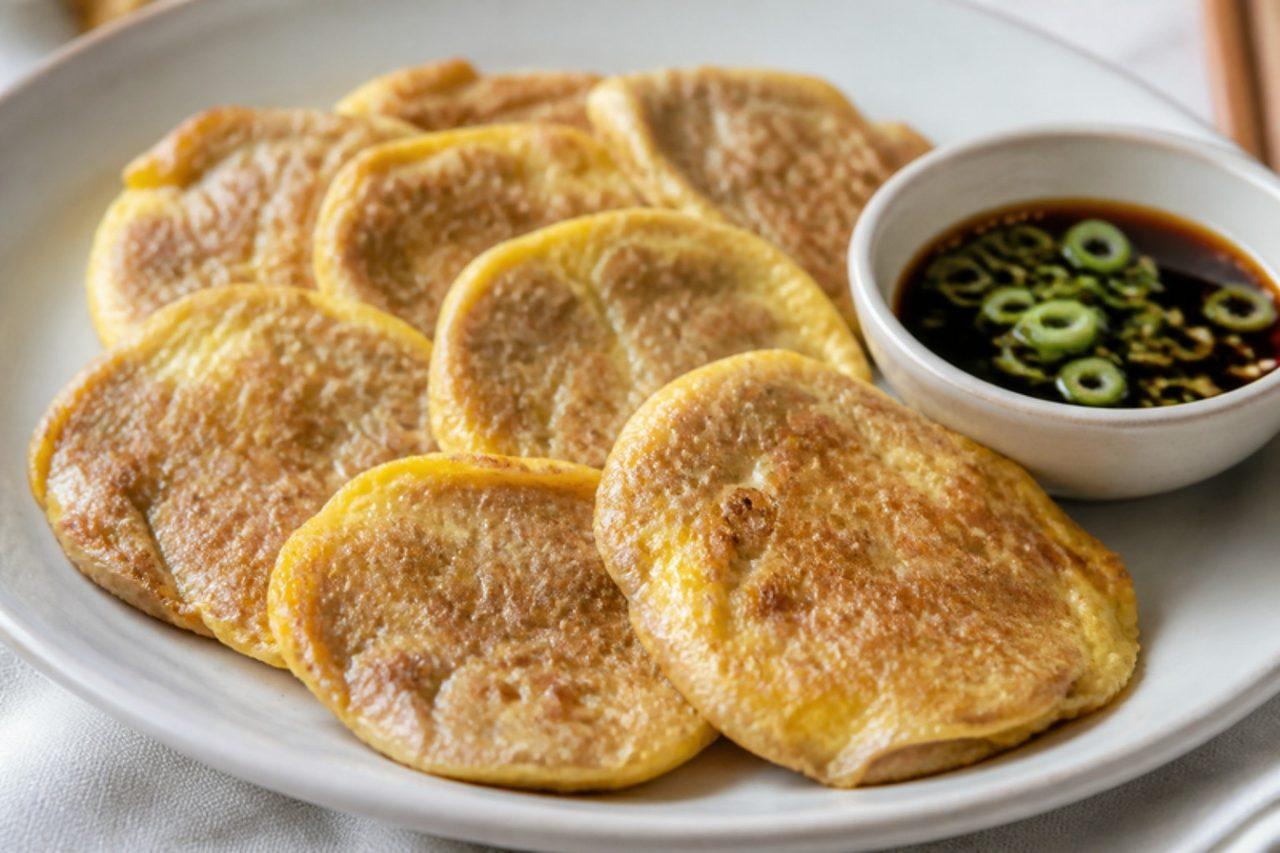
YukjeonEgg-battered fried beef

In Gwangju, yukjeon is a restaurant meal in its own right: the server sits by a hot plate at your table and fries slice after slice of egg-coated beef, handing them over while they're still sizzling. Elsewhere in Korea it's more often a festive pancake, made for Chuseok and Lunar New Year along with other jeon. The beef is cut very thin, so it cooks in the time it takes the egg to set. Gwangju places serve it with a sharp salad of finely shredded spring onion and a little salt and sesame oil for dipping. Chef's tip: half-freeze the beef for 40 minutes before slicing; firm meat is easy to cut into slices 2 to 3 mm thick.

25 minKoreanMeat
by KrazyBadal 0 views

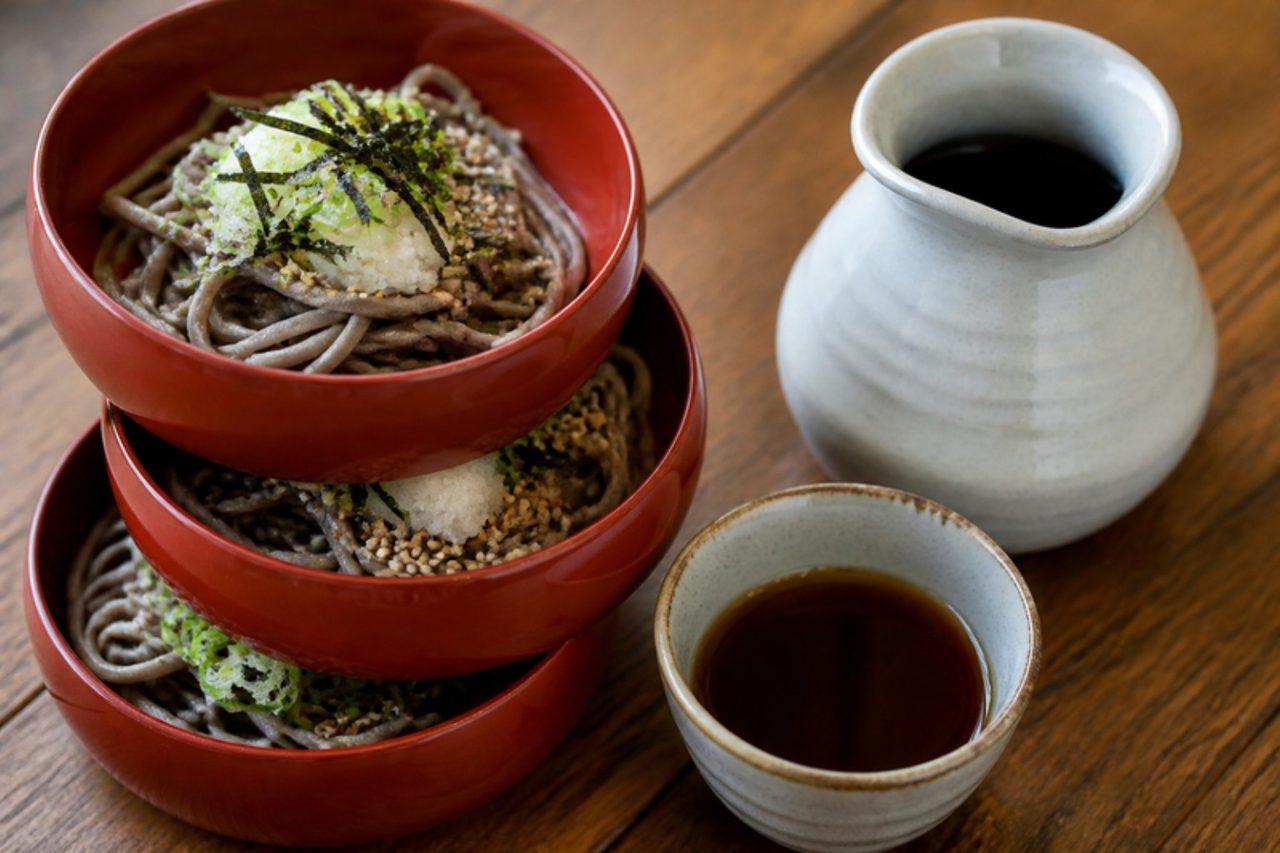
Izumo warigo sobaBuckwheat noodles in stacked bowls

Izumo, in Shimane, is home to one of Japan's oldest shrines, and its soba is among the country's three most famous. The buckwheat is ground whole, husk and all, so the noodles are grey-brown, rough and strongly nutty. They come in a stack of three shallow round lacquer boxes called warigo, a custom from the picnic boxes Izumo townspeople carried to view flowers in the Edo period. You don't dip the noodles: you pour sauce and toppings straight onto the top bowl, eat it, then tip what's left onto the next. Classic toppings are grated daikon, spring onion and nori; ours leave out the usual bonito flakes. Chef's tip: look for 'inaka' (country-style) or 100% buckwheat soba. Paler noodles taste too mild for this dish.

by KrazyBadal 0 views

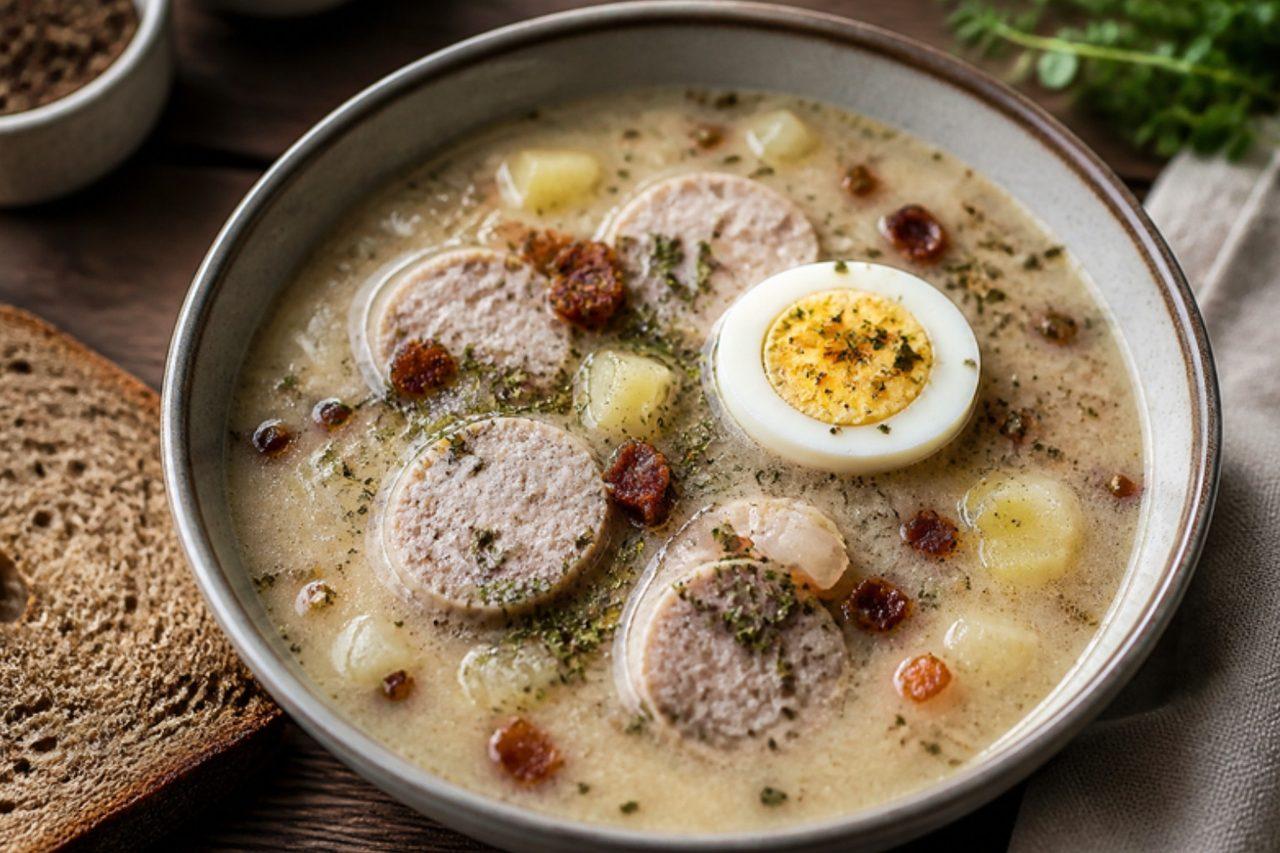
ŻurekSour rye soup with sausage

Żurek is the soup of Polish Easter, served in homes from Kraków to Gdańsk on Easter Sunday morning, and in highland Zakopane restaurants it comes in a hollowed-out bread loaf all year. Its tang comes from zakwas, a fermented rye-flour starter, simmered with marjoram, garlic and stock. This version contains pork: white sausage (biała kiełbasa) and smoked bacon, plus halved hard-boiled eggs. Chef's tip: shake the jar of zakwas before you pour it in; the flour settles and the soup will be thin without it.

by KrazyBadal 0 views

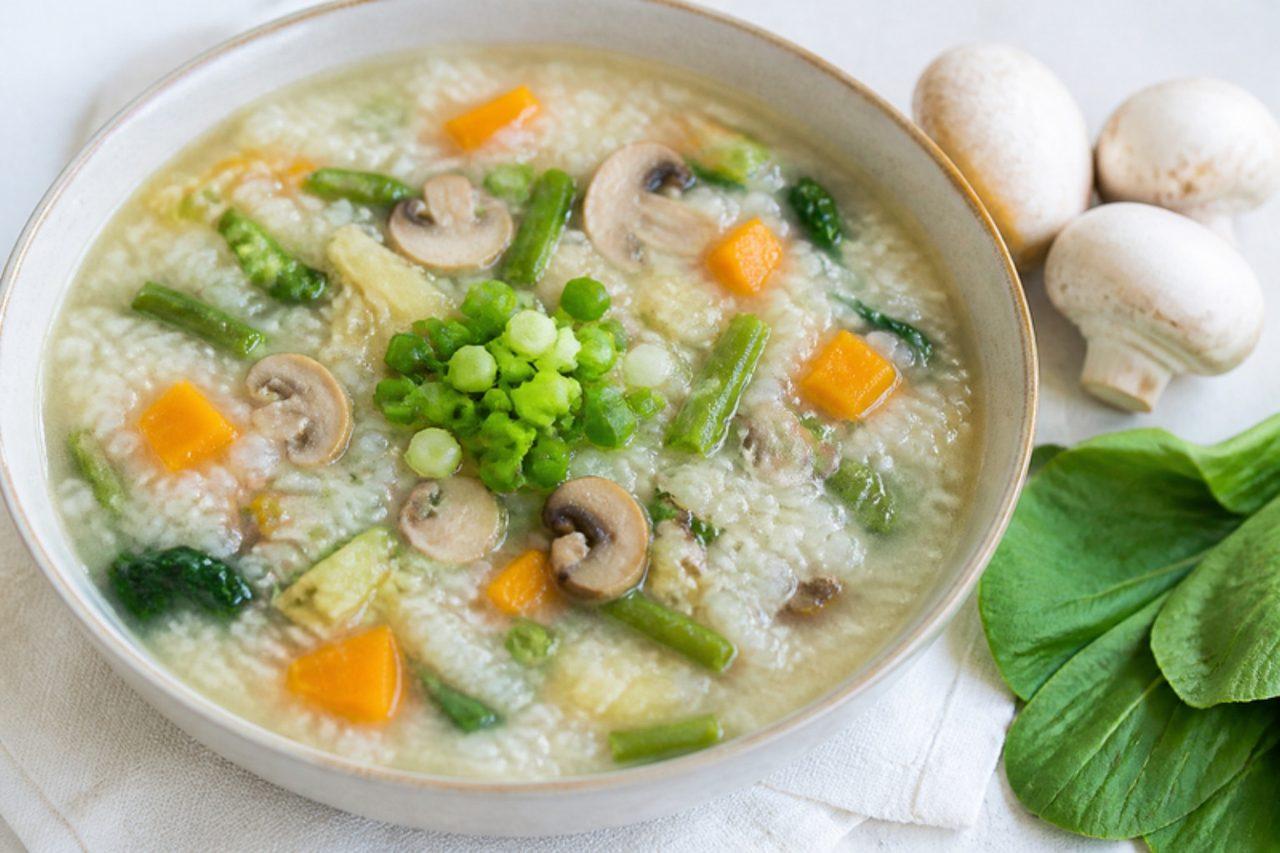
GalhoRice and vegetable porridge

Galho is Nagaland's comfort food, a soft, loose rice porridge cooked with seasonal vegetables, greens, ginger and chilli, sometimes thickened with a spoon of fermented soybean (axone). In Kohima homes it is the dish for cold evenings and for anyone unwell, and in restaurants it is often made with pork; this vegetarian version uses mushrooms and axone for savour. It sits somewhere between khichdi and congee, thick but spoonable. Chef's tip: stir only occasionally; galho should be soupy with distinct grains, not a smooth paste.

by KrazyBadal 0 views

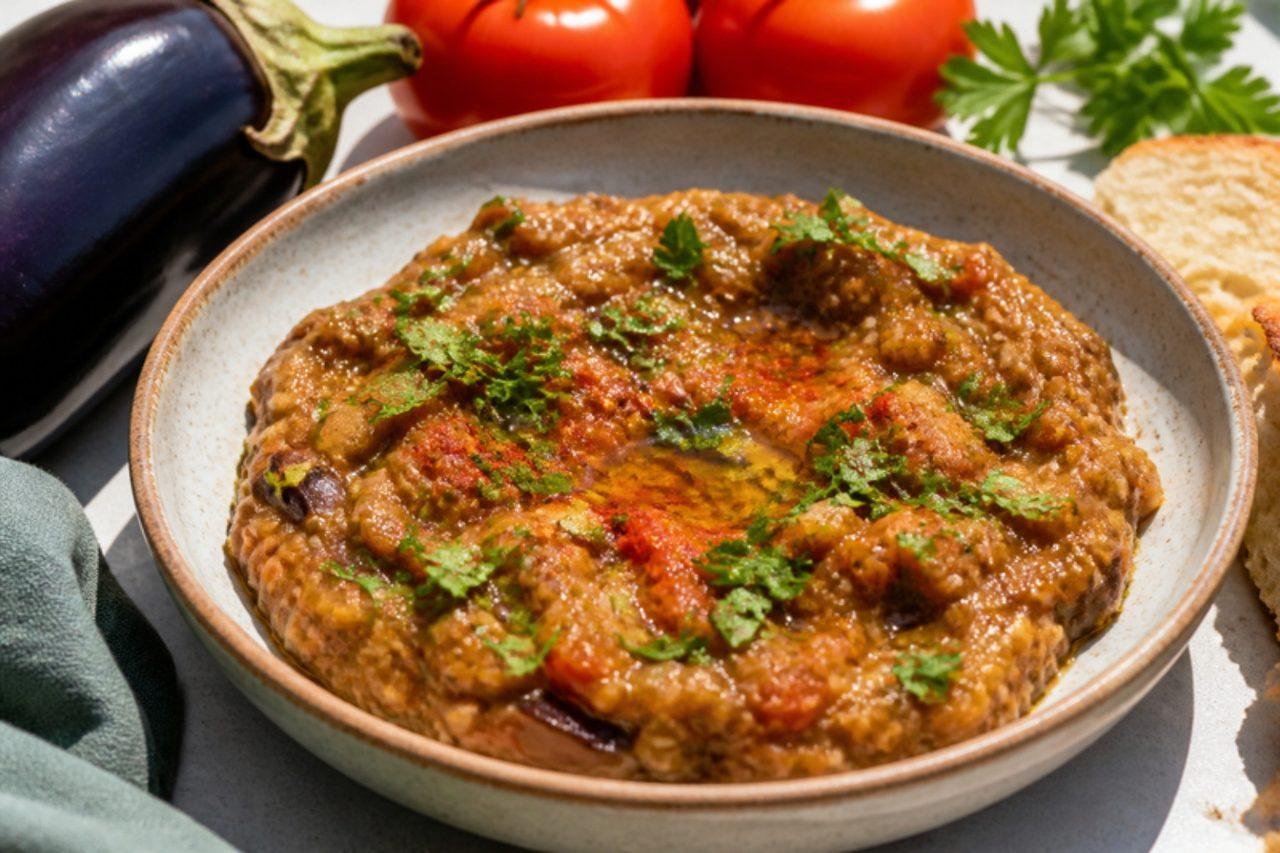
ZaaloukAubergine and tomato salad

Zaalouk is one of the cooked salads that open almost every Moroccan meal, from Fez to Essaouira, set out in small dishes with taktouka and carrot salad and scooped up with bread. Aubergine and tomato are cooked down together with garlic, cumin and paprika until they become a soft, spoonable relish, sharpened at the end with lemon and olive oil. It tastes even better the next day, so many cooks make a big batch. Chef's tip: char the aubergine over a gas flame or under the grill first if you can; the smoky skin flavour gives the best zaalouk.

by KrazyBadal 0 views

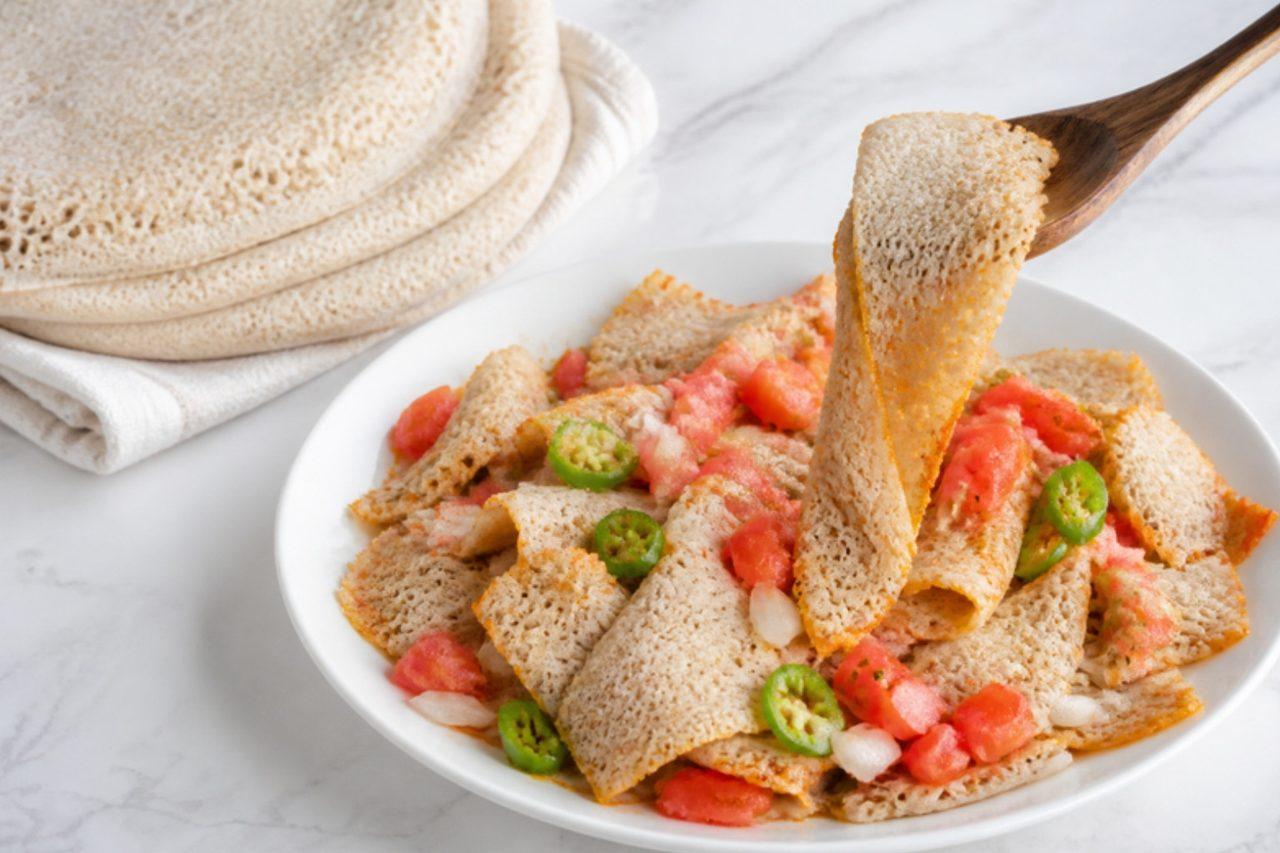
FirfirTorn injera in spicy sauce

Firfir (or fitfit) is what Ethiopian households do with yesterday's injera: torn into pieces and tossed in a hot, oniony berbere sauce until it soaks up all the flavour. It is breakfast in Addis Ababa cafés and homes alike, eaten with a spoon or, more often, scooped up with fresh injera. This version uses oil, making it suitable for fasting days; on other days a spoon of niter kibbeh adds richness. Chef's tip: use day-old injera; fresh injera is too soft and turns to mush in the sauce.

by KrazyBadal 0 views

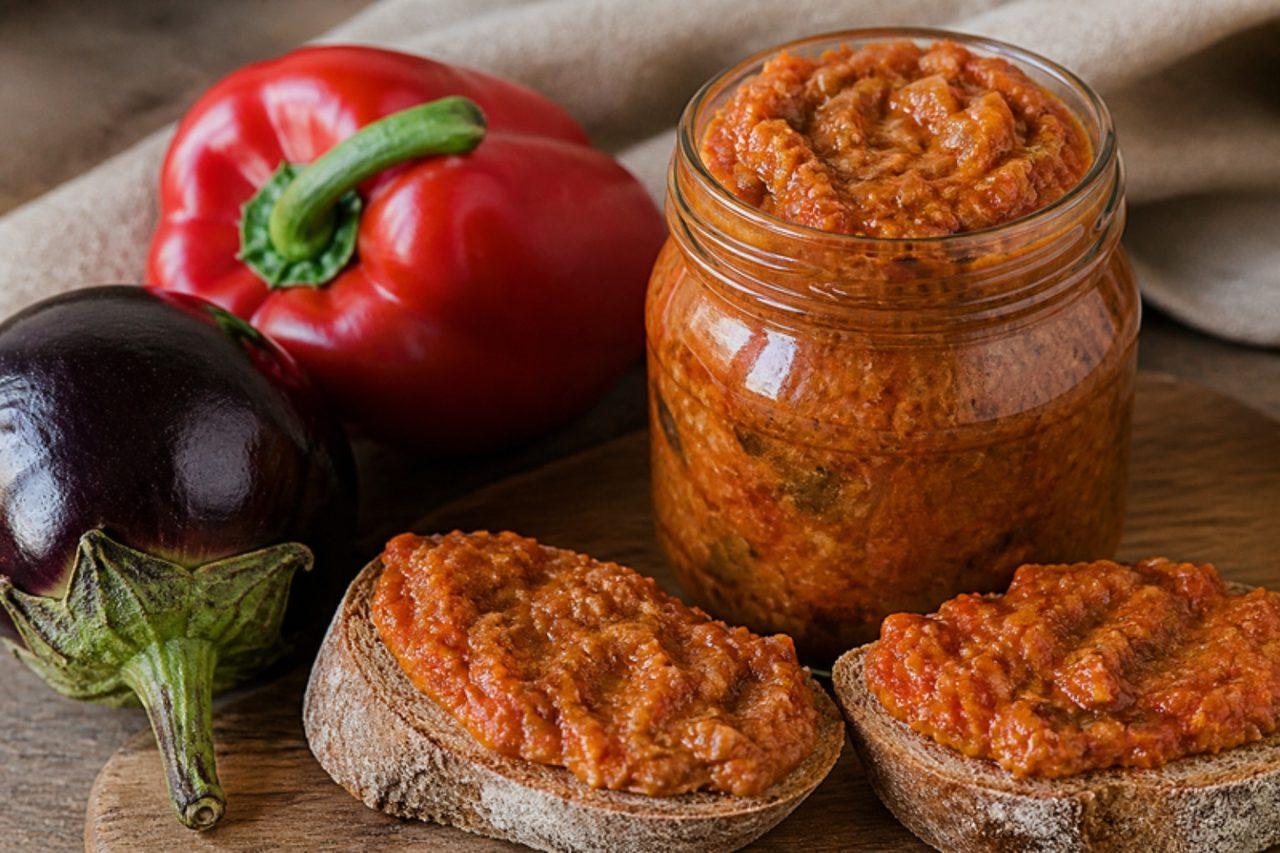
ZacuscăRoasted aubergine and pepper spread

Zacuscă is the autumn preserve of Moldavia and Transylvania: in Iași and the villages around it, families spend a September weekend charring aubergines and red peppers over a grill and slowly frying them down with onion and tomato into a thick, chunky spread. The jars go into the cellar and come out all winter, spread on bread or eaten with mămăligă during the Orthodox fasts. It is coarser and more oniony than smooth Balkan ajvar, with bay and a long, jammy cook. Chef's tip: let the onions go fully soft and sweet before adding anything else; rushing them leaves a sharp, raw edge that the long cook never removes.

by KrazyBadal 0 views

Tostadas de frijolBean tostadas

Tostadas, crisp flat corn tortillas, are eaten all over Mexico as a quick meal or snack, and tostadas de frijol are the everyday vegetarian version: a thick smear of refried beans topped with shredded lettuce, tomato, avocado, crema and crumbled cheese. The contrast between the shattering crunch, the creamy beans and the cool, fresh toppings is the whole point. Buy ready-made corn tostadas, or bake your own from corn tortillas. Use queso fresco made with vegetarian rennet, or mild feta. Chef's tip: spread the beans warm and thick right to the edge; they act as glue for the toppings and stop the tostada from shattering when you bite it.

by KrazyBadal 0 views

Galette complèteBuckwheat crêpe with ham and egg

In every crêperie in Brittany, from Rennes to Quimper, the first thing most people order is the complète: a lacy buckwheat galette folded square around ham, melted cheese and an egg, eaten for lunch or a casual dinner with a bowl of dry cider. Contains pork (ham). The batter is just buckwheat flour, water, salt and an egg, so the galette has no wheat; some buckwheat flour is milled alongside wheat, so check the packet if you avoid gluten. A cup of apple juice is a good alcohol-free partner. Chef's tip: rest the batter for at least 2 hours, or overnight in the fridge; it thickens and the galettes cook up thinner and crisper.

by KrazyBadal 0 views

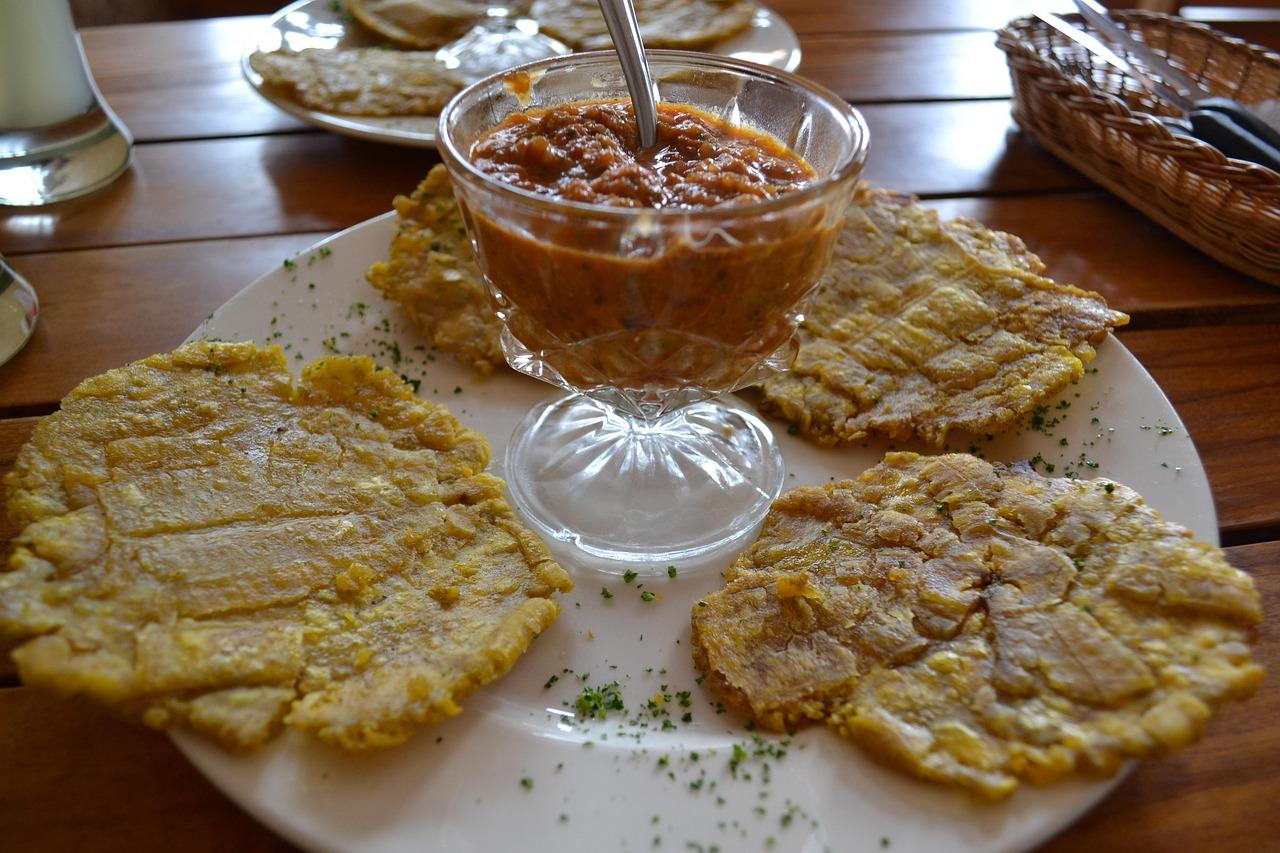
TostonesTwice-fried green plantain

Tostones are the crisp golden discs of green plantain sold at every Cuban cafeteria and fried at home to go with rice, beans and mojo; along Colombia's coast and in Cali the same thing is called patacones and comes with hogao or ají on top. The plantain is fried once to soften, smashed flat, then fried again until the edges shatter while the middle stays starchy and tender. Eat them hot as a side or a snack. Chef's tip: use truly green, hard plantains; yellow ones turn sweet and soft and will never go crisp.

25 minCubanSidesVeganGluten free
by KrazyBadal 0 views

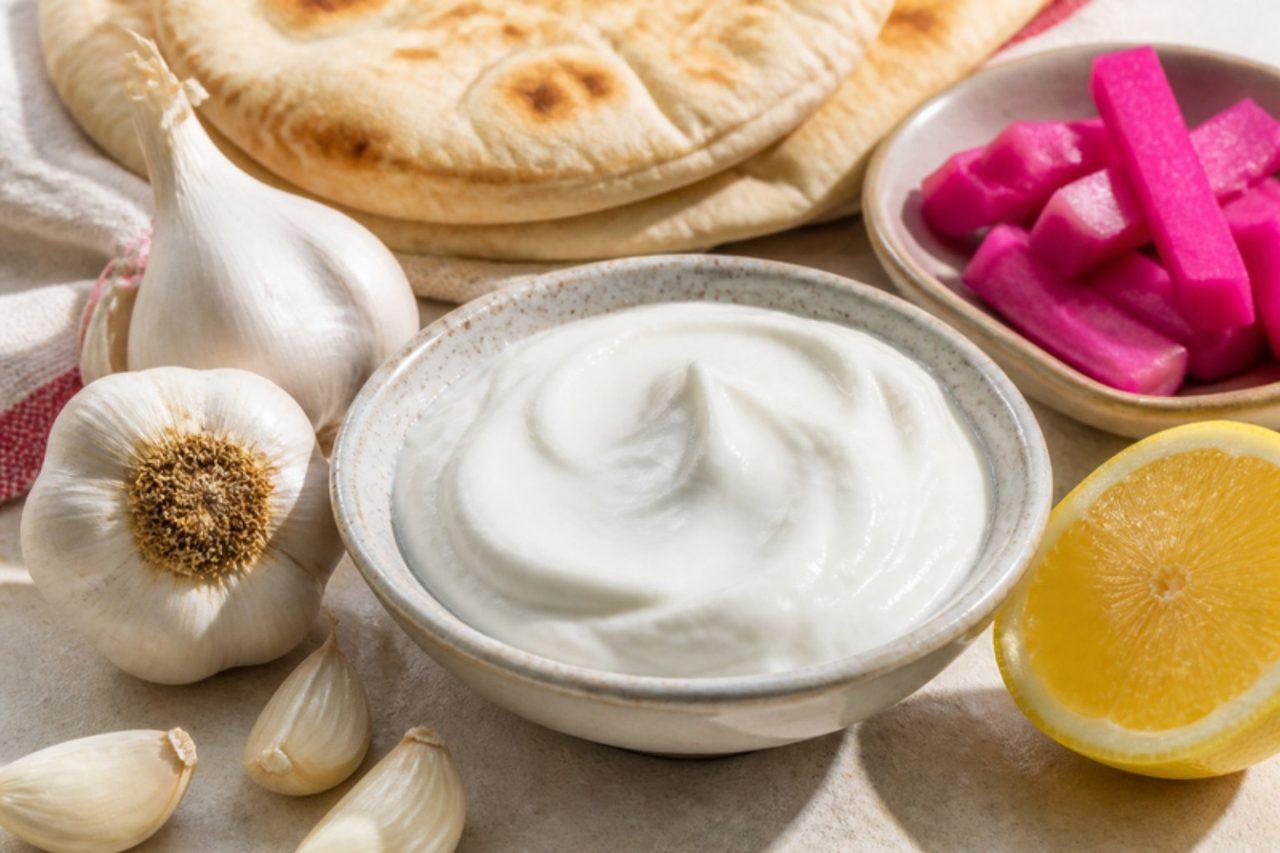
ToumWhipped garlic sauce

Every shawarma and grill shop in Lebanon has a tub of toum, a fluffy, snow-white emulsion of garlic, lemon and neutral oil that tastes fiercely of fresh garlic. At home it is spread on roast potatoes, stirred into grilled vegetables, dabbed on falafel wraps and served with batata harra. It contains no egg: the garlic itself holds the emulsion, so the only trick is patience while the oil goes in. Chef's tip: halve each garlic clove and pull out any green shoot; the germ makes toum bitter and harsh.

by KrazyBadal 0 views

Zagorski štrukliBaked cheese dough rolls

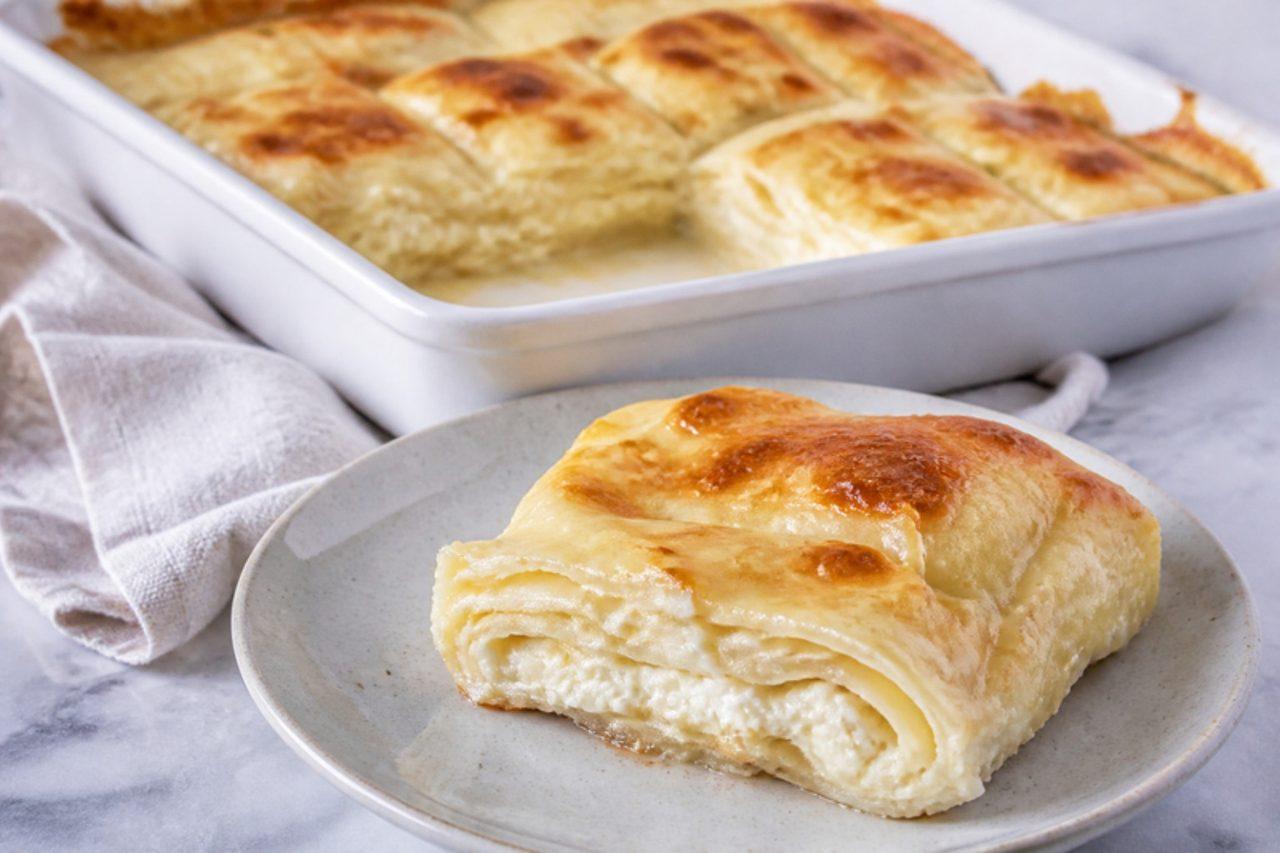
In Hrvatsko Zagorje, the green hill country north of Zagreb, štrukli are Sunday food: paper-thin dough is spread with fresh cow's cheese, rolled up, pinched into pieces with the edge of a plate, then boiled and finished in the oven under a blanket of cream. Zagreb restaurants serve them as a starter or a main, blistered golden on top and soft and custardy inside. The dough is stretched by hand over a tablecloth, which is easier than it sounds once it has rested. Chef's tip: squeeze the cheese if it is wet; a runny filling soaks the thin dough and makes the rolls tear when they boil.

by KrazyBadal 0 views

TourtièreSpiced pork and beef pie

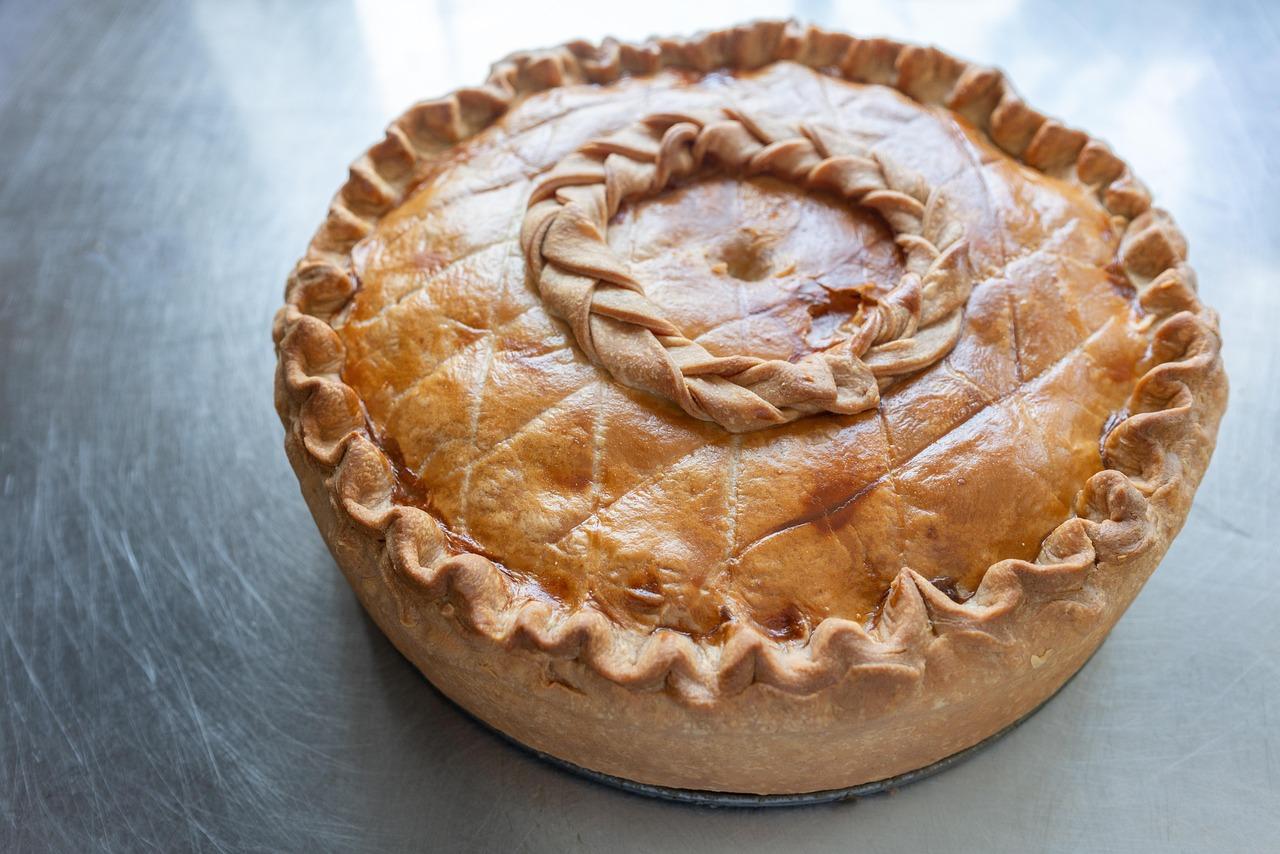
Tourtière is the meat pie of Quebec, served after midnight mass at the Christmas Eve réveillon and through the holidays, from Montreal to the Saguenay–Lac-Saint-Jean region (where a deep, layered version is also called tourtière). This dish contains pork. Minced pork and beef cook slowly with onion, a little potato and warm spices — cinnamon, cloves, allspice and savory — then are baked in a flaky double crust and served with ketchup or fruit chutney. The mistake is a wet filling that makes the bottom crust soggy; cook it until the liquid has almost gone and cool it before filling. Chef's tip: a grated potato in the filling soaks up the juices and holds the slices together.

by KrazyBadal 0 views

Juane de gallinaChicken and rice parcels

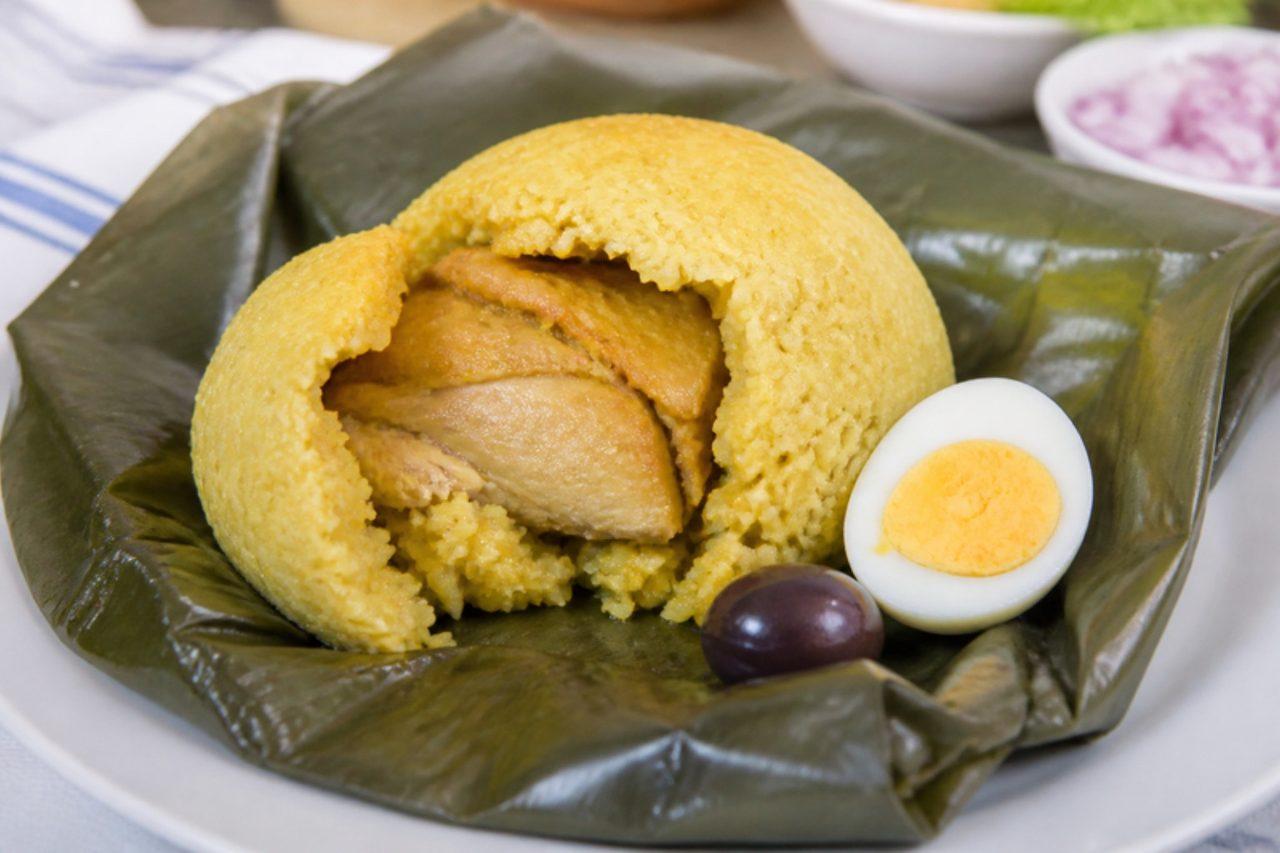
In Iquitos, Tarapoto and the river towns of Peru's Amazon, juanes are steamed by the hundred for the feast of San Juan on 24 June, when families picnic by the rivers to mark the start of the dry season. Each parcel hides a piece of chicken, half a boiled egg and a black olive inside rice seasoned with turmeric, cumin and the herb sacha culantro, all wrapped in broad bijao leaves that perfume the rice. Banana leaves are the easiest swap outside the jungle. Chef's tip: let the rice cool before you wrap it; warm rice is too soft to shape and the parcels lose their round shape.

by KrazyBadal 0 views

Isso vadaiPrawn and lentil fritters

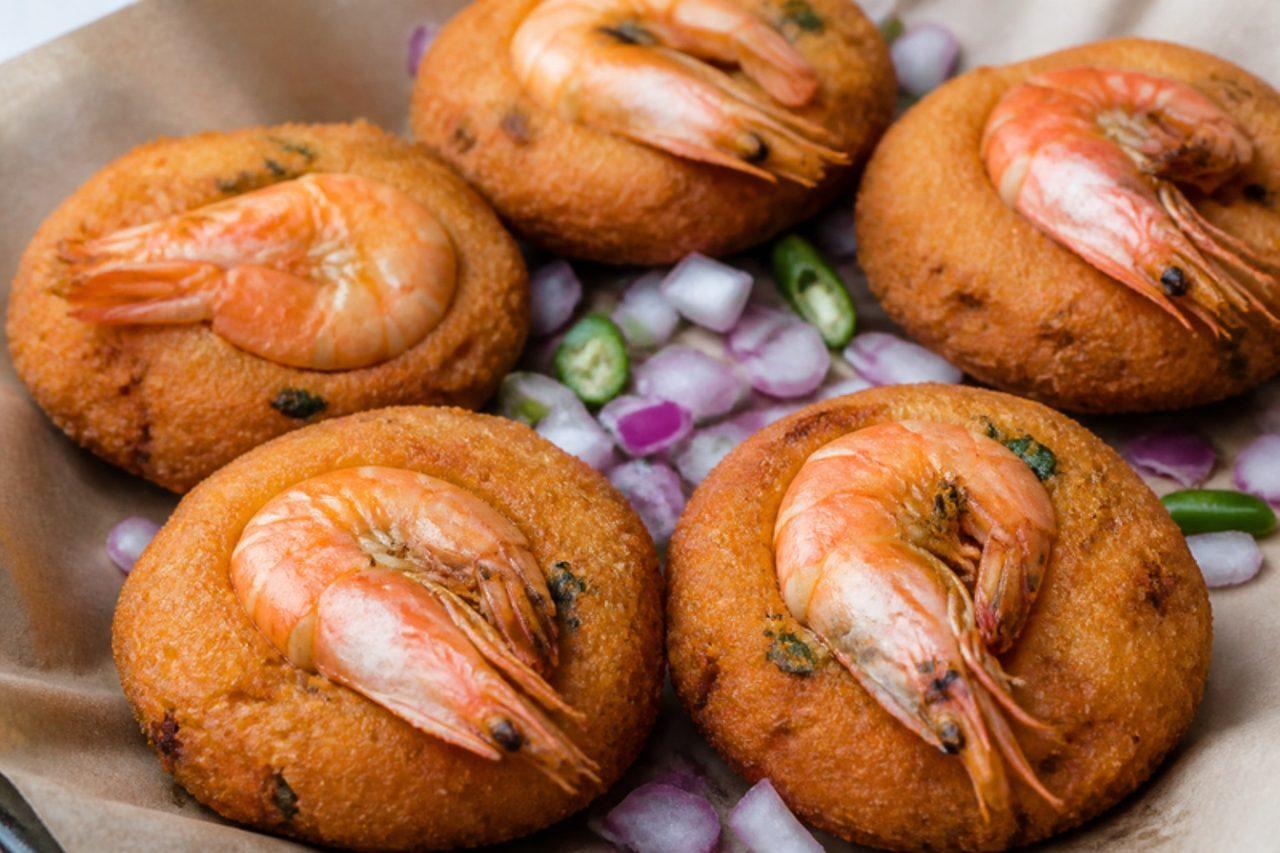
As the sun goes down on Galle Face Green in Colombo, carts line the seafront selling isso vadai: crunchy lentil fritters with a whole prawn pressed into the top of each one. Families buy them in paper bags with sliced onion and a squeeze of lime while the kids fly kites. At home they make a great teatime snack or a starter for guests, and they're best eaten within minutes of frying. Chef's tip: soak the split peas but don't grind them too smoothly; a coarse, slightly grainy batter is what gives the fritters their crunch.

by KrazyBadal 0 views

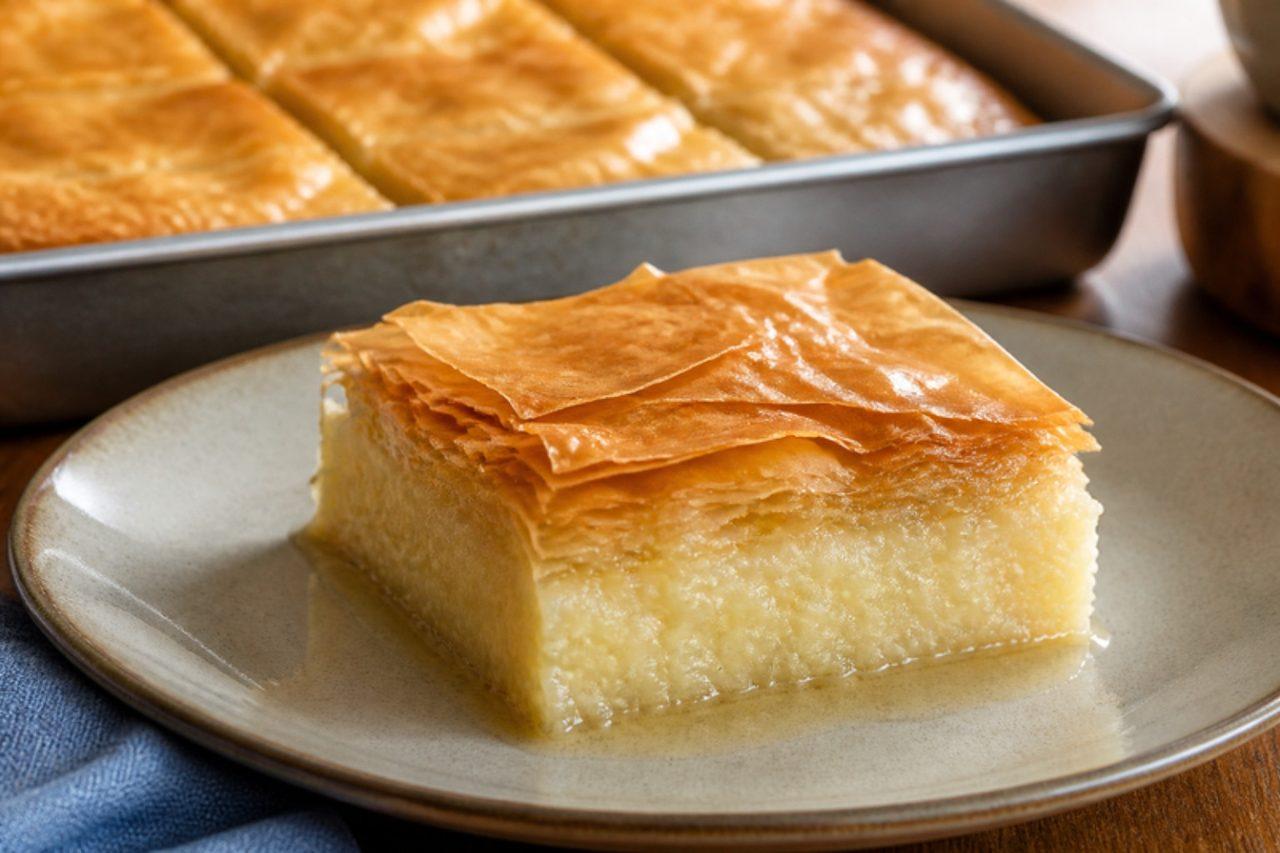
GalaktobourekoSemolina custard in fillo

Galaktoboureko is the grand dessert of Greek pastry shops: a thick layer of silky semolina custard baked between sheets of buttered fillo, then soaked with cold lemon and cinnamon syrup the moment it leaves the oven. It's bought by the tray for Sunday lunches, name days and Easter, and eaten slightly warm or at room temperature with coffee. The top shatters, the syrup pools at the edges and the custard stays creamy. It takes patience but no special skill. Chef's tip: pour cold syrup over the hot pie (or hot over cold), never hot on hot; that common mistake leaves the pastry soggy instead of crisp.

by KrazyBadal 0 views

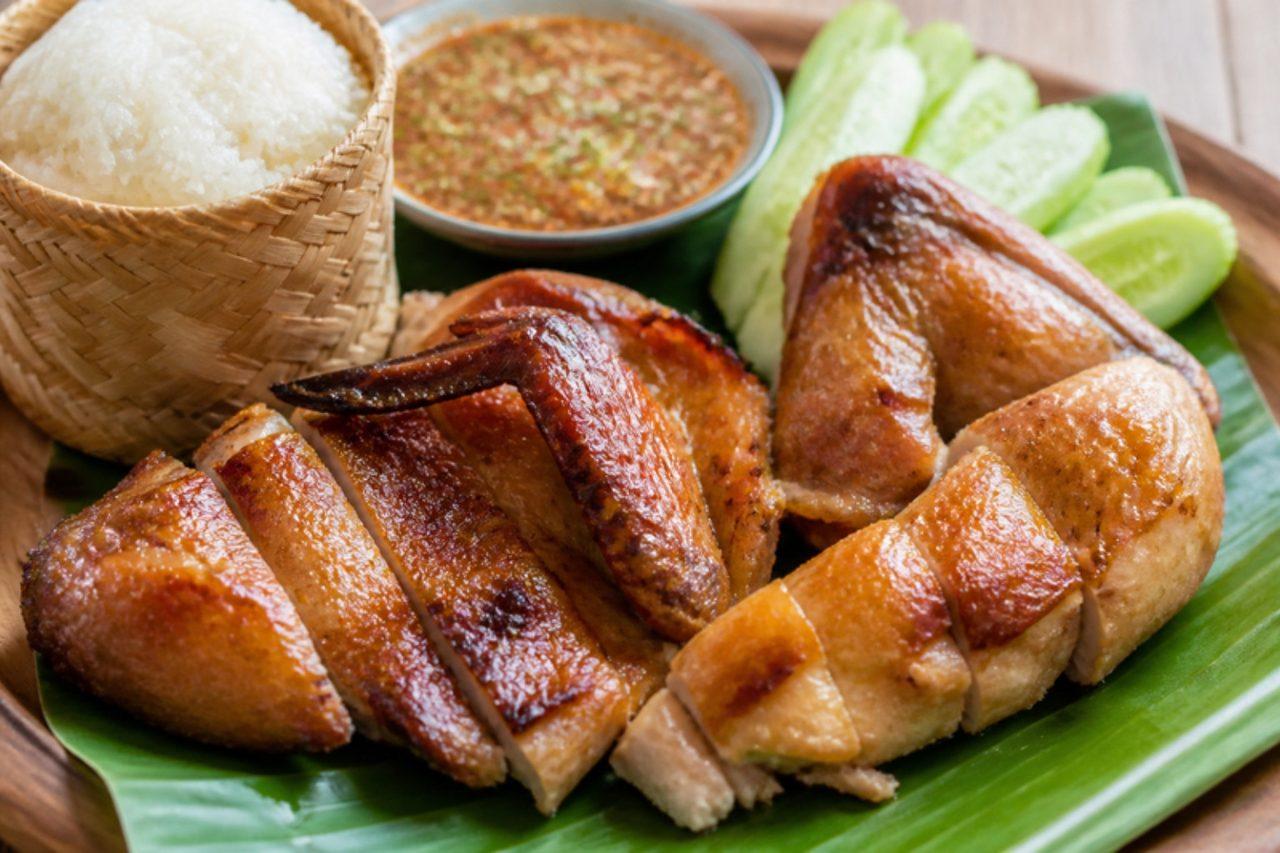
Gai yangGrilled lemongrass chicken

Bus stations and football matches across Isan have the same soundtrack: the crackle of chicken pieces clamped in split bamboo over glowing coals, and the thump of a pestle making som tam beside them. Gai yang is marinated in garlic, coriander root, white pepper and lemongrass, then grilled slowly so the skin turns lacquered and smoky while the meat stays juicy. Tear it apart with your hands and eat it with sticky rice, green papaya salad and a sour-hot jaew dipping sauce. Chef's tip: leave it in the marinade overnight in the fridge; the lemongrass and garlic need hours to get past the skin.

by KrazyBadal 0 views

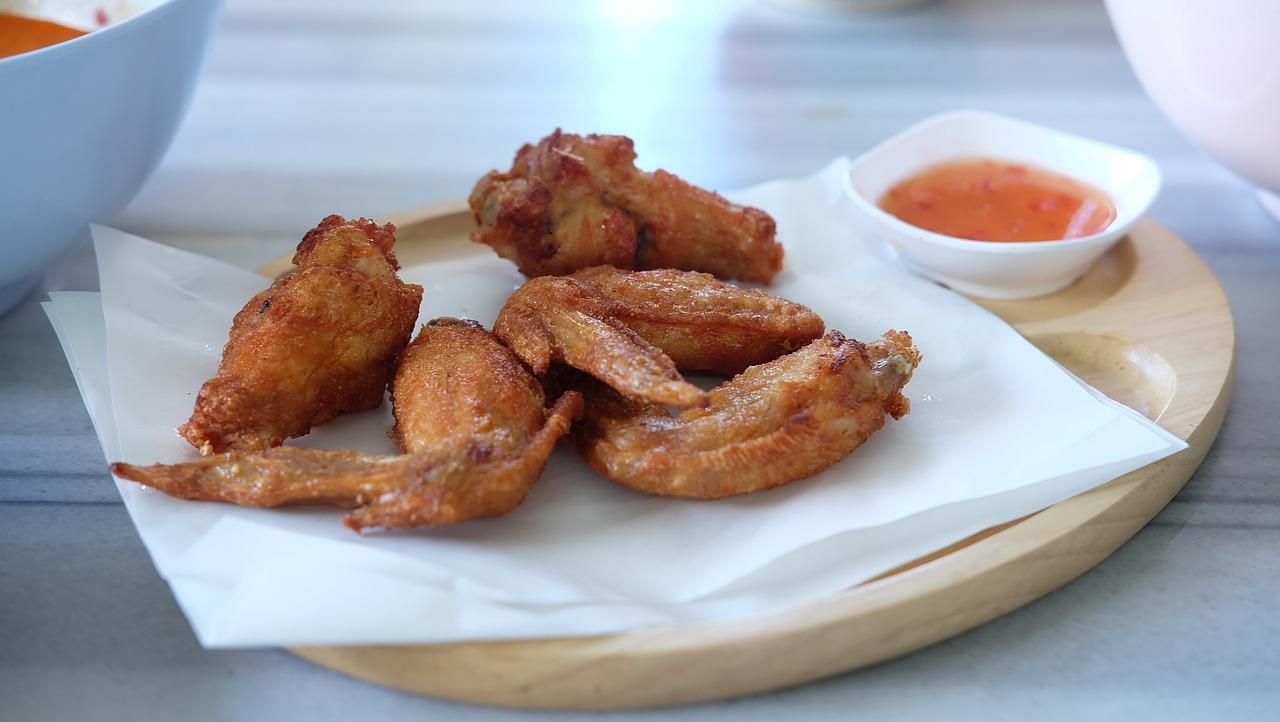
Gai tod Hat YaiSouthern fried chicken

Hat Yai, the busy trading city in Songkhla province near the Malaysian border, gave its name to Thailand's best-loved fried chicken: pieces marinated with coriander root, garlic and white pepper, fried in a thin rice-flour coat until deep bronze, then buried under a drift of crisp fried shallots. Stalls there sell it from early morning with sticky rice and sweet chilli sauce, and Bangkok vendors copy it on every soi. The skin is light and crackly rather than bready, the meat aromatic and well seasoned, and the shallots add sweetness and crunch. Children love it with the sauce on the side. Chef's tip: marinate overnight in the fridge so the coriander root and pepper reach right to the bone.

by KrazyBadal 0 views

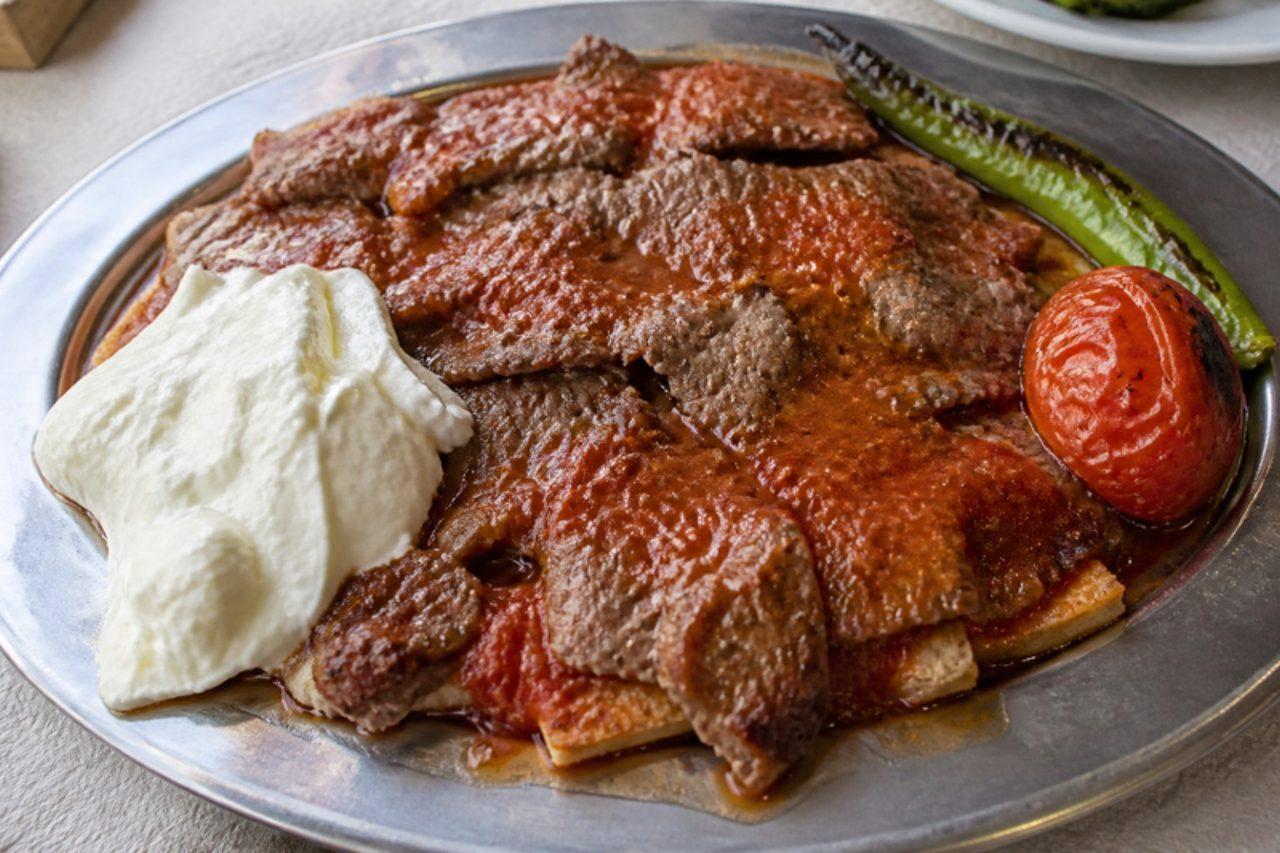
İskender kebabLamb over pide with tomato sauce

İskender comes from Bursa, the old Ottoman capital below Mount Uludağ, where restaurants have served it since the late 1800s and families still queue for it at weekend lunch. Shavings of grilled meat are laid over cubes of soft pide, soaked in a buttery tomato sauce and finished at the table with a pour of foaming brown butter beside a mound of thick yogurt. Without a vertical döner grill at home, very thin slices of marinated lamb leg seared fast in a hot pan get you close: crisp at the edges, juicy in the middle. Serve it with roasted green peppers and a glass of ayran. Chef's tip: partly freeze the meat for 30–40 minutes before slicing; it firms up and you can cut it almost as thin as döner shavings.

by KrazyBadal 0 views

Showing 81 of 7,762 recipes

Show more recipes

Page 759 of 863