


Skip to content
Tielle sétoise
Featured recipe

Tielle sétoise

Spicy octopus and tomato pie

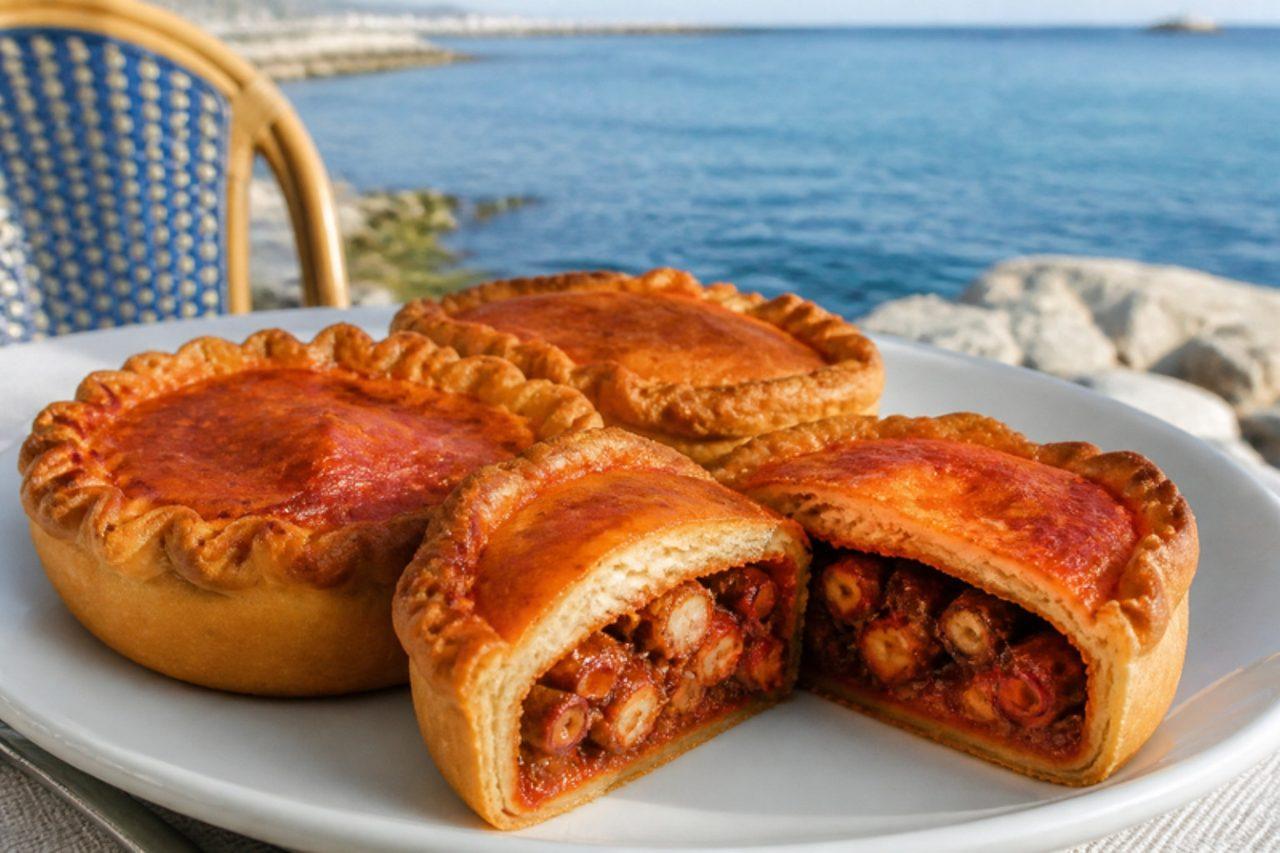
The fishing port of Sète eats tielles everywhere: from bakeries along the canals, at the market on the Halles square, and on the quays during the summer water-jousting festival. Brought by Italian fishing families from Gaeta, the pie wraps a spicy, slow-cooked filling of octopus, onions and tomato in a soft olive-oil bread dough with a fluted, crimped edge. It is chewy, rich and properly peppery, and just as good cold as warm. Cut it into wedges as a snack or serve it with a green salad for lunch. Chef's tip: cook the filling until it is thick enough to hold a line when you drag a spoon through it, or the base will go soggy.

Read more 0 views

What to eat today?

Around the world

Today's trip: Persian

A new country every day, from every cuisine on the site.

Persian

Persian halva

Saffron rose flour halva 40 minMore from Persian (181) →

This week's collection

Kid-friendly dinners
772 recipes · a new collection every Monday

Coming up

All occasions →

Latest recipes

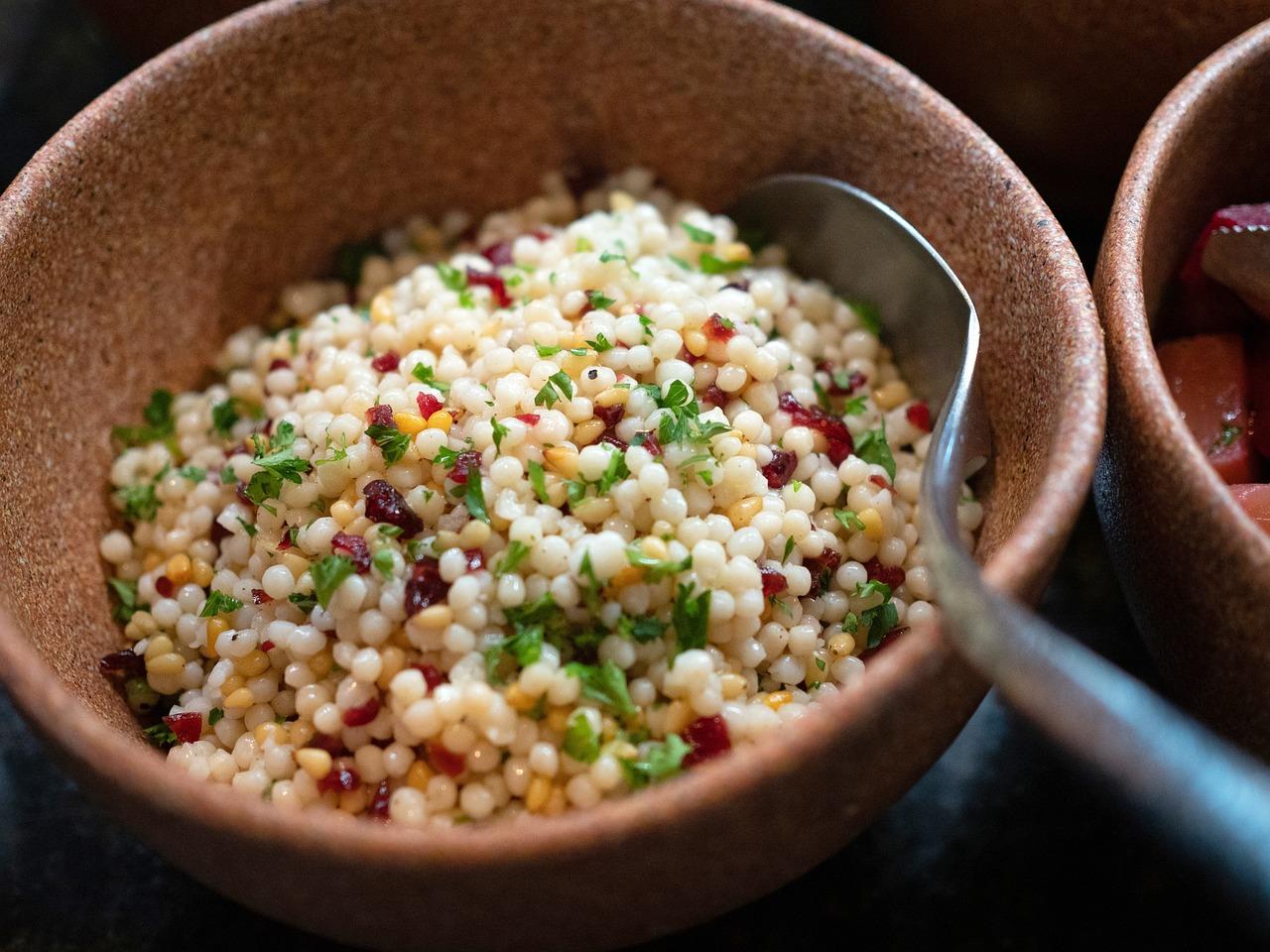
Ptitim with vegetablesToasted pearl couscous with vegetables

Ptitim was invented in Israel in the 1950s, when rice was scarce and the Osem factory was asked to make a wheat substitute; the little toasted pasta pearls soon became the dish every Israeli child grew up on. In homes from Haifa to Be'er Sheva it is cooked like a pilaf, first toasted in oil until nutty, then simmered in stock until plump and chewy. This version folds in courgette, red pepper and peas for a quick weeknight dinner or lunchbox side. Chef's tip: toast the dry ptitim until it smells like popcorn and turns light gold; it gives a much nuttier flavour than boiling it like pasta.

by KrazyBadal 0 views

LángosFried bread with garlic and cheese

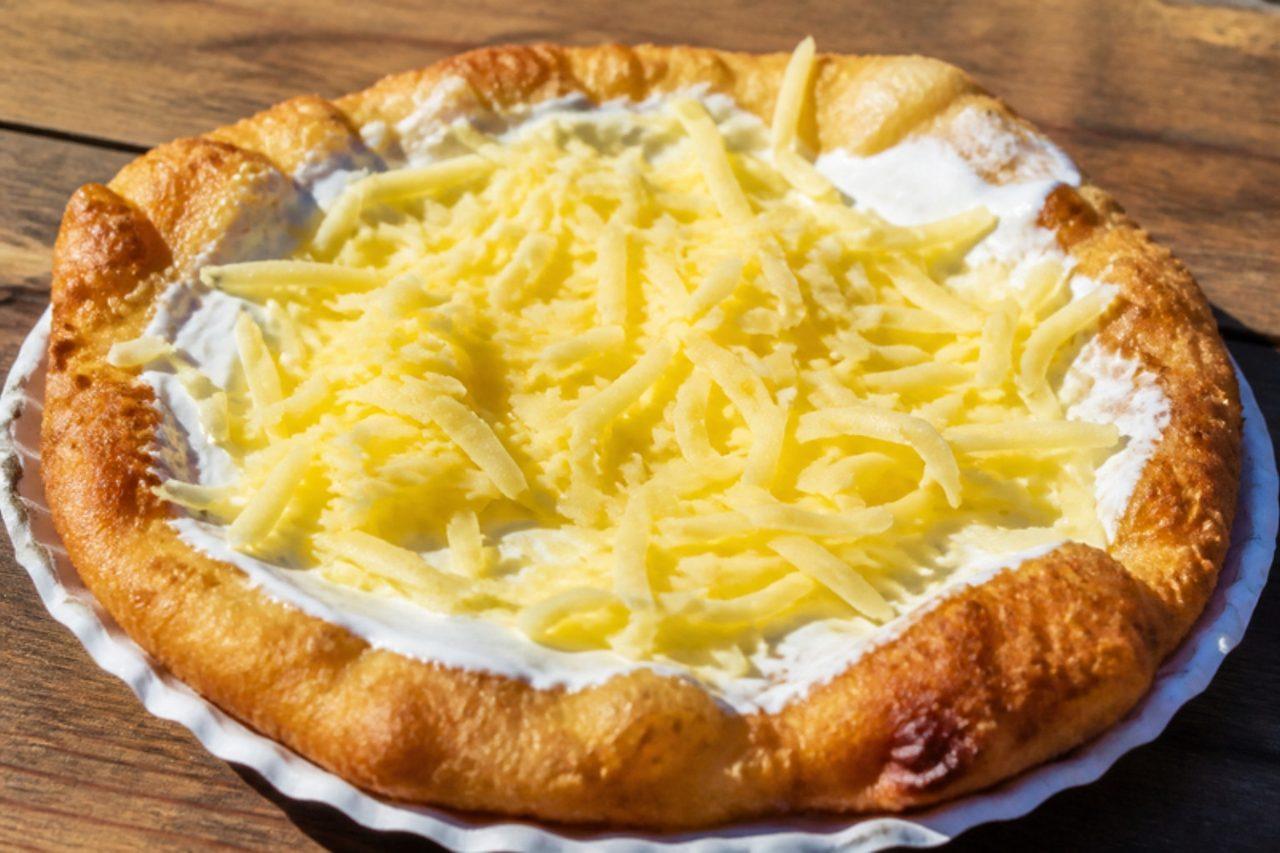
Lángos is the deep-fried flatbread of Hungarian beaches and markets: it is eaten in swimsuits on the shore of Lake Balaton, at Budapest's Great Market Hall and at every summer fair. The dough is soft and yeasted, often enriched with mashed potato, and it fries into a puffy disc that is crisp at the edges and chewy in the middle. The classic topping is garlic water brushed on hot, then sour cream and a snowfall of grated cheese. Chef's tip: stretch the dough thinner in the centre than at the rim; the edge puffs into a crisp crust while the middle stays soft enough to hold the toppings. Choose a cheese made with vegetarian rennet (many supermarket Cheddars and Edams are).

by KrazyBadal 0 views

PanzanellaTomato and bread salad

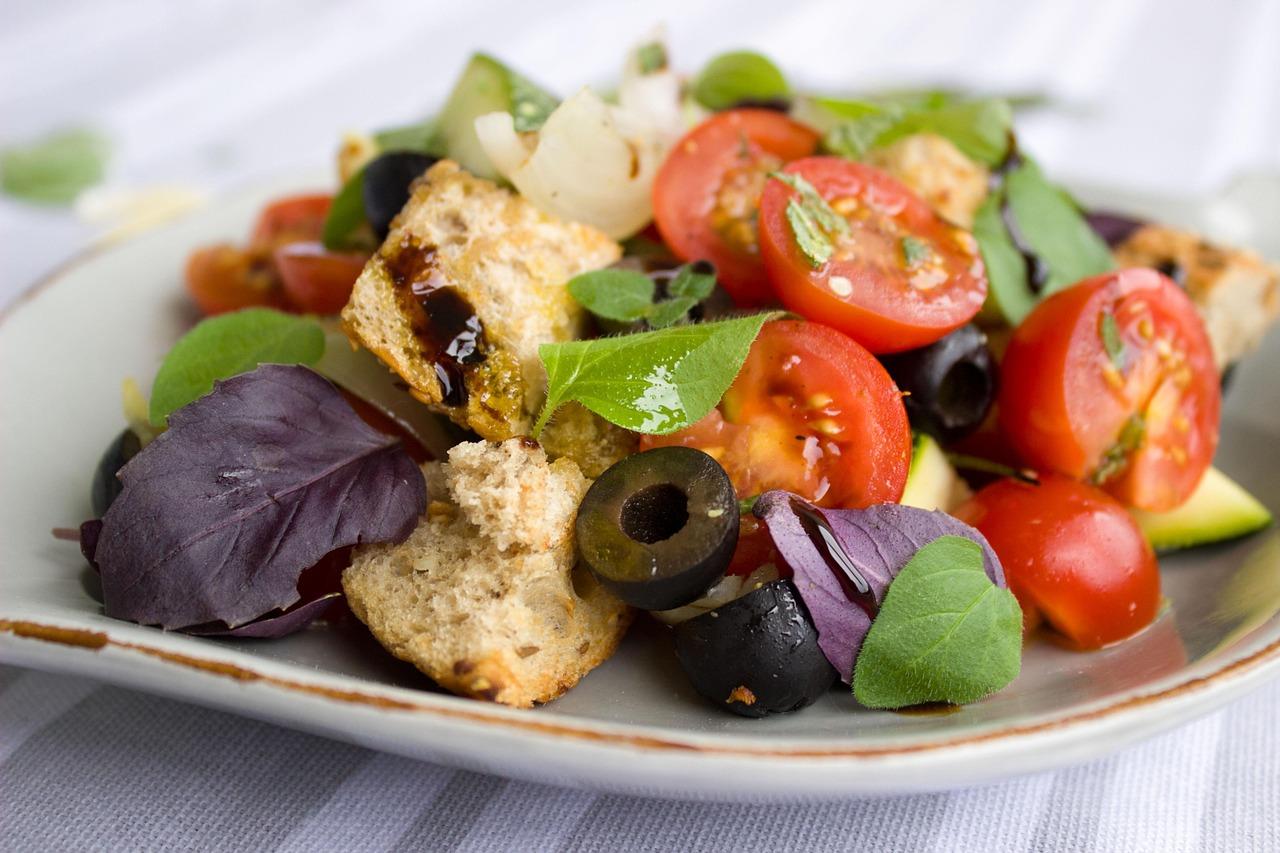
Panzanella is how Tuscans eat old bread in summer: hard, unsalted loaf soaked in water, squeezed and crumbled with juicy tomatoes, cucumber, red onion and basil, then dressed with vinegar and plenty of olive oil. In Florence and the Maremma it is a cool lunch for the hottest days, and every family argues about cucumber. Make it 30 minutes before eating so the bread drinks the tomato juice but keeps some bite. Chef's tip: salt the tomatoes first and let them weep in a bowl; that juice becomes the dressing.

by KrazyBadal 0 views

KleponPandan rice balls with palm sugar

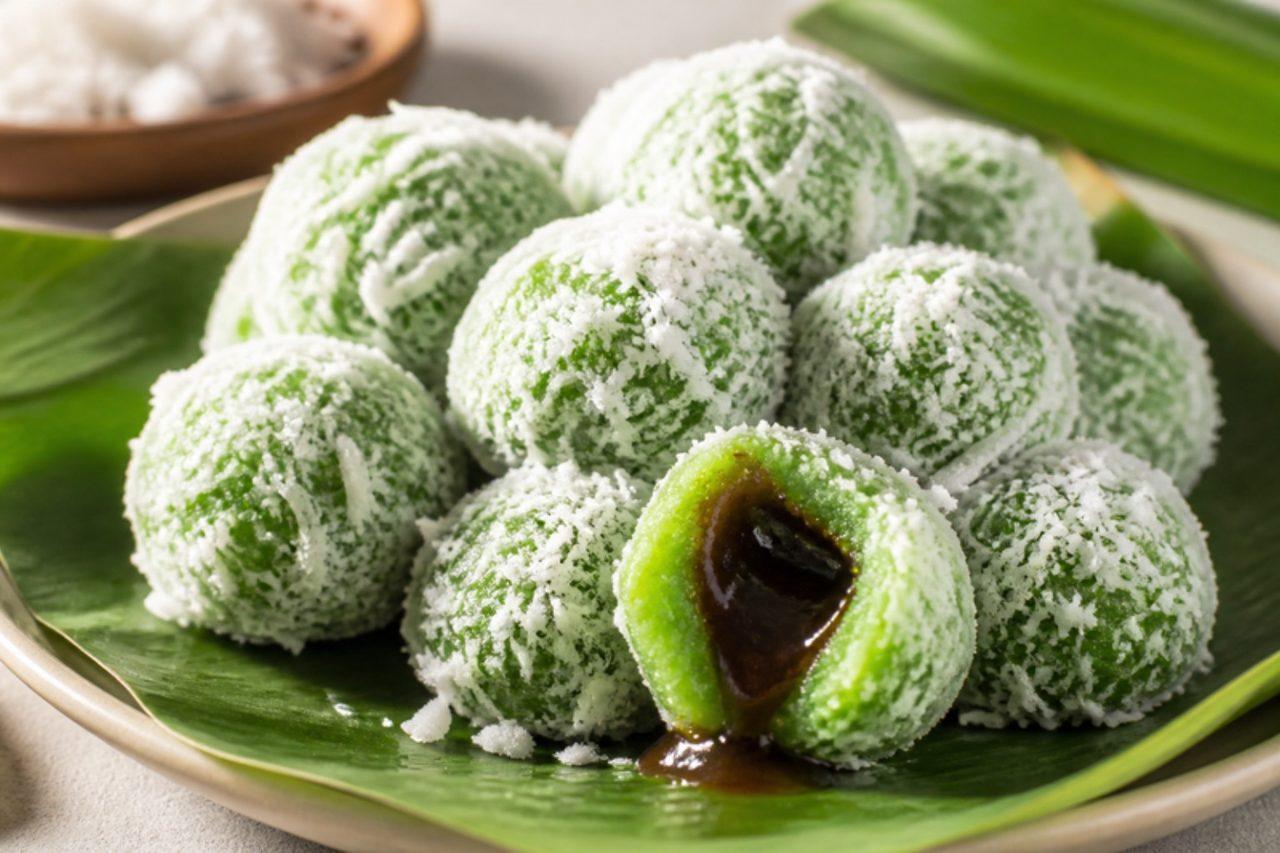
Klepon are the jajan pasar, or market cakes, of Java: sold in the morning from baskets lined with banana leaves, bright green from pandan and dusted with grated coconut. Bite one and a pocket of molten palm sugar floods your mouth, so Javanese eat them whole. Malaysians and Singaporeans know the same sweet as onde-onde, made for festive tea tables, so this page covers both. Chef's tip: seal the balls with no cracks and drop them into gently boiling water — the moment they float, give them one more minute, and the sugar inside will be fully molten.

by KrazyBadal 0 views

LobianiBean-filled bread

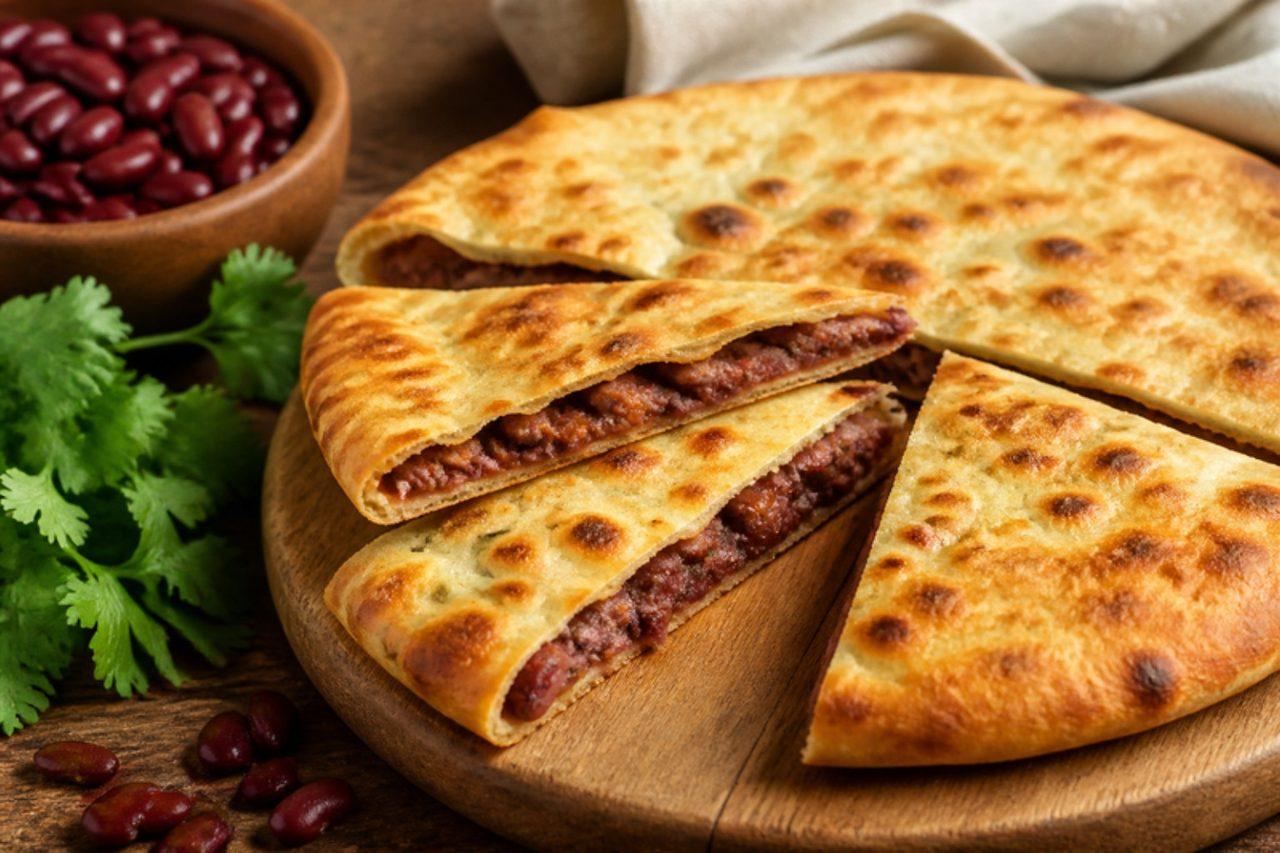
Lobiani is a round bread stuffed with spiced mashed kidney beans, and in Georgia it belongs above all to Barbaroba, St Barbara's Day on 17 December, when households across the country bake it for neighbours and guests. In the highland region of Racha it is often made with ham; this is the plain bean version that is also baked through Orthodox Lent, so the dough here is made with water and oil and the whole bread is vegan. The filling is soft and peppery with coriander and blue fenugreek, and the crust is thin and chewy. A common mistake is making the bean filling too wet, which turns the dough soggy and makes it burst: the mash should hold its shape on a spoon. Chef's tip: fry the onion for the filling until properly golden, not just soft; its sweetness is what makes the beans taste of something.

by KrazyBadal 0 views

QuesitosCream cheese pastry rolls

Every panadería in Puerto Rico has a tray of quesitos by the till, and a warm one with a café con leche is a standard island breakfast, from Old San Juan to small-town bakeries in the mountains. Puff pastry is rolled around a log of sweet vanilla cream cheese and baked until it shatters, then brushed with sugar syrup so the top turns glossy and sticky. The filling stays soft and slightly tangy inside the crisp layers. Chef's tip: chill the filling before you roll, so it holds its shape and doesn't squeeze out of the ends in the oven.

by KrazyBadal 0 views

Pão de ló de OvarMolten-centred sponge cake

Pão de ló is Portugal's oldest sponge cake, made with nothing but eggs, sugar and a little flour, and every region claims its own. In Ovar, a town on the lagoon coast south of Porto, it is baked only briefly, so a thin golden crust hides a centre of barely set, glossy egg cream that oozes when cut. It is the cake for Easter, when godparents give it to their godchildren, and it is sold all year at the town's bakeries wrapped in the paper it was baked in. Eat it at room temperature with a spoon, on its own or with a glass of port. Chef's tip: whisk the eggs and sugar for a full 12–15 minutes until the mixture is very thick and white; that air is the only thing that lifts the cake.

by KrazyBadal 0 views

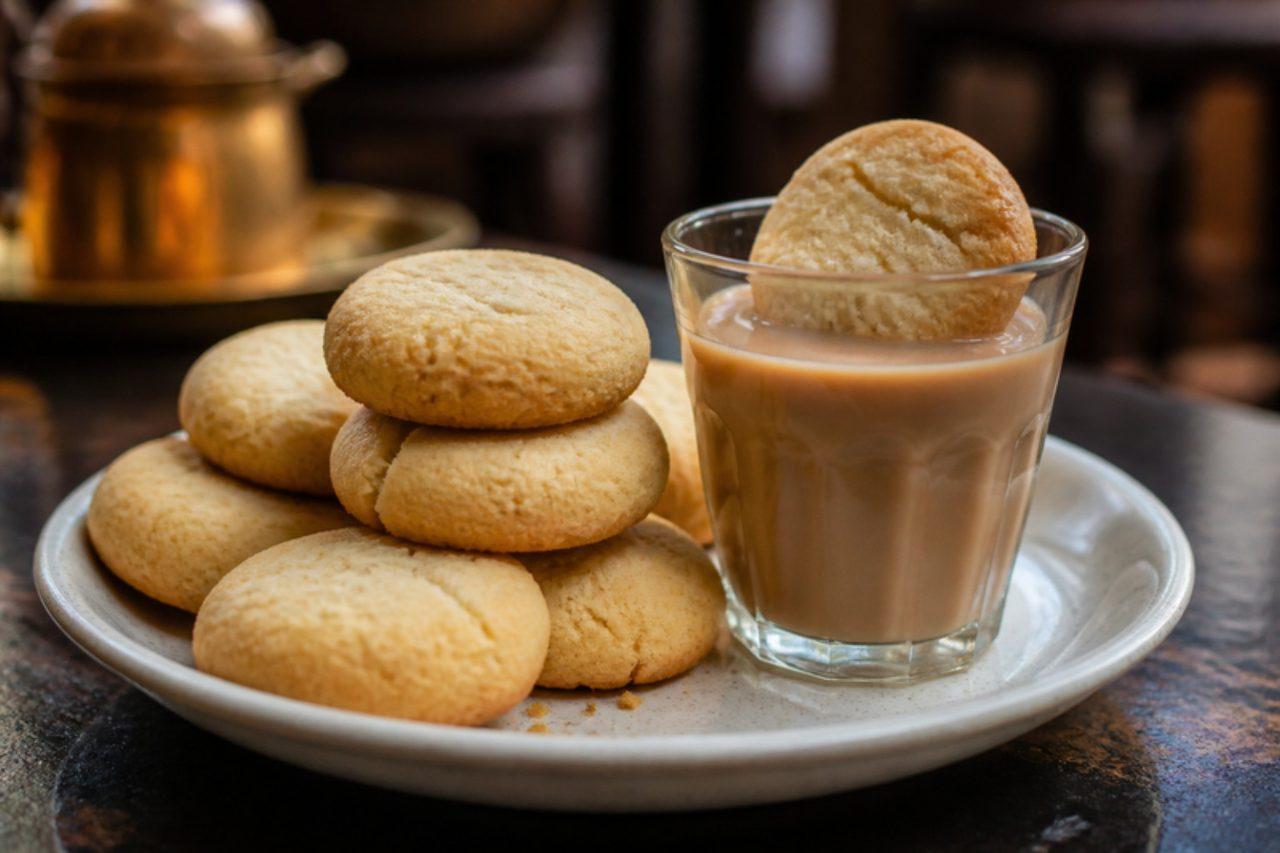
Osmania biscuitsSweet and salty butter biscuits

Osmania biscuits are named after the last Nizam of Hyderabad, and they have been baked in the city's Irani bakeries for generations: round, crumbly, melt-in-the-mouth butter biscuits that are gently sweet with a distinct salty edge and a hint of cardamom. In old-city cafés, men linger over a plate of them and a cup of Irani chai in the early morning or after the evening prayers, dunking each one until it is just about to collapse. Chef's tip: chill the dough before cutting and baking; it keeps the biscuits round and thick instead of spreading thin.

by KrazyBadal 0 views

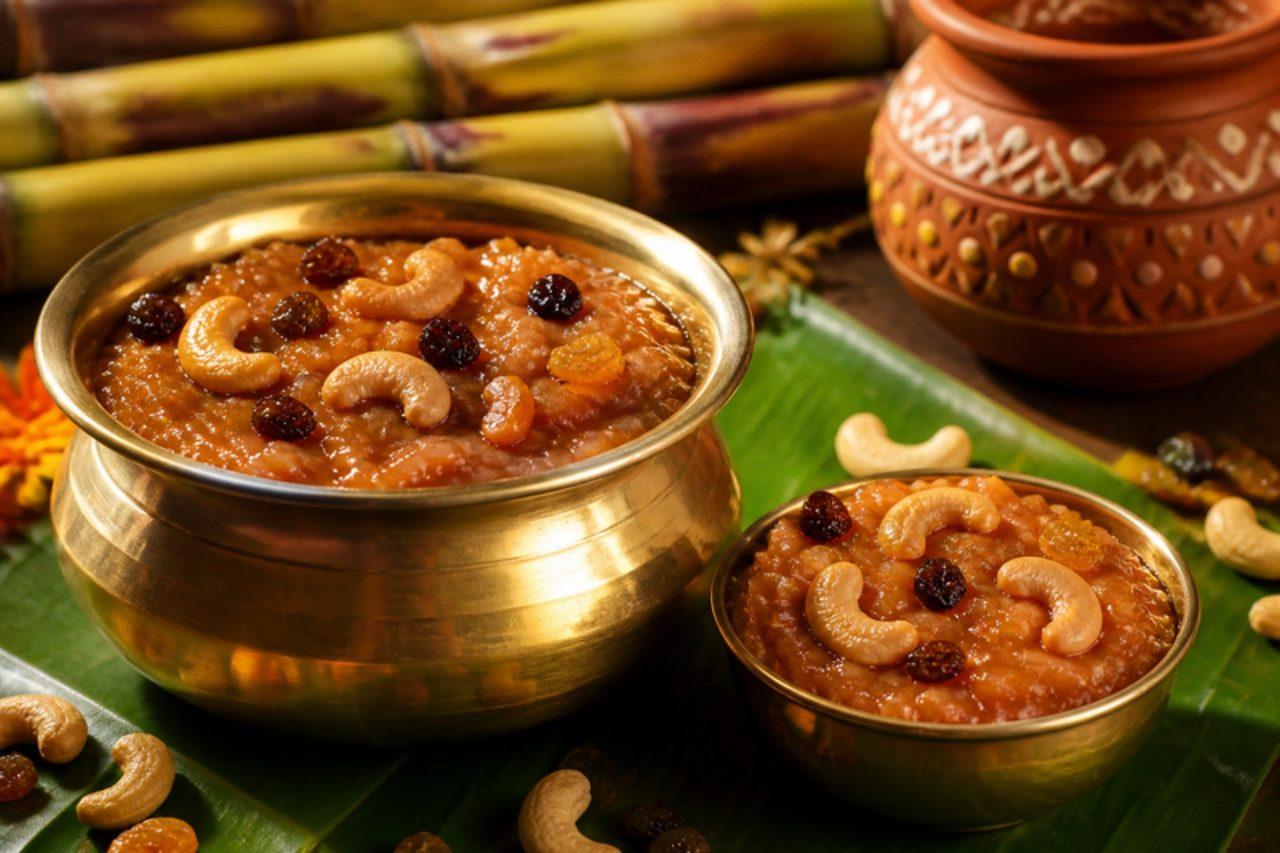
Sakkarai pongalSweet rice and moong dal

On the morning of Thai Pongal in mid-January, families across Tamil Nadu cook new-harvest rice in a clay pot in the courtyard and wait for the milk to bubble over: 'pongalo pongal!'. That pot becomes sakkarai pongal, a sticky, golden-brown sweet of rice and moong dal cooked soft, then simmered with melted jaggery and finished with lots of ghee, cardamom, edible camphor and cashews and raisins fried golden. It's also the classic prasadam at Vishnu temples. It's the sweet twin of the peppery ven pongal. Chef's tip: dry-roast the moong dal until it smells nutty before cooking; it adds a toasty depth that plain boiled dal can't give.

by KrazyBadal 0 views

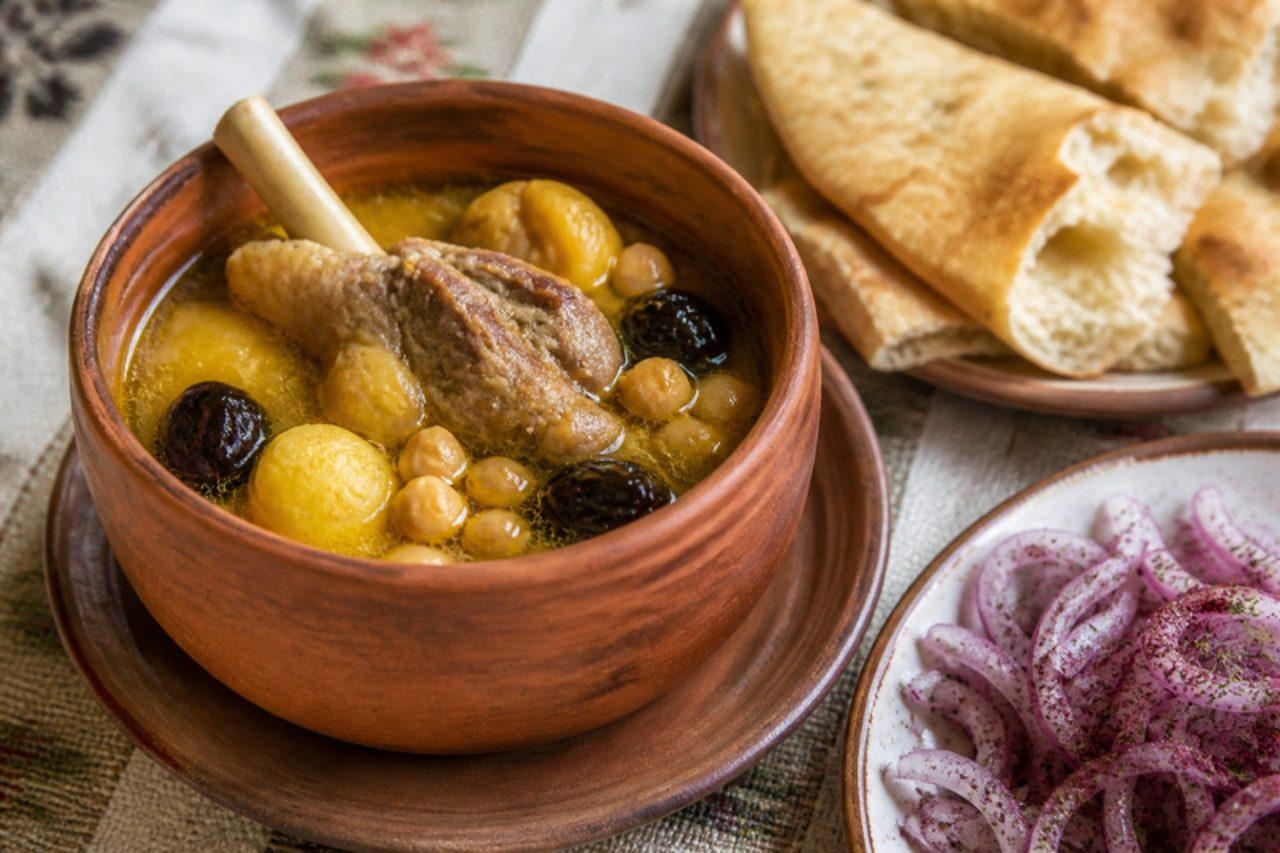
Shaki pitiLamb, chickpea and chestnut stew

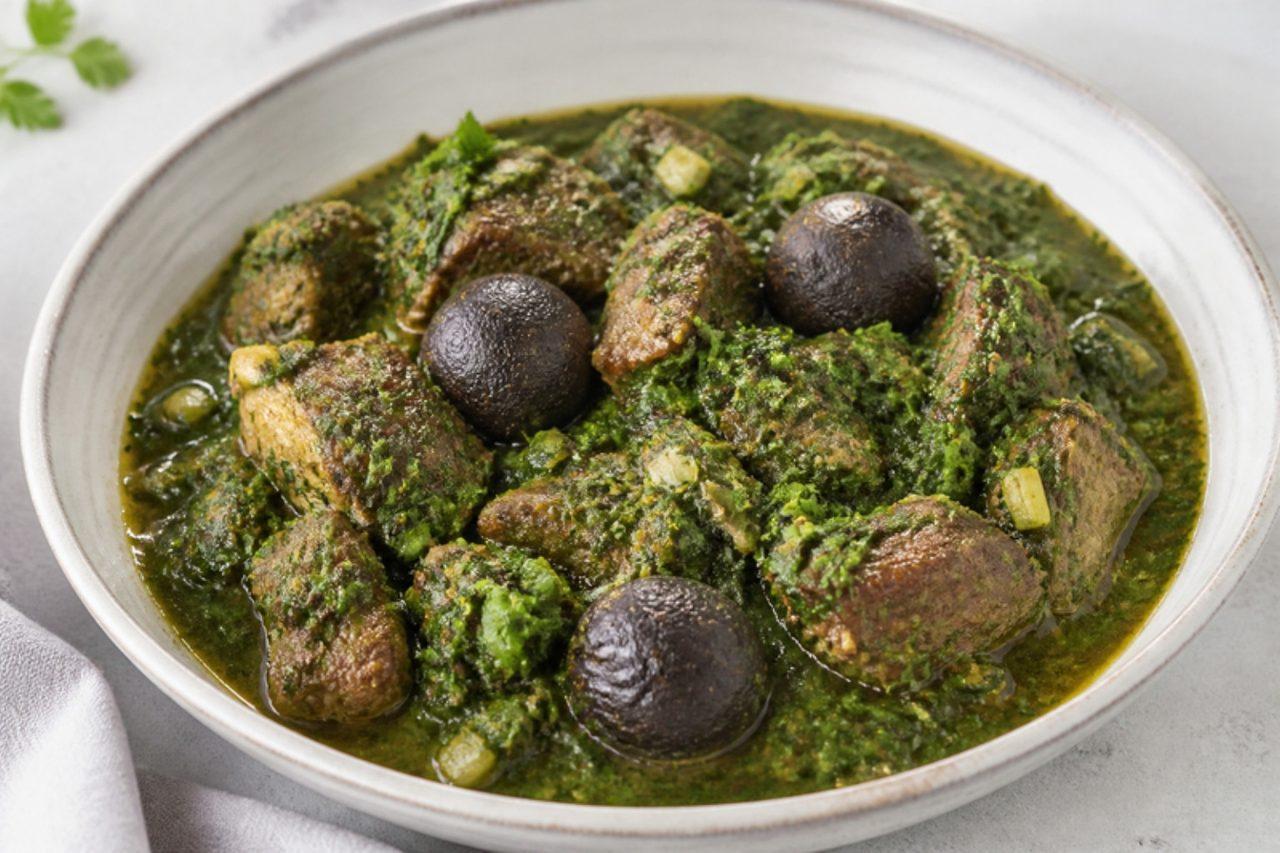
Piti belongs to Shaki, the old silk-road town in the green foothills of northern Azerbaijan, where it is still cooked in individual clay pots and served in restaurants near the caravanserai. Each pot holds lamb on the bone, chickpeas, a chestnut or two, a little tail fat and saffron water. It is eaten in two stages: first you pour the broth over torn bread with sumac, then you mash the meat and chickpeas and eat that as a second course. Rushing it at a high heat is the error to avoid; the broth turns cloudy and the lamb tightens. Chef's tip: if you have no clay pots, a heavy casserole works, and you can ladle it into bowls to serve.

by KrazyBadal 0 views

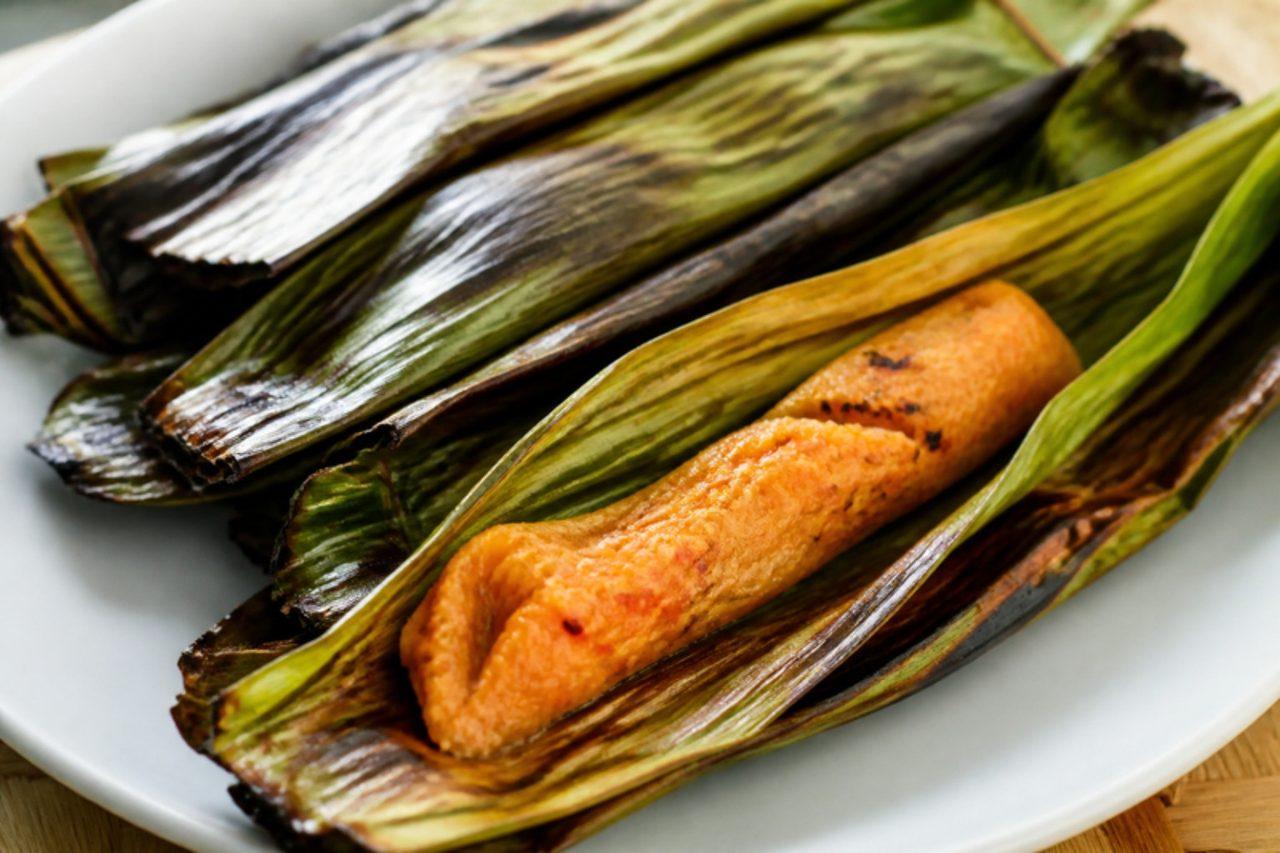
Otak-otakGrilled spiced fish mousse

Drive through Muar in Johor and you will see roadside grills stacked with slim green parcels, sold by the dozen in paper bags for the journey home. Inside each is a soft, bright-orange custard of pounded mackerel, coconut milk and egg, flavoured with a chilli-lemongrass rempah and kaffir lime leaf, which turns smoky and slightly charred at the edges from the grill. Melaka's Nyonya cooks make a fatter, steamed version, but this one is grilled in banana leaf. Eat it warm, peeled straight out of the leaf, with white bread, rice or nasi lemak. Chef's tip: chill the fish mixture for 15 minutes before wrapping; it firms up and is far easier to spoon onto the leaves.

by KrazyBadal 0 views

Ou khattaElephant apple chutney

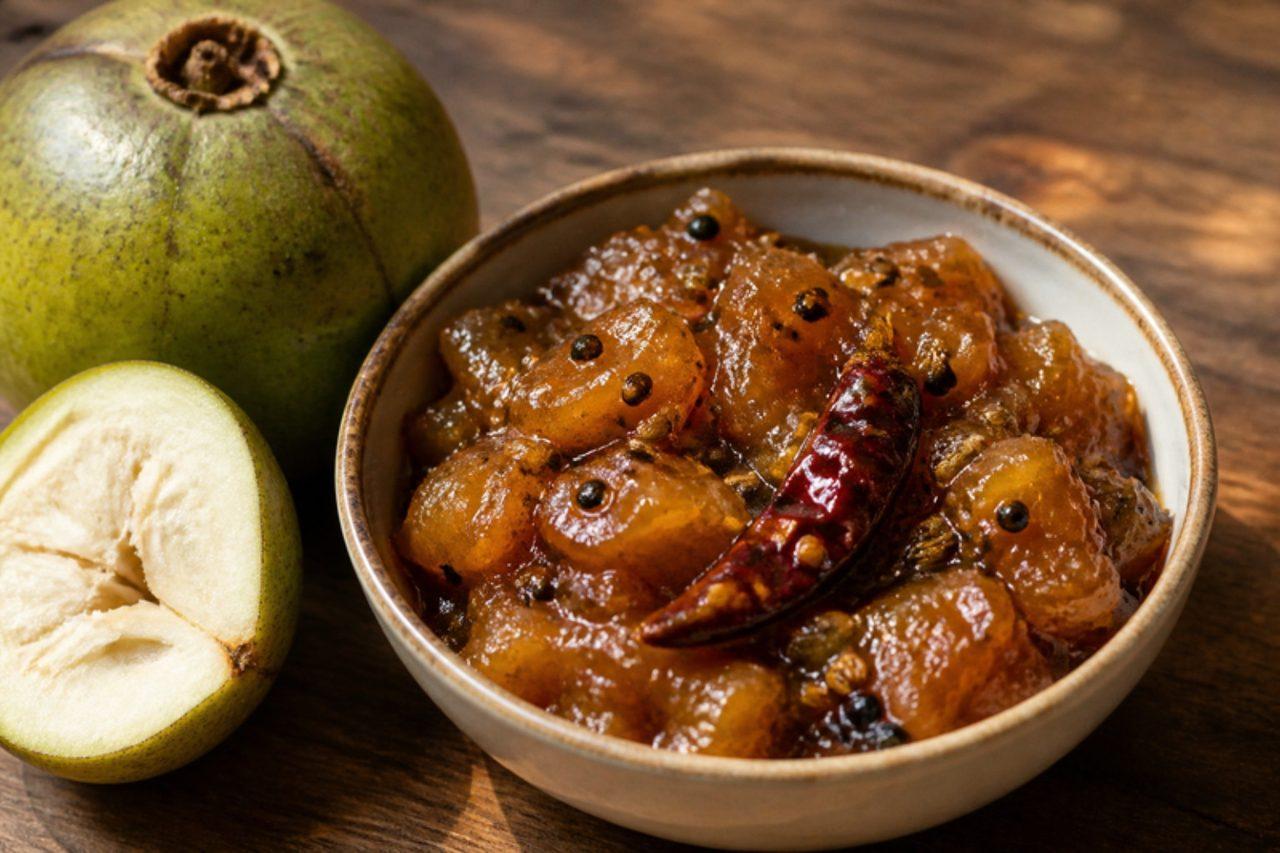
Ou tenga, the elephant apple, is a hard, sour green fruit that grows across Assam and turns up in every winter market in Guwahati. Ou khatta is its sweet chutney: slices are boiled until tender, then simmered with jaggery and panch phoron until glossy, sticky and sharp-sweet. It is served in a little mound at the end of a festive Assamese lunch and at Bihu feasts, the way Bengalis end with tomato chutney. Chef's tip: outside the Northeast, use a mix of very sour green apple and a little tamarind; it gets surprisingly close.

by KrazyBadal 0 views

Guiyang si wa waPancake rolls with shredded vegetables

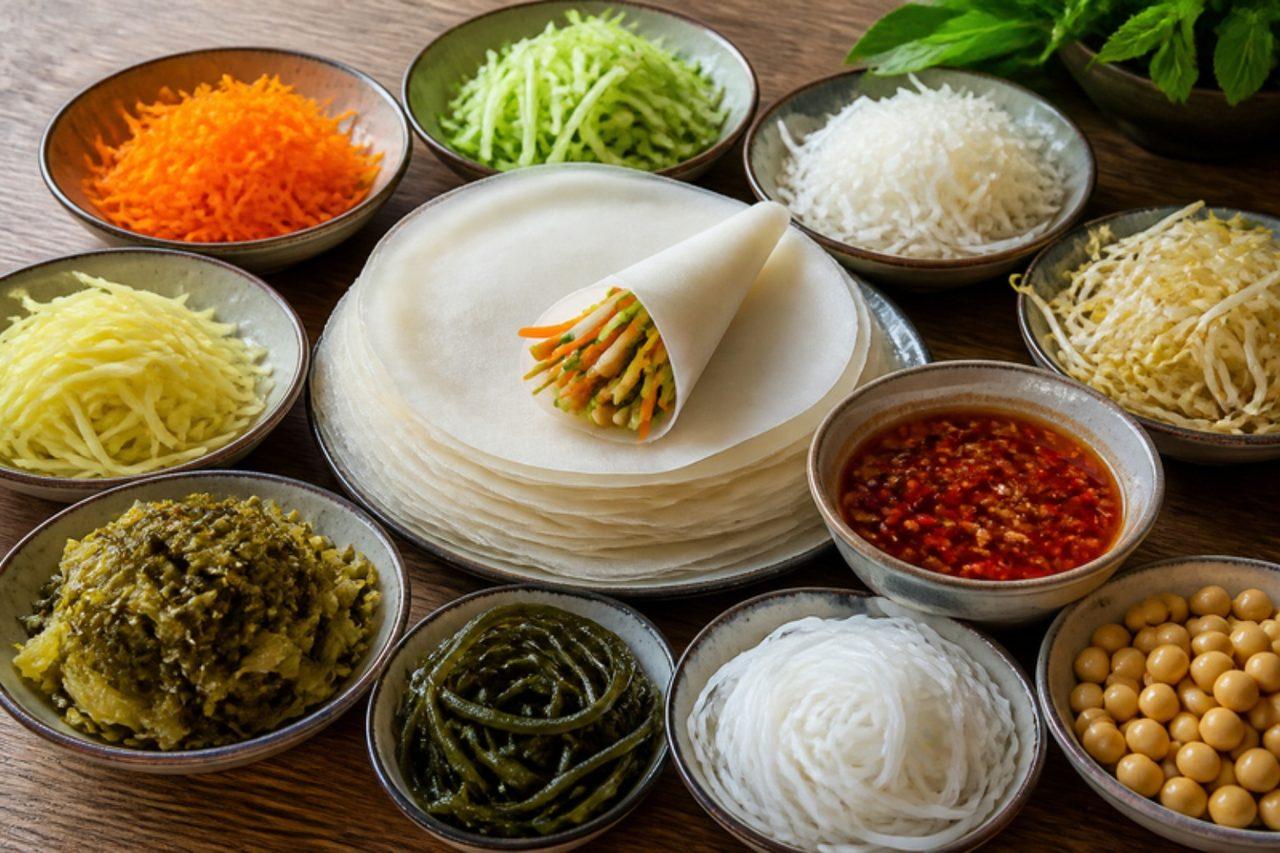
Guiyang's favourite street snack is a do-it-yourself meal: stalls set out twenty or more small bowls of shredded vegetables, and each person wraps a few strands in a pancake no bigger than a palm, folds it like a swaddled baby and pours in a spoonful of sour, chilli-flecked broth. It's light, crunchy and fun to eat with friends. Use as many fillings as you like; the more colours, the better. Chef's tip: shred everything as fine as you can, so the little parcels stay neat and each mouthful has several flavours.

by KrazyBadal 0 views

Litti chokhaStuffed wheat balls with mashed vegetables

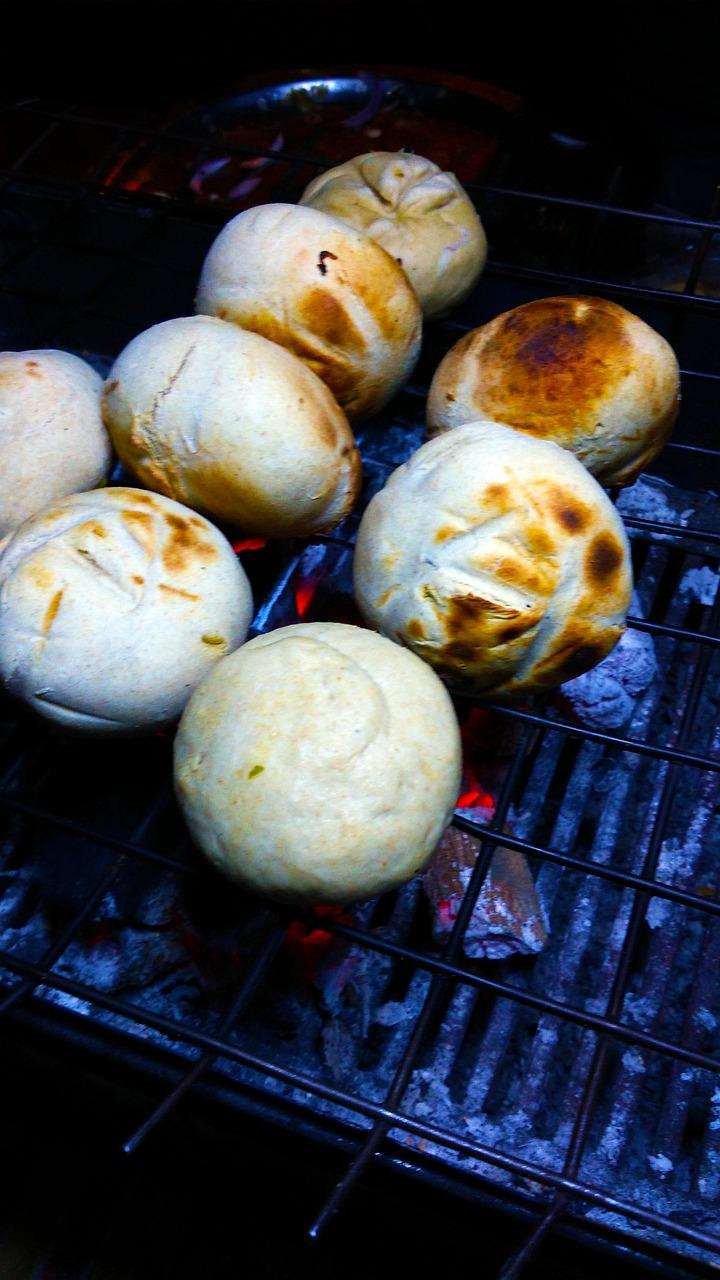
Litti chokha is Bihar's signature meal, cooked on street corners and at village gatherings over smouldering embers. Litti are rustic wheat balls stuffed with sattu (roasted gram flour) sharpened with garlic, ginger, mustard oil and pickle masala; they bake until crusty outside and crumbly inside. Chokha is a smoky mash of fire-roasted aubergine, potato and tomato with raw mustard oil and green chilli. Together they are filling, protein-rich and deeply savoury. Many Biharis dunk hot litti in melted ghee; for a vegan plate, brush them with mustard oil instead. Chef's tip: roast the aubergine and tomatoes right on a gas flame until the skins are black all over; that charring is the whole flavour of chokha.

by KrazyBadal 0 views

Ovocné knedlíkyFruit-filled dumplings

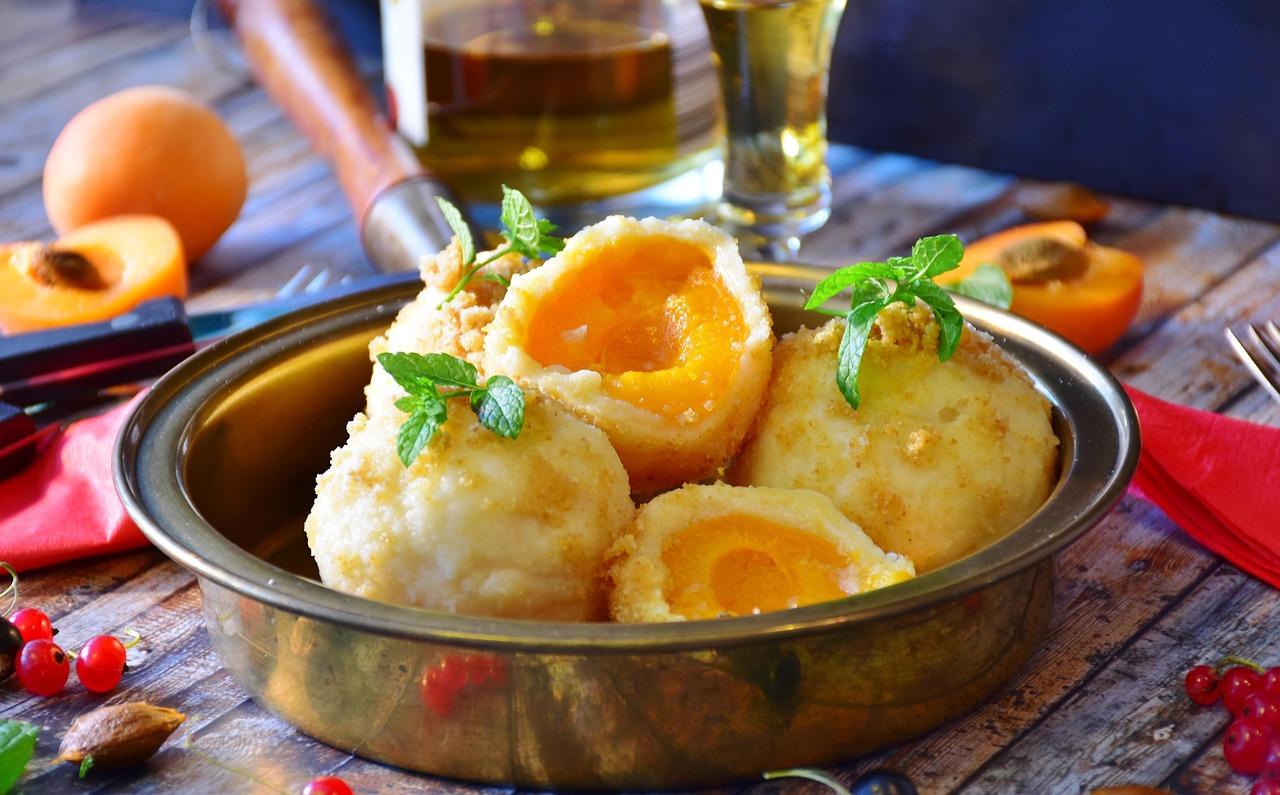
Ovocné knedlíky are the summer main course of Czech childhoods: in July with apricots from South Moravian orchards, in September with blue plums, eaten as lunch rather than pudding. Each soft quark dumpling hides a whole fruit that turns jammy as it simmers, and they are served the old way, rolled in melted butter and buried under grated tvaroh (quark) and icing sugar. Kids compete over who can eat the most. Chef's tip: pinch the dough completely closed with no thin patches; a single gap lets water in and the dumpling bursts in the pot.

by KrazyBadal 0 views

Lahpet thokePickled tea leaf salad

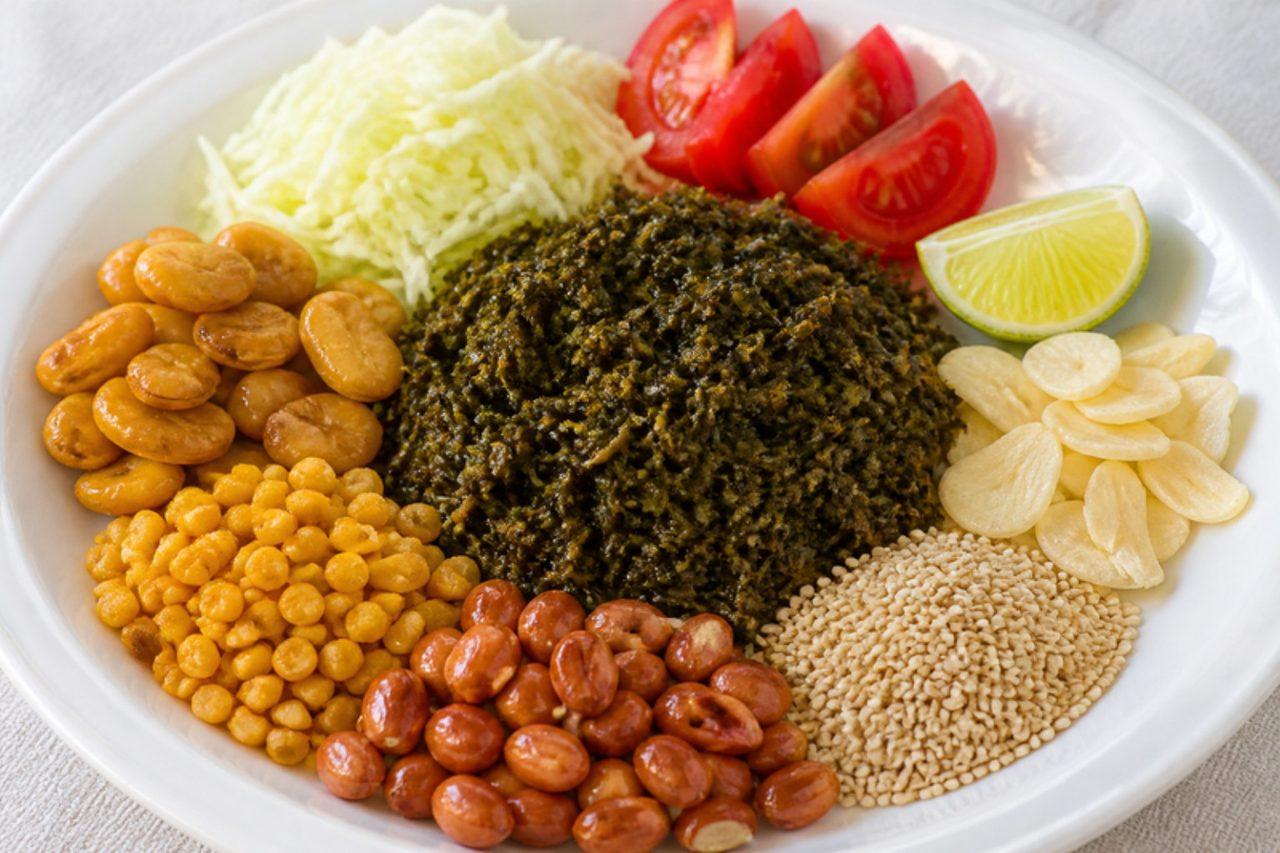
Lahpet thoke is how Myanmar welcomes a guest: a lacquered tray of pickled tea leaves surrounded by fried beans, peanuts, sesame and garlic, offered after meals, at weddings and at monk feasts from Mandalay to Yangon. Mixed into a salad with cabbage, tomato, chilli and lime, it becomes the country's most famous dish: bitter, sour, salty and crunchy at once, with a gentle caffeine lift. Ready-made lahpet sometimes contains fish sauce and the crunchy mix often has dried shrimp, so this version quick-pickles loose green tea at home. Chef's tip: soak the tea in several changes of hot water and squeeze it hard each time; that's what tames the bitterness.

by KrazyBadal 0 views

Ovoshchnoe raguSummer vegetable stew

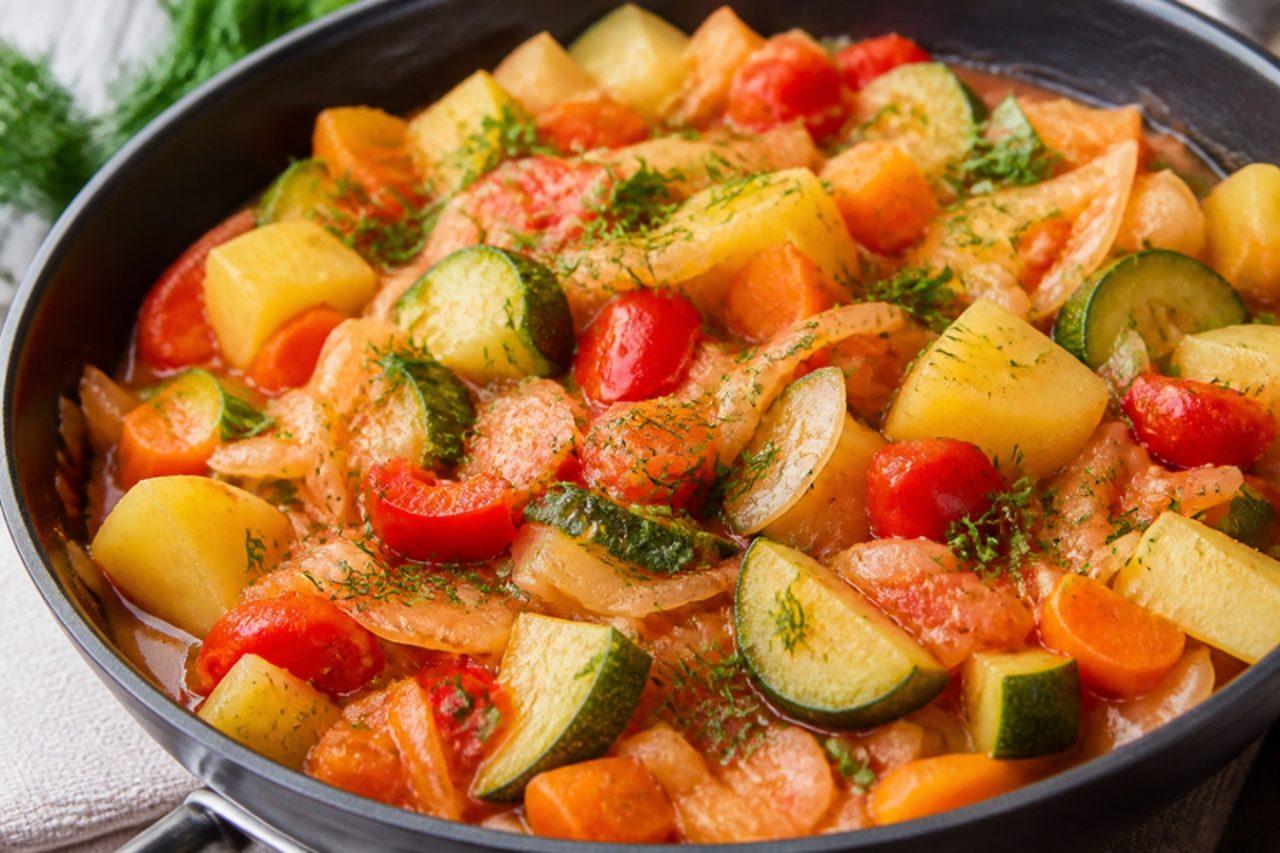
Ovoshchnoe ragu is what happens at a Russian dacha in August, when the garden outside Moscow or Nizhny Novgorod produces more courgettes, cabbage, peppers and new potatoes than anyone can eat. Everything is fried in turn, then stewed together in one heavy pot with tomato until soft and spoonable, and eaten hot with black bread, or cold the next day. It is homelier than French ratatouille or Greek briam: cabbage and potatoes give it body, and dill and garlic go in right at the end. Chef's tip: fry each vegetable separately before stewing; dumping everything in raw gives a watery, boiled taste.

by KrazyBadal 0 views

OyakiStuffed steamed dumplings

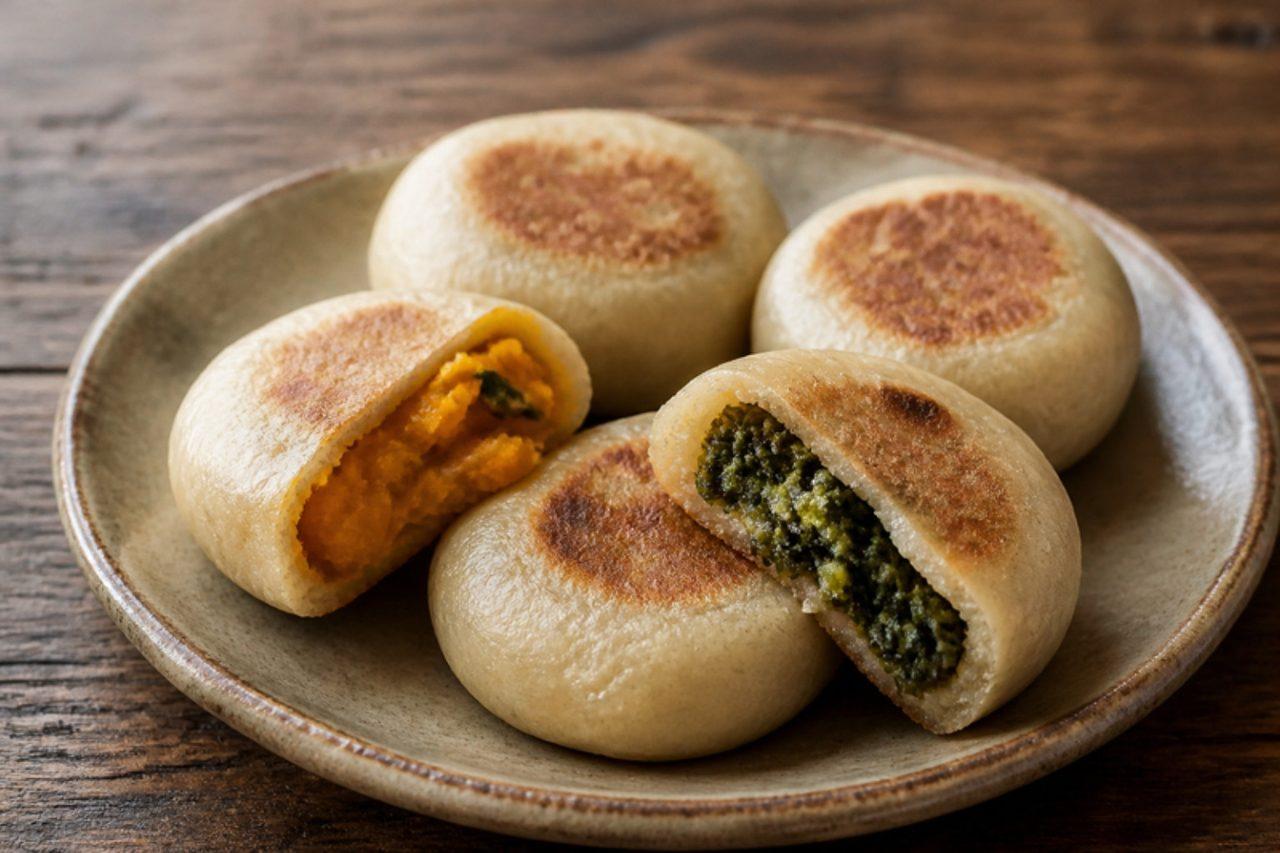
Oyaki are the everyday snack of Nagano's mountain villages, where rice was scarce and wheat and buckwheat grew better. The plump dumplings are filled with whatever the season gives: pickled nozawana greens in winter, aubergine and miso in summer, sweet squash in autumn. Old farmhouses baked them in the ashes of the irori hearth; today they are browned in a pan and steamed, so they come out crusty on both faces with a soft, chewy middle. They travel well, which made them the lunch of farmers and hikers on the trails around Zenkoji temple. Chef's tip: let the dough rest for at least 30 minutes. A relaxed dough stretches thin around the filling without tearing.

by KrazyBadal 0 views

OyakodonChicken and egg rice bowl

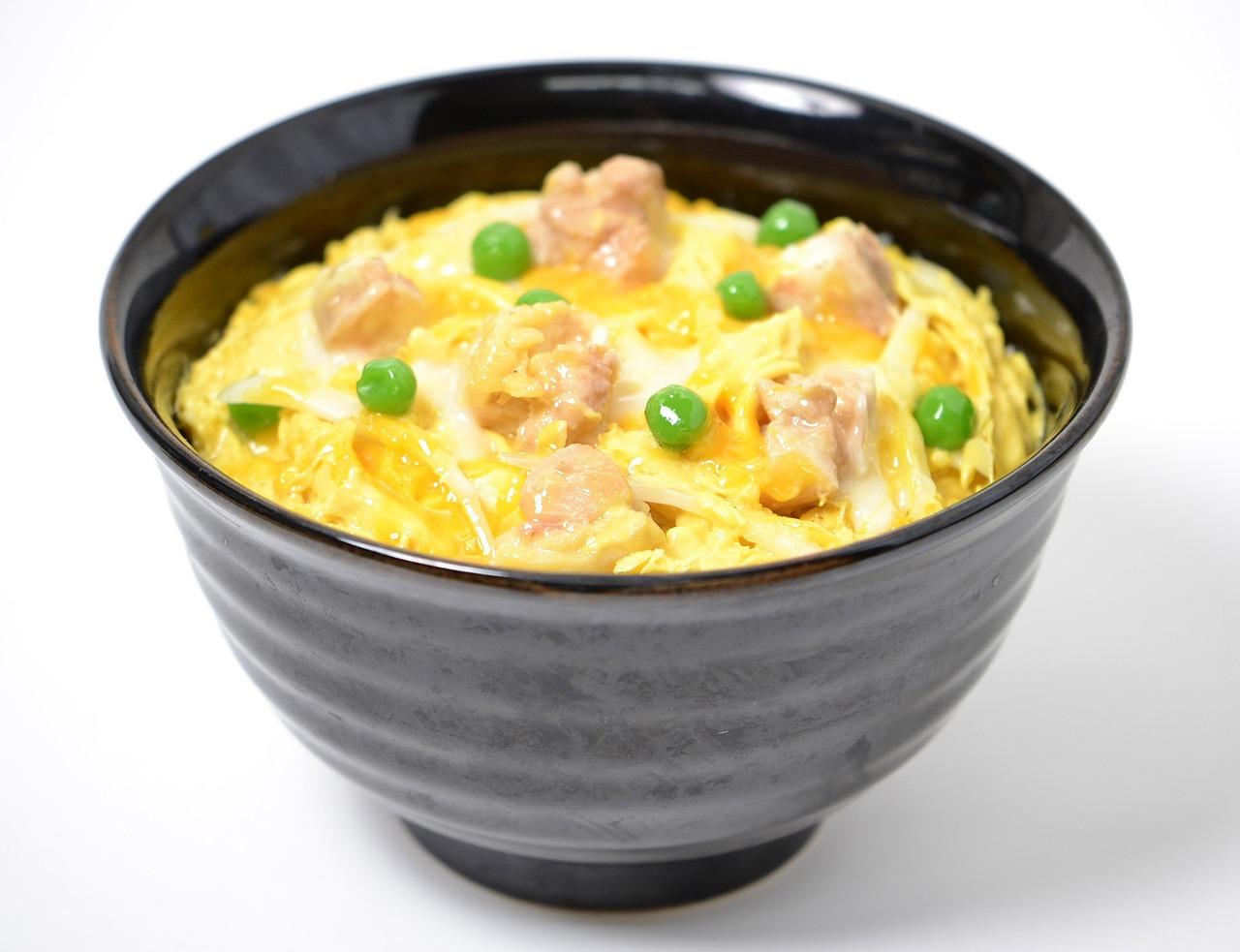
The name means 'parent and child bowl', a gentle joke about cooking the chicken and the egg together. A Nihonbashi chicken restaurant in Tokyo says it first served the dish in the 1890s, and today it is a staple lunch in soba shops, office canteens and home kitchens all over the country. Thigh meat and sliced onion simmer briefly in sweet soy dashi, then beaten egg goes in and is taken off the heat while still soft and glossy. Everything slides onto a bowl of hot rice so the sauce seeps into the grains. Chef's tip: beat the eggs with just a few strokes of chopsticks, leaving streaks of white and yolk, as that marbled look and silky texture is what you're after.

by KrazyBadal 0 views

Sarawak laksaSpicy coconut noodle soup

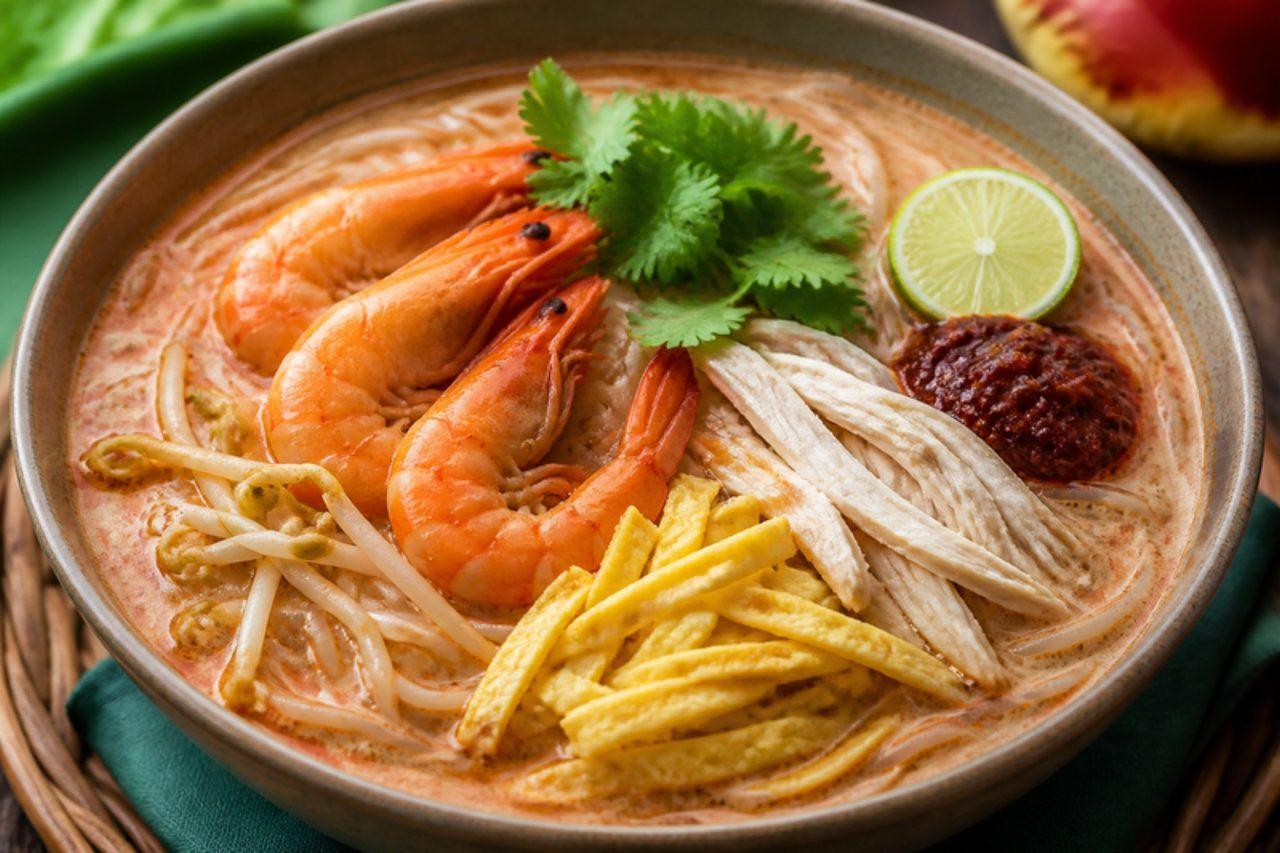
Kuching wakes up to laksa Sarawak, ordered at coffee shops before work and reaching its peak on a lazy Sunday morning. It looks nothing like curry laksa: the broth is a russet, gently creamy soup built on a complex paste of chillies, shallots, galangal, toasted sesame, peanuts and warm whole spices, cooked into a chicken and prawn-shell stock with tamarind and a little coconut milk. Thin rice vermicelli is topped with shredded chicken, whole prawns, ribbons of omelette and bean sprouts, and every bowl comes with lime and a dab of sambal belacan. The work is in the paste, which keeps well and makes several batches. Chef's tip: toast the spices, sesame seeds and peanuts separately in a dry pan before grinding; it gives the broth its deep, roasted aroma.

by KrazyBadal 0 views

PrinsesstårtaMarzipan-covered layer cake

This domed green cake sits in every Swedish konditori window and is the cake for name days, birthdays and the last week of September, which Swedes call Prinsesstårtans vecka. It was first written down in the 1930s by Jenny Åkerström, cookery teacher to three young Swedish princesses, and they adored it. Under the smooth marzipan lie airy sponge layers, raspberry jam, thick vanilla custard and a tall mound of whipped cream. Shop versions often set the cream with gelatine; here the custard is firmed with cornflour and the cream with a little mascarpone, so it is fully vegetarian and still slices cleanly. Chef's tip: assemble the cake the day before you need the custard and sponge, but cover it with marzipan only a few hours before serving; marzipan sweats in the fridge overnight.

by KrazyBadal 0 views

LaingTaro leaves in coconut milk

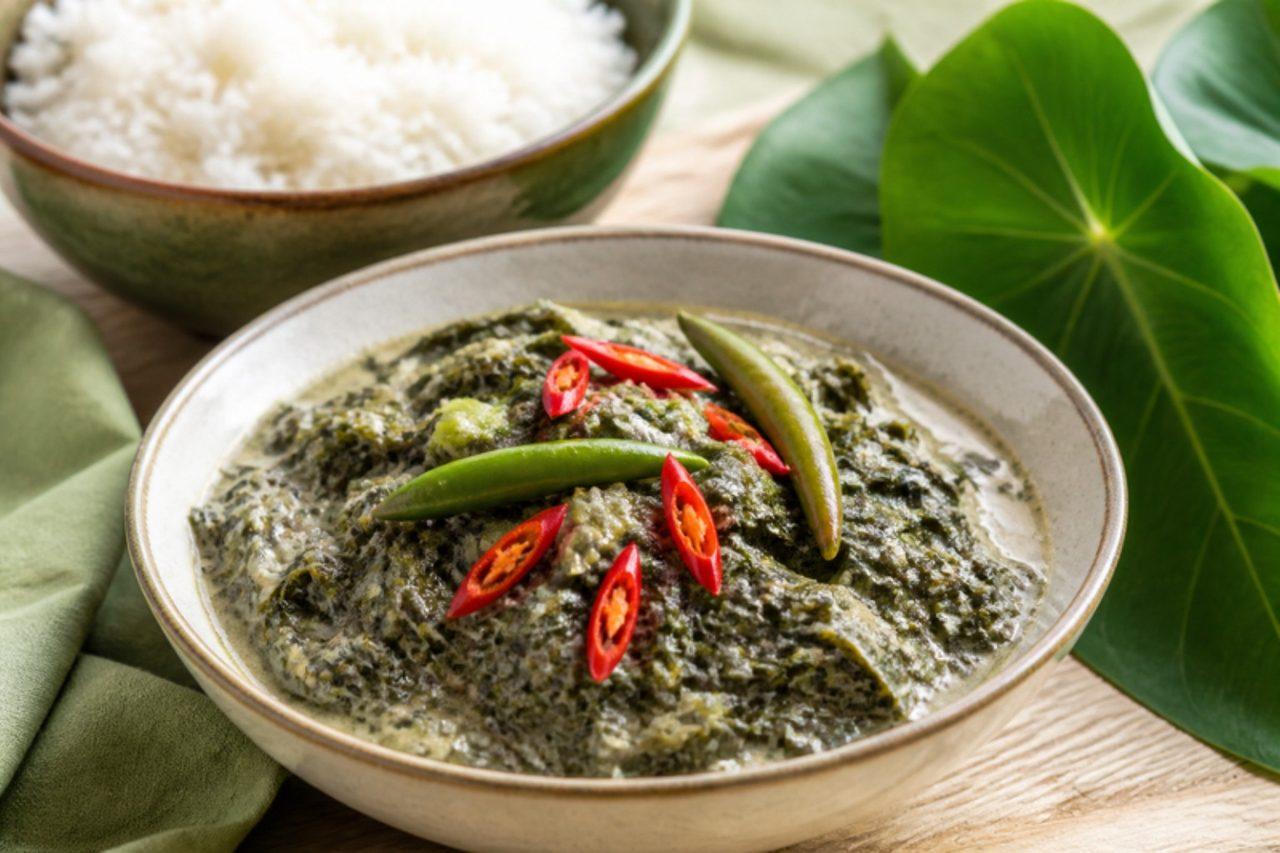
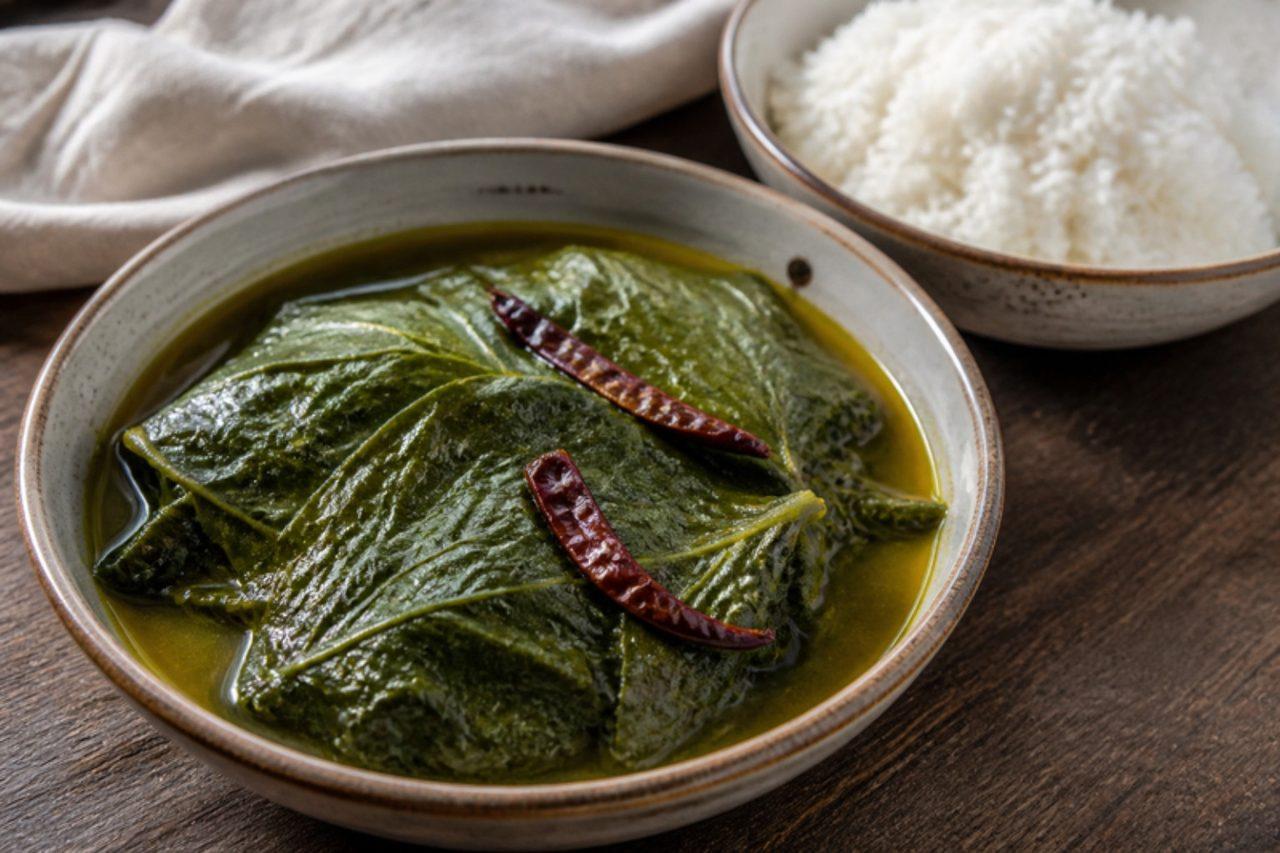
Laing is the pride of Bicol, the chilli-loving region at the southern tip of Luzon. Dried taro leaves are simmered for close to an hour in coconut milk with ginger, lemongrass and siling labuyo until they collapse into a dark, creamy, spicy mass, then finished with thick coconut cream. Bicolano cooks usually add pork or dried fish and shrimp paste; this vegetarian version leans on extra ginger and a little salt and stays rich. Eat it with plain rice, often as a Friday or Lenten dish. Chef's tip: lay the leaves on top of the coconut milk and don't stir until they have soaked it up; stirring raw taro leaves early is said to leave an itchy taste.

by KrazyBadal 0 views

Pabellón criollo vegetarianoMushrooms, black beans and rice plate

Pabellón criollo is Venezuela's national dish, the lunch plate served in family kitchens and at every Caracas lunch counter: white rice, black beans (caraotas), sweet fried plantain (tajadas) and shredded stewed beef side by side, like the stripes of a flag. This vegetarian version replaces the beef with king oyster mushrooms pulled into strands and stewed in a sofrito with tomato, cumin and a little panela, which gives the same tender, shredded texture. For slow-cooked beans from scratch, see the frijoles negros cubanos page. Chef's tip: shred the mushrooms along the grain with a fork, as you would pull beef; it's what makes them look and eat like carne mechada.

by KrazyBadal 0 views

Pachamanca a la ollaPot-steamed meats with potatoes

In the highlands around Huancayo and Ayacucho, families mark harvests and saints' days by burying marinated meats, potatoes, sweet potatoes, broad beans and humitas under hot stones and earth for a pachamanca, an 'earth pot'. City cooks get close to it with a heavy pot: the same green marinade of huacatay (black mint), chincho, ají and garlic, layered with meats and roots and steamed in their own juices under banana or corn leaves. Chef's tip: layer the hardest things lowest, potatoes on the bottom and chicken nearest the lid, just as the stones are packed in the field.

135 minPeruvianMeatGluten free
by KrazyBadal 0 views

Pachi pulusuRaw tamarind soup

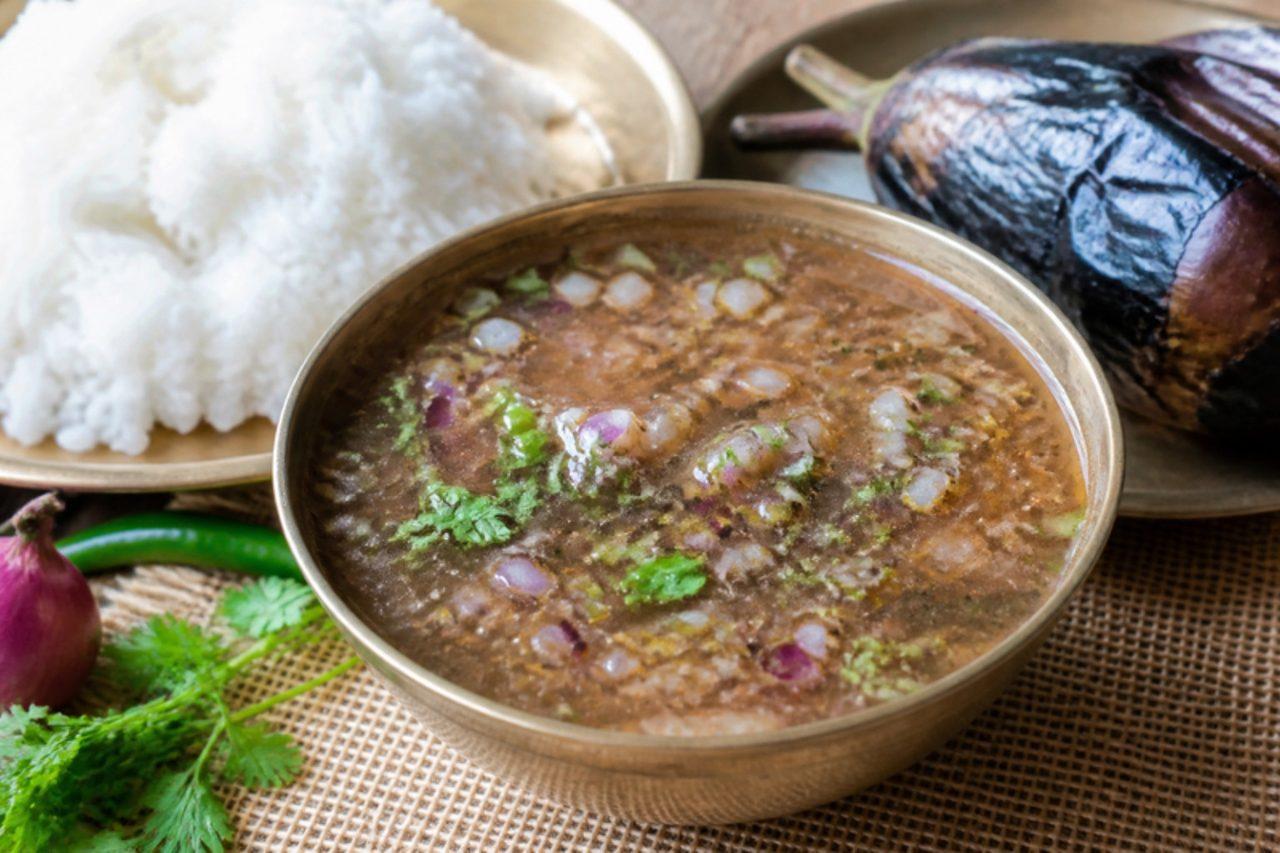
Pachi pulusu, 'raw stew', is Telangana's summer cooler: a no-cook tamarind water stirred with jaggery, finely sliced raw onion and green chilli, finished with a hot mustard-seed tempering. In the heat of April and May in villages around Warangal and Karimnagar, families pour it over hot rice with a spoonful of dal or a spicy fry, and it wakes up appetites dulled by the sun. Some add a smoky roasted brinjal mashed in, which gives it body. Sweet, sour and sharp at once, it takes ten minutes. Chef's tip: rub the onion with salt and a little chilli powder in your fingers before adding the tamarind water, so it softens slightly and flavours the whole bowl.

by KrazyBadal 0 views

Kashmiri modur pulavSweet saffron rice with dry fruit

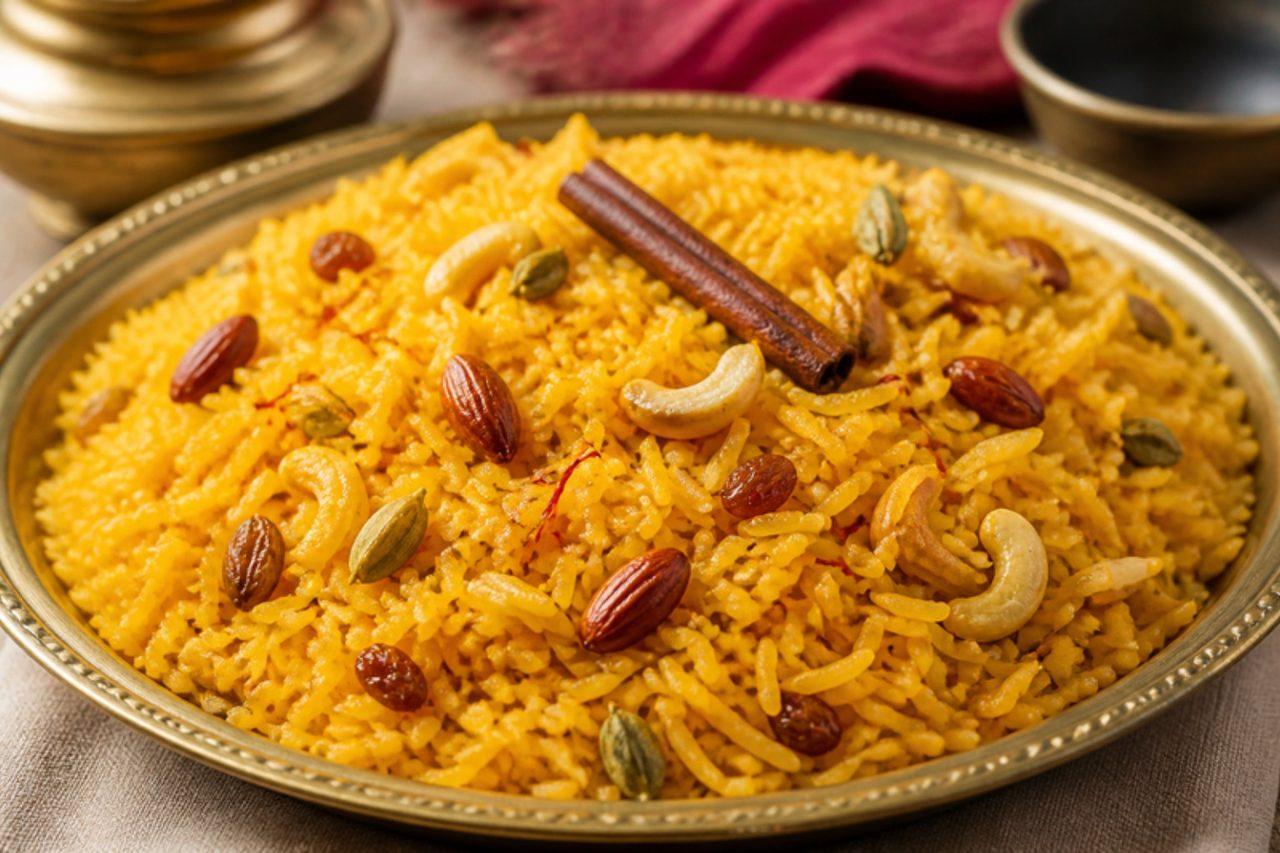
Modur means sweet in Kashmiri, and this ghee-rich saffron rice is served at Kashmiri weddings and on Navreh, the Pandit new year, glowing orange and studded with almonds, cashews and raisins. In the hills of Himachal Pradesh the dham feast ends with a near-identical sweet rice called mittha, so this one page covers both: Himachal cooks often add a little more raisin and a pinch of fennel, which you can do too. It is sweet but not dessert-sweet, perfumed with cinnamon and cardamom, and is eaten alongside savoury curries as well as on its own. Chef's tip: soak the saffron in warm milk for at least 15 minutes before you start; it gives the rice its colour far more evenly than strands scattered dry.

by KrazyBadal 0 views

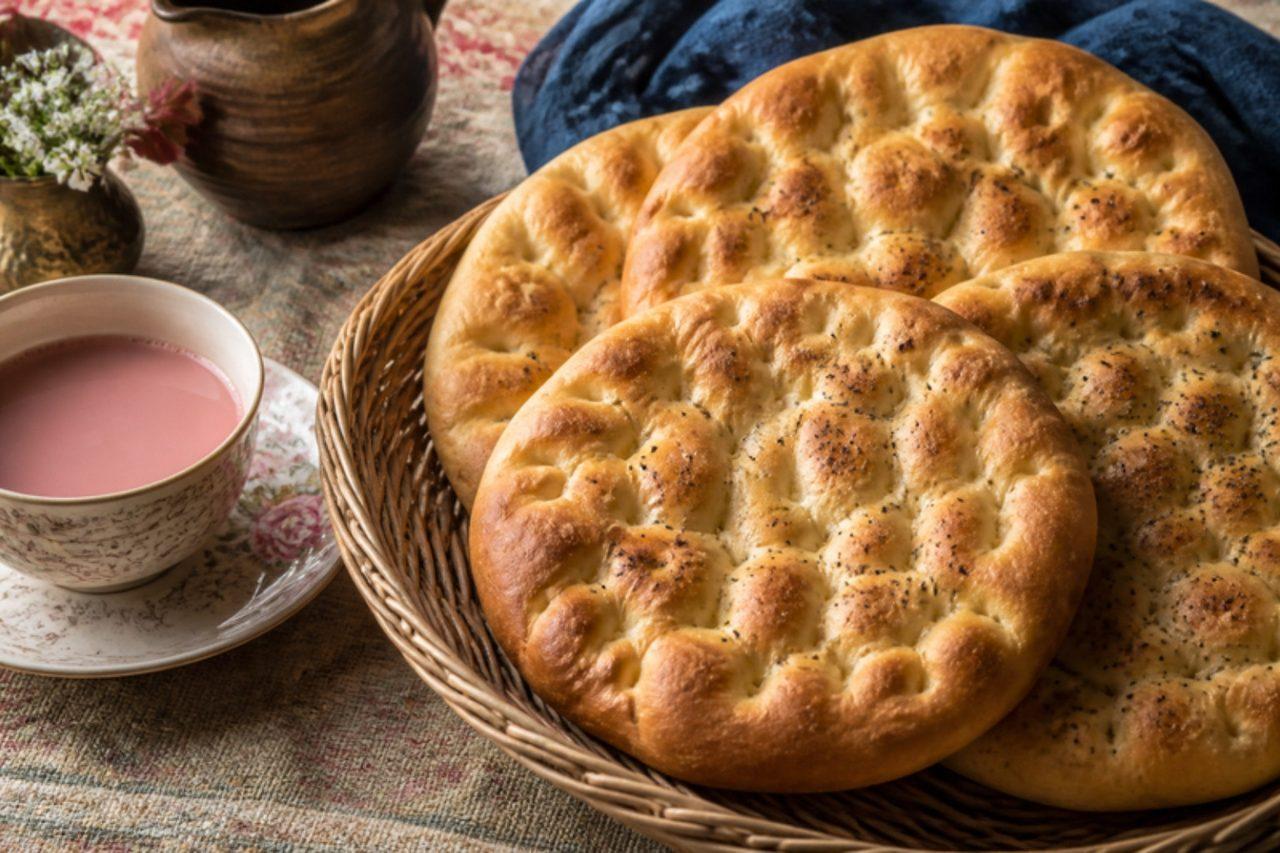
Kashmiri girdaKashmiri round bread

Every neighbourhood in Srinagar has a kandur, a baker working at a pit oven, and before sunrise people queue there for girda: round breads about the size of a side plate, pressed all over with fingertips so the crust sets in ridges and hollows. The outside is lightly crisp, the crumb soft and slightly chewy, and the bread is torn and dunked into salty pink noon chai or spread with butter. A home oven with a heavy tray heated until very hot gets close to the kandur. Chef's tip: wrap the breads in a clean cloth as they come out; the trapped steam keeps the crust tender rather than hard.

142 minIndianBaking
by KrazyBadal 0 views

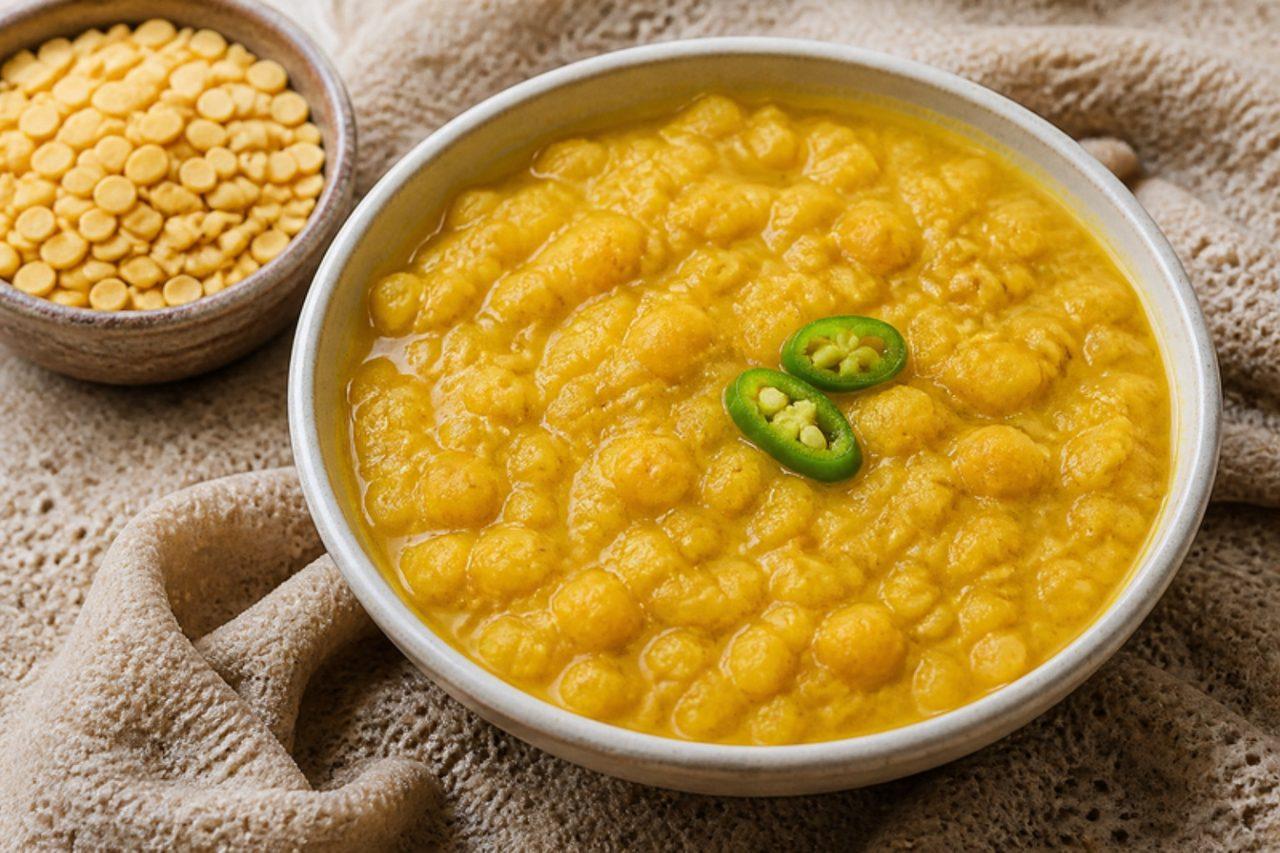
Kik alichaMild yellow split pea stew

Kik alicha is the gentle golden stew on Ethiopian platters: 'alicha' means a mild dish made without berbere, so it is coloured with turmeric instead and flavoured with garlic, ginger and onion. Cooks in the Amhara highlands and in Addis make it all through the fasting seasons, and it sits next to fiery shiro and misir wat to cool things down. Yellow split peas are simmered until they collapse into a thick, smooth purée. Chef's tip: stir it regularly towards the end; split peas thicken suddenly and catch on the bottom of the pan.

by KrazyBadal 0 views

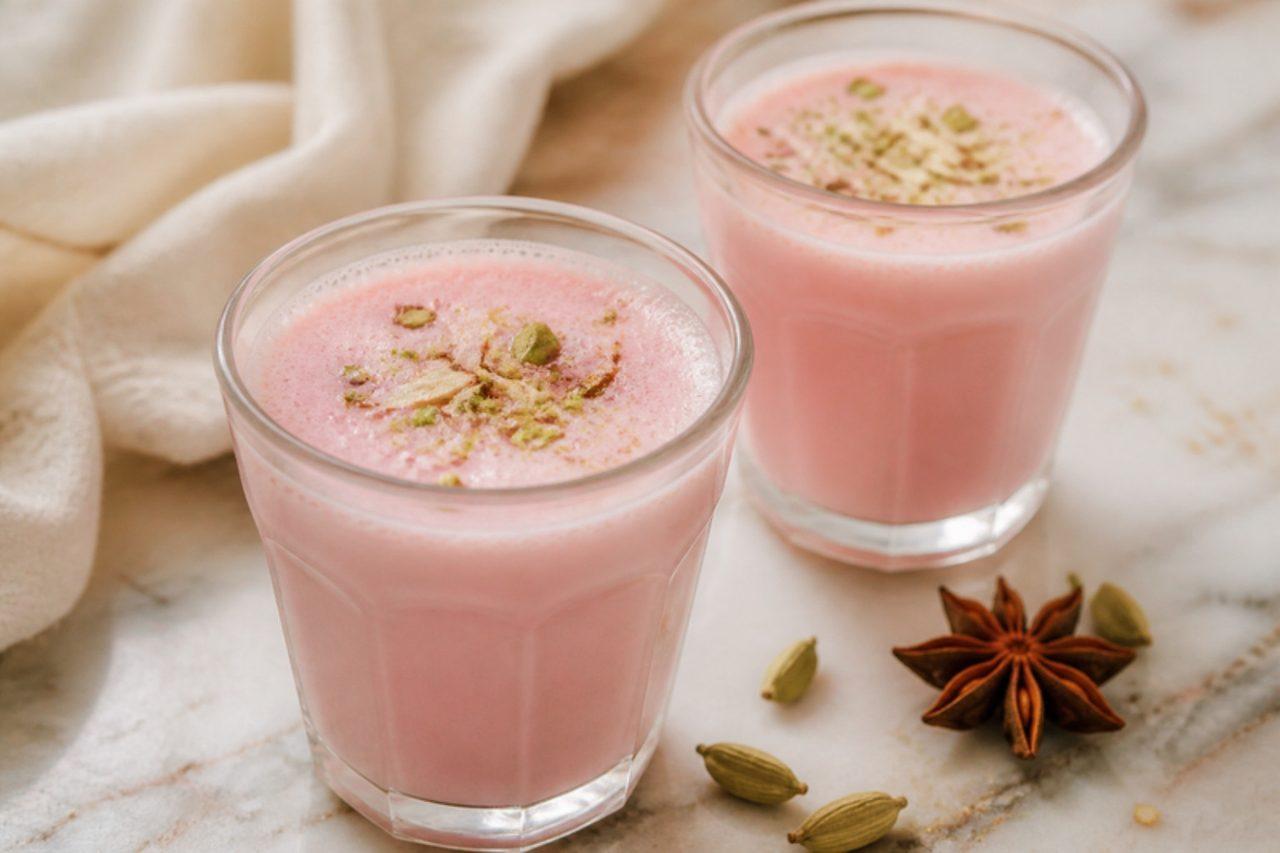
Kashmiri chaiPink salted milk tea

Kashmiri chai, called pink tea or gulabi chai across Pakistan, came down from Kashmir to become the winter drink of Lahore, Karachi and Islamabad: it is ladled out at weddings, sold from steaming pots at tea stalls on cold nights and served with nankhatai biscuits at family gatherings. The colour is real chemistry, not food colouring: green tea leaves are boiled hard with a pinch of baking soda until the brew turns deep red, then whisked and splashed to get air into it, and finally cooked with milk until it blushes pink. It is lightly salted in the old Kashmiri way and sweetened in the city way; add as much sugar as you like. The mistake people make is using black tea; only green tea leaves turn pink. Chef's tip: pour in ice-cold water as soon as the brew is reduced, and beat it hard; the shock and the air are what lock in the bright colour.

by KrazyBadal 0 views

Neer dosaThin rice crepes

Neer means water in Tulu and Kannada, and that is the whole idea: a batter as thin as milk, poured onto a hot pan where it sets into a soft, lacy crêpe full of tiny holes. In Mangaluru and Udupi homes it is made fresh for breakfast or a Sunday lunch, folded into quarters and eaten warm with coconut chutney, a vegetable sagu, or simply with grated coconut and jaggery for children. Unlike most dosas, the batter is not fermented, so you can soak rice in the morning and eat by lunchtime. The crêpes are pale white, never browned, and should be tender enough to fold without cracking. Chef's tip: stir the batter from the bottom before every single dosa; the rice settles within a minute, and a batter poured from the top runs too thin and tears.

by KrazyBadal 0 views

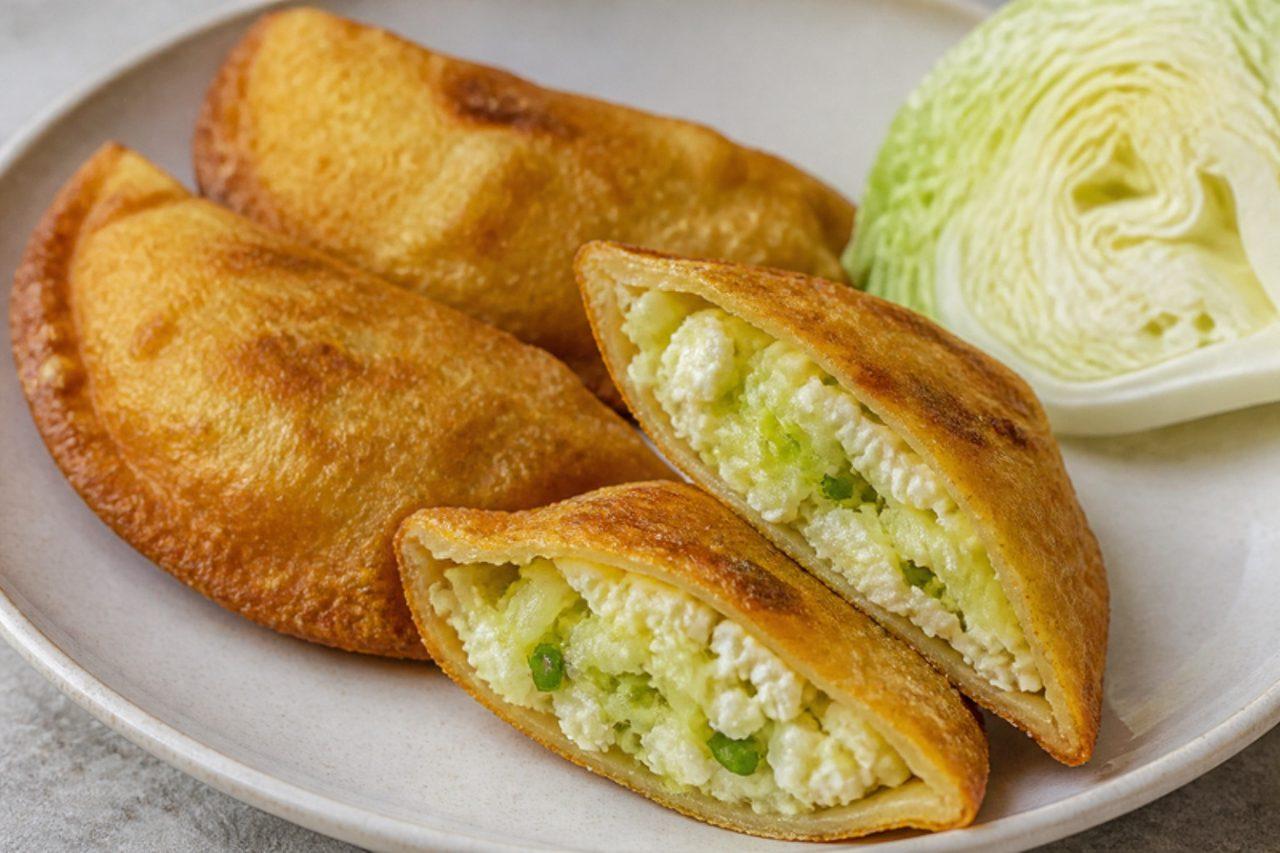
Sha phaley with cabbage and cheeseFried cabbage and cheese pockets

Sha phaley comes from Sikkim's Bhutia and Tibetan communities: rounds of dough are filled, sealed into half-moons and fried until golden and blistered, like a fat, crisp pie. In Gangtok's MG Marg cafés and home kitchens the classic filling is minced meat, but a vegetarian version with cabbage, spring onion, ginger and cheese (paneer or soft churpi) is common and very good. Eat them hot with dalle chutney and a bowl of thukpa or tea. Chef's tip: squeeze the salted cabbage hard before filling; any loose water steams inside and makes the dough soggy.

by KrazyBadal 0 views

Hakka lei chaPounded herb and peanut tea

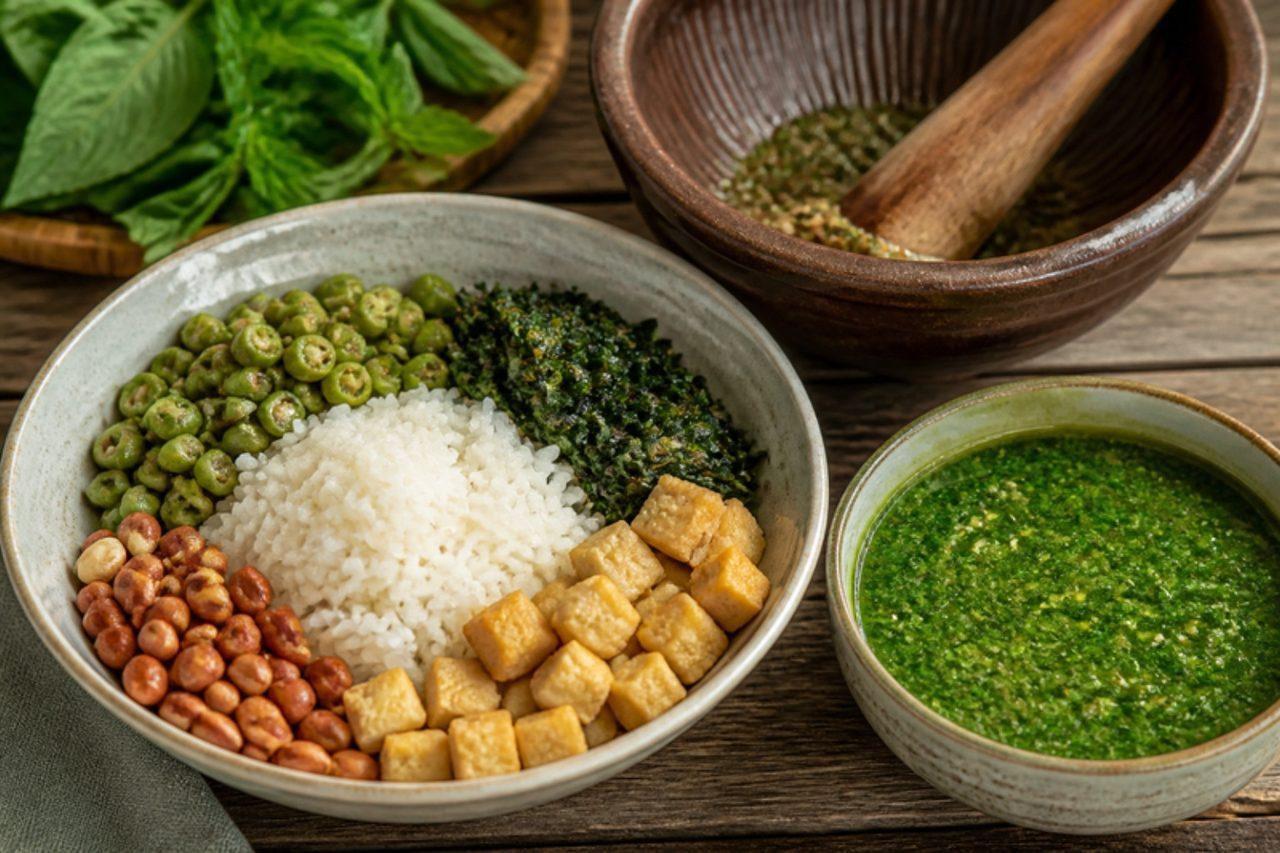
Lei cha means 'pounded tea', and in Hakka villages from Jieyang and Hepo to Taiwan and Malaysia it is still ground by hand in a ridged bowl with a guava-wood stick. Tea leaves, basil, mint and coriander are pounded with sesame and peanuts, then loosened with hot water into a grassy green soup. It's ladled over a bowl of rice topped with small heaps of stir-fried greens, beans, tofu and preserved radish. Some families eat it on the seventh day of the New Year. Chef's tip: toast the sesame and peanuts yourself; the toasting gives the soup its depth.

by KrazyBadal 0 views

KharRaw papaya and lentil dish

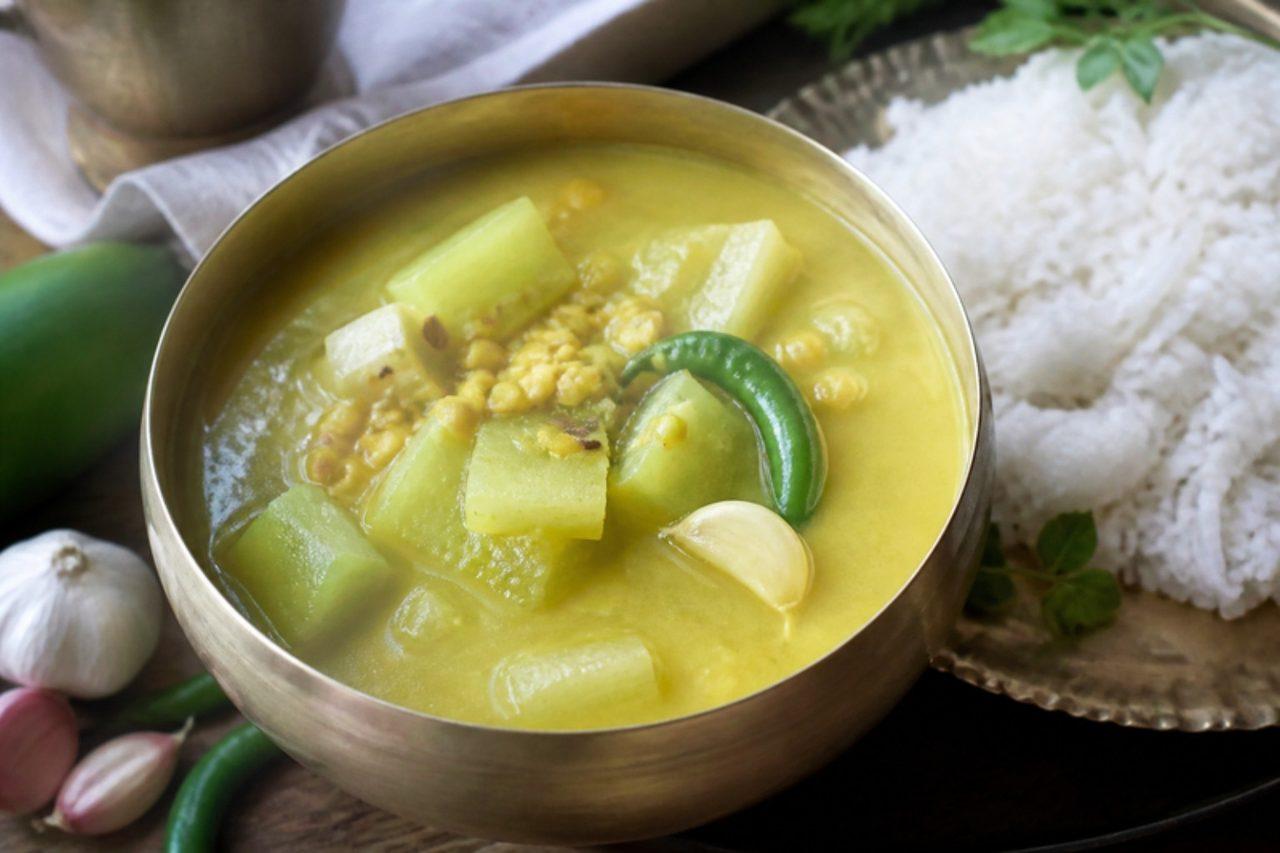
Every traditional Assamese lunch begins with khar, a mouthful of it mixed into the first ball of rice to settle the stomach. The defining ingredient is khar itself, an alkaline liquid filtered from the ash of dried bhim kol (seeded banana) peels; it gives the dish its soft, slightly soapy, earthy taste. Raw papaya and a handful of lentils are cooked in it with mustard oil, garlic and green chilli until silky. At home in Guwahati or Jorhat it is made several times a week. Chef's tip: outside Assam, use a small pinch of bicarbonate of soda in place of khar; too much tastes metallic, so start with ⅛ tsp.

by KrazyBadal 0 views

BaraBlack lentil patties

Bara, or wo in the Newar language, is a thick, savoury pancake of ground black lentils that the Newar people of the Kathmandu Valley have made for centuries. It is cooked on a flat griddle until spotted brown and lacy at the edges but soft and airy inside. It is festival food above all: it appears at Sithi Nakha in early summer, on the plates of Newar feasts and at roadside stalls in Kirtipur and Patan, where it is often topped with a cracked egg. This plant-based version keeps it plain, with ginger, garlic and cumin in the batter. Eat it hot with golbheda ko achar. The usual mistake is to add too much water when grinding: the batter must be thick enough to hold a peak, or the bara spread thin and go flat. Chef's tip: beat the ground batter by hand for 3–4 minutes until it turns pale and fluffy; the air you whip in is what makes the bara light.

by KrazyBadal 0 views

Gâteaux pimentsSplit pea chilli fritters

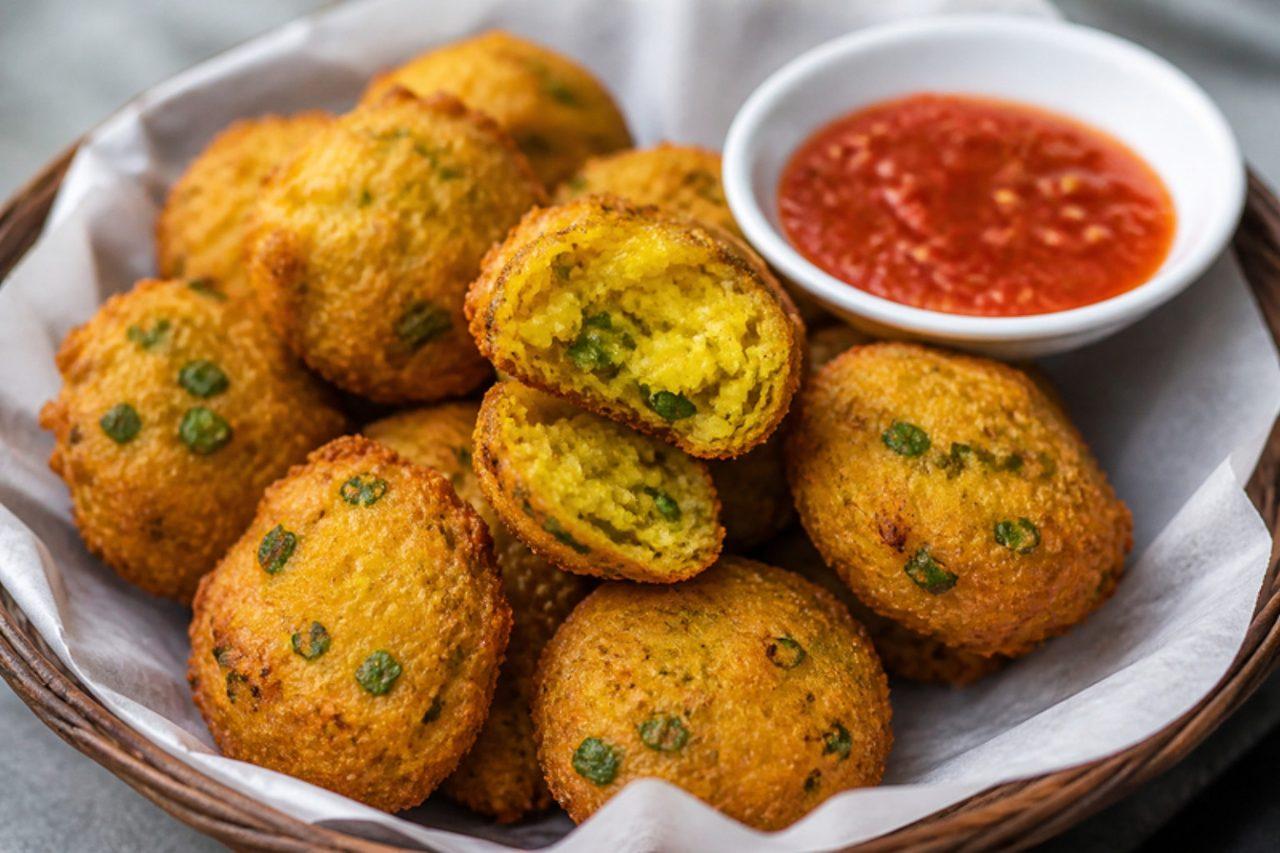
Gâteaux piments ('chilli cakes') are the snack of Mauritius, sold hot in paper bags at every bus station, school gate and market from Port Louis to Rose-Hill, and stuffed into buttered baguettes at breakfast. Yellow split peas are soaked, ground coarse with chilli, spring onion and coriander, and fried into small crunchy rounds. They are related to Indian vadas, brought by the island's Indian community. Chef's tip: grind the peas coarsely and without water; a smooth, wet paste makes dense, oily fritters.

by KrazyBadal 0 views

Nga thongbaLight fish curry with potato

In the Imphal Valley fish comes from Loktak Lake and the paddy-field ponds, and nga thongba is how most Meitei families cook it on an ordinary weekday. It is a thin, gently spiced curry with potatoes, finished with a big handful of herbs such as maroi nakupi (a local chive) and coriander, so it smells green and fresh. It is eaten with sticky or plain rice, alongside a chilli chutney. Chef's tip: lightly fry the fish first so it stays in neat pieces in the thin gravy.

45 minIndianFishGluten free
by KrazyBadal 0 views

Shahi tukdaFried bread in saffron syrup

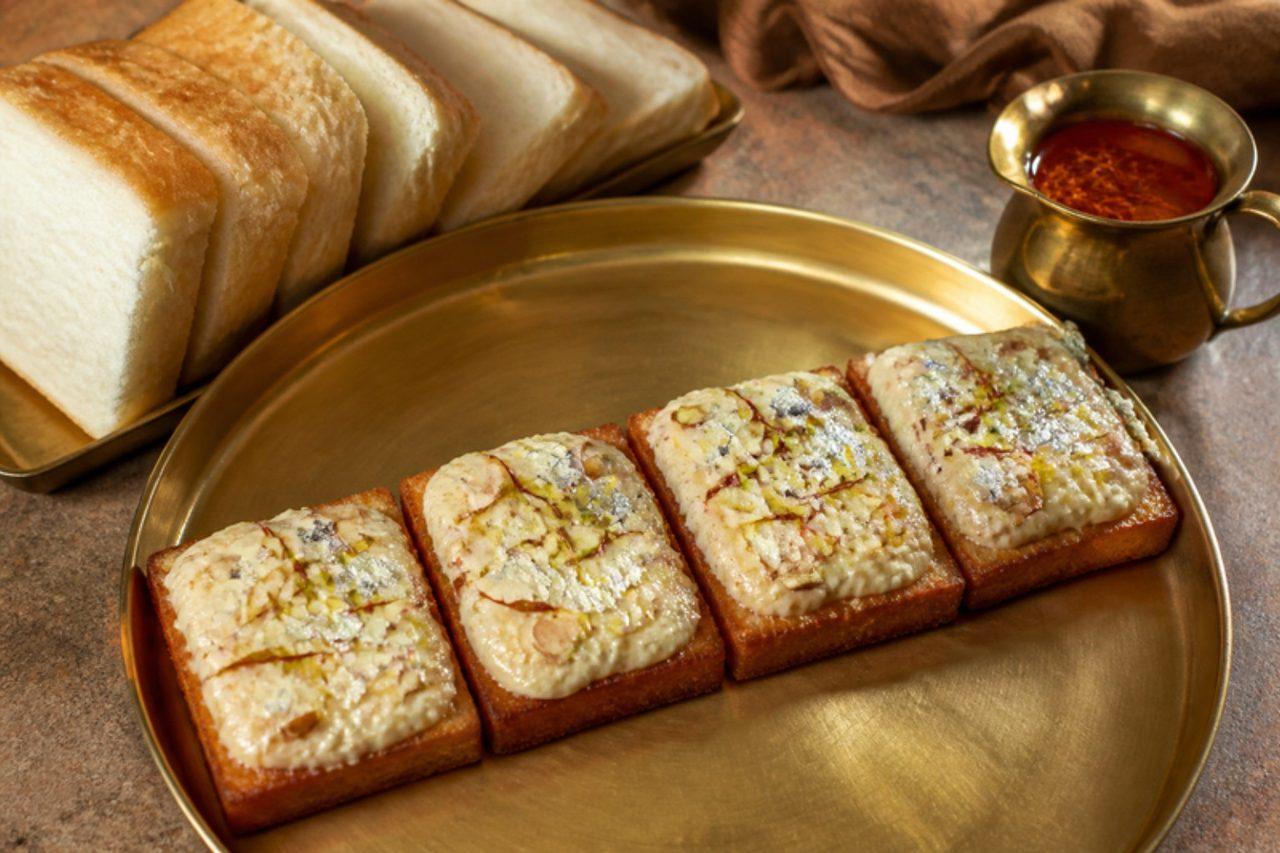
Shahi tukda, the 'royal piece', comes from the Mughal kitchens of Old Delhi, and you'll still find trays of it around Jama Masjid during Ramzan, eaten after the evening meal, and at Eid feasts. Thick slices of bread are fried in ghee until crisp and golden, dipped briefly in cardamom and saffron syrup, then covered with rabri, milk slowly reduced until thick and full of creamy flakes. The bread stays crisp at the edges and soft in the middle. It's rich, so small pieces go a long way. Chef's tip: start the rabri first and let it simmer while you fry the bread; it takes the longest and needs only an occasional stir.

by KrazyBadal 0 views

NgohiongFive-spice spring rolls

Ngohiong grew from the Chinese-Filipino kitchens of Cebu City and is now street food all over Cebu: a lumpia filled with heart of palm (ubod) or jicama seasoned with five-spice, then dipped in batter and fried, so it has a thick, golden coat rather than a thin crisp skin. It is eaten with a glossy, sweet-hot dipping sauce and often with rice. Cebu stalls mix in a little pork or shrimp; this version is all vegetable. Chef's tip: cook the filling until dry and cool it fully; wet filling tears the wrapper and spits in the oil.

by KrazyBadal 0 views

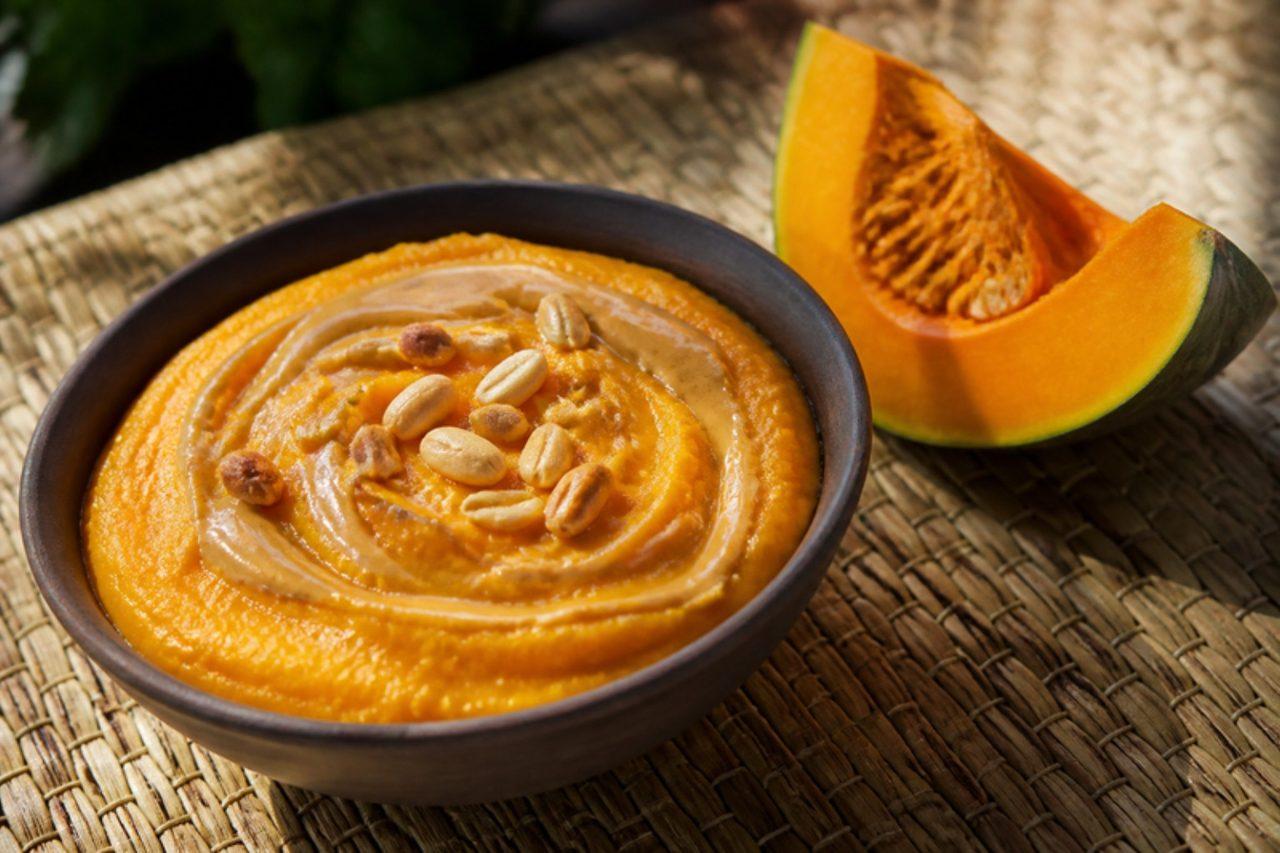
NhopiPumpkin and peanut butter mash

Nhopi is a simple Shona dish from Zimbabwe, made at harvest time when the pumpkins come in: pumpkin or butternut boiled soft, mashed and enriched with peanut butter. Some families stir in a little maize meal to make it thicker (nhopi dovi), and it is eaten for breakfast or as a side with greens. It is sweet, nutty and loved by children. Chef's tip: drain the pumpkin very well before mashing, or the nhopi turns thin and watery.

by KrazyBadal 0 views

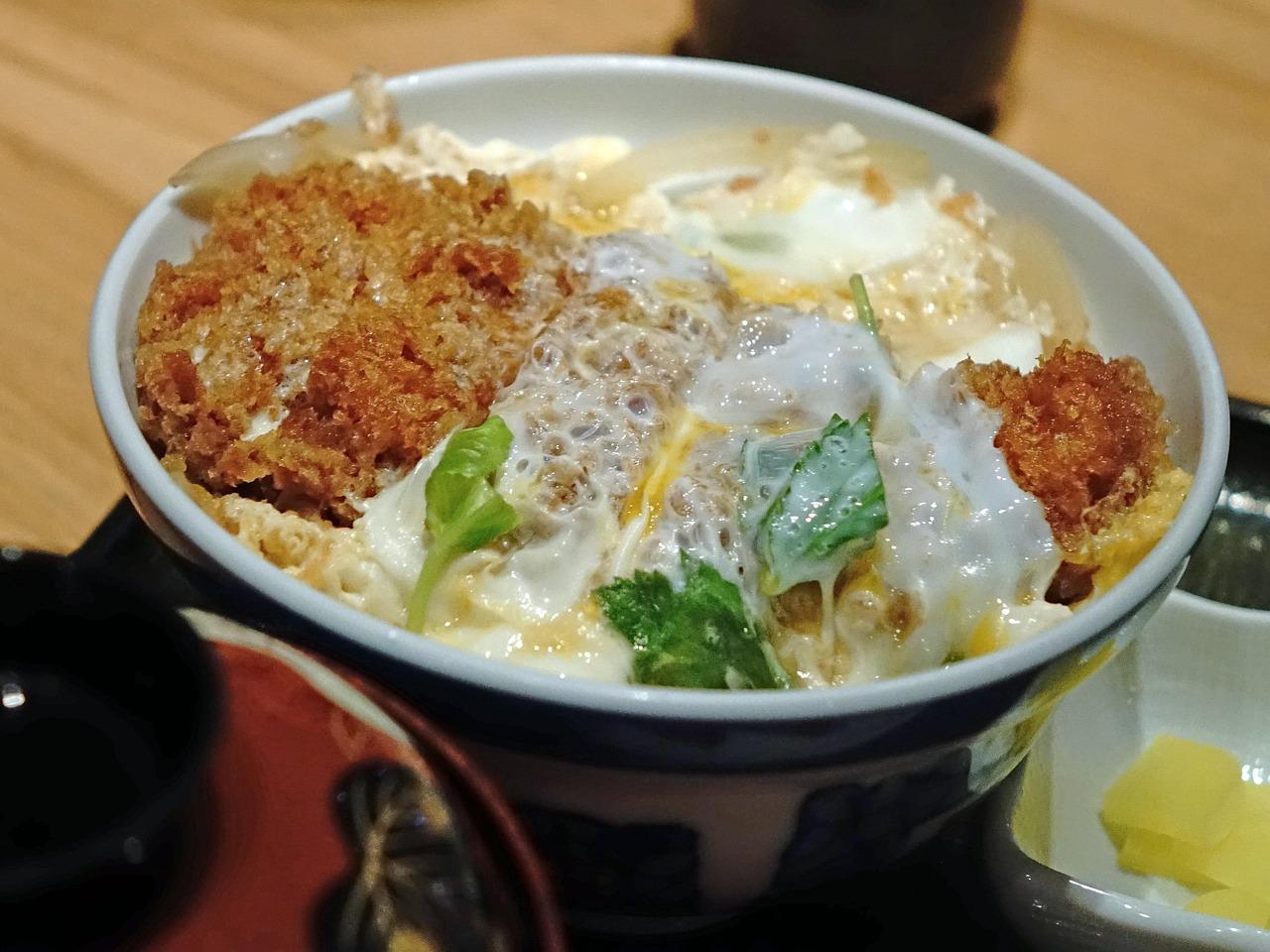
KatsudonPork cutlet and egg rice bowl

Japanese students often eat a bowl of katsudon the night before a big exam, because 'katsu' sounds the same as the verb 'to win'. Soba restaurants, set-meal shops and train-station stands all over Japan serve it, and it is a favourite takeaway lunch too. A panko-crusted pork loin cutlet is fried until golden, sliced, then simmered for a minute with onion and egg in sweet soy dashi. The top of the crust stays crunchy while the underside soaks up the sauce. Chef's tip: snip the fat along the edge of each cutlet in three or four places before breading, so the meat stays flat in the oil and cooks evenly.

by KrazyBadal 0 views

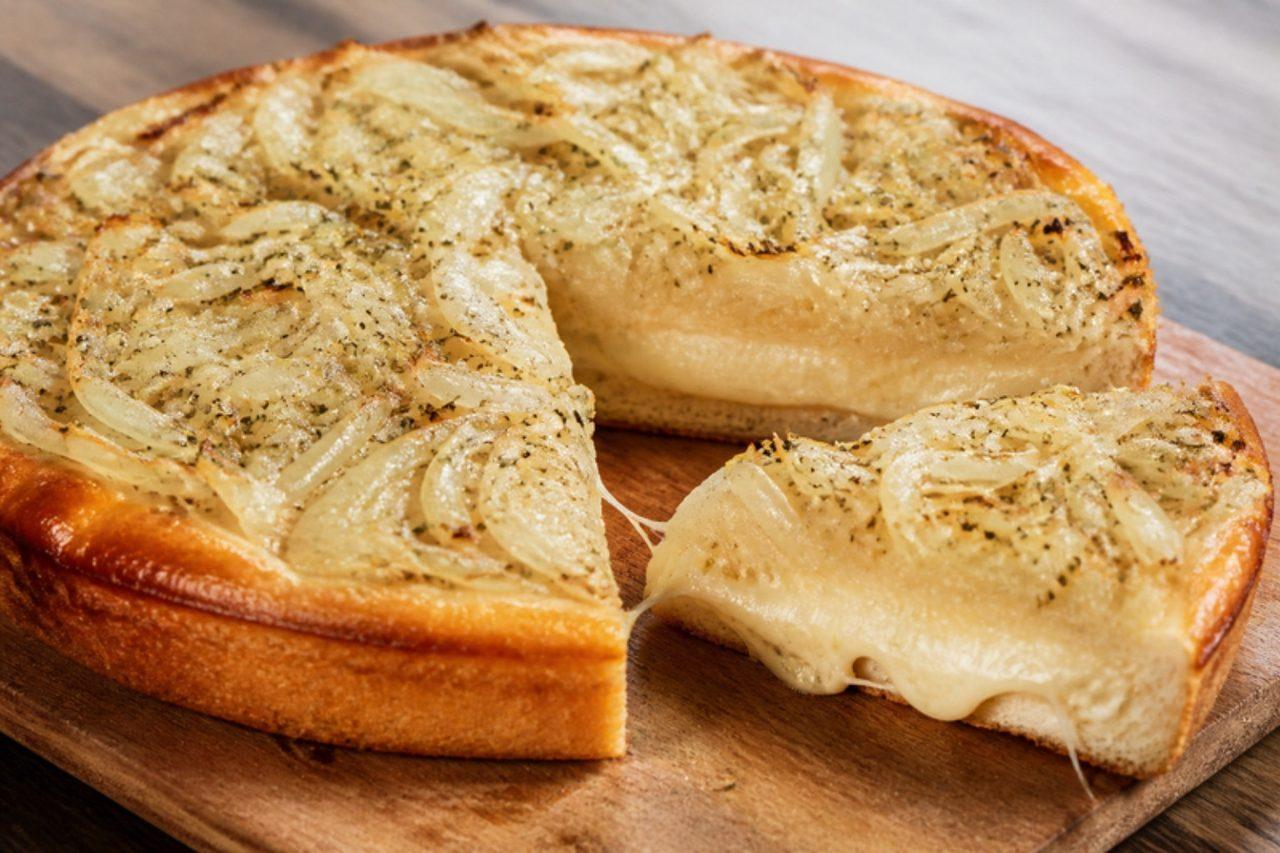
FugazzetaCheese-stuffed onion pizza

Fugazzeta is a Buenos Aires original from the pizzerias of the Corrientes and La Boca neighbourhoods, where Genoese immigrants' focaccia (fugazza) met mozzarella. A thick, soft pan dough is filled with a layer of mozzarella, sealed with a second layer of dough, then covered with a mound of thinly sliced onions and more cheese and baked until the onions are sweet and golden. It's a big, rich pizza to share. Use mozzarella made with vegetarian rennet. Chef's tip: salt the onions and squeeze them out before using; this keeps the pizza from going soggy.

by KrazyBadal 0 views

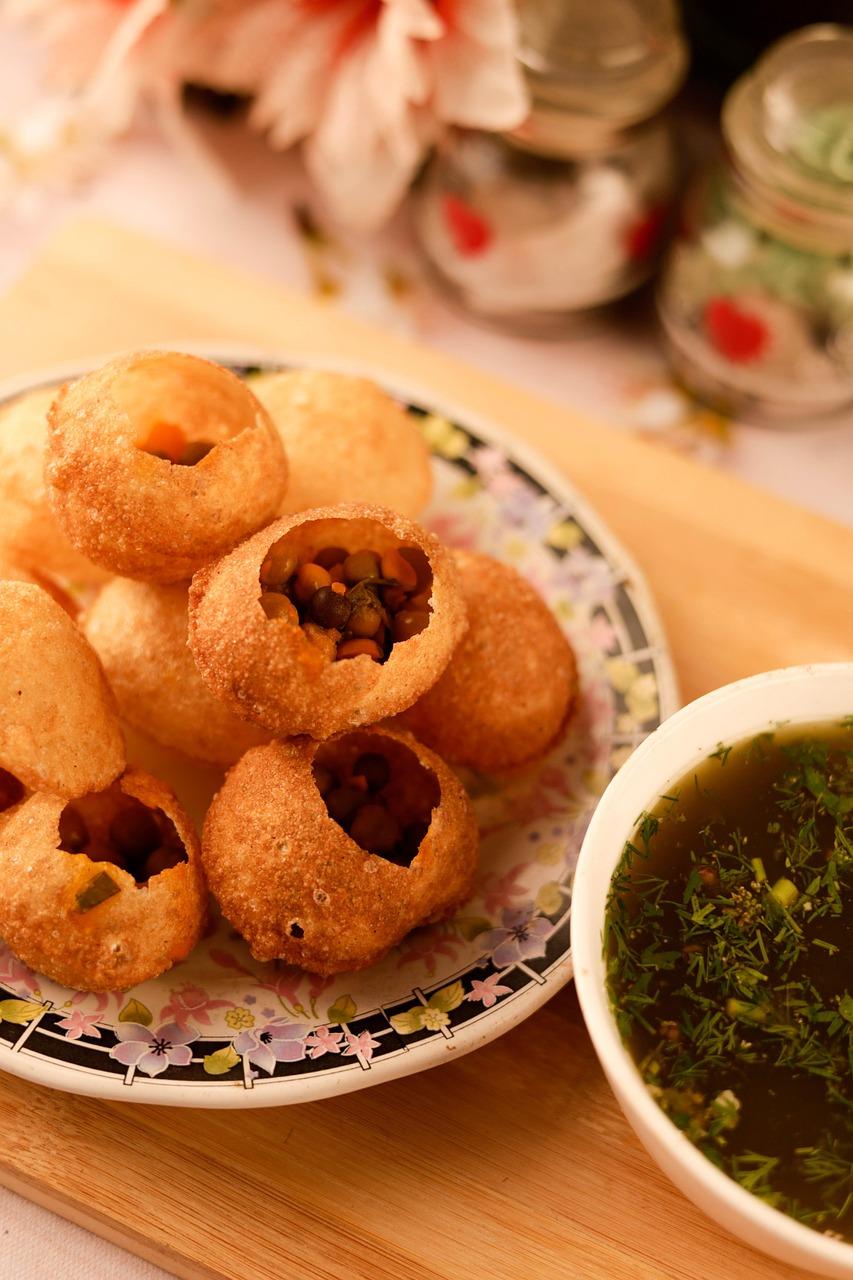
FuchkaFilled crisp shells

Fuchka is Bangladesh's answer to pani puri, but with its own character: in Dhaka the crisp shells are filled with a coarse mash of potato and yellow peas sharpened with raw onion, chilli and coriander, then dipped in or splashed with a sour tamarind water rather than a mint-heavy one. Stalls along Bailey Road and at every fair sell them by the plate of eight, often with a little extra chopped chilli for those who dare. Chef's tip: make the tamarind water ahead and chill it hard; ice-cold sour water against a crisp shell is what you're after.

by KrazyBadal 0 views

Niislel saladPotato and egg salad

Niislel means 'capital', and this creamy salad is the one served across Ulaanbaatar at Tsagaan Sar (Lunar New Year), birthdays and in every canteen. It descends from the Russian Olivier salad of the Soviet era, made Mongolian with plenty of cucumber and sometimes apple; it usually includes ham or sausage, left out here and replaced with extra egg. It's cool and comforting next to hot buuz (dumplings) or tsuivan. Chef's tip: cut everything into small, even cubes the size of a pea; that uniform dice is what makes it niislel and not just potato salad.

by KrazyBadal 0 views

NikujagaBeef and potato stew

Two naval port towns, Maizuru near Kyoto and Kure near Hiroshima, both claim nikujaga was first cooked in their navy galleys. Whatever its start, it became the dish many Japanese people think of as mum's cooking, simmered on autumn and winter evenings and served with rice and miso soup. Thin slices of beef, chunks of potato, onion and carrot cook gently in dashi seasoned with soy and sugar until the potatoes are tender and soaked with flavour. Families in eastern Japan often use pork; in the west, beef is usual. Chef's tip: cover the stew with a circle of baking paper with a small hole in the middle (an otoshibuta, or drop lid), so the small amount of liquid bastes everything evenly.

by KrazyBadal 0 views

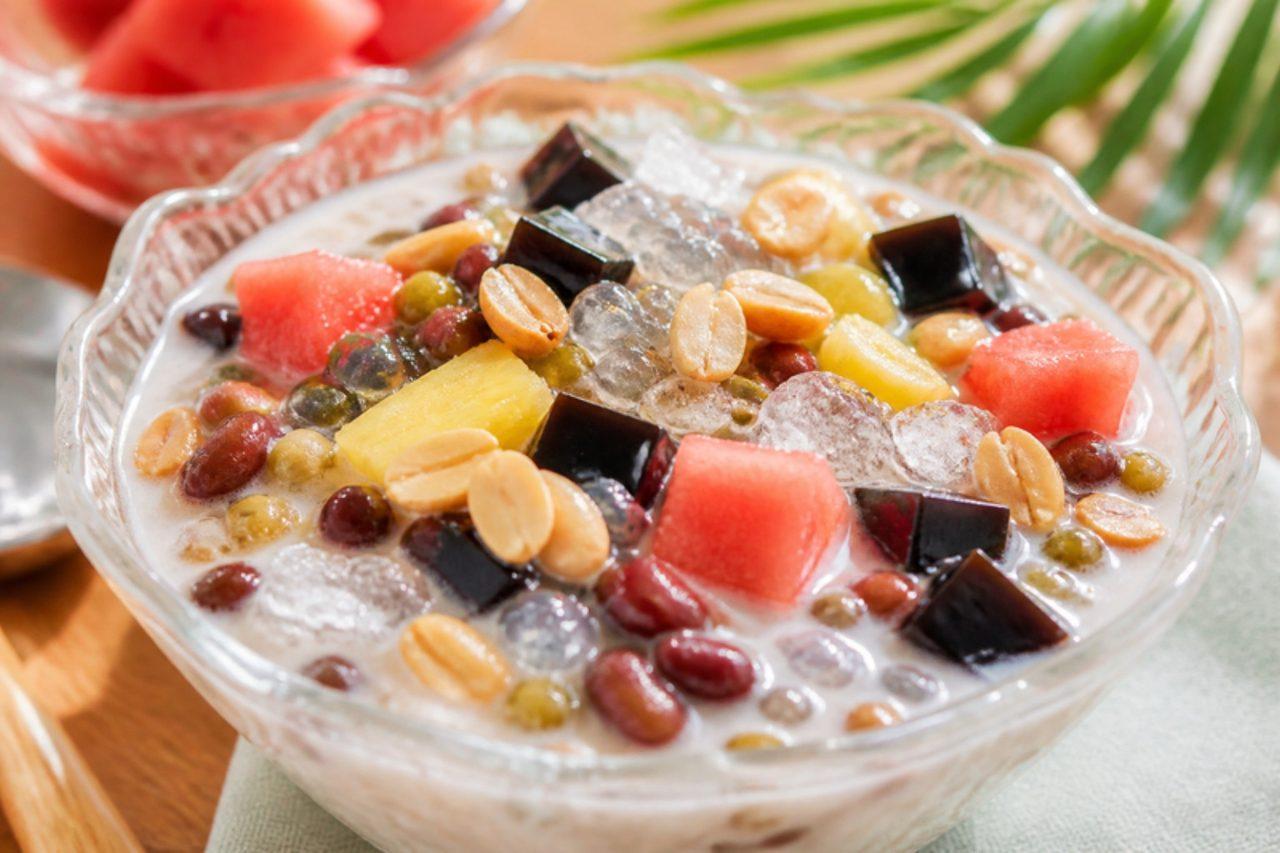
QingbuliangIced coconut milk dessert soup

On hot evenings in Haikou, night-market stalls ladle this into bowls: coconut milk poured over red beans, mung beans, sago pearls, cubes of jelly and fresh tropical fruit, with a scoop of shaved ice on top. The name roughly means 'clearing, nourishing, cooling', and Hainan people eat it to cool down in their long summer. Everything except the fruit can be cooked a day ahead and chilled. Chef's tip: cook each bean separately; they soften at different speeds.

by KrazyBadal 0 views

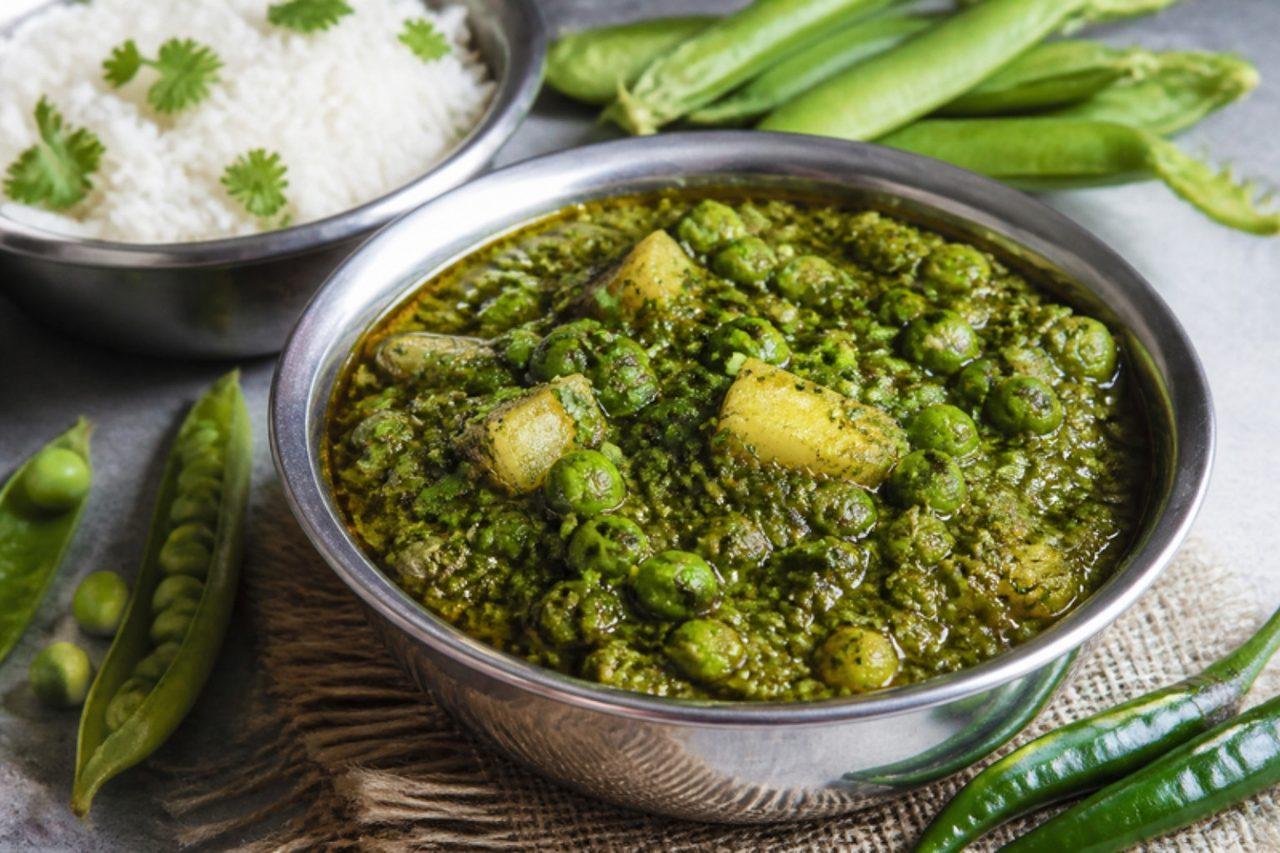
NimonaFresh green pea curry

When fresh peas fill the markets of Varanasi and Gorakhpur in December, almost every household makes nimona. The peas are coarsely ground and fried in mustard oil until they lose their raw smell and turn a darker, nutty green. Potatoes are then added and everything simmers in a thin, spicy gravy. It is eaten with plain rice on a winter afternoon, and some families add fried moong dal vadis for extra bite. The most common mistake is grinding the peas into a smooth paste; nimona should have texture, like crushed peas rather than soup. Chef's tip: pulse the peas with the green chillies, ginger and garlic in short bursts, and stop as soon as they look like coarse, wet crumbs.

by KrazyBadal 0 views

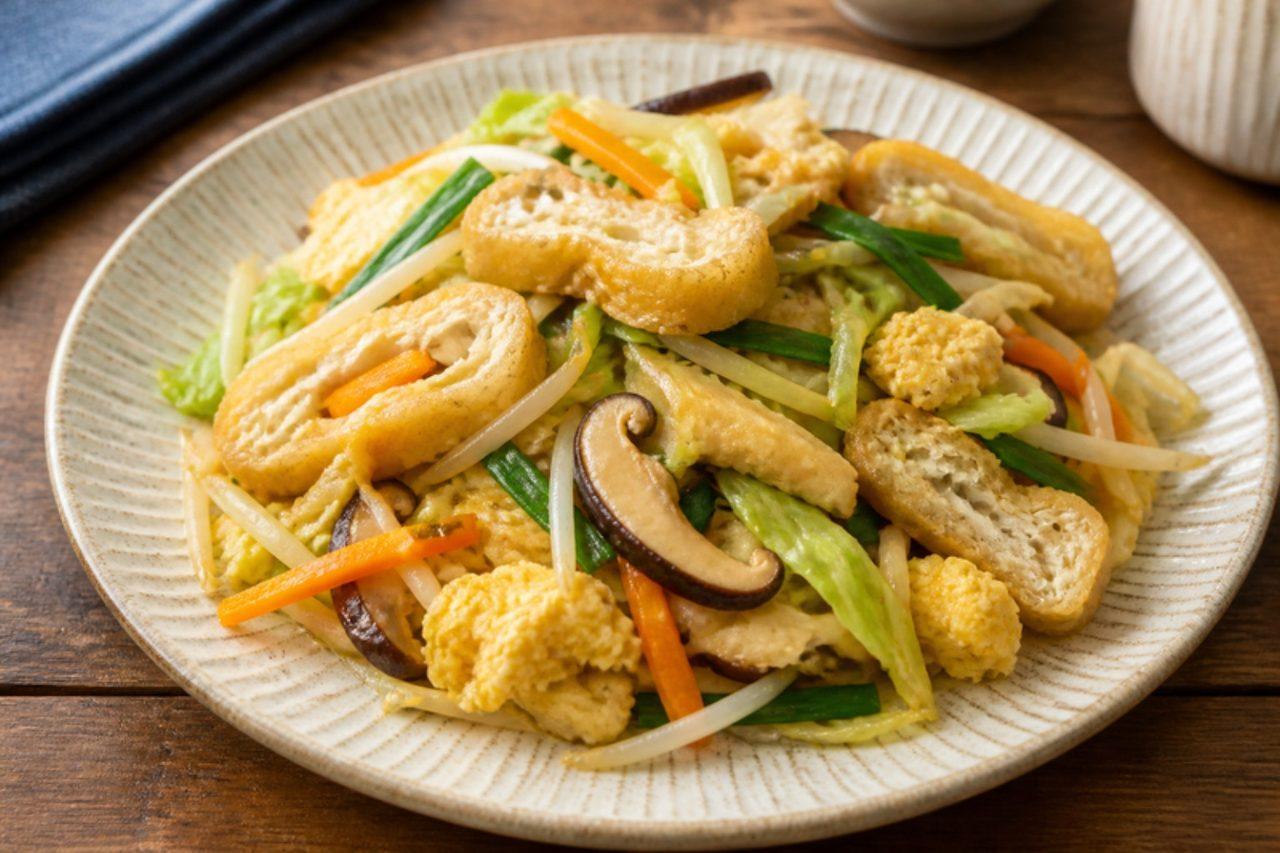
Fu champuruWheat gluten and cabbage stir-fry

Champuru means 'mixed up' in Okinawan and is the islands' everyday stir-fry. Goya champuru with bitter melon is the famous one; fu champuru, made with chewy wheat gluten, is the gentle, child-friendly version many Okinawan families cook several times a week. The fu, large dried rings called kurumabu, is soaked, squeezed and dipped in beaten egg, so as it fries it turns soft, fluffy and golden, a little like French toast. Home cooks often add luncheon meat; ours is vegetarian, with shiitake for savouriness. Serve with rice and miso soup. Chef's tip: squeeze the soaked fu hard before adding the egg. Dry fu drinks up all the egg; wet fu turns soggy.

by KrazyBadal 0 views

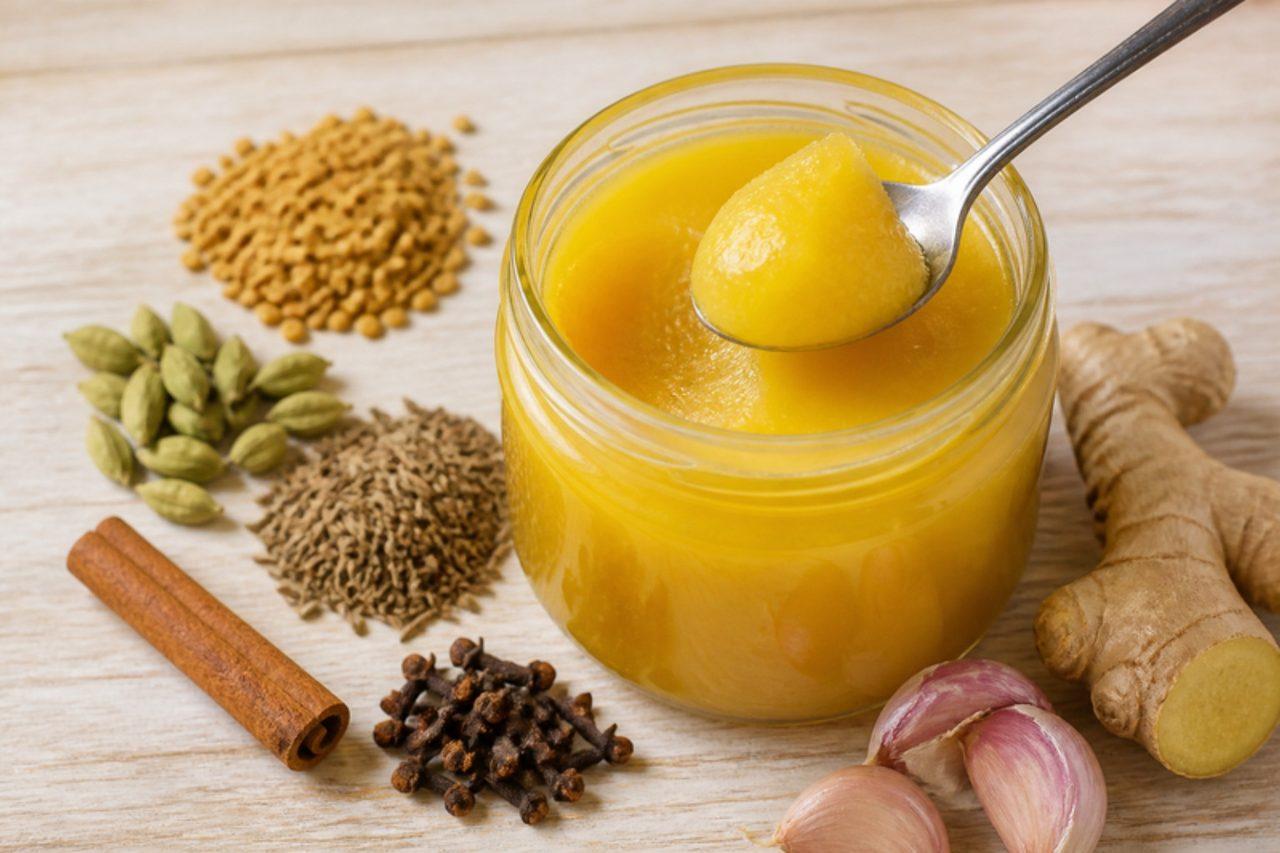
Niter kibbehSpiced clarified butter

Niter kibbeh is the golden spiced butter used across the Ethiopian highlands on non-fasting days, when a spoonful goes into doro wat, kitfo, genfo or a simple pan of scrambled eggs. Butter is melted slowly with onion, garlic, ginger, fenugreek, cardamom, sacred basil (besobela) and other spices, then strained, leaving a fragrant, nutty fat that keeps for months. Because it is dairy it is never eaten during fasts; for those dishes, Ethiopians use plain oil, or you can warm 250 ml vegetable oil with the same spices for 15 minutes and strain it for a vegan spiced oil. Chef's tip: keep the heat very low; the butter should barely shiver, and if the milk solids burn the whole batch tastes acrid.

by KrazyBadal 0 views

Fry jacksPuffed fried dough triangles

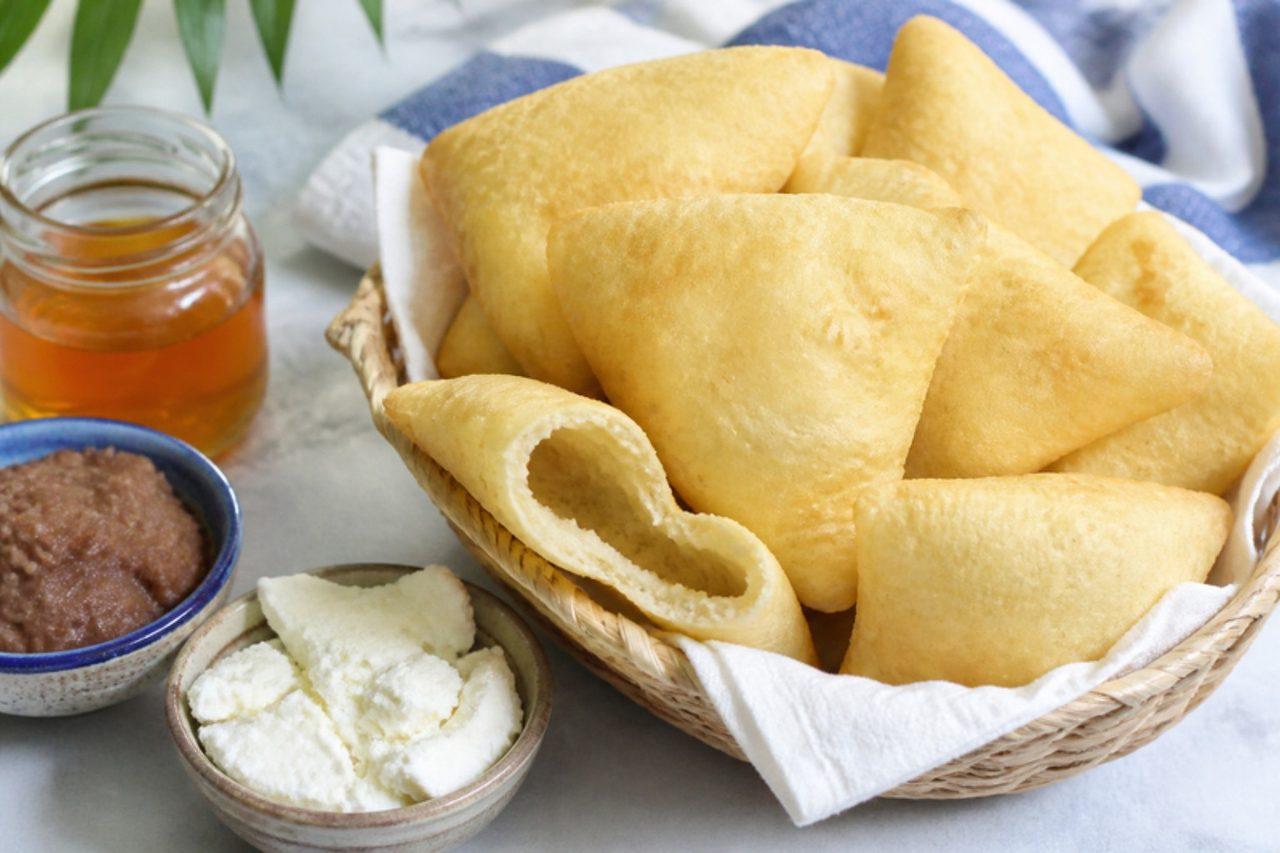
Fry jacks are the smell of a Belizean morning: in Belize City and the Cayes, breakfast spots fry these squares and triangles of dough until they balloon up hollow and golden. They come beside refried beans, scrambled eggs and cheese, or torn open and drizzled with honey or jam. They're lighter and puffier than a doughnut, crisp outside and chewy within. Chef's tip: roll the dough thin, about 3 mm, and slit each piece once in the middle; that's what makes them puff like a pillow.

by KrazyBadal 0 views

KhashBeef foot broth

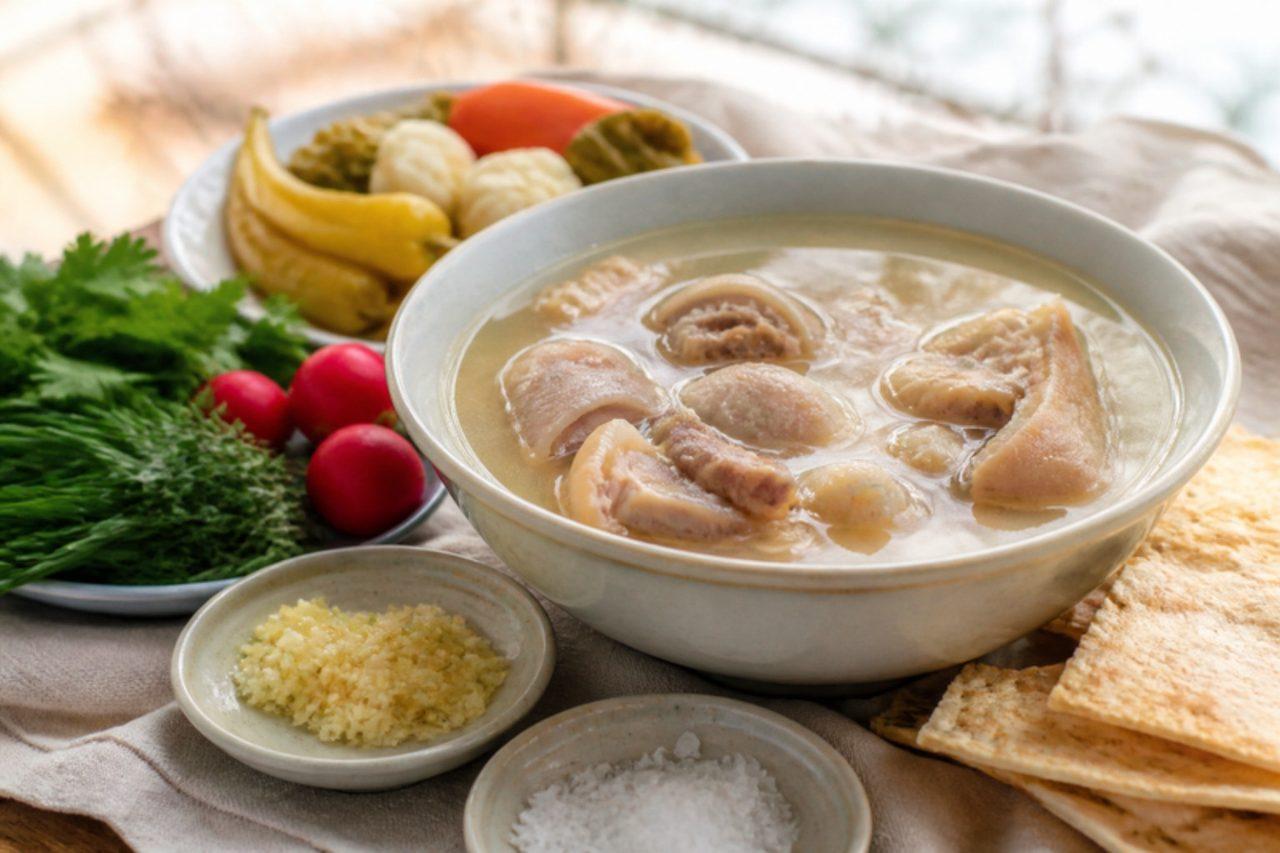
Khash is a winter ritual in Armenia: friends gather in the early morning between November and March, often at the weekend, to share bowls of plain broth made from beef feet that have cooked all night. Everyone seasons their own bowl at the table with crushed garlic and salt, crumbles dried lavash into it and eats with radishes, pickles and fresh herbs. The broth is rich, sticky with gelatine and deliberately unseasoned in the pot. Skimping on the cleaning and soaking is the classic error; it leaves the broth grey and smelling of the farmyard instead of clean and milky-white. Chef's tip: ask the butcher to clean the feet and saw them into pieces for you.

by KrazyBadal 0 views

Groundnut soup (nkatenkwan)Peanut soup

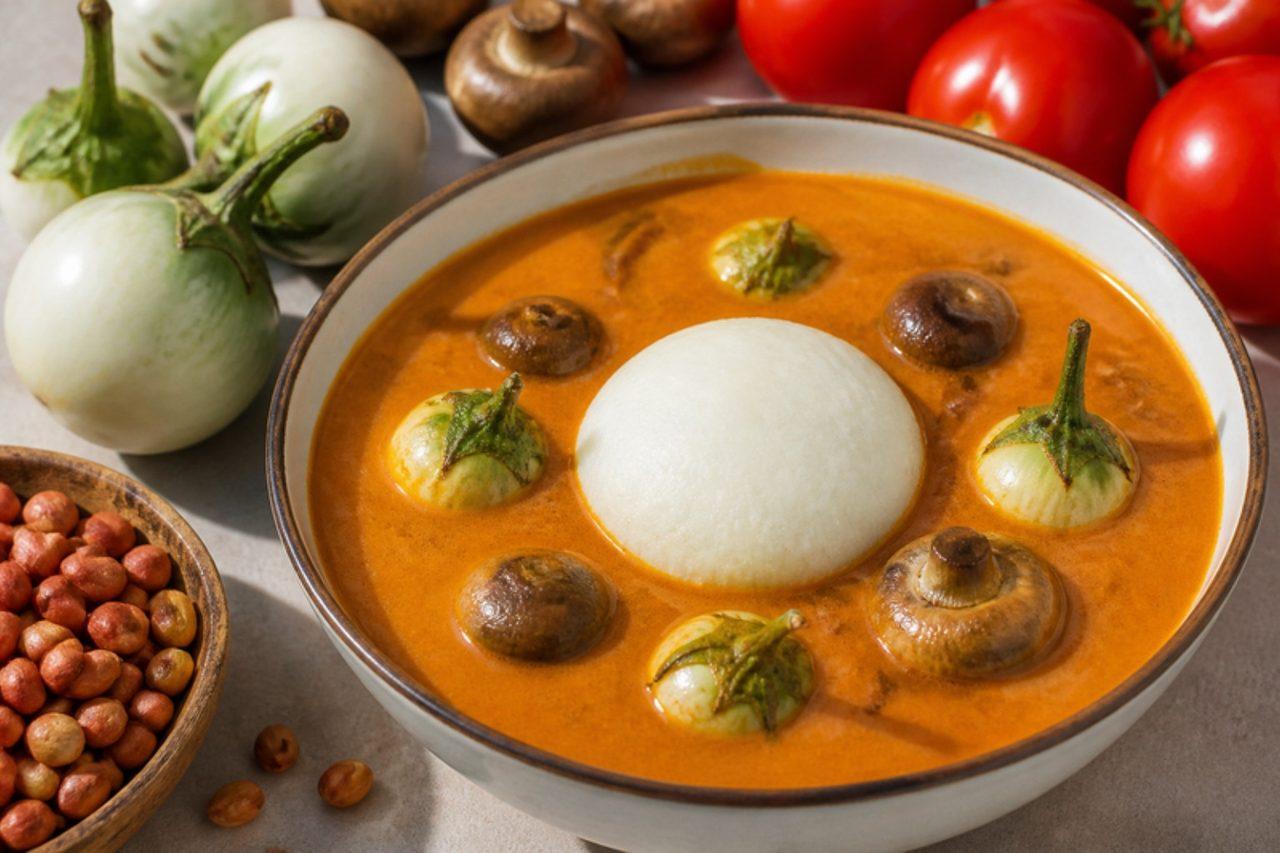
Nkatenkwan is the Sunday soup of Ghanaian homes, simmered while families are at church and eaten afterwards with omo tuo (soft rice balls) or fufu. Roasted groundnut paste is cooked slowly in a peppery tomato and ginger broth until the oil separates and turns the soup a rich orange-brown. It usually carries chicken or goat; here garden eggs (small African aubergines) and mushrooms keep it meaty without meat. Chef's tip: cook the groundnut paste long and slow; it is ready only when reddish oil rises and pools on top, and rushing it leaves a raw, pasty taste.

by KrazyBadal 0 views

Sara udonCrispy noodles with seafood sauce

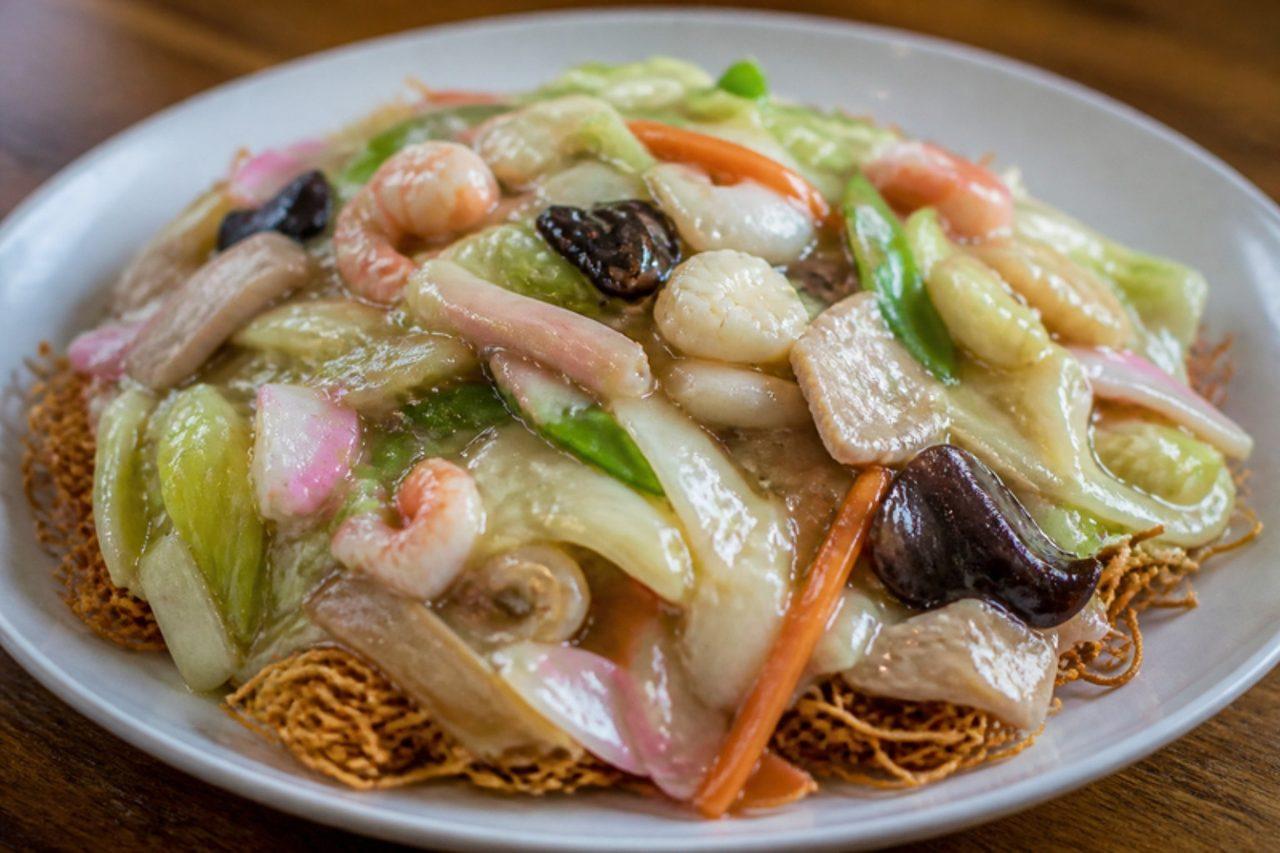
Nagasaki's second famous noodle dish uses the same toppings as champon but turns them into a thick sauce poured over a plate of crunchy fried noodles. The name means plate udon, though the classic noodles are very thin and fried crisp. In Nagasaki homes it is a quick weekend lunch and a standard dish at family gatherings, and supermarkets there sell the fried noodle nests ready to use. People splash it with Worcestershire sauce at the table, and a dab of hot mustard is common too. Chef's tip: pour the sauce over at the very last moment and let the noodles soften slowly as you eat, so you get crisp and soft in every mouthful.

by KrazyBadal 0 views

Scallion pancakes (cong you bing)Spring onion flatbreads

Cong you bing are sold from griddles on street corners across northern China, and every Shanghai breakfast stall has its own version. The dough is rolled thin, brushed with a flour-and-oil paste, scattered with spring onion, rolled up like a snail and flattened again, so it fries into dozens of crisp, chewy layers. Children love tearing them apart. Chef's tip: make the dough with hot water; it scalds some of the flour so the pancakes stay soft and roll out without springing back.

by KrazyBadal 0 views

Khasta kachori with aloo sabziFlaky urad dal pastries with potato curry

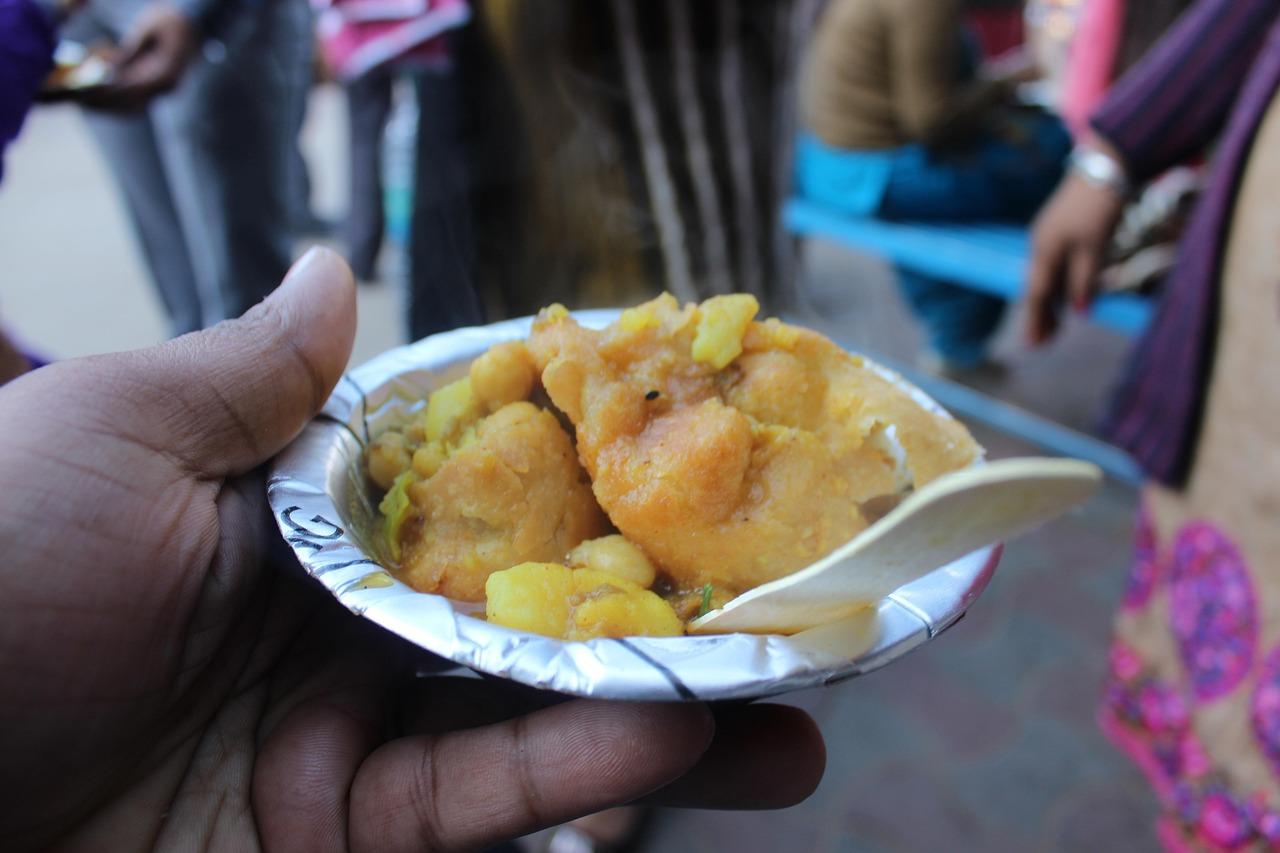
In the lanes of Old Delhi, breakfast often means a leaf plate of khasta kachori broken into a hot, thin potato curry, with a dollop of pickle and a cup of chai. The kachoris are large and flat with a peppery filling of coarsely ground urad dal, fried slowly until they blister and puff, and the aloo sabzi is fiery with chilli and sharp with tomato and dried mango. It's a weekend dish, filling enough to last until lunch. Chef's tip: break the boiled potatoes by hand rather than chopping them; the rough edges melt into the gravy and thicken it naturally.

by KrazyBadal 0 views

NokedliSoft egg dumplings

Nokedli, also called galuska, are the small, soft, irregular egg dumplings that sit under almost every paprikás in Hungary, from Budapest lunch canteens to Sunday tables in the villages of the Great Plain. Unlike German Käsespätzle, they are not baked with cheese: they are a plain, buttery side whose job is to soak up a red, sour-cream sauce. Grandmothers scrape the batter off a wet board with a knife, but a nokedli grater (nokedliszaggató) or a colander with large holes is quicker at home. Serve them with gombapaprikás or lecsó, or toss them with fried egg for a quick supper. Chef's tip: let the batter rest for 10 minutes before cooking; the flour hydrates and the dumplings hold together instead of dissolving into the water.

by KrazyBadal 0 views

Nom banh chok with green curry brothRice noodles in green curry broth

Before seven in the morning, women carrying baskets on shoulder poles sell nom banh chok across Cambodia; around Siem Reap there is even a lane of stalls near the temples known for it. Soft, slippery rice noodles are piled into a bowl, ladled with a pale green broth of kroeung and coconut milk, then buried under shredded banana blossom, cucumber, beansprouts, long beans and handfuls of herbs. The market version thickens the broth with pounded fish; here pumpkin and creamy white beans give it the same body. Chef's tip: be generous with the raw vegetables and herbs; the dish is meant to be more garden than noodle, and the cool crunch is what balances the warm broth.

by KrazyBadal 0 views

Nom krokCoconut rice cakes

Nom krok are a street snack you hear before you see: the hiss of batter hitting a charcoal-heated cast-iron pan full of small round hollows, outside markets and schools across Phnom Penh in the late afternoon. Each little cake has a lacy, crunchy rice-flour shell and a molten top of salted coconut cream with spring onion, and two halves are pressed together to eat hot from a banana leaf. A Danish aebleskiver or Japanese takoyaki pan works perfectly at home. Chef's tip: let the pan get properly hot before the first batter goes in, about 4 minutes on a medium-high heat; a cool pan makes pale, sticky cakes that won't come out cleanly.

by KrazyBadal 0 views

Semmelknödel with mushroom sauceBread dumplings with mushroom sauce

Semmelknödel are the bread dumplings of Bavaria and Austria, made to use up yesterday's rolls (Semmeln) soaked in warm milk and bound with egg, onion and parsley. With a creamy mushroom sauce, Semmelknödel mit Schwammerlsoße, they become a full meal and a favourite in Munich beer gardens and Alpine inns from late summer, when foraged chanterelles and ceps reach the markets. Chef's tip: simmer the dumplings in barely trembling water, never a rolling boil; hard boiling breaks them apart, which is the most common Knödel disaster.

by KrazyBadal 0 views

Hainan coconut riceSticky rice in coconut

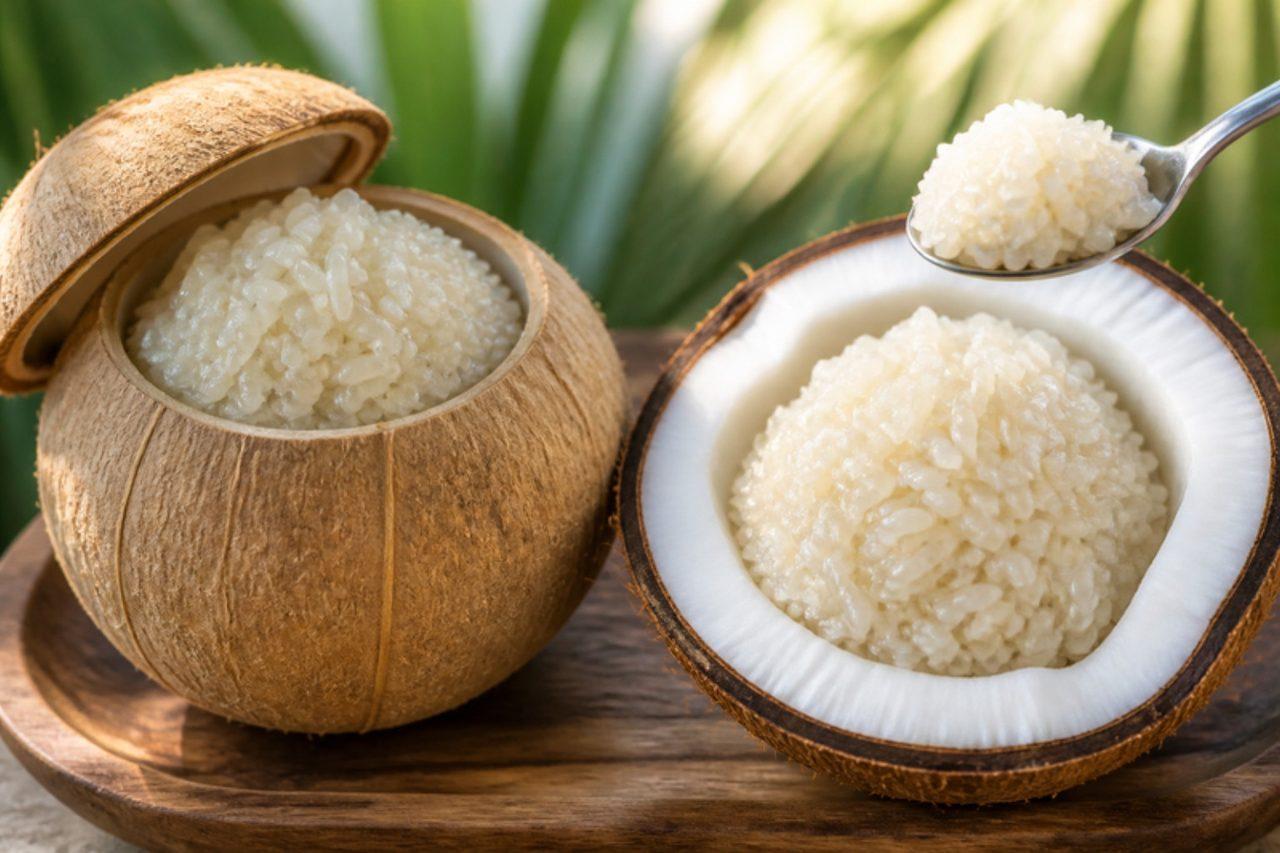
Across Hainan island, in Wenchang and Haikou especially, cooks fill whole mature coconuts with glutinous rice and steam them for hours until the rice is sticky, sweet and full of coconut flavour. The coconut is cut open at the table and served in wedges with the white flesh still attached. Look for brown, mature coconuts that slosh when shaken. Soak the rice for 4 hours first. Chef's tip: a cleaver tapped round the shell's 'equator' near the top opens it more safely than trying to saw it.

by KrazyBadal 0 views

SabichAubergine and egg pita

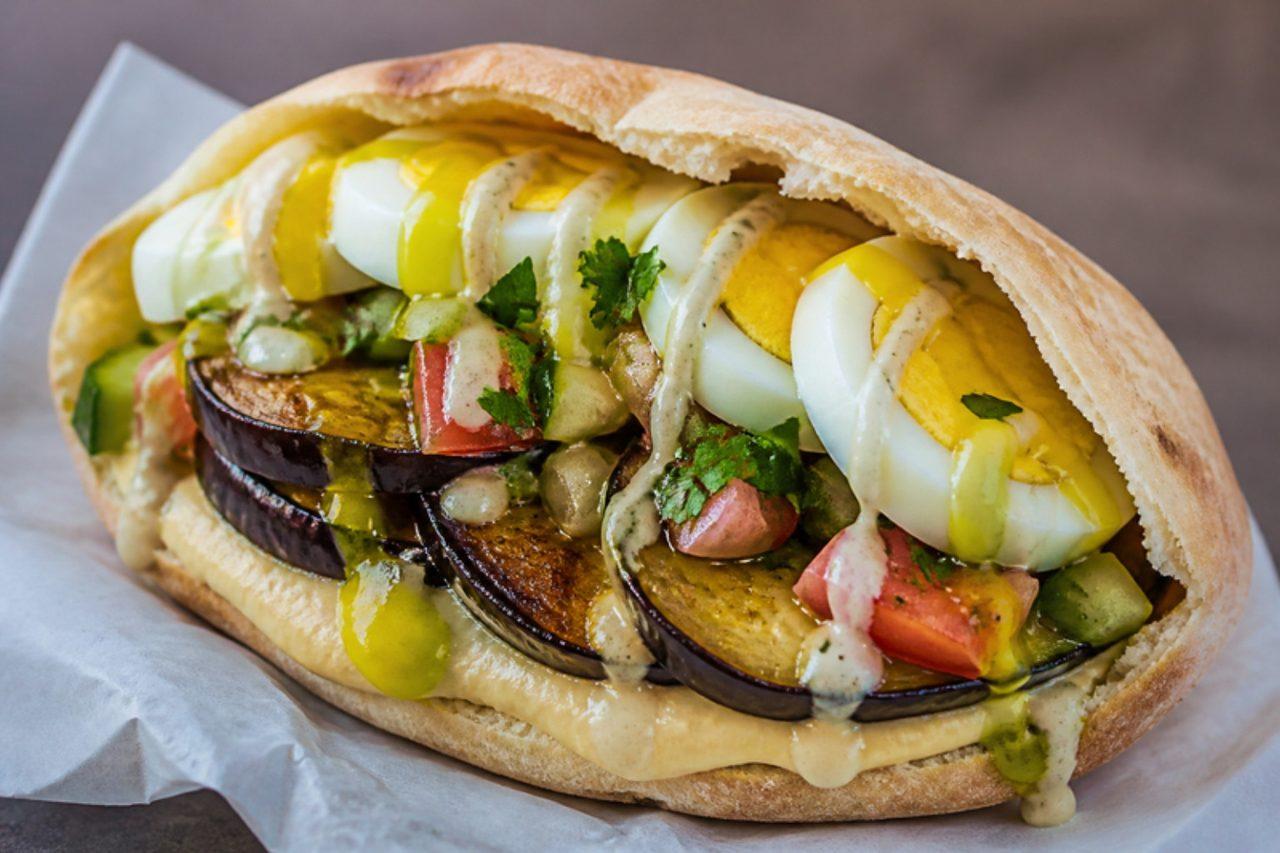
Sabich came to Israel with Iraqi Jews, who ate fried aubergine and hard-boiled eggs on Saturday mornings when no cooking was allowed. In Ramat Gan in the 1950s someone stuffed it all into a pita, and today it is street food all over Tel Aviv: crisp-edged aubergine, sliced egg, hummus, tahini, chopped salad and a spoonful of tangy amba mango pickle, with zhug for heat. It is messy, rich and best eaten standing up with a paper napkin. Chef's tip: salt the aubergine and dry it well before frying; it soaks up far less oil and comes out creamy instead of greasy.

by KrazyBadal 0 views

Hagelslag toastBread with chocolate sprinkles

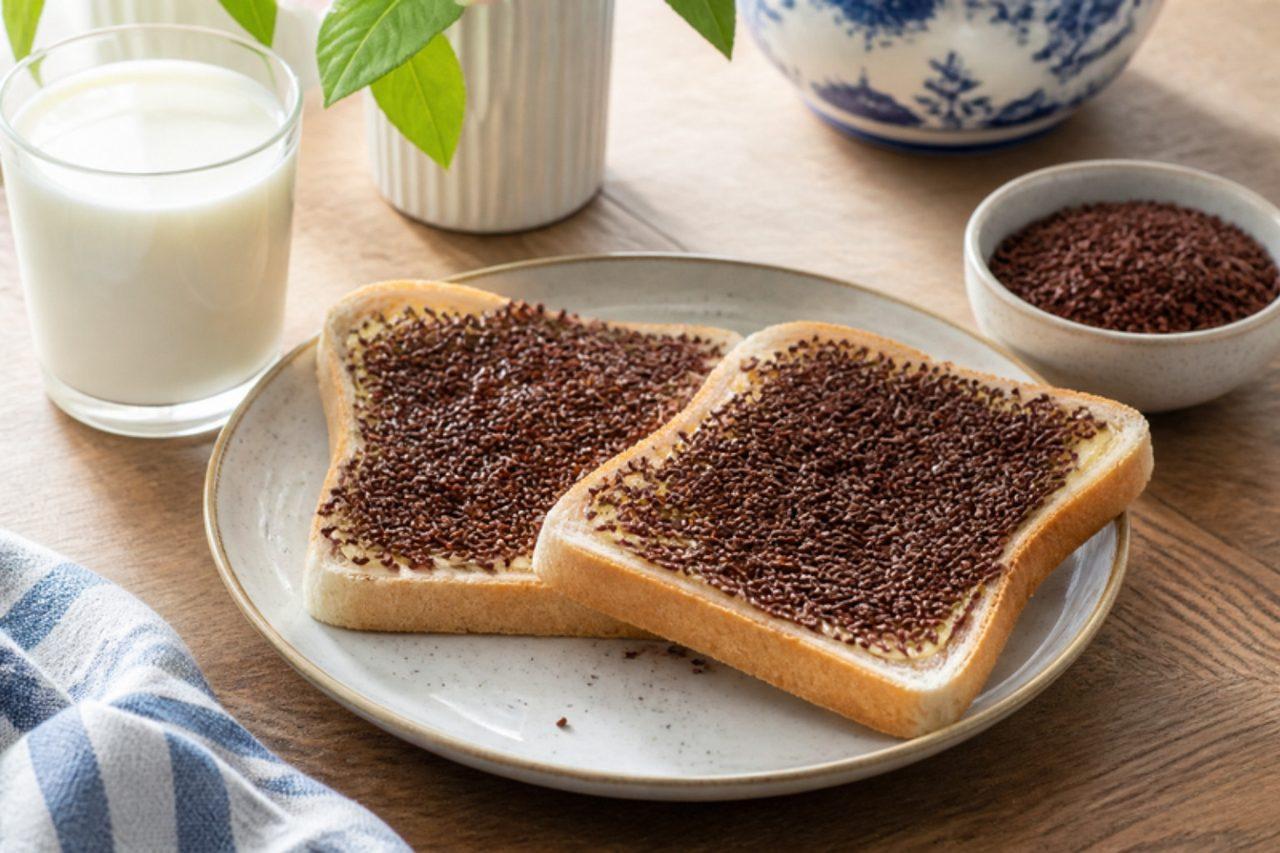
Ask anyone who grew up in the Netherlands what they ate before school and the answer is usually a boterham met hagelslag: a slice of soft bread, well buttered, and covered edge to edge in chocolate sprinkles. It is not a treat for special days but an ordinary Dutch breakfast and lunchbox filler, and the country gets through millions of kilos of hagelslag every year. There are milk and dark chocolate versions, plus vruchtenhagel (fruity pastel sprinkles) and anijshagel (aniseed sprinkles). Chef's tip: the butter is the glue, so spread it right to the crusts and press the sprinkles down gently with the flat of a knife before you lift the slice.

by KrazyBadal 0 views

KhatkhatemMixed vegetable and dal stew

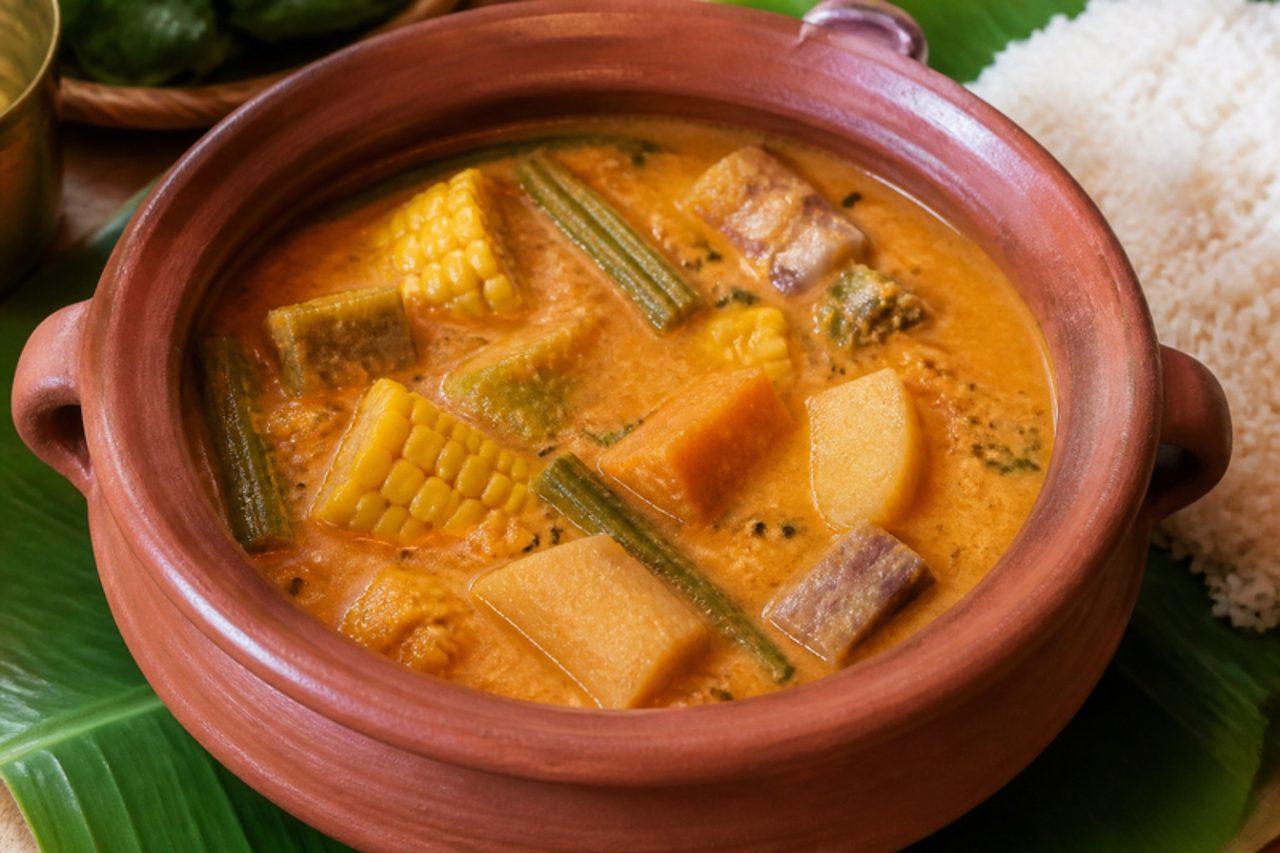
Khatkhatem is the vegetable stew Goan Hindu families cook for Ganesh Chaturthi and wedding feasts, when onion and garlic are kept out of the kitchen. It takes whatever the monsoon garden gives: pumpkin, sweet potato, raw banana, corn on the cob, drumsticks, yam and the long Goan cucumber, simmered with a little toor dal in a ground paste of coconut, red chillies and coriander seeds. The flavour comes from tirphal, a dried berry from the Western Ghats with a woody, citrusy, slightly numbing bite. Serve it with rice and a crisp papad as part of the festive spread. Chef's tip: add the vegetables in stages, hardest first; khatkhatem should have every vegetable tender but whole, not a mush.

by KrazyBadal 0 views

Jus de bouyeBaobab fruit drink

Bouye is the Wolof name for the powdery white pulp of the baobab fruit, and jus de bouye is the thick, creamy-tart drink sold in reused bottles from coolers all over Dakar and served at every family celebration. It tastes like sherbet with a hint of pear. Most cooks now use baobab powder, which is sold in health shops as well as African grocers. Sweetened condensed milk is optional but common. Chef's tip: whisk the powder into a little water first to make a smooth paste; poured straight into a jug it forms lumps that never dissolve.

by KrazyBadal 0 views

Habichuelas guisadasStewed pink beans

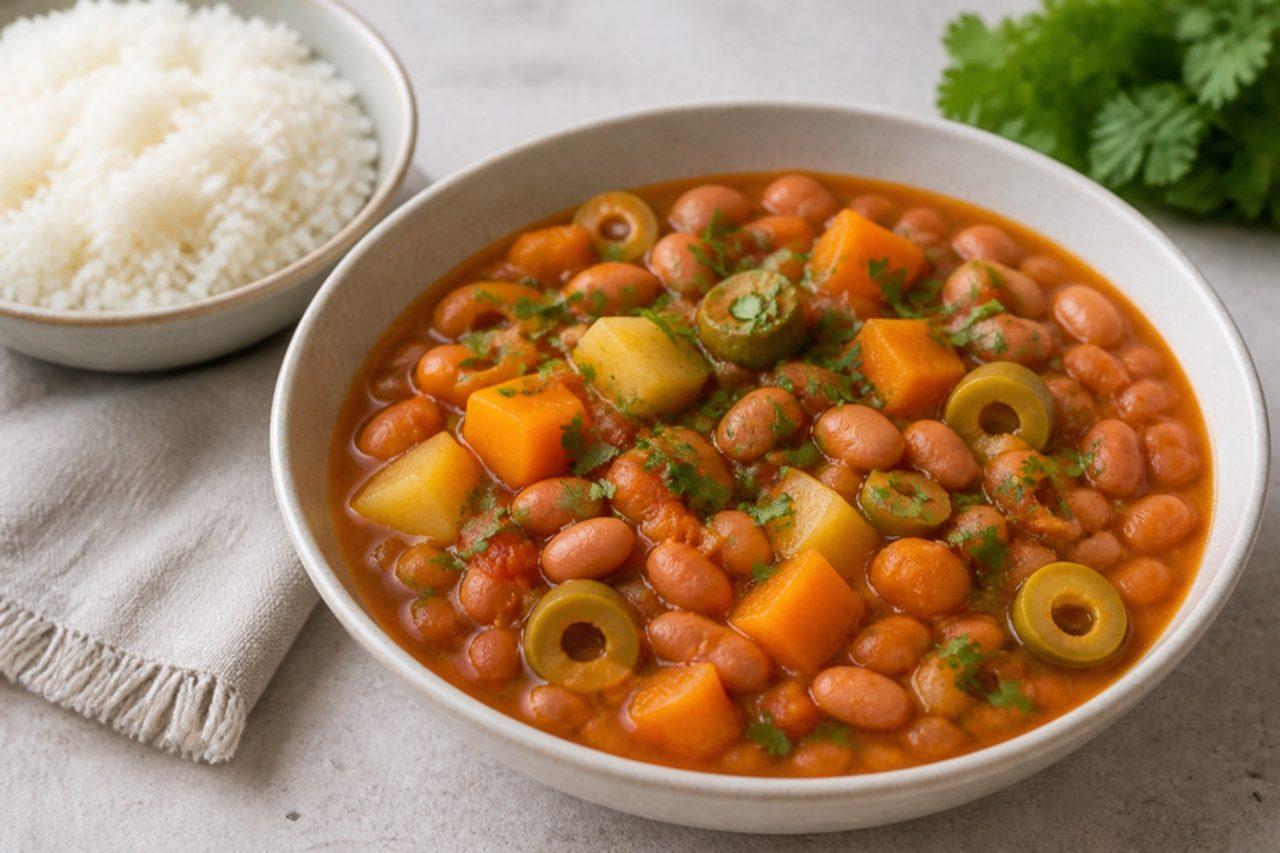
Habichuelas guisadas are on the stove most weekdays in Puerto Rico, from Ponce to Fajardo, ladled over plain white rice for the everyday plate called arroz con habichuelas. Pink or red beans simmer with sofrito, tomato sauce and olives, and cubes of calabaza (West Indian pumpkin) melt into the pot to make a thick, orange-red, gently sweet sauce. It's homely, cheap and deeply savoury. Island cooks often add a piece of ham; this version doesn't need it. Chef's tip: when the pumpkin is soft, crush a few pieces against the side of the pot; they dissolve into the liquid and thicken it without any flour.

by KrazyBadal 0 views

Habichuelas con dulceSweet red bean cream

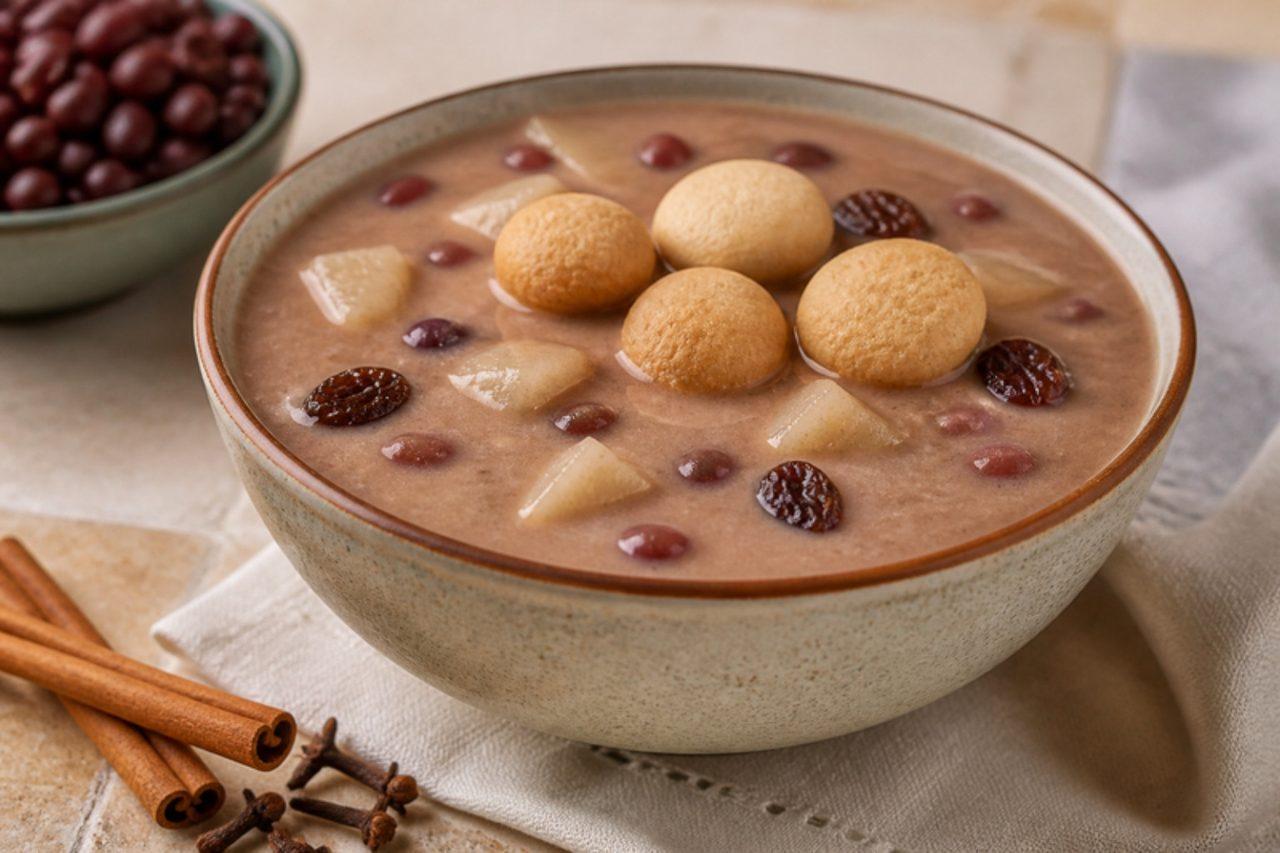
In the Dominican Republic, Holy Week means pots of habichuelas con dulce, shared over garden walls between neighbours from Santiago to San Pedro de Macorís. Red beans are cooked soft and blended into a smooth cream, then simmered with coconut and evaporated milk, cinnamon and cloves, with soft cubes of sweet potato and plump raisins. Served cold, it tastes like a spiced coconut custard with a gentle earthy depth; nobody guesses beans the first time. It's traditionally topped with little crunchy milk biscuits. Chef's tip: push the blended beans through a sieve; it takes two minutes and gives the silky texture that marks a good batch.

by KrazyBadal 0 views

LebkuchenSpiced gingerbread cookies

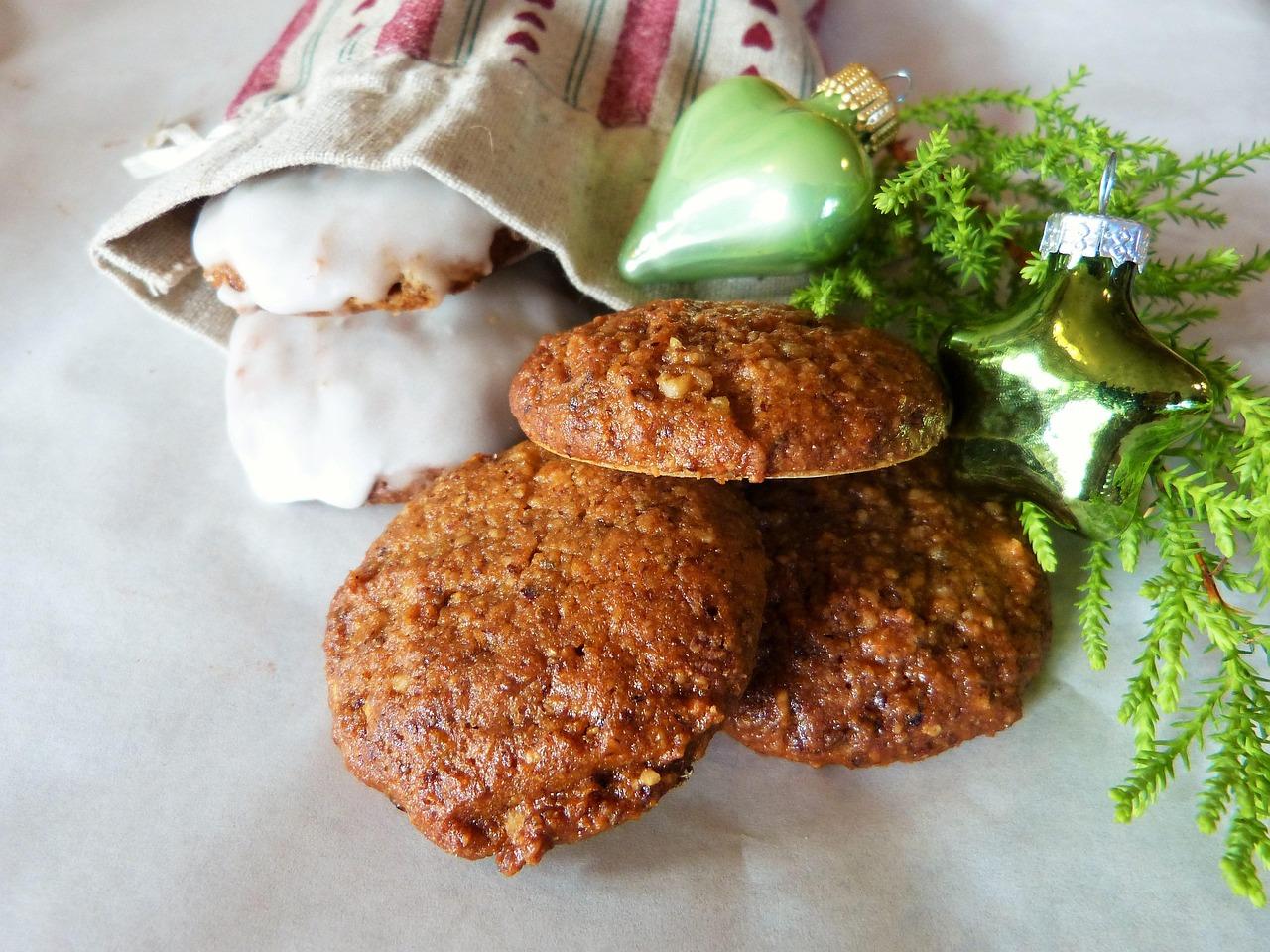
Nuremberg has been the German capital of Lebkuchen since the Middle Ages, when the city sat on the spice trade routes, and at its Christkindlesmarkt the stalls are piled with them every Advent. The finest kind, Elisenlebkuchen, contain almost no flour: they're made mostly of ground nuts, candied peel, eggs, sugar and a warm spice mix, baked on thin Oblaten wafers so they stay soft and chewy inside, then glazed with chocolate or sugar. They keep for weeks in a tin and get better as they rest. Chef's tip: bake them only until just set; a common mistake is baking until firm, which makes them dry and hard by the next day.

by KrazyBadal 0 views

Sabzi poloGreen herb rice

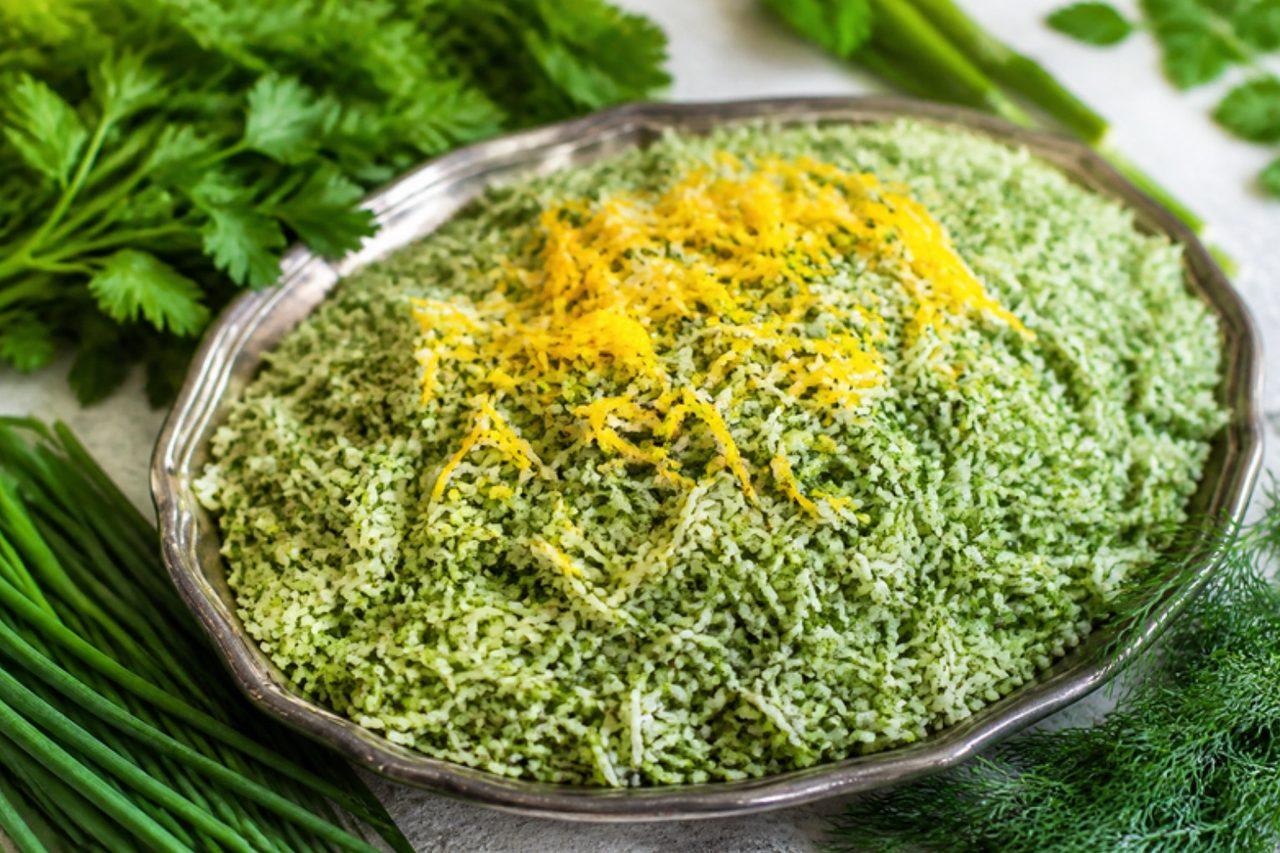
Sabzi polo is the rice of Nowruz, the Persian New Year on the spring equinox, when families across Iran sit down on the first evening to a mound of rice speckled green with dill, parsley, coriander and chives. Fresh green herbs stand for renewal, and the dish is traditionally paired with fish on the New Year table; a vegetarian house serves it with kuku sabzi, the herb omelette, fried eggs or a bowl of yogurt. The rice tastes bright and grassy, with a gentle garlic note and a golden lavash crust underneath. Chef's tip: chop the herbs the day before and spread them on a tray to dry slightly; damp herbs make the rice heavy and clumpy.

by KrazyBadal 0 views

Num ansom chekBanana sticky rice parcels

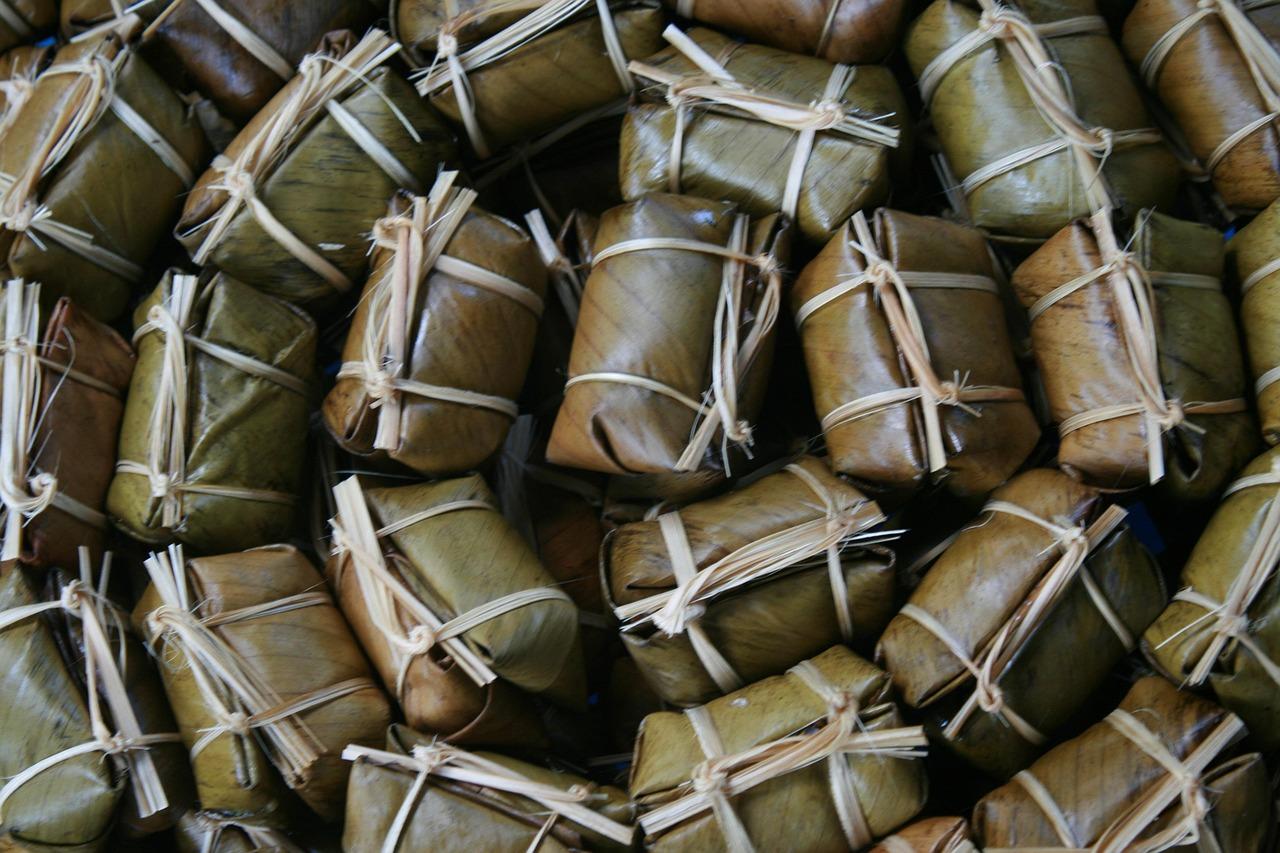
Num ansom chek are wrapped by the dozen in April for Khmer New Year and again in autumn for Pchum Ben, when families carry them to the pagoda as offerings. A ripe banana is hidden inside a jacket of glutinous rice that has been seasoned with coconut milk and dotted with black beans, then the whole thing is rolled tightly in banana leaf and boiled until the rice turns sticky and the banana goes jammy and blush-pink. Unwrapped, they're eaten at room temperature or sliced and grilled the next morning. Chef's tip: use bananas that are fully yellow with a few brown freckles; green ones stay chalky and the pink colour never comes.

by KrazyBadal 0 views

Oromo with pumpkinSteamed pumpkin roll

Oromo, or orama, is a big rolled dumpling: a thin sheet of dough spread with filling, rolled into a long coil and steamed in a multi-tiered mantovarka. It's a home dish across Kazakhstan, Kyrgyzstan and Uzbekistan, quicker than shaping dozens of manti. In autumn, when Kyrgyz gardens in the Chüy Valley are full of squash, it's filled with grated pumpkin and onion, which turn sweet and juicy. Serve in thick slices with sour cream or a garlicky tomato sauce. Chef's tip: grate the pumpkin coarsely and salt it only just before rolling; salted too early it weeps and makes the dough soggy.

by KrazyBadal 0 views

Sabzi qovurmaLamb with fresh herbs

Sabzi qovurma is a home dish across Azerbaijan, made especially in spring when the markets of Ganja and Baku are full of bundles of green herbs. Pieces of lamb are fried until golden, then cooked with masses of chopped coriander, dill, spinach, spring onion and leek, sharpened by dried black lime or sour plums. It is served with plain plov rice or bread and a bowl of yogurt. The trap is adding wet herbs straight to the pan; they stew rather than fry and the dish goes flat and grassy. Chef's tip: dry the herbs well and fry them on their own until they darken before they join the meat.

by KrazyBadal 0 views

Sadza with beef stewMaize porridge with beef stew

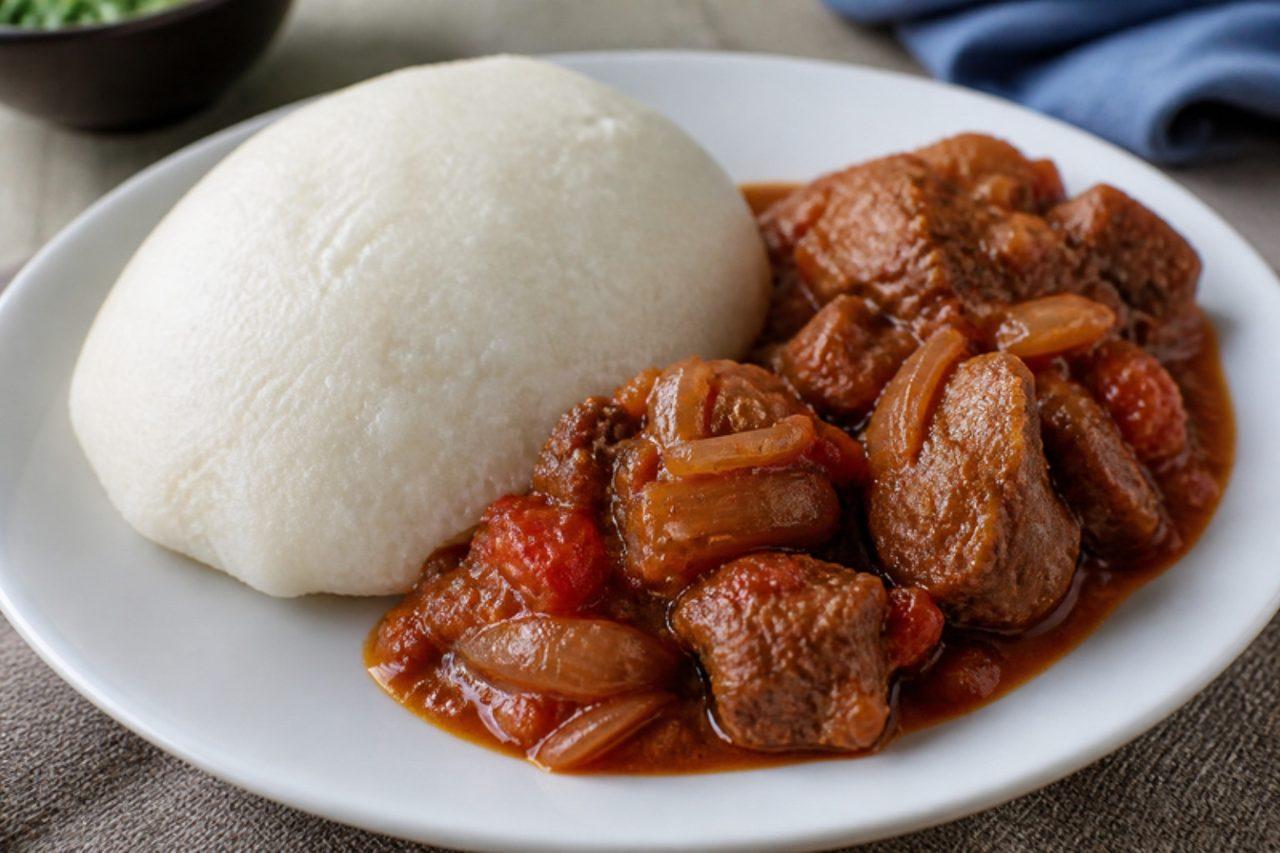
Sadza ne nyama, sadza with meat, is the meal most Zimbabweans would call home: a stiff, smooth porridge of white maize meal shaped into rounds with a wooden spoon, served with a beef stew and a side of greens such as covo or rape. Families in Harare and Bulawayo eat it at lunch or supper, rolling a little sadza into a ball in the right hand and dipping it in the gravy. The mistake is adding all the maize meal at once, which makes lumps; stir in a paste first, then add the rest gradually. Chef's tip: let the porridge "rest and cook" under a lid for a few minutes between additions so the meal tastes cooked, not raw.

by KrazyBadal 0 views

Ladakhi skyuWheat dough and root vegetable stew

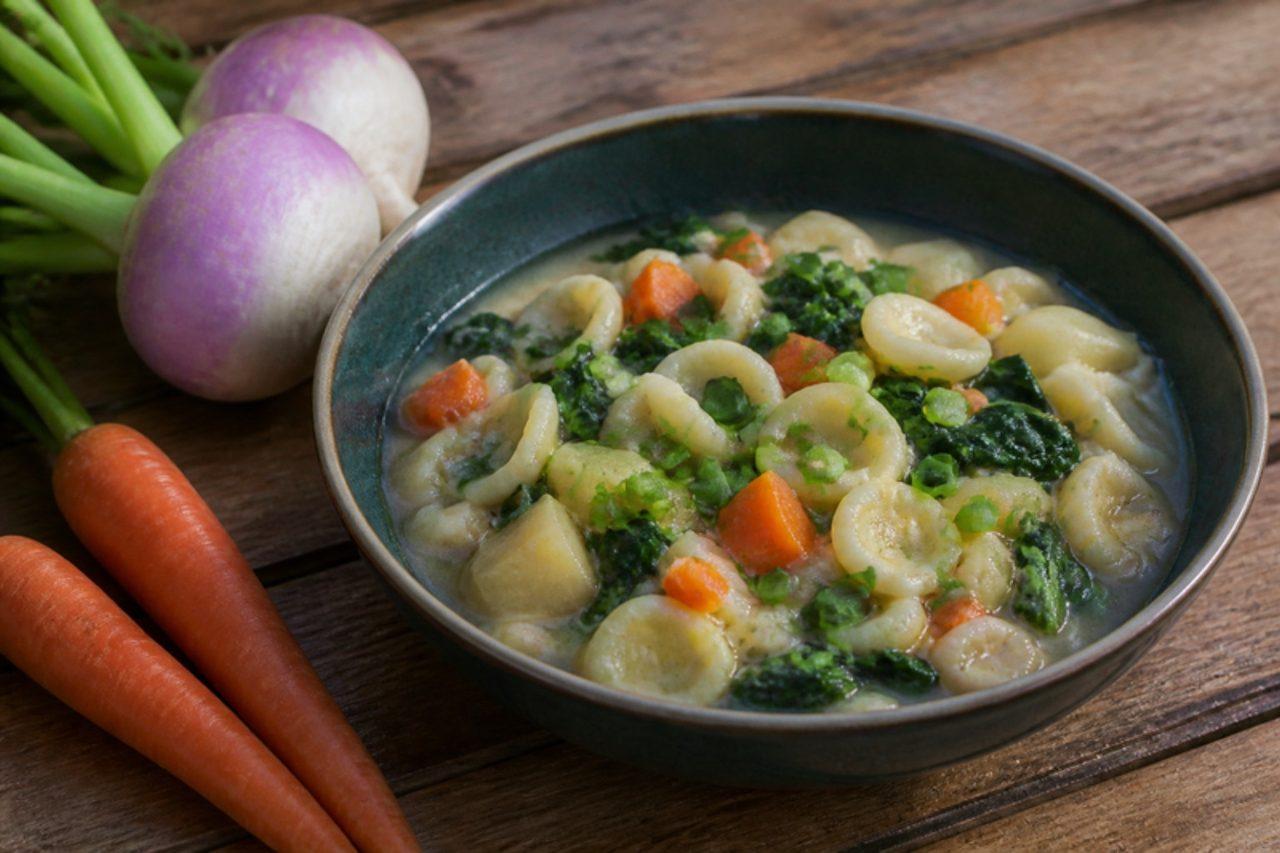
Skyu is what Ladakhi families in Leh and the villages along the Indus cook when the passes close and fresh vegetables run short: a thick stew of turnip, potato and carrot with little cups of wheat dough pressed with the thumb, a bit like orecchiette. It is filling, gently peppery and made in a single pot on the kitchen stove that also heats the house. Some homes finish it with a splash of milk or a crumble of dried cheese; this version keeps it plant-based and lets the vegetables flavour the broth. Chef's tip: press each piece of dough thin enough to see the thumbprint clearly; thick pieces stay doughy in the middle.

by KrazyBadal 0 views

Nyama chomaSlow-grilled goat or beef

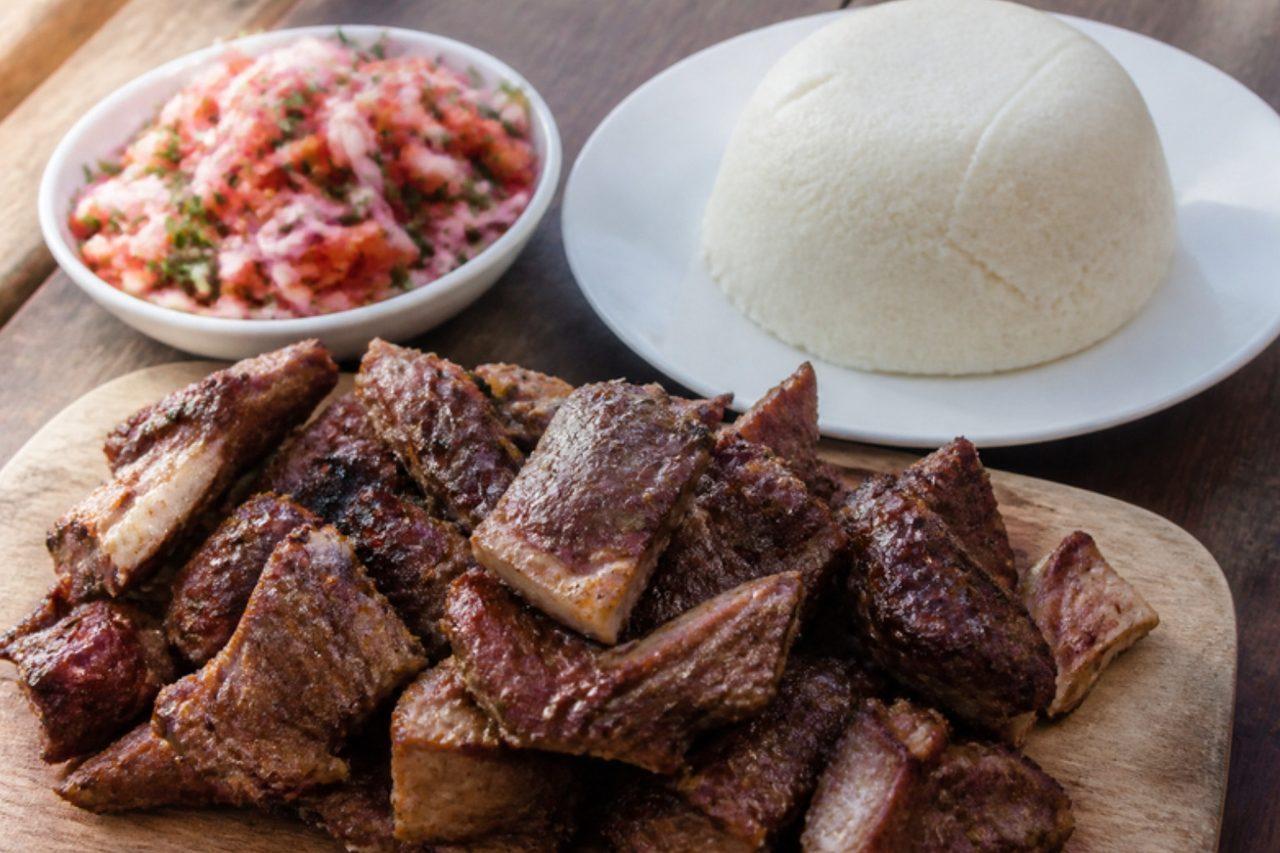
Nyama choma, "roasted meat" in Swahili, is the centre of every weekend gathering in Kenya: at roadside joints on the edge of Nairobi you choose your goat ribs or beef by the kilo, it is grilled slowly over charcoal, chopped on a wooden board and brought to the table with salt, kachumbari (tomato and onion salad) and ugali. The meat is meant to be firm and chewy, smoky and simply salted. The mistake is grilling over fierce flames; the outside chars before the inside is tender, so keep it over glowing coals and turn it often. Chef's tip: leg of goat or lamb on the bone is easiest at home; rub it with salt and a little lemon only.

by KrazyBadal 0 views

HaakCollard greens in mustard oil

Haak is the everyday green of Kashmir: collard greens grown in every kitchen garden, cooked whole with nothing more than mustard oil, dried red chilli, asafoetida and salt. The leaves stay bright, tender and slightly silky, with a clean, peppery taste that sings next to rice. Kashmiri Pandit households keep it this simple; Muslim homes often add a few garlic cloves. Serve with plain rice and a dal or rajma. Chef's tip: leave the leaves whole or in large pieces and cook them uncovered for the first minutes; chopping and covering too early turns them dull olive-green.

by KrazyBadal 0 views

GyuvechBaked vegetable stew

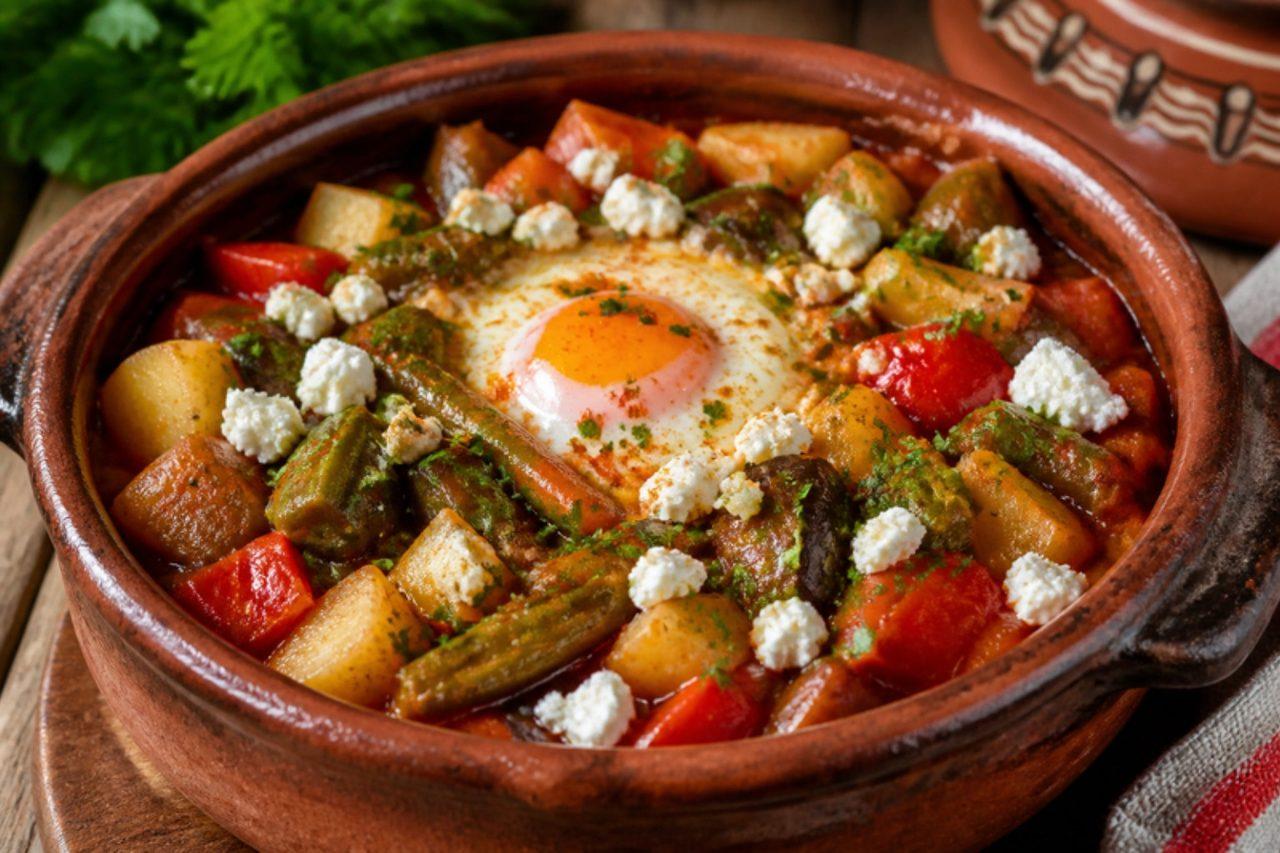
Gyuvech takes its name from the glazed clay pot it is baked in, and in late summer in the villages of the Rhodopes and the Thracian plain it is slid into the bread oven packed with peppers, aubergine, okra, green beans, potatoes and tomato, seasoned with paprika and the herb chubritsa (summer savory). In the last minutes, eggs are often cracked over the top and baked until just set. It is served straight from the pot with bread to scoop up the juices. Unlike Greek briam, the vegetables stew in a paprika broth under a lid rather than roasting in oil. Chef's tip: put a clay pot into a cold oven; heating it first is the usual mistake and can crack it.

by KrazyBadal 0 views

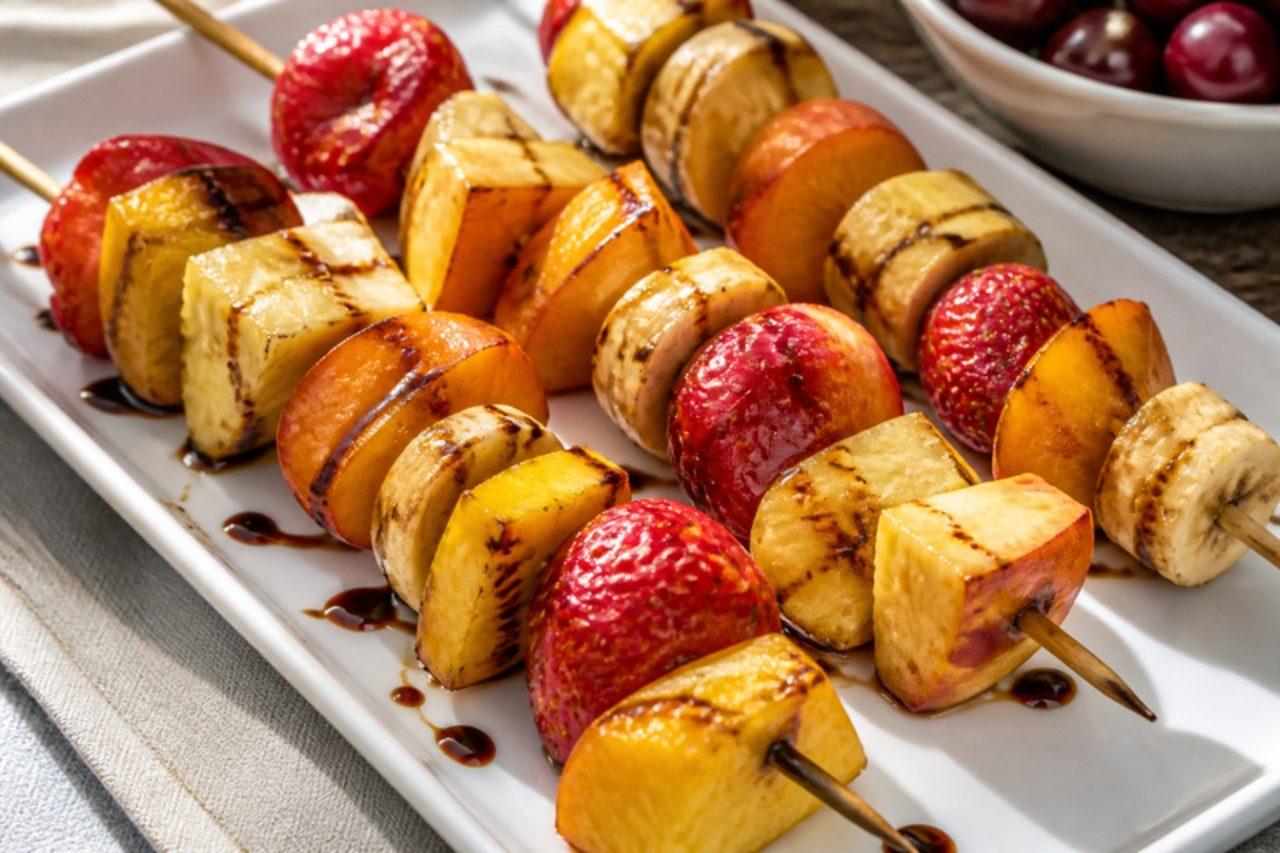
Fruity barbeque serveGrilled fruit skewers

Chunky skewers of pineapple, banana, strawberry, peach and nectarine drizzled with balsamic vinegar and dark muscovado sugar, then grilled over charcoal until the sugar caramelises. Warm, sticky and a little tangy. Serve hot as a barbecue dessert, with ice cream if you like.

23 minDessertsVeganGluten free
by KrazyBadal 0 views

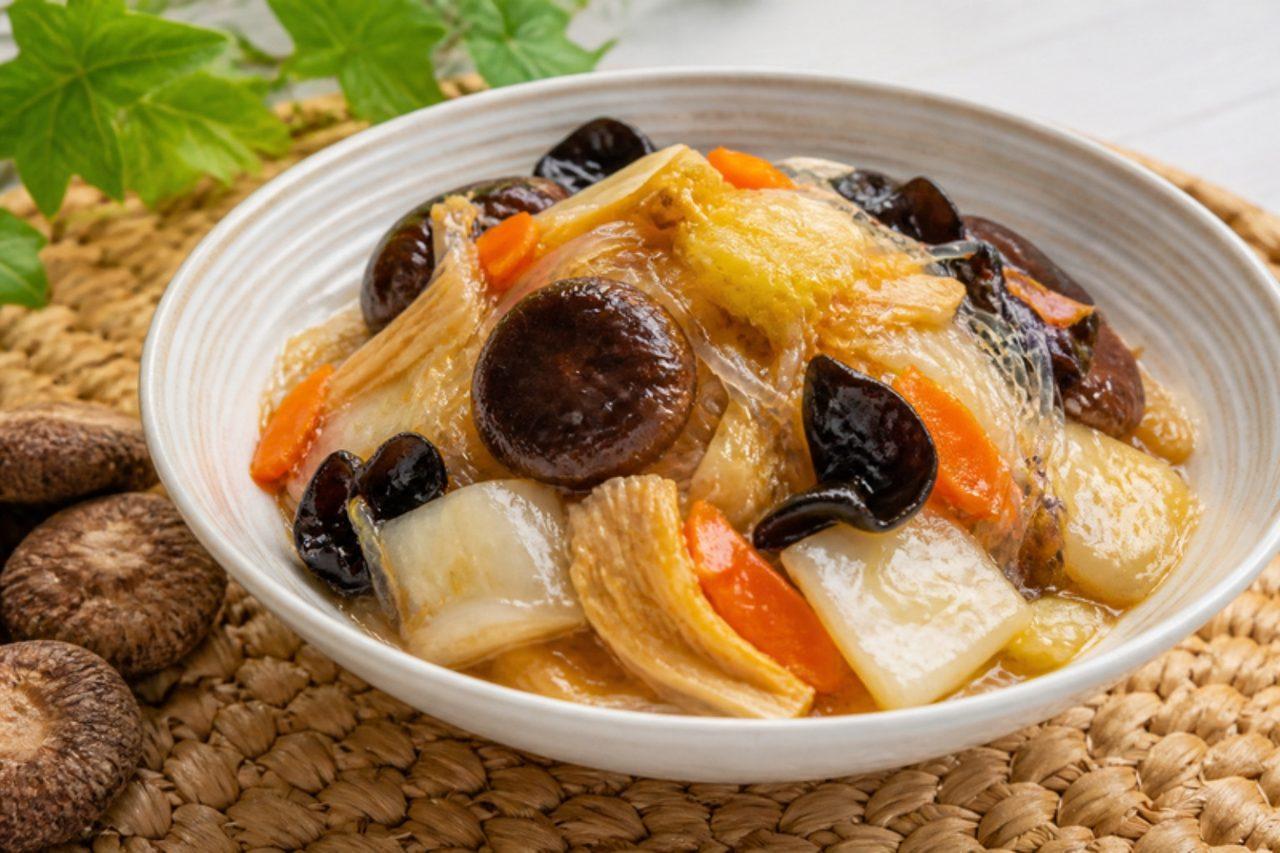
Nyonya chap chyeBraised cabbage with glass noodles

In Peranakan homes in Melaka and Penang, chap chye (mixed vegetables) is cooked in a big pot for Chinese New Year and family prayer days. Cabbage, dried shiitake, wood ear, lily buds and beancurd skin are braised with garlic and tau cheo, the salty fermented soybean paste, until everything is soft and the glass noodles have soaked up the savoury gravy. Many families add pork belly or prawns, but the vegetarian pot is just as traditional for the first day of the new year. It tastes better the next day. Chef's tip: fry the tau cheo with the garlic until it smells nutty before anything else goes in.

by KrazyBadal 0 views

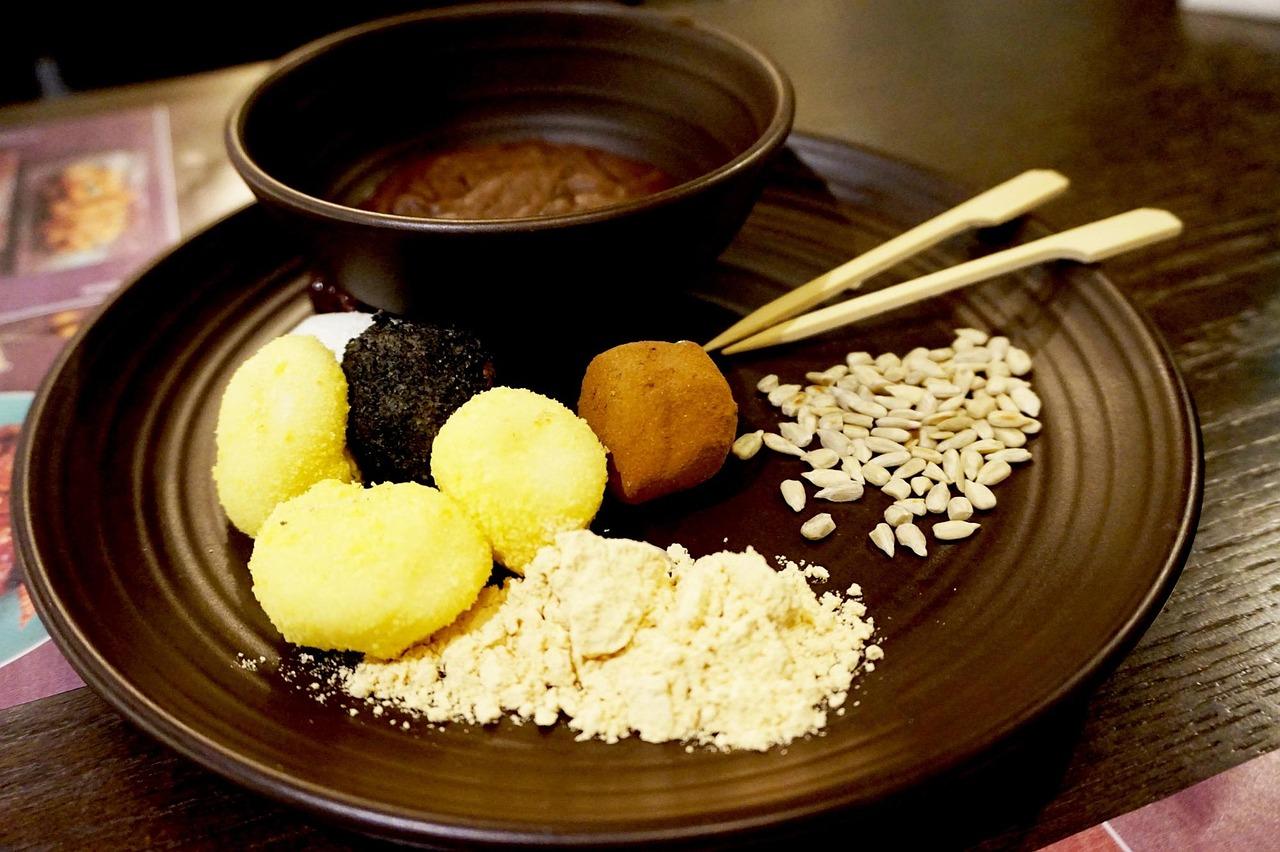
GyeongdanGlutinous rice balls

Gyeongdan (경단) are small balls of boiled glutinous rice dough, filled or plain, and rolled in coloured coatings: golden roasted soybean powder, black sesame, green or toasted coconut. In Seoul they are made for a baby's 100th day and first birthday, and sold in rice-cake shops all year in mixed boxes. They are only lightly sweet, soft and stretchy, best eaten the day they are made with a cup of barley tea. Children love rolling them. Chef's tip: mix the dough with very hot water a spoonful at a time; it should feel like soft play-dough, and if it cracks when you roll a ball it needs a little more.

by KrazyBadal 0 views

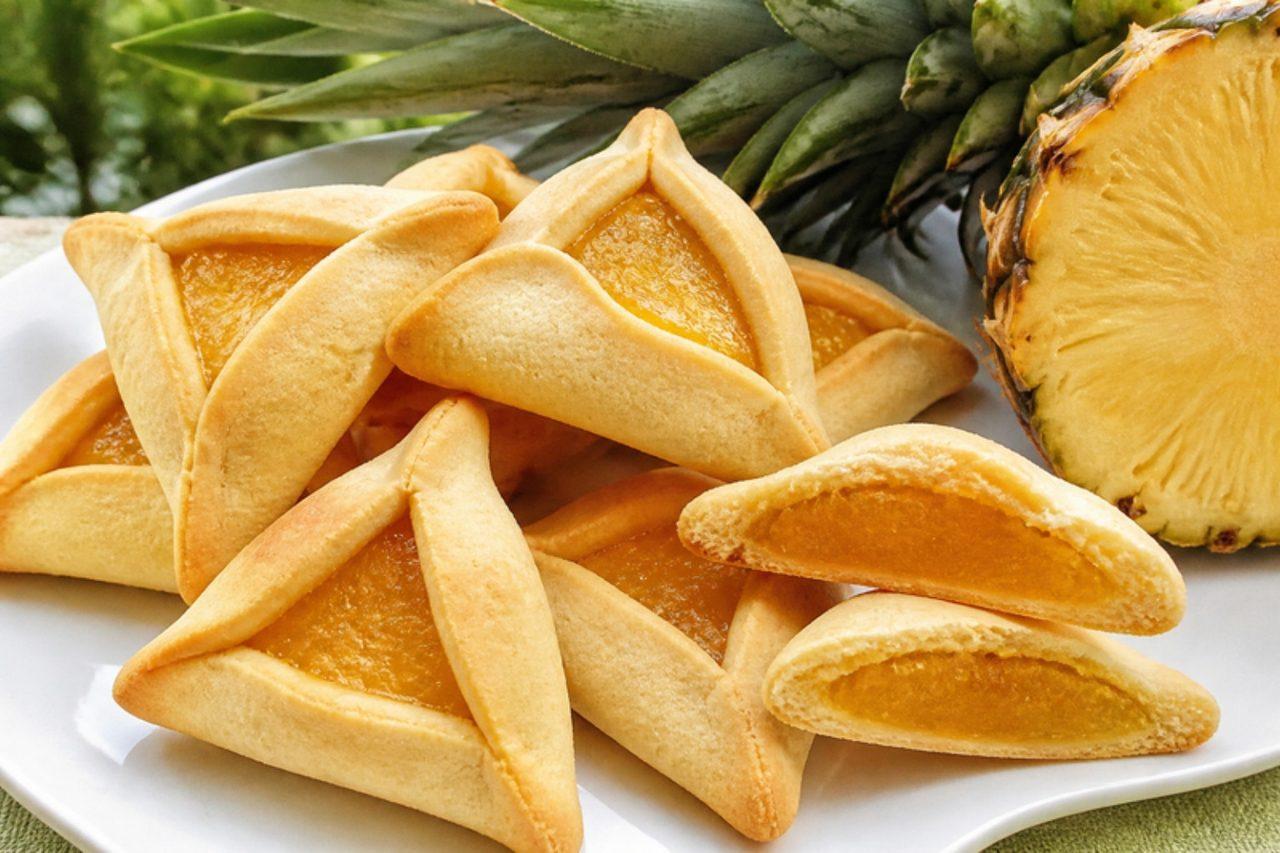
Guyanese pine tartsPineapple jam tarts

Pine tarts (short for pineapple tarts) are Guyana's favourite bakery treat: a flaky triangle of pastry folded over a thick, sticky pineapple jam spiced with cinnamon and nutmeg, with the filling peeking out of the middle. They're sold in every Georgetown bakery and carried abroad in suitcases by visiting family. Their triangle shape sets them apart from the open pineapple cookies of Southeast Asia. Chef's tip: cook the jam until it's thick enough that a spoon dragged across the pan leaves a clean path; runny jam leaks and burns in the oven.

by KrazyBadal 0 views

Lucknowi galouti kebabMinced lamb patties

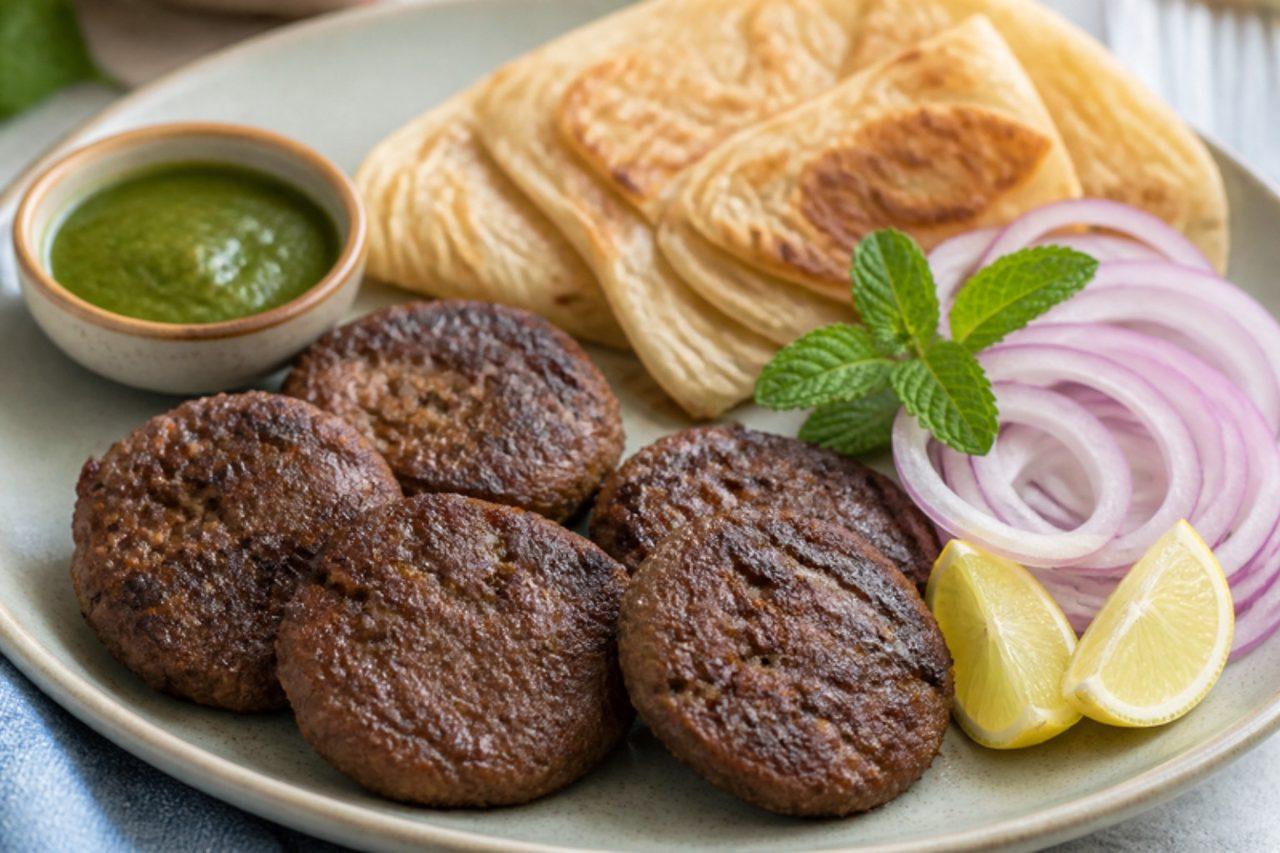
Lucknow's galouti kebab is said to have been created in the kitchens of the Nawabs of Awadh for a ruler who had lost his teeth, and 'galouti' means something that melts. The minced lamb is ground again until it's almost a paste, tenderised with raw papaya, scented with a dozen spices plus rose water and saffron, and fried gently on a flat griddle. In the old city around Aminabad they are sold all day on small, flaky ulte tawe ka paratha with sliced onion and mint chutney, and they are a must at Ramadan iftars. Chef's tip: chill the mixture well before shaping; the patties are meant to be fragile, and a cold mixture is the only way to get them into the pan in one piece.

125 minIndianMeatGluten free
by KrazyBadal 0 views

Obi nonTandoor bread

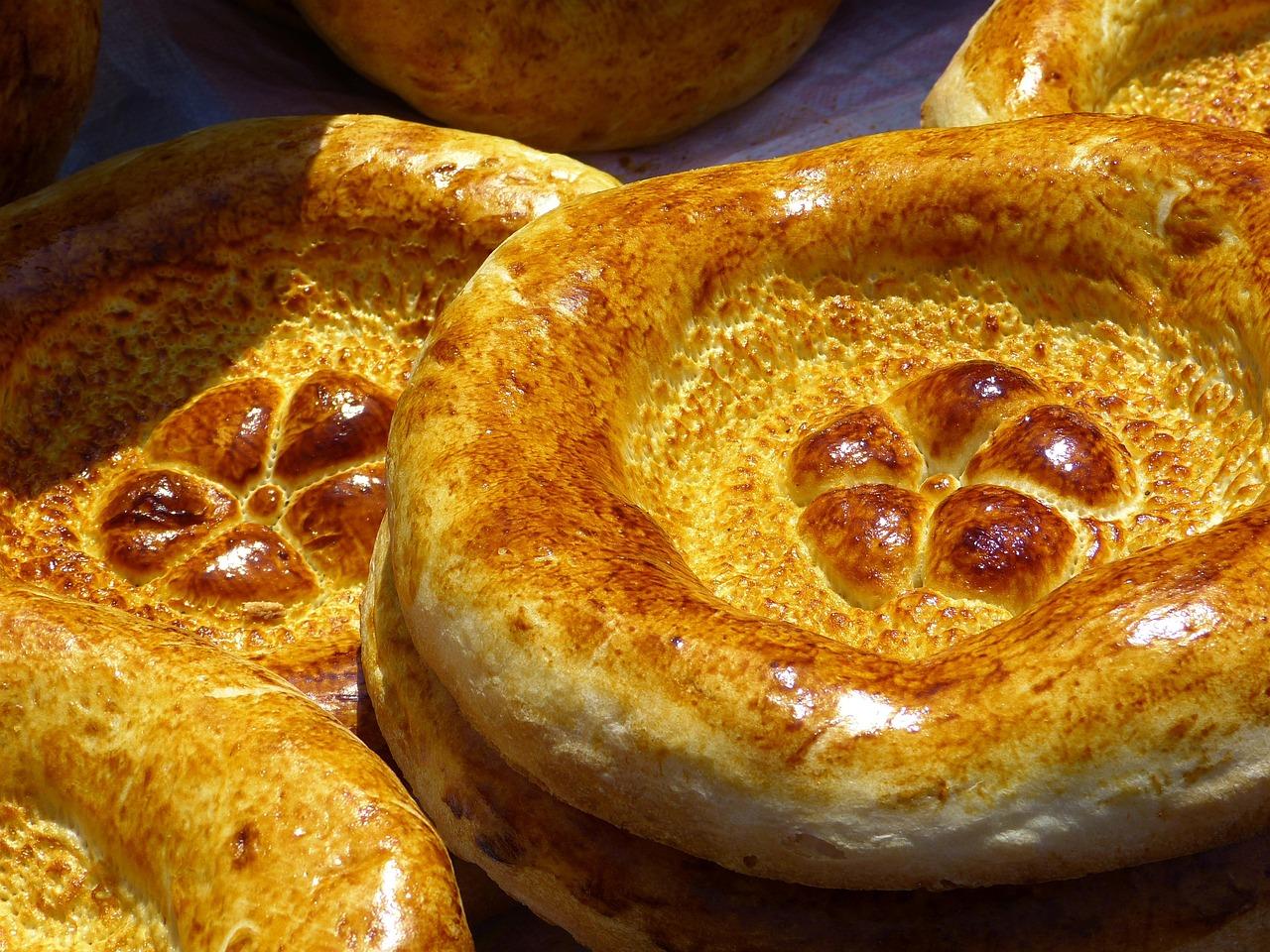
Every Uzbek meal starts with bread torn by hand and passed round the table, and obi non is the everyday loaf: a round with a thick, soft rim and a thin, crisp centre pricked with a patterned stamp called a chekich. In Samarkand and Tashkent it comes out of clay tandoors at dawn, and across the border in Kazakhstan the same bread is sold as tandyr nan. Bread is never cut with a knife and never laid face down. A very hot oven and a baking stone or upturned tray come close to the tandoor at home. Eat it warm with green tea, achichuk salad, soups and plov. Chef's tip: press the centre really thin and prick it all over; if you don't, it puffs into a ball like pitta and you lose the flat, crackly middle.

by KrazyBadal 0 views

Showing 81 of 10,569 recipes

Show more recipes

Page 942 of 1,175