


Skip to content
Eritrean frittata
Featured recipe

Eritrean frittata

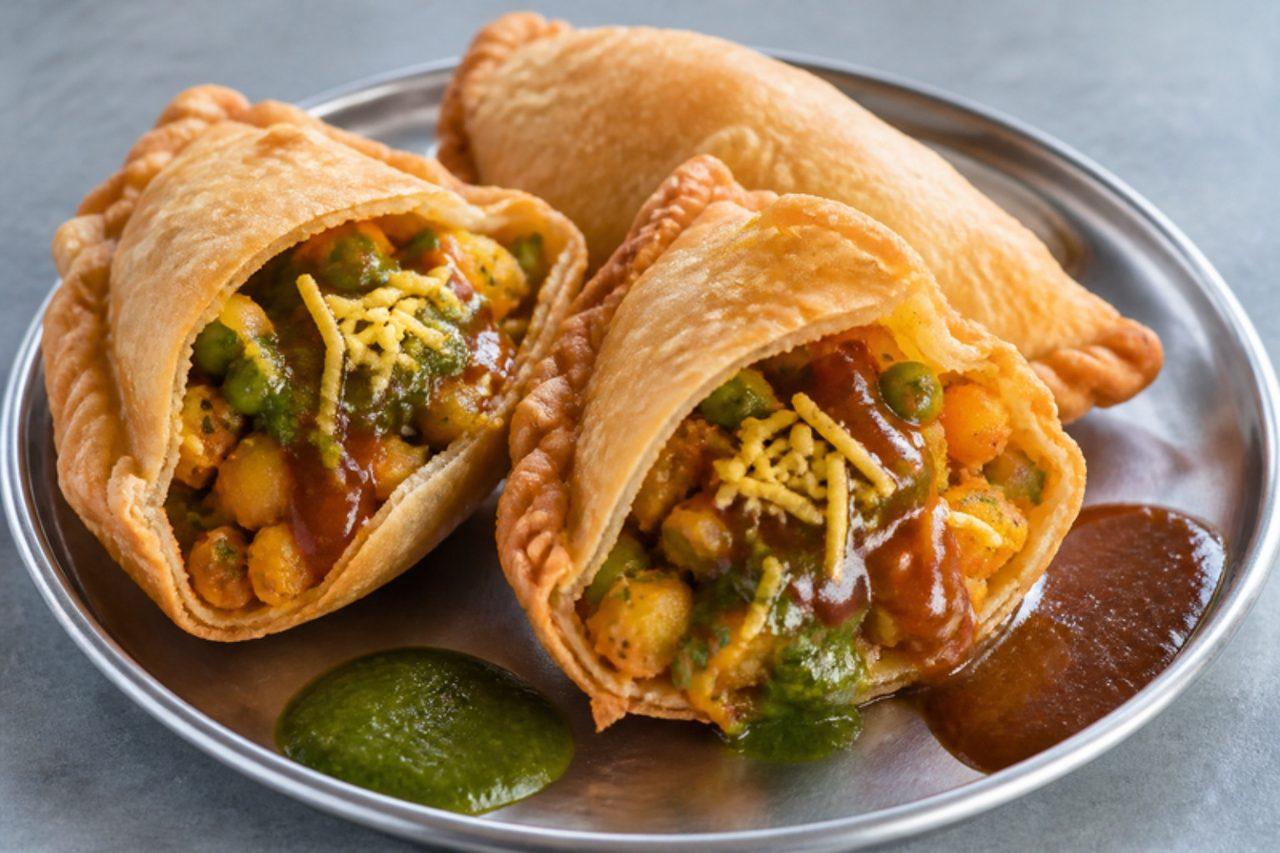
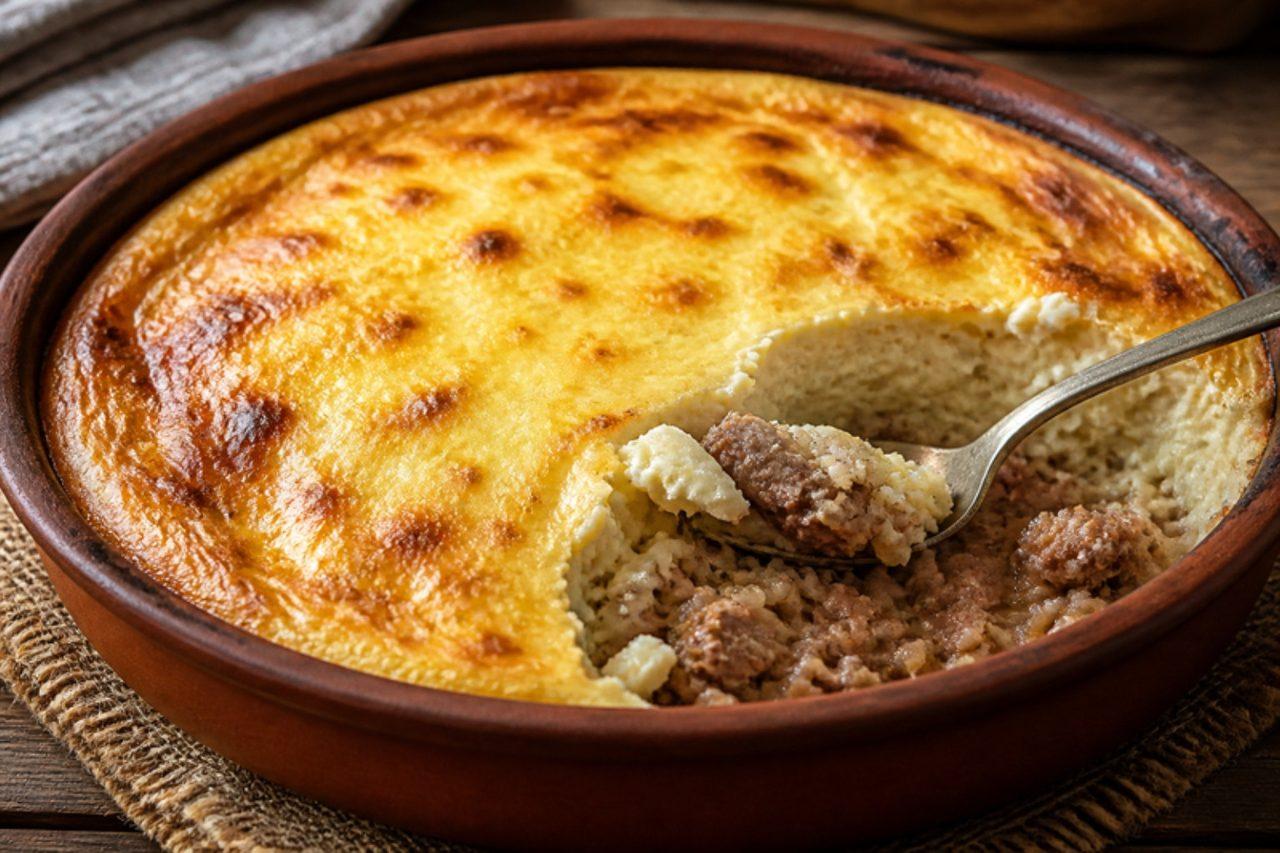
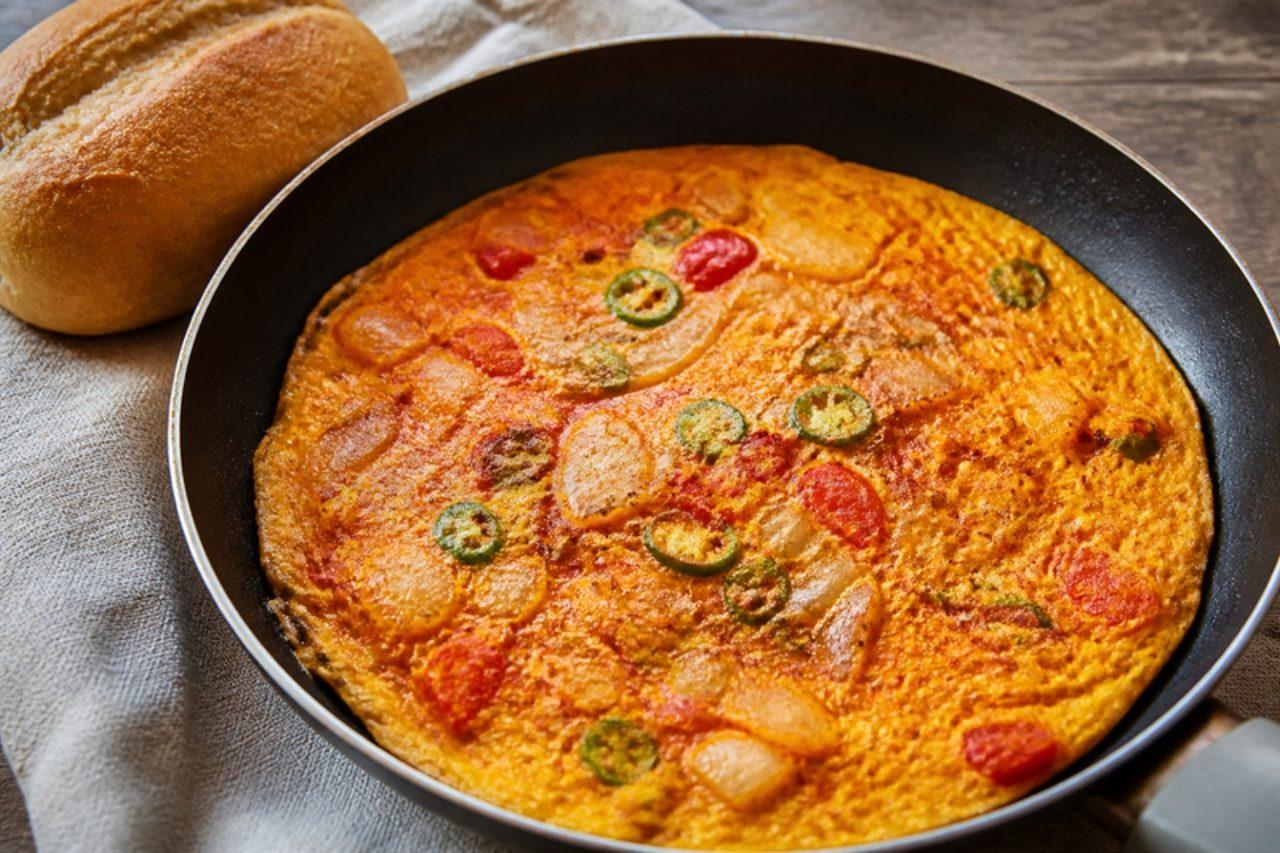
Asmara's cafés kept the Italian word but changed the flavour: an Eritrean frittata is eggs beaten with softened onion, tomato and green chilli, warmed with berbere and cooked flat in a small pan until just set. It comes to the table in its pan with fresh bread and a coffee or sweet tea, and some places fold in a little extra chilli for those who ask. The texture is soft and moist in the middle, with sweet tomato and a gentle heat running through it. A common mistake is cooking the eggs over a high flame, which makes the base tough and brown before the top sets; keep the heat low and cover the pan. Chef's tip: cook the tomato until its juice has evaporated before the eggs go in, or the frittata turns watery.

Read more 0 views

What to eat today?

Around the world

Today's trip: Persian

A new country every day, from every cuisine on the site.

Persian

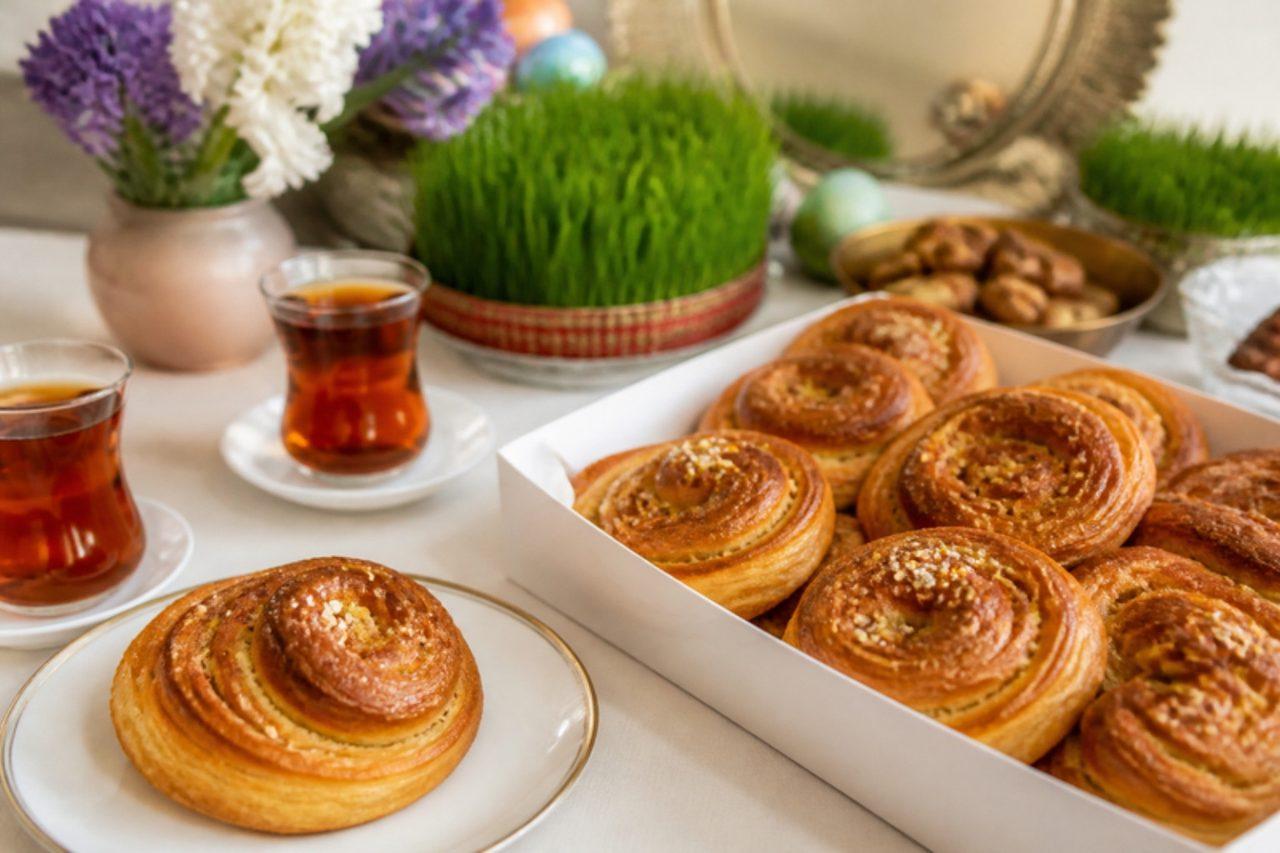
Shirini danmarki

Cinnamon cardamom pastry swirls 70 minMore from Persian (181) →

This week's collection

Kid-friendly dinners
756 recipes · a new collection every Monday

Coming up

All occasions →

Latest recipes

PinniGhee wheat flour sweets

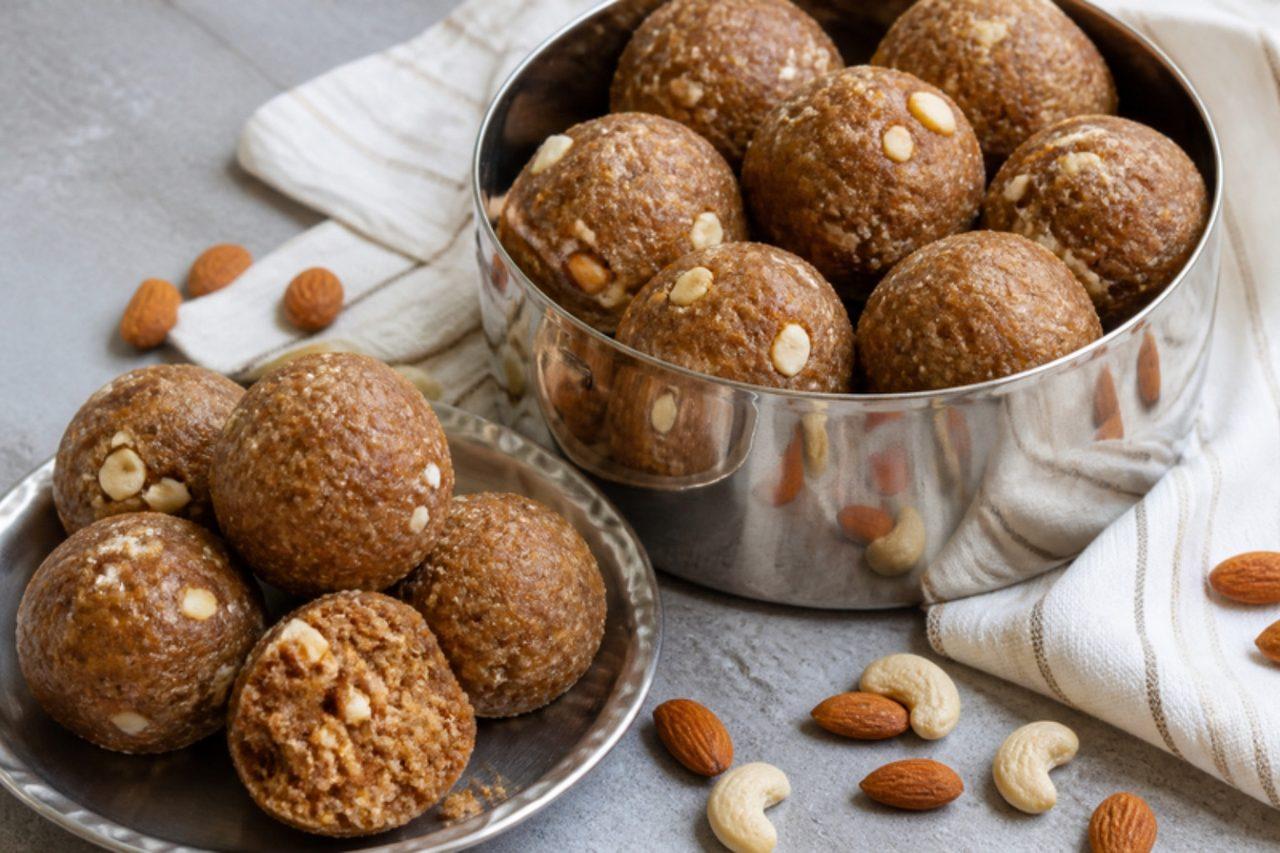
When the fog settles over Punjab in December, kitchens fill with the smell of wheat flour roasting slowly in ghee: pinni season has started. These dense, crumbly balls of roasted atta, jaggery, almonds and fried edible gum are made in big batches for Lohri, packed into tins for relatives and given to new mothers for strength. One pinni with a glass of hot milk is a classic winter breakfast. Chef's tip: let the roasted flour cool until just warm before adding the jaggery; if it is hot, the jaggery melts and the pinni set hard as stone.

by KrazyBadal 0 views
PindjurRoasted pepper and aubergine relish

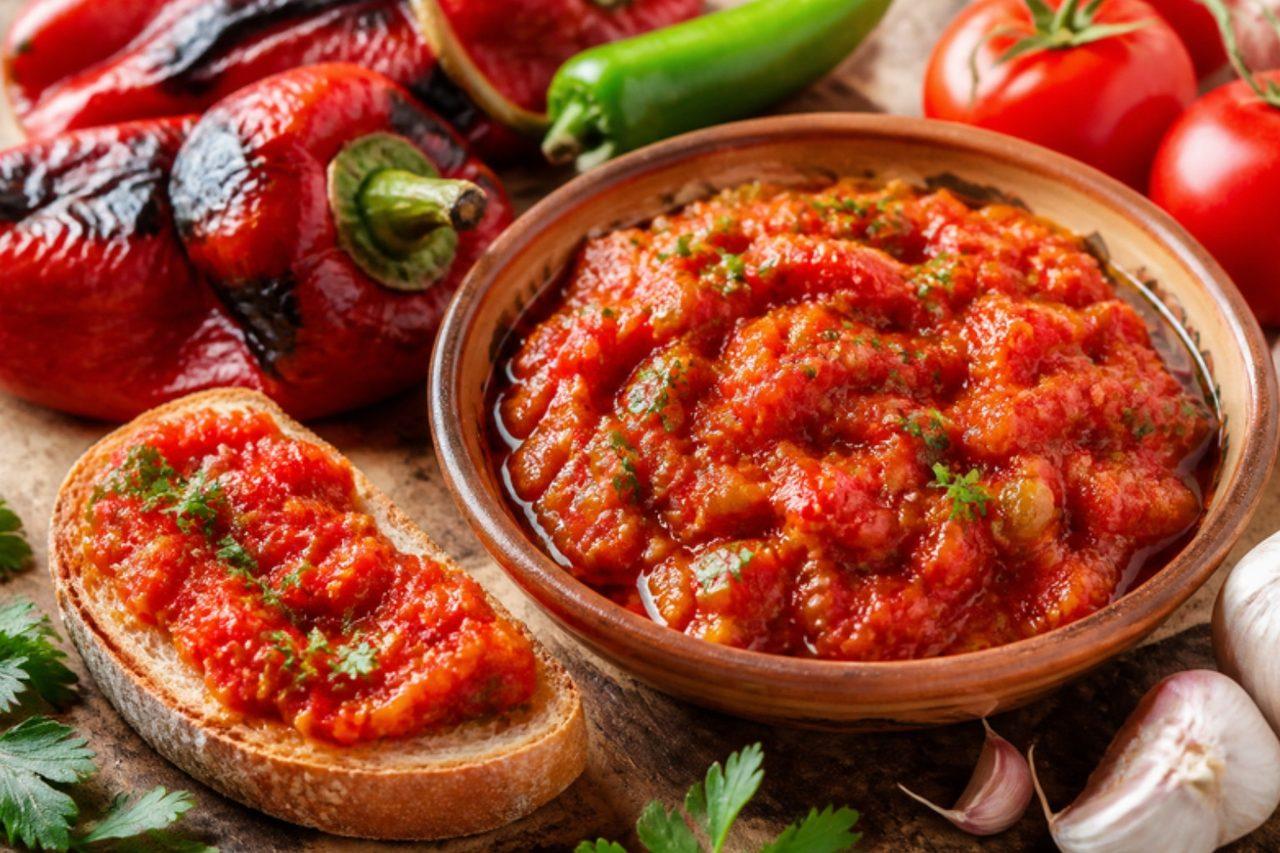
Where ajvar is the patient winter preserve, pindjur is its quick summer cousin, made in Macedonian and Bosnian kitchens in July and August when tomatoes are at their ripest. Roasted peppers and aubergine are chopped rather than ground, then simmered briefly with fresh tomatoes and plenty of garlic, so it stays chunky, juicy and bright. It is eaten warm or at room temperature, scooped up with bread and a slab of white cheese, as part of a mezze spread in Ohrid or Mostar. Chef's tip: chop everything with a knife instead of a blender; a puréed pindjur loses the texture that sets it apart from ajvar.

by KrazyBadal 0 views

PinakbetMixed vegetable stew

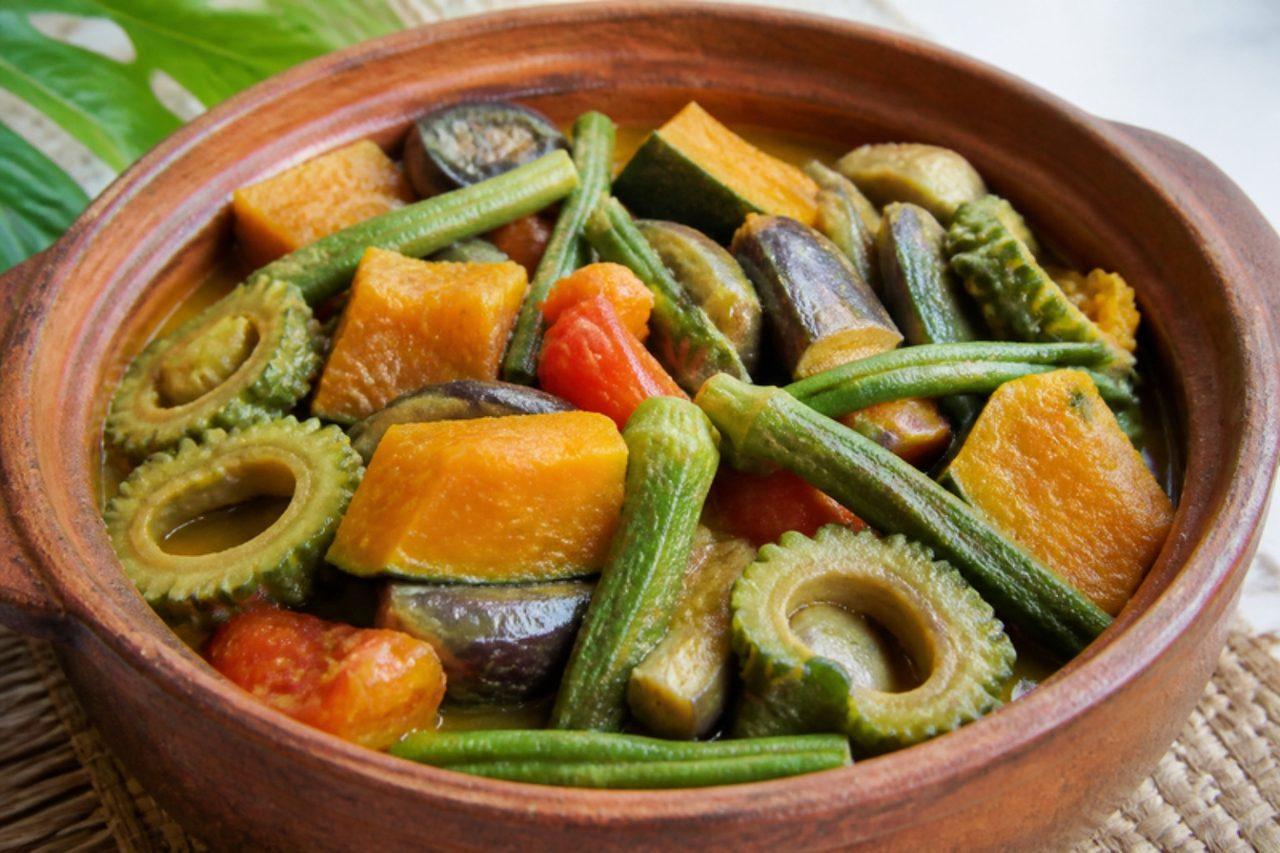
Pinakbet comes from the Ilocos region in the far north-west of Luzon, where families cook whatever grows behind the house: bitter melon, small aubergines, okra, yard-long beans and tomatoes, simmered with very little water until the vegetables shrink and wrinkle (the name comes from the Ilocano for 'shrivelled'). Ilocanos season it with fermented fish paste; here white miso gives the same savoury, salty depth without any fish, and a little squash (more common in the Tagalog version) adds sweetness. It is an everyday lunch dish, eaten with rice and often a spoonful of extra miso on the side. Chef's tip: choose small, firm bitter melon and don't scrape out every bit of the pith; a little bitterness is the point.

by KrazyBadal 0 views

MtewemGarlic meatballs in chickpea sauce

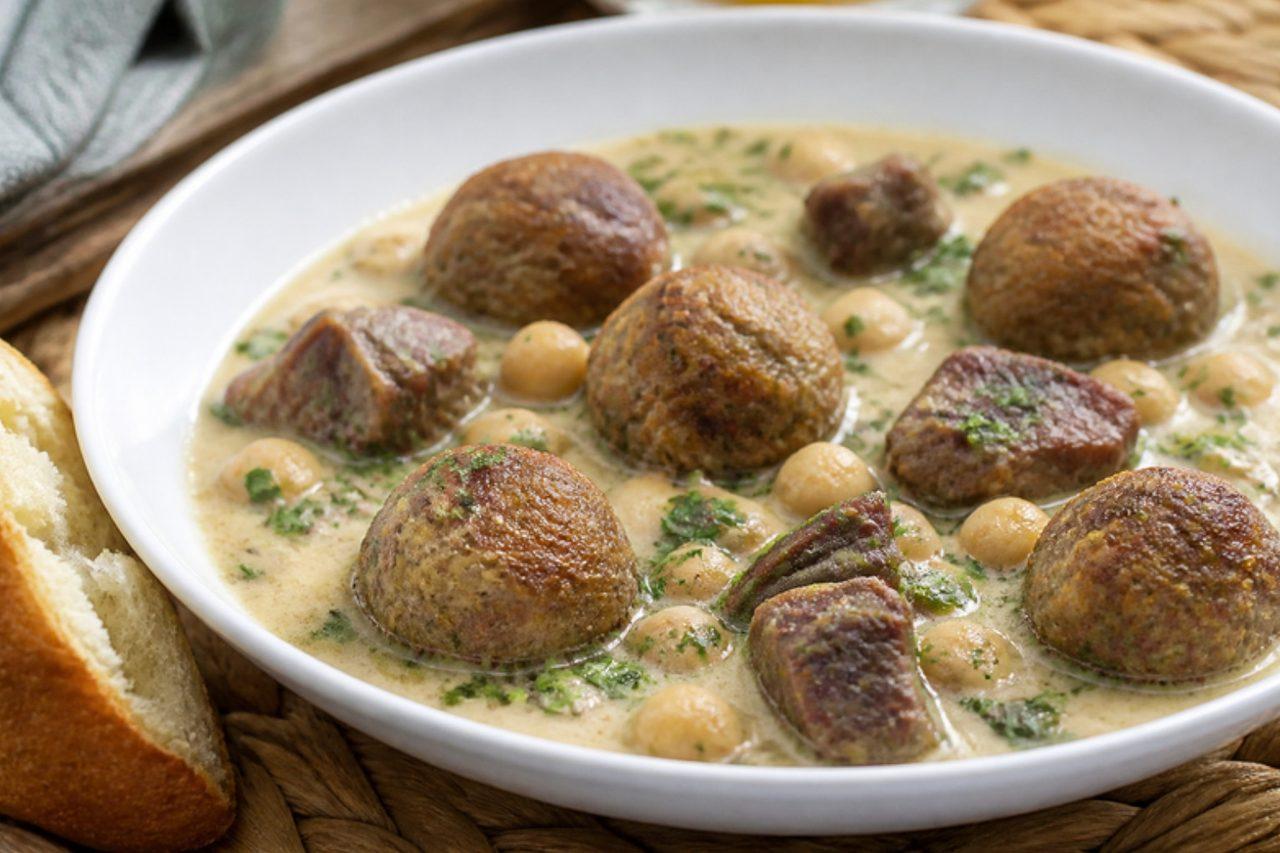
Mtewem, from the word for garlic (thoum), is an old dish of the Casbah of Algiers: chunks of lamb and garlicky beef meatballs simmered together in a peppery white sauce with chickpeas, and finished with whole cloves of garlic that turn soft and sweet. It is cooked for Ramadan and for guests, and eaten with bread. Some families add a little tomato; this is the white version. The mistake is letting the sauce boil hard after the meatballs go in, which makes them tough and break; keep it at a gentle simmer. Chef's tip: wet your hands when rolling the meatballs so they come out smooth and hold together.

105 minAlgerianMeatGluten free
by KrazyBadal 0 views

MiciGrilled skinless sausages

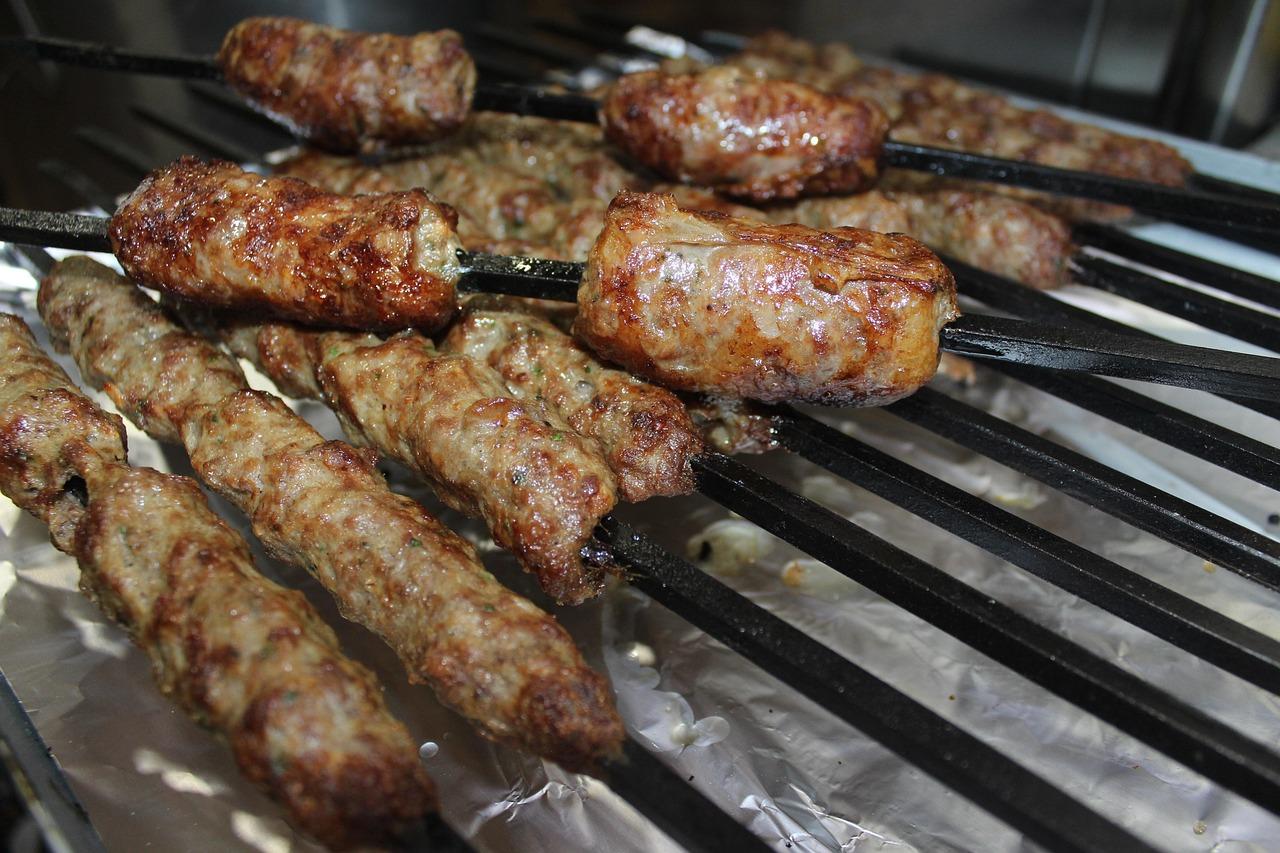
Every Romanian park, beer garden and May Day picnic smells of mici, the little skinless rolls of minced beef and lamb that sizzle on charcoal grills from Bucharest's Obor market to the Black Sea coast. The mince is beaten with garlic, thyme, a strong beef stock and a little bicarbonate of soda, which makes them springy and juicy inside with a crusty outside. They come in tens, with plenty of mustard, fresh bread and sometimes chips. The usual error is cooking them straight after mixing: the mince needs a night in the fridge for the bicarbonate and garlic to work. Chef's tip: shape them with oiled hands on an oiled tray, and grill them no thicker than your thumb so the middle cooks before the outside burns.

by KrazyBadal 0 views

PiklizSpicy pickled cabbage

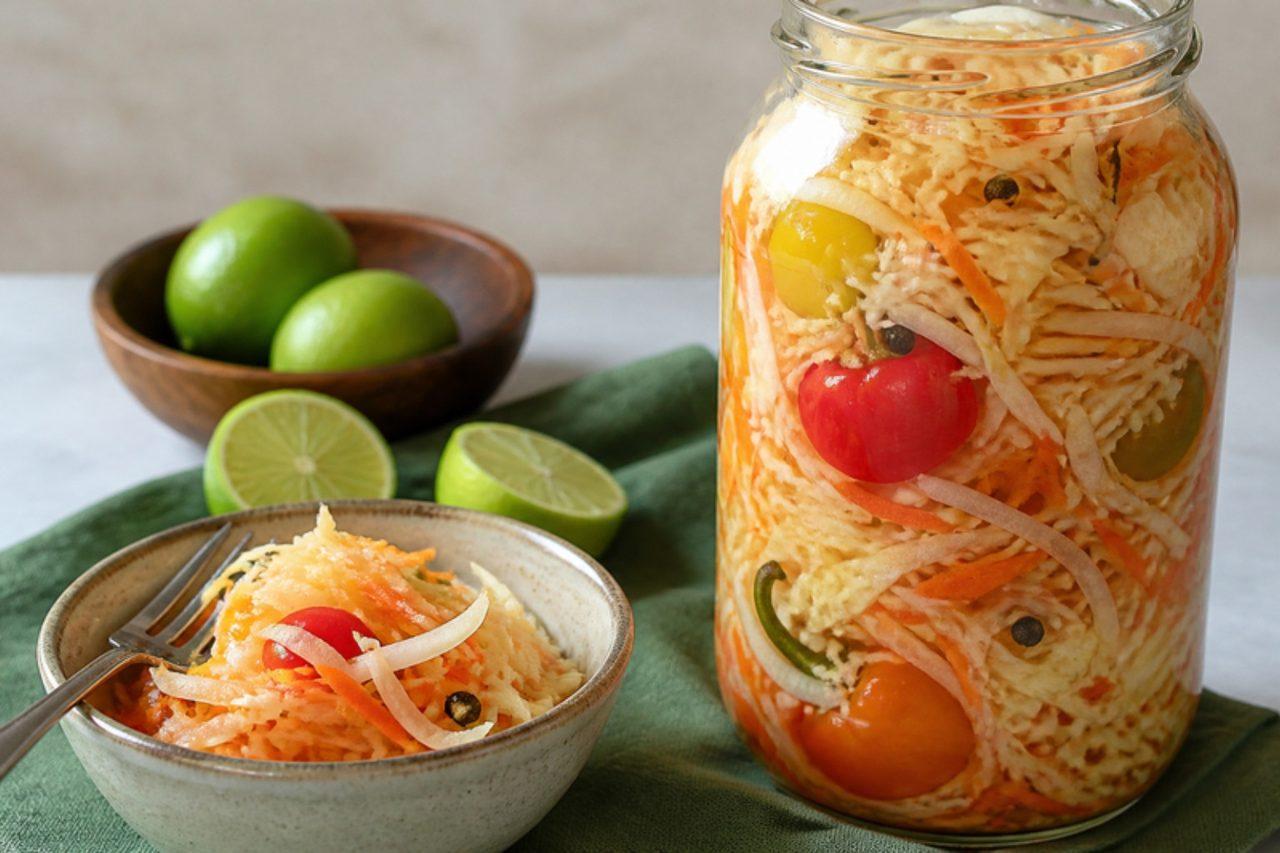
Pikliz is the fiery slaw-pickle that sits on every Haitian table, in a big glass jar in the middle, and no plate of fried food in Haiti is served without it: it's spooned over fried plantain (bannann peze), fritters and rice. Shredded cabbage, carrot, onion and peppers are packed with hot scotch bonnets, cloves and peppercorns, then drowned in vinegar and lime. After a few days it is crunchy, sour and properly hot, and the vinegar itself becomes a hot sauce you sprinkle over everything. Chef's tip: slice the scotch bonnets thinly rather than leaving them whole; the heat spreads evenly through the jar and every forkful has a kick.

by KrazyBadal 0 views

Pierogi ruskiePotato and cheese dumplings

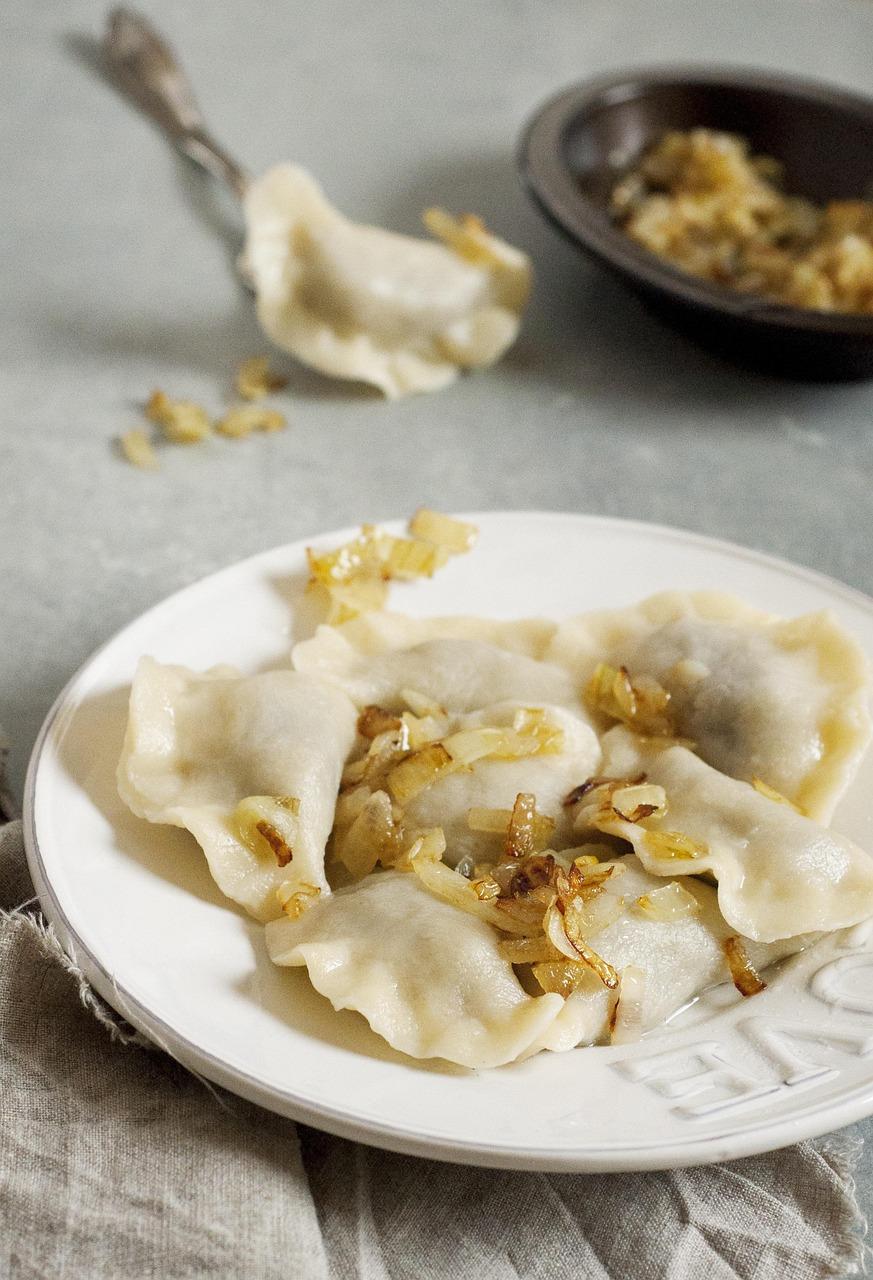
Pierogi ruskie take their name from Red Ruthenia, the old borderland around Lwów and Przemyśl, and today they are the pierogi every Polish milk bar (bar mleczny) from Kraków to Gdańsk keeps on the menu. The filling is the Polish one: floury potato mashed with crumbly twaróg curd cheese, plenty of slowly browned onion and a lot of black pepper, wrapped in a thin, soft dough. Kraków even holds a pierogi festival every August, and ruskie are always the best sellers. Serve them boiled with more golden onion and a spoon of soured cream, or fry leftovers in butter the next day. Chef's tip: let the filling cool completely and taste it before you fill a single dumpling; it should taste over-seasoned on its own, because the dough mutes it.

by KrazyBadal 0 views

TataleSpiced plantain pancakes

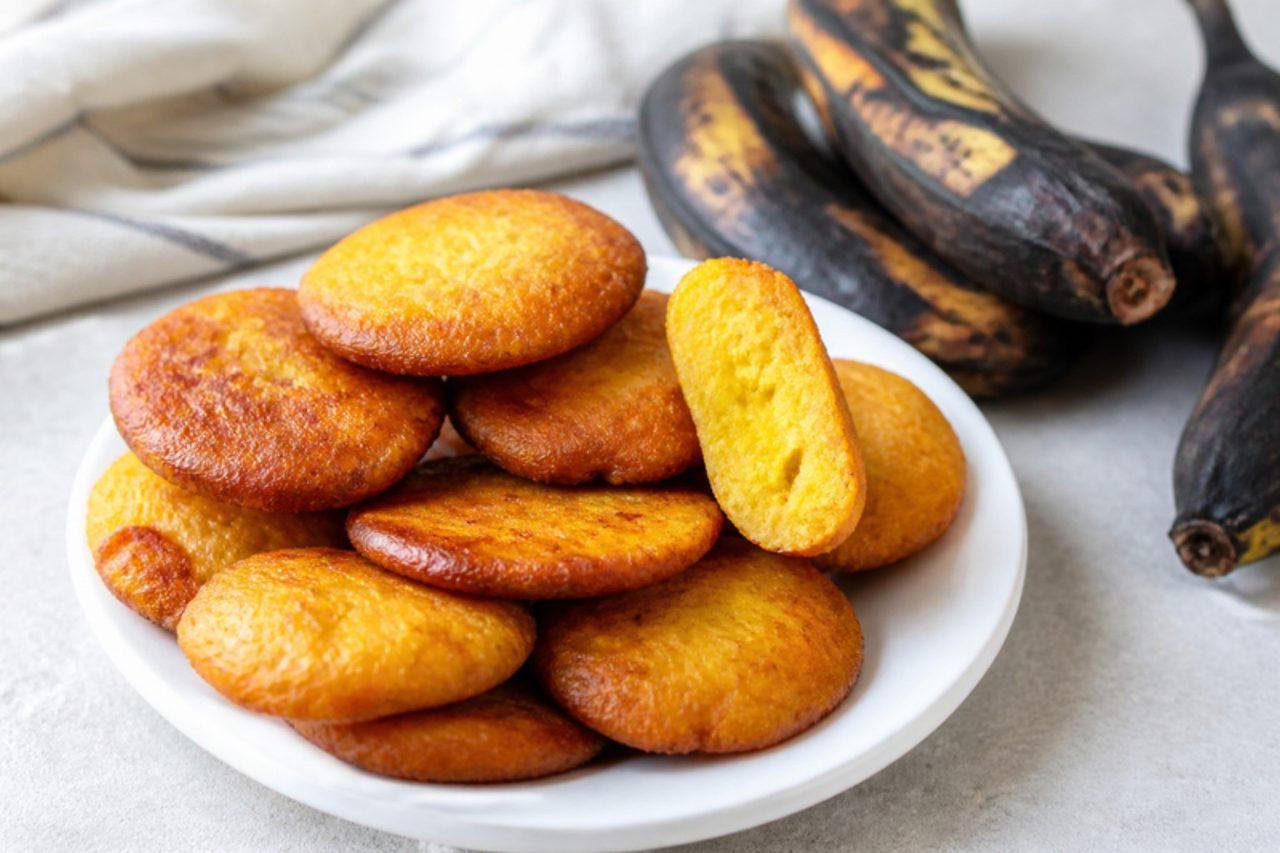
Tatale is how Ghanaian cooks rescue plantains that have gone soft and black: they are mashed with onion, ginger and chilli, bound with a little flour, and fried as thick pancakes. In Accra and the Volta region they are sold warm from roadside pans and eaten as a snack or with a bowl of bean stew (aboboi). The outside crisps and caramelises while the inside stays soft and sweet. This version uses fine cornmeal, which keeps it gluten free. Chef's tip: the blacker the plantain skins, the better; they should feel soft like an overripe banana.

by KrazyBadal 0 views

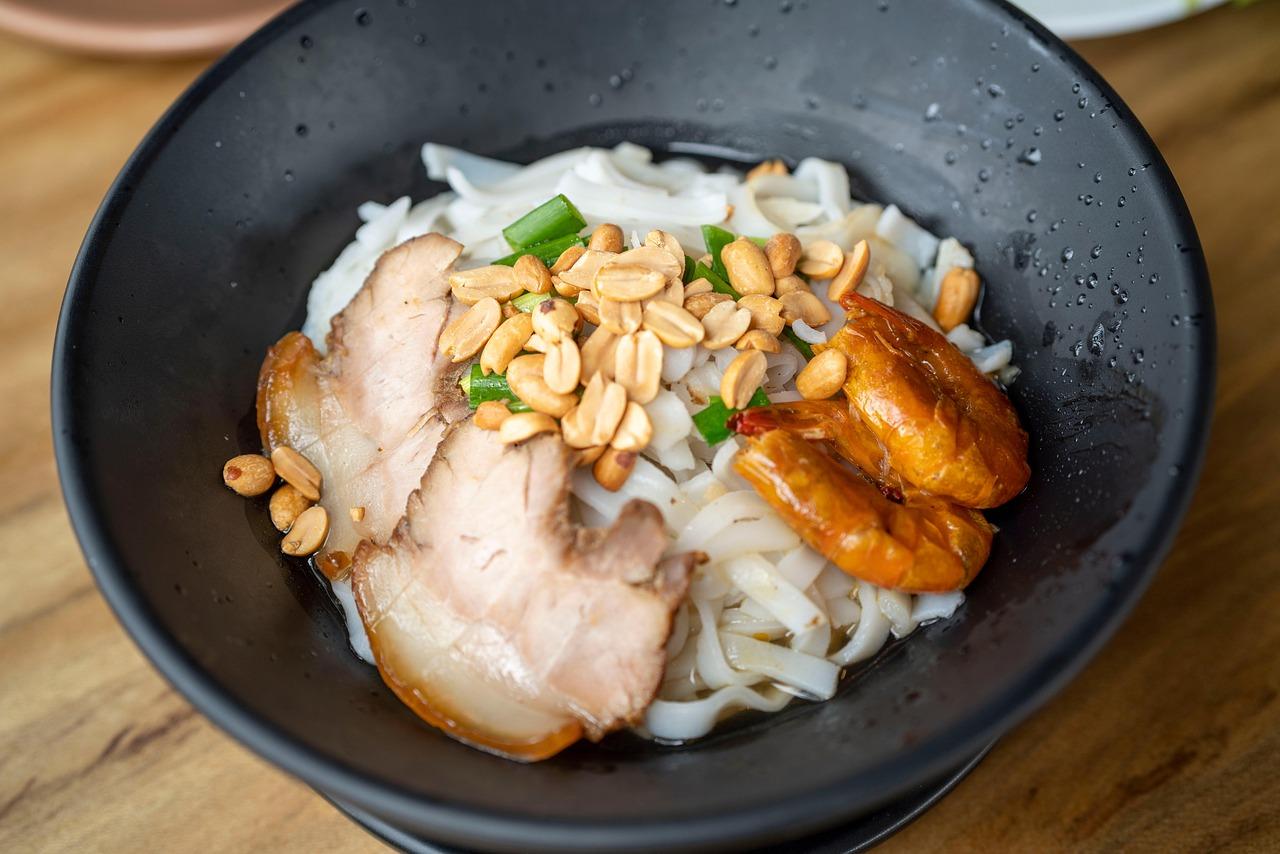
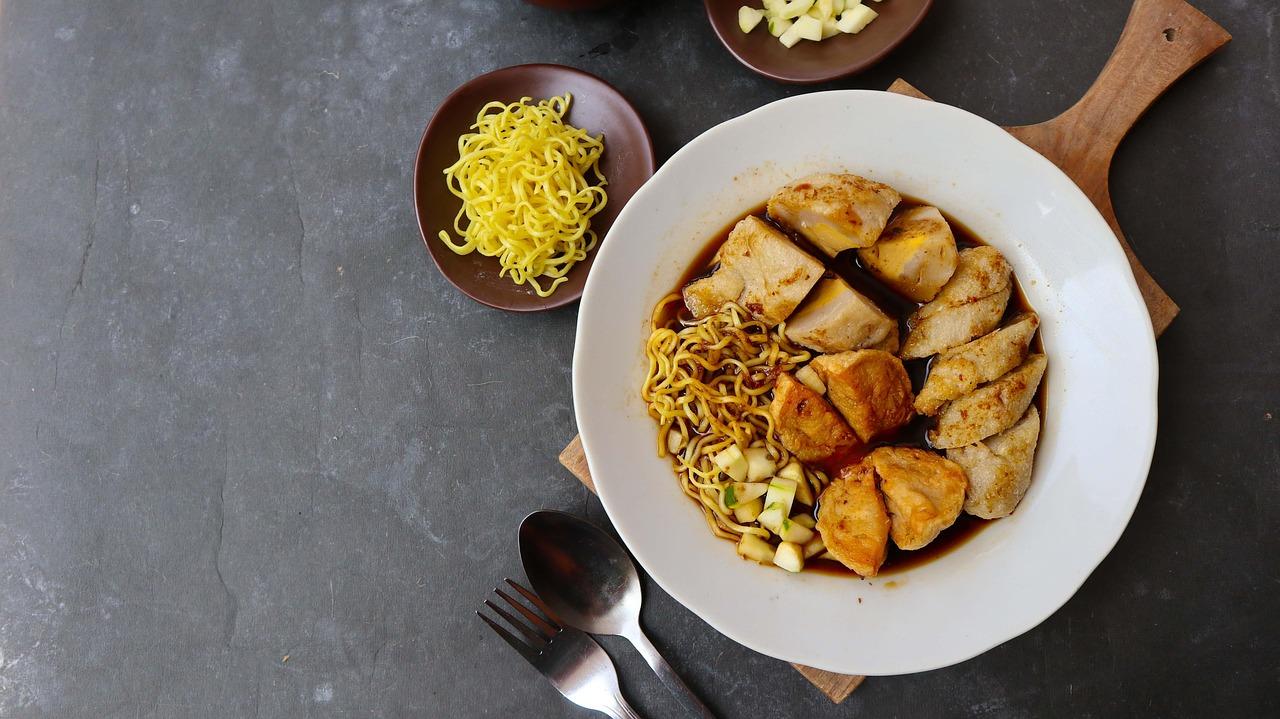
Mi QuangTurmeric noodles with pork and prawns

Mì Quảng comes from Quảng Nam province, around Hội An and Tam Kỳ, where it's eaten at any hour from roadside stalls and family tables. It sits halfway between soup and salad: wide yellow noodles get only a small ladle of rich, turmeric-coloured broth with braised pork and prawns, then a scatter of peanuts and herbs. A toasted sesame rice cracker is broken over the top for crunch. Every bite should be part noodle, part leaf, part cracker. Chef's tip: pour in just enough broth to come a third of the way up the noodles; any more and it becomes a soup and the crackers go soggy.

by KrazyBadal 0 views

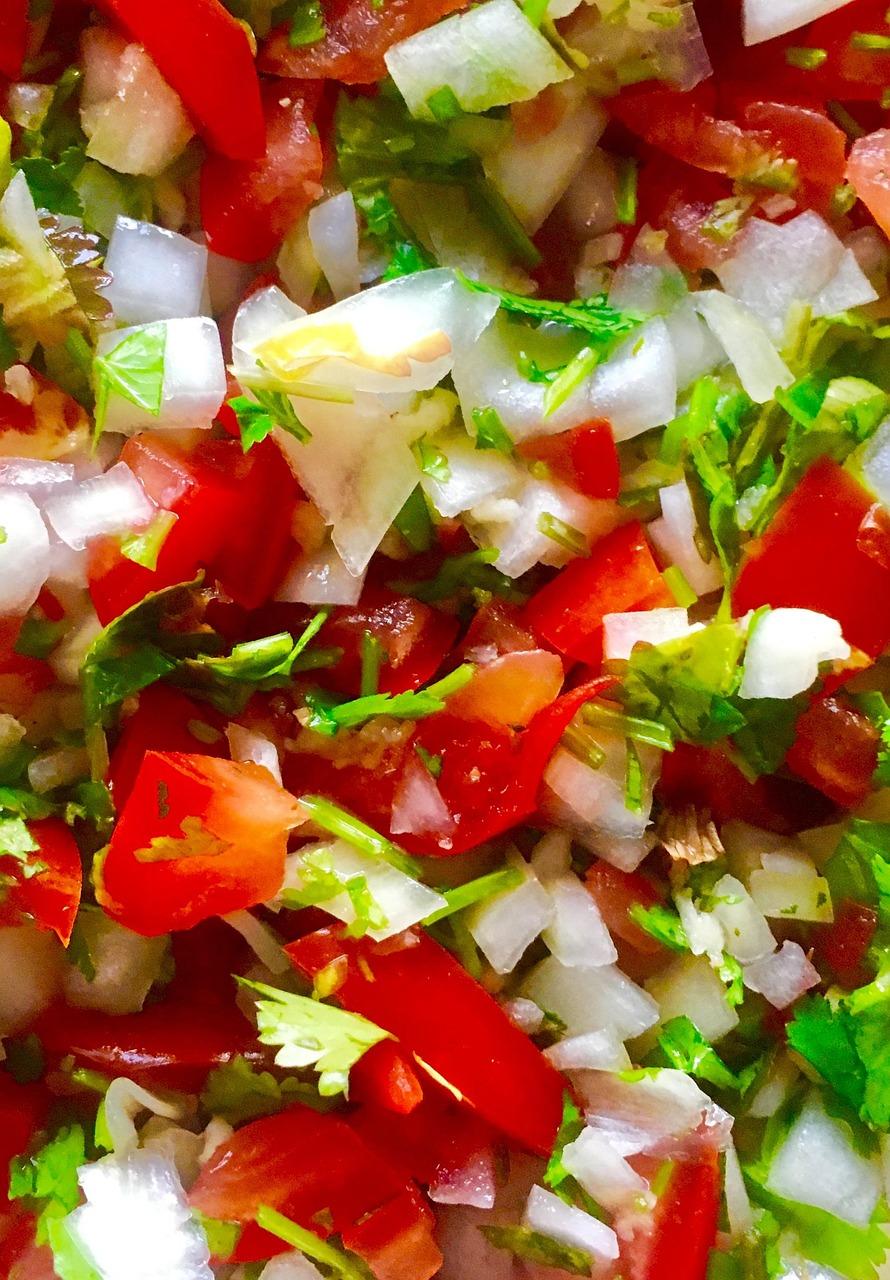
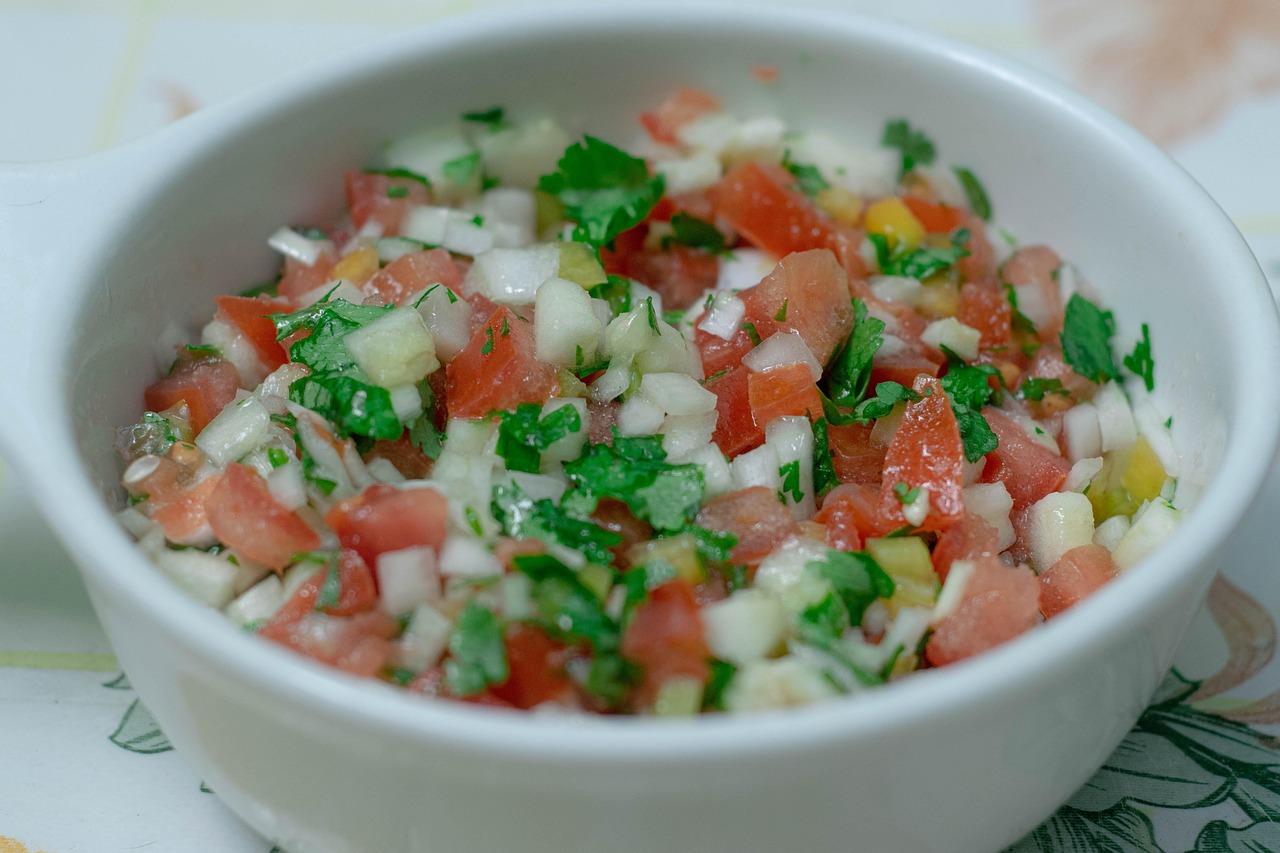
Pico de galloFresh tomato salsa

Pico de gallo, also called salsa fresca or salsa mexicana, is the fresh, uncooked salsa that sits on every Mexican table: diced ripe tomato, white onion, serrano chilli and coriander, brightened with lime juice and salt. It is crunchy, juicy and clean-tasting, with just enough heat, and goes with tacos, quesadillas, eggs, beans, rice and tortilla chips. It is best within an hour of making. Chef's tip: add the salt just before serving; salt draws water out of the tomatoes and leaves the salsa sitting in a puddle.

by KrazyBadal 0 views

PicaronesSweet potato and squash doughnuts

Picarones are Lima's favourite street sweet, fried to order at stalls in the parks and outside churches, especially in October during the Señor de los Milagros processions. The light, chewy rings are made from a yeasted dough of sweet potato and squash, scented with anise, fried until crisp and drenched in miel de chancaca, a dark syrup of unrefined cane sugar with orange peel, cinnamon and cloves. They are eaten hot, straight from the oil, with plenty of syrup. Chancaca is sold in Latin shops; dark muscovado or piloncillo makes a very good syrup too. Chef's tip: the dough should be very soft and sticky, like a thick batter; resist adding more flour, or the picarones turn heavy and bready.

by KrazyBadal 0 views

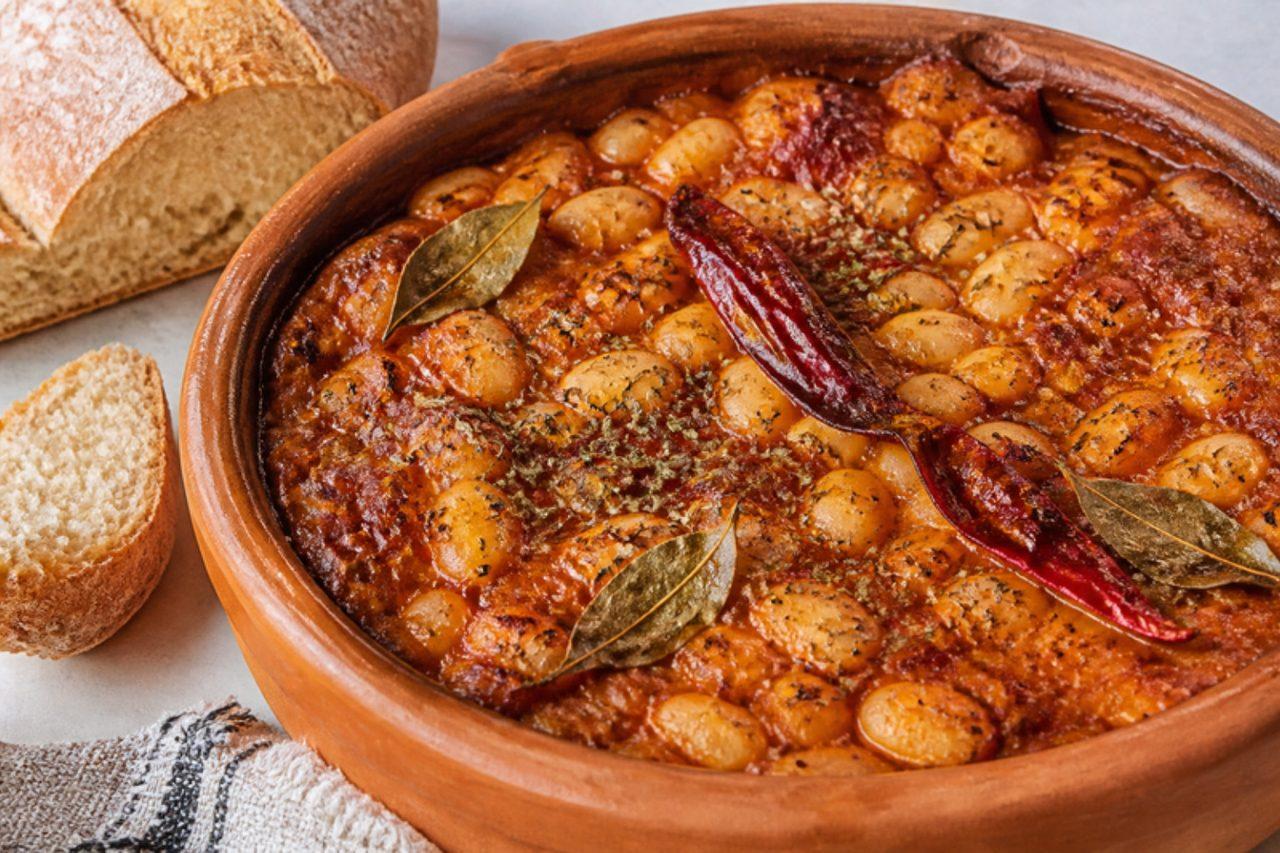
Tavče gravčeBaked white beans

Tavče gravče, 'beans in a pan', is the dish North Macedonians call their own: large white beans, ideally the Tetovo variety, cooked soft, then baked in a shallow earthenware tava with onions fried in paprika until the top forms a crust. In Skopje it is a Friday staple and a Christmas Eve fast-day dish, served in the same clay dish it baked in, with bread, pickled peppers and a cabbage salad. This version keeps to the meat-free fasting style, with a paprika-and-onion roux for depth. Chef's tip: let the paprika sizzle in the oil for only a few seconds off the heat; scorched paprika turns brown and bitter and spoils the whole dish, which is the most common slip.

by KrazyBadal 0 views

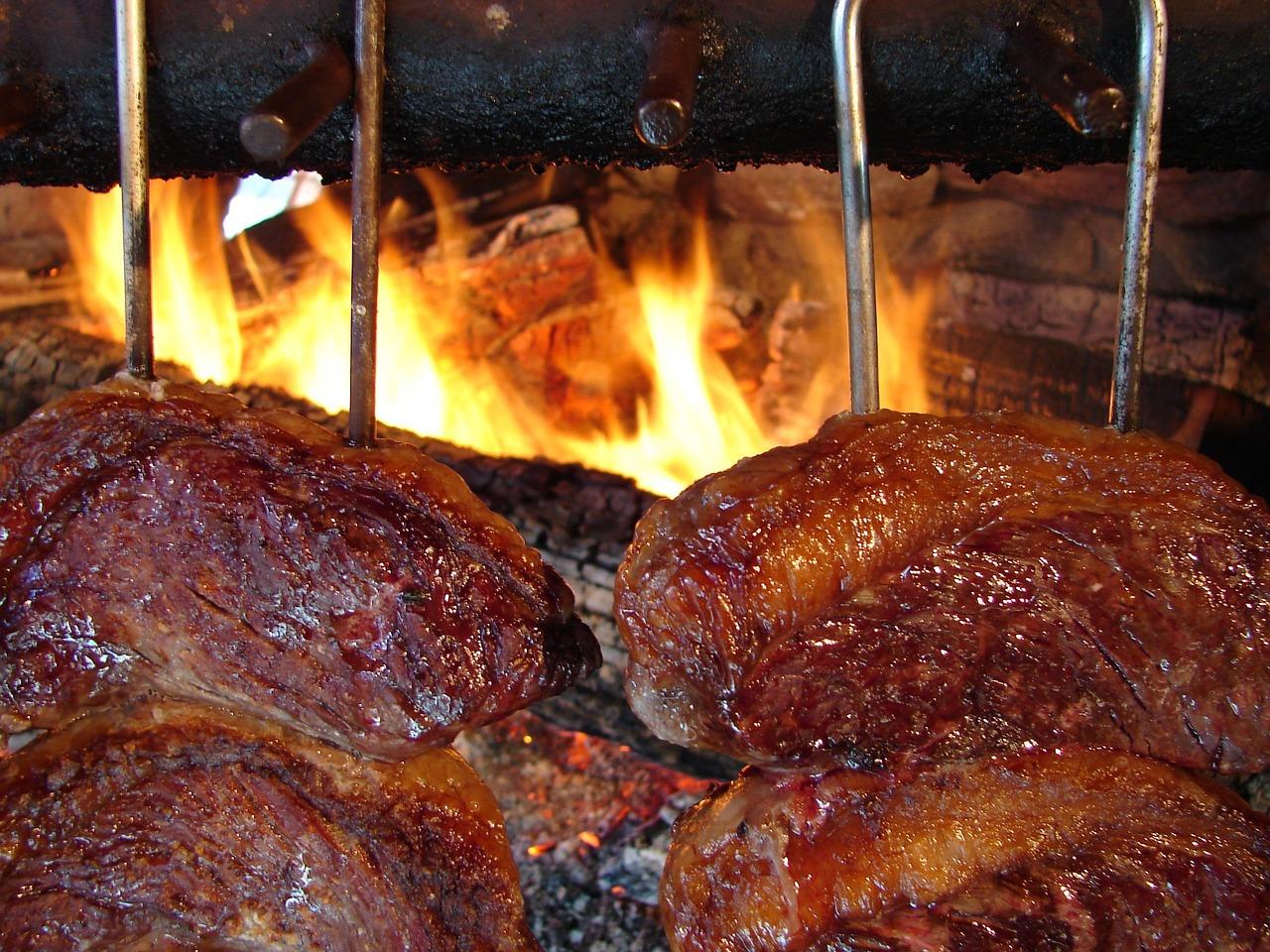
Picanha churrascoGrilled beef rump cap

Picanha, the rump cap with its thick white fat layer, is the cut Brazilians prize most at a churrasco. The tradition comes from the gaúchos, the cattle herders of Rio Grande do Sul, and lives on in Sunday family barbecues in the south and in churrascarias across the country, where waiters carry the meat from table to table on long skewers. It is seasoned with nothing but coarse rock salt (sal grosso) and cooked over charcoal with the fat left on, so it bastes the meat. You can fold thick steaks into a C shape on skewers, as in the churrascarias, or grill them flat. Chef's tip: before slicing, knock the excess salt off with the back of a knife; the crust keeps just enough.

by KrazyBadal 0 views

Tavë kosiBaked lamb and rice in yogurt

Elbasan, in central Albania, claims tavë kosi as its own and serves it on Dita e Verës, the spring festival in March, though families across Albania and Kosovo bake it all year. Pieces of lamb on the bone are browned with garlic and a little rice, then covered with a thick custard of tangy yogurt, eggs and a butter-flour roux and baked until puffed and golden on top. Inside, the custard stays soft and slightly sour against the rich meat. A classic slip is using thin, low-fat yogurt, which splits in the oven; use full-fat strained yogurt. Chef's tip: let the yogurt come to room temperature and whisk the warm roux in slowly, so the custard stays smooth.

135 minBalkanMeat
by KrazyBadal 0 views

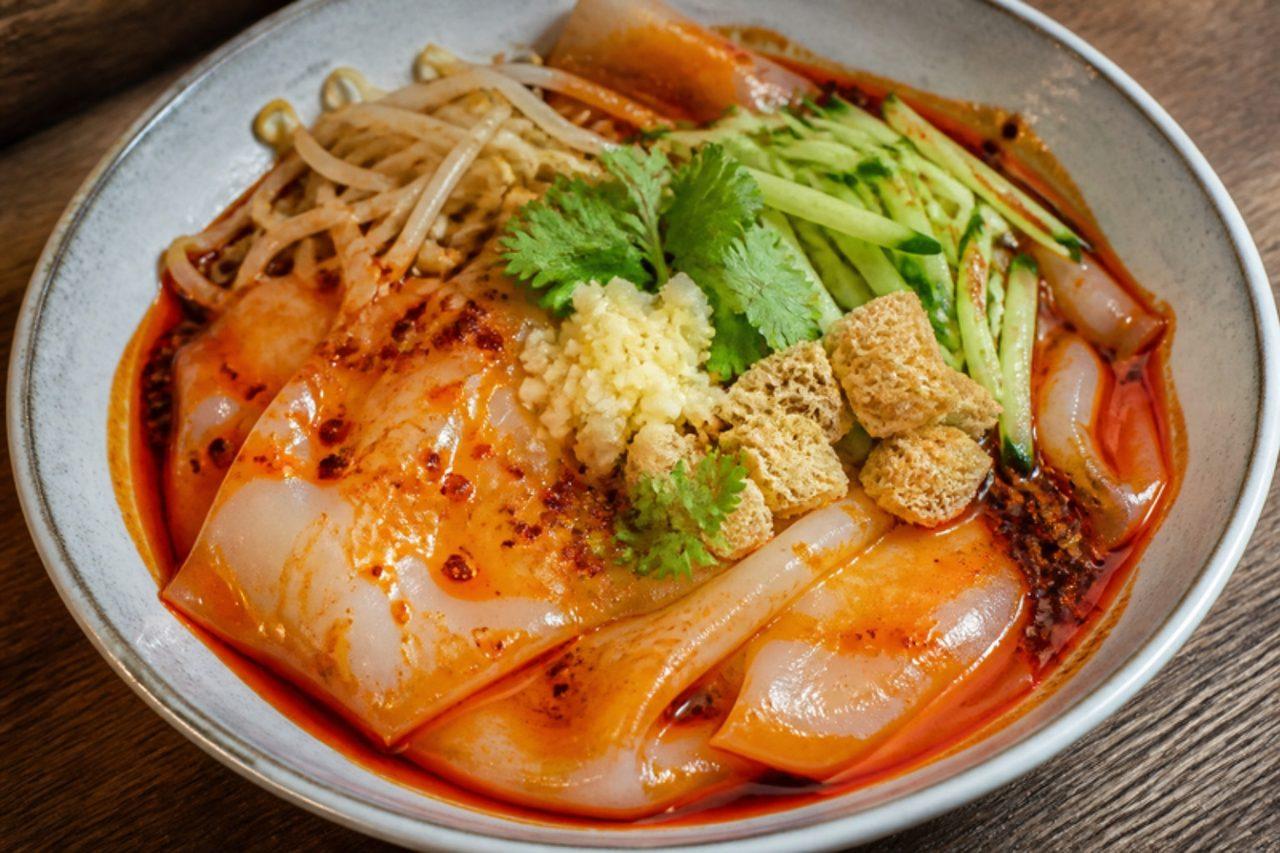
Xi'an liangpiCold wheat starch noodles

In Xi'an's Muslim Quarter, cooks peel liangpi off steaming trays all day, cut it into wide ribbons and toss it with chilli oil, black vinegar, garlic water and cubes of springy gluten. It's eaten cold, often with a flatbread, as a summer lunch. Gansu's niangpi, from Lanzhou and Tianshui, is the same dish with thicker sheets and more garlic, so it's covered here too. You wash a flour dough to split the starch from the gluten, so allow 4 hours for the starch to settle. Chef's tip: stir the starch water every time before you ladle it, because the starch sinks fast.

by KrazyBadal 0 views

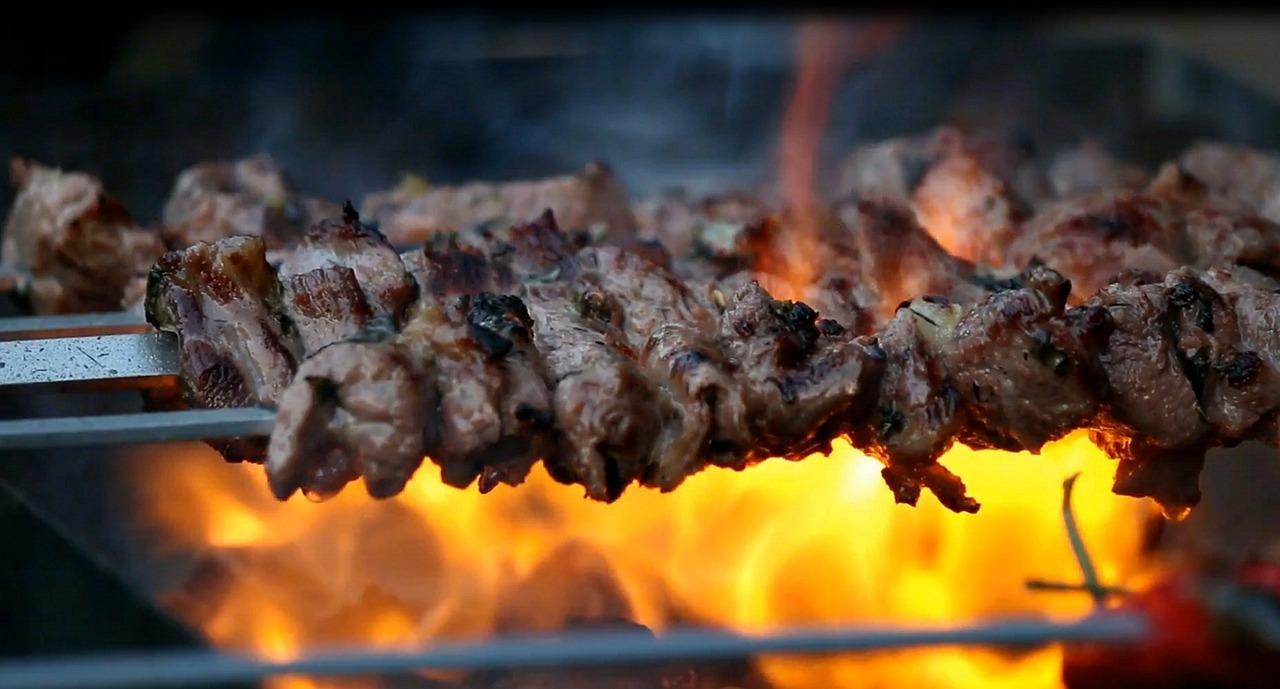
MshikakiGrilled beef skewers

Mshikaki are the beef skewers grilled at night markets in Dar es Salaam, Zanzibar's Forodhani Gardens and every Tanzanian roadside barbecue, sold hot with chips, pili pili sauce and a wedge of lime. Small chunks of beef are marinated in lime, ginger, garlic, chilli and curry powder, which tenderises them, then grilled quickly over charcoal. The mistake is marinating with raw papaya or too much lime for too long, which turns the meat mushy; 2–6 hours is plenty. Chef's tip: soak wooden skewers in water for 30 minutes so they don't burn.

by KrazyBadal 0 views

Picadillo vegetarianoLentil and mushroom picadillo

Picadillo a la habanera is Havana's everyday savoury hash, sweet with raisins, salty with olives and capers and sharp with tomato and sofrito. This vegetarian version swaps the meat for brown lentils and finely chopped mushrooms, which give the same crumbly, juicy texture and a deep savoury flavour. Spoon it over white rice with fried ripe plantain, or use it to fill empanadas and stuffed peppers. Chef's tip: let the mushrooms fry until all their liquid has gone and they turn brown; that browning is what makes it taste rich.

by KrazyBadal 0 views

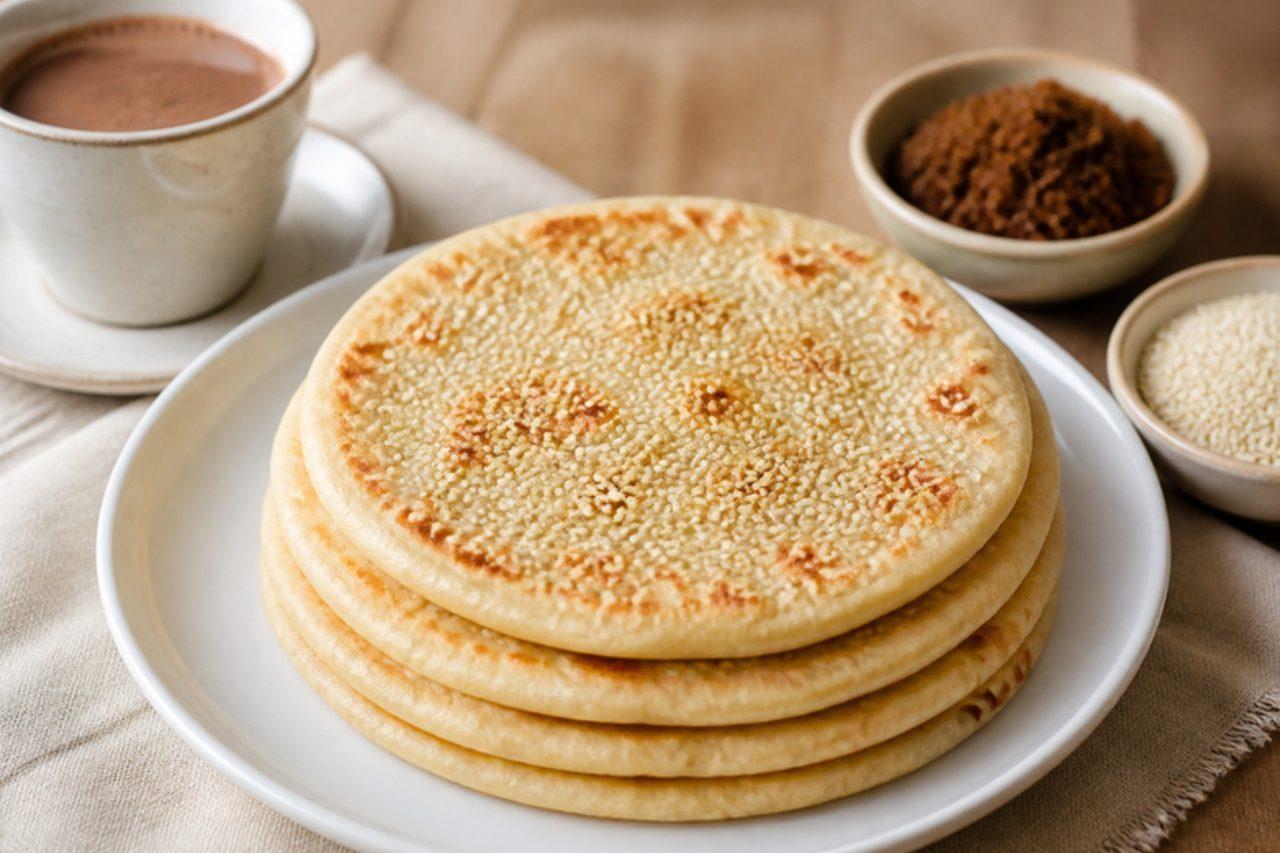
PiayaMuscovado-filled flatbread

Piaya is the sweet everyone brings home from Bacolod and the sugar-growing island of Negros: a thin, flaky round of unleavened dough with a layer of dark muscovado inside, cooked on a dry griddle until blistered, and dotted with sesame seeds. The sugar melts and turns chewy as it cools. It is eaten with coffee in the afternoon, and newer shops fill it with ube. Lard is traditional in the dough; vegetable shortening gives the same flakiness. Chef's tip: roll the filled dough gently from the centre outward and keep it thin, or the sugar bursts through.

by KrazyBadal 0 views

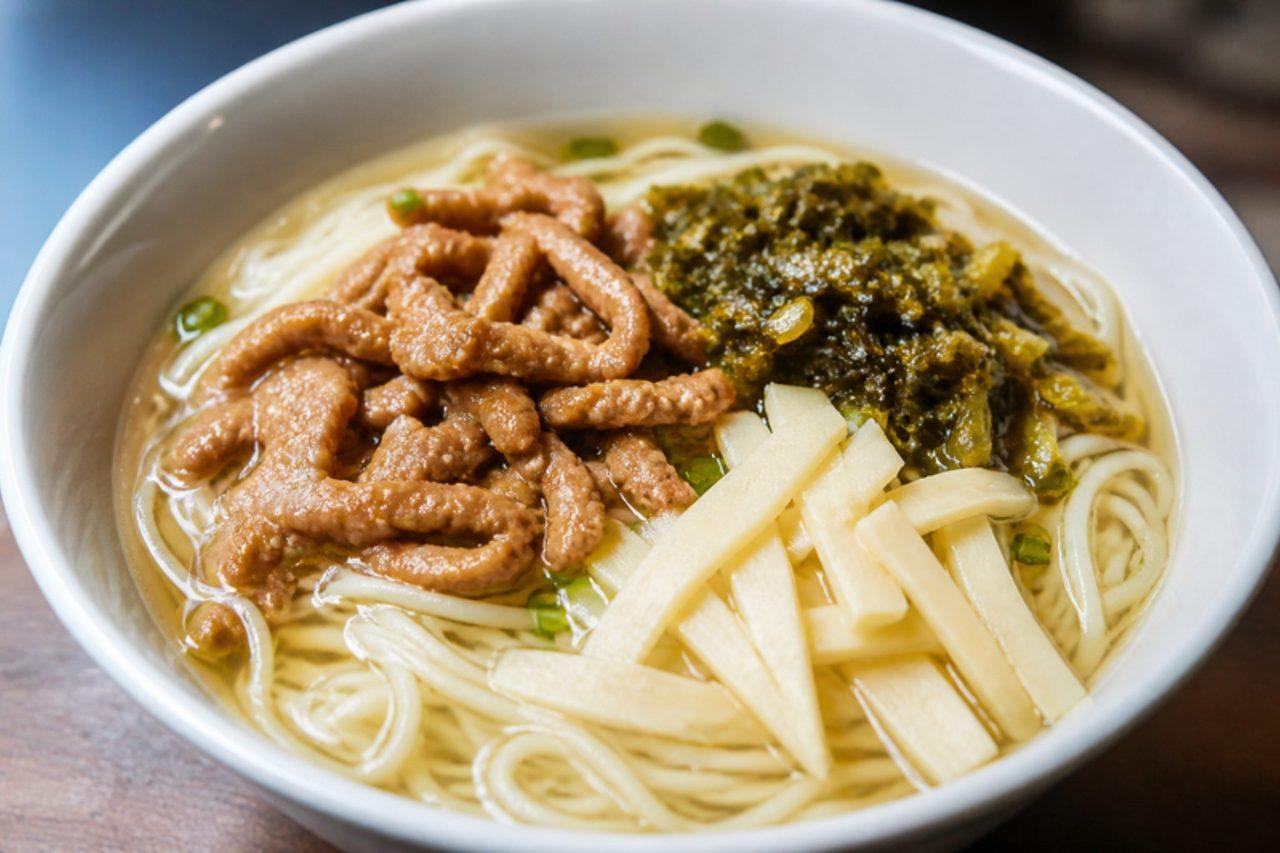
Pian'er chuan noodlesNoodle soup with pickled greens

Ask a Hangzhou local what they eat at a noodle shop and the answer is often pian'er chuan, a quick bowl named for its sliced (pian) pork and bamboo that are flash-cooked (chuan) in the broth. Salty, crunchy pickled mustard greens give it its savoury depth, the bamboo adds a clean sweetness, and the thin noodles soak up a cloudy, peppery soup. It is everyday lunch food, eaten at speed. A common mistake is skipping the rinse on the pickled greens; unrinsed, they make the whole bowl too salty. Chef's tip: slice the pork as thinly as you can while it is half-frozen, so it cooks in seconds and stays tender.

by KrazyBadal 0 views

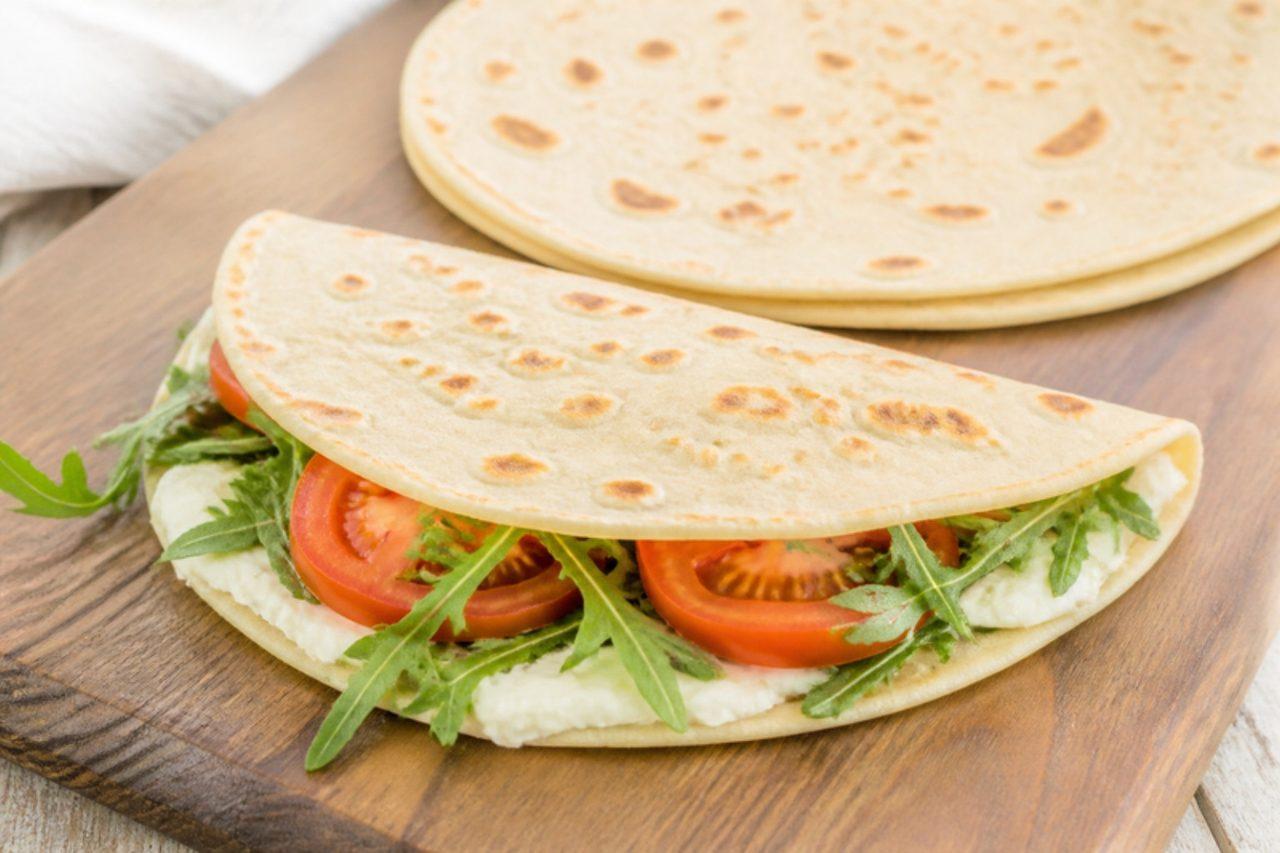
PiadinaGriddled flatbread

Piadina is Romagna's everyday bread, cooked on a hot griddle (traditionally a terracotta testo) in chalet-style kiosks from Rimini to Ravenna and eaten folded around soft squacquerone cheese and rocket, or with grilled vegetables. It needs no yeast and is ready in half an hour, which is why families make it at home for quick suppers. The old recipe uses lard; olive oil gives a lighter, vegetarian result. Chef's tip: let the griddle get properly hot and cook the piadina dry, without oil; you want brown freckles and a few blisters, not a fried bread.

by KrazyBadal 0 views

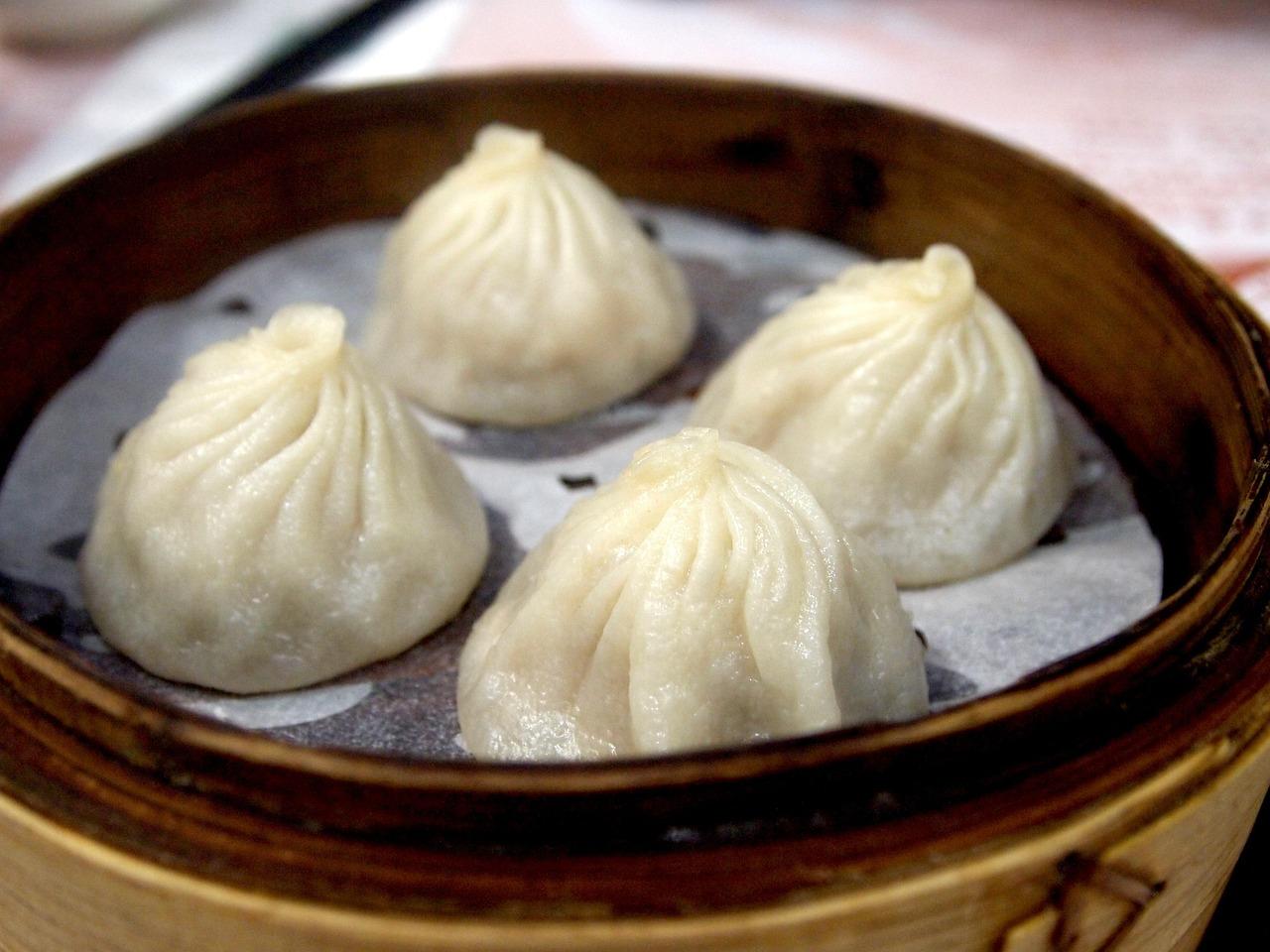
XiaolongbaoSoup dumplings

Bite carefully: inside each pleated parcel is a pork meatball floating in hot broth, which comes from a pork-skin jelly that melts as the dumplings steam. Shanghai's teahouses and the old town around Nanxiang have served them in bamboo baskets for well over a century, usually for breakfast or a late lunch with a saucer of black vinegar and threads of ginger. The wrapper should be thin enough to see the soup move but strong enough to lift with chopsticks. Make the jelly the day before (or use the gelatine shortcut in the ingredient note), then the folding takes about an hour with a little practice. Chef's tip: keep the filling in the fridge until the moment you wrap; cold jelly stays solid and the dumplings are far easier to pleat.

by KrazyBadal 0 views

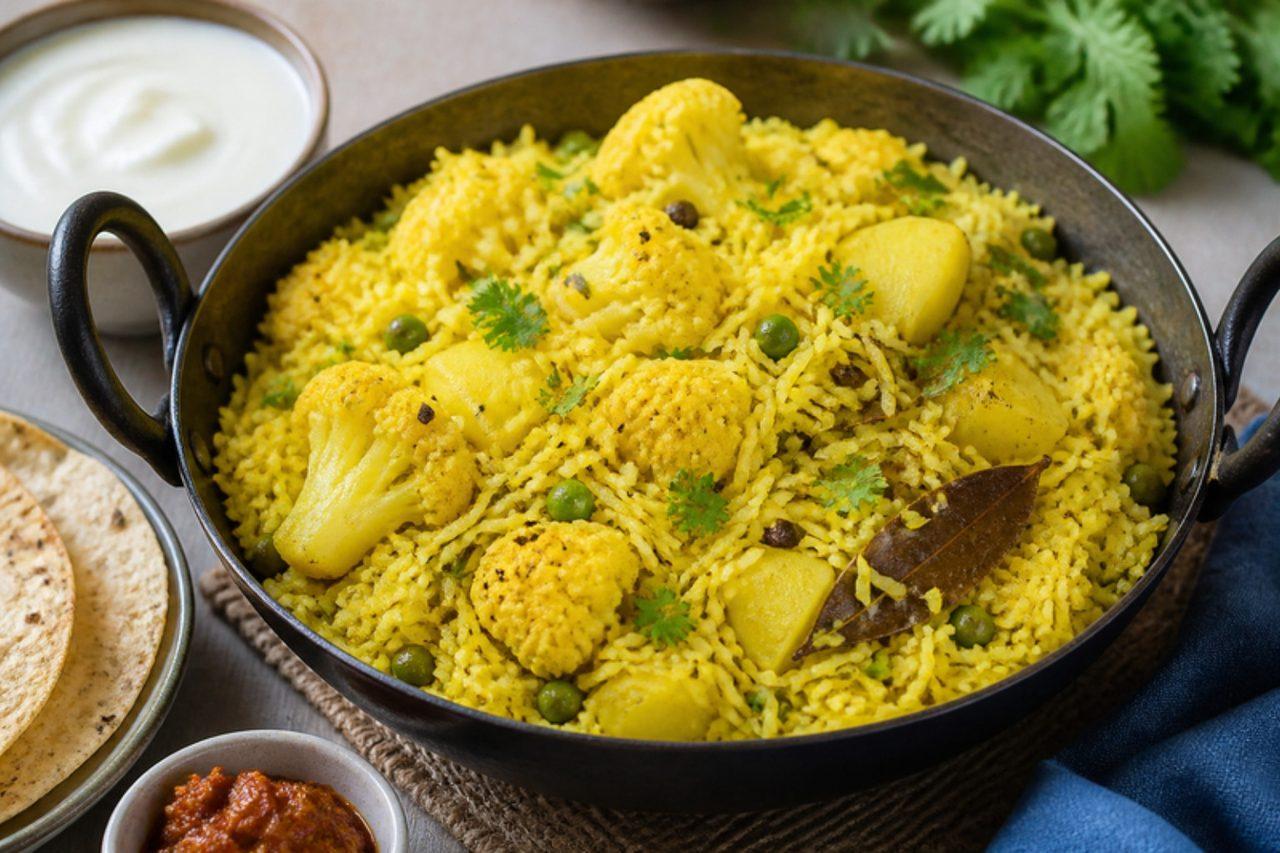
TehriYellow rice with vegetables

In many Uttar Pradesh homes, tehri is what happens on a cold evening when nobody wants to cook three dishes. Rice, potatoes, cauliflower and peas go into one pot with mustard oil, turmeric and whole spices, and come out yellow, fluffy and lightly spiced. Families in Kanpur, Allahabad and Varanasi eat it with plain yogurt, a spoon of mango pickle and roasted papad, and it is also cooked for winter picnics. It differs from pulao in its turmeric colour and the sharp warmth of smoked mustard oil. A frequent mistake is stirring after the water goes in, which breaks the grains and makes the rice gluey. Chef's tip: heat the mustard oil until it just smokes, then let it cool for a few seconds before adding spices; this mellows its bite without losing the flavour.

by KrazyBadal 0 views

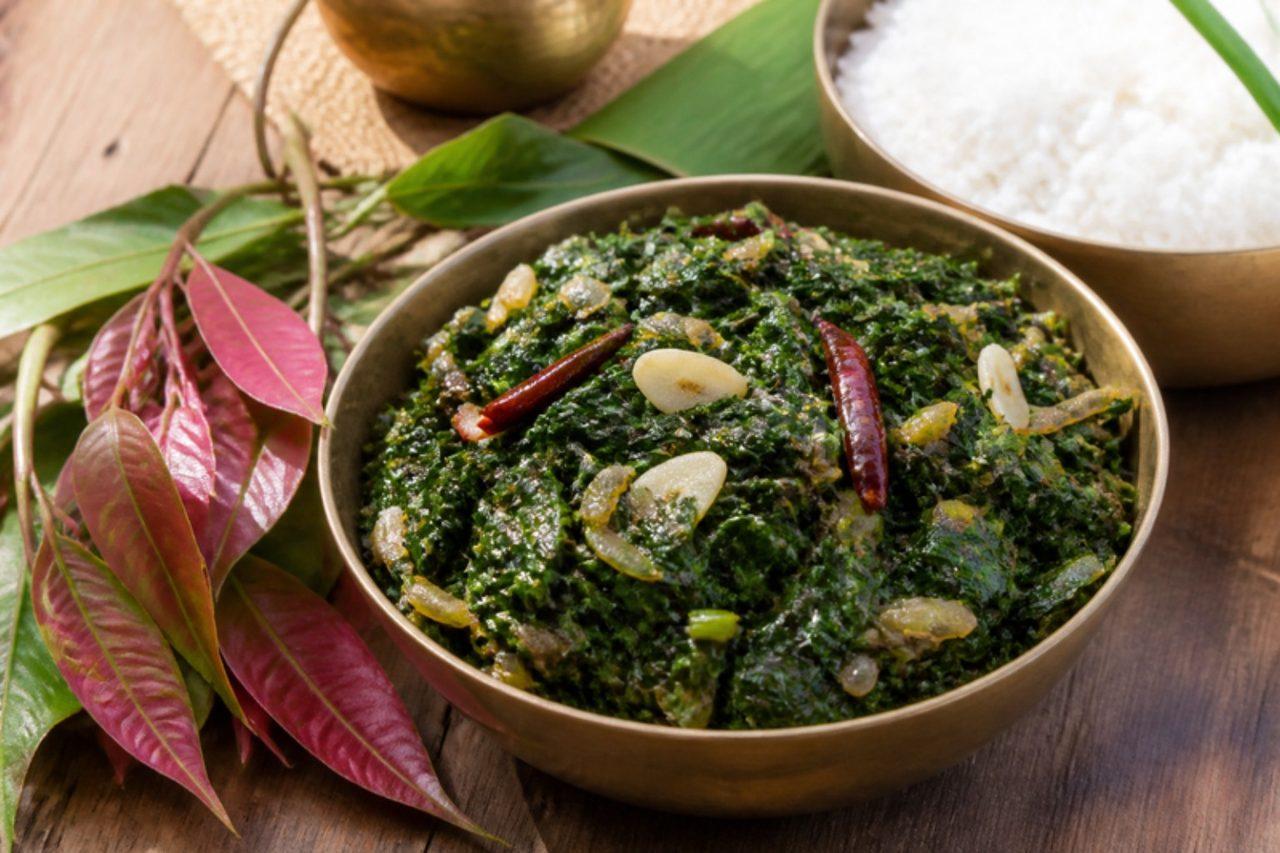
Phutkal saagStir-fried fig-tree leaves

In spring, before the rains, the phutkal tree (a wild fig) puts out tender pink-green shoots, and women across Jharkhand climb or hook them down to cook as saag. The leaves are naturally sour, so the dish needs no tomato or tamarind: they are boiled, squeezed and fried with garlic, dried chilli and mustard oil. Much of the harvest is dried in the sun and sold in Ranchi markets to cook through the year, and dried phutkal is what most people outside the state can find. Chef's tip: boil and squeeze the leaves well; this tames any bitterness and keeps the saag from turning watery.

by KrazyBadal 0 views

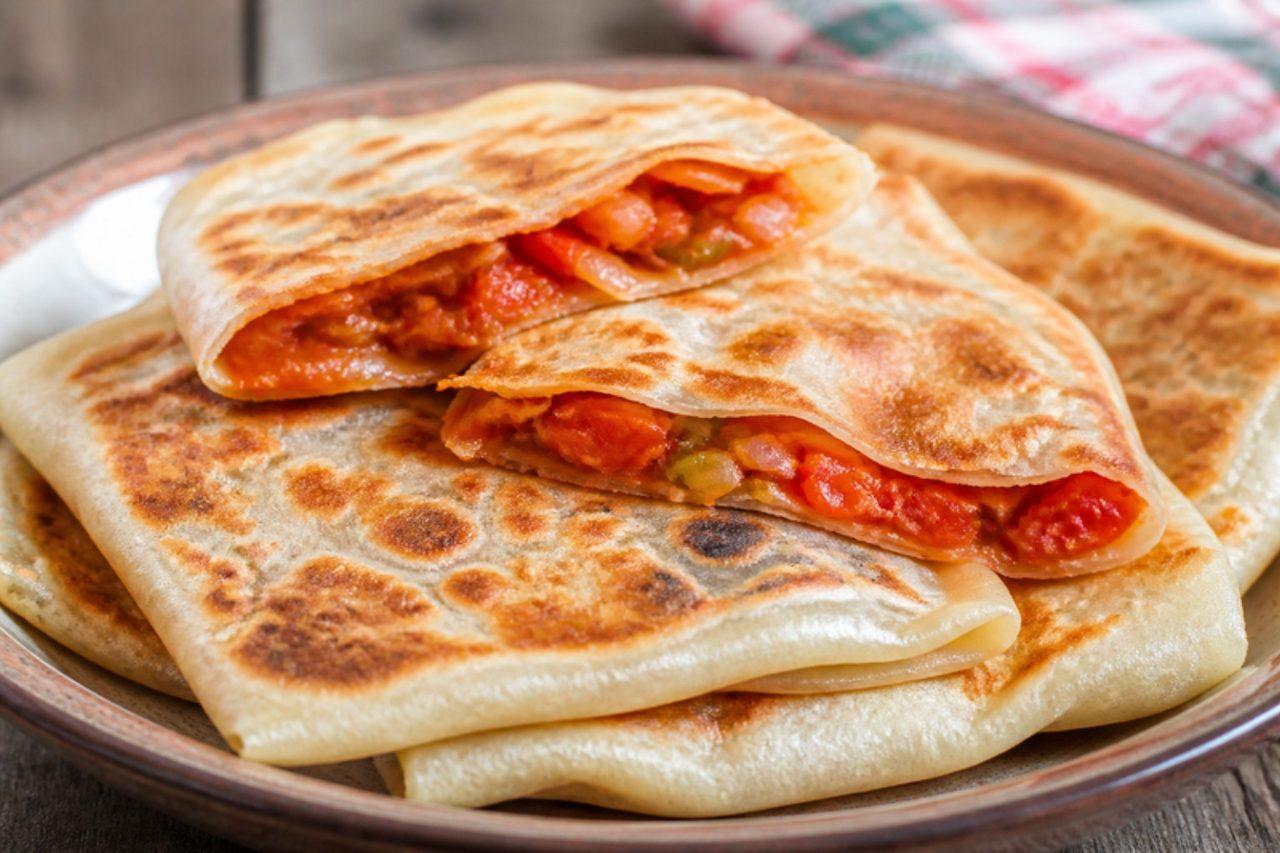
MhadjebStuffed semolina flatbreads

Mhadjeb (also mahjouba) are the folded flatbreads of Constantine and the east of Algeria, sold on street corners at teatime and made in every home during Ramadan. A stretchy semolina dough is pulled paper-thin with oiled hands, filled with a jammy stew of onion, tomato and pepper, folded into a square and cooked on a dry griddle until spotted brown. Chef's tip: knead the dough for the full 15 minutes; it must stretch almost transparent without tearing.

by KrazyBadal 0 views

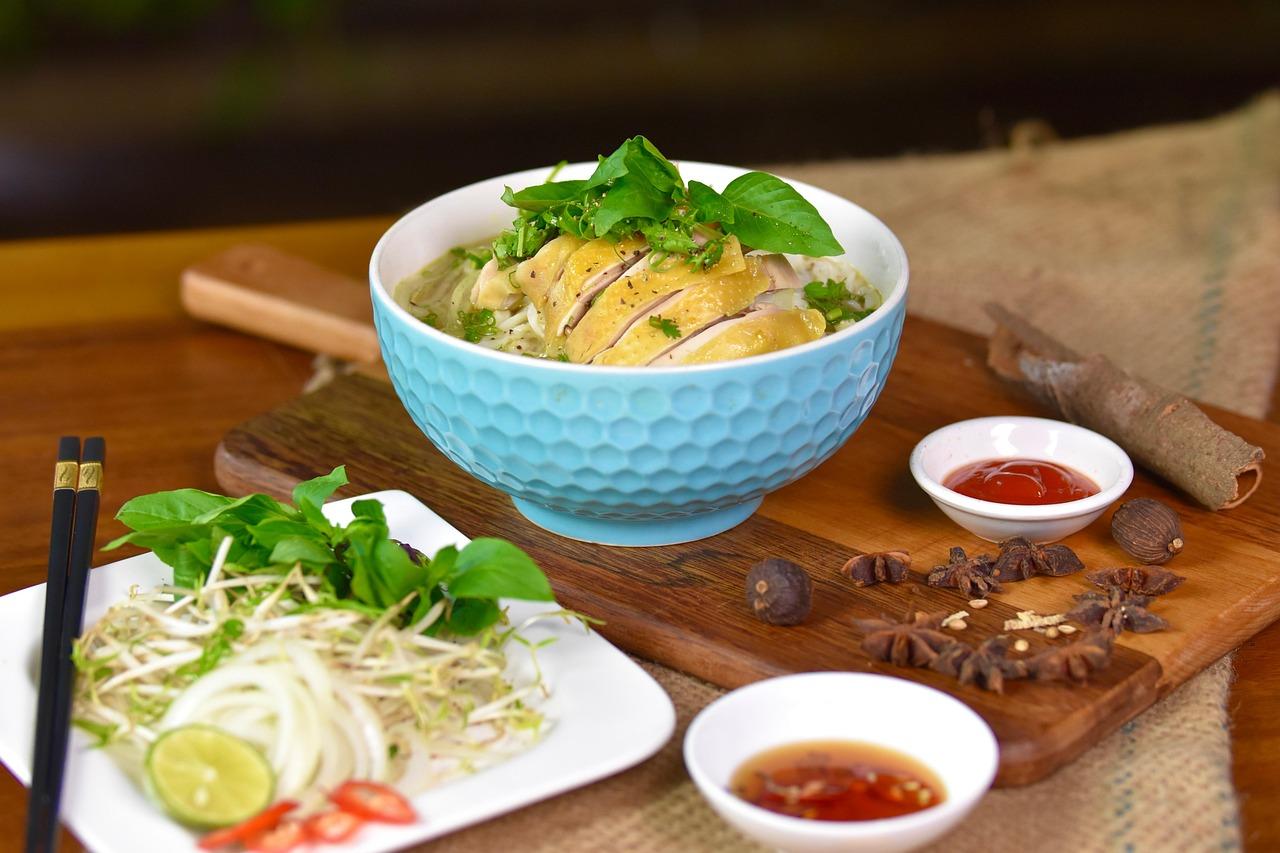
Pho gaChicken noodle soup

In Hanoi some shops sell nothing but chicken pho, and locals often choose it over beef for a gentler breakfast or a late bowl after an evening out. The broth is lighter than the beef version, made in about an hour from a whole bird with a few charred aromatics and only a hint of spice. The northern signature is a tangle of makrut lime leaf, cut as fine as thread, scattered over the hot chicken just before serving. It's a good first pho to make at home, since the timing is forgiving and the chicken poaches in the same pot. Chef's tip: plunge the cooked chicken into iced water for 5 minutes; the skin turns firm and slightly springy, the way Hanoi cooks like it.

by KrazyBadal 0 views

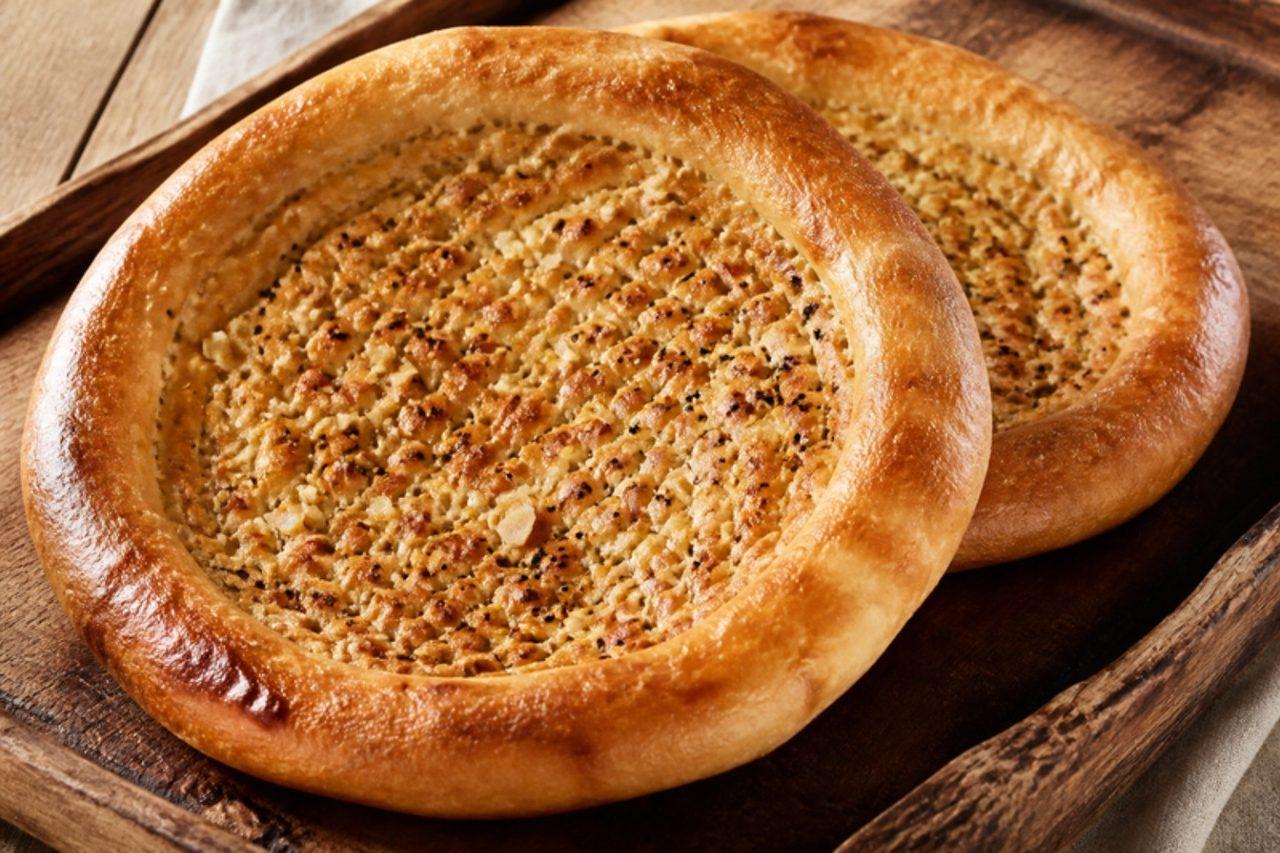
Xinjiang onion nangOnion flatbread

Across Xinjiang, from Kashgar's bazaars to Urumqi's backstreets, bakers slap rounds of dough onto the walls of clay tandoors and pull them out a few minutes later, golden and stamped with patterns. The centre is pressed thin and crisp while the rim stays soft and chewy, and the onion version is scattered with cumin and sesame. Nang keeps for days and is eaten with tea, kebabs and salads. Chef's tip: get your oven and tray as hot as they'll go; nang bakes quickly in fierce heat.

by KrazyBadal 0 views

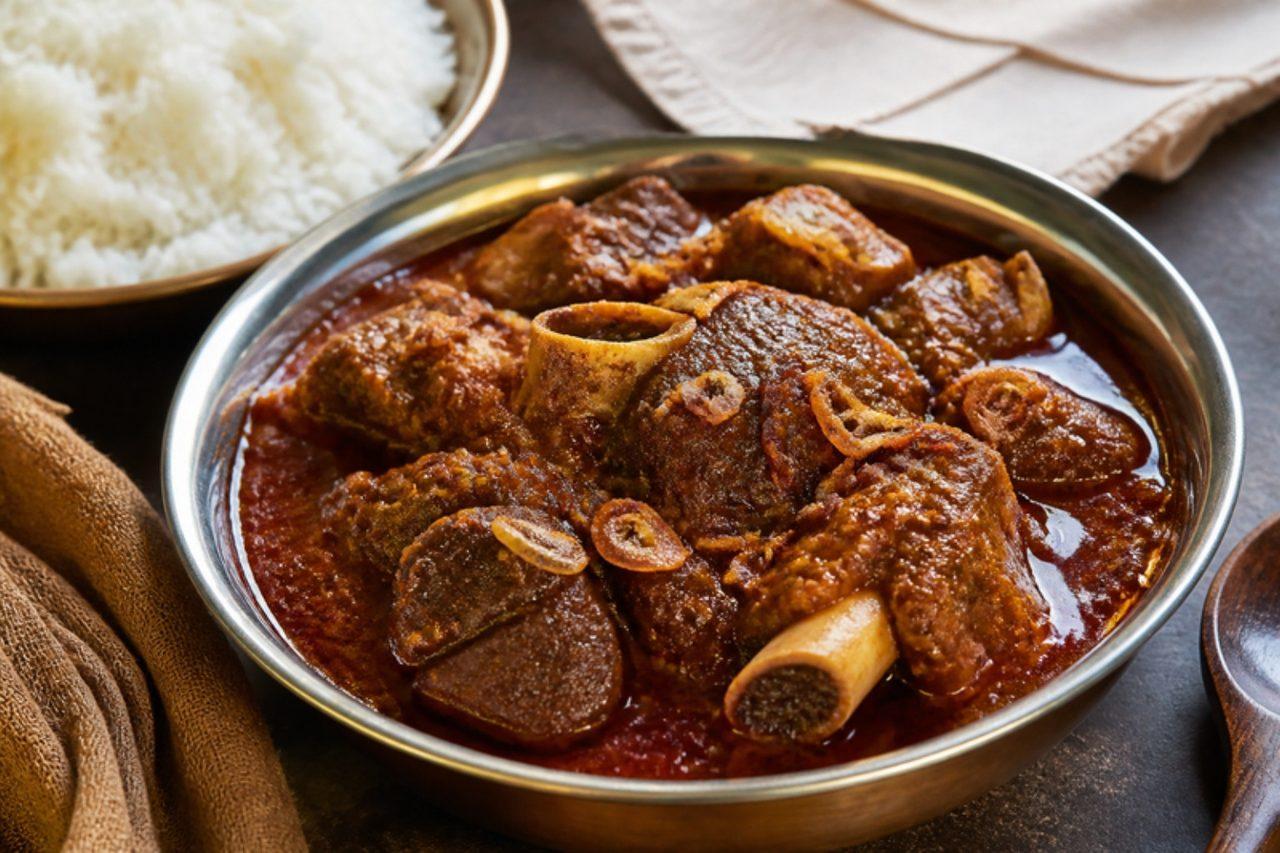
Mezbani beefSpicy feast beef curry

A mezban is the great community feast of Chittagong, held for a death anniversary, a new home or a good harvest, and the food is always the same: rice, dal and this dark, fiery beef curry cooked in giant pots by professional bawarchis. What makes it different from other Bangladeshi curries is its spice blend: mustard oil, lots of dried red chilli, and a ground mix of star anise, mace, nutmeg, cumin and white pepper that tastes warm and deep rather than hot alone. At home it is a weekend treat, eaten with rice or paratha. The common mistake is rushing the bhuna (frying) stage; the beef must fry in its spices until the oil floats free before any water goes in. Chef's tip: toast and grind the mezbani spice mix fresh on the day, because ready-ground spices lose their perfume in a curry this long.

by KrazyBadal 0 views

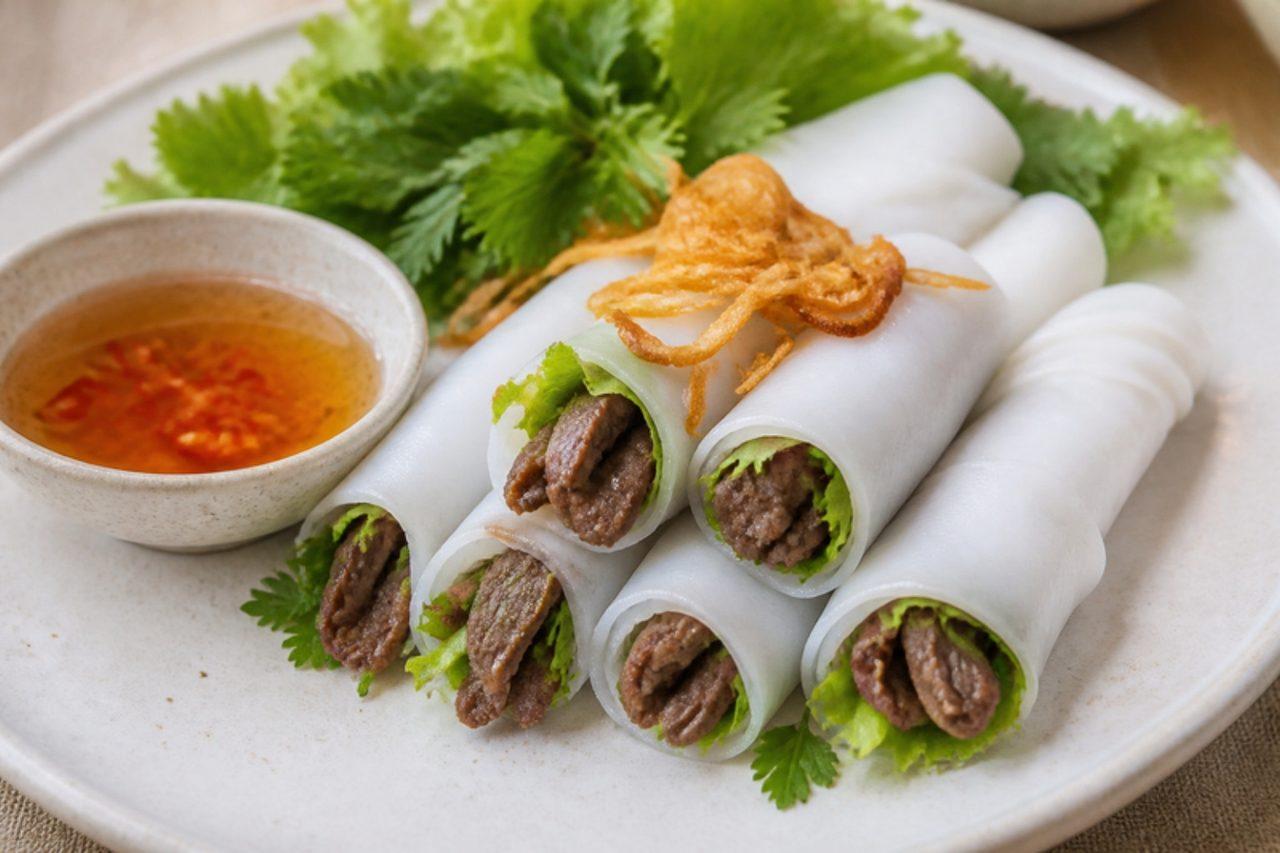
Pho cuonBeef rice noodle rolls

On Ngũ Xã, a little island of streets between Trúc Bạch lake and West Lake in Hanoi, whole rows of restaurants sell nothing but pho in different shapes, and phở cuốn is the one people order by the plateful in the evening. Instead of cutting the fresh rice-noodle sheet into ribbons, the cooks leave it whole and roll it round seared beef, lettuce and herbs. The rolls are soft, cool and slightly chewy, and you dip them in a light, sweet fish sauce with pickled carrot. Look for fresh rice-noodle sheets in the chiller of an Asian supermarket, often sold for Chinese ho fun. Chef's tip: if the sheets are stiff from the fridge, steam or microwave them for 30 seconds under a damp cloth before separating, or they tear.

by KrazyBadal 0 views

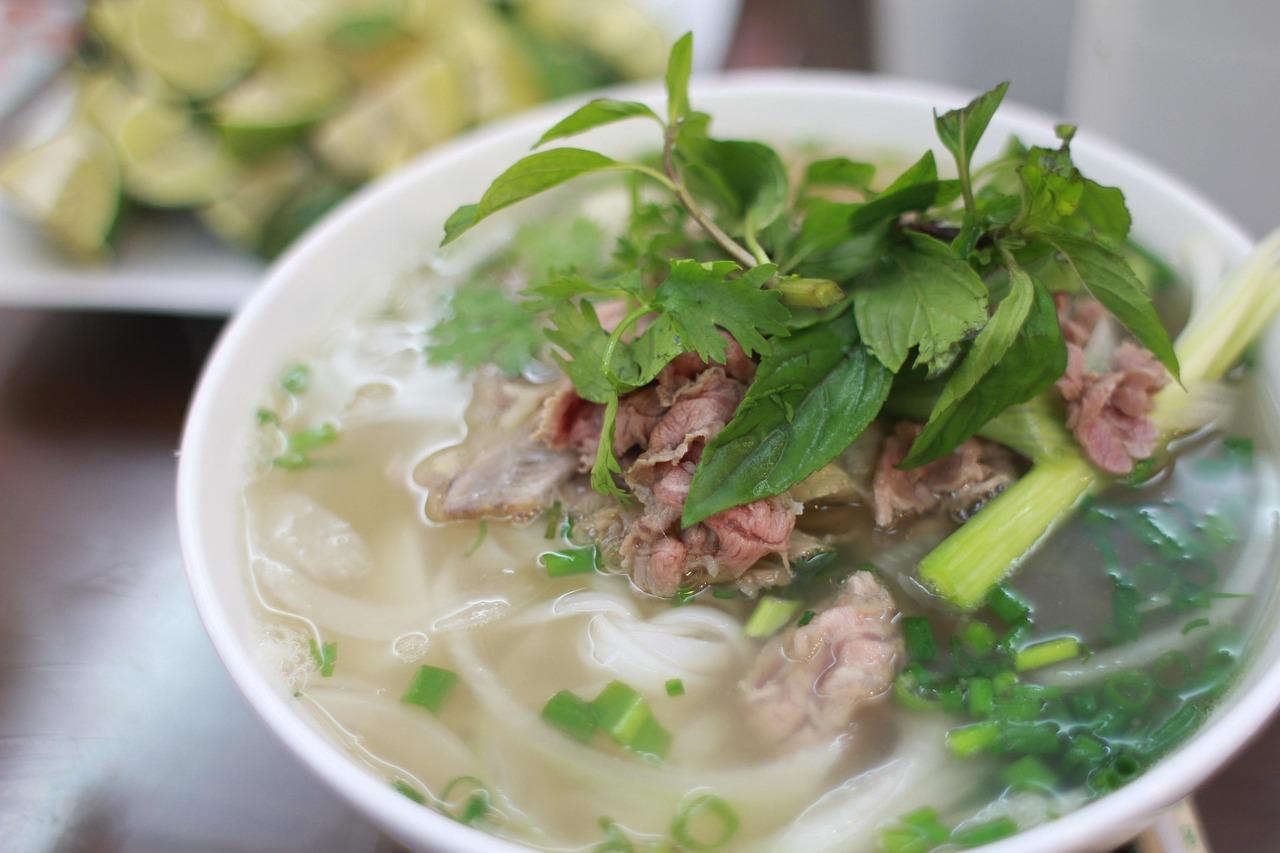
Pho boBeef noodle soup

Before Hanoi's offices open, pavement pho stalls are already busy, with diners on low plastic stools bent over bowls of rice noodles in a clear, spiced beef broth. The northern style is restrained: brisket and thin slices of raw beef that cook in the bowl, spring onion and a little coriander, with lime and chilli on the side rather than a heap of herbs and sauces. The work is in the broth, simmered slowly from bones with blackened onion and ginger and a small bag of toasted spices. Make it on a weekend; it keeps for three days and the bowls then take ten minutes. Chef's tip: char the onion and ginger until they are properly black in patches, because that smoky sweetness is what makes the broth taste of pho rather than plain beef stock.

by KrazyBadal 1 views

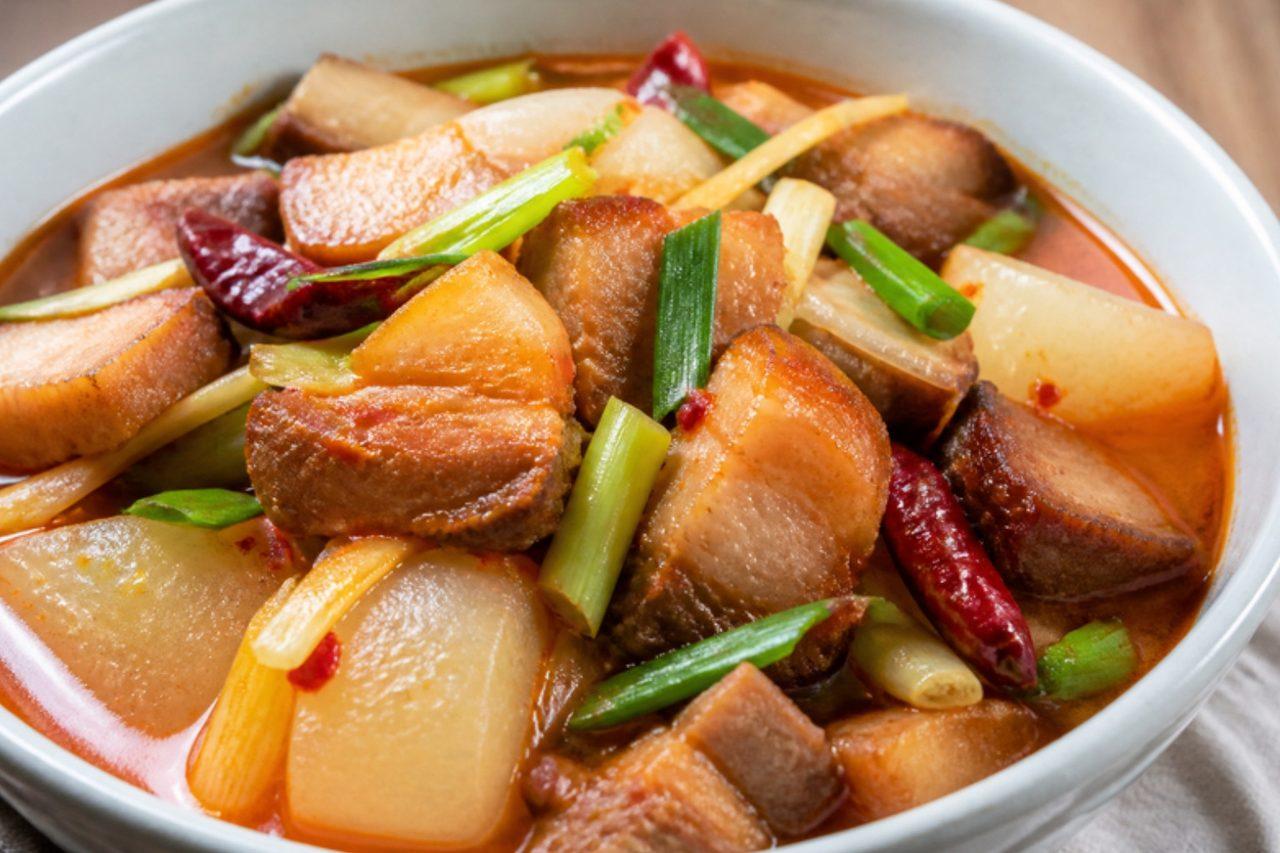
PhagshapaPork with radish and chilli

High in the hills of Sikkim, where winters are long and cold, Bhutia and Lepcha households make phagshapa from fatty strips of pork, white radish and fiery dried red chillies. Traditionally it uses no oil at all: the pork renders its own fat, and the radish soaks it up and turns meltingly soft. It is everyday warming food in Gangtok kitchens, eaten with rice and a bowl of clear soup. Chef's tip: cut the radish thick, in batons, so it holds its shape through the long simmer.

80 minIndianMeatGluten freeSpicy
by KrazyBadal 0 views

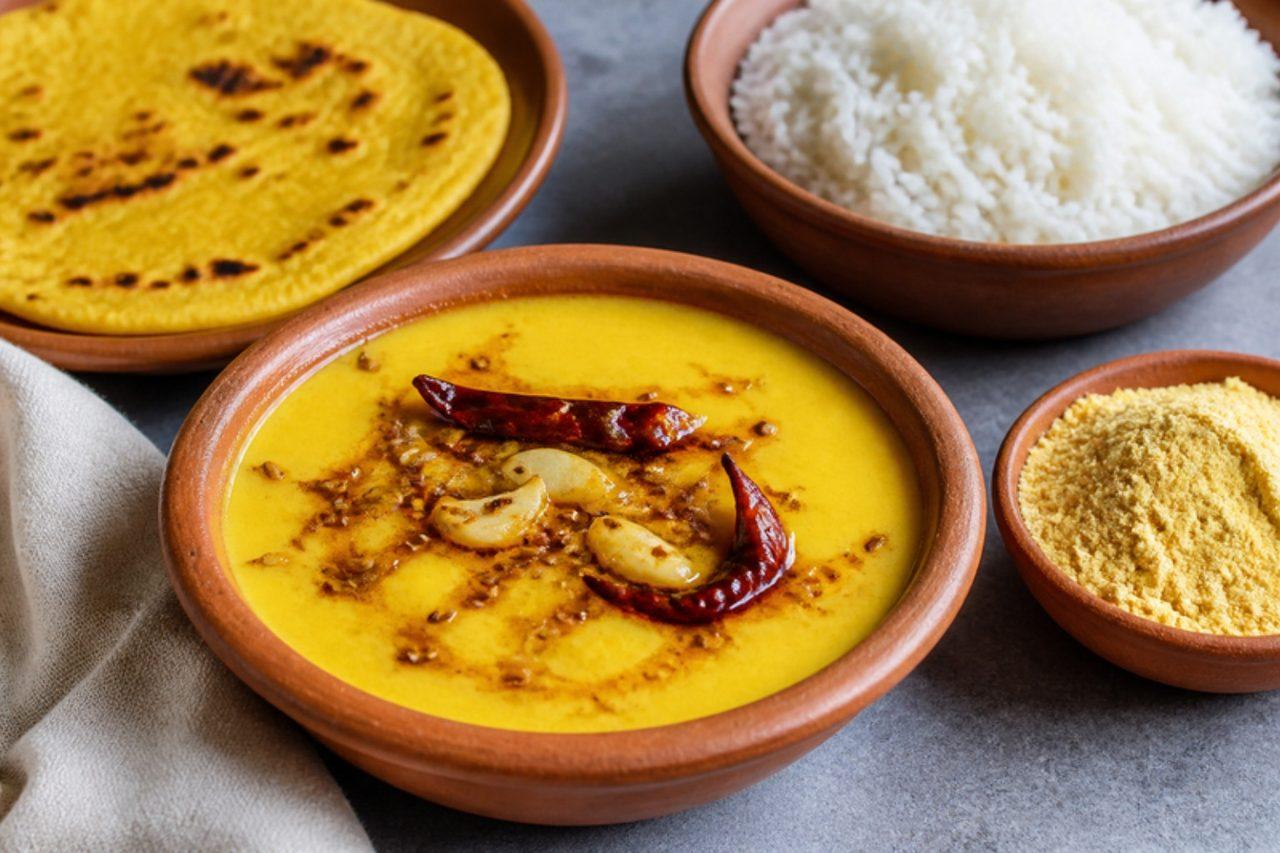
Mewari makki ki kadhiMaize flour yogurt curry

In the Mewar region around Udaipur, maize is a staple crop, and in winter it even goes into kadhi. Instead of gram flour, cooks thicken sour buttermilk with fine maize flour, which gives a golden, slightly earthy, gently sweet kadhi with no pakoras in it. It is ladled over makki ki roti or bajra roti, or eaten with plain rice and a raw onion on the side. The tadka is simple but bold: ghee, cumin, fenugreek, crushed garlic and whole red chillies. The usual mistake is not stirring until it boils—the yogurt splits into curds and whey. Chef's tip: simmer it longer than you would a besan kadhi, at least 20 minutes, until no raw corn taste remains.

by KrazyBadal 0 views

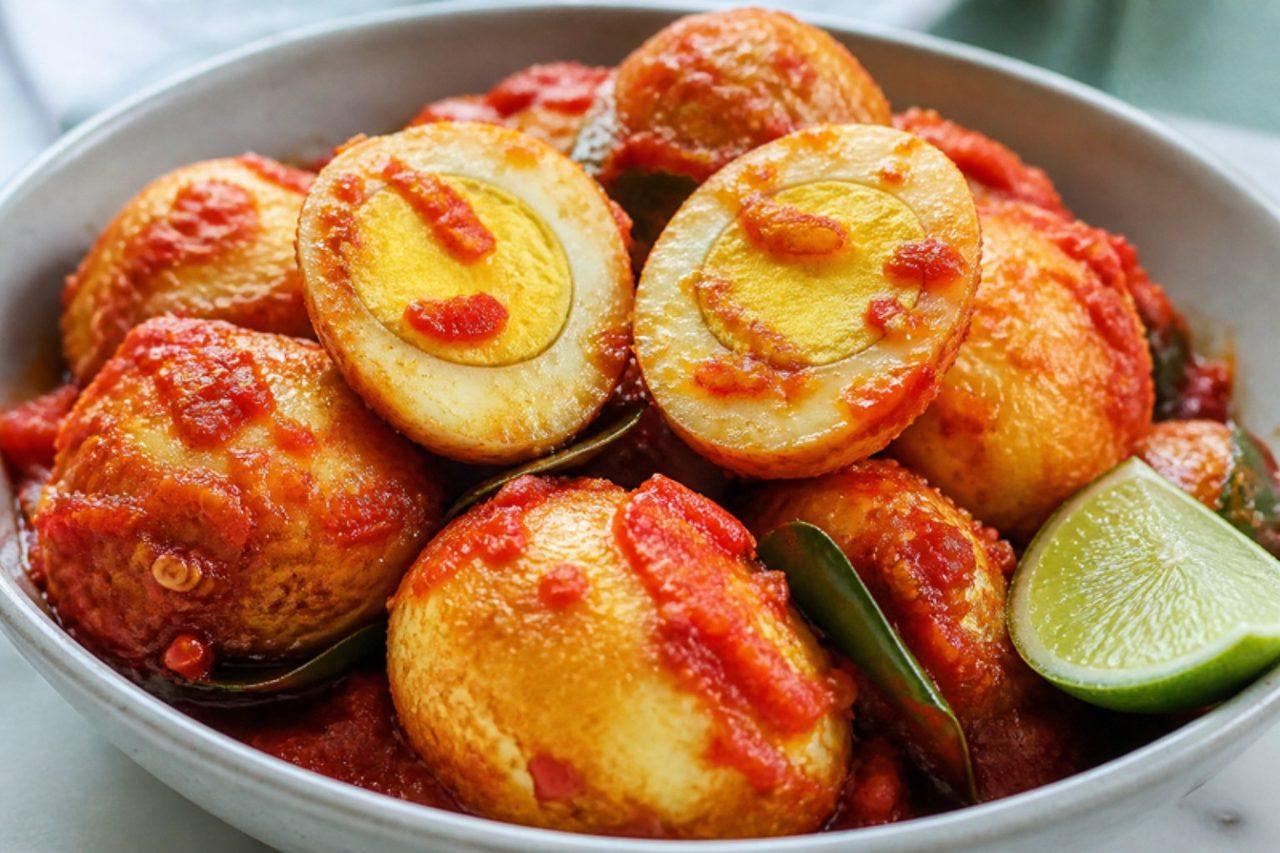
Telur baladoFried eggs in chilli sambal

Telur balado is a fixture of the nasi Padang counter and of West Sumatran home cooking: hard-boiled eggs fried until their whites blister and turn golden, then smothered in balado, the coarse red sambal of chilli, shallot and tomato that the Minangkabau cook with almost everything. The fried skin of the eggs grips the sauce, and the sambal is bright and fresh rather than long-cooked. It's a cheap, quick weekday lunch with rice and greens, and it travels well in lunch boxes. Chef's tip: grind the balado coarse, not smooth — the Padang version should look rough and glossy, with visible flecks of chilli skin.

by KrazyBadal 0 views

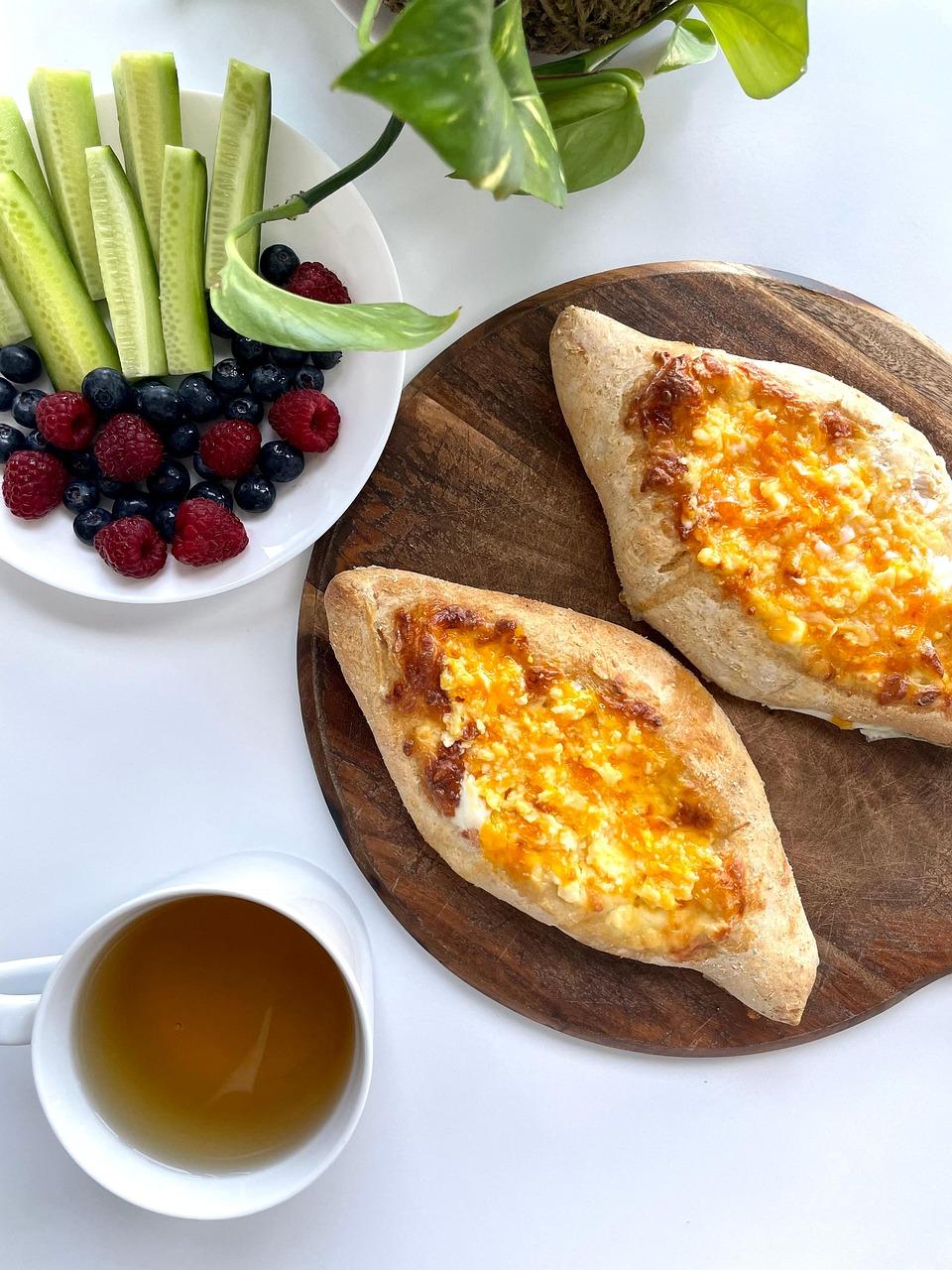
Peynirli pideBoat-shaped cheese bread

Along the Black Sea coast, from Samsun to Trabzon, the pide salon is where families go on a Friday night, and the oven man shapes each boat of dough by hand before sliding it onto the hot stone floor of a wood-fired oven. The Black Sea way is generous: a pool of melted kaşar and white cheese held inside a rim of soft bread, an egg cracked into the middle for the last few minutes and a knob of butter dropped on as it comes out. Children love tearing off the crusty ends to drag through the cheese. Chef's tip: heat a heavy baking tray or pizza stone in the oven for a full 30 minutes; the hot base is what gives a crisp underside rather than a soft one.

120 minTurkishPizza
by KrazyBadal 0 views

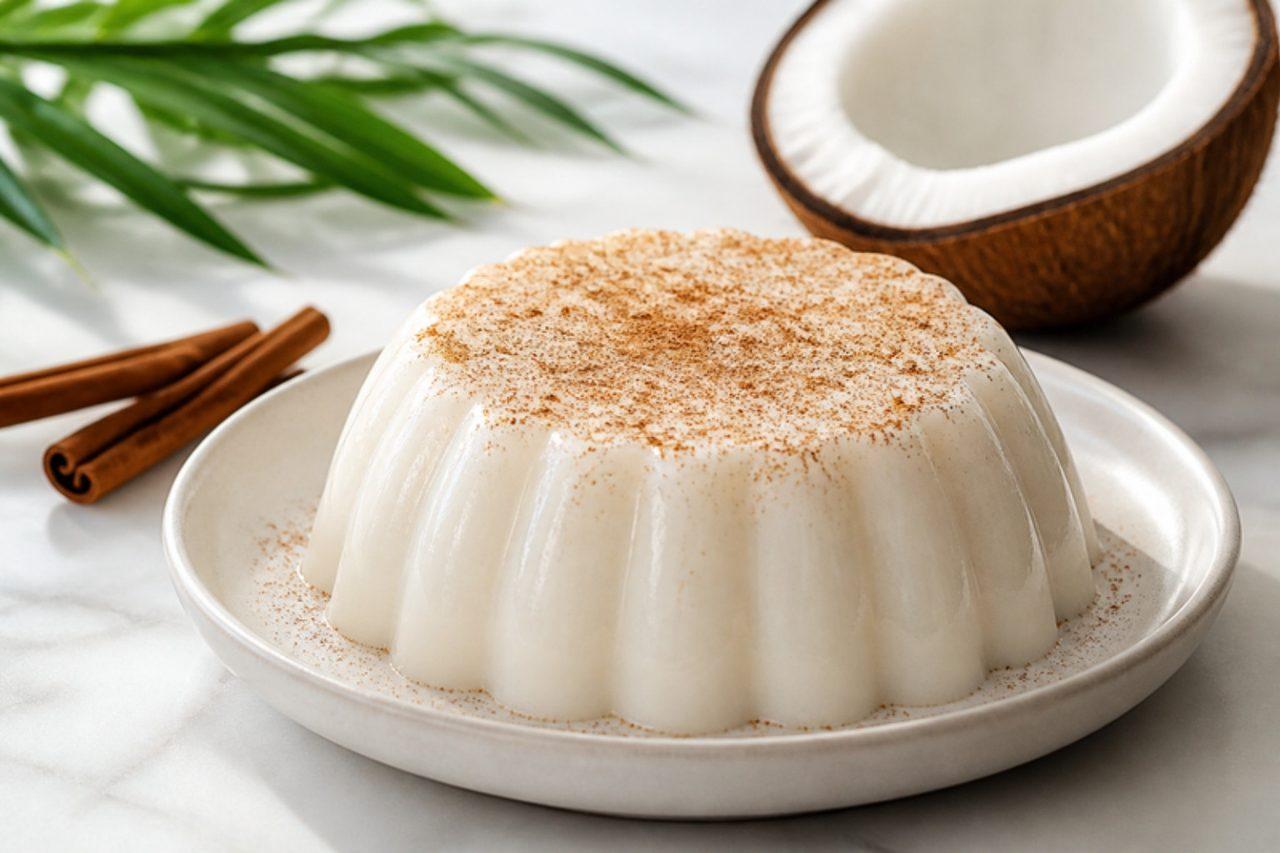
TemblequeCoconut milk pudding

Tembleque gets its name from the way it shivers (tiembla) when you set it on the table, and in Puerto Rico it is the dessert of the Christmas season, from the parrandas of December through to the Three Kings in January. It's nothing more than coconut milk, sugar and cornflour cooked into a silky custard, poured into a mould and chilled until it holds its shape. It is cool, pure white, lightly sweet and tastes completely of coconut, with a blush of cinnamon on top. Chef's tip: use full-fat tinned coconut milk; light coconut milk sets thin and tastes watery.

by KrazyBadal 0 views

Tempe mendoanBattered fried tempeh

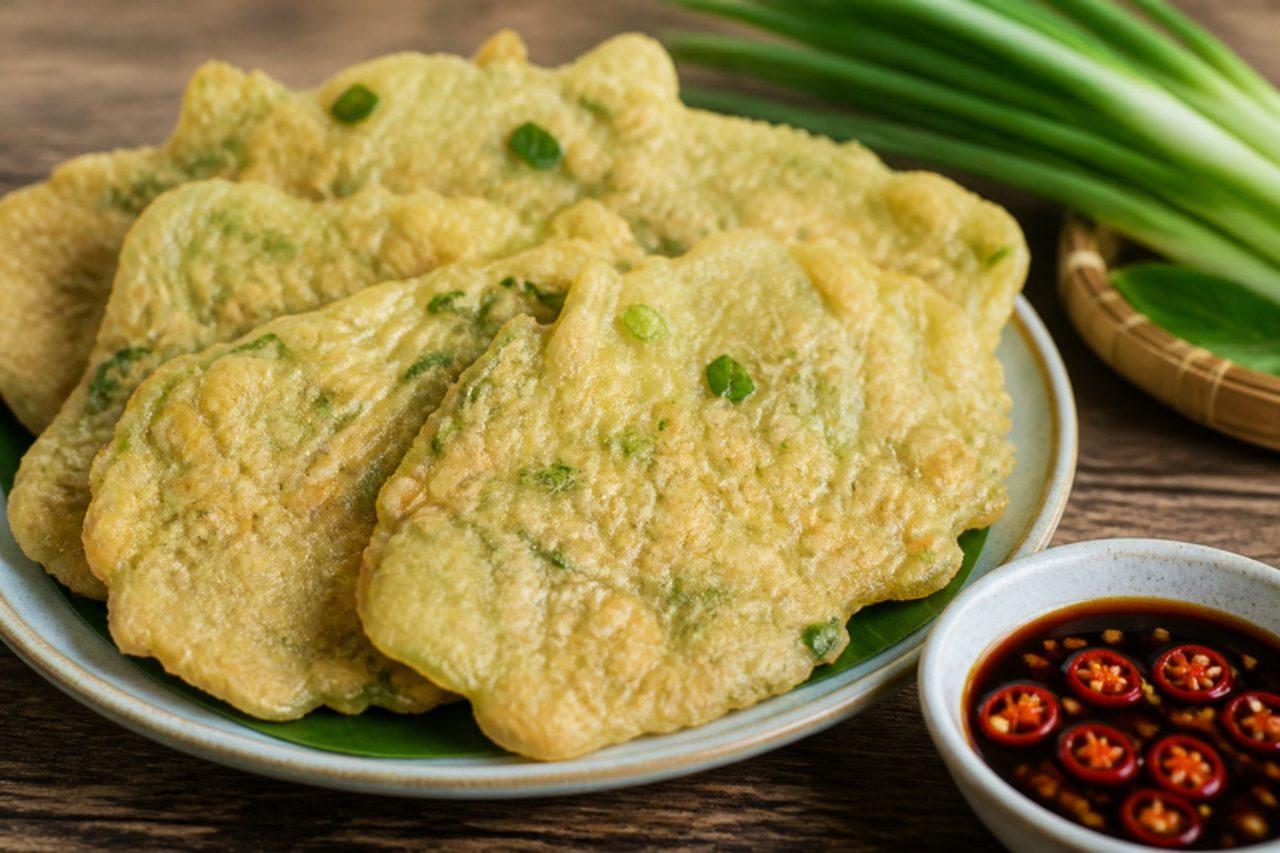
Mendoan comes from Banyumas in Central Java, and in Purwokerto it's sold by the stack at every roadside stall, eaten warm with a raw bird's eye chilli bitten between mouthfuls or dunked in sweet soy. The name comes from the Banyumas word mendo, meaning half-cooked: the batter is deliberately fried only until set and pale, so it stays soft and bendy rather than crisp. Make it with thin, wide tempeh slices so each one is mostly batter and herbs. Chef's tip: fry for barely a minute a side in very hot oil and pull the slices out while they're still pale gold and floppy — that limp, tender texture is the whole point.

by KrazyBadal 0 views

Tempe orekSweet crisp tempeh

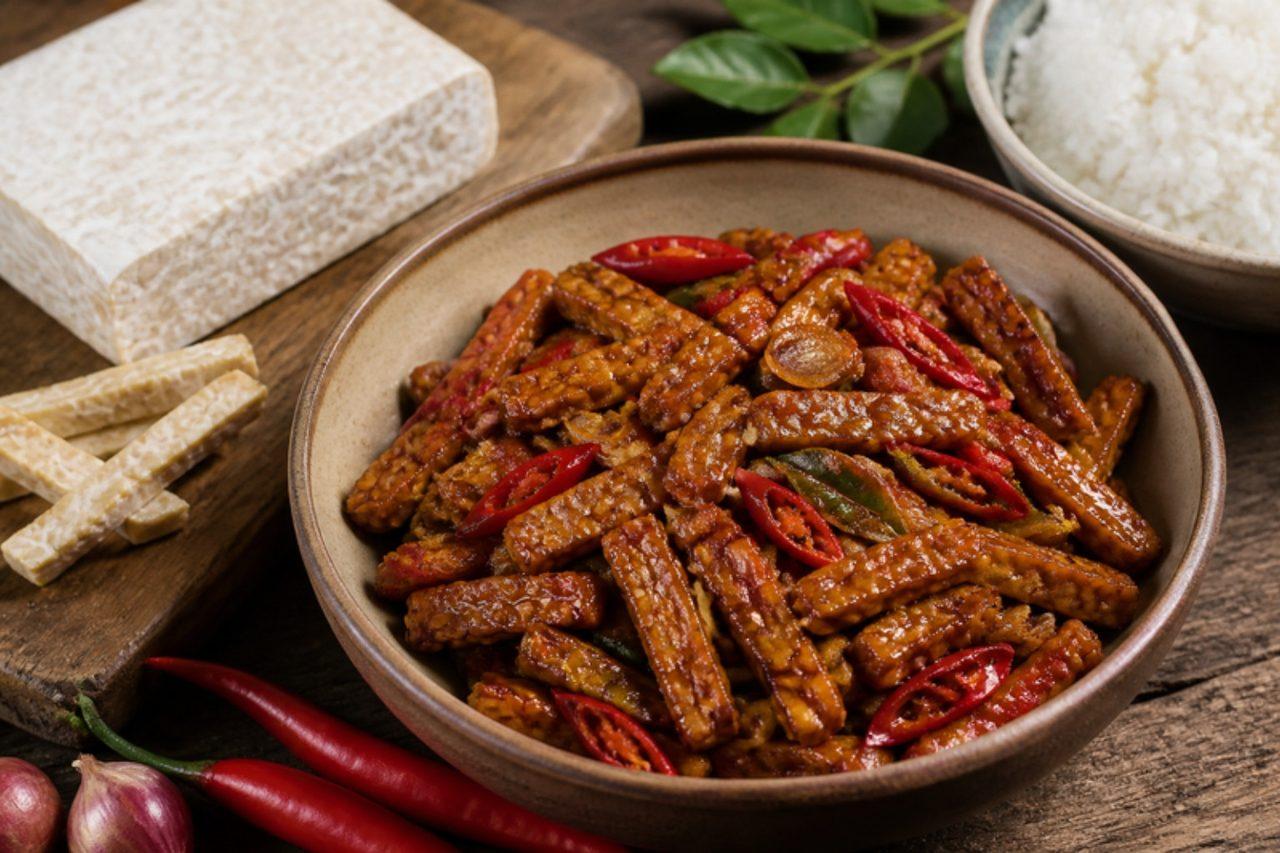
Across Java, tempe orek is the side dish every household keeps in a tub: crisp sticks of tempeh fried and then tossed in a sweet-salty glaze of kecap manis, palm sugar, garlic and chilli. It goes into lunch boxes with plain rice, onto nasi campur plates, and lasts several days without losing its chew, which is why student boarding houses and office canteens rely on it. Some cooks add peanuts or green beans; this version stays classic. Chef's tip: fry the tempeh sticks properly crisp before glazing and keep the glaze to a thick syrup, so the tempeh stays crunchy rather than going soft.

by KrazyBadal 0 views

Pescado a la tallaGrilled fish in chilli paste

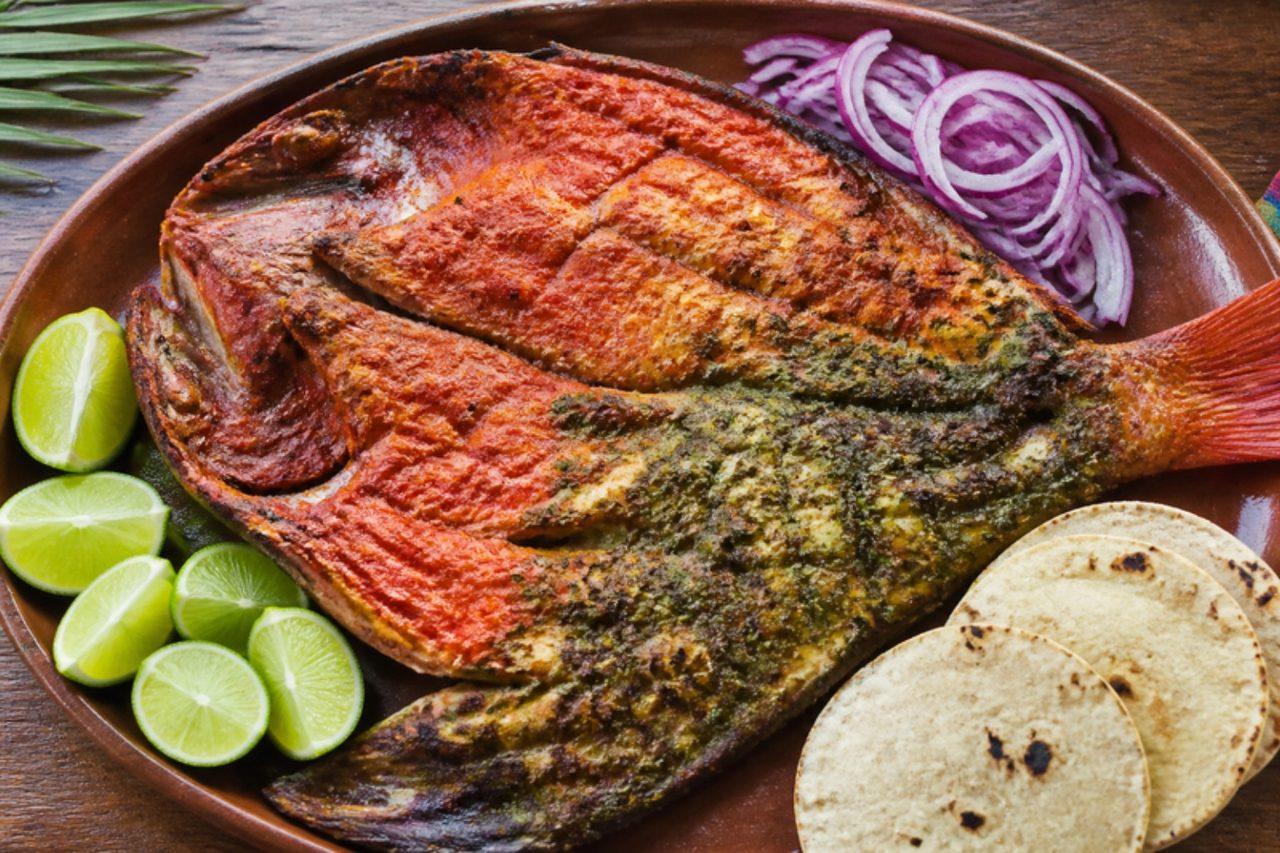
On the long beach of Barra Vieja, just south of Acapulco in Guerrero, whole fish are split open, painted with chilli paste and grilled over wood embers in palapa restaurants with their feet in the sand. One half gets a brick-red adobo of guajillo and ancho, the other a bright green paste of herbs and fresh chilli, so a single fish brings two flavours to share. It is eaten straight off the platter with tortillas, rice, lime and cold drinks. Chef's tip: cook it mostly skin-side down in a hinged fish basket, so the skin protects the flesh and the fish turns without breaking.

by KrazyBadal 0 views

MsemenFlaky square pancakes

Msemen are the square, layered flatbreads sold hot from griddles in every Moroccan medina at breakfast time and again for afternoon tea, when they are drizzled with honey or dipped in olive oil. The dough is stretched paper-thin on an oiled surface, sprinkled with fine semolina, folded into a square and cooked until crisp outside and flaky in the middle. This version uses oil throughout so it is vegan; many homes use butter or smen. Chef's tip: oil your hands and work surface generously; the dough should be stretched, not rolled, and it tears if it sticks.

by KrazyBadal 0 views

PesarattuGreen moong crêpes

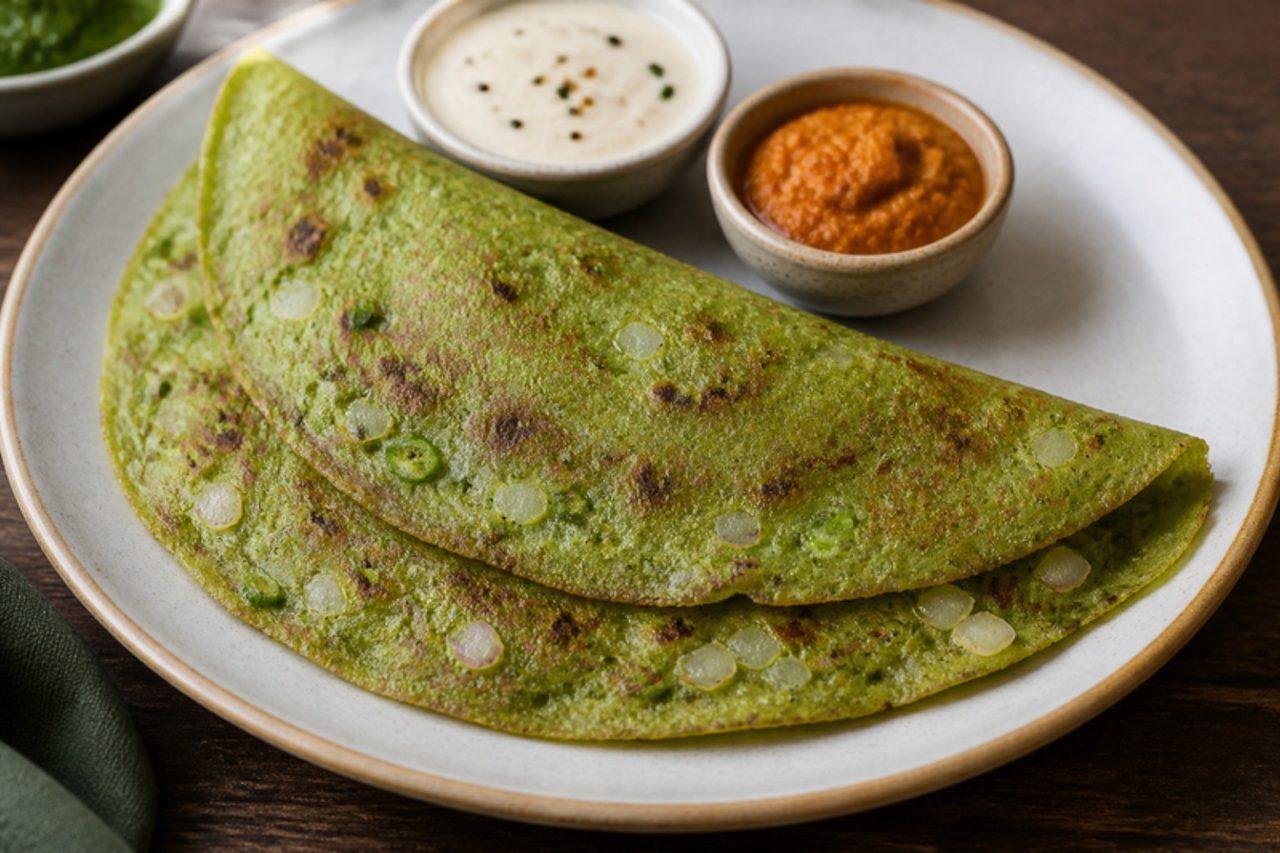
Pesarattu is the breakfast dosa of Andhra Pradesh, made from whole green moong beans ground with ginger, green chilli and cumin rather than rice and urad dal. Because the batter needs no fermenting, you can soak the beans before bed and have crisp, nutty, bright-green dosas on the table by morning. In Andhra homes they're scattered with onion and eaten with a sharp ginger chutney, and on festive days filled with upma to make 'MLA pesarattu'. They're high in protein, light and naturally gluten free. Chef's tip: add a small handful of raw rice to the soak; it isn't traditional everywhere, but it gives the dosa a crisper edge and stops it tearing on the pan.

by KrazyBadal 0 views

TequeñosFried cheese sticks

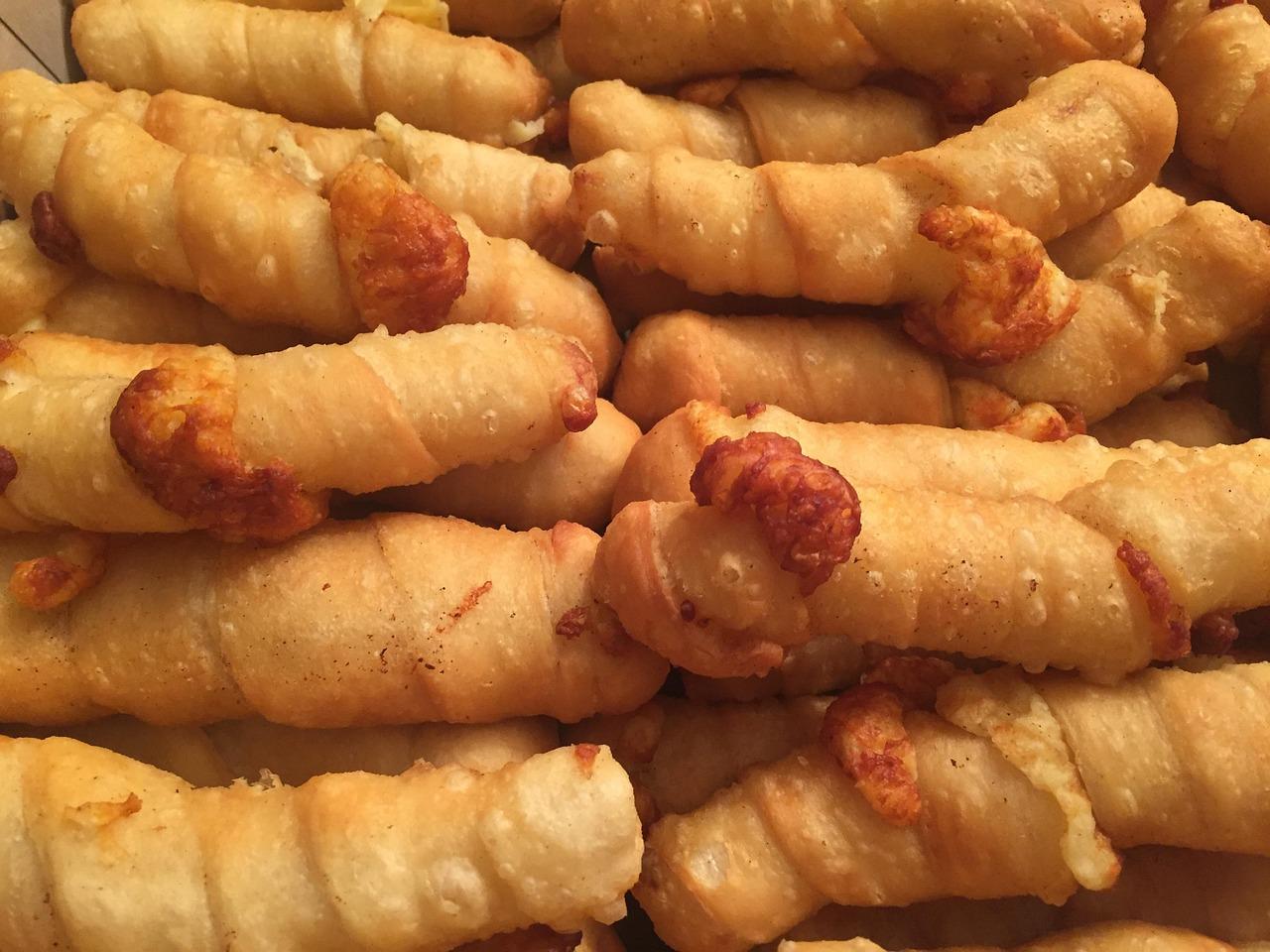
Tequeños are said to come from Los Teques, the town in the hills outside Caracas, and they are the party food of Venezuela: no birthday, wedding or office celebration is without a tray of these crisp pastry fingers wrapped around salty white cheese. The dough is spiralled around the cheese, then fried so the pastry is crunchy and the cheese just starts to melt. Serve with guasacaca (avocado sauce) or a sweet chilli dip. Use a cheese made with vegetarian rennet. Chef's tip: overlap each spiral of dough slightly and seal the ends well, or the cheese escapes into the oil.

by KrazyBadal 0 views

PernilRoast pork shoulder

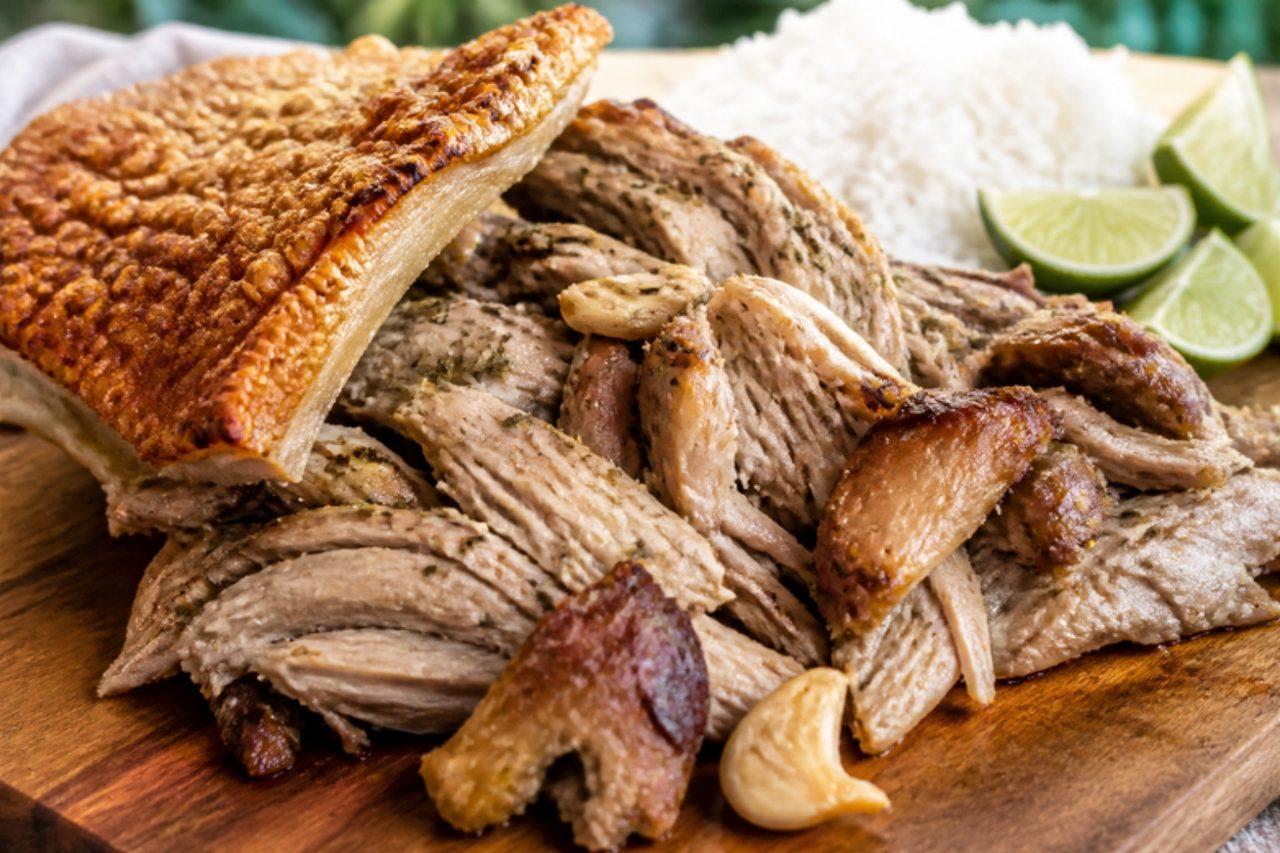
No Puerto Rican Nochebuena (Christmas Eve) is complete without pernil, a whole pork shoulder rubbed with a pounded paste of garlic, oregano and black pepper, left in the fridge overnight and roasted low for hours until it falls apart. This is a pork dish. Families fight over the cuerito, the crackling skin on top, and the meat goes with arroz con gandules, salad and more rice the next day. The usual mistake is smearing the marinade over the skin: the garlic burns and the skin never crackles, so push the paste into slits and under the skin, and keep the skin itself dry and salted. Chef's tip: marinate for a full 24 hours if you can; the garlic and vinegar soak right into the meat.

by KrazyBadal 0 views

PerkedelPotato fritters

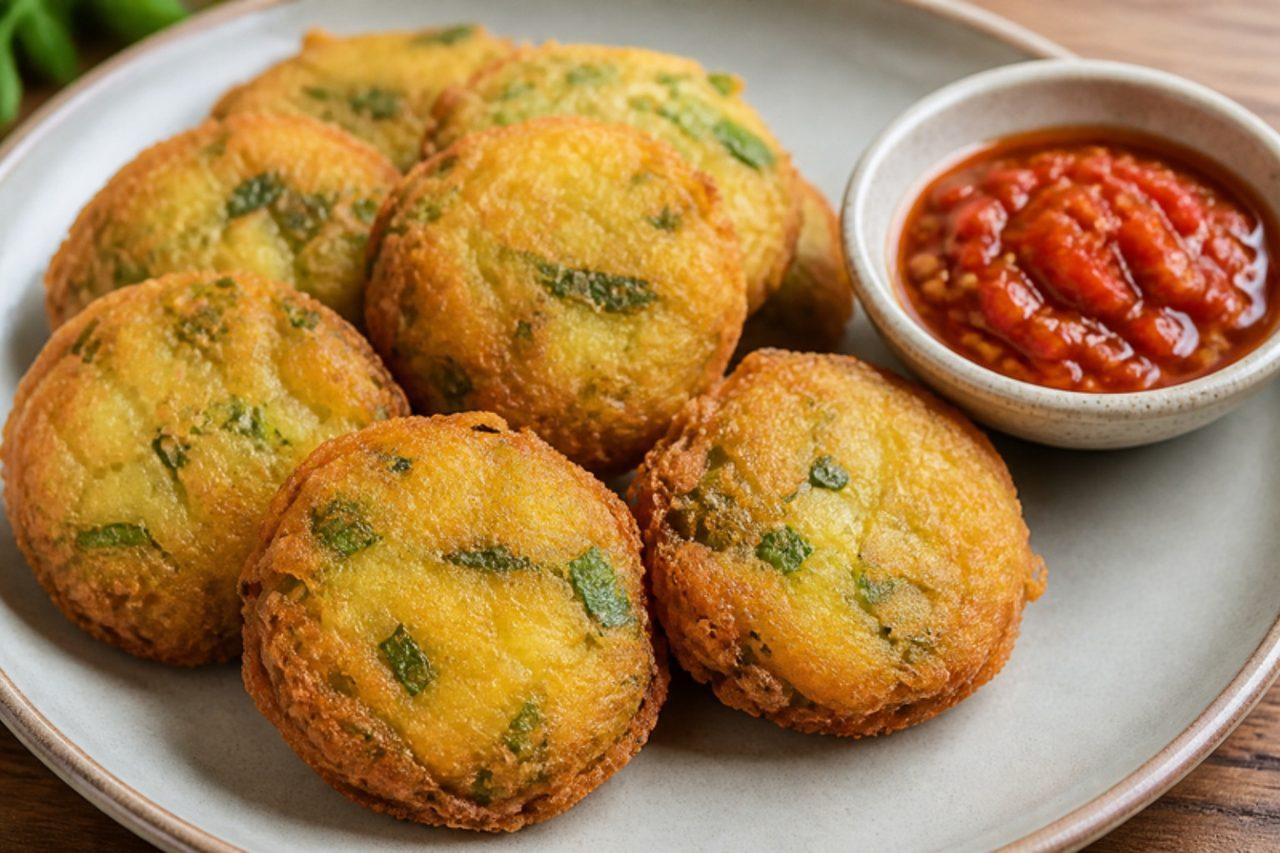
Perkedel came to Indonesia from the Dutch frikadel, but became something quite different: mashed fried potato seasoned with nutmeg, white pepper, spring onion and fried shallots, shaped into little patties and fried in a coating of egg. Families make them for soto, for nasi kuning platters and Lebaran tables, and children grab them cold from the fridge. The outside is lacy and golden, the inside soft and peppery. Chef's tip: fry the potatoes before mashing, rather than boiling them — it's the Indonesian way, and it gives drier, fluffier potato that holds its shape without flour.

by KrazyBadal 0 views

ThiakryMillet couscous with sweet yogurt

Thiakry, called dégué in Mali and Burkina Faso, is the creamy dessert of Senegalese weddings, naming ceremonies and Tabaski: pellets of steamed millet stirred into sweetened yoghurt and soft fromage frais, scented with vanilla and nutmeg and served cold. Ready-made millet granules (arraw or sankhal) are sold in African grocers, which makes it a 15-minute job. Raisins and a little coconut are common in Dakar. Chef's tip: steam or soak the millet fully before it meets the yoghurt; undercooked grains stay hard and gritty in the cold.

by KrazyBadal 0 views

Pepián de verdurasRoasted seed and vegetable stew

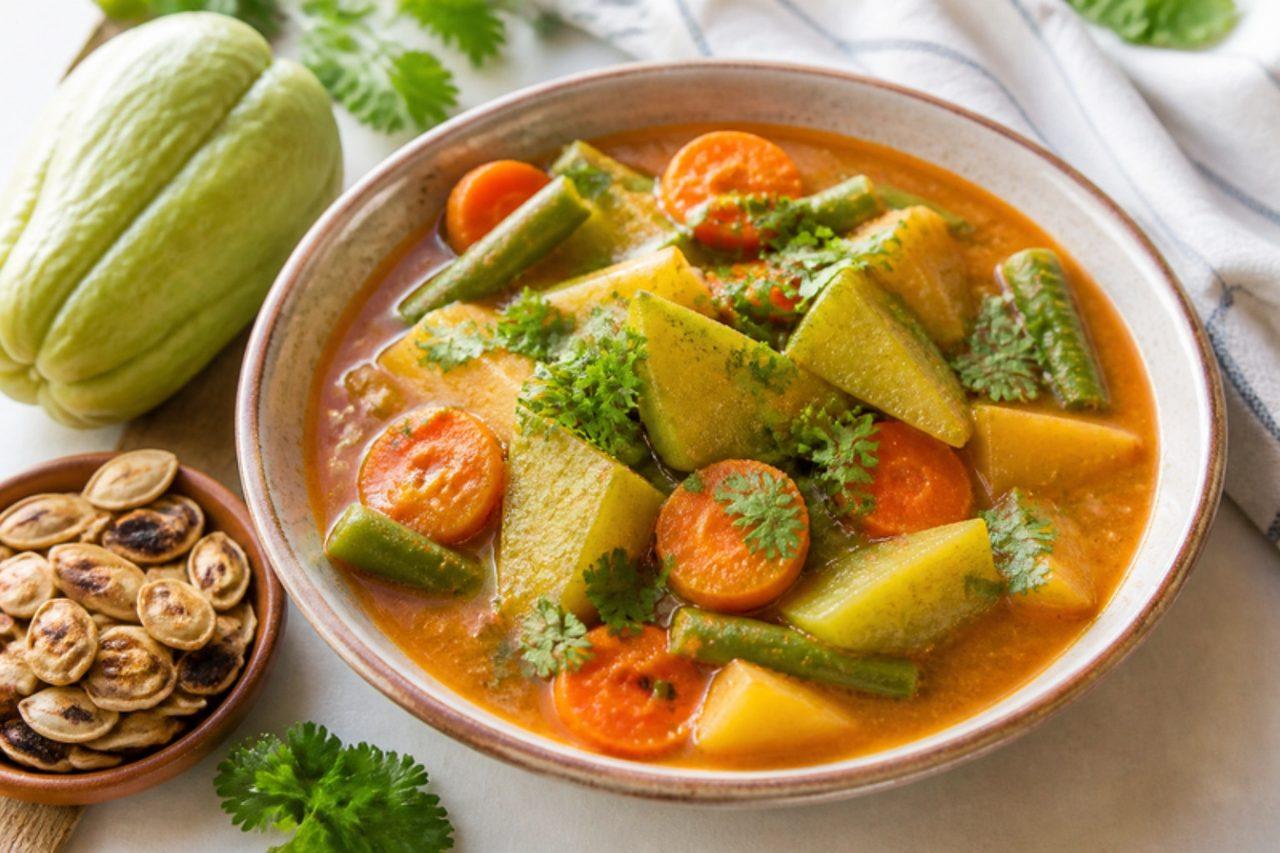
Pepián is often called Guatemala's national dish, a recado (sauce) from the Kaqchikel Maya highlands around Antigua and Chimaltenango, served at fiestas and family Sundays. Its depth comes from charring tomatoes, tomatillos and dried chillies and toasting pumpkin and sesame seeds before grinding them into a thick, smoky, reddish-brown sauce. Traditionally it simmers chicken; here chayote, potato, green beans and carrot soak it up. Serve with white rice and tamalitos or warm corn tortillas. Chef's tip: toast the seeds separately and stop when they smell nutty; burnt seeds turn the whole pot bitter.

by KrazyBadal 0 views

Xoi xeoSticky rice with mung bean

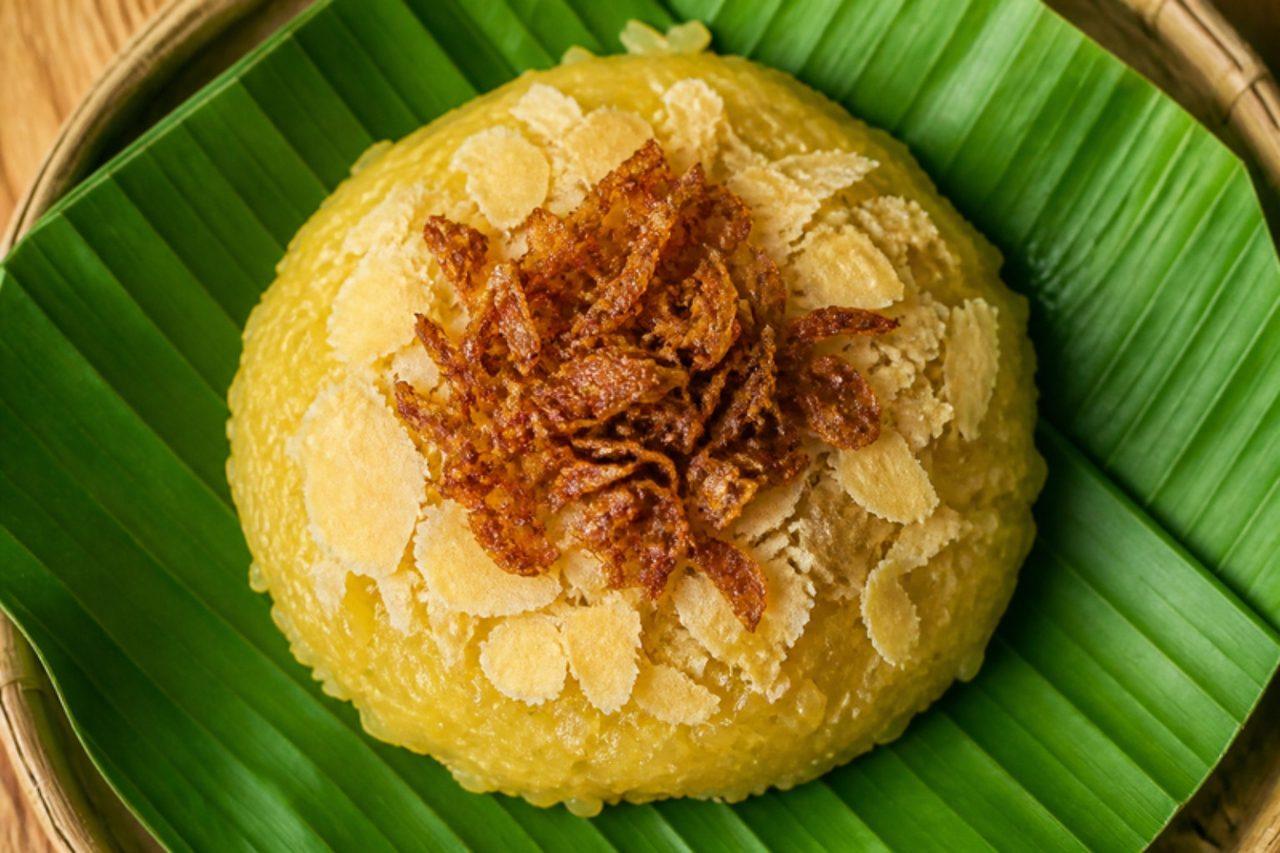
Xôi xéo is a Hanoi breakfast sold before dawn from baskets on the pavement, wrapped in a lotus or banana leaf for people to eat on the way to work. Turmeric-tinted glutinous rice is steamed until chewy, then topped with thin shavings cut from a firm ball of cooked mung bean (the 'xéo' is the slanting cut) and a spoonful of crunchy fried shallots with their fragrant oil. Street sellers often use pork fat for the shallots; frying them in vegetable oil keeps it vegan and still rich. Chef's tip: squeeze the mung bean paste into a tight ball while it is warm and let it cool before shaving; a loose ball crumbles instead of slicing into ribbons.

by KrazyBadal 0 views

Terong baladoFried aubergine in chilli sambal

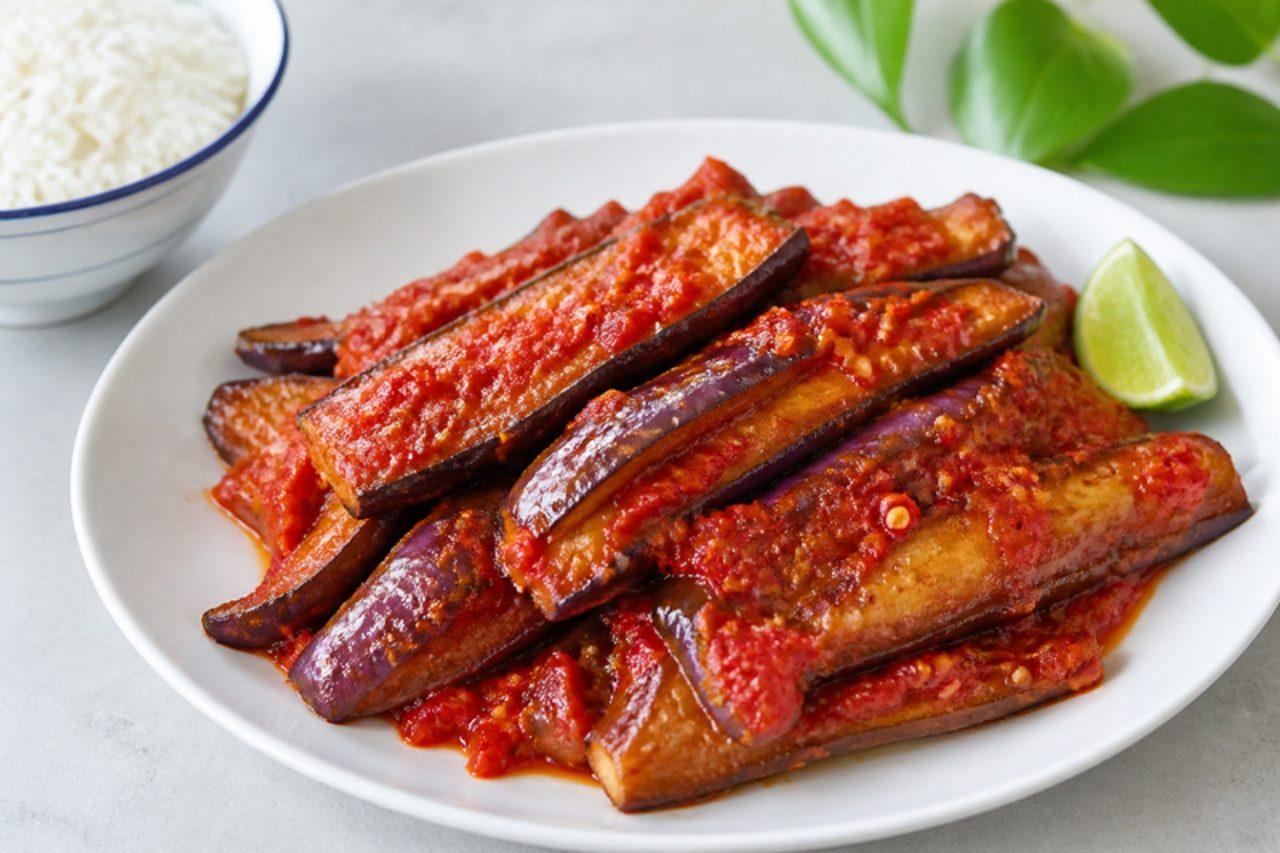
Balado is the Minangkabau way of smothering fried food in a coarse, shiny red chilli sambal, and in West Sumatra the aubergine version is a daily home dish as much as a restaurant one. The aubergine is fried until soft and creamy inside, then folded into a sambal of red chillies, shallots and tomato cooked down until sweet. Serve it at room temperature with rice and fried tofu. Chef's tip: grind the chillies coarsely rather than to a purée; Padang cooks want flecks of skin and seed in a balado.

by KrazyBadal 0 views

Mousse au chocolatChocolate mousse

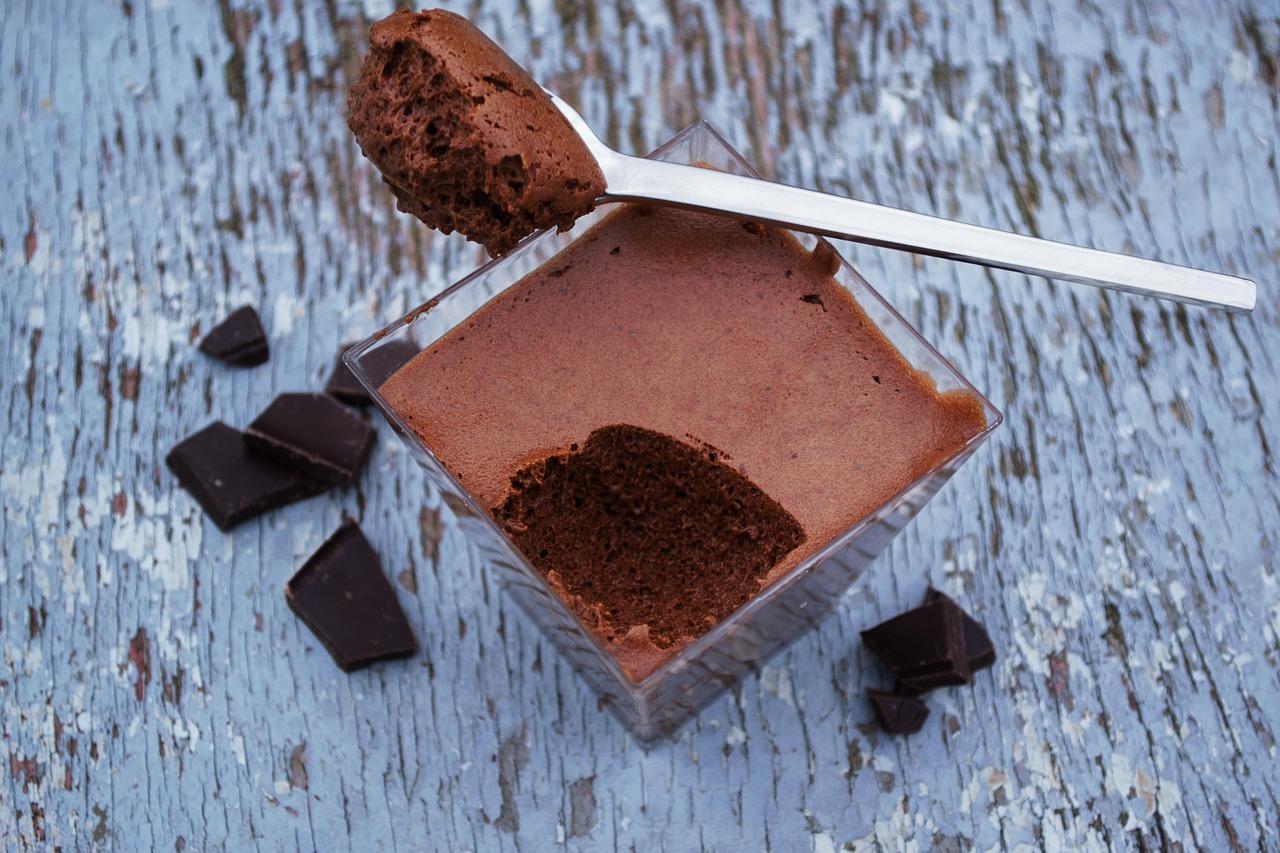
Mousse au chocolat is the dessert French children learn to make with their grandmothers and the one every bistro keeps in a big bowl in the fridge. The classic recipe is only dark chocolate, eggs, a little butter and sugar: the yolks make it rich, the whisked whites make it light and airy. It's made a few hours ahead and served in small glasses or scooped from a shared bowl. This version contains raw eggs, so use very fresh ones and avoid serving it to pregnant women, small babies or anyone unwell. For an egg-free version, see our eggless chocolate mousse. Chef's tip: let the melted chocolate cool until just warm before adding the yolks; adding them to hot chocolate is the common mistake and they scramble.

by KrazyBadal 0 views

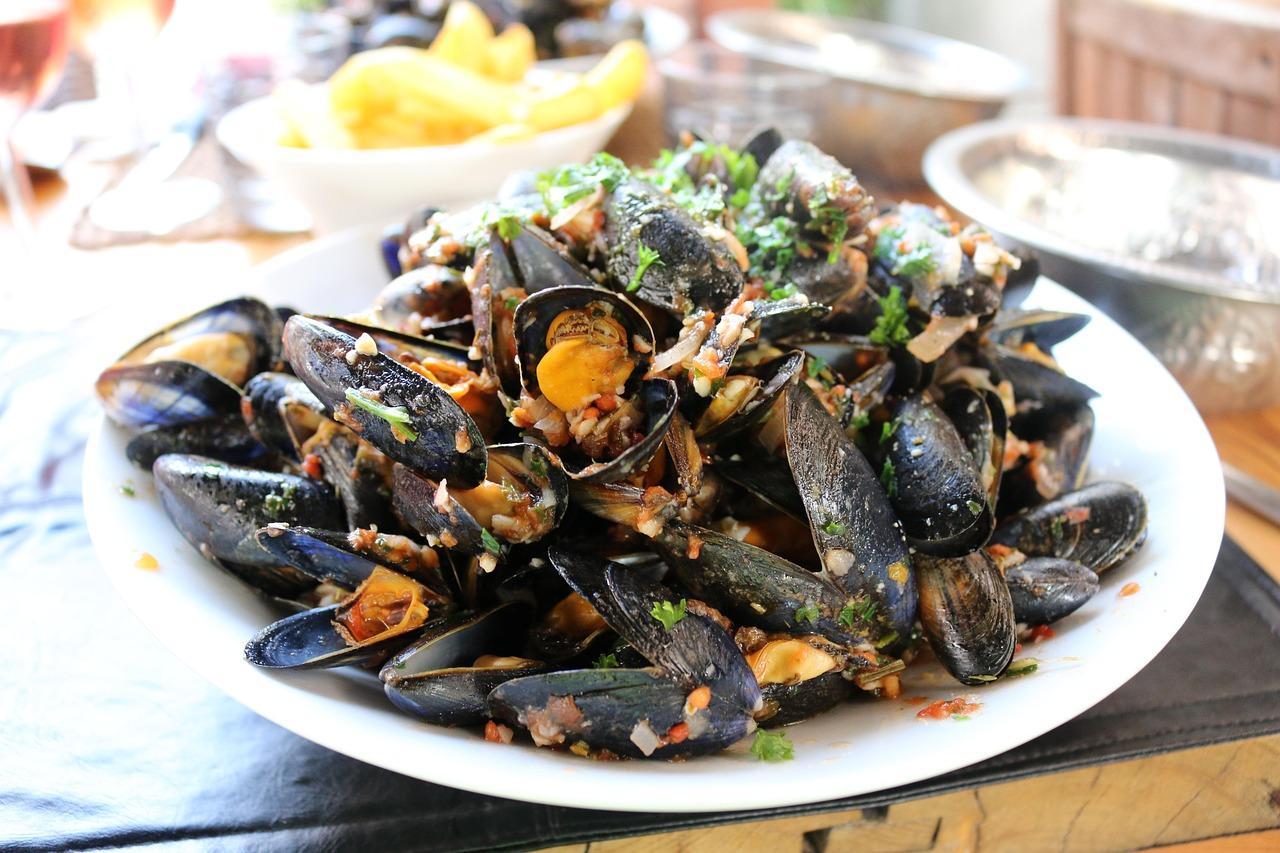
Moules marinièresMussels in white wine

Along the coast of Normandy and Brittany, from Le Mont-Saint-Michel to Saint-Malo, summer means big black pots of moules marinières and a cone of frites, eaten at a seaside table with fingers and an empty shell as tongs. Fresh mussels steam open in minutes with shallot, garlic, thyme and white wine. The wine boils only briefly, so some alcohol stays; for an alcohol-free version use 150 ml fish or vegetable stock with 1 tbsp lemon juice. Chef's tip: buy mussels the day you cook them and keep them in the fridge in an open bowl covered with a damp cloth, never in water or a sealed bag.

25 minFrenchFish
by KrazyBadal 0 views

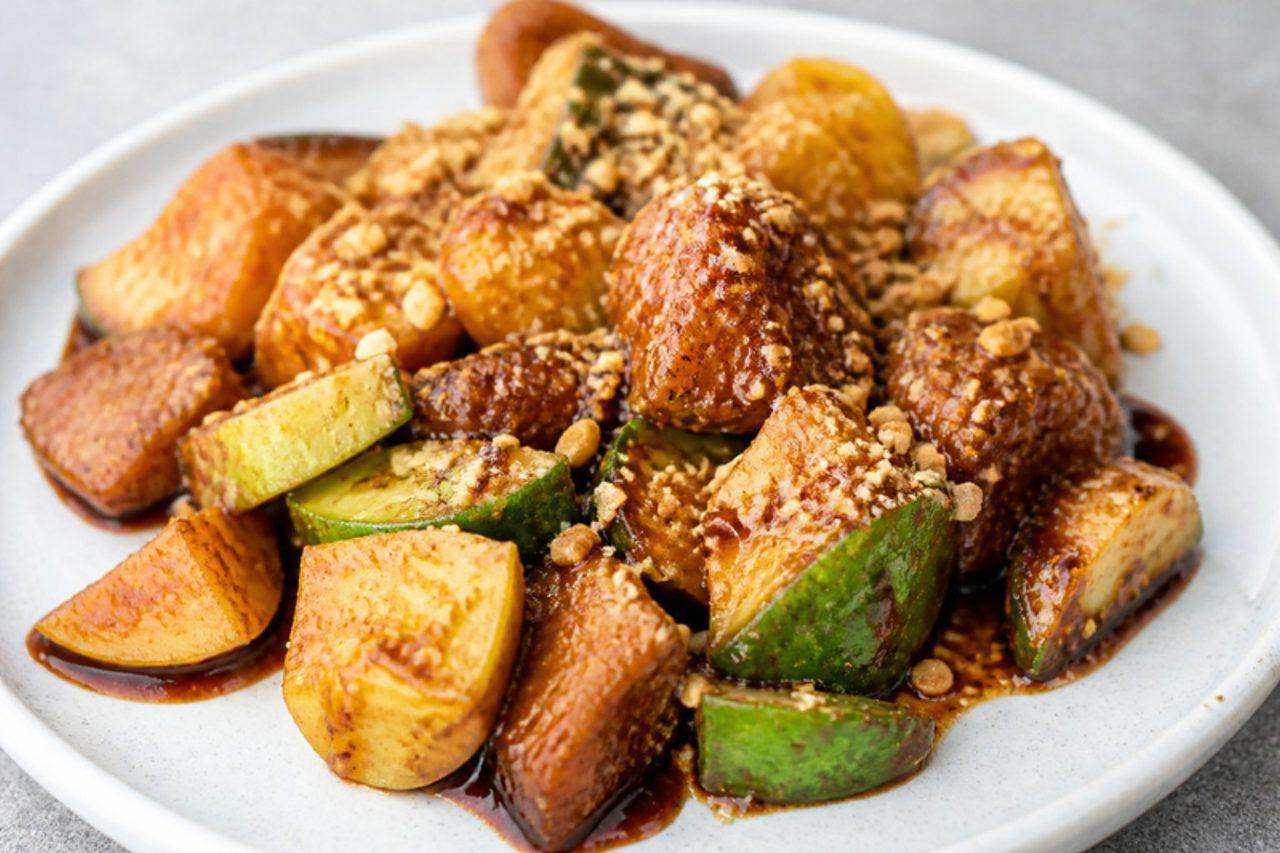
Penang rojakFruit salad with prawn paste dressing

Few salads are as divisive or as loved as the rojak sold from carts along Penang's Gurney Drive: crisp jicama, cucumber, green mango, pineapple and guava cut into bite-size pieces and tossed in a black, toffee-thick dressing of hae ko (fermented prawn paste), tamarind and sugar. The fruit stays cold and crunchy while the sauce is sweet, sour, salty and funky at once, finished with a snowfall of crushed peanuts. Stalls often add fried dough fritters and tofu puffs for chew. Eat it as an afternoon snack or alongside grilled meats. Chef's tip: toss only just before serving; the salt in the dressing draws water out of the fruit and turns it watery within 15 minutes.

by KrazyBadal 0 views

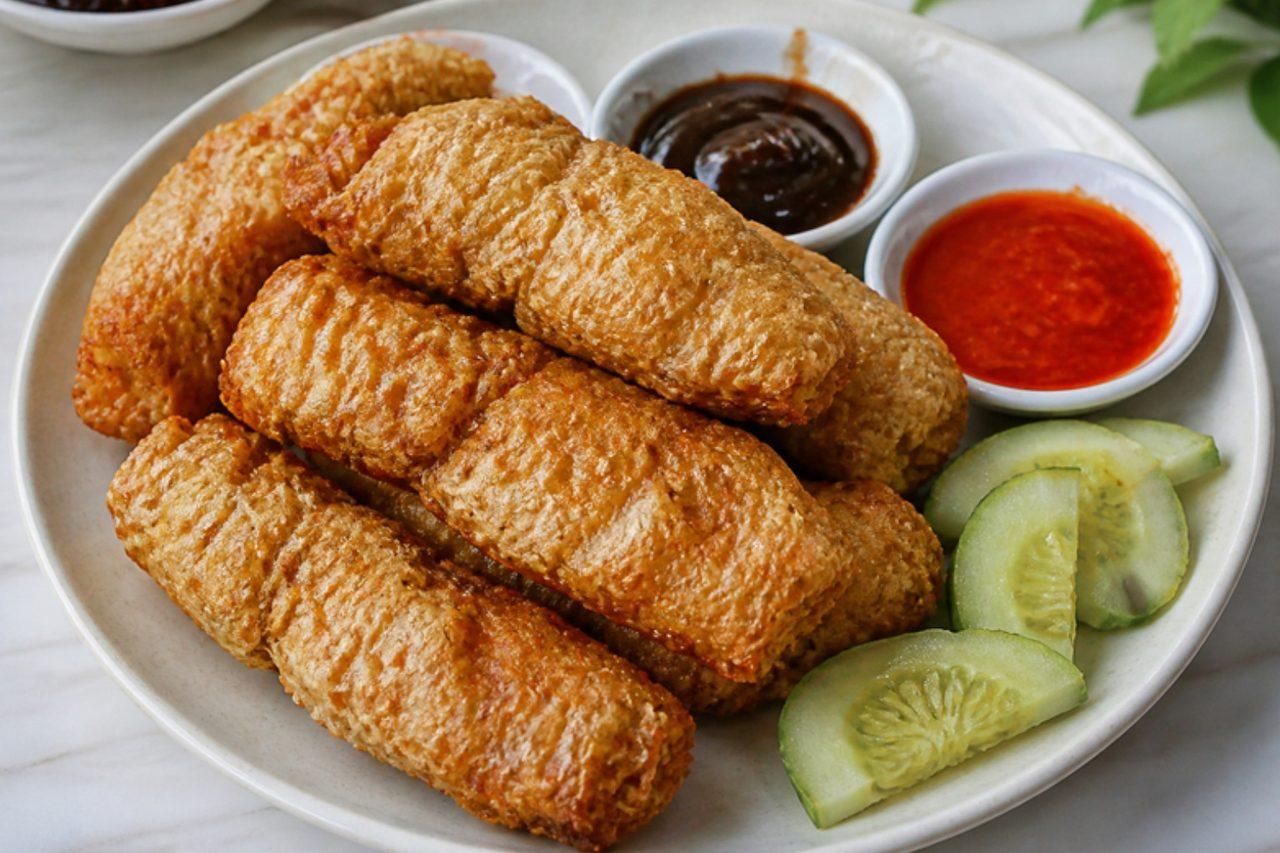
Penang lor bakFive-spice pork rolls

Every Penang lor bak stall shows off a tray of fried things, but the five-spice pork roll is the reason people queue. Minced pork and chopped water chestnut, seasoned with five-spice, soy and garlic, are rolled tight in sheets of dried beancurd skin, steamed, then fried until the skin shatters like thin pastry. Slices are dipped in two sauces: a thick, starchy 'lor' gravy streaked with egg and a bright chilli sauce. They are a favourite with drinks at the hawker centres along Kimberley Street or as part of a Chinese New Year spread. Chef's tip: wipe the beancurd skin with a damp cloth rather than soaking it; too wet and it tears and will not crisp.

by KrazyBadal 0 views

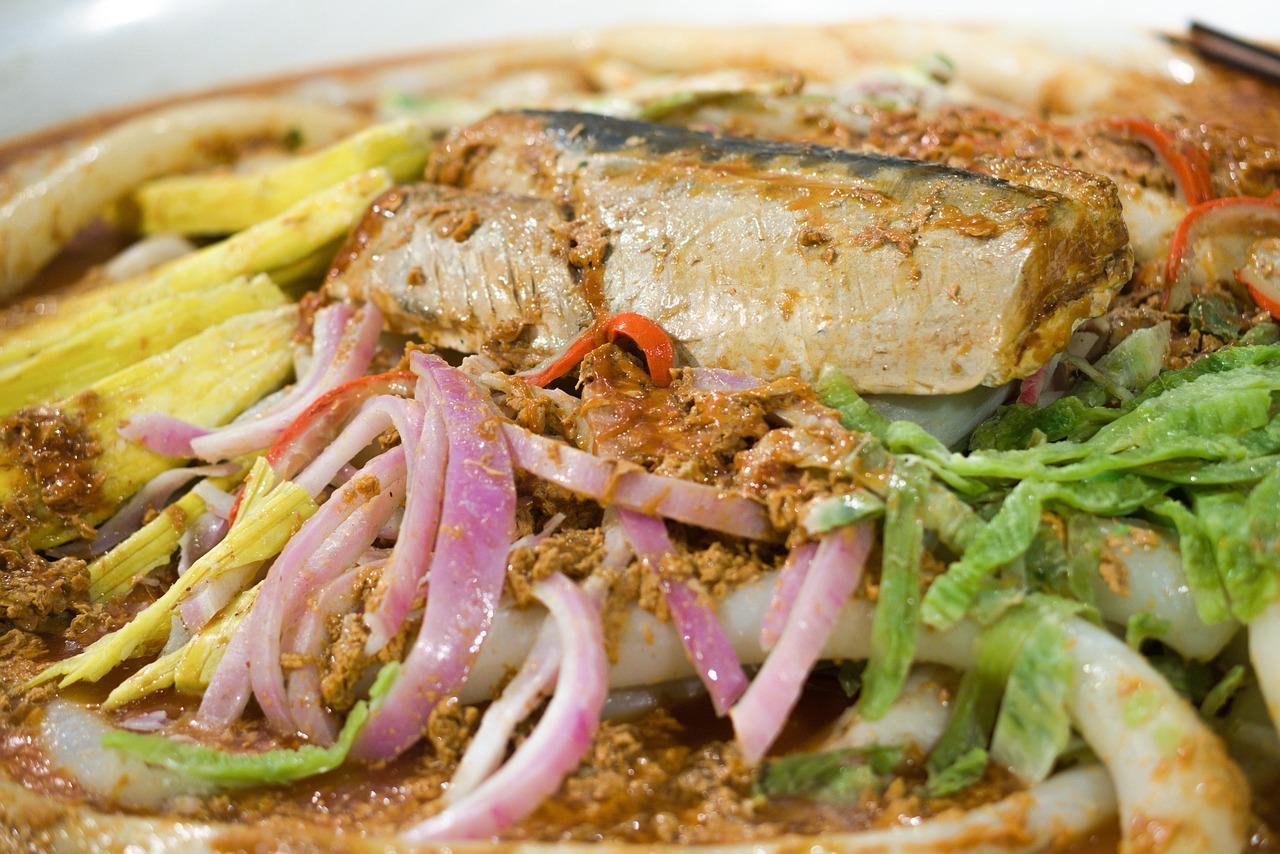
Penang asam laksaSour fish noodle soup

Forget coconut and cream: Penang's asam laksa is all sour, hot and herbal, a dark tamarind broth thickened with flaked mackerel and poured over thick, slippery rice noodles. Hawkers at Air Itam market and along Gurney Drive pile the bowl with shredded pineapple, cucumber, red onion, lettuce, torn mint and a spoon of sticky, sweet prawn paste (hae ko) that you stir in as you eat. Torch ginger flower and Vietnamese mint (daun kesum) give it a smell that is wholly its own. It is a hot-afternoon dish, eaten fast while the herbs are still crisp. Chef's tip: poach the mackerel in the broth whole, then flake it back in; the bones and skin give the soup much of its body.

by KrazyBadal 0 views

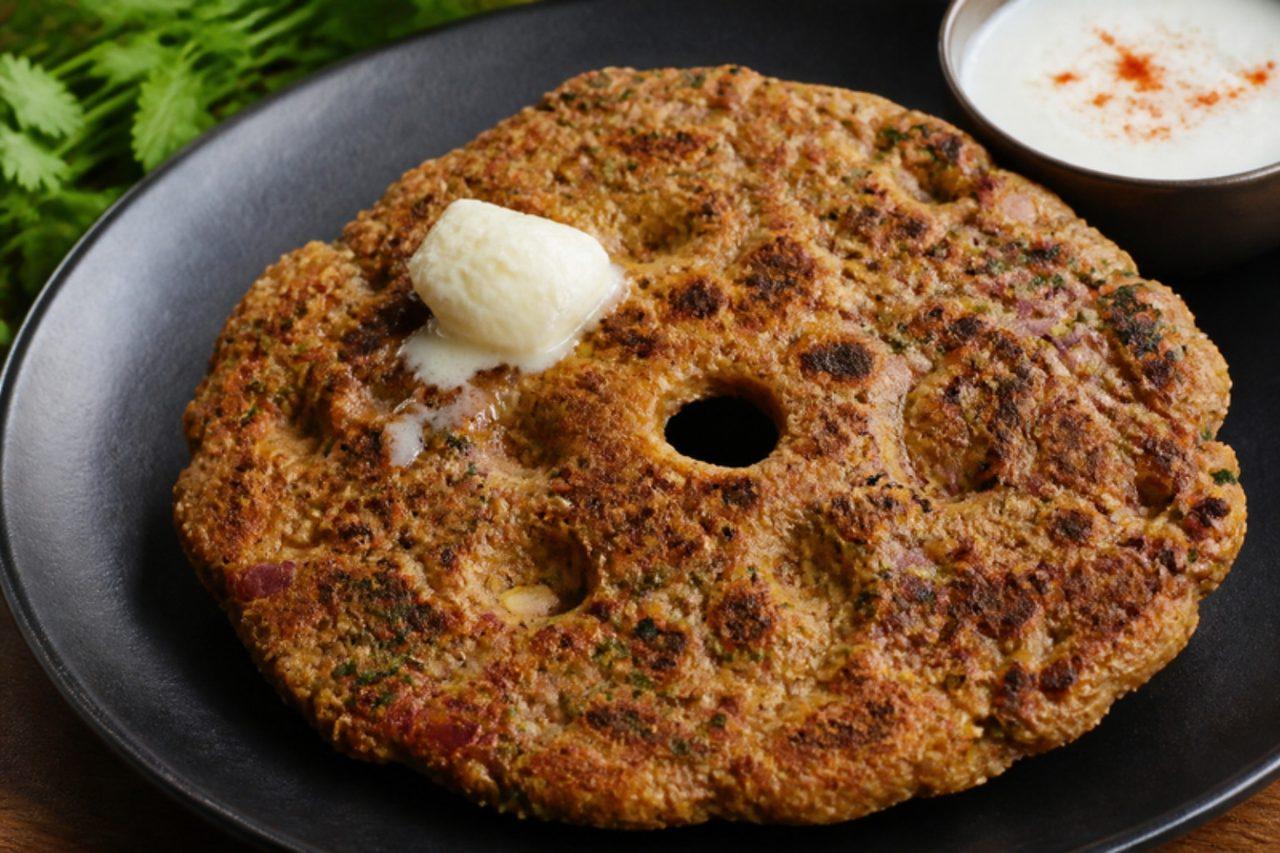
ThalipeethMultigrain flatbread

Thalipeeth is a rustic Maharashtrian flatbread made from bhajani, a flour of roasted grains and lentils. The dough is soft and sticky with onion, green chilli and coriander, and is patted out by hand straight onto the pan, with holes poked in it so the oil can crisp it from both sides. It comes off the tawa crunchy at the edges and soft in the middle, smoky with cumin and coriander seed. Eat it hot for breakfast with thick yogurt, white butter or a garlic and peanut chutney, or with lemon pickle. Chef's tip: pat the dough out on a damp cloth or wet baking paper and flip it straight onto the pan; it's too soft to roll, and wet hands keep it from sticking.

by KrazyBadal 0 views

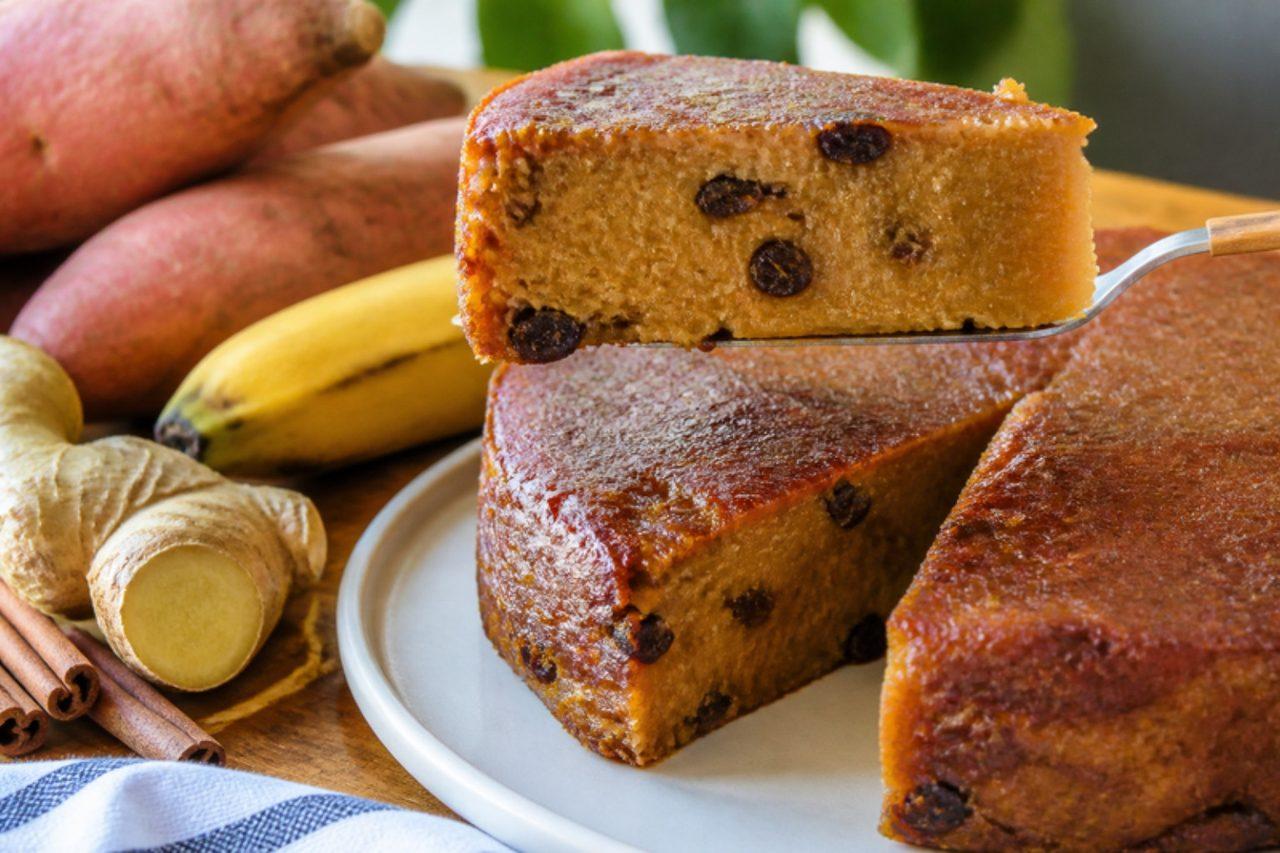
Pen patatSweet potato pudding

Pen patat, sweet potato 'bread', is the Haitian pudding sold in squares by street vendors and baked at home for Sunday afternoons and holidays, from the hills above Pétion-Ville to Haitian bakeries abroad. Grated white sweet potato (patat) and ripe banana are baked with coconut milk, evaporated milk, fresh ginger and warm spices until set and caramel-brown on top. It is dense, moist and fudgy, a little like a spiced cake and a little like a custard, and it's eaten warm or cold with coffee. Chef's tip: grate the sweet potato finely on the small holes; coarse shreds stay stringy, fine ones melt into a smooth pudding.

by KrazyBadal 0 views

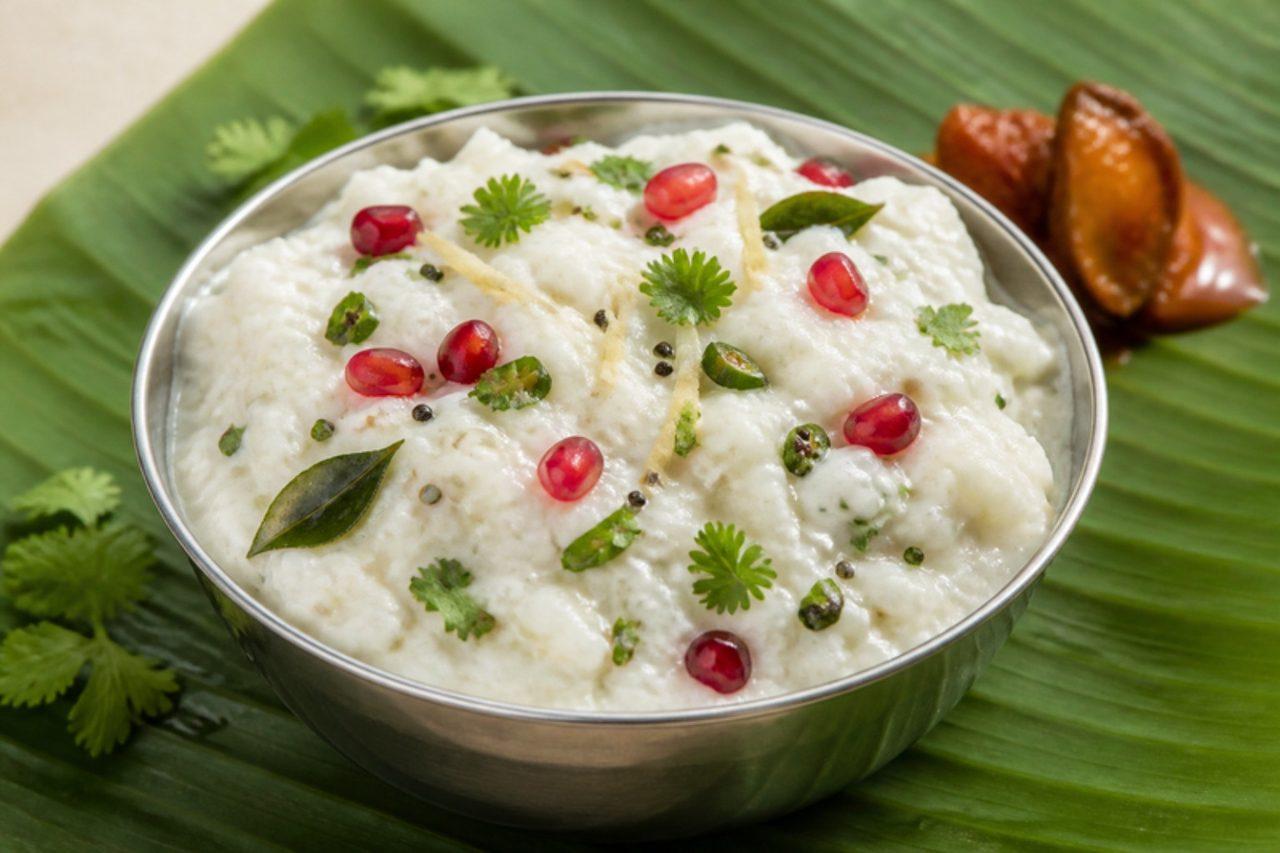
Thayir sadamCurd rice

No Tamil meal is really finished without thayir sadam. It's the last course on a banana-leaf lunch, the comfort food packed for train journeys and school tiffins, and the prasadam handed out in some Tamil Nadu temples. Soft, mashed rice is mixed with cool yogurt and a splash of milk, seasoned with ginger, green chilli and curry leaves popped in hot oil, then dotted with pomegranate, grated carrot or green grapes. It's eaten slightly cool with a spoonful of pickle or a fried vathal on the side. Chef's tip: mix a little milk in with the yogurt; it keeps the rice creamy and stops it turning sour if you pack it for lunch several hours ahead.

by KrazyBadal 0 views

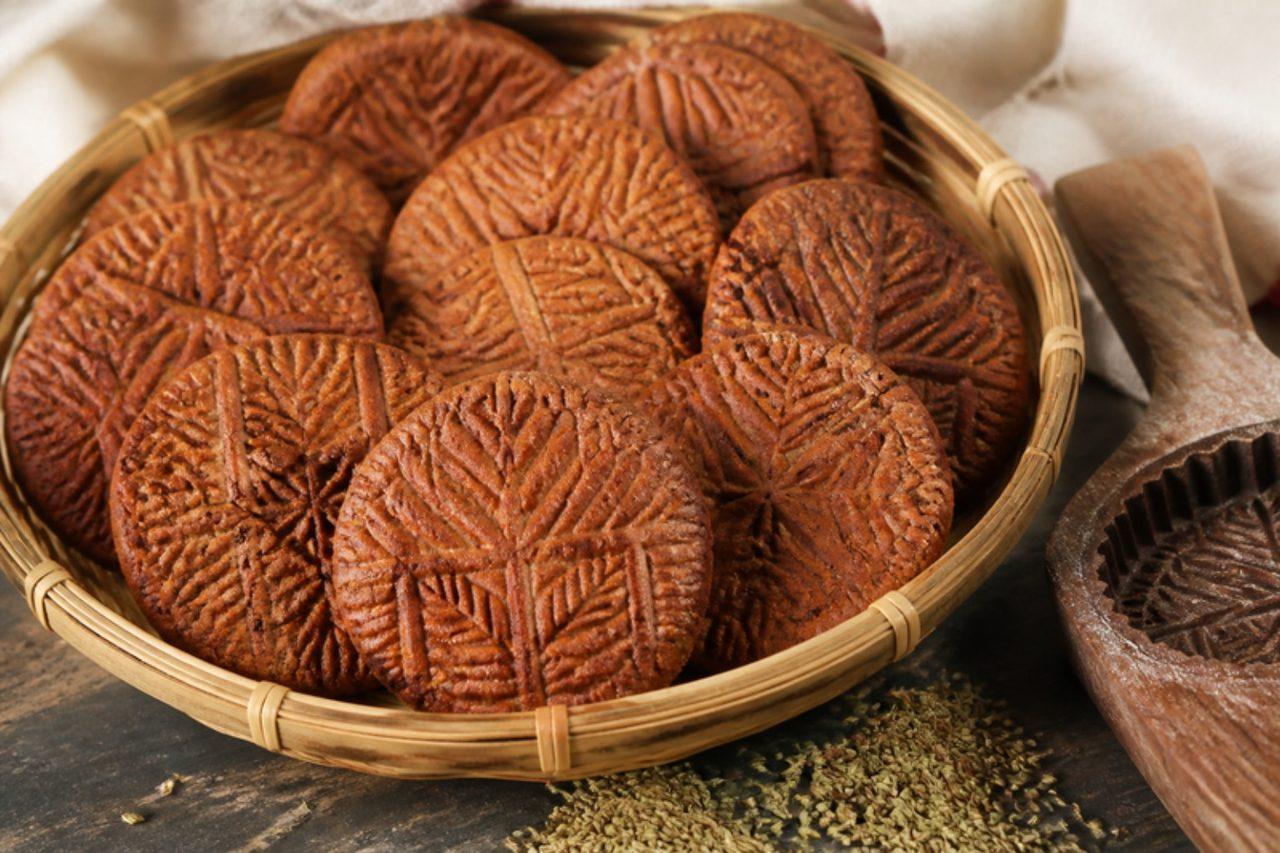
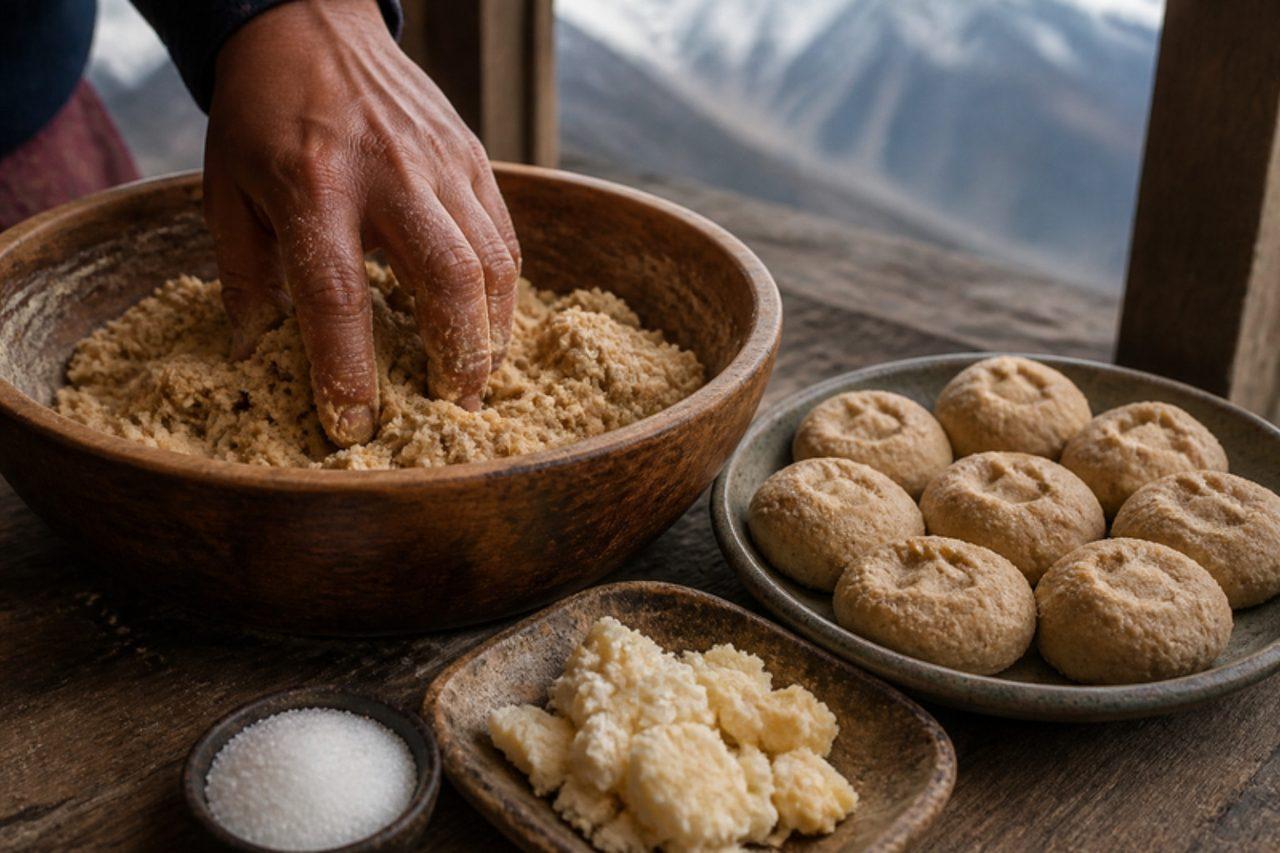
ThekuaWheat and jaggery cookies

During Chhath Puja, when families across Bihar stand in rivers and ponds to make offerings to the setting and rising sun, thekua fill the bamboo baskets carried to the ghats. Women make them at home in the days before, pressing jaggery-sweetened wheat dough into carved wooden moulds (sancha) and frying them in ghee until dark and crunchy. Outside the festival they are the snack Bihari students take back to hostels in the city, because they keep for weeks. Chef's tip: the dough must be stiff, and the frying slow; soft dough loses the pattern and hot oil leaves them pale and soft inside.

by KrazyBadal 0 views

ThethriGram flour twists

No Teeja in Chhattisgarh passes without a tin of thethri: knotted and twisted pieces of gram-flour dough, seasoned with ajwain and chilli and fried slowly until they shatter when you bite. Married daughters coming home for the festival are sent back with them, alongside the sweet khurmi, and they keep for weeks. Each family has its favourite shape, from simple knots to little spirals and braided rings. Chef's tip: fry on a medium-low flame and be patient; thethri fried hot puff up and brown outside but stay soft and chewy inside.

by KrazyBadal 0 views

PempekFish and tapioca cakes

Palembang in South Sumatra is pempek country: shops line the streets selling these chewy fish cakes by the dozen, and visitors fly home with boxes of them in their luggage. Fresh fish is worked with tapioca starch into a dough, shaped into logs, poached, then sliced and fried until blistered and golden outside while staying springy within. The real star is cuko, a thin, dark, sweet-sour-hot sauce of palm sugar, tamarind, garlic and chilli that is poured over everything, ideally with diced cucumber and a few yellow noodles. People eat it any time of day as a snack, often sipping the cuko straight from the bowl. Chef's tip: make the cuko first; it tastes best after resting for an hour or more.

by KrazyBadal 0 views

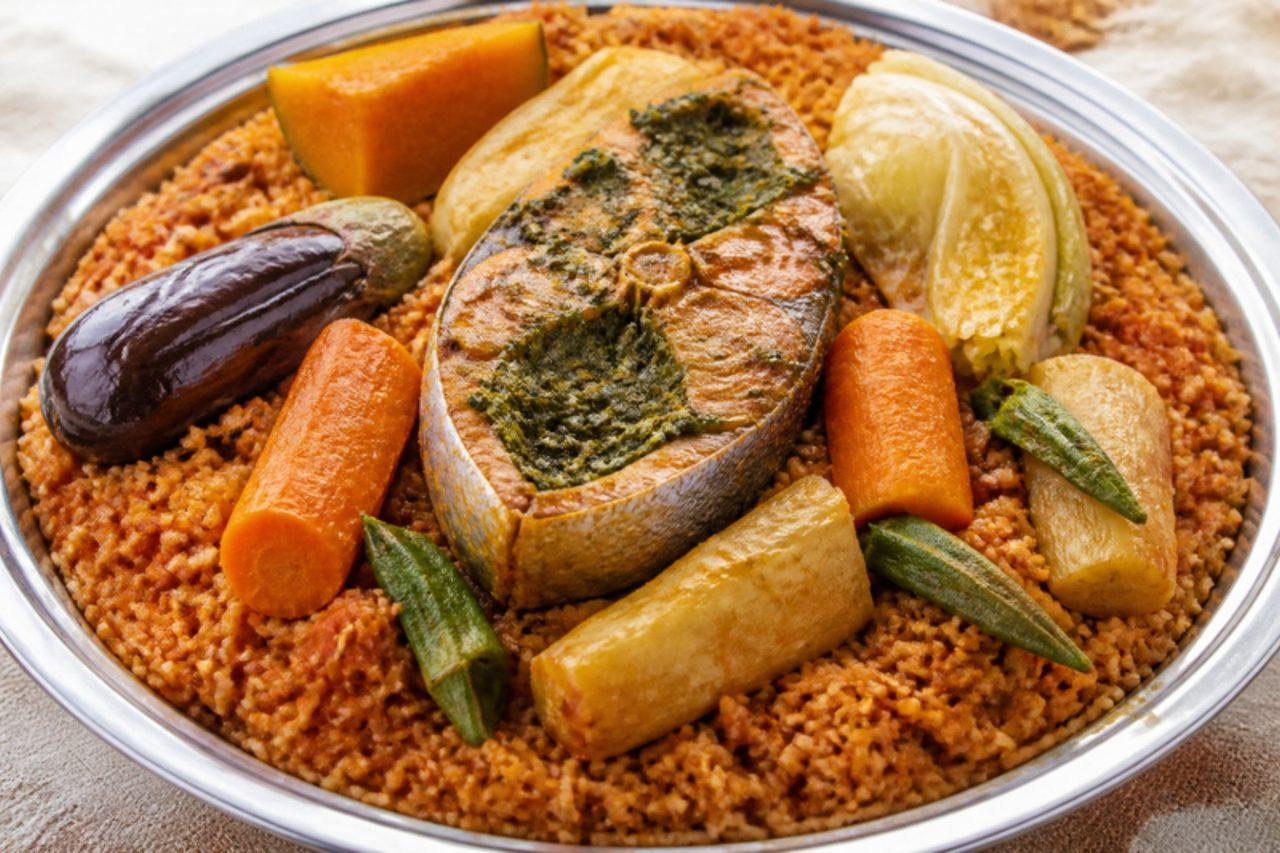
ThieboudienneFish and rice in tomato broth

Ceebu jën, "rice and fish" in Wolof, is the dish Saint-Louis claims as its own and the whole of Senegal cooks for the big Friday or Sunday lunch, served on one wide platter that the family eats from together. Thick fish steaks are stuffed with a green paste of parsley, garlic and chilli, browned, then simmered in a deep tomato broth with whole cassava, carrot, cabbage and aubergine; the broken rice then soaks up that same broth until it turns orange and fragrant. The prized part is the xoon, the crust that forms at the bottom of the pot, which is shared out at the end. The usual mistake is leaving the fish in the pot while the rice cooks, so it falls apart; lift it out with the vegetables and keep it warm. Chef's tip: rinse the broken rice three times and steam it briefly before it goes into the broth, so the grains stay separate instead of turning to porridge.

by KrazyBadal 0 views

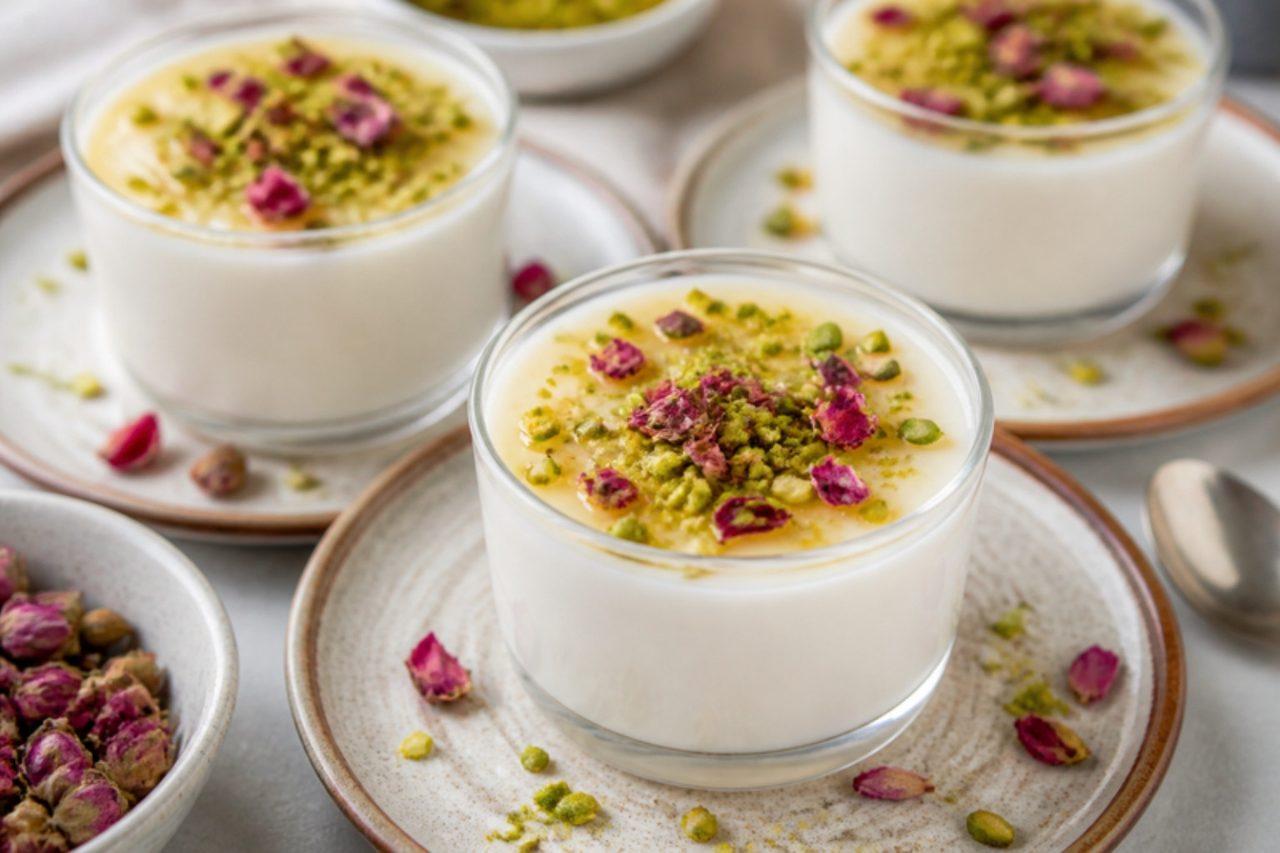
MouhalabiehOrange blossom milk pudding

Mouhalabieh is the pudding a Lebanese grandmother makes when guests drop by unannounced: milk set softly with cornflour and a little rice flour, perfumed with orange-blossom water and topped with chopped pistachios. It appears after Ramadan iftar meals, at Christmas in Beirut and on ordinary weeknights in Damascus, always cold and wobbling in small glasses or a shallow dish. No gelatine is used; the starch alone gives a spoonable, silky set. Chef's tip: mix the cornflour into cold milk before it meets the heat; added to hot milk it forms lumps that no amount of whisking removes.

by KrazyBadal 0 views

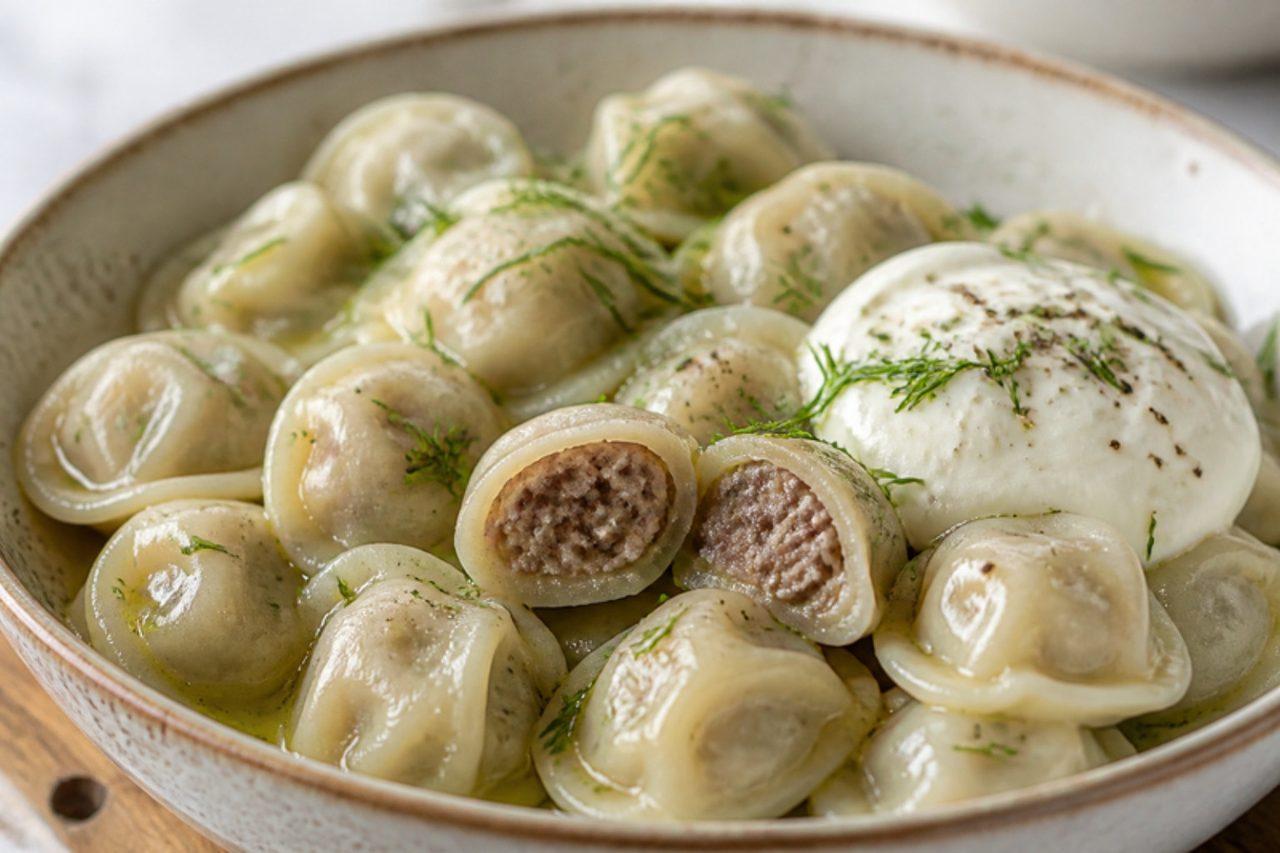
PelmeniMeat dumplings

In Siberian villages whole families sat round the table before the long winter to fold hundreds of pelmeni, then froze them in sacks outside where the frost kept them for months. Today every Russian freezer holds a bag, and a bowl with butter and sour cream is a quick supper from Novosibirsk to Moscow. The little ear-shaped dumplings have a thin, springy dough wrapped round a juicy filling of pork and beef with onion; it contains pork. Unlike Ukrainian varenyky, they are always meat-filled and boiled in seasoned water or broth. The classic mistake is rolling the dough too thick, which leaves you chewing flour instead of tasting the filling; aim for 1–2 mm. Chef's tip: work a few spoons of ice-cold water into the mince; it turns to juice inside the dumpling as it cooks.

by KrazyBadal 0 views

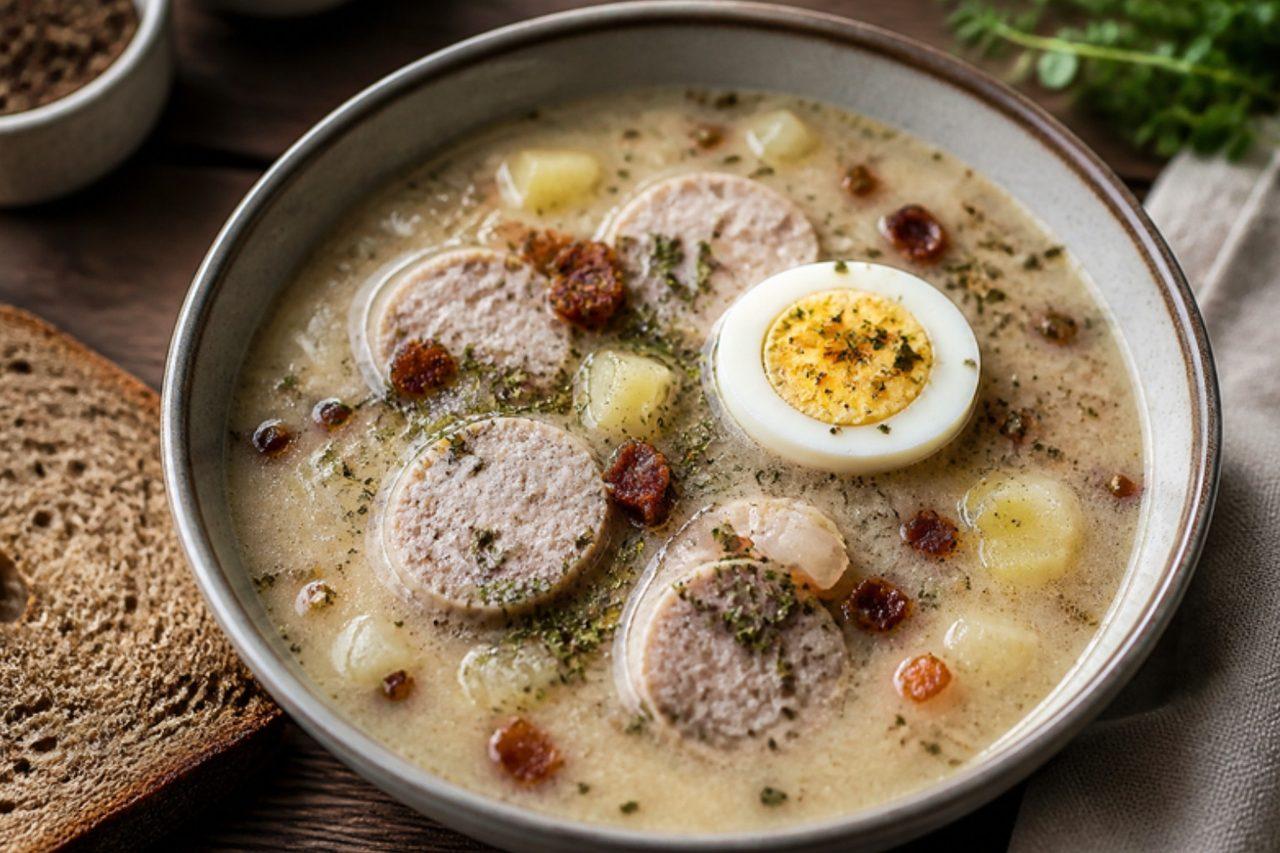
ŻurekSour rye soup with sausage

Żurek is the soup of Polish Easter, served in homes from Kraków to Gdańsk on Easter Sunday morning, and in highland Zakopane restaurants it comes in a hollowed-out bread loaf all year. Its tang comes from zakwas, a fermented rye-flour starter, simmered with marjoram, garlic and stock. This version contains pork: white sausage (biała kiełbasa) and smoked bacon, plus halved hard-boiled eggs. Chef's tip: shake the jar of zakwas before you pour it in; the flour settles and the soup will be thin without it.

by KrazyBadal 0 views

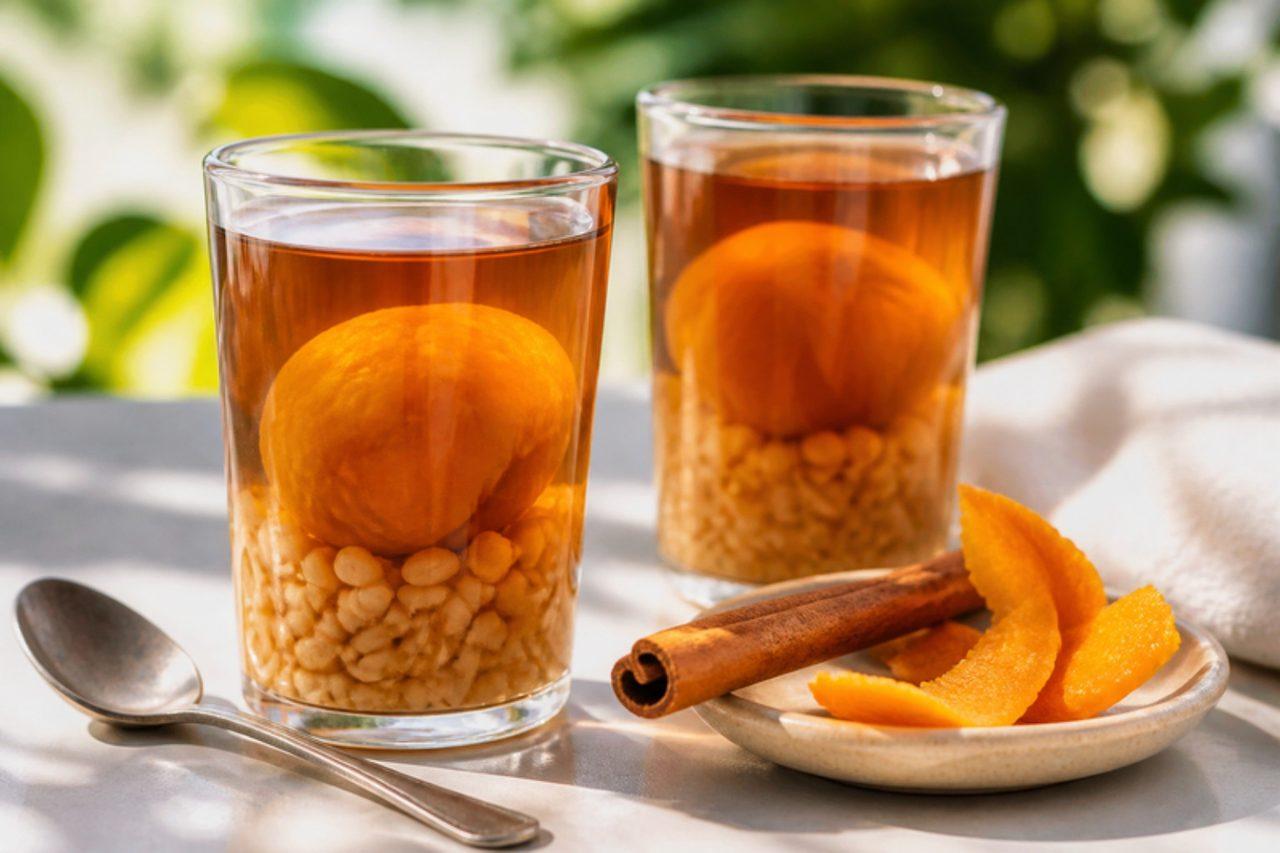
Mote con huesilloPeach and wheat drink

Mote con huesillo is Chile's summer refresher, sold in tall glasses from street carts on Santiago's Cerro San Cristóbal and at beaches up and down the coast. Huesillos are whole sun-dried peaches, soaked and simmered in a cinnamon caramel syrup; mote is husked wheat cooked until chewy. You drink the cold amber nectar and eat the wheat and peach with a long spoon. Chef's tip: soak the peaches overnight and cook them in their soaking water; that water carries much of the peach flavour.

by KrazyBadal 0 views

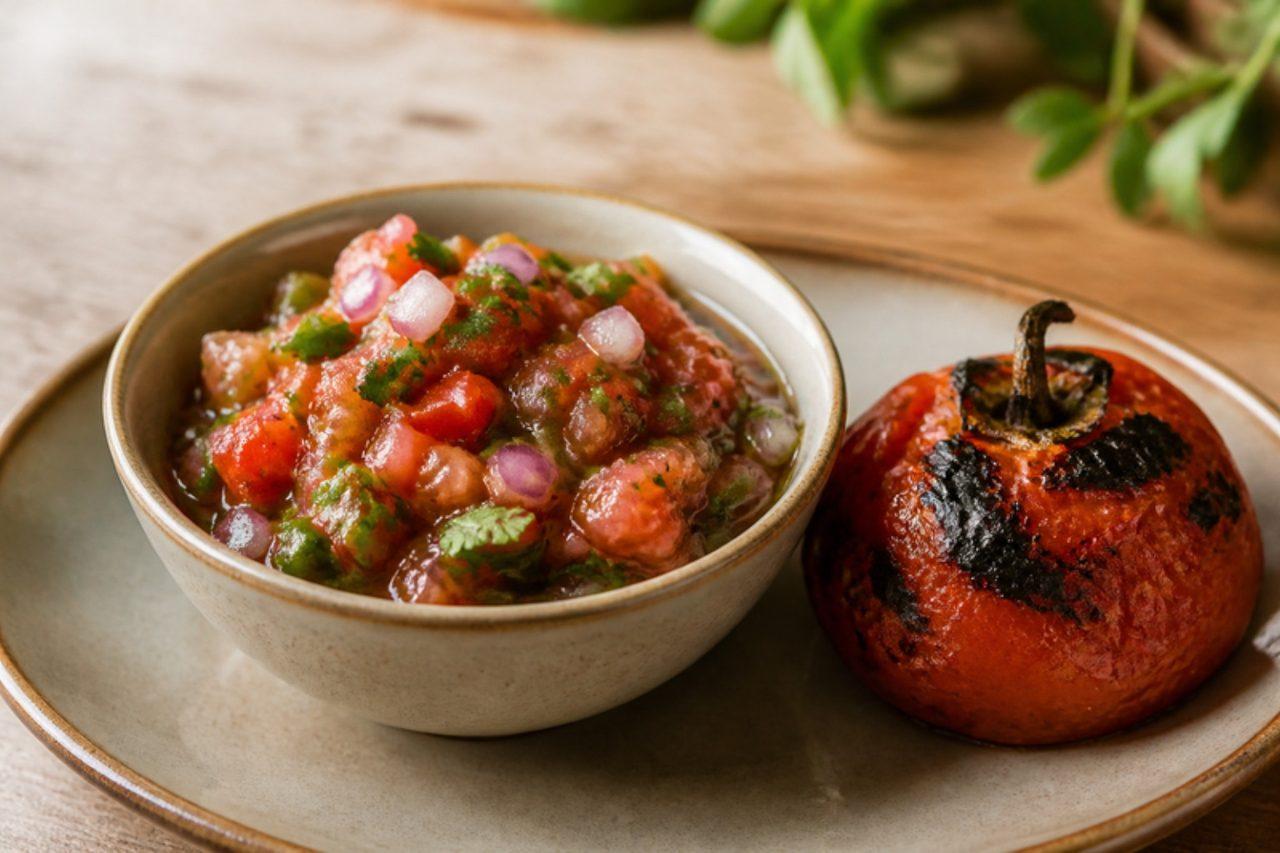
Mosdeng sermaRoasted tomato and chilli relish

Mosdeng serma is the fresh relish Tripuri families in Agartala put on the table almost every day: tomatoes and green chillies roasted until blackened, then crushed with raw onion, coriander and salt. Some versions mash in dried fish; this one doesn't, and leans on a squeeze of lime and plenty of coriander. It is lighter and more salsa-like than Naga raja mircha chutney: chunky, juicy and smoky, more vegetable than chilli. Chef's tip: crush, don't blend; a few whole bits of tomato make it.

by KrazyBadal 0 views

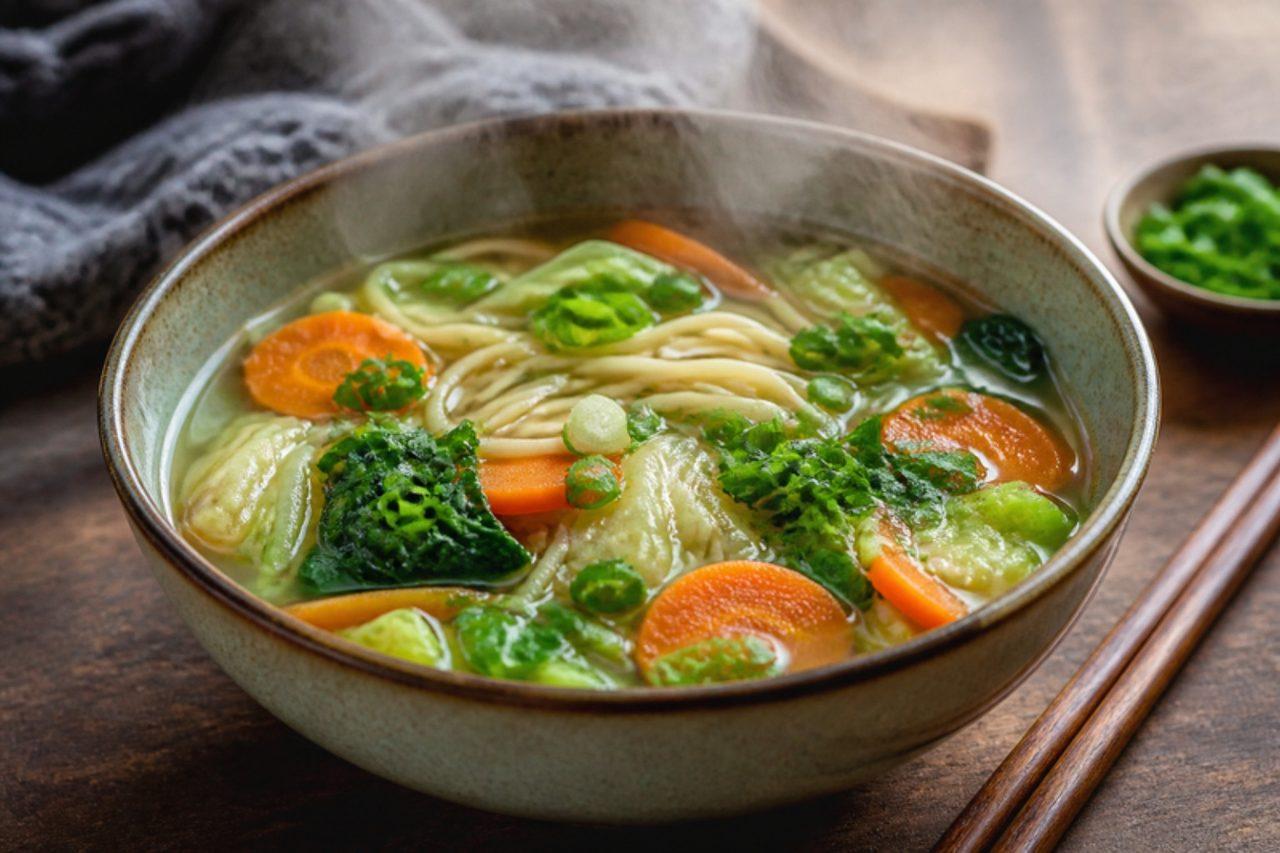
ThukpaHimalayan noodle soup

Thukpa is the warming noodle soup of the Himalayas, eaten in Sikkim, Ladakh and the Tibetan settlements of the hills on cold evenings. A gingery, garlicky broth is cooked with carrot, cabbage and tomato, then wheat noodles and spinach go straight into the pot. It's light yet filling, savoury with soy and pepper and as spicy as you like with chilli on the side. Serve in deep bowls with a squeeze of lemon. Chef's tip: cook the noodles in the soup only just before serving; left standing, they keep drinking up the broth and turn soft.

by KrazyBadal 0 views

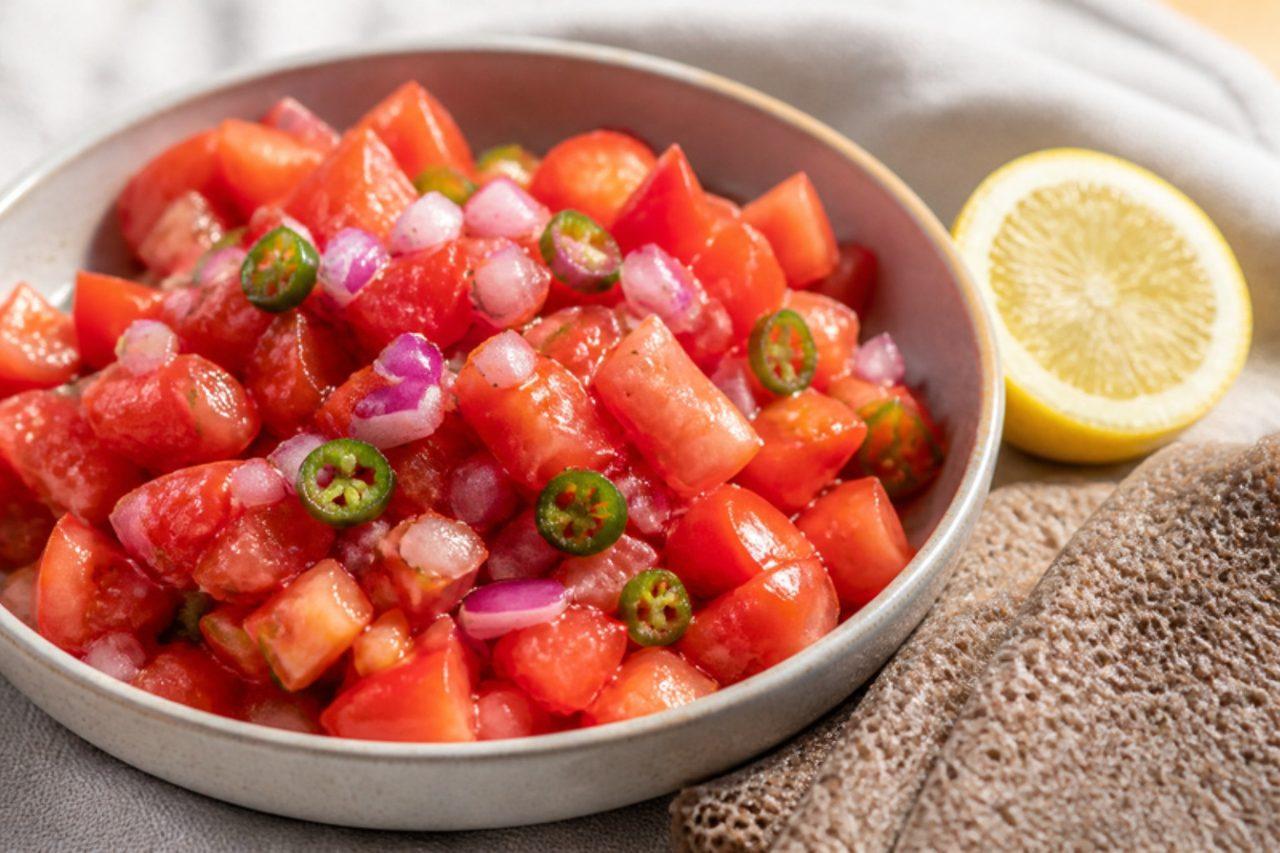
Timatim salataTomato and onion salad

Timatim salata is the cool, crunchy salad served alongside the stews of an Ethiopian meal, from roadside restaurants in Tigray to home tables in Addis Ababa. Ripe tomatoes, red onion and green chilli are dressed with lemon juice and oil, and the salad is left to stand so the juices mingle; mixed with torn injera it becomes timatim fitfit. Chef's tip: salt the tomatoes only a few minutes before serving, or they release so much liquid the salad turns soupy.

by KrazyBadal 0 views

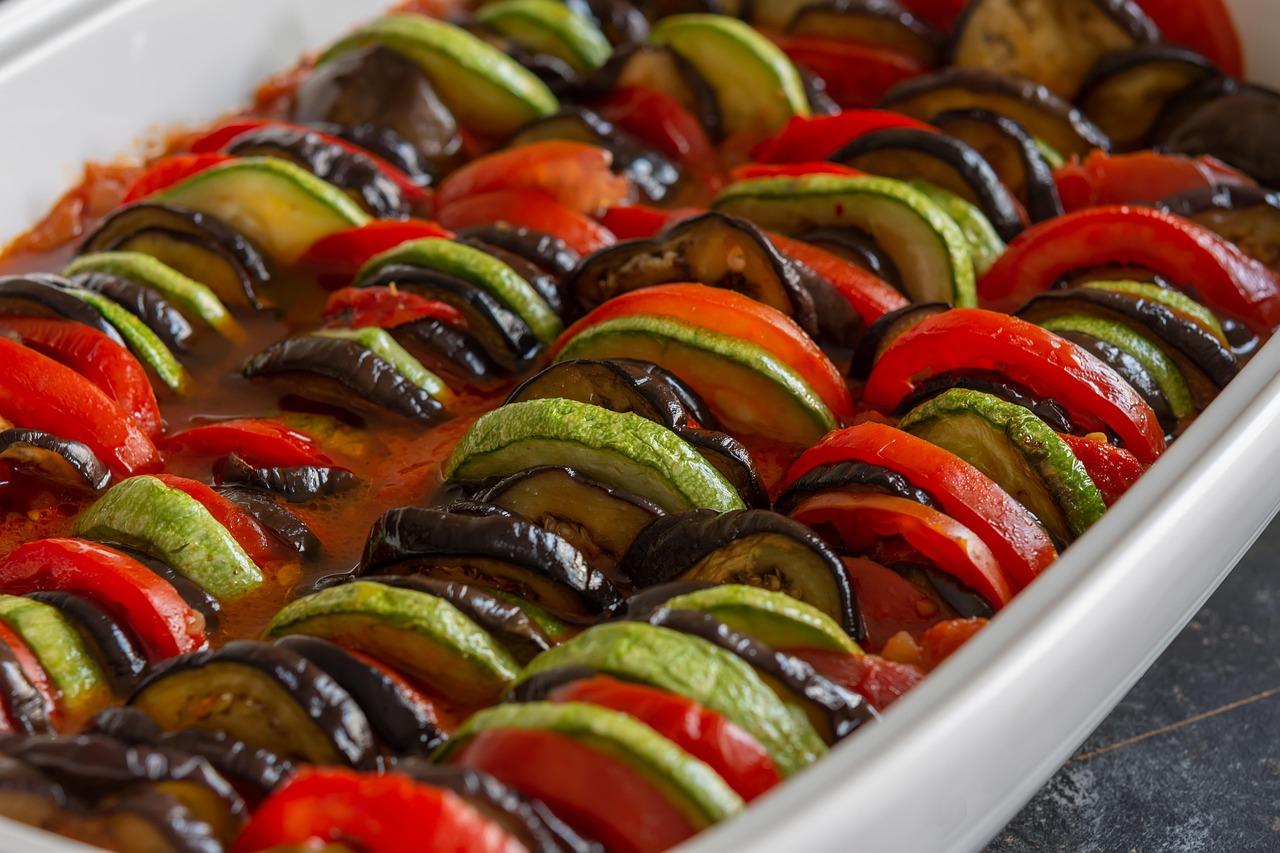
Tian provençalBaked layered summer vegetables

A tian is named after the shallow earthenware dish Provençal cooks use to bake vegetables, and the most famous version lines up thin slices of courgette, aubergine, tomato and onion in tight rows like roof tiles. In Provence it's a Sunday side for the whole family and a light supper with a green salad in summer. The vegetables roast in their own juices with olive oil, garlic and thyme until soft, sweet and lightly browned on top. Unlike ratatouille, nothing is fried first, so it is lighter and more delicate. Chef's tip: choose vegetables of the same width and slice them all 3–4 mm thick; uneven slices are the common mistake and cook unevenly, some raw, some collapsed.

by KrazyBadal 0 views

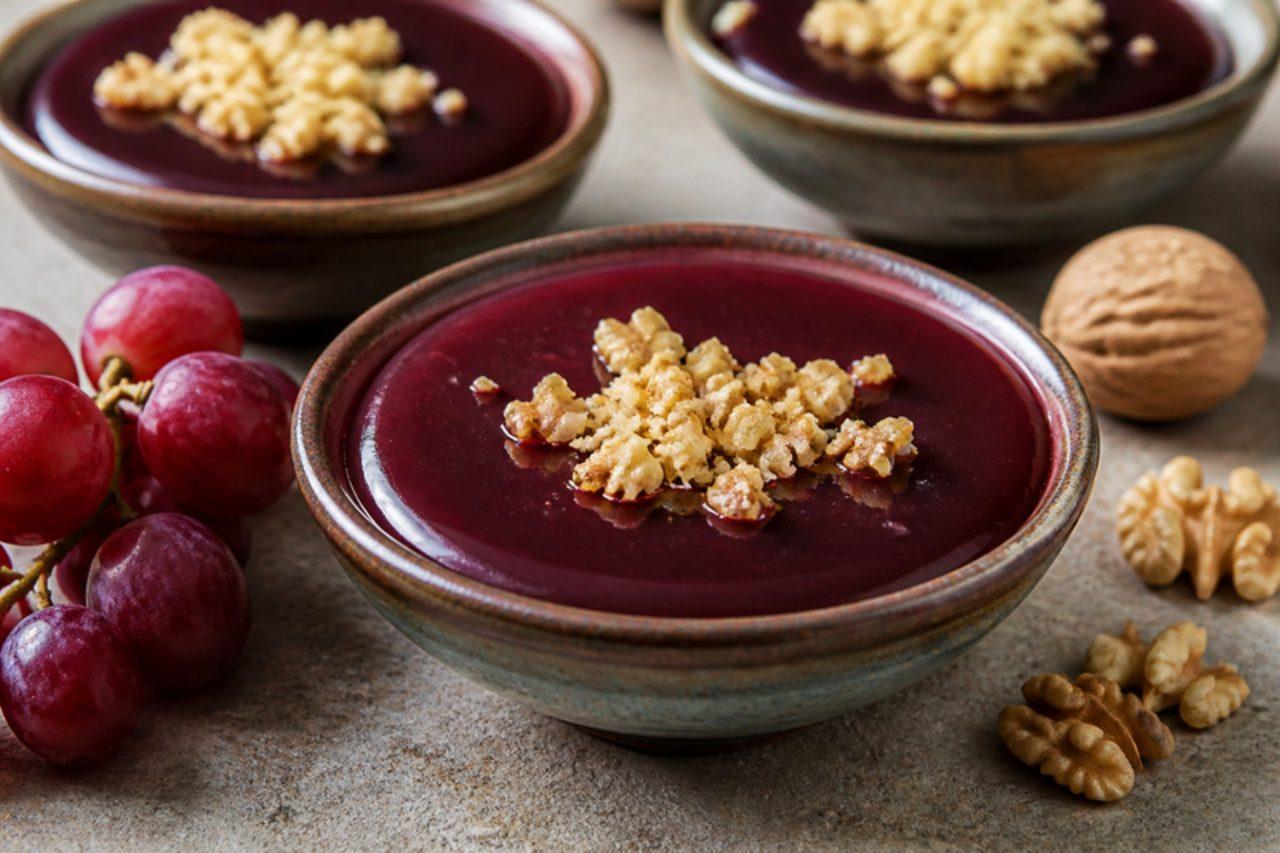
PelamushiGrape juice pudding

Pelamushi is the spoonable cousin of churchkhela: the same thickened grape must, tatara, poured into bowls instead of over walnuts and left to set into a soft, wobbly pudding. In Kakheti it is made in harvest season with fresh must straight from the press, and in Imereti it is often thickened with cornmeal instead of wheat flour. It is served chilled with chopped walnuts, and it is a favourite Lenten dessert because it needs no egg or dairy. A common mistake is adding the flour straight to hot juice, which makes lumps that never cook out; always mix it with cold juice first. Chef's tip: stop cooking when the pudding plops thickly from the spoon; it firms up a lot as it cools.

by KrazyBadal 0 views

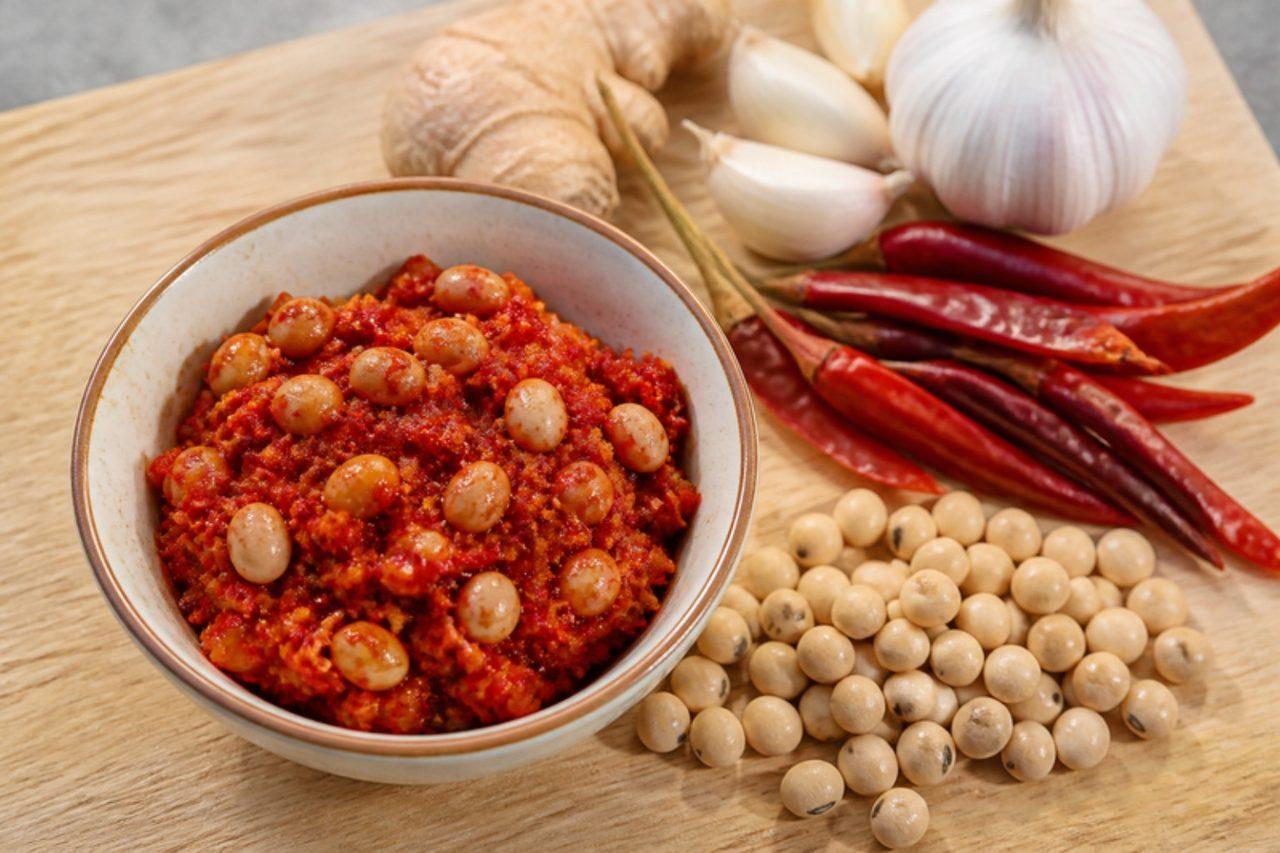
PehakFermented soybean and chilli chutney

Pehak is the Apatani chutney of the Ziro valley in Arunachal Pradesh: fermented soybean pounded with roasted chillies, ginger and salt into a thick, pungent paste. It goes with nearly every meal, a little at a time, with rice, boiled vegetables or millet. It is savoury, salty and very hot, and it keeps for weeks. Chef's tip: dry-roast the fermented soybean briefly before pounding; it mellows the sharp smell and brings out a toasty depth. Natto or Naga axone work if you can't get local soybean.

by KrazyBadal 0 views

PecelBlanched greens in peanut sauce

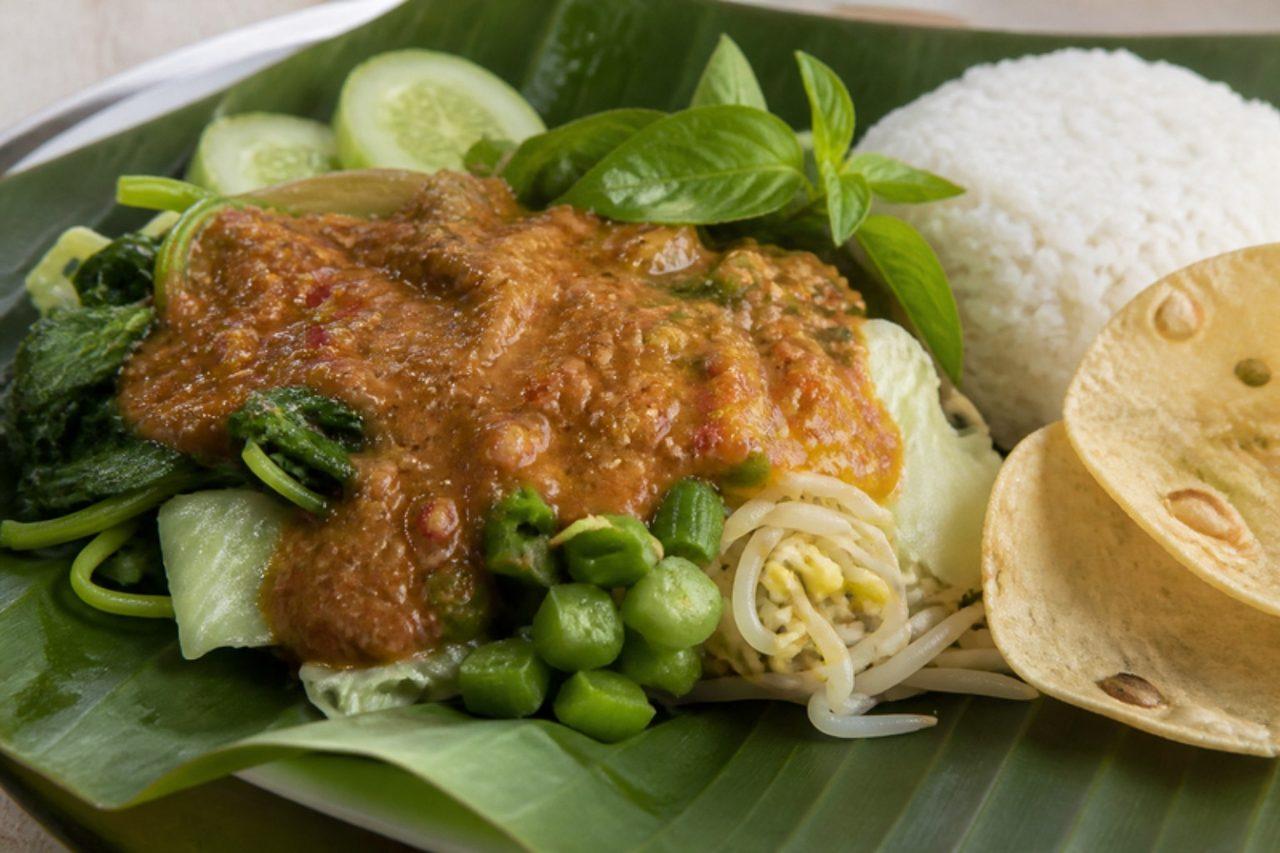
Madiun, in East Java, calls itself the home of nasi pecel, and its stalls serve it from early morning on banana leaf: rice under a heap of blanched spinach, bean sprouts, long beans and cabbage, drowned in a peanut sauce that's thinner, hotter and more herbal than gado-gado's. The difference is kencur, an earthy, camphor-scented root that gives pecel its signature smell, and lime leaf pounded into the paste. A crisp peanut rempeyek cracker is broken on top. Chef's tip: make a block of pecel paste ahead and dissolve just what you need in hot water each time — that's how East Javanese households do it, and it keeps for weeks in the fridge.

by KrazyBadal 0 views

ShabhaleyFried beef pastries

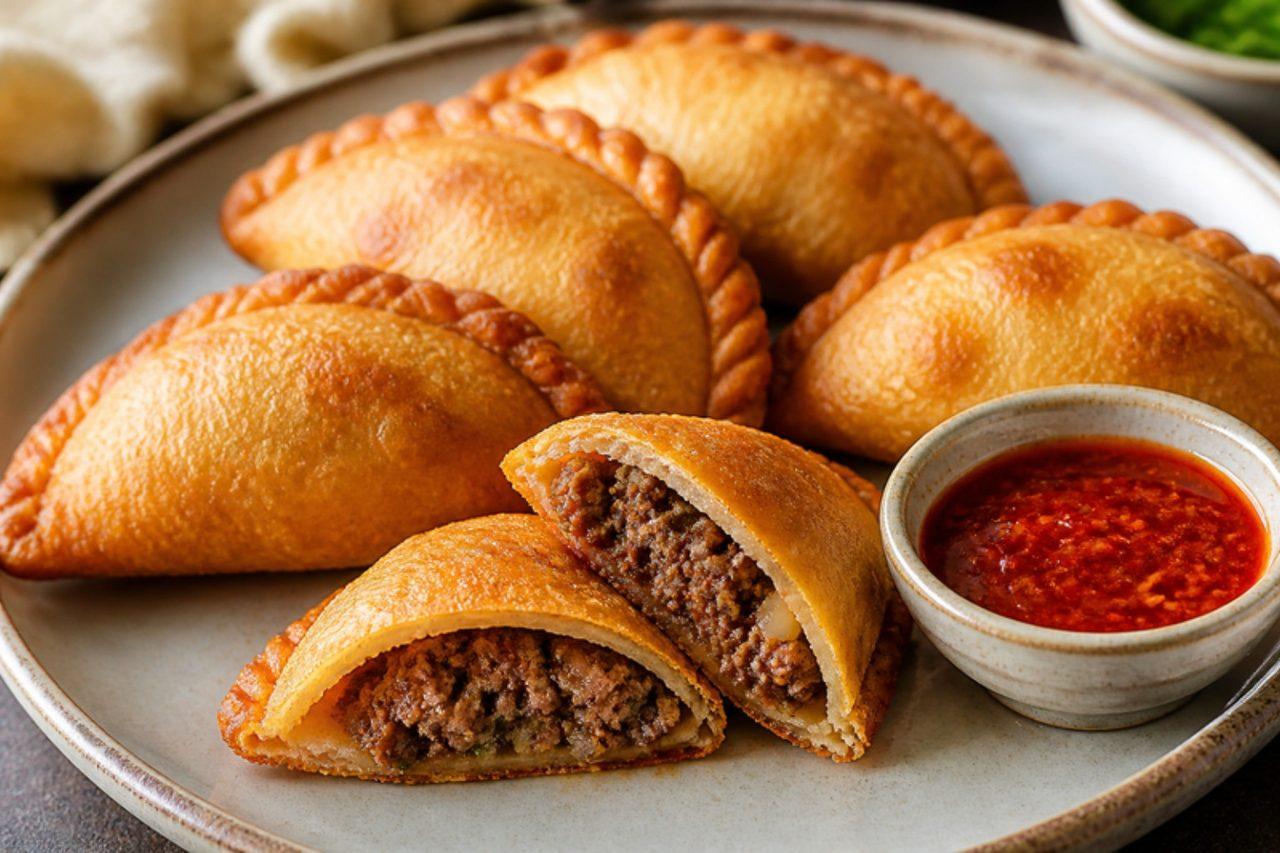
Tibetan families in Lhasa and across the plateau make these crisp, half-moon or disc-shaped pies for Losar, the Tibetan New Year, and for gatherings with friends; Tibetan cafés in exile communities sell them by the plate too. The name means meat bread, and the filling of minced beef with onion, ginger, coriander and a pinch of Sichuan pepper stays juicy inside a thin, crackly crust. They are hearty, savoury and lightly numbing, never fiery. Serve them hot with a tomato chilli sauce (sepen) and a cup of butter tea or black tea. Chef's tip: keep the oil at 170 °C; hotter and the pastry browns before the meat inside is cooked.

by KrazyBadal 0 views

ShaptaStir-fried yak with chillies

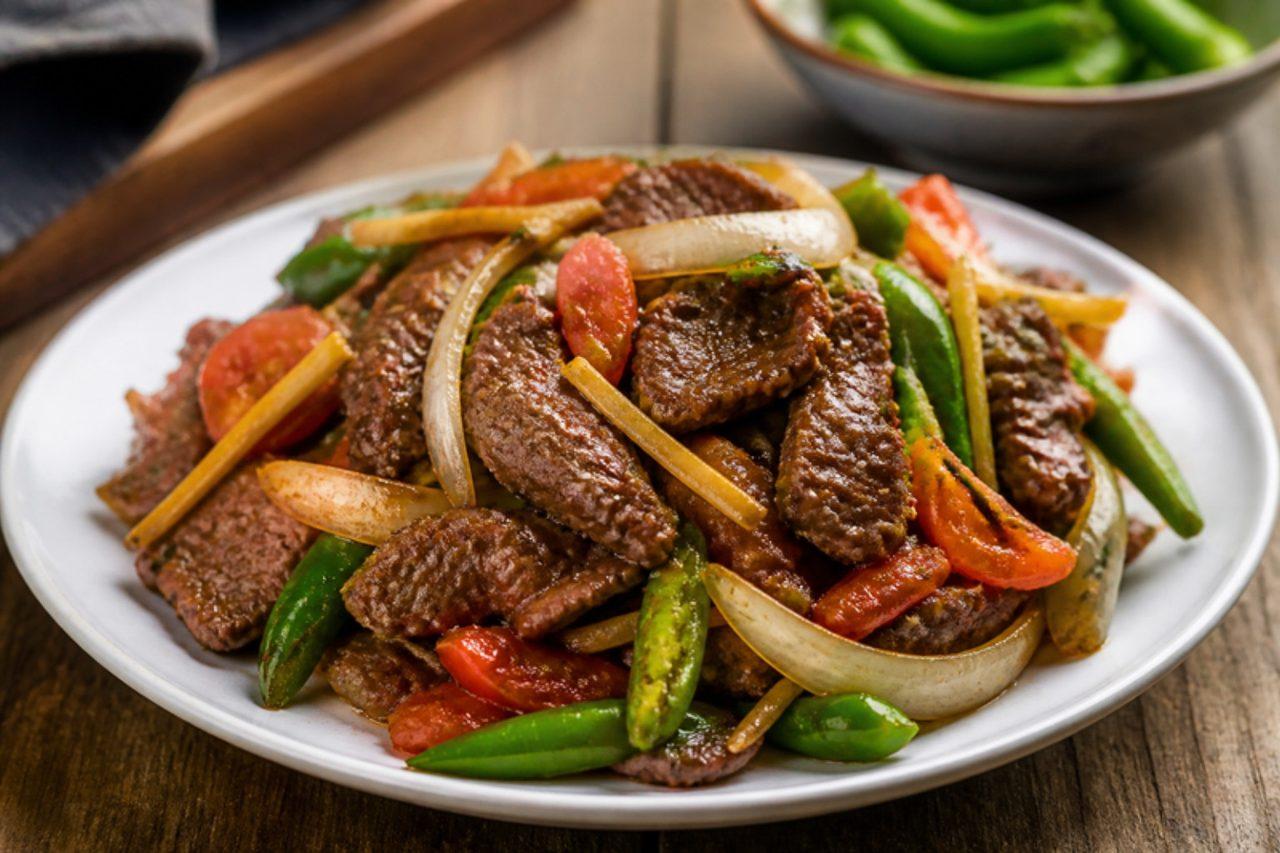
Herding families on the Tibetan plateau traditionally cook yak meat this way, and today shapta is a favourite at Tibetan restaurants from Lhasa to Kathmandu and Delhi. Thin slices of meat are seared with onion, green chillies and tomato, and seasoned with ginger, garlic and timur (Sichuan pepper), which gives a gentle tingle. Lean and full of flavour, it comes out savoury, slightly smoky and pleasantly hot. Serve it with tingmo (steamed bread), rice or flatbread, and a simple radish salad. Chef's tip: yak is very lean, so slice it thin and cook it fast; beef sirloin or rump is the easiest substitute.

by KrazyBadal 0 views

Tibetan tingmoSteamed twisted buns

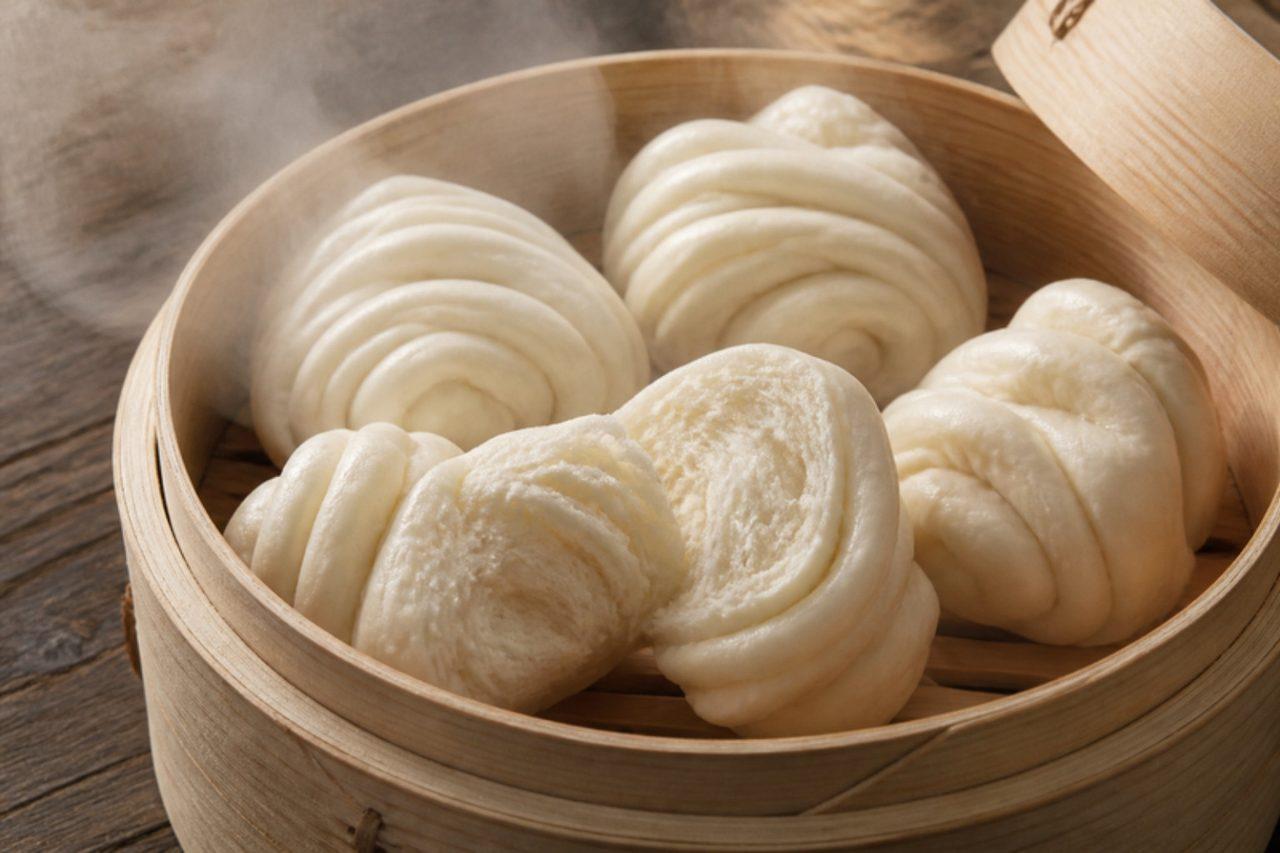
Tingmo are the everyday bread of Tibet: plain steamed buns made by stretching and twisting oiled strips of dough into a knot, so they open into soft, pull-apart layers. Families in Lhasa and Tibetan communities in Nepal and India eat them with spicy vegetable stews, dal and chilli sauce, tearing off pieces to mop up the sauce. The dough is simple; the twist takes a little practice. Chef's tip: once the steaming time is up, turn off the heat and wait 3 minutes before lifting the lid, so the buns don't collapse.

by KrazyBadal 0 views

TsampaRoasted barley flour with butter tea

Tsampa, roasted highland barley flour, has been the staple food of the Tibetan plateau for centuries. Every morning, families in Lhasa and in nomad tents put a handful in a bowl, pour in butter tea, add a knob of butter and knead it with their fingers into small, nutty balls called pak. It's filling, quick and easy to carry. Barley flour is easy to find; toast it in a dry pan if it isn't already roasted. Chef's tip: add the tea a little at a time; you want a dough like firm marzipan, not a paste.

by KrazyBadal 0 views

PebreCoriander and tomato relish

Every Chilean asado and every basket of warm bread in a picada (simple eatery) comes with pebre: a fresh relish of finely chopped coriander, onion, tomato and ají verde (green chilli) loosened with oil and a splash of vinegar. In Santiago it's spooned on marraqueta bread while waiting for the grill, and on sopaipillas in winter. It's more herb-heavy and oilier than Mexican pico de gallo. Chef's tip: rinse the chopped onion in cold water and drain it well; it takes away the harsh bite without losing crunch.

by KrazyBadal 0 views

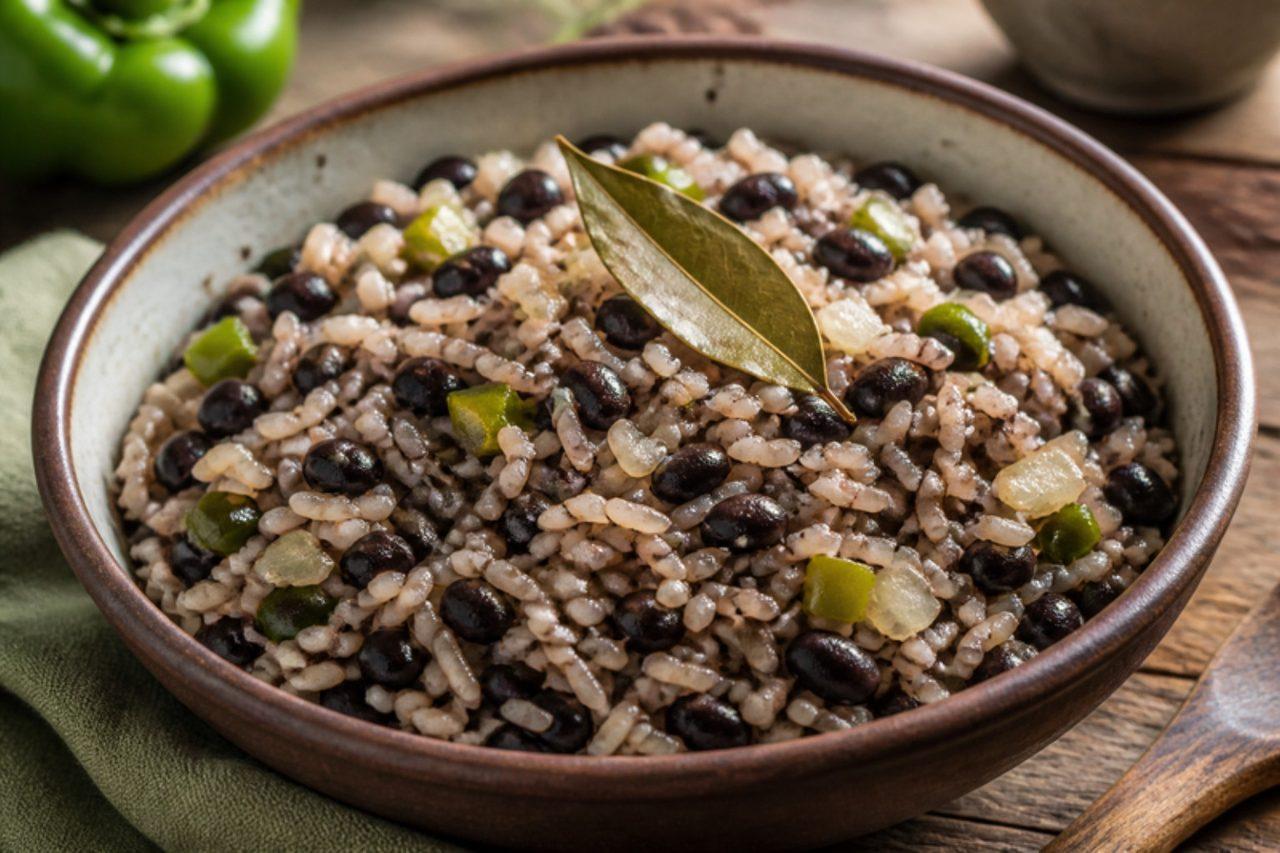
Moros y cristianosBlack beans and white rice

In Cuba, moros y cristianos is the rice that turns up beside almost every Sunday lunch and every Nochebuena (Christmas Eve) table, from Havana kitchens to family parties in Santiago. Unlike rice simply served with beans, here the grains simmer in the dark bean broth with a sofrito of onion, green pepper, garlic, cumin and oregano, so every grain comes out grey-violet, savoury and fluffy. Serve it with tostones, yuca con mojo and an avocado salad for a full Cuban plate. Chef's tip: measure the bean cooking liquid rather than guessing, because it is the liquid, not the beans, that decides whether the rice is fluffy or mushy.

by KrazyBadal 0 views

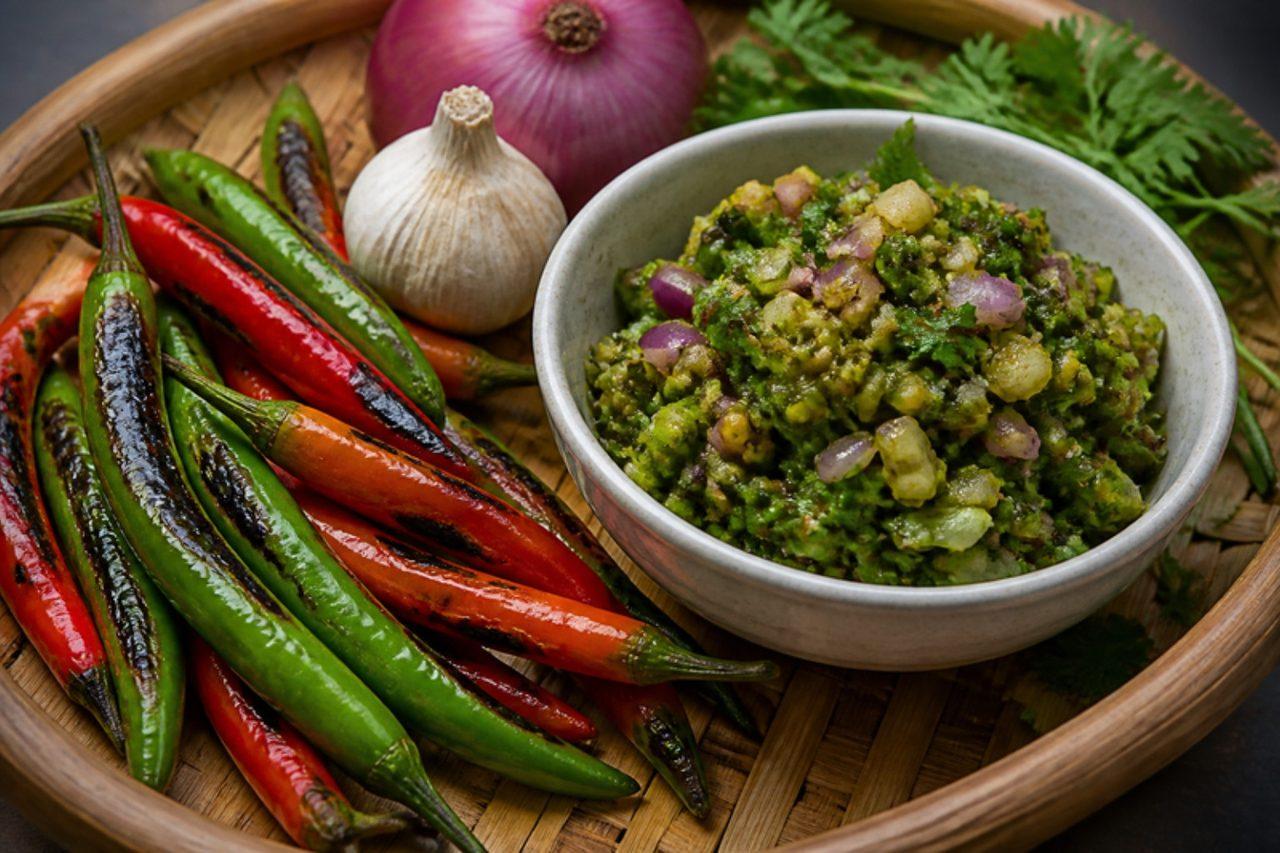
Morok metpaRoasted chilli and onion mash

Morok metpa is the chilli relish on every Manipuri table, from Imphal homes to roadside eateries: fresh chillies roasted over the fire until blistered, then crushed with salt, raw onion and herbs. Many versions add ngari (fermented fish); the vegetarian one here gets its depth from charring the chillies and a little roasted garlic. A teaspoon of it lifts plain rice, kangshoi or boiled vegetables. Chef's tip: roast the chillies directly over a flame until the skins are black in patches; charred skin is where the flavour is.

by KrazyBadal 0 views

Pazham poriBanana fritters

Pazham pori is what the glass cases of Kerala's roadside tea shops are full of at four in the afternoon: long slices of ripe nendran banana dipped in a sweet batter and fried in coconut oil until puffed and golden. Bite through the crisp, slightly chewy coat and the banana inside is soft, hot and honeyed. People eat them standing at the counter with a glass of frothy, milky chaya, or carry a paper parcel home for the family. Chef's tip: wait until the nendran skins are mostly black; the banana must be fully ripe to turn creamy when fried.

by KrazyBadal 0 views

PatoleoRice dumplings in turmeric leaves

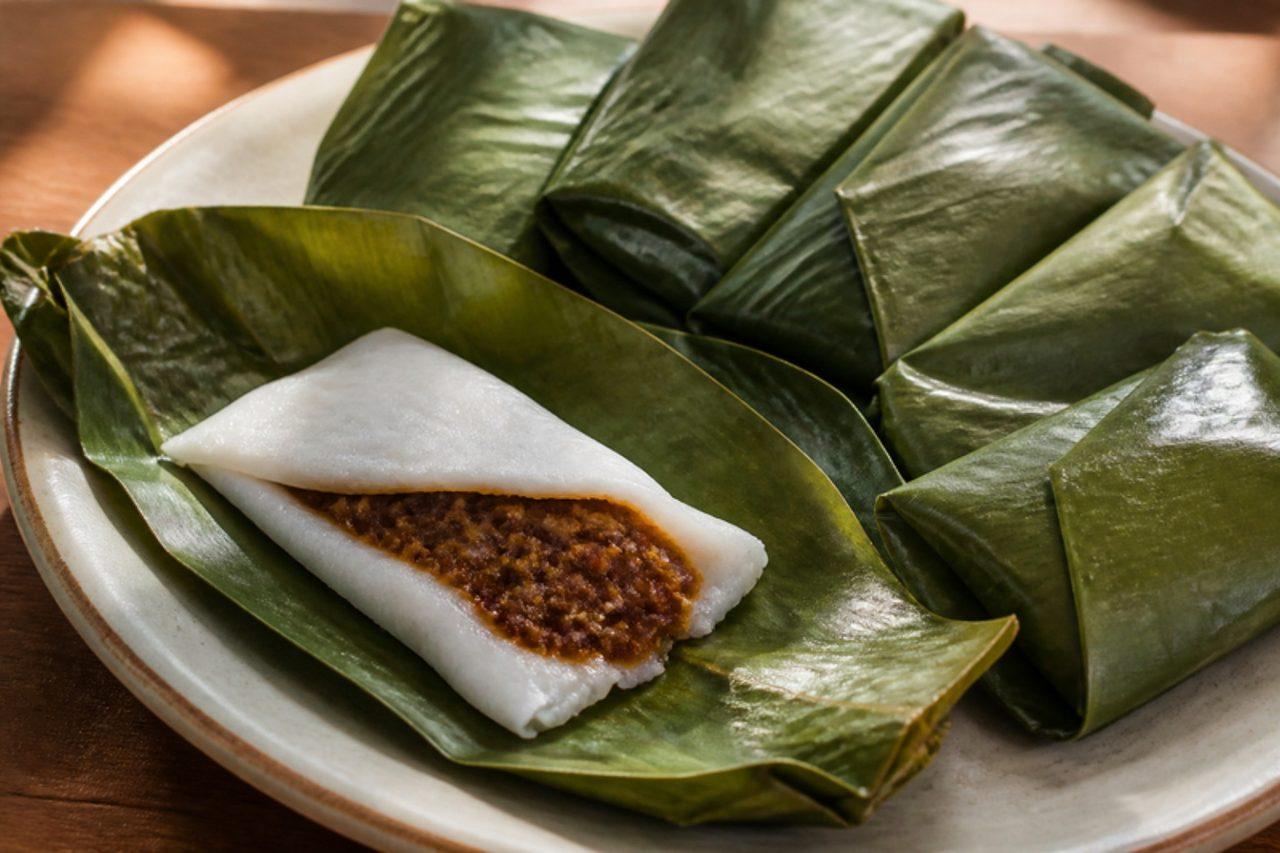
In August, when the monsoon makes turmeric leaves grow tall in Goan backyards, families make patoleo. Catholic households steam them for the Feast of the Assumption on 15 August, and Hindu families make the same sweet, called patoli, for Nag Panchami and Ganesh Chaturthi. A thin layer of rice paste is spread on a turmeric leaf, filled with fresh coconut and dark Goan jaggery, folded and steamed. The leaf leaves a sweet, gingery perfume on the rice that nothing else can copy, so look for fresh turmeric leaves in Indian grocers; banana leaves are a fair substitute. Chef's tip: spread the rice paste as thin as you can while still covering the leaf; thick patoleo are stodgy and the filling gets lost.

by KrazyBadal 0 views

Tikil gomenCabbage, carrot and potato stew

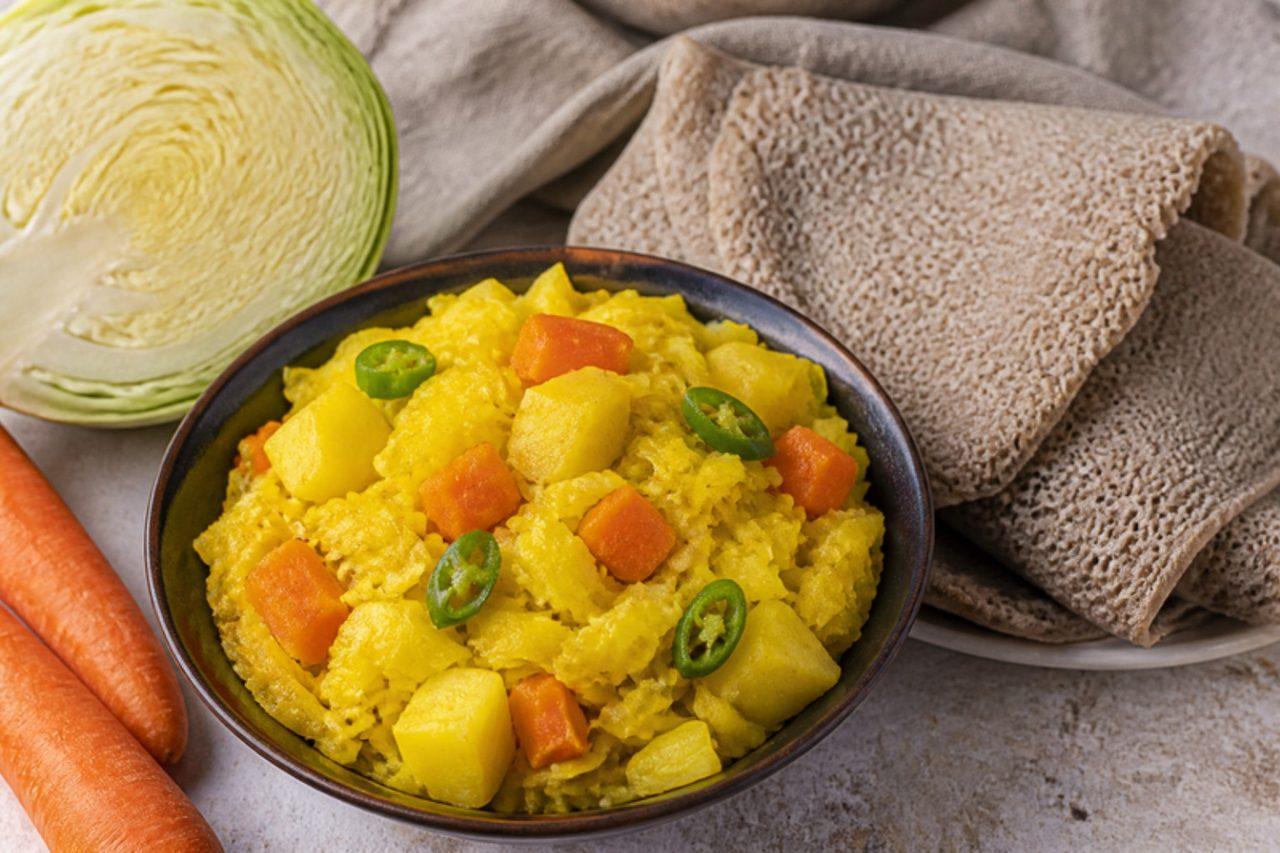
Tikil gomen means 'cabbage stew', and it is the mild, golden side on almost every beyaynetu fasting platter in Addis Ababa and Bahir Dar. White cabbage, carrots and potatoes are cooked slowly with onion, garlic, ginger and turmeric until soft and sweet, with no chilli heat apart from a few strips of green pepper. Children love it, and it balances the spicy red wats beautifully. Chef's tip: let the cabbage cook down until it is sweet and slightly caramelised at the edges; that is where all the flavour comes from.

by KrazyBadal 0 views

Yangrou paomoLamb soup with flatbread

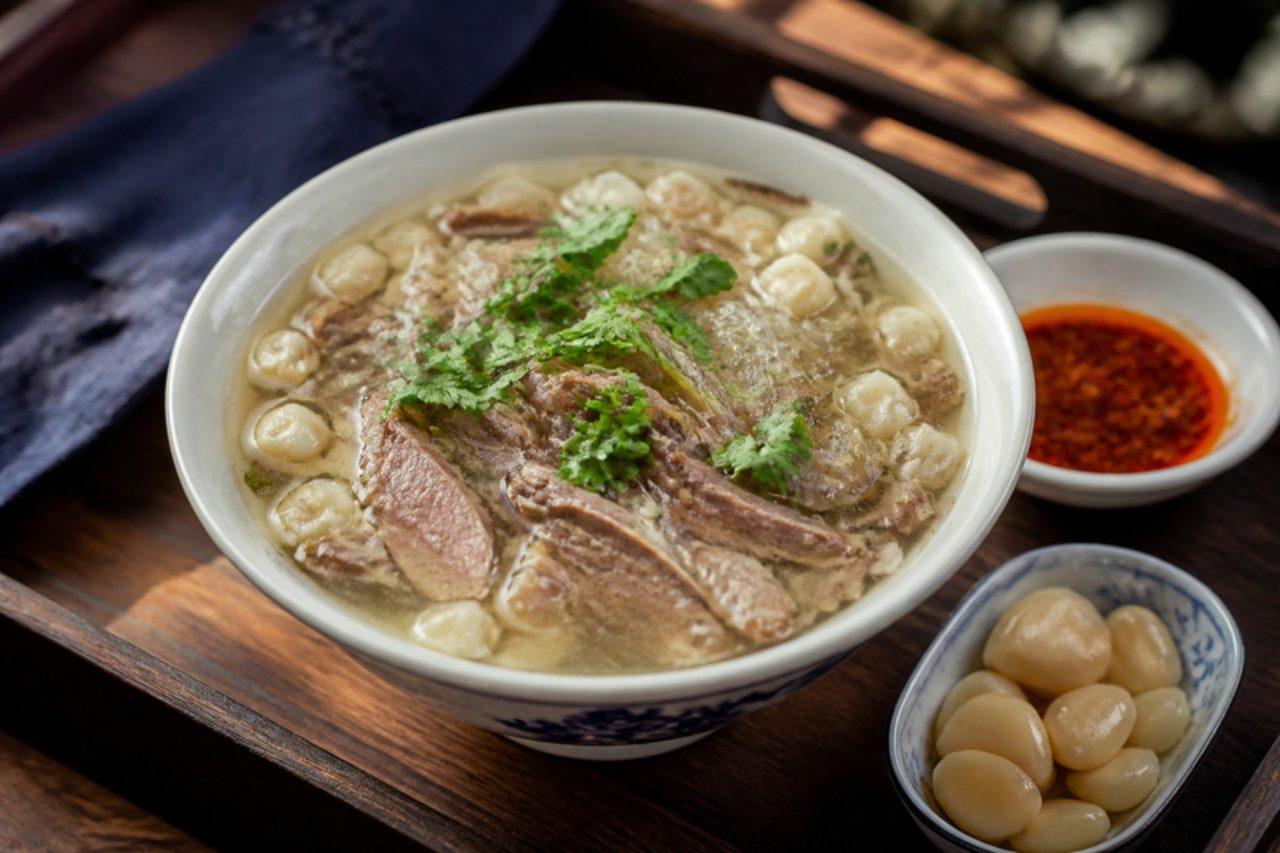
Order this soup in one of the old Hui restaurants around Xi'an's Drum Tower and you are handed a dense, barely leavened flatbread and expected to tear it yourself into pea-sized crumbs while you chat; the kitchen then cooks it in rich lamb broth until each crumb is soft yet still chewy. Slices of tender lamb, glass noodles and wood ear mushrooms go in too, and the bowl comes with sweet pickled garlic and chilli sauce on the side. It is a soothing, filling soup, especially on Xi'an's freezing winter mornings. Expect a deep, clean lamb flavour scented with warm spices. Chef's tip: tear the bread small, no bigger than a soybean; big lumps stay doughy in the middle.

180 minChineseSoups
by KrazyBadal 0 views

Patodi rassaGram flour squares in spicy gravy

Patodi rassa (also called patwadi rassa) comes from the dry, hot districts of Vidarbha around Nagpur and Amravati, where gram flour often takes the place of vegetables. Gram flour is cooked thick like a polenta, spread on a plate, scattered with coconut, sesame and poppy seeds and cut into squares. Just before eating, the squares go into bowls and a spicy, thin rassa of roasted onion and dry coconut is poured over them so they soak it up. It's a dish for a Sunday lunch or a wedding feast in the region, served with jowar bhakri or chapatis and rice. Chef's tip: pour the rassa over the patodi at the table, not in the pot; simmered together, the squares fall apart.

by KrazyBadal 0 views

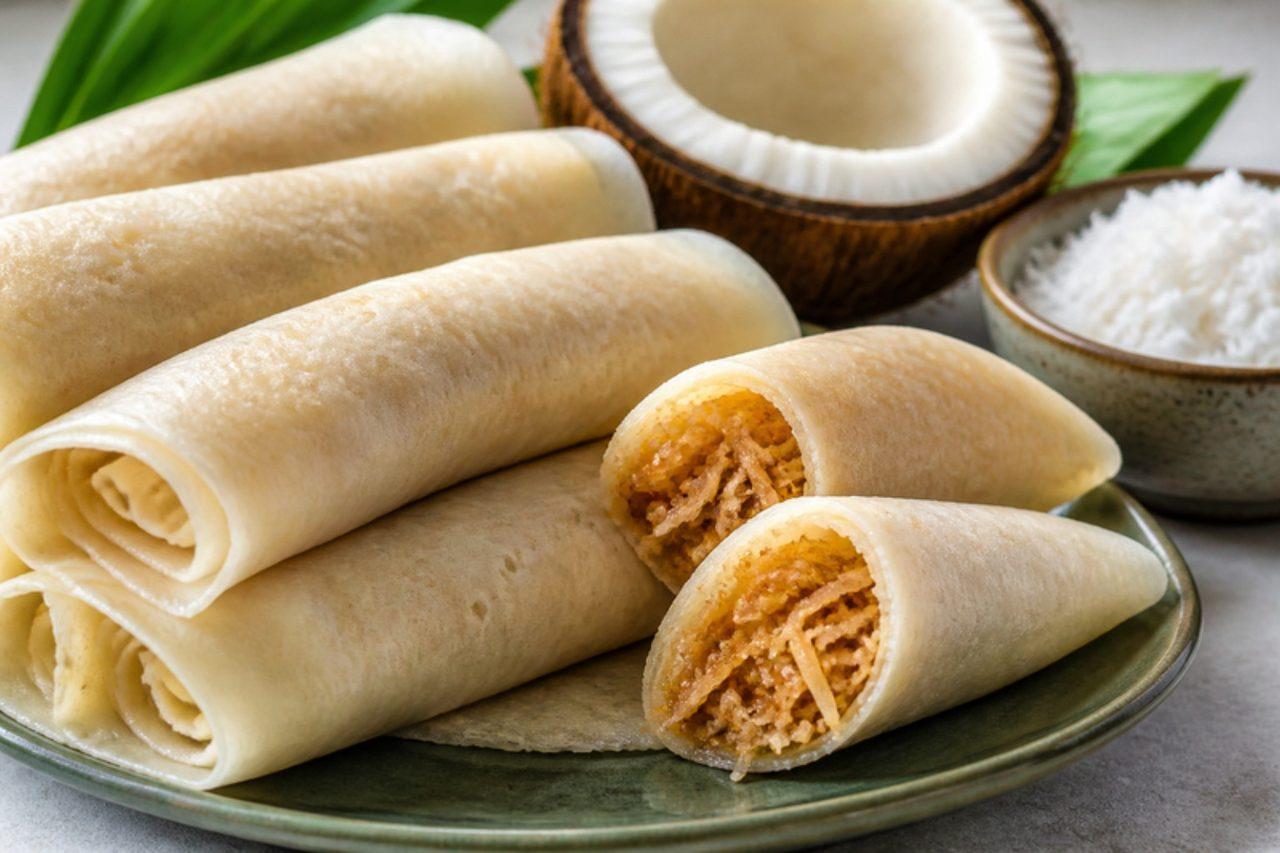
PatishaptaCoconut-filled rice crepes

Patishapta is the star of Poush Sankranti in mid-January, when Bengali homes make pithe-puli, sweets of new rice, coconut and the season's nolen gur (date-palm jaggery). A loose batter of rice flour, semolina, plain flour and milk is swirled thin on a hot pan and rolled round a sticky filling of coconut cooked with jaggery and cardamom. The crêpe should be soft and pale, never crisp. Chef's tip: keep the heat low and grease the pan only lightly with a cut potato dipped in ghee, which spreads a film rather than a pool.

by KrazyBadal 0 views

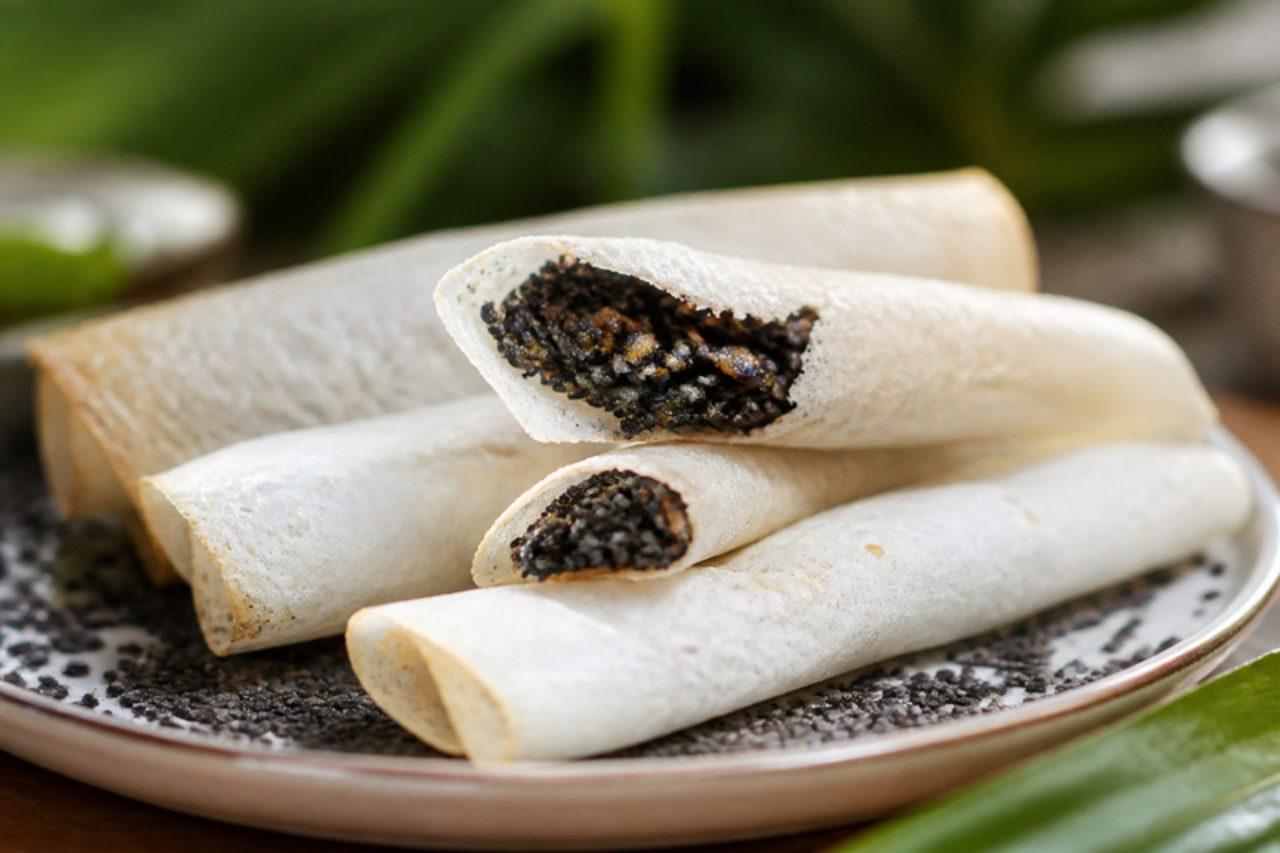
Til pithaSesame rice rolls

Til pitha is the essential sweet of Magh Bihu, the January harvest festival, when Assamese homes stay up late around the fire, frying and toasting. Fresh flour of soaked bora (sticky) rice is spread thin on a hot pan into a round, filled with roasted black sesame and jaggery and rolled into a cigar while still soft; it crisps as it cools. Tins of til pitha are carried to every house visited during Bihu. Chef's tip: the flour must be freshly ground from soaked sticky rice and still slightly damp; dry shop rice flour won't fuse into a sheet.

by KrazyBadal 0 views

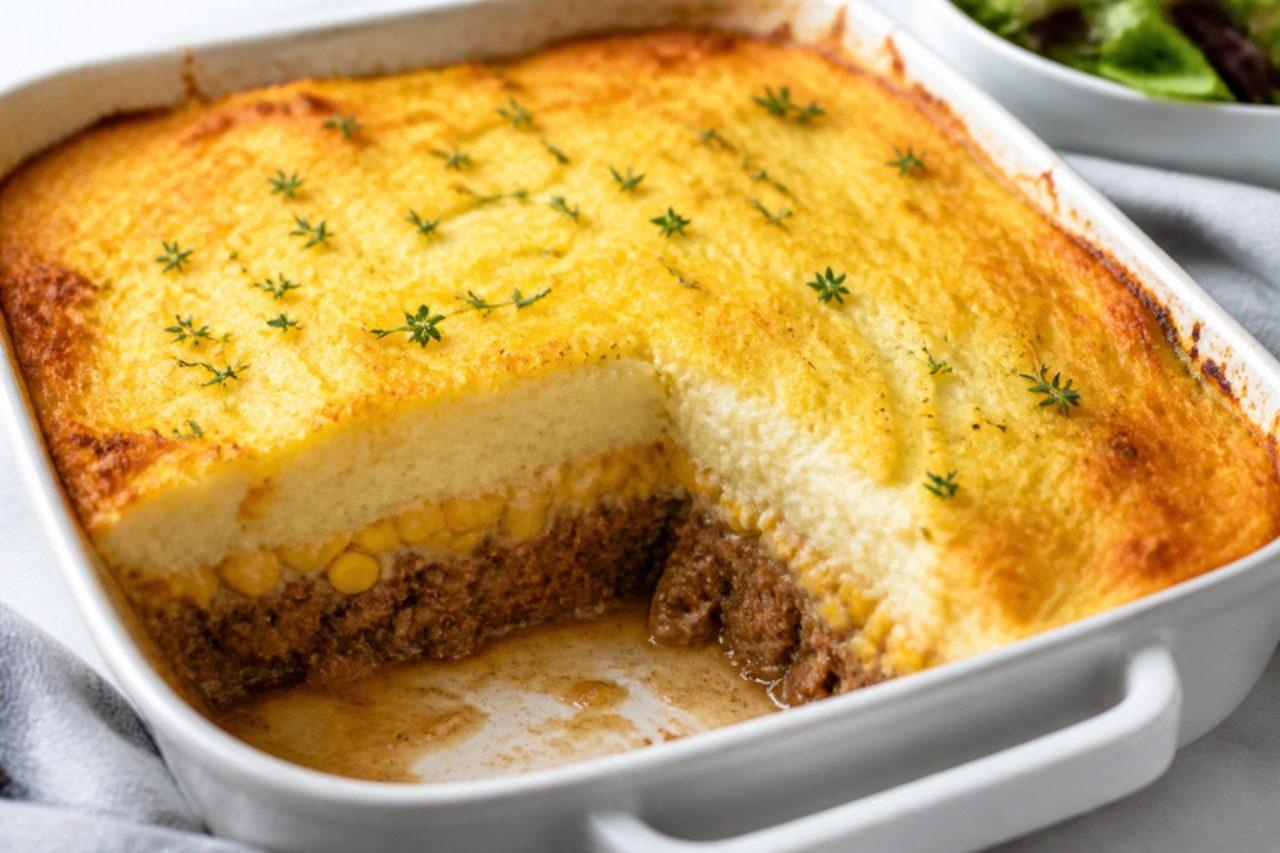
Pâté chinoisBeef, corn and mashed potato bake

Pâté chinois is the weeknight family bake of Quebec, served in school canteens and home kitchens from Montreal to the Gaspé: a layer of seasoned minced beef, a layer of creamed corn, and a thick layer of buttery mashed potato, baked until the top is golden and served with ketchup or pickled beets. Its name is said to come from cooks who fed the Chinese workers building Canada's railway. The mistake is skipping the creamed corn in favour of whole kernels only; the creamed corn holds the layers together. Chef's tip: fluff the top of the mash with a fork so the ridges turn crisp.

by KrazyBadal 0 views

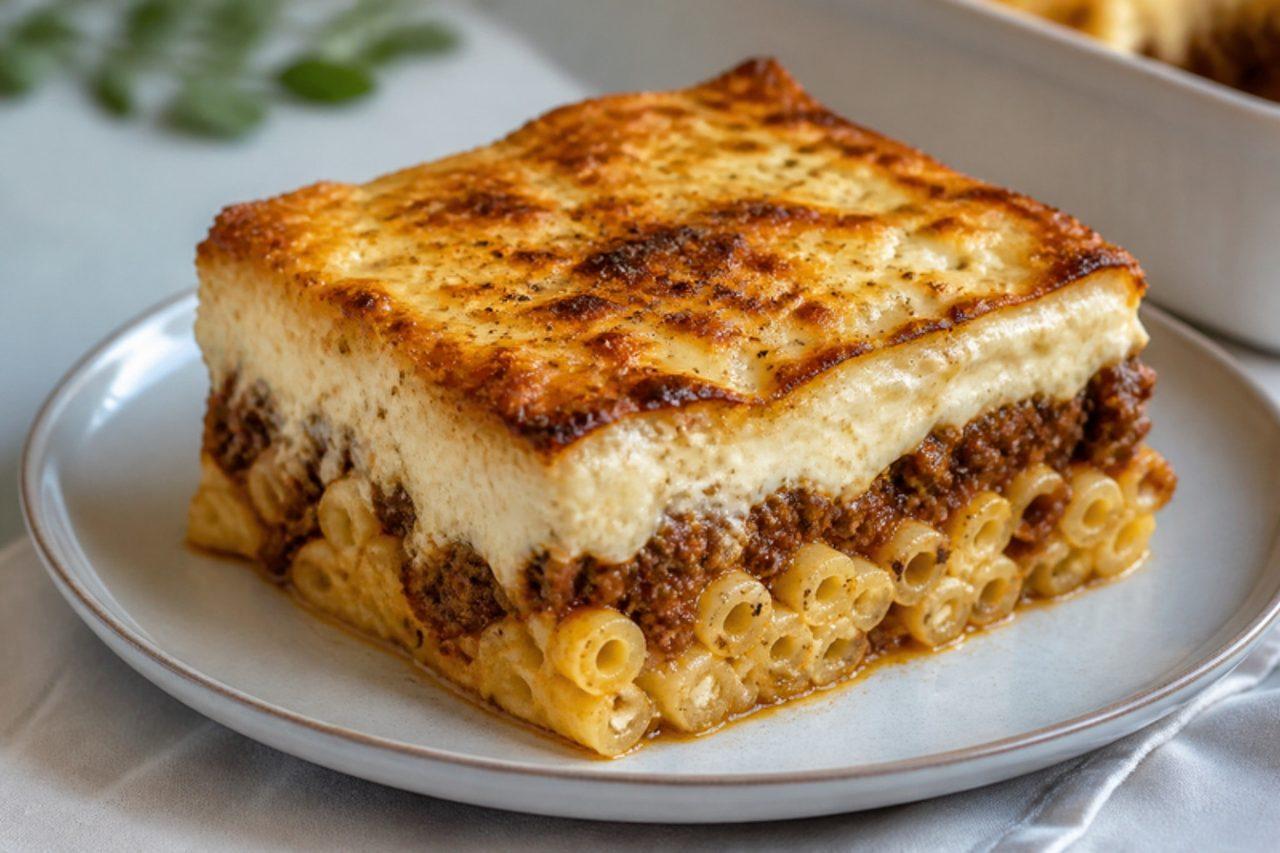
PastitsioBaked pasta with spiced beef

Pastitsio is the dish Greek mothers make for big Sunday lunches and christenings, and the one every Athens taverna keeps warm in a deep tray at lunchtime. Long tubular pasta is layered with a beef and tomato sauce scented with cinnamon and allspice, then topped with a deep, wobbly béchamel that bakes to a golden crust. Cut it into neat squares once it has rested and serve with a green salad. Chef's tip: let it rest for at least 30 minutes after baking; cut hot, it slumps, but rested it slices into clean layers.

by KrazyBadal 0 views

PastilRice parcels with shredded chicken

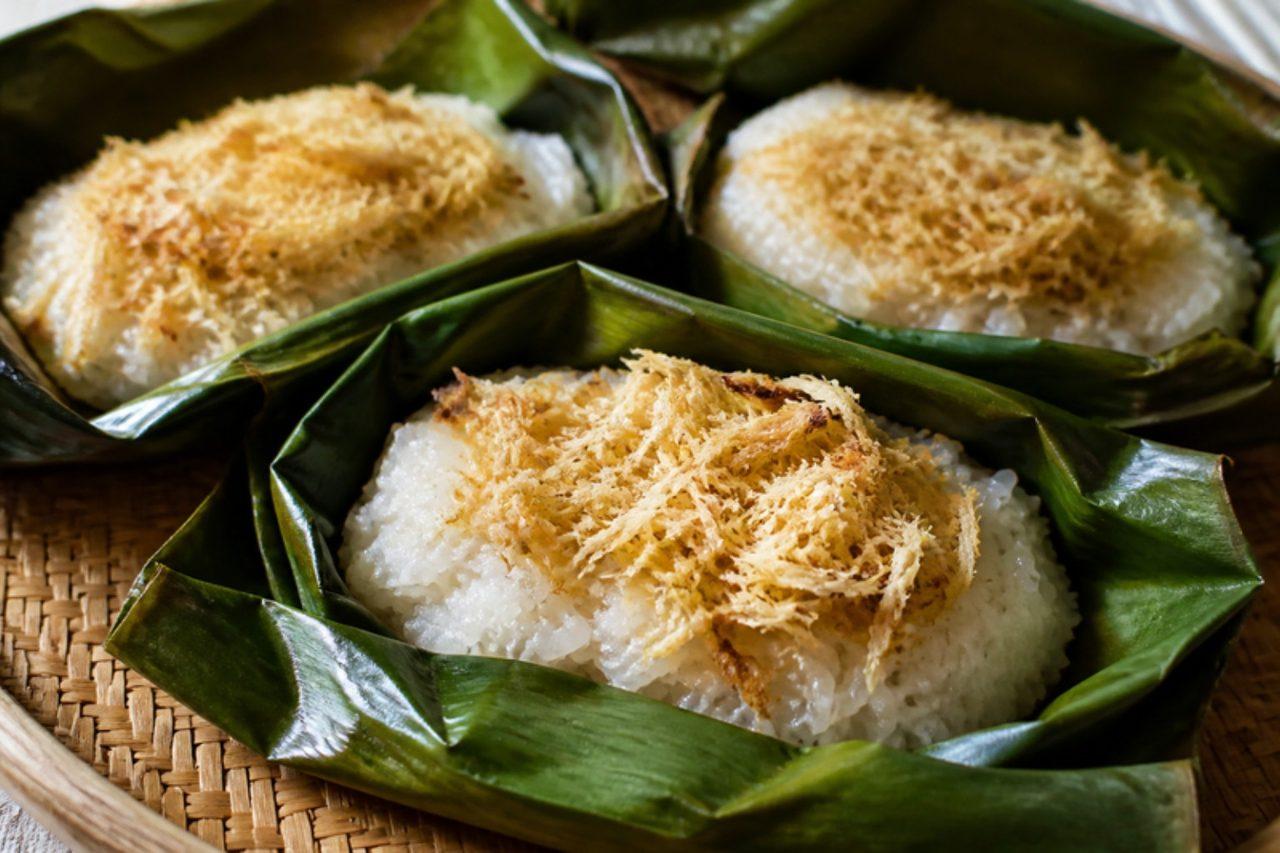
Pastil is the grab-and-go breakfast of Cotabato City and the Maguindanao region of Mindanao: a mound of warm rice wrapped in a banana leaf, topped with shredded chicken that has been fried dry with garlic and onion (kagikit). Vendors sell them by the dozen from early morning, and Muslim families pack them for the pre-dawn meal during Ramadan. Each parcel is small, cheap and filling. Eat them warm with a hot chilli vinegar. Chef's tip: fry the chicken flakes until they are dry and fluffy, almost like floss; moist chicken makes the rice soggy inside the leaf.

by KrazyBadal 0 views

PašticadaWine and prune braised beef

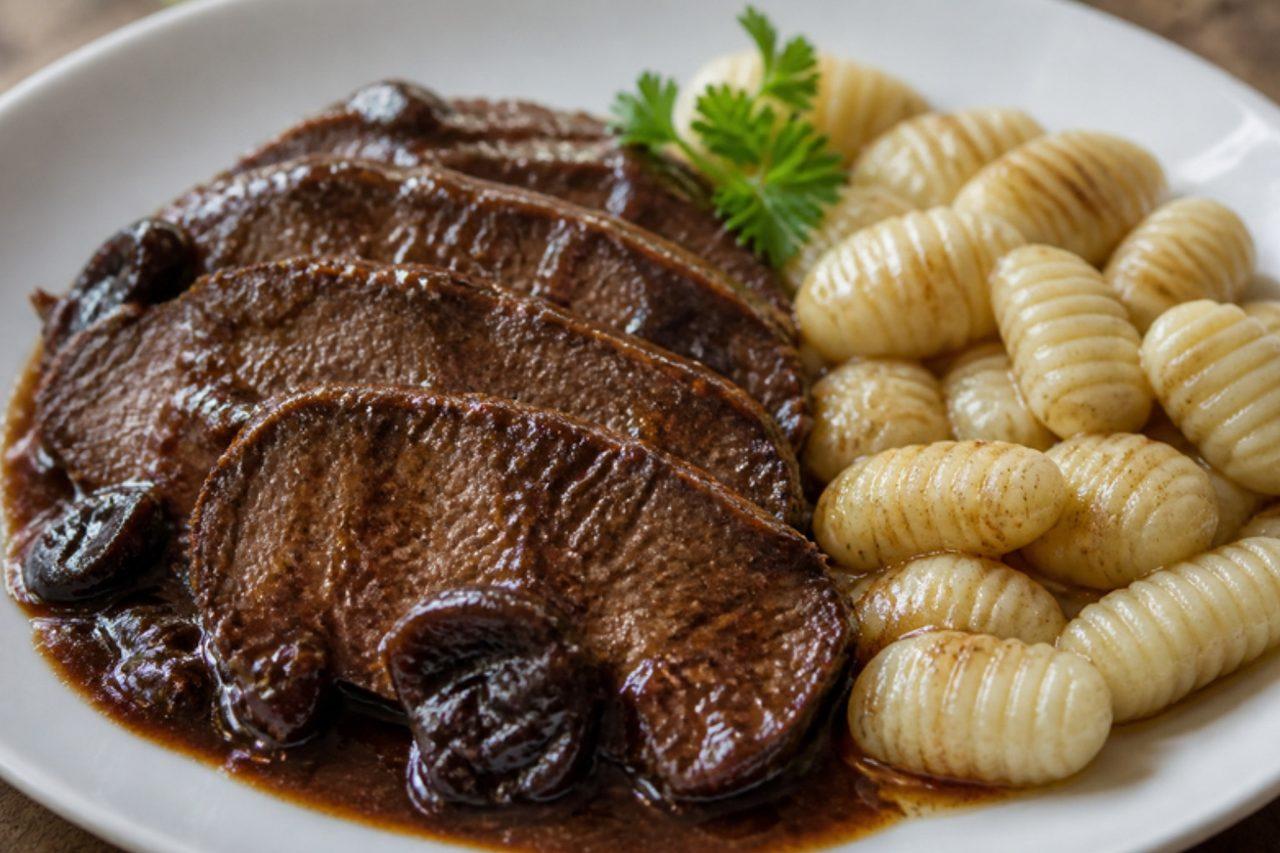
Split and the Dalmatian coast reserve pašticada for weddings, christenings and Christmas, and the preparations start days ahead. A piece of beef is studded with garlic and cured ham (so this recipe contains pork), marinated overnight in wine vinegar, then braised for hours with onions, dried prunes, tomato and a little sweet Prošek or red wine until the sauce turns dark, glossy and sweet-sour. In Split it is always served with homemade gnocchi; pasta works too. This recipe uses red wine and dried figs or prunes; for an alcohol-free version use grape juice with a spoon of red wine vinegar. The common mistake is rushing the braise: it needs a low, steady heat for at least three hours. Chef's tip: blend the cooked onions and prunes back into the sauce for that velvet texture.

280 minBalkanMeat
by KrazyBadal 0 views

Yangzhou-style vegetable fried riceEgg and vegetable fried rice

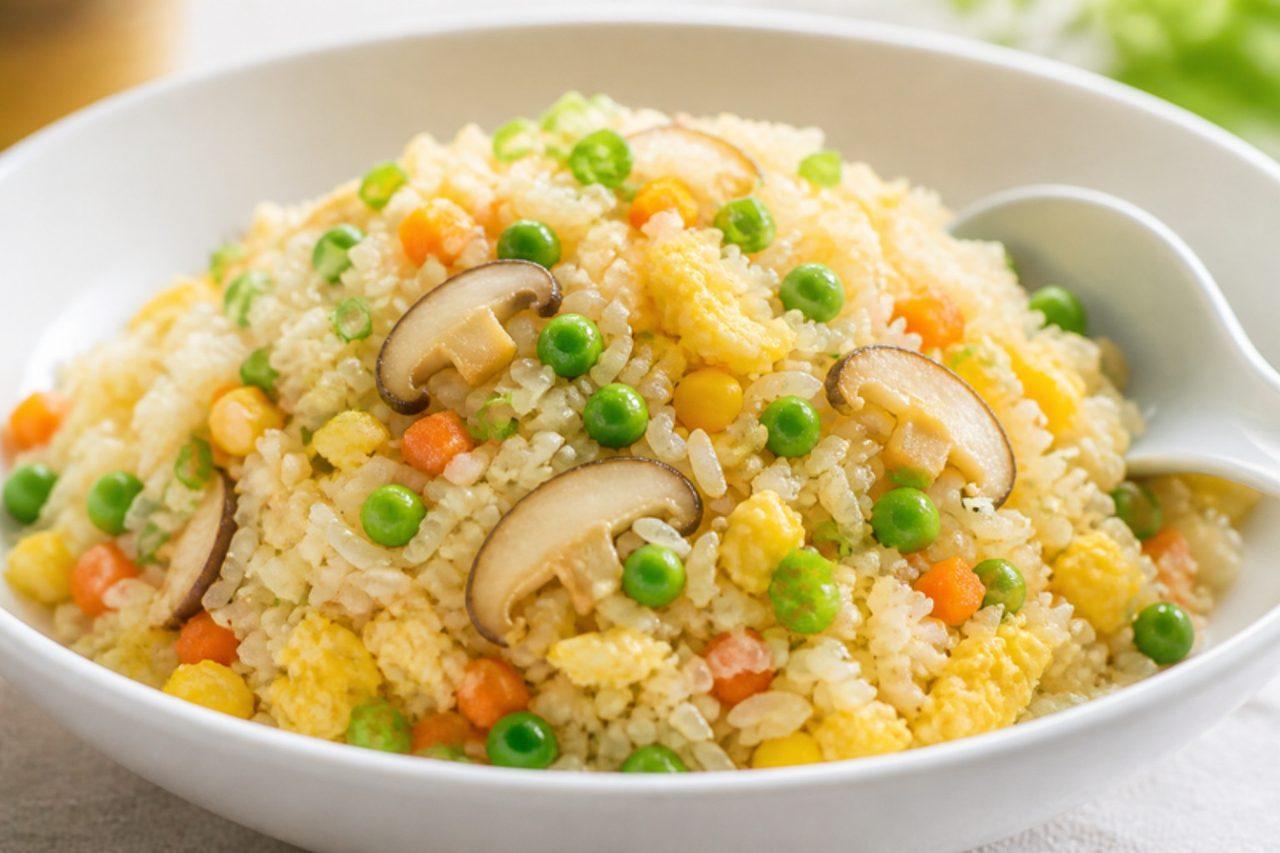
Yangzhou in Jiangsu gave its name to China's most famous fried rice, which is supposed to show off a cook's skill: separate, glossy grains, small even dice and egg in every mouthful. The original carries ham and shrimp; this vegetable version swaps them for shiitake, peas, carrot and sweetcorn, and keeps the seasoning light (salt and a little soy) so the rice stays pale and golden rather than brown. It's a meal on its own or a side for stir-fries. Chef's tip: use rice cooked the day before and chilled uncovered; fresh rice is too soft and clumps.

by KrazyBadal 0 views

TinutuanRice porridge with pumpkin and greens

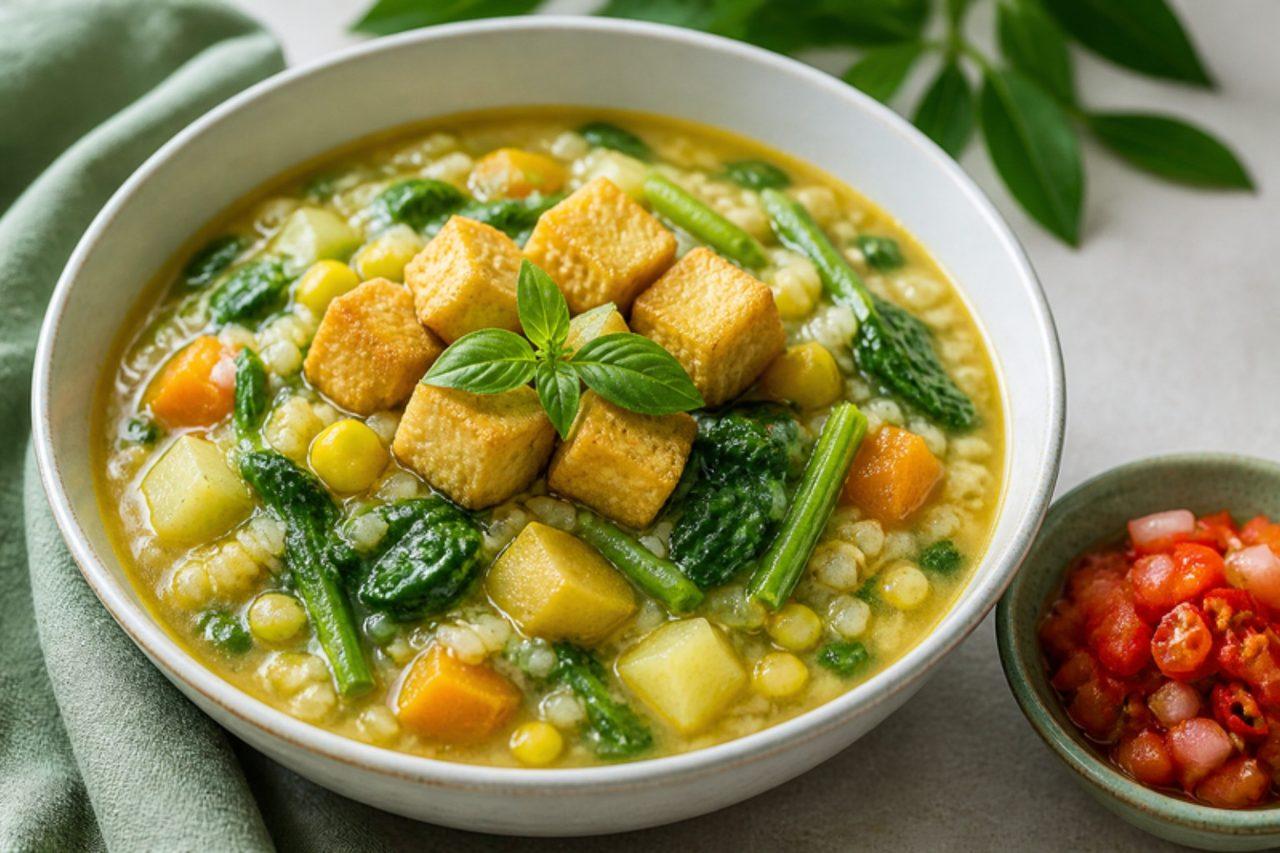
Tinutuan, also called bubur Manado, is what North Sulawesi eats for breakfast: rice simmered with pumpkin until the pumpkin melts and turns the porridge golden, then loaded with sweetcorn, cassava and a big handful of greens and lemon basil at the end. In Manado it comes with small fried fish and a fiery tomato dabu-dabu; this version skips the fish and pairs it with fried tofu. It is filling, gentle and naturally vegan. Chef's tip: add the leafy greens only in the last 3 minutes so they stay green and fresh.

by KrazyBadal 0 views

Wensi tofu soupShredded tofu soup

This Yangzhou soup is a test of knife skill: a block of soft tofu is sliced and shredded so finely that the threads drift apart like silk in the bowl. It is credited to a Buddhist monk named Wensi, who served it at a temple in Yangzhou during the Qing dynasty, so a meat-free broth is true to its roots. Huaiyang banquets still serve it as a quiet, delicate course. Chef's tip: wet the knife and slice in one smooth stroke without lifting; the tofu then stays together until you fan it into water.

by KrazyBadal 0 views

Showing 90 of 10,495 recipes

Page 964 of 1,167