


Skip to content
Shakshuka
Featured recipe

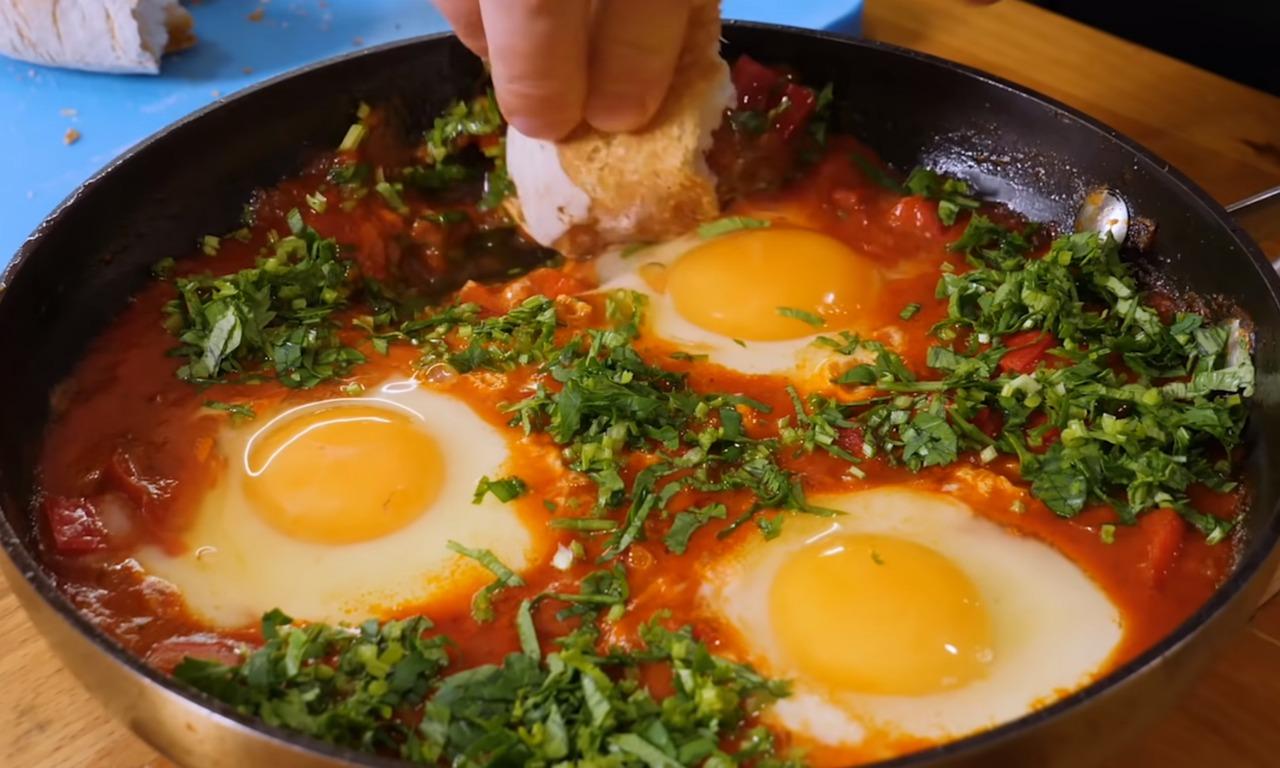
Shakshuka

A one-pan breakfast that works just as well for dinner. Peppers and onions are cooked down with cumin and smoked paprika, then eggs are nestled in and poached until the whites set and the yolks stay runny. Bring the pan to the table with plenty of bread for dipping.

Read more 1 views

What to eat today?

Around the world

Today's trip: Persian

A new country every day, from every cuisine on the site.

Persian

Persian halva

Saffron rose flour halva 40 minMore from Persian (181) →

This week's collection

Kid-friendly dinners
772 recipes · a new collection every Monday

Coming up

All occasions →

Latest recipes

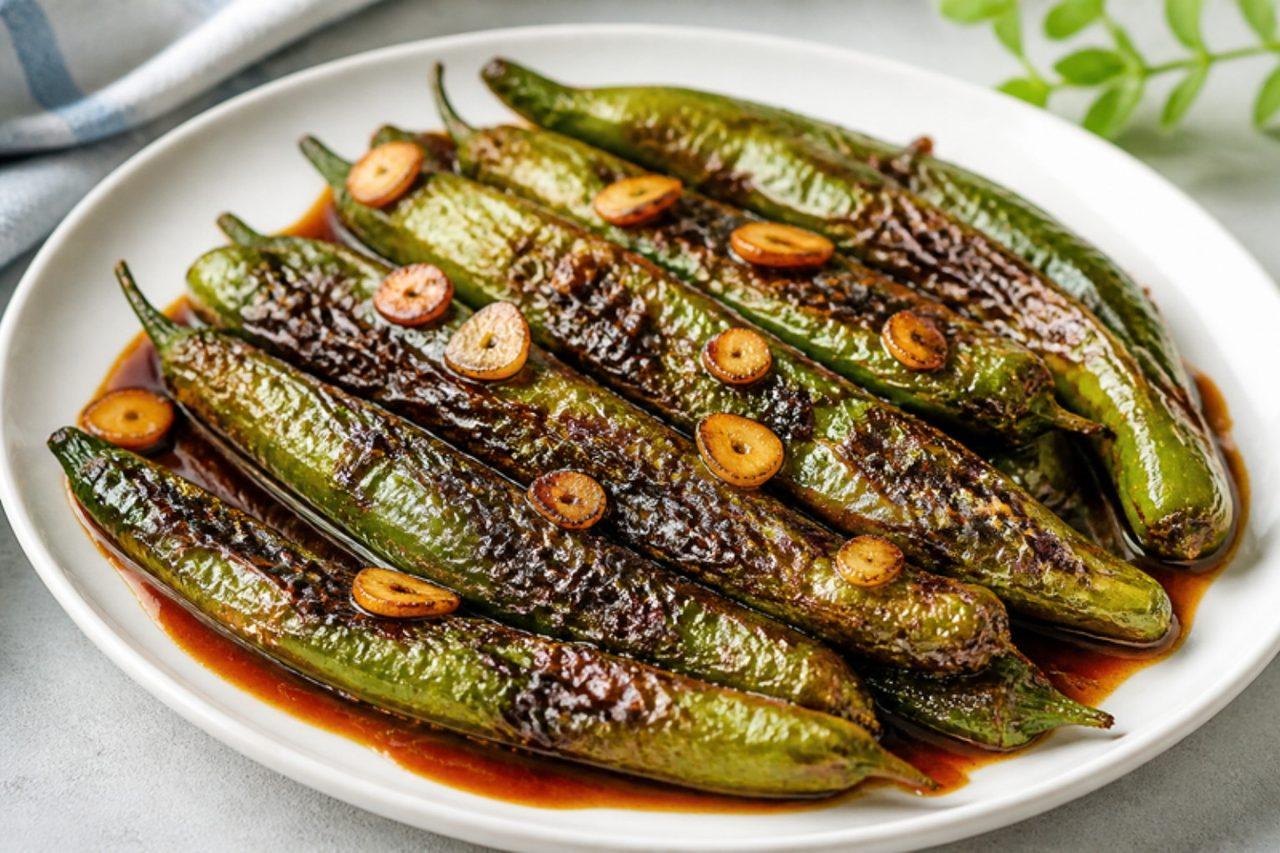
Hunan tiger-skin peppersBlistered green chillies in sweet-sour glaze

Hu pi jian jiao, 'tiger-skin peppers', is everyday home cooking in Hunan, the province famous for loving chilli even more than Sichuan does. Long green peppers are pressed into a hot, dry wok until their skins blacken in stripes like a tiger's coat, then glazed with soy, black vinegar and a touch of sugar. In Changsha it's eaten with plenty of rice, which tames the heat. Chef's tip: press the peppers flat with a spatula as they cook so the whole skin touches the iron and blisters evenly.

by KrazyBadal 0 views
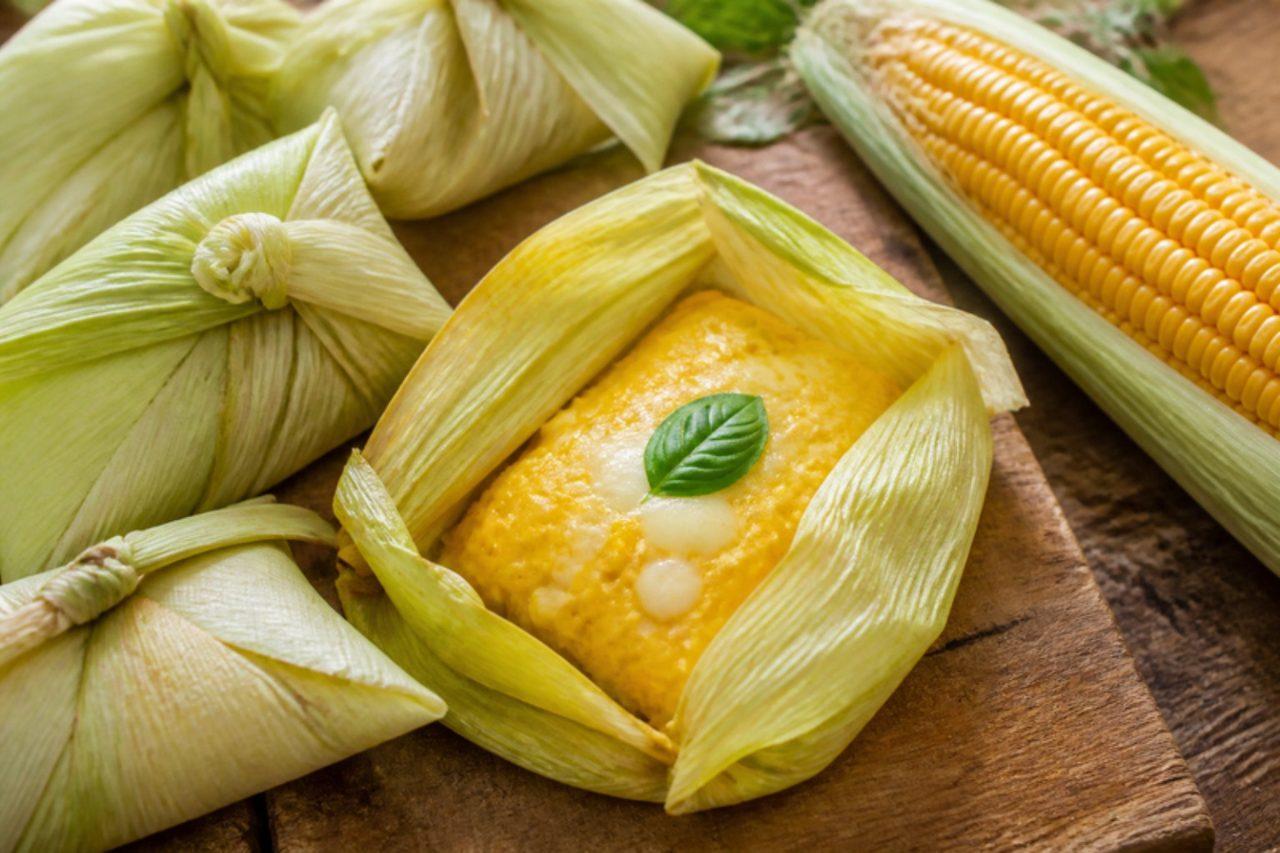
Humita en chalaSteamed corn and squash parcels

In Salta, Jujuy and Tucumán in Argentina's Andean northwest, humitas are made in late summer when the corn is young and milky. Fresh kernels are grated off the cob and cooked with onion, red pepper, squash and a little sweet paprika, then bound with cheese, wrapped in the fresh green husks (chala), tied with strips of husk and simmered. They come out soft, sweet and savoury, like a delicate corn pudding. Chef's tip: grate the corn on a box grater; it releases the milky juice that sets the humita, which cut kernels never will.

by KrazyBadal 0 views

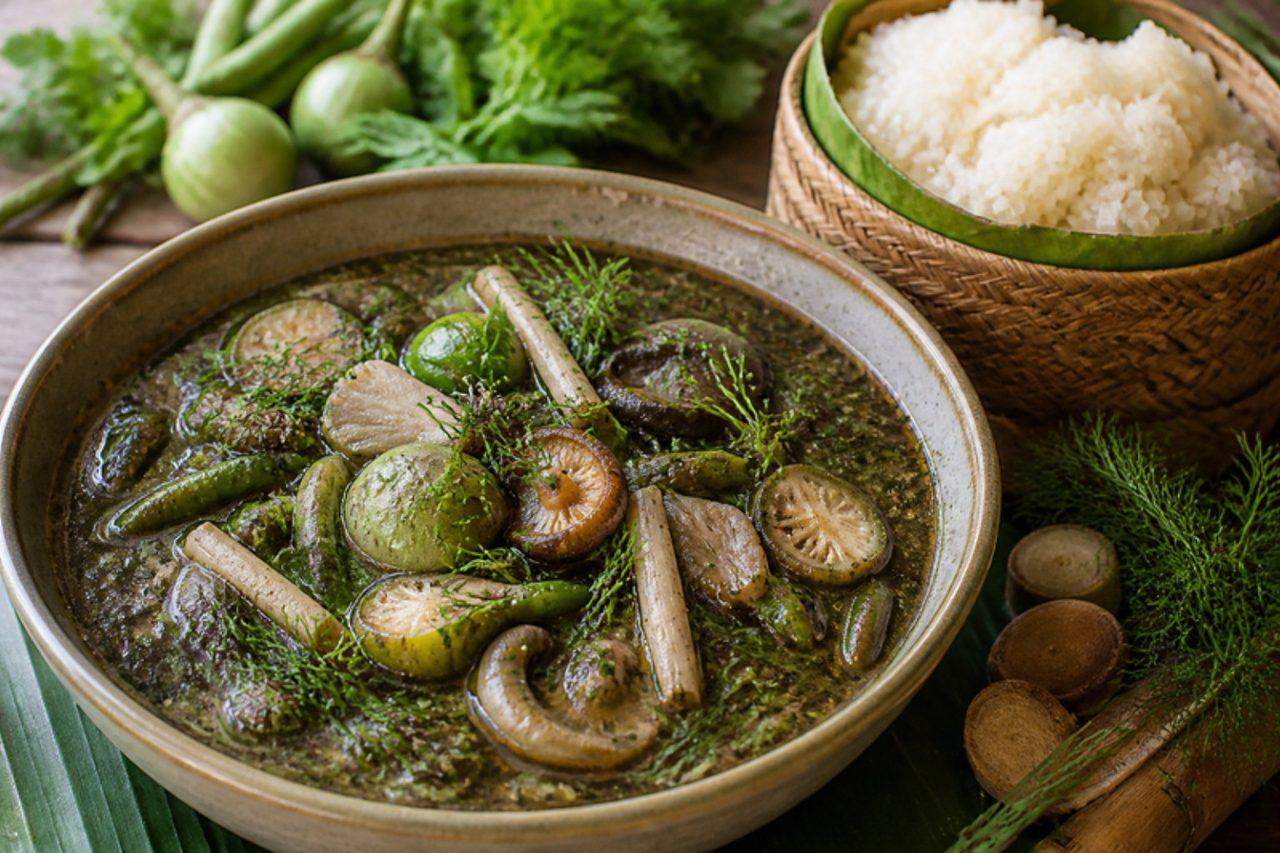
Mushroom or lamHerb stew with aubergine and mushrooms

Or lam belongs to Luang Prabang, the old royal town on the Mekong, where it is cooked for long family lunches and served at almost every restaurant that makes local food. It is a thick, rustic stew of aubergine, long beans, mushrooms and greens, thickened with a little sticky rice and flavoured with sakhan, a peppery wood that numbs the lips like Sichuan pepper, plus heaps of dill and lemongrass. The usual dried buffalo skin and meat are swapped for two kinds of mushroom here. Eat it with sticky rice and a jeow. Chef's tip: if you can't find sakhan, a few lightly crushed Sichuan peppercorns give the same tingle; add them early so the tingle spreads through the broth.

by KrazyBadal 0 views

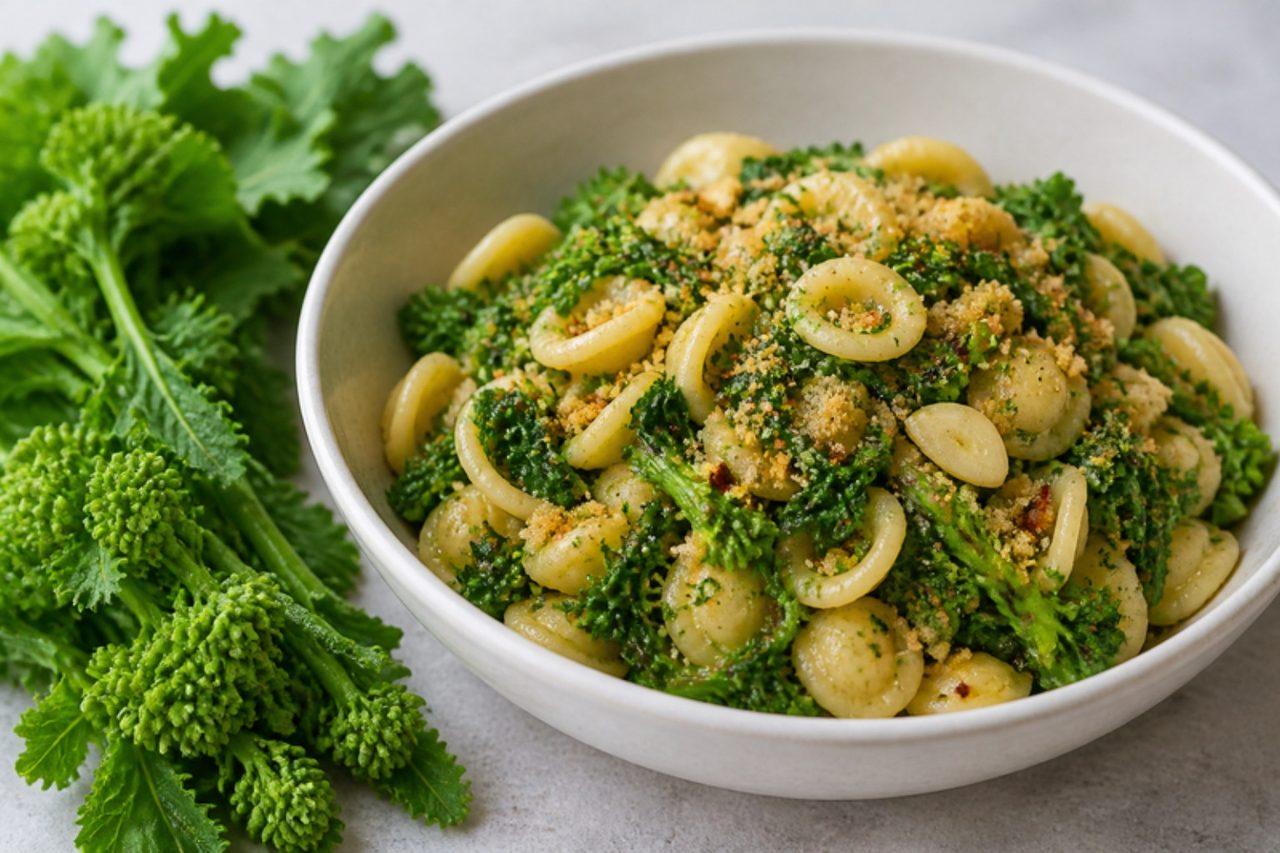
Orecchiette con cime di rapaOrecchiette with turnip tops

In Bari the old women of Arco Basso still shape orecchiette on wooden boards in the street, and the dish everyone cooks them with is cime di rapa: the bitter, leafy turnip tops sold in big bunches from autumn to early spring. The greens and pasta boil in the same pot, then get tossed with garlic, chilli and good olive oil. Pugliese cooks usually melt in anchovies; this vegan version uses golden fried breadcrumbs (mollica), the 'poor man's cheese' of southern Italy, for crunch and savour. Chef's tip: add the chopped stalks first and the leaves a few minutes later, so everything is tender at the same moment as the pasta.

by KrazyBadal 0 views

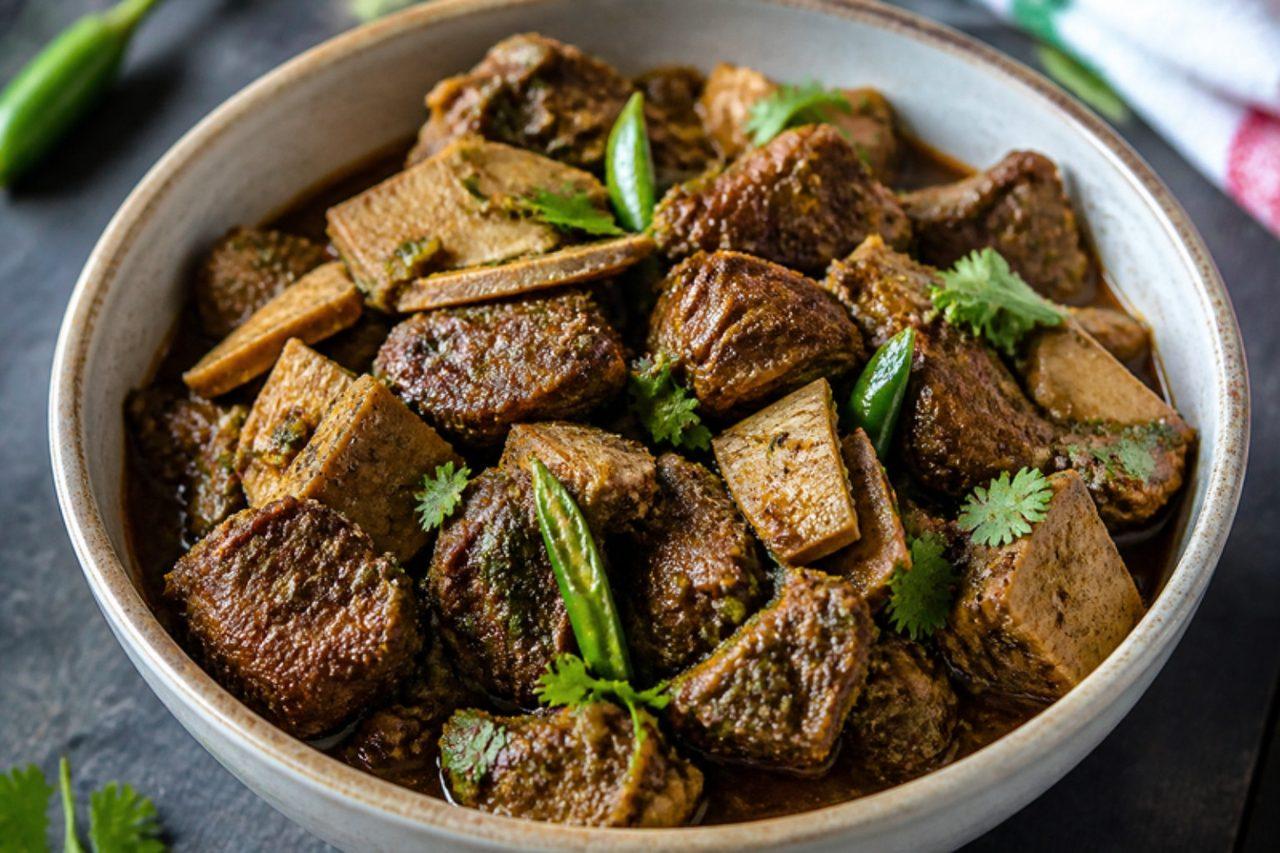
Gahori aru bahgajPork curry

Across upper Assam, among the Tai Ahom, Mising and many tea-garden families, pork with fermented bamboo shoot is the dish that turns any gathering into a feast. The bamboo shoot gives a sour, almost cheesy tang that cuts through the rich pork, and a little bhut jolokia (ghost pepper) brings slow heat. It is cooked with very little oil because the pork fat does the work, and is served with rice and a leafy side. Chef's tip: choose shoulder or belly with some fat on; lean loin turns dry and stringy here.

90 minIndianMeatGluten freeSpicy
by KrazyBadal 0 views

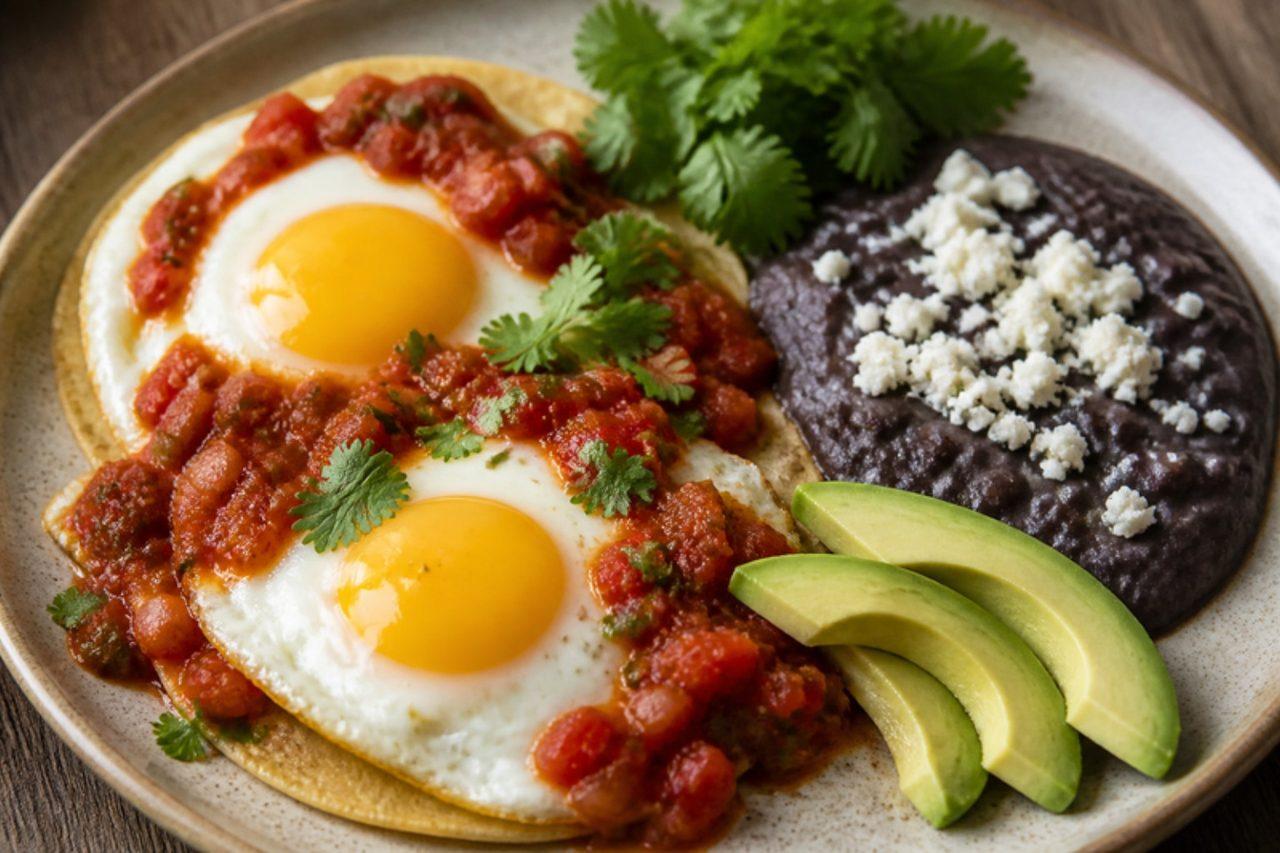
Huevos rancherosFried eggs on tortillas

Huevos rancheros, 'ranch-style eggs', is the big country breakfast eaten all over Mexico: corn tortillas briefly fried in oil, topped with fried eggs and drowned in salsa ranchera, a warm, chunky sauce of charred tomatoes and serrano chillies, with refried beans on the side. The runny yolks mix with the spicy tomato sauce and the soft tortilla soaks it all up. Serve with avocado and coffee. Choose queso fresco made with vegetarian rennet. Chef's tip: fry the tortillas only for a few seconds a side; you want them pliable with crisp edges, not hard like tostadas, so you can cut them with a fork.

by KrazyBadal 0 views

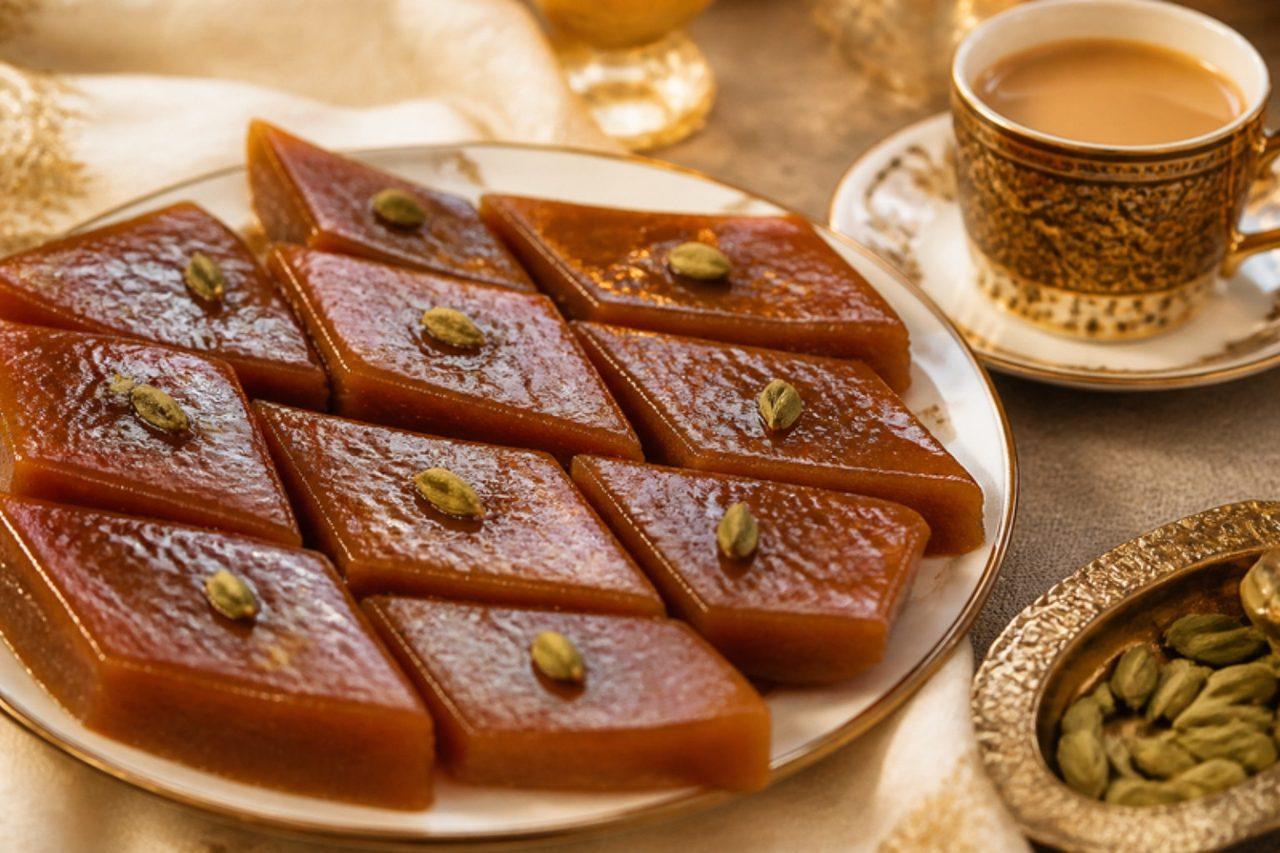
XalwoCardamom halwa

Xalwo is the sweet of Somali celebrations: weddings, Eid and the arrival of guests are all marked with a tray of this dark, glossy, chewy confection, cut into diamonds and served with coffee or spiced tea. Sugar is caramelised, then cooked slowly with cornflour and oil or ghee while the cook stirs without stopping until it pulls away from the pan. It is a cousin of Omani and Yemeni halwa. Chef's tip: stir constantly and keep going until the oil starts to separate and shine on the surface; stopped early, xalwo stays soft and does not set.

by KrazyBadal 0 views

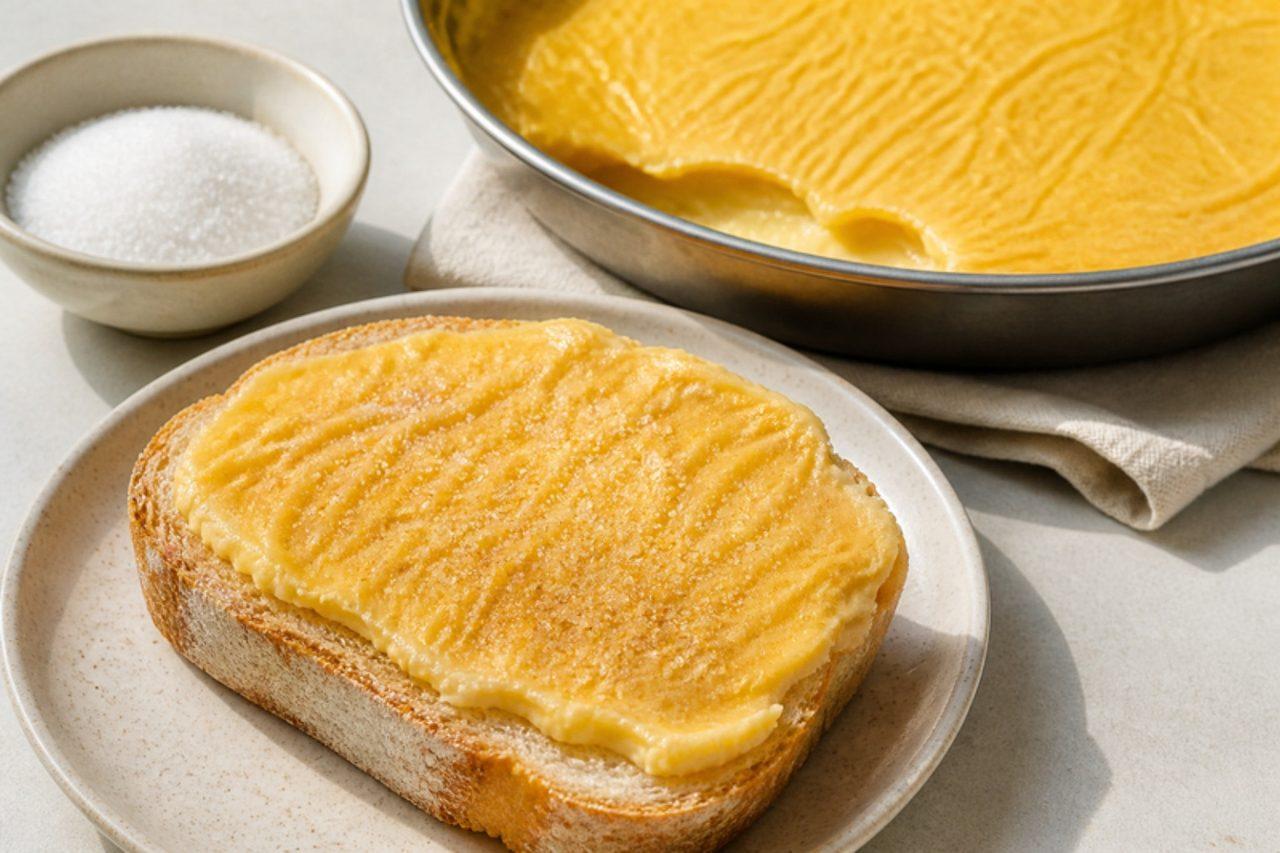
Öröm with breadClotted cream on bread

In Mongolian summer, when the herds are milked several times a day, families on the steppe gently heat fresh milk in a wide pan, ladling and pouring it back to froth it, then leave it overnight. By morning a thick, wrinkled, pale-gold skin of cream has formed: öröm. Lifted off and folded, it's spread on boortsog (fried dough) or bread with a sprinkle of sugar and eaten with milk tea. It's rich, slightly nutty and very simple. Chef's tip: use the widest, heaviest pan you own and the lowest possible heat; öröm needs a large surface and patience, not boiling.

by KrazyBadal 0 views

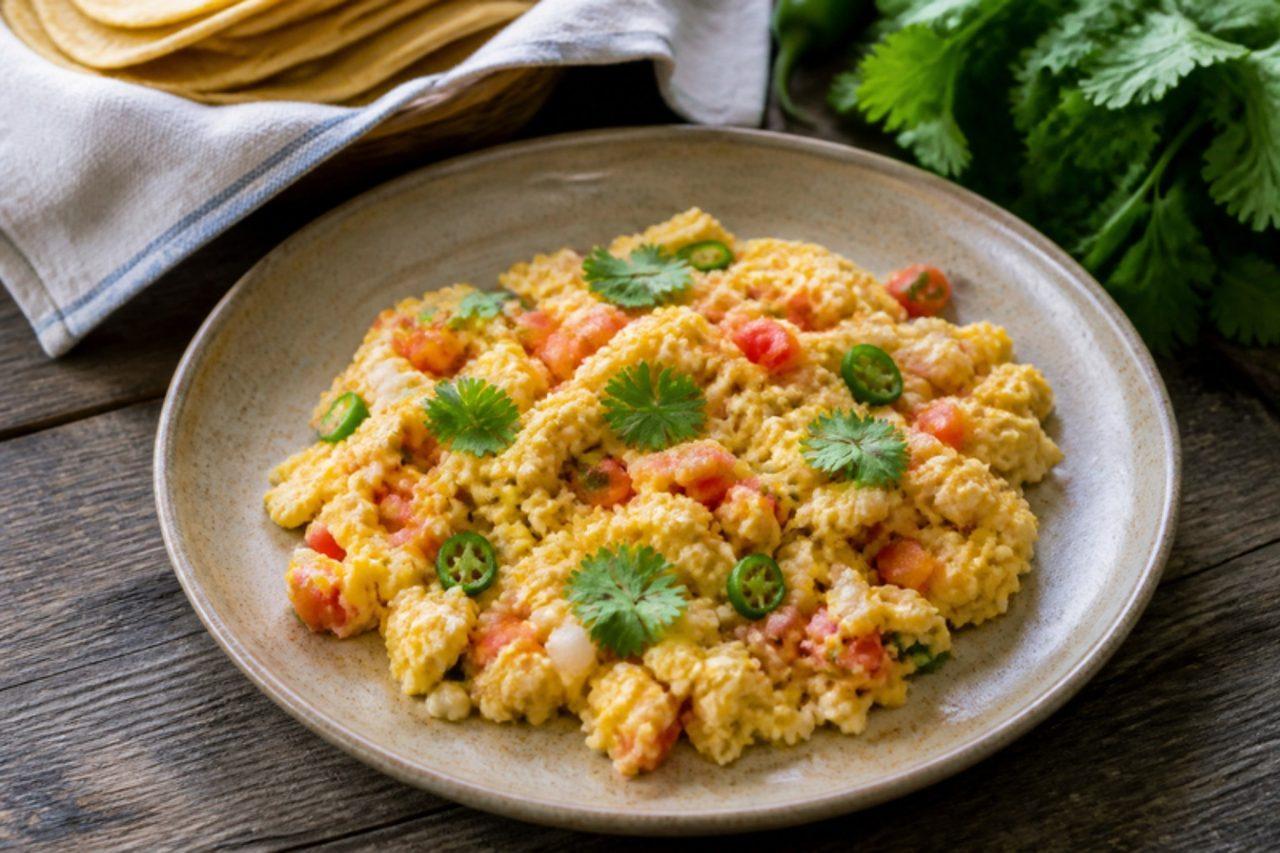
Huevos a la mexicanaScrambled eggs with tomato and chilli

Huevos a la mexicana is the everyday scrambled egg breakfast cooked in homes and fondas all over Mexico, named because its red tomato, white onion and green chilli match the colours of the Mexican flag. The vegetables are cooked just long enough to soften and release their juices, then the eggs are stirred through gently into soft, juicy curds with a fresh chilli kick. Serve with warm corn tortillas and refried beans, and make tacos at the table. Chef's tip: take the pan off the heat while the eggs still look a little wet; they keep cooking on the plate.

by KrazyBadal 0 views

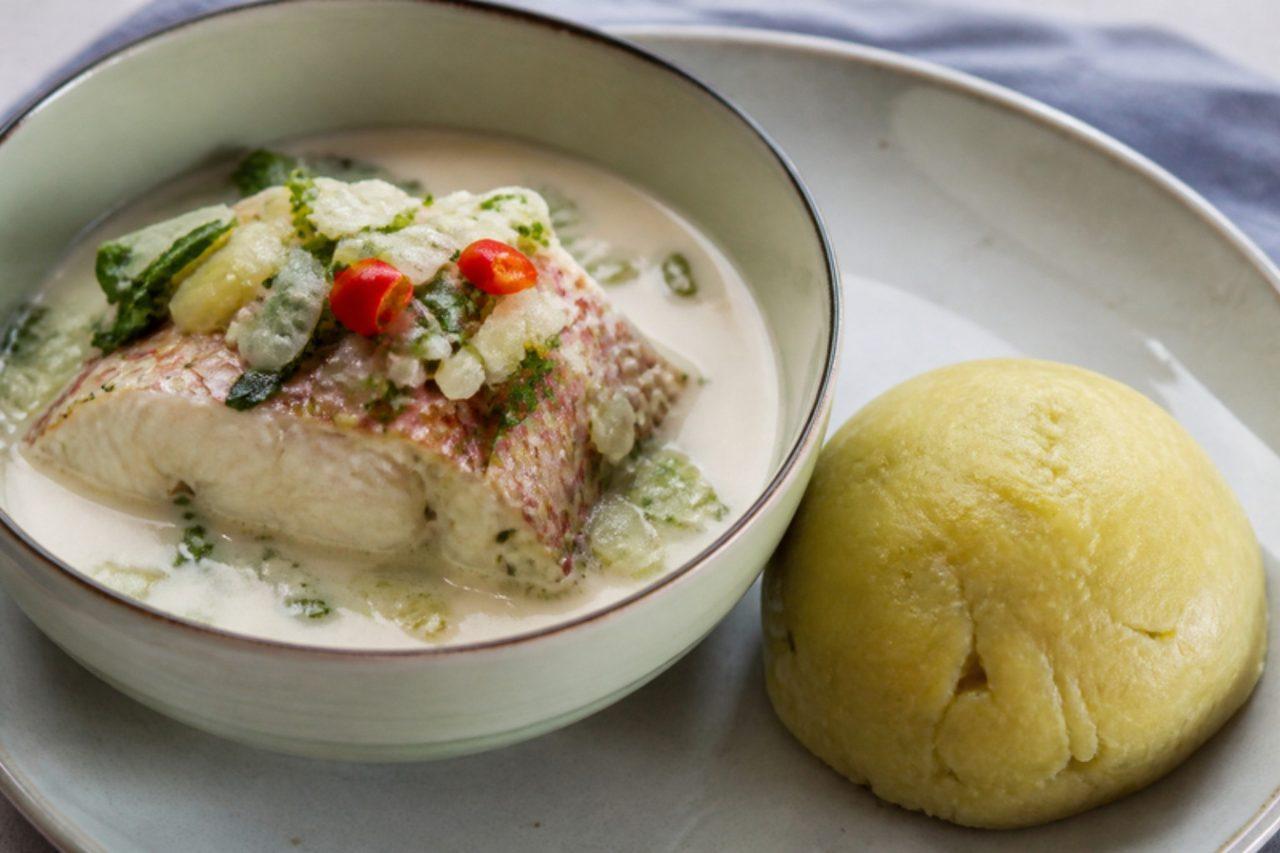
HudutFish in coconut broth with plantain

Hudut is the heart of Garifuna cooking on the Caribbean coast of Honduras, in towns such as Trujillo and La Ceiba, and in Belize and Guatemala's Livingston: whole fish or fish steaks simmered in a coconut broth (sere) with garlic, onion and herbs, served with a pounded mash of green and ripe plantains (fufu) that is dipped into the soup. The mistake is mashing only green plantain, which is heavy; a mix of green and a few ripe ones gives a slightly sweet, smooth mash. Chef's tip: fry the fish briefly before it goes into the broth so it holds its shape.

by KrazyBadal 0 views

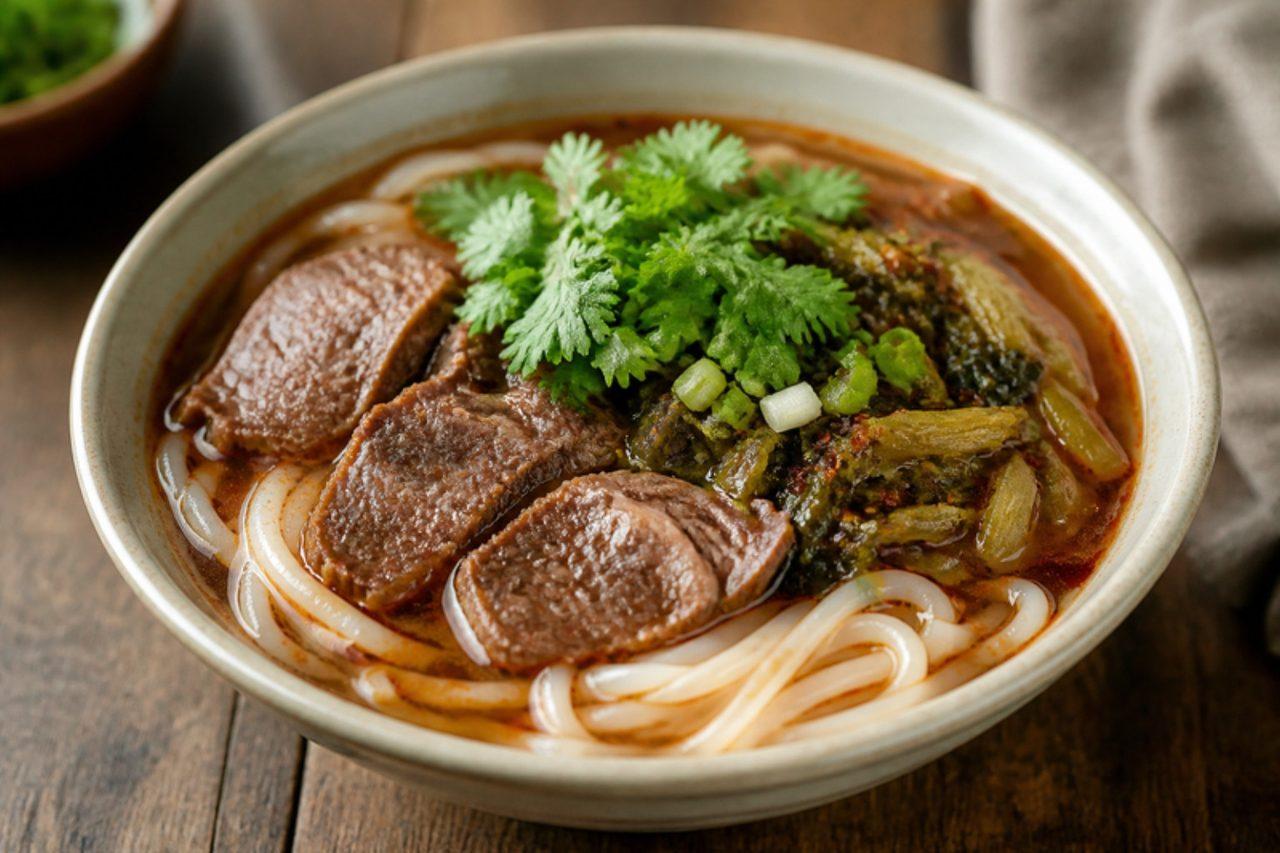
Huaxi beef noodlesBeef rice noodle soup

Breakfast in Guiyang means a steaming bowl of rice noodles at a counter, and the version from the Huaxi district on the city's southern edge is the one people queue for. Silky noodles sit in a clear, deeply beefy broth under slices of slow-cooked shin, and each diner finishes the bowl at the table from pots of tangy pickled mustard greens, toasted chilli and fresh herbs, so it is sour, spicy and savoury exactly to taste. The broth is light enough for the morning but rich in flavour. Serve it as a whole meal; a few extra pickles on the side are all it needs. Chef's tip: blanch the beef and rinse it before the long simmer; skipping this is the common mistake that leaves the broth cloudy and scummy.

by KrazyBadal 0 views

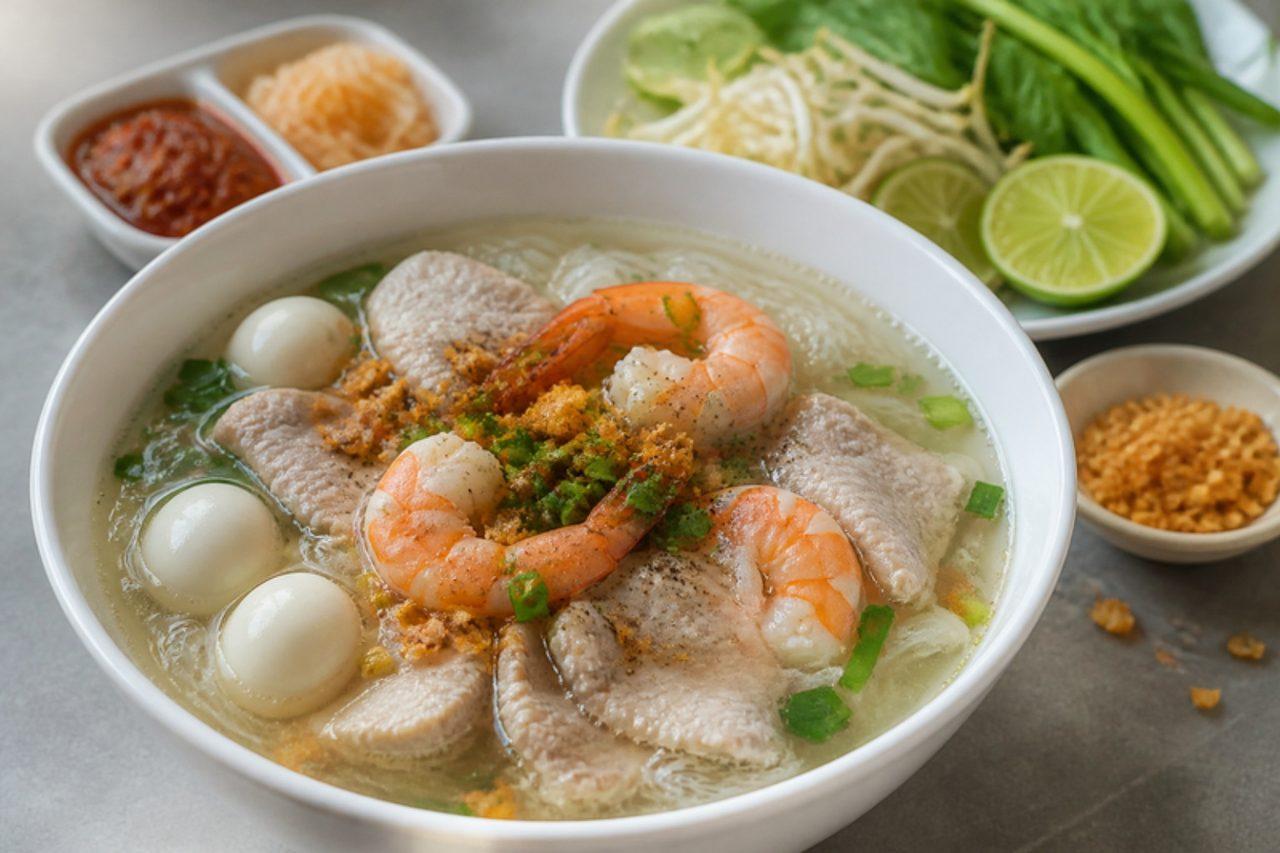
Hu tieuPork and prawn noodle soup

Hủ tiếu came to southern Vietnam with Teochew Chinese and Cambodian influences, and in Saigon it's as everyday as pho, sold from street carts at dawn and again late into the night. The broth is light and clear, sweet from pork bones, daikon and dried shrimp, and the bowl is loaded with sliced pork, minced pork, prawns and often quail eggs. Clear, chewy noodles and a spoon of crispy garlic oil set it apart. Many people order it khô, dry, with the noodles tossed in sauce and the soup on the side. Chef's tip: toast the dried squid over a flame before it goes in the pot; it gives the broth a sweet, savoury depth that's hard to place.

by KrazyBadal 0 views

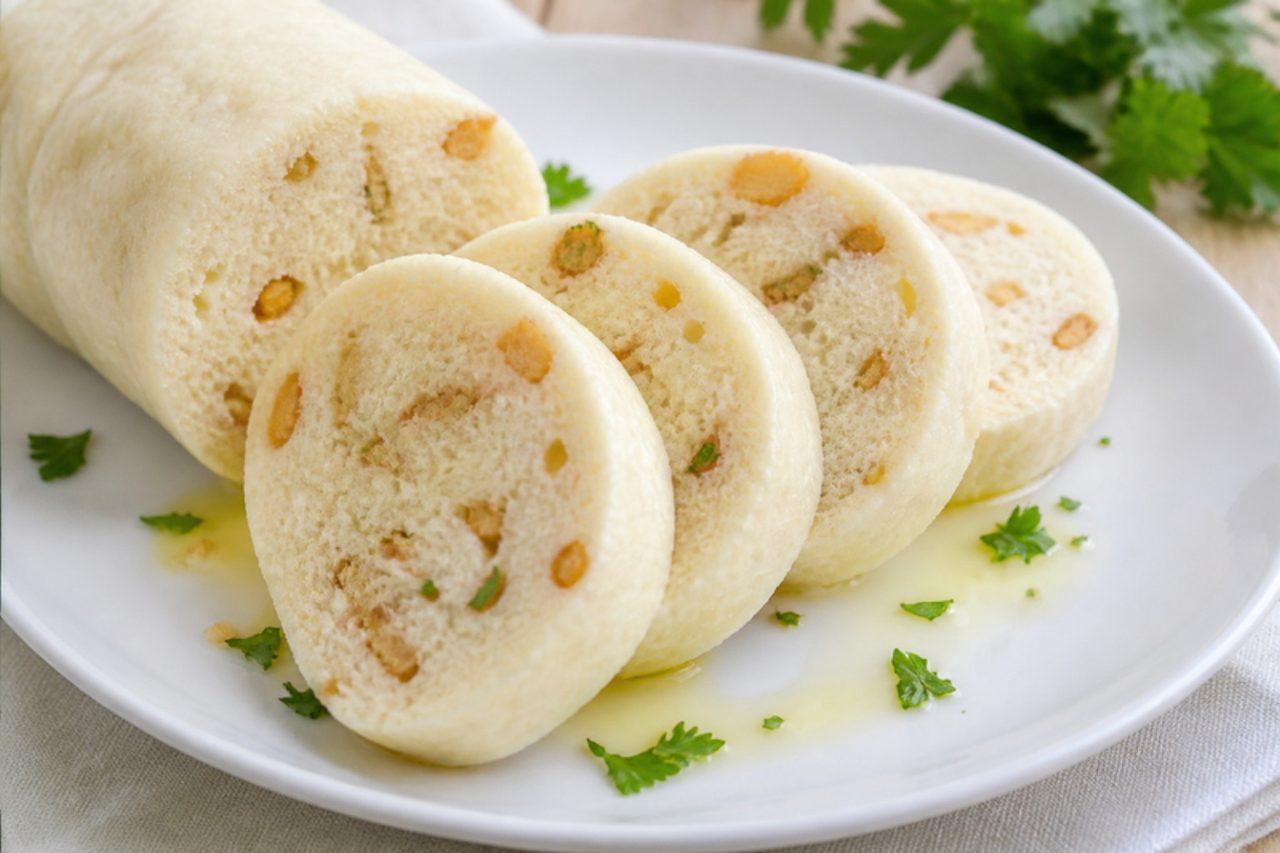
Houskové knedlíkyBread dumpling loaf

Houskové knedlíky are the sliced bread dumplings that sit beside almost every sauce in a Prague pub, from mushroom svíčková-style cream sauces to sweet-sour dill gravy. Unlike the round German Semmelknödel, these are a soft yeast dough rolled into a log with crisp cubes of stale roll inside, simmered whole, then cut into thick, spongy slices that drink up gravy. Czech grandmothers still slice them with a length of thread rather than a knife, which keeps the crumb open instead of squashing it. Chef's tip: cut the cooked loaf with a piece of cotton thread wrapped around it and pulled tight; a knife presses the slices into dense, gluey discs.

55 minCzechSides
by KrazyBadal 0 views

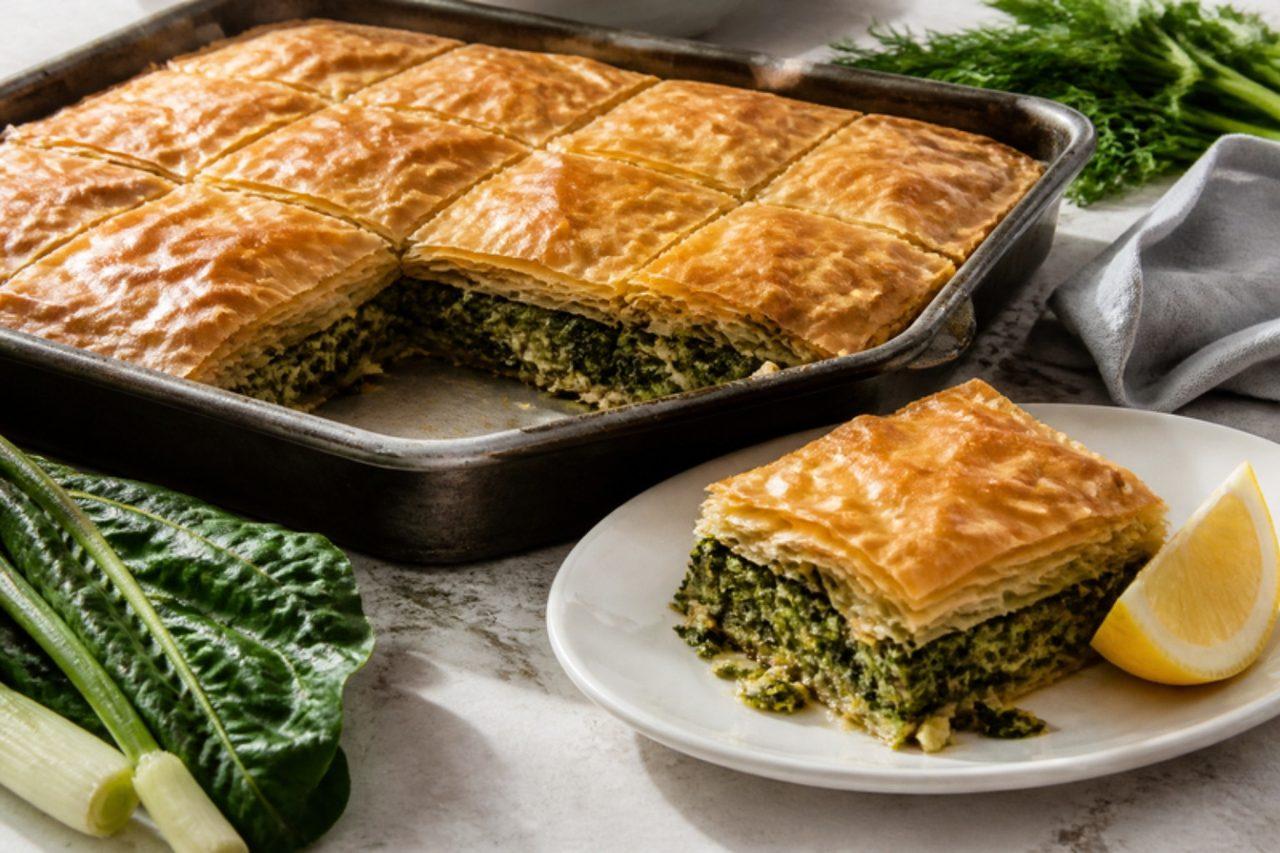
HortopitaWild greens pie

In the villages of Crete and the mountains of Epirus, hortopita is what cooks make from whatever greens are growing on the hillsides: wild fennel, sorrel, poppy leaves, nettles and chard. Many families bake it during Lent, when cheese and eggs are put aside, so the filling relies on olive oil, leeks and a big handful of herbs for flavour. It is earthy, a little bitter and very fresh. This version uses easy-to-buy chard, spinach, fennel fronds and leeks, with a spoonful of rice to soak up the juices. Serve warm or cold with olives and a glass of something cold. Most shop fillo is made without butter or egg, but check the label to keep it vegan. Chef's tip: salt the chopped greens and leave them for 20 minutes before squeezing; skipping this is the most common mistake, and it makes hortopita watery.

by KrazyBadal 0 views

Hortobágyi palacsintaPaprika chicken pancakes

Named after the Hortobágy puszta, Hungary's great grassland in the east, these savoury pancakes are a favourite starter in Hungarian restaurants and a clever family meal. Thin palacsinta are filled with finely chopped paprika chicken, folded into parcels, and baked in the paprika-soured cream sauce until bubbling. Chef's tip: chop the cooked chicken very finely or pulse it briefly; a fine filling makes neat, tight parcels.

by KrazyBadal 0 views

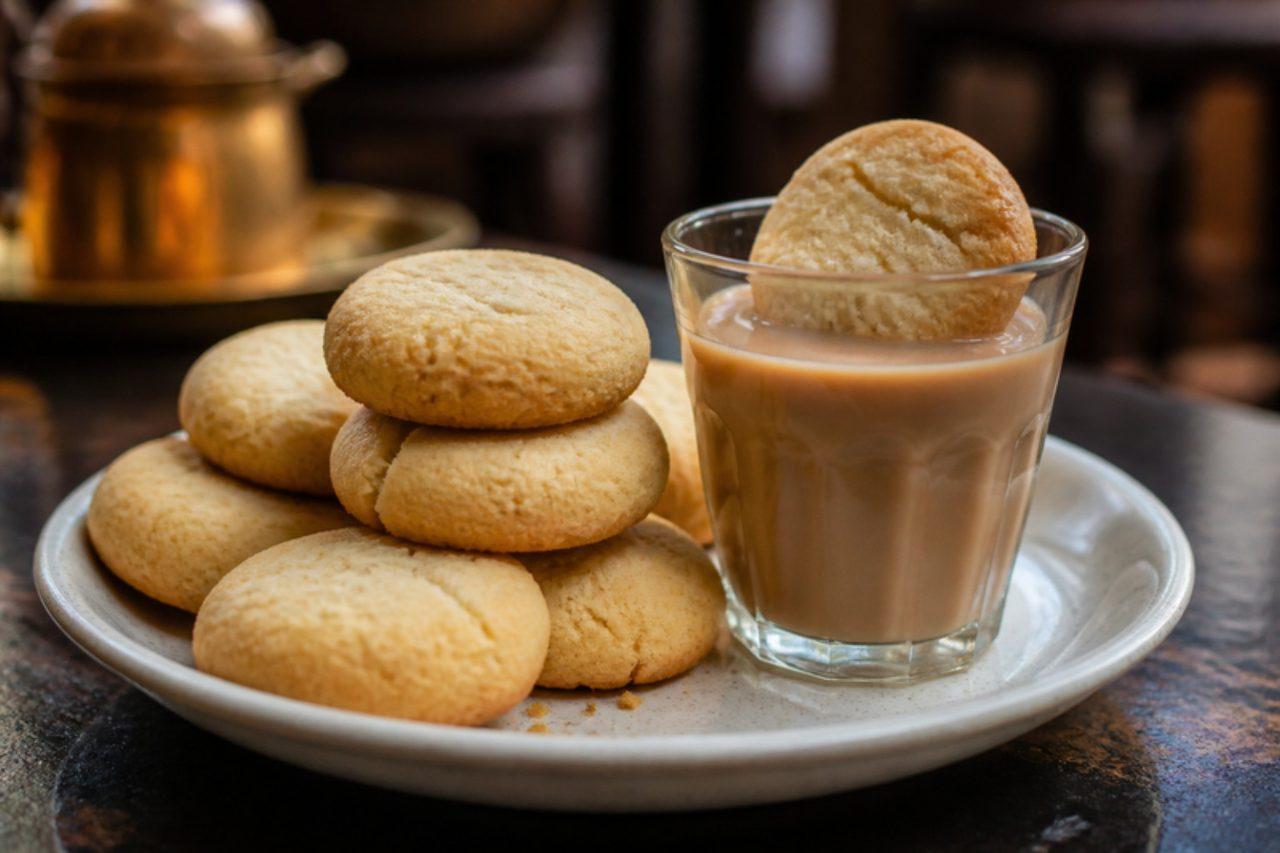
Osmania biscuitsSweet and salty butter biscuits

Osmania biscuits are named after the last Nizam of Hyderabad, and they have been baked in the city's Irani bakeries for generations: round, crumbly, melt-in-the-mouth butter biscuits that are gently sweet with a distinct salty edge and a hint of cardamom. In old-city cafés, men linger over a plate of them and a cup of Irani chai in the early morning or after the evening prayers, dunking each one until it is just about to collapse. Chef's tip: chill the dough before cutting and baking; it keeps the biscuits round and thick instead of spreading thin.

by KrazyBadal 0 views

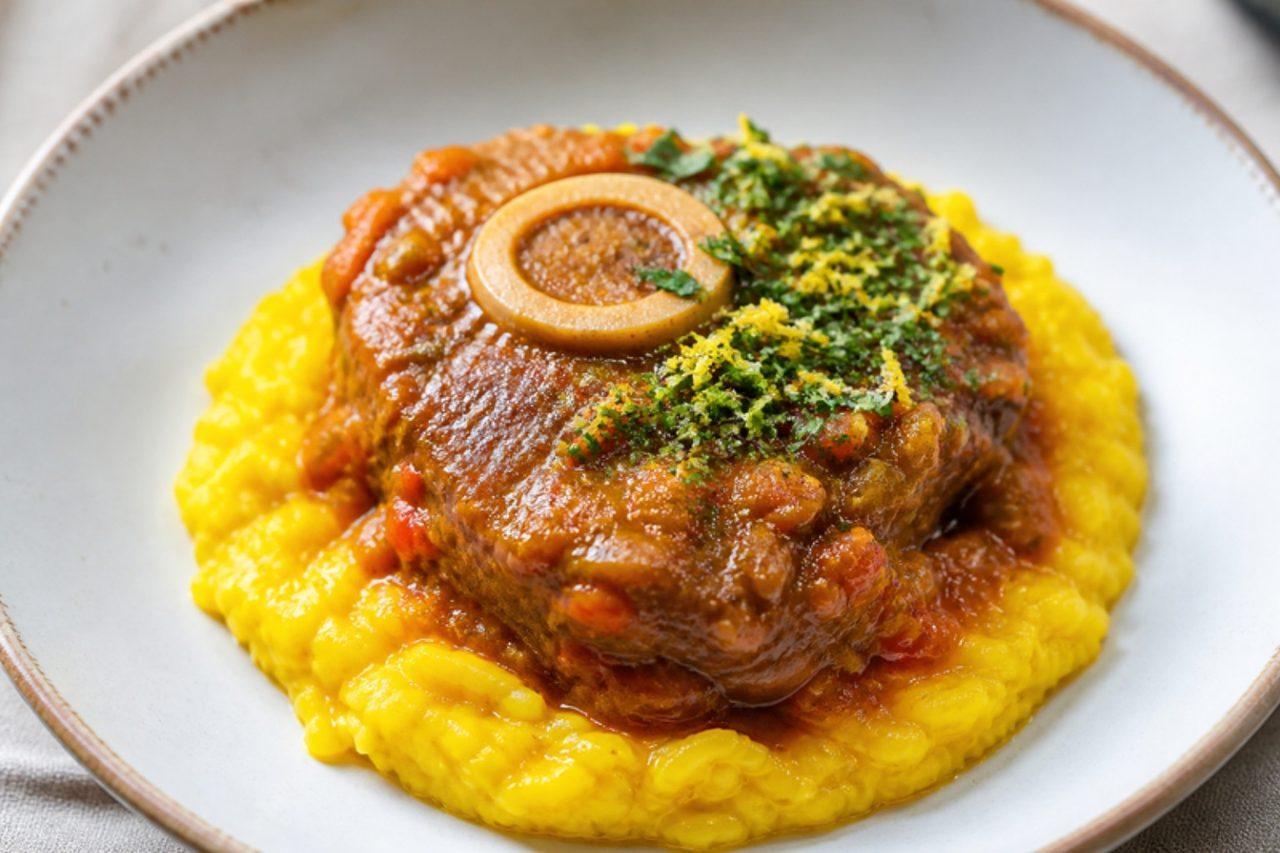
Ossobuco alla milaneseBraised veal shanks

Thick cross-cut slices of veal shank, each ringed around a hollow bone full of marrow, are browned and then braised slowly in white wine and stock until the meat is soft enough to cut with a spoon: this is Milan's great winter Sunday dish. The old Milanese way, 'in bianco', keeps tomato out, so the sauce stays golden and savoury. Just before serving it gets a shower of gremolata, a sharp mix of lemon zest, garlic and parsley that wakes up the rich braise. Serve it with risotto alla milanese, the saffron risotto that is its traditional partner (one of the few times a Milanese risotto shares the plate), or with soft polenta. Chef's tip: snip through the thin skin around each shank in three or four places before browning, so the slices stay flat in the pan instead of curling up.

150 minItalianMeatGluten free
by KrazyBadal 0 views

Horchata de arrozRice and cinnamon drink

Mexican horchata is a sweet, milky-looking agua fresca made from rice soaked overnight with cinnamon, then blended and strained. It is quite different from the Valencian horchata de chufa made from tiger nuts. Sold everywhere from Mexico City street stalls to taquerías in Oaxaca, it cools the mouth after a spicy taco and tastes of cinnamon, vanilla and toasted grain. We blend in almonds for extra creaminess and keep it dairy free, so it is vegan. Chef's tip: strain twice, the second time through a fine cloth; a gritty horchata is the most common mistake, and that silky texture is what you're after.

by KrazyBadal 0 views

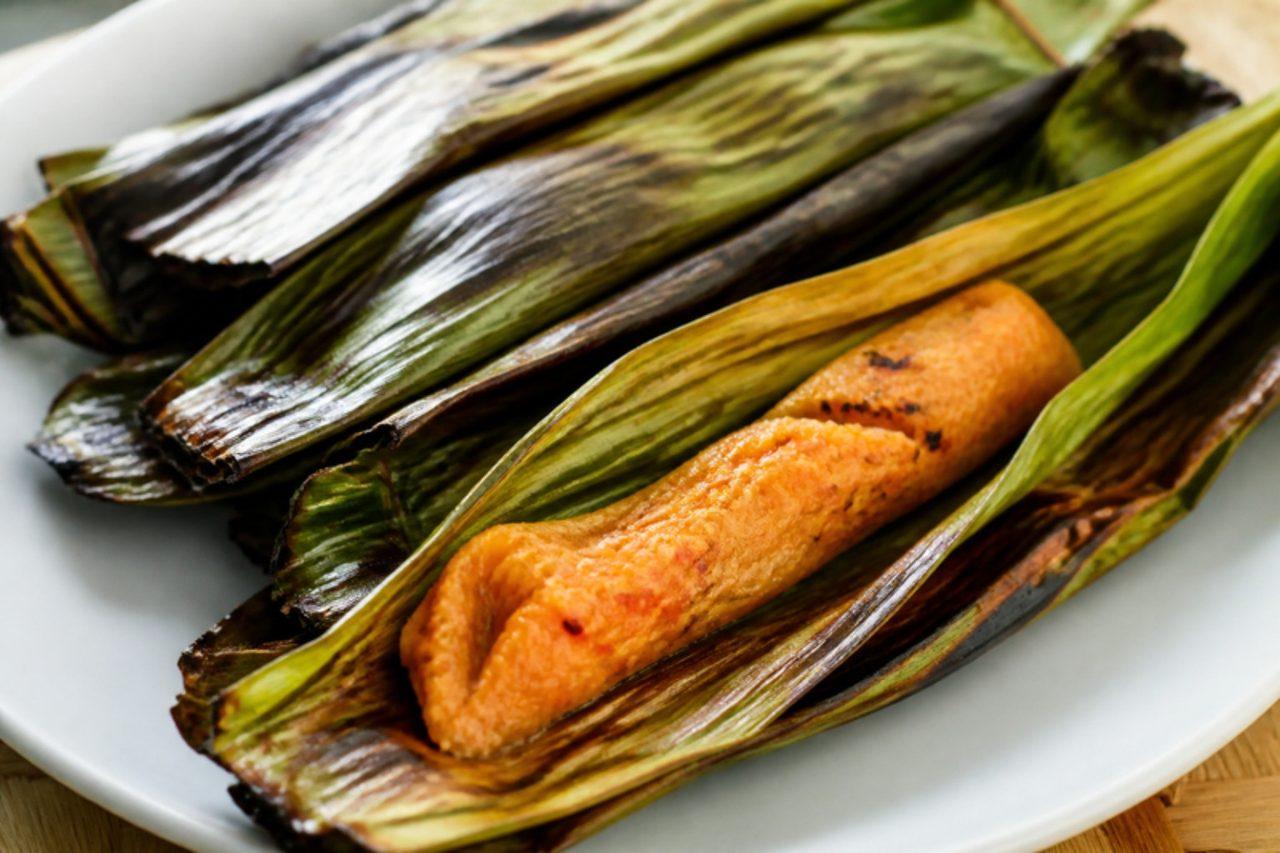
Otak-otakGrilled spiced fish mousse

Drive through Muar in Johor and you will see roadside grills stacked with slim green parcels, sold by the dozen in paper bags for the journey home. Inside each is a soft, bright-orange custard of pounded mackerel, coconut milk and egg, flavoured with a chilli-lemongrass rempah and kaffir lime leaf, which turns smoky and slightly charred at the edges from the grill. Melaka's Nyonya cooks make a fatter, steamed version, but this one is grilled in banana leaf. Eat it warm, peeled straight out of the leaf, with white bread, rice or nasi lemak. Chef's tip: chill the fish mixture for 15 minutes before wrapping; it firms up and is far easier to spoon onto the leaves.

by KrazyBadal 0 views

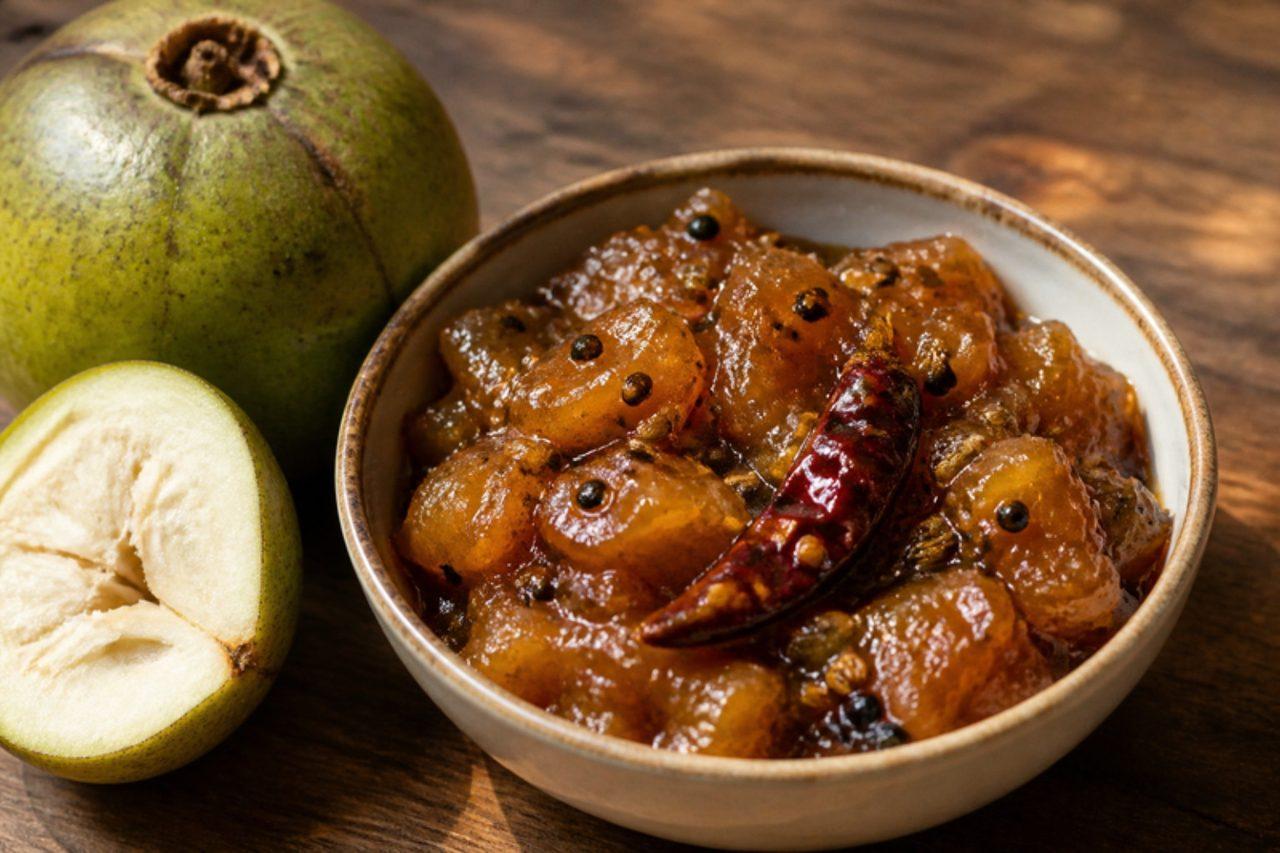
Ou khattaElephant apple chutney

Ou tenga, the elephant apple, is a hard, sour green fruit that grows across Assam and turns up in every winter market in Guwahati. Ou khatta is its sweet chutney: slices are boiled until tender, then simmered with jaggery and panch phoron until glossy, sticky and sharp-sweet. It is served in a little mound at the end of a festive Assamese lunch and at Bihu feasts, the way Bengalis end with tomato chutney. Chef's tip: outside the Northeast, use a mix of very sour green apple and a little tamarind; it gets surprisingly close.

by KrazyBadal 0 views

Homemade fresh yubaFresh tofu skin

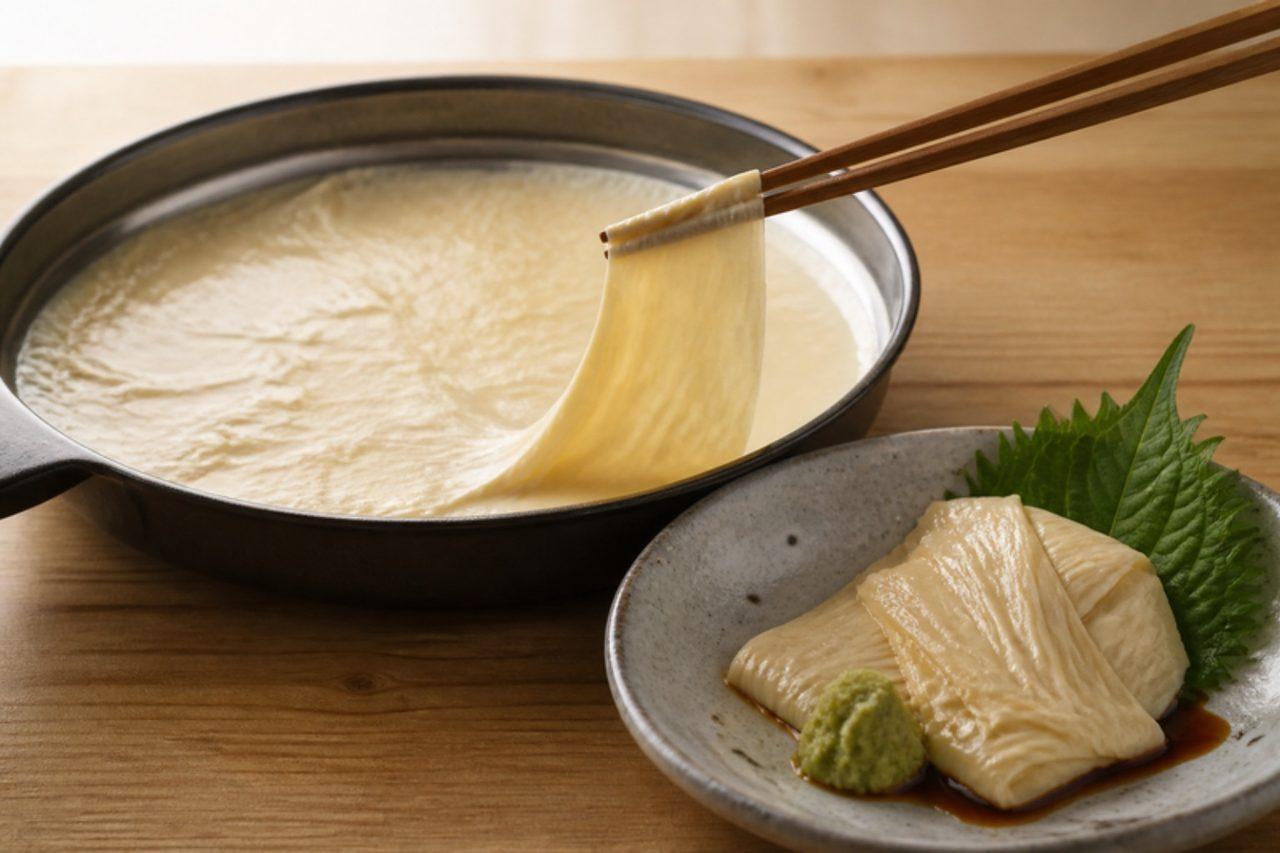
Yuba is the thin skin that forms on soy milk as it heats, and in Kyoto and the temple town of Nikko it is a delicacy in its own right. Workshops in Kyoto's old streets have made it for centuries for monks' shojin ryori, the Buddhist vegetarian cuisine that relied on it for protein. Fresh yuba is soft, creamy and faintly sweet, and the first sheets of the day, eaten warm with a drop of soy, are prized above all. It needs patience rather than skill: just a wide pan, gentle heat and good soy milk. Serve as a starter with wasabi soy, or roll the sheets and slice them. Chef's tip: use unsweetened soy milk with at least 7% protein (check the label). Thin supermarket drinks won't form a skin.

by KrazyBadal 0 views

XawaashSomali spice blend

Xawaash (pronounced 'ha-wash') is the spice mix every Somali kitchen keeps in a jar, used in rice, soups, stews, sambuusa fillings and even tea. Families toast and grind their own, often in quantity before Ramadan, and the balance of warm cumin, earthy coriander and sweet cardamom and cinnamon varies from house to house. It is different from Yemeni hawaij and Ethiopian berbere: there is no chilli in it. Chef's tip: toast each spice only until it darkens a shade and smells warm; burnt cumin turns the whole jar bitter.

by KrazyBadal 0 views

Ovocné knedlíkyFruit-filled dumplings

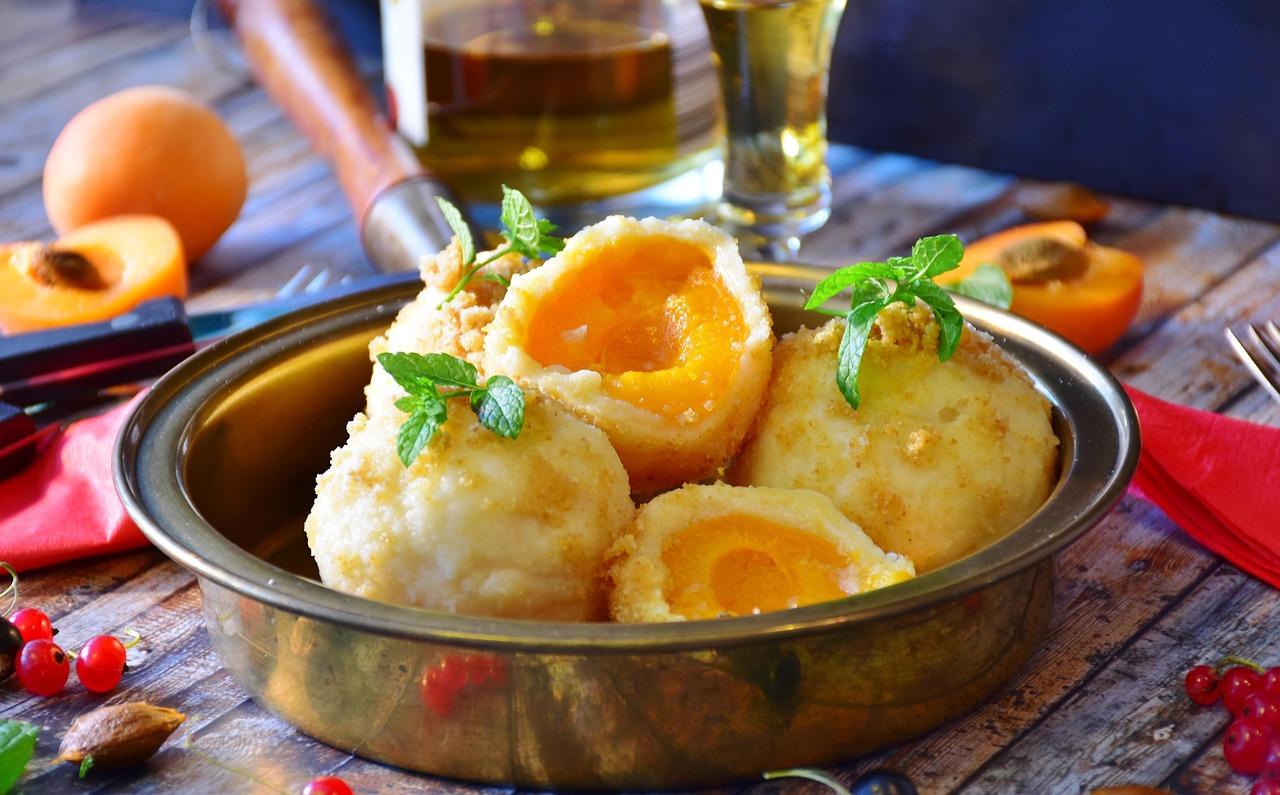
Ovocné knedlíky are the summer main course of Czech childhoods: in July with apricots from South Moravian orchards, in September with blue plums, eaten as lunch rather than pudding. Each soft quark dumpling hides a whole fruit that turns jammy as it simmers, and they are served the old way, rolled in melted butter and buried under grated tvaroh (quark) and icing sugar. Kids compete over who can eat the most. Chef's tip: pinch the dough completely closed with no thin patches; a single gap lets water in and the dumpling bursts in the pot.

by KrazyBadal 0 views

Gaeng hang layPork belly curry

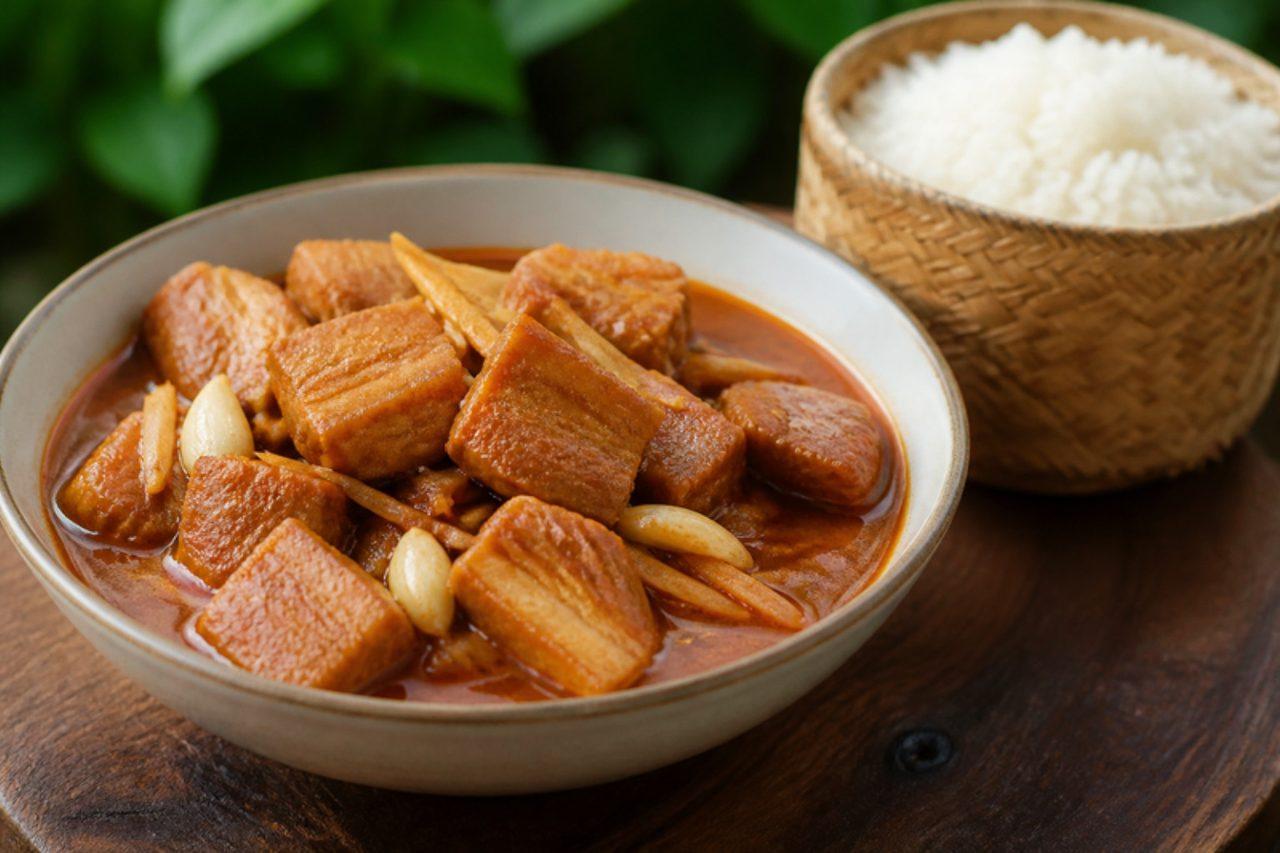
Brought to Lampang and Chiang Mai by Burmese teak traders in the 1800s, this coconut-free curry is now the dish Northern families cook for temple fairs, weddings and Songkran, often a day ahead in a big pot. Chunks of pork belly and shoulder braise slowly until they almost fall apart in a dark, glossy sauce that tastes of ginger, garlic and warm spices, sharpened with tamarind and rounded with palm sugar. It should be thick enough to cling to the meat rather than soupy. Serve it with steamed jasmine or sticky rice and a crisp cucumber salad. Chef's tip: make it the day before; overnight in the fridge the flavours settle and the fat sets on top so you can lift some off before reheating.

120 minThaiCurriesGluten free
by KrazyBadal 0 views

Ovoshchnoe raguSummer vegetable stew

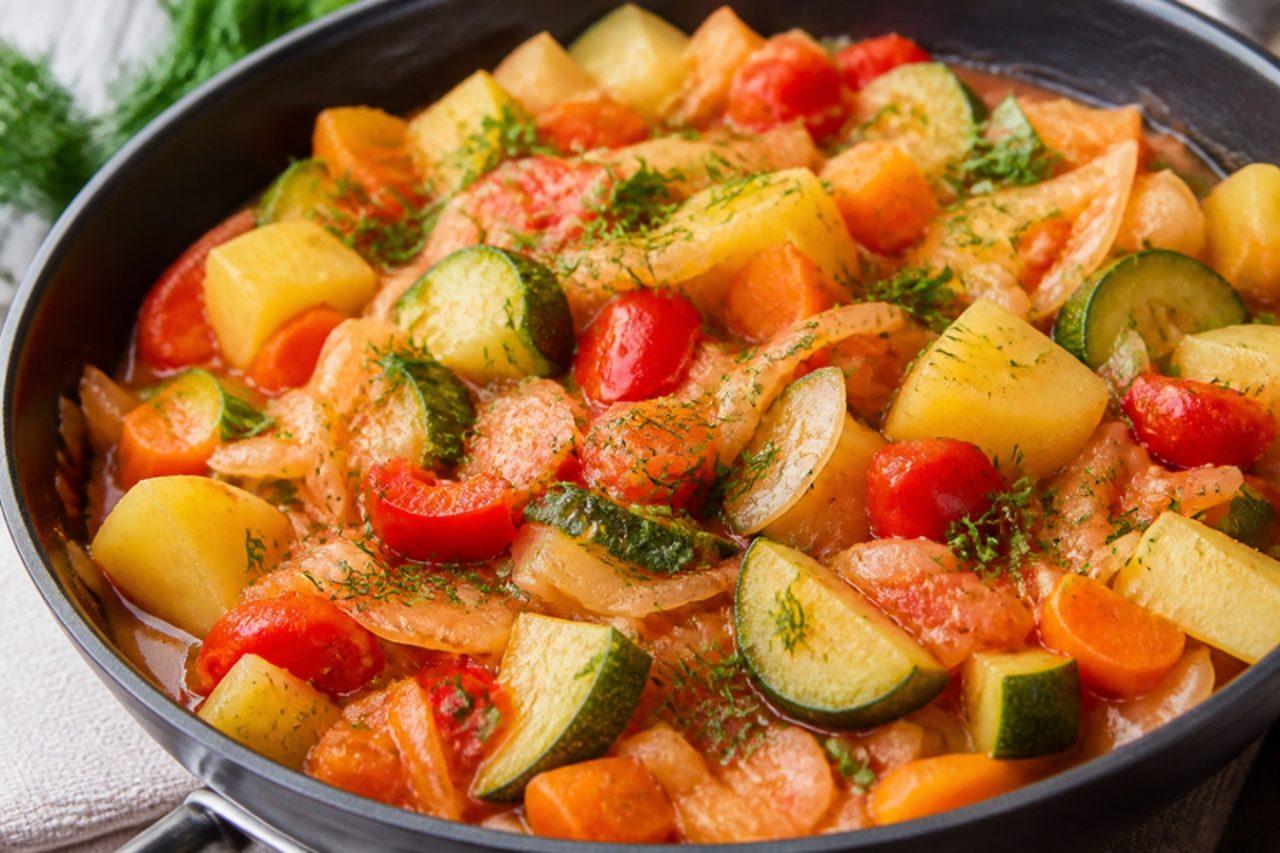
Ovoshchnoe ragu is what happens at a Russian dacha in August, when the garden outside Moscow or Nizhny Novgorod produces more courgettes, cabbage, peppers and new potatoes than anyone can eat. Everything is fried in turn, then stewed together in one heavy pot with tomato until soft and spoonable, and eaten hot with black bread, or cold the next day. It is homelier than French ratatouille or Greek briam: cabbage and potatoes give it body, and dill and garlic go in right at the end. Chef's tip: fry each vegetable separately before stewing; dumping everything in raw gives a watery, boiled taste.

by KrazyBadal 0 views

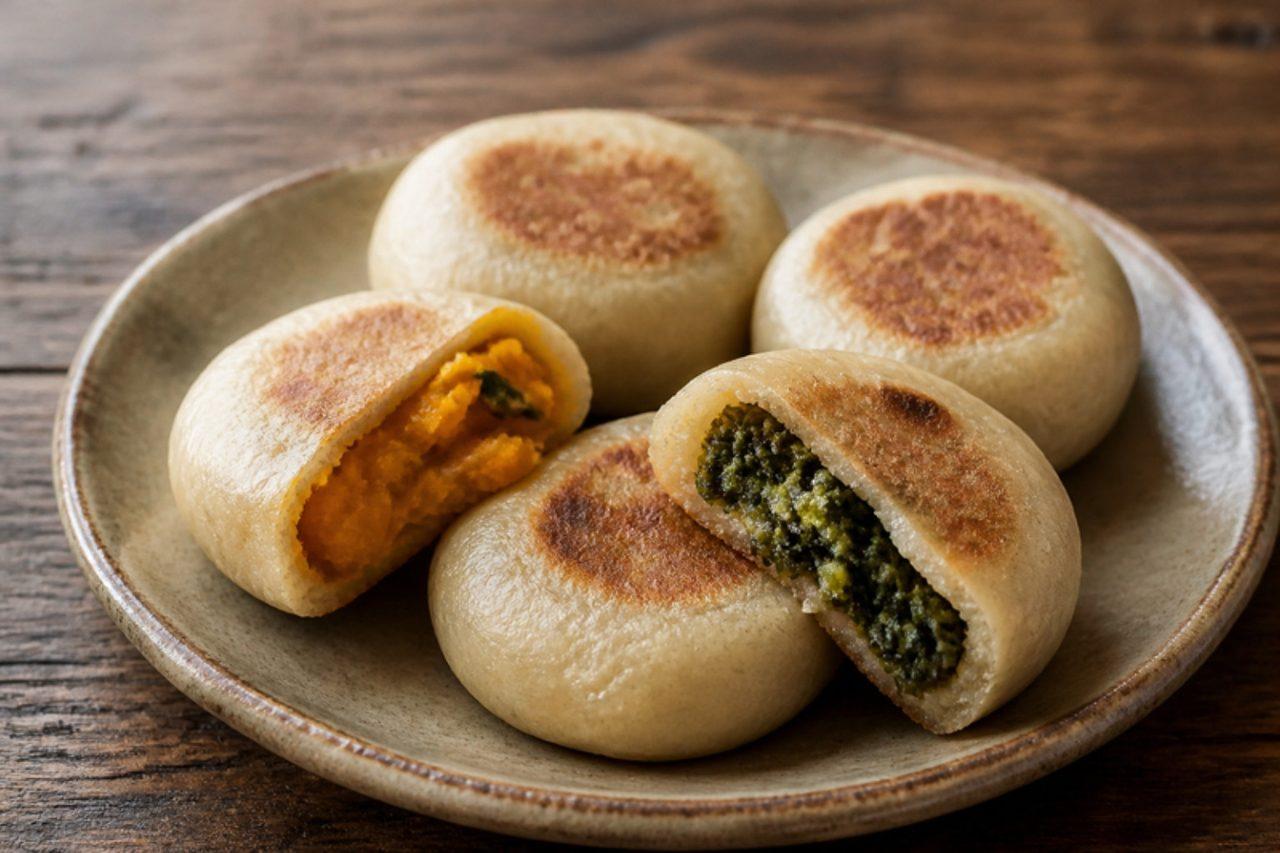
OyakiStuffed steamed dumplings

Oyaki are the everyday snack of Nagano's mountain villages, where rice was scarce and wheat and buckwheat grew better. The plump dumplings are filled with whatever the season gives: pickled nozawana greens in winter, aubergine and miso in summer, sweet squash in autumn. Old farmhouses baked them in the ashes of the irori hearth; today they are browned in a pan and steamed, so they come out crusty on both faces with a soft, chewy middle. They travel well, which made them the lunch of farmers and hikers on the trails around Zenkoji temple. Chef's tip: let the dough rest for at least 30 minutes. A relaxed dough stretches thin around the filling without tearing.

by KrazyBadal 0 views

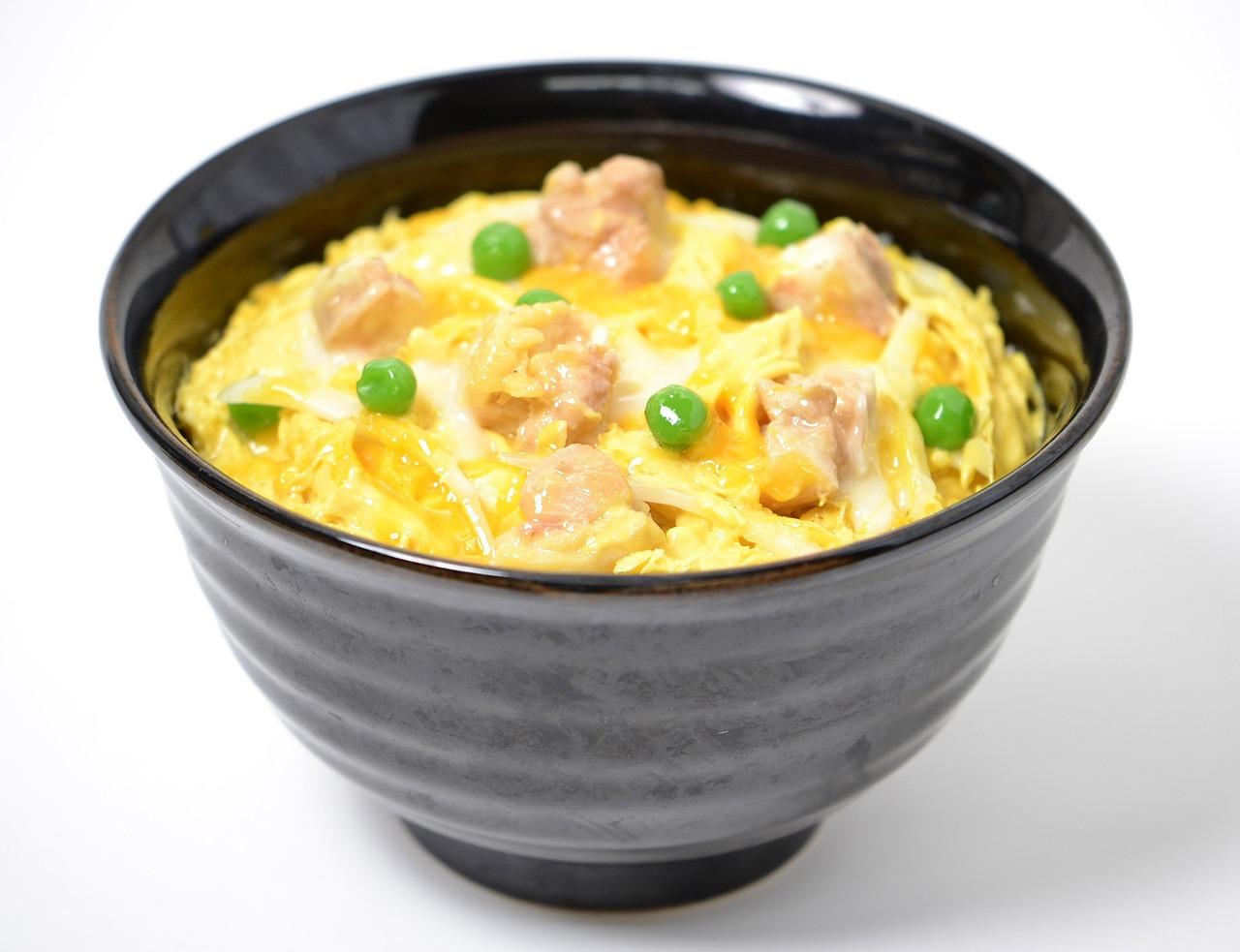
OyakodonChicken and egg rice bowl

The name means 'parent and child bowl', a gentle joke about cooking the chicken and the egg together. A Nihonbashi chicken restaurant in Tokyo says it first served the dish in the 1890s, and today it is a staple lunch in soba shops, office canteens and home kitchens all over the country. Thigh meat and sliced onion simmer briefly in sweet soy dashi, then beaten egg goes in and is taken off the heat while still soft and glossy. Everything slides onto a bowl of hot rice so the sauce seeps into the grains. Chef's tip: beat the eggs with just a few strokes of chopsticks, leaving streaks of white and yolk, as that marbled look and silky texture is what you're after.

by KrazyBadal 0 views

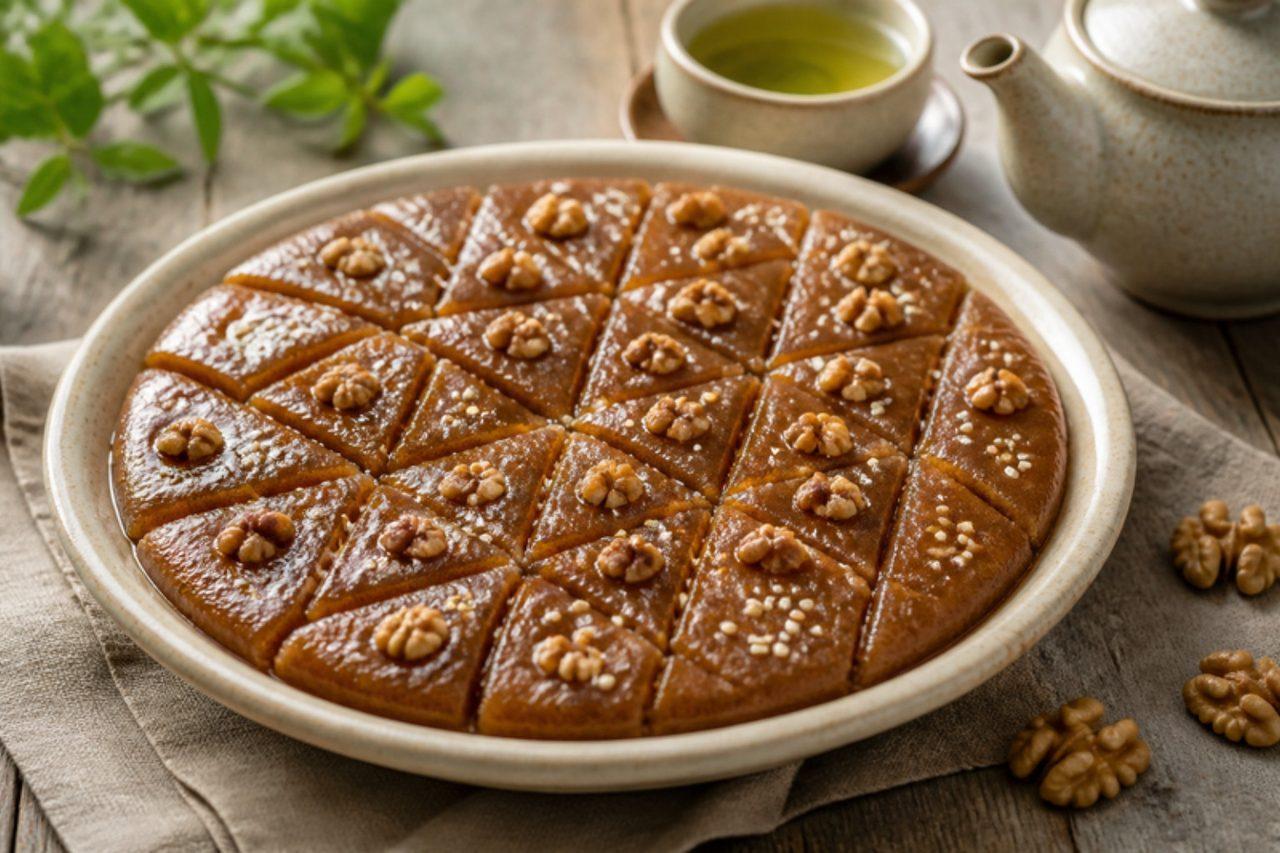
Uzbek halva (holvaitar)Flour and butter halva

Holvaitar is one of the oldest sweets of Bukhara: flour slowly roasted in butter until it smells like toasted nuts, then cooked with a sugar syrup into a soft, spoonable halva and topped with walnuts. Bukharan families make it for Navruz in March, for the 'Thursday' remembrance meals, and for women after childbirth, served warm in small bowls with green tea. It is closer to a pudding than to the brittle sesame halva sold in the bazaar. Chef's tip: patience at the roasting stage is everything; stop when the flour is the colour of milky coffee — paler tastes raw, darker turns bitter.

by KrazyBadal 0 views

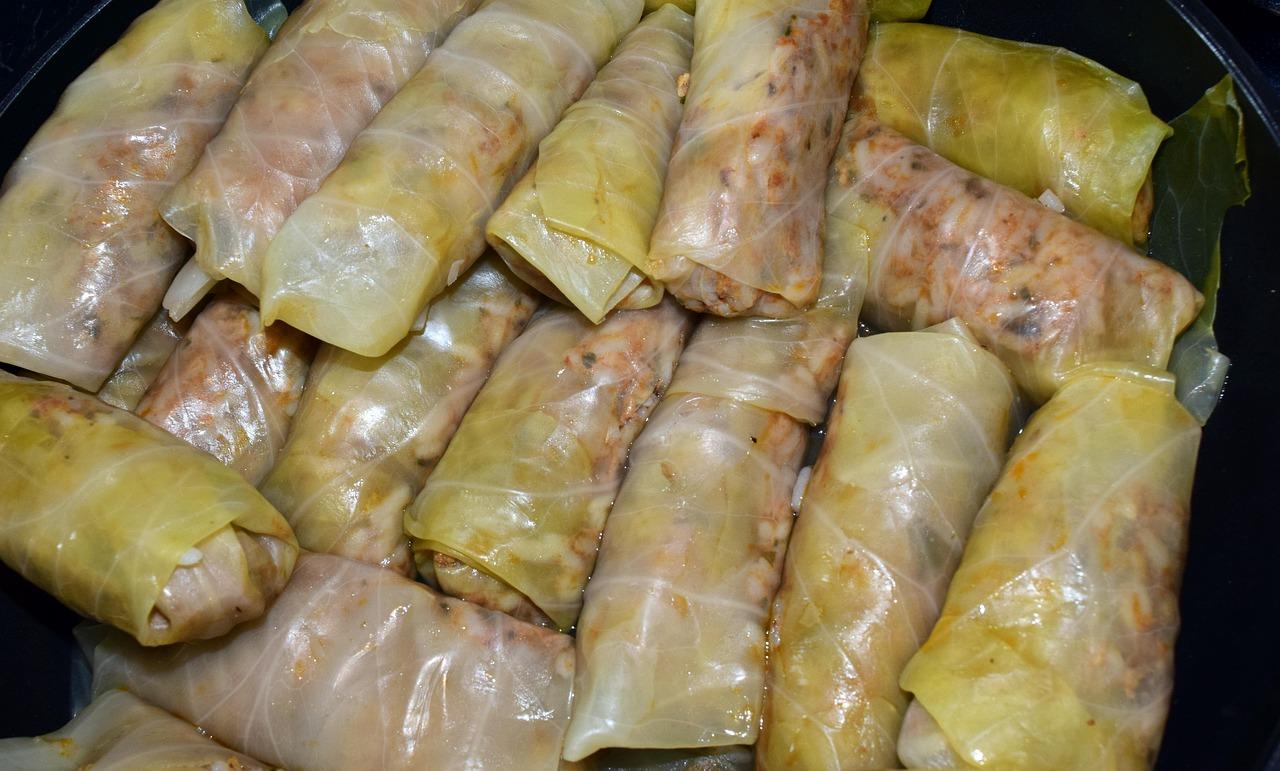
HolubtsiCabbage rolls with pork and rice

Holubtsi, 'little doves', are the cabbage rolls of Ukrainian family feasts, made by the trayful for weddings, christenings and Christmas in homes from Lviv to Poltava. This version contains pork: tender cabbage leaves wrap a mix of pork and beef mince, rice, onion and carrot, and the rolls bake slowly in a tomato and soured cream sauce. Serve with more soured cream and dill. Chef's tip: core the cabbage and simmer the whole head, peeling off leaves as they soften; they come away without tearing.

by KrazyBadal 0 views

Pabellón criollo vegetarianoMushrooms, black beans and rice plate

Pabellón criollo is Venezuela's national dish, the lunch plate served in family kitchens and at every Caracas lunch counter: white rice, black beans (caraotas), sweet fried plantain (tajadas) and shredded stewed beef side by side, like the stripes of a flag. This vegetarian version replaces the beef with king oyster mushrooms pulled into strands and stewed in a sofrito with tomato, cumin and a little panela, which gives the same tender, shredded texture. For slow-cooked beans from scratch, see the frijoles negros cubanos page. Chef's tip: shred the mushrooms along the grain with a fork, as you would pull beef; it's what makes them look and eat like carne mechada.

by KrazyBadal 0 views

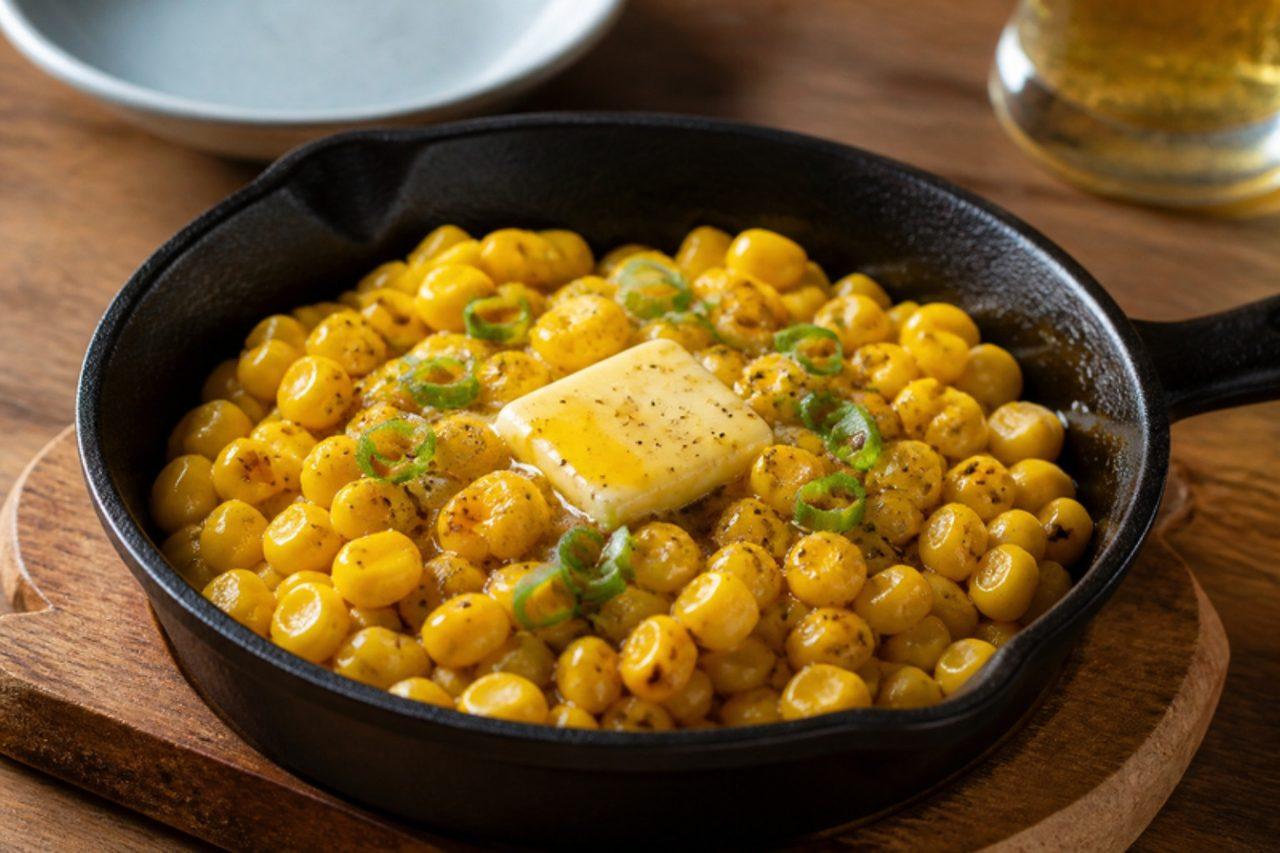
Hokkaido butter cornButtered sweetcorn

Hokkaido grows most of Japan's sweetcorn, and in late summer roadside stands around Sapporo and Furano sell cobs so sweet people eat them raw. Butter corn is how the island turns that harvest into a side dish: kernels hissing in a hot pan with Hokkaido's other pride, butter, and finished with soy sauce until the edges catch. You'll find it as a ramen topping, a beer snack in izakaya and a bento filler. Serve it hot beside grilled vegetables or rice. Chef's tip: let the kernels sit in the pan without stirring for a minute at a time. A few browned, almost toasted kernels give the dish its nutty, popcorn-like smell.

by KrazyBadal 0 views

Pachamanca a la ollaPot-steamed meats with potatoes

In the highlands around Huancayo and Ayacucho, families mark harvests and saints' days by burying marinated meats, potatoes, sweet potatoes, broad beans and humitas under hot stones and earth for a pachamanca, an 'earth pot'. City cooks get close to it with a heavy pot: the same green marinade of huacatay (black mint), chincho, ají and garlic, layered with meats and roots and steamed in their own juices under banana or corn leaves. Chef's tip: layer the hardest things lowest, potatoes on the bottom and chicken nearest the lid, just as the stones are packed in the field.

135 minPeruvianMeatGluten free
by KrazyBadal 0 views

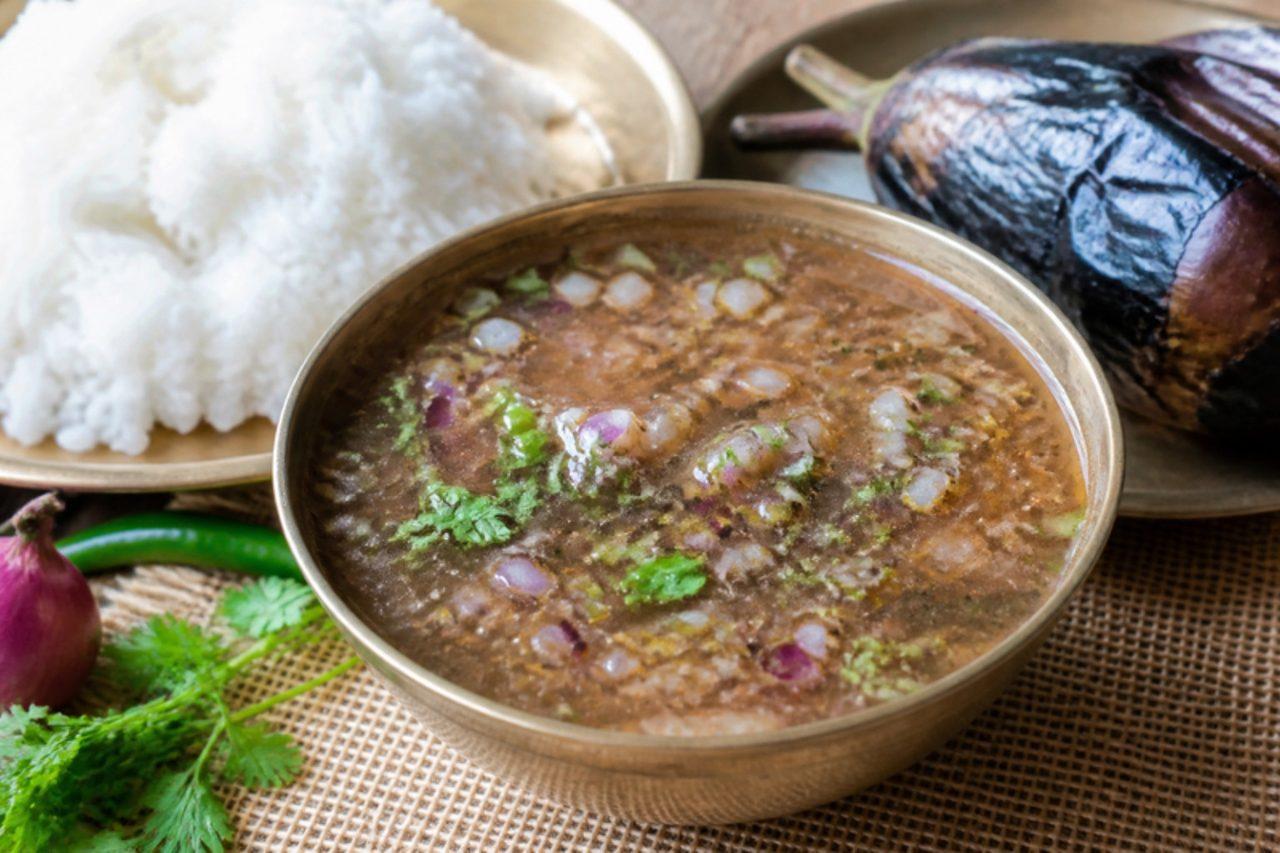
Pachi pulusuRaw tamarind soup

Pachi pulusu, 'raw stew', is Telangana's summer cooler: a no-cook tamarind water stirred with jaggery, finely sliced raw onion and green chilli, finished with a hot mustard-seed tempering. In the heat of April and May in villages around Warangal and Karimnagar, families pour it over hot rice with a spoonful of dal or a spicy fry, and it wakes up appetites dulled by the sun. Some add a smoky roasted brinjal mashed in, which gives it body. Sweet, sour and sharp at once, it takes ten minutes. Chef's tip: rub the onion with salt and a little chilli powder in your fingers before adding the tamarind water, so it softens slightly and flavours the whole bowl.

by KrazyBadal 0 views

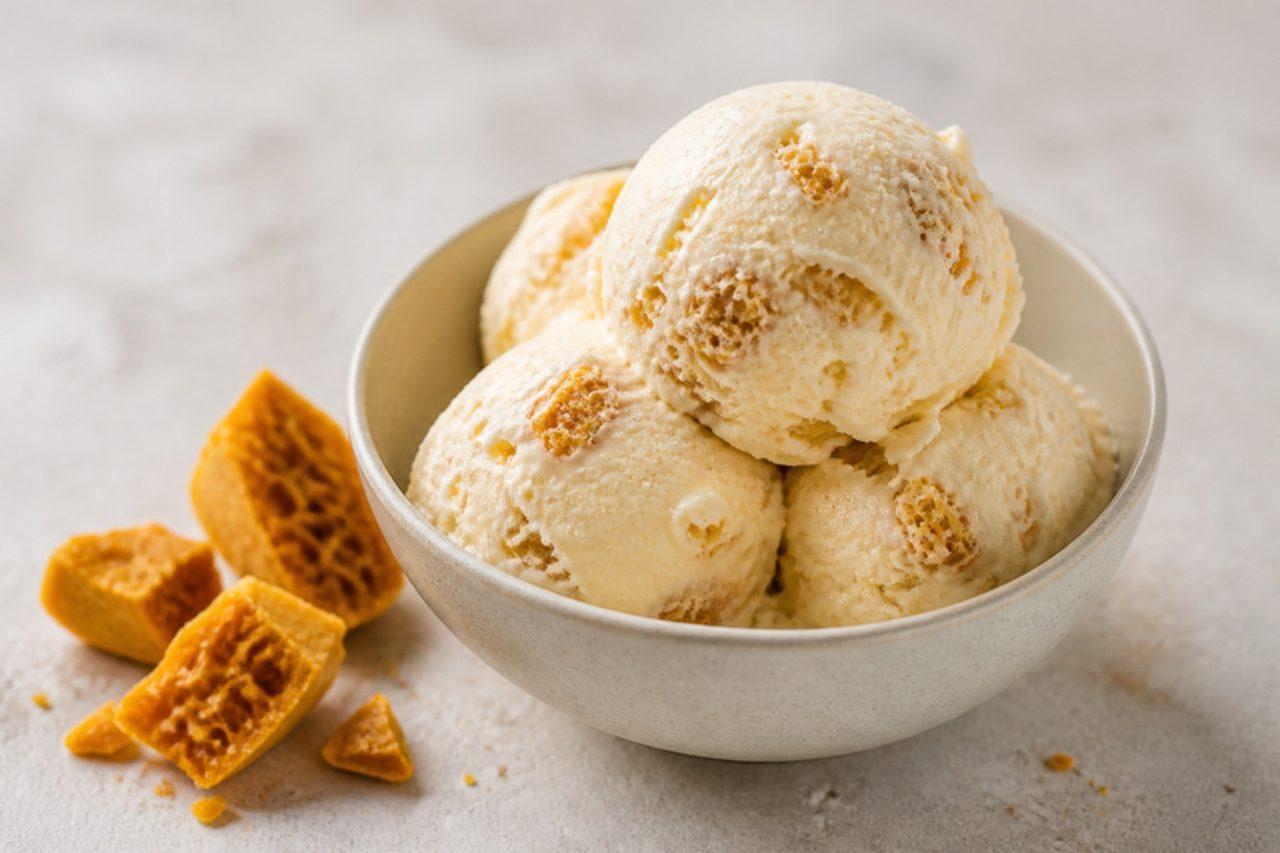
Hokey pokey ice creamHoneycomb toffee ice cream

Hokey pokey is what New Zealanders call honeycomb toffee, and vanilla ice cream full of crunchy little nuggets of it has been the country's best-loved flavour since the mid-twentieth century; it's scooped into cones at dairies and beaches from Auckland to Invercargill. The honeycomb is a bubbling golden syrup toffee that foams up when bicarbonate of soda goes in and sets glassy and light. Folded through a rich no-churn vanilla base, it stays crunchy at first and slowly turns chewy and toffee-like. Chef's tip: don't stir the sugar once it starts to melt; swirl the pan instead, or it will crystallise and turn grainy.

by KrazyBadal 0 views

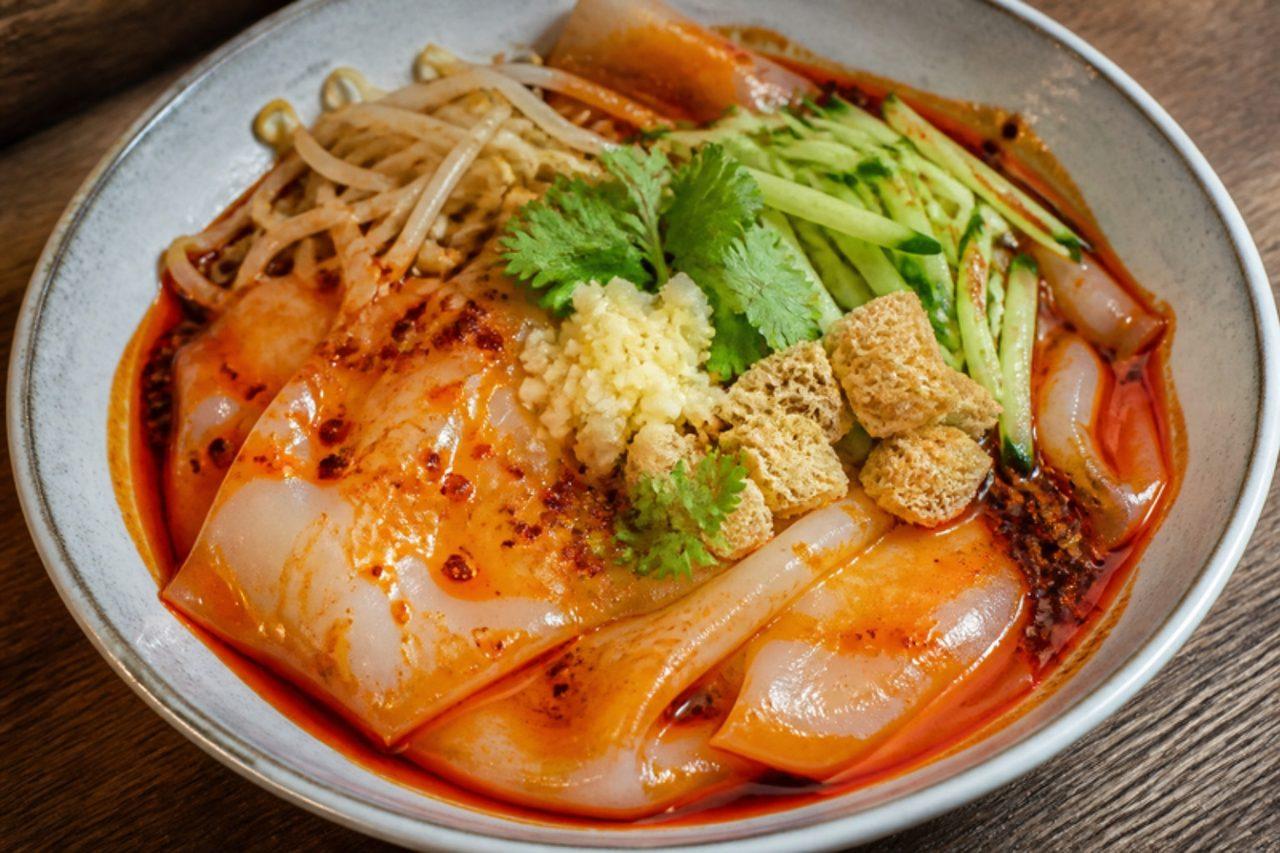
Xi'an liangpiCold wheat starch noodles

In Xi'an's Muslim Quarter, cooks peel liangpi off steaming trays all day, cut it into wide ribbons and toss it with chilli oil, black vinegar, garlic water and cubes of springy gluten. It's eaten cold, often with a flatbread, as a summer lunch. Gansu's niangpi, from Lanzhou and Tianshui, is the same dish with thicker sheets and more garlic, so it's covered here too. You wash a flour dough to split the starch from the gluten, so allow 4 hours for the starch to settle. Chef's tip: stir the starch water every time before you ladle it, because the starch sinks fast.

by KrazyBadal 0 views

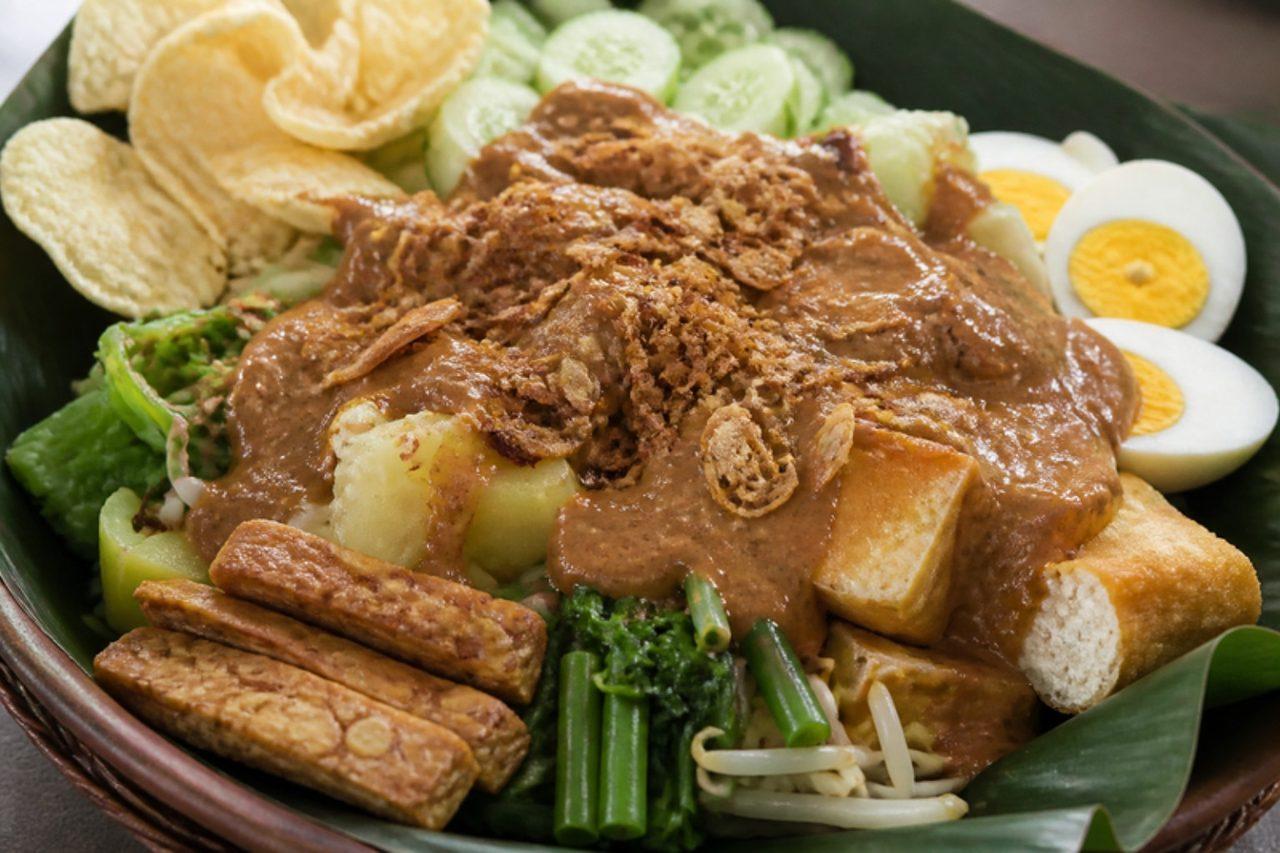
Gado-gadoVegetable salad with peanut sauce

In Jakarta, gado-gado is lunch from a pushcart: the Betawi seller grinds the peanut sauce to order on a stone ulekan, then tips blanched greens, potato, tofu, tempeh and egg into it and mixes everything by hand. The name roughly means "mix-mix", and that is how it's eaten, with every vegetable coated in a sauce that's nutty, sweet from palm sugar, sour from tamarind and as hot as you ask for. It's a full meal on its own, crunchy with emping or rice crackers on top. Chef's tip: loosen the peanut sauce with warm water only at the end and stop when it coats a spoon like custard; too thin and it slides off the vegetables and pools on the plate.

by KrazyBadal 0 views

PączkiRose jam doughnuts

Pączki are the rich, yeasted doughnuts Poland eats by the dozen on Tłusty Czwartek, Fat Thursday, the last Thursday before Lent, when Warsaw bakeries such as the old ones on Nowy Świat have queues round the block from dawn. A good pączek is round and heavy for its size, with a pale ring around its middle, a fine, yolk-rich crumb and a filling of rose-petal jam (konfitura z róży) or plum butter, finished with icing and candied orange peel. A spoon of vodka or spirytus in the dough is an old trick: it evaporates in the hot oil and stops the dough soaking up fat. Chef's tip: keep the oil between 165 and 175°C with a thermometer; hotter and they burn outside while raw in the middle, cooler and they turn greasy.

by KrazyBadal 0 views

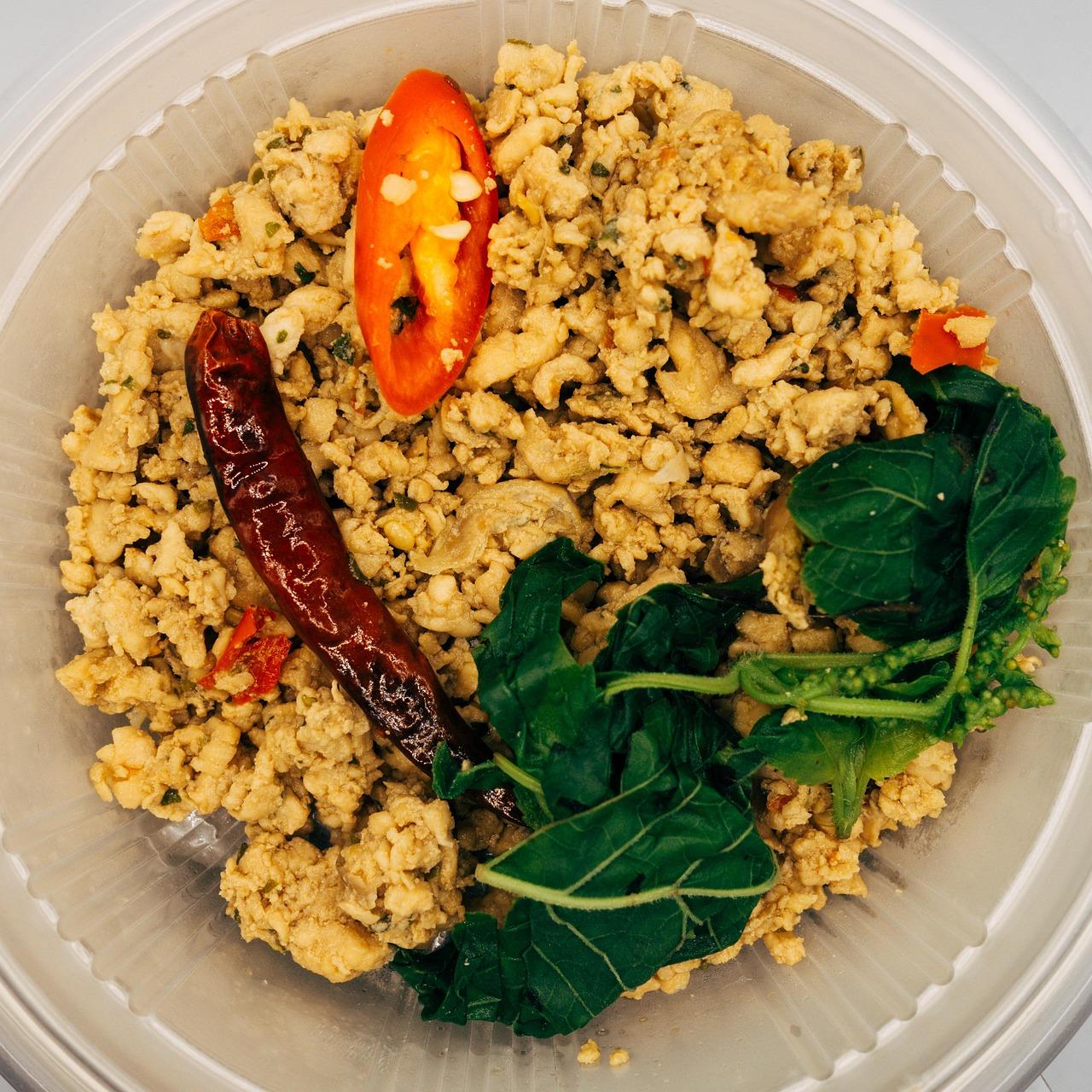
Pad kra pao gaiChicken and holy basil stir-fry

Ask a Bangkok office worker what they had for lunch and the answer is very often 'kra pao gai, khai dao': chopped chicken flash-fried with garlic, chillies and holy basil, spooned over rice and crowned with a fried egg whose edges have blistered into brown lace. Street stalls and food courts across the city cook it to order in a roaring wok in about three minutes. The chicken should be slightly sticky and salty-sweet, the basil peppery with a hint of clove, and the runny yolk becomes a sauce for the rice. A saucer of prik nam pla (sliced chillies in fish sauce) on the side is all it needs. Chef's tip: chop the chicken by hand with a heavy knife instead of buying fine mince; the coarse, uneven bits catch the sauce and stay juicy.

by KrazyBadal 0 views

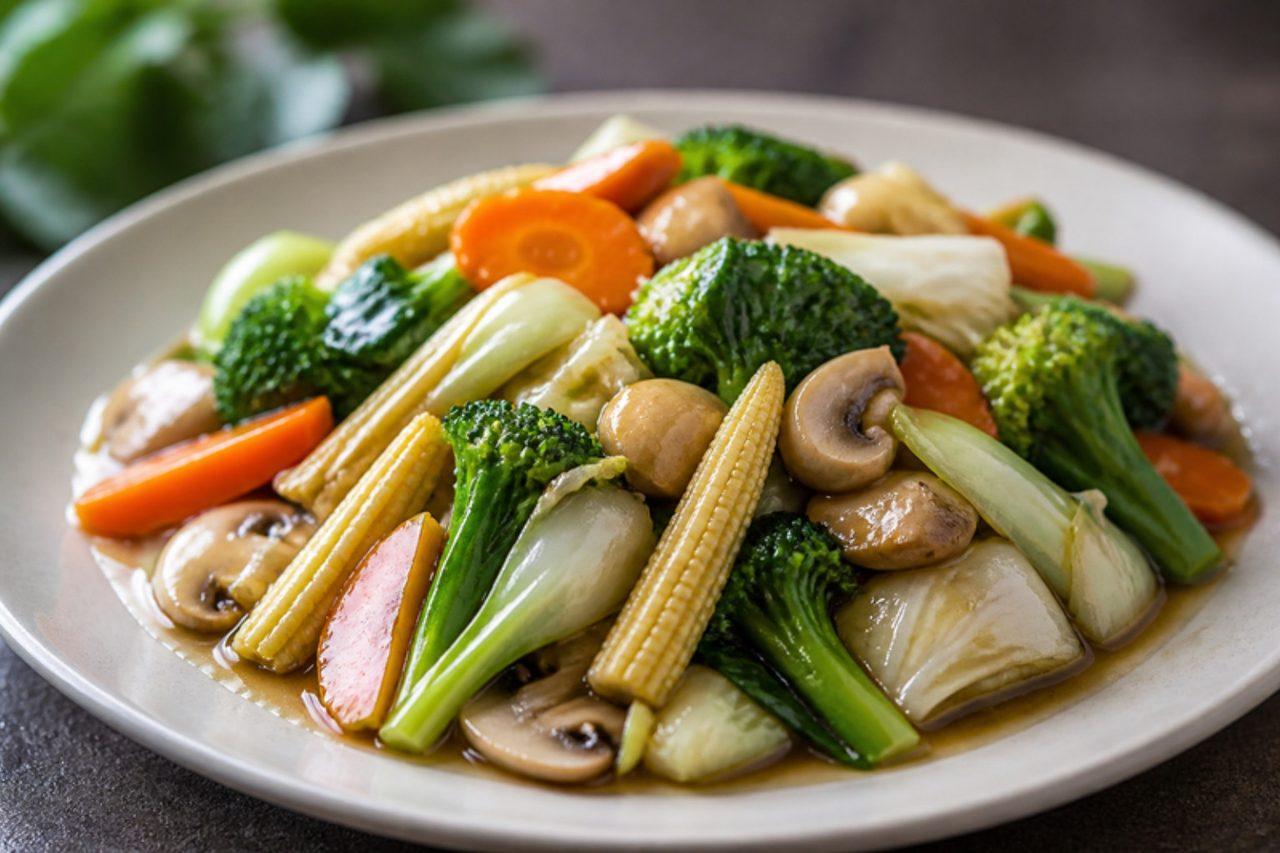
Pad pak ruamStir-fried mixed vegetables

Pad pak ruam, 'stir-fried mixed vegetables', is the dish every Bangkok made-to-order (aharn tam sang) cook can make in ninety seconds over a roaring flame, and the one Thai office workers add to a lunch order so there is something green on the table. The vegetables stay crisp and bright, coated in a thin, glossy sauce of garlic, soy and mushroom stir-fry sauce. Restaurants use oyster sauce; the vegetarian mushroom version tastes almost the same. Serve it with jasmine rice and a fried egg, or as a side to curry. Chef's tip: cut everything before you light the stove, and add the vegetables in order of hardness, so the carrots soften while the greens stay snappy.

16 minThaiSidesVegan
by KrazyBadal 0 views

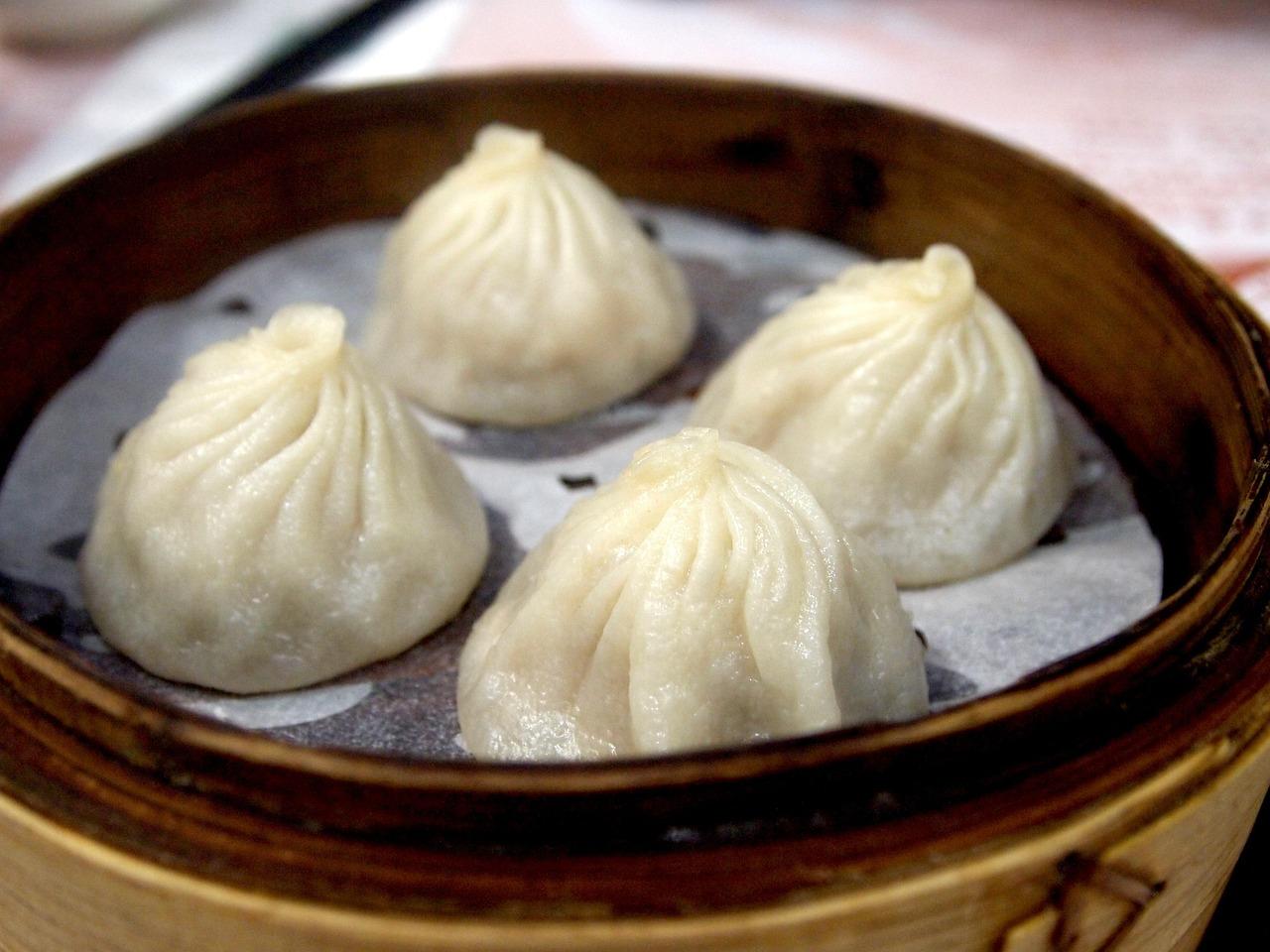
XiaolongbaoSoup dumplings

Bite carefully: inside each pleated parcel is a pork meatball floating in hot broth, which comes from a pork-skin jelly that melts as the dumplings steam. Shanghai's teahouses and the old town around Nanxiang have served them in bamboo baskets for well over a century, usually for breakfast or a late lunch with a saucer of black vinegar and threads of ginger. The wrapper should be thin enough to see the soup move but strong enough to lift with chopsticks. Make the jelly the day before (or use the gelatine shortcut in the ingredient note), then the folding takes about an hour with a little practice. Chef's tip: keep the filling in the fridge until the moment you wrap; cold jelly stays solid and the dumplings are far easier to pleat.

by KrazyBadal 0 views

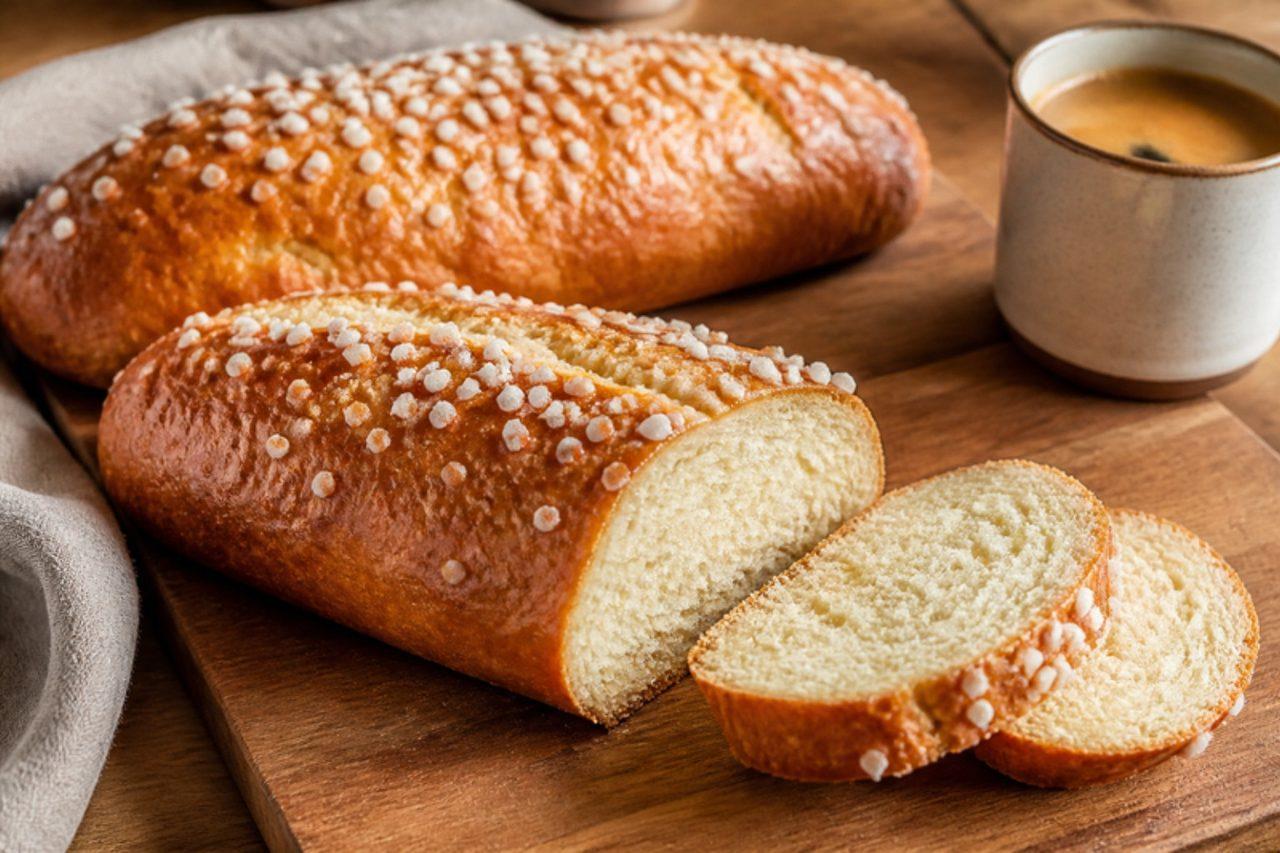
Pain à la grecquePearl sugar bread

Despite the name, pain à la grecque is pure Brussels: the 'Greek' is thought to come from the Flemish gracht, the canal next to the old abbey on the Wolvengracht whose monks handed out bread to the poor. Today it is a long, flat stick of cinnamon-spiced bread pressed into pearl sugar and baked until the sugar melts into a crunchy, glassy crust. Brussels bakeries such as those around the Sablon sell it by the slab, and it is eaten with coffee in the afternoon or dunked at breakfast. Chef's tip: press the dough hard into the pearl sugar on both sides; loosely scattered sugar just falls off in the oven.

by KrazyBadal 0 views

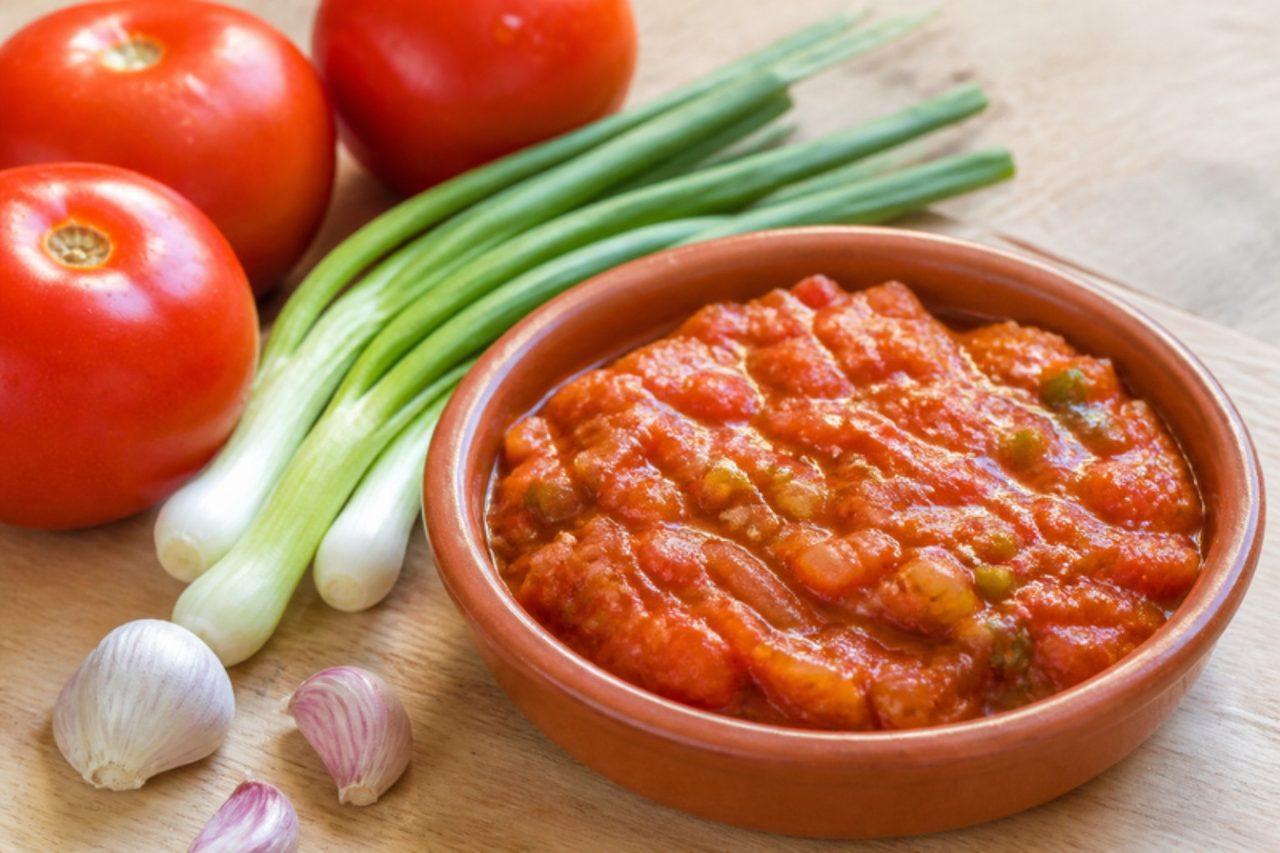
HogaoTomato and spring onion sauce

Hogao (or guiso) is the base and topping of Colombian home cooking, from Antioquia to Cali: ripe tomatoes and long spring onions (cebolla larga) cooked slowly in oil with garlic and cumin until soft and jammy. It is spooned over patacones, arepas, boiled potatoes and yuca, stirred into beans and rice, and served in a little bowl at the table. Chef's tip: cook it low and slow; a fast, hot hogao tastes raw and sharp, while a patient one turns sweet.

by KrazyBadal 0 views

Pain perduFrench toast

Pain perdu means 'lost bread', and French families have always made it from the end of a stale baguette or brioche that would otherwise be thrown away. Thick slices are soaked in milk, eggs, sugar and vanilla, then fried in butter until caramelised outside and soft, almost like custard, inside. In France it is more often a Sunday breakfast or goûter for the children than a brunch dish, eaten with a dusting of sugar, jam or fresh fruit. Chef's tip: use bread that is a day or two old; fresh bread is the common mistake and turns soggy and falls apart in the custard.

by KrazyBadal 0 views

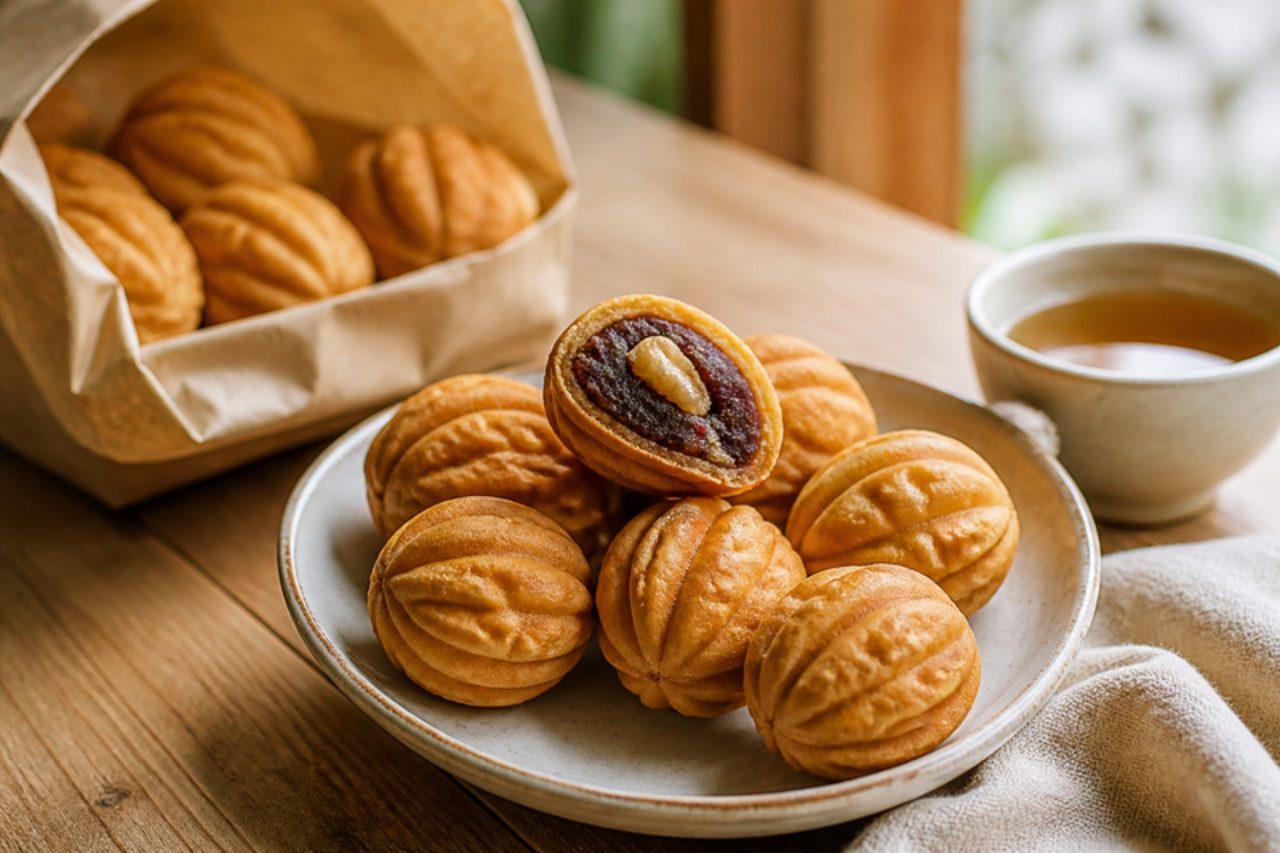
Hodu gwajaWalnut-shaped red bean cakes

Hodu gwaja (호두과자) were first sold at Cheonan station in South Chungcheong in the 1930s, and the town's walnut orchards still supply the pieces of nut hidden in every one. Today you find them in paper bags at every motorway service station in Korea: bite-sized, walnut-shaped cakes with a soft, eggy shell around sweet red bean paste and a chunk of walnut. They are made in a hinged cast-iron mould; a madeleine or Japanese takoyaki pan works too, though the shape will differ. Eat them warm, on the day. Chef's tip: heat the mould properly before the first batch; the first cakes are always the palest, so judge doneness by the colour of the later ones.

by KrazyBadal 0 views

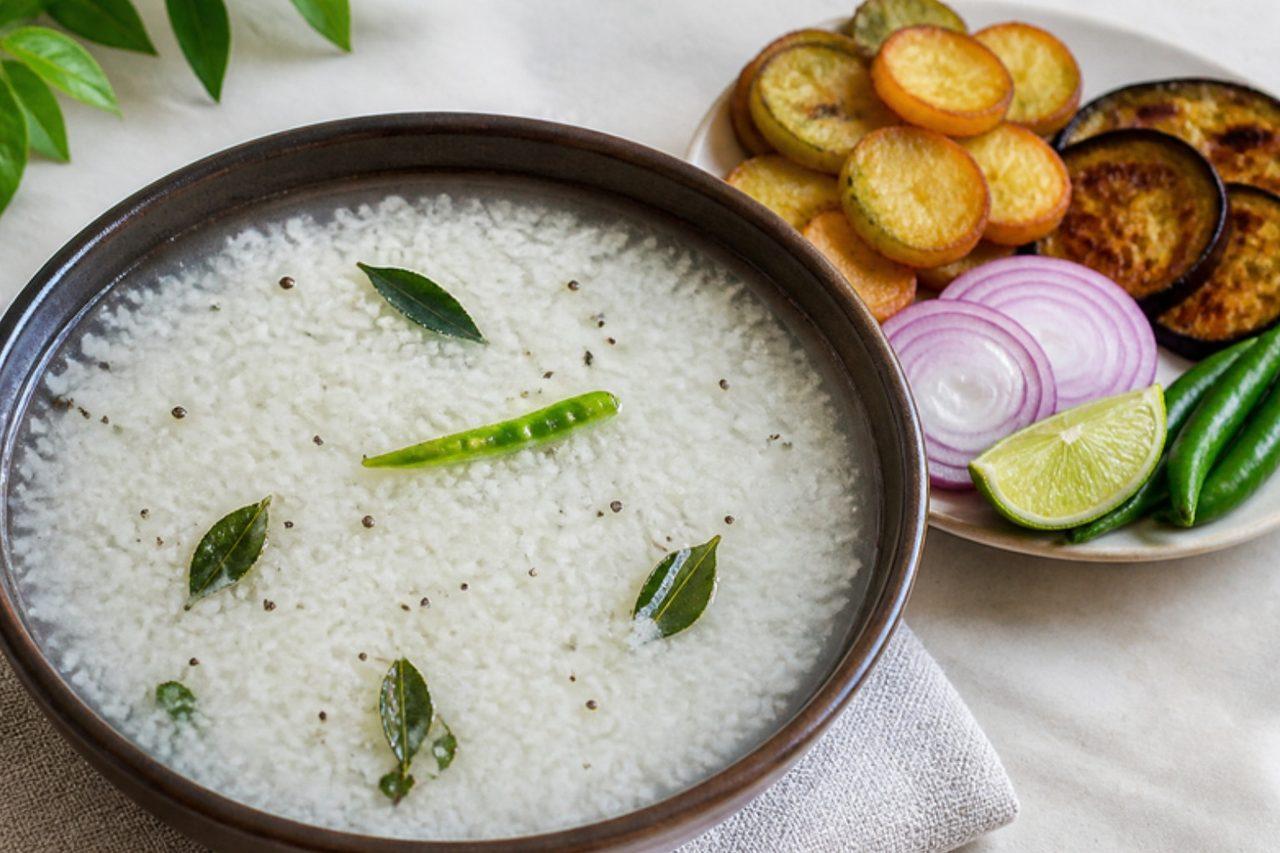
Pakhala bhataSoaked rice with curd

Pakhala is Odisha's answer to the summer heat: cooked rice left to soak in water, often overnight so it turns faintly sour, then loosened with curd, salt, lime leaf, cumin and green chilli and eaten cold at midday. The state even celebrates Pakhala Dibasa on 20 March. The rice itself is plain; the pleasure is in the sides, such as badi chura (crushed fried lentil dumplings with onion and mustard oil), fried potato, saga bhaja and roasted aubergine. Chef's tip: for the gently sour basi pakhala, leave the rice in its water at room temperature for 8–12 hours; for dahi pakhala, eat it the same day with more curd.

by KrazyBadal 0 views

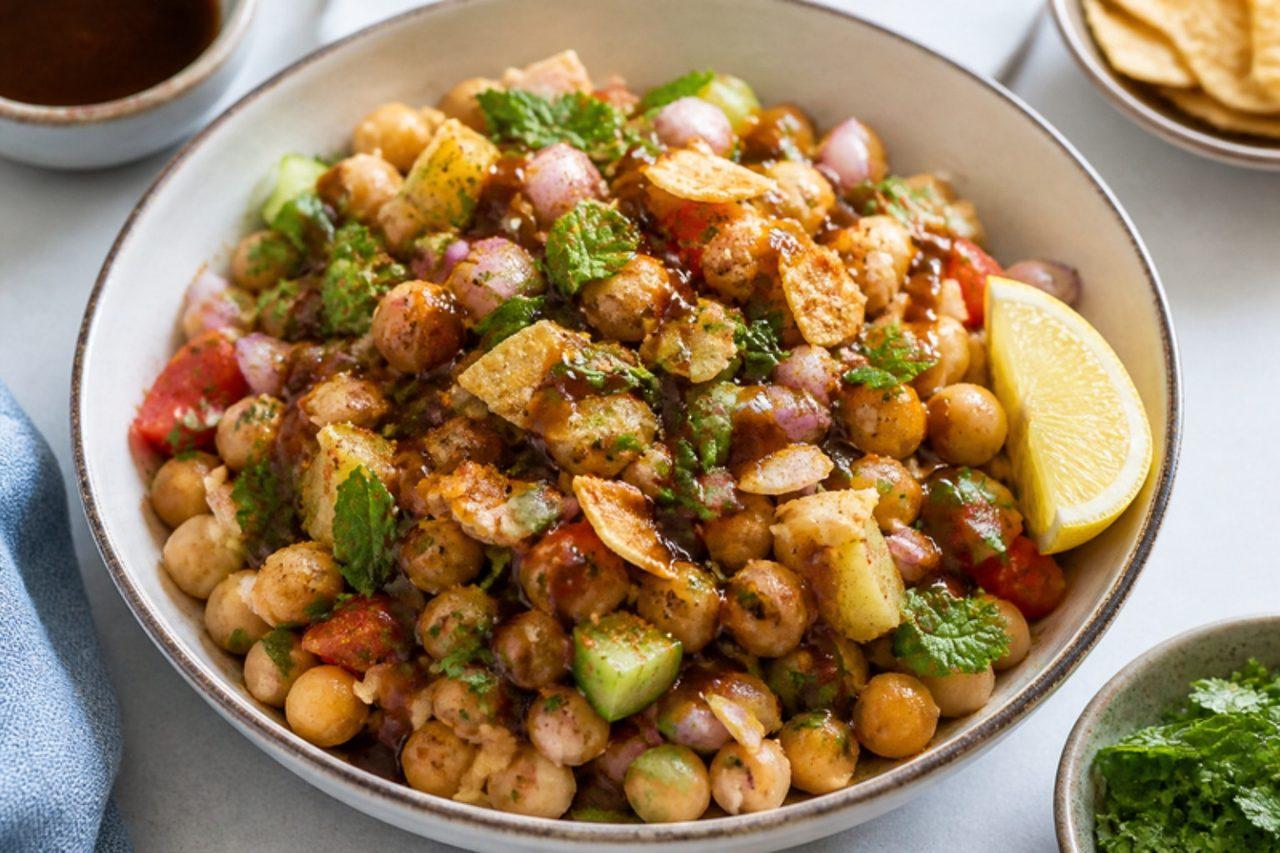
Pakistani chana chaatChickpea and potato chaat

In Pakistan a bowl of chana chaat is on almost every iftar table during Ramadan, next to the dates, pakoras and a jug of red sherbet, and in Lahore and Karachi street vendors toss it to order all year round in big steel bowls. The Pakistani style is simple and sharp: plump chickpeas and potato with raw onion, tomato, green chilli, lots of coriander and mint, tamarind chutney, lemon juice and a heavy hand of chaat masala, served cold or at room temperature. It is a quick, filling, high-fibre snack. People often mix it too early and the onion goes limp and the potato mushy; dress it no more than 15 minutes before eating. Chef's tip: toss the chickpeas with the chaat masala and salt first, before anything wet goes in, so the spice clings to them.

by KrazyBadal 0 views

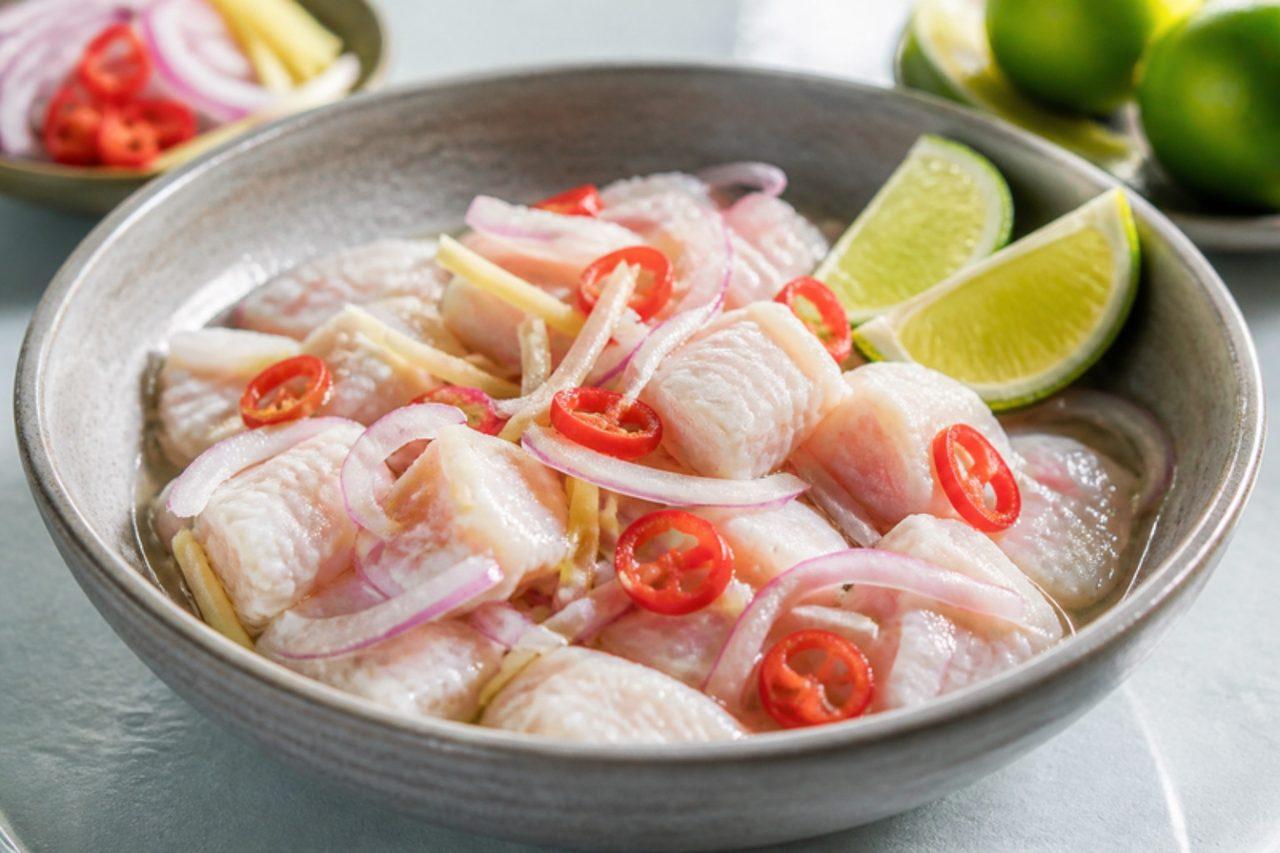
HinavaRaw fish salad with lime

Hinava is the dish Kadazandusun families set out at Kaamatan, Sabah's harvest festival in May, and on weekend tables in Kota Kinabalu and Penampang. Strips of raw mackerel are soaked in sour lime juice, then tossed with sliced shallots, ginger, red chilli and grated seed of bambangan, a wild mango, which adds a musky tang. The result is sharp, clean and crunchy, with firm, pearly fish. Eat it as a starter or alongside rice and grilled meat. Chef's tip: slice the fish very thinly and evenly so the lime firms each strip the same way, and season with salt only at the end.

by KrazyBadal 0 views

Hideg meggylevesChilled sour cherry soup

Hideg meggyleves is a chilled sour cherry soup served as a starter in Hungary at the height of summer, from family lunches in the cherry-growing villages around Pest county to the terraces of Balaton restaurants. Sour cherries simmer briefly with sugar, cinnamon and cloves, then the soup is thickened with sour cream and served icy cold, pink and gently tangy. Some cooks add a splash of red wine for grown-ups. It is eaten before the main course, not as dessert, though no one complains if you have it after. Chef's tip: chill it for at least 3 hours; the flavour rounds out and the spices soften as it cools. A common mistake is boiling it after the cream goes in, which curdles it.

by KrazyBadal 0 views

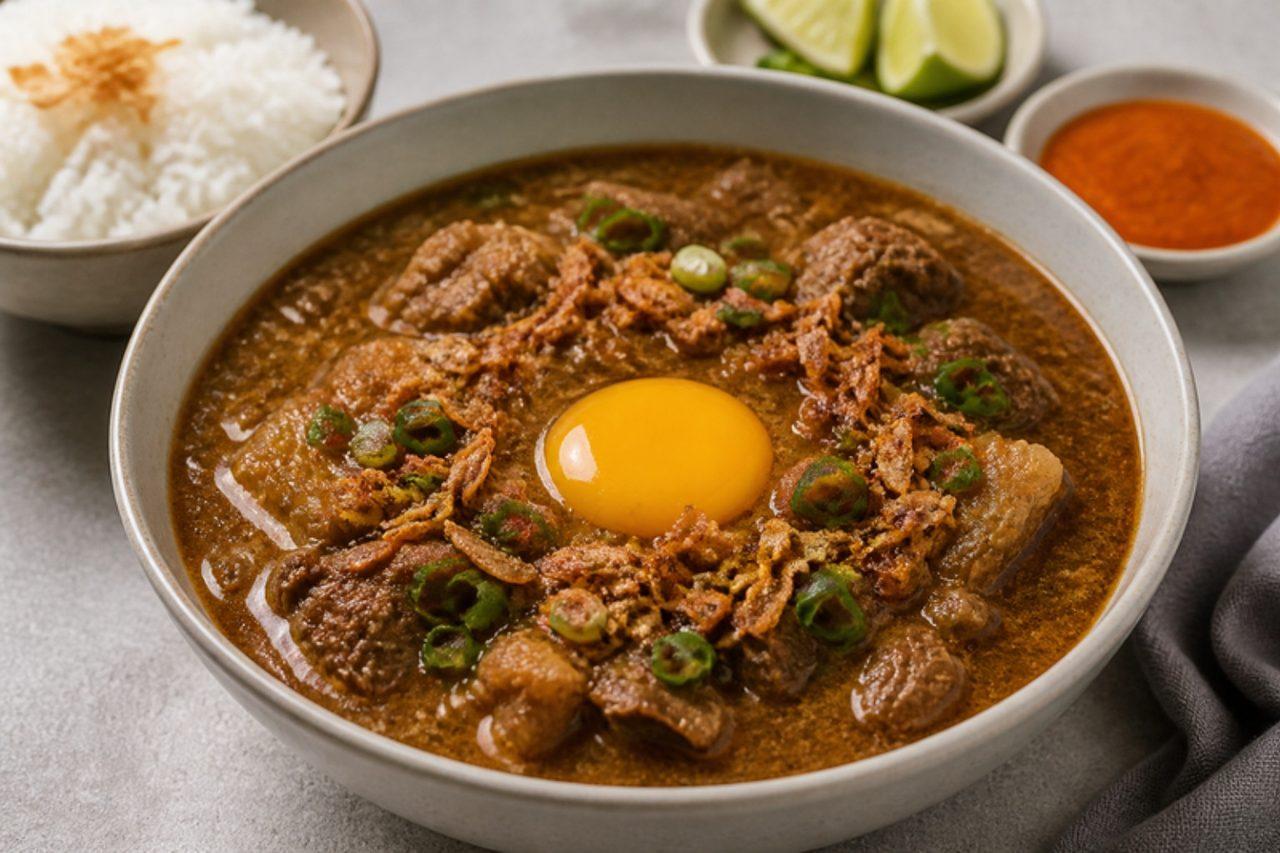
PallubasaBeef and coconut soup

Makassar's other great beef soup is darker, richer and more coconutty than coto, and locals argue about which is better over late lunches at pallubasa houses near the port. The secret is kelapa sangrai: grated coconut toasted slowly to a deep brown and pounded, which gives the broth a roasted, almost nutty sweetness and a slightly gritty, full body. It's eaten with a mound of plain rice rather than rice cakes, and for the full version you ask for 'alas', a raw egg yolk dropped in the bowl that you stir into the boiling soup until it turns silky. Offal is traditional but optional; tender beef alone is delicious. Chef's tip: the coconut must reach the colour of milk chocolate, not black, because burnt coconut makes the whole pot bitter.

by KrazyBadal 0 views

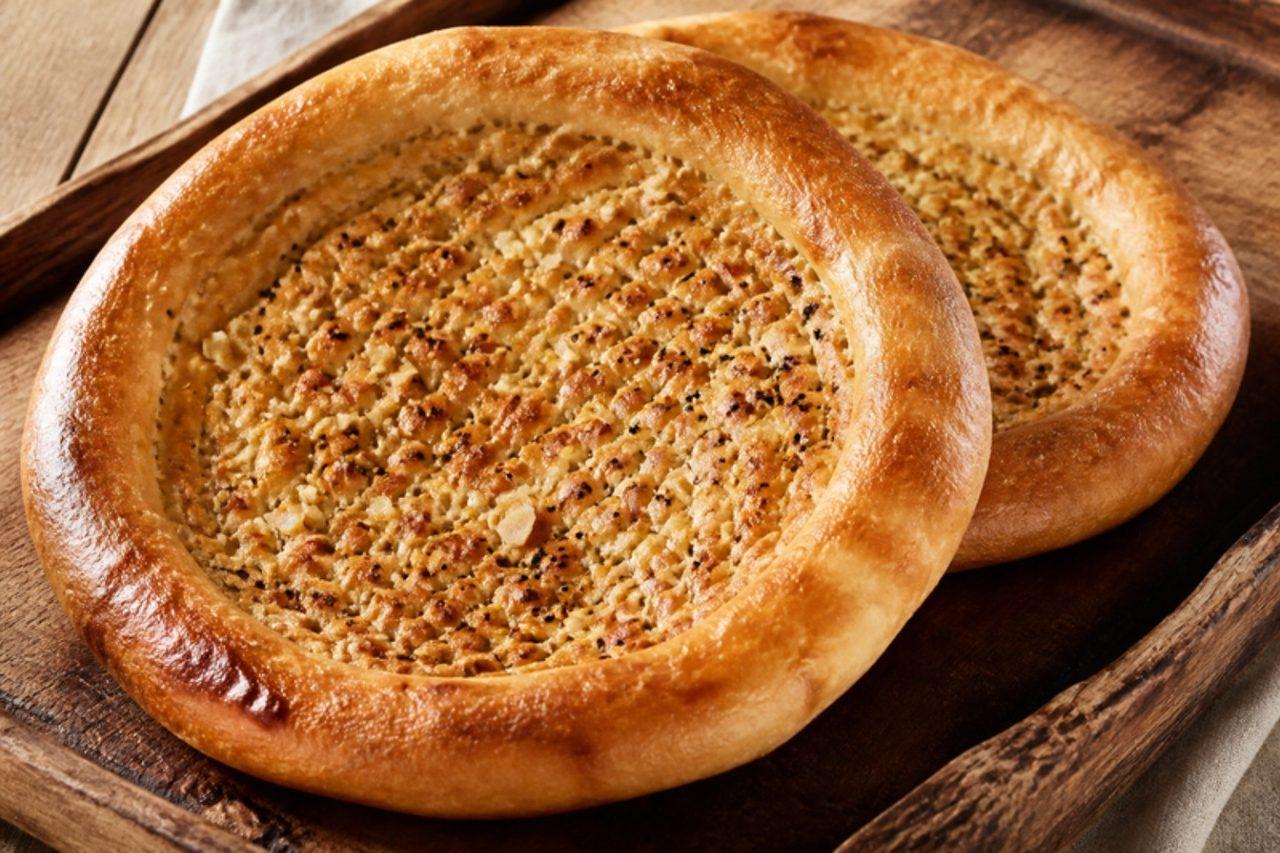
Xinjiang onion nangOnion flatbread

Across Xinjiang, from Kashgar's bazaars to Urumqi's backstreets, bakers slap rounds of dough onto the walls of clay tandoors and pull them out a few minutes later, golden and stamped with patterns. The centre is pressed thin and crisp while the rim stays soft and chewy, and the onion version is scattered with cumin and sesame. Nang keeps for days and is eaten with tea, kebabs and salads. Chef's tip: get your oven and tray as hot as they'll go; nang bakes quickly in fierce heat.

by KrazyBadal 0 views

HeotjesatbapRice with seven vegetable sides

In Andong, the old Confucian town of North Gyeongsang, the scholars of the yangban class were said to want the food from jesa, the rite offered to ancestors, without waiting for a rite to come round, so they cooked the same dishes and called them heotjesatbap (헛제삿밥), 'fake rite rice'. Restaurants by Andong's dam still serve it: a bowl of rice to be mixed with brown, white and green namul and seasoned with soy sauce, never chilli, because ritual food avoids red pepper and garlic. The full table includes grilled fish and beef skewers; this vegetarian version keeps the vegetables and tofu jeon that make up most of it. Chef's tip: cook each namul separately with only salt, soy or sesame, so each keeps its own taste and colour when you mix the bowl.

by KrazyBadal 0 views

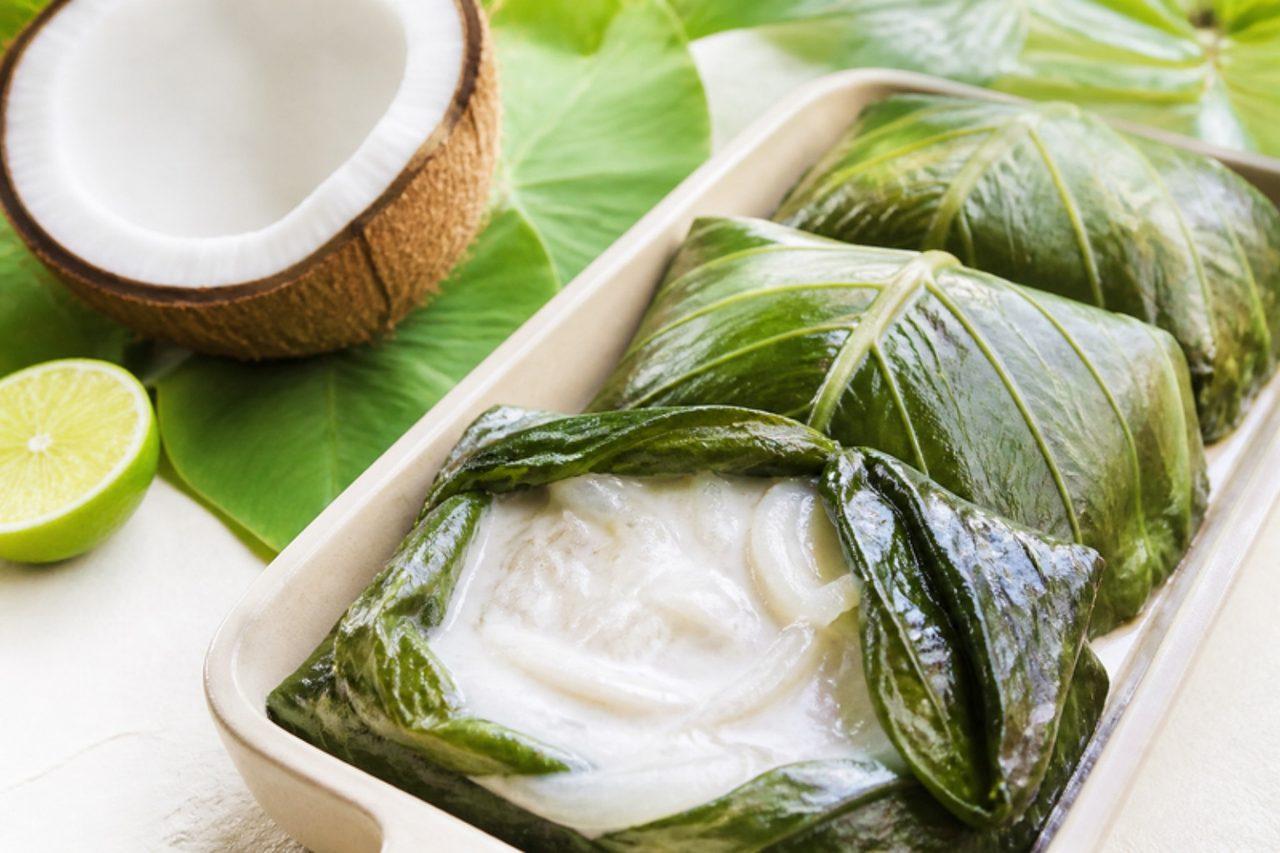
PalusamiTaro leaves in coconut cream

Palusami is at the heart of a Samoan Sunday to'ona'i, the big lunch after church, when the umu (earth oven) is lit and parcels of taro leaves filled with thick coconut cream and onion bake among the hot stones. The leaves melt into something like rich, creamy spinach, and the coconut sets around them. In Fiji similar parcels are called rourou. Many families add corned beef or fish; this is the plain coconut version, served with baked taro or breadfruit. Chef's tip: taro leaves must be cooked thoroughly, as underdone leaves make the throat itch; if you can't get them, use large spinach or silverbeet leaves, which need less time.

by KrazyBadal 0 views

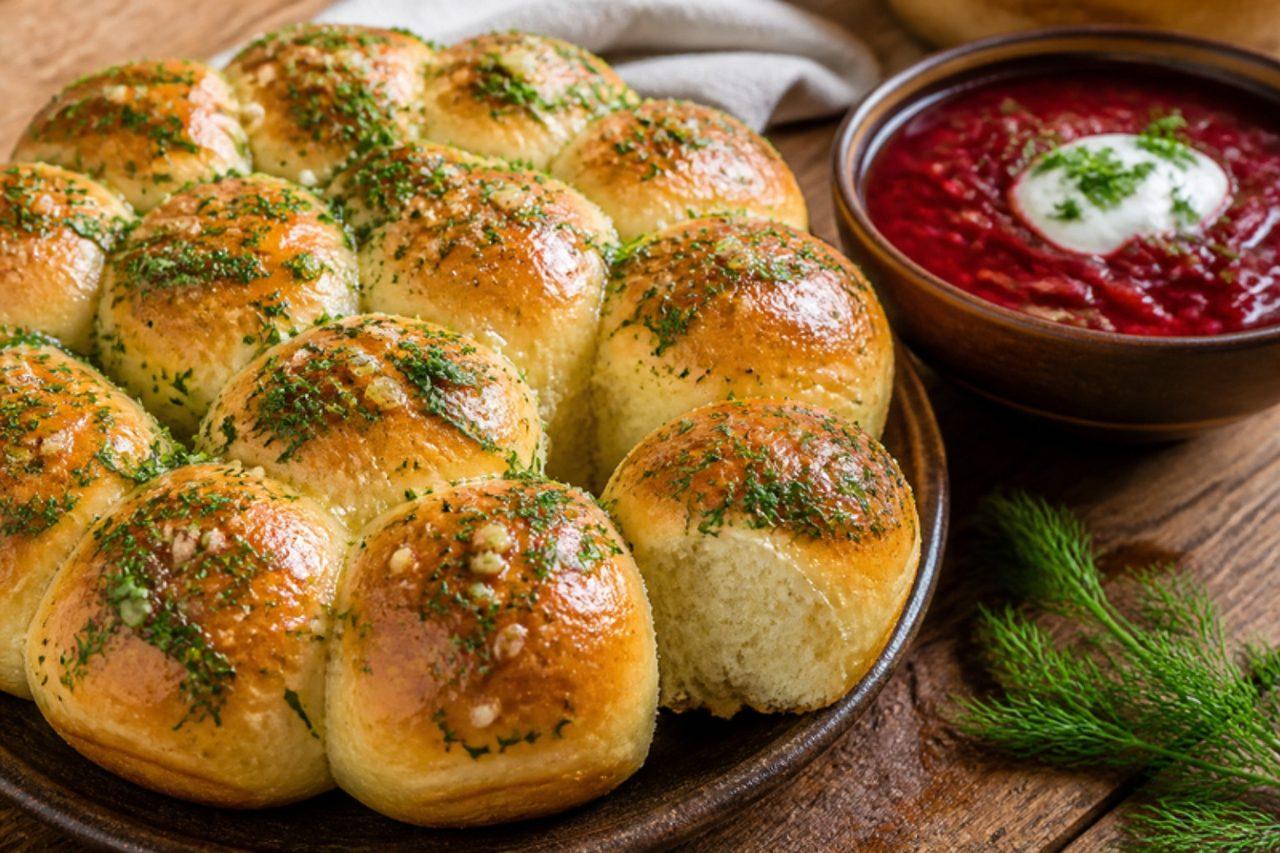
PampushkyGarlic bread rolls

Pampushky are the small, pillowy yeast rolls that arrive in a basket next to borshch in any Ukrainian restaurant, from Kyiv to Poltava, glistening with a raw garlic and dill dressing. They are baked tightly packed in one tin so they pull apart with soft sides and golden tops, and the sharp garlic is the perfect partner for sweet, sour beetroot soup. Sweet pampushky, fried and dusted with sugar, also exist; this is the savoury baked kind. Chef's tip: brush on the garlic oil while the rolls are still hot from the oven, so they drink it in; common mistake is brushing them before baking, which burns the garlic bitter.

by KrazyBadal 0 views

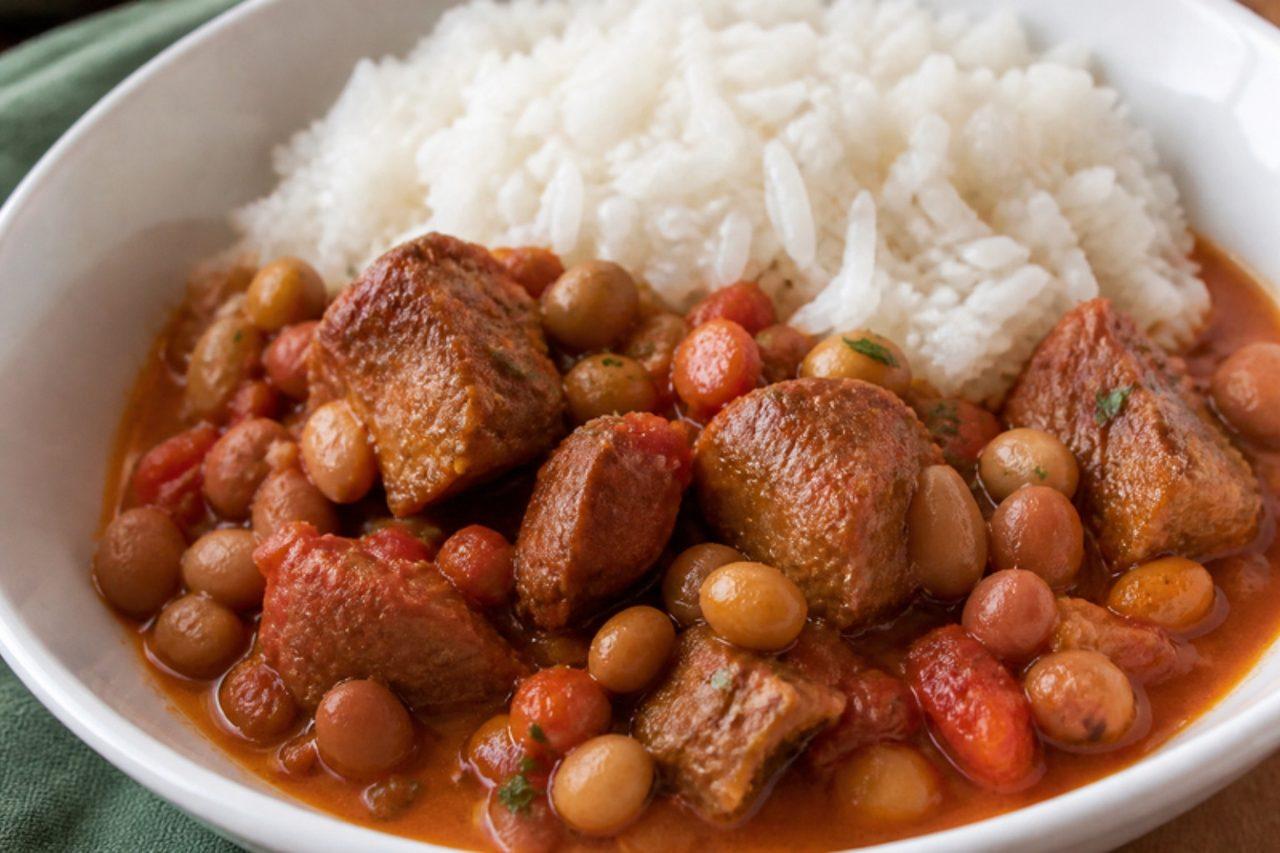
Henakisoa sy voanjoboryPork with groundnuts

Henakisoa sy voanjobory is a highland dish from the countryside around Antsirabe and Fianarantsoa, cooked for family gatherings: pork simmered for a long time with Bambara groundnuts, a hard, round pulse that turns creamy and nutty, until the meat is tender and the beans have thickened the sauce. This dish contains pork. It is eaten with rice and a fresh tomato salad. The mistake is not soaking the dried pulses, which then never soften; soak them overnight. Chef's tip: if you can't find Bambara groundnuts, black-eyed beans or borlotti give a similar result in less time.

150 minMalagasyMeatGluten free
by KrazyBadal 0 views

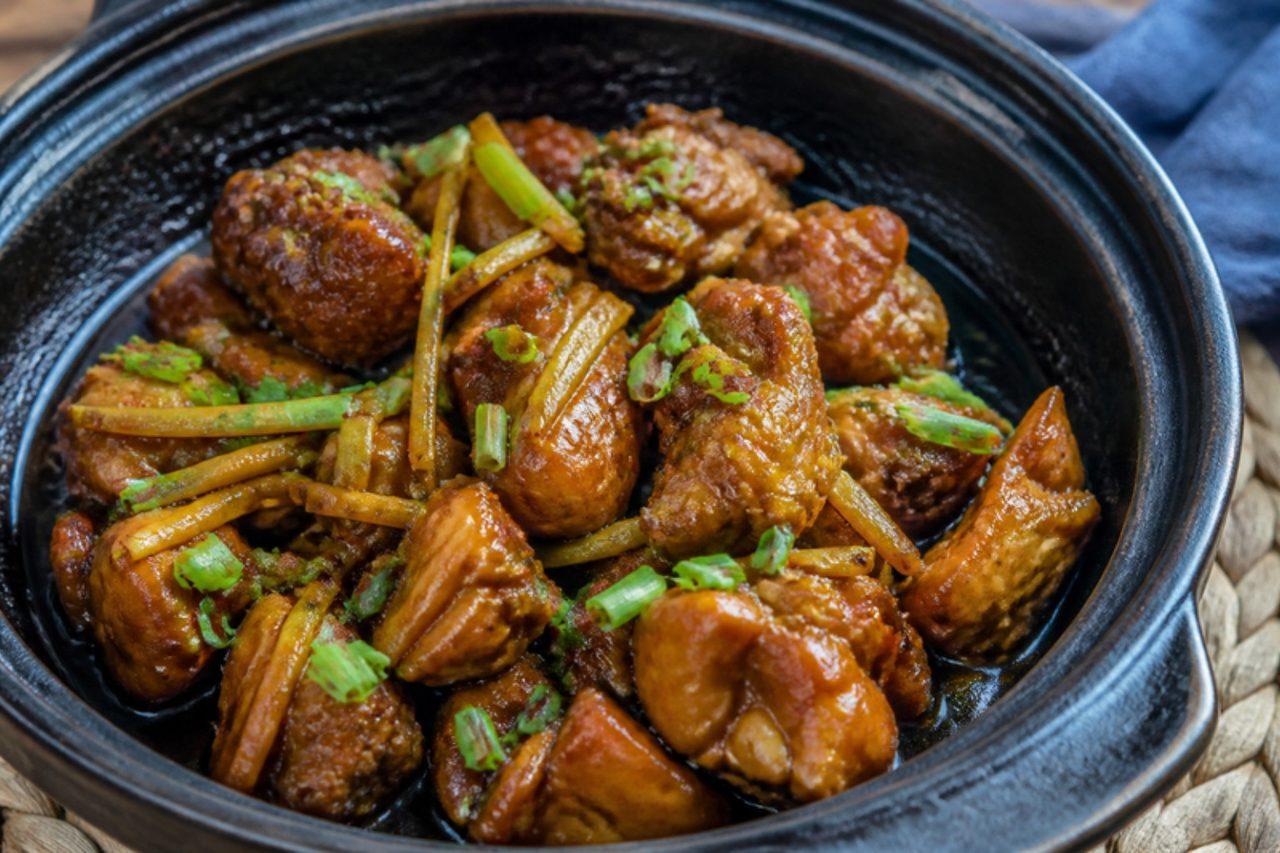
Ga kho gungGinger caramel chicken

Across Vietnam, from Hanoi apartments to Mekong Delta farmhouses, a small pot of something braised in caramel and fish sauce sits on the family table at dinner with rice, a plate of boiled greens and a clear soup. This chicken version leans on ginger, cut into fine matchsticks so it turns soft and warming in the glossy, salty-sweet sauce. It's a favourite when the weather cools, traditionally cooked in a clay pot, though any heavy pan will do. It reheats well, so it's a good one for the next day's lunch. Chef's tip: take the caramel to the colour of strong tea, deep amber, before the chicken goes in; that slight bitterness is what keeps the dish from tasting sugary.

by KrazyBadal 0 views

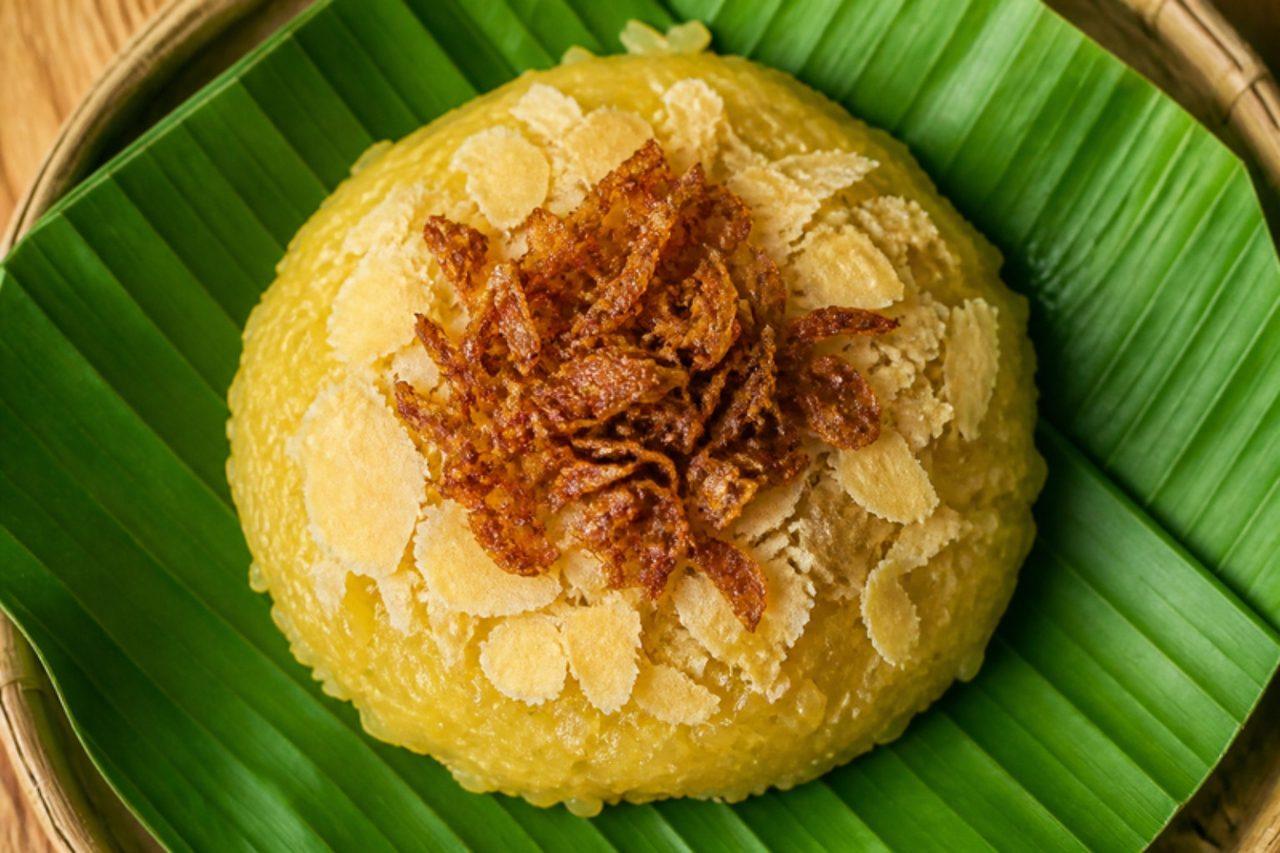
Xoi xeoSticky rice with mung bean

Xôi xéo is a Hanoi breakfast sold before dawn from baskets on the pavement, wrapped in a lotus or banana leaf for people to eat on the way to work. Turmeric-tinted glutinous rice is steamed until chewy, then topped with thin shavings cut from a firm ball of cooked mung bean (the 'xéo' is the slanting cut) and a spoonful of crunchy fried shallots with their fragrant oil. Street sellers often use pork fat for the shallots; frying them in vegetable oil keeps it vegan and still rich. Chef's tip: squeeze the mung bean paste into a tight ball while it is warm and let it cool before shaving; a loose ball crumbles instead of slicing into ribbons.

by KrazyBadal 0 views

Healthy tawaMixed vegetables on the tawa

A big sizzling griddle of boiled fresh beans and vegetables (peas, pigeon peas, black-eyed beans, soya beans, kidney beans, corn, cassava, sweet potato, baby potatoes and roasted plantain) tossed with sesame seeds, onions and a green chilli, ginger and garlic paste. It's filling, colourful and feeds a crowd at a barbecue. Serve sizzling hot straight from the tawa.

by KrazyBadal 0 views

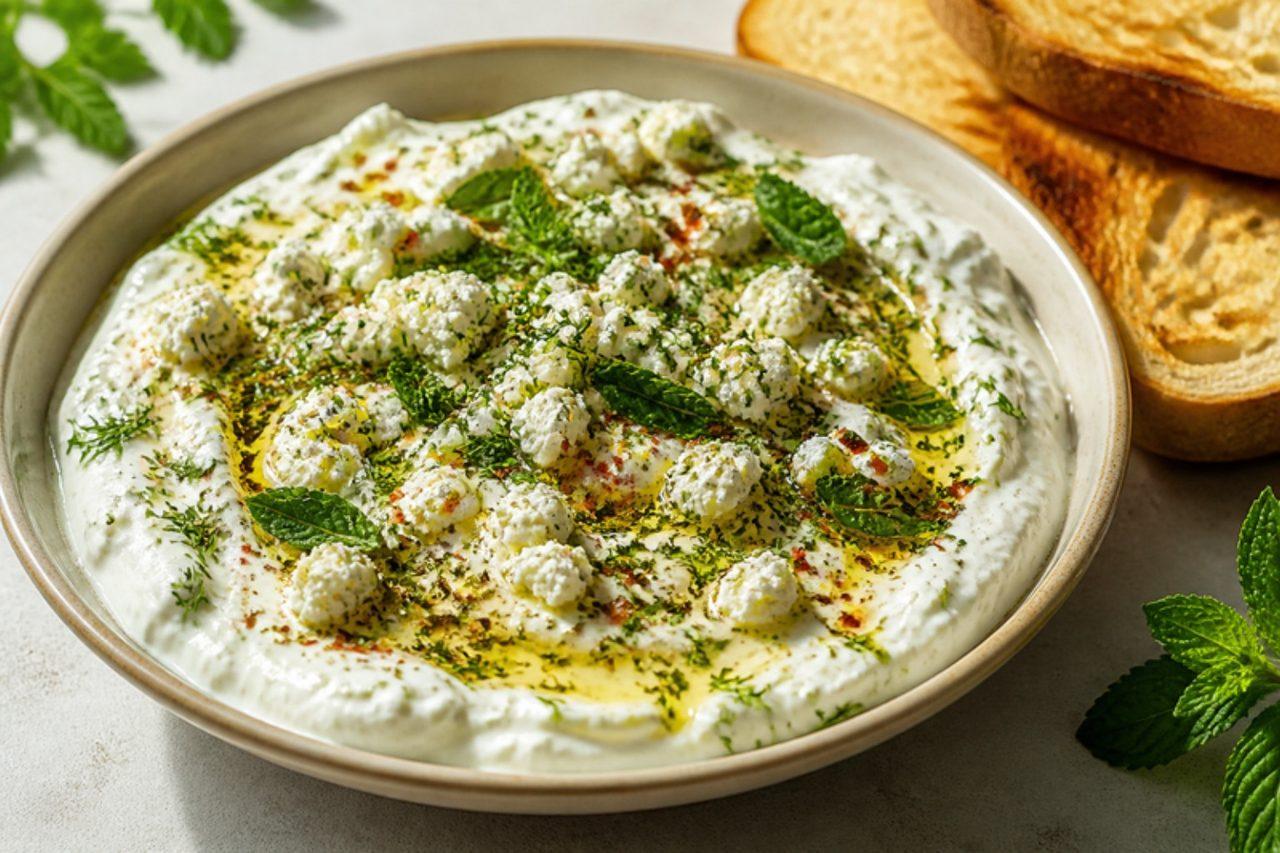
HaydariStrained yogurt and feta dip

Order meze in an Istanbul meyhane and haydari is usually among the first small plates to land: very thick strained yogurt beaten with crumbled white cheese, garlic, dill and mint, then crowned with a drizzle of oil warmed with dried mint and chilli flakes. It is eaten with bread, beside roasted vegetables or with crisp börek, and it takes minutes once you have the yogurt. The mistake to avoid is using thin pouring yogurt, which gives you a runny sauce rather than a dip that holds its shape. Chef's tip: use Greek-style strained yogurt, or hang plain yogurt in a cloth for an hour, and check the beyaz peynir or feta is made with vegetarian rennet.

by KrazyBadal 0 views

HawawshiSpiced beef stuffed bread

Walk through downtown Cairo in the evening and you will smell hawawshi before you see it: round baladi breads split open, packed with minced beef, onion, green chilli and warm spices, then baked until the bread turns crisp and the fat from the meat soaks into the crumb. Street stalls sell it wrapped in paper with pickles and tahini; at home it is a quick Friday supper. Pitta works well if you can't find baladi bread. The mistake most people make is packing in too thick a layer of meat, so the bread burns before the middle is cooked; keep it about 1 cm thick. Chef's tip: squeeze the grated onion in a sieve before mixing it in, or the filling turns wet and the bread goes soggy.

by KrazyBadal 0 views

HaupiaCoconut pudding

Haupia is the dessert of every Hawaiian lūʻau and family party: coconut milk thickened and set into smooth, wobbly-firm squares that you can pick up with your fingers. It was once set with arrowroot from the pia plant; today cornflour does the job. It tastes clean, cool and gently sweet, and is also layered on chocolate pies and spread on cakes in Honolulu bakeries. Chef's tip: keep whisking until it's as thick as mayonnaise and big bubbles plop slowly; underdone haupia won't set firm enough to slice.

by KrazyBadal 0 views

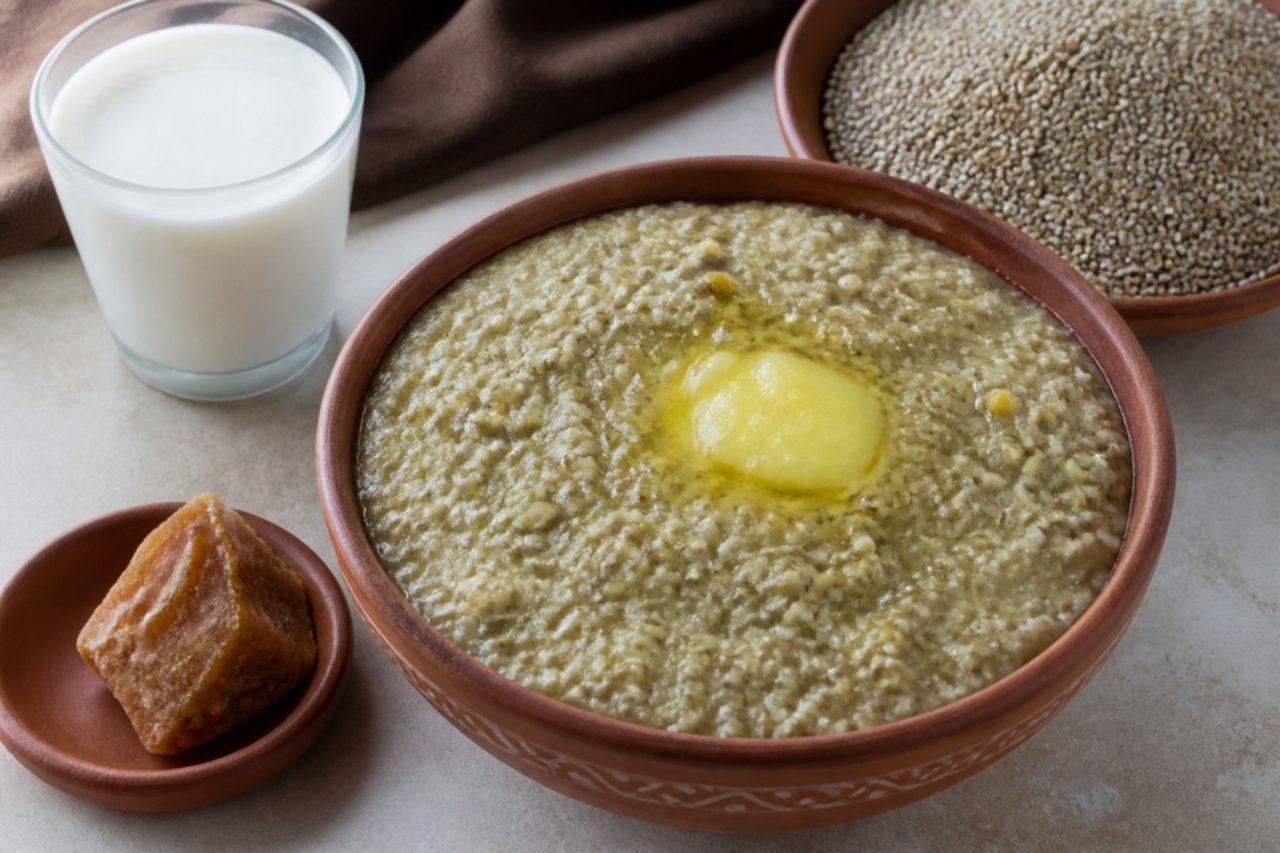
Haryanvi bajra khichdiPearl millet and moong dal porridge

In village homes across Haryana, bajra khichdi is the food of cold winter nights and the days around Makar Sankranti: cracked pearl millet and yellow moong cooked slowly until soft and porridge-like, then eaten with a big spoon of ghee and either jaggery or a glass of lassi. It is plain, nutty and very filling, and grandmothers swear it keeps you warm. The millet was traditionally pounded in a stone mortar to crack it; a quick pulse in a grinder does the same. Chef's tip: soak the bajra overnight; unsoaked millet stays hard and gritty however long you cook it.

by KrazyBadal 0 views

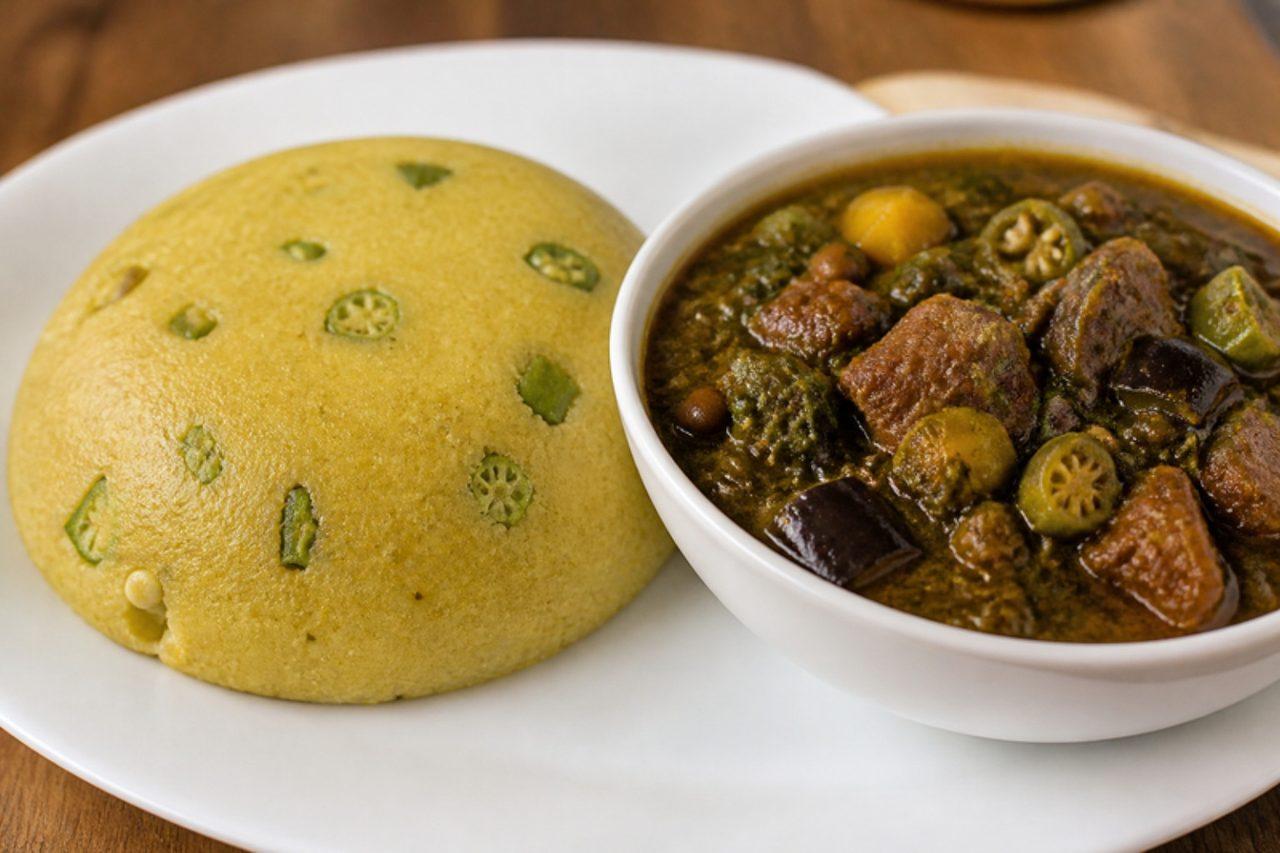
Fungee and pepperpotCornmeal and okra with beef stew

Antiguans eat fungee and pepperpot on Saturdays and on holidays like Independence Day in November, and grandmothers still turn the fungee with a flat wooden 'fungee stick'. Pepperpot is a thick stew of beef, spinach, aubergine, okra and squash cooked down until the vegetables melt together; many cooks also add salted pig tail, which is left out here. The fungee is a smooth cornmeal and okra mash, shaped into balls with a buttered bowl and served beside the stew. The mistake people make is tipping the cornmeal in all at once, which makes lumpy fungee; add it in a slow stream while stirring hard. Chef's tip: pour off half the okra water before adding the cornmeal and keep it hot; you can work it back in if the fungee gets too stiff.

by KrazyBadal 0 views

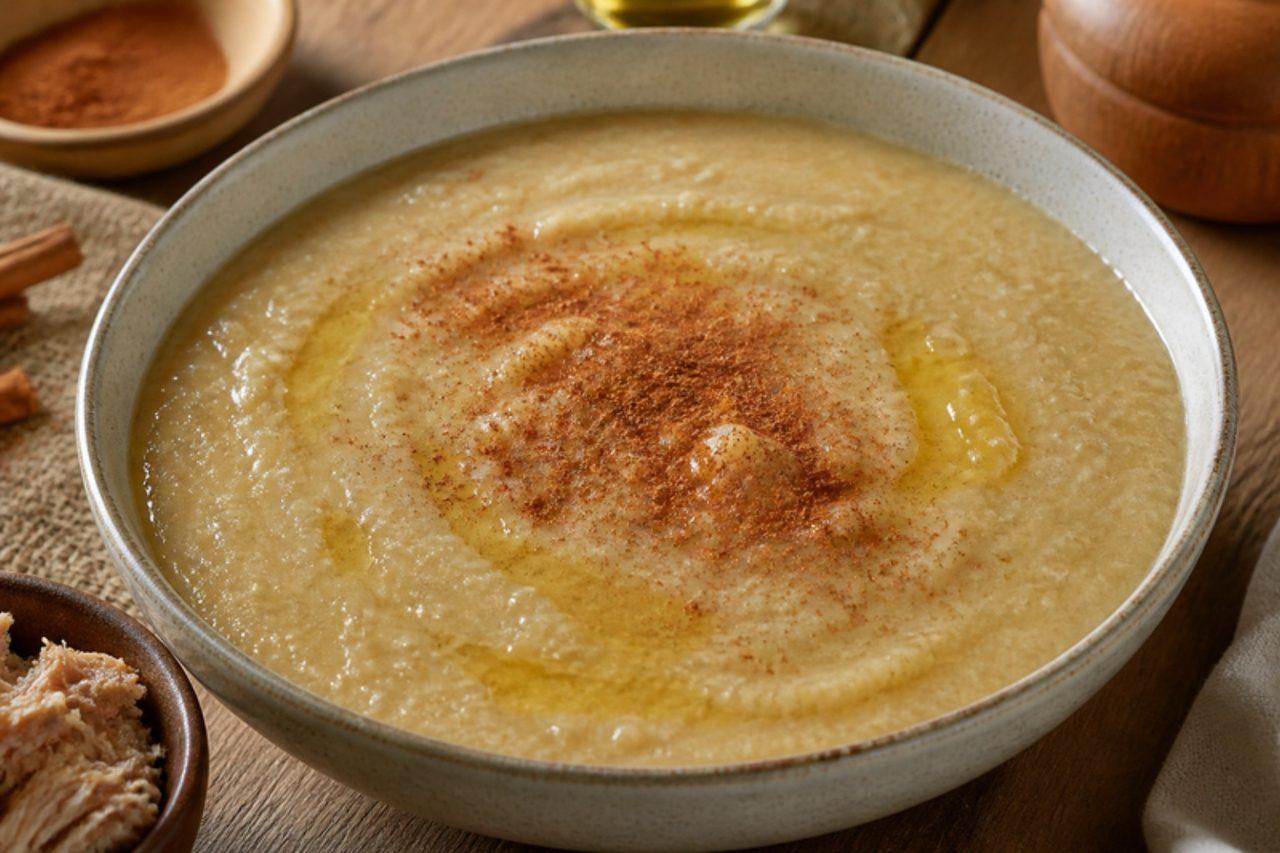
HareesWheat and chicken porridge

Harees is one of the oldest dishes of the Arabian Gulf, made in the UAE, Oman and Saudi Arabia for Ramadan iftar, Eid and weddings, when big pots are stirred for hours and shared with neighbours. Whole wheat and chicken cook slowly together until the grain bursts and the meat falls apart, then everything is beaten to a smooth, sticky porridge and finished with ghee and a little cinnamon. It is soft, mild and very comforting. Chef's tip: beat it hard with a wooden spoon (or briefly with a stick blender) at the end; that is what gives harees its elastic texture.

by KrazyBadal 0 views

Showing 63 of 10,569 recipes

Show more recipes

Page 975 of 1,175