Skip to content
WhatToEat.Today

Jain recipes: no onion, garlic or root vegetables

2,799

2799 Jain recipes with no onion, garlic, potato, carrot, fresh ginger or other root vegetables, and no mushrooms, eggs or honey. Hing, dry ginger and turmeric powder are fine. Each has photos, step-by-step instructions and cook times. The quickest, Apfelschorle, takes 2 minutes. Most take around 40 minutes.

Filter these by time, diet or cuisine · Make Jain your diet to see only these recipes everywhere on the site.

Fruit chaatSpiced fruit salad

All over India, fruit sellers with handcarts chop a plate of fruit chaat to order, and in Kolkata the evening carts near New Market and Gariahat pile guava, apple, papaya, banana, pomegranate and cucumber into a leaf bowl with chaat masala, black salt and lime. During Ramzan it appears at iftar, and in summer it is sold with a sprinkle of chilli. It is sweet, salty, sour and a little hot all at once, so it tastes nothing like a dessert fruit salad. Chef's tip: use at least one crunchy fruit (guava, apple or pear) and one soft one (banana or papaya) for contrast.

by KrazyBadal 0 views

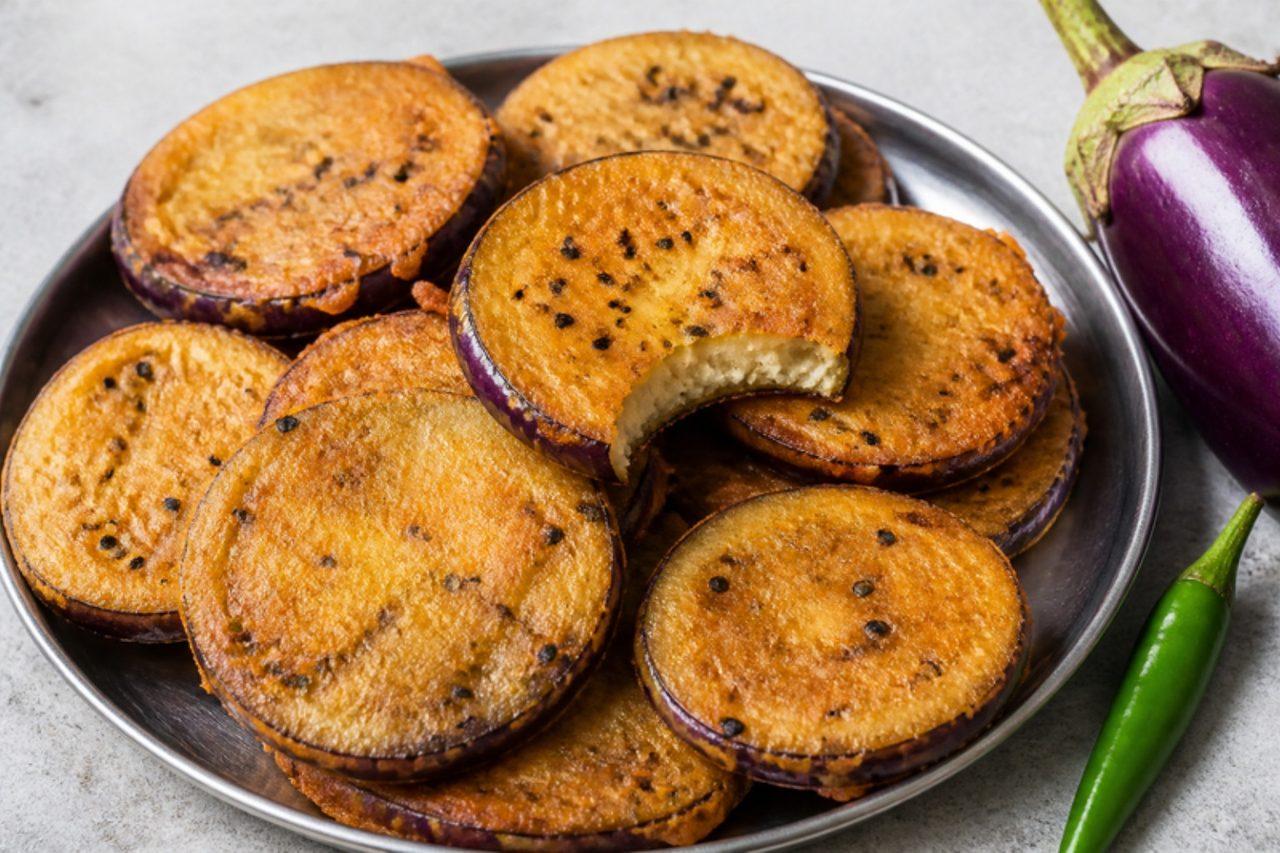
BeguniBattered aubergine fritters

When the monsoon arrives in Kolkata, the telebhaja shops at every para corner start frying beguni: long, thin slices of aubergine dipped in a spiced gram-flour batter and fried until the coat puffs and turns golden. It is eaten with muri and a cup of tea, or alongside khichuri on a wet Saturday. The inside should be soft and creamy, the shell thin and crackly. Chef's tip: a spoonful of rice flour and a pinch of nigella in the batter keep it crisp long after frying. This is a different dish from begun bhaja, where the slices are fried bare with turmeric and salt.

by KrazyBadal 0 views

Sel rotiSweet rice flour rings

When Tihar, the five-day festival of lights, arrives in late autumn, kitchens all over Nepal fill with the smell of sel roti: big, thin rings of sweetened rice batter fried in hot oil until crisp and russet outside and soft and slightly chewy inside. They are stacked high to offer to the gods, to sisters during Bhai Tika and to every guest, and they are also made at Dashain and for weddings, travelling well and keeping for days. Rice is soaked overnight and ground with sugar into a thick, pourable batter, then poured by hand in one confident circle into the oil. Many families add ghee to the batter, which makes the rings richer but means they are vegetarian rather than vegan; this version uses oil. The common mistake is oil that is not hot enough, so the batter drinks fat and turns greasy. Chef's tip: let the batter rest for an hour after grinding; it thickens and ferments slightly, and the rings puff and hold their shape better.

by KrazyBadal 0 views

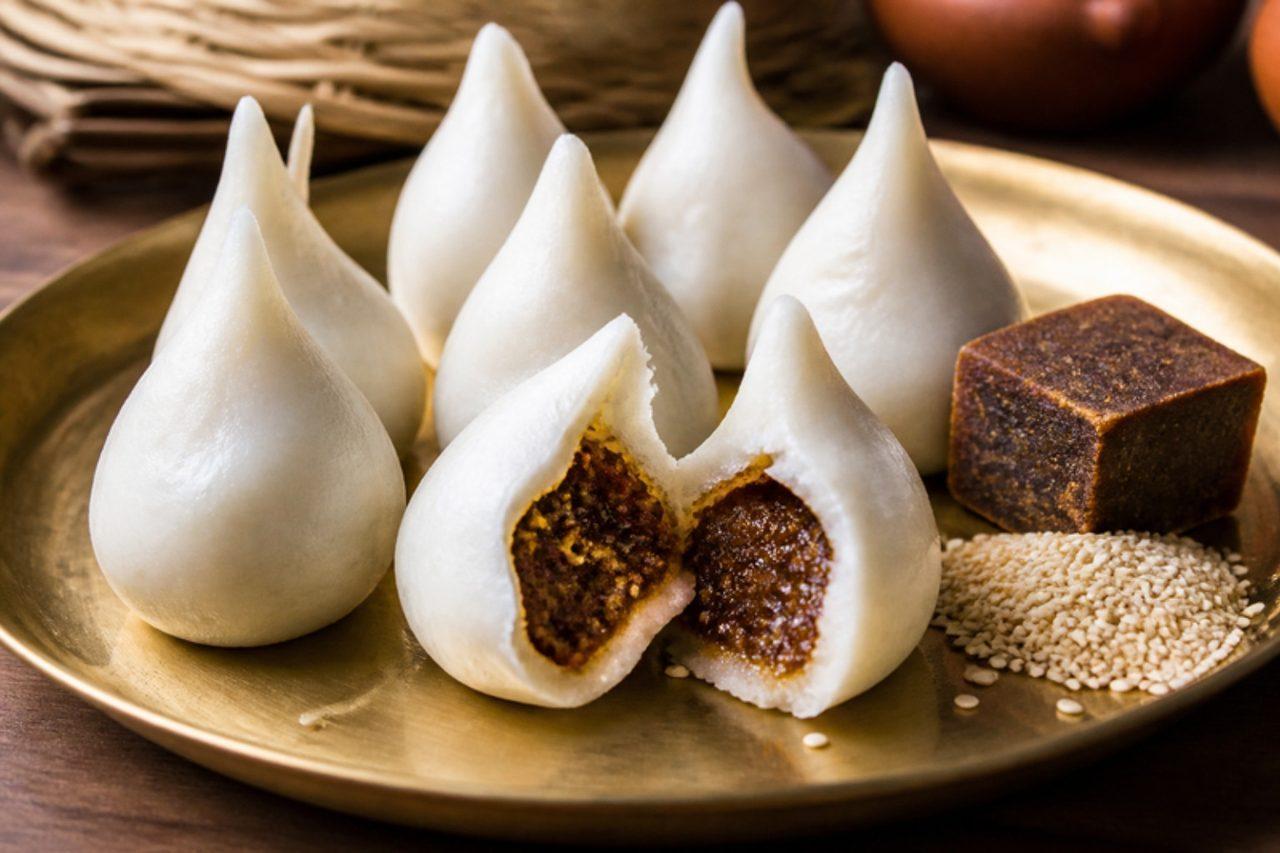
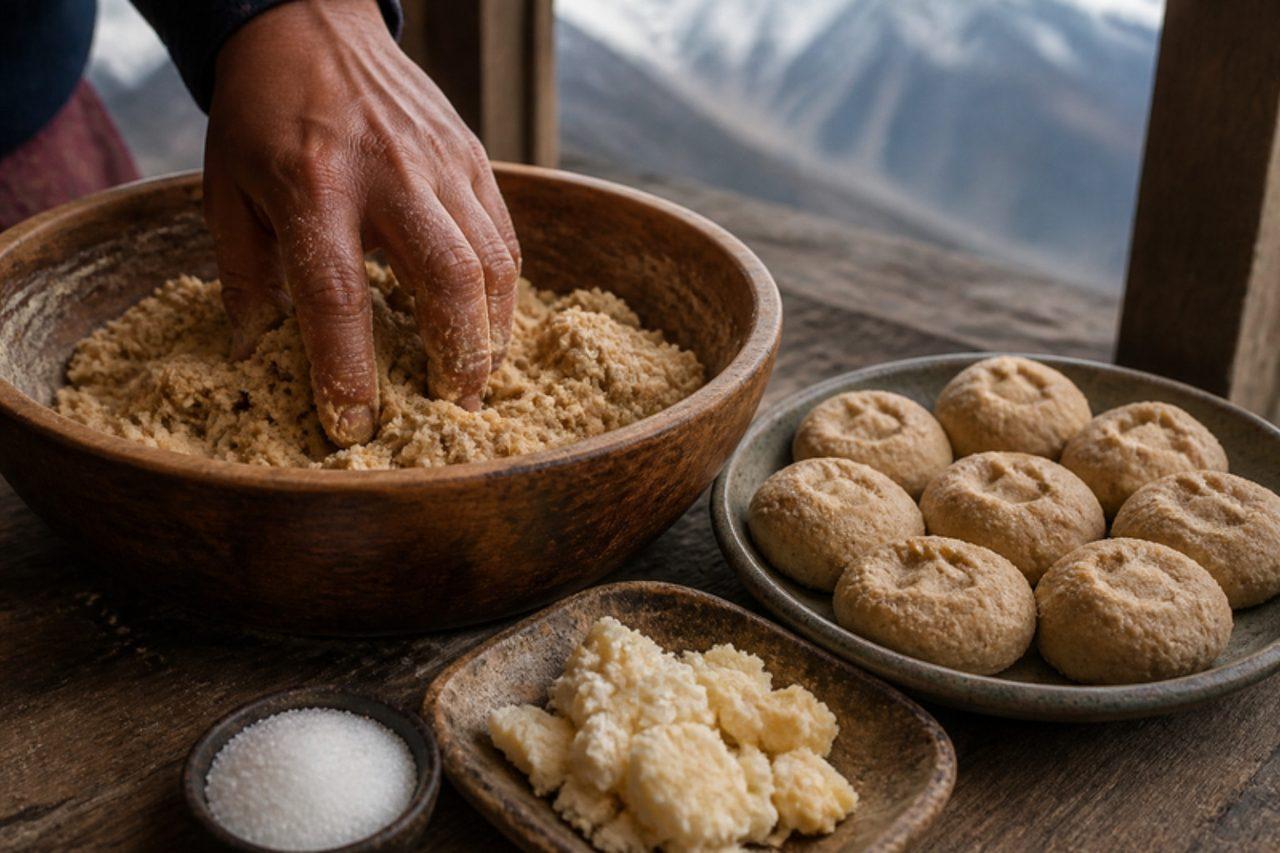
YomariSteamed rice flour dumplings

Yomari are the sweet dumplings of the Newars of the Kathmandu Valley, made once a year on Yomari Punhi, the full moon of December that marks the end of the rice harvest. Freshly milled rice flour is kneaded with hot water, pinched into a hollow cone, filled with chaku, a dark, fudgy Newari molasses, and toasted sesame, then shaped with a pointed tail like a fish or a teardrop and steamed. Children go from house to house singing for them, and families offer a few to the gods before anyone eats. The shell is soft and slightly chewy, and the filling melts into warm, smoky caramel. The usual mistake is mixing the dough with lukewarm water: it must be just off the boil so the starch swells and the dough stretches without cracking. Chef's tip: keep a bowl of warm water beside you and dip your fingertips often; damp hands smooth out cracks as you shape.

by KrazyBadal 0 views

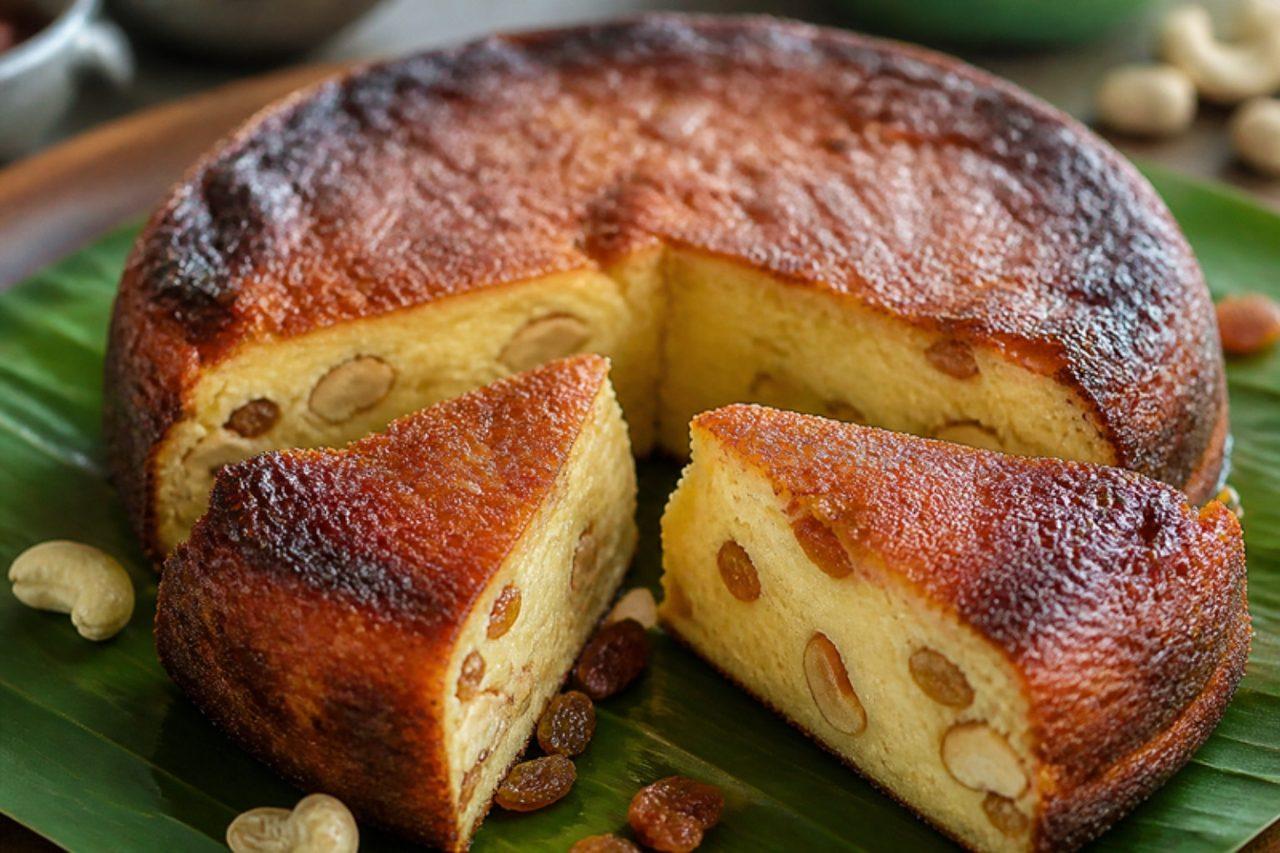
Chhena podaBaked cheese cake

Chhena poda means 'burnt cheese', and it is Odisha's most famous sweet. It was first made in Nayagarh district, where a sweet maker is said to have left chhena and sugar overnight in a cooling wood oven. Fresh chhena is kneaded with sugar, a spoon of rice flour or semolina, and cardamom, then baked slowly until the outside caramelises into a dark, sticky crust and the inside stays moist and fudgy. It is offered to Lord Jagannath and sold in slabs at every Odia sweet shop. Chef's tip: line the tin with ghee-brushed banana leaf if you can; it adds the smoky note of the original.

by KrazyBadal 0 views

Rooh Afza sherbetRose syrup drink

During Ramadan almost every household in Pakistan breaks the fast at sunset with a jug of this bright red sherbet on the table, from Karachi apartments to village courtyards in Punjab. It is made with the herbal rose syrup sold as Rooh Afza (any rose sherbet syrup works), stirred into ice-cold water with a squeeze of lemon and a spoonful of swollen basil seeds (tukh malanga) that are said to cool the body after a long, hot day without water. Some families make it with cold milk instead, which turns it pink and creamy. The mistake people make is adding the basil seeds dry; they clump into hard lumps, so soak them first. Chef's tip: chill the water and syrup well before mixing so you need less ice and the sherbet does not taste watered down.

by KrazyBadal 0 views

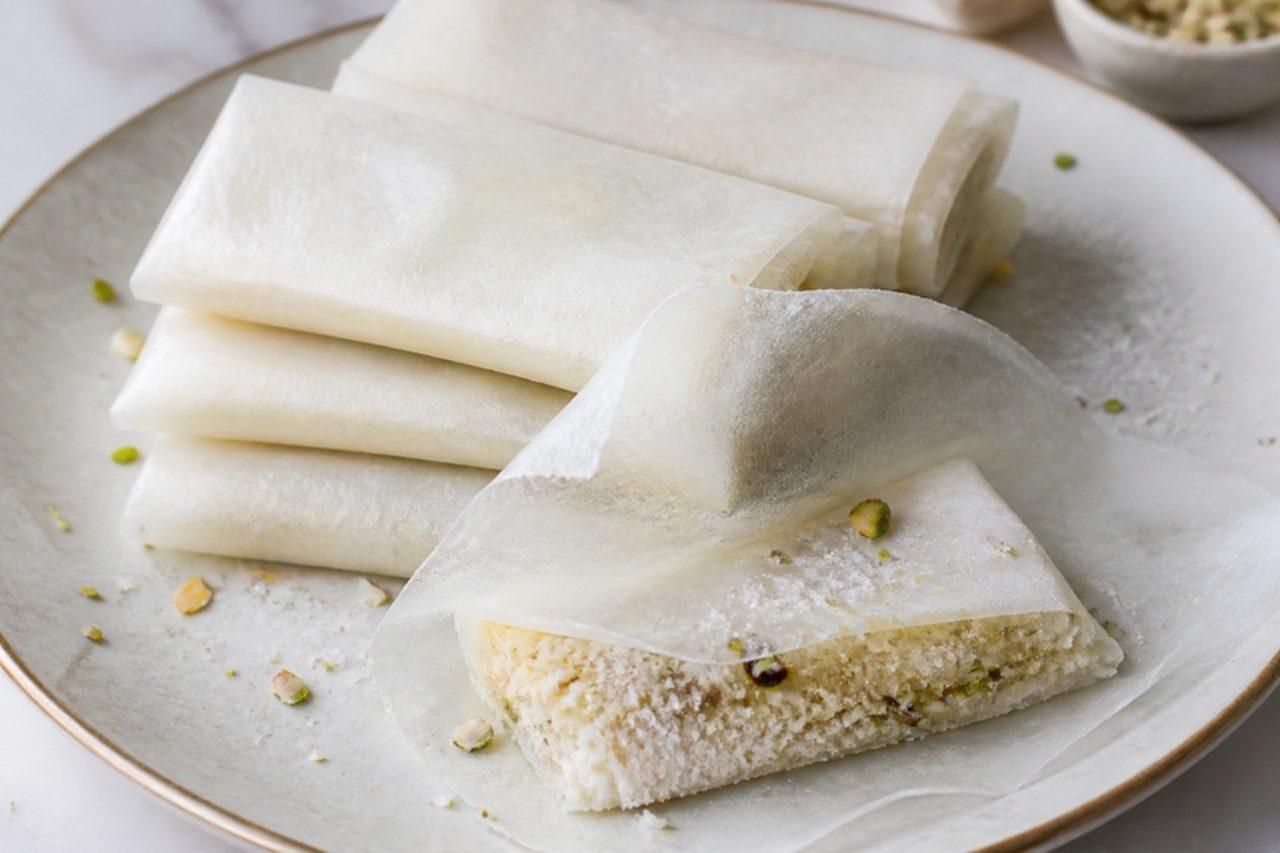
PootharekuluPaper-thin rice sheet sweets

Pootharekulu ('coated sheets') come from Atreyapuram village in the Godavari district, where women make translucent rice-starch films by dipping a cloth in batter and wiping it over a hot, upturned clay pot. Those whisper-thin sheets are then layered with ghee and powdered sugar or jaggery and folded into neat parcels that melt on the tongue. True rekulu need the special pot and years of practice, so this home method spreads a very thin rice batter on an upturned wok or non-stick pan and peels off the dried film. Sheets can also be bought ready-made in Indian shops; then just do the filling. Chef's tip: work with the sheets dry; brush ghee on, never sugar syrup, or they turn soggy and tear.

by KrazyBadal 0 views

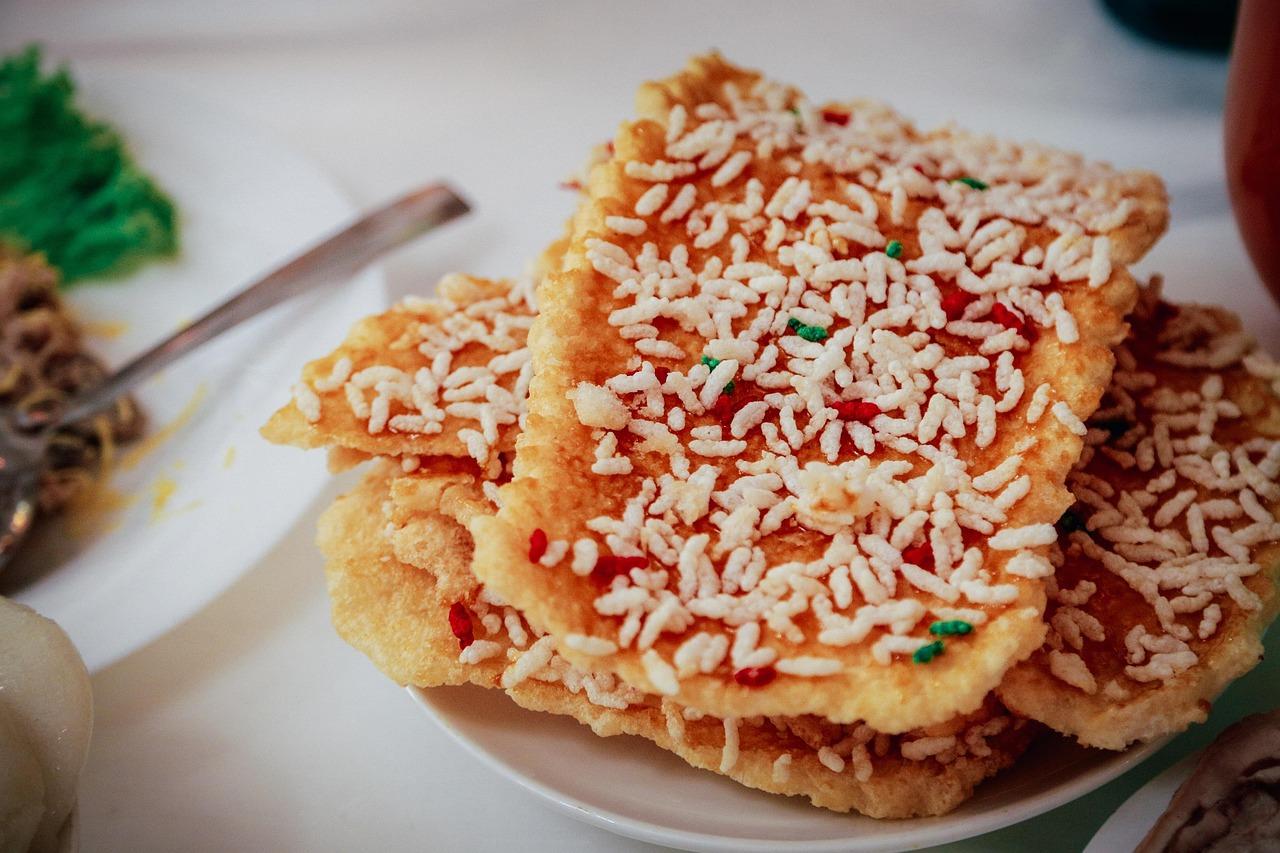
Tianjin fried sticky rice cakes

These are one of Tianjin's three famous snacks, named after Erduoyan ('ear hole') Lane, where the original shop opened over a hundred years ago. The dough is soft, slightly fermented glutinous rice, filled with dark, sweet red bean paste and fried until the shell is crisp and blistered while the inside stays chewy. Locals buy them for festivals and as a winter treat. Chef's tip: seal the edges thoroughly and fry at a moderate heat; hot oil makes them burst and spit.

by KrazyBadal 0 views

Kashmiri chaiPink salted milk tea

Kashmiri chai, called pink tea or gulabi chai across Pakistan, came down from Kashmir to become the winter drink of Lahore, Karachi and Islamabad: it is ladled out at weddings, sold from steaming pots at tea stalls on cold nights and served with nankhatai biscuits at family gatherings. The colour is real chemistry, not food colouring: green tea leaves are boiled hard with a pinch of baking soda until the brew turns deep red, then whisked and splashed to get air into it, and finally cooked with milk until it blushes pink. It is lightly salted in the old Kashmiri way and sweetened in the city way; add as much sugar as you like. The mistake people make is using black tea; only green tea leaves turn pink. Chef's tip: pour in ice-cold water as soon as the brew is reduced, and beat it hard; the shock and the air are what lock in the bright colour.

by KrazyBadal 0 views

Sheer khurmaVermicelli milk pudding

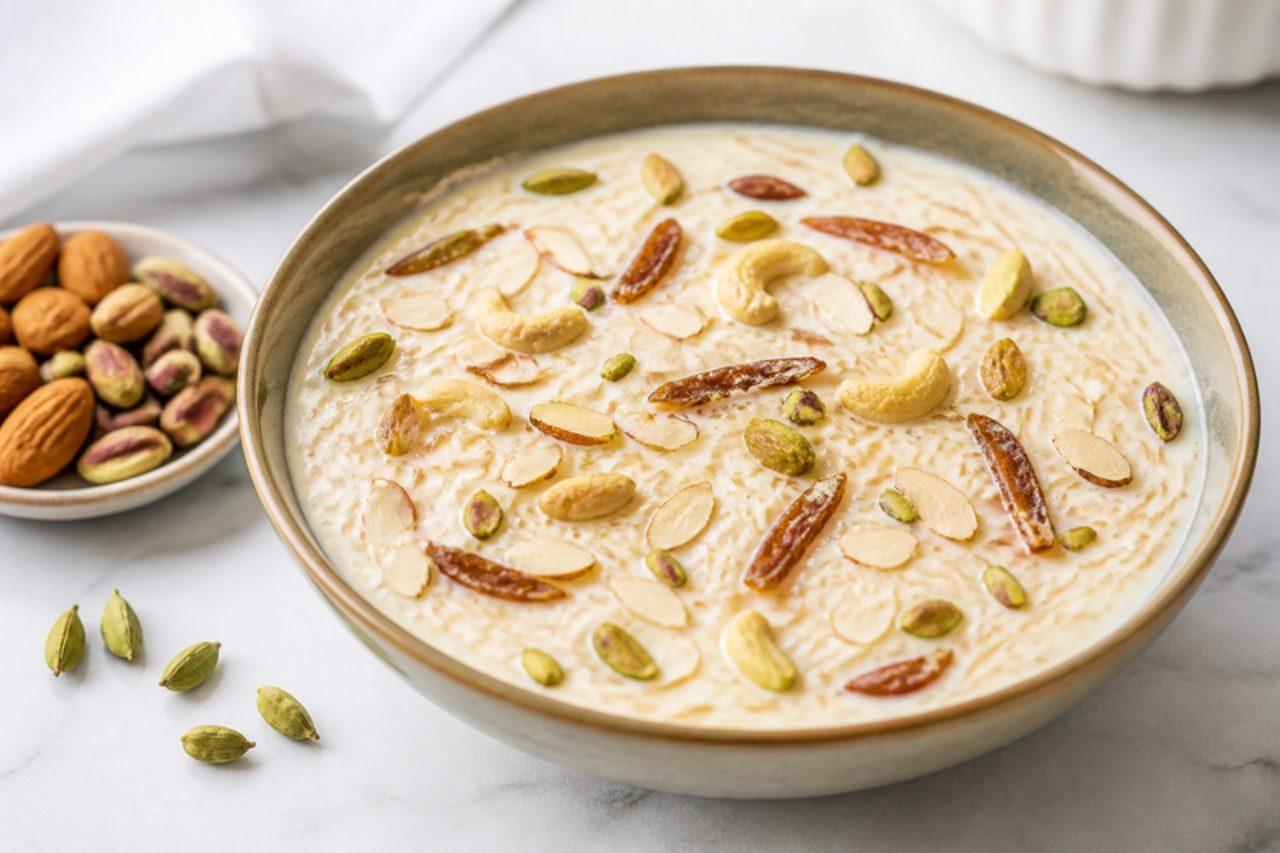
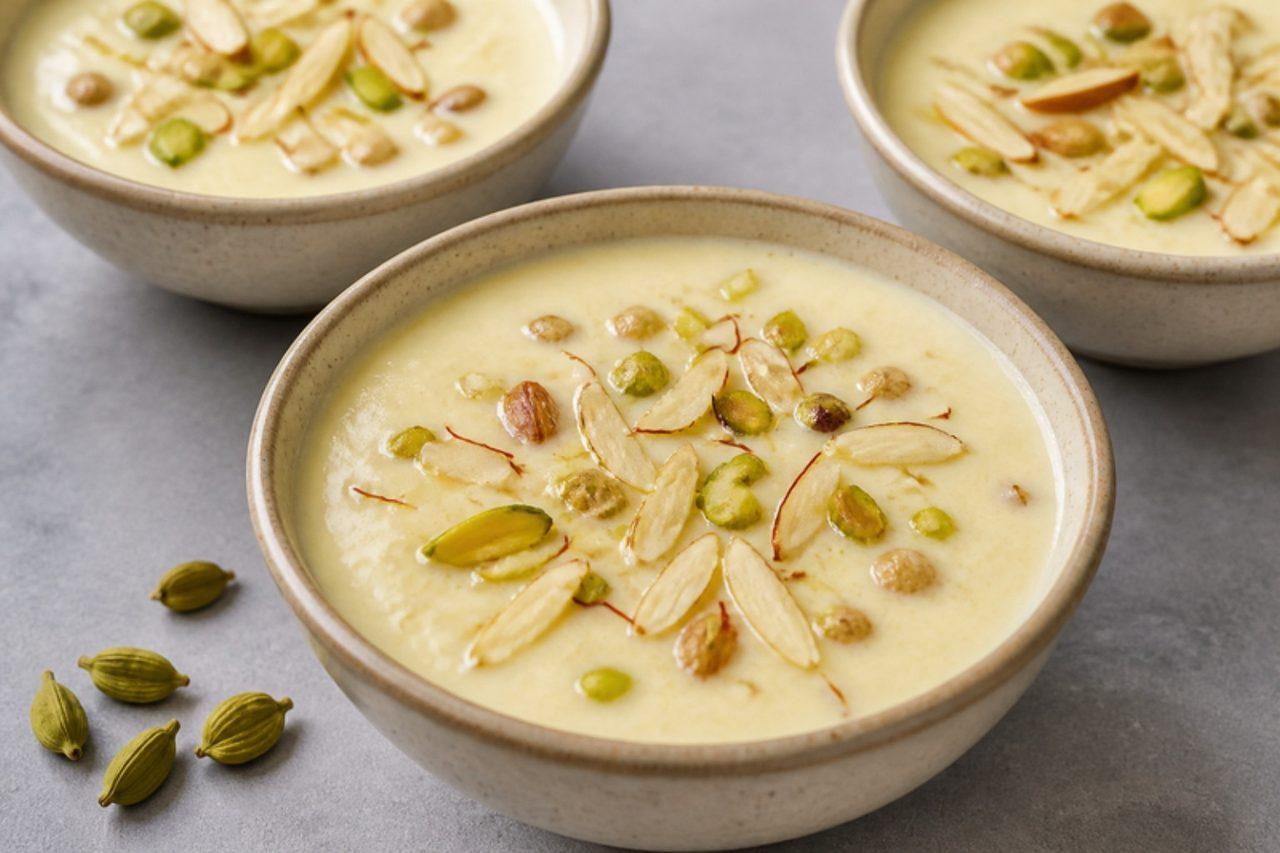
Sheer khurma means milk with dates in Persian, and in Pakistan it is the taste of Eid ul-Fitr morning: after the Eid prayer, families come home and every visitor who knocks that day is handed a small bowl. It is richer and nuttier than everyday seviyan: whole milk is boiled down until creamy, fine vermicelli fried golden in ghee goes in late, and it is loaded with soaked dried dates (chhuhare), almonds, pistachios, cashews, raisins and charoli seeds, scented with cardamom. It is served warm in the morning and thickens to a spoonable pudding when cold. The mistake most people make is adding the vermicelli too early or using too much; it keeps drinking milk as it cools and turns stodgy. Chef's tip: soak the dried dates overnight and slice them thinly; fresh soft dates melt away, but soaked chhuhare stay chewy and sweet in every spoonful.

by KrazyBadal 0 views

Ceylon teaSpiced milk tea

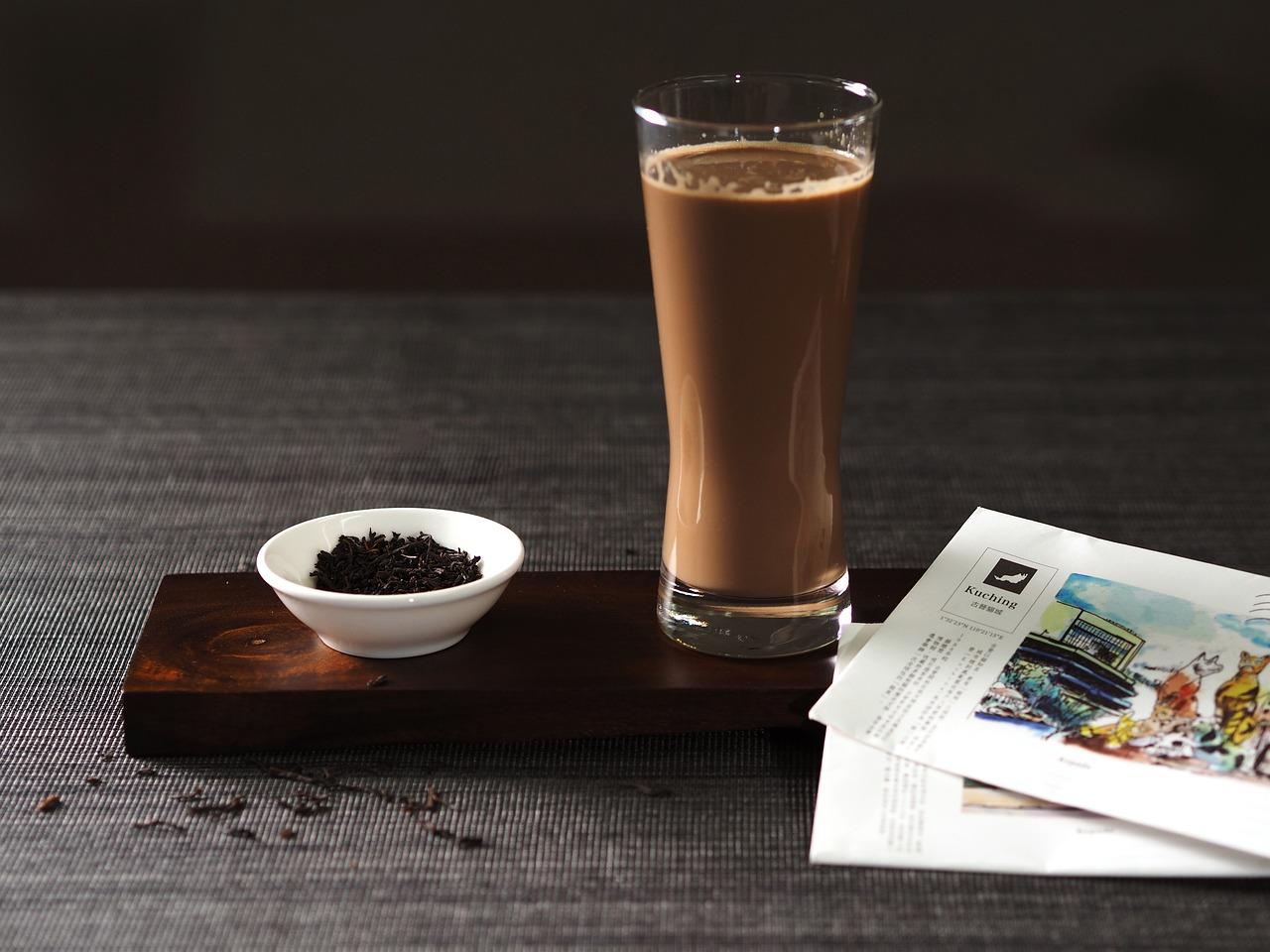
In the misty tea country around Nuwara Eliya, Hatton and Ella, and in every roadside tea kade across Sri Lanka, tea is made strong, sweetened generously and often whitened with milk, then poured from a height between two jugs so it cools a little and wears a frothy cap. Families drink it first thing, again at 'tea time' around four, and with every short eats snack in between. Unlike Indian masala chai there are no spices: the flavour comes from bright, brisk high-grown Ceylon black tea, often a BOP or BOPF grade. If you'd rather have it plain, kahata thé is the same tea with no milk and a bite of jaggery. The common mistake is stewing the leaves too long, which turns it bitter and tannic; three to four minutes is plenty. Chef's tip: pour from jug to jug four or five times; the 'pulled' tea is smoother and creamier.

by KrazyBadal 0 views

Chocolat chaudThick hot chocolate

Paris's grand tearooms have served chocolat chaud since the 1800s, and it is nothing like a powdered cocoa drink: dark chocolate is melted into hot milk and cream until it is thick, glossy and rich enough to coat the cup. Parisians drink it in small cups on cold afternoons, often with a pot of whipped cream on the side and a pastry. It is also a winter treat at home after a walk. Use chocolate you'd enjoy eating. Chef's tip: keep the heat low and whisk; letting it boil is the common mistake and the chocolate can turn grainy and catch on the bottom.

by KrazyBadal 0 views

FrappéShaken iced coffee

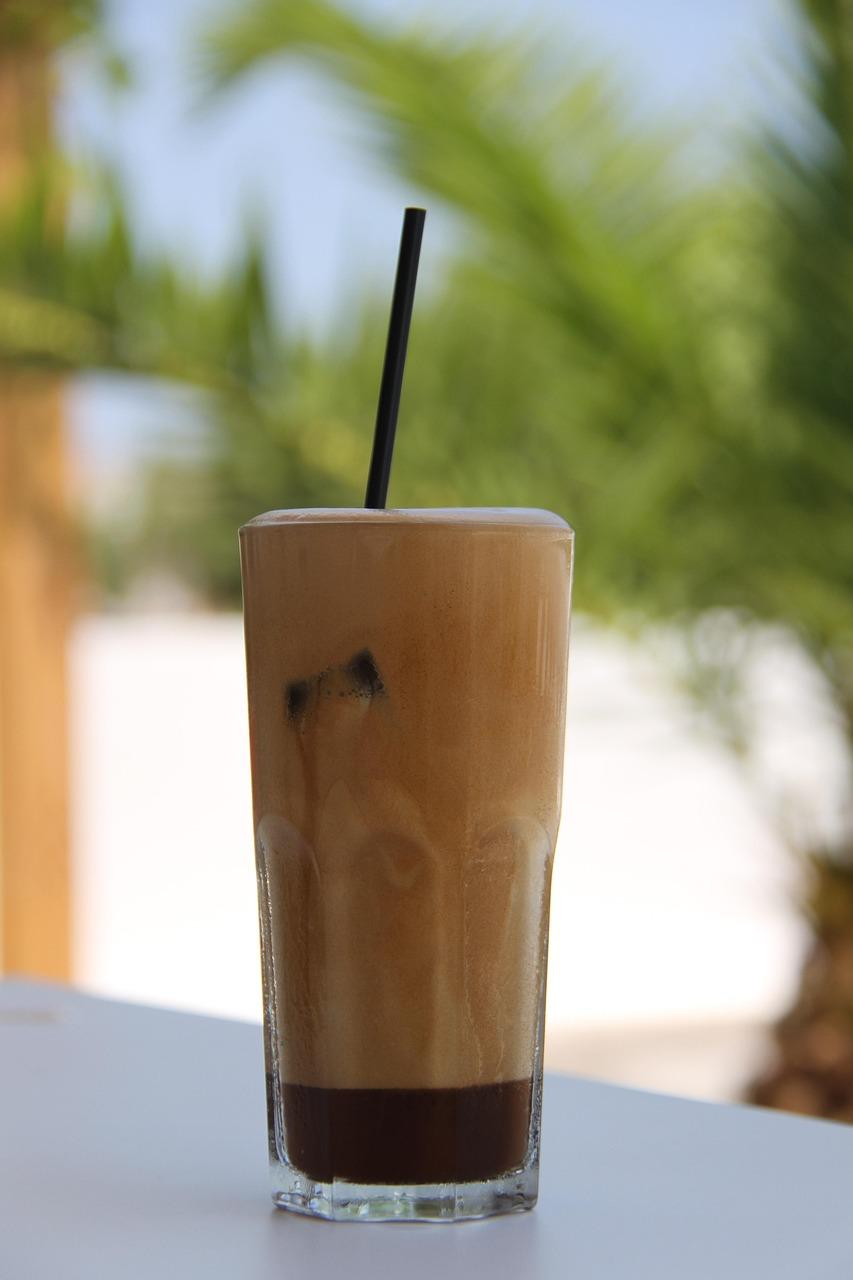
The frappé was invented by accident at the Thessaloniki International Fair in 1957, when a coffee rep shook instant coffee with cold water because there was no hot water to hand. Within a few years it was the drink of every Greek café and beach bar, sipped slowly through a straw for an hour or more. Instant coffee, sugar and a little water are shaken or frothed into a thick, light-brown foam, then topped up with cold water, ice and, if you like, milk. Order it sketos (no sugar), metrios (medium) or glykos (sweet). Chef's tip: use only a splash of water for the first shake; adding all the water at once is the common mistake and you get thin coffee with no foam.

by KrazyBadal 0 views

Tarte tatinUpside-down apple tart

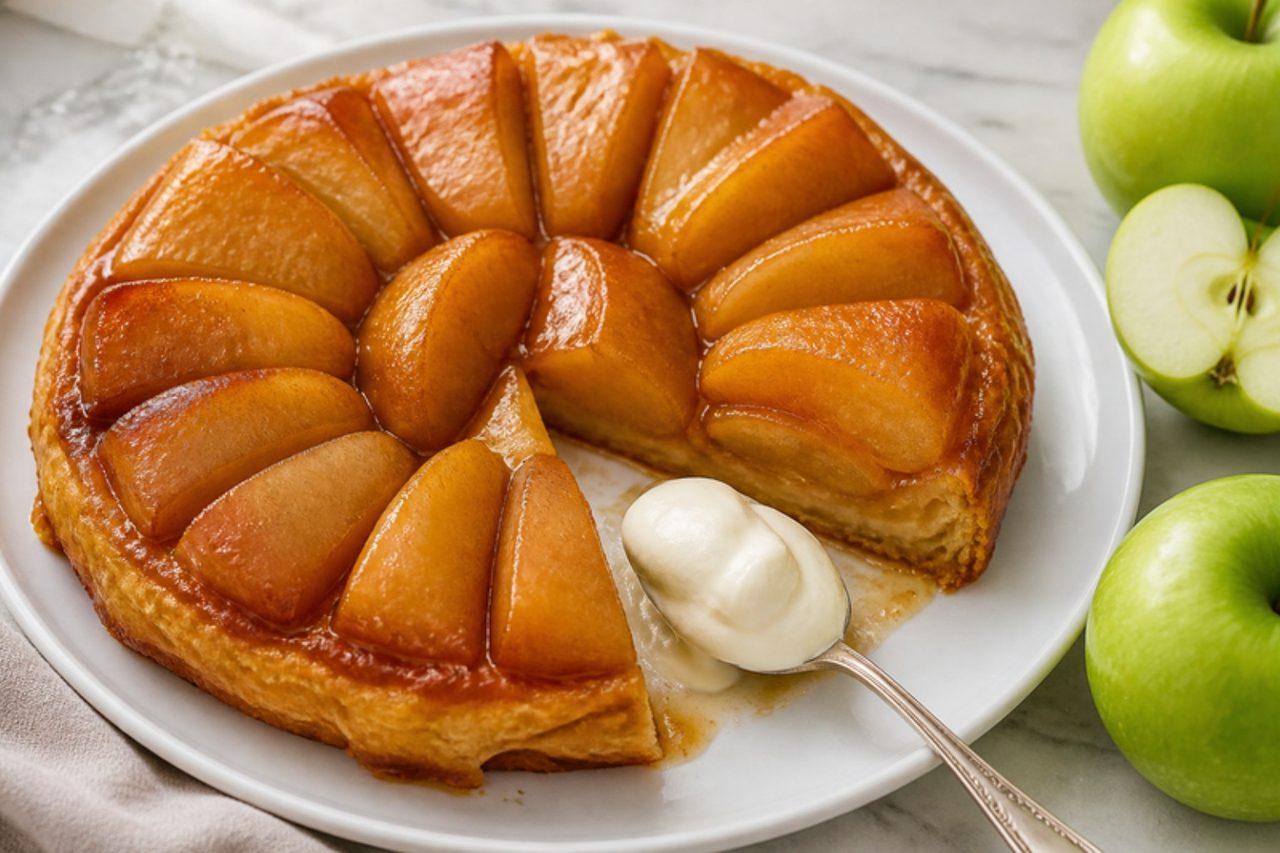
Tarte tatin is said to have been created at the Hôtel Tatin in Lamotte-Beuvron, in the Sologne, south of Orléans, where the Tatin sisters cooked for hunting parties in the 1880s. The apples are cooked in butter and sugar until they turn amber, covered with pastry, baked, then turned out so the glossy caramelised fruit sits on top of a crisp base. It is the French family dessert of autumn and winter, served warm with crème fraîche. This version uses an all-butter shortcrust made without egg. Chef's tip: pack in more apples than seem possible, as they shrink; using too few is the common mistake and leaves a flat tart with gaps.

by KrazyBadal 0 views

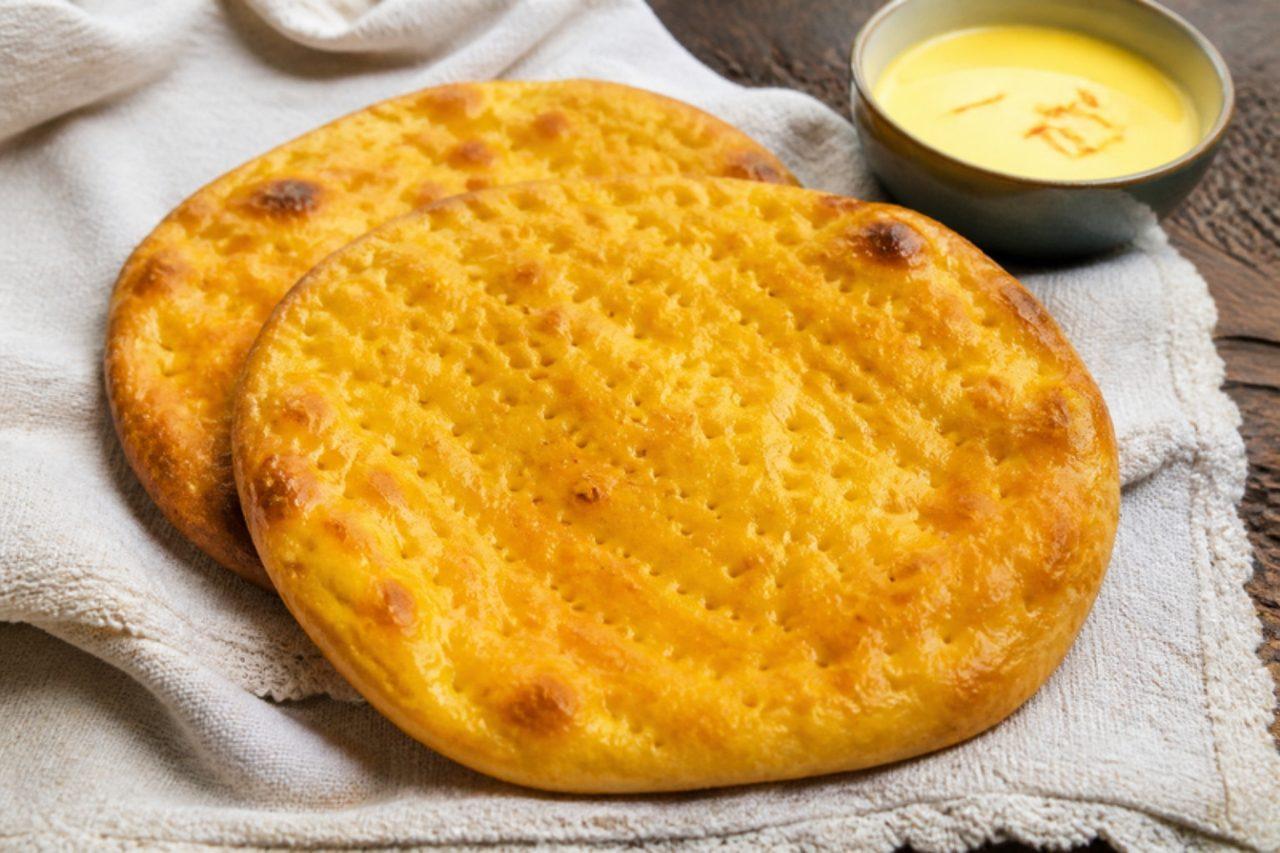
Lucknowi sheermalSaffron sweet milk flatbread

Sheermal is a soft flatbread made with milk and ghee instead of water, lightly sweet, and brushed with saffron milk so it bakes to a glossy amber colour. In Lucknow's old quarters like Chowk and Aminabad, bakers still make it in tandoors each morning, and families buy it for Eid, weddings and Ramadan iftar, eating it alongside rich kormas or simply with a cup of milky tea. It sits halfway between bread and pastry. The usual mistake is adding too much flour while kneading because the dough feels sticky; a dry dough gives a tough, crumbly sheermal. Chef's tip: oil your hands instead of flouring the surface, and let the rich dough rise until it is truly doubled.

by KrazyBadal 0 views

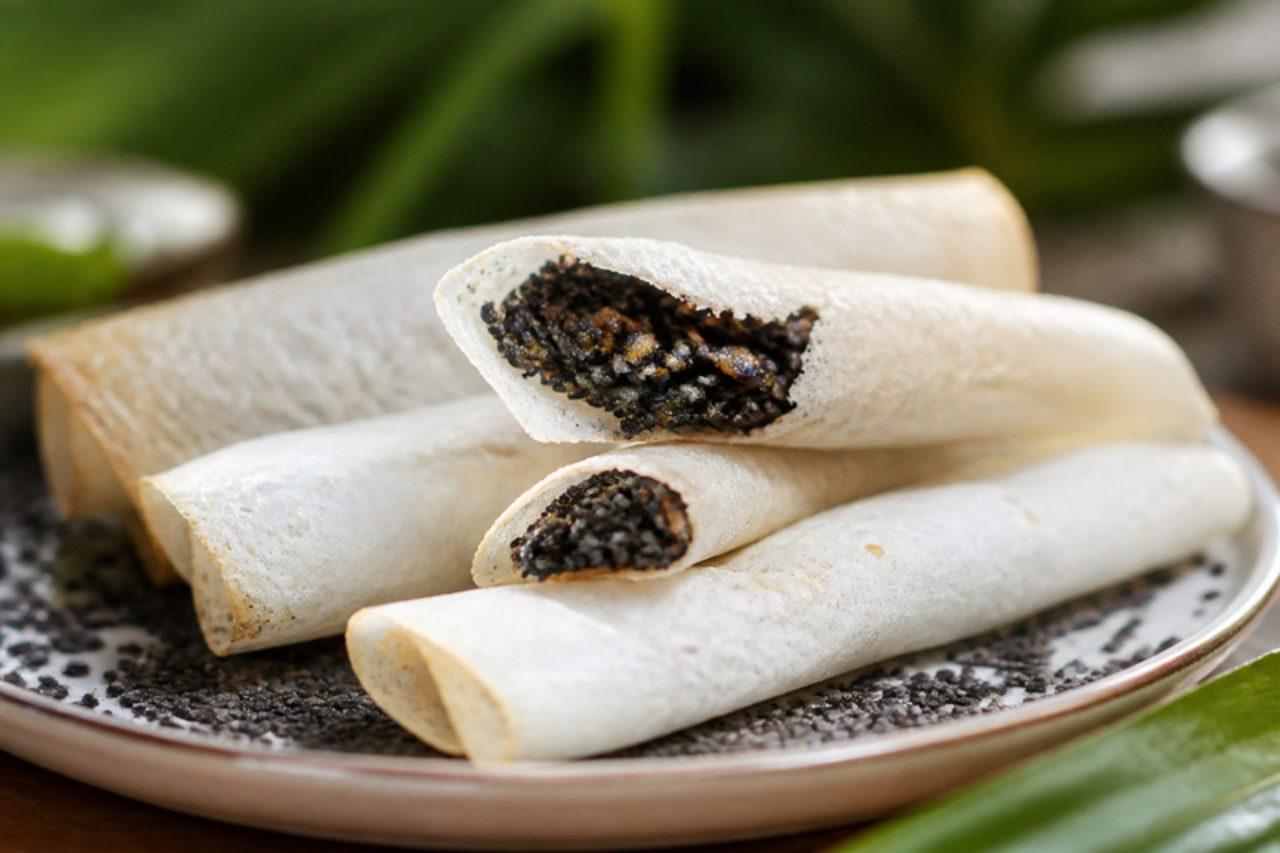
Til pithaSesame rice rolls

Til pitha is the essential sweet of Magh Bihu, the January harvest festival, when Assamese homes stay up late around the fire, frying and toasting. Fresh flour of soaked bora (sticky) rice is spread thin on a hot pan into a round, filled with roasted black sesame and jaggery and rolled into a cigar while still soft; it crisps as it cools. Tins of til pitha are carried to every house visited during Bihu. Chef's tip: the flour must be freshly ground from soaked sticky rice and still slightly damp; dry shop rice flour won't fuse into a sheet.

by KrazyBadal 0 views

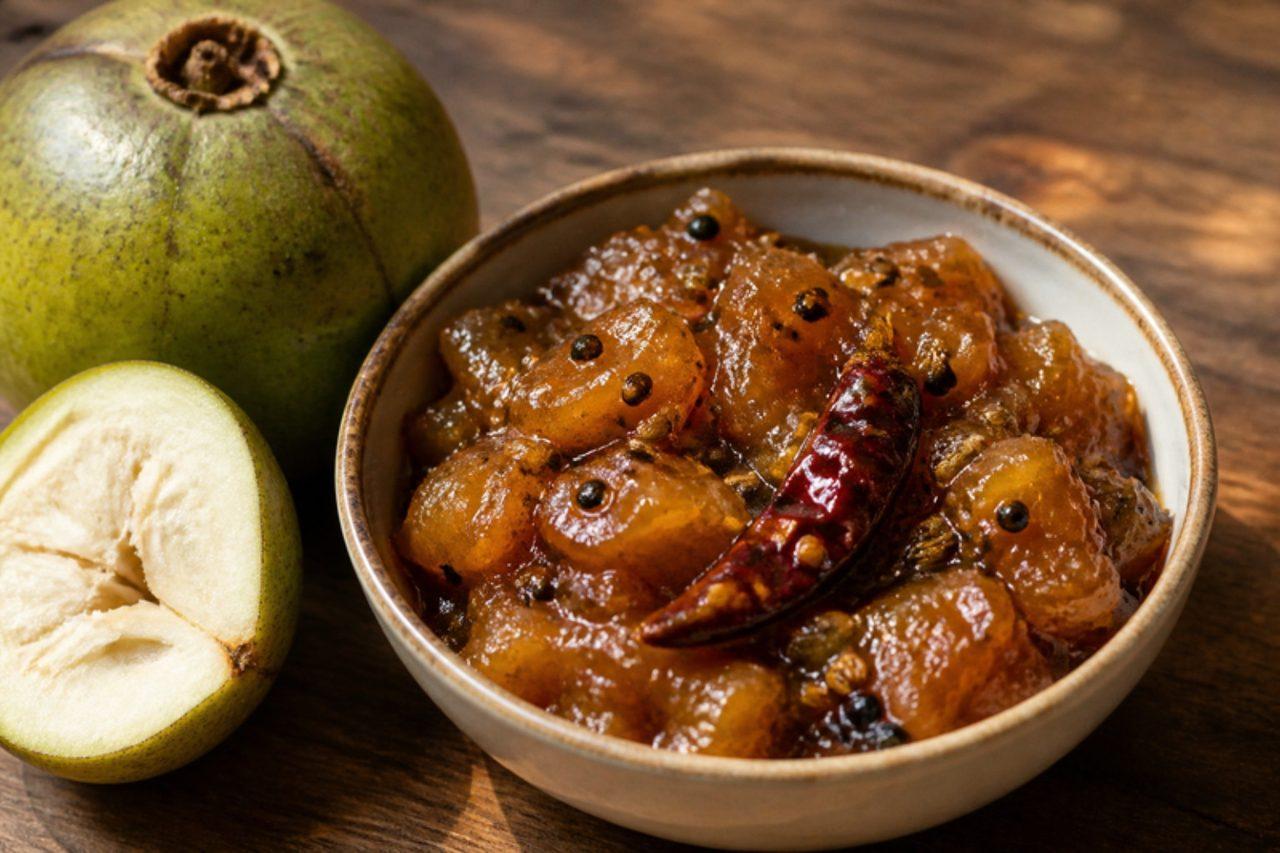
Ou khattaElephant apple chutney

Ou tenga, the elephant apple, is a hard, sour green fruit that grows across Assam and turns up in every winter market in Guwahati. Ou khatta is its sweet chutney: slices are boiled until tender, then simmered with jaggery and panch phoron until glossy, sticky and sharp-sweet. It is served in a little mound at the end of a festive Assamese lunch and at Bihu feasts, the way Bengalis end with tomato chutney. Chef's tip: outside the Northeast, use a mix of very sour green apple and a little tamarind; it gets surprisingly close.

by KrazyBadal 0 views

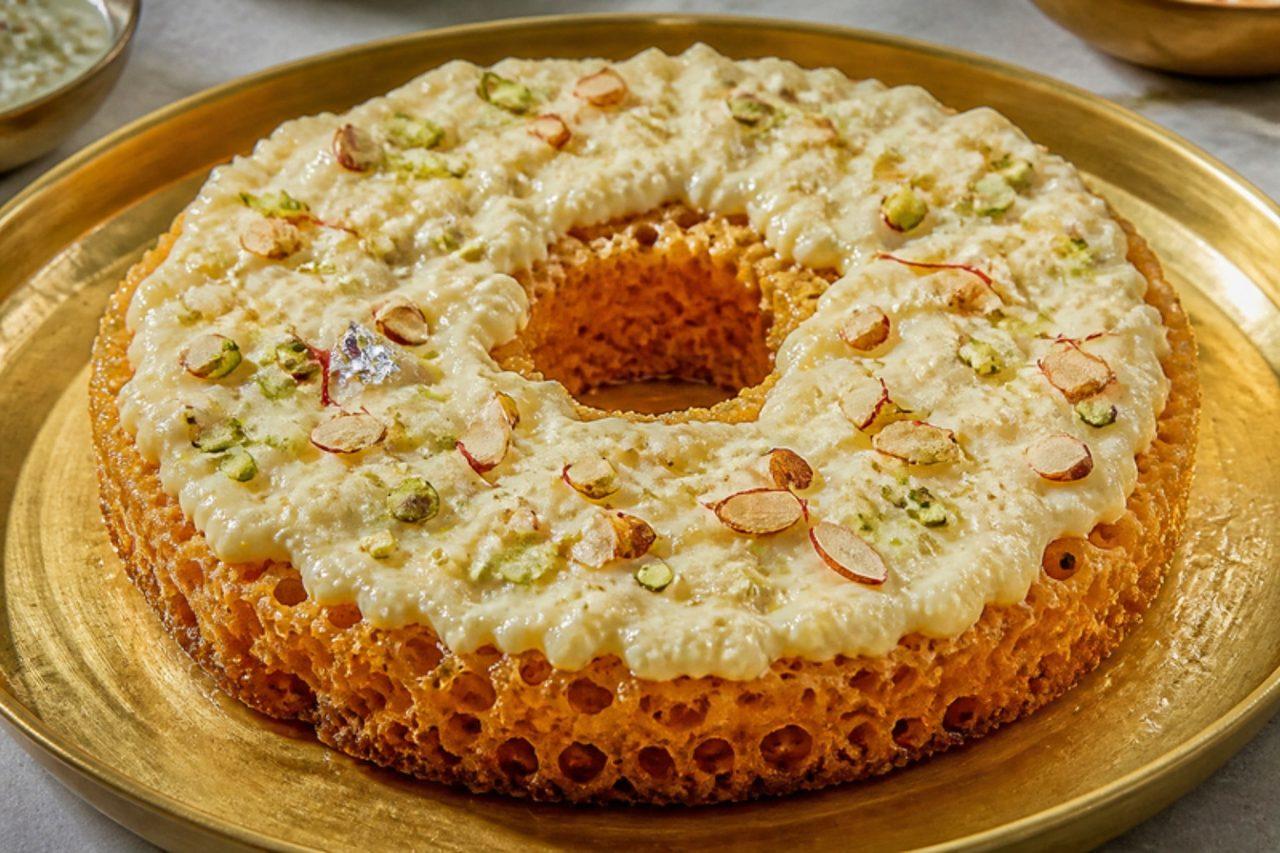
GhevarLacy fried batter sweet in syrup

During the monsoon festival of Teej and through Raksha Bandhan, Jaipur's sweet shops stack golden, honeycomb discs of ghevar in their windows. The batter is little more than flour, chilled ghee and ice-cold water, poured into hot ghee in thin streams so it foams into a lacy round. It is then soaked in syrup and finished with rabri, sliced pistachios and a pinch of saffron. Married daughters traditionally receive it from their mothers' homes during Teej. The most common mistake is batter that is too warm or too thick; it fries into a heavy pancake instead of a web. Chef's tip: whisk the ghee with ice cubes until it is white and fluffy before adding flour, and keep the batter bowl in a tray of ice water while frying. A narrow, deep pan, or a metal ring set in a saucepan, gives the sides that help the batter build up.

by KrazyBadal 0 views

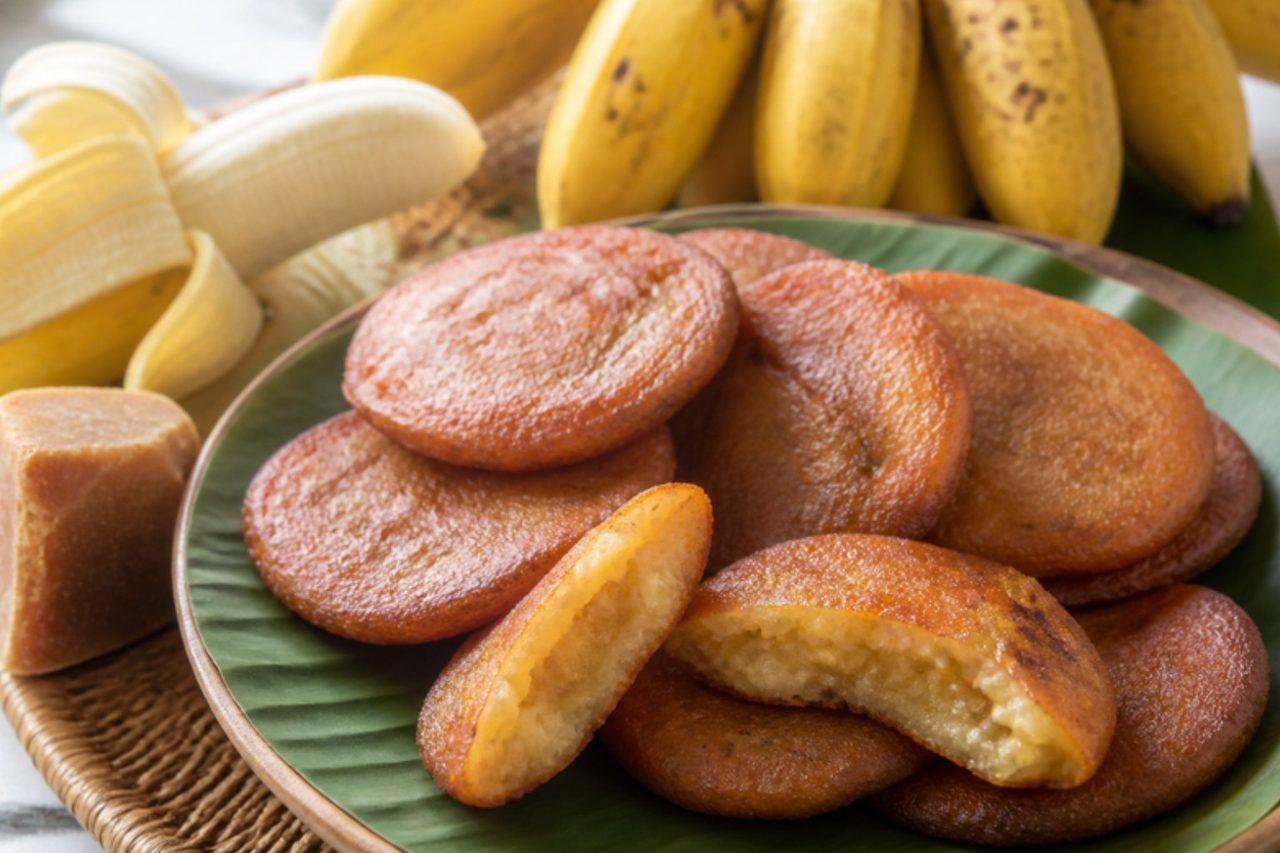
Koat pithaBanana and rice flour fritters

Koat pitha is Mizoram's favourite tea-time snack, sold in Aizawl's bakeries and street stalls and fried at home whenever bananas go soft: mashed ripe banana is mixed with rice flour and jaggery into a thick batter and fried in spoonfuls until crisp, brown and puffed. Inside they are soft and sticky-sweet. They are served at church gatherings and with red tea on wet afternoons. Chef's tip: the riper the bananas the better; spotted, almost black ones give the most flavour and sweetness.

by KrazyBadal 0 views

MizeriaCucumber salad with soured cream

Mizeria is the cool, creamy cucumber salad that sits beside Sunday dinner in Polish homes from May to September, especially next to young potatoes sprinkled with dill. Thin slices of cucumber are dressed in soured cream with dill, a pinch of sugar and a little lemon or vinegar, so it is fresh, tangy and slightly sweet. Legend links the name to Queen Bona Sforza longing for Italy, but in practice it is simply summer on a plate. Chef's tip: slice the cucumbers paper-thin on a mandoline or the slicing side of a box grater; thick slices never soak up the dressing.

by KrazyBadal 0 views

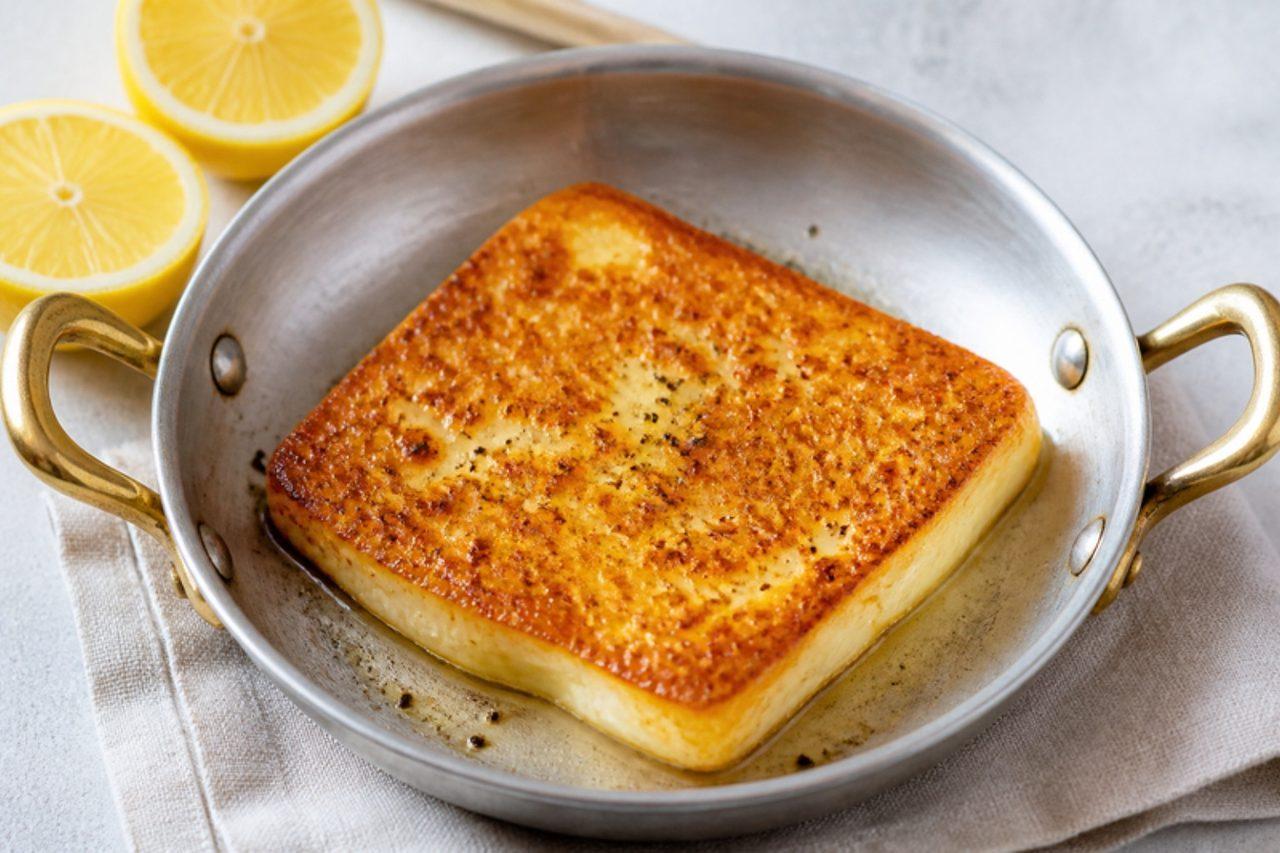
SaganakiPan-fried cheese

Saganaki takes its name from the small two-handled pan it's cooked in. A thick slice of hard sheep's-milk cheese, usually kefalograviera or kefalotyri, is dusted with flour and fried until it has a crisp, golden crust and a soft, stretchy middle, then splashed with lemon. In Greek tavernas it arrives sizzling at the start of the meal, to share with bread, salad and a cold drink. Traditional Greek hard cheeses are often made with animal rennet, so use a vegetarian alternative such as a vegetarian graviera or halloumi. We dust it with rice flour so it is gluten free. Chef's tip: chill the cheese and get the pan properly hot before it goes in; a lukewarm pan is the common mistake and the cheese melts into a puddle before it crisps.

by KrazyBadal 0 views

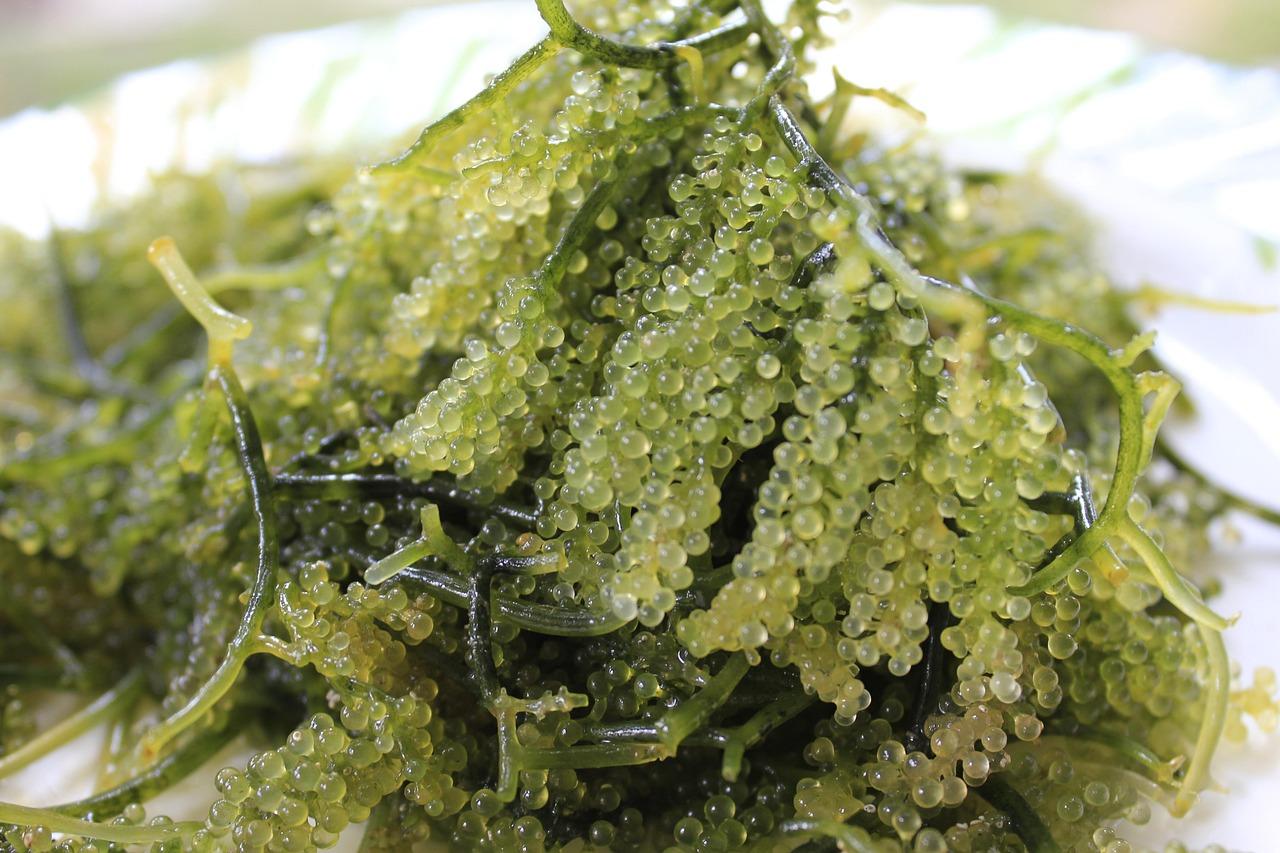
Umibudo saladSea grapes salad

Umibudo, 'sea grapes', is a seaweed farmed in the warm, clear waters around Okinawa and Miyako island. Its tiny green beads burst in the mouth with a salty, oceanic pop, which is why Okinawans also call it green caviar. It's served as a starter in island izakaya, often next to a cold Orion beer, either plain with a dish of citrus soy or piled on a simple salad. Look for it vacuum-packed in salt at Japanese grocers; it keeps for weeks unopened. Chef's tip: dress the salad, not the sea grapes. Pour the dressing on the greens and dip the sea grapes as you eat, because vinegar and soy make the beads shrivel within minutes.

by KrazyBadal 0 views

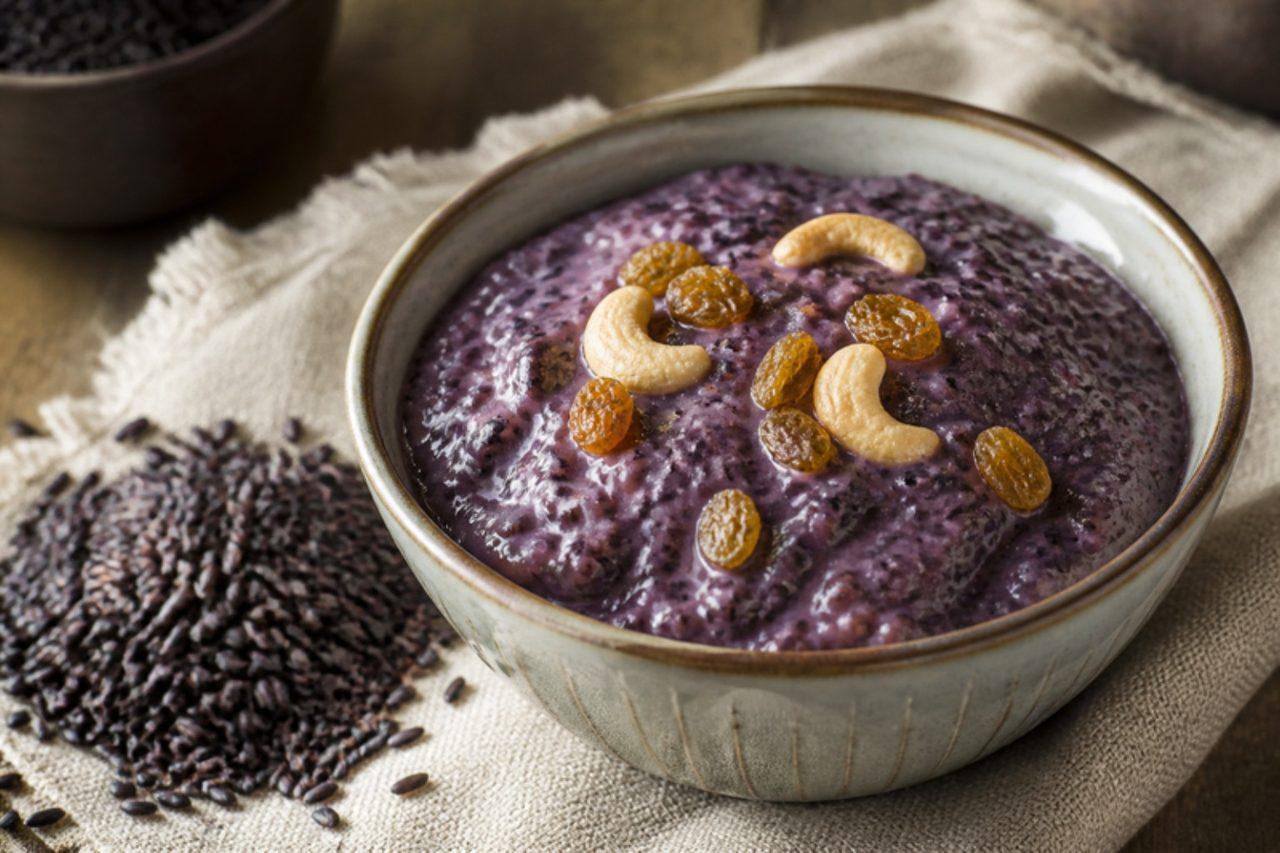
Chak-hao kheerBlack rice pudding

Chak-hao is Manipur's aromatic black rice, grown in the valley around Imphal; when cooked slowly in milk it turns a deep violet and makes chak-hao kheer, the pudding served at Meitei feasts, weddings and Ningol Chakouba, the festival when married daughters come home for a meal. The grains stay slightly chewy and nutty, and the milk takes on a lavender colour. Chef's tip: soak the rice for at least 3 hours, or overnight; black rice has a hard bran layer and won't soften in the milk otherwise.

by KrazyBadal 0 views

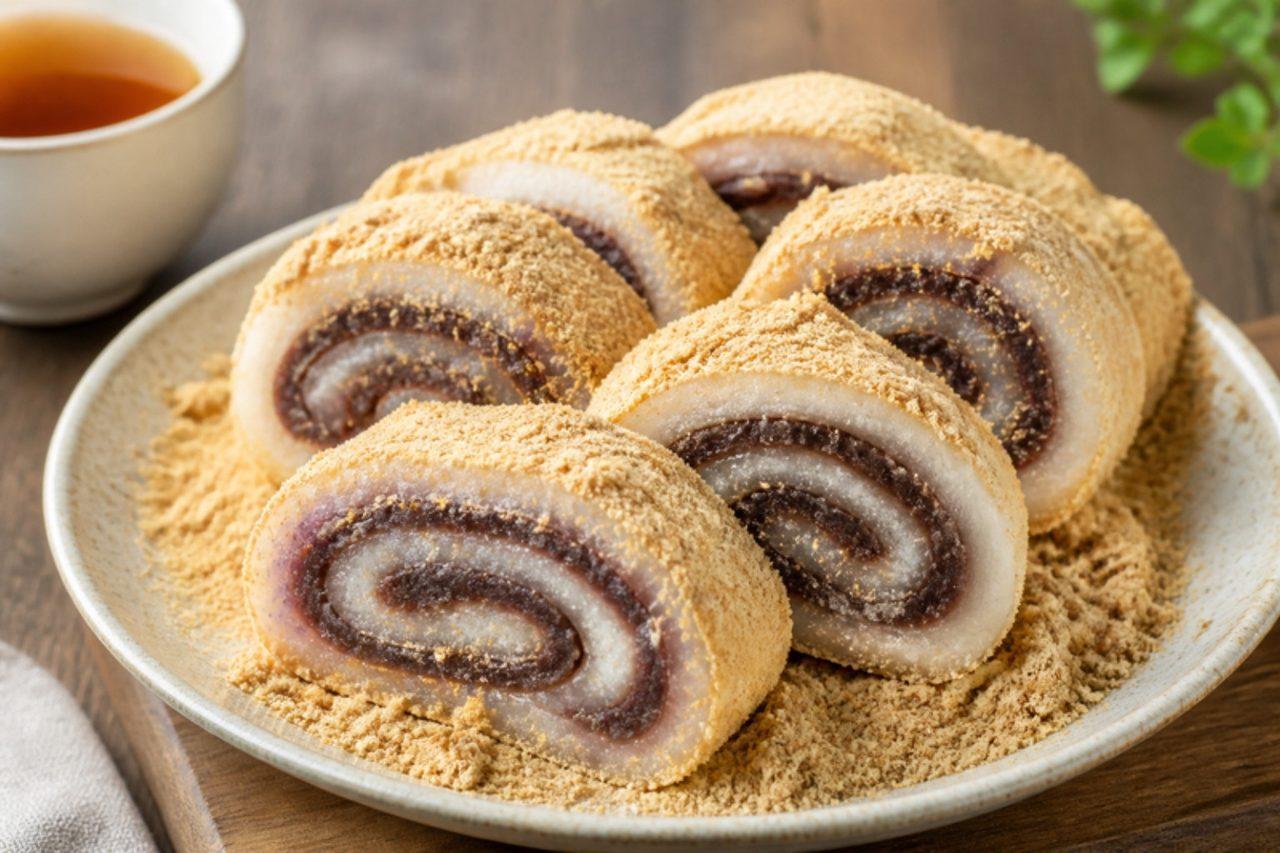
Ludagun (donkey rolls)Rice rolls with red bean paste

The name means 'donkey rolling in the dust', after the golden soybean flour that coats these soft rolls like a donkey that has rolled on a dusty road. It's one of the old Beijing sweets sold at temple fairs and in snack streets near Houhai, often next to pea-flour cakes. Inside is chewy glutinous rice dough spread with red bean paste and rolled into a spiral. Chef's tip: toast the soybean flour yourself until it smells of roasted nuts; the shop-bought kind is often pale and flat-tasting.

by KrazyBadal 0 views

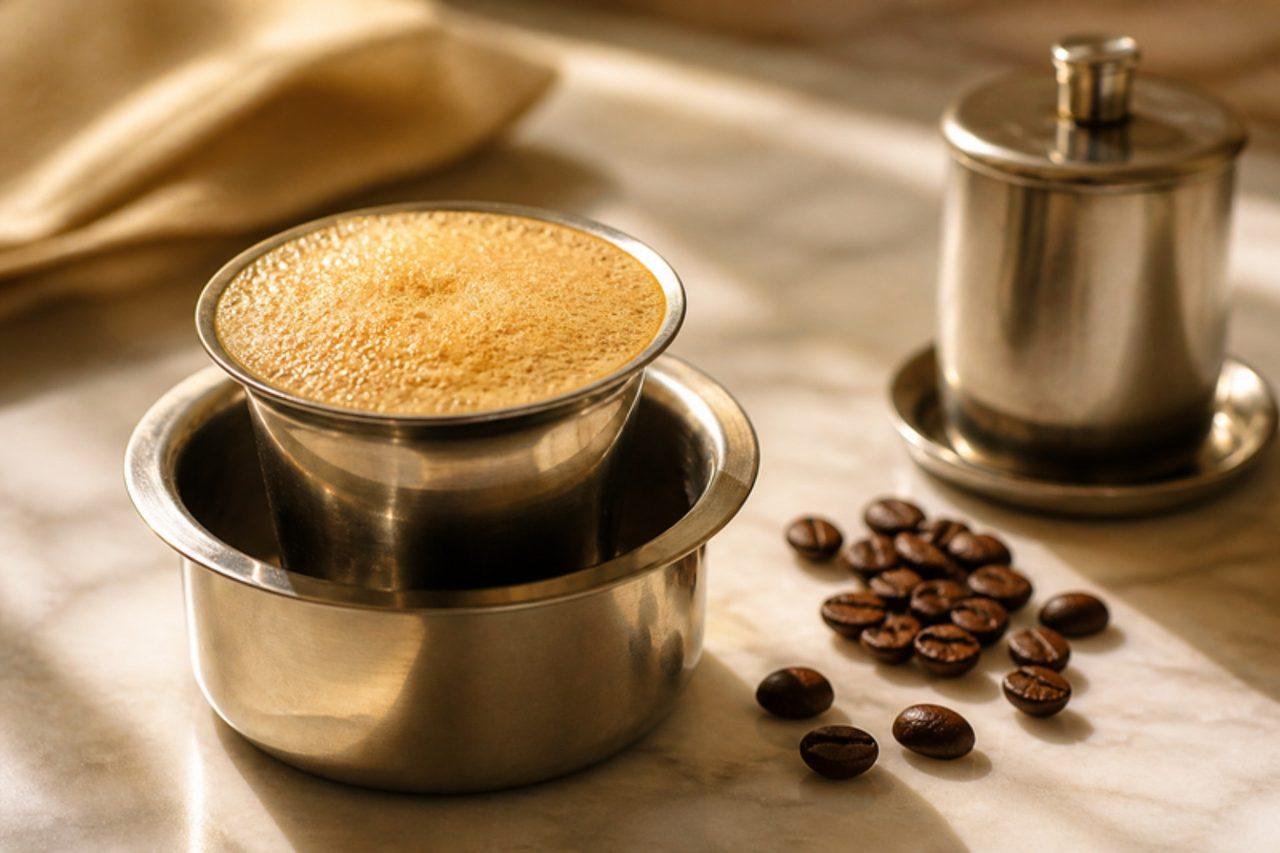
Filter coffee

In Tamil Nadu the day starts with filter coffee: a strong decoction dripped slowly through a two-tier steel filter, mixed with plenty of hot, boiled milk and sugar, and frothed by pouring it from a height between a steel tumbler and its little bowl, the davara. It's served at every Chennai and Kumbakonam 'hotel' and in nearly every home, and it's thick, sweet and slightly bitter from the chicory in the coffee powder. Chef's tip: press the coffee only lightly in the filter and pour the water in slowly; packed too tight, it drips for an hour, and too loose, the decoction is thin.

by KrazyBadal 0 views

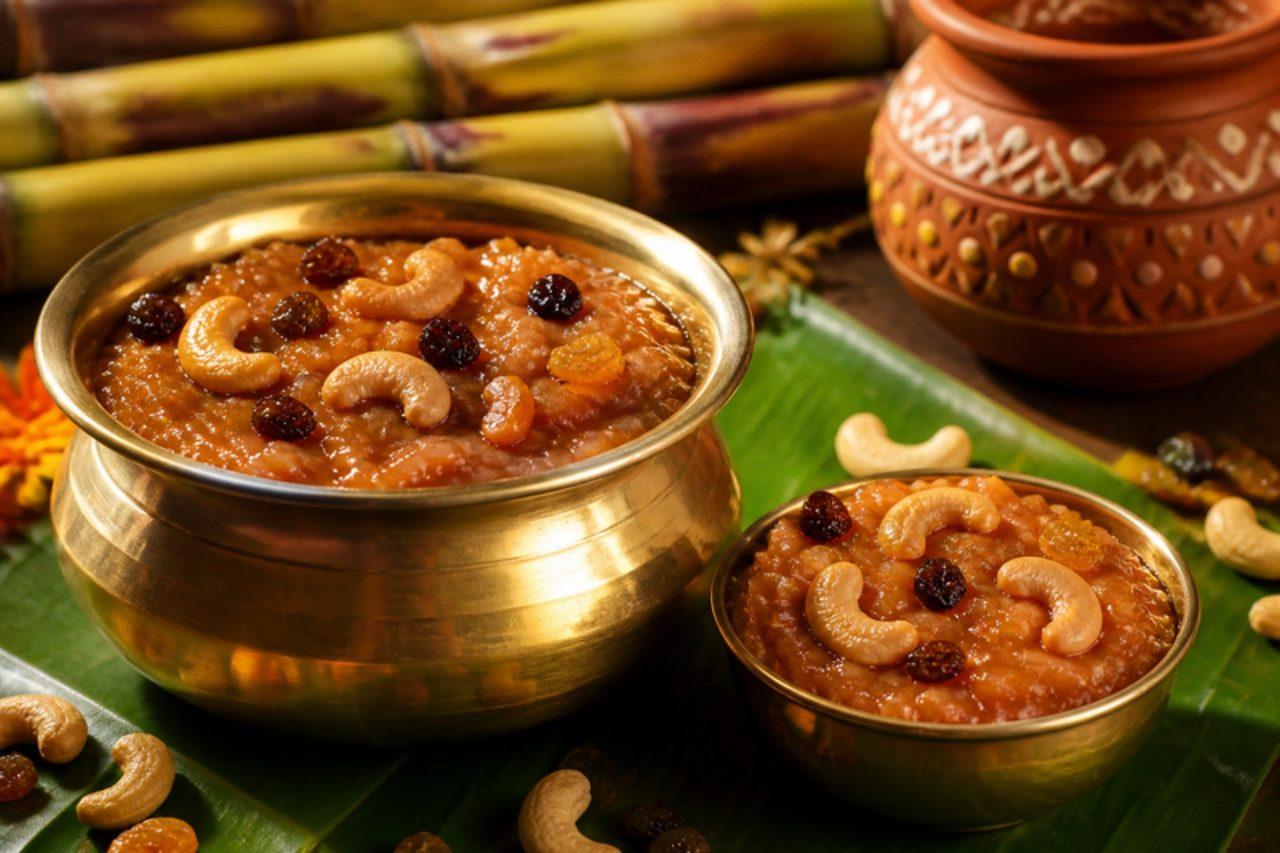
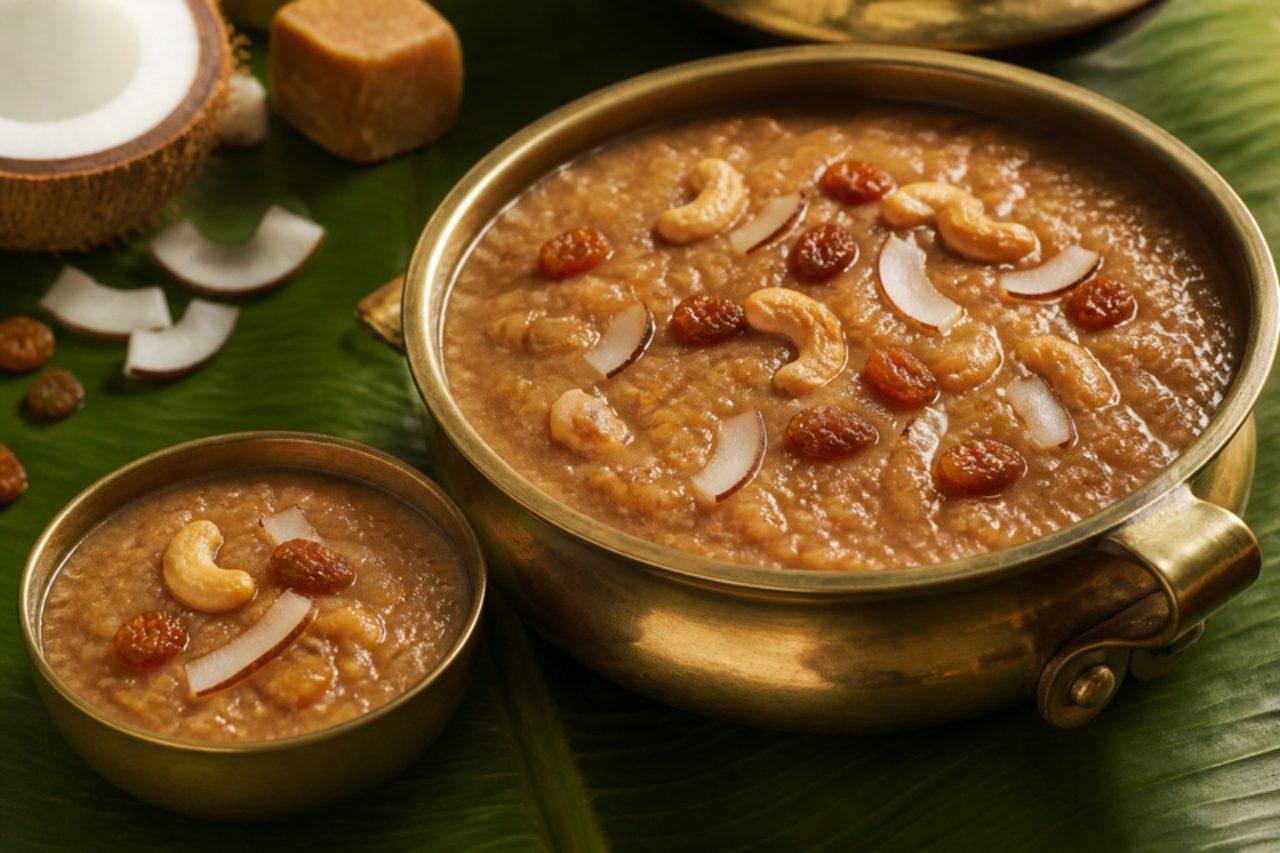
Sakkarai pongalSweet rice and moong dal

On the morning of Thai Pongal in mid-January, families across Tamil Nadu cook new-harvest rice in a clay pot in the courtyard and wait for the milk to bubble over: 'pongalo pongal!'. That pot becomes sakkarai pongal, a sticky, golden-brown sweet of rice and moong dal cooked soft, then simmered with melted jaggery and finished with lots of ghee, cardamom, edible camphor and cashews and raisins fried golden. It's also the classic prasadam at Vishnu temples. It's the sweet twin of the peppery ven pongal. Chef's tip: dry-roast the moong dal until it smells nutty before cooking; it adds a toasty depth that plain boiled dal can't give.

by KrazyBadal 0 views

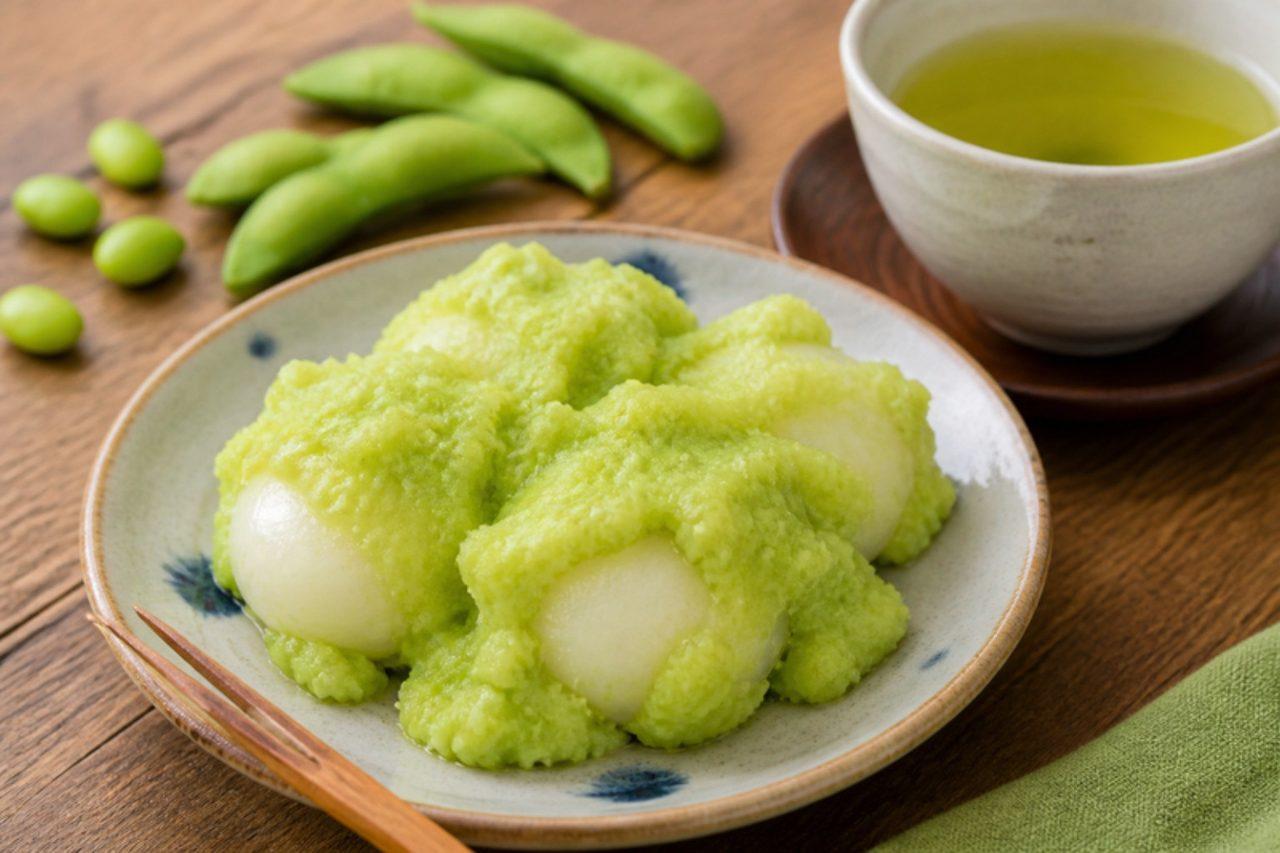
Zunda mochiRice dumplings with edamame paste

Zunda is Sendai's signature sweet: young green soybeans mashed with sugar into a coarse, pale-green paste. Farmers in Miyagi made it at the end of summer, when edamame were at their best, and it is still sold everywhere from Sendai station's souvenir halls to small tea shops, now also as zunda shakes and rolls. The flavour is gentle, beany and fresh, closer to sweet peas than to red bean paste. Spoon it over warm, chewy rice dumplings and serve with green tea. Chef's tip: rub the skins off the cooked beans. It takes ten minutes but turns the paste from dull khaki to a vivid jade colour.

by KrazyBadal 0 views

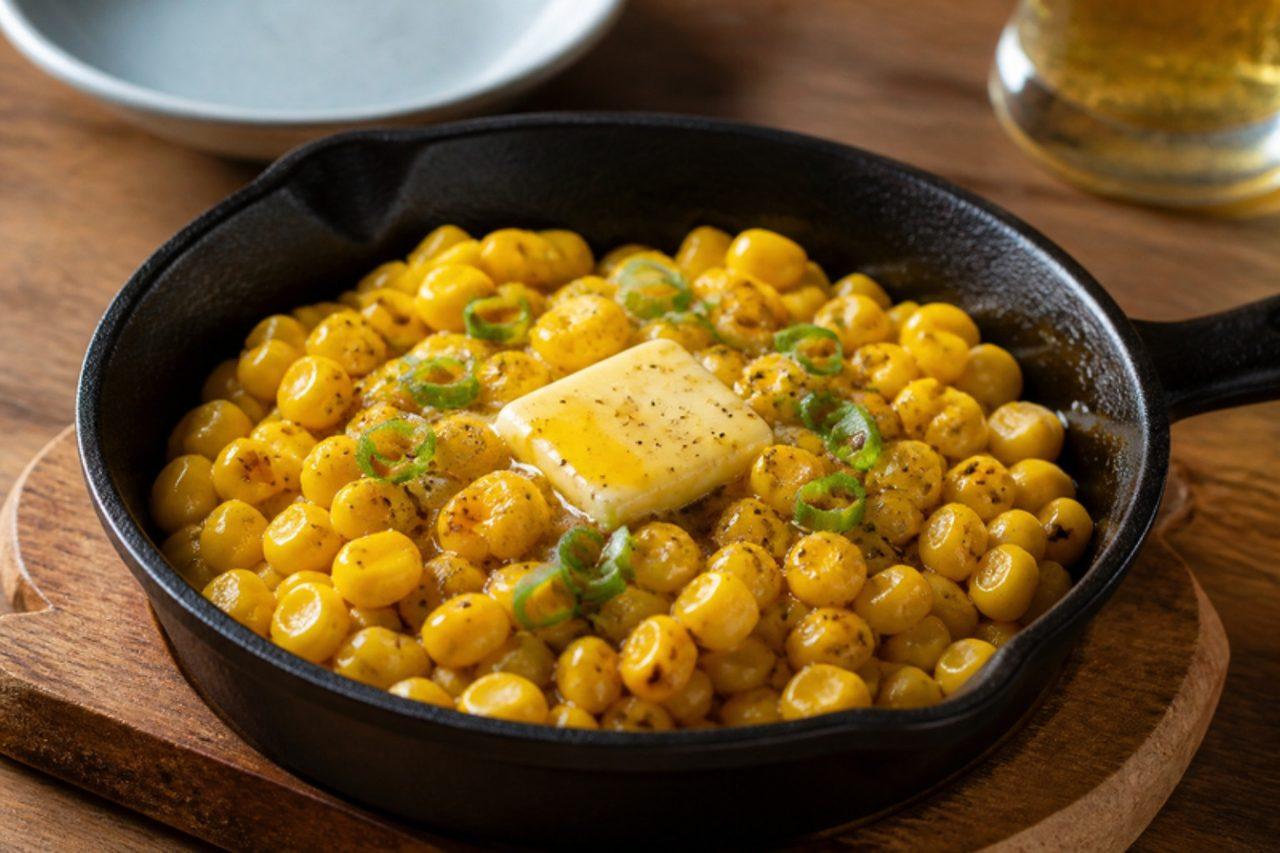
Hokkaido butter cornButtered sweetcorn

Hokkaido grows most of Japan's sweetcorn, and in late summer roadside stands around Sapporo and Furano sell cobs so sweet people eat them raw. Butter corn is how the island turns that harvest into a side dish: kernels hissing in a hot pan with Hokkaido's other pride, butter, and finished with soy sauce until the edges catch. You'll find it as a ramen topping, a beer snack in izakaya and a bento filler. Serve it hot beside grilled vegetables or rice. Chef's tip: let the kernels sit in the pan without stirring for a minute at a time. A few browned, almost toasted kernels give the dish its nutty, popcorn-like smell.

by KrazyBadal 0 views

KootuVegetable and moong dal stew

Kootu sits halfway between a dal and a vegetable dish, and in Tamil homes it is the mild, kind side on a lunch plate next to a sharp rasam or a fiery kuzhambu. Chopped vegetables such as chow-chow, snake gourd, cabbage or pumpkin are cooked with moong dal until soft, then thickened with a paste of fresh coconut, cumin and a little green chilli. It's the dish many Tamil grandmothers give children and anyone recovering from a fever. Spoon it over rice with ghee or serve it alongside sambar and poriyal. Chef's tip: grind the coconut paste with the cumin raw, not toasted; the fresh, sweet cumin flavour is what makes kootu taste like kootu.

by KrazyBadal 0 views

Tibetan tingmoSteamed twisted buns

Tingmo are the everyday bread of Tibet: plain steamed buns made by stretching and twisting oiled strips of dough into a knot, so they open into soft, pull-apart layers. Families in Lhasa and Tibetan communities in Nepal and India eat them with spicy vegetable stews, dal and chilli sauce, tearing off pieces to mop up the sauce. The dough is simple; the twist takes a little practice. Chef's tip: once the steaming time is up, turn off the heat and wait 3 minutes before lifting the lid, so the buns don't collapse.

by KrazyBadal 0 views

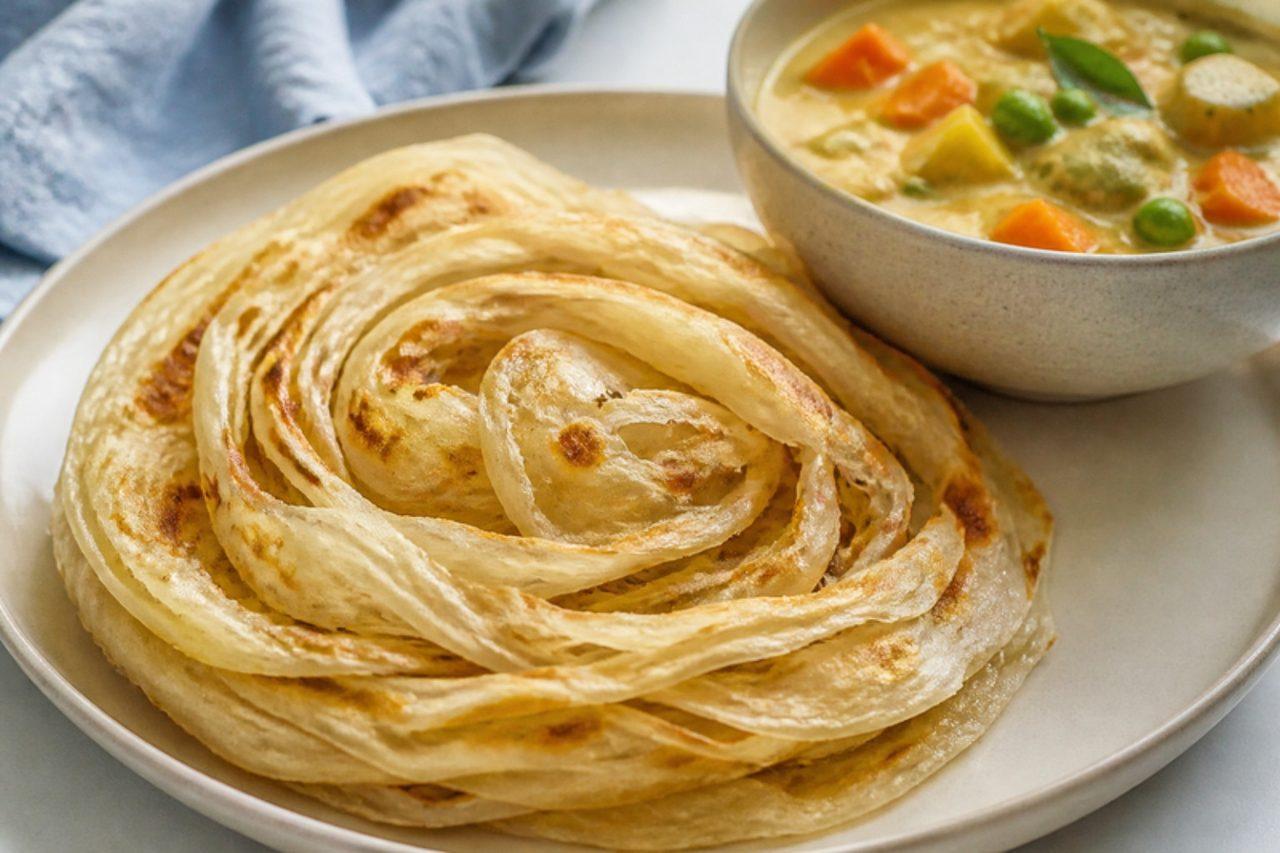
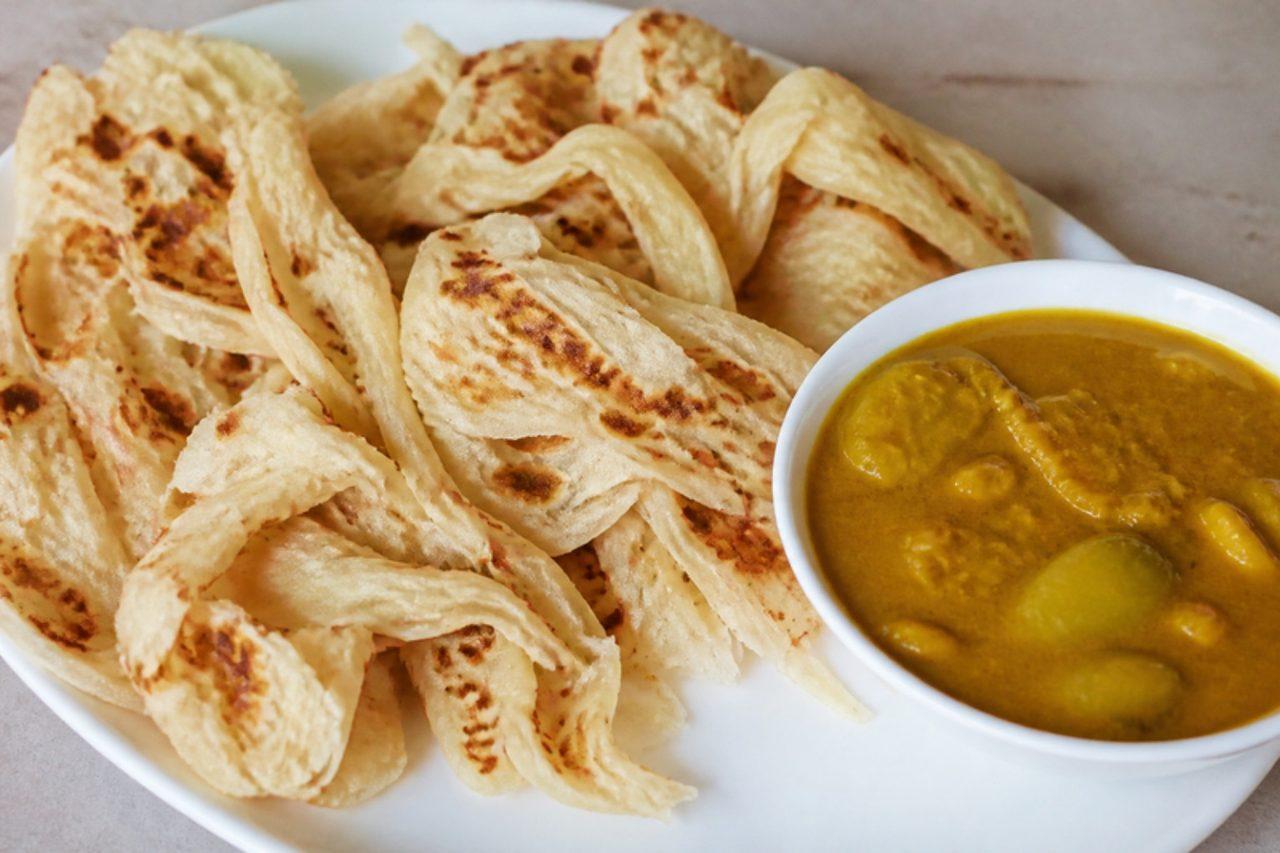
Malabar parottaLayered flatbread

Malabar parotta came from the hotels and tea stalls of Malabar in north Kerala and is now made all over the state, where parotta men slap and stretch dough on oiled marble counters late into the night. The soft dough is stretched paper-thin, pleated, coiled like a snail and griddled, then clapped between the hands so the layers pull apart into flaky ribbons. Eat it torn into vegetable kurma or a spicy black chickpea curry. Chef's tip: give the dough its full rest; well-rested dough stretches thin without tearing, which makes the layers.

by KrazyBadal 0 views

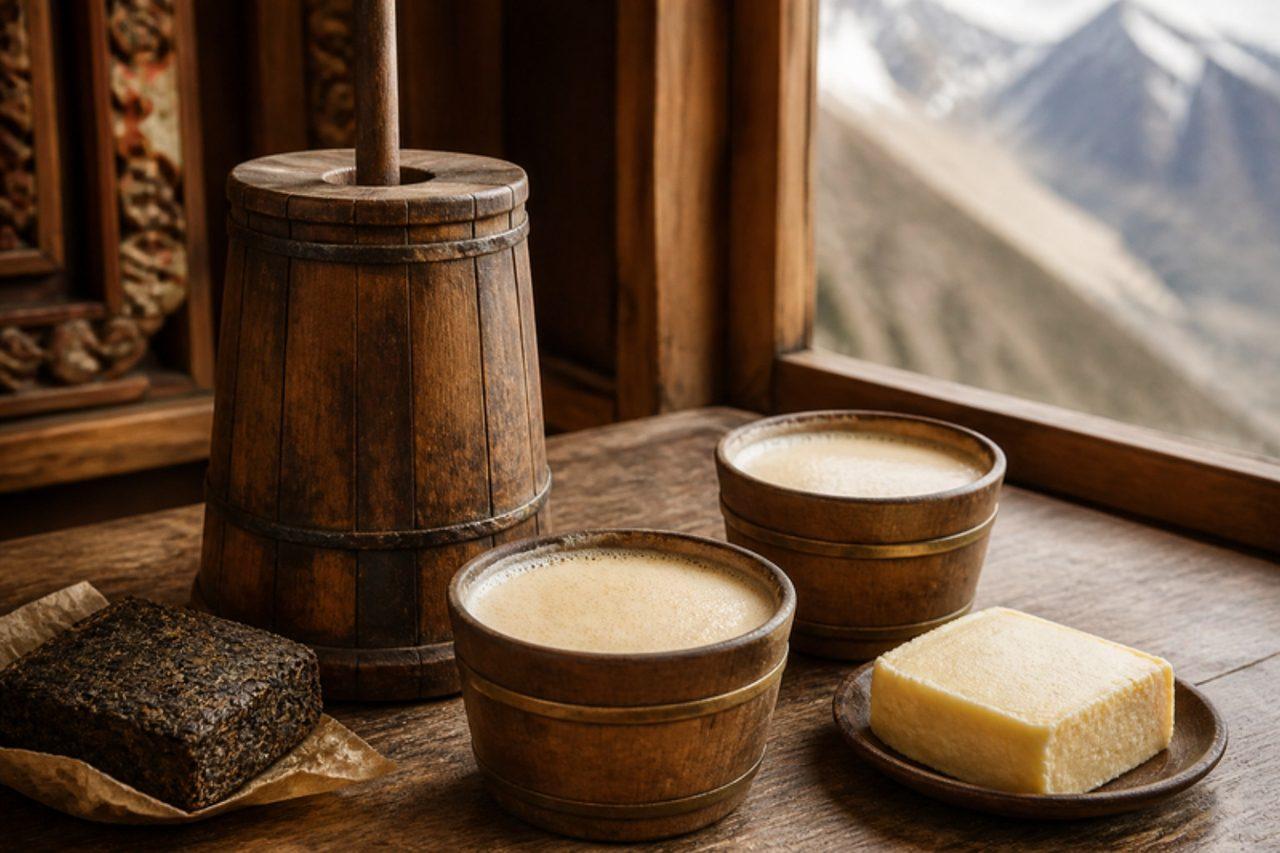
Tibetan butter tea

On the cold Tibetan plateau, people drink many cups a day of this salty, buttery tea, and a host keeps topping up a guest's bowl as soon as a sip is taken. Traditionally, brick tea is boiled for a long time, then churned with yak butter and salt in a tall wooden cylinder called a chandong. At home, a blender gives the same creamy, frothy result. It tastes more like a light broth than a sweet tea. Chef's tip: boil the tea hard and long; it needs to be very strong to stand up to the butter.

by KrazyBadal 0 views

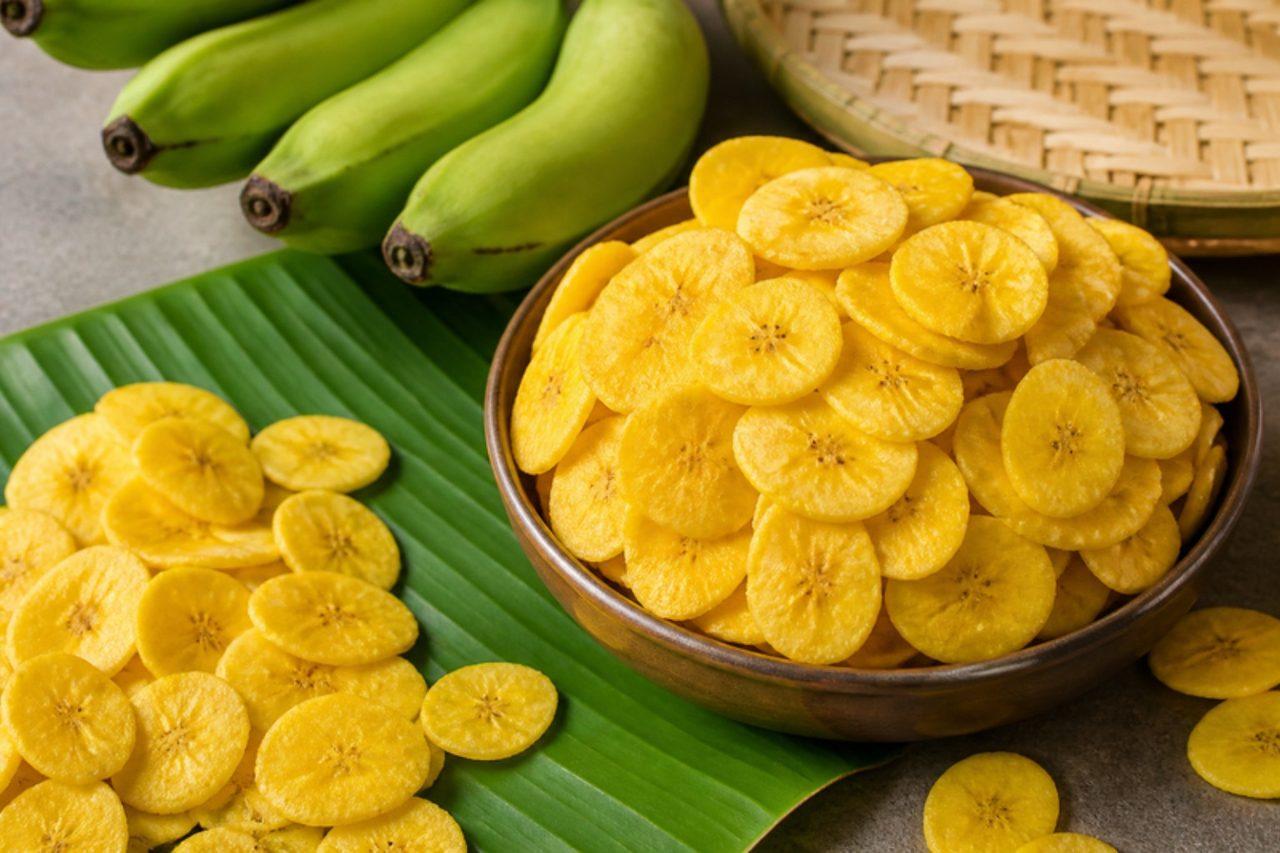
Kerala banana chips

Upperi, the yellow raw-banana chips of Kerala, are fried in huge cauldrons in the snack shops of Kozhikode and Thrissur and handed round in bags at every Onam sadya, where they are one of the first things laid on the leaf. Green nendran bananas are sliced straight into hot coconut oil, and a splash of salted water goes in at the end, so the salt clings to every chip. The result is crisp, golden and faintly sweet, with that unmistakable coconut-oil smell. Chef's tip: rub a little oil on your hands before peeling the bananas; the sap stains skin and is very hard to wash off.

by KrazyBadal 0 views

TsampaRoasted barley flour with butter tea

Tsampa, roasted highland barley flour, has been the staple food of the Tibetan plateau for centuries. Every morning, families in Lhasa and in nomad tents put a handful in a bowl, pour in butter tea, add a knob of butter and knead it with their fingers into small, nutty balls called pak. It's filling, quick and easy to carry. Barley flour is easy to find; toast it in a dry pan if it isn't already roasted. Chef's tip: add the tea a little at a time; you want a dough like firm marzipan, not a paste.

by KrazyBadal 0 views

Pazham poriBanana fritters

Pazham pori is what the glass cases of Kerala's roadside tea shops are full of at four in the afternoon: long slices of ripe nendran banana dipped in a sweet batter and fried in coconut oil until puffed and golden. Bite through the crisp, slightly chewy coat and the banana inside is soft, hot and honeyed. People eat them standing at the counter with a glass of frothy, milky chaya, or carry a paper parcel home for the family. Chef's tip: wait until the nendran skins are mostly black; the banana must be fully ripe to turn creamy when fried.

by KrazyBadal 0 views

Mambazha pulisseryRipe mango yogurt curry

Mambazha pulissery appears in Kerala kitchens in April and May, when small, fragrant village mangoes fall from the trees, and it is often on the Vishu sadya. Whole small ripe mangoes, or chunks of bigger ones, are simmered with jaggery and chilli until syrupy, then loosened with a coconut-cumin paste and lightly soured yogurt. Unlike kalan, it stays thin and pourable: sweet, tangy and mildly hot, with the fenugreek tempering on top. Pour it over rice, with a thoran on the side. Chef's tip: use very ripe, slightly fibrous mangoes; firm ones make it sour and the sweetness never comes through.

by KrazyBadal 0 views

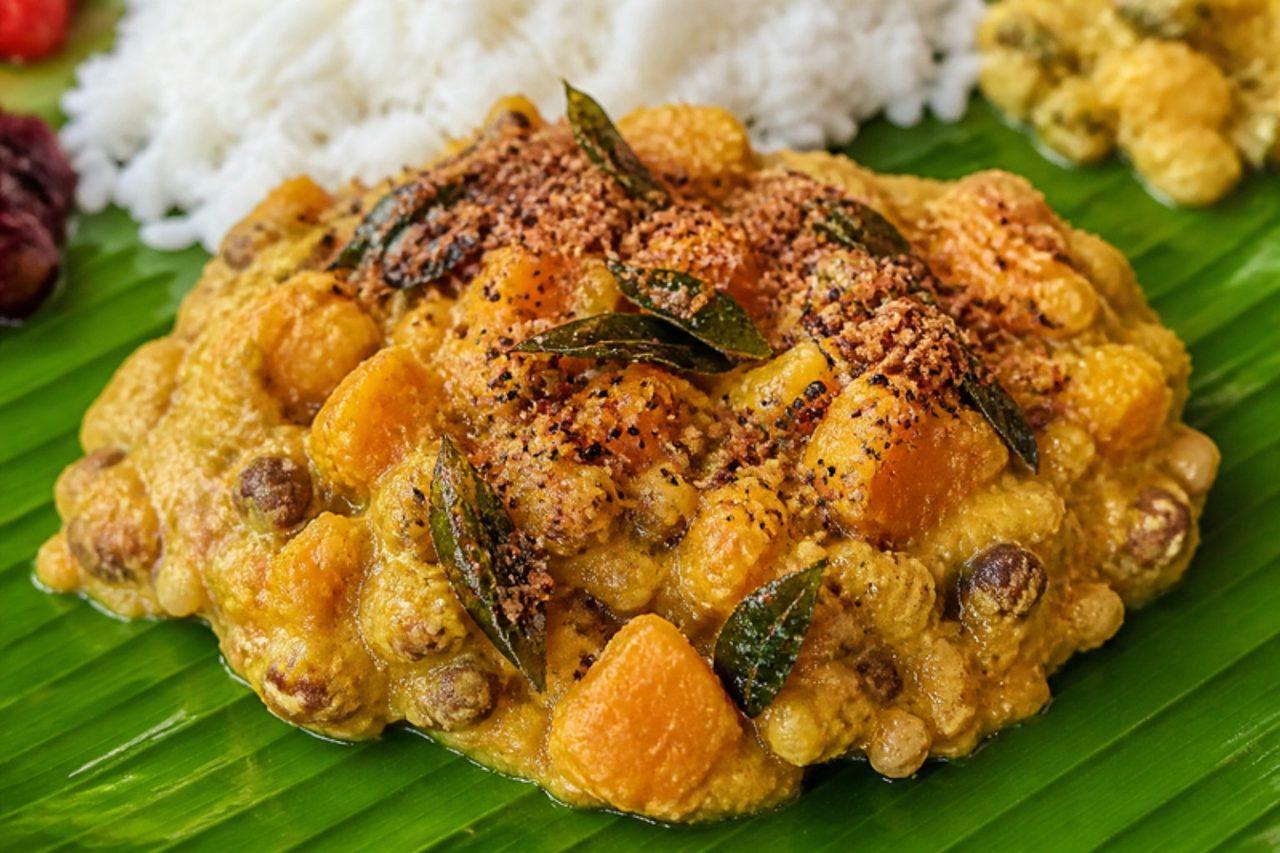
ErisseryPumpkin and cowpea curry

Erissery is the golden, slightly sweet pumpkin dish of the Onam sadya in Kerala, and a favourite in homes all through the harvest season when the yellow mathanga pumpkins are piled up in the markets. Soft pumpkin and red cowpeas are bound with a coconut, cumin and green chilli paste, and the whole pot is crowned with grated coconut fried in coconut oil until it turns the colour of cinnamon. That crunchy, nutty topping is what makes it erissery. Serve with rice and parippu, or scoop it up with chapati. Chef's tip: keep the pumpkin pieces large so some stay whole while others melt into the sauce.

by KrazyBadal 0 views

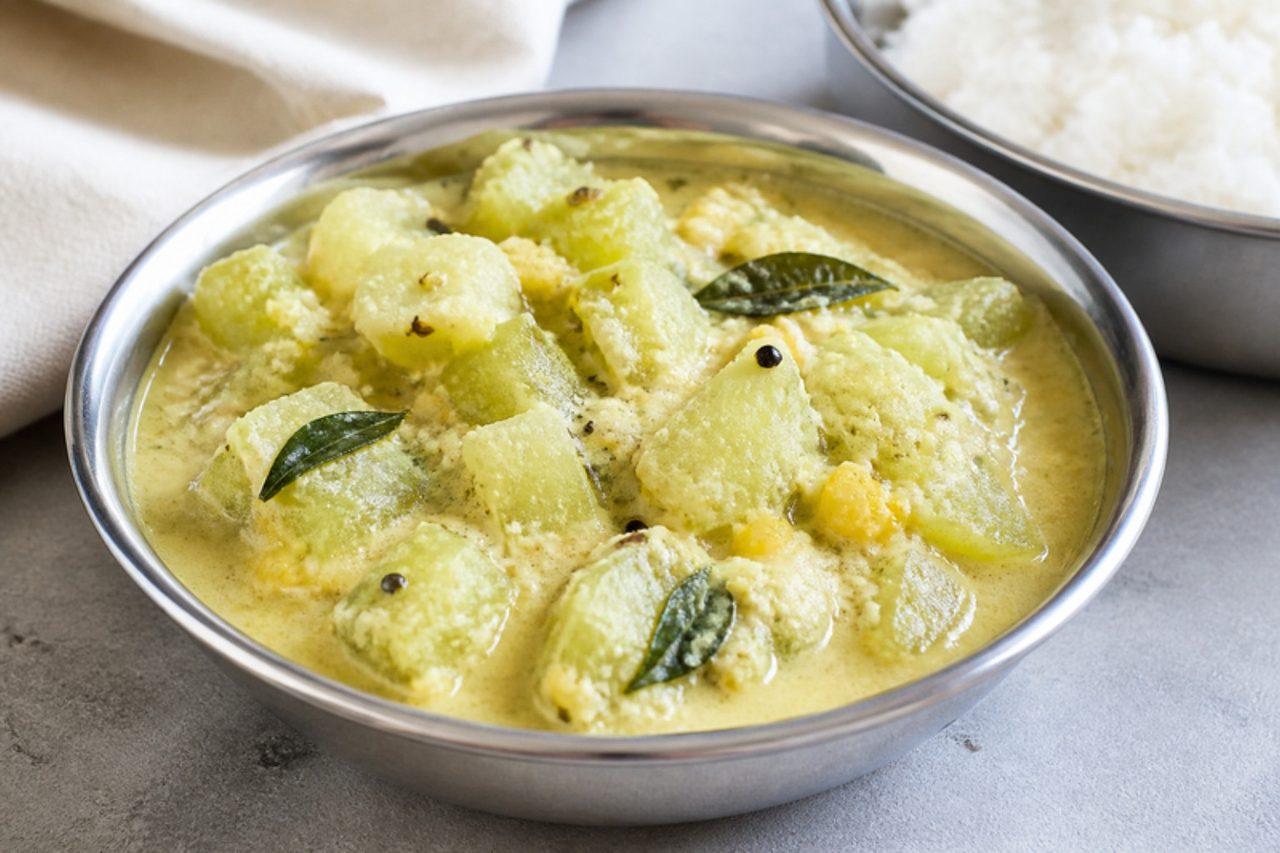
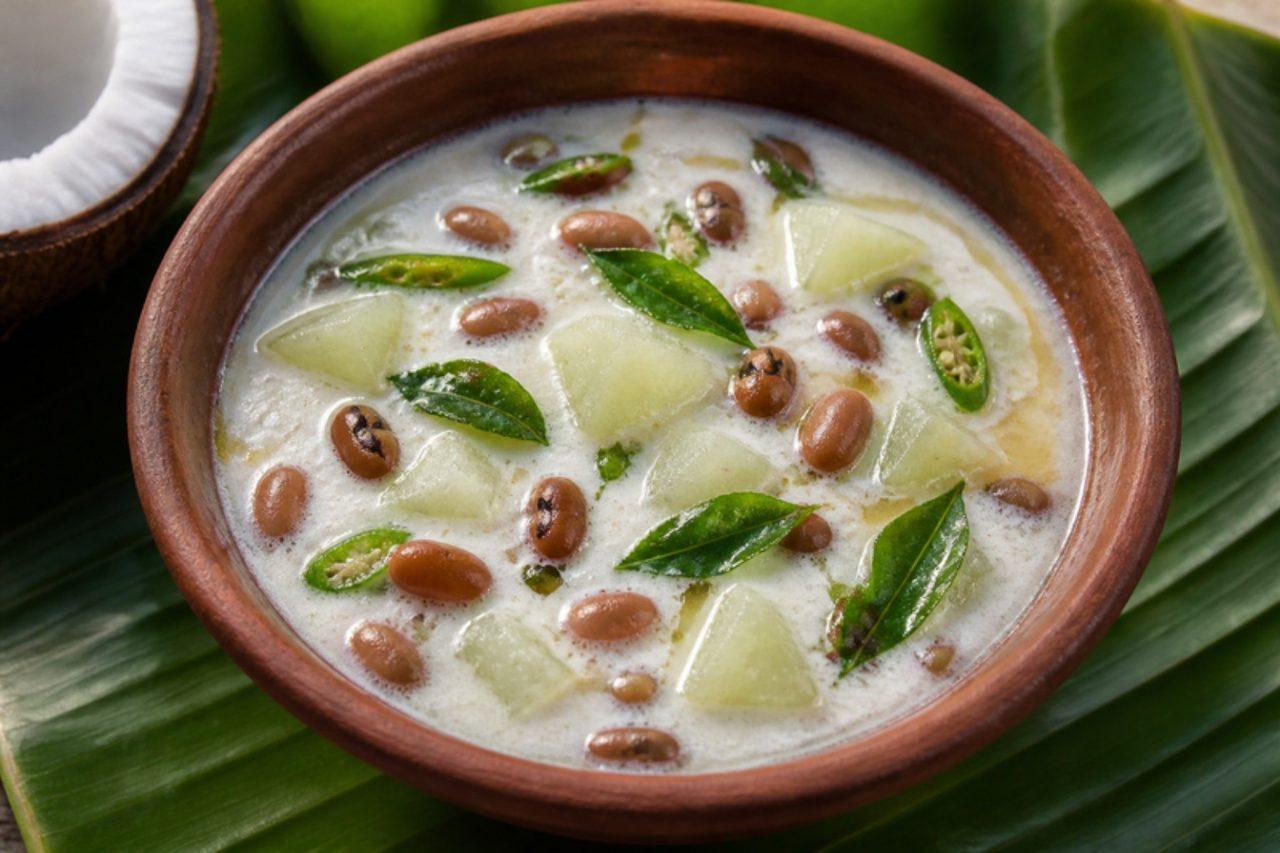
OlanAsh gourd and cowpea stew

Olan is the quietest dish on a Travancore sadya leaf, the banana-leaf feast served in southern Kerala for Onam, weddings and temple festivals. Thin, glassy slices of ash gourd and soft red cowpeas sit in coconut milk with nothing louder than green chilli and curry leaves, and its job is to cool the palate between the tangy, fiery curries around it. The flavour comes from coconut milk added in two stages and a spoonful of raw coconut oil poured over at the end. Eat it with plain rice, or ladle it beside appam on an ordinary weekday. Chef's tip: slice the ash gourd as thin as a coin so it turns translucent in the time the coconut milk takes to thicken.

by KrazyBadal 0 views

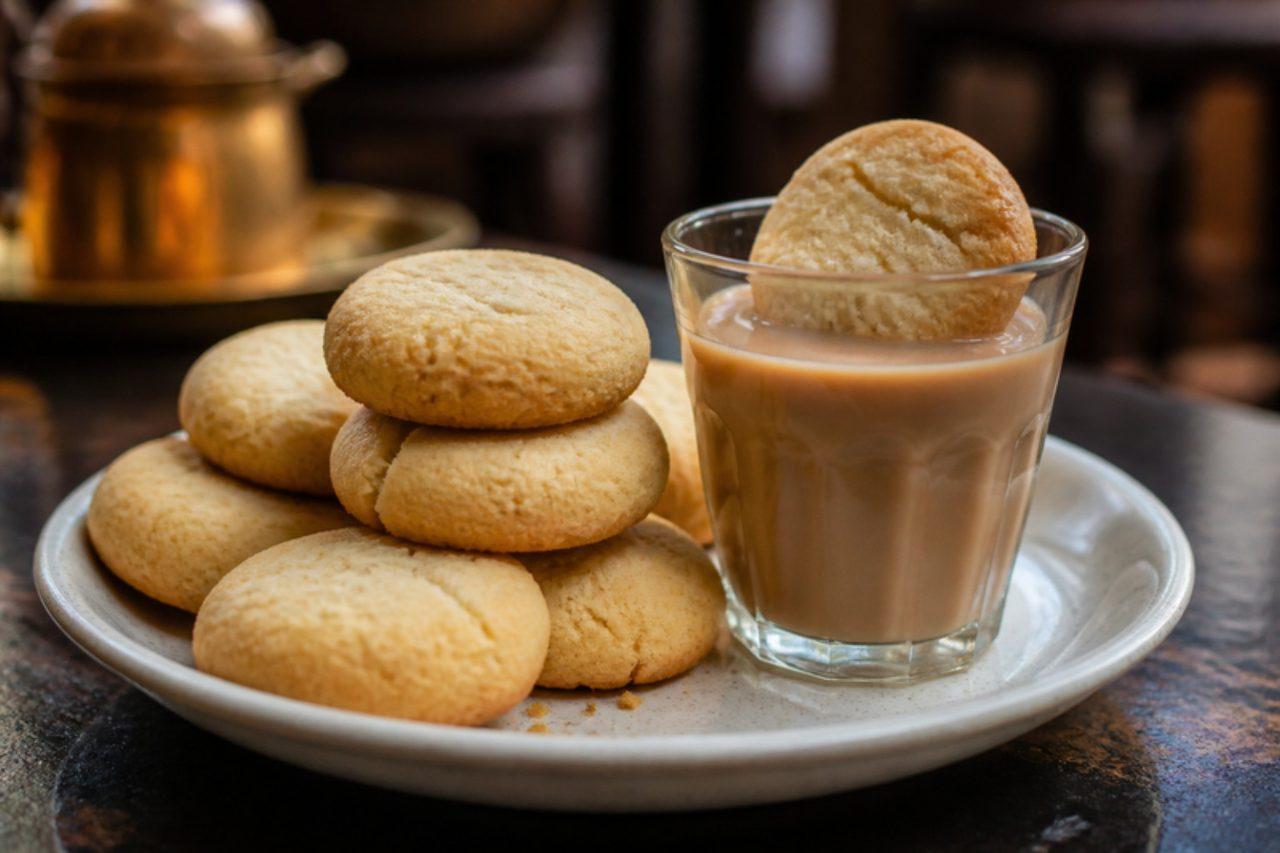
Osmania biscuitsSweet and salty butter biscuits

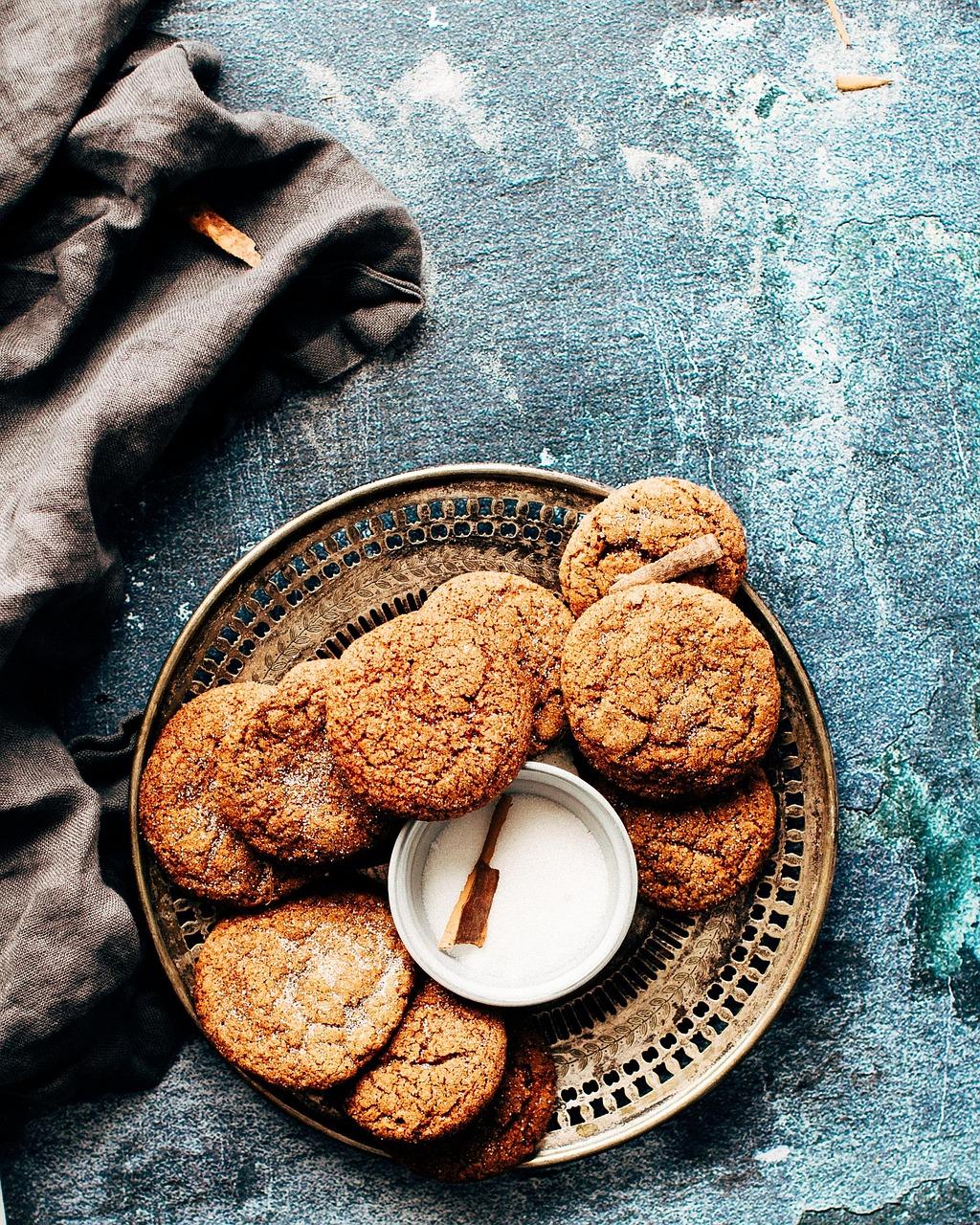
Osmania biscuits are named after the last Nizam of Hyderabad, and they have been baked in the city's Irani bakeries for generations: round, crumbly, melt-in-the-mouth butter biscuits that are gently sweet with a distinct salty edge and a hint of cardamom. In old-city cafés, men linger over a plate of them and a cup of Irani chai in the early morning or after the evening prayers, dunking each one until it is just about to collapse. Chef's tip: chill the dough before cutting and baking; it keeps the biscuits round and thick instead of spreading thin.

by KrazyBadal 0 views

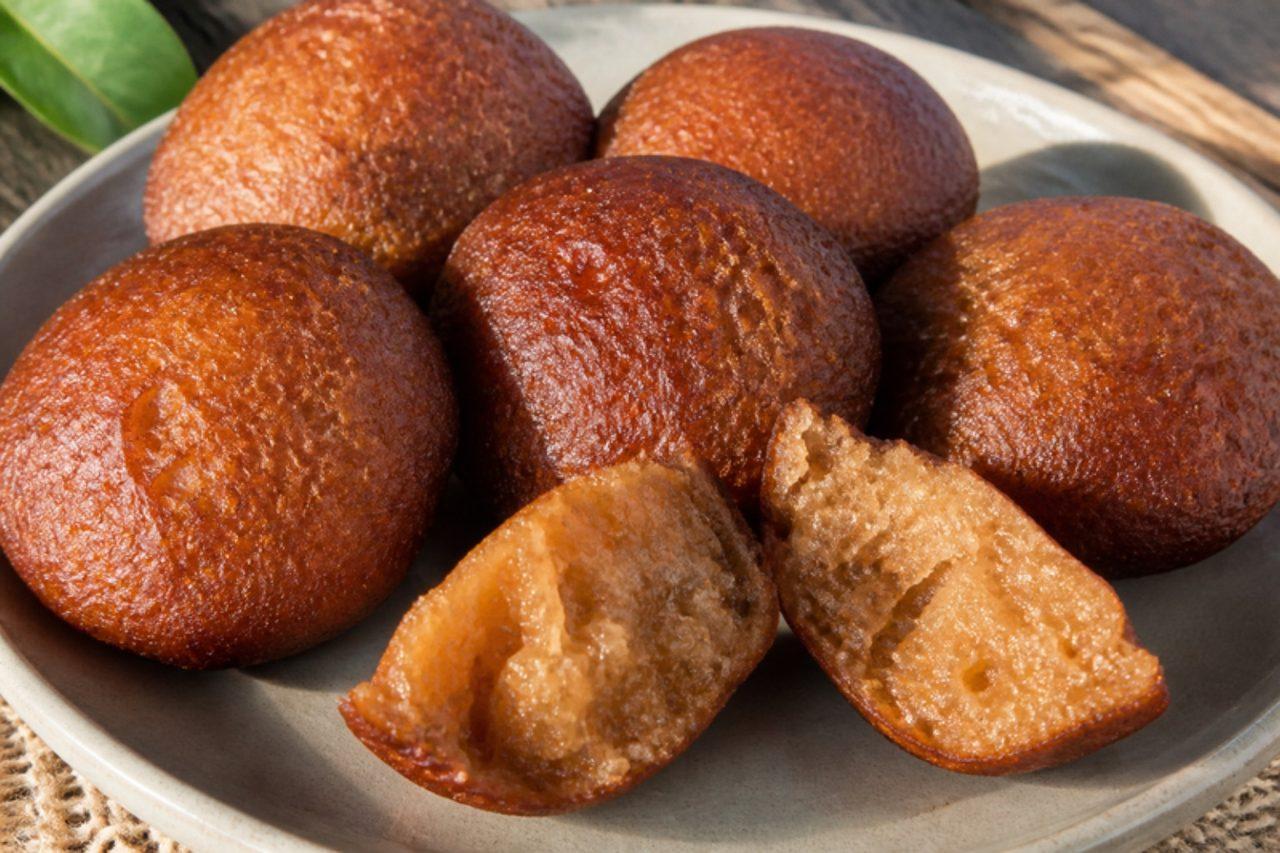
PukhleinFried rice flour and jaggery cakes

Pukhlein are the sweet treats of Khasi tea stalls and celebrations in Meghalaya: a batter of rice flour and jaggery fried into round, puffed cakes that are crisp and caramelised on the outside and chewy within. They are made for Christmas and family gatherings and are sold at Shillong's Iewduh (Bara Bazaar) with red tea. They taste a little like a cross between a doughnut and an Indian anarsa. Chef's tip: rest the batter for at least an hour; the rice flour hydrates and the cakes puff instead of spreading.

by KrazyBadal 0 views

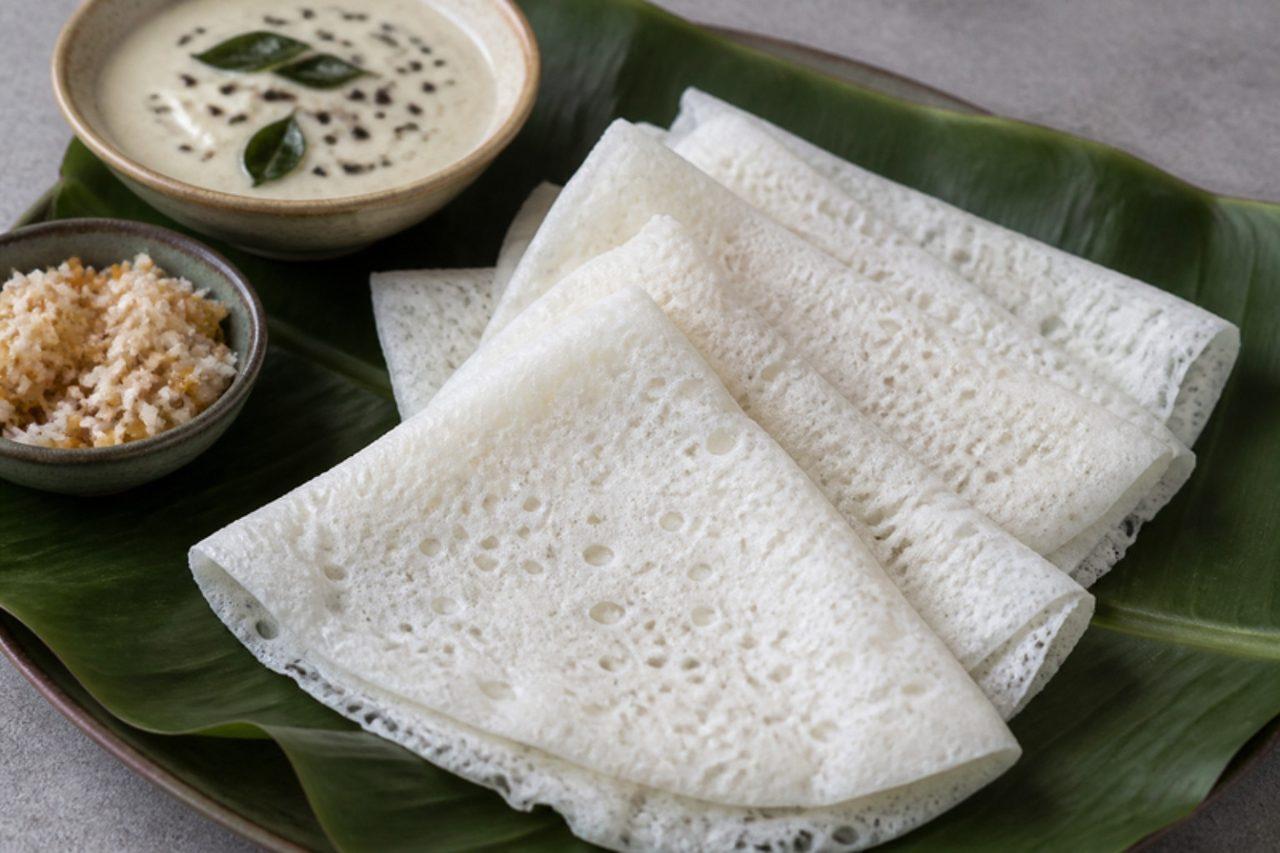
KinderpunschHot spiced fruit punch

At every German and Austrian Christmas market, from Nuremberg to Vienna's Rathausplatz, the stalls selling Glühwein also sell Kinderpunsch: a steaming, alcohol-free mix of fruit tea and juices with cinnamon, cloves and orange, served in the market's own decorated mugs. Children love it, but so do drivers and anyone who just wants something warm to hold on a cold evening. It takes 20 minutes at home and makes the whole house smell of Advent. Chef's tip: keep it just below a simmer; boiling makes the spices bitter and dulls the fruit flavour.
by KrazyBadal 0 views

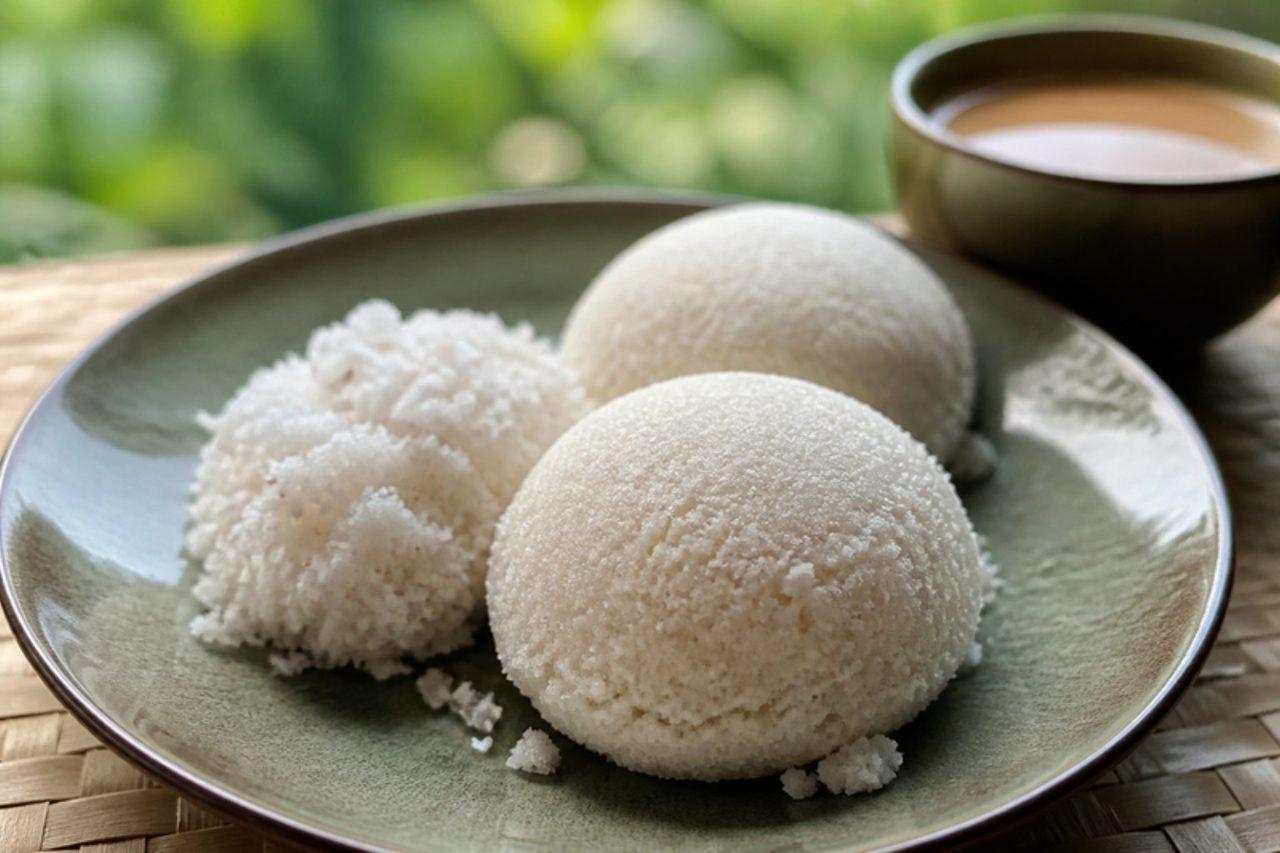
PumaloiSteamed rice cakes

Pumaloi is the everyday breakfast of the Khasi Hills: coarse powdered rice, lightly moistened, packed into a tall steamer (traditionally a bamboo or metal 'khiew') and steamed into a soft, crumbly cake. In Shillong it is sold warm at morning stalls with a cup of sweet tea, and at home it is served with tungrymbai, a vegetable stew or a chilli chutney. It is plain on purpose, like Kerala's puttu but drier and lighter. Chef's tip: the flour should feel like damp sand, holding a shape when squeezed but crumbling easily; any wetter and the cake goes gluey.

by KrazyBadal 0 views

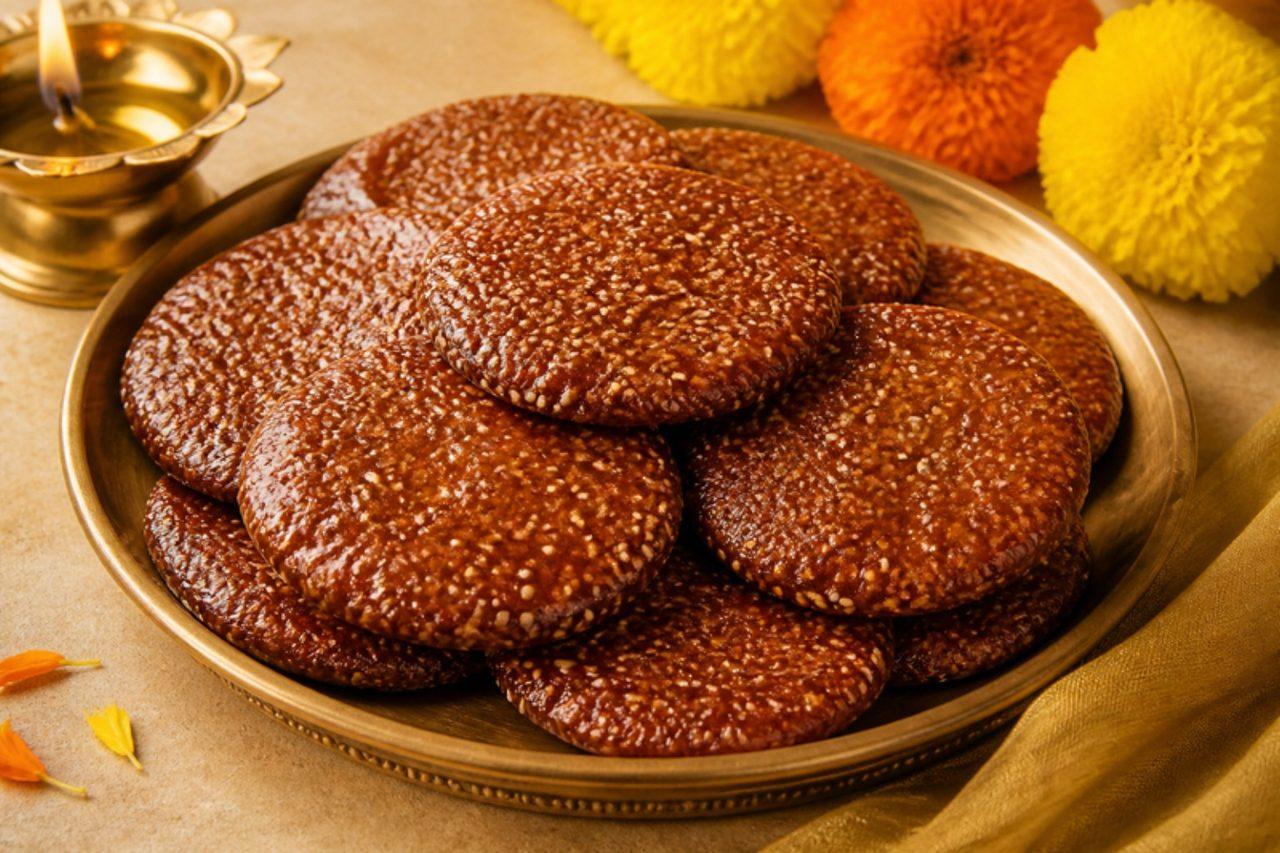
AriseluRice flour and jaggery sweets

No Sankranti in coastal Andhra Pradesh is complete without ariselu. In the days before the January harvest festival, women gather to pound soaked rice into damp flour, cook it into a thick jaggery syrup, and press the dough into rounds on sesame seeds before frying. Each ariselu is chewy, dense and caramel-sweet, with a crisp sesame coat; after frying they are squeezed between two wooden spatulas to push out the excess oil. They keep for two weeks and are shared with every neighbour. Chef's tip: use home-made flour from soaked rice that is still slightly damp; dry shop flour gives hard, cracking ariselu.

by KrazyBadal 0 views

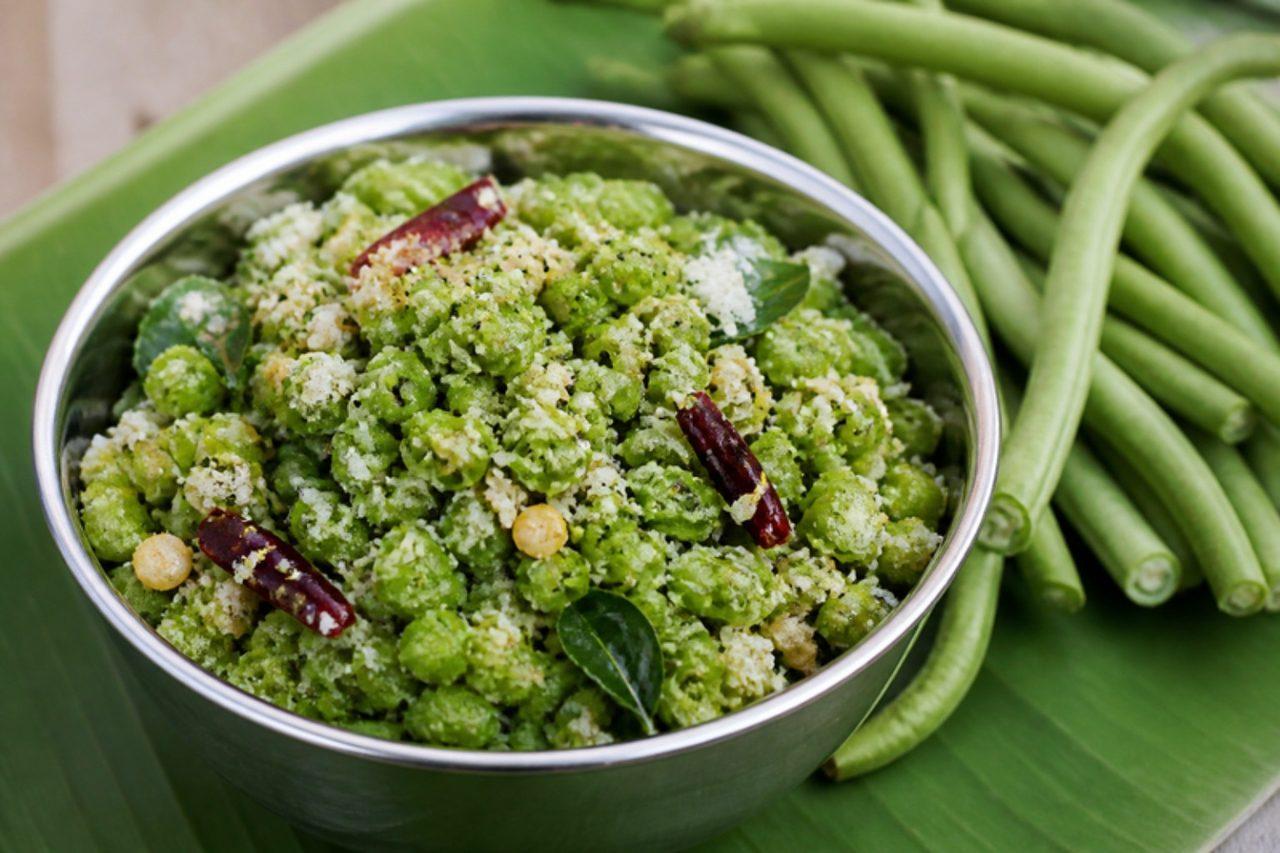
Beans poriyalGreen bean and coconut stir-fry

Poriyal is the everyday dry vegetable of Tamil Nadu, and beans poriyal is the one that appears on banana-leaf meals at weddings, temple annadhanam and Monday-to-Friday lunch boxes alike. The beans are chopped very small, steamed in their own moisture with a mustard and urad dal tempering, and finished with a shower of fresh coconut, so each spoonful is bright green, a little crunchy and nutty. It sits next to sambar or kuzhambu with rice, and it also makes a good filling rolled into a chapati. Chef's tip: chop the beans into tiny 5 mm pieces; they cook in minutes, stay green and soak up the tempering far better than long pieces.

by KrazyBadal 0 views

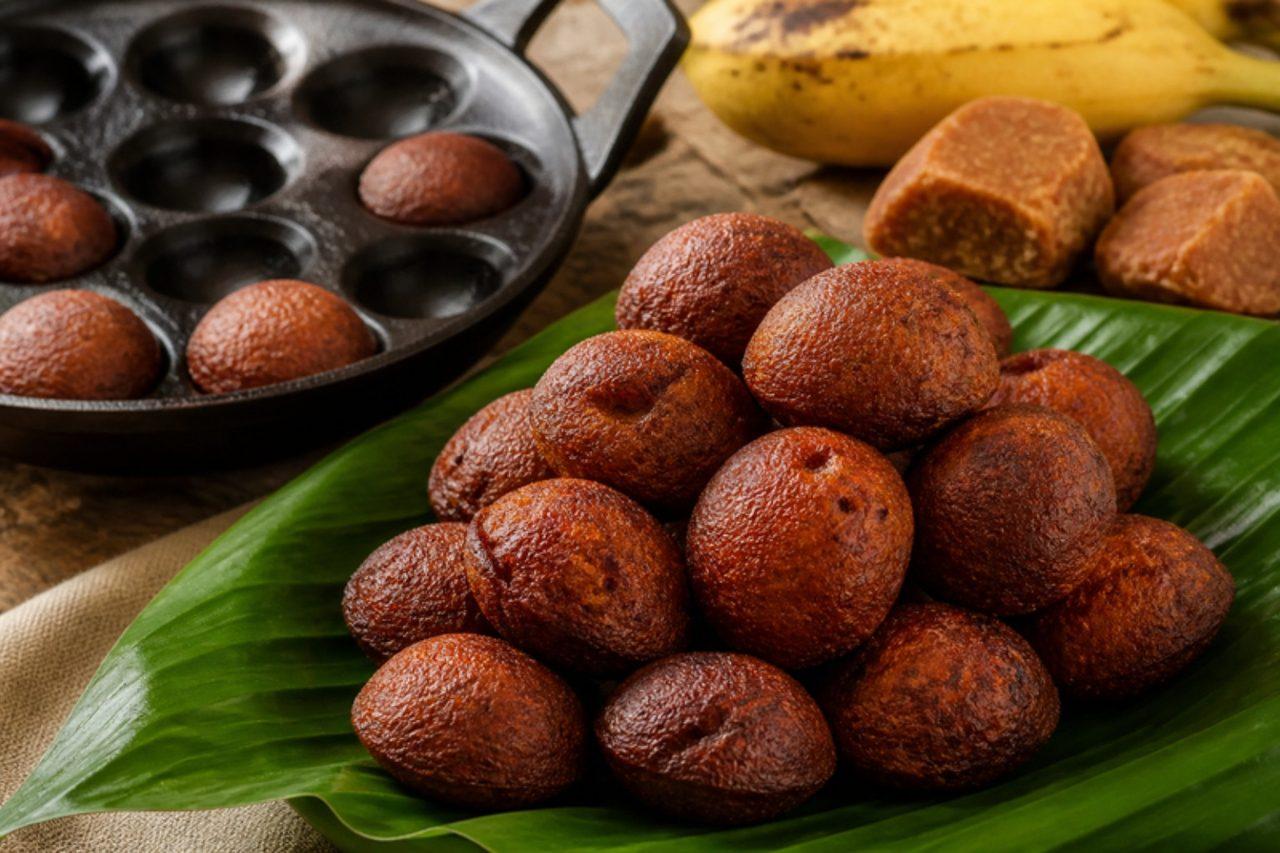
UnniyappamBanana and rice fritters

Unniyappam are small, round sweet dumplings that Kerala families make for Vishu and Karthika, and they are a well-known temple offering at Guruvayur and Sabarimala. A batter of ground rice, ripe banana and jaggery, studded with ghee-fried coconut bits and sesame, is fried in the round hollows of an unniyappa chatti until crisp and dark brown outside and soft and spongy in the middle. They keep for a couple of days in a tin and are perfect with tea. Chef's tip: let the batter rest for an hour; it softens and puffs a little, giving lighter unniyappam.

by KrazyBadal 0 views

Ada pradhamanRice flake pudding with coconut milk

Ada pradhaman is the king of payasams on the Onam sadya across Kerala, served last on the banana leaf, sometimes with a crushed pappadam stirred in. Small flakes of rice ada are cooked soft, glazed in ghee and jaggery syrup, then simmered in thin coconut milk and finished with thick first-press milk, cardamom and a pinch of dried ginger. It is deep caramel-brown, silky and chewy at once. Serve warm in small bowls, or slightly chilled the next day. Chef's tip: rinse the cooked ada under cold water straight away; it stops the flakes sticking into a lump.

by KrazyBadal 0 views

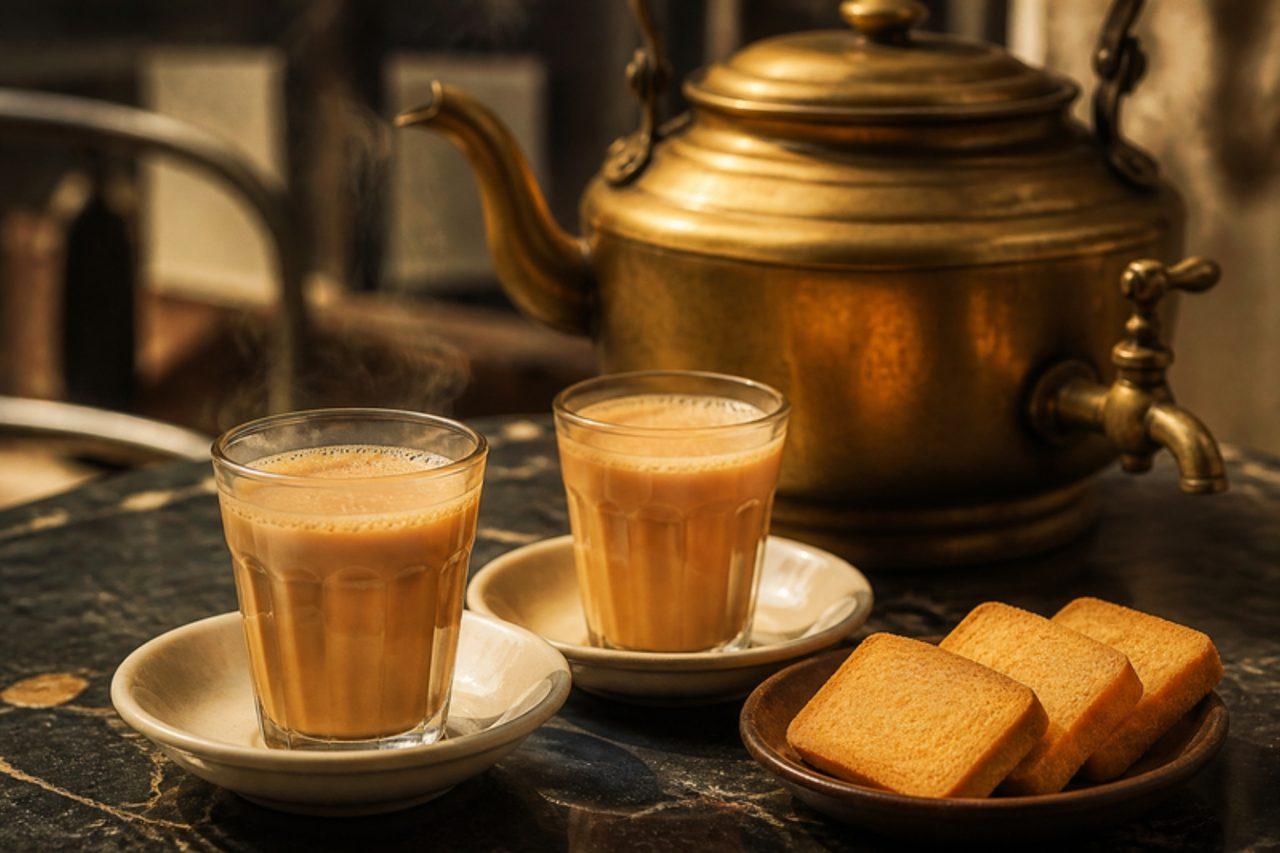
Hyderabadi Irani chaiCreamy milk tea

Irani chai came to Hyderabad with Persian migrants who opened cafés across the old city, and it is now the city's signature drink, poured at all hours in places around the Charminar, often with Osmania biscuits or a bun maska. Unlike masala chai, it has no spices: strong tea is brewed slowly in a sealed pot (dum), while full-fat milk is simmered separately with a little khoa until thick and creamy. The two are mixed only in the cup, giving a rich, mellow, slightly sweet tea. Chef's tip: seal the tea pot lid with a little dough or foil, as the cafés do, so the brew steeps without losing steam or strength.

by KrazyBadal 0 views

JigarthandaChilled milk almond gum drink

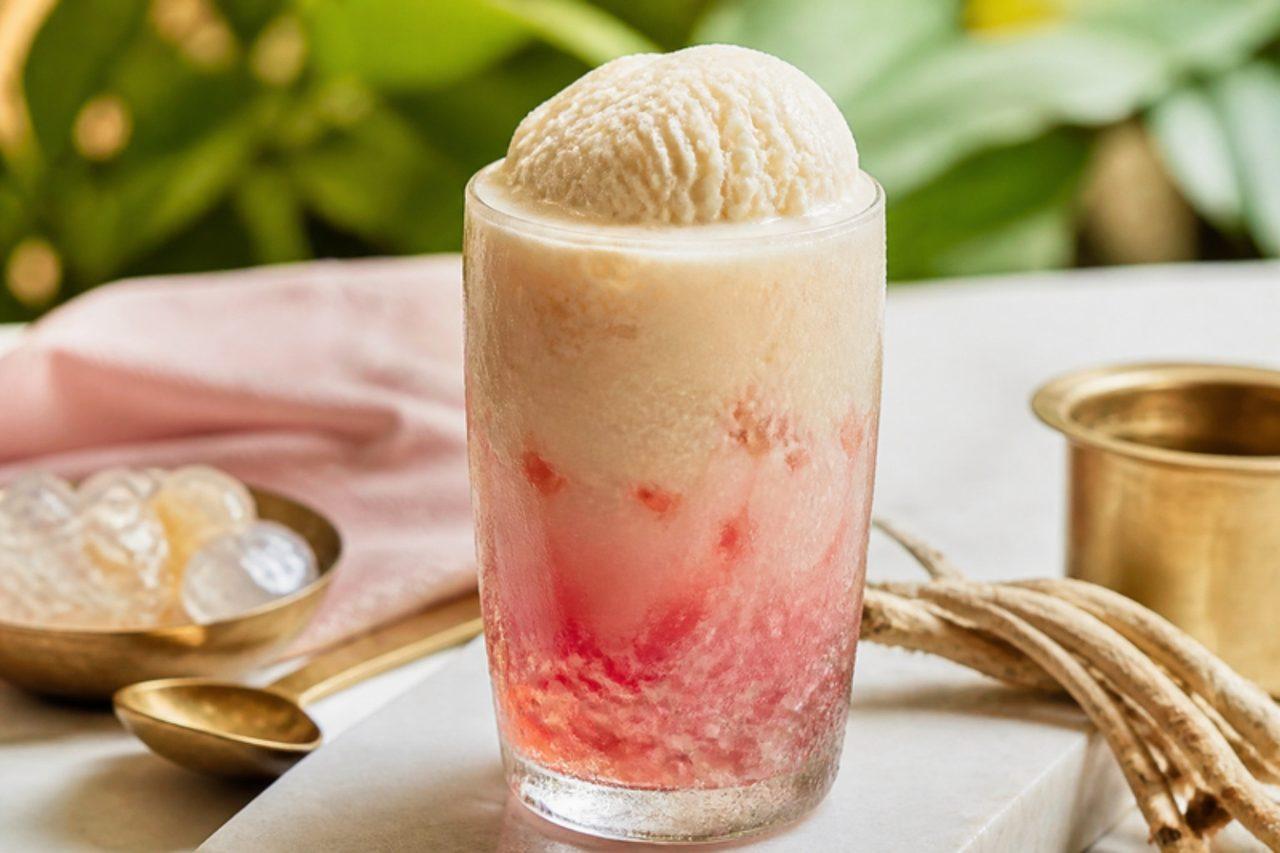
Jigarthanda means 'cool heart', and on a hot evening in Madurai crowds queue around the carts near the Meenakshi temple for a tall glass of it. It's layered rather than blended: a spoonful of soaked almond gum (badam pisin), a glug of nannari (Indian sarsaparilla) syrup, chilled milk reduced until creamy and lightly caramel-coloured, then a scoop of vanilla ice cream on top. The result is cold, floral, wobbly and rich all at once. This home version uses shop-bought vanilla ice cream; check that yours is eggless and gelatine-free. Chef's tip: let the reduced milk chill overnight; cold, thick milk is what makes it taste like the street version rather than flavoured milk.

by KrazyBadal 0 views

Qubani ka meethaStewed apricots with cream

No Hyderabadi wedding feast, or dawat, ends without qubani ka meetha: dried Afghan apricots soaked overnight, then simmered slowly with sugar until they break down into a glossy, deep amber compote, served cold with thick cream or a scoop of vanilla ice cream. In Hyderabad the kernels from inside the apricot stones are scattered on top; at home, blanched almonds give the same look and taste, and are safer, as some apricot kernels are bitter and shouldn't be eaten in quantity. It is sweet, tart and jammy, and very easy to make for a crowd days ahead. Chef's tip: keep the soaking water and cook the apricots in it; it holds much of their flavour and natural sugar.

by KrazyBadal 0 views

Dharwad pedaCaramelised milk sweets

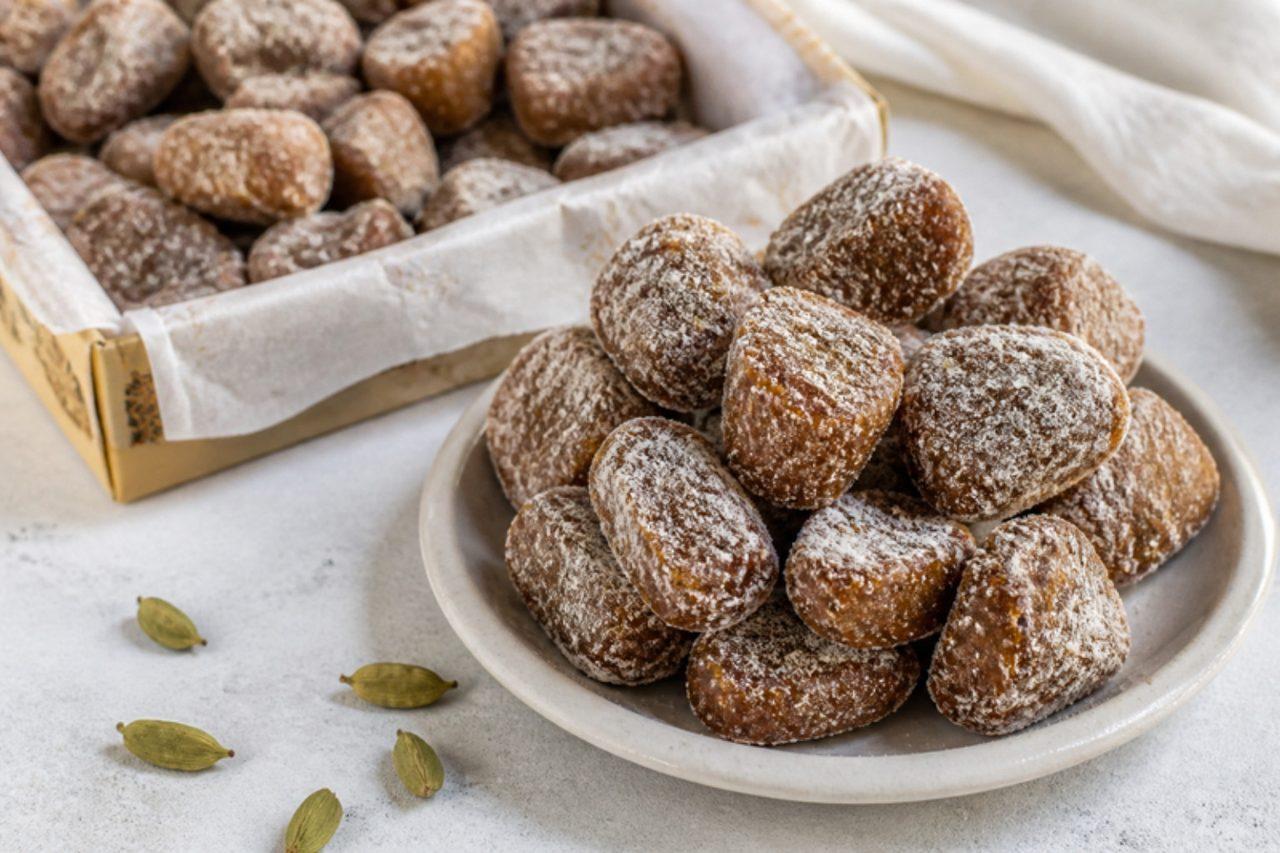
Dharwad peda has been made in this north Karnataka town for well over a century, first by families who came from Uttar Pradesh, and it now carries a geographical indication tag. Unlike pale, smooth pedas elsewhere, it is cooked slowly until the milk solids caramelise to a deep brown and a grainy, almost crumbly texture, then rolled in powdered sugar. Pilgrims and travellers carry boxes home from Dharwad and Hubballi, and families buy it for weddings and exam results. Chef's tip: let the cooked mixture cool for ten minutes before you add the sugar for rolling; added while too hot, the sugar melts and the pedas go sticky.

by KrazyBadal 0 views

Mangalore bunsSweet banana puris

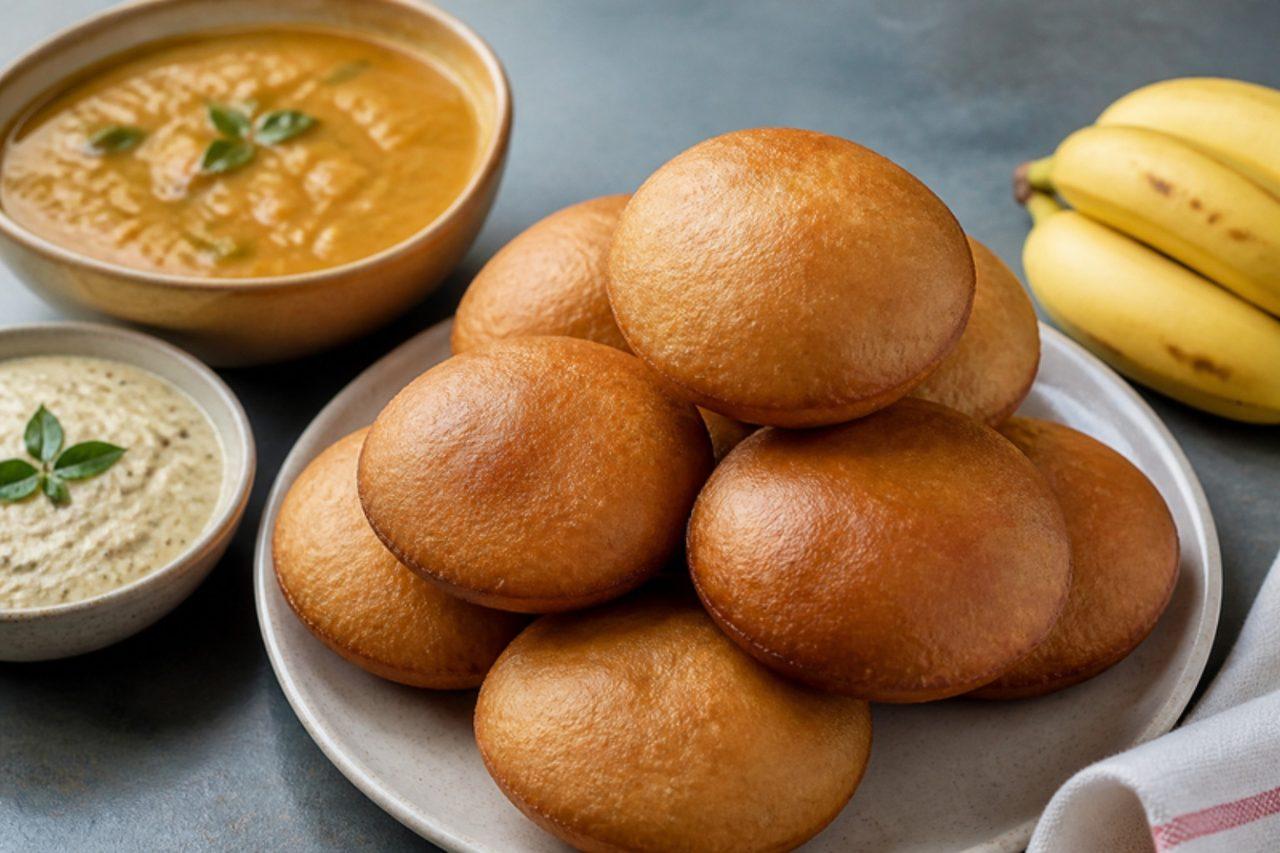
Despite the name, Mangalore buns are not baked at all: they are thick, soft puris made from a dough of overripe bananas, sugar, yogurt and flour, left for hours to turn slightly tangy, then deep-fried until they balloon. Every Udupi restaurant in coastal Karnataka has them on the breakfast board, served with coconut chutney and sambar, and children love them on their own. They are lightly sweet with a hint of cumin and a soft, bready inside. Chef's tip: use bananas with black-flecked skins; underripe bananas give a dense, pale bun that won't brown.

by KrazyBadal 0 views

StollenFruit Christmas bread

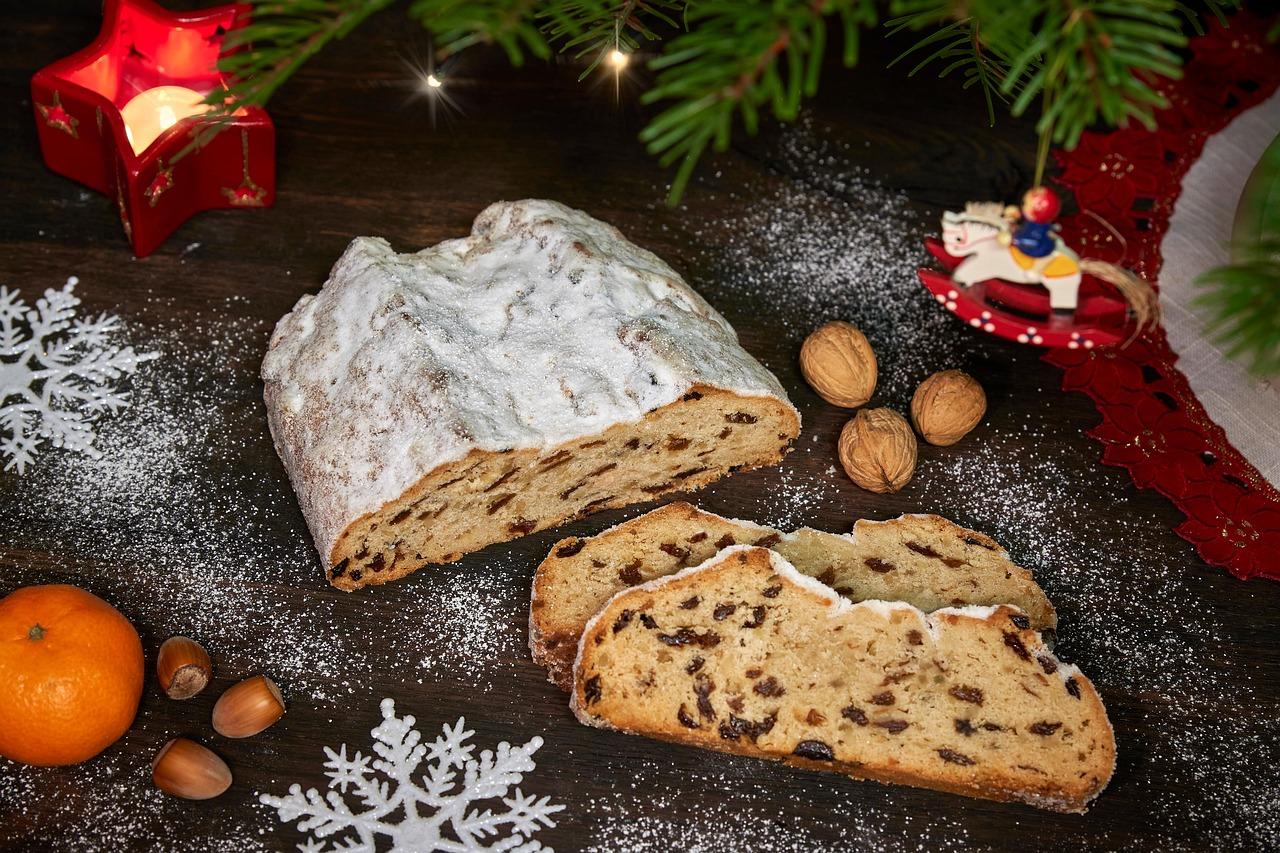
Dresden has baked Christstollen for more than 500 years, and every December the city holds a Stollen festival with a giant loaf paraded through the old town to the Striezelmarkt. The loaf's shape, folded over and dusted white, is said to show the Christ child wrapped in swaddling cloth. It's a rich, dense yeast bread, heavy with butter, raisins, candied peel and almonds, brushed with melted butter straight from the oven and buried in sugar. It's baked weeks before Christmas and sliced thinly through Advent. Chef's tip: wrap it tightly and let it rest for at least a week before cutting; the flavours ripen and the crumb turns moist.

120 minGermanBaking
by KrazyBadal 0 views

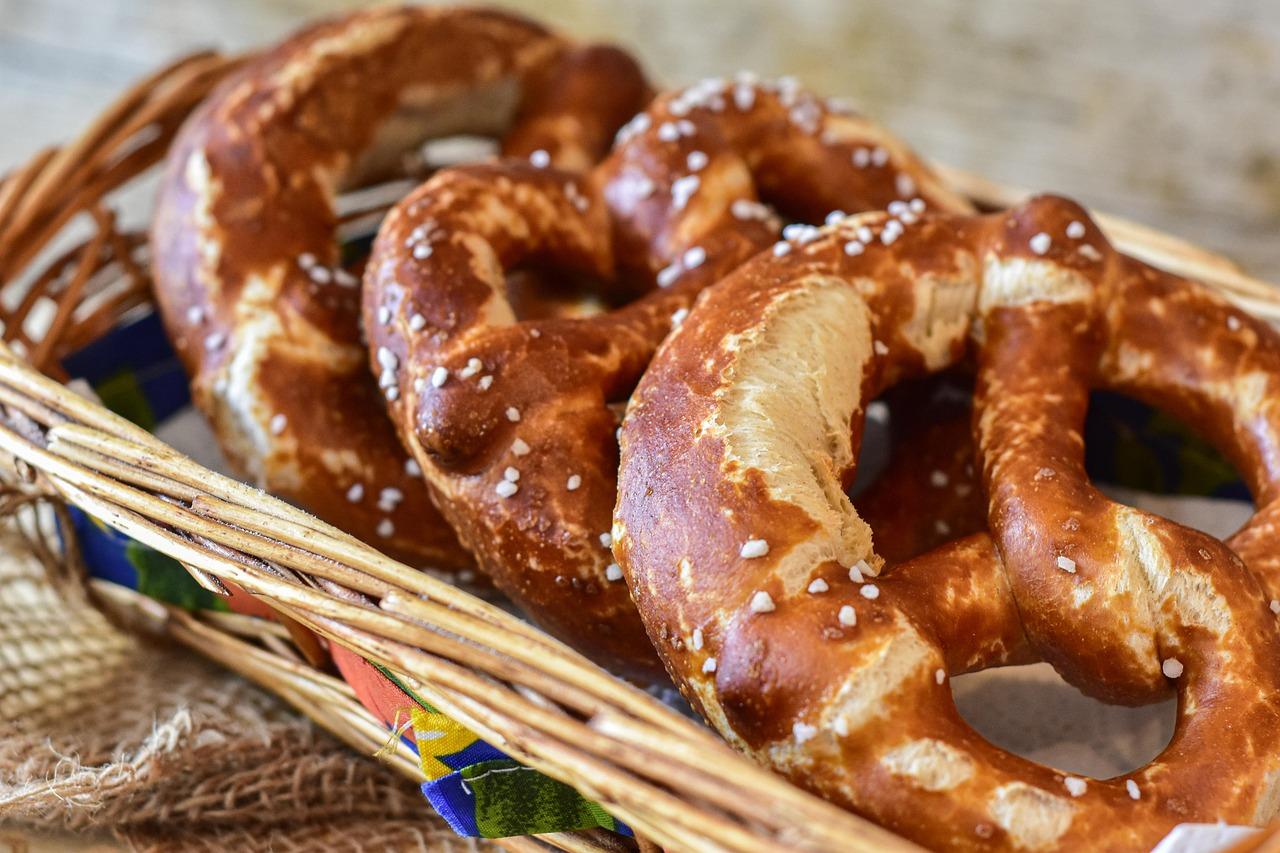
LaugenbrezelSoft pretzels

The Brezel is the emblem of German bakeries in Bavaria and Swabia: deep chestnut-brown and shiny outside, soft and chewy inside, with a fat 'belly' and thin crisp arms, studded with coarse salt. In Munich it's eaten with sweet mustard and Obatzda in beer gardens; in Stuttgart it's split and buttered for breakfast. Bakeries dip them in a lye solution, which is too caustic for most home kitchens; a bath of baked baking soda gets close in colour and flavour and is safe to handle. Chef's tip: chill the shaped pretzels uncovered for 30 minutes before the bath; a slightly dry skin holds its shape and turns darker and shinier.
120 minGermanBakingVegan
by KrazyBadal 0 views

Neer dosaThin rice crepes

Neer means water in Tulu and Kannada, and that is the whole idea: a batter as thin as milk, poured onto a hot pan where it sets into a soft, lacy crêpe full of tiny holes. In Mangaluru and Udupi homes it is made fresh for breakfast or a Sunday lunch, folded into quarters and eaten warm with coconut chutney, a vegetable sagu, or simply with grated coconut and jaggery for children. Unlike most dosas, the batter is not fermented, so you can soak rice in the morning and eat by lunchtime. The crêpes are pale white, never browned, and should be tender enough to fold without cracking. Chef's tip: stir the batter from the bottom before every single dosa; the rice settles within a minute, and a batter poured from the top runs too thin and tears.

by KrazyBadal 0 views

BasundiThickened sweet milk

Basundi is the reduced-milk dessert of Maharashtra and Gujarat: whole milk simmered patiently in a wide pan, with the skin that forms on top scraped back in, until it is thick, cream-coloured and a little grainy, then sweetened and scented with cardamom and saffron. In Maharashtra it's served with hot puris for Gudi Padwa and Bhau Beej; in Gujarat it turns up at weddings and on Sharad Purnima, and it's also the base of the famous custard-apple (sitafal) basundi. Make it a day ahead; it thickens and tastes richer after a night in the fridge. Chef's tip: use a wide, heavy pan rather than a deep one; more surface means faster evaporation and less time standing at the stove.

by KrazyBadal 0 views

Sheer yakhRose and cardamom ice cream

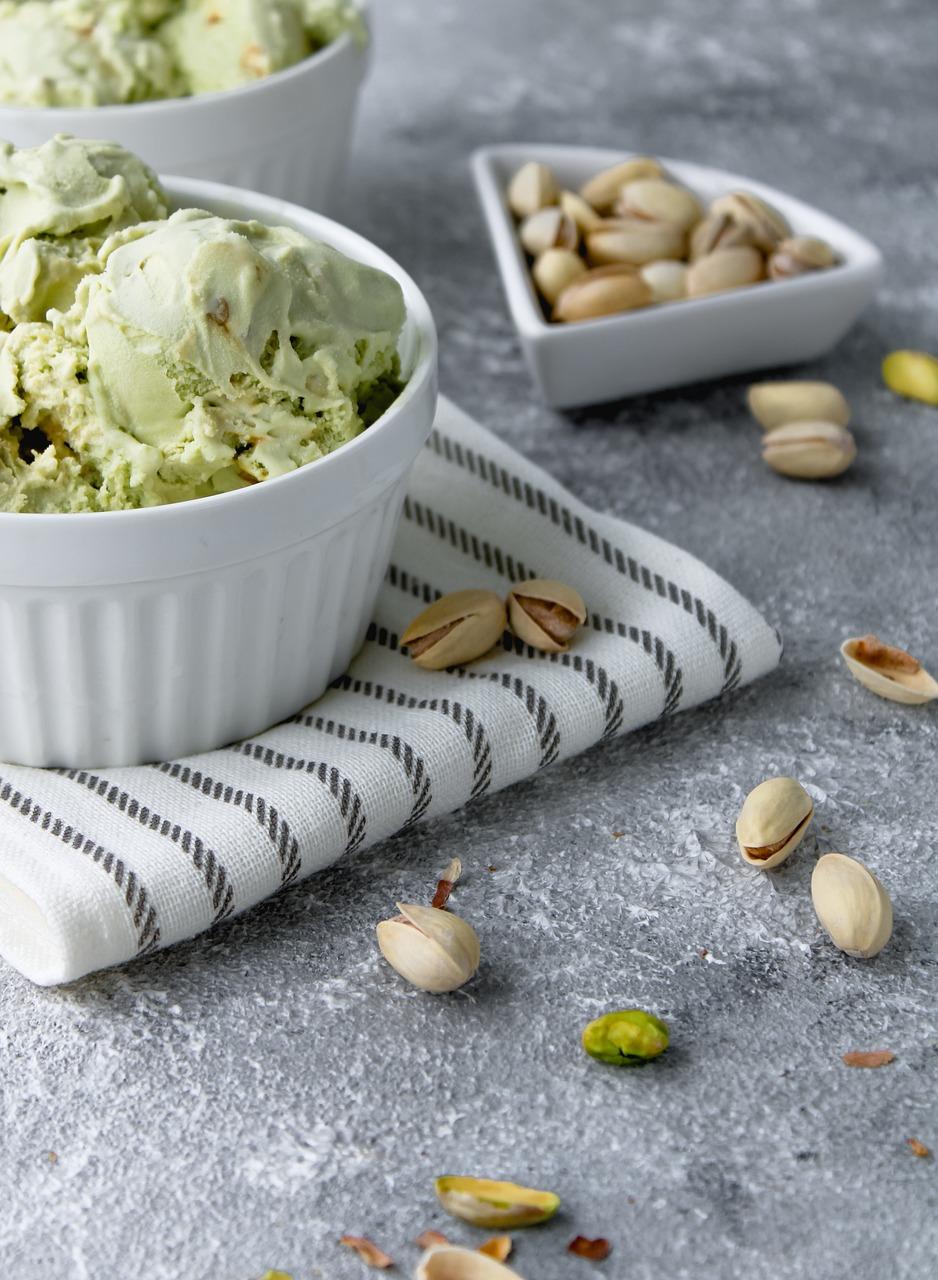
Sheer yakh, literally milk-ice, is the ice cream Kabul's street vendors once churned by hand in metal drums set in buckets of salted ice, and it's still the treat of choice on hot summer evenings and at Eid gatherings. It's dense and slightly stretchy, flavoured with cardamom and rose water and packed with chopped pistachios. Traditional sheer yakh is thickened with salep (orchid root); cornflour gives a similar body at home. Chef's tip: cook the custard until it thickly coats a spoon, then chill it overnight before freezing; a cold, aged base churns denser and smoother.

by KrazyBadal 0 views

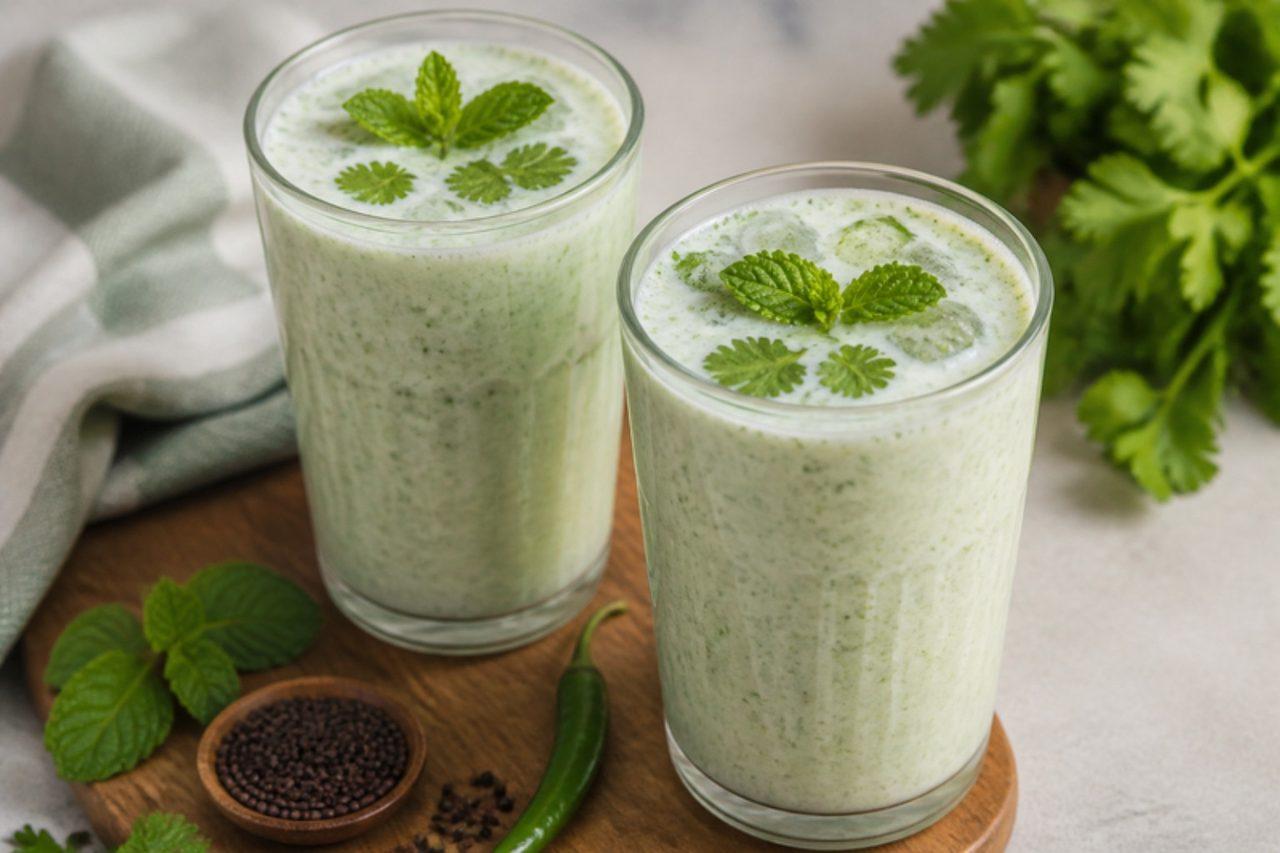
BorhaniSpiced mint yogurt drink

At a Bangladeshi wedding in Dhaka, the moment the kacchi biryani comes out, so do glasses of pale green borhani. It's a thin, salty-spicy yoghurt drink blended with mint, coriander, green chilli, black salt and a whisper of ground mustard, made to cut through a rich meal and settle the stomach. Pour it alongside any spiced rice dish, including a vegetable biryani or bhuna khichuri. Chef's tip: the ground mustard seed is the signature; toast it lightly first and grind it fine, or the drink turns bitter.

by KrazyBadal 0 views

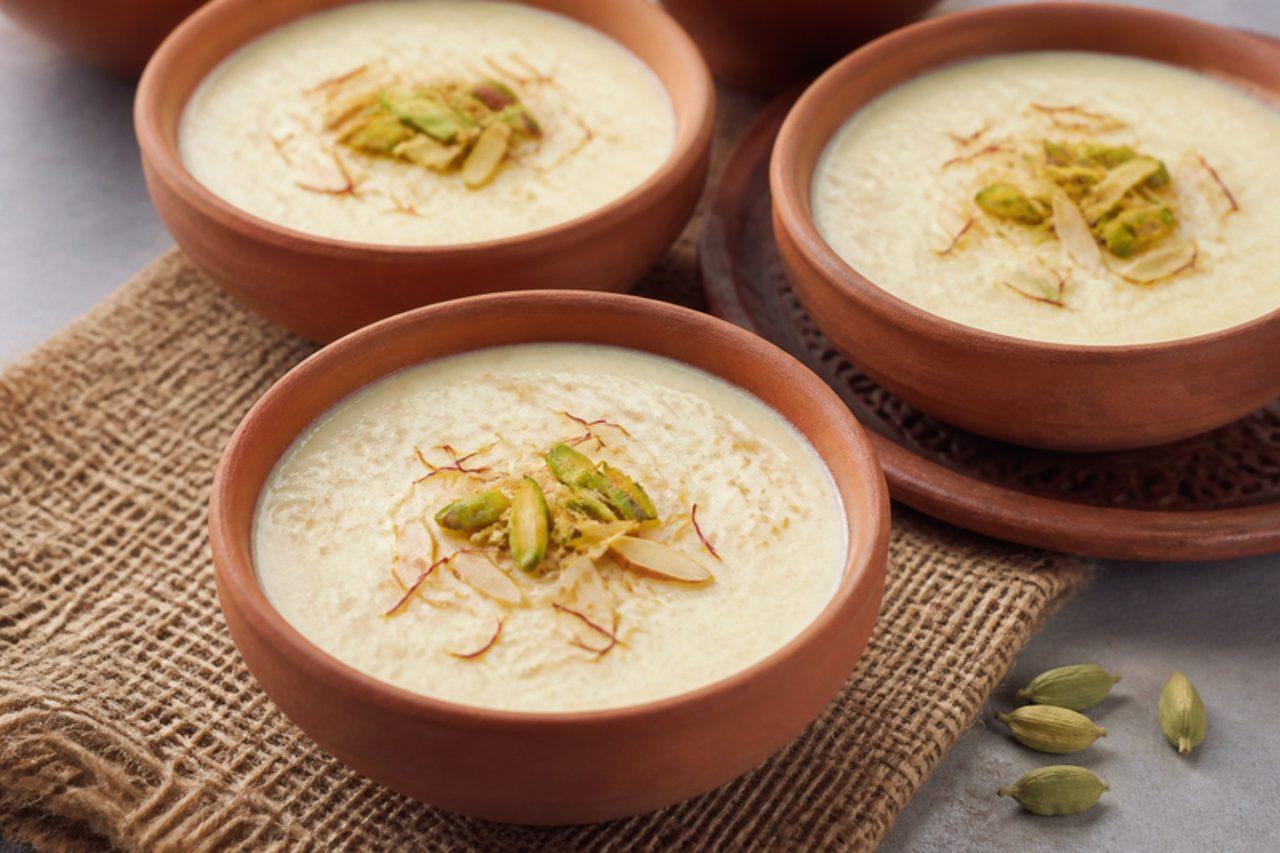
FirniGround rice milk pudding

Firni is the dessert that turns up in little clay bowls on Eid tables across Bangladesh, especially after the evening meal on Eid-ul-Fitr. It is smoother and thicker than payesh: instead of whole rice grains, coarsely ground rice is simmered in milk until it sets into a silky pudding, scented with cardamom and rose water and scattered with pistachios and almonds. It is served chilled, so it's made a day ahead. Chef's tip: grind the soaked rice to a coarse semolina-like grit, not a fine powder; that slight texture is what makes firni feel rich.

by KrazyBadal 0 views

Bhapa pithaSteamed rice flour cakes

When the date palm sap starts flowing in early winter, small steaming pots appear on street corners all over Bangladesh, from Rajshahi to Dhaka's Karwan Bazar, selling bhapa pitha in the dark mornings. Damp, lightly salted rice flour is packed into a small bowl around a layer of grated coconut and khejur gur (date jaggery), wrapped in cloth and steamed over a narrow-necked pot until soft, fluffy and fragrant. Eat them warm, straight from the cloth. Chef's tip: the rice flour should feel like damp sand that just holds when squeezed; too wet and the cake turns gummy, too dry and it crumbles.

by KrazyBadal 0 views

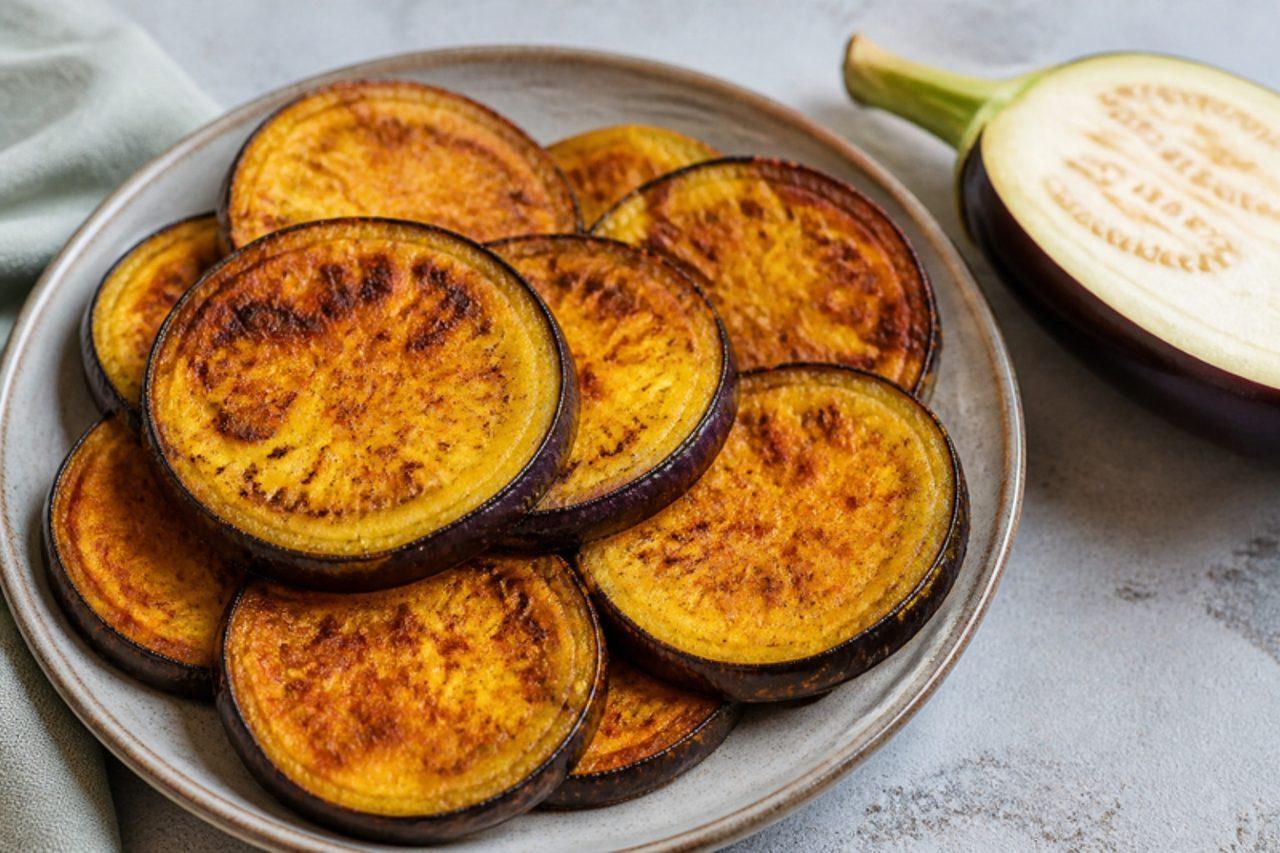
Begun bhajaFried aubergine slices

Begun bhaja is the crisp-edged, creamy aubergine slice that sits beside dal and rice on almost every Bangladeshi lunch plate, from Chittagong to Sylhet, and it is a must with bhuna khichuri on a rainy afternoon. Thick rounds are rubbed with turmeric, chilli and salt, then shallow-fried in mustard oil until the outside is caramelised and the inside melts like custard. Chef's tip: salt the slices and leave them for 10 minutes, then pat dry; they drink up far less oil and brown more evenly.

by KrazyBadal 0 views

Rooibos iced tea

Rooibos grows only in the Cederberg mountains north of Cape Town, and on hot Western Cape afternoons it is brewed strong and poured over ice rather than drunk hot. The tea is naturally caffeine-free and slightly sweet with notes of honey and vanilla, so it needs little added sugar. Orange, lemon and fresh mint make it a summer jug for the stoep (veranda). Chef's tip: brew the tea double strength and pour it straight over plenty of ice; it chills in seconds and the melting ice dilutes it to the right strength.

by KrazyBadal 0 views

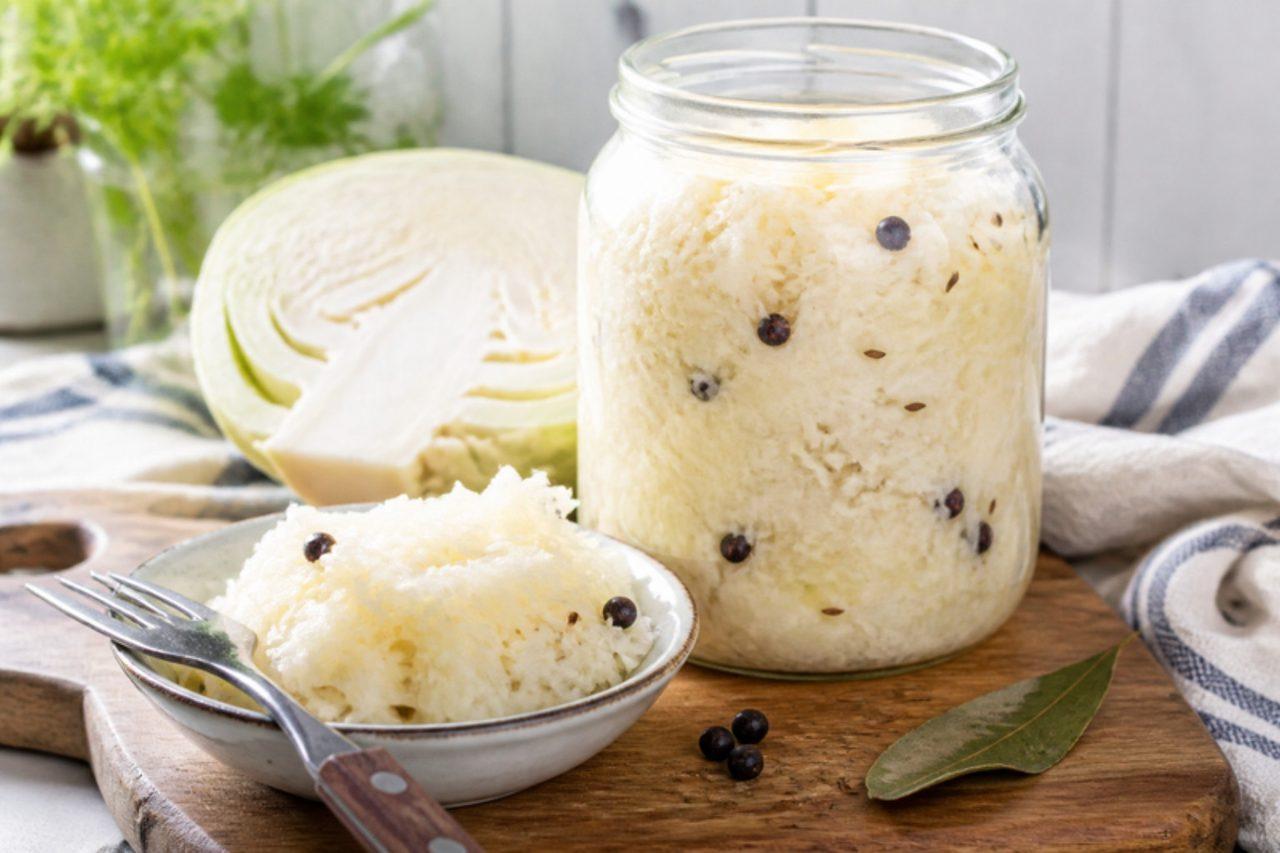
Sauerkraut

Sauerkraut is how German households have kept cabbage through the winter for centuries, and autumn is still when families in Baden, Franconia and Alsace shred the new white cabbage into stoneware crocks. It's nothing but cabbage and salt: the salt pulls out the juice and natural lactic acid bacteria do the rest, turning it sour, crunchy and full of flavour in a few weeks. Raw homemade sauerkraut tastes far fresher than the jar and is a lovely side for Kartoffelpuffer or potato mash; for a warm side, simmer it with onion and a grated apple. Chef's tip: weigh the cabbage and use exactly 2% of its weight in salt; too little and it goes soft and mouldy, too much and it won't ferment.
by KrazyBadal 0 views

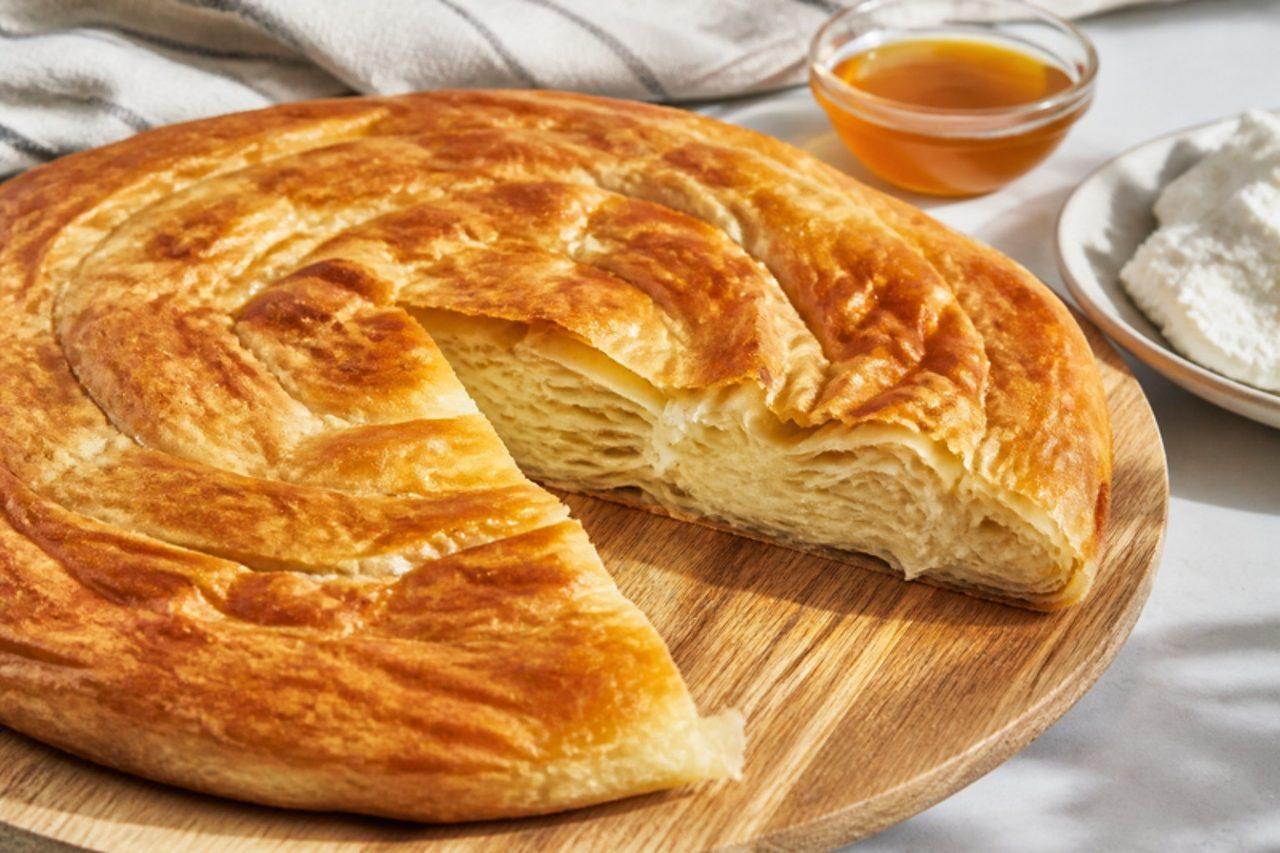
Feteer meshaltetFlaky layered pie

Feteer meshaltet comes from the villages of the Nile Delta, in Sharqia, Menoufia and around, where it is baked for weddings, feast days and for guests, and sent home with visitors in a cloth. A soft dough is stretched paper-thin, brushed with lots of ghee or butter and folded over and over into a round that bakes into dozens of crisp, flaky layers. Eat it warm, torn with your hands, dipped in honey or 'asal eswed (sugar-cane molasses) or with white cheese and olives. Chef's tip: let the dough balls rest in butter until they feel loose and silky; dough that hasn't relaxed tears when you stretch it, and torn dough is the most common reason a feteer comes out tough.

by KrazyBadal 0 views

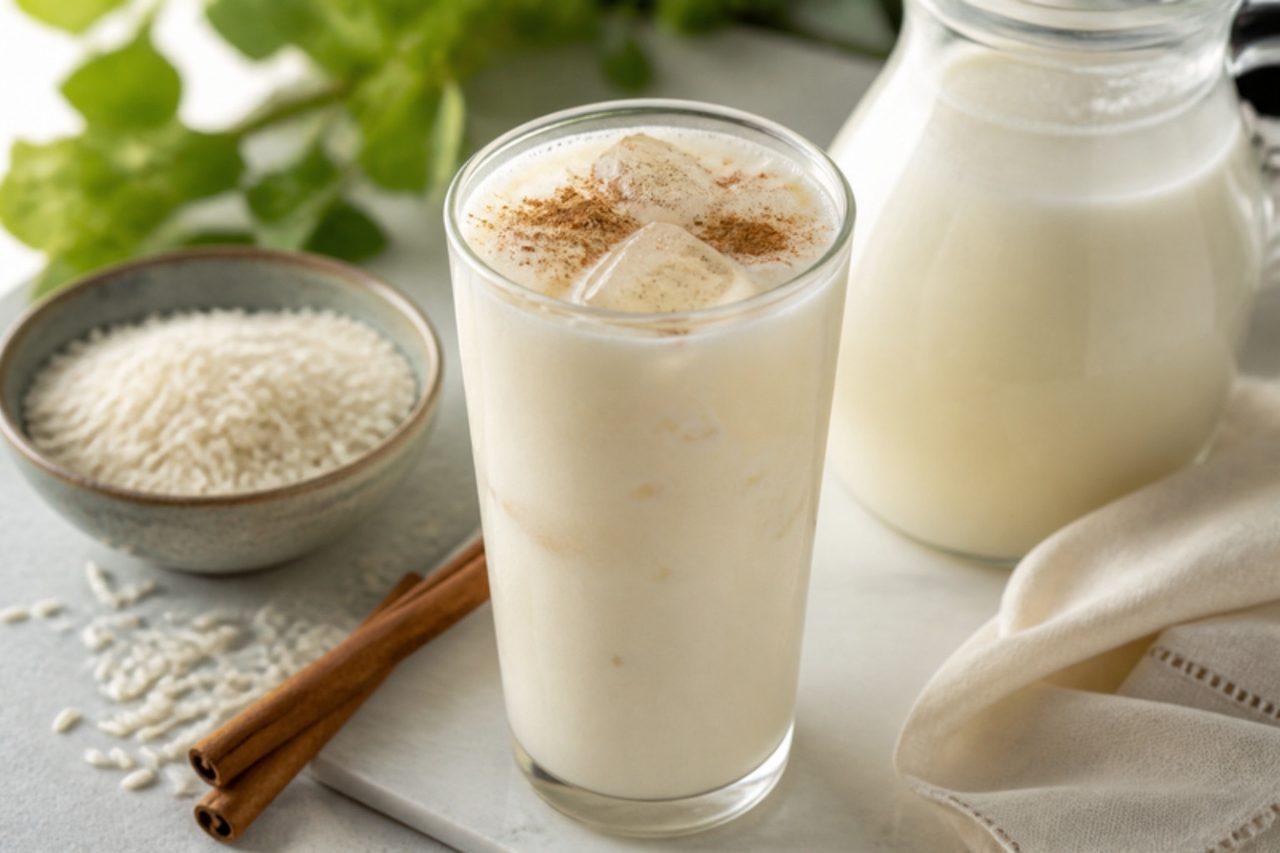
Chicha venezolanaRice and milk drink

Chicha venezolana is the thick, creamy rice drink sold from pushcarts by chicheros on the streets of Caracas, poured over ice and topped with condensed milk and cinnamon. Unlike Mexican horchata, which is made from soaked raw rice, chicha is made from rice cooked until very soft, then blended with milk, condensed milk and vanilla, so it's thick and velvety, almost a drinkable rice pudding. Children love it as an afternoon treat. Chef's tip: cook the rice until it is really mushy and splitting; any firmness left makes the chicha gritty.

by KrazyBadal 0 views

Darjeeling first flush tea

Darjeeling's first flush is picked in March and April on estates clinging to the hills above the town, and in Darjeeling's tea rooms it is served plain: pale gold, flowery and slightly astringent, with a 'muscatel' note in the later second flush. It is the opposite of a strong breakfast tea, so it is never boiled, stewed or given milk. Hill families drink it from morning till dusk, and it is a souvenir every visitor buys from Chowrasta. Chef's tip: use water just off the boil (about 90°C) and time the brew; overheated or overbrewed first flush turns bitter and loses its scent.

by KrazyBadal 0 views

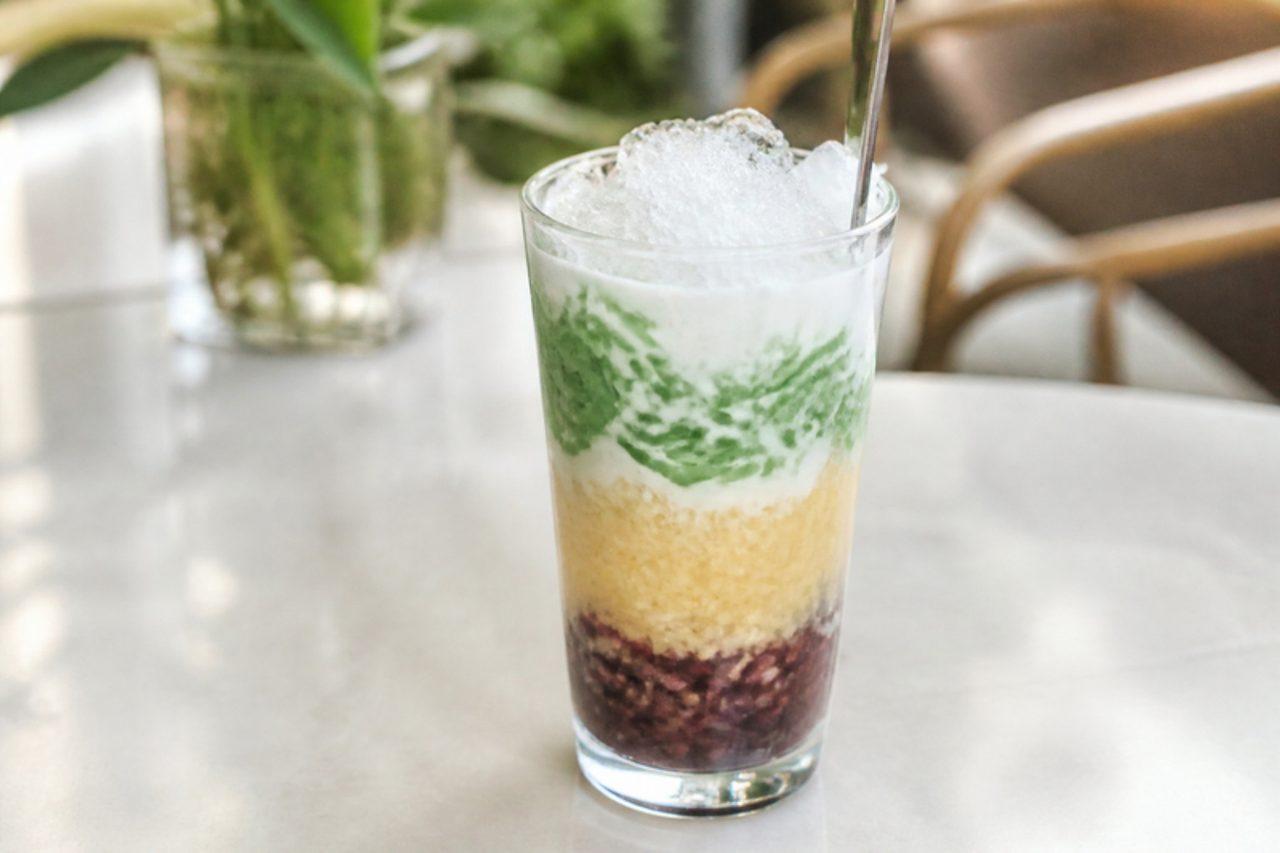
Three-colour dessert

Chè are Vietnam's sweet soups and puddings, and chè ba màu, 'three-colour chè', is the one sold in tall glasses from Saigon street carts on hot afternoons. Sweet red beans, smooth yellow mung bean paste and green pandan jelly are layered with salty-sweet coconut sauce and crushed ice, then stirred together with a long spoon. The jelly is set with agar, so it is fully vegan. Every part can be made a day or two ahead. Chef's tip: add a good pinch of salt to the coconut sauce; it sounds odd, but the slight saltiness lifts the sweet beans and is what makes chè taste properly Vietnamese.

by KrazyBadal 0 views

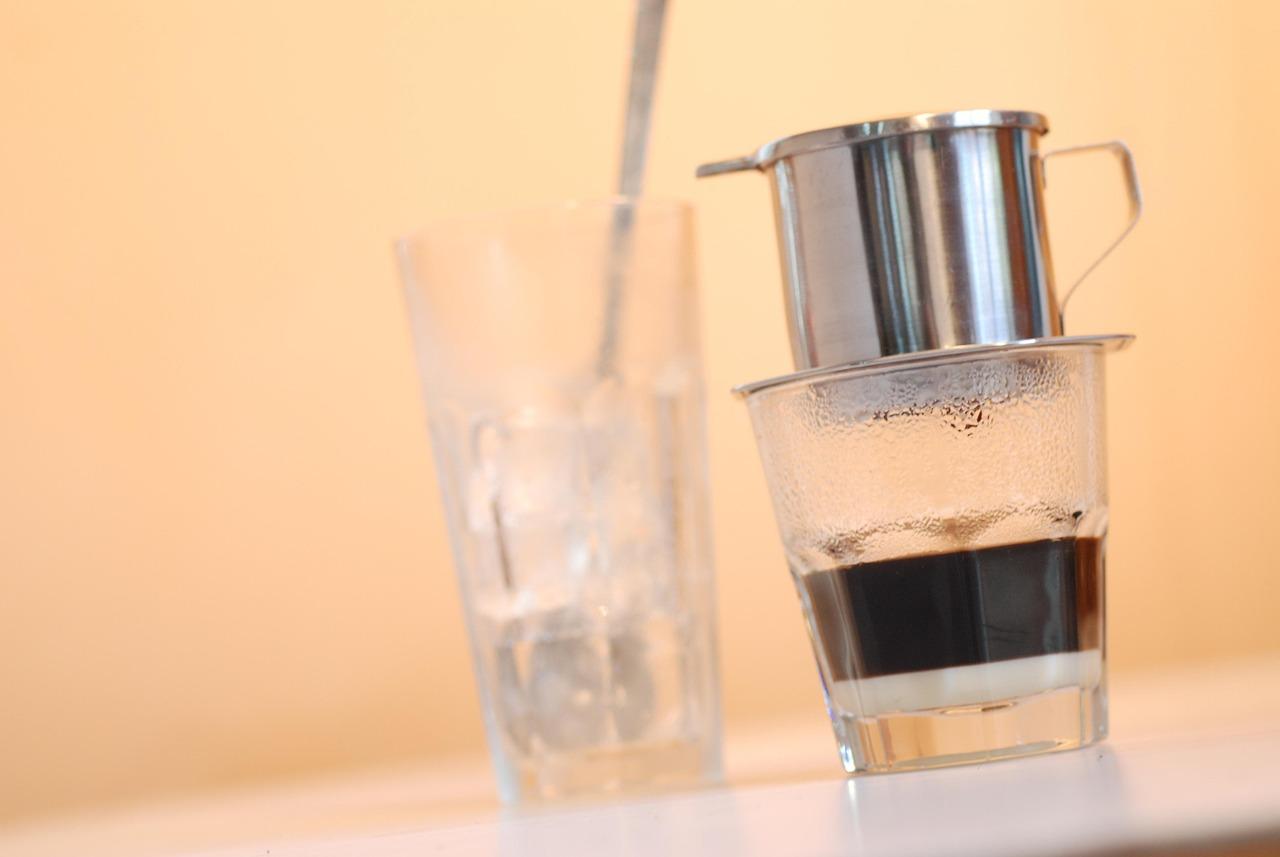
Vietnamese iced coffee

Cà phê sữa đá is the drink of Vietnam's pavement cafés, and in Saigon people sit on tiny plastic stools sipping it slowly from morning to night. Dark-roast coffee, traditionally robusta, drips slowly through a small metal filter called a phin onto a layer of sweetened condensed milk, then gets stirred and poured over ice. It is strong, sweet, chocolatey and very cold. Chef's tip: bloom the coffee with a splash of hot water for 30 seconds before filling the phin; it should then drip slowly, about 1–2 drops a second, for 4–5 minutes. Too fast and the coffee tastes thin, so press the inner filter down a little more next time.

by KrazyBadal 0 views

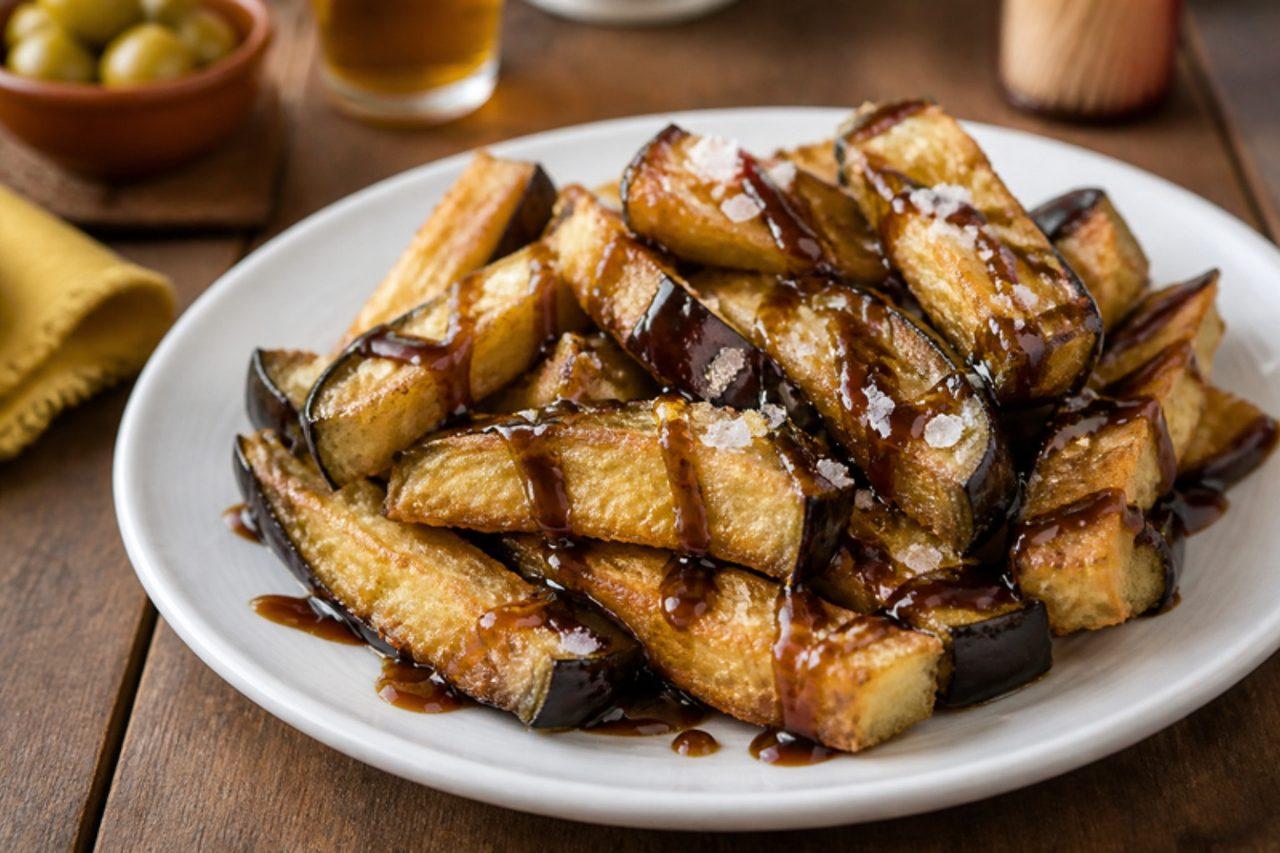
Berenjenas con miel de cañaFried aubergine with molasses

Berenjenas con miel are a classic tapa in Andalusia, especially in Córdoba, Málaga and Granada: thin batons or slices of aubergine, lightly floured and fried until crisp, then drizzled with dark, treacly miel de caña. Despite the name, miel de caña is not bee honey but sugarcane molasses, made in the last cane mill in Europe at Frigiliana on the Málaga coast, so the dish is naturally vegan. The contrast of salty, crunchy aubergine and bittersweet syrup is irresistible; serve it the moment it leaves the pan with a cold drink. Chef's tip: soak the aubergine in salted water (or milk, as many Andalusian cooks do) for 15 minutes and pat dry; it seasons the flesh, softens any bitterness and helps the flour cling so the coating stays thin and crisp.

by KrazyBadal 0 views

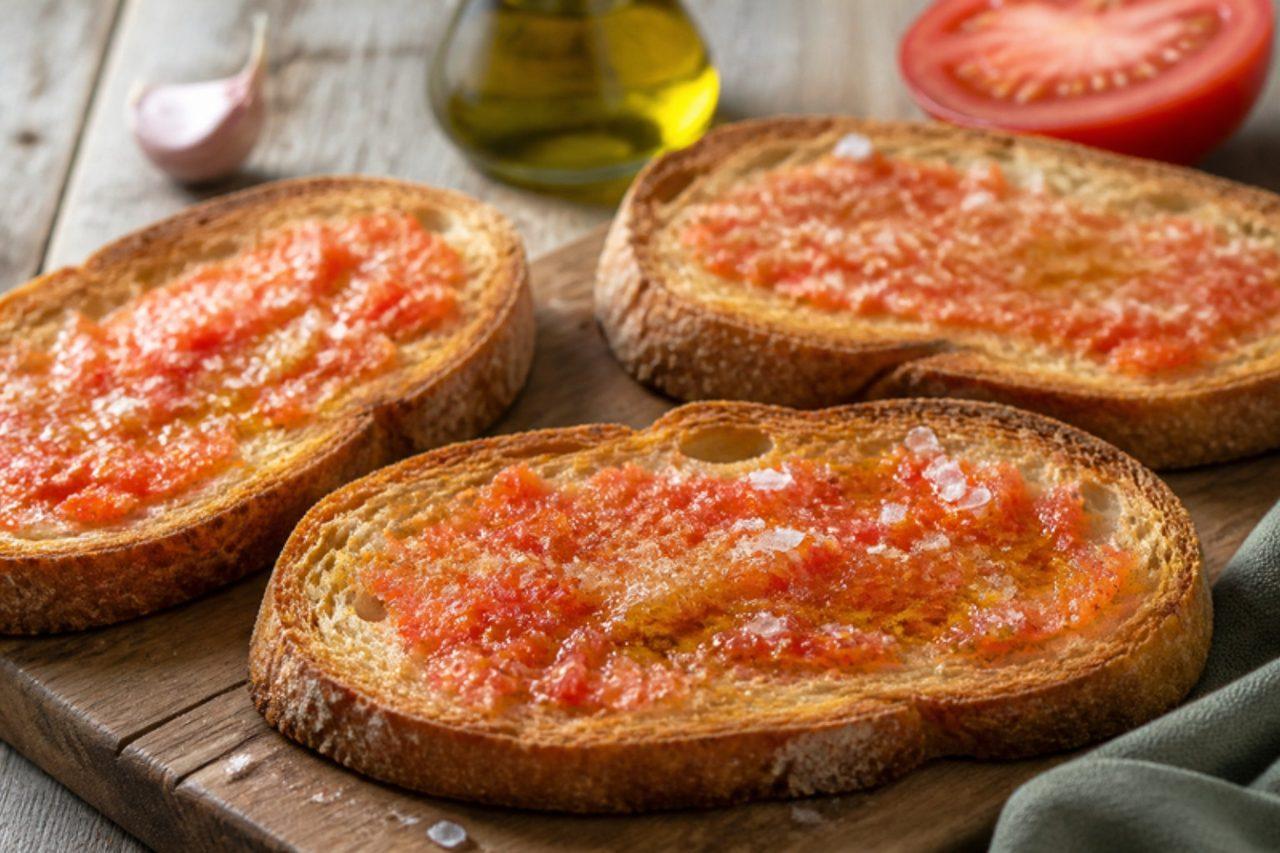
Pan con tomateTomato rubbed toast

Pa amb tomàquet (pan con tomate in Spanish) is the everyday bread of Catalonia: toasted country bread rubbed with garlic and a cut ripe tomato, drizzled with good olive oil and sprinkled with salt. Catalans eat it at breakfast, as a side to grilled vegetables or with a slice of tortilla, and it is so basic to the table that it is rarely even listed on menus. With so few ingredients the quality of each one matters: the ripest tomatoes, a rustic open-crumbed loaf and fruity extra virgin olive oil. Chef's tip: in Catalonia they use small, juicy 'tomàquets de penjar', hanging tomatoes; at home choose the ripest, softest vine tomatoes you can find and rub them in hard until only the skin is left in your hand.

by KrazyBadal 0 views

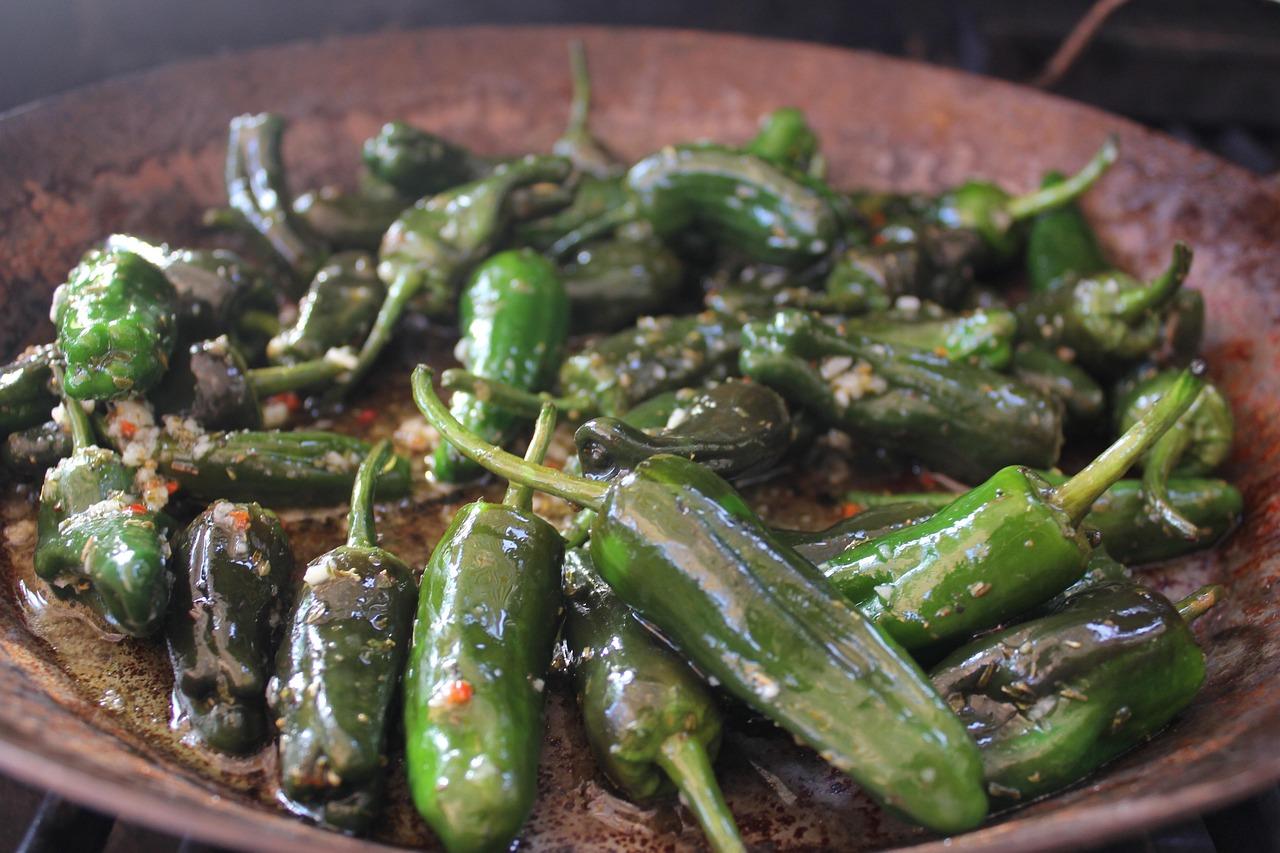
Pimientos de PadrónBlistered green peppers

Pimientos de Padrón come from Herbón, near the town of Padrón in Galicia, where they are fried whole in olive oil and showered with coarse salt. They are small, thin-skinned and mostly mild and grassy, but the Galician saying goes 'os pementos de Padrón, uns pican e outros non' (some are hot and some are not): roughly one in ten has a real kick, which is half the fun. They take five minutes and make the perfect tapa with a cold drink, tortilla or bread. Chef's tip: get the oil properly hot and leave the peppers alone for the first minute so the skins blister and puff; stewing them in lukewarm oil makes them soft and khaki instead of bright and blistered.

by KrazyBadal 0 views

Avocado smoothie

In Vietnam the avocado is a sweet fruit, and sinh tố bơ is the most popular shake at Saigon's juice stalls, especially when the buttery avocados from the Central Highlands are in season. Ripe avocado is blended with milk, condensed milk and ice into a pale green shake so thick it is almost a dessert. Drink it with a straw or a spoon on a hot afternoon. Chef's tip: use a very ripe, soft avocado with no stringy bits, and drizzle a little extra condensed milk around the inside of the glass before pouring, the way street vendors do, so you get sweet ribbons as you drink.

by KrazyBadal 0 views

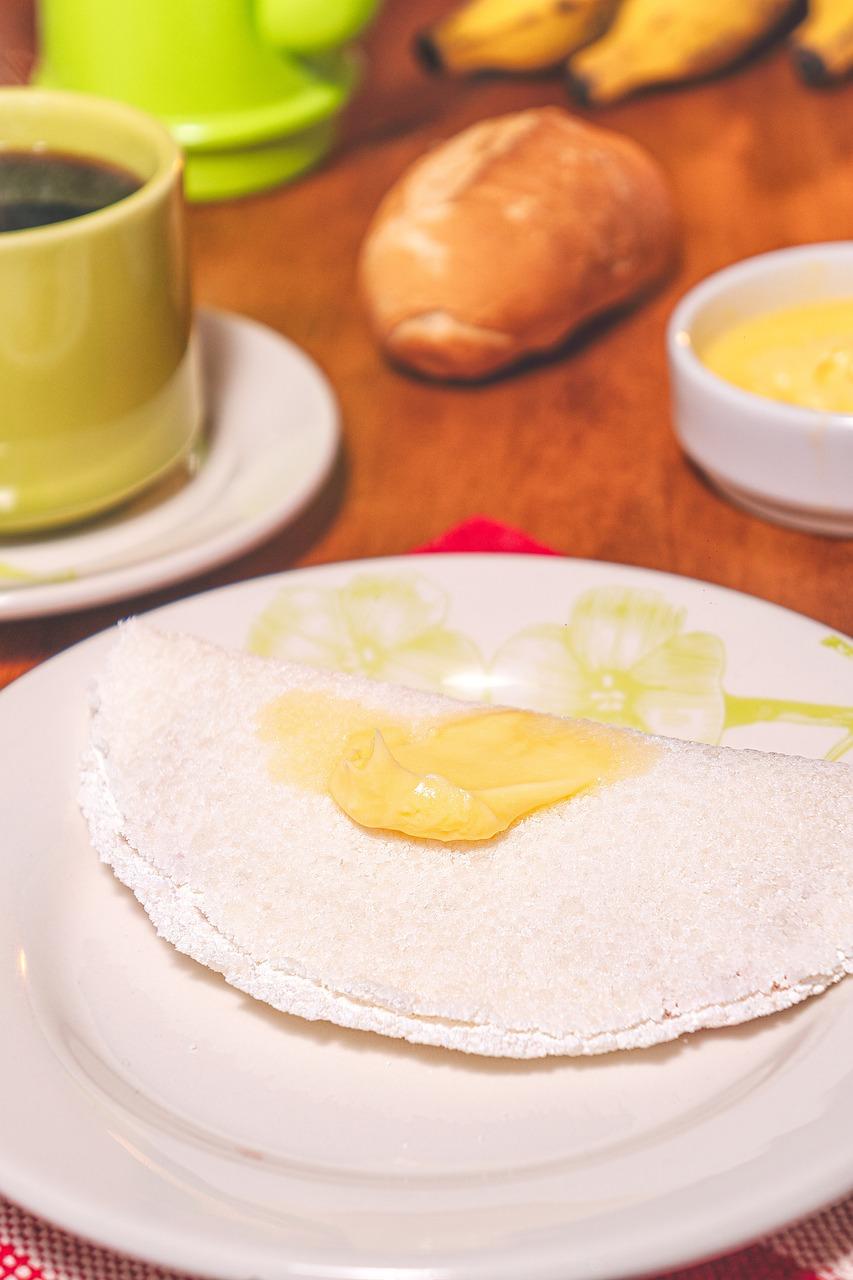
Tapioca crêpeCassava starch crêpe

Tapioca is the Northeast's favourite breakfast, cooked on griddles at beach stalls from Recife to Fortaleza and now loved all over Brazil. Damp cassava starch (goma) is sieved into a hot dry pan, where it fuses into a thin white disc that's soft, chewy and slightly crisp. This recipe gives two classic fillings: melting cheese with butter, and coconut with condensed milk. Chef's tip: hydrate the starch until it feels like damp sand that holds when squeezed, then sieve it into the pan and never press it down. A loose, even layer is what makes the starch melt into one lacy, flexible sheet.

by KrazyBadal 0 views

FestivalSweet fried cornmeal dumplings

Festival is a slightly sweet fried dumpling made with flour and cornmeal, and it's the classic partner to everything sold from the beach shacks at Hellshire in St Catherine, just outside Kingston. Each one is shaped like a little tapered log, fried until golden and crackly outside and soft and fluffy inside, with a hint of vanilla. Here they're served with escovitch-style pickled vegetables, steamed callaloo or jerk tofu instead of fried fish. Chef's tip: fry at a steady medium heat, around 170°C. If the oil is too hot, festival browns in a minute and stays raw and doughy in the middle.

by KrazyBadal 0 views

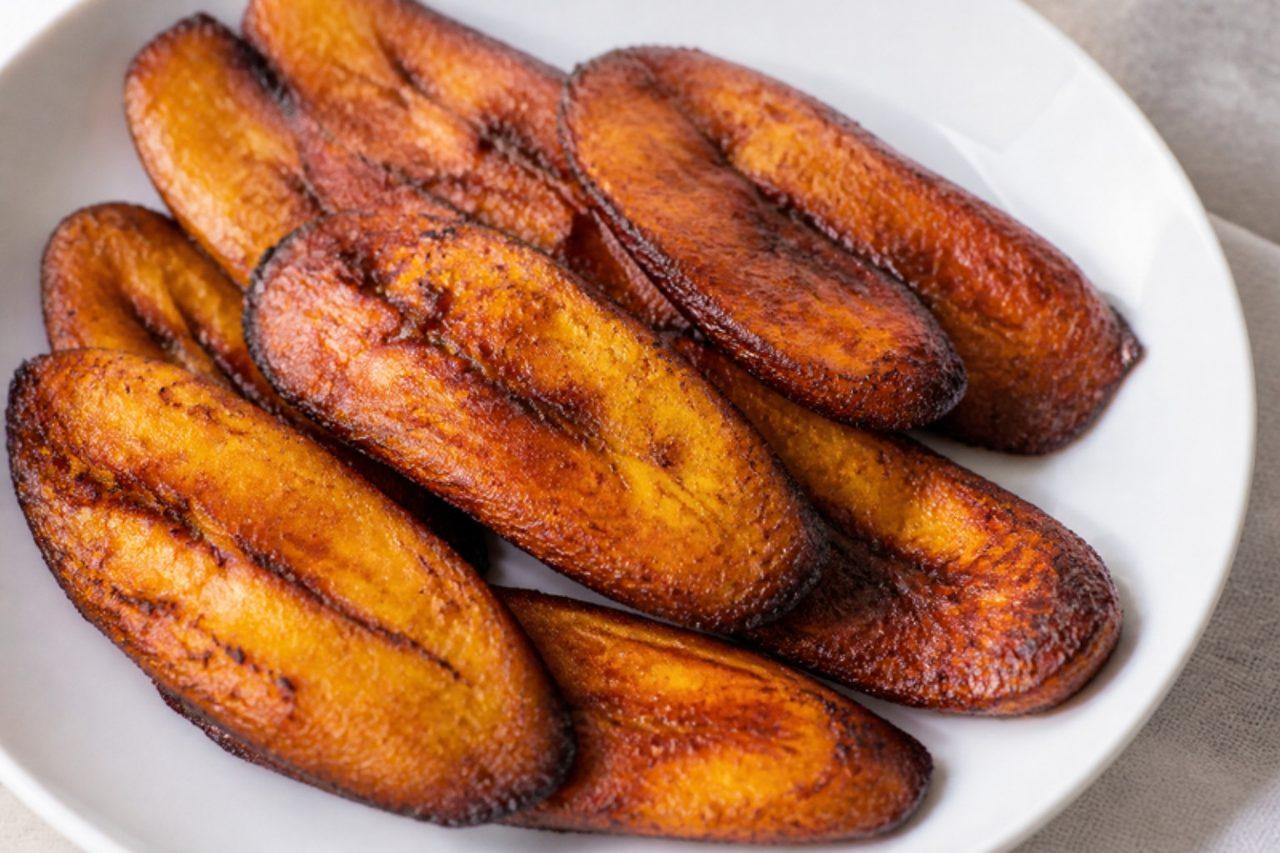
Fried ripe plantain

Fried ripe plantain is on almost every Jamaican plate, from breakfast with ackee and callaloo to Sunday dinner beside rice and peas. When plantains are fully ripe their starch turns to sugar, so the slices fry up soft and custardy inside with dark, sticky, caramelised edges, sweet with a little salt. Chef's tip: wait until the skin is mostly black. A yellow plantain fries up firm and starchy; a black one gives that melting, toffee-sweet result, and medium heat lets the sugars caramelise without burning.

by KrazyBadal 0 views

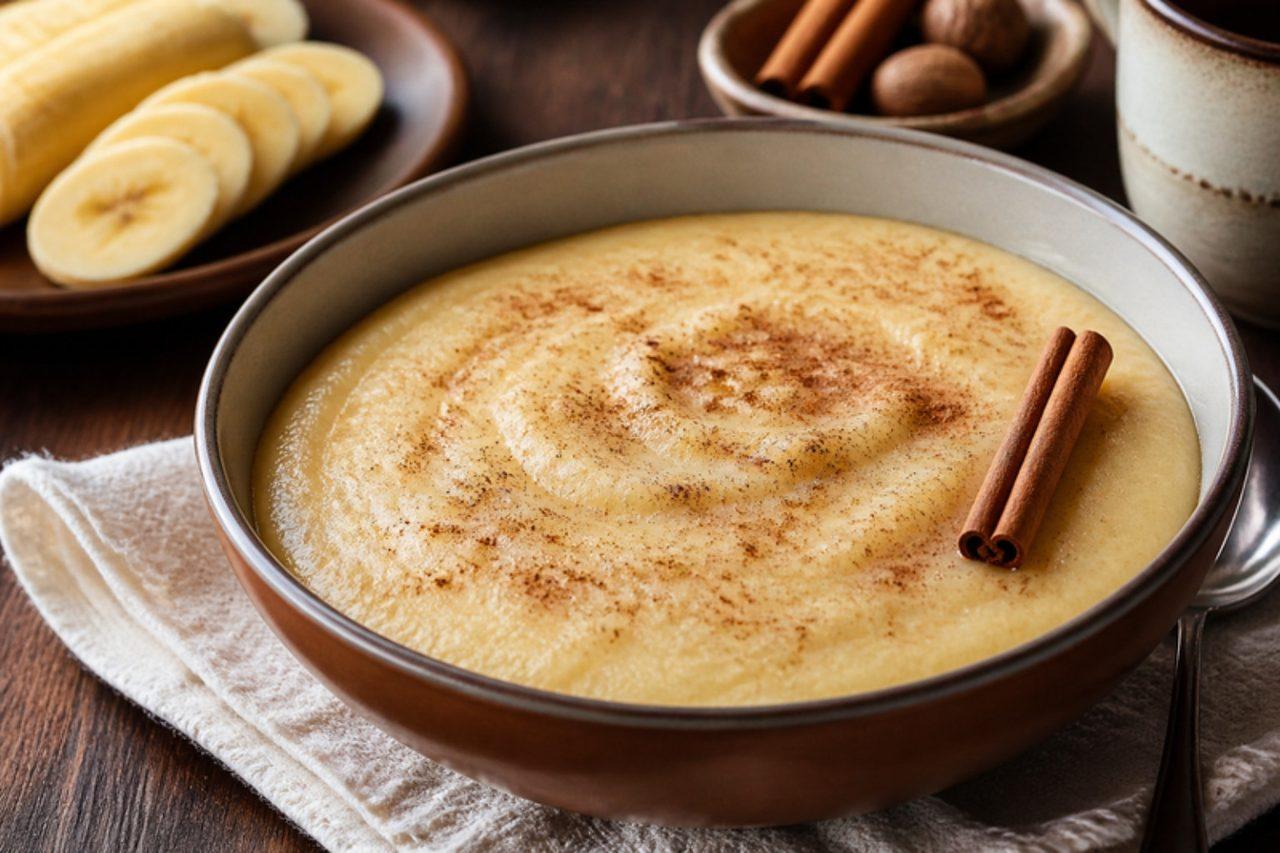
Cornmeal porridge

Cornmeal porridge is the breakfast many Jamaicans grew up on, cooked in homes across the island before school and work. Fine cornmeal is simmered slowly with milk and water until thick and velvety, then spiced with cinnamon, nutmeg and vanilla and sweetened with condensed milk. It's warm, filling and gently sweet. Chef's tip: whisk the cornmeal into cold water first to make a smooth slurry before it meets any heat. Adding dry cornmeal to hot liquid is how porridge goes lumpy.

by KrazyBadal 0 views

Buss-up-shutTorn paratha roti

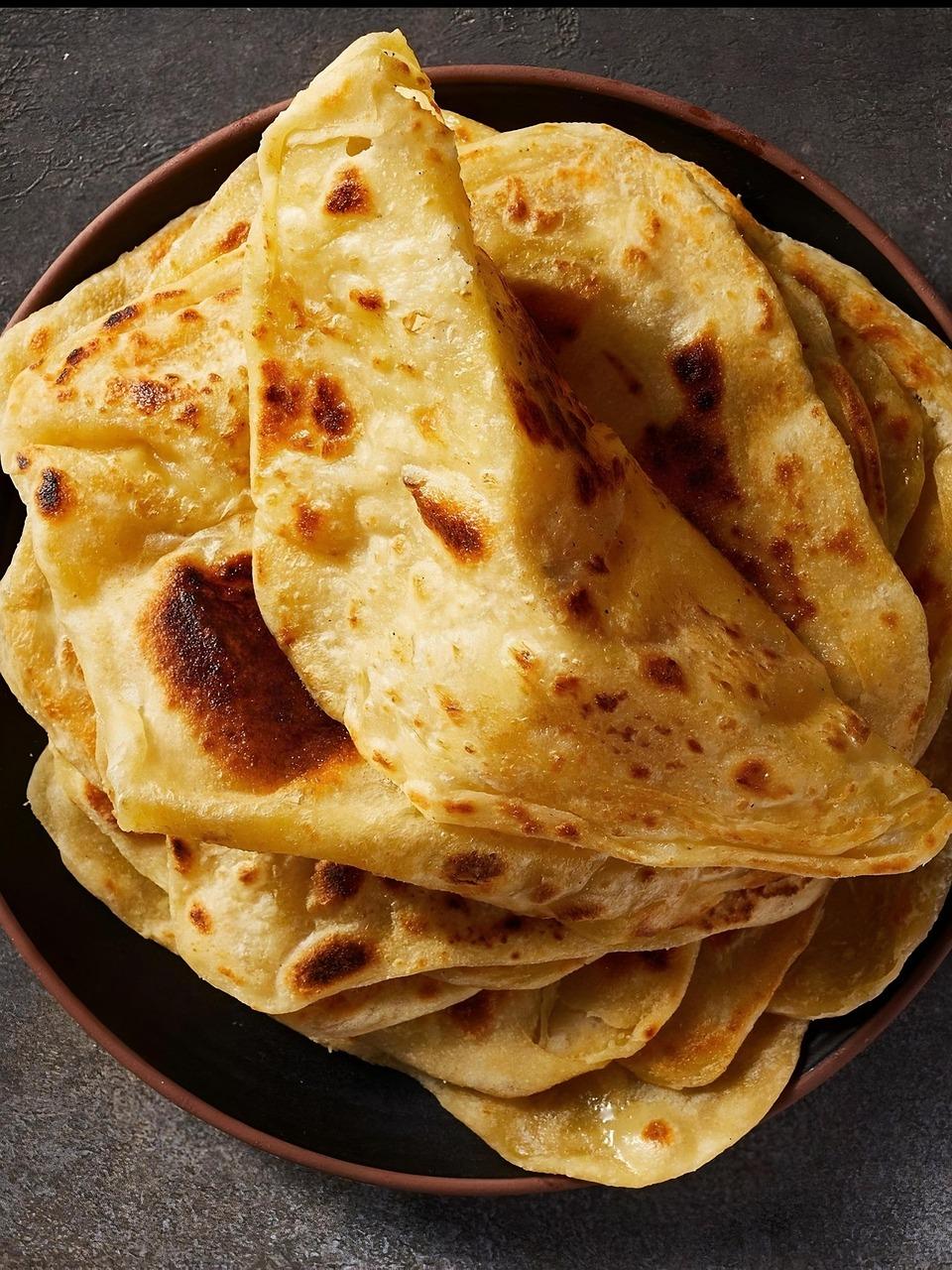
Buss-up-shut is the paratha roti of Trinidad, so called because the torn, flaky pieces look like a 'burst-up shirt'. A soft dough is spread with butter and oil, rolled into a coil to build layers, cooked on a hot tawa, then clapped and beaten with wooden paddles until it breaks into soft, buttery, flaky shreds. It's served in roti shops across Trinidad for scooping up curries, and is always at Hindu weddings and Divali feasts. Chef's tip: beat the roti while it's still scalding hot. The steam inside is what separates the layers, so the moment it leaves the tawa, clap it between your hands (in clean oven gloves) or bash it with two wooden spatulas until it shreds.

by KrazyBadal 0 views

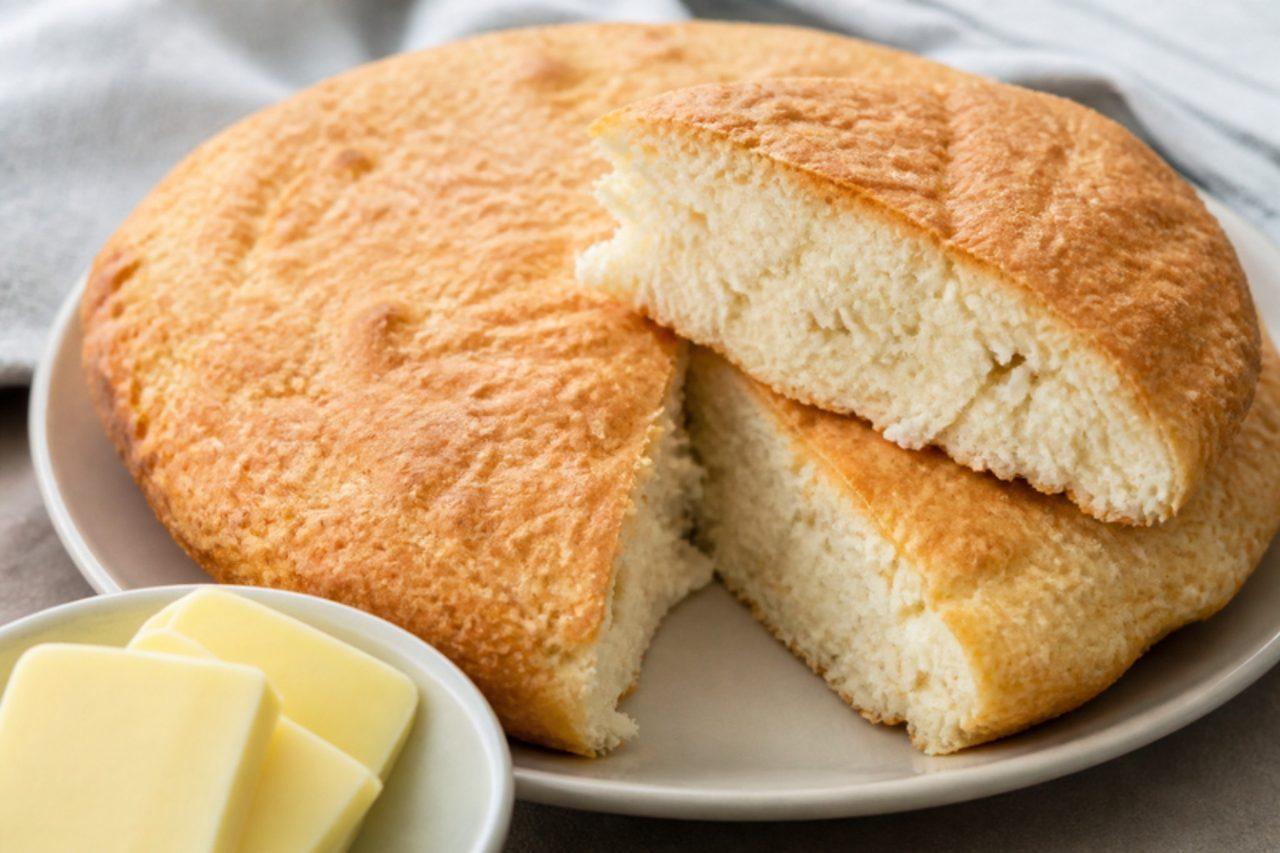
Coconut bakeCoconut bread

Coconut bake is a breakfast bread from Trinidad and especially Tobago, where it's baked on Sunday mornings in homes and village bakeries. It's a quick, unyeasted bread, rich with grated coconut and coconut milk and rubbed with butter, shaped into a round and baked until golden. It's split and buttered, and usually eaten with saltfish buljol; for a vegetarian breakfast, fill it with tomato choka, fried ripe plantain, sautéed bodi (long beans) or cheese. Chef's tip: rub the butter well into the flour and knead only briefly until the dough comes together. Overworking makes bake heavy and tight instead of soft and crumbly.

by KrazyBadal 0 views

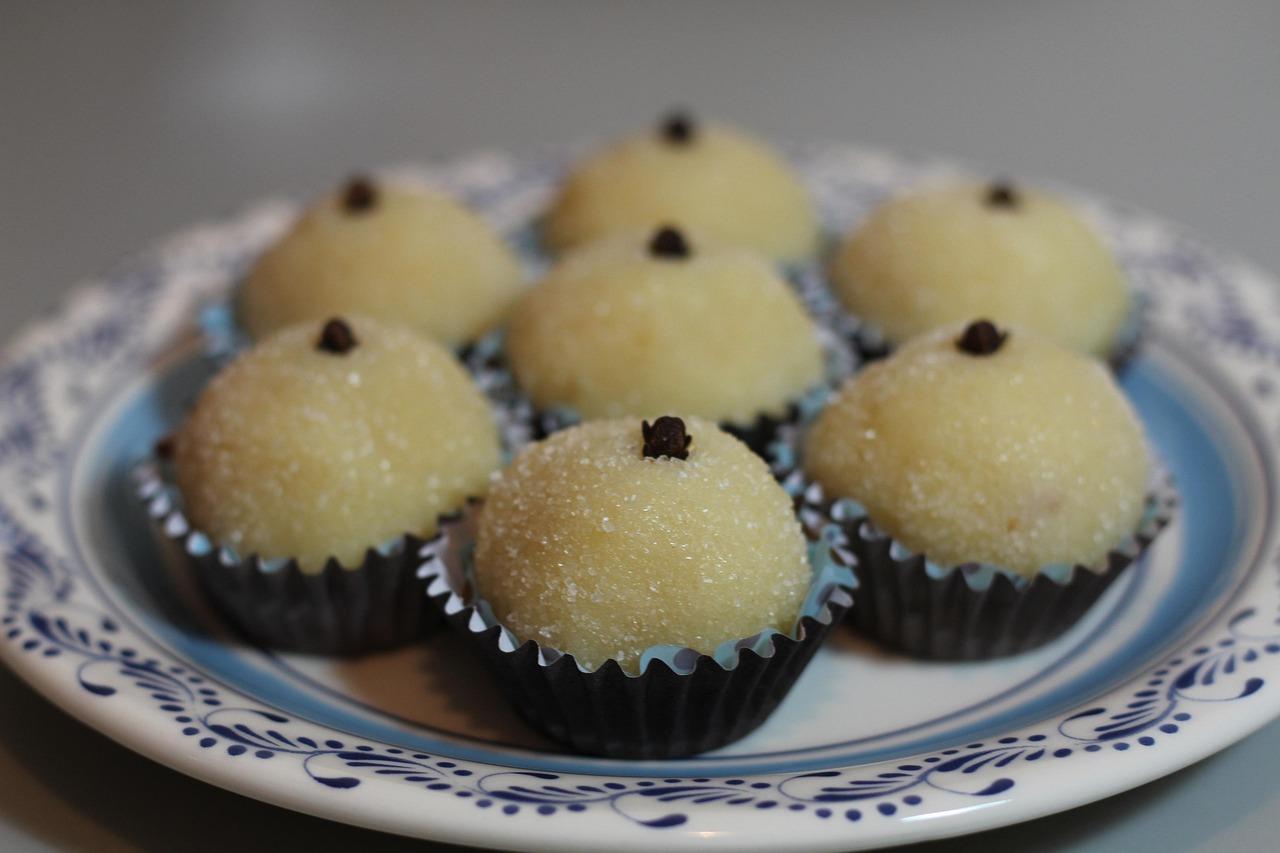
BeijinhoCoconut condensed milk sweets

Beijinho ('little kiss') is the white twin of brigadeiro, and the two always appear side by side at Brazilian birthday parties all over the country. Condensed milk is cooked with butter and coconut until thick, then rolled into small balls, coated in sugar or coconut and topped with a single clove. Chef's tip: don't skip the clove. It's the signature of a proper beijinho, giving a little warm, spicy perfume that balances all that sweetness (it's for decoration and aroma; take it out before eating).

by KrazyBadal 0 views

Limonada suíçaCreamy lime drink

Limonada suíça is the creamy, frothy limeade served in juice bars and lunch counters all over Brazil. Despite the name ('Swiss lemonade'), nobody knows of any Swiss link, and it's made with whole Tahiti limes, blended briefly, skin and all, then strained and sweetened with condensed milk. It's cold, zingy and pale green, perfect with a hot lunch. Chef's tip: blend for no more than 10–15 seconds. Lime peel gives the drink its wonderful perfume, but blended too long it releases bitterness from the pith; serve it straight away for the same reason.

by KrazyBadal 0 views

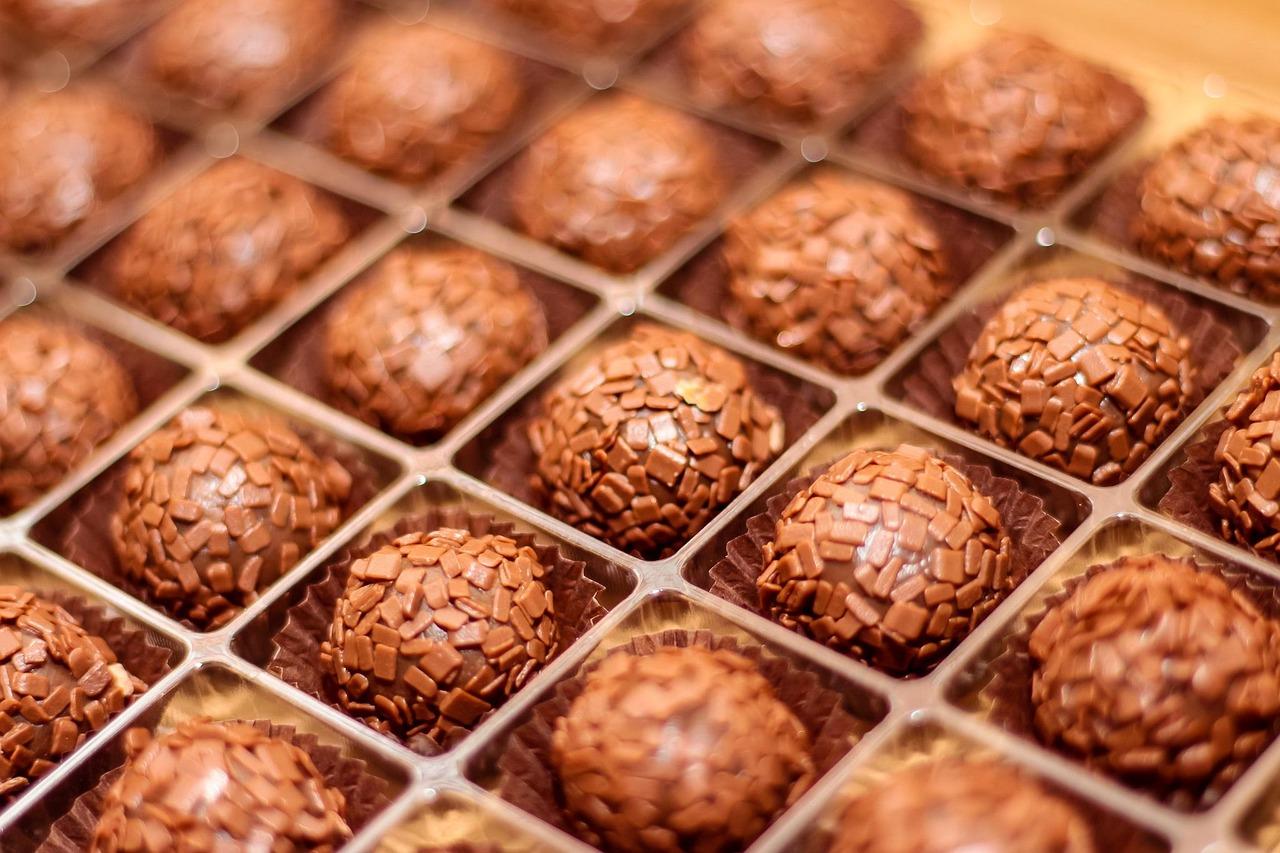
BrigadeiroChocolate condensed milk truffles

Brigadeiro is Brazil's favourite sweet: no birthday party anywhere in the country is complete without trays of them in little paper cases. Condensed milk, cocoa and butter are stirred in a pan until thick, then rolled into soft, fudgy balls and coated in chocolate sprinkles. It's said to be named after Brigadeiro Eduardo Gomes, an air force officer who ran for president in 1945. Chef's tip: learn the ponto (the doneness point). Tilt the pan and drag your spatula through the mixture: when it slides as one mass and you can see the pan base for 2–3 seconds before it closes up, it's ready. Undercooked brigadeiros won't hold a shape; overcooked ones turn chewy.

by KrazyBadal 0 views

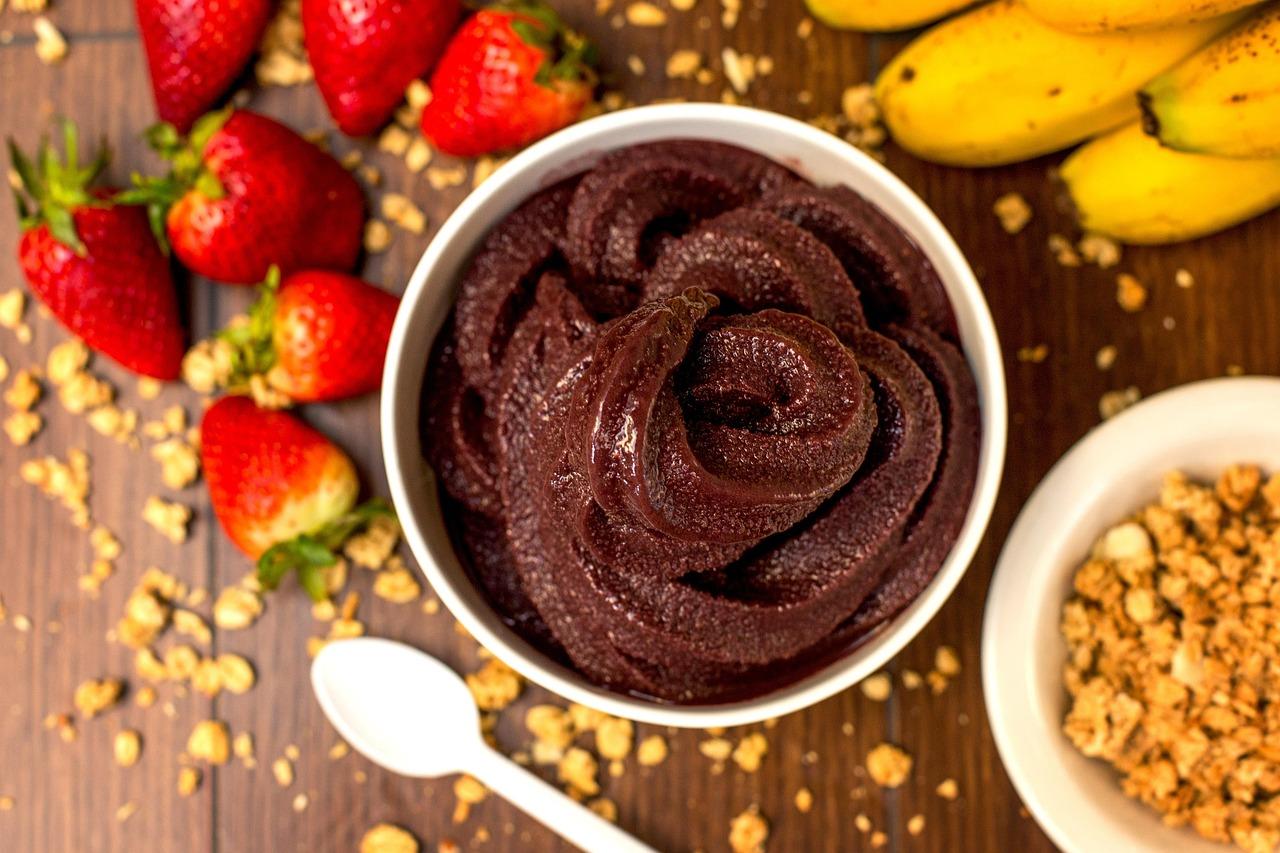
Açaí bowl

Açaí is a deep purple palm berry from Pará, in the Amazon, where people in Belém eat it as a thick, unsweetened purée with manioc meal alongside savoury food. The sweet, frozen açaí na tigela ('açaí in a bowl') was born on the beaches of Rio de Janeiro and became a Brazilian breakfast and post-surf favourite: thick as soft-serve ice cream, topped with crunchy granola, banana and strawberries. Chef's tip: use as little liquid as possible and blend in short pulses, scraping down the sides. Real açaí na tigela is spooned, not drunk; too much juice turns it into a smoothie.

by KrazyBadal 0 views

Cheese and heart of palm pastelFried cheese and palm heart pastries

Pastel is the taste of the São Paulo street market: big rectangles of thin dough fried to order until they blister and puff, eaten hot from paper with a glass of caldo de cana (sugar-cane juice). Cheese and palmito (heart of palm) are two of the most popular meat-free fillings. Chef's tip: add a spoon of cachaça (or vodka) to the dough and fry in properly hot oil. The alcohol evaporates fast and makes the crust puff into the light, bubbly blisters that market pastel is famous for.

by KrazyBadal 0 views

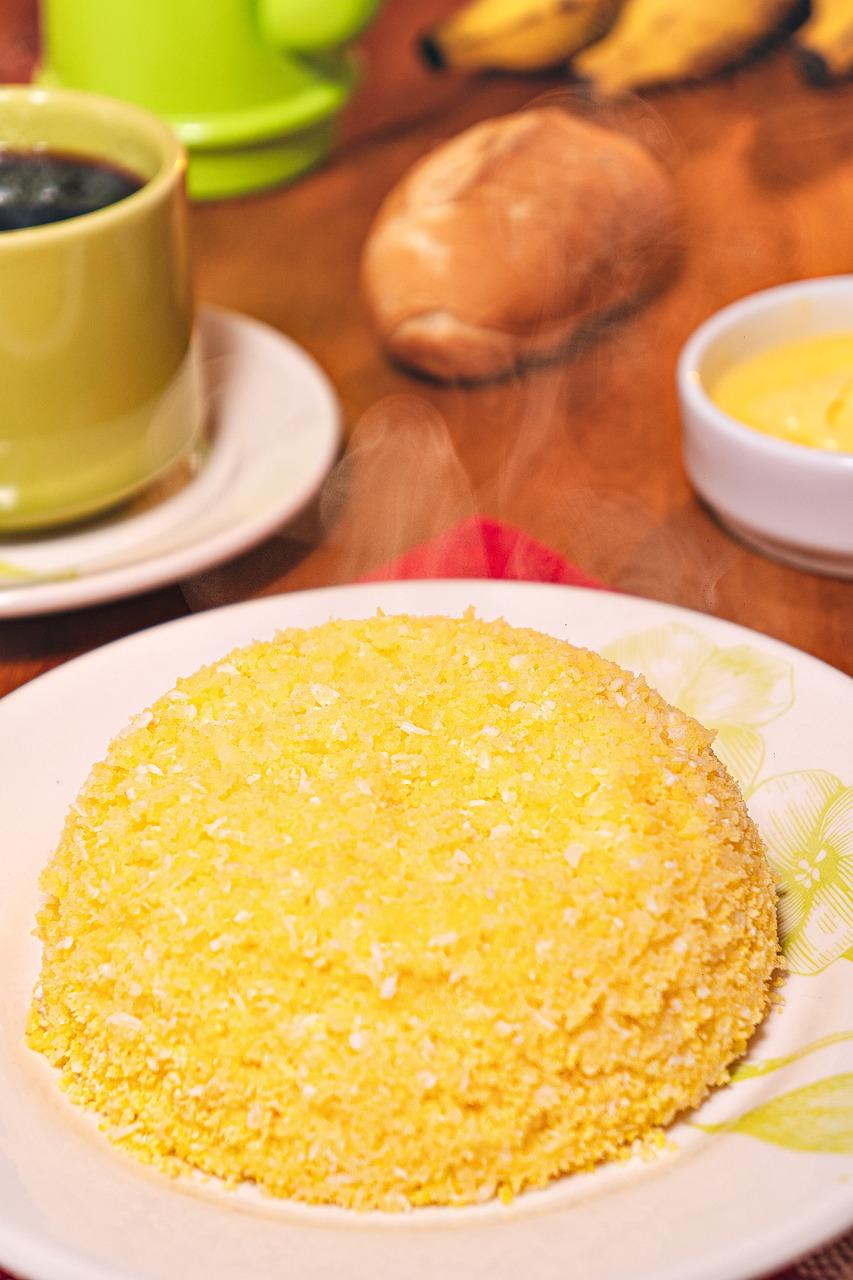
Cuscuz nordestinoSteamed flaked corn cake

Cuscuz nordestino has nothing to do with North African couscous: it's a soft, fluffy cake of steamed flaked maize (flocão), eaten every morning across the Northeast, from Pernambuco to Bahia. It's served hot in wedges with a melting slab of butter, often with fried egg, cheese or coconut milk poured over. It's traditionally steamed in a cuscuzeira, a two-tier steamer, but a steamer basket lined with a cloth works too. Chef's tip: let the corn soak up the salted water for 10 minutes, then pack it into the steamer loosely. Pressed down, it turns dense and heavy; loose, it steams into a light cake that still holds together.
by KrazyBadal 0 views

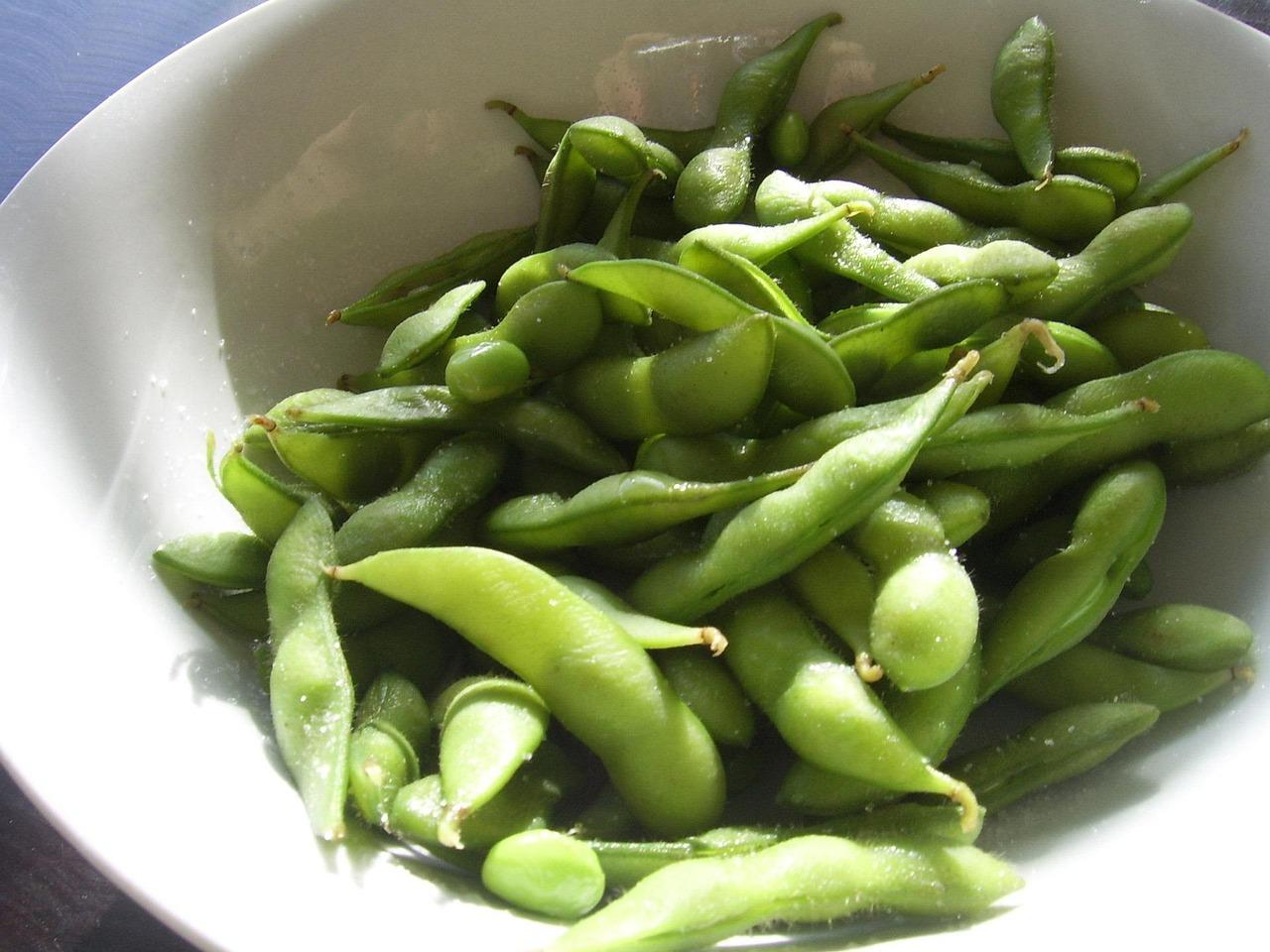
Edamame with sea salt

Edamame (枝豆) are young green soybeans cooked in their pods, the classic snack with a cold drink in izakaya and beer gardens all over Japan, especially in summer. You squeeze the beans straight from the salty pod into your mouth. Rubbing the pods with salt before boiling seasons them through and keeps them bright green. They're a good source of plant protein too. Chef's tip: rub the pods with salt before boiling, as izakaya cooks do. It scrubs off the fuzz, keeps the pods bright green and seasons the beans inside.

by KrazyBadal 0 views

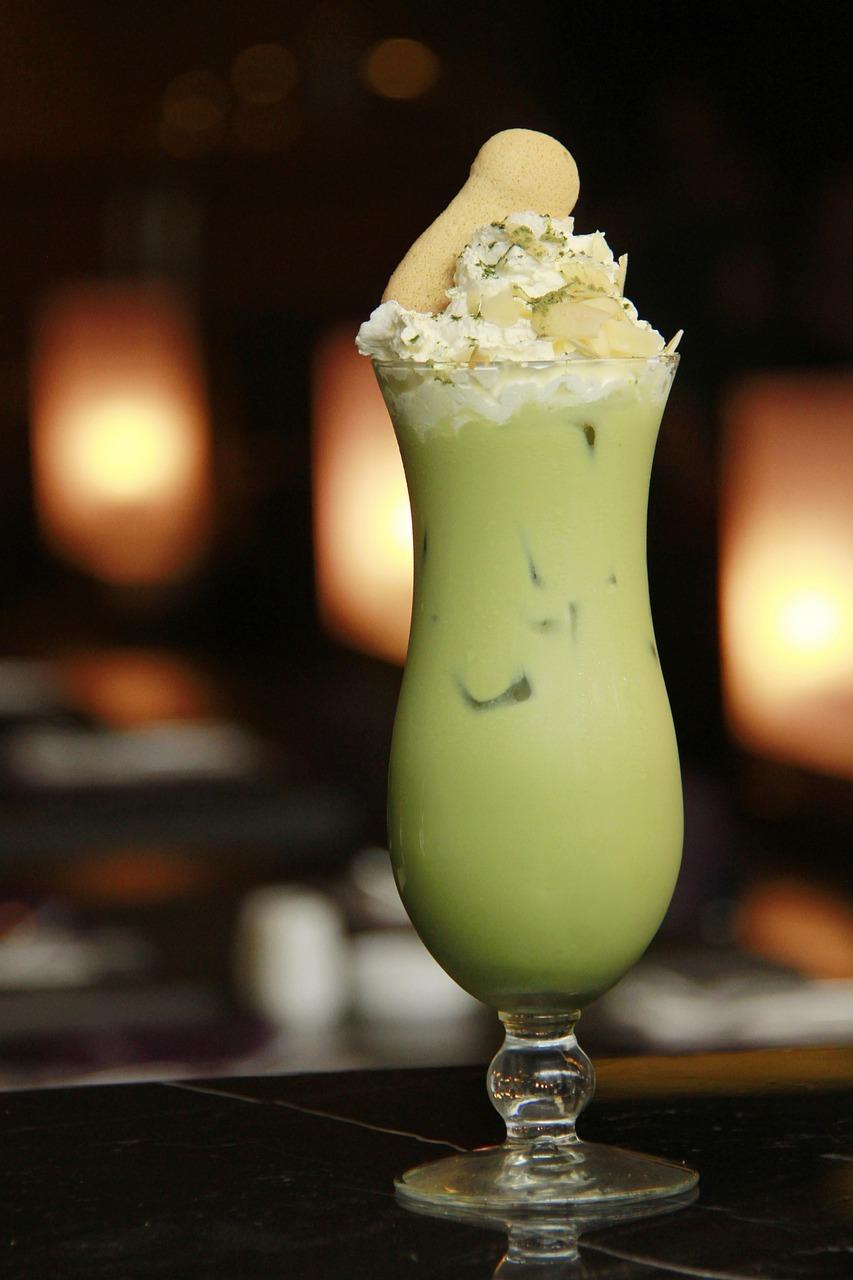
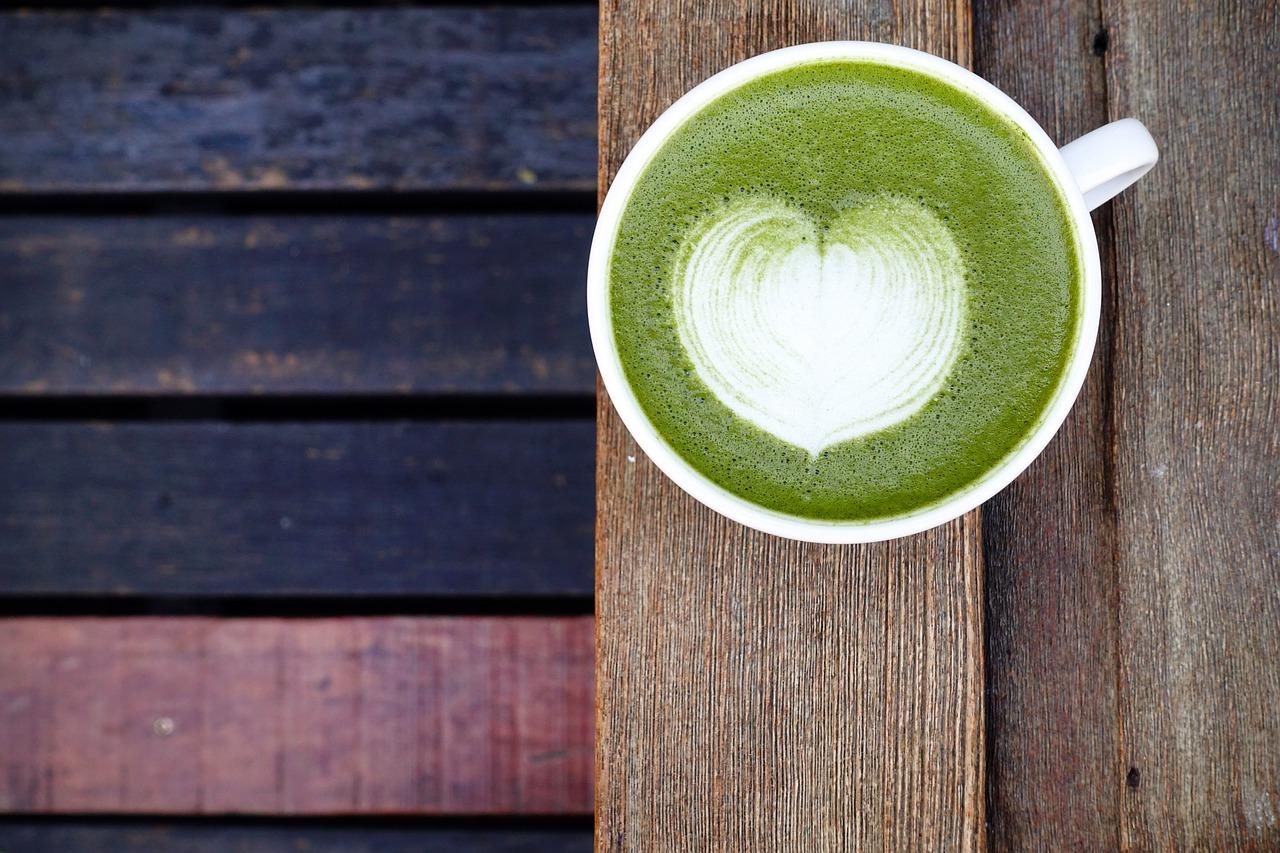
Matcha latte

Matcha (抹茶) is finely ground green tea from Uji, near Kyoto, the heart of Japanese tea-growing for centuries. A matcha latte (抹茶ラテ) is the café version: the powder is whisked to a smooth, frothy shot, then topped up with steamed milk and lightly sweetened. It tastes grassy, creamy and gently bitter. Use any milk you like; oat milk froths especially well. Chef's tip: keep the water at about 80°C. Boiling water scorches matcha and makes it bitter; let the kettle stand for 2–3 minutes after boiling before you pour.

by KrazyBadal 0 views

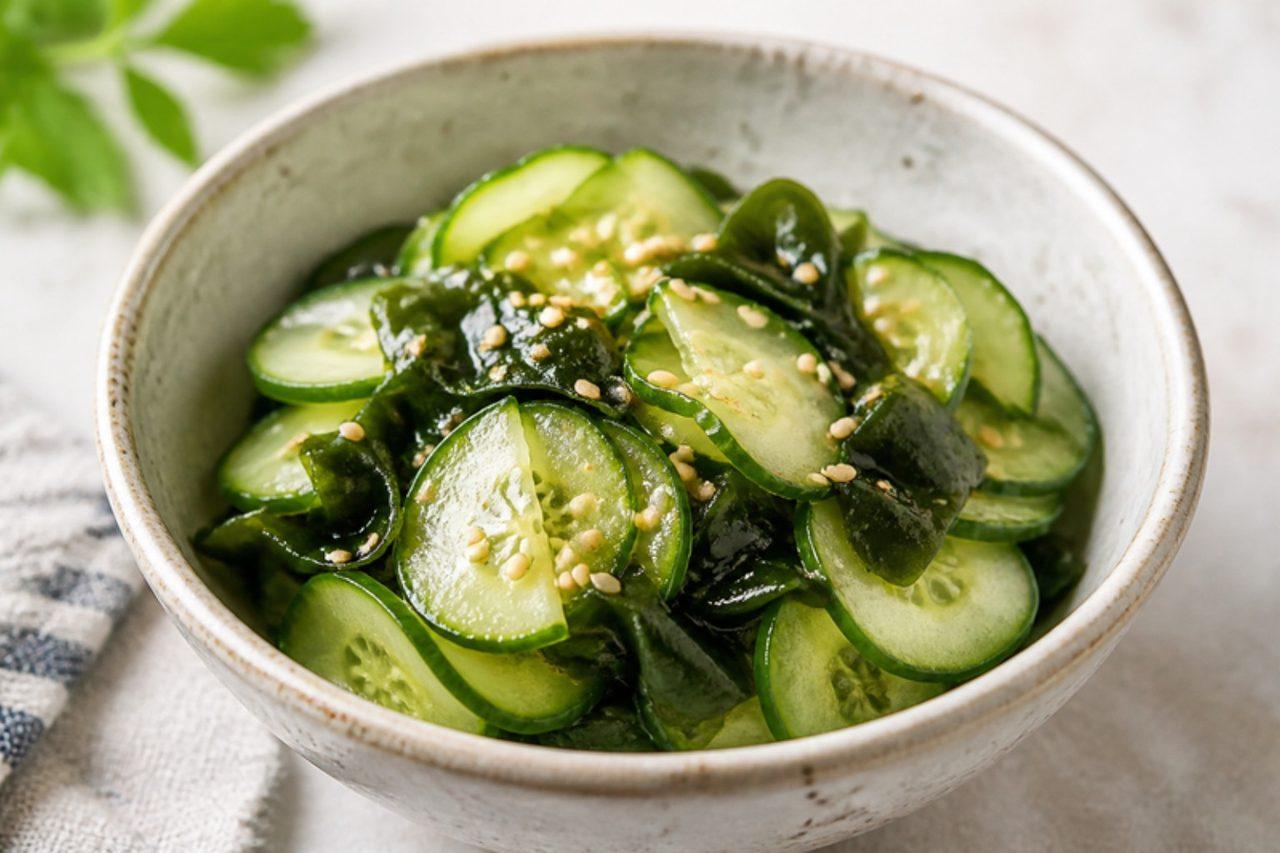
SunomonoCucumber and wakame salad

Sunomono (酢の物, 'vinegared things') are small, refreshing dishes served alongside rice and richer food in homes all over Japan. This one, kyūri to wakame no sunomono, is the most common: paper-thin salted cucumber and wakame seaweed in a sweet, gentle rice-vinegar dressing. It cuts through fried food like tempura or gyoza. Ready in ten minutes, and best eaten chilled. Chef's tip: salt the cucumber and squeeze it hard. It draws out the water so the slices turn pleasantly crunchy and drink up the dressing instead of diluting it.

by KrazyBadal 0 views

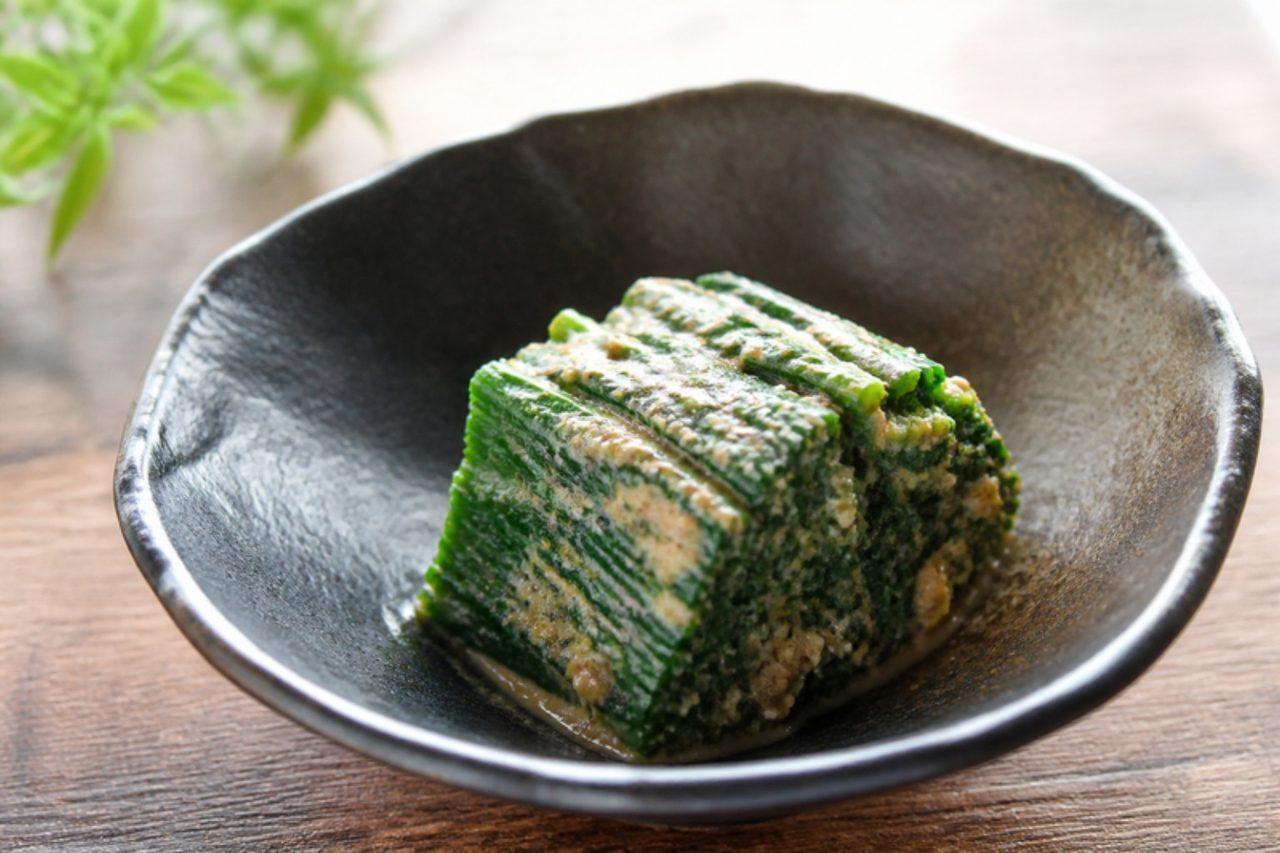
Horenso goma-aeSpinach with sesame dressing

Horenso no goma-ae (ほうれん草の胡麻和え) is one of the most common side dishes in Japanese home cooking and bento boxes. Spinach is blanched for a few seconds, squeezed dry and tossed in a nutty dressing of freshly toasted, crushed sesame seeds with soy and a little sugar. Toasting and grinding the seeds yourself makes all the difference. Serve as one of several small dishes with rice and miso soup. Chef's tip: toast and grind the sesame yourself just before mixing. Ready-ground sesame tastes flat; freshly ground seeds smell like roasted nuts and give the dish its rich flavour.

by KrazyBadal 0 views

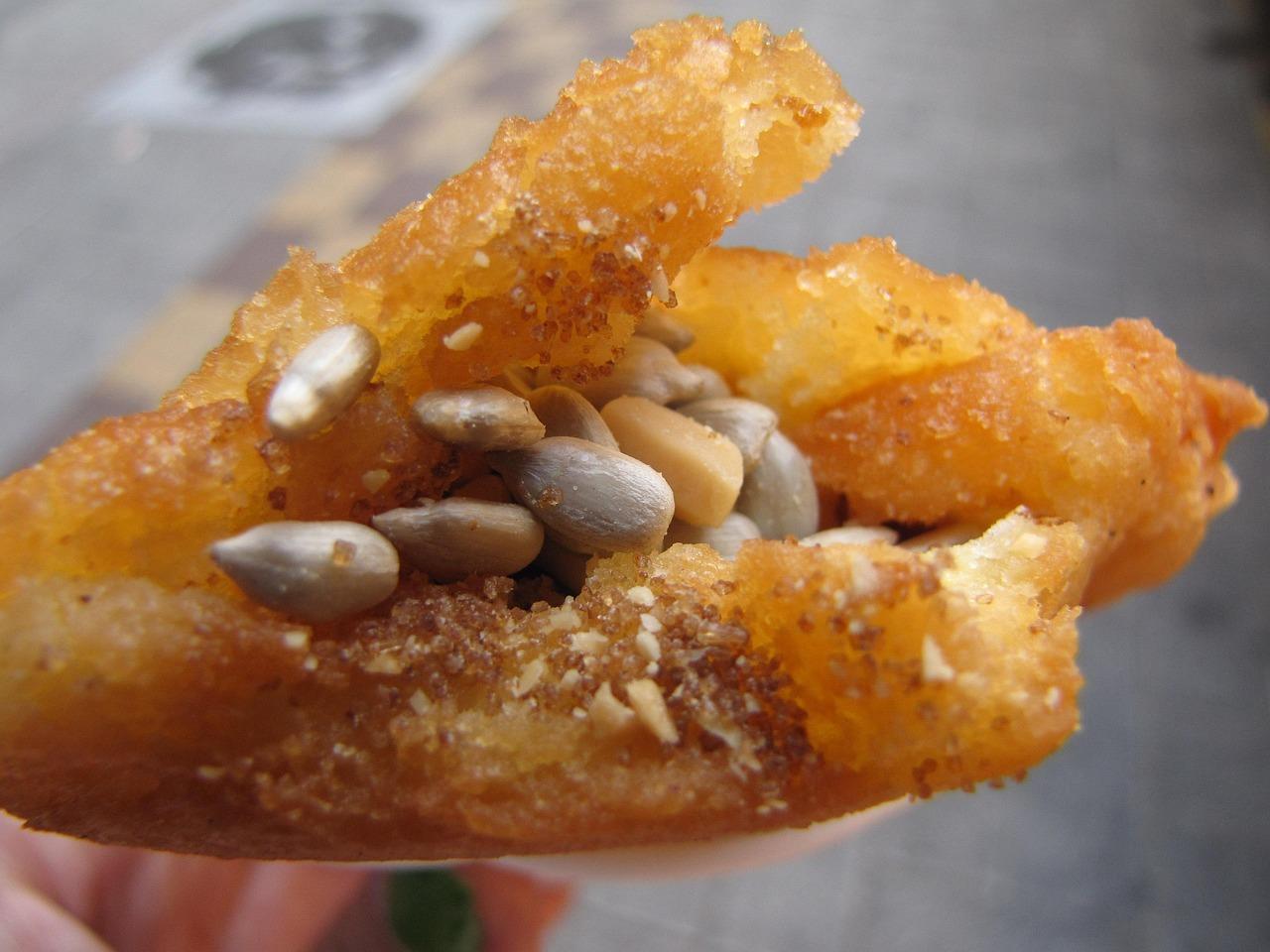
HotteokFilled sweet fried pancakes

Hotteok (호떡) are chewy, yeasted pancakes filled with brown sugar and cinnamon that melt into a hot syrup as they fry. They are a winter street snack all over Korea, but Busan is known for ssiat hotteok (씨앗호떡), where the fried pancake is slit open and stuffed with a handful of toasted sunflower and pumpkin seeds. Glutinous rice flour in the dough makes it soft and stretchy. Be careful with the first bite, as the filling is very hot. This dough uses milk, so it is vegetarian; use water instead for a dairy-free version. Chef's tip: rest the dough until it has properly doubled and is full of bubbles, and keep your hands oiled. A sticky, well-risen dough gives the chewy, stretchy texture.

by KrazyBadal 0 views

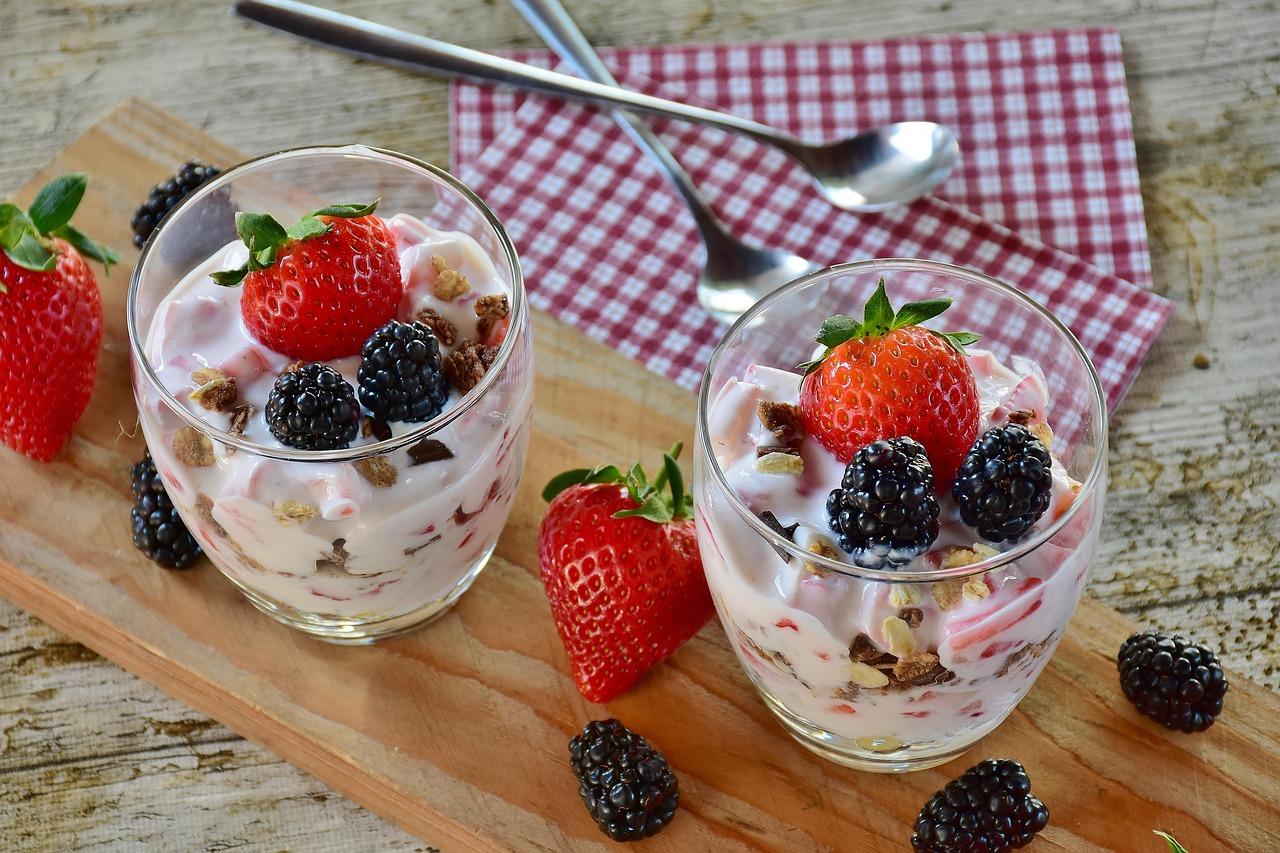
Thai fresh fruit dessert

A bowl of colourful fresh fruit (kiwi, strawberries, pineapple, cherries and orange) covered with a smooth coconut cream sauce, lightly thickened with cornflour, enriched with fresh cream and scented with rose. Serve well chilled.

by KrazyBadal 0 views

Thai mango pancakes

Small, soft pancakes made from plain flour, rice flour and semolina, sweetened with condensed milk and scented with mango, folded around a sticky filling of ripe mango, sugar and coconut. They are served cold with extra mango and a scoop of ice cream or fresh cream: a lovely make-ahead dessert for a party.

by KrazyBadal 0 views

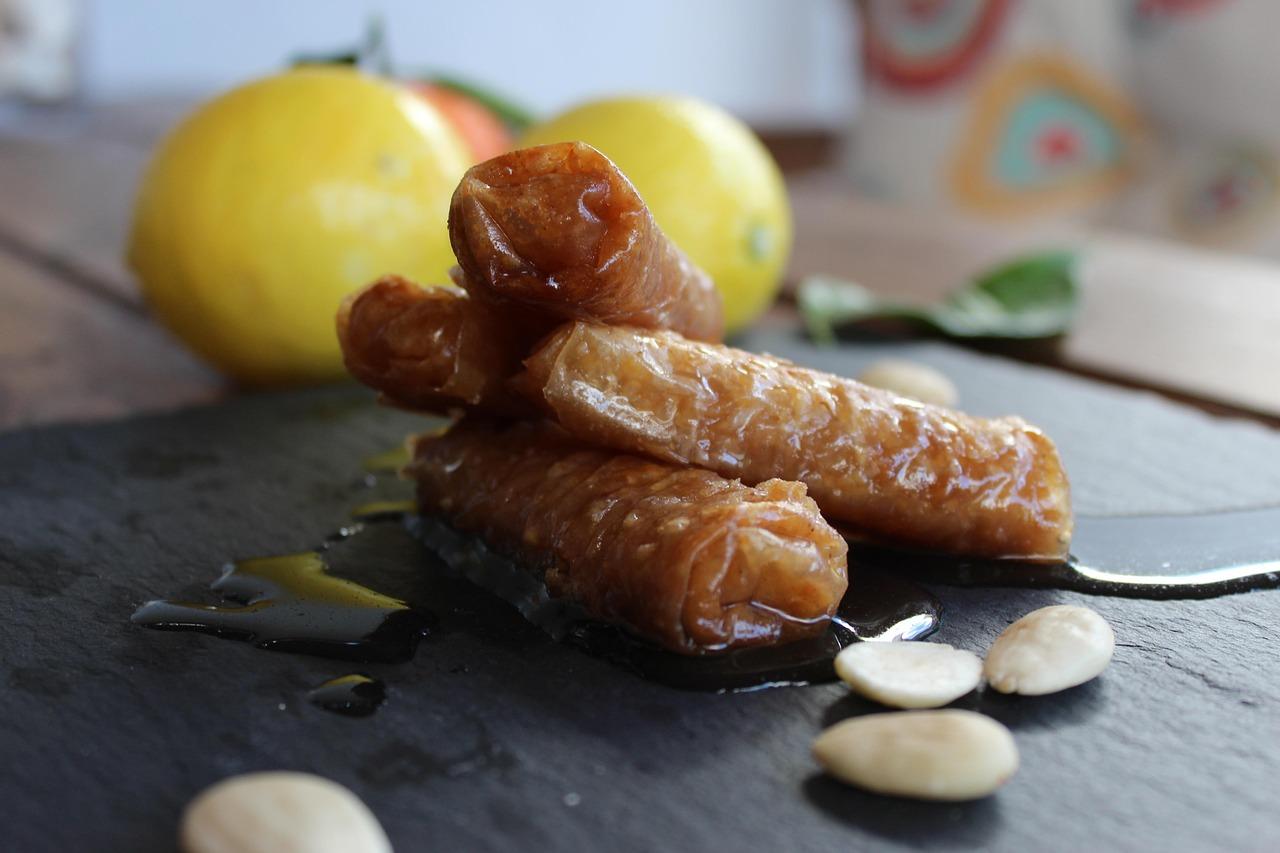
Arabian cigarsWalnut and almond fillo rolls

Thin, crackly rolls of buttered fillo pastry wrapped around a filling of walnuts, almonds, sugar, cinnamon and clove, baked until light golden and then bathed in a warm syrup scented with lemon rind, cinnamon and cloves. Like little baklava fingers, sweet and nutty. Serve with coffee or mint tea; they keep well for a few days.

by KrazyBadal 0 views

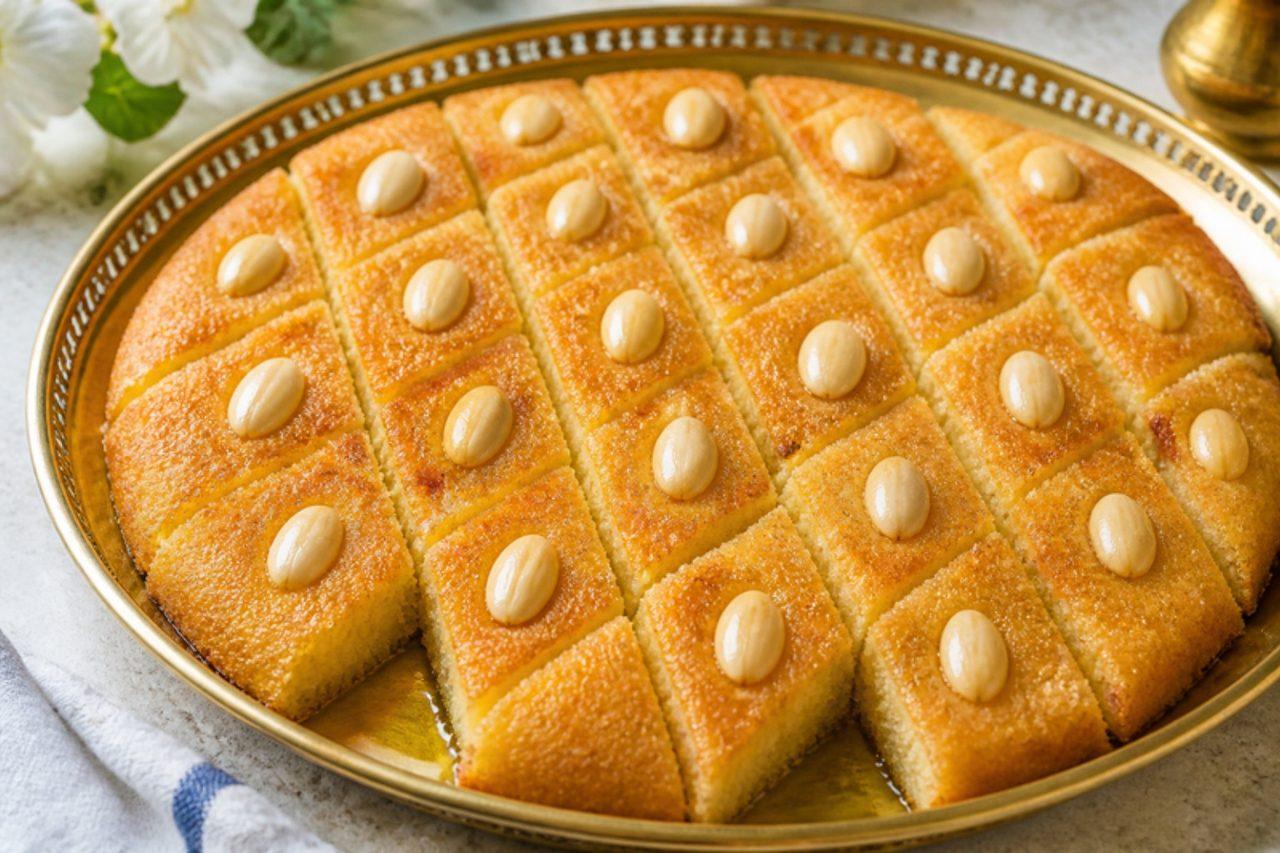
Arabian coconut halwaCoconut semolina cake in lemon syrup

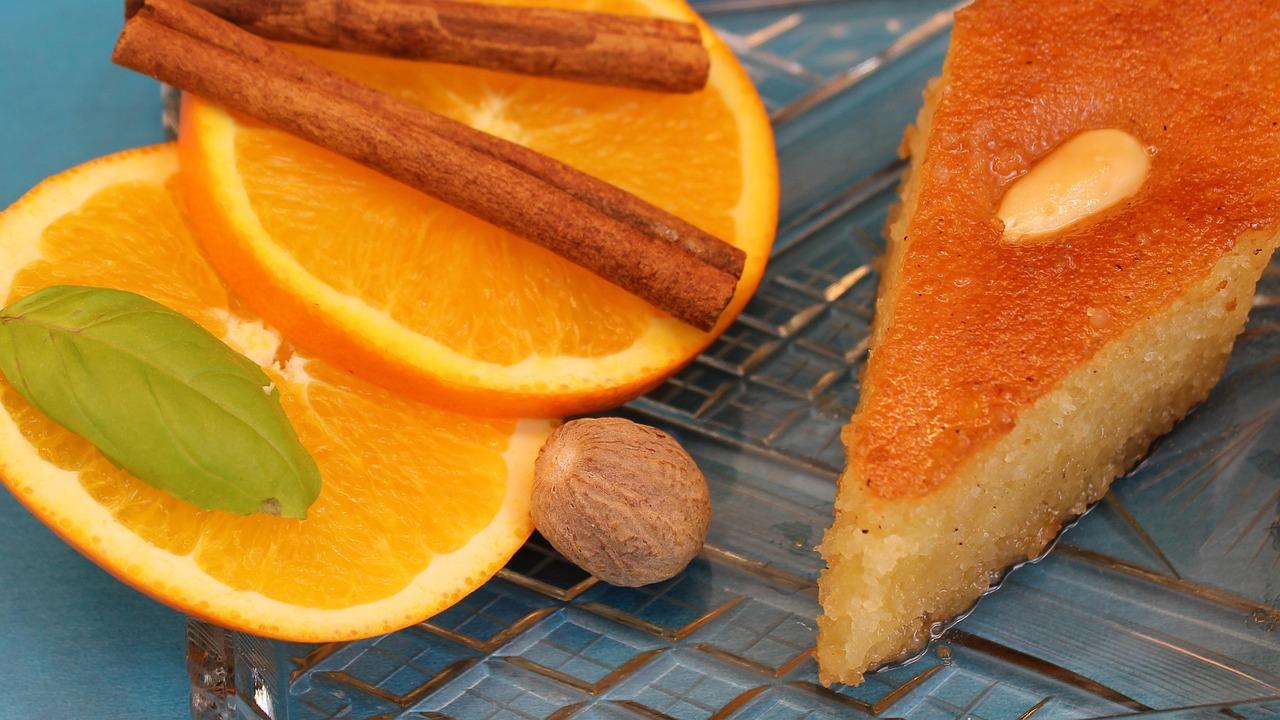
A soft, moist baked sweet in the style of basbousa: desiccated coconut, semolina and flour are mixed with melted butter, milk and vanilla, baked until golden, cut into diamonds and soaked in cold lemon syrup. Each piece is topped with an almond. Sweet, buttery and fragrant with coconut; serve at room temperature with tea or coffee.

by KrazyBadal 0 views

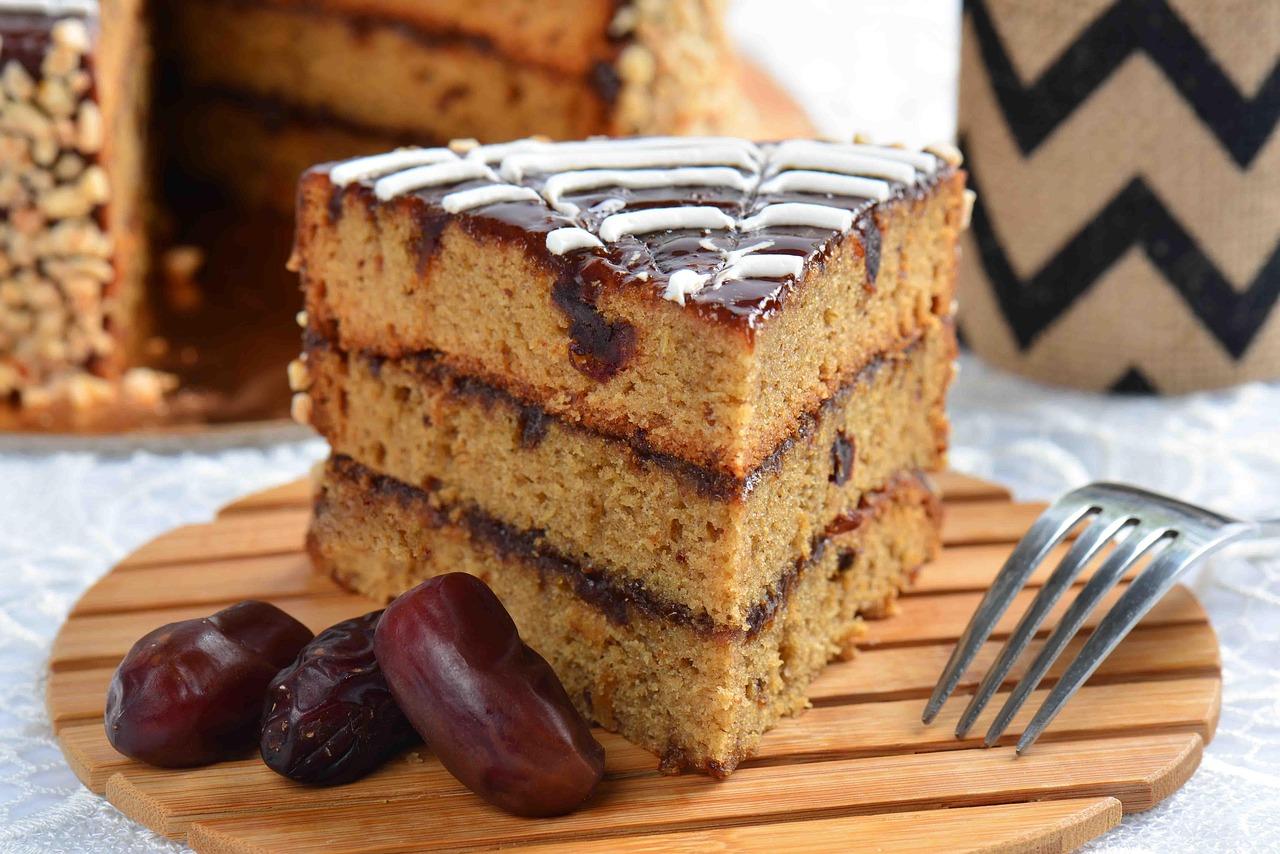
Lebanese date cake

A soft, moist cake made without eggs: self-raising flour and brown sugar are rubbed with butter, then mixed with milk and sour cream and studded with chopped dates, raisins and pistachios, with a warm hint of nutmeg and vanilla. Lovely with tea or served warm with cream.

by KrazyBadal 0 views

Arabian date pinwheels

Crumbly, buttery biscuit dough is rolled out, spread with a soft date filling flavoured with cinnamon and lemon, rolled into logs, sliced and baked into pretty pinwheels. They make a big batch of 50 and keep well in an airtight tin. Serve with tea, or with ice cream as a dessert.

by KrazyBadal 0 views

Um Ali (banana & bread dessert)Bread and banana pudding

Um Ali is Egypt's much-loved warm bread pudding. Here toasted bread is layered with bananas, pistachios, almonds, walnuts and raisins, then covered with saffron and cardamom milk mixed with sweetened whipped cream and baked until bubbling and golden. Rich, creamy and comforting; serve warm.

by KrazyBadal 0 views

Dried fruit compote

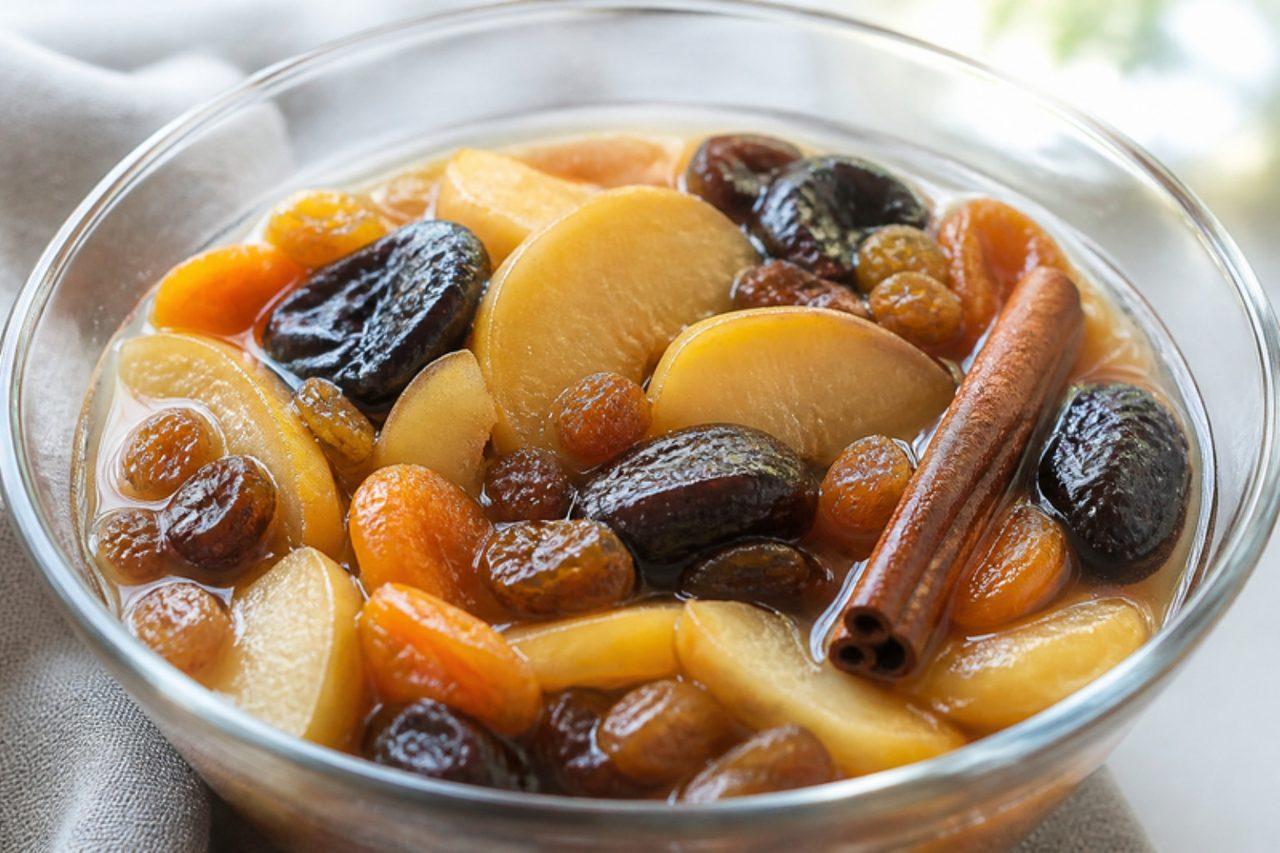
A naturally sweet, fat-free fruit compote: dried apples, prunes, apricots, raisins and sultanas soak overnight in apple juice with cinnamon and lemon rind, then simmer gently until plump and glossy. Serve hot or cold, on its own, with yogurt or over porridge.

30 minDessertsVeganGluten free
by KrazyBadal 0 views

Baked methi puri

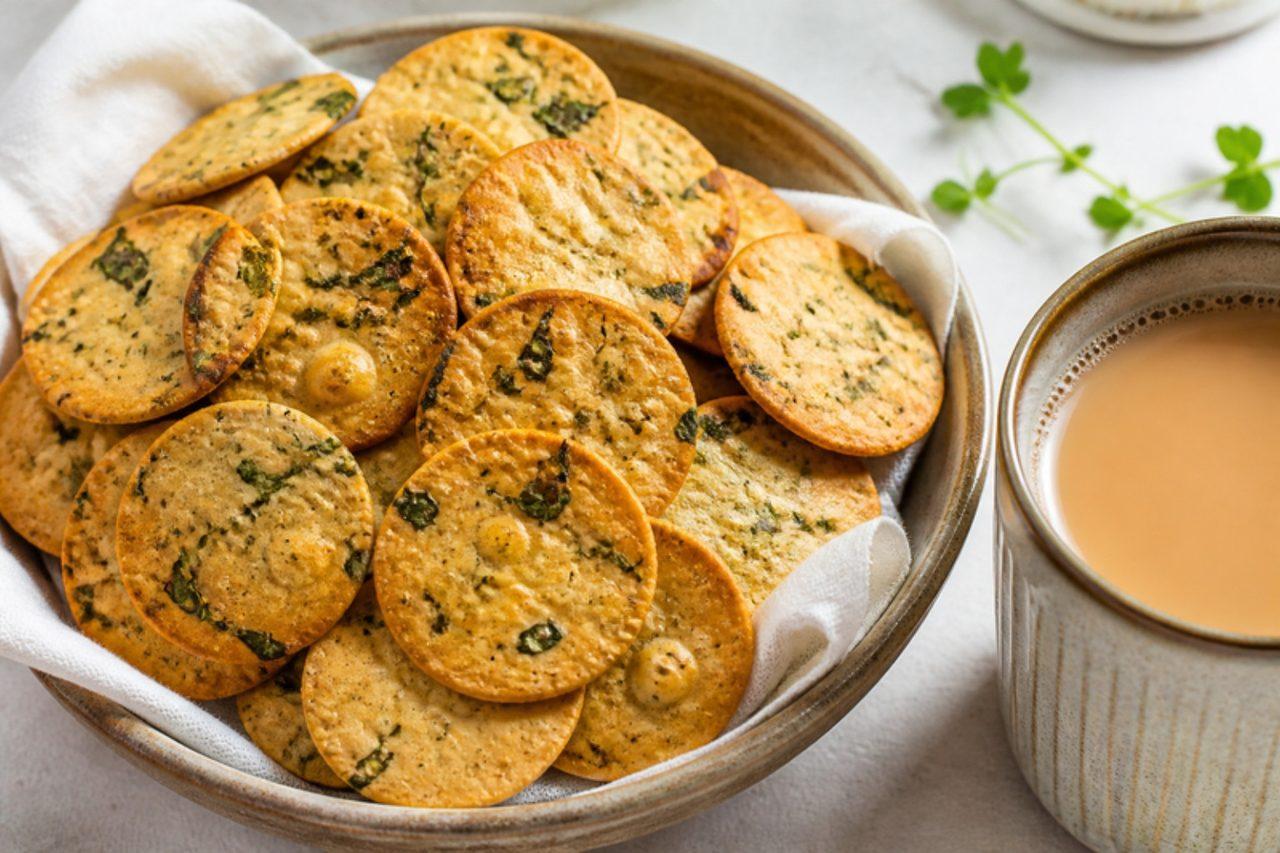
A low-calorie version of the tea-time puri: wholewheat dough flavoured with fresh fenugreek, cumin, chilli and turmeric is rolled thin and baked until crisp and golden instead of being deep-fried. They keep for a couple of weeks in an airtight tin, ready for snacking with tea.

by KrazyBadal 0 views

Sago & dry fruit kheer

A creamy, chilled kheer of small sago pearls simmered in milk with sugar, pistachios, almonds, cashews, cardamom and saffron, then mixed with a separate milk of apricots, figs and raisins and fresh green grapes. It's sweet, fragrant and full of texture. A party-size dessert for fasting days or festivals. Serves 15.

by KrazyBadal 0 views

Fruited rice ring

A pretty, low-fat dessert: short-grain rice simmered slowly in semi-skimmed milk with cinnamon until thick and creamy, sweetened and flavoured with orange rind, then pressed into a ring mould over a layer of dried fruit and chilled. Turned out, it shows off a jewelled top. Serve chilled, with a little orange juice spooned over.

75 minDessertsGluten free
by KrazyBadal 0 views

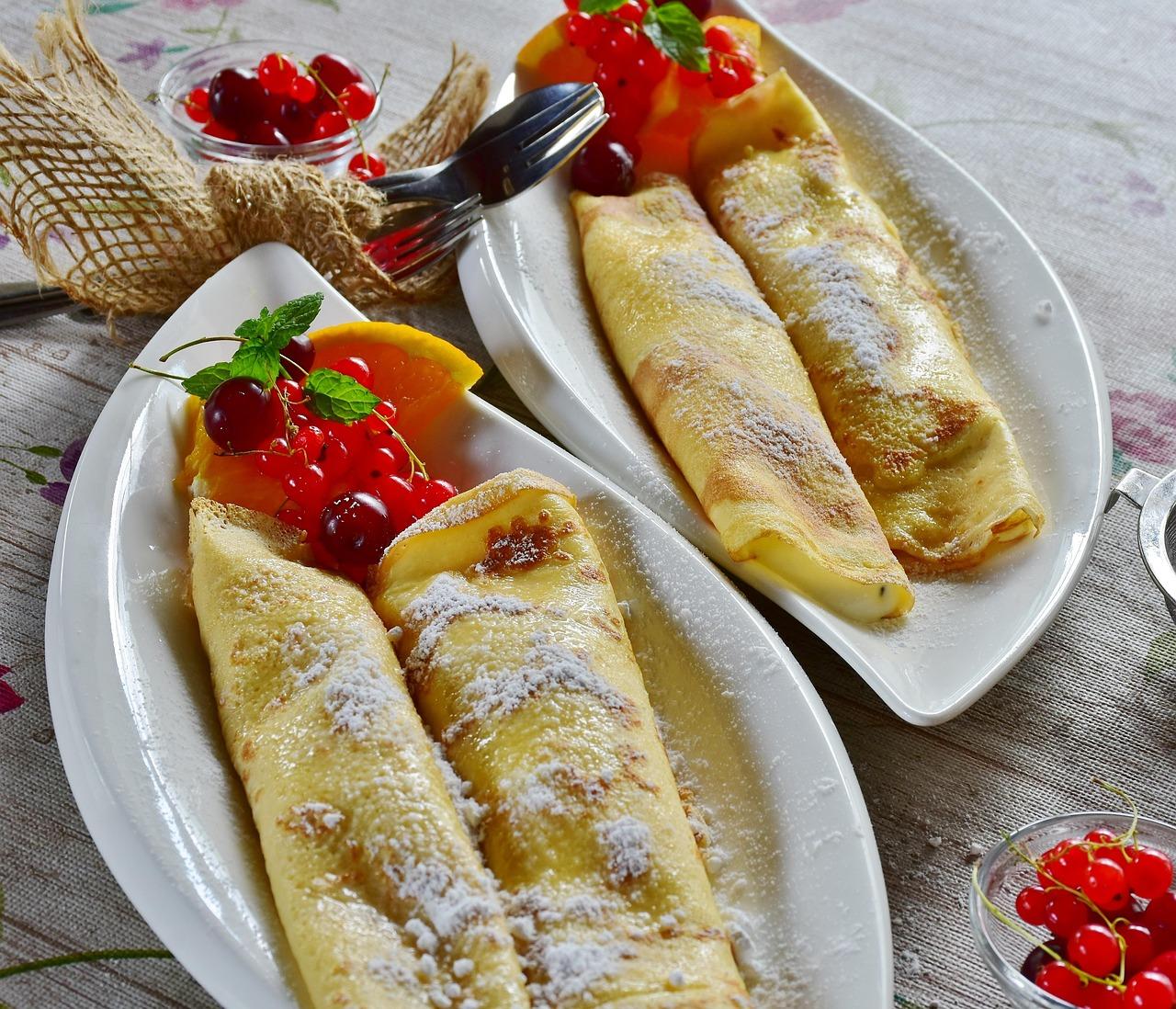
Fruit and nut filled pancakes

Light, eggless pancakes made with wheat flour, soya milk and water, rolled around fresh banana, peach, apricot and strawberries and finished with cinnamon, chopped almonds and pistachios and a drizzle of maple syrup. A colourful dairy-free breakfast or dessert; serve immediately.

by KrazyBadal 0 views

Farari nankhataiCashew and cassava biscuits

Crumbly, melt-in-the-mouth nankhatai made for fasting days with cassava flour and powdered cashews instead of wheat flour, rich with ghee and coconut and scented with cardamom. Each one is topped with half a cherry. They bake only until barely coloured. Makes 45 small biscuits (about 3 per serving).

by KrazyBadal 0 views

Fruity bread pudding

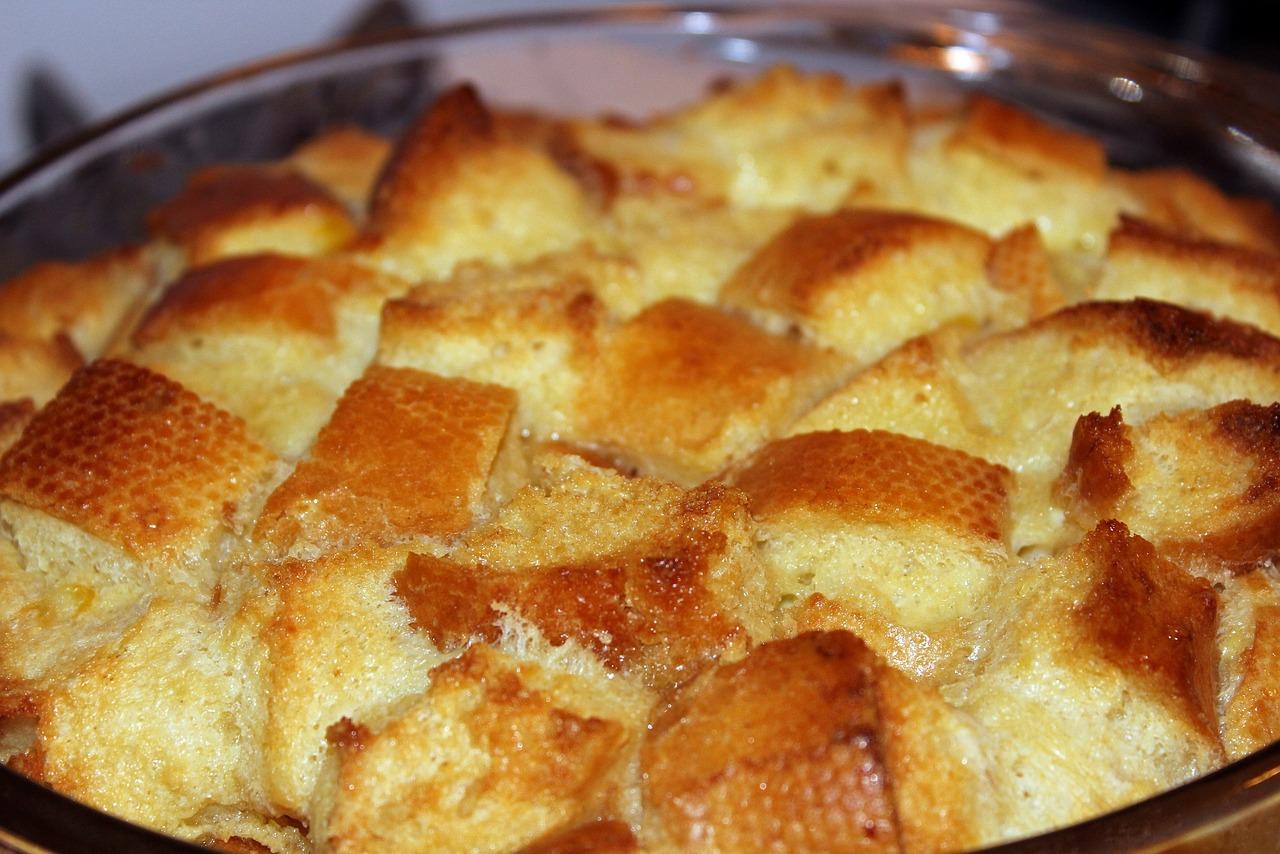
A light, eggless bread pudding: dried fruits are plumped in hot apple juice and mixed with diced stale bread, sliced banana and cardamom and clove, then soaked in skimmed milk, sprinkled with brown sugar and baked until firm and golden. Serve hot or cold with low-fat yogurt.

45 minDesserts
by KrazyBadal 0 views

Cranberry and apple ring

A light, eggless and butter-free cake made with self-raising flour, cinnamon, light muscovado sugar, apple juice and a little sunflower oil, studded with juicy cranberries and diced apple and baked in a ring mould. Drizzled with warm cranberry jam and decorated with apple slices, it looks festive and is low in fat.

55 minBakingVegan
by KrazyBadal 0 views

Banana and cashew slice

A soft, moist low-calorie slice made without flour, eggs or refined sugar: ripe bananas are blended with sunflower oil, vanilla and cardamom, then cashews, desiccated coconut, oats and grated apple. Baked and cut into wedges, it is naturally sweet and good with tea or in a lunch box.

by KrazyBadal 0 views

Konafa (sweet pastry)Shredded pastry with coconut and nuts

Konafa (kunafa) is a celebration sweet of shredded kataifi pastry tossed in butter and baked in two layers around a filling of coconut, almonds, pistachios and mixed peel with glacé cherries. The hot pastry is drenched in cold rose-water syrup and pressed so it holds together, then cut into squares. Crisp, syrupy and nutty; serve cold with fresh cream or ice cream.

by KrazyBadal 0 views

Lebanese date and coconut balls

Soft dates cooked briefly in butter with cardamom, shaped around a fried almond and rolled in desiccated coconut. A simple no-bake sweet that is rich, chewy and naturally sweet, perfect for festive trays and with coffee. Makes about 40.

by KrazyBadal 0 views

Tum tumSpicy gram flour sticks

Tum tum are thick, chunky gram flour sticks pressed through a 1 cm disc, spiced with chilli, cumin-coriander, black pepper and ajwain, and balanced with lemon and sugar. They are hot, tangy and crunchy, perfect with tea, and one of the components of bhusu.

by KrazyBadal 0 views

Sanchar papdiCrisp rice and lentil wafers

Sanchar papdi are thin diamonds of rice, gram and urad flour dough that blister and bubble as they fry, then get a dusting of sugar, chilli and sanchar (black salt). They are crisp, light and tangy, and a lovely tea-time snack. Pounding the dough until pale makes them extra crisp.

by KrazyBadal 0 views

Pepper puri

Small, crisp fried puris flavoured with cumin seeds and plenty of black pepper. The butter rubbed into the flour makes them short and flaky, and frying them slowly over low heat keeps them crisp right through. Serve them as a snack with tea; they keep for weeks in an air-tight tin.

by KrazyBadal 0 views

Fafadia gathiaSoft gram flour strips

Fafadia gathia are pale, airy strands of gram flour dough rubbed through a gathia jara straight into hot oil. Beating the salt and kharo water until white and frothy, then kneading the dough hard, makes them light and melt-in-the-mouth. Serve with fried green chillies, papaya sambharo or jalebi. For fuli (puffed) gathia, use coarsely ground black pepper instead of white pepper and press the dough through a fuli jara.

by KrazyBadal 0 views

BhusuFried lentil and sev snack mix

Bhusu is a festive farsan mix: crunchy fried pulses and lentils, three kinds of sev, tum tum, bundi, sakarpada cubes, puffed rice, cashews and peanuts, all tossed in a sweet, sour and spicy seasoning. It makes a large batch for Diwali and keeps for weeks in air-tight tins. It's a project spread over a few days, because the pulses need soaking first. Make the jini sev, jadi sev, tum tum and sakarpada from their own recipes in this section.

by KrazyBadal 0 views

Jadi sevThick gram flour sev

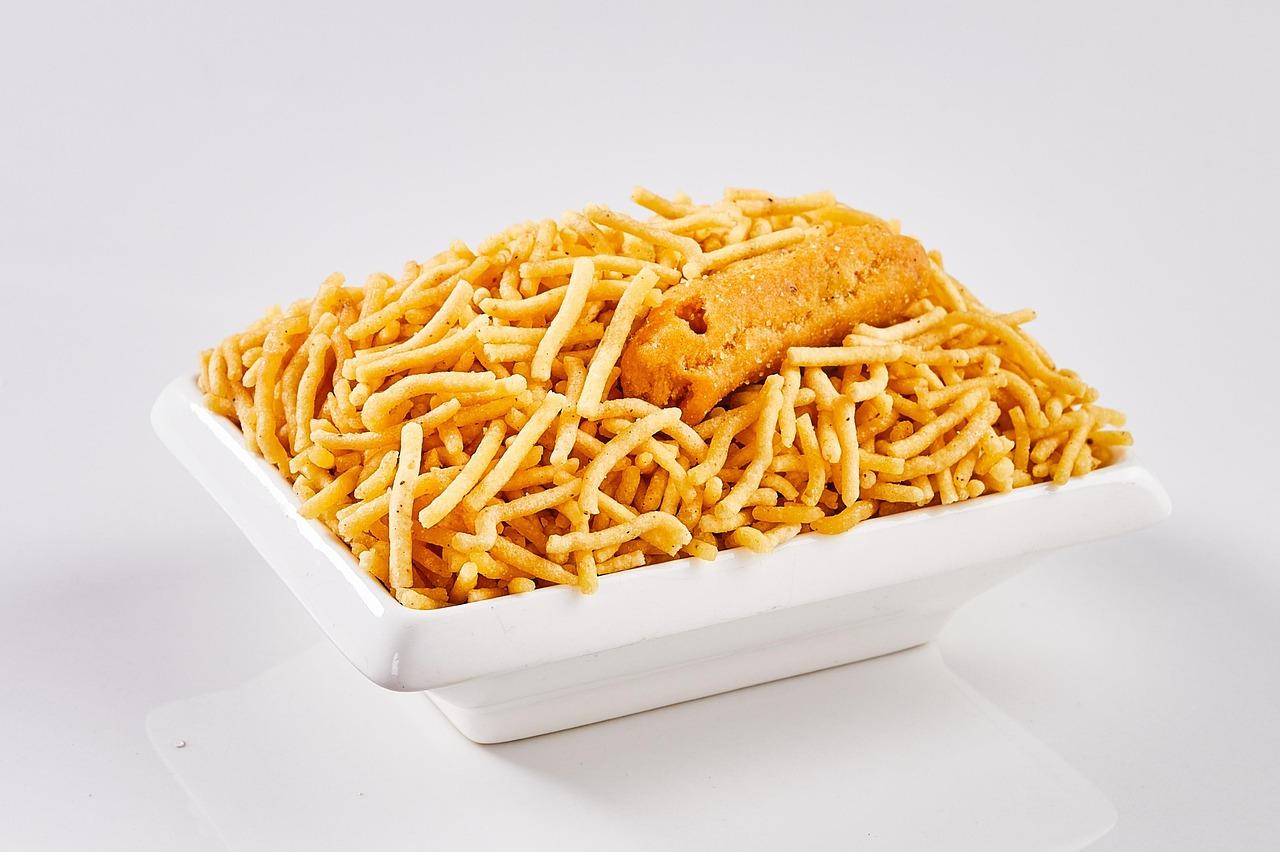
Jadi sev is the thick variety of sev: crunchy gram flour noodles pressed straight into hot oil, seasoned with coarse black pepper and green chilli powder. Eat it by the handful with tea, or mix it into bhusu and chevdo. For medium sev, use a disc with slightly smaller holes.

by KrazyBadal 0 views

BhabhriFried flour strips

Bhabhri are long, thin strips of plain and gram flour dough, fried until crisp and tossed straight away in a mix of powdered sugar, chilli, citric acid and salt. They are sweet, tangy and lightly spicy at once, and a favourite tea-time nasta. Pounding the dough makes it lighter in colour and gives the strips their crisp, flaky bite. They keep for weeks in an air-tight container.

by KrazyBadal 0 views

Pasta in coconut sauce

Pasta and crisp green vegetables in a light coconut milk sauce flavoured with coriander-chilli paste, lemon and fresh basil. Fresh, gently spicy and dairy free.

by KrazyBadal 0 views

White dhokraSteamed rice and urad dal cake

Soft, white steamed squares of ground rice and urad dal, spiced with black pepper and green chilli and topped with a mustard and sesame tempering. They're a classic Gujarati farsan. Serve with green and red chutneys. For yellow dhokra, use bengal gram lentils (chana dal) instead of black gram lentils, and add a pinch of turmeric and some garlic paste to the batter.

by KrazyBadal 0 views

Papdi attaSteamed spiced rice-flour rounds

Papdi atta (papdi no lot) is a soft, steamed rice-flour dough cooked in water seasoned with cumin, ajwain, sesame, cinnamon and cloves, then shaped into little rounds and steamed until tender. It's a much-loved Gujarati snack, eaten hot with a drizzle of raw oil and khichi sambhar masala.

by KrazyBadal 0 views

Masala puri

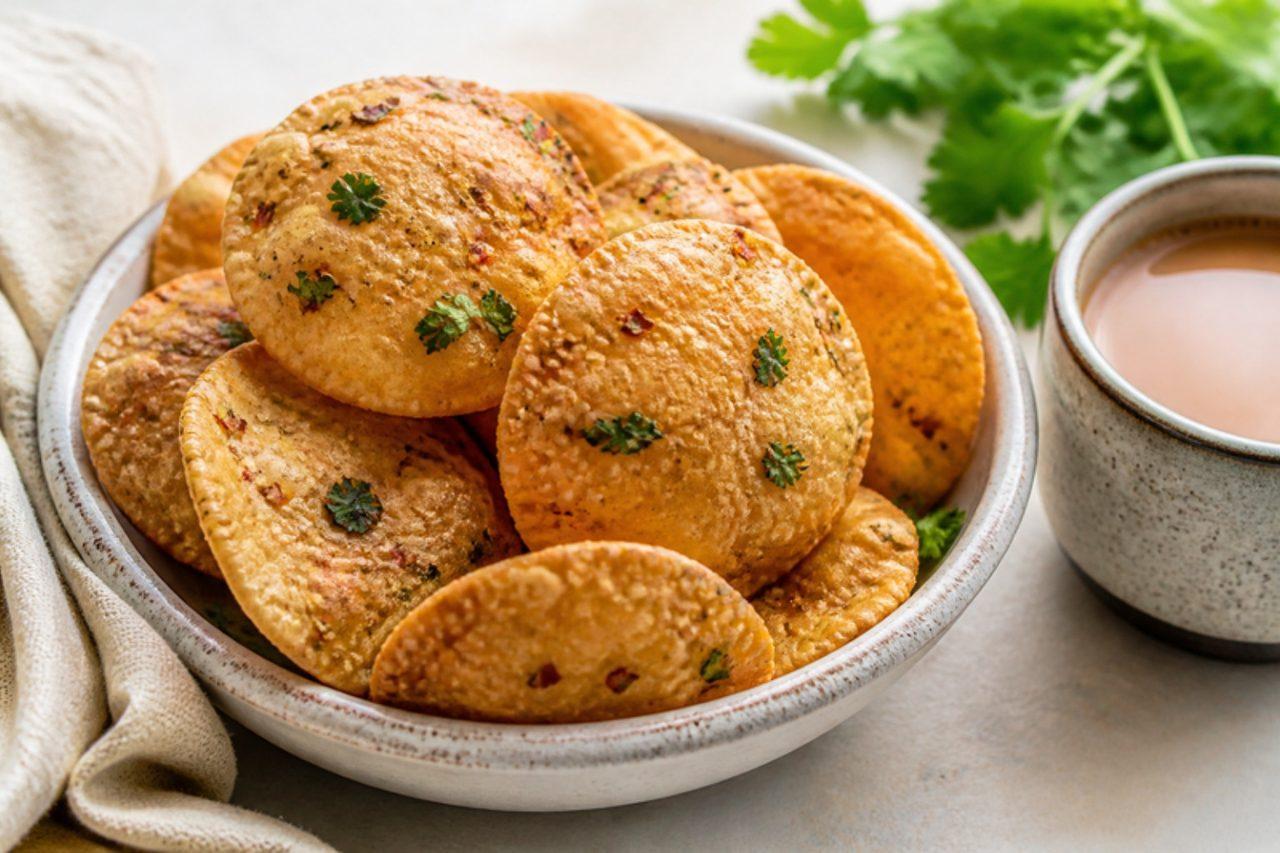
Little crisp puris flavoured with green chilli, fresh coriander, sesame, lemon and a touch of sugar. They're fried slowly over low heat so they stay crisp for weeks, ready to serve as a snack with tea.

by KrazyBadal 0 views

Jini sevFine gram flour sev

Jini sev is the fine, thread-thin sev used on bhel, sev puri, ragda pattice and chaat, and in farsan mixes like bhusu. It's gently seasoned with turmeric, white chilli powder and asafoetida. For medium sev, use a disc with slightly bigger holes.

by KrazyBadal 0 views

SataFried ghee biscuits

Sata are rich, flaky rounds made from a ghee dough. Half the dough is cooked with extra ghee until golden and worked back in, which gives them their crumbly, layered texture. Fry them slowly over low heat. For salted sata, add ¾ teaspoon salt to the dough. For sweet sata, dip the fried sata in a thick sugar syrup and sprinkle with almond and pistachio flakes.

by KrazyBadal 0 views

Stuffed tindora curryStuffed ivy gourd curry

Tindora (ivy gourd) slit and lightly fried, then stuffed with a sweet, sour and nutty masala of peanuts, coconut, tomato and spices and cooked gently until tender. A simple everyday Gujarati shaak. Serve hot with chapaties.

by KrazyBadal 0 views

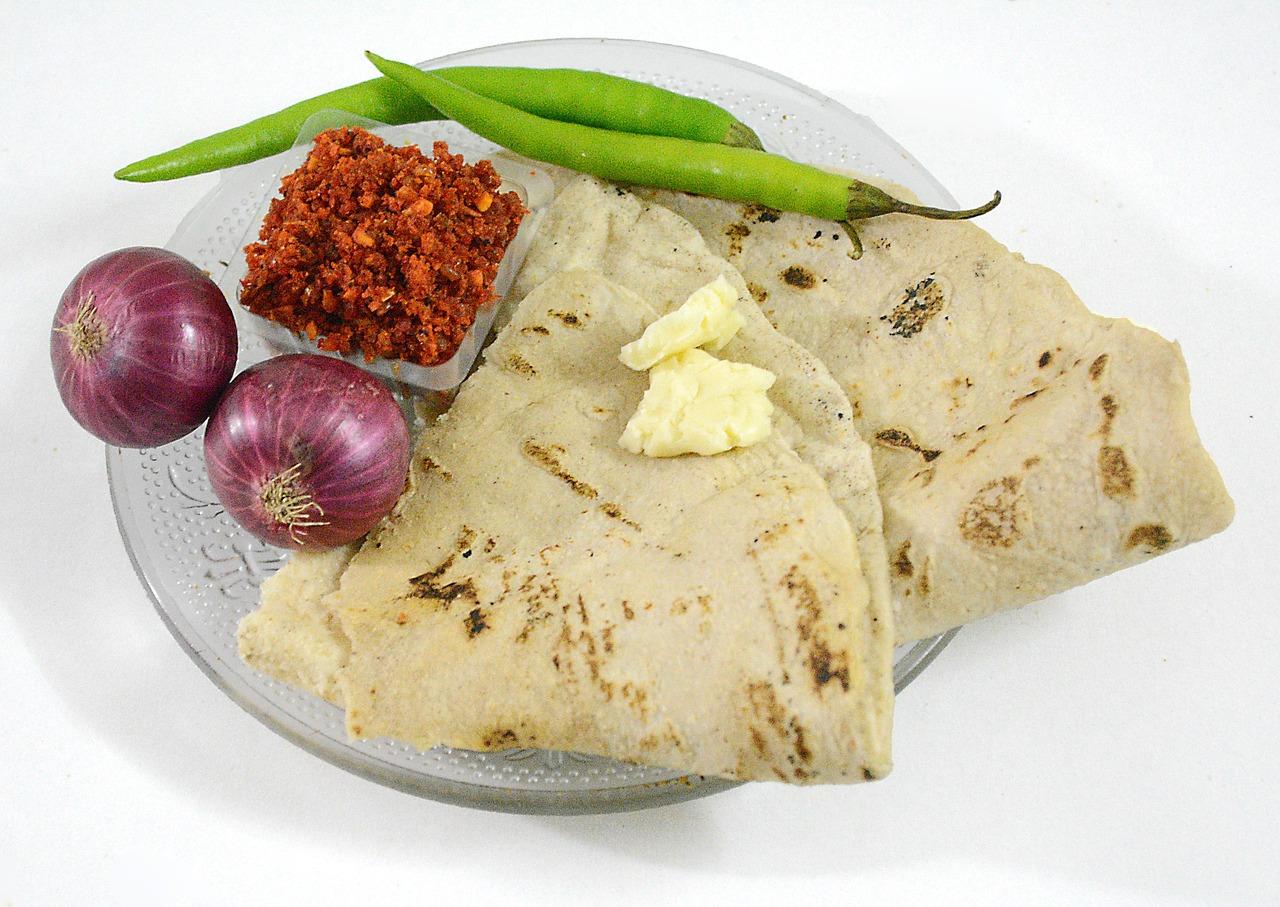
BhakhriThick wholemeal flatbread

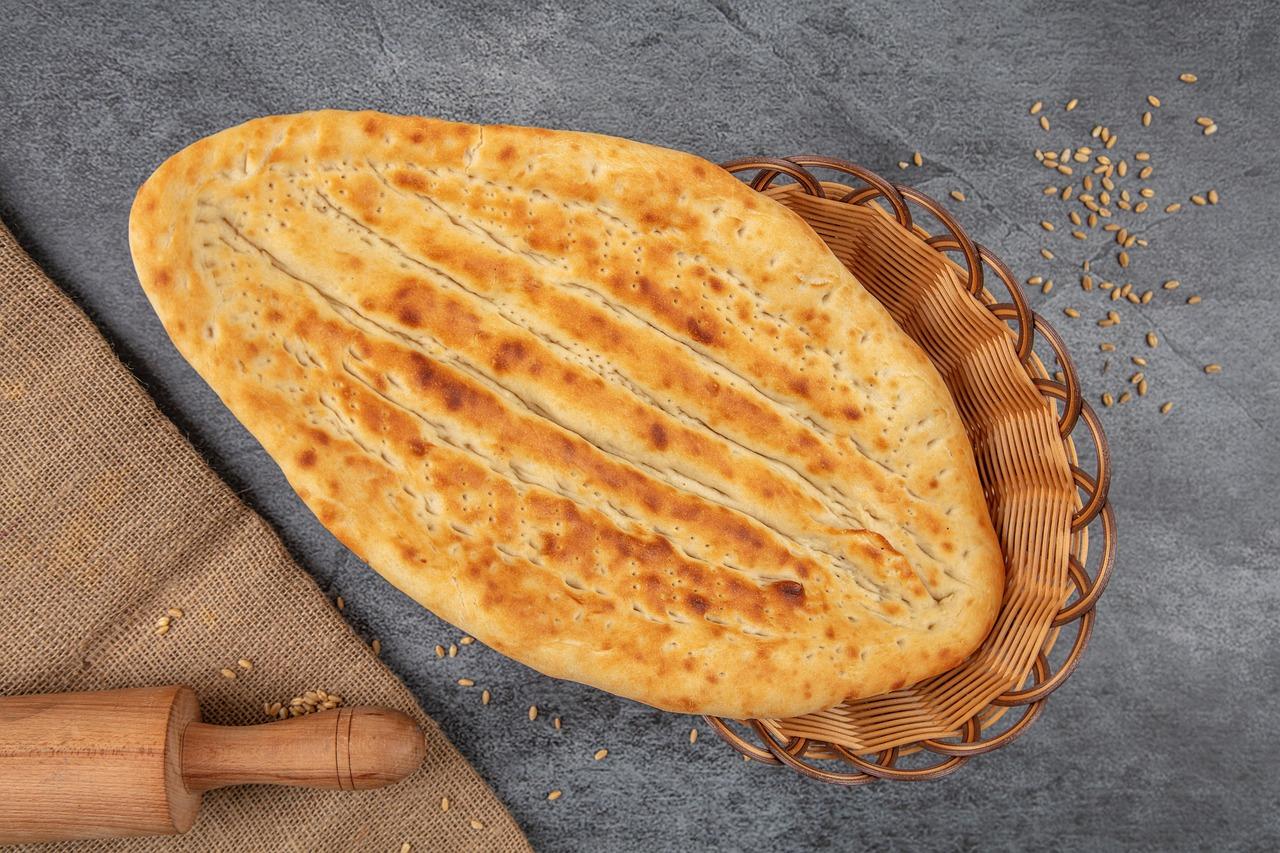
Bhakhri is the classic Gujarati crisp flatbread: a very stiff dough of wholemeal flour and oil, rolled thick and cooked slowly while being pressed, so it turns biscuity and crisp. The edges crack because the dough is stiff, which is how it should be. Spread with butter or ghee and serve with mixed lentil curry or dry potato curry and yogurt.

by KrazyBadal 0 views

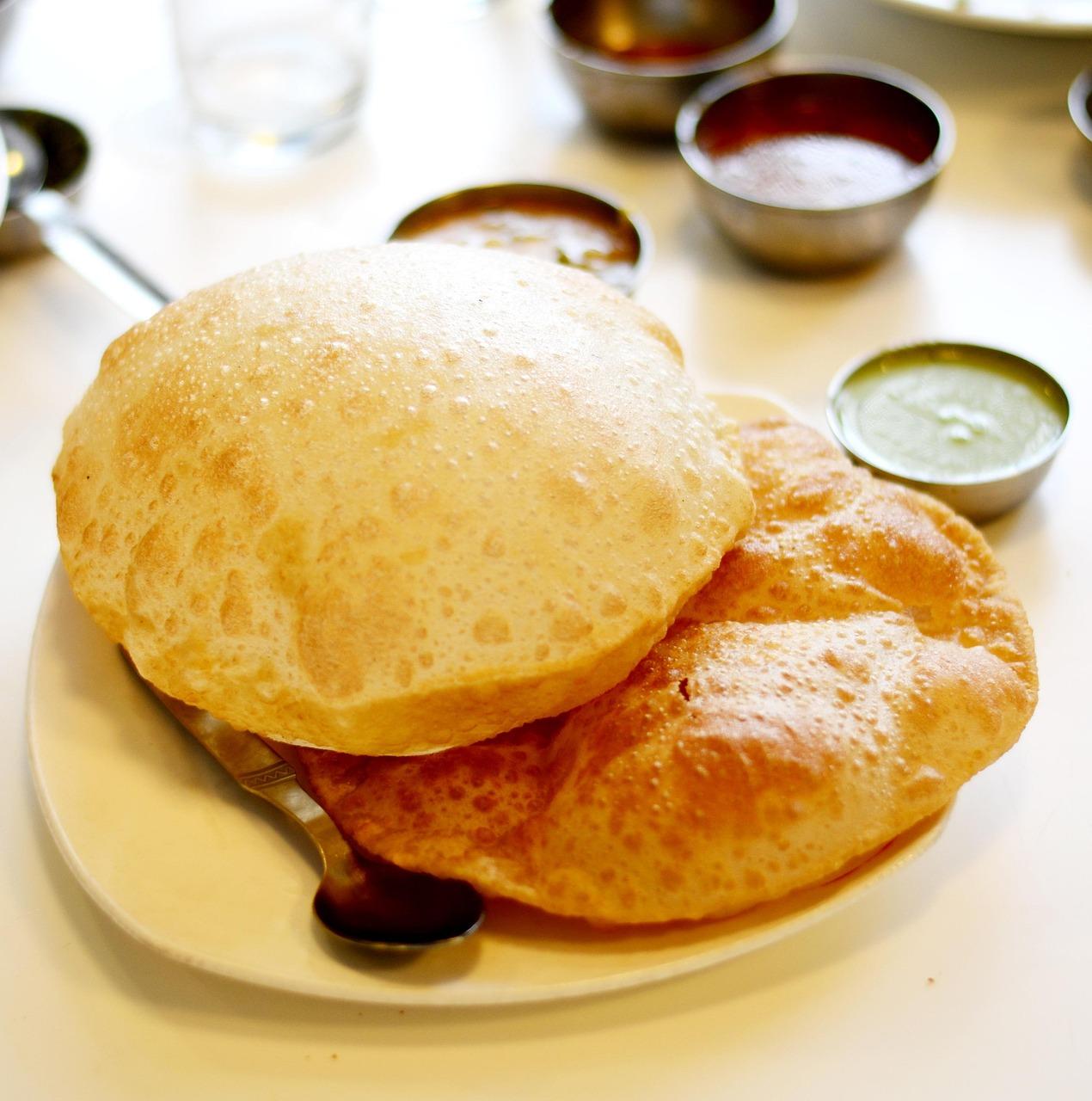
Puri

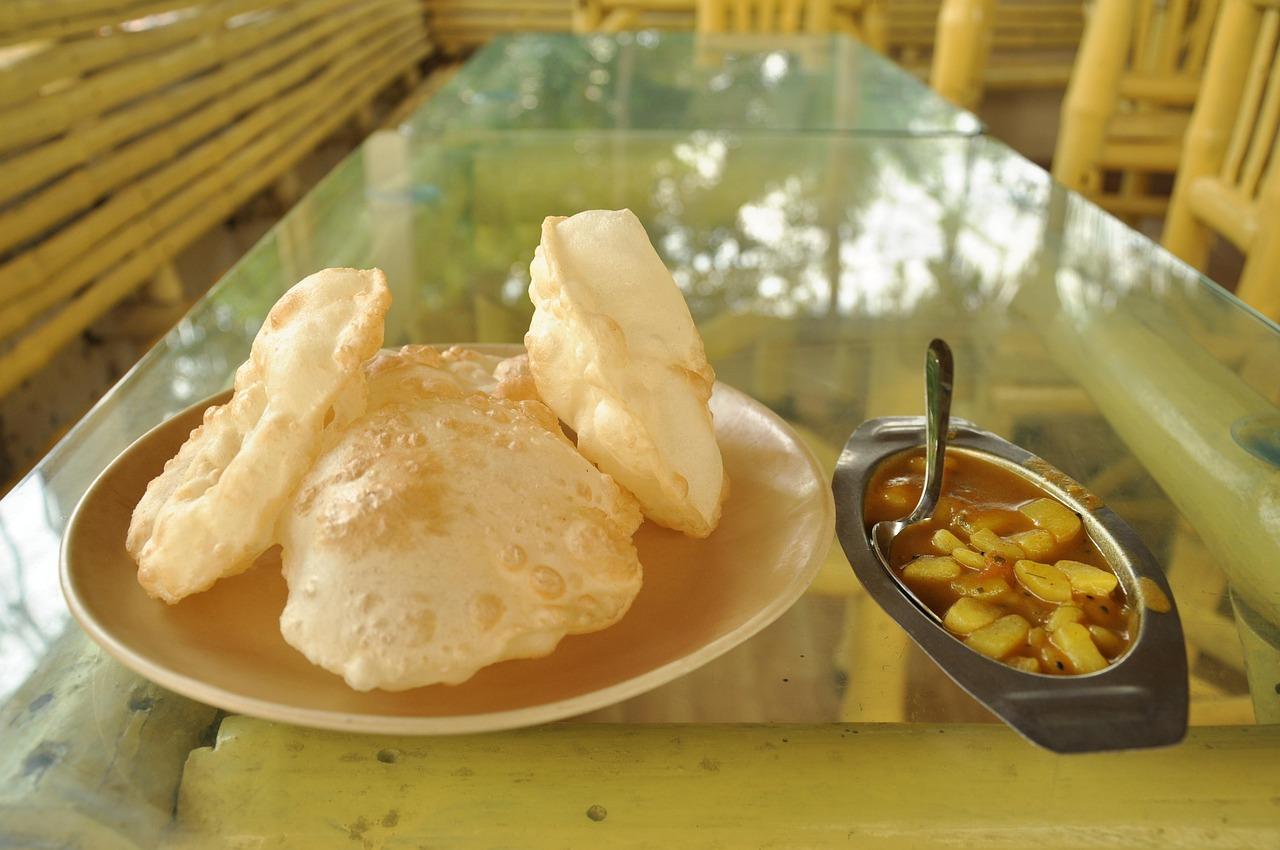
Puris are small rounds of wholemeal dough deep fried until they puff into golden balloons. They're best eaten straight away with a curry of your choice, potato bhaji or shrikhand. Tip from the book: puris can be rolled out an hour ahead and kept between well-rinsed wet muslin cloths, then fried just before serving.


by KrazyBadal 0 views

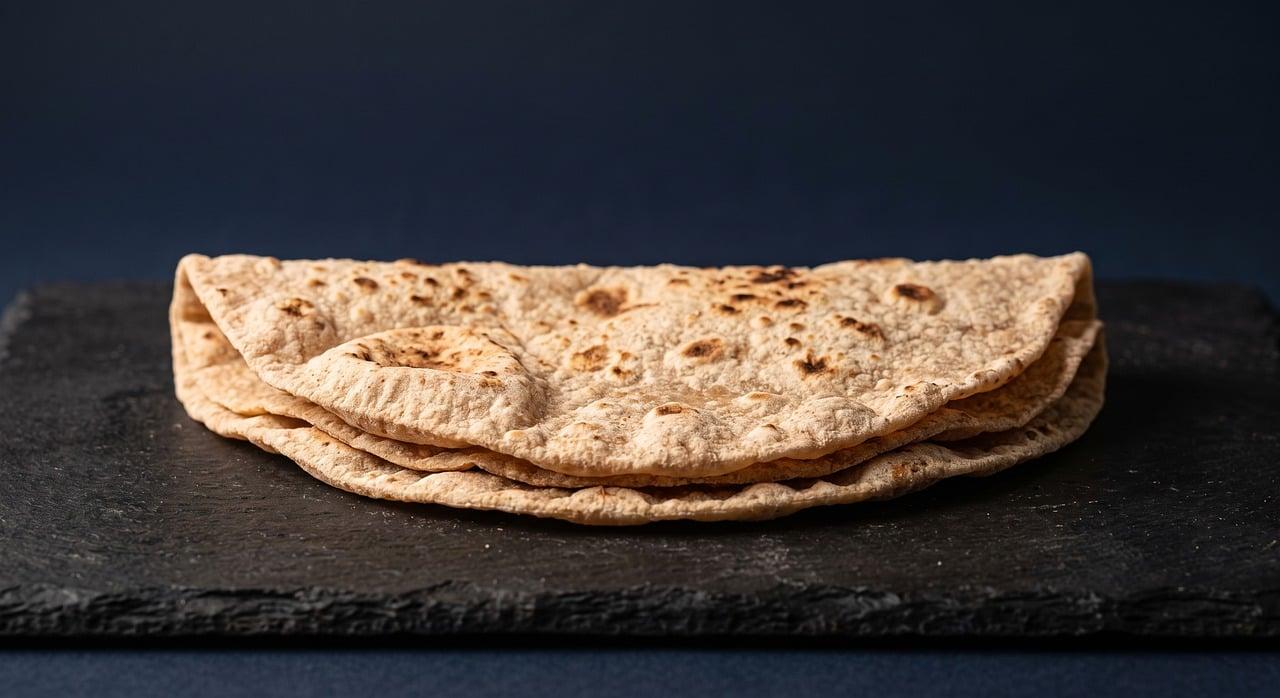
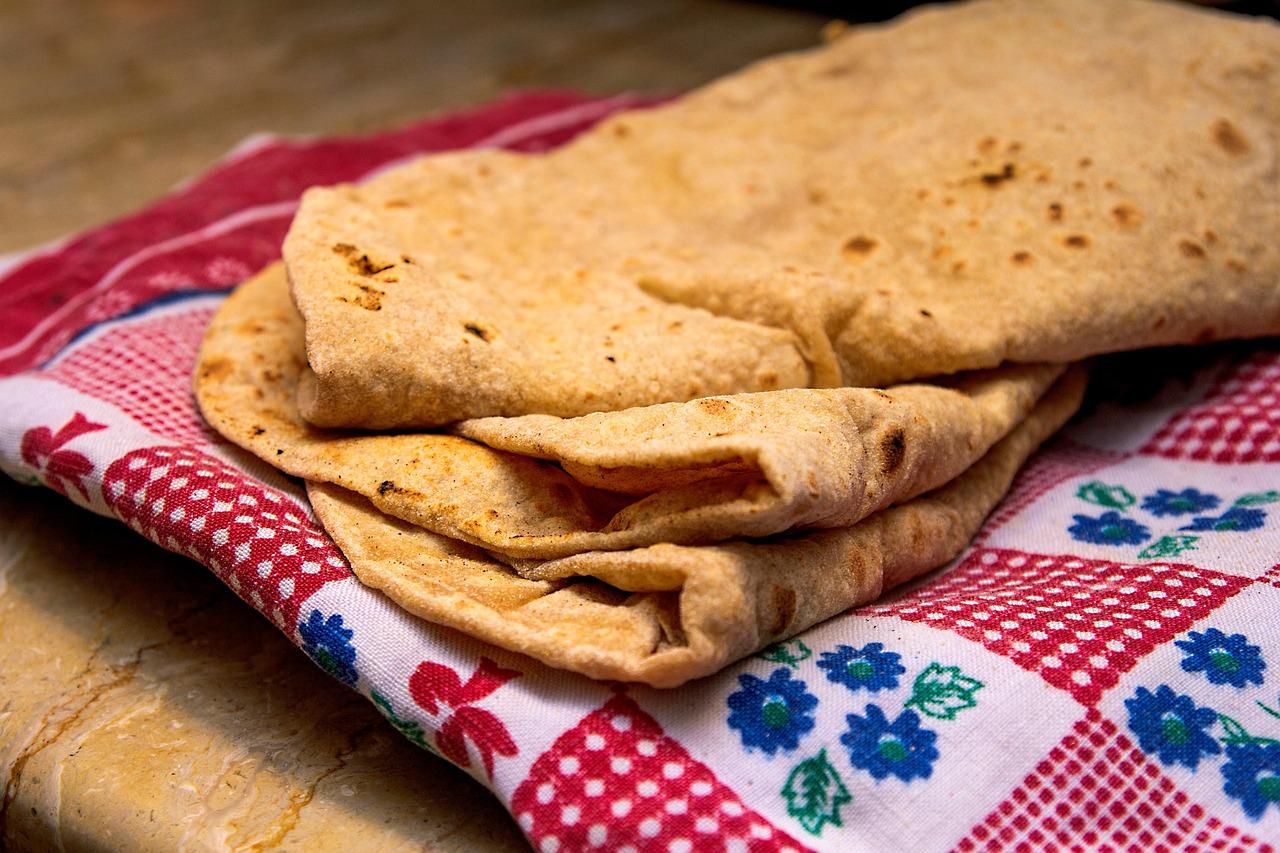
Chapati

Chapatis are the everyday Indian flatbread: thin rounds of soft wholemeal dough, cooked on a hot tava and then puffed over a wire mesh on the flame. Spread with ghee and serve with any curry or dal. Tip from the book: you can half-cook a stack of rotis ahead and do the final roasting just before serving.

by KrazyBadal 0 views

Tandoori roti

Tandoori roti made at home: wholemeal dough spread with chilled, solidified ghee, rolled into a cone and pressed out again so it bakes into soft, flaky layers. Cook it in a tandoor or on the back of a perforated earthenware tava over the flame until brown-spotted. Serve with a curry of your choice.

by KrazyBadal 0 views

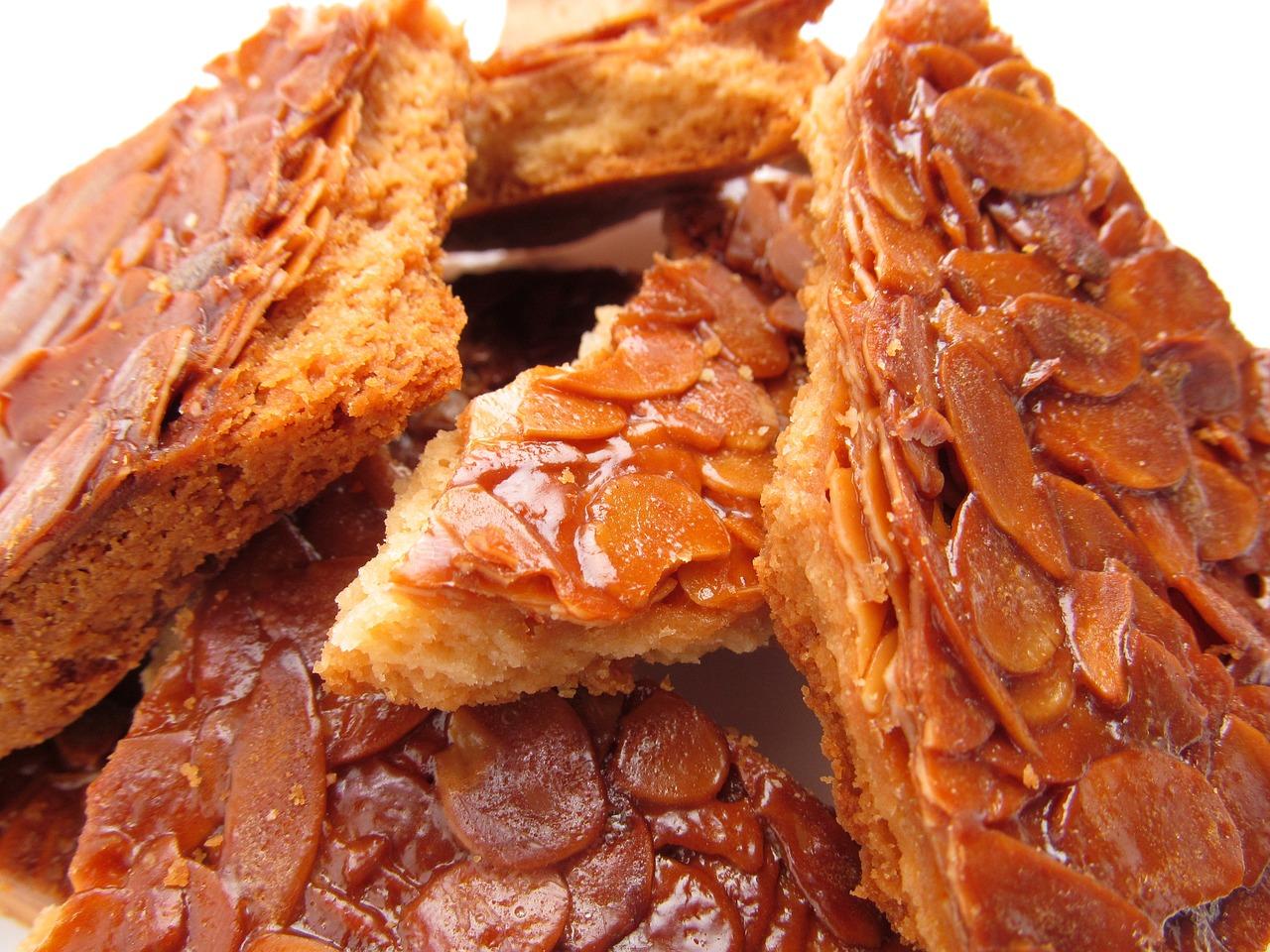
Almond praline biscuits

Small, crisp squares of brown-sugar butter dough mixed with crunchy home-made almond praline, then topped with cinnamon and more praline. A lovely biscuit for festive tins. Like all biscuits, they feel soft in the oven and crisp up as they cool.

50 minBaking
by KrazyBadal 0 views

Corn rice

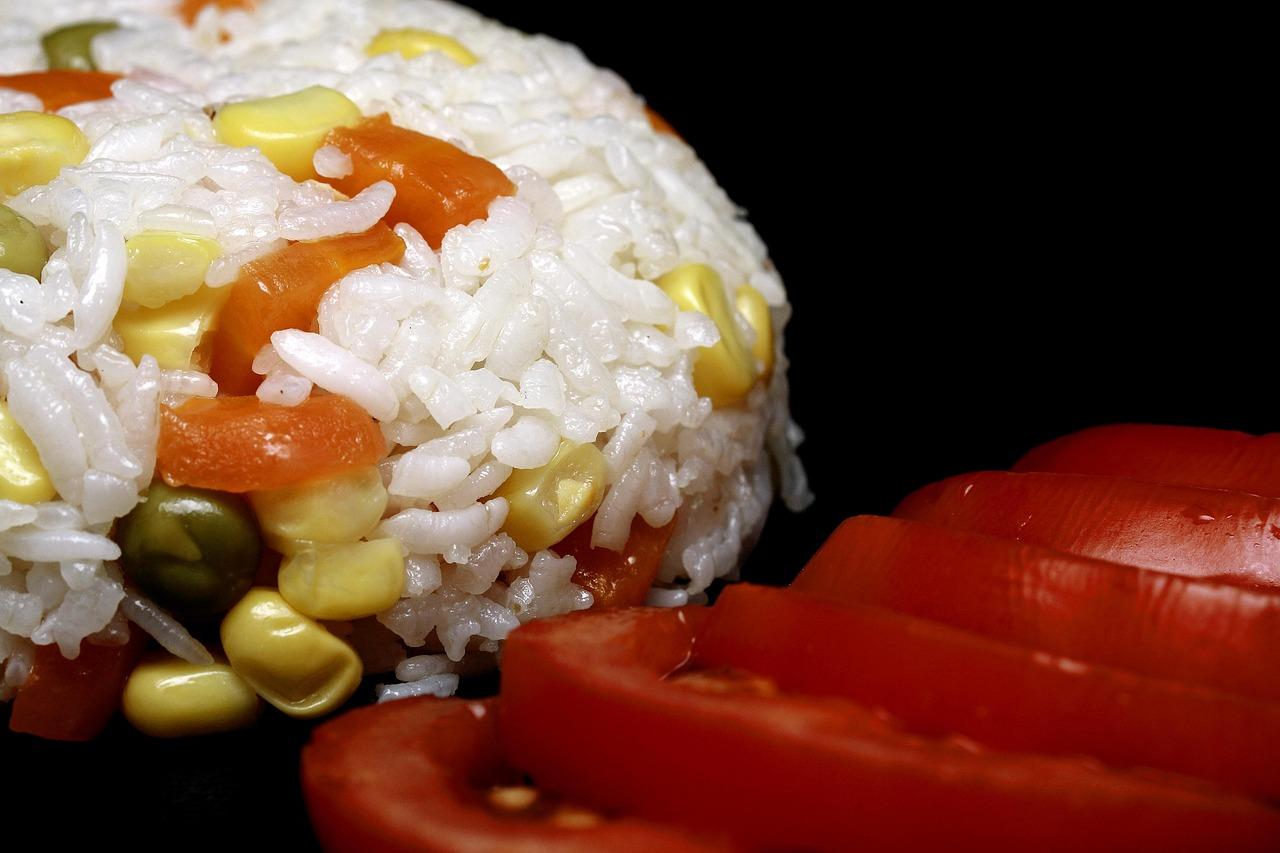
A bright, quick rice dish: boiled rice gently mixed with sweetcorn and julienned red and green capsicum tempered with cumin and curry leaves, sharpened with lemon juice. It's light and colourful. Serve with plain yogurt or masala yogurt.

by KrazyBadal 0 views

Pigeon pea lentil khichdi

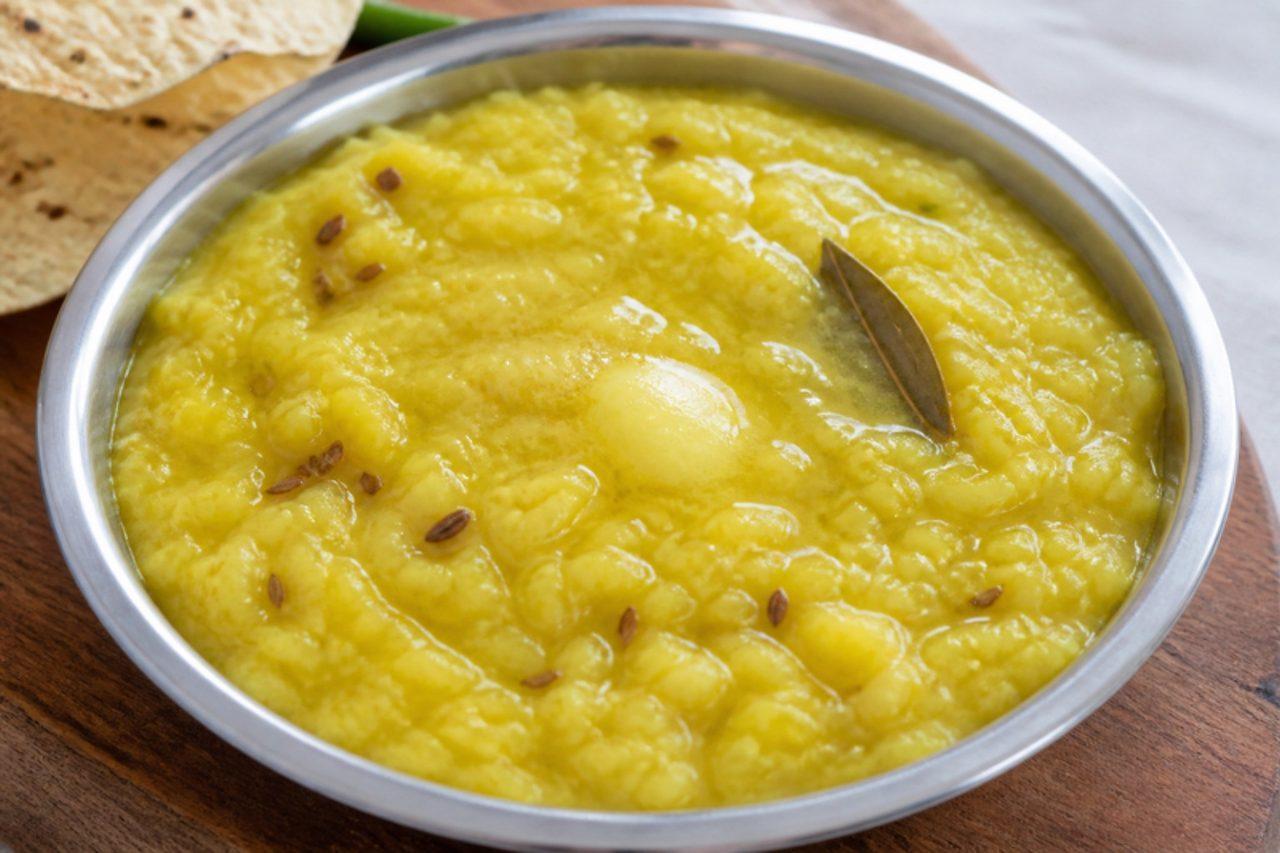
The everyday Gujarati khichdi: rice and husked pigeon pea lentils cooked soft with turmeric in a ghee tempering of cumin, cloves, cinnamon, cardamom and asafoetida. It's simple, soothing and nourishing. Serve hot with Gujarati kadhi.

by KrazyBadal 0 views

PudlaThin gram flour pancakes

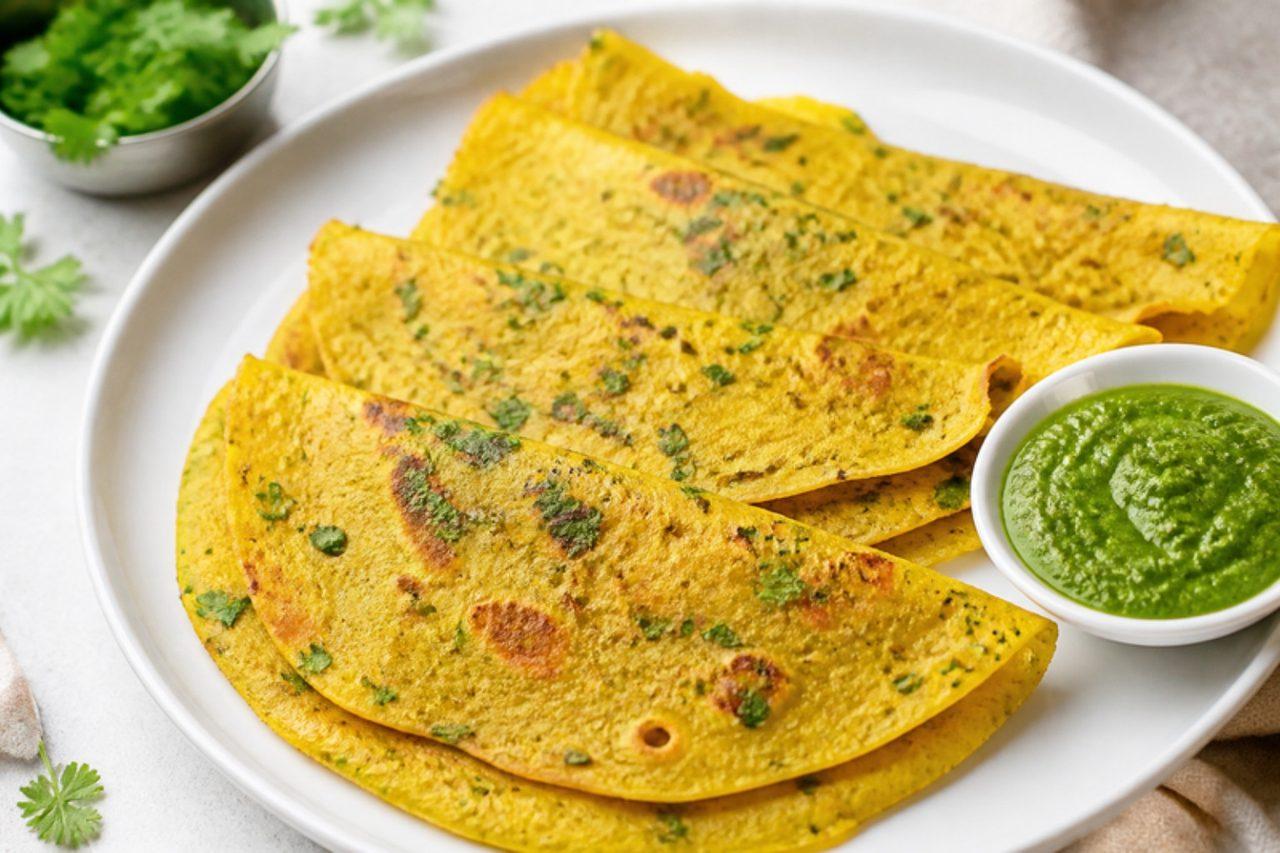
Gujarati pudla are savoury pancakes made from a runny gram flour batter with ajwain, chilli, turmeric and coriander, spread thin on a hot griddle and cooked until golden-speckled. They're quick, filling and naturally egg-free. Serve hot with dry potato curry, green chilli chutney and tea or yogurt.

by KrazyBadal 0 views

Bhatura

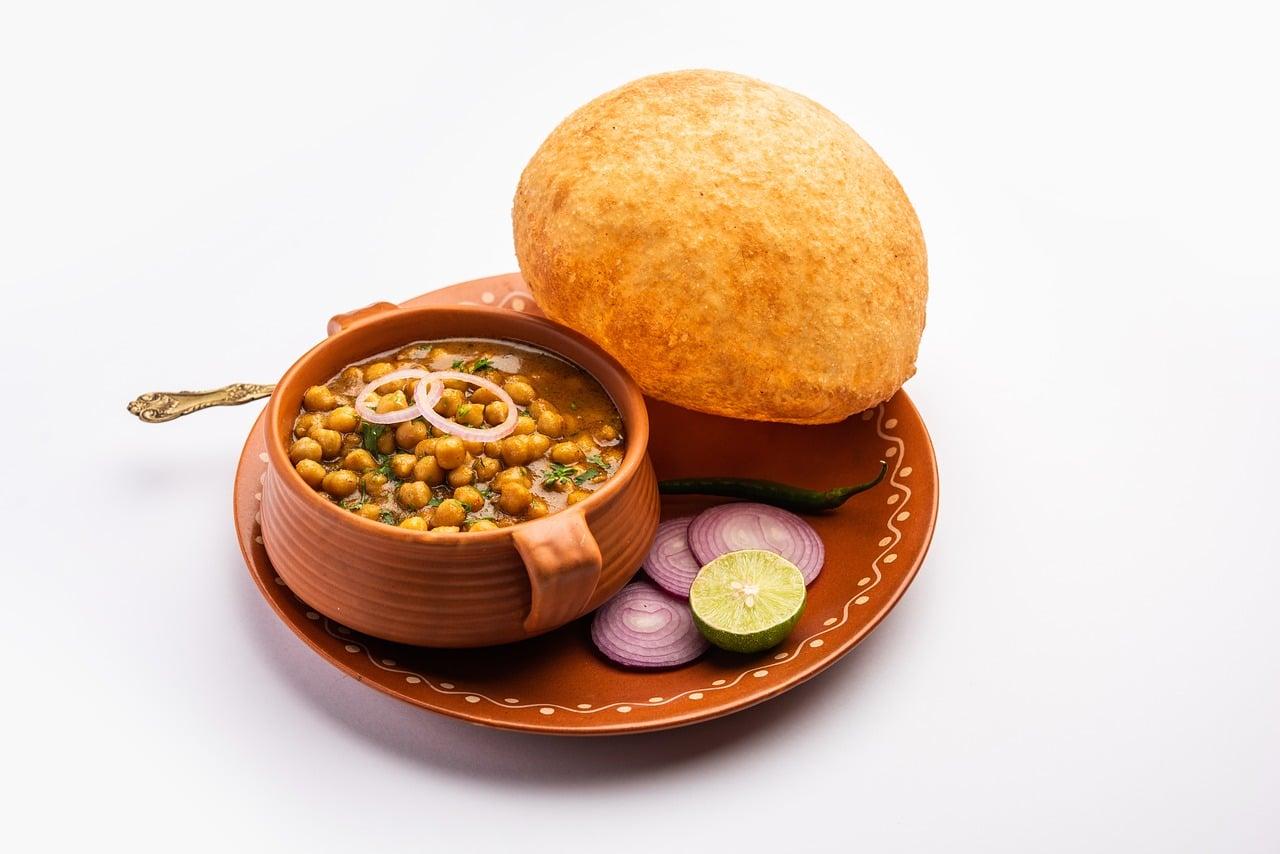
Bhatura are big, soft, puffy fried breads made from a curd-leavened dough. This version has fresh coriander, fenugreek and tomato in the dough. Serve them straight from the pan with channa paneer masala or a curry of your choice. For masala bhatura, add chopped green chillies, coriander, onion and garam masala to the dough.

by KrazyBadal 0 views

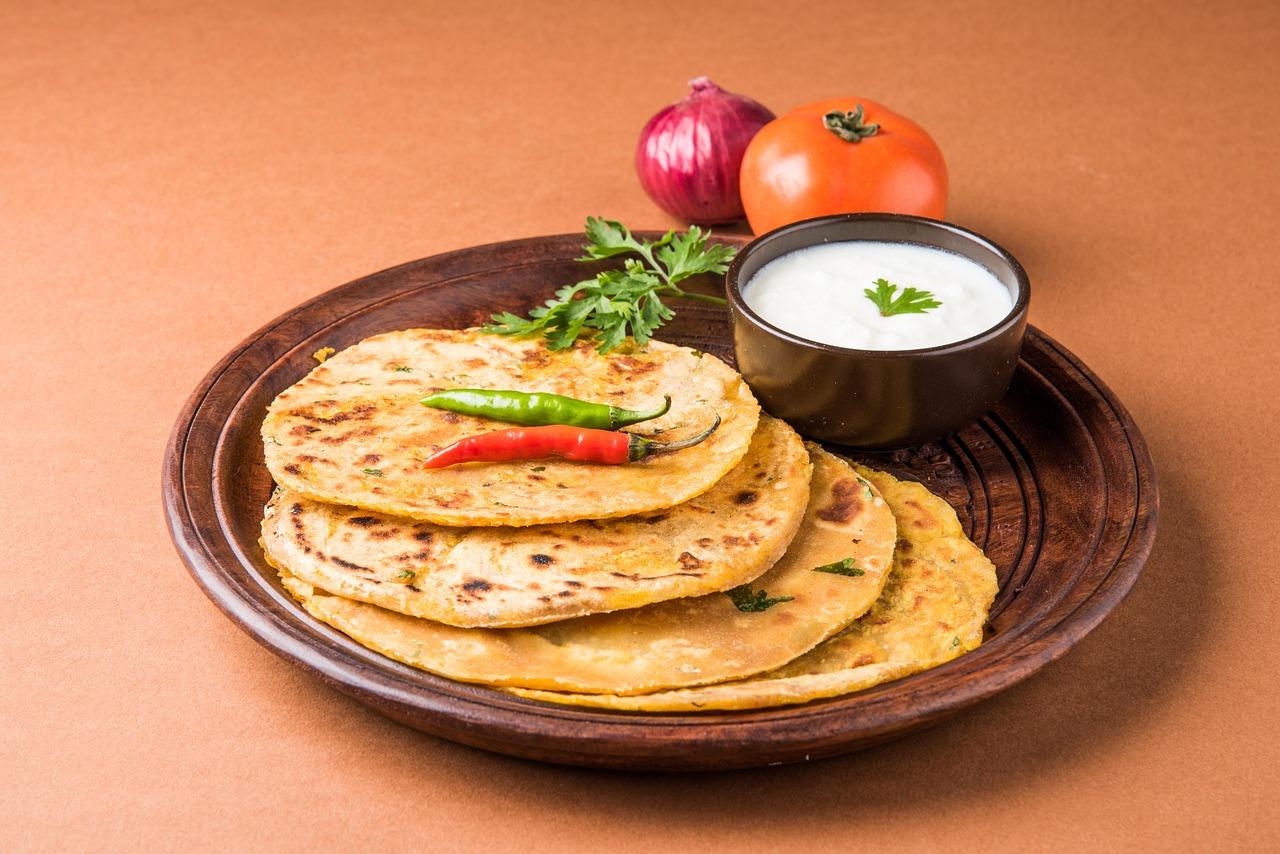
Jeera fenugreek paratha

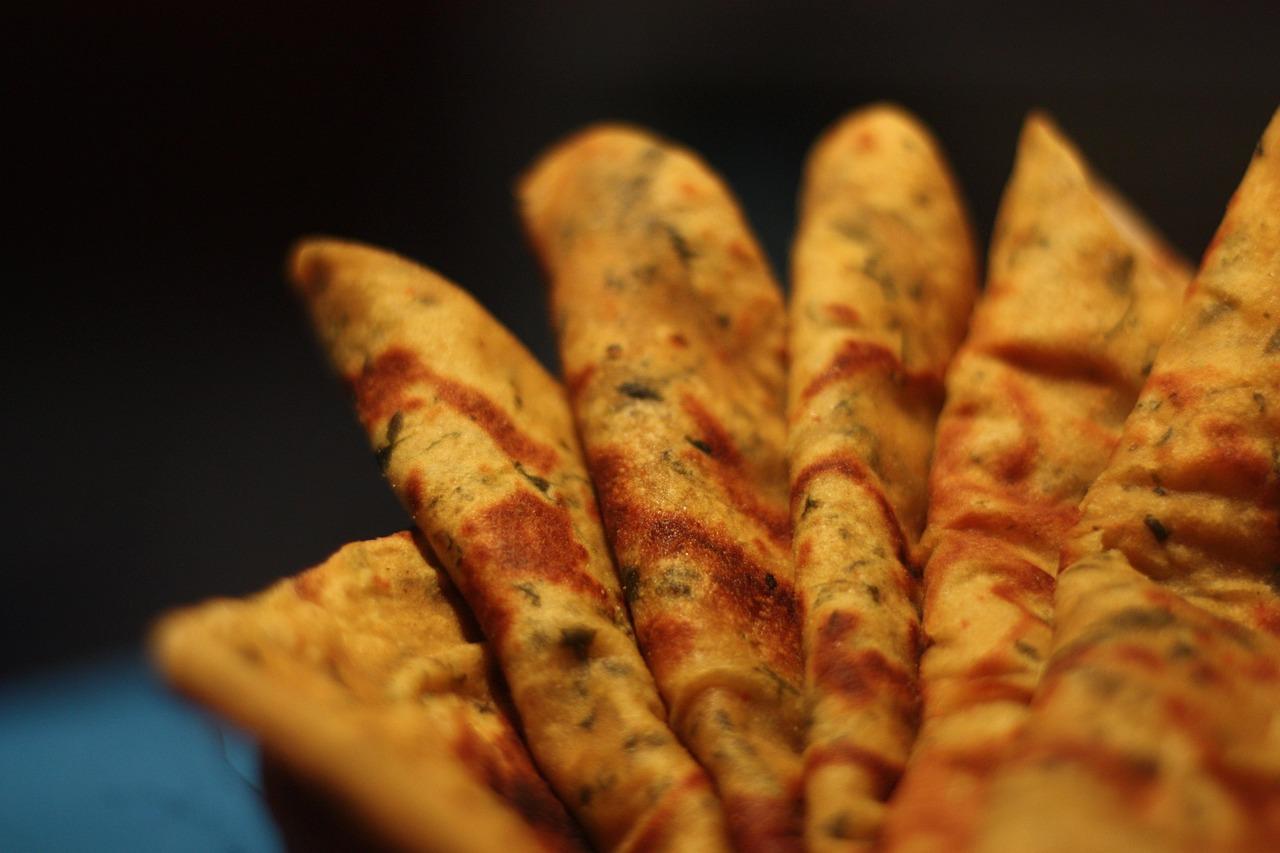
Folded square parathas made with wholemeal flour, semolina, fresh fenugreek and roasted cumin. Spreading ghee and flour between the folds makes them crisp and flaky. Cook them slowly until well browned and serve with pickles, yogurt and a curry of your choice.

by KrazyBadal 0 views

Bread and fenugreek bhatura

A quicker bhatura that needs no long rising: soaked bread and yogurt with a pinch of bicarbonate make the dough soft and puffy, and wholemeal flour and fresh fenugreek add flavour. Deep fried until golden, they're ideal with channa paneer masala.

by KrazyBadal 0 views

Chopadia parathaFlaky layered pepper paratha

Chopadia are flaky, layered parathas: the dough is spiced with roasted cumin and black pepper, brushed with ghee, rolled into a cone and rolled out again so it cooks into soft layers. They can be made several hours ahead. Serve with any curry, dal or pickle.

by KrazyBadal 0 views

Plain naan

Easy home-made naan: a soft dough of self-raising flour, yeast and yogurt, left to rise and then cooked under a hot grill until puffed and light brown. Brush with butter or ghee if you like and serve hot with curries.

by KrazyBadal 0 views

Sweet jaggery trianglesFried jaggery wholemeal triangles

Sweet, crunchy triangles of wholemeal dough kneaded with jaggery water and deep fried until brown. In Gujarati homes they're eaten with green gram curry or potato curry and mango pickle, a lovely sweet-savoury pairing. They keep well in an airtight tin.

by KrazyBadal 0 views

Quick pethi puriSmall puffed urad dal puris

Pethi puri are little wholemeal puris with a thin layer of coarsely ground urad dal, chilli flakes and carom seeds pressed on top. Fried peethi side down, the dal cooks into a crunchy, savoury crust while the puri puffs up. Serve hot with chutneys.

by KrazyBadal 0 views

Chocolate orange cake

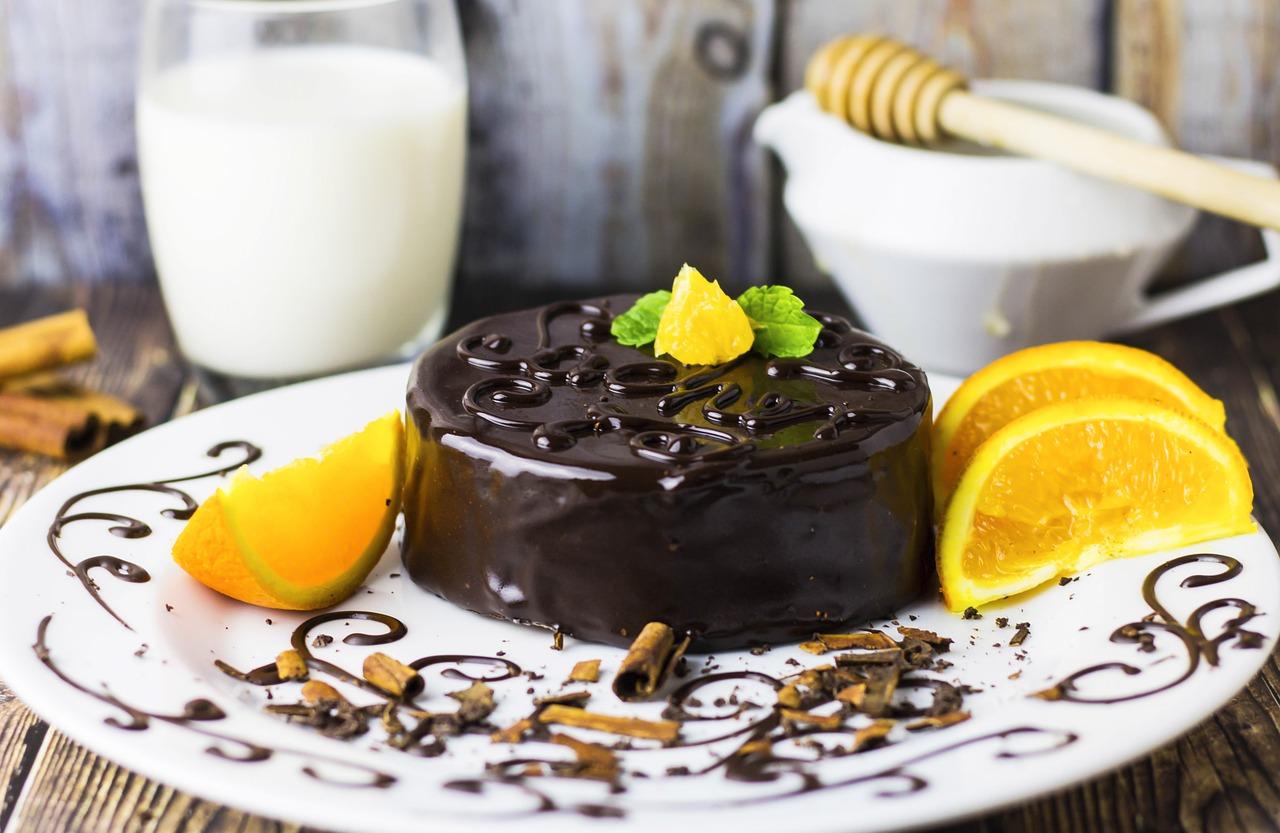
A small, moist chocolate cake made without eggs, using condensed milk and fresh orange juice and rind for a lovely chocolate-orange flavour. Serve with chocolate sauce.

45 minBaking
by KrazyBadal 0 views

Basic vanilla cake (eggless)

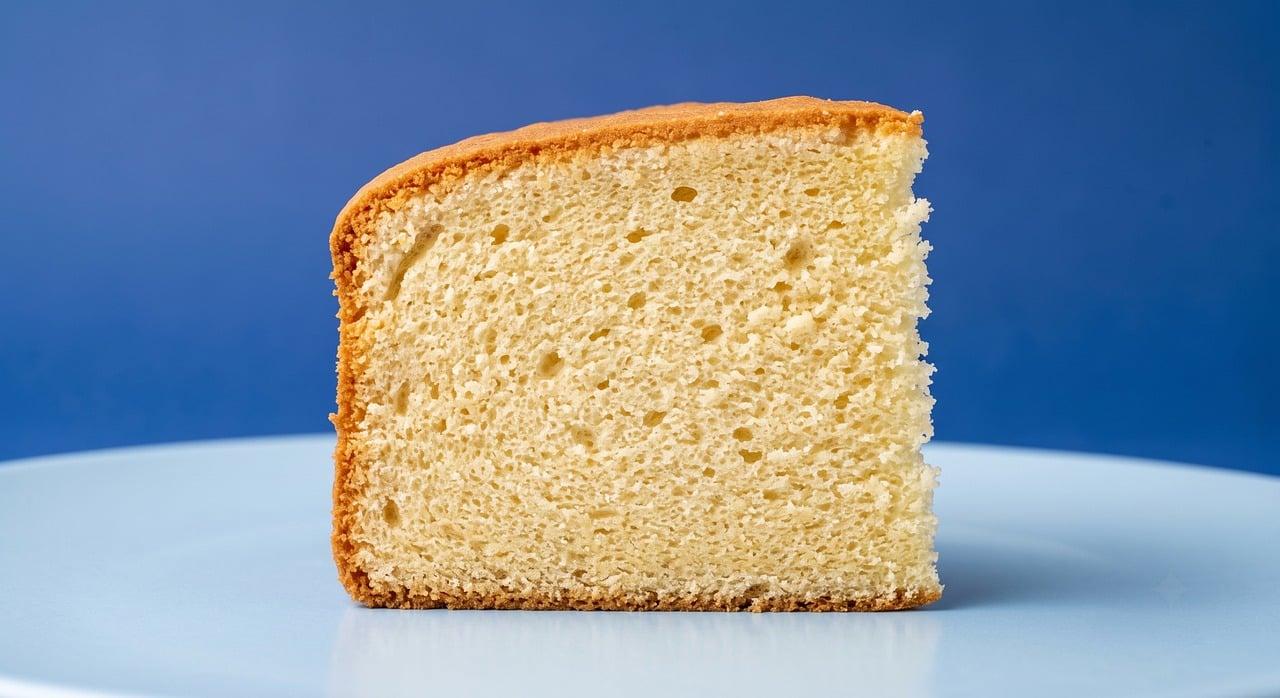
The book's basic eggless sponge, made with condensed milk and melted butter in one bowl. Sandwich it with jam and top with coconut, ice it any way you like, or use it for the Pinacolada cake. For a coconut cake, add 100 g desiccated coconut to the mixture.

55 minBaking
by KrazyBadal 0 views

Passion fruit banana cake (eggless)

A soft eggless cake with chopped banana, passion fruit pulp, cashews and yogurt, lifted with a little cider vinegar. It is served with a passion fruit custard sauce, so it makes a good warm pudding as well as a tea-time cake.

70 minBaking
by KrazyBadal 0 views

Toddler's queen cakes (eggless)Eggless vanilla cupcakes

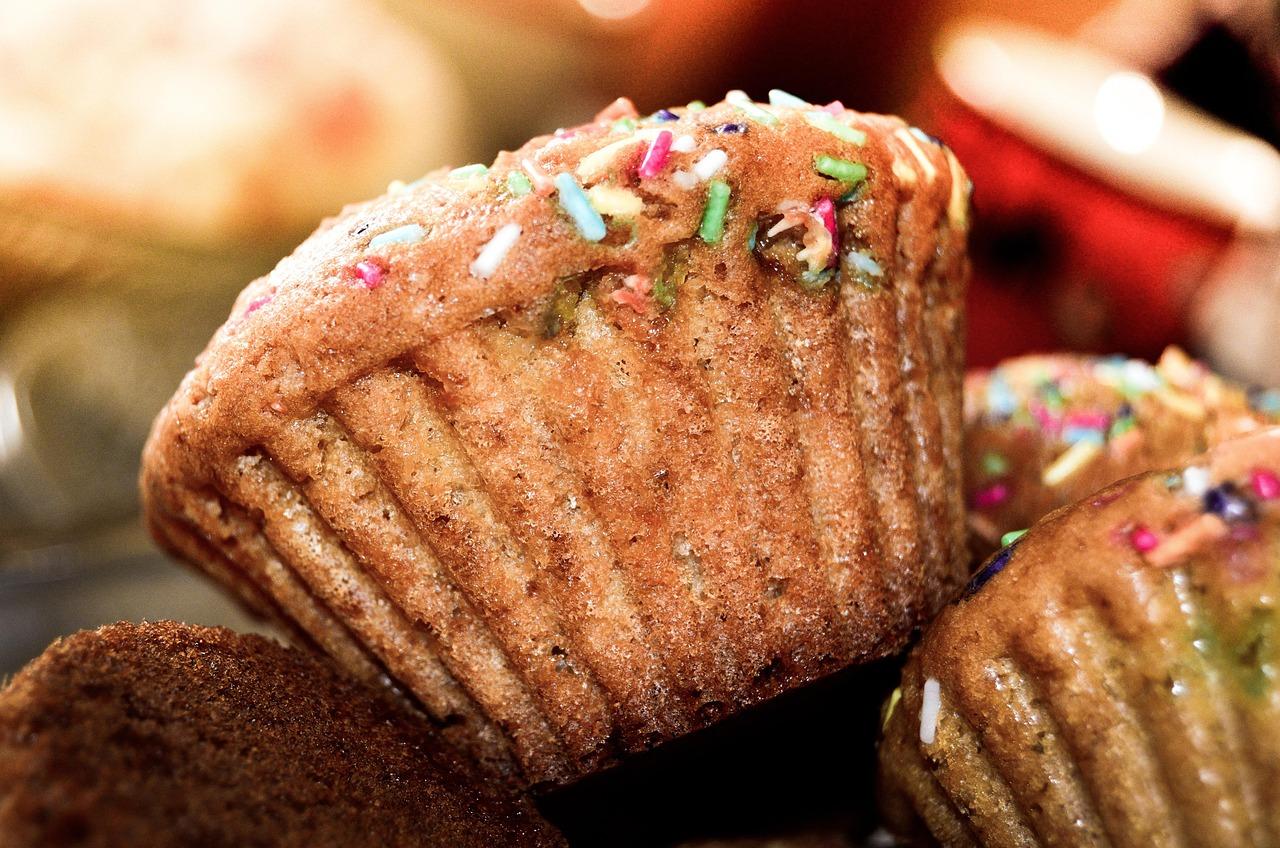
Small, soft eggless vanilla cupcakes in paper cases, topped with sugar sprinkles: just right for little hands and children's parties. The same mixture also bakes as one large basic cake in a 25 cm round tin.

by KrazyBadal 0 views

Chocolate nut slice

A chocolate pastry base topped with a chewy brown-sugar, coconut and mixed nut layer, then drizzled with dark chocolate and cut into squares. Rich and satisfying with a cup of coffee.

55 minBaking
by KrazyBadal 0 views

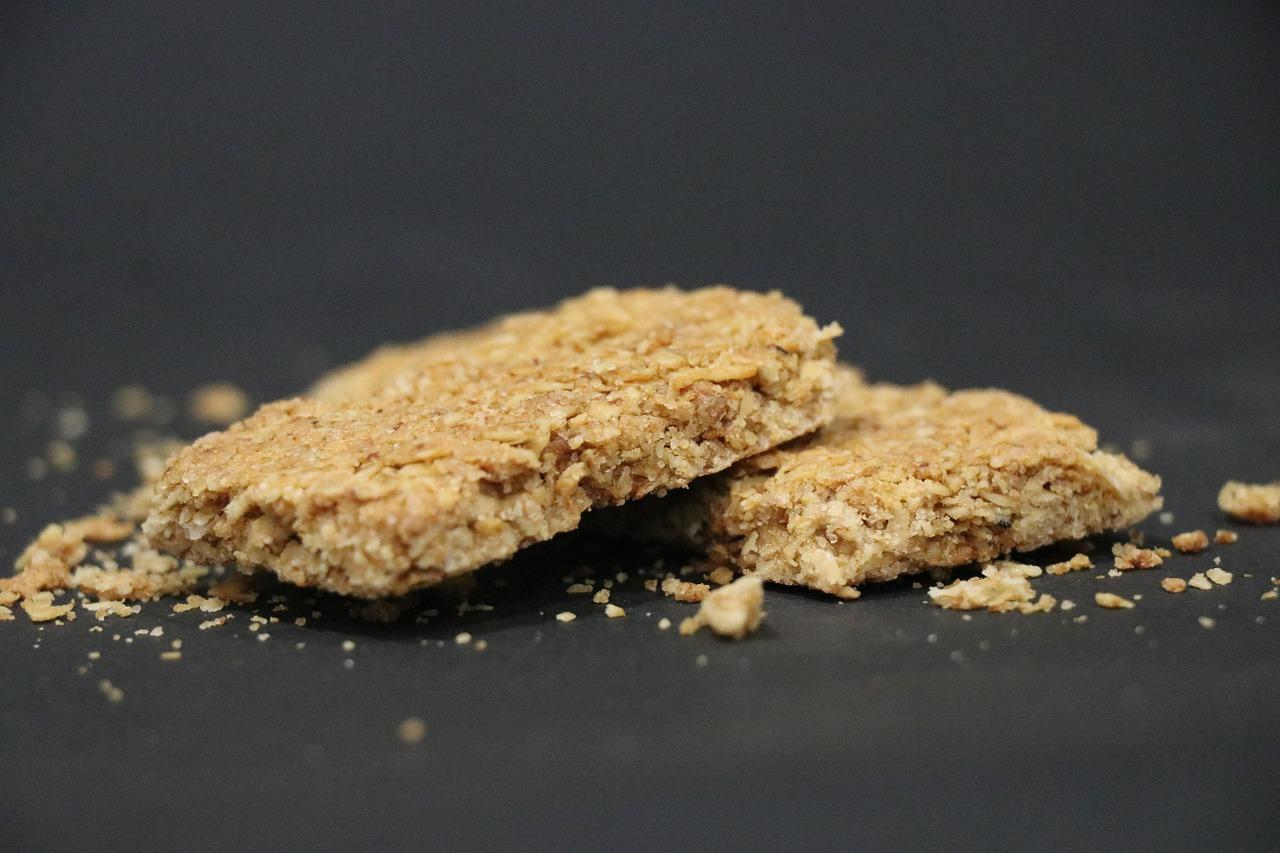
Oaty chocolate bars

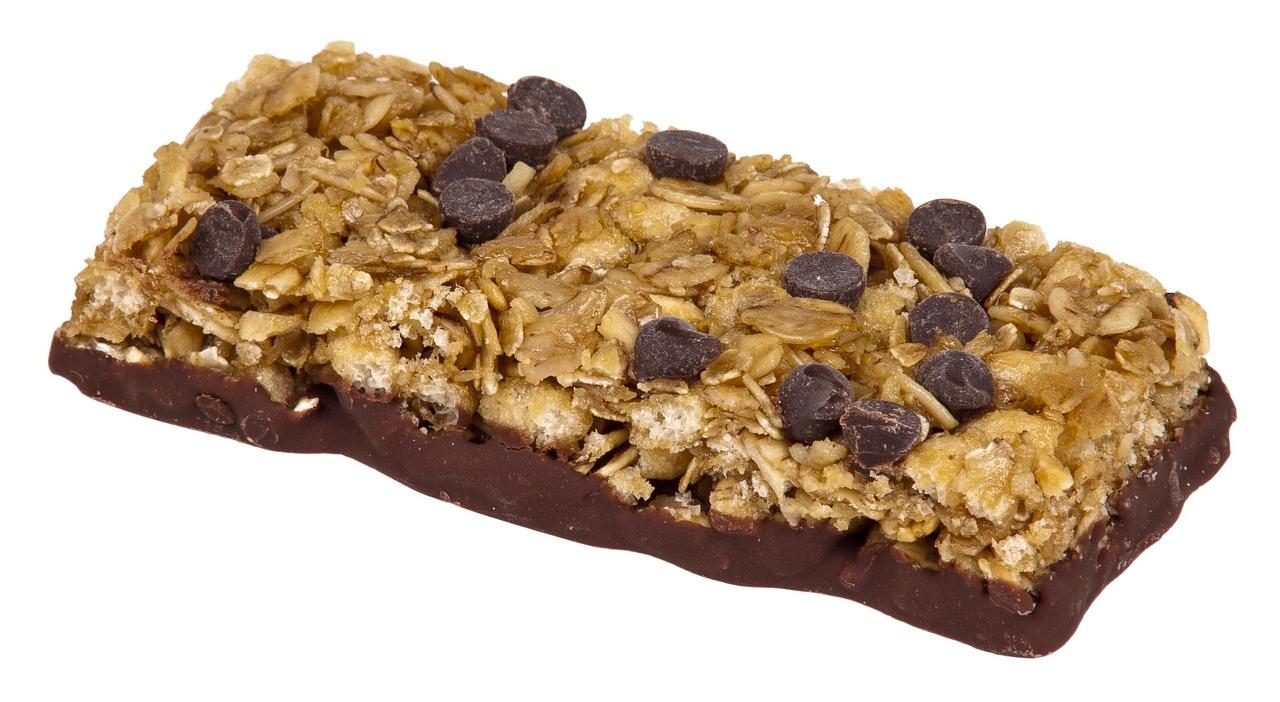
Chewy, golden oat bars bound with butter and golden syrup and studded with walnuts, sultanas and chunks of chocolate. They are cut in the tin and keep well in an air-tight container, so they are handy for lunchboxes.

by KrazyBadal 0 views

Wheat flour cookies

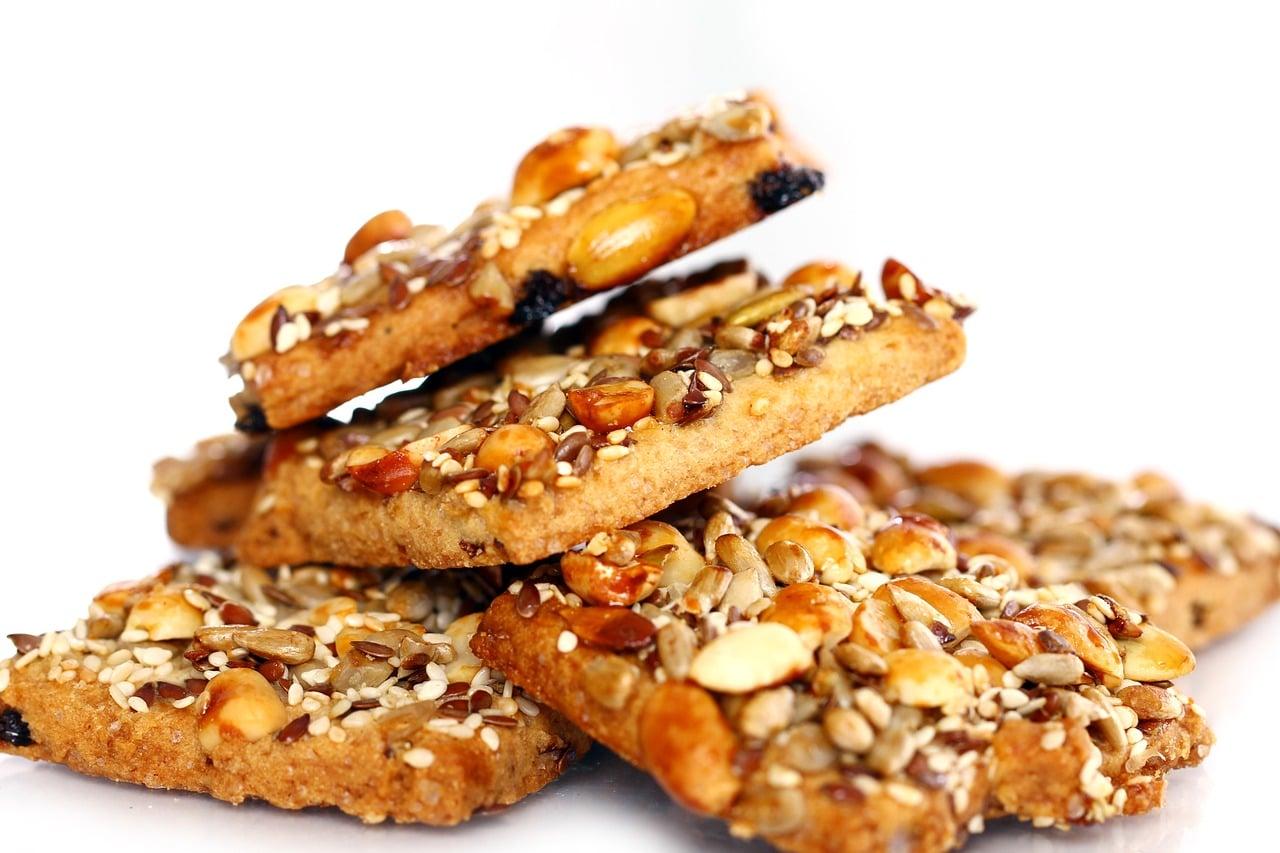
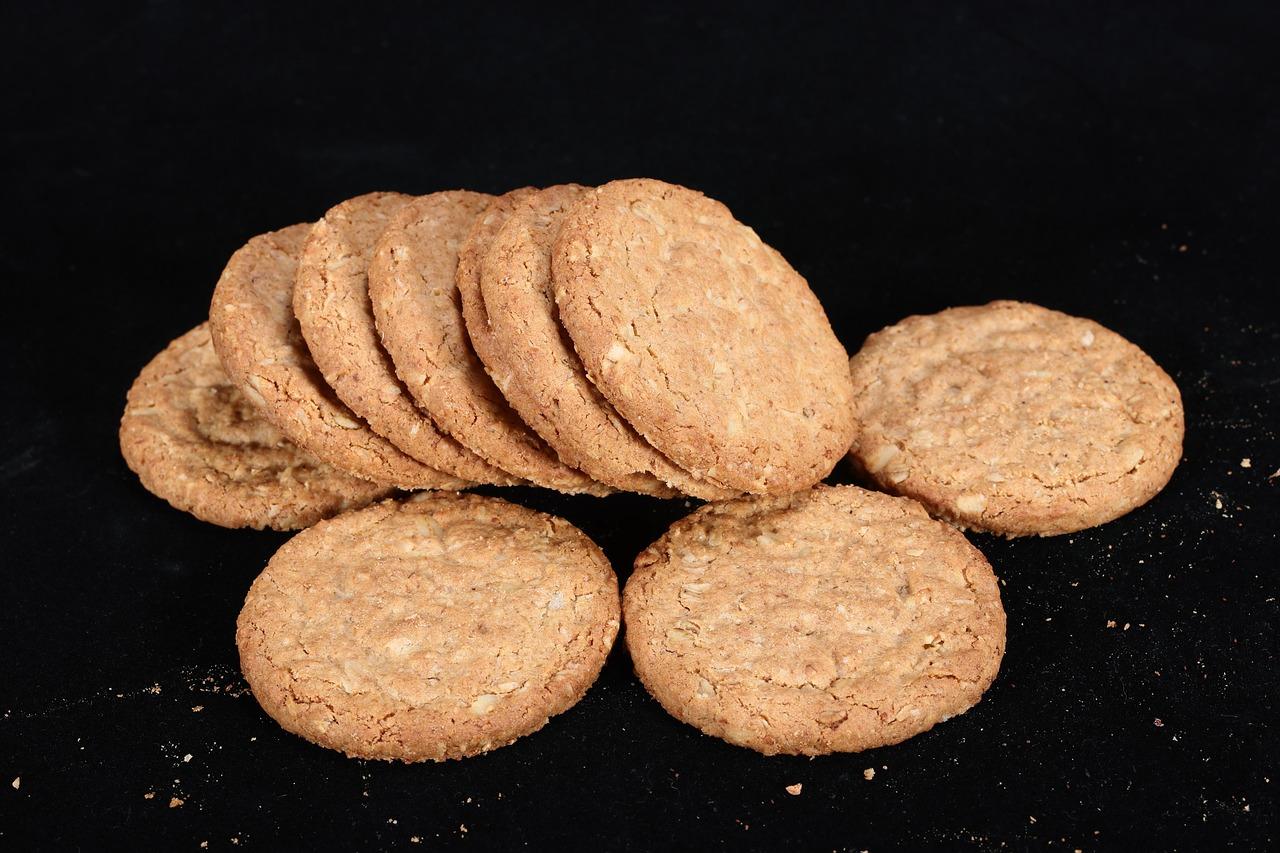
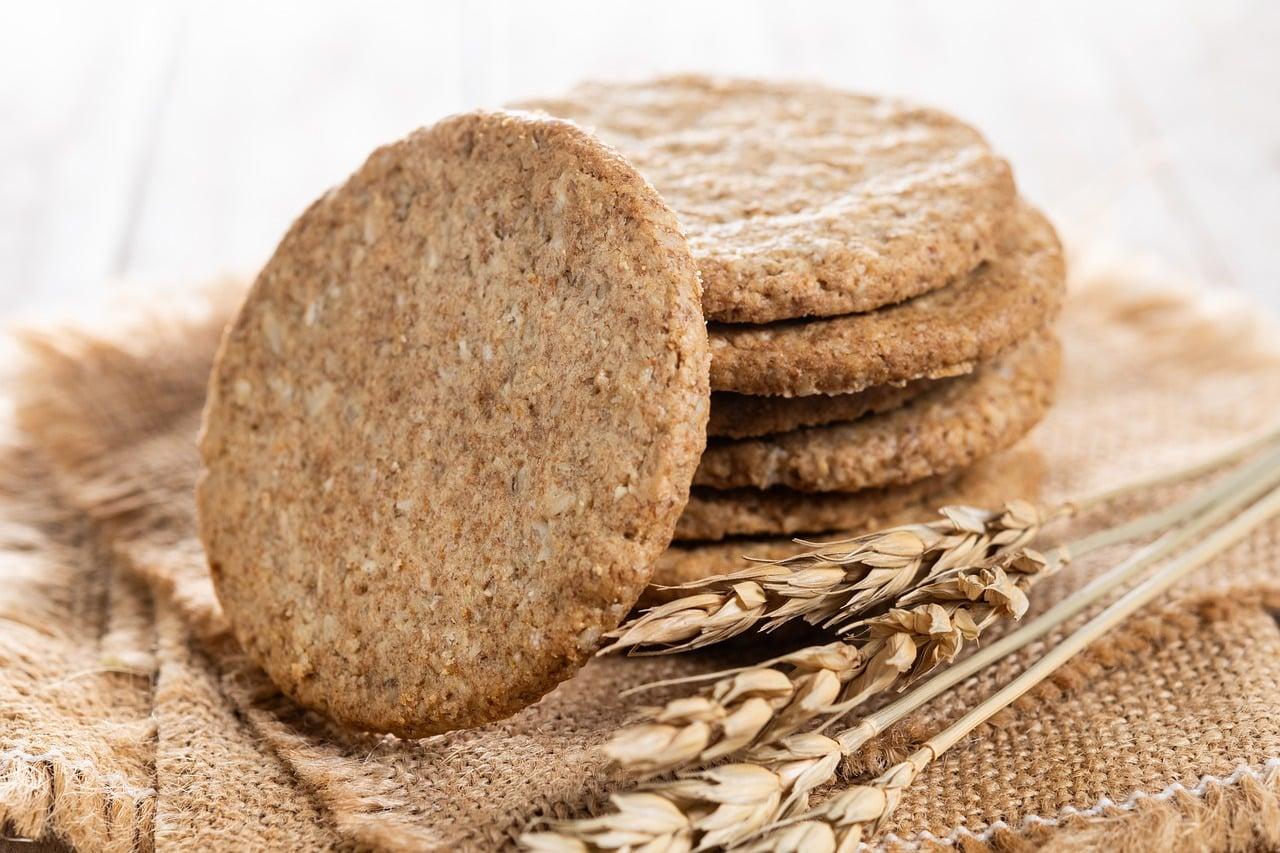
Hearty wholemeal cookies with rolled oats, mixed nuts and coconut. Pressed with a fork and baked until brown, they are a wholesome tea-time biscuit.

38 minBaking
by KrazyBadal 0 views

Spicy pepper biscuits

Warmly spiced butter biscuits with cardamom, cinnamon, nutmeg and a kick of freshly ground black pepper, made rich with ground almonds and cream. Dusted with icing sugar, they are perfect at Christmas.

40 minBaking
by KrazyBadal 0 views

Weetabix biscuitsWheat cereal biscuits

Crunchy, wholesome biscuits made with crushed Weetabix (wheat biscuit cereal), coconut and mixed nuts, rich with fresh cream and rolled in more cereal and pistachio. If the dough is too firm, add 1–2 tbsp milk.

by KrazyBadal 0 views

Pistachio cookies

Buttery cookies with chopped pistachios, crushed rice bubbles, coconut and a hint of chocolate, each topped with more pistachio. Crunchy outside and tender inside.

40 minBaking
by KrazyBadal 0 views

Oat, bran & date biscuits

Wholesome, lightly sweet biscuits with wheat bran flakes, wholewheat flour and chopped dates, warmed with nutmeg. A good mid-morning snack.

35 minBaking
by KrazyBadal 0 views

NankhataiIndian shortbread

Nankhatai are crumbly Indian shortbread biscuits made with ghee, butter, semolina and a little gram flour, scented with cardamom and nutmeg. Each one gets a yellow dot in the centre. A must for Diwali.

by KrazyBadal 0 views

Jam and coconut cookies

Soft golden butter cookies, brushed with warm plum jam after baking and dipped in desiccated coconut. Bright, simple and loved by children.

by KrazyBadal 0 views

Jumbo oat cookies

Big, crunchy cookies made with jumbo porridge oats and desiccated coconut, then rolled in more oats and coconut before baking. Wholesome and filling, perfect for lunchboxes.

by KrazyBadal 0 views

Ginger biscuits

Classic crunchy ginger biscuits made with golden syrup and plenty of ground ginger. Good for dunking in tea, and they keep for weeks in an air-tight tin.

by KrazyBadal 0 views

Coffee nut crescents

Short, crumbly crescent biscuits flavoured with instant coffee and ground walnuts, rolled in caster sugar while still warm. Lovely with an after-dinner coffee and at festive times.

32 minBaking
by KrazyBadal 0 views

Grandma's biscuitsCustard powder biscuits

Plain, crisp, old-fashioned biscuits flavoured with custard powder, the kind that fill a big tin. Shape them as thin ovals with a fork, or roll and cut rounds and prick holes in them. For a change, swap the custard powder for 5 tsp ground ginger and 1½ tsp ground cardamom, or use wholemeal wheat flour instead of plain flour.

by KrazyBadal 0 views

Cinnamon spiralsCinnamon sugar crescents

Flaky little crescents made from a rich yeasted dough, cut into wedges, spread with cinnamon sugar and rolled up from the wide end. Serve them with coffee or tea; they are best on the day they are baked.

60 minBaking
by KrazyBadal 0 views

Semolina biscuits

Melt-in-the-mouth biscuits made with semolina and coconut, each pressed into a mix of shredded pistachio and almond. Similar to nankhatai, and very easy: everything goes into one bowl.

by KrazyBadal 0 views

Chocolate peanuttiesChocolate peanut cookies

Soft-centred chocolate cookies with chopped roasted peanuts in the dough and more on top. Yogurt keeps them tender. A favourite with children.

35 minBaking
by KrazyBadal 0 views

Chocolate orange rings

Crisp brown-sugar biscuit rings sandwiched with an orange butter cream, then half dipped in melted chocolate and sprinkled with chopped pistachio. They look like they came from a smart bakery and are perfect for gifting.

85 minBaking
by KrazyBadal 0 views

Cashew-coconut biscuits

Rich, crunchy biscuits made with equal weights of flour, sugar, butter, cashews and desiccated coconut. Simple to make and very more-ish with tea or coffee.

32 minBaking
by KrazyBadal 0 views

Chequered biscuits

Pretty slice-and-bake butter biscuits with a chocolate and vanilla chequerboard in the middle, wrapped in a plain border. They take some patience to build, but the dough is simple and the result always impresses on a biscuit plate.

by KrazyBadal 0 views

Coco-pine biscuitsNut, chocolate and cherry slice biscuits

A big batch of party biscuits: a buttery dough with mixed nuts, chocolate pieces, cherries and coconut, bound with coco-pine juice (mixed coconut and pineapple juice). The dough is shaped into rolls, chilled and sliced thin, so you can bake as many as you need. Leftover coconut milk can be frozen in ice-cube trays and used whenever required.

70 minBaking
by KrazyBadal 0 views

Cardamom, saffron biscuits

Golden butter biscuits flavoured the Indian way with saffron and coarsely ground cardamom, each topped with flaked almonds. Light and crisp, they are lovely for Diwali tins and with tea. For plain biscuits leave out the flavourings, or add 1 tsp vanilla essence instead to make vanilla biscuits.

by KrazyBadal 0 views

Brown cookiesWholewheat oat and coconut cookies

Rustic, crunchy cookies made with wholewheat flour, porridge oats, brown sugar and fresh coconut, with a gentle aniseed note from fennel seeds. Not too sweet, so they are good with a cup of tea or masala chai, and they keep well in a tin.

by KrazyBadal 0 views

Aniseed biscuits

Crisp, golden finger biscuits flavoured with aniseed, made in the book with a biscuit press (No. 4 disc) to give long ridged strips. Without a press, shape small ovals and mark them with a fork.

by KrazyBadal 0 views

Cherry almond fudge slice

A no-bake chocolate fudge loaf layered with plain biscuits and packed with brazil nuts, ground almonds, apricots, peel and glacé cherries, finished with scribbles of white chocolate. Make it the day before: it needs 8 hours to set. Serve in thin slices.

by KrazyBadal 0 views

Chocolate marbled energy bars

Crunchy energy bars of oats, rice krispies, bran flakes, pecans, raisins and apricots, baked and then topped with swirled dark and white chocolate. Great for a lunchbox or after sport.

55 minBaking
by KrazyBadal 0 views

Apricot and oat slices

A chewy, buttery flapjack of oats and coconut with a layer of chopped dried apricots in the middle. Press it firmly so the slices hold together, and leave them to cool in the tray before lifting out.

by KrazyBadal 0 views

Fruity crackle slice

A no-bake white chocolate slice full of crunchy rice crisps, currants, mixed peel and toasted almonds. Children love helping to make it.

20 minDesserts
by KrazyBadal 0 views

Florentine slice

A slice version of florentines: a layer of dark chocolate topped with a chewy bake of cornflakes, almonds, glacé cherries and sultanas bound with condensed milk. Cut into small squares; it is rich.

45 minBaking
by KrazyBadal 0 views

Oat meal chikkiChocolate oat and coconut squares

A quick baked oat bar with coconut and a touch of cocoa and golden syrup, pressed thin and cut while warm. Crisp, buttery and very easy.

30 minBaking
by KrazyBadal 0 views

Crunch squares

No-bake squares of crushed cornflakes, rice crisps and coconut held together with peanut butter and golden-syrup toffee. Quick to make and great for parties.

by KrazyBadal 0 views

Crystal mixed nuts chikkiMixed nut sugar brittle

Chikki is an Indian brittle. This crystal version is made with plain white sugar, melted until clear and golden, with peanuts, almonds, pistachios and sesame seeds, scented with cardamom and saffron. Work quickly: the brittle sets in moments.

by KrazyBadal 0 views

Peppermint chocolate squares

A chocolate cornflake base, a layer of peppermint icing (tinted green if you like), and a smooth topping of cooking chocolate. The book uses Scotbloc cooking chocolate; any plain cooking chocolate works.

by KrazyBadal 0 views

No-bake squares

Quick no-bake squares of crushed digestive or marie biscuits, chopped cashews and almonds, bound with butter, golden syrup and drinking chocolate. Ready in two hours with no oven.

by KrazyBadal 0 views

Pandadi roundsFried custard-filled pastries

Pandadi are delicate layered pastries: thin rounds of butter dough stacked with custard powder, rolled, sliced and fried so the layers puff and flake. Once drained they're dusted with icing sugar, ground nuts, cardamom and saffron and scattered with rose petals. Makes about 40–45; a special-occasion sweet that keeps well in a tin.

by KrazyBadal 0 views

Nutritious sweet (dhokri)Steamed wheat and gram flour sweet

A simple, wholesome Gujarati sweet: doughnut-shaped dumplings of coarse and fine wheat flour with gram flour are steamed, then ground into soft crumbs. Each person mixes in hot ghee and powdered sugar to their own taste. Serve warm as a filling winter treat.

by KrazyBadal 0 views

Eggless dark chocolate cake

A dark, moist eggless chocolate sponge, split and moistened with orange juice, filled and covered with whipped fresh cream, and finished with halved strawberries and grated chocolate. A show-stopping birthday cake.

80 minBaking
by KrazyBadal 0 views

Fruit & nut cake

A simple, eggless fruit cake made with condensed milk, packed with mixed nuts, dried fruit and cherries and warmed with ginger and cinnamon. The book says it can be used as a wedding cake.

by KrazyBadal 0 views

Apple Weetabix cake (eggless)

A homely eggless cake made with crushed Weetabix (wheat biscuit cereal), chopped apple, cashews and cinnamon, bound with condensed milk. Serve warm with ice cream.

80 minBaking
by KrazyBadal 0 views

Pinacolada cakePineapple and coconut sponge cake

The basic eggless vanilla cake cut into three layers, soaked in pineapple syrup and layered with pineapple pieces, fresh coconut and whipped cream, like the cocktail. Make it the day before: it needs to chill overnight. Leave out the Malibu (coconut rum) for children.

40 minBaking
by KrazyBadal 0 views

Semolina cake

A moist eggless cake made with semolina, coconut and yogurt, baked with slivered almonds on the bottom and top and moistened with orange juice. Serve with coconut ice cream or custard sauce.

by KrazyBadal 0 views

Glacé icing

The simplest icing: icing sugar warmed with a little boiling water and coloured as you like. Pour it over fairy cakes and small sponges and leave it to set to a glossy finish.

by KrazyBadal 0 views

Basic butter icing

A light butter icing for all basic sponge cakes, flavoured with the essence of your choice. Add a little milk for a softer icing for piping, or use cocoa instead of the cornflour to make chocolate butter icing.

by KrazyBadal 0 views

Chocolate fudge icing (eggless)

An eggless chocolate fudge icing made with butter, milk, cocoa and drinking chocolate. Coat the cake while the icing is still warm; it thickens as it cools and can also be piped.

10 minBakingGluten free
by KrazyBadal 0 views

Fresh cream icing

Sweetened whipped cream with vanilla for coating cakes and piping decorations. An electric beater can be used, but for an inexperienced cook a hand whisk is safer: over-beating curdles the cream.

10 minBakingGluten free
by KrazyBadal 0 views

Almond adadiyaUrad flour winter sweet

Adadiya pak is a classic Gujarati winter sweet: coarse black gram (urad) flour is rubbed with milk, roasted slowly in ghee until brown and sweet-smelling, then mixed with popped edible gum, almonds, pistachios, sugar and plenty of ginger, mace and cardamom. It's rich, crumbly and warming, eaten a piece a day through the cold months. Makes about 30 squares.

by KrazyBadal 0 views

Badam pakAlmond and mawa sweet

Badam pak is a rich almond sweet: coarsely ground almonds and mawa (khoya) roasted in ghee, mixed with puffed edible gum and cardamom, then bound in a saffron sugar syrup and pressed into a tray. It's nutty, chewy and fragrant. Makes about 35 squares; the book also gives a soft 'hot badam pak' to serve warm.

by KrazyBadal 0 views

Kesaria ghariSaffron coconut paneer domes

Kesaria ghari are pretty fluted sweets: a soft coating of paneer and mawa (khoya) cooked with sugar and milk wraps a golden filling of coconut and milk powder in saffron syrup. They're milky, delicate and fragrant with cardamom. Press them in a patterned mould and decorate with flaked nuts; the recipe makes 14.

by KrazyBadal 0 views

Malai sandwichPaneer sandwiches in rose syrup

Malai sandwich is a Bengali-style sweet of soft paneer squares poached in rose syrup, soaked overnight, then split and filled with warm, sweetened mawa (khoya). They're spongy, juicy and creamy. Serve them chilled in small paper cases; the recipe makes 20.

by KrazyBadal 0 views

Nutty halwaWheat starch halwa with nuts

Nutty halwa is a jewel-bright, chewy halwa in the Bombay (Karachi) halwa style: starch washed out of a wheat dough is cooked with syrup for well over an hour, with ghee added spoon by spoon until it shines, then studded with almonds, pistachios and cashews. It's glossy, chewy and fragrant with cardamom and saffron. Makes about 42 pieces; serve it warm.

by KrazyBadal 0 views

Bulgar wheat lapsiCracked wheat with jaggery

Lapsi is a festive Gujarati sweet of coarse cracked wheat (bhaidku) roasted in ghee, then cooked soft with jaggery water, fennel and saffron until the ghee shines through. It's grainy, buttery and gently sweet, finished with nuts, sultanas, nutmeg and cardamom. Serve it hot, on its own or as part of a festive thali.

by KrazyBadal 0 views

Barfi churmooFried wheat crumb barfi

Barfi churmoo is a rich Gujarati sweet: a firm dough of coarse wheat flour and gram flour is fried in ghee, ground to an even crumb, then bound with roasted mawa (khoya), hot ghee and saffron syrup and set in a tray. It's crumbly, fragrant with cardamom and nutmeg and topped with nuts. Makes about 40 pieces, perfect for Diwali boxes and weddings.

by KrazyBadal 0 views

Dhosa ladooWheat and jaggery ladoo

Dhosa ladoo is a traditional Gujarati ladoo: a thick wheat and gram flour dough is baked twice until dry, ground to a coarse crumb, then bound with melted jaggery and warm ghee and pressed into balls. They're crumbly, rich and warm with nutmeg, with poppy seeds on top. Makes about 35, and they keep well for festivals.

by KrazyBadal 0 views

Cashew-coconut halwaCoconut and cashew fudge

A soft, fudgy halwa of fresh coconut and cashews cooked in sweetened milk with cardamom and a little ghee, rolled out thin and topped with almond and pistachio flakes. It's creamy, nutty and melt-in-the-mouth. Makes about 30 squares for festivals or a gift box.

by KrazyBadal 0 views

Steamed lapsiSteamed cracked wheat with jaggery

A lighter way to make lapsi: fine cracked wheat (bhaidku) is roasted in a little oil, mixed with jaggery water and steamed until soft and fluffy instead of cooked in lots of ghee. It's gently sweet and grainy, with a toasty flavour. Serve it hot with warm ghee poured over at the table.

by KrazyBadal 0 views

Cereal and dry fruit barfiNo-cook nut and dried fruit bars

A no-cook barfi that children love: chopped dried fruit, nuts, crushed biscuits, cornflakes and rice krispies, with mixed peel, cherries and chocolate, all bound with butter and golden syrup and pressed into a tray. It's chewy, crunchy and full of colour. Makes about 42 squares, great for lunch boxes and party trays.

by KrazyBadal 0 views

Choco crunchChocolate biscuit and cereal crunch

A crunchy no-bake chocolate slice: crushed rich tea biscuits, cornflakes, rice krispies and shredded wheat, nuts and coconut are bound with cocoa, margarine and golden syrup, then covered with melted chocolate. It's sweet, crisp and chocolatey, like a homemade cereal bar. Makes about 50 fingers, ideal for parties and lunch boxes.

by KrazyBadal 0 views

Semolina siroSaffron semolina pudding

Siro (sheera) is the Gujarati version of sooji halwa: semolina roasted in ghee until light brown, then cooked with hot saffron milk and sugar until the ghee separates. It's soft, rich and fragrant with cardamom and nuts. Serve it hot, as a festive sweet, for prasad, or as a comforting treat.

by KrazyBadal 0 views

ShrikhandSweet saffron hung yogurt

Shrikhand is a classic Gujarati dessert of yogurt hung until thick and creamy, then sweetened and flavoured with saffron, cardamom and ground nuts. It's cool, tangy-sweet and silky. Serve it chilled with hot puris, or on its own as a dessert; add fresh fruit for fruit shrikhand.

by KrazyBadal 0 views

Mixed nut fingersPistachio, cashew and almond barfi

A rich nut barfi of pistachios, cashews and almonds bound with saffron milk syrup, pressed into a tray and topped with a layer of dark chocolate. It's dense, nutty and chocolatey, and cuts into neat fingers. Makes about 80, ideal for Diwali boxes.

by KrazyBadal 0 views

Katlo pakRoasted wheat and nut sweet

Katlo pak is a traditional Gujarati winter sweet, eaten for strength and warmth: wheat flour and oats roasted in ghee with fried edible gum, coconut, nuts and a warming blend of katlo, dill, aniseed, fenugreek, ginger and spices, set with a dark jaggery 'pie'. It's crumbly, rich and spicy-sweet. Makes about 50 pieces; eat one a day in the cold months.

by KrazyBadal 0 views

Almond microwave pendaAlmond milk-powder pedas

These pendas (pedas) take minutes in the microwave: milk powder, cream, sugar and ground almonds cook together into a soft fudge flavoured with cardamom and saffron, then are shaped into rounds. They're milky, nutty and melt in the mouth. Makes about 35 — press them into small moulds for pretty shapes.

by KrazyBadal 0 views

Coconut pinwheelsTwo-colour coconut fudge swirls

Coconut pinwheels are a pretty no-cook sweet: a soft dough of desiccated coconut, milk powder and icing sugar is split, half coloured, rolled together into a swirl and sliced. They're sweet, coconutty and great fun for children to help make. Makes about 60 slices, perfect for party platters.

by KrazyBadal 0 views

Marble squaresMawa, coconut and nut barfi

Marble squares are a soft barfi of roasted mawa (khoya), toasted thin vermicelli, coconut and crushed nuts, sweetened with castor sugar and flavoured with cardamom and saffron. They're chewy, nutty and fragrant. Makes about 35 squares; serve them at festivals or with tea.

by KrazyBadal 0 views

Mawa coconut bakeBaked mawa and coconut pudding

An easy baked sweet of grated mawa (khoya) and fresh coconut mixed with warm milk, nuts, saffron, cardamom and nutmeg, baked until set and fragrant. It's soft, rich and milky, somewhere between a halwa and a pudding. Serve it hot, decorated with nuts and cardamom.

by KrazyBadal 0 views

Kesar maniGram flour and nut sweet

Kesar mani is a rich, crumbly Gujarati sweet of gram flour roasted in ghee with popped edible gum, then mixed with milk powder, coconut, ground nuts, cinnamon, cardamom and saffron. It's nutty, fragrant and warming, a favourite in the winter months. Makes 25–30 pieces.

by KrazyBadal 0 views

MadhureemMawa-filled pistachio balls

Madhureem are elegant festive sweets: a smooth, green pistachio coating cooked in syrup wraps a filling of roasted mawa (khoya) and chopped nuts in saffron and cardamom syrup. Each is pressed and topped with edible silver leaf (varakh). Makes 15–20 — a beautiful sweet for weddings and Diwali.

by KrazyBadal 0 views

Kesar paneer kaliSaffron paneer in rose syrup

Kesar paneer kali are oval sweets of soft home-made paneer coloured with saffron, poached in light rose syrup and soaked overnight, then split and filled with cherries and pistachio. They're spongy, juicy and delicately floral. Serve them chilled; the book's photo shows them topped with a swirl of whipped cream too.

by KrazyBadal 0 views

Vermicelli in milk

A rich, creamy vermicelli pudding: thin vermicelli roasted until golden, then simmered in milk until it reduces by half and flavoured with saffron and cardamom. Vanilla ice cream stirred in at the end makes it extra smooth and cool. Serve chilled after a festive meal, scattered with almond and pistachio flakes.

by KrazyBadal 0 views

Mulayum pakSoft gram flour fudge

Mulayum pak is a soft, rich Gujarati sweet of gram flour rubbed with ghee and milk (dhraba), roasted golden with puffed edible gum (gund) and plenty of nuts, then set with a saffron milk syrup. It's fragrant with cardamom, nutmeg and mace and melts in the mouth. Makes about 42 squares; serve at Diwali or keep in a tin for guests.

by KrazyBadal 0 views

Badshahi kheerVermicelli and rice milk pudding

A royal kheer that combines roasted vermicelli and short-grain rice in thickened milk enriched with mawa (khoya, dried milk solids), ground almonds and pistachios. Saffron and cardamom perfume it, and crisp cubes of fresh apple are stirred in at the end. Serve chilled, topped with almond and pistachio flakes.

by KrazyBadal 0 views

Microwave badam pakAlmond and semolina fudge

A quick almond sweet made in minutes in the microwave: semolina toasted in butter, mixed with coarsely ground almonds, saffron and sweetened condensed milk, then set in a tray. It's soft, nutty and fragrant with cardamom. Makes 20 squares, ideal when guests are on the way.

by KrazyBadal 0 views

Paneer pendaMilk fudge with mawa and paneer

Soft, milky pendas made from mawa (khoya) and crumbled paneer cooked down in sweetened milk, flavoured with saffron, cardamom and a little nutmeg. The mixture is pressed into small moulds to give pretty shapes. Makes 15; serve as a festive sweet or offering.

by KrazyBadal 0 views

Swedish tea ring

A Swedish tea ring is a sweet yeast dough rolled around butter, brown sugar, cinnamon, dried fruit and nuts, shaped into a ring and snipped so the filling shows, then glazed with lemon icing. This version has no egg. It's soft, spiced and fruity; serve it warm with tea or coffee. Cuts into about 25 slices.

65 minDesserts
by KrazyBadal 0 views

Showing 216 of 2,799 recipes

Show more recipes

Page 113 of 117

More Jain ideas

Other diets