Skip to content
WhatToEat.Today

No onion, no garlic recipes (Swaminarayan and sattvic)

3,470

3470 vegetarian recipes cooked without onion or garlic, as in Swaminarayan and sattvic kitchens, with no meat, fish, eggs or alcohol. Each has photos, step-by-step instructions and cook times. The quickest, Apfelschorle, takes 2 minutes. Most take around 45 minutes.

Filter these by time, diet or cuisine · Make No onion & garlic your diet to see only these recipes everywhere on the site.

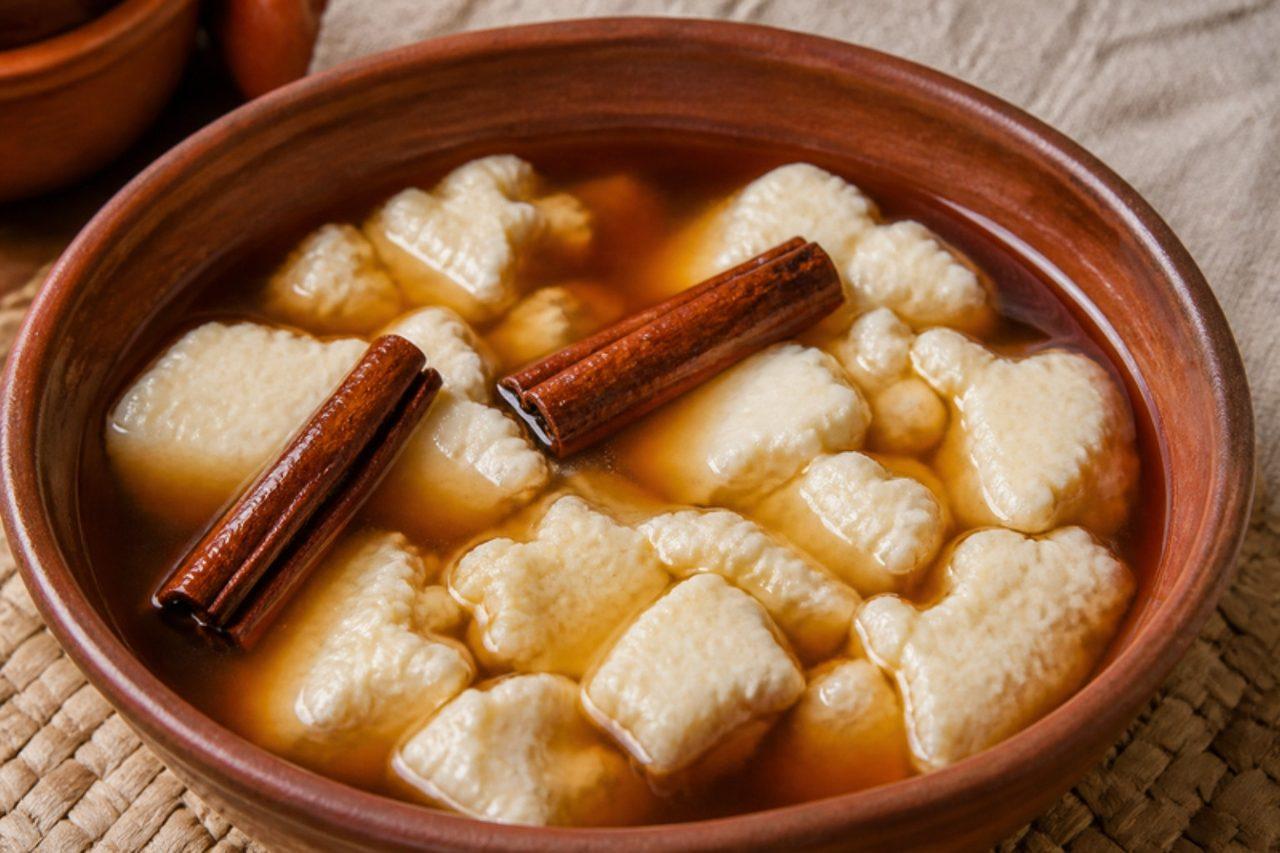
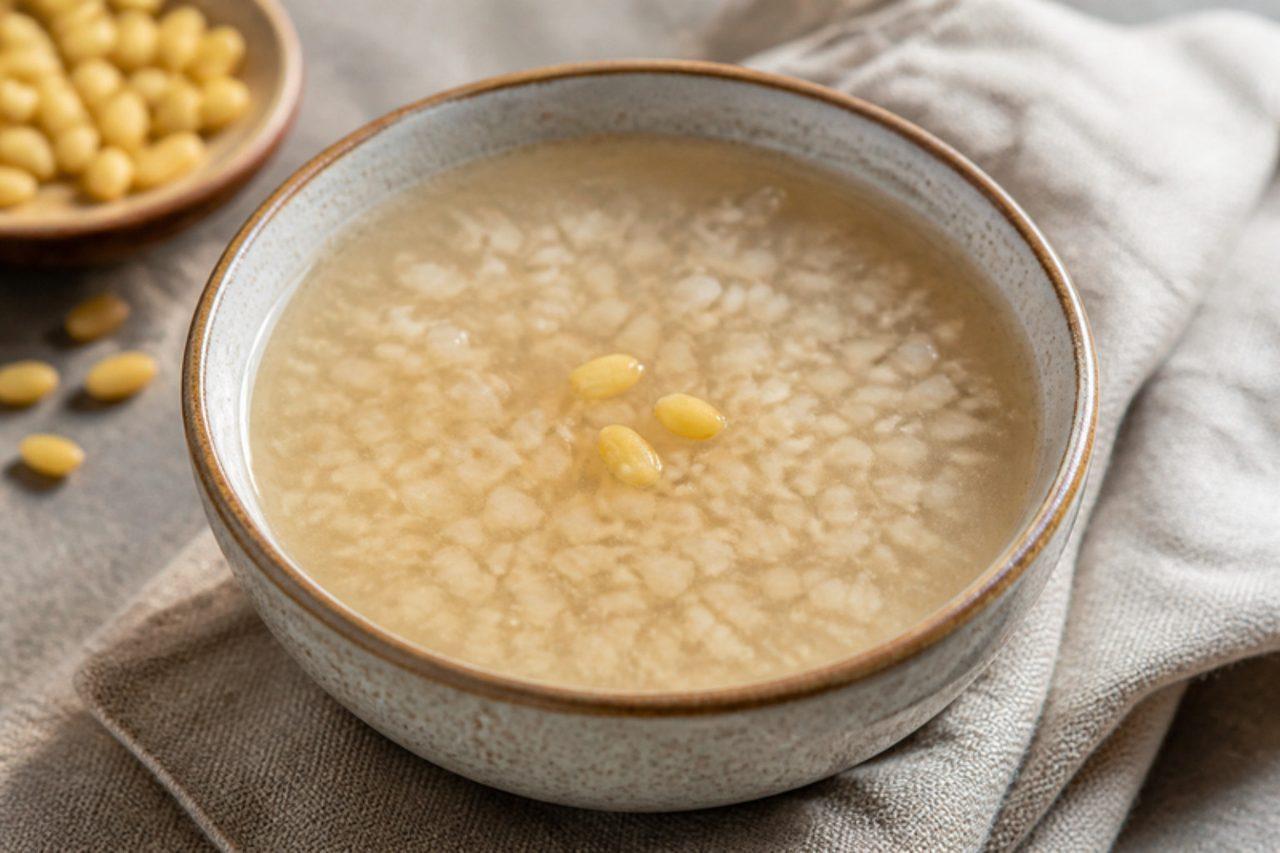
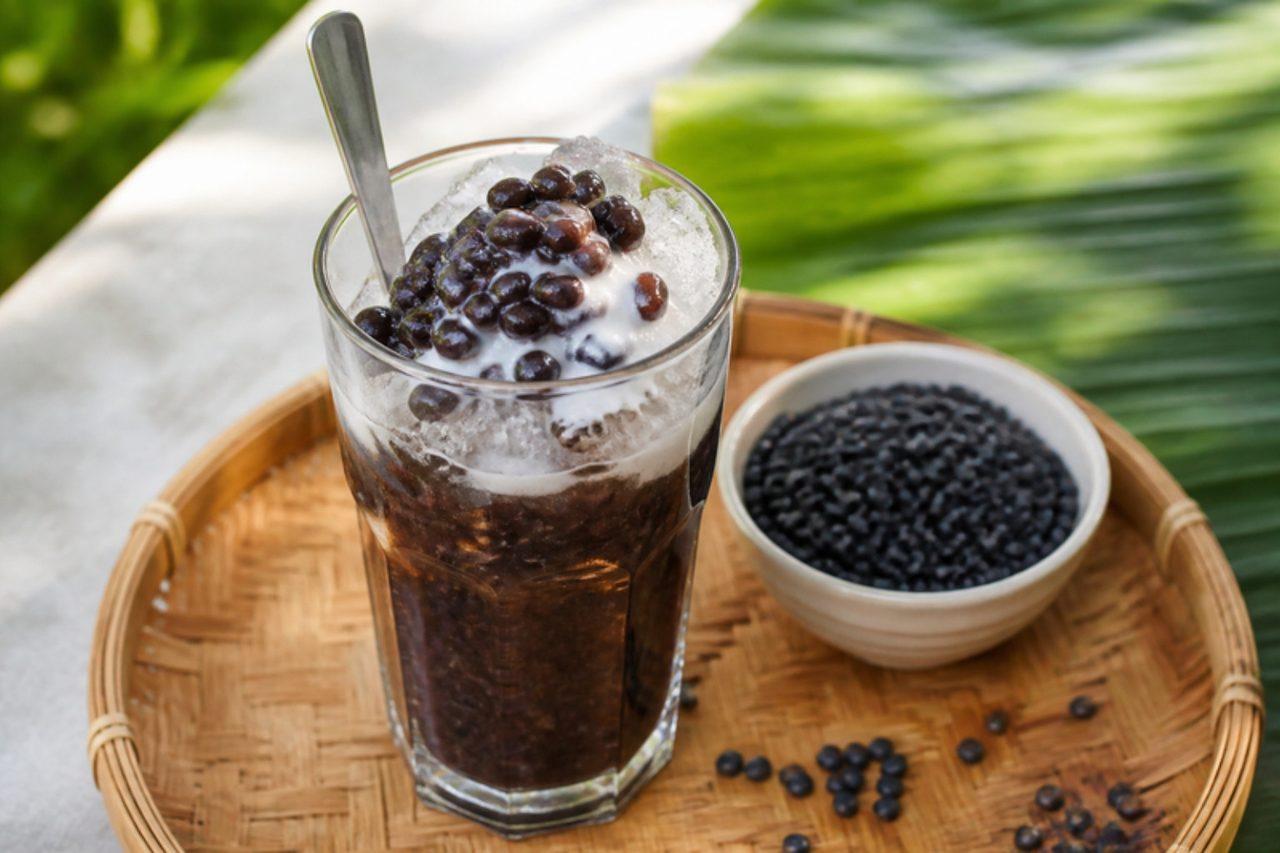
Chè đậu đen (black bean sweet soup)

In Hanoi summers, glass after glass of chè đậu đen is poured over crushed ice at pavement stalls, and many families keep a pot in the fridge because the beans are thought to cool the body. The beans are cooked whole until creamy inside but unbroken, then steeped in syrup until they turn dark and glossy; southern versions finish with a little coconut milk. Chef's tip: add the sugar only once the beans are completely tender; sugar too early toughens the skins and the beans never soften.

by KrazyBadal 0 views

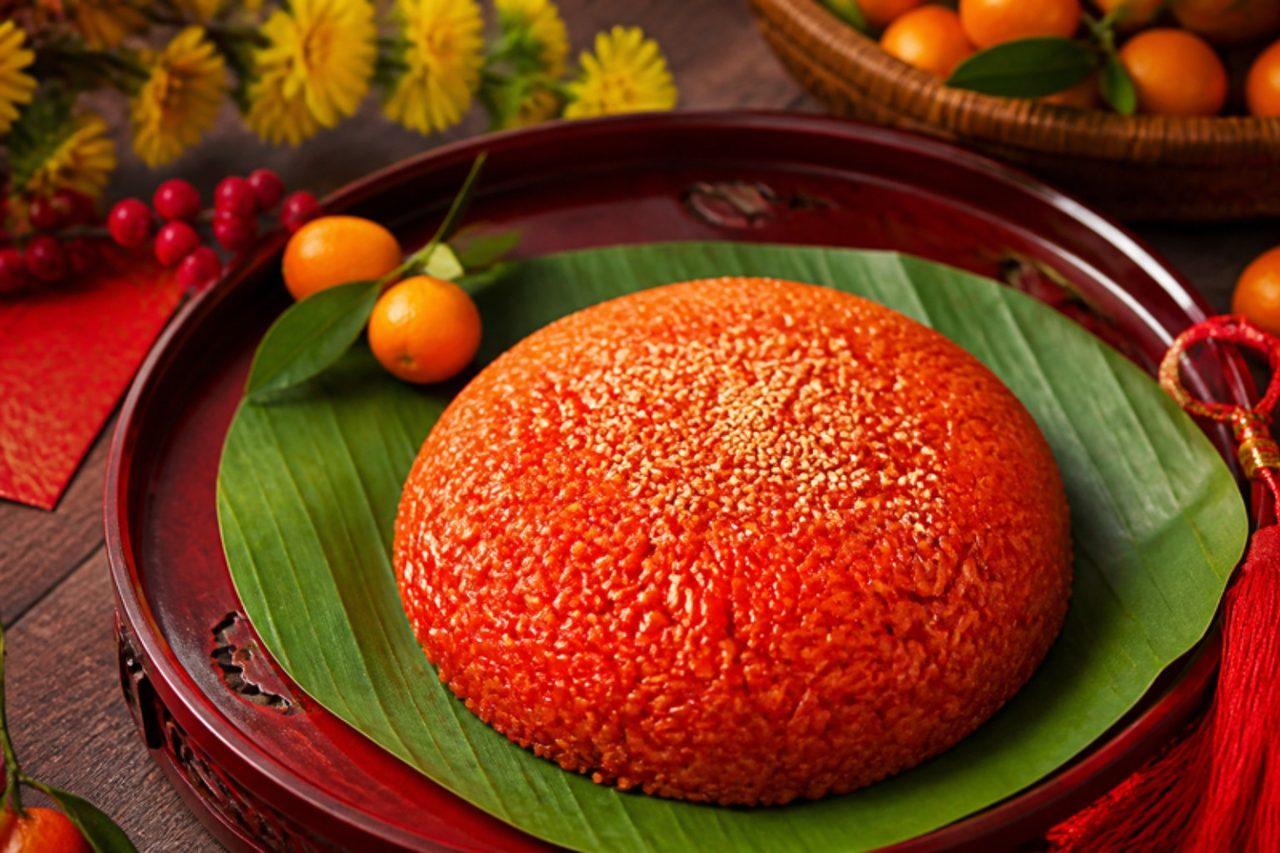
Xôi gấc (red gấc sticky rice)

On the first morning of Tết, and again at weddings and ancestor offerings, northern families set a dome of brilliant red xôi gấc on the altar: red for luck, sticky for a family that holds together. The colour comes from the arils of the spiky gấc fruit, which also gives a faint, melon-like sweetness, and coconut milk makes the grains rich and shiny. Frozen gấc pulp from Asian grocers works perfectly. Serve it warm, pressed into moulds, with a little sugar and toasted sesame, or beside giò lụa. Chef's tip: soak the rice for at least 6 hours; unsoaked glutinous rice stays chalky in the middle however long you steam it.

by KrazyBadal 0 views

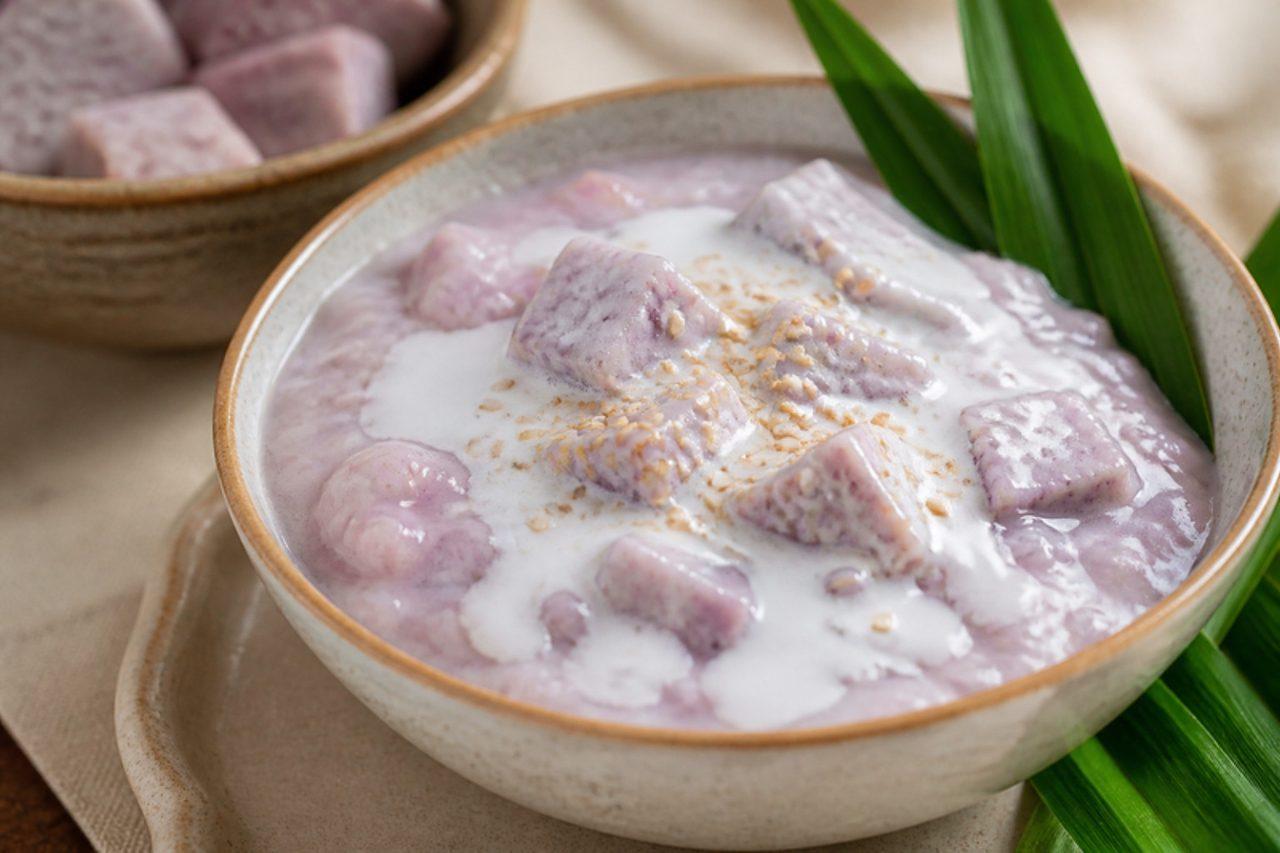
Chè khoai môn (taro and sticky rice in coconut milk)Taro coconut dessert

Southern Vietnamese cooks make chè khoai môn for ancestor offerings and for chilly monsoon evenings, when a warm, creamy bowl is welcome; Saigon stalls sell it hot from big pots. Chunks of taro, some left whole and some crushed into the pot, cook with glutinous rice until the whole thing turns thick and faintly lilac, then coconut milk is poured over. Chef's tip: wear gloves or oil your hands when peeling raw taro; the sap can make skin itch badly.

by KrazyBadal 0 views

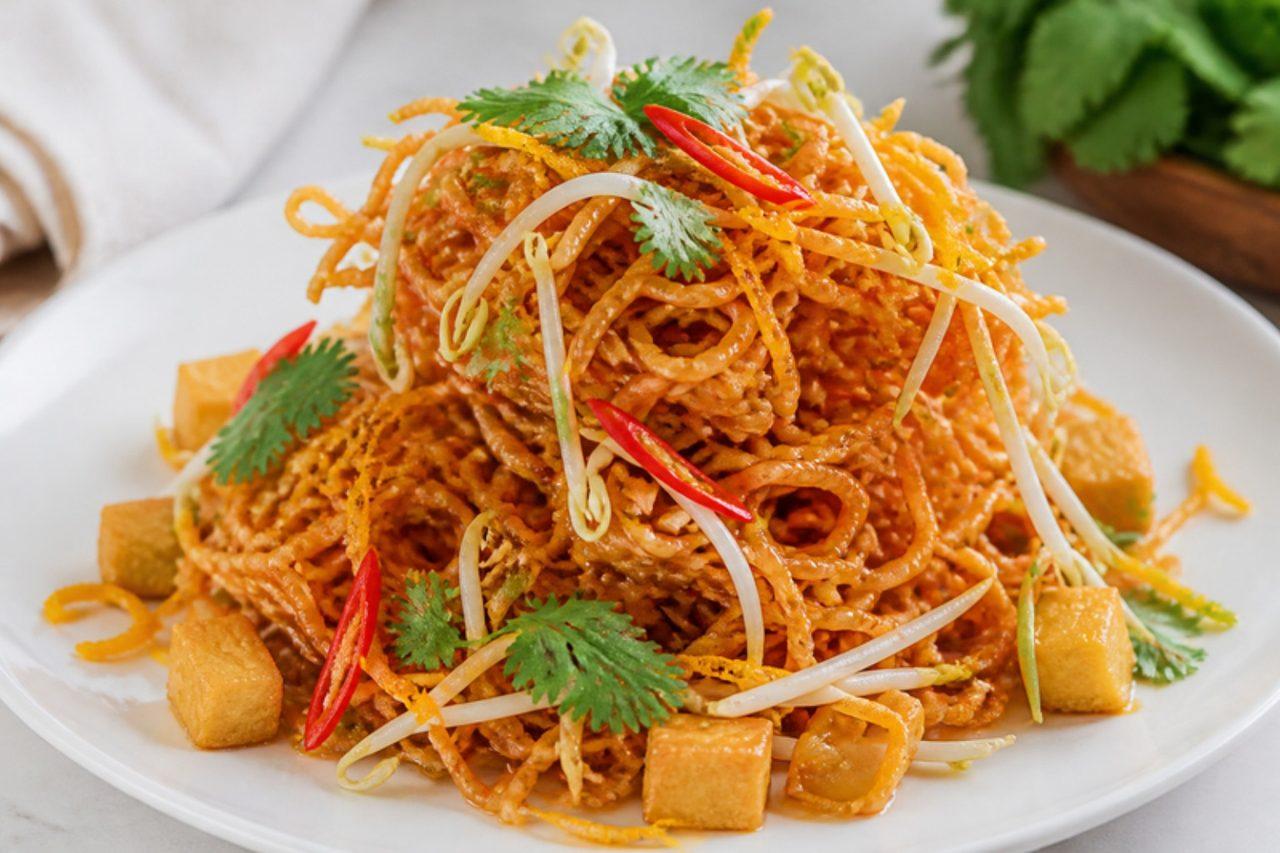
Mee krob (crispy sweet noodles, jay style)

Old Bangkok's Phra Nakhon district made mee krob famous as a royal-banquet dish, and it still appears at festive Thai Chinese dinners: a tangle of rice vermicelli puffed in hot oil, then tossed in a sticky sweet-sour sauce. Classic shops fold in prawns, egg and pickled garlic; for the jay festival this version uses fried tofu and pickled ginger, with orange zest standing in for the rare som sa citrus. Serve it with fresh bean sprouts and chilli. Chef's tip: the common mistake is a hot glaze, which wilts the noodles; cool the sauce until thick and toss just before serving.

by KrazyBadal 0 views

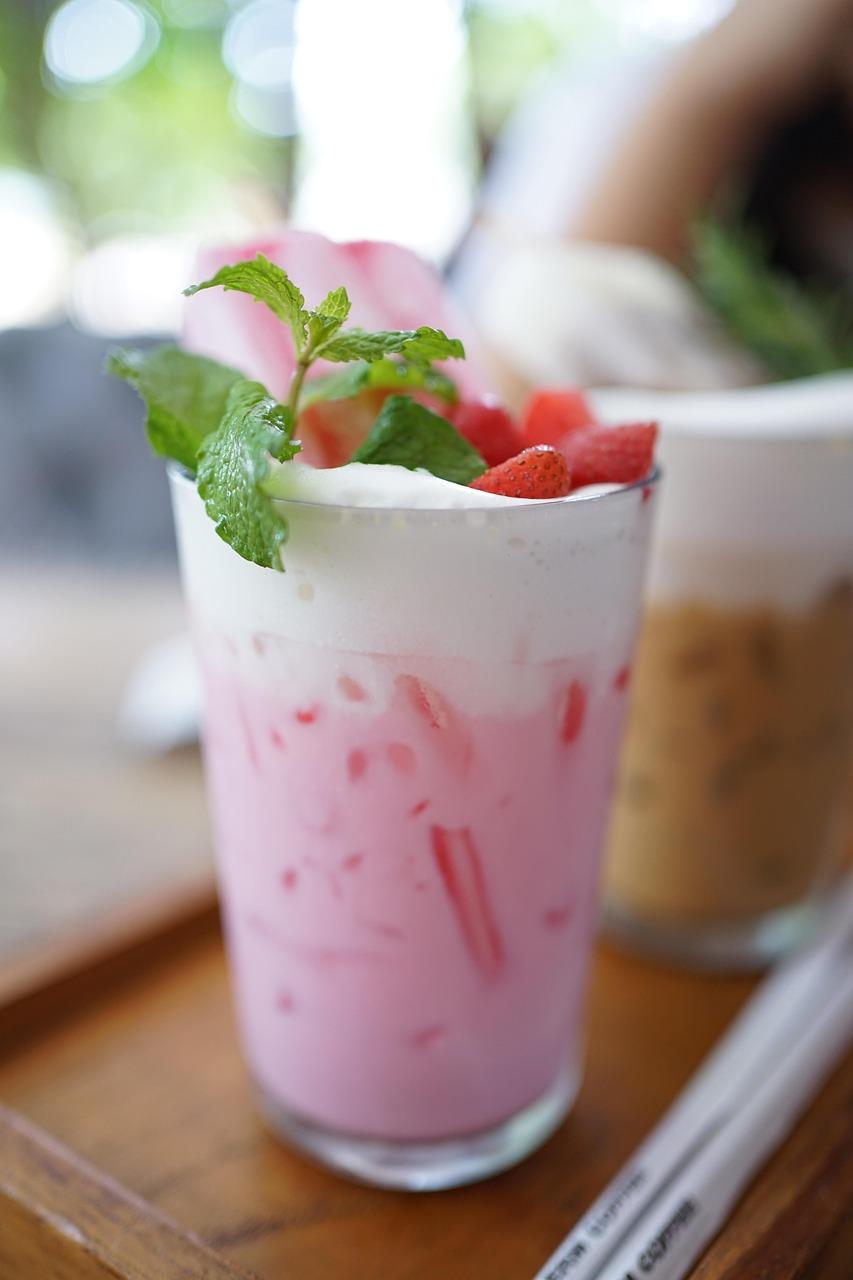
Nom yen (pink milk)Pink iced milk

Thai drink stalls outside schools and markets keep a bottle of red sala syrup next to the condensed milk for this sweet, bubblegum-pink milk, a favourite of children from Bangkok to Hat Yai. Sala is a tangy palm fruit, and the syrup tastes of it lightly, almost like cream soda; any red sala-flavoured syrup from an Asian shop works. Shake it with ice until frothy. Chef's tip: the mistake is too much syrup, which turns it lurid and cloying; start with a tablespoon per glass and add more to taste.

by KrazyBadal 0 views

ChamoySweet-sour chile sauce

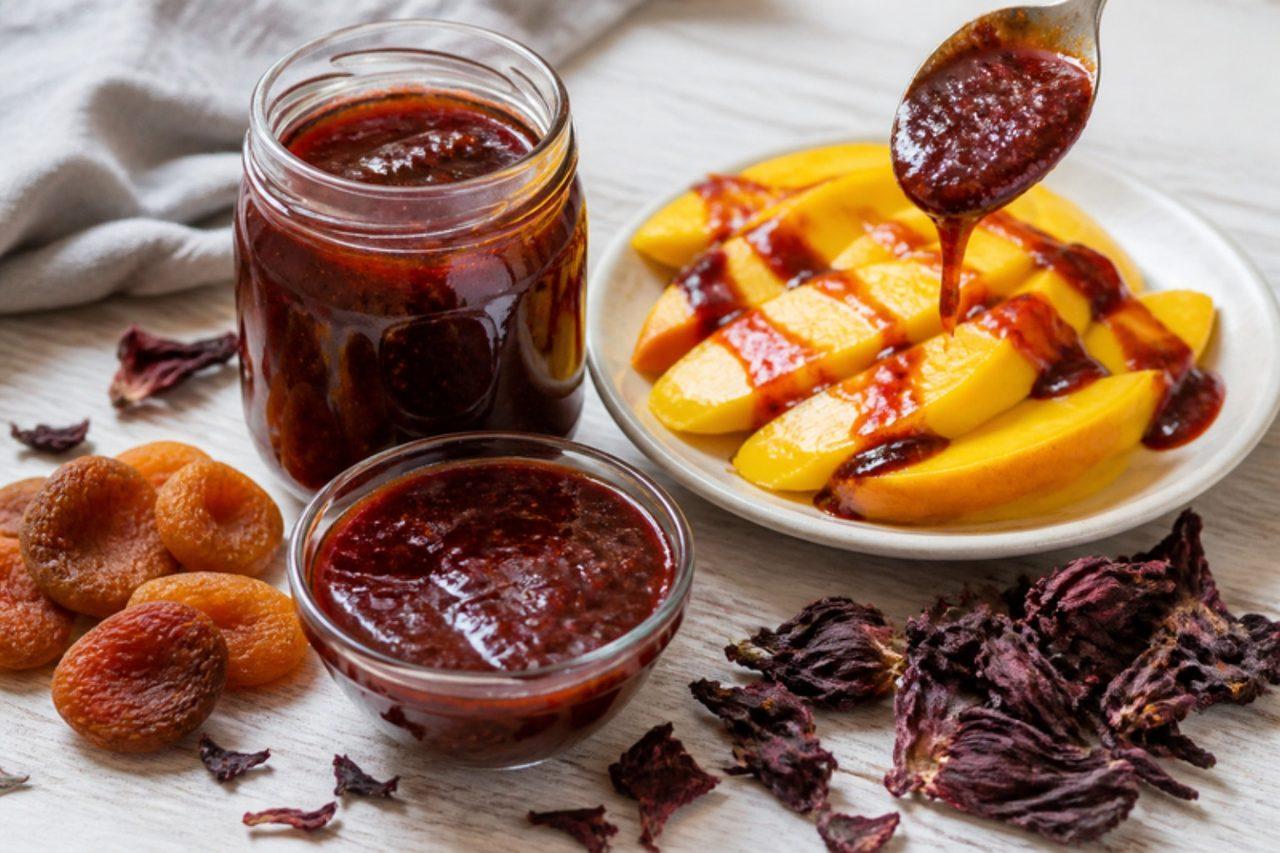
Brick-red and glossy, chamoy is the sauce Mexicans splash over fresh fruit, mango sorbet, crisps and the rim of a michelada glass. It is said to descend from Asian salted plum sauces, but today's version is pure Mexican: dried apricots and hibiscus simmered and blended with chile, lime, sugar and salt. Homemade chamoy is fruitier and less sweet than the bottled kind. Chef's tip: it thickens a lot as it cools, so take it off the heat when it still pours like warm ketchup.

by KrazyBadal 0 views

Nieve de garrafa de limónLime water ice

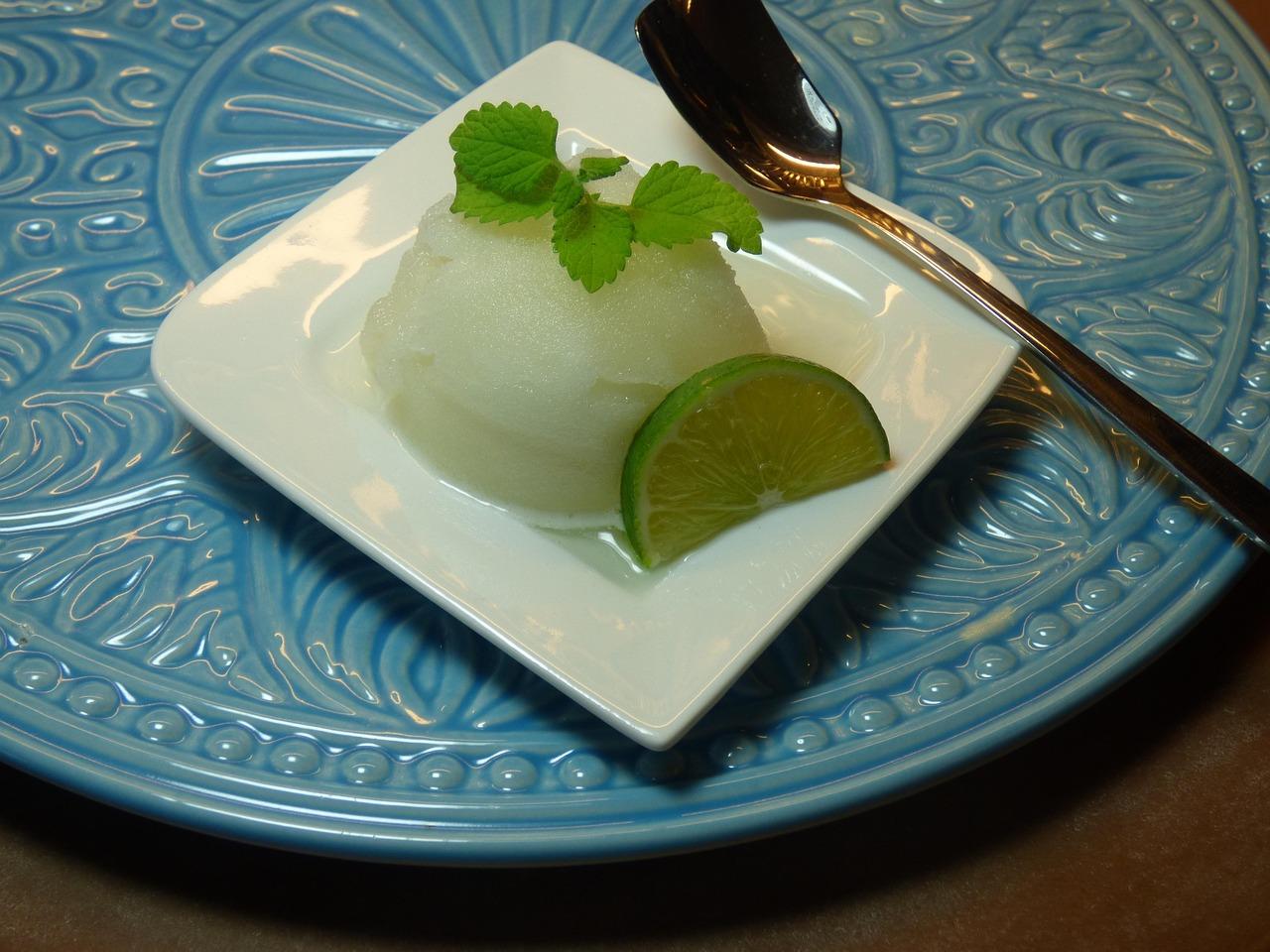
In town plazas from Oaxaca to Guadalajara, neveros still churn nieve de garrafa by spinning a tall metal can in a wooden barrel of ice and rock salt, scraping the frozen walls with a long paddle. Lime nieve is the sharpest and most refreshing, pale green from the zest, and it is eaten in small cups after a hot walk through the market. At home a metal bowl set in ice and salt works the same way. Chef's tip: add the zest at the start but strain it out; that way you get its oils without the bitterness.

by KrazyBadal 0 views

MangonadaMango sorbet with chamoy

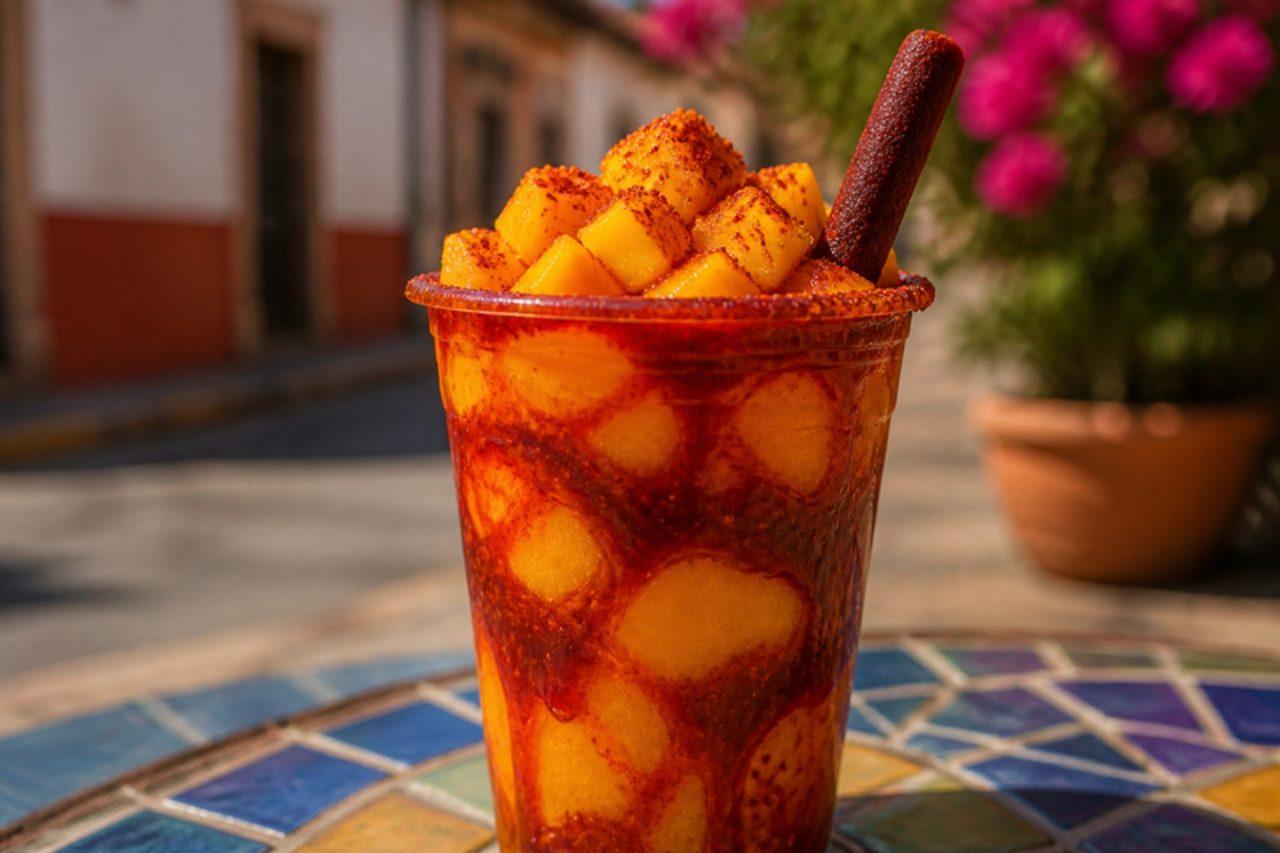
Mangonadas, also called chamoyadas, are a Mexican street sweet sold by neverías and fruit stands from Guadalajara to the US border: thick frozen mango blended to a slush, layered in a tall cup with sticky red chamoy and chile-lime salt and crowned with fresh mango cubes. Sweet, sour, salty and hot at once, it comes with a chewy tamarind-candy straw for stirring. Chef's tip: freeze the mango in cubes beforehand, so you get a thick spoonable slush without watering it down with ice.

by KrazyBadal 0 views

BiónicoFruit cup with cream

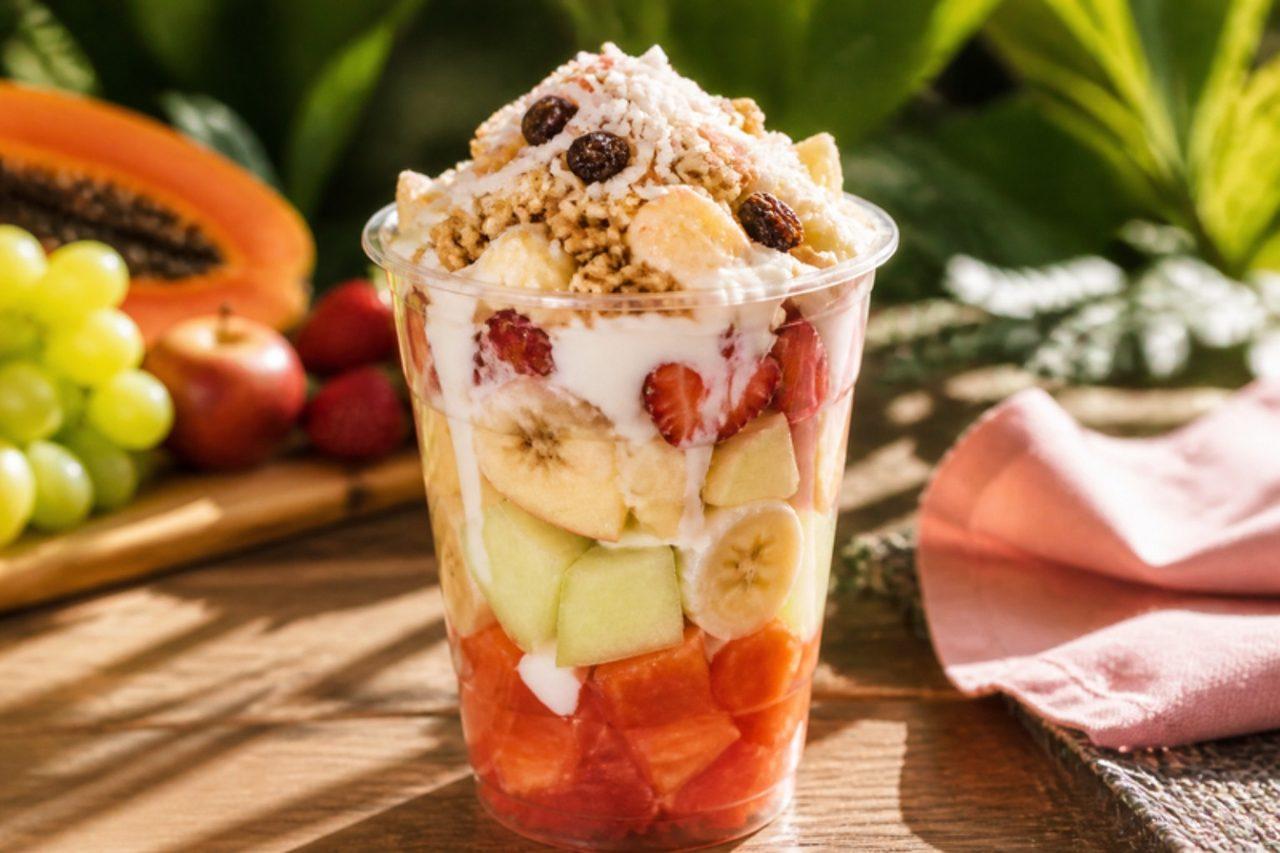
Born in the 1990s at a juice stand in Guadalajara, Jalisco, the biónico is now the city's favourite breakfast on the go: a tall cup of chopped papaya, melon, apple, banana and strawberries drenched in a sweet cream of yoghurt, soured cream and condensed milk, then scattered with granola, coconut and raisins. Kids adore it and it takes fifteen minutes. Chef's tip: cut the banana last and fold it straight into the cream, so it stays pale.

by KrazyBadal 0 views

BolilloCrusty Mexican rolls

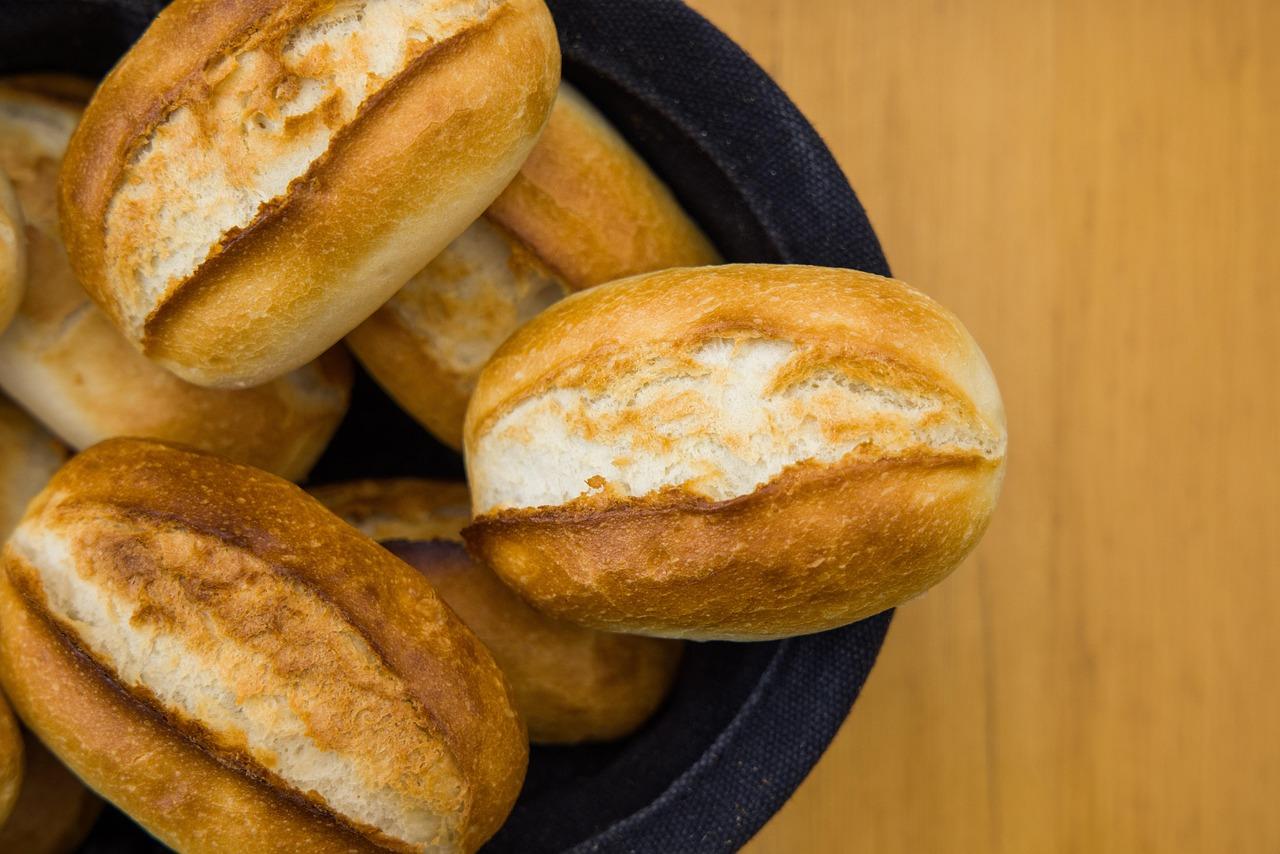
Before dawn in Mexico City, León or Puebla, neighbourhood bakeries pull trays of bolillos from the oven for tortas, molletes and the morning coffee. The rolls are oval with pointed ends and one deep slash, a thin crackly crust and a light, slightly chewy crumb, born from the French bakers who worked in Mexico in the 1860s. This version is made with no lard or butter, so it is vegan. Chef's tip: a tray of boiling water in the oven for the first ten minutes is what gives the crust its shine and crackle.

by KrazyBadal 0 views

Carlota de limónLime icebox cake

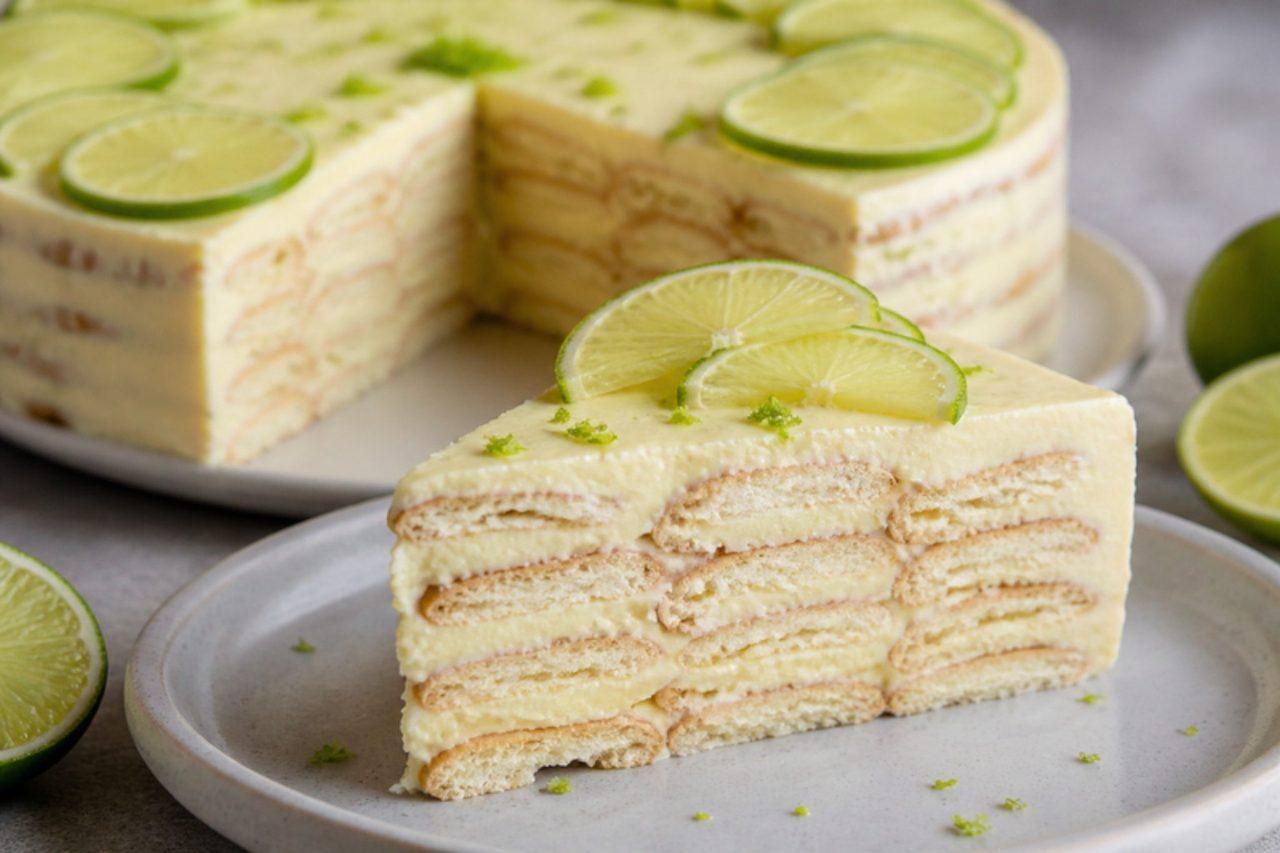
In Mexican home kitchens carlota de limón is the dessert everyone's aunt knows by heart: layers of Marías biscuits and a lime cream whipped from condensed and evaporated milk, chilled until it slices like a cake. It is made on hot afternoons in Sonora and Veracruz and turns up at every children's party. The lime curdles the milk just enough to thicken it, so there's no cooking at all. It contains wheat and dairy. Chef's tip: blend in the lime juice slowly, with the motor running, until the cream thickens visibly.

by KrazyBadal 0 views

Paletas de mango con chileMango ice pops with chile

The town of Tocumbo in Michoacán sent paleteros all over Mexico, and their shops, the paleterías michoacanas, sell fruit ice pops from Tijuana to Cancún. Mango con chile is one of the most loved: chunky frozen mango purée, sharp with lime, with a ribbon of chile powder through it and more sprinkled on top. Chef's tip: leave a few small cubes of mango in the purée, so every bite has real fruit.

by KrazyBadal 0 views

Agua de pepino con limónCucumber lime drink

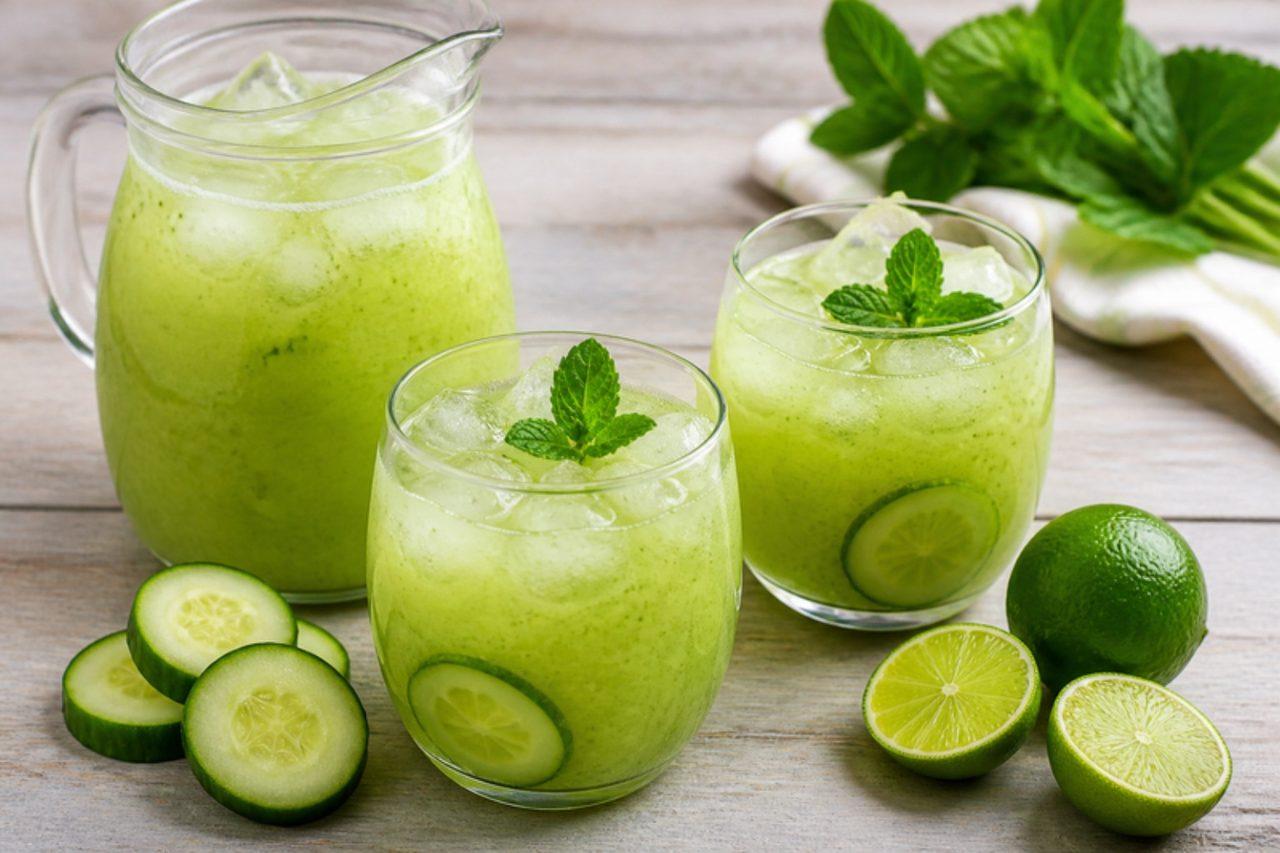
Pale green and very refreshing, agua de pepino is the cooler sold from market juice stands in Mexico City and Oaxaca when the afternoon heat builds, and families blend a jug for comida on hot days. Cucumber, lime and a few mint leaves give a clean, light taste with very little sugar. Chef's tip: leave some of the peel on the cucumber for colour, but strain the drink so it stays silky.

by KrazyBadal 0 views

Limones rellenos de cocoCoconut-stuffed candied limes

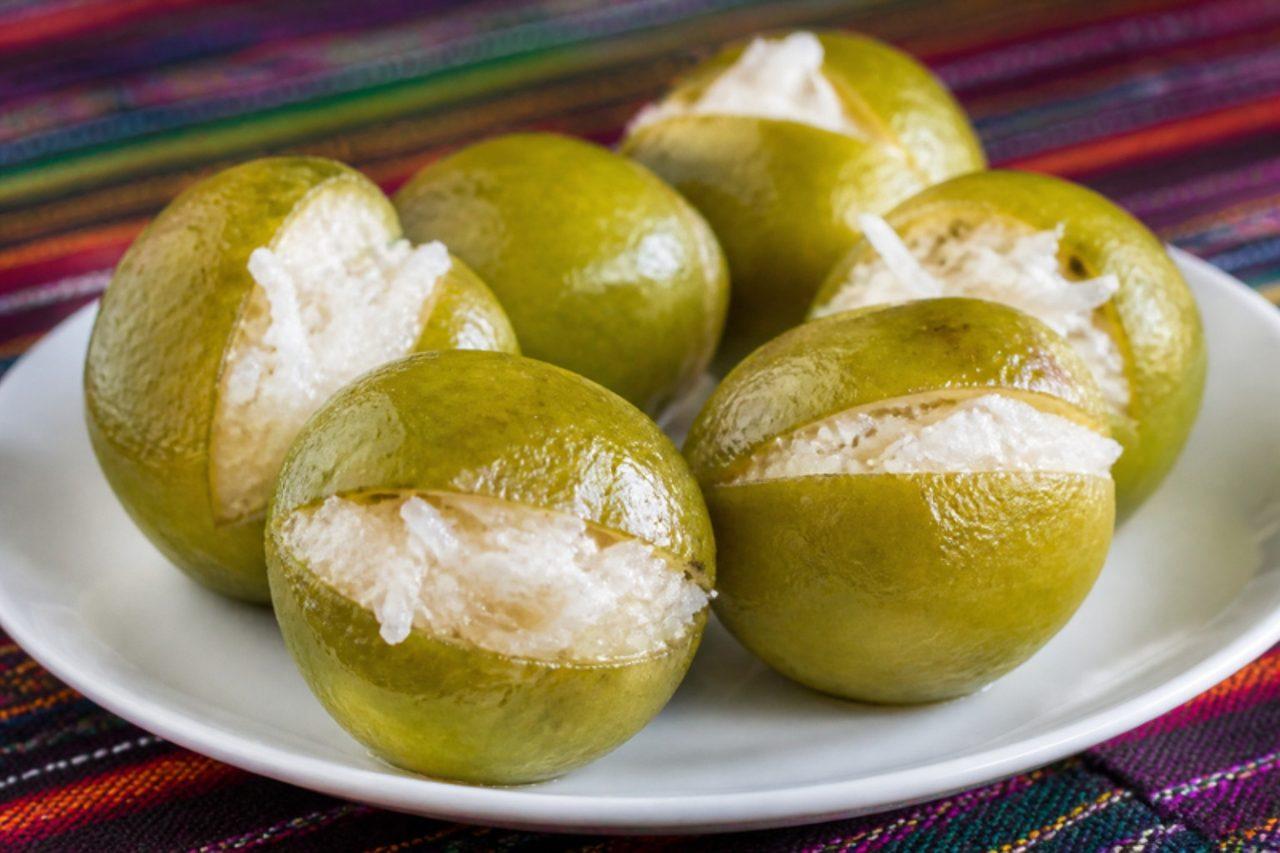
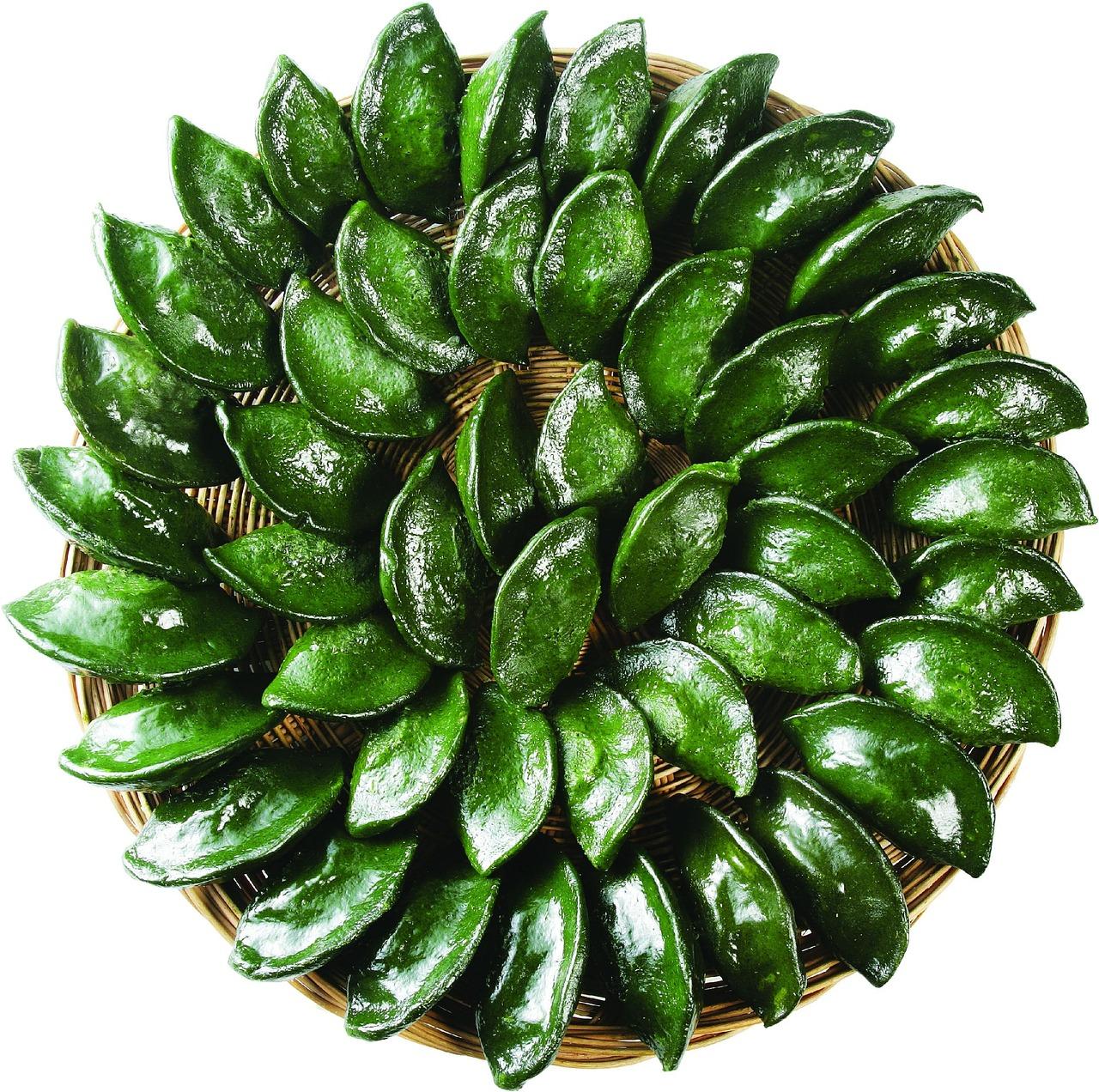
At the candy stalls of Oaxaca's Mercado 20 de Noviembre and in the towns of Michoacán, bright green candied limes stuffed with snowy coconut are a jewel of traditional dulcería. The limes are scraped, soaked and boiled to take away the bitterness, then candied over two days until glassy, hollowed and filled. They are sweet, chewy and sharp at once, made for weddings and gifts. Chef's tip: change the soaking water every time without fail, as that is what takes away the bitterness of the pith.

by KrazyBadal 0 views

Agua de tamarindoTamarind drink

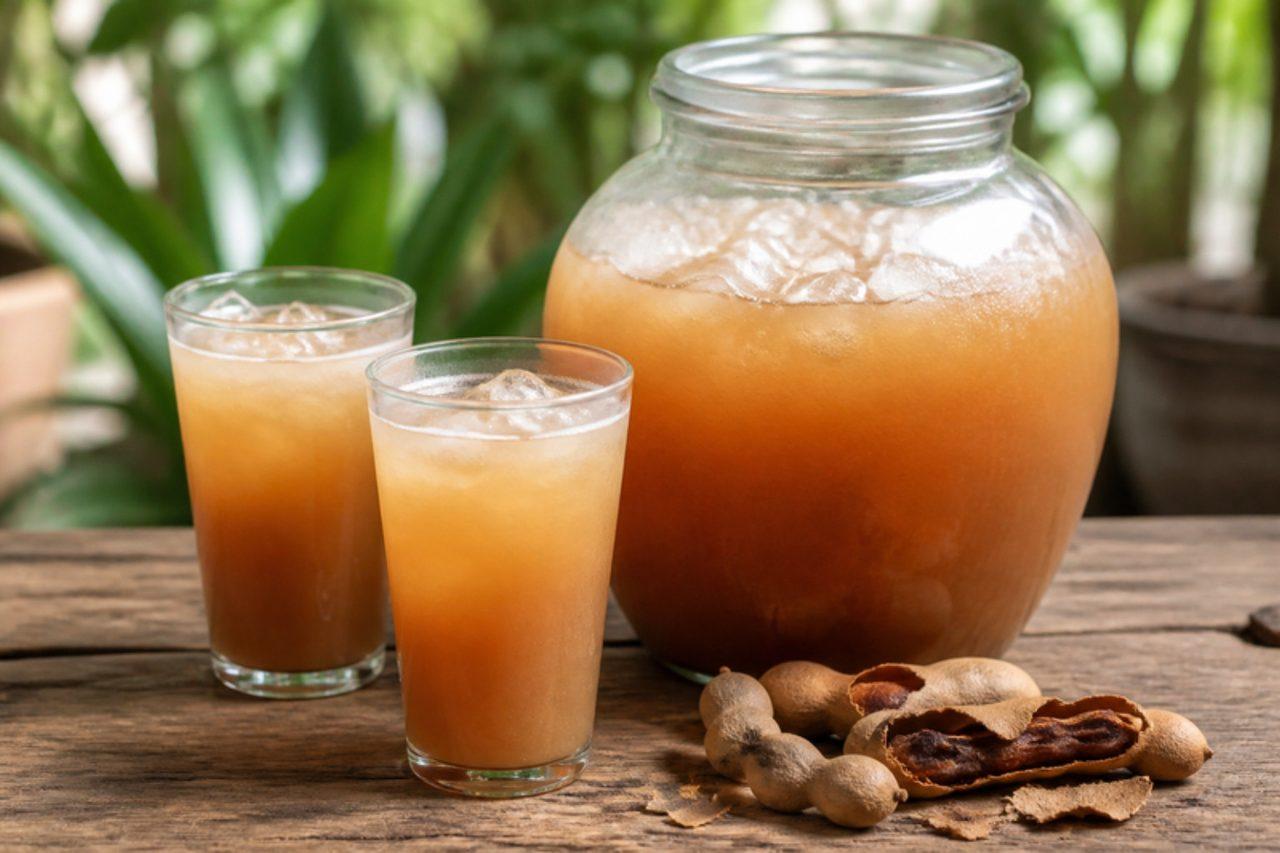
Brown, cloudy and gloriously tart, agua de tamarindo fills the big glass vitroleros at taquerías and fondas across Mexico, especially in hot Guerrero, Colima and the Yucatán, and it is the drink most people reach for with a plate of tacos de guisado. The pods are peeled, simmered and rubbed through a sieve, so it tastes far fresher than paste or concentrate. Chef's tip: soak the pulp in the hot cooking water before you rub it, which loosens every bit from the seeds.

by KrazyBadal 0 views

Dưa món chay (Tết pickled vegetables)

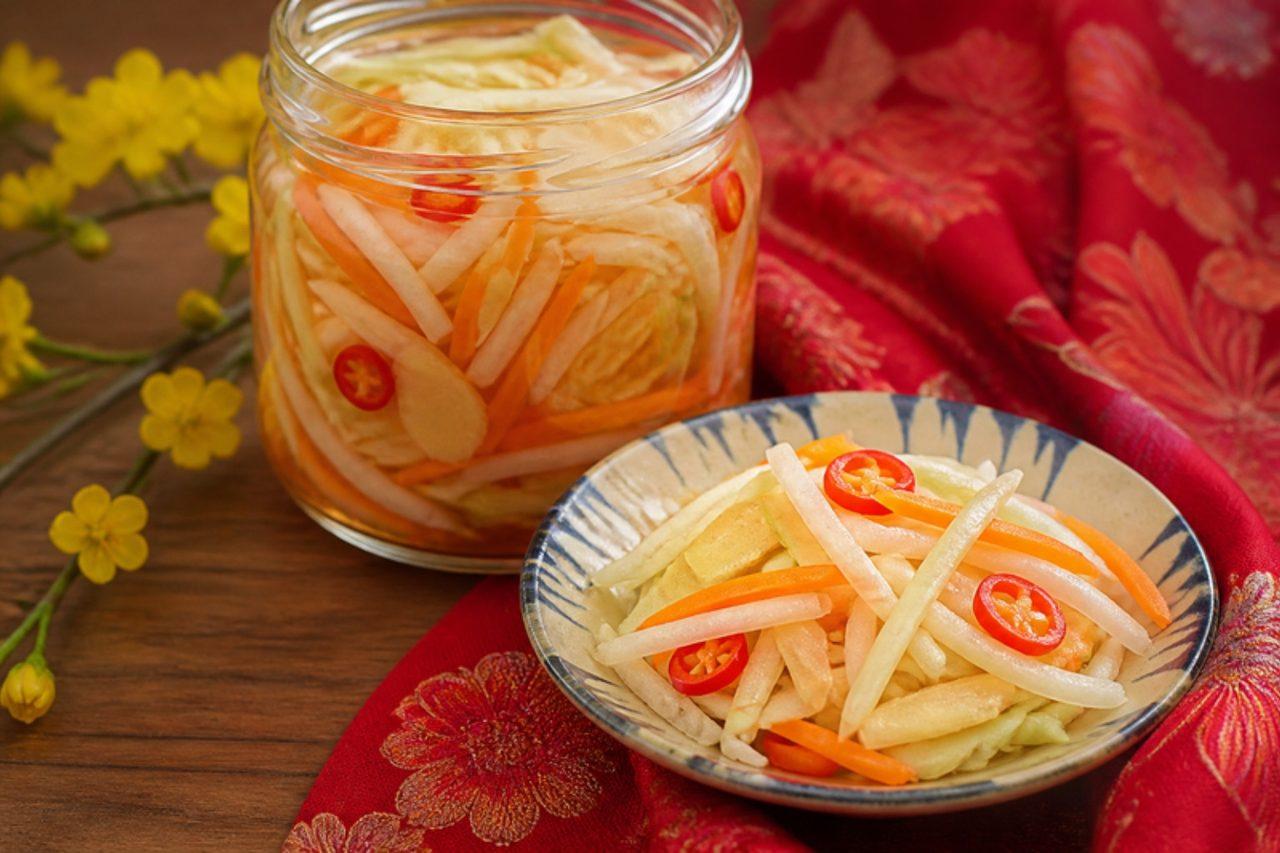
In the Mekong Delta, the week before Tết means trays of papaya, daikon and carrot strips drying in the sun on every balcony, to be packed into jars for dưa món. The drying makes the vegetables wonderfully crunchy and lets them drink up a sweet, salty brine. Families eat a little alongside thịt kho trứng and bánh tét to cut the richness over the holiday. The classic brine uses fish sauce; this one uses tamari, which keeps it vegan and gives a deep amber colour. Chef's tip: dry the strips until they bend like leather; damp vegetables go soft and cloudy in the jar.

by KrazyBadal 0 views

Chè chuối (banana and tapioca in coconut milk)Banana tapioca coconut dessert

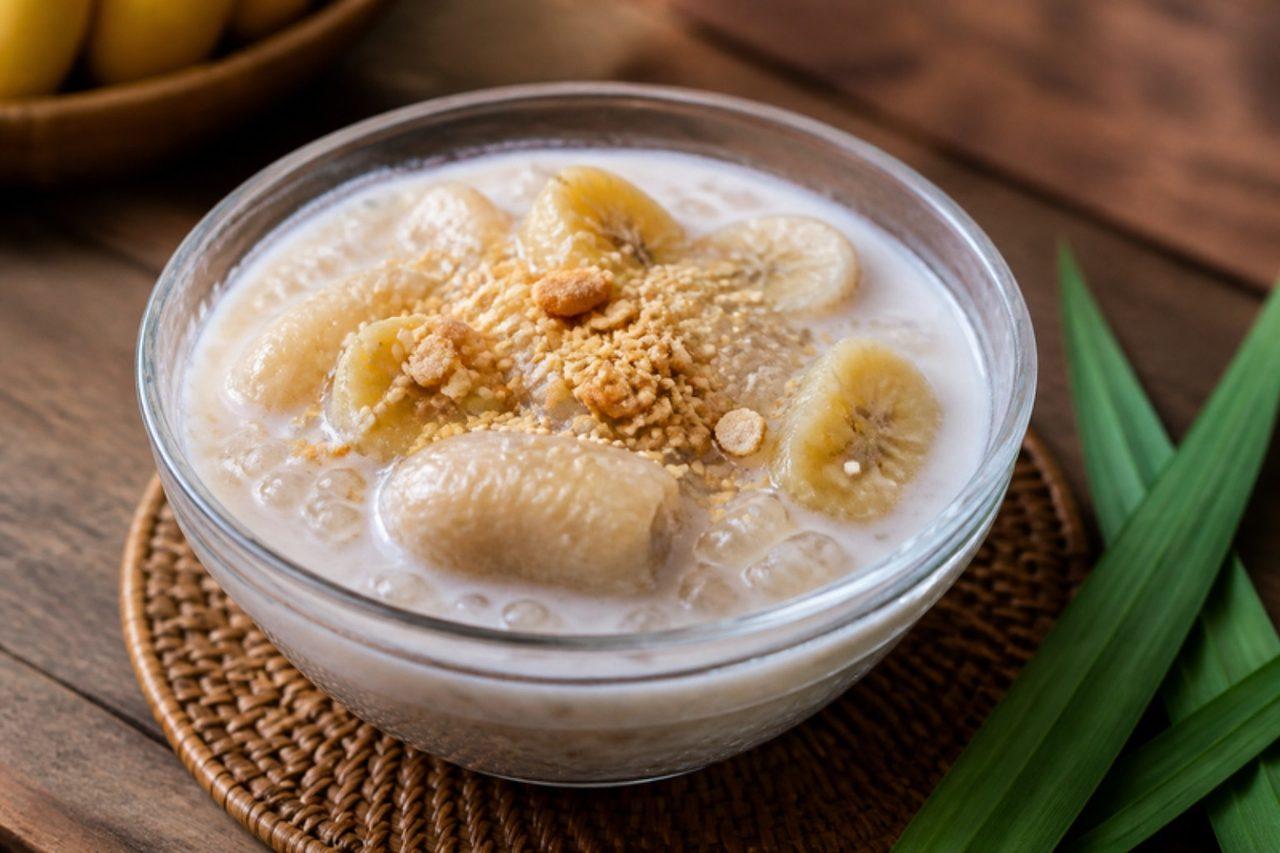
Mekong Delta households, where banana trees line every canal, make chè chuối when the fruit is ripe and plentiful, and Saigon sweet-soup stalls sell it warm in the evening. Short, sweet bananas soften in coconut milk thickened with tapioca pearls, turning slightly pink as they cook, and the bowl is finished with toasted sesame and crushed peanuts. It is eaten warm, never iced. Chef's tip: use firm, just-ripe bananas; very soft ones dissolve into mush before the tapioca is cooked.

by KrazyBadal 0 views

Nieve de mameyMamey ice cream

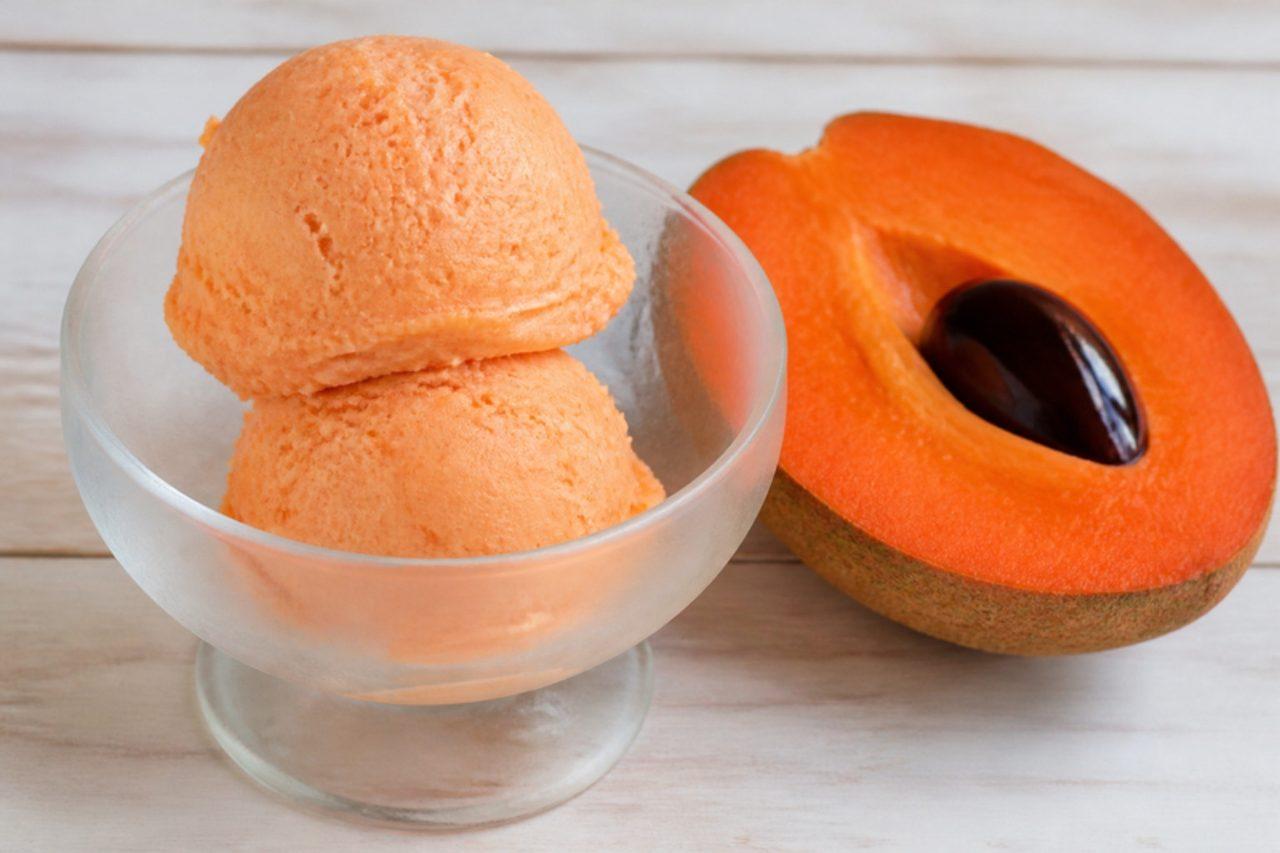
Mamey, the rough brown fruit with salmon-orange flesh that tastes like sweet potato, pumpkin and almond at once, is a favourite in Tabasco, Chiapas, Veracruz and the Yucatán, and its ice cream is a star of the nevería in any southern town. The fruit is naturally so creamy that a little milk and sugar is enough. It contains dairy. Chef's tip: use a mamey that gives like a ripe avocado when pressed; underripe ones taste chalky.

by KrazyBadal 0 views

Chongos zamoranosMilk curds in cinnamon syrup

Zamora in Michoacán gave its name to chongos, soft knots of fresh milk curd slowly poached in their own whey with sugar and cinnamon until the syrup turns golden and the curds turn springy. They are served cool in small glass bowls after Sunday lunch, and jars are sold at roadside stands across the Bajío. Traditionally the milk is set with animal rennet; use a vegetarian rennet (microbial or plant-based) to keep it vegetarian. Chef's tip: never stir after the curds form, only tilt the pan, or they break into crumbs.

by KrazyBadal 0 views

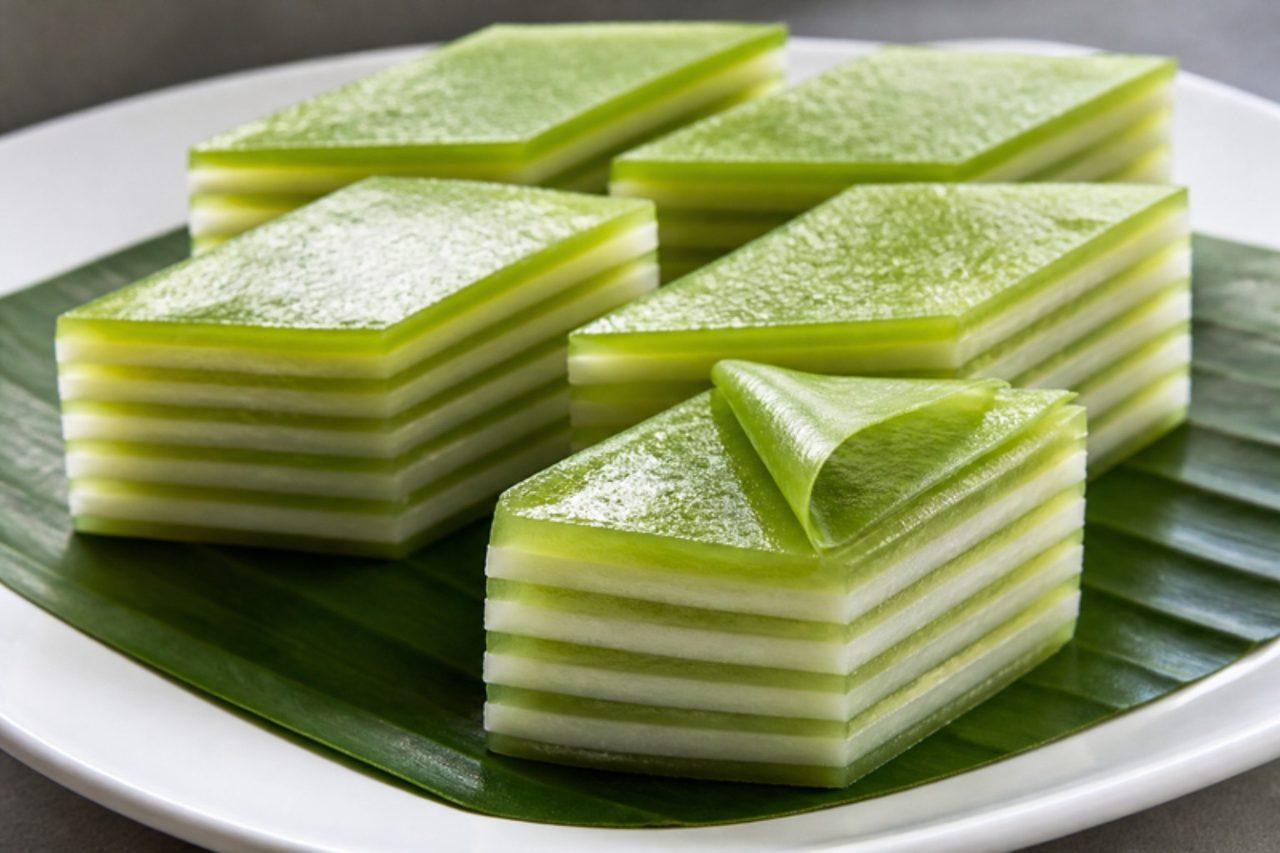
Khanom chan (layered pandan cake)

Bangkok's old dessert shops in Thonburi and the markets around Ayutthaya stack trays of this cake on their counters, and it turns up at weddings and house blessings because 'chan' also sounds like rising a level in life. Each green or white band is steamed on top of the last, so the finished slice is springy, faintly chewy and scented with pandan and jasmine; children eat it by peeling off one layer at a time. Serve it at room temperature with hot jasmine tea. Chef's tip: the classic mistake is pouring the next layer before the one beneath has turned fully translucent, which blurs the stripes; give each layer its full five minutes.

120 minThaiDessertsVeganGluten free
by KrazyBadal 0 views

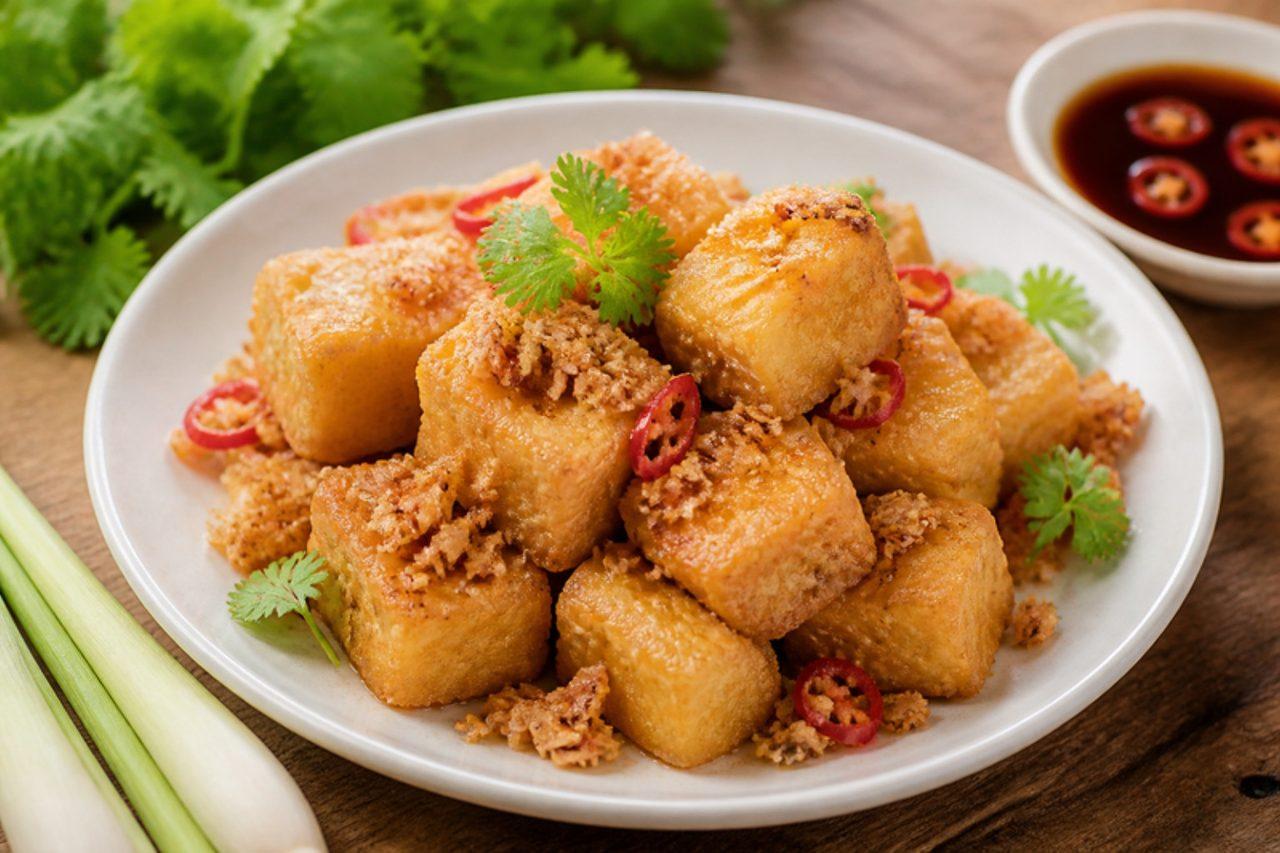
Đậu hũ chiên sả ớt (lemongrass chilli tofu)

Saigon's chay restaurants, the ones tucked beside pagodas that fill up on the 1st and 15th of each lunar month, nearly always have a plate of this on the table: golden tofu cubes buried under a crunchy, fragrant rubble of fried lemongrass and red chilli. The tofu stays soft inside, the lemongrass turns nutty and crisp, and a splash of tamari with a little sugar glazes everything. Eat it with steamed jasmine rice, sliced cucumber and a bowl of clear vegetable soup. Many chay cooks skip garlic and shallot, so this version leaves them out. Chef's tip: mince the lemongrass really finely and fry it on its own until golden; coarse chunks or lemongrass added with the tofu stay woody and chewy.

by KrazyBadal 0 views

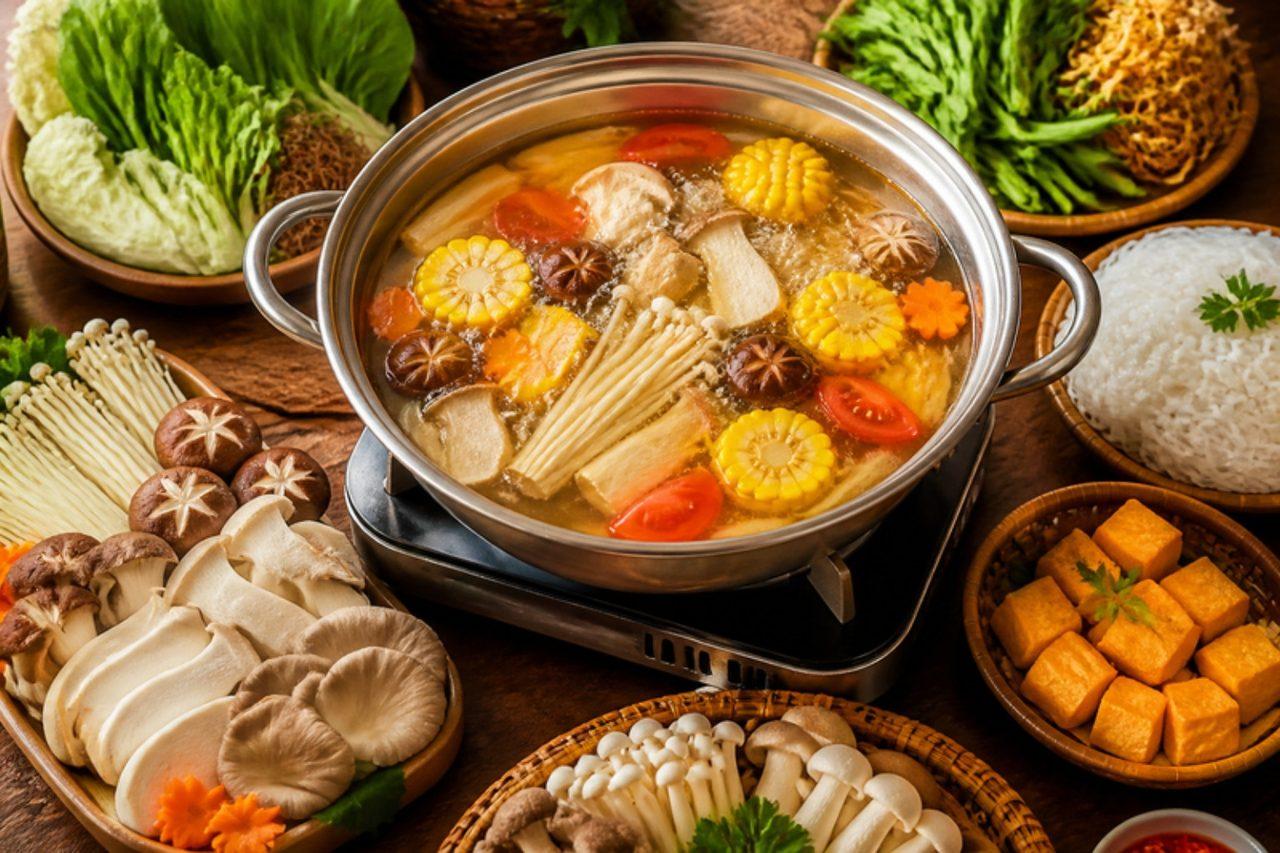
Lẩu nấm chay (vegetarian mushroom hotpot)Mushroom hot pot

Đà Lạt, cool and misty, made the mushroom hotpot famous, and vegetarian lẩu restaurants in Hanoi and Saigon now fill up with groups on cold or rainy evenings. A clear broth sweetened with daikon, corn cobs, carrot and apple sits on a burner in the middle of the table; everyone drops in mushrooms, tofu and greens, fishes them out a minute later and spoons them over rice noodles. Expect to top up the pot and keep eating for an hour. Chef's tip: simmer the broth vegetables gently and never boil hard; a rolling boil clouds the broth and dulls its natural sweetness.

by KrazyBadal 0 views

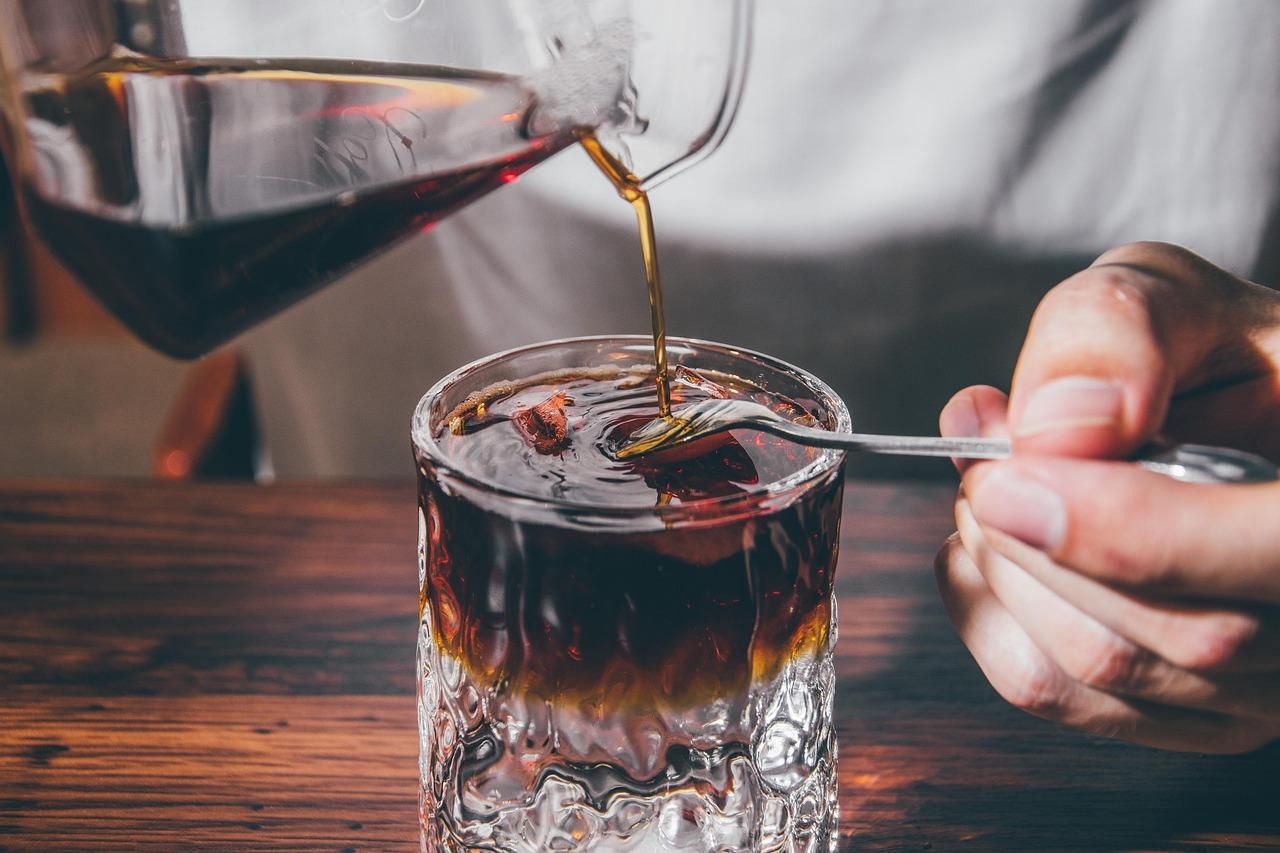
Oliang (Thai black iced coffee)

Old Bangkok coffee shops in Chinatown and Bang Rak still brew oliang through a long cotton sock, using a dark blend of coffee roasted with corn, soybeans, rice and sesame that gives it a toasty, almost cocoa-like flavour. It is served black, heavily sweetened and poured over crushed ice in tall glasses, a mid-morning pick-me-up for market traders. Look for any Thai 'oliang powder' blend in Asian shops, or mix dark coffee with roasted grains as below. It contains caffeine, so it is not one for children. Chef's tip: adding sugar after chilling is the mistake; dissolve it while the coffee is hot, or it stays gritty.

15 minThaiDrinksVeganGluten free
by KrazyBadal 0 views

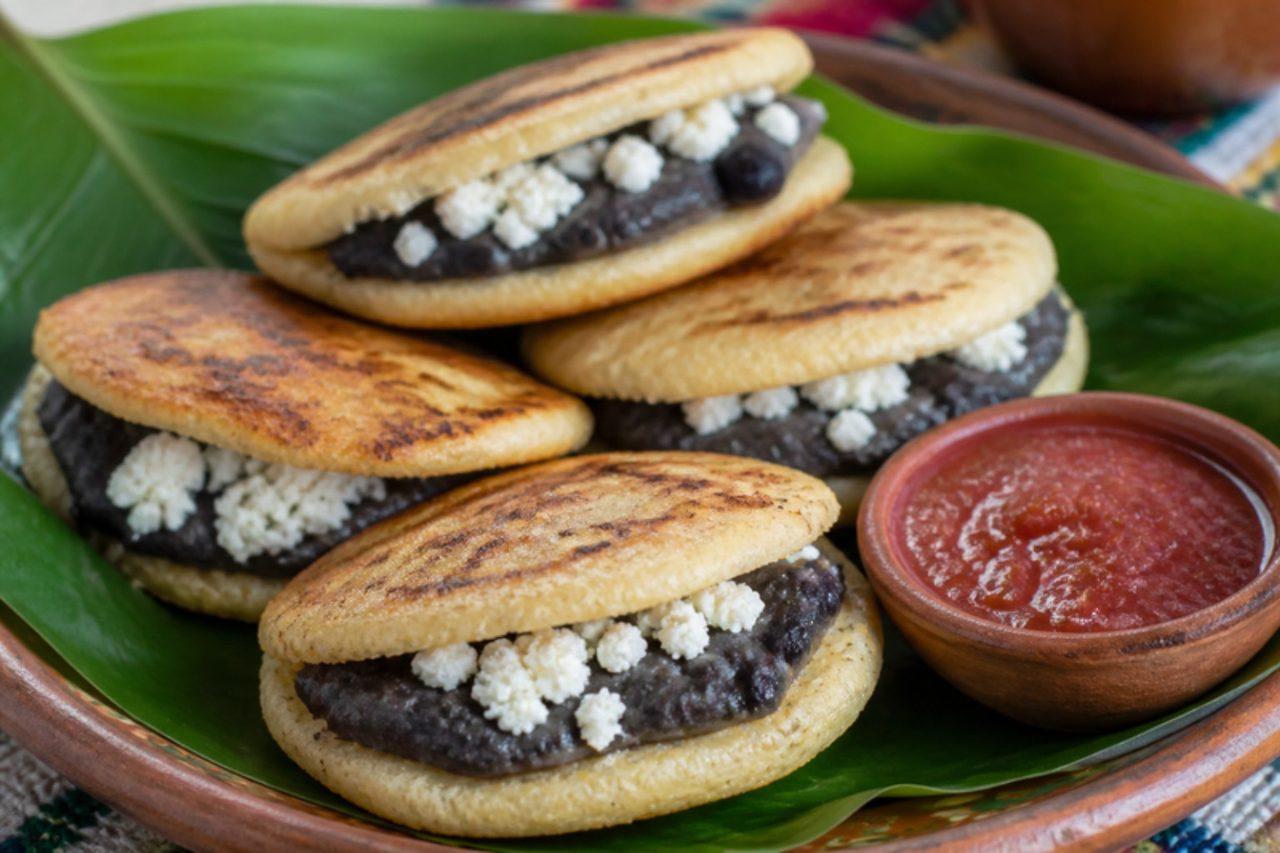
BocolesFilled masa cakes

Bocoles are breakfast across the Huasteca, the green hill country shared by Veracruz, San Luis Potosí and Tamaulipas, where they come off the comal at dawn to be split open and stuffed. The masa is enriched with fat (traditionally pork lard; vegetable shortening here keeps them vegetarian) so the cakes are tender and slightly crumbly. Fill them with beans, cheese and salsa, or with scrambled egg. If you keep a vegetarian kitchen, note that ranch-style fresh cheese is usually set with animal rennet; a vegetarian queso fresco or feta does the same job. Chef's tip: cook them slowly over a medium-low heat so the thick centre cooks through before the outside burns.

by KrazyBadal 0 views

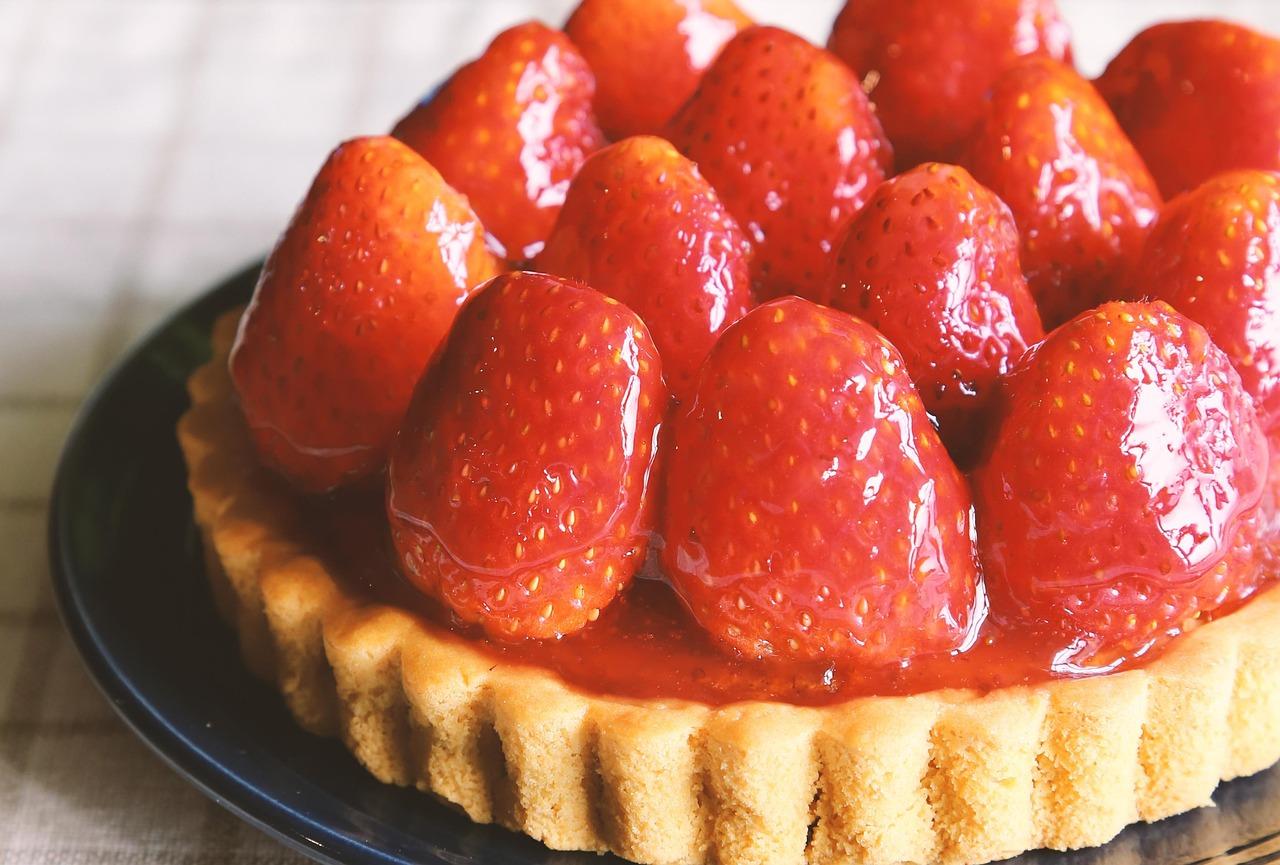
Tarte aux fraisesStrawberry tart

The tarte aux fraises arrives in French bakery windows with the first Gariguette and Plougastel strawberries in May and stays all summer, the most popular fruit tart for birthday lunches and Sunday family meals. A crisp sablé case is filled with vanilla crème pâtissière and covered in neat rows of halved strawberries, glazed for shine. The common mistake is filling the case too early, so the pastry goes soft. Chef's tip: brush the baked case with a thin layer of melted white chocolate; it seals the pastry and keeps it crisp for hours.

by KrazyBadal 0 views

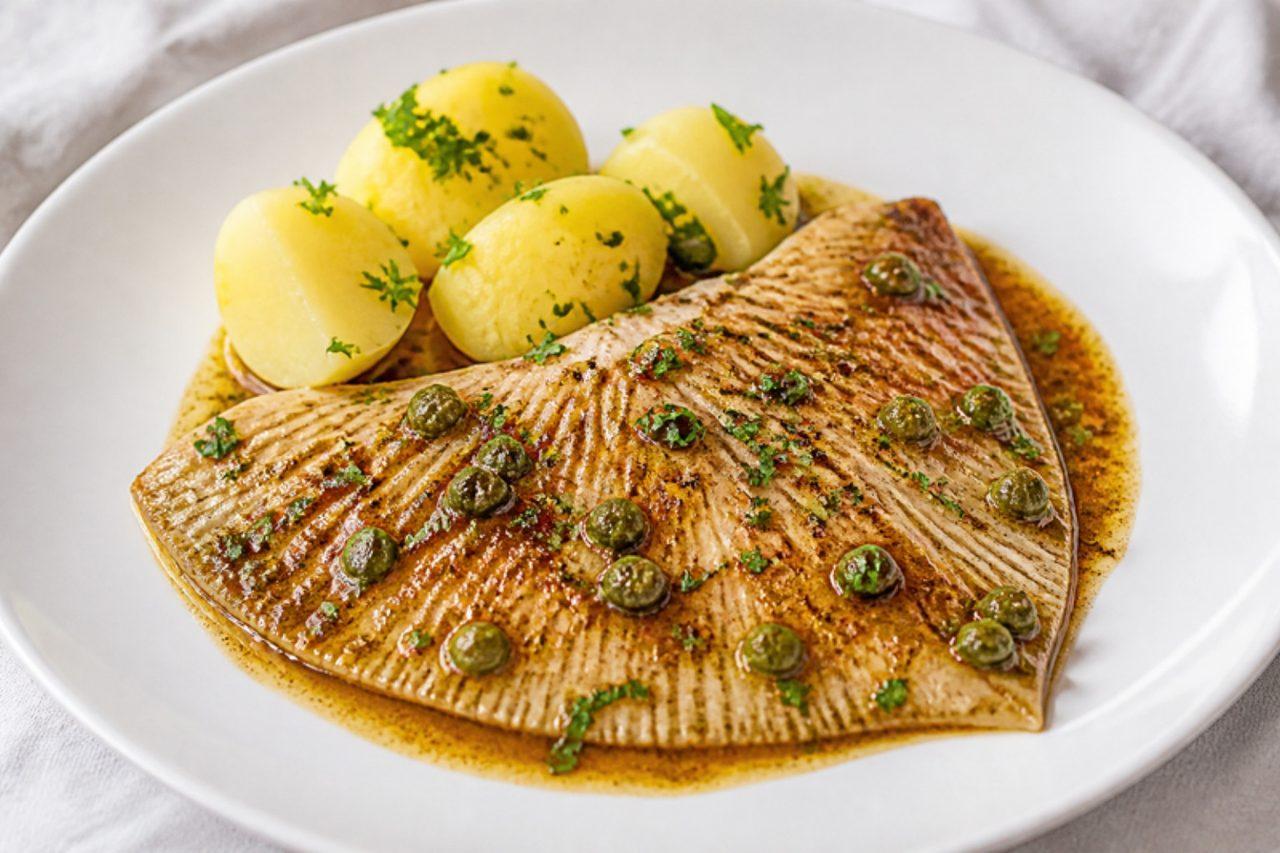
Raie au beurre noirSkate in brown butter

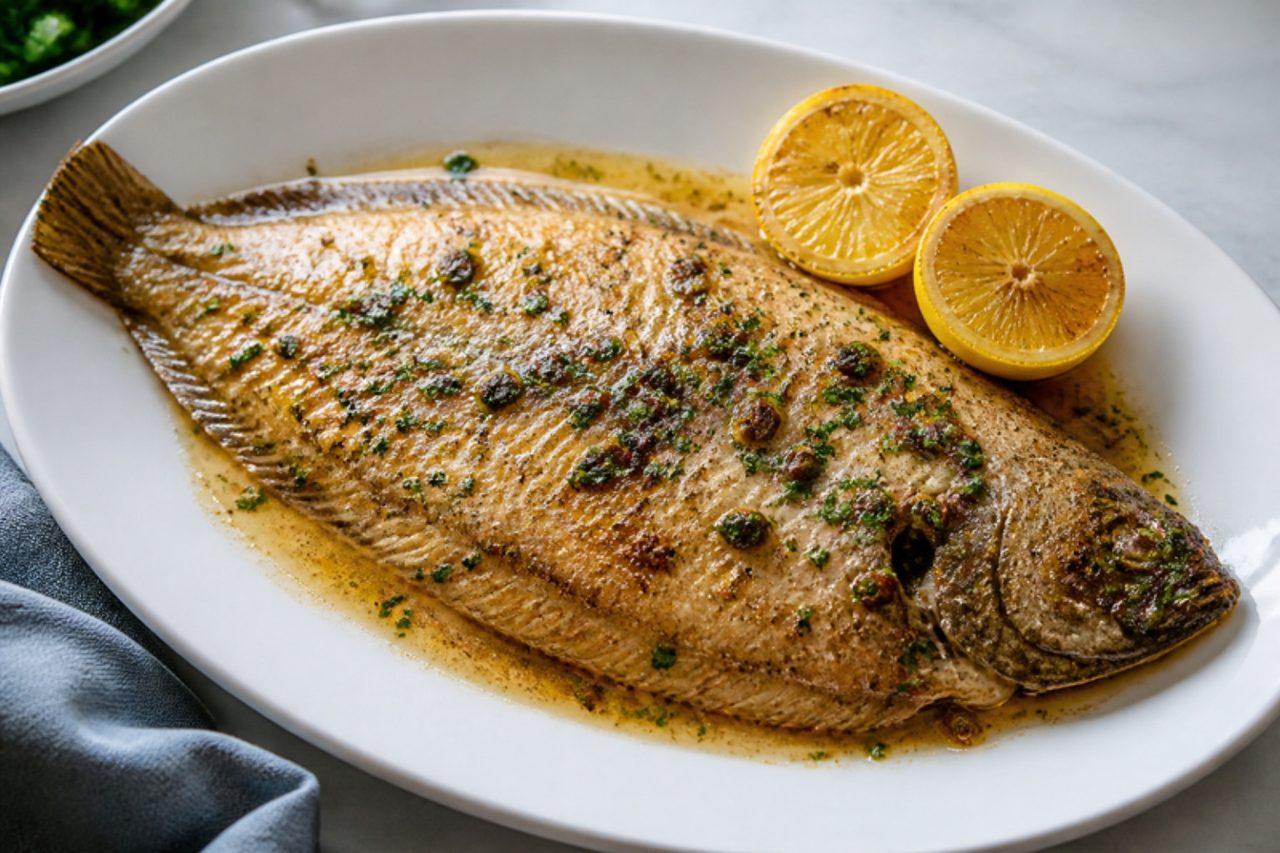
Raie au beurre noir is a much-loved bistro and home dish all along the French coasts and in Paris, served on Fridays with boiled potatoes. The skate wing is poached gently in a vinegary court-bouillon until the soft, ribbed flesh slides off its cartilage, then it is covered with butter cooked until deep brown and nutty, sharpened with capers and a splash of vinegar. Despite the name, the butter should be dark hazelnut, never black and burnt. The common mistake is overcooking the skate, which turns it stringy. Chef's tip: buy skate very fresh; any smell of ammonia means it is old.

30 minFrenchFishGluten free
by KrazyBadal 0 views

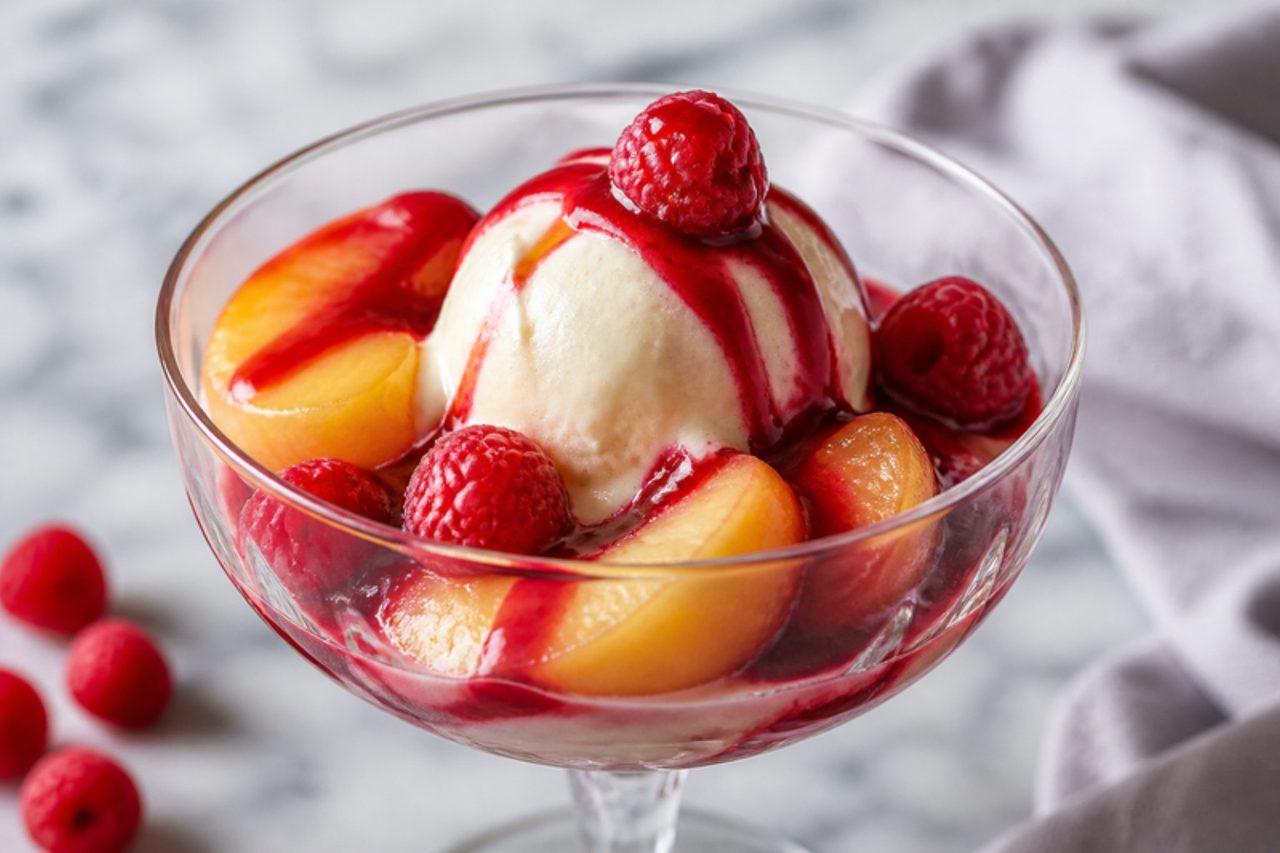
Pêche MelbaPeach and raspberry sundae

Pêche Melba was created by Auguste Escoffier at the Savoy in London in the 1890s for the Australian opera singer Nellie Melba, and it became a classic of French summer menus: ripe peaches poached in vanilla syrup, served on vanilla ice cream with a sharp, fresh raspberry sauce. The common mistake is using hard, underripe peaches, which have little flavour. Chef's tip: dip the peaches in boiling water for 20 seconds after poaching and the skins will slip off.

by KrazyBadal 0 views

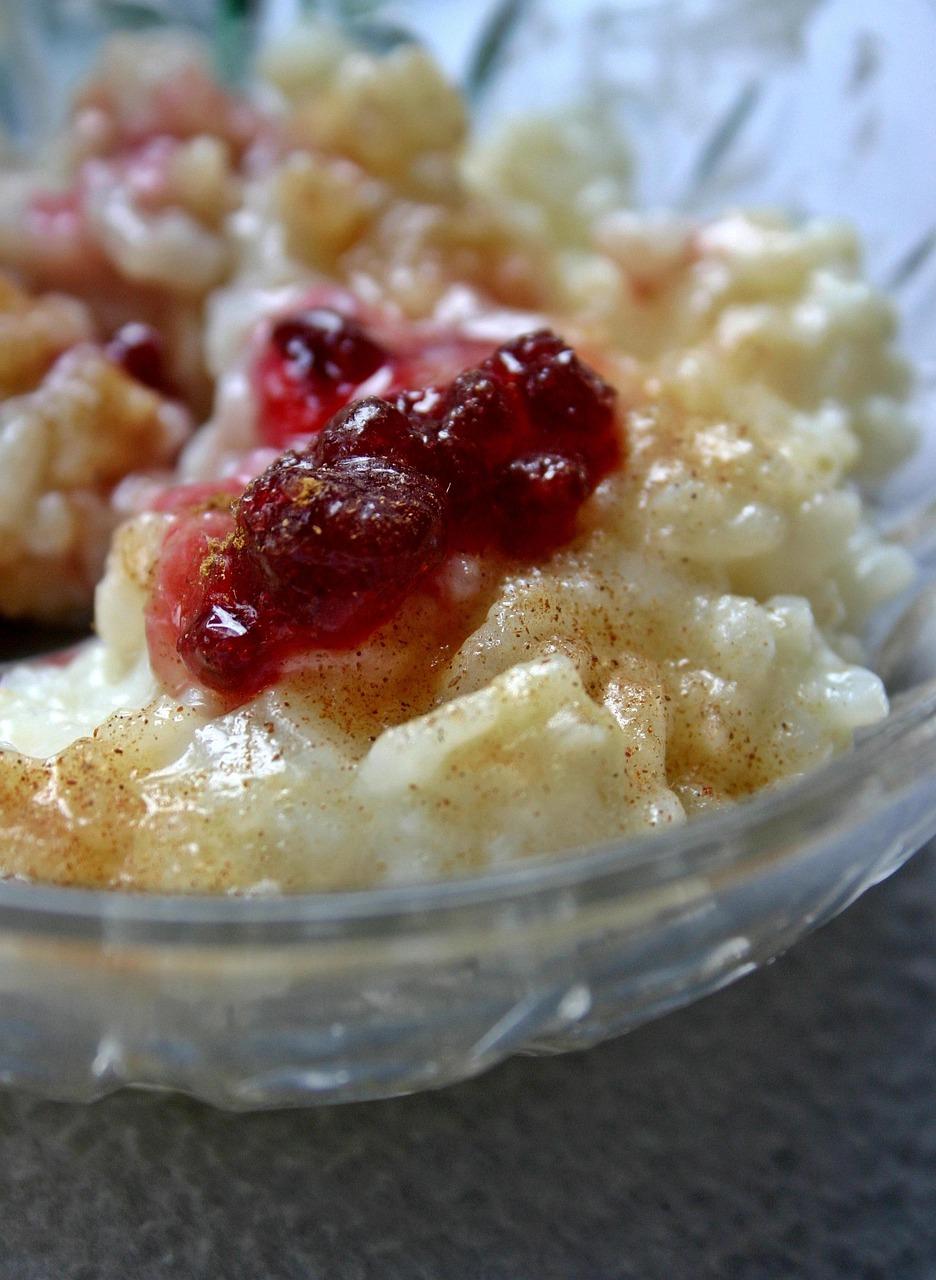
Riz au laitVanilla rice pudding

Riz au lait is the comforting rice pudding of French grandmothers, cooked slowly on the hob with milk and vanilla until thick and creamy, eaten warm or cold at goûter, sometimes with a spoonful of caramel or jam. In Normandy, a baked version is called teurgoule. The common mistake is cooking it too fast, so it sticks and the rice stays hard. Chef's tip: stir in the sugar only at the end; added earlier, it toughens the rice.

by KrazyBadal 0 views

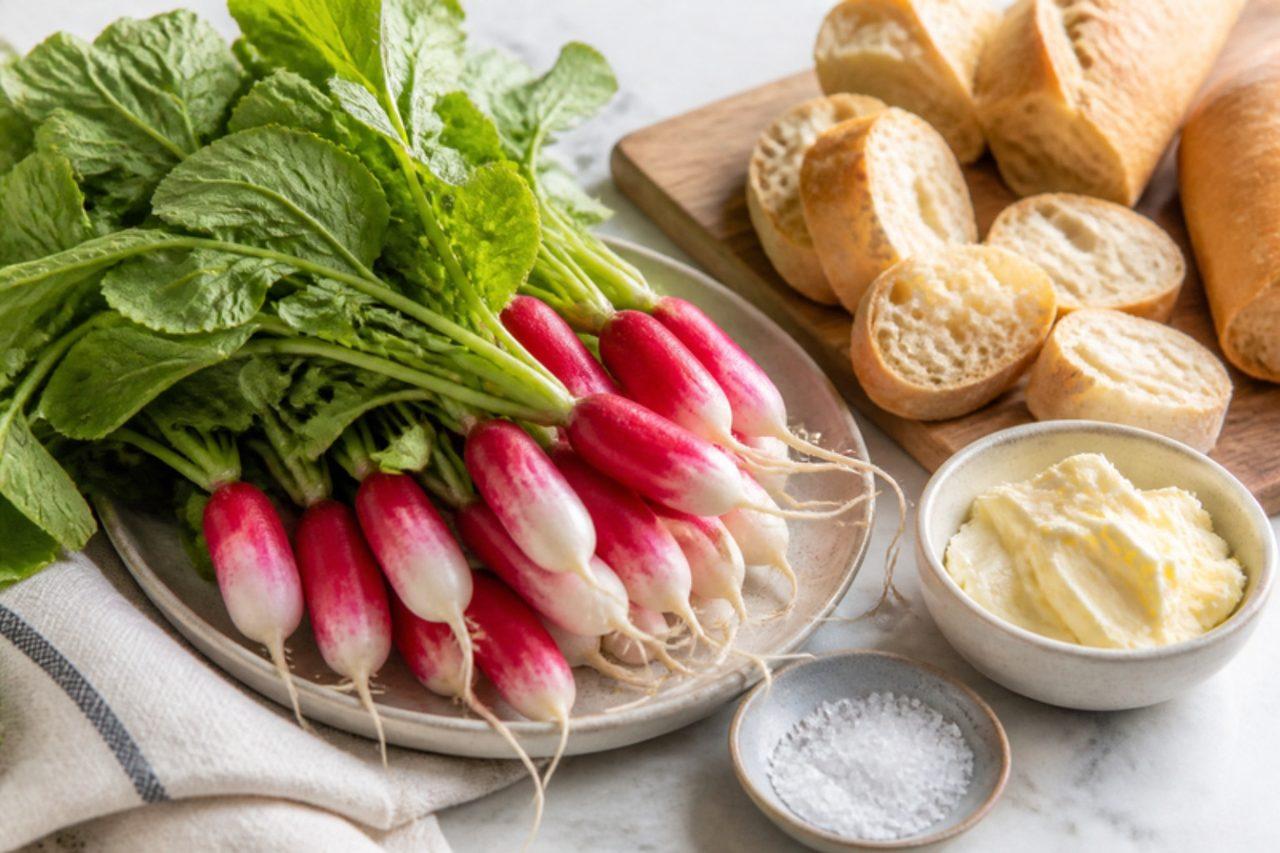
Radis beurreRadishes with butter

Radis beurre is the simplest and most French of apéro snacks and bistro starters: crisp pink French breakfast radishes from the spring market, served with cold, good butter and flaky salt, often with a baguette. It is how Parisians welcome the first radishes in April. The common mistake is using old, woolly radishes; they must be firm and peppery. Chef's tip: soak the radishes in iced water for 30 minutes to make them extra crisp, and leave a little of the green tops on to hold them by.

by KrazyBadal 0 views

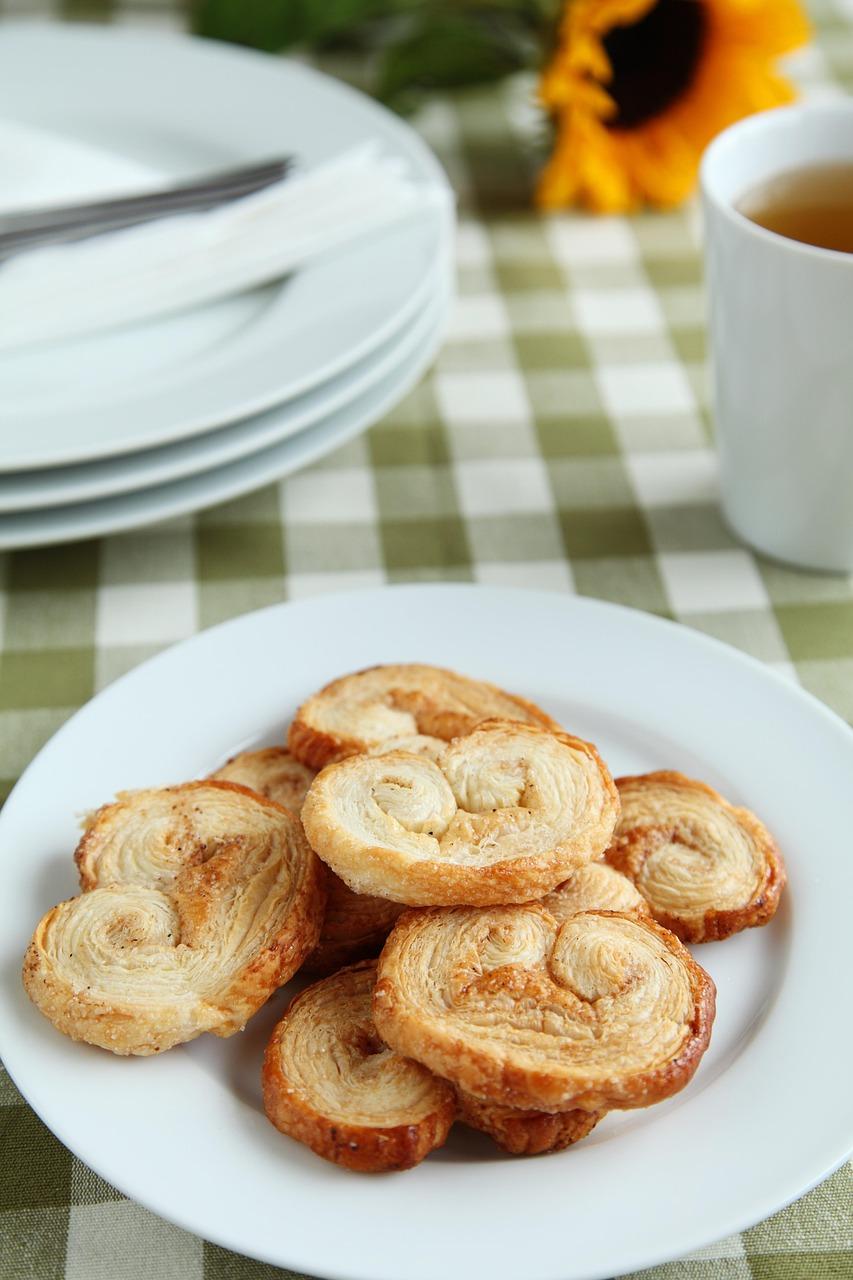
PalmiersPuff pastry palmiers

Palmiers, "palm leaves", are the crisp, sugar-glazed puff pastry hearts sold by the bag in French bakeries and eaten with coffee or by children at goûter. Puff pastry is rolled in sugar instead of flour, folded towards the centre from both sides, sliced and baked until each heart is caramelised and glassy. The common mistake is underbaking, which leaves them soft and pale. Chef's tip: turn them over halfway through baking so both sides caramelise.

by KrazyBadal 0 views

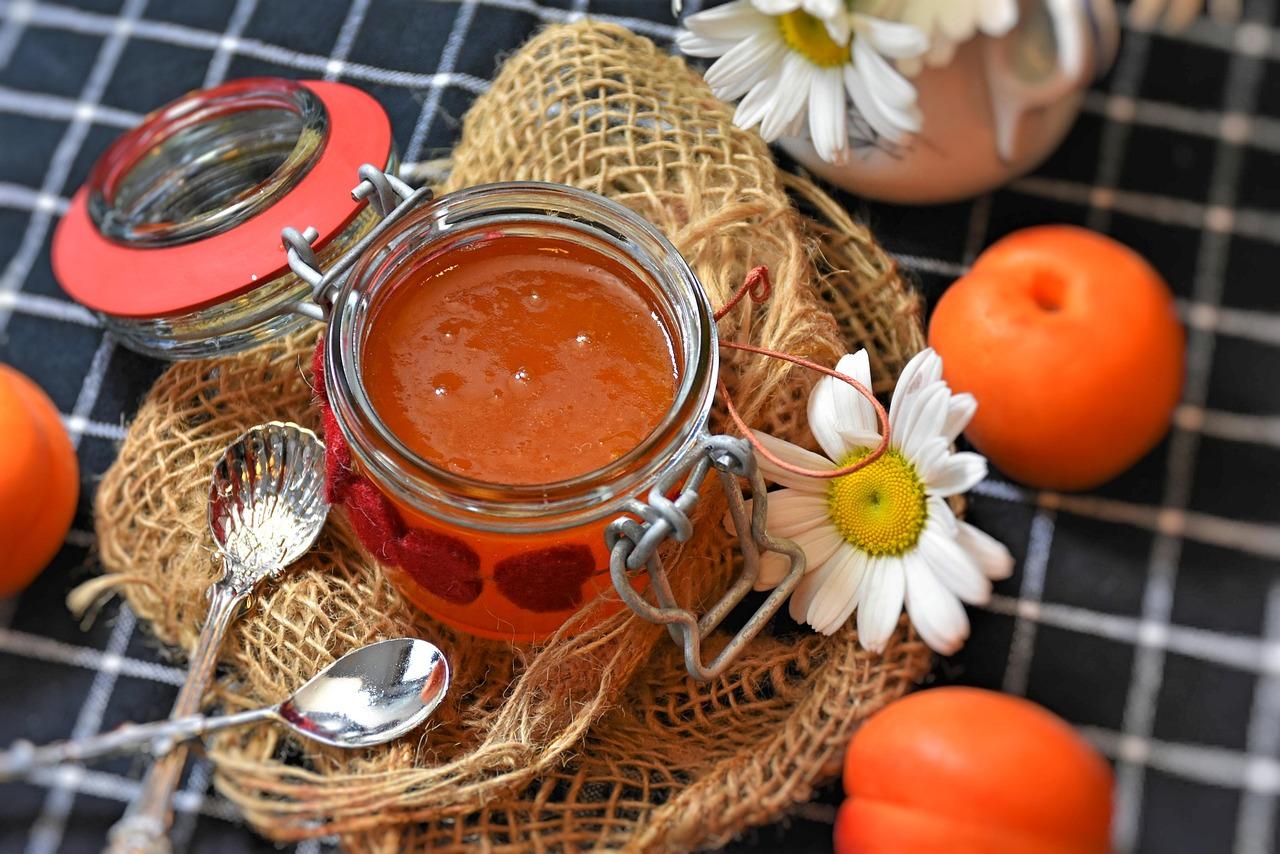
Confiture d'abricotsApricot jam

Apricot jam is the most loved jam in France, made in July with the apricots of the Roussillon and the Rhône valley and used for breakfast, for glazing fruit tarts and for filling croissants. Halved apricots are macerated with sugar, then boiled quickly so they keep their bright orange colour. The common mistake is stirring too hard, which breaks up the fruit. Chef's tip: add a few drops of almond extract at the end for the taste of the kernels; do not add the kernels themselves, which are not safe to eat in quantity.

by KrazyBadal 0 views

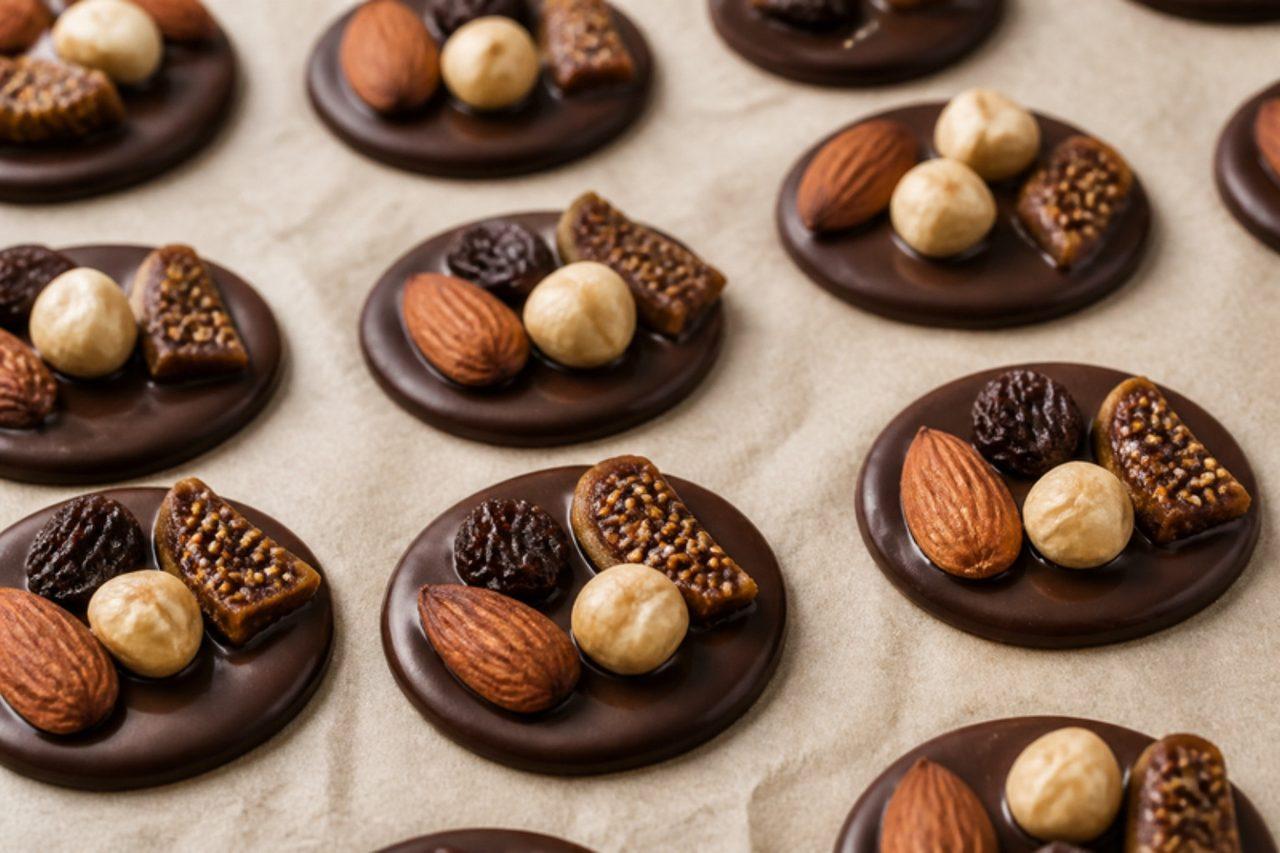
MendiantsChocolate nut and fruit discs

Mendiants are little discs of chocolate topped with an almond, a hazelnut, a raisin and a dried fig, the four "beggars" of the Provençal Christmas, whose colours were said to match the robes of the four mendicant orders of monks; they are part of the thirteen desserts and a favourite home-made Christmas gift. The common mistake is letting the chocolate set before adding the toppings, so they fall off. Chef's tip: pipe only six discs at a time and top them straight away.

by KrazyBadal 0 views

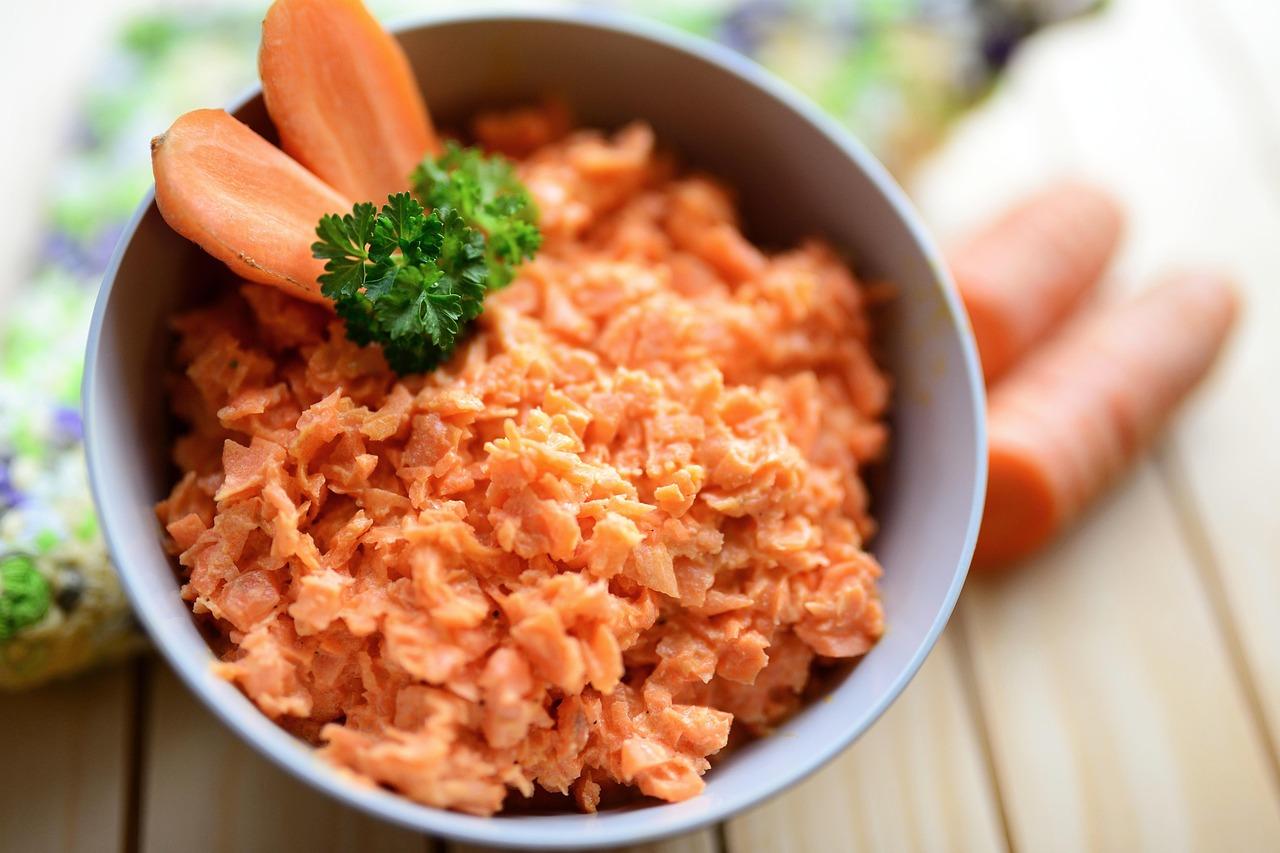
Carottes râpéesGrated carrot salad

Carottes râpées is the everyday starter of French school canteens, bistro crudité plates and family lunches all over the country, a heap of finely grated carrots in a bright lemon dressing that wakes up any meal. It is sweet, juicy and crunchy, and takes ten minutes. The secret is grating the carrots on the fine side of the grater, so they release some juice into the dressing. The common mistake is using the coarse holes, which gives dry, chewy strands that do not take the dressing. Chef's tip: dress the carrots 20 minutes before serving and toss again just before the table; they soften slightly and taste much sweeter.

by KrazyBadal 0 views

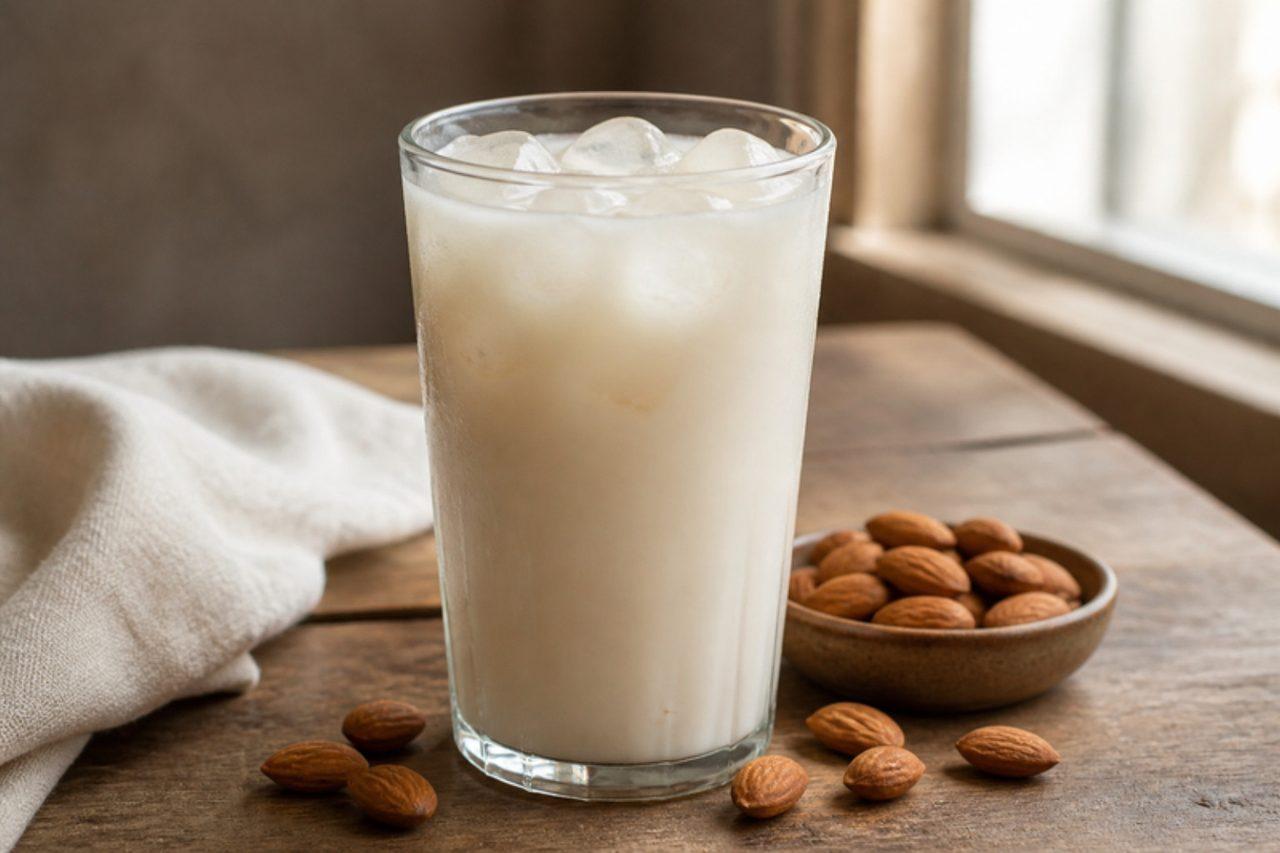
OrzataAlmond syrup drink

Orzata was first made from barley (orzo), but in Liguria, Sardinia and Sicily it has long been made from almonds: a milky, sweet almond syrup, diluted with ice-cold water and drunk on hot summer afternoons in seaside bars and at home. Its gentle almond and orange-blossom flavour makes it a children's favourite. Contains nuts. Chef's tip: soak the blanched almonds in water for an hour before blending; they release more milk and the syrup is richer.

by KrazyBadal 0 views

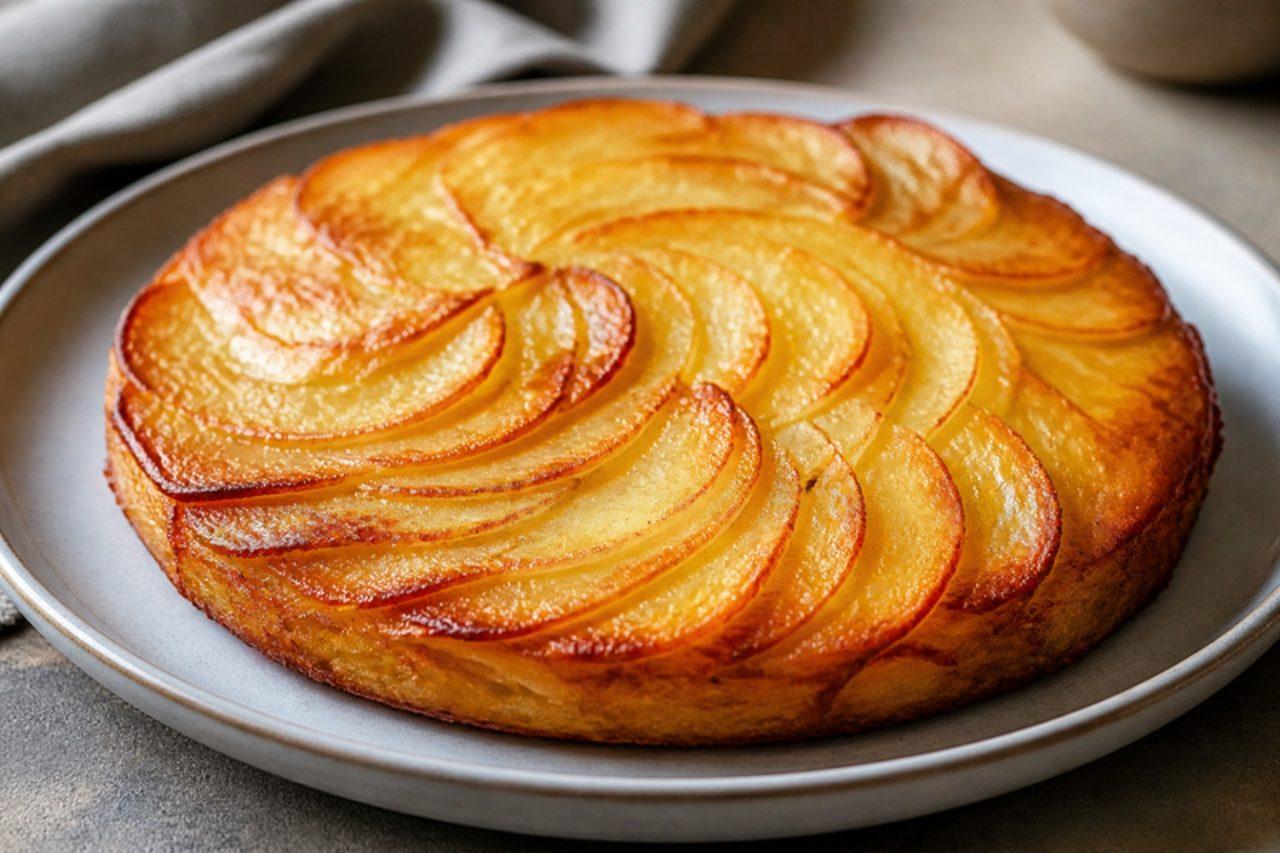
Pommes AnnaLayered buttered potato cake

Pommes Anna was created in the 1860s at the Café Anglais in Paris and named after one of the fashionable ladies who dined there, and it is still a special-occasion side dish for roasts and Christmas dinners in French homes. Very thin potato slices are layered in overlapping circles with butter, pressed down and baked until the outside is a crisp golden cake and the inside soft. It is turned out like a tart and cut in wedges. The common mistake is not pressing the layers firmly, so the cake falls apart when turned out. Chef's tip: use clarified butter; it does not burn and gives the deepest golden crust.

by KrazyBadal 0 views

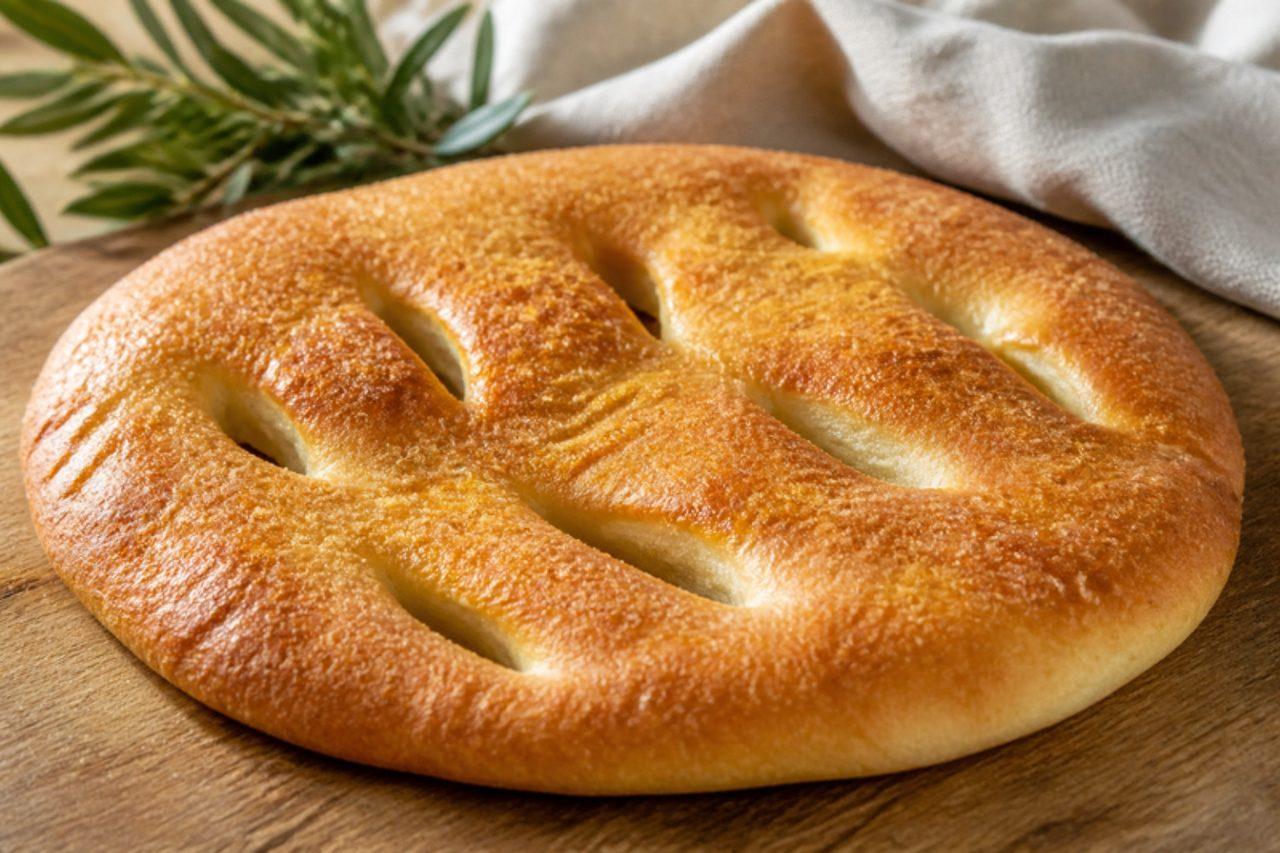
Pompe à l'huileOlive oil orange flatbread

The pompe à l'huile is the centrepiece of the thirteen desserts of Christmas Eve in Provence, a flat, slashed sweet bread made with olive oil and scented with orange-blossom water. Tradition says it must be torn by hand, never cut, or you will be ruined in the year to come, and it is eaten after the gros souper on 24 December. The common mistake is using a harsh, peppery olive oil, which overpowers it. Chef's tip: use a mild, fruity olive oil and brush more over the warm loaf.

170 minFrenchBakingVegan
by KrazyBadal 0 views

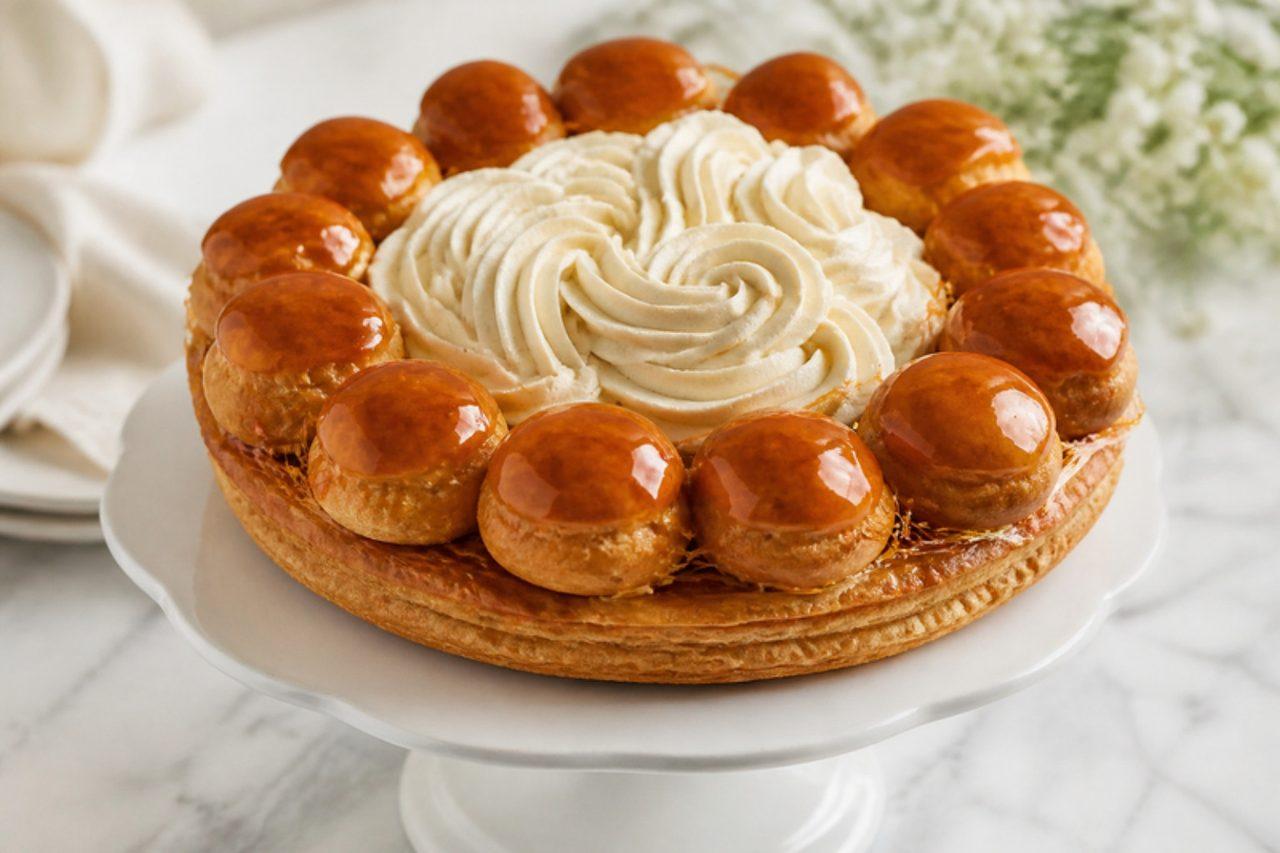
Saint-HonoréChoux and caramel cream cake

The Saint-Honoré, named after the patron saint of bakers and created in a pâtisserie on the rue Saint-Honoré in Paris around 1850, is a celebration cake for christenings and saints' days: a puff pastry disc ringed with choux, a crown of caramel-dipped cream puffs and a centre of piped vanilla cream. It is a project, but each part is simple. The common mistake is touching the caramel, which burns badly. Chef's tip: dip the puffs top-down into the caramel and set them upside down on baking paper, so the tops dry flat and glassy.

by KrazyBadal 0 views

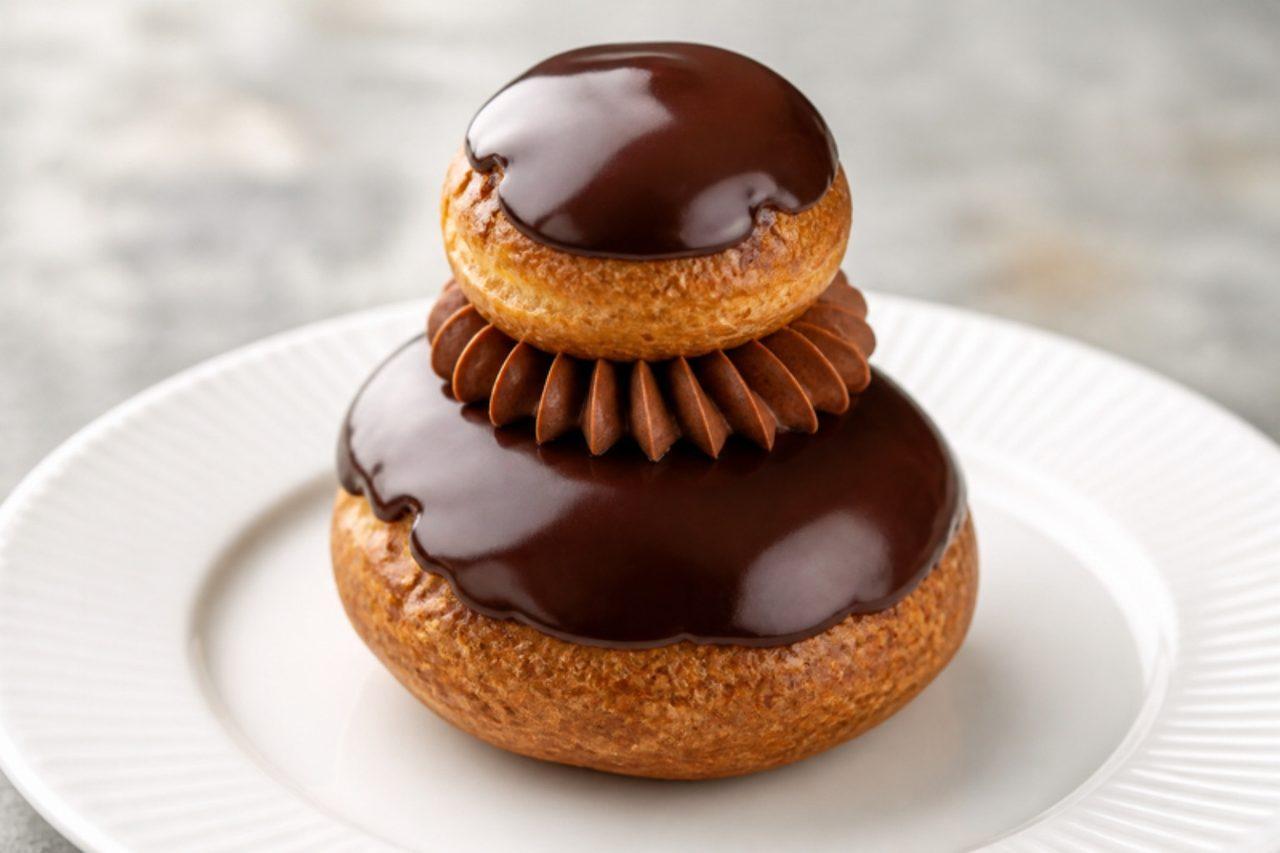
ReligieuseDouble choux bun

The religieuse, "nun", is a Parisian pâtisserie classic invented in the 1850s, so called because the two stacked choux buns, glazed in brown icing with a little ruff of buttercream, look like a nun in her habit. It is still a treat bought at weekend bakeries in Paris for a special goûter. The common mistake is underbaking the choux, which collapse when filled. Chef's tip: once baked, prop the oven door open with a wooden spoon and leave the choux inside for 10 minutes to dry out.

by KrazyBadal 0 views

Vinaigrette à la moutardeMustard vinaigrette

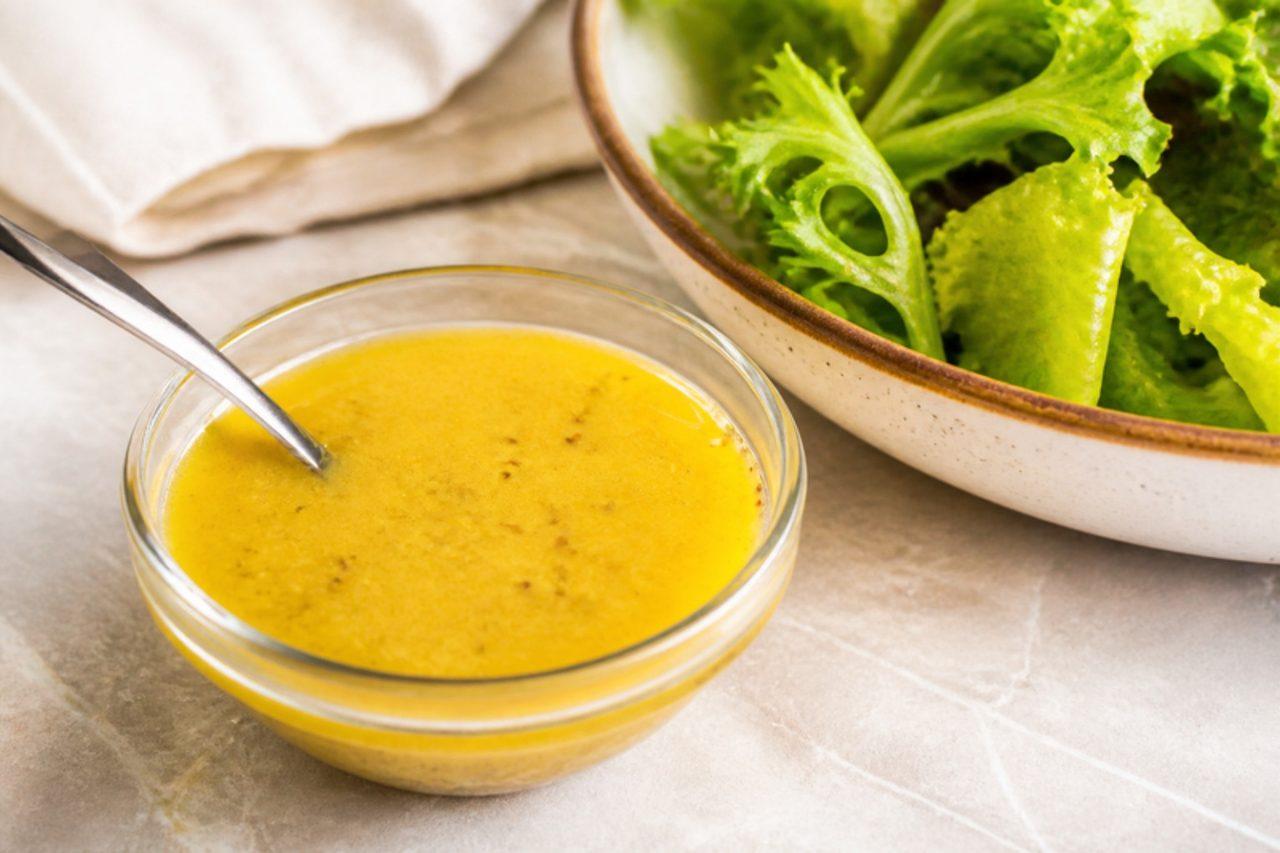
The mustard vinaigrette is made fresh in every French kitchen before dinner, often right in the bottom of the salad bowl, and spooned over butter lettuce served after the main course and before the cheese. The classic ratio is one part vinegar to three of oil, with a spoonful of Dijon mustard to hold it together into a thick emulsion. The common mistake is dissolving the salt in the oil, where it stays gritty; it must go in the vinegar first. Chef's tip: dress the leaves just before serving and toss with your hands, so every leaf is coated but not soggy.

by KrazyBadal 0 views

Tarte à la tomate et à la moutardeTomato and mustard tart

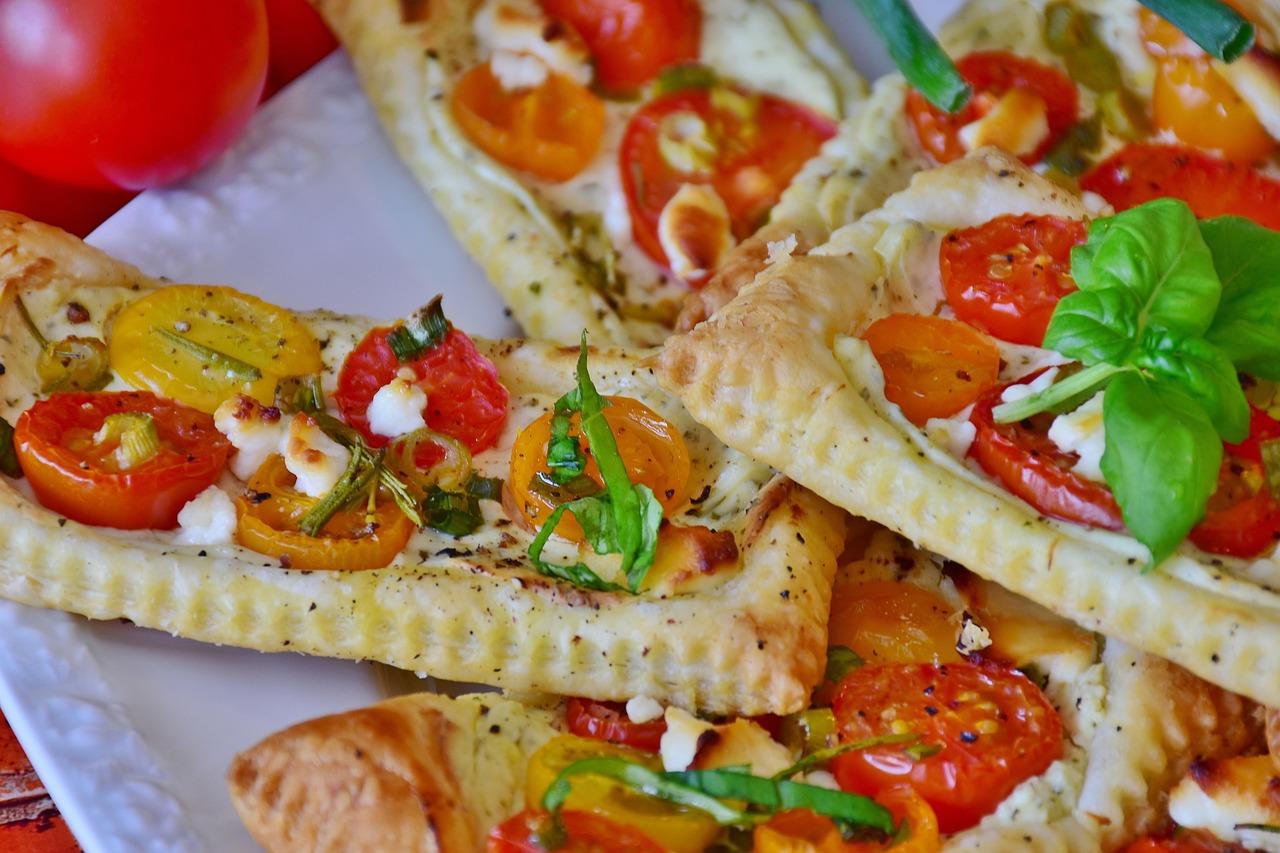
Tarte à la tomate is a summer favourite all over Burgundy, home of Dijon mustard, made from July to September for picnics, light lunches and apéritif. A crisp shortcrust case is spread thickly with mustard and grated cheese, covered with overlapping tomato slices and herbs and baked until the tomatoes are jammy; the mustard mellows into a warm, tangy layer. Comté and Gruyère are usually made with animal rennet; use a vegetarian hard cheese if you prefer. The common mistake is using watery tomatoes, which make the pastry soggy. Chef's tip: salt and drain the tomato slices on kitchen paper for 15 minutes before laying them on the tart.

by KrazyBadal 0 views

Tarte fine aux pommesThin apple tart

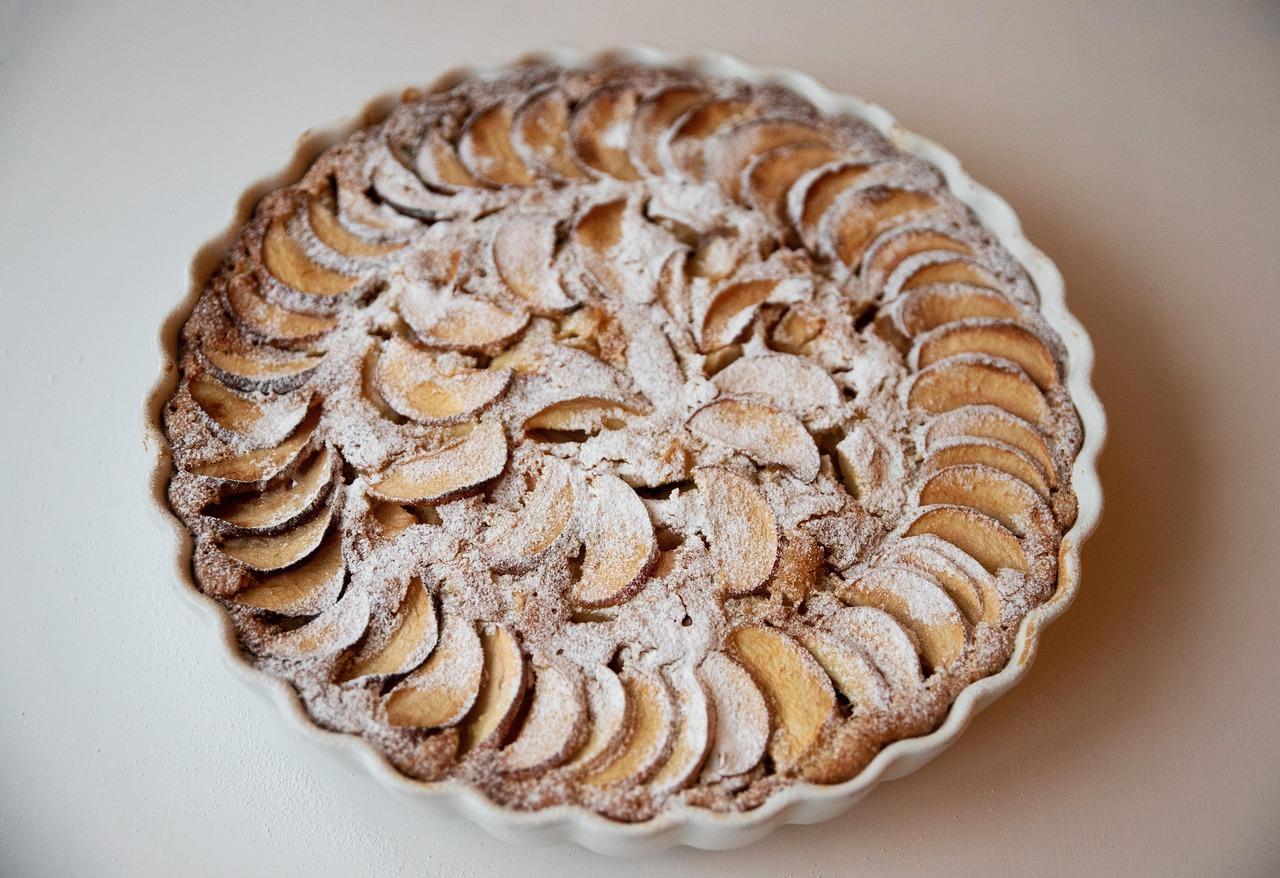
The tarte fine aux pommes is the elegant, wafer-thin apple tart of Parisian brasseries, ordered after lunch and served warm, sometimes with a scoop of vanilla ice cream. Paper-thin slices of apple are overlapped on a disc of puff pastry, brushed with butter and sugar and baked until the edges caramelise. The common mistake is letting the pastry puff, which pushes the apples off. Chef's tip: bake the pastry with a second tray on top for the first 10 minutes to keep it flat and crisp.

by KrazyBadal 0 views

Puits d'amourCustard puff pastry wells

The puits d'amour, "well of love", is an 18th-century Parisian pastry still made by old-fashioned pâtisseries in the capital, especially the famous one on the rue Montorgueil: small puff pastry cases filled with vanilla cream and finished with a crackling caramelised sugar top, like a crème brûlée in pastry. The common mistake is overfilling the cases, so the cream bubbles out under the grill. Chef's tip: fill just level and use a blowtorch for the sugar, in two thin layers.

by KrazyBadal 0 views

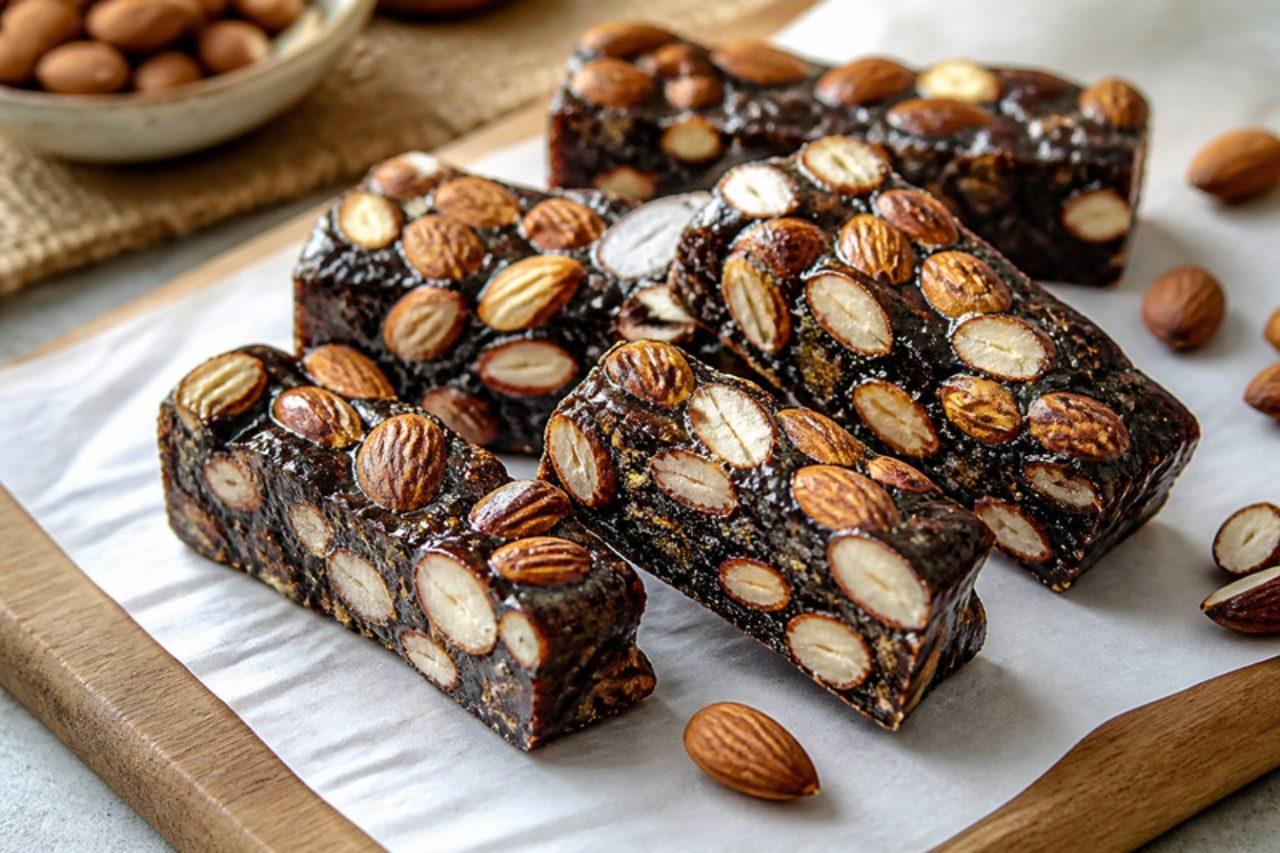
Nougat noirDark honey almond nougat

Nougat noir is the dark, crunchy sister of white nougat, made of just honey and almonds cooked until caramelised, and in Provence both are placed on the Christmas Eve table as part of the thirteen desserts, the white for purity and the black for the shadows. The common mistake is cooking it too far, so it tastes burnt and bitter. Chef's tip: stop as soon as the honey turns a deep amber and the almonds start to crackle.

by KrazyBadal 0 views

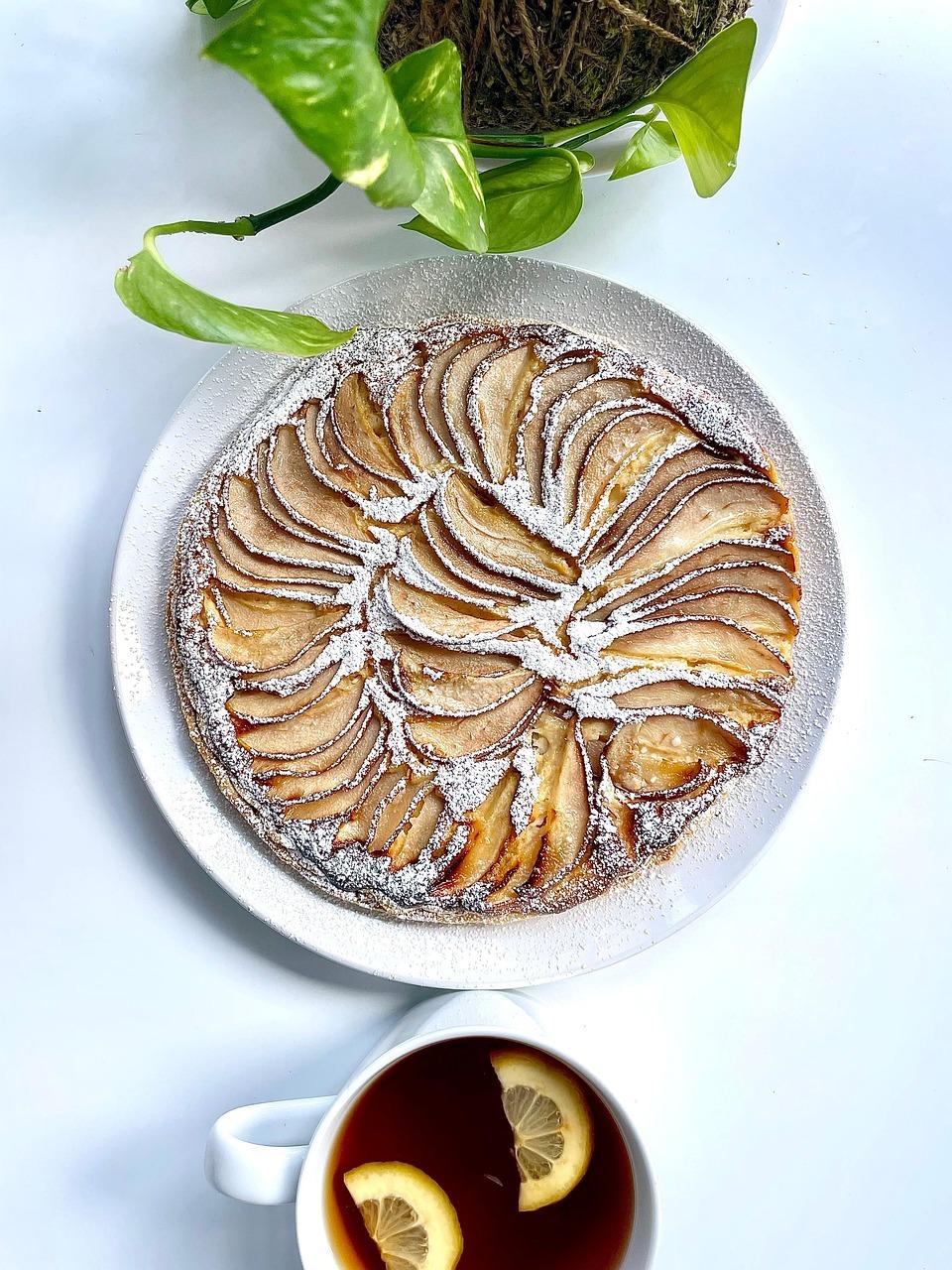
Tarte BourdalouePear and almond tart

The tarte Bourdaloue was created in the 19th century by a Parisian pâtissier on the rue Bourdaloue, behind the church of Notre-Dame-de-Lorette, and it is still a classic autumn and winter tart in Paris bakeries. Poached pear halves are fanned over almond cream in a sweet pastry case and baked until the cream puffs up golden around the fruit. The common mistake is using wet pears, which make the almond cream soggy. Chef's tip: pat the pears dry on kitchen paper and slice them thinly crosswise, keeping each half together, so they fan out neatly.

by KrazyBadal 0 views

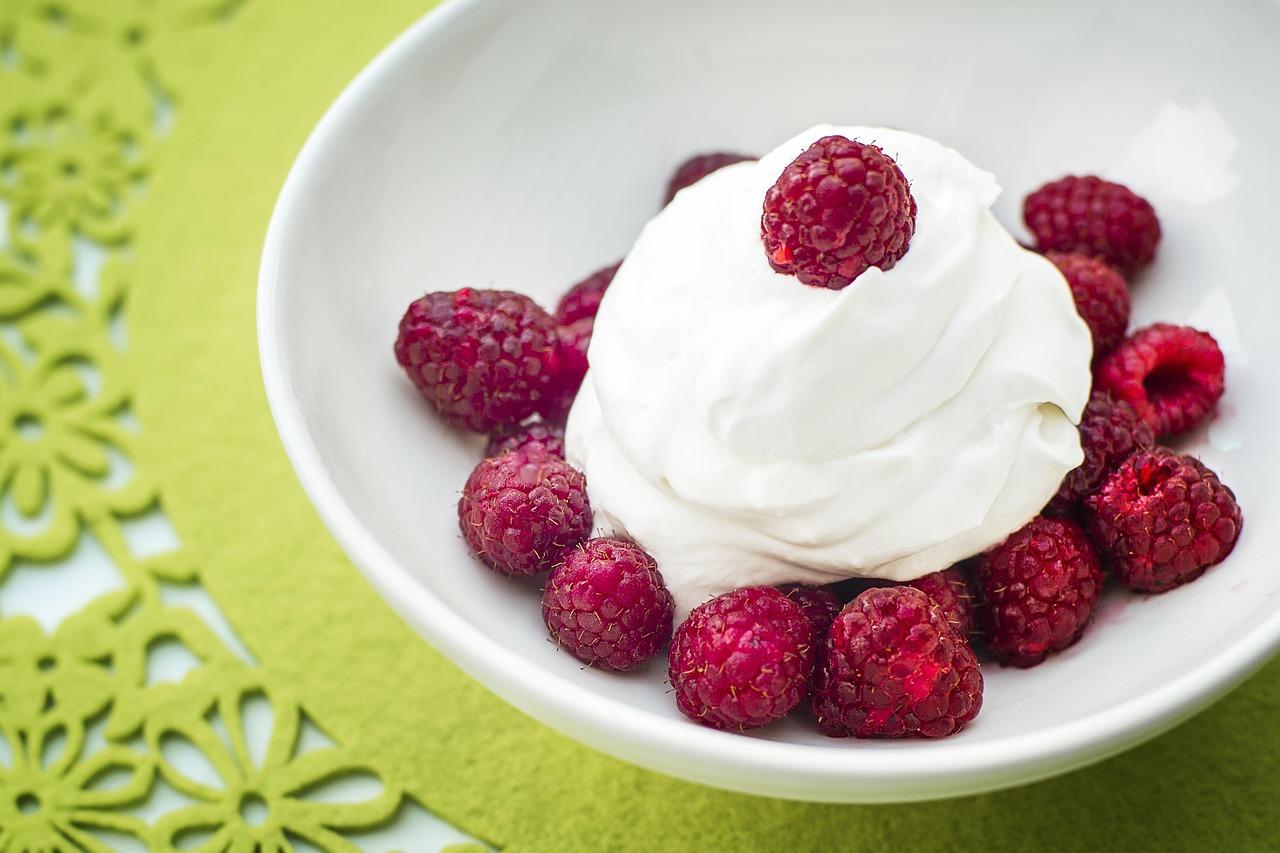
Crème chantillySweetened whipped cream

Crème chantilly is named after the Château de Chantilly north of Paris, where the 17th-century steward Vatel is said to have served it, and today it crowns waffles, crêpes, fruit tarts and hot chocolate in cafés across France. Cold cream is whipped with a little icing sugar and vanilla to soft, billowy peaks, light rather than stiff. The common mistake is over-whipping, which turns the cream grainy and then into butter. Chef's tip: chill the bowl and whisk for 15 minutes first, and stop as soon as the cream holds soft peaks that just flop over.

by KrazyBadal 0 views

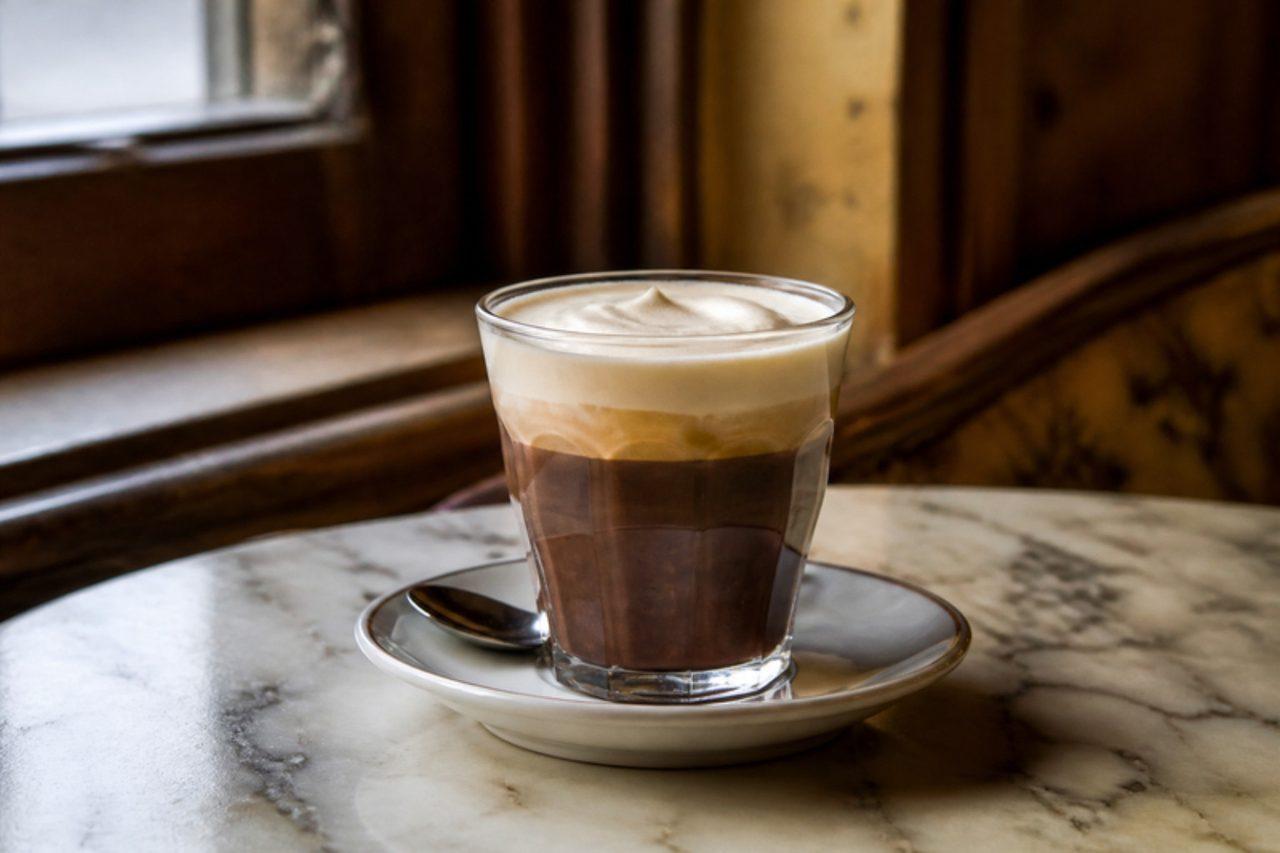
BicerinLayered chocolate and coffee drink

The bicerin ("little glass" in Piedmontese dialect) has been served since 1763 at the tiny Caffè al Bicerin opposite the Consolata church in Turin, where it was the drink that churchgoers had after fasting before Mass. It is three layers in a small glass: thick hot chocolate at the bottom, espresso in the middle and cold, lightly whipped cream on top, not stirred, so you taste each layer in turn. Contains caffeine. Chef's tip: pour the coffee and then the cream slowly over the back of a spoon so the layers sit on top of each other instead of mixing.

by KrazyBadal 0 views

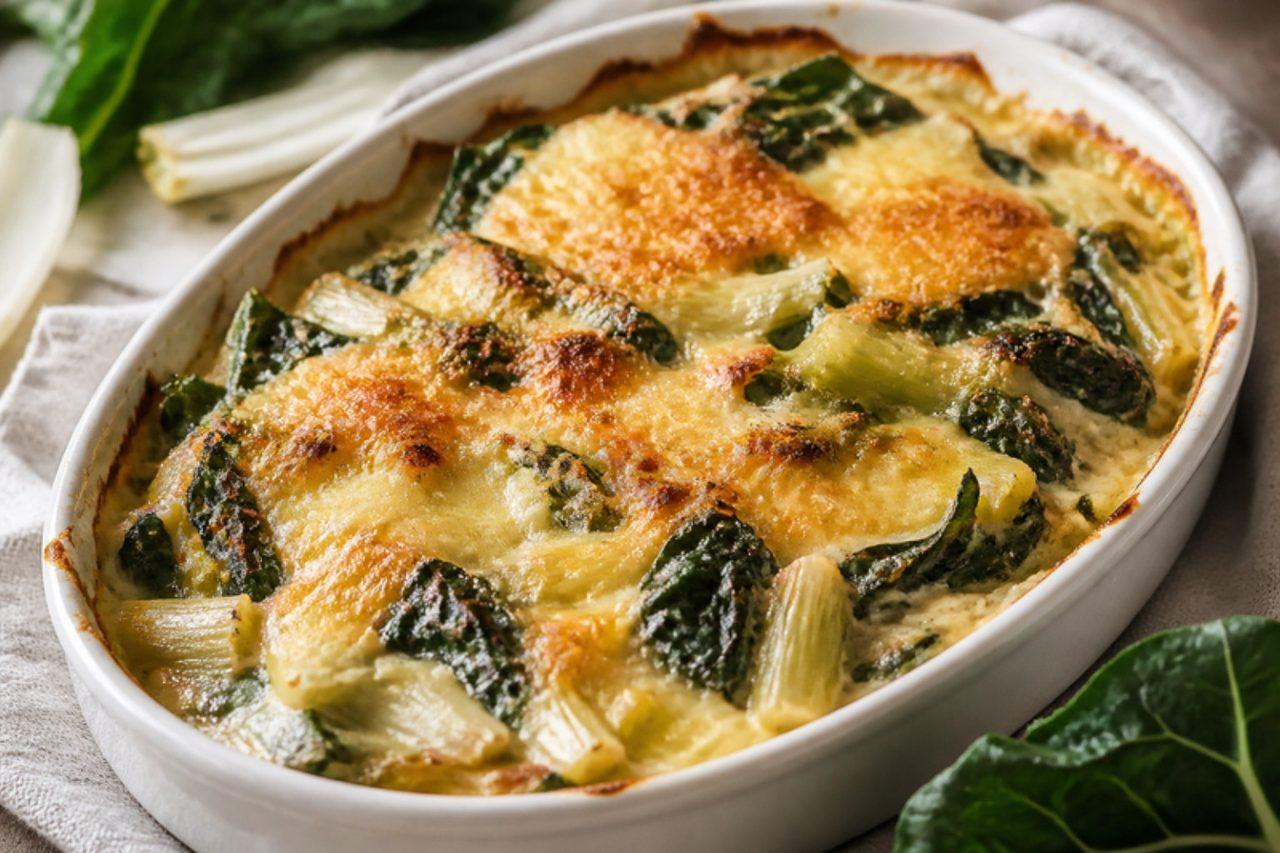
Gratin de blettesSwiss chard gratin

Gratin de blettes is a thrifty winter favourite in Lyon and across Provence, where Swiss chard is a staple of every market garden and both the white ribs and the green leaves are used. The stalks are boiled until tender, the leaves wilted, and everything is folded into a nutmeg béchamel and baked under crisp breadcrumbs. It is served as a side with roasts or on its own for supper. The common mistake is not cooking the stalks long enough, which leaves them stringy. Chef's tip: peel the strings off the backs of the wide stalks like celery; the gratin will be silky.

by KrazyBadal 0 views

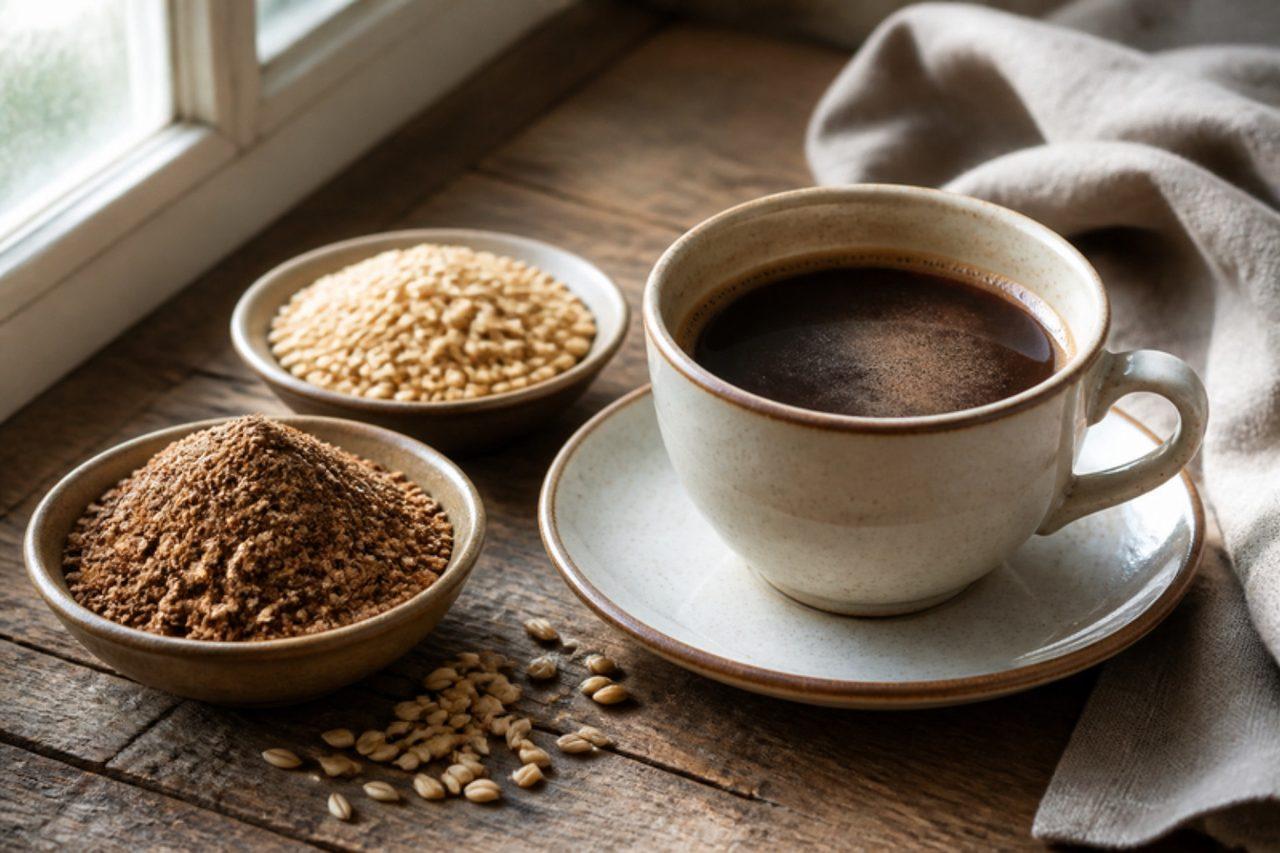
Caffè d'orzoBarley coffee

In Italian bars you can always ask for "un orzo": a hot drink made from roasted barley that looks like coffee and has a toasty, slightly sweet taste but no caffeine. During the war, when coffee was scarce, families drank it every morning, and today it is given to children, pregnant women and anyone avoiding caffeine. It can be made in a moka pot, served in a small cup like espresso or in a large one with milk. Barley contains gluten. Chef's tip: don't press the barley into the moka basket like coffee; packed tightly, it blocks the water and the pot hisses.
by KrazyBadal 0 views

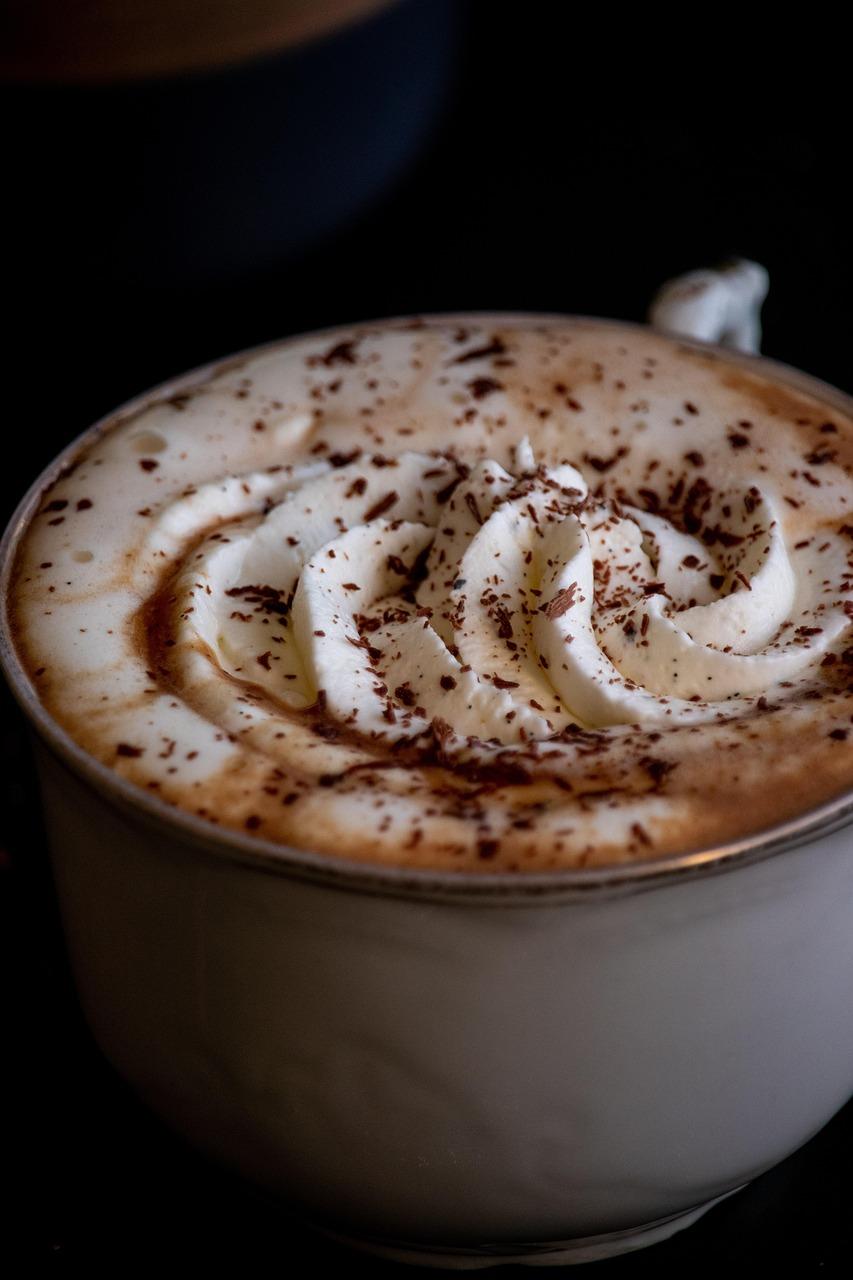
Cioccolata caldaThick hot chocolate

Italian hot chocolate is not a milky drink but almost a pudding: thick enough to coat a spoon, made with real dark chocolate and cocoa thickened with a little starch. On cold winter afternoons in Turin, Florence and Perugia, families sit in historic cafés with a cup topped with whipped cream (con panna), dipping biscuits into it. Children love it. Chef's tip: mix the cornflour and cocoa with a little cold milk to a smooth paste first; dropped straight into hot milk, they form lumps.
by KrazyBadal 0 views

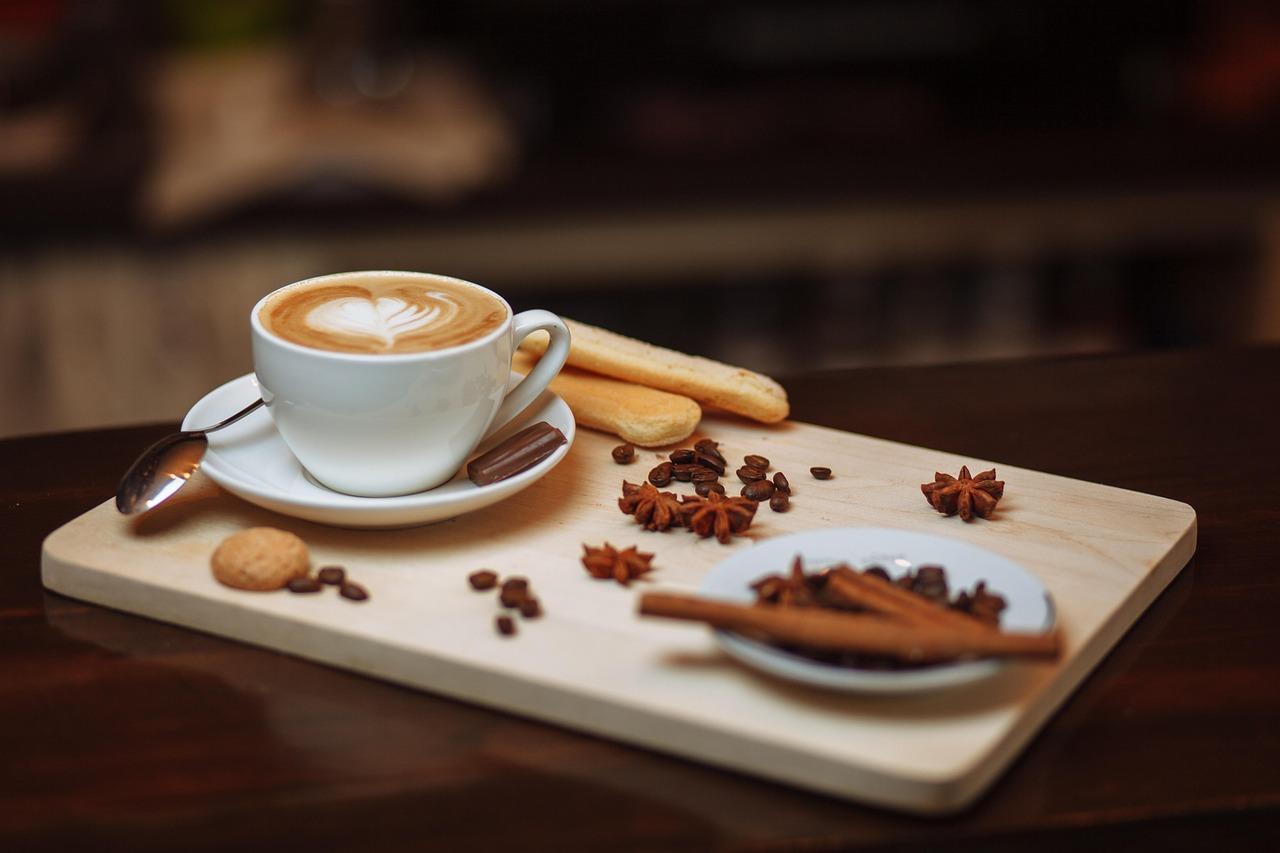
Cappuccino

In Italy the cappuccino is strictly a breakfast drink, ordered at the bar counter with a cornetto before 11 in the morning, never after a meal. It is a single espresso topped with an equal amount of hot milk and a thick cap of velvety foam, named after the brown habits of Capuchin friars. Baristas in Turin and Trieste are famous for their thick, glossy microfoam. Contains caffeine, so it's not for children. Chef's tip: heat the milk only to about 65 °C, when the jug is too hot to hold for more than a second; hotter milk tastes cooked and the foam collapses.

by KrazyBadal 0 views

Budino al cioccolatoChocolate pudding

Budino is the dessert Italian children find in the fridge on a Sunday afternoon: a soft, wobbly milk pudding flavoured with cocoa and set with cornflour, poured into little cups or a mould and chilled. It is the kind of thing nonna makes in ten minutes for the grandchildren's merenda (afternoon snack), and it is gluten free and egg free. Chef's tip: whisk the cocoa, sugar and cornflour together before adding the milk; mixed dry, they don't form lumps.
by KrazyBadal 0 views

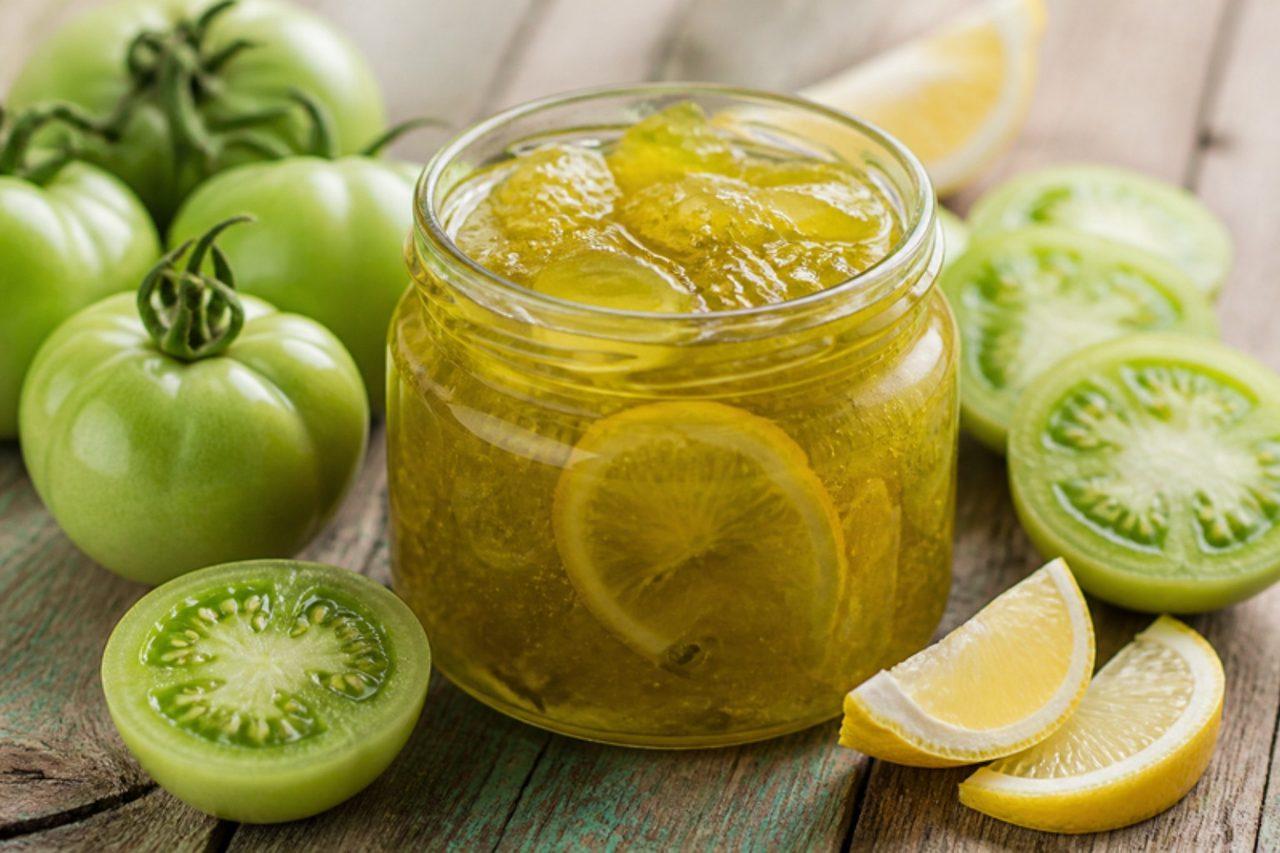
Confiture de tomates vertesGreen tomato jam

Green tomato jam is the thrifty end-of-summer preserve of French kitchen gardens, made in October in the south-west and Provence with the tomatoes that will never ripen before the frost; it tastes surprisingly like a mix of melon and lemon and is served with breakfast or with cheese. The common mistake is cutting the tomatoes too big, so they stay hard. Chef's tip: slice them thinly and leave them overnight in the sugar; they turn translucent when cooked.

by KrazyBadal 0 views

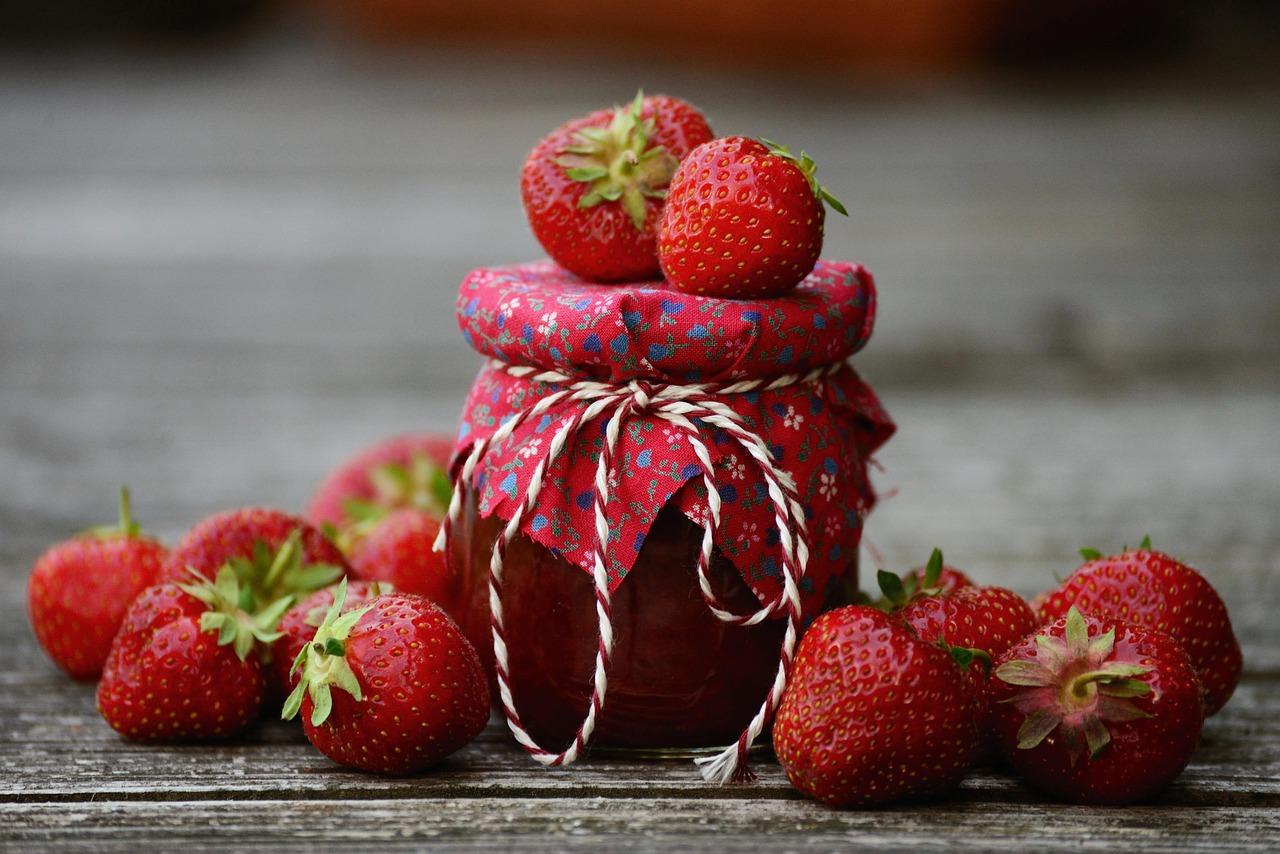
Confiture de fraisesStrawberry jam

Strawberry jam is the jam of French breakfasts, spread on buttered baguette or tartines and stirred into fromage blanc, and families make it in early summer when the Plougastel and Carpentras strawberries are cheap at the market. Macerating the fruit overnight in sugar keeps the berries whole. The common mistake is cooking too long, which darkens it and loses the fresh taste. Chef's tip: test for a set on a cold saucer; when you push it with a finger, it should wrinkle.

by KrazyBadal 0 views

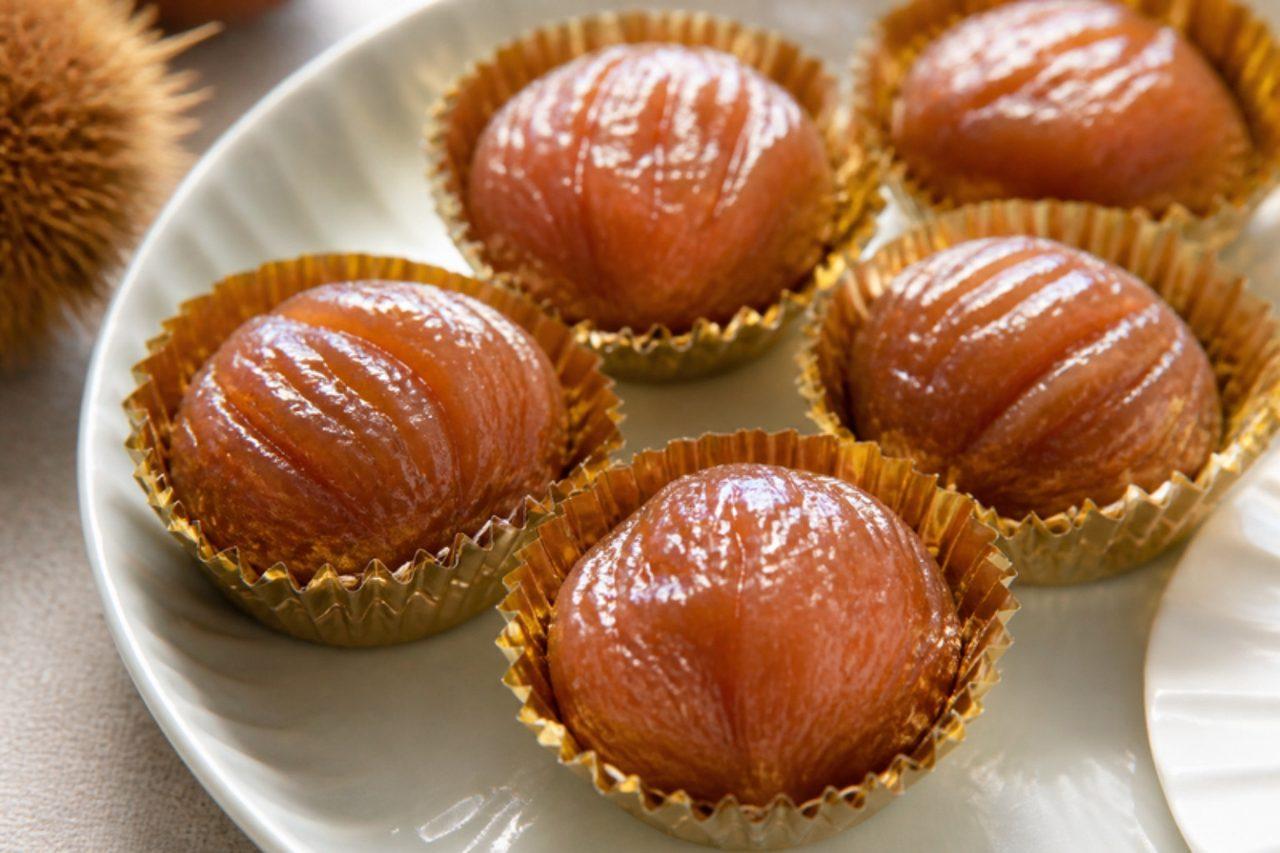
Marrons glacésCandied chestnuts

Marrons glacés are the luxurious Christmas sweet of the Ardèche and Privas, whole chestnuts candied slowly in vanilla syrup and finished with a thin sugar glaze, given as gifts in December and served with coffee after the Christmas meal. Home versions use cooked, peeled chestnuts, which saves the hardest work. The common mistake is stirring, which breaks the chestnuts. Chef's tip: wrap the chestnuts in muslin, or set them in a steamer basket, so you can lift them in and out of the syrup without touching them.

by KrazyBadal 0 views

Poires au vinPears in red wine

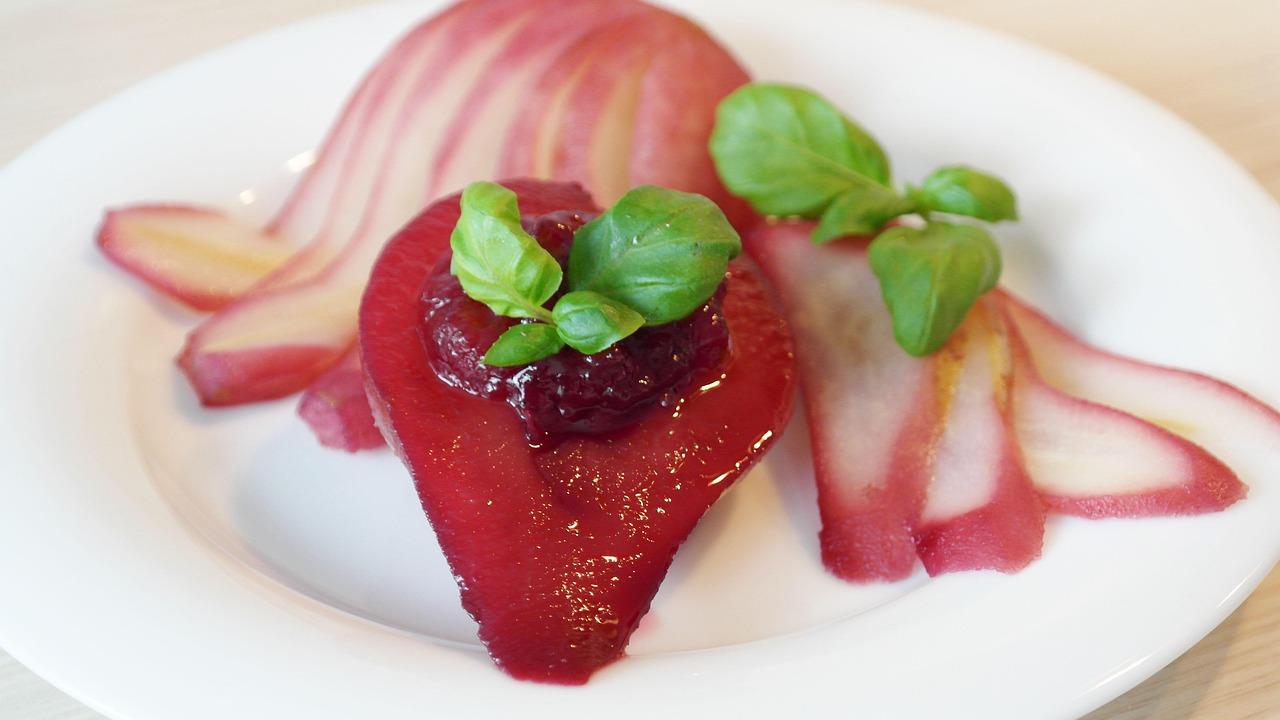
Poires au vin are a simple winter dessert from Burgundy and the Loire, whole pears poached in red wine with sugar, cinnamon, orange and cloves until they turn a deep ruby, then served cold in their reduced syrup. The red wine version is made with alcohol, and most but not all of it cooks off; for children, pregnant guests or anyone avoiding alcohol, use red grape juice with less sugar and a squeeze of lemon. The common mistake is not turning the pears, so they colour unevenly. Chef's tip: leave the pears in the syrup overnight for the deepest colour.

by KrazyBadal 0 views

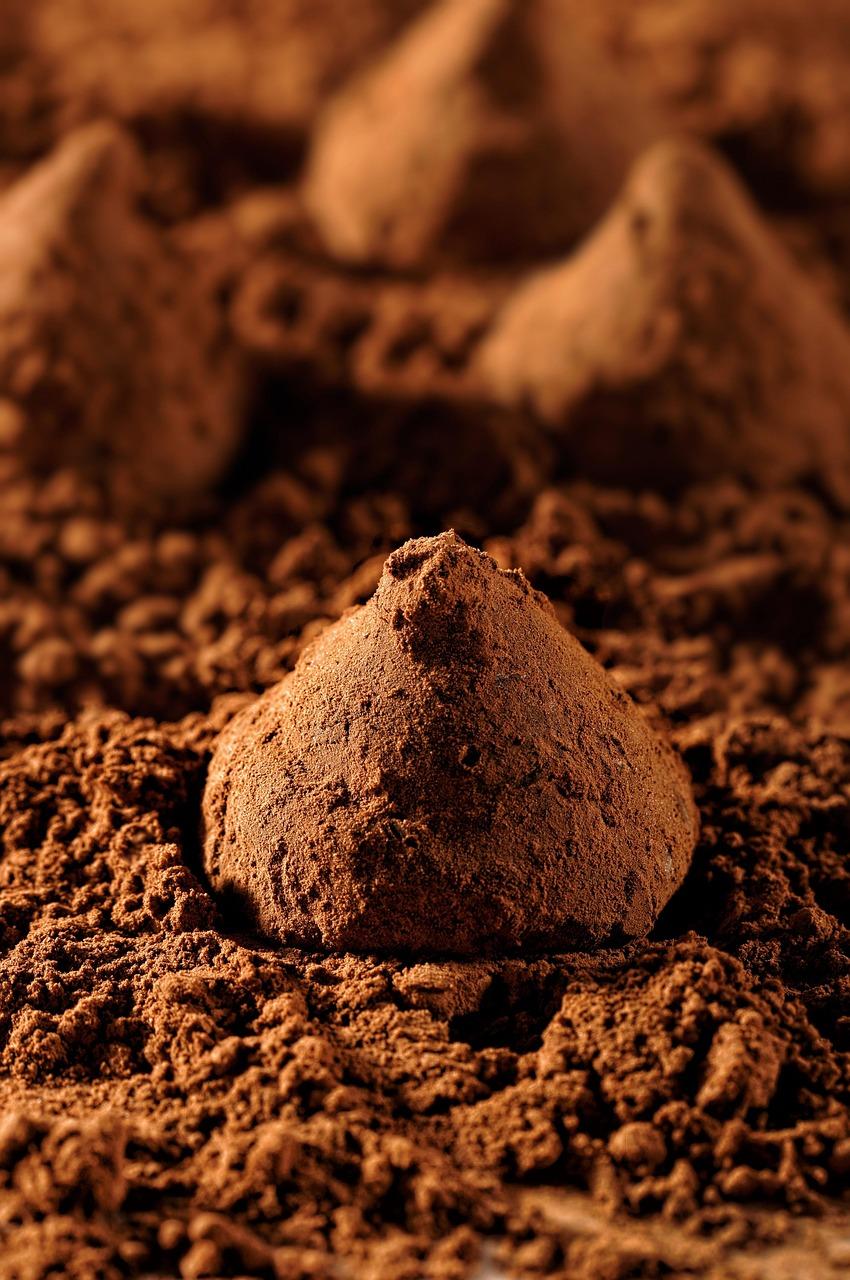
Truffes au chocolatChocolate truffles

Chocolate truffles, named after the black truffles of Périgord they resemble, are the home-made Christmas gift and after-dinner treat of France, rolled roughly and dusted with bitter cocoa. They need just good dark chocolate, cream and a little butter. The common mistake is overheating the chocolate, which makes it split and greasy. Chef's tip: work with cold hands and a melon baller, and keep the tray in the fridge between batches.

by KrazyBadal 0 views

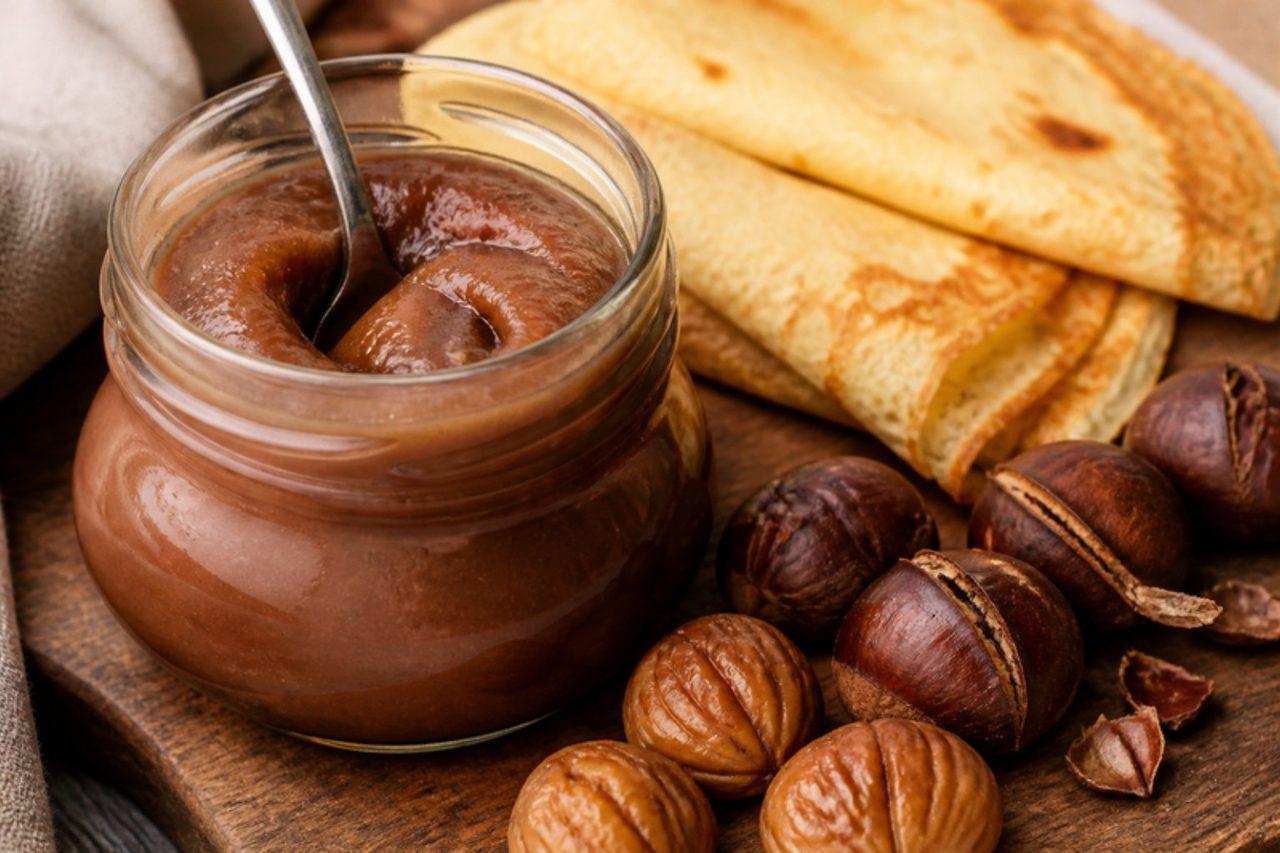
Crème de marronsSweet chestnut spread

Crème de marrons, sweet chestnut cream, was invented in Privas in the Ardèche in the 1880s to use up broken chestnuts from making marrons glacés, and it is now a French store-cupboard classic: spread on crêpes at Candlemas, stirred into fromage blanc, or piled into a Mont Blanc dessert. This home version uses cooked, peeled chestnuts. The common mistake is not blending it smooth enough. Chef's tip: blend while still warm, and push it through a sieve for a silky finish.

by KrazyBadal 0 views

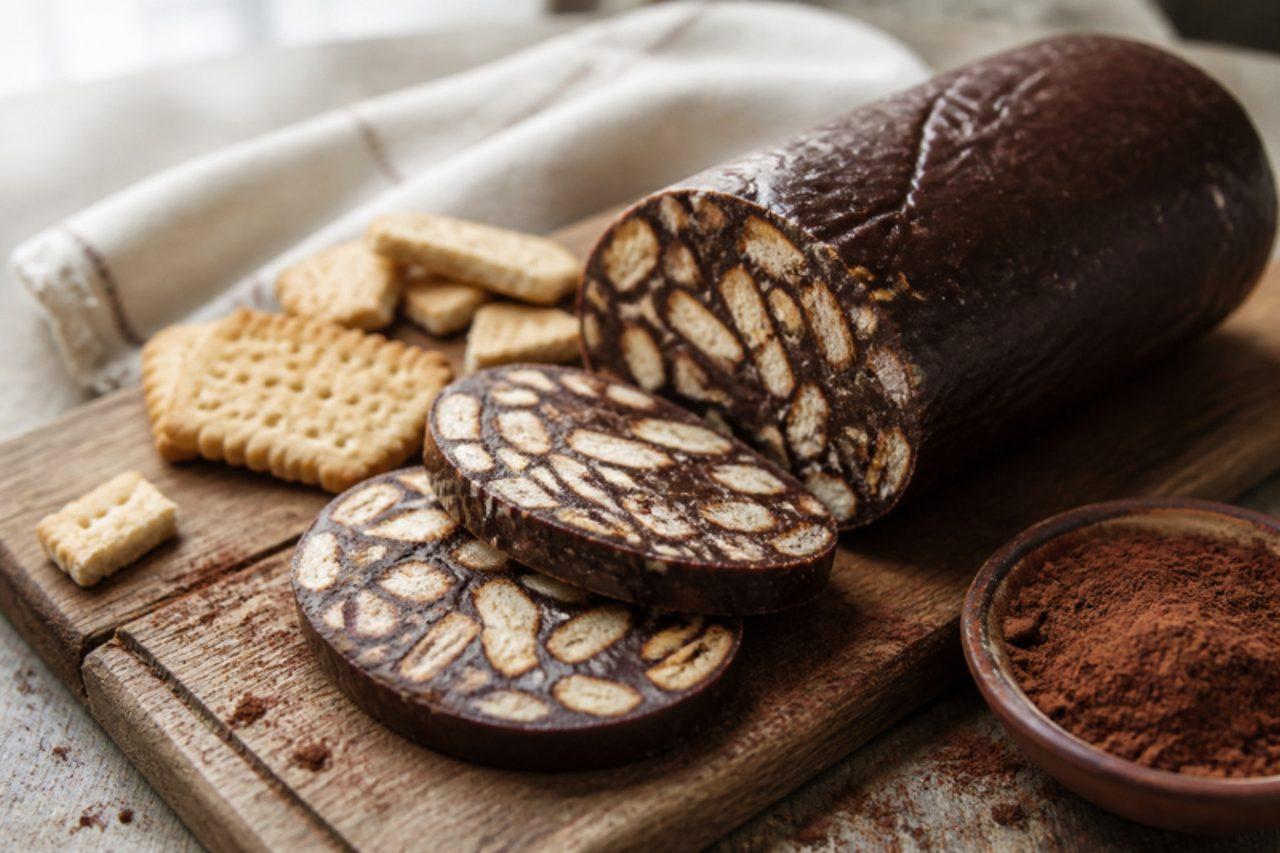
Salame di cioccolatoChocolate biscuit log

Salame di cioccolato is the sweet that Italian children help to make: crushed biscuits mixed with melted chocolate, butter and cocoa, rolled into a log, chilled and dusted with icing sugar so that, when sliced, it looks just like a salami with "fat" spots of biscuit. It is served at birthday parties and Christmas, and some families add rum for adults. This version uses no raw eggs and no alcohol, so it is safe for everyone. Chef's tip: break the biscuits by hand into pieces the size of a fingernail; crumbs make it look like a plain chocolate log.
by KrazyBadal 0 views

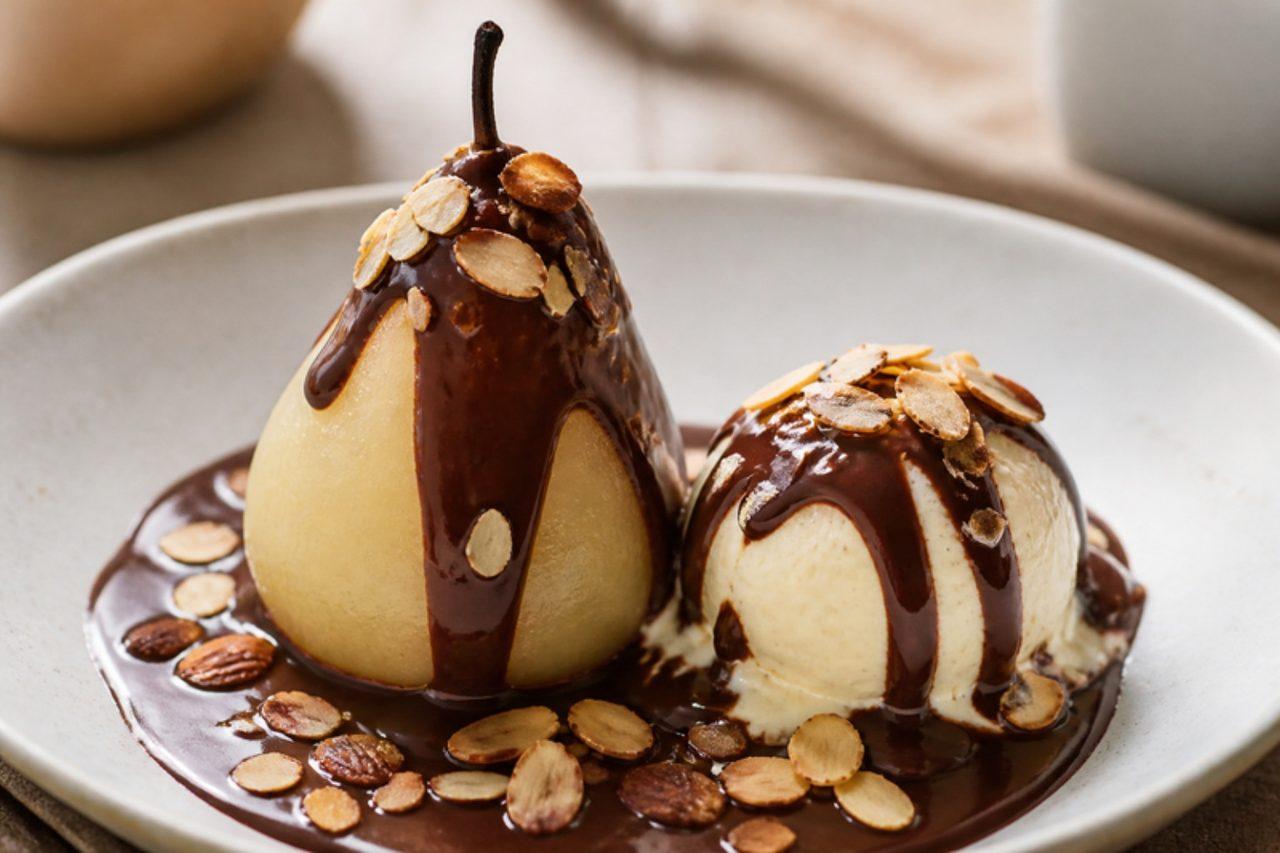
Poires Belle-HélènePears with chocolate sauce

Poires Belle-Hélène was created in Paris in the 1860s, probably by the great chef Escoffier, to honour Offenbach's operetta La Belle Hélène, and it is still on bistro menus and served at home as an easy winter dessert. Whole pears are poached in vanilla syrup, then served cold with vanilla ice cream and a jug of hot dark chocolate sauce. The common mistake is poaching hard pears too fast, so they stay crunchy in the middle. Chef's tip: the pears are done when a knife slides in like butter; keep the syrup at a gentle shiver.

by KrazyBadal 0 views

Crêpes dentelleCrisp lace crêpe biscuits

Crêpes dentelle, "lace crêpes", are a speciality of Quimper in Brittany, said to have been invented by a baker there in 1886 who burnt a crêpe and rolled it up; they are wafer-thin, crisp, buttery rolled biscuits, sold in tins all over Brittany and eaten with coffee or crumbled over ice cream. The common mistake is spreading the batter too thick, so they will not crisp. Chef's tip: spread the batter so thin you can see the tray through it, and roll each one as soon as it comes out of the oven.

by KrazyBadal 0 views

Fruits confitsCandied citrus fruit

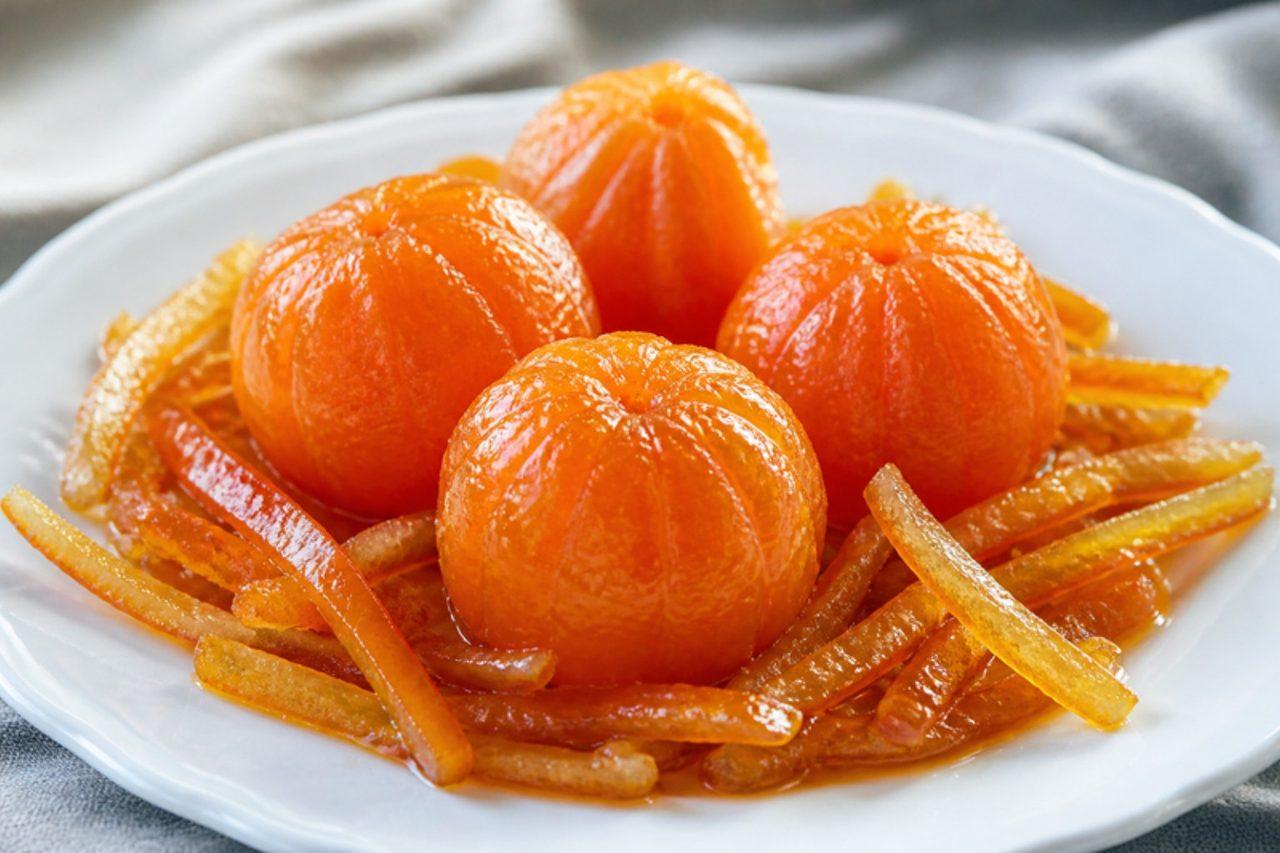
Candied fruit is a speciality of Apt in the Vaucluse, the world capital of fruits confits, and a bowl of glistening candied clementines, melon and orange peel is one of the thirteen desserts of Christmas Eve in Provence. Home candying takes several days of patient simmering in syrup, but very little work each day. The common mistake is boiling the fruit hard, which toughens it. Chef's tip: increase the sugar a little each day so it soaks in slowly to the centre.

by KrazyBadal 0 views

Gelée de groseillesRedcurrant jelly

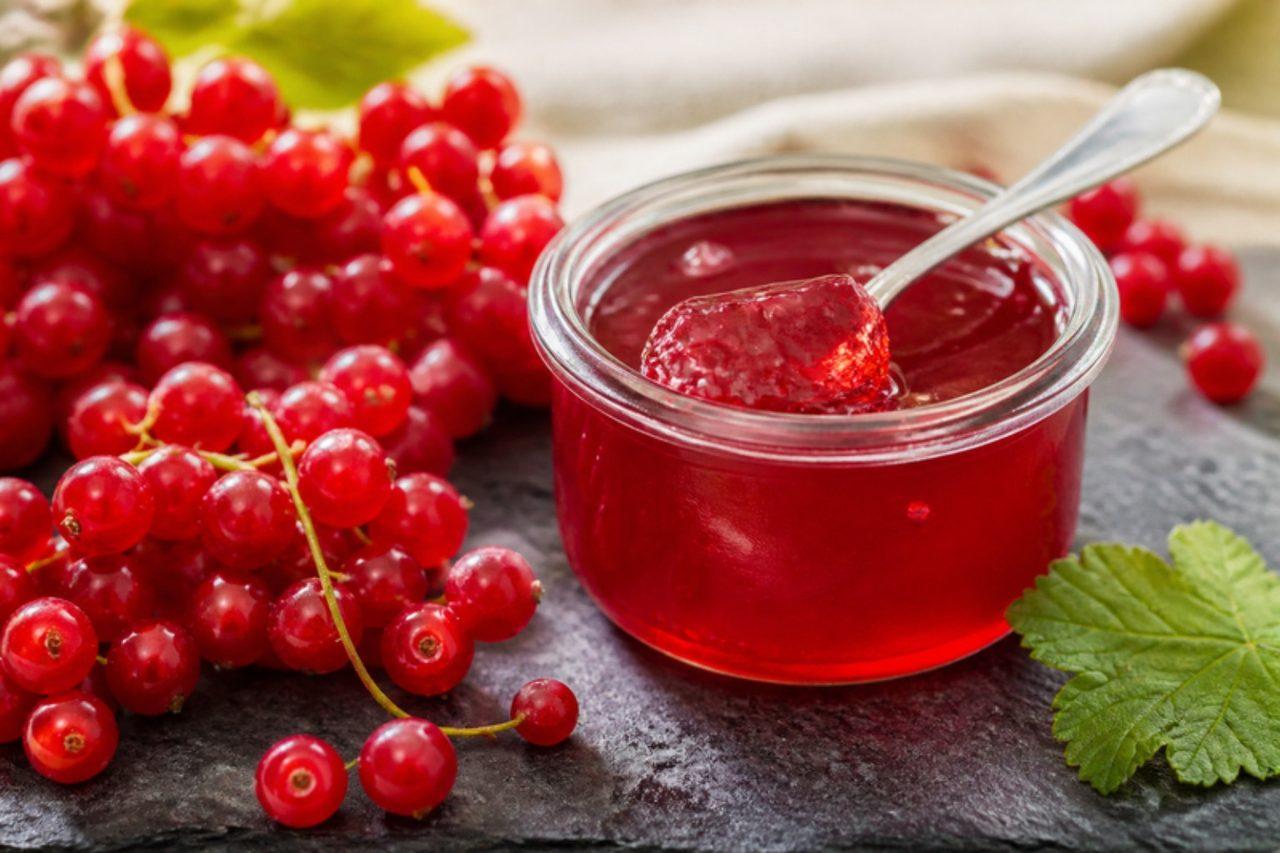
Redcurrant jelly is a summer preserve of eastern France, and in Bar-le-Duc in Lorraine the currants are still seeded by hand with a goose quill for the famous whole-berry jam; at home, the jelly is simply strained to a clear, ruby set, spread on bread and used to glaze fruit tarts. Redcurrants are full of pectin, so it sets easily. The common mistake is squeezing the jelly bag, which makes it cloudy. Chef's tip: let the juice drip on its own, overnight if you can.

by KrazyBadal 0 views

Entremets trois chocolatsTriple chocolate mousse cake

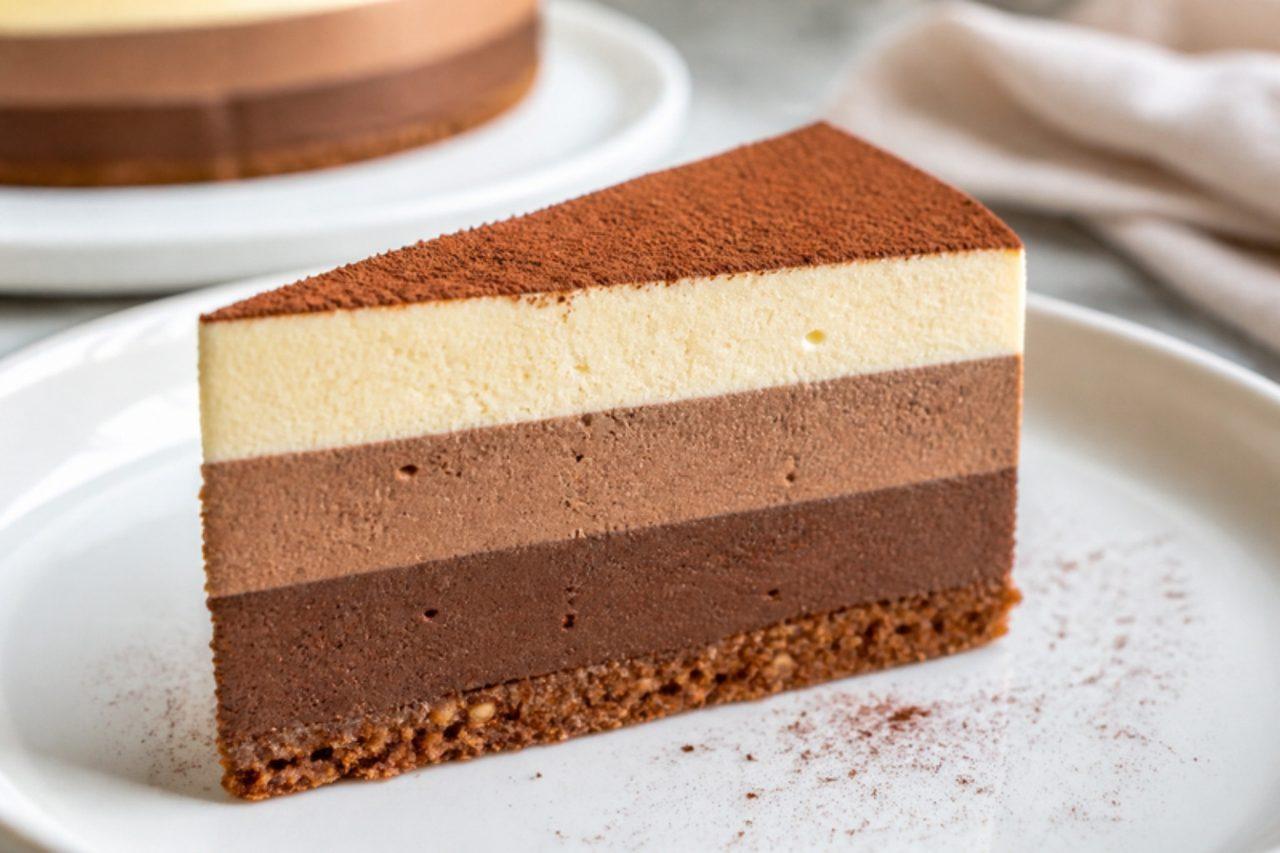
The trois chocolats is the most popular birthday entremets in French pâtisseries, a crisp praline base topped with three layers of mousse, dark, milk and white chocolate, set in a ring and sliced to show the stripes. This home version sets the mousses with agar, so it is vegetarian. The common mistake is pouring a layer before the one below is set, so they mix. Chef's tip: chill each layer for 30 minutes, until it no longer moves when you tilt the ring.

by KrazyBadal 0 views

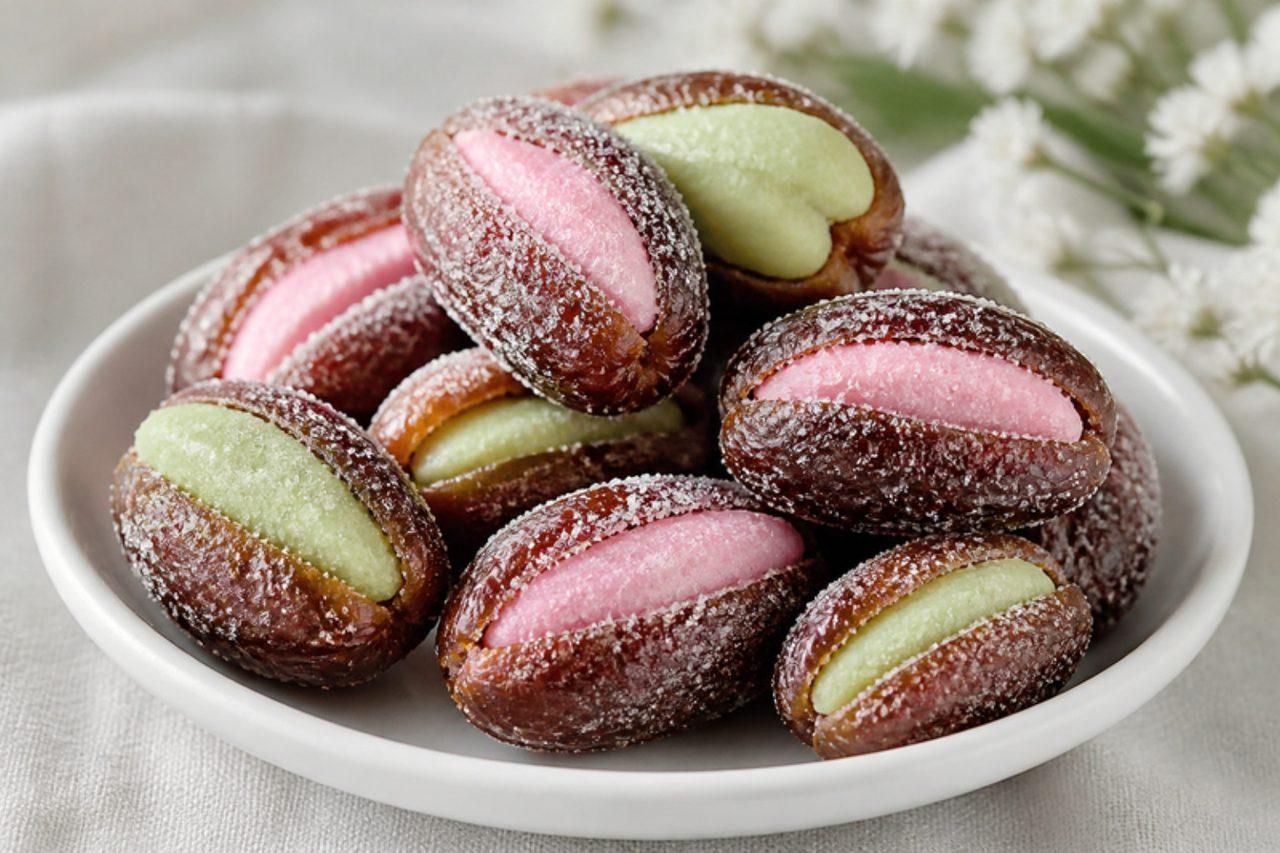
Dattes fourréesMarzipan-stuffed dates

Dattes fourrées, dates stuffed with pale green or pink almond paste, are one of the thirteen desserts on the Christmas Eve table in Provence and a favourite home-made sweet across France in December, simple enough for children to help make. Soft Medjool or Deglet Nour dates are split, stoned and filled with a little roll of marzipan, then rolled in sugar. The common mistake is using very dry dates, which split. Chef's tip: warm the marzipan in your hands before colouring; the colour mixes in evenly.

by KrazyBadal 0 views

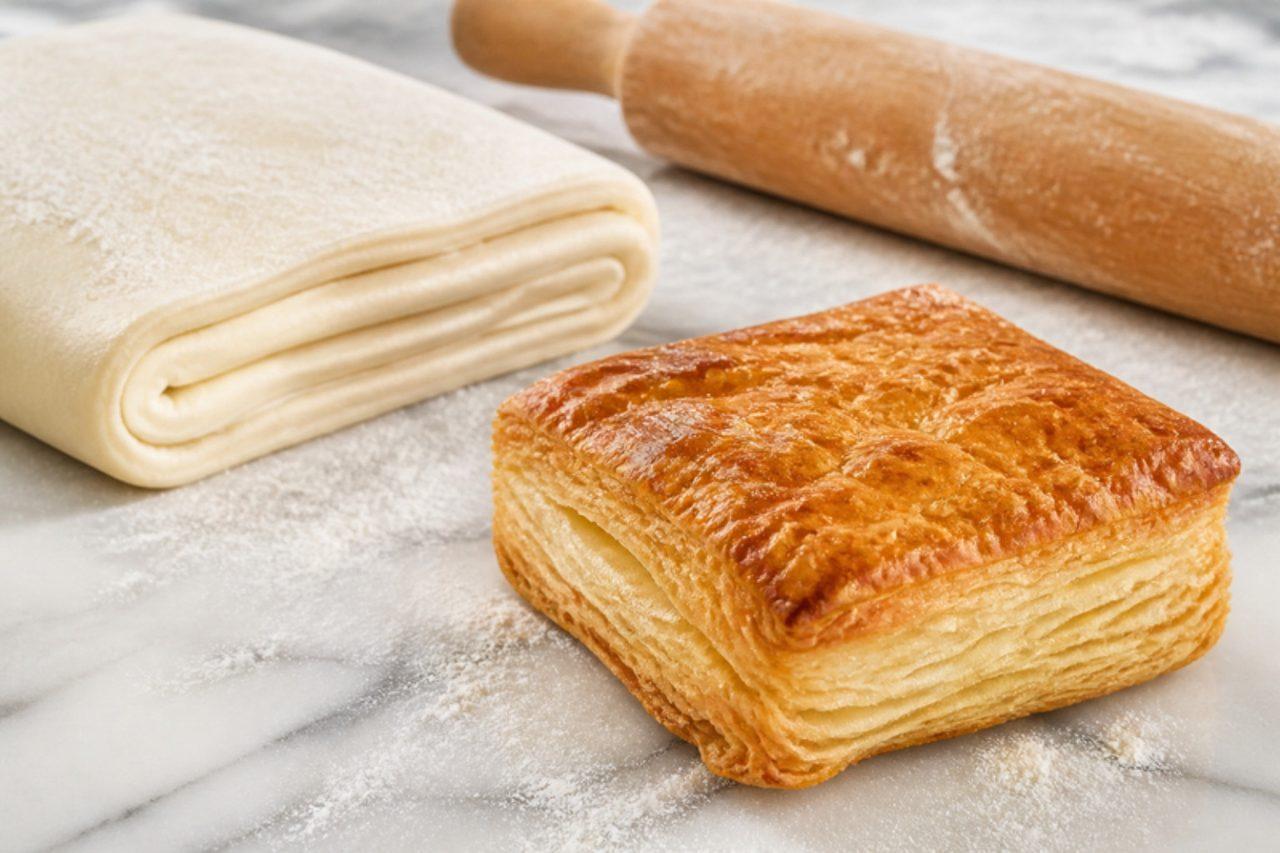
Pâte feuilletéePuff pastry

Pâte feuilletée is the queen of French pastries, the flaky dough behind galettes des rois, mille-feuilles, vol-au-vents and palmiers, still made by hand in pâtisseries all over France. A simple dough is wrapped around a flat block of cold butter, then rolled and folded six times, so that in the oven the water in the butter turns to steam and lifts hundreds of layers. It takes time rather than skill. The common mistake is letting the butter get warm and soft, which smears the layers together. Chef's tip: chill the dough for 30 minutes after every two turns, and work in a cool kitchen.

300 minFrenchBasics
by KrazyBadal 0 views

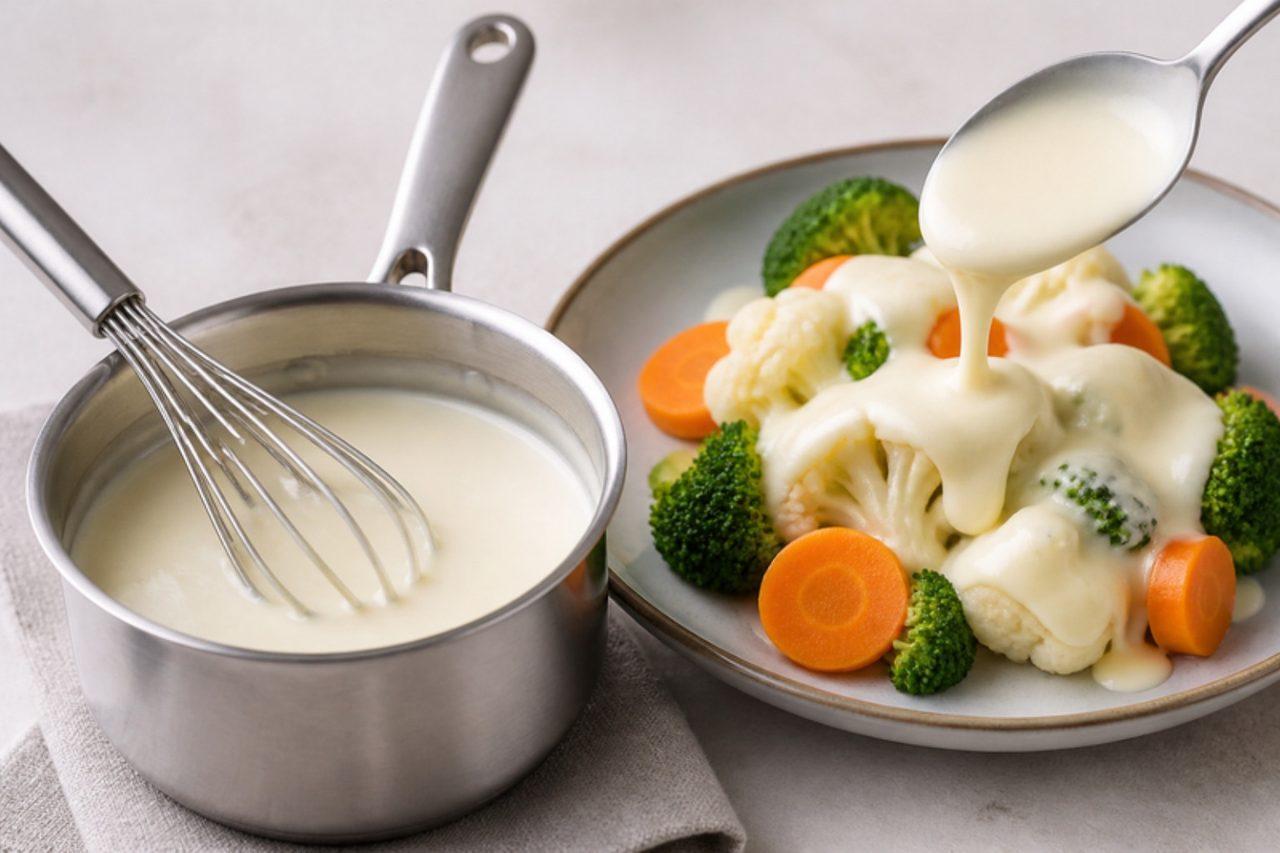
Sauce veloutéLight stock white sauce

Velouté is one of the five mother sauces of classic French cooking, taught in every cookery school from Paris to Lyon and used as the base for dozens of sauces for vegetables, eggs, chicken and fish. A blond roux of butter and flour is cooked without browning, then whisked into hot light stock and simmered until silky. This version uses vegetable stock so it is vegetarian; for the classic, use chicken, veal or fish stock to match the dish. The common mistake is not simmering long enough, which leaves the sauce tasting of raw flour. Chef's tip: add the hot stock to a warm roux gradually, whisking hard, and you will never get lumps.

by KrazyBadal 0 views

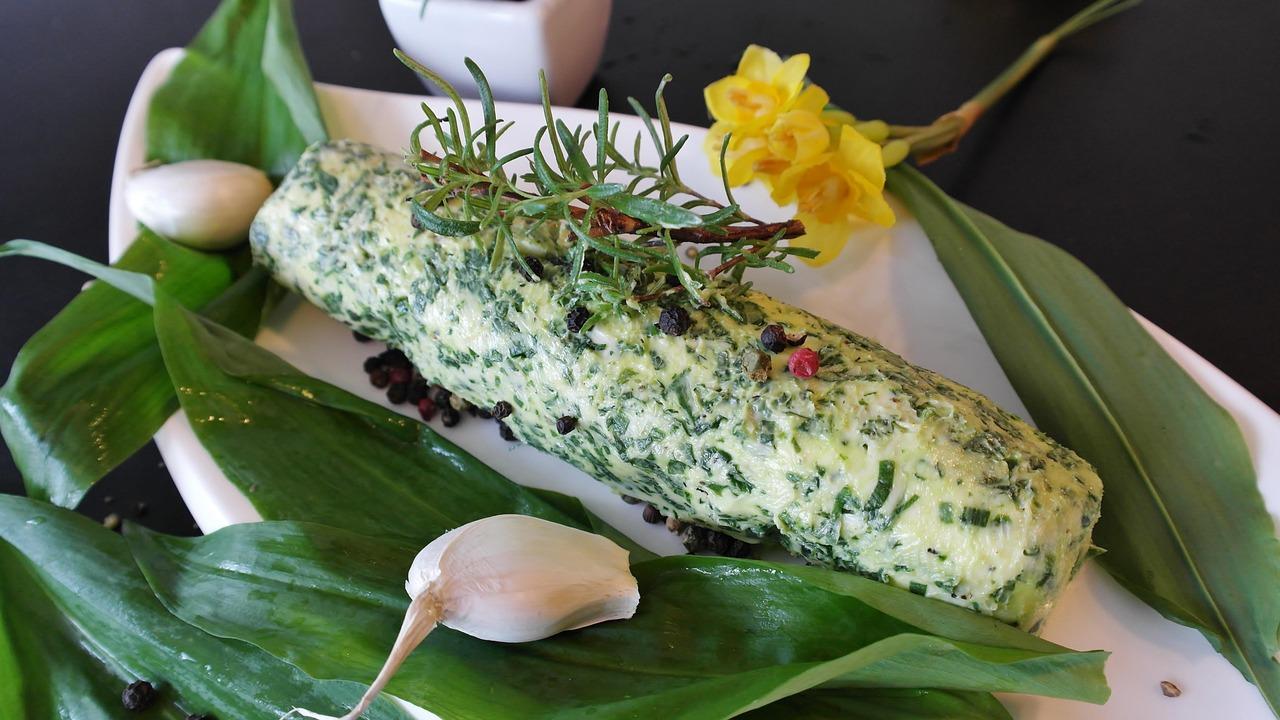
Beurre maître d'hôtelParsley and lemon butter

Beurre maître d'hôtel is the simplest of the French flavoured butters, a roll of soft butter beaten with parsley and lemon that every bistro keeps in the fridge to slice on to steak frites, grilled fish and baked potatoes, where it melts into a fresh, green sauce. It takes ten minutes and freezes beautifully. The common mistake is using butter straight from the fridge, which will not take the lemon juice and turns lumpy. Chef's tip: roll it into a log in baking paper, chill and slice coins as you need them; it keeps a month in the freezer.

by KrazyBadal 0 views

Sole meunièreSole in browned butter

Sole meunière, "in the style of the miller's wife", is the fish dish of old Paris brasseries and Normandy seaside restaurants, served on Fridays and for special lunches with boiled potatoes. The sole is dusted in flour and cooked in foaming butter until golden, then bathed in nutty browned butter with lemon juice and parsley. The common mistake is a pan that is too crowded or not hot enough, so the flour turns soggy instead of crisp. Chef's tip: cook the fish in clarified butter or butter with a little oil, then make a fresh batch of browned butter for the sauce; it stays golden, not burnt.

25 minFrenchFish
by KrazyBadal 0 views

Confiture de figuesFig jam

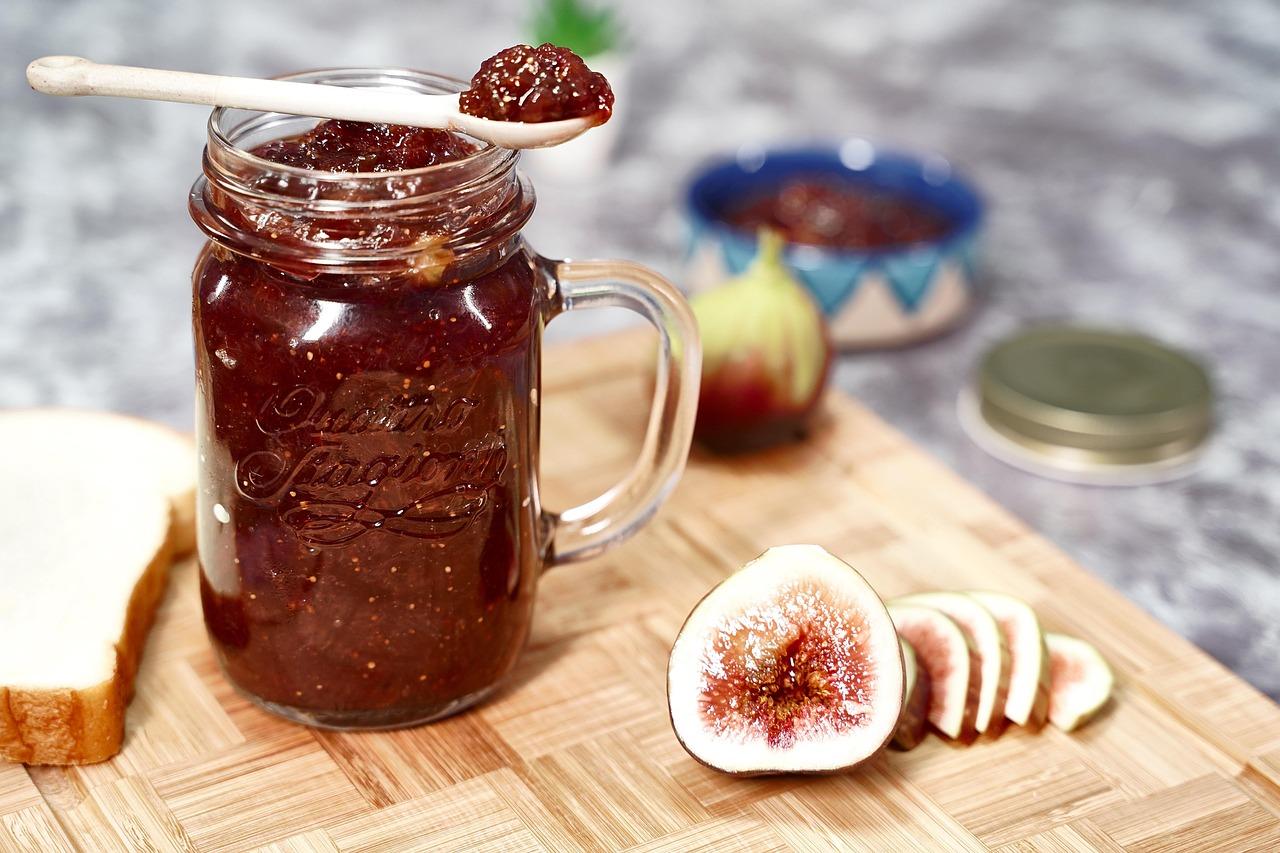
Fig jam is made in late summer in Provence and the south-west, when the trees are heavy with violet figs, and it is served with breakfast and, very often, with cheese, especially goat's cheese and ewe's cheese from the Pyrenees. The figs are cooked with lemon and vanilla until thick and glossy. The common mistake is undercooking it, so it stays runny. Chef's tip: figs are low in pectin, so add a grated apple or use jam sugar.

by KrazyBadal 0 views

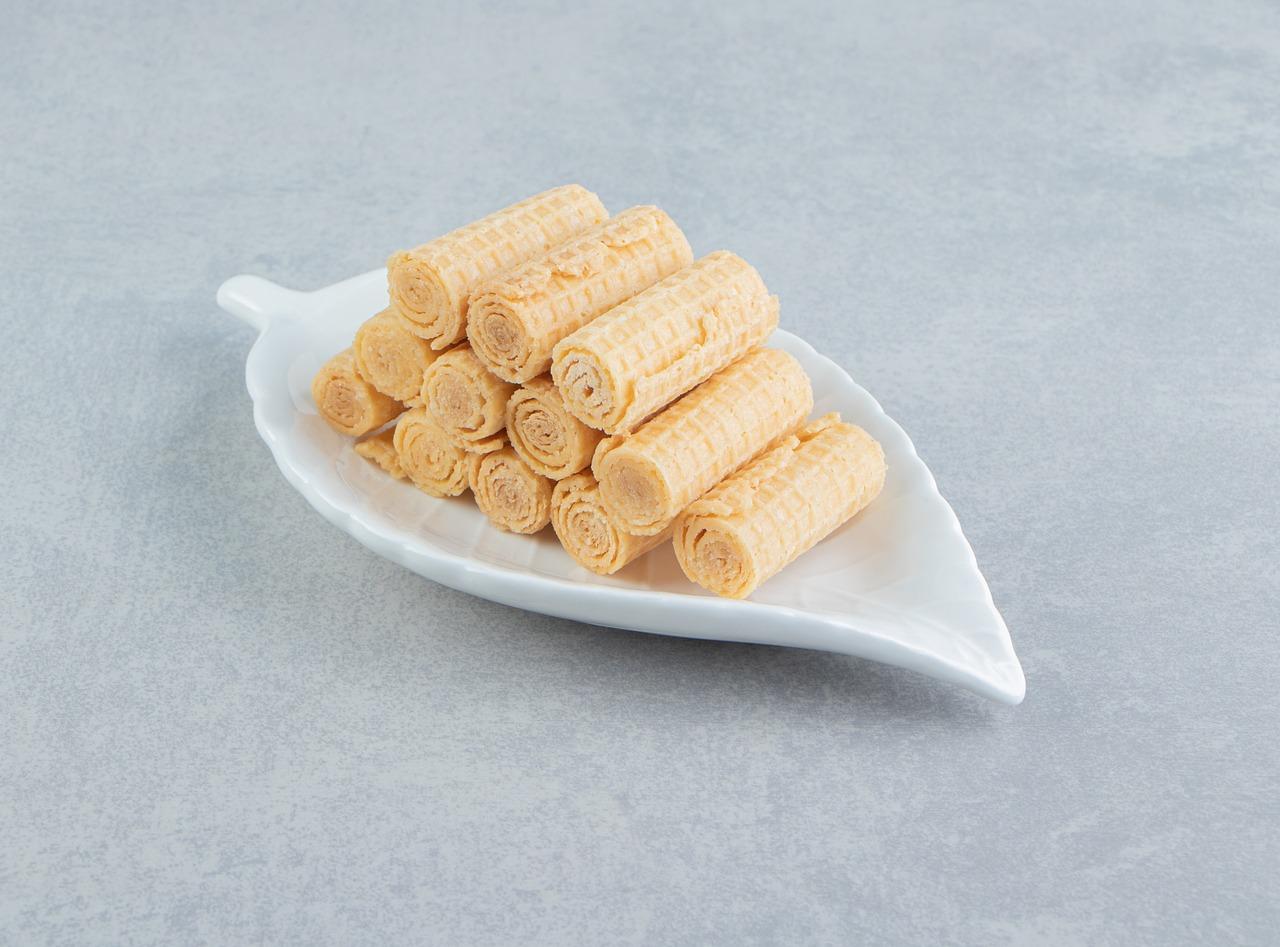
Pizzette rosseMini tomato pizzas

At every Italian children's birthday party, and in every bakery window from Rome to Bari, there is a tray of pizzette: small round pizzas the size of a palm, topped with tomato and a little mozzarella and oregano, soft and easy for small hands. Mothers buy them by the dozen for school snacks and christening buffets. They freeze well. Mozzarella is usually made with calf rennet; vegetarian versions are easy to find. Chef's tip: cook the tomato sauce briefly first and keep it thick; a runny sauce makes soggy pizzette that slide off the plate.
by KrazyBadal 0 views

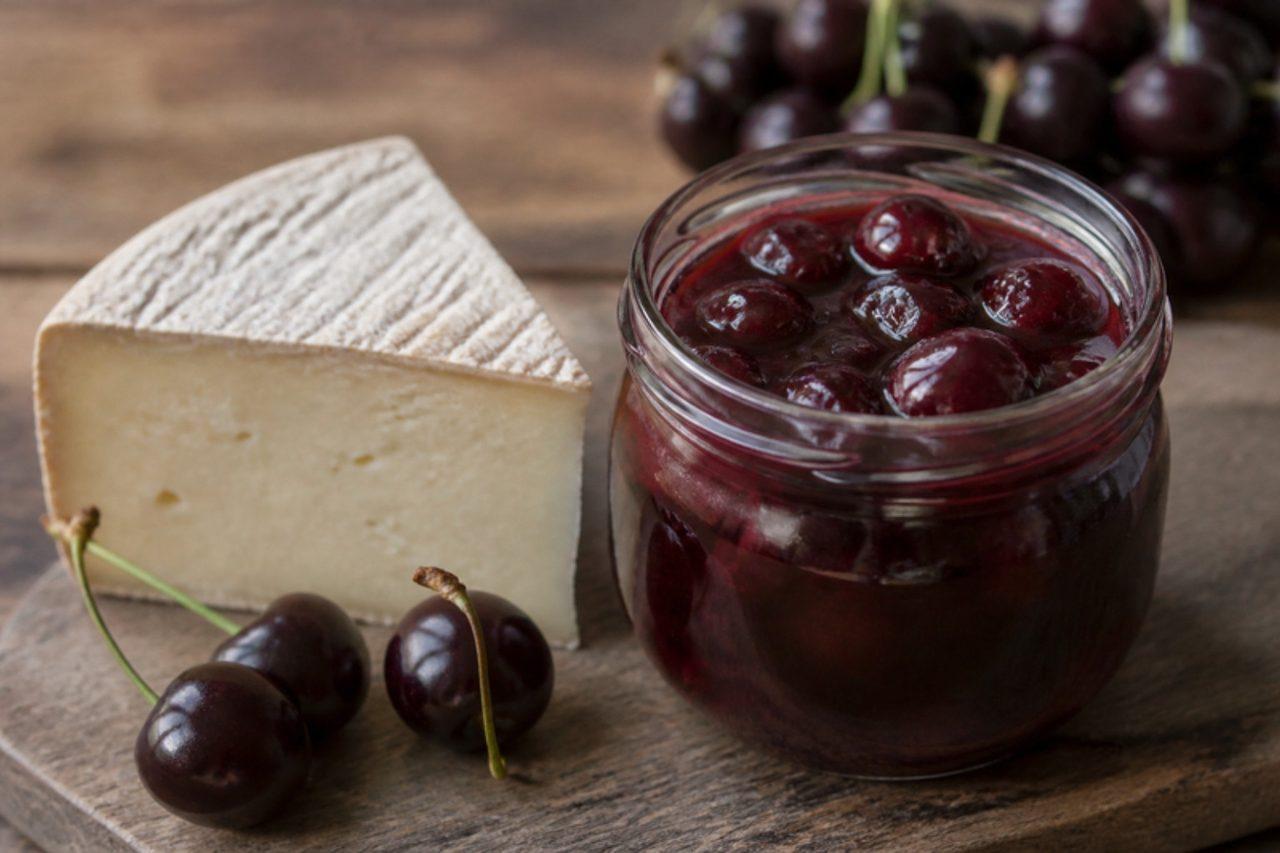
Confiture de cerises noiresBlack cherry jam

Black cherry jam is the pride of the Basque country, made in June with the black cherries of Itxassou, where the village holds a cherry festival every year, and it is served with a slice of ewe's-milk cheese (Ossau-Iraty) after a meal, or used to fill the gâteau basque. The cherries are stoned and cooked until the jam is dark and glossy. The common mistake is leaving in stones; count them out. Chef's tip: wear an apron and stone the cherries over a bowl to catch the juice.

by KrazyBadal 0 views

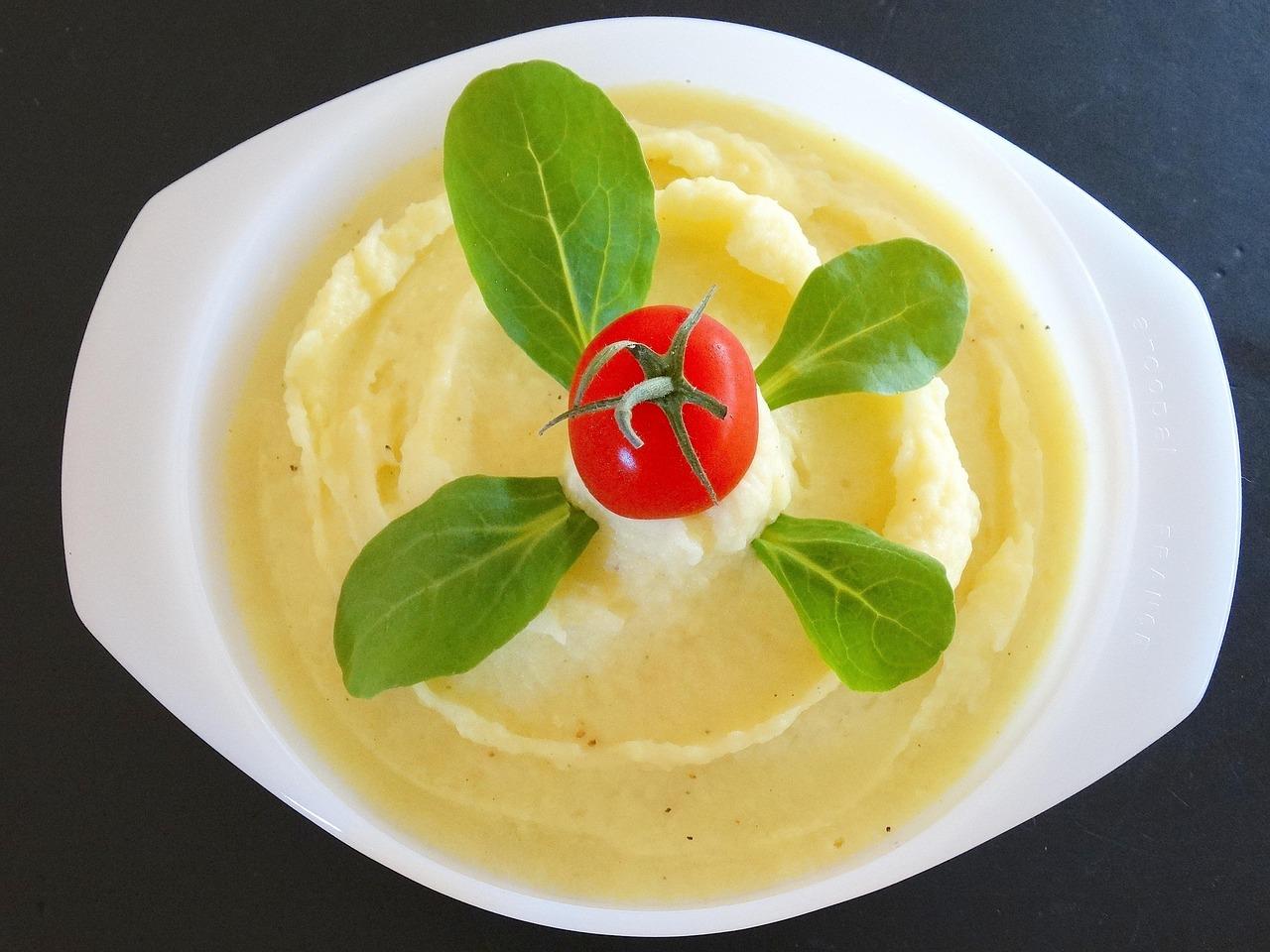
Pommes puréeSmooth mashed potatoes

Pommes purée is the smooth, rich mash served all over France with roast chicken, sausages or a Sunday daube, and made famous in Paris restaurants where chefs beat in almost as much butter as potato. Floury potatoes are boiled whole in their skins, peeled hot, pressed through a ricer or sieve and beaten with hot milk and cold butter until silky. The common mistake is mashing in a food processor or with a blender, which turns the starch gluey. Chef's tip: dry the riced potato over a low heat for a minute before adding the butter; drier potato takes in more butter and tastes richer.

by KrazyBadal 0 views

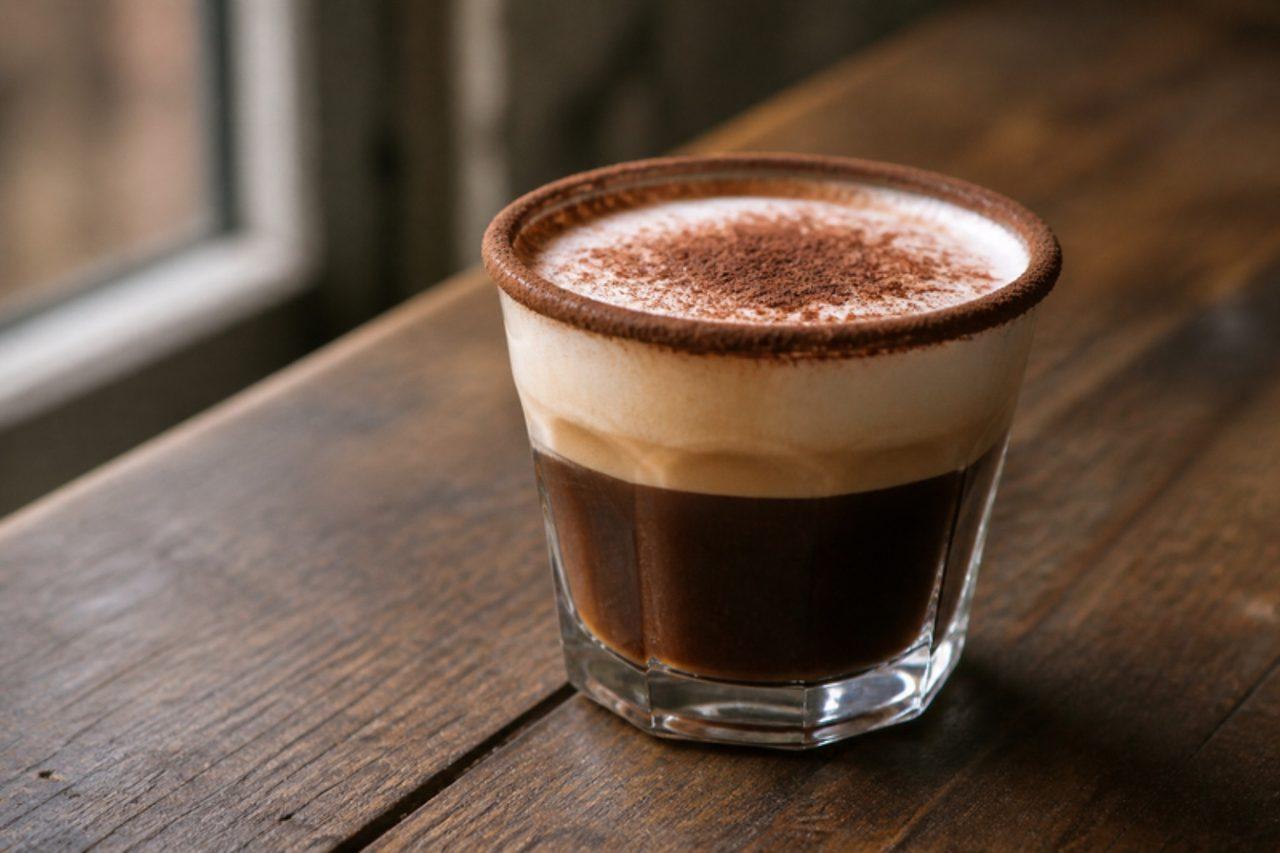
MarocchinoEspresso with cocoa and milk foam

The marocchino was born in the bars of Alessandria in Piedmont, and it is now ordered all over northern Italy: a little glass dusted inside with cocoa, filled with an espresso and topped with milk foam and more cocoa, sometimes with a spoonful of chocolate sauce at the bottom. Its name comes from the brown colour of a leather called "marocchino" once used for hat bands. It is a mid-morning or afternoon treat. Contains caffeine. Chef's tip: dust the empty glass with cocoa before pouring the coffee in; it sticks to the hot glass and gives each sip a chocolate edge.

by KrazyBadal 0 views

SongpyeonStuffed rice cakes

On the eve of Chuseok, the harvest moon festival, families all over Korea sit around one table pinching songpyeon, and the old saying goes that whoever shapes the prettiest ones will have pretty children. The chewy rice-flour shells are filled with crunchy toasted sesame and sugar that melts into a syrup as they steam, and the batch is laid on fresh pine needles so the cakes pick up a faint forest scent. They go to the ancestral table first, then out to everyone with a cup of tea. The common mistake is a dough that is too dry: it cracks while you shape it and splits in the steamer, so it should feel as soft as an earlobe. Rice cakes are dense and sticky, so cut them small for young children and older people and make sure they eat sitting down: they are a known choking risk. Chef's tip: brush the steamed cakes with sesame oil while they are still hot; it stops them sticking together and gives that glossy finish you see at the market.

by KrazyBadal 0 views

MostaccioliSpiced chocolate biscuits

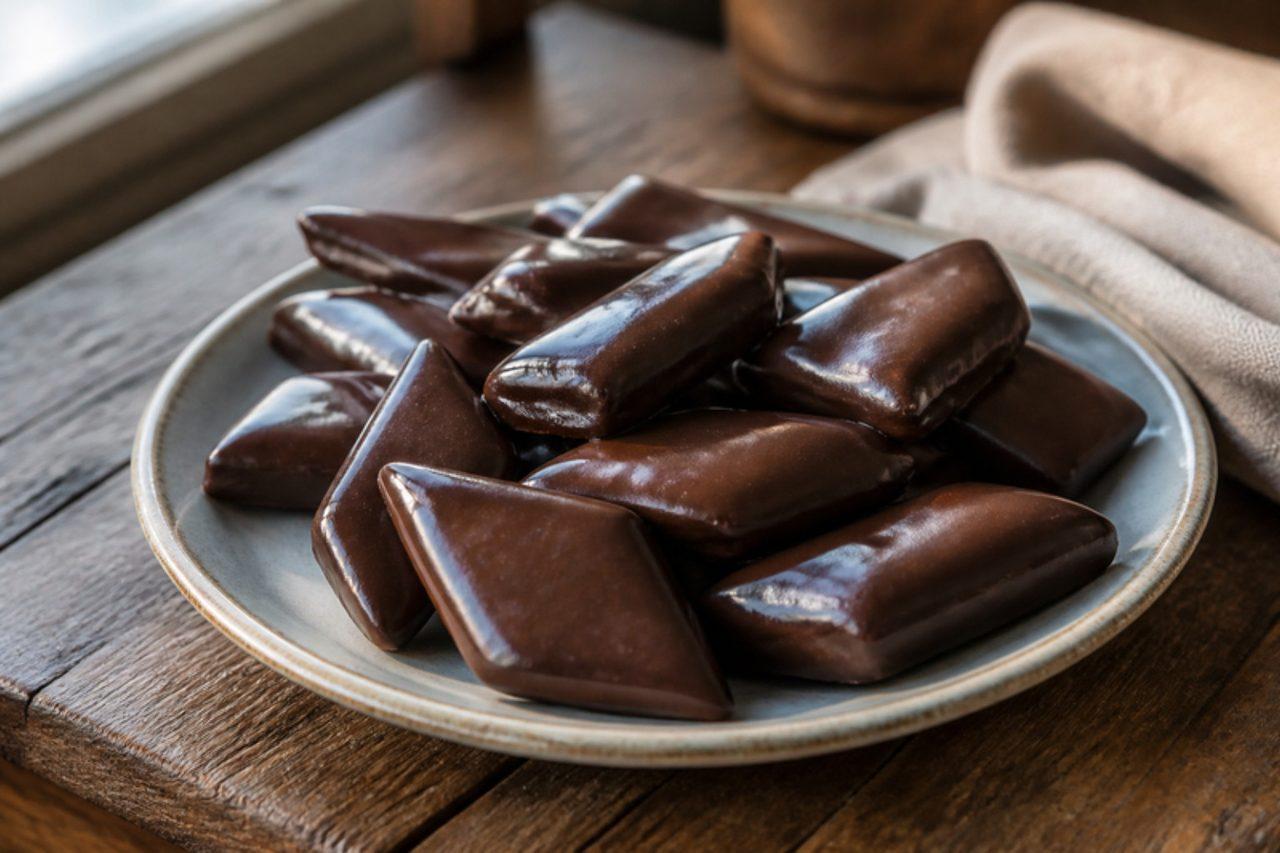
Neapolitan Christmas trays always include mostaccioli: soft, spiced biscuits shaped like diamonds and covered in a shiny coat of dark chocolate. The dough is flavoured with honey, cocoa, orange and pisto, a Neapolitan spice mix of cinnamon, clove, nutmeg, star anise and coriander. They are made in early December with roccocò and struffoli and kept in tins for the whole holiday. Not for babies under 1 because of the honey. Chef's tip: let the biscuits rest a day before coating; spiced honey biscuits soften and their flavour deepens after a night in the tin.

by KrazyBadal 0 views

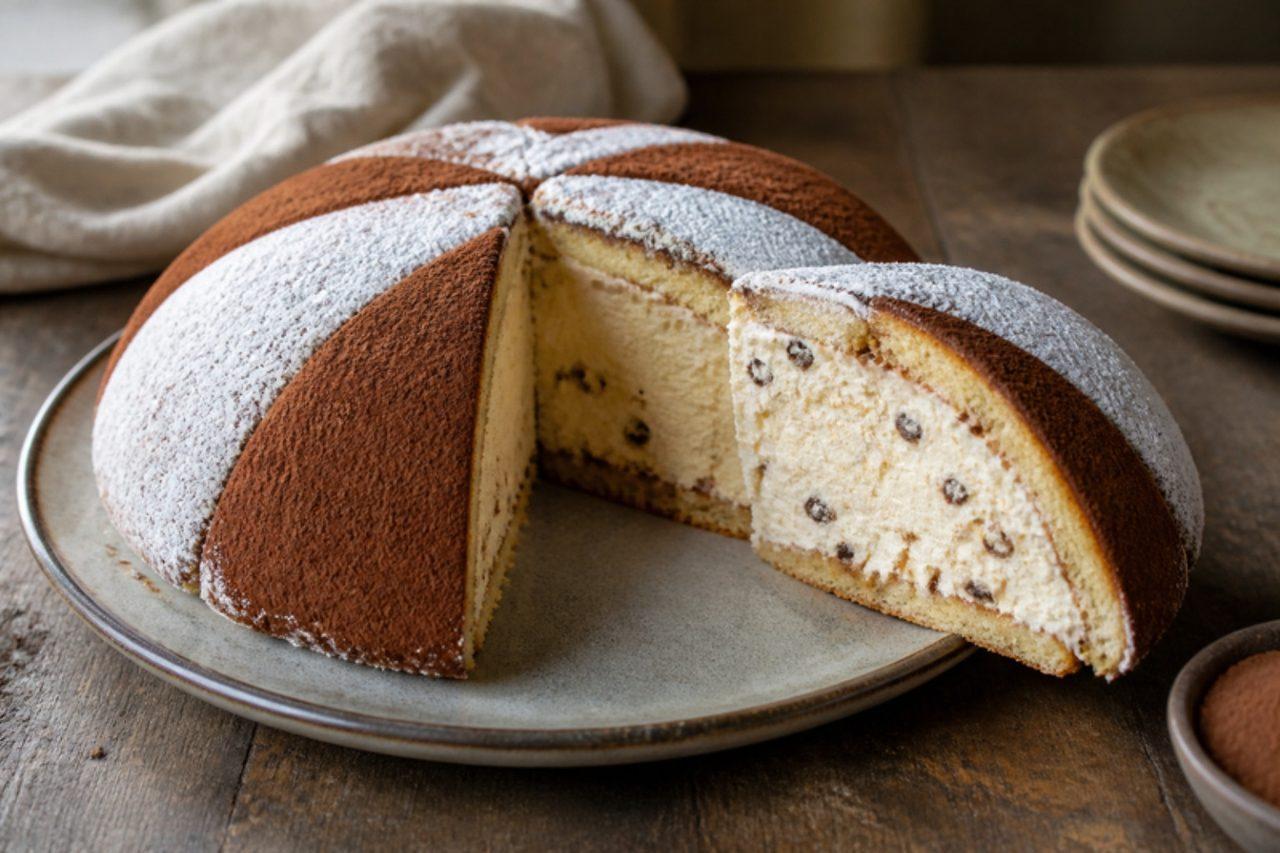
Zuccotto fiorentinoChilled sponge dome with cream

Zuccotto is said to have been inspired by the dome of Florence Cathedral, or by the shape of a cardinal's skullcap (zucchetto). It is a dome of sponge or savoiardi soaked in syrup, filled with whipped cream studded with chocolate, toasted nuts and candied fruit, half of it flavoured with cocoa, and chilled until set. Florentine families make it for summer Sunday lunch or a birthday. The traditional soak uses alchermes or brandy; this version uses an orange syrup so it is alcohol free. Contains nuts. Chef's tip: line the bowl with cling film first and leave the sponge to set overnight; it turns out cleanly with a neat dome.

by KrazyBadal 0 views

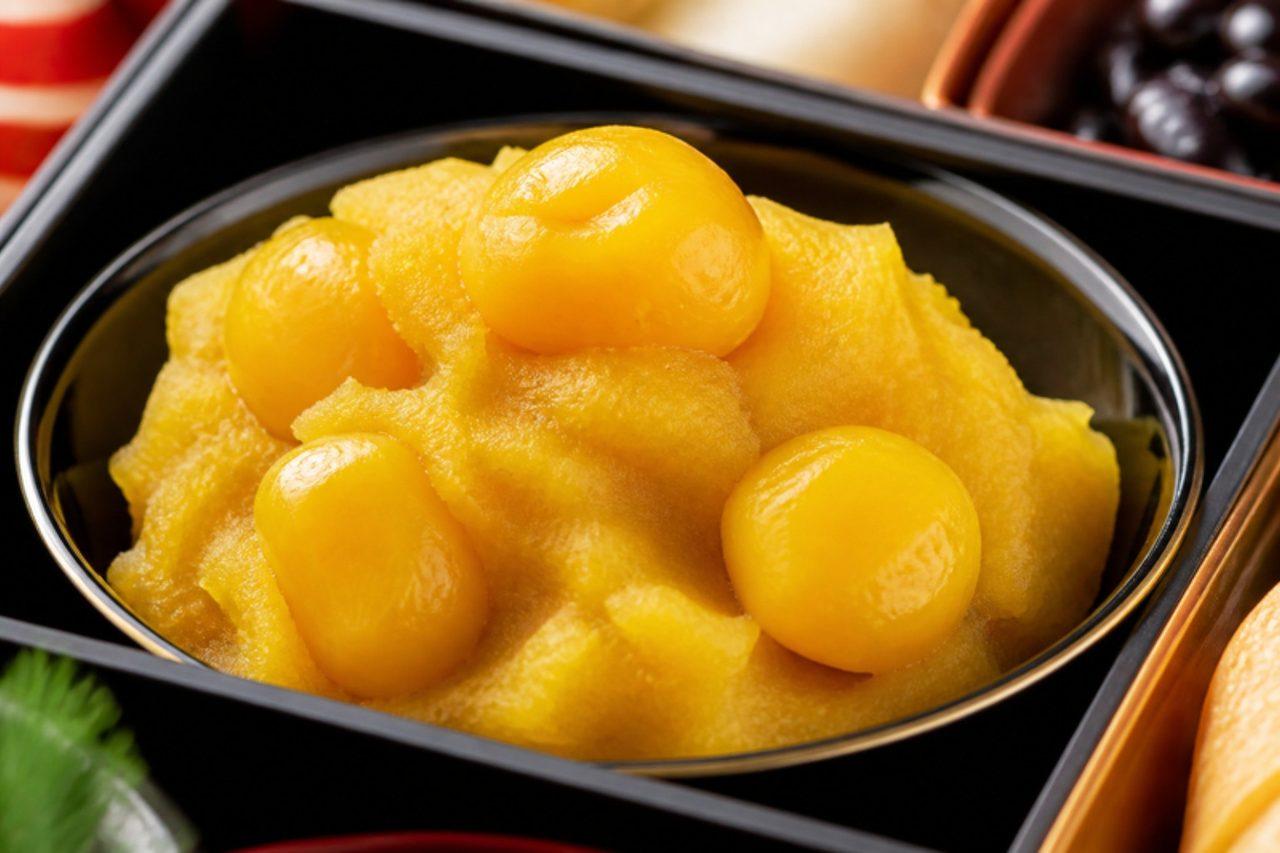
KurikintonSweet potato and chestnut mash

Kurikinton means 'chestnut golden mound', and its bright yellow colour is meant to look like piled gold, which is why it sits in the osechi box at New Year as a wish for wealth. Smooth, sweet mashed sweet potato is folded around whole candied chestnuts, giving a dessert-like side that children love. The traditional yellow comes from dried gardenia pods cooked with the potato. The common mistake is mashing the potatoes without sieving them, which leaves fibres; pushing them through a sieve while hot gives the silky, glossy finish. Chef's tip: peel the sweet potatoes thickly, cutting away the layer just under the skin, as that is where the grey colour and stringiness sit.

by KrazyBadal 0 views

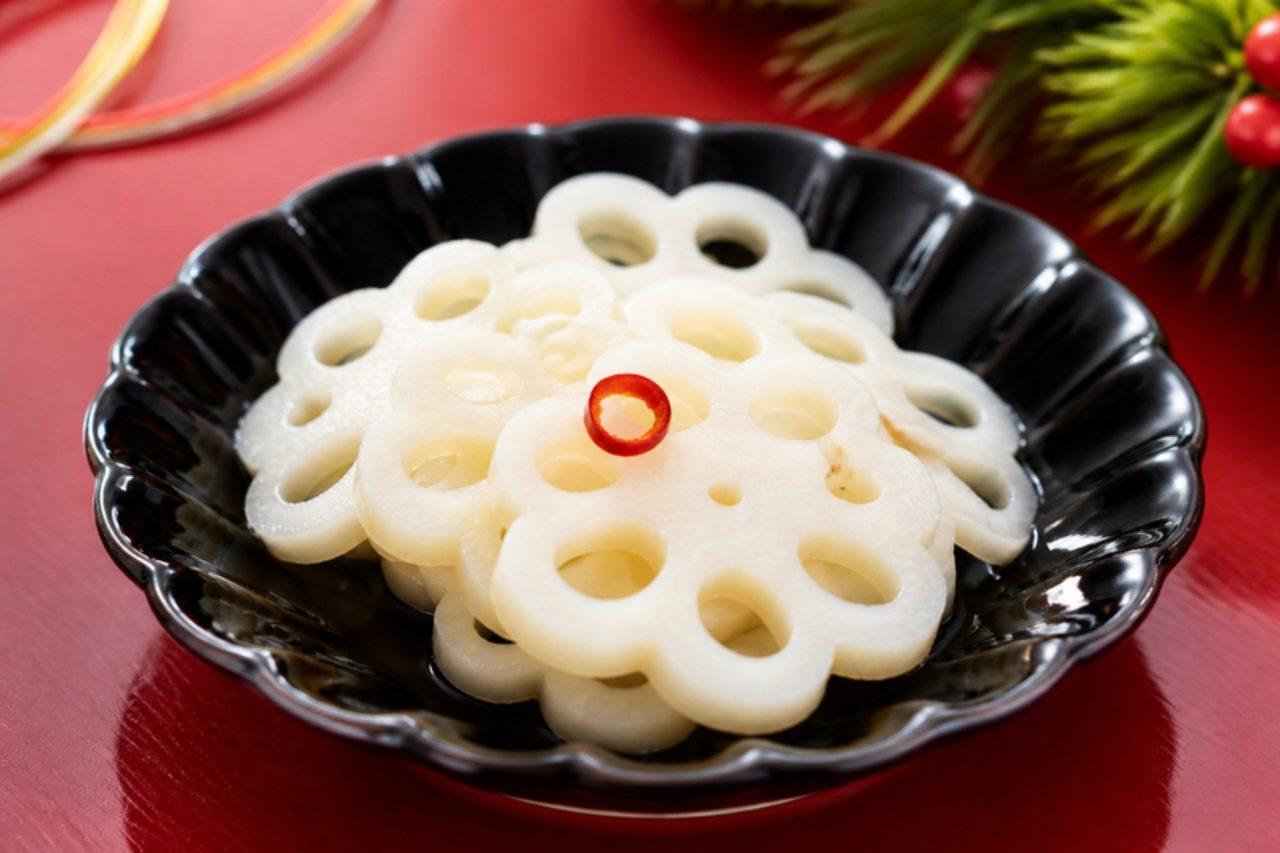
Su-renkonPickled lotus root

Lotus root is full of holes you can see straight through, so in Japan it stands for a clear view of the year ahead, and these crunchy, snow-white slices of sweet-vinegared lotus are a fixture of osechi boxes on New Year's Day. Often cut into flower shapes, they taste bright and lightly sweet with a satisfying crispness. The common mistake is boiling the slices for too long: more than 2 minutes and they turn starchy instead of crunchy. Chef's tip: add a splash of vinegar to the boiling water as well as to the pickle, which keeps the lotus root brilliantly white.

by KrazyBadal 0 views

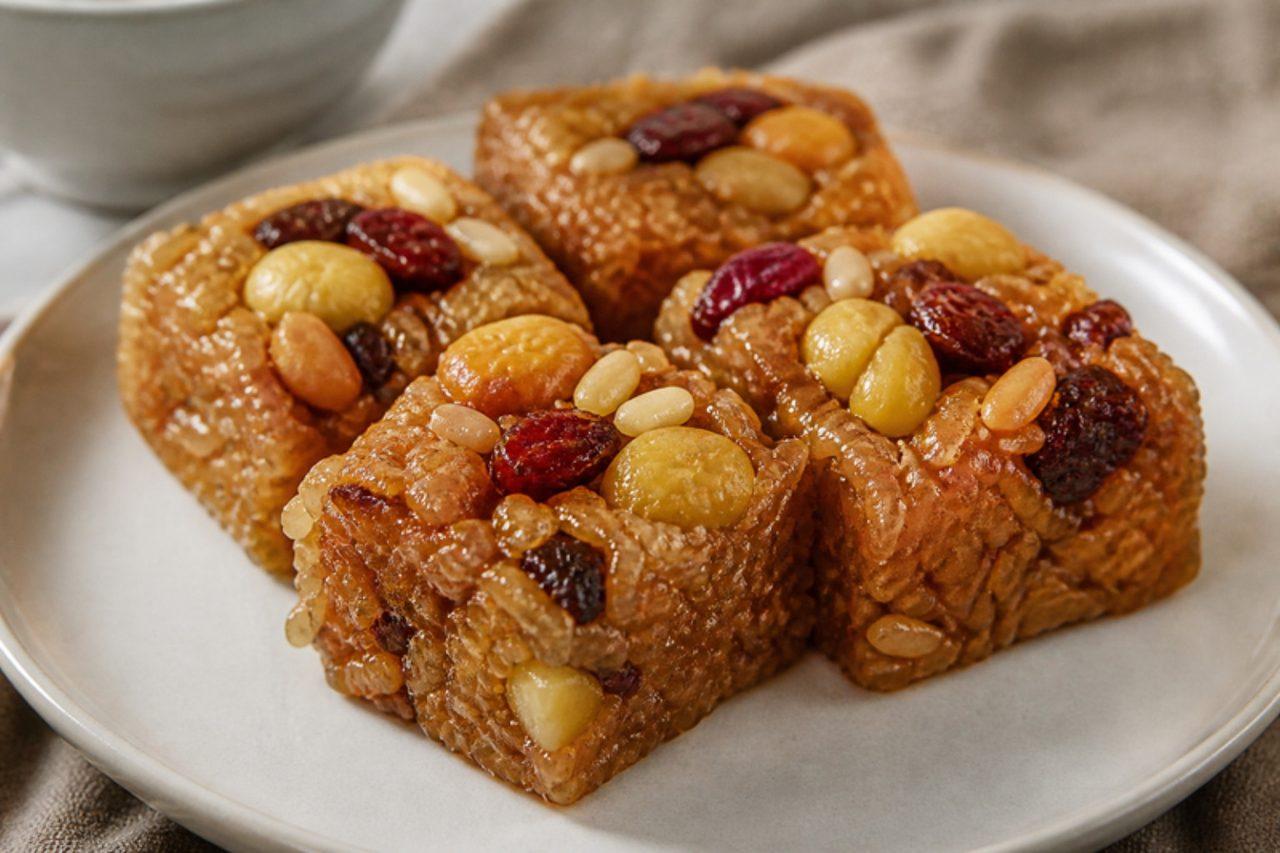
YaksikSweet rice with chestnuts

Yaksik began as a dish for Daeboreum, the first full moon of the lunar year, and is now a standard of Chuseok and Seollal tables and of birthday gifts, cut into neat squares and wrapped in cling film. Glutinous rice is steamed, tossed with dark sugar, soy sauce, sesame oil and cinnamon, then steamed a second time with chestnuts, jujubes and pine nuts until it turns a deep caramel brown and holds together like a soft, chewy cake. The usual mistake is skipping the soak: unsoaked rice stays hard in the centre however long you steam it. Contains soy, sesame and pine nuts. Rice cakes are dense and sticky, so cut them small for young children and older people and make sure they eat sitting down: they are a known choking risk. Chef's tip: caramelise a spoonful of the sugar in a dry pan before adding it; that dark caramel gives the traditional colour without needing extra soy sauce.

by KrazyBadal 0 views

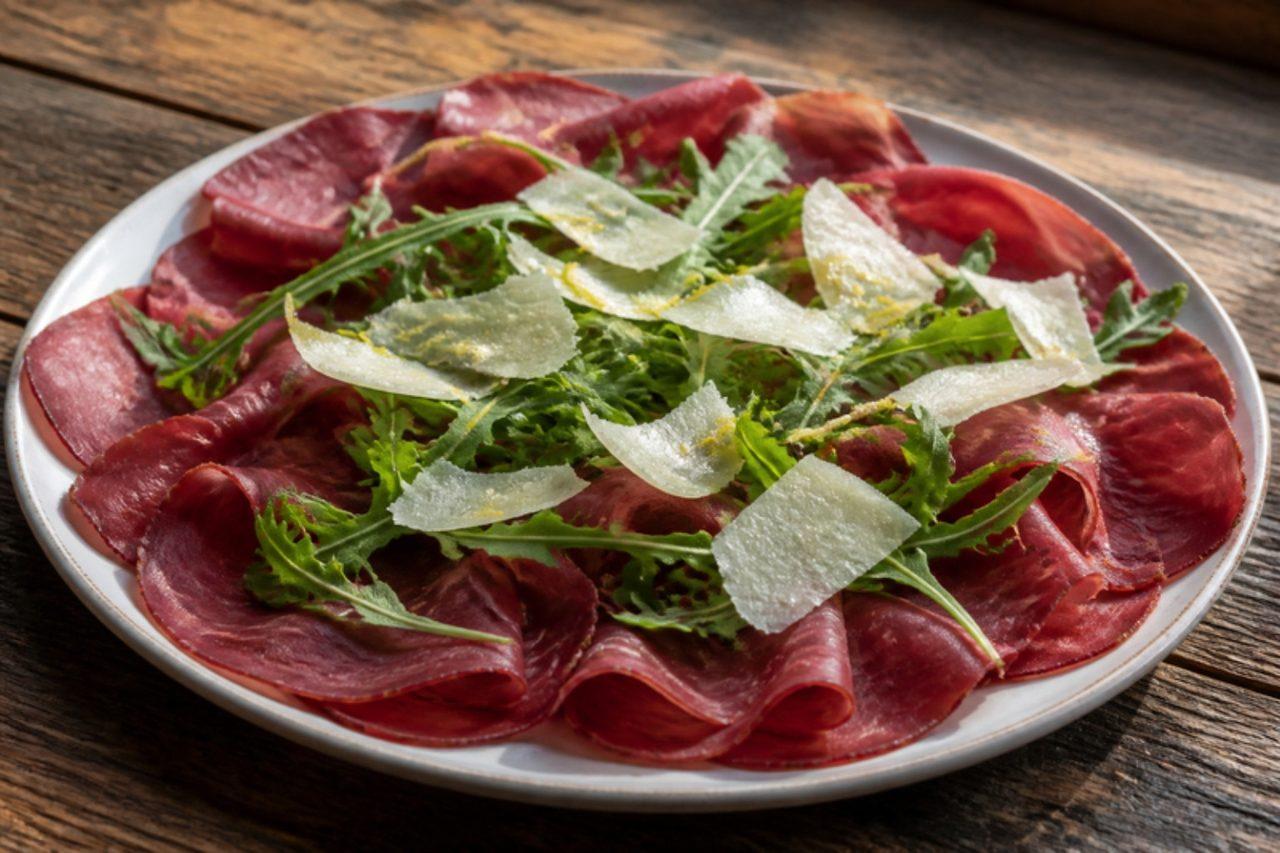
Bresaola, rucola e granaCured beef with rocket and cheese

Bresaola is beef cured with salt and spices and air-dried in the cool mountain valleys of the Valtellina, near Sondrio in Lombardy. Locals serve it as a light lunch or an antipasto before pizzoccheri: thin dark-red slices dressed with lemon and olive oil, topped with peppery rocket and flakes of Grana Padano. It takes five minutes and needs nothing else but bread. Chef's tip: dress the bresaola with lemon 5 minutes before serving; the acid softens the edges of the slices and brings out the meat's sweetness, but much longer and it turns grey.

by KrazyBadal 0 views

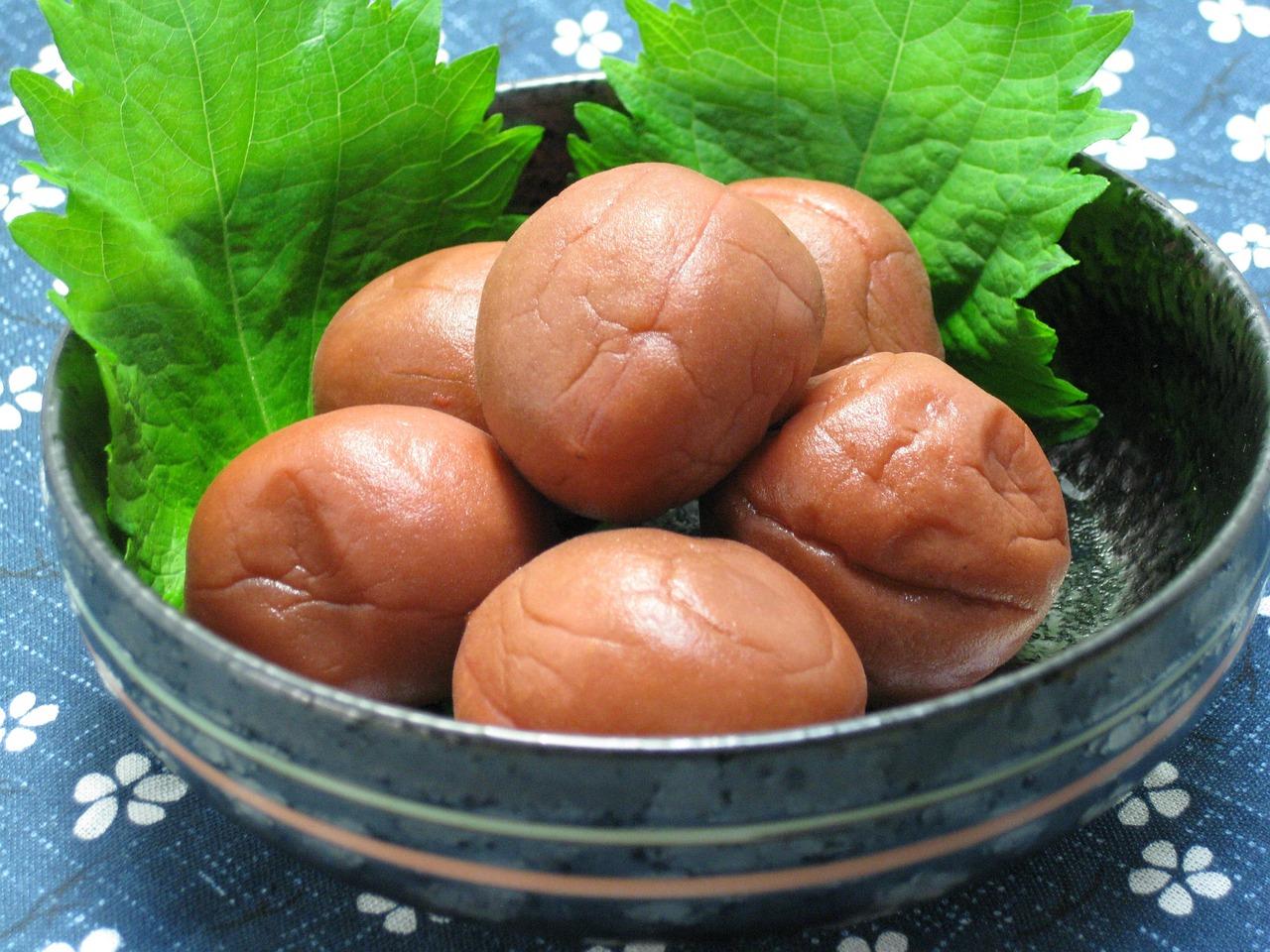
Umeboshi (salted dried ume plums)Salted pickled plums

In the ume orchards of Minabe, in Wakayama's old Kishu province, families salt the June harvest of ripe yellow ume in crocks and then spread them on bamboo mats under the hottest days of late July, the doyo-boshi, before the plums go back into their brine. The result is wrinkled, intensely salty-sour fruit, the classic filling for onigiri and the red sun in the middle of a lunchbox of rice. This is a once-a-year project spread over about two months; the active work is about two hours. Do not cut the salt: below about 15 % of the fruit's weight the plums go mouldy, which is the most common failure at home. Chef's tip: use only fully ripe, yellow, fragrant ume; hard green ones turn tough and bitter.

by KrazyBadal 0 views

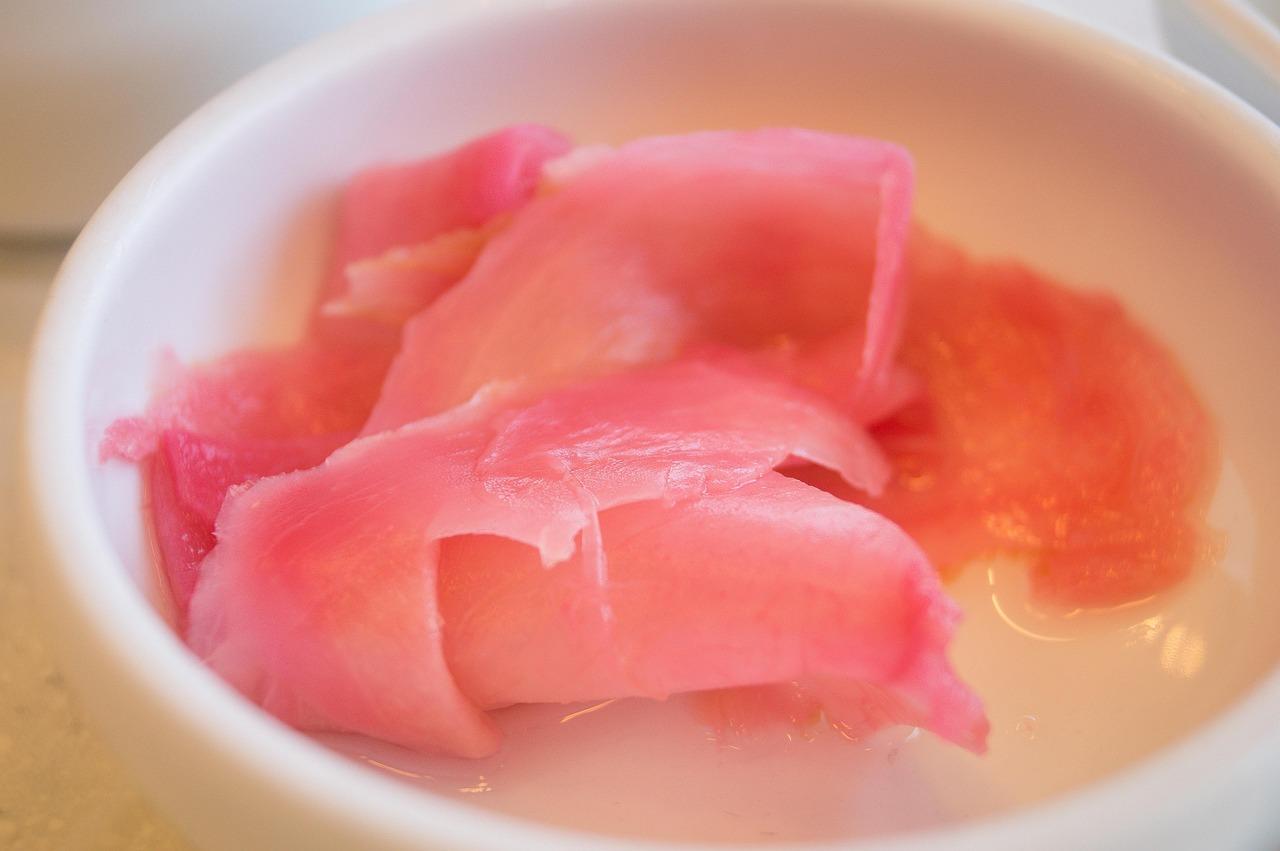
Gari (pickled sushi ginger)

Sushi counters from Tokyo's Tsukiji outer market to neighbourhood conveyor-belt bars set a heap of gari by every plate, a palate-cleanser eaten between pieces of fish. The best is made in early summer, when young ginger with thin, pink-tipped skin appears in Japanese and Asian greengrocers; its blush turns the pickle naturally pale pink in the vinegar, with no colouring. It takes 20 minutes and keeps for months. The usual mistake is slicing too thick: gari should be almost see-through, so use a mandoline or vegetable peeler. Chef's tip: blanch the slices for just 30 seconds; any longer and the ginger loses its crunch.

by KrazyBadal 0 views

Ichigo daifukuStrawberry mochi

Ichigo daifuku appeared in Tokyo sweet shops in the 1980s and quickly became the treat everyone queues for from January to April, when Japanese strawberries are at their best. A whole berry is wrapped in smooth sweet bean paste, then in a thin skin of soft, stretchy mochi, so you get juicy fruit, earthy sweetness and a pillowy chew in one bite. Mochi is very sticky: cut it into small pieces for young children and older people, and make sure they chew well and eat sitting down. The common mistake is wrapping a damp strawberry, which makes the bean paste slide and the mochi split; dry the berries completely. Chef's tip: microwave the mochi dough in short bursts and stir hard between them, until it turns translucent and elastic, rather than in one long blast.

by KrazyBadal 0 views

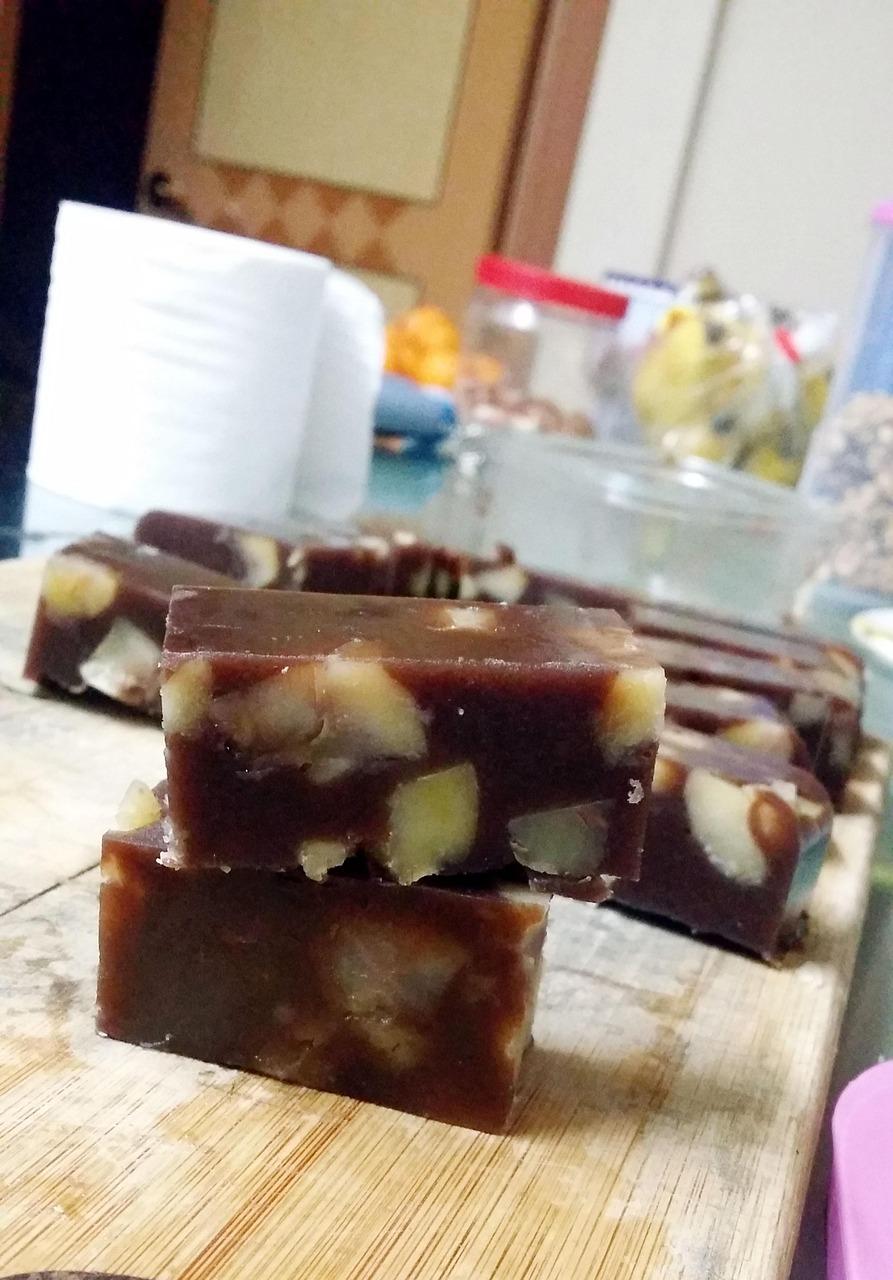
YokanRed bean jelly

Yōkan is one of Japan's oldest sweets, brought by Zen monks and refined in Edo-period Tokyo into dense, dark blocks that were carried by samurai and are still given as gifts in long wooden boxes. Red bean paste, sugar and agar are cooked down until thick and set into a smooth, firm jelly that slices cleanly, served in thin pieces with bitter green tea. The common mistake is undercooking the agar: it must boil for two full minutes or the yōkan won't set firmly. Chef's tip: cook the paste until a trail drawn across the bottom of the pan holds for a second before closing, which gives the classic firm, glossy neri yōkan.

by KrazyBadal 0 views

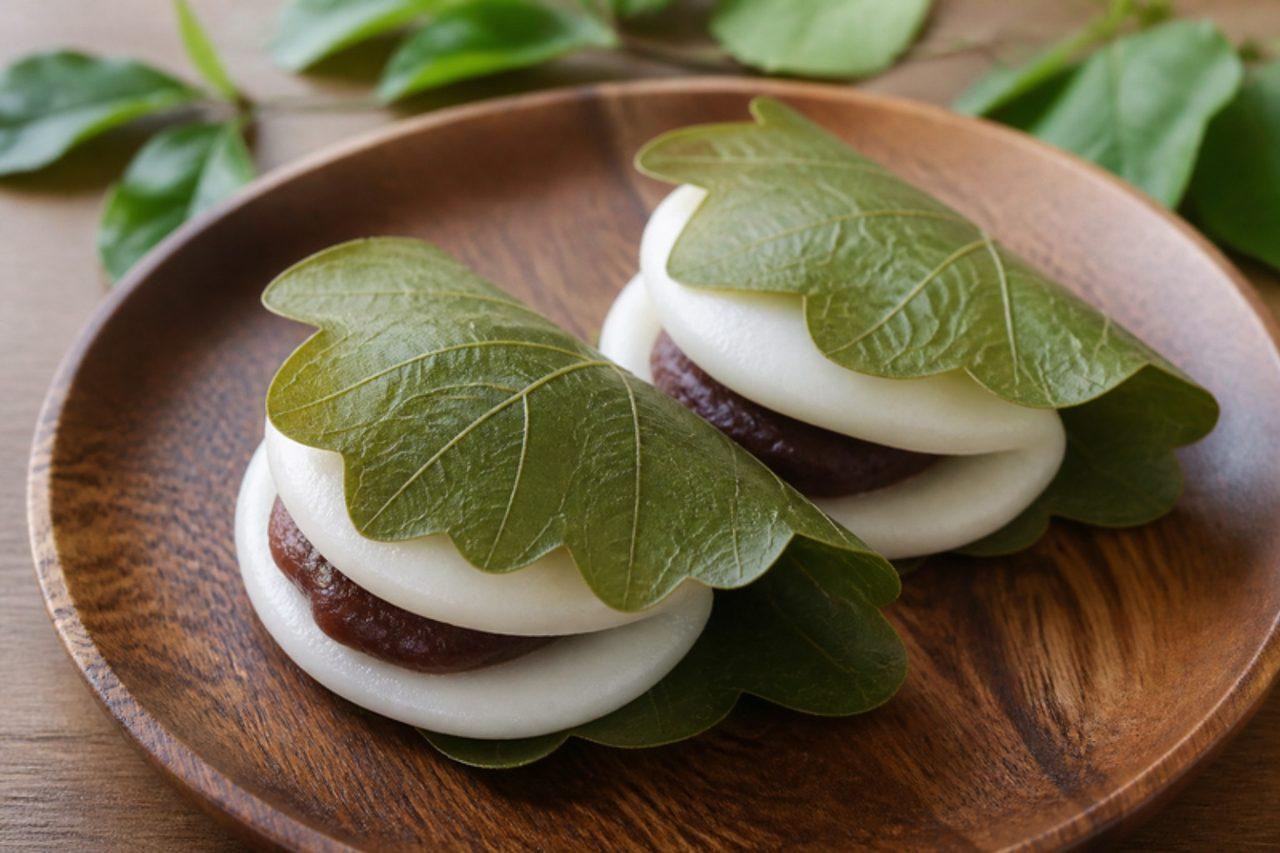
Kashiwa mochiOak leaf rice cakes

On 5 May, Children's Day, families in Tokyo and across eastern Japan eat kashiwa mochi: soft, flat rice cakes folded over sweet bean paste and wrapped in an oak leaf. Oak trees keep their old leaves until new ones bud, so the leaf stands for a family line carrying on. The leaf isn't eaten; it adds a faint woody scent and keeps the mochi moist. Mochi is very sticky: cut it into small pieces for young children and older people, and make sure they chew well and eat sitting down. The common mistake is steaming the dough too briefly, which leaves it pasty; steam until it turns slightly translucent, then knead. Chef's tip: dried oak leaves from Japanese grocers need a 10-minute simmer and a rinse before use; if you can't find them, wrap in cherry or bamboo leaves or baking paper.

by KrazyBadal 0 views

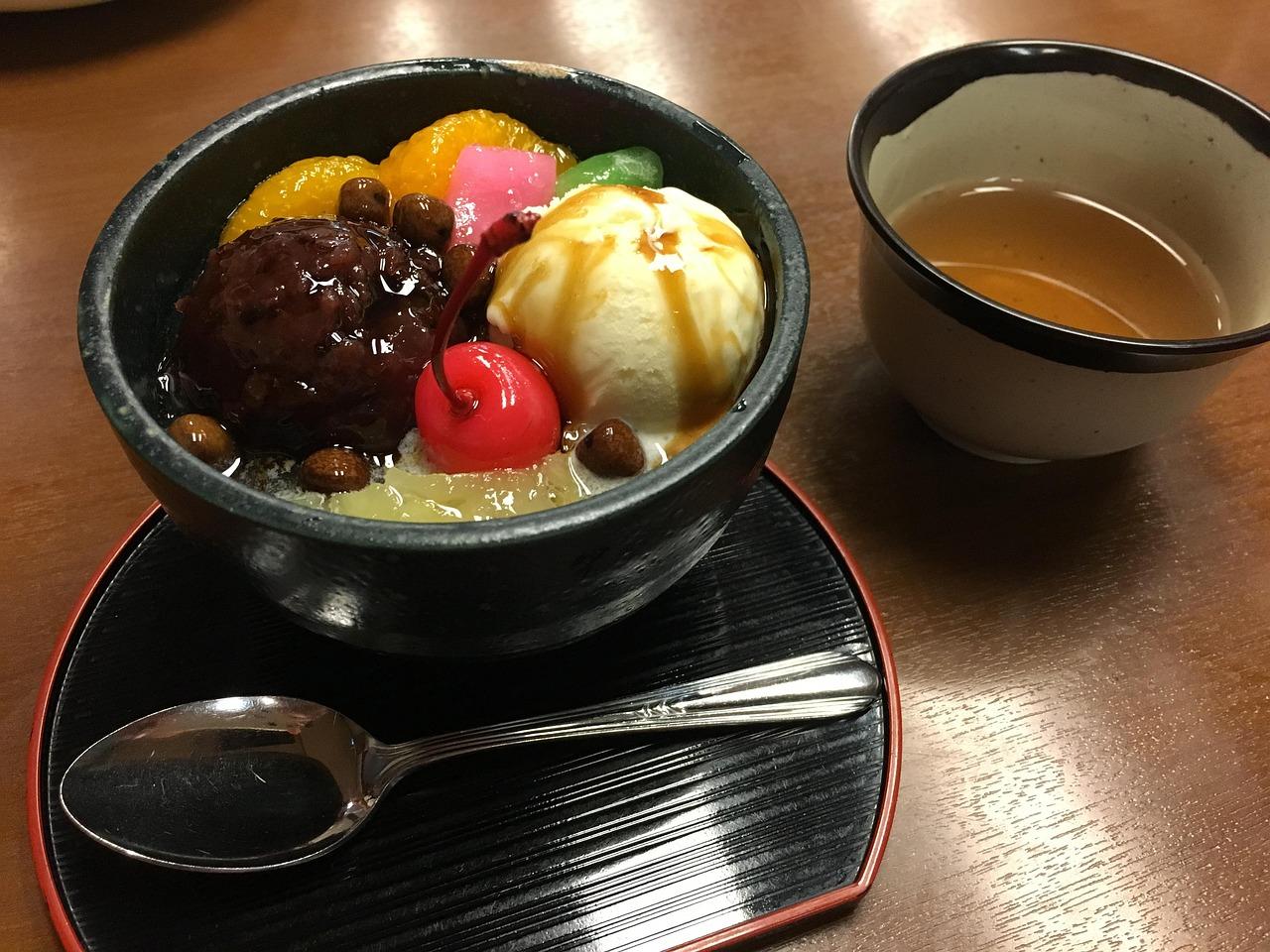
AnmitsuAgar jelly with red bean

Anmitsu became a craze in Tokyo's Ginza and Asakusa tea rooms in the 1930s and is still the classic summer order in kanmidokoro, the sweet cafés of old Tokyo. Clear, firm cubes of agar jelly are piled into a bowl with seasonal fruit, a scoop of sweet bean paste and boiled red peas, then drenched in dark, smoky kuromitsu syrup. The common mistake is using gelatin, which melts; agar jelly stays firm and refreshing at room temperature. Chef's tip: make the kuromitsu with Okinawan kokuto black sugar if you can; it gives a deep, almost liquorice-like flavour that muscovado only gets close to.

by KrazyBadal 0 views

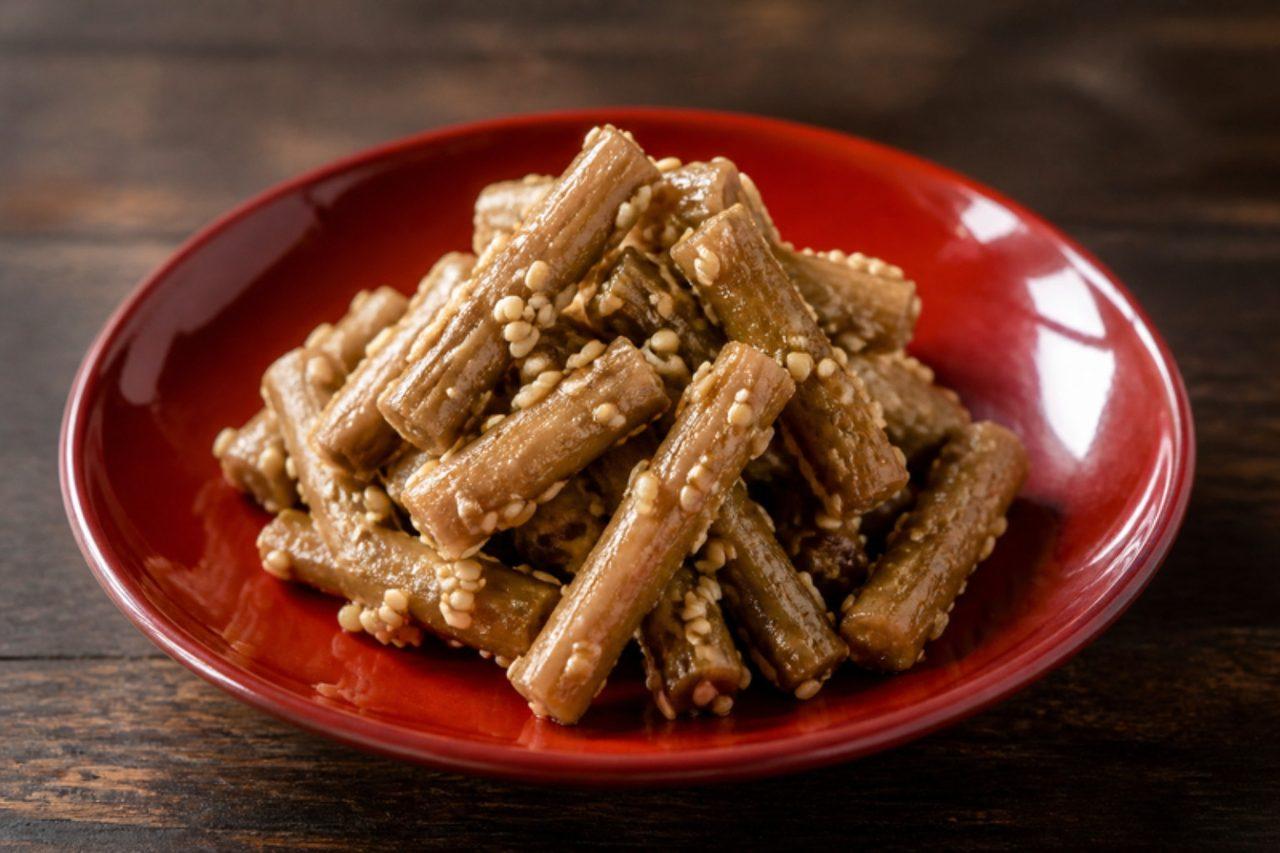
Tataki goboSesame burdock salad

In Kansai homes around Osaka and Kyoto, osechi always includes tataki gobo: burdock root boiled, then beaten with a rolling pin so it splits open, and dressed in a thick ground-sesame vinegar. The long, deep-rooted burdock stands for a family that is settled and lasting. The pounding gives rough, fibrous edges that soak up the nutty, tangy dressing, so each bite is earthy, sweet and sharp. The common mistake is overcooking the burdock until soft; it should still be pleasantly firm before you pound it. Chef's tip: dress the burdock while it is still warm, when the fibres open up and drink in the sesame vinegar.

by KrazyBadal 0 views

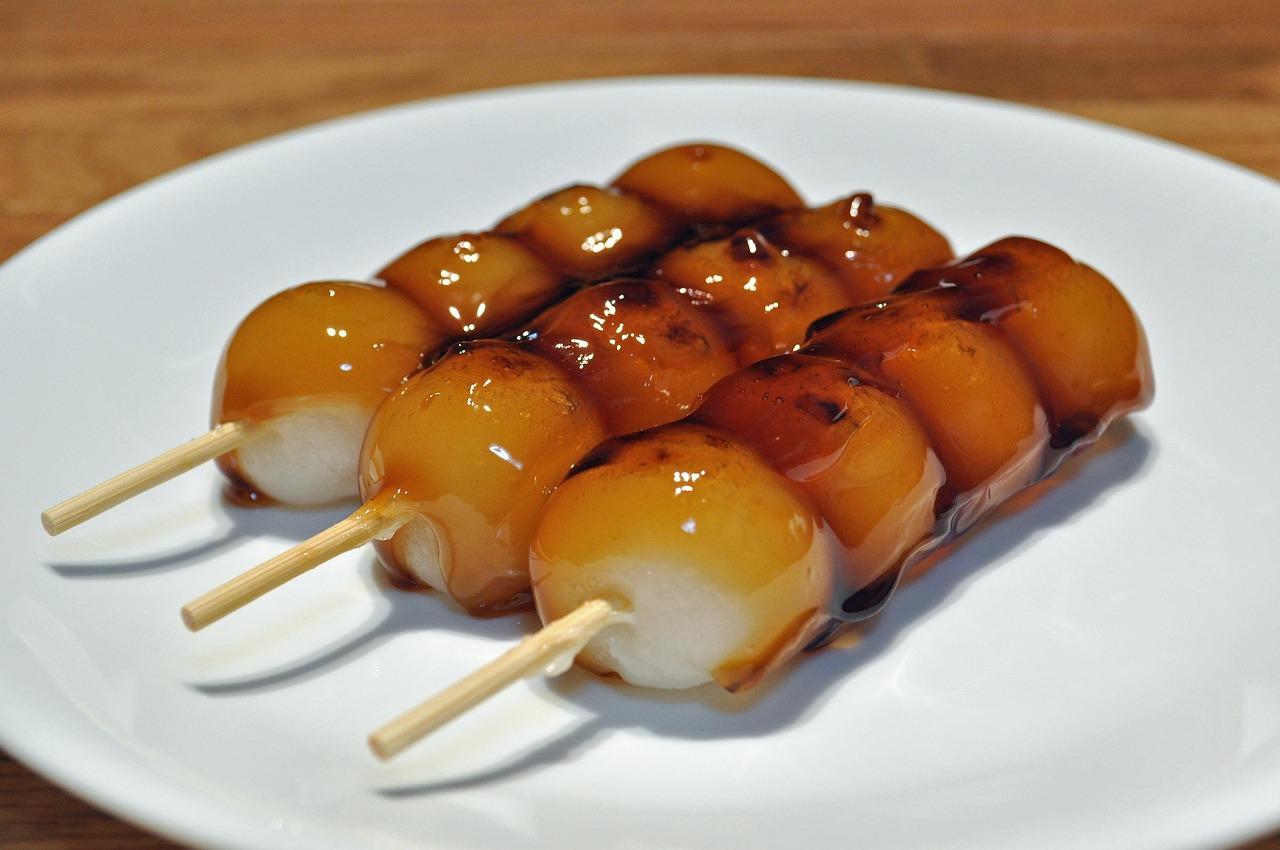
Mitarashi dangoSoy-glazed rice dumplings

Mitarashi dango are said to come from Shimogamo Shrine in Kyoto, where they were sold at the midsummer purification festival; today they are the snack of shrine fairs, flower-viewing picnics and station kiosks all over Japan. Chewy little rice-flour balls are threaded on skewers, toasted until speckled, and coated in a translucent, sweet-salty soy glaze that tastes a little like caramel. Mochi is very sticky: cut it into small pieces for young children and older people, and make sure they chew well and eat sitting down. The common mistake is a runny glaze: it must simmer until it turns clear and thick, or it slides off. Chef's tip: mix silken tofu into the rice flour instead of some of the water; the dumplings stay soft for hours instead of hardening as they cool.

by KrazyBadal 0 views

SikhyeSweet rice punch

Every Korean jjimjilbang (bathhouse) sells sikhye in little cans, and every grandmother makes a big pot of it before Seollal and Chuseok to sip after the heavy holiday meal, because it is believed to help digestion. Barley malt water and cooked rice are kept warm for several hours until enzymes turn the rice starch into sugar and the grains float up to the top, then the drink is boiled with ginger and chilled until icy. It is mild, lightly sweet and nutty, with soft rice grains to slurp. The usual mistake is letting it get too hot while it ferments: above about 65 °C the enzymes stop working and the grains never float. Contains barley (gluten). Chef's tip: use the rice cooker's 'keep warm' setting; it holds the perfect temperature on its own.

320 minKoreanDrinksVegan
by KrazyBadal 0 views

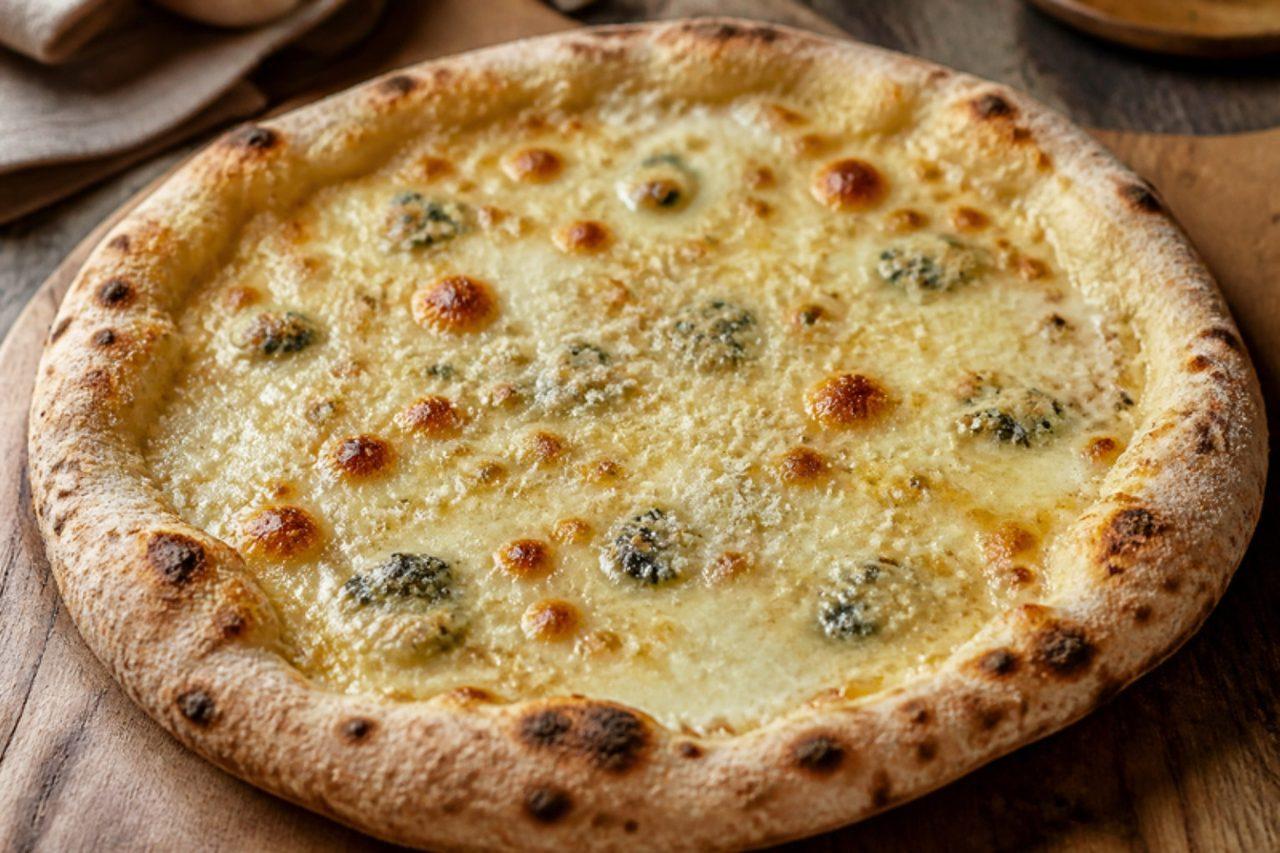
Pizza ai quattro formaggiFour-cheese pizza

Four-cheese pizza is a pizzeria classic from Milan to Palermo, a pizza bianca (no tomato) where each cheese does a different job: mozzarella for stretch, gorgonzola for a blue tang, fontina from the Aosta Valley for creaminess and Parmigiano for a salty crust. It is the order for winter evenings, often with a drizzle of honey or a few walnuts on top. Most of these cheeses are made with animal rennet; choose vegetarian versions of each if you need to. Chef's tip: cut the cheeses into small cubes rather than slices and scatter them unevenly; they melt at different speeds and give pockets of flavour.

by KrazyBadal 0 views

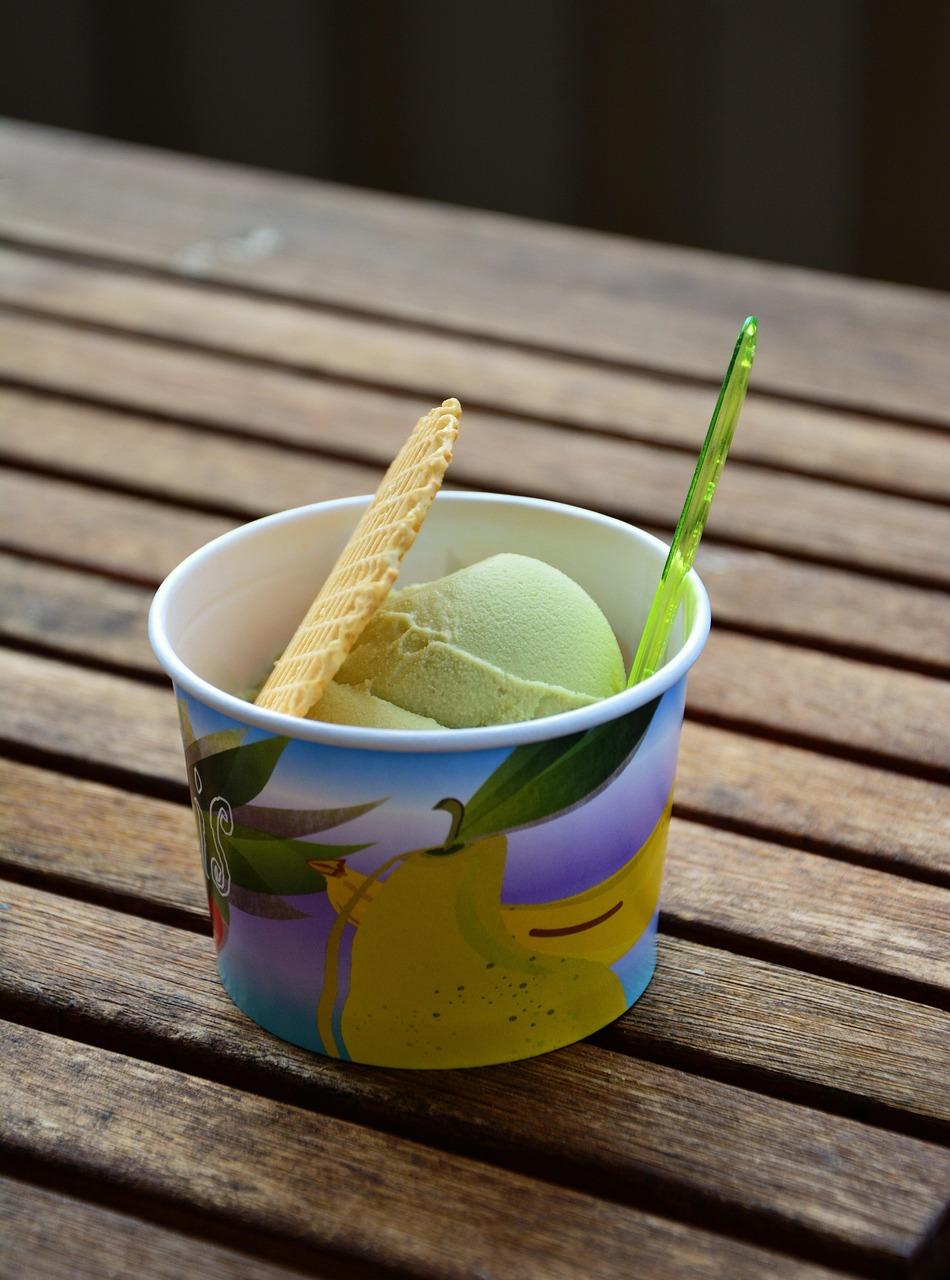
Gelato al pistacchioPistachio gelato

Real Sicilian pistachio gelato is not bright green; it is a dull, olive-brown colour and tastes intensely of roasted nuts, especially when made with pistachios from Bronte on the slopes of Mount Etna. In Palermo and Catania it is eaten in a brioche for breakfast or as a cone after dinner. The secret is pure pistachio paste, with no added colour or flavourings. Contains nuts. Chef's tip: if you can't find pistachio paste, blend roasted pistachios with a spoon of oil for 5 minutes until it runs smooth; any graininess shows up in the gelato.

by KrazyBadal 0 views

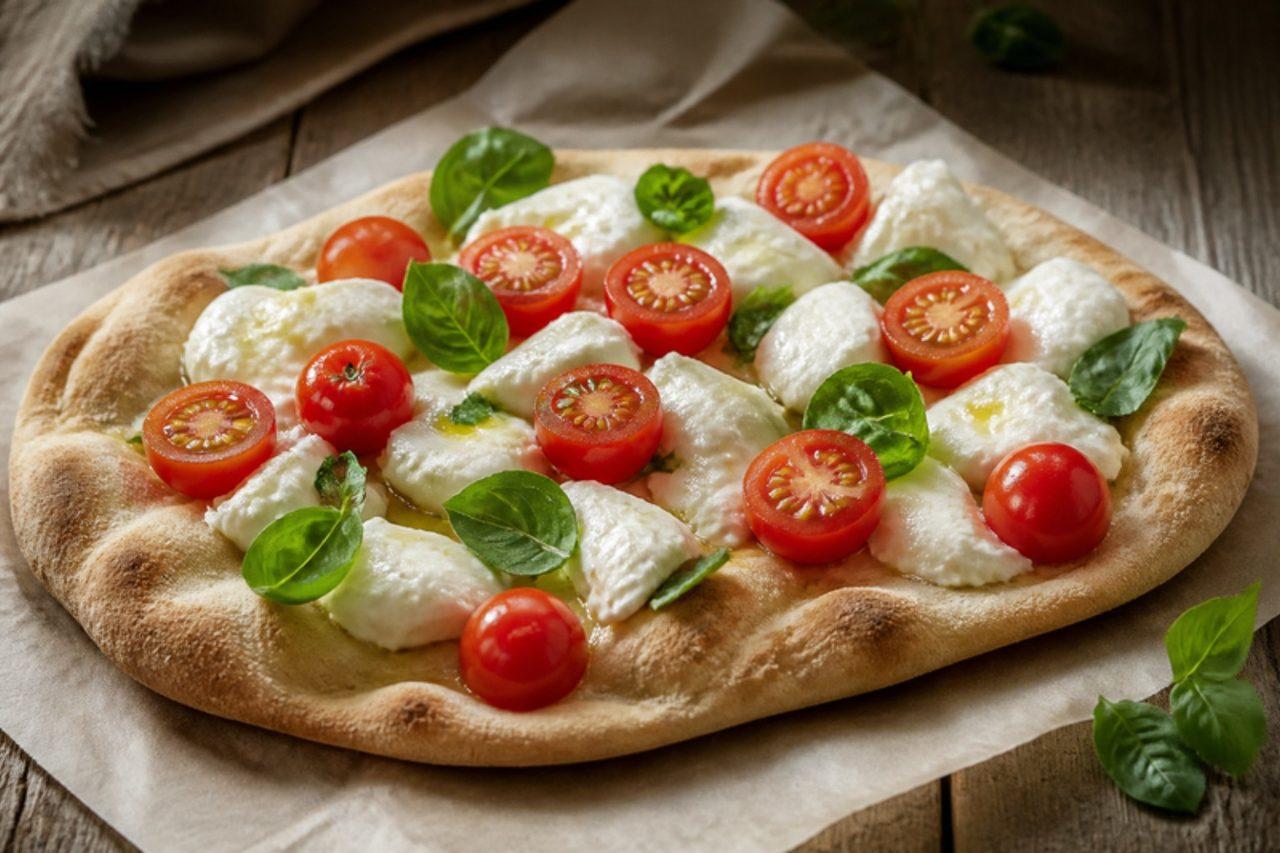
Pinsa romanaOval Roman flatbread

Pinsa is a modern Roman creation inspired by the flatbreads of ancient Rome: an oval base made from a mix of wheat, rice and soy flour (or in this home version, wheat and rice), with a lot of water and a long rest in the fridge. The result is crisp outside, light as a cloud inside and easy to digest. Pinserie in Rome top it with everything from buffalo mozzarella to courgette flowers; this version uses cherry tomatoes, mozzarella and basil. Mozzarella is usually made with calf rennet; vegetarian versions are easy to find. Chef's tip: shape the pinsa by pressing with your fingertips on a floured board, never stretching it; you want to keep all the bubbles.
by KrazyBadal 0 views

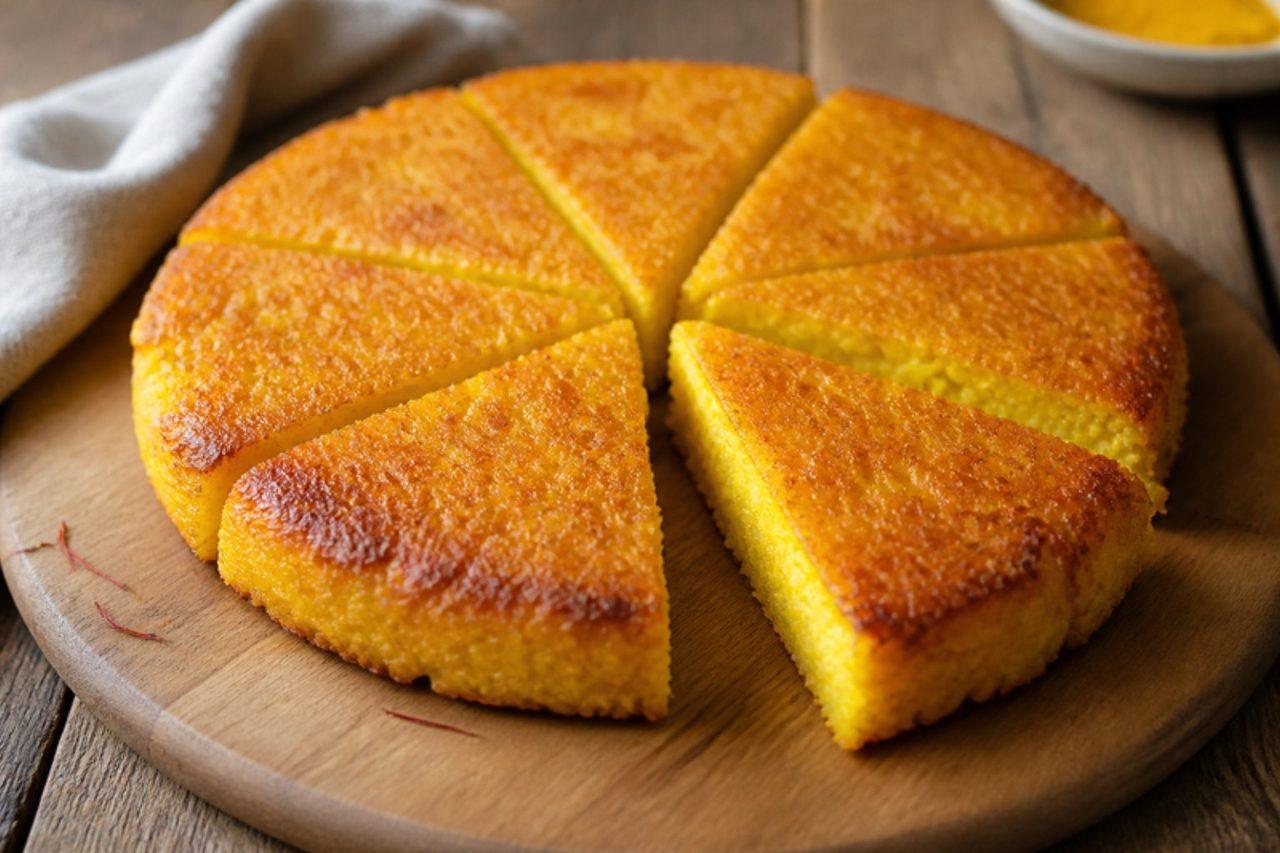
Riso al saltoCrisp fried saffron risotto cake

In Milan, nobody throws away risotto alla milanese. The next day it is pressed into a hot buttered pan and fried until it forms a thin, crackling golden disc, flipped "al salto" (with a jump) like a pancake. Old Milanese trattorie near the Brera district served it late at night after the theatre, and it is still a favourite way to use up saffron risotto. The cheese in the leftover risotto is usually made with animal rennet. Chef's tip: use cold risotto straight from the fridge and press it thin; warm or thick risotto won't crisp and falls apart when you flip it.
by KrazyBadal 0 views

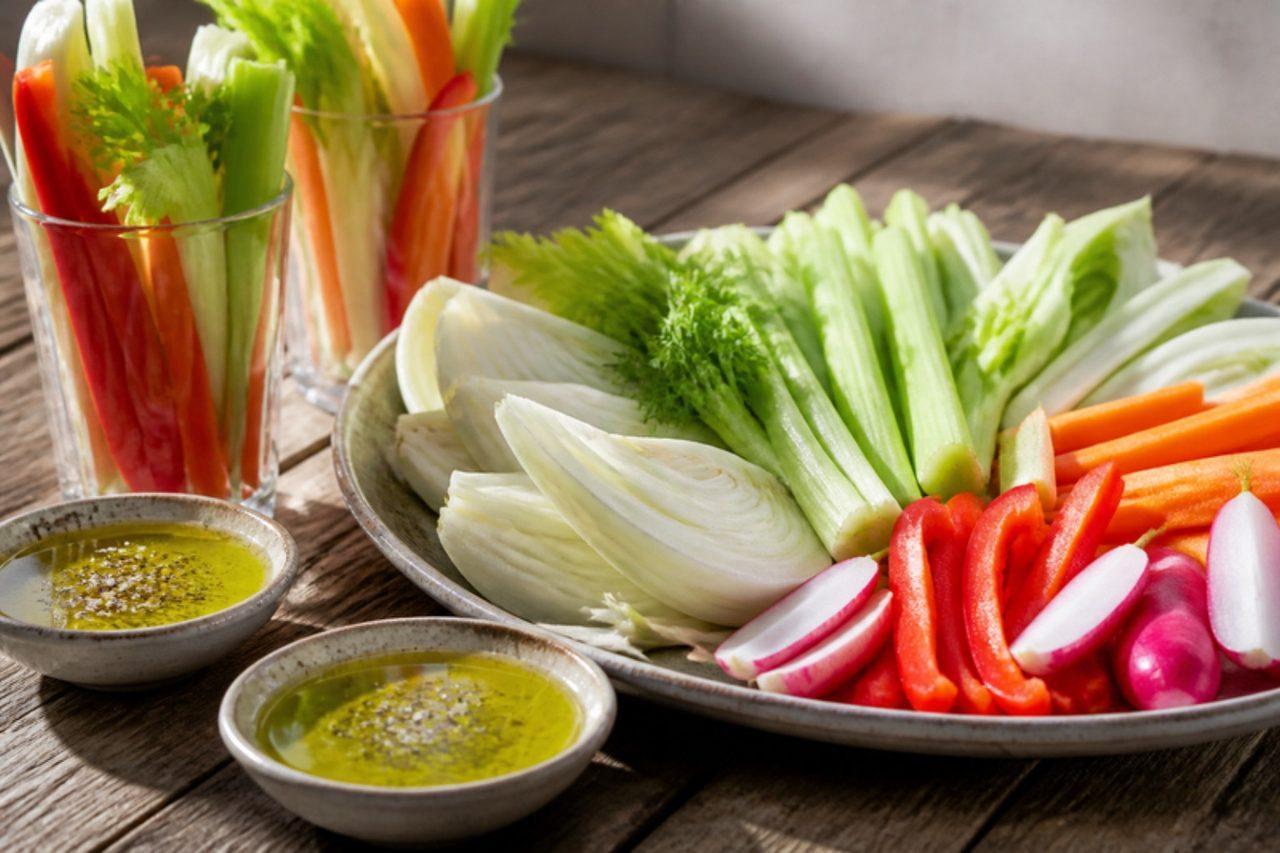
PinzimonioRaw vegetables with olive oil

In Tuscany pinzimonio comes out in November, when the frantoi (olive mills) press the new oil and families want something that shows off its peppery green bite. A jug of raw, cold vegetables is set in the middle of the table and everyone dips into their own little bowl of oil seasoned with salt and pepper, usually before a plate of pasta or alongside bruschetta at the mill. Crunch matters more than anything: fennel, celery hearts, radishes, carrots, young artichokes and red peppers, all very fresh. Chef's tip: keep the cut vegetables in a bowl of iced water for 15 minutes before serving; they turn crisper and look glossy without any dressing.

by KrazyBadal 0 views

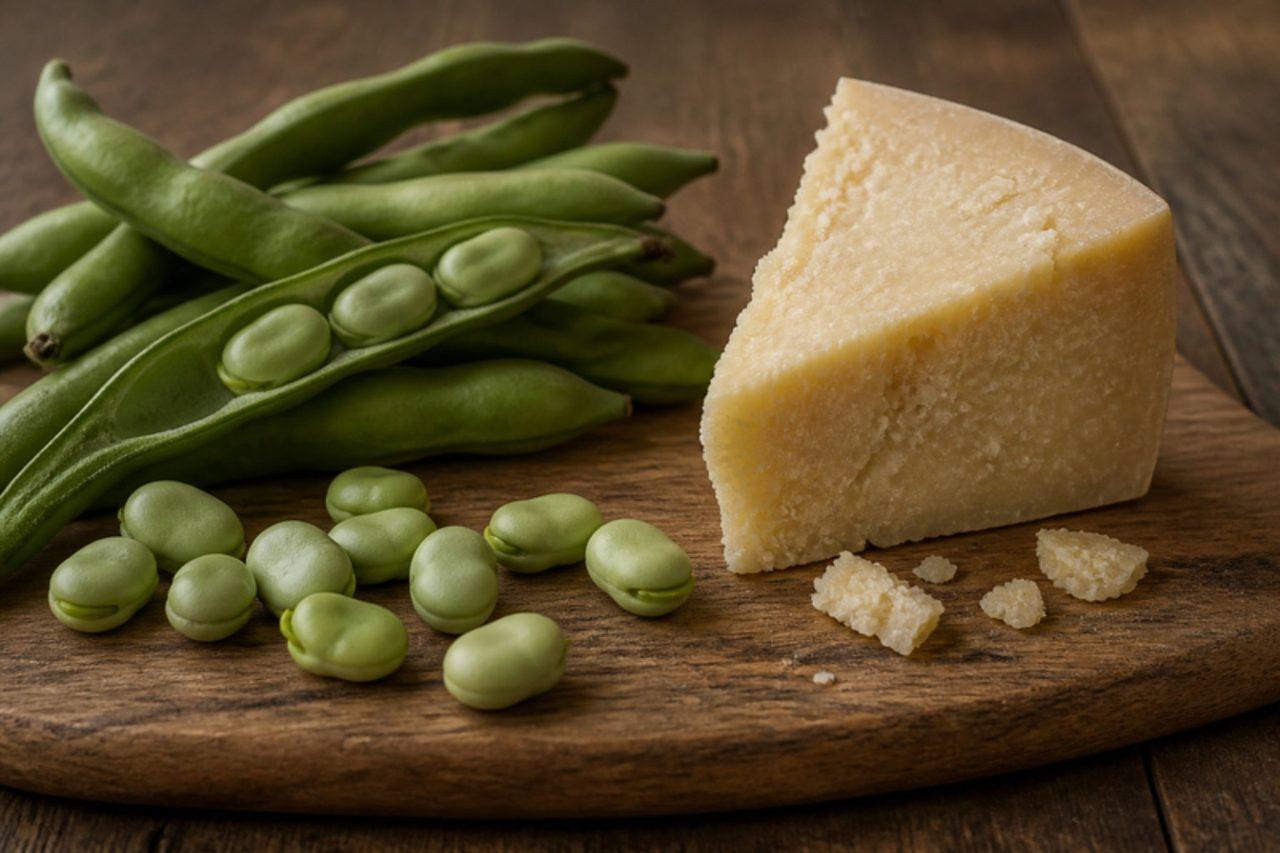
Fave e pecorinoRaw broad beans with pecorino

On 1 May, Romans head out to the parks and the Castelli Romani hills with a sack of fresh broad beans still in their pods and a hunk of young Pecorino Romano, and spend the afternoon shelling, nibbling and talking. The pairing is simple and very Roman: sweet, grassy raw beans against salty, sharp cheese, often with a glass of something cold and a hunk of bread. Only the youngest, smallest beans work raw, so this is a dish for a few weeks of spring. Traditional pecorino uses animal rennet; choose a vegetarian sheep's cheese if you need to. Chef's tip: taste a bean before you buy; if it is starchy or bitter rather than sweet, braise those beans instead.

by KrazyBadal 0 views

DalgonaHoneycomb toffee

Dalgona, or ppopgi, was the 1970s and 80s snack of Seoul alleyways, where an old man with a little stove melted sugar in a ladle and stamped a star or umbrella into it; if you could break the shape out without cracking it you won a free one. It is just sugar and a pinch of baking soda, puffed into a crisp, toffee-brown honeycomb that tastes faintly bitter-sweet. The common mistake is adding too much baking soda, which leaves the candy bitter and soapy; a tiny pinch on the tip of a chopstick is all it needs. Melted sugar reaches about 160 °C and burns badly, so children should watch while an adult does the melting, and should only press shapes once the candy has set a little. Chef's tip: use a stainless-steel ladle or small pan, not non-stick, and keep the flame low; the moment the sugar is clear and amber, take it off.

by KrazyBadal 0 views

Showing 96 of 3,470 recipes

Show more recipes

Page 44 of 145

More No onion & garlic ideas

Other diets