


Skip to content
Patta gathia
Featured recipe

Patta gathia

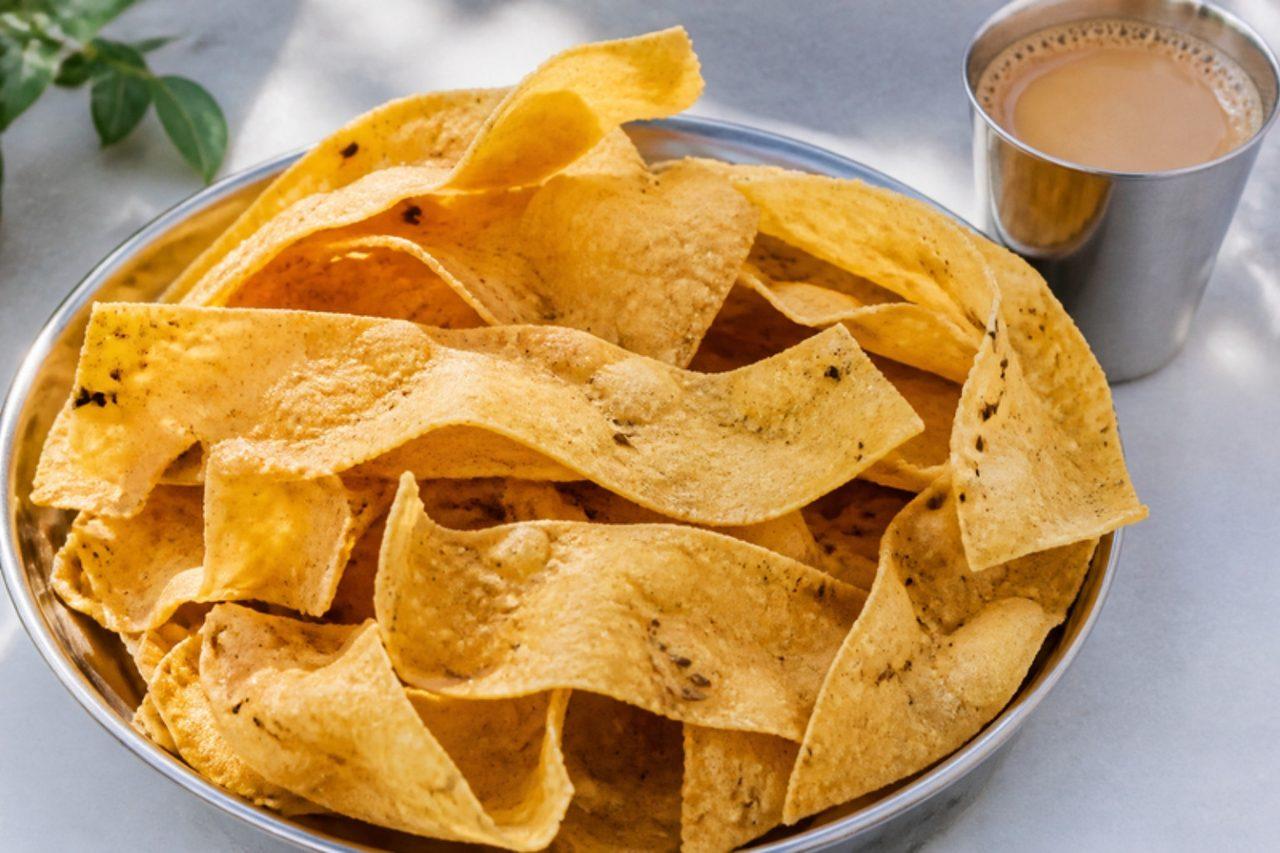
Thin gram flour ribbons

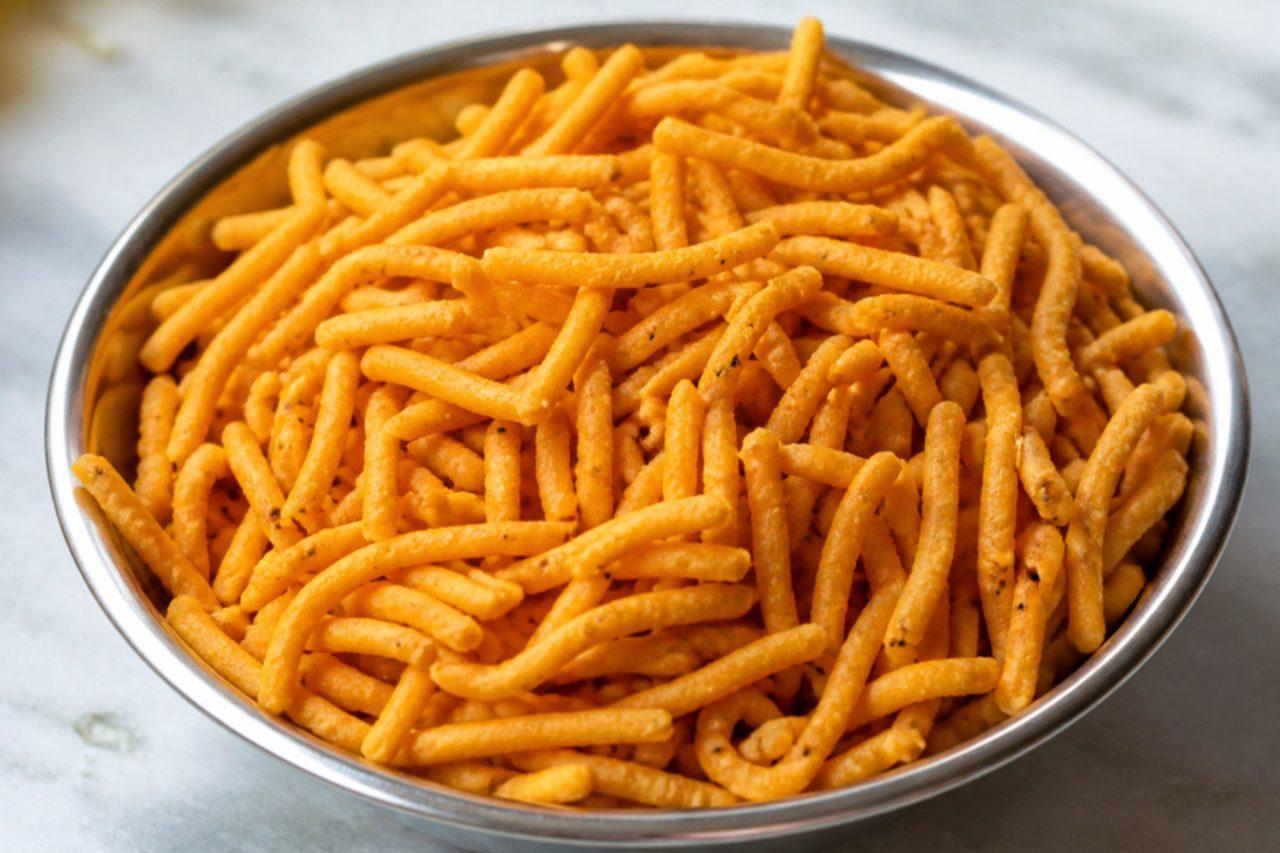
Patta gathia are flat, ribbon-like strips of gram flour dough, rolled paper-thin under the palm on a wooden board and fried until crisp. Black pepper and ajwain give them their flavour. They are a classic Gujarati tea-time snack and are great with fried chillies and papaya sambharo.

Read more 1 views

What to eat today?

Around the world

Today's trip: Peruvian

A new country every day, from every cuisine on the site.

Peruvian

Tacacho

Mashed roasted green plantain balls 35 minMore from Peruvian (111) →

This week's collection

Kid-friendly dinners
772 recipes · a new collection every Monday

Coming up

All occasions →

Latest recipes

Lion's head meatballs

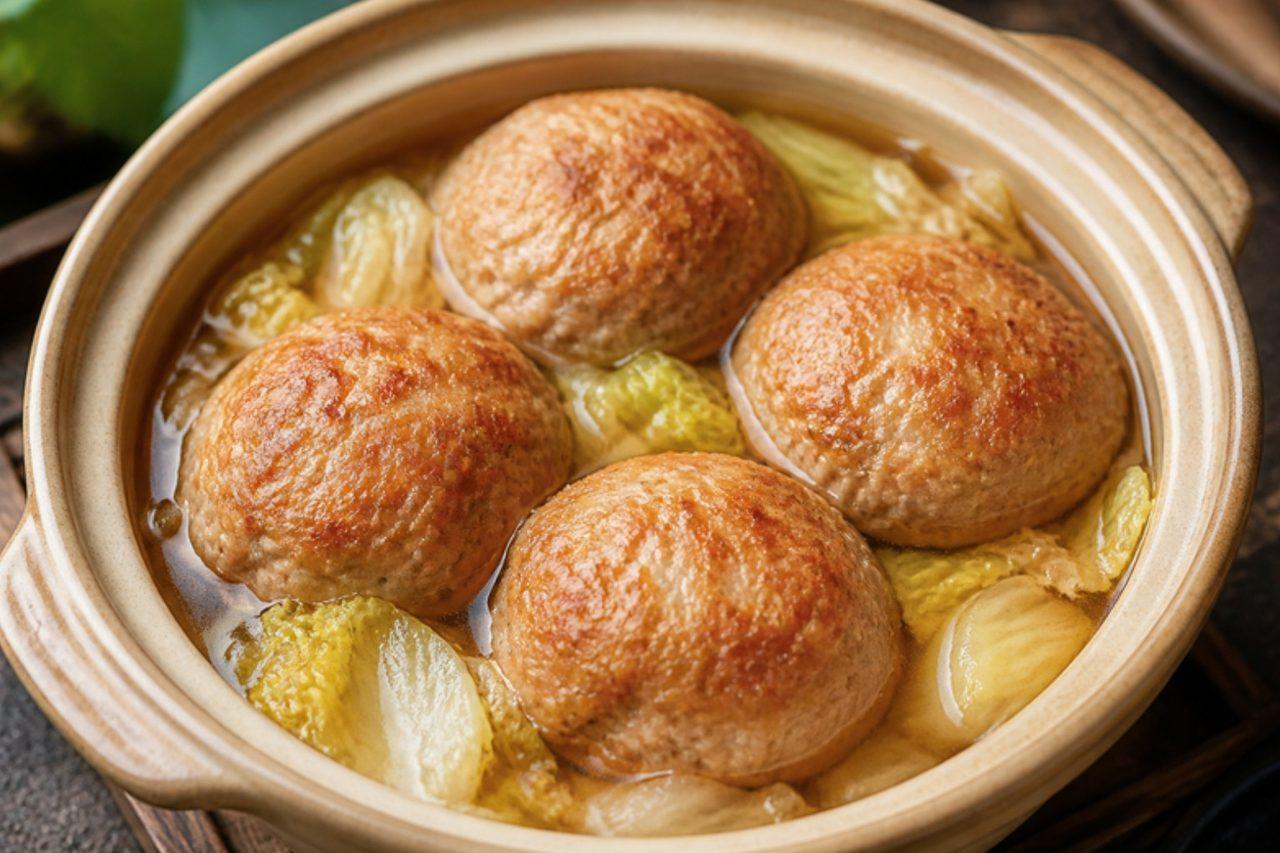
Cooks in Yangzhou say the shaggy meatball looks like a lion's head and the cabbage leaves around it like a mane. The Jiangsu way is the clear braise: no frying, just a slow simmer in stock until the meatballs are so tender that you eat them with a spoon, while the cabbage drinks up the pork juices. They appear at family reunions and at Chinese New Year, where the round shape stands for togetherness. Everything cooks in one pot; serve the meatballs in their broth with rice. Chef's tip: chop some of the pork belly by hand if you can, or ask for coarse mince; a fine, lean mince gives a dense, bouncy ball rather than a soft one.

by KrazyBadal 0 views
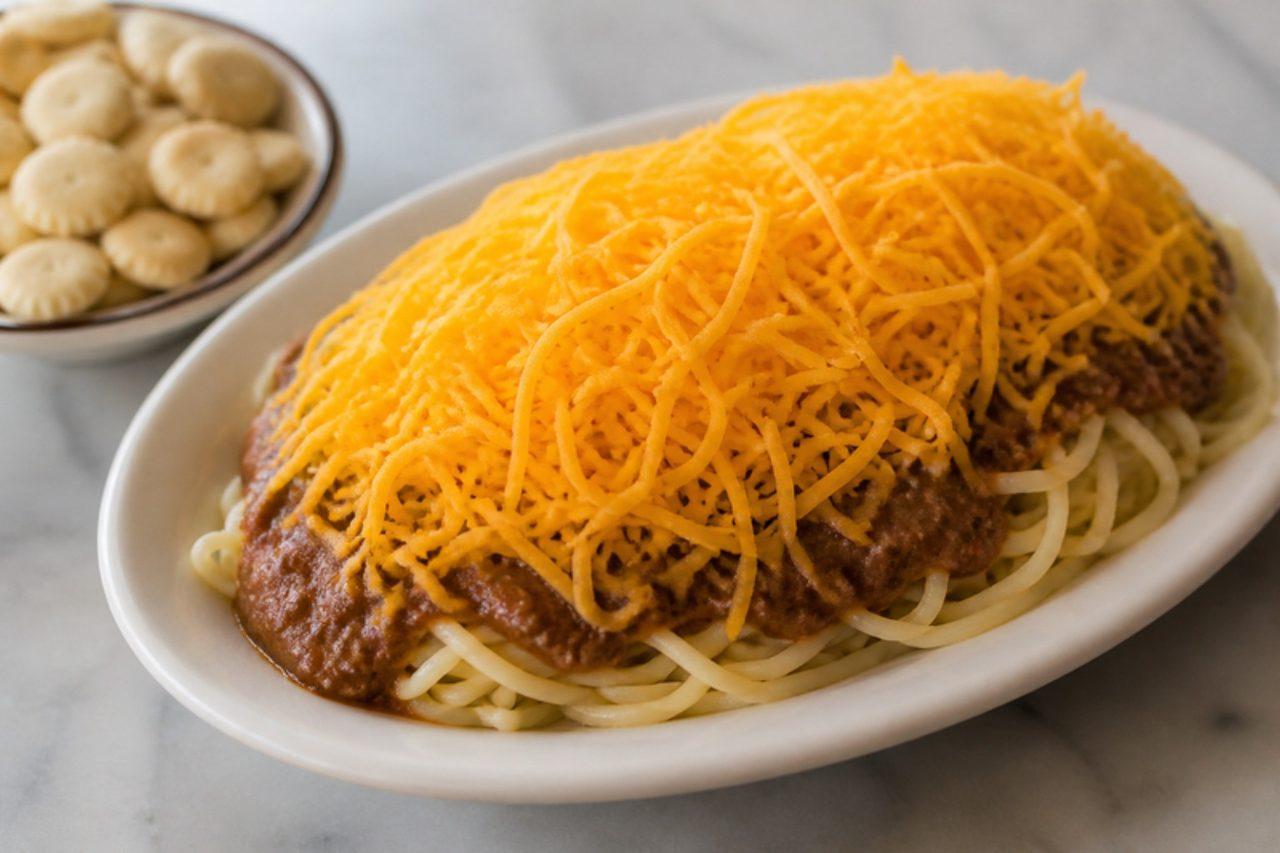
Cincinnati chili

Cincinnati, Ohio has hundreds of 'chili parlors', a tradition started by Greek-Macedonian immigrants in the 1920s, and their chili is nothing like the Texan kind. Minced beef is simmered (not browned) in water with tomato and a warm spice mix of cinnamon, allspice, clove, cumin and a little cocoa until it becomes a fine, thin sauce. It is ladled over spaghetti and buried in finely grated cheddar: a 'three-way'. Add onions for a four-way, beans for a five-way. Chef's tip: break the raw mince up in cold water before heating; that gives the signature smooth texture.

by KrazyBadal 0 views

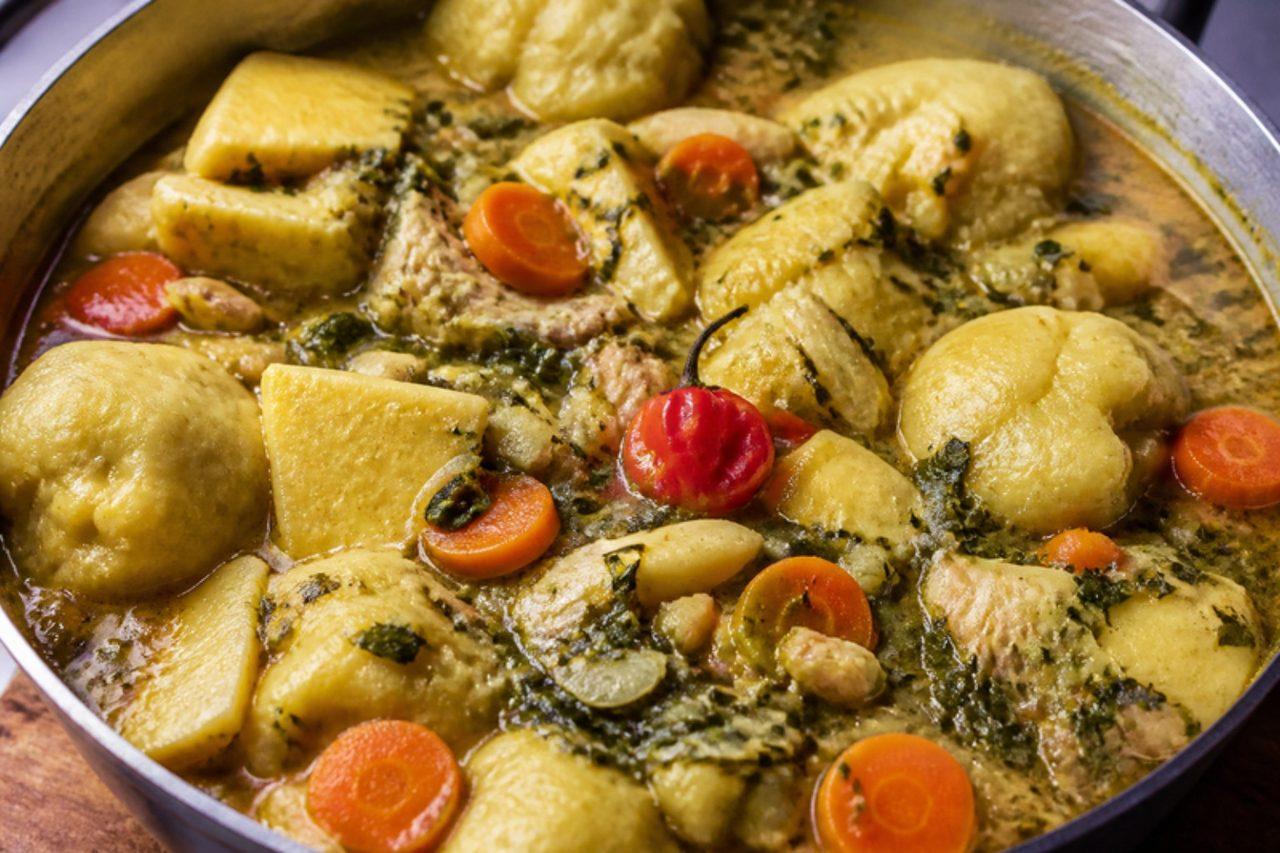
Oil downBreadfruit and salt fish one-pot

Oil down is what Grenadians cook on the beach, at village fêtes and on Sunday afternoons, often in a big iron pot over a wood fire with everyone waiting around it. Breadfruit, salt fish and soft flour dumplings are layered with callaloo and turmeric (called 'saffron' on the island), then steamed in coconut milk until the milk is drunk up and only a golden oil coats the pot, which gives the dish its name. Many cooks add salted pig tail or chicken; this version keeps to salt fish. The mistake to avoid is stirring, which breaks the layers into mush; shake the pot instead. Chef's tip: put the Scotch bonnet in whole and lift it out at the end, so it scents the pot without burning everyone's mouth.

by KrazyBadal 0 views

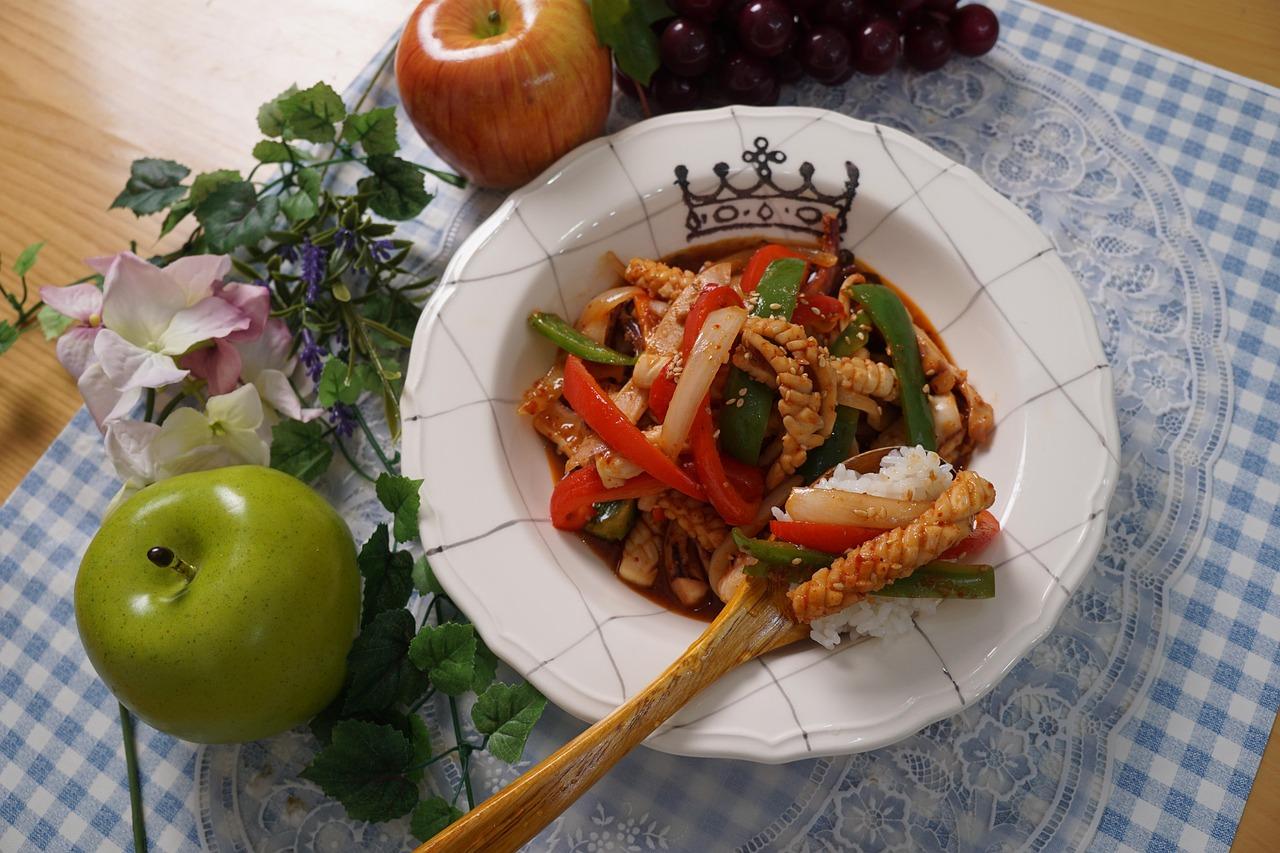
Ojingeo bokkeumSpicy stir-fried squid

Around the harbours of the Chungcheong coast on the Yellow Sea, seafood restaurants fry freshly landed squid in a sticky red sauce, and the same dish turns up in lunch canteens and home kitchens all over Korea. Bright with chilli, it's on the table in about twenty minutes and is often piled straight onto rice as ojingeo deopbap. The sauce is gochujang and chilli flakes sweetened with a little sugar, and the vegetables stay crisp. Serve with rice and a bowl of light soup to cool things down. Chef's tip: mix the sauce before you light the hob, because the squid cooks so fast that there is no time to measure anything once it's in the pan.

20 minKoreanFishSpicy
by KrazyBadal 0 views

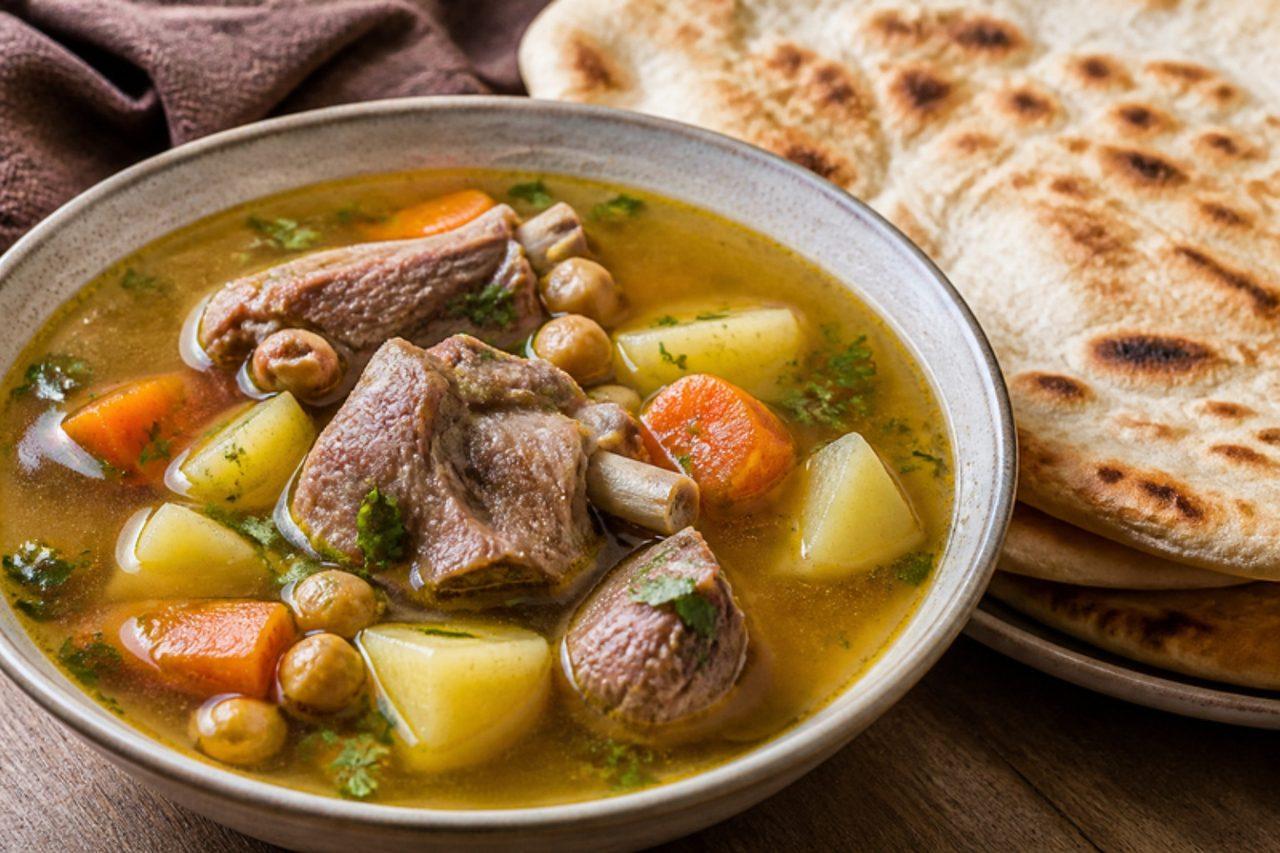
ShorwaLamb and vegetable soup

Shorwa is the everyday soup of Afghan homes from Kabul to Herat, simmered on winter evenings and during Ramadan, when a bowl of it breaks the fast. Lamb on the bone cooks slowly with onion, tomato, chickpeas and a little turmeric and coriander until the broth turns golden, then potatoes and carrots go in for the last half hour. The family tears naan into their bowls and eats it with fresh mint, onion and green chilli on the side. It is a gentle, clear soup rather than a thick stew. The common mistake is boiling it hard, which makes the broth cloudy and the lamb tough; keep it at a lazy simmer. Chef's tip: skim the broth carefully in the first 10 minutes, as soon as the grey foam rises, for a clean golden shorwa.

130 minAfghanSoupsGluten free
by KrazyBadal 0 views

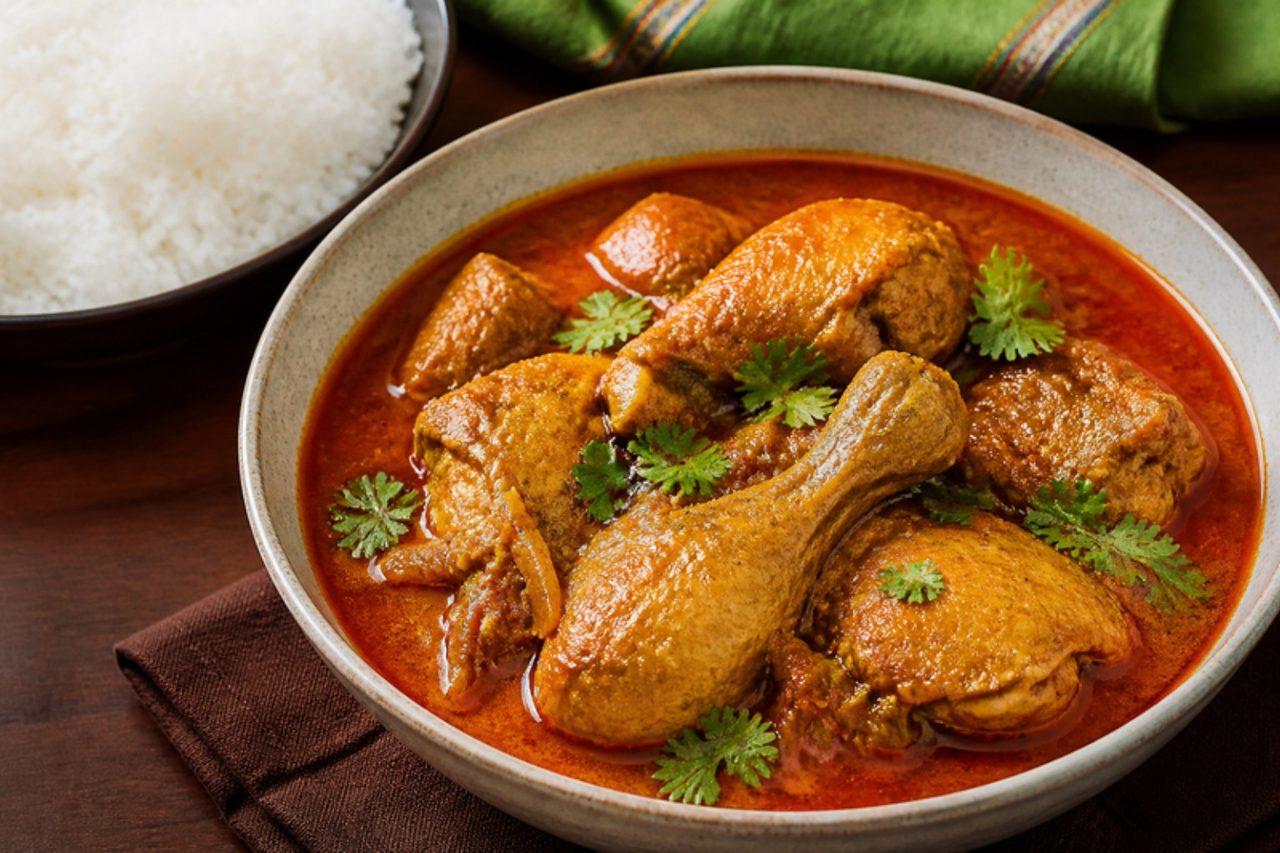
Burmese chicken curry

Burmese curries are cooked the 'see pyan' way, meaning 'oil returns': onion, garlic and ginger are slowly fried with turmeric and paprika until the water cooks away and the oil floats red and clear on top. This chicken curry is the everyday heart of a Yangon or Mandalay meal, set on the table with rice, a sour soup, a salad and fish-sauce-based relishes, and every family eats it on ordinary weeknights. It is mild in chilli but deep in flavour, with fish sauce adding a savoury edge. The common mistake is draining off the oil because it looks like too much; the oil carries the flavour, and you spoon around it when serving. Chef's tip: pound the onion, garlic and ginger to a rough paste rather than blending them smooth, so they fry rather than stew.

by KrazyBadal 0 views

PinakbetMixed vegetable stew

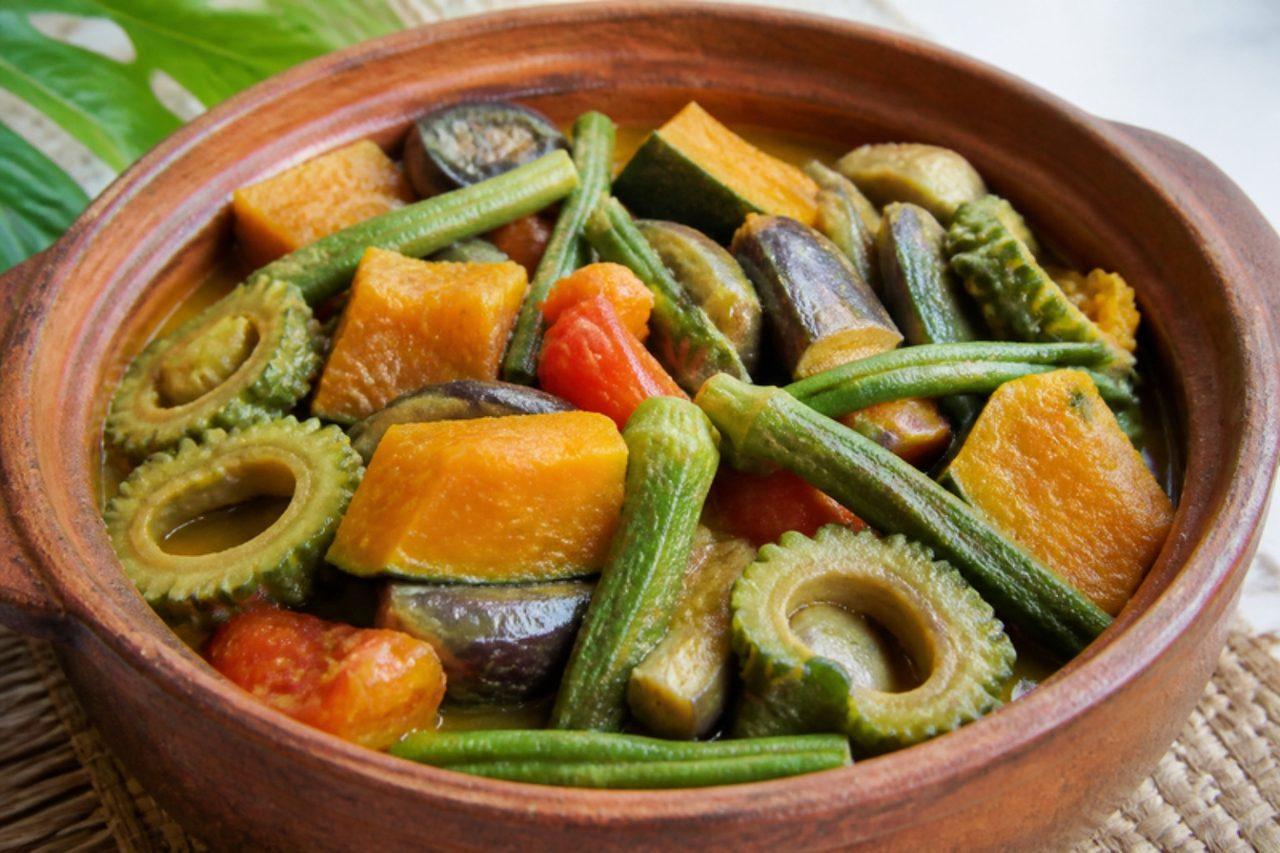
Pinakbet comes from the Ilocos region in the far north-west of Luzon, where families cook whatever grows behind the house: bitter melon, small aubergines, okra, yard-long beans and tomatoes, simmered with very little water until the vegetables shrink and wrinkle (the name comes from the Ilocano for 'shrivelled'). Ilocanos season it with fermented fish paste; here white miso gives the same savoury, salty depth without any fish, and a little squash (more common in the Tagalog version) adds sweetness. It is an everyday lunch dish, eaten with rice and often a spoonful of extra miso on the side. Chef's tip: choose small, firm bitter melon and don't scrape out every bit of the pith; a little bitterness is the point.

by KrazyBadal 0 views

Ojingeo sundaeRice-stuffed squid

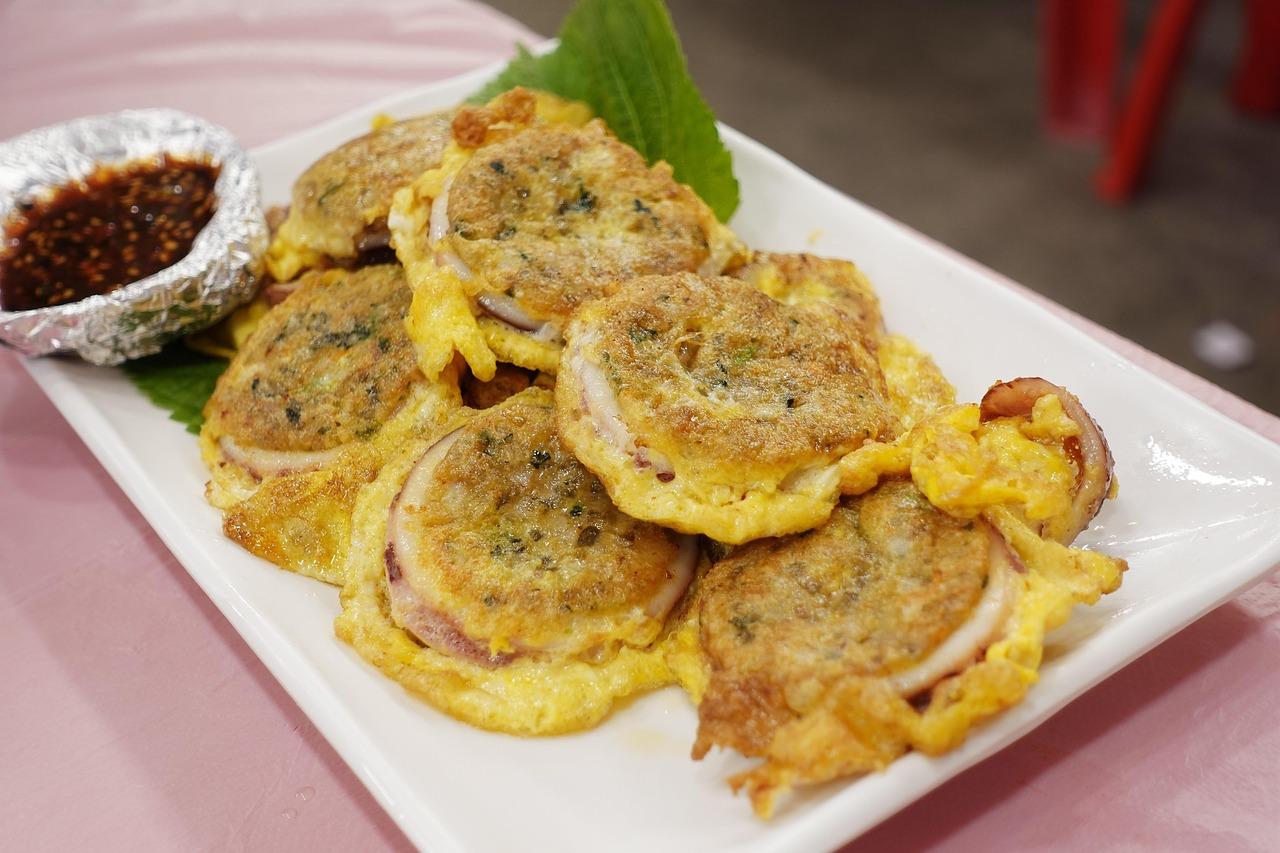
Abai Village in Sokcho, on Gangwon's east coast, was settled by people from Hamgyeong province in the north who could not go home after the Korean War. With squid plentiful in the East Sea, they stuffed it the way they had once stuffed pork casings for sundae, and the dish is now sold in the village's small restaurants and at Sokcho's Jungang market. The squid is filled with sticky rice, tofu and vegetables, steamed, cut into rounds and fried in beaten egg until golden. It makes a good sharing plate with a soy and vinegar dip. Chef's tip: mix a little glutinous rice into the filling; it binds the slices so they don't fall apart in the pan.

90 minKoreanFish
by KrazyBadal 0 views

LinseneintopfLentil stew

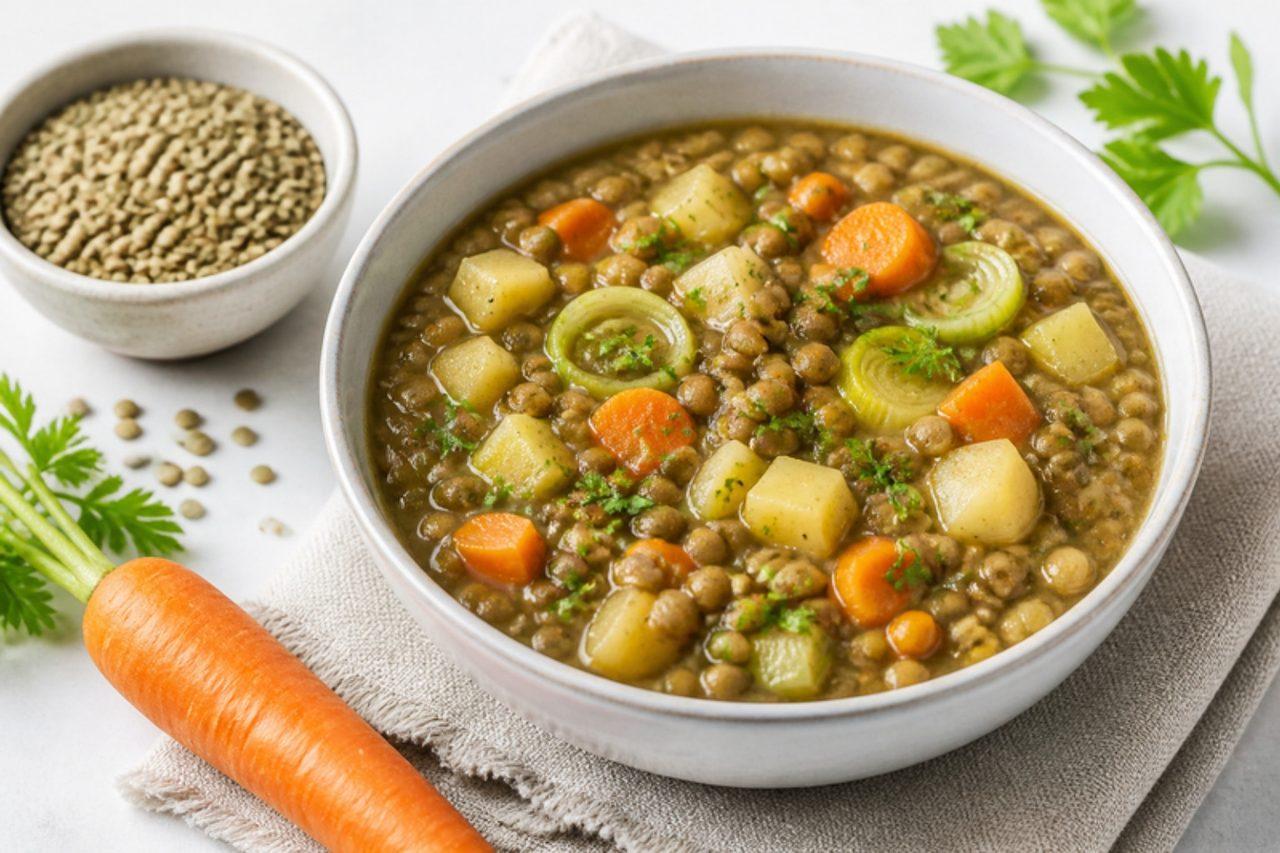
Linseneintopf is the one-pot lentil stew that German families cook on cold weekdays, and in many school and works canteens it's still the Thursday or Saturday lunch. Brown lentils simmer with potatoes, carrots, celeriac and leek until thick and soft; the finishing touch, all over Germany, is a good splash of vinegar at the table, which wakes the whole bowl up. It's usually made with smoked sausage or bacon; here smoked paprika and vegetable stock give the smoky depth instead. Chef's tip: add the vinegar only at the end, because acid added early keeps the lentils hard.

by KrazyBadal 0 views

Singapore Hokkien prawn mee

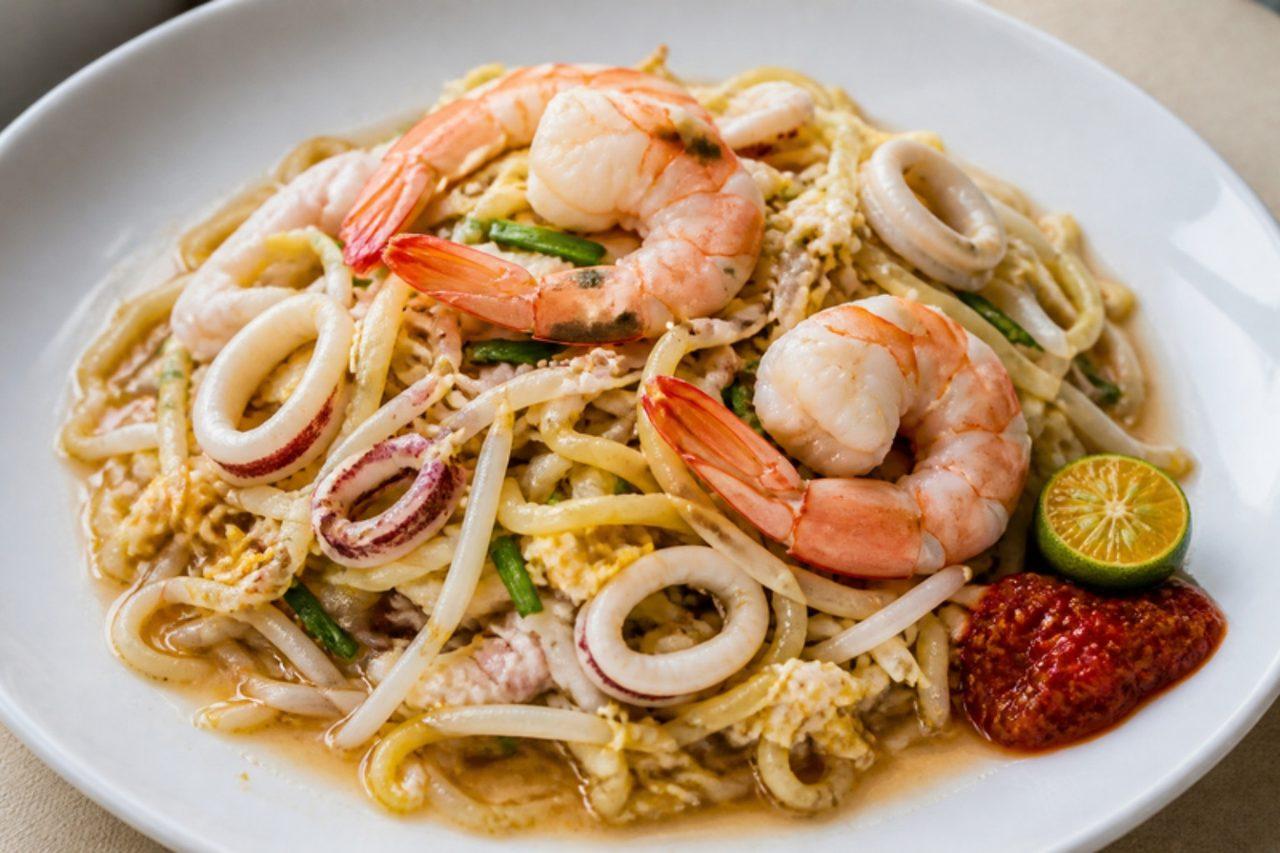
Singapore's Hokkien mee is nothing like the dark, soy-coated noodles of Kuala Lumpur: here yellow egg noodles and thick rice vermicelli are fried with egg, then braised in a cloudy, intensely savoury stock made from prawn heads and shells until the noodles soak it up and stay just wet. Hawkers at Old Airport Road and Geylang serve it with lime and fiery sambal belacan on a square of paper or opeh leaf. It is a late-lunch or supper dish, eaten hot from the wok. Traditional versions use pork belly and pork lard; this one uses prawns and squid only, with vegetable oil. The common mistake is adding all the stock at once, which makes it soupy; add it in two goes and let the noodles drink it. Chef's tip: fry the prawn heads hard until they turn deep orange before adding water; the stock is the whole dish.

by KrazyBadal 0 views

Litti chokhaStuffed wheat balls with mashed vegetables

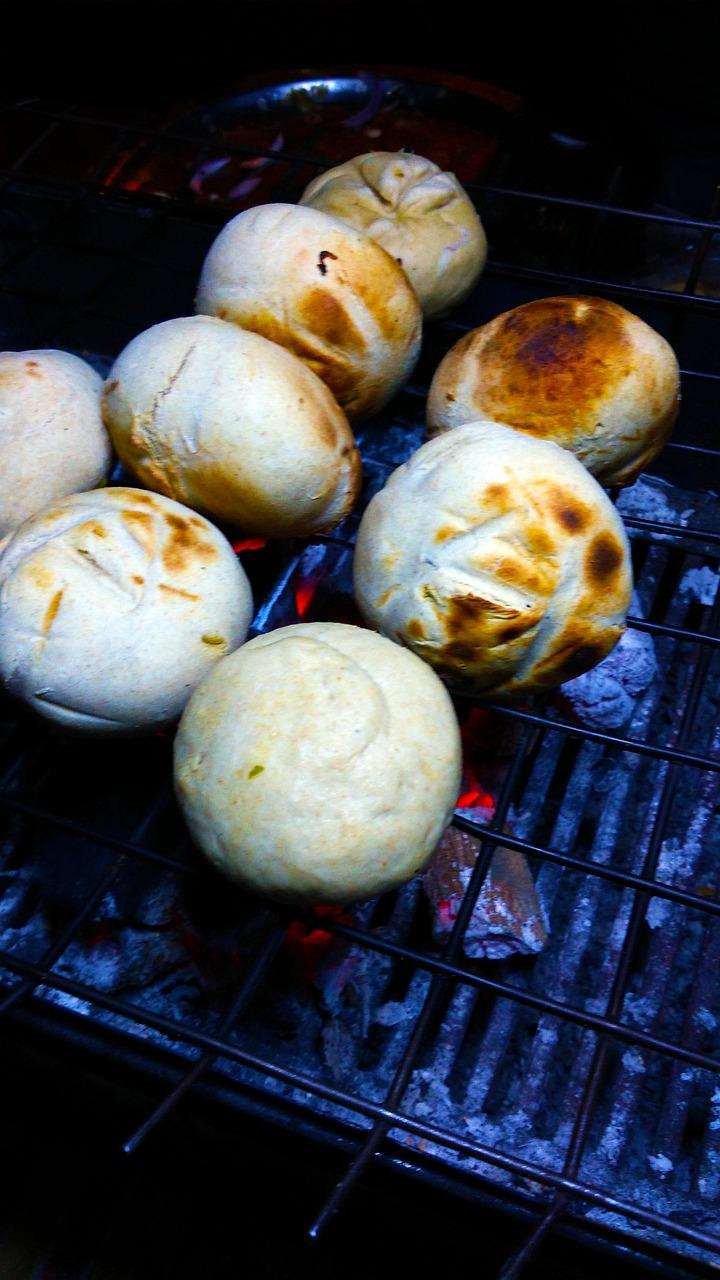
Litti chokha is Bihar's signature meal, cooked on street corners and at village gatherings over smouldering embers. Litti are rustic wheat balls stuffed with sattu (roasted gram flour) sharpened with garlic, ginger, mustard oil and pickle masala; they bake until crusty outside and crumbly inside. Chokha is a smoky mash of fire-roasted aubergine, potato and tomato with raw mustard oil and green chilli. Together they are filling, protein-rich and deeply savoury. Many Biharis dunk hot litti in melted ghee; for a vegan plate, brush them with mustard oil instead. Chef's tip: roast the aubergine and tomatoes right on a gas flame until the skins are black all over; that charring is the whole flavour of chokha.

by KrazyBadal 0 views

Ojja with merguezSpicy tomato sauce with sausage

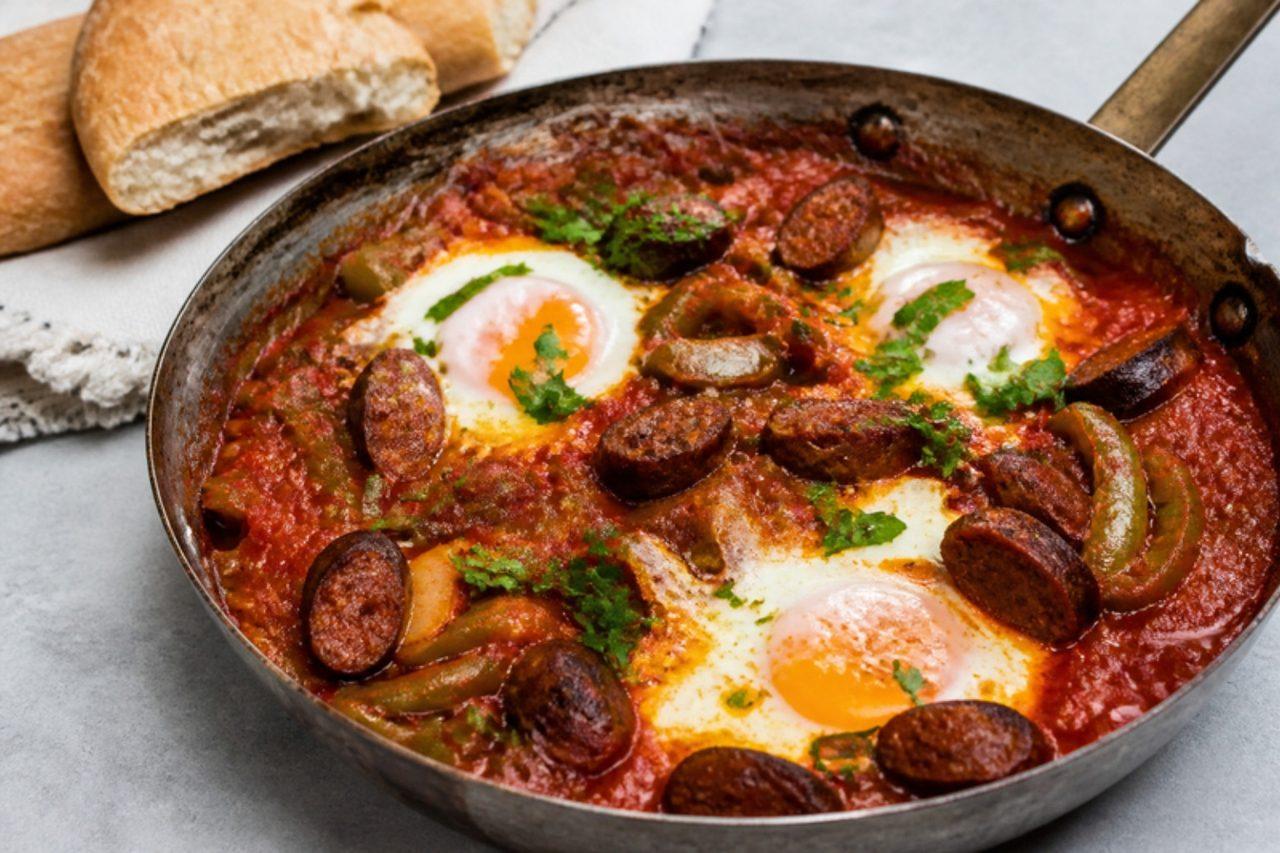
Ojja is the quick supper of Tunis cafés and home kitchens: a pan of tomato, peppers, garlic and harissa, cooked down until thick, with slices of spicy lamb merguez and eggs set softly on top. It is scooped up with crusty bread straight from the pan. The mistake is stirring the eggs in too early; they should go in once the sauce is thick and be left alone to just set. Chef's tip: brown the merguez first so its spiced fat flavours the sauce. If you can't get merguez, use any spicy lamb or beef sausage.

by KrazyBadal 0 views

LlajwaTomato and chilli salsa

No Bolivian table is set without llajwa, the fiery, bright salsa that goes on soups, potatoes, cheese empanadas and anything grilled. In La Paz and Cochabamba it's ground on a batán, a flat grinding stone with a rocking stone on top, which crushes tomatoes and locoto (a fleshy, very hot chilli) into a rough, juicy sauce. The signature herb is quirquiña, with a smell somewhere between coriander and rocket. Chef's tip: no stone? Pound in a mortar or pulse briefly; a blender whips in air and turns llajwa pink and foamy.

by KrazyBadal 0 views

LlapingachosPotato cheese patties

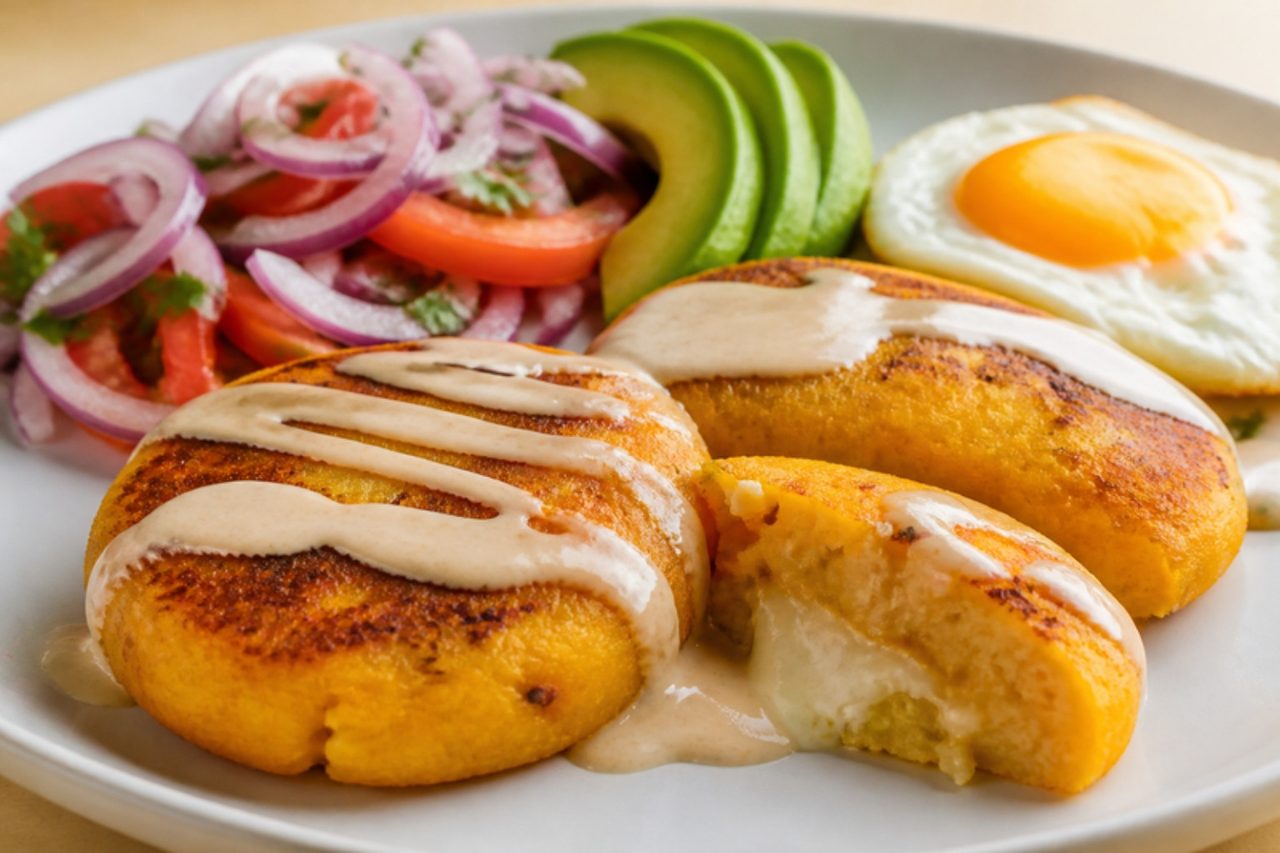
Llapingachos come from the central highlands of Ecuador, especially Ambato and the markets of Riobamba, where women fry them by the dozen on huge round griddles. The patties are mashed potato coloured with achiote, stuffed with cheese and spring onion, and browned until crisp. A full plate adds peanut sauce, a lime-dressed onion and tomato salad, avocado and a fried egg (the market version also includes chorizo, left out here). Chef's tip: chill the shaped patties for 30 minutes; cold patties hold their shape and get a better crust.

by KrazyBadal 0 views

Oka i'aRaw fish in coconut cream

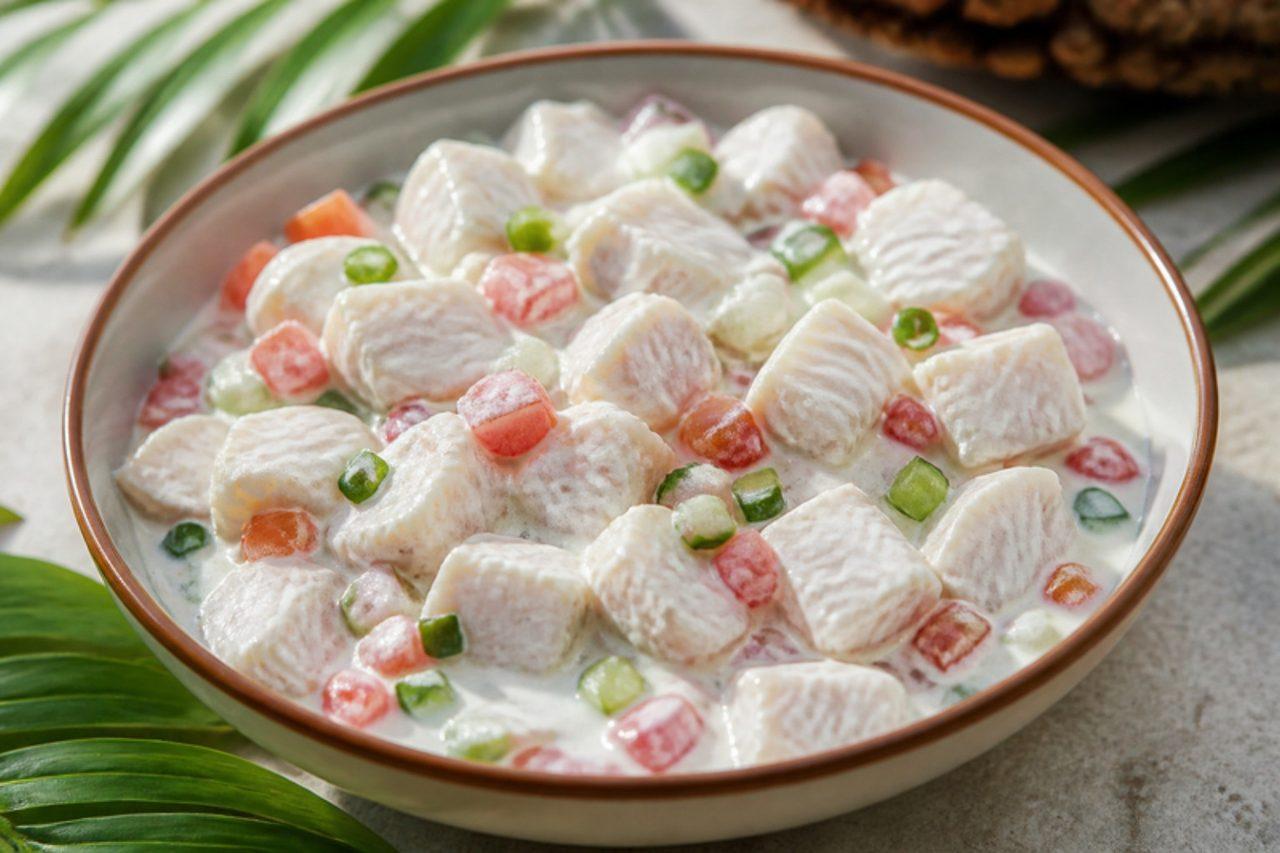
Oka i'a is the raw fish salad served at every Samoan to'ona'i, the big Sunday lunch after church in Apia and the villages of Upolu and Savai'i, and in Samoan homes in Auckland. It is close to Fiji's kokoda but usually uses tuna, a shorter citrus soak and more vegetables, with a finish of spring onion. As a raw fish dish it is written here as a safer version: buy very fresh, previously frozen sashimi-grade tuna, keep it cold and eat within 2 hours. Raw or citrus-cured fish is not for pregnant women, young children or anyone with a weakened immune system; for them, sear the tuna as described in the steps. The mistake is cutting the fish too small, so it goes mushy; keep the cubes about 1.5 cm. Chef's tip: chill the coconut cream and the bowl, so the salad is cold and refreshing.

by KrazyBadal 0 views

LobianiBean-filled bread

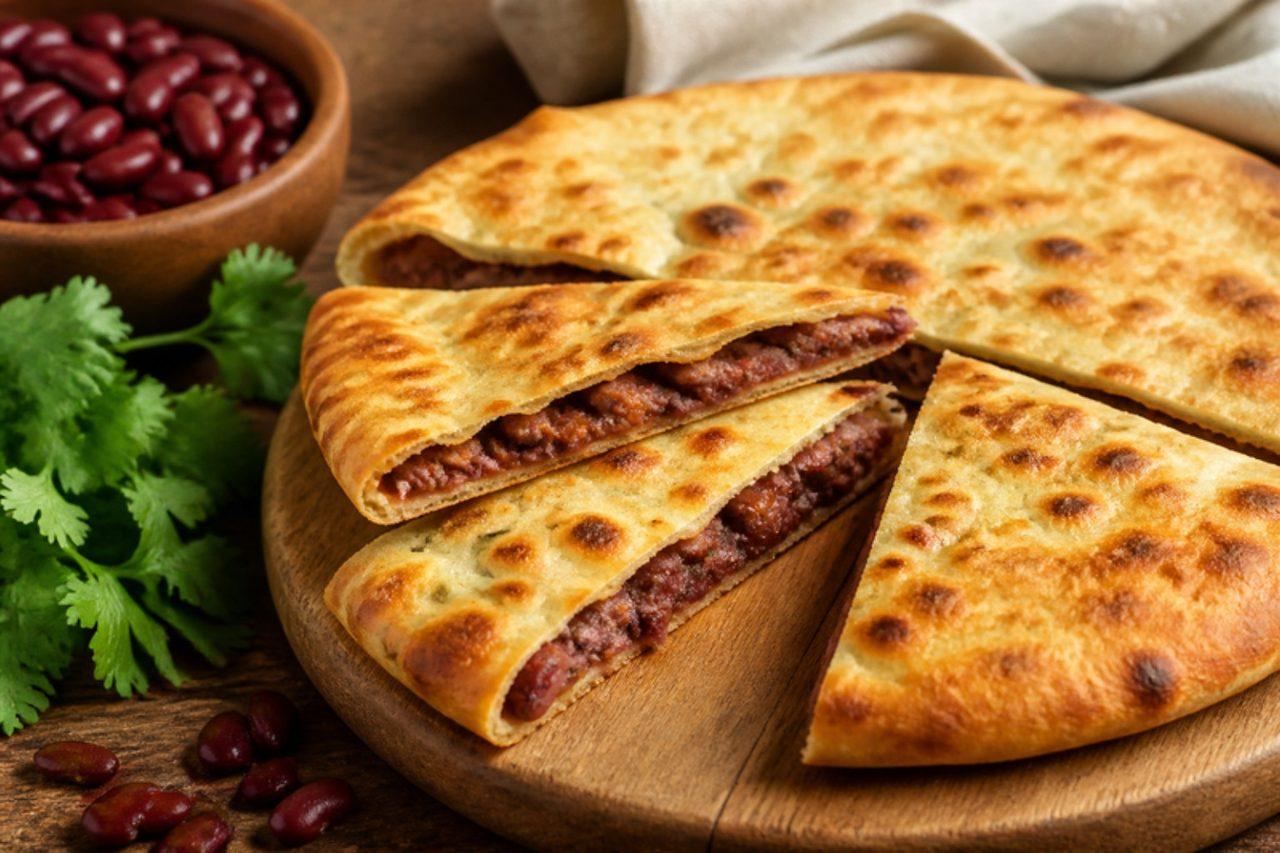
Lobiani is a round bread stuffed with spiced mashed kidney beans, and in Georgia it belongs above all to Barbaroba, St Barbara's Day on 17 December, when households across the country bake it for neighbours and guests. In the highland region of Racha it is often made with ham; this is the plain bean version that is also baked through Orthodox Lent, so the dough here is made with water and oil and the whole bread is vegan. The filling is soft and peppery with coriander and blue fenugreek, and the crust is thin and chewy. A common mistake is making the bean filling too wet, which turns the dough soggy and makes it burst: the mash should hold its shape on a spoon. Chef's tip: fry the onion for the filling until properly golden, not just soft; its sweetness is what makes the beans taste of something.

by KrazyBadal 0 views

LobioRed bean stew

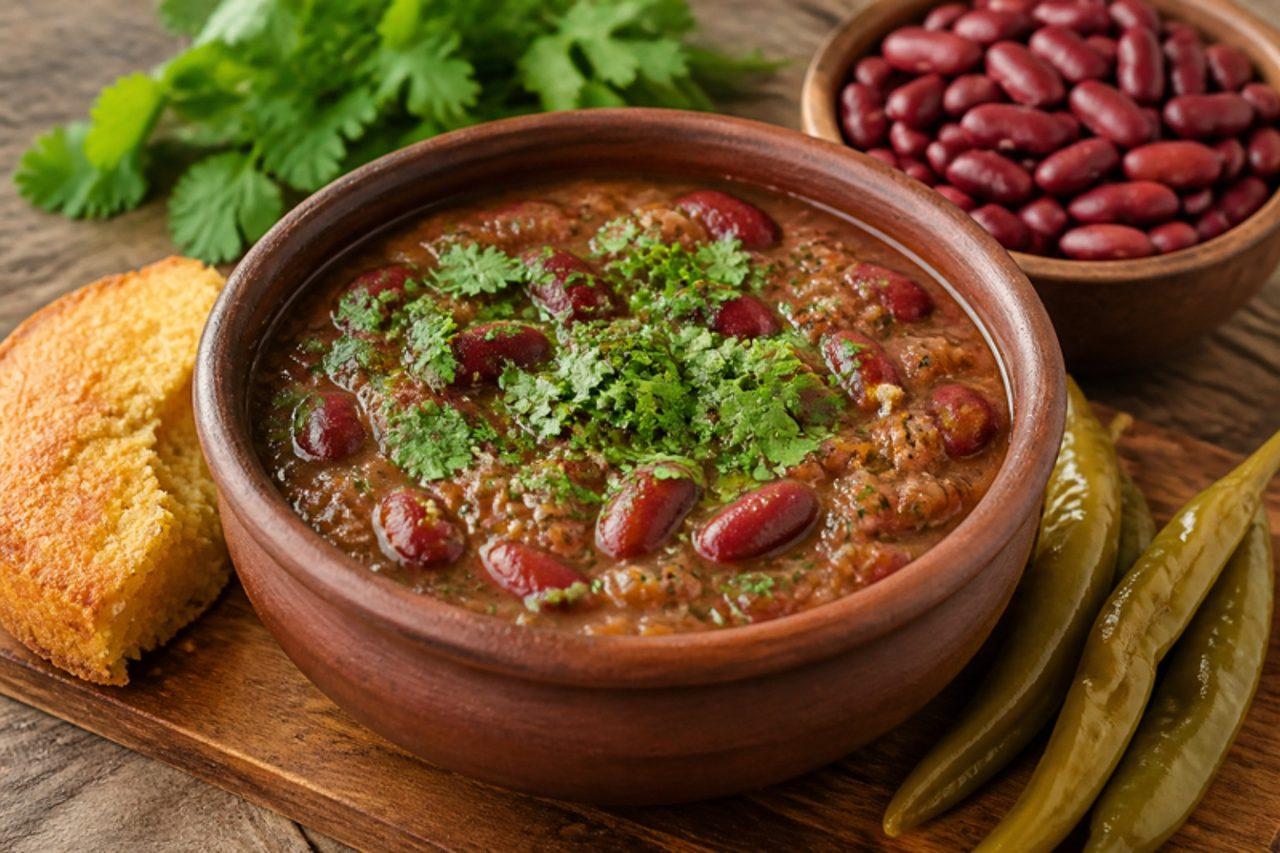
Lobio simply means beans, and in Georgia it means this thick, herb-scented stew of red kidney beans, cooked and served in a clay pot (a ketsi or kotani). In Imereti and Racha it is everyday winter food and a mainstay of the Lenten table, eaten with hot mchadi, pickled cabbage or green chillies and a spoon of tkemali. Some of the beans are crushed so the stew turns creamy while the rest stay whole. A common mistake is mashing everything to a purée; crush only about a third. Raw kidney beans must also boil hard for 10 minutes before simmering, or they can make you ill. Chef's tip: stir in the fresh coriander and garlic only at the end, off the heat, so they stay bright and sharp against the soft beans.

by KrazyBadal 0 views

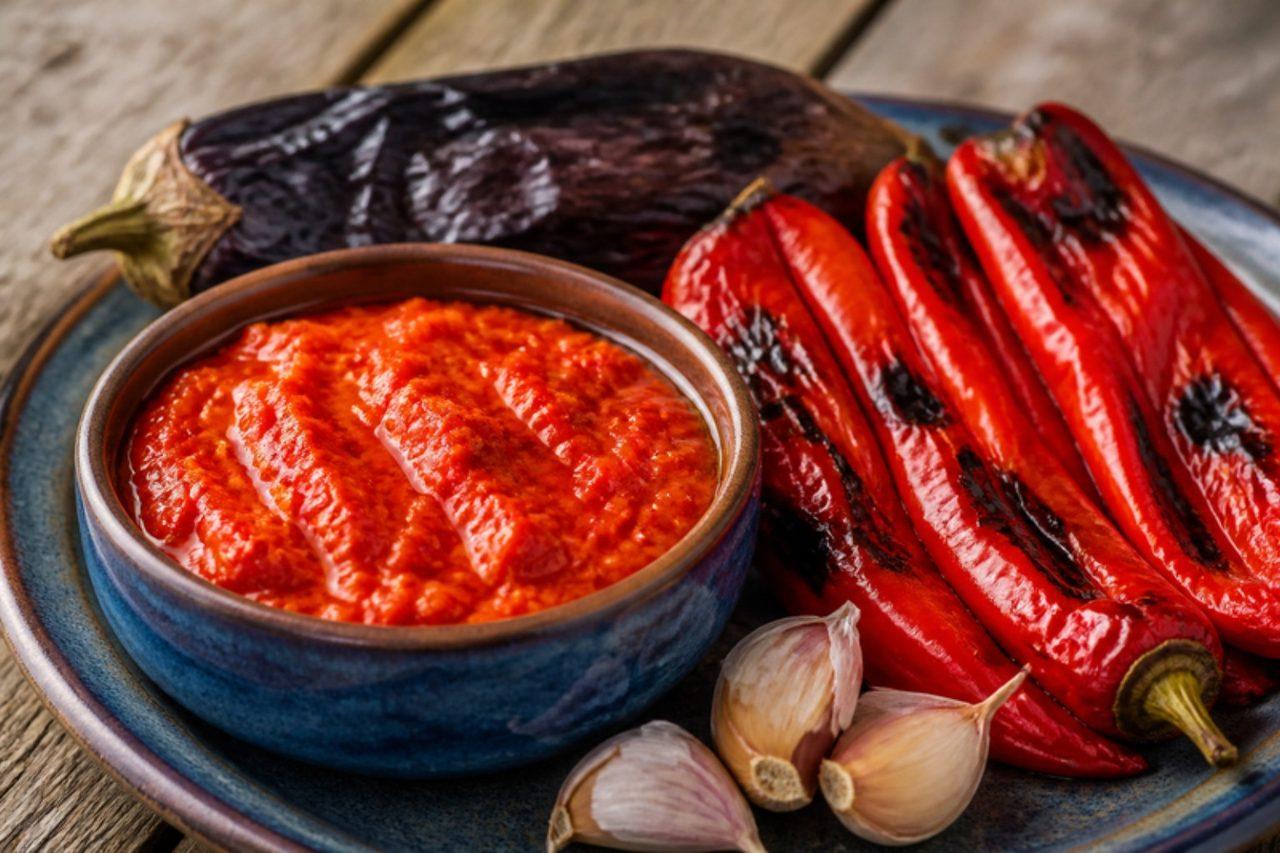
PindjurRoasted pepper and aubergine relish

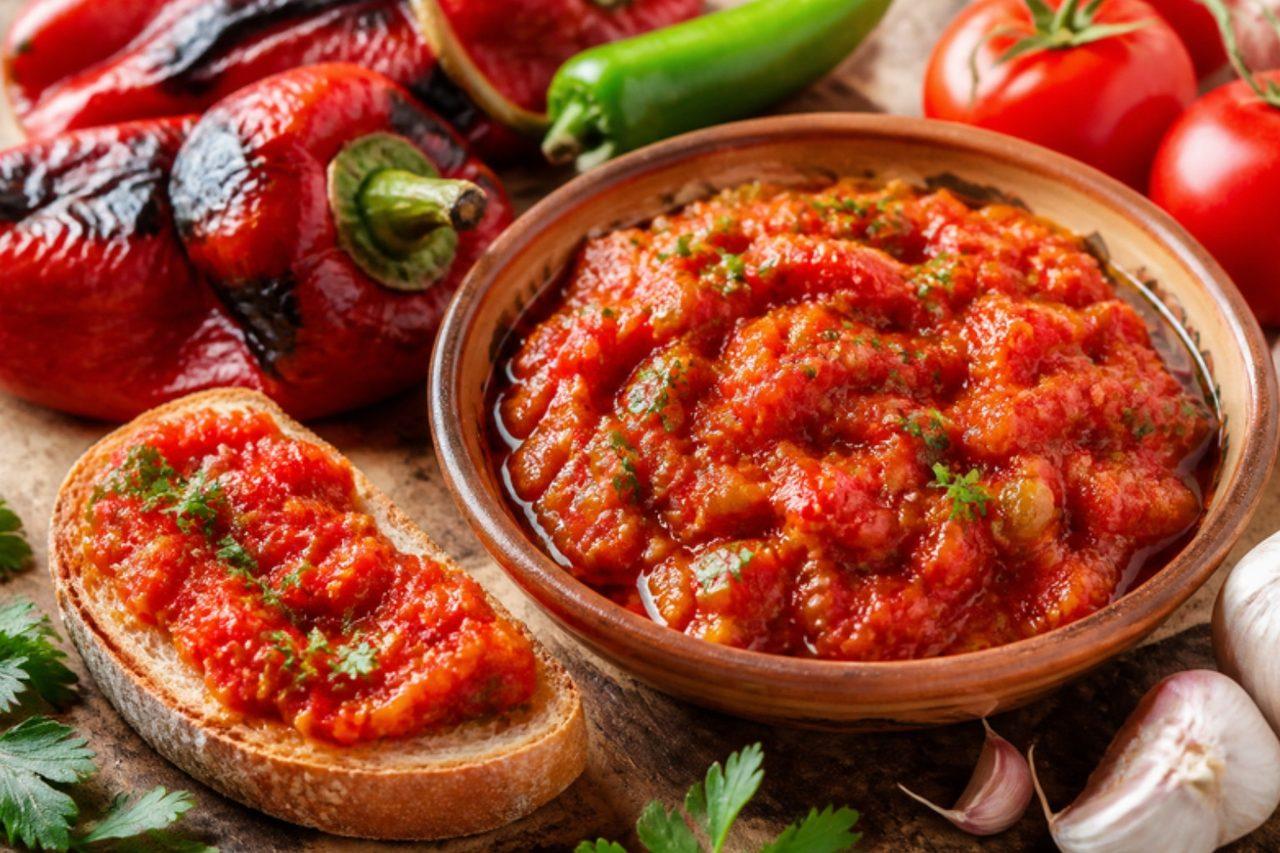
Where ajvar is the patient winter preserve, pindjur is its quick summer cousin, made in Macedonian and Bosnian kitchens in July and August when tomatoes are at their ripest. Roasted peppers and aubergine are chopped rather than ground, then simmered briefly with fresh tomatoes and plenty of garlic, so it stays chunky, juicy and bright. It is eaten warm or at room temperature, scooped up with bread and a slab of white cheese, as part of a mezze spread in Ohrid or Mostar. Chef's tip: chop everything with a knife instead of a blender; a puréed pindjur loses the texture that sets it apart from ajvar.

by KrazyBadal 0 views

Locro argentinoCorn, bean and meat stew

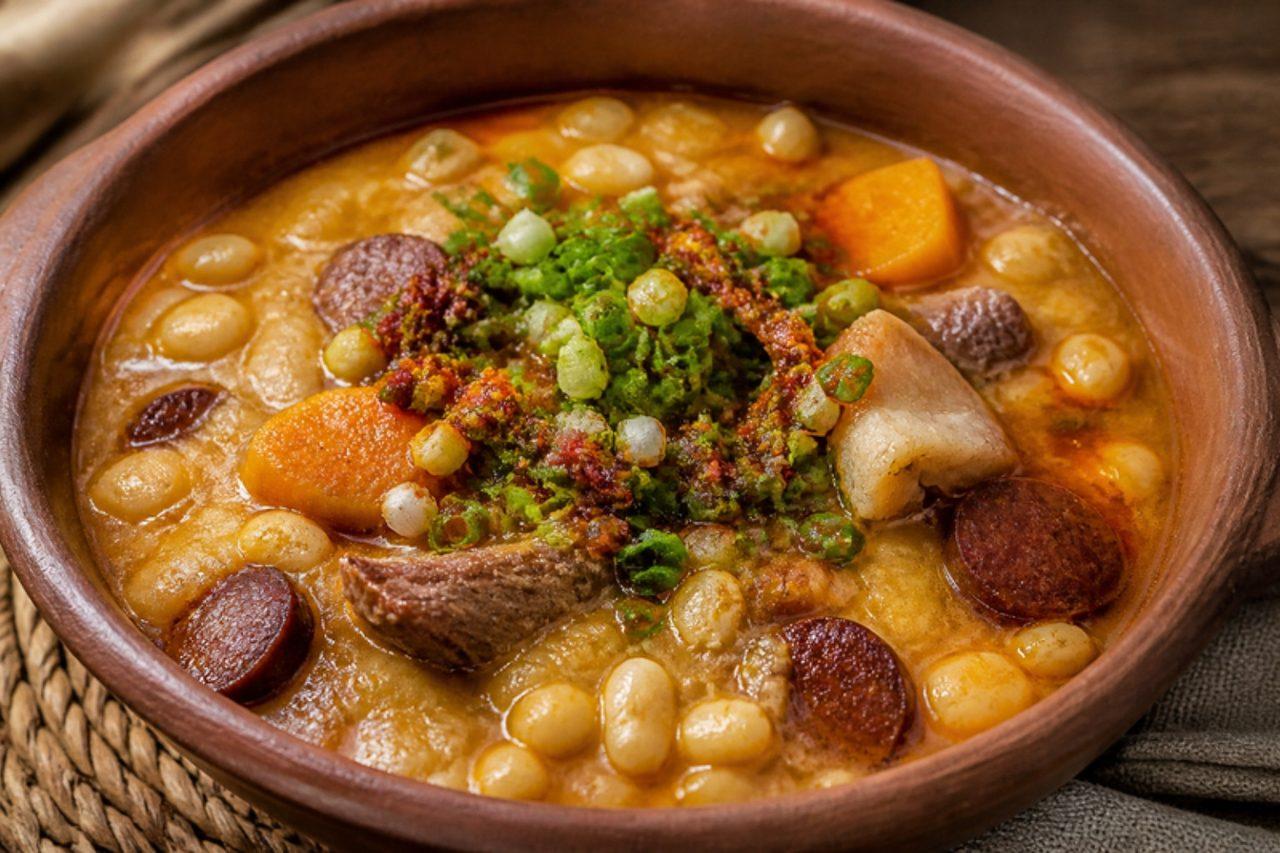
Locro comes from the Andean northwest, from Salta, Jujuy and Tucumán, and today the whole country eats it on 25 May and 9 July, the two national holidays, when it simmers in huge pots at clubs and church halls. Dried white corn, white beans and squash cook down with beef, pork belly and chorizo into a stew so thick a spoon stands up in it. This is a pork dish. It is topped with quiquirimichi, a red oil of paprika, chilli and spring onion. The classic mistake is not soaking the corn and beans overnight; without it they never soften. Chef's tip: stir often in the last hour, scraping the bottom, as the squash breaks down and the locro catches easily.

by KrazyBadal 0 views

Locro de papaPotato and cheese soup

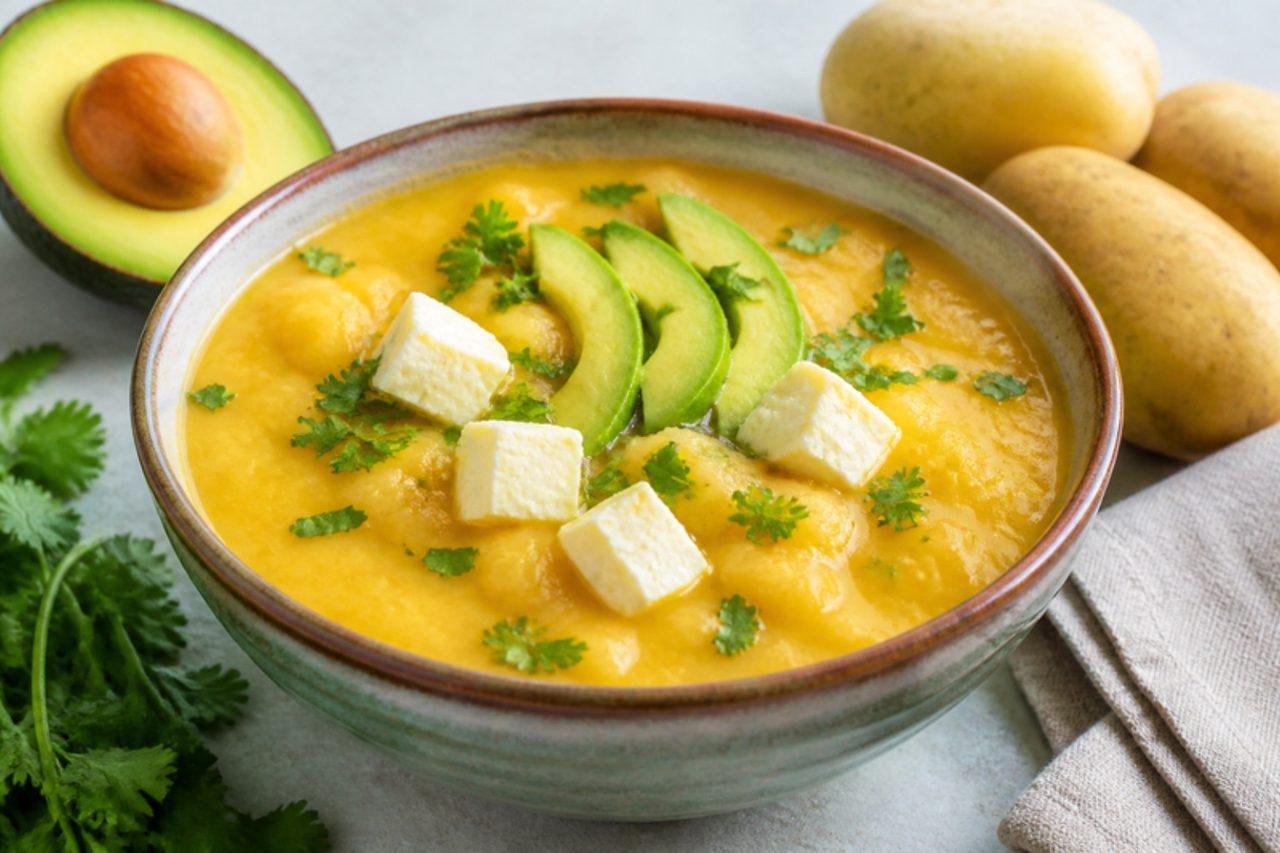
Locro de papa is Quito's comfort soup, eaten on cold afternoons in the Andean highlands where nights drop near freezing. Potatoes are cooked until half of them dissolve into a thick, achiote-tinted broth, then finished with milk and cubes of fresh cheese that soften into strings. Bowls are crowned with avocado slices and served with ají (chilli sauce) on the side. Ecuador uses two potatoes, a floury one to thicken and a waxy one to hold its shape. Chef's tip: add the cheese off the heat; it should soften and go stretchy, not melt into an oily layer.

by KrazyBadal 0 views

Okayama barazushiScattered sushi with vegetables

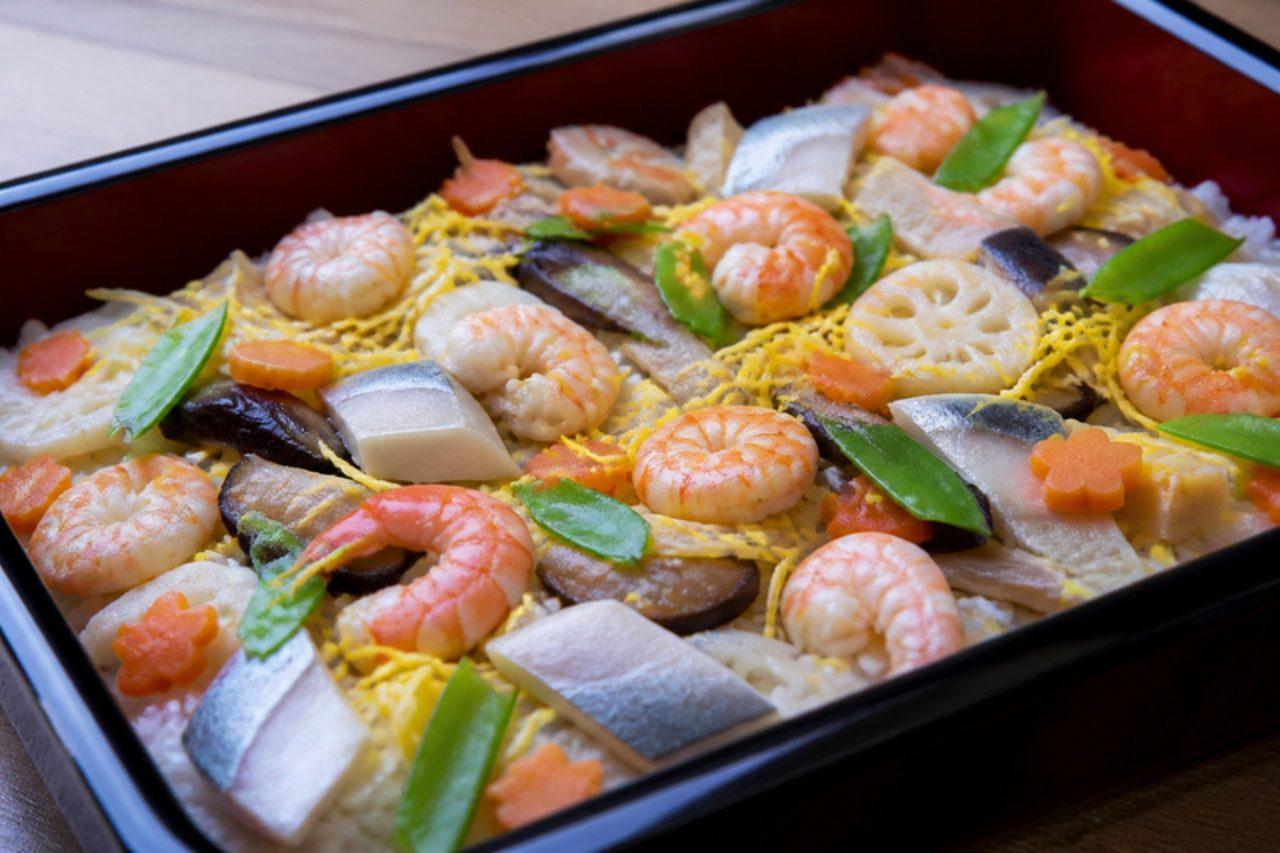
Okayama families make a big shallow platter of barazushi for the autumn shrine festivals, Girls' Day in March and other celebrations, and it is sold in station lunch boxes all year. A local story says it began when a lord ordered people to eat only one side dish, so cooks hid everything in the rice instead. The seasoned rice is mixed with simmered vegetables and topped with seafood from the Seto Inland Sea. This version uses cooked prawns, gently simmered squid and egg threads, plus ready-made vinegared mackerel, which is cured but not cooked. Use very fresh, sushi-grade fish from a trusted fishmonger; not for pregnant women, young children or anyone with a weakened immune system. Leave the mackerel out, or add extra prawns, to make it fully cooked. Chef's tip: fold the vinegar into the rice while it is hot and fan it as you go; the rice soaks up the seasoning and turns glossy instead of wet.

by KrazyBadal 0 views

LohikeittoCreamy salmon soup

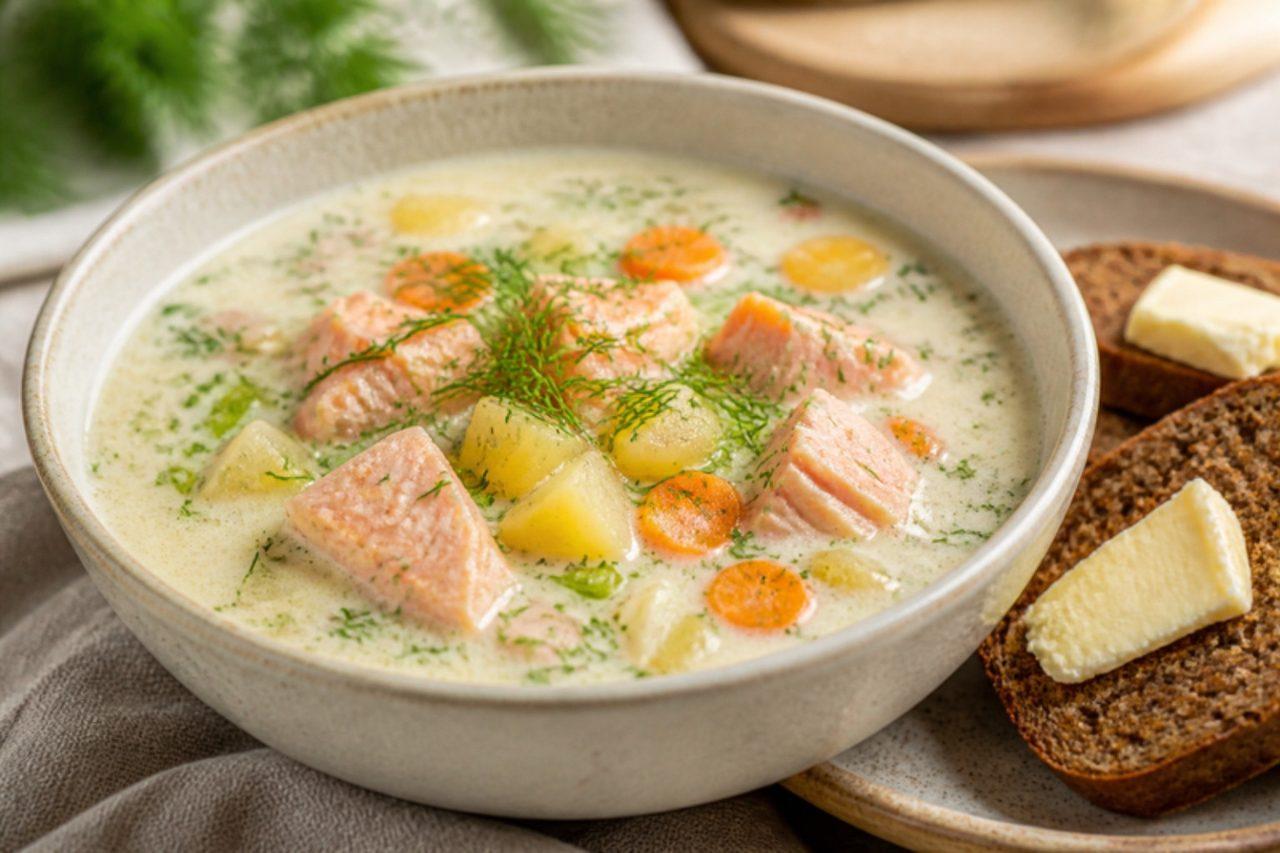
Lohikeitto is what Finns cook when they want something warming after a day outside, ladled up in Helsinki lunch cafés and in lakeside summer cottages alike. Chunks of salmon and potato simmer in a light fish stock with leek and allspice, then a little cream turns it pale and gentle and a big handful of dill makes it taste of summer. It takes about forty minutes and is served with dark rye bread and butter. The common mistake is boiling the salmon hard, which turns it dry and stringy; it only needs a few minutes at a bare simmer. Chef's tip: add the salmon last and switch off the heat with the lid on; the fish finishes in the hot soup and stays in juicy flakes.

by KrazyBadal 0 views

LokmaFried yeast fritters in syrup

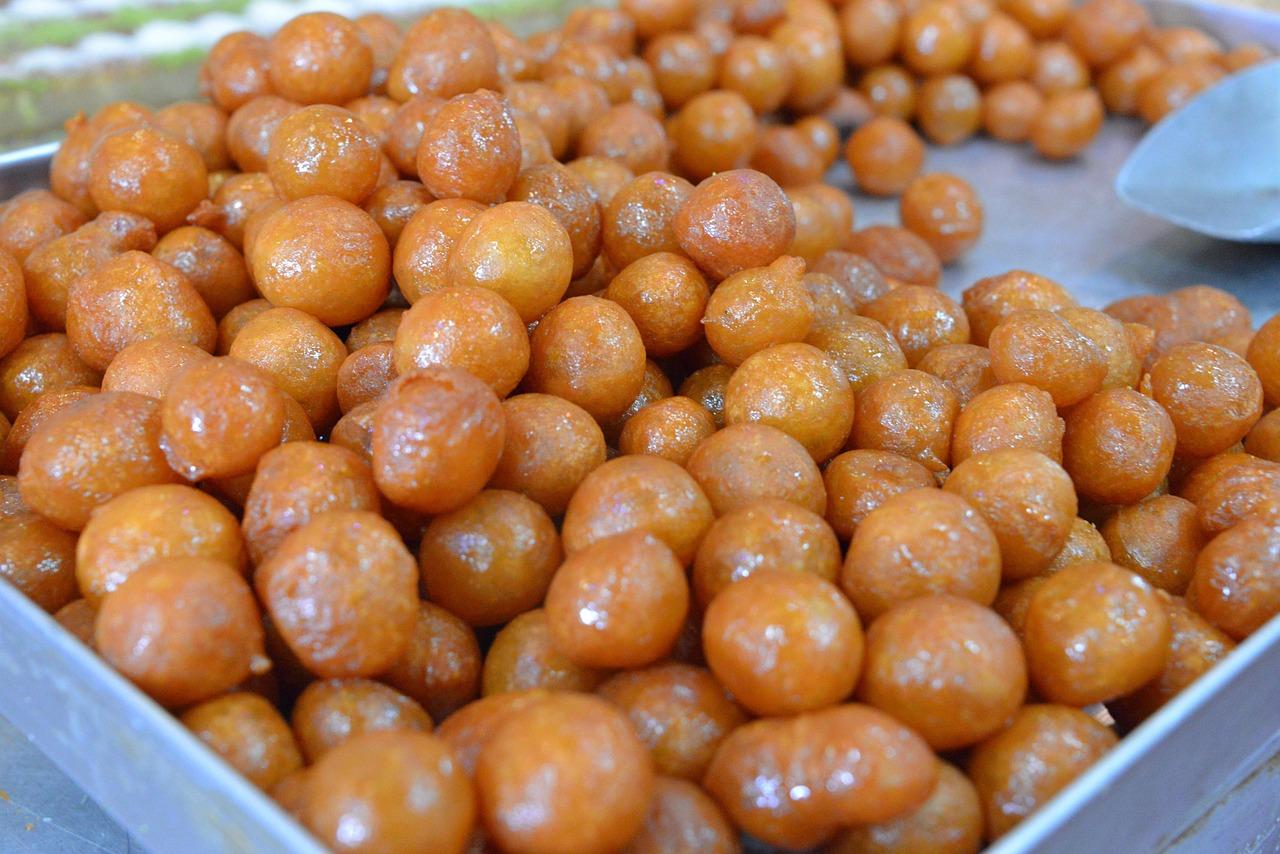
In İzmir and along the Aegean coast, lokma is the sweet of shared moments: families hire a lokma master with a big cauldron to fry hundreds of these golden balls on the street after a funeral or to mark an anniversary, handing them out to anyone passing by, and stalls sell them by the paper cup all year. Each fritter is a little ball of yeasted batter, crisp outside, hollow and soft within, soaked briefly in lemon syrup so it crunches before it melts. This home version needs no eggs or butter, and kids love squeezing out the balls. Eat them warm, on their own or with a sprinkle of cinnamon or crushed pistachios. Chef's tip: dip your spoon or fingers in a cup of water before each ball; the batter then slides off cleanly into round shapes instead of stringy tails.

by KrazyBadal 0 views

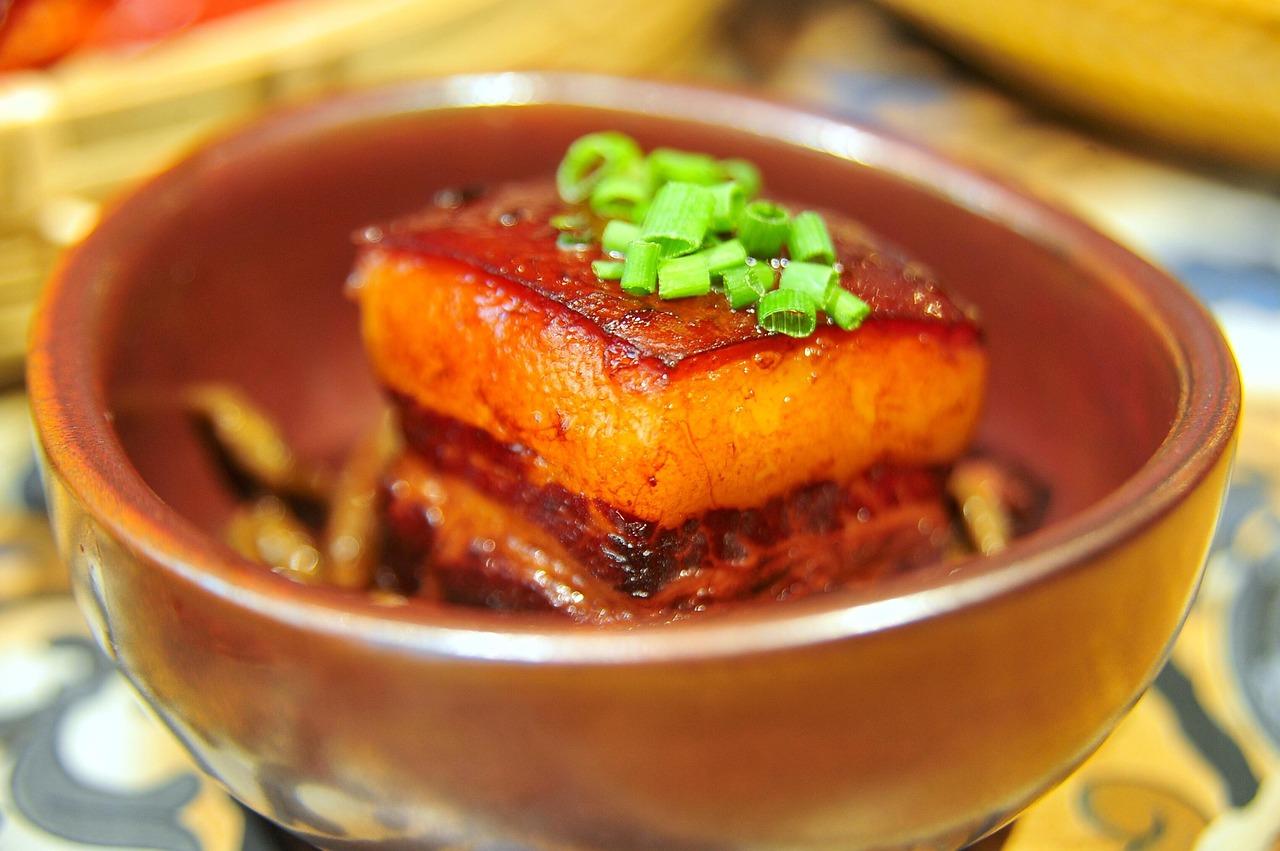
Dongpo pork

Named after the Song dynasty poet Su Dongpo, who governed Hangzhou, these neat squares of pork belly are a fixture of the city's restaurants around West Lake and of New Year banquet tables across Zhejiang. Cooked for hours in Shaoxing wine with soy and rock sugar, the fat turns soft and wobbly, the lean melts apart, and the skin goes glossy and mahogany. Each guest usually gets one square, eaten with plain rice and a green vegetable to cut the richness. The traditional braise uses only wine and no water; if you avoid alcohol, use the stock-and-vinegar version in the ingredient note, which is just as tender, though less fragrant. Chef's tip: tie each square with kitchen string before braising so it keeps its shape for serving.

150 minChineseMeat
by KrazyBadal 0 views

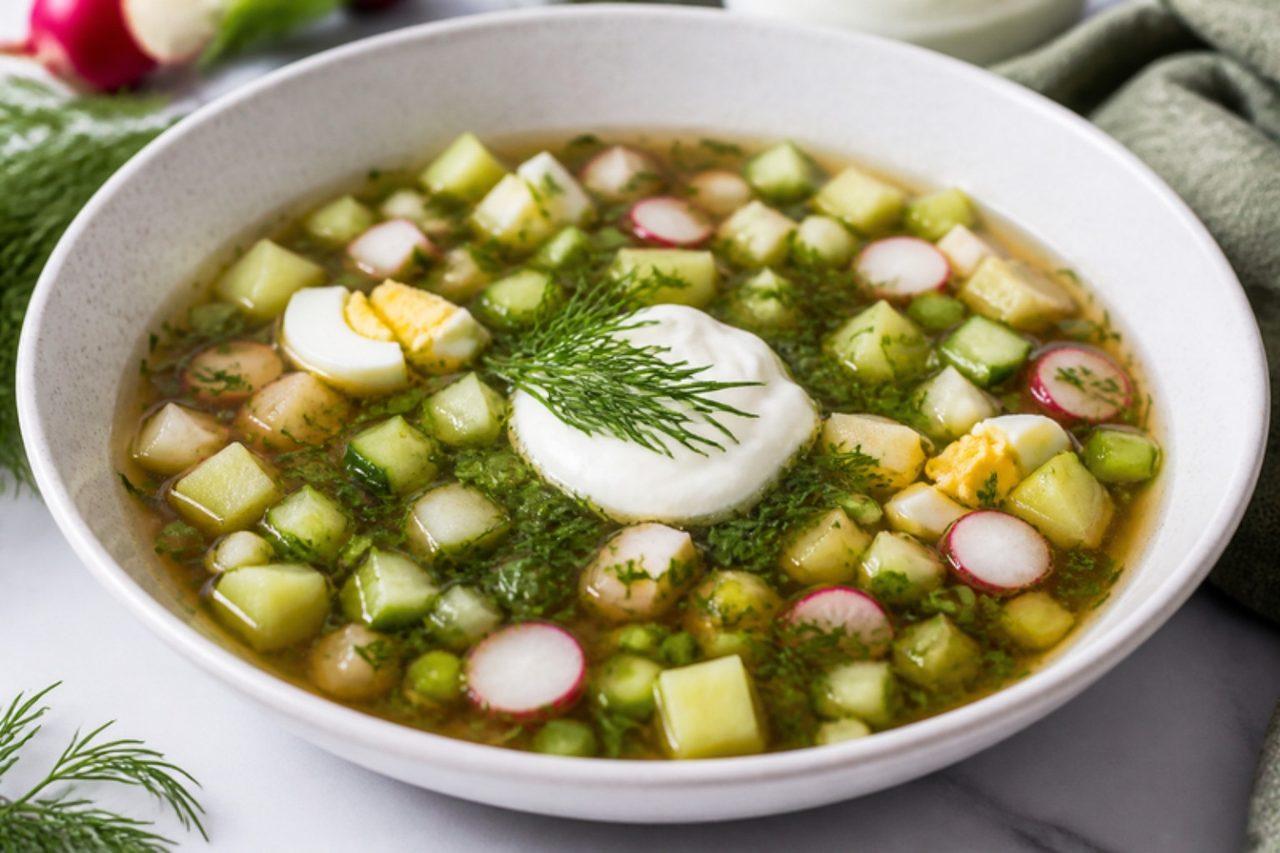
OkroshkaCold vegetable and kvass soup

When Moscow swelters in July, okroshka replaces every hot soup: a bowl of finely chopped radishes, cucumber, potato, egg and a forest of green onion and dill, with ice-cold kvass poured over at the table. It is the lunch of dacha weekends and of hot afternoons on the Volga, and families argue over whether kvass or kefir is the right base (kefir works well and is less sweet). The name comes from kroshit, to crumble, since everything is chopped small. Chef's tip: rub the spring onions and dill with salt first until they give off juice; it releases a green, pungent flavour that tastes of summer.

by KrazyBadal 0 views

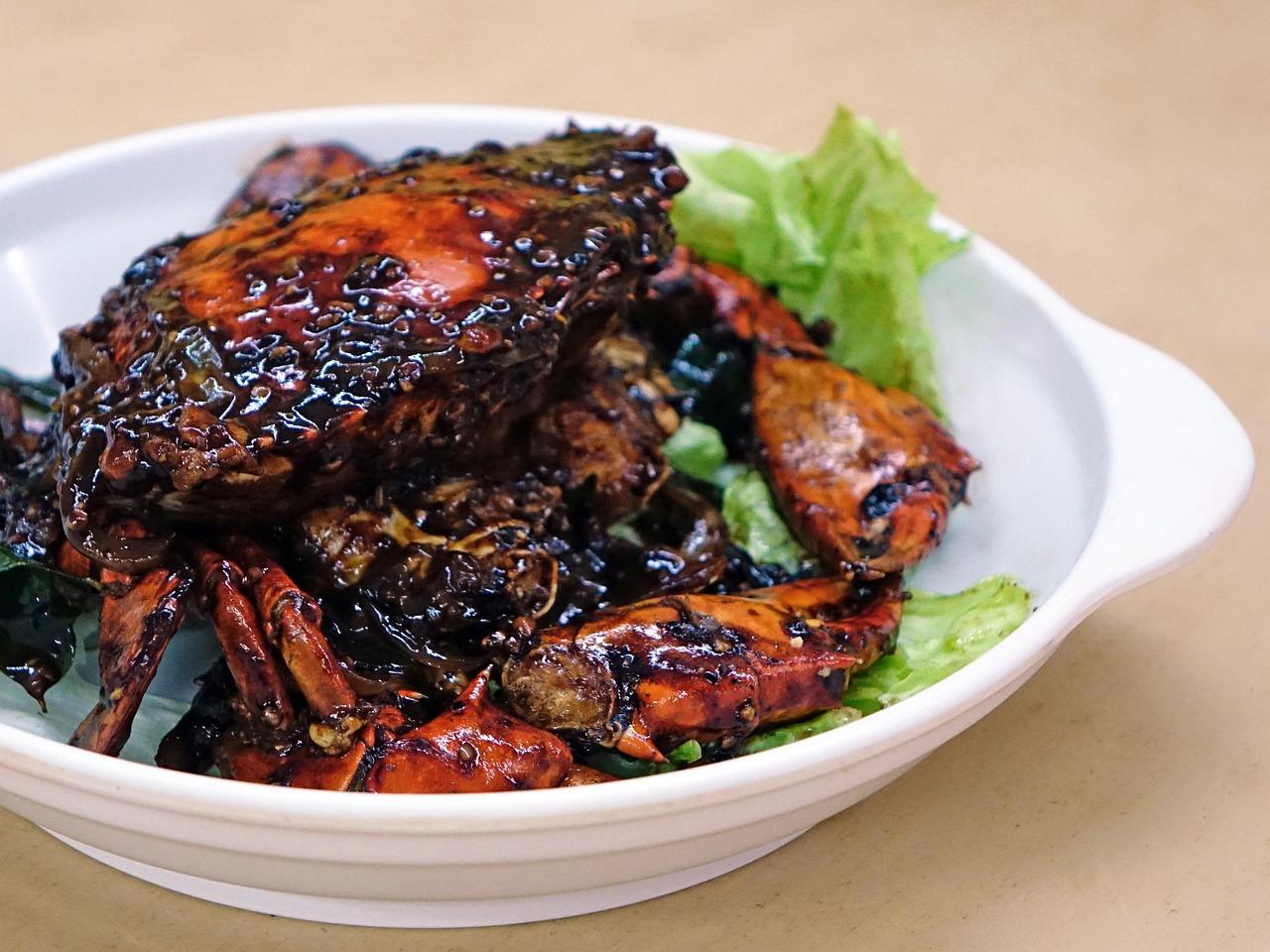
Black pepper crab

If chilli crab is Singapore's sweet crowd-pleaser, black pepper crab is the one locals often order beside it: dry rather than saucy, sharp with freshly cracked black pepper, rich with butter and with a salty edge from oyster and soy sauce. It was created in the 1950s–60s at the seafood restaurants of Upper Serangoon and East Coast, and is eaten at long family dinners with rice or plain bread to mop the buttery wok juices. Note that this dish contains butter, so it is not dairy free. Buy crabs live or freshly cooked the same day from a fishmonger you trust. Discard any live crab that doesn't move, smells of ammonia or has a cracked, leaking shell. The common mistake is using pre-ground pepper powder, which tastes dusty and burns; crack whole peppercorns coarsely. Chef's tip: toast the cracked pepper in the dry wok for a minute before the butter goes in to wake up its aroma.

by KrazyBadal 0 views

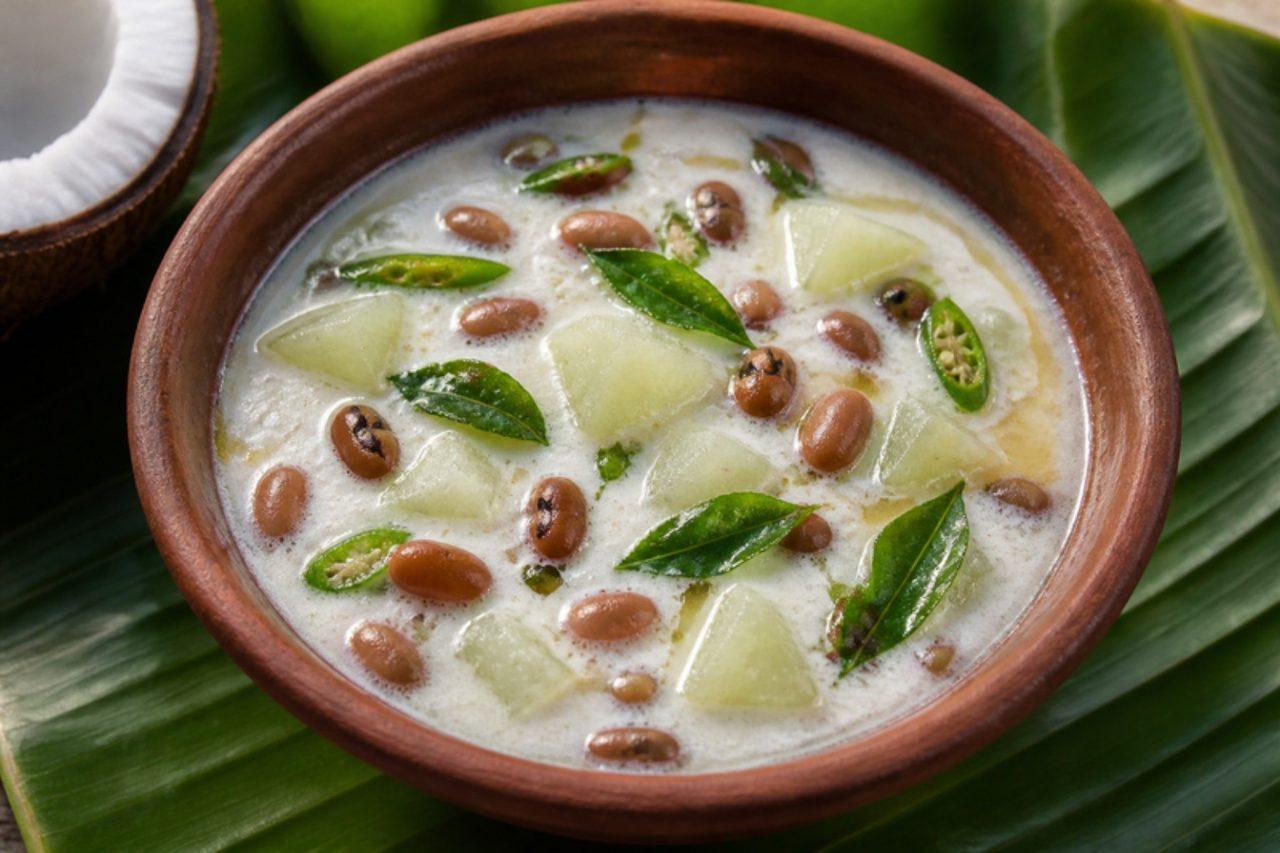
OlanAsh gourd and cowpea stew

Olan is the quietest dish on a Travancore sadya leaf, the banana-leaf feast served in southern Kerala for Onam, weddings and temple festivals. Thin, glassy slices of ash gourd and soft red cowpeas sit in coconut milk with nothing louder than green chilli and curry leaves, and its job is to cool the palate between the tangy, fiery curries around it. The flavour comes from coconut milk added in two stages and a spoonful of raw coconut oil poured over at the end. Eat it with plain rice, or ladle it beside appam on an ordinary weekday. Chef's tip: slice the ash gourd as thin as a coin so it turns translucent in the time the coconut milk takes to thicken.

by KrazyBadal 0 views

Ajiaco santafereñoChicken and potato soup

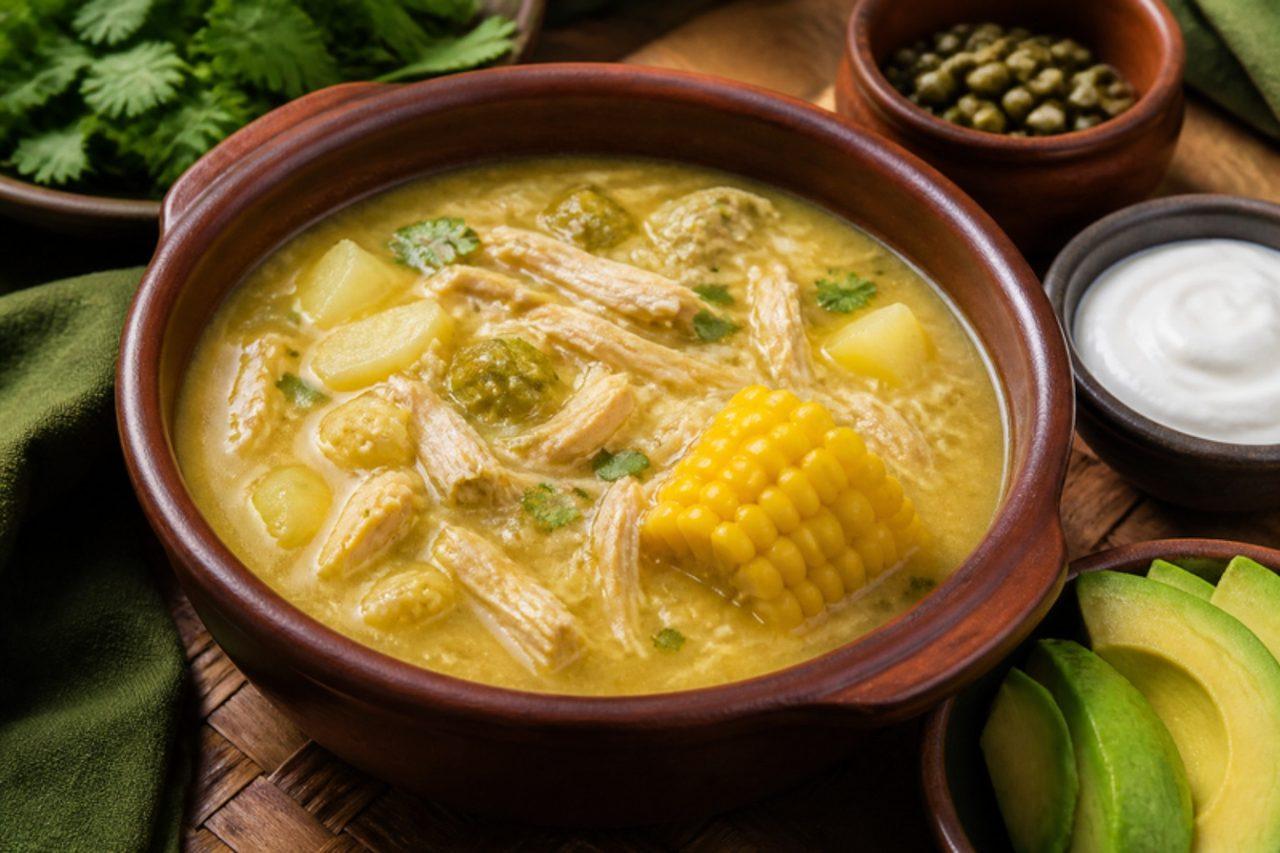
On cold, drizzly afternoons in Bogotá, high up in the Andes, families sit down to ajiaco: a thick chicken soup made with three kinds of potato. Small yellow papas criollas melt away and thicken the broth, while waxy and floury potatoes keep some bite. Guascas, a dried herb with a grassy, artichoke-like taste, gives the soup its unmistakable flavour, and each bowl comes with corn on the cob, a spoon of cream, capers and slices of avocado to add at the table. A frequent mistake is adding all the potatoes at once; the papas criollas go in first so they can dissolve, the firmer ones later. Chef's tip: if you can't find guascas in a Latin shop, use a mix of dried oregano and a little dried thyme; the soup will still be good, just less Bogotá.

by KrazyBadal 0 views

KhambirLeavened wholewheat bread

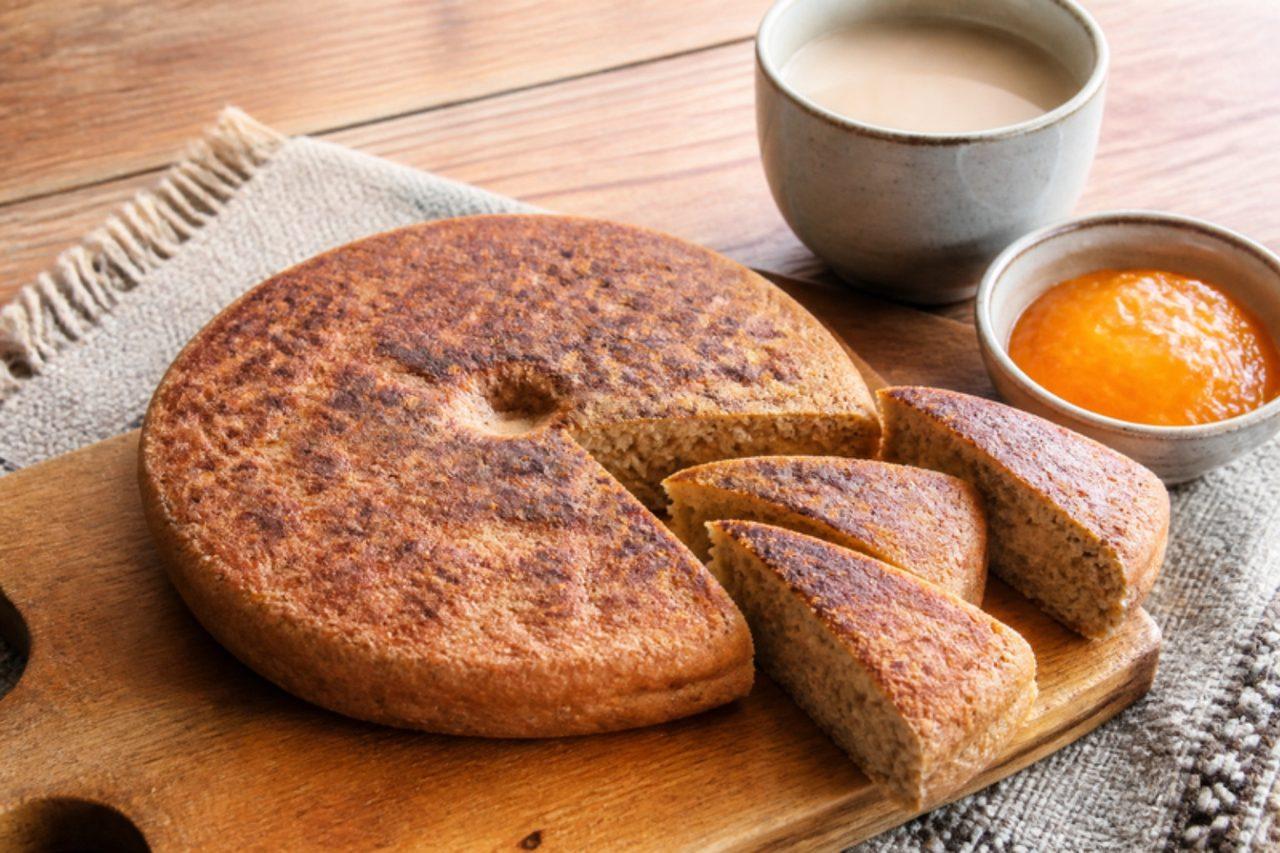
Khambir is the everyday bread of Ladakh: a thick, round wholewheat loaf with a dent pressed into the middle, browned on a griddle and finished in the heat of the kitchen stove. In homes in Leh and Kargil it appears at breakfast, torn into chunks and dipped into salty butter tea, or spread with apricot jam made from the region's dried apricots. The crust is chewy and toasty, the inside dense and slightly sour. Bakers in Leh's old town still sell it warm in the mornings. Chef's tip: let the dough rise until truly doubled; under-risen khambir is heavy and gummy in the middle.

by KrazyBadal 0 views

KotletyPan-fried meat patties

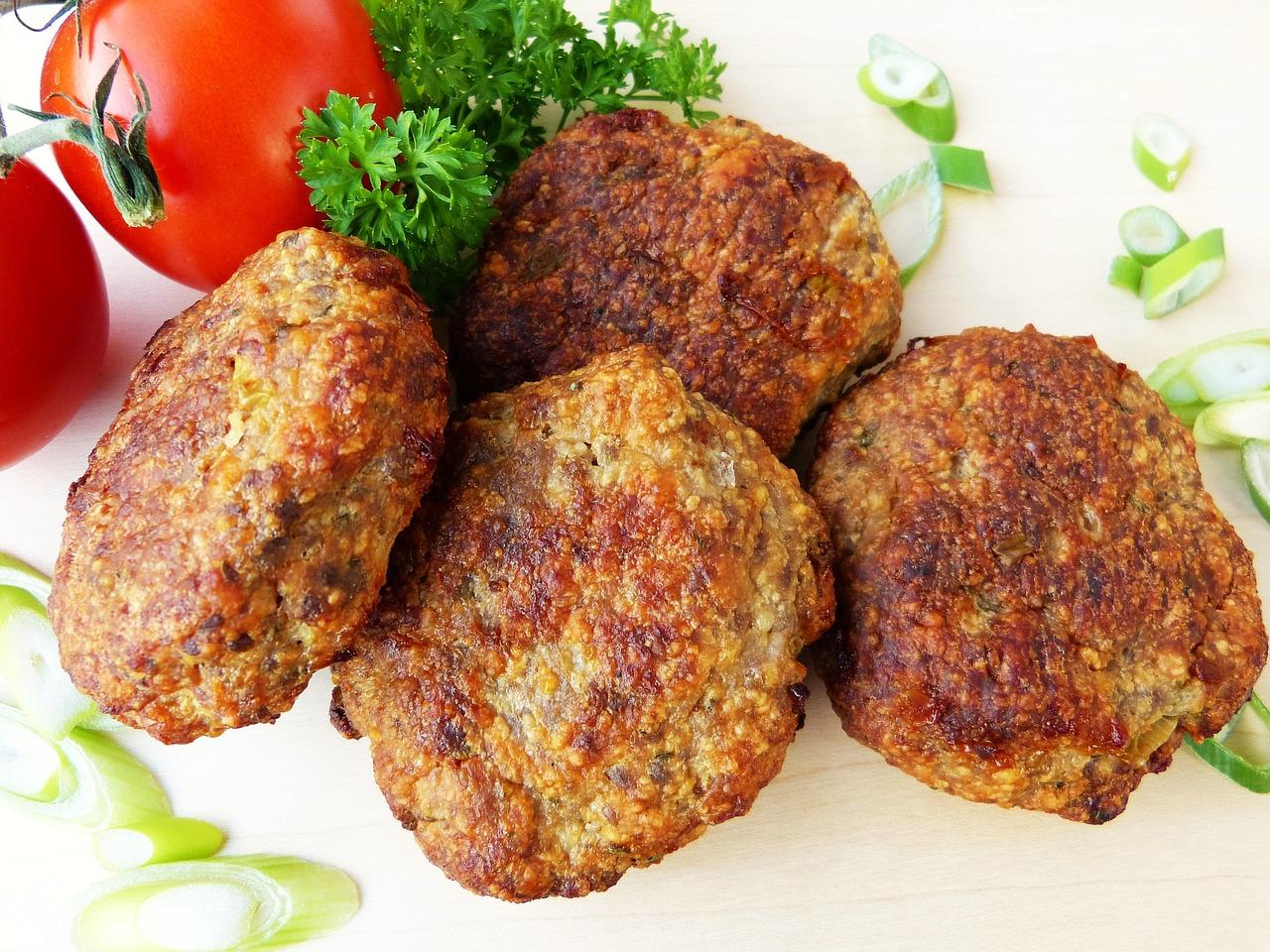
Kotlety are what a Russian grandmother makes on an ordinary Tuesday and what Soviet school canteens served at lunch: soft, oval patties of minced pork and beef, fried golden and finished with a splash of water under a lid. They contain pork. Bread soaked in milk is the secret to their tenderness; the patties stay juicy enough to eat cold the next day in a sandwich. Serve them with mashed potato or buckwheat (grechka), a few pickles and a spoon of the pan juices. The mistake most people make is leaving out the soaked bread or using breadcrumbs instead, which gives dense, dry burgers rather than kotlety. Chef's tip: wet your hands with cold water before shaping each patty, so the soft mince doesn't stick and the surface stays smooth.

by KrazyBadal 0 views

Lontong sayurRice cakes in coconut vegetable broth

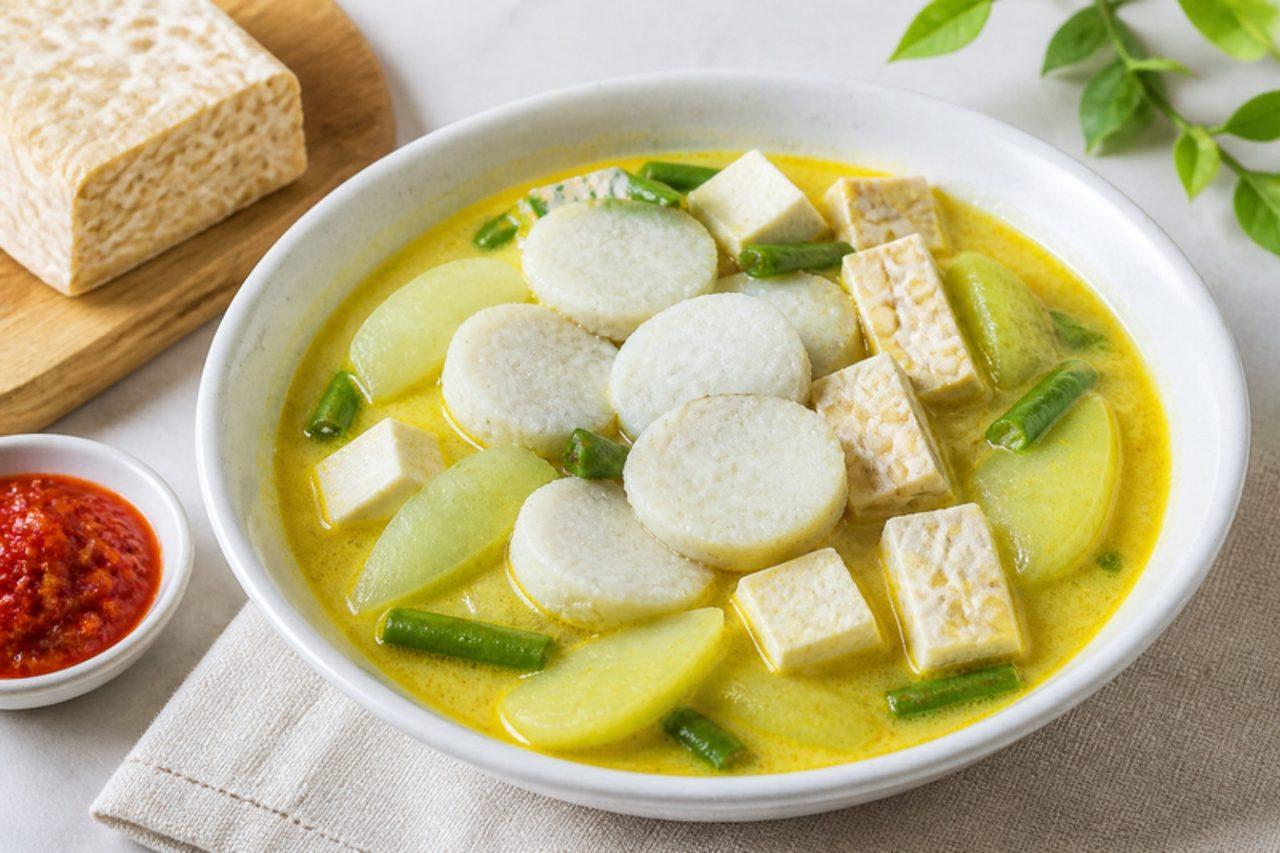
In Jakarta, lontong sayur is what the morning carts sell before offices open: firm slices of pressed rice sitting in a thin, golden coconut broth with chayote, long beans and squares of tofu and tempeh. Betawi families also cook a big pot of it for Lebaran morning. Street versions often add dried shrimp to the spice paste; this one keeps the flavour with candlenuts, galangal and salam leaf instead. Serve with sambal, fried shallots and crackers. Chef's tip: cook the lontong the day before and chill it overnight; cold rice cakes slice cleanly and soak up the broth without falling apart.

by KrazyBadal 0 views

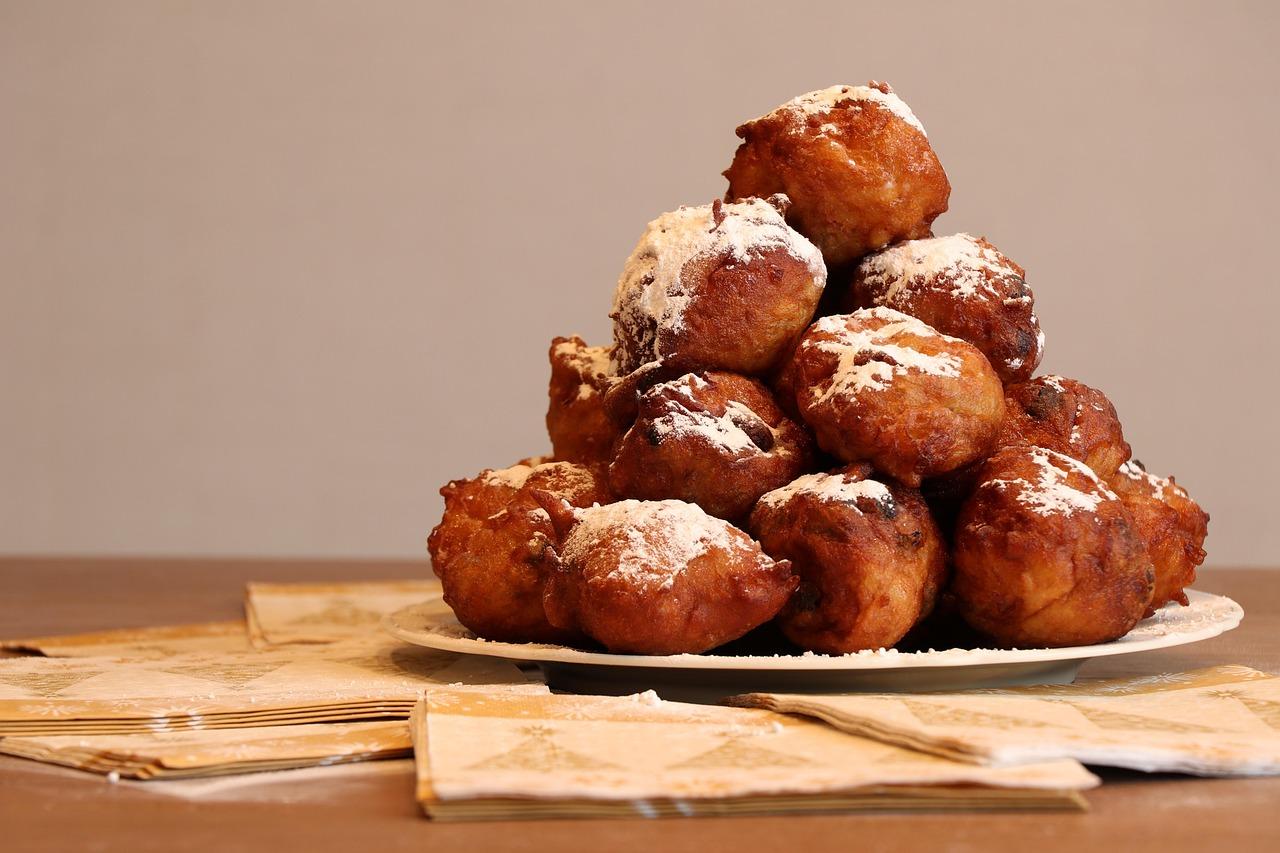
OliebollenRaisin fritters

On the last day of December the queues outside the oliebollenkraam, the caravan-like stalls that pop up in every Dutch town, stretch round the block. Oliebollen ('oil balls') are the food of Oudejaarsavond, New Year's Eve: round, yeasted fritters full of raisins, currants and apple, deep-fried and buried in icing sugar. Families fry big batches at home in the afternoon and eat them with champagne at midnight. They are best within a few hours. Chef's tip: dip your two scooping spoons in the hot oil before each ball; the sticky dough slides off cleanly and the balls come out round instead of ragged.

by KrazyBadal 0 views

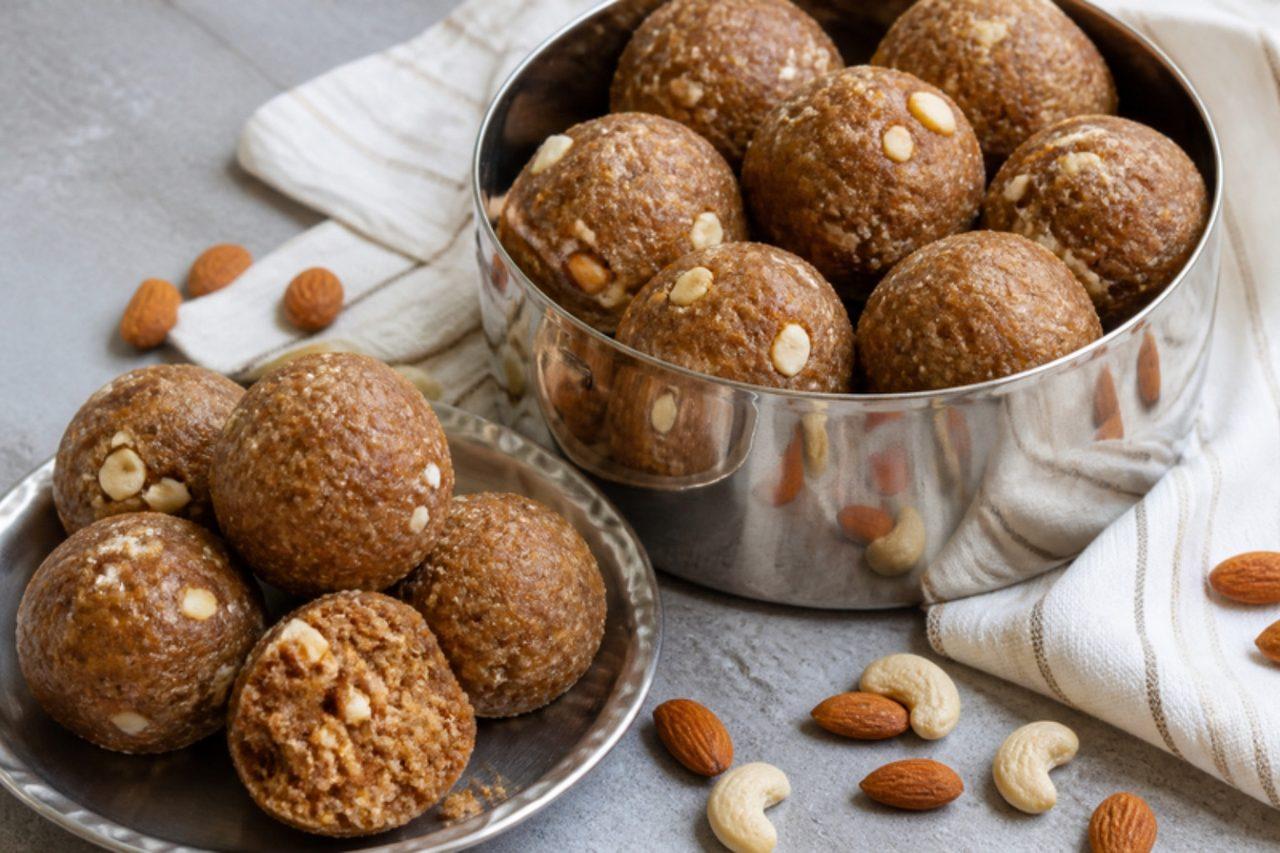
PinniGhee wheat flour sweets

When the fog settles over Punjab in December, kitchens fill with the smell of wheat flour roasting slowly in ghee: pinni season has started. These dense, crumbly balls of roasted atta, jaggery, almonds and fried edible gum are made in big batches for Lohri, packed into tins for relatives and given to new mothers for strength. One pinni with a glass of hot milk is a classic winter breakfast. Chef's tip: let the roasted flour cool until just warm before adding the jaggery; if it is hot, the jaggery melts and the pinni set hard as stone.

by KrazyBadal 0 views

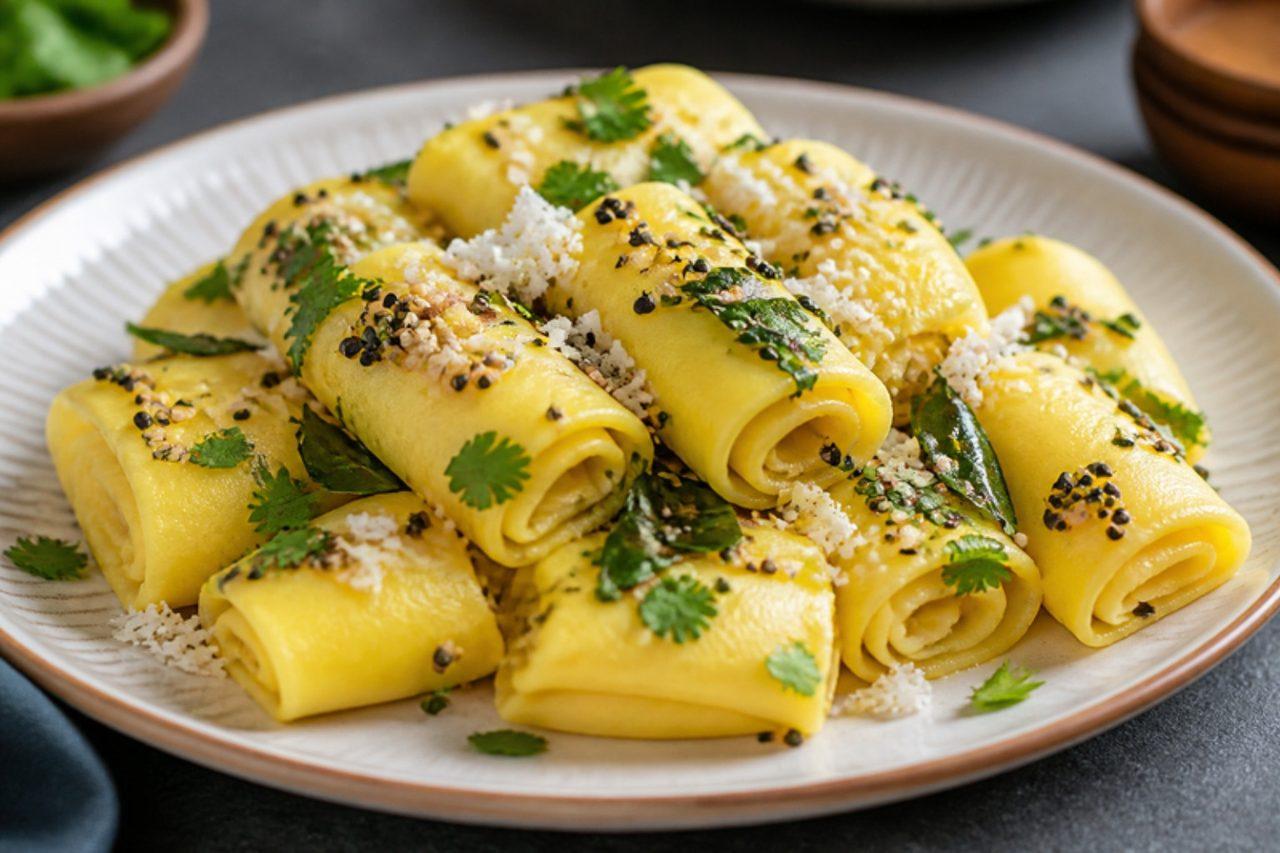
KhandviGram flour yogurt rolls

Khandvi are delicate, melt-in-the-mouth rolls from Gujarat, made by cooking gram flour with sour buttermilk until thick, spreading it paper-thin while hot and rolling it up. They're finished with a sizzling tempering of mustard seeds, sesame and curry leaves, plus fresh coconut and coriander. They're soft, tangy and gently spiced, and a favourite at Gujarati weddings and tea-time. They look tricky, but once you know when the batter is cooked, they're quick. Chef's tip: keep a plate by the stove and test the batter often; when a spoonful spread thin on the plate sets in 30 seconds and peels off in one piece, it's ready, and not a minute before.

by KrazyBadal 0 views

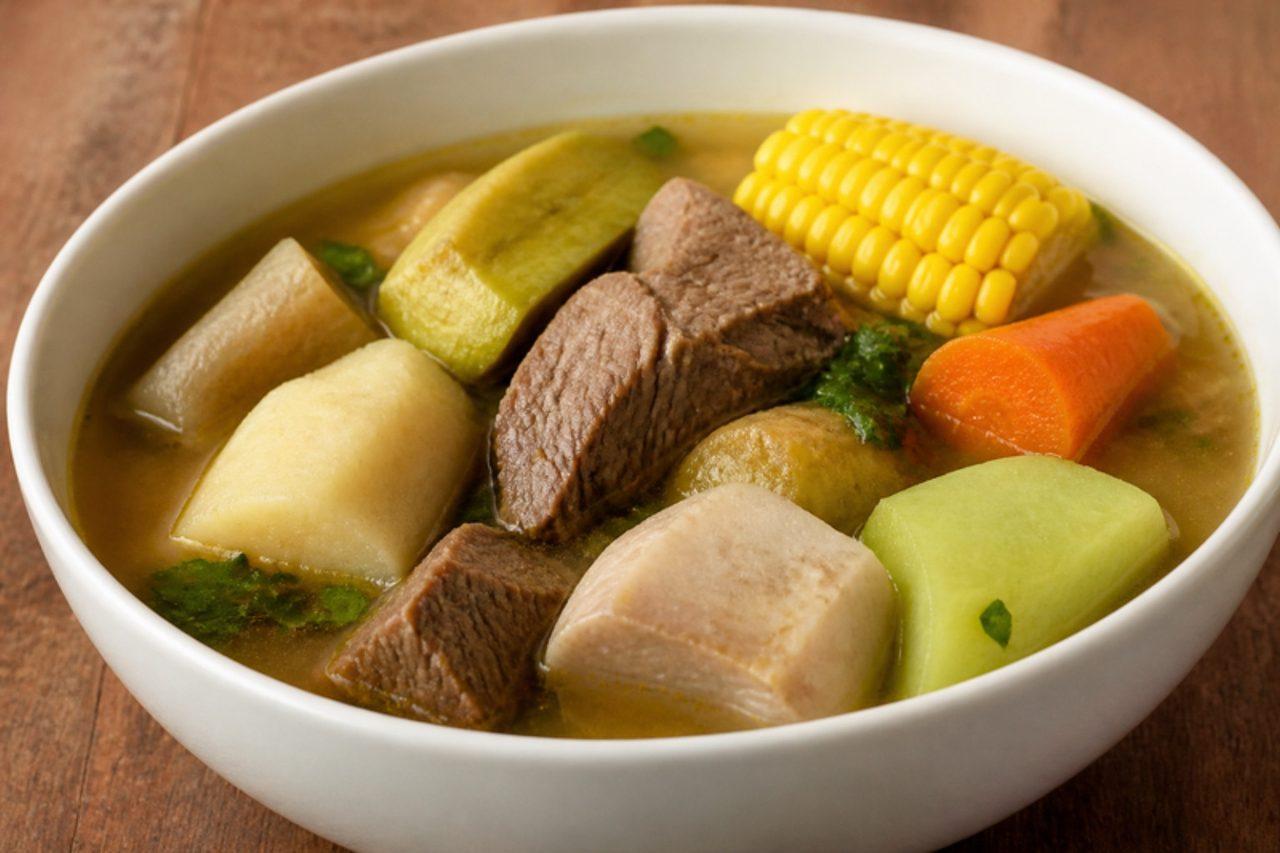
Olla de carneBeef and vegetable pot

Olla de carne, "pot of meat", is the Costa Rican Sunday soup, cooked slowly in the Central Valley around San José and in country homes: beef shin and short ribs simmered for hours in a clear broth with big pieces of yuca, chayote, green plantain, corn, carrot and taro. The broth is served first, then the meat and vegetables, with rice on the side. The mistake is putting all the vegetables in together; add the hard ones first and the soft chayote and corn last. Chef's tip: use a little bone with the beef; it gives the broth body without any stock cube.

by KrazyBadal 0 views

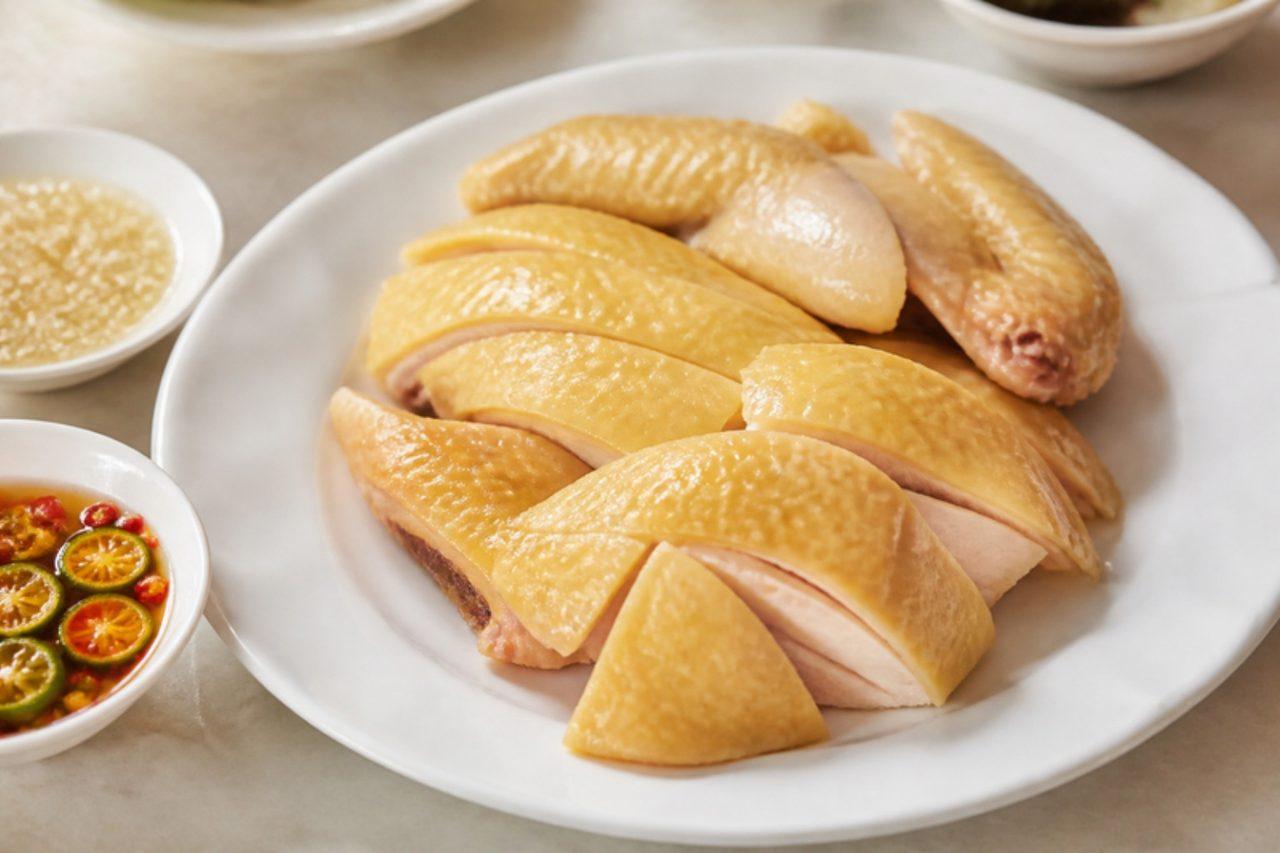
Wenchang chicken

Hainan islanders count Wenchang chicken, from the coastal county of the same name, as the first of their four famous dishes, and no wedding, New Year or welcome-home meal there is complete without it. The small free-range birds are gently poached until the skin is pale gold and slightly jellied and the meat is firm, sweet and full of flavour. The real stars on the island are the dips, not rice: a hot-oil ginger and garlic relish, and a sharp calamansi and chilli sauce. This is the original that Hainanese emigrants turned into chicken rice in Singapore and Malaysia, but in Hainan it is eaten chopped on the bone with a bowl of the poaching broth and plain rice or greens on the side. Chef's tip: choose a small free-range chicken; its firmer meat and thin skin are closest to the Wenchang breed.

by KrazyBadal 0 views

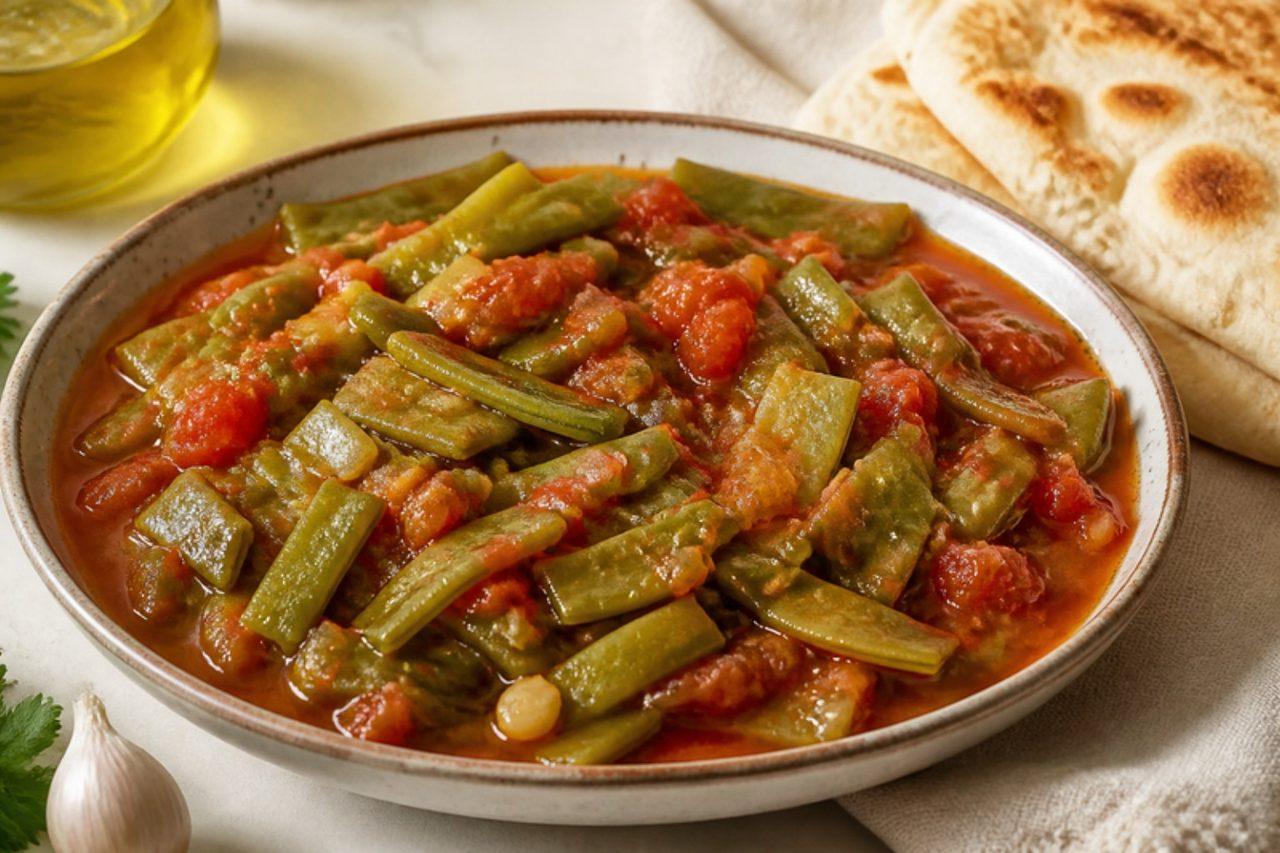
Loubieh bi zeitGreen beans braised in olive oil

In Lebanese homes loubieh bi zeit belongs to the 'bi zeit' family, vegetables cooked in olive oil and served cool, which turn up on the mezze table in summer and fill lunchboxes the next day. Flat runner beans or wide Romano beans are best: they soak up the garlicky tomato sauce and turn silky. It is eaten at room temperature with Arabic bread to mop the oil, and often with a few spring onions and radishes alongside. Chef's tip: cook the garlic only until it smells sweet before adding the beans; browned garlic turns the whole dish bitter.

by KrazyBadal 0 views

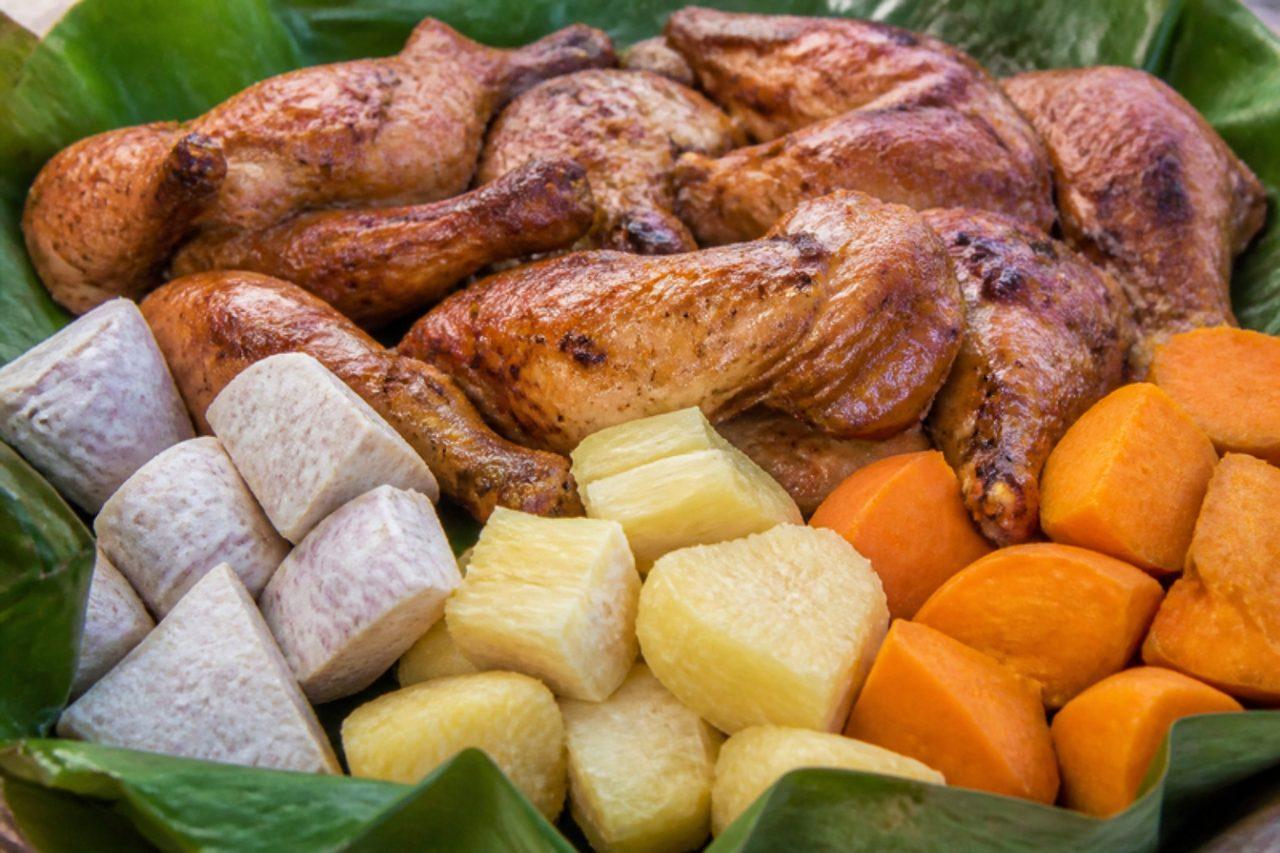
Lovo-style chickenEarth-oven style chicken

A lovo is Fiji's earth oven, dug in the ground for weddings, church feasts and Christmas in villages on Viti Levu and Vanua Levu: hot stones are covered with parcels of meat, fish and root vegetables in banana leaves, then buried for hours. This home version wraps chicken marinated in coconut, garlic and ginger with taro, cassava and sweet potato in foil and banana leaves and roasts them slowly, giving the same steamed, smoky-sweet result. The mistake is wrapping loosely, so the steam escapes and everything dries; seal the parcels tightly. Chef's tip: a few drops of liquid smoke or a smoked paprika rub gives a hint of the earth oven.

by KrazyBadal 0 views

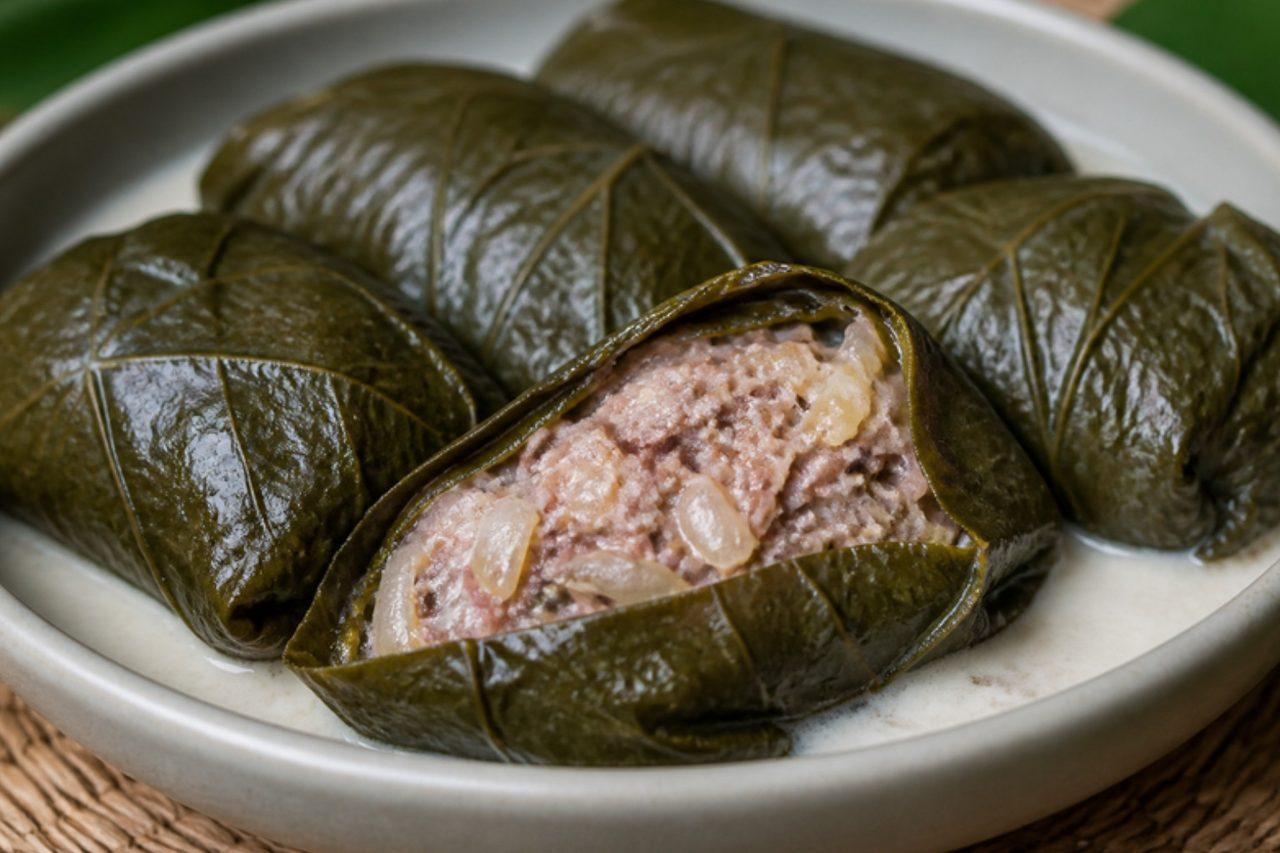
Lu puluCorned beef in taro leaves

Lu pulu is a Sunday dish in Tonga, cooked in the umu (earth oven) after church in Nuku'alofa and by Tongan families in Auckland and Sydney: taro leaves are layered into a cup, filled with corned beef, onion and thick coconut cream, wrapped in foil or banana leaf and baked until the leaves melt into a rich, silky parcel. It is served with boiled taro, yam or sweet potato. The mistake is undercooking the taro leaves: they must cook for at least an hour, as raw taro leaves irritate the mouth and throat. Chef's tip: if you can't find taro leaves, use large spinach or silverbeet leaves, cooked for 45 minutes.

by KrazyBadal 0 views

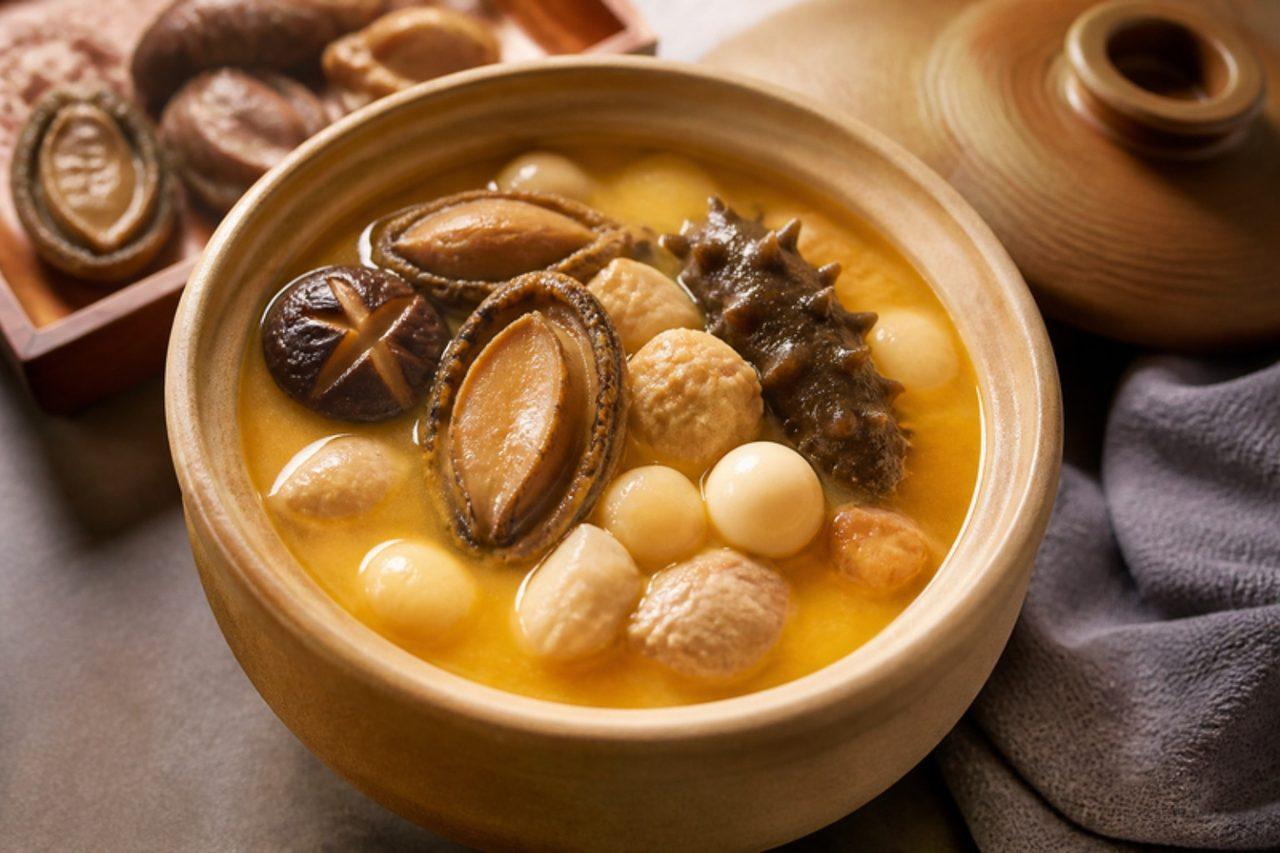
Buddha jumps over the wall

Legend in Fuzhou says the smell of this soup was so tempting that a monk climbed the monastery wall to taste it, and it is still the grandest dish at Fujian wedding banquets and Lunar New Year. Restaurant versions pack in a dozen expensive dried seafoods; this home version keeps the spirit with chicken, pork ribs, dried scallops, shiitake, taro and quail eggs, and leaves out shark fin and any endangered ingredient entirely. Everything simmers sealed for hours until the broth is golden, rich and lightly sticky, tasting of the sea, mushrooms and rice wine. Serve it in small bowls as the centrepiece of a celebration meal, with plain rice. Chef's tip: seal the pot with foil under the lid and resist peeking; the steam that stays inside is what makes the broth so intense.

240 minChineseSoups
by KrazyBadal 0 views

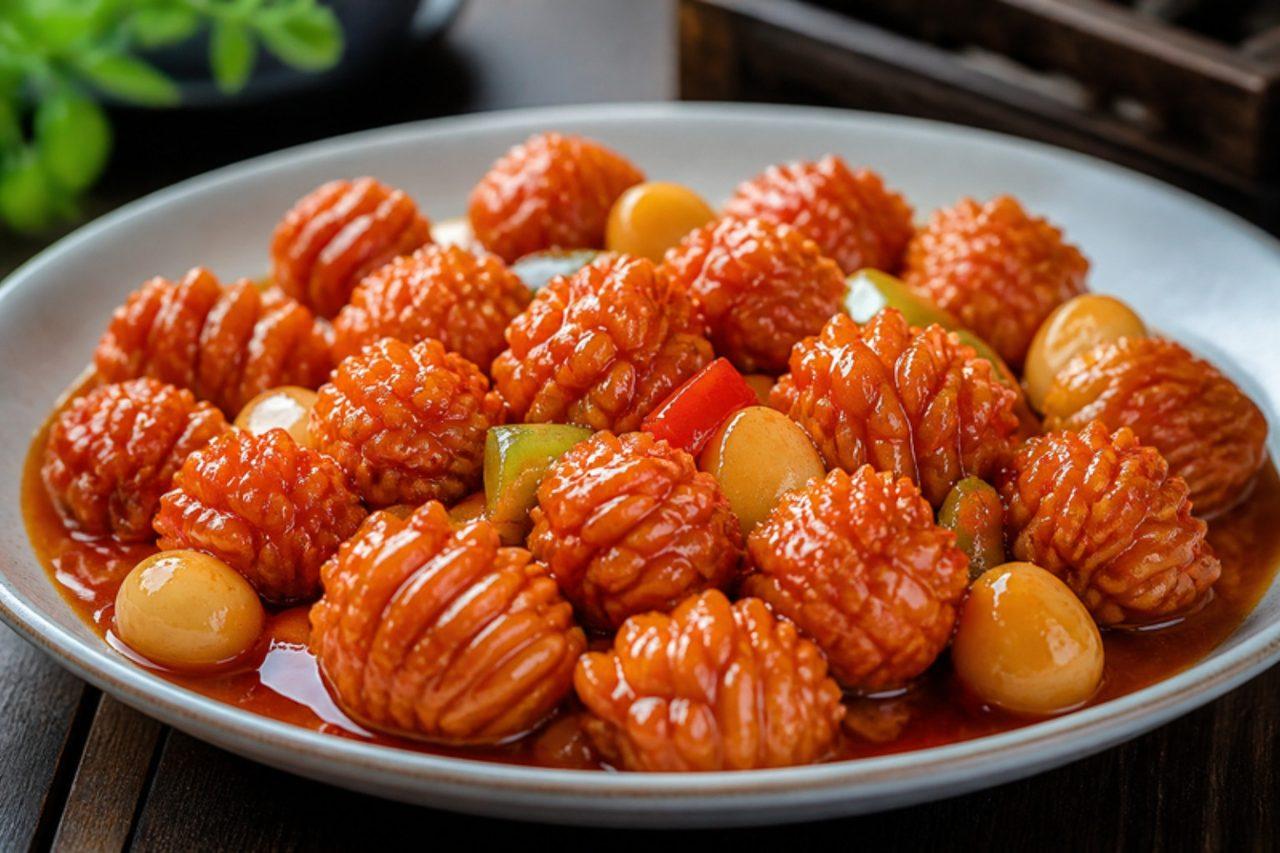
Lychee pork

Despite the name, no fruit goes into this classic of Fuzhou banquets and family feasts. Lean pork is scored in a fine crosshatch and cut into small pieces that curl into bumpy red balls when fried, looking just like lychees in their shells, while crunchy water chestnuts play the white flesh. The coating is crisp, the sauce glossy, sweet and tangy, and the pork inside stays tender. It is a favourite at Fujian weddings and New Year tables, eaten with steamed rice and a simple green vegetable or clear soup. Chef's tip: score the pork two-thirds of the way through and then cut it into pieces; too shallow and it stays flat, too deep and it falls apart.

by KrazyBadal 0 views

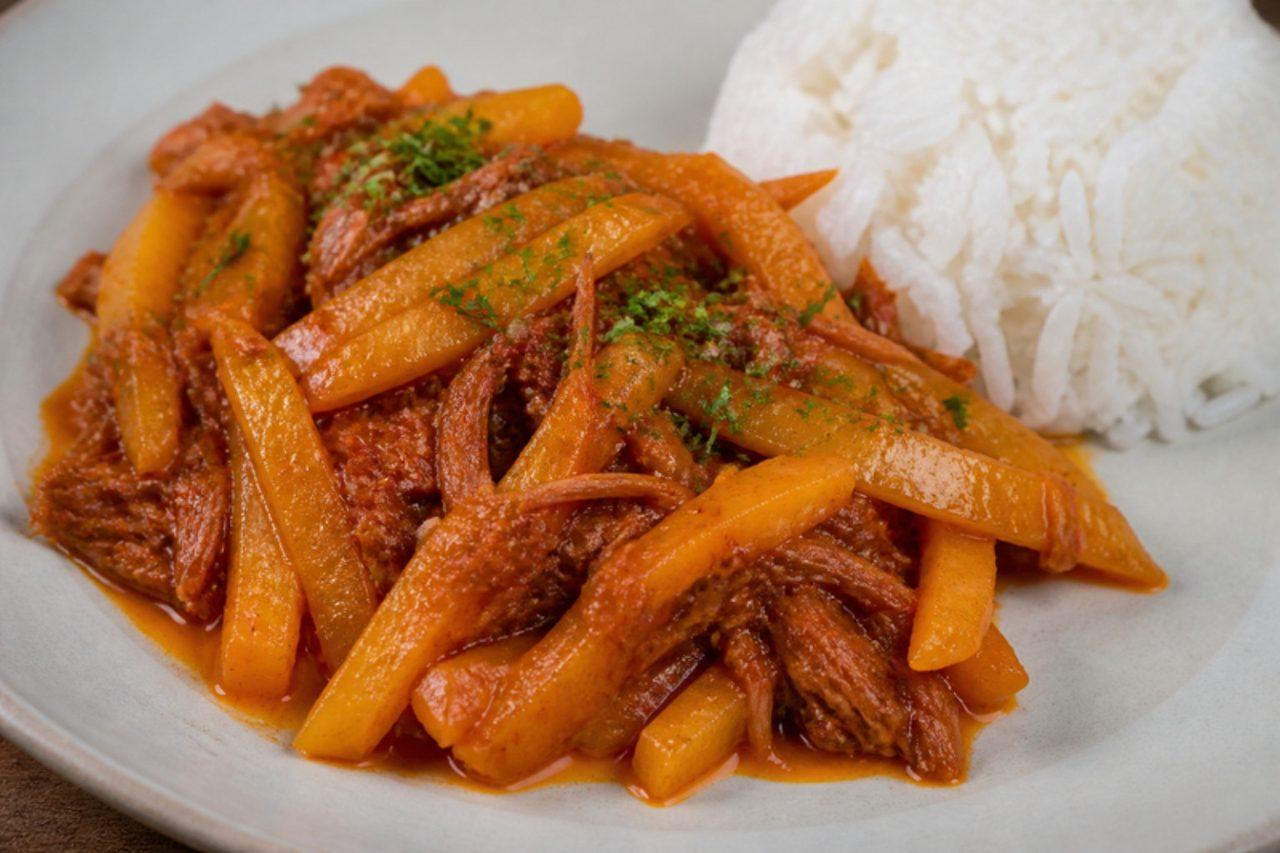
Olluquito con charquiOlluco and dried beef stew

Olluco is a glossy yellow-and-pink tuber grown high in the Andes, crunchy when raw and silky when cooked, and in Lima's market eateries it is cut into fine matchsticks and stewed with charqui, sun-dried meat that was the travel food of Inca messengers. The dish is gently spiced with ají panca and finished with fresh parsley, and it is always served with white rice. Latin shops sell olluco in jars; if you can't find it, firm new potatoes or courgette give a similar texture, and beef brisket stands in well for charqui. Chef's tip: cut the olluco and rinse it well; the slippery sap washes off and the stew won't turn slimy.

by KrazyBadal 0 views

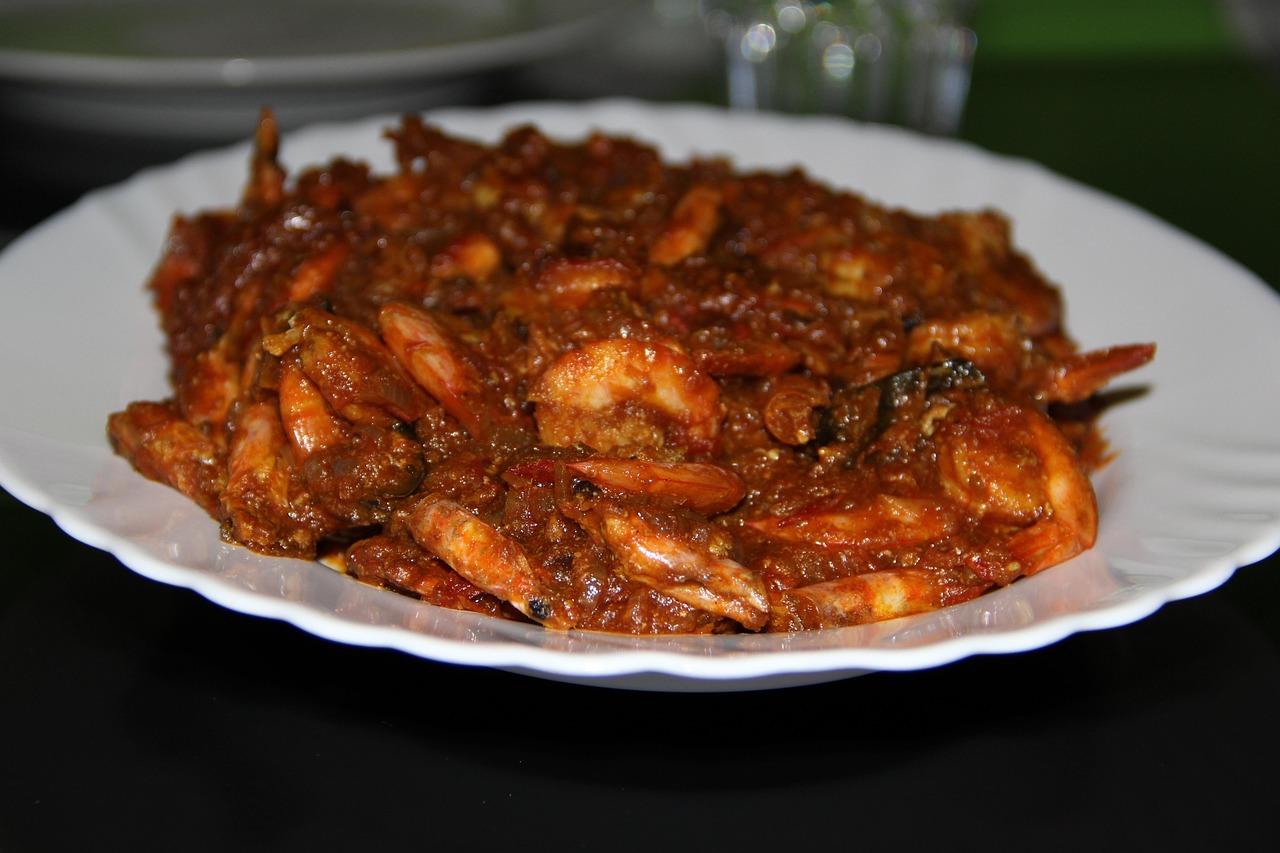
Prawn balchãoSweet-sour prawn pickle curry

Balchão started as a way to keep the catch from the Goan monsoon season: prawns cooked down in a fierce red masala with vinegar and sugar until they keep like a pickle. In Goan homes a jar sits in the fridge to spoon beside rice and dal, and a fresh batch is served as a main curry on Sundays. Its taste is bold: hot, sharp and sweet all at once. Chef's tip: fry the masala slowly until the oil separates and it turns a deep brick colour; undercooked balchão tastes raw and vinegary.

50 minIndianFishGluten freeSpicy
by KrazyBadal 0 views

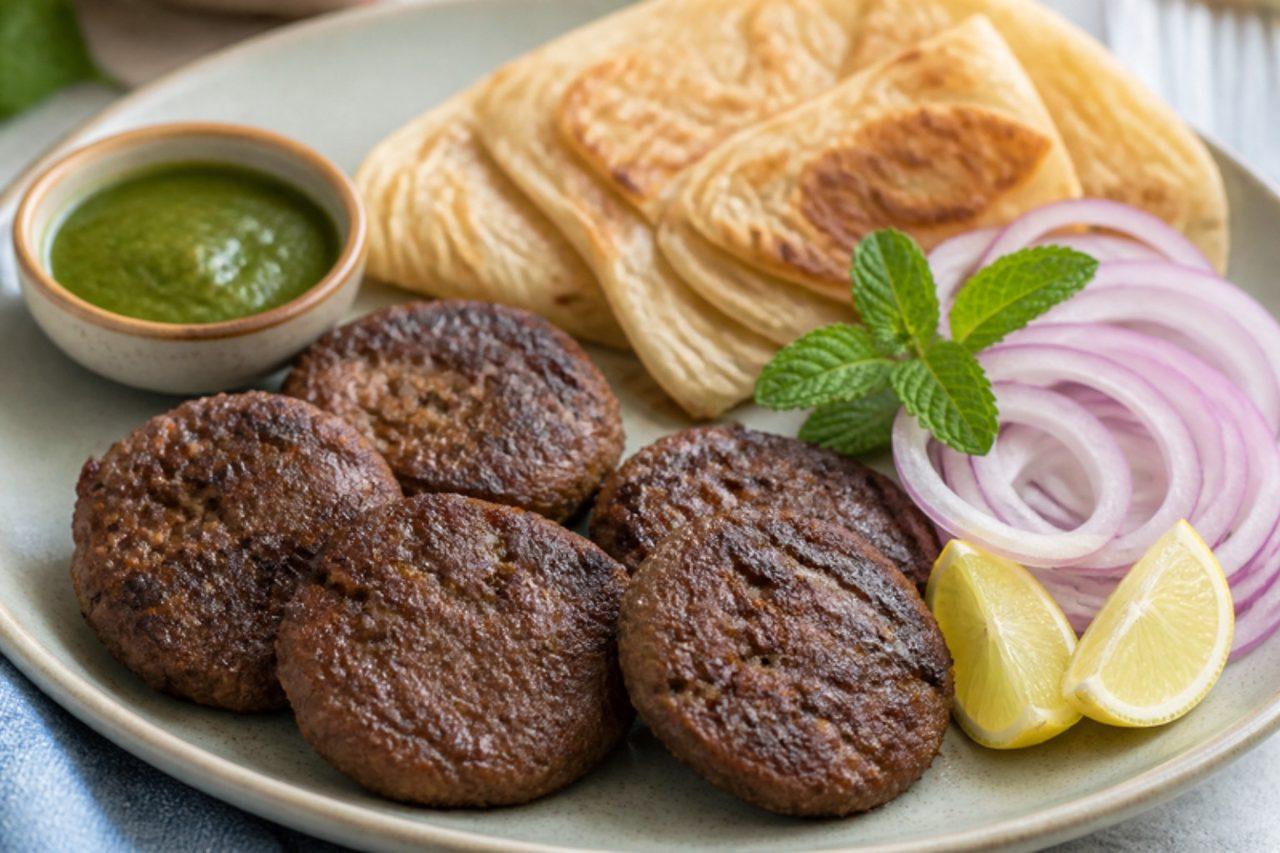
Lucknowi galouti kebabMinced lamb patties

Lucknow's galouti kebab is said to have been created in the kitchens of the Nawabs of Awadh for a ruler who had lost his teeth, and 'galouti' means something that melts. The minced lamb is ground again until it's almost a paste, tenderised with raw papaya, scented with a dozen spices plus rose water and saffron, and fried gently on a flat griddle. In the old city around Aminabad they are sold all day on small, flaky ulte tawe ka paratha with sliced onion and mint chutney, and they are a must at Ramadan iftars. Chef's tip: chill the mixture well before shaping; the patties are meant to be fragile, and a cold mixture is the only way to get them into the pan in one piece.

125 minIndianMeatGluten free
by KrazyBadal 0 views

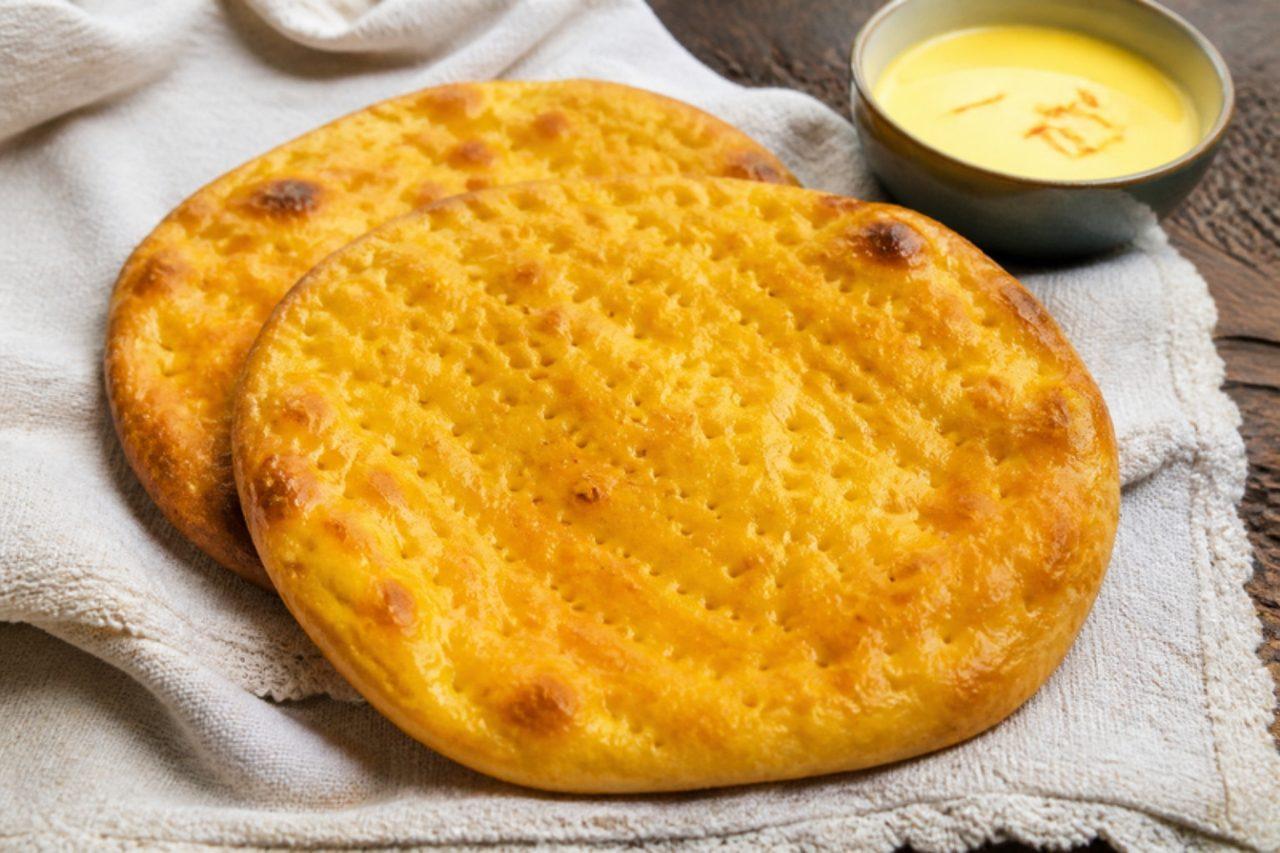
Lucknowi sheermalSaffron sweet milk flatbread

Sheermal is a soft flatbread made with milk and ghee instead of water, lightly sweet, and brushed with saffron milk so it bakes to a glossy amber colour. In Lucknow's old quarters like Chowk and Aminabad, bakers still make it in tandoors each morning, and families buy it for Eid, weddings and Ramadan iftar, eating it alongside rich kormas or simply with a cup of milky tea. It sits halfway between bread and pastry. The usual mistake is adding too much flour while kneading because the dough feels sticky; a dry dough gives a tough, crumbly sheermal. Chef's tip: oil your hands instead of flouring the surface, and let the rich dough rise until it is truly doubled.

by KrazyBadal 0 views

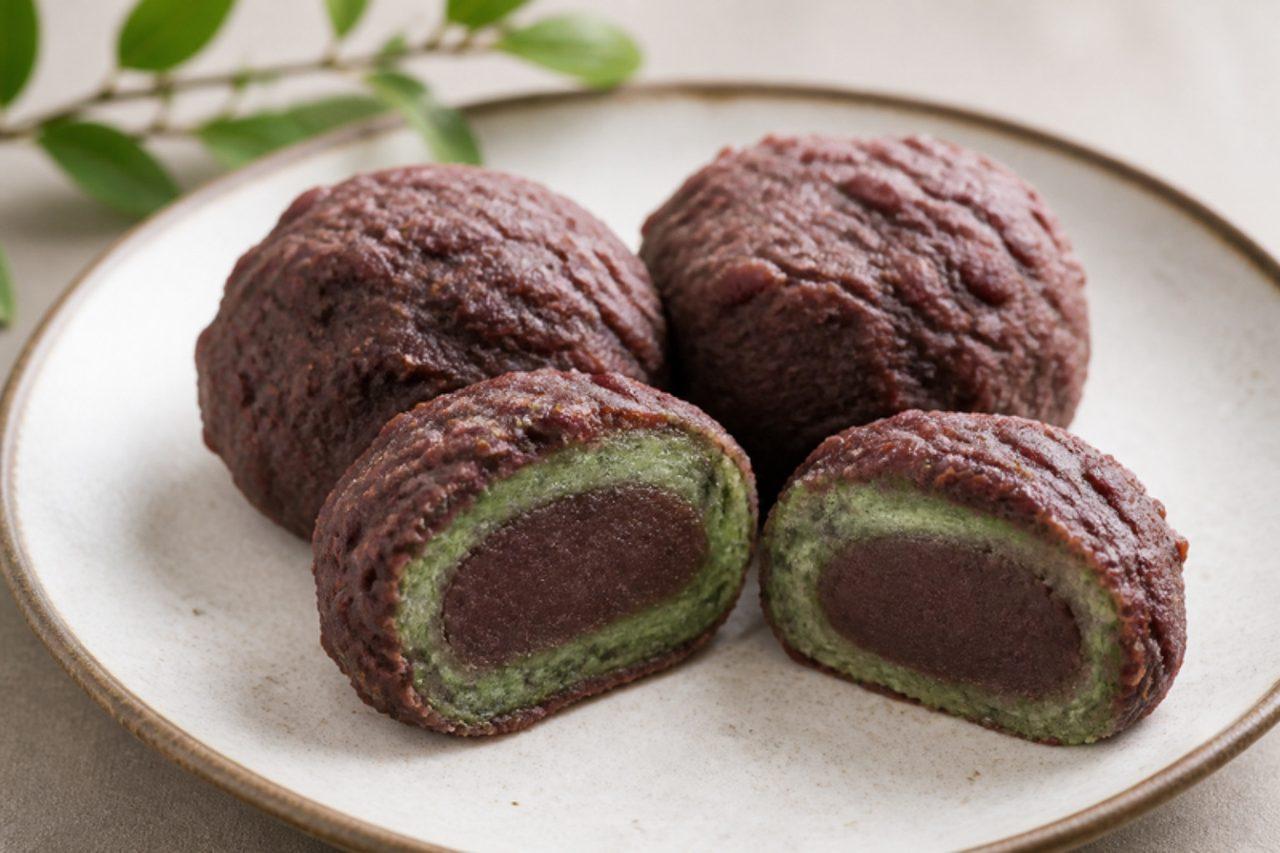
Omegi tteokMillet rice cakes with red bean

Omegi tteok (오메기떡) are Jeju's best-known rice cakes: small dark-green rounds of glutinous millet and rice dough flavoured with mugwort, filled with sweet red bean, and rolled in a coat of mashed red beans or toasted nuts. Jeju farmers grew millet on fields too stony for rice, and the dough was once fermented into omegi-sul, the island's rice wine. Now they are bought in boxes at Seogwipo's Olle market as the island's favourite gift, kept in the freezer and thawed for tea time. Chef's tip: knead the dough with boiling water while it is still hot; mugwort and millet need the heat to bind into a smooth, stretchy dough.

by KrazyBadal 0 views

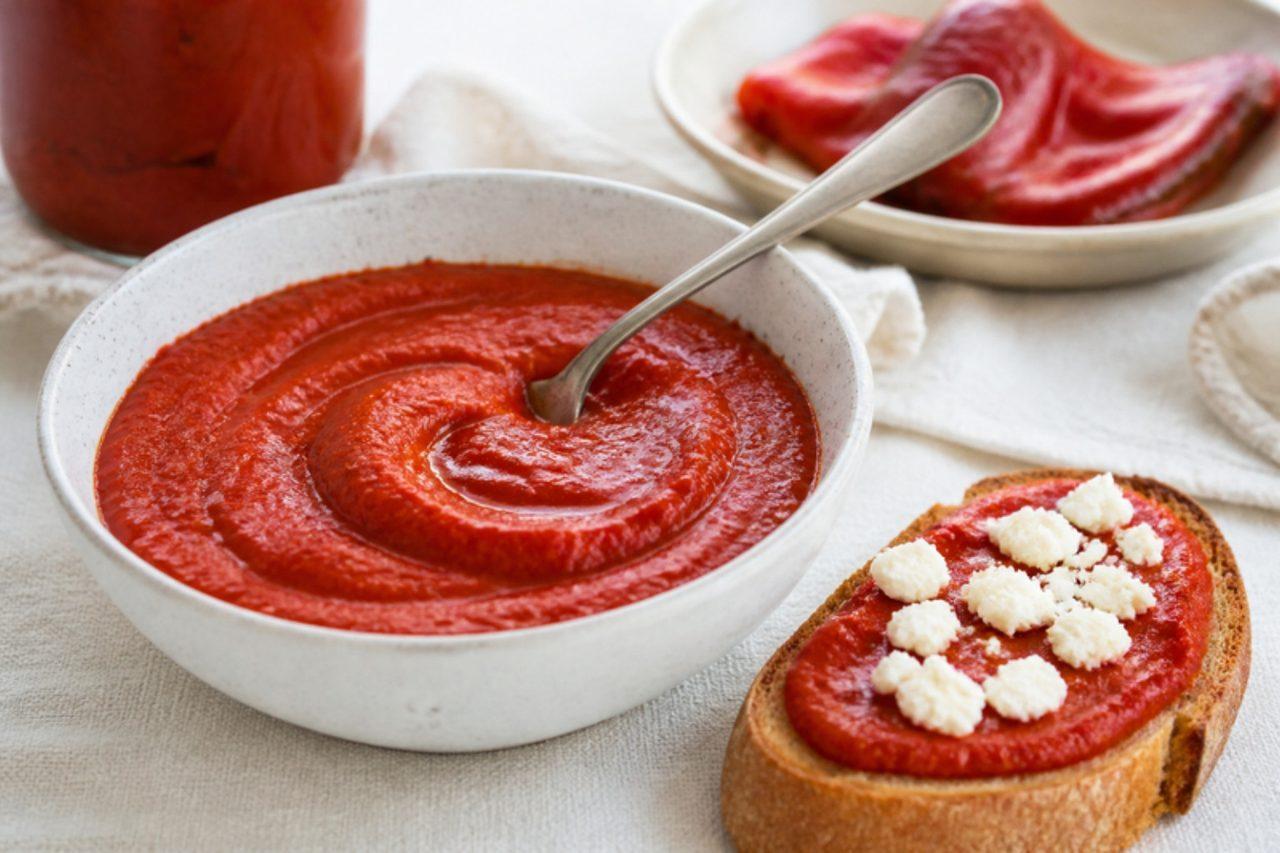
AjvarRoasted pepper and aubergine relish

Every September the smell of charring peppers drifts over courtyards from Leskovac in southern Serbia to Strumica in North Macedonia, as families roast crates of long red babura peppers on wood stoves and spend a whole Sunday stirring the pulp into ajvar for the winter shelves. A little roasted aubergine softens the flavour, and long cooking with sunflower oil turns it into a glossy, sweet-smoky spread that is eaten on bread with white cheese, beside beans or potatoes, and with almost every winter meal. This is a home-sized batch for two medium jars rather than a cellar full. Chef's tip: do not rinse the roasted peppers under the tap to get the skins off; it washes away the smoky juices that make ajvar taste of autumn, so peel them with oiled fingers and a paper towel instead.

by KrazyBadal 0 views

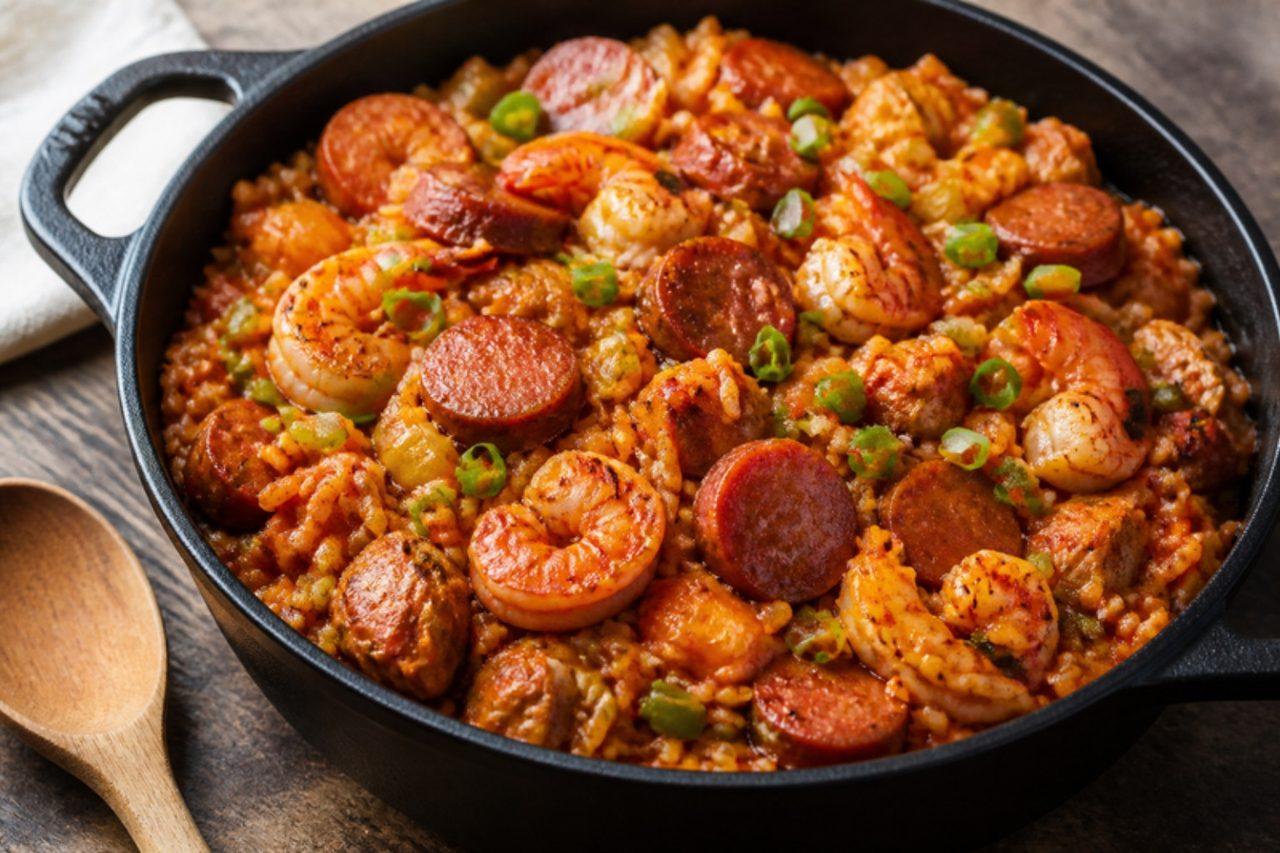
Louisiana jambalaya

Jambalaya feeds crowds at church fairs and Mardi Gras parties all over south Louisiana, from Baton Rouge to New Orleans. This is the Creole or 'red' style from the city, with tomato in the pot; the Cajun country version leaves it out. Chicken thighs and smoked andouille (a pork sausage) are browned first, then rice cooks in the spiced tomato stock with the holy trinity, and prawns go in at the end. Chef's tip: once the rice is in, resist stirring; just turn it once halfway so the bottom does not catch.

by KrazyBadal 0 views

Lumpiang shanghaiPork spring rolls

No Filipino party table is complete without a platter of lumpiang shanghai, the pencil-thin pork spring rolls that disappear first at birthdays, Christmas Eve (Noche Buena) and family reunions. They came from the Chinese-Filipino cooks of Manila, and the filling is seasoned minced pork with carrot, onion and water chestnut, rolled tight in thin wrappers and fried until they crackle. Dip them in sweet chilli sauce or banana ketchup. Chef's tip: roll them no thicker than your finger; thin rolls cook through in the time the wrapper takes to turn golden.

by KrazyBadal 0 views

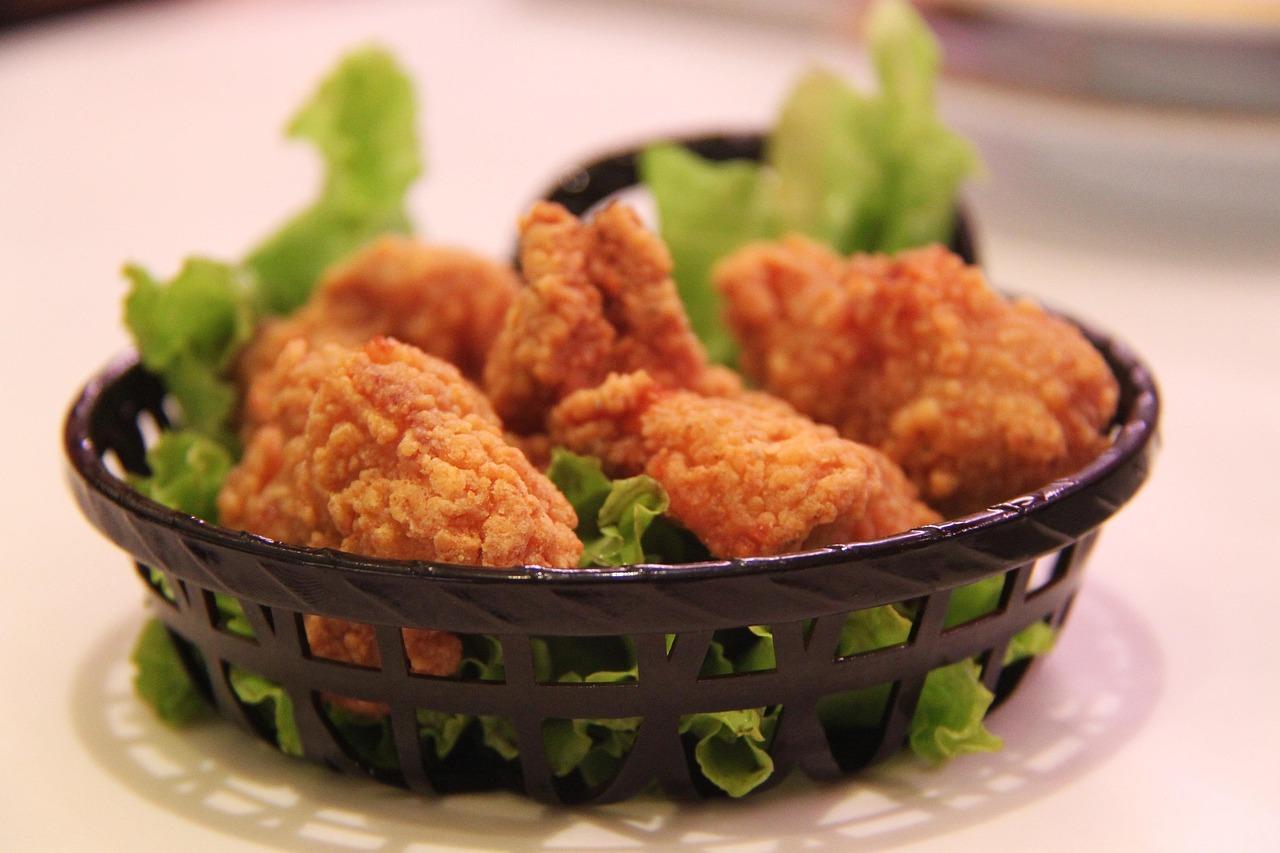
Southern fried chicken

Across Georgia, Tennessee and the Carolinas, a platter of fried chicken still anchors Sunday dinner after church and every summer family reunion. Bone-in pieces soak overnight in salted, peppery buttermilk, which seasons the meat right through and keeps it juicy, then get a craggy flour coat that fries up deep gold and crackly. Serve hot or at room temperature with coleslaw, biscuits, mashed potatoes or corn on the cob. Chef's tip: let the dredged pieces sit on a rack for 15 minutes before frying so the coating turns slightly pasty; it clings better and makes the crunchiest crust.

by KrazyBadal 0 views

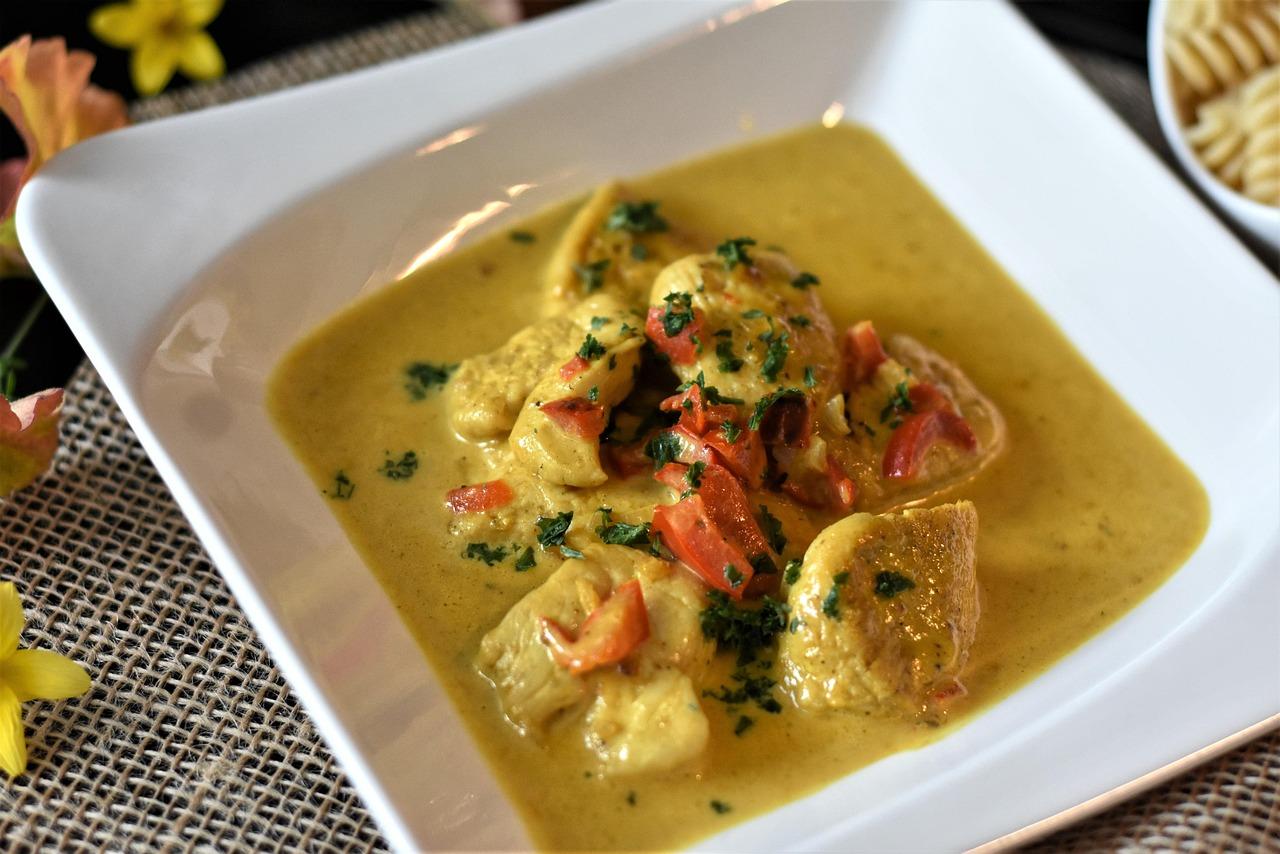
Cape Malay chicken curry

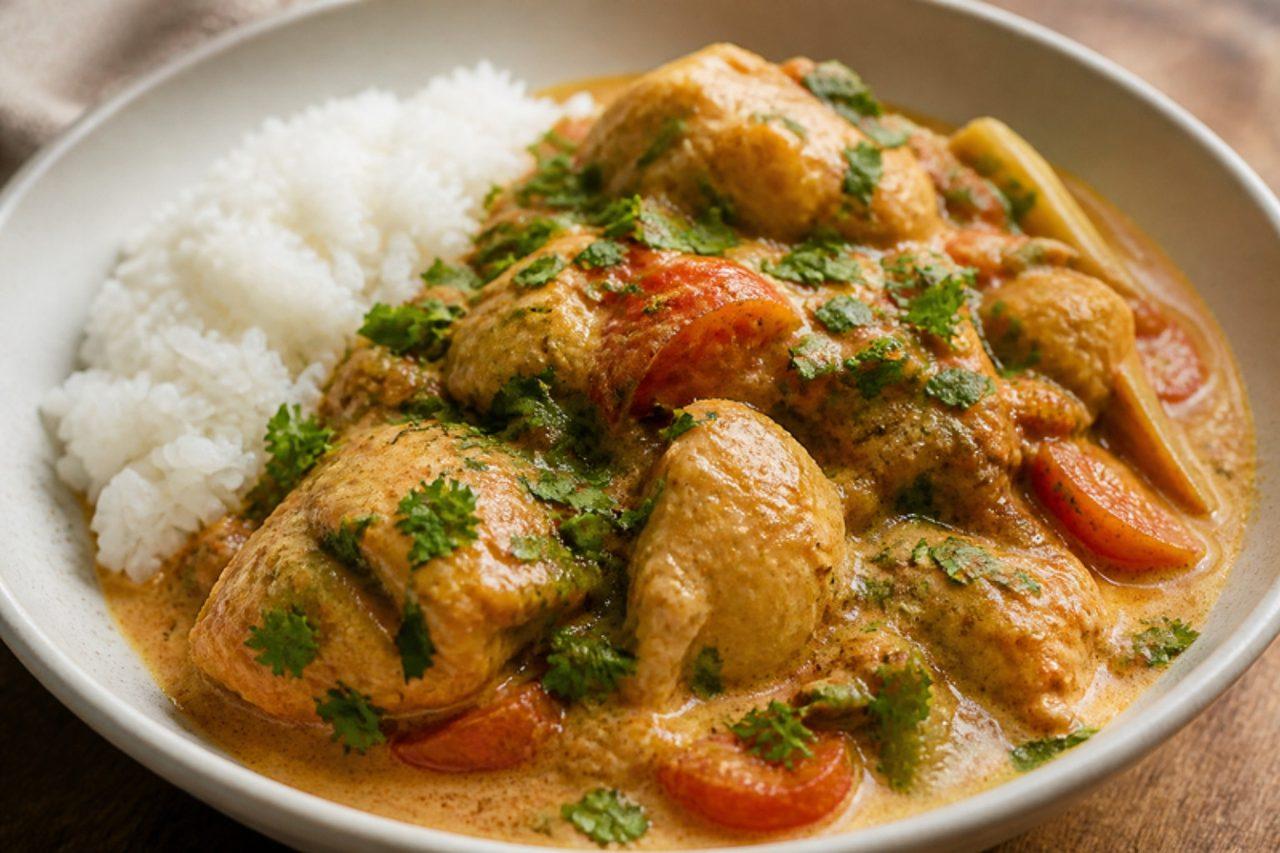
In Cape Town's Bo-Kaap, the brightly painted quarter under Signal Hill, Cape Malay families cook this curry for Sunday lunch and for Eid. It is gentler than an Indian curry: fragrant with cinnamon, cardamom, cloves and fennel, sweetened with dried apricots and a spoon of apricot chutney, and soured with a splash of vinegar and tomato. Potatoes simmer in the sauce with the chicken. Serve it with yellow rice (geelrys), sambals and chutney. A common mistake is adding the potatoes too late, so they stay hard in a finished curry; they go in with the chicken. Chef's tip: let the whole spices sizzle in the oil until the cinnamon unfurls before adding the onion, which builds the sweet perfume of the dish.

by KrazyBadal 0 views

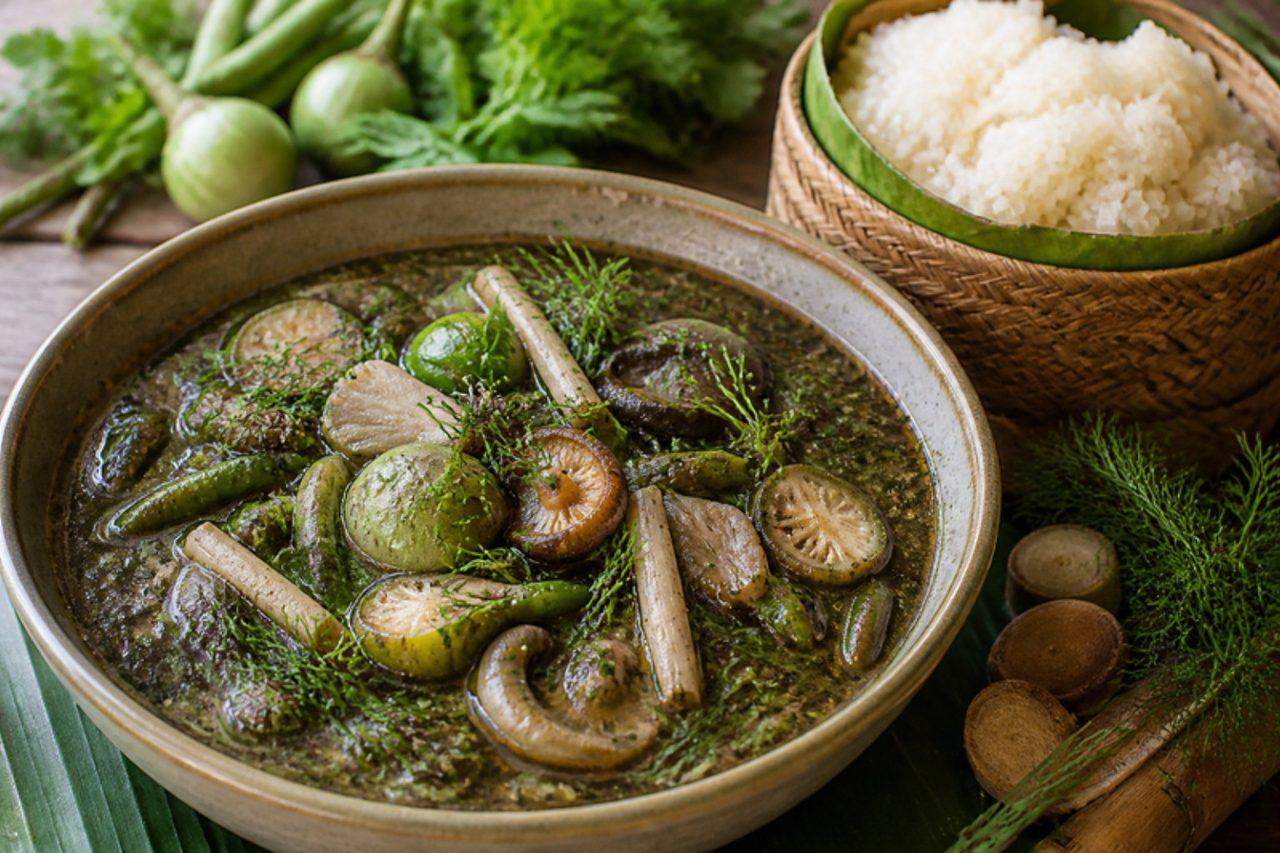
Mushroom or lamHerb stew with aubergine and mushrooms

Or lam belongs to Luang Prabang, the old royal town on the Mekong, where it is cooked for long family lunches and served at almost every restaurant that makes local food. It is a thick, rustic stew of aubergine, long beans, mushrooms and greens, thickened with a little sticky rice and flavoured with sakhan, a peppery wood that numbs the lips like Sichuan pepper, plus heaps of dill and lemongrass. The usual dried buffalo skin and meat are swapped for two kinds of mushroom here. Eat it with sticky rice and a jeow. Chef's tip: if you can't find sakhan, a few lightly crushed Sichuan peppercorns give the same tingle; add them early so the tingle spreads through the broth.

by KrazyBadal 0 views

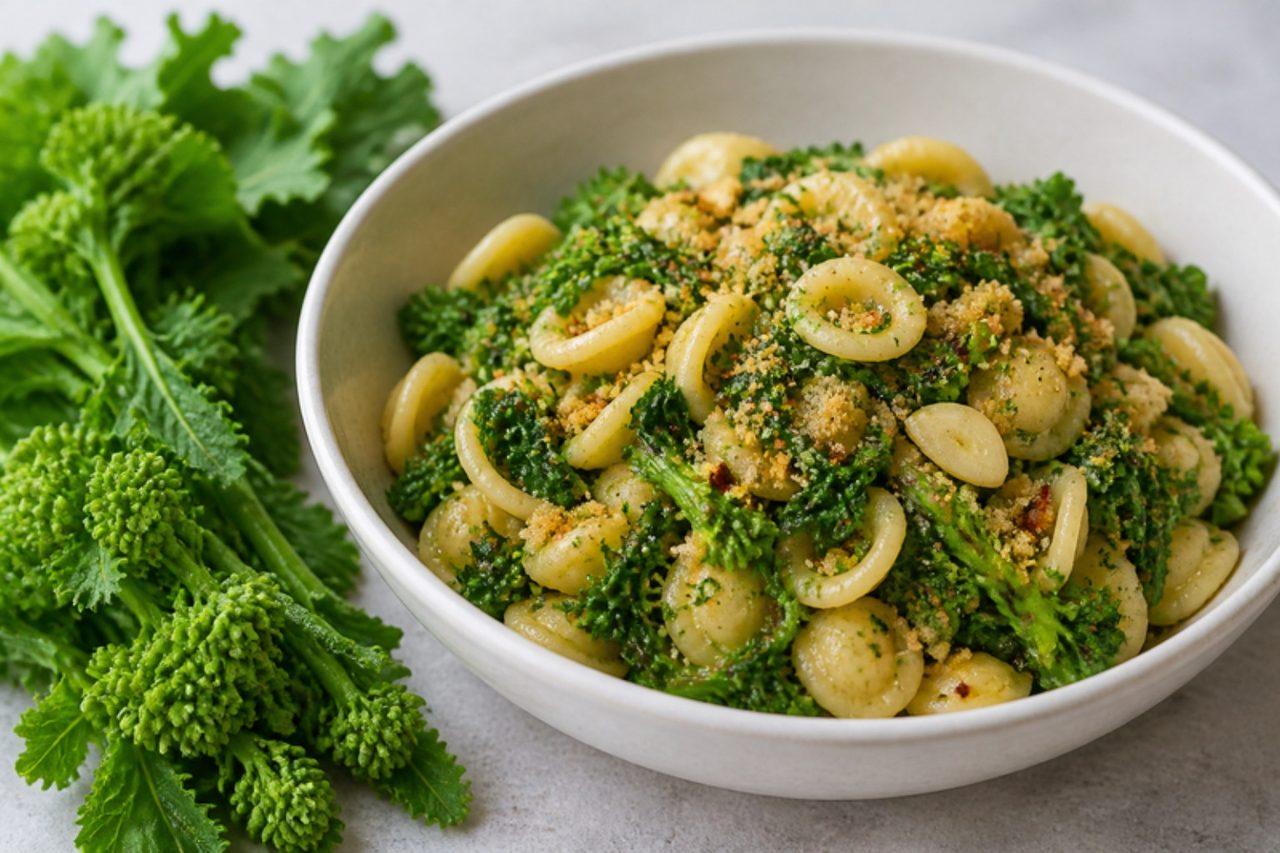
Orecchiette con cime di rapaOrecchiette with turnip tops

In Bari the old women of Arco Basso still shape orecchiette on wooden boards in the street, and the dish everyone cooks them with is cime di rapa: the bitter, leafy turnip tops sold in big bunches from autumn to early spring. The greens and pasta boil in the same pot, then get tossed with garlic, chilli and good olive oil. Pugliese cooks usually melt in anchovies; this vegan version uses golden fried breadcrumbs (mollica), the 'poor man's cheese' of southern Italy, for crunch and savour. Chef's tip: add the chopped stalks first and the leaves a few minutes later, so everything is tender at the same moment as the pasta.

by KrazyBadal 0 views

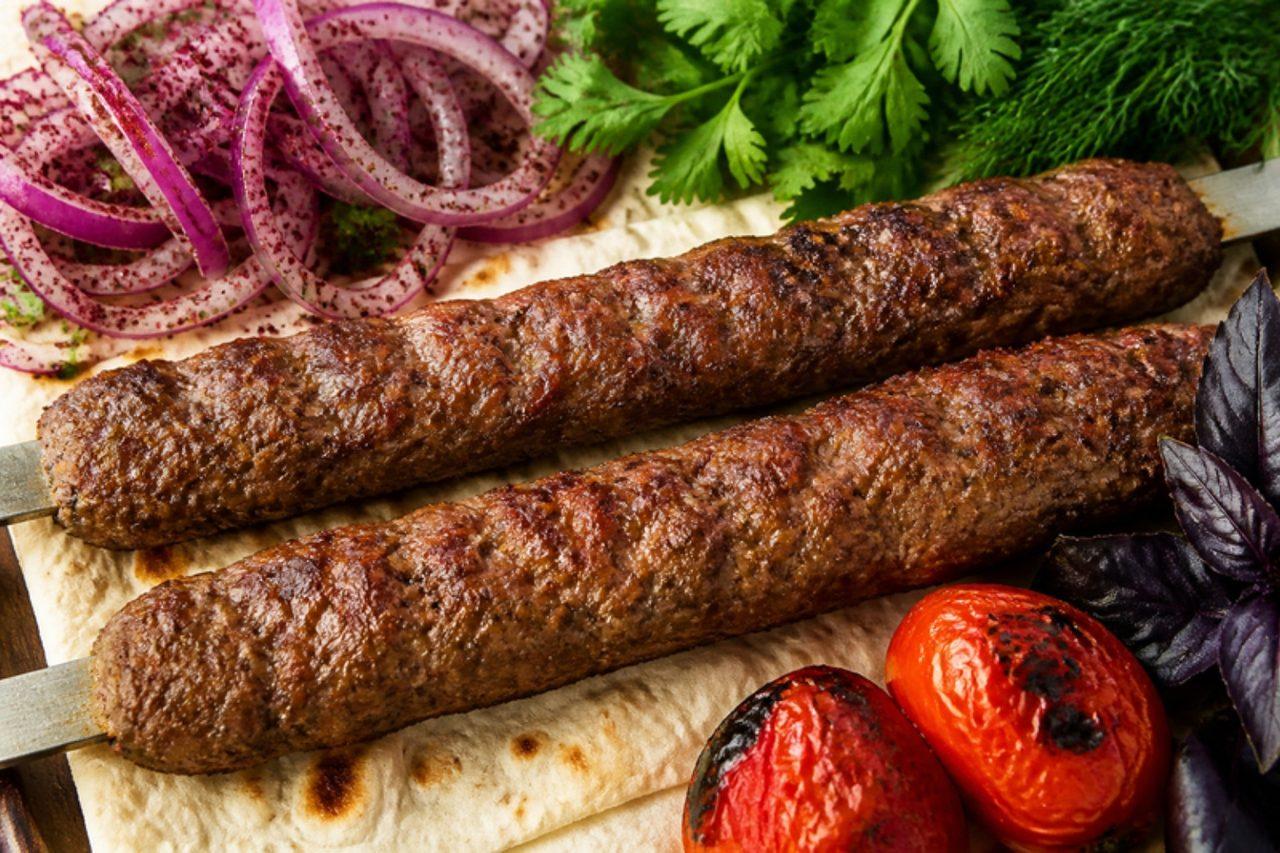
Lula kebabChopped lamb kebab

Lula kebab is the kebab Baku's grill houses are proudest of: minced lamb mixed with onion and a little tail fat, squeezed by hand around wide skewers and cooked fast over charcoal. It comes to the table on thin lavash with sliced raw onion tossed in sumac, grilled tomatoes and a pile of herbs, usually at long family lunches and weddings. The meat is only salted and peppered, so it tastes of lamb rather than spice. Many people skip chilling the mince, and soft warm meat slides straight off the skewer into the fire. Chef's tip: knead and slap the mince against the bowl for a few minutes; it becomes sticky and clings to the skewer.

by KrazyBadal 0 views

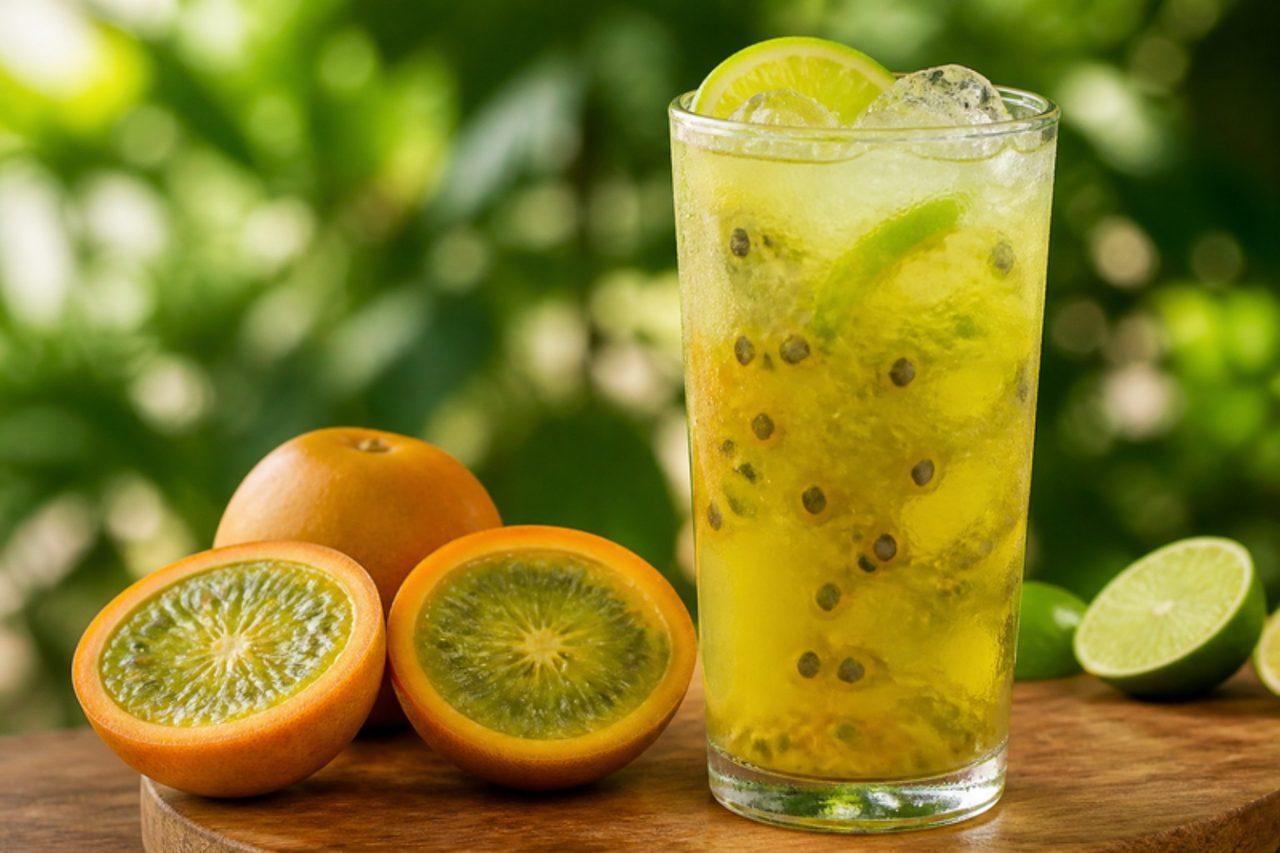
LuladaLulo and lime drink

Lulada is the drink of Cali and the Valle del Cauca, sold in tall glasses from street stalls and juice shops on hot afternoons. Lulo (naranjilla) is a small orange fruit with a green, sour, citrus-like pulp; for lulada it is chopped and crushed by hand rather than blended, then mixed with lime, sugar, cold water and ice, so you drink it with a spoon as much as a straw. Look for frozen lulo pulp or whole fruit in Latin American shops. Chef's tip: crush the lulo with a fork or muddler; blending smashes the seeds and makes the drink bitter.

by KrazyBadal 0 views

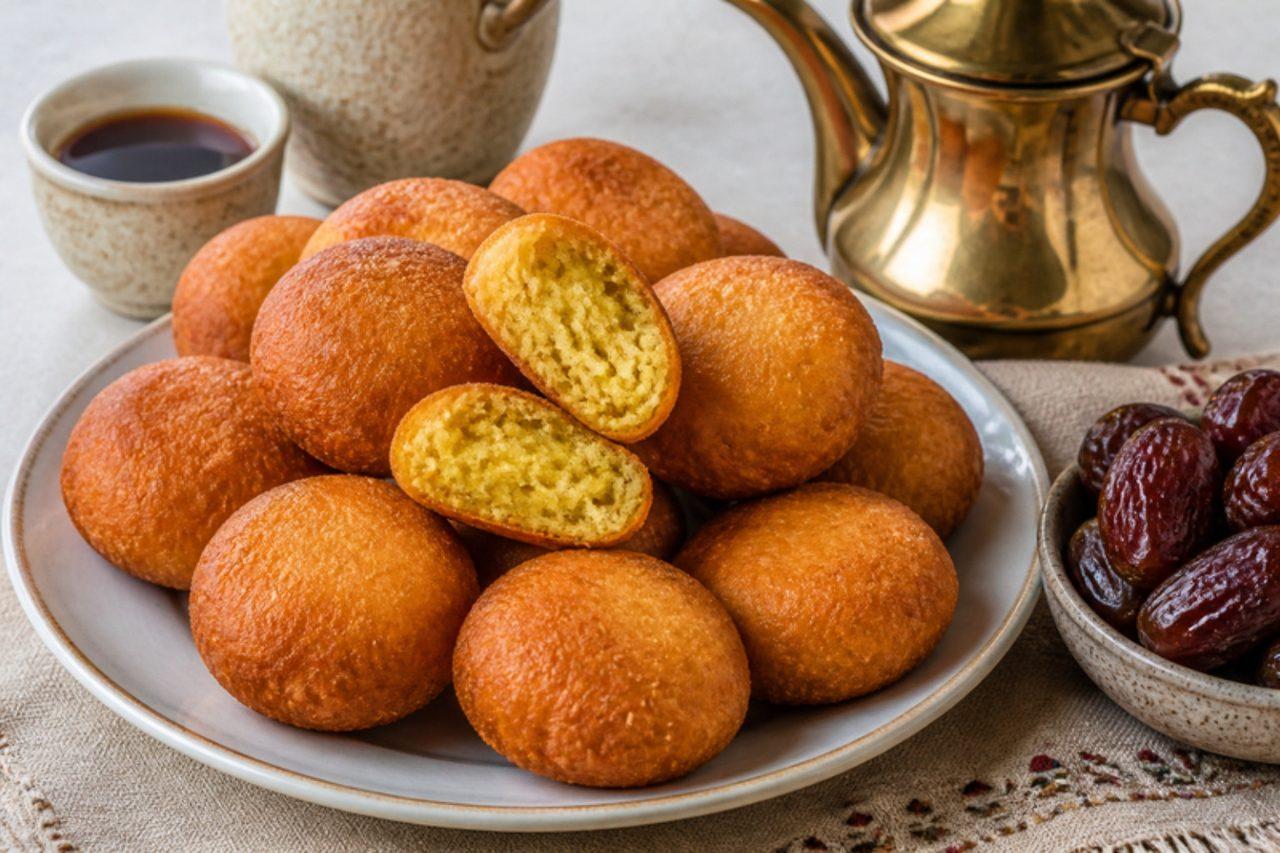
KhanfarooshSaffron rice-flour cakes

Khanfaroosh are an old Emirati sweet, made by grandmothers in Ras Al Khaimah and Fujairah and served with Arabic coffee when guests arrive, at weddings and during Eid. A rice-flour batter rich with eggs, saffron, cardamom and rose water is shallow-fried in small rounds that puff up, golden-brown with a lacy edge and a soft, spongy middle. They are less sweet than they look and best eaten warm from the pan. Chef's tip: let the batter rest for 30 minutes so the rice flour softens; unrested batter fries up gritty.

by KrazyBadal 0 views

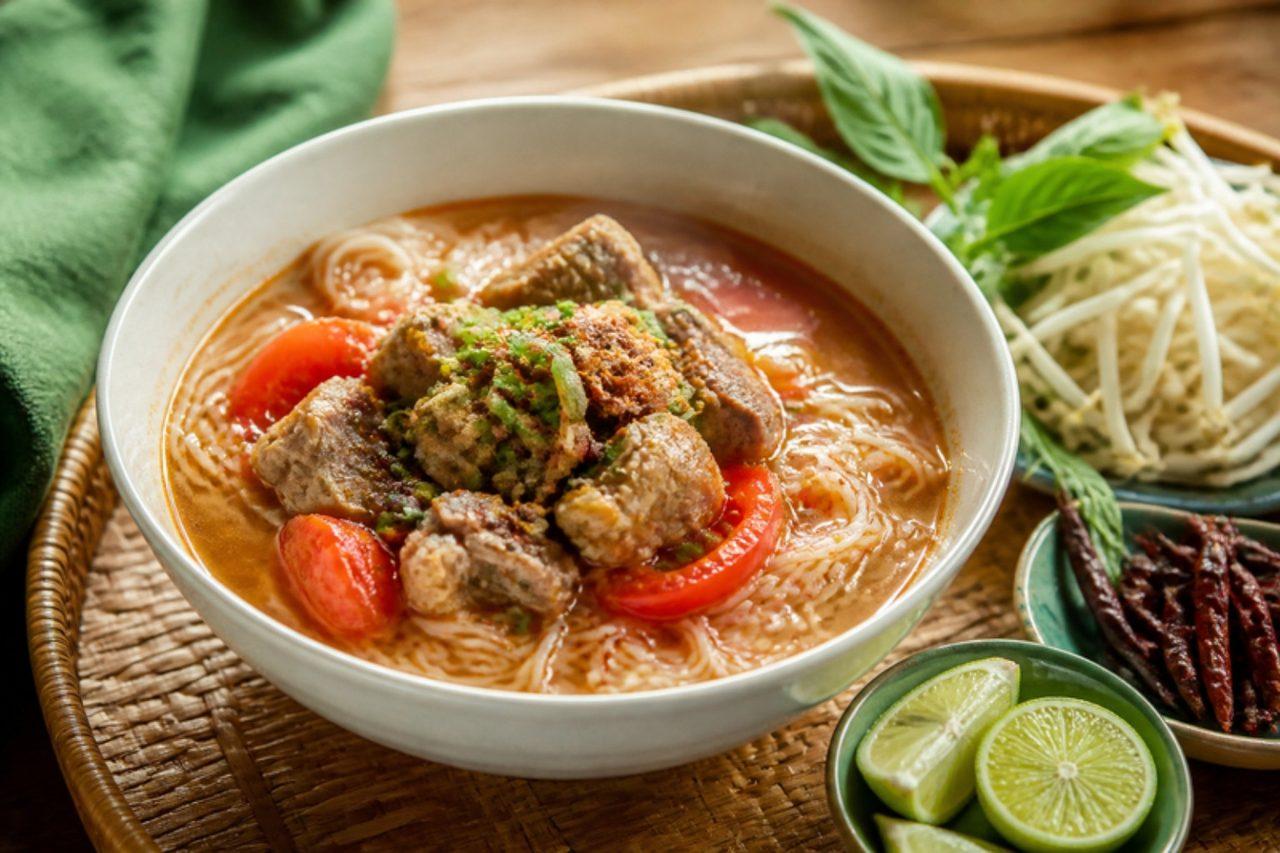
Khanom jeen nam ngiaoRice noodles in spicy pork broth

Breakfast stalls from Chiang Rai to Mae Sai ladle this tangy red broth over soft rice noodles from dawn until it sells out, usually before noon. The soup is light but full-flavoured: pork ribs give body, cherry tomatoes give a fresh sourness, and dried cotton-tree flowers (dok ngiao) add a faint floral, earthy chew. Each diner finishes their bowl at the table with bean sprouts, shredded cabbage, crispy garlic and lime. Cubes of cooked pig's blood are traditional; they are optional here and left out by default. Chef's tip: blanch the ribs and throw that first water away, so the finished broth stays clear and clean-tasting.

90 minThaiSoups
by KrazyBadal 0 views

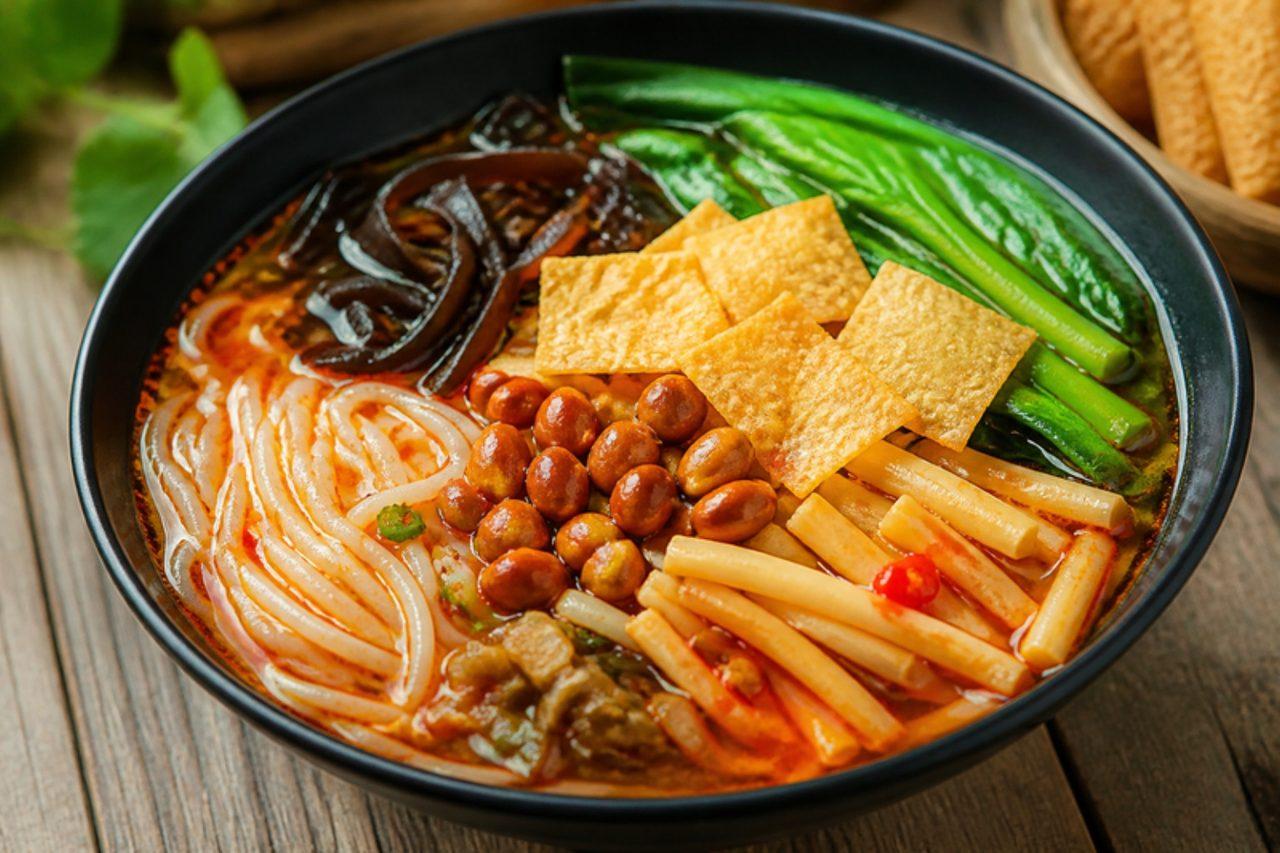
LuosifenRiver snail rice noodles

Liuzhou, an industrial city in Guangxi, turned its late-night snail noodle stalls into a national obsession, and the smell alone makes luosifen famous: sour fermented bamboo shoots give it a funky, love-it-or-hate-it aroma that fills the kitchen. The broth itself is rich and savoury from pork bones and river snails, red with chilli oil, and the bowl is piled with crunchy fried tofu skin, peanuts, pickled beans, greens and slippery rice noodles. Taste-wise it is hot, sour and deeply savoury all at once. It is a meal in a bowl, best eaten with the window open and a cold drink. Chef's tip: use only snails sold ready-cooked and cleaned, frozen or canned, never wild-gathered ones, and still boil them in the broth for at least 15 minutes; if you can't find them, dried shrimp make a good snail-free broth.

120 minChineseSoupsSpicy
by KrazyBadal 0 views

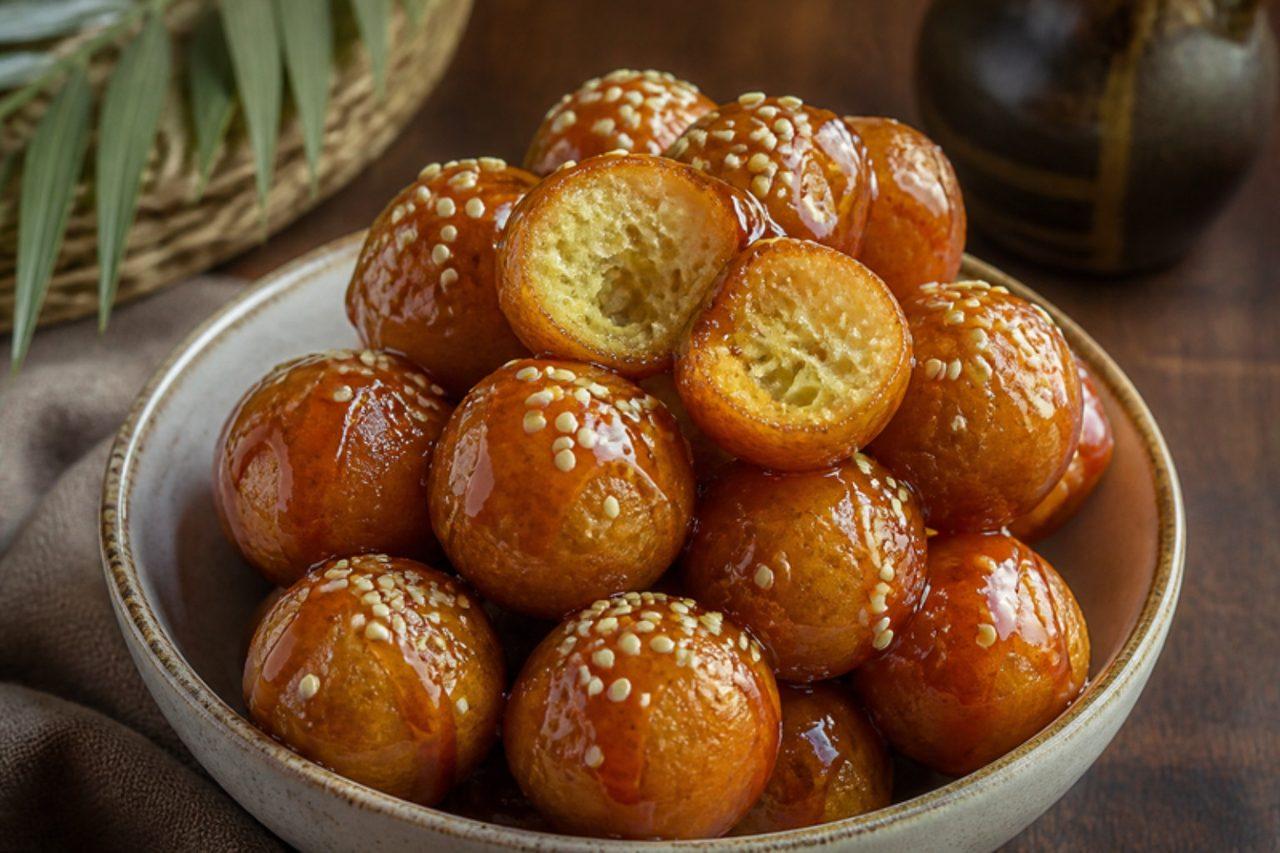
LuqaimatSaffron dumplings with date syrup

When the sun goes down during Ramadan in Dubai, Sharjah or Muscat, plates of luqaimat appear on iftar tables and in mosque courtyards. The little balls of yeasted batter, scented with saffron and cardamom, are fried until crisp and golden outside and soft as a cloud inside, then drizzled with dibs (date syrup) and scattered with sesame. Unlike syrup-soaked fritters, they are glazed only lightly, so they stay crunchy. Chef's tip: a teaspoon of oil on your thumb and a wet spoon stop the sticky batter clinging, so the balls drop round into the oil.

by KrazyBadal 0 views

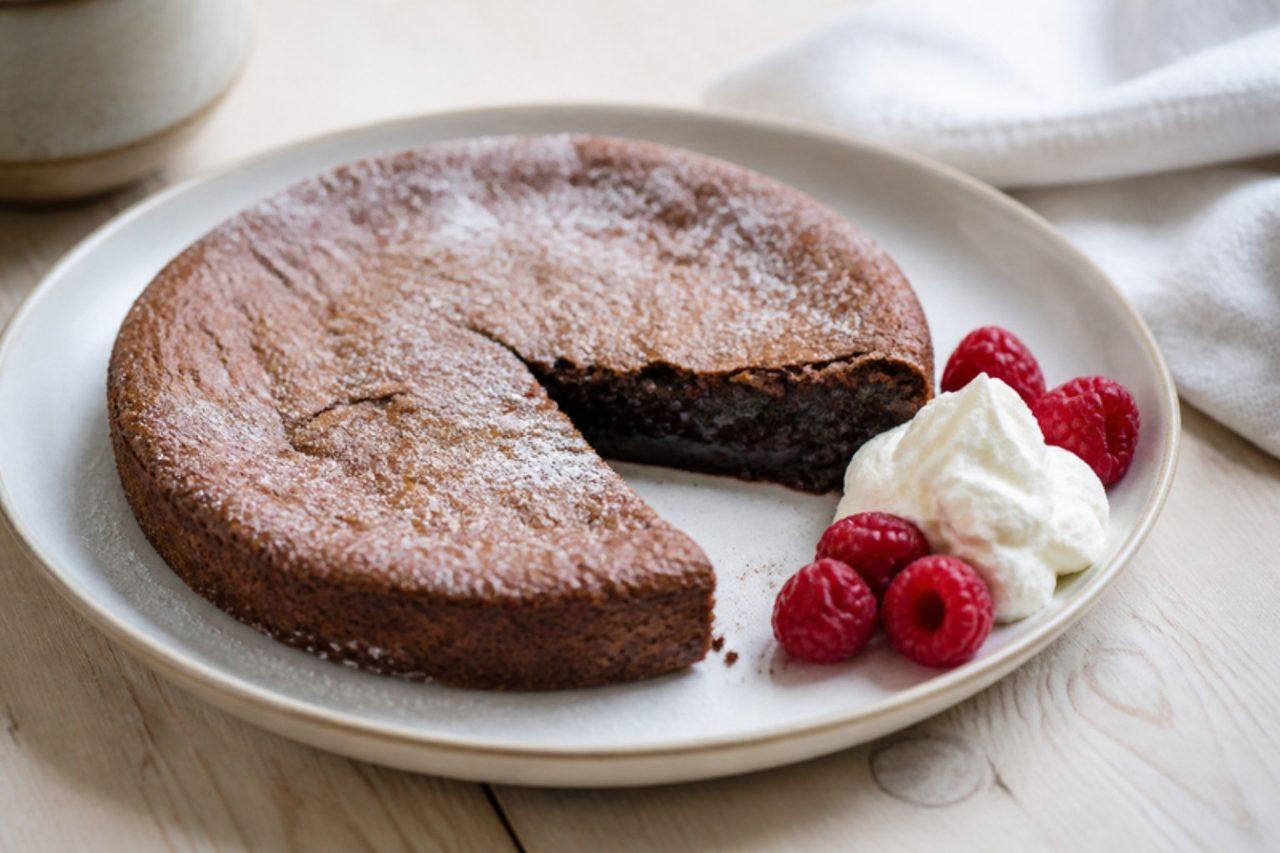
KladdkakaSticky chocolate cake

Kladdkaka, literally 'sticky cake', is the chocolate cake Swedish teenagers learn to make first, because it needs one pan, no mixer and no raising agent. The outside bakes to a thin, crackly crust while the centre stays fudgy and almost molten, somewhere between a brownie and a chocolate pudding. In Sweden it turns up at birthday parties, after Friday tacos and at summer cottages, cut into wedges and served with lightly whipped cream and a few raspberries or lingonberries. Cocoa, not bar chocolate, gives it its classic flavour. Chef's tip: take it out when the middle still wobbles like set jelly; it firms up as it cools and a fully set kladdkaka is just a dry chocolate cake.

by KrazyBadal 0 views

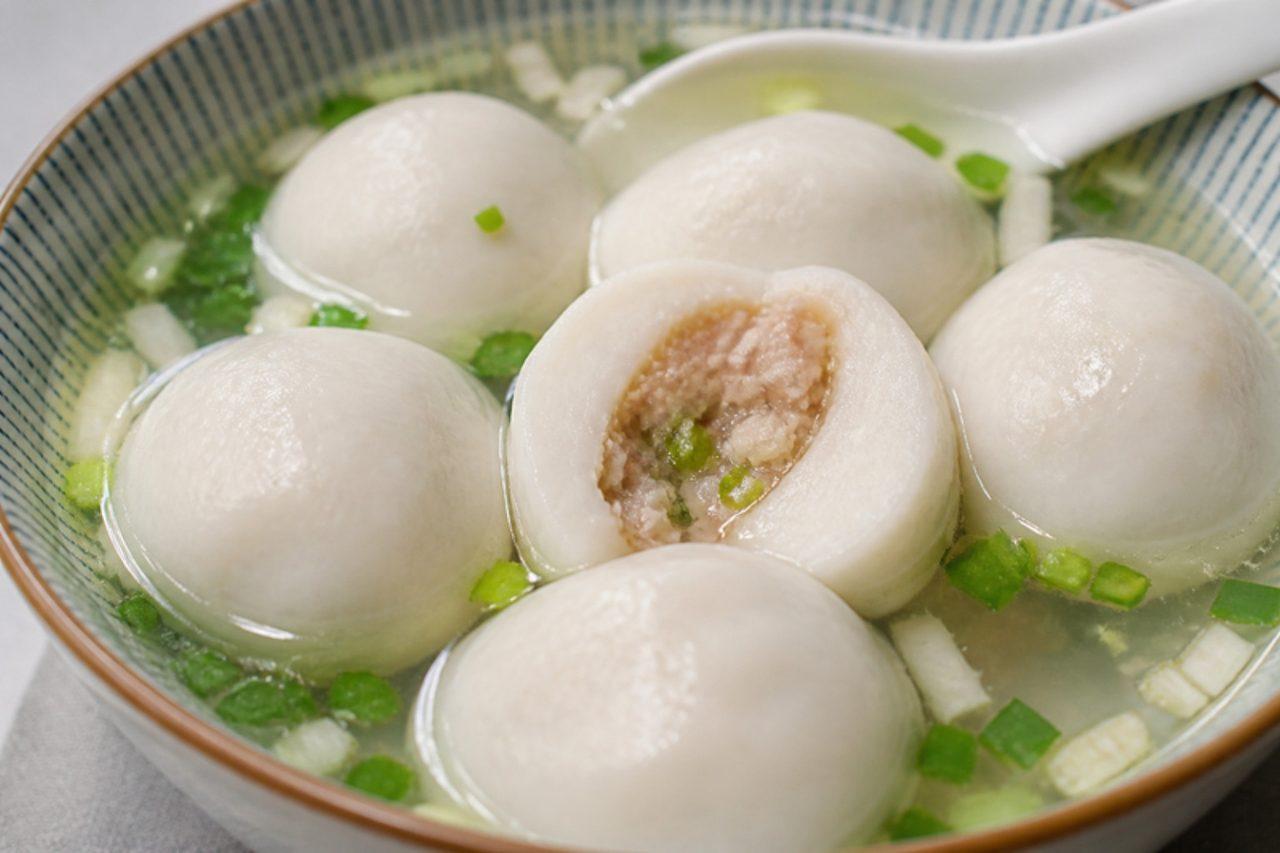
Fuzhou fish ball soup

Bite carefully: inside every Fuzhou fish ball hides a spoonful of juicy seasoned pork that bursts out with a little hot broth. Sold by street vendors and served in tiny bowls at Fuzhou snack shops, and eaten at New Year because the round balls mean a family together, they are firm and springy outside, never spongy. The paste is beaten by hand with ice-cold water and a little starch until it turns smooth and elastic. Serve the soup as a light lunch or as one bowl in a spread of small dishes, with a dash of vinegar and lots of white pepper. Chef's tip: keep the fish paste really cold from start to finish; warm paste never turns bouncy.

by KrazyBadal 0 views

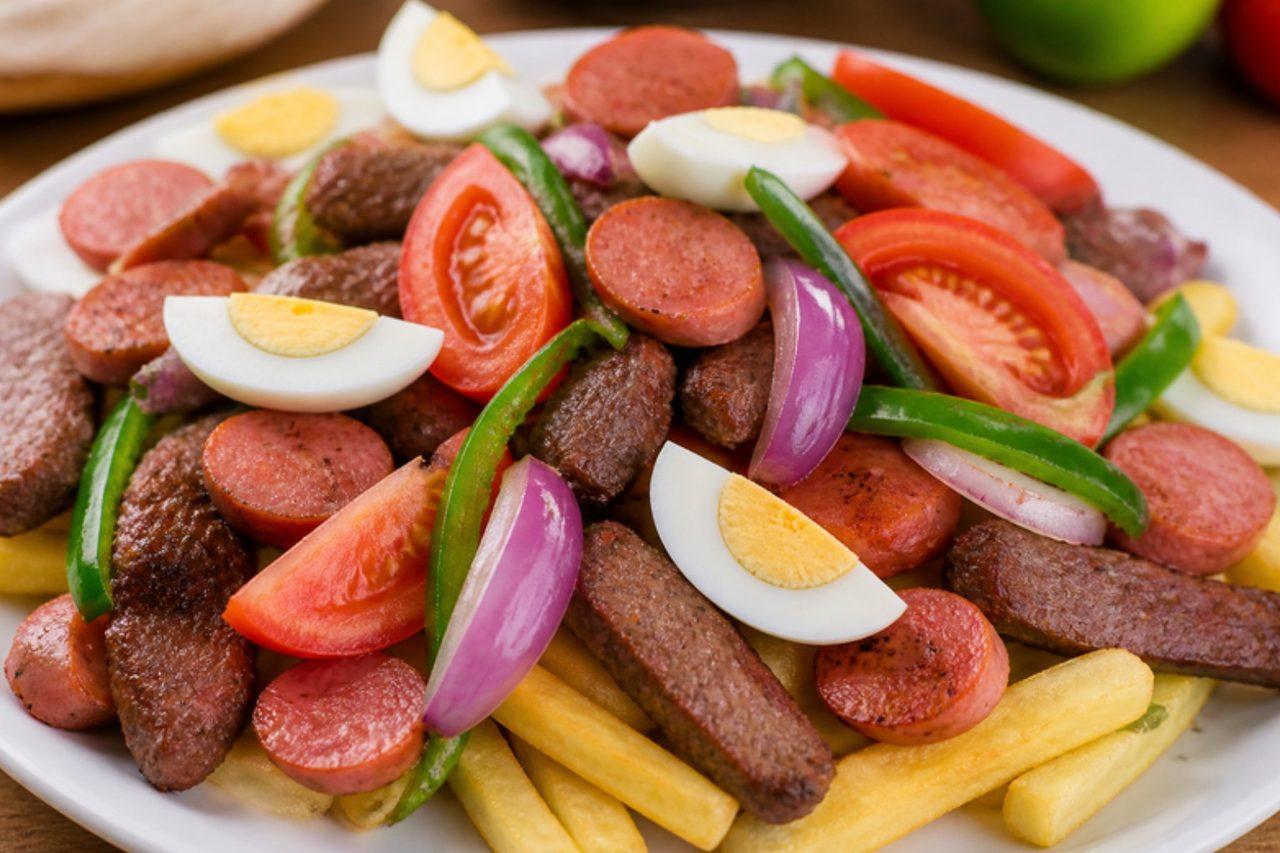
Pique machoBeef and sausage platter with chips

Pique macho was invented in Cochabamba, legend says late one night when hungry customers asked for whatever was left, and it remains the sharing plate Bolivians order with friends: a pile of chips topped with beef strips and sausage cooked in a peppery sauce, with onion, tomato, locoto chillies and boiled eggs on top. The name roughly means "if it stings, you're a man", for the hot locoto. This recipe can include beer in the sauce; for an alcohol-free version use beef stock. The mistake is letting the chips sit under the sauce, so they go soggy; assemble right before serving. Chef's tip: oven chips work fine and leave the hob free for the meat.

65 minAndeanMeatGluten freeSpicy
by KrazyBadal 0 views

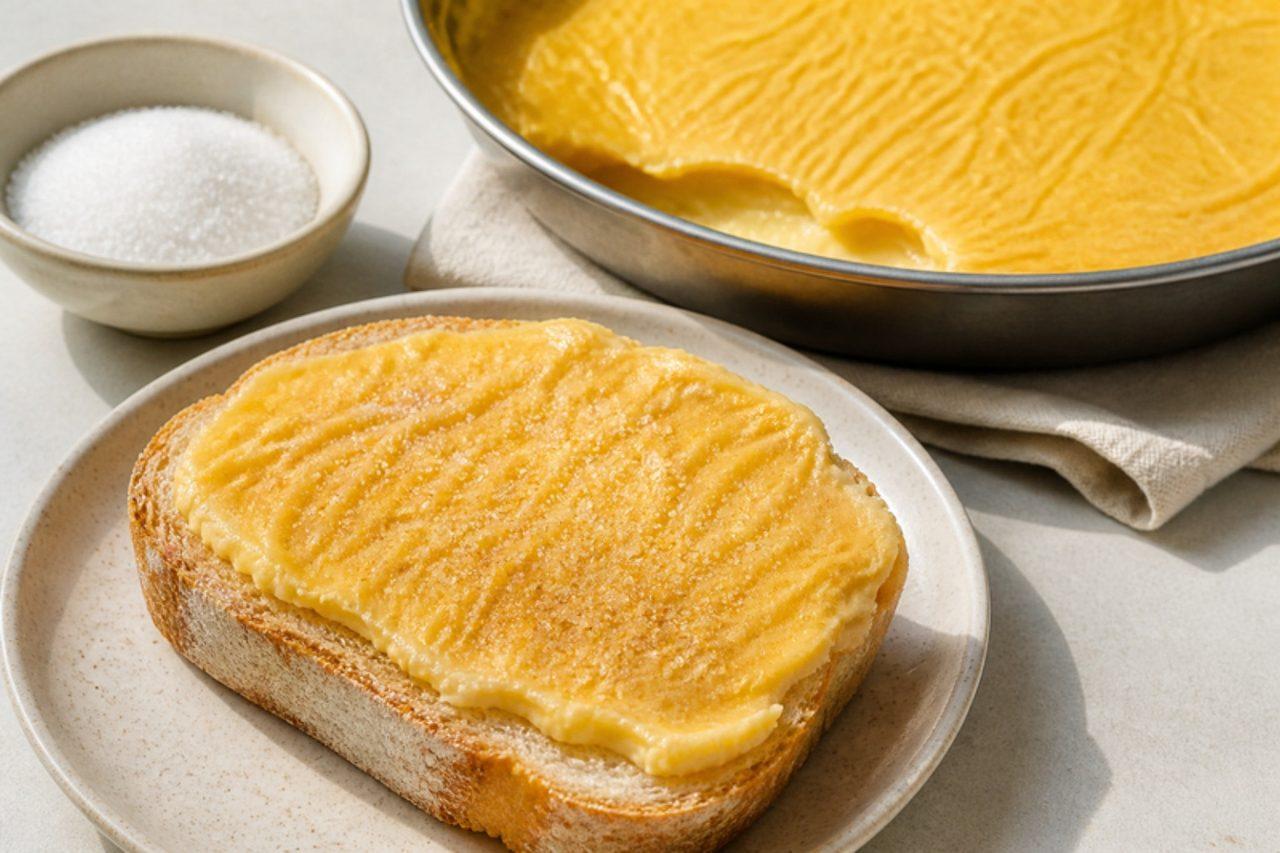
Öröm with breadClotted cream on bread

In Mongolian summer, when the herds are milked several times a day, families on the steppe gently heat fresh milk in a wide pan, ladling and pouring it back to froth it, then leave it overnight. By morning a thick, wrinkled, pale-gold skin of cream has formed: öröm. Lifted off and folded, it's spread on boortsog (fried dough) or bread with a sprinkle of sugar and eaten with milk tea. It's rich, slightly nutty and very simple. Chef's tip: use the widest, heaviest pan you own and the lowest possible heat; öröm needs a large surface and patience, not boiling.

by KrazyBadal 0 views

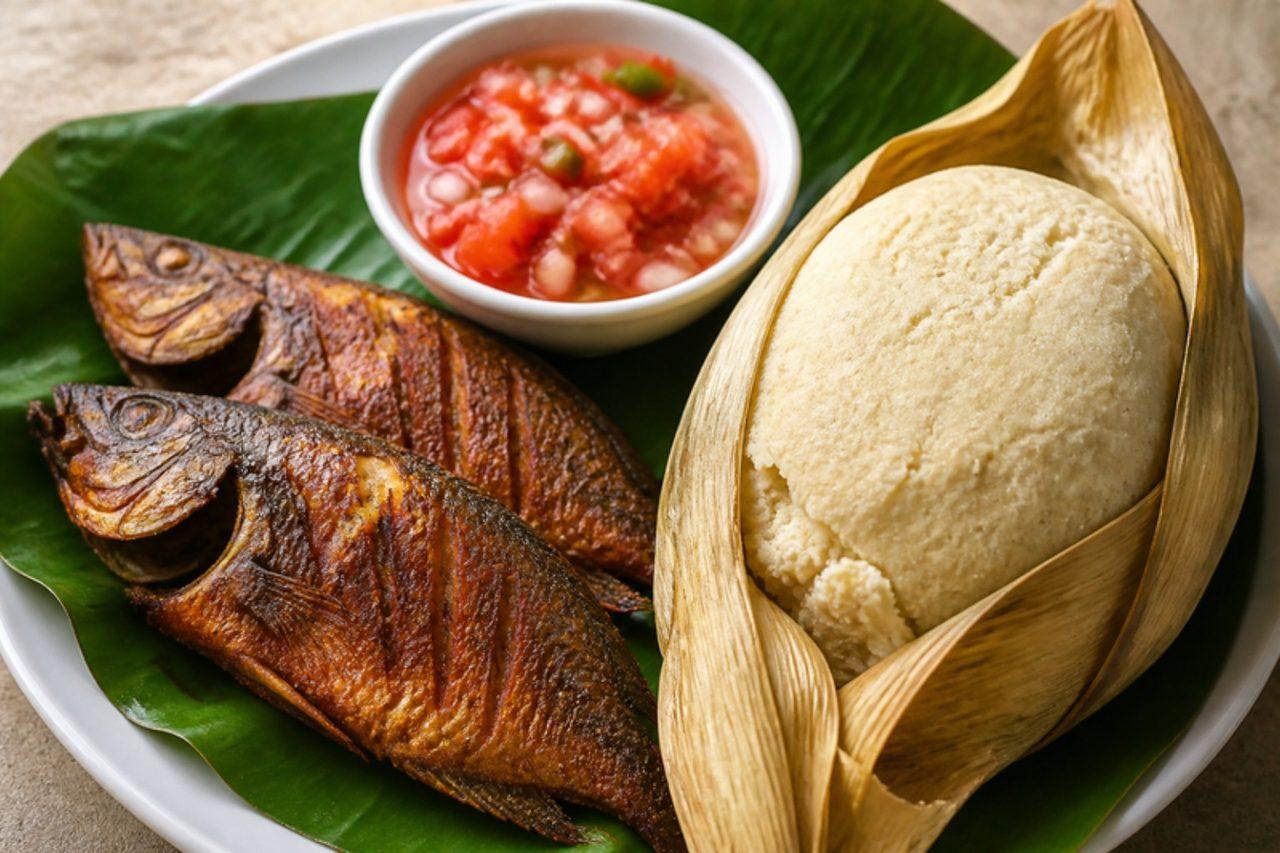
Kenkey with fried fish and pepper sauce

In Accra and along the Ga coast, kenkey is lunch: balls of fermented corn dough, steamed in dried corn husks, eaten with crisp whole fried fish and a sharp raw pepper sauce. Kenkey takes days to ferment and is sold everywhere ready-made in its husks, so buy it from an African grocer and make the fish and sauce at home. Small whole fish such as tilapia, red snapper or mackerel are scored, seasoned and fried until the skin crackles. The common mistake is moving the fish in the pan too soon; leave it alone until the first side is crisp, or the skin tears and sticks. Chef's tip: dust the fish very lightly with flour after drying it, and it fries crisp without spitting.

by KrazyBadal 0 views

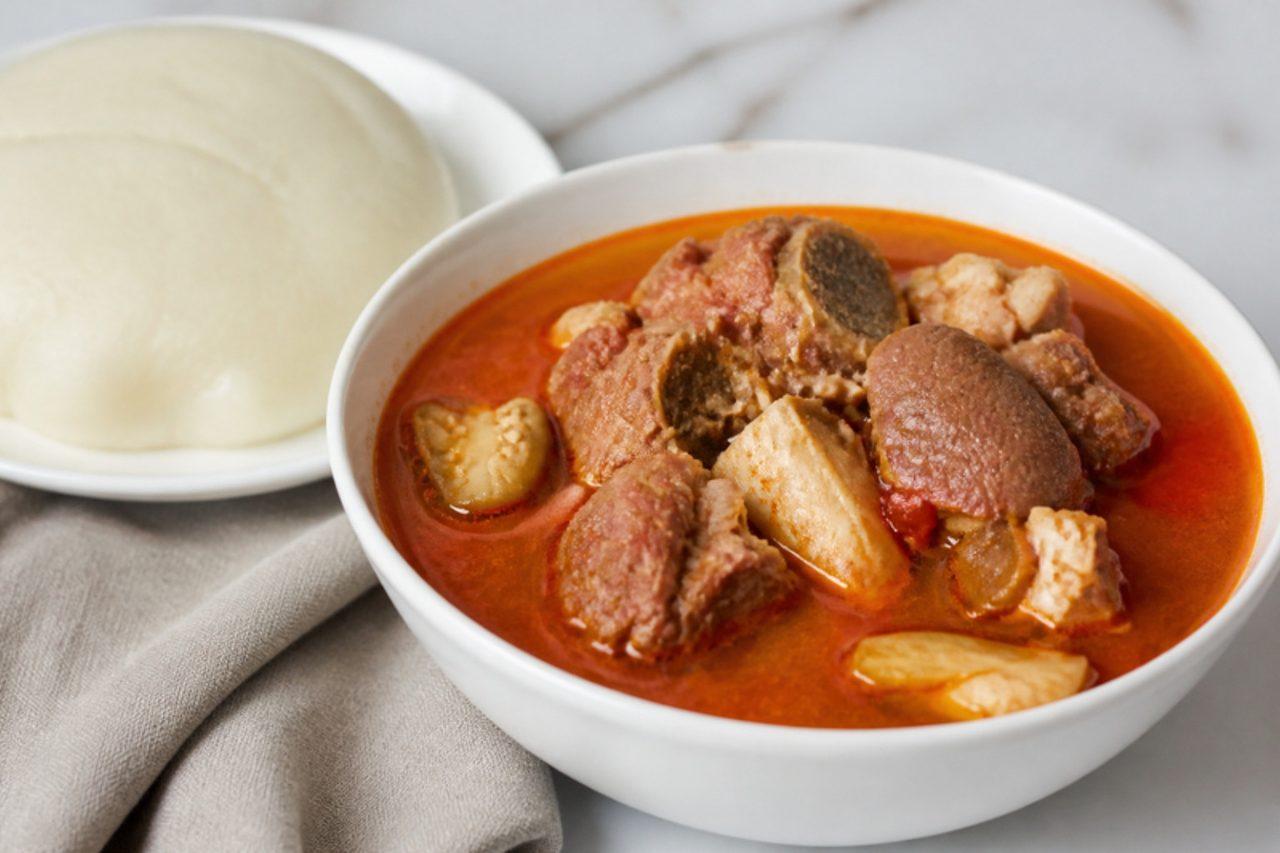
Ghanaian light soup with goat

Light soup is the everyday soup of southern Ghana, cooked in Accra and Kumasi homes several times a week and served alongside fufu, omo tuo (rice balls) or banku, with each bite dipped in the hot broth. Goat meat is the favourite, though chicken light soup is just as common: use 1.2 kg of bone-in chicken pieces and cut the simmering time to 35 minutes. Tomatoes, onion, ginger and pepper are boiled whole with the meat, then blended and strained back in, so the soup is clear, bright orange and very peppery but never heavy. The usual mistake is skipping the straining step, which leaves the soup gritty with seeds and skins. Chef's tip: steam the goat in its seasoning with no water for the first 15 minutes; the meat flavours the whole soup from the inside.

by KrazyBadal 0 views

LyutenitsaRoasted pepper and tomato relish

Lyutenitsa is Bulgaria's pantry relish, cooked in huge pans in courtyards around Plovdiv and the Thracian plain every September, when the red peppers are at their sweetest. Roasted peppers, tomatoes and a little aubergine and carrot are ground smooth and simmered for hours into a thick, brick-red spread, warm with garlic and a little hot pepper. It is smoother and more tomato-rich than ajvar or zacuscă. Children grow up on it spread on bread with grated sirene (filiyka), and it goes with everything from eggs to beans. Chef's tip: stir from the bottom often as it thickens; walking away is the common mistake, and a scorched base will taint the whole pot.

by KrazyBadal 0 views

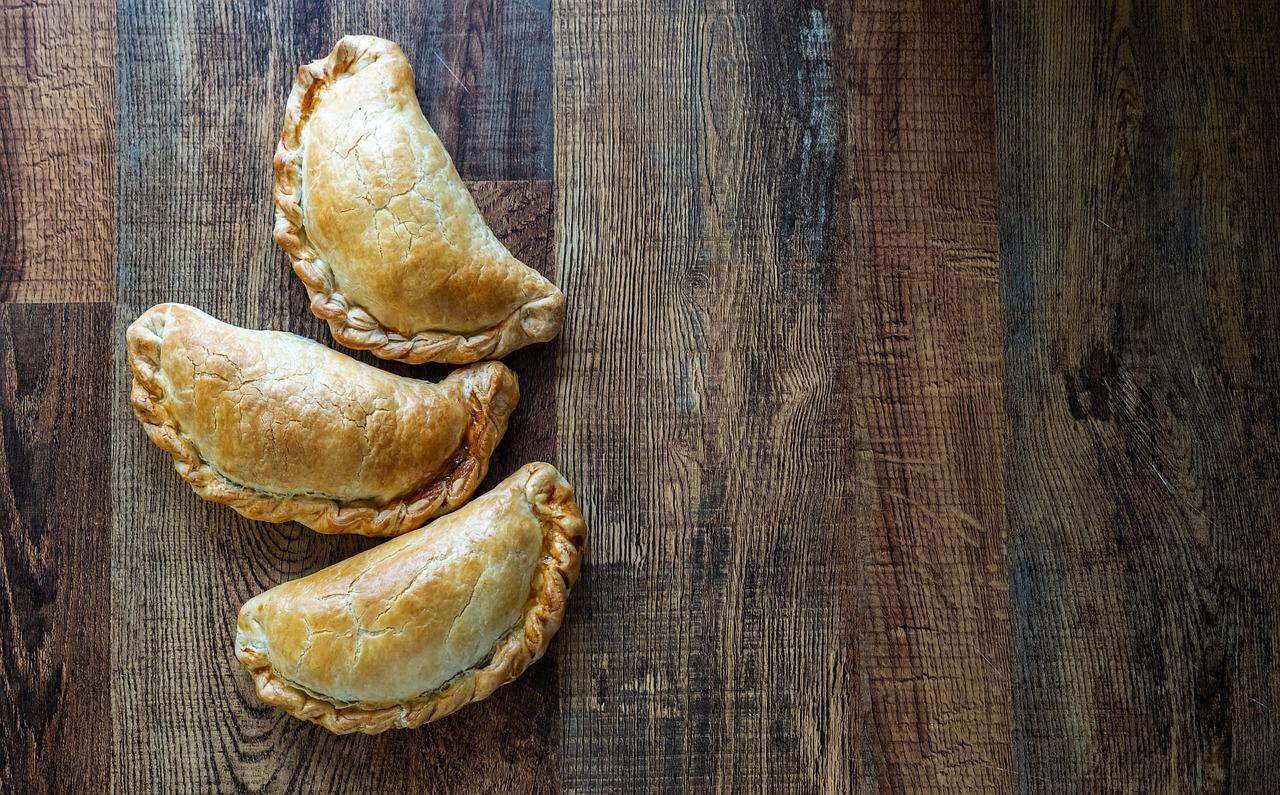
Nigerian meat pie

No Nigerian party, from a Lagos wedding to a child's birthday in Abuja, is complete without a tray of meat pies. Rich, crumbly short pastry is folded around a filling of minced beef, diced potato and carrot cooked with thyme and curry powder, crimped with a fork and baked golden. They are just as popular as a bakery snack with a cold drink. A common mistake is filling the pastry with hot or runny filling, which melts the butter and makes soggy pies; cool it and thicken it first. Chef's tip: keep the dough cold, and rest it in the fridge for 30 minutes before rolling so the pies stay short and flaky.

by KrazyBadal 0 views

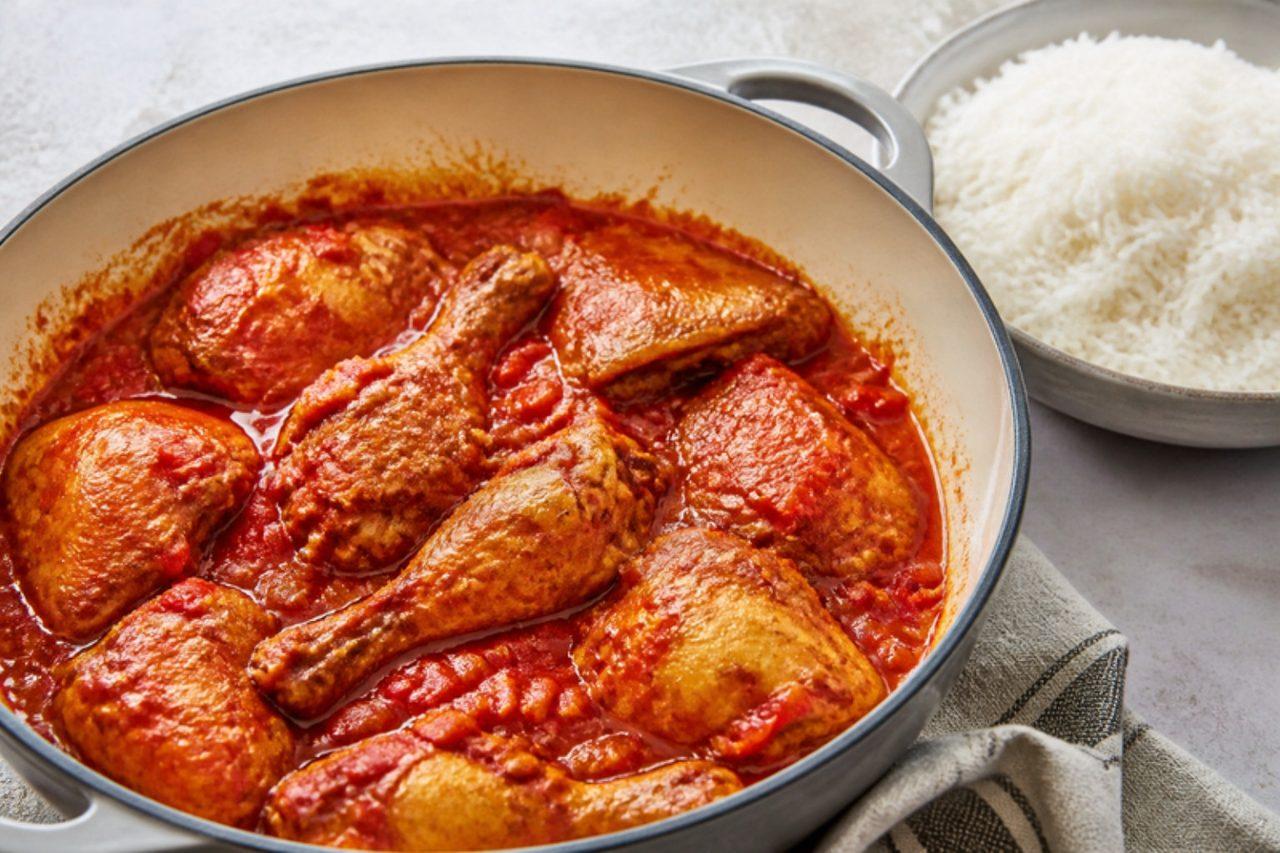
Nigerian chicken stew

Almost every Nigerian kitchen has a pot of this red stew in the fridge. Lagos households cook a big batch on Saturday and eat it all week over white rice, boiled yam, plantain or beans. Red bell peppers, tomatoes, scotch bonnet and onion are blended and fried in oil for a long time until the raw taste is gone and the oil rises to the top, then browned chicken goes in. The classic mistake is not frying the pepper base long enough; the stew tastes sour and raw if you rush it. Chef's tip: boil the chicken first with seasoning, then fry it before it goes into the stew, and use that seasoned stock in the sauce.

by KrazyBadal 0 views

Goat meat pepper soup

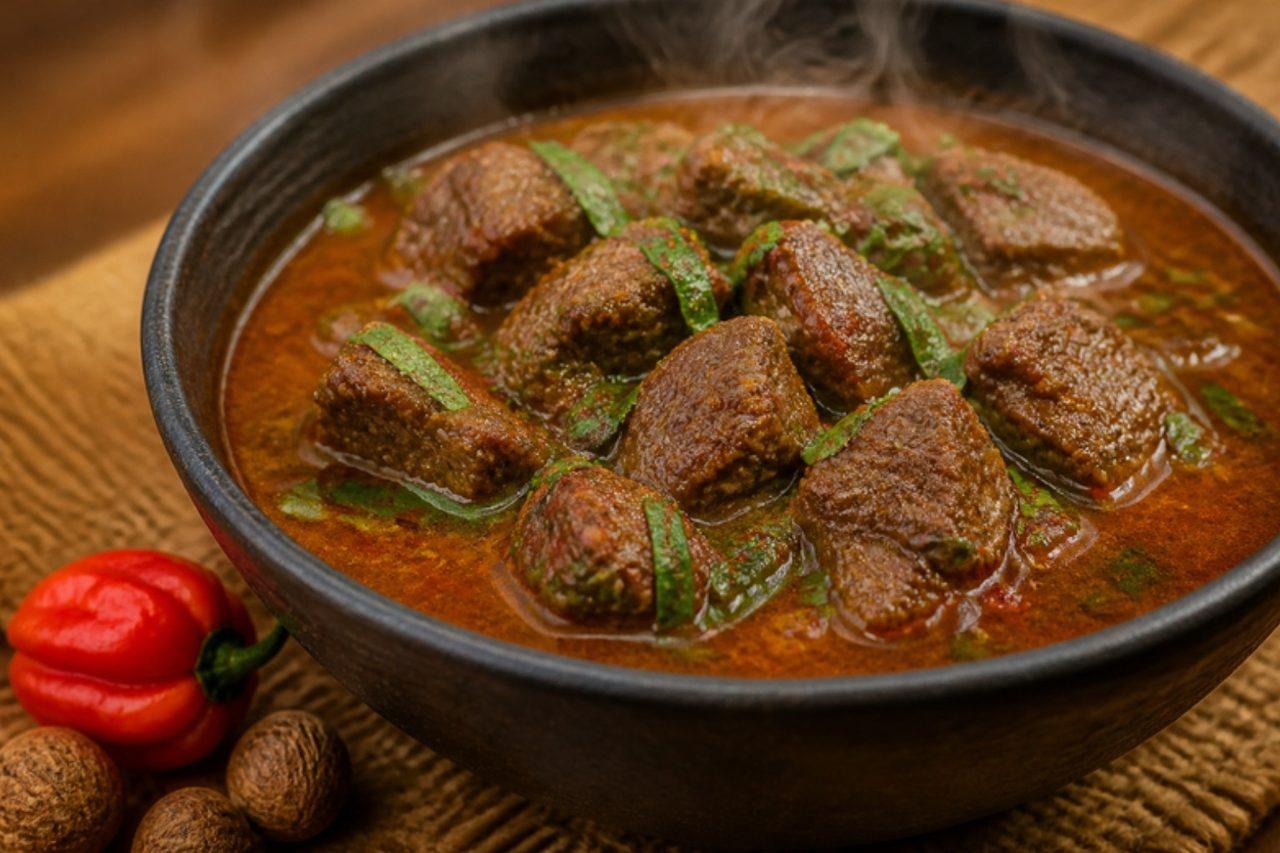
Pepper soup is what Nigerians order at a bar on a Friday night, what a mother cooks for someone with a cold, and what a host puts out at every naming ceremony. Goat meat on the bone is simmered with pepper soup spice, a blend that usually includes calabash nutmeg (ehuru), alligator pepper and uda pods, plus scotch bonnet and scent leaf, into a thin, fiery, deeply aromatic broth. Catfish pepper soup is the other favourite: add 800 g of catfish steaks for the last 15 minutes instead of the goat. The usual mistake is boiling the goat hard, which makes it tough; it needs a gentle simmer. Chef's tip: toast the whole spices in a dry pan for a minute before grinding, and the broth smells twice as strong.

by KrazyBadal 0 views

Akoho sy voanioChicken in coconut milk

Akoho sy voanio, chicken with coconut, is a dish of Madagascar's east coast around Toamasina, where coconuts are everywhere, and it has become a favourite all over the island. Chicken is browned with onion, garlic, ginger and tomato, then simmered gently in coconut milk with a pinch of curry until the sauce is creamy and mild. It is eaten with plenty of white rice and a little achard (vegetable pickle). The mistake is boiling the coconut milk hard so it splits; keep it at a gentle bubble. Chef's tip: brown the chicken well first; the coconut sauce needs that savoury depth.

by KrazyBadal 0 views

AkokCaramelised egg and coconut cakes

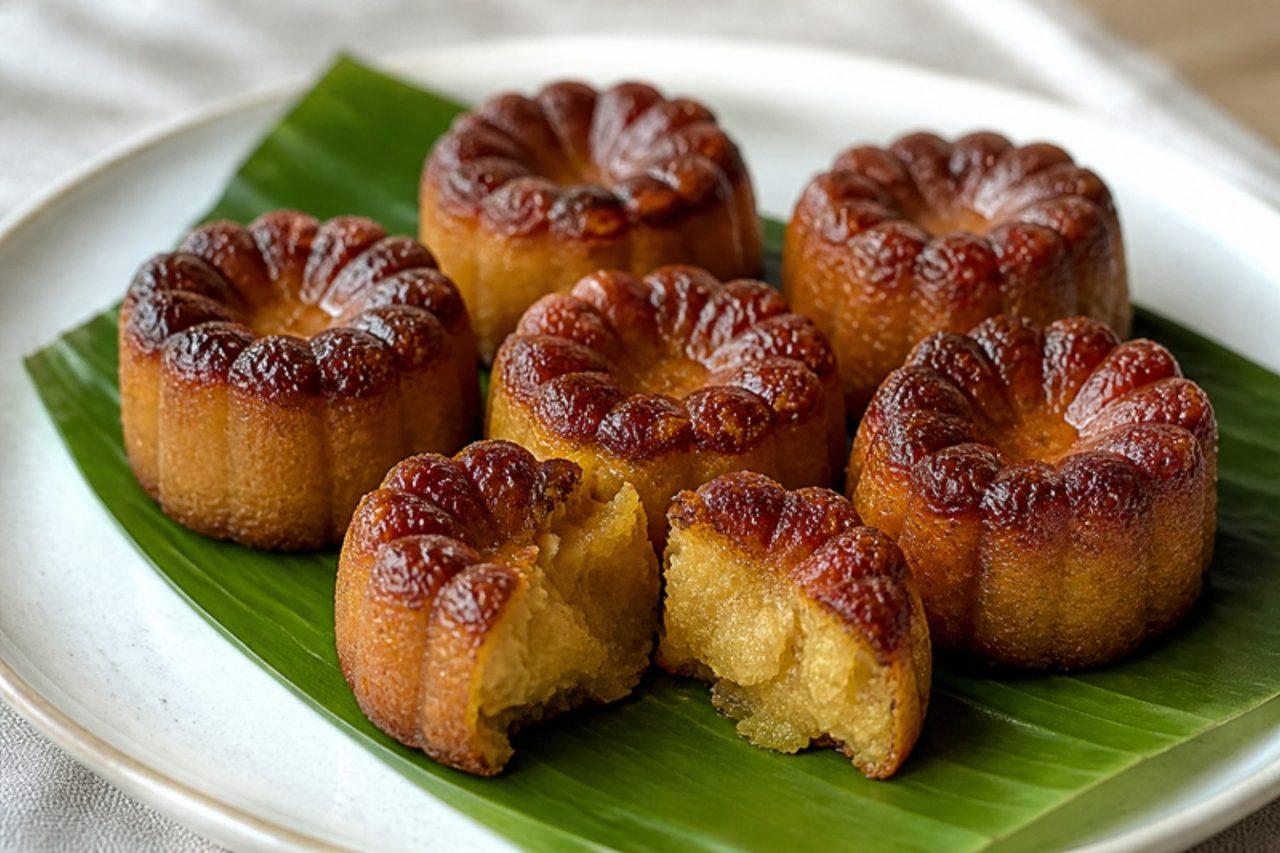
Akok is a Kelantanese kuih traditionally baked in small brass moulds over coals, with more coals laid on the lid, and it is a classic for breaking the fast in Kota Bharu during Ramadan. The batter is mostly eggs, coconut milk and dark gula melaka, so the little cakes come out custardy in the middle with a dark, caramelised, almost sticky crust. A mini-muffin tin in a hot oven gives a very close result. Chef's tip: heat the greased tin in the oven before filling it, which is how the base caramelises.

by KrazyBadal 0 views

Khao jee pâtéBaguette sandwich with pâté

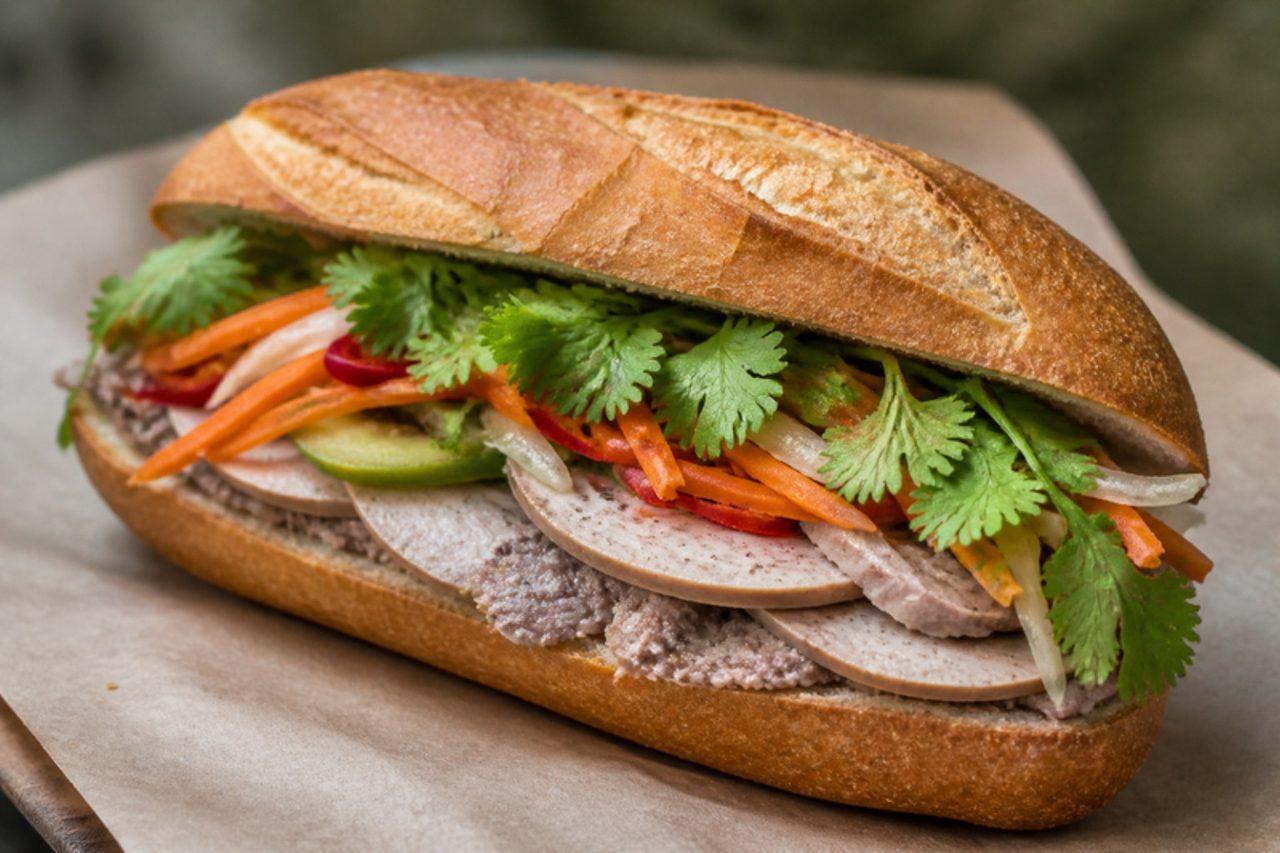
Khao jee pâté is the breakfast sandwich of Vientiane, sold from glass-fronted carts on street corners since the French era left Laos its love of baguettes. It is a pork sandwich: a crisp, light baguette is warmed over charcoal, spread with pork liver pâté and filled with Lao-style cold cuts (pork sausage or ham), pickled papaya or carrot, cucumber, herbs, chilli sauce and a splash of Maggi-style seasoning. Pregnant people should avoid pâté because of listeria risk. Chef's tip: warm the bread until the crust crackles; a soft baguette makes a soggy sandwich.

by KrazyBadal 0 views

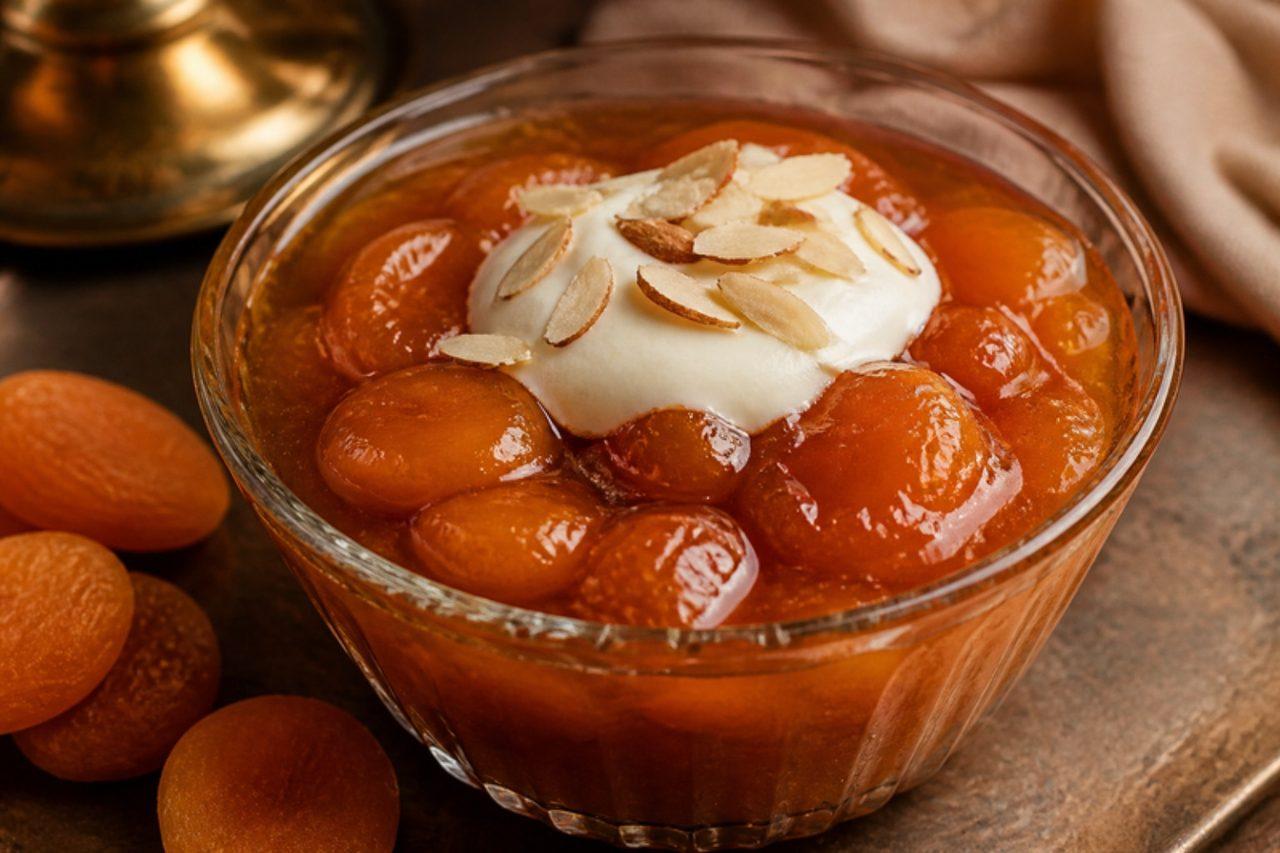
Qubani ka meethaStewed apricots with cream

No Hyderabadi wedding feast, or dawat, ends without qubani ka meetha: dried Afghan apricots soaked overnight, then simmered slowly with sugar until they break down into a glossy, deep amber compote, served cold with thick cream or a scoop of vanilla ice cream. In Hyderabad the kernels from inside the apricot stones are scattered on top; at home, blanched almonds give the same look and taste, and are safer, as some apricot kernels are bitter and shouldn't be eaten in quantity. It is sweet, tart and jammy, and very easy to make for a crowd days ahead. Chef's tip: keep the soaking water and cook the apricots in it; it holds much of their flavour and natural sugar.

by KrazyBadal 0 views

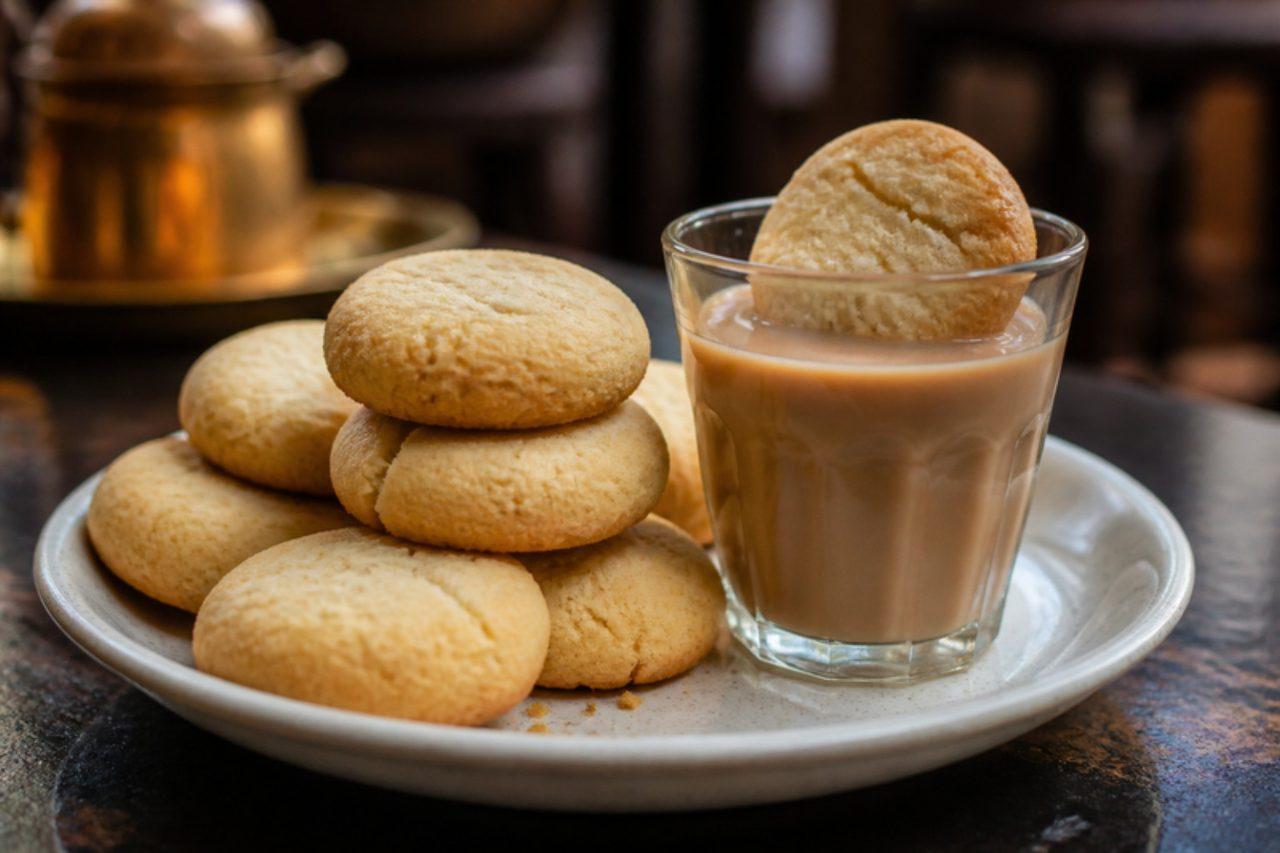
Osmania biscuitsSweet and salty butter biscuits

Osmania biscuits are named after the last Nizam of Hyderabad, and they have been baked in the city's Irani bakeries for generations: round, crumbly, melt-in-the-mouth butter biscuits that are gently sweet with a distinct salty edge and a hint of cardamom. In old-city cafés, men linger over a plate of them and a cup of Irani chai in the early morning or after the evening prayers, dunking each one until it is just about to collapse. Chef's tip: chill the dough before cutting and baking; it keeps the biscuits round and thick instead of spreading thin.

by KrazyBadal 0 views

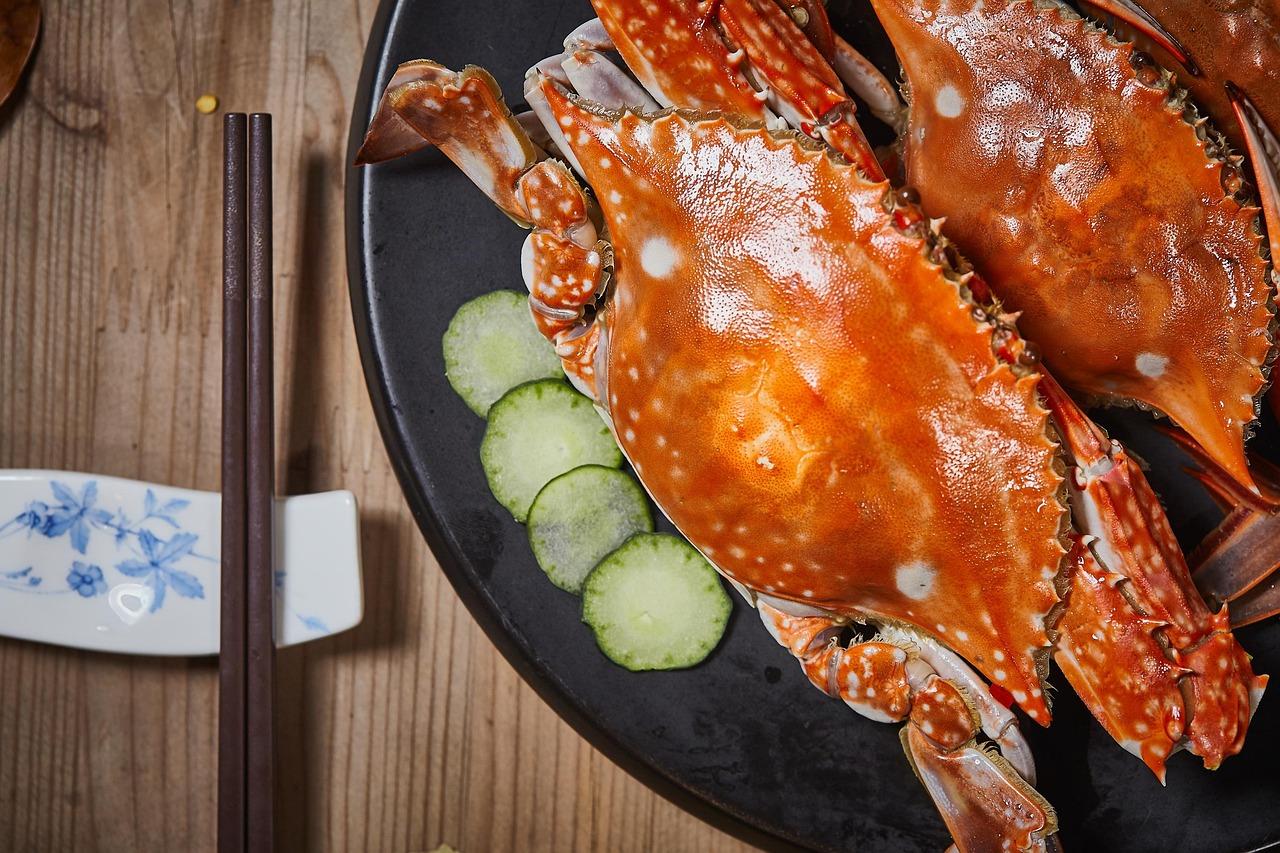
Teochew cold crab

Chilled crab sounds strange until you taste it at a Teochew banquet in Chaozhou, where it comes as a cold starter alongside braised goose and marinated seafood. Steaming the crab whole and then chilling it firms the flesh and brings out its natural sweetness, which a plain dish lets you taste clearly; the roe in a female crab turns rich and almost creamy. All it needs is a sharp ginger vinegar to cut through. Serve it as a starter before hot dishes, with crab crackers, small forks and plenty of napkins. Chef's tip: steam it belly side up, so the juices stay inside the shell instead of running out onto the plate. Allow at least 2 hours' chilling on top of the cooking time.

by KrazyBadal 0 views

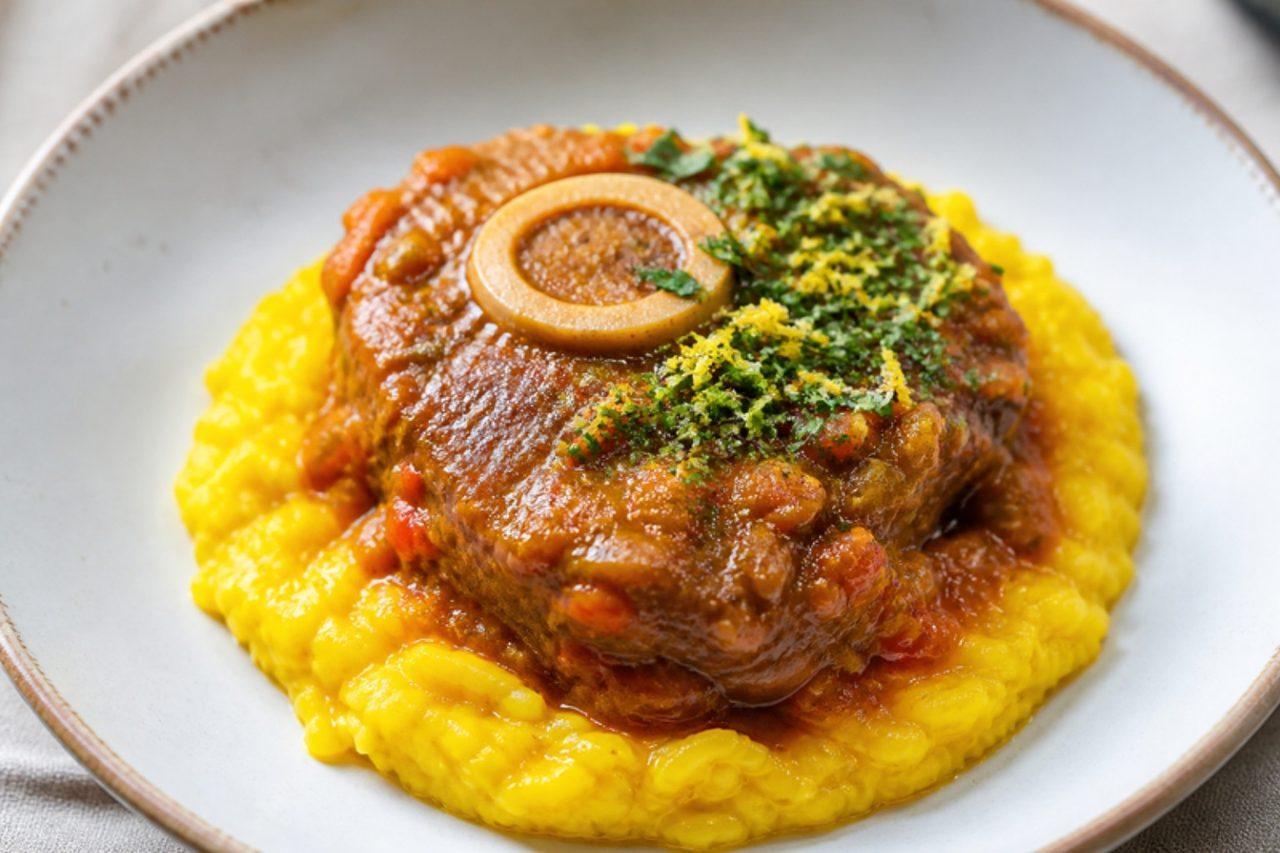
Ossobuco alla milaneseBraised veal shanks

Thick cross-cut slices of veal shank, each ringed around a hollow bone full of marrow, are browned and then braised slowly in white wine and stock until the meat is soft enough to cut with a spoon: this is Milan's great winter Sunday dish. The old Milanese way, 'in bianco', keeps tomato out, so the sauce stays golden and savoury. Just before serving it gets a shower of gremolata, a sharp mix of lemon zest, garlic and parsley that wakes up the rich braise. Serve it with risotto alla milanese, the saffron risotto that is its traditional partner (one of the few times a Milanese risotto shares the plate), or with soft polenta. Chef's tip: snip through the thin skin around each shank in three or four places before browning, so the slices stay flat in the pan instead of curling up.

150 minItalianMeatGluten free
by KrazyBadal 0 views

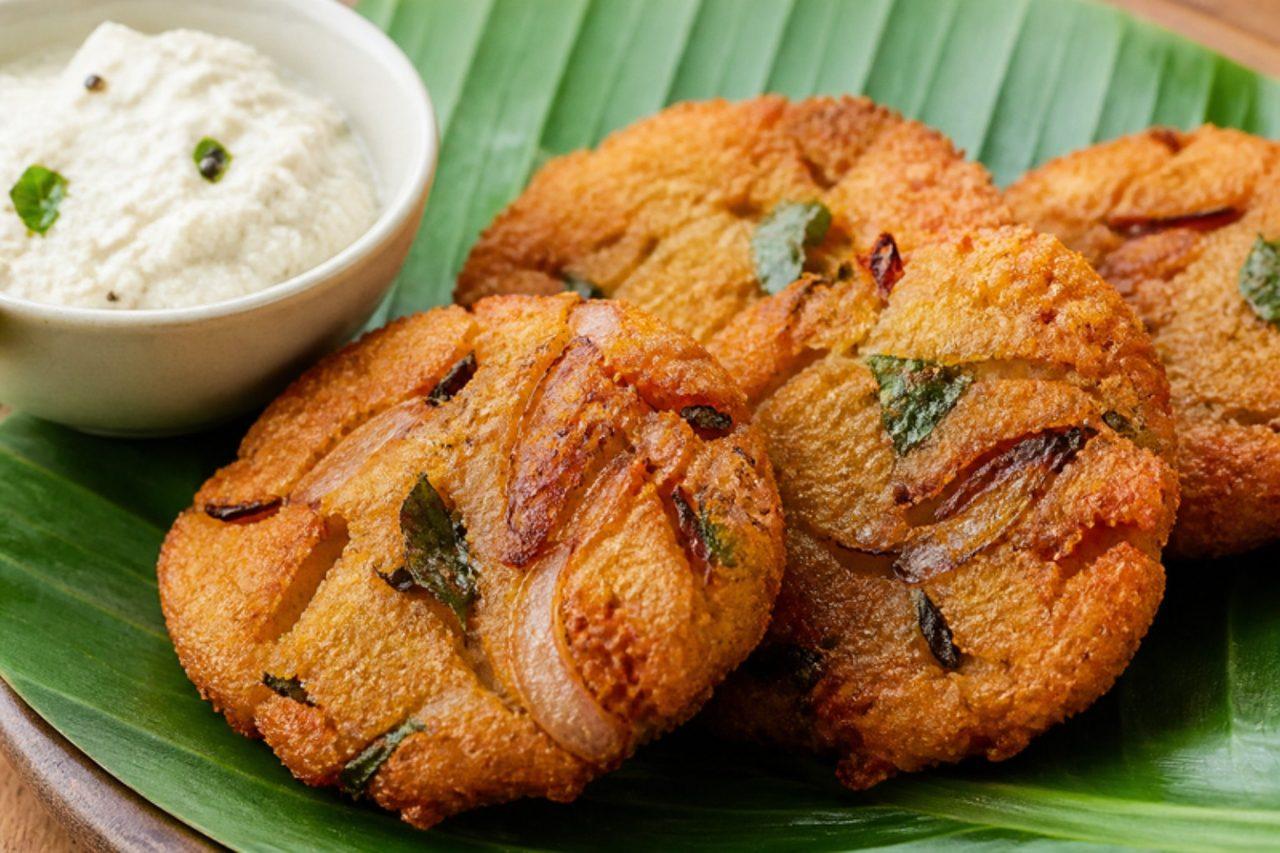
Maddur vadaOnion and semolina fritters

Maddur is a small town halfway between Bengaluru and Mysuru, and for nearly a century travellers on that road have stopped at its railway station and highway stalls for one snack: Maddur vada. Unlike soaked-lentil vadas, these are made from rice flour, semolina and plain flour rubbed with hot oil and loaded with sliced onion, curry leaves and green chilli, then patted flat and fried until crunchy and golden all the way through. They keep their crunch for hours, so they are packed for long journeys. Serve with coconut chutney and filter coffee. Chef's tip: add the onions first and let them sit with the salt for ten minutes; their juice moistens the flours, so you need very little water and the vada stays crisp.

by KrazyBadal 0 views

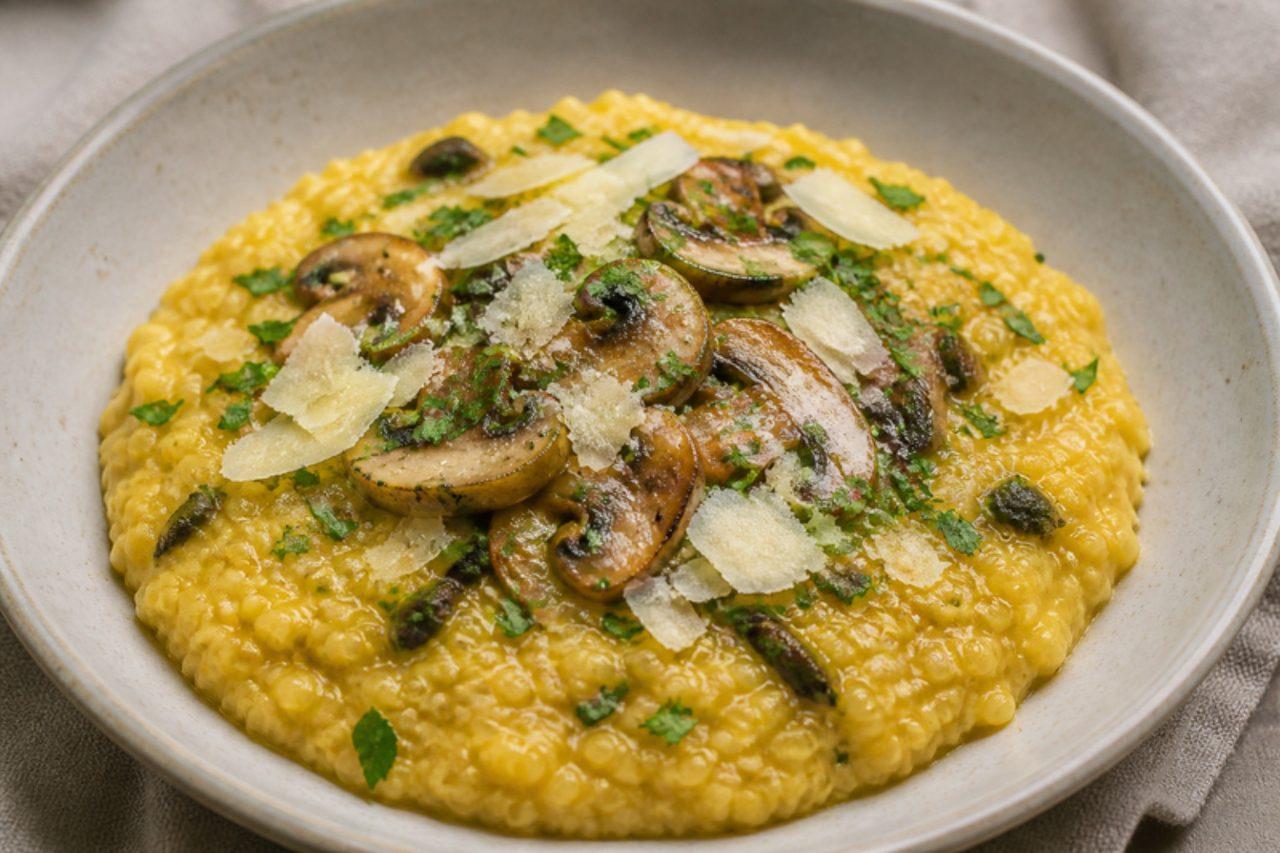
QuinottoCreamy quinoa with mushrooms

Quinotto is quinoa cooked like a risotto, a dish from the new Andean cooking of Cusco and Lima that marries Italian technique with the grain of the high Andes. Quinoa is toasted with onion and garlic, simmered in stock with white wine, then finished with mushrooms, butter, cream and grated cheese until creamy and loose. It has a pleasant pop and nutty flavour that rice never has, and a gentle warmth from ají amarillo. Serve it as a main with a green salad. Use a hard cheese made with vegetarian rennet. Chef's tip: quinoa has little starch, so the creaminess comes at the end; stir in the butter, cheese and cream off the heat and serve straight away while it still flows.

by KrazyBadal 0 views

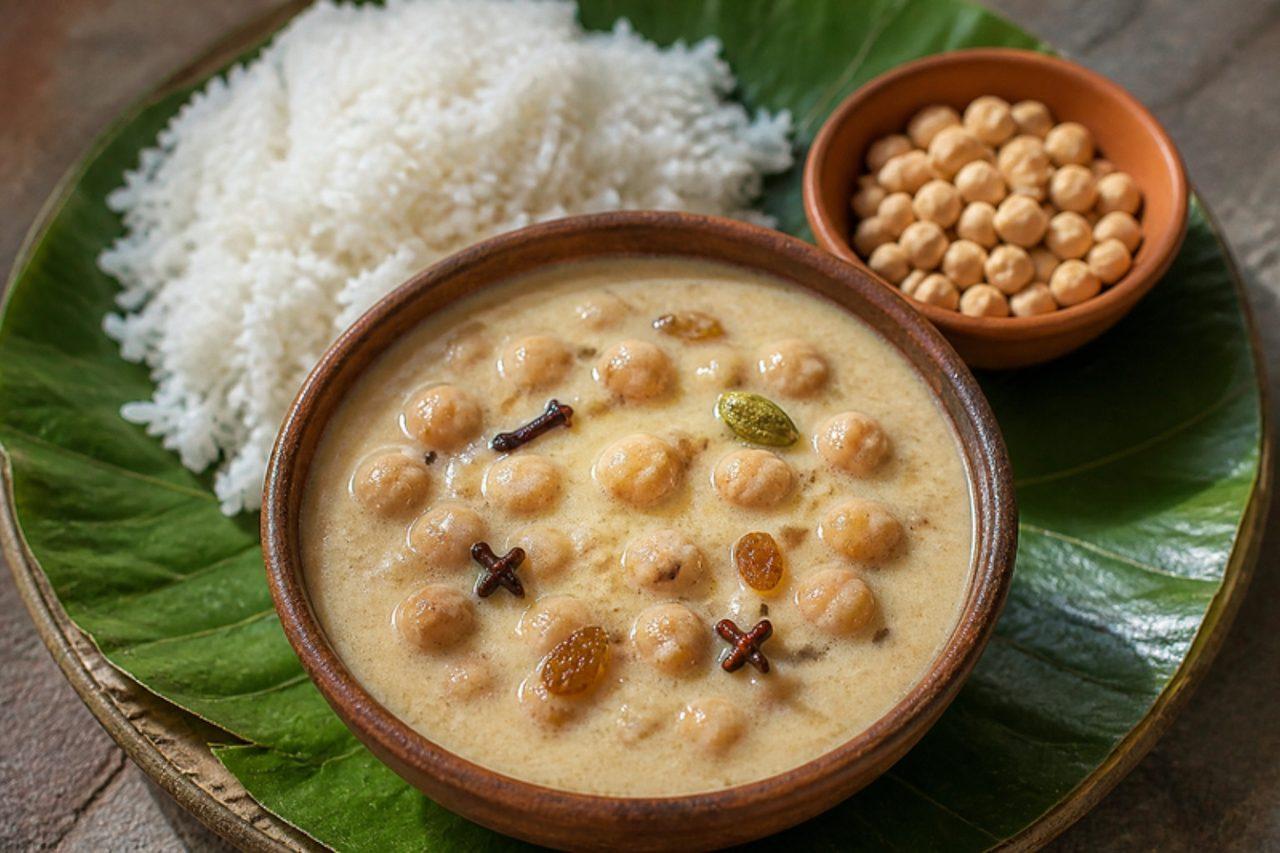
MadraChickpeas in yogurt

Madra is the pride of the Himachali dham, the communal feast cooked by hereditary cooks called botis at weddings and temple fairs in Chamba and Kangra. Chickpeas are simmered in yogurt with ghee, cloves, cardamom and cinnamon until the sauce turns thick, pale and rich, with no onion or garlic at all. It arrives on a leaf plate beside rice, rajmah and kadhi, and some families add a few raisins or cashews for a festive touch. Chef's tip: cook the chickpeas until they squash easily between two fingers before they go into the yogurt; they won't soften further once the sauce is in.

by KrazyBadal 0 views

Fish tagine with chermoula

Down at the harbour in Essaouira the fishermen's catch goes straight from the blue boats to the grills and the clay pots, and tagine hout is how home cooks there turn it into a meal. Firm white fish is coated in chermoula, the fresh green paste of coriander, garlic, cumin and lemon, then laid over slices of potato, tomato and pepper that soak up all its juices. The result is light and aromatic, with tender potatoes at the bottom and fish that flakes at a touch. A tomato and cucumber salad and some bread are all it needs. Chef's tip: lay the potatoes in a single tight layer so they lift the fish off the base and nothing catches.

by KrazyBadal 0 views

JigarthandaChilled milk almond gum drink

Jigarthanda means 'cool heart', and on a hot evening in Madurai crowds queue around the carts near the Meenakshi temple for a tall glass of it. It's layered rather than blended: a spoonful of soaked almond gum (badam pisin), a glug of nannari (Indian sarsaparilla) syrup, chilled milk reduced until creamy and lightly caramel-coloured, then a scoop of vanilla ice cream on top. The result is cold, floral, wobbly and rich all at once. This home version uses shop-bought vanilla ice cream; check that yours is eggless and gelatine-free. Chef's tip: let the reduced milk chill overnight; cold, thick milk is what makes it taste like the street version rather than flavoured milk.

by KrazyBadal 0 views

Kefta tagine with eggs

Café kitchens from Tangier to Agadir keep a row of small clay tagines bubbling with this one at lunchtime, and plenty of Moroccan families make it on busy weeknights. Little cumin-and-paprika meatballs poach in a thick, garlicky tomato sauce, then eggs are cracked straight into the pan and left to set softly on top. You eat it straight from the pot, tearing bread to scoop up meat, sauce and runny yolk together. Serve with a plate of olives and a simple chopped salad. Chef's tip: roll the meatballs no bigger than a cherry tomato so they cook through in the sauce in the same time it takes to thicken.

by KrazyBadal 0 views

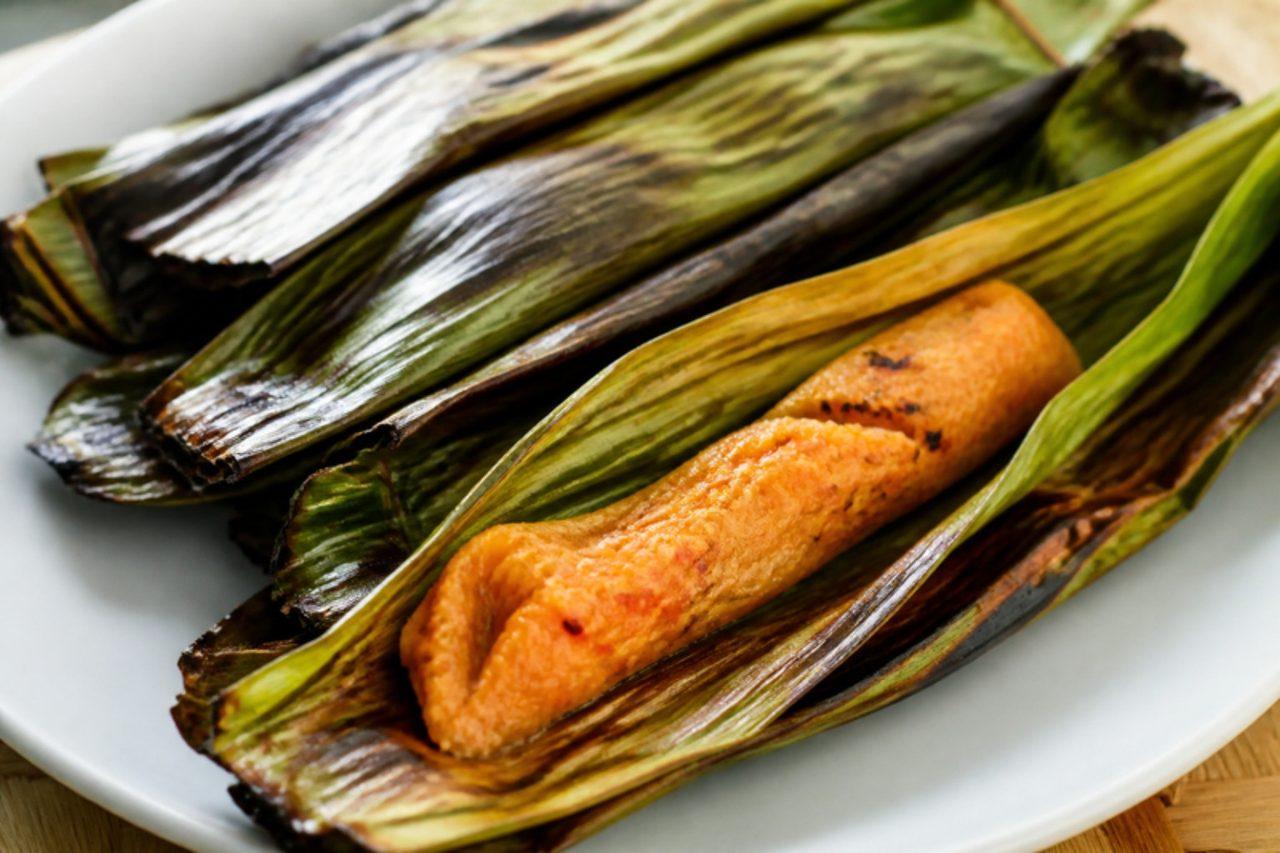
Otak-otakGrilled spiced fish mousse

Drive through Muar in Johor and you will see roadside grills stacked with slim green parcels, sold by the dozen in paper bags for the journey home. Inside each is a soft, bright-orange custard of pounded mackerel, coconut milk and egg, flavoured with a chilli-lemongrass rempah and kaffir lime leaf, which turns smoky and slightly charred at the edges from the grill. Melaka's Nyonya cooks make a fatter, steamed version, but this one is grilled in banana leaf. Eat it warm, peeled straight out of the leaf, with white bread, rice or nasi lemak. Chef's tip: chill the fish mixture for 15 minutes before wrapping; it firms up and is far easier to spoon onto the leaves.

by KrazyBadal 0 views

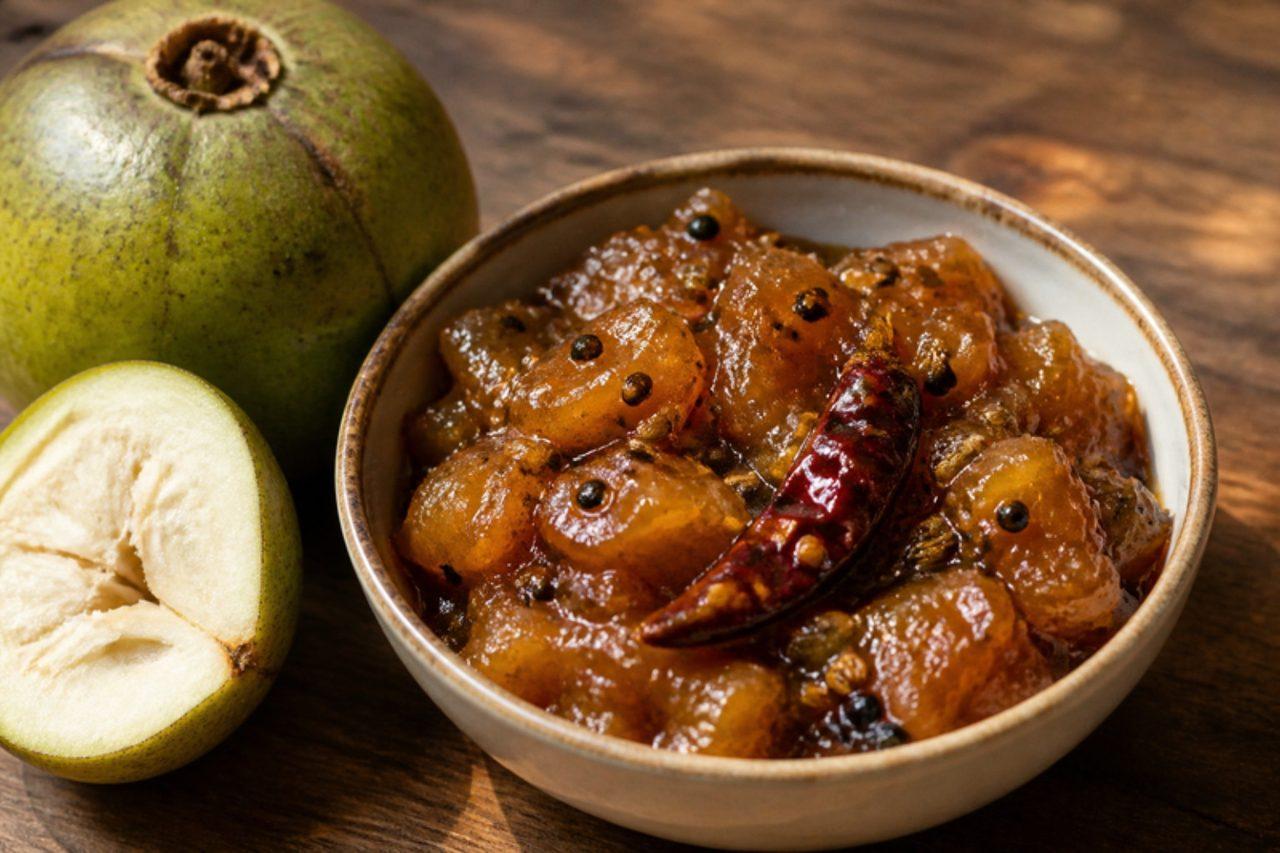
Ou khattaElephant apple chutney

Ou tenga, the elephant apple, is a hard, sour green fruit that grows across Assam and turns up in every winter market in Guwahati. Ou khatta is its sweet chutney: slices are boiled until tender, then simmered with jaggery and panch phoron until glossy, sticky and sharp-sweet. It is served in a little mound at the end of a festive Assamese lunch and at Bihu feasts, the way Bengalis end with tomato chutney. Chef's tip: outside the Northeast, use a mix of very sour green apple and a little tamarind; it gets surprisingly close.

by KrazyBadal 0 views

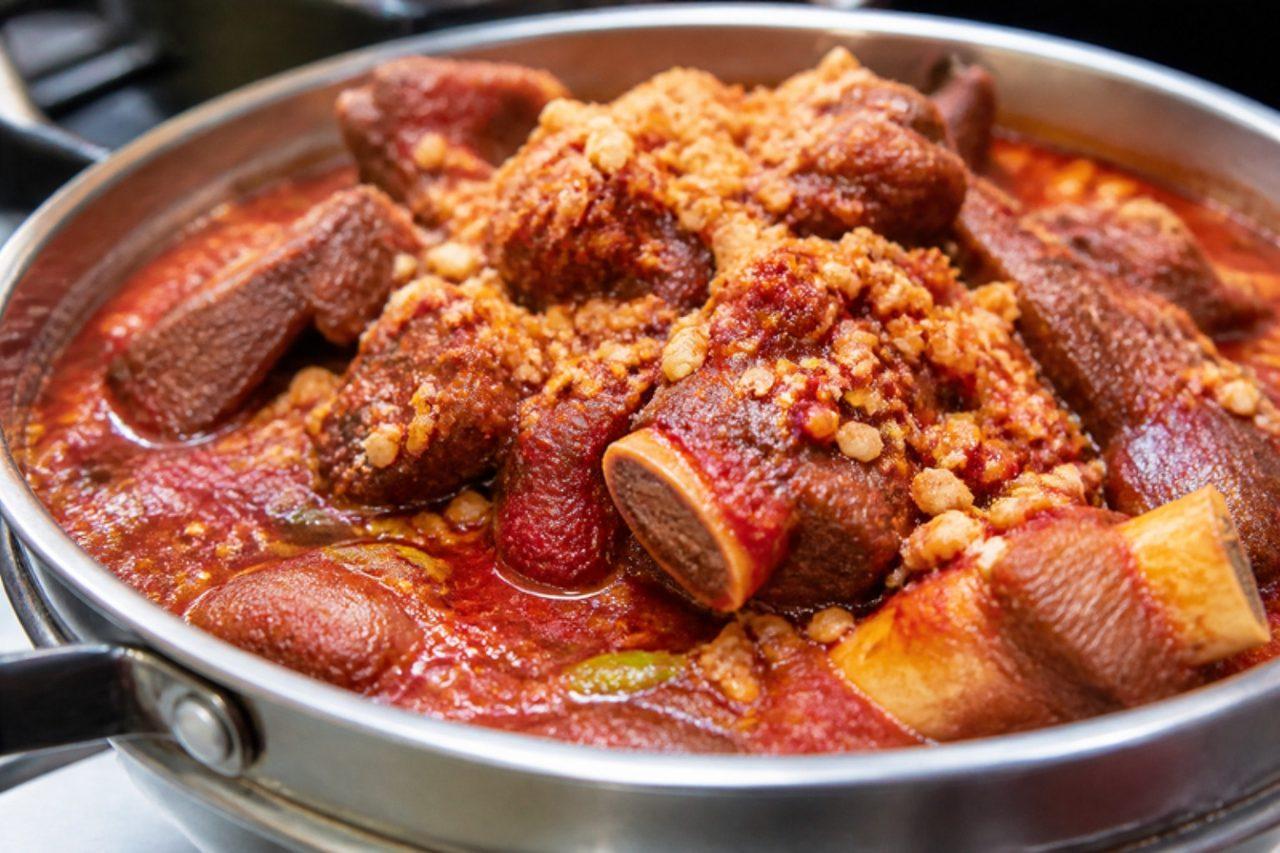
Maeun galbijjimSpicy braised short ribs

Dongin-dong in Daegu has a street of restaurants that serve one thing: beef short ribs braised until soft and smothered in a thick paste of red chilli and crushed garlic, brought to the table in battered aluminium pots. The dish is counted among Daegu's ten signature foods, and the city is known for liking its food hot. It's much spicier and less sweet than the soy-braised galbijjim made for holidays. Eat it with plenty of rice, lettuce and a cold drink, and keep a napkin handy. Chef's tip: use far more garlic than seems sensible; the crushed raw garlic stirred in at the end is what makes the Dongin-dong style.

120 minKoreanMeatSpicy
by KrazyBadal 0 views

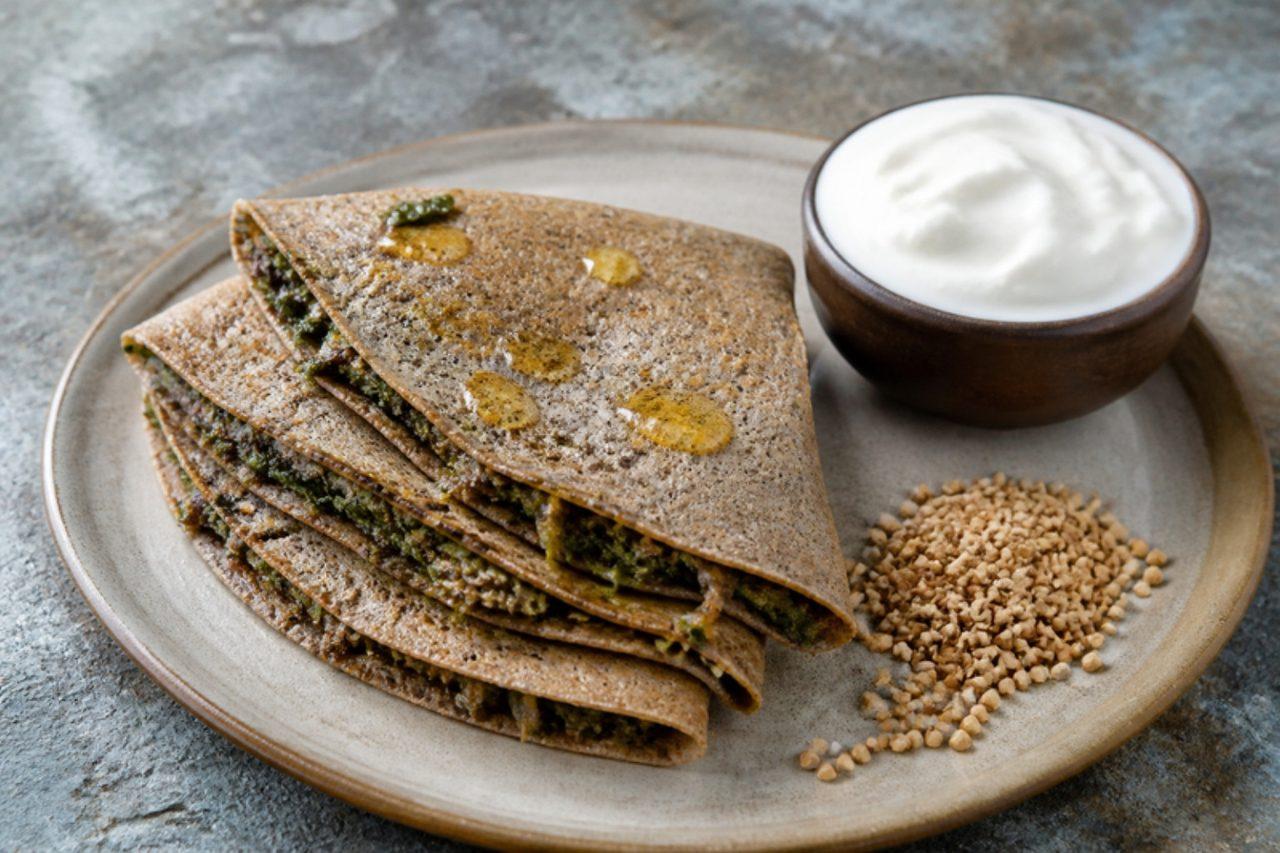
AktoriBuckwheat pancakes with greens

High in the Spiti and Lahaul valleys of Himachal Pradesh, where wheat struggles, buckwheat (kathu) grows in short summer fields and its leaves are eaten as a vegetable too. Aktori are thin buckwheat pancakes cooked with a layer of those greens inside, dotted with ghee and eaten warm with yogurt or salty butter tea. Families make them on festival mornings and through the long winter. Outside the valleys, spinach or young chard stands in well for buckwheat leaves. Chef's tip: keep the batter as thin as pouring cream; buckwheat has no gluten, so a thick batter cooks up gummy instead of tender.

by KrazyBadal 0 views

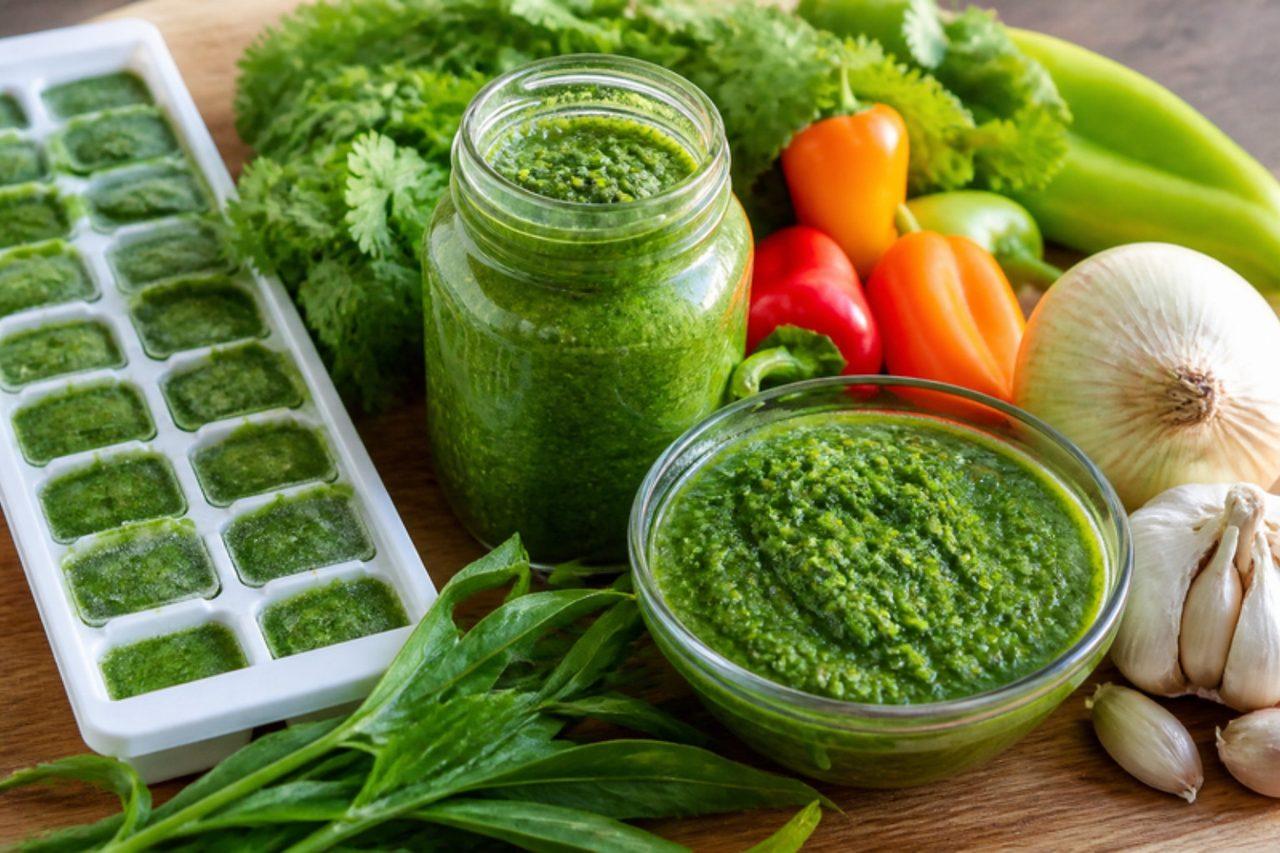
Puerto Rican sofritoHerb and pepper cooking base

Open a freezer anywhere in Puerto Rico, or in the Puerto Rican neighbourhoods of New York and Orlando, and you'll find a tub or ice-cube tray of green sofrito. It is the start of almost everything savoury on the island: beans, rice, stews, soups and sauces. Unlike the slow-cooked Spanish sofrito, this one is raw, blended from culantro (recao), cilantro, little sweet ajíes dulces, cubanelle peppers, onion and lots of garlic. It smells grassy and sharp in the jar and turns mellow and savoury as soon as it hits hot oil. Chef's tip: if you can't find ajíes dulces, use extra red pepper and a tiny piece of seeded scotch bonnet; you want their fruity perfume, not heat.

by KrazyBadal 0 views

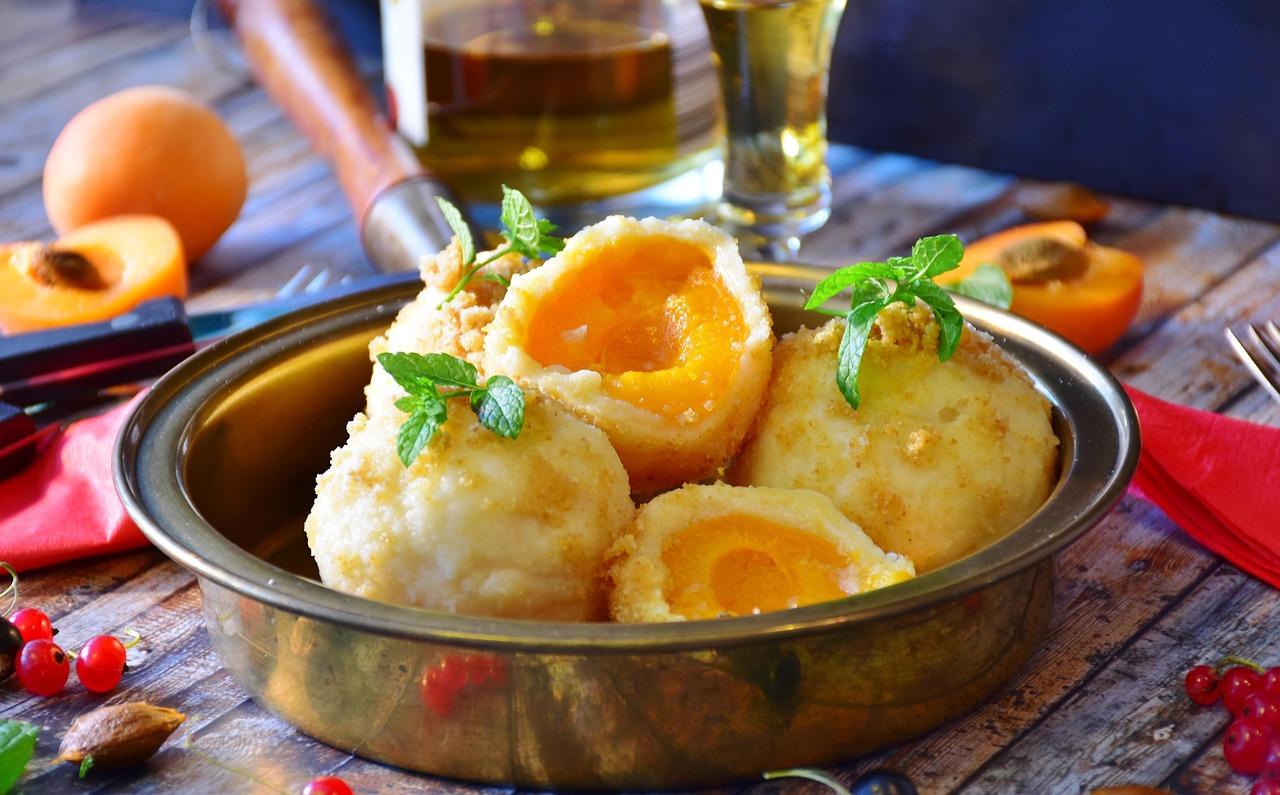
Ovocné knedlíkyFruit-filled dumplings

Ovocné knedlíky are the summer main course of Czech childhoods: in July with apricots from South Moravian orchards, in September with blue plums, eaten as lunch rather than pudding. Each soft quark dumpling hides a whole fruit that turns jammy as it simmers, and they are served the old way, rolled in melted butter and buried under grated tvaroh (quark) and icing sugar. Kids compete over who can eat the most. Chef's tip: pinch the dough completely closed with no thin patches; a single gap lets water in and the dumpling bursts in the pot.

by KrazyBadal 0 views

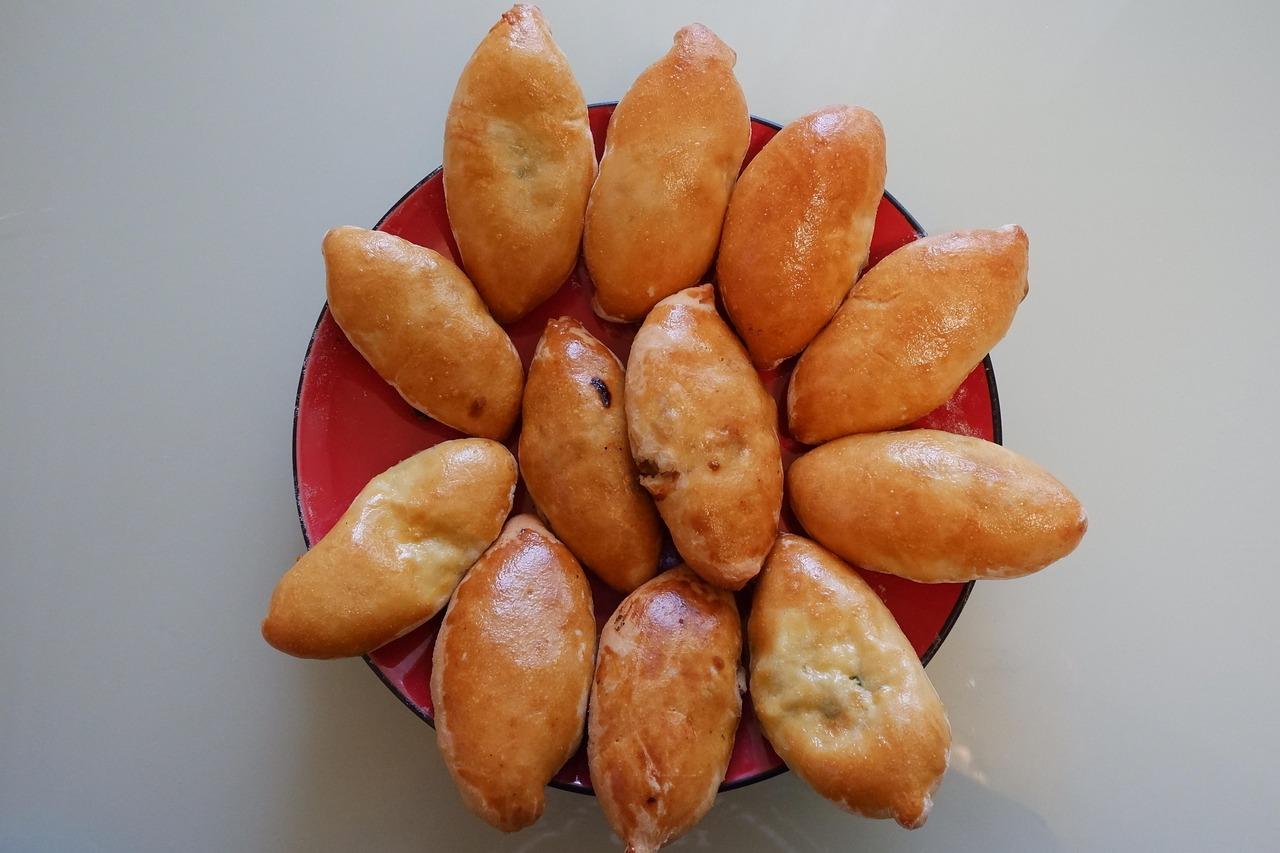
PirozhkiBaked filled buns

Pirozhki, little oval pies of soft yeast dough, are what a Russian babushka has waiting on the kitchen table when the grandchildren arrive, and what used to be sold warm from steel carts at Moscow metro stations. They are eaten with a bowl of soup, packed for the train, or simply grabbed from the plate all afternoon. Fillings change with the season; the two most loved meatless ones are buttery cabbage with chopped egg and creamy mashed potato with fried onion and dill. Chef's tip: let the fillings cool completely before shaping; warm filling softens the dough and the buns tear and leak.

by KrazyBadal 0 views

MageuFermented maize drink

Mageu (also amahewu or mahewu) is a thin, sour, nourishing drink of fermented maize porridge, made in homes across Zimbabwe, South Africa, Zambia and Botswana and drunk by farm workers, schoolchildren and anyone needing a filling lift on a hot afternoon. A little wheat flour or a spoonful of the last batch starts the fermentation overnight. Commercial cartons are sold everywhere, but home-made tastes fresher. Chef's tip: let the porridge cool to lukewarm before adding the starter; too hot and it kills the fermentation.

by KrazyBadal 0 views

Showing 90 of 10,569 recipes

Page 1,059 of 1,175