


Skip to content
Stuffed shahi mawa
Featured recipe

Stuffed shahi mawa

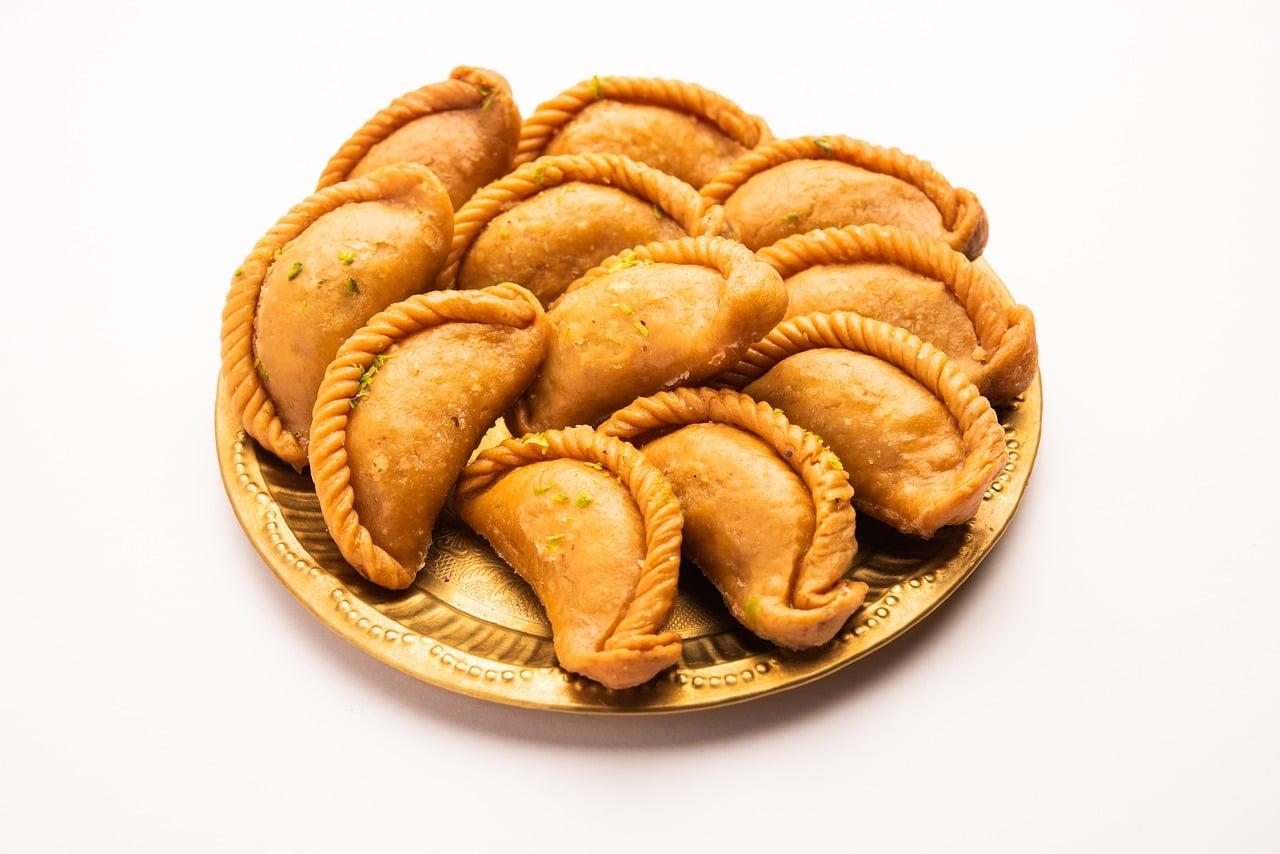
Mawa-filled fried pastry patties

A royal festive sweet: rounds of crisp pastry wrapped around a rich filling of mawa (khoya), roasted coconut, almonds and pistachios, fried in ghee and dipped in a warm mix of ghee and icing sugar. Decorated with nuts and rose petals, they're crumbly, rich and fragrant with cardamom. Makes 50.

Read more 0 views

What to eat today?

Around the world

Today's trip: Peruvian

A new country every day, from every cuisine on the site.

Peruvian

Tacacho

Mashed roasted green plantain balls 35 minMore from Peruvian (111) →

This week's collection

Kid-friendly dinners
772 recipes · a new collection every Monday

Coming up

All occasions →

Latest recipes

PączkiRose jam doughnuts

Pączki are the rich, yeasted doughnuts Poland eats by the dozen on Tłusty Czwartek, Fat Thursday, the last Thursday before Lent, when Warsaw bakeries such as the old ones on Nowy Świat have queues round the block from dawn. A good pączek is round and heavy for its size, with a pale ring around its middle, a fine, yolk-rich crumb and a filling of rose-petal jam (konfitura z róży) or plum butter, finished with icing and candied orange peel. A spoon of vodka or spirytus in the dough is an old trick: it evaporates in the hot oil and stops the dough soaking up fat. Chef's tip: keep the oil between 165 and 175°C with a thermometer; hotter and they burn outside while raw in the middle, cooler and they turn greasy.

by KrazyBadal 0 views

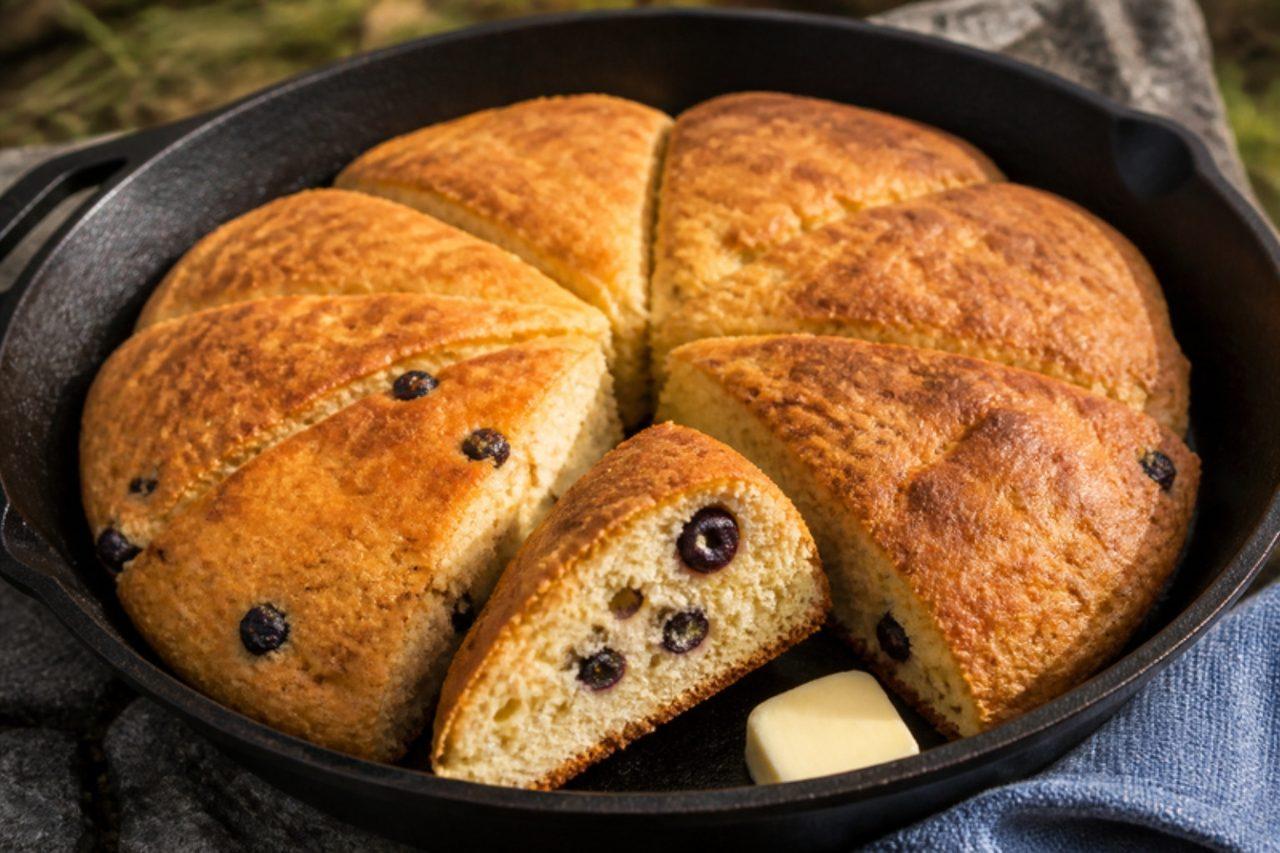
BannockSkillet bread

Bannock is a quick bread of flour, baking powder, fat and water, cooked in a cast-iron pan, baked, fried or wrapped around a stick over a campfire. It's eaten in First Nations, Métis and Inuit communities across Canada, at powwows, family meals and on the land, and every family has its own version. Its history is complicated: wheat flour and lard reached many communities through trade and government rations, and bannock became both a food of survival and a living symbol of community and resilience. Long before that, Indigenous breads were made from local plants and roots. This is a simple home pan version, not any one nation's recipe. Chef's tip: mix only until the dough just comes together; overworking makes bannock tough.

by KrazyBadal 0 views

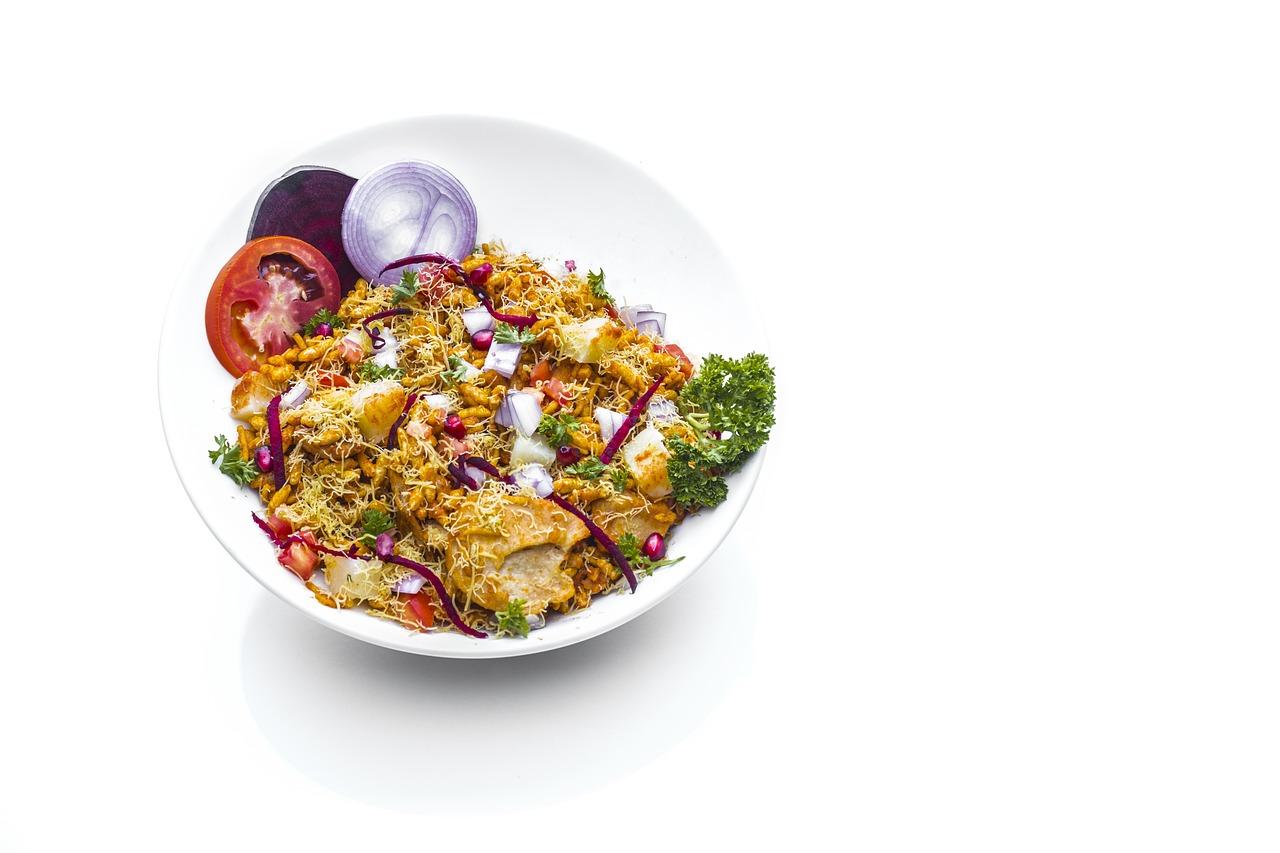
Coastal Mombasa mixChickpea and potato coconut-mango broth

A Mombasa street-food bowl: chickpeas and potato simmered in coconut milk with raw mango and chilli, ladled into small bowls and topped with crisp lentil fritters, crunchy chevdo and red, green and tamarind chutneys. Make the fritters and chevdo ahead and assemble at the table. It's sweet, sour, hot and crunchy all at once.

by KrazyBadal 1 views

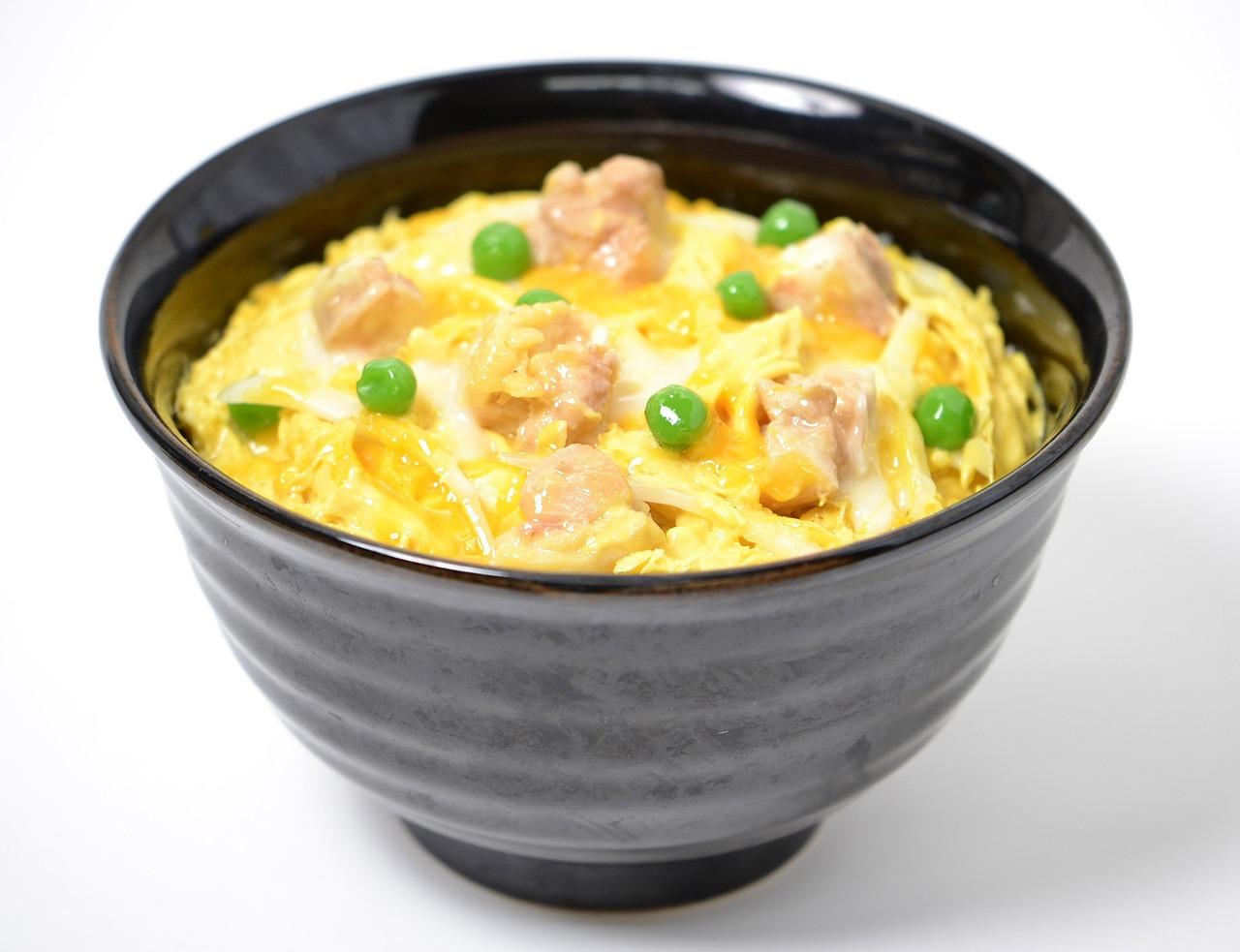
OyakodonChicken and egg rice bowl

The name means 'parent and child bowl', a gentle joke about cooking the chicken and the egg together. A Nihonbashi chicken restaurant in Tokyo says it first served the dish in the 1890s, and today it is a staple lunch in soba shops, office canteens and home kitchens all over the country. Thigh meat and sliced onion simmer briefly in sweet soy dashi, then beaten egg goes in and is taken off the heat while still soft and glossy. Everything slides onto a bowl of hot rice so the sauce seeps into the grains. Chef's tip: beat the eggs with just a few strokes of chopsticks, leaving streaks of white and yolk, as that marbled look and silky texture is what you're after.

by KrazyBadal 0 views

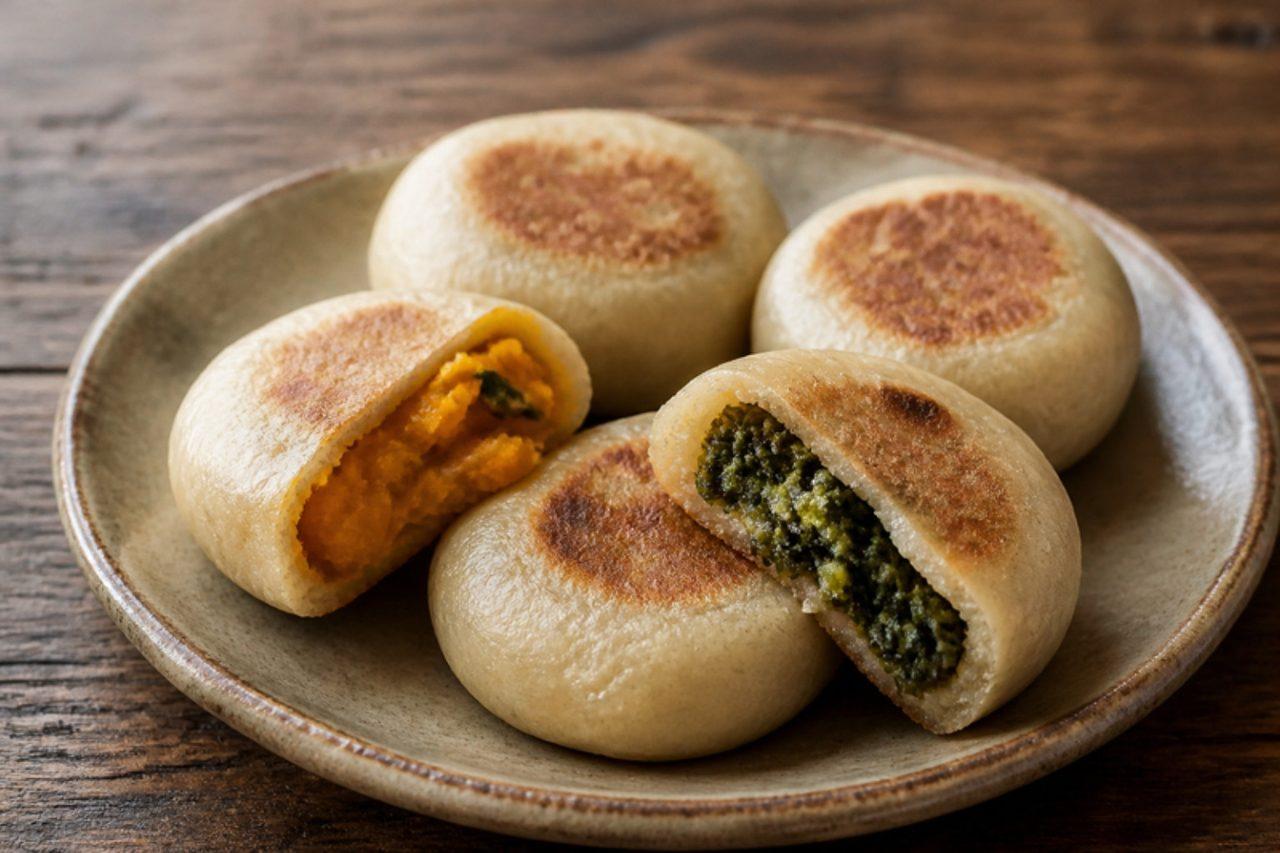
OyakiStuffed steamed dumplings

Oyaki are the everyday snack of Nagano's mountain villages, where rice was scarce and wheat and buckwheat grew better. The plump dumplings are filled with whatever the season gives: pickled nozawana greens in winter, aubergine and miso in summer, sweet squash in autumn. Old farmhouses baked them in the ashes of the irori hearth; today they are browned in a pan and steamed, so they come out crusty on both faces with a soft, chewy middle. They travel well, which made them the lunch of farmers and hikers on the trails around Zenkoji temple. Chef's tip: let the dough rest for at least 30 minutes. A relaxed dough stretches thin around the filling without tearing.

by KrazyBadal 0 views

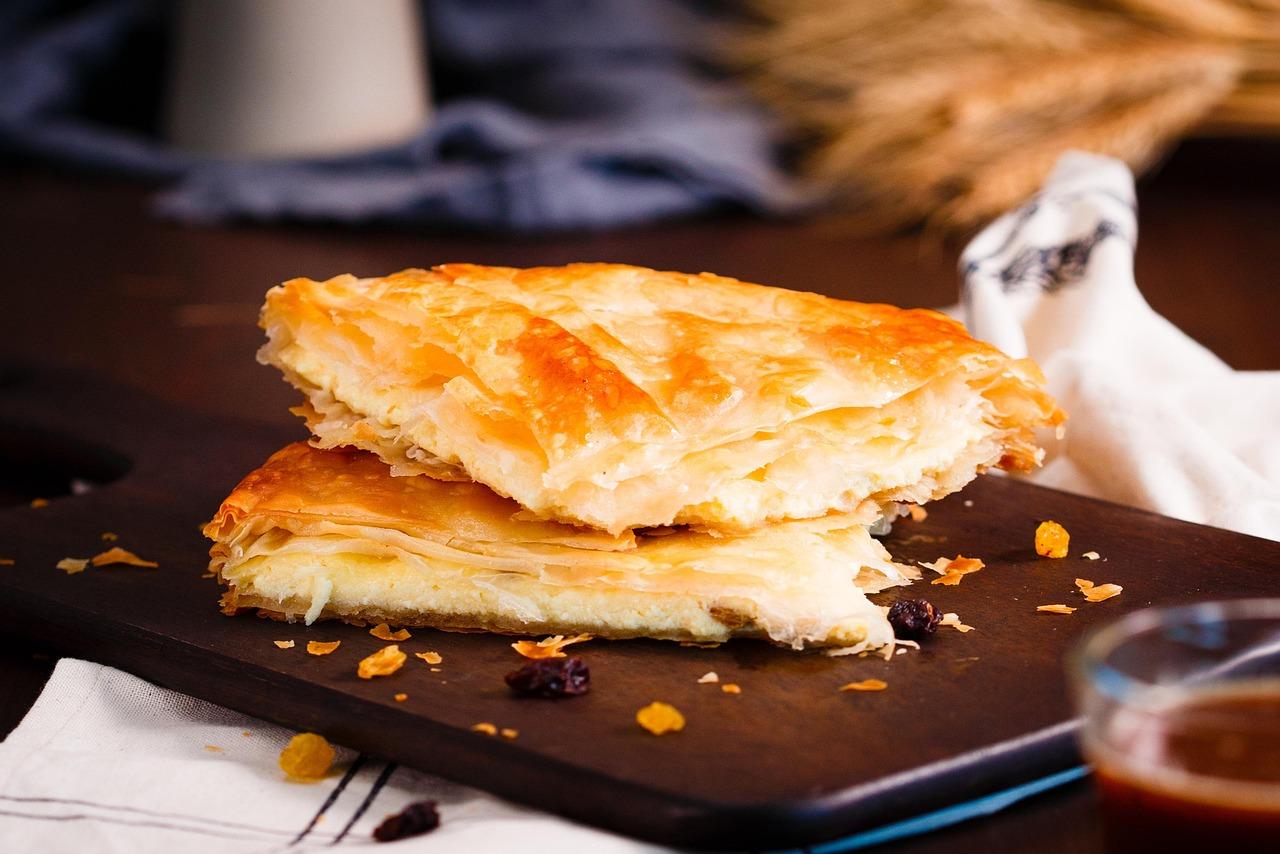
BanitsaFilo pie with cheese and egg

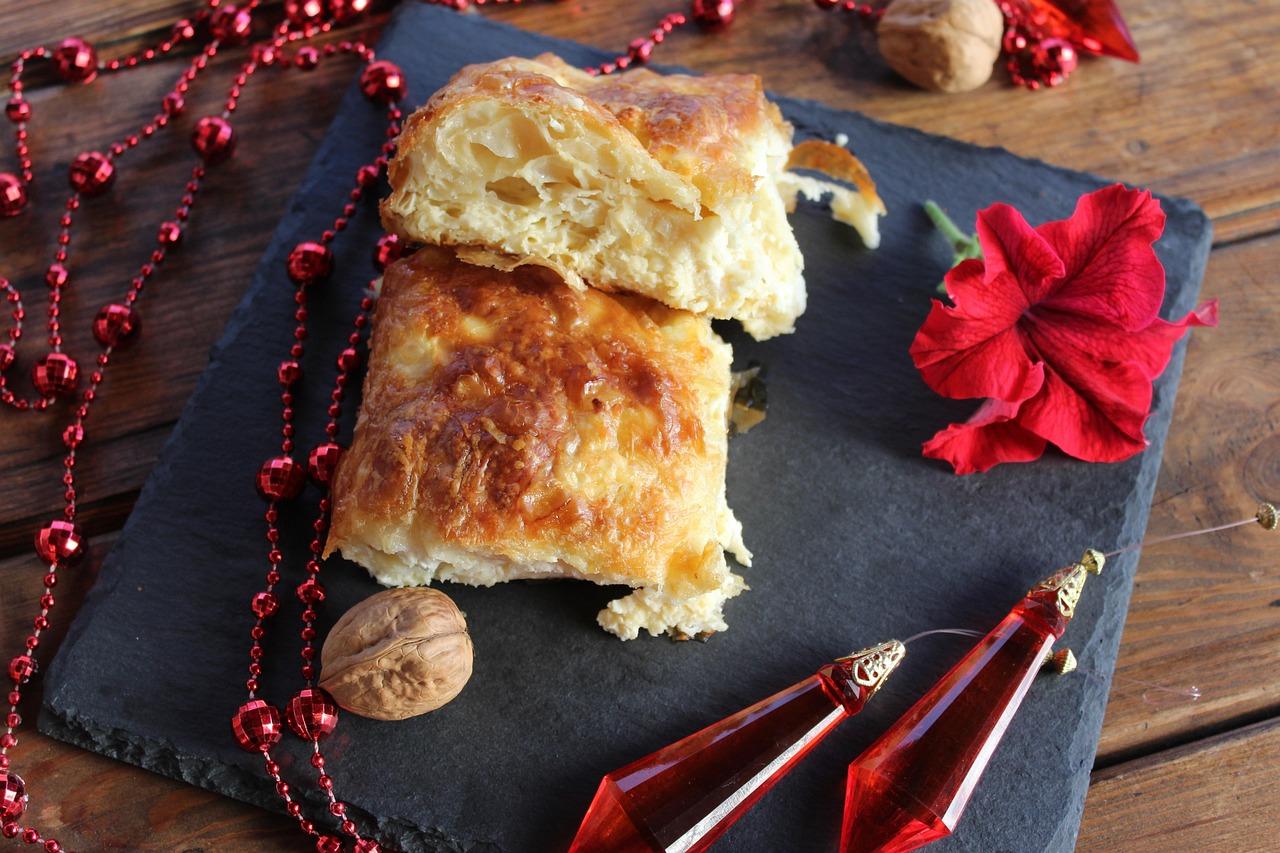
Banitsa is the Bulgarian breakfast pie, bought warm in paper from corner bakeries in Sofia and Plovdiv with a bottle of ayran or boza, and baked at home on New Year's Eve with lucky charms (kasmeti) tucked inside. Crumpled sheets of filo are layered with crumbled sirene and a custard of yogurt and eggs, then baked until the top is shatteringly crisp and the inside soft and tangy. It is not boiled like Turkish su böreği: the yogurt custard is what makes it Bulgarian. Chef's tip: crumple the filo loosely rather than laying it flat; flat, tightly packed sheets are the usual mistake and give a dense, doughy pie.

by KrazyBadal 0 views

Peynirli pideBoat-shaped cheese bread

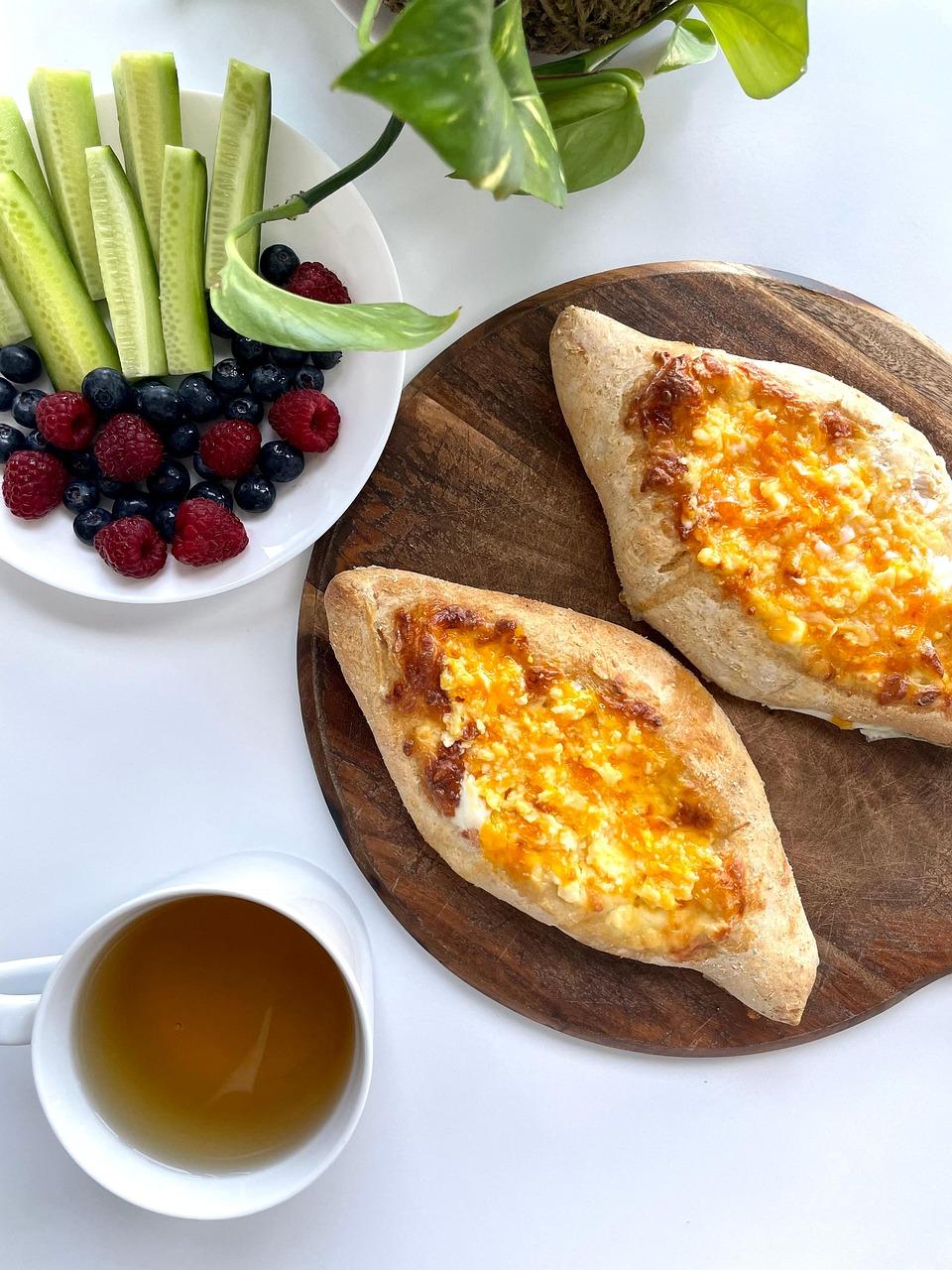
Along the Black Sea coast, from Samsun to Trabzon, the pide salon is where families go on a Friday night, and the oven man shapes each boat of dough by hand before sliding it onto the hot stone floor of a wood-fired oven. The Black Sea way is generous: a pool of melted kaşar and white cheese held inside a rim of soft bread, an egg cracked into the middle for the last few minutes and a knob of butter dropped on as it comes out. Children love tearing off the crusty ends to drag through the cheese. Chef's tip: heat a heavy baking tray or pizza stone in the oven for a full 30 minutes; the hot base is what gives a crisp underside rather than a soft one.

120 minTurkishPizza
by KrazyBadal 0 views

Clafoutis aux cerisesCherry batter pudding

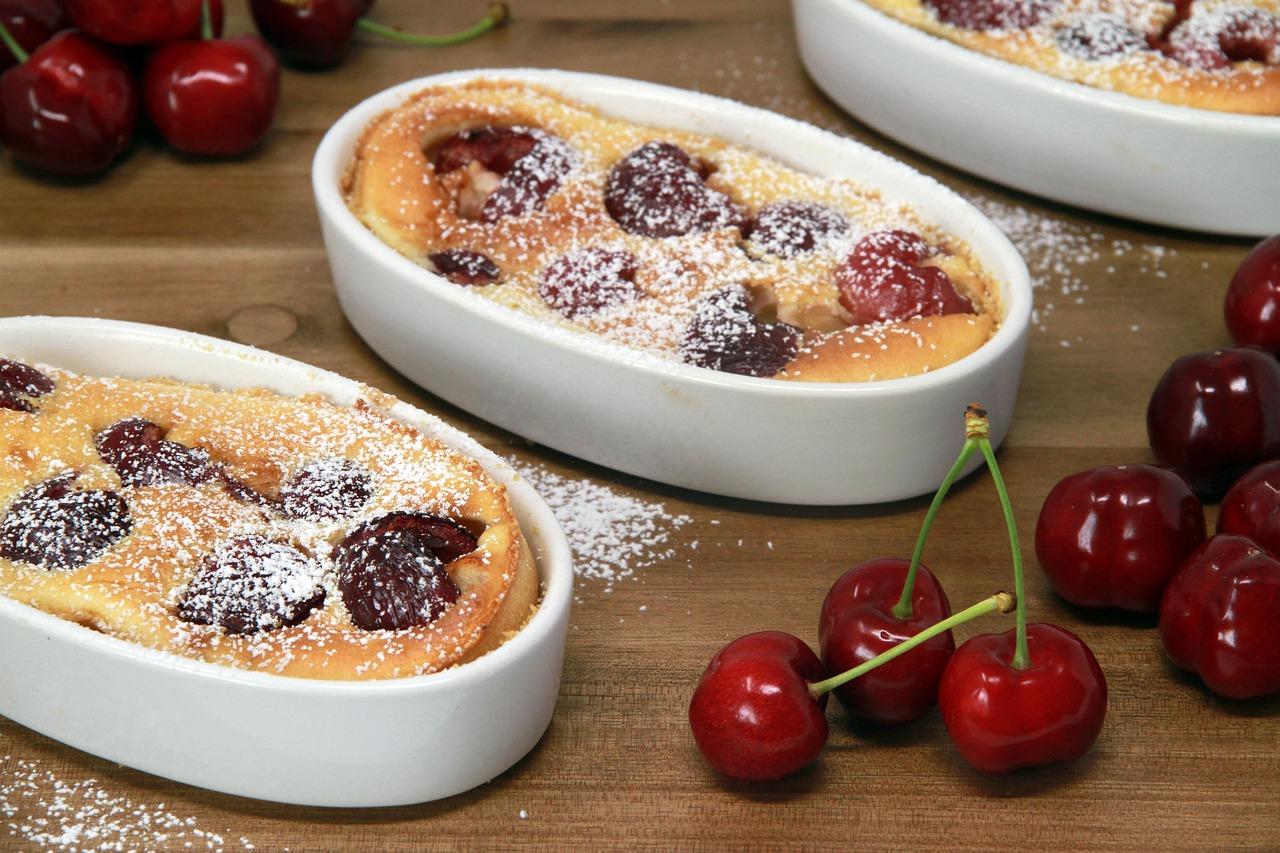
Clafoutis comes from the Limousin in central France, where black cherries ripen in early summer and families make this simple pudding for Sunday lunch. Whole cherries are scattered in a buttered dish and covered with a sweet, eggy batter, like a cross between a pancake and a custard, then baked until puffed and golden. In the Limousin the cherries are left unstoned, which cooks say gives a faint almond flavour; stone them if you are serving children. It's best warm, dusted with icing sugar. Chef's tip: don't overmix the batter once the flour is in; beating it hard is the common mistake and makes the clafoutis tough and rubbery.

by KrazyBadal 0 views

Ovoshchnoe raguSummer vegetable stew

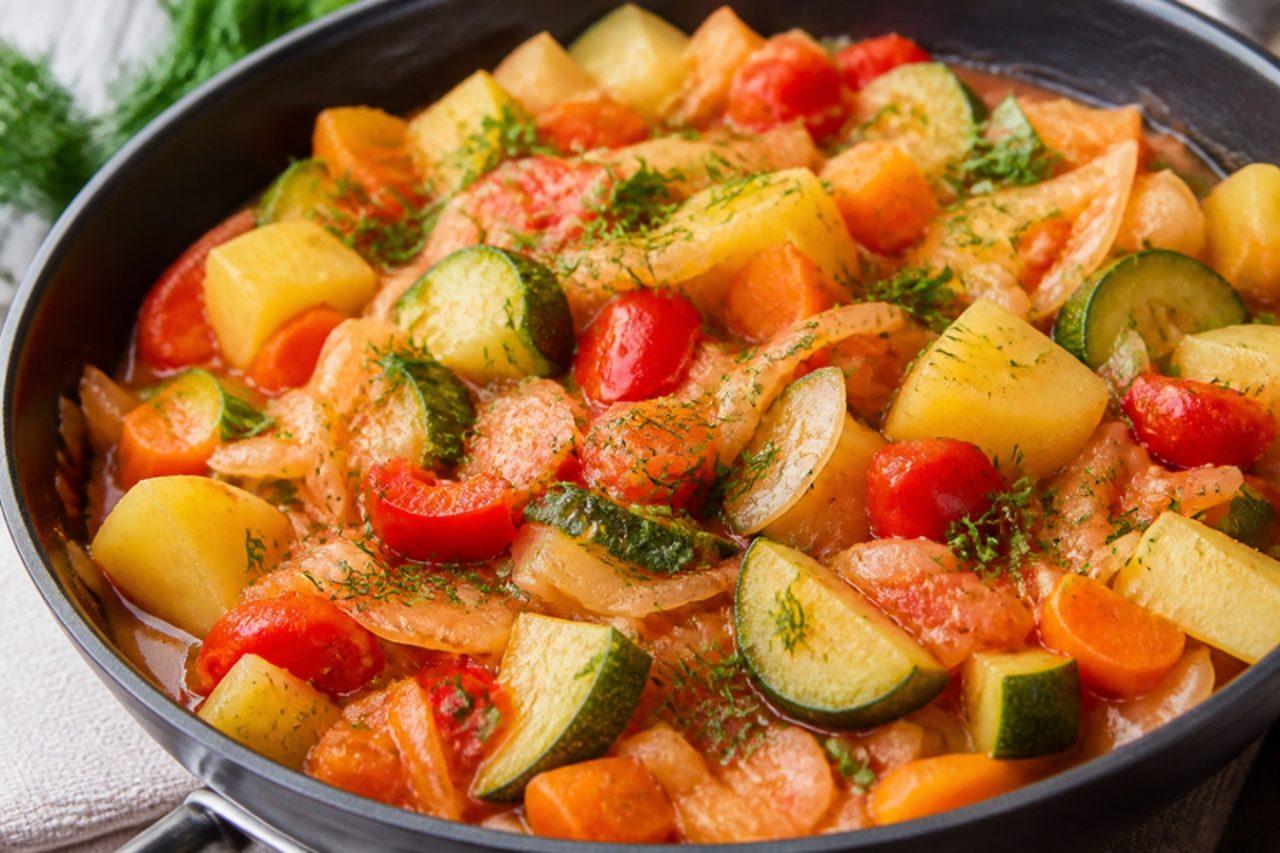
Ovoshchnoe ragu is what happens at a Russian dacha in August, when the garden outside Moscow or Nizhny Novgorod produces more courgettes, cabbage, peppers and new potatoes than anyone can eat. Everything is fried in turn, then stewed together in one heavy pot with tomato until soft and spoonable, and eaten hot with black bread, or cold the next day. It is homelier than French ratatouille or Greek briam: cabbage and potatoes give it body, and dill and garlic go in right at the end. Chef's tip: fry each vegetable separately before stewing; dumping everything in raw gives a watery, boiled taste.

by KrazyBadal 0 views

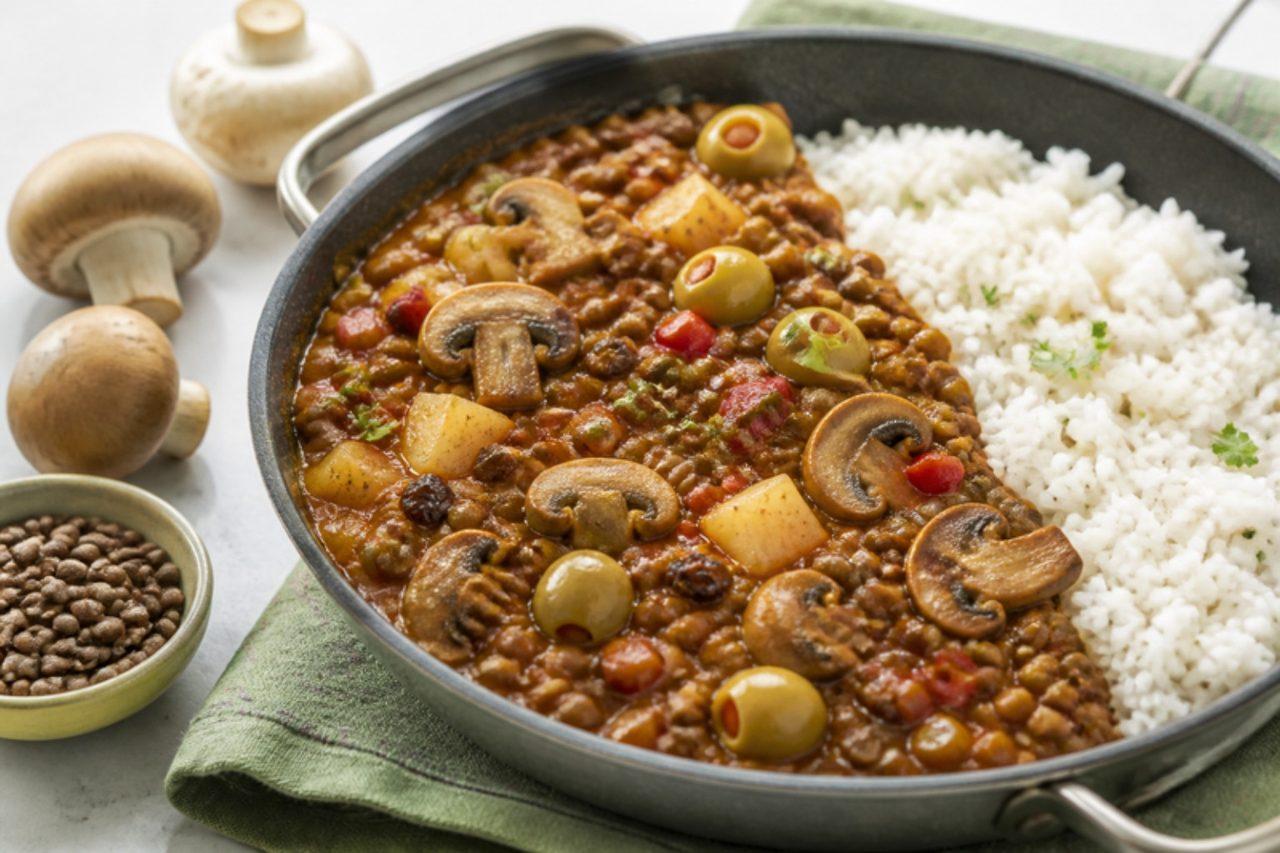
Picadillo vegetarianoLentil and mushroom picadillo

Picadillo a la habanera is Havana's everyday savoury hash, sweet with raisins, salty with olives and capers and sharp with tomato and sofrito. This vegetarian version swaps the meat for brown lentils and finely chopped mushrooms, which give the same crumbly, juicy texture and a deep savoury flavour. Spoon it over white rice with fried ripe plantain, or use it to fill empanadas and stuffed peppers. Chef's tip: let the mushrooms fry until all their liquid has gone and they turn brown; that browning is what makes it taste rich.

by KrazyBadal 0 views

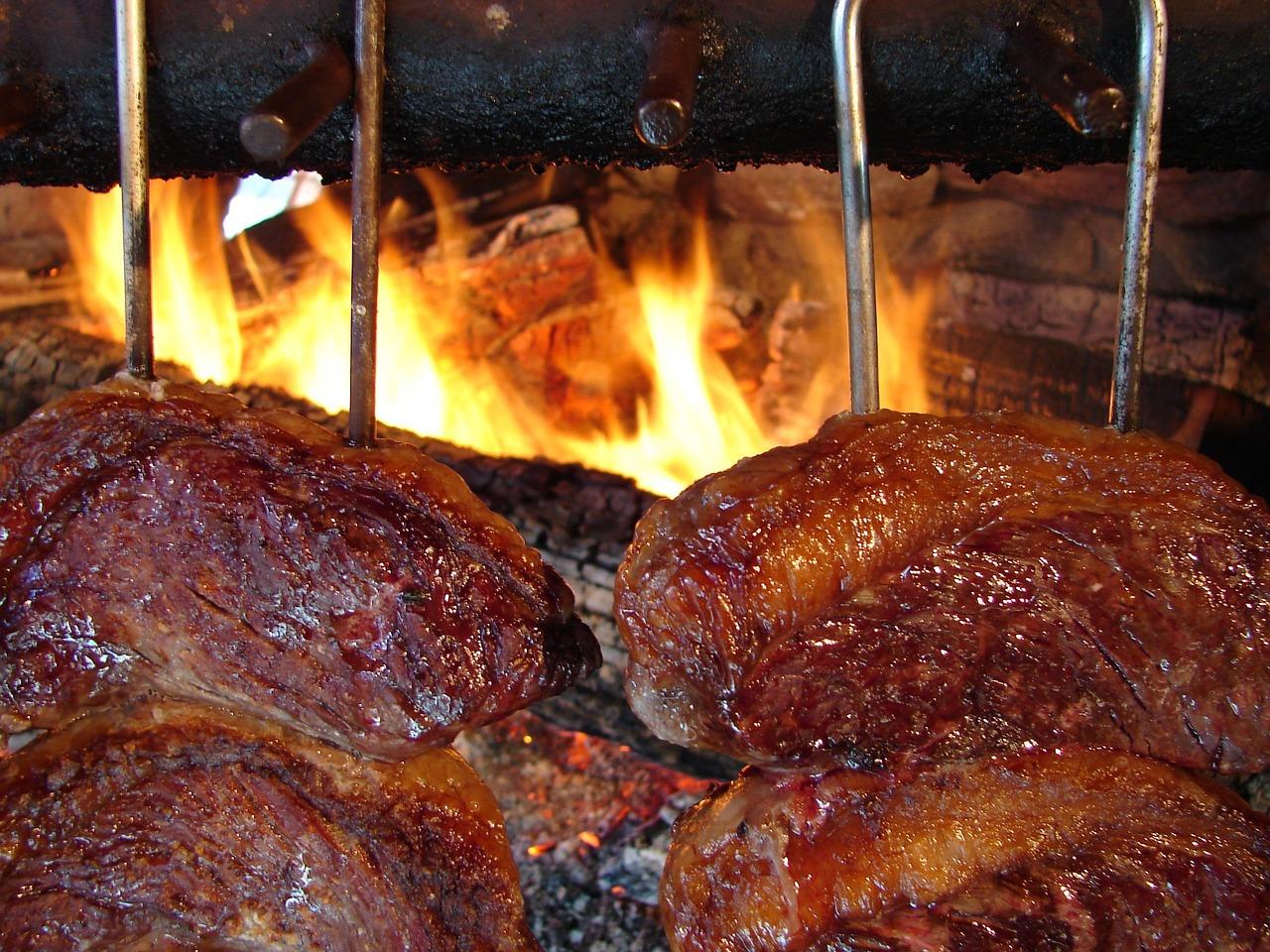
Picanha churrascoGrilled beef rump cap

Picanha, the rump cap with its thick white fat layer, is the cut Brazilians prize most at a churrasco. The tradition comes from the gaúchos, the cattle herders of Rio Grande do Sul, and lives on in Sunday family barbecues in the south and in churrascarias across the country, where waiters carry the meat from table to table on long skewers. It is seasoned with nothing but coarse rock salt (sal grosso) and cooked over charcoal with the fat left on, so it bastes the meat. You can fold thick steaks into a C shape on skewers, as in the churrascarias, or grill them flat. Chef's tip: before slicing, knock the excess salt off with the back of a knife; the crust keeps just enough.

by KrazyBadal 0 views

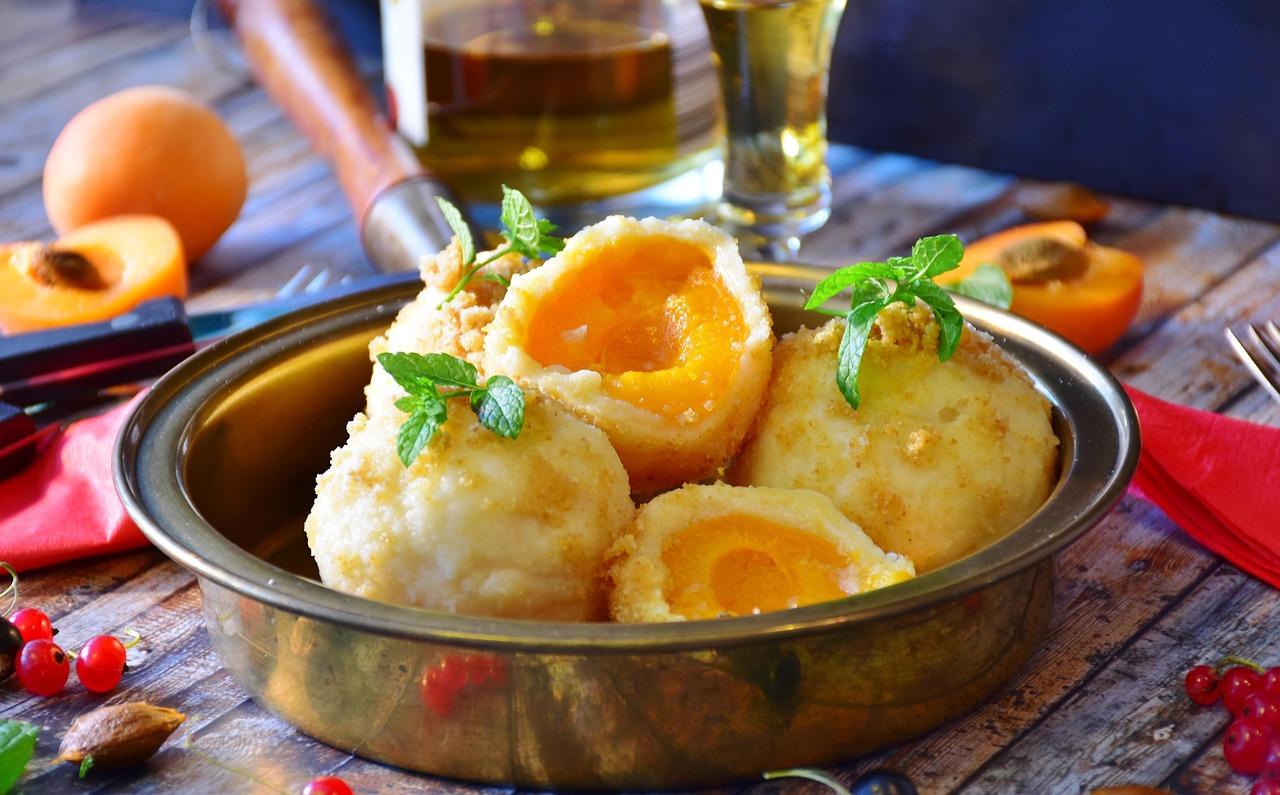
Ovocné knedlíkyFruit-filled dumplings

Ovocné knedlíky are the summer main course of Czech childhoods: in July with apricots from South Moravian orchards, in September with blue plums, eaten as lunch rather than pudding. Each soft quark dumpling hides a whole fruit that turns jammy as it simmers, and they are served the old way, rolled in melted butter and buried under grated tvaroh (quark) and icing sugar. Kids compete over who can eat the most. Chef's tip: pinch the dough completely closed with no thin patches; a single gap lets water in and the dumpling bursts in the pot.

by KrazyBadal 0 views

Ciorbă de burtăCreamy sour tripe soup

Romanians swear by ciorbă de burtă the morning after a wedding or a long night out, and in Bucharest there are restaurants that serve little else from breakfast onwards. Strips of beef tripe sit in a silky broth thickened with egg yolk and sour cream, sharpened with vinegar and served with mujdei, a raw garlic sauce, and a hot pepper on the side. It takes time, because tripe only turns tender after a long, slow simmer. The mistake most people make is boiling the soup after the yolks go in, which scrambles them into flecks. Chef's tip: buy cleaned, blanched (white, 'dressed') tripe from the butcher; it saves an hour of scrubbing and is much milder.

by KrazyBadal 0 views

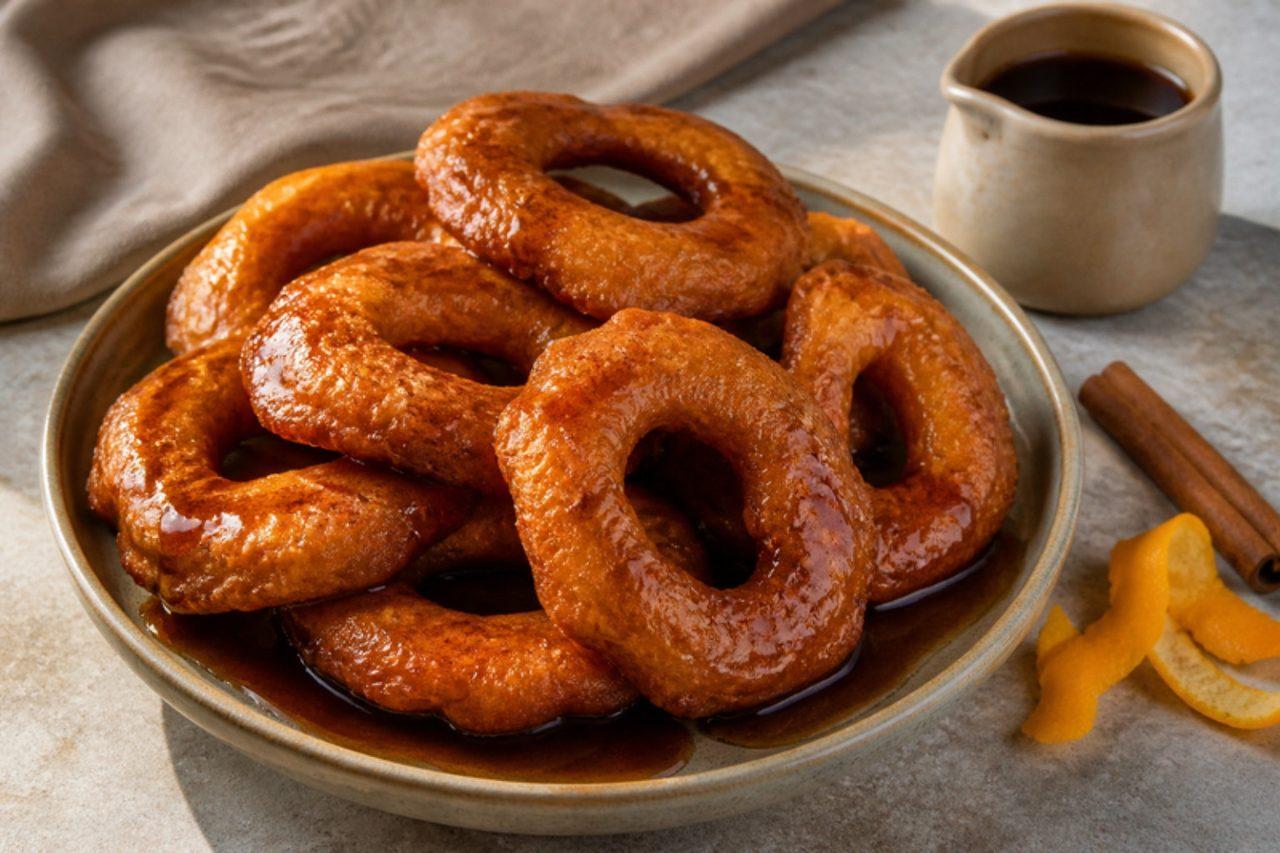
PicaronesSweet potato and squash doughnuts

Picarones are Lima's favourite street sweet, fried to order at stalls in the parks and outside churches, especially in October during the Señor de los Milagros processions. The light, chewy rings are made from a yeasted dough of sweet potato and squash, scented with anise, fried until crisp and drenched in miel de chancaca, a dark syrup of unrefined cane sugar with orange peel, cinnamon and cloves. They are eaten hot, straight from the oil, with plenty of syrup. Chancaca is sold in Latin shops; dark muscovado or piloncillo makes a very good syrup too. Chef's tip: the dough should be very soft and sticky, like a thick batter; resist adding more flour, or the picarones turn heavy and bready.

by KrazyBadal 0 views

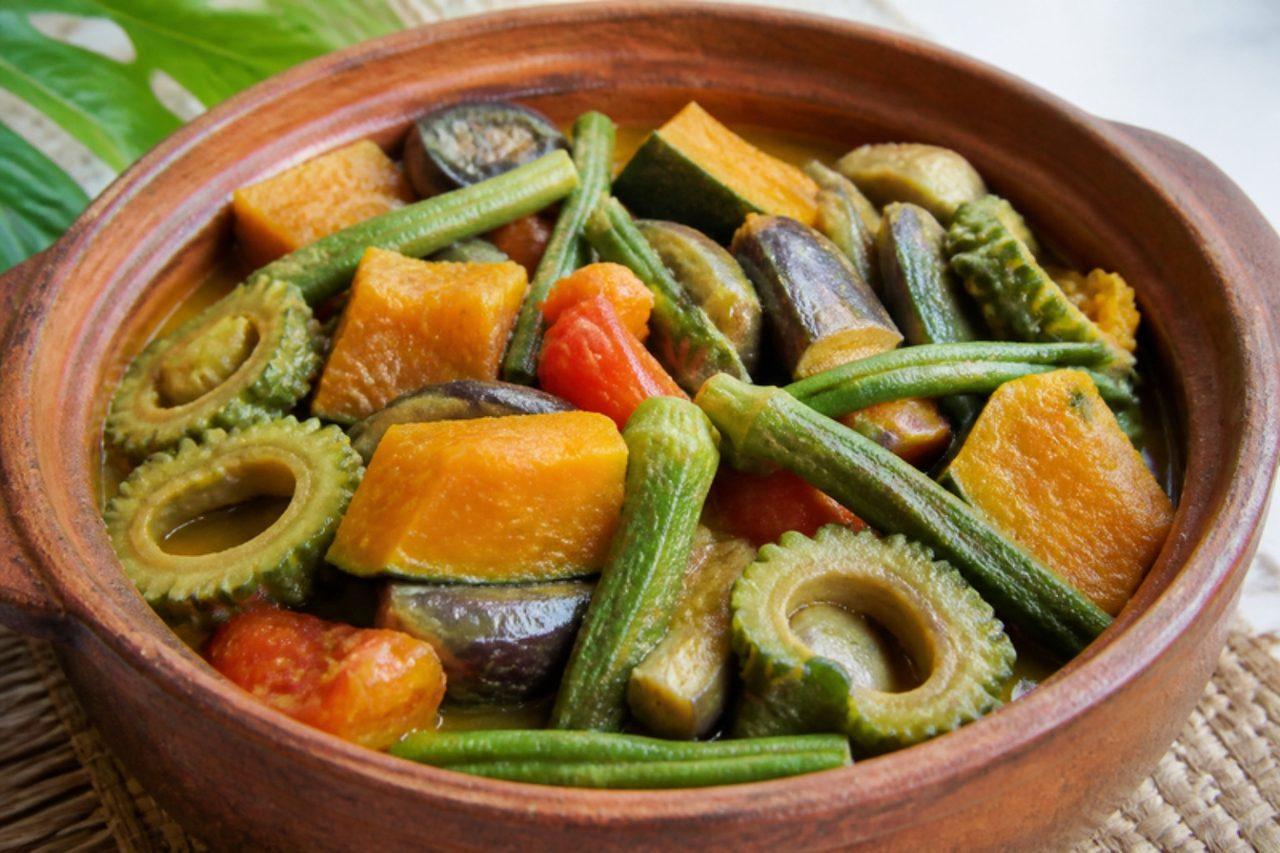
PinakbetMixed vegetable stew

Pinakbet comes from the Ilocos region in the far north-west of Luzon, where families cook whatever grows behind the house: bitter melon, small aubergines, okra, yard-long beans and tomatoes, simmered with very little water until the vegetables shrink and wrinkle (the name comes from the Ilocano for 'shrivelled'). Ilocanos season it with fermented fish paste; here white miso gives the same savoury, salty depth without any fish, and a little squash (more common in the Tagalog version) adds sweetness. It is an everyday lunch dish, eaten with rice and often a spoonful of extra miso on the side. Chef's tip: choose small, firm bitter melon and don't scrape out every bit of the pith; a little bitterness is the point.

by KrazyBadal 0 views

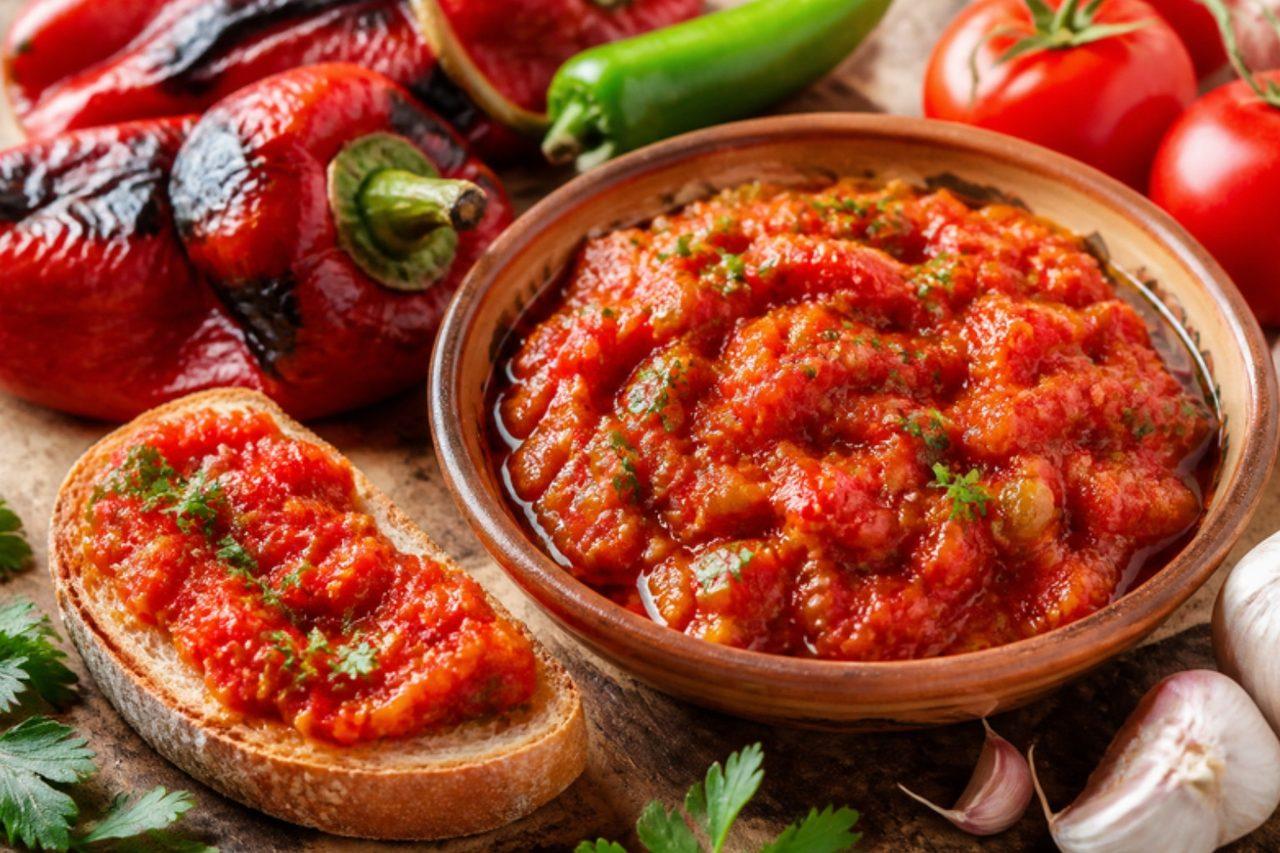
PindjurRoasted pepper and aubergine relish

Where ajvar is the patient winter preserve, pindjur is its quick summer cousin, made in Macedonian and Bosnian kitchens in July and August when tomatoes are at their ripest. Roasted peppers and aubergine are chopped rather than ground, then simmered briefly with fresh tomatoes and plenty of garlic, so it stays chunky, juicy and bright. It is eaten warm or at room temperature, scooped up with bread and a slab of white cheese, as part of a mezze spread in Ohrid or Mostar. Chef's tip: chop everything with a knife instead of a blender; a puréed pindjur loses the texture that sets it apart from ajvar.

by KrazyBadal 0 views

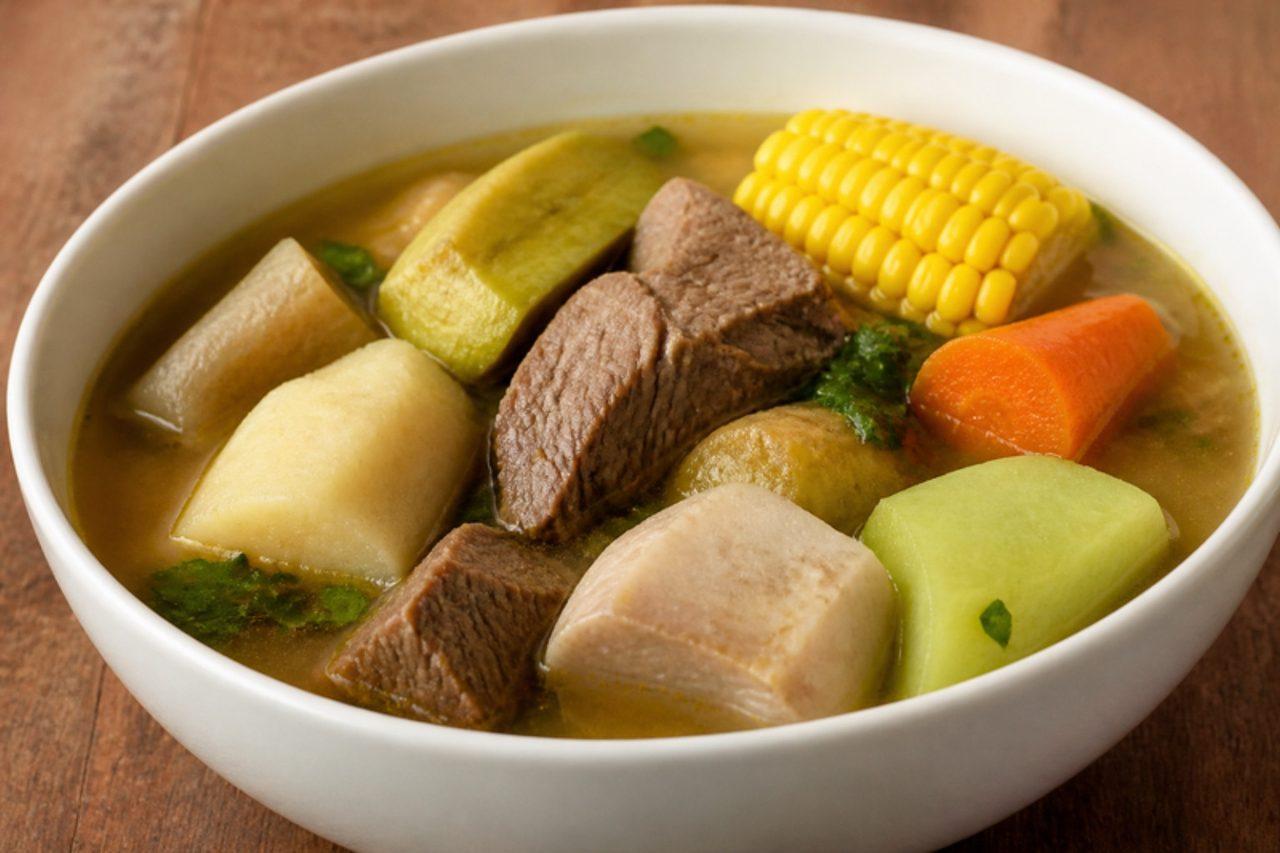
Olla de carneBeef and vegetable pot

Olla de carne, "pot of meat", is the Costa Rican Sunday soup, cooked slowly in the Central Valley around San José and in country homes: beef shin and short ribs simmered for hours in a clear broth with big pieces of yuca, chayote, green plantain, corn, carrot and taro. The broth is served first, then the meat and vegetables, with rice on the side. The mistake is putting all the vegetables in together; add the hard ones first and the soft chayote and corn last. Chef's tip: use a little bone with the beef; it gives the broth body without any stock cube.

by KrazyBadal 0 views

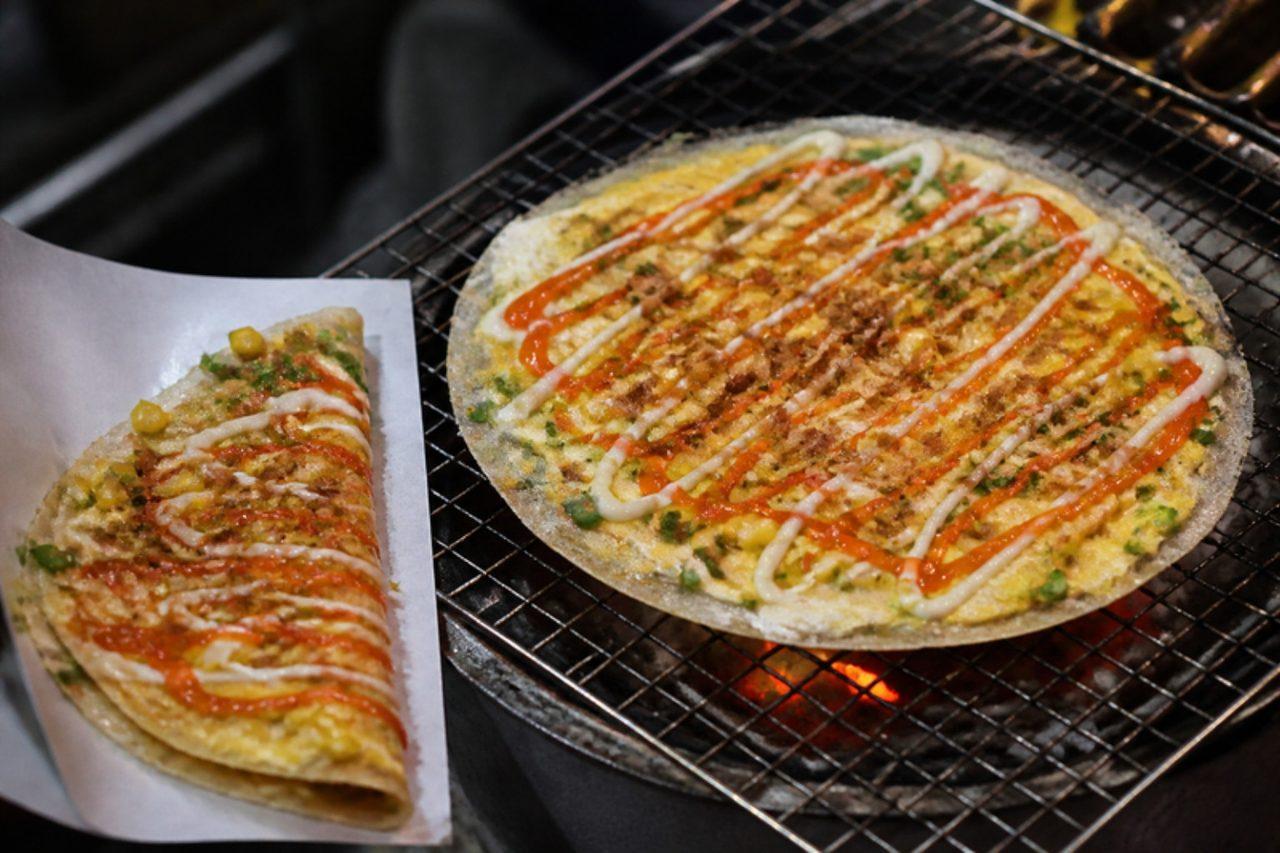
Banh trang nuongGrilled rice paper pizza

Bánh tráng nướng is the snack of Da Lat's night market, where vendors grill sheets of rice paper over small charcoal braziers, crack on an egg, spread it with a bamboo brush and fold the crackling disc in half to hand over in a paper napkin. Visitors call it Vietnamese pizza. The usual toppings include dried shrimp and sausage; this vegetarian version keeps the egg, spring onion, sweetcorn and crispy shallots, finished with chilli sauce and squiggles of mayonnaise. A dry frying pan does the job at home. Chef's tip: keep the heat low to medium; rice paper scorches in seconds, and it needs time for the egg to set on top while it crisps underneath.

by KrazyBadal 0 views

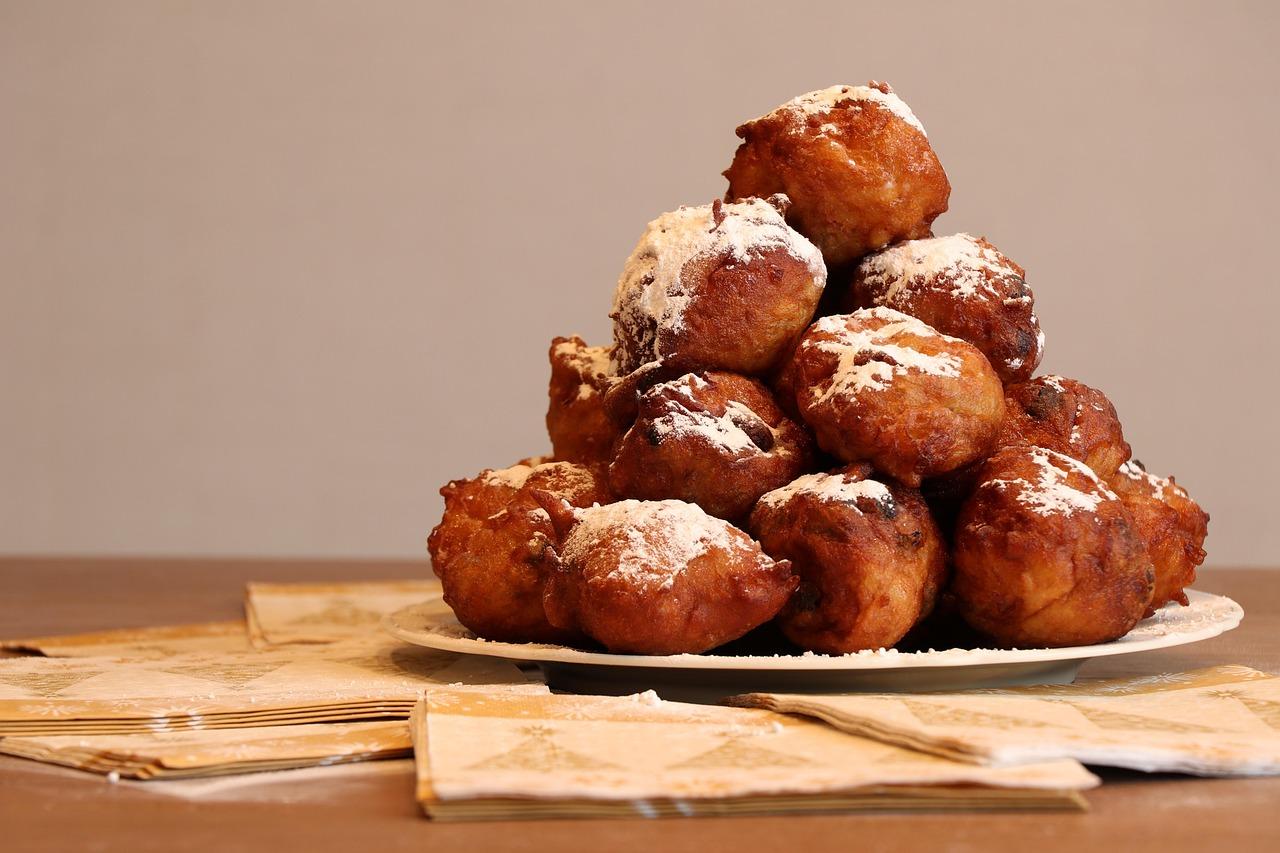
OliebollenRaisin fritters

On the last day of December the queues outside the oliebollenkraam, the caravan-like stalls that pop up in every Dutch town, stretch round the block. Oliebollen ('oil balls') are the food of Oudejaarsavond, New Year's Eve: round, yeasted fritters full of raisins, currants and apple, deep-fried and buried in icing sugar. Families fry big batches at home in the afternoon and eat them with champagne at midnight. They are best within a few hours. Chef's tip: dip your two scooping spoons in the hot oil before each ball; the sticky dough slides off cleanly and the balls come out round instead of ragged.

by KrazyBadal 0 views

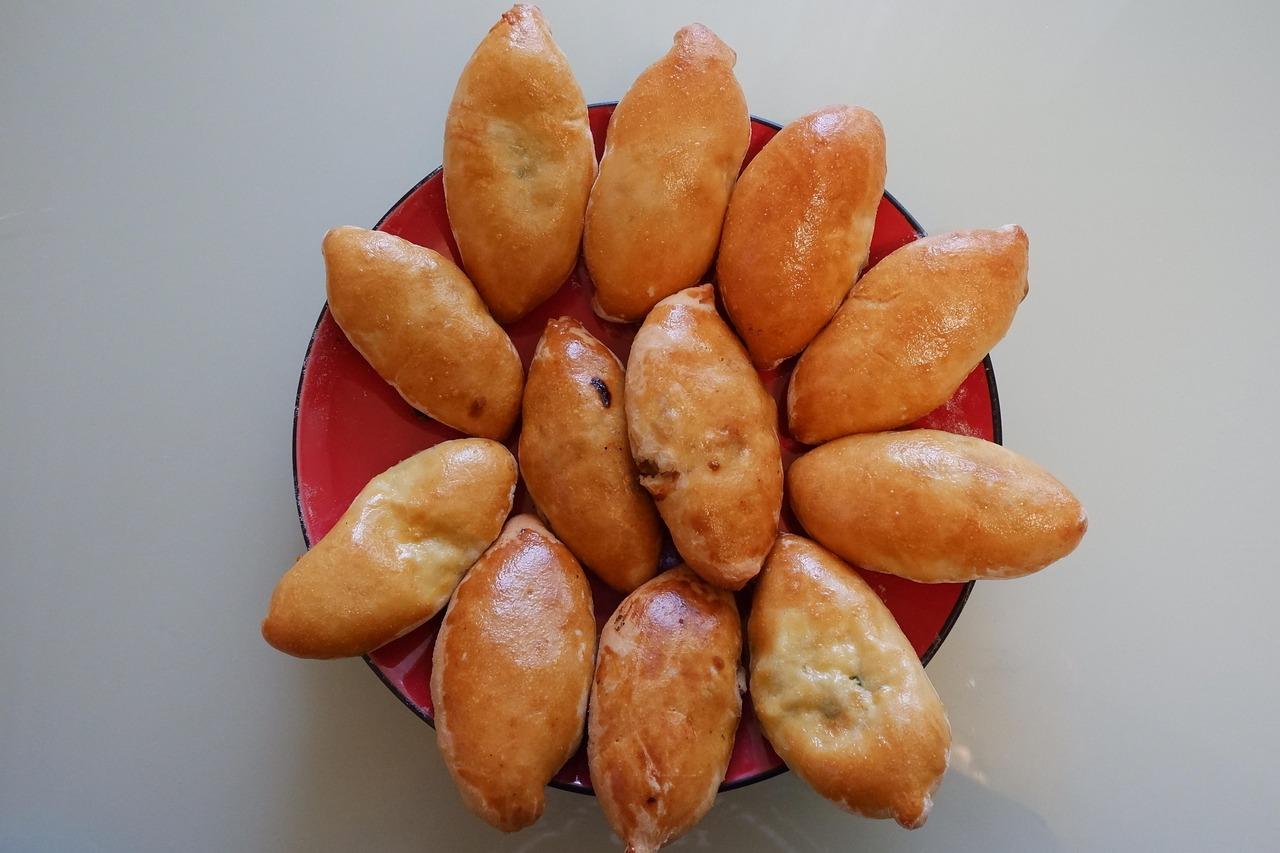
PirozhkiBaked filled buns

Pirozhki, little oval pies of soft yeast dough, are what a Russian babushka has waiting on the kitchen table when the grandchildren arrive, and what used to be sold warm from steel carts at Moscow metro stations. They are eaten with a bowl of soup, packed for the train, or simply grabbed from the plate all afternoon. Fillings change with the season; the two most loved meatless ones are buttery cabbage with chopped egg and creamy mashed potato with fried onion and dill. Chef's tip: let the fillings cool completely before shaping; warm filling softens the dough and the buns tear and leak.

by KrazyBadal 0 views

ChoripánChorizo sandwich

Choripán is what fans buy outside football stadiums in Buenos Aires, what the asador hands round while the beef is still cooking, and what stalls sell along Costanera Sur on a Sunday afternoon. This is a pork dish: a fat Argentine-style fresh chorizo (pork, sometimes mixed with beef) is grilled slowly, split open (a mariposa) and tucked into a crusty roll with chimichurri or salsa criolla. That's it, and it doesn't need more. The common mistake is grilling the chorizos too hot, so the skins burst and the centre stays raw; low and slow is the rule. Chef's tip: once cooked, split each chorizo lengthways and give the cut sides 1 minute on the grill so they char a little.

by KrazyBadal 0 views

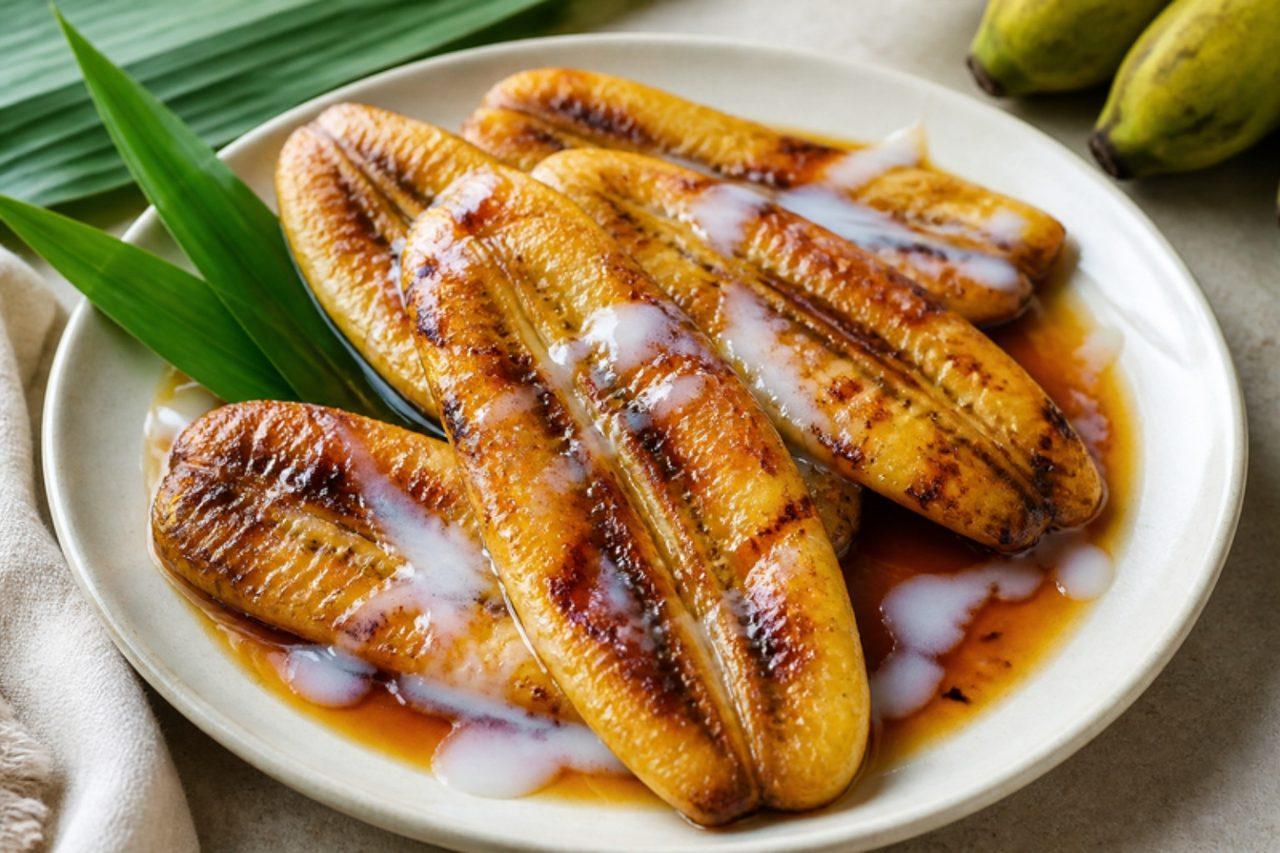
Pisang epeGrilled pressed bananas

Along Losari Beach in Makassar, South Sulawesi, evening stalls grill firm bananas over coals, press them flat between two boards, grill them again and drown them in palm-sugar syrup. Epe means pressed. The bananas turn smoky and dense, almost like baked plantain, and the syrup is often flavoured with pandan, durian or chocolate; this is the pandan version. Chef's tip: use bananas that are just ripe and still firm, or plantains just turning yellow; soft bananas fall apart when you press them.

by KrazyBadal 0 views

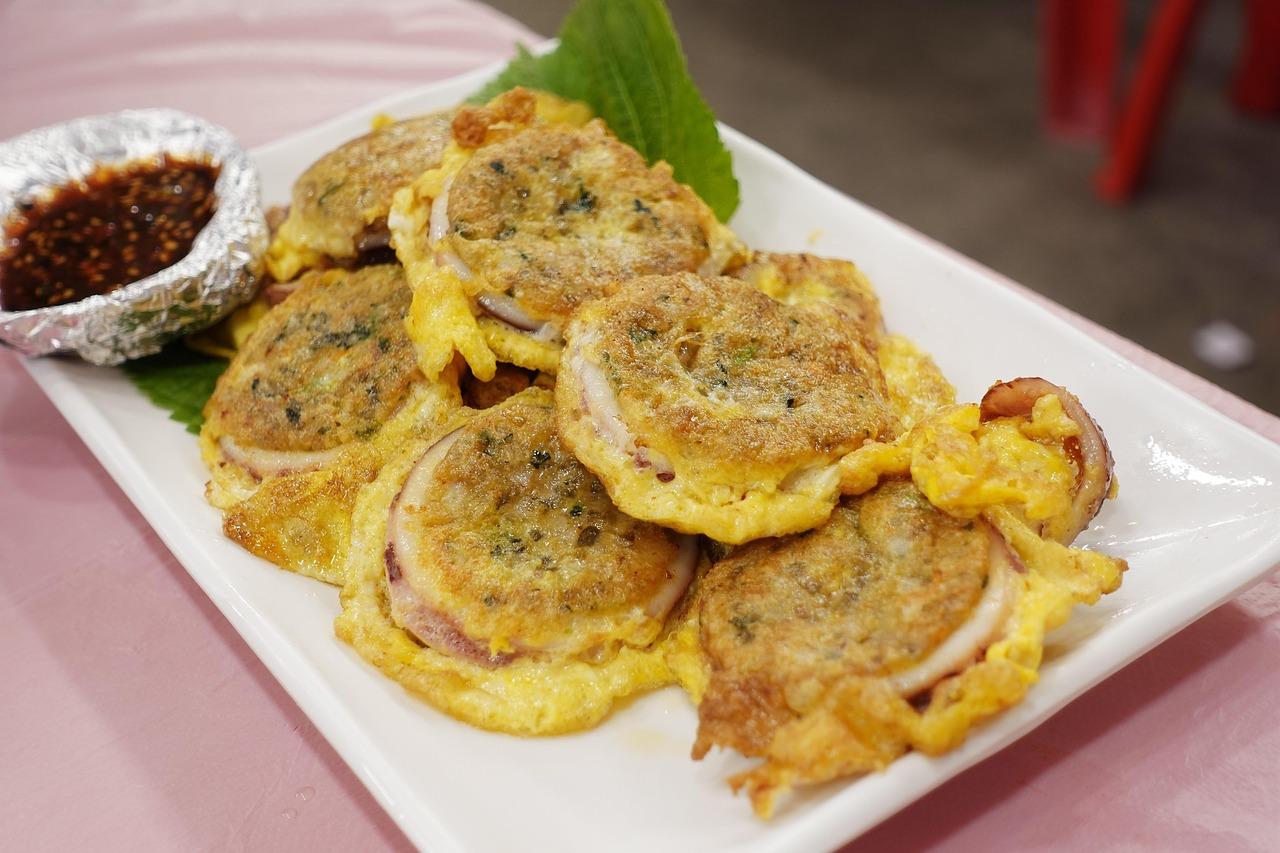
Ojingeo sundaeRice-stuffed squid

Abai Village in Sokcho, on Gangwon's east coast, was settled by people from Hamgyeong province in the north who could not go home after the Korean War. With squid plentiful in the East Sea, they stuffed it the way they had once stuffed pork casings for sundae, and the dish is now sold in the village's small restaurants and at Sokcho's Jungang market. The squid is filled with sticky rice, tofu and vegetables, steamed, cut into rounds and fried in beaten egg until golden. It makes a good sharing plate with a soy and vinegar dip. Chef's tip: mix a little glutinous rice into the filling; it binds the slices so they don't fall apart in the pan.

90 minKoreanFish
by KrazyBadal 0 views

Pisang raiBananas in rice-flour batter

Pisang rai is a Balinese market sweet, wrapped in banana leaf and sold alongside klepon and lak-lak in the early morning. Small ripe bananas are coated in a thick rice-flour batter and dropped into boiling water rather than oil, so they come out soft, chewy and pale, ready to be rolled in salted grated coconut and drizzled with palm-sugar syrup. Some cooks colour the batter green with pandan. Chef's tip: the bananas are done when they float and the batter turns translucent at the edges; another minute firms the coating without making it gluey.

by KrazyBadal 0 views

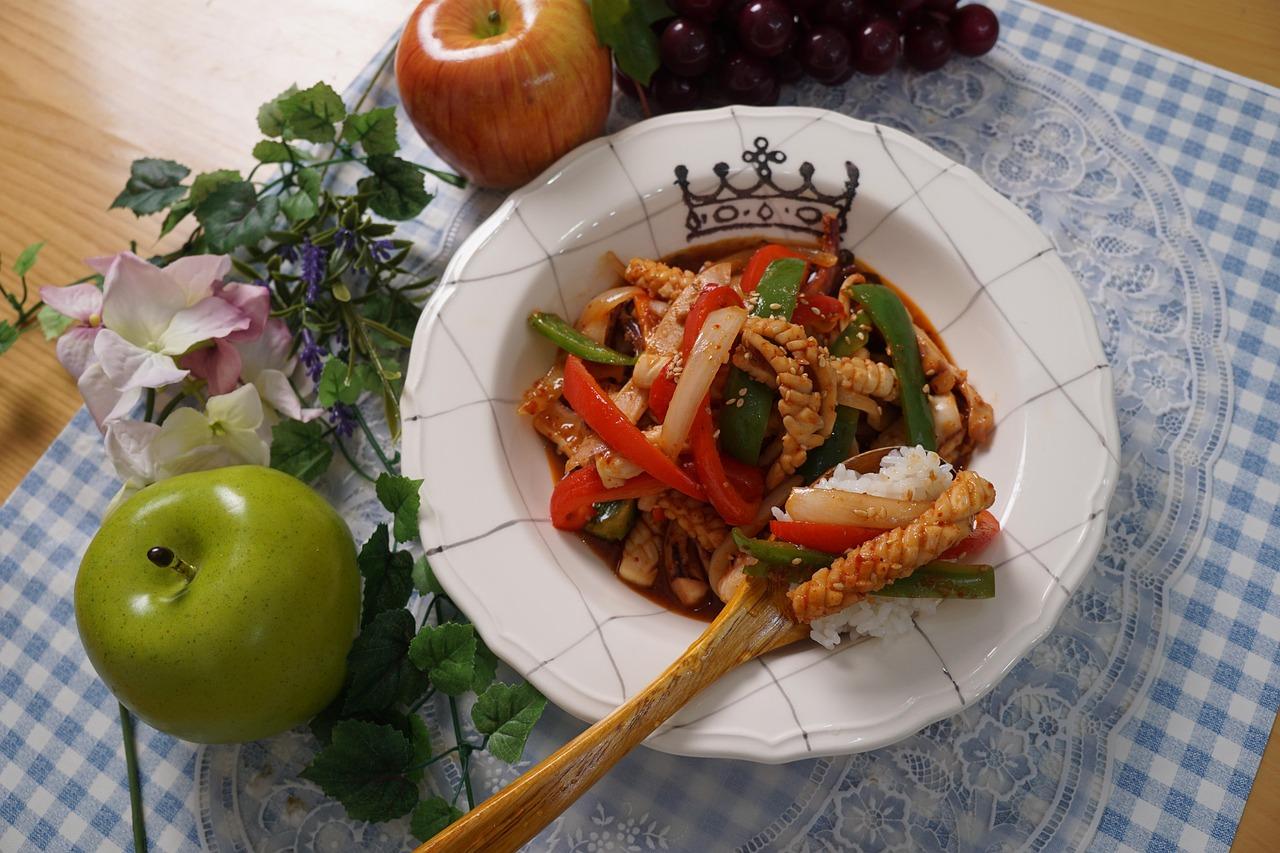
Ojingeo bokkeumSpicy stir-fried squid

Around the harbours of the Chungcheong coast on the Yellow Sea, seafood restaurants fry freshly landed squid in a sticky red sauce, and the same dish turns up in lunch canteens and home kitchens all over Korea. Bright with chilli, it's on the table in about twenty minutes and is often piled straight onto rice as ojingeo deopbap. The sauce is gochujang and chilli flakes sweetened with a little sugar, and the vegetables stay crisp. Serve with rice and a bowl of light soup to cool things down. Chef's tip: mix the sauce before you light the hob, because the squid cooks so fast that there is no time to measure anything once it's in the pan.

20 minKoreanFishSpicy
by KrazyBadal 0 views

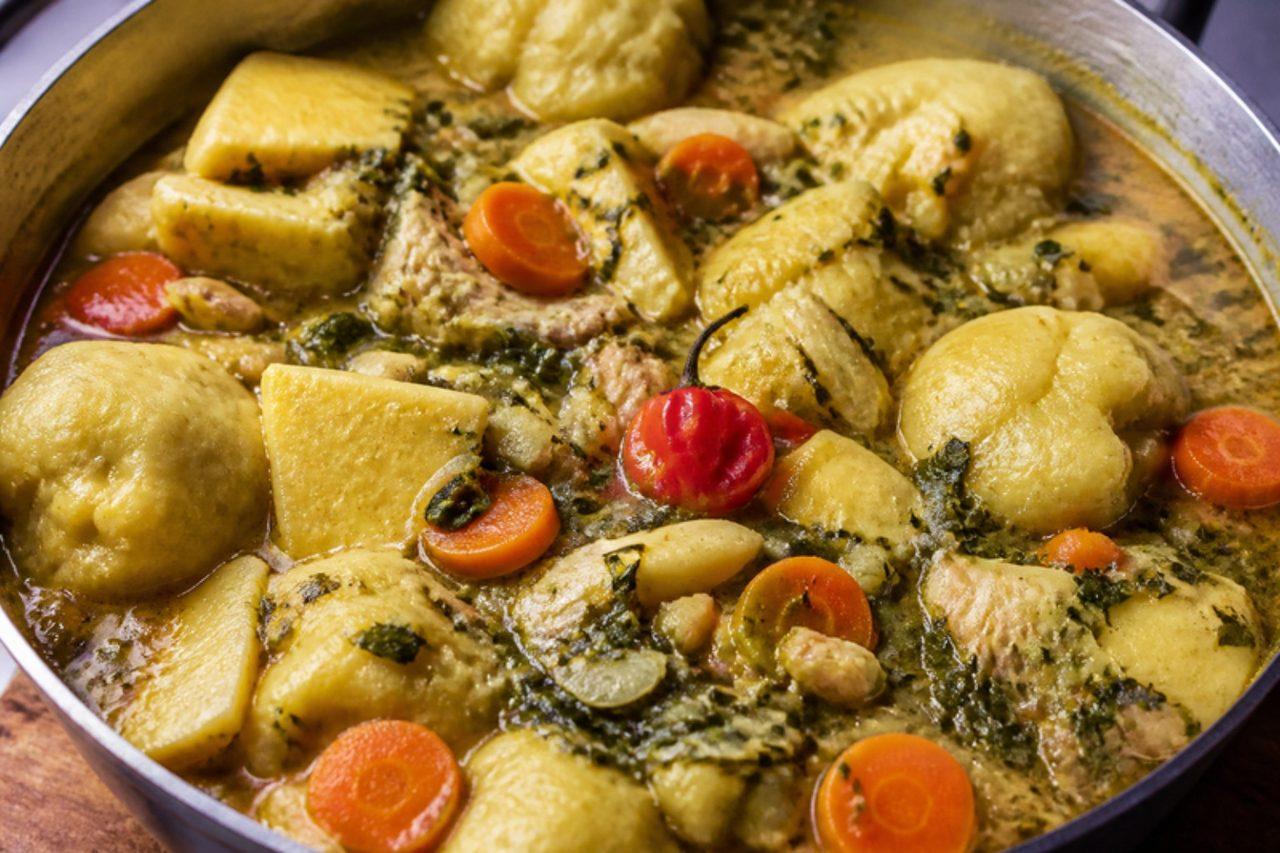
Oil downBreadfruit and salt fish one-pot

Oil down is what Grenadians cook on the beach, at village fêtes and on Sunday afternoons, often in a big iron pot over a wood fire with everyone waiting around it. Breadfruit, salt fish and soft flour dumplings are layered with callaloo and turmeric (called 'saffron' on the island), then steamed in coconut milk until the milk is drunk up and only a golden oil coats the pot, which gives the dish its name. Many cooks add salted pig tail or chicken; this version keeps to salt fish. The mistake to avoid is stirring, which breaks the layers into mush; shake the pot instead. Chef's tip: put the Scotch bonnet in whole and lift it out at the end, so it scents the pot without burning everyone's mouth.

by KrazyBadal 0 views

Vegetable chorba frikTomato soup with green wheat

Chorba frik is the soup that breaks the fast in Algerian homes every evening of Ramadan, from Algiers to Constantine, and it is just as common in Libya as shorba. Frik is young green wheat, roasted and cracked, which gives the tomato broth a smoky, nutty depth. It usually cooks with lamb; here chickpeas, celery and courgette carry it. Serve with lemon wedges and bread. Chef's tip: add the frik only once the broth is boiling and stir for the first minute, or it sinks and sticks.

by KrazyBadal 0 views

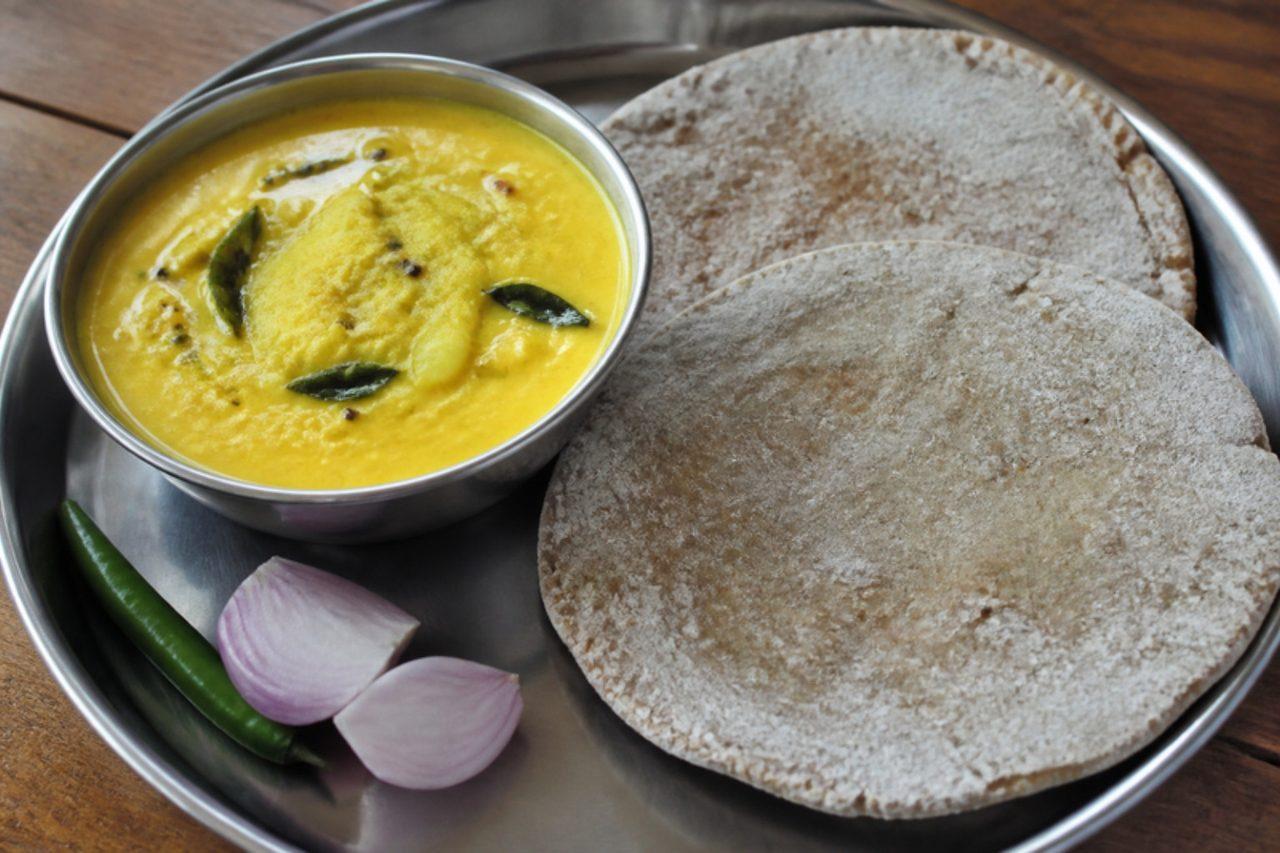
Pithla with jowar bhakriGram flour curry with sorghum flatbread

In villages across the Deccan plateau of Maharashtra, pithla bhakri is what a farmer's family eats when the pantry is low and the day is long: a pan of gram flour simmered with garlic, green chilli and onion until it sets to a soft, spoonable curry, with thick jowar bhakri patted out by hand and a raw onion on the side. It became a symbol of rural Maharashtra, served at roadside stalls near Sinhagad fort to trekkers and at political rallies alike. Zunka, the dry version, uses the same flavours but is stirred until crumbly. Serve with thecha or a wedge of lemon. Chef's tip: whisk the gram flour into cold water before it meets the pan; that one step is the whole secret to a lump-free pithla.

by KrazyBadal 0 views

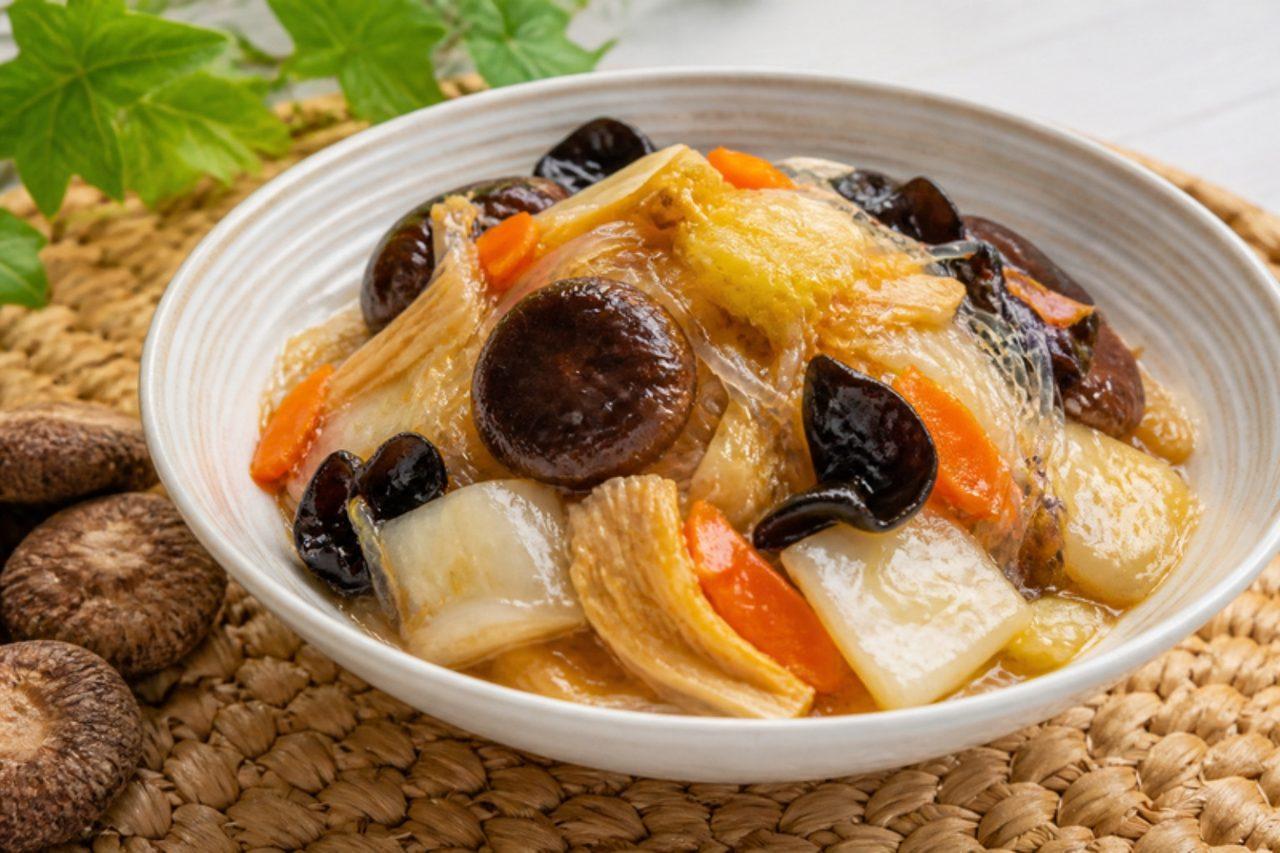
Nyonya chap chyeBraised cabbage with glass noodles

In Peranakan homes in Melaka and Penang, chap chye (mixed vegetables) is cooked in a big pot for Chinese New Year and family prayer days. Cabbage, dried shiitake, wood ear, lily buds and beancurd skin are braised with garlic and tau cheo, the salty fermented soybean paste, until everything is soft and the glass noodles have soaked up the savoury gravy. Many families add pork belly or prawns, but the vegetarian pot is just as traditional for the first day of the new year. It tastes better the next day. Chef's tip: fry the tau cheo with the garlic until it smells nutty before anything else goes in.

by KrazyBadal 0 views

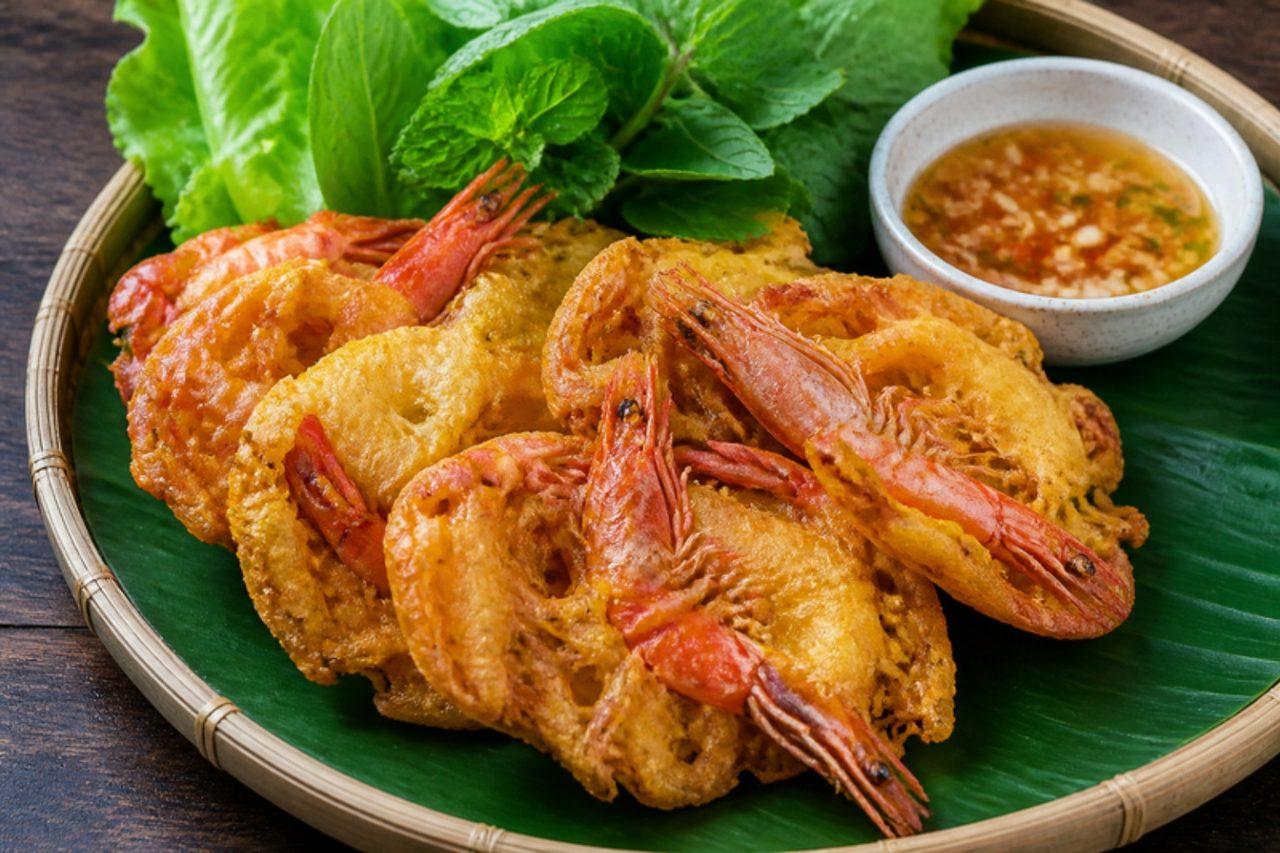
Banh tom Ho TaySweet potato and shrimp fritters

Lakeside cafés on the shore of West Lake (Hồ Tây) in Hanoi have sold these fritters for generations, and locals still ride out on cool autumn afternoons to eat them looking over the water. Each one is a nest of sweet-potato matchsticks held together by a thin, turmeric-tinted batter, with a whole small shrimp pressed on top so its shell fries crisp. They come piled on a plate with lettuce, herbs and a bowl of sweet-sour fish sauce dotted with slices of green papaya or kohlrabi. You wrap a piece of fritter in a lettuce leaf with a few herbs and dunk it. Chef's tip: soak the cut sweet potato in cold water for 10 minutes and then dry it really well; washing off the surface starch is what keeps the strands separate and crunchy.

by KrazyBadal 0 views

Oromo with pumpkinSteamed pumpkin roll

Oromo, or orama, is a big rolled dumpling: a thin sheet of dough spread with filling, rolled into a long coil and steamed in a multi-tiered mantovarka. It's a home dish across Kazakhstan, Kyrgyzstan and Uzbekistan, quicker than shaping dozens of manti. In autumn, when Kyrgyz gardens in the Chüy Valley are full of squash, it's filled with grated pumpkin and onion, which turn sweet and juicy. Serve in thick slices with sour cream or a garlicky tomato sauce. Chef's tip: grate the pumpkin coarsely and salt it only just before rolling; salted too early it weeps and makes the dough soggy.

by KrazyBadal 0 views

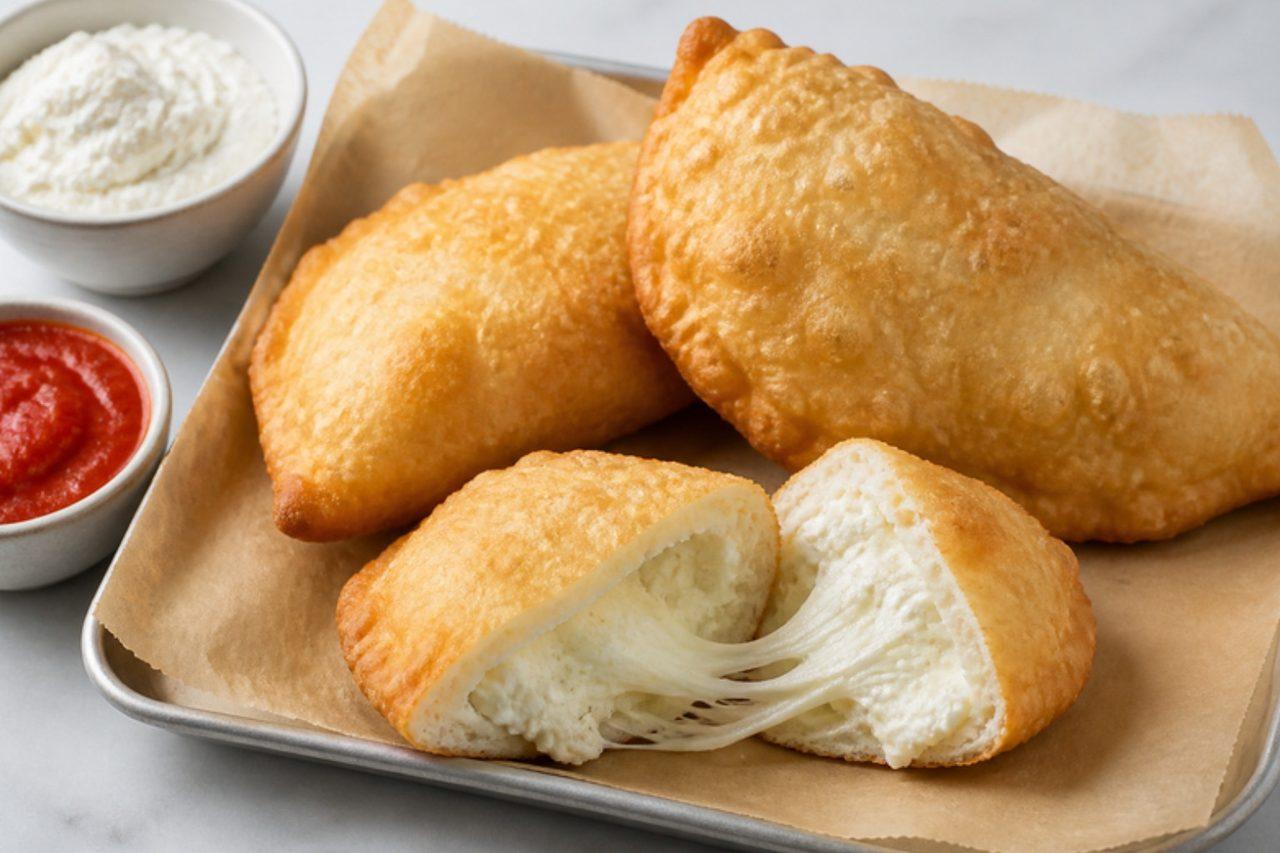
Pizza frittaFried pizza parcels

Pizza fritta is the street-food pizza of Naples: a disc of pizza dough folded over a filling and fried in hot oil until puffed and blistered, sold from kiosks in the Spanish Quarter and around Via dei Tribunali. It became popular after the war, when wood ovens were scarce and a pan of oil was all many cooks had. The classic filling has ricotta, smoked provola, tomato and pepper; pork crackling (cicoli) is often added, but not here. Chef's tip: seal the edge by pressing with your fingertips, not a fork, and leave a 2 cm border; a well-sealed parcel puffs like a pillow instead of bursting.

by KrazyBadal 0 views

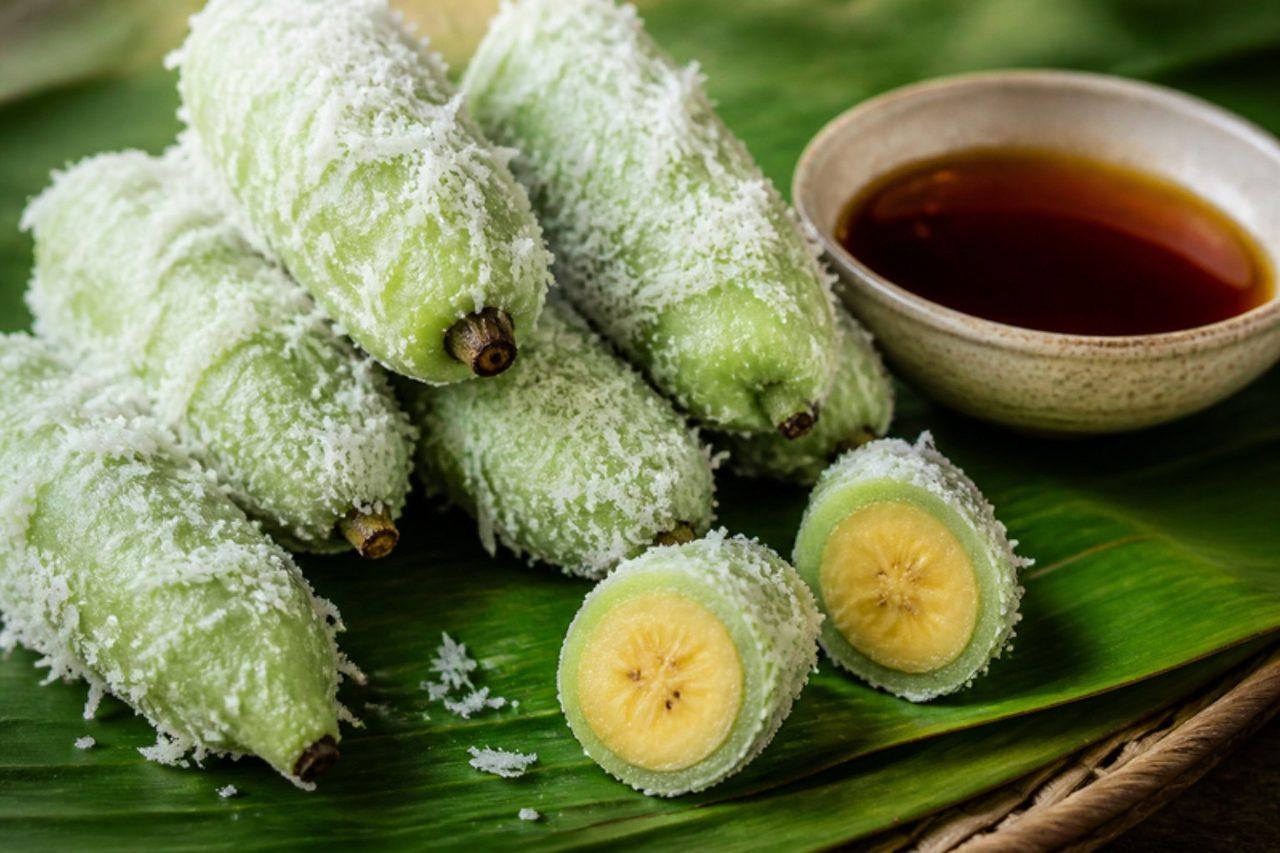
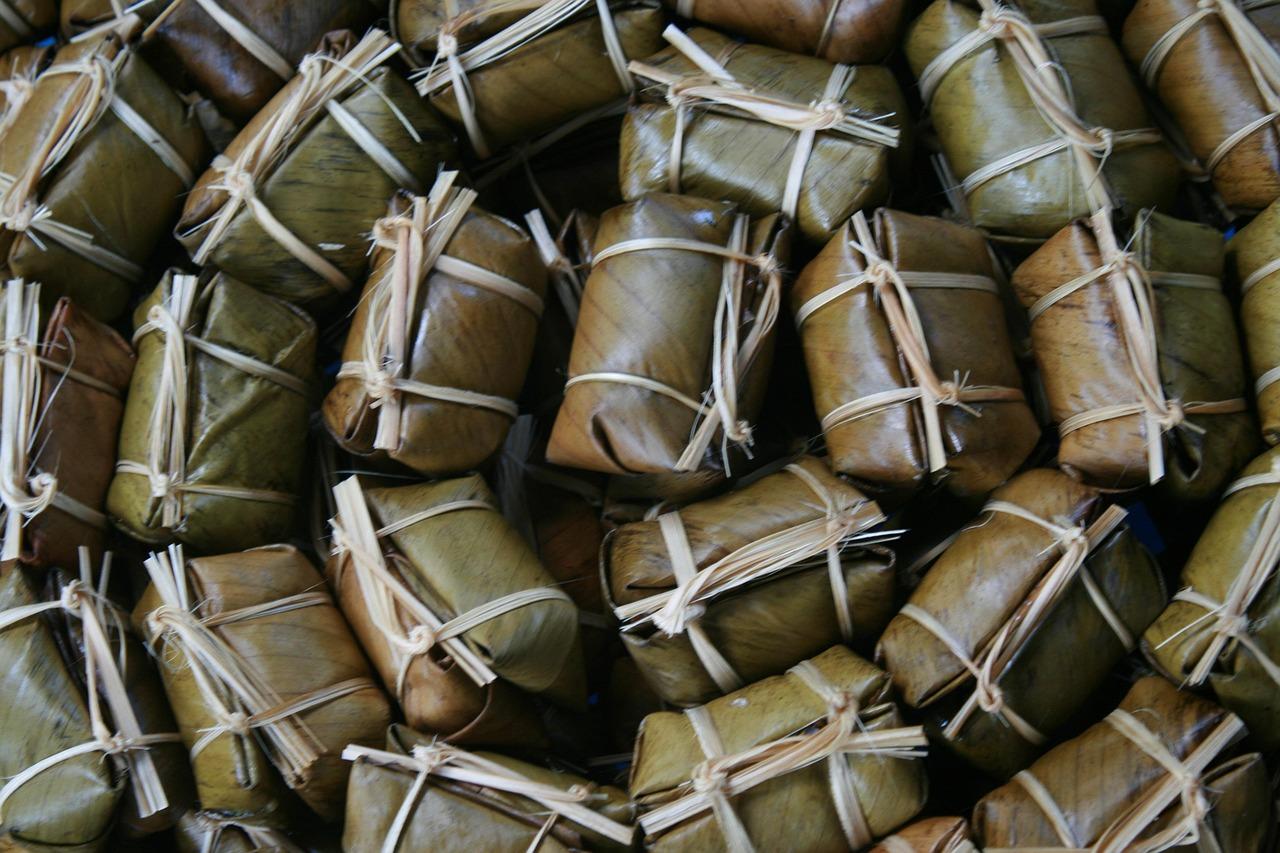
Num ansom chekBanana sticky rice parcels

Num ansom chek are wrapped by the dozen in April for Khmer New Year and again in autumn for Pchum Ben, when families carry them to the pagoda as offerings. A ripe banana is hidden inside a jacket of glutinous rice that has been seasoned with coconut milk and dotted with black beans, then the whole thing is rolled tightly in banana leaf and boiled until the rice turns sticky and the banana goes jammy and blush-pink. Unwrapped, they're eaten at room temperature or sliced and grilled the next morning. Chef's tip: use bananas that are fully yellow with a few brown freckles; green ones stay chalky and the pink colour never comes.

by KrazyBadal 0 views

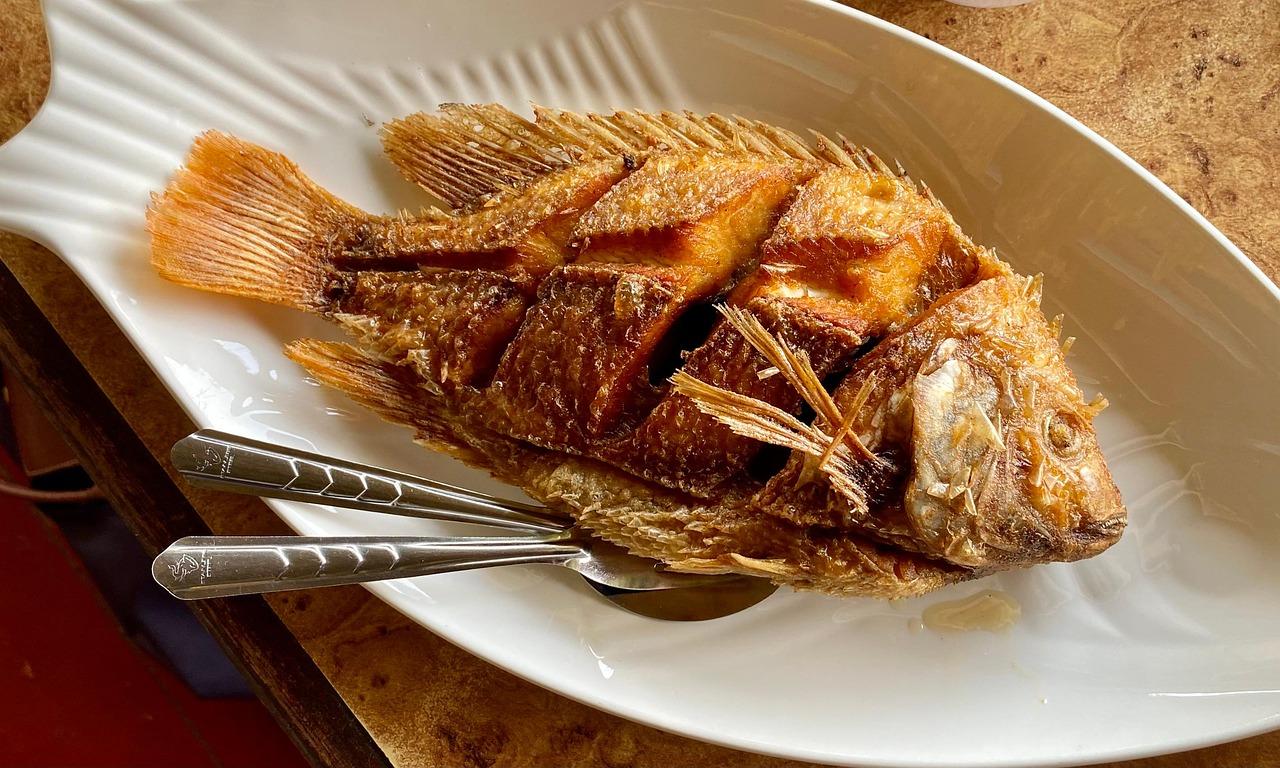
Pla kapong tod nam plaFried sea bass with fish sauce

Seafood restaurants on the jetties of Krabi, Trang and Hua Hin bring this out whole on a long platter, its scored sides fanned open and crackling, as the centrepiece of a shared table. The skin and fins fry so crisp you can eat them, while the flesh inside stays moist and sweet; a sticky glaze of fish sauce and palm sugar goes over at the last minute. It is salty-sweet rather than spicy, so it sits happily beside a sour green mango salad, a hot curry and plenty of jasmine rice. Chef's tip: dry the fish thoroughly with kitchen paper, inside the cuts too, and leave it uncovered in the fridge for 30 minutes if you can; dry skin is crisp skin and spits far less.

40 minThaiFishGluten free
by KrazyBadal 0 views

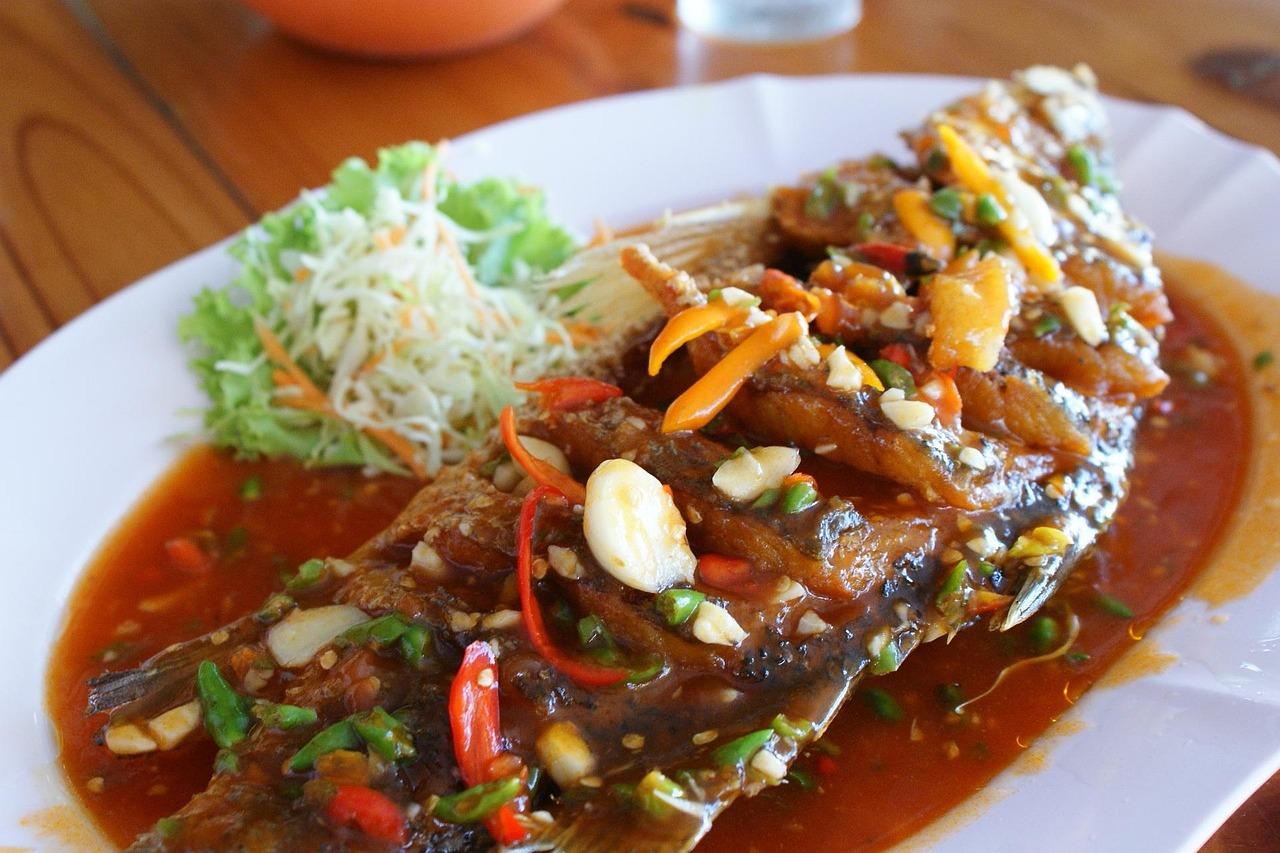
Pla rad prikFried fish with chilli sauce

A whole fried fish blanketed in glossy red chilli sauce is the centrepiece of many family celebrations and riverside restaurant meals in central Thailand. The sauce is known as sam rot, 'three flavours', because palm sugar, tamarind and fish sauce are balanced against pounded chillies and garlic; spooned over a fish fried until its skin crackles and the fins crunch like crisps, it turns sticky and shiny. Sea bass (pla kapong) is the usual choice, though snapper or tilapia work well too. Bring it to the table with jasmine rice, a stir-fried green vegetable and a clear soup to share. Chef's tip: score the fish down to the bone on both sides and pat it bone-dry, so the heat reaches the thickest part and the oil doesn't spit.

45 minThaiFishSpicy
by KrazyBadal 0 views

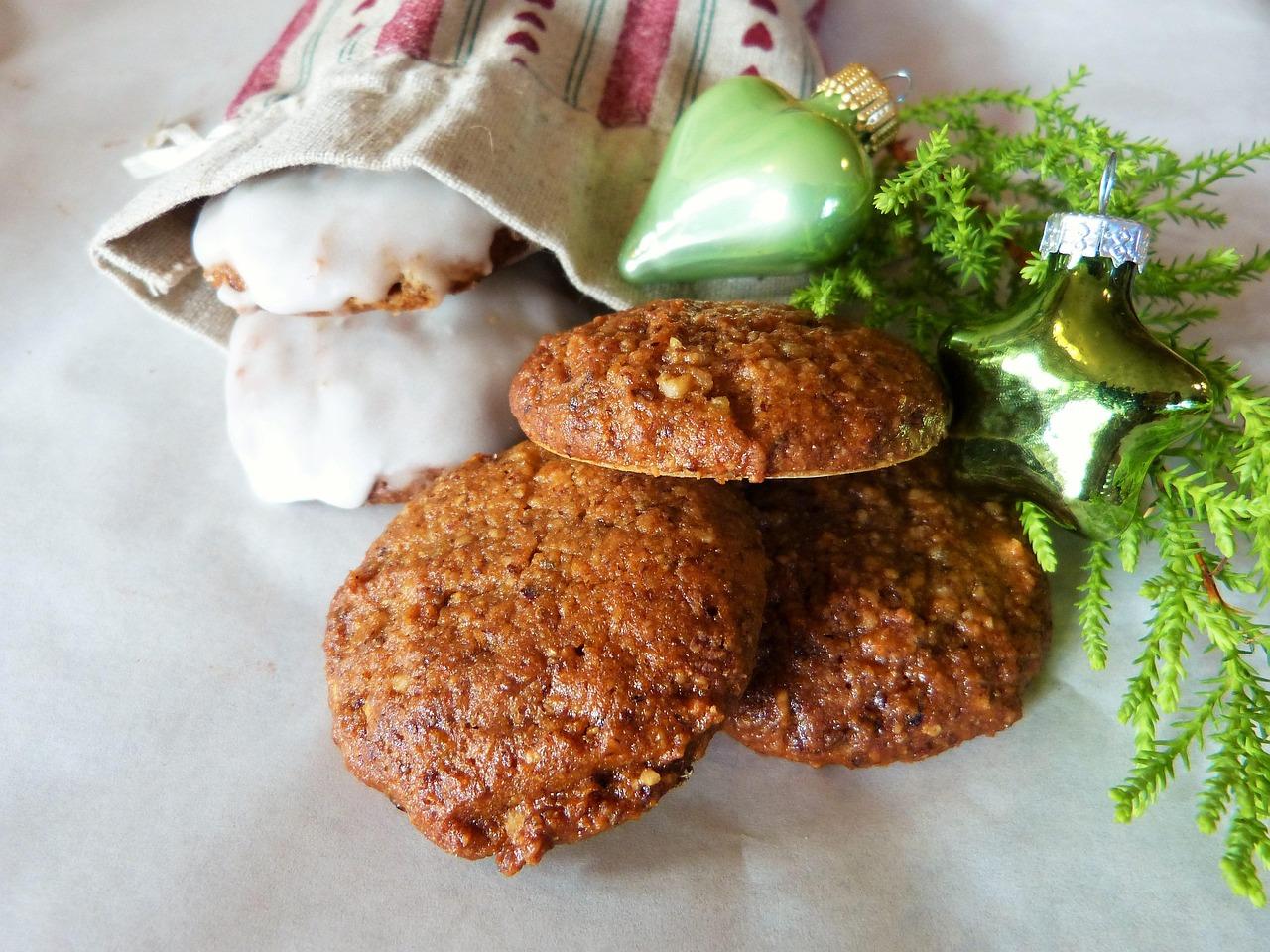
LebkuchenSpiced gingerbread cookies

Nuremberg has been the German capital of Lebkuchen since the Middle Ages, when the city sat on the spice trade routes, and at its Christkindlesmarkt the stalls are piled with them every Advent. The finest kind, Elisenlebkuchen, contain almost no flour: they're made mostly of ground nuts, candied peel, eggs, sugar and a warm spice mix, baked on thin Oblaten wafers so they stay soft and chewy inside, then glazed with chocolate or sugar. They keep for weeks in a tin and get better as they rest. Chef's tip: bake them only until just set; a common mistake is baking until firm, which makes them dry and hard by the next day.

by KrazyBadal 0 views

Plăcintă cu brânzăCheese and dill pies

In Moldavia, on both sides of the Prut, plăcintă means a flat round pie fried or baked on a griddle, and the cheese and dill one is what grandmothers in Iași and Chișinău make for weekend breakfasts and for guests at the door. A soft, stretchy dough is pulled thin, wrapped around salty cheese with fresh dill and egg, coiled into a snail and flattened, then cooked in a pan until blistered and crisp. They are eaten hot with a glass of sour milk or tea. Chef's tip: rest the oiled dough properly so it stretches without tearing; skipping the rest is the common mistake and you'll be fighting a springy dough that leaks its filling.

by KrazyBadal 0 views

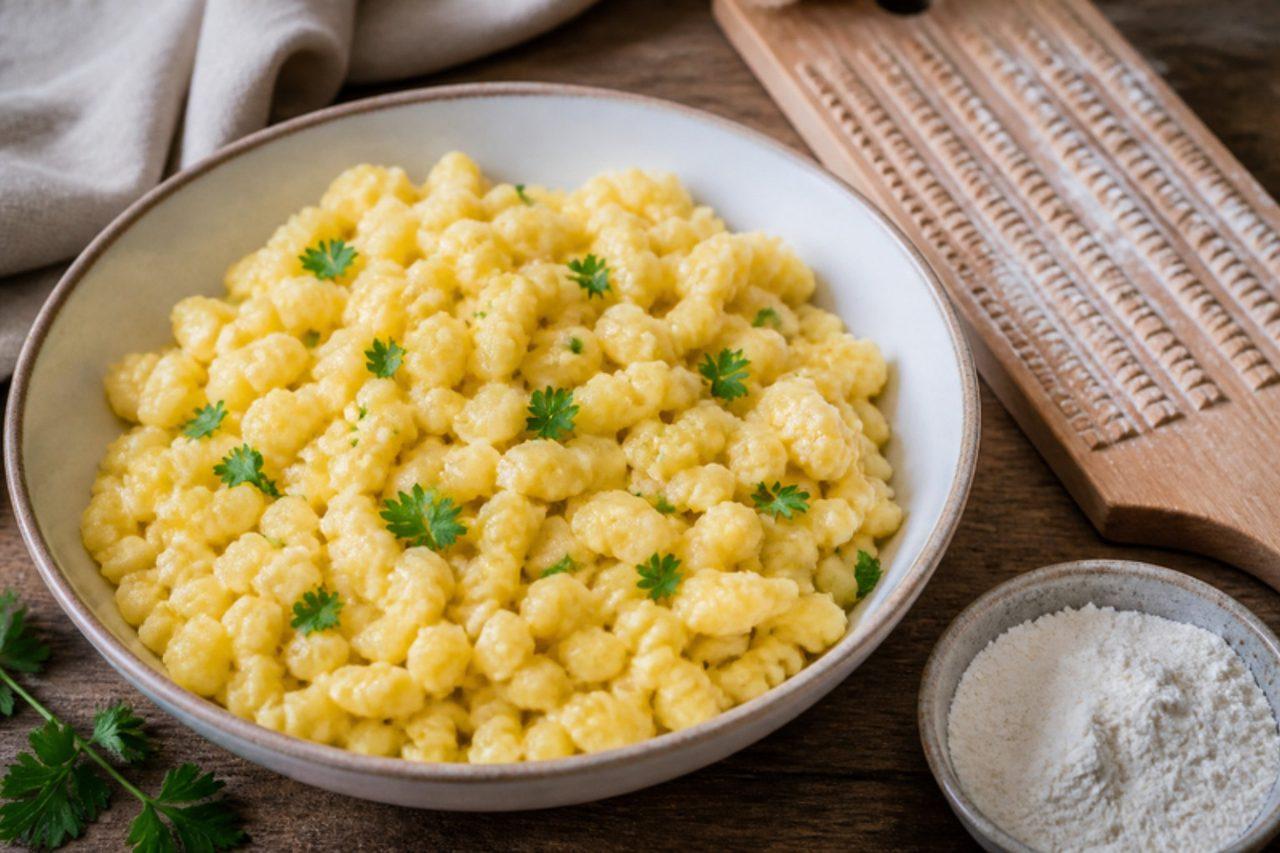
NokedliSoft egg dumplings

Nokedli, also called galuska, are the small, soft, irregular egg dumplings that sit under almost every paprikás in Hungary, from Budapest lunch canteens to Sunday tables in the villages of the Great Plain. Unlike German Käsespätzle, they are not baked with cheese: they are a plain, buttery side whose job is to soak up a red, sour-cream sauce. Grandmothers scrape the batter off a wet board with a knife, but a nokedli grater (nokedliszaggató) or a colander with large holes is quicker at home. Serve them with gombapaprikás or lecsó, or toss them with fried egg for a quick supper. Chef's tip: let the batter rest for 10 minutes before cooking; the flour hydrates and the dumplings hold together instead of dissolving into the water.

by KrazyBadal 0 views

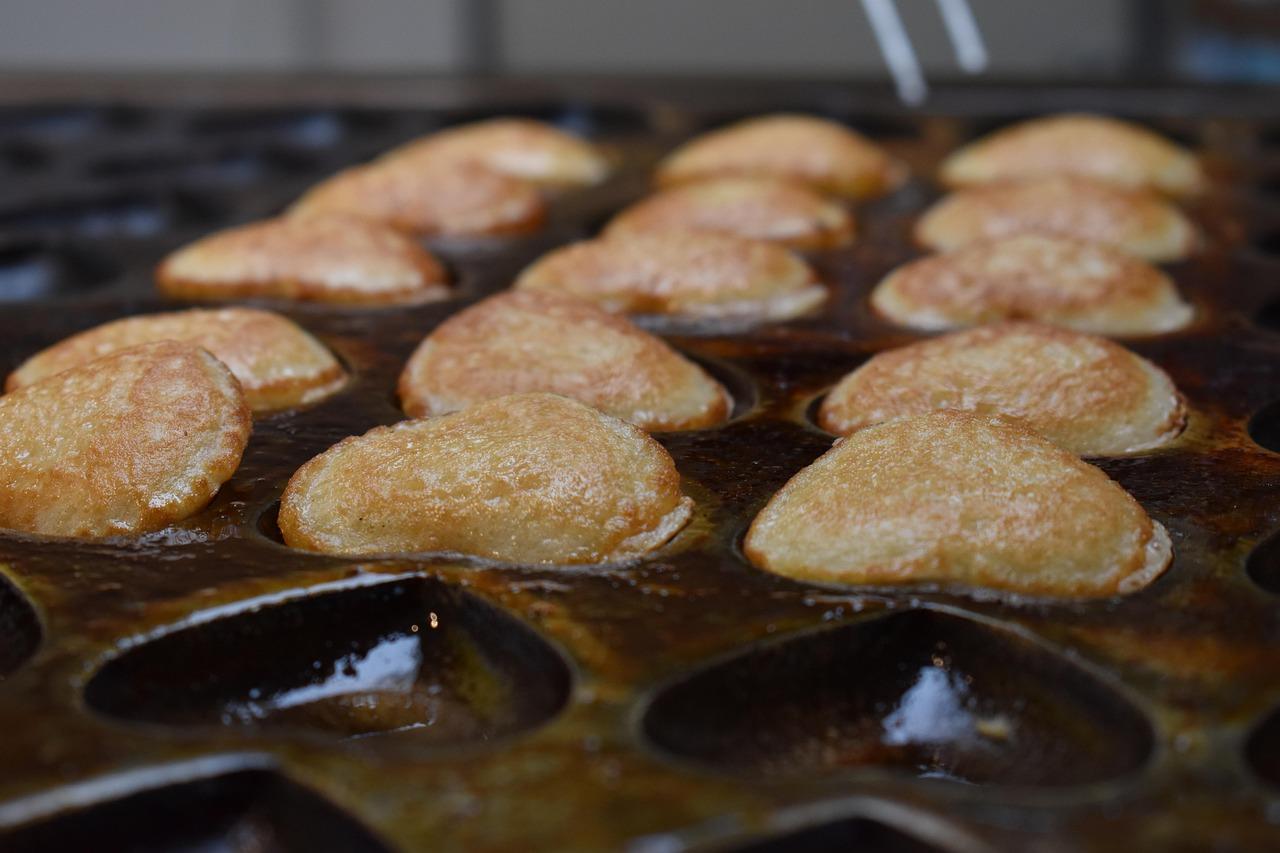
PoffertjesMini puffed pancakes

The smell of poffertjes drifts across every Dutch kermis (funfair), Christmas market and summer street festival, where they are flipped by the hundred on a cast-iron plate full of shallow hollows. They are tiny, puffy, yeasted pancakes made partly with buckwheat, served a dozen at a time on a cardboard dish with a slab of melting butter and a snowfall of icing sugar. At home you need a poffertjespan, a pan with small round dips; a Danish æbleskiver pan is too deep. Chef's tip: put the batter in a squeeze bottle or a piping bag; filling 30 hollows quickly by spoon is almost impossible, and the first ones burn while you fill the last.

by KrazyBadal 0 views

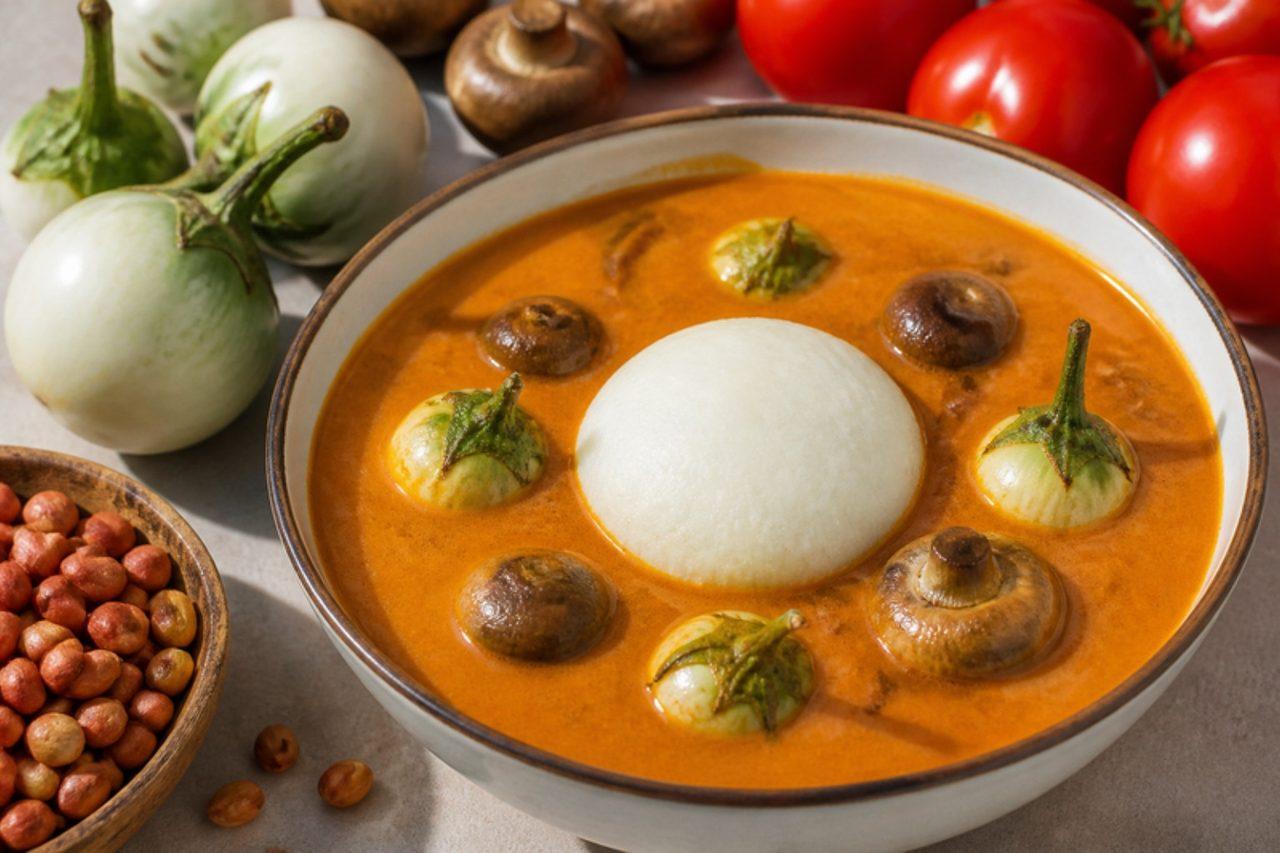
Groundnut soup (nkatenkwan)Peanut soup

Nkatenkwan is the Sunday soup of Ghanaian homes, simmered while families are at church and eaten afterwards with omo tuo (soft rice balls) or fufu. Roasted groundnut paste is cooked slowly in a peppery tomato and ginger broth until the oil separates and turns the soup a rich orange-brown. It usually carries chicken or goat; here garden eggs (small African aubergines) and mushrooms keep it meaty without meat. Chef's tip: cook the groundnut paste long and slow; it is ready only when reddish oil rises and pools on top, and rushing it leaves a raw, pasty taste.

by KrazyBadal 0 views

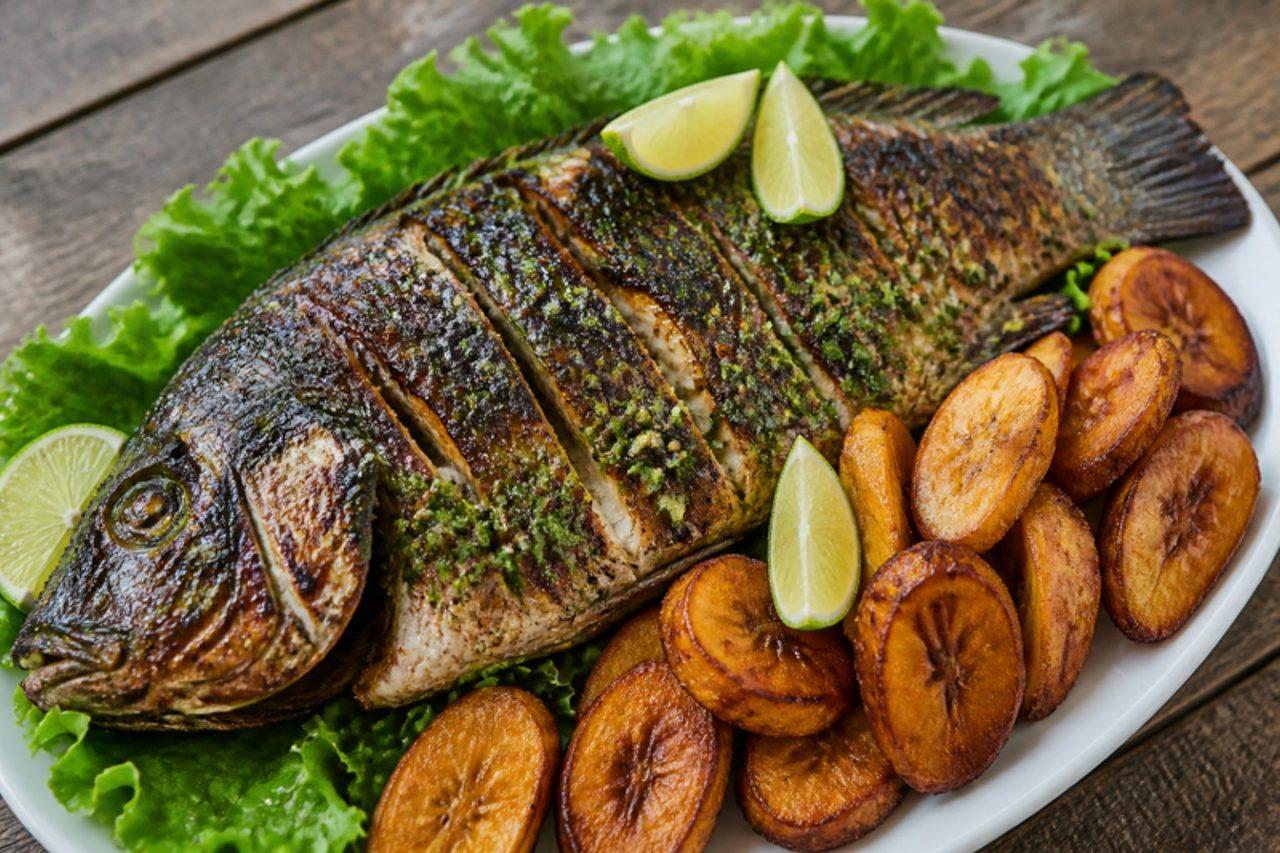
Poisson braiséCharcoal-grilled fish

On the roadside grills of Douala and Yaoundé, women split tilapia or mackerel, smear them with a green paste of ginger, garlic, onion and herbs, and grill them over charcoal while people wait with a cold drink; it is late-evening food, eaten with fried plantain, bobolo (cassava sticks) or miondo and a fiery tomato pepper sauce. At home a very hot grill or a barbecue does the job. The mistake is turning the fish too early, so it sticks and breaks: wait until the skin is crisp and releases. Chef's tip: oil the fish and the grill bars, not just one of them.

by KrazyBadal 0 views

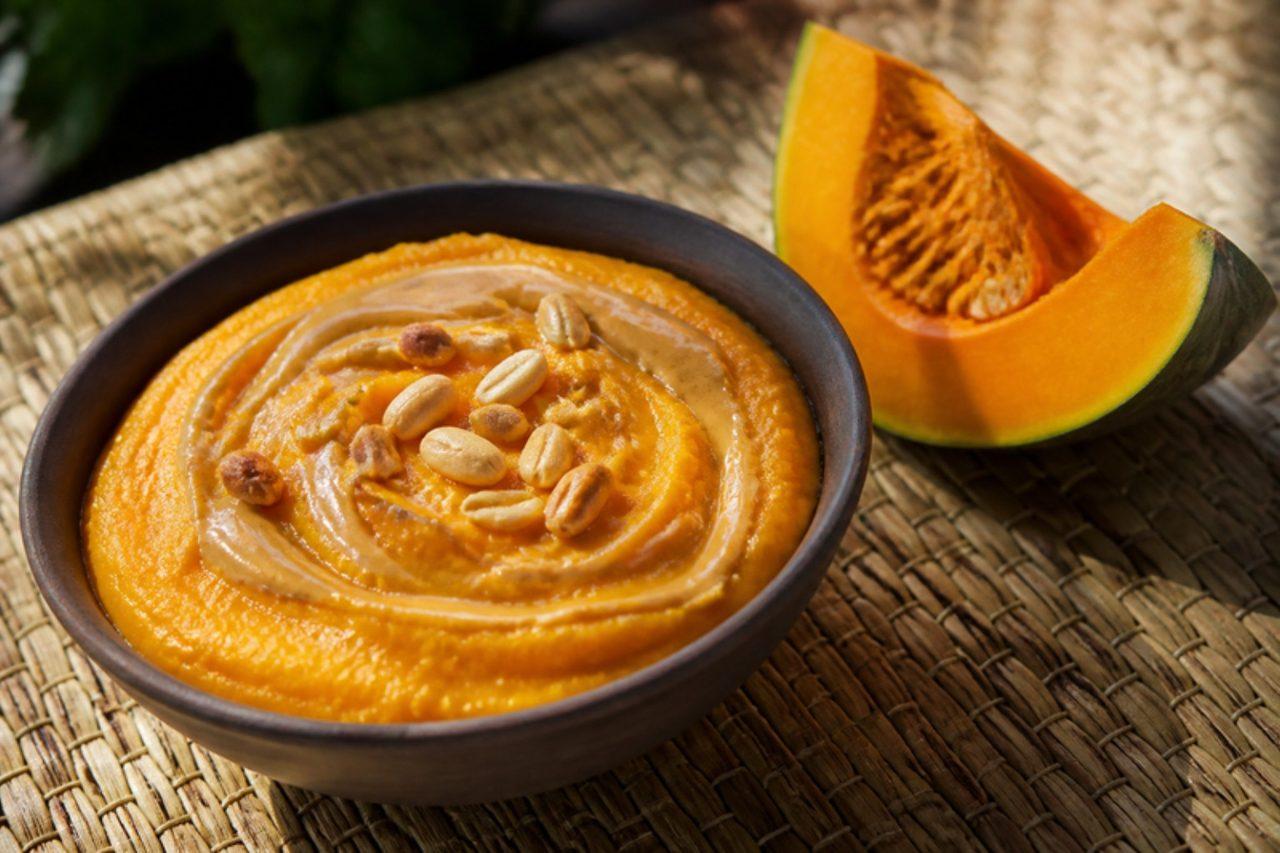
NhopiPumpkin and peanut butter mash

Nhopi is a simple Shona dish from Zimbabwe, made at harvest time when the pumpkins come in: pumpkin or butternut boiled soft, mashed and enriched with peanut butter. Some families stir in a little maize meal to make it thicker (nhopi dovi), and it is eaten for breakfast or as a side with greens. It is sweet, nutty and loved by children. Chef's tip: drain the pumpkin very well before mashing, or the nhopi turns thin and watery.

by KrazyBadal 0 views

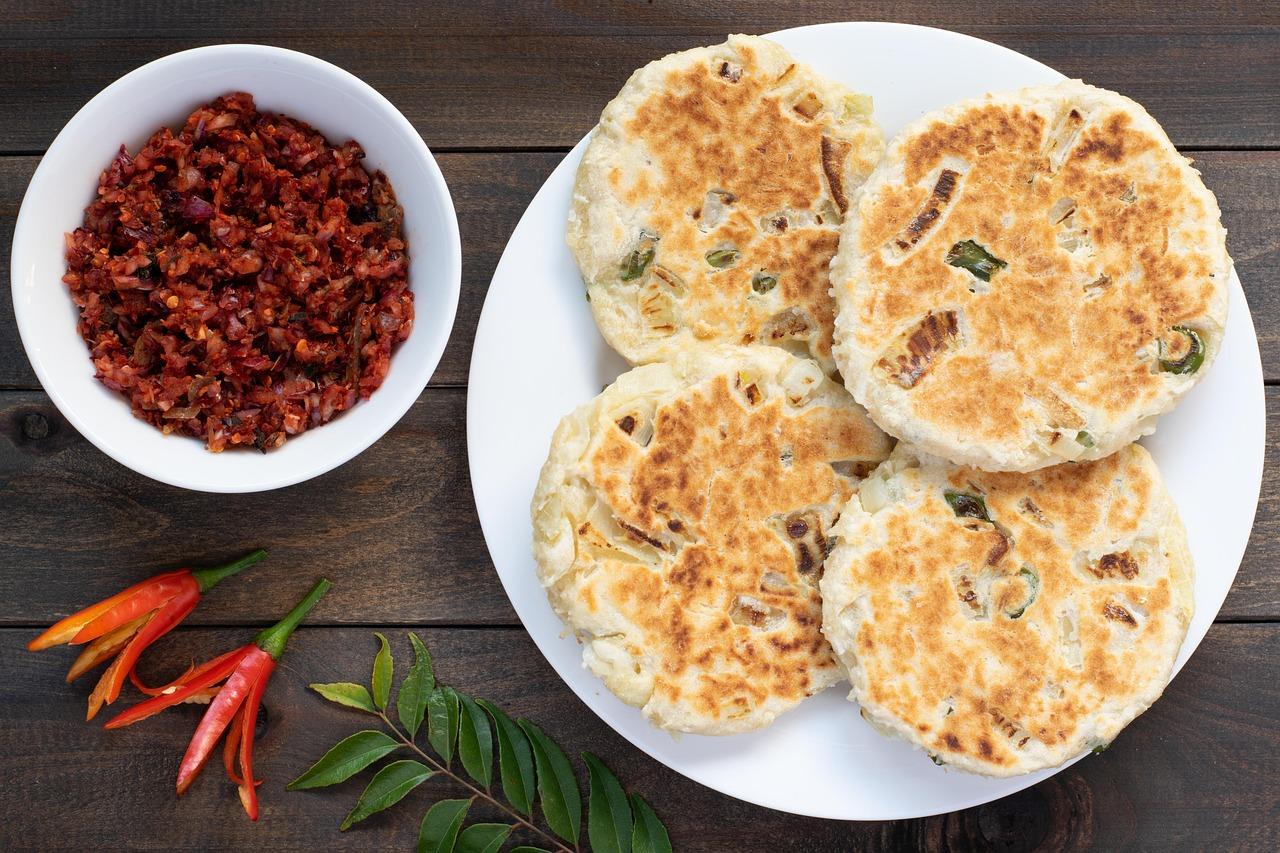
Pol rotiCoconut flatbread with onion

Pol roti is the hearty coconut flatbread that rural Sri Lankans eat for breakfast or an evening meal, cooked on a flat iron pan (thachchi) and torn up with lunu miris, parippu or a spicy potato curry; you'll see it stacked in glass cases in kades from Anuradhapura to Matara. Wheat flour is mixed with lots of freshly grated coconut, finely chopped onion and green chilli, and the dough is patted out thick by hand, so the roti come out chewy, with toasted coconut flecks and a sweet, savoury smell. The common mistake is rolling them thin: pol roti should be a good 1 cm thick and soft inside. Chef's tip: pat each roti out on a banana leaf or oiled baking paper and flip it straight onto the pan; it's too soft and crumbly to lift any other way.

by KrazyBadal 0 views

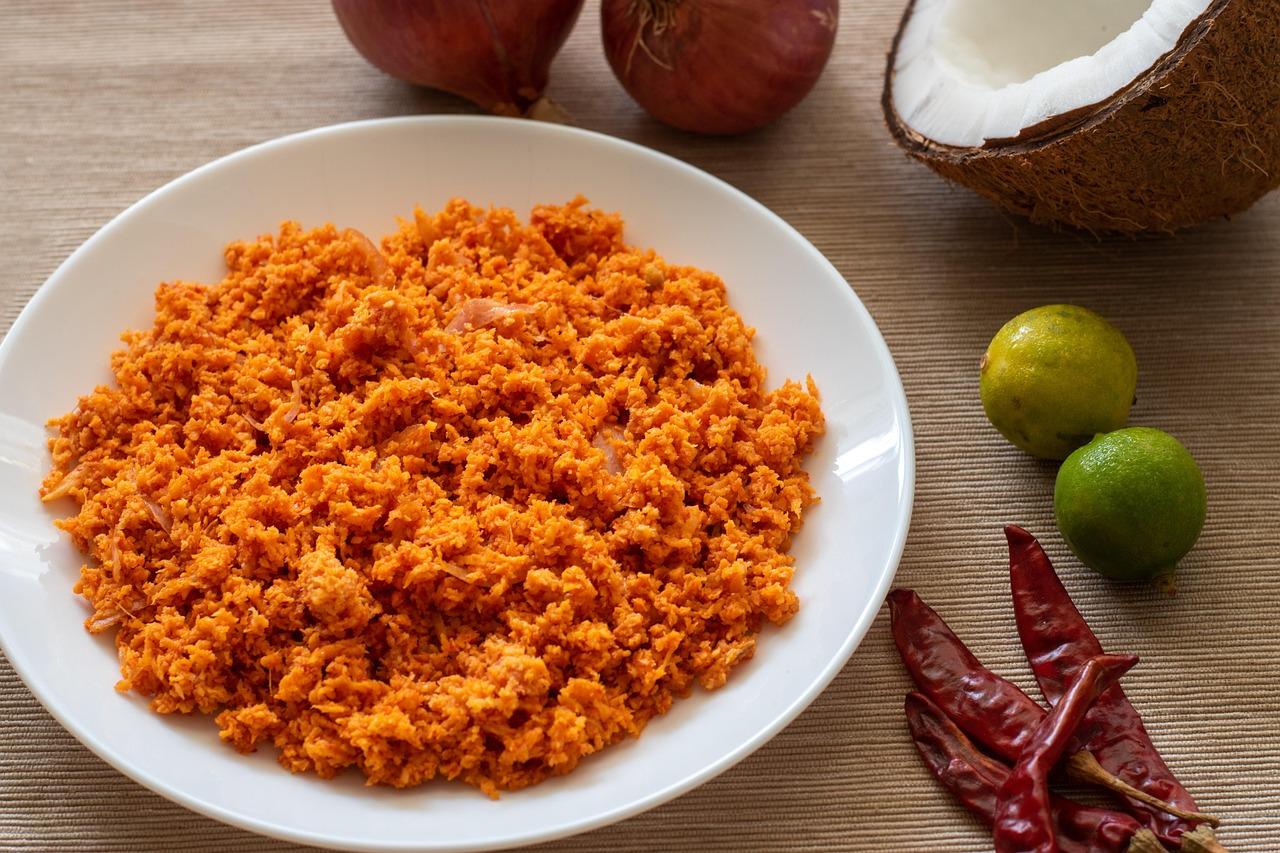
Pol sambolCoconut and chilli relish

Pol sambol sits on the table at almost every Sri Lankan meal, from breakfast hoppers and string hoppers in a Kandy home to a rice packet bought at a roadside kade. Grandmothers grind it on a stone (miris gala) so the chilli and onion bruise into the coconut, and it turns a bright brick red, hot, sour and salty all at once. Most island recipes add a spoonful of Maldive fish (dried tuna flakes); we leave it out to keep it vegetarian and add a little extra onion and lime for depth. A common mistake is using dried desiccated coconut straight from the packet, which tastes dusty; fresh or frozen grated coconut gives the proper moist texture. Chef's tip: rub the chilli, onion and salt together first with your fingers until they turn juicy, then work in the coconut so every flake turns red.

by KrazyBadal 0 views

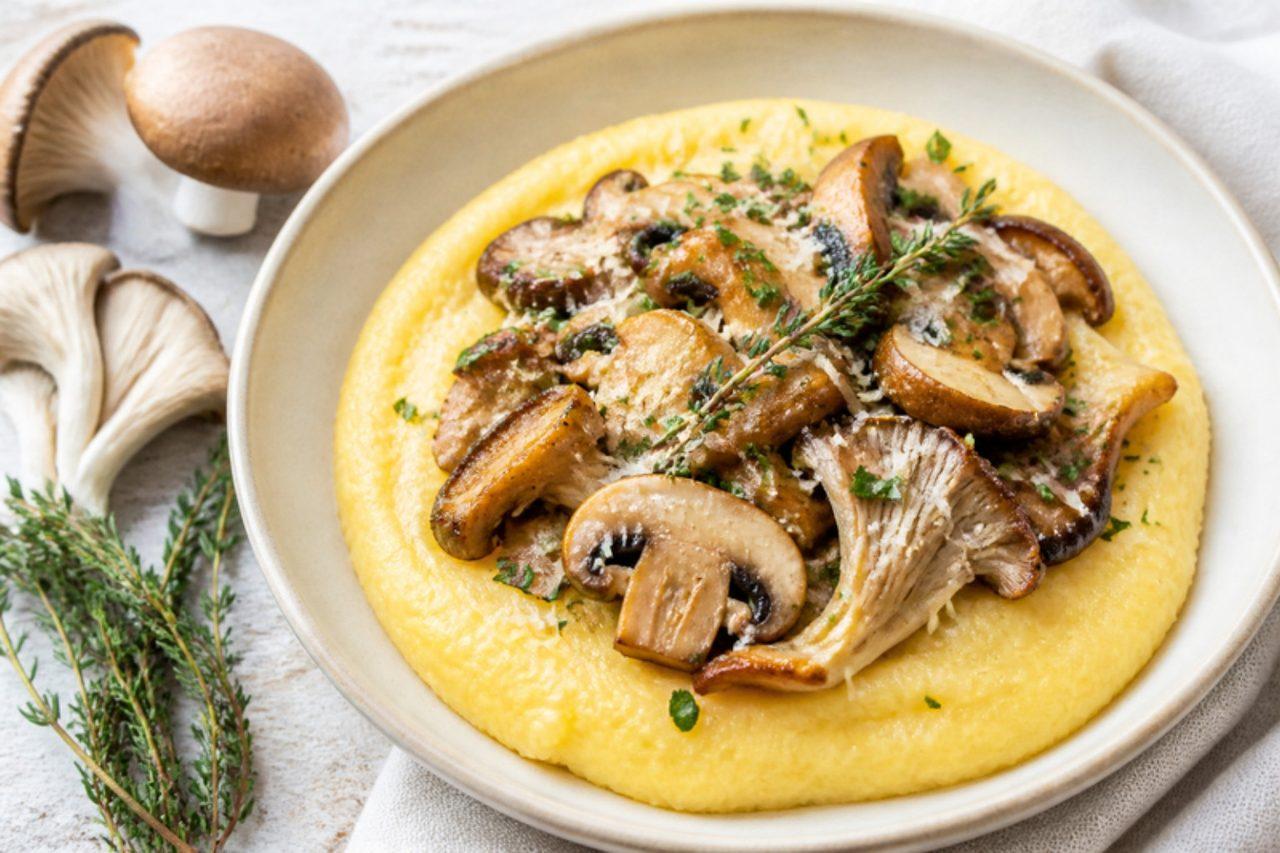
Polenta with mushroomsPolenta with garlic mushrooms

In the Veneto and the mountain valleys of the north-east, polenta is the old daily staple, poured steaming onto a wooden board in the middle of the table. Its classic autumn partner is funghi trifolati: mushrooms sautéed with garlic, parsley and a splash of white wine until glossy and deeply savoury. Soft polenta is spooned into bowls with the mushrooms on top, a warming supper for a cold night. Chef's tip: whisk the cornmeal into the water in a thin stream; if it goes in all at once, it lumps and no amount of stirring will fix it.

by KrazyBadal 0 views

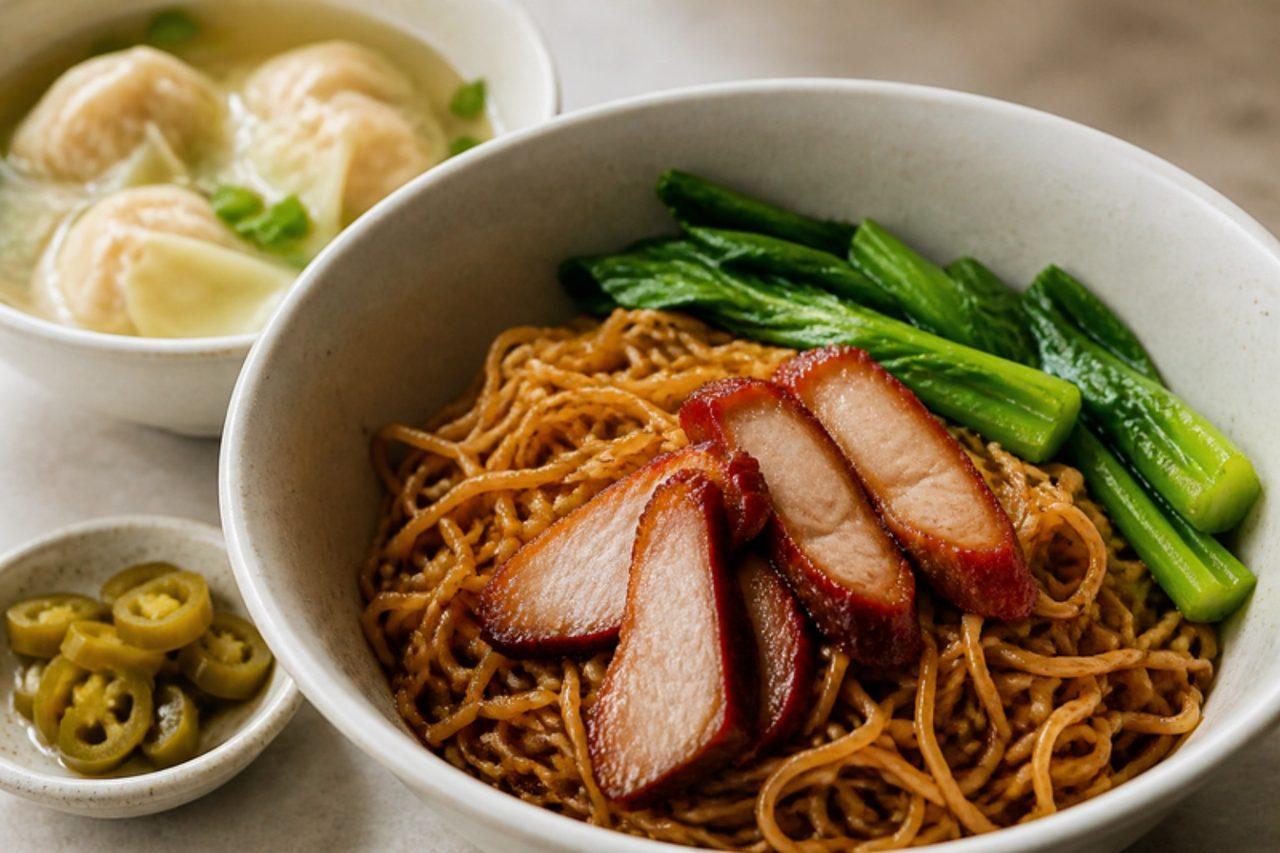
Wantan meeEgg noodles with dumplings and pork

Kuala Lumpur eats wantan mee for breakfast, lunch and late supper, usually from a stall where a cook flicks springy egg noodles through boiling water and tosses them in a dark, glossy sauce. The KL style is 'dry' (kon loe): noodles coated in soy, oyster sauce and lard or shallot oil, topped with slices of sweet char siu and greens, with the dumplings served in a little bowl of clear soup. Pickled green chillies cut through the richness. Expect chewy noodles, silky wontons and a salty-sweet, slightly smoky sauce. Chef's tip: rinse the cooked noodles under cold water for a few seconds, then dunk them back in the boiling water; the shock gives them their springy bite.

by KrazyBadal 0 views

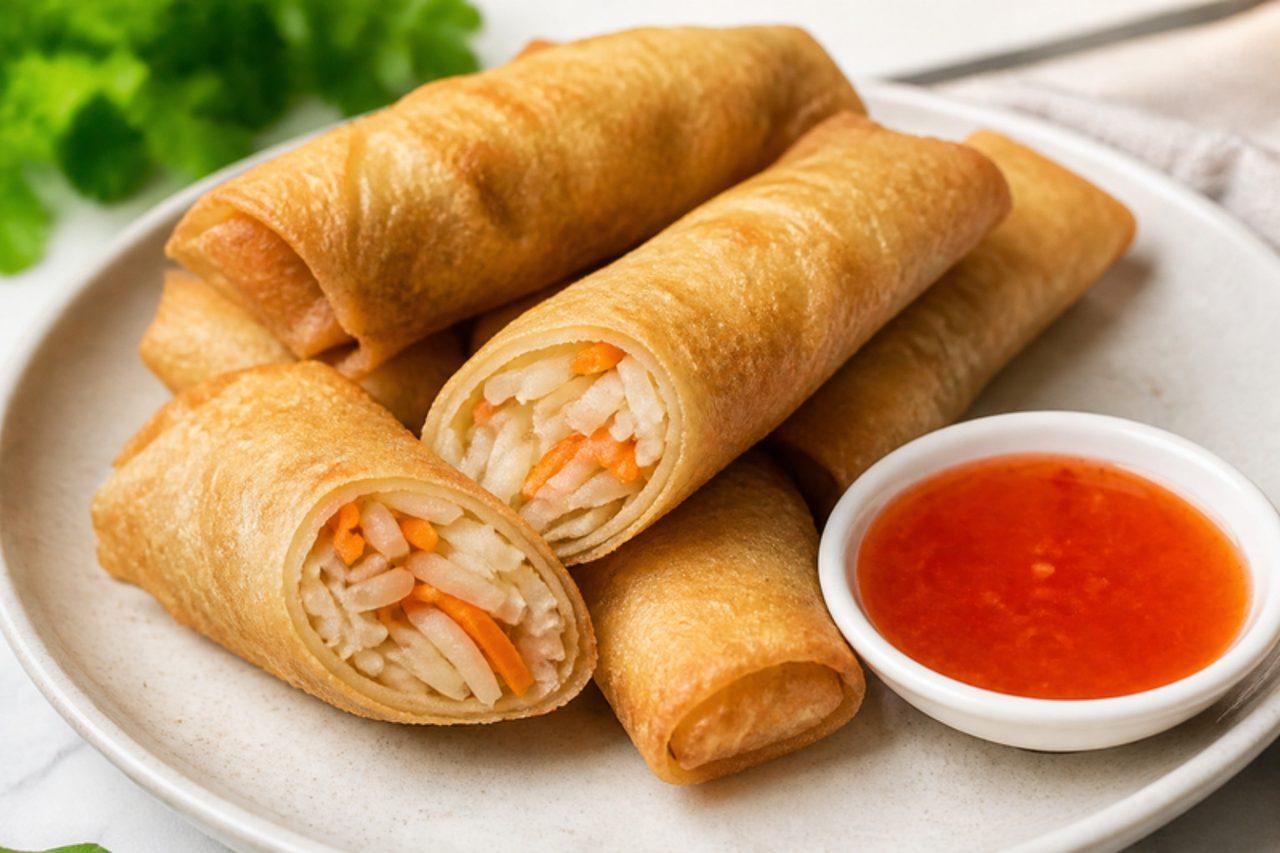
NgohiongFive-spice spring rolls

Ngohiong grew from the Chinese-Filipino kitchens of Cebu City and is now street food all over Cebu: a lumpia filled with heart of palm (ubod) or jicama seasoned with five-spice, then dipped in batter and fried, so it has a thick, golden coat rather than a thin crisp skin. It is eaten with a glossy, sweet-hot dipping sauce and often with rice. Cebu stalls mix in a little pork or shrimp; this version is all vegetable. Chef's tip: cook the filling until dry and cool it fully; wet filling tears the wrapper and spits in the oil.

by KrazyBadal 0 views

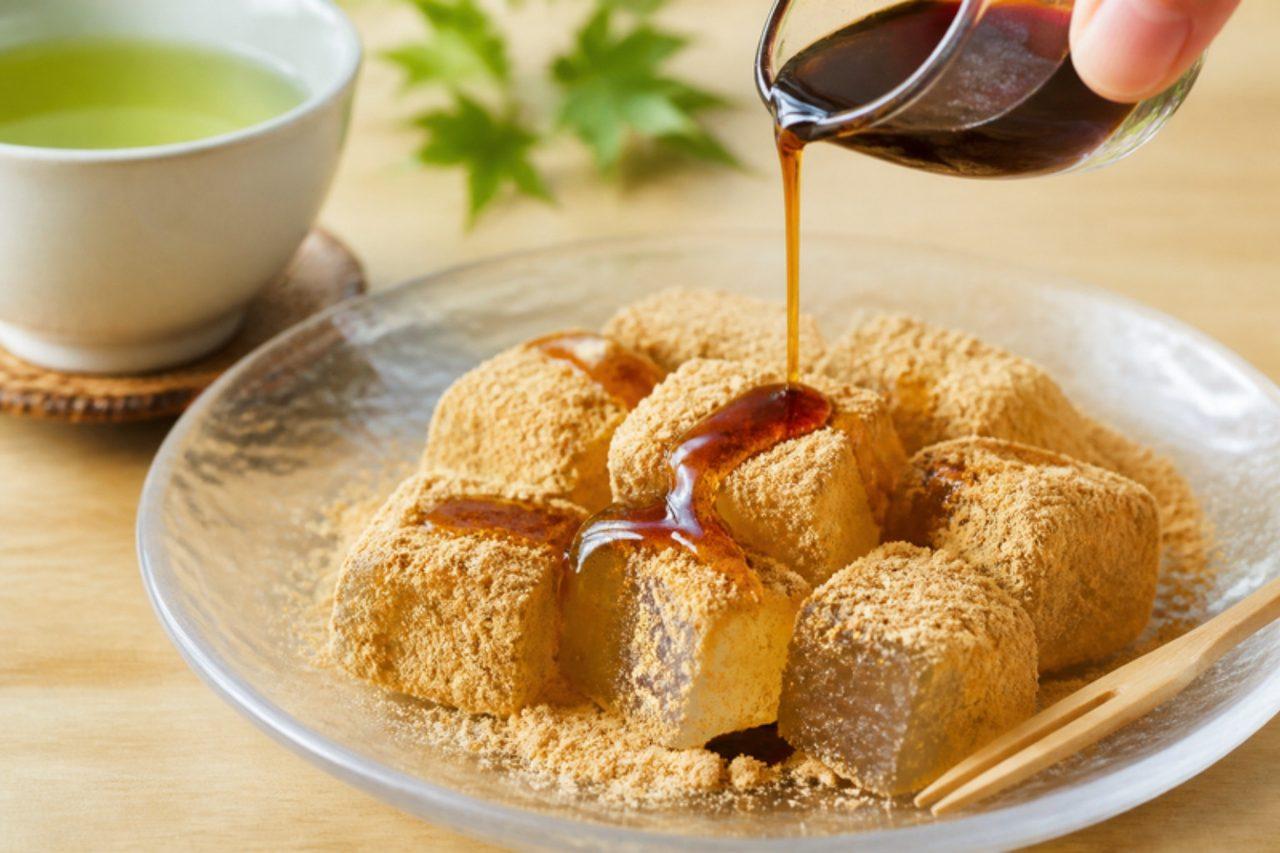
WarabimochiBracken starch jelly with soybean flour

Warabimochi is Kyoto's summer sweet. Made from the starch of bracken fern roots, it is not really mochi at all but a clear, wobbly jelly that melts on the tongue, and on hot afternoons teahouses around Gion and Arashiyama serve it chilled on ice. It is dusted with kinako, a nutty roasted soybean flour, and finished with kuromitsu, a dark syrup of Okinawan brown sugar. Real warabi starch is costly and greyish-brown, so most home cooks buy warabimochi-ko, a blend with sweet potato or tapioca starch, which gives a clearer jelly. Chef's tip: keep stirring hard once it turns clear. Two more minutes of beating over the heat is what makes it springy rather than gluey.

by KrazyBadal 0 views

Polos curryYoung green jackfruit curry

Polos is the tiny unripe jackfruit picked in the Western and Sabaragamuwa provinces long before it sweetens, and cooked low and slow it becomes one of the island's most loved festival curries, especially at Sinhala and Tamil New Year in April and at wedding lunches. The firm, pale flesh soaks up a very dark roasted curry powder, garlic, ginger, goraka (a smoky souring fruit) and coconut milk until it turns almost black-brown and tastes rich, sour and meaty. Fresh polos is hard to find abroad; tinned young green jackfruit in brine works well. A frequent mistake is not cooking it long enough, which leaves it squeaky; the pieces must be soft enough to break with a spoon. Chef's tip: oil your hands and knife before cutting fresh jackfruit; the sticky white sap washes off oiled skin but not dry skin.

by KrazyBadal 2 views

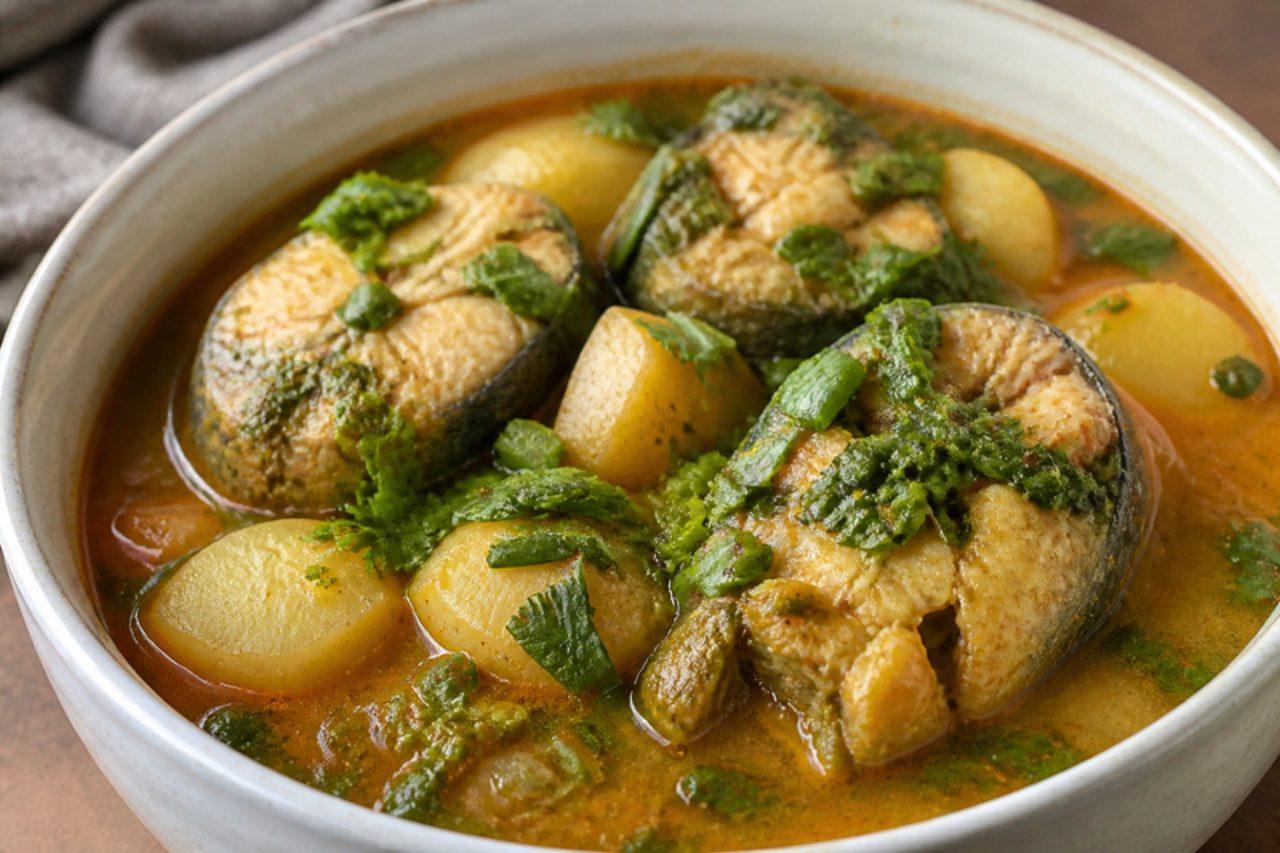
Nga thongbaLight fish curry with potato

In the Imphal Valley fish comes from Loktak Lake and the paddy-field ponds, and nga thongba is how most Meitei families cook it on an ordinary weekday. It is a thin, gently spiced curry with potatoes, finished with a big handful of herbs such as maroi nakupi (a local chive) and coriander, so it smells green and fresh. It is eaten with sticky or plain rice, alongside a chilli chutney. Chef's tip: lightly fry the fish first so it stays in neat pieces in the thin gravy.

45 minIndianFishGluten free
by KrazyBadal 0 views

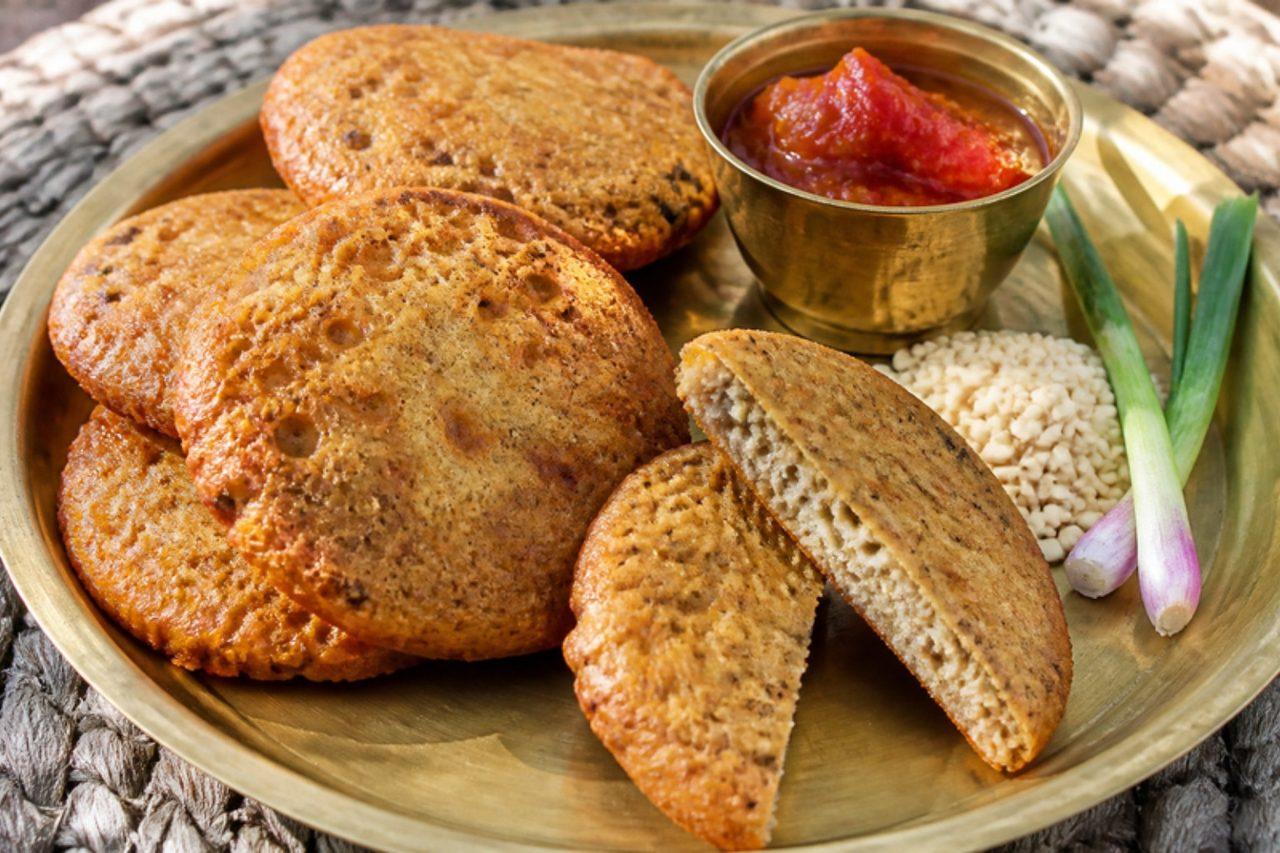
BaraBlack lentil patties

Bara, or wo in the Newar language, is a thick, savoury pancake of ground black lentils that the Newar people of the Kathmandu Valley have made for centuries. It is cooked on a flat griddle until spotted brown and lacy at the edges but soft and airy inside. It is festival food above all: it appears at Sithi Nakha in early summer, on the plates of Newar feasts and at roadside stalls in Kirtipur and Patan, where it is often topped with a cracked egg. This plant-based version keeps it plain, with ginger, garlic and cumin in the batter. Eat it hot with golbheda ko achar. The usual mistake is to add too much water when grinding: the batter must be thick enough to hold a peak, or the bara spread thin and go flat. Chef's tip: beat the ground batter by hand for 3–4 minutes until it turns pale and fluffy; the air you whip in is what makes the bara light.

by KrazyBadal 0 views

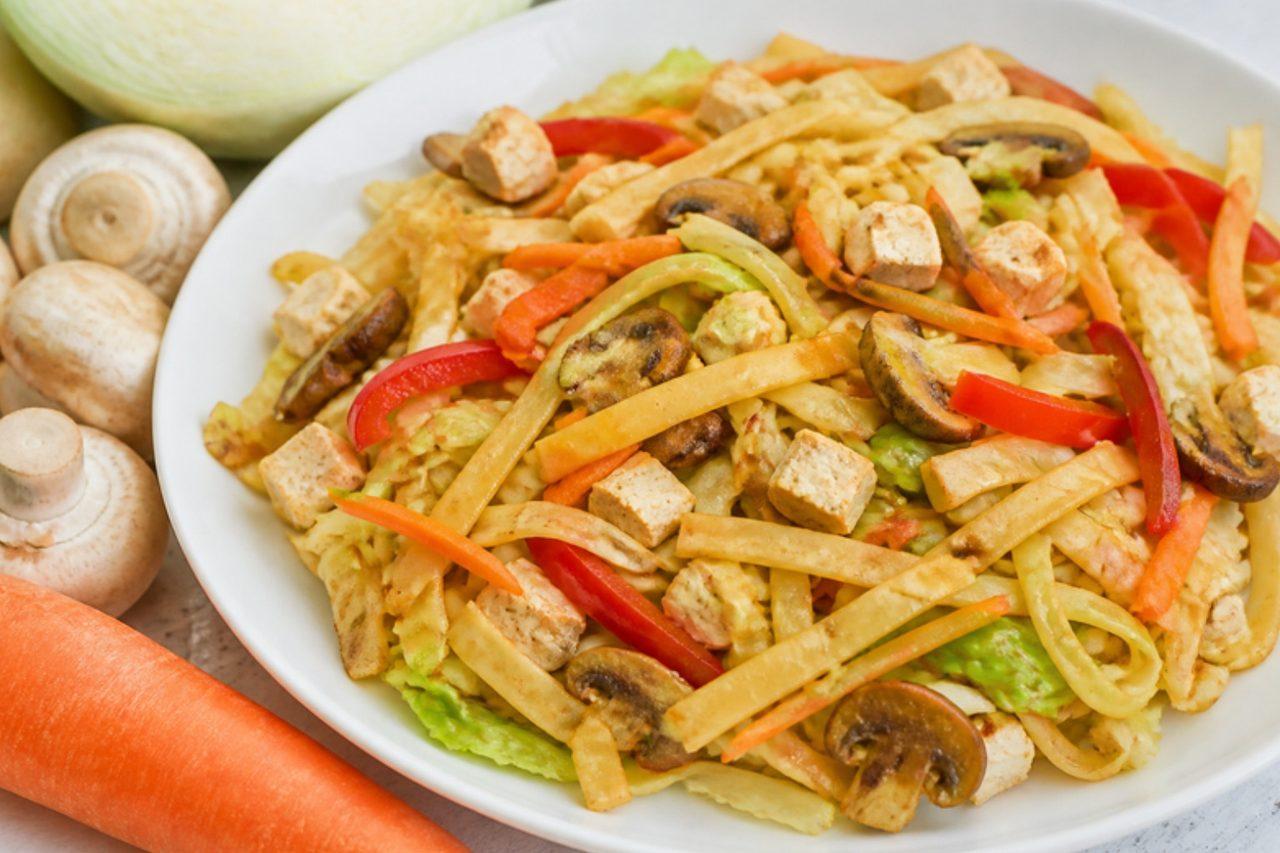
Vegetable tsuivanSteamed noodles with vegetables

Tsuivan is one of the most-cooked dinners in Mongolia, from Ulaanbaatar apartments to gers on the steppe: homemade noodles laid over a stir-fry and steamed under a lid until they soak up all the juices, then tossed together. It's normally made with mutton; meaty mushrooms and firm tofu stand in here, with carrot, cabbage and onion. Simple and filling, it's often eaten with a pot of salty milk tea. Chef's tip: lay the noodles on top and don't stir until the end; they cook in the steam, not in the liquid.

by KrazyBadal 0 views

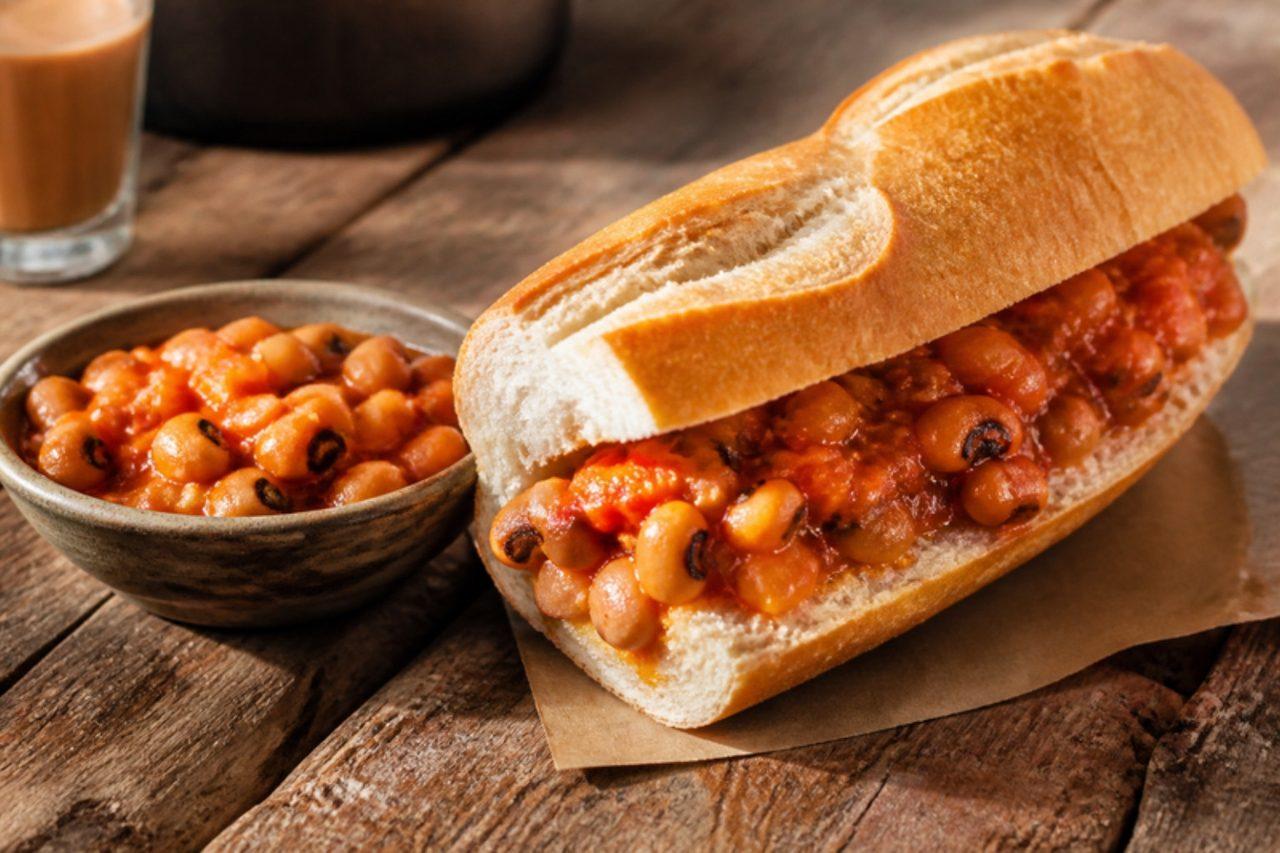
NdambéBlack-eyed bean stew

Ndambé is what Dakar eats for breakfast on the way to work: a thick, peppery stew of black-eyed beans with onion and tomato, sold from pots on street corners and spooned into a split baguette (tapalapa or pain de mie) with a smear of chilli sauce. At home it is just as good with rice or bread for supper. The beans are cooked until some break down and thicken the sauce, so it holds together in the bread. Chef's tip: soak the beans and cook them separately in plain water first; adding the tomato too early keeps the skins tough.

by KrazyBadal 0 views

TteokgalbiGrilled short rib patties

Tteokgalbi is rib meat chopped finely, pressed back into neat slabs and grilled, so it's soft enough to eat without struggling with a bone. Two places in South Jeolla claim it: Damyang, the bamboo county, where all-beef patties come with rice steamed in bamboo tubes, and Gwangju's Songjeong district, whose restaurant street near the railway station mixes beef with pork. This home version uses minced beef and pork, seasoned with soy, garlic and pear, then brushed with a soy and honey glaze as it cooks. Serve with rice, lettuce and a few banchan; leftovers are good cold in a lunchbox. Chef's tip: slap the mince against the bowl for a few minutes; it turns sticky and the patties hold together on the grill without any breadcrumbs.

60 minKoreanMeat
by KrazyBadal 1 views

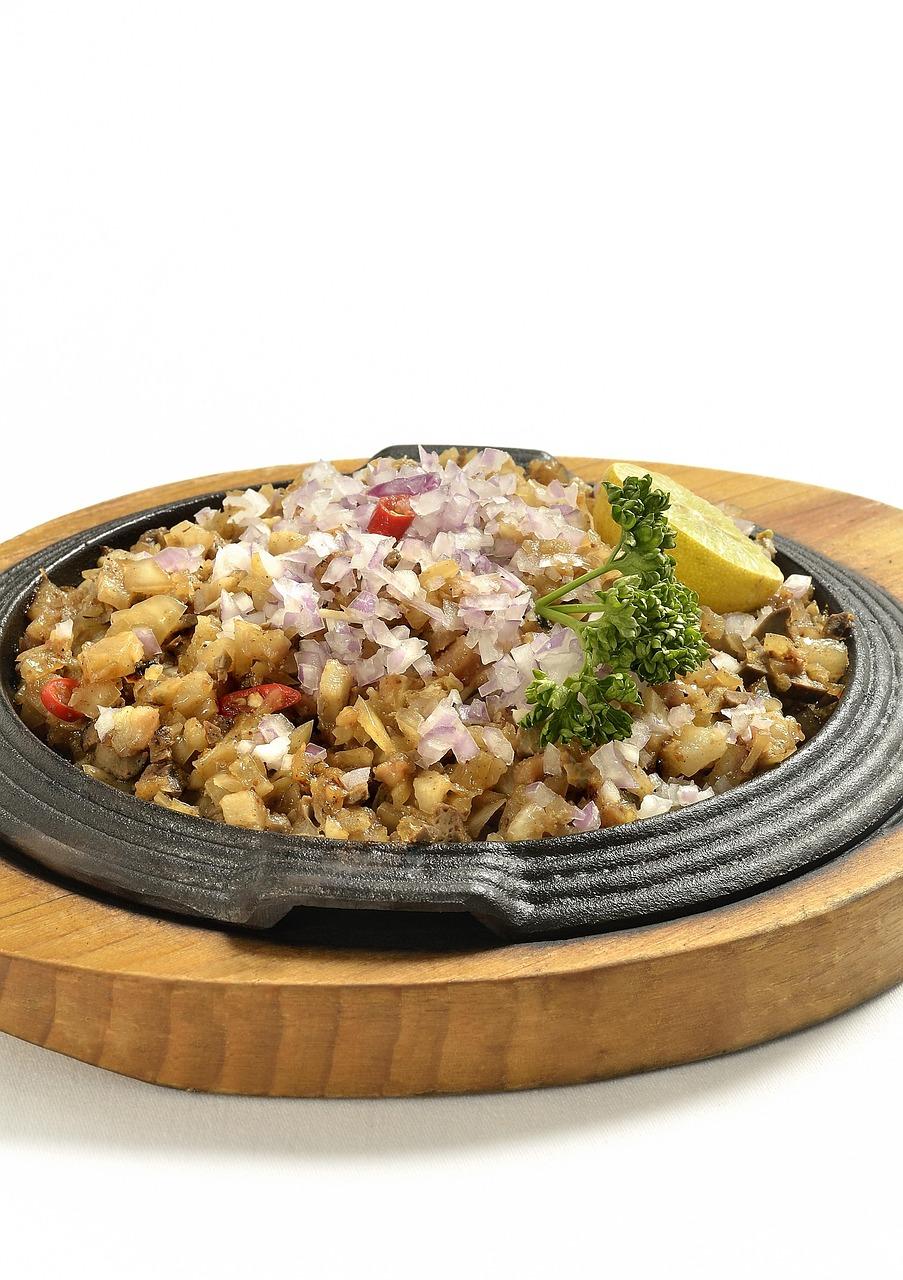
Pork sisigSizzling chopped pork

Sisig comes from Angeles City in Pampanga, where cooks turned pig's head and ears into a sizzling, sour, peppery bar snack that is now on almost every Filipino menu. This home version is pork, using pork belly (and pig's ears if your butcher has them) that is boiled, grilled until charred, then chopped finely and fried with onion, chilli and calamansi juice. It arrives at the table crackling on a hot cast-iron plate, often with a raw egg stirred in. Eat it with rice, or as pulutan with drinks; a cold calamansi juice works as well. Chef's tip: chop the pork small but not to mince; you want little crisp edges and chewy bits in every spoonful.

110 minFilipinoMeatSpicy
by KrazyBadal 0 views

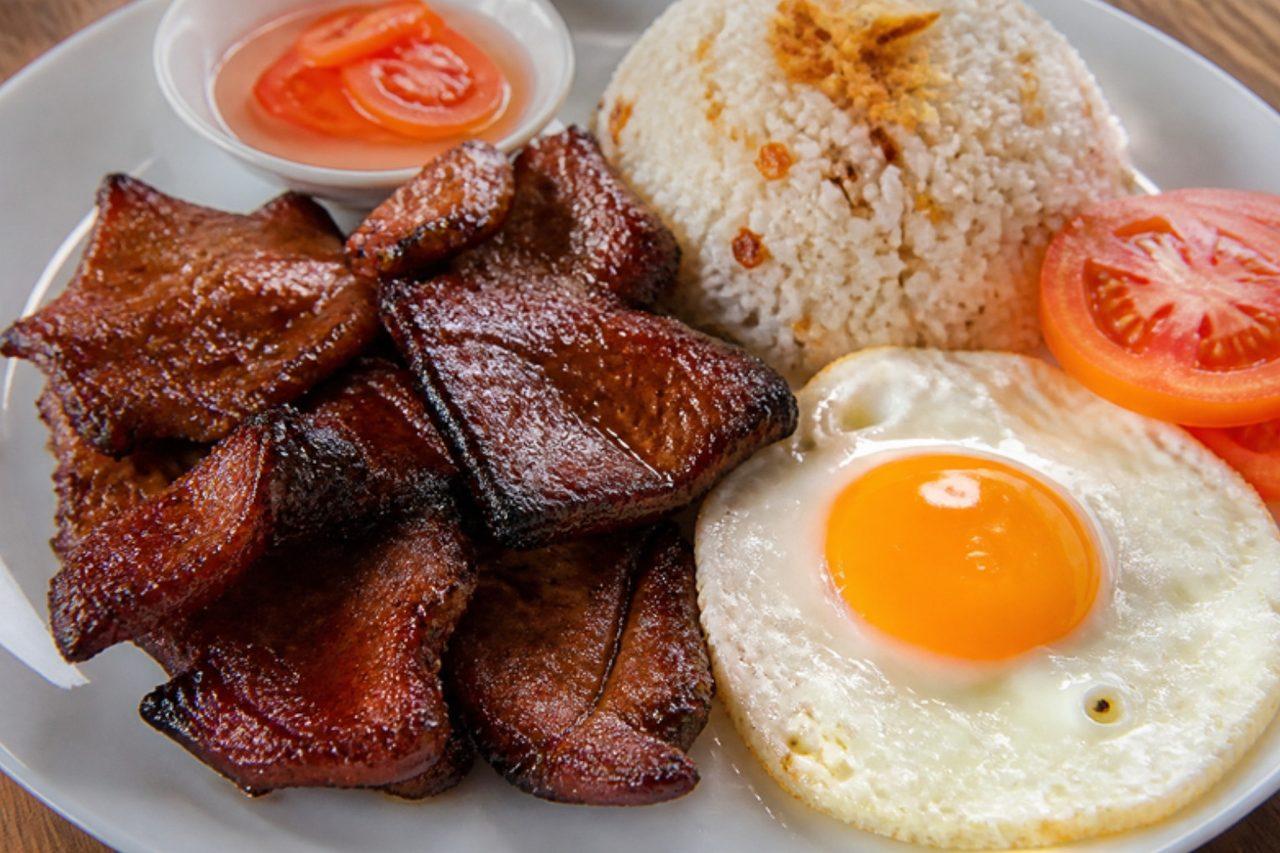
Pork tocinoSweet cured pork

In Pampanga, tocino is breakfast: thin slices of pork shoulder in a sweet, garlicky marinade, fried until the sugar caramelises at the edges, then served with garlic fried rice and a fried egg as 'tosilog'. Shop tocino is often bright pink from curing salts; this home version leaves those out, so it is a sweet marinated pork rather than a true cure, gets its warm red colour from annatto and paprika, and must be kept in the fridge and cooked within 3 days (or frozen). Look for pork with a little fat running through it so it stays juicy. Chef's tip: start it in a splash of water; the pork simmers through first, then the sugar glazes once the water is gone, so it doesn't burn before it's cooked.

by KrazyBadal 0 views

NazookSour cream pastry rolls

Nazook is the slice-shaped pastry stacked in the windows of Yerevan bakeries and sold by the box at every Armenian church fair from Glendale to Marseille. A yeasted dough enriched with sour cream is rolled thin, spread with a vanilla-scented filling of flour, butter and sugar, rolled into a log and cut on the slant before baking. The result is flaky outside, with a soft, buttery swirl inside, sweet but not sticky. It is a coffee pastry, served to guests and packed for long journeys because it keeps well. Chef's tip: keep the filling cold and spread it right to the side edges; the swirl looks finished and every slice gets its share.

by KrazyBadal 0 views

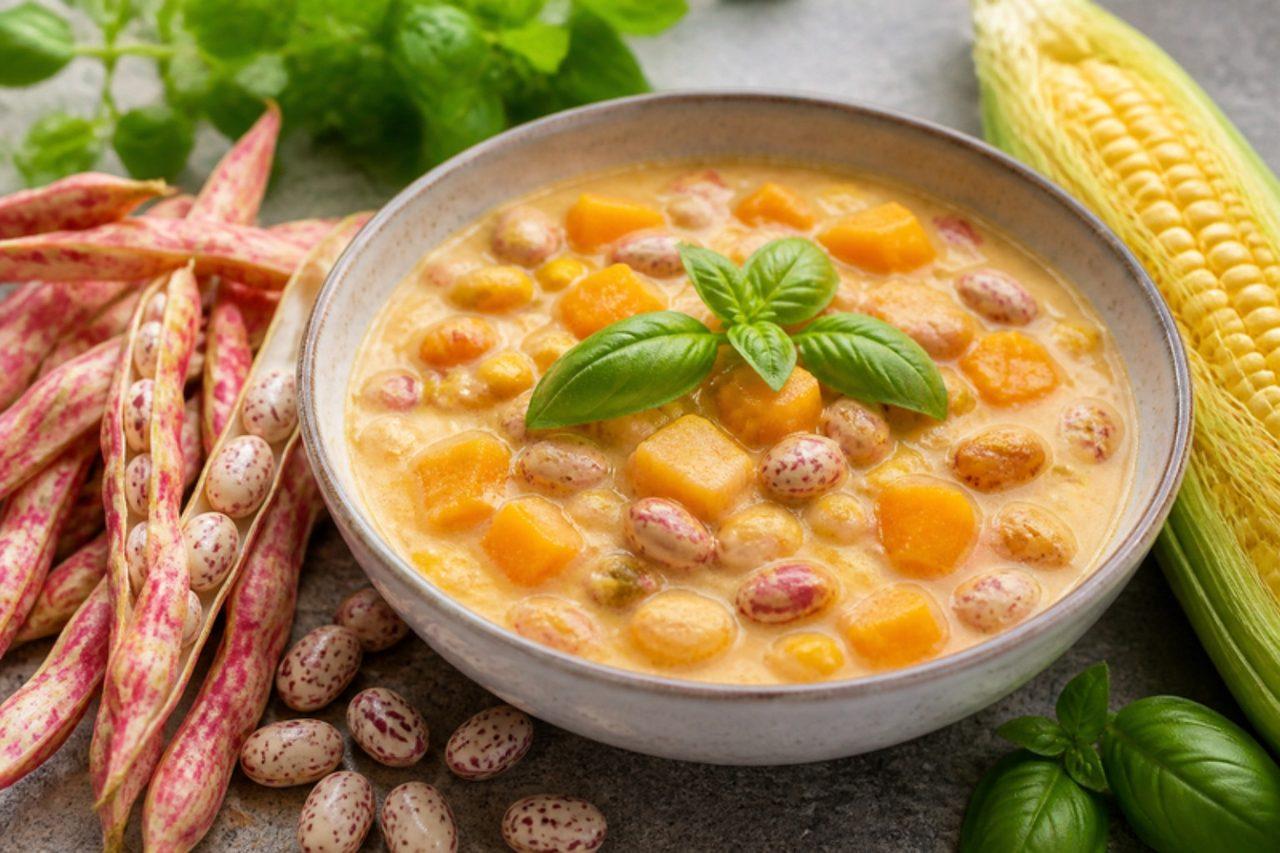
Porotos granadosFresh bean, pumpkin and corn stew

Porotos granados is what central Chile cooks when the fresh beans arrive in late summer: tender cranberry beans shelled at the kitchen table, simmered with pumpkin until it collapses into a thick orange sauce, then finished with grated corn and basil. Families in the Valle Central eat it on hot days, often with pebre and a tomato salad; when the corn is blended in larger amounts it's called 'con mazamorra'. It's hearty but fresh-tasting, and fully plant-based. Chef's tip: add the corn only in the last 10 minutes; it's there to thicken and sweeten, and overcooked it turns floury.

by KrazyBadal 0 views

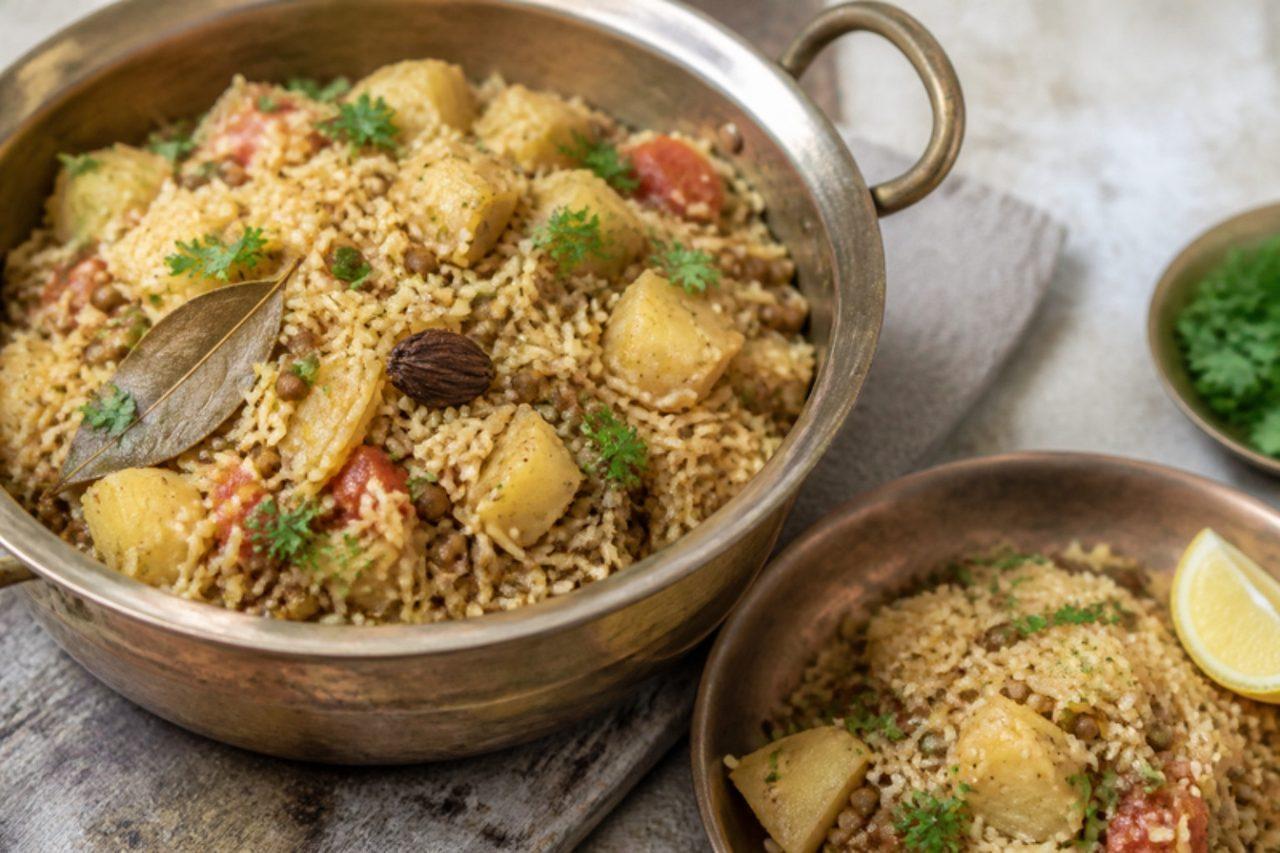
Tudkiya bhathSpiced rice with lentils and potatoes

Tudkiya bhath comes from Chamba in western Himachal Pradesh, where it is the dish cooks make when a crowd turns up: rice, whole lentils and potato cooked in one big pot with fried onions, tomato and a tangy splash of yogurt. Tudka means tempering, and the name hints at the generous mustard-oil base of whole spices that flavours every grain. It is heartier and spicier than a pulao, a little wetter than a biryani, and is usually eaten with a bowl of plain yogurt or a sour pickle. Chef's tip: fry the onions properly to a deep golden brown; they give the rice its colour and its sweetness.

by KrazyBadal 0 views

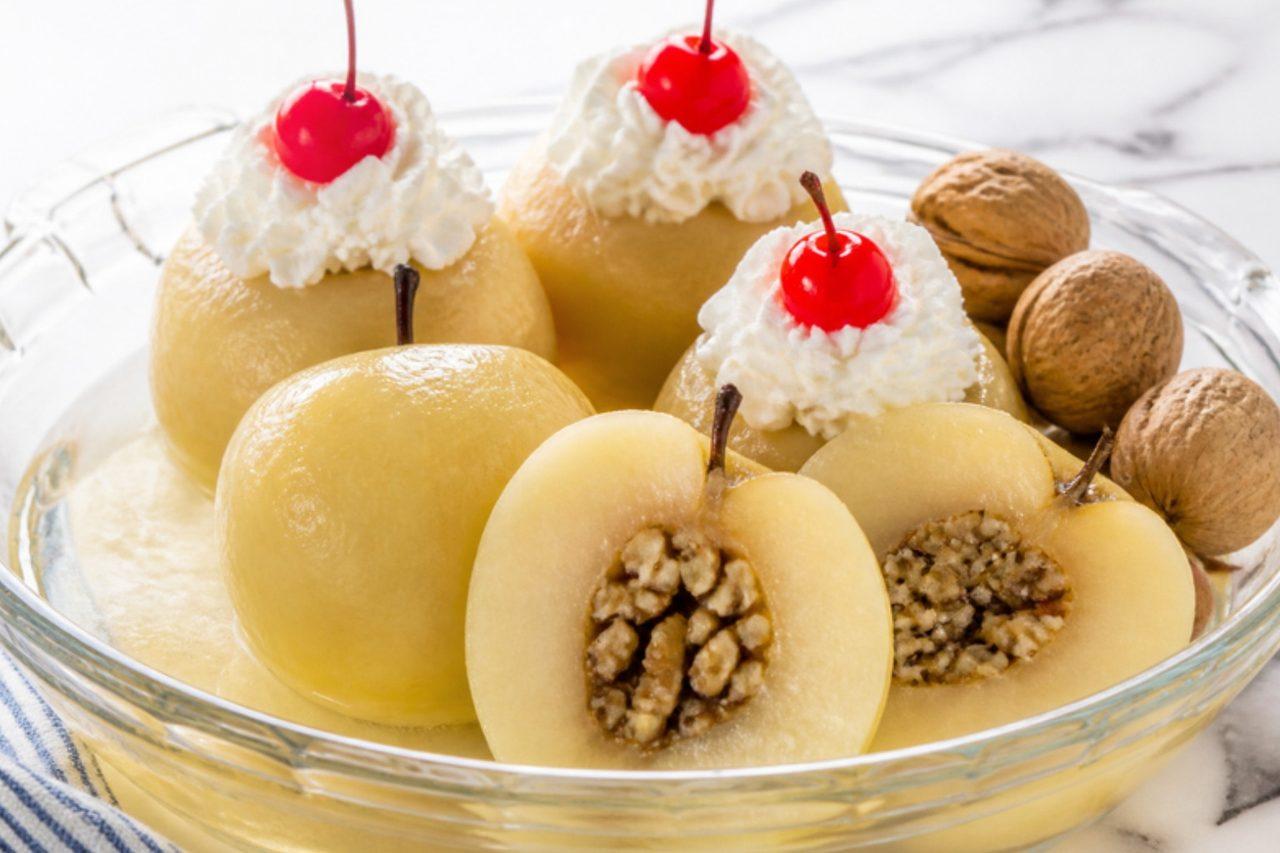
TufahijeWalnut-stuffed poached apples

Tufahije came to Bosnia with the Ottomans, and the name comes from the Persian and Arabic word for apple. In Sarajevo's old Baščaršija quarter they sit in the windows of slastičarne (sweet shops), whole apples poached pale in lemon syrup, filled with sweet walnuts and capped with whipped cream; at home they are a favourite after the iftar meal during Ramadan and at Bajram. They are soft, juicy and only moderately sweet. Chef's tip: choose firm, slightly tart apples and poach them gently; boiling them hard is the classic mistake and leaves you with split, mushy apples.

by KrazyBadal 0 views

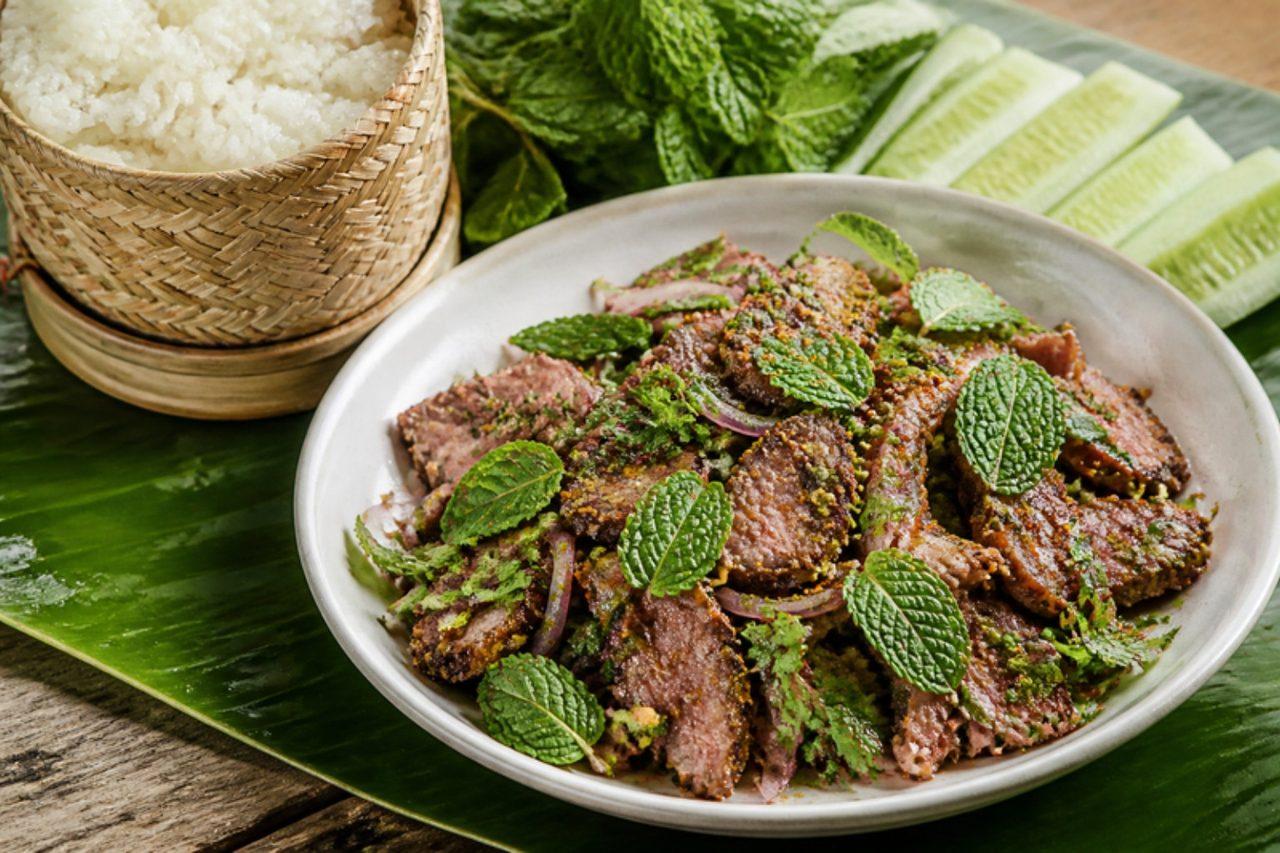
Nam tok neuaGrilled beef salad

The name means 'waterfall', after the juices that drip from the beef onto the coals, and this salad is what Isan drinking spots and family barbecues serve when there is good meat on the grill. Smoky slices of pink steak are tossed while still warm with lime, fish sauce, chilli flakes, shallots and mint, then dusted with toasted rice powder for crunch. The meat soaks up the dressing like a sponge, so every bite is juicy, sour and hot. Pile it on a plate with sticky rice, cabbage, cucumber and long beans. Chef's tip: choose a steak with some marbling, such as sirloin or rump; very lean cuts turn dry and chewy once sliced thin.

30 minThaiSaladsGluten freeSpicy
by KrazyBadal 0 views

ChivitoSteak sandwich with ham and egg

The chivito was created in the 1940s at a restaurant in Punta del Este, Uruguay, and became the national sandwich: a soft roll filled with thin, tender steak, ham, melted mozzarella, a fried egg, bacon, lettuce, tomato, olives and mayonnaise. It is eaten in Montevideo's parrillas and corner bars with chips on the side. This sandwich contains pork. The mistake is a thick, chewy steak: use thinly sliced sirloin and sear it fast. Chef's tip: toast the cut sides of the rolls so they stand up to all the juices.

by KrazyBadal 0 views

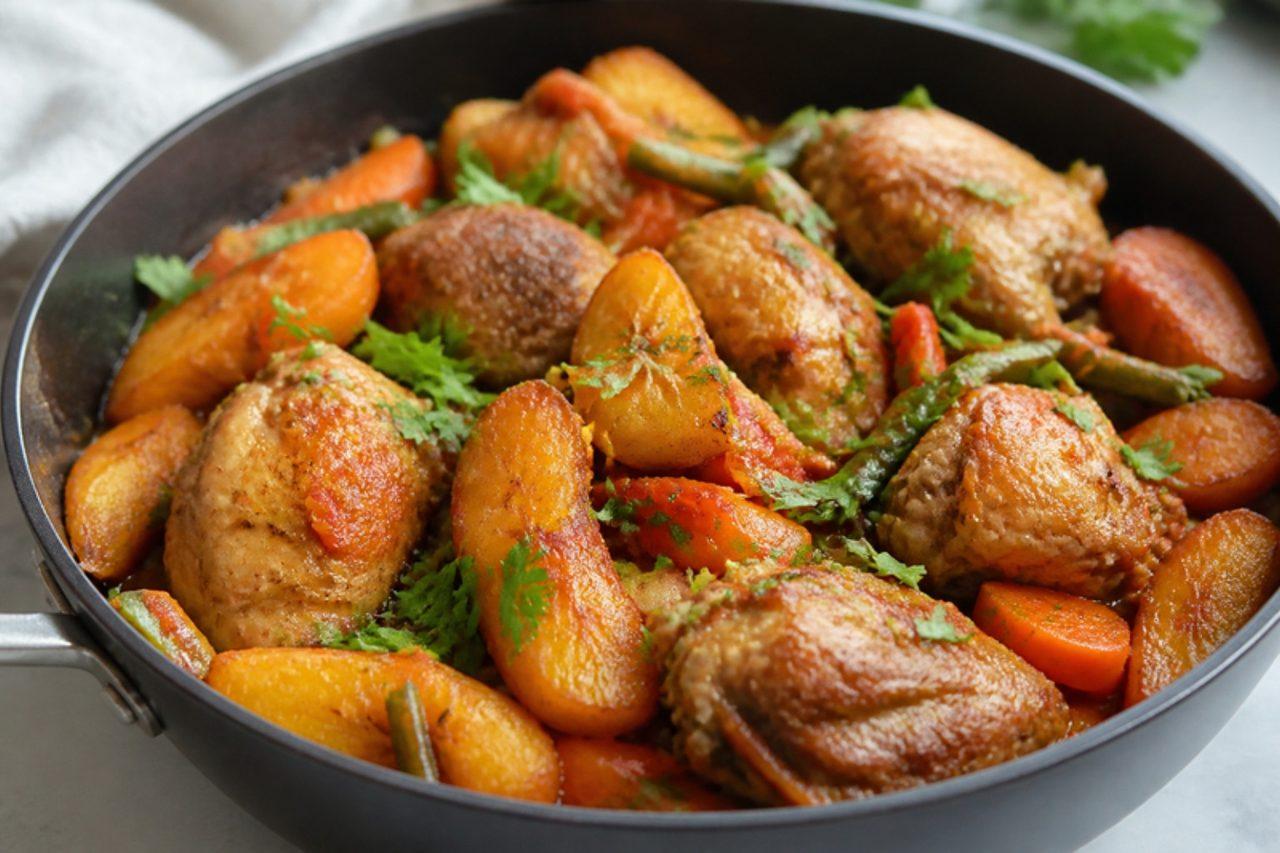
Poulet DGChicken with plantain and vegetables

Poulet DG, short for "poulet directeur général", earned its name in Yaoundé in the 1980s as a dish rich enough for the boss; now it is the centrepiece at weddings and Sunday lunches across Cameroon. Chicken is browned and simmered with tomato, peppers, carrots and green beans, then fried ripe plantain is folded in at the end, so every mouthful is savoury and sweet. The mistake is stirring the plantain in too early, when it breaks up and goes mushy; add it in the last few minutes. Chef's tip: choose plantains that are yellow with lots of black spots, ripe enough to caramelise but still firm.

by KrazyBadal 0 views

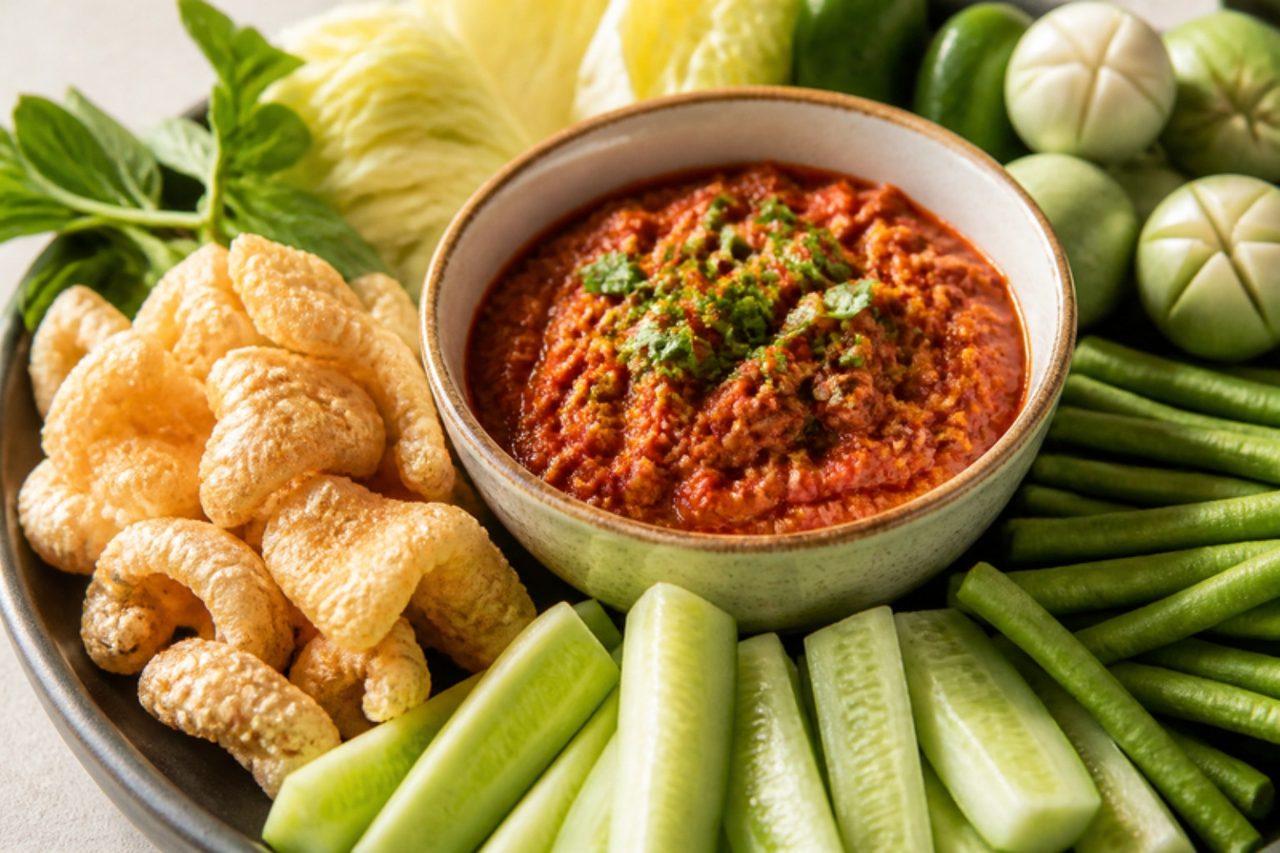
Nam prik ongTomato and pork chilli dip

Every khantoke dinner in Chiang Mai sets out a bowl of this brick-red relish beside the sticky rice baskets, and morning markets sell it by the scoop in little plastic bags. It sits somewhere between a chunky meat sauce and a dip: sweet-sour from slow-cooked cherry tomatoes, savoury from shrimp paste and pork, with a gentle chilli warmth rather than a blast. Scoop it up with cucumber, blanched long beans, cabbage wedges and crisp pork crackling, or press a ball of sticky rice into it. Chef's tip: fry the pounded paste in the oil until it darkens and smells toasty before the pork goes in; that is where the deep, roasted flavour comes from.

by KrazyBadal 0 views

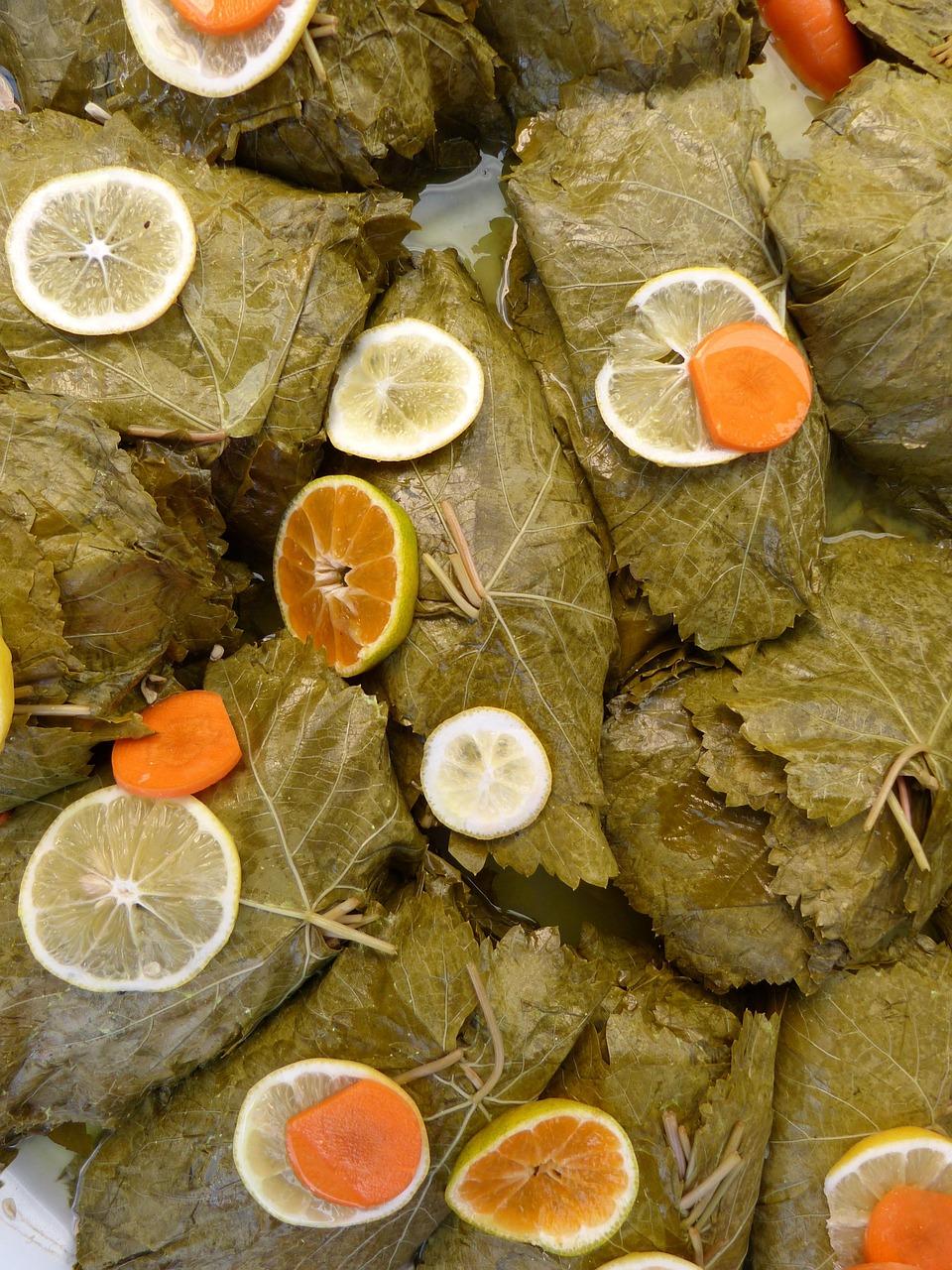
Warak enabRice-stuffed vine leaves

Warak enab bi zeit, vine leaves cooked in oil, is what Lebanese aunts make in big batches in early summer when the young grape leaves are tender, and it fills the cold mezze table at every wedding and family lunch. The meatless version, eaten on Lenten fast days, is packed with short-grain rice, tomato, parsley, mint and spring onion, seasoned with dried mint and seven spices, and simmered slowly in lemon juice until the leaves are silky and the filling sharp and fresh. It is served cold with a wedge of lemon and a spoonful of yogurt for those who are not keeping it vegan. Rolling too tightly is the mistake most people make: the rice swells and splits the leaves, so roll them snug but not stretched. Chef's tip: line the pan with sliced potato and tomato; they stop the rolls catching and are a cook's treat to eat straight from the pot.

by KrazyBadal 0 views

Pounded yamPounded yam dough

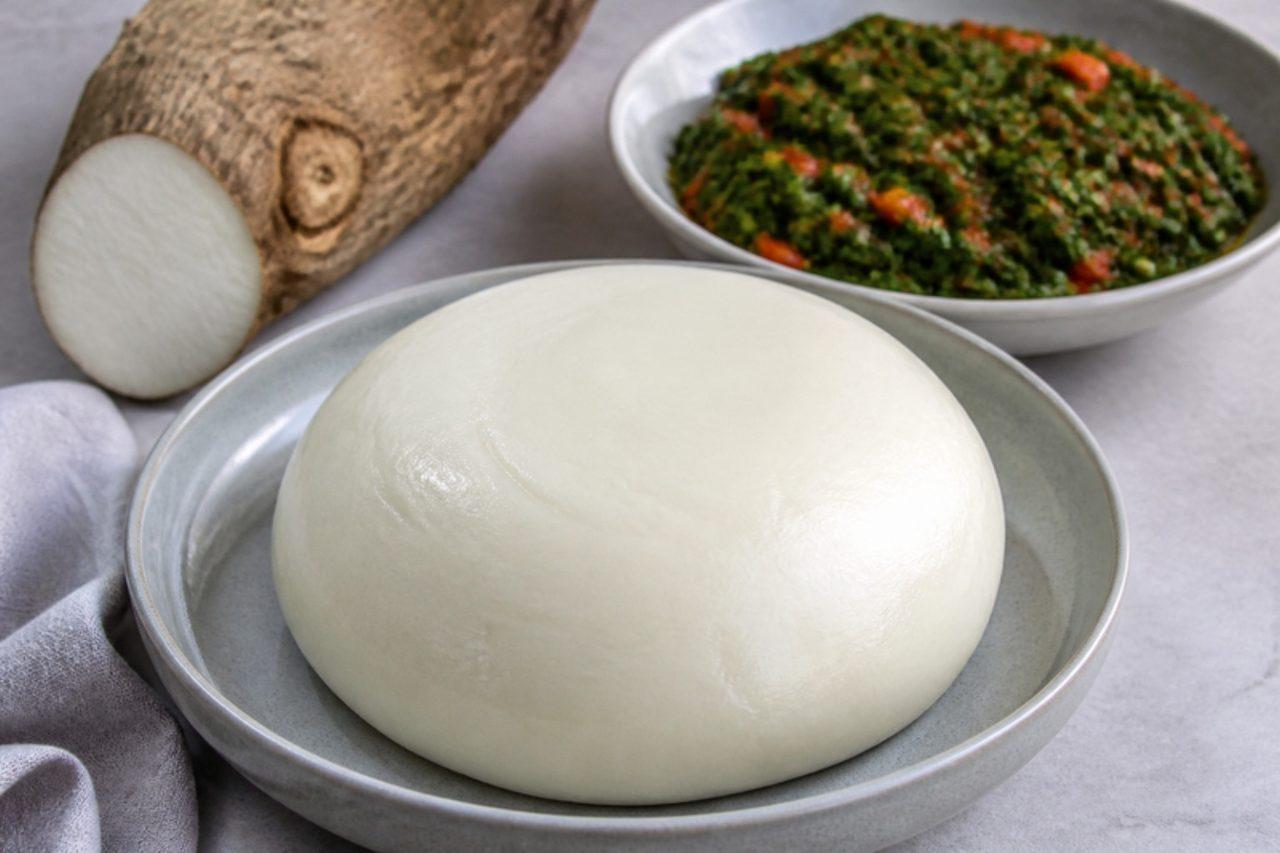
Pounded yam, iyan in Yoruba, is the pride of Ekiti and Oyo tables, where it is still pounded in a big wooden mortar on Sundays and at celebrations, the thud of the pestle carrying down the street. Boiled white yam is beaten until it becomes a smooth, elastic, slightly sticky dough that is torn off by hand and dipped into egusi, efo riro or okra soup. At home most people now use a stand mixer or food processor instead of a mortar. It has to be true African white yam (puna yam), not orange sweet potato, which some shops label as yam. Chef's tip: pound or mix the yam while it is still very hot; as it cools the starch sets and it turns lumpy instead of stretchy.

by KrazyBadal 0 views

Banh khotMini coconut rice pancakes

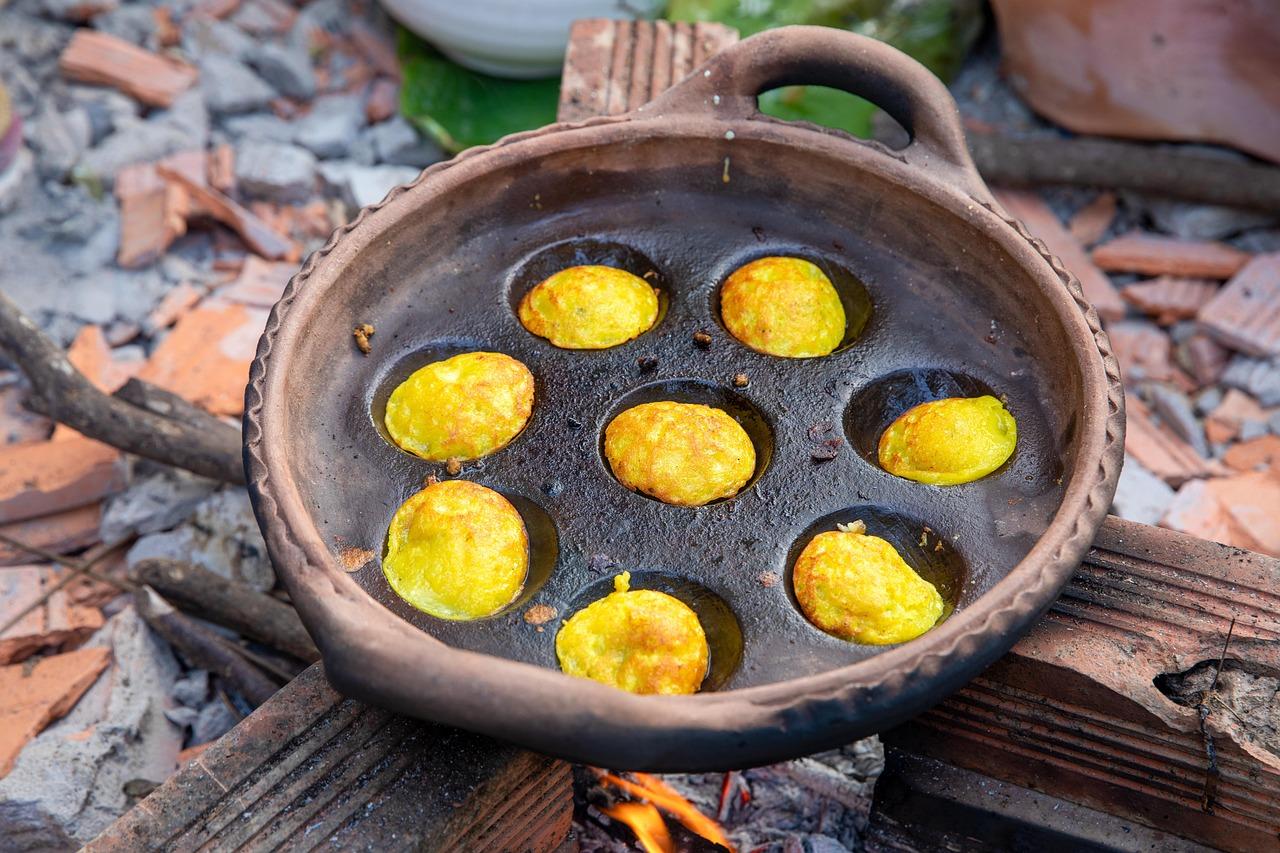
Weekend visitors from Saigon who drive down to the beach town of Vũng Tàu make a point of eating bánh khọt at open-air stalls, where cooks tend rows of dimpled clay or cast-iron pans over charcoal. The batter of rice flour, coconut milk and turmeric fries into bite-sized cups with a shatteringly crisp base and a soft, custardy top, each finished with a small shrimp and spring onion oil. You wrap them in mustard greens or lettuce with herbs and dip them in sweet-sour fish sauce. At home, an aebleskiver or takoyaki pan works well. Chef's tip: cover the pan for the first minute so steam sets the tops, then uncover so the bottoms crisp in the oil.

by KrazyBadal 0 views

Sopa de ajoGarlic and bread soup

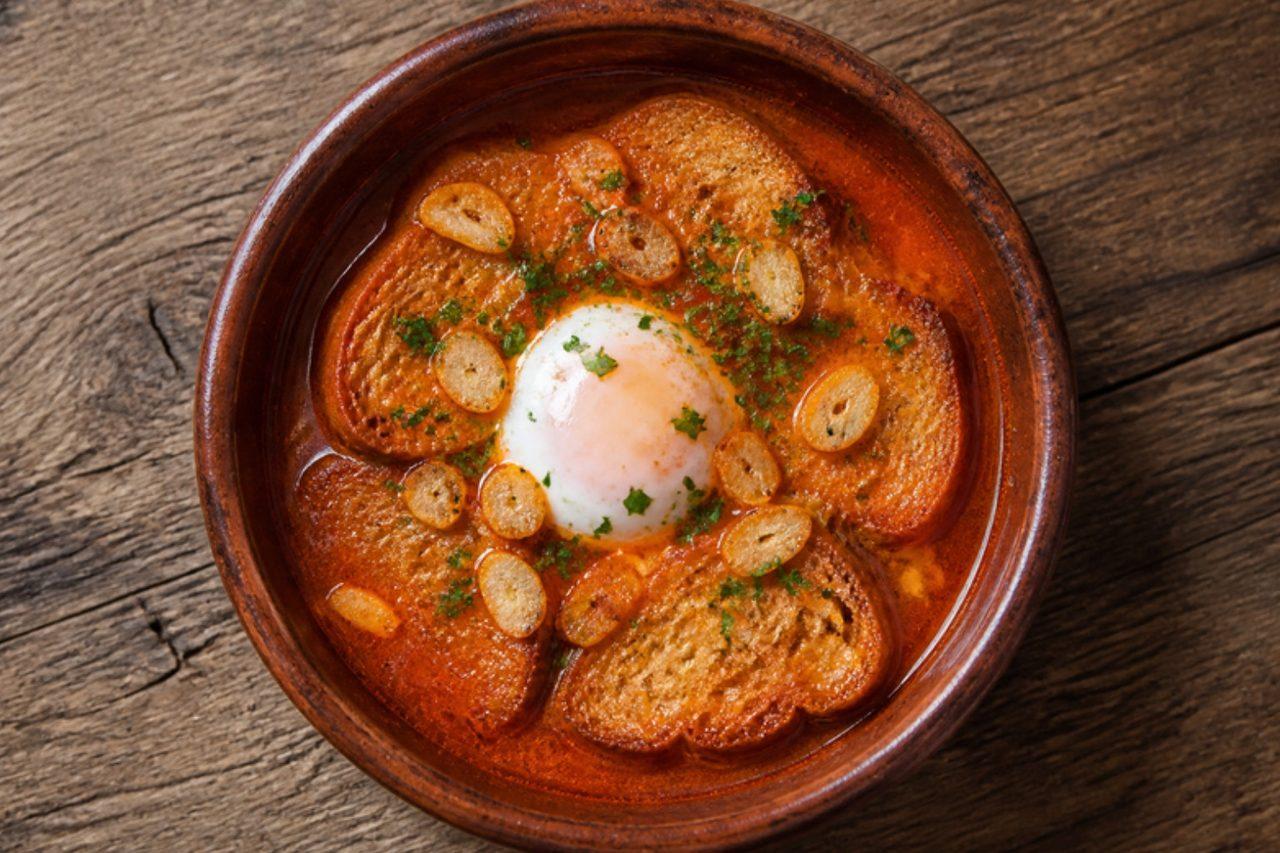
Sopa de ajo, also called sopa castellana, is the warming winter soup of Castile and León, from Segovia to Burgos: stale bread fried in olive oil with lots of garlic and smoky pimentón, simmered in stock and finished with eggs poached right in the soup. It was shepherds' and farmers' food, made from what was always in the kitchen, and is still eaten after a cold night out or on Ash Wednesday. Castilian cooks often add cured ham; this vegetarian version gets its depth from smoked pimentón and a good vegetable stock. Serve it in earthenware bowls, piping hot. Chef's tip: use bread that is truly stale and dry, and toast it in the garlicky oil until golden before adding the stock; fresh bread turns to mush, while toasted stale bread swells but keeps a little texture.

by KrazyBadal 0 views

Vegetarian sour soupTamarind and pineapple soup

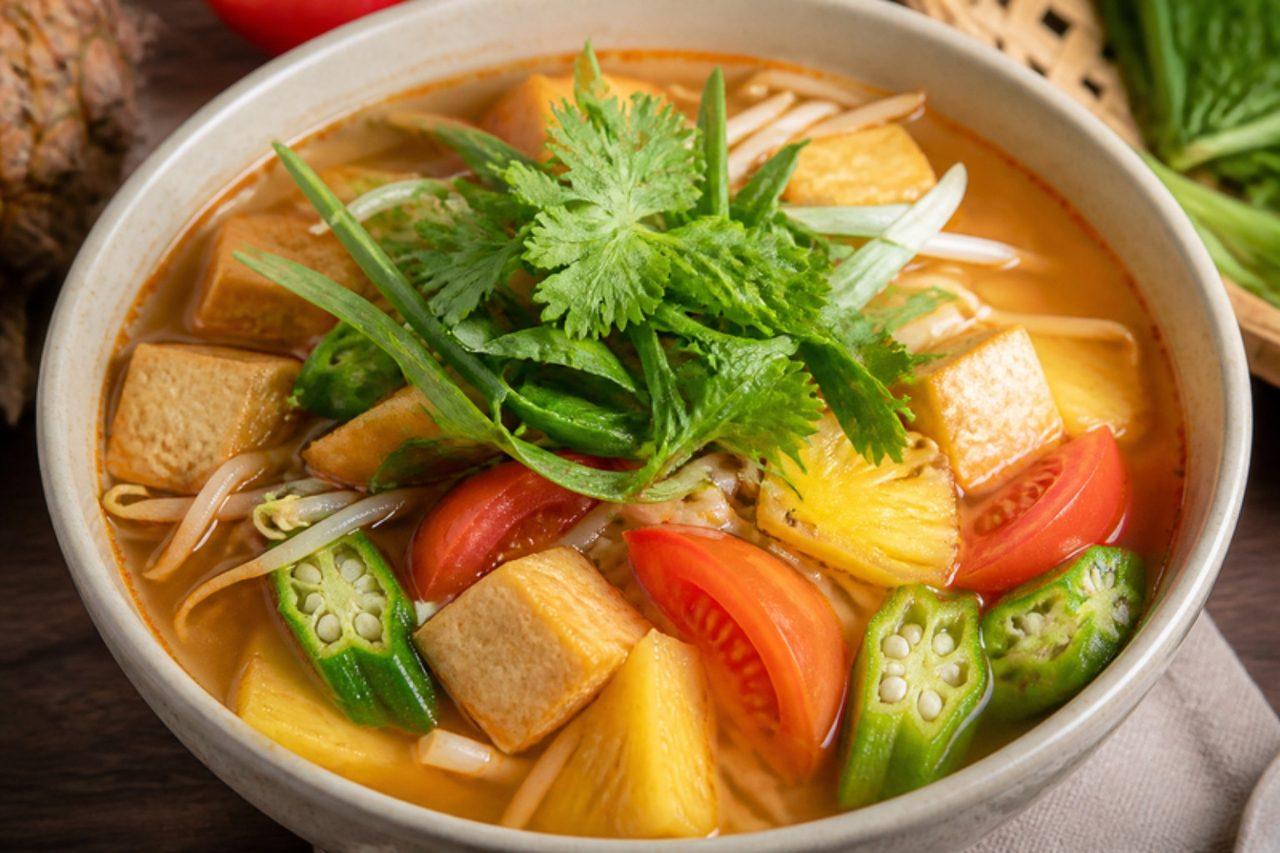
Canh chua, 'sour soup', is on the table at nearly every family meal in the Mekong Delta, served with plain rice. The broth is soured with tamarind and sweetened with pineapple and tomato, then filled with okra, celery-like taro stems, bean sprouts and lots of herbs. This vegetarian version uses fried tofu in place of fish. It is light, tangy and refreshing in hot weather. Chef's tip: fry the tomato with the shallot until it collapses before adding the liquid, so the broth turns rosy, then add the herbs and bean sprouts only off the heat and finish with garlic fried in oil, which gives the soup its southern fragrance.

by KrazyBadal 0 views

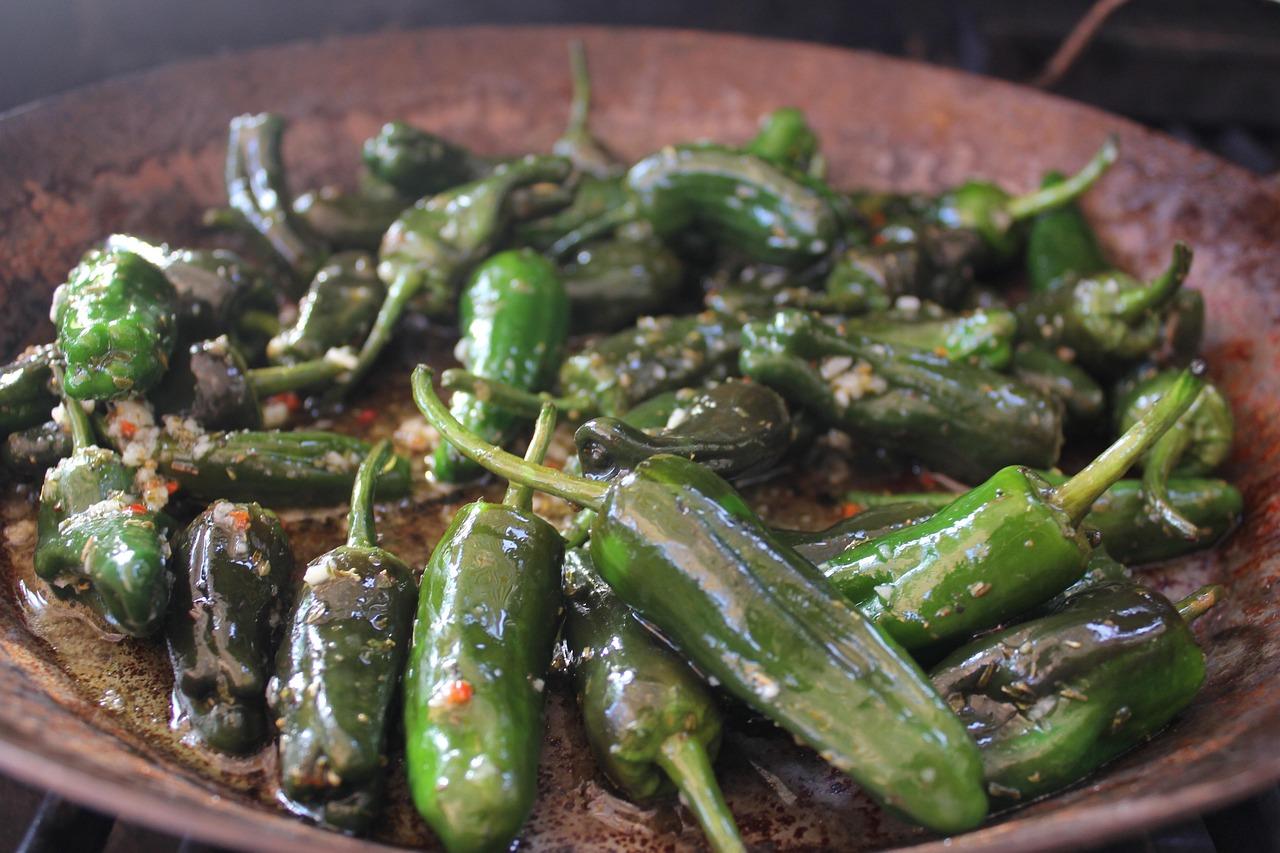
Pimientos de PadrónBlistered green peppers

Pimientos de Padrón come from Herbón, near the town of Padrón in Galicia, where they are fried whole in olive oil and showered with coarse salt. They are small, thin-skinned and mostly mild and grassy, but the Galician saying goes 'os pementos de Padrón, uns pican e outros non' (some are hot and some are not): roughly one in ten has a real kick, which is half the fun. They take five minutes and make the perfect tapa with a cold drink, tortilla or bread. Chef's tip: get the oil properly hot and leave the peppers alone for the first minute so the skins blister and puff; stewing them in lukewarm oil makes them soft and khaki instead of bright and blistered.

by KrazyBadal 0 views

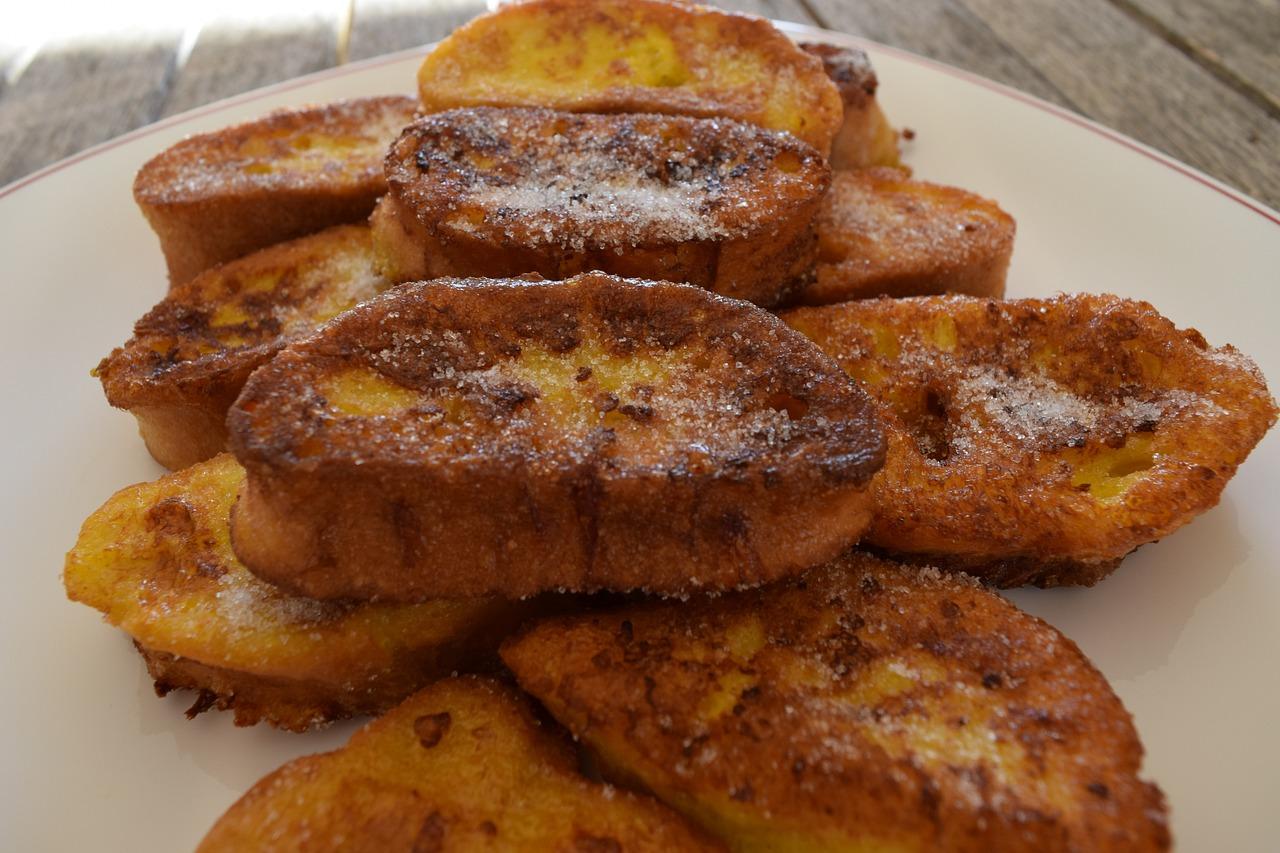
TorrijasCinnamon fried bread

Torrijas are the Easter sweet of Spain, eaten all over the country during Semana Santa and especially in Madrid and Andalusia, where bakeries pile them in their windows. Thick slices of day-old bread are soaked in milk infused with cinnamon and lemon peel, dipped in beaten egg, fried in olive oil and rolled in cinnamon sugar. They were born as a way to use up stale bread during Lent, and they are crisp outside and soft and custardy inside, like a richer, crunchier French toast. Eat them warm or cold, the next day they are even more set and sweet. Chef's tip: use a dense day-old loaf (a Spanish 'pan de torrijas' or a firm baguette) cut 2–3 cm thick, and soak just until saturated; fresh, airy bread falls apart and fries greasy.

by KrazyBadal 0 views

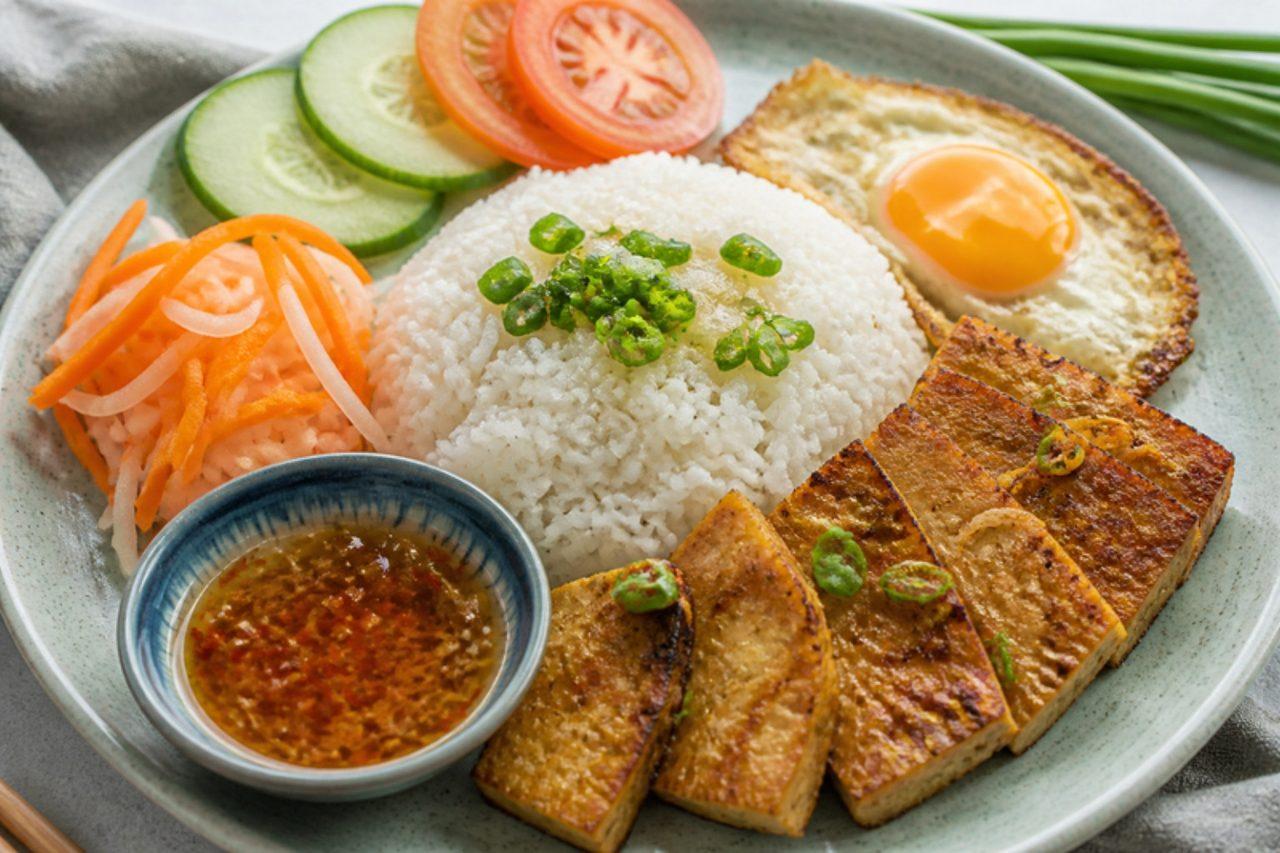
Vegetarian broken rice plateBroken rice with lemongrass tofu

Cơm tấm, 'broken rice', is the breakfast and lunch plate of Saigon. Broken grains, once sold cheaply to the poor, cook up soft and slightly sticky, and street stalls serve them with grilled meat, a crisp-edged fried egg, spring onion oil, pickles and cucumber. This vegetarian plate has caramelised lemongrass tofu in place of pork. Every part goes with the sweet-sour nước chấm spooned over the top. Chef's tip: fry the egg in hot oil and spoon the oil over the white, so the edges go lacy and crisp and the yolk stays runny, Saigon-style; break it over the rice and it becomes part of the sauce.

by KrazyBadal 0 views

Showing 72 of 10,569 recipes

Show more recipes

Page 1,095 of 1,175