


Skip to content
Saluf
Featured recipe

Saluf

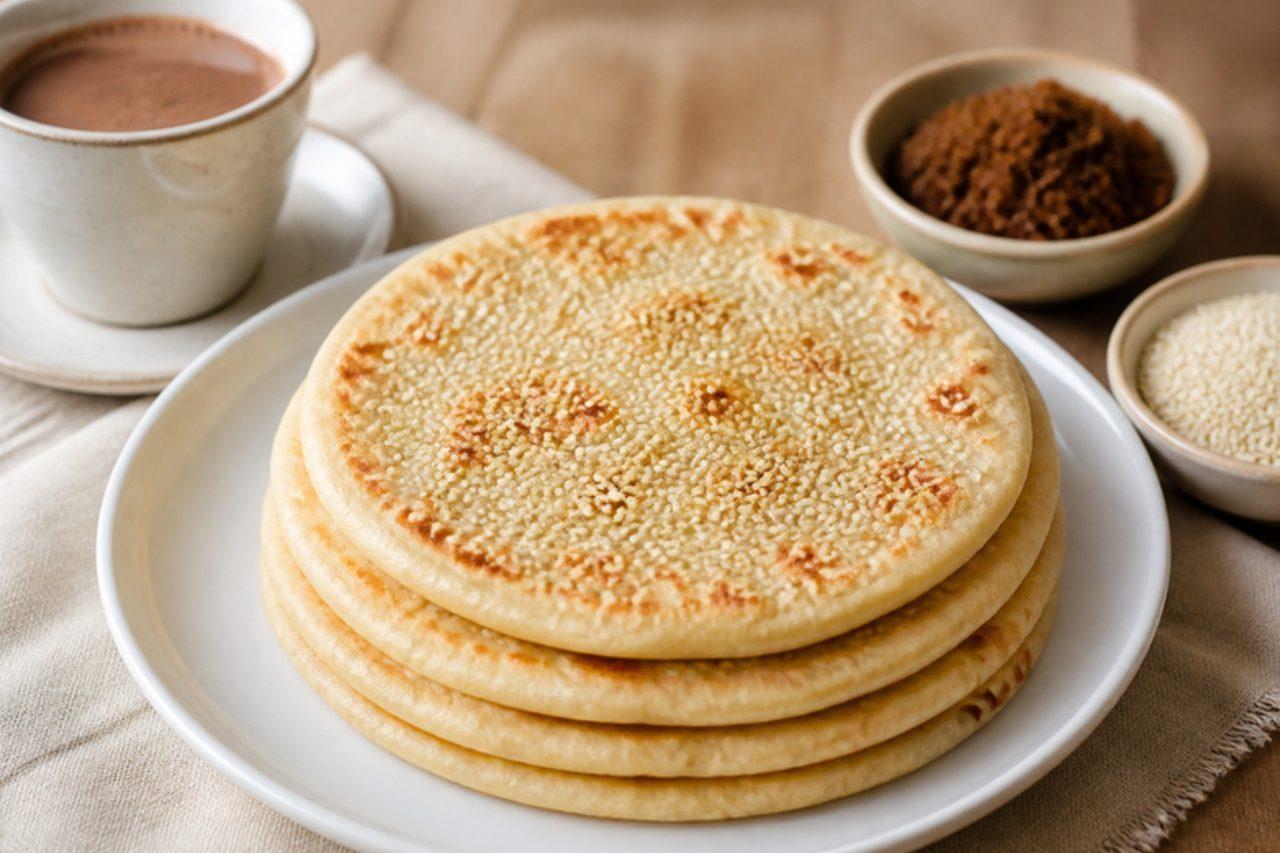
Puffy flatbread

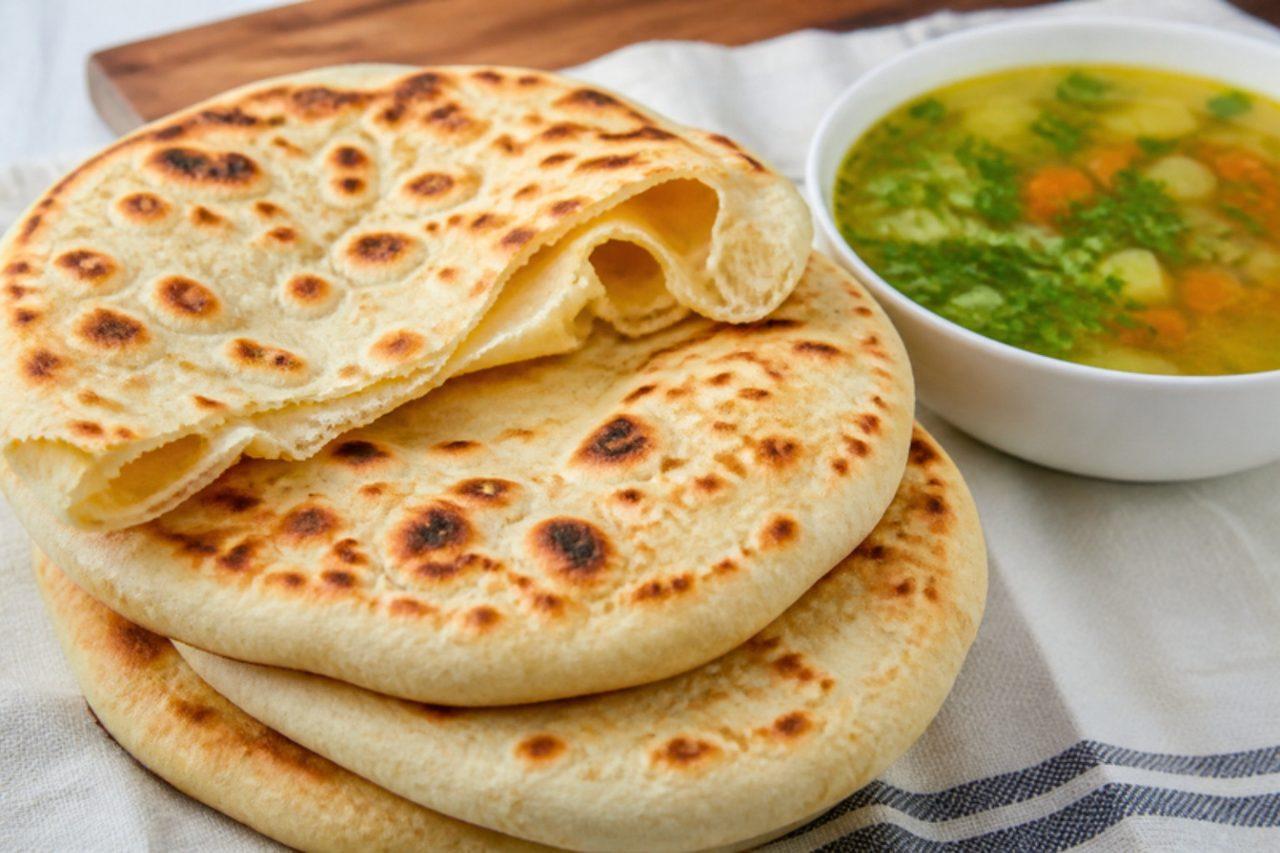
Saluf is the everyday bread of Yemenite Israelis, slapped onto a hot pan or taboon in Rosh HaAyin and Sha'arayim in Rehovot and eaten with marak temani, hilbe and zhug. It is soft and blistered, thicker than pita and with no pocket, made to tear and dunk. Home cooks often roll it too thin, which gives a cracker; it should be about 1 cm thick so it stays pillowy. Chef's tip: cook it under a lid on a very hot dry pan for the first minute, which traps steam and puffs it the way a taboon does.

Read more 1 views

What to eat today?

Around the world

Today's trip: Persian

A new country every day, from every cuisine on the site.

Persian

Shir berenj

Rose water rice pudding 70 minMore from Persian (181) →

This week's collection

Kid-friendly dinners
756 recipes · a new collection every Monday

Coming up

All occasions →

Latest recipes

PempekFish and tapioca cakes

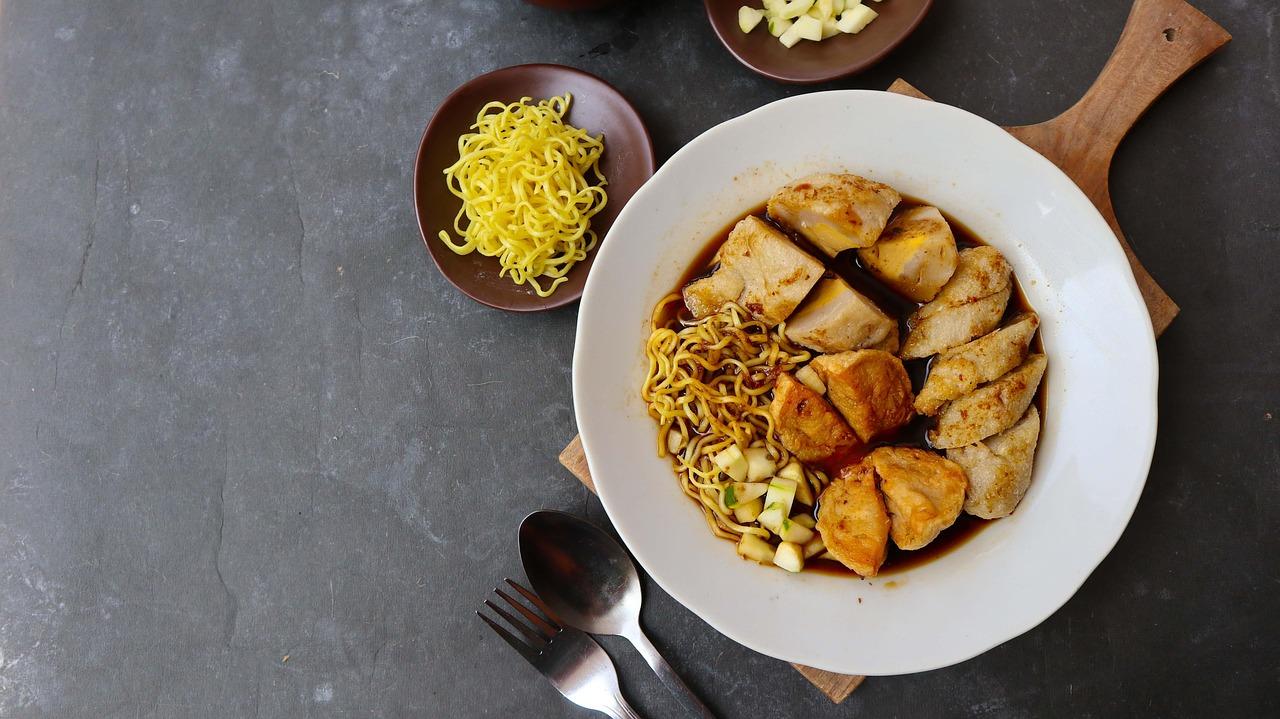
Palembang in South Sumatra is pempek country: shops line the streets selling these chewy fish cakes by the dozen, and visitors fly home with boxes of them in their luggage. Fresh fish is worked with tapioca starch into a dough, shaped into logs, poached, then sliced and fried until blistered and golden outside while staying springy within. The real star is cuko, a thin, dark, sweet-sour-hot sauce of palm sugar, tamarind, garlic and chilli that is poured over everything, ideally with diced cucumber and a few yellow noodles. People eat it any time of day as a snack, often sipping the cuko straight from the bowl. Chef's tip: make the cuko first; it tastes best after resting for an hour or more.

by KrazyBadal 0 views

Pen patatSweet potato pudding

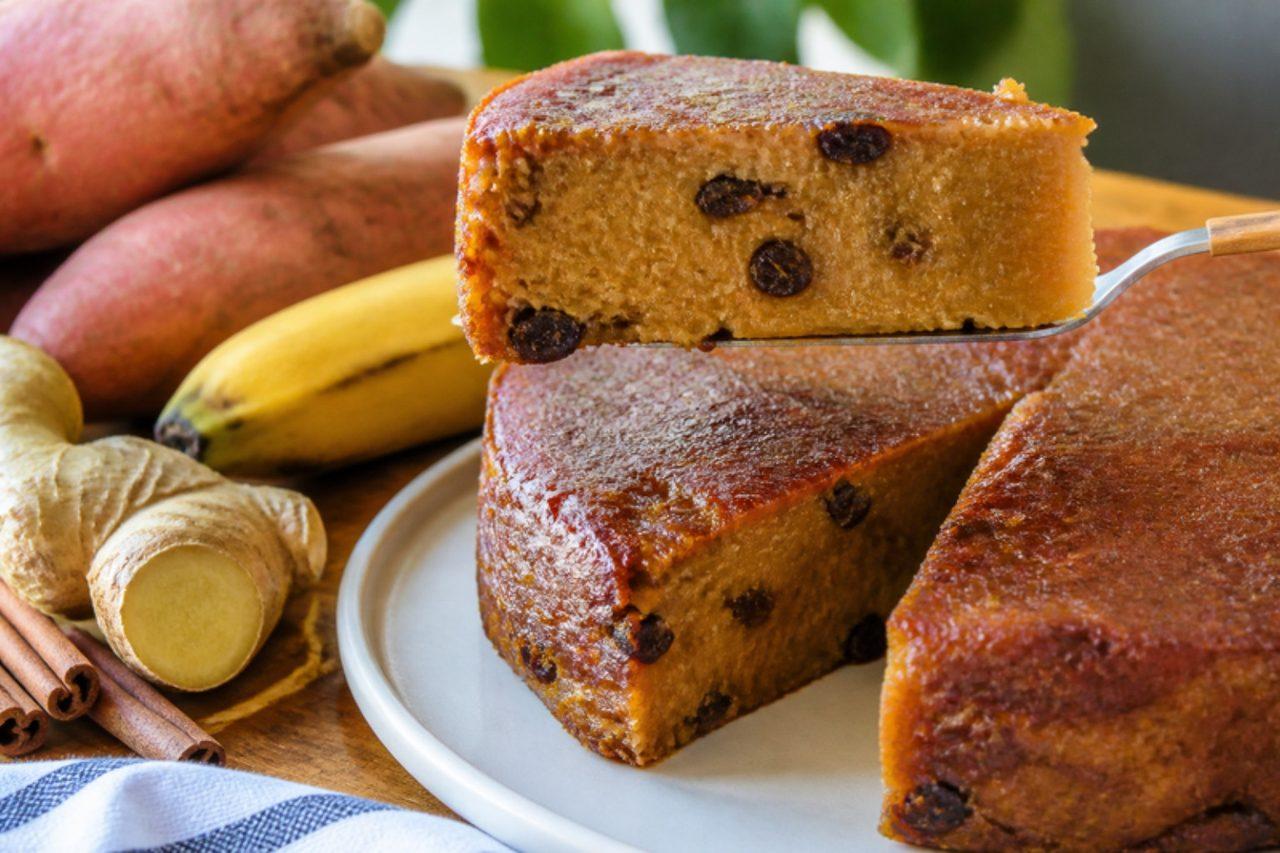
Pen patat, sweet potato 'bread', is the Haitian pudding sold in squares by street vendors and baked at home for Sunday afternoons and holidays, from the hills above Pétion-Ville to Haitian bakeries abroad. Grated white sweet potato (patat) and ripe banana are baked with coconut milk, evaporated milk, fresh ginger and warm spices until set and caramel-brown on top. It is dense, moist and fudgy, a little like a spiced cake and a little like a custard, and it's eaten warm or cold with coffee. Chef's tip: grate the sweet potato finely on the small holes; coarse shreds stay stringy, fine ones melt into a smooth pudding.

by KrazyBadal 0 views

Penang asam laksaSour fish noodle soup

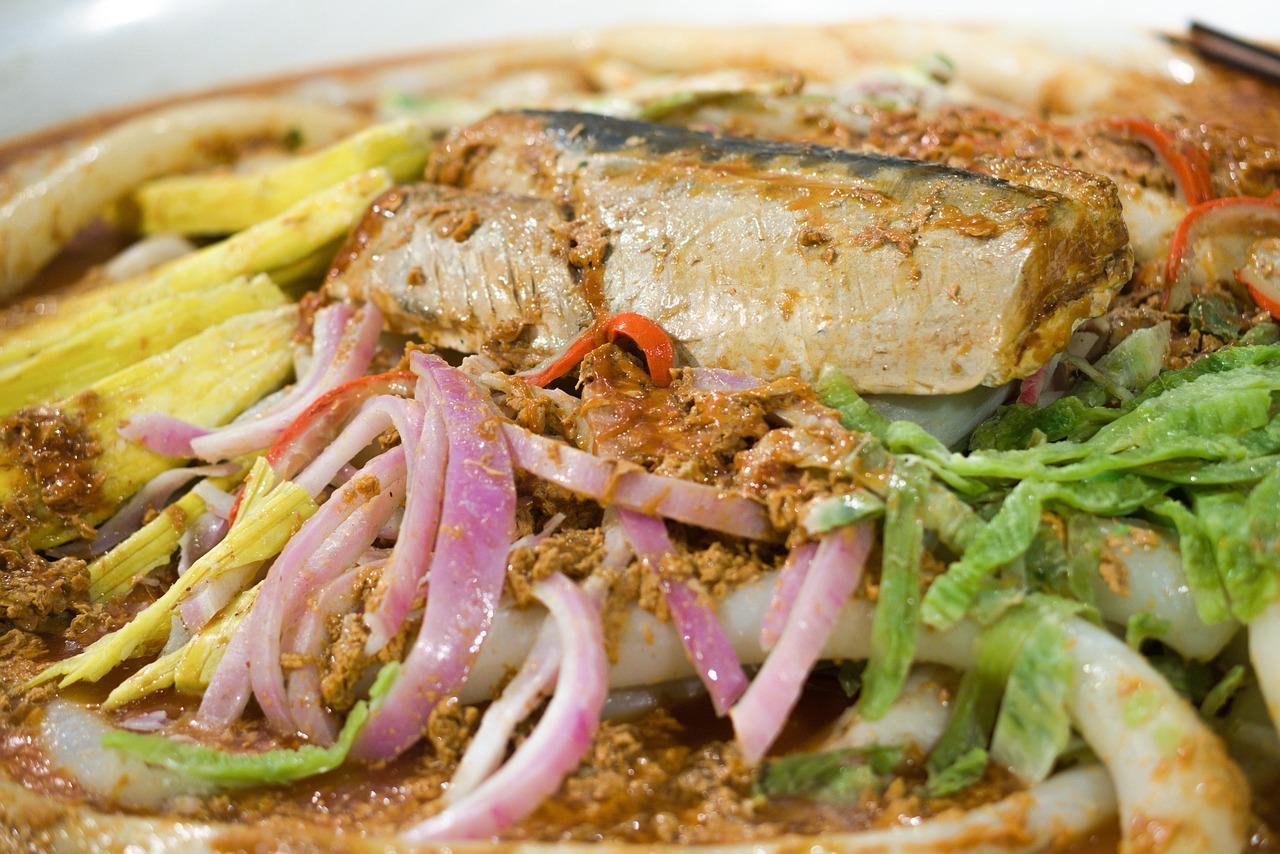
Forget coconut and cream: Penang's asam laksa is all sour, hot and herbal, a dark tamarind broth thickened with flaked mackerel and poured over thick, slippery rice noodles. Hawkers at Air Itam market and along Gurney Drive pile the bowl with shredded pineapple, cucumber, red onion, lettuce, torn mint and a spoon of sticky, sweet prawn paste (hae ko) that you stir in as you eat. Torch ginger flower and Vietnamese mint (daun kesum) give it a smell that is wholly its own. It is a hot-afternoon dish, eaten fast while the herbs are still crisp. Chef's tip: poach the mackerel in the broth whole, then flake it back in; the bones and skin give the soup much of its body.

by KrazyBadal 0 views

Penang lor bakFive-spice pork rolls

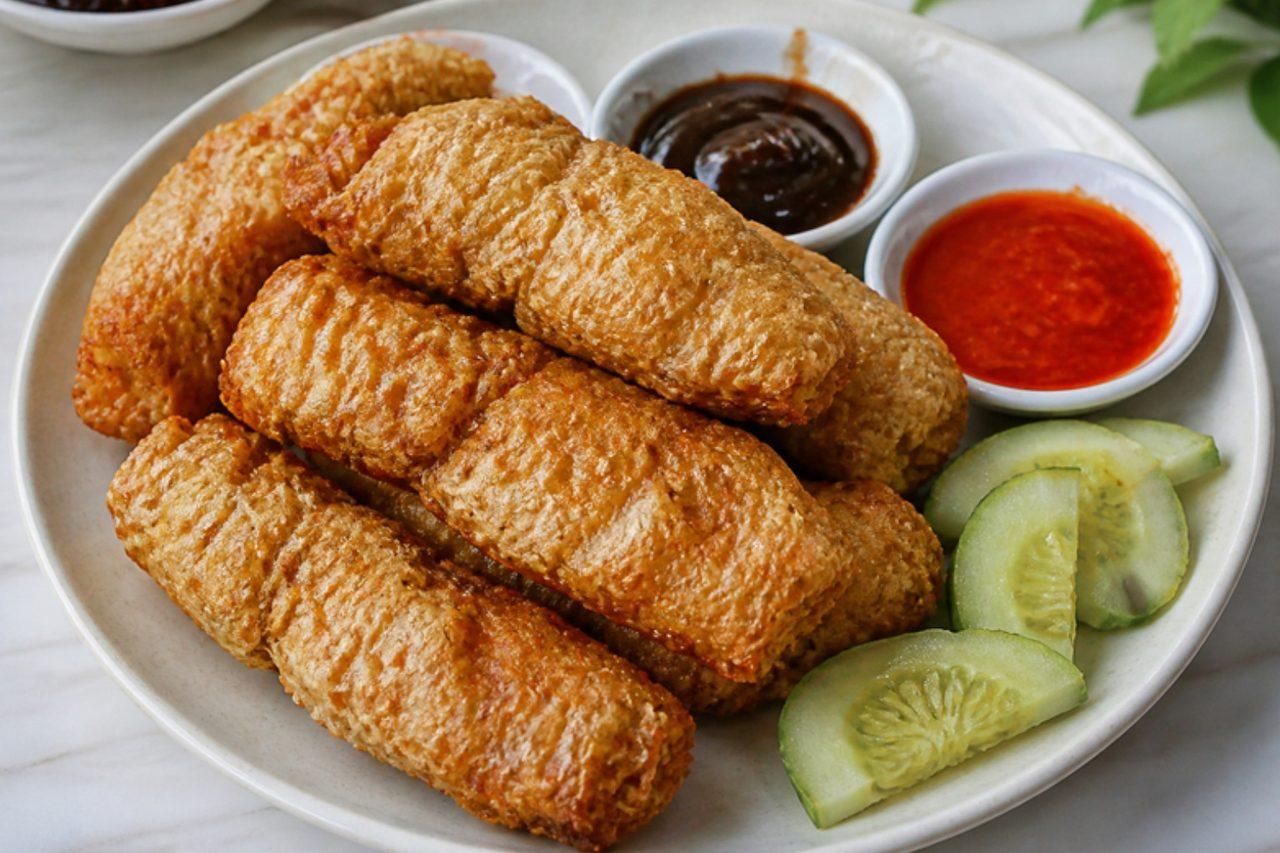
Every Penang lor bak stall shows off a tray of fried things, but the five-spice pork roll is the reason people queue. Minced pork and chopped water chestnut, seasoned with five-spice, soy and garlic, are rolled tight in sheets of dried beancurd skin, steamed, then fried until the skin shatters like thin pastry. Slices are dipped in two sauces: a thick, starchy 'lor' gravy streaked with egg and a bright chilli sauce. They are a favourite with drinks at the hawker centres along Kimberley Street or as part of a Chinese New Year spread. Chef's tip: wipe the beancurd skin with a damp cloth rather than soaking it; too wet and it tears and will not crisp.

by KrazyBadal 0 views

Penang rojakFruit salad with prawn paste dressing

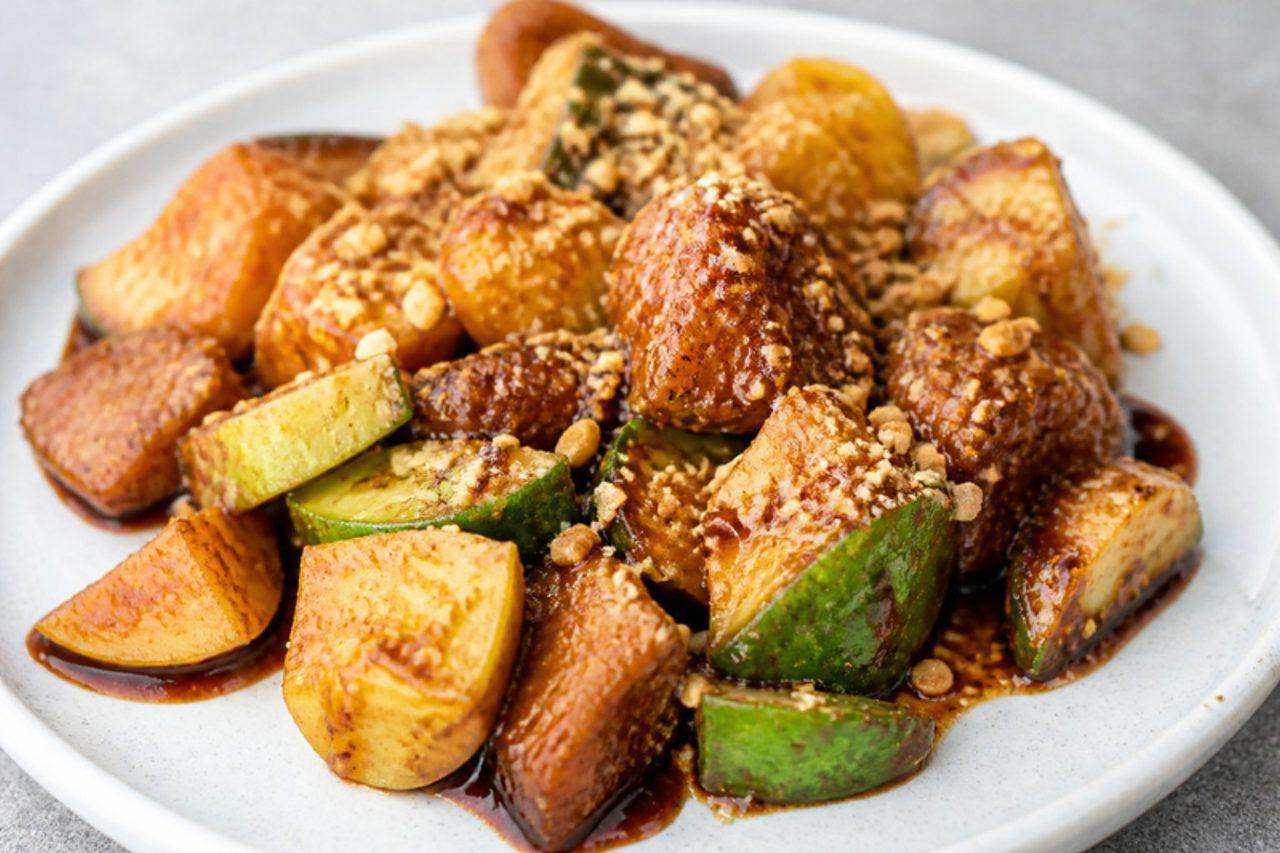
Few salads are as divisive or as loved as the rojak sold from carts along Penang's Gurney Drive: crisp jicama, cucumber, green mango, pineapple and guava cut into bite-size pieces and tossed in a black, toffee-thick dressing of hae ko (fermented prawn paste), tamarind and sugar. The fruit stays cold and crunchy while the sauce is sweet, sour, salty and funky at once, finished with a snowfall of crushed peanuts. Stalls often add fried dough fritters and tofu puffs for chew. Eat it as an afternoon snack or alongside grilled meats. Chef's tip: toss only just before serving; the salt in the dressing draws water out of the fruit and turns it watery within 15 minutes.

by KrazyBadal 0 views

Sopa de maníPeanut soup

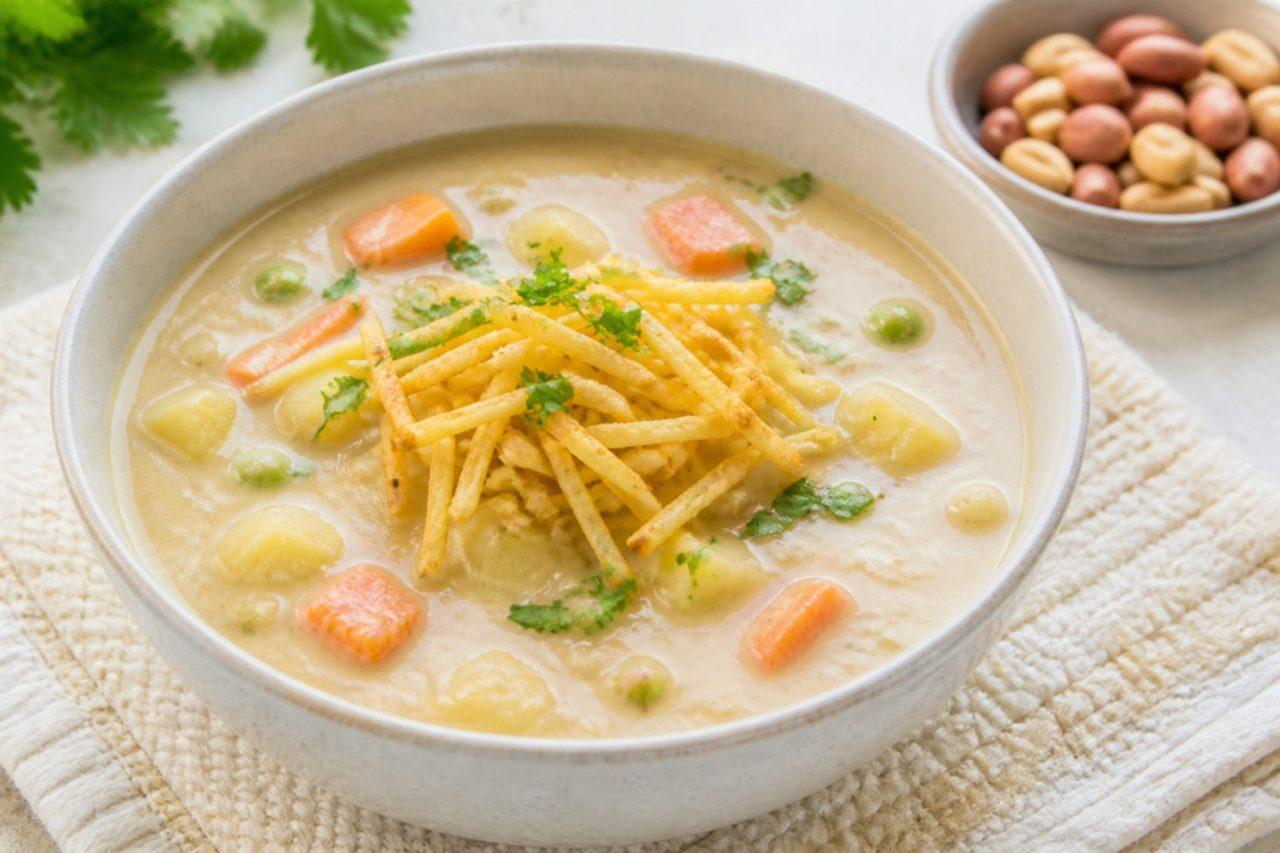
Sopa de maní is a pride of Cochabamba, Bolivia's food capital, where it starts the big midday meal in homes and market comedores. Raw peanuts are blended into a pale, creamy broth with vegetables and peas, and every bowl is topped with a tangle of thin, crisp fried potatoes and chopped parsley. It's usually made with beef broth; vegetable stock and a little more garlic keep it full-flavoured. Chef's tip: use raw (unroasted) peanuts and blend them very finely with water; that's what gives the soup its milky colour and silkiness.

by KrazyBadal 0 views

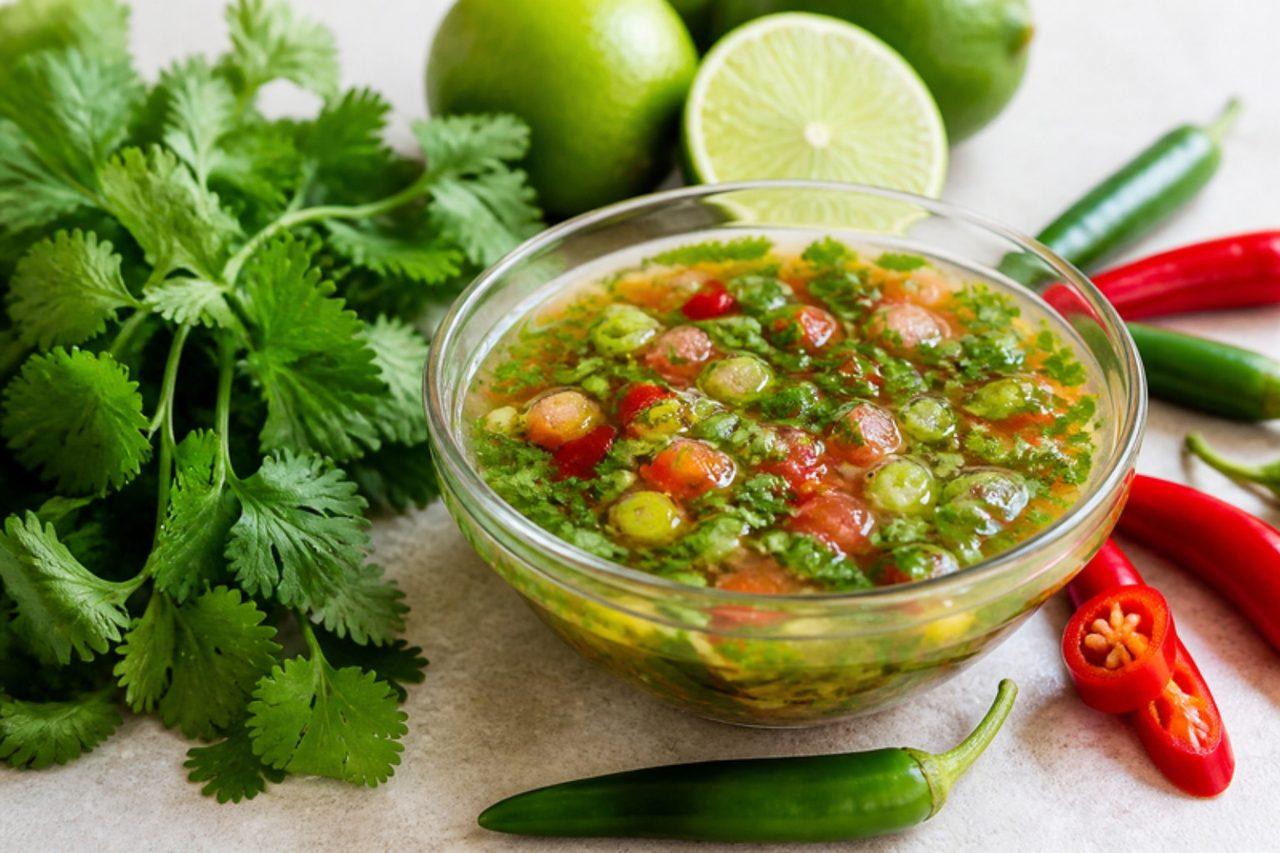
Ají picanteFresh chilli and coriander sauce

Every Colombian table has a bowl of ají, the loose, fresh hot sauce spooned onto empanadas, patacones, sancocho and arepas. Unlike a thick salsa, it is thin and bright: chopped hot chilli, spring onion, tomato and lots of coriander in lime juice, vinegar and water. Each family, from Bogotá to the Pacific coast, swears by its own heat level. Chef's tip: make it at least 30 minutes before eating; the onion softens and the chilli heat spreads through the liquid.

by KrazyBadal 0 views

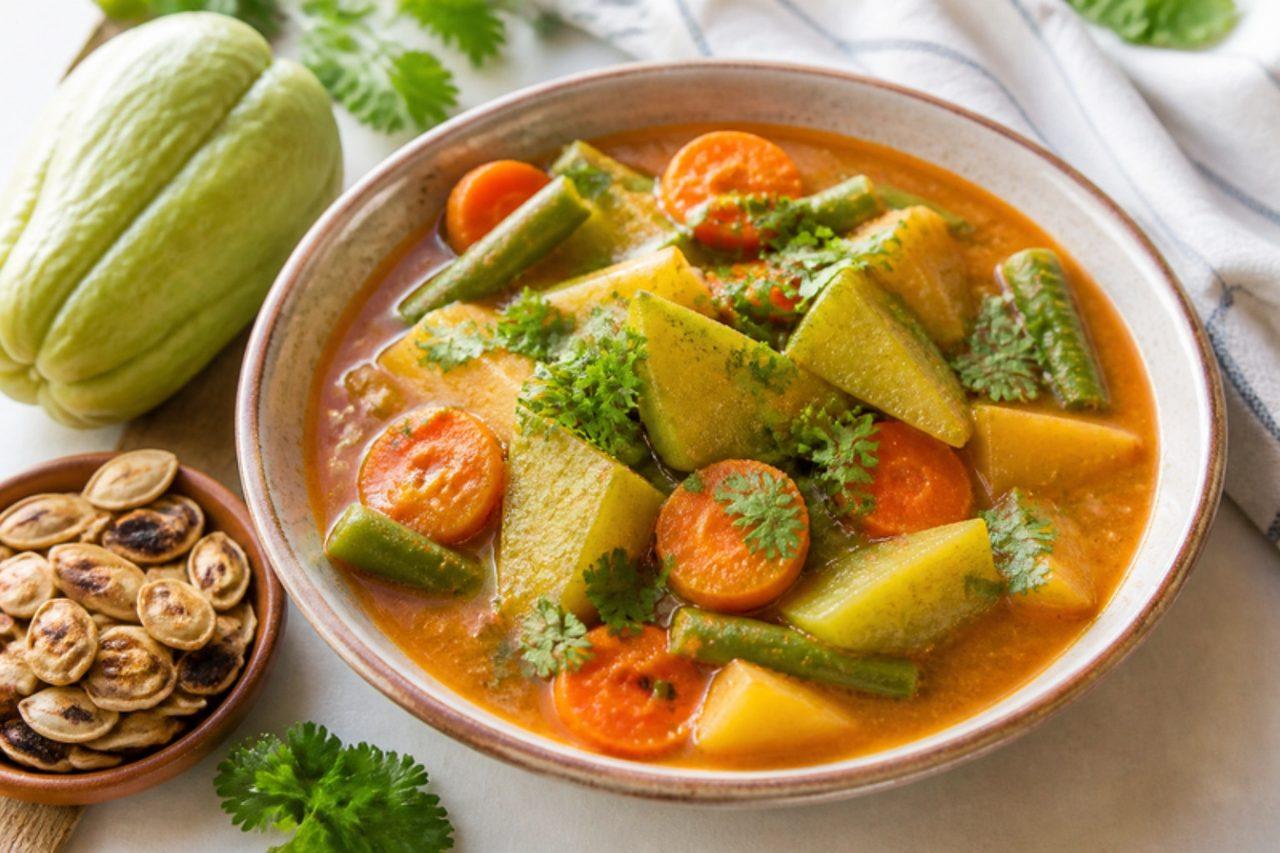
Pepián de verdurasRoasted seed and vegetable stew

Pepián is often called Guatemala's national dish, a recado (sauce) from the Kaqchikel Maya highlands around Antigua and Chimaltenango, served at fiestas and family Sundays. Its depth comes from charring tomatoes, tomatillos and dried chillies and toasting pumpkin and sesame seeds before grinding them into a thick, smoky, reddish-brown sauce. Traditionally it simmers chicken; here chayote, potato, green beans and carrot soak it up. Serve with white rice and tamalitos or warm corn tortillas. Chef's tip: toast the seeds separately and stop when they smell nutty; burnt seeds turn the whole pot bitter.

by KrazyBadal 0 views

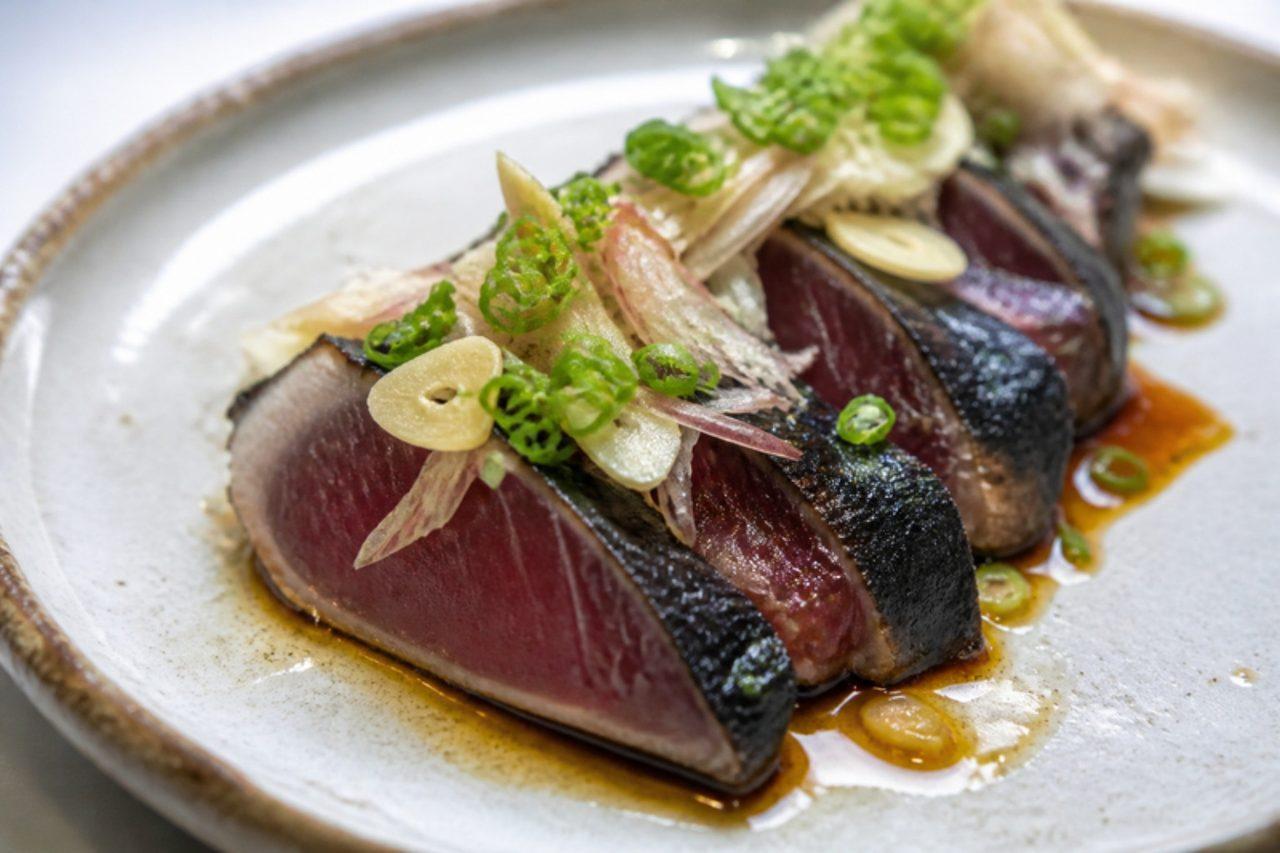
Katsuo no tatakiSeared bonito

Kochi, on the Pacific coast of Shikoku, is Japan's bonito town. At Hirome Market in the city centre, cooks sear whole loins over roaring straw fires and slice them to order, served thick with garlic slices, onion and ponzu or just a pinch of salt. Bonito has two seasons there: the leaner first catch of spring and the fattier fish returning south in autumn. At home a very hot dry pan, or a blowtorch, gives the same charred skin around a cool red centre. Use very fresh, sushi-grade fish from a trusted fishmonger; not for pregnant women, young children or anyone with a weakened immune system. Chef's tip: slice it thick, about 1 cm, as they do in Kochi; thin slices lose the contrast between the smoky crust and the soft middle.

by KrazyBadal 0 views

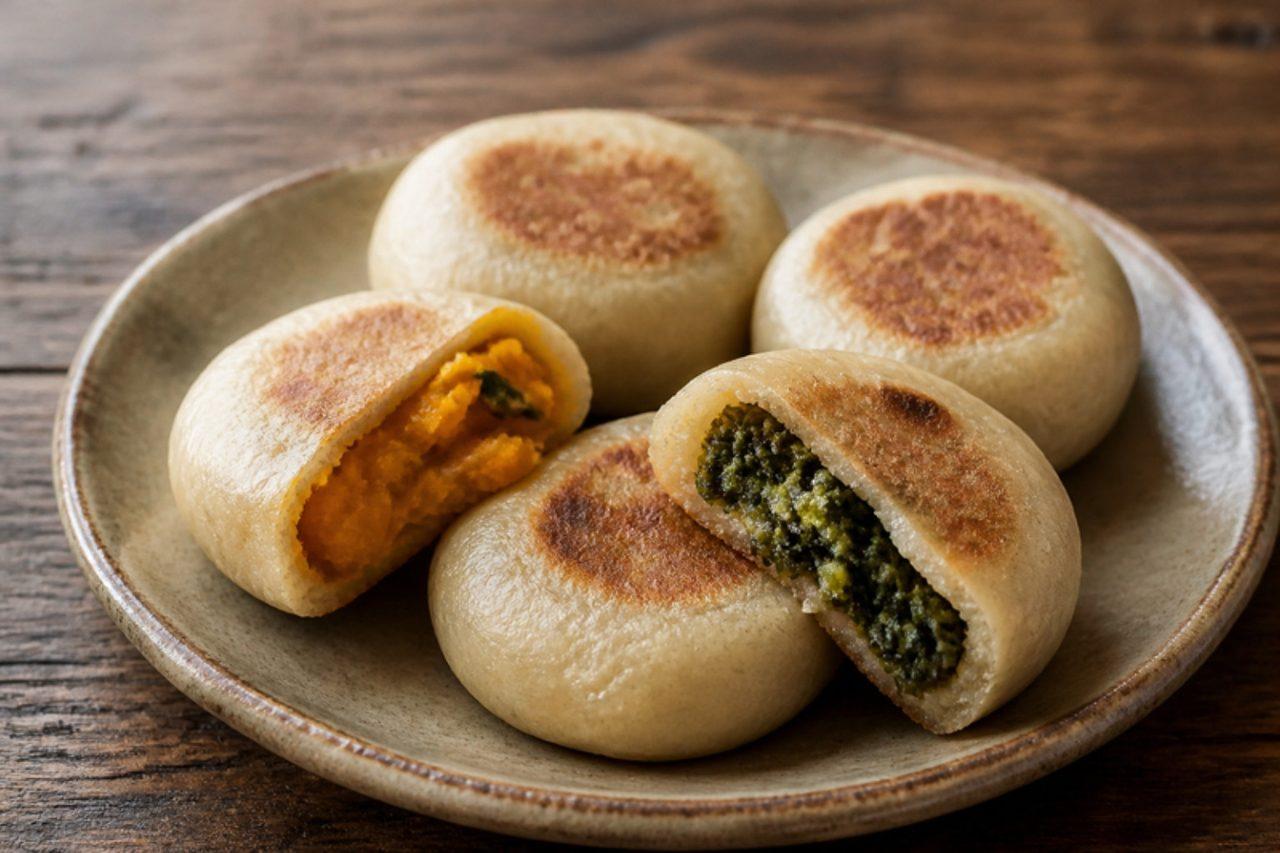
OyakiStuffed steamed dumplings

Oyaki are the everyday snack of Nagano's mountain villages, where rice was scarce and wheat and buckwheat grew better. The plump dumplings are filled with whatever the season gives: pickled nozawana greens in winter, aubergine and miso in summer, sweet squash in autumn. Old farmhouses baked them in the ashes of the irori hearth; today they are browned in a pan and steamed, so they come out crusty on both faces with a soft, chewy middle. They travel well, which made them the lunch of farmers and hikers on the trails around Zenkoji temple. Chef's tip: let the dough rest for at least 30 minutes. A relaxed dough stretches thin around the filling without tearing.

by KrazyBadal 0 views

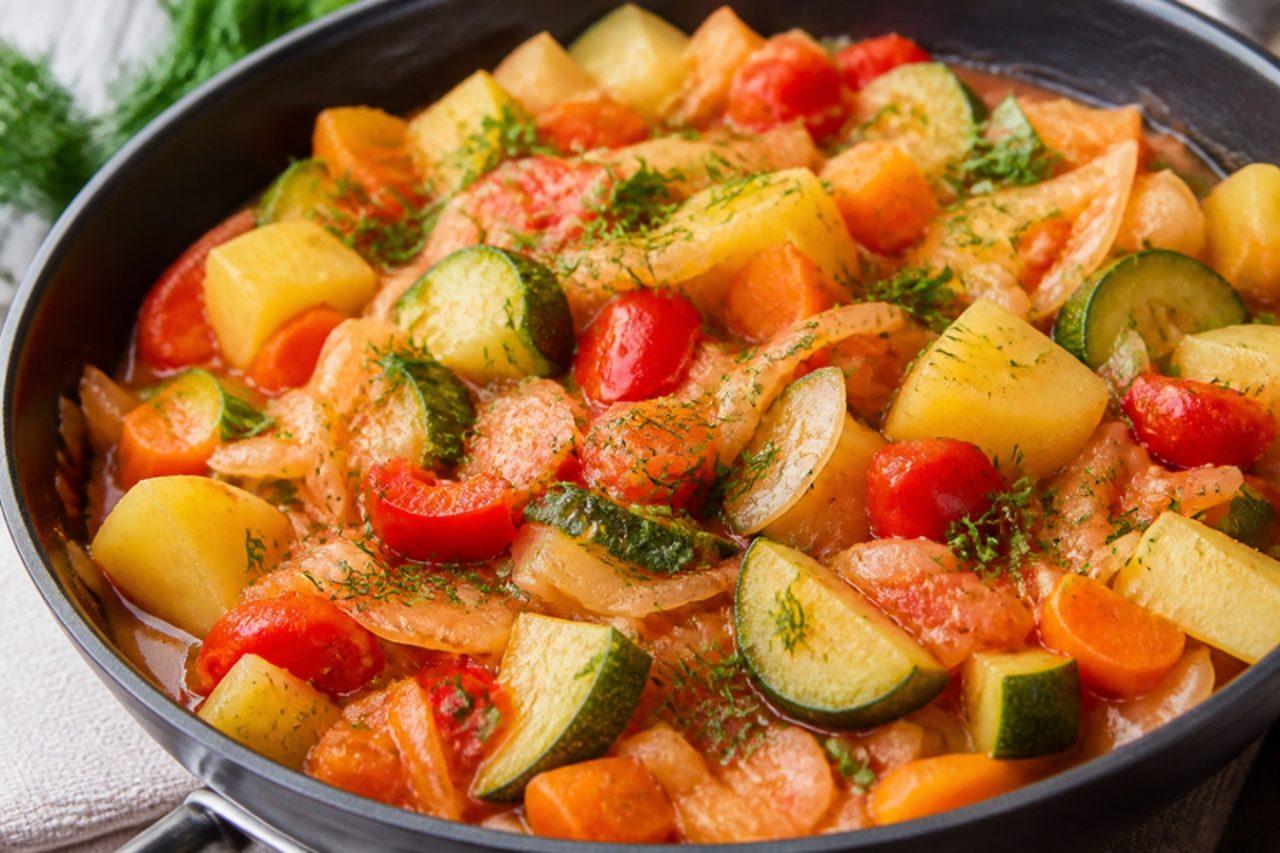
Ovoshchnoe raguSummer vegetable stew

Ovoshchnoe ragu is what happens at a Russian dacha in August, when the garden outside Moscow or Nizhny Novgorod produces more courgettes, cabbage, peppers and new potatoes than anyone can eat. Everything is fried in turn, then stewed together in one heavy pot with tomato until soft and spoonable, and eaten hot with black bread, or cold the next day. It is homelier than French ratatouille or Greek briam: cabbage and potatoes give it body, and dill and garlic go in right at the end. Chef's tip: fry each vegetable separately before stewing; dumping everything in raw gives a watery, boiled taste.

by KrazyBadal 0 views

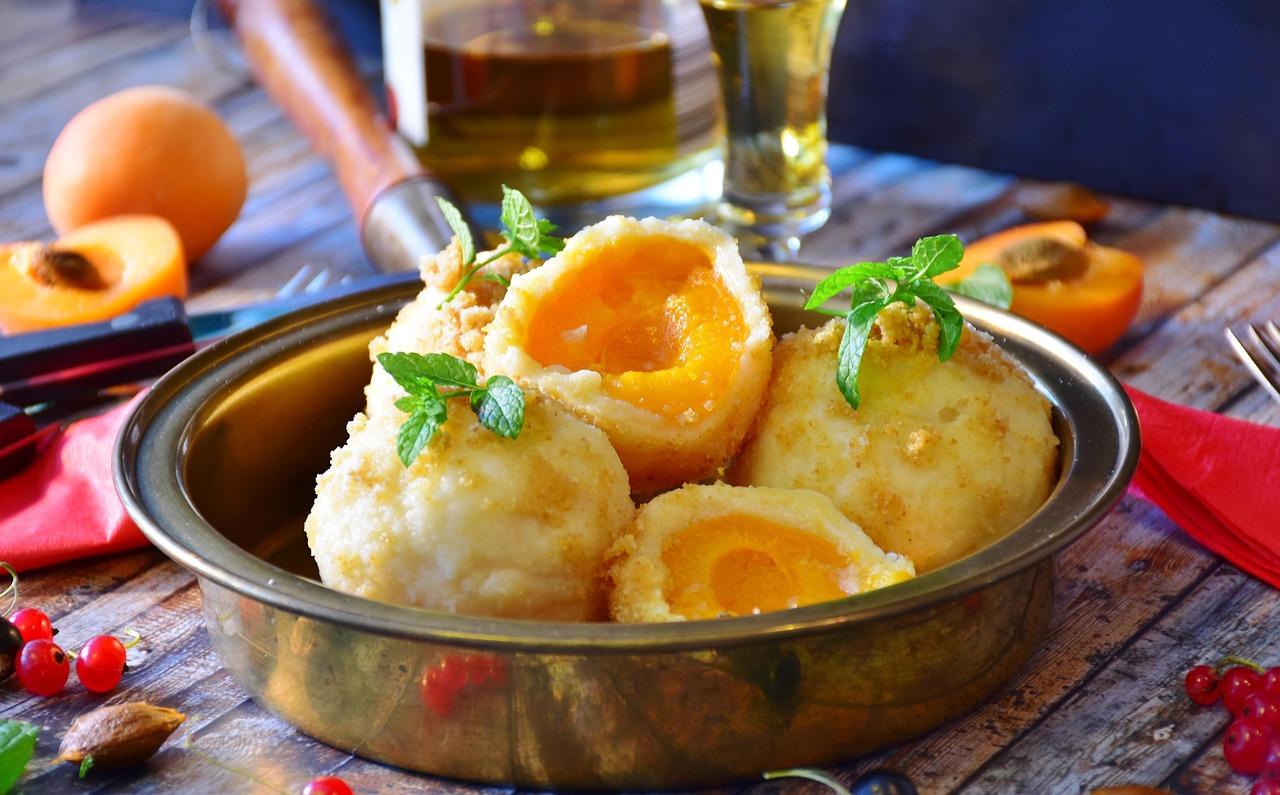
Ovocné knedlíkyFruit-filled dumplings

Ovocné knedlíky are the summer main course of Czech childhoods: in July with apricots from South Moravian orchards, in September with blue plums, eaten as lunch rather than pudding. Each soft quark dumpling hides a whole fruit that turns jammy as it simmers, and they are served the old way, rolled in melted butter and buried under grated tvaroh (quark) and icing sugar. Kids compete over who can eat the most. Chef's tip: pinch the dough completely closed with no thin patches; a single gap lets water in and the dumpling bursts in the pot.

by KrazyBadal 0 views

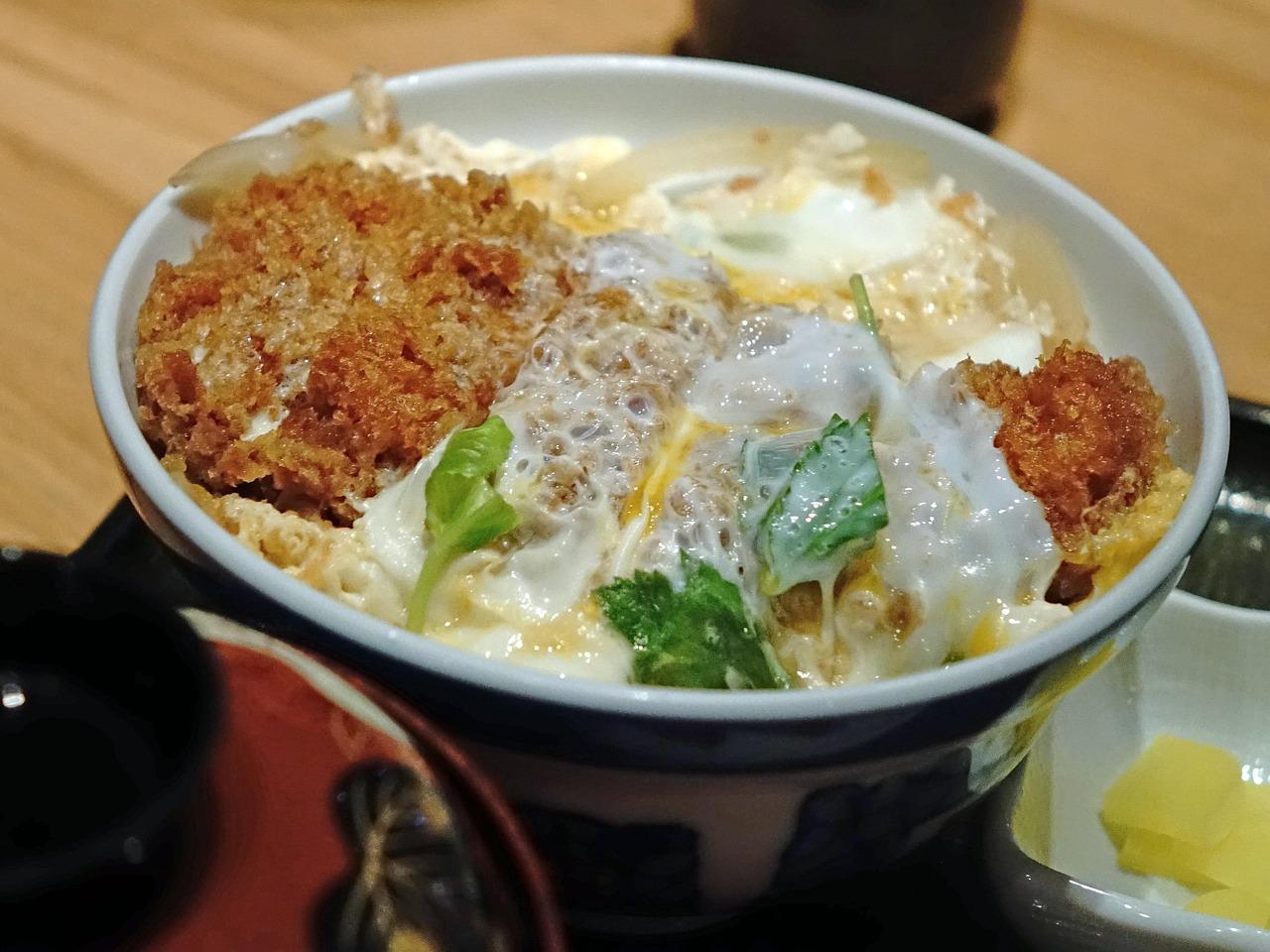
KatsudonPork cutlet and egg rice bowl

Japanese students often eat a bowl of katsudon the night before a big exam, because 'katsu' sounds the same as the verb 'to win'. Soba restaurants, set-meal shops and train-station stands all over Japan serve it, and it is a favourite takeaway lunch too. A panko-crusted pork loin cutlet is fried until golden, sliced, then simmered for a minute with onion and egg in sweet soy dashi. The top of the crust stays crunchy while the underside soaks up the sauce. Chef's tip: snip the fat along the edge of each cutlet in three or four places before breading, so the meat stays flat in the oil and cooks evenly.

by KrazyBadal 0 views

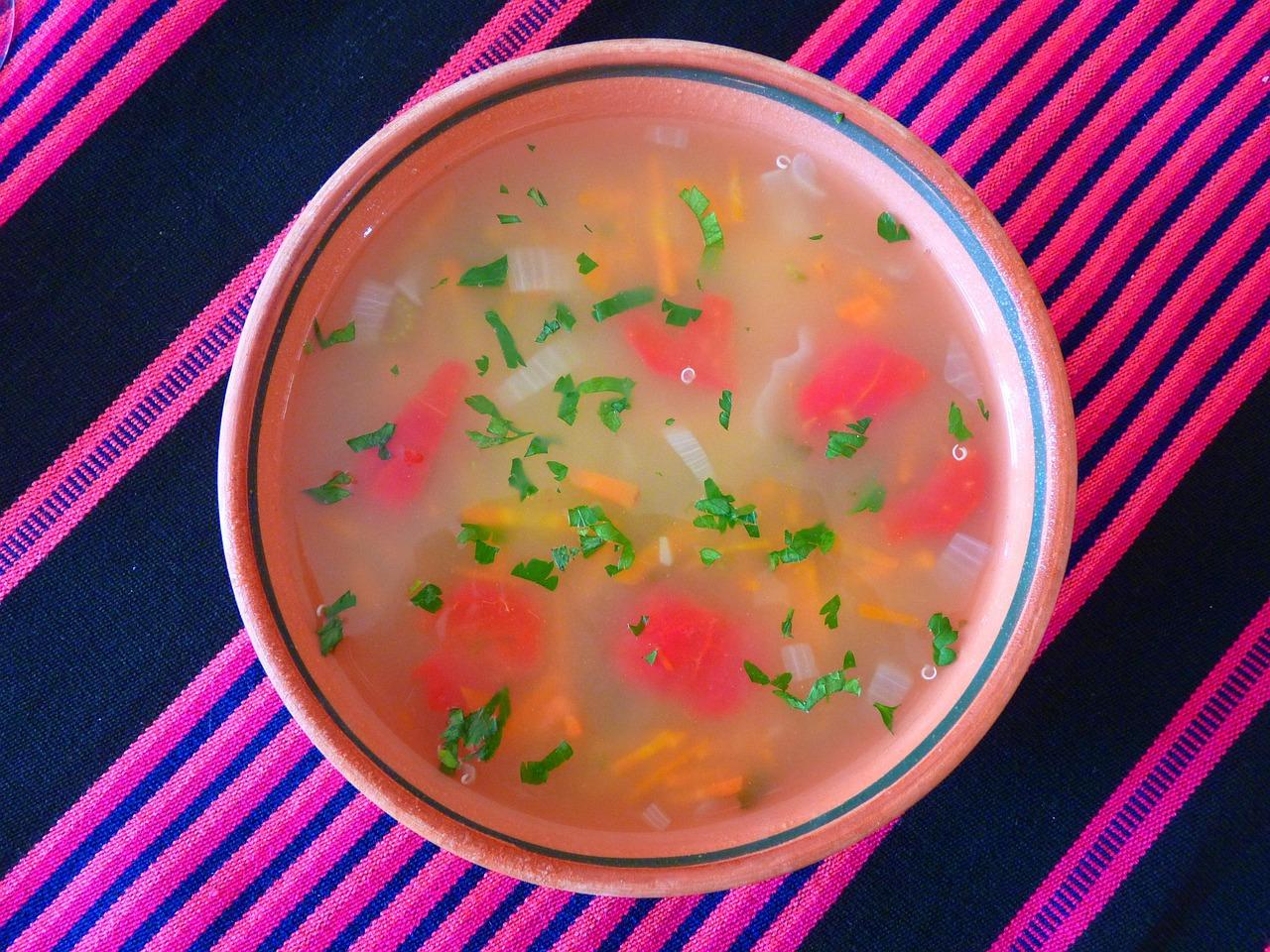
Sopa de quinuaQuinoa and vegetable soup

Sopa de quinua is everyday food in the Andes, from Puno on Lake Titicaca to Cusco and Huancayo, where quinoa has been grown for thousands of years. Quinoa, potato, carrot and corn simmer in a light broth seasoned with garlic, cumin, oregano and a little ají amarillo, and the potato breaks down slightly to give body. It is light yet filling, the soup families eat at midday to warm up in cold mountain air. In Peru it is finished with huacatay, the black mint of the Andes; a mix of mint and coriander stands in well. Chef's tip: rinse the quinoa in a sieve under running water, rubbing it, until the water stops foaming; the natural saponin coating tastes bitter and soapy.

by KrazyBadal 0 views

ÆbleskiverRound pancake puffs

From the first Sunday of Advent until Christmas, Danish homes and Christmas markets in Copenhagen's Tivoli smell of æbleskiver: little round pancake puffs cooked in a cast-iron pan with seven hemispherical wells. They are crisp and golden outside, light and almost custardy within, dipped in icing sugar and raspberry or strawberry jam, and washed down with gløgg or hot cocoa. The name means 'apple slices', a reminder that cooks once tucked a piece of apple inside; many families still do. Danes turn them with knitting needles or wooden skewers, a knack that takes a few rounds to learn. Chef's tip: turn each puff a quarter at a time; the raw batter flows into the space and builds the sphere, rather than flipping it all at once.

by KrazyBadal 0 views

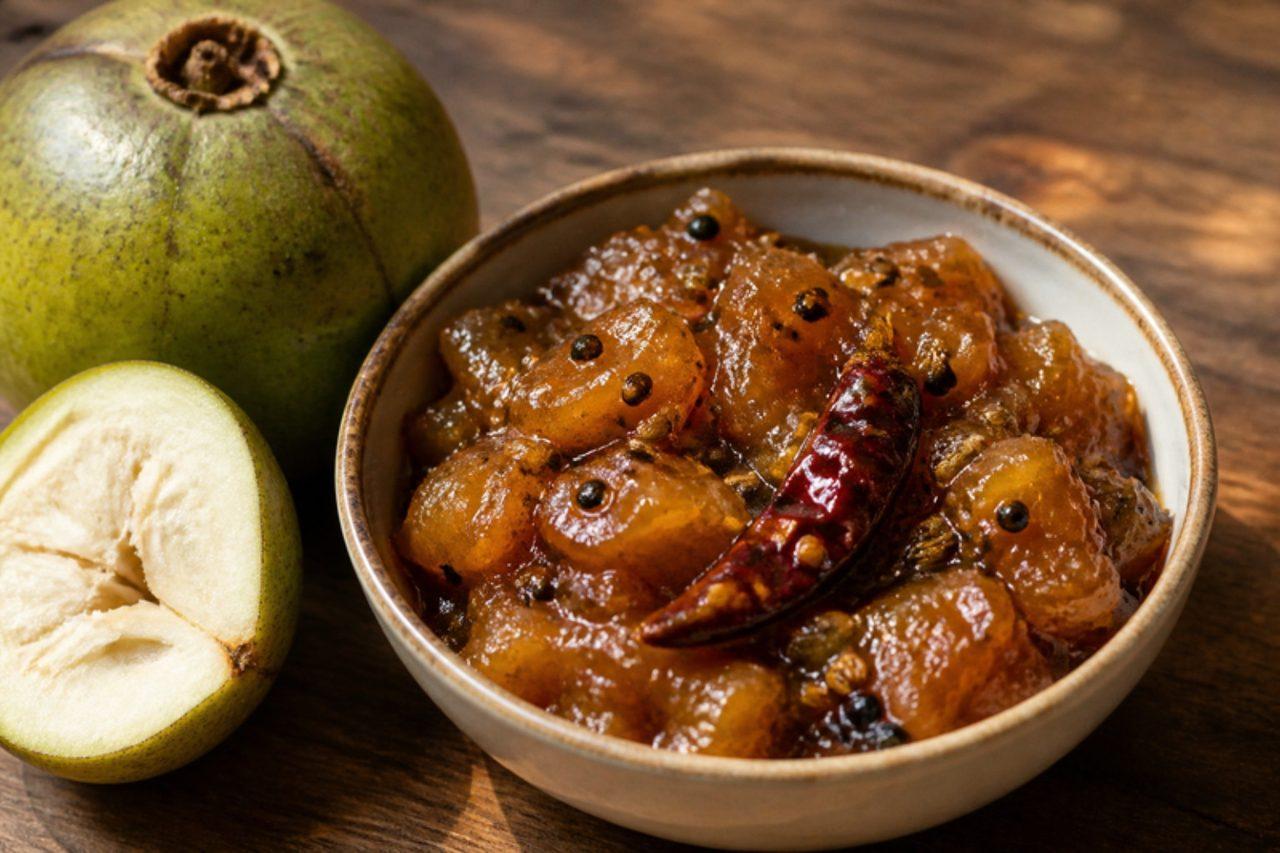
Ou khattaElephant apple chutney

Ou tenga, the elephant apple, is a hard, sour green fruit that grows across Assam and turns up in every winter market in Guwahati. Ou khatta is its sweet chutney: slices are boiled until tender, then simmered with jaggery and panch phoron until glossy, sticky and sharp-sweet. It is served in a little mound at the end of a festive Assamese lunch and at Bihu feasts, the way Bengalis end with tomato chutney. Chef's tip: outside the Northeast, use a mix of very sour green apple and a little tamarind; it gets surprisingly close.

by KrazyBadal 0 views

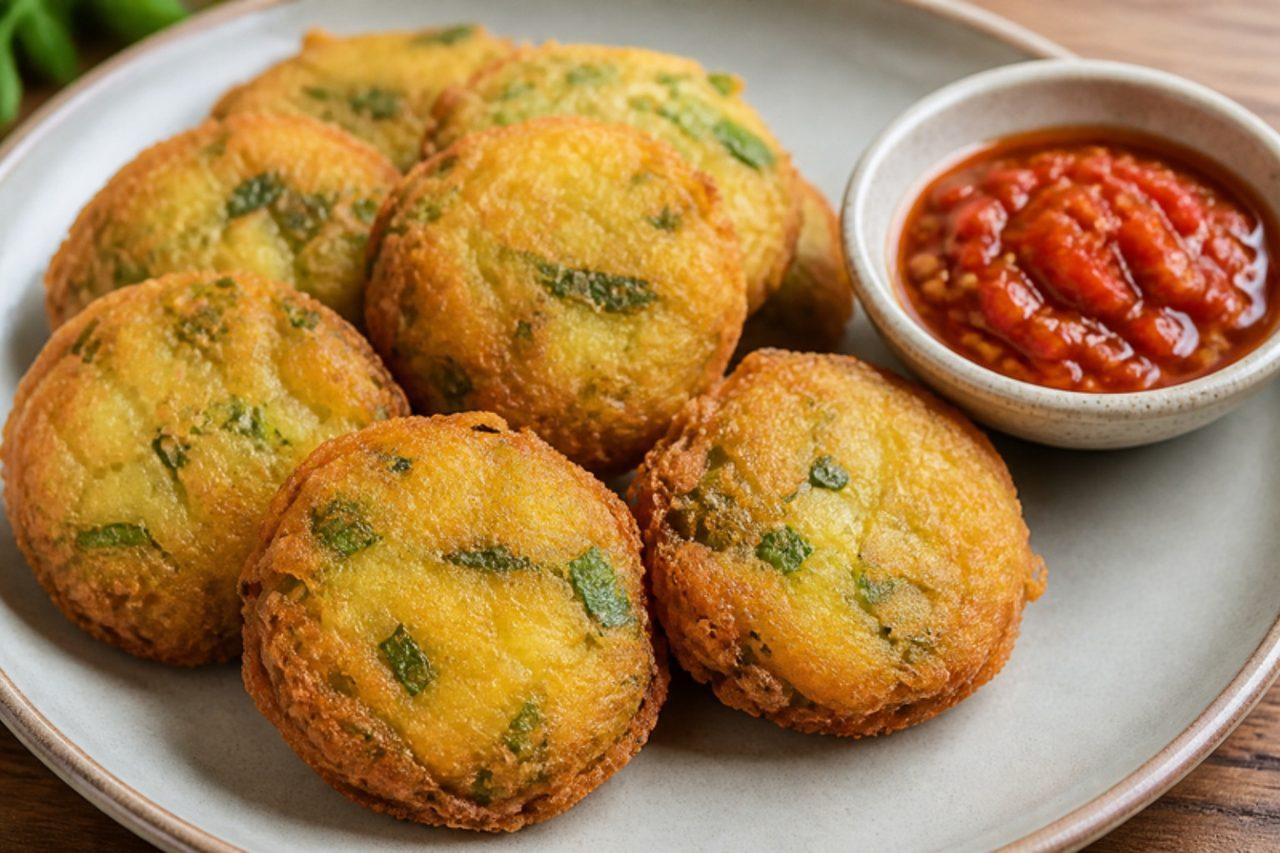
PerkedelPotato fritters

Perkedel came to Indonesia from the Dutch frikadel, but became something quite different: mashed fried potato seasoned with nutmeg, white pepper, spring onion and fried shallots, shaped into little patties and fried in a coating of egg. Families make them for soto, for nasi kuning platters and Lebaran tables, and children grab them cold from the fridge. The outside is lacy and golden, the inside soft and peppery. Chef's tip: fry the potatoes before mashing, rather than boiling them — it's the Indonesian way, and it gives drier, fluffier potato that holds its shape without flour.

by KrazyBadal 0 views

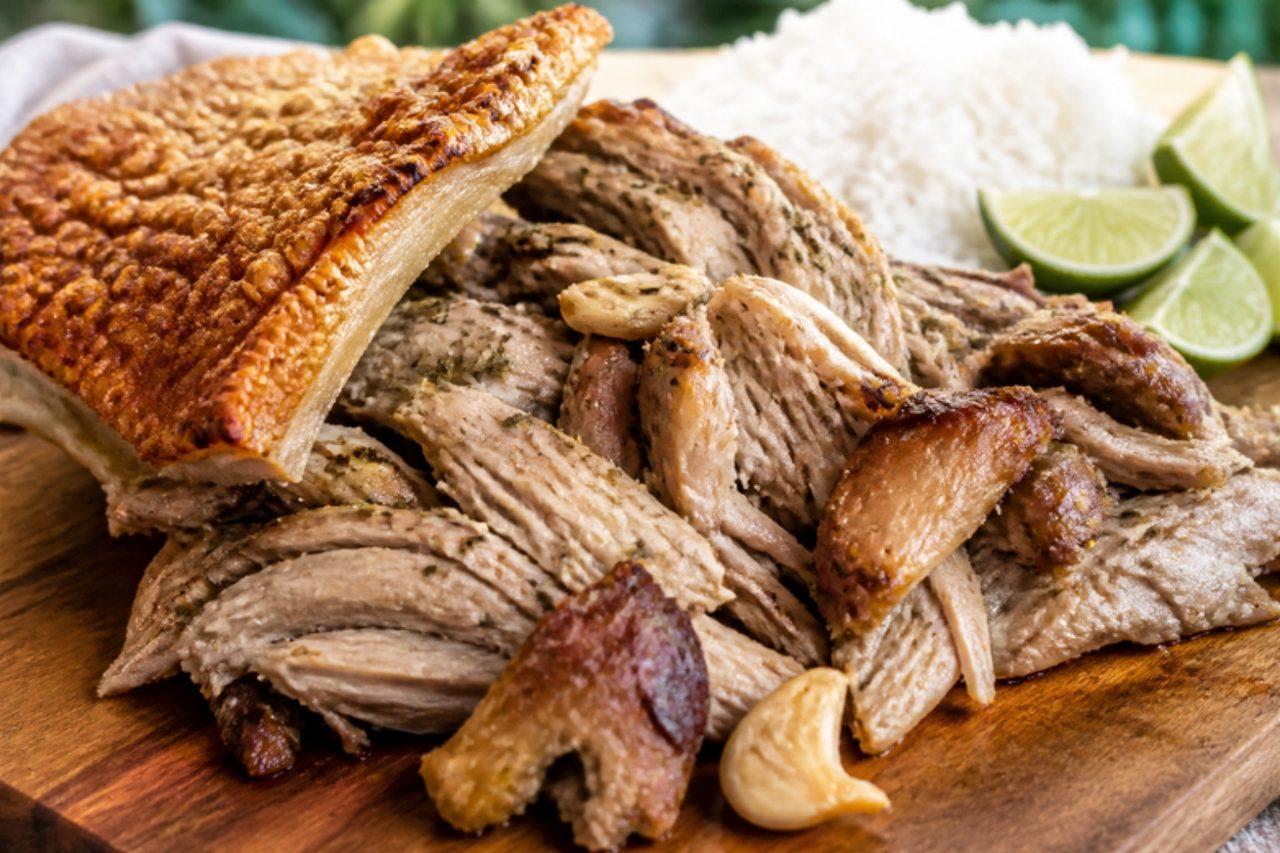
PernilRoast pork shoulder

No Puerto Rican Nochebuena (Christmas Eve) is complete without pernil, a whole pork shoulder rubbed with a pounded paste of garlic, oregano and black pepper, left in the fridge overnight and roasted low for hours until it falls apart. This is a pork dish. Families fight over the cuerito, the crackling skin on top, and the meat goes with arroz con gandules, salad and more rice the next day. The usual mistake is smearing the marinade over the skin: the garlic burns and the skin never crackles, so push the paste into slits and under the skin, and keep the skin itself dry and salted. Chef's tip: marinate for a full 24 hours if you can; the garlic and vinegar soak right into the meat.

by KrazyBadal 0 views

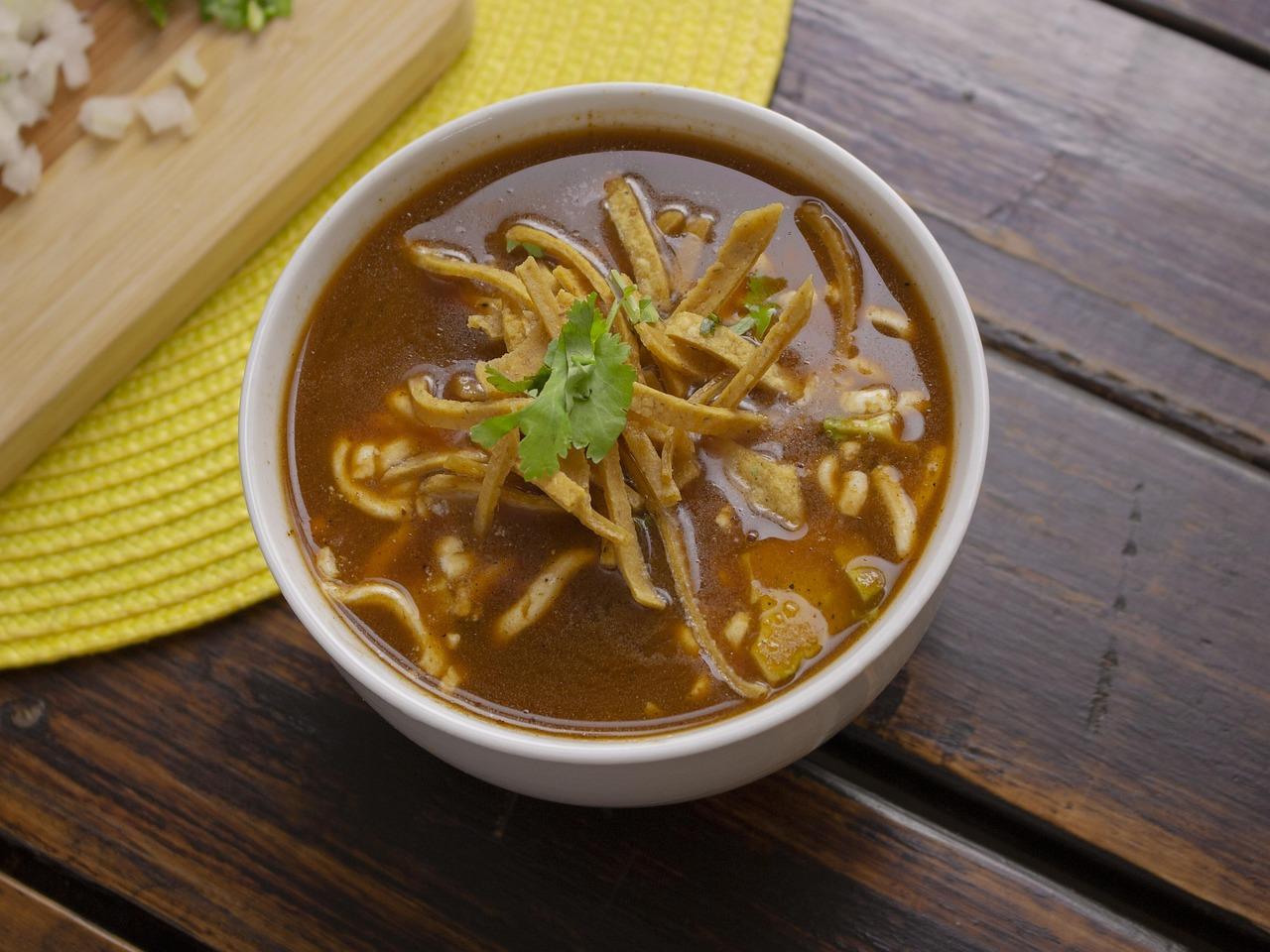
Sopa de tortillaTortilla soup

Sopa de tortilla, also called sopa azteca, is one of the best-loved soups of Mexico City's fondas: a brick-red broth of charred tomato, onion, garlic and dried pasilla chilli poured over crisp strips of fried corn tortilla. The strips soften at the edges and stay crunchy in the middle, and the toppings of avocado, fresh cheese, cream and fried chilli rings make each spoonful different. It is a starter in a comida corrida (set lunch) and a cure-all on a cold evening. We use a well-flavoured vegetable stock in place of chicken broth. Chef's tip: fry the blended tomato purée in hot oil until it darkens and smells sweet before adding the stock; this "seasoning" of the sauce is what makes Mexican soups taste deep rather than thin.

by KrazyBadal 0 views

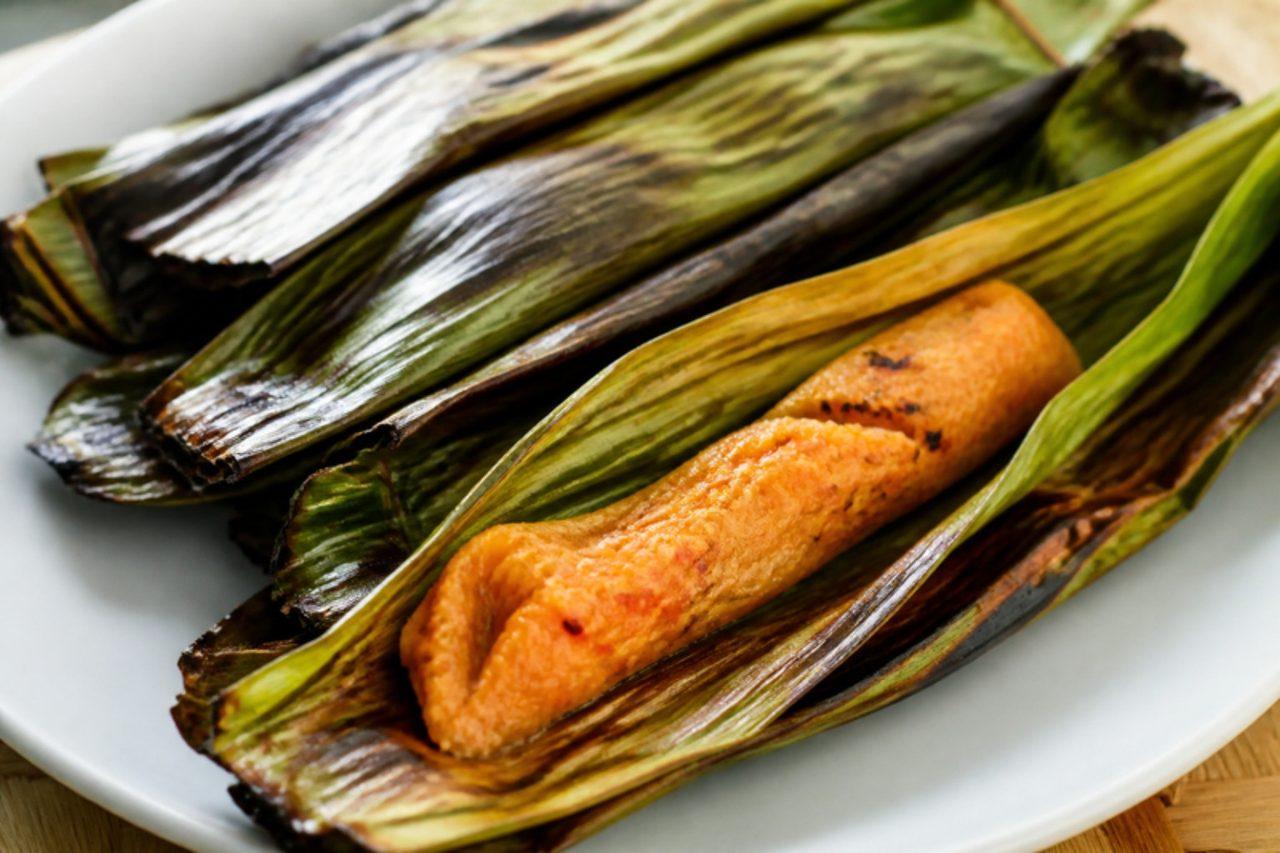
Otak-otakGrilled spiced fish mousse

Drive through Muar in Johor and you will see roadside grills stacked with slim green parcels, sold by the dozen in paper bags for the journey home. Inside each is a soft, bright-orange custard of pounded mackerel, coconut milk and egg, flavoured with a chilli-lemongrass rempah and kaffir lime leaf, which turns smoky and slightly charred at the edges from the grill. Melaka's Nyonya cooks make a fatter, steamed version, but this one is grilled in banana leaf. Eat it warm, peeled straight out of the leaf, with white bread, rice or nasi lemak. Chef's tip: chill the fish mixture for 15 minutes before wrapping; it firms up and is far easier to spoon onto the leaves.

by KrazyBadal 0 views

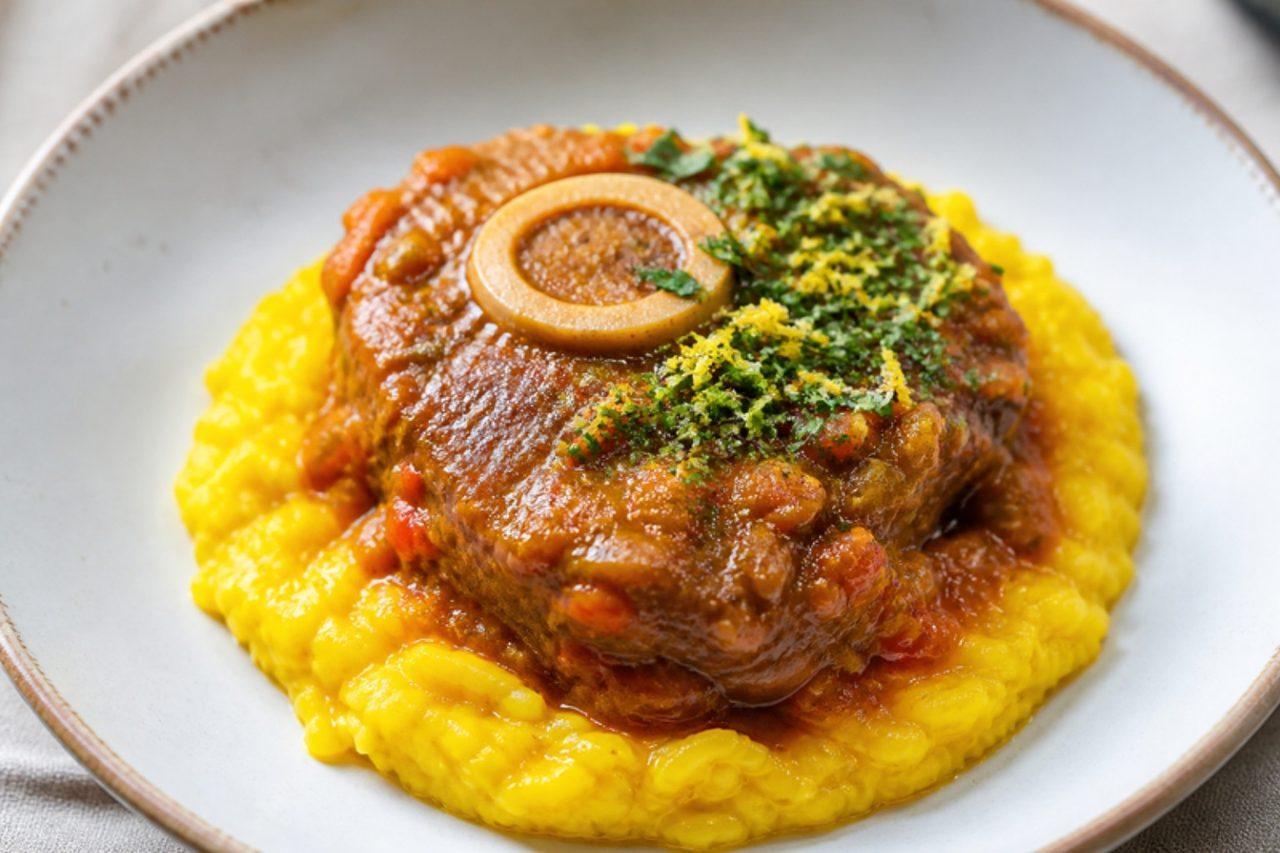
Ossobuco alla milaneseBraised veal shanks

Thick cross-cut slices of veal shank, each ringed around a hollow bone full of marrow, are browned and then braised slowly in white wine and stock until the meat is soft enough to cut with a spoon: this is Milan's great winter Sunday dish. The old Milanese way, 'in bianco', keeps tomato out, so the sauce stays golden and savoury. Just before serving it gets a shower of gremolata, a sharp mix of lemon zest, garlic and parsley that wakes up the rich braise. Serve it with risotto alla milanese, the saffron risotto that is its traditional partner (one of the few times a Milanese risotto shares the plate), or with soft polenta. Chef's tip: snip through the thin skin around each shank in three or four places before browning, so the slices stay flat in the pan instead of curling up.

150 minItalianMeatGluten free
by KrazyBadal 0 views

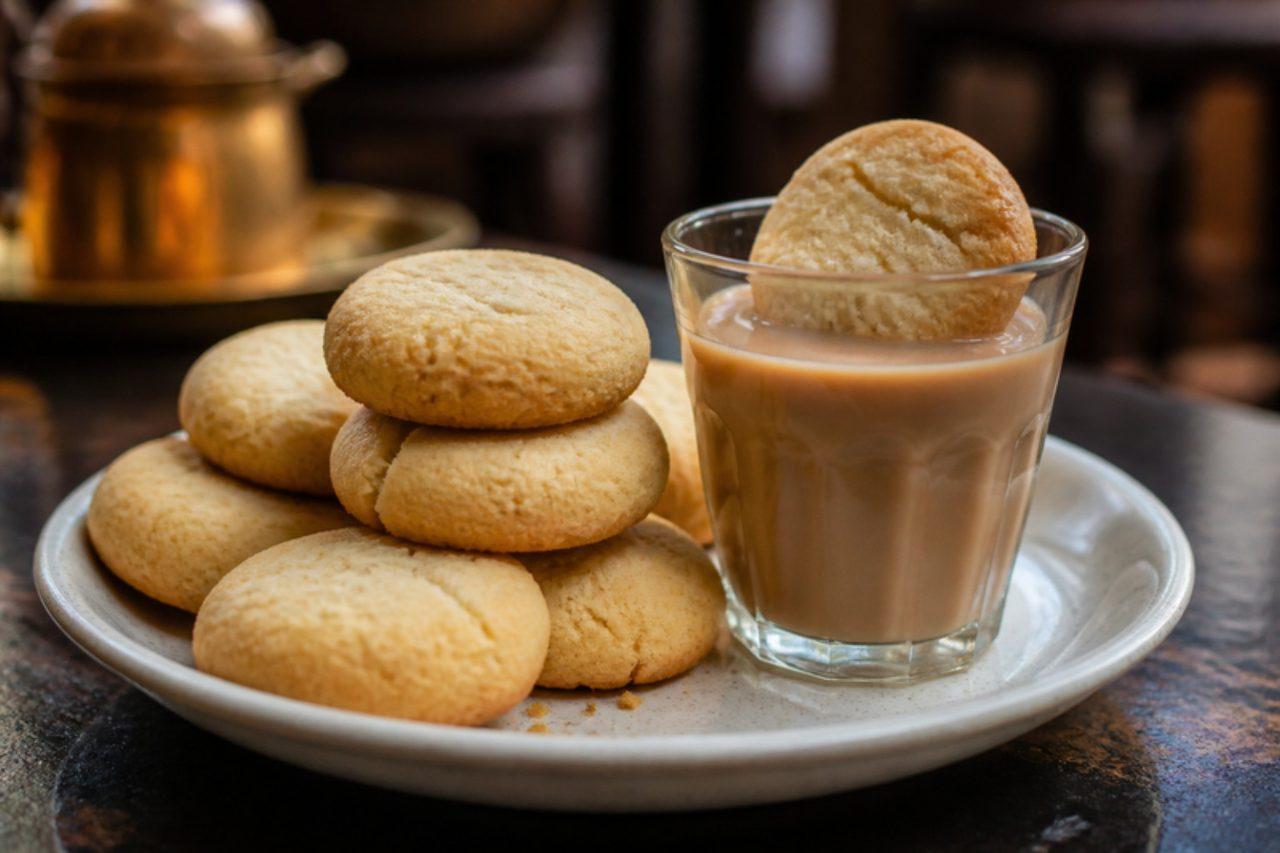
Osmania biscuitsSweet and salty butter biscuits

Osmania biscuits are named after the last Nizam of Hyderabad, and they have been baked in the city's Irani bakeries for generations: round, crumbly, melt-in-the-mouth butter biscuits that are gently sweet with a distinct salty edge and a hint of cardamom. In old-city cafés, men linger over a plate of them and a cup of Irani chai in the early morning or after the evening prayers, dunking each one until it is just about to collapse. Chef's tip: chill the dough before cutting and baking; it keeps the biscuits round and thick instead of spreading thin.

by KrazyBadal 0 views

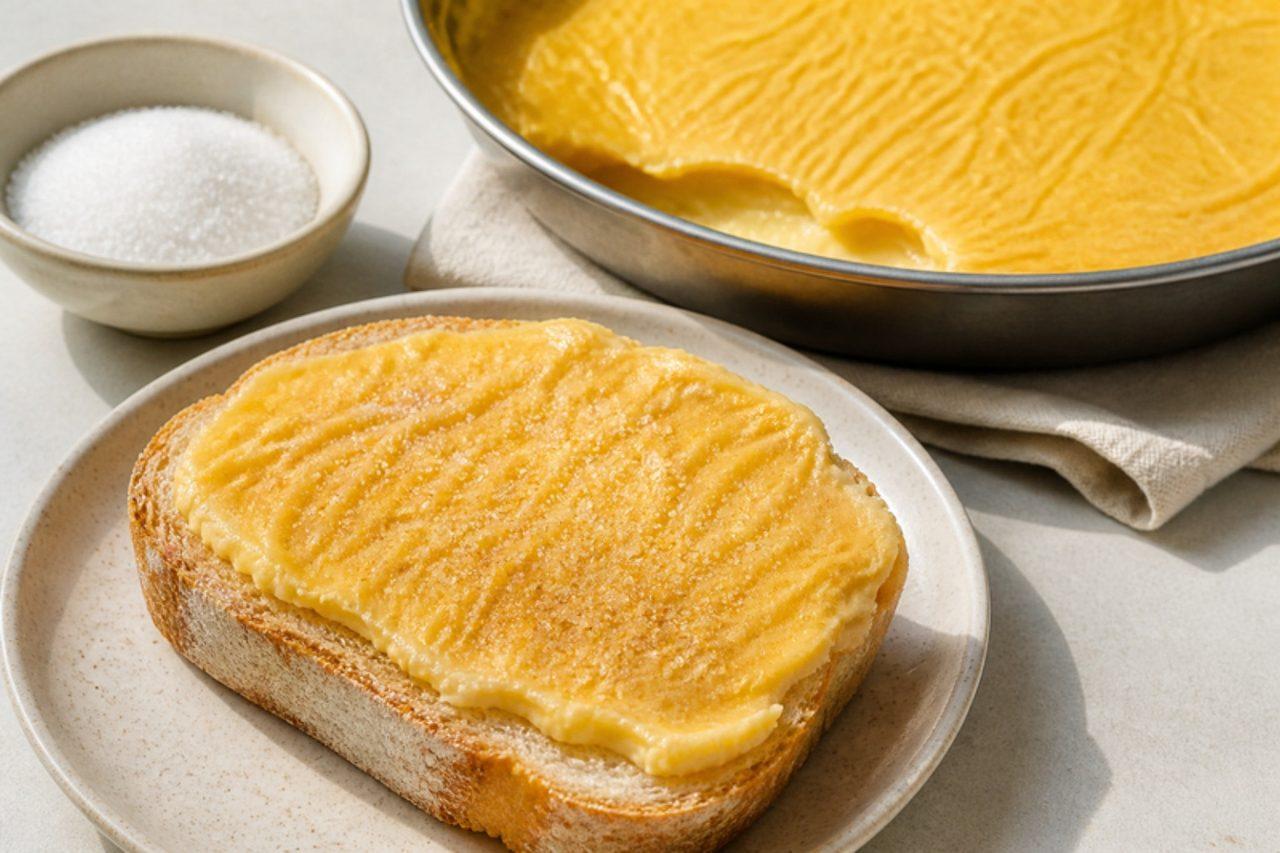
Öröm with breadClotted cream on bread

In Mongolian summer, when the herds are milked several times a day, families on the steppe gently heat fresh milk in a wide pan, ladling and pouring it back to froth it, then leave it overnight. By morning a thick, wrinkled, pale-gold skin of cream has formed: öröm. Lifted off and folded, it's spread on boortsog (fried dough) or bread with a sprinkle of sugar and eaten with milk tea. It's rich, slightly nutty and very simple. Chef's tip: use the widest, heaviest pan you own and the lowest possible heat; öröm needs a large surface and patience, not boiling.

by KrazyBadal 0 views

PesarattuGreen moong crêpes

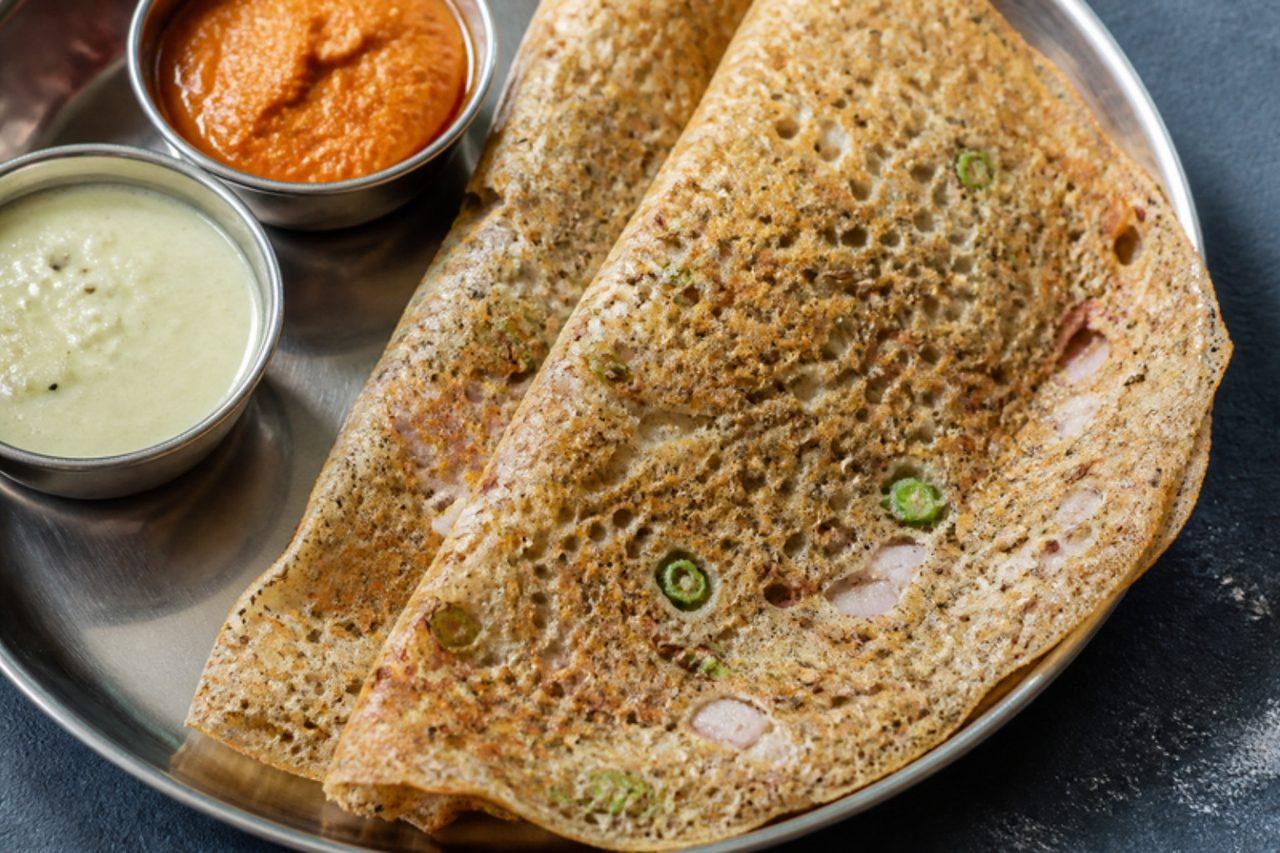
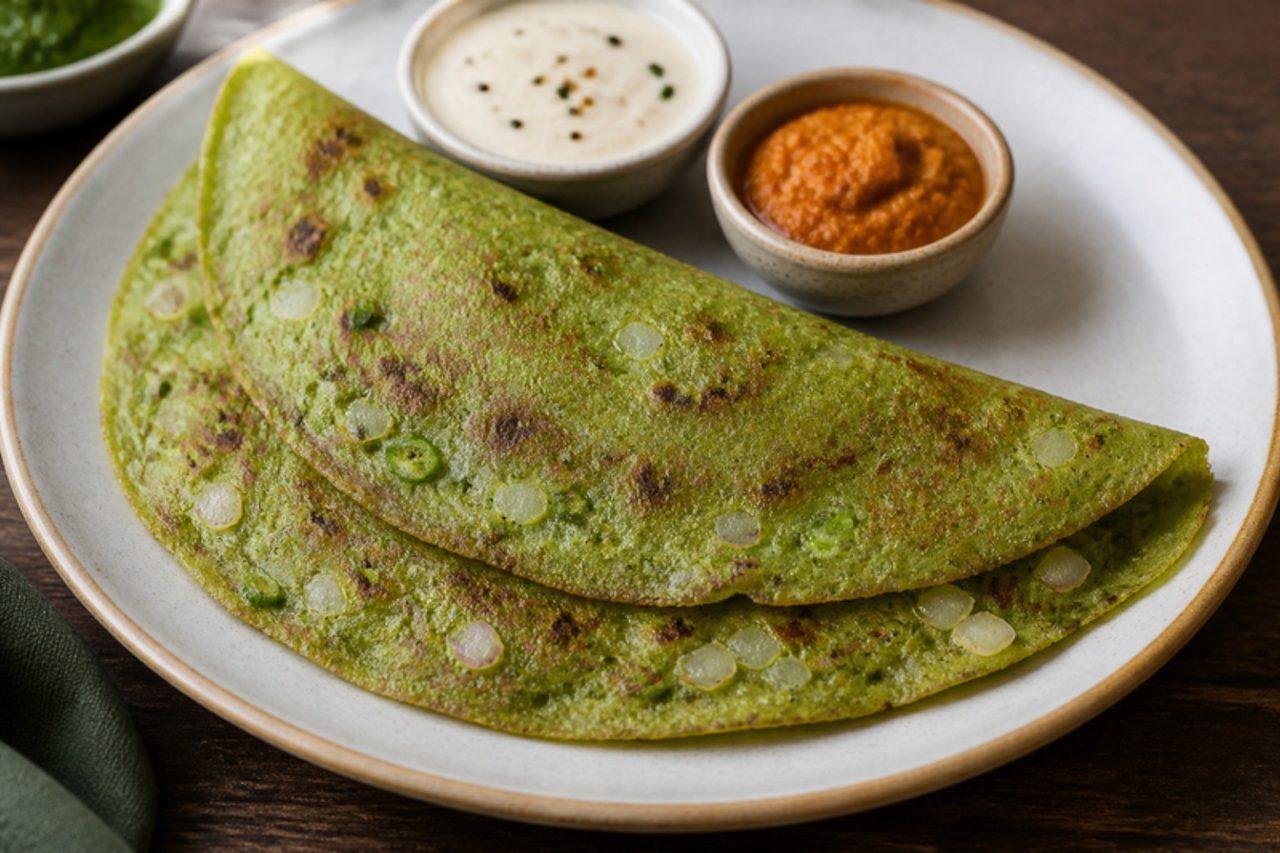
Pesarattu is the breakfast dosa of Andhra Pradesh, made from whole green moong beans ground with ginger, green chilli and cumin rather than rice and urad dal. Because the batter needs no fermenting, you can soak the beans before bed and have crisp, nutty, bright-green dosas on the table by morning. In Andhra homes they're scattered with onion and eaten with a sharp ginger chutney, and on festive days filled with upma to make 'MLA pesarattu'. They're high in protein, light and naturally gluten free. Chef's tip: add a small handful of raw rice to the soak; it isn't traditional everywhere, but it gives the dosa a crisper edge and stops it tearing on the pan.

by KrazyBadal 0 views

Pescado a la tallaGrilled fish in chilli paste

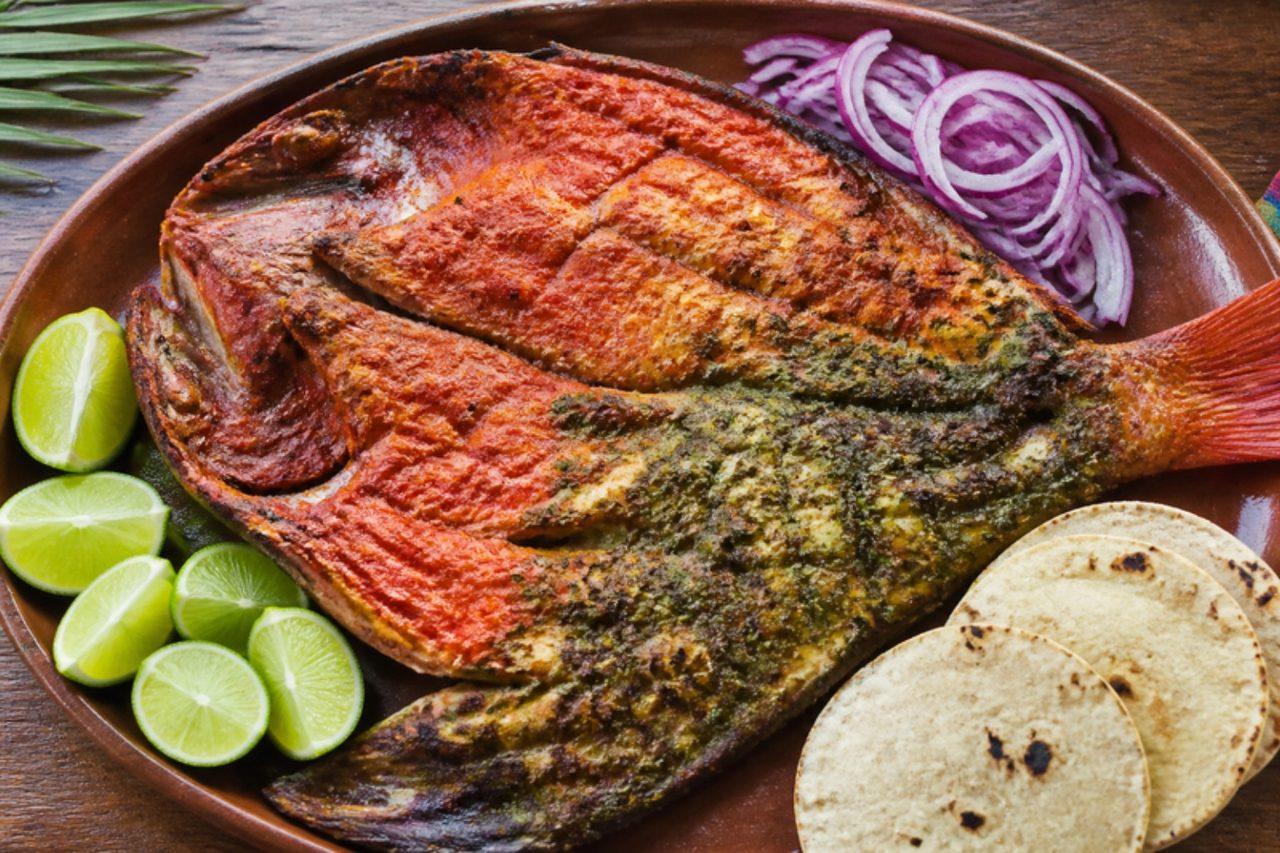
On the long beach of Barra Vieja, just south of Acapulco in Guerrero, whole fish are split open, painted with chilli paste and grilled over wood embers in palapa restaurants with their feet in the sand. One half gets a brick-red adobo of guajillo and ancho, the other a bright green paste of herbs and fresh chilli, so a single fish brings two flavours to share. It is eaten straight off the platter with tortillas, rice, lime and cold drinks. Chef's tip: cook it mostly skin-side down in a hinged fish basket, so the skin protects the flesh and the fish turns without breaking.

by KrazyBadal 0 views

Adobong kangkongBraised water spinach

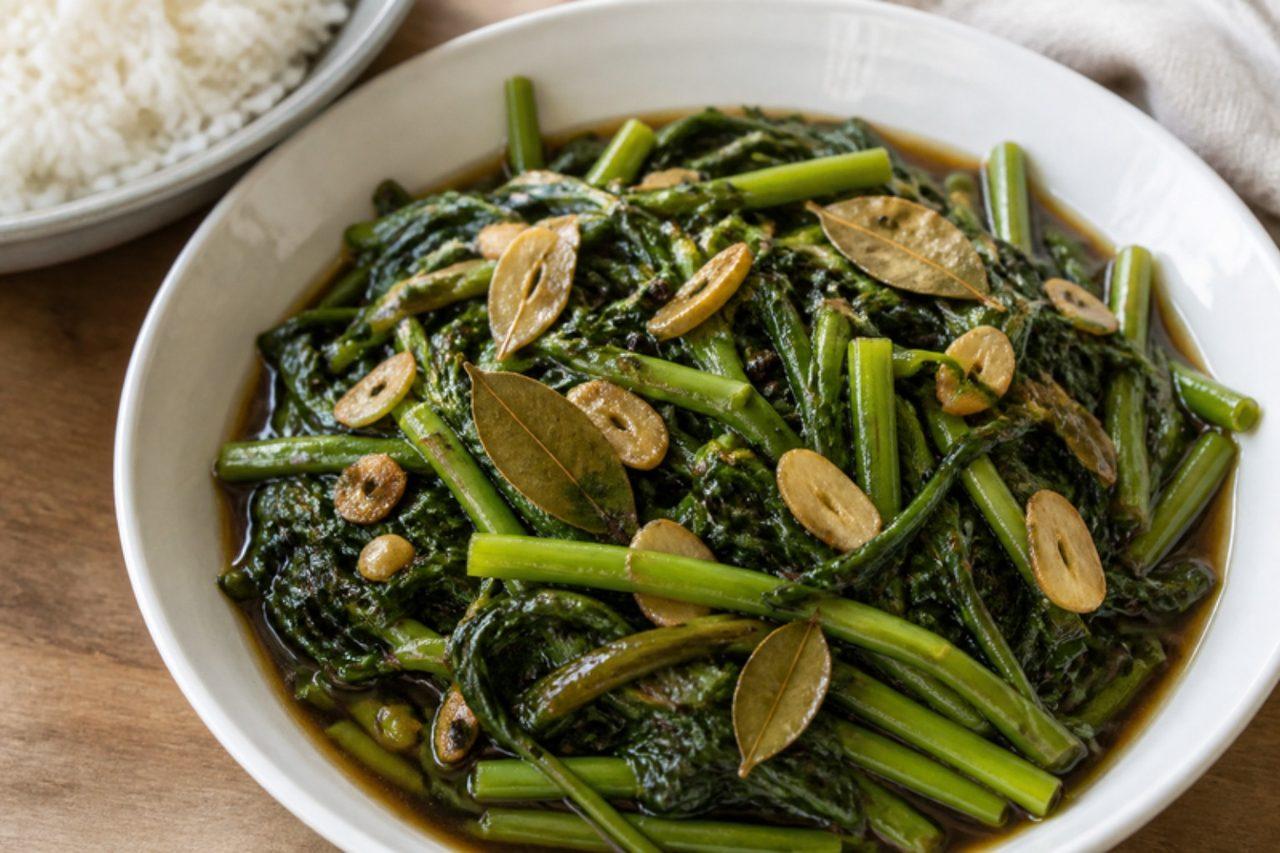
In Manila and across Luzon, adobong kangkong is the cheap green that sits in a tray at the carinderia, the roadside canteen where office workers and jeepney drivers point at two or three dishes to go with their rice. It is not a stir-fry in the Chinese or Malay sense: the water spinach is cooked briefly in an adobo base of cane vinegar, soy sauce, bay and cracked pepper, so the stems stay crunchy while the leaves soak up a sharp, salty, garlicky sauce that runs into the rice. It costs very little, takes ten minutes and is often the only vegetable on a weekday plate. Chef's tip: let the vinegar boil for a full minute before you stir anything, the way Filipino cooks do; the raw, harsh edge cooks off and the sauce turns mellow.

by KrazyBadal 0 views

SopaipillasFried pumpkin flatbreads

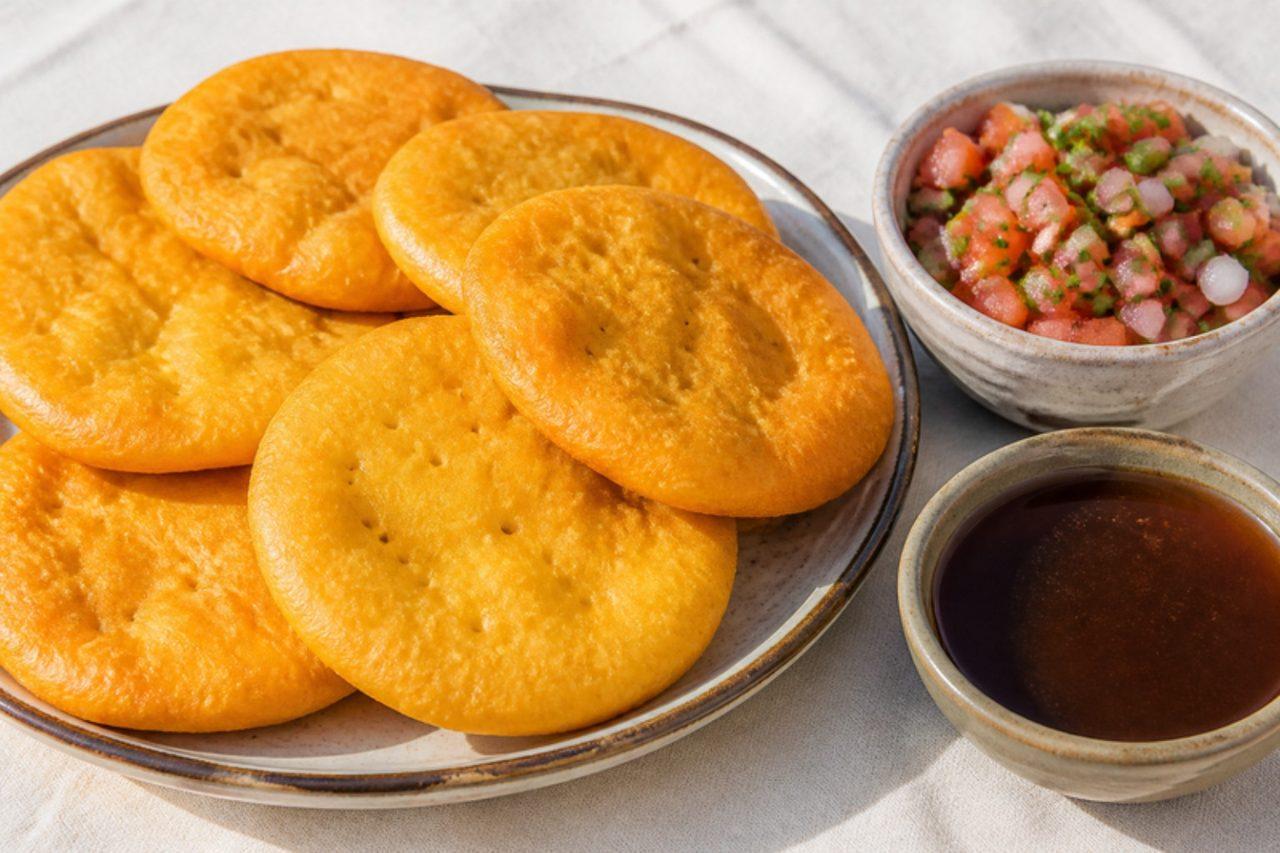
When it rains in Santiago, Chileans make sopaipillas. These round, pricked discs of dough are made with mashed pumpkin, which gives them a soft orange crumb, and are fried until puffed. Street carts sell them with pebre, mustard or ketchup; at home on wet winter afternoons they're 'pasadas', simmered briefly in a spiced chancaca (raw cane sugar) syrup with orange peel and cinnamon. Chef's tip: prick each disc several times with a fork before frying, so they puff evenly and don't balloon into one big bubble.

by KrazyBadal 0 views

Orecchiette con cime di rapaOrecchiette with turnip tops

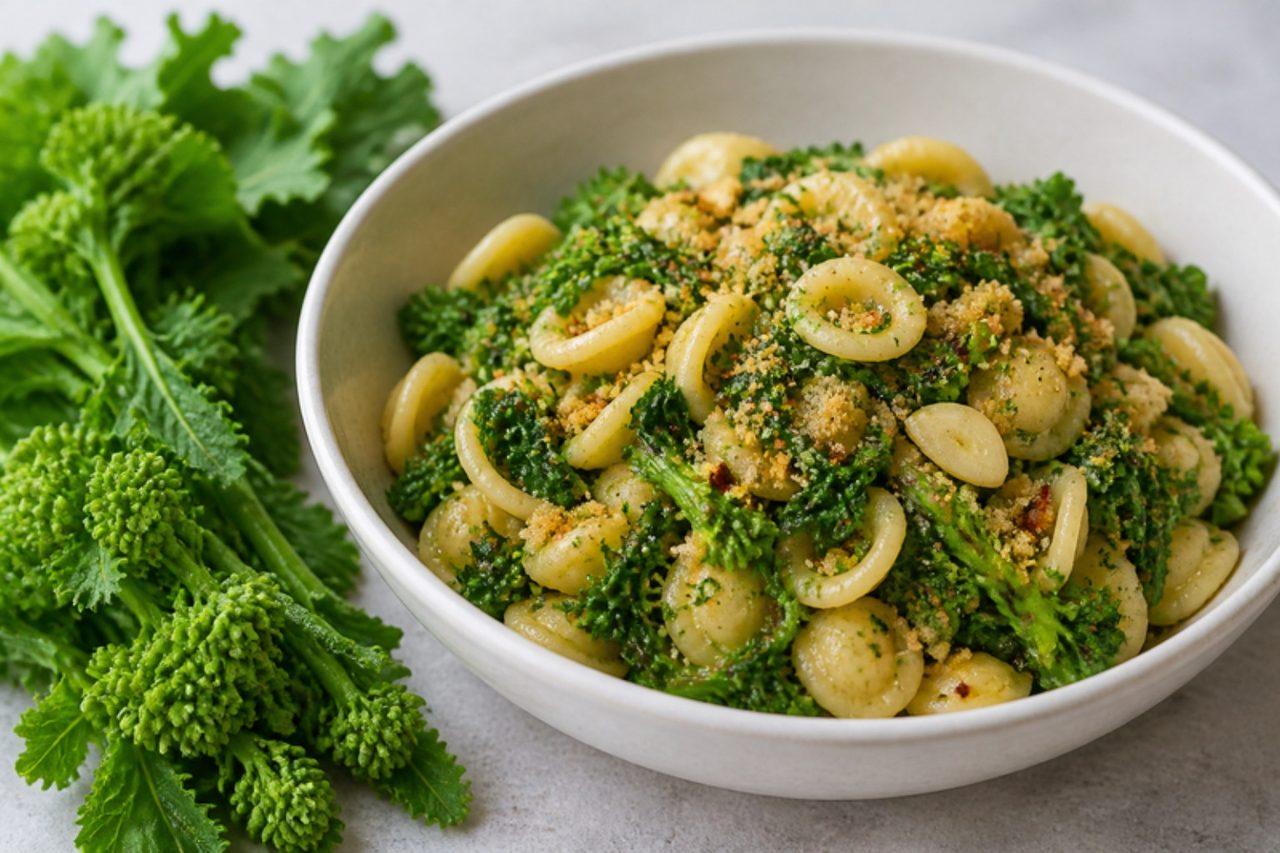
In Bari the old women of Arco Basso still shape orecchiette on wooden boards in the street, and the dish everyone cooks them with is cime di rapa: the bitter, leafy turnip tops sold in big bunches from autumn to early spring. The greens and pasta boil in the same pot, then get tossed with garlic, chilli and good olive oil. Pugliese cooks usually melt in anchovies; this vegan version uses golden fried breadcrumbs (mollica), the 'poor man's cheese' of southern Italy, for crunch and savour. Chef's tip: add the chopped stalks first and the leaves a few minutes later, so everything is tender at the same moment as the pasta.

by KrazyBadal 0 views

SopesThick masa cakes with toppings

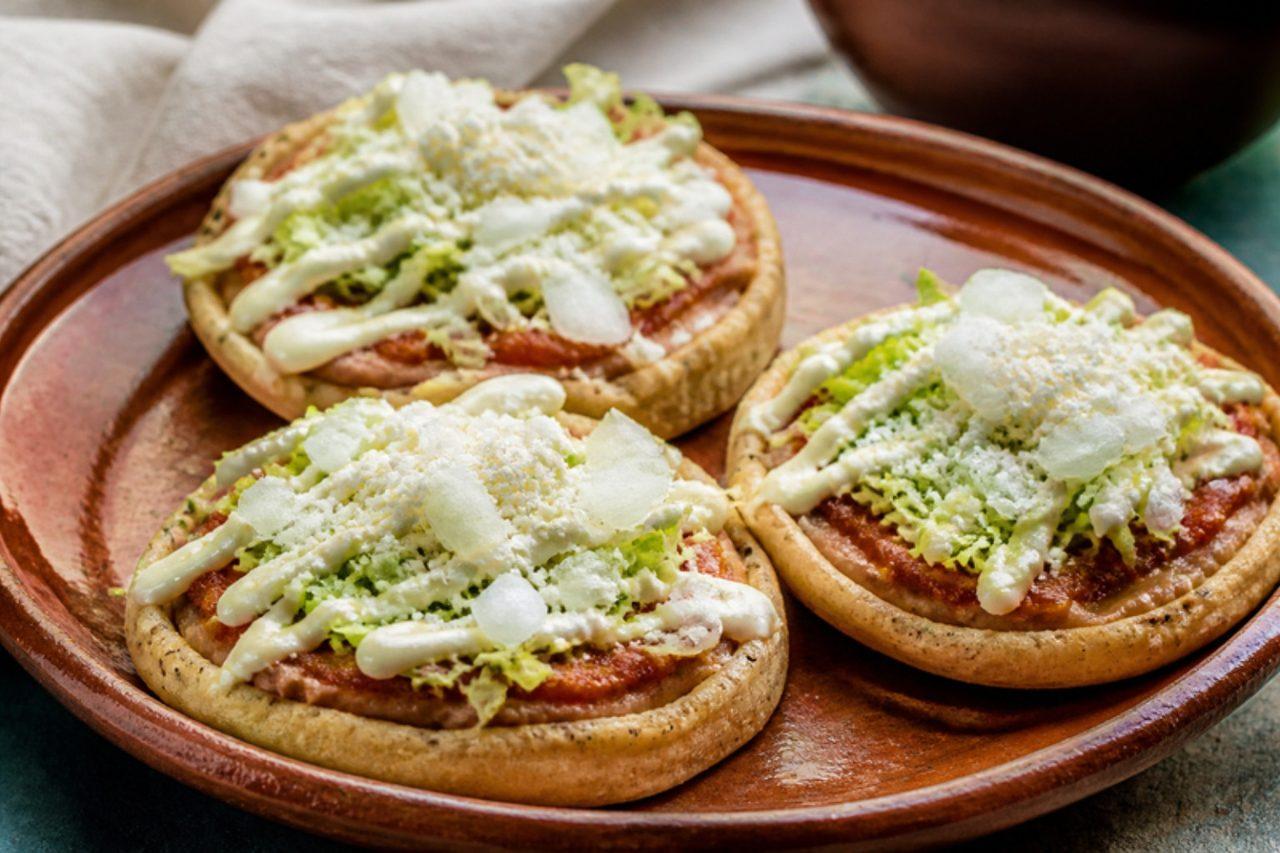
Sopes are a classic antojito of central Mexico: small, thick discs of corn masa cooked on a comal, pinched up at the edge while hot to make a little rim, then crisped in a film of oil and piled with refried beans, salsa, lettuce, crema and crumbled cheese. The base is crisp underneath and soft and steamy inside, with the sweet, earthy taste of nixtamalised corn. Serve two or three per person as a starter or a light supper. Use masa harina for tortillas, made from nixtamalised corn; cornmeal or polenta will not hold together. Choose queso fresco made with vegetarian rennet, or use a mild feta. Chef's tip: pinch the rims as soon as the sopes come off the comal; once they cool the masa sets and cracks.

by KrazyBadal 0 views

Mushroom or lamHerb stew with aubergine and mushrooms

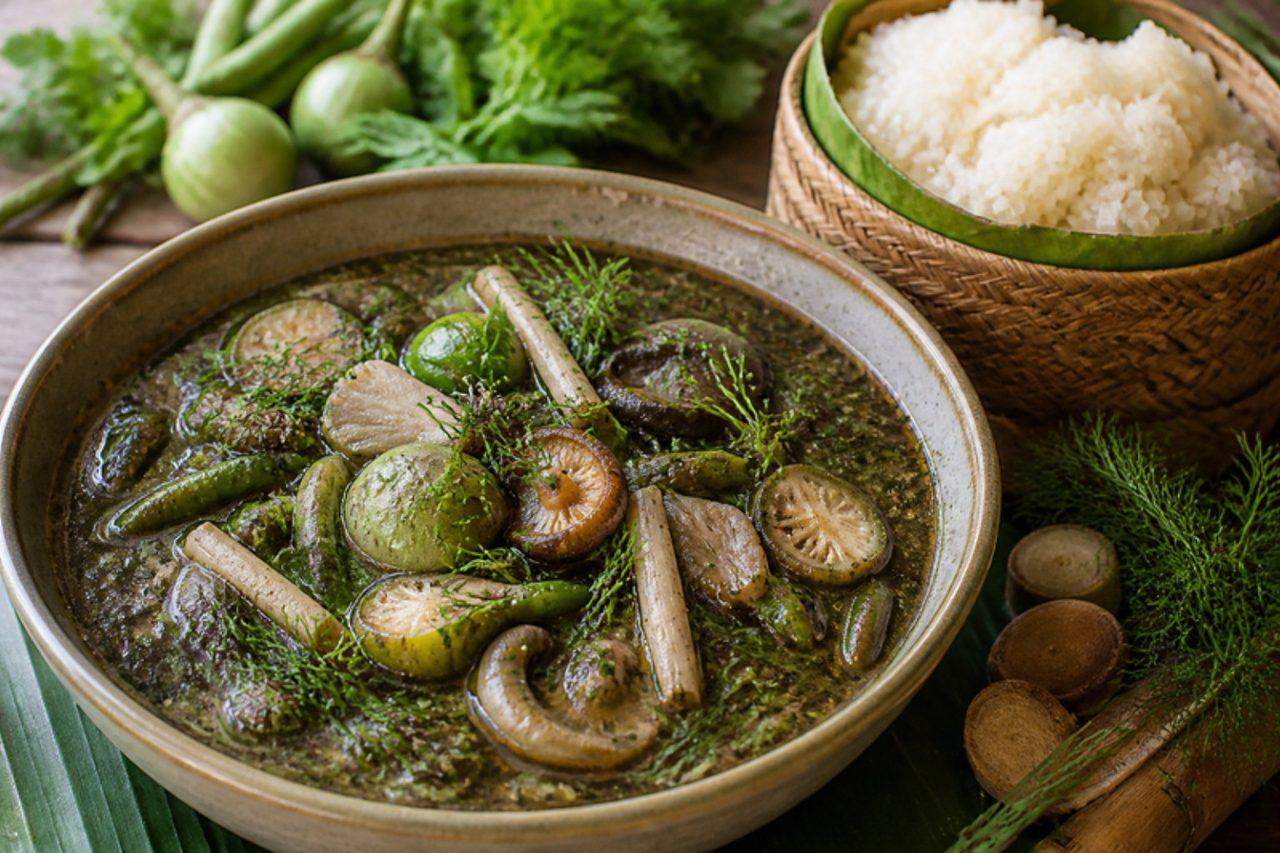
Or lam belongs to Luang Prabang, the old royal town on the Mekong, where it is cooked for long family lunches and served at almost every restaurant that makes local food. It is a thick, rustic stew of aubergine, long beans, mushrooms and greens, thickened with a little sticky rice and flavoured with sakhan, a peppery wood that numbs the lips like Sichuan pepper, plus heaps of dill and lemongrass. The usual dried buffalo skin and meat are swapped for two kinds of mushroom here. Eat it with sticky rice and a jeow. Chef's tip: if you can't find sakhan, a few lightly crushed Sichuan peppercorns give the same tingle; add them early so the tingle spreads through the broth.

by KrazyBadal 0 views

KootuVegetable and moong dal stew

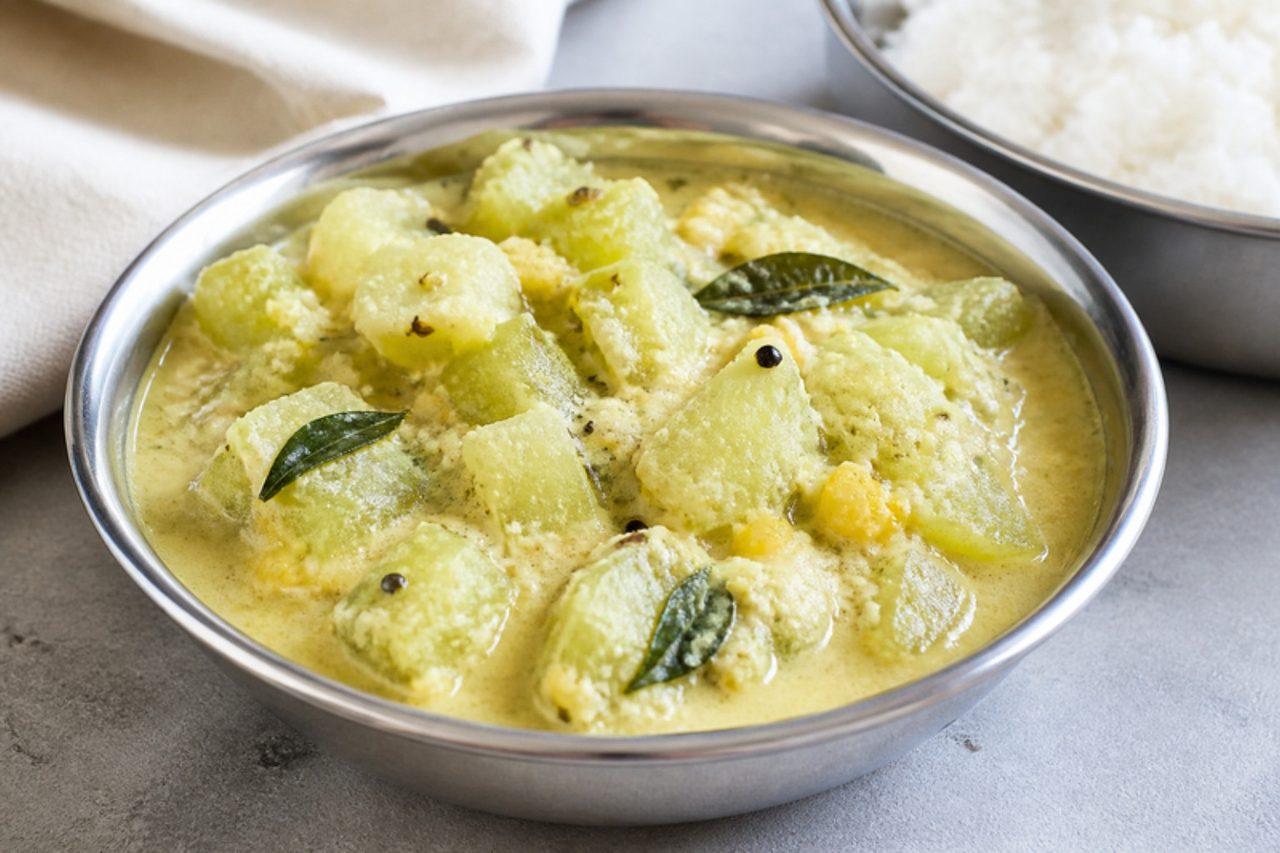
Kootu sits halfway between a dal and a vegetable dish, and in Tamil homes it is the mild, kind side on a lunch plate next to a sharp rasam or a fiery kuzhambu. Chopped vegetables such as chow-chow, snake gourd, cabbage or pumpkin are cooked with moong dal until soft, then thickened with a paste of fresh coconut, cumin and a little green chilli. It's the dish many Tamil grandmothers give children and anyone recovering from a fever. Spoon it over rice with ghee or serve it alongside sambar and poriyal. Chef's tip: grind the coconut paste with the cumin raw, not toasted; the fresh, sweet cumin flavour is what makes kootu taste like kootu.

by KrazyBadal 0 views

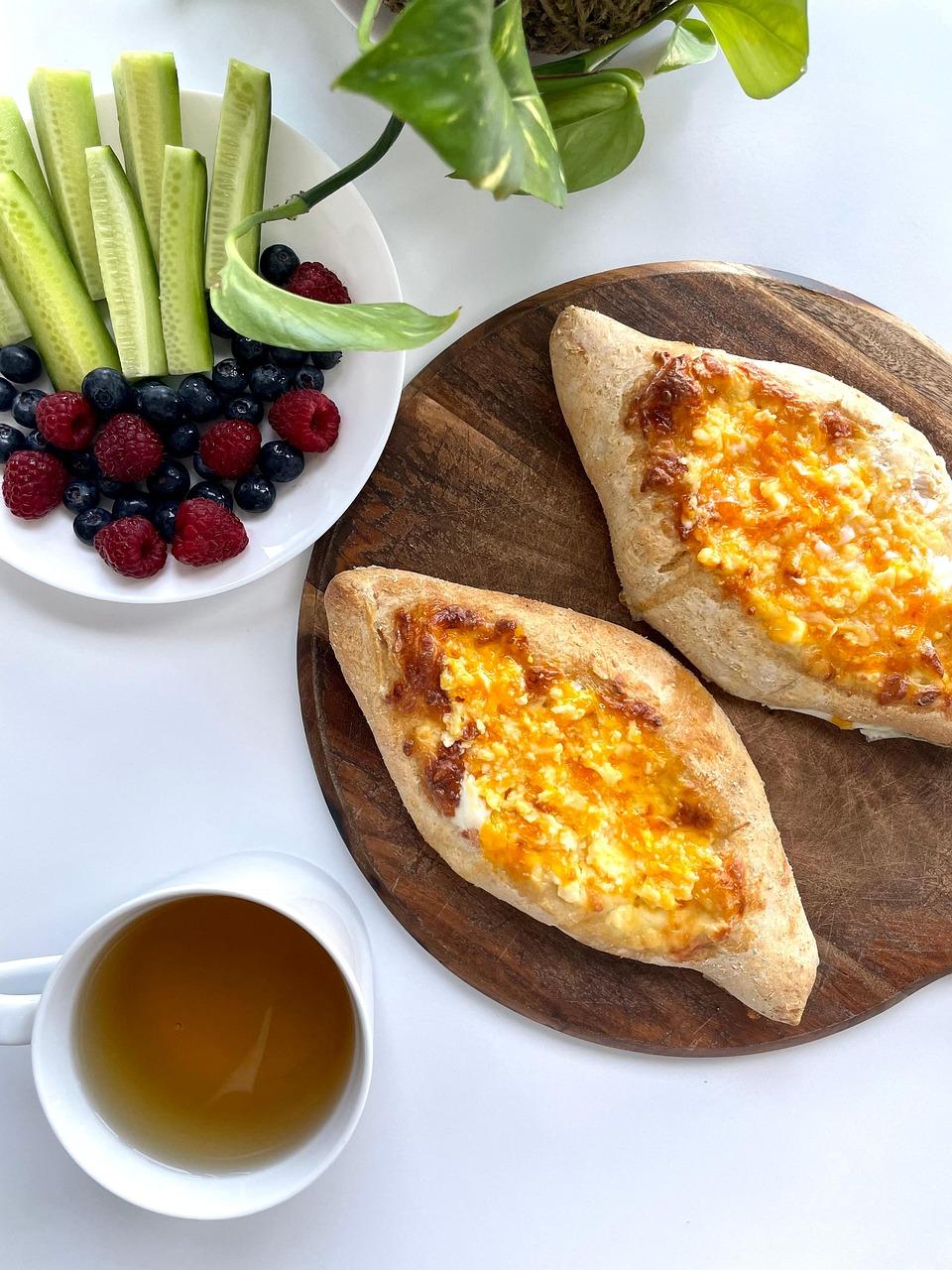
Peynirli pideBoat-shaped cheese bread

Along the Black Sea coast, from Samsun to Trabzon, the pide salon is where families go on a Friday night, and the oven man shapes each boat of dough by hand before sliding it onto the hot stone floor of a wood-fired oven. The Black Sea way is generous: a pool of melted kaşar and white cheese held inside a rim of soft bread, an egg cracked into the middle for the last few minutes and a knob of butter dropped on as it comes out. Children love tearing off the crusty ends to drag through the cheese. Chef's tip: heat a heavy baking tray or pizza stone in the oven for a full 30 minutes; the hot base is what gives a crisp underside rather than a soft one.

120 minTurkishPizza
by KrazyBadal 0 views

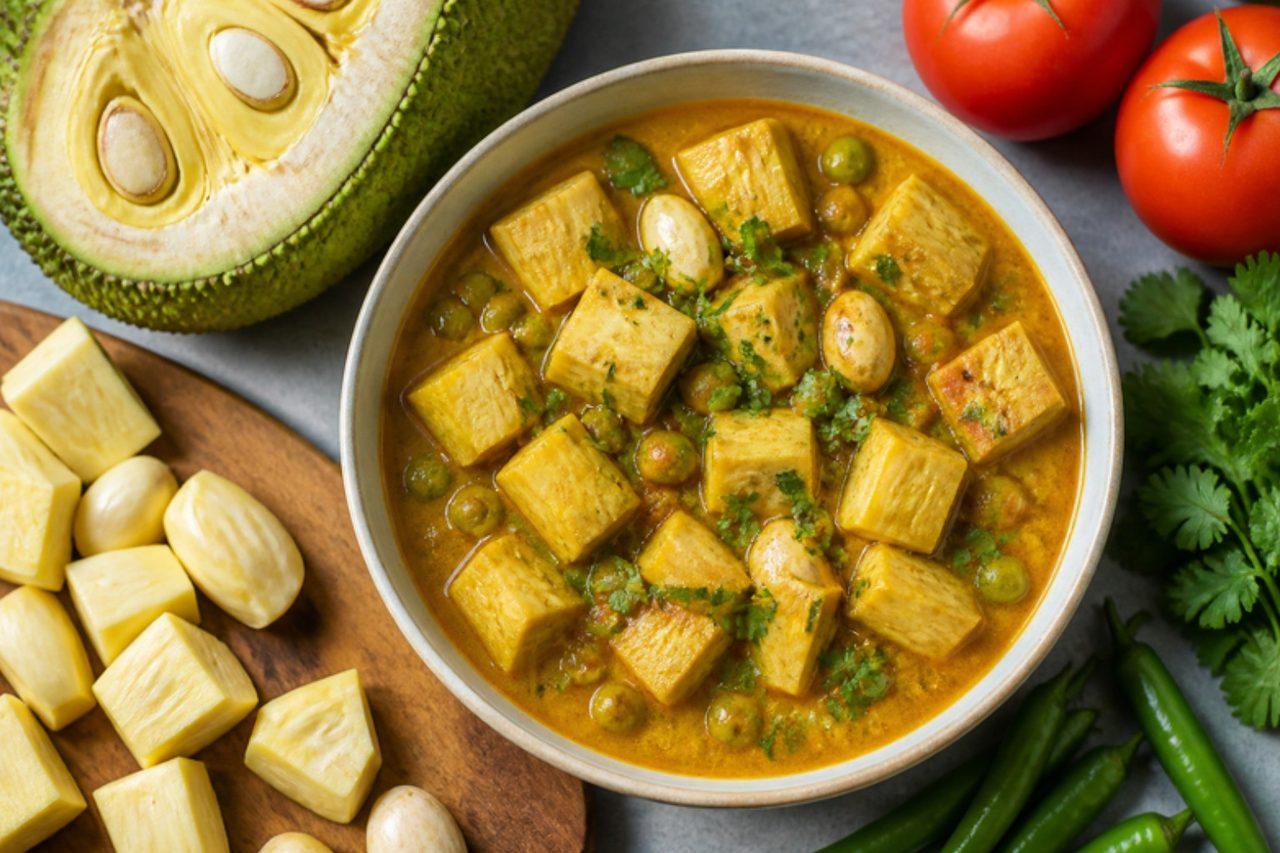
Kathal ki sabziYoung jackfruit curry

In Uttar Pradesh, people joke that kathal is the vegetarian's mutton, and the comparison makes sense once you taste it. Young, unripe jackfruit has a firm, fibrous texture that absorbs a slow-cooked onion masala and the smoky warmth of black cardamom. Lucknow and Kanpur homes cook it in summer when the green fruit is plentiful, and it is a common choice for Sunday lunches and family gatherings, served with paratha or rice. The mistake to avoid is undercooking the jackfruit before adding it to the masala; it will remain rubbery no matter how long it simmers afterward. Chef's tip: frying the boiled pieces until golden before they go into the gravy gives them a meaty crust that holds up in the sauce.

by KrazyBadal 0 views

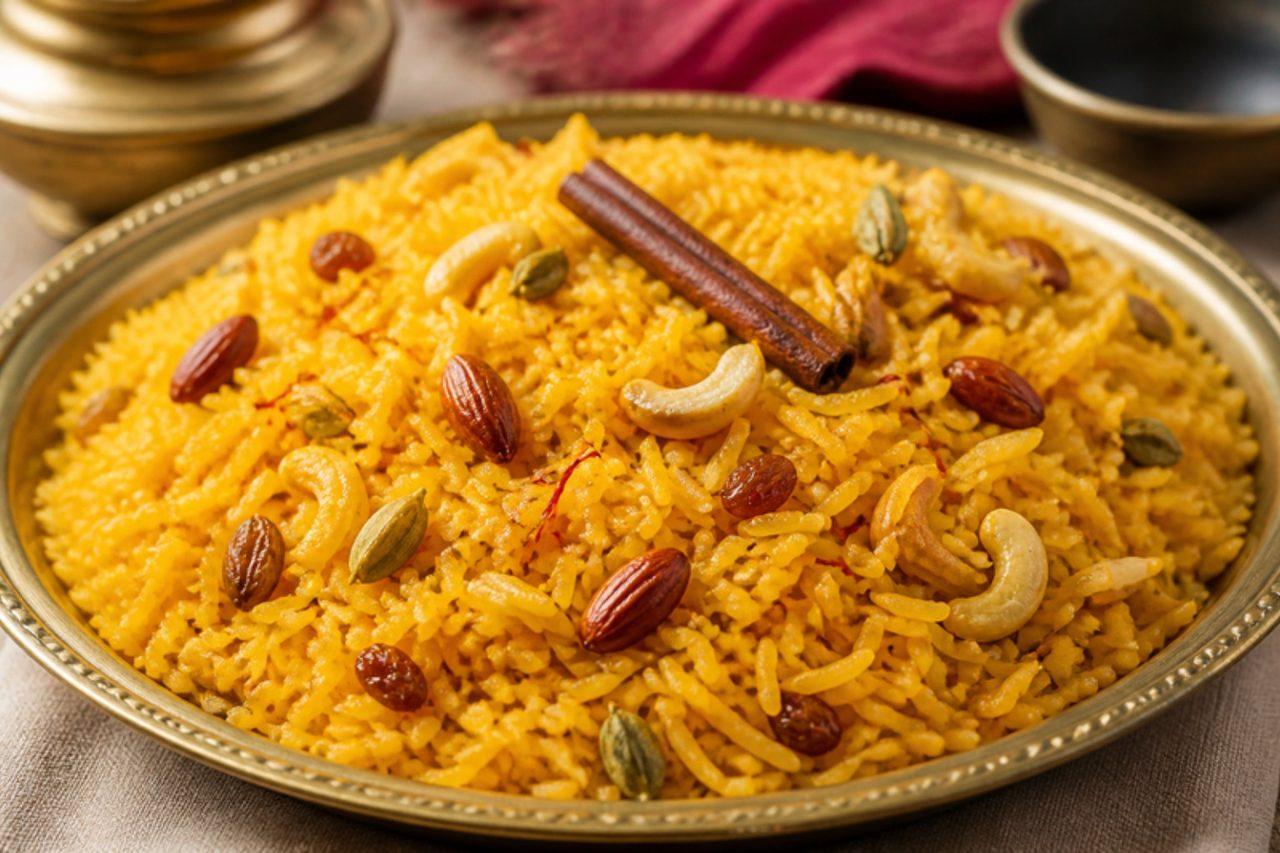
Kashmiri modur pulavSweet saffron rice with dry fruit

Modur means sweet in Kashmiri, and this ghee-rich saffron rice is served at Kashmiri weddings and on Navreh, the Pandit new year, glowing orange and studded with almonds, cashews and raisins. In the hills of Himachal Pradesh the dham feast ends with a near-identical sweet rice called mittha, so this one page covers both: Himachal cooks often add a little more raisin and a pinch of fennel, which you can do too. It is sweet but not dessert-sweet, perfumed with cinnamon and cardamom, and is eaten alongside savoury curries as well as on its own. Chef's tip: soak the saffron in warm milk for at least 15 minutes before you start; it gives the rice its colour far more evenly than strands scattered dry.

by KrazyBadal 0 views

Kashmiri girdaKashmiri round bread

Every neighbourhood in Srinagar has a kandur, a baker working at a pit oven, and before sunrise people queue there for girda: round breads about the size of a side plate, pressed all over with fingertips so the crust sets in ridges and hollows. The outside is lightly crisp, the crumb soft and slightly chewy, and the bread is torn and dunked into salty pink noon chai or spread with butter. A home oven with a heavy tray heated until very hot gets close to the kandur. Chef's tip: wrap the breads in a clean cloth as they come out; the trapped steam keeps the crust tender rather than hard.

142 minIndianBaking
by KrazyBadal 0 views

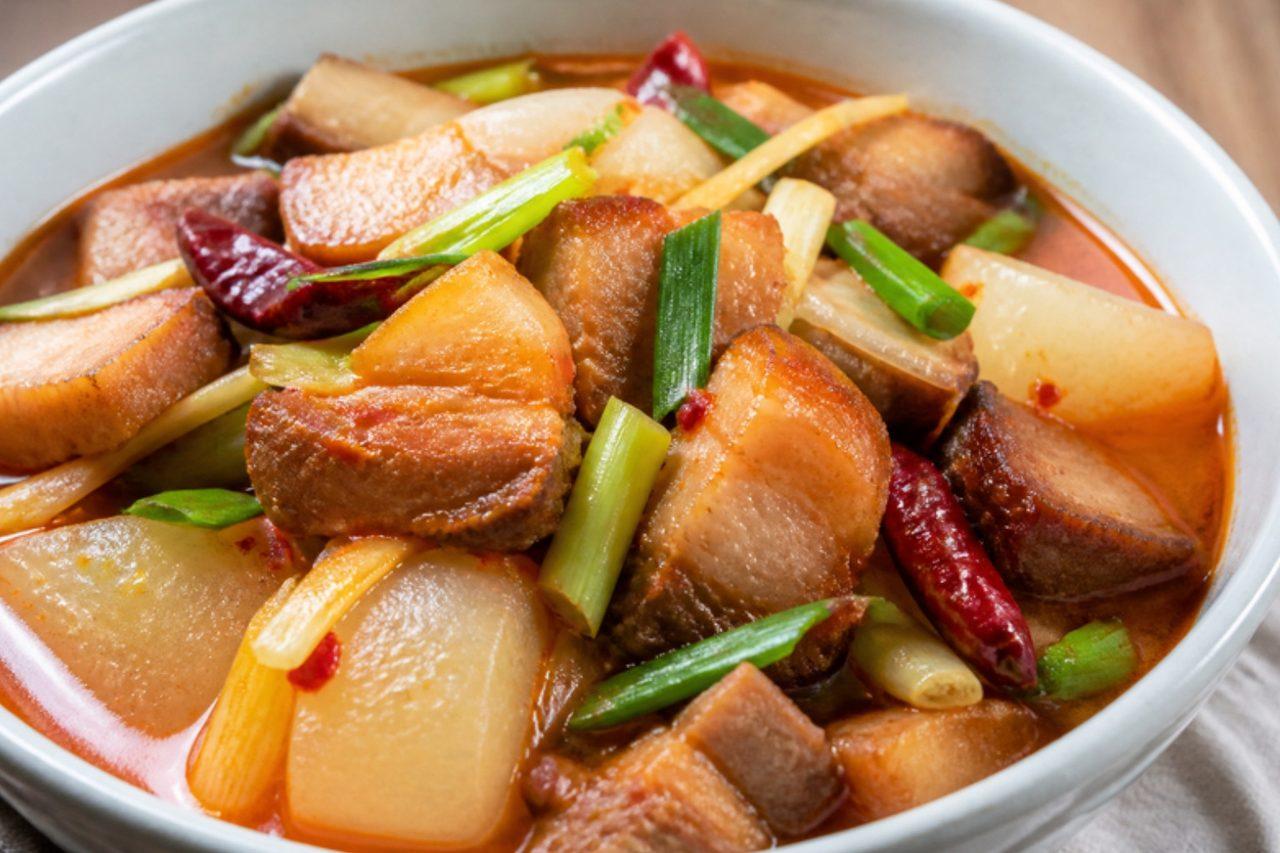
PhagshapaPork with radish and chilli

High in the hills of Sikkim, where winters are long and cold, Bhutia and Lepcha households make phagshapa from fatty strips of pork, white radish and fiery dried red chillies. Traditionally it uses no oil at all: the pork renders its own fat, and the radish soaks it up and turns meltingly soft. It is everyday warming food in Gangtok kitchens, eaten with rice and a bowl of clear soup. Chef's tip: cut the radish thick, in batons, so it holds its shape through the long simmer.

80 minIndianMeatGluten freeSpicy
by KrazyBadal 0 views

Omegi tteokMillet rice cakes with red bean

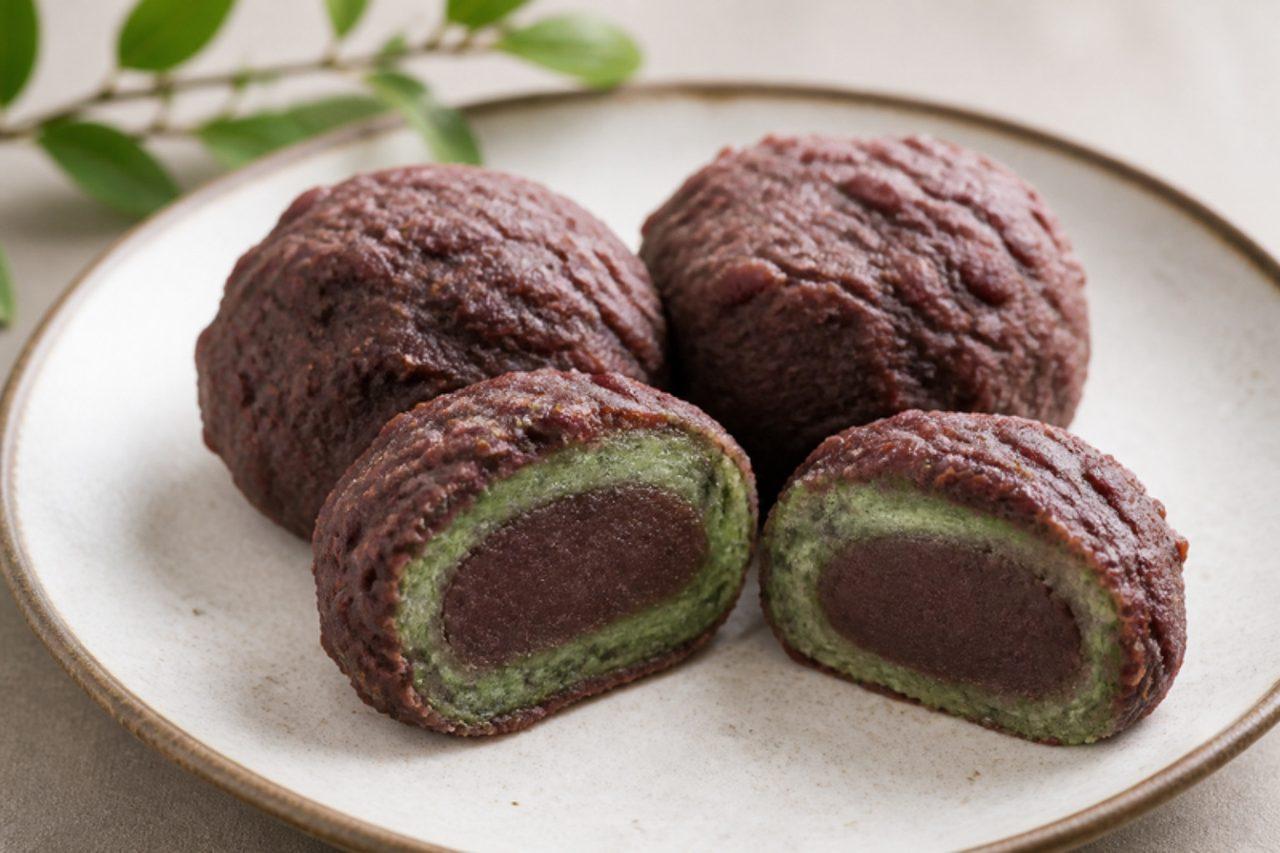
Omegi tteok (오메기떡) are Jeju's best-known rice cakes: small dark-green rounds of glutinous millet and rice dough flavoured with mugwort, filled with sweet red bean, and rolled in a coat of mashed red beans or toasted nuts. Jeju farmers grew millet on fields too stony for rice, and the dough was once fermented into omegi-sul, the island's rice wine. Now they are bought in boxes at Seogwipo's Olle market as the island's favourite gift, kept in the freezer and thawed for tea time. Chef's tip: knead the dough with boiling water while it is still hot; mugwort and millet need the heat to bind into a smooth, stretchy dough.

by KrazyBadal 0 views

Olluquito con charquiOlluco and dried beef stew

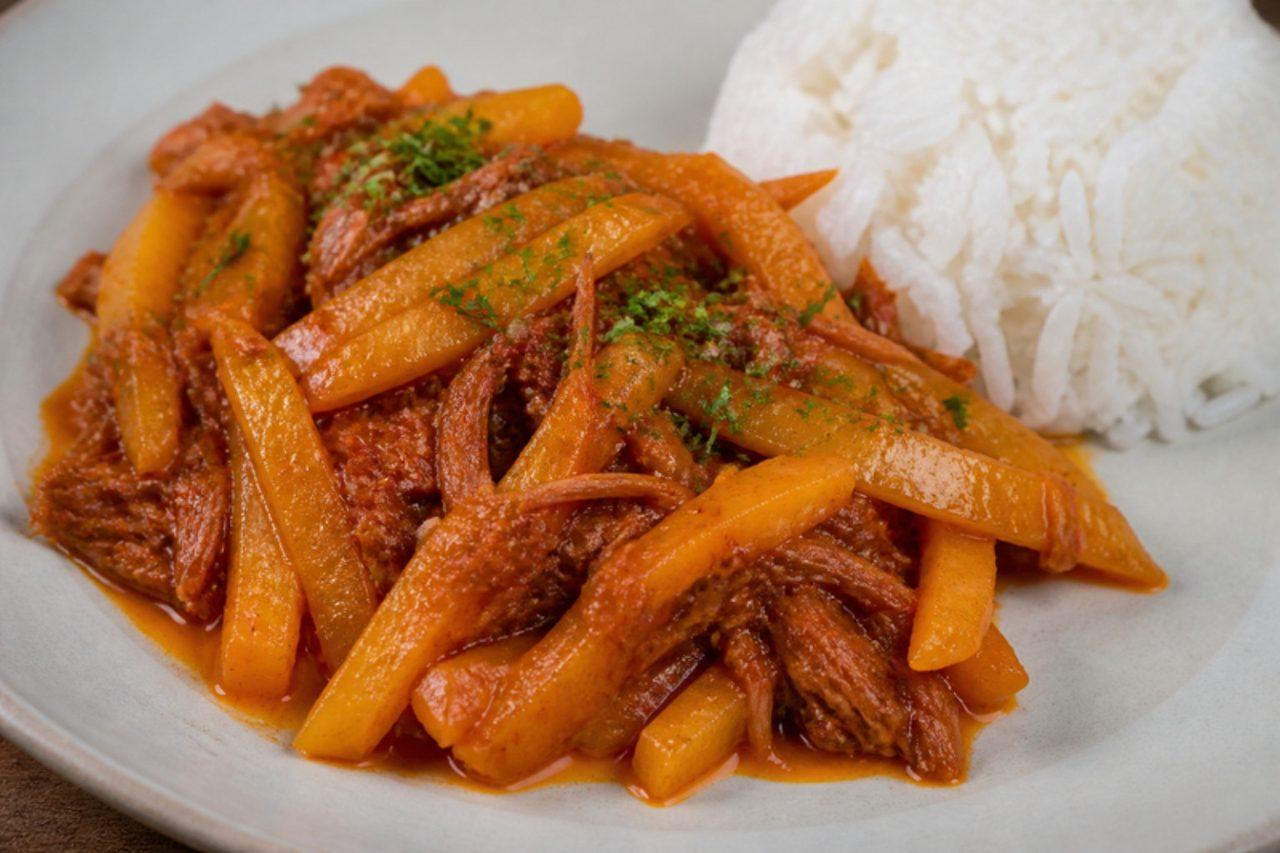
Olluco is a glossy yellow-and-pink tuber grown high in the Andes, crunchy when raw and silky when cooked, and in Lima's market eateries it is cut into fine matchsticks and stewed with charqui, sun-dried meat that was the travel food of Inca messengers. The dish is gently spiced with ají panca and finished with fresh parsley, and it is always served with white rice. Latin shops sell olluco in jars; if you can't find it, firm new potatoes or courgette give a similar texture, and beef brisket stands in well for charqui. Chef's tip: cut the olluco and rinse it well; the slippery sap washes off and the stew won't turn slimy.

by KrazyBadal 0 views

Olla de carneBeef and vegetable pot

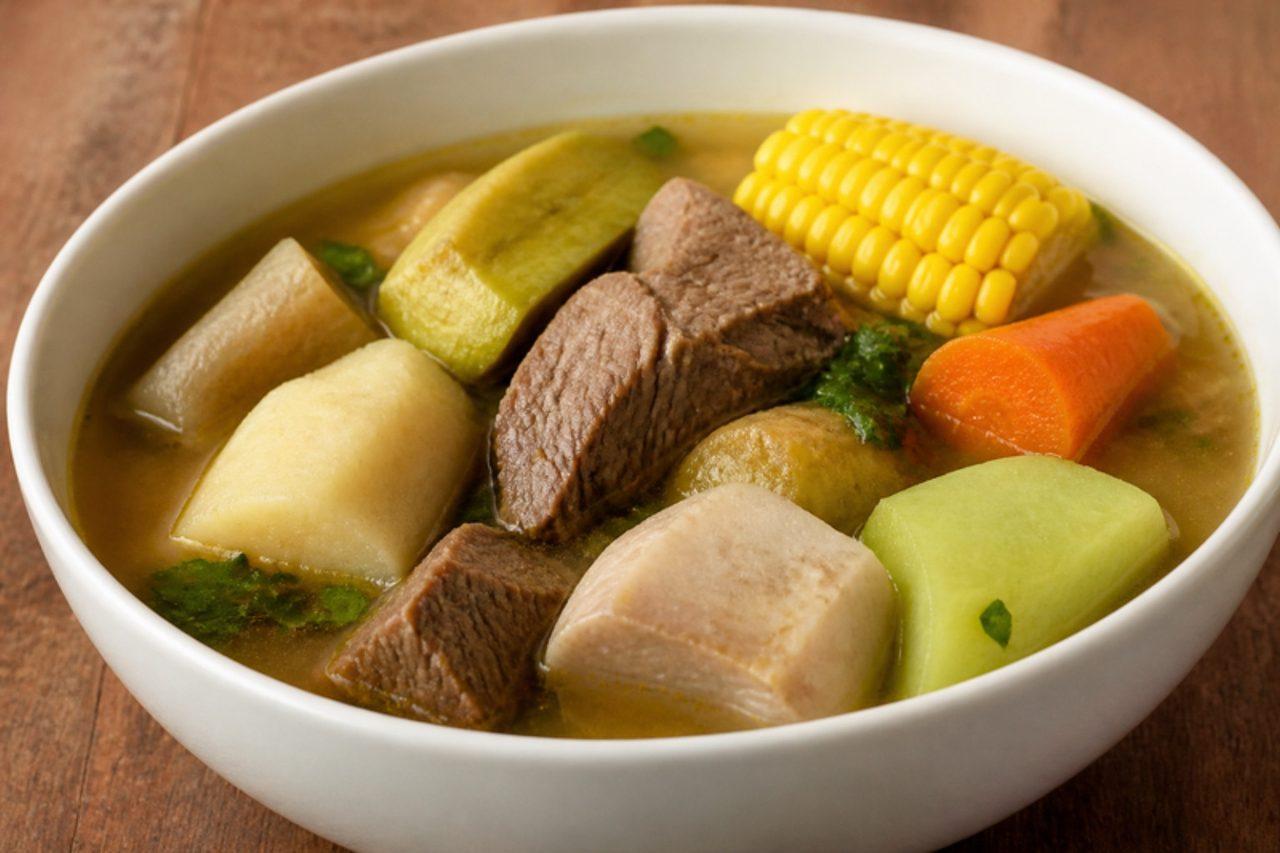
Olla de carne, "pot of meat", is the Costa Rican Sunday soup, cooked slowly in the Central Valley around San José and in country homes: beef shin and short ribs simmered for hours in a clear broth with big pieces of yuca, chayote, green plantain, corn, carrot and taro. The broth is served first, then the meat and vegetables, with rice on the side. The mistake is putting all the vegetables in together; add the hard ones first and the soft chayote and corn last. Chef's tip: use a little bone with the beef; it gives the broth body without any stock cube.

by KrazyBadal 0 views

Pho boBeef noodle soup

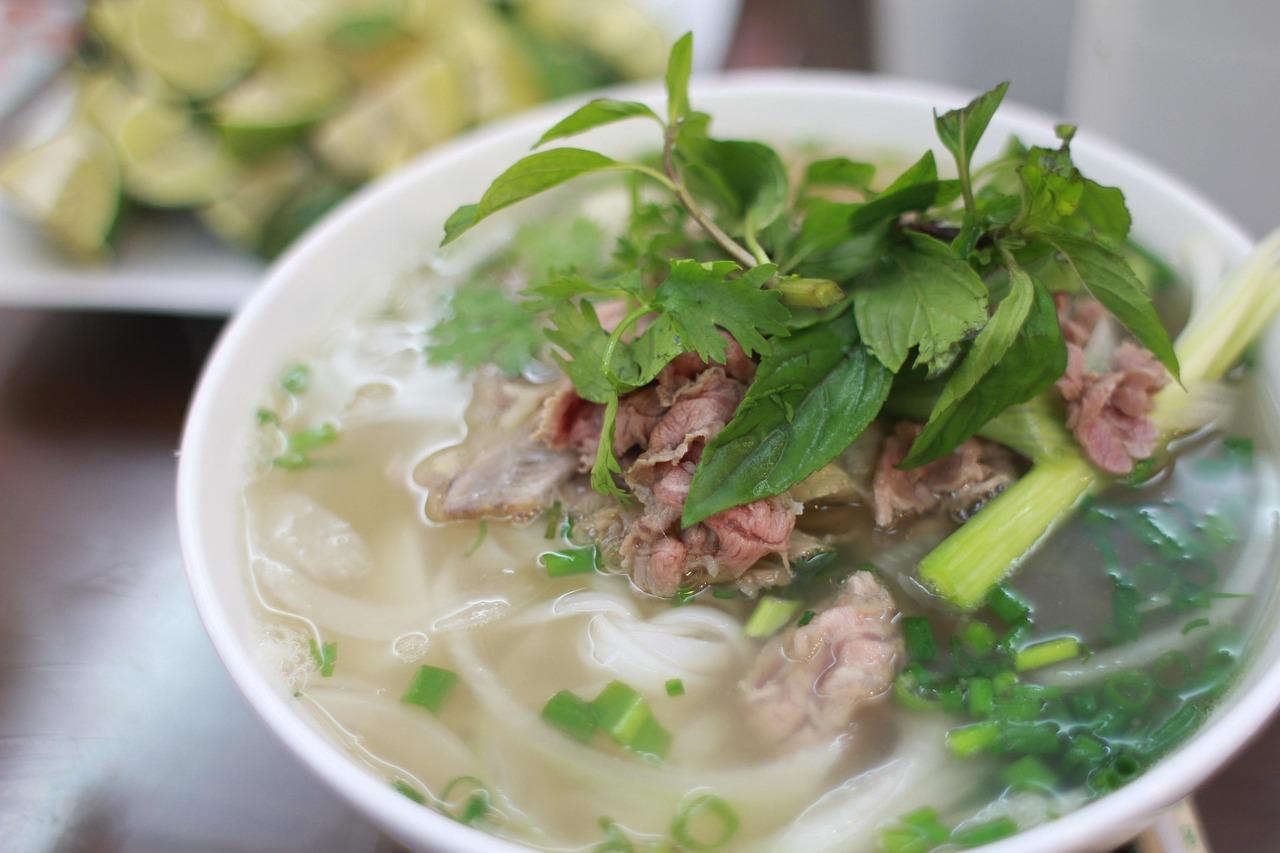
Before Hanoi's offices open, pavement pho stalls are already busy, with diners on low plastic stools bent over bowls of rice noodles in a clear, spiced beef broth. The northern style is restrained: brisket and thin slices of raw beef that cook in the bowl, spring onion and a little coriander, with lime and chilli on the side rather than a heap of herbs and sauces. The work is in the broth, simmered slowly from bones with blackened onion and ginger and a small bag of toasted spices. Make it on a weekend; it keeps for three days and the bowls then take ten minutes. Chef's tip: char the onion and ginger until they are properly black in patches, because that smoky sweetness is what makes the broth taste of pho rather than plain beef stock.

by KrazyBadal 1 views

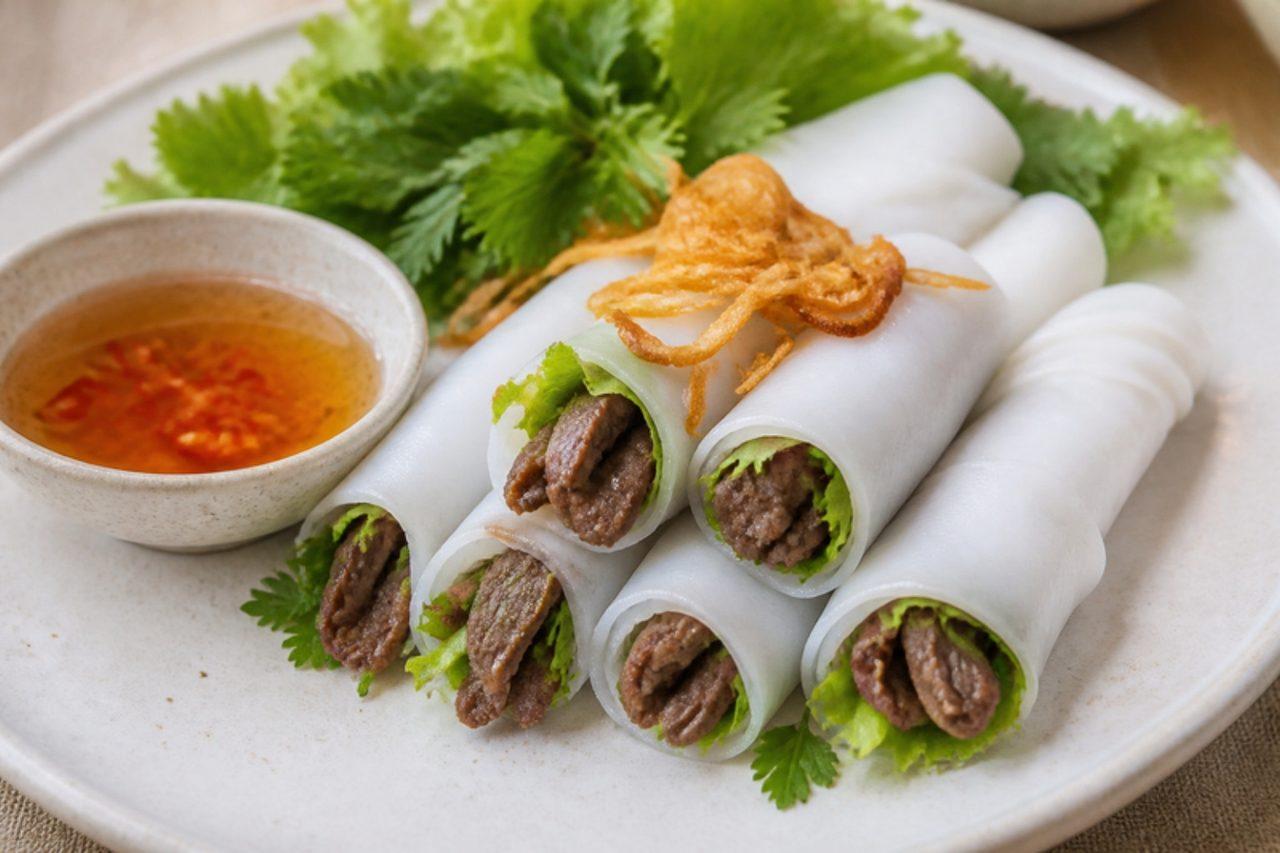
Pho cuonBeef rice noodle rolls

On Ngũ Xã, a little island of streets between Trúc Bạch lake and West Lake in Hanoi, whole rows of restaurants sell nothing but pho in different shapes, and phở cuốn is the one people order by the plateful in the evening. Instead of cutting the fresh rice-noodle sheet into ribbons, the cooks leave it whole and roll it round seared beef, lettuce and herbs. The rolls are soft, cool and slightly chewy, and you dip them in a light, sweet fish sauce with pickled carrot. Look for fresh rice-noodle sheets in the chiller of an Asian supermarket, often sold for Chinese ho fun. Chef's tip: if the sheets are stiff from the fridge, steam or microwave them for 30 seconds under a damp cloth before separating, or they tear.

by KrazyBadal 0 views

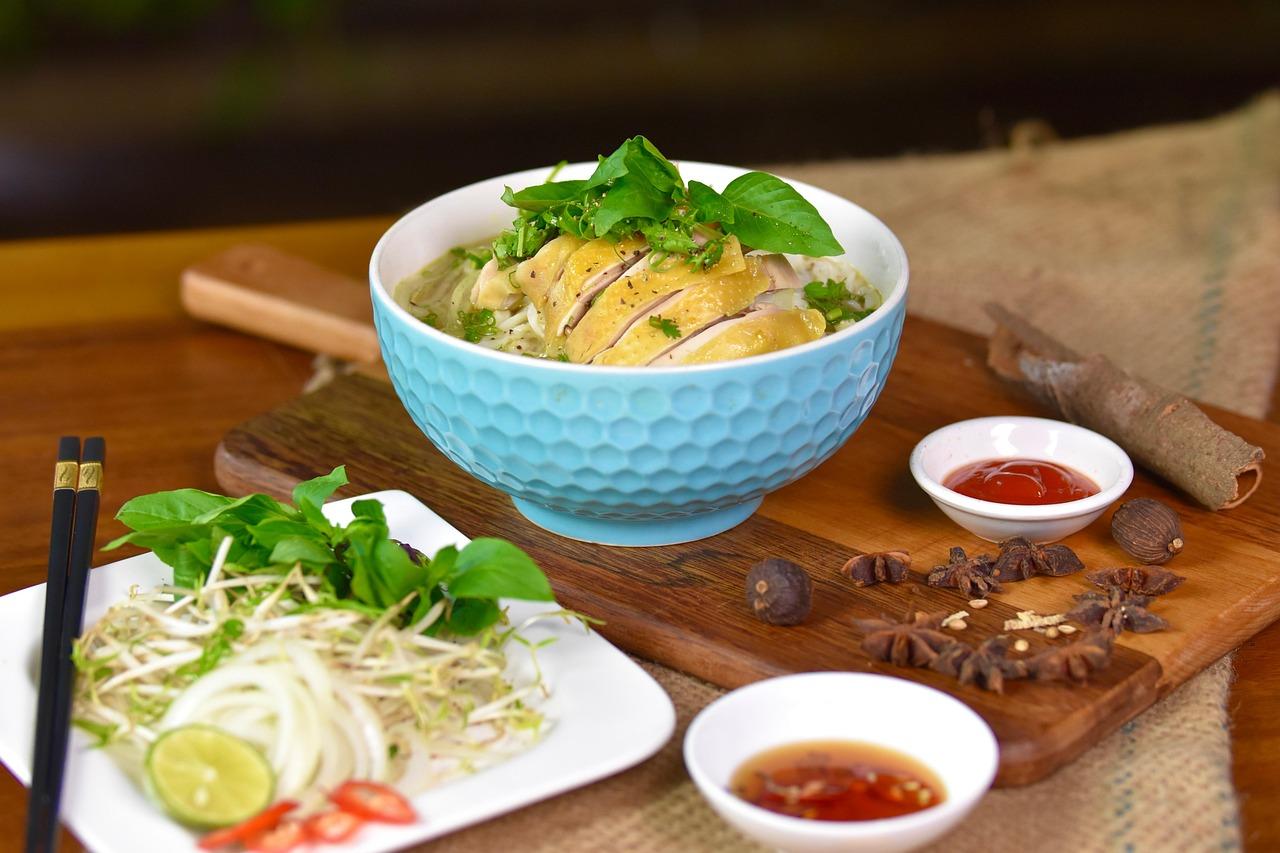
Pho gaChicken noodle soup

In Hanoi some shops sell nothing but chicken pho, and locals often choose it over beef for a gentler breakfast or a late bowl after an evening out. The broth is lighter than the beef version, made in about an hour from a whole bird with a few charred aromatics and only a hint of spice. The northern signature is a tangle of makrut lime leaf, cut as fine as thread, scattered over the hot chicken just before serving. It's a good first pho to make at home, since the timing is forgiving and the chicken poaches in the same pot. Chef's tip: plunge the cooked chicken into iced water for 5 minutes; the skin turns firm and slightly springy, the way Hanoi cooks like it.

by KrazyBadal 0 views

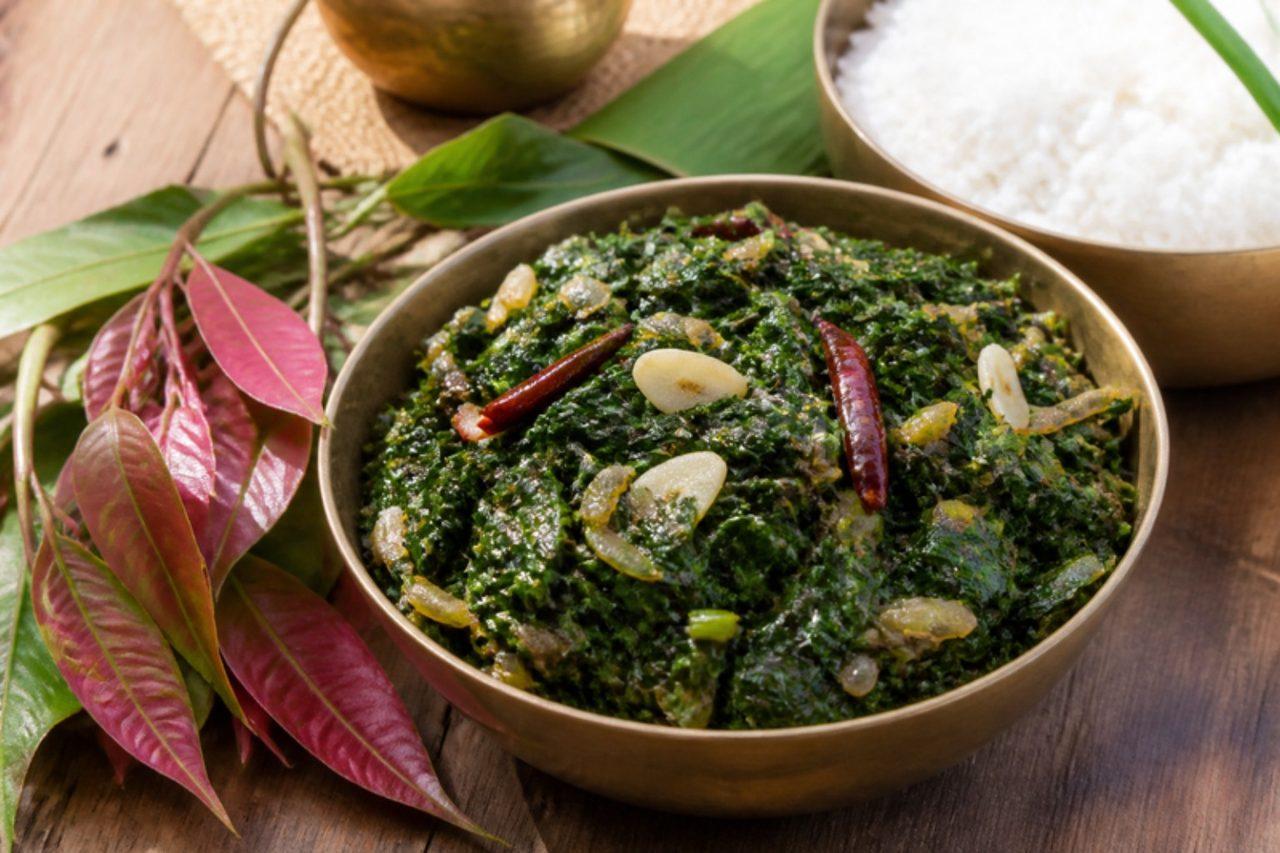
Phutkal saagStir-fried fig-tree leaves

In spring, before the rains, the phutkal tree (a wild fig) puts out tender pink-green shoots, and women across Jharkhand climb or hook them down to cook as saag. The leaves are naturally sour, so the dish needs no tomato or tamarind: they are boiled, squeezed and fried with garlic, dried chilli and mustard oil. Much of the harvest is dried in the sun and sold in Ranchi markets to cook through the year, and dried phutkal is what most people outside the state can find. Chef's tip: boil and squeeze the leaves well; this tames any bitterness and keeps the saag from turning watery.

by KrazyBadal 0 views

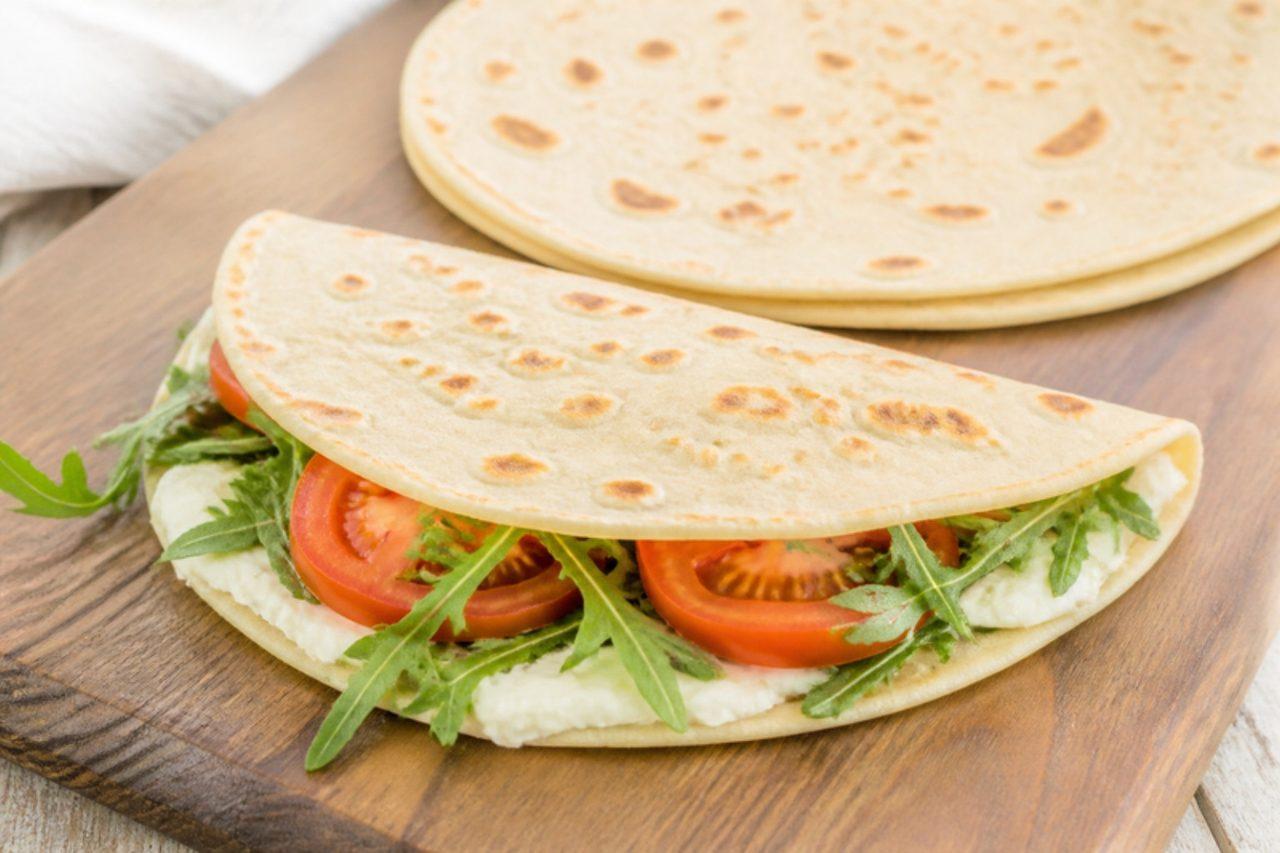
PiadinaGriddled flatbread

Piadina is Romagna's everyday bread, cooked on a hot griddle (traditionally a terracotta testo) in chalet-style kiosks from Rimini to Ravenna and eaten folded around soft squacquerone cheese and rocket, or with grilled vegetables. It needs no yeast and is ready in half an hour, which is why families make it at home for quick suppers. The old recipe uses lard; olive oil gives a lighter, vegetarian result. Chef's tip: let the griddle get properly hot and cook the piadina dry, without oil; you want brown freckles and a few blisters, not a fried bread.

by KrazyBadal 0 views

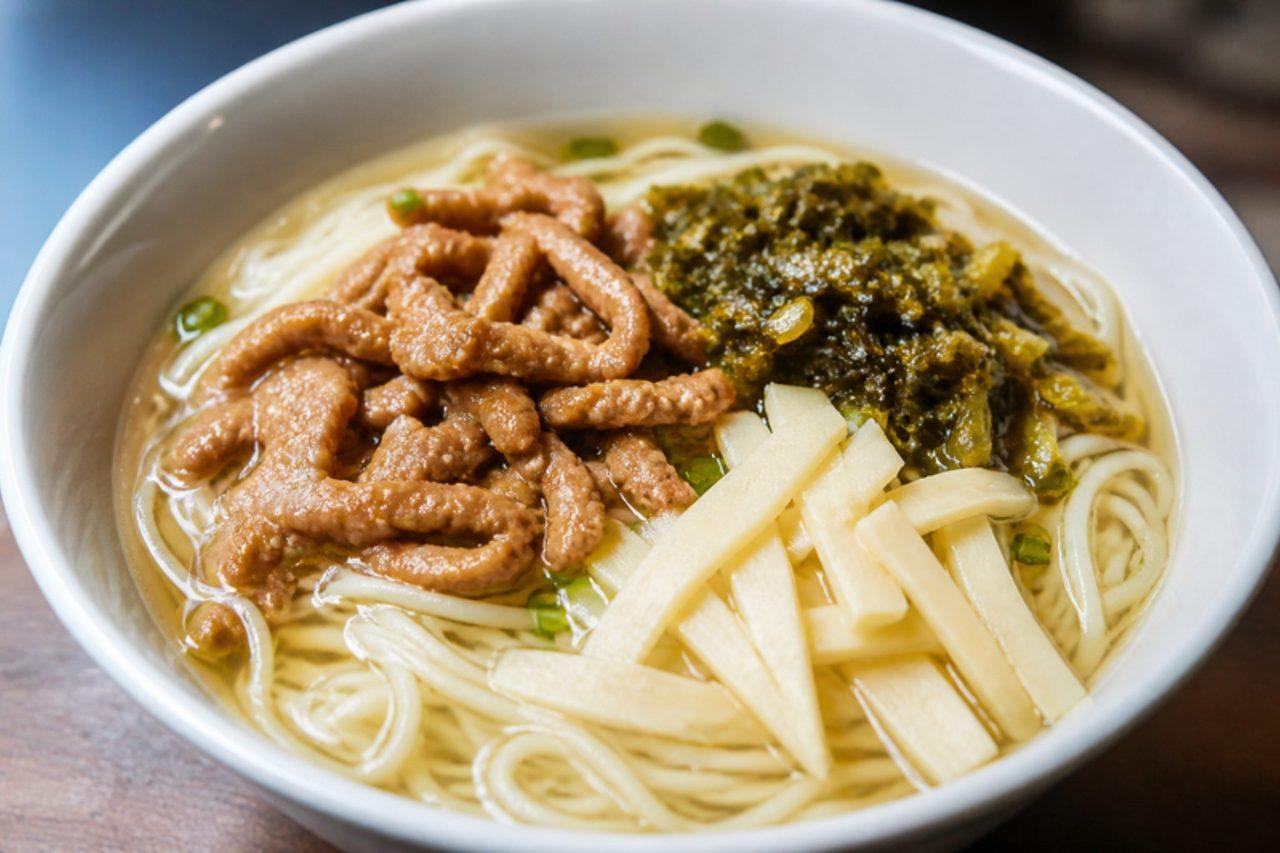
Pian'er chuan noodlesNoodle soup with pickled greens

Ask a Hangzhou local what they eat at a noodle shop and the answer is often pian'er chuan, a quick bowl named for its sliced (pian) pork and bamboo that are flash-cooked (chuan) in the broth. Salty, crunchy pickled mustard greens give it its savoury depth, the bamboo adds a clean sweetness, and the thin noodles soak up a cloudy, peppery soup. It is everyday lunch food, eaten at speed. A common mistake is skipping the rinse on the pickled greens; unrinsed, they make the whole bowl too salty. Chef's tip: slice the pork as thinly as you can while it is half-frozen, so it cooks in seconds and stays tender.

by KrazyBadal 0 views

PiayaMuscovado-filled flatbread

Piaya is the sweet everyone brings home from Bacolod and the sugar-growing island of Negros: a thin, flaky round of unleavened dough with a layer of dark muscovado inside, cooked on a dry griddle until blistered, and dotted with sesame seeds. The sugar melts and turns chewy as it cools. It is eaten with coffee in the afternoon, and newer shops fill it with ube. Lard is traditional in the dough; vegetable shortening gives the same flakiness. Chef's tip: roll the filled dough gently from the centre outward and keep it thin, or the sugar bursts through.

by KrazyBadal 0 views

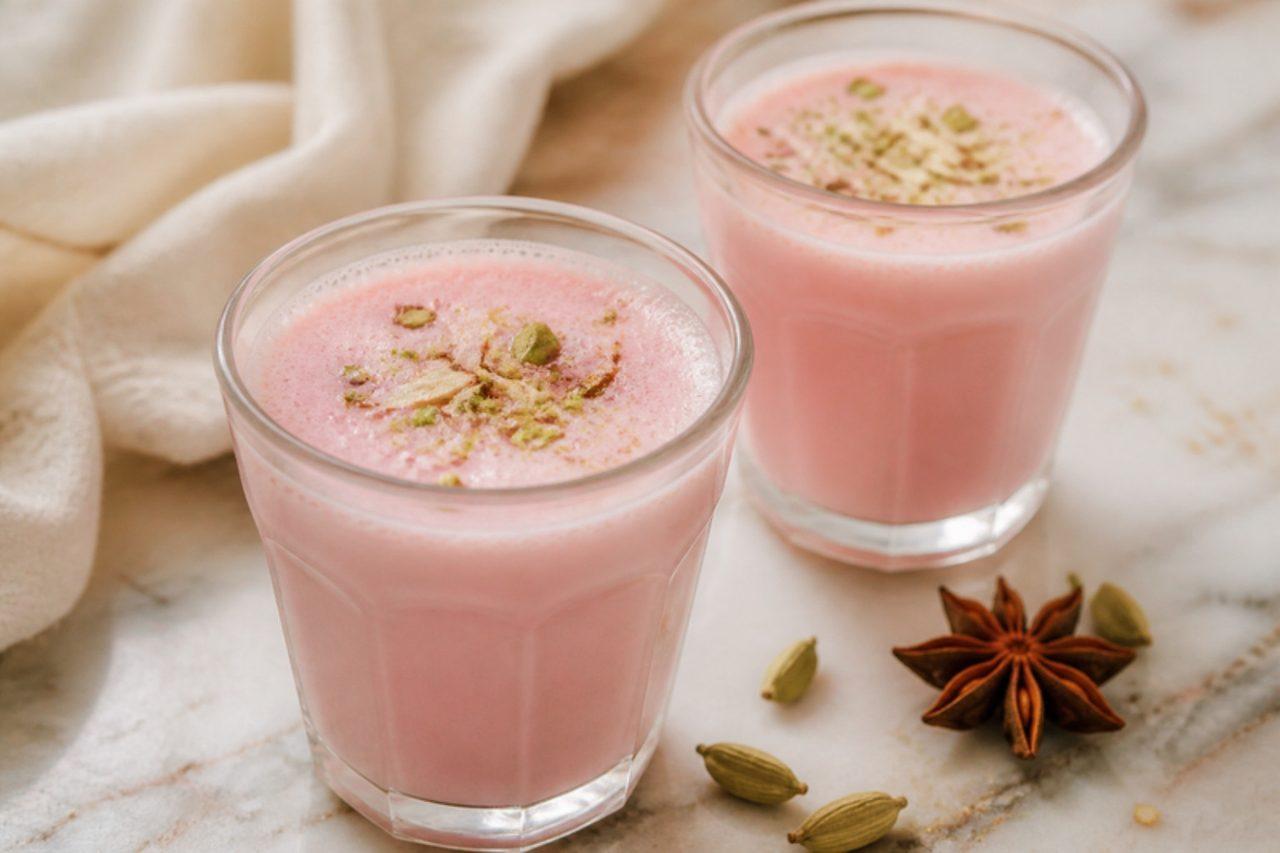
Kashmiri chaiPink salted milk tea

Kashmiri chai, called pink tea or gulabi chai across Pakistan, came down from Kashmir to become the winter drink of Lahore, Karachi and Islamabad: it is ladled out at weddings, sold from steaming pots at tea stalls on cold nights and served with nankhatai biscuits at family gatherings. The colour is real chemistry, not food colouring: green tea leaves are boiled hard with a pinch of baking soda until the brew turns deep red, then whisked and splashed to get air into it, and finally cooked with milk until it blushes pink. It is lightly salted in the old Kashmiri way and sweetened in the city way; add as much sugar as you like. The mistake people make is using black tea; only green tea leaves turn pink. Chef's tip: pour in ice-cold water as soon as the brew is reduced, and beat it hard; the shock and the air are what lock in the bright colour.

by KrazyBadal 0 views

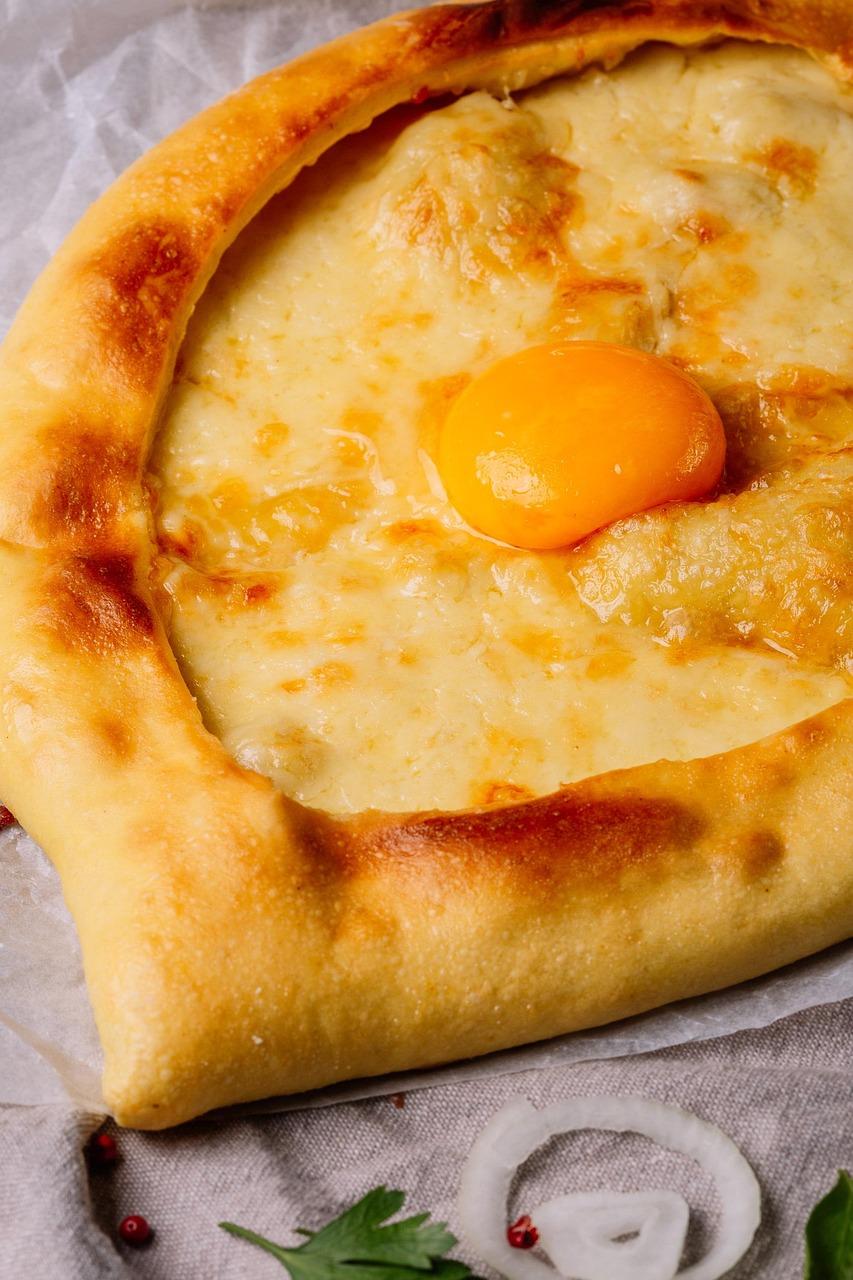
Adjaruli khachapuriCheese bread boat with egg

On the Black Sea promenade in Batumi, the capital of Adjara, this is the bread people queue for after a swim: a boat of soft yeasted dough, the middle filled with molten cheese, and an egg yolk and a slab of butter dropped in at the very end. You stir the yolk and butter through the cheese with a fork at the table, then tear off the crisp ends and dip them in. Locals say the shape is a boat and the yolk the sun over the sea. Georgian imeruli and sulguni cheeses are hard to find outside Georgia, so this uses mozzarella with feta for the salty tang. Choose cheeses labelled vegetarian (microbial rennet). The usual home mistake is putting the egg in too early, which sets it hard; the yolk should go in only for the last 2 minutes so it stays runny. Chef's tip: roll the long edges inwards tightly and pinch the tips hard, or they will unroll in the oven and the cheese will flood the tray.

by KrazyBadal 0 views

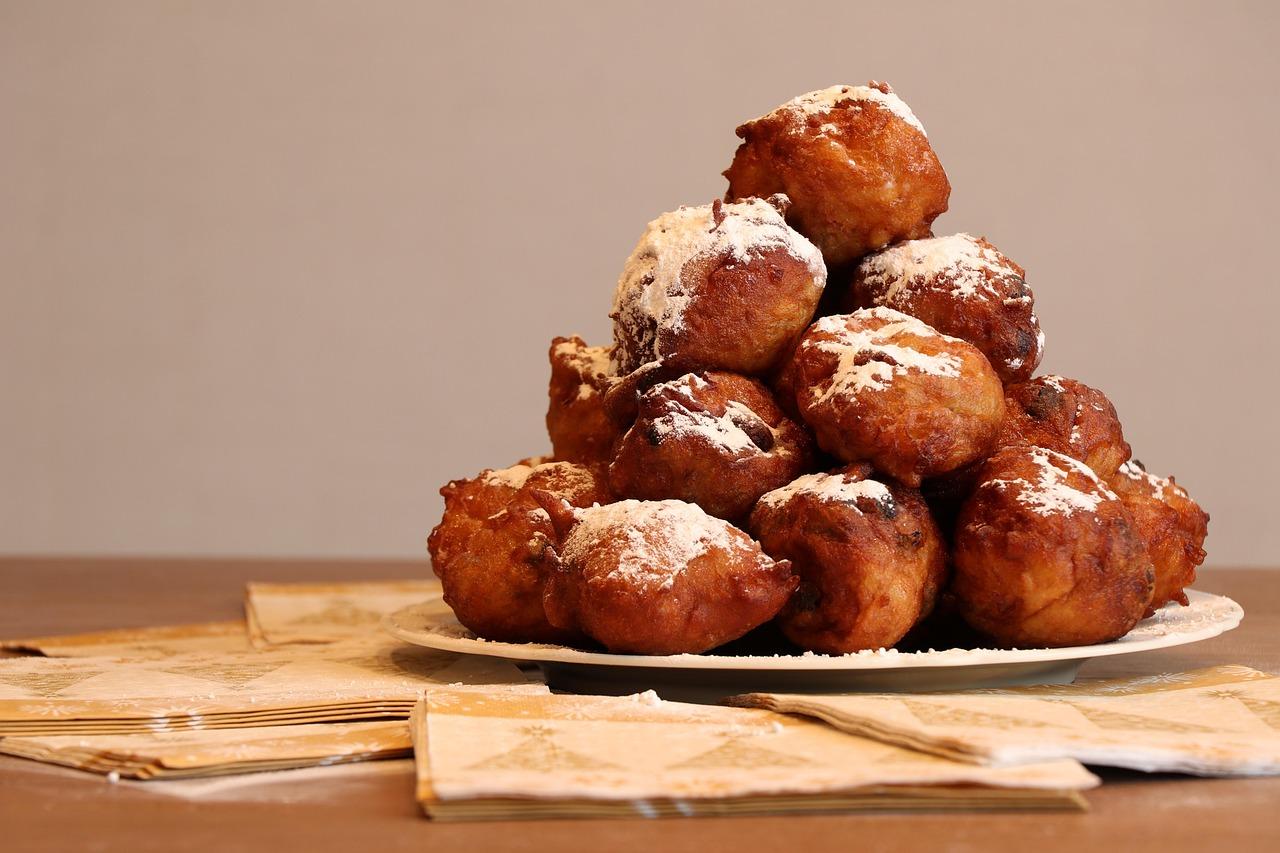
OliebollenRaisin fritters

On the last day of December the queues outside the oliebollenkraam, the caravan-like stalls that pop up in every Dutch town, stretch round the block. Oliebollen ('oil balls') are the food of Oudejaarsavond, New Year's Eve: round, yeasted fritters full of raisins, currants and apple, deep-fried and buried in icing sugar. Families fry big batches at home in the afternoon and eat them with champagne at midnight. They are best within a few hours. Chef's tip: dip your two scooping spoons in the hot oil before each ball; the sticky dough slides off cleanly and the balls come out round instead of ragged.

by KrazyBadal 0 views

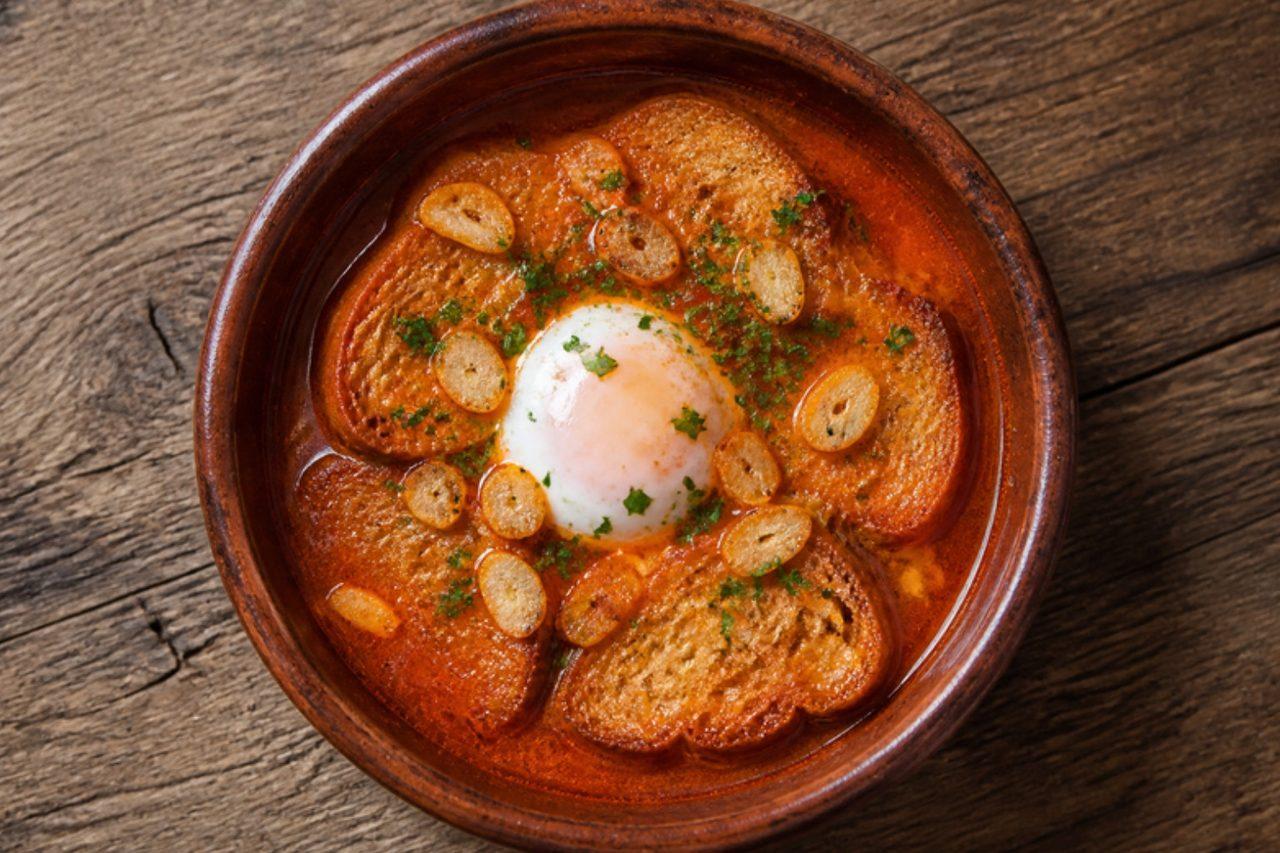
Sopa de ajoGarlic and bread soup

Sopa de ajo, also called sopa castellana, is the warming winter soup of Castile and León, from Segovia to Burgos: stale bread fried in olive oil with lots of garlic and smoky pimentón, simmered in stock and finished with eggs poached right in the soup. It was shepherds' and farmers' food, made from what was always in the kitchen, and is still eaten after a cold night out or on Ash Wednesday. Castilian cooks often add cured ham; this vegetarian version gets its depth from smoked pimentón and a good vegetable stock. Serve it in earthenware bowls, piping hot. Chef's tip: use bread that is truly stale and dry, and toast it in the garlicky oil until golden before adding the stock; fresh bread turns to mush, while toasted stale bread swells but keeps a little texture.

by KrazyBadal 0 views

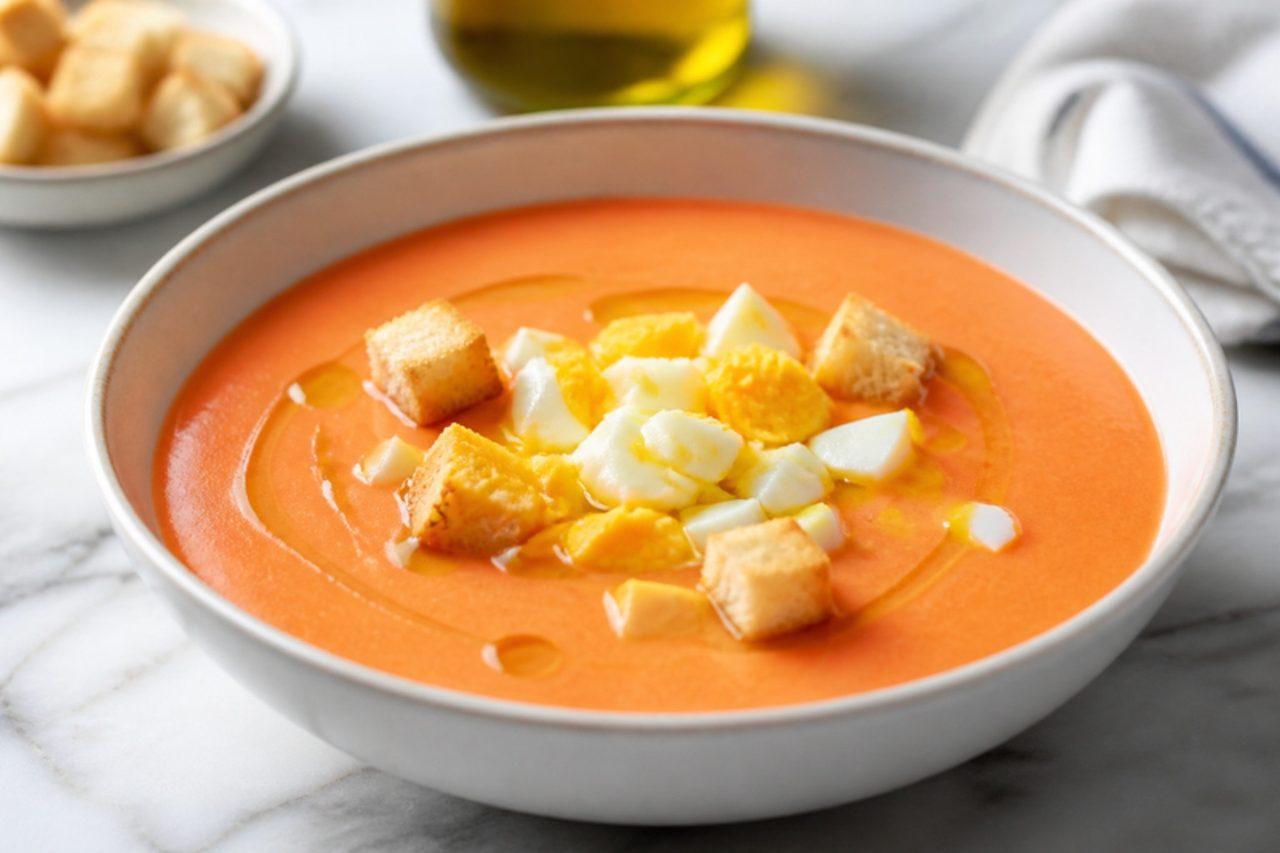
Salmorejo cordobésThick chilled tomato and bread soup

Salmorejo is Córdoba's answer to gazpacho: thicker, richer and simpler, made with just ripe tomatoes, bread, garlic, olive oil and salt, blended into a cream so dense a spoon almost stands up in it. In Córdoba it is served in a shallow earthenware bowl as a first course or tapa, topped with chopped hard-boiled egg and diced cured ham; this vegetarian version keeps the egg (leave it out for a vegan dish) and adds a few crunchy croutons and a thread of olive oil. Chef's tip: use bread with a dense, tight crumb, like a day-old Spanish 'pan de telera' or a firm white loaf; airy supermarket bread makes salmorejo thin and gluey.

by KrazyBadal 0 views

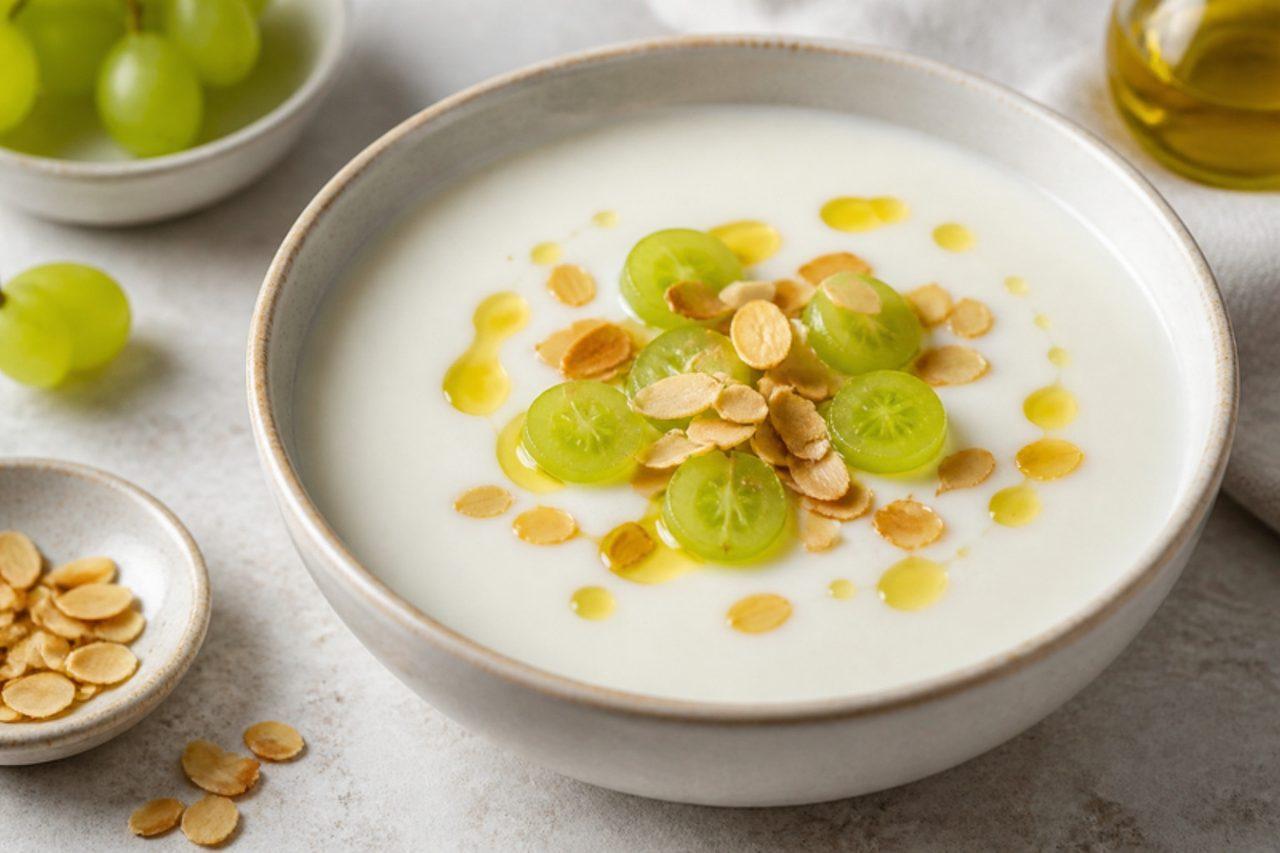
Ajoblanco malagueñoChilled almond and garlic soup

Ajoblanco is one of the oldest soups in Spain, a white gazpacho from Málaga that dates back to Moorish times, before tomatoes ever reached Europe. Blanched almonds, bread, garlic, olive oil, sherry vinegar and ice-cold water are blended into a silky, nutty and surprisingly refreshing cream, traditionally served with sweet green grapes or slices of melon floating on top. In Málaga it is the star of the Fiesta del Ajoblanco in the village of Almáchar each September. Chef's tip: let the blended soup rest in the fridge overnight before serving; the garlic mellows, the almond flavour deepens and the texture becomes smoother and creamier.

by KrazyBadal 0 views

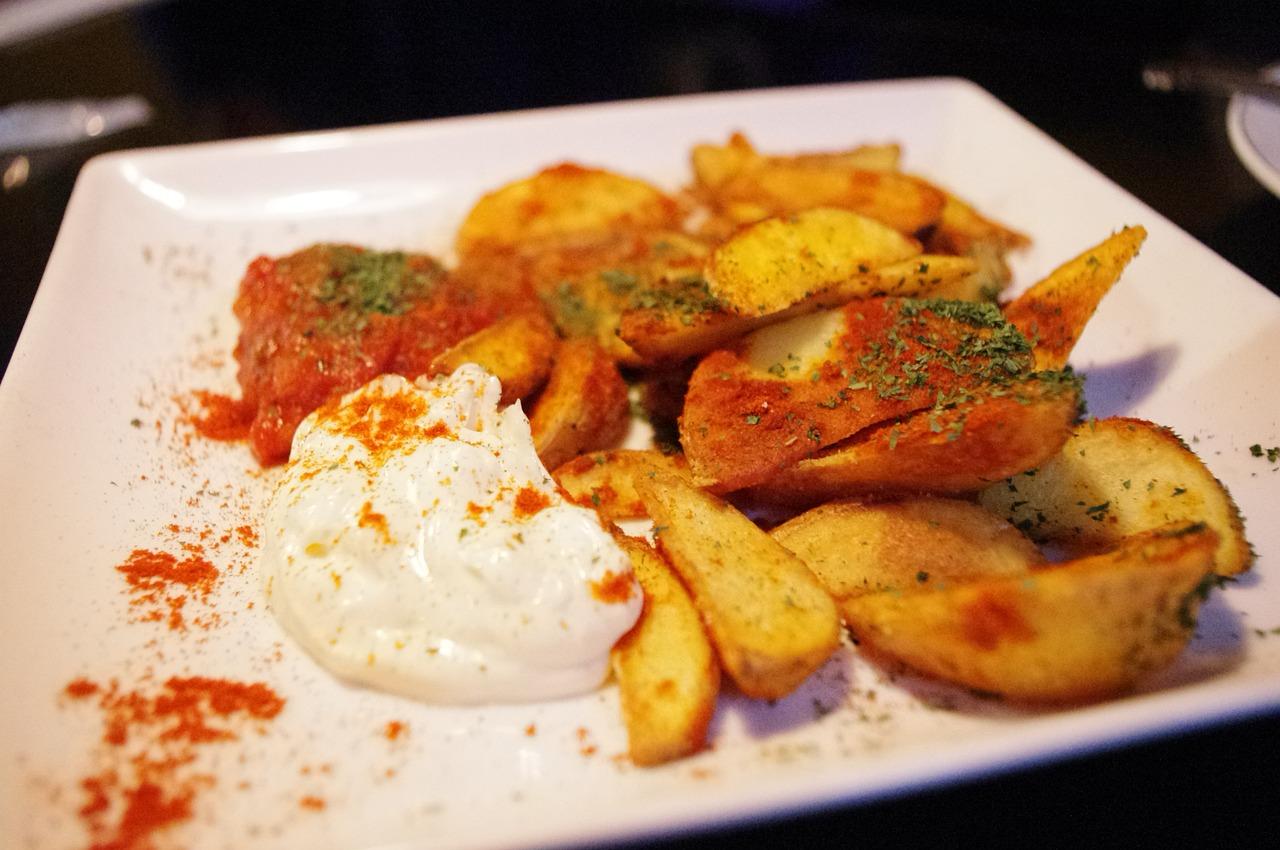
Patatas bravasFried potatoes with paprika sauce

Patatas bravas are Madrid's favourite bar snack: chunky potatoes fried until crisp outside and fluffy inside, then splashed with a brick-red sauce of olive oil, pimentón and a little stock. In Madrid the sauce is not ketchup or tomato sauce but a smooth, smoky paprika sauce with a kick; in Barcelona and Valencia you often get it with a spoon of alioli as well. This home version is fried twice for crunch and keeps the heat moderate so children can join in; add more hot paprika for the grown-ups. Serve with cold drinks, tortilla and pimientos de Padrón for a tapas spread. Chef's tip: take the pan off the heat before adding the pimentón; paprika burns in seconds and turns bitter, and that bitterness is the most common reason homemade bravas sauce tastes wrong.

by KrazyBadal 0 views

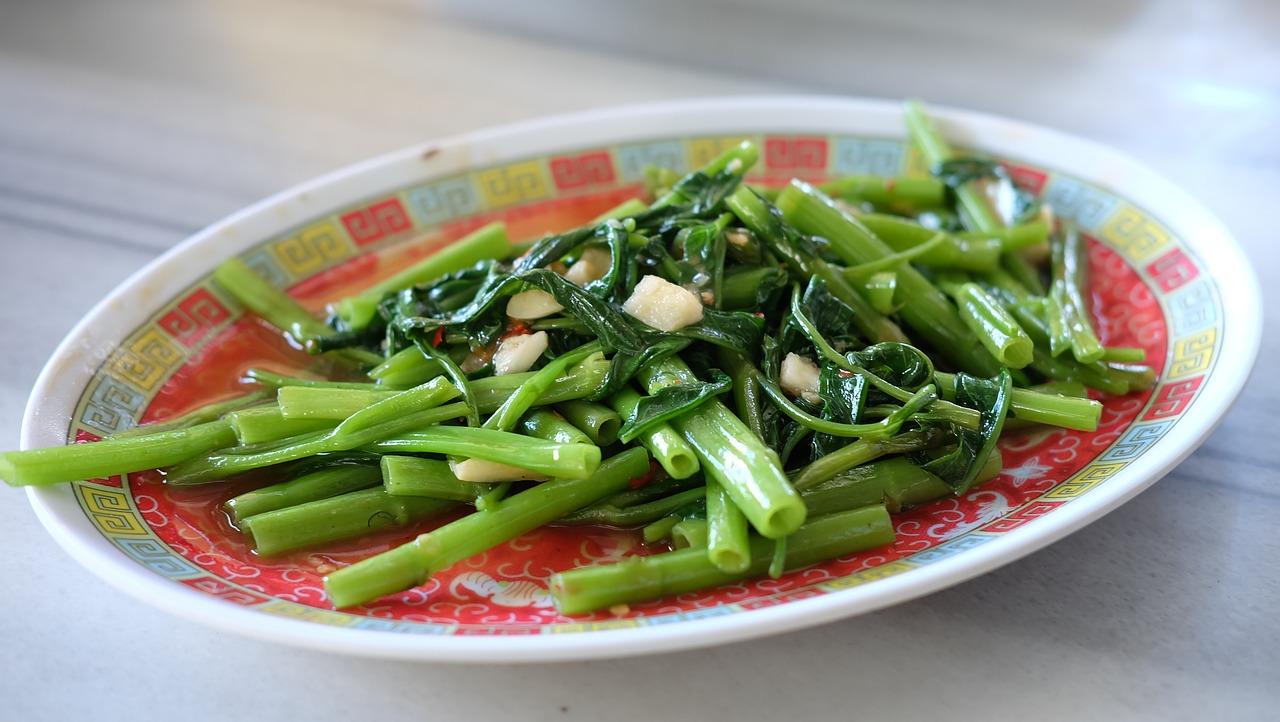
Morning glory with garlicGarlic stir-fried water spinach

Rau muống, water spinach or morning glory, is the everyday green of Vietnam, and a plate of it stir-fried with garlic sits on family tables everywhere, from Hanoi rice-shops to Saigon street stalls. Done well, the hollow stems stay crunchy and bright green and the leaves silky, with a strong hit of garlic. Look for it in Asian grocers as water spinach or ong choy. This version is seasoned with soy sauce instead of fish sauce. Chef's tip: blanch the greens for 30 seconds and plunge them into iced water, as Hanoi cooks do, then stir-fry over the highest heat for barely a minute; they stay vivid green and never go soggy.

by KrazyBadal 0 views

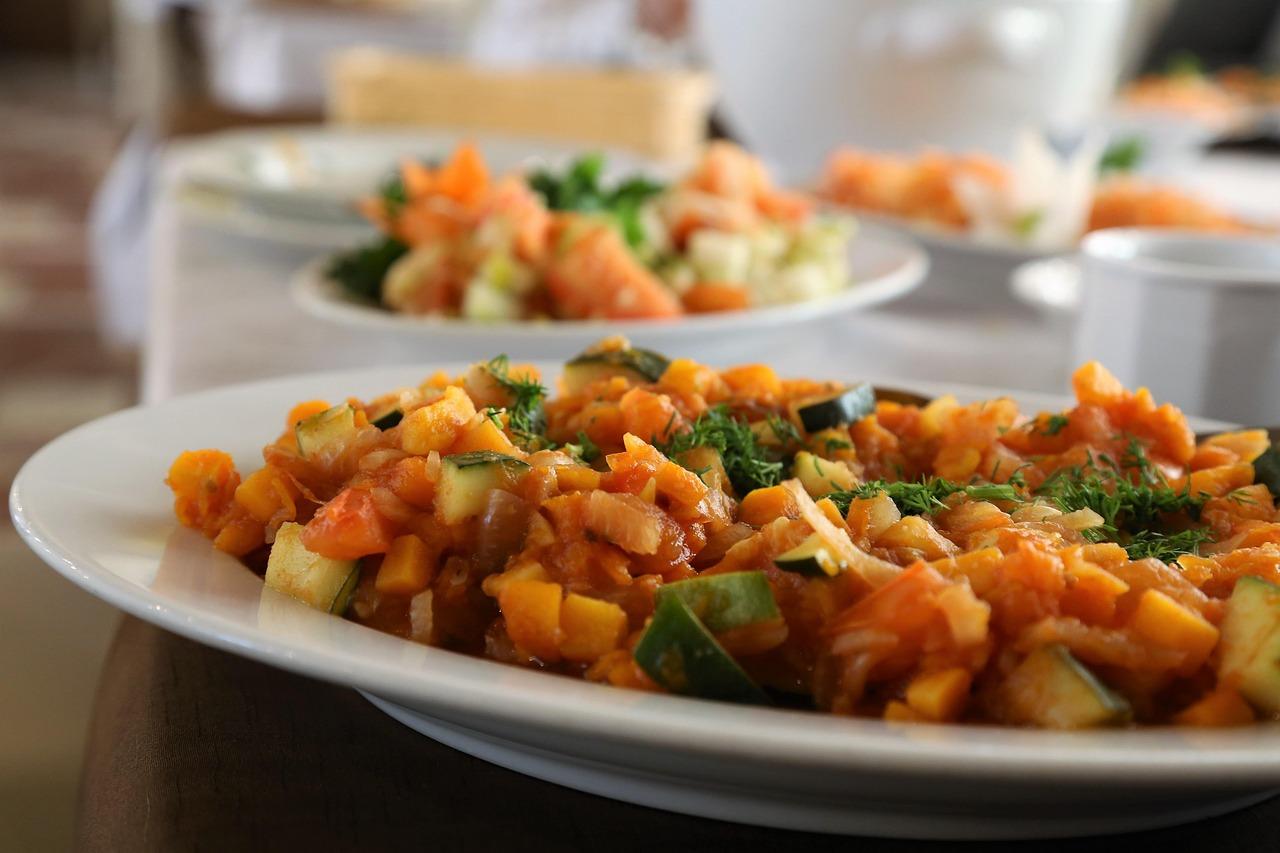
Pisto manchegoPepper, courgette and tomato stew

Pisto manchego is the summer vegetable stew of La Mancha, the high plains of Don Quixote country: onions, green and red peppers and courgette cooked slowly in olive oil, then simmered with fresh tomato until soft, sweet and jammy. Spain's answer to ratatouille is humbler and softer, with the vegetables cooked one after another rather than all at once. In La Mancha it is eaten with bread and very often topped with a fried egg; it is also served alongside rice or potatoes, or cold the next day as a tapa. Chef's tip: be patient with the onion and peppers; give them a full 15–20 minutes over a low heat until really soft and sweet before the tomato goes in, because that slow start is where pisto gets its deep, mellow flavour.

by KrazyBadal 0 views

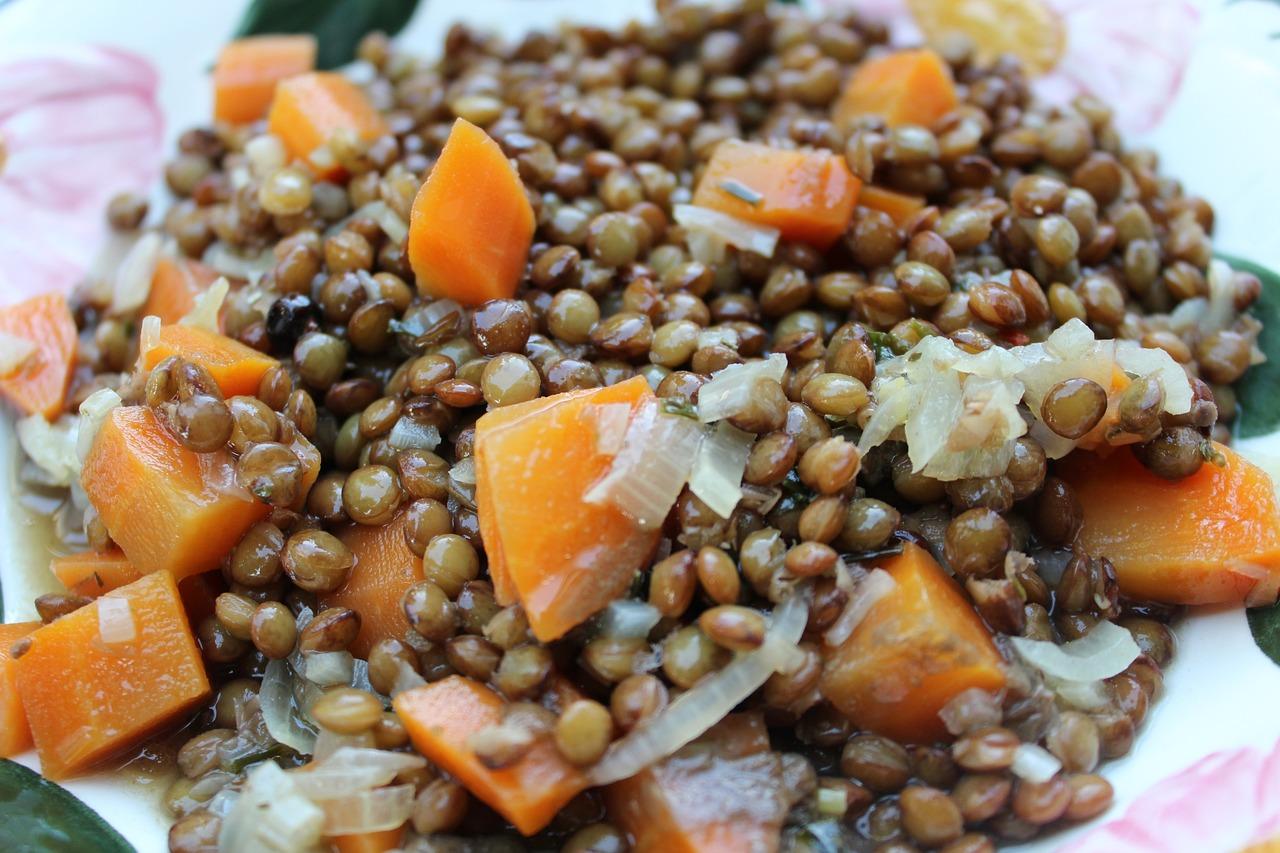
Lentejas estofadasLentil stew

Lentejas estofadas, or lentejas a la española, is the stew that every Spanish household knows from childhood, cooked once a week from Castile to Andalusia. Small brown lentils (pardinas, ideally from Tierra de Campos in León) are simmered with a sofrito of onion, pepper, garlic and tomato, carrot, potato and bay until thick, savoury and soothing. Most families add chorizo; here smoked pimentón de la Vera brings the same smoky warmth. Serve in deep bowls with crusty bread and a few pickled guindilla peppers on the side. Chef's tip: add a splash of sherry vinegar right at the end; it lifts the earthy lentils and is what Spanish grandmothers do to make the stew taste finished.

by KrazyBadal 0 views

Pimientos de PadrónBlistered green peppers

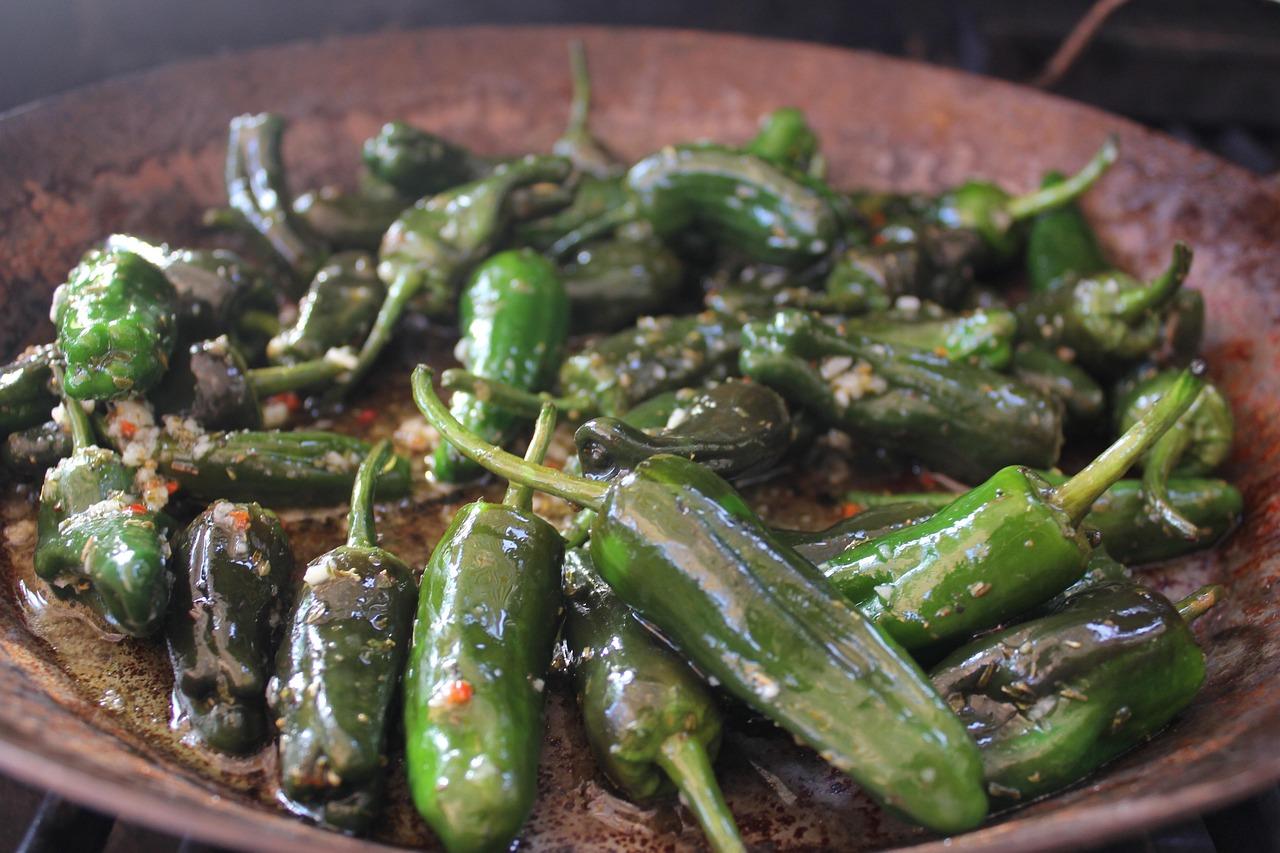
Pimientos de Padrón come from Herbón, near the town of Padrón in Galicia, where they are fried whole in olive oil and showered with coarse salt. They are small, thin-skinned and mostly mild and grassy, but the Galician saying goes 'os pementos de Padrón, uns pican e outros non' (some are hot and some are not): roughly one in ten has a real kick, which is half the fun. They take five minutes and make the perfect tapa with a cold drink, tortilla or bread. Chef's tip: get the oil properly hot and leave the peppers alone for the first minute so the skins blister and puff; stewing them in lukewarm oil makes them soft and khaki instead of bright and blistered.

by KrazyBadal 0 views

Pan con tomateTomato rubbed toast

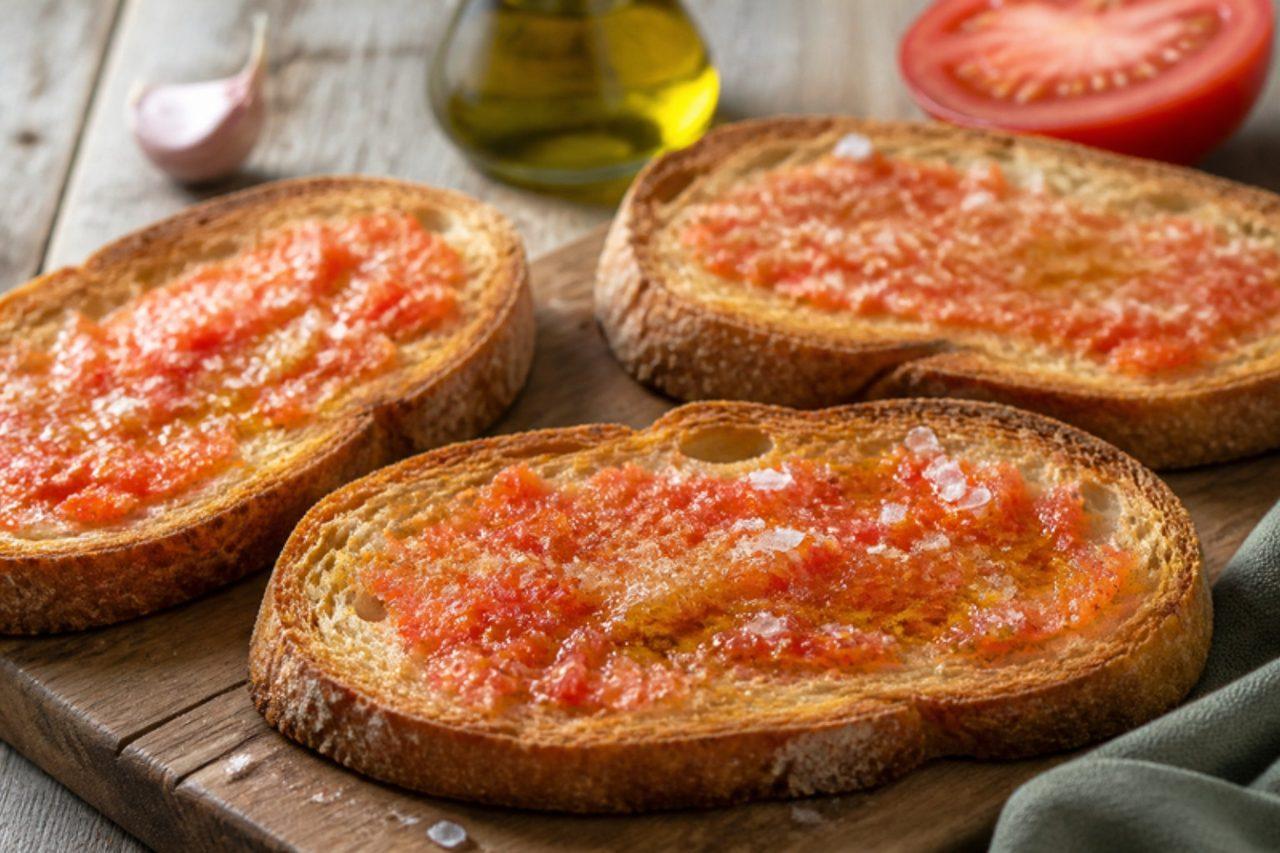
Pa amb tomàquet (pan con tomate in Spanish) is the everyday bread of Catalonia: toasted country bread rubbed with garlic and a cut ripe tomato, drizzled with good olive oil and sprinkled with salt. Catalans eat it at breakfast, as a side to grilled vegetables or with a slice of tortilla, and it is so basic to the table that it is rarely even listed on menus. With so few ingredients the quality of each one matters: the ripest tomatoes, a rustic open-crumbed loaf and fruity extra virgin olive oil. Chef's tip: in Catalonia they use small, juicy 'tomàquets de penjar', hanging tomatoes; at home choose the ripest, softest vine tomatoes you can find and rub them in hard until only the skin is left in your hand.

by KrazyBadal 0 views

Paella de verdurasVegetable paella

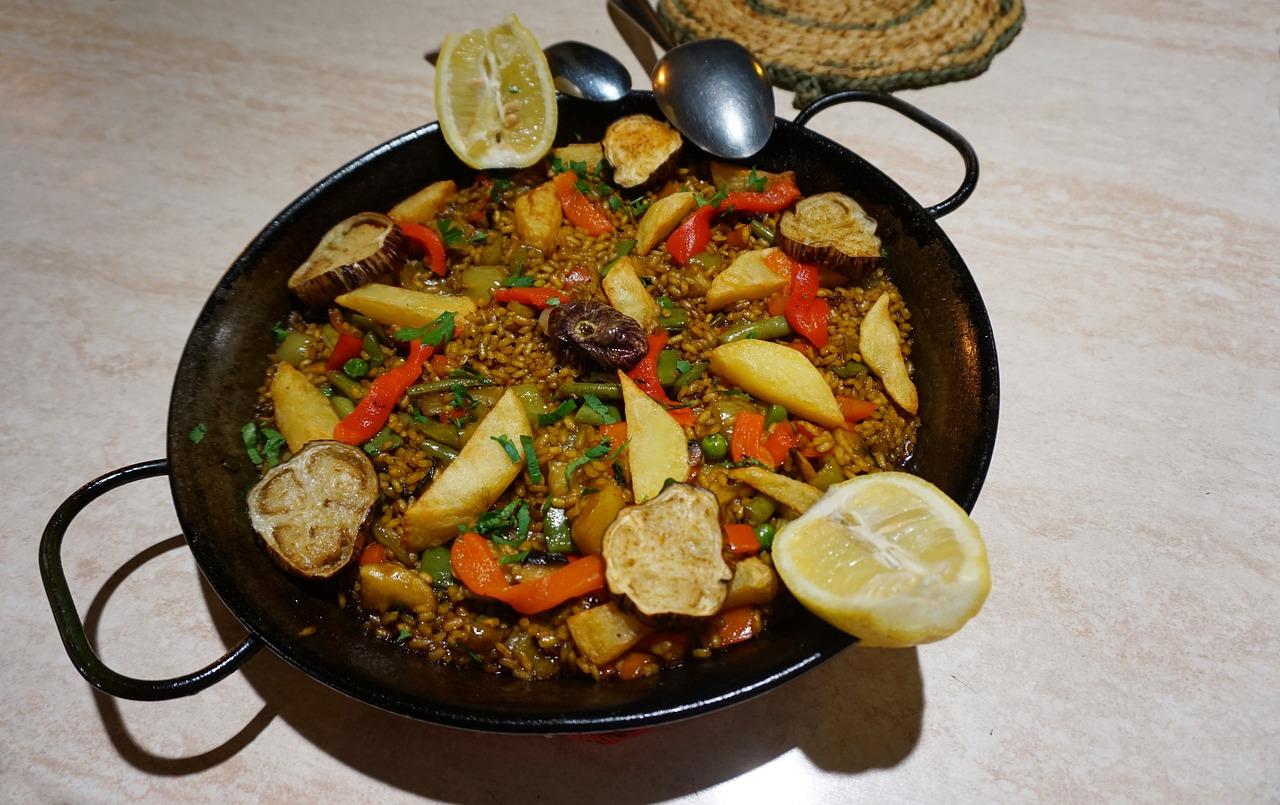
Paella comes from the rice fields around the Albufera lagoon south of Valencia, where it was cooked over orange-wood fires in a wide, shallow pan. Valencians are strict about it: short round rice, saffron, sweet pimentón, flat green beans (ferraúra) and big white garrofó beans, and never any stirring once the rice is in. This all-vegetable paella keeps those rules and adds artichokes and red pepper, as the market gardeners of the Huerta do in spring. It is cooked and served in the same pan, straight onto the table. Chef's tip: listen for the socarrat at the end. Turn up the heat for the last 1–2 minutes until the rice crackles and smells toasty; that caramelised crust on the bottom is the best part of any paella.

by KrazyBadal 0 views

Tortilla españolaSpanish potato omelette

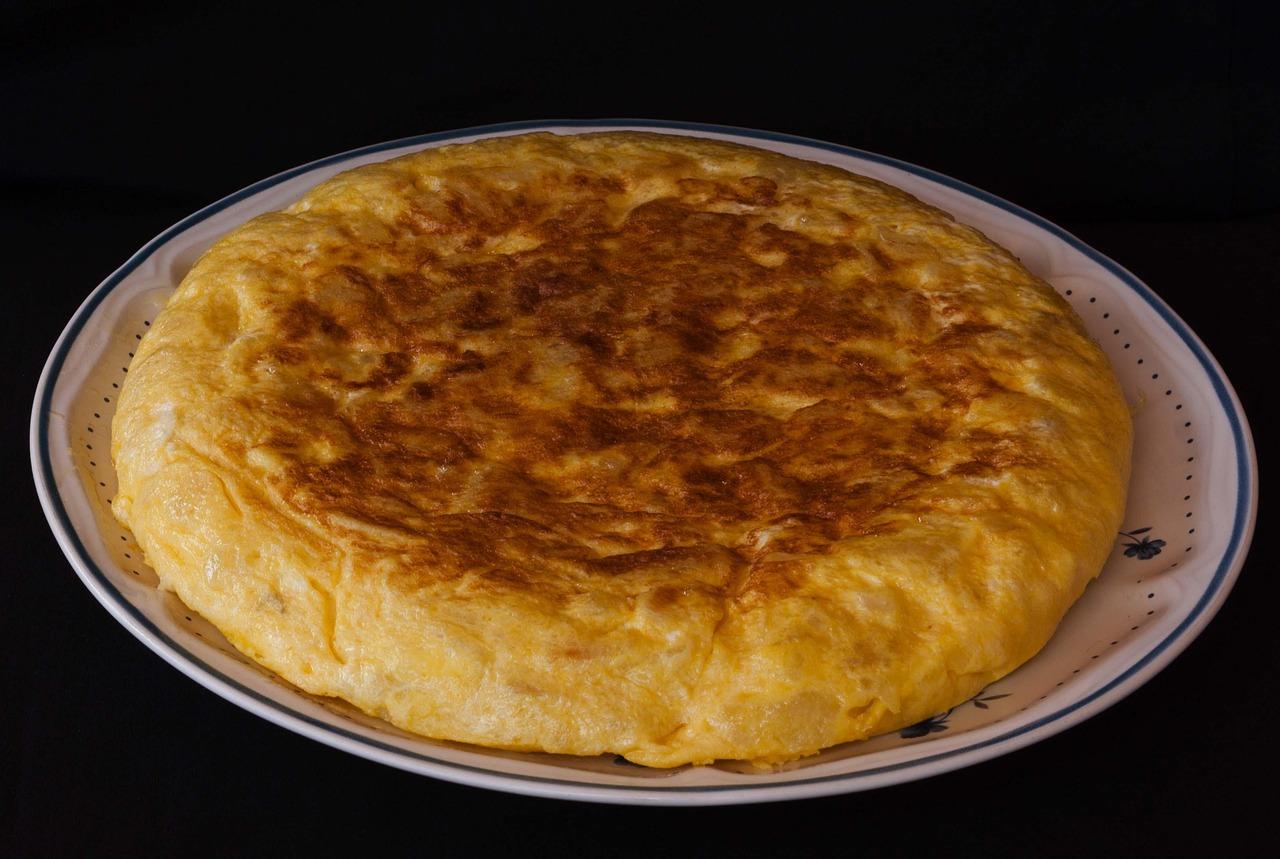
Tortilla de patatas is the dish every Spanish bar keeps on the counter, from Madrid to Seville: a thick cake of soft potato and sweet onion bound with just-set egg, served warm or at room temperature in wedges or small squares (pinchos) with bread. The potatoes are not fried crisp but gently poached in plenty of olive oil until tender, then soaked in the beaten egg so every slice holds together. Spaniards argue about onion (con cebolla or sin) and about how runny the centre should be; this version has onion and a juicy middle, the way most bars in Madrid serve it. Eat it for breakfast, as a tapa or for a light supper with a tomato salad. Chef's tip: once the hot potatoes go into the beaten eggs, leave them to sit for 10 minutes before cooking; the egg starts to set around the potato and the tortilla turns out creamy and holds its shape.

by KrazyBadal 0 views

Vegetarian broken rice plateBroken rice with lemongrass tofu

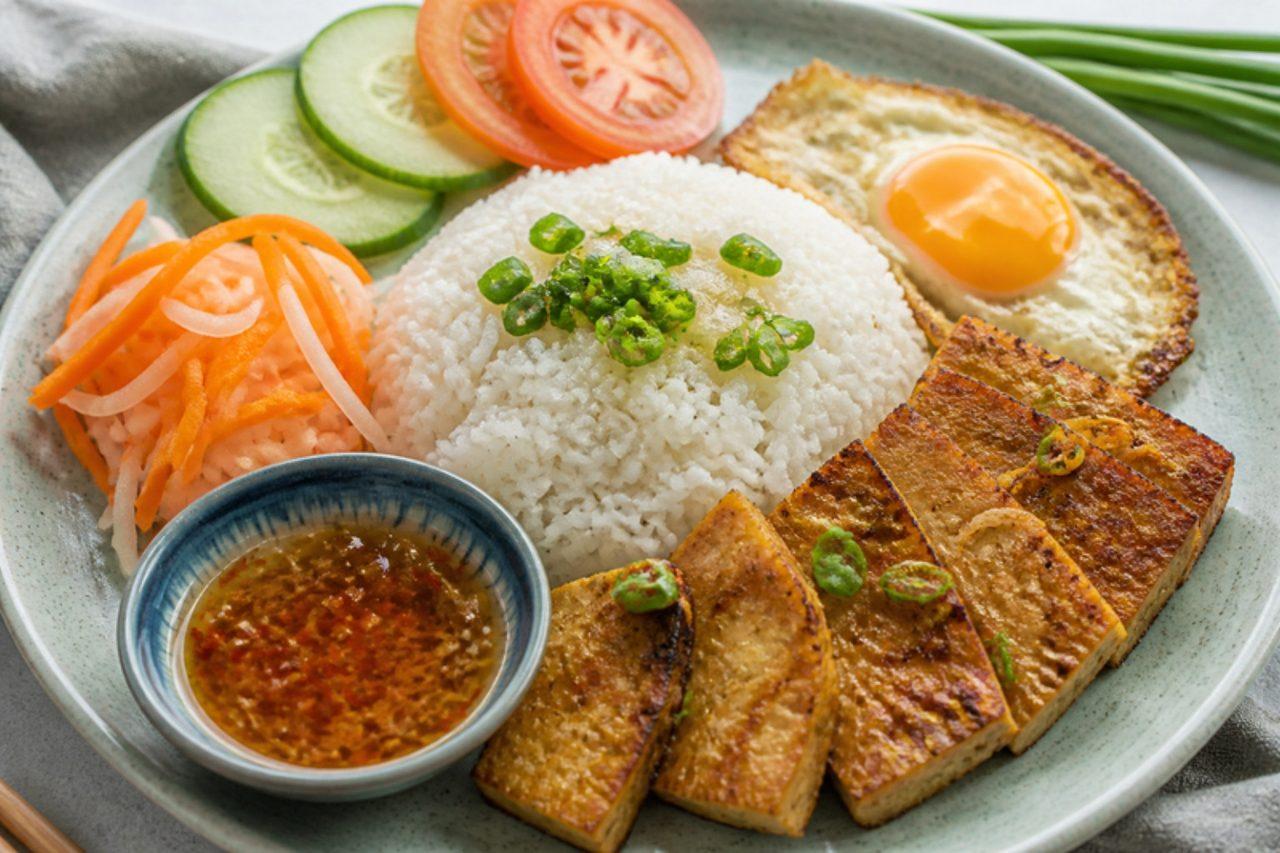
Cơm tấm, 'broken rice', is the breakfast and lunch plate of Saigon. Broken grains, once sold cheaply to the poor, cook up soft and slightly sticky, and street stalls serve them with grilled meat, a crisp-edged fried egg, spring onion oil, pickles and cucumber. This vegetarian plate has caramelised lemongrass tofu in place of pork. Every part goes with the sweet-sour nước chấm spooned over the top. Chef's tip: fry the egg in hot oil and spoon the oil over the white, so the edges go lacy and crisp and the yolk stays runny, Saigon-style; break it over the rice and it becomes part of the sauce.

by KrazyBadal 0 views

Horchata de chufaTiger nut milk

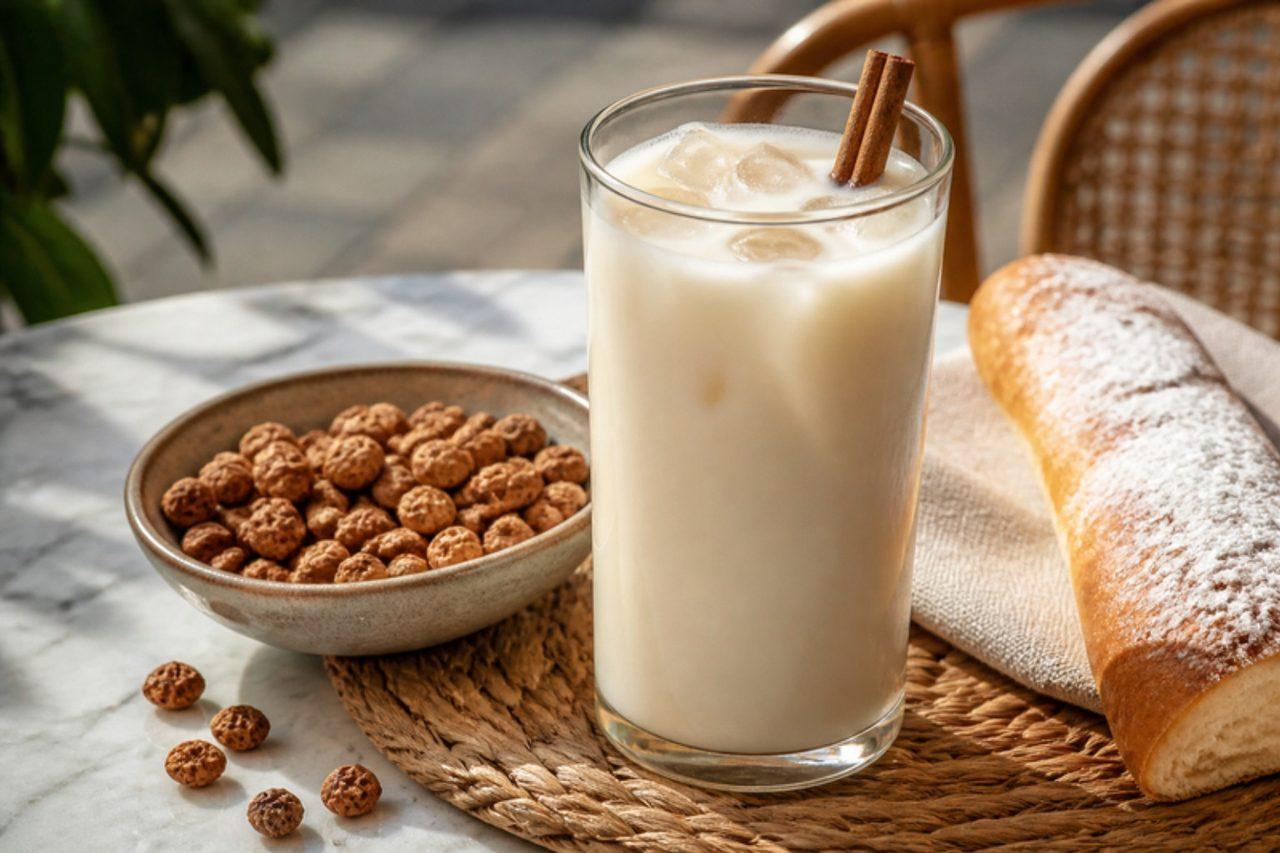
Horchata de chufa is the drink of Valencia's summer, sold ice-cold in the city's horchaterías with long, soft fartons pastries for dipping. It is made from chufas, or tiger nuts: small wrinkled tubers grown around the village of Alboraya just north of Valencia, which have their own protected designation of origin. Soaked, ground with water, strained and sweetened, they give a creamy, nutty, naturally dairy-free milk with a hint of cinnamon. Valencians drink it very cold, or half-frozen as 'granizada'. Chef's tip: soak the tiger nuts for a full 24 hours and change the water once; they must be plump and soft enough to blend into a fine pulp, or the horchata will be thin and taste of raw starch.

by KrazyBadal 1 views

Gazpacho andaluzChilled tomato and cucumber soup

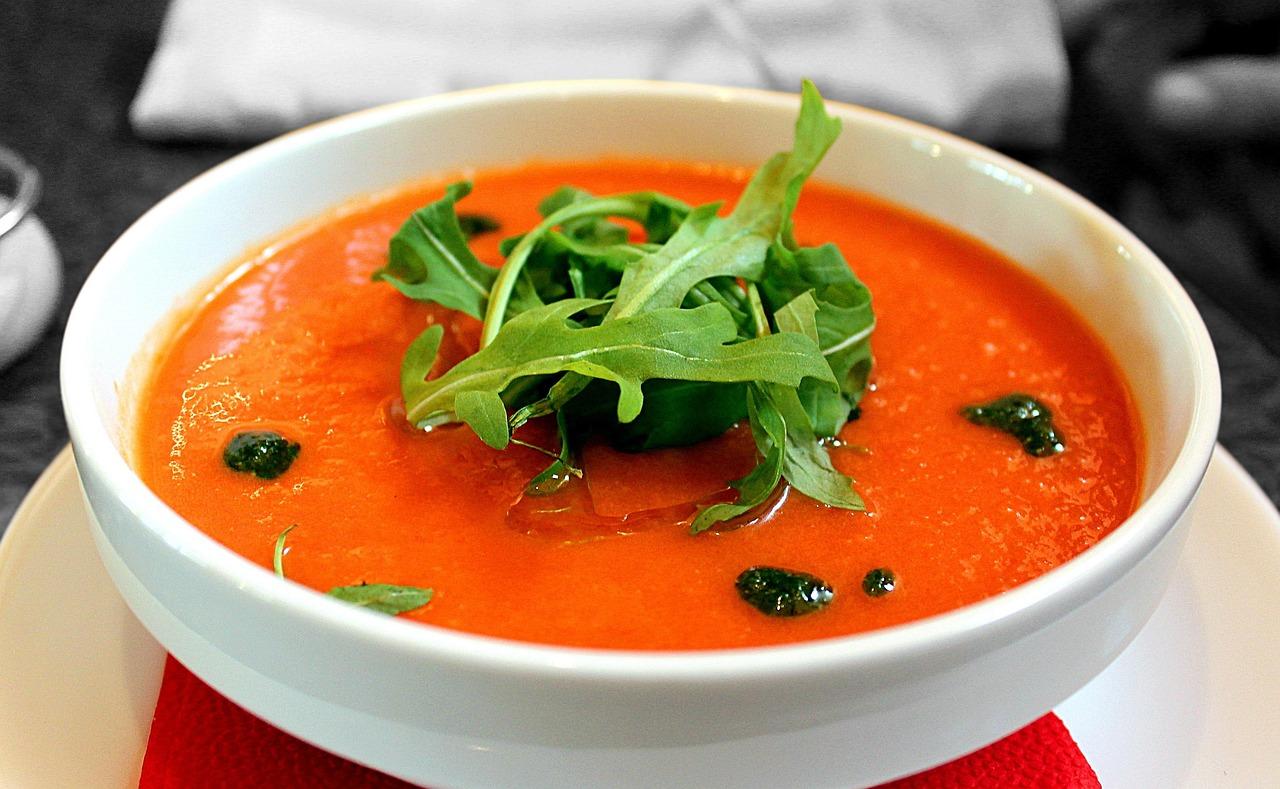
Gazpacho is the cold soup of Andalusia, drunk from a glass or eaten from a bowl through the scorching summers of Seville and Córdoba. It began as a farm workers' meal of bread, oil, garlic and vinegar pounded in a wooden bowl; tomatoes and peppers came later and turned it into the bright red, refreshing soup we know. Ripe tomatoes, cucumber, green pepper, garlic, sherry vinegar and plenty of olive oil are blended until silky and chilled hard. Serve it with tiny dice of cucumber, pepper and onion and a few crunchy croutons. Chef's tip: add the olive oil last, in a thin stream with the blender running; it emulsifies the soup to a creamy, pale-orange texture instead of leaving a slick of oil on top.

by KrazyBadal 0 views

Vegetarian sour soupTamarind and pineapple soup

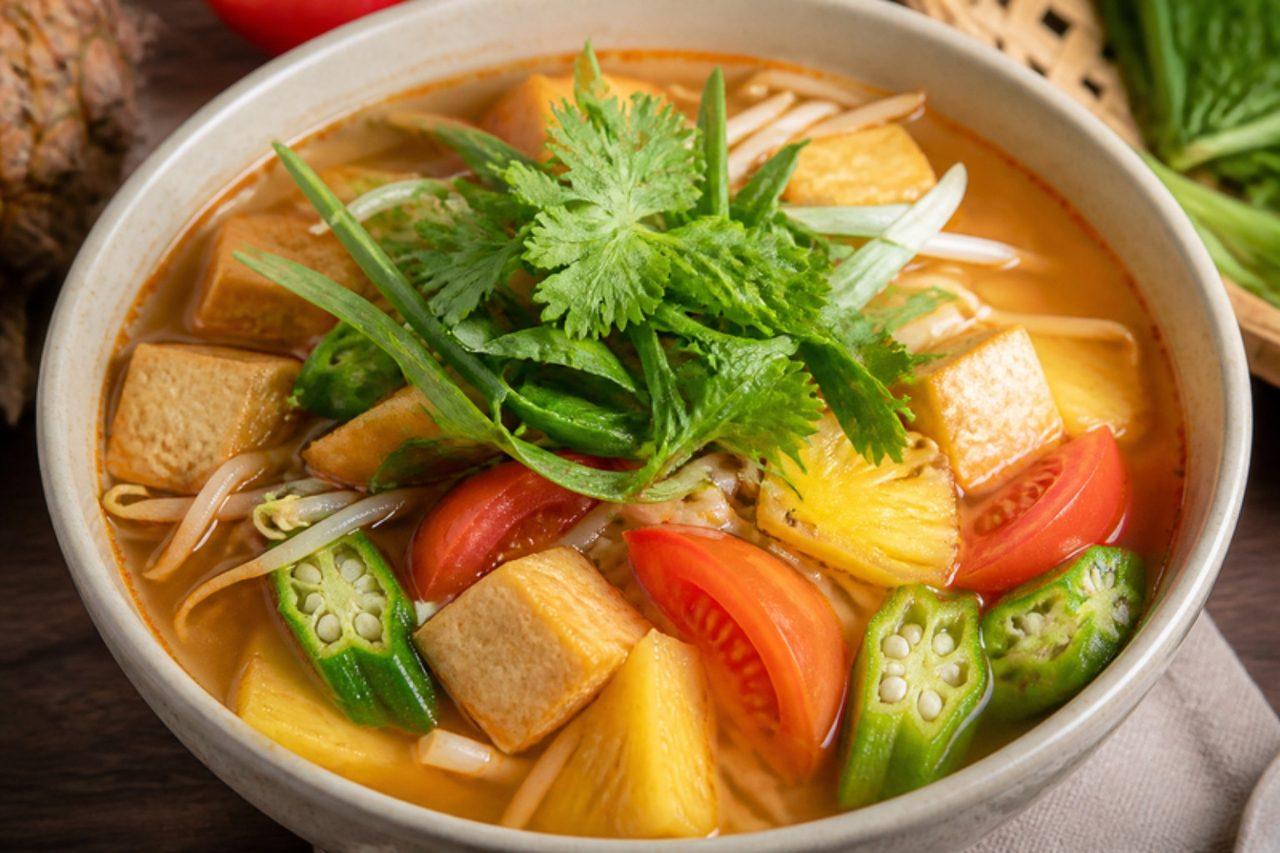
Canh chua, 'sour soup', is on the table at nearly every family meal in the Mekong Delta, served with plain rice. The broth is soured with tamarind and sweetened with pineapple and tomato, then filled with okra, celery-like taro stems, bean sprouts and lots of herbs. This vegetarian version uses fried tofu in place of fish. It is light, tangy and refreshing in hot weather. Chef's tip: fry the tomato with the shallot until it collapses before adding the liquid, so the broth turns rosy, then add the herbs and bean sprouts only off the heat and finish with garlic fried in oil, which gives the soup its southern fragrance.

by KrazyBadal 0 views

Flan de huevoBaked egg custard

Flan de huevo is the most common dessert in Spain: on the menú del día in every town, from Galicia to the Canary Islands, and made at home for Sunday lunch. It is simply eggs, milk and sugar, flavoured with a little lemon zest and vanilla, baked gently in a water bath over a layer of dark caramel. When it's turned out, the caramel becomes a glossy sauce running down the sides. Spanish flan is firmer and more eggy than French crème caramel, and it slices cleanly. Chef's tip: bake it slowly in a water bath and stop when the centre still wobbles slightly like jelly; overbaking leaves little holes and a grainy texture, the sign of a flan cooked too hot or too long.

by KrazyBadal 0 views

TorrijasCinnamon fried bread

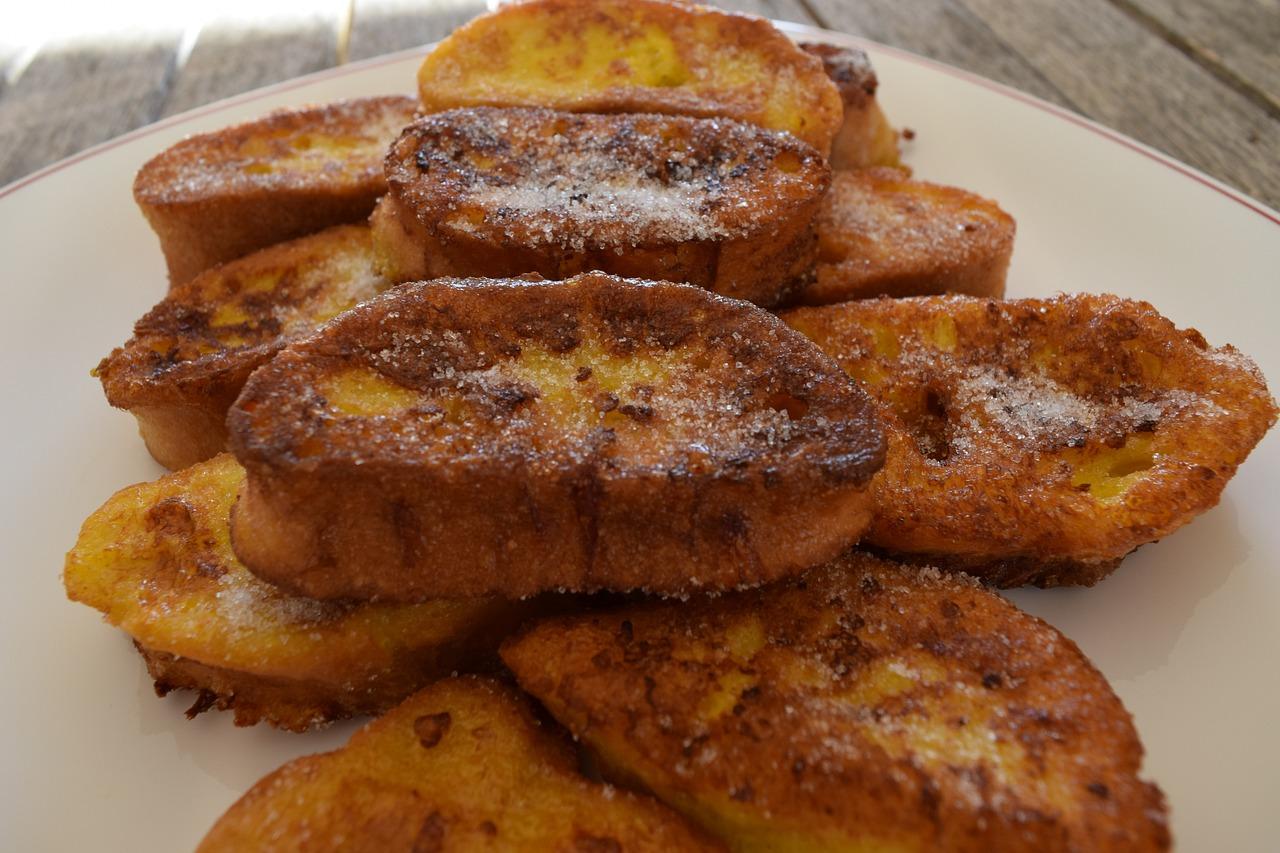
Torrijas are the Easter sweet of Spain, eaten all over the country during Semana Santa and especially in Madrid and Andalusia, where bakeries pile them in their windows. Thick slices of day-old bread are soaked in milk infused with cinnamon and lemon peel, dipped in beaten egg, fried in olive oil and rolled in cinnamon sugar. They were born as a way to use up stale bread during Lent, and they are crisp outside and soft and custardy inside, like a richer, crunchier French toast. Eat them warm or cold, the next day they are even more set and sweet. Chef's tip: use a dense day-old loaf (a Spanish 'pan de torrijas' or a firm baguette) cut 2–3 cm thick, and soak just until saturated; fresh, airy bread falls apart and fries greasy.

by KrazyBadal 0 views

Vegetarian feijoadaSmoky black bean stew

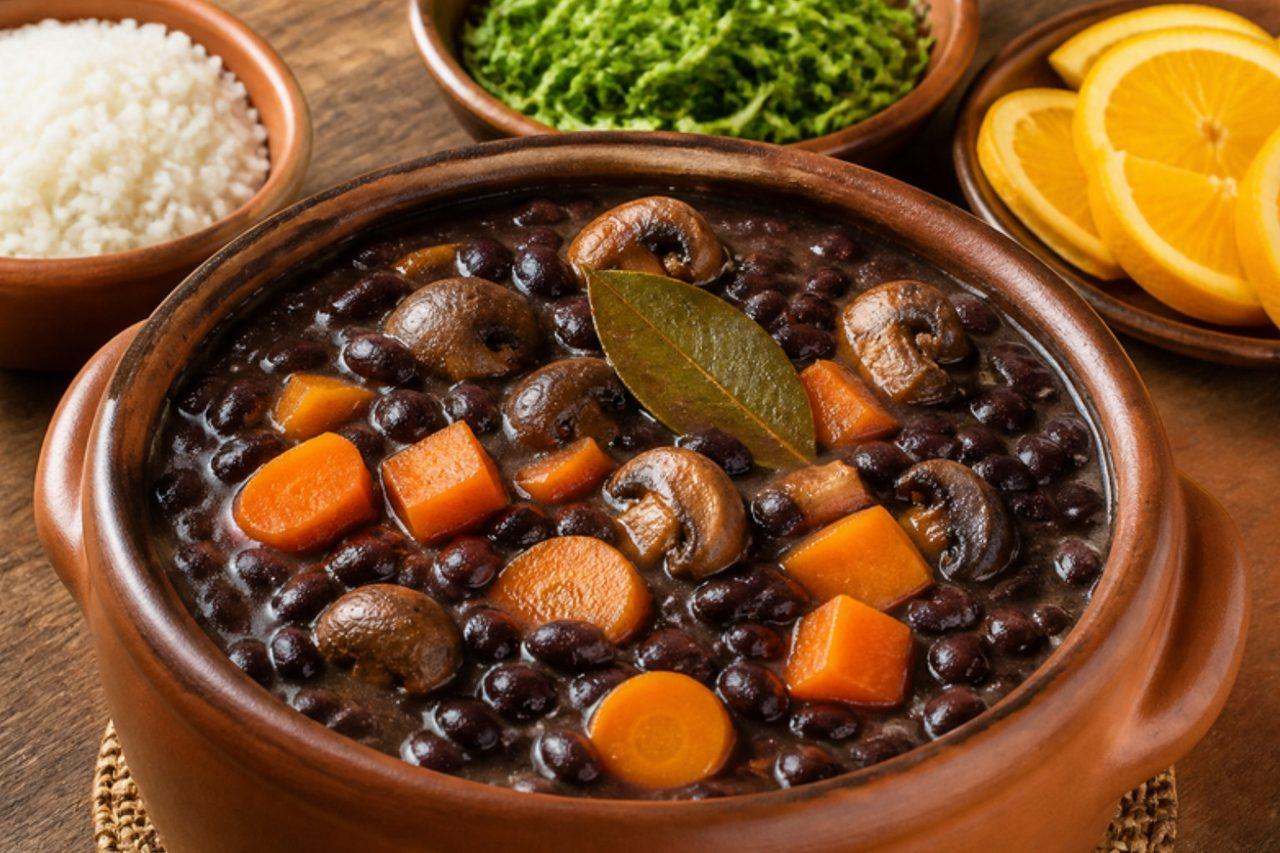
Feijoada is Brazil's national dish, the slow black bean stew that Rio de Janeiro and the rest of the country eat for long Saturday lunches. The classic version is loaded with smoked pork; this feijoada vegetariana gets its depth from well-browned mushrooms, smoked paprika and bay instead, with sweet potato melting into the dark, glossy broth. Serve it the proper way: white rice, couve à mineira, farofa and slices of orange to cut the richness. Chef's tip: once the beans are tender, mash a ladleful against the side of the pot and stir it back in. That's how Brazilian cooks get the thick, velvety caldo that coats the rice, rather than a thin soup.

by KrazyBadal 0 views

Vegan nuoc chamSweet and sour dipping sauce

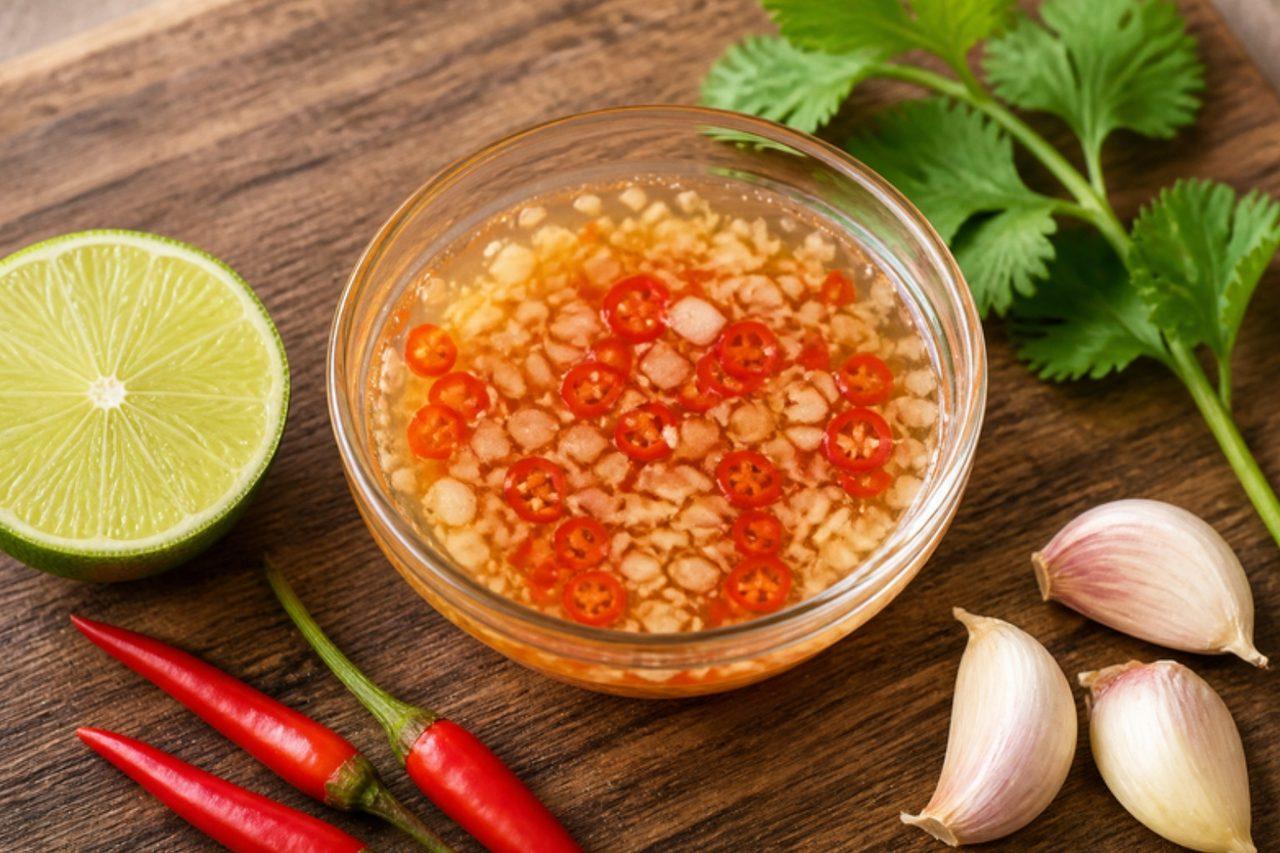
Nước chấm is the dipping sauce that goes with almost everything in Vietnam: spring rolls, bánh xèo, noodle salads and broken rice. Buddhist vegetarian cooks, all over the country, make it without fish sauce, using light soy sauce and a little coconut water for the deep, rounded taste. It should be thin, clear and pale amber, with flecks of garlic and chilli floating on top. Chef's tip: dissolve the sugar in the warm water first, then add the lime and soy, and stir in the garlic and chilli last, pounded with a pinch of sugar, so they float on the surface instead of sinking.

by KrazyBadal 1 views

Espinacas con garbanzosSpinach and chickpeas

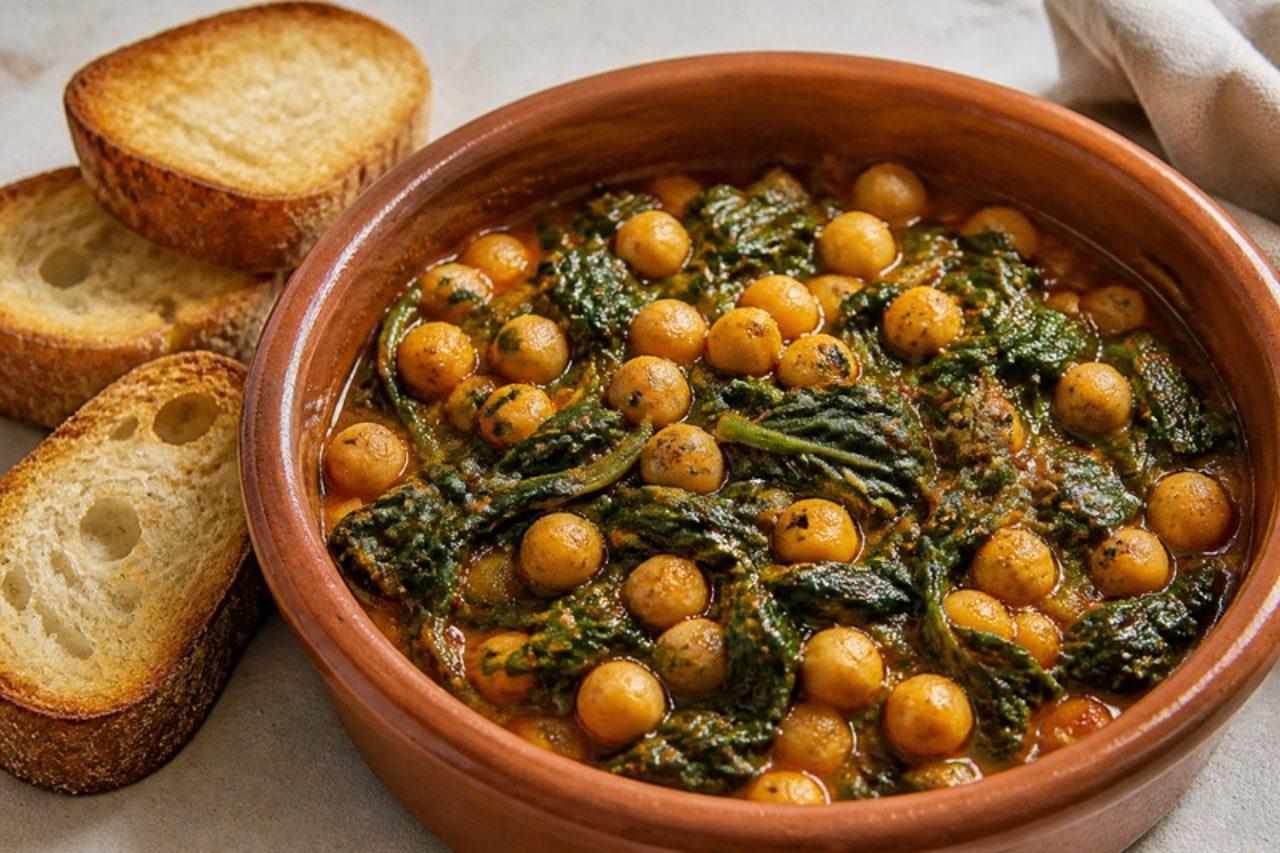
Espinacas con garbanzos is one of the great tapas of Seville, served in little earthenware dishes in the bars around the cathedral and the Triana market. It carries the city's Moorish past in its spices: cumin, smoked paprika and a little vinegar, with a sauce thickened by a paste of garlic and bread fried in olive oil, the old Andalusian trick called a majado. Earthy chickpeas, soft spinach and a sauce rich enough to mop up with bread make it a filling vegan supper too. It is traditional in Seville during Lent. Chef's tip: pound the fried bread and garlic with the spices and vinegar into a thick paste before it goes into the pan; this majado is what gives the dish its smoky, velvety sauce, so don't skip it.

by KrazyBadal 0 views

Vegetable phoVegetable rice noodle soup

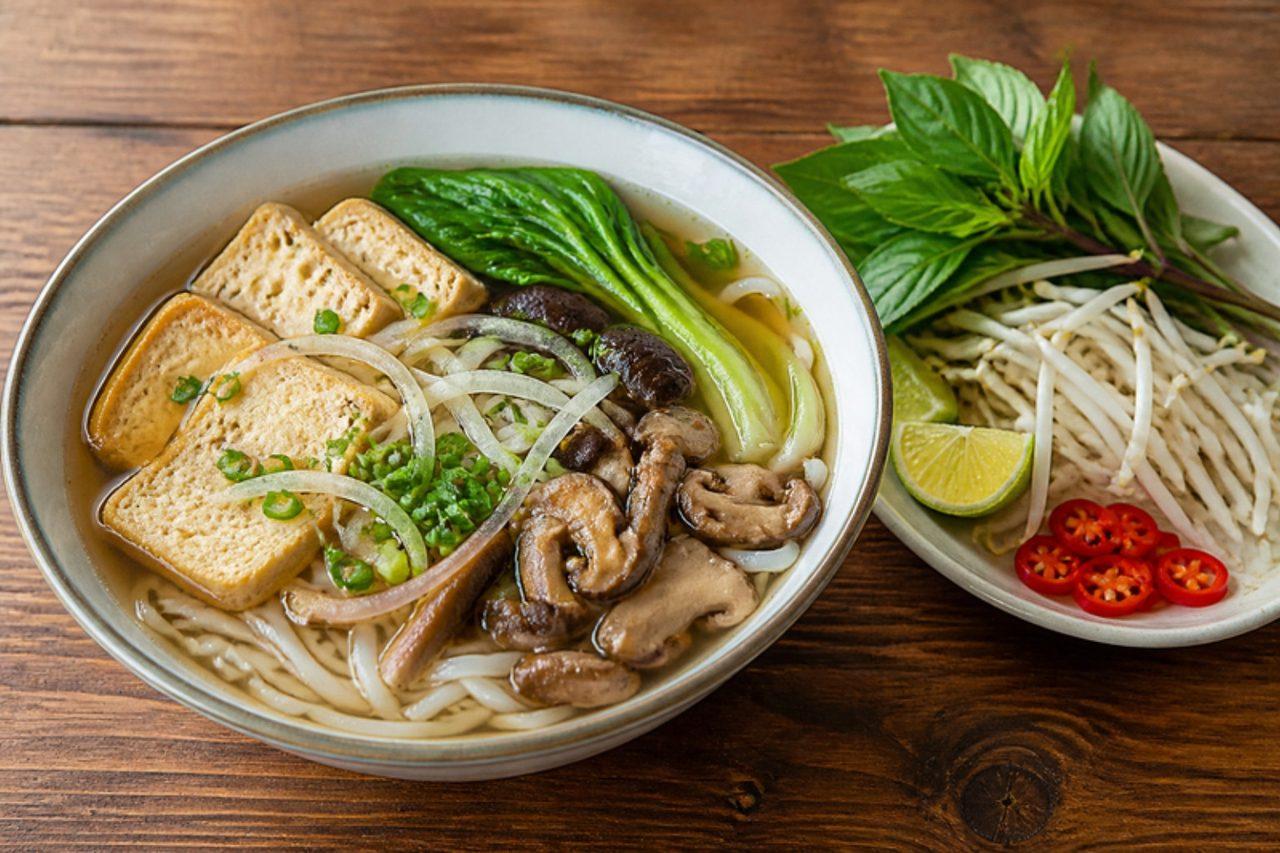
Pho began in the north, around Hanoi and Nam Định, and is now eaten all over Vietnam, often for breakfast. Phở chay is the Buddhist vegetarian version served in temple kitchens and chay restaurants: the deep, clear broth comes from charred onion and ginger, toasted star anise, cinnamon and cloves, simmered with daikon, carrot, sweetcorn and dried shiitake instead of beef bones. Silky flat rice noodles, golden tofu and mushrooms go in the bowl, and everyone adds their own bean sprouts, Thai basil, lime and chilli at the table. Chef's tip: char the onion and ginger until properly blackened in patches and toast the spices in a dry pan until they smell like warm Christmas cake; that smoky, perfumed base is what makes the broth taste like pho and not vegetable soup.

by KrazyBadal 0 views

Berenjenas con miel de cañaFried aubergine with molasses

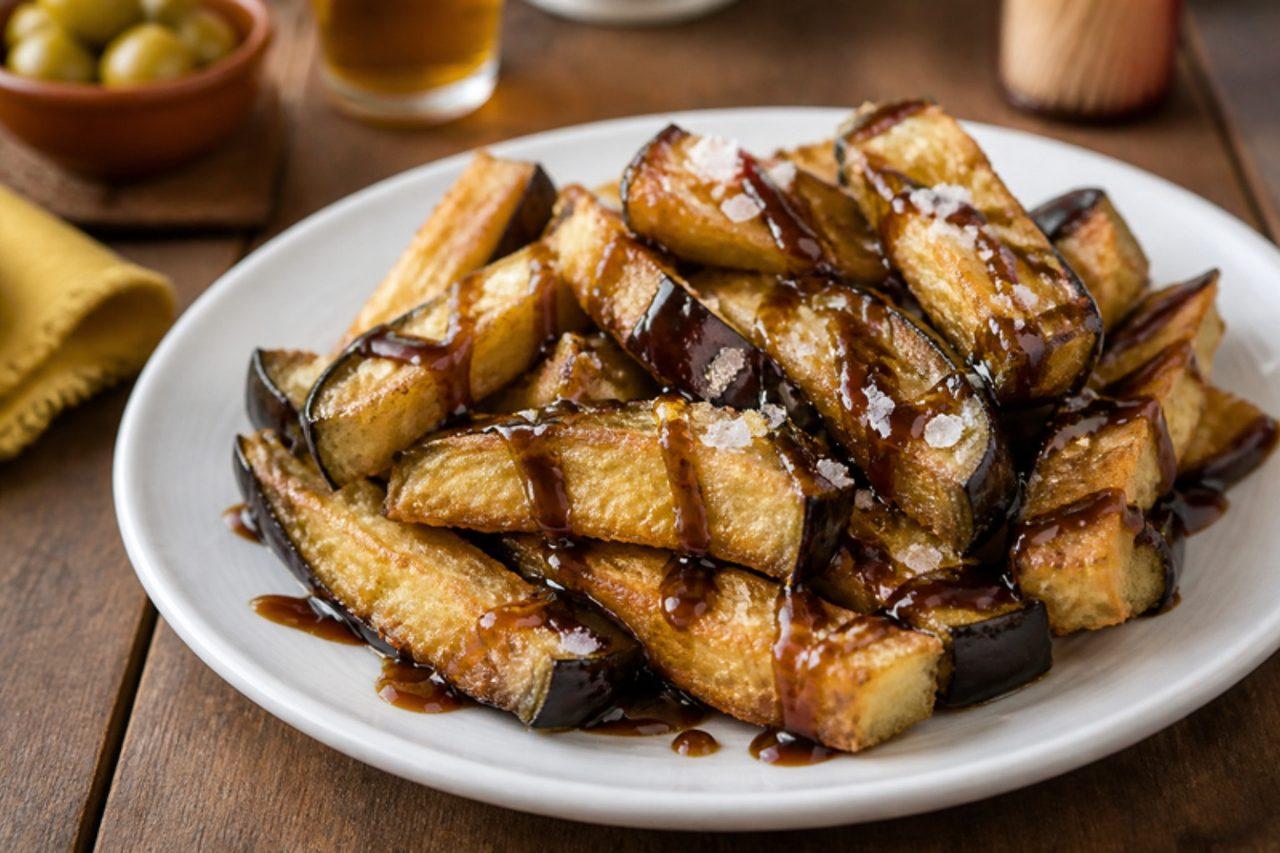
Berenjenas con miel are a classic tapa in Andalusia, especially in Córdoba, Málaga and Granada: thin batons or slices of aubergine, lightly floured and fried until crisp, then drizzled with dark, treacly miel de caña. Despite the name, miel de caña is not bee honey but sugarcane molasses, made in the last cane mill in Europe at Frigiliana on the Málaga coast, so the dish is naturally vegan. The contrast of salty, crunchy aubergine and bittersweet syrup is irresistible; serve it the moment it leaves the pan with a cold drink. Chef's tip: soak the aubergine in salted water (or milk, as many Andalusian cooks do) for 15 minutes and pat dry; it seasons the flesh, softens any bitterness and helps the flour cling so the coating stays thin and crisp.

by KrazyBadal 0 views

Three-colour dessert

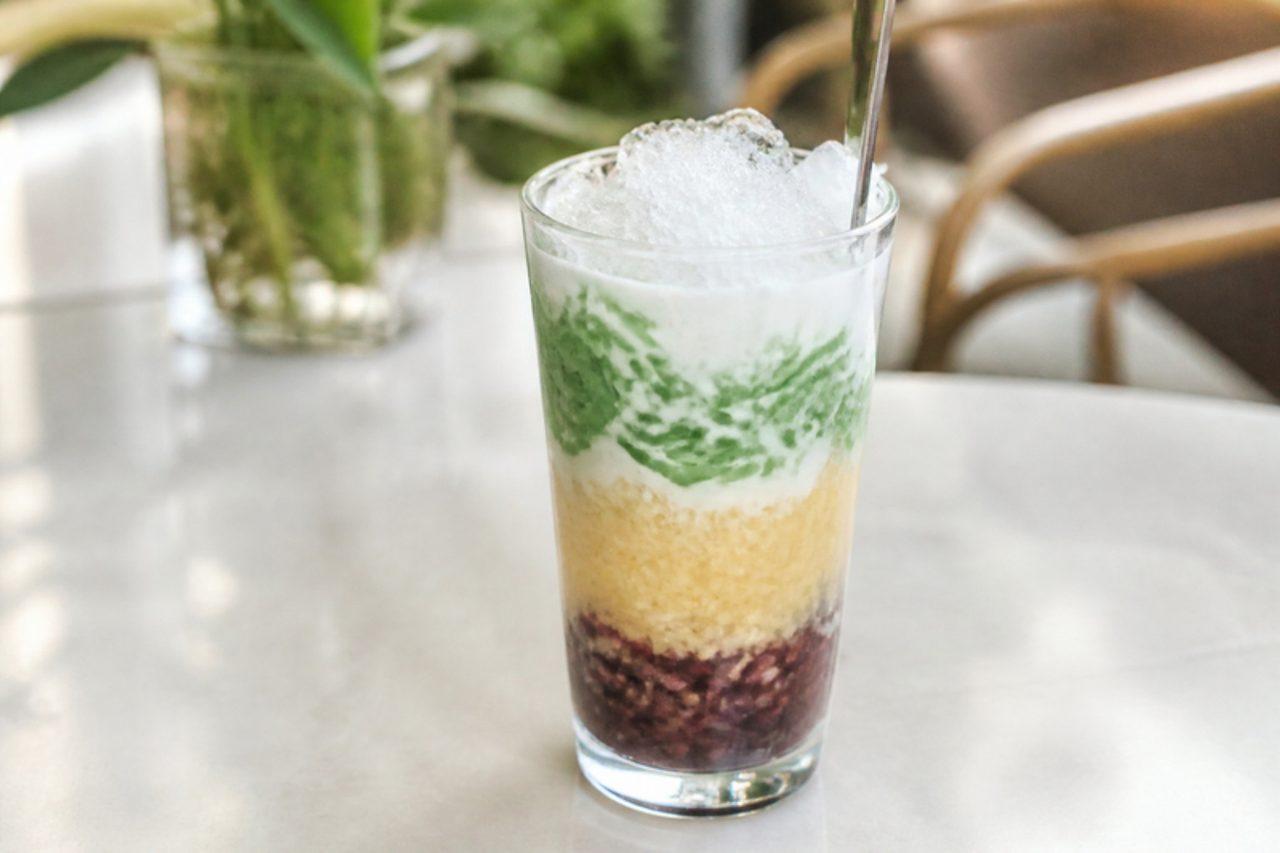
Chè are Vietnam's sweet soups and puddings, and chè ba màu, 'three-colour chè', is the one sold in tall glasses from Saigon street carts on hot afternoons. Sweet red beans, smooth yellow mung bean paste and green pandan jelly are layered with salty-sweet coconut sauce and crushed ice, then stirred together with a long spoon. The jelly is set with agar, so it is fully vegan. Every part can be made a day or two ahead. Chef's tip: add a good pinch of salt to the coconut sauce; it sounds odd, but the slight saltiness lifts the sweet beans and is what makes chè taste properly Vietnamese.

by KrazyBadal 0 views

Showing 72 of 10,569 recipes

Show more recipes

Page 1,097 of 1,175