


Skip to content
Torta pasqualina
Featured recipe

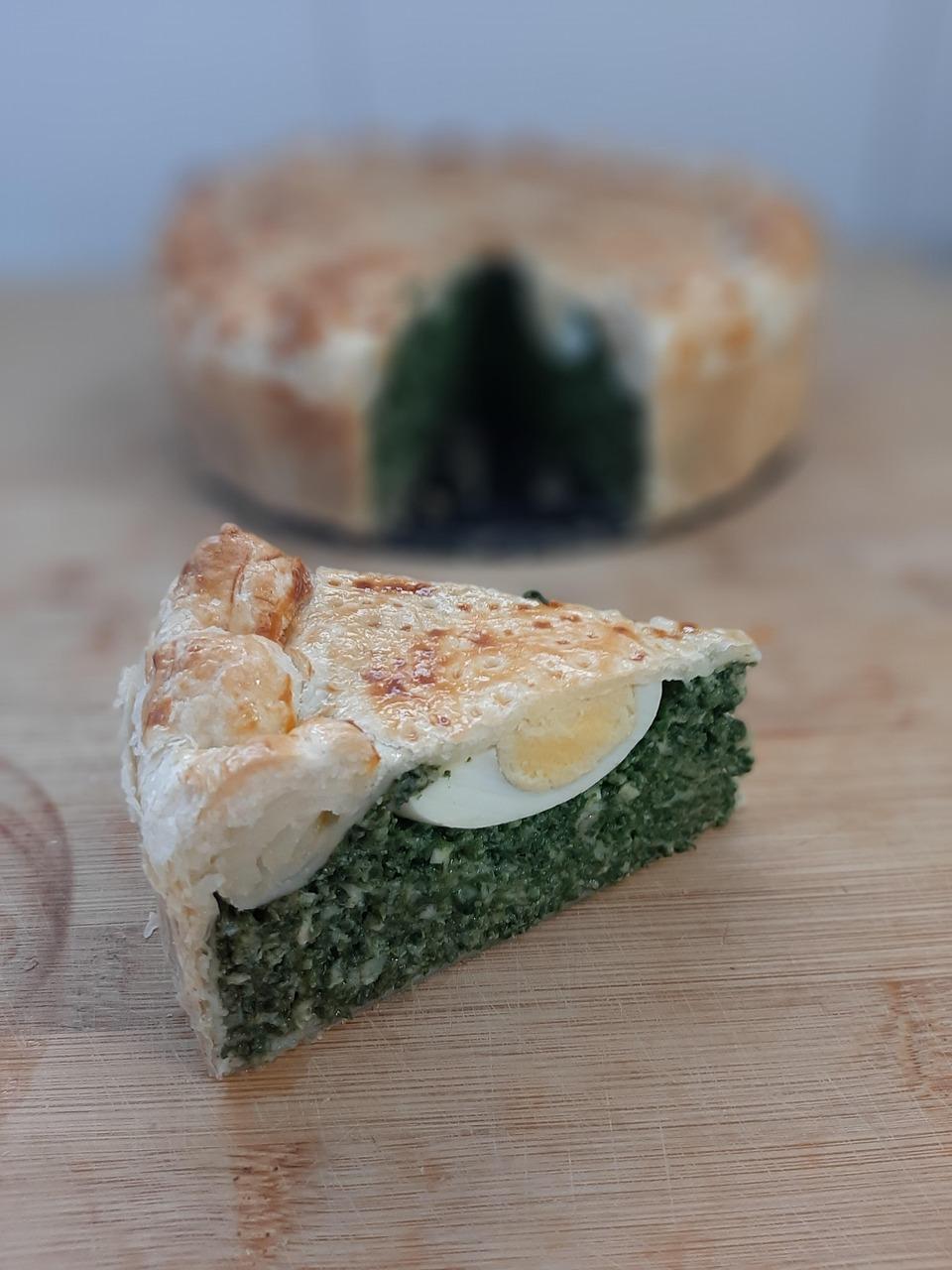
Torta pasqualina

Chard and ricotta egg pie

Genoese families bake torta pasqualina for Easter Monday picnics, and it is just as good cold the next day as warm from the oven. Paper-thin sheets of olive-oil pastry enclose a deep layer of chard and ricotta, and whole eggs are cracked into hollows in the filling so that every slice shows a neat yellow and white circle. Old recipes boasted 33 pastry layers, one for each year of Christ's life; four sheets top and bottom give a crisp, flaky crust at home. The taste is mild and green, lifted with marjoram and hard cheese. Chef's tip: stretch the dough on the backs of your hands like strudel rather than only rolling it, and brush every sheet with oil, so the layers separate in the oven.

Read more 0 views

What to eat today?

Around the world

Today's trip: Persian

A new country every day, from every cuisine on the site.

This week's collection

Kid-friendly dinners
537 recipes · a new collection every Monday

Latest recipes

Kapenta with tomatoFried dried sardines with tomato

Kapenta are tiny freshwater sardines from Lake Kariba and Lake Tanganyika, sun-dried on racks along the shore and sold in markets from Lusaka to Harare. Cooked with onion, tomato and a little chilli, they become a savoury, crunchy relish that is eaten with nshima or sadza for a cheap, protein-rich weeknight meal. The mistake is skipping the rinse: dried kapenta carries sand and a strong smell, so soak and rinse it well. Chef's tip: fry the drained kapenta on its own first until crisp, then add the tomato, so it keeps some crunch.

by KrazyBadal 0 views

Kappa puzhukkuMashed cassava with coconut

Kappa puzhukku is the cassava dish of central Kerala, eaten in homes around Kottayam and Thrissur, and also served at the start of the Thiruvathira festival. Cassava is boiled twice, roughly mashed with coconut crushed with green chilli, shallots and garlic, then finished with a coconut-oil tempering. It's soft and starchy, with crunchy coconut and a lot of chilli heat, filling enough to be a meal with a fiery chammanthi or a ladle of moru curry. Chef's tip: when you peel the cassava, pull out the woody string that runs down the middle; it never softens.

by KrazyBadal 0 views

KapusniakSauerkraut and millet soup

Kapusniak is the sour, warming sauerkraut soup of western Ukraine, cooked through the long winters in Lviv and the Galician villages, when barrels of home-fermented cabbage stand in every cellar. Potato and a handful of millet make it filling, and a spoon of tomato paste and smoked paprika round out the tang. It is famous as the soup for the morning after a wedding or New Year party, and is often cooked with smoked pork; this vegan version gets its depth from a well-browned zazharka instead. Chef's tip: taste your sauerkraut first and rinse it only if it is very salty or sharp, because the brine is where the flavour lives. Common mistake: adding the sauerkraut together with the potatoes; the acid stops them softening, so let the potatoes cook first.

by KrazyBadal 0 views

Karak chaiSpiced evaporated milk tea

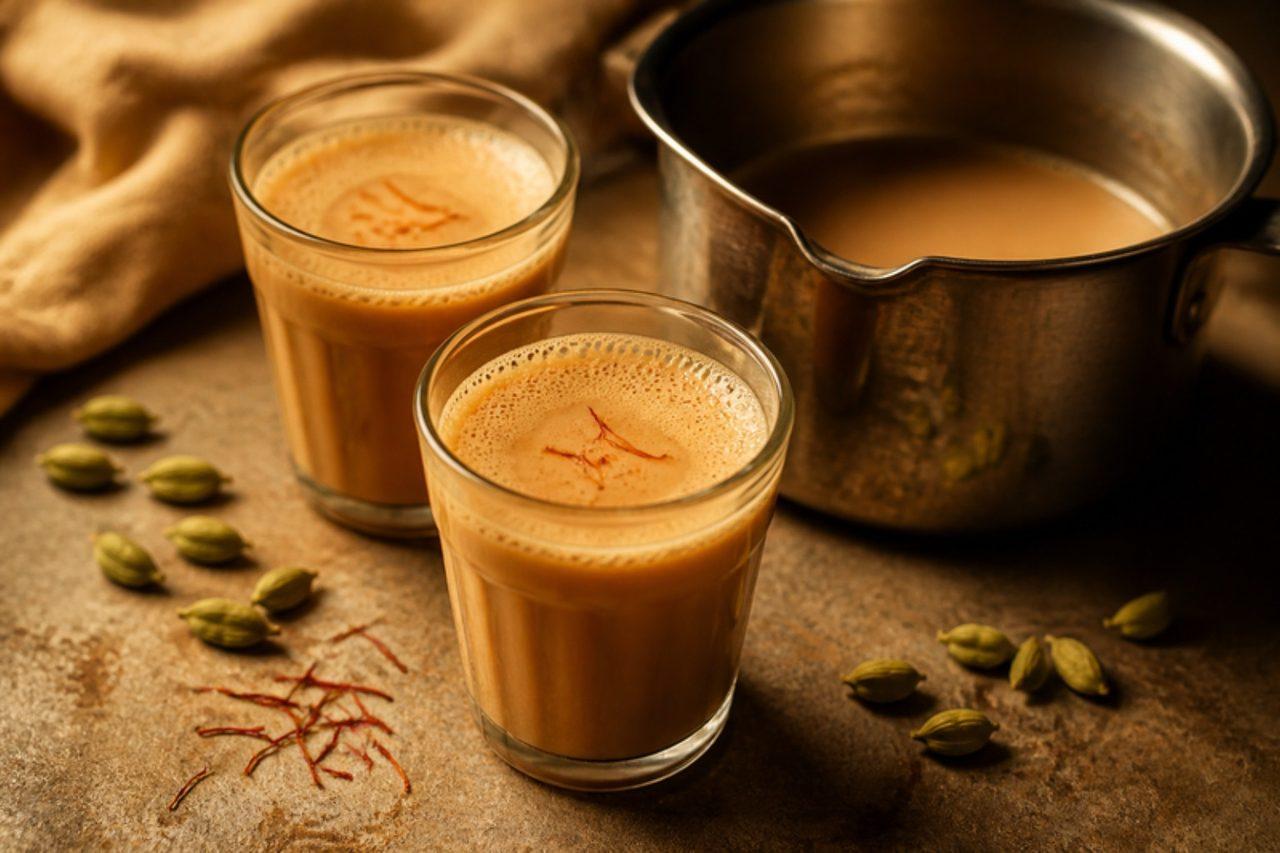
Every neighbourhood in Doha, Dubai and Kuwait City has a cafeteria with a hatch on the street, where karak is handed through car windows in paper cups at all hours. Brought to the Gulf by South Asian workers and now firmly local, it is black tea boiled hard with sugar and cardamom, then simmered again with evaporated milk until it is strong, sweet and the colour of toffee; a few strands of saffron mark the Gulf version. Chef's tip: pour the tea from a height between two pans a few times; the froth and slight cooling give the silky karak texture.

by KrazyBadal 0 views

Kare-kareOxtail in peanut sauce

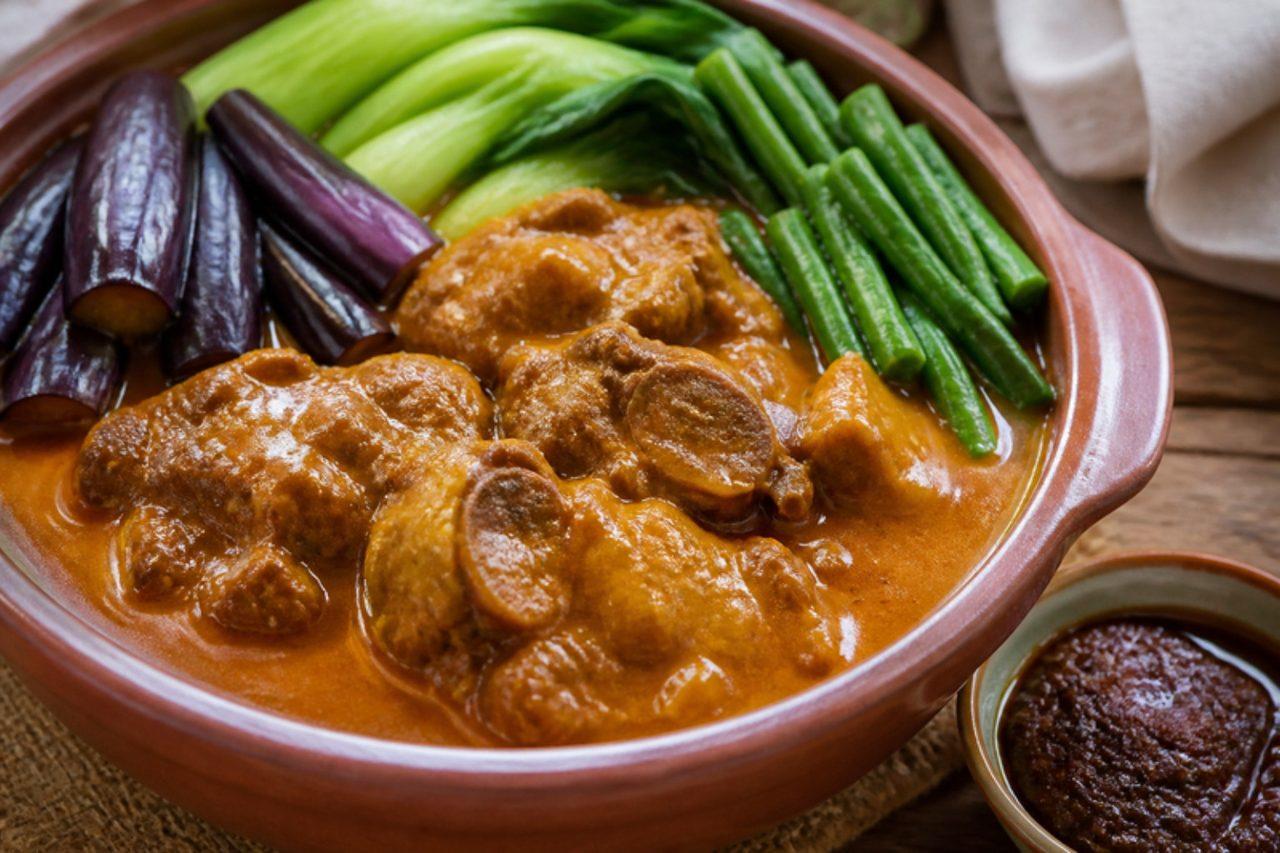
Kare-kare belongs to Pampanga, the province north of Manila that many Filipinos call the country's kitchen, and it is the stew families bring out for fiestas, birthdays and long Sunday lunches. Oxtail and beef shin are simmered until the meat falls from the bone, then finished in a thick, nutty sauce coloured orange with annatto and thickened with toasted ground rice. The sauce itself is barely salted on purpose: everyone adds a little sautéed shrimp paste (bagoong alamang) at the table, so the dish contains shellfish. Pile it over steamed rice with the aubergine, long beans and pak choi. Chef's tip: toast the rice in a dry pan until it is the colour of biscuits before grinding it; that roasted smell is what makes the sauce taste of kare-kare rather than plain peanut butter.

240 minFilipinoMeat
by KrazyBadal 0 views

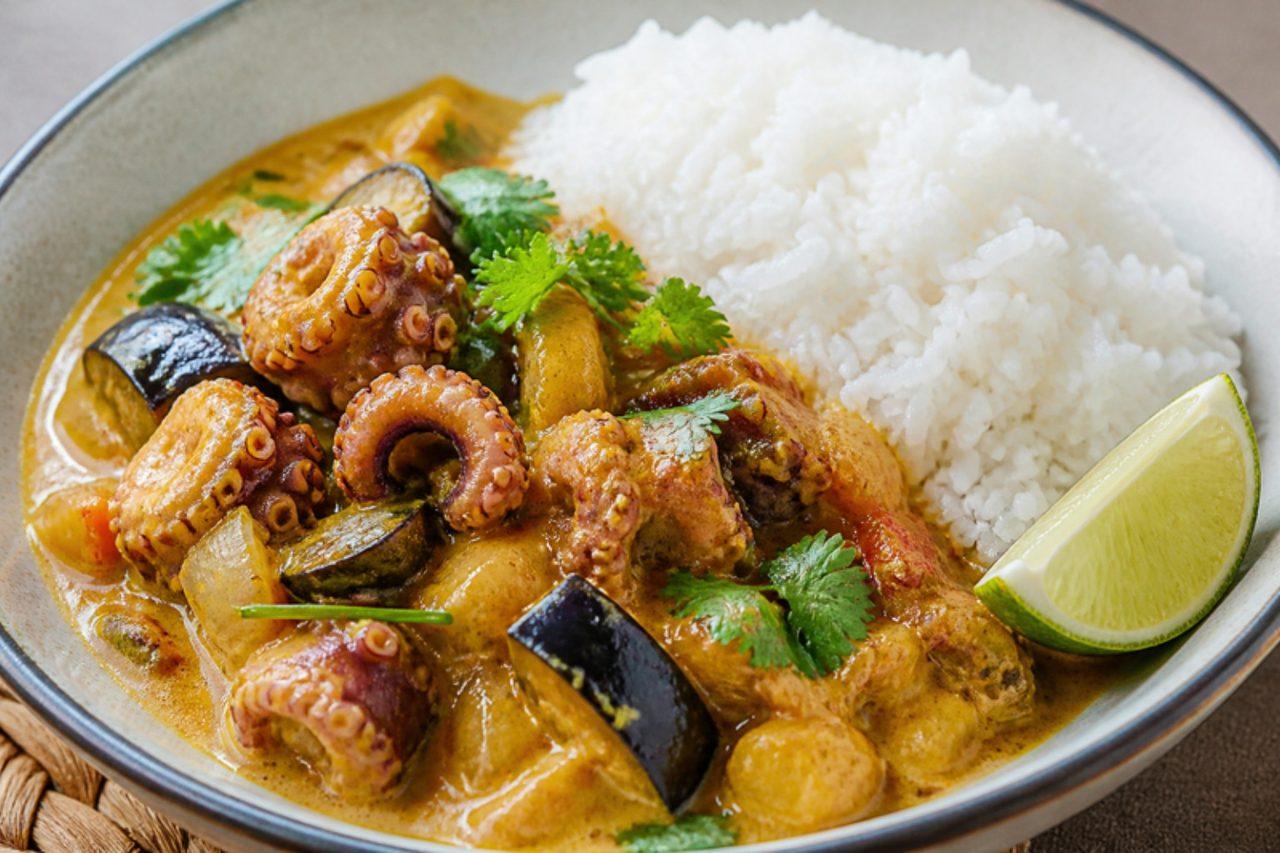
Kari koko zouritOctopus coconut curry

Kari koko zourit, octopus in coconut curry, is the dish most Seychellois would name as their national favourite, cooked on Mahé and Praslin when the fishermen bring octopus in from the reef. The octopus is simmered until tender, then cooked in a sauce of coconut milk, curry powder, garlic, ginger, cinnamon and a little aubergine. It is served with rice and a green papaya chutney. The mistake is cooking the octopus too briefly or at a fast boil, which makes it rubbery; it needs a long, gentle simmer. Chef's tip: frozen and thawed octopus is often more tender than fresh, because freezing breaks down the fibres.

by KrazyBadal 0 views

Karil (bamboo shoot curry)Bamboo shoot and potato curry

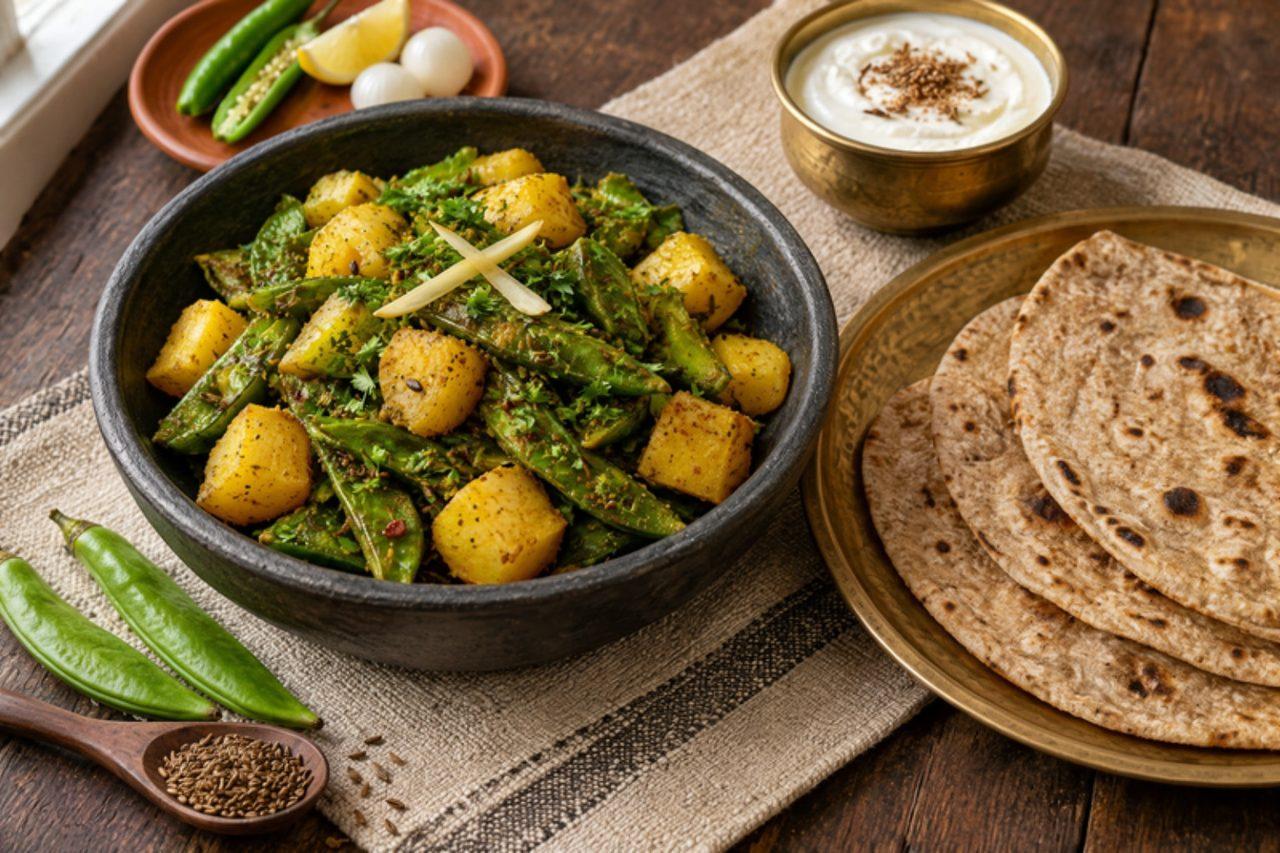
In the villages of Jharkhand's Chotanagpur plateau, the first tender bamboo shoots of the rains are called karil, and they are cooked into a simple, punchy dry curry with potato, lots of garlic and mustard oil. Some families also dry or pickle the shoots to last the year. The shoots stay crunchy and have a gentle sourness that goes beautifully with rice and dal. Tinned bamboo shoots work well and are already cooked. Chef's tip: always boil fresh shoots before using them; raw bamboo is bitter and not safe to eat.

by KrazyBadal 0 views

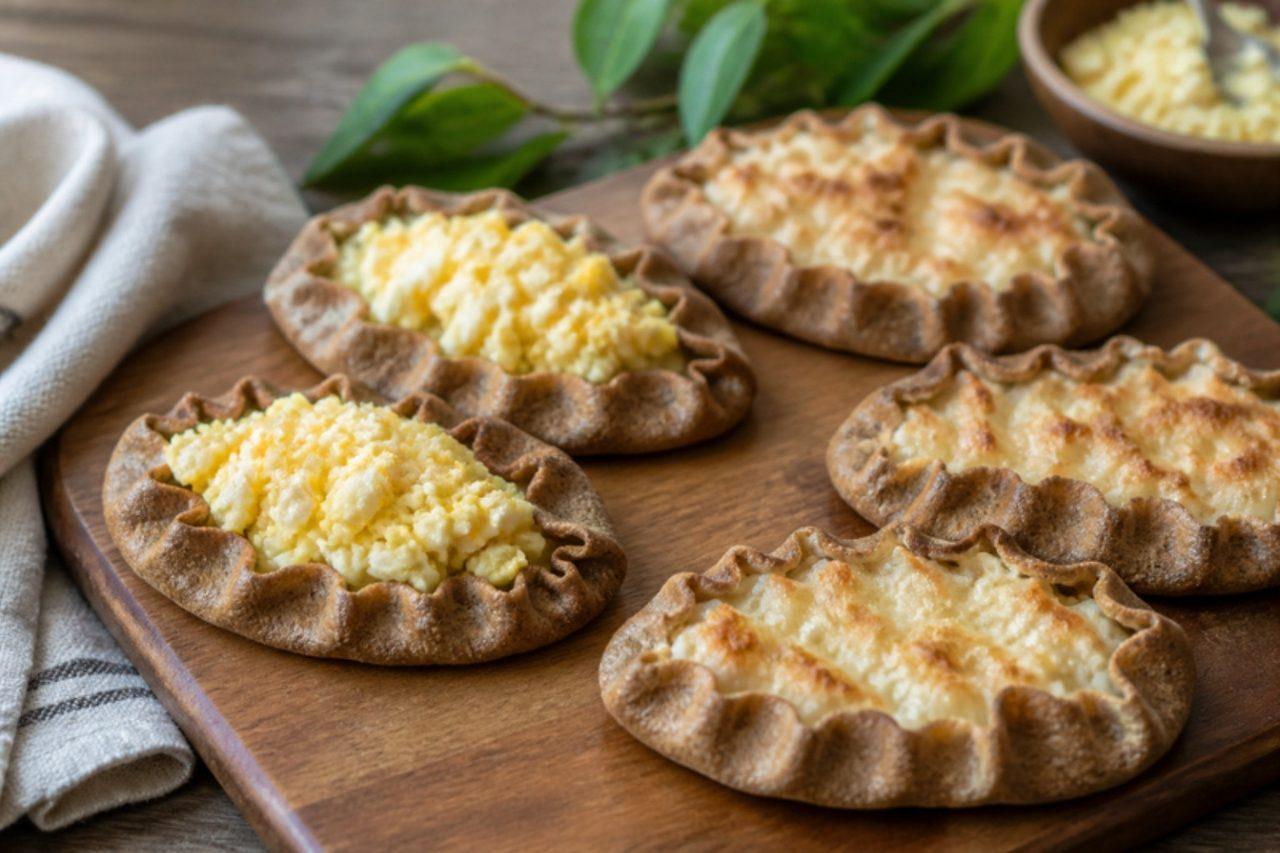
KarjalanpiirakkaRye pastries with rice filling

Karjalanpiirakka come from Karelia, the borderland of eastern Finland, and are now baked in every Finnish home and sold in every Helsinki market hall. The open, oval pies have a crust of rye dough rolled paper-thin and crimped by hand around a filling of creamy rice porridge. Straight from a very hot oven they are brushed with butter and milk to soften, then eaten warm with munavoi, egg butter: chopped hard-boiled egg mashed into soft butter. Finns eat them for breakfast, at coffee tables and at weddings and funerals alike. The crimping looks fiddly but goes quickly after the first few. Chef's tip: make the rice porridge a day ahead; cold porridge is stiff enough to spread neatly and won't soak the thin crust.

by KrazyBadal 0 views

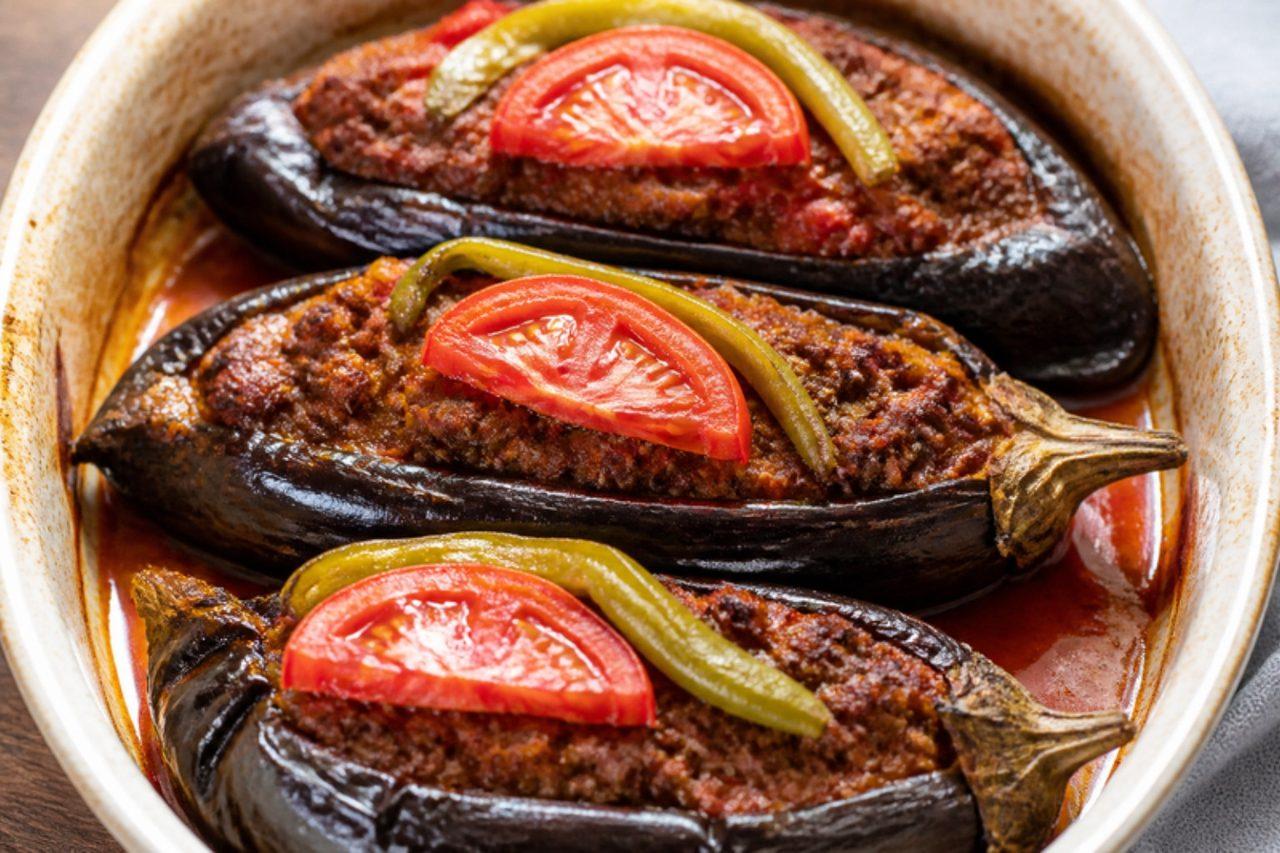
KarnıyarıkStuffed aubergines with beef

Karnıyarık is a summer weekday dinner in kitchens all over Turkey, made when aubergines are glossy, cheap and piled high at the street markets. Small whole aubergines are peeled in stripes, fried until silky, then slit down the middle and packed with minced beef cooked with onion, green pepper and tomato. A short spell in the oven melts it all together. It is eaten warm with plain rice pilaf and a bowl of cacık or yogurt. Chef's tip: press the fried aubergine open with the back of a spoon to make a deep boat, so the filling sits inside rather than rolling off.

by KrazyBadal 0 views

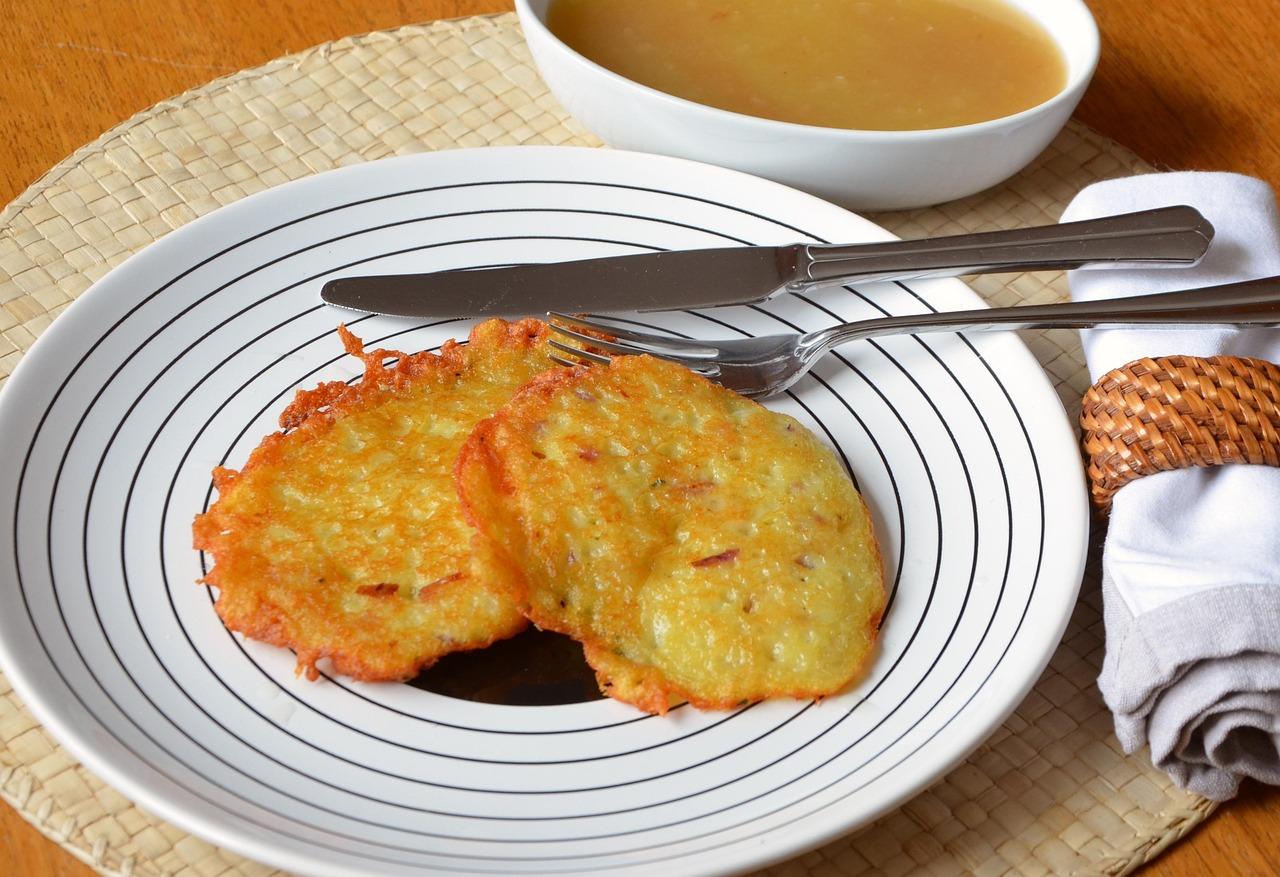
KartoffelpufferPotato fritters

In Cologne and Düsseldorf they're called Reibekuchen, and they are the smell of the Christmas markets and autumn fairs: thin, lacy potato fritters fried in oil until golden and crunchy at the edges. At home in the Rhineland they're traditionally a Friday dish, eaten hot with apple sauce or on buttered dark rye bread. They are simple, but timing and heat matter. Chef's tip: squeeze the grated potato really hard in a tea towel and keep the starch that settles at the bottom of the liquid; it binds the mixture so you need very little flour.

by KrazyBadal 0 views

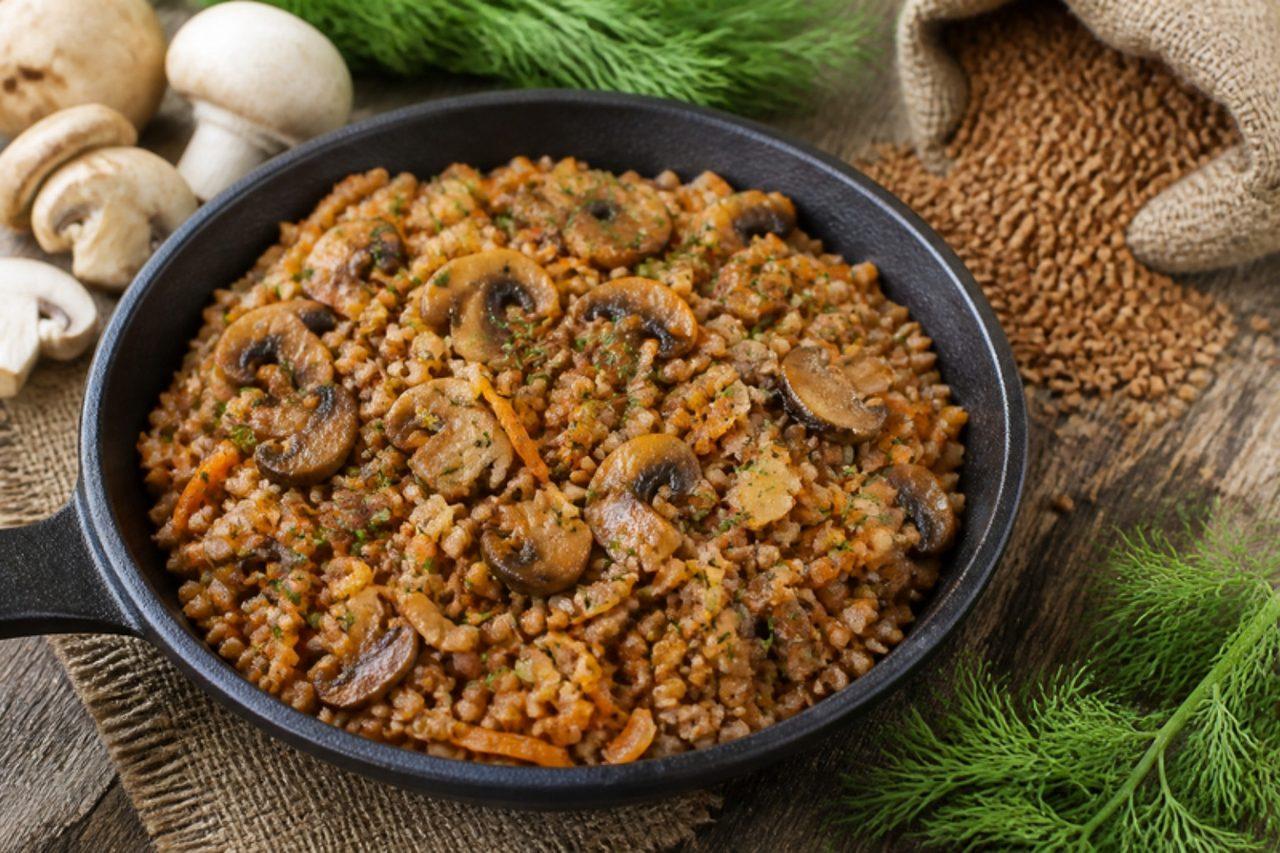
Kasha with mushroomsBuckwheat with mushrooms

Buckwheat, hrechka, is the grain Ukrainians grow up on: cooked loose and fluffy, it turns up as a weekday side in Kharkiv kitchens, in student dorms in Lviv and on every school canteen tray. Cooked with fried mushrooms, onion and carrot it becomes a filling meal of its own, and in autumn it is made with wild mushrooms picked in the Polissia forests. It is naturally gluten free and, with no butter, vegan. Chef's tip: dry-toast the grains until they smell nutty and crackle; it gives the kasha its deep flavour and keeps each grain separate.

by KrazyBadal 0 views

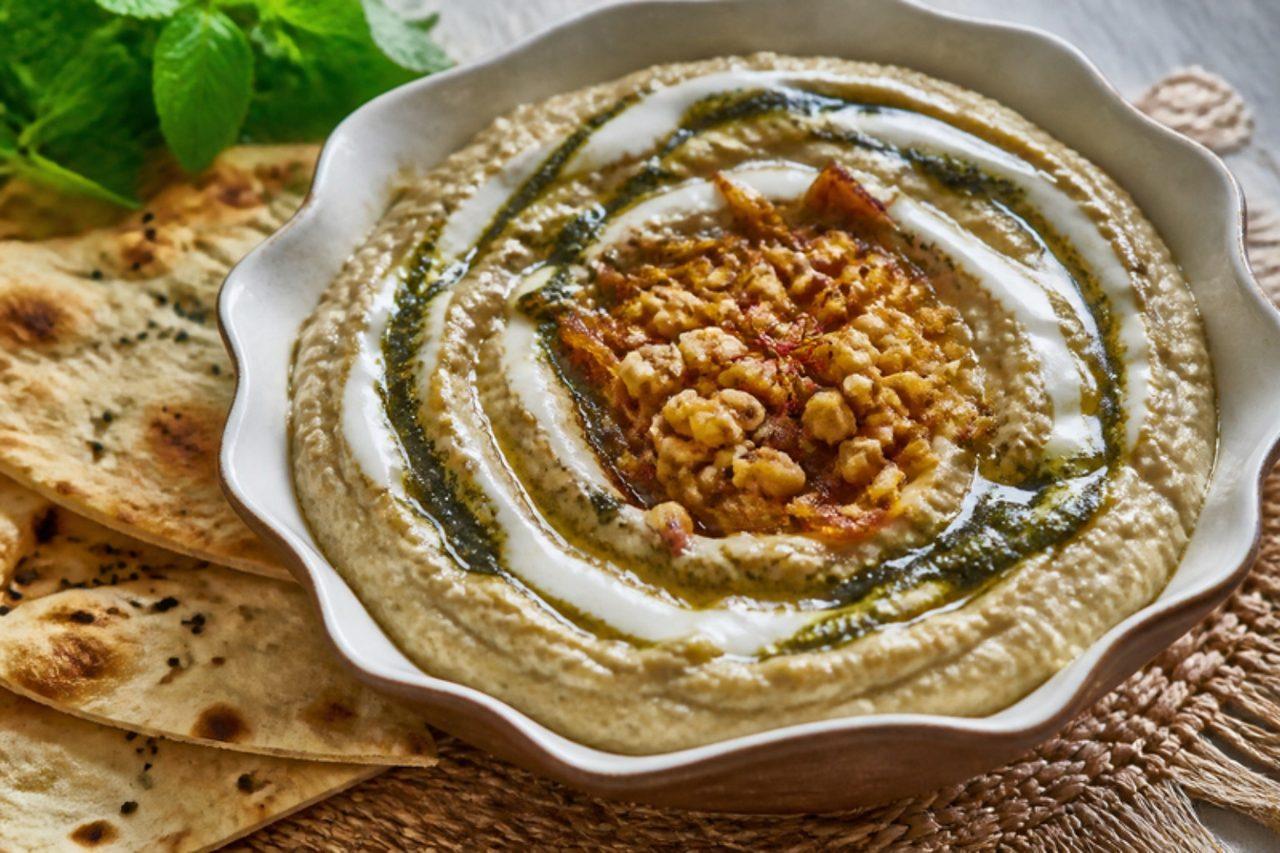
Kashk-e bademjanAubergine and whey dip

Kashk-e bademjan is the aubergine dip that greets you at the start of a meal in Tehran restaurants and at family gatherings all over Iran, swirled on a plate and decorated with fried onions, mint oil, walnuts and white ribbons of kashk. Fried aubergine is mashed with golden onions and garlic, then enriched with kashk, a tangy, salty fermented whey. Most kashk is made from soured yogurt without rennet, but some brands use cheese whey, so check the label if you avoid animal rennet; strained Greek yogurt beaten with a little sour cream and lemon is a good substitute. Serve it with warm flatbread. Chef's tip: fry the dried mint for a few seconds only, off the heat; it should smell sweet, not scorched.

by KrazyBadal 0 views

Kashmiri chaiPink salted milk tea

Kashmiri chai, called pink tea or gulabi chai across Pakistan, came down from Kashmir to become the winter drink of Lahore, Karachi and Islamabad: it is ladled out at weddings, sold from steaming pots at tea stalls on cold nights and served with nankhatai biscuits at family gatherings. The colour is real chemistry, not food colouring: green tea leaves are boiled hard with a pinch of baking soda until the brew turns deep red, then whisked and splashed to get air into it, and finally cooked with milk until it blushes pink. It is lightly salted in the old Kashmiri way and sweetened in the city way; add as much sugar as you like. The mistake people make is using black tea; only green tea leaves turn pink. Chef's tip: pour in ice-cold water as soon as the brew is reduced, and beat it hard; the shock and the air are what lock in the bright colour.

by KrazyBadal 0 views

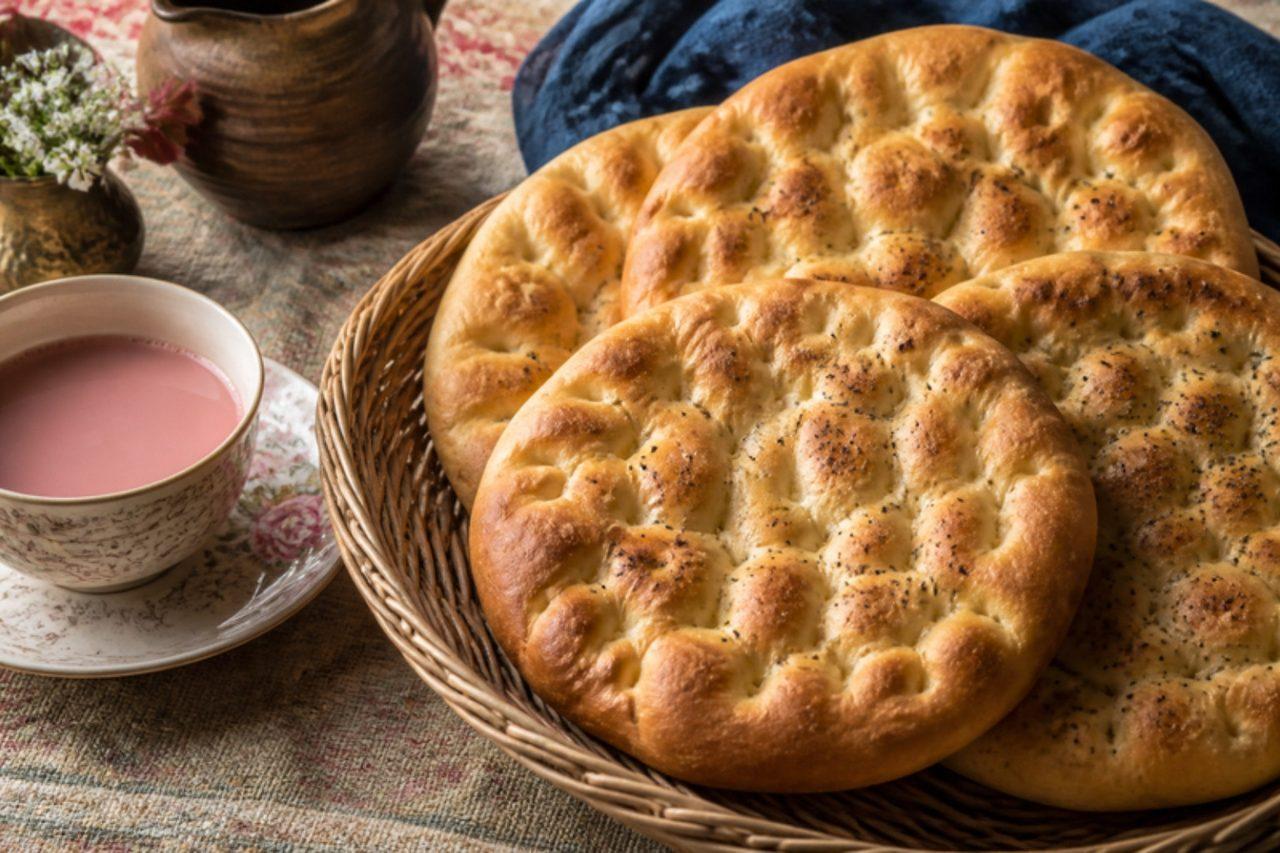
Kashmiri girdaKashmiri round bread

Every neighbourhood in Srinagar has a kandur, a baker working at a pit oven, and before sunrise people queue there for girda: round breads about the size of a side plate, pressed all over with fingertips so the crust sets in ridges and hollows. The outside is lightly crisp, the crumb soft and slightly chewy, and the bread is torn and dunked into salty pink noon chai or spread with butter. A home oven with a heavy tray heated until very hot gets close to the kandur. Chef's tip: wrap the breads in a clean cloth as they come out; the trapped steam keeps the crust tender rather than hard.

142 minIndianBaking
by KrazyBadal 0 views

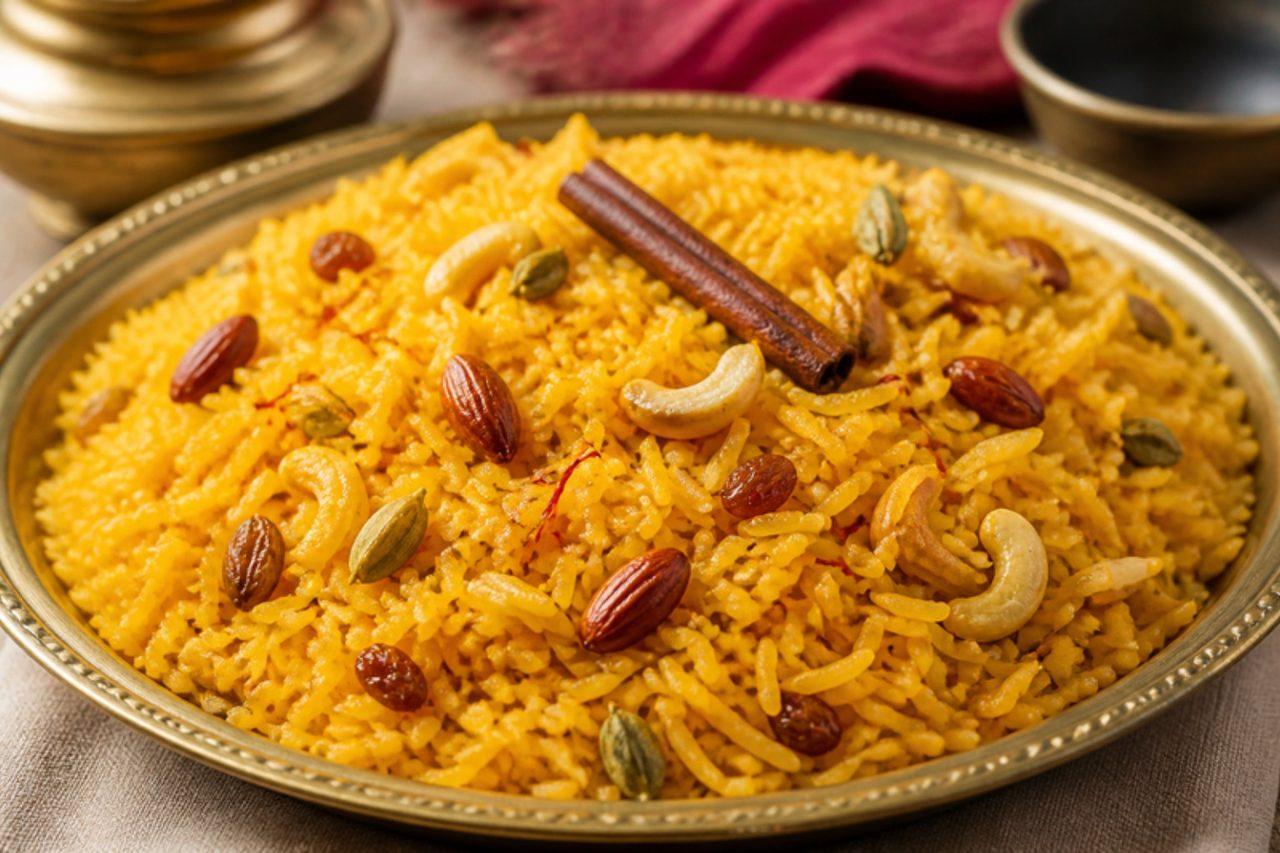
Kashmiri modur pulavSweet saffron rice with dry fruit

Modur means sweet in Kashmiri, and this ghee-rich saffron rice is served at Kashmiri weddings and on Navreh, the Pandit new year, glowing orange and studded with almonds, cashews and raisins. In the hills of Himachal Pradesh the dham feast ends with a near-identical sweet rice called mittha, so this one page covers both: Himachal cooks often add a little more raisin and a pinch of fennel, which you can do too. It is sweet but not dessert-sweet, perfumed with cinnamon and cardamom, and is eaten alongside savoury curries as well as on its own. Chef's tip: soak the saffron in warm milk for at least 15 minutes before you start; it gives the rice its colour far more evenly than strands scattered dry.

by KrazyBadal 0 views

Kathal ki sabziYoung jackfruit curry

In Uttar Pradesh, people joke that kathal is the vegetarian's mutton, and the comparison makes sense once you taste it. Young, unripe jackfruit has a firm, fibrous texture that absorbs a slow-cooked onion masala and the smoky warmth of black cardamom. Lucknow and Kanpur homes cook it in summer when the green fruit is plentiful, and it is a common choice for Sunday lunches and family gatherings, served with paratha or rice. The mistake to avoid is undercooking the jackfruit before adding it to the masala; it will remain rubbery no matter how long it simmers afterward. Chef's tip: frying the boiled pieces until golden before they go into the gravy gives them a meaty crust that holds up in the sauce.

by KrazyBadal 0 views

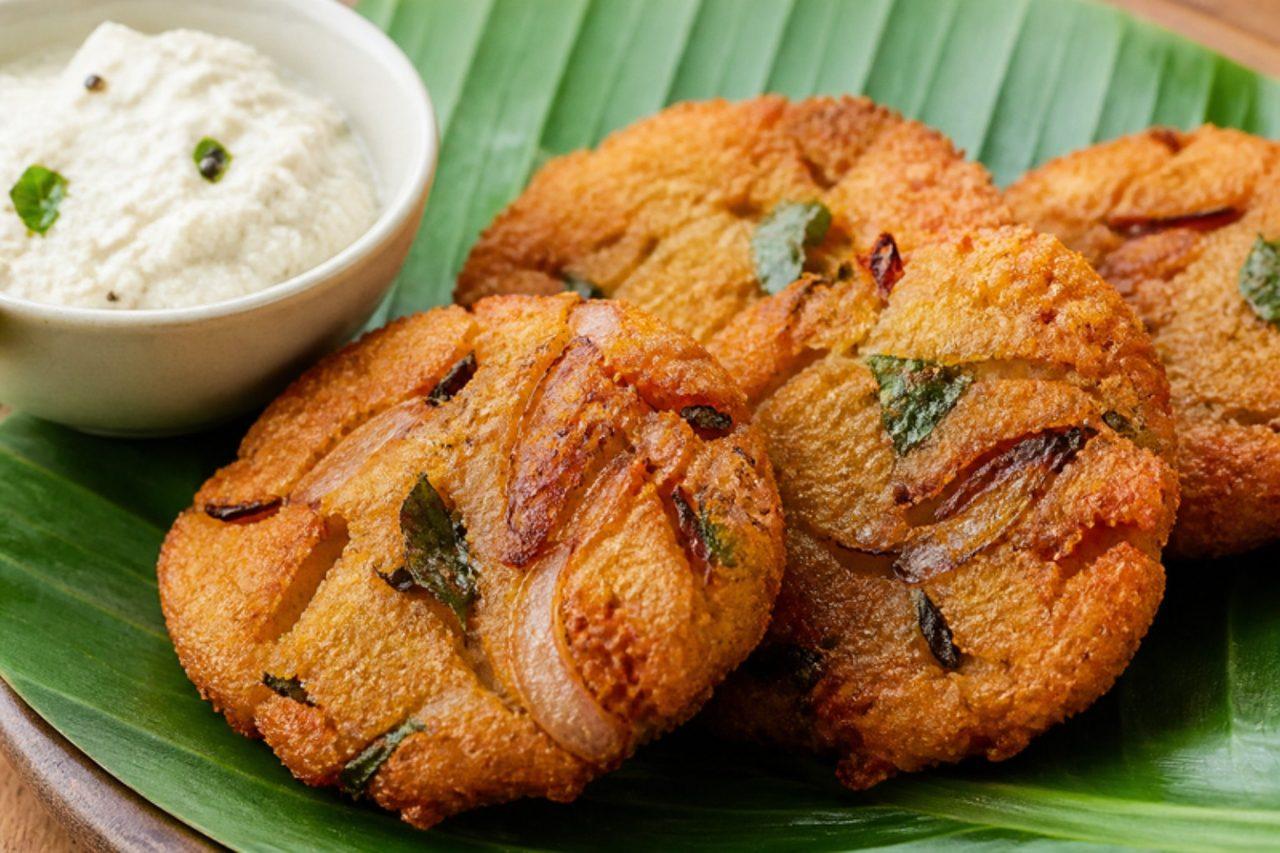
Maddur vadaOnion and semolina fritters

Maddur is a small town halfway between Bengaluru and Mysuru, and for nearly a century travellers on that road have stopped at its railway station and highway stalls for one snack: Maddur vada. Unlike soaked-lentil vadas, these are made from rice flour, semolina and plain flour rubbed with hot oil and loaded with sliced onion, curry leaves and green chilli, then patted flat and fried until crunchy and golden all the way through. They keep their crunch for hours, so they are packed for long journeys. Serve with coconut chutney and filter coffee. Chef's tip: add the onions first and let them sit with the salt for ten minutes; their juice moistens the flours, so you need very little water and the vada stays crisp.

by KrazyBadal 0 views

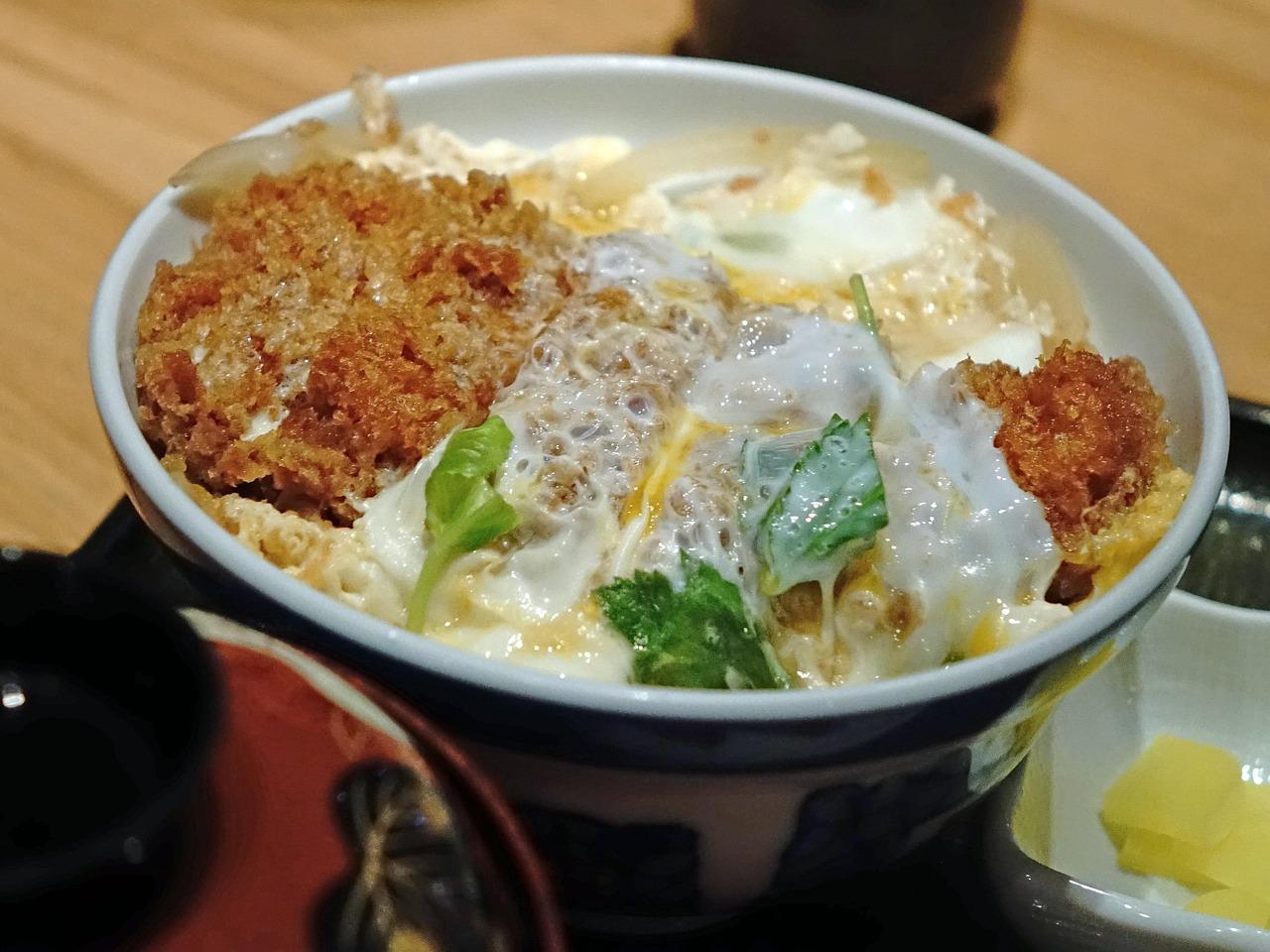
KatsudonPork cutlet and egg rice bowl

Japanese students often eat a bowl of katsudon the night before a big exam, because 'katsu' sounds the same as the verb 'to win'. Soba restaurants, set-meal shops and train-station stands all over Japan serve it, and it is a favourite takeaway lunch too. A panko-crusted pork loin cutlet is fried until golden, sliced, then simmered for a minute with onion and egg in sweet soy dashi. The top of the crust stays crunchy while the underside soaks up the sauce. Chef's tip: snip the fat along the edge of each cutlet in three or four places before breading, so the meat stays flat in the oil and cooks evenly.

by KrazyBadal 0 views

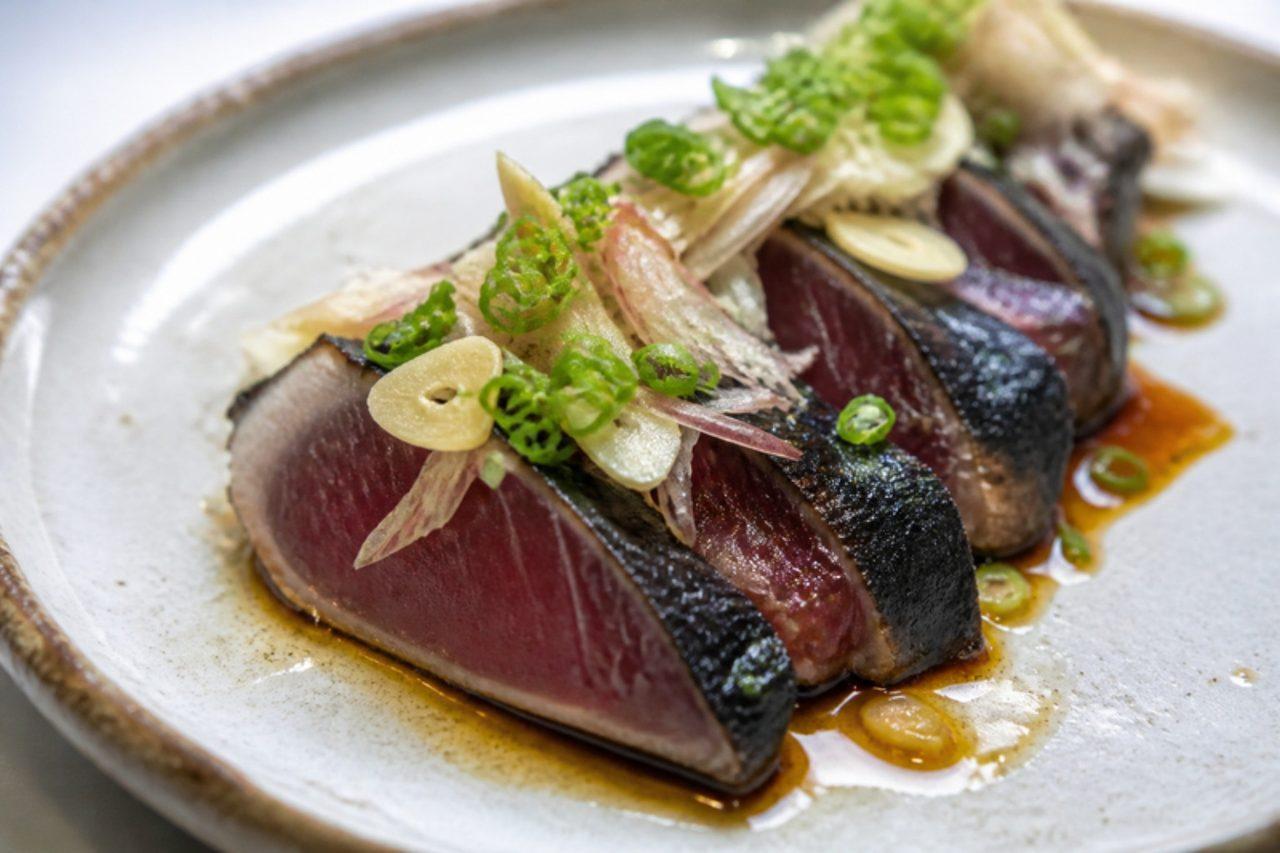
Katsuo no tatakiSeared bonito

Kochi, on the Pacific coast of Shikoku, is Japan's bonito town. At Hirome Market in the city centre, cooks sear whole loins over roaring straw fires and slice them to order, served thick with garlic slices, onion and ponzu or just a pinch of salt. Bonito has two seasons there: the leaner first catch of spring and the fattier fish returning south in autumn. At home a very hot dry pan, or a blowtorch, gives the same charred skin around a cool red centre. Use very fresh, sushi-grade fish from a trusted fishmonger; not for pregnant women, young children or anyone with a weakened immune system. Chef's tip: slice it thick, about 1 cm, as they do in Kochi; thin slices lose the contrast between the smoky crust and the soft middle.

by KrazyBadal 0 views

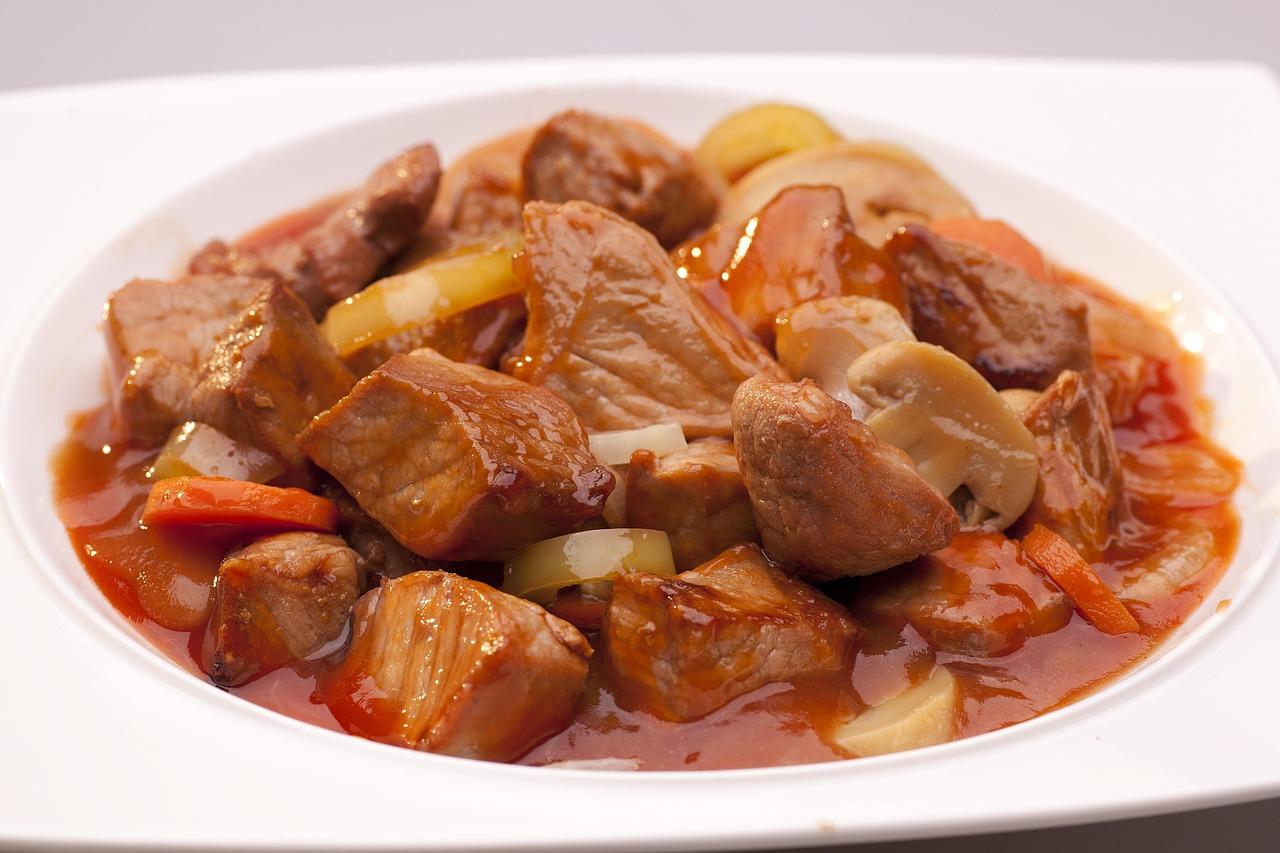
KavarmaClay-pot pork with peppers

Up in Bulgaria's Rhodope mountains, around Smolyan and Chepelare, kavarma is cooked in individual glazed clay pots and brought to the table still bubbling, often with an egg baked on top. This one is made with pork shoulder (chicken thighs work too), browned and then stewed slowly with a mountain of onion, peppers, mushrooms, paprika and savory. It traditionally includes a splash of dry white wine; the ingredient list gives an alcohol-free swap. Eat it with crusty bread and a shopska-style tomato and cucumber salad. A common slip is cutting the pork too small, so it dries out before the sauce is ready; keep the pieces bite-size but chunky. Chef's tip: let the onions cook down with the meat until almost jammy before the peppers go in; that is where kavarma gets its sweetness.

by KrazyBadal 0 views

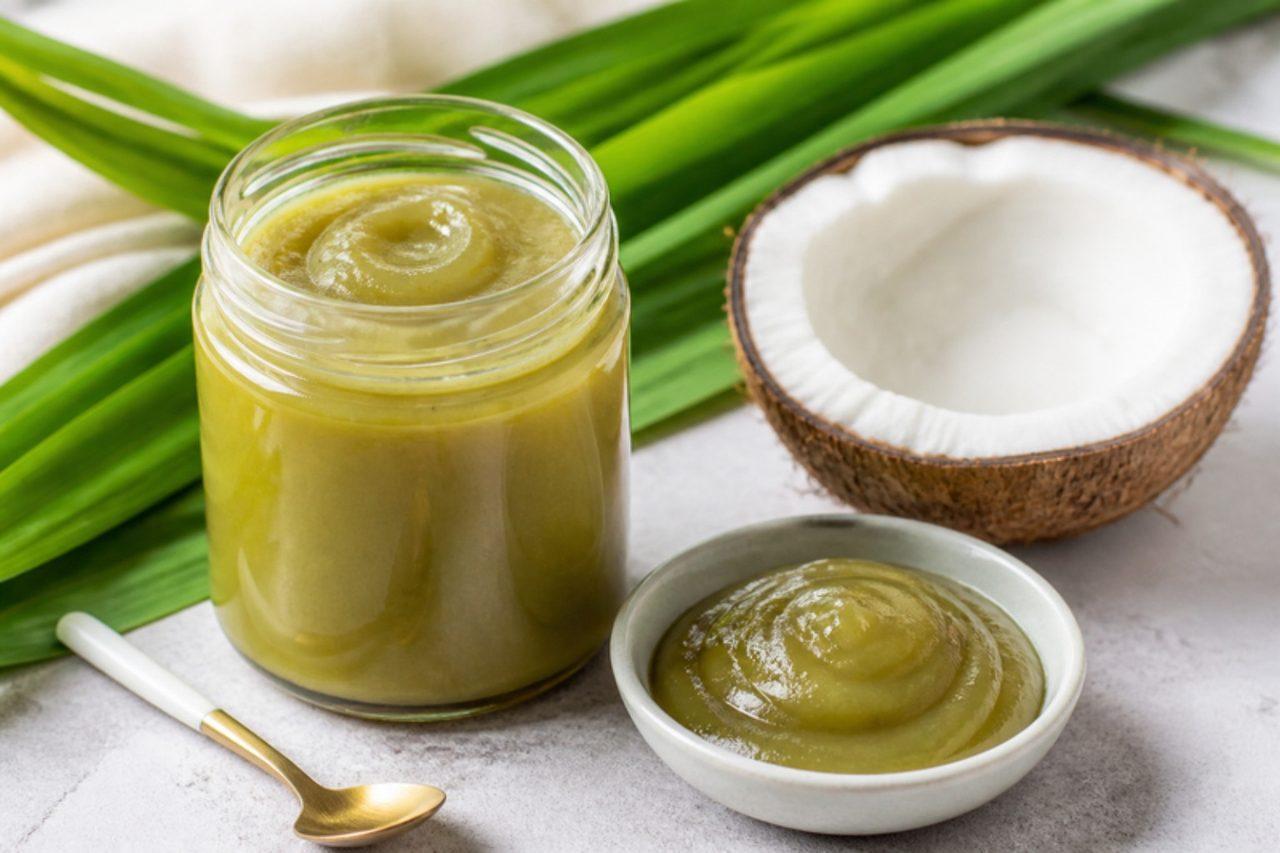
KayaPandan coconut jam

Kaya is the coconut and egg jam spread thickly on toast in every kopitiam in Singapore, from heritage chains to the coffee shop under a housing block. This is the green Nyonya-style kaya, gently cooked with pandan leaves until it turns thick, glossy and custardy; the Hainanese version adds caramel for a brown colour. It keeps for a week in the fridge and is the essential part of kaya toast. Chef's tip: cook it slowly over a pan of barely simmering water and keep stirring; rushed kaya scrambles and turns grainy.

by KrazyBadal 0 views

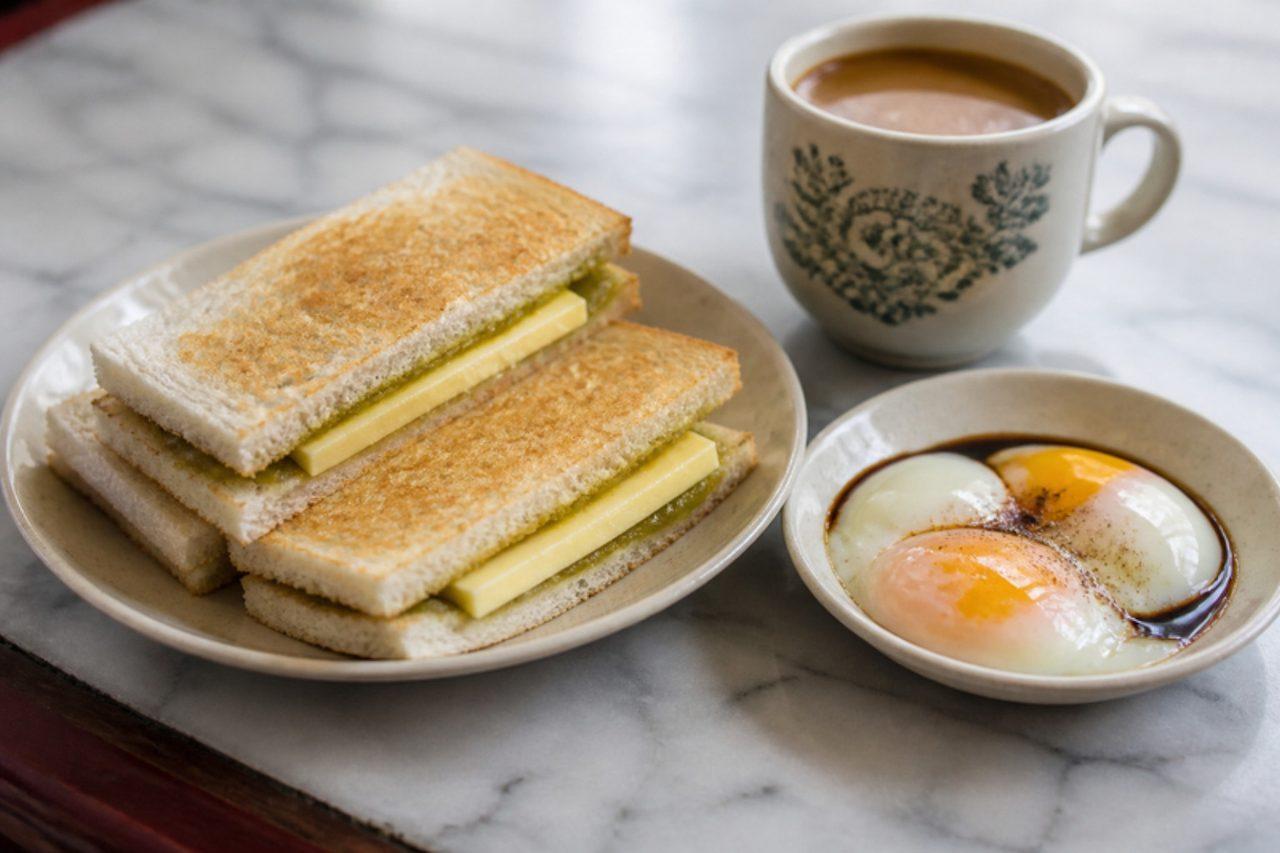
Kaya toastToast with coconut jam

The kaya toast set is Singapore's breakfast ritual: thin, crisp toast sandwiched with kaya and a cold slab of butter, served with two runny soft-boiled eggs seasoned at the table with dark soy and white pepper, and a cup of kopi. Office workers eat it at kopitiams in Tiong Bahru and Tanjong Pagar before work; children love dunking the toast in the eggs. Chef's tip: put the eggs in water that's just off the boil for exactly 6–7 minutes; the whites should be barely set and wobbly, the yolks completely runny.

by KrazyBadal 0 views

LinseneintopfLentil stew

Linseneintopf is the one-pot lentil stew that German families cook on cold weekdays, and in many school and works canteens it's still the Thursday or Saturday lunch. Brown lentils simmer with potatoes, carrots, celeriac and leek until thick and soft; the finishing touch, all over Germany, is a good splash of vinegar at the table, which wakes the whole bowl up. It's usually made with smoked sausage or bacon; here smoked paprika and vegetable stock give the smoky depth instead. Chef's tip: add the vinegar only at the end, because acid added early keeps the lentils hard.

by KrazyBadal 0 views

Pork souvlaki

This is a pork recipe. Walk through any Greek town after dark, from Athens to Thessaloniki, and the smell of souvlaki stands drifts down the street; cubes of pork shoulder grilled on thin skewers are the country's favourite cheap supper, eaten standing up or at a plastic-table taverna. At home you marinate the meat in lemon, olive oil, garlic and dried oregano, grill it hard and fast, and pile it on warm pitta with tzatziki, tomato and red onion. Chef's tip: cut the pork into even 2.5 cm cubes and leave a little fat on; lean loin dries out, shoulder stays juicy over high heat.

32 minGreekMeat
by KrazyBadal 1 views

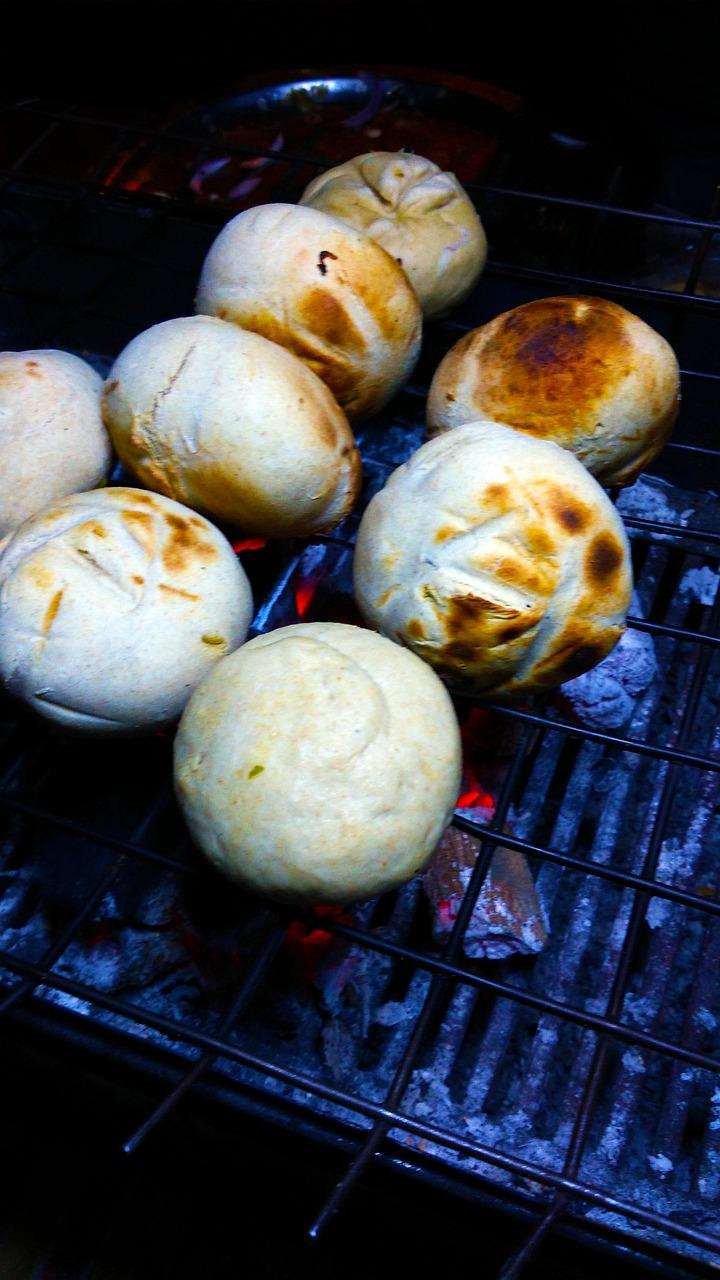
Litti chokhaStuffed wheat balls with mashed vegetables

Litti chokha is Bihar's signature meal, cooked on street corners and at village gatherings over smouldering embers. Litti are rustic wheat balls stuffed with sattu (roasted gram flour) sharpened with garlic, ginger, mustard oil and pickle masala; they bake until crusty outside and crumbly inside. Chokha is a smoky mash of fire-roasted aubergine, potato and tomato with raw mustard oil and green chilli. Together they are filling, protein-rich and deeply savoury. Many Biharis dunk hot litti in melted ghee; for a vegan plate, brush them with mustard oil instead. Chef's tip: roast the aubergine and tomatoes right on a gas flame until the skins are black all over; that charring is the whole flavour of chokha.

by KrazyBadal 0 views

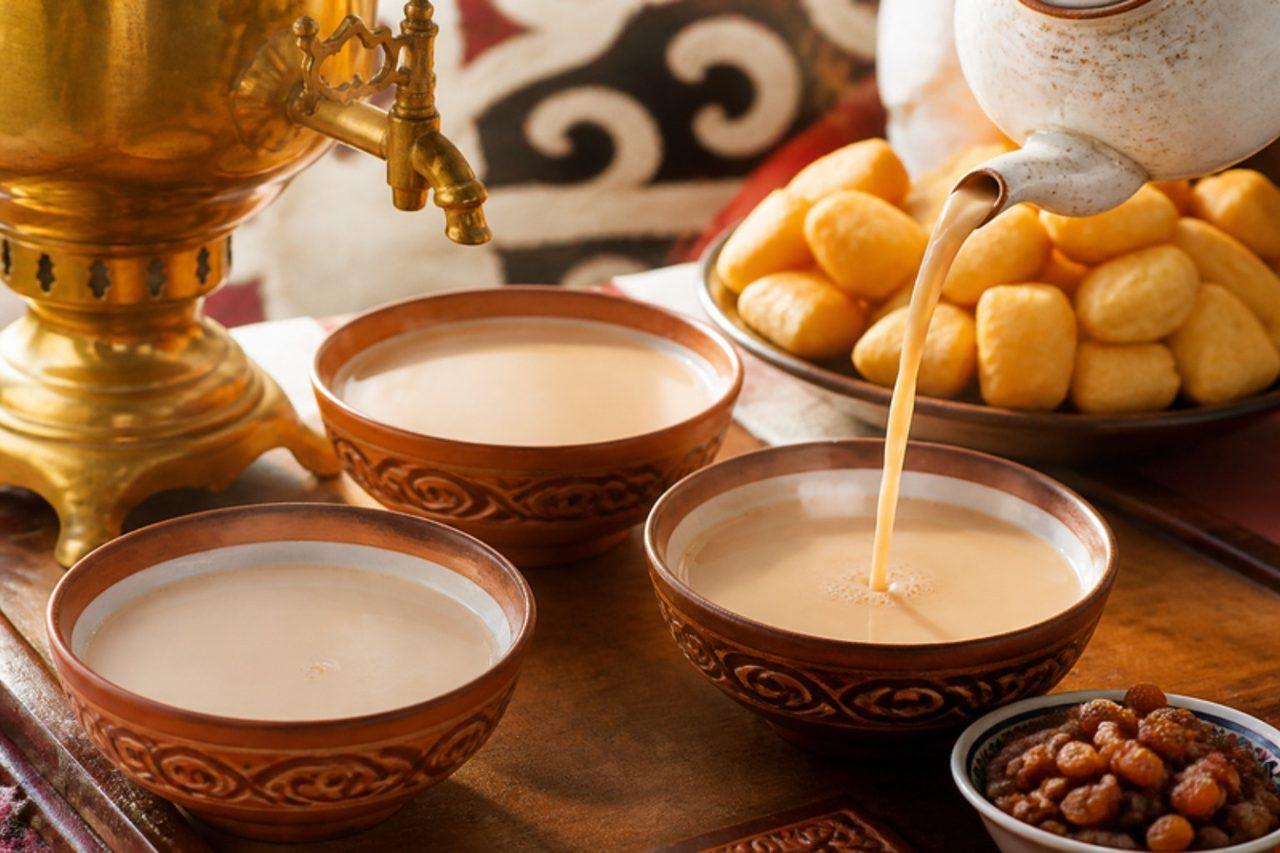
Kazakh milk teaBlack tea with hot milk

Kazakhs drink more tea per person than almost anyone, and at home it is always sut shai: strong black tea, often brewed from Kenyan or Indian leaves, poured into a wide cup (kese) with hot milk or a spoon of cream. The host keeps the cups barely half full and refills them again and again, and a guest turns the cup upside down when they've had enough. In winter in Astana a pinch of salt or a knob of butter may go in. It accompanies baursak, shelpek and every meal. Chef's tip: heat the milk until it just steams and add it to the cup first; scalded, boiled milk gives the tea a cooked taste.

by KrazyBadal 0 views

LlajwaTomato and chilli salsa

No Bolivian table is set without llajwa, the fiery, bright salsa that goes on soups, potatoes, cheese empanadas and anything grilled. In La Paz and Cochabamba it's ground on a batán, a flat grinding stone with a rocking stone on top, which crushes tomatoes and locoto (a fleshy, very hot chilli) into a rough, juicy sauce. The signature herb is quirquiña, with a smell somewhere between coriander and rocket. Chef's tip: no stone? Pound in a mortar or pulse briefly; a blender whips in air and turns llajwa pink and foamy.

by KrazyBadal 0 views

LlapingachosPotato cheese patties

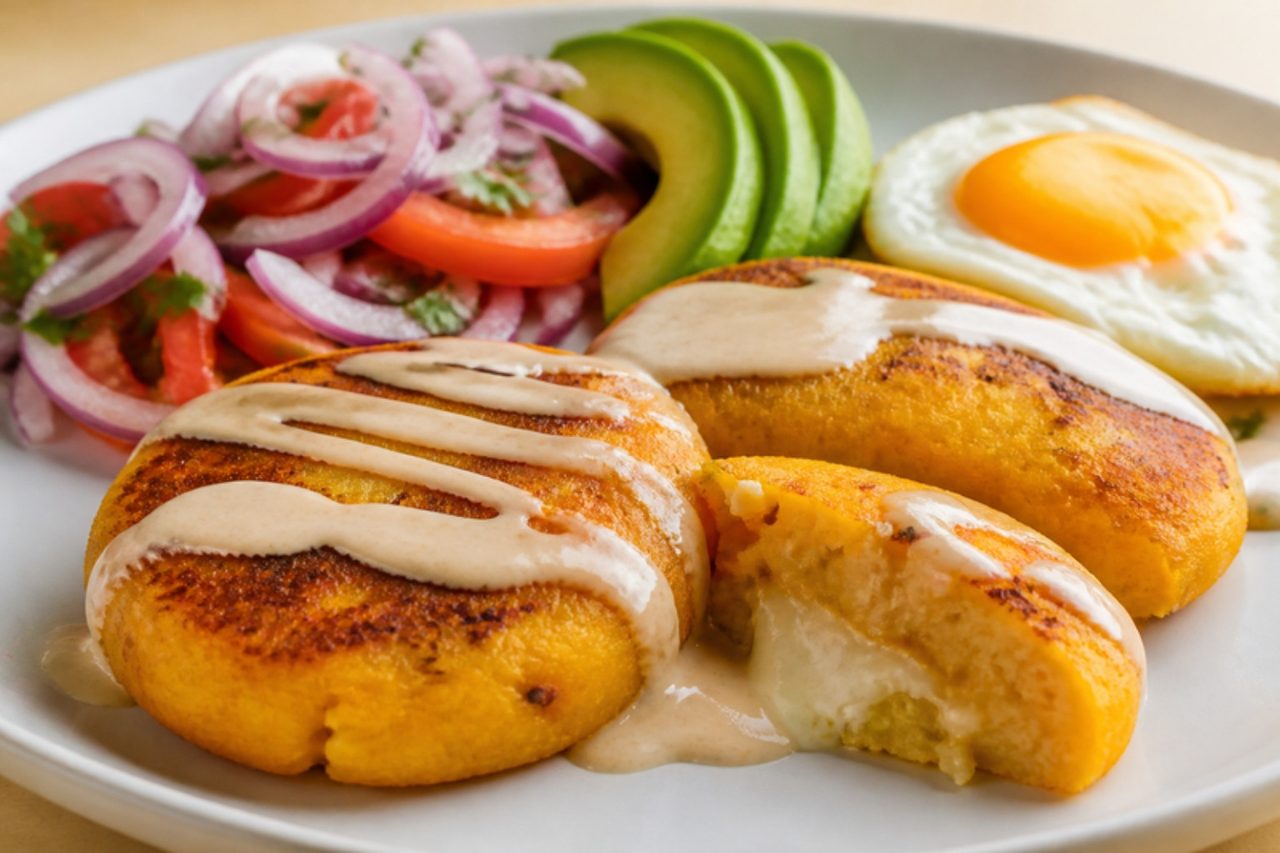
Llapingachos come from the central highlands of Ecuador, especially Ambato and the markets of Riobamba, where women fry them by the dozen on huge round griddles. The patties are mashed potato coloured with achiote, stuffed with cheese and spring onion, and browned until crisp. A full plate adds peanut sauce, a lime-dressed onion and tomato salad, avocado and a fried egg (the market version also includes chorizo, left out here). Chef's tip: chill the shaped patties for 30 minutes; cold patties hold their shape and get a better crust.

by KrazyBadal 0 views

KedjenouPot-steamed chicken

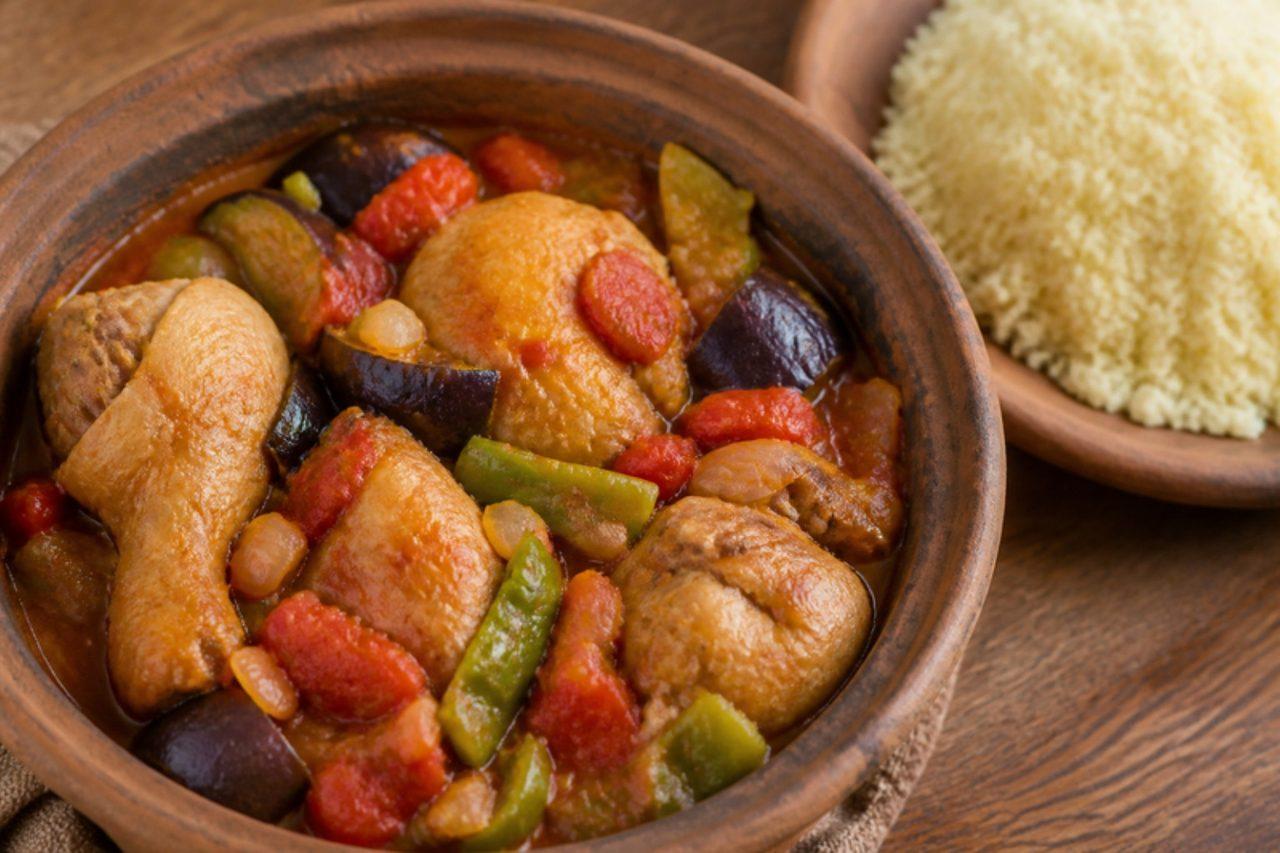
Kedjenou comes from the Baoulé people of central Côte d'Ivoire, who cooked it in a sealed clay canari set in the embers and shook the pot instead of stirring it; today it is a weekend favourite in Abidjan's maquis, served with attiéké or rice. Chicken, tomato, onion, aubergine, ginger and chilli go into the pot with no water at all, and the vegetables release enough juice to make a light, intense sauce. The mistake is lifting the lid to stir: the steam escapes and the pot can burn, so seal it well and shake it instead. Chef's tip: a heavy casserole with a sheet of foil pressed under the lid works just like the clay pot.

by KrazyBadal 0 views

Keerai masiyalMashed greens

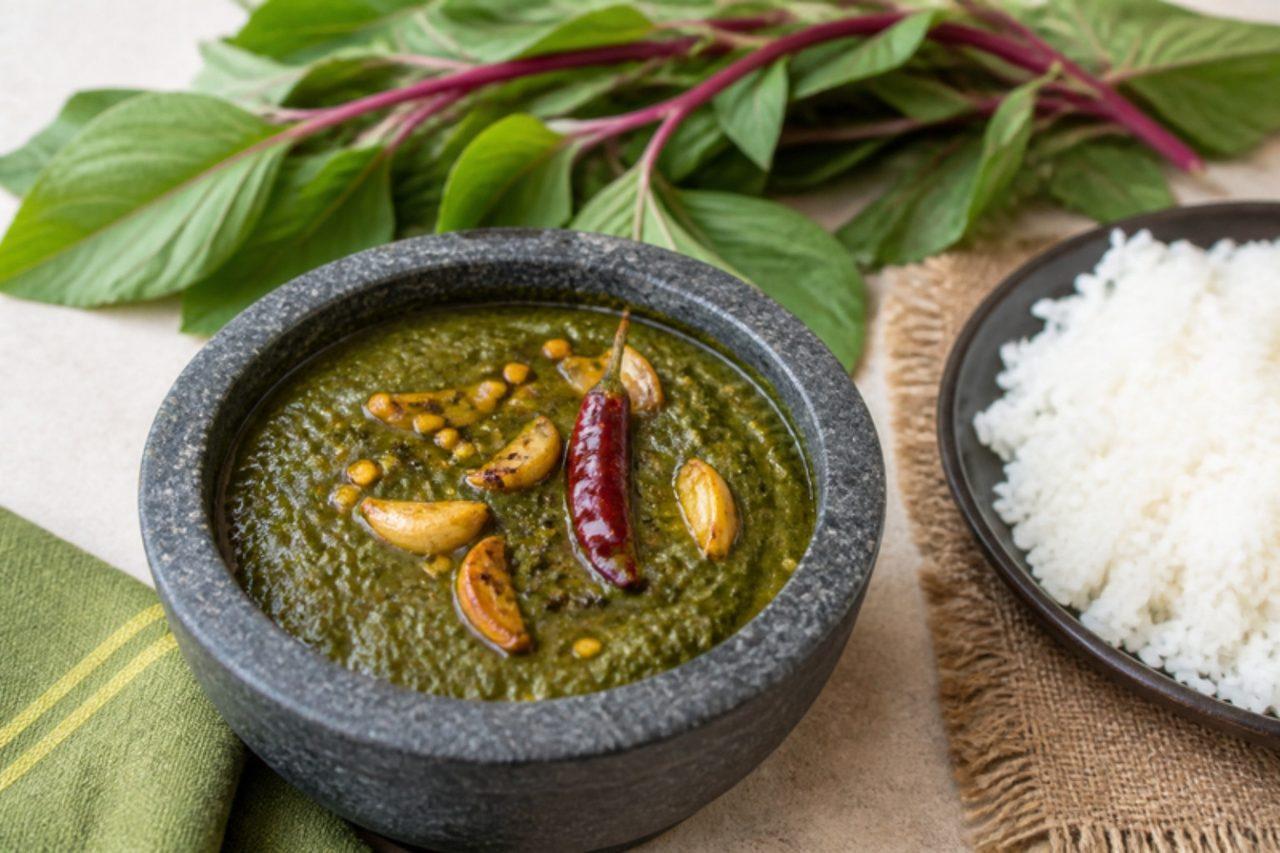
Keerai masiyal is the plain, green, buttery-soft mash Tamil mothers make with whatever keerai the market has that morning: arai keerai, siru keerai, amaranth or plain spinach. The leaves are cooked with shallots, garlic and green chilli and then mashed, traditionally with a wooden mathu, until smooth but still a little textured, then finished with a cumin tempering. It's eaten mixed into hot rice with a spoon of ghee or sesame oil, next to sambar or rasam, and it's a favourite first food for toddlers. Chef's tip: cook the greens uncovered; covering them traps the gases that turn the leaves dull olive instead of bright green.

by KrazyBadal 0 views

Kek lapis SarawakLayer cake

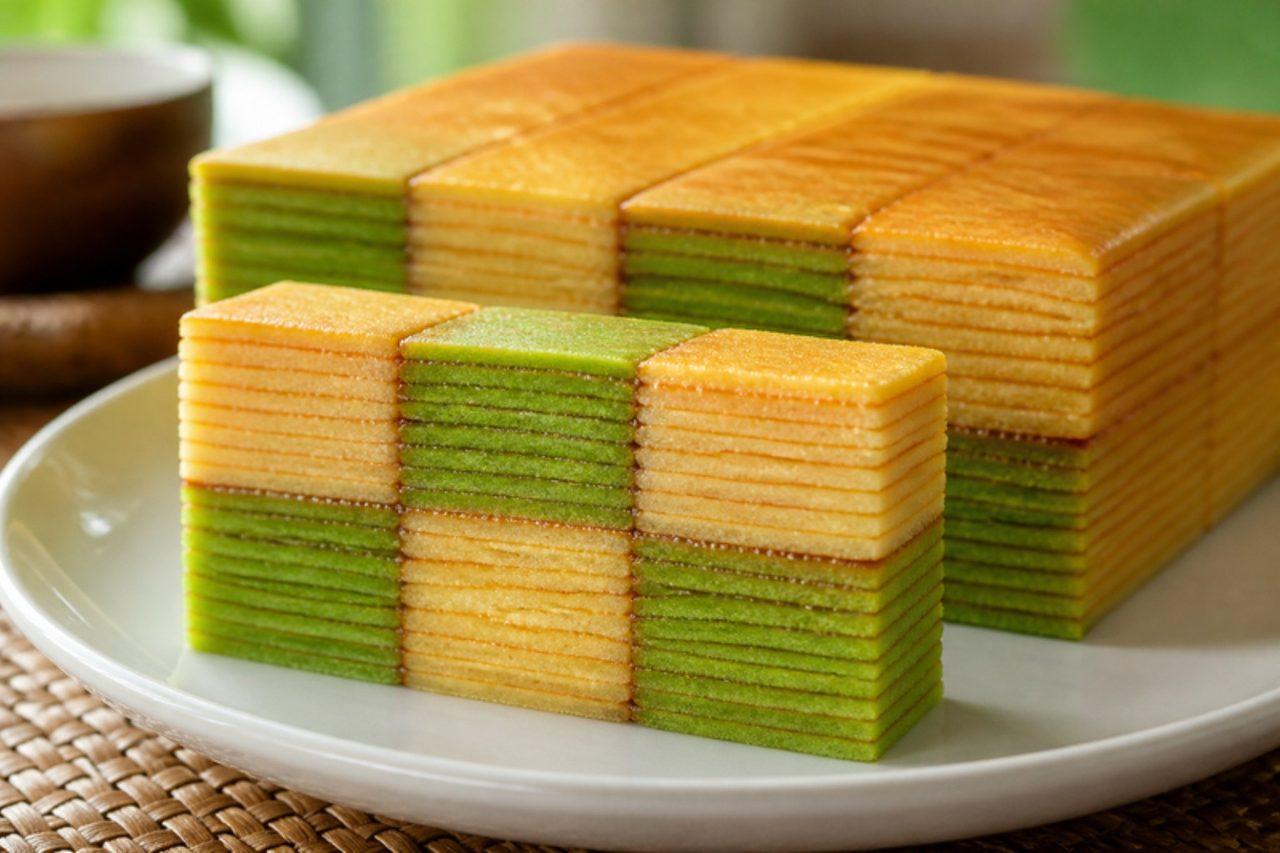
In Kuching, kek lapis Sarawak is baked for Hari Raya, Christmas and Gawai, and every family gives boxes of it away. Unlike Indonesia's spiced lapis legit, Sarawak cakes are sweet, dense and buttery, often made with condensed milk, and famous for their bright geometric patterns. Many layers are grilled one by one, then the cake is cut into strips and glued back together with jam to make the design. This is the beginner's chequerboard in plain and pandan green. Chef's tip: spread each layer thin and even with the back of a spoon; uneven layers make the pattern crooked.

by KrazyBadal 0 views

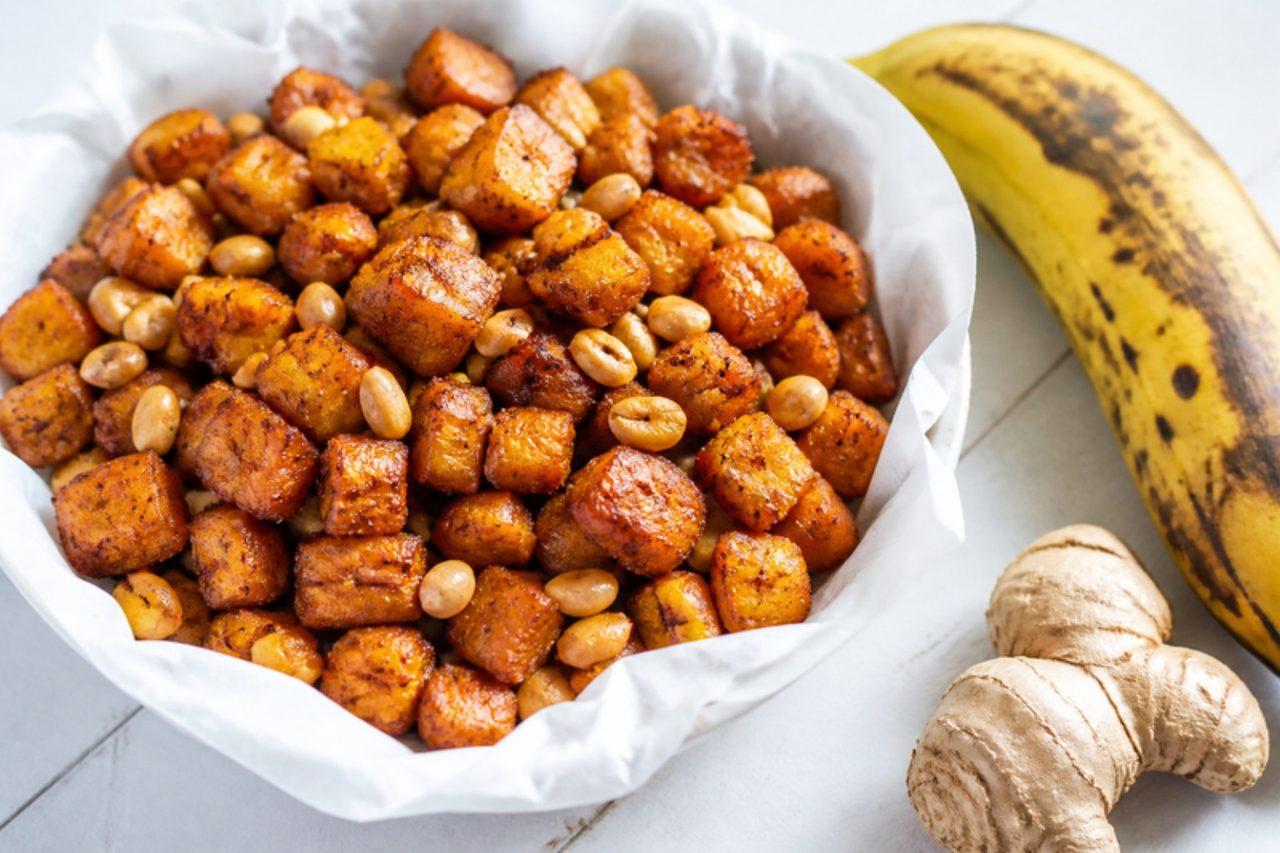
KeleweleSpiced fried plantain

Kelewele is what Accra smells like after dark: ripe plantain cubes tossed in a paste of ginger, onion, chilli and spice, then fried at roadside stalls lit by lamps and sold in paper cones. It is eaten as an evening snack, often with a handful of roasted peanuts, or as a side with red red. The outside caramelises while the spices turn toasty, so every piece is sweet, hot and spicy at once. Chef's tip: use plantains that are yellow with lots of black spots; fully black ones collapse in the oil and green ones never turn sweet.

by KrazyBadal 1 views

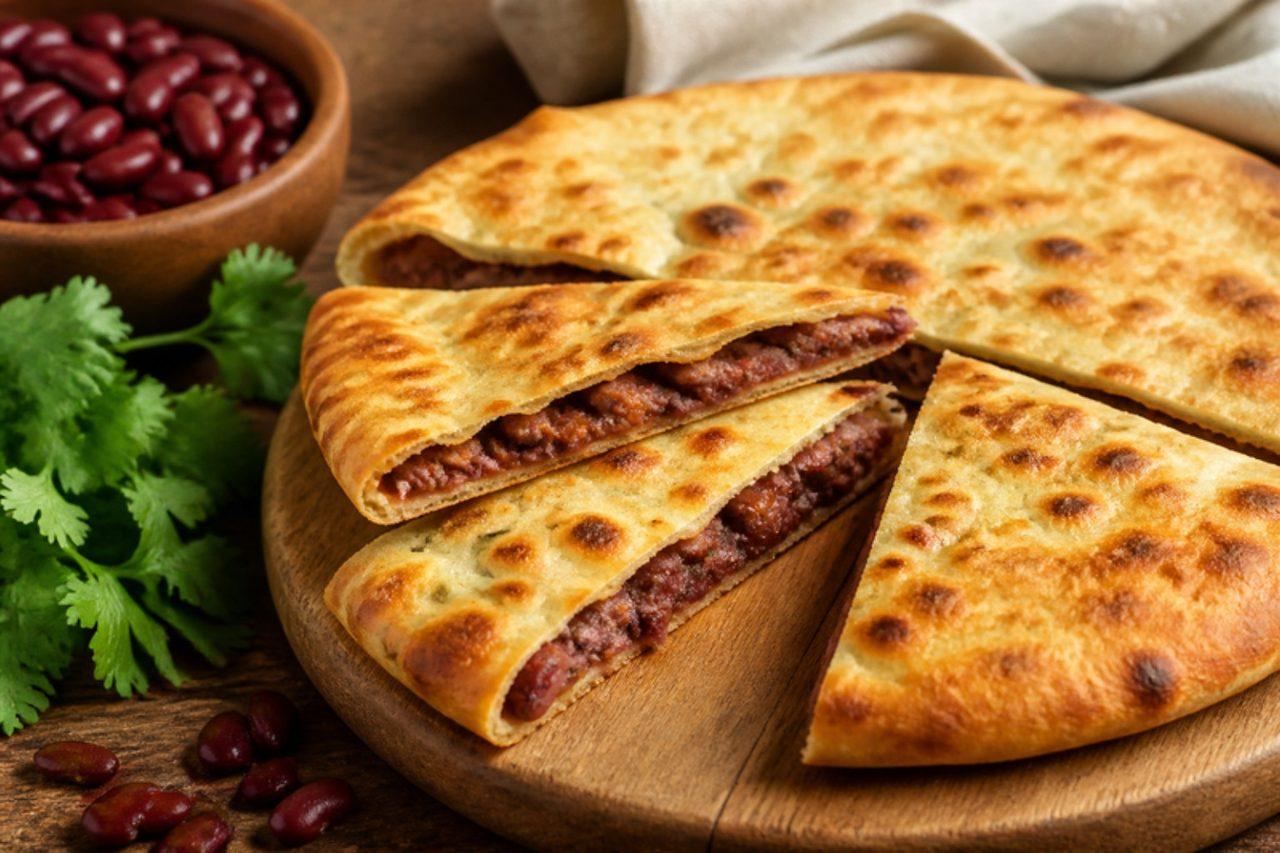
LobianiBean-filled bread

Lobiani is a round bread stuffed with spiced mashed kidney beans, and in Georgia it belongs above all to Barbaroba, St Barbara's Day on 17 December, when households across the country bake it for neighbours and guests. In the highland region of Racha it is often made with ham; this is the plain bean version that is also baked through Orthodox Lent, so the dough here is made with water and oil and the whole bread is vegan. The filling is soft and peppery with coriander and blue fenugreek, and the crust is thin and chewy. A common mistake is making the bean filling too wet, which turns the dough soggy and makes it burst: the mash should hold its shape on a spoon. Chef's tip: fry the onion for the filling until properly golden, not just soft; its sweetness is what makes the beans taste of something.

by KrazyBadal 0 views

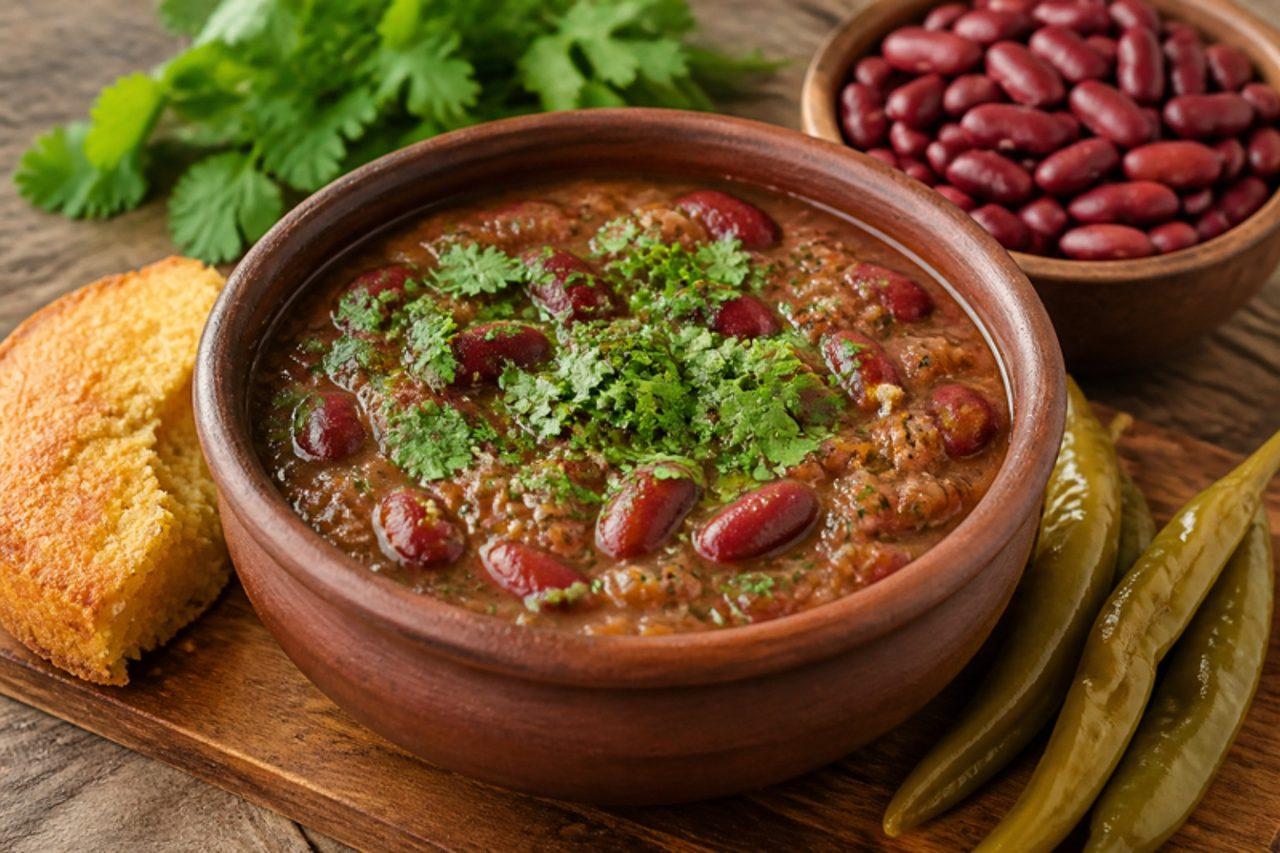
LobioRed bean stew

Lobio simply means beans, and in Georgia it means this thick, herb-scented stew of red kidney beans, cooked and served in a clay pot (a ketsi or kotani). In Imereti and Racha it is everyday winter food and a mainstay of the Lenten table, eaten with hot mchadi, pickled cabbage or green chillies and a spoon of tkemali. Some of the beans are crushed so the stew turns creamy while the rest stay whole. A common mistake is mashing everything to a purée; crush only about a third. Raw kidney beans must also boil hard for 10 minutes before simmering, or they can make you ill. Chef's tip: stir in the fresh coriander and garlic only at the end, off the heat, so they stay bright and sharp against the soft beans.

by KrazyBadal 0 views

Ker sangriDesert berries and beans

Ker sangri is a true desert dish from the Thar in Rajasthan: ker are small, sour wild caper berries and sangri are the thin, chewy bean pods of the khejri tree, both picked in summer and sun-dried to last the year. Soaked, boiled and fried in plenty of mustard oil with chilli, mango powder and coriander, they become tangy, earthy and almost pickle-like. It keeps for days, which is why it travelled with camel herders. Serve with bajra roti or puri, or as a side to dal baati. Chef's tip: taste a ker berry after boiling; if it is still very bitter, boil it again in fresh water before frying.

by KrazyBadal 0 views

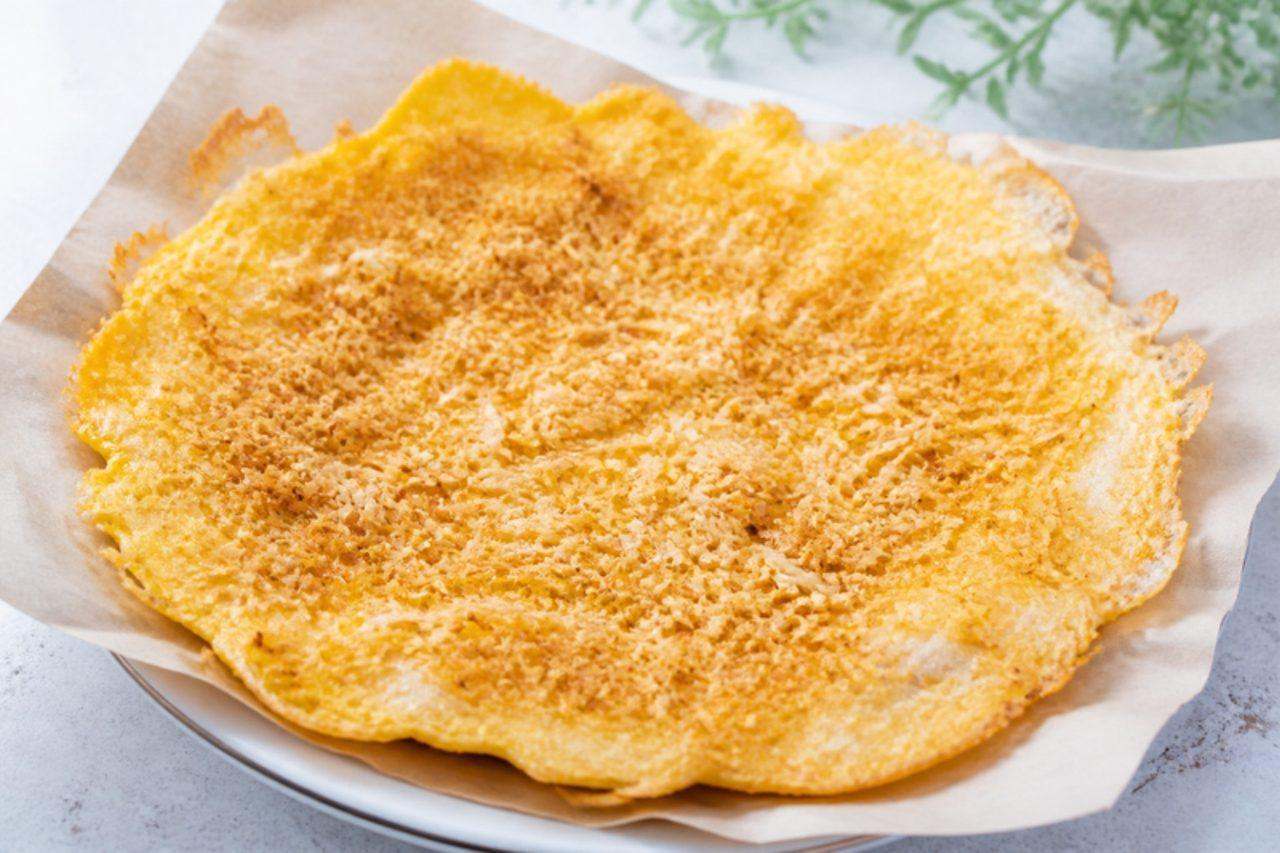
Kerak telorSticky rice and egg omelette

Kerak telor is the Betawi snack of Jakarta, cooked over charcoal by vendors at the Jakarta Fair and around Monas: a little soaked sticky rice is cooked in a tiny wok, an egg cracked on top, then the wok is turned upside down over the coals so the bottom forms a crust. It is finished with serundeng, a spiced toasted coconut, and fried shallots. Vendors usually add dried shrimp to the coconut; this version doesn't. Chef's tip: soak the sticky rice overnight; half-soaked grains stay hard in the middle.

by KrazyBadal 0 views

Kerala meen currySour red fish curry

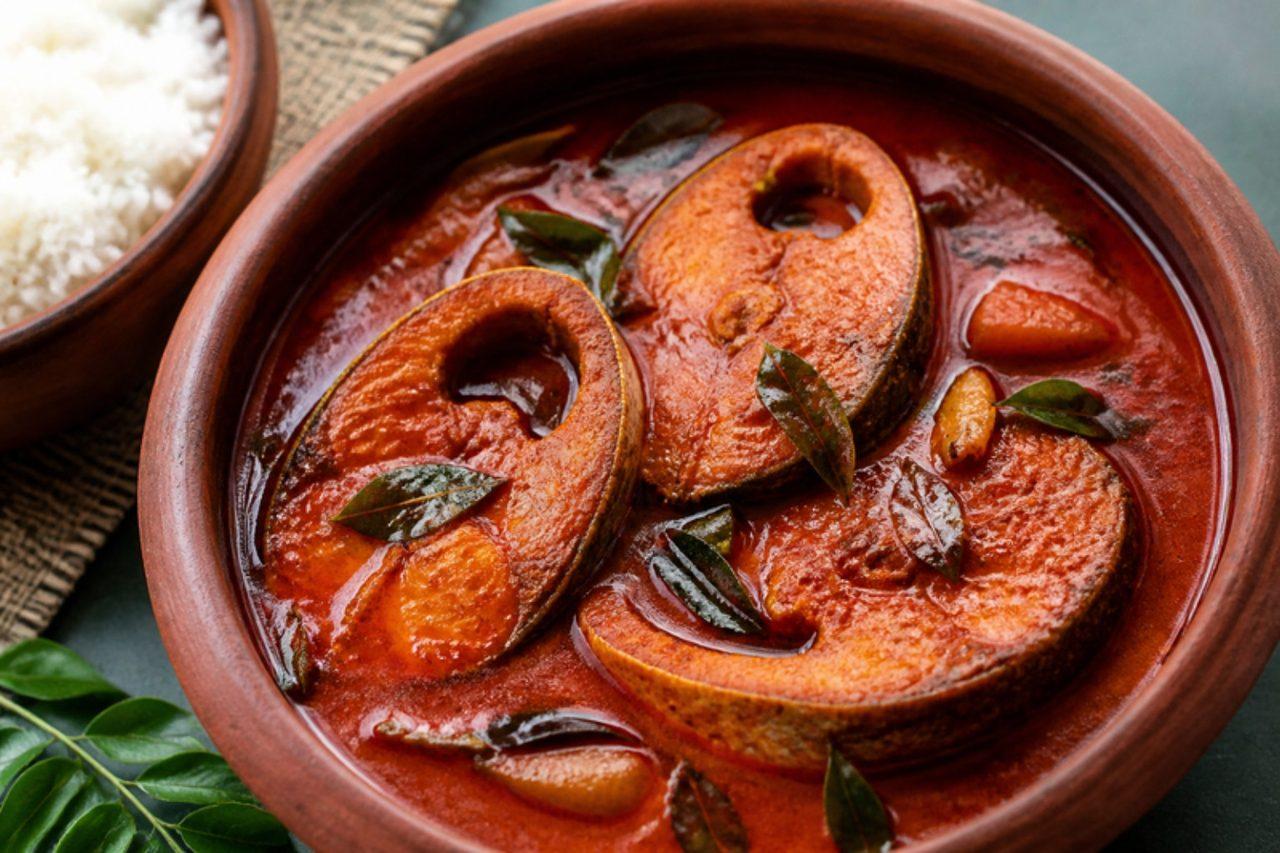
Down the southern backwater districts of Travancore, around Kottayam and Alappuzha, the everyday fish curry has no coconut at all: just a brick-red gravy of chilli, shallots and coconut oil, made sour and smoky with kudampuli (Malabar tamarind). It is traditionally made in a clay pot (manchatti) and left to sit, because it tastes better hours later or the next morning, when the fish has soaked up the sourness. Kingfish, sardines and mackerel are the usual choices; eat it with boiled red Kerala rice or tapioca. Chef's tip: once the fish is in, never use a spoon — hold the pot with a cloth and swirl it so the sauce coats the pieces without breaking them.

45 minIndianFishGluten freeSpicy
by KrazyBadal 0 views

Keropok lekorFried fish sausages

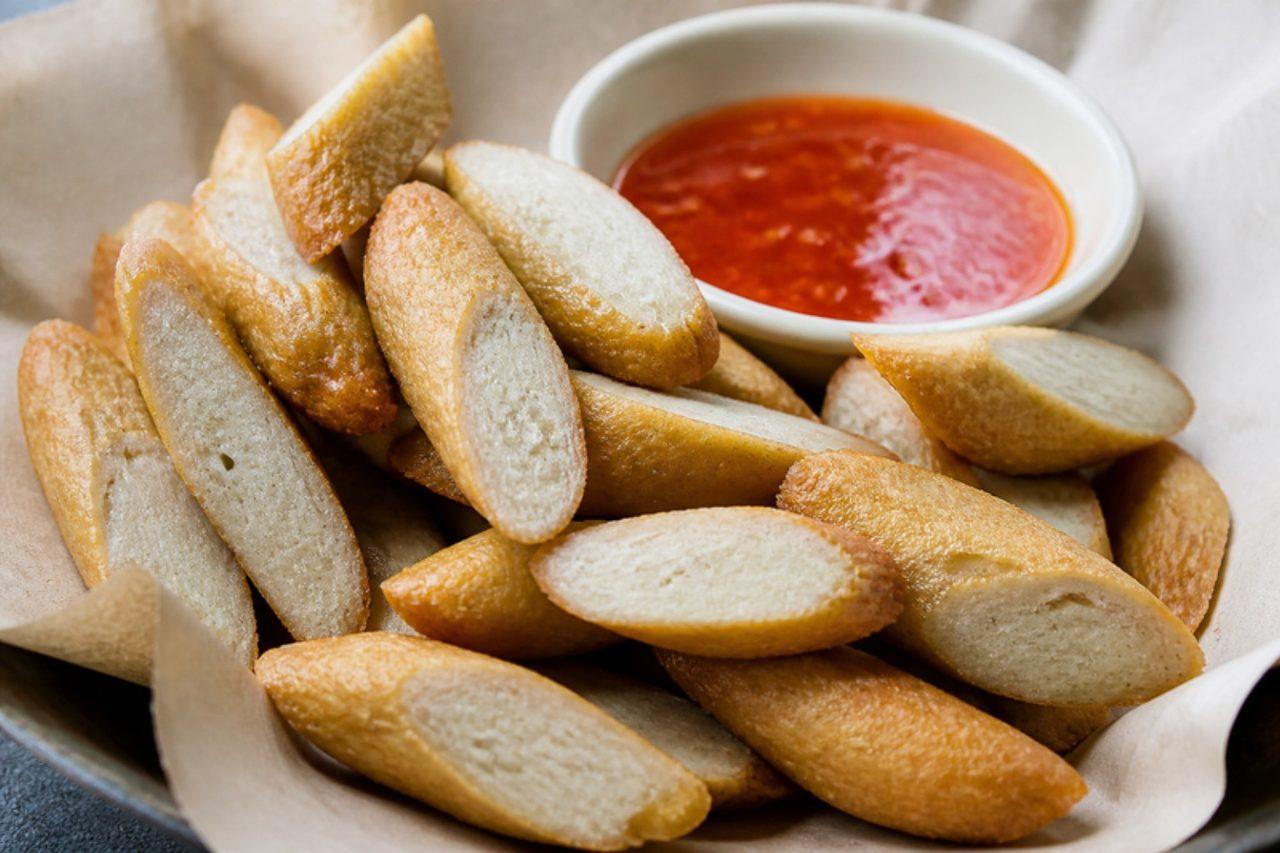
Along the beach road from Kuala Terengganu to Marang, roadside huts sell keropok lekor in paper bags, still hot from the wok. These are long, grey-white sausages of fish and sago starch, boiled until they float and then sliced and fried, so the outside puffs and crisps while the inside stays dense, bouncy and tasting clearly of the sea. Locals dip them in a sweet, garlicky chilli sauce and eat them with tea in the late afternoon. They freeze well after boiling, ready to fry any time. Chef's tip: knead the fish with ice-cold water; keeping the dough cold is what gives the springy bite.

by KrazyBadal 0 views

Cameroonian coconut rice

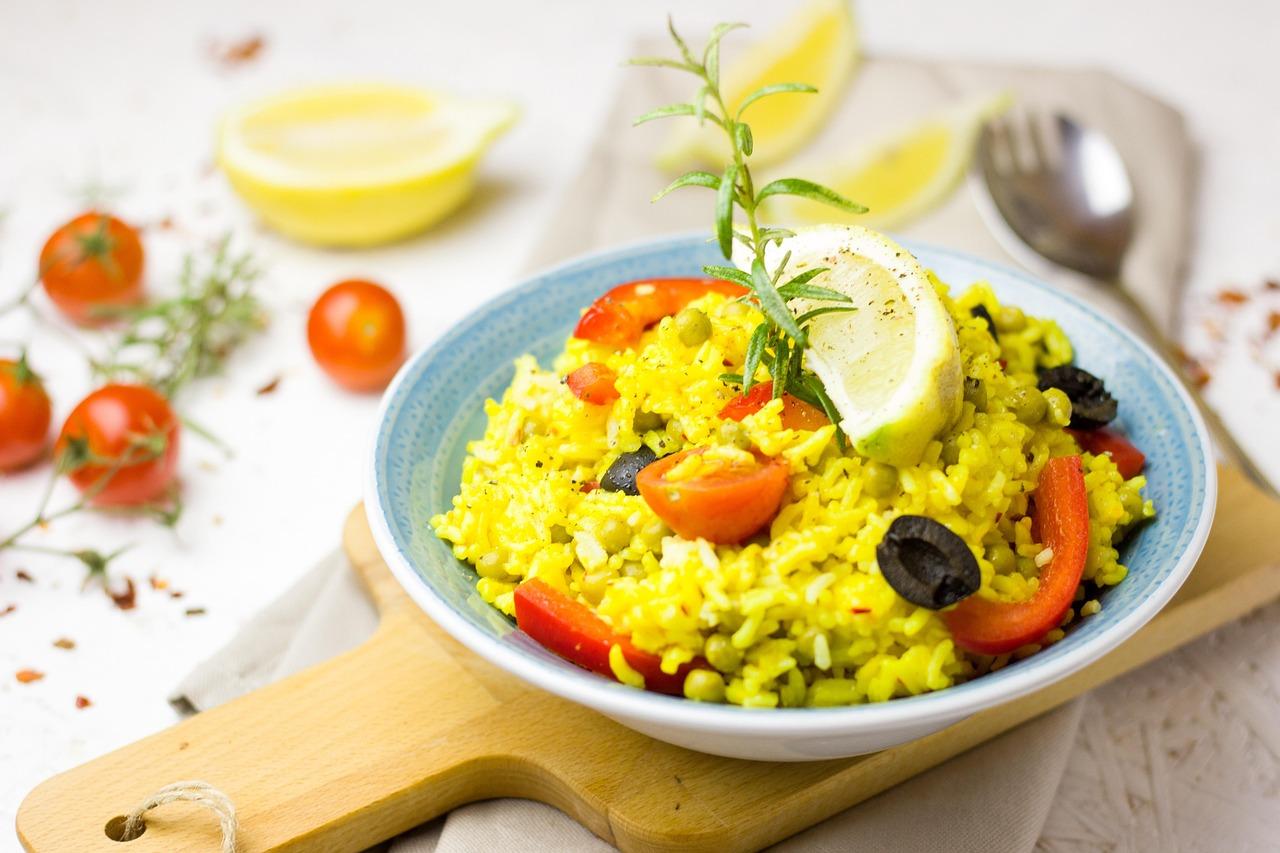
A colourful one-pot rice from Cameroon: long-grain rice simmered in thin coconut milk with tomato paste, chilli, cinnamon-clove powder and thyme, studded with carrot and yellow pepper. It's lightly spiced, creamy and fragrant. Serve it with beans, a vegetable stew or a simple salad.

by KrazyBadal 0 views

Locro argentinoCorn, bean and meat stew

Locro comes from the Andean northwest, from Salta, Jujuy and Tucumán, and today the whole country eats it on 25 May and 9 July, the two national holidays, when it simmers in huge pots at clubs and church halls. Dried white corn, white beans and squash cook down with beef, pork belly and chorizo into a stew so thick a spoon stands up in it. This is a pork dish. It is topped with quiquirimichi, a red oil of paprika, chilli and spring onion. The classic mistake is not soaking the corn and beans overnight; without it they never soften. Chef's tip: stir often in the last hour, scraping the bottom, as the squash breaks down and the locro catches easily.

by KrazyBadal 0 views

Locro de papaPotato and cheese soup

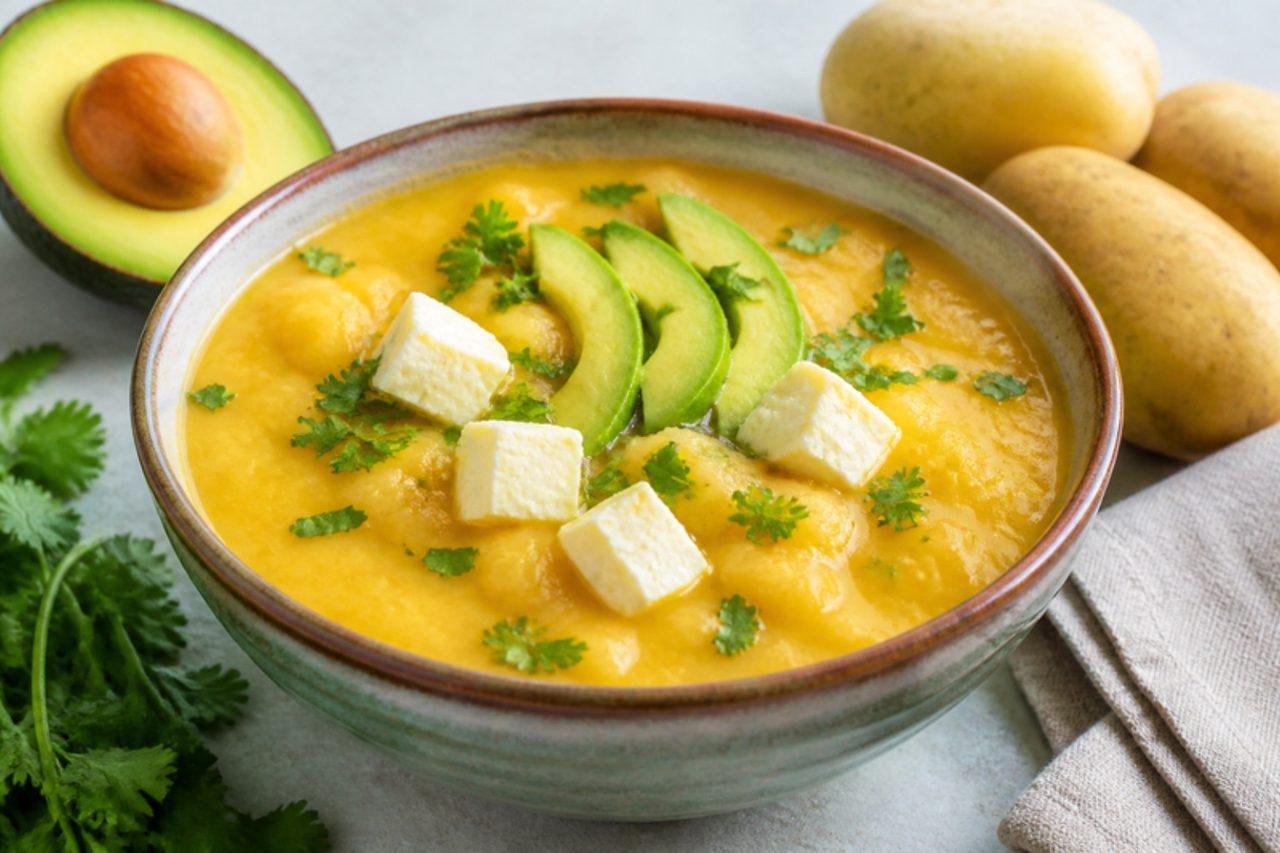
Locro de papa is Quito's comfort soup, eaten on cold afternoons in the Andean highlands where nights drop near freezing. Potatoes are cooked until half of them dissolve into a thick, achiote-tinted broth, then finished with milk and cubes of fresh cheese that soften into strings. Bowls are crowned with avocado slices and served with ají (chilli sauce) on the side. Ecuador uses two potatoes, a floury one to thicken and a waxy one to hold its shape. Chef's tip: add the cheese off the heat; it should soften and go stretchy, not melt into an oily layer.

by KrazyBadal 0 views

KespeEgg noodles in vegetable broth

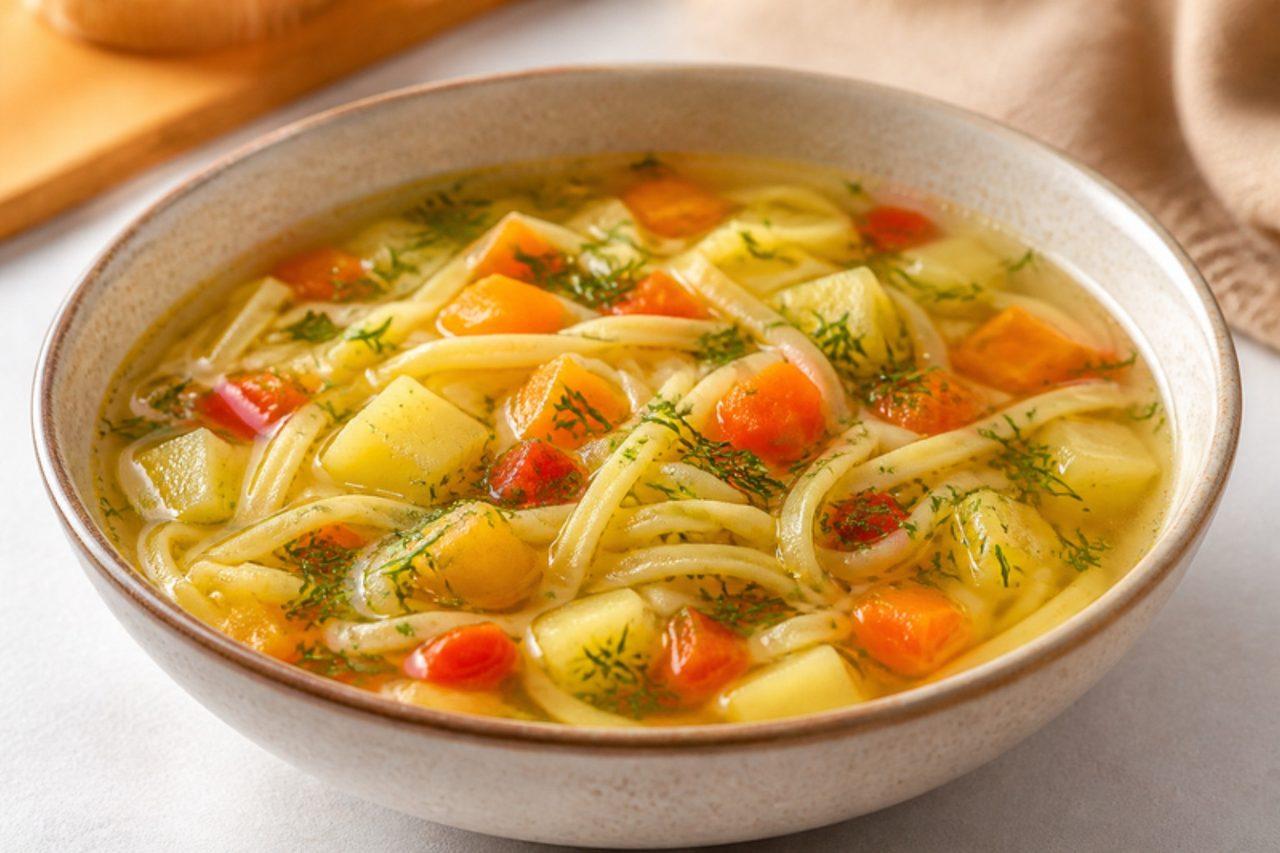
Kespe is the plainest and most comforting of Kazakh soups: home-made egg noodles, cut thin with a knife, simmered in broth with potato, carrot and onion. The name comes from 'kesu', to cut. Grandmothers in villages around Karaganda and Pavlodar make it on winter evenings and for anyone feeling unwell, and in Kyrgyzstan the same soup goes by the same name. It is usually cooked in mutton broth; this version uses a well-browned vegetable broth. Chef's tip: dry the cut noodles for 20 minutes before cooking; they hold their shape and don't cloud the broth.

by KrazyBadal 0 views

LohikeittoCreamy salmon soup

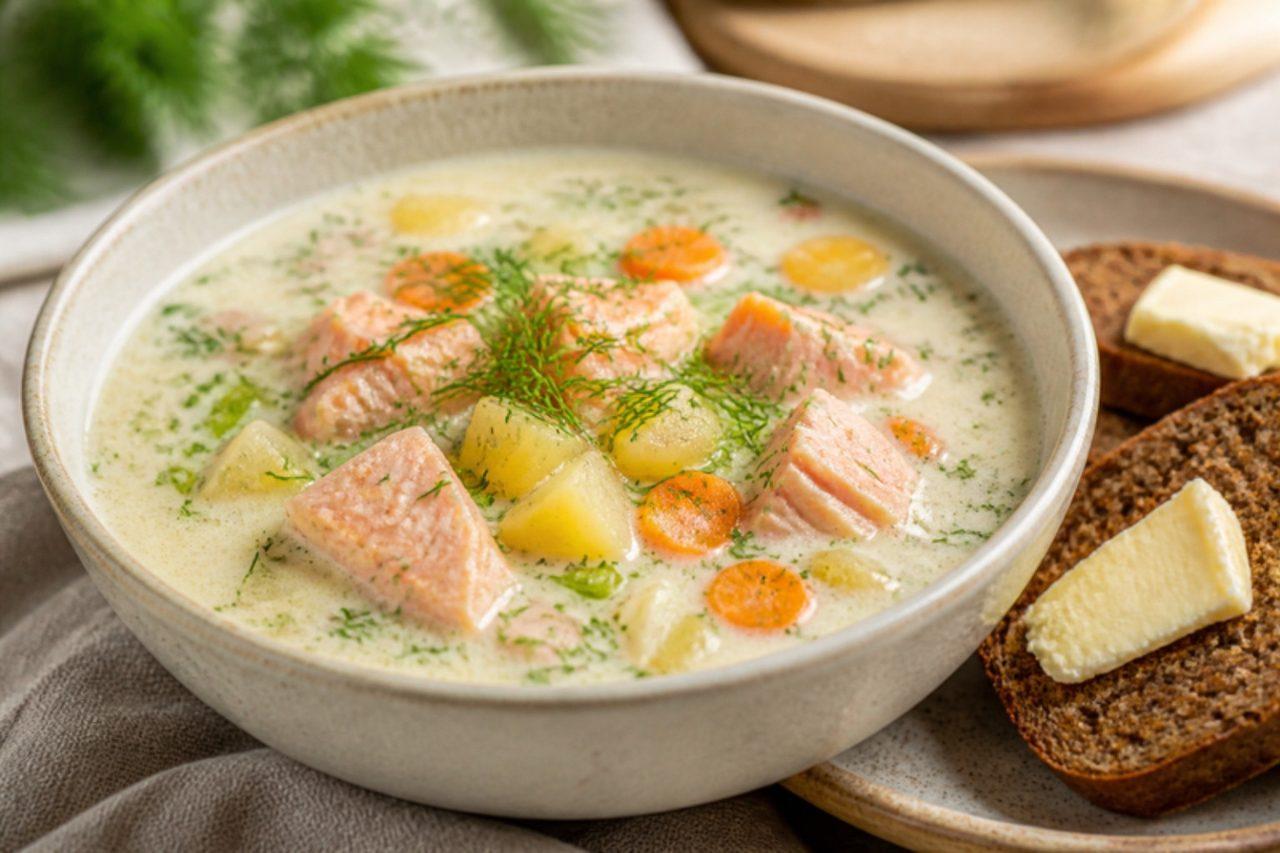
Lohikeitto is what Finns cook when they want something warming after a day outside, ladled up in Helsinki lunch cafés and in lakeside summer cottages alike. Chunks of salmon and potato simmer in a light fish stock with leek and allspice, then a little cream turns it pale and gentle and a big handful of dill makes it taste of summer. It takes about forty minutes and is served with dark rye bread and butter. The common mistake is boiling the salmon hard, which turns it dry and stringy; it only needs a few minutes at a bare simmer. Chef's tip: add the salmon last and switch off the heat with the lid on; the fish finishes in the hot soup and stays in juicy flakes.

by KrazyBadal 0 views

KetoprakTofu and noodles in peanut sauce

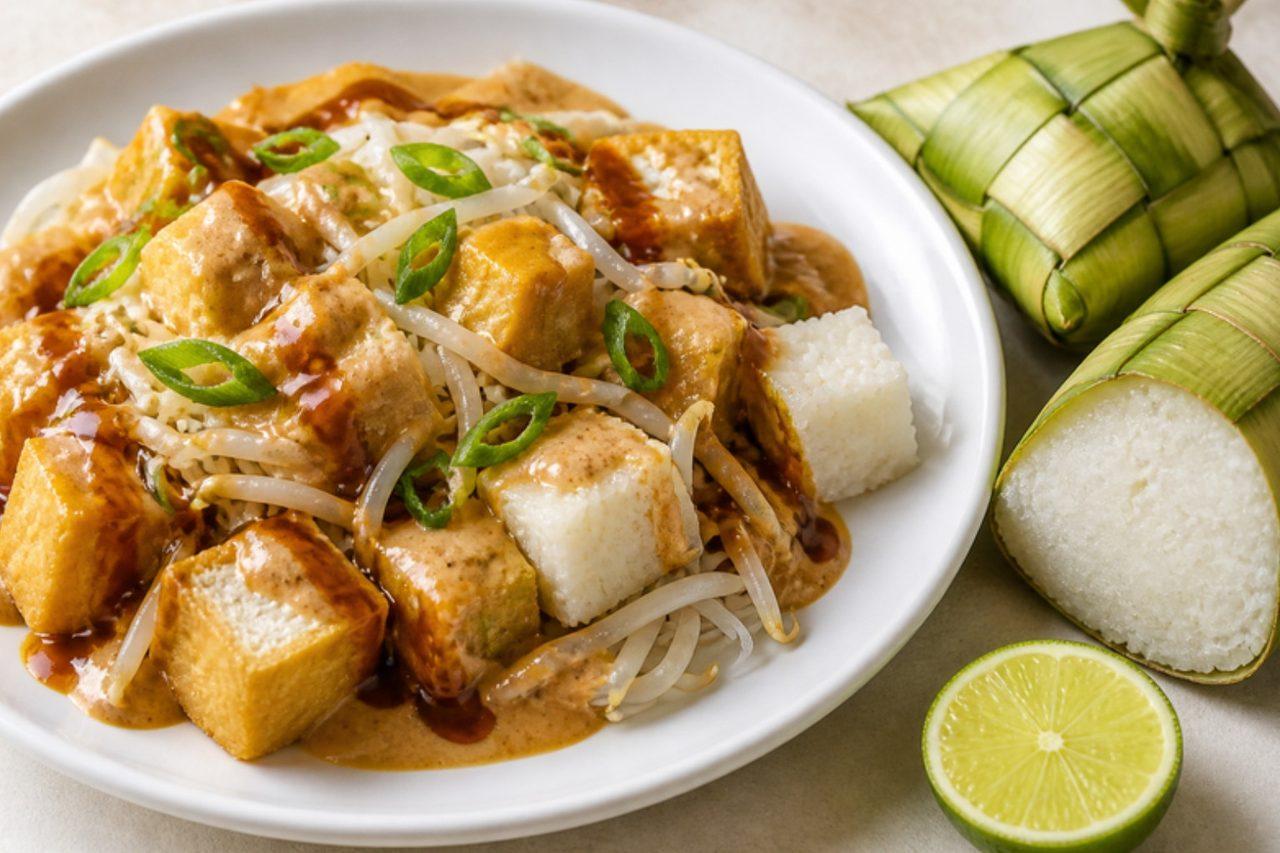
Ketoprak is a Jakarta cart dish, made to order: the seller grinds peanuts, garlic and chilli in a wide stone mortar, loosens them with water and sweet soy, then tips fried tofu, rice cake, rice vermicelli and bean sprouts on top. It is a cousin of gado-gado but simpler, with no egg-and-greens platter, and the raw-garlic sauce is the whole point. Eat it at lunch with plenty of crackers. Chef's tip: grind the garlic with the hot fried peanuts so the garlic mellows slightly; a raw paste made with cold nuts is harsh.

by KrazyBadal 0 views

Key watSpicy beef stew

Ask for key wat at a restaurant in Addis Ababa and you get a bowl of tender beef drowned in a sauce so red it gives the dish its name: key means red in Amharic. It is everyday celebration food, cooked for Sunday lunch, weddings and the end of a fast, and it shares the slow-cooked onion base of doro wat but with chunks of beef and a sharper, more peppery heat. The sauce should be thick and glossy, with a layer of red oil on top. Spoon it over injera with a cooling plate of greens or lentils beside it. Chef's tip: cut the beef into small, even 2 cm cubes so it soaks up the sauce and becomes tender in under an hour and a half.

by KrazyBadal 0 views

KhambirLeavened wholewheat bread

Khambir is the everyday bread of Ladakh: a thick, round wholewheat loaf with a dent pressed into the middle, browned on a griddle and finished in the heat of the kitchen stove. In homes in Leh and Kargil it appears at breakfast, torn into chunks and dipped into salty butter tea, or spread with apricot jam made from the region's dried apricots. The crust is chewy and toasty, the inside dense and slightly sour. Bakers in Leh's old town still sell it warm in the mornings. Chef's tip: let the dough rise until truly doubled; under-risen khambir is heavy and gummy in the middle.

by KrazyBadal 0 views

KhandviGram flour yogurt rolls

Khandvi are delicate, melt-in-the-mouth rolls from Gujarat, made by cooking gram flour with sour buttermilk until thick, spreading it paper-thin while hot and rolling it up. They're finished with a sizzling tempering of mustard seeds, sesame and curry leaves, plus fresh coconut and coriander. They're soft, tangy and gently spiced, and a favourite at Gujarati weddings and tea-time. They look tricky, but once you know when the batter is cooked, they're quick. Chef's tip: keep a plate by the stove and test the batter often; when a spoonful spread thin on the plate sets in 30 seconds and peels off in one piece, it's ready, and not a minute before.

by KrazyBadal 0 views

KhanfarooshSaffron rice-flour cakes

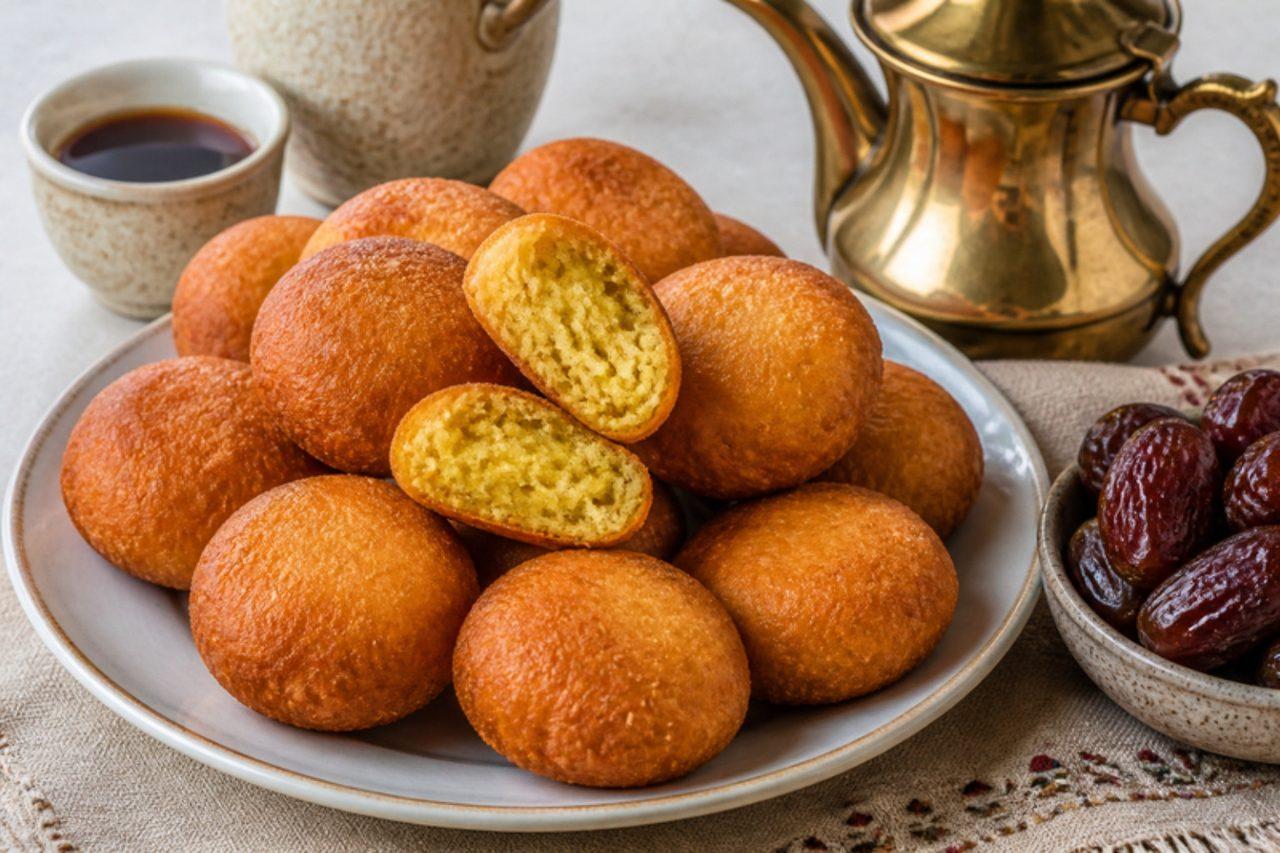
Khanfaroosh are an old Emirati sweet, made by grandmothers in Ras Al Khaimah and Fujairah and served with Arabic coffee when guests arrive, at weddings and during Eid. A rice-flour batter rich with eggs, saffron, cardamom and rose water is shallow-fried in small rounds that puff up, golden-brown with a lacy edge and a soft, spongy middle. They are less sweet than they look and best eaten warm from the pan. Chef's tip: let the batter rest for 30 minutes so the rice flour softens; unrested batter fries up gritty.

by KrazyBadal 0 views

Khanom jeen nam ngiaoRice noodles in spicy pork broth

Breakfast stalls from Chiang Rai to Mae Sai ladle this tangy red broth over soft rice noodles from dawn until it sells out, usually before noon. The soup is light but full-flavoured: pork ribs give body, cherry tomatoes give a fresh sourness, and dried cotton-tree flowers (dok ngiao) add a faint floral, earthy chew. Each diner finishes their bowl at the table with bean sprouts, shredded cabbage, crispy garlic and lime. Cubes of cooked pig's blood are traditional; they are optional here and left out by default. Chef's tip: blanch the ribs and throw that first water away, so the finished broth stays clear and clean-tasting.

90 minThaiSoups
by KrazyBadal 0 views

Butter beans with cabbage

A simple, homely East African dish of butter beans (or kidney beans) tossed with tender cabbage and carrots in butter with deeply browned onions. It's mild, filling and good for every day; the book's Handy Hints note that cabbage is high in fibre and good for digestion. Serve hot with chapati, rice or ugali.

by KrazyBadal 0 views

Khao jee pâtéBaguette sandwich with pâté

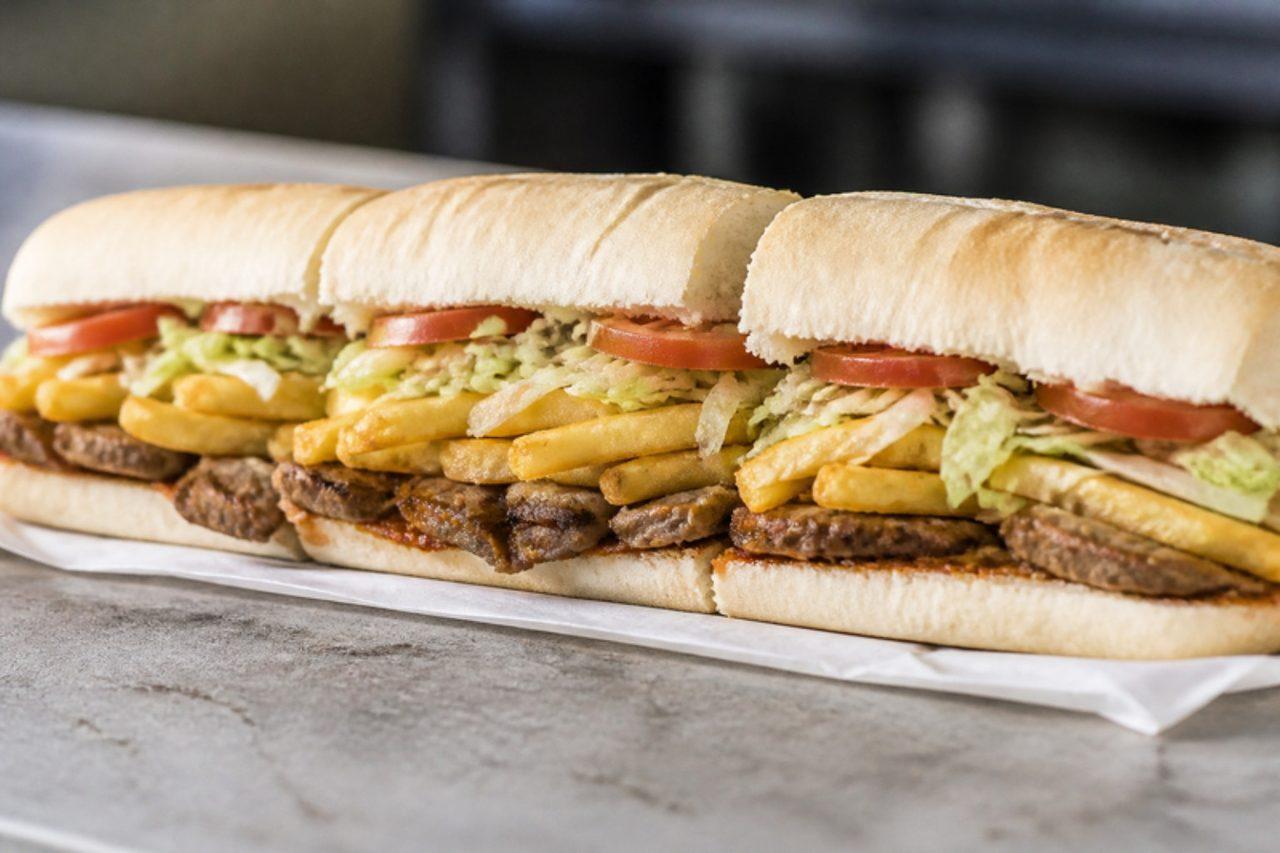
Khao jee pâté is the breakfast sandwich of Vientiane, sold from glass-fronted carts on street corners since the French era left Laos its love of baguettes. It is a pork sandwich: a crisp, light baguette is warmed over charcoal, spread with pork liver pâté and filled with Lao-style cold cuts (pork sausage or ham), pickled papaya or carrot, cucumber, herbs, chilli sauce and a splash of Maggi-style seasoning. Pregnant people should avoid pâté because of listeria risk. Chef's tip: warm the bread until the crust crackles; a soft baguette makes a soggy sandwich.

by KrazyBadal 0 views

Khao man gaiChicken and ginger rice

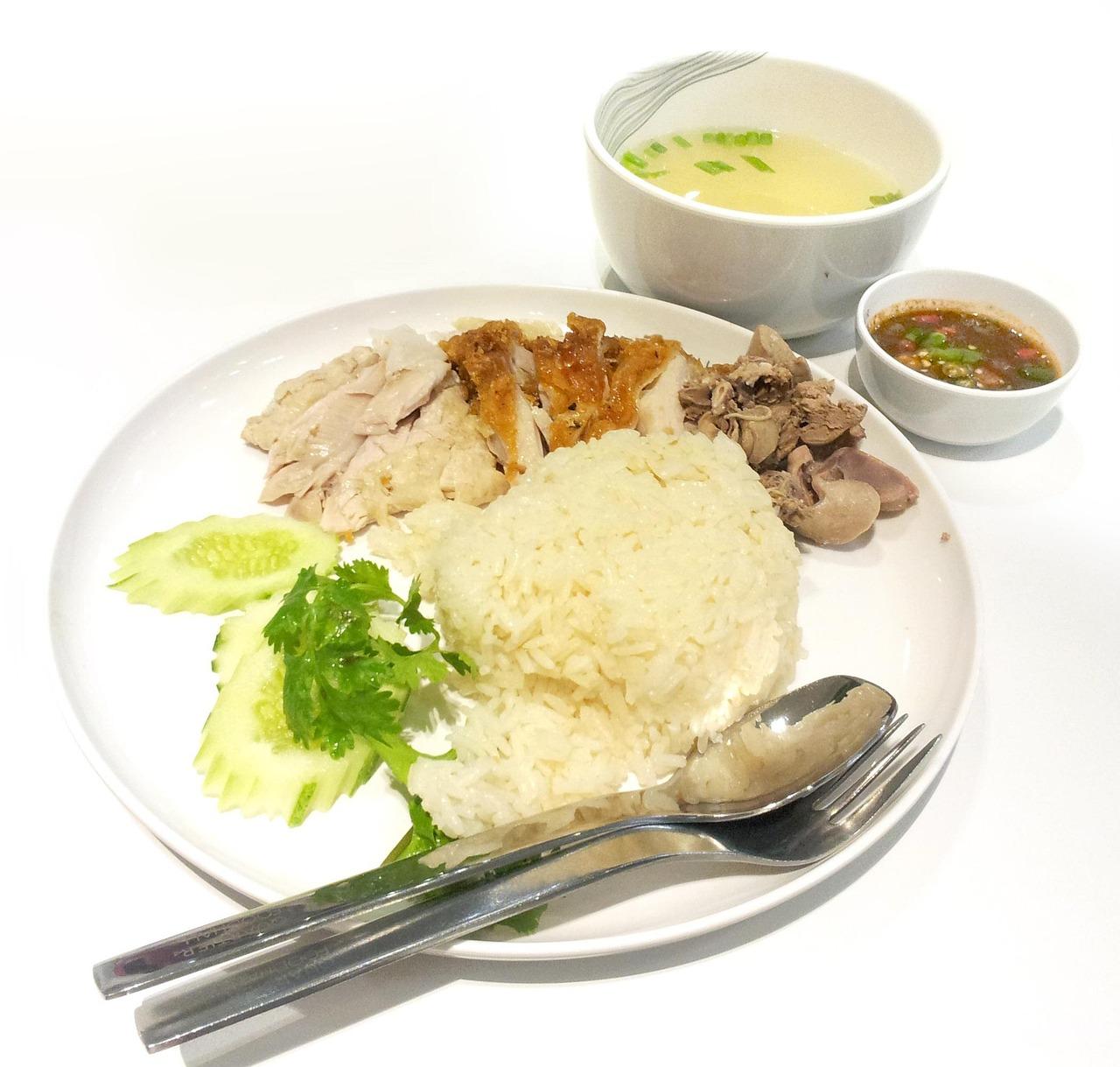
Around Pratunam market in Bangkok, the khao man gai stalls are easy to spot: a queue, pale poached chickens hanging in a glass cabinet, and a cook slicing with a cleaver at speed. Like its Hainanese ancestor, the dish pairs silky chicken with rice cooked in the bird's fat and broth, but the Thai plate stands apart for its sauce, a punchy mix of fermented soybeans (tao jiao), ginger, garlic, chilli and vinegar, and for the little bowl of clear broth with winter melon served on the side. Bangkok eats it for breakfast, lunch or a late supper, always with cucumber slices and coriander. Chef's tip: plunge the cooked chicken into iced water for 10 minutes; the skin firms to a jelly-like snap and the meat stays juicy.

by KrazyBadal 0 views

Khao piak sen with mushroom brothRice noodles in mushroom broth

Khao piak sen is the soup Laotians crave on a cool morning or when they feel unwell, and roadside shops in Vientiane and Luang Prabang sell it from dawn. The noodles are cut by hand from a soft rice and tapioca dough and cooked straight in the broth, so their starch turns the soup thick, slippery and comforting. Instead of the usual chicken stock, this version builds a deep broth from dried shiitake, charred onion and ginger, and finishes it with crisp fried garlic, spring onion and coriander. Chef's tip: dust the cut noodles well with tapioca starch and keep them apart; they stick together into a clump in seconds if left in a pile.

75 minLaoSoupsVeganGluten free
by KrazyBadal 0 views

Khao poon with tofu and vegetablesCoconut curry noodle soup

Khao poon is celebration food in Laos, ladled out at weddings, baci ceremonies and big family gatherings, and sold at morning markets in Vientiane by women with huge steaming pots. Fine round rice noodles sit under a spicy, red-tinged broth of coconut milk, lemongrass and galangal, and everyone adds their own shredded cabbage, banana blossom, beansprouts, mint and lime. The usual chicken or fish is swapped for golden fried tofu and bamboo shoots. Chef's tip: fry the red chilli paste in the coconut cream until oil seeps out in red drops on the surface; that's when the colour and heat are fully released.

by KrazyBadal 0 views

KharRaw papaya and lentil dish

Every traditional Assamese lunch begins with khar, a mouthful of it mixed into the first ball of rice to settle the stomach. The defining ingredient is khar itself, an alkaline liquid filtered from the ash of dried bhim kol (seeded banana) peels; it gives the dish its soft, slightly soapy, earthy taste. Raw papaya and a handful of lentils are cooked in it with mustard oil, garlic and green chilli until silky. At home in Guwahati or Jorhat it is made several times a week. Chef's tip: outside Assam, use a small pinch of bicarbonate of soda in place of khar; too much tastes metallic, so start with ⅛ tsp.

by KrazyBadal 0 views

KhashBeef foot broth

Khash is a winter ritual in Armenia: friends gather in the early morning between November and March, often at the weekend, to share bowls of plain broth made from beef feet that have cooked all night. Everyone seasons their own bowl at the table with crushed garlic and salt, crumbles dried lavash into it and eats with radishes, pickles and fresh herbs. The broth is rich, sticky with gelatine and deliberately unseasoned in the pot. Skimping on the cleaning and soaking is the classic error; it leaves the broth grey and smelling of the farmyard instead of clean and milky-white. Chef's tip: ask the butcher to clean the feet and saw them into pieces for you.

by KrazyBadal 0 views

Khasta kachori with aloo sabziFlaky urad dal pastries with potato curry

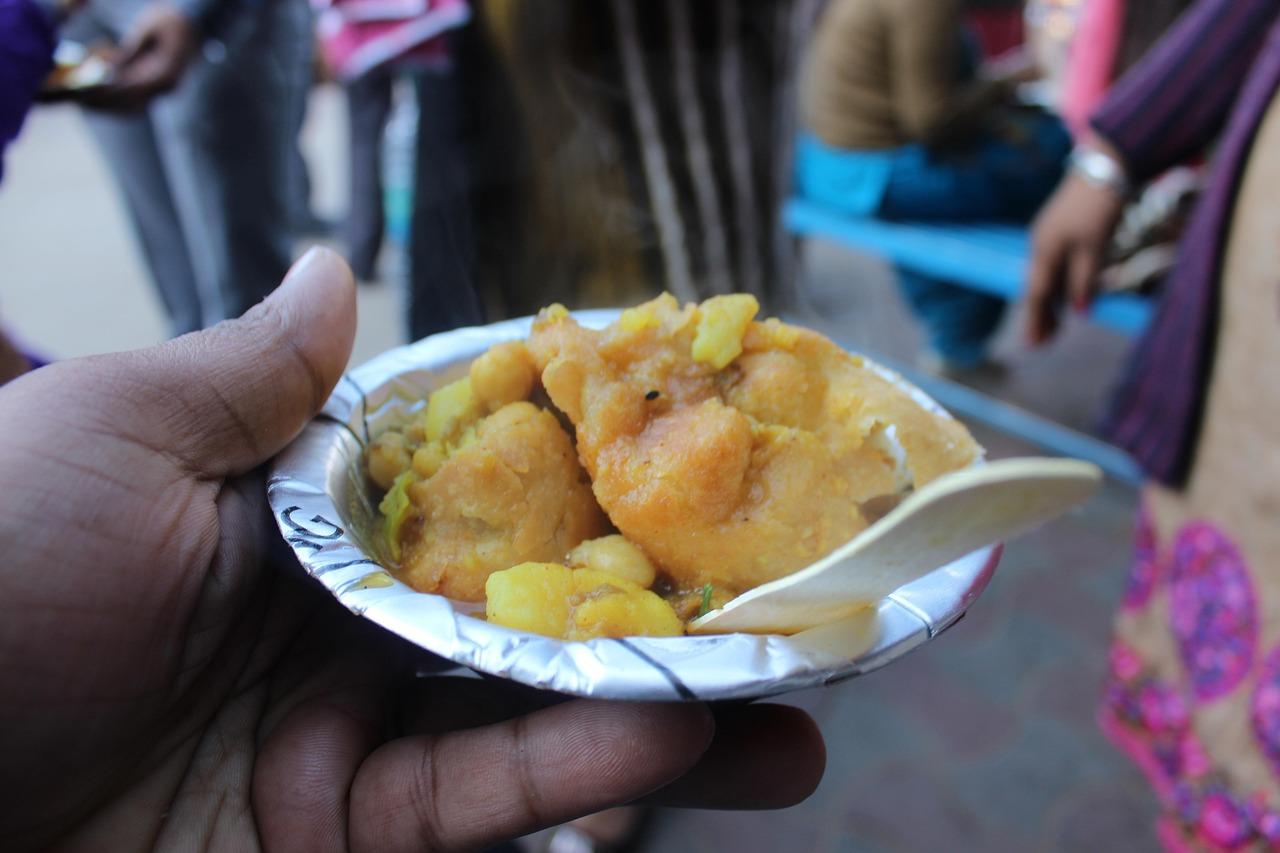
In the lanes of Old Delhi, breakfast often means a leaf plate of khasta kachori broken into a hot, thin potato curry, with a dollop of pickle and a cup of chai. The kachoris are large and flat with a peppery filling of coarsely ground urad dal, fried slowly until they blister and puff, and the aloo sabzi is fiery with chilli and sharp with tomato and dried mango. It's a weekend dish, filling enough to last until lunch. Chef's tip: break the boiled potatoes by hand rather than chopping them; the rough edges melt into the gravy and thicken it naturally.

by KrazyBadal 0 views

KhatkhatemMixed vegetable and dal stew

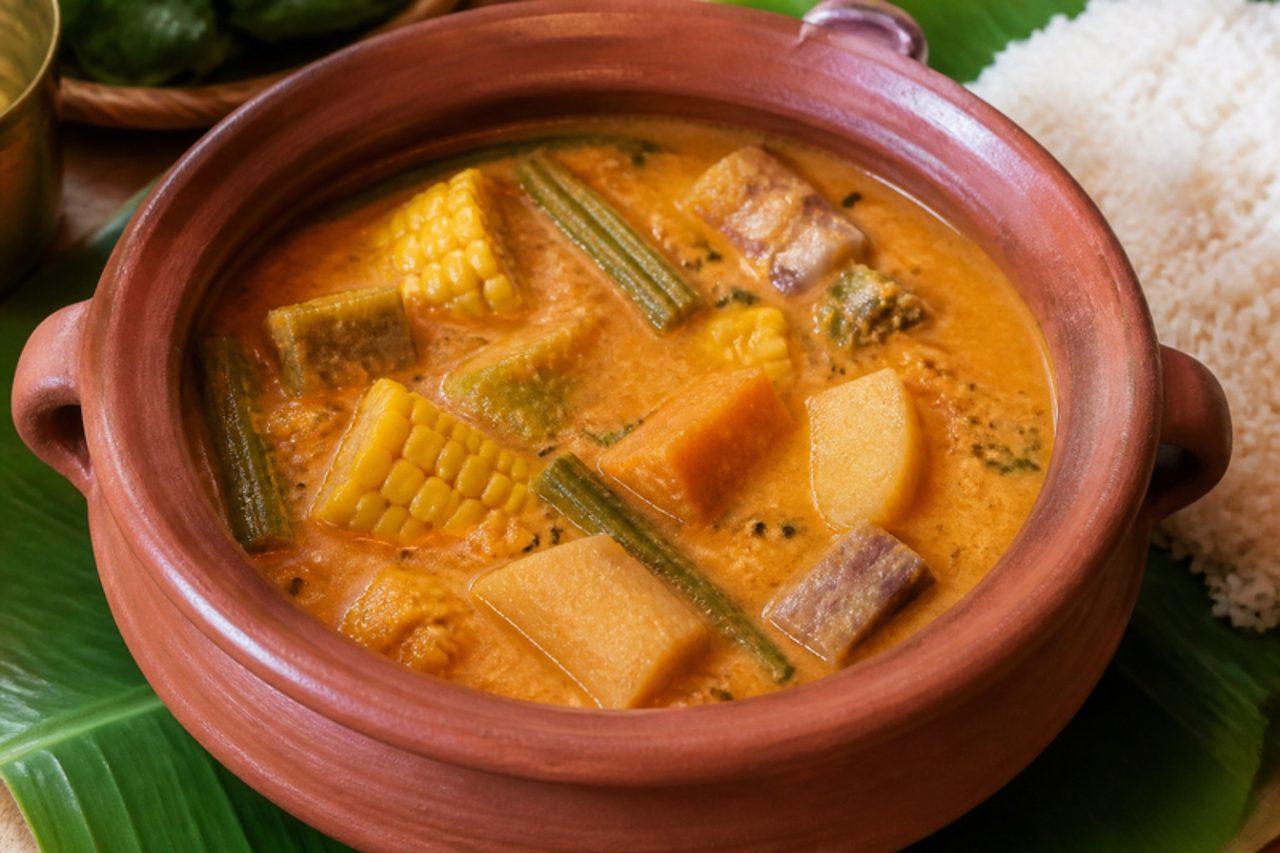
Khatkhatem is the vegetable stew Goan Hindu families cook for Ganesh Chaturthi and wedding feasts, when onion and garlic are kept out of the kitchen. It takes whatever the monsoon garden gives: pumpkin, sweet potato, raw banana, corn on the cob, drumsticks, yam and the long Goan cucumber, simmered with a little toor dal in a ground paste of coconut, red chillies and coriander seeds. The flavour comes from tirphal, a dried berry from the Western Ghats with a woody, citrusy, slightly numbing bite. Serve it with rice and a crisp papad as part of the festive spread. Chef's tip: add the vegetables in stages, hardest first; khatkhatem should have every vegetable tender but whole, not a mush.

by KrazyBadal 0 views

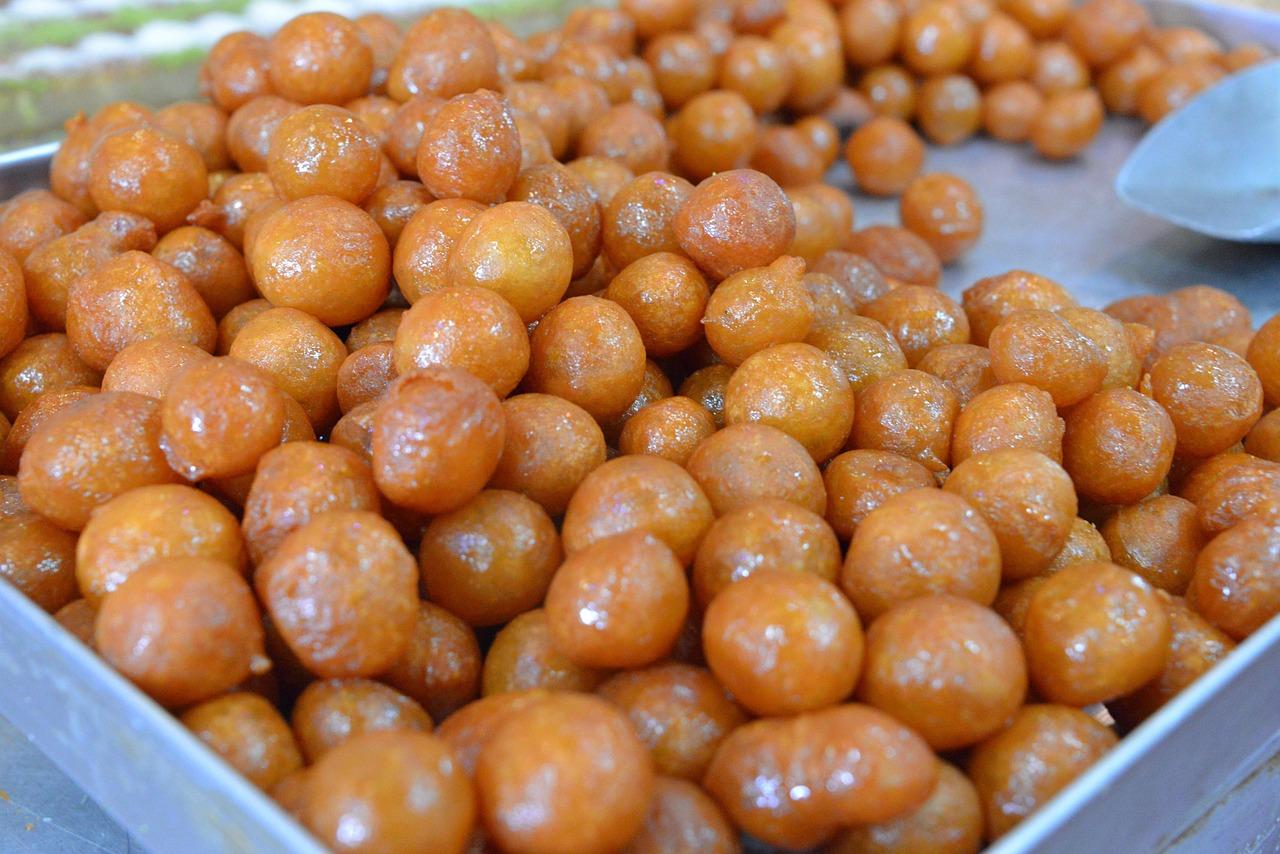
LokmaFried yeast fritters in syrup

In İzmir and along the Aegean coast, lokma is the sweet of shared moments: families hire a lokma master with a big cauldron to fry hundreds of these golden balls on the street after a funeral or to mark an anniversary, handing them out to anyone passing by, and stalls sell them by the paper cup all year. Each fritter is a little ball of yeasted batter, crisp outside, hollow and soft within, soaked briefly in lemon syrup so it crunches before it melts. This home version needs no eggs or butter, and kids love squeezing out the balls. Eat them warm, on their own or with a sprinkle of cinnamon or crushed pistachios. Chef's tip: dip your spoon or fingers in a cup of water before each ball; the batter then slides off cleanly into round shapes instead of stringy tails.

by KrazyBadal 0 views

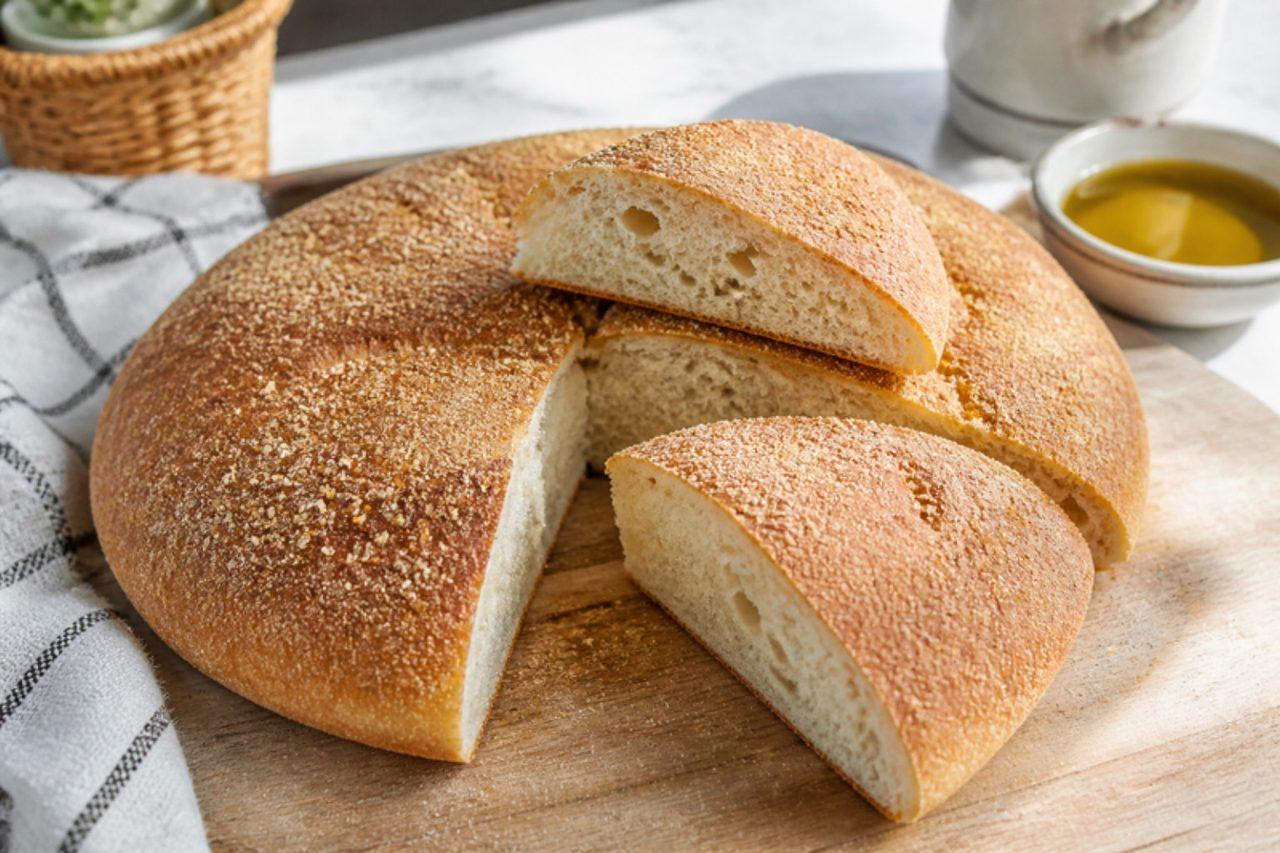
KhobzRound semolina bread

Khobz is the round, flat loaf that sits on every Moroccan table, used instead of cutlery to scoop up tagine and salads. In the older quarters of Fez and Marrakech families still shape their dough at home and carry it on wooden boards to the neighbourhood wood-fired oven, the ferran; at home it bakes perfectly on a hot tray. The semolina and wholemeal give it a slightly nutty taste and a soft, chewy crumb with a thin crust. It keeps for a day wrapped in a cloth and is wonderful toasted. Chef's tip: prick the top all over before baking so it rises evenly and stays flat instead of puffing like a pitta.

by KrazyBadal 0 views

Khorkhog-style lambHot stone-style lamb

Khorkhog is the feast of the Mongolian countryside, cooked when a herding family welcomes guests: a sheep is cut into pieces and sealed into a milk churn with hot river stones, onion, carrot and potato, and the churn is set over the fire until the meat is tender and smoky. Guests pass the hot, greasy stones from hand to hand for good health. This home version cooks the lamb in a heavy sealed casserole in the oven, which gives the same tender meat and rich juices; please don't heat stones in a kitchen pot, which is dangerous. The mistake is adding water: the lamb steams in its own juice with only a little liquid. Chef's tip: use lamb on the bone, such as neck or shoulder, for the deepest flavour.

by KrazyBadal 0 views

Khua klingDry-fried spicy minced pork

Ask for this at a rice-and-curry shop in Phuket or Hat Yai and it comes as a small, dark heap beside your rice, smelling of lime leaf and black pepper and hot enough to bring tears. There is no sauce at all: minced pork or beef is fried with a turmeric-heavy southern paste until every crumb is dry, separate and coated in spice. The heat is fierce, so it is always eaten with jasmine rice, sliced cucumber, raw long beans and herbs to cool the mouth. It also keeps well for a couple of days and is excellent cold in a lunchbox. Chef's tip: keep stirring and pressing the meat against the hot wok at the end; the name means 'roll and roast', and that last dry-frying is what makes it.

25 minThaiMeatGluten freeSpicy
by KrazyBadal 0 views

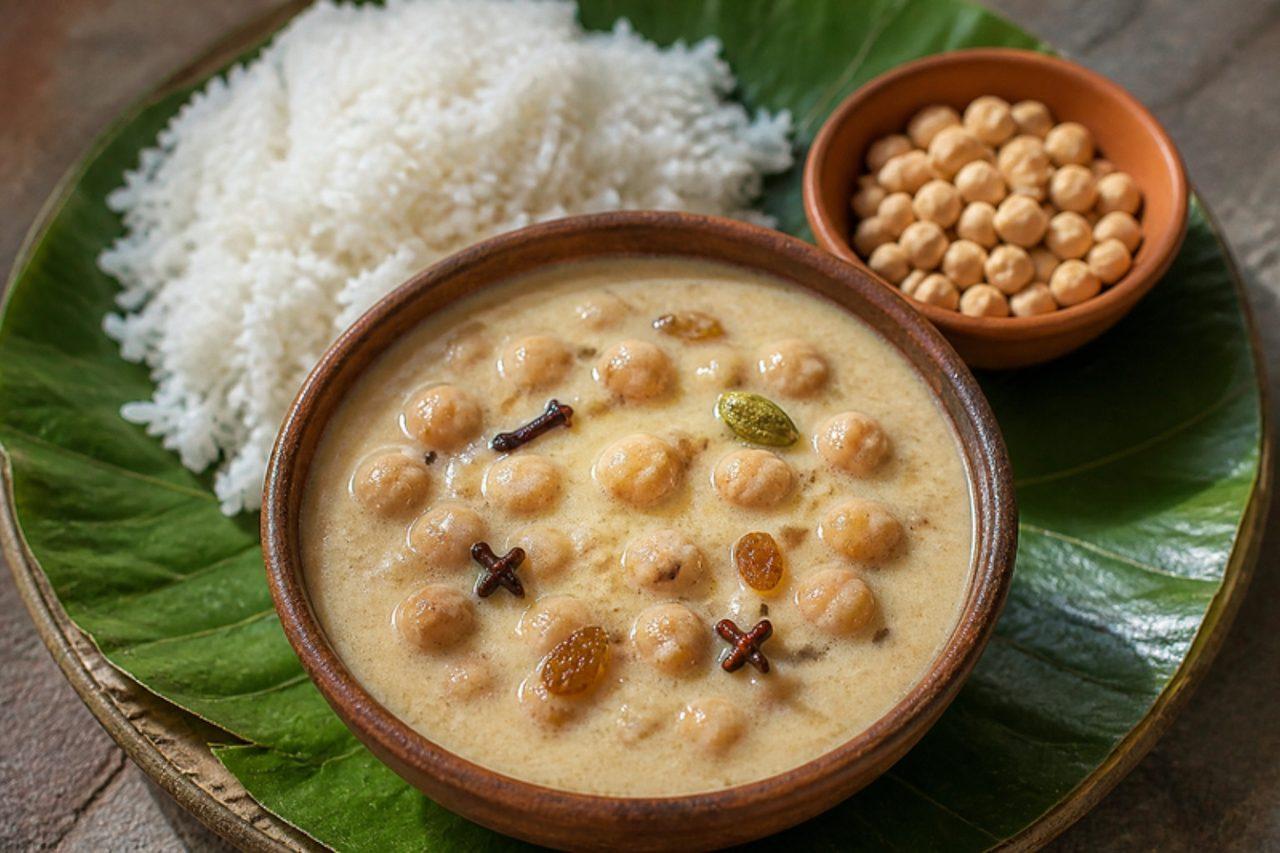
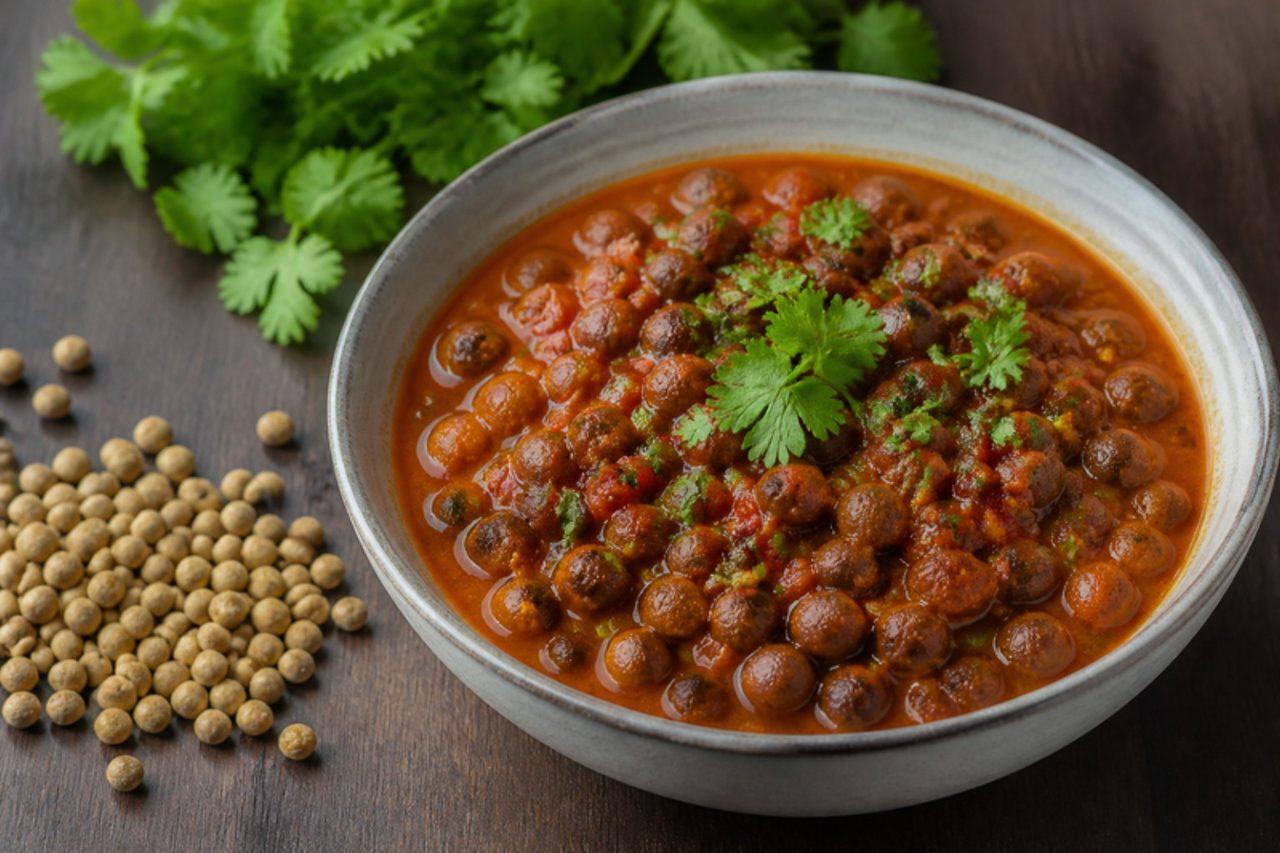
MadraChickpeas in yogurt

Madra is the pride of the Himachali dham, the communal feast cooked by hereditary cooks called botis at weddings and temple fairs in Chamba and Kangra. Chickpeas are simmered in yogurt with ghee, cloves, cardamom and cinnamon until the sauce turns thick, pale and rich, with no onion or garlic at all. It arrives on a leaf plate beside rice, rajmah and kadhi, and some families add a few raisins or cashews for a festive touch. Chef's tip: cook the chickpeas until they squash easily between two fingers before they go into the yogurt; they won't soften further once the sauce is in.

by KrazyBadal 0 views

KhuraBuckwheat pancakes

Khura are the buckwheat pancakes of the Monpa people of Tawang and West Kameng, high in Arunachal Pradesh, where buckwheat grows better than wheat. A thick, egg-enriched batter of buckwheat flour is cooked into soft, spongy pancakes for breakfast, eaten with butter tea, chilli-cheese chutney (chamin) or vegetable curry. They are earthy, slightly sour and filling on a cold morning. Chef's tip: let the batter stand for 20 minutes; buckwheat absorbs water slowly and the pancakes hold together much better.

by KrazyBadal 0 views

KhuushuurFried mutton pasties

Khuushuur are the flat, crescent-shaped pasties sold hot from stalls at Naadam, the July festival of wrestling, archery and horse racing, and fried in Mongolian homes all summer: thin dough round a filling of minced mutton, onion and garlic, fried until blistered and crisp. People hold them in a napkin and bite through to the juicy filling. The mistake is rolling the dough thick; it should be thin so it crisps quickly while the meat cooks. Chef's tip: press out all the air before sealing, or the pasties balloon and burst in the oil.

by KrazyBadal 0 views

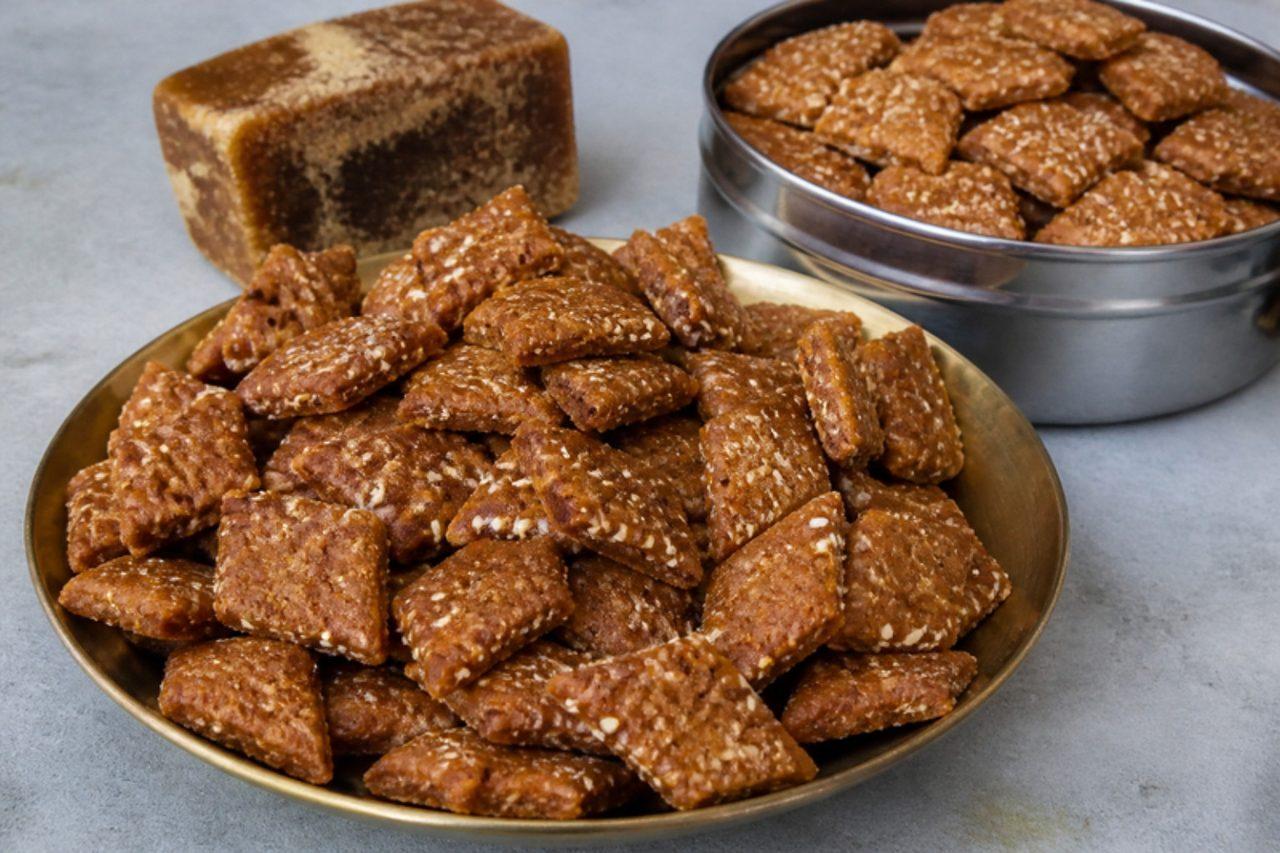
KhurmiWheat and jaggery biscuits

Khurmi are the sweet half of Chhattisgarh's Teeja-Pola festival snacks, made in big batches alongside the salty thethri. The dough is wheat flour and a little semolina bound with melted jaggery, studded with sesame and coconut, then cut into diamonds or pressed into small patterned shapes and fried until dark gold. They have a hard, crunchy bite and a deep caramel flavour, and they last for weeks in a steel dabba, ready for visitors and children back from school. Chef's tip: cool the jaggery water to lukewarm before kneading; hot jaggery makes a slack dough that spreads and soaks up oil.

by KrazyBadal 1 views

JigarthandaChilled milk almond gum drink

Jigarthanda means 'cool heart', and on a hot evening in Madurai crowds queue around the carts near the Meenakshi temple for a tall glass of it. It's layered rather than blended: a spoonful of soaked almond gum (badam pisin), a glug of nannari (Indian sarsaparilla) syrup, chilled milk reduced until creamy and lightly caramel-coloured, then a scoop of vanilla ice cream on top. The result is cold, floral, wobbly and rich all at once. This home version uses shop-bought vanilla ice cream; check that yours is eggless and gelatine-free. Chef's tip: let the reduced milk chill overnight; cold, thick milk is what makes it taste like the street version rather than flavoured milk.

by KrazyBadal 0 views

Kik alichaMild yellow split pea stew

Kik alicha is the gentle golden stew on Ethiopian platters: 'alicha' means a mild dish made without berbere, so it is coloured with turmeric instead and flavoured with garlic, ginger and onion. Cooks in the Amhara highlands and in Addis make it all through the fasting seasons, and it sits next to fiery shiro and misir wat to cool things down. Yellow split peas are simmered until they collapse into a thick, smooth purée. Chef's tip: stir it regularly towards the end; split peas thicken suddenly and catch on the bottom of the pan.

by KrazyBadal 0 views

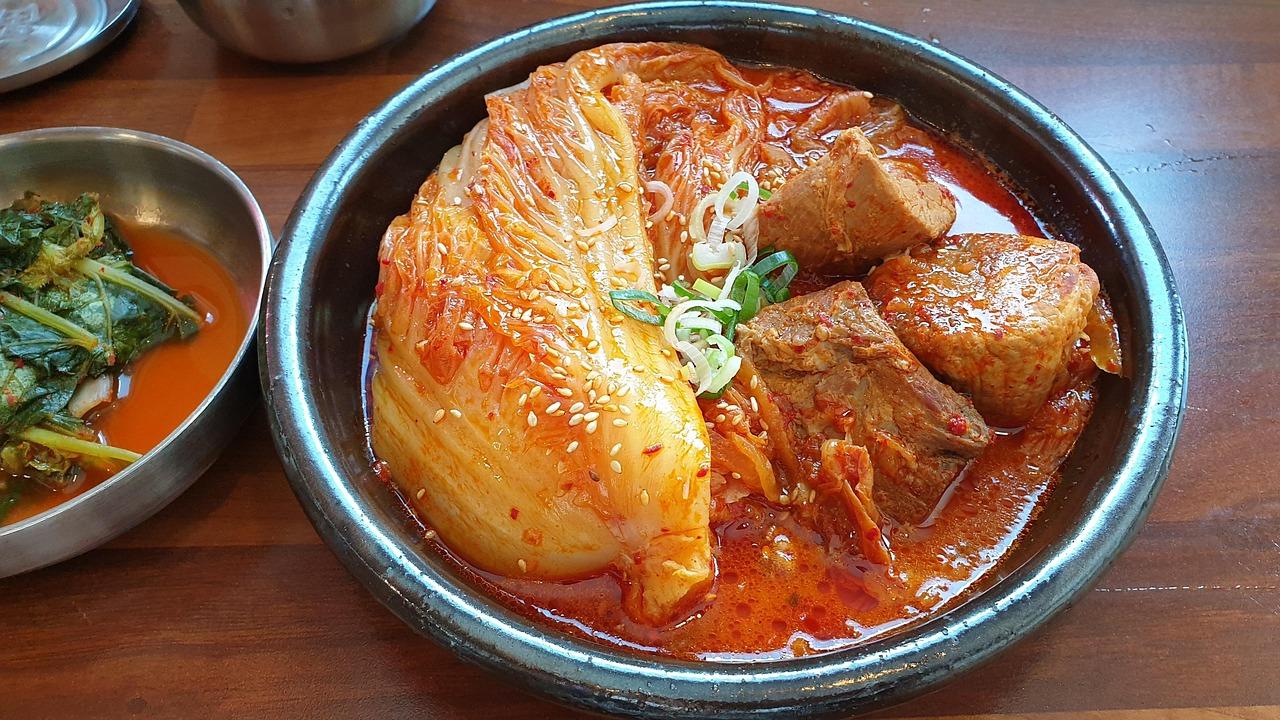
Kimchi jjigaeKimchi stew

Every Korean home has a version of kimchi jjigae, and it turns up on the table from Seoul to Busan at breakfast, lunch and late at night. It is the classic way to use up kimchi that has fermented for weeks and turned properly sour. Pork belly gives the broth richness, tofu soaks up the heat, and the pot comes to the table still boiling, next to a bowl of plain rice. Chef's tip: fry the kimchi in the pork fat for a full 5 minutes before any water goes in; that is where the deep, savoury flavour comes from.

by KrazyBadal 0 views

KinderpunschHot spiced fruit punch

At every German and Austrian Christmas market, from Nuremberg to Vienna's Rathausplatz, the stalls selling Glühwein also sell Kinderpunsch: a steaming, alcohol-free mix of fruit tea and juices with cinnamon, cloves and orange, served in the market's own decorated mugs. Children love it, but so do drivers and anyone who just wants something warm to hold on a cold evening. It takes 20 minutes at home and makes the whole house smell of Advent. Chef's tip: keep it just below a simmer; boiling makes the spices bitter and dulls the fruit flavour.

by KrazyBadal 0 views

Kinema curryFermented soybean curry

Kinema is the Limbu and Nepali fermented soybean of Sikkim and the Darjeeling hills: boiled soybeans wrapped in leaves and left by the hearth for a couple of days until sticky and pungent. Cooked with onion, tomato, turmeric and fiery dalle or green chilli, it becomes a thick, savoury curry eaten with rice in Gangtok and Kalimpong homes, especially in winter. It is rich in protein and has a deep, almost meaty savour. Chef's tip: dry-fry the kinema before adding the masala; it tames the smell and brings out a toasted flavour. Outside the hills, Japanese natto is the closest substitute.

by KrazyBadal 0 views

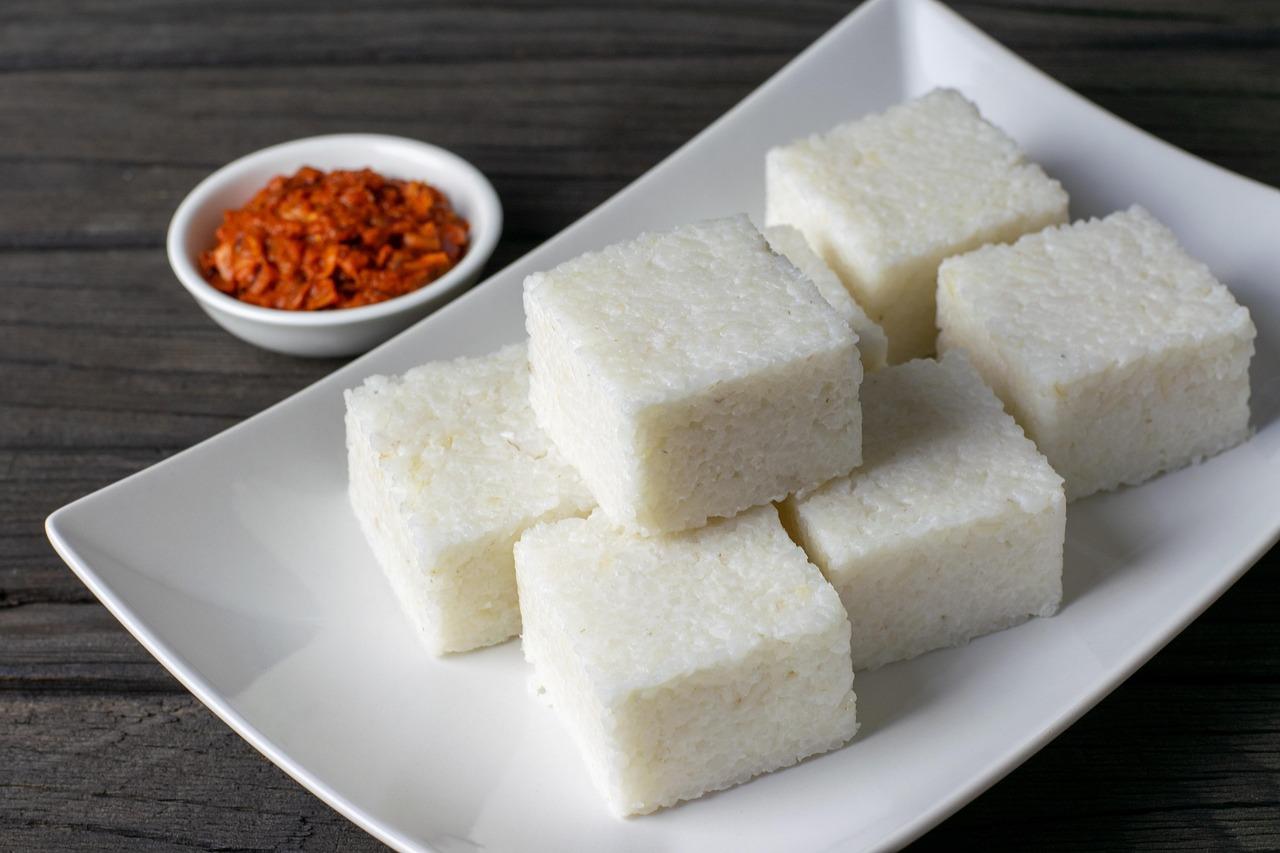
Kiri bathCoconut milk rice

Kiri bath is the first food eaten at Sinhala and Tamil New Year (Aluth Avurudu) in mid-April, cooked at the exact auspicious time the astrologers announce, and it also starts the first day of each month, birthdays and new jobs across Sri Lanka. White rice is boiled until very soft, then cooked again with thick coconut milk and salt until it sets into a creamy slab that is cut into diamonds. It's eaten with lunu miris, a fierce red onion and chilli paste, or with jaggery and bananas for the sweet-toothed. Lunu miris often contains Maldive fish; ours doesn't. The common mistake is adding the coconut milk before the rice is completely soft: the grains stay hard. Chef's tip: press the hot rice flat with a banana leaf or the back of a spoon dipped in coconut milk; it stops sticking and gives the classic glossy top.

by KrazyBadal 0 views

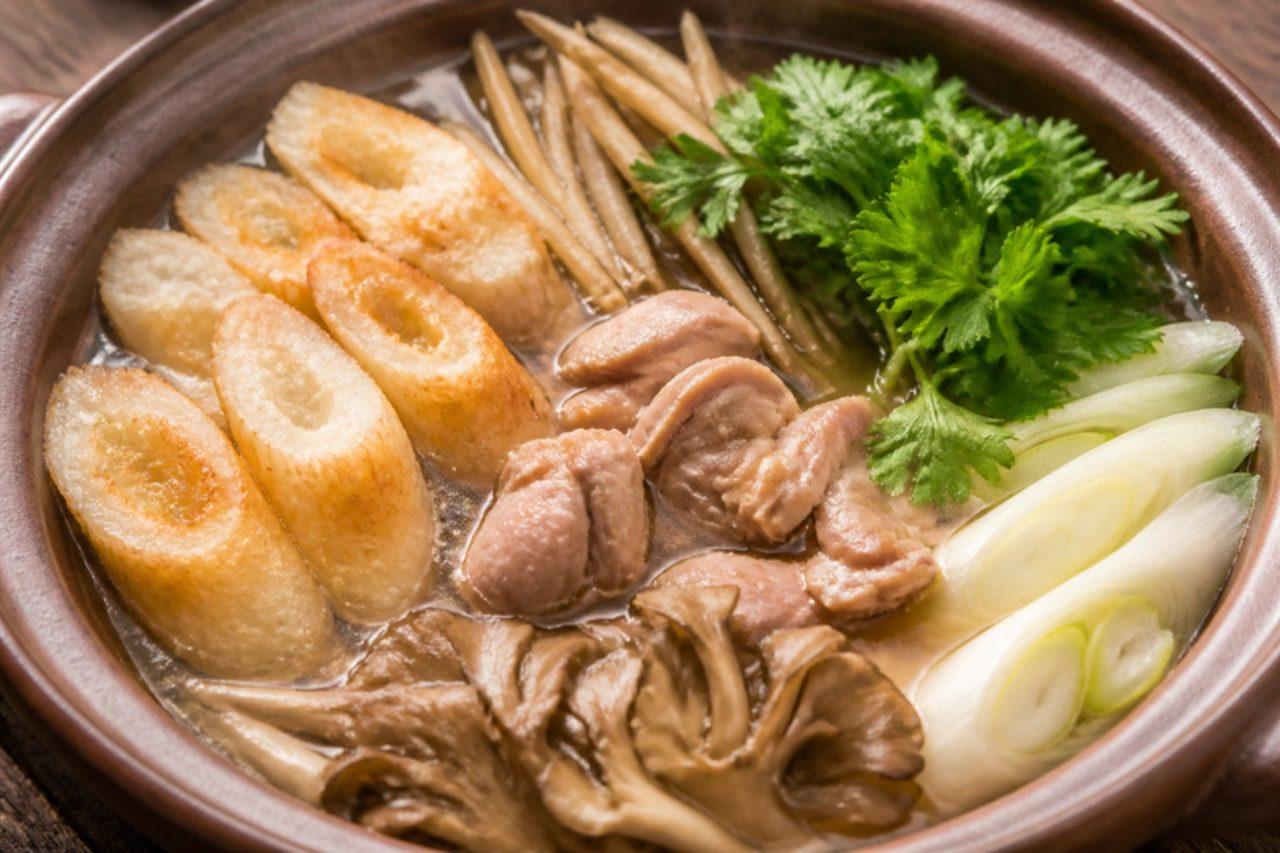
Kiritanpo nabeRice stick and chicken hot pot

In Akita, in Japan's snowy north-west, the new rice harvest in October marks the start of kiritanpo season, and the town of Odate holds a festival for it every autumn. Freshly cooked rice is half-pounded, pressed around sticks and toasted, then cut up and dropped into a soy-seasoned chicken broth with burdock, maitake mushrooms and crunchy Japanese parsley called seri. Locals use the region's Hinai-jidori chicken; any good free-range bird works. The toasted rice soaks up the broth but keeps a little chew. Chef's tip: toast the rice sticks until dry and golden in patches all over, as a crisp outer skin keeps them from dissolving in the pot.

by KrazyBadal 0 views

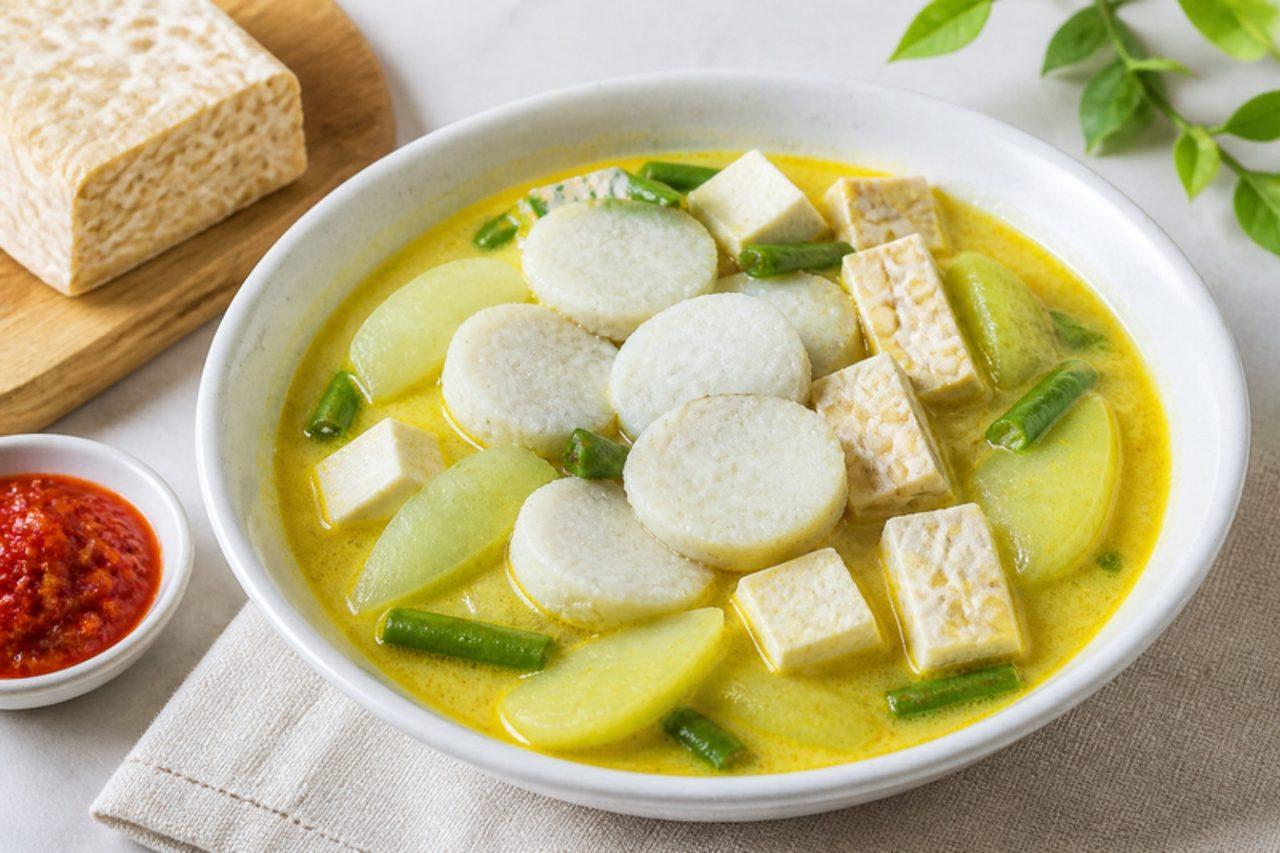
Lontong sayurRice cakes in coconut vegetable broth

In Jakarta, lontong sayur is what the morning carts sell before offices open: firm slices of pressed rice sitting in a thin, golden coconut broth with chayote, long beans and squares of tofu and tempeh. Betawi families also cook a big pot of it for Lebaran morning. Street versions often add dried shrimp to the spice paste; this one keeps the flavour with candlenuts, galangal and salam leaf instead. Serve with sambal, fried shallots and crackers. Chef's tip: cook the lontong the day before and chill it overnight; cold rice cakes slice cleanly and soak up the broth without falling apart.

by KrazyBadal 0 views

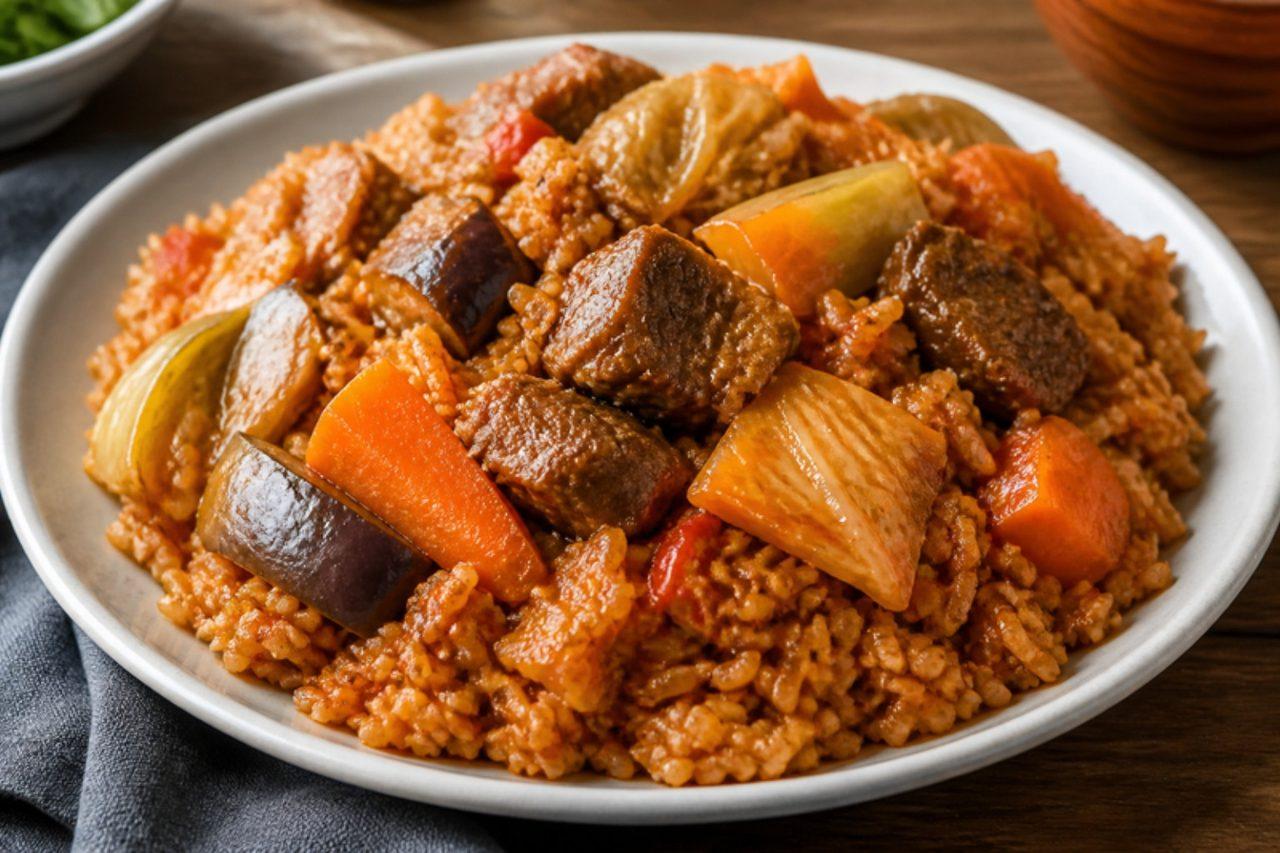
Riz grasRice cooked in beef stew

Riz gras is the celebration rice of Bamako and Ouagadougou, cooked in big pots for weddings, Tabaski and family Sundays. Beef is simmered with onion, tomato and garlic into a rich stew, and the rice is cooked in that broth until every grain is orange and glossy, with the meat and vegetables piled on top. The mistake is adding too much liquid, which turns the rice soggy; measure it. Chef's tip: fry the rice in the stew's oil for a minute before adding the broth, so the grains stay separate.

by KrazyBadal 0 views

Medialunas de mantecaButter crescents

Medialunas, 'half moons', are what Argentines order with a café con leche at every confitería in Buenos Aires: smaller, sweeter and softer than a French croissant, with a sticky shine from a sugar syrup brushed on as they leave the oven. The dough is enriched with egg, sugar and a little honey and laminated with butter, so it's a weekend project. Chef's tip: keep the butter and dough at the same cool temperature; if the butter is too hard it breaks into pieces, too soft and it melts into the dough and the layers disappear.

by KrazyBadal 0 views

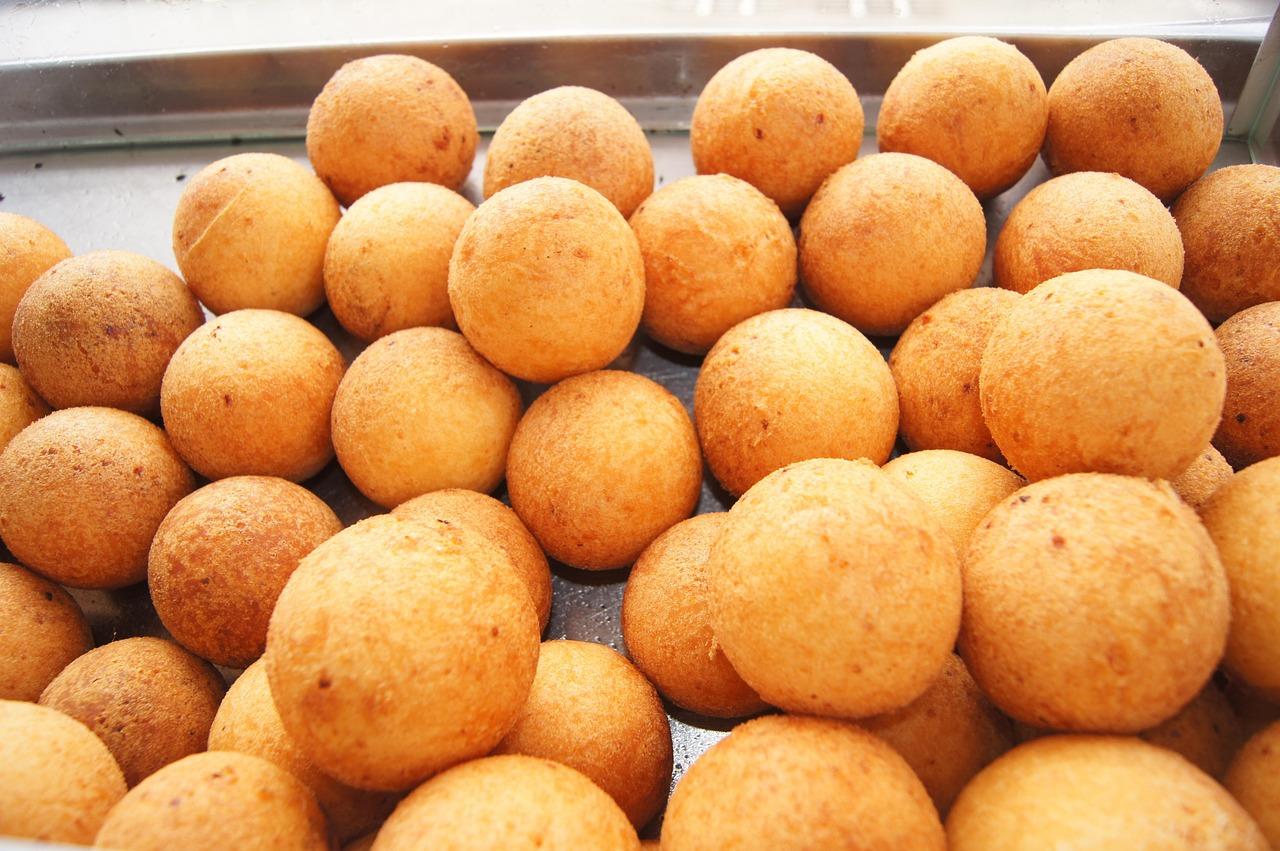
Buñuelos colombianosCheese and cassava fritters

In December, Colombian families gather for the novena de aguinaldos, nine evenings of prayers and carols before Christmas, and the reward afterwards is a plate of hot buñuelos with a bowl of natilla. These little golden balls are made from crumbly cheese, cassava starch and cornflour, fried until they puff and roll themselves over in the oil. They are crisp outside, airy and cheesy inside. Chef's tip: start the oil only warm, around 150 °C; buñuelos fried too hot crack open and stay raw in the centre.

by KrazyBadal 0 views

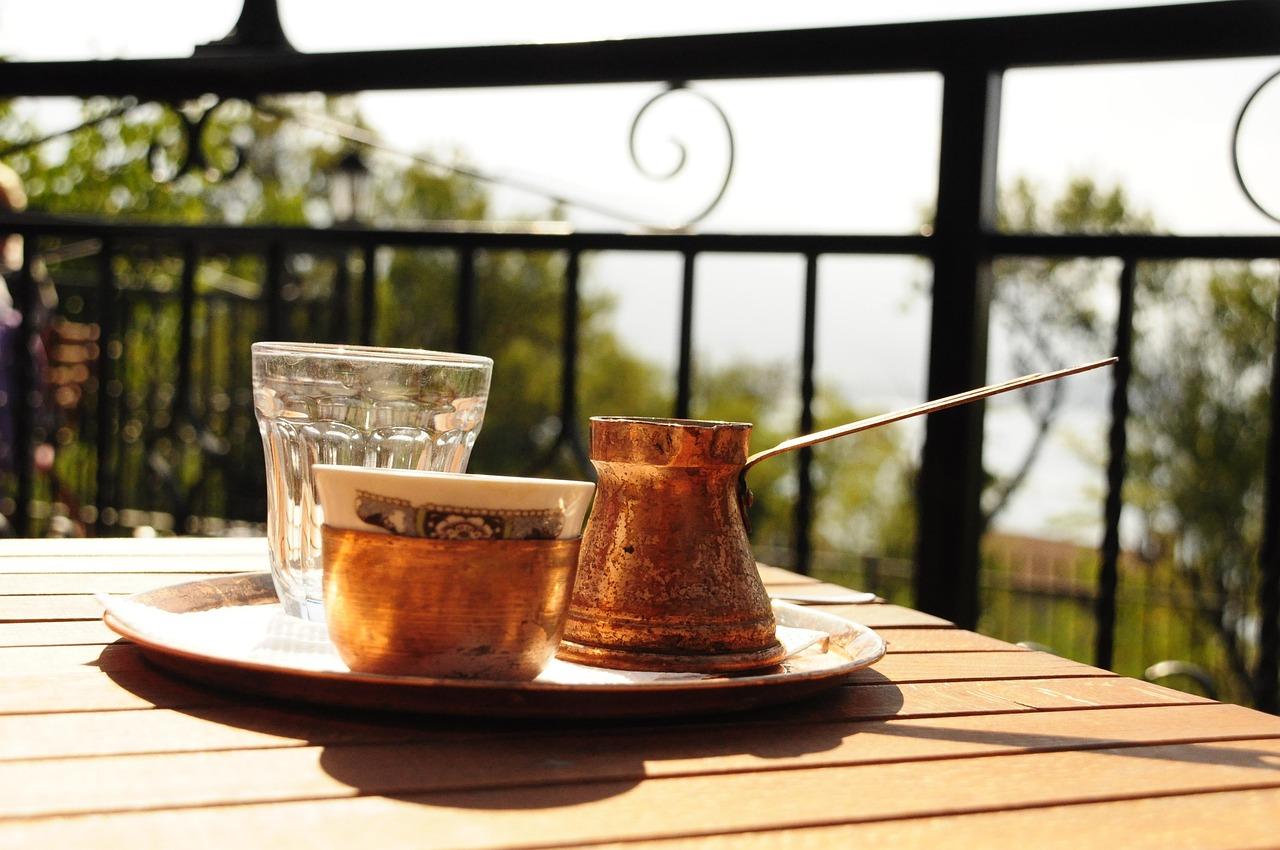
Armenian coffee

Armenian coffee, soorj, is boiled in a small long-handled pot called a jazzve and poured unfiltered into tiny cups. It is offered the moment a guest sits down in any Yerevan home and lingers after meals while the grounds settle; when the cup is empty, it is turned upside down on its saucer so someone can read the patterns left in the grounds. The coffee is powder-fine, often scented with a pinch of cardamom, with a velvety foam (kaymak) on top that is a point of pride for the host. Serve with a glass of water and a little gata or dried fruit. Chef's tip: start with cold water and a low flame; the slower the coffee heats, the thicker and longer-lasting the foam.

by KrazyBadal 1 views

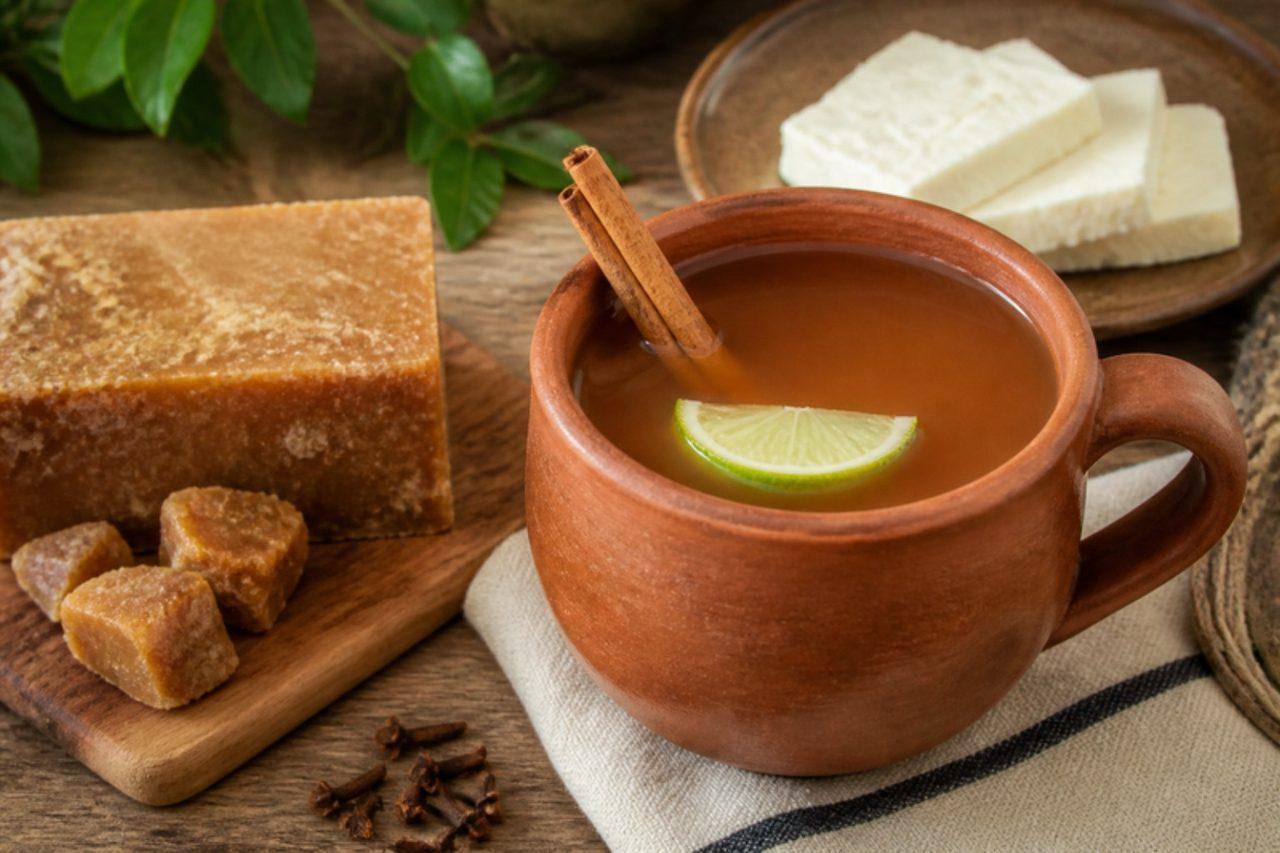
AguapanelaHot panela and lime drink

Aguapanela is simply panela (unrefined cane sugar) dissolved in water, yet it is one of Colombia's most loved drinks: drunk hot at breakfast in Bogotá and the Andes with a slice of fresh cheese dropped in to melt, given to children with a cold, and served iced with lime in the hot lowlands. This page is the hot version; the cold, lime-heavy cousin is Venezuela's papelón con limón. Chef's tip: simmer the panela gently until it dissolves completely and the drink smells of caramel; rushing it leaves sugary lumps at the bottom.

by KrazyBadal 0 views

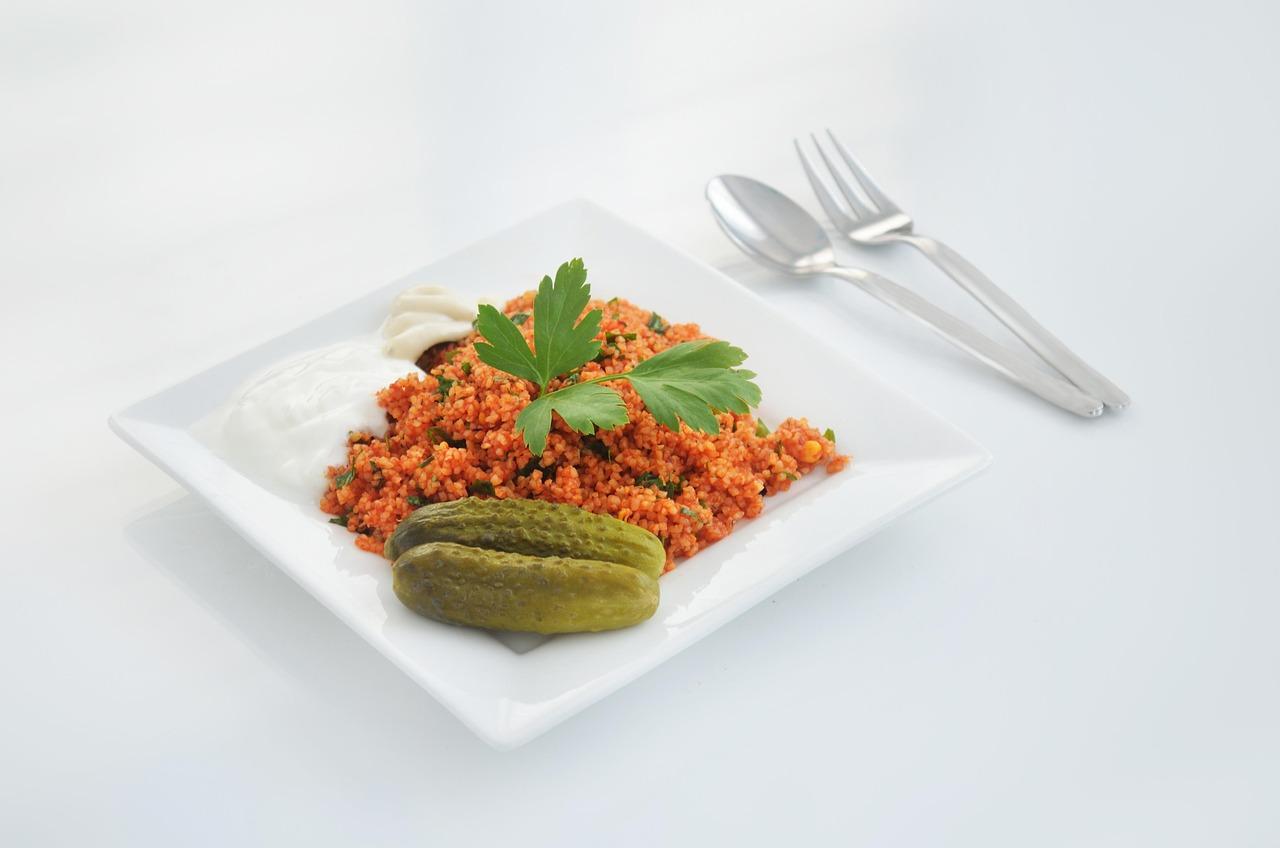
KısırBulgur salad with pepper paste

Kısır comes from southeastern Turkey but is now the dish women across the country bring to 'altın günü', the afternoon gatherings where friends meet at each other's homes over tea. Fine bulgur is softened with hot water and kneaded with tomato and pepper paste until rosy, then mixed with spring onion, parsley, mint, lemon and pomegranate molasses. It is served at room temperature, often wrapped in crisp lettuce leaves. The typical mistake is pouring in too much water, which turns the bulgur mushy; use just enough to cover. Chef's tip: knead the pastes into the warm bulgur with your hands for a full minute so every grain turns red and the flavour goes right through.

by KrazyBadal 0 views

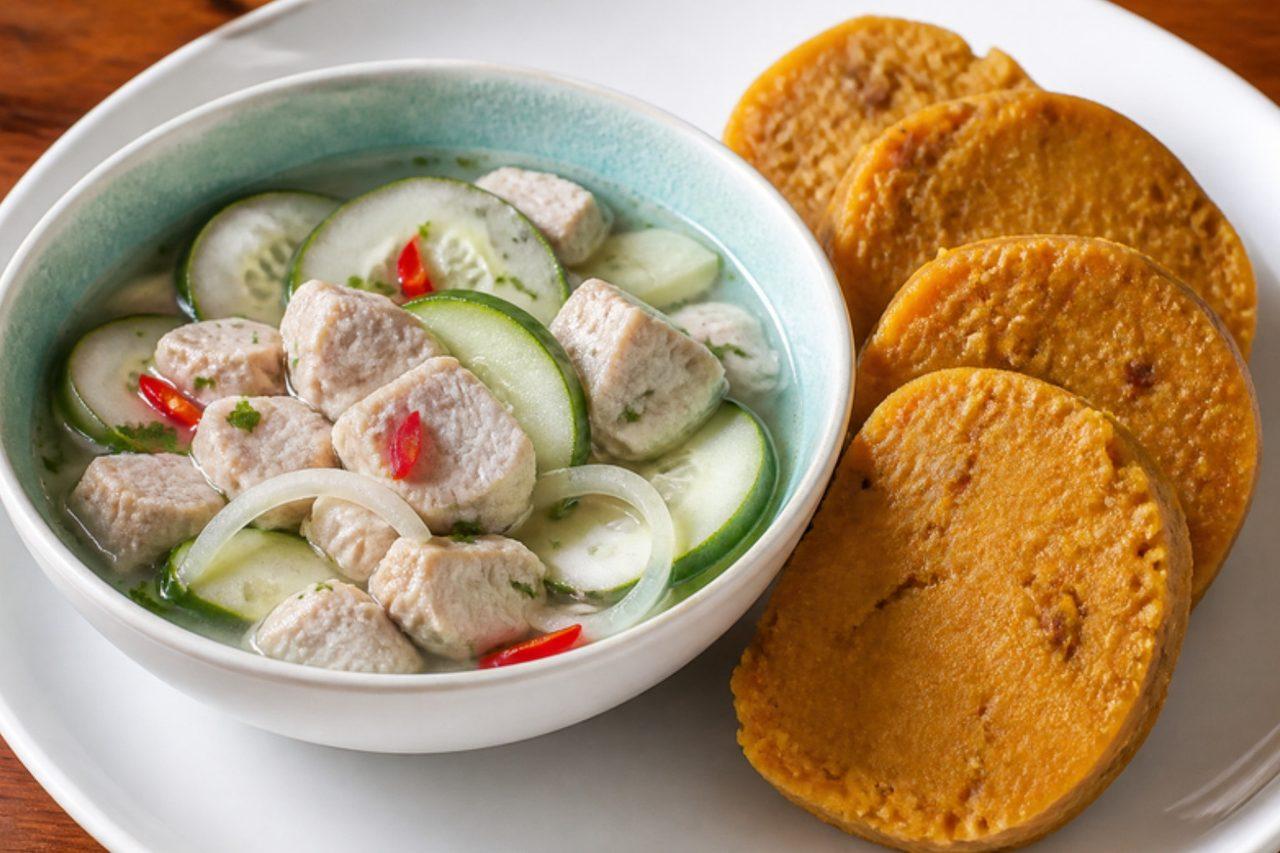
Pudding and souse

Saturday in Barbados means pudding and souse: rum shops and roadside cooks sell it from late morning, and families buy it by the container for lunch. Souse is boiled pork, traditionally from the head and trotters, served cold in a sharp, cucumber-studded pickle of lime, onion and hot pepper; the pudding is grated sweet potato seasoned with herbs and steamed. This is a pork dish. This home version uses trotters for the jelly-rich texture plus shoulder for meat, and steams the pudding in a basin instead of a casing; blood is left out (that darker version is black pudding). A common mistake is serving the souse as soon as it meets the pickle; it needs at least 2 hours in the fridge to turn sharp and cold. Chef's tip: grate the sweet potato on the fine side of the grater; coarse shreds make a crumbly pudding.

190 minBajanMeatGluten free
by KrazyBadal 1 views

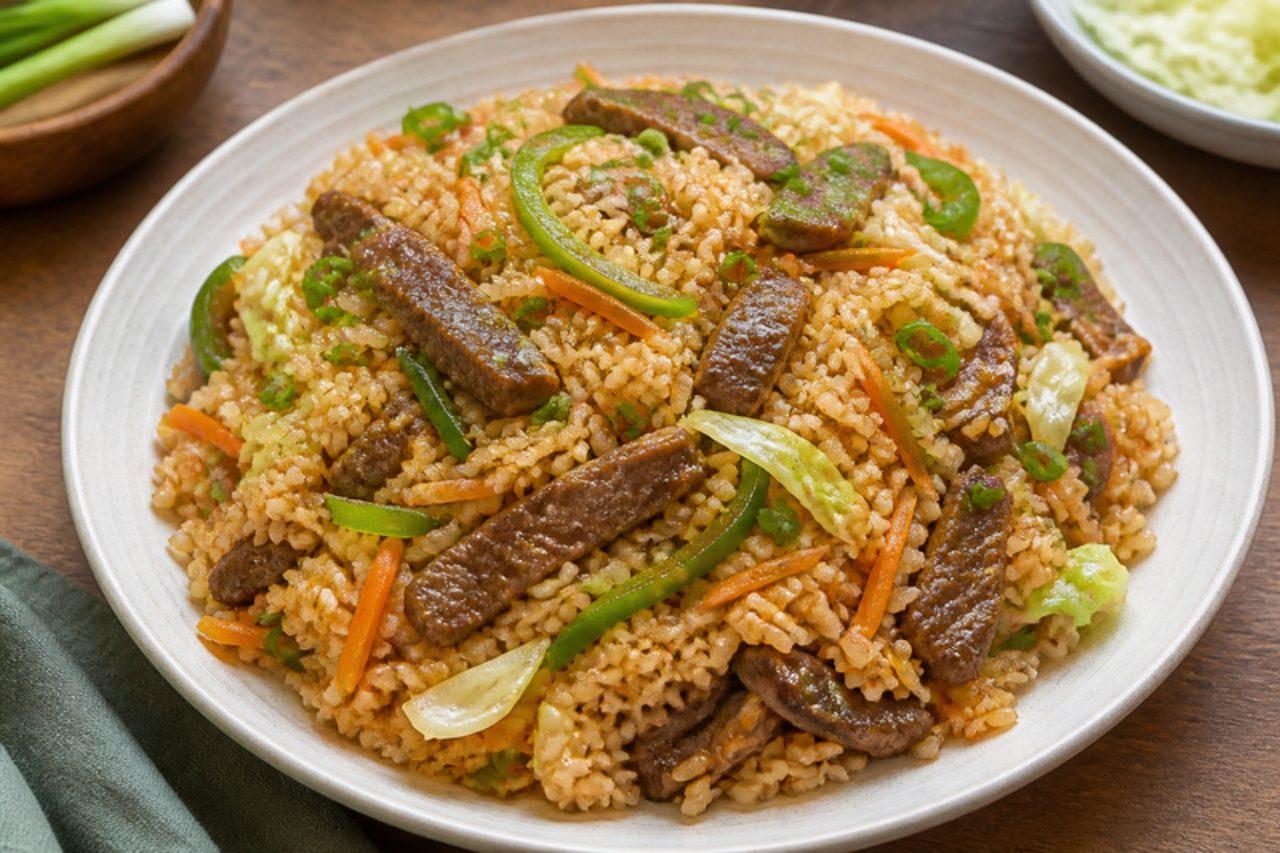
Budaatai khuurgaFried rice with beef

Budaatai khuurga is the fried rice of Ulaanbaatar's guanz, the small canteens where office workers and students eat lunch: day-old rice tossed in a hot pan with strips of beef or mutton, carrot, onion, peppers and a splash of soy. It is quick, filling and often served with a fried egg and pickled cabbage salad. The mistake is using freshly cooked warm rice, which clumps; cold, cooked rice fries into separate grains. Chef's tip: cook rice the day before and keep it covered in the fridge, which is also the safe way to store it.

by KrazyBadal 0 views

Maple-glazed salmon

On Canada's Pacific coast, from Vancouver to Haida Gwaii, wild salmon is the fish of summer and autumn, and a glaze of maple syrup from the east brings two Canadian staples together on one plate. The fillets are brushed with maple syrup, mustard, soy and garlic and roasted until just cooked, with a sticky, glossy top; serve them with rice, new potatoes or a green salad. Many British Columbians cook it on a soaked cedar plank on the barbecue for a smoky flavour. The mistake is overcooking salmon until it is dry and chalky; take it out when it just flakes. Chef's tip: line the tray with baking paper, as the maple glaze burns onto a bare tin.

by KrazyBadal 0 views

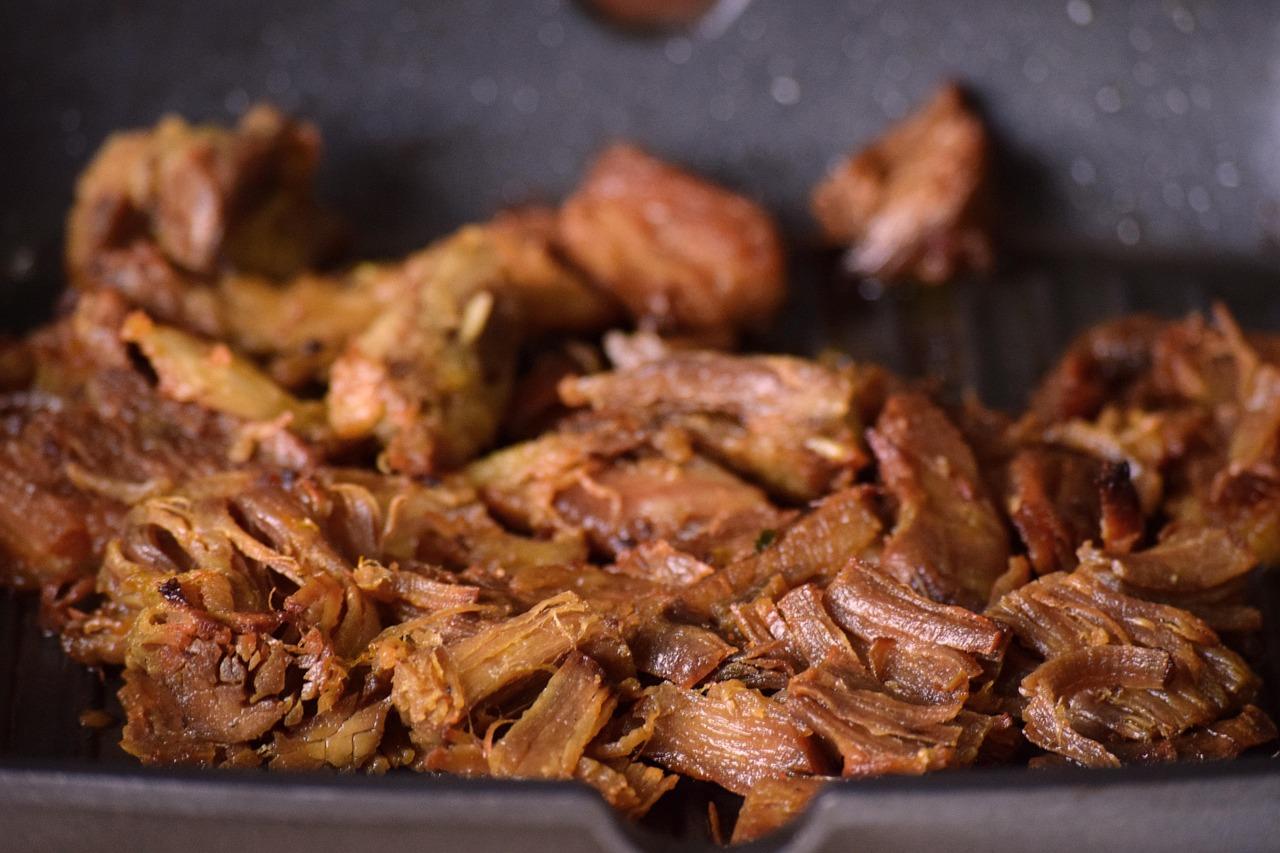
Kalua pork

Kalua pig is the heart of a Hawaiian lū'au: a whole pig wrapped in ti and banana leaves and cooked all day in an imu, an underground oven, until it falls apart, smoky and salty. This dish contains pork. Families across O'ahu and the other islands make this simpler version at home with pork shoulder, coarse sea salt and a little liquid smoke, wrapped and slow-roasted. It is served with rice, poi or cabbage, or in sliders. The mistake is using fine table salt in the same amount; it makes the pork far too salty, so use coarse sea salt. Chef's tip: stir a little of the cooking juice back into the shredded pork so it stays moist.

by KrazyBadal 0 views

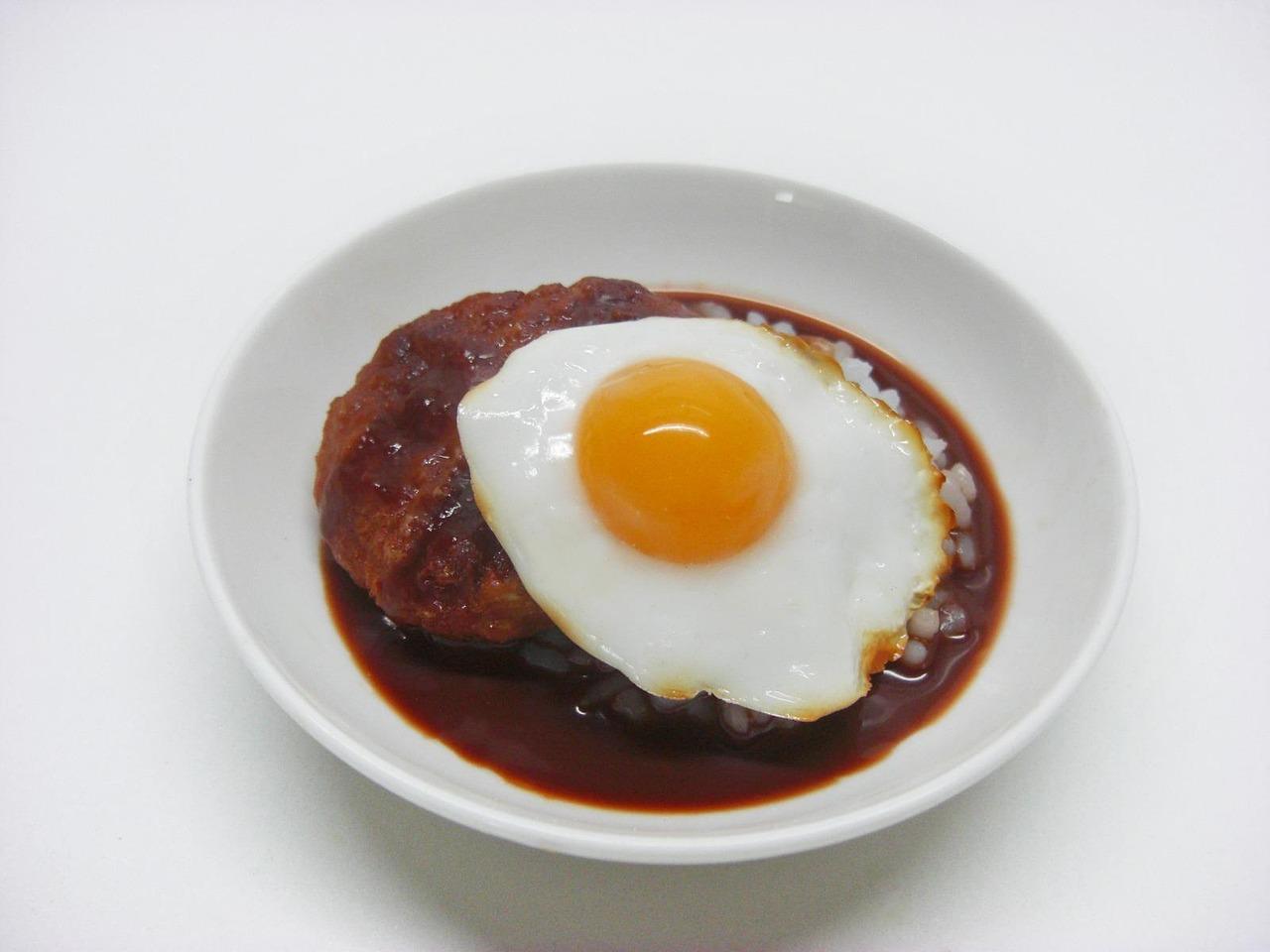
Loco moco

Loco moco was first served in 1949 at the Lincoln Grill in Hilo, on Hawai'i's Big Island, as a cheap, filling meal for teenagers, and it is still the plate-lunch classic across the islands: white rice topped with a beef burger patty, a fried egg and a generous ladle of brown gravy. People eat it for breakfast, lunch or late at night with a scoop of macaroni salad. The mistake is a thin, floury gravy; cook the flour in the beef fat until it browns before adding the stock. Chef's tip: press a dimple into the centre of each patty so it stays flat as it cooks.

by KrazyBadal 0 views

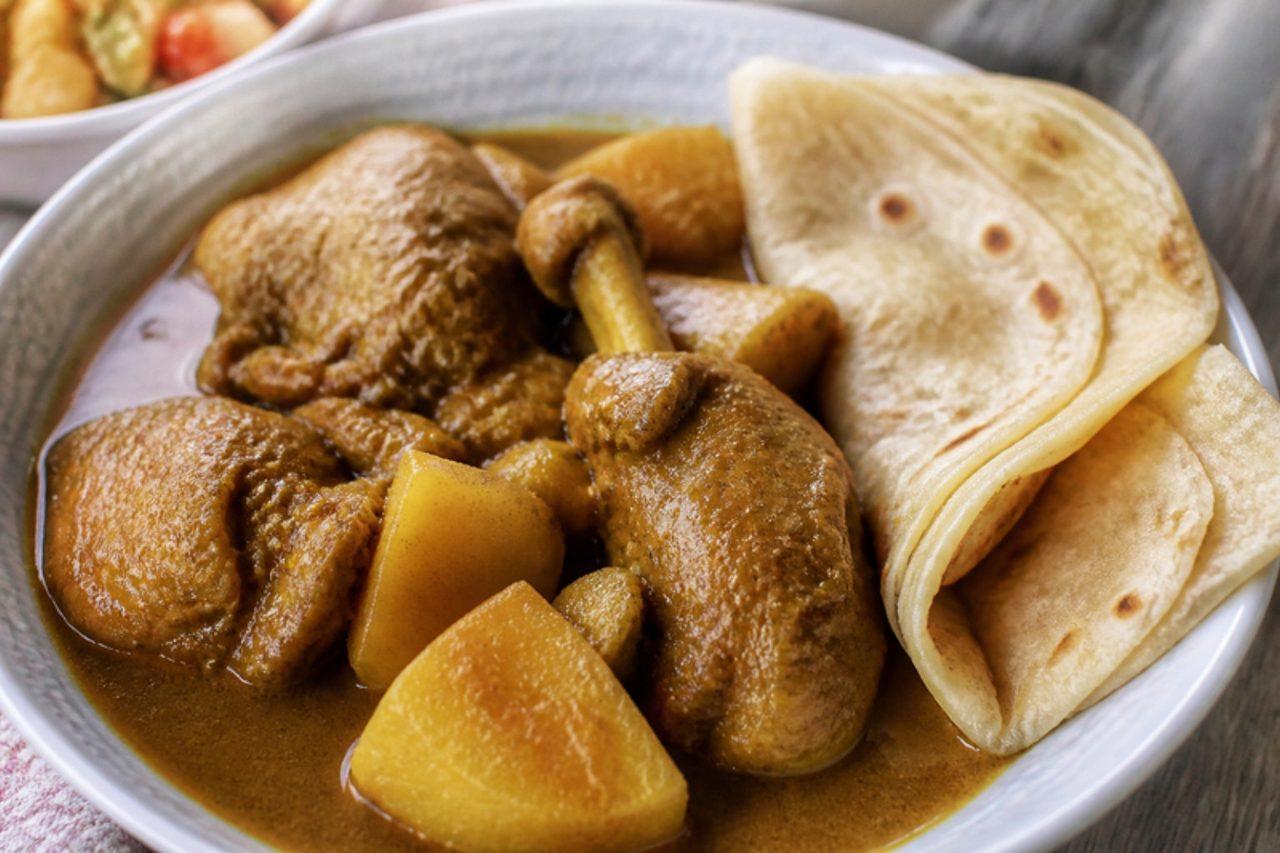
Guyanese chicken curry

In Guyana, Sunday is curry day in Indo-Guyanese homes from Berbice to the East Coast Demerara, and chicken curry with roti or rice is the classic. Its flavour comes from a green seasoning of herbs, garlic and wiri wiri pepper, and from geera (roasted cumin), with the curry powder fried until almost dry before the chicken goes in. The mistake is adding the chicken before the curry paste is properly cooked ("bunjayed"), which leaves a raw, dusty taste. Chef's tip: finish with a sprinkle of toasted geera and let the curry rest for 10 minutes before serving.

by KrazyBadal 0 views

Ecuadorian shrimp ceviche

Unlike Peru's raw-fish ceviche, the ceviche of Ecuador's coast, from Manta to Esmeraldas, is usually made with prawns that are briefly cooked first, then soaked in a juicy, soupy mix of lime, orange, tomato, red onion and coriander. It is served in a glass bowl with its juice, alongside popcorn, plantain chips and sometimes a dash of ketchup and mustard, as people do at Guayaquil's cevicherías. Because the prawns are cooked, it is a safer choice than raw-fish ceviche, but keep it cold and eat it the same day. The mistake is overcooking the prawns so they turn rubbery: one minute in the boiling water is enough. Chef's tip: save the prawn cooking water and add a few spoonfuls to the juice; it gives the ceviche its sweetness.

30 minAndeanFishGluten free
by KrazyBadal 0 views

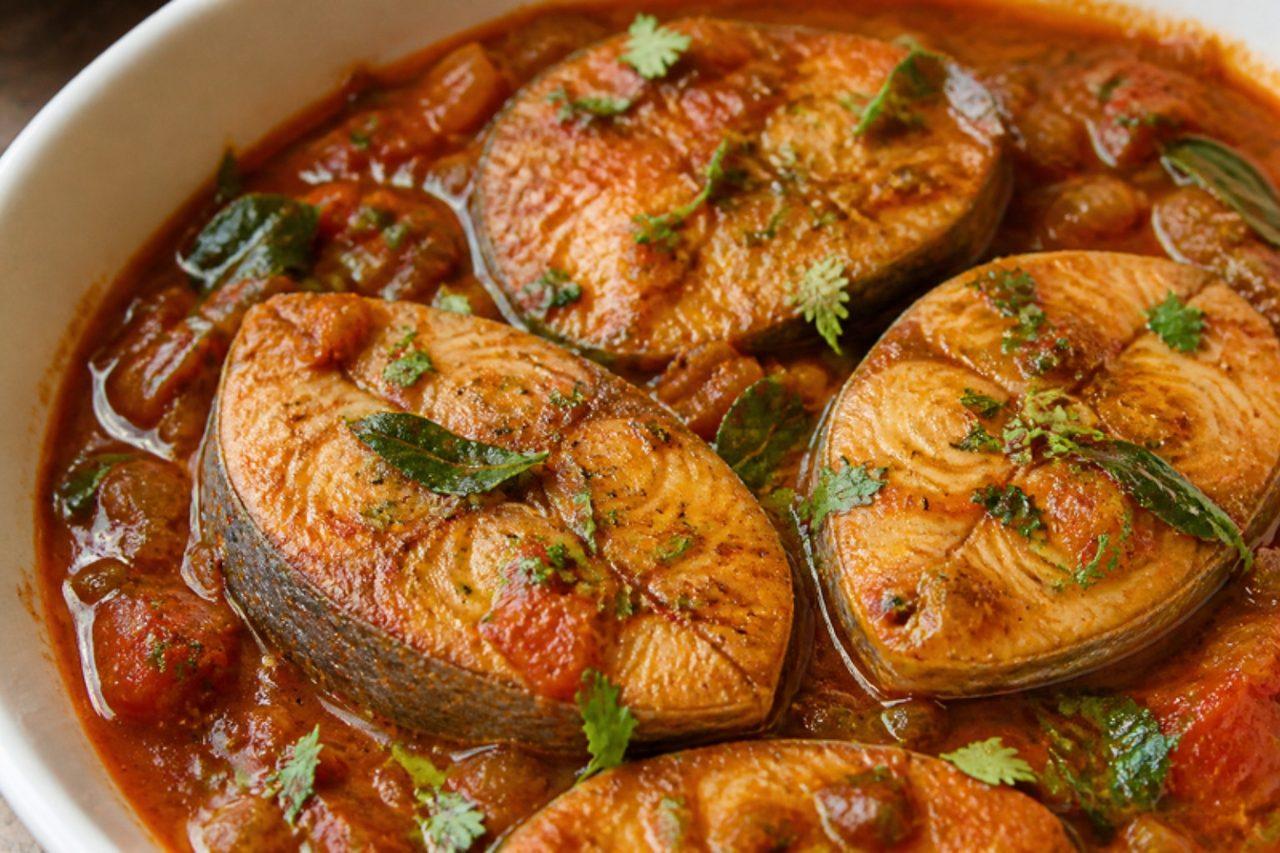
Mauritian fish curry

Cari poisson is cooked in Mauritian homes from Port Louis to the fishing villages of Mahébourg, a curry where Indian spice meets Creole herbs: pieces of firm fish are first fried, then simmered in a sauce of tomato, onion, curry powder, curry leaves and thyme. It is eaten with rice, lentils (dholl) and a spoon of chilli pickle. The mistake is putting raw fish into the sauce, which makes it fall apart; frying it first keeps it firm. Chef's tip: toast the curry powder in oil until it smells nutty before the tomatoes go in.

by KrazyBadal 0 views

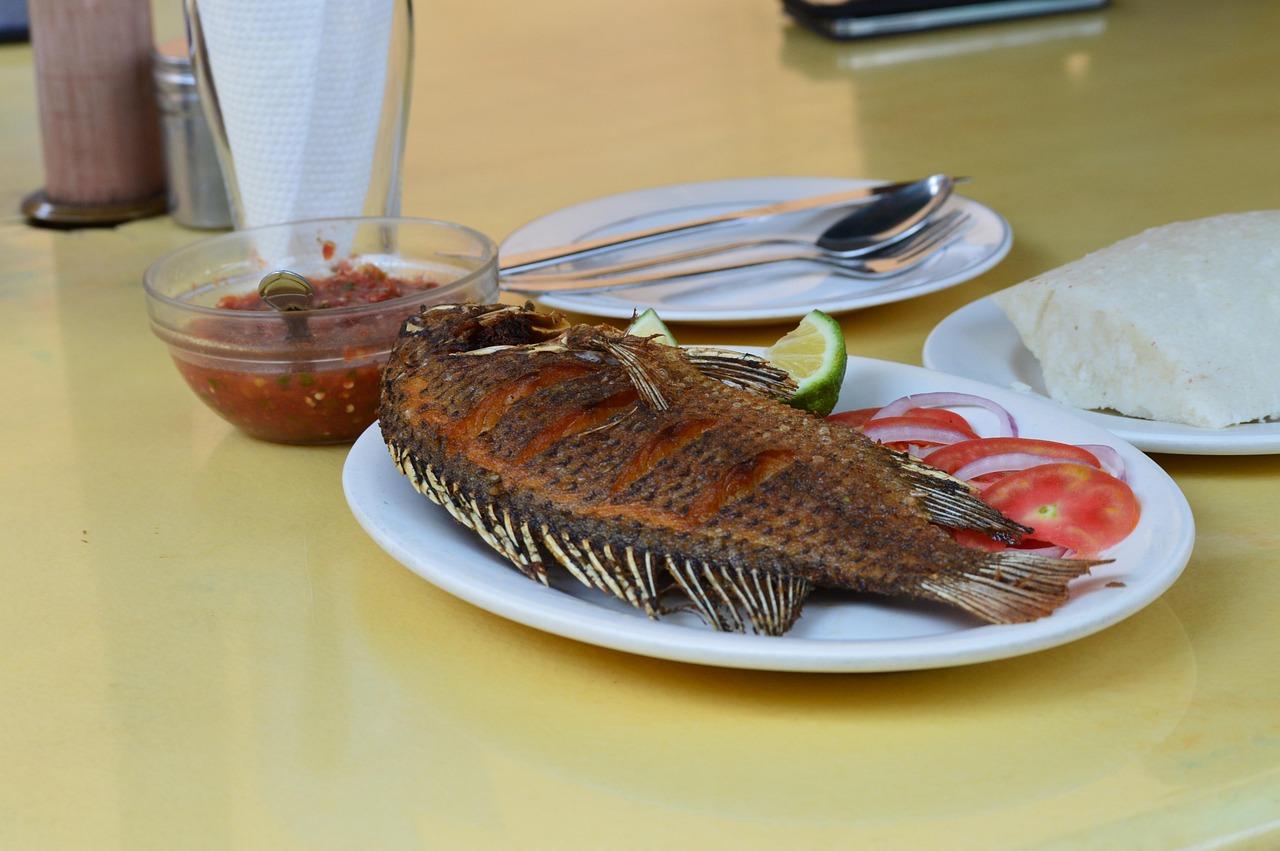
Kisumu fried tilapia

On the shores of Lake Victoria at Kisumu's Dunga beach and in the fish kiosks of Kampala and Mwanza, tilapia comes straight from the boats, is scored, rubbed with salt, garlic and lemon and deep-fried whole until the skin is crackling. It is served with a block of ugali, sukuma wiki (braised kale) and kachumbari, and eaten with your hands, pulling the sweet flesh off the bone. The mistake is frying a wet fish in oil that isn't hot enough, which makes it greasy and stick; dry it well and wait for 180 °C. Chef's tip: dust the fish lightly with cornflour just before frying for an extra-crisp skin.

by KrazyBadal 0 views

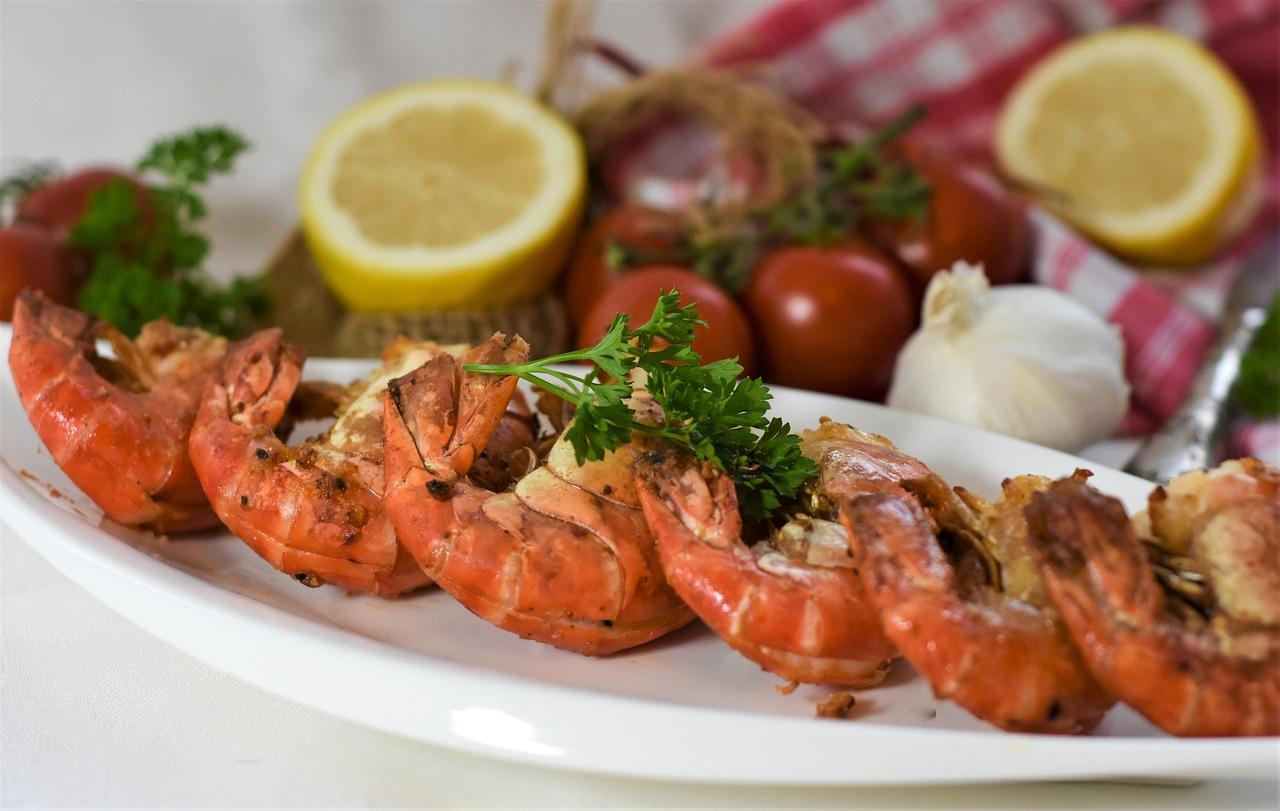
Mozambique peri-peri prawns

Maputo's waterfront restaurants and the beach shacks of Inhambane and Vilanculos are famous for their prawns: big shell-on prawns split down the back, painted with a sauce of piri-piri chilli, garlic, lime and butter and grilled over coals until the shells blister. You eat them with your fingers, sucking the sauce off the shells, with bread or chips. The mistake is overcooking, which turns them rubbery; they need only 2–3 minutes a side. Chef's tip: split the prawns through the shell and remove the dark vein, so the sauce gets right into the flesh.

by KrazyBadal 0 views

Showing 90 of 7,762 recipes

Page 602 of 863