


Skip to content
Gujiya
Featured recipe

Gujiya

Sweet filled pastries

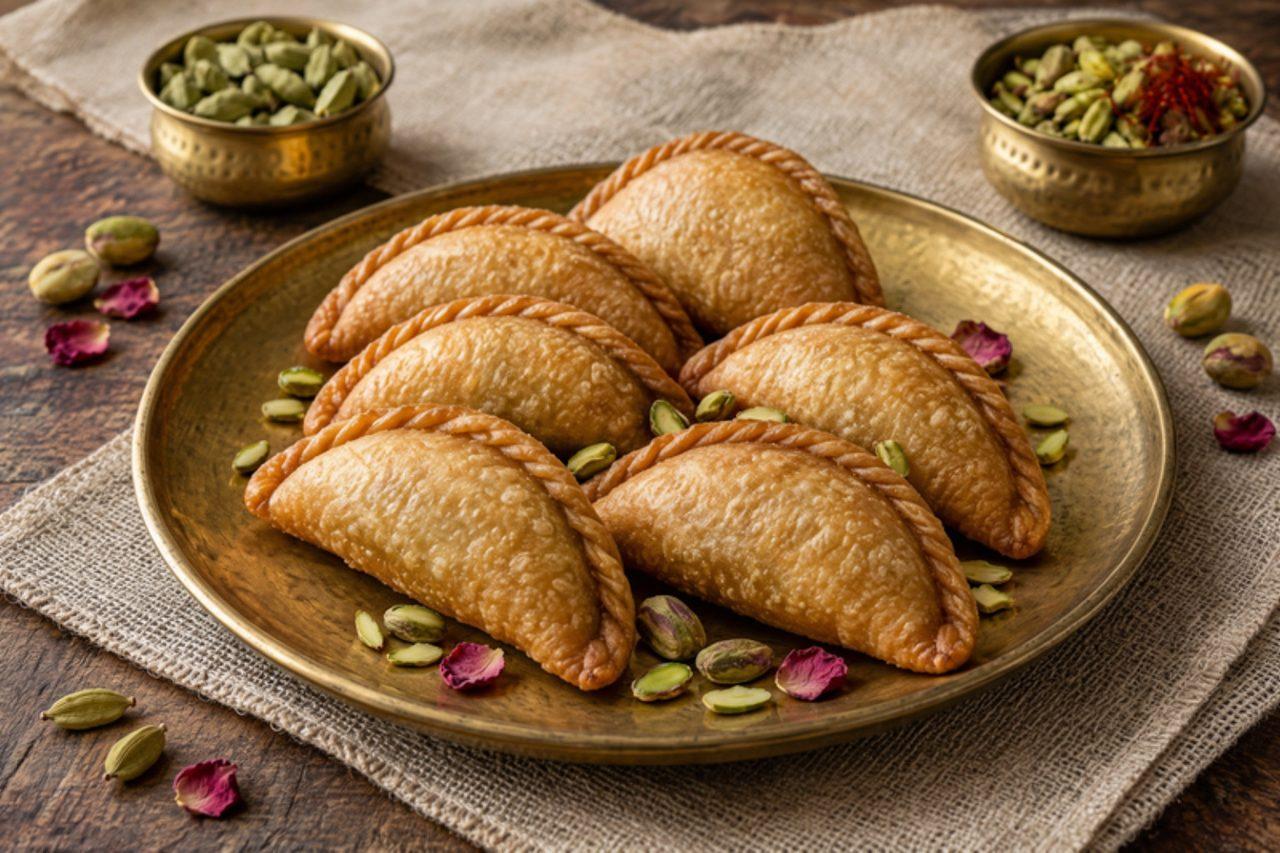
In Uttar Pradesh, Bihar and across the Hindi belt, the days before Holi are for making gujiya: the women of the house sit together rolling, filling and crimping hundreds of these half-moon pastries, which are then offered to guests between rounds of colour. The filling is mawa roasted until grainy and golden, mixed with ghee-toasted semolina, coconut, nuts and powdered sugar; Maharashtra's karanji is the cousin with a coconut filling. The common mistake is frying on high heat, which blisters the pastry and leaves it raw and chewy inside; gujiya should fry slowly until crisp and pale gold. Chef's tip: add the powdered sugar only once the mawa has cooled completely, or it melts and the filling turns sticky.

Read more 0 views

What to eat today?

Around the world

Today's trip: Paraguayan

A new country every day, from every cuisine on the site.

Paraguayan

Buñuelos de algas

Sea lettuce fritters 35 minMore from Paraguayan (27) →

This week's collection

Kid-friendly dinners
537 recipes · a new collection every Monday

Latest recipes

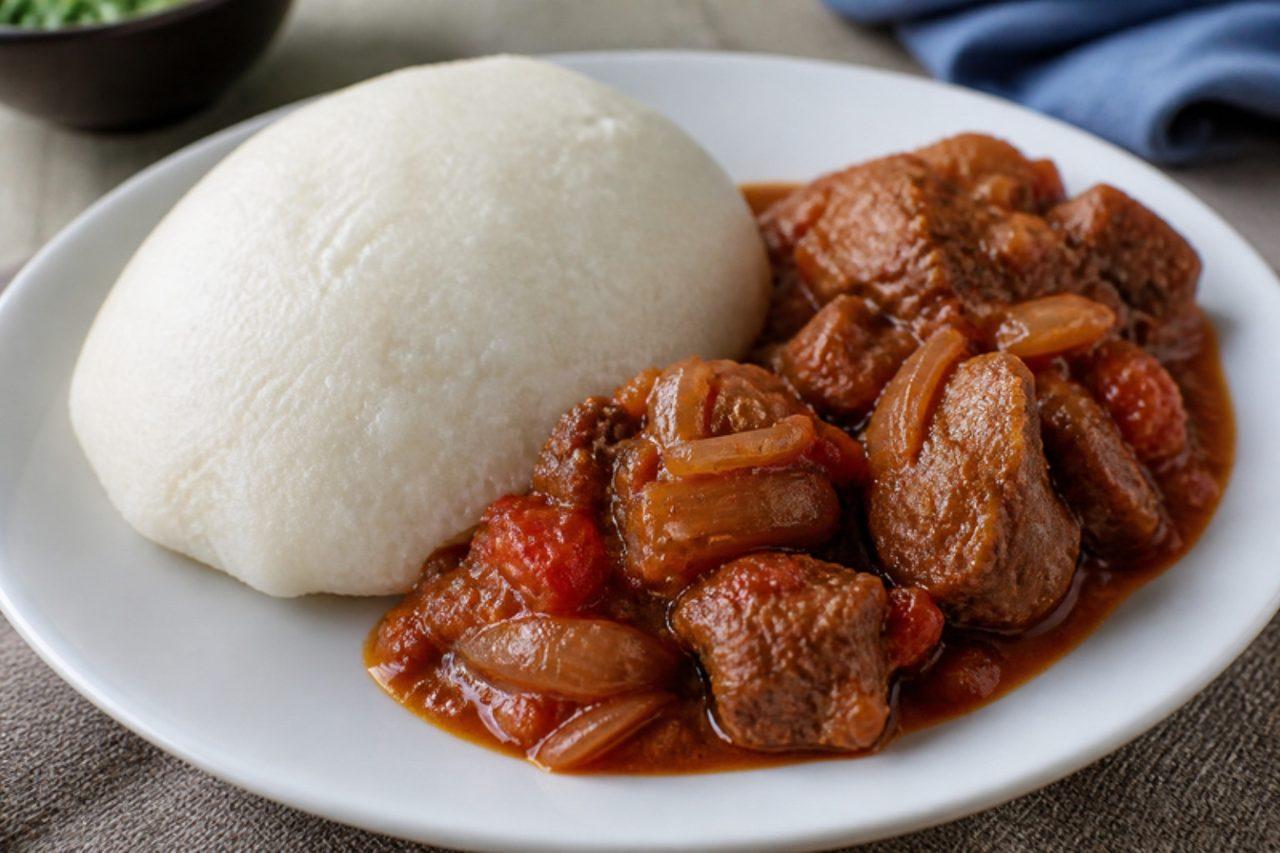
Sadza with beef stewMaize porridge with beef stew

Sadza ne nyama, sadza with meat, is the meal most Zimbabweans would call home: a stiff, smooth porridge of white maize meal shaped into rounds with a wooden spoon, served with a beef stew and a side of greens such as covo or rape. Families in Harare and Bulawayo eat it at lunch or supper, rolling a little sadza into a ball in the right hand and dipping it in the gravy. The mistake is adding all the maize meal at once, which makes lumps; stir in a paste first, then add the rest gradually. Chef's tip: let the porridge "rest and cook" under a lid for a few minutes between additions so the meal tastes cooked, not raw.

by KrazyBadal 0 views

Mesaqa'aBaked aubergine and pepper

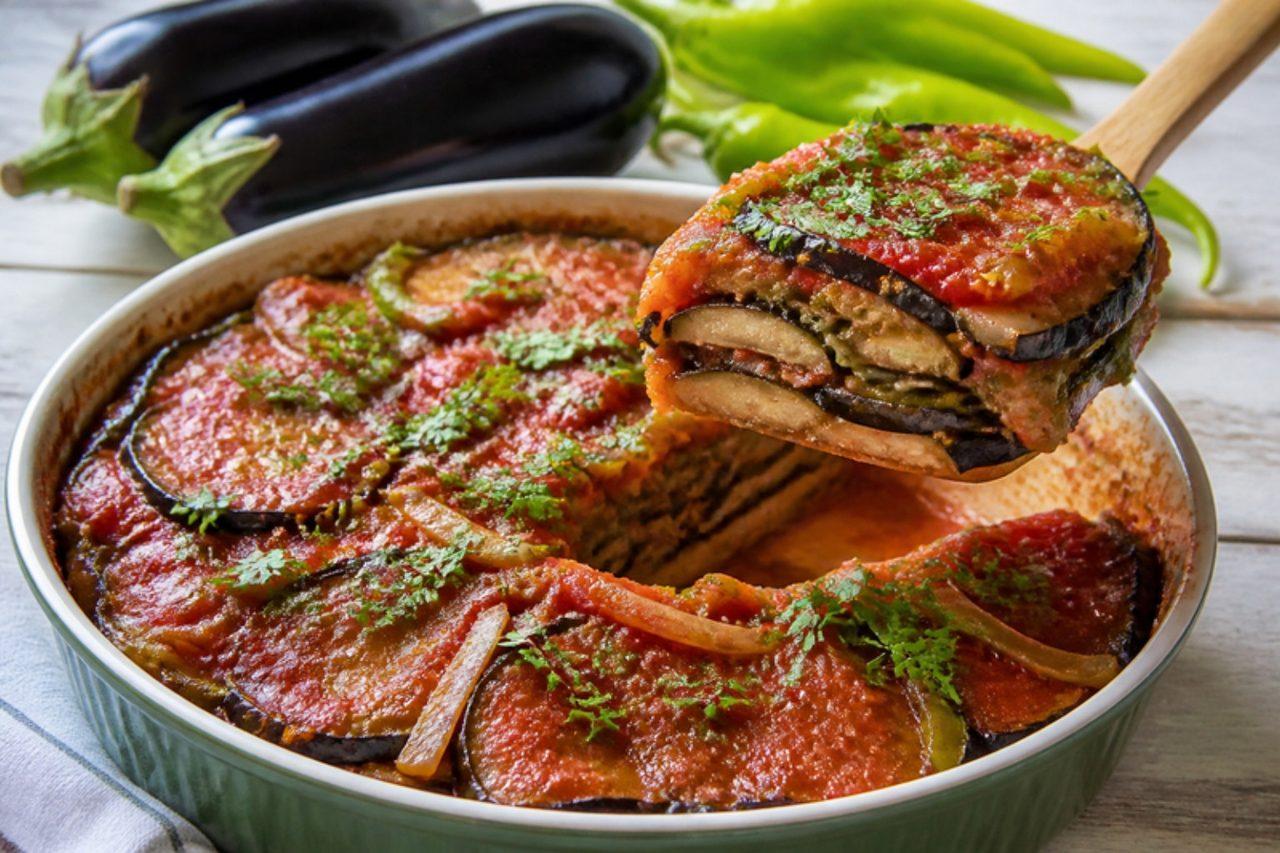
Mesaqa'a shares a name with Greek moussaka but is a different dish: there's no béchamel and no cheese, just fried aubergine slices baked in a garlicky tomato sauce with green peppers and chilli until soft and jammy. In Cairo it is a weekday family dish and a favourite during the summer heat and in the Coptic fasting seasons, when many families eat no animal products; it tastes even better the next day at room temperature, scooped up with baladi bread. Chef's tip: salt the aubergine and press it dry, then roast or shallow-fry it until truly golden; pale aubergine makes a watery, grey mesaqa'a.

by KrazyBadal 0 views

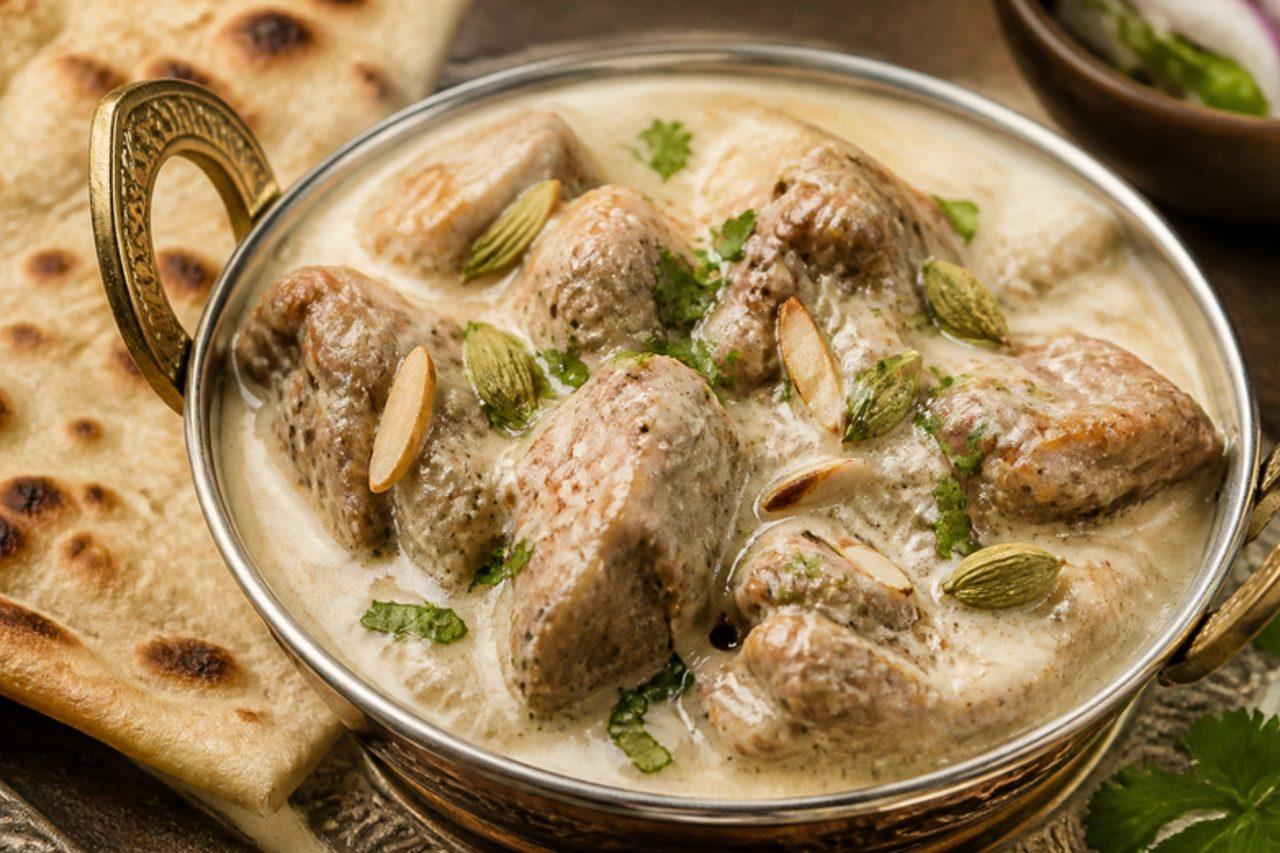
Safed maasMutton in white gravy

Safed maas is the quiet sibling of fiery laal maas, created in the palace kitchens of Rajasthan's princely states such as Jaipur and Udaipur, where cooks prized dishes that looked as refined as they tasted. There is no turmeric, no red chilli and no browning: the mutton is cooked white with yogurt, a paste of cashews and almonds, cream and white pepper, scented with cardamom and kewra. Its heat is gentle and comes from white pepper and a few green chillies. It's served at weddings and festive dinners with soft rotis or saffron pulao. Chef's tip: keep the heat low from start to finish; the moment the meat or the spices brown, the gravy turns beige and loses that ivory look.

125 minIndianMeatGluten free
by KrazyBadal 0 views

Mercimek çorbasıRed lentil soup

If one soup feeds Turkey, it is this. Mercimek çorbası is on the counter of every lokanta (tradesmen's restaurant), in factory and hospital canteens, and it is often what Turks eat for breakfast on a cold morning or to break the fast in Ramadan. Red lentils simmered with onion, carrot and potato are blended until velvety, then each bowl gets a squeeze of lemon and a swirl of butter sizzled with Aleppo pepper and dried mint. It is warming, cheap and filling. Chef's tip: rinse the lentils in several changes of water until it runs clear; it washes off the starch that makes the soup foam and taste dusty.

by KrazyBadal 0 views

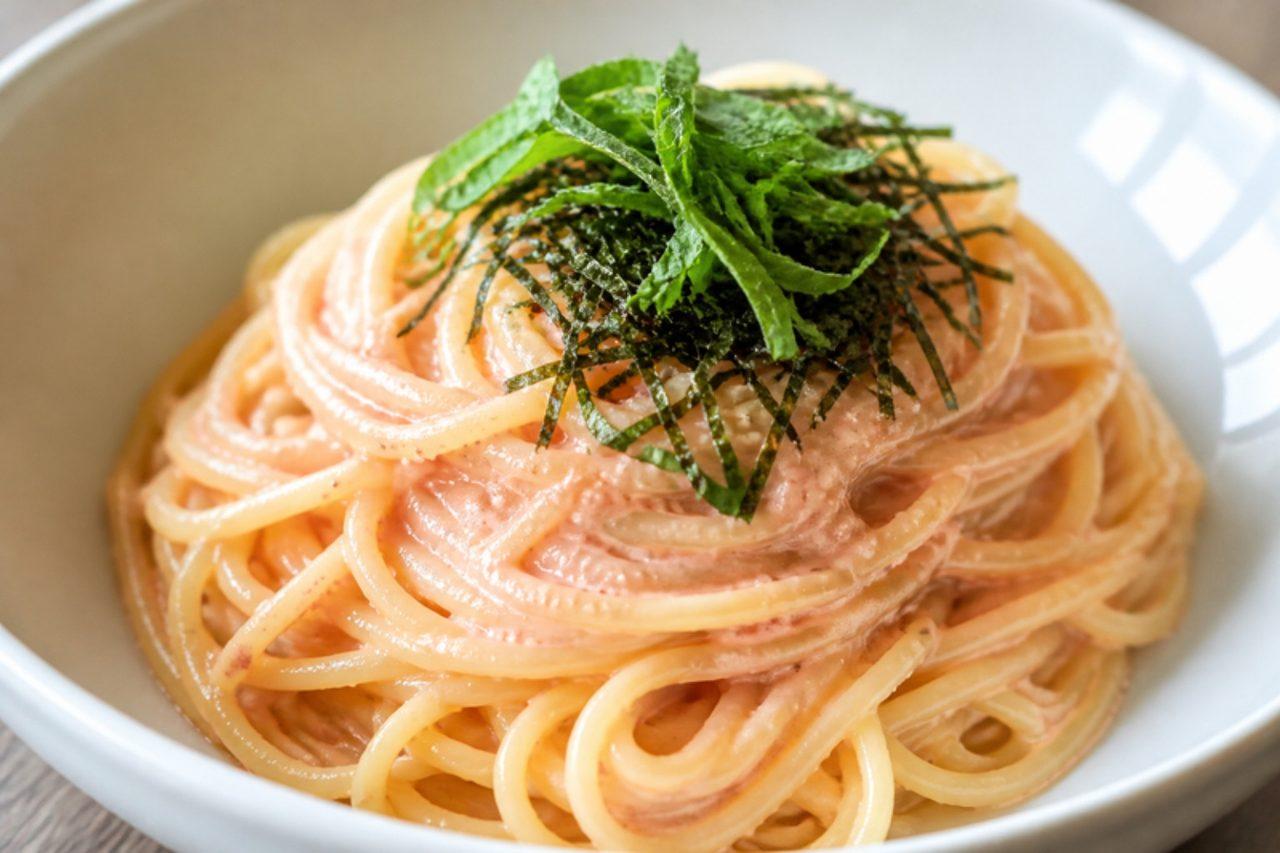
Mentaiko pastaSpaghetti with pollock roe

Mentaiko, pollock roe cured with salt and chilli, is the food gift everyone brings back from Hakata in Fukuoka, where shops near the station sell it in rows of red sacs. The pasta came from the Japanese-style spaghetti cafés of Tokyo in the 1960s and is now on menus right across Japan, Fukuoka included. The roe is not really cooked: the heat of the drained spaghetti and the melting butter turn it into a pink, salty-spicy coating. Mentaiko is a raw cured product. Use very fresh, sushi-grade fish from a trusted fishmonger; not for pregnant women, young children or anyone with a weakened immune system. For mentaiko, that means a chilled, sealed pack well within its date. Chef's tip: save a ladle of the pasta water; a spoonful loosens the roe so it clings to every strand instead of clumping.

by KrazyBadal 0 views

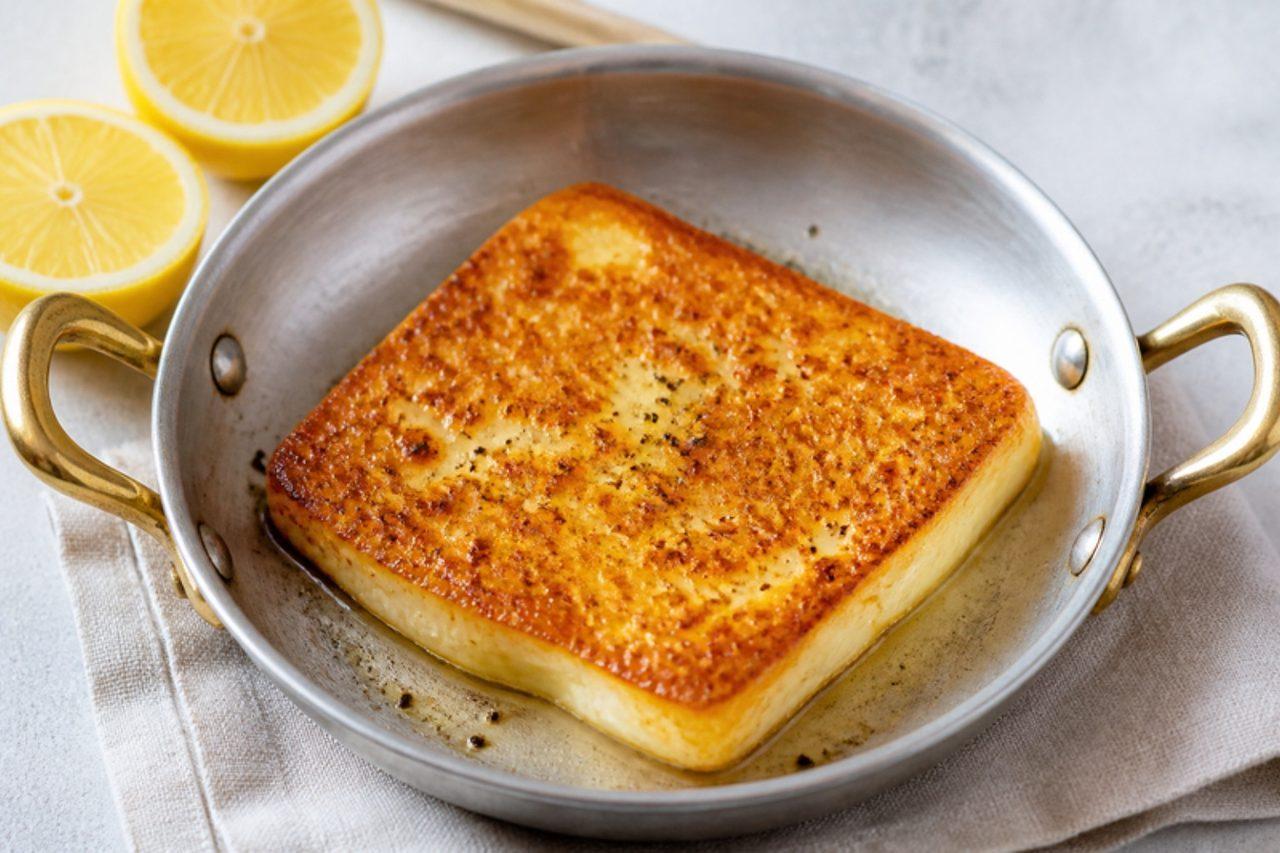
SaganakiPan-fried cheese

Saganaki takes its name from the small two-handled pan it's cooked in. A thick slice of hard sheep's-milk cheese, usually kefalograviera or kefalotyri, is dusted with flour and fried until it has a crisp, golden crust and a soft, stretchy middle, then splashed with lemon. In Greek tavernas it arrives sizzling at the start of the meal, to share with bread, salad and a cold drink. Traditional Greek hard cheeses are often made with animal rennet, so use a vegetarian alternative such as a vegetarian graviera or halloumi. We dust it with rice flour so it is gluten free. Chef's tip: chill the cheese and get the pan properly hot before it goes in; a lukewarm pan is the common mistake and the cheese melts into a puddle before it crisps.

by KrazyBadal 0 views

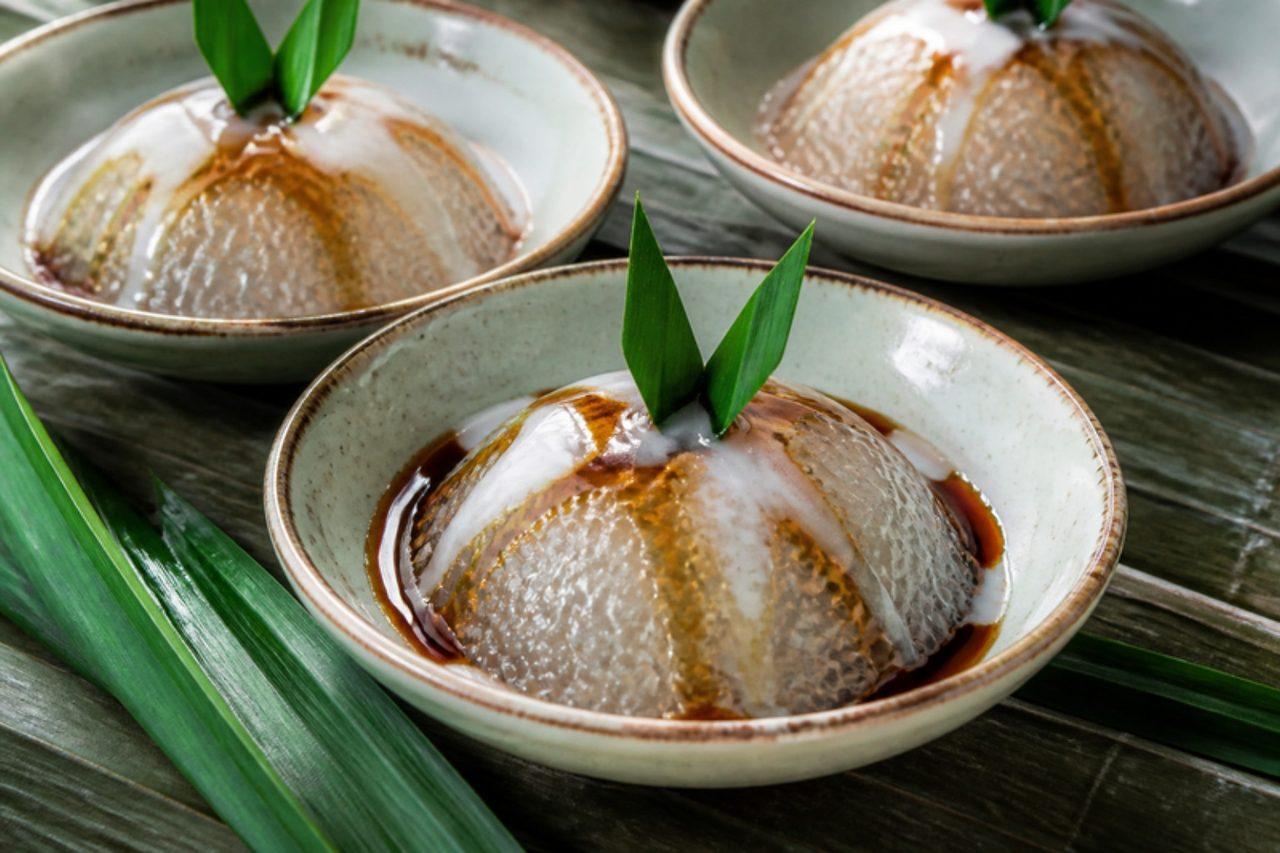
Sago gula MelakaSago pudding with palm sugar

This cool, wobbly pudding is named after the dark palm sugar made from coconut-flower sap around Melaka, and it's on the menu at Peranakan restaurants there and at many a Malaysian dinner party. Little domes of clear sago pearls are chilled until set, then turned out and drowned in salted coconut milk and smoky gula Melaka syrup. The pearls are soft and bouncy, the sauces rich and caramel-dark, and it can all be made the day before. Chef's tip: pour the sago into the water only once it's at a full rolling boil, and stir straight away; tepid water turns it into a gluey lump.

by KrazyBadal 0 views

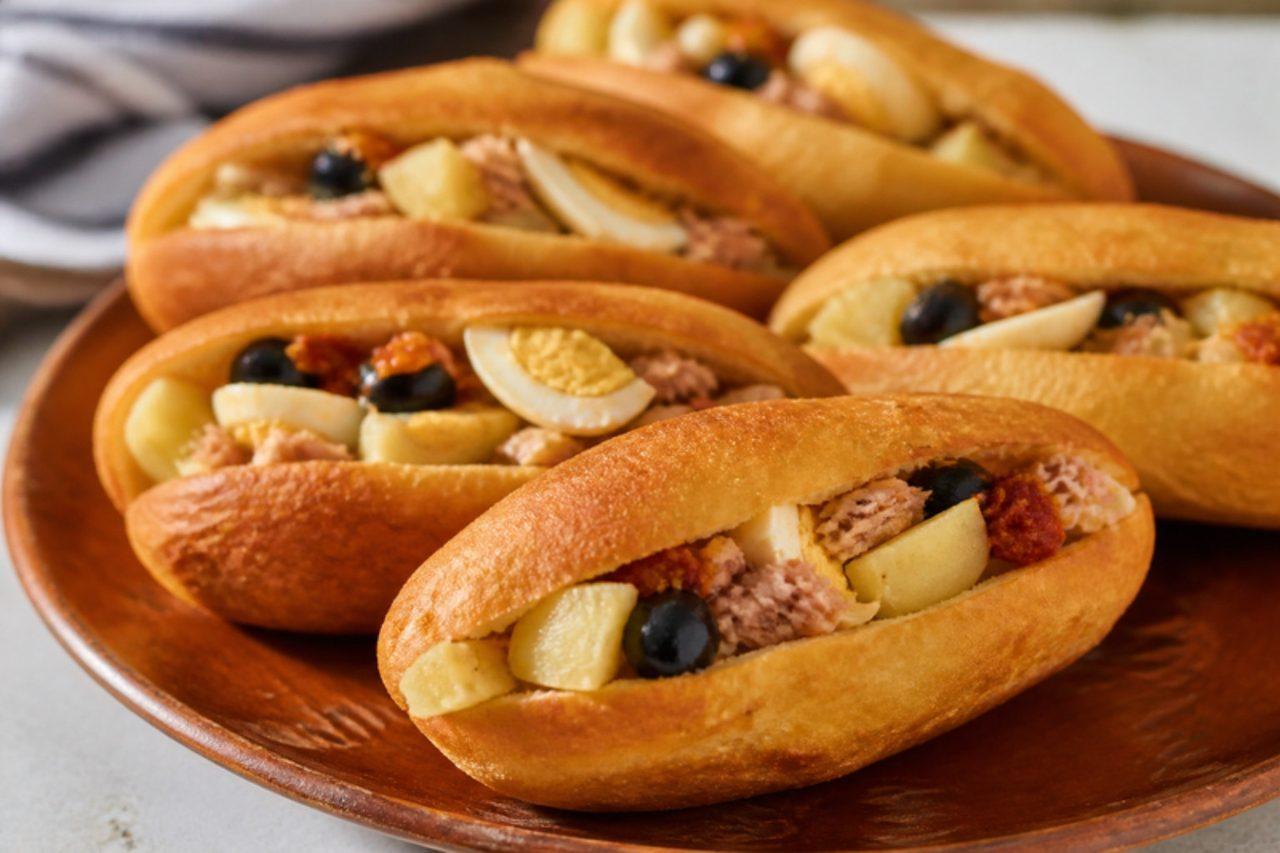
Tunisian fricasséFried rolls with tuna and egg

Fricassé are the small, soft fried rolls sold from glass-fronted counters in Tunis and the coastal towns, split while still warm and filled to order with tuna, boiled egg, olives, boiled potato, mechouia salad and a smear of harissa. They are an afternoon snack, a beach lunch and a Ramadan favourite. The mistake is frying the dough when the oil is too cool, which makes it greasy and heavy; keep the oil at 170 °C. Chef's tip: give the shaped rolls a full second rise so they puff and stay light inside.

by KrazyBadal 0 views

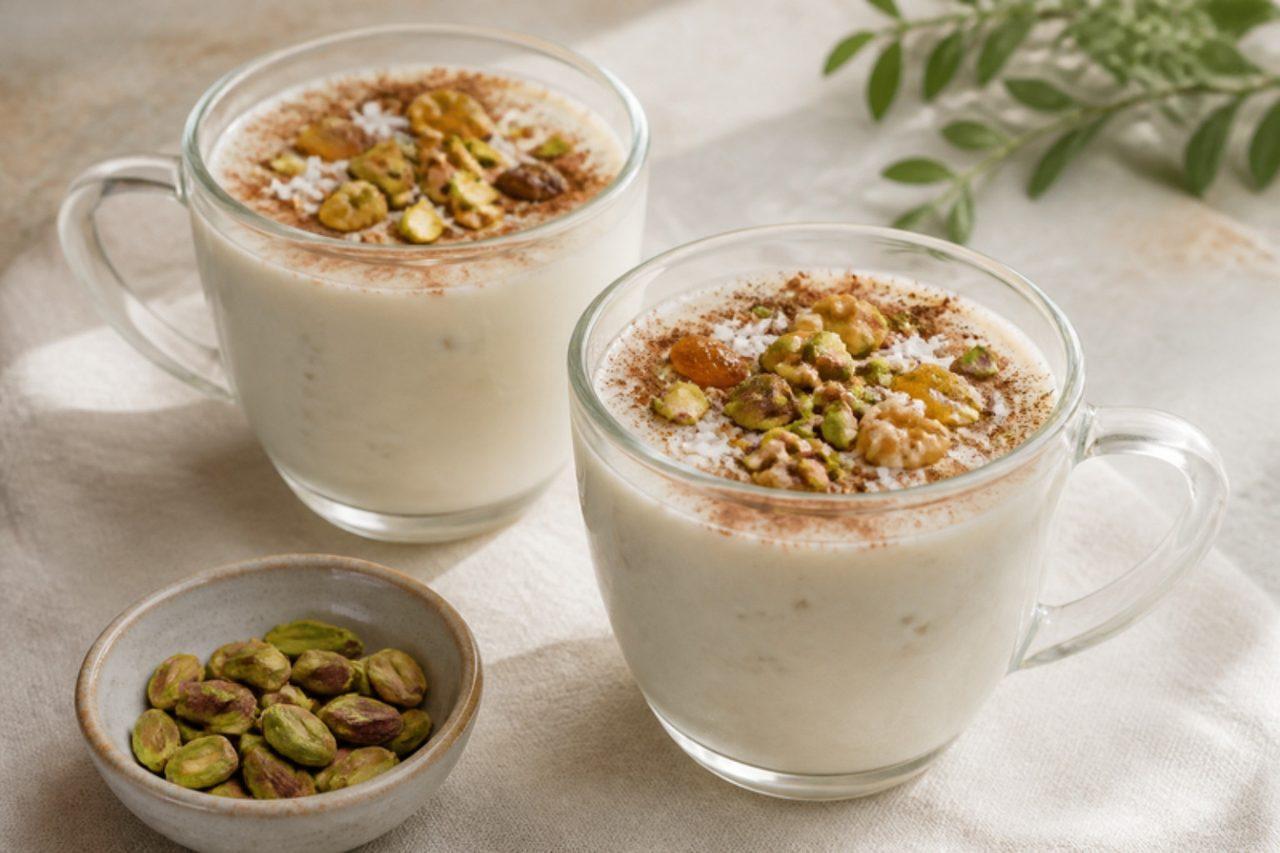
SahlabWarm milk drink

Sahlab is what Cairo drinks on a cold winter evening: a thick, sweet, steaming glass of milk sold in cafés and from street carts, topped with cinnamon, coconut, chopped nuts and a few raisins, and eaten as much with a spoon as drunk. The original thickener is powdered orchid root, which is now rare and protected, so most Egyptian households and many cafés use cornflour or a ready-made sahlab mix instead, as here. Chef's tip: keep whisking from the moment the thickened milk goes in until it boils; stop for a minute and it catches on the bottom of the pan and tastes scorched.

by KrazyBadal 0 views

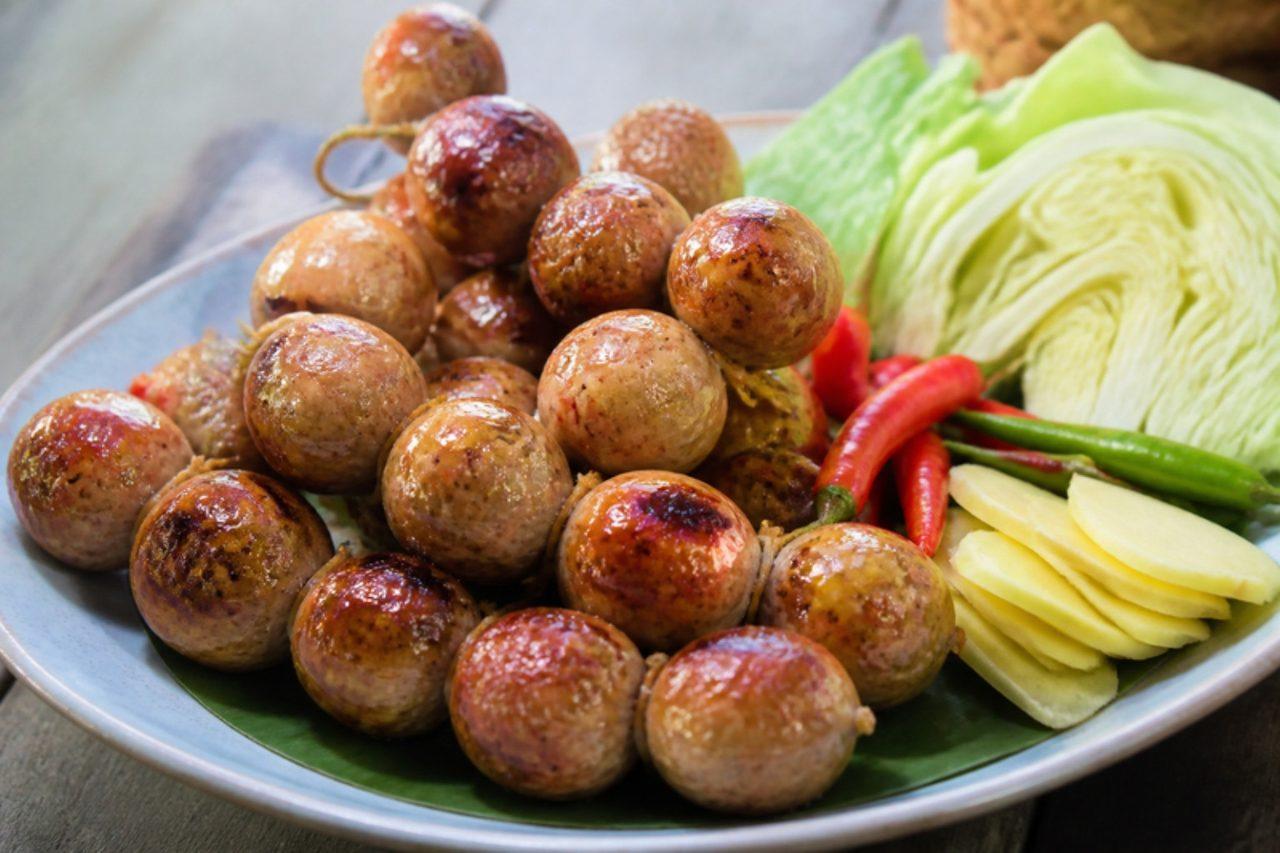
Sai krok IsanSour pork and rice sausage

Strung in little round links and grilled at night markets from Khon Kaen to Udon Thani, these garlicky sausages are tangy from fermentation, with soft rice grains in a juicy pork filling. Vendors serve them with fresh ginger slices, bird's eye chillies, raw cabbage and roasted peanuts, and every bite is a mix of sour, salty, hot and crunchy. Traditionally they are left at room temperature for two or three days to sour; that is a real food-safety risk at home without controlled cultures and curing salts, so this version cures in the fridge instead. Expect a milder tang than street-stall sai krok; a squeeze of lime at the table makes up the difference. Chef's tip: use day-old cooked rice that went into the fridge quickly; freshly cooked warm rice turns the filling mushy and keeps it in the danger zone.

65 minThaiMeatGluten free
by KrazyBadal 0 views

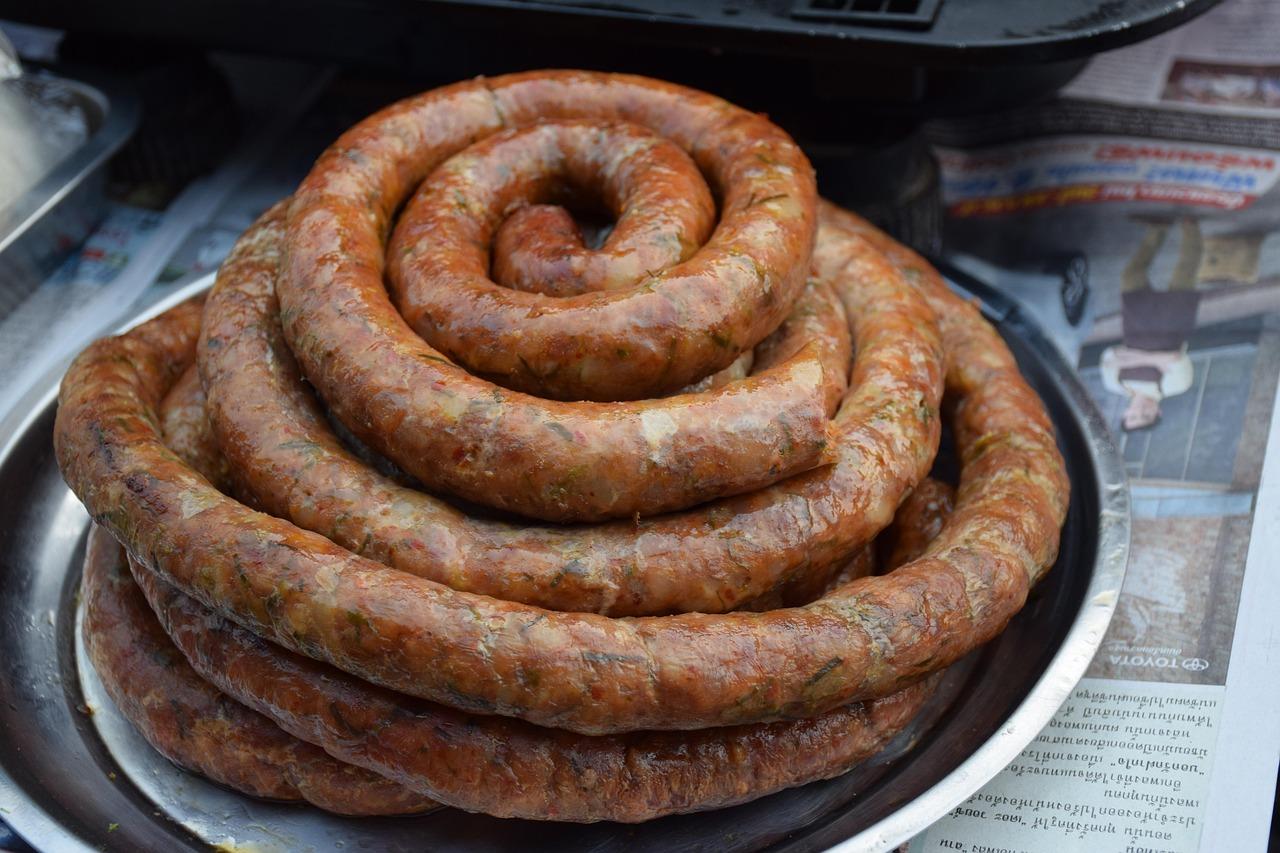
Sai ouaHerby grilled pork sausage

Walk through Chiang Mai's Warorot market and you will smell sai oua before you see it: long coils of sausage smoking over charcoal, flecked green with lime leaf and orange with chilli paste. The meat is coarse and juicy, the flavour loud with lemongrass, galangal and turmeric, and Northern Thais eat it in thick slices with sticky rice, raw cabbage, nam prik noom and a few slices of fresh ginger. If you have no casings or sausage stuffer, the same mixture makes excellent flat patties. Chef's tip: fry a teaspoon of the mixture before you stuff anything and taste it; this is your only chance to fix the salt and chilli.

90 minThaiMeatGluten freeSpicy
by KrazyBadal 0 views

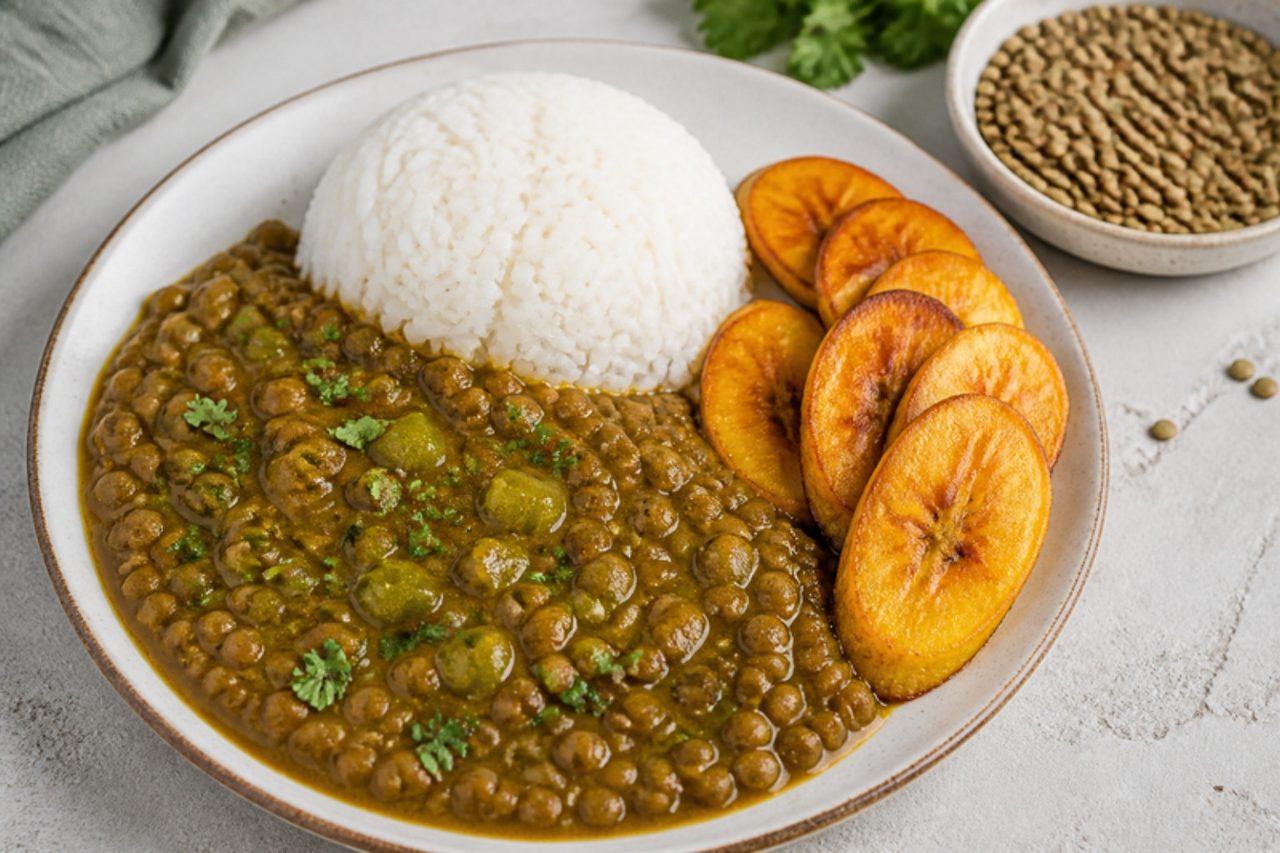
Menestra de lentejasCumin lentil stew

Menestra is the backbone of Ecuador's set lunches: in Guayaquil's almuerzo cafés, plates arrive with white rice, a ladle of thick menestra, fried plantain (patacones or maduros) and a little salad, usually beside grilled meat. On its own it makes a complete meatless meal. Lentils are cooked down with a refrito of onion, pepper, garlic, cumin and achiote until thick enough to hold a mound. Chef's tip: stir in a handful of chopped coriander right at the end; it's the fresh lift that makes menestra taste Ecuadorian.

by KrazyBadal 0 views

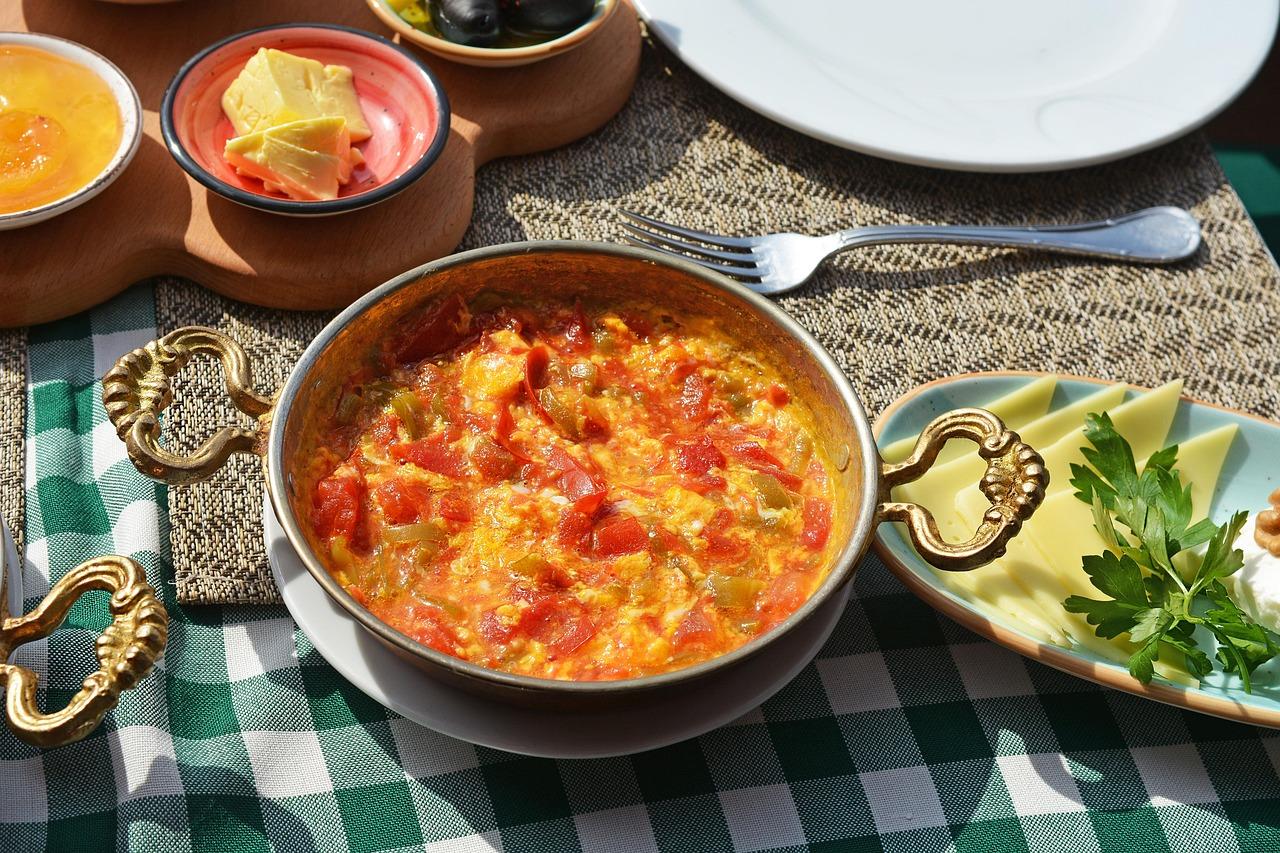
MenemenScrambled eggs with peppers and tomato

Sunday breakfast in Turkey rarely passes without a sizzling pan of menemen set in the middle of the table, crowded by olives, cheese, cucumber and glasses of tea. Mild green peppers are softened in olive oil, ripe tomatoes are cooked down to a jammy sauce, and then the eggs are broken in and gently stirred so they set into soft, juicy ribbons streaked with red. Everyone eats from the pan, tearing bread to scoop it up. Whether onion belongs in it is a national argument; here it is optional. Chef's tip: let the tomatoes bubble until almost all their liquid has gone before the eggs go in, or the menemen will be watery.

by KrazyBadal 0 views

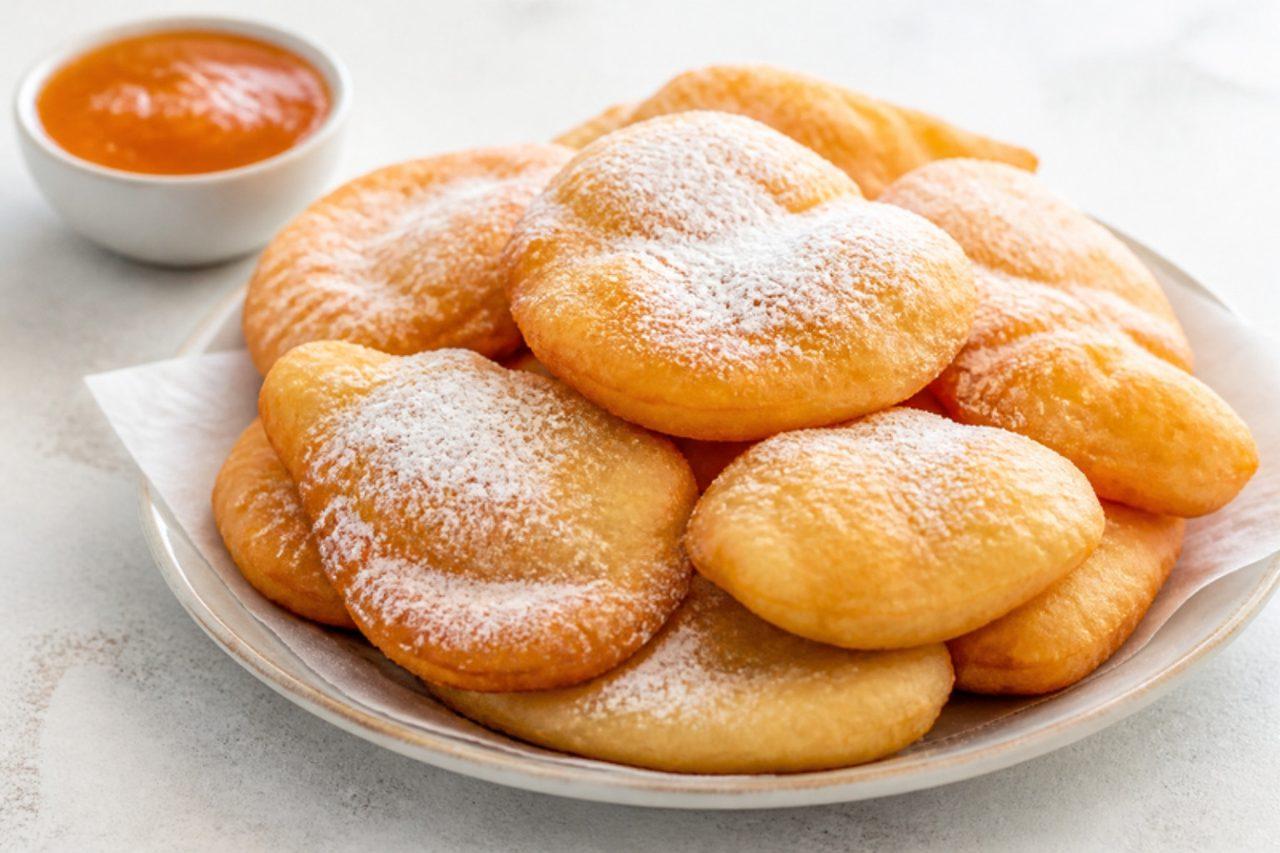
MekitsiFried yogurt dough puffs

Mekitsi are the Sunday morning treat of Bulgarian childhoods: in towns like Veliko Tarnovo and Gabrovo they are fried at home or bought from stalls by the dozen, puffy, uneven rounds of yogurt dough that come out of the oil crisp outside and soft and airy inside. They are eaten hot, dusted with icing sugar or spread with jam, honey or sirene, with a cup of tea or ayran. Chef's tip: stretch the dough with oiled hands rather than flour, and keep the oil at a steady medium heat; oil that's too hot is the usual mistake and leaves them dark outside and doughy in the middle.

by KrazyBadal 0 views

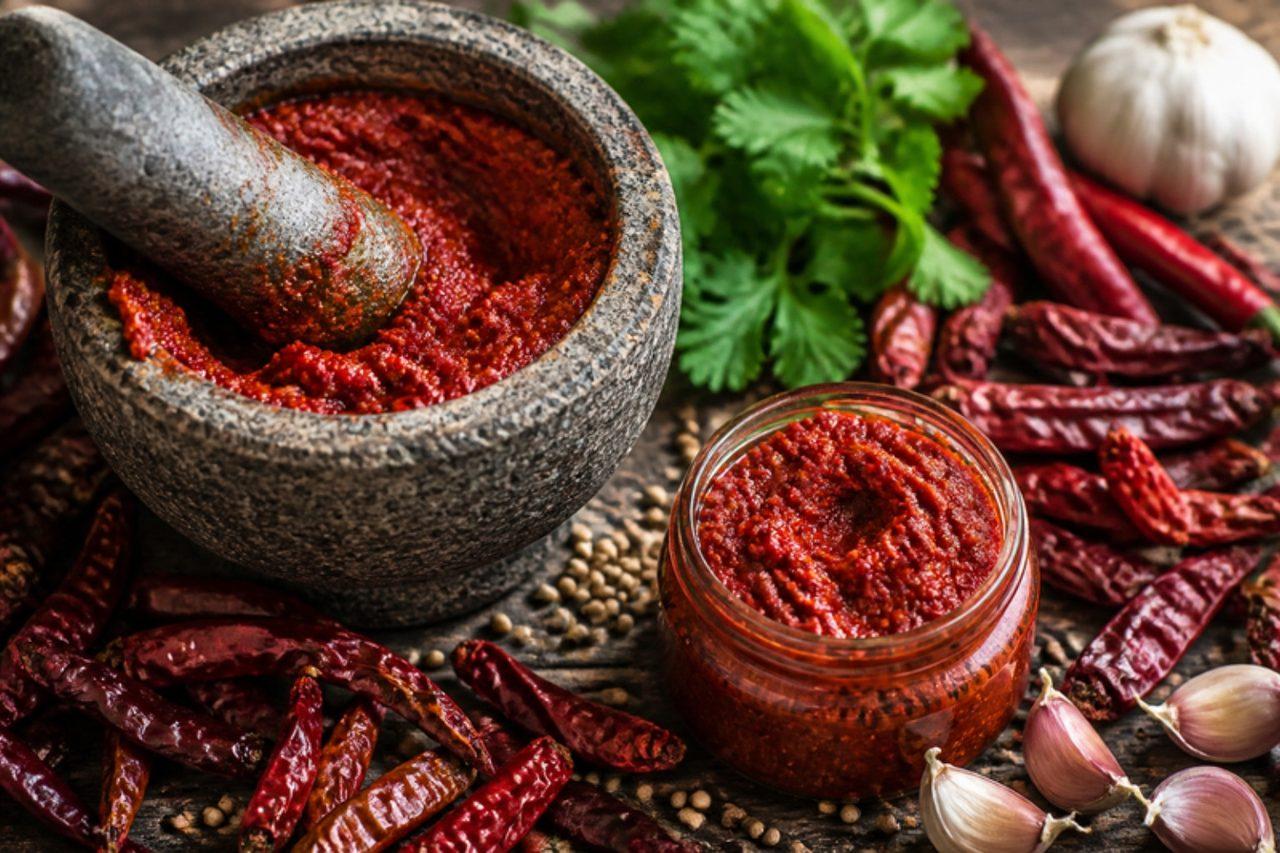
AdjikaRed pepper and garlic paste

Adjika comes from Samegrelo and neighbouring Abkhazia in western Georgia, where it is a thick, fiery paste of dried red peppers, garlic and seeds, pounded in a stone mortar and stored in jars for the year. It is nothing like the tomato relishes sold as adjika in some shops: a little goes a very long way, stirred into beans, rubbed into vegetables before roasting, or spread thinly on mchadi with cheese. It needs no cooking, just patience while the peppers soak. A common mistake is skipping the soaking, which leaves the paste gritty with hard flakes of skin. Chef's tip: wear gloves while handling the peppers, and use a mix of mild and hot ones so you get colour and fruitiness, not just heat.

by KrazyBadal 0 views

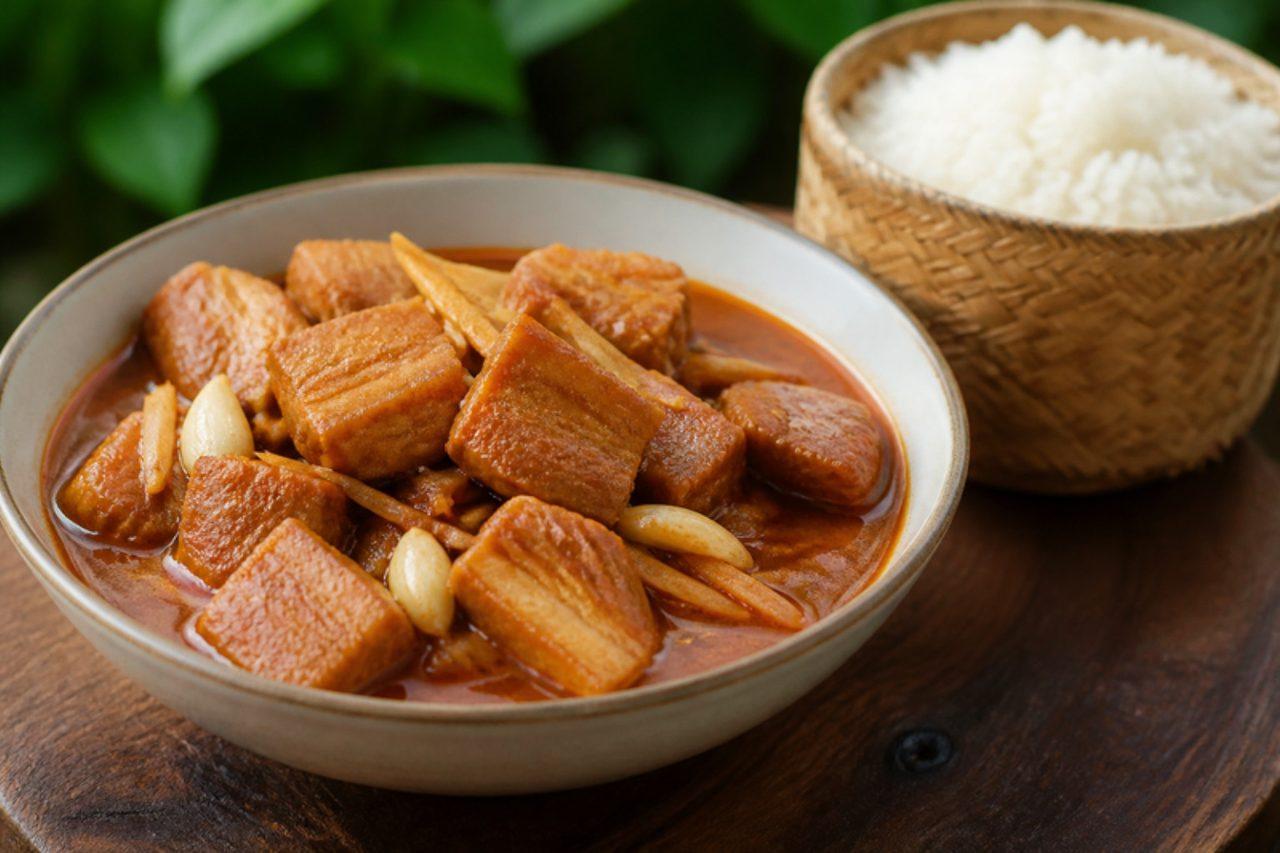
Gaeng hang layPork belly curry

Brought to Lampang and Chiang Mai by Burmese teak traders in the 1800s, this coconut-free curry is now the dish Northern families cook for temple fairs, weddings and Songkran, often a day ahead in a big pot. Chunks of pork belly and shoulder braise slowly until they almost fall apart in a dark, glossy sauce that tastes of ginger, garlic and warm spices, sharpened with tamarind and rounded with palm sugar. It should be thick enough to cling to the meat rather than soupy. Serve it with steamed jasmine or sticky rice and a crisp cucumber salad. Chef's tip: make it the day before; overnight in the fridge the flavours settle and the fat sets on top so you can lift some off before reheating.

120 minThaiCurriesGluten free
by KrazyBadal 0 views

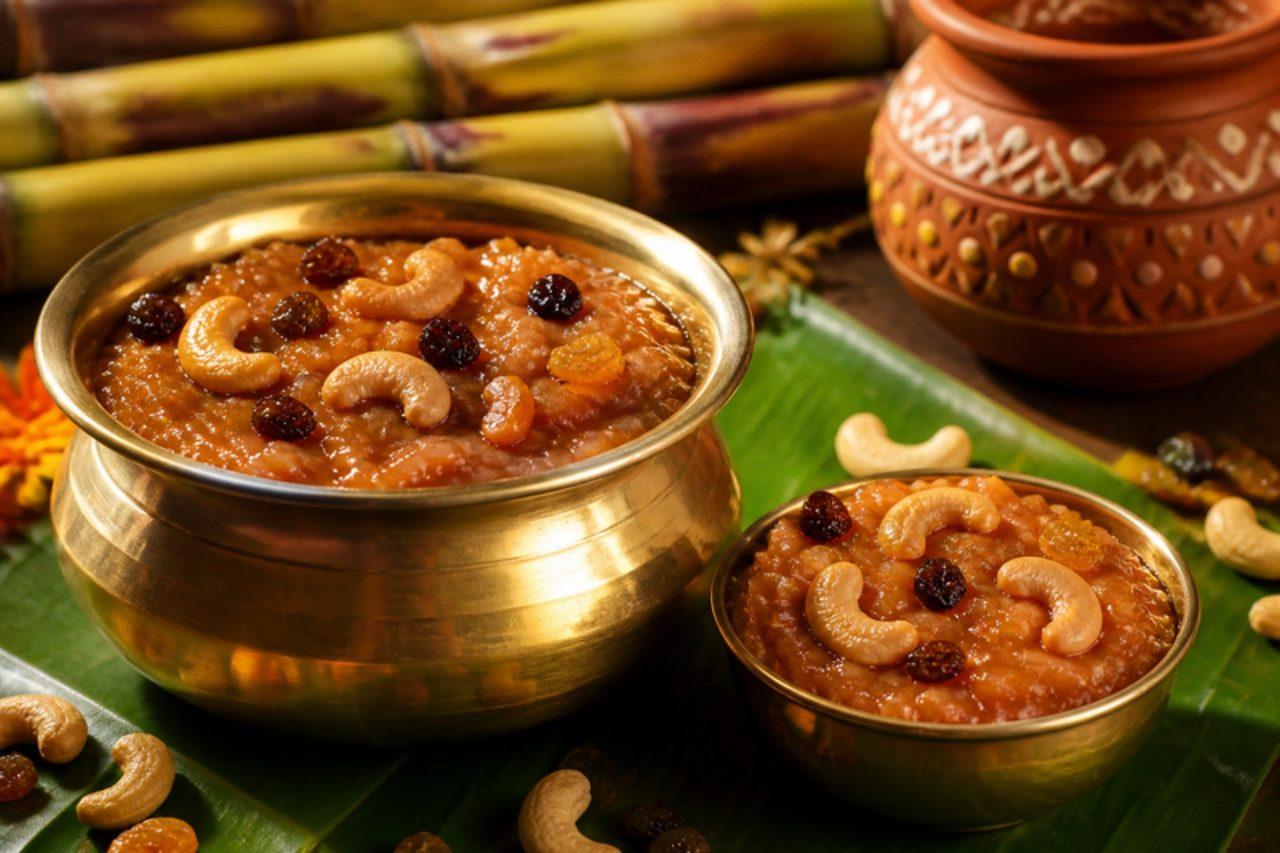
Sakkarai pongalSweet rice and moong dal

On the morning of Thai Pongal in mid-January, families across Tamil Nadu cook new-harvest rice in a clay pot in the courtyard and wait for the milk to bubble over: 'pongalo pongal!'. That pot becomes sakkarai pongal, a sticky, golden-brown sweet of rice and moong dal cooked soft, then simmered with melted jaggery and finished with lots of ghee, cardamom, edible camphor and cashews and raisins fried golden. It's also the classic prasadam at Vishnu temples. It's the sweet twin of the peppery ven pongal. Chef's tip: dry-roast the moong dal until it smells nutty before cooking; it adds a toasty depth that plain boiled dal can't give.

by KrazyBadal 0 views

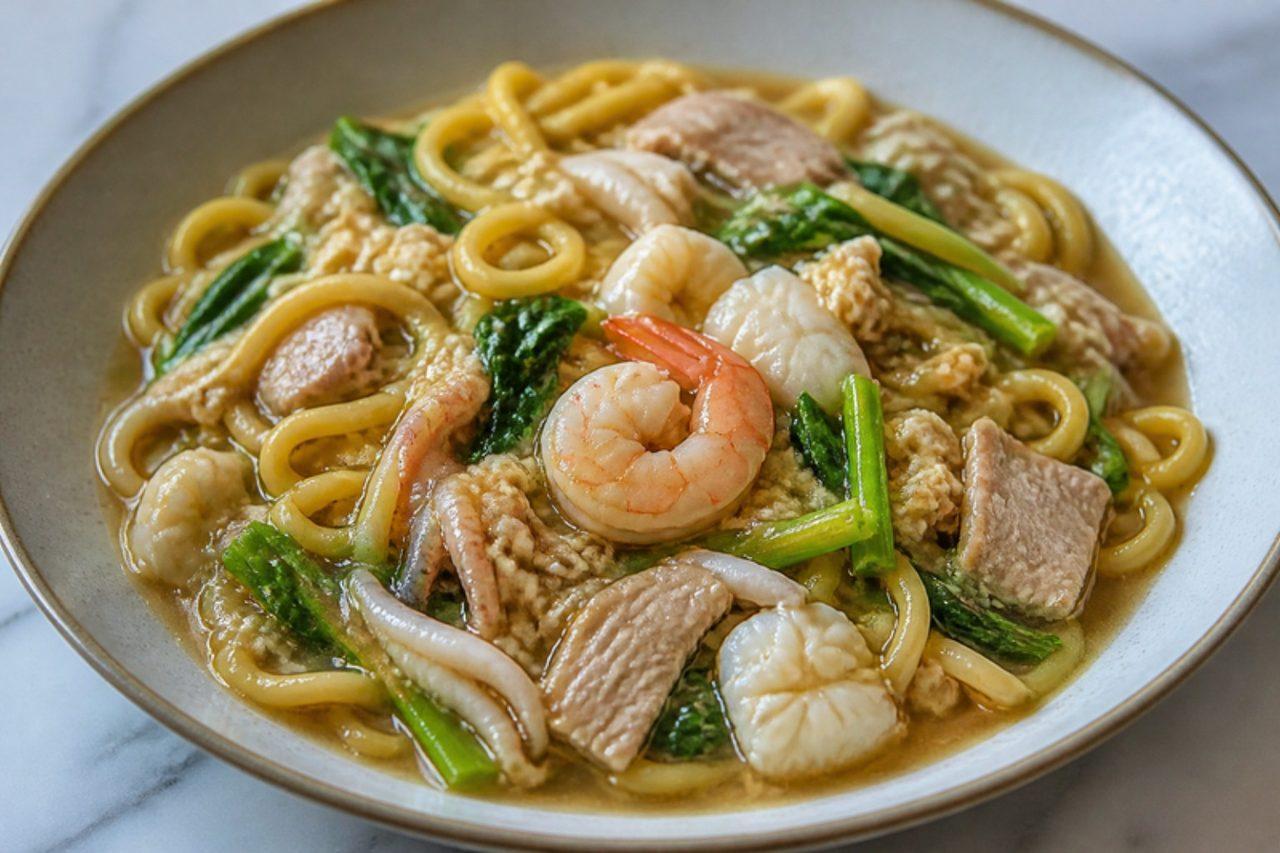
Mee hokkien PhuketThick yellow noodle stir-fry

In the Sino-Portuguese shophouses of Phuket Town, descendants of Hokkien tin miners still begin the day with this: fat, chewy yellow egg noodles fried with pork, prawns and squid, then simmered in a little stock until the sauce becomes a savoury gravy that coats every strand, with an egg stirred through at the end. It is the island's signature noodle, ordered in old coffee shops with a glass of strong local coffee or a bowl of clear pork soup. The texture is slippery and thick, the flavour mellow and peppery rather than hot, so chilli vinegar goes on the table. Chef's tip: loosen the fresh noodles under hot water before they go in the wok; cold, stuck-together noodles snap into short pieces when tossed.

by KrazyBadal 0 views

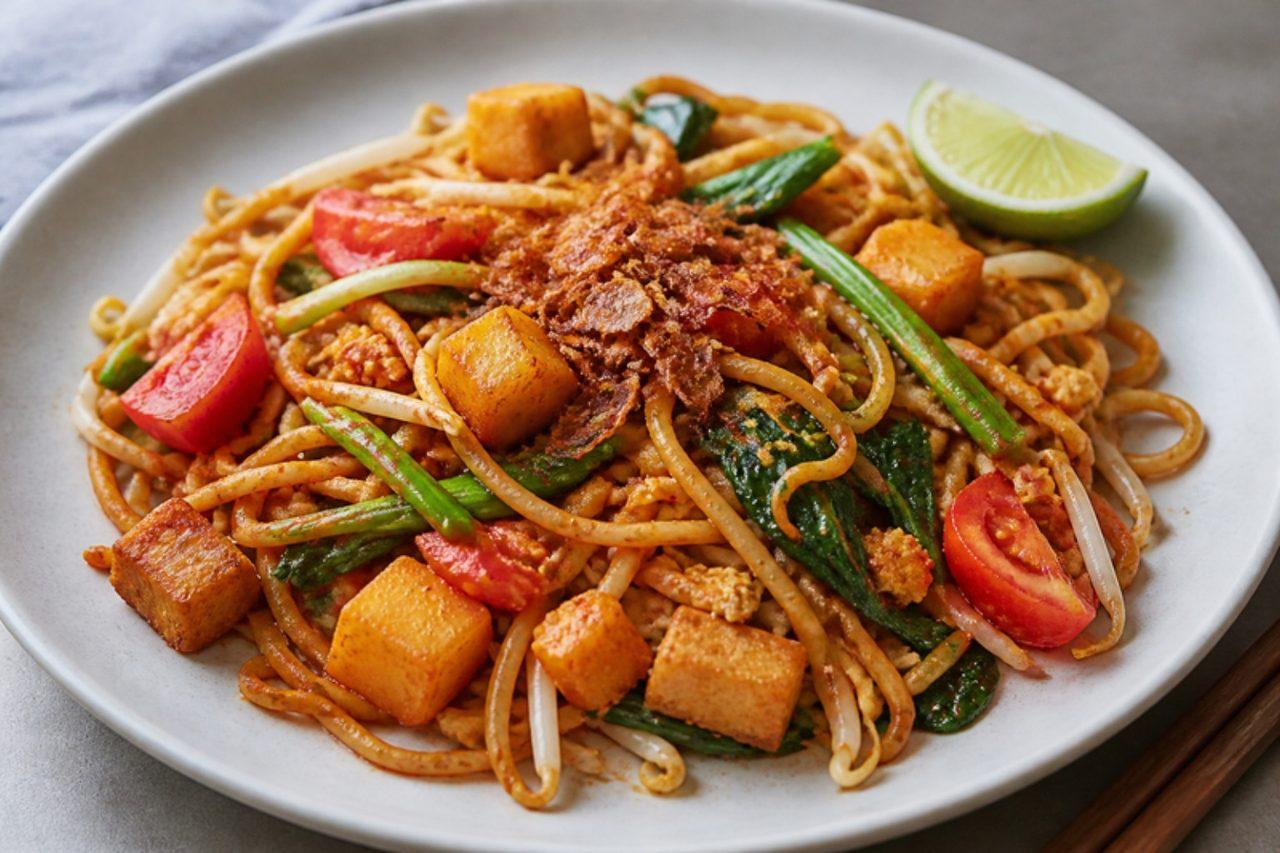
Mee goreng mamakFried yellow noodles

Mamak stalls, the round-the-clock cafés run by Malaysia's Tamil Muslim families, are where friends meet after a football match or a late film, and mee goreng mamak is the plate everyone orders with a glass of pulled tea. It's yellow noodles tossed hard in a wok with tomato sauce, chilli, soy, a pinch of curry powder, soft potato that breaks into the sauce, tofu, egg and bean sprouts, finished with a squeeze of lime. Stalls often add squid or prawns; here the tofu does that job. It's sweet, smoky, tangy and a little messy, as it should be. Chef's tip: get the wok really hot and let the noodles sit untouched for 20 seconds between tosses so they char in spots.

by KrazyBadal 0 views

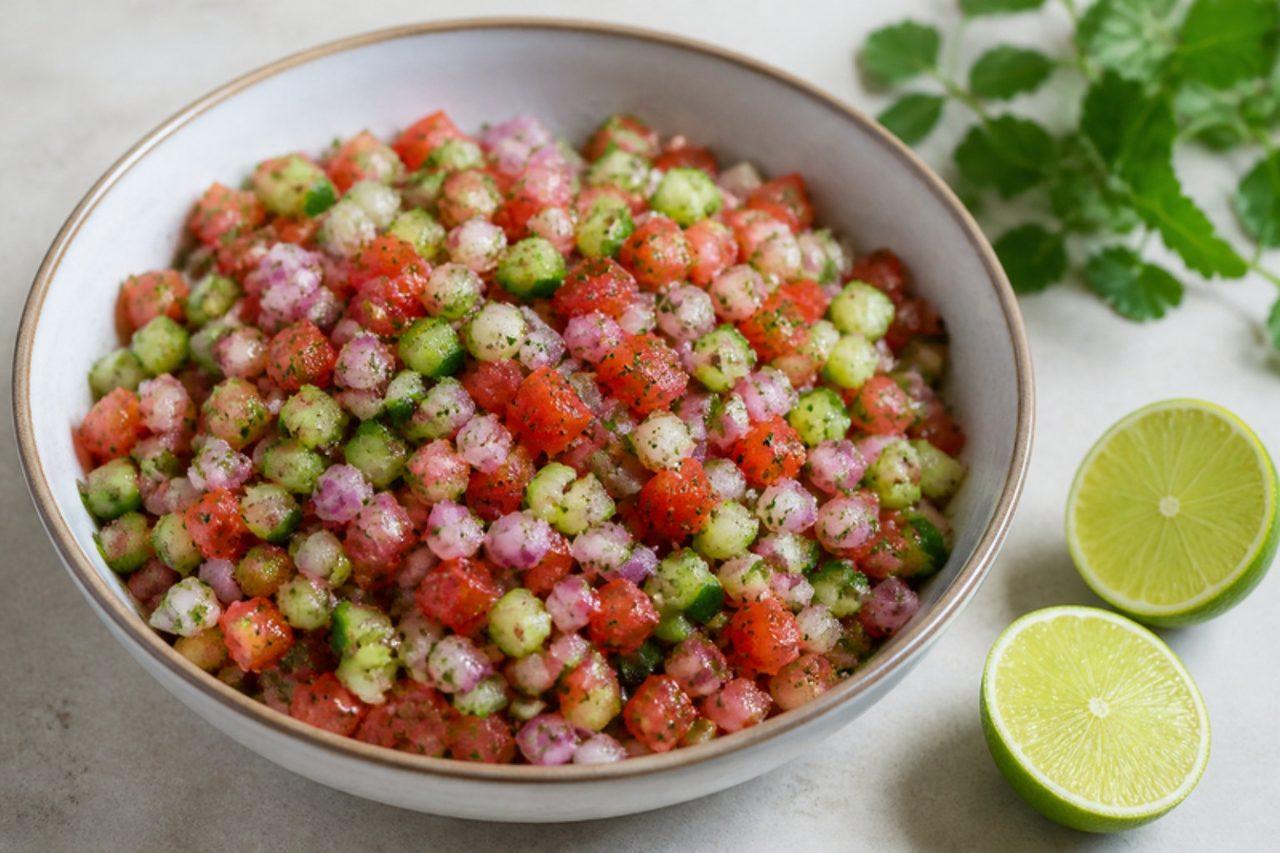
Salad shiraziTomato, cucumber and onion salad

Salad shirazi is named after Shiraz, the city of gardens in Fars province, and it is the salad served with almost every Persian rice and kebab meal. Tomato, cucumber and onion are cut into tiny, even dice and dressed simply with lime juice (or sour grape verjuice, ab-ghooreh, in Shiraz itself), dried mint and a little oil. There are no peppers or herbs to muddy it: it is crunchy, sharp and cold, and is spooned onto rice as a relish. Chef's tip: dice everything as small as a pea; the tiny cubes are what make it taste like Shirazi rather than a chopped salad.

by KrazyBadal 0 views

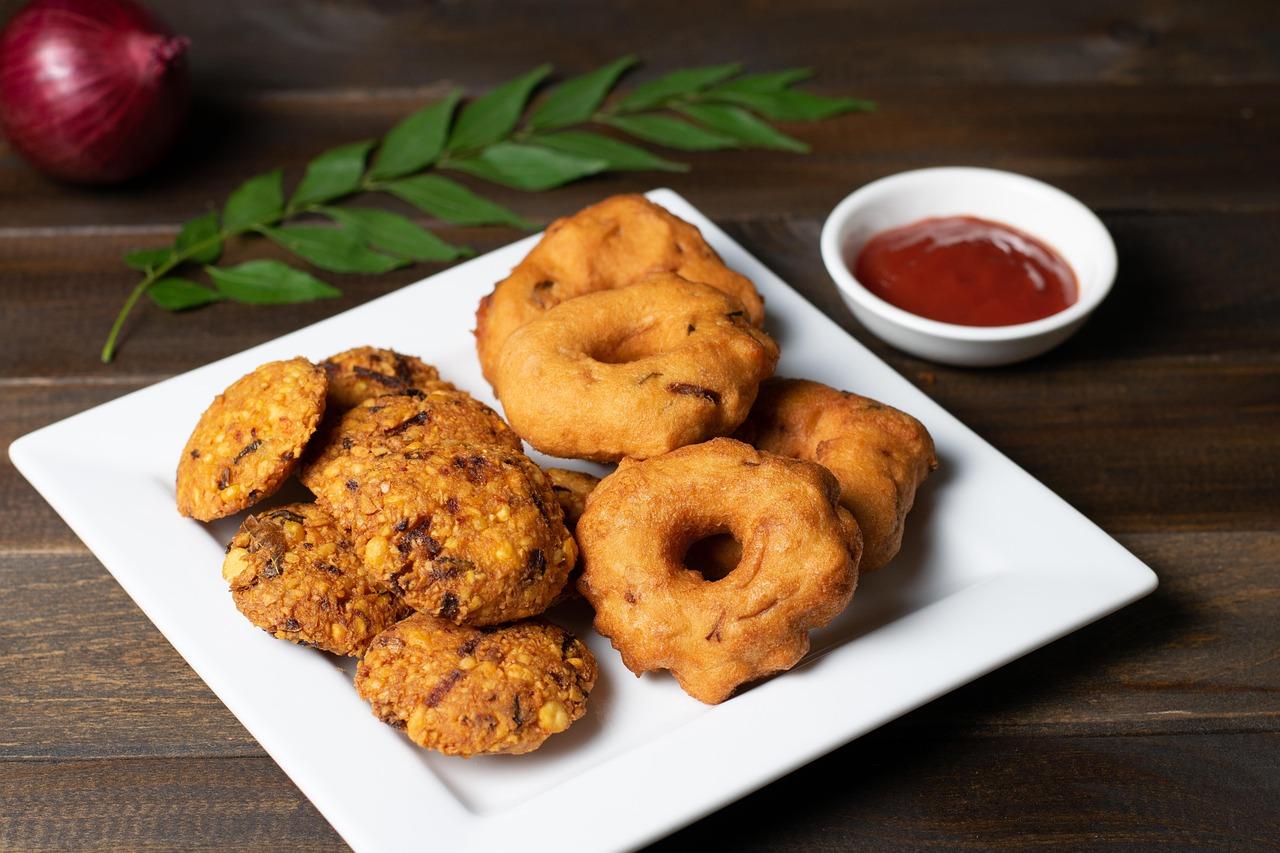
Medu vadaUrad dal doughnuts

Medu vada are the ring-shaped lentil fritters eaten all over Tamil Nadu and the rest of the south for breakfast, with idli, sambar and coconut chutney. A good one has a thin, crisp, golden shell and an inside as light and airy as a cloud, flecked with black pepper, ginger, green chilli and curry leaves. The secret is a very thick batter ground with as little water as possible and then whipped full of air. Serve them hot, dunked in sambar, or soaked in rasam as 'rasa vada'. Chef's tip: drop a little batter into a bowl of water before you shape them; if it floats, it's airy enough, and if it sinks, beat it by hand for another few minutes.

by KrazyBadal 0 views

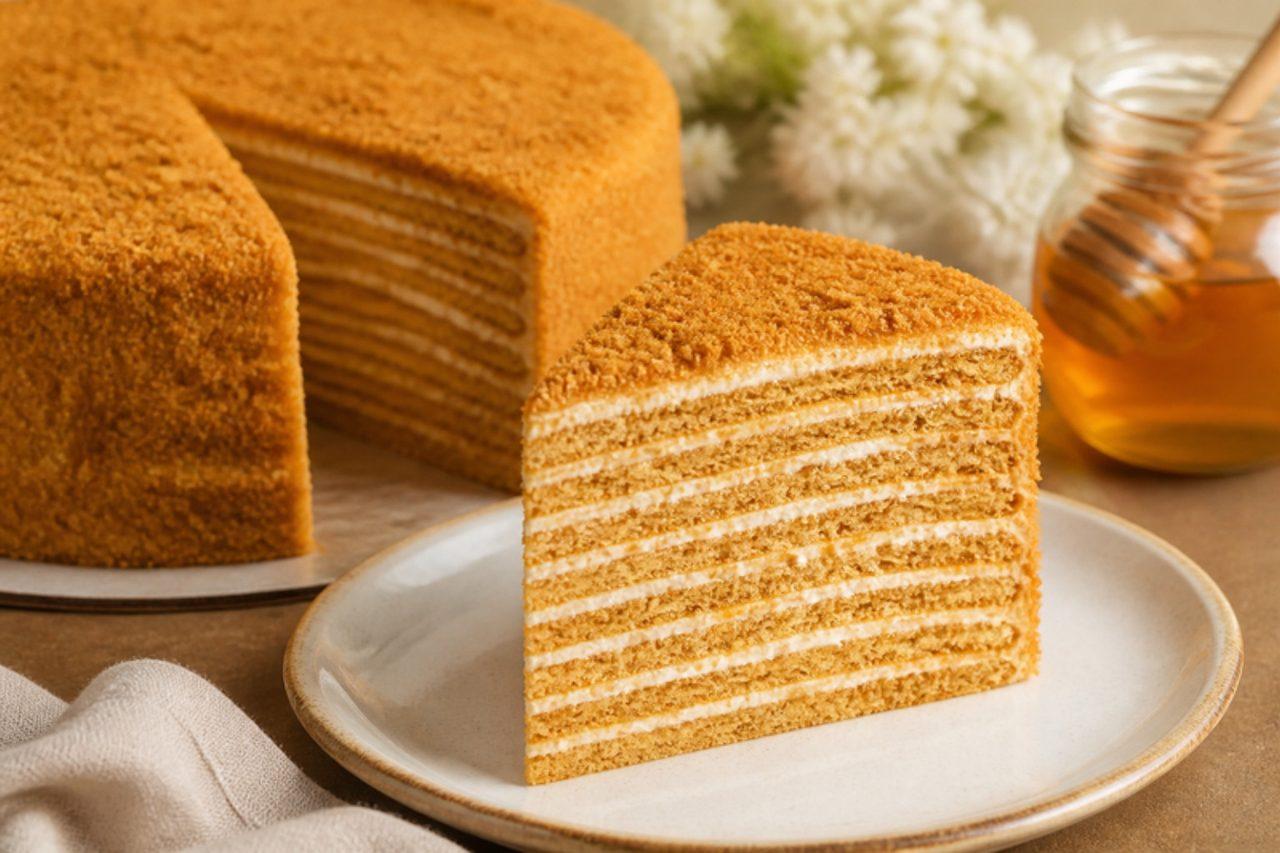
MedovikHoney layer cake

Medovik, the honey cake, is the birthday and name-day cake of countless Ukrainian homes, from Dnipro to Zaporizhzhia, and is shared with kitchens across the former Soviet Union. Eight thin layers of honey-caramel dough are baked like biscuits, then stacked with a tangy sour-cream frosting and left overnight, when they soften into a tender, moist cake. The crumbs from trimming coat the outside. Because it is made with honey and eggs, it is vegetarian but not vegan. Chef's tip: cook the honey, sugar and butter until it turns a deep amber before the bicarbonate goes in; that caramel is the whole flavour of the cake. Common mistake: cutting it the same day, before the layers have soaked up the cream, when it is still dry and hard.

by KrazyBadal 0 views

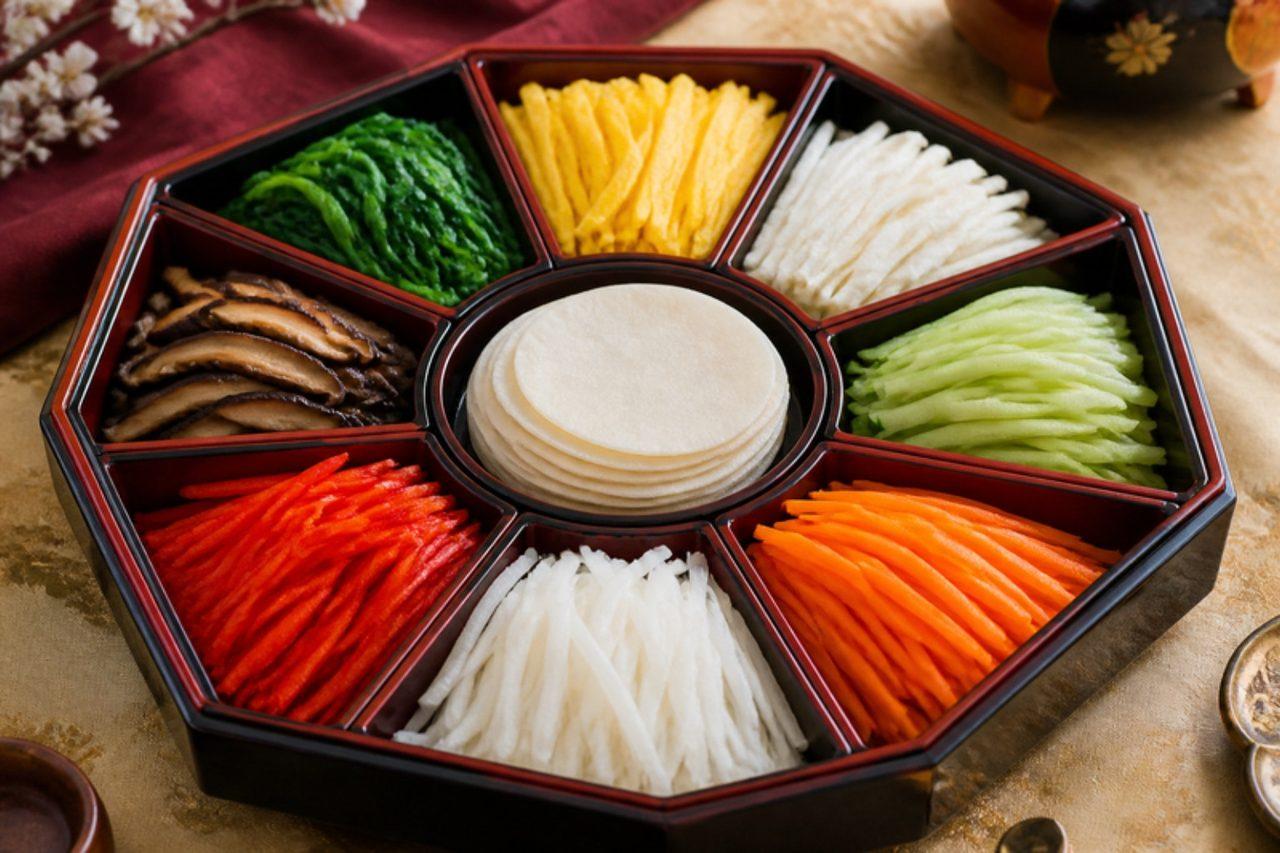
GujeolpanNine-section vegetable platter

Gujeolpan (구절판) takes its name from the octagonal lacquered tray it is served on: eight outer compartments of finely cut, separately seasoned fillings around a stack of paper-thin wheat crêpes in the middle. It was a dish of the Seoul royal court and noble households, and it still appears at weddings, 60th birthdays and Seollal tables, where everyone builds their own little rolls. Classic trays include beef; this one keeps all the colour with shiitake, wood ear, cucumber, carrot, peppers, radish and yellow and white egg. It takes patience rather than skill. Chef's tip: cut every filling into matchsticks the same length as the crêpes are wide, about 5 cm, so each roll closes neatly.

by KrazyBadal 0 views

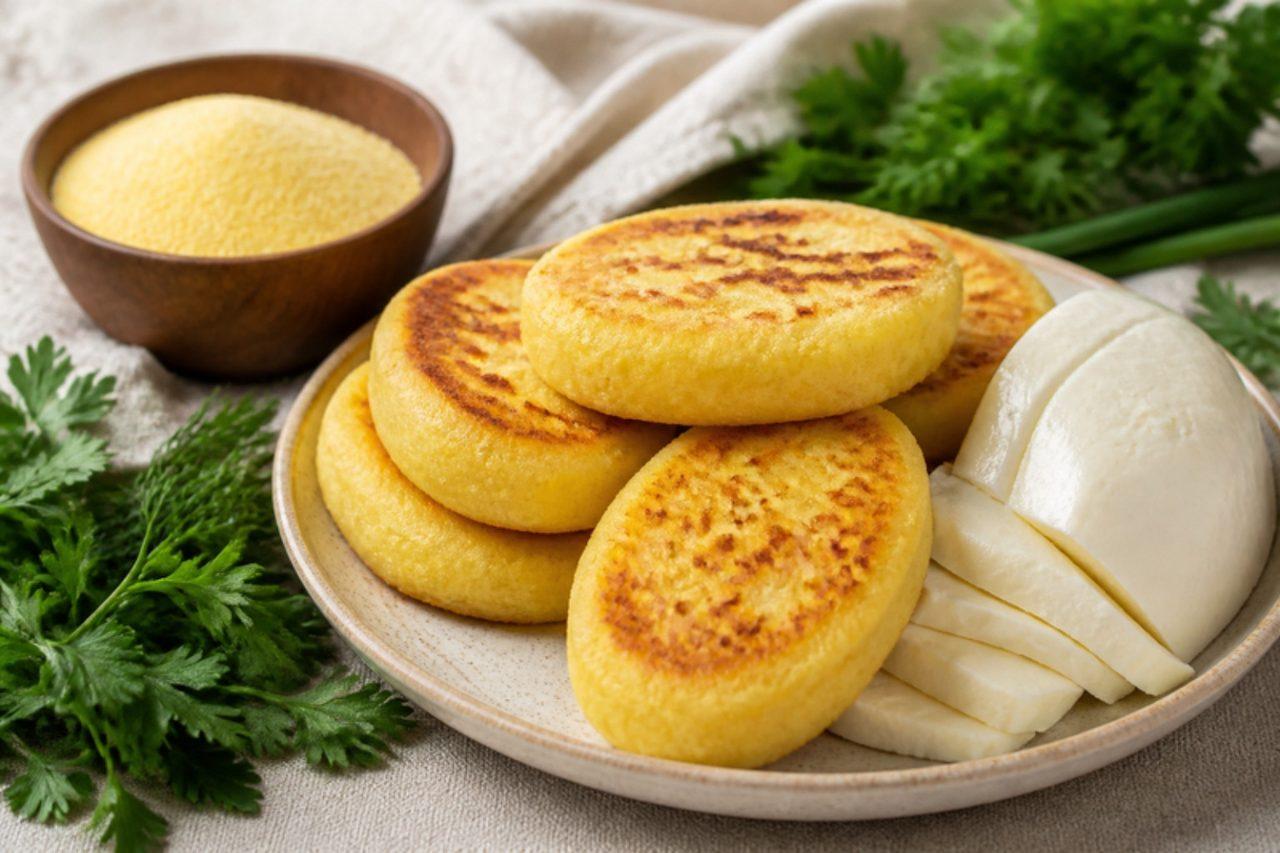
MchadiPan-fried cornbread cakes

Mchadi are the everyday cornbread of western Georgia, from Samegrelo and Guria down to the Black Sea coast, where maize has been grown since the 1700s. They are nothing more than cornmeal, water and salt, shaped by hand into thick ovals and fried or baked on a clay disc until crusty outside and soft and steaming inside. Families eat them hot with a wedge of cheese, a bowl of lobio, pickled vegetables or a spoon of adjika, and they are naturally gluten-free and vegan. The common mistake is using a dough that is too dry, so the cakes crack and crumble in the pan: it should feel like soft, wet clay. Chef's tip: wet your hands in a bowl of water between every cake; the cornmeal will not stick and the surface comes out smooth and crisp.

by KrazyBadal 0 views

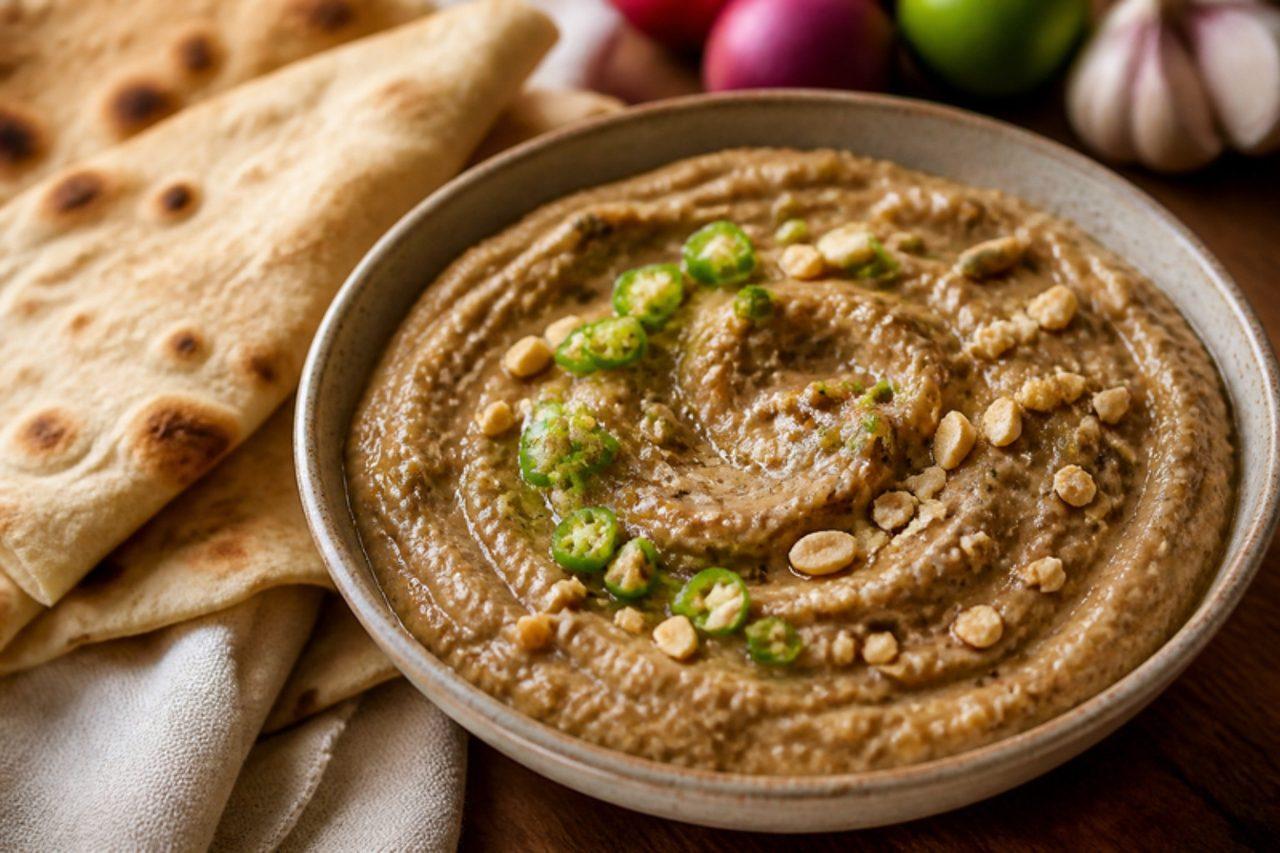
Salata aswadAubergine and peanut butter salad

Salata aswad, the 'black salad', is a Khartoum favourite: aubergine fried until almost black and collapsing, then mashed with peanut butter, garlic, lime and a little chilli into a rich, smoky spread. It is served at Ramadan iftars and family lunches with kisra or bread, next to ful and fresh tomato salad. The peanut is what makes it Sudanese rather than a Levantine aubergine dip. Chef's tip: salt the aubergine and squeeze it dry before frying; it absorbs far less oil.

by KrazyBadal 0 views

MbejúCassava starch cheese cake

Mbejú (say 'mbeh-JOO') is a Guaraní breakfast and merienda: cassava starch rubbed with butter, cheese and a little milk into damp crumbs, then pressed into a hot pan where it fuses into a thick, chewy, crisp-edged cake. It's eaten in the countryside with cocido (sweet toasted yerba tea with milk) on cool mornings, cut into wedges. It's naturally gluten free and very quick. Chef's tip: the mix should look like damp sand, not a dough; if you can squeeze a handful and it just holds, it's right.

by KrazyBadal 0 views

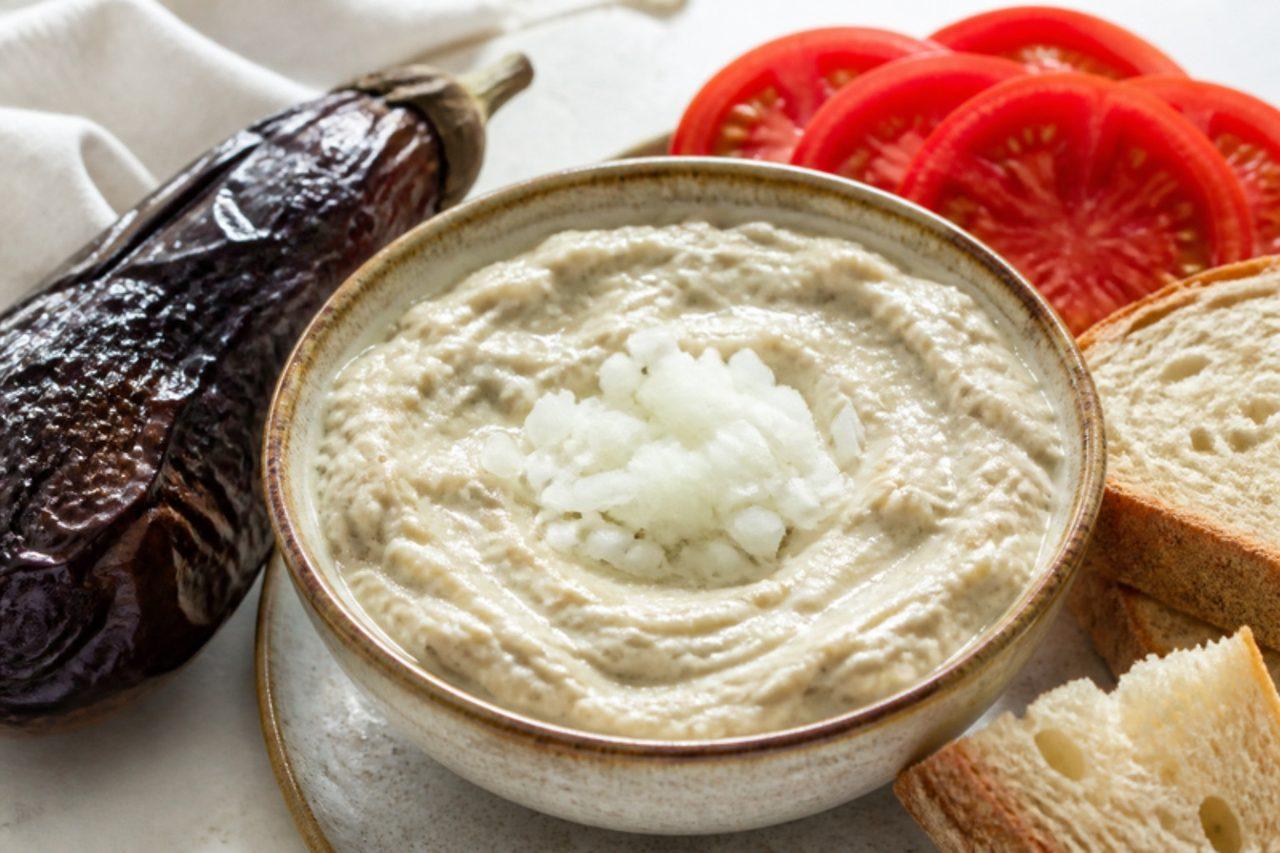
Salată de vineteSmoky aubergine salad

Salată de vinete is on every Romanian table from Bucharest to Brașov in late summer, when market stalls are piled with aubergines and every balcony grill is busy charring them. The smoky flesh is chopped with a wooden knife and beaten with sunflower oil into a pale, fluffy spread, almost like a mayonnaise, then finished with sharp raw onion. There is no tahini or yogurt, which sets it apart from baba ganoush. It is eaten on toasted bread with sliced tomatoes for supper or as a meze before grilled vegetables. Chef's tip: drain the cooked aubergine well; leaving in the brown juices is the usual mistake and makes the salad bitter and watery.

by KrazyBadal 0 views

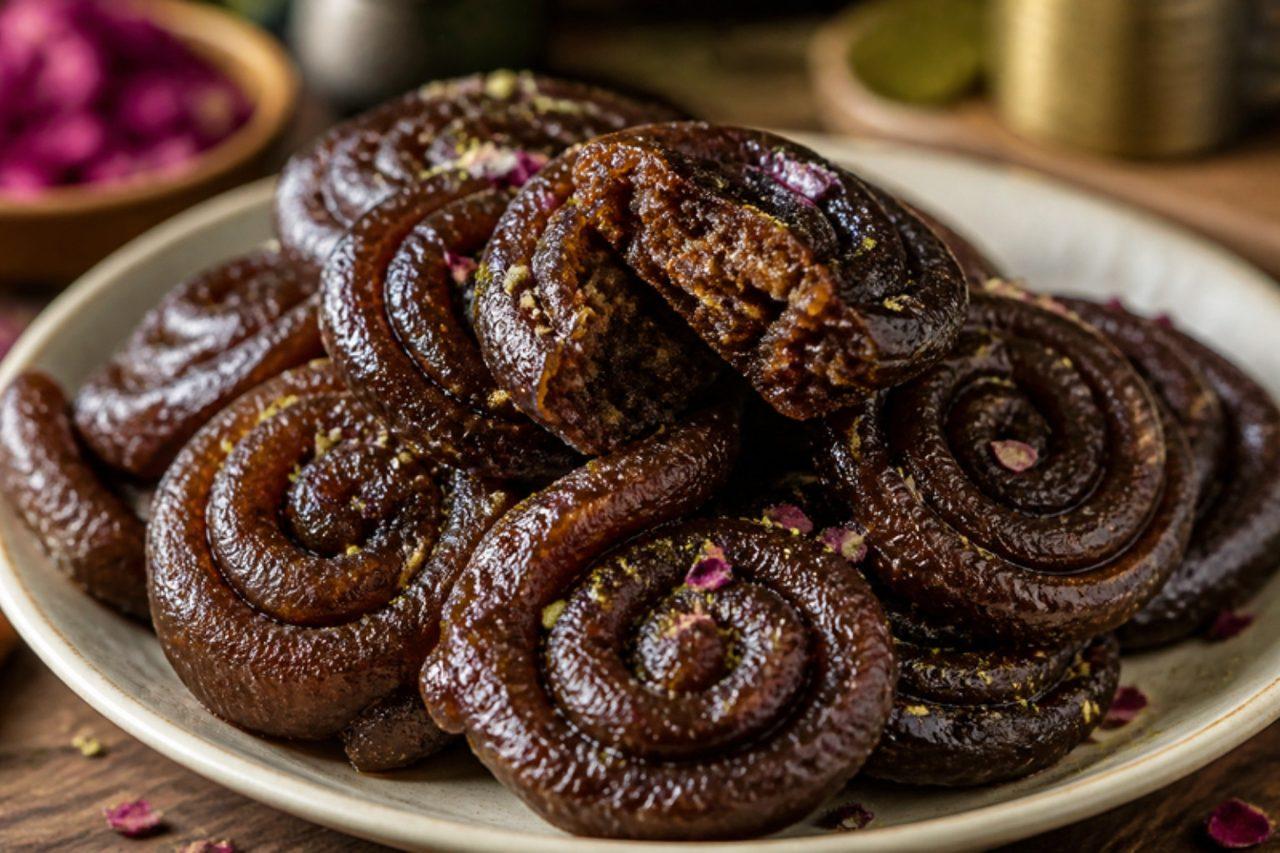
Mawa jalebiMilk solid jalebi

Mawa jalebi, sometimes called khoya jalebi, belongs to Jabalpur and the towns of the Mahakoshal region of Madhya Pradesh, where sweet shops sell them stacked like dark brown coils. Unlike the crisp batter jalebi piped into hot oil, these are rolled from a soft khoya dough into ropes, coiled by hand and fried slowly, so they come out tender and almost fudgy inside a thin caramelised skin. They are eaten warm on winter mornings and bought by the kilo for weddings. Chef's tip: roll the ropes no thicker than a pencil; thicker coils look generous but stay doughy at the core.

by KrazyBadal 0 views

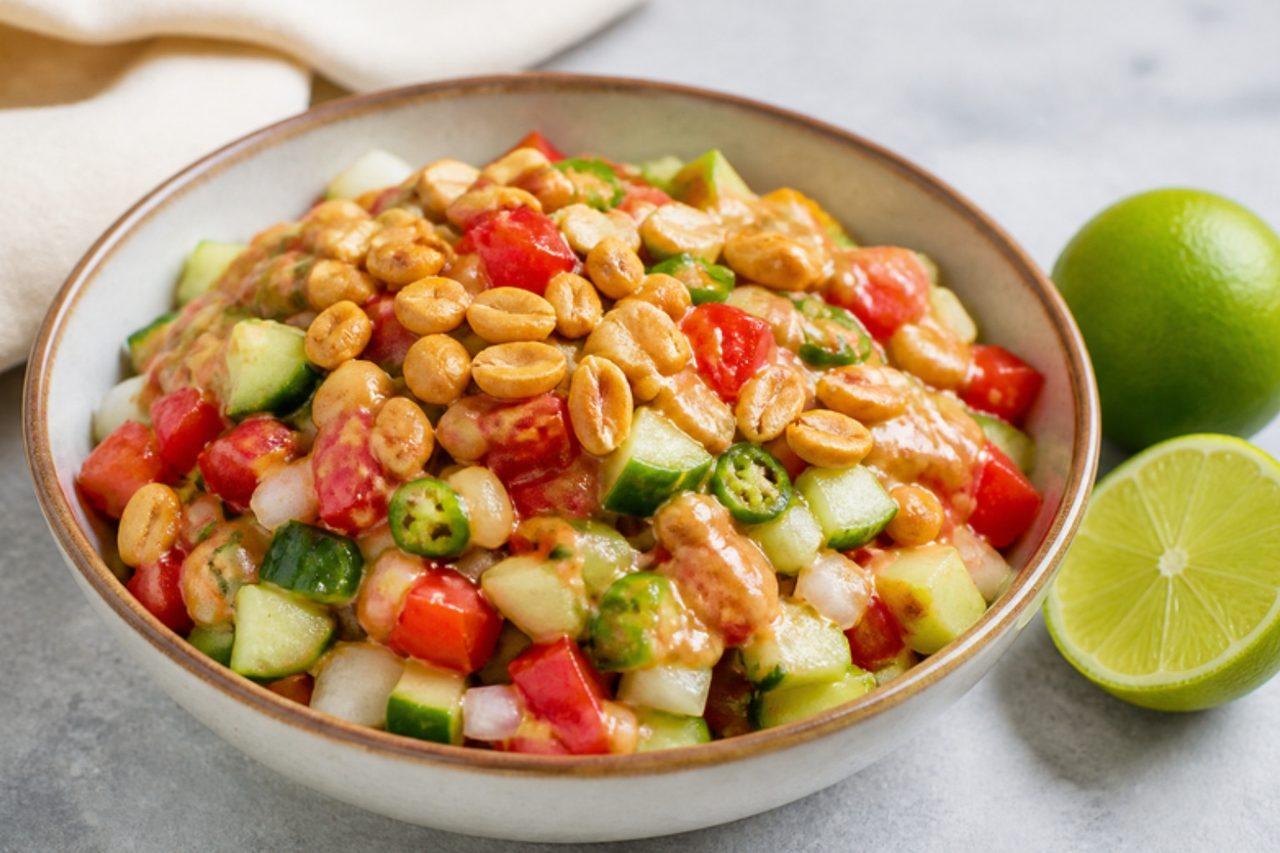
Salatat daquaTomato salad with peanut dressing

Daqua is the Sudanese name for peanut paste, and this everyday salad of tomato, cucumber, onion and green chilli dressed in thinned peanut butter and lime sits on the table at almost every meal in Omdurman and Khartoum, especially in the hot months. It is cooling, crunchy and creamy at once, and is eaten with ful medames, kisra or grilled food. Chef's tip: thin the peanut butter with water and lime before adding it to the vegetables; dolloped straight in, it clumps and never coats them.

by KrazyBadal 0 views

Nagasaki castellaHoney sponge cake

Castella arrived in Nagasaki with Portuguese traders in the 16th century, when the port was Japan's only window to Europe, and the name probably comes from 'pão de Castela', bread from Castile. Over 400 years Nagasaki's bakers turned it into something their own: a tall, fine-crumbed sponge made only of eggs, sugar, flour and honey, with a dark, sticky top and a layer of crunchy zarame sugar crystals at the bottom. It's still sold in long wooden boxes at old shops near the harbour and given as a formal gift. Cut it into neat slices and serve with green tea. Chef's tip: wrap the cake in cling film while still warm and rest it overnight. Its moist, springy texture develops as it rests.

by KrazyBadal 0 views

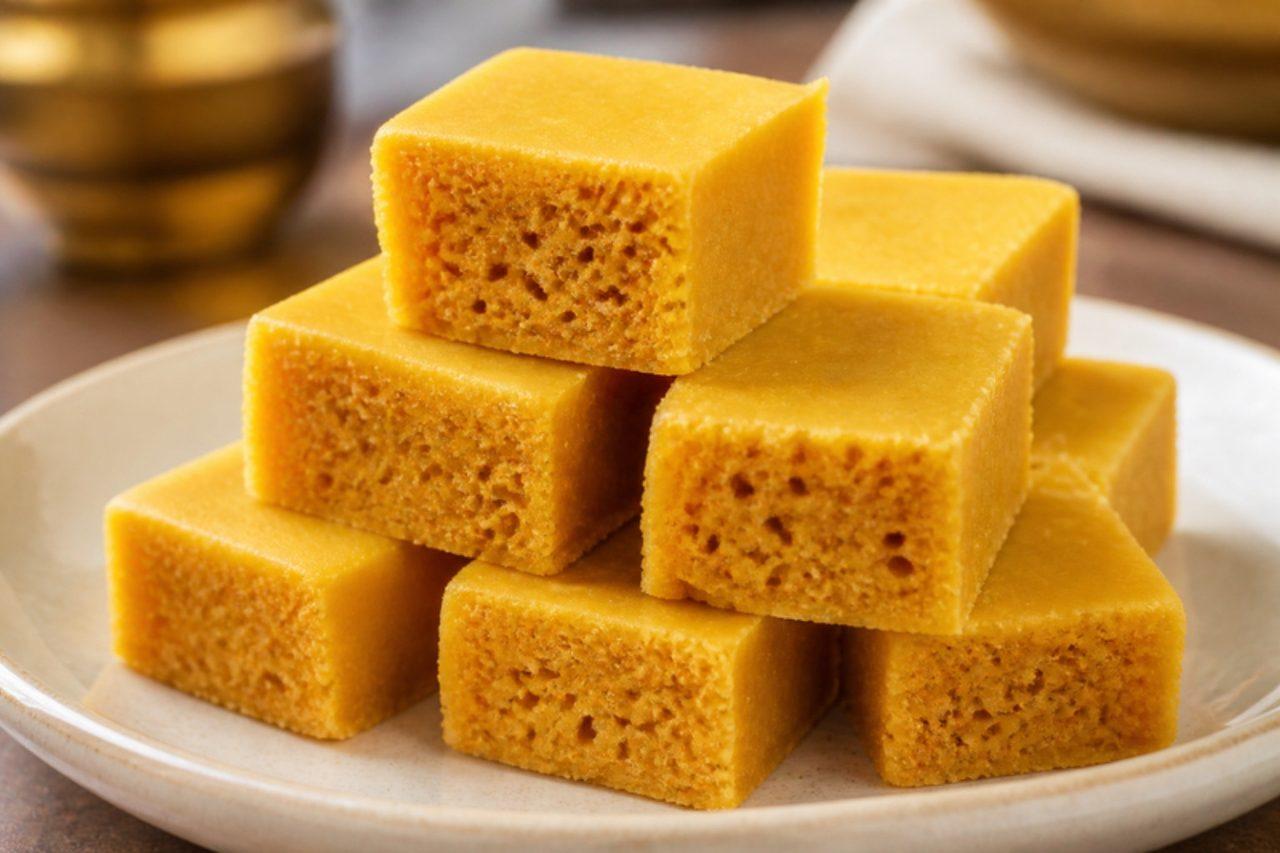
Mysore pakGram flour and ghee fudge

Mysore pak was first made in the kitchens of the Mysuru palace in Karnataka, and it's still the sweet that every Mysuru sweet shop is judged by. Roasted gram flour is cooked in a sugar syrup while hot ghee is poured in a spoonful at a time, until the mixture froths up and sets into a golden, honeycombed block. This home version is the softer, melt-in-the-mouth style, with a fine porous crumb; cook it a minute or two longer for the harder, crunchier traditional slab. It keeps for a week and is made for Diwali, weddings and Dasara. Chef's tip: keep the ghee hot on a second burner the whole time; hot ghee hitting the batter is what makes it froth and form those little air holes, and cold ghee gives a dense, greasy fudge.

by KrazyBadal 0 views

Mysore masala dosaGarlic chutney dosa with potato

Mysuru in Karnataka gave its name to this bolder dosa: a slightly thicker, golden crêpe that is crisp outside and soft inside, painted with a hot red chutney of dried chillies, garlic and roasted chana dal before the potato palya goes in. The chutney melts into the dosa as it cooks, so every bite has a sweet-spicy, garlicky kick. In Mysuru's old cafés it's served flat and folded, with coconut chutney to cool things down. Chef's tip: use Byadagi or Kashmiri chillies for the chutney; they give a deep red colour without blowing your head off, so you can spread it generously.

by KrazyBadal 1 views

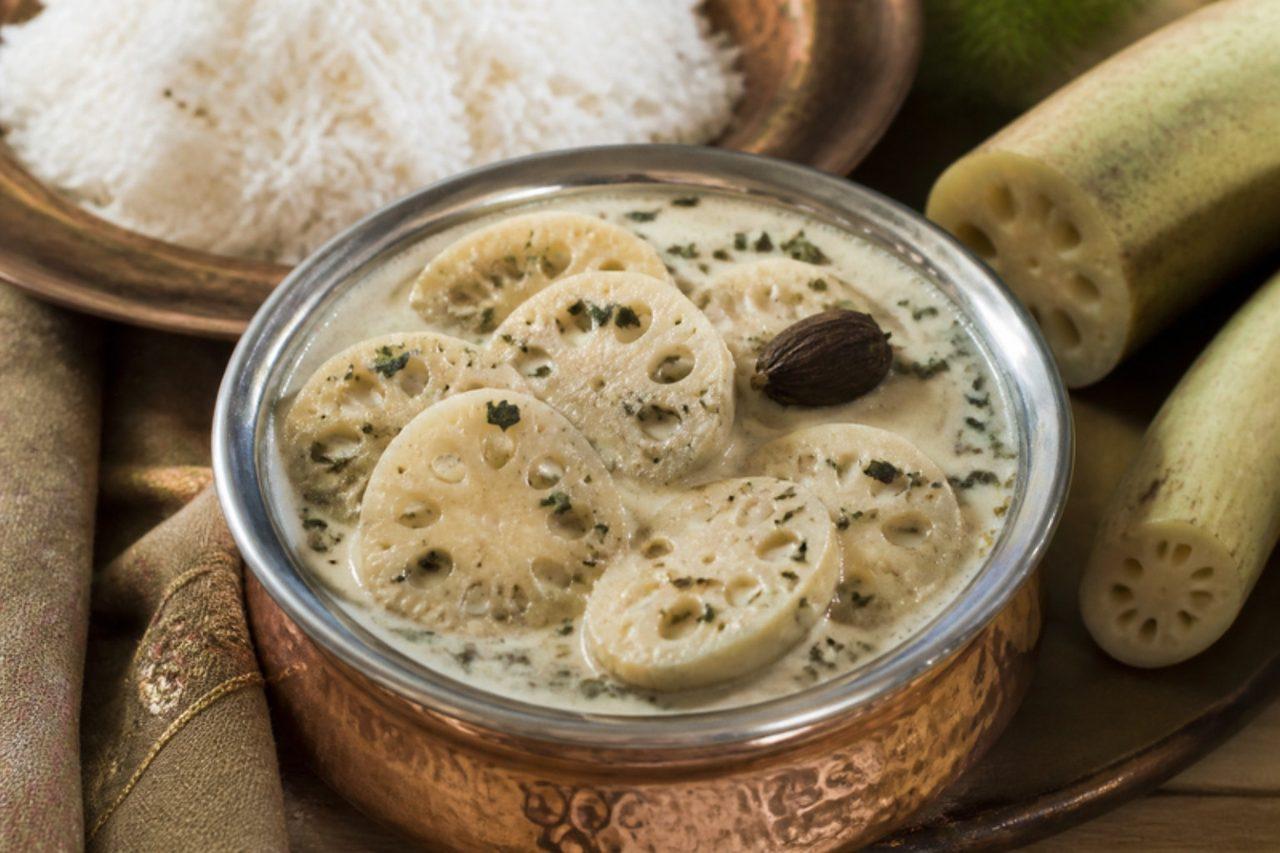
Nadru yakhniLotus stem in yogurt gravy

Lotus stem, called nadru in Kashmiri, is pulled from the shallow waters of the Dal and Anchar lakes around Srinagar, and Kashmiri Pandit families treat it as something close to a festive vegetable. Yakhni is their pale, onion-free yogurt gravy, scented with fennel, dry ginger and black cardamom instead of tomato or chilli. The lotus slices stay faintly crunchy and show their lacy holes in a creamy, ivory sauce. It turns up at Herath (Shivratri) meals and at Sunday lunches, always with a mound of plain steamed rice. Chef's tip: pick firm, pale stems with closed ends; the ends keep mud out of the hollow channels, so you rinse far less.

by KrazyBadal 0 views

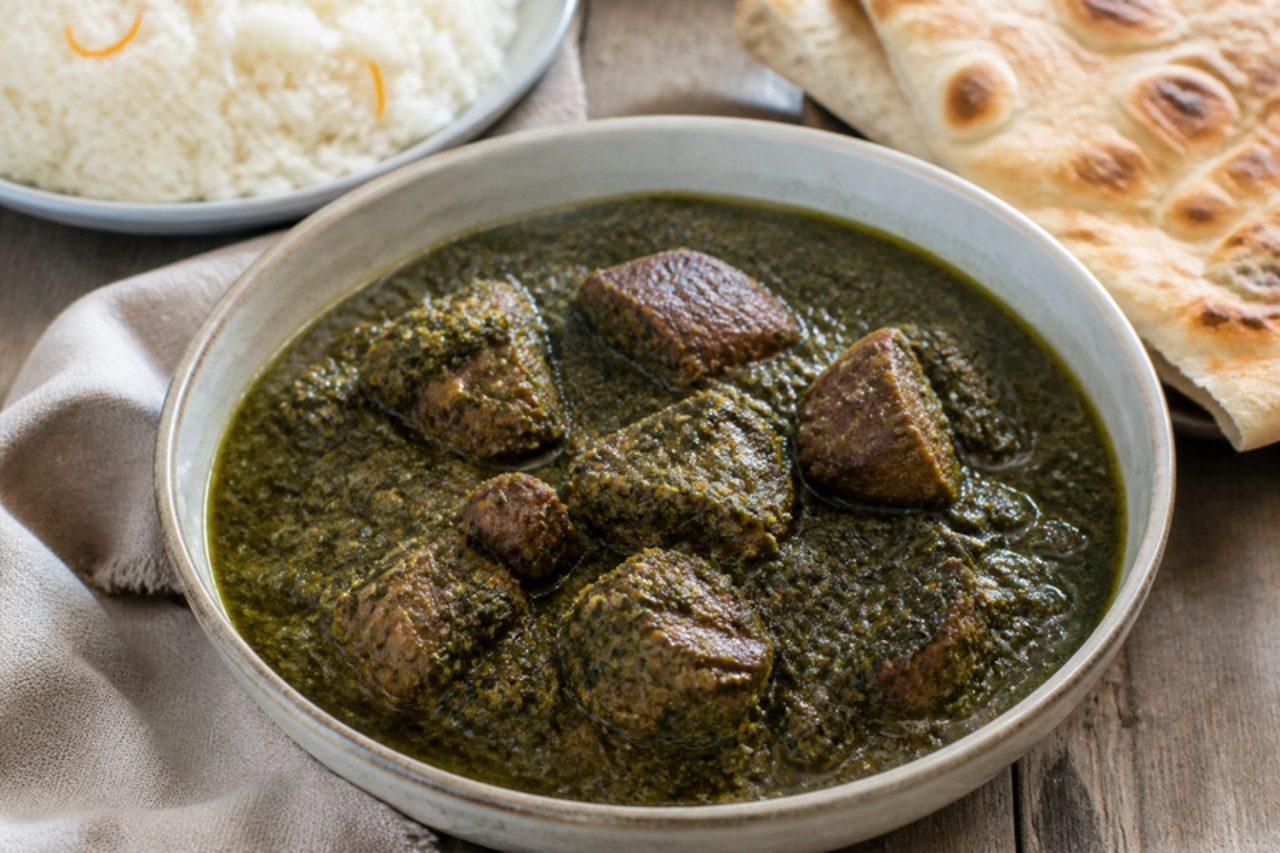
Qorma-e sabziLamb with spinach and herbs

Qorma-e sabzi is the green qorma of Kabul: lamb slowly braised with a large amount of spinach, dill, coriander and spring onion until the greens collapse into a dark, silky sauce. Afghan cooks fry the onions slowly until deep brown first, so the stew tastes sweet and savoury against the slightly bitter greens, and a spoon of dried fenugreek leaves adds the typical bitter-sweet scent. It is served on Fridays and for guests with chalaw, plain white rice, or with naan. The common mistake is adding the greens raw and wet in one go, which stews them grey and watery; wilt and squeeze them first. Chef's tip: let the stew simmer uncovered for the last 15 minutes until the oil rises to the top; that is the sign of a well-cooked qorma.

by KrazyBadal 0 views

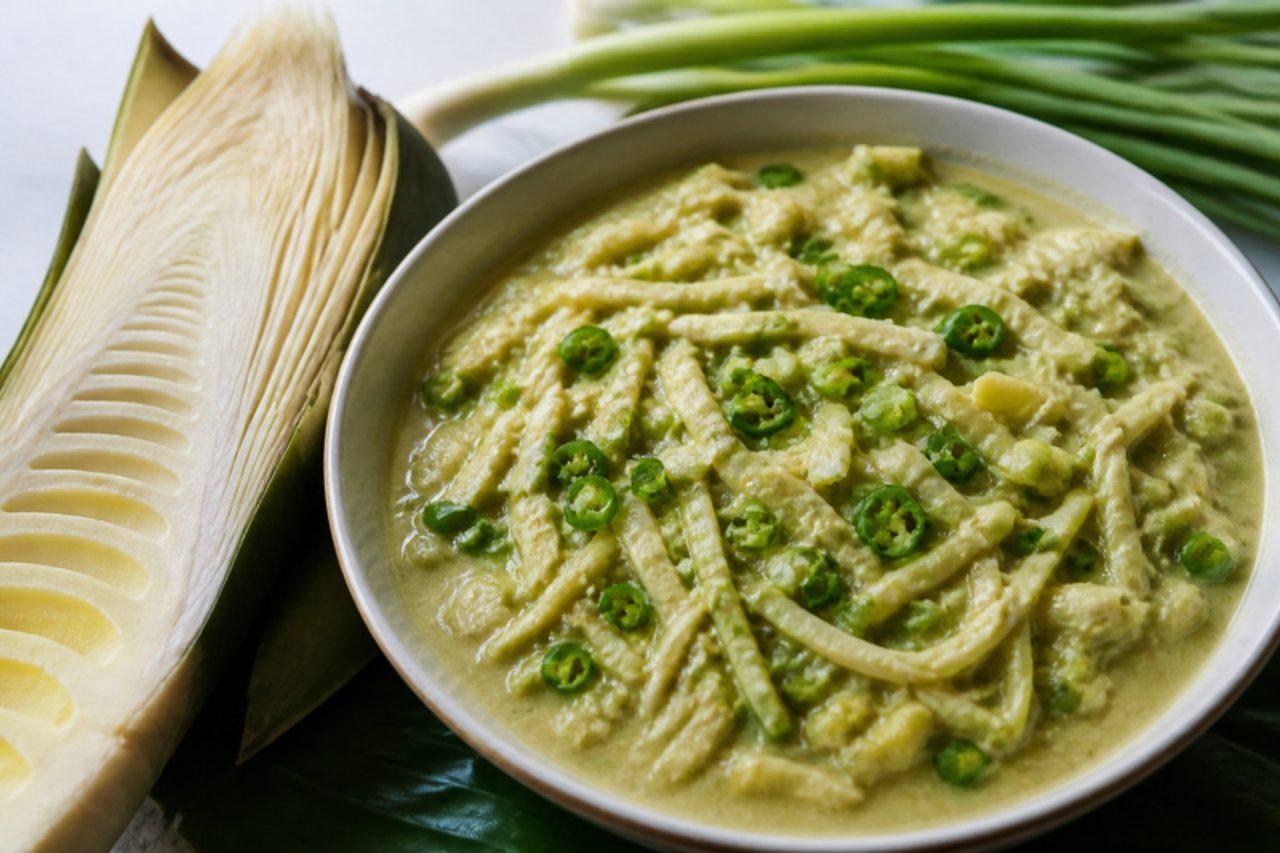
Muya awandruBamboo shoot with rice paste

Muya awandru is a classic of the Tripuri (Kokborok-speaking) kitchen around Agartala: tender bamboo shoot is cooked with green chilli and a rice-flour paste (awandru) until it thickens into a soft, savoury mass, a little like a porridge. Traditionally a piece of berma (fermented dried fish) goes in; this vegetarian version drops it and adds roasted garlic and a little fermented soybean for depth, as vegetarian Tripuri cooks do. It is eaten with rice, often at village feasts. Chef's tip: mix the rice flour with cold water before adding it, or it lumps.

by KrazyBadal 0 views

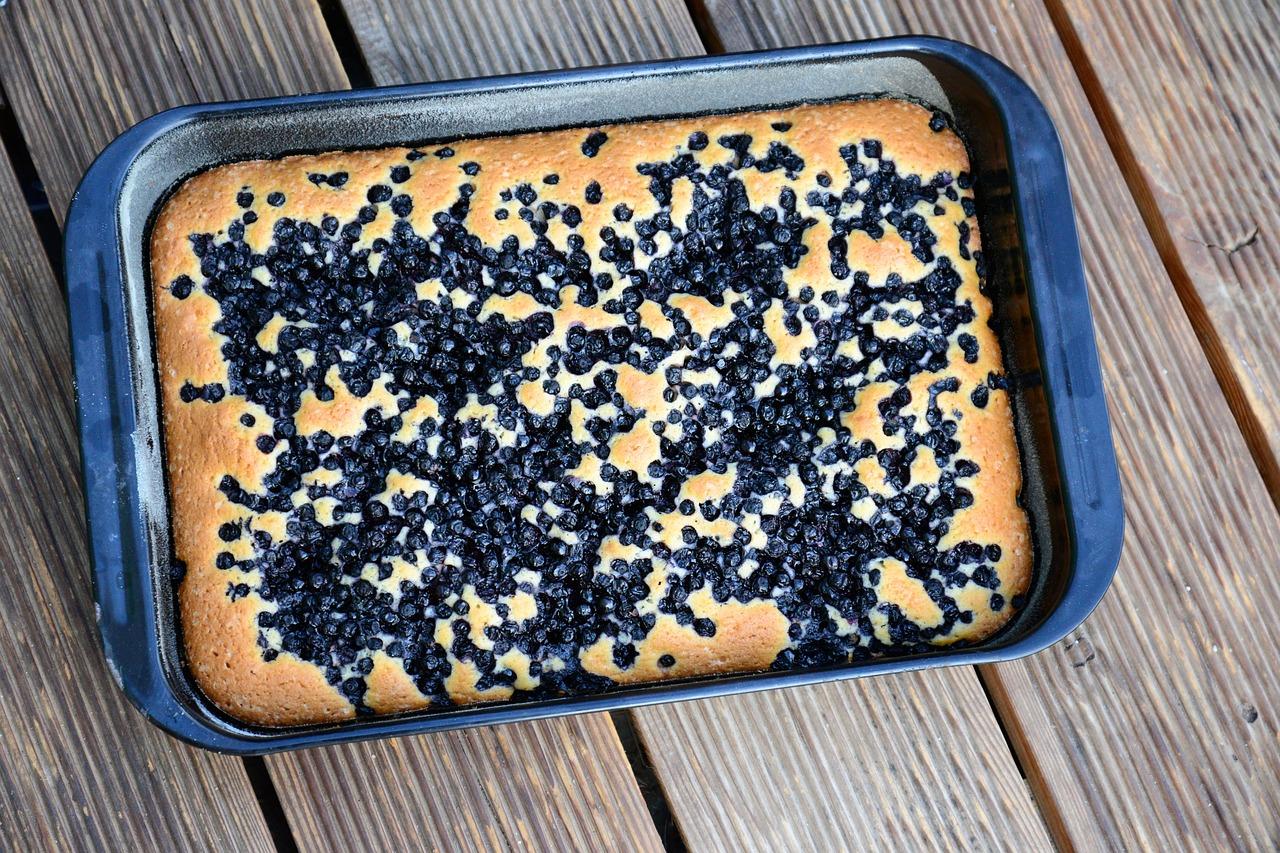
MustikkapiirakkaBlueberry pie

In late July and August, Finns head into the forests with buckets and come home with purple fingers, and the first thing many make is mustikkapiirakka. Finnish wild blueberries (mustikka) are small and blue right through, far more intense than cultivated ones. This is the version from Savo and central Finland: a soft, cakey shortcrust pressed into a tin, a deep layer of berries and a just-set topping of sour cream, egg and sugar. It is eaten at summer cottages (mökki) with coffee, warm or cool, often with vanilla sauce. Frozen wild blueberries from the freezer aisle work all year. Chef's tip: toss the berries with potato starch before they go into the crust; it catches the juice so the slices hold together instead of running purple.

by KrazyBadal 0 views

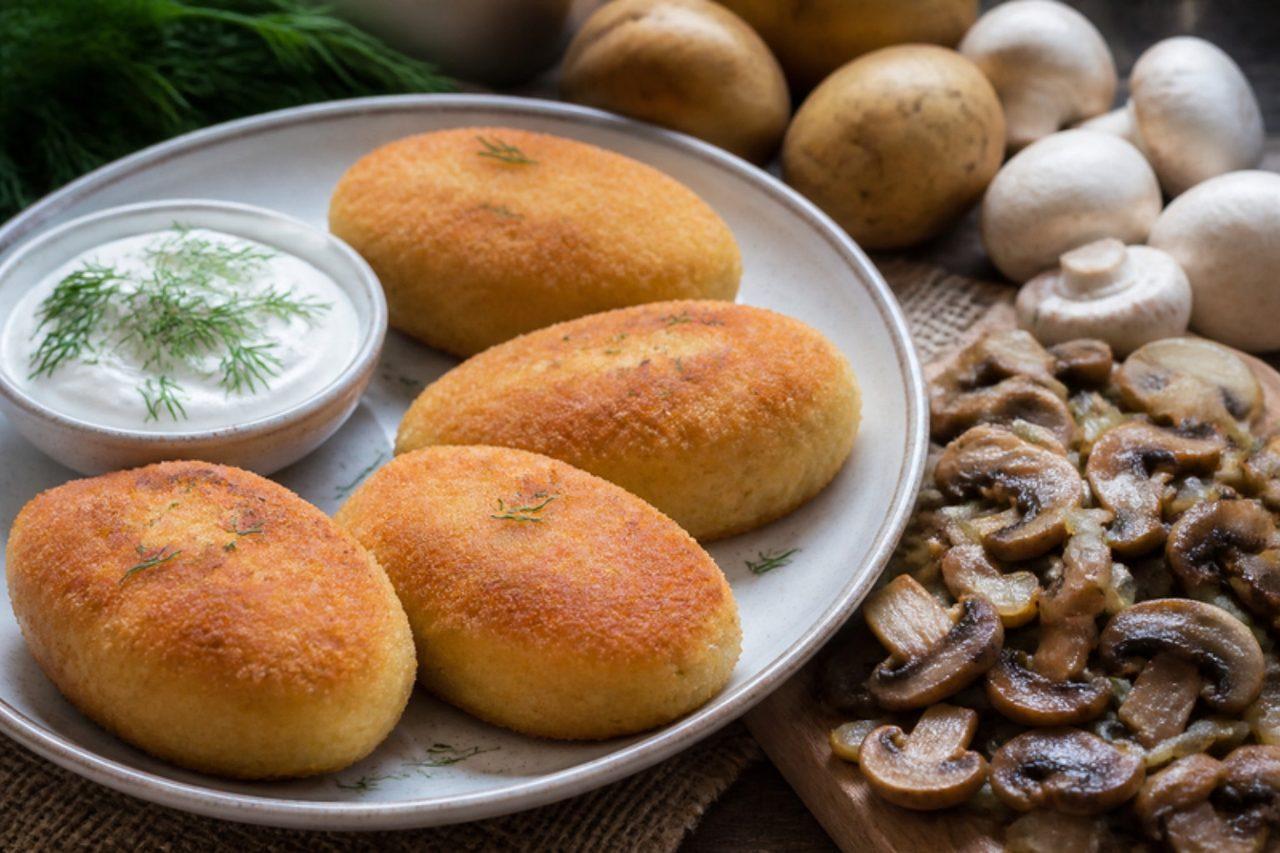
Mushroom zrazyMushroom-stuffed potato cakes

Kartoplyani zrazy are a thrifty Ukrainian classic, made in kitchens across Chernihiv and the forested Polissia region where mushrooms are gathered every autumn: mashed potato is wrapped around a filling of fried mushrooms and onion, shaped into ovals, rolled in breadcrumbs and fried until crisp. They are a good home for yesterday's mash, and appear on the Lenten table and at casual family dinners with sour cream and pickles. Chef's tip: use cold mashed potato; common mistake is shaping the zrazy from warm, soft mash, which sticks to your hands and splits in the pan.

by KrazyBadal 0 views

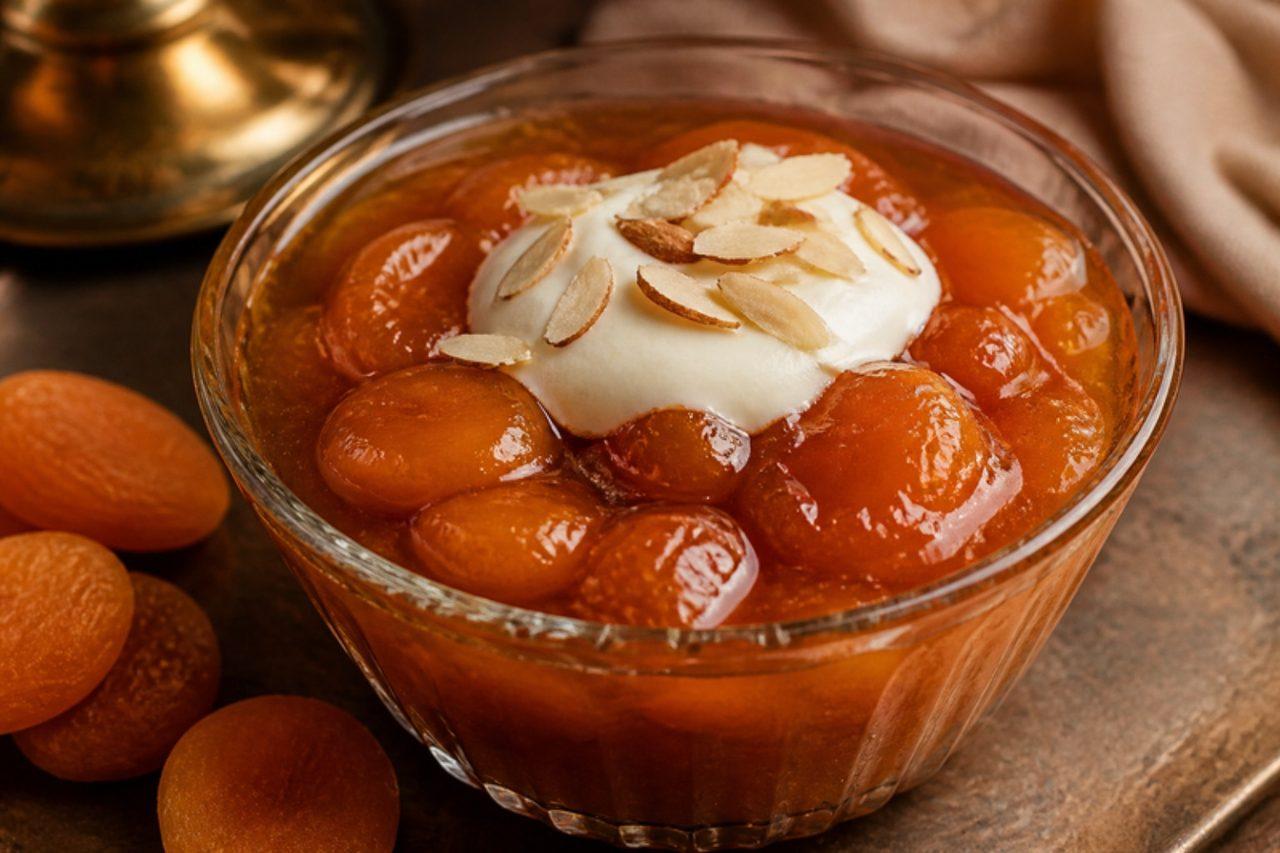
Qubani ka meethaStewed apricots with cream

No Hyderabadi wedding feast, or dawat, ends without qubani ka meetha: dried Afghan apricots soaked overnight, then simmered slowly with sugar until they break down into a glossy, deep amber compote, served cold with thick cream or a scoop of vanilla ice cream. In Hyderabad the kernels from inside the apricot stones are scattered on top; at home, blanched almonds give the same look and taste, and are safer, as some apricot kernels are bitter and shouldn't be eaten in quantity. It is sweet, tart and jammy, and very easy to make for a crowd days ahead. Chef's tip: keep the soaking water and cook the apricots in it; it holds much of their flavour and natural sugar.

by KrazyBadal 0 views

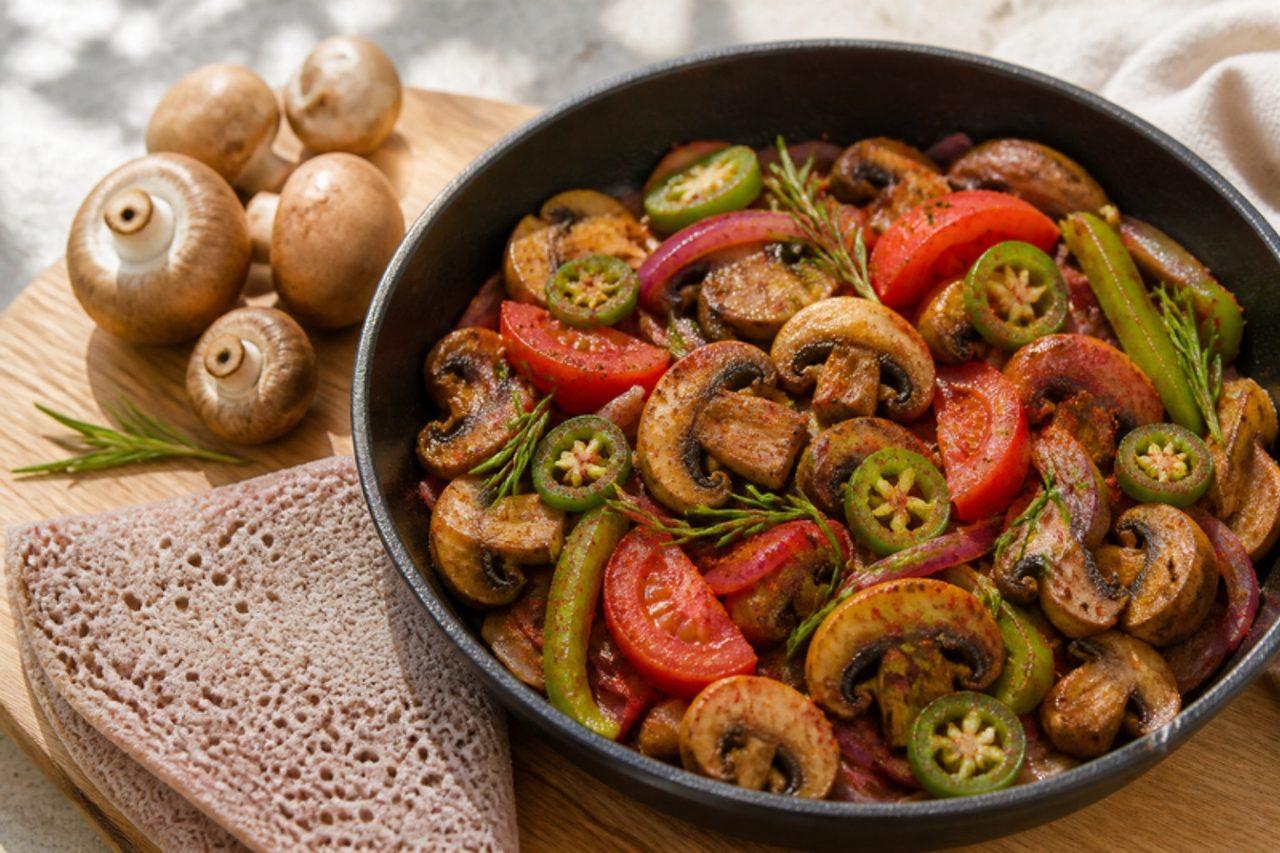
Mushroom tibsSeared spiced mushrooms

Tibs means pieces of food quickly seared in a hot pan, and in Addis Ababa it is usually beef or lamb sizzling in a clay dish. In the last decade the city's busy vegan restaurants, especially during the long fasts, have made mushroom tibs a favourite in its own right: big chunks of mushroom fried hard with red onion, peppers, garlic, rosemary and a little berbere, so they come out browned and meaty. Serve straight from the pan with injera or rice. Chef's tip: cook the mushrooms in a single layer in a very hot pan and don't stir for the first two minutes; crowded mushrooms steam and go soggy.

by KrazyBadal 0 views

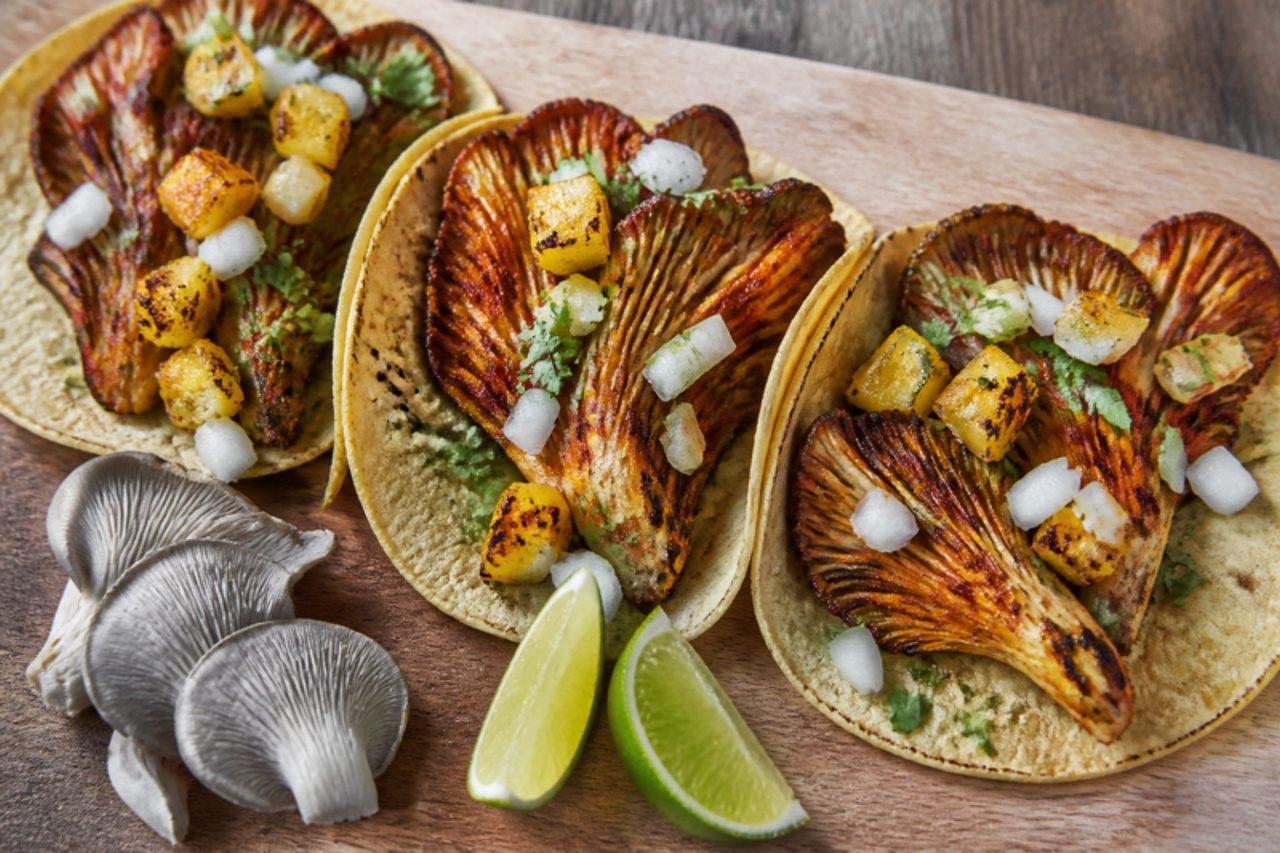
Mushroom tacos al pastorChilli mushroom tacos

Tacos al pastor are the night-time taco of Mexico City, born when Lebanese immigrants' spit-roasted shawarma met Mexican dried chillies: meat marinated in guajillo and achiote is stacked on a vertical spit (the trompo), shaved into small corn tortillas and finished with pineapple, onion and coriander. This vegetarian version, tacos al pastor de hongos, uses torn oyster mushrooms in the same brick-red adobo, seared hard in a hot pan until the edges crisp and char like meat cut from the trompo. Expect smoky, tangy, gently hot tacos with bursts of sweet, caramelised pineapple; serve them with salsa verde and lime wedges. Chef's tip: press the mushrooms flat with a spatula and leave them alone in a very hot pan; moving them around makes them steam and go soft instead of crisp.

by KrazyBadal 0 views

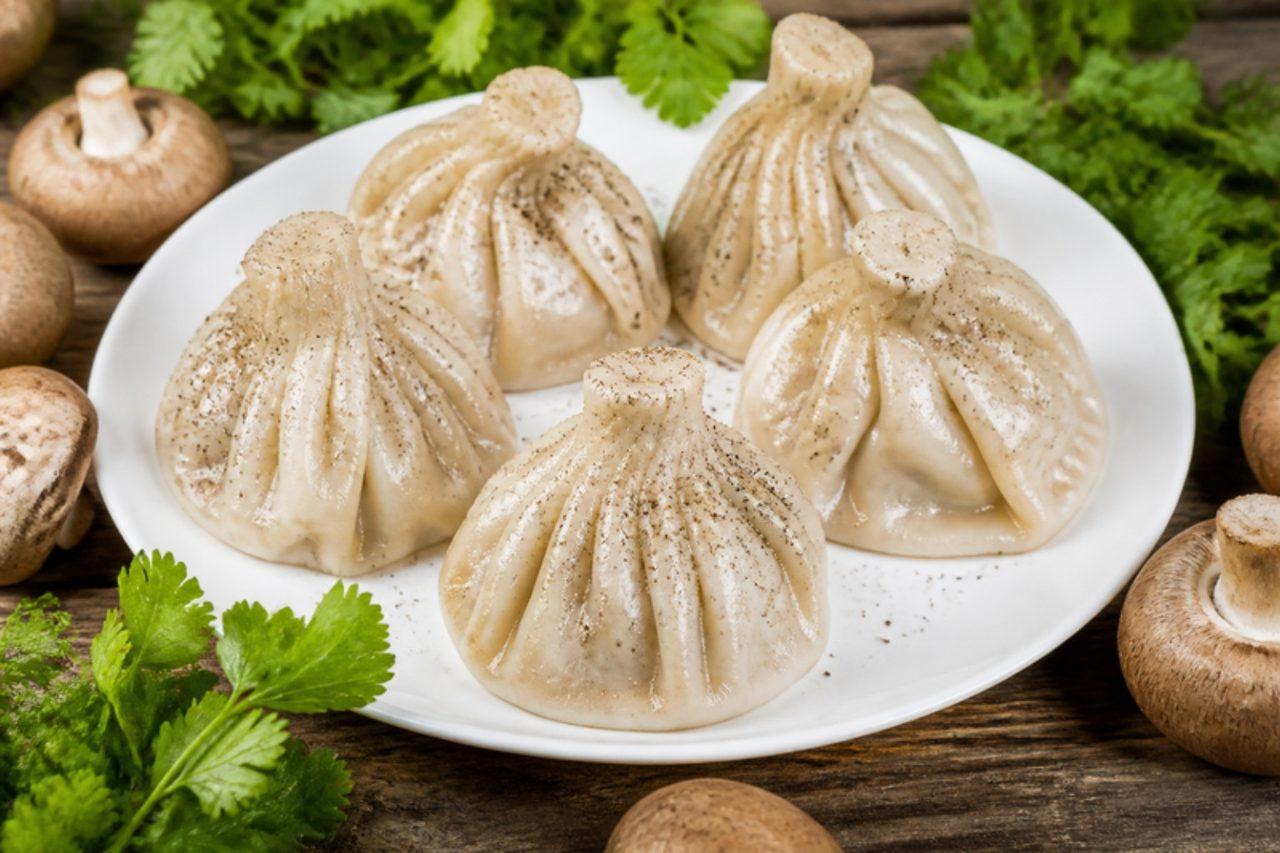
Mushroom khinkaliMushroom dumplings

Khinkali come from the mountain villages of Pshavi, Khevsureti and Tusheti in Georgia's north-east, and the roadside khinkali houses of Pasanauri on the Georgian Military Road are where many Tbilisi families stop for them. The classic filling is meat, but mushroom khinkali (sokos khinkali) are made all through Orthodox Lent and are on most menus. You hold each one upside down by its twisted topknot, bite a small hole, sip the hot juices, then eat the rest and leave the doughy knot on the plate to count how many you have eaten. The common mistake is rolling the wrappers too thin or the dough too soft, so they tear in the pot and lose their juice. Chef's tip: grind black pepper over them generously at the table, as Georgians do; it wakes up the mushrooms.

by KrazyBadal 0 views

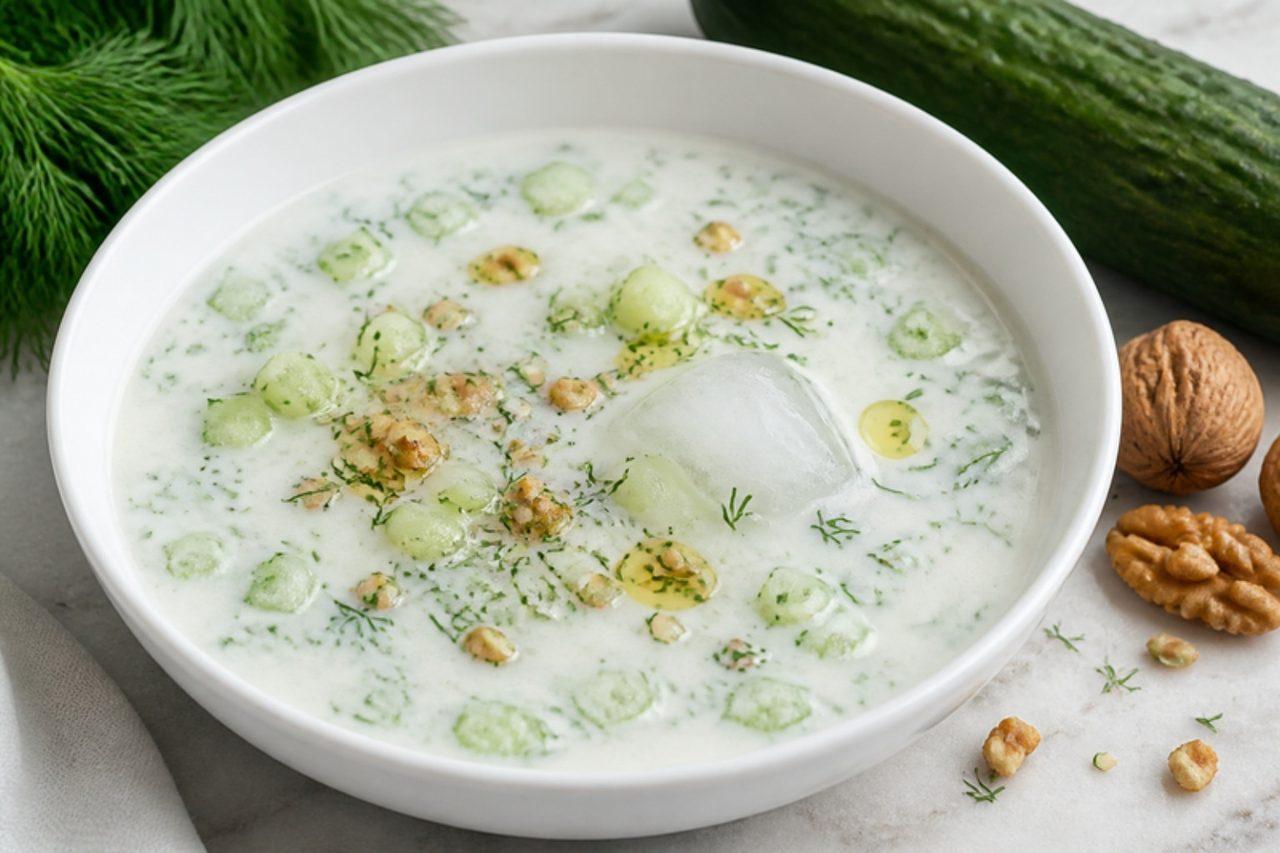
TaratorCold yogurt and cucumber soup

Tarator is what Bulgarians eat on hot July days, from the Black Sea resorts of Varna and Burgas to Sofia lunch counters: a cold, thin soup of tangy yogurt and water with grated cucumber, garlic, dill and crushed walnuts, a drizzle of sunflower oil on top and sometimes an ice cube floating in the bowl. It is served as a starter or drunk from a glass beside a plate of grilled vegetables. Chef's tip: use full-fat, sour, set yogurt and thin it to the consistency of single cream; making it too thick is the usual mistake, and it should be sippable.

by KrazyBadal 0 views

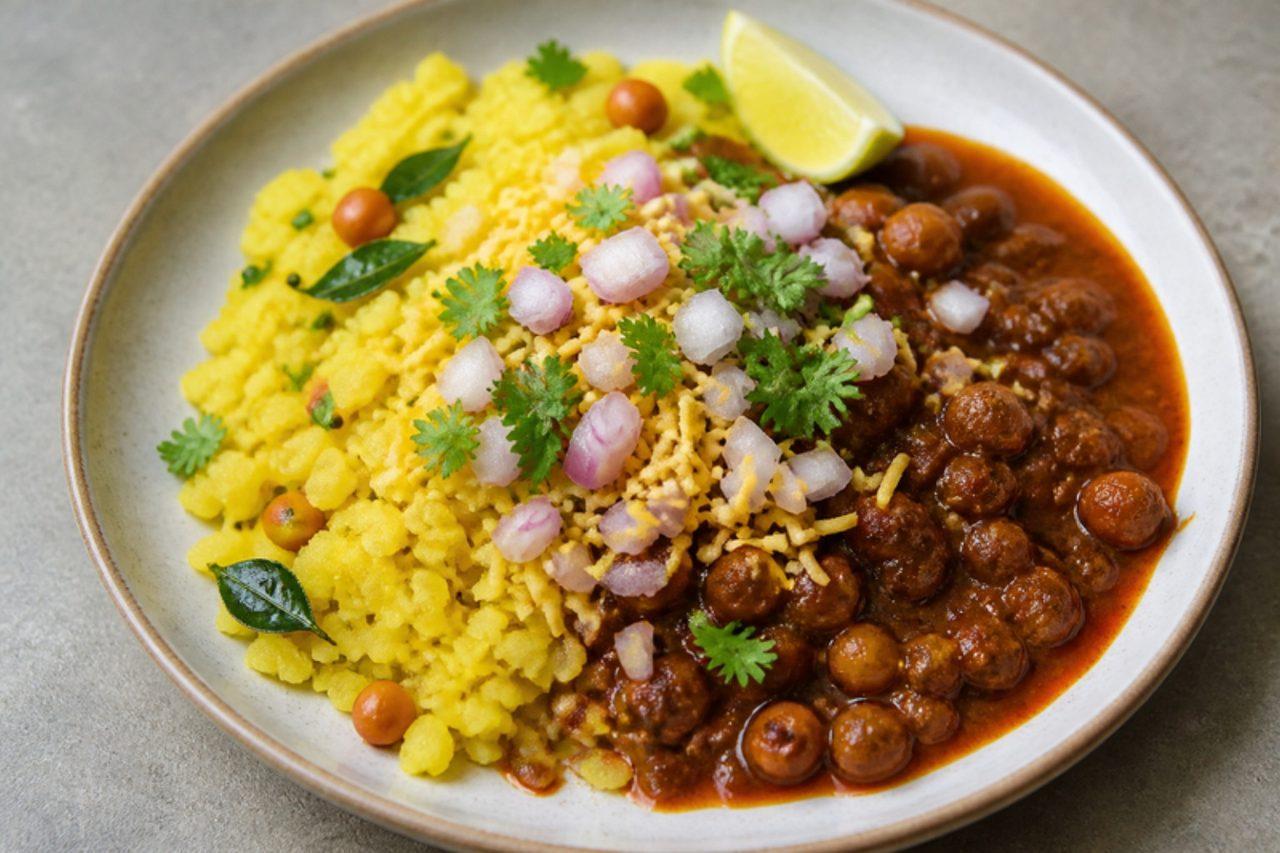
Tarri pohaFlattened rice with spicy chickpea curry

In Nagpur, winter mornings start at a poha stall: soft, turmeric-yellow flattened rice heaped onto a plate and then flooded with tarri, a spicy black-chickpea gravy with a slick of red oil on top, finished with raw onion, sev, coriander and a squeeze of lemon. It's Vidarbha's answer to the plain poha eaten elsewhere in India, louder and hotter, made for a cold morning and a cutting chai. Making it at home takes a little planning because the chana needs an overnight soak, but the tarri keeps for days. Chef's tip: don't skimp on the oil in the tarri; the red layer that floats on top is what soaks into the poha and gives the dish its name.

by KrazyBadal 0 views

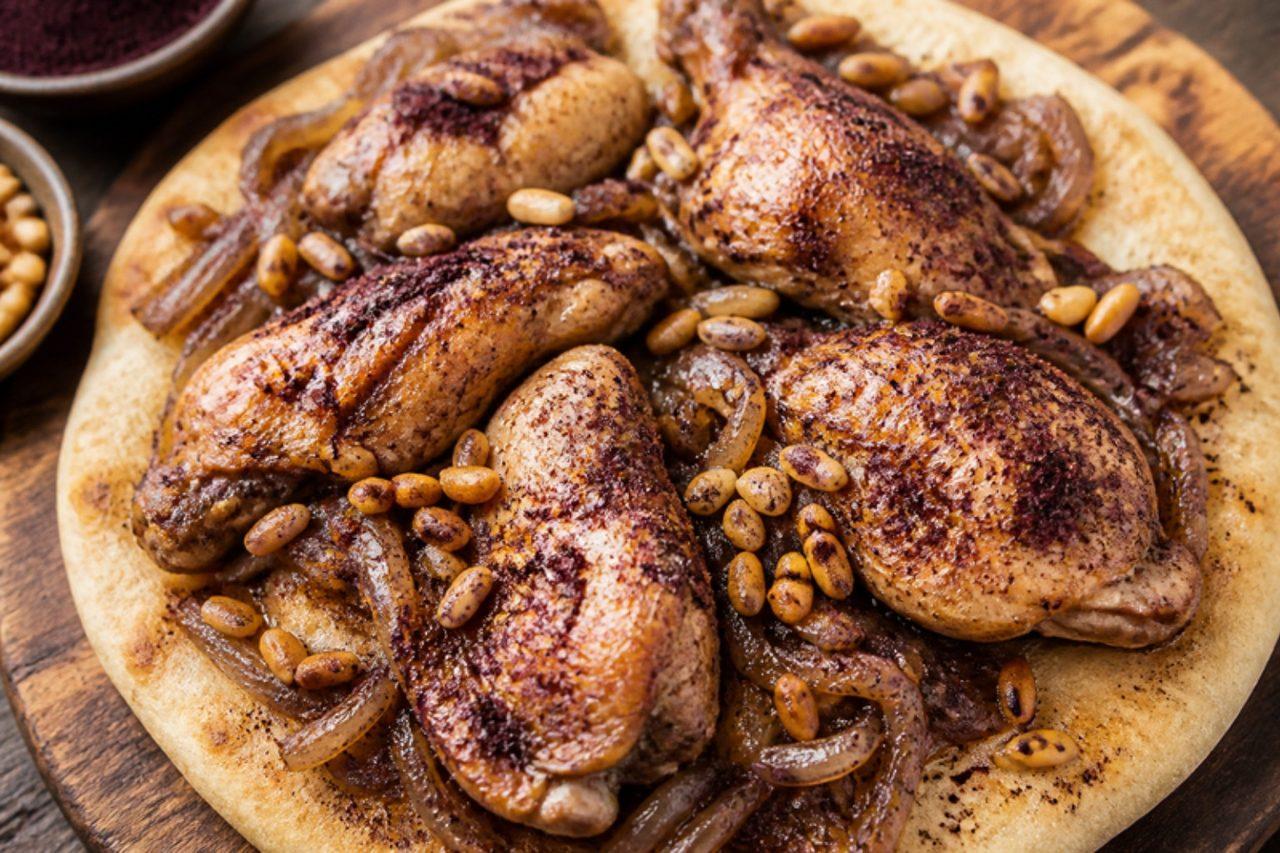
MusakhanSumac chicken on flatbread

Musakhan is the dish Palestinian families in the villages around Jenin and Tulkarem make in late autumn, when the olives have been pressed and the first green, peppery oil comes home from the mill. Mounds of onion are cooked slowly in that oil with plenty of sumac, piled onto taboon bread with roast chicken and baked until the bread's edges crisp and its middle soaks up the purple-red juices. It is eaten with your hands, shared from one big tray, with yogurt and a chopped salad. Chef's tip: use more oil than feels right; the bread is meant to drink it, and a dry musakhan misses the point.

by KrazyBadal 0 views

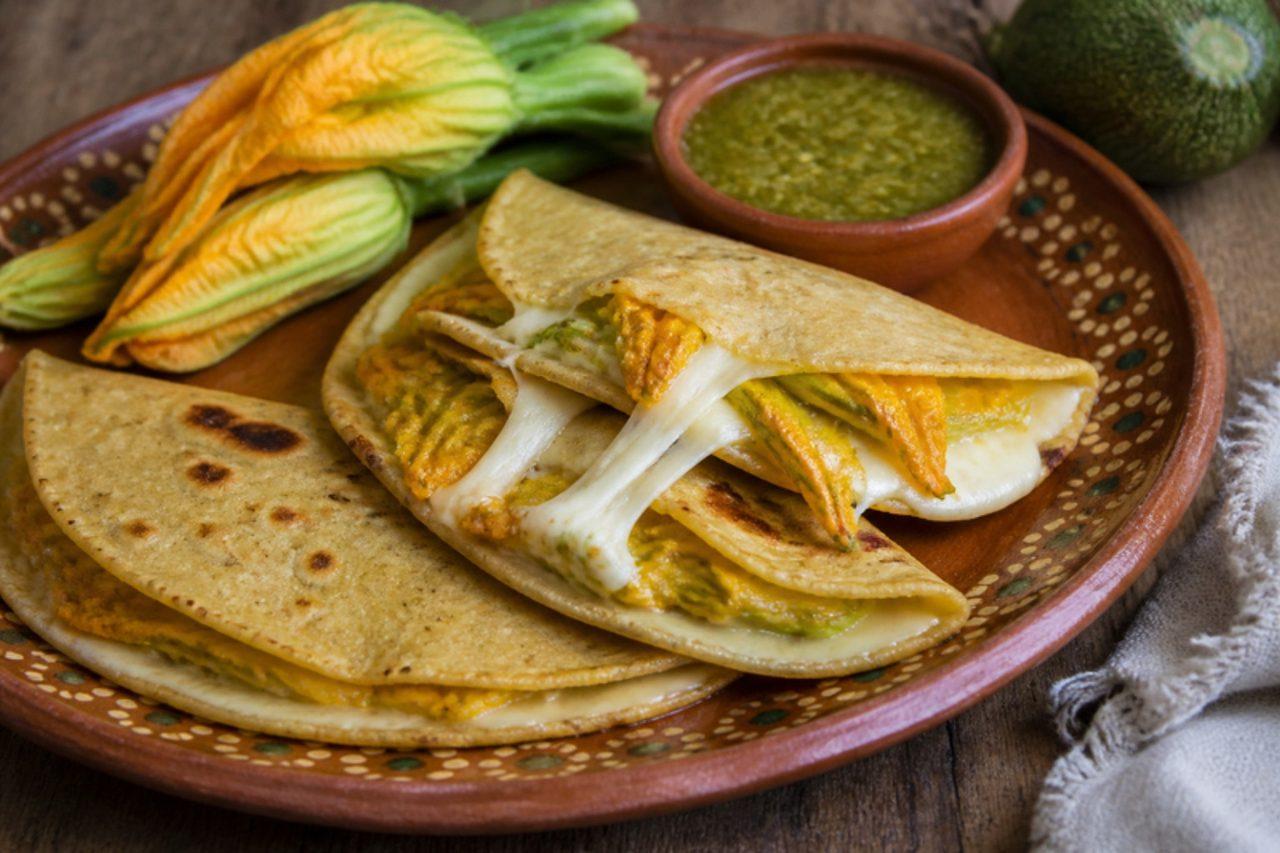
Quesadillas de flor de calabazaCourgette flower quesadillas

In Mexico City markets, squash blossoms (flor de calabaza) are sold by the armful in the rainy season and end up in quesadillas: soft corn tortillas folded around the flowers cooked with onion, green chilli and epazote, with stringy Oaxaca cheese. A famous Chilango joke is that a quesadilla there does not automatically come with cheese, so ask for it! The blossoms taste delicately of young courgette and wilt into a silky filling against the toasty corn. Serve them straight off the pan with salsa verde. Choose a cheese made with vegetarian rennet; if you can't find Oaxaca cheese, low-moisture mozzarella melts the same way. Chef's tip: cook the blossoms only until they collapse; any longer and they turn to mush and lose their colour.

by KrazyBadal 0 views

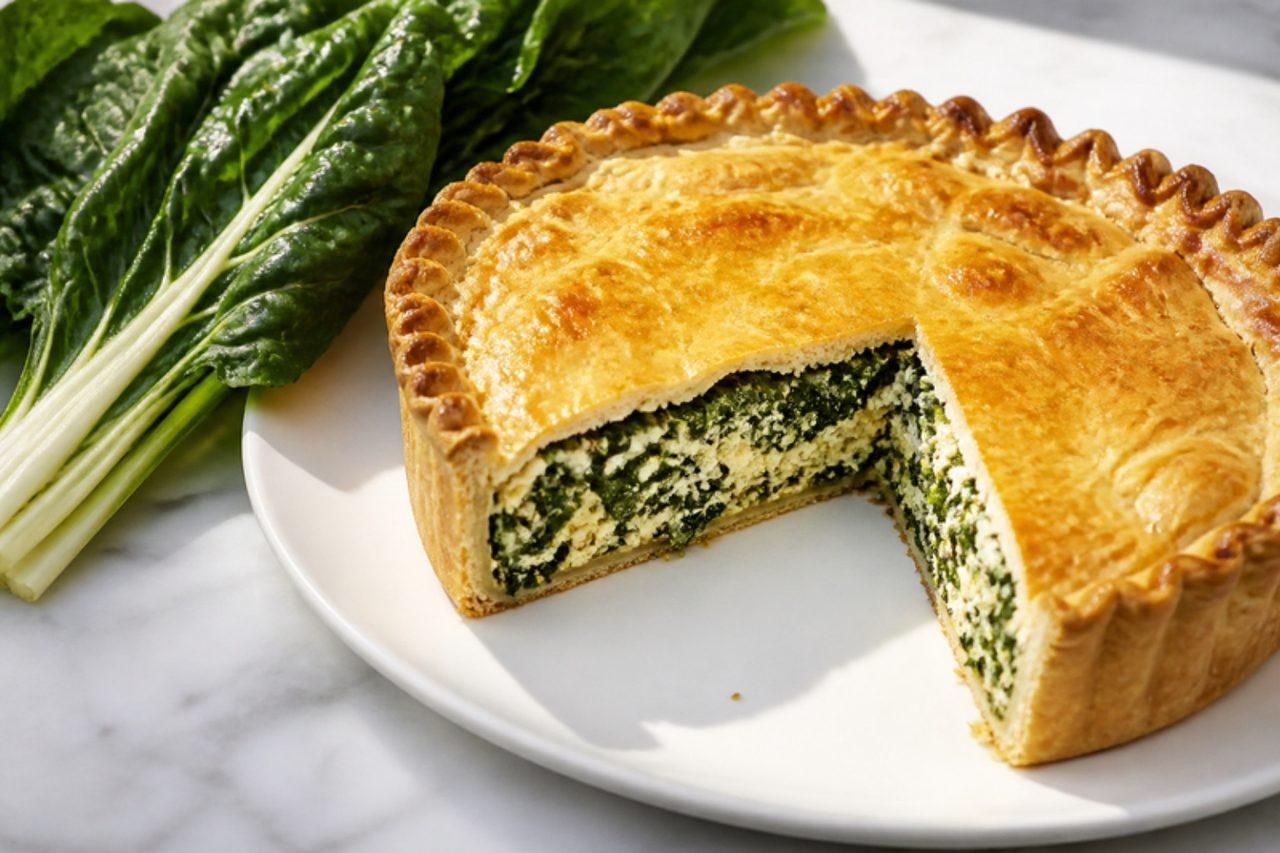
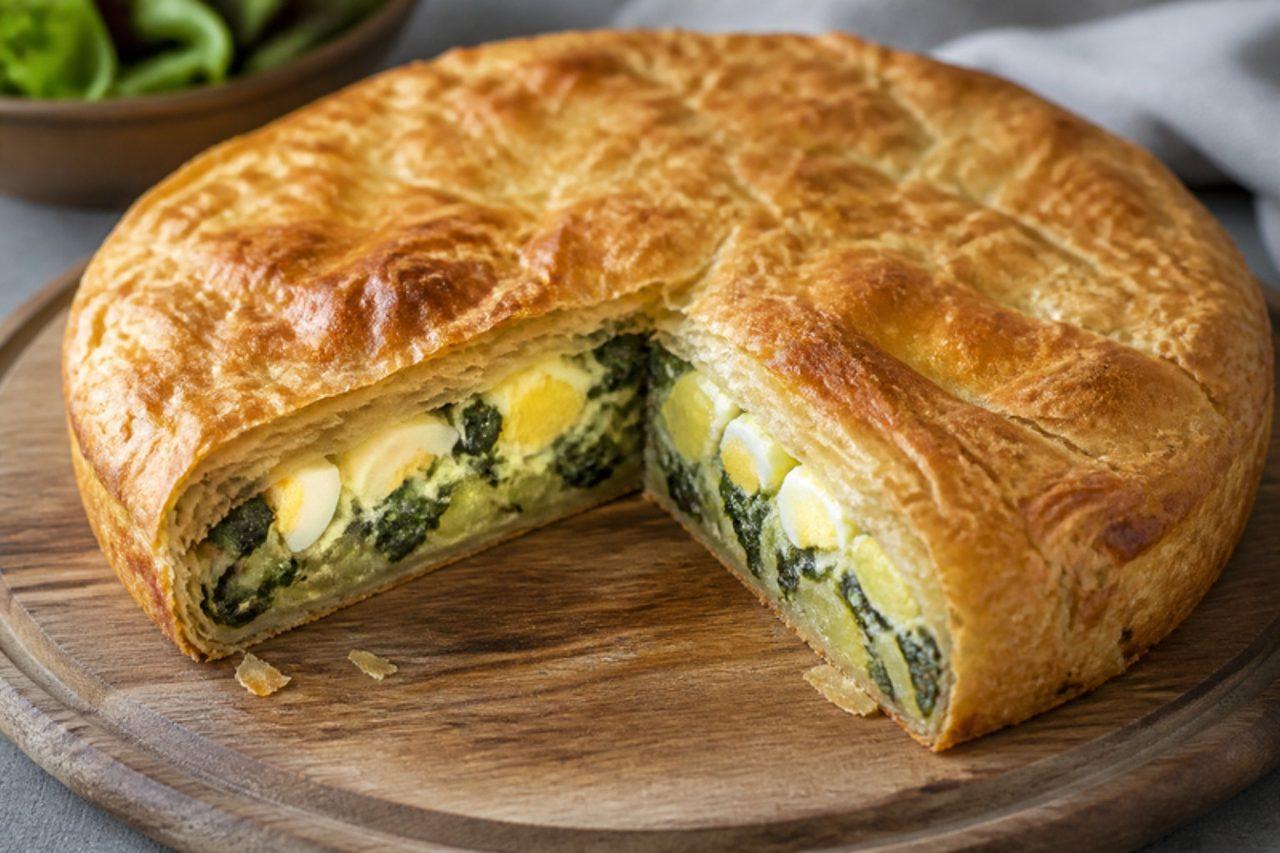
Tarta de acelgaChard and cheese pie

Tarta de acelga is the green, savoury pie found in every Argentine bakery window and on weeknight tables, a legacy of Italian torta pasqualina. Swiss chard is wilted with onion, bound with eggs and soft cheese, seasoned with nutmeg and baked between layers of pastry, sometimes with whole eggs hidden inside. It's eaten warm or cold, for dinner with a salad or packed for a picnic. Chef's tip: squeeze the cooked chard hard in your hands; any water left in it makes the pastry soggy.

by KrazyBadal 0 views

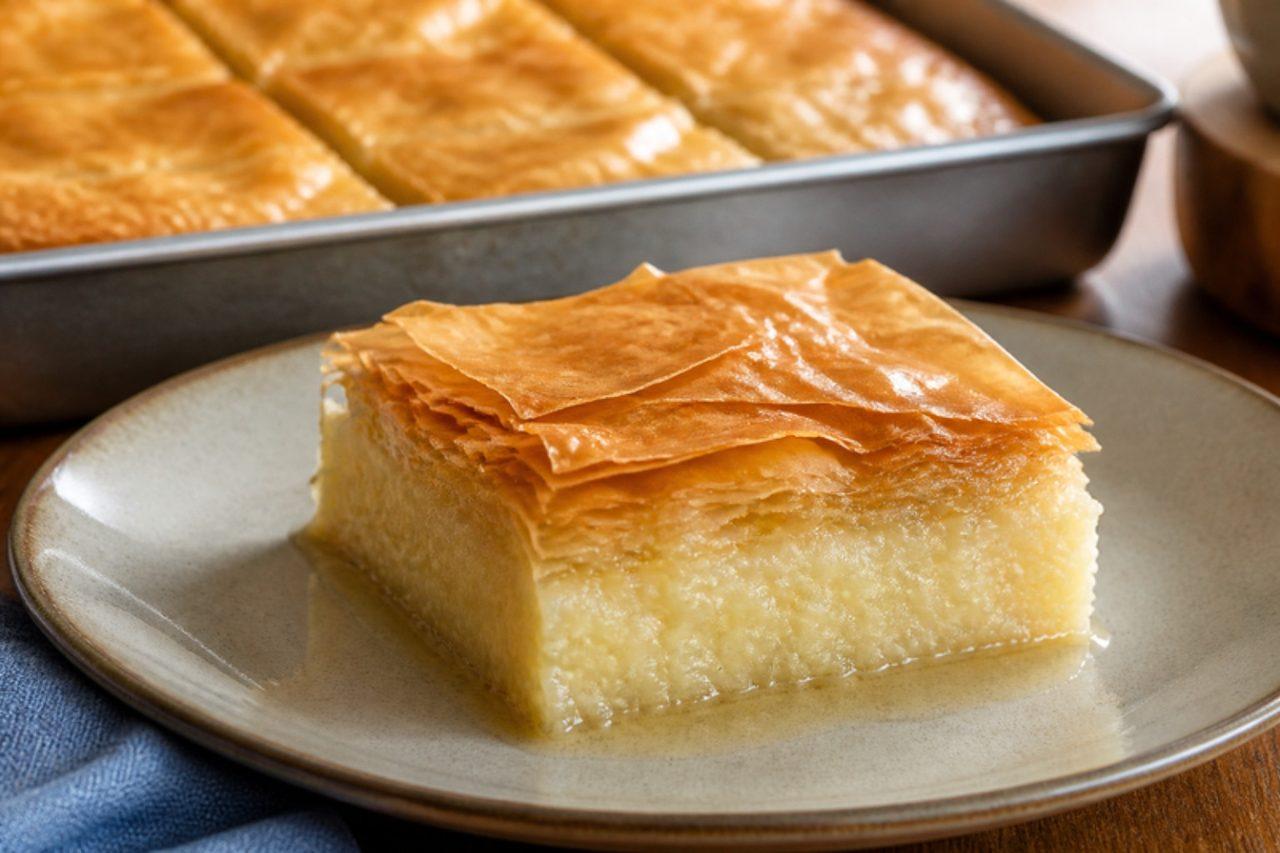
GalaktobourekoSemolina custard in fillo

Galaktoboureko is the grand dessert of Greek pastry shops: a thick layer of silky semolina custard baked between sheets of buttered fillo, then soaked with cold lemon and cinnamon syrup the moment it leaves the oven. It's bought by the tray for Sunday lunches, name days and Easter, and eaten slightly warm or at room temperature with coffee. The top shatters, the syrup pools at the edges and the custard stays creamy. It takes patience but no special skill. Chef's tip: pour cold syrup over the hot pie (or hot over cold), never hot on hot; that common mistake leaves the pastry soggy instead of crisp.

by KrazyBadal 0 views

QuesitosCream cheese pastry rolls

Every panadería in Puerto Rico has a tray of quesitos by the till, and a warm one with a café con leche is a standard island breakfast, from Old San Juan to small-town bakeries in the mountains. Puff pastry is rolled around a log of sweet vanilla cream cheese and baked until it shatters, then brushed with sugar syrup so the top turns glossy and sticky. The filling stays soft and slightly tangy inside the crisp layers. Chef's tip: chill the filling before you roll, so it holds its shape and doesn't squeeze out of the ends in the oven.

by KrazyBadal 0 views

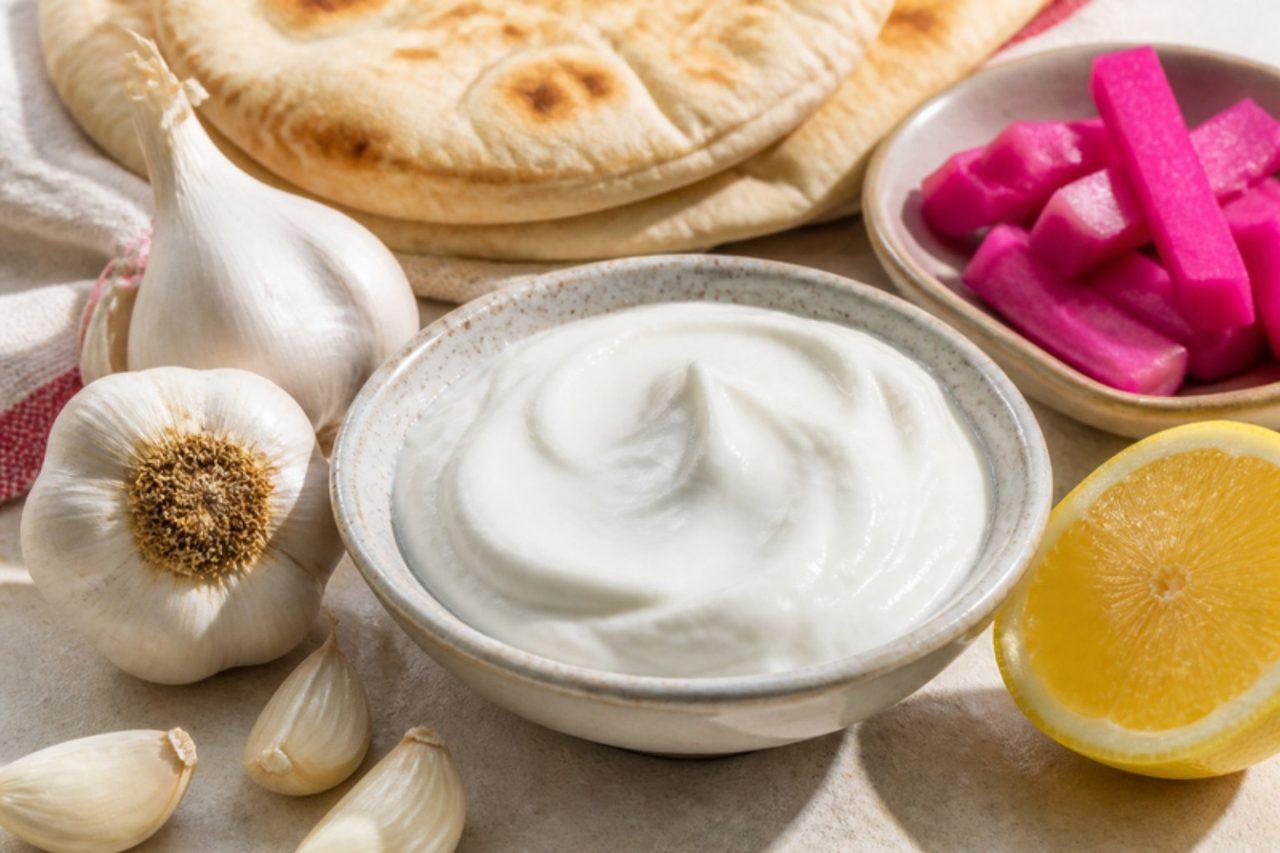
ToumWhipped garlic sauce

Every shawarma and grill shop in Lebanon has a tub of toum, a fluffy, snow-white emulsion of garlic, lemon and neutral oil that tastes fiercely of fresh garlic. At home it is spread on roast potatoes, stirred into grilled vegetables, dabbed on falafel wraps and served with batata harra. It contains no egg: the garlic itself holds the emulsion, so the only trick is patience while the oil goes in. Chef's tip: halve each garlic clove and pull out any green shoot; the germ makes toum bitter and harsh.

by KrazyBadal 0 views

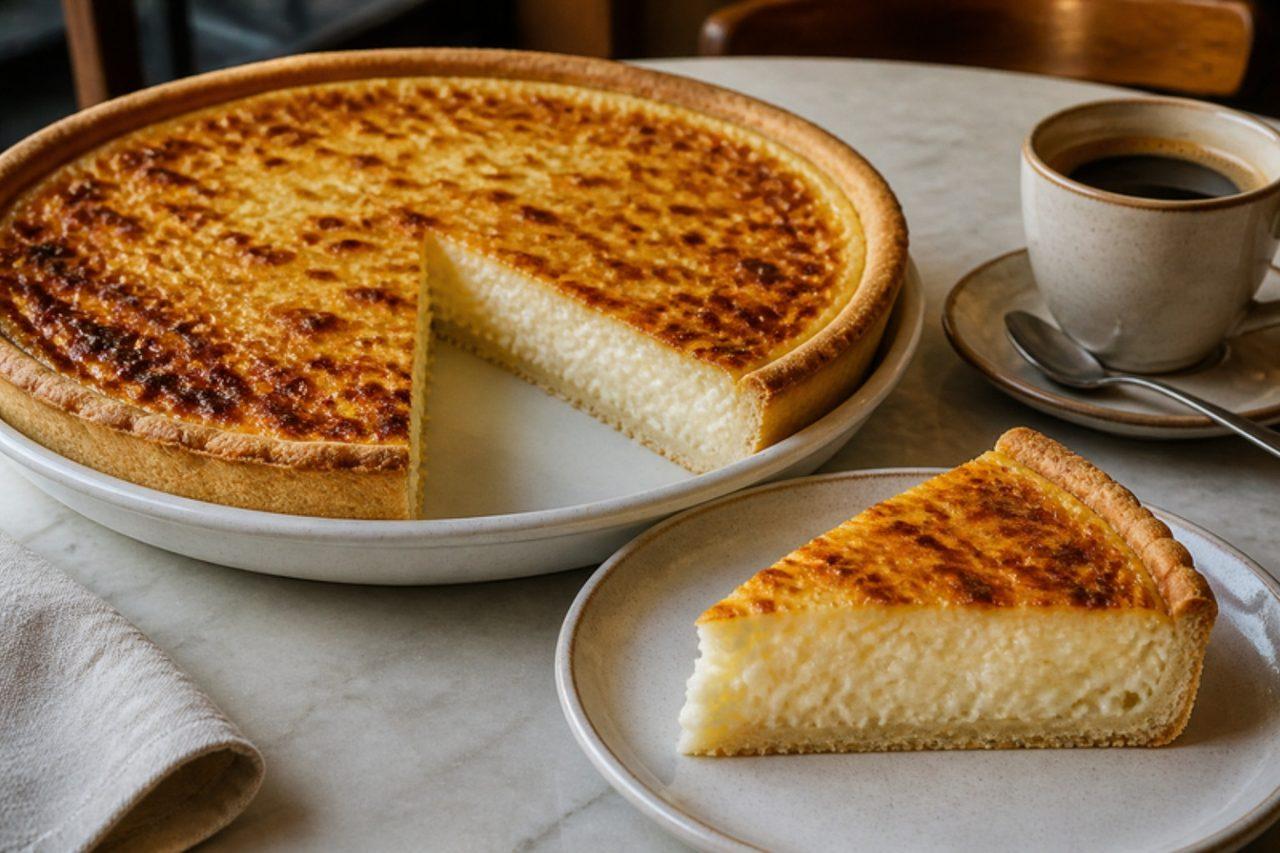
Tarte au rizRice pudding tart

In the province of Liège, and above all in the town of Verviers, no village fair (ducasse) or family celebration happens without tarte au riz, called rijsttaart in Flanders. A thin, soft yeast-dough crust holds a thick layer of rice cooked slowly in milk with vanilla and sugar, enriched with egg yolks and baked until the top is speckled brown. People buy whole tarts from the bakery for a birthday and eat them cold with coffee. Chef's tip: cook the rice until a spoon drawn through it leaves a clear path that closes slowly; a runny filling never sets in the oven, and the crust turns soggy.

by KrazyBadal 0 views

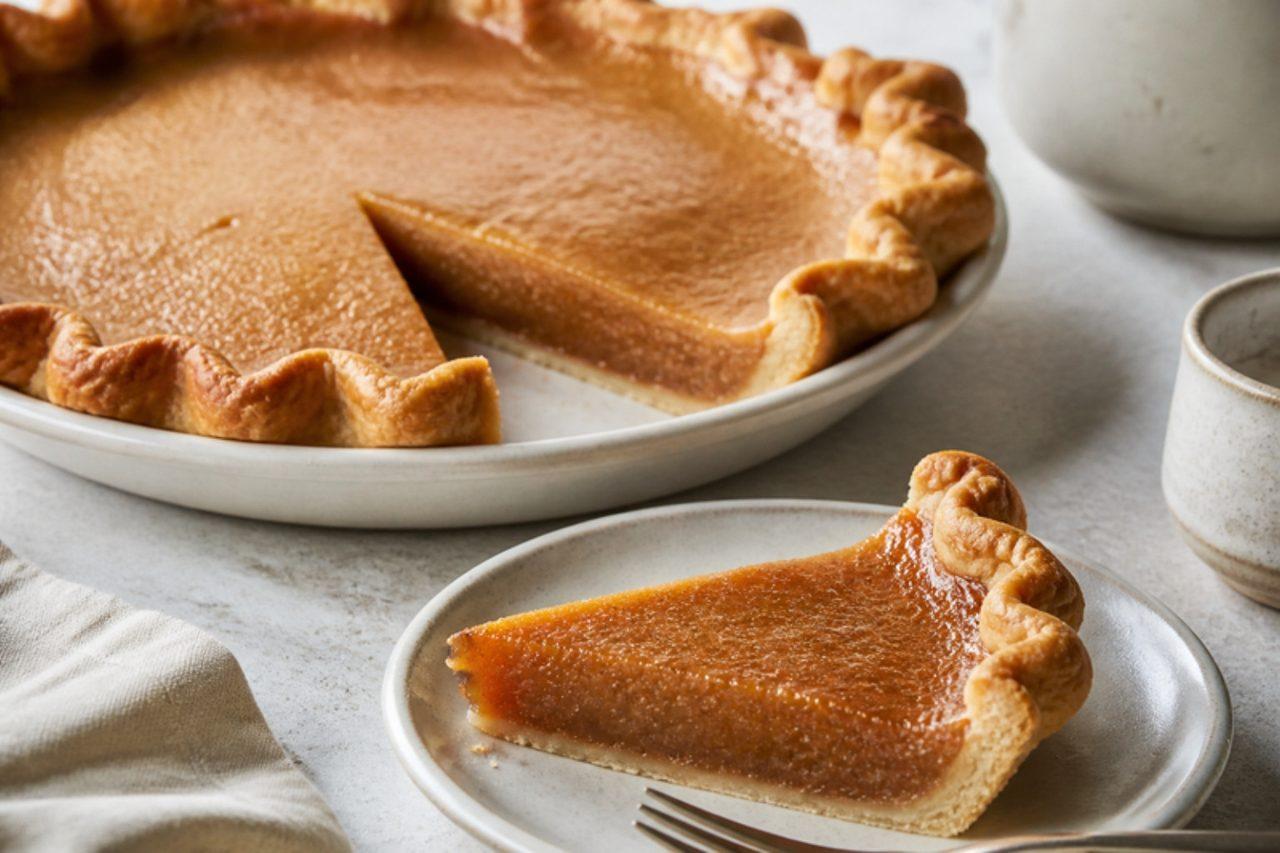
Tarte au sucreMaple sugar pie

Tarte au sucre is the sweet that closes Québec's holiday réveillon (Christmas Eve feast) and the Sunday meal at grandmother's house. Brown sugar, cream and a little maple syrup are thickened with flour and baked in a buttery shell until set like soft fudge, glossy on top. It's very sweet, so slices are thin, often with a dollop of unsweetened whipped cream. Rural Acadian and Franco-Ontarian families make very similar pies. Chef's tip: let it cool completely, for at least 3 hours; warm sugar pie is runny and only sets as it cools.

by KrazyBadal 0 views

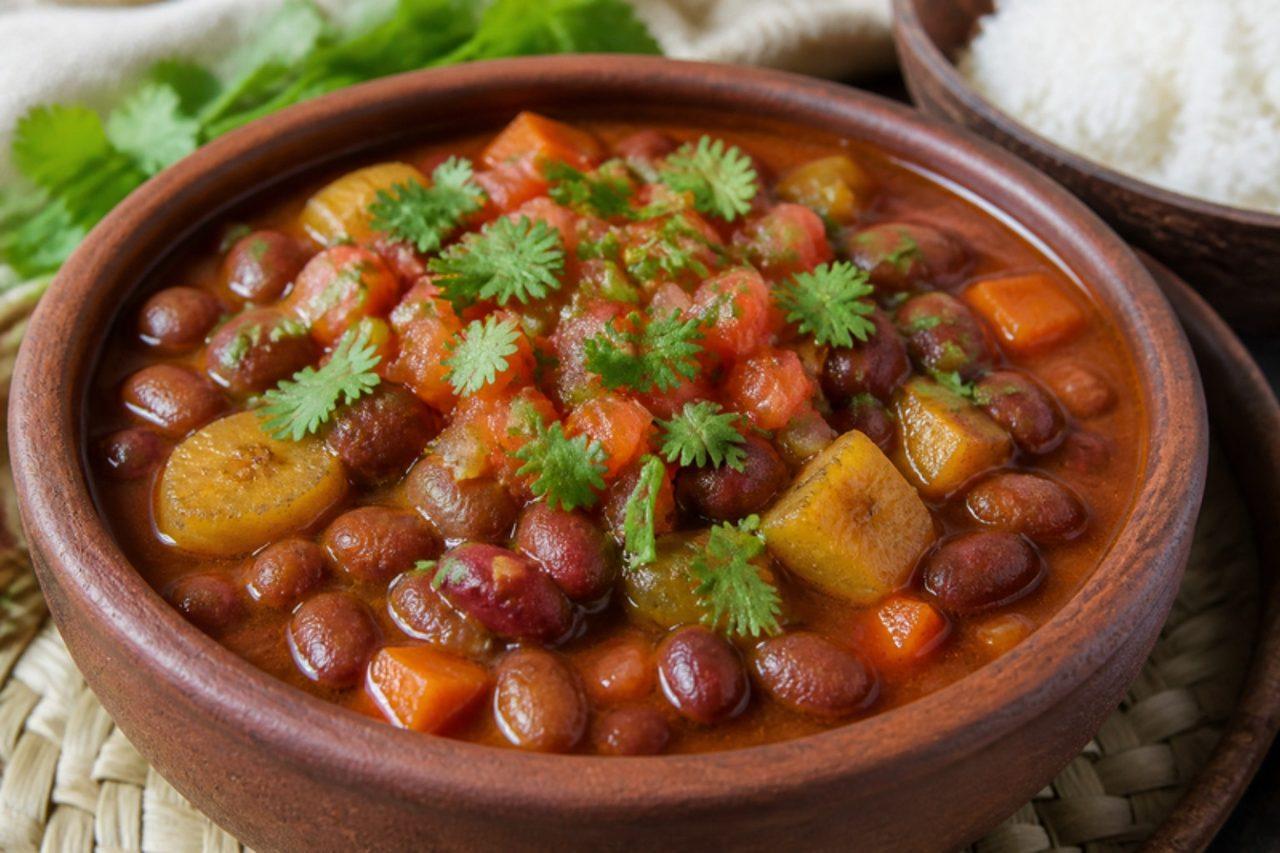
Frijoles antioqueñosRed beans with plantain

In Medellín and across Antioquia, red cargamanto beans simmered for hours are the heart of the bandeja paisa and of everyday lunch. The beans cook with grated green plantain and carrot, which melt in and thicken the pot, and are finished with hogao, the tomato and spring onion sauce. This version leaves out the pork hock and gets its depth from a long simmer and a smoky pinch of paprika. Serve with white rice, avocado and an arepa. Chef's tip: grate the plantain on the fine side of the grater; it dissolves into the beans and makes them creamy.

by KrazyBadal 0 views

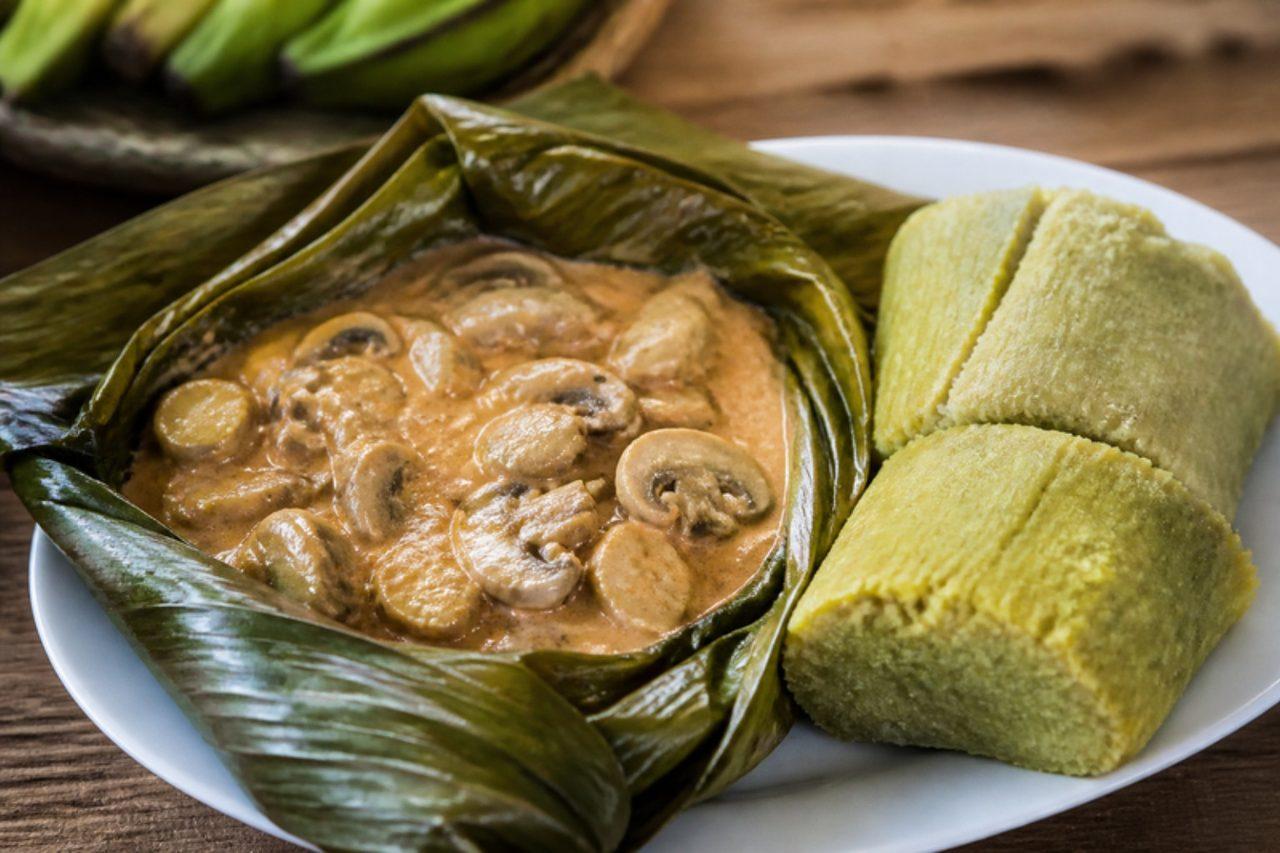
Mushroom luwomboSteamed mushroom groundnut stew

Luwombo is a royal dish of the Buganda kingdom in central Uganda, served at weddings, introduction ceremonies and Christmas: a stew wrapped and tied in softened banana leaves and steamed for hours so the leaf perfumes everything. Chicken, beef or smoked fish are traditional, but mushroom luwombo in a groundnut (peanut) sauce is a well-loved meat-free version, especially with the large wild mushrooms sold in Kampala markets. Serve with matoke. Chef's tip: wilt the banana leaves over a flame until they turn glossy and bendy; stiff leaves split and the sauce runs out.

by KrazyBadal 0 views

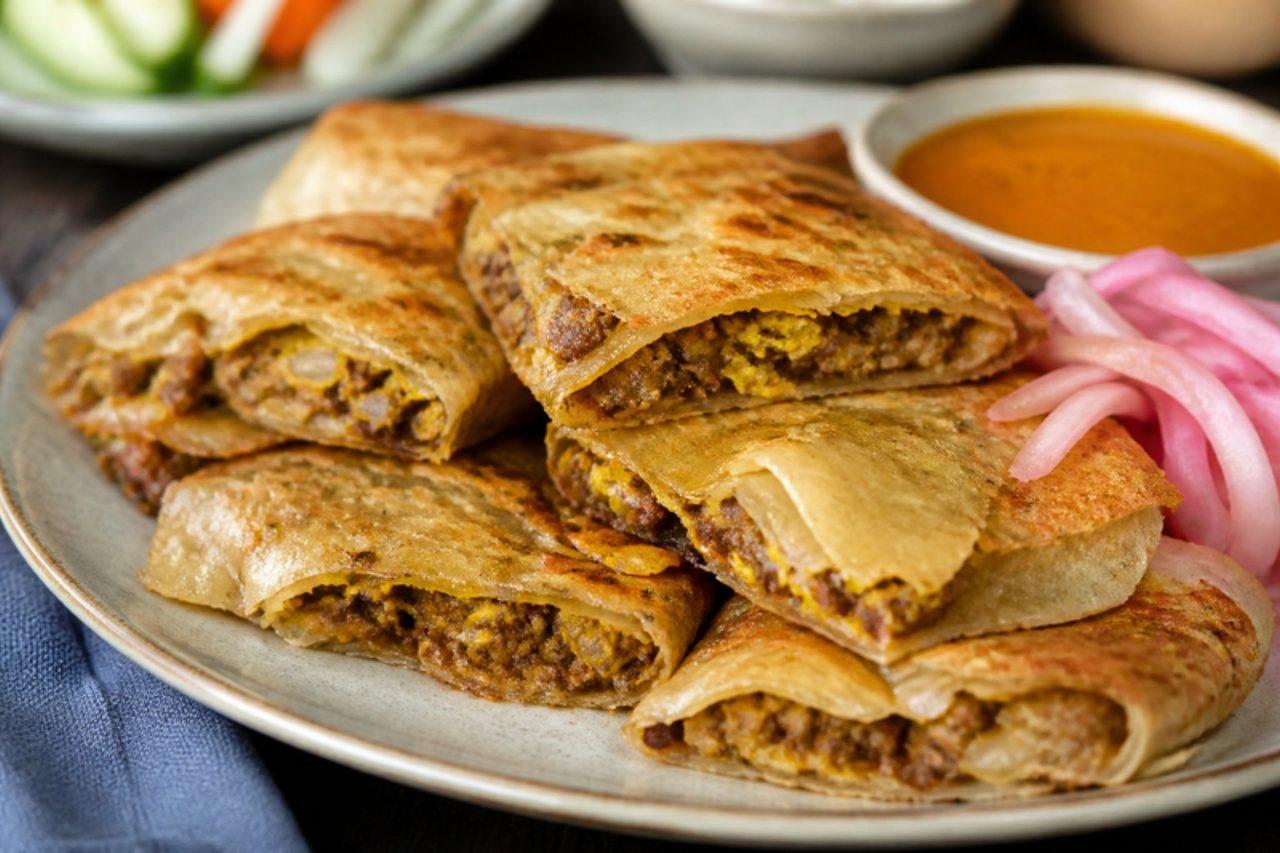
MurtabakStuffed griddled bread

Mamak shops stay open late across Malaysia, and the man at the big flat griddle swinging dough into a translucent sheet is half the show. Murtabak is that dough wrapped around a filling of curried minced meat, onion and beaten egg, folded into a fat square parcel and fried until blistered and crisp outside, soft and steamy within. Ramadan bazaars sell piles of it at dusk for breaking the fast. Cut into squares and serve with a ladle of dhal or curry gravy and pickled red onion. Chef's tip: oil your hands and the work surface generously; murtabak dough wants to be stretched, never rolled, and the oil lets it glide.

by KrazyBadal 0 views

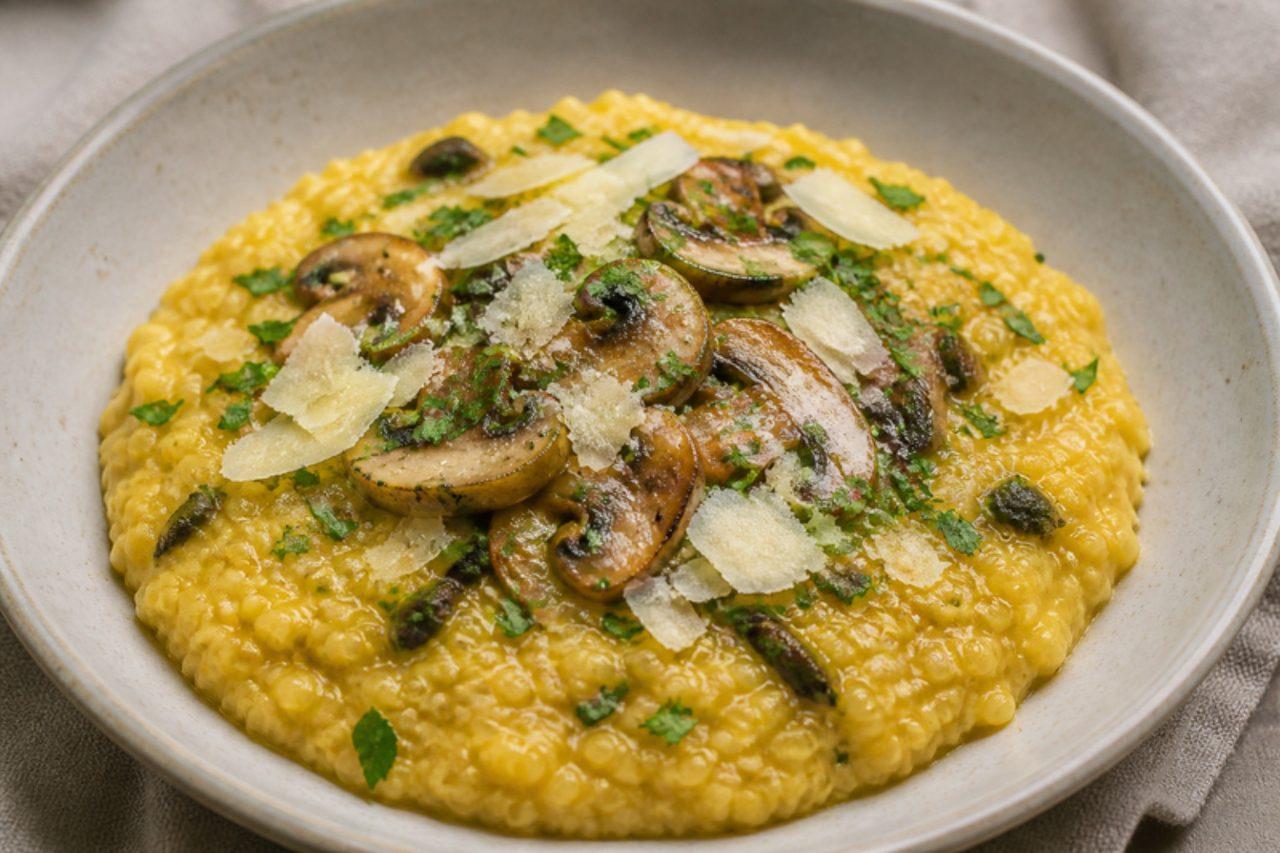
QuinottoCreamy quinoa with mushrooms

Quinotto is quinoa cooked like a risotto, a dish from the new Andean cooking of Cusco and Lima that marries Italian technique with the grain of the high Andes. Quinoa is toasted with onion and garlic, simmered in stock with white wine, then finished with mushrooms, butter, cream and grated cheese until creamy and loose. It has a pleasant pop and nutty flavour that rice never has, and a gentle warmth from ají amarillo. Serve it as a main with a green salad. Use a hard cheese made with vegetarian rennet. Chef's tip: quinoa has little starch, so the creaminess comes at the end; stir in the butter, cheese and cream off the heat and serve straight away while it still flows.

by KrazyBadal 0 views

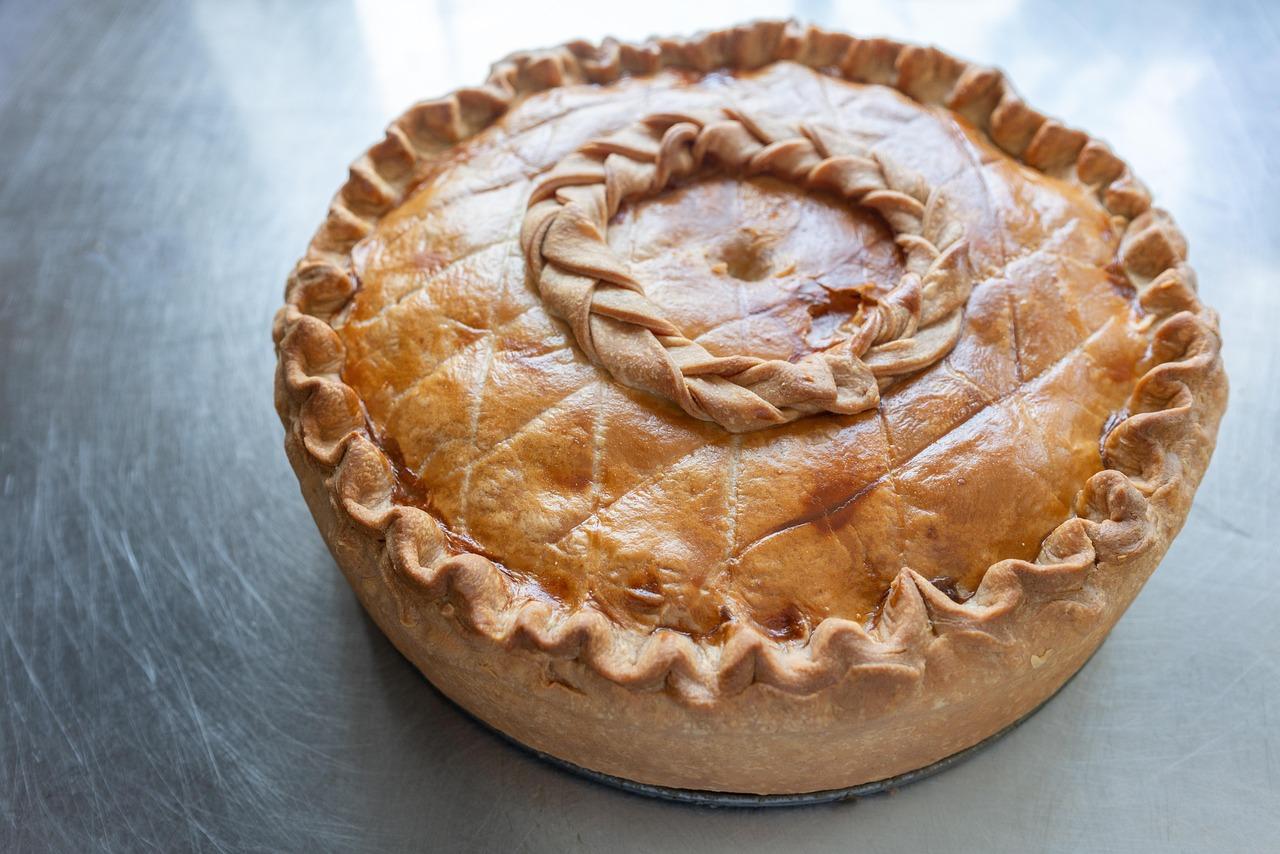
TourtièreSpiced pork and beef pie

Tourtière is the meat pie of Quebec, served after midnight mass at the Christmas Eve réveillon and through the holidays, from Montreal to the Saguenay–Lac-Saint-Jean region (where a deep, layered version is also called tourtière). This dish contains pork. Minced pork and beef cook slowly with onion, a little potato and warm spices — cinnamon, cloves, allspice and savory — then are baked in a flaky double crust and served with ketchup or fruit chutney. The mistake is a wet filling that makes the bottom crust soggy; cook it until the liquid has almost gone and cool it before filling. Chef's tip: a grated potato in the filling soaks up the juices and holds the slices together.

by KrazyBadal 0 views

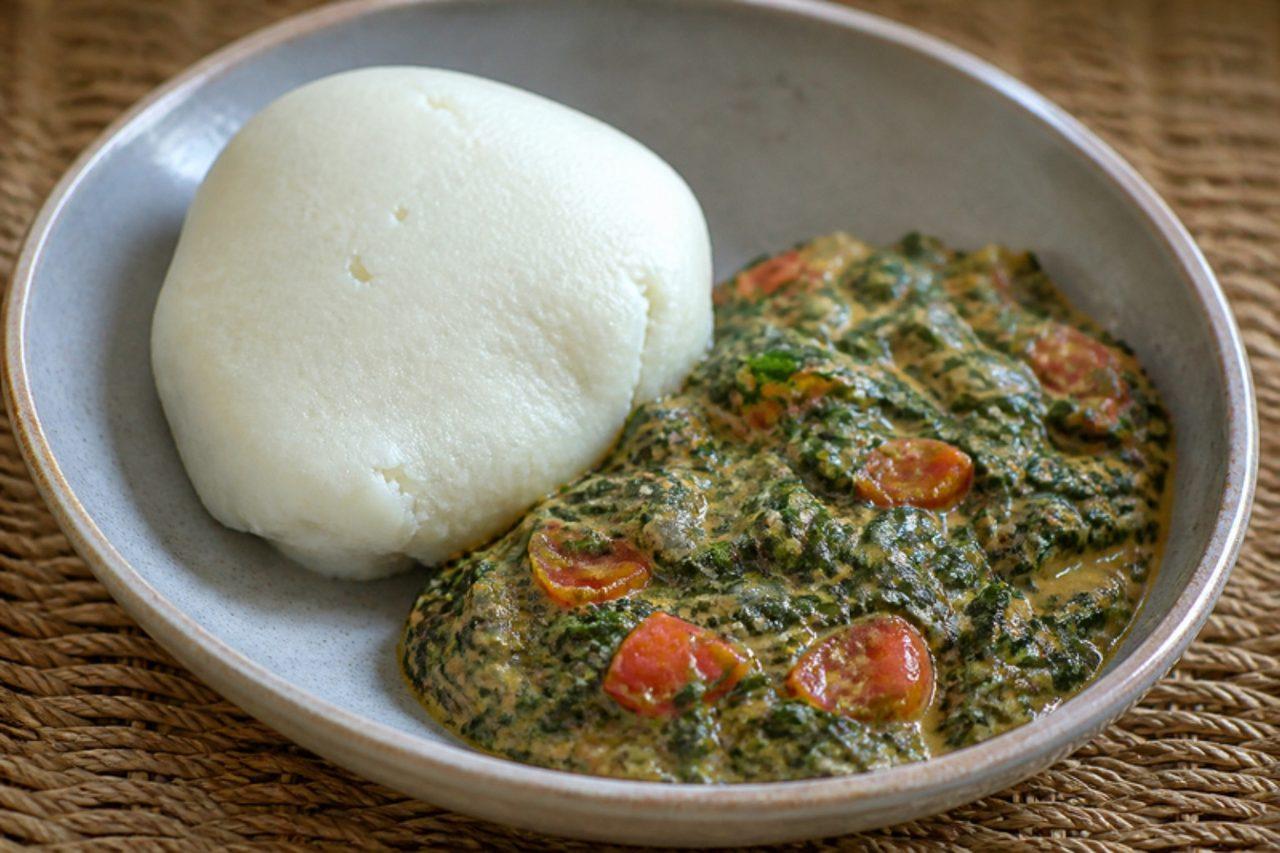
Muriwo une doviGreens in peanut butter sauce

Muriwo une dovi, greens with peanut butter, is a daily relish in Zimbabwean homes, eaten with sadza at lunch and supper. Collard greens, rape or pumpkin leaves are cooked with onion and tomato, then stirred into a creamy peanut sauce. Zambia's ifisashi is the same idea, usually without tomato and often made with pumpkin leaves or spinach and eaten with nshima. Chef's tip: add the peanut butter at the end and cook just long enough to thicken; long boiling makes it gluey.

by KrazyBadal 0 views

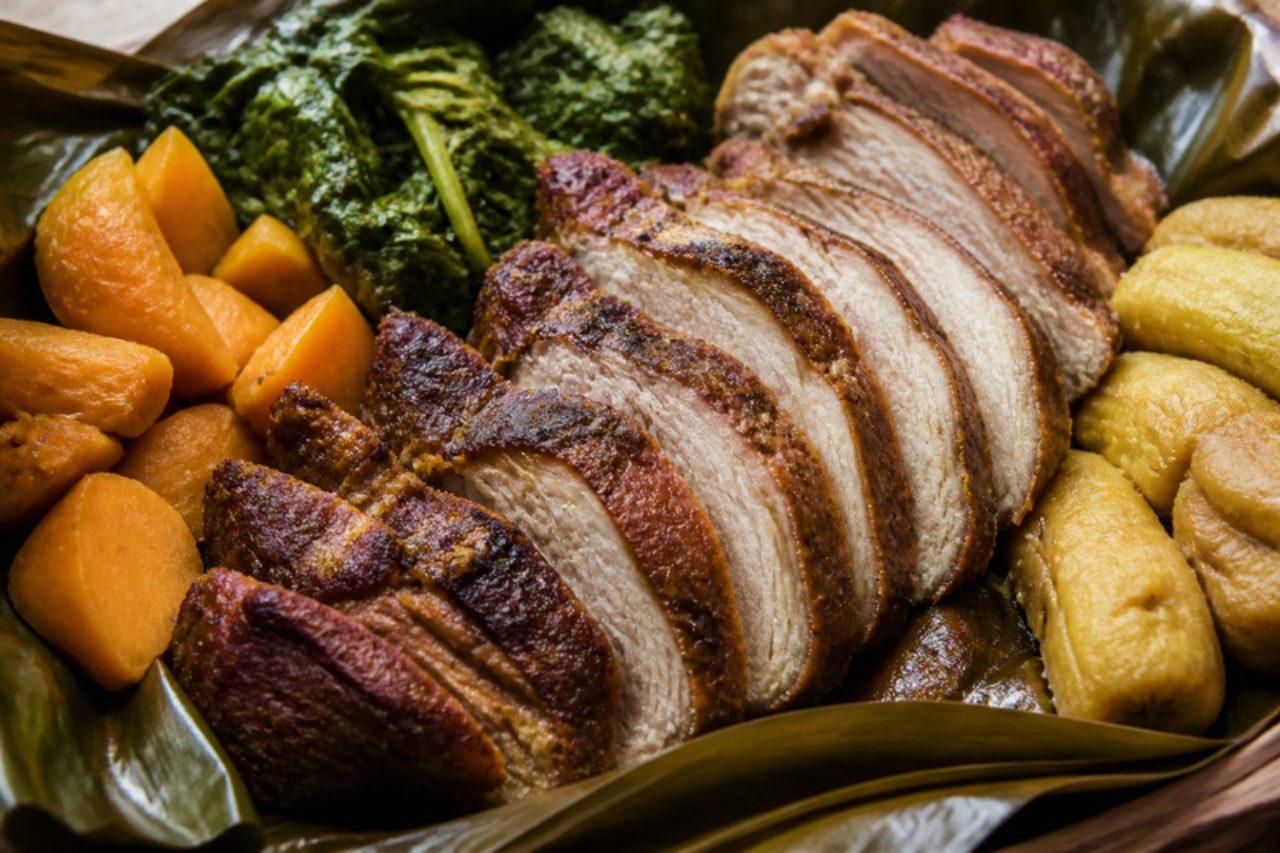
Mumu-style pork roastOven-roasted pork with sweet potato

A mumu is the earth oven of the Papua New Guinea highlands, around Mount Hagen and Goroka, made for feasts, bride-price ceremonies and Christmas: pork, kaukau (sweet potato), bananas and greens are wrapped in banana leaves and steamed over hot stones for hours. This dish contains pork. This home version packs the same ingredients, with coconut milk, into a covered roasting tin and cooks them slowly until the pork is soft. The mistake is cooking the pork fast and hot; it needs long, gentle heat to become tender. Chef's tip: add the greens only for the last 30 minutes so they stay bright.

by KrazyBadal 0 views

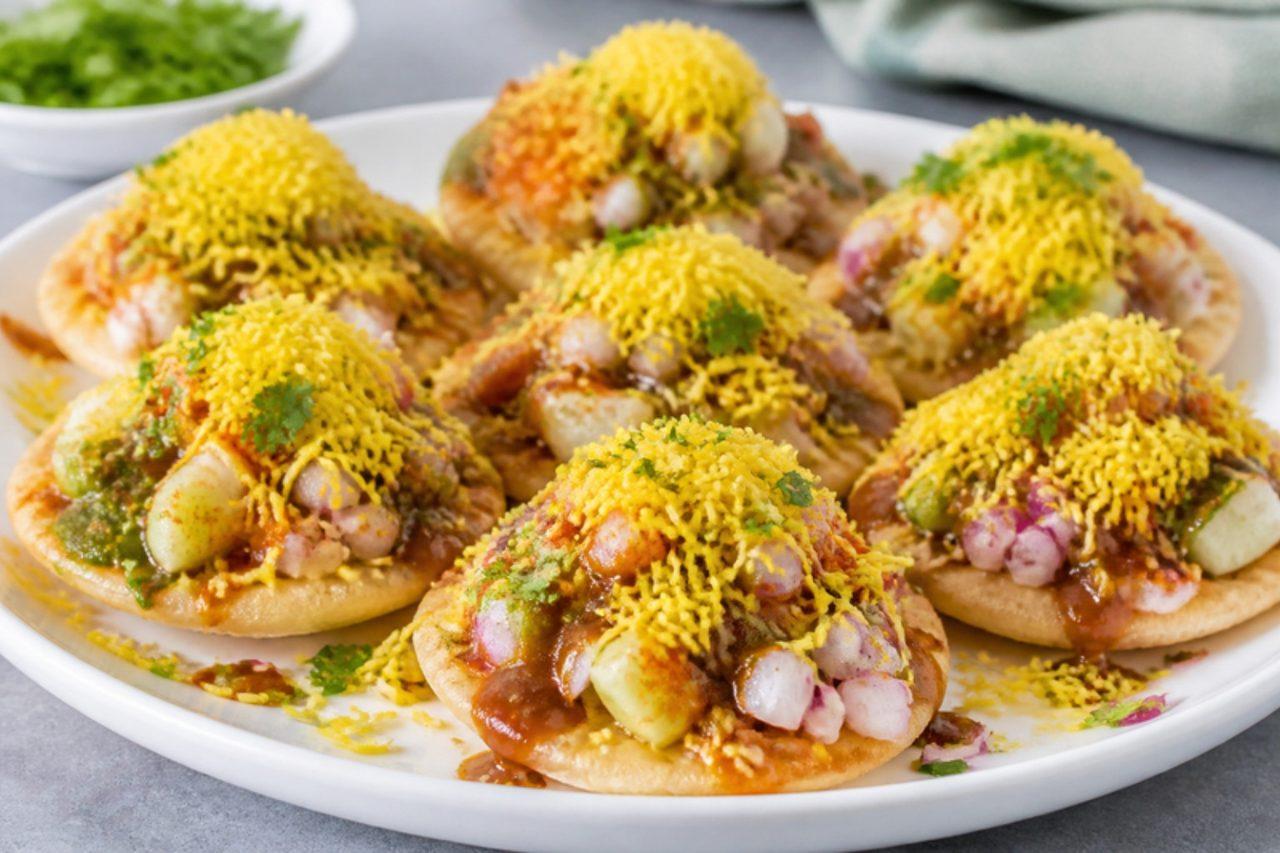
Sev puriPuri topped with potato and chutneys

Sev puri is the snack Mumbaikars eat standing up at Juhu and Girgaum Chowpatty, or at the chaat stall outside the office in the evening. Flat, crisp papdi are laid out on a plate, topped with potato, onion and raw mango, splashed with green, sweet tamarind and red garlic chutneys, then buried under a snowfall of fine sev. It must be eaten within a couple of minutes, before the papdi soften. Here the papdi are made at home, but good shop-bought ones work fine on a busy day. Chef's tip: assemble each plate just before it's eaten, in the order given; chutney on bare papdi makes them soggy, so the potato always goes down first.

by KrazyBadal 0 views

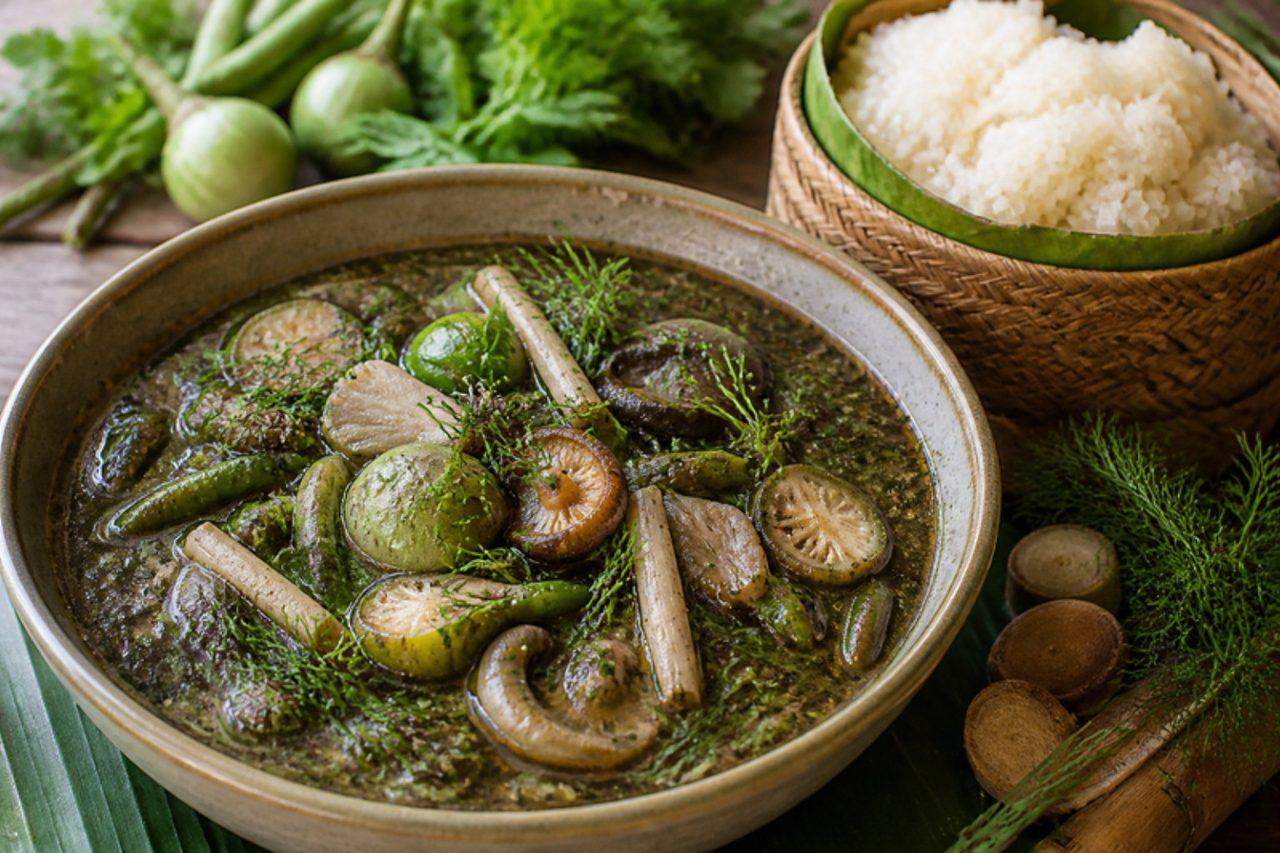
Mushroom or lamHerb stew with aubergine and mushrooms

Or lam belongs to Luang Prabang, the old royal town on the Mekong, where it is cooked for long family lunches and served at almost every restaurant that makes local food. It is a thick, rustic stew of aubergine, long beans, mushrooms and greens, thickened with a little sticky rice and flavoured with sakhan, a peppery wood that numbs the lips like Sichuan pepper, plus heaps of dill and lemongrass. The usual dried buffalo skin and meat are swapped for two kinds of mushroom here. Eat it with sticky rice and a jeow. Chef's tip: if you can't find sakhan, a few lightly crushed Sichuan peppercorns give the same tingle; add them early so the tingle spreads through the broth.

by KrazyBadal 0 views

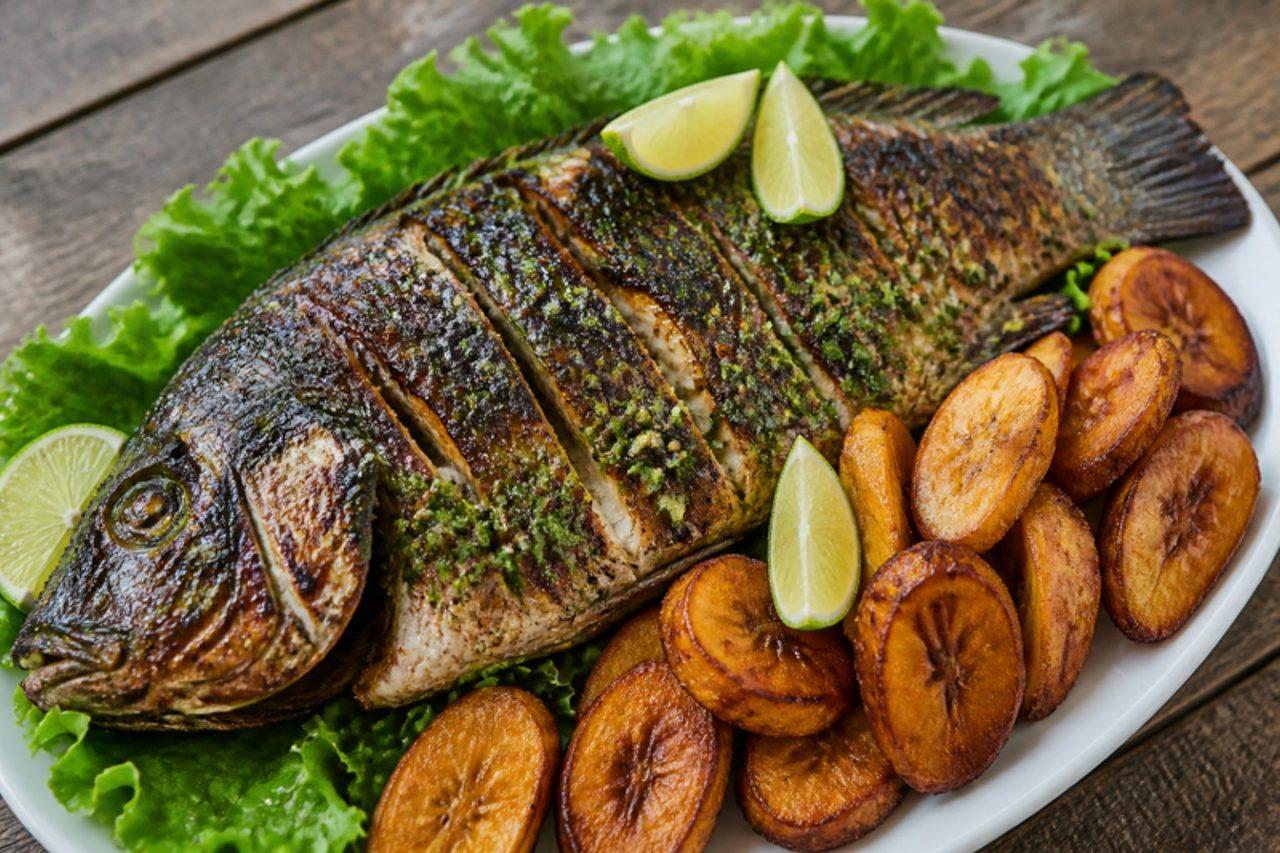
Poisson braiséCharcoal-grilled fish

On the roadside grills of Douala and Yaoundé, women split tilapia or mackerel, smear them with a green paste of ginger, garlic, onion and herbs, and grill them over charcoal while people wait with a cold drink; it is late-evening food, eaten with fried plantain, bobolo (cassava sticks) or miondo and a fiery tomato pepper sauce. At home a very hot grill or a barbecue does the job. The mistake is turning the fish too early, so it sticks and breaks: wait until the skin is crisp and releases. Chef's tip: oil the fish and the grill bars, not just one of them.

by KrazyBadal 0 views

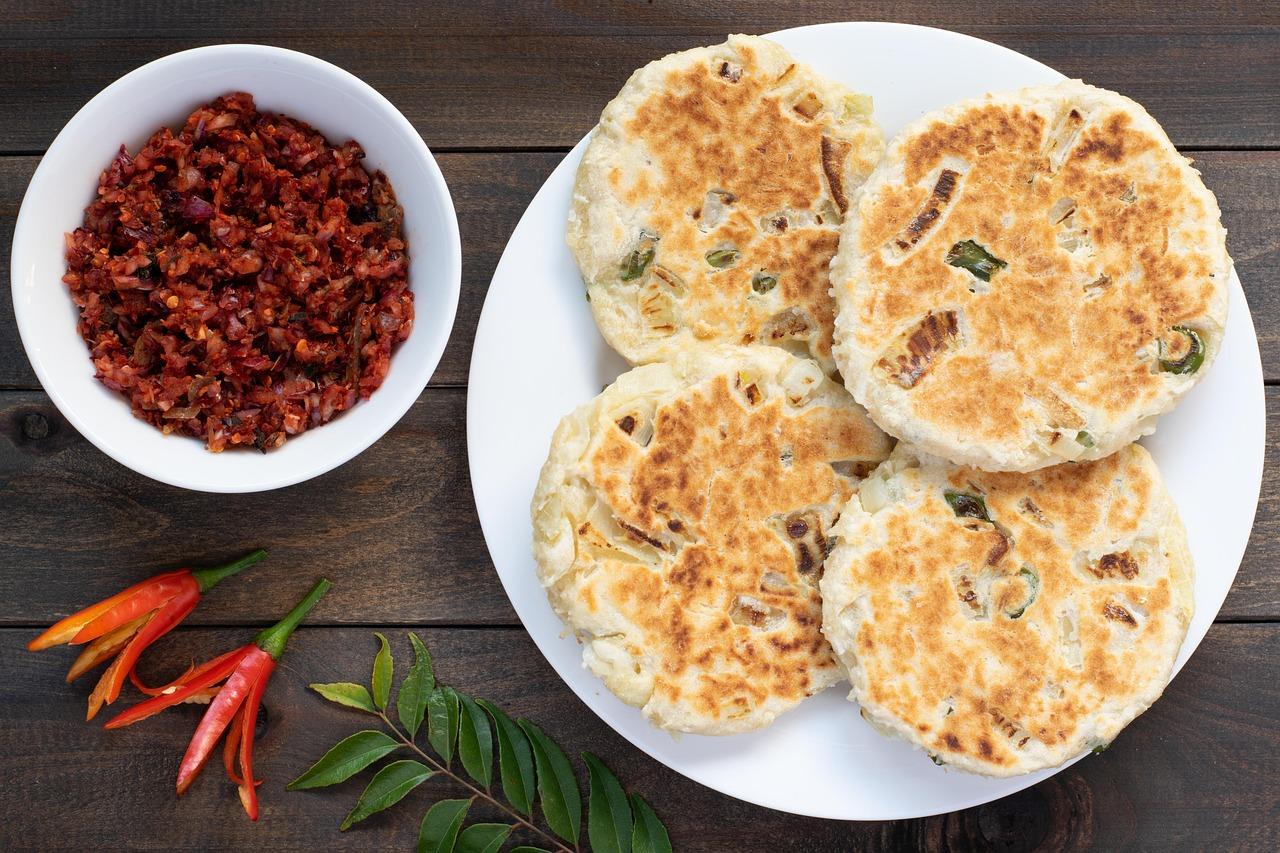
Pol rotiCoconut flatbread with onion

Pol roti is the hearty coconut flatbread that rural Sri Lankans eat for breakfast or an evening meal, cooked on a flat iron pan (thachchi) and torn up with lunu miris, parippu or a spicy potato curry; you'll see it stacked in glass cases in kades from Anuradhapura to Matara. Wheat flour is mixed with lots of freshly grated coconut, finely chopped onion and green chilli, and the dough is patted out thick by hand, so the roti come out chewy, with toasted coconut flecks and a sweet, savoury smell. The common mistake is rolling them thin: pol roti should be a good 1 cm thick and soft inside. Chef's tip: pat each roti out on a banana leaf or oiled baking paper and flip it straight onto the pan; it's too soft and crumbly to lift any other way.

by KrazyBadal 0 views

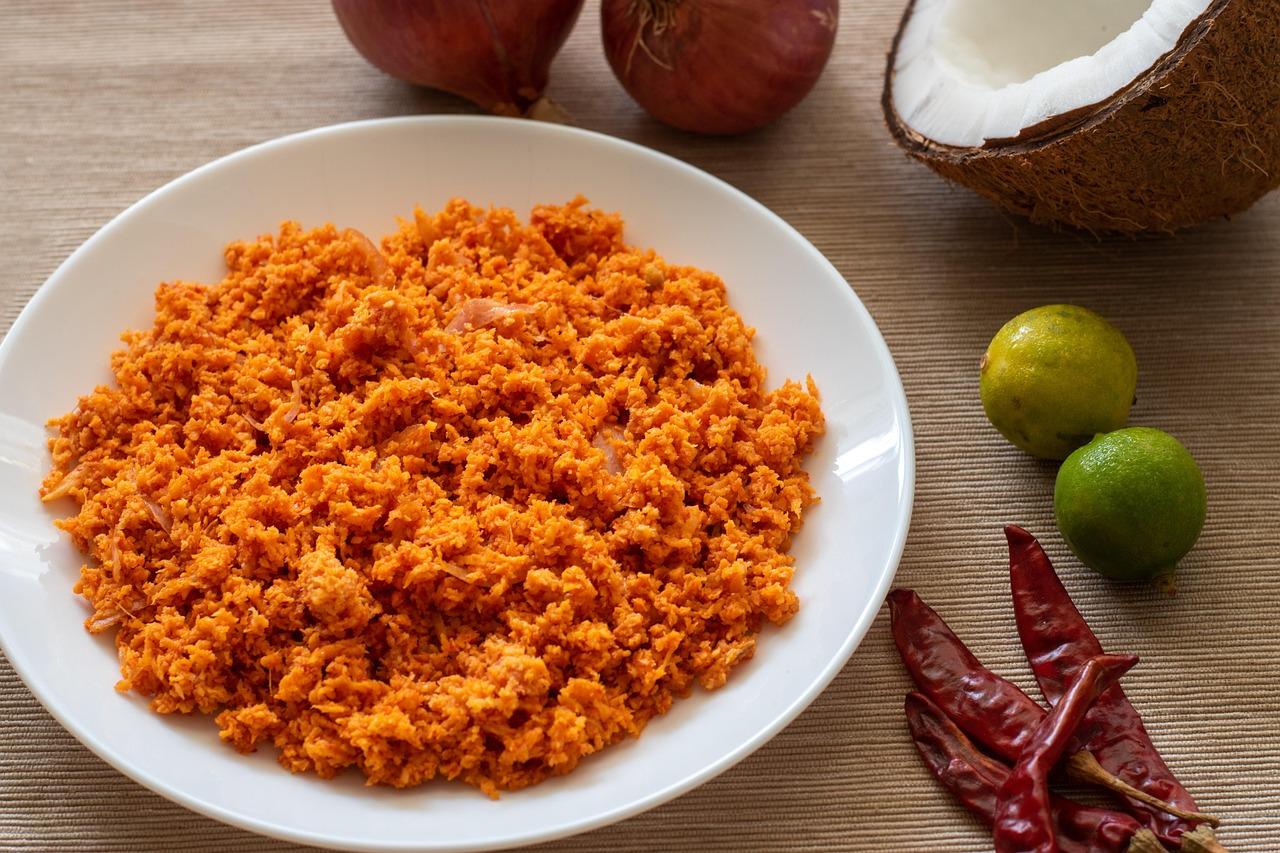
Pol sambolCoconut and chilli relish

Pol sambol sits on the table at almost every Sri Lankan meal, from breakfast hoppers and string hoppers in a Kandy home to a rice packet bought at a roadside kade. Grandmothers grind it on a stone (miris gala) so the chilli and onion bruise into the coconut, and it turns a bright brick red, hot, sour and salty all at once. Most island recipes add a spoonful of Maldive fish (dried tuna flakes); we leave it out to keep it vegetarian and add a little extra onion and lime for depth. A common mistake is using dried desiccated coconut straight from the packet, which tastes dusty; fresh or frozen grated coconut gives the proper moist texture. Chef's tip: rub the chilli, onion and salt together first with your fingers until they turn juicy, then work in the coconut so every flake turns red.

by KrazyBadal 0 views

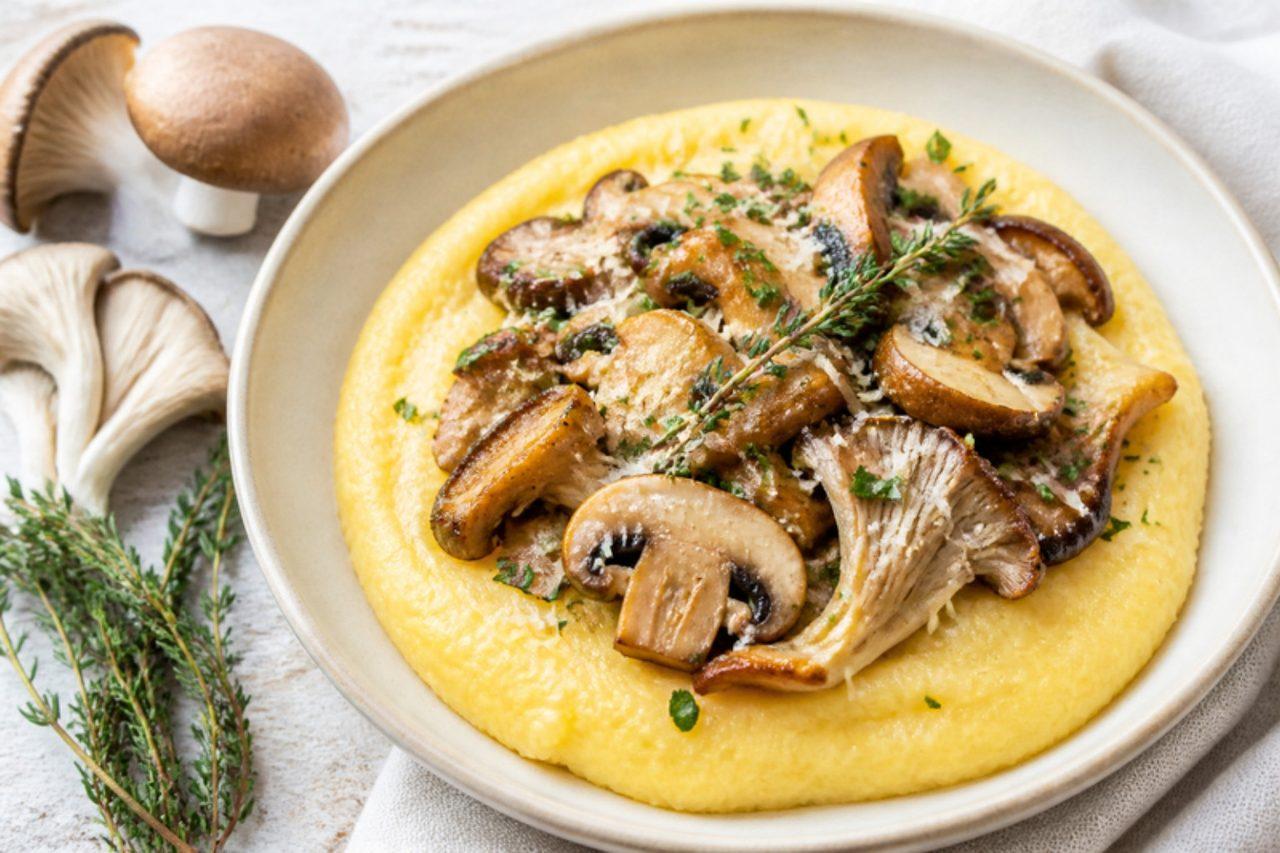
Polenta with mushroomsPolenta with garlic mushrooms

In the Veneto and the mountain valleys of the north-east, polenta is the old daily staple, poured steaming onto a wooden board in the middle of the table. Its classic autumn partner is funghi trifolati: mushrooms sautéed with garlic, parsley and a splash of white wine until glossy and deeply savoury. Soft polenta is spooned into bowls with the mushrooms on top, a warming supper for a cold night. Chef's tip: whisk the cornmeal into the water in a thin stream; if it goes in all at once, it lumps and no amount of stirring will fix it.

by KrazyBadal 0 views

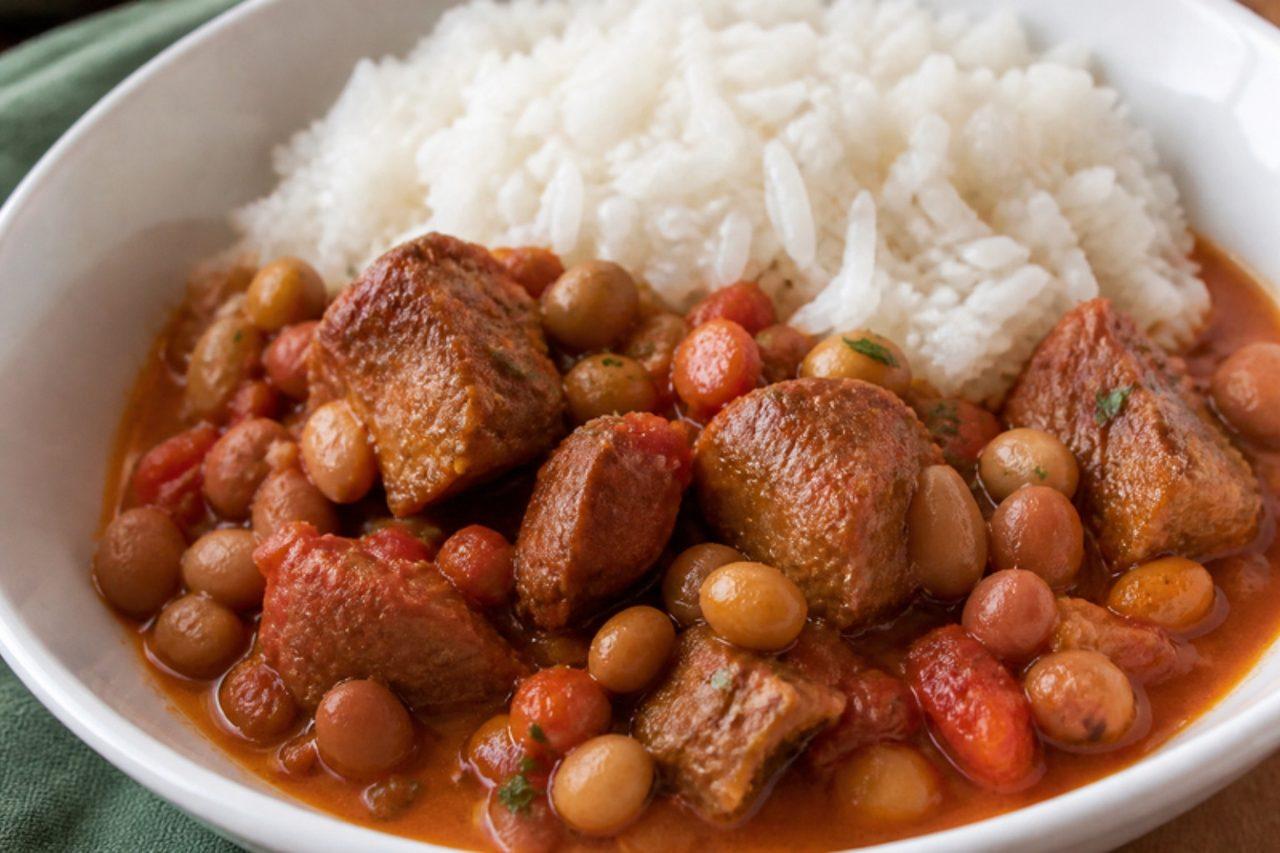
Henakisoa sy voanjoboryPork with groundnuts

Henakisoa sy voanjobory is a highland dish from the countryside around Antsirabe and Fianarantsoa, cooked for family gatherings: pork simmered for a long time with Bambara groundnuts, a hard, round pulse that turns creamy and nutty, until the meat is tender and the beans have thickened the sauce. This dish contains pork. It is eaten with rice and a fresh tomato salad. The mistake is not soaking the dried pulses, which then never soften; soak them overnight. Chef's tip: if you can't find Bambara groundnuts, black-eyed beans or borlotti give a similar result in less time.

150 minMalagasyMeatGluten free
by KrazyBadal 0 views

Pollo a la brasaRoast chicken with green chilli sauce

Born in the 1950s in Chaclacayo, just east of Lima, this rotisserie chicken has grown into a national obsession, with its own holiday on the third Sunday of July and a pollería on almost every block. The bird is marinated in soy sauce, lime, garlic, cumin and ají panca, then roasted until the skin is lacquered and dark. At home a hot oven does the job, and the meal is not complete without chips, a simple salad and a jar of creamy green ají sauce. Chef's tip: dry the skin well and leave the chicken uncovered in the fridge overnight after marinating; it roasts up much crisper.

by KrazyBadal 0 views

Healthy tawaMixed vegetables on the tawa

A big sizzling griddle of boiled fresh beans and vegetables (peas, pigeon peas, black-eyed beans, soya beans, kidney beans, corn, cassava, sweet potato, baby potatoes and roasted plantain) tossed with sesame seeds, onions and a green chilli, ginger and garlic paste. It's filling, colourful and feeds a crowd at a barbecue. Serve sizzling hot straight from the tawa.

by KrazyBadal 0 views

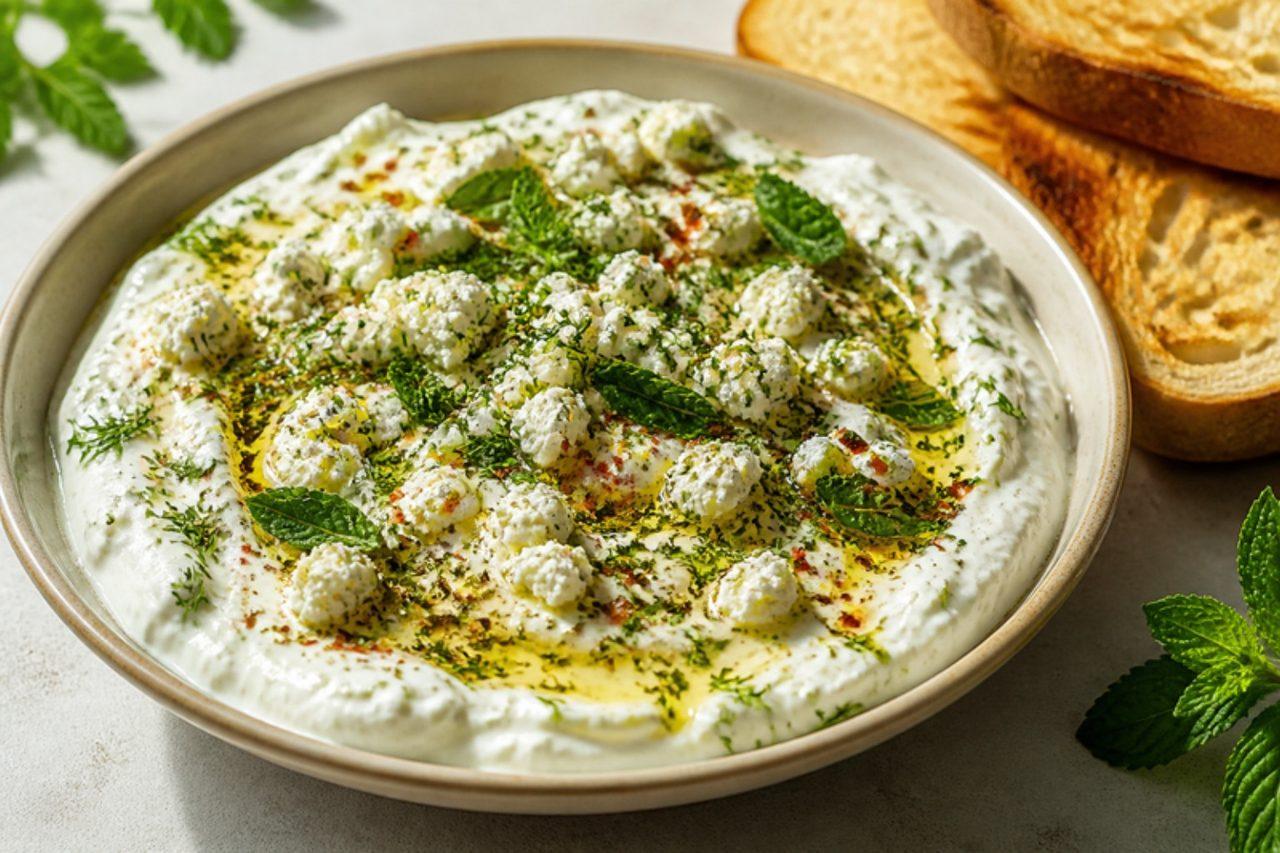
HaydariStrained yogurt and feta dip

Order meze in an Istanbul meyhane and haydari is usually among the first small plates to land: very thick strained yogurt beaten with crumbled white cheese, garlic, dill and mint, then crowned with a drizzle of oil warmed with dried mint and chilli flakes. It is eaten with bread, beside roasted vegetables or with crisp börek, and it takes minutes once you have the yogurt. The mistake to avoid is using thin pouring yogurt, which gives you a runny sauce rather than a dip that holds its shape. Chef's tip: use Greek-style strained yogurt, or hang plain yogurt in a cloth for an hour, and check the beyaz peynir or feta is made with vegetarian rennet.

by KrazyBadal 0 views

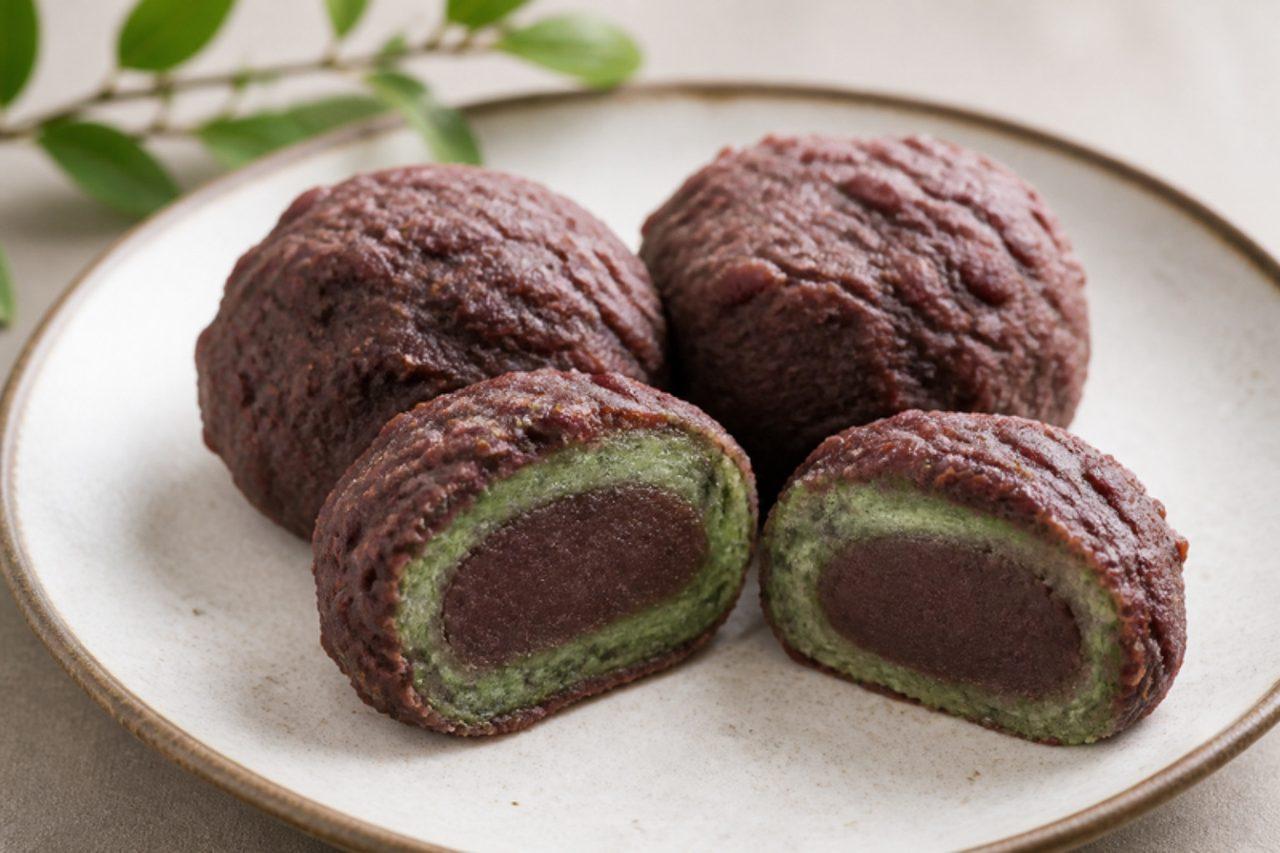
Omegi tteokMillet rice cakes with red bean

Omegi tteok (오메기떡) are Jeju's best-known rice cakes: small dark-green rounds of glutinous millet and rice dough flavoured with mugwort, filled with sweet red bean, and rolled in a coat of mashed red beans or toasted nuts. Jeju farmers grew millet on fields too stony for rice, and the dough was once fermented into omegi-sul, the island's rice wine. Now they are bought in boxes at Seogwipo's Olle market as the island's favourite gift, kept in the freezer and thawed for tea time. Chef's tip: knead the dough with boiling water while it is still hot; mugwort and millet need the heat to bind into a smooth, stretchy dough.

by KrazyBadal 0 views

HawawshiSpiced beef stuffed bread

Walk through downtown Cairo in the evening and you will smell hawawshi before you see it: round baladi breads split open, packed with minced beef, onion, green chilli and warm spices, then baked until the bread turns crisp and the fat from the meat soaks into the crumb. Street stalls sell it wrapped in paper with pickles and tahini; at home it is a quick Friday supper. Pitta works well if you can't find baladi bread. The mistake most people make is packing in too thick a layer of meat, so the bread burns before the middle is cooked; keep it about 1 cm thick. Chef's tip: squeeze the grated onion in a sieve before mixing it in, or the filling turns wet and the bread goes soggy.

by KrazyBadal 0 views

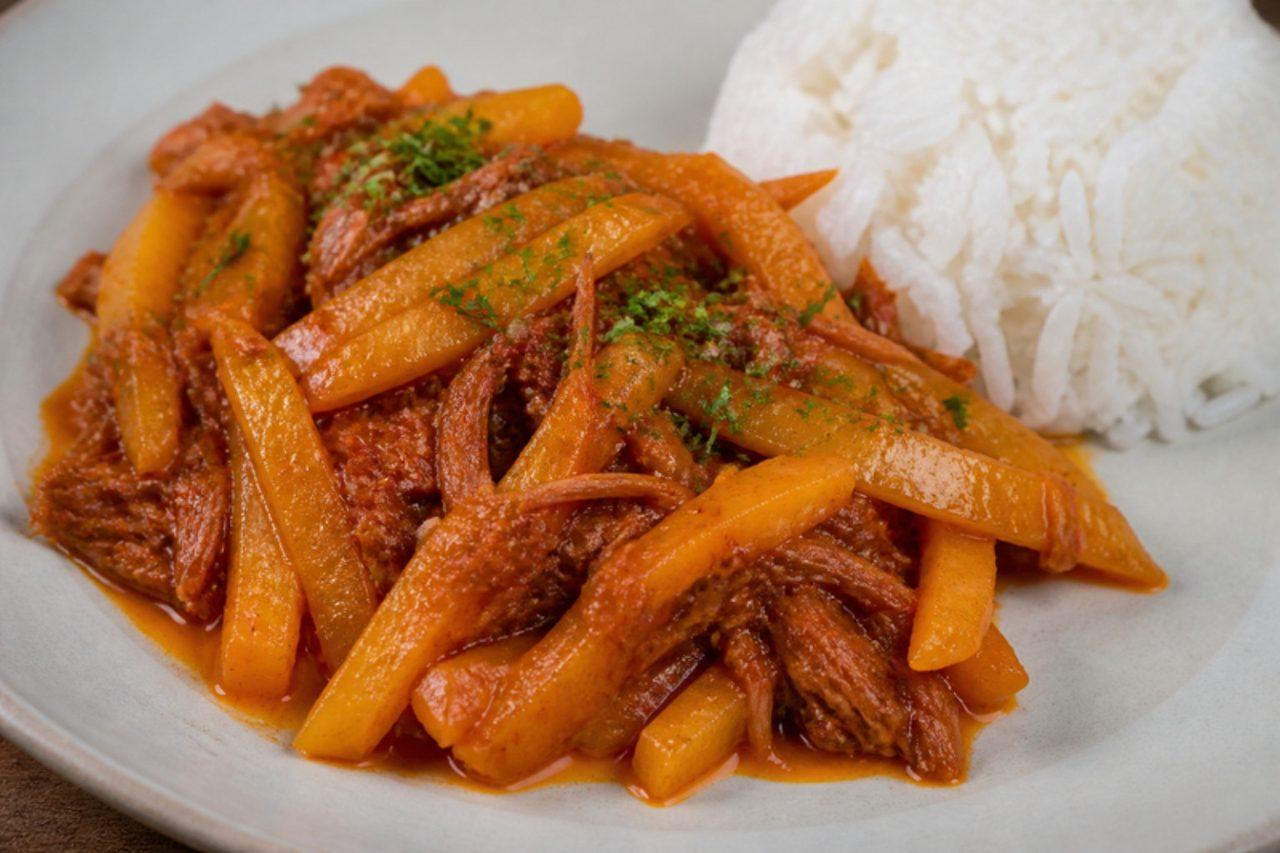
Olluquito con charquiOlluco and dried beef stew

Olluco is a glossy yellow-and-pink tuber grown high in the Andes, crunchy when raw and silky when cooked, and in Lima's market eateries it is cut into fine matchsticks and stewed with charqui, sun-dried meat that was the travel food of Inca messengers. The dish is gently spiced with ají panca and finished with fresh parsley, and it is always served with white rice. Latin shops sell olluco in jars; if you can't find it, firm new potatoes or courgette give a similar texture, and beef brisket stands in well for charqui. Chef's tip: cut the olluco and rinse it well; the slippery sap washes off and the stew won't turn slimy.

by KrazyBadal 0 views

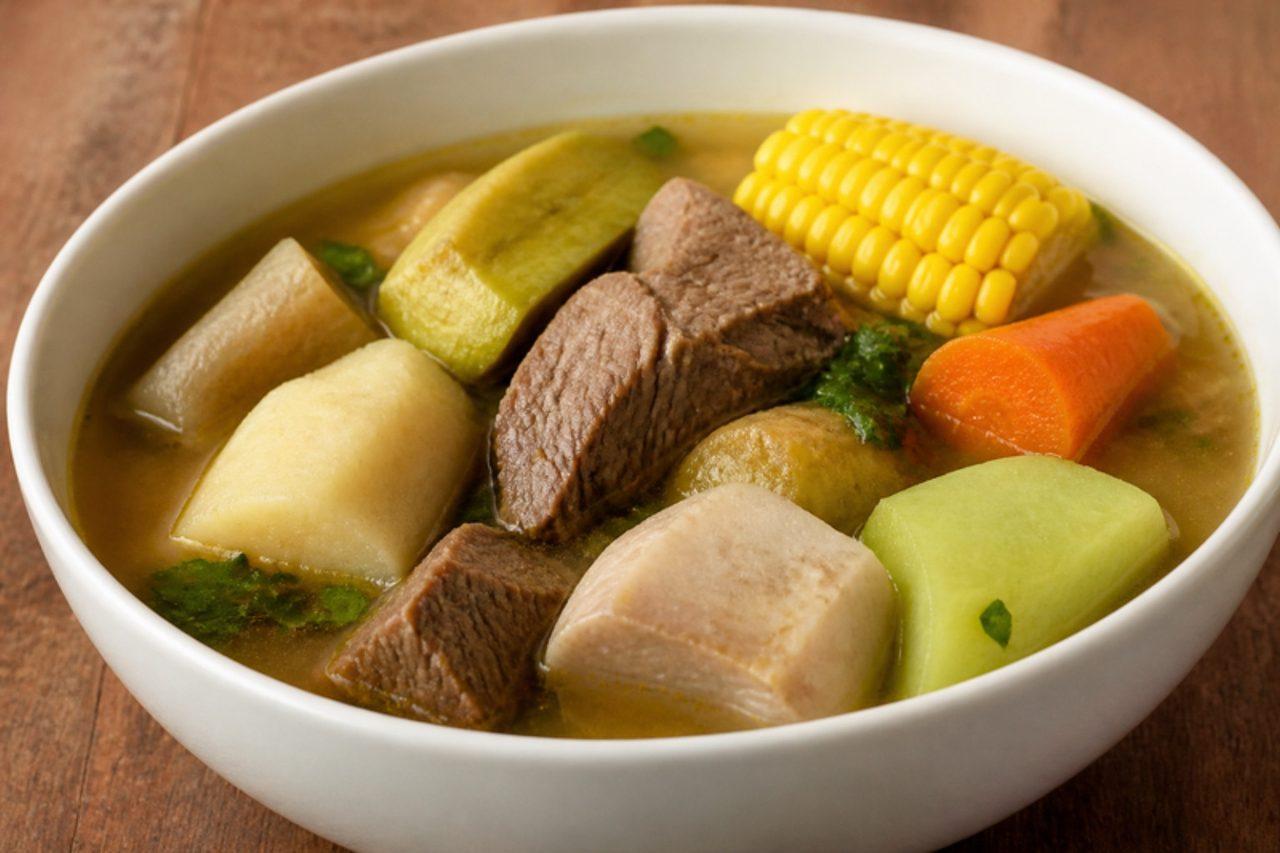
Olla de carneBeef and vegetable pot

Olla de carne, "pot of meat", is the Costa Rican Sunday soup, cooked slowly in the Central Valley around San José and in country homes: beef shin and short ribs simmered for hours in a clear broth with big pieces of yuca, chayote, green plantain, corn, carrot and taro. The broth is served first, then the meat and vegetables, with rice on the side. The mistake is putting all the vegetables in together; add the hard ones first and the soft chayote and corn last. Chef's tip: use a little bone with the beef; it gives the broth body without any stock cube.

by KrazyBadal 0 views

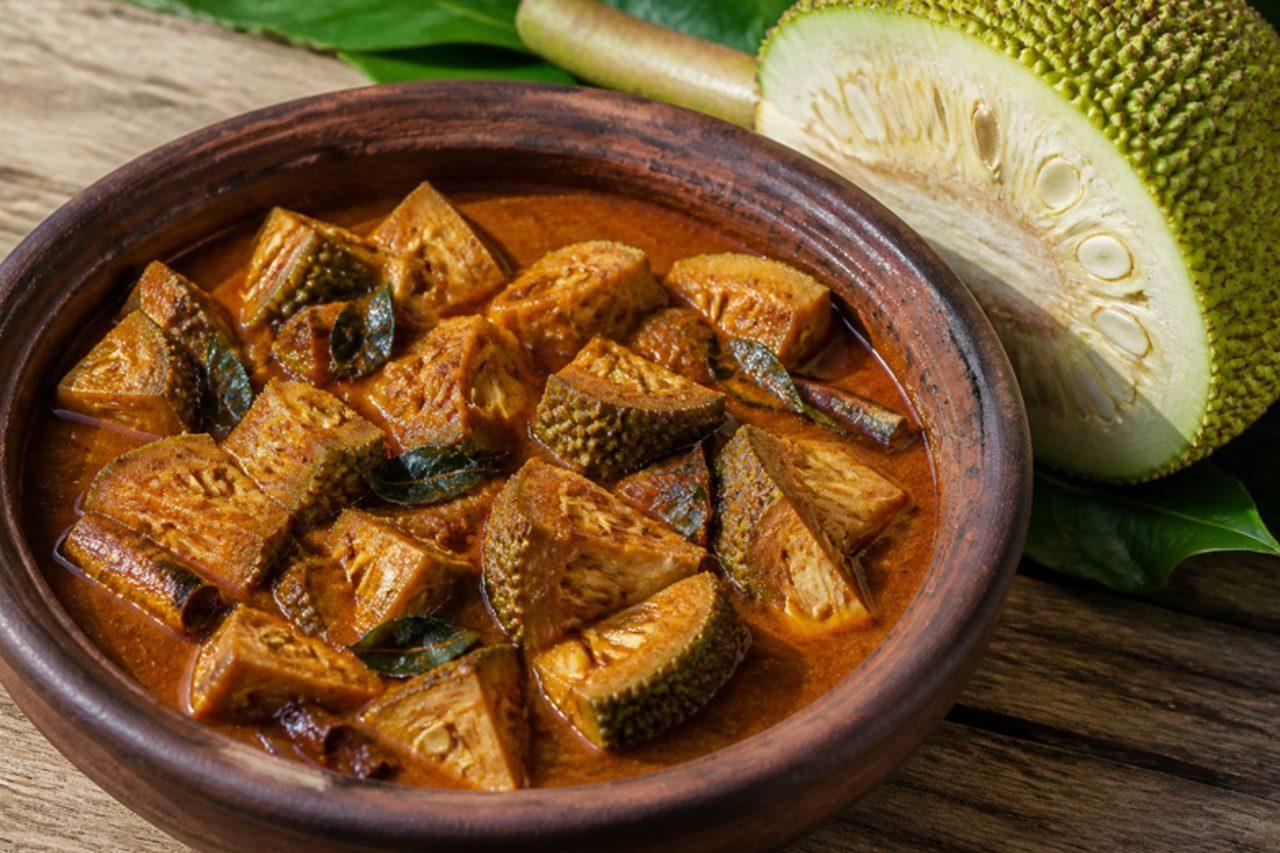
Polos curryYoung green jackfruit curry

Polos is the tiny unripe jackfruit picked in the Western and Sabaragamuwa provinces long before it sweetens, and cooked low and slow it becomes one of the island's most loved festival curries, especially at Sinhala and Tamil New Year in April and at wedding lunches. The firm, pale flesh soaks up a very dark roasted curry powder, garlic, ginger, goraka (a smoky souring fruit) and coconut milk until it turns almost black-brown and tastes rich, sour and meaty. Fresh polos is hard to find abroad; tinned young green jackfruit in brine works well. A frequent mistake is not cooking it long enough, which leaves it squeaky; the pieces must be soft enough to break with a spoon. Chef's tip: oil your hands and knife before cutting fresh jackfruit; the sticky white sap washes off oiled skin but not dry skin.

by KrazyBadal 2 views

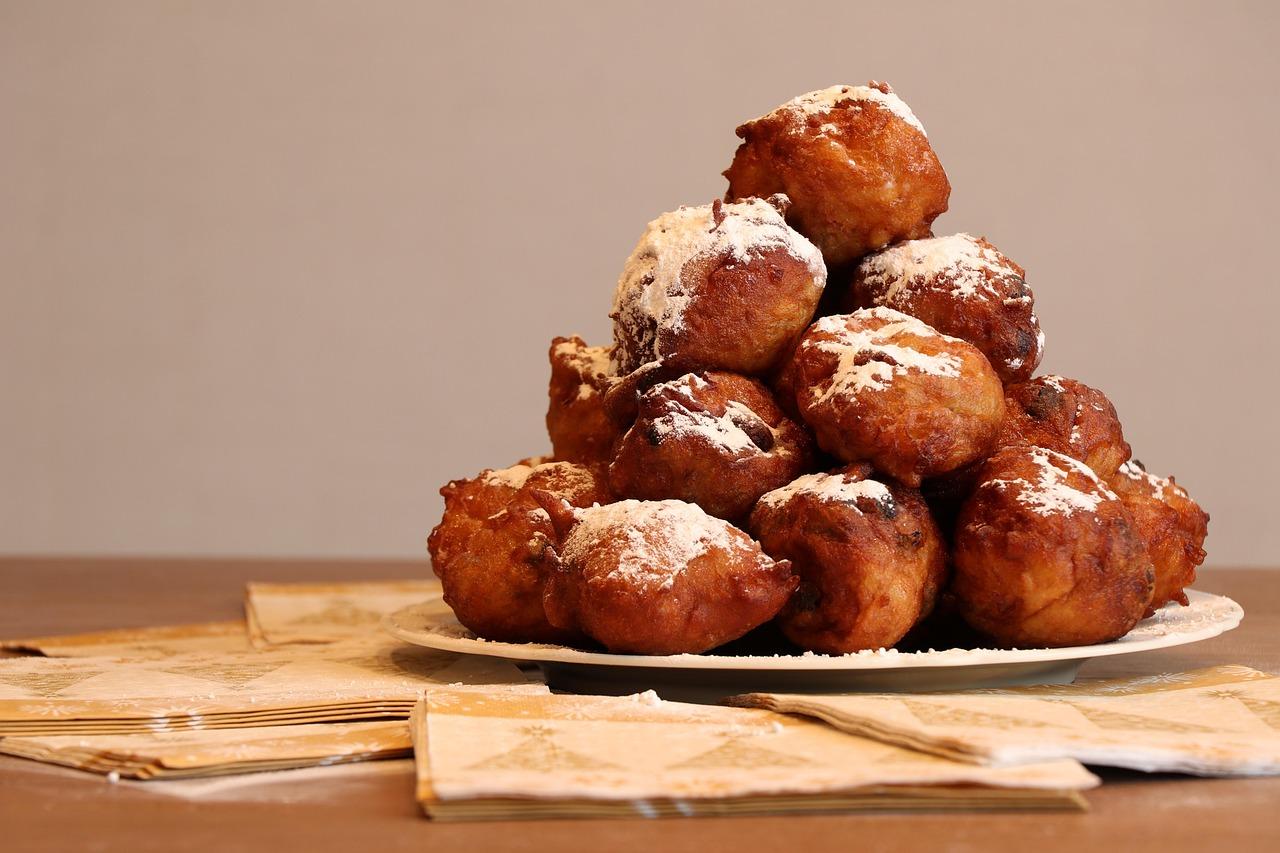
OliebollenRaisin fritters

On the last day of December the queues outside the oliebollenkraam, the caravan-like stalls that pop up in every Dutch town, stretch round the block. Oliebollen ('oil balls') are the food of Oudejaarsavond, New Year's Eve: round, yeasted fritters full of raisins, currants and apple, deep-fried and buried in icing sugar. Families fry big batches at home in the afternoon and eat them with champagne at midnight. They are best within a few hours. Chef's tip: dip your two scooping spoons in the hot oil before each ball; the sticky dough slides off cleanly and the balls come out round instead of ragged.

by KrazyBadal 0 views

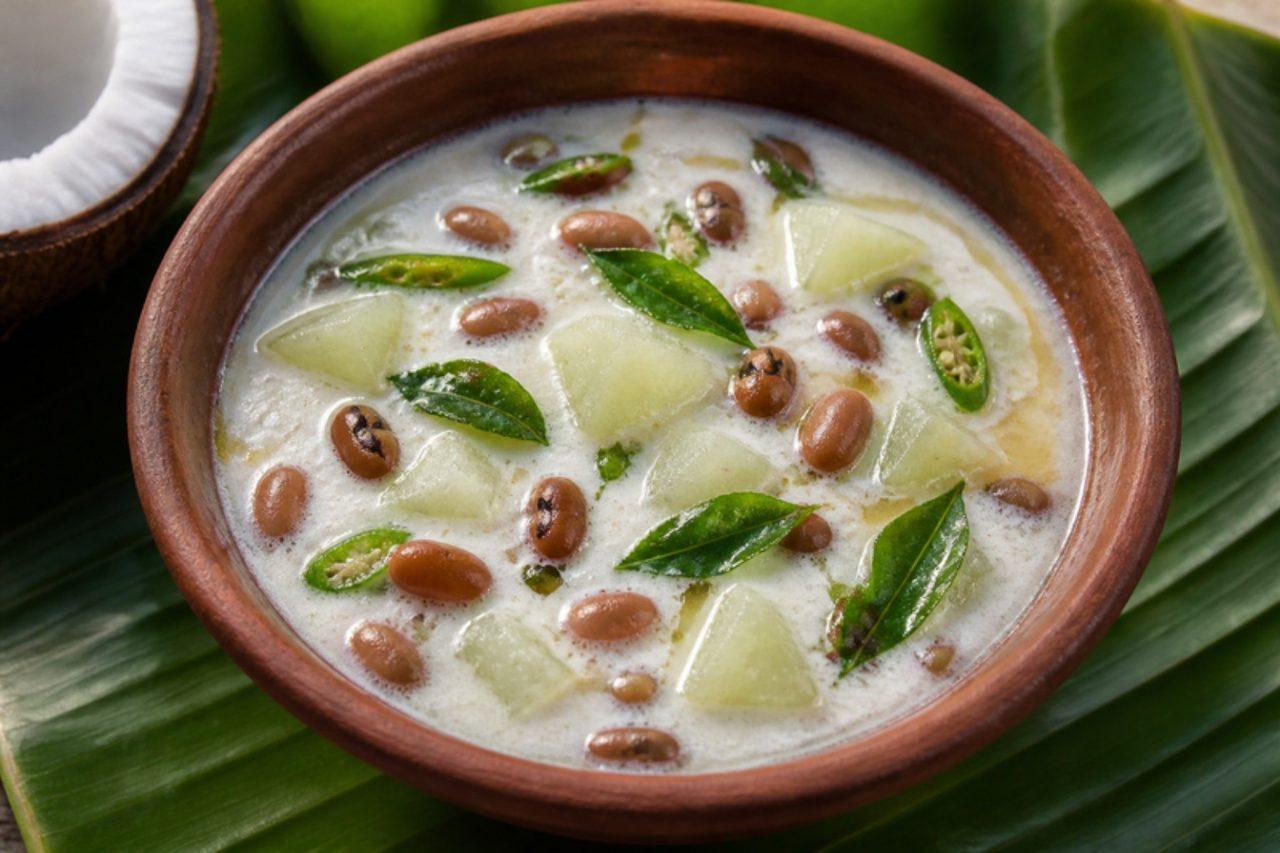
OlanAsh gourd and cowpea stew

Olan is the quietest dish on a Travancore sadya leaf, the banana-leaf feast served in southern Kerala for Onam, weddings and temple festivals. Thin, glassy slices of ash gourd and soft red cowpeas sit in coconut milk with nothing louder than green chilli and curry leaves, and its job is to cool the palate between the tangy, fiery curries around it. The flavour comes from coconut milk added in two stages and a spoonful of raw coconut oil poured over at the end. Eat it with plain rice, or ladle it beside appam on an ordinary weekday. Chef's tip: slice the ash gourd as thin as a coin so it turns translucent in the time the coconut milk takes to thicken.

by KrazyBadal 0 views

Tajine malsoukaBaked egg and cheese pie

In Tunisia a tajine is not a stew but a thick baked frittata, and tajine malsouka is the festive one: eggs, cheese and filling baked between layers of malsouka pastry so the top and bottom turn crisp and golden. It is served at Ramadan, weddings and Eid, cut into squares. Chicken is the usual filling; here spinach, potato and white beans give it body. Chef's tip: brush every pastry sheet with butter, edge to edge; dry corners burn in the oven.

by KrazyBadal 0 views

HaupiaCoconut pudding

Haupia is the dessert of every Hawaiian lūʻau and family party: coconut milk thickened and set into smooth, wobbly-firm squares that you can pick up with your fingers. It was once set with arrowroot from the pia plant; today cornflour does the job. It tastes clean, cool and gently sweet, and is also layered on chocolate pies and spread on cakes in Honolulu bakeries. Chef's tip: keep whisking until it's as thick as mayonnaise and big bubbles plop slowly; underdone haupia won't set firm enough to slice.

by KrazyBadal 0 views

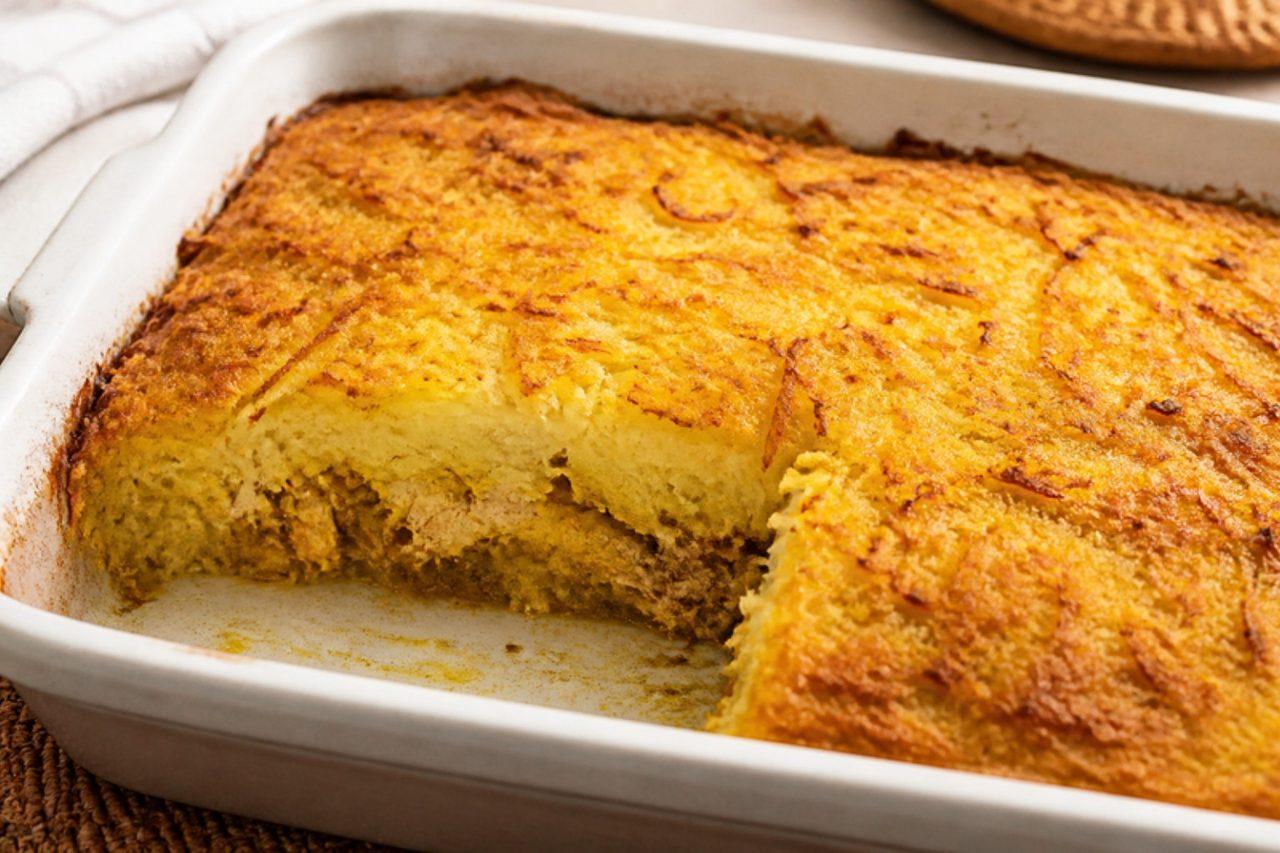
PomBaked chicken and grated pomtajer

Pom is Suriname's celebration dish, baked for birthdays and holidays in Paramaribo and by the Surinamese community in the Netherlands: a layer of grated pomtajer root (a type of taro) mixed with citrus juice, then a layer of chicken stewed with onion, tomato, nutmeg and pickled peppers, then more pomtajer, baked until the top is golden. It is usually eaten on a roll as a "broodje pom". The mistake is skipping the citrus: pomtajer must be mixed with orange or lime juice, which gives the dish its fragrance. Chef's tip: frozen grated pomtajer from Surinamese or Caribbean shops saves the hard grating; if you can't find it, use grated taro or a mix of taro and potato.

by KrazyBadal 0 views

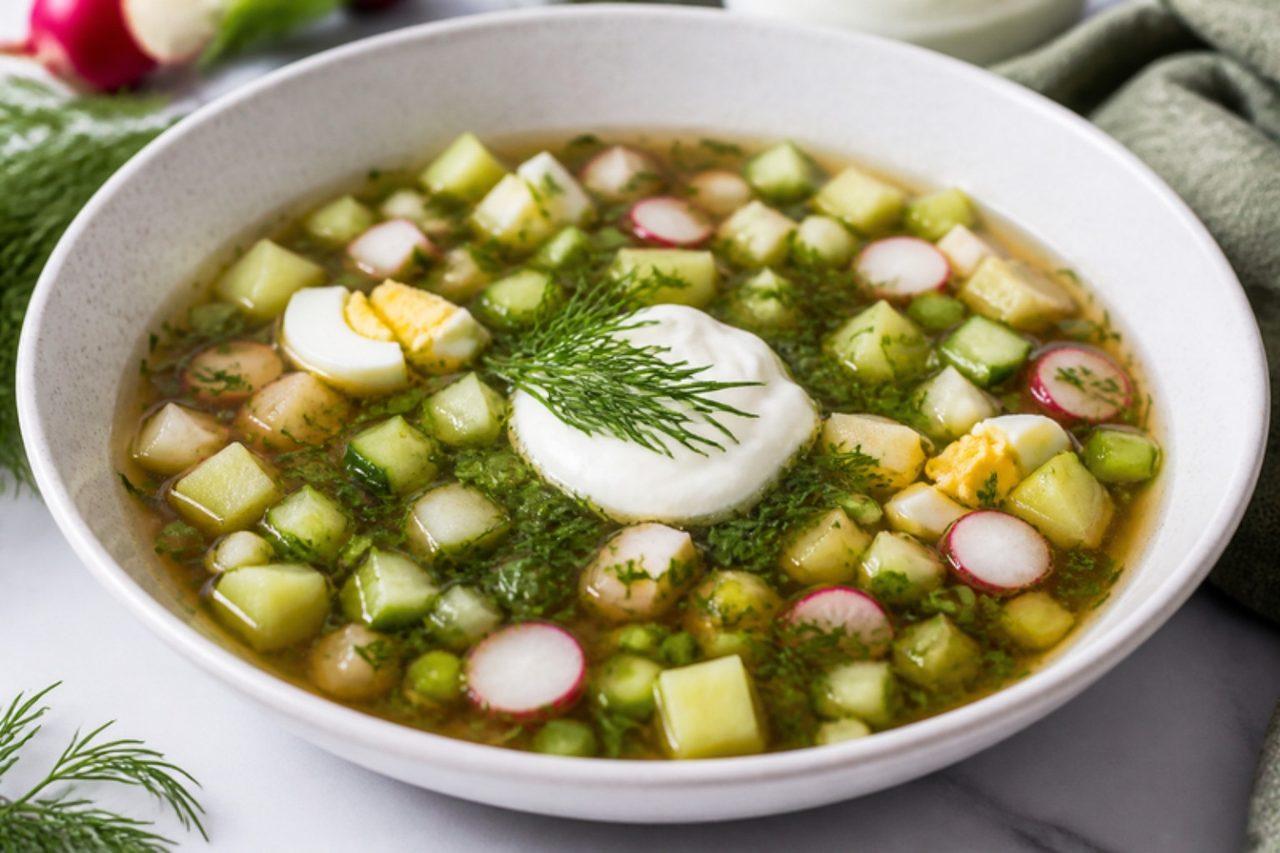
OkroshkaCold vegetable and kvass soup

When Moscow swelters in July, okroshka replaces every hot soup: a bowl of finely chopped radishes, cucumber, potato, egg and a forest of green onion and dill, with ice-cold kvass poured over at the table. It is the lunch of dacha weekends and of hot afternoons on the Volga, and families argue over whether kvass or kefir is the right base (kefir works well and is less sweet). The name comes from kroshit, to crumble, since everything is chopped small. Chef's tip: rub the spring onions and dill with salt first until they give off juice; it releases a green, pungent flavour that tastes of summer.

by KrazyBadal 0 views

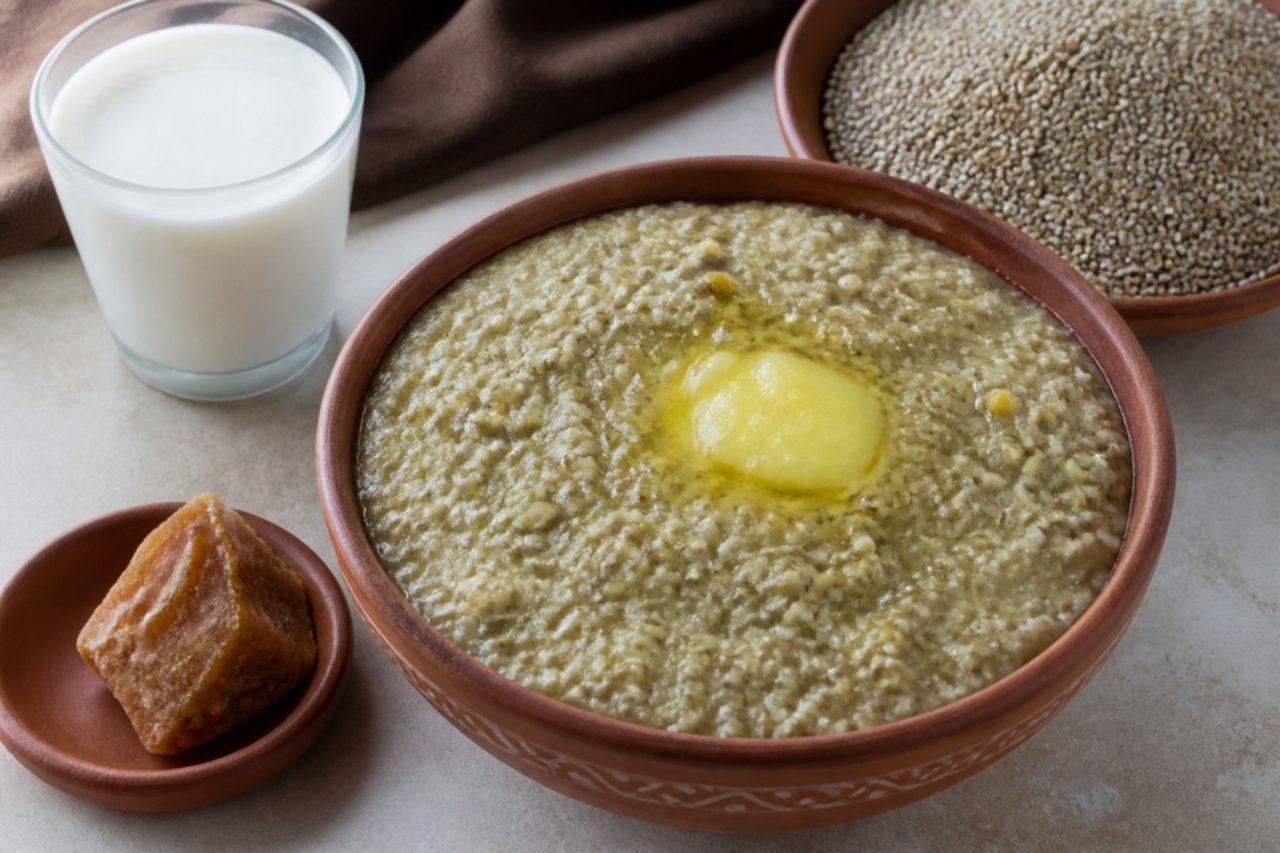
Haryanvi bajra khichdiPearl millet and moong dal porridge

In village homes across Haryana, bajra khichdi is the food of cold winter nights and the days around Makar Sankranti: cracked pearl millet and yellow moong cooked slowly until soft and porridge-like, then eaten with a big spoon of ghee and either jaggery or a glass of lassi. It is plain, nutty and very filling, and grandmothers swear it keeps you warm. The millet was traditionally pounded in a stone mortar to crack it; a quick pulse in a grinder does the same. Chef's tip: soak the bajra overnight; unsoaked millet stays hard and gritty however long you cook it.

by KrazyBadal 0 views

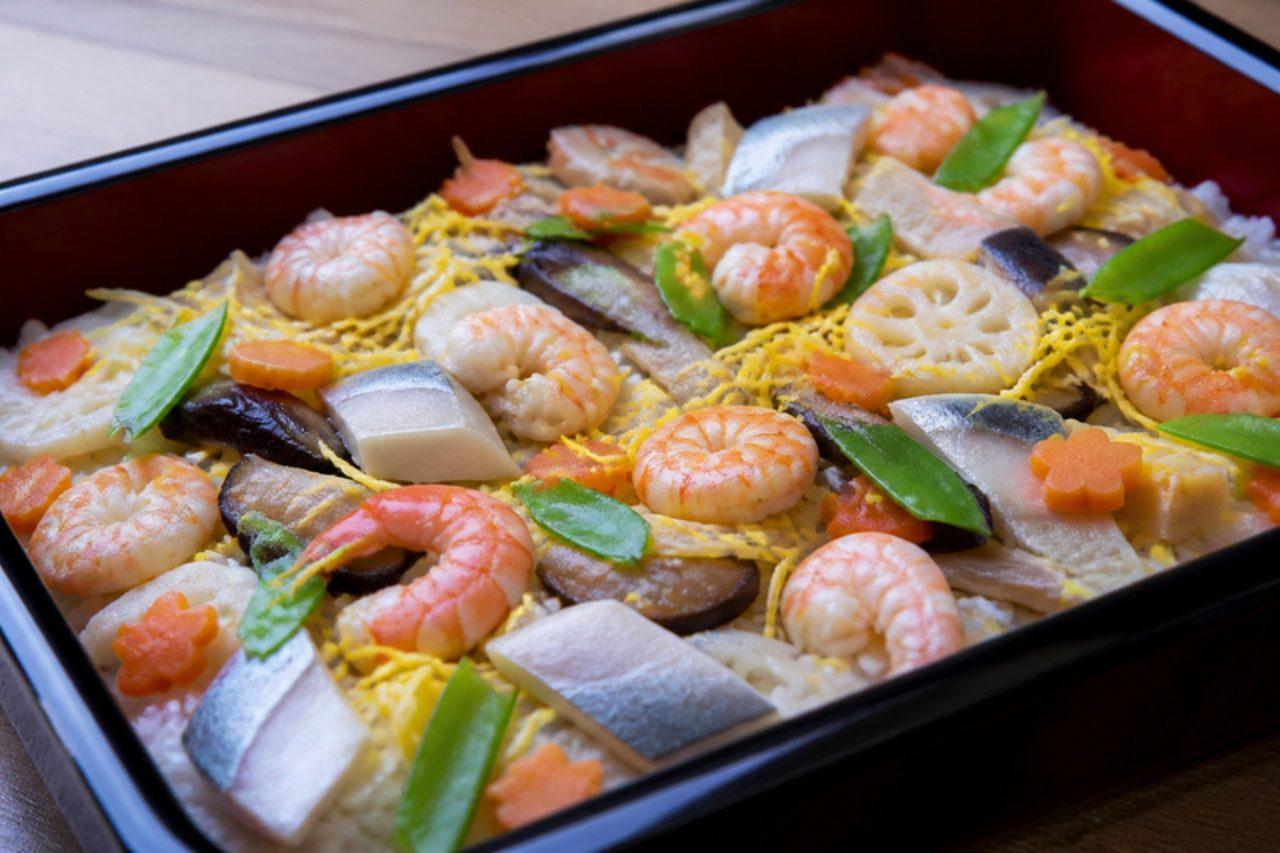
Okayama barazushiScattered sushi with vegetables

Okayama families make a big shallow platter of barazushi for the autumn shrine festivals, Girls' Day in March and other celebrations, and it is sold in station lunch boxes all year. A local story says it began when a lord ordered people to eat only one side dish, so cooks hid everything in the rice instead. The seasoned rice is mixed with simmered vegetables and topped with seafood from the Seto Inland Sea. This version uses cooked prawns, gently simmered squid and egg threads, plus ready-made vinegared mackerel, which is cured but not cooked. Use very fresh, sushi-grade fish from a trusted fishmonger; not for pregnant women, young children or anyone with a weakened immune system. Leave the mackerel out, or add extra prawns, to make it fully cooked. Chef's tip: fold the vinegar into the rice while it is hot and fan it as you go; the rice soaks up the seasoning and turns glossy instead of wet.

by KrazyBadal 0 views

Showing 81 of 7,762 recipes

Show more recipes

Page 706 of 863