


Skip to content
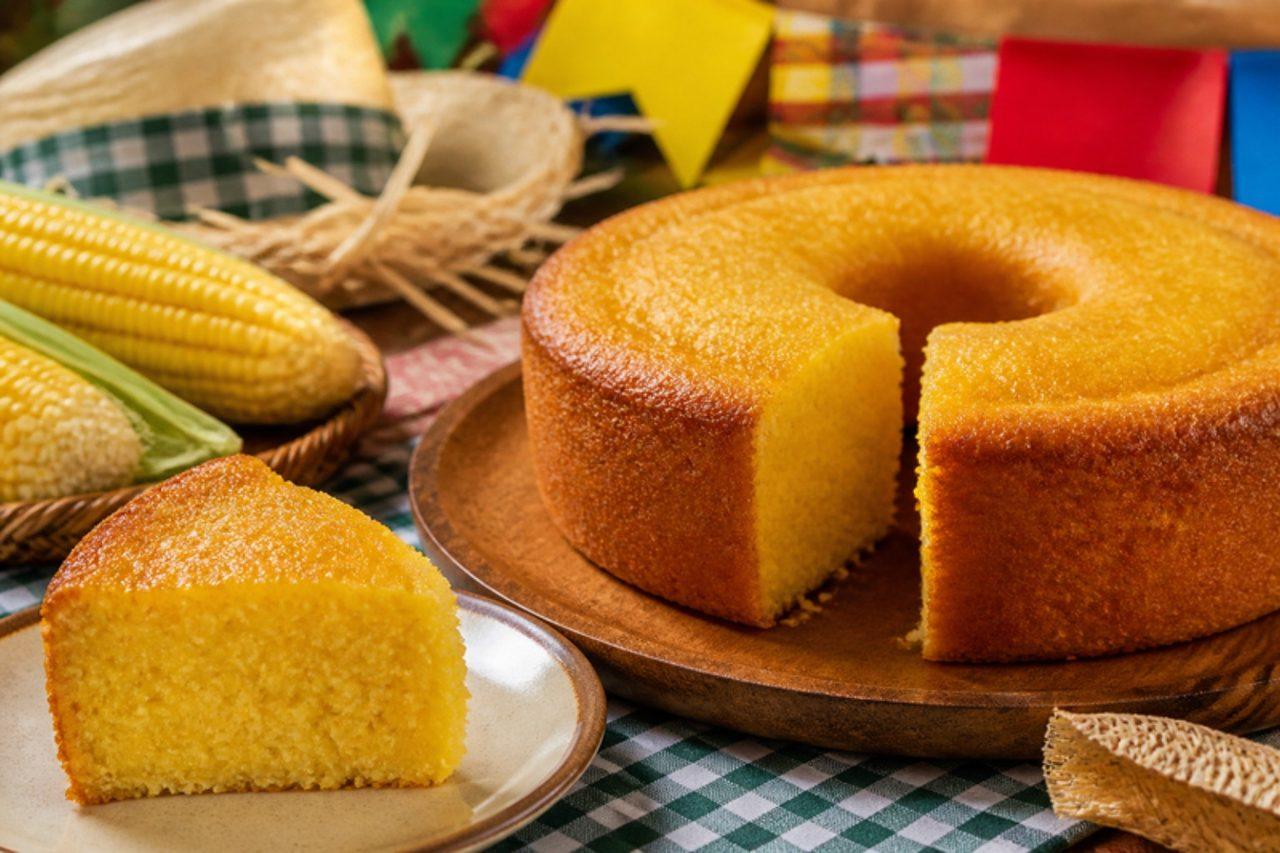
Bolo de milho verde
Featured recipe

Bolo de milho verde

Sweetcorn cake

Almost every Brazilian padaria keeps a tray of bolo de milho verde by the till, and in June it multiplies across festa junina stalls, sliced into squares and wrapped in napkins. Everything goes into a blender: sweetcorn kernels, eggs, milk, oil, sugar and a little fine cornmeal, so the cake comes out yellow, dense and moist, almost custardy in the middle, with real corn flavour. It is made without wheat flour, which keeps it gluten free as long as your baking powder is. Eat it with afternoon coffee or warm from the tin. Opening the oven early is where it usually goes wrong; this batter is heavy and sinks if the door opens before 35 minutes. Chef's tip: leave the cake in the tin for 20 minutes after baking; it finishes setting as it cools and comes out in clean slices.

Read more 0 views

What to eat today?

Around the world

Today's trip: Persian

A new country every day, from every cuisine on the site.

Persian

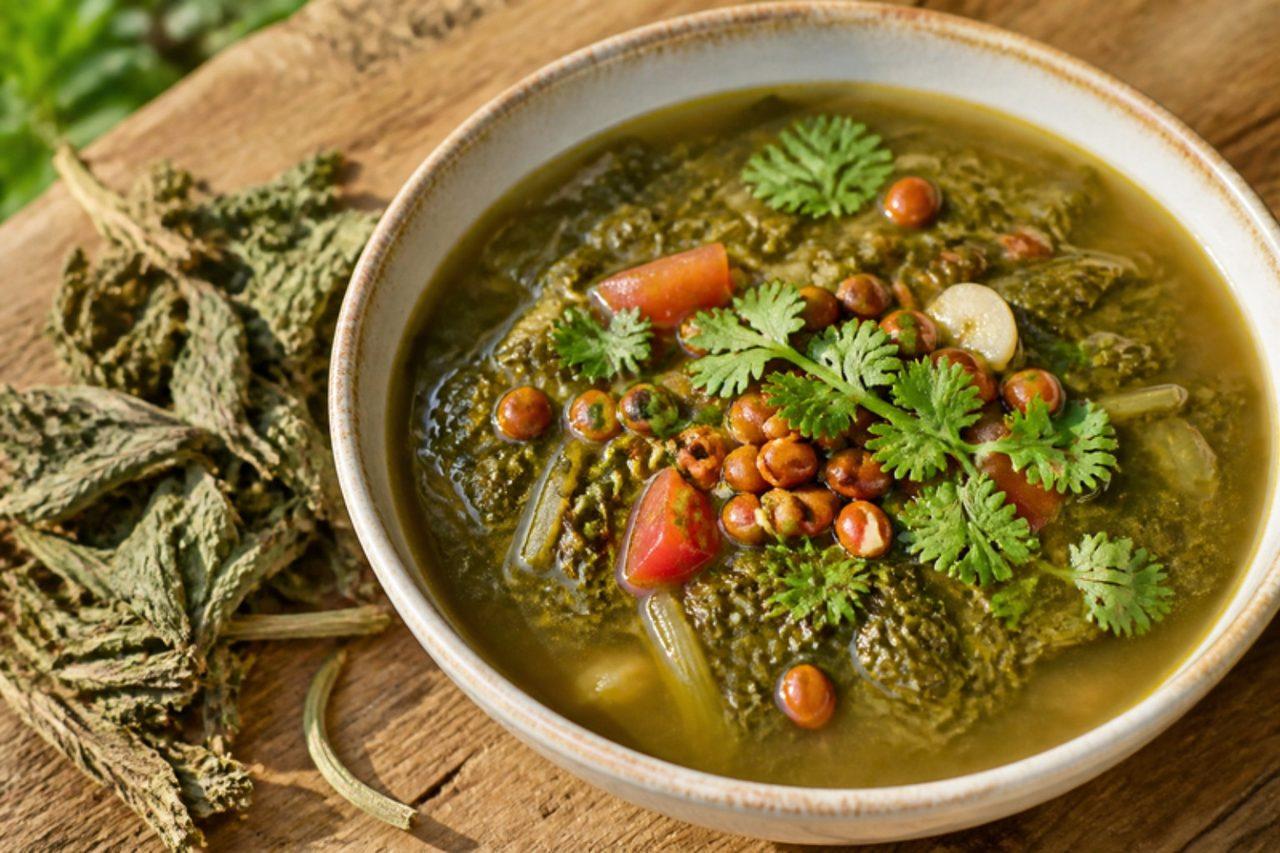
Ash-e doogh

Yogurt soup with rice and chickpeas 60 minMore from Persian (131) →

This week's collection

Kid-friendly dinners
537 recipes · a new collection every Monday

Latest recipes

JachnunSlow-baked rolled pastry

Jachnun belongs to Yemenite Jewish families, who put the sealed pot in a very low oven on Friday before sunset and open it on Saturday morning to golden, sticky, layered rolls that taste faintly of caramel. In Rosh HaAyin and Tel Aviv's Kerem HaTeimanim it is now Saturday brunch for everyone, served with grated fresh tomato, fiery zhug and brown eggs baked in the same pot. The dough is stretched paper-thin with butter, rolled into logs and left to bake for 10 hours or more. Chef's tip: oil your work surface and hands rather than flouring them; flour stops the dough stretching thin enough to see through.

by KrazyBadal 0 views

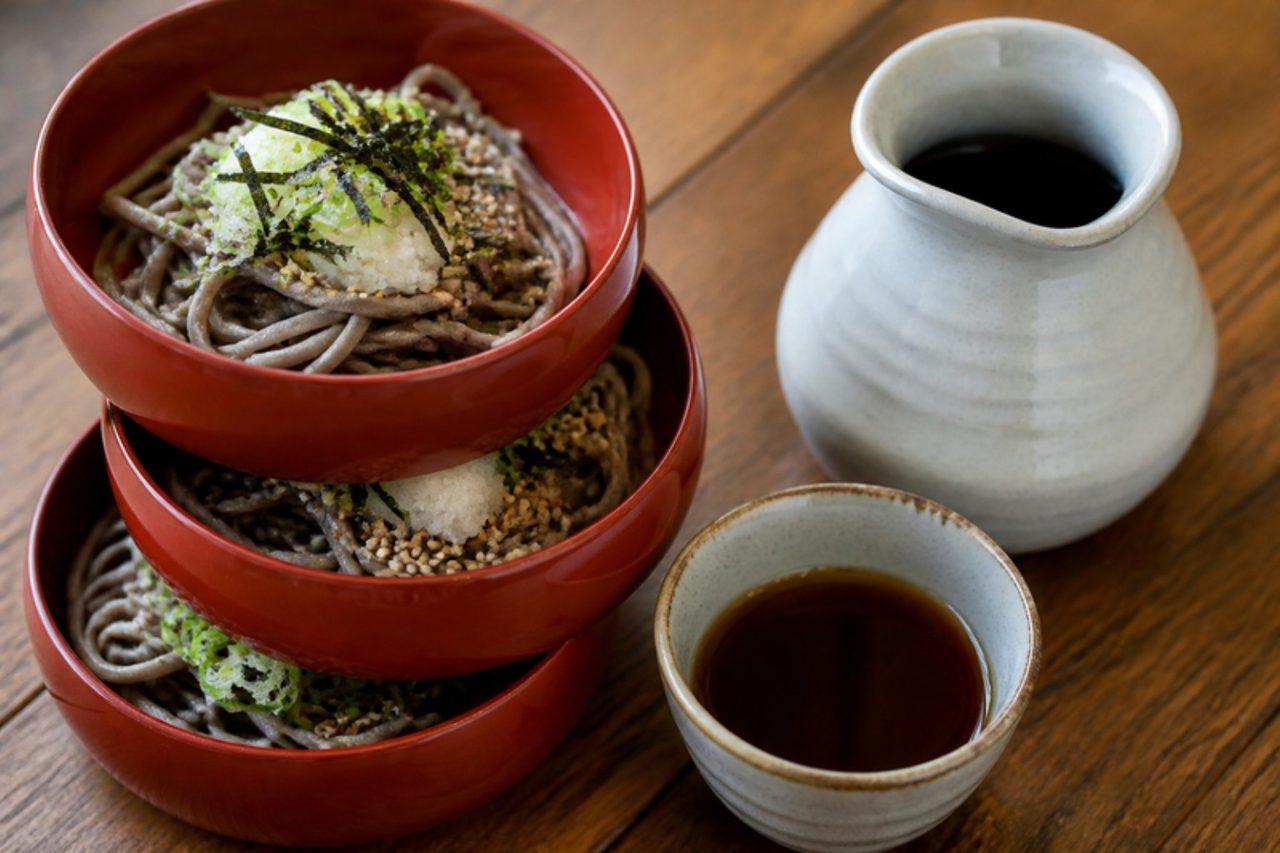
Izumo warigo sobaBuckwheat noodles in stacked bowls

Izumo, in Shimane, is home to one of Japan's oldest shrines, and its soba is among the country's three most famous. The buckwheat is ground whole, husk and all, so the noodles are grey-brown, rough and strongly nutty. They come in a stack of three shallow round lacquer boxes called warigo, a custom from the picnic boxes Izumo townspeople carried to view flowers in the Edo period. You don't dip the noodles: you pour sauce and toppings straight onto the top bowl, eat it, then tip what's left onto the next. Classic toppings are grated daikon, spring onion and nori; ours leave out the usual bonito flakes. Chef's tip: look for 'inaka' (country-style) or 100% buckwheat soba. Paler noodles taste too mild for this dish.

by KrazyBadal 0 views

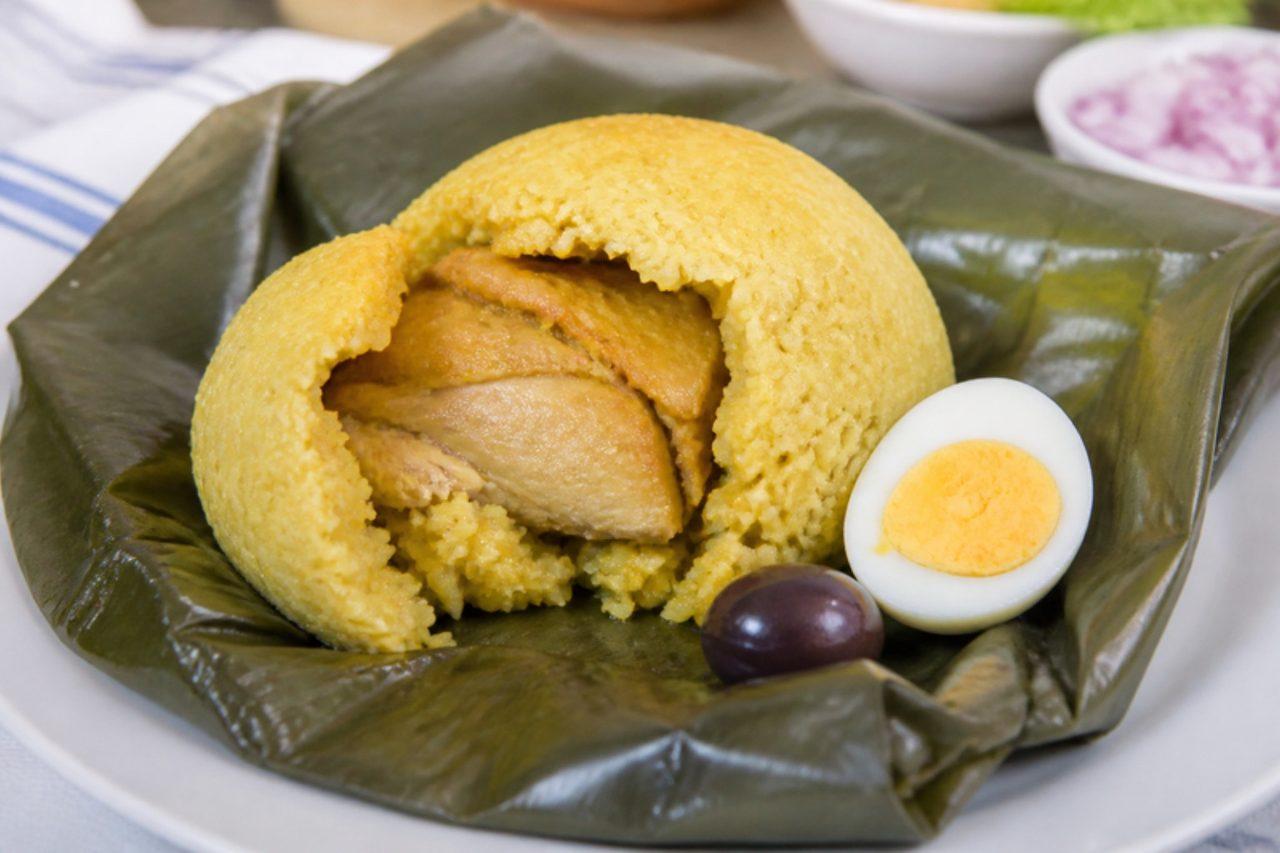
Juane de gallinaChicken and rice parcels

In Iquitos, Tarapoto and the river towns of Peru's Amazon, juanes are steamed by the hundred for the feast of San Juan on 24 June, when families picnic by the rivers to mark the start of the dry season. Each parcel hides a piece of chicken, half a boiled egg and a black olive inside rice seasoned with turmeric, cumin and the herb sacha culantro, all wrapped in broad bijao leaves that perfume the rice. Banana leaves are the easiest swap outside the jungle. Chef's tip: let the rice cool before you wrap it; warm rice is too soft to shape and the parcels lose their round shape.

by KrazyBadal 0 views

LyutenitsaRoasted pepper and tomato relish

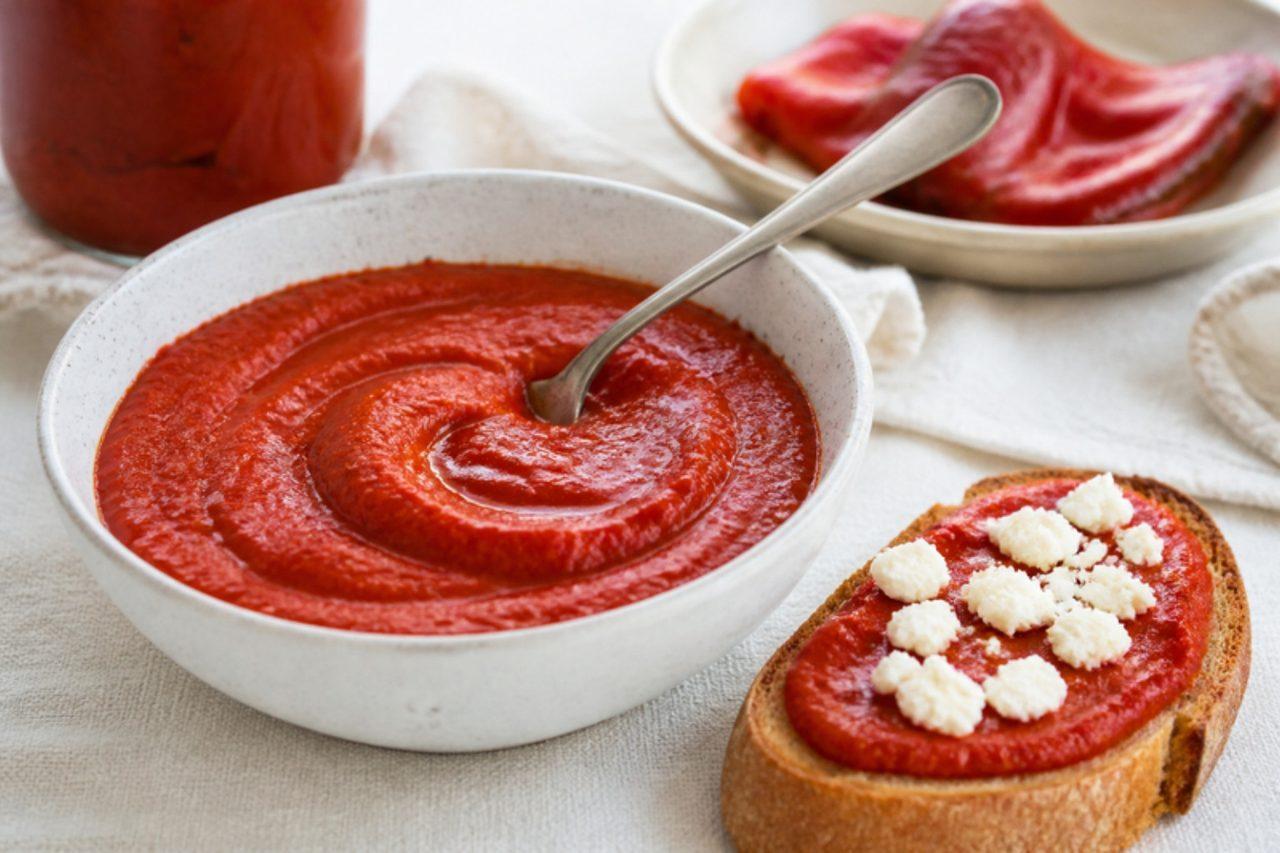
Lyutenitsa is Bulgaria's pantry relish, cooked in huge pans in courtyards around Plovdiv and the Thracian plain every September, when the red peppers are at their sweetest. Roasted peppers, tomatoes and a little aubergine and carrot are ground smooth and simmered for hours into a thick, brick-red spread, warm with garlic and a little hot pepper. It is smoother and more tomato-rich than ajvar or zacuscă. Children grow up on it spread on bread with grated sirene (filiyka), and it goes with everything from eggs to beans. Chef's tip: stir from the bottom often as it thickens; walking away is the common mistake, and a scorched base will taint the whole pot.

by KrazyBadal 0 views

Isso vadaiPrawn and lentil fritters

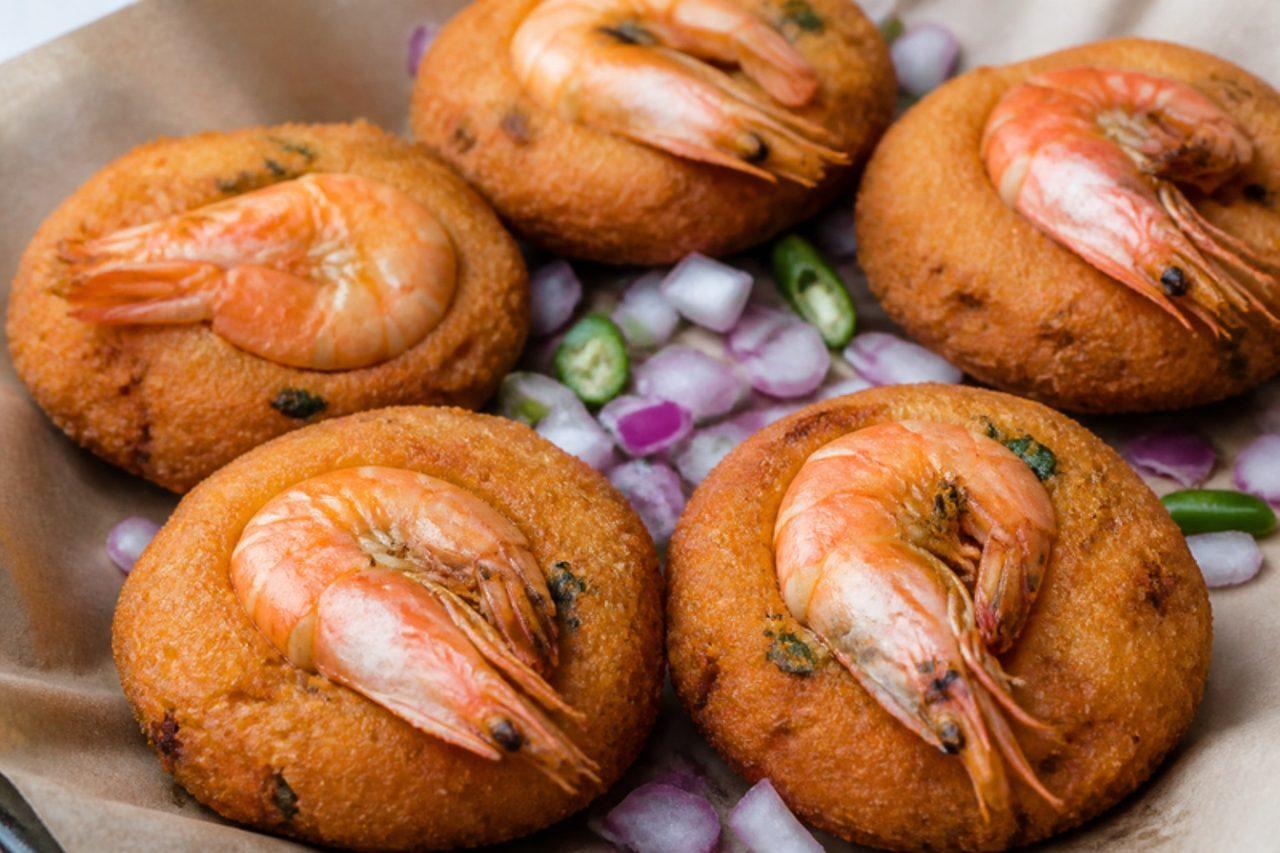
As the sun goes down on Galle Face Green in Colombo, carts line the seafront selling isso vadai: crunchy lentil fritters with a whole prawn pressed into the top of each one. Families buy them in paper bags with sliced onion and a squeeze of lime while the kids fly kites. At home they make a great teatime snack or a starter for guests, and they're best eaten within minutes of frying. Chef's tip: soak the split peas but don't grind them too smoothly; a coarse, slightly grainy batter is what gives the fritters their crunch.

by KrazyBadal 0 views

Vawksa repSmoked pork with mustard greens

Mizo cooking in Aizawl and the hill villages of Mizoram is simple and clean, with few spices and lots of greens, and vawksa rep shows it at its best. Smoked pork (vawksa rep) is simmered until soft, then mustard greens (antam) go in and soak up its smoky, fatty broth. It is an everyday lunch with rice, and some families add a little bai (bamboo shoot) or chilli. Chef's tip: keep the stems and leaves of the greens separate; the stems need a few minutes longer.

70 minIndianMeatGluten free
by KrazyBadal 0 views

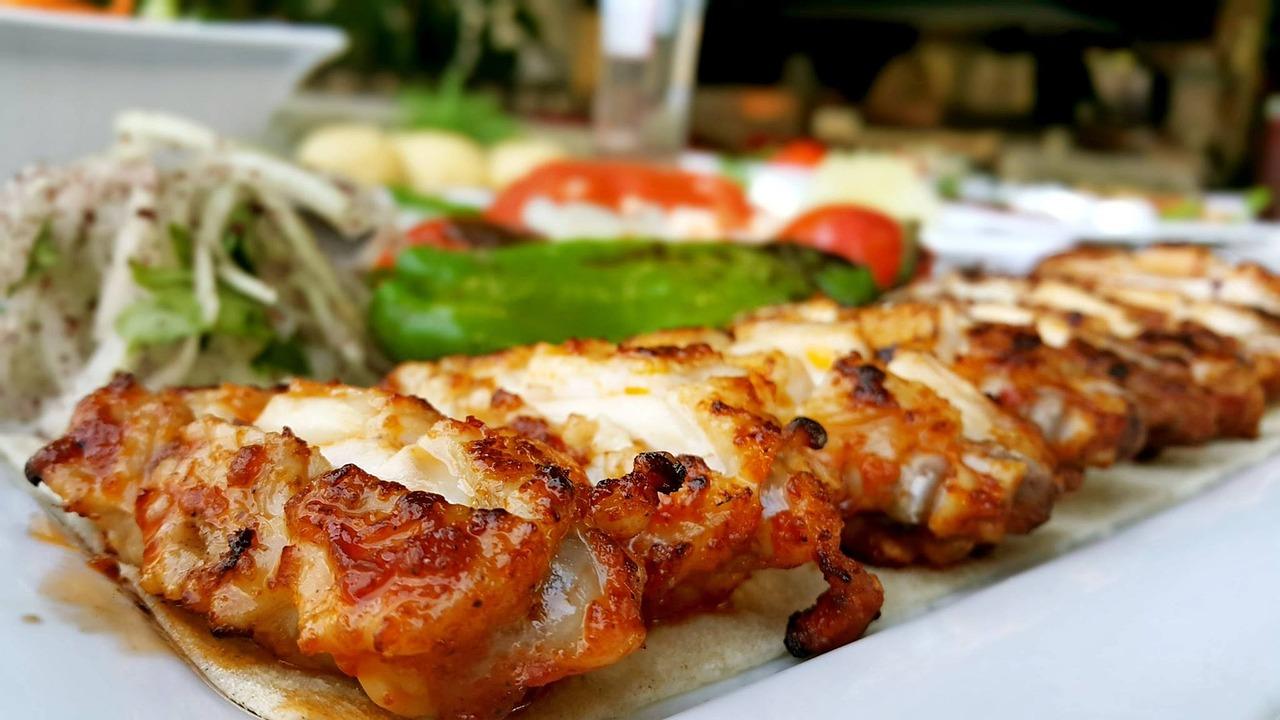
İskender kebabLamb over pide with tomato sauce

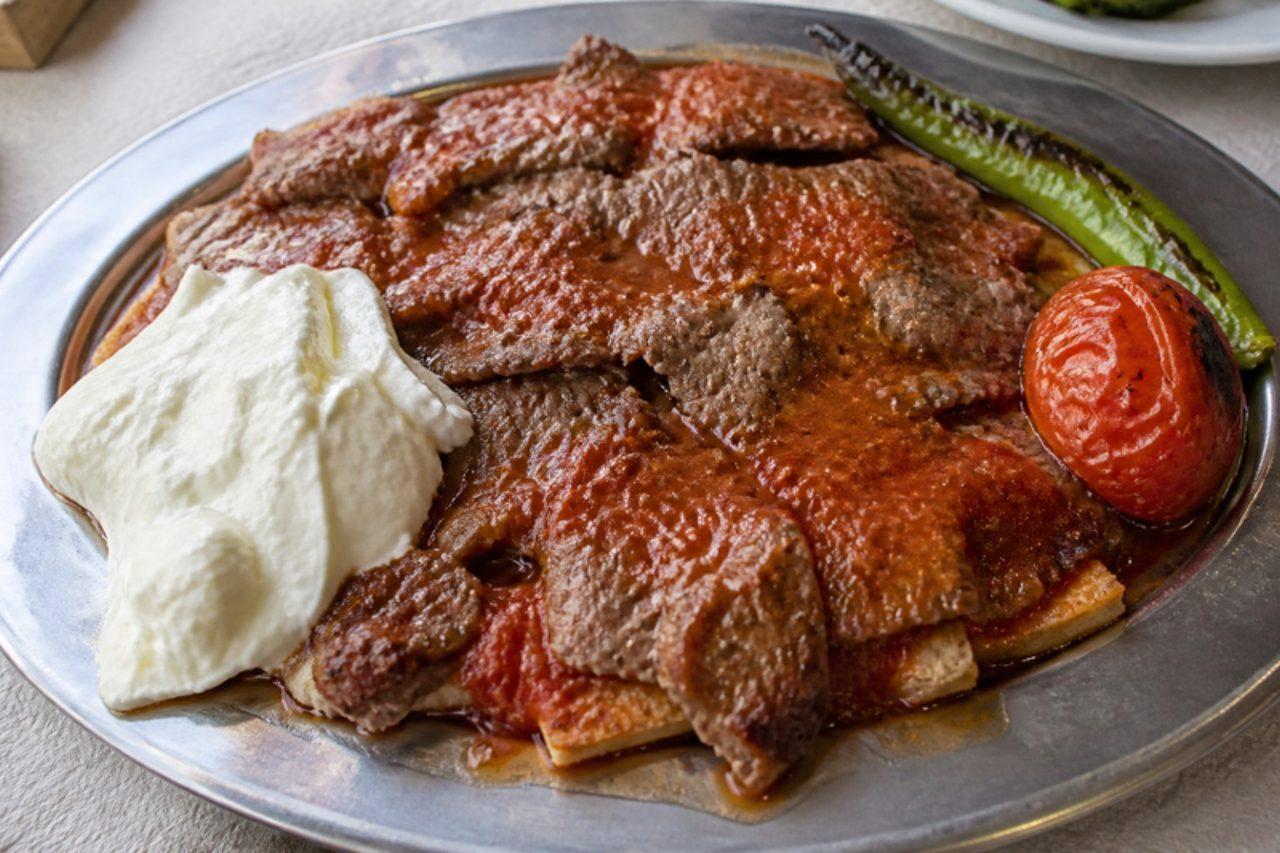
İskender comes from Bursa, the old Ottoman capital below Mount Uludağ, where restaurants have served it since the late 1800s and families still queue for it at weekend lunch. Shavings of grilled meat are laid over cubes of soft pide, soaked in a buttery tomato sauce and finished at the table with a pour of foaming brown butter beside a mound of thick yogurt. Without a vertical döner grill at home, very thin slices of marinated lamb leg seared fast in a hot pan get you close: crisp at the edges, juicy in the middle. Serve it with roasted green peppers and a glass of ayran. Chef's tip: partly freeze the meat for 30–40 minutes before slicing; it firms up and you can cut it almost as thin as döner shavings.

by KrazyBadal 0 views

CannoliFried shells with sweet ricotta

Cannoli were once a Carnival treat in Palermo; now Sicilian pastry shops fill them all year, piping the sweet sheep's-milk ricotta cream into the crisp, bubbly shells only when you order, so they never go soft. The ends are dipped in chopped pistachios, candied orange or chocolate chips. Traditional shells are fried with lard; this version uses butter in the dough and sunflower oil to fry. You need metal cannoli tubes. Chef's tip: drain the ricotta overnight and push it through a sieve; it makes a silky cream that holds its shape instead of a runny, grainy filling.

by KrazyBadal 0 views

ChakhokhbiliChicken with tomatoes and herbs

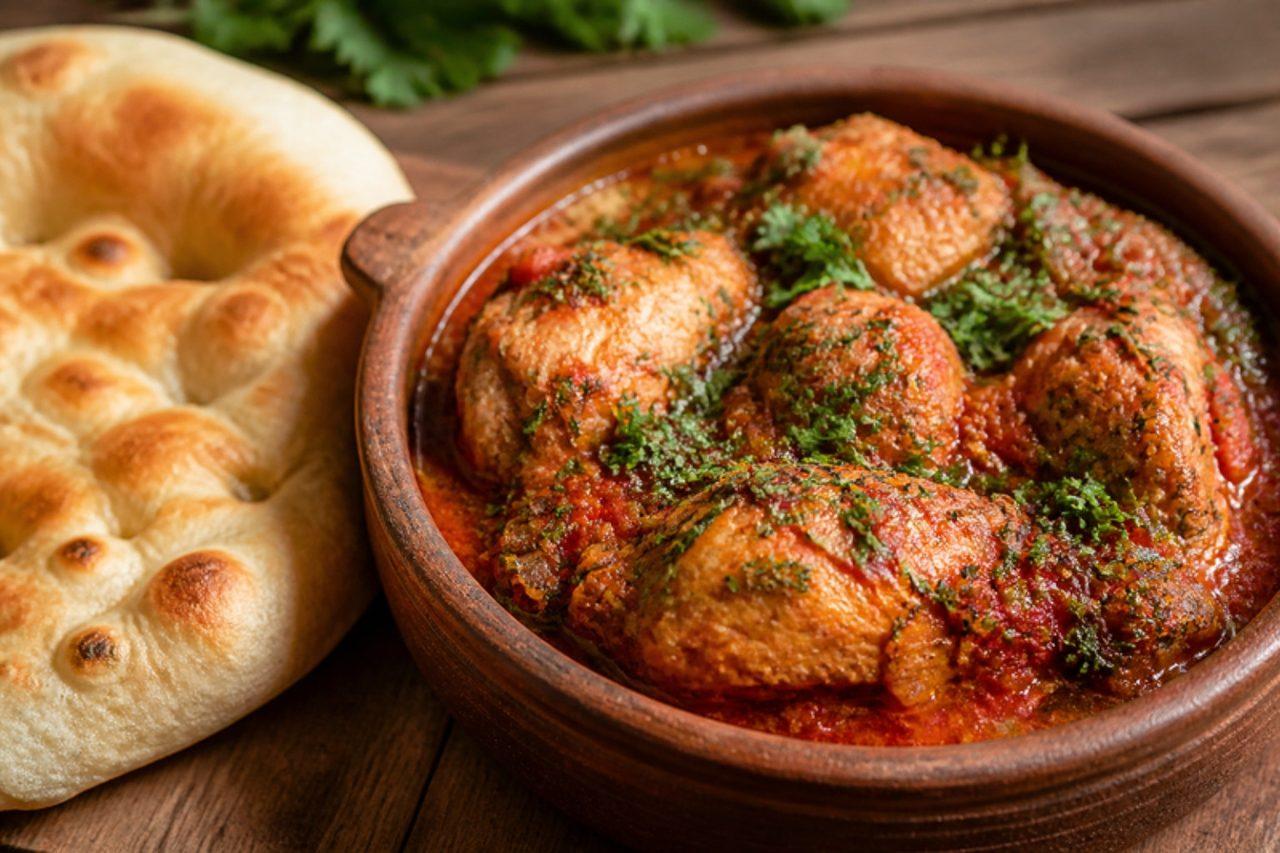
Chakhokhbili was first made with pheasant (khokhobi), but in Georgian homes from Tbilisi to Kutaisi today it is an everyday chicken stew, the kind cooked on a weeknight and served with bread to wipe the plate. Chicken pieces are browned without oil, then simmered with a lot of onion and ripe tomato, garlic, chilli and khmeli suneli spice, and finished with a big handful of fresh coriander, basil and dill. Chef's tip: brown the chicken skin side down in a dry pan; it releases enough fat to cook the onions.

by KrazyBadal 0 views

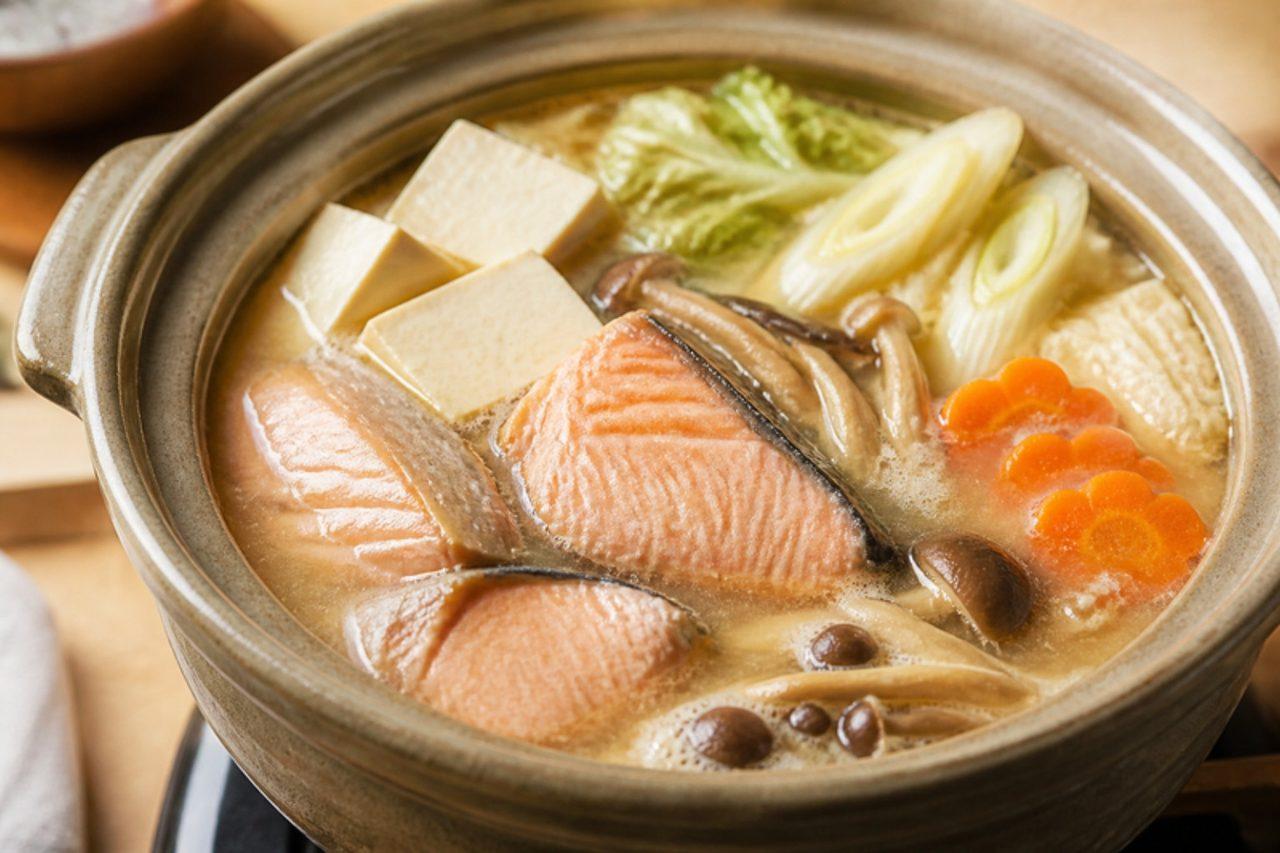
Ishikari nabeSalmon miso hot pot

Autumn salmon swimming up the Ishikari River, near Sapporo, gave the fishing families at its mouth a glut of fish, and this miso hot pot is how they cooked it. Today Hokkaido families bring a clay pot of it to the table on cold nights from October onwards, and everyone helps themselves as it bubbles on a portable burner. Chunks of salmon, potato, cabbage, tofu and mushrooms simmer in kombu broth thickened with miso. A pinch of sansho pepper at the end lifts the richness, and some cooks melt a knob of butter on top. Chef's tip: salt the salmon for 10 minutes and pour boiling water over it before it goes in the pot, as this firms the flesh and washes away any fishy smell.

by KrazyBadal 0 views

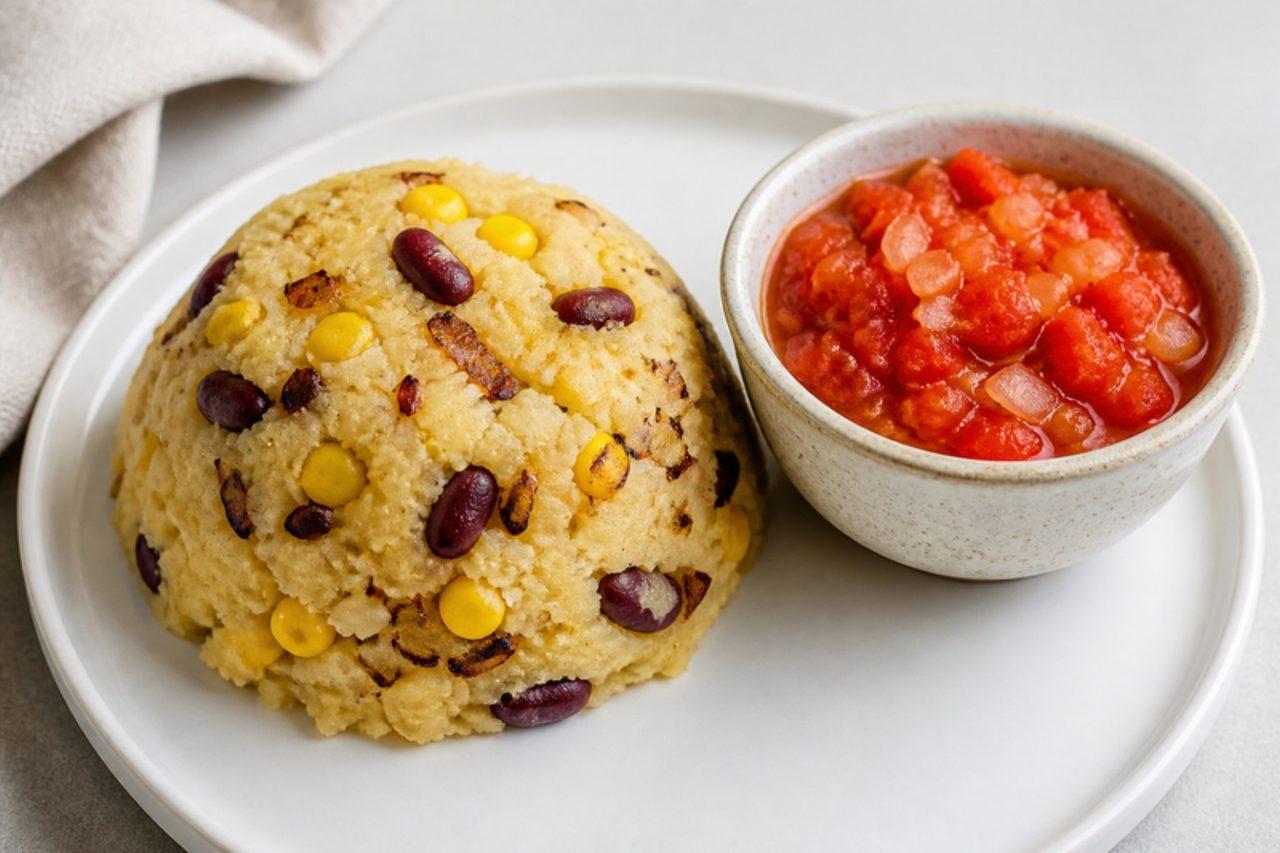
IrioMashed potato, corn and beans

Irio is a Kenyan mash of potatoes with whole corn and kidney beans, fried onion, chilli and butter. It's hearty and comforting. Serve it with a simple tomato stew, as here, or tomato sauce.

by KrazyBadal 0 views

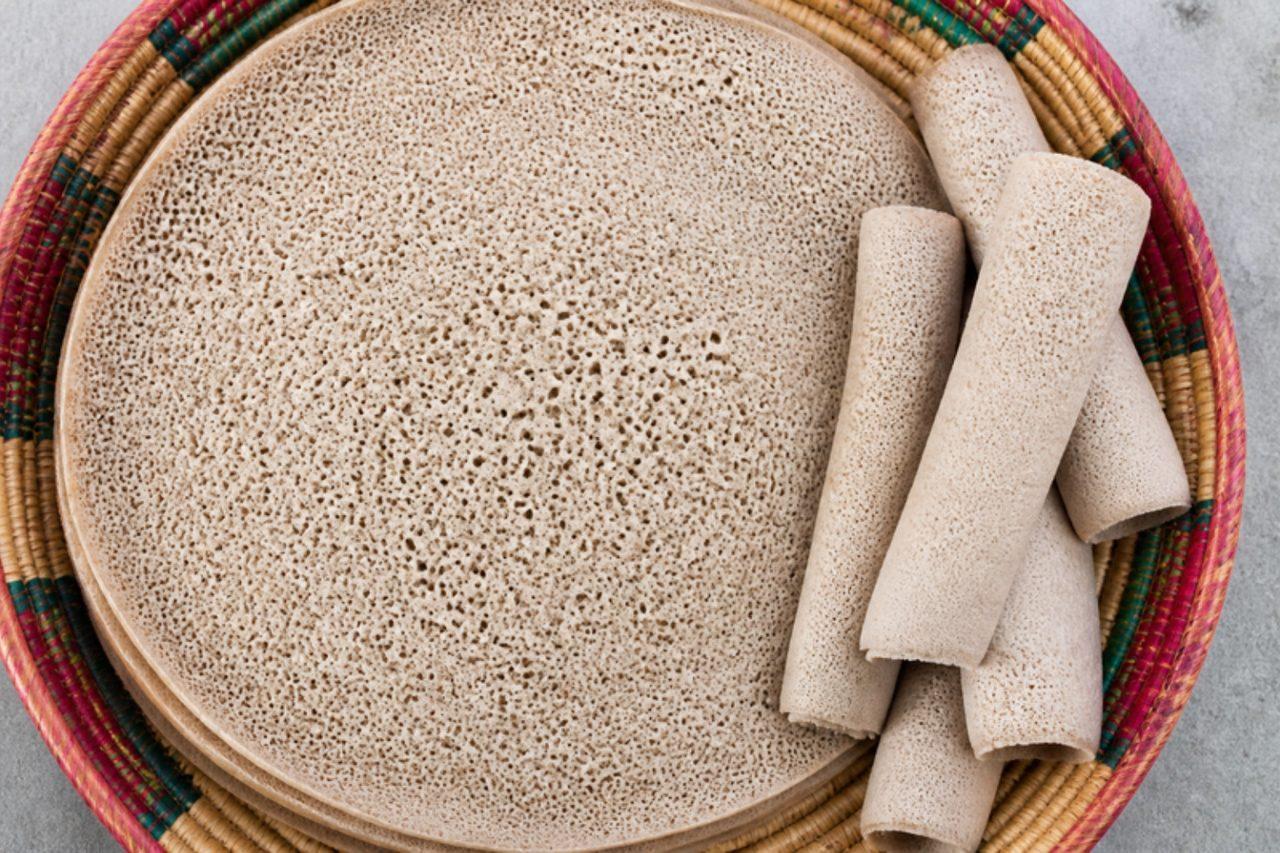
InjeraTeff flatbread

Injera is the bread, plate and spoon of the Ethiopian and Eritrean highlands: a wide, pale, sour flatbread made from teff, a tiny grain grown on the plateaus around Gondar, Gojjam and Shewa. A simple batter of teff and water is left to ferment for two or three days until it bubbles and smells pleasantly sour, then poured onto a hot griddle and steamed under a lid until its top is covered in little 'eyes'. It is eaten at every meal, with stews spooned on top and torn pieces used to pick them up. This home version uses 100% teff, so it is naturally gluten free. Chef's tip: keep the starter somewhere warm (around 24°C); in a cold kitchen it barely sours and the injera turns out flat and bland.

by KrazyBadal 0 views

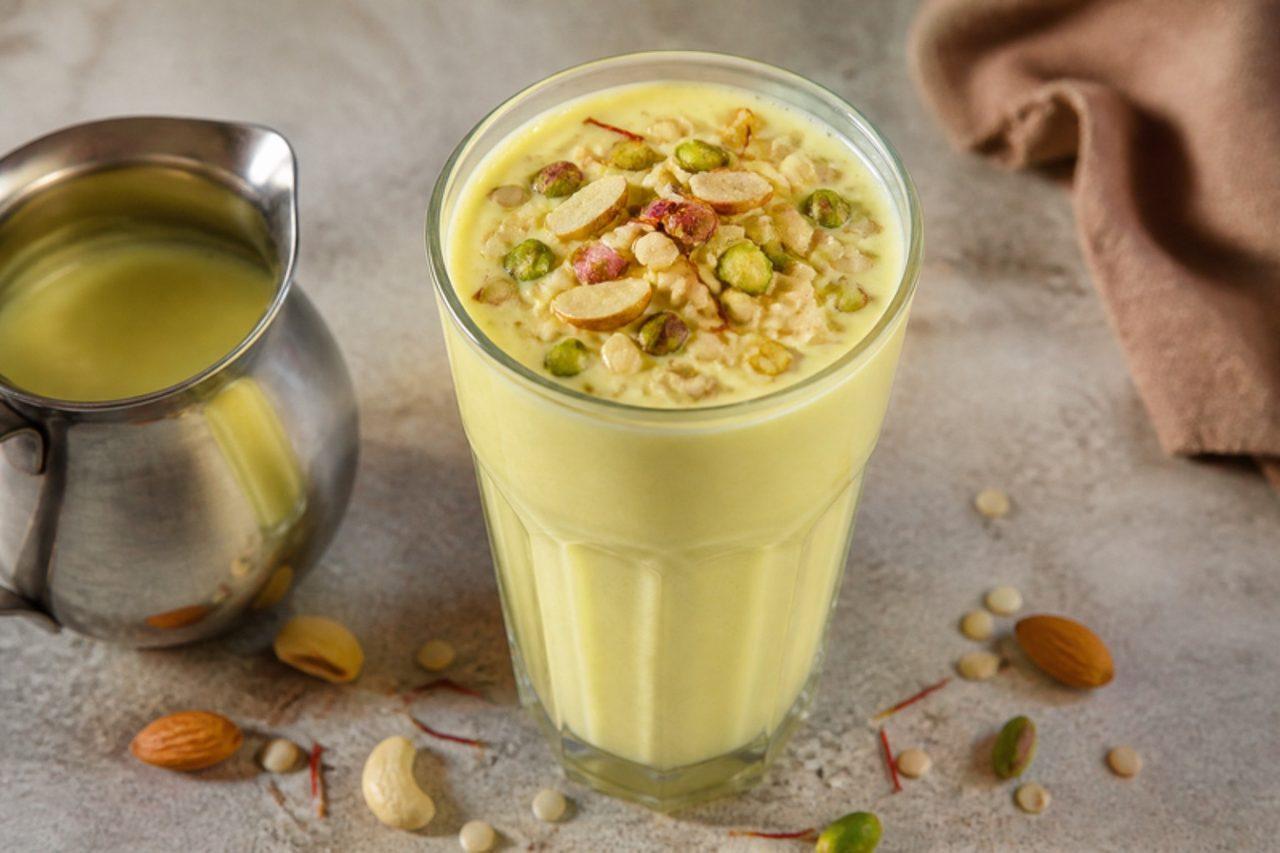
Indori shikanjiThick chilled milk drink

Anyone who orders shikanji in Indore expecting lemonade gets a surprise: here it is a spoonably thick drink of slow-reduced milk, saffron and cardamom, with a gentle tang from thick yogurt and plenty of chopped dry fruit. It is a late-night treat at Sarafa and Chhappan Dukan, poured from steel jugs into glasses after a round of savoury snacks. Think of it as somewhere between a lassi and a cold rabri. Chef's tip: the milk must be completely cold before the yogurt goes in, or the drink splits into grainy curds.

by KrazyBadal 0 views

Maddur vadaOnion and semolina fritters

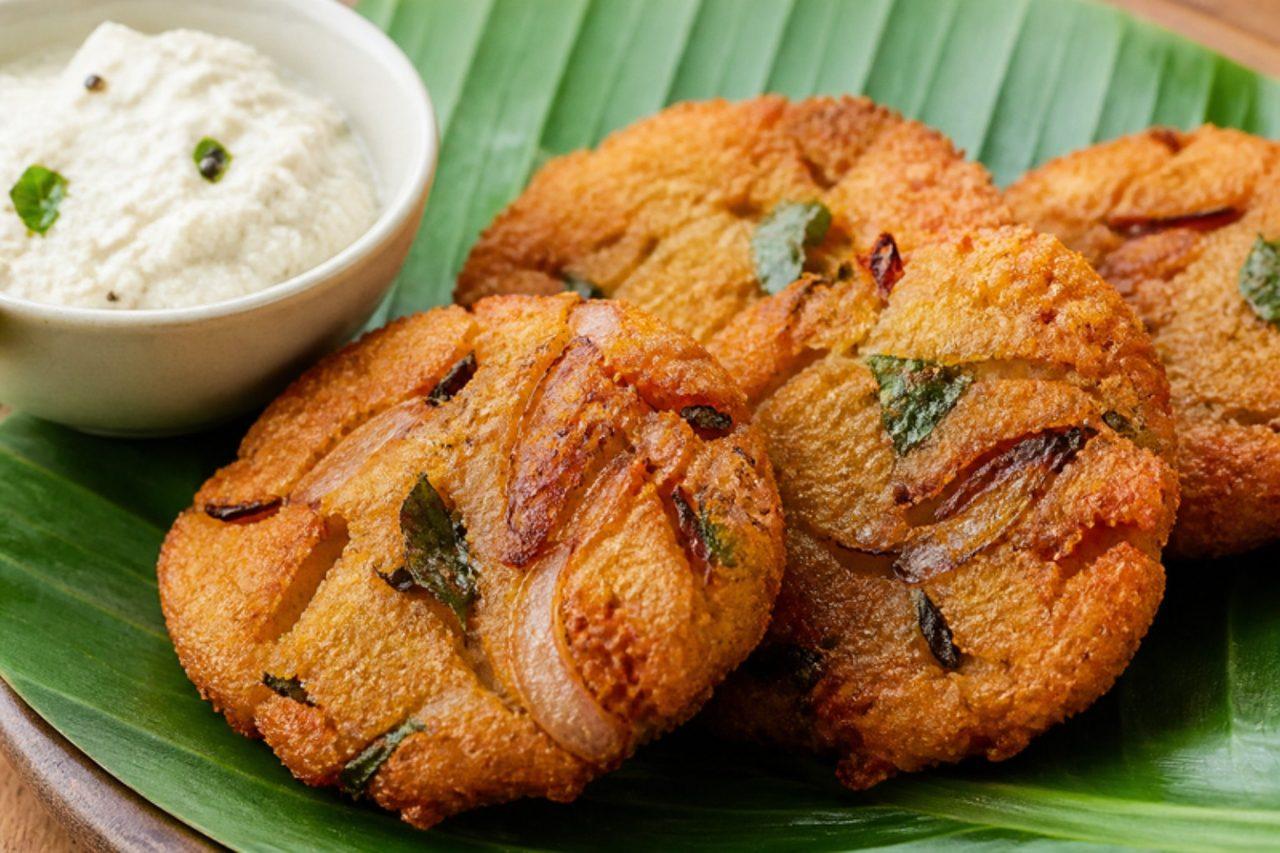
Maddur is a small town halfway between Bengaluru and Mysuru, and for nearly a century travellers on that road have stopped at its railway station and highway stalls for one snack: Maddur vada. Unlike soaked-lentil vadas, these are made from rice flour, semolina and plain flour rubbed with hot oil and loaded with sliced onion, curry leaves and green chilli, then patted flat and fried until crunchy and golden all the way through. They keep their crunch for hours, so they are packed for long journeys. Serve with coconut chutney and filter coffee. Chef's tip: add the onions first and let them sit with the salt for ten minutes; their juice moistens the flours, so you need very little water and the vada stays crisp.

by KrazyBadal 0 views

Imo kenpiCandied sweet potato sticks

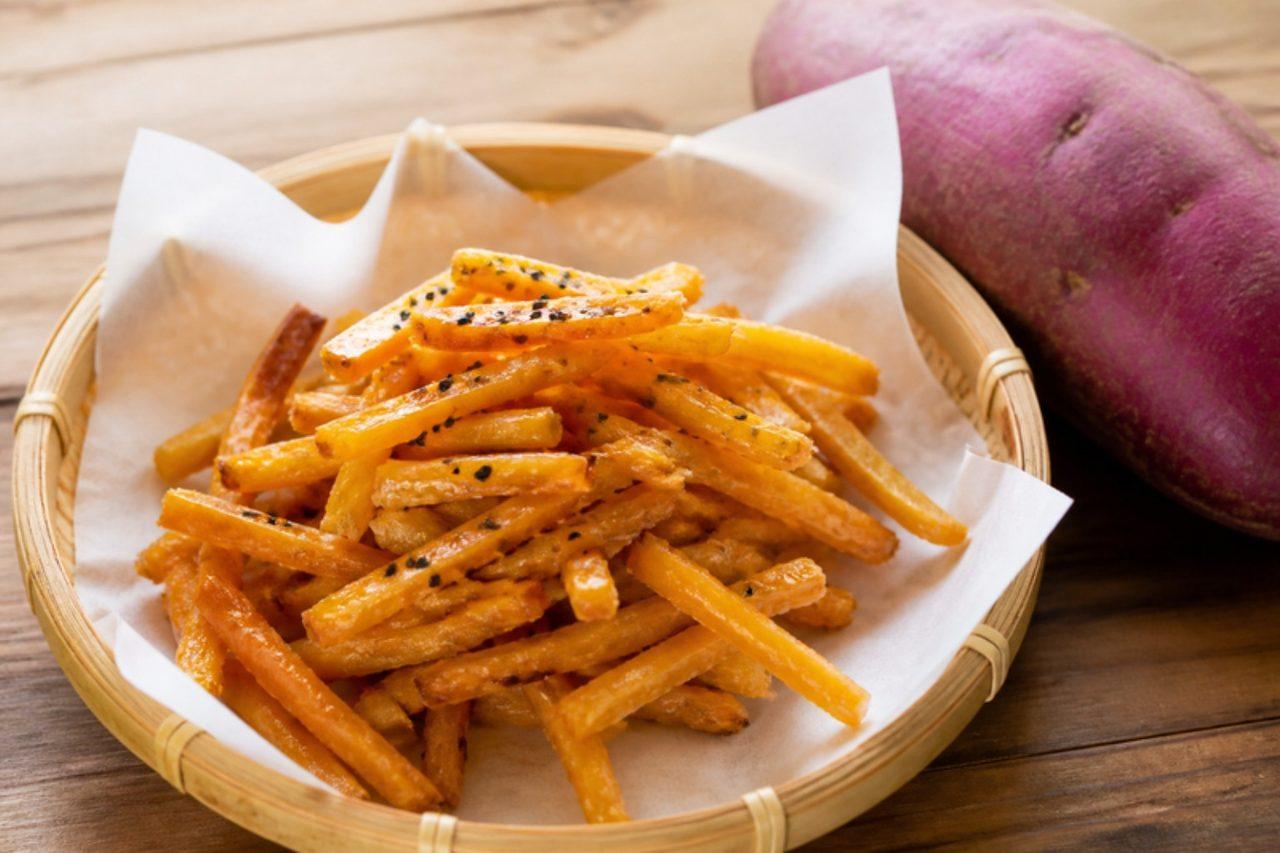
Kagoshima, at Kyushu's southern tip, is Japan's sweet potato heartland. The crop is so closely tied to the region that the Japanese word for sweet potato, satsuma-imo, means 'Satsuma potato', after the old name of Kagoshima. Imo kenpi are its simplest snack: thin batons of sweet potato fried until crisp, then tossed in a syrup that sets into a glassy shell. Kids grab them from bags at the corner shop, and grandparents make them at home with the autumn harvest. They are crunchy, sweet and a little salty. Chef's tip: fry the potato twice, slowly first, then hot. That drives out the water and gives a snap that lasts for days.

by KrazyBadal 0 views

MadraChickpeas in yogurt

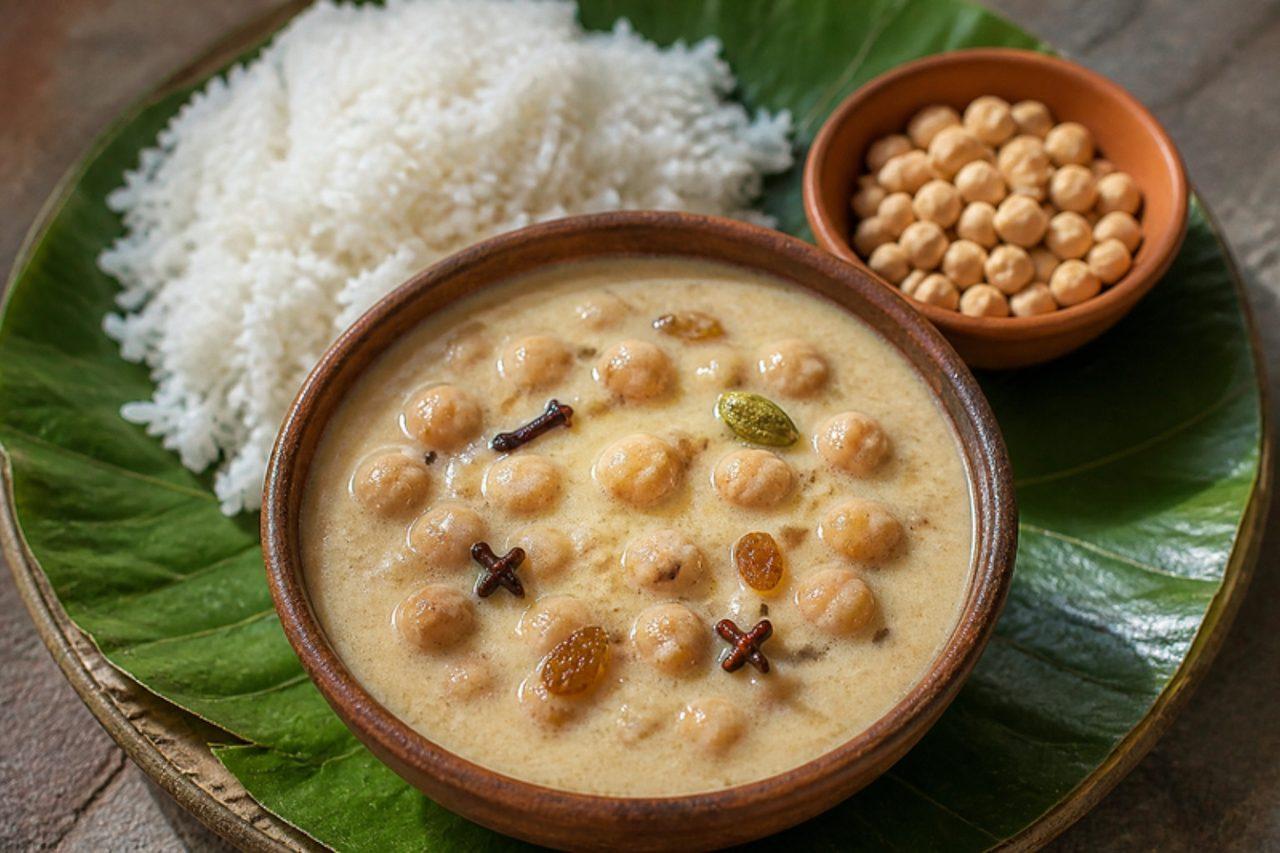
Madra is the pride of the Himachali dham, the communal feast cooked by hereditary cooks called botis at weddings and temple fairs in Chamba and Kangra. Chickpeas are simmered in yogurt with ghee, cloves, cardamom and cinnamon until the sauce turns thick, pale and rich, with no onion or garlic at all. It arrives on a leaf plate beside rice, rajmah and kadhi, and some families add a few raisins or cashews for a festive touch. Chef's tip: cook the chickpeas until they squash easily between two fingers before they go into the yogurt; they won't soften further once the sauce is in.

by KrazyBadal 0 views

Imeruli khachapuriRound cheese-filled bread

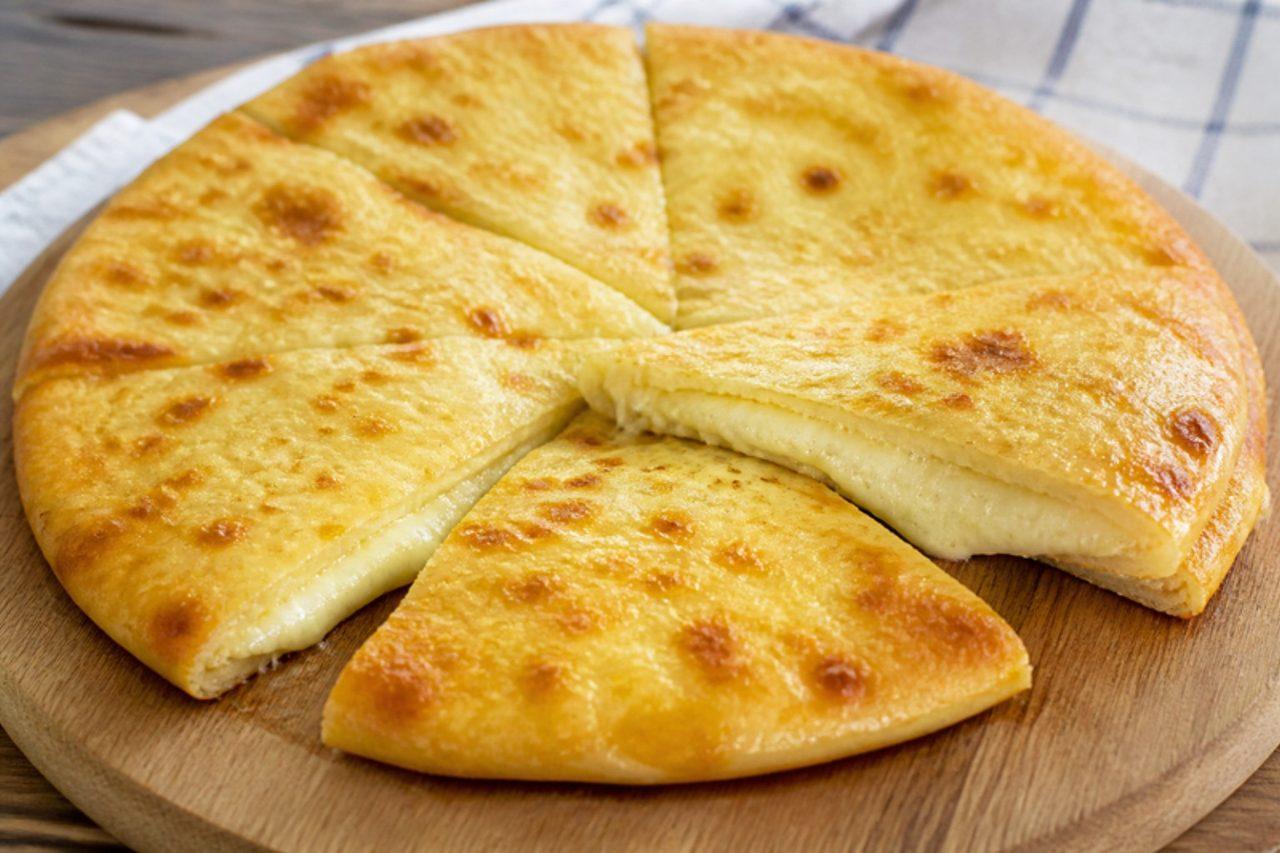
In Imereti, the region around Kutaisi in western Georgia, this flat round cheese bread is everyday food, and it is the one most families make at home: a tender, quick dough leavened with matsoni (Georgian yogurt) and soda, wrapped around a cheese ball and cooked in a dry frying pan. It is cut into wedges like a pizza and set on the table for breakfast, for a feast, or packed for a long car journey. Georgian imeruli and sulguni cheeses are hard to find outside Georgia, so this uses mozzarella with feta for the salty tang. Choose cheeses labelled vegetarian (microbial rennet). Children love it plain, still warm. A common mistake is rolling it out with heavy pressure, which tears the thin dough so the cheese leaks and burns in the pan. Chef's tip: press it out gently with your fingertips from the centre outwards, and if a small hole appears, pinch a scrap of dough over it before it reaches the pan.

by KrazyBadal 0 views

JigarthandaChilled milk almond gum drink

Jigarthanda means 'cool heart', and on a hot evening in Madurai crowds queue around the carts near the Meenakshi temple for a tall glass of it. It's layered rather than blended: a spoonful of soaked almond gum (badam pisin), a glug of nannari (Indian sarsaparilla) syrup, chilled milk reduced until creamy and lightly caramel-coloured, then a scoop of vanilla ice cream on top. The result is cold, floral, wobbly and rich all at once. This home version uses shop-bought vanilla ice cream; check that yours is eggless and gelatine-free. Chef's tip: let the reduced milk chill overnight; cold, thick milk is what makes it taste like the street version rather than flavoured milk.

by KrazyBadal 0 views

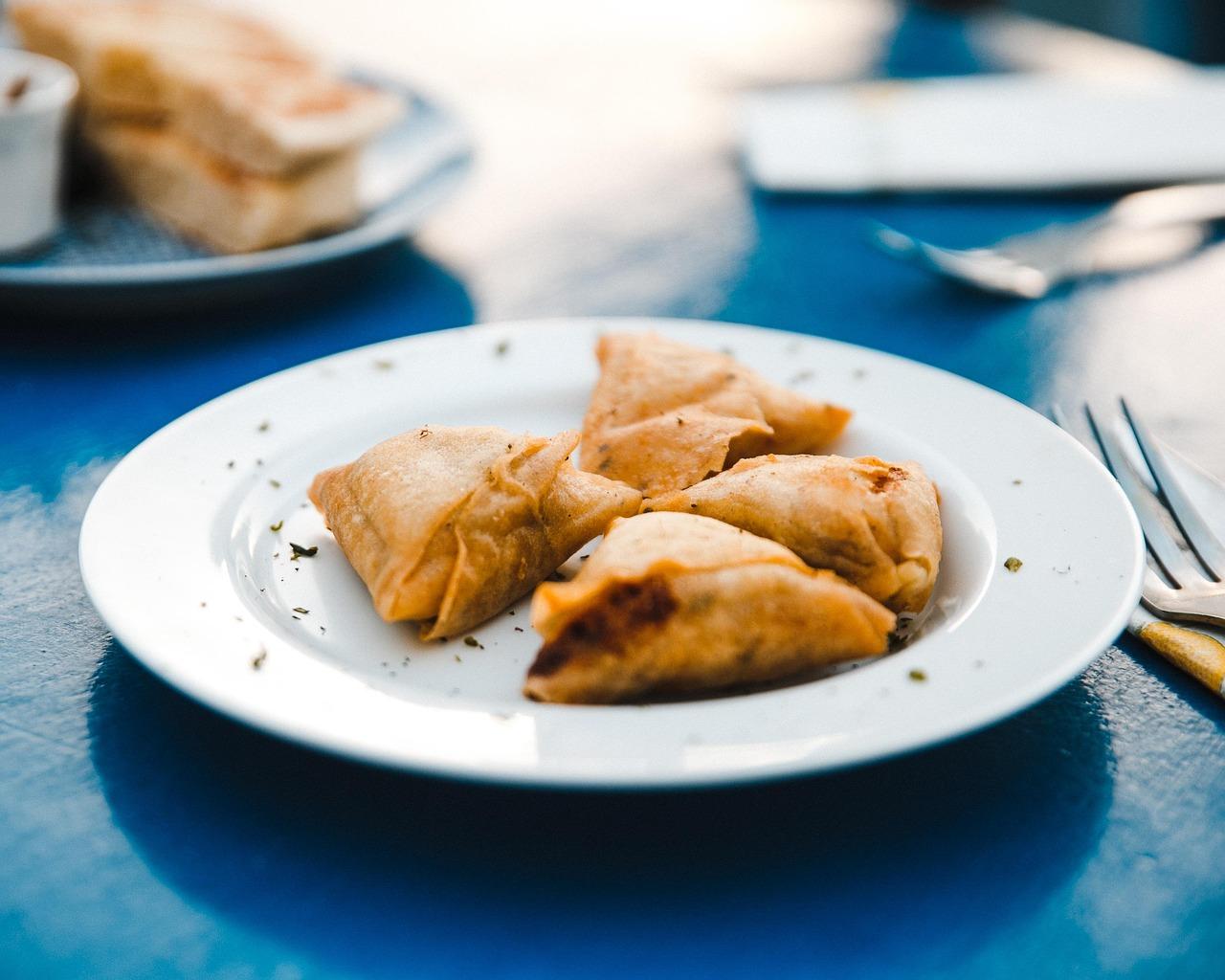
Vegetable briouatsSpiced vegetable pastry triangles

Briouats are the small, crunchy pastry triangles served at Moroccan weddings and at the iftar table during Ramadan, especially in Rabat and Fez where women make hundreds ahead and freeze them. The wrapper is warqa, a paper-thin pastry, though filo works well at home. Savoury briouats are often filled with meat or seafood; this vegetarian filling of potato, carrot, peas, spices and cheese is popular in family kitchens and loved by children. Bake or fry them and serve hot with a dipping saucer of harissa. Chef's tip: let the filling cool completely before wrapping; hot filling makes the pastry soggy and it splits in the oven.

by KrazyBadal 0 views

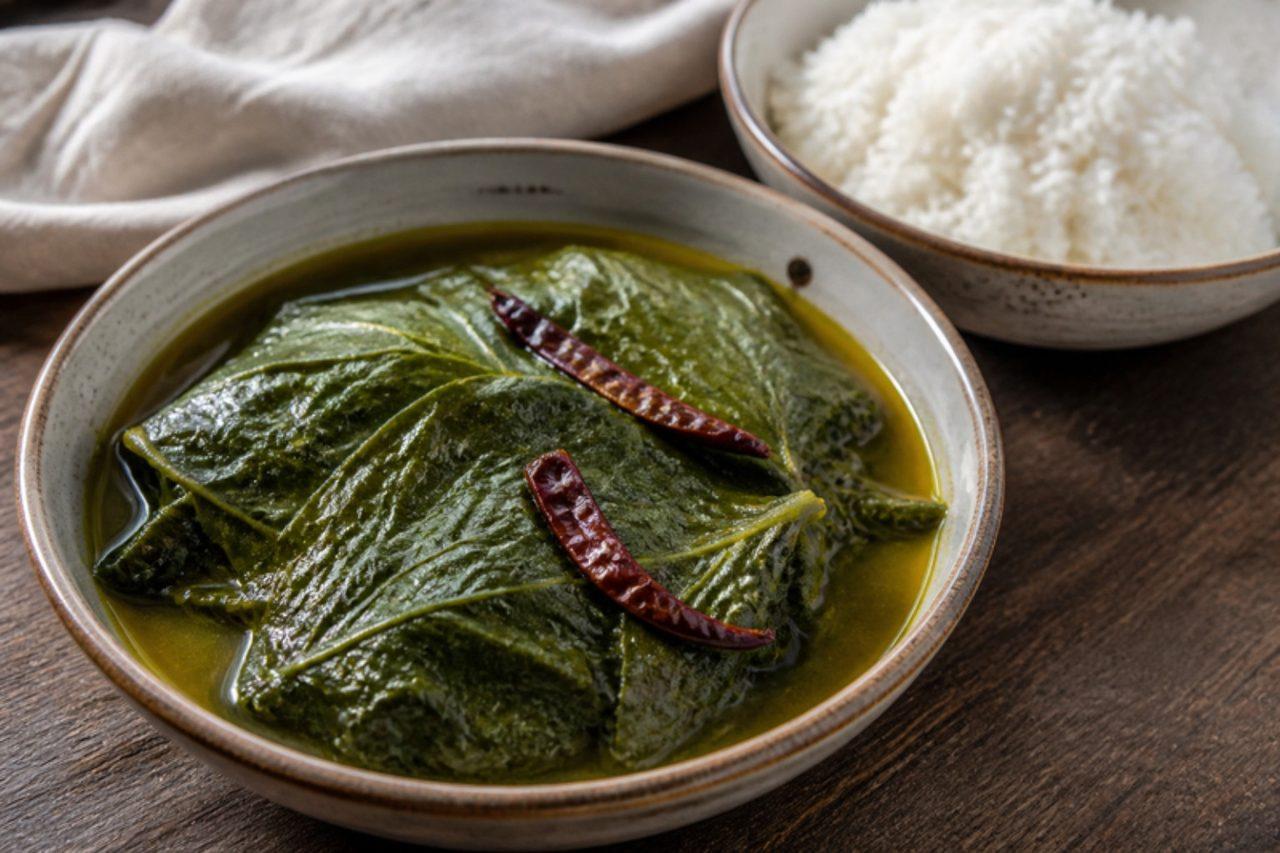
HaakCollard greens in mustard oil

Haak is the everyday green of Kashmir: collard greens grown in every kitchen garden, cooked whole with nothing more than mustard oil, dried red chilli, asafoetida and salt. The leaves stay bright, tender and slightly silky, with a clean, peppery taste that sings next to rice. Kashmiri Pandit households keep it this simple; Muslim homes often add a few garlic cloves. Serve with plain rice and a dal or rajma. Chef's tip: leave the leaves whole or in large pieces and cook them uncovered for the first minutes; chopping and covering too early turns them dull olive-green.

by KrazyBadal 0 views

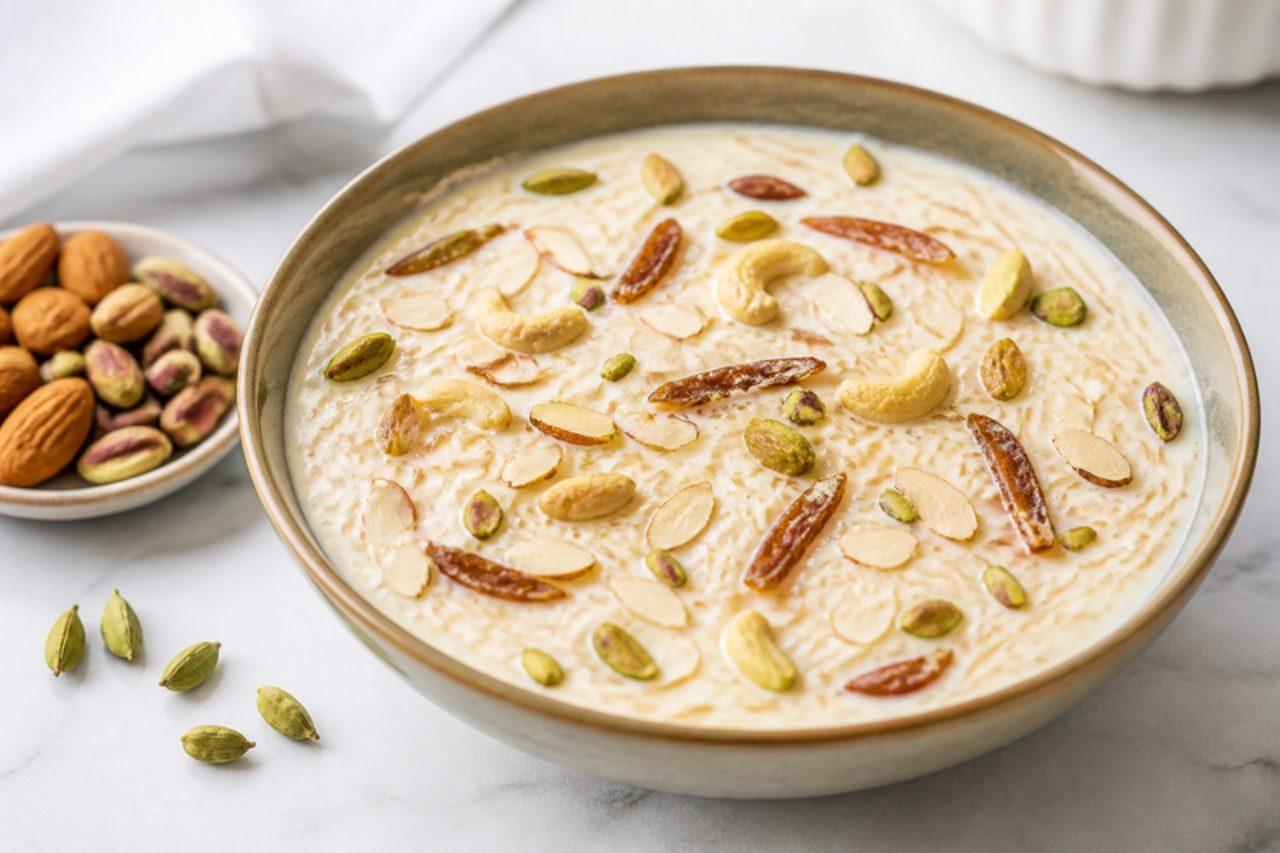
Sheer khurmaVermicelli milk pudding

Sheer khurma means milk with dates in Persian, and in Pakistan it is the taste of Eid ul-Fitr morning: after the Eid prayer, families come home and every visitor who knocks that day is handed a small bowl. It is richer and nuttier than everyday seviyan: whole milk is boiled down until creamy, fine vermicelli fried golden in ghee goes in late, and it is loaded with soaked dried dates (chhuhare), almonds, pistachios, cashews, raisins and charoli seeds, scented with cardamom. It is served warm in the morning and thickens to a spoonable pudding when cold. The mistake most people make is adding the vermicelli too early or using too much; it keeps drinking milk as it cools and turns stodgy. Chef's tip: soak the dried dates overnight and slice them thinly; fresh soft dates melt away, but soaked chhuhare stay chewy and sweet in every spoonful.

by KrazyBadal 0 views

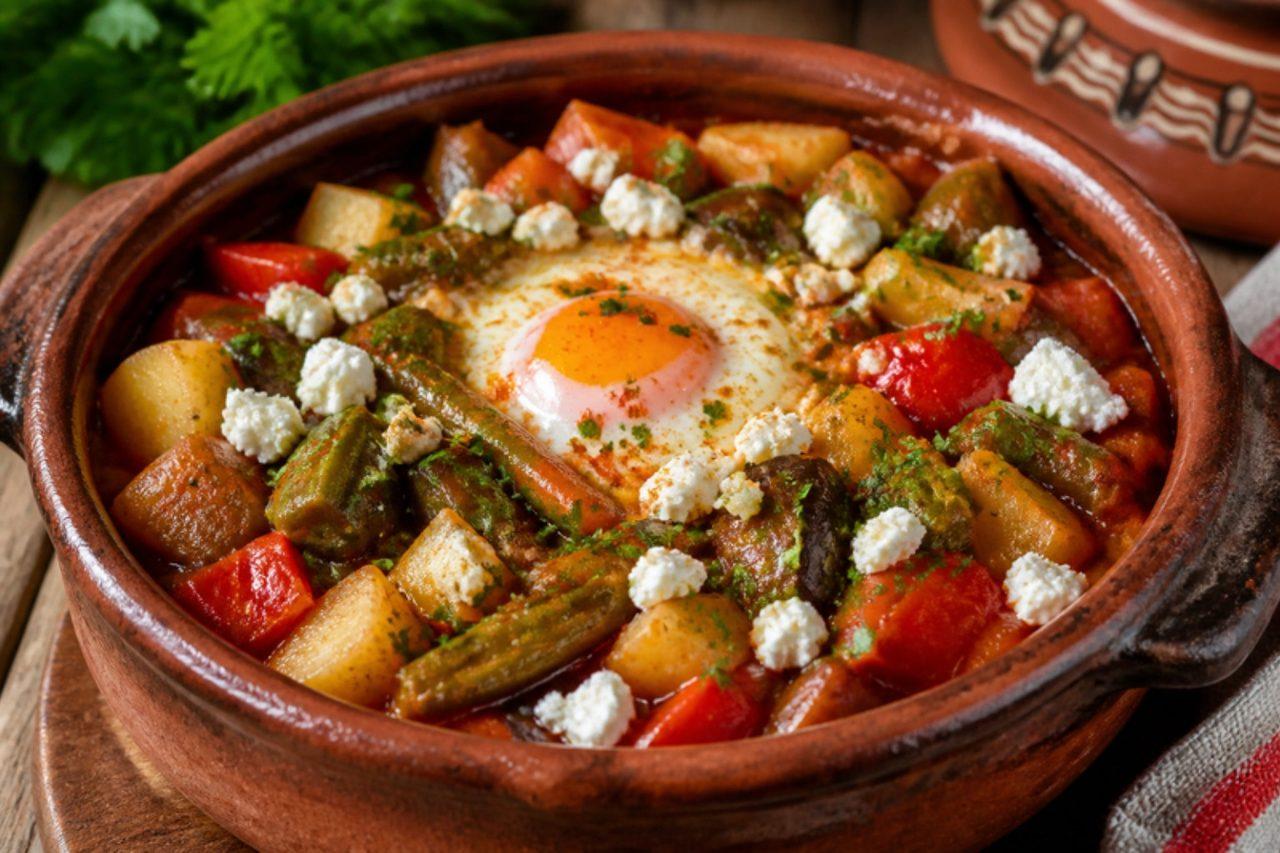
GyuvechBaked vegetable stew

Gyuvech takes its name from the glazed clay pot it is baked in, and in late summer in the villages of the Rhodopes and the Thracian plain it is slid into the bread oven packed with peppers, aubergine, okra, green beans, potatoes and tomato, seasoned with paprika and the herb chubritsa (summer savory). In the last minutes, eggs are often cracked over the top and baked until just set. It is served straight from the pot with bread to scoop up the juices. Unlike Greek briam, the vegetables stew in a paprika broth under a lid rather than roasting in oil. Chef's tip: put a clay pot into a cold oven; heating it first is the usual mistake and can crack it.

by KrazyBadal 0 views

Sheer yakhRose and cardamom ice cream

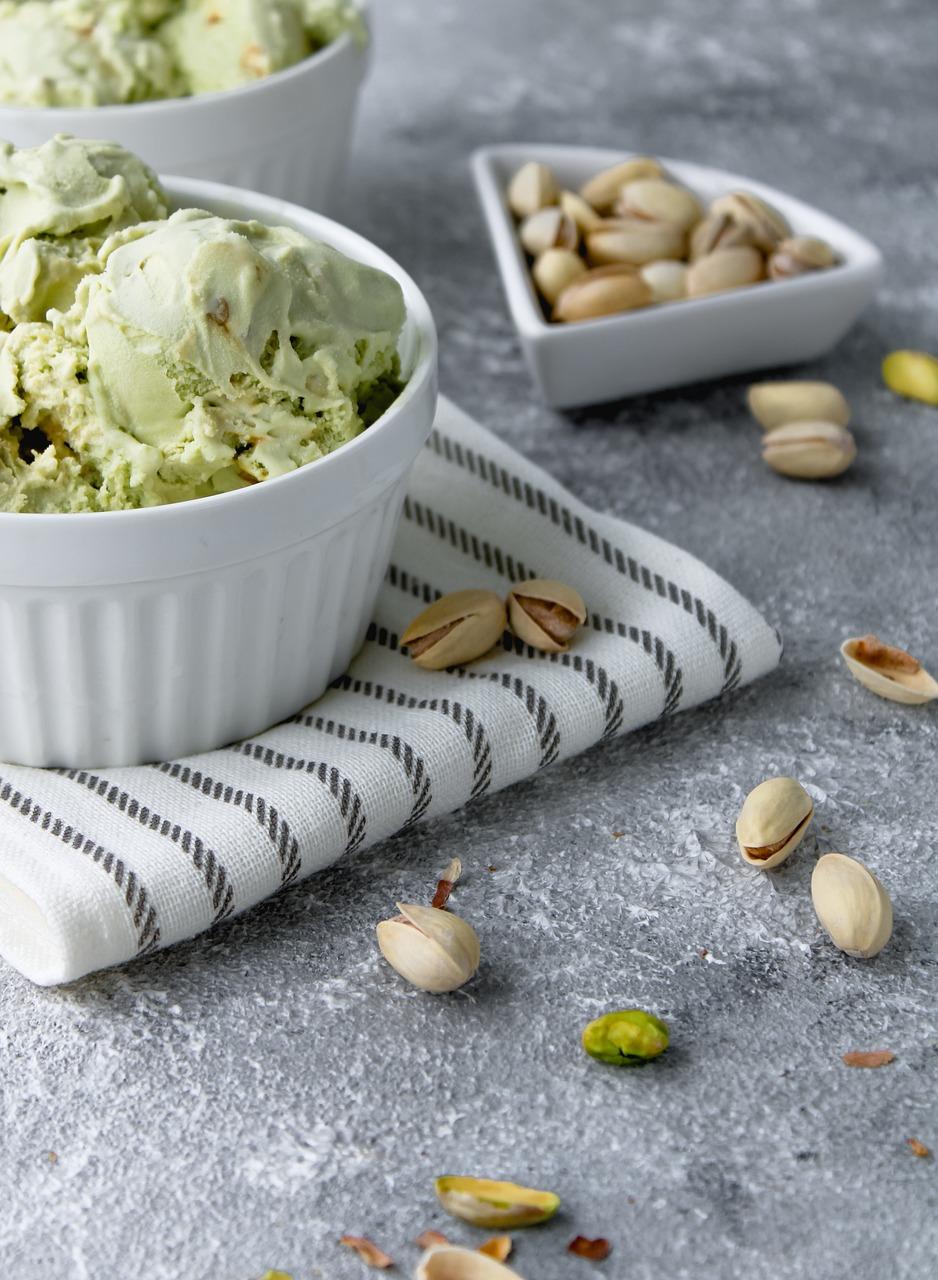
Sheer yakh, literally milk-ice, is the ice cream Kabul's street vendors once churned by hand in metal drums set in buckets of salted ice, and it's still the treat of choice on hot summer evenings and at Eid gatherings. It's dense and slightly stretchy, flavoured with cardamom and rose water and packed with chopped pistachios. Traditional sheer yakh is thickened with salep (orchid root); cornflour gives a similar body at home. Chef's tip: cook the custard until it thickly coats a spoon, then chill it overnight before freezing; a cold, aged base churns denser and smoother.

by KrazyBadal 0 views

ShekerburaNut-filled half-moon pastries

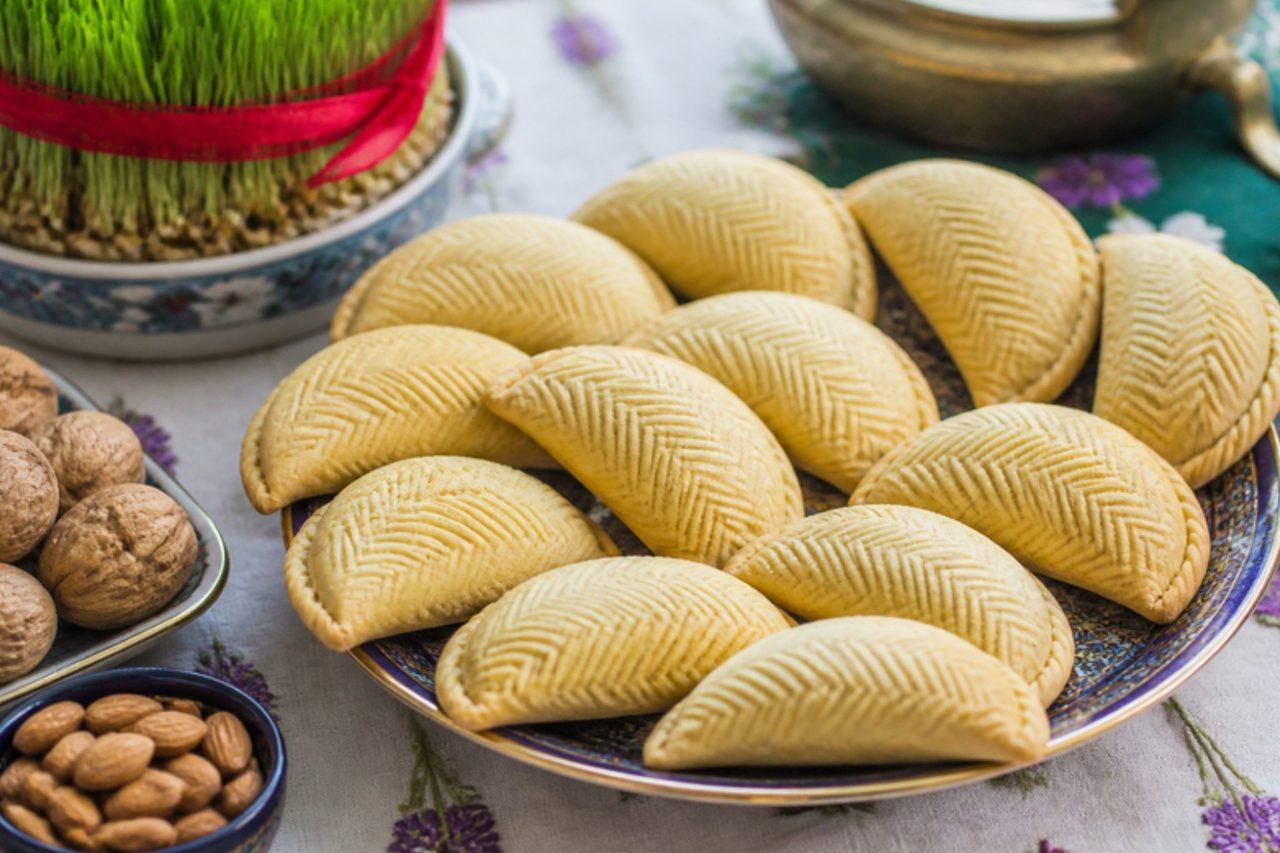
Şəkərbura is one of the three sweets that must be on the khoncha tray at Novruz, the spring new year celebrated on 20–21 March, alongside pakhlava and gogal. The half-moon shape is said to stand for the moon, and the fine herringbone pattern on top is pinched by hand with small brass tweezers called maggash, a skill passed down at family baking sessions in the days before the holiday. Inside is a sweet, fragrant mix of ground almonds or walnuts with sugar and cardamom. Shaki is famous for its shekerbura, though every family has its own pattern. Serve with black tea. Chef's tip: bake them pale; shekerbura should stay creamy-white with only the edges just turning blond, never brown.

by KrazyBadal 0 views

ShekerchoreyiCrackle-top shortbread

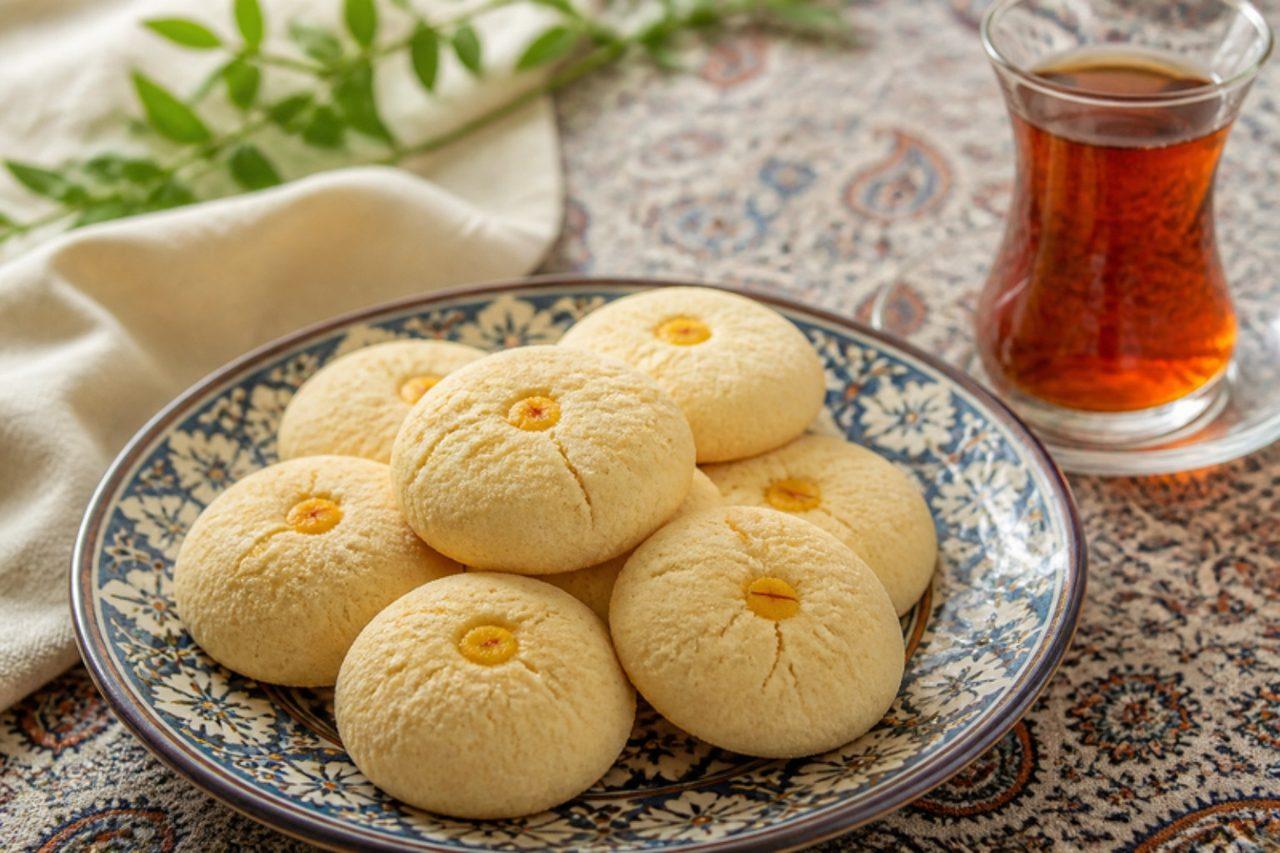
Şəkərçörəyi, "sugar bread", is the simplest of the Novruz sweets: small domed shortbreads made from melted butter, icing sugar and flour, whose tops crack in fine lines like dry earth as they bake. They melt in the mouth and leave a powdery sweetness, and families in Ganja and Baku bake big batches in the week before the spring festival to fill trays for visiting neighbours. Some cooks press a hazelnut or a pinch of poppy seeds into the centre. Serve with tea, ideally with a spoonful of quince jam. Chef's tip: let the melted butter cool and turn pale and creamy before mixing; hot butter makes the biscuits spread flat and greasy.

by KrazyBadal 0 views

ShelpekThin fried flatbreads

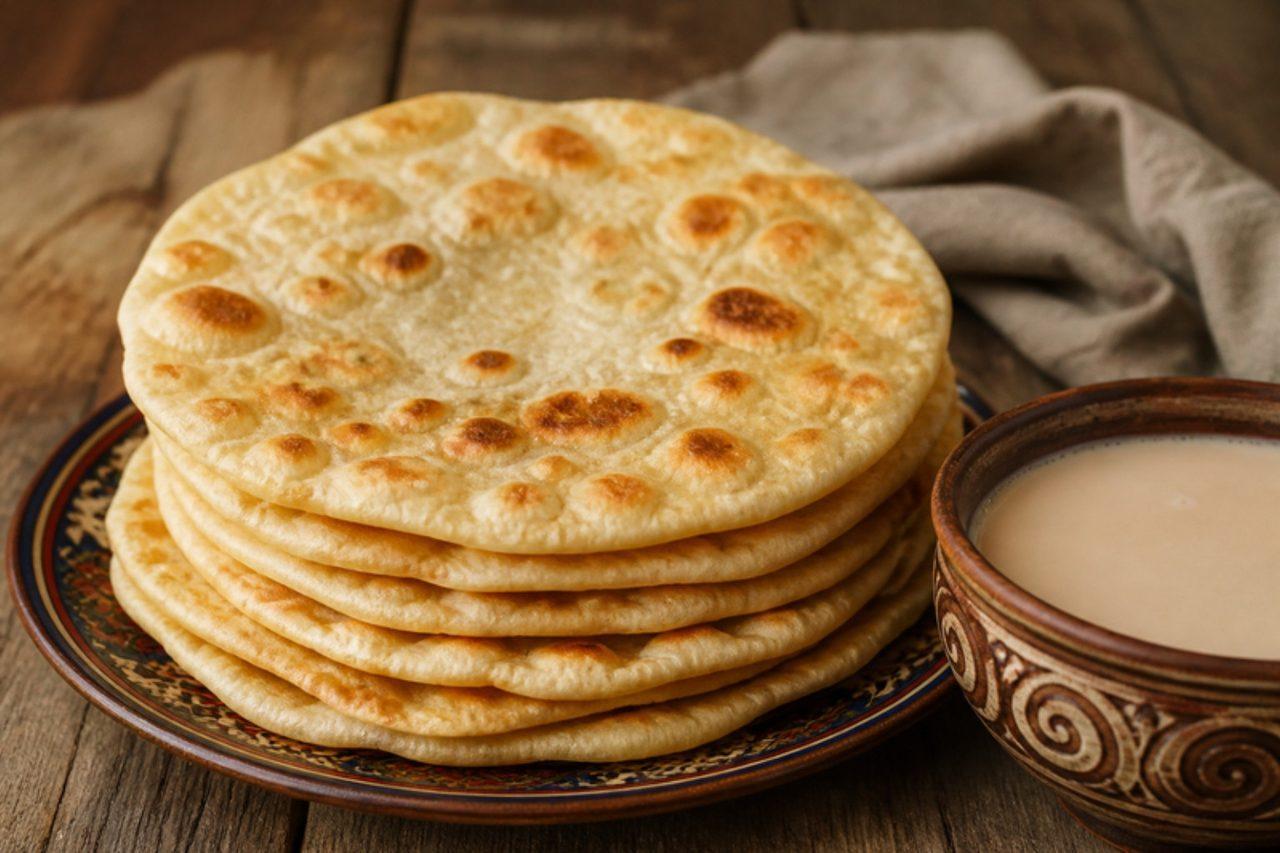
Shelpek are paper-thin flatbreads fried in a shallow pan, and in Kazakh homes they carry meaning: on Thursday evenings and Fridays women fry seven shelpek 'for the smell', a prayer for the ancestors, and they're handed out at funerals and memorial meals. In everyday life they are eaten warm with tea, butter and jam, all over Kazakhstan and in the Kyrgyz villages across the Tian Shan. The dough is soft and rich with milk and butter, and takes minutes to fry. Chef's tip: roll them almost transparent; thin shelpek blister and stay soft, thick ones go stiff like crackers.

by KrazyBadal 0 views

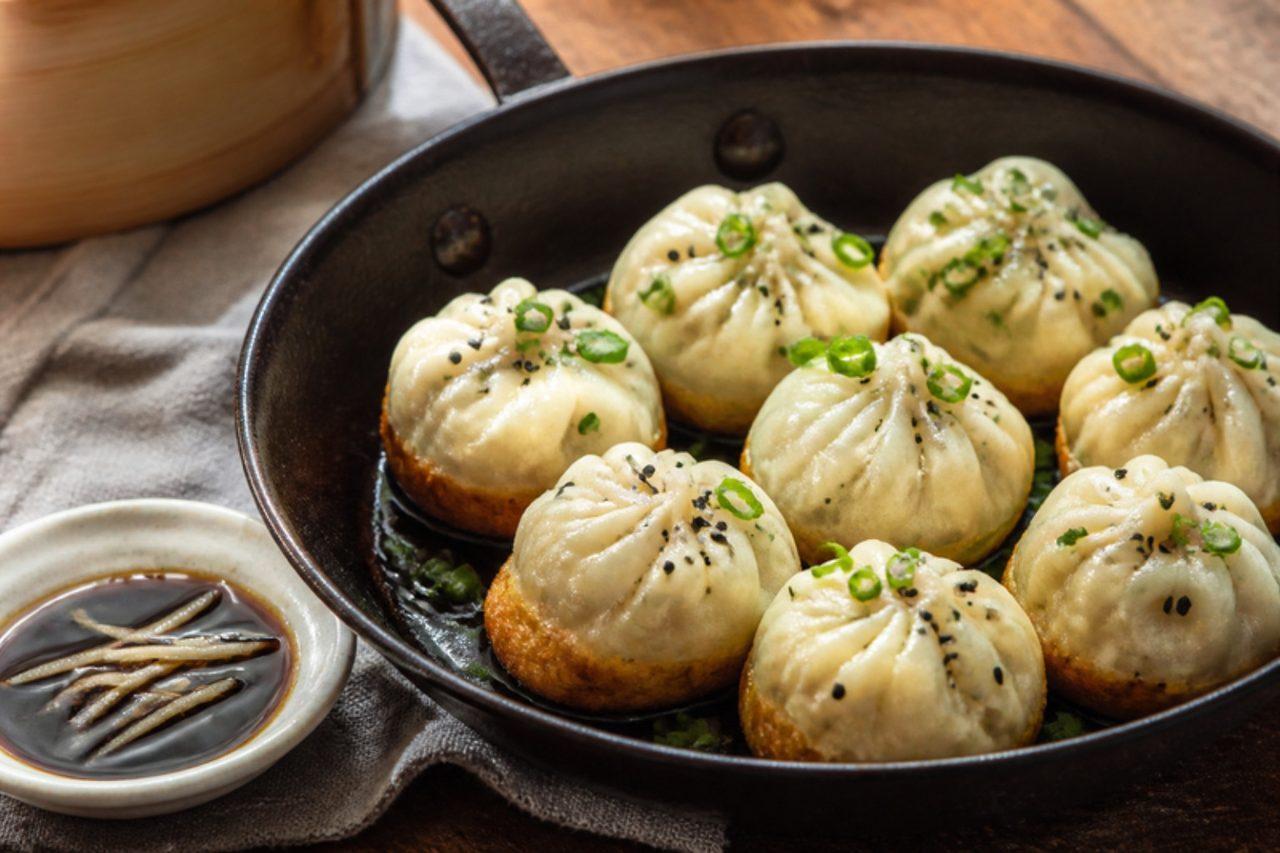
Shengjian baoPan-fried pork buns

Shanghai wakes up to the sound of shengjian bao sizzling in huge flat pans, the cooks spinning the pans over the flame and splashing in water so the buns fry and steam at the same time. What you get is a soft, slightly fluffy top scattered with sesame and spring onion, a crackling brown base and a juicy pork filling that squirts if you bite too fast. They are breakfast food, bought by the four and eaten from paper trays with black vinegar. A heavy non-stick or cast-iron frying pan with a tight lid works perfectly at home. Chef's tip: let the shaped buns rise for 15 minutes before frying, no longer; over-risen dough flattens and loses its neat shape in the pan.

by KrazyBadal 0 views

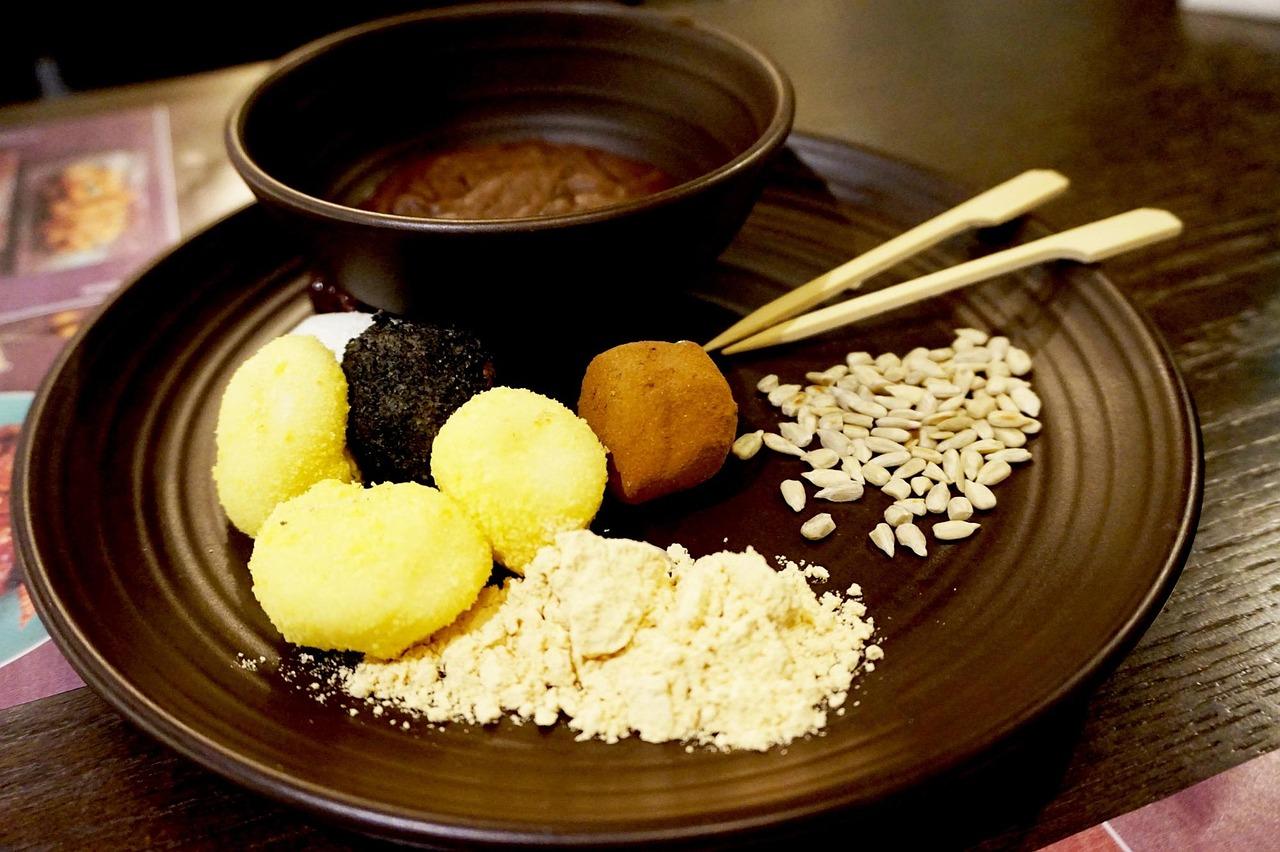
GyeongdanGlutinous rice balls

Gyeongdan (경단) are small balls of boiled glutinous rice dough, filled or plain, and rolled in coloured coatings: golden roasted soybean powder, black sesame, green or toasted coconut. In Seoul they are made for a baby's 100th day and first birthday, and sold in rice-cake shops all year in mixed boxes. They are only lightly sweet, soft and stretchy, best eaten the day they are made with a cup of barley tea. Children love rolling them. Chef's tip: mix the dough with very hot water a spoonful at a time; it should feel like soft play-dough, and if it cracks when you roll a ball it needs a little more.

by KrazyBadal 0 views

Guyanese pine tartsPineapple jam tarts

Pine tarts (short for pineapple tarts) are Guyana's favourite bakery treat: a flaky triangle of pastry folded over a thick, sticky pineapple jam spiced with cinnamon and nutmeg, with the filling peeking out of the middle. They're sold in every Georgetown bakery and carried abroad in suitcases by visiting family. Their triangle shape sets them apart from the open pineapple cookies of Southeast Asia. Chef's tip: cook the jam until it's thick enough that a spoon dragged across the pan leaves a clean path; runny jam leaks and burns in the oven.

by KrazyBadal 0 views

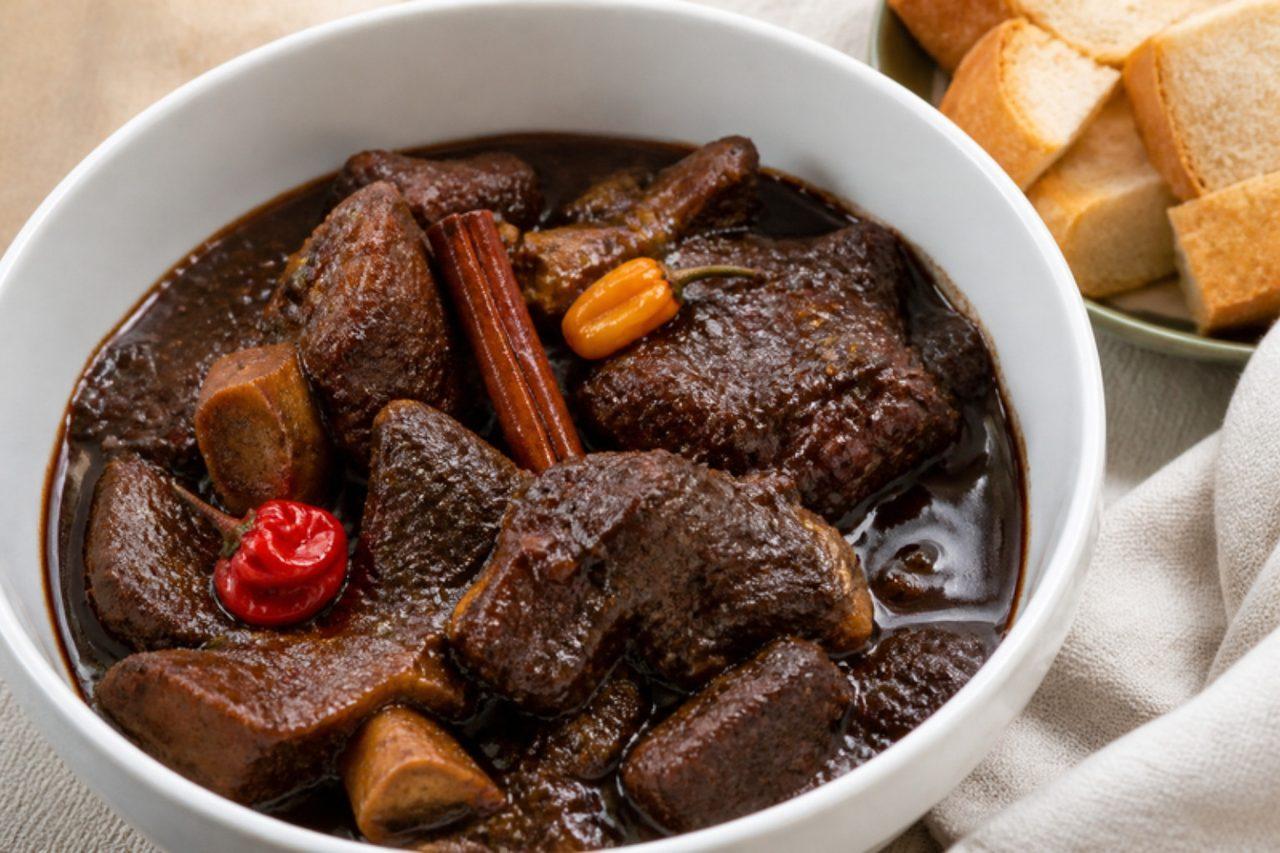
Guyanese pepperpotBeef stew with cassareep

Pepperpot is Guyana's national dish and the centre of Christmas morning, when families in Georgetown and the countryside eat it with thick slices of plait bread. It comes from the Amerindian peoples, who used cassareep, a black syrup boiled from cassava juice, to flavour and preserve meat. Beef (often with cow foot or oxtail) simmers for hours with cassareep, cinnamon, cloves, orange peel, sugar and hot wiri wiri pepper into a glossy, dark, sweet-savoury stew. The mistake is serving it the day it is made; it is much better after a day or two. Chef's tip: bring it back to a full boil every day you keep it, as Guyanese families do, and always keep it in the fridge.

200 minGuyaneseMeatGluten free
by KrazyBadal 0 views

Guyanese garlic porkGarlic pickled pork

Garlic pork came to Guyana with Madeiran Portuguese settlers in the 1800s and is still made for Christmas breakfast in Georgetown, alongside pepperpot and bread. This dish contains pork. Pieces of pork are packed into a jar with a pickle of vinegar, lots of garlic, thyme and wiri wiri pepper and left in the fridge for at least three days, then fried until browned and slightly crisp. The mistake is leaving the jar on the counter, as was once done: always keep it in the fridge. Chef's tip: pat the pork very dry before frying, or the vinegar makes the oil spit.

by KrazyBadal 0 views

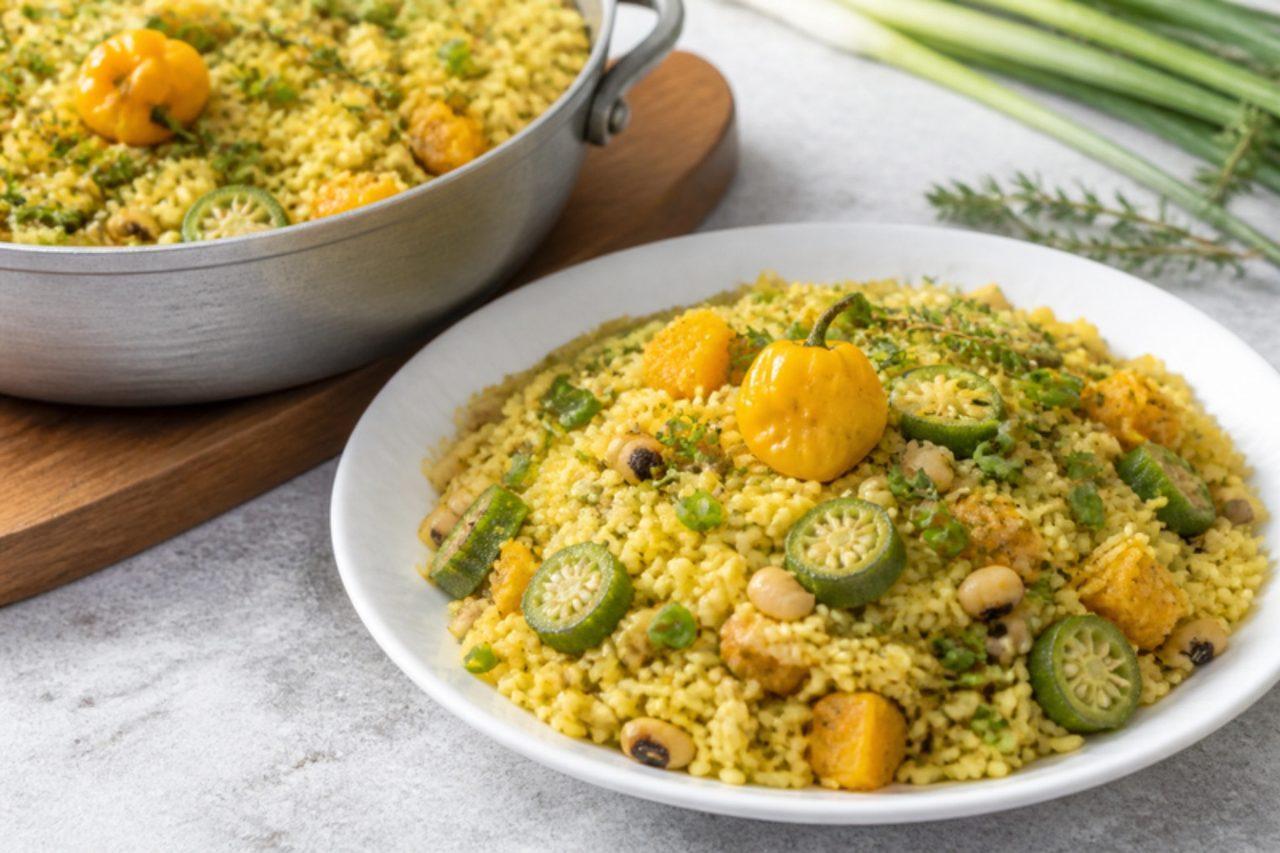
Guyanese cook-up riceCoconut rice with black-eyed peas

Cook-up rice is the dish Guyanese families make to see in the New Year, and on any Saturday when the week's odds and ends go into one pot. Rice, black-eyed peas and vegetables simmer in fresh coconut milk with fresh thyme, spring onion and a whole wiri wiri pepper (small, round and fiery) until every grain is soft and glossy. It's richer and wetter than Jamaican rice and peas, with the vegetables cooked right in. Chef's tip: let the pot sit covered off the heat for 10 minutes at the end; the rice finishes in the steam and a little crust forms on the bottom that people fight over.

by KrazyBadal 0 views

Guyanese black cakeRum fruit cake

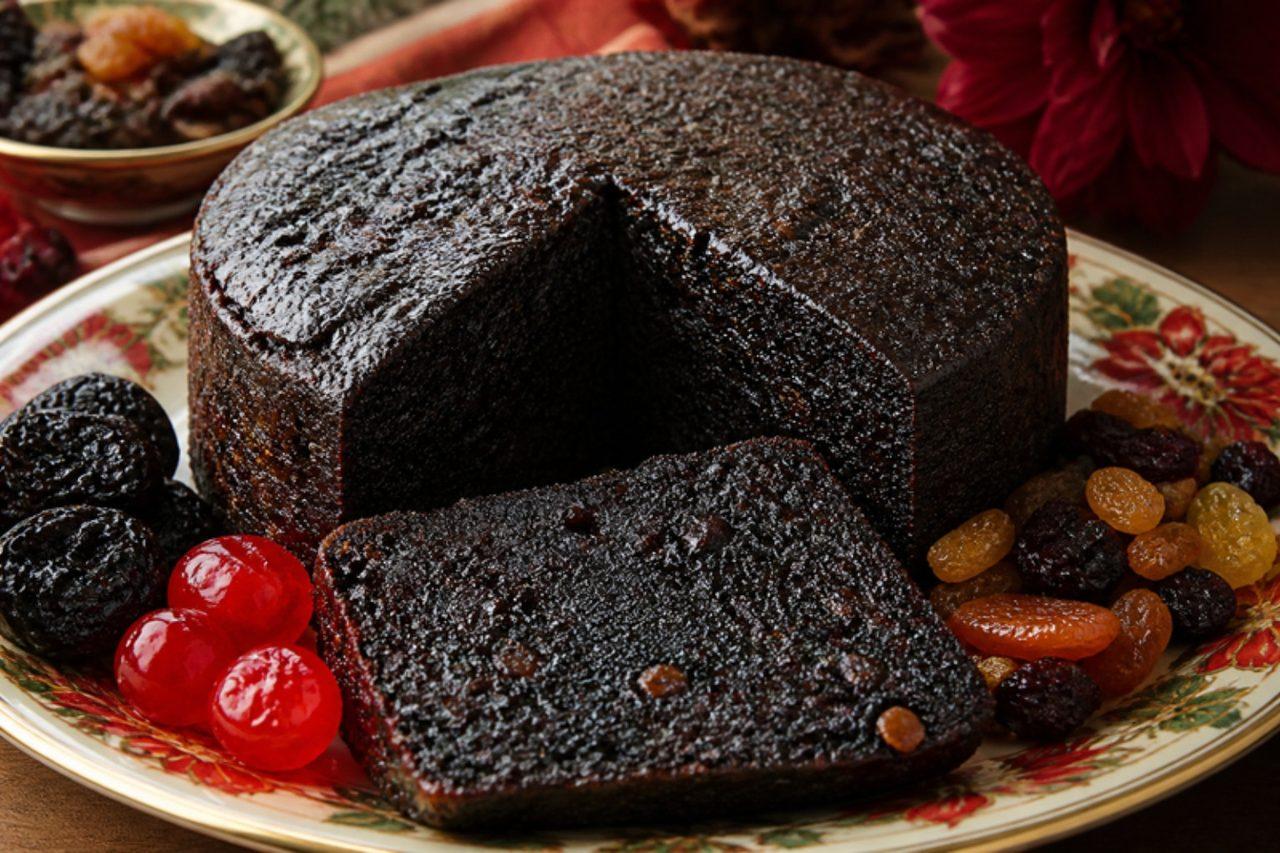
Every Guyanese Christmas has a black cake, and many families start soaking the fruit months ahead, often the year before. Prunes, raisins, currants and cherries are minced and steeped in rum and cherry brandy, then folded into a buttery batter darkened with homemade burnt-sugar syrup, giving a moist, almost black, intensely fruity cake. This version makes the alcohol optional: grape juice soaks the fruit just as well, though the cake keeps for less time. Chef's tip: take the burnt sugar until it's very dark and smoking lightly; stop too early and the cake turns brown and sweet instead of black and bittersweet.

by KrazyBadal 0 views

ShingaraPotato-filled pastry cones

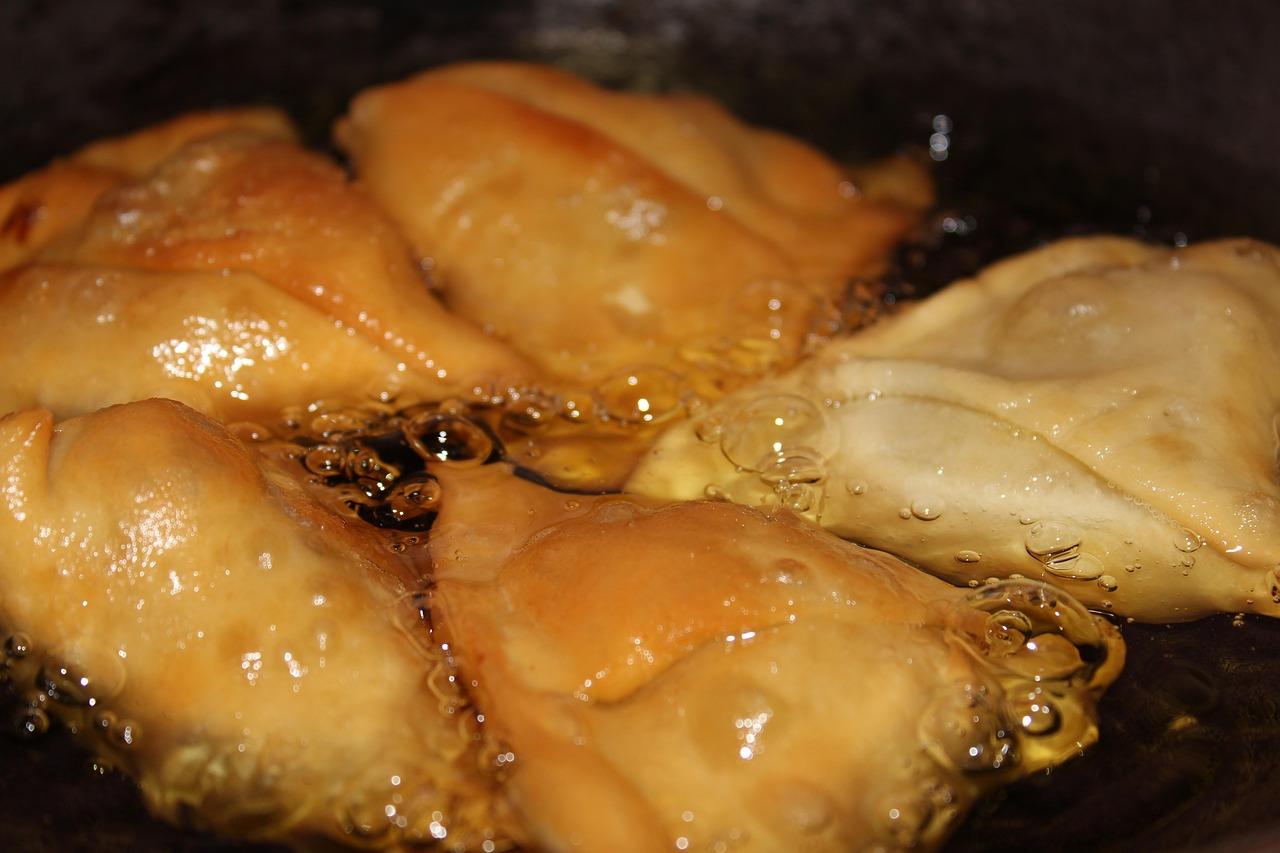
Shingara is Bengal's samosa, and every Kolkata sweet shop fries a batch for the evening tea crowd. It differs from the North Indian kind in small, important ways: the pastry is flecked with nigella seeds, the potatoes are diced rather than mashed, and in winter the filling gets cauliflower florets, fried peanuts and a few raisins, all tempered with panch phoron. The shape is a tall cone with a tight pleated top, so it stands upright on the plate. Chef's tip: dice the potato small (1 cm) and cook it only until just tender; mushy potato turns the filling into mash and loses that Bengali bite.

by KrazyBadal 0 views

Guriltai shulMutton noodle soup

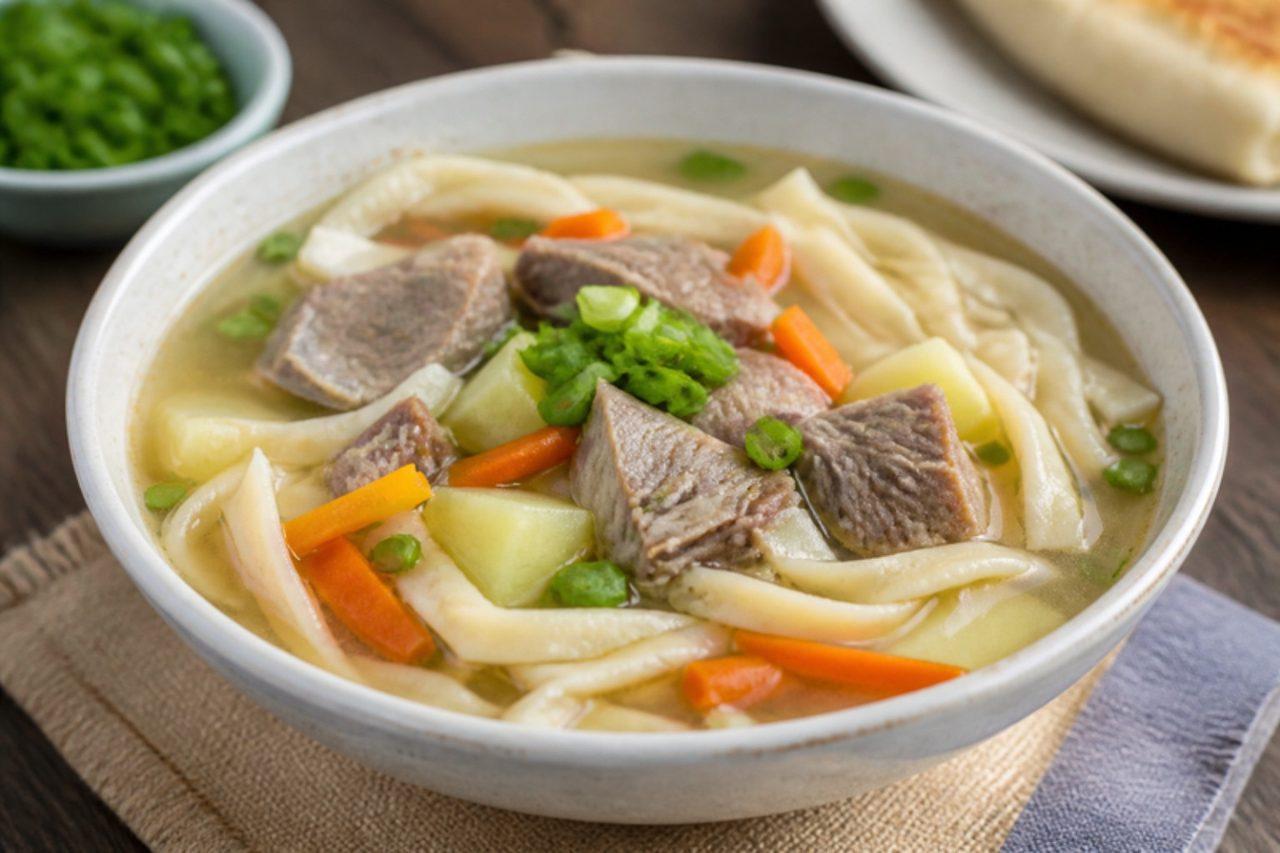
Guriltai shul is the soup Mongolians eat almost daily in winter, from Ulaanbaatar canteens to herders' gers: strips of mutton simmered with onion, carrot and potato, and thick hand-cut noodles cooked in the broth. It is simple, warming and filling in temperatures that drop far below freezing. The mistake is cooking the noodles too long, so they swell and turn the soup stodgy; they need only 6–8 minutes. Chef's tip: rest the noodle dough well so it rolls thin without springing back.

by KrazyBadal 0 views

GurasaThick wheat flatbread

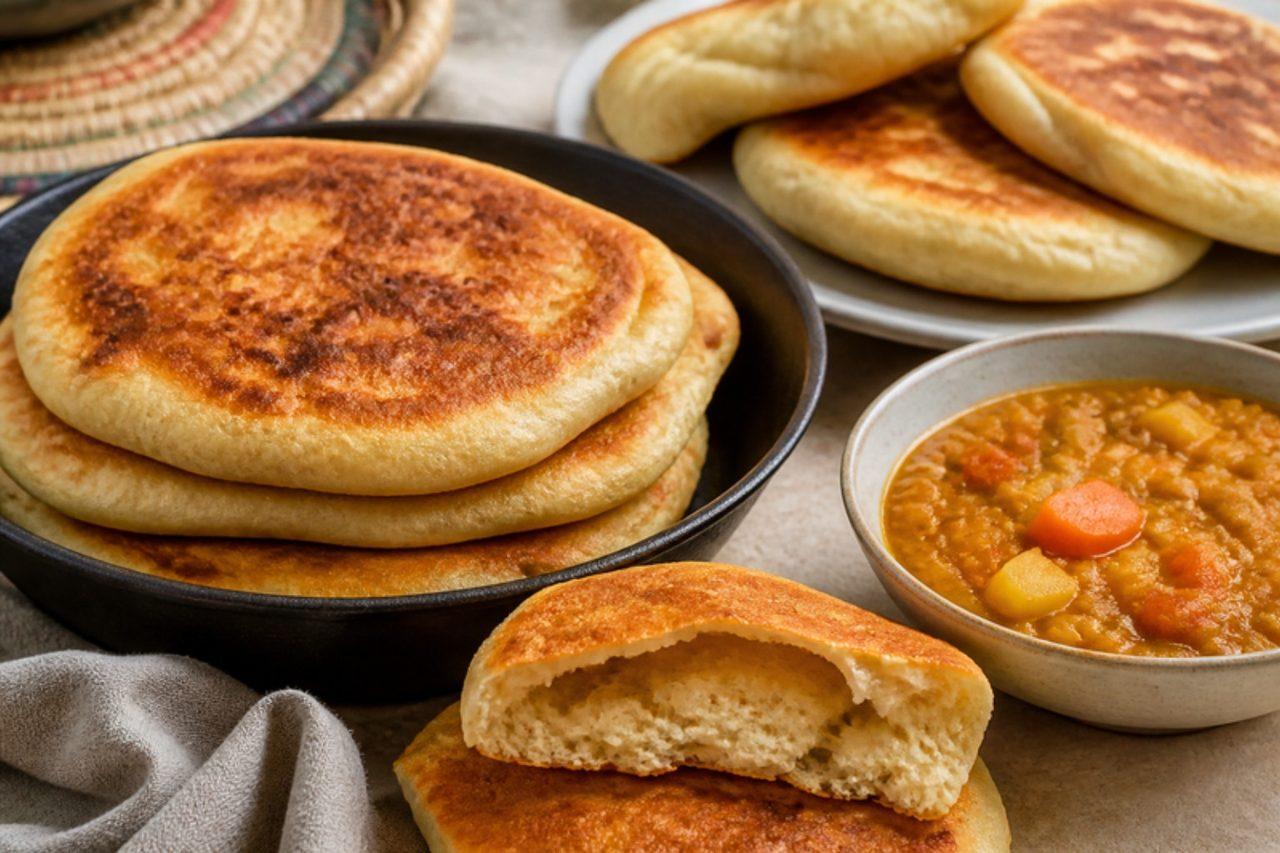
Gurasa is a thick, soft, round wheat bread from Sudan, especially the north and west (Darfur and Kordofan), cooked in a covered pan rather than an oven. It is torn and eaten with mullah, ful or salata aswad, and for breakfast with sugar and a little oil or butter. The dough is a loose, yeasted batter, closer to a giant crumpet than a flatbread. Chef's tip: cook it covered over a low heat; a hot open pan burns the base before the thick centre cooks.

by KrazyBadal 0 views

Shirin poloSweet saffron rice

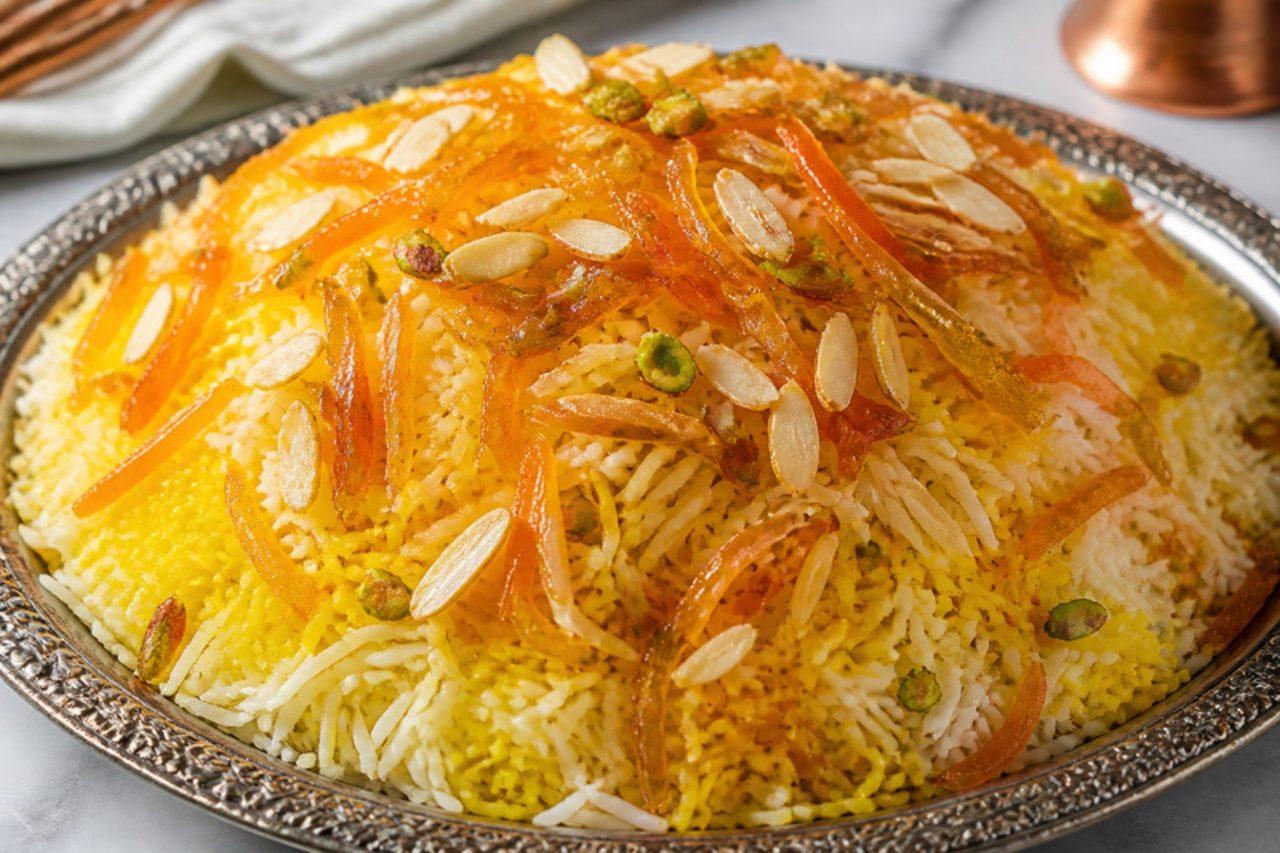
Shirin polo ('sweet rice') is the wedding rice of Iran, especially among Azerbaijani families in Tabriz, where a gleaming platter of it is carried out at the celebration feast to wish the couple a sweet life. Long grains of saffron rice are layered with candied orange peel, fine strips of carrot, slivered almonds and pistachios, all perfumed with cardamom and rosewater. It is fragrant and only gently sweet, with a citrus bitterness that keeps it from being cloying. Serve it as the centrepiece of a party with yogurt and a herb stew. Chef's tip: blanch the orange peel three times in fresh water; skip this and the whole platter tastes bitter.

by KrazyBadal 0 views

Vegetable siu maiOpen-topped vegetable dumplings

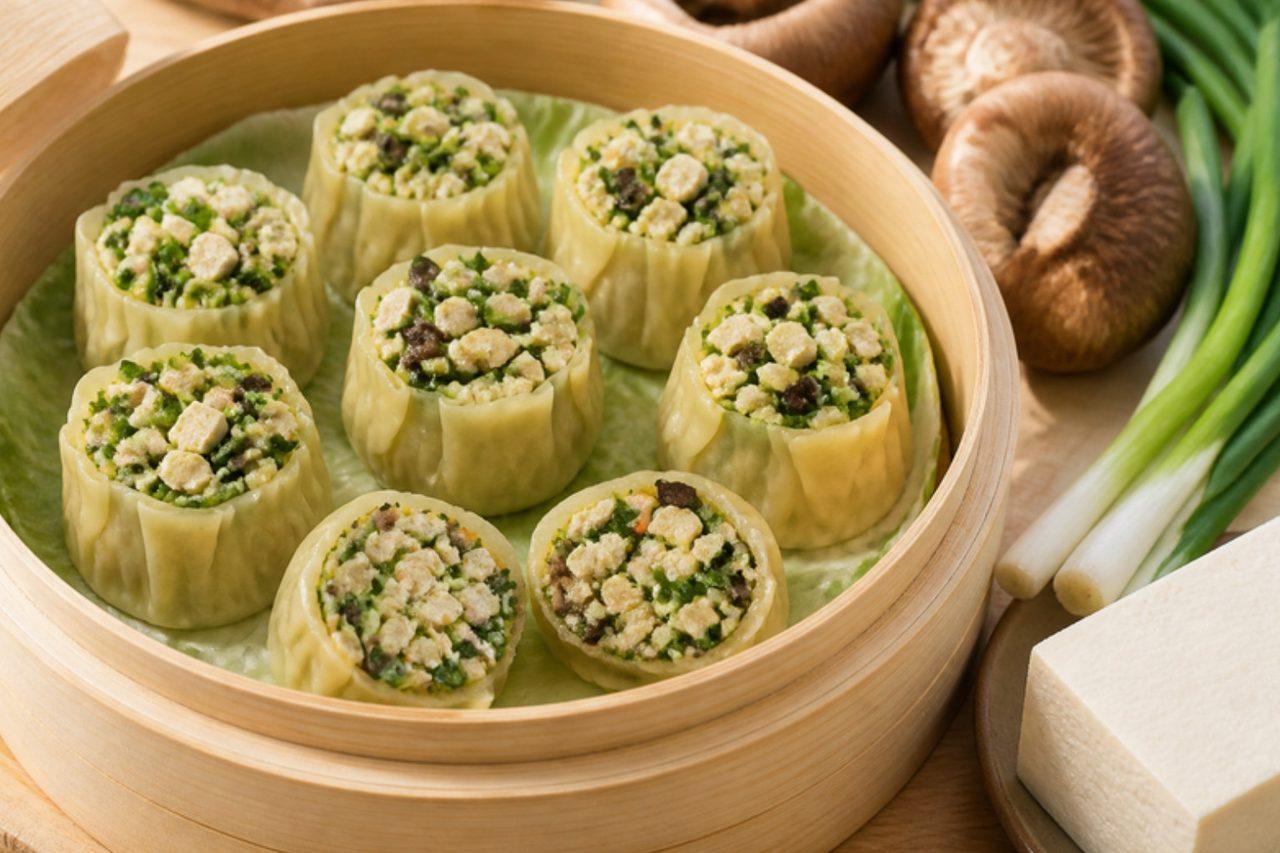
Siu mai are among the first baskets wheeled past at Cantonese dim sum in Guangzhou's tea houses, where people meet over yum cha on weekend mornings. The classic is pork and prawn; this one is packed with shiitake, tofu, crunchy water chestnut and carrot, with a dot of diced carrot on top in place of fish roe. Steam them in a bamboo basket and serve with chilli oil and soy. Chef's tip: squeeze the wrapper into a 'waist' with your thumb and finger and flatten the base on the board, so they stand up straight in the steamer.

by KrazyBadal 0 views

Shiro watSpiced chickpea flour stew

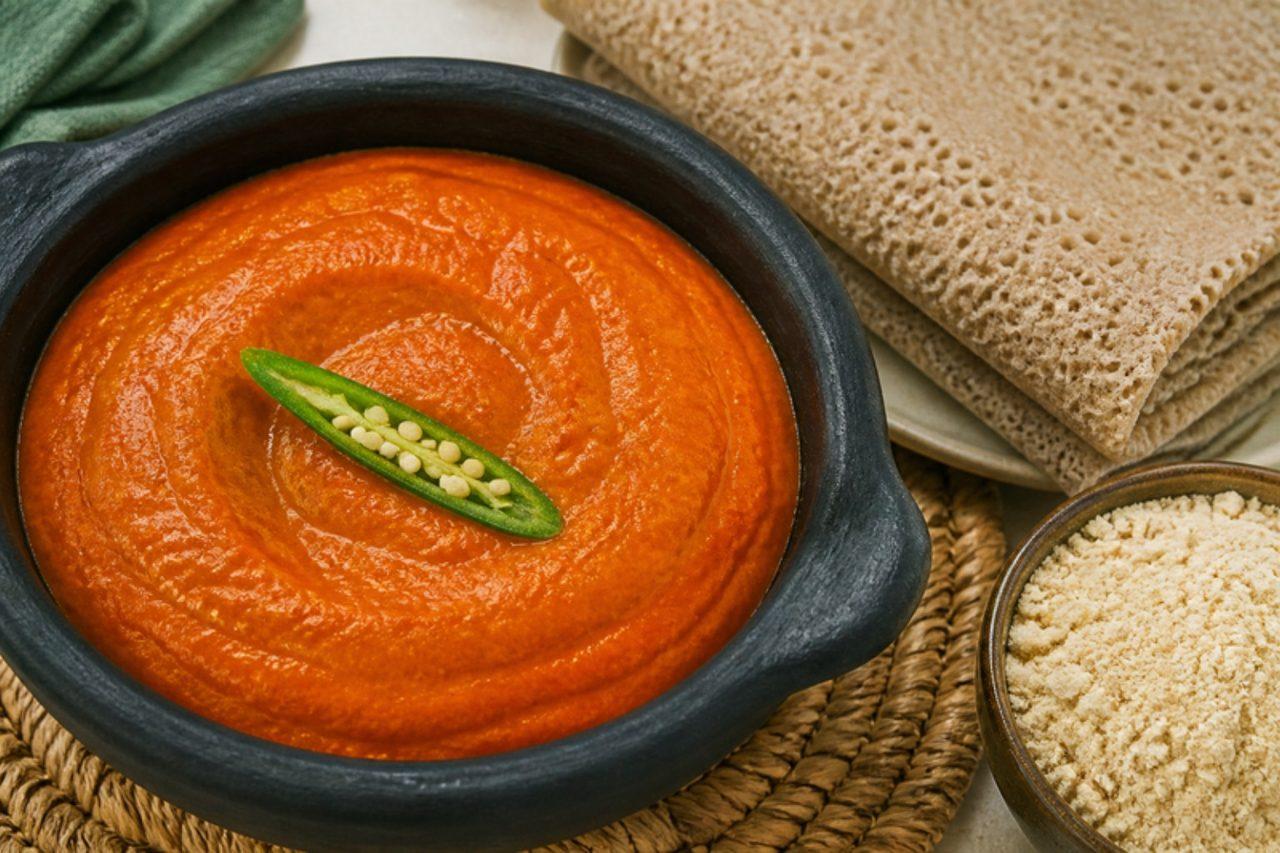
Shiro is the most eaten dish in Ethiopia: on Wednesdays and Fridays and during Lent, when Orthodox Christians fast from all animal food, kitchens from Addis Ababa to Mekelle make it daily, and it is a favourite in Eritrea too. It is made from shiro powder, a ground mix of roasted chickpeas or field peas with garlic, ginger and berbere, whisked into a red onion base and simmered into a smooth, thick sauce. Served bubbling in a clay pot over injera, it is comforting, spicy and very cheap. On non-fasting days, a spoon of niter kibbeh stirred in at the end makes it richer. Chef's tip: whisk the shiro powder in slowly, a spoonful at a time, and keep whisking; dumped in all at once it forms lumps that never dissolve.

by KrazyBadal 0 views

Vegetable Uzbek plovVegetable pilaf

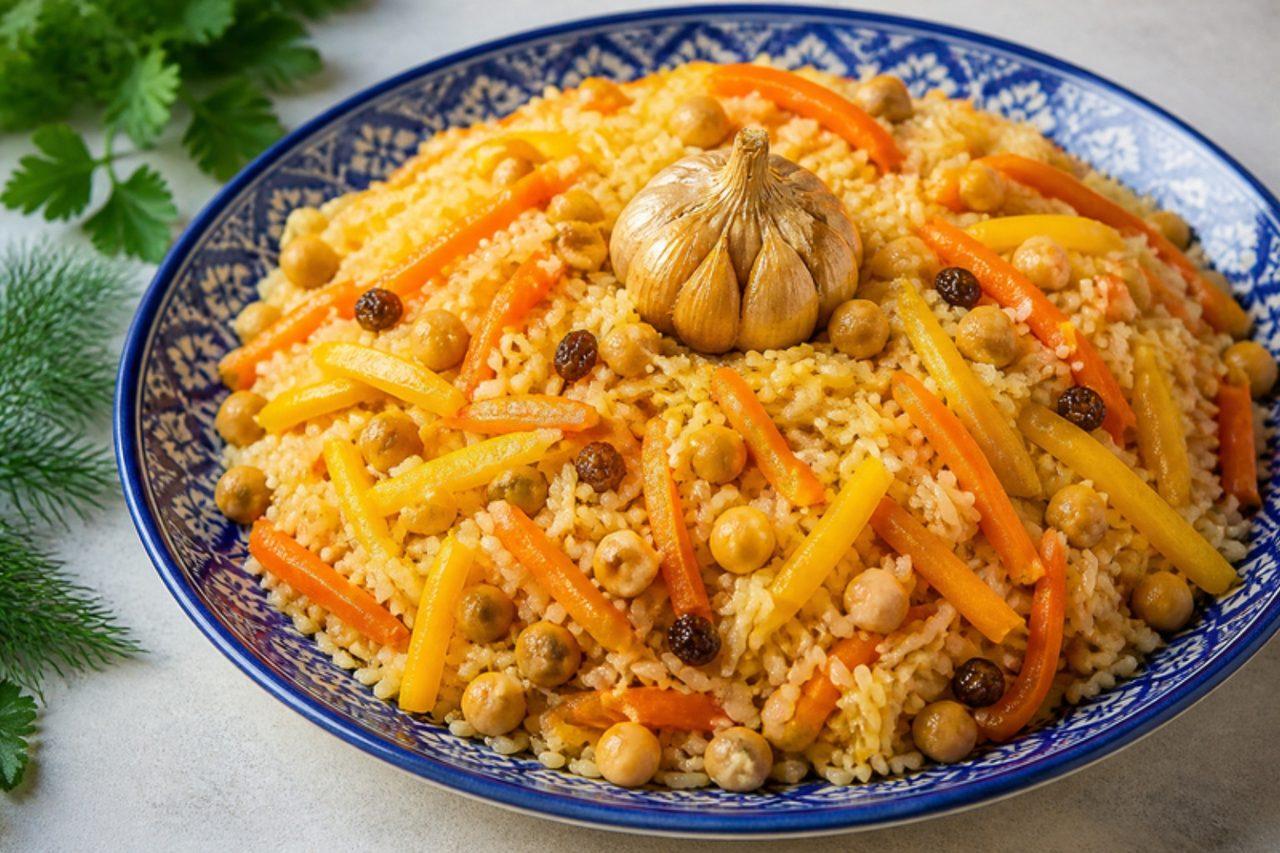
Plov (osh) is the dish Uzbeks cook for weddings, for Friday lunch and for guests, traditionally by men over a fire in a wide cast-iron kazan. Tashkent, Samarkand and Bukhara each have their own style, but all are built the same way: a zirvak (base) of onions and long strips of carrot fried in oil, rice laid on top and steamed until every grain is separate and glossy. This vegetarian version keeps the zirvak and swaps the meat for chickpeas (nohat), whole heads of garlic and barberries, as in Samarkand's chickpea plov. For the classic meat version, lamb or beef is browned in the oil before the onions and simmered in the zirvak for 40 minutes. Serve with achichuk. Chef's tip: hunt out yellow carrots from Central Asian or Turkish grocers; they are sweeter and less watery than orange ones and give plov its honeyed colour.

by KrazyBadal 0 views

Shish taoukMarinated chicken skewers

Walk past any grill shop in Beirut in the evening and you'll smell shish taouk: cubes of chicken soaked in yogurt, lemon, garlic and a little tomato paste, charred over coals and stuffed into thin bread with toum, pickles and chips. At home it is a weekend barbecue favourite and an easy weeknight dinner under the grill, with fattoush or hummus on the side. The yogurt tenderises the meat and the tomato paste gives the edges their red-gold char. Chef's tip: use thighs rather than breast if you can; they stay juicy even when the edges catch.

by KrazyBadal 0 views

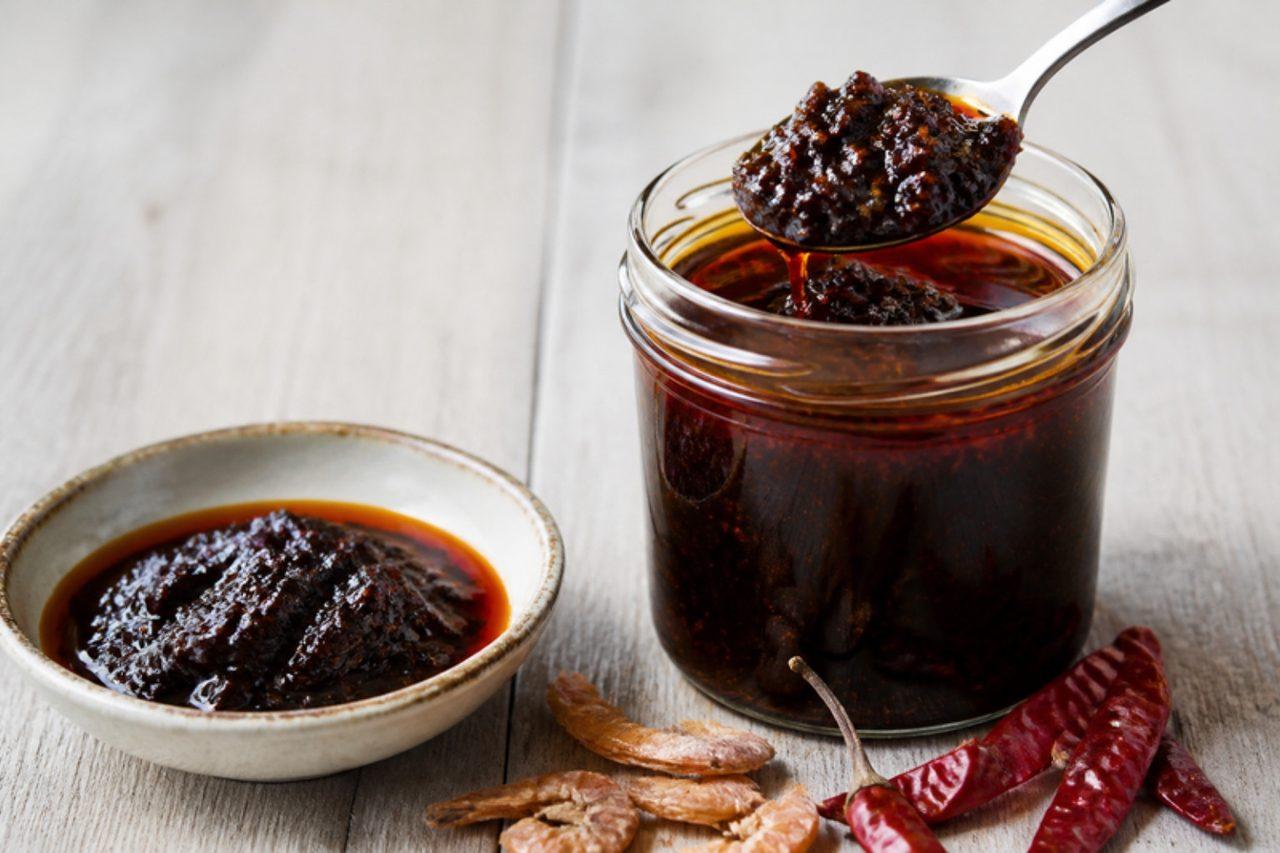
ShitoDried fish chilli oil

Shito is the black pepper sauce that sits on every Ghanaian table and travels in every student's suitcase. Onions, ginger and garlic are cooked down slowly in a lot of oil with ground dried shrimp, smoked dried fish and chilli until the mixture turns almost black, rich and crunchy-savoury. A spoonful lifts kenkey, waakye, jollof rice, eggs or plain bread. The mistake almost everyone makes the first time is cooking it on high heat: it scorches and turns bitter. Low and slow is the whole secret. Chef's tip: stir the bottom of the pot every few minutes in the last half hour, when it darkens fastest.

by KrazyBadal 0 views

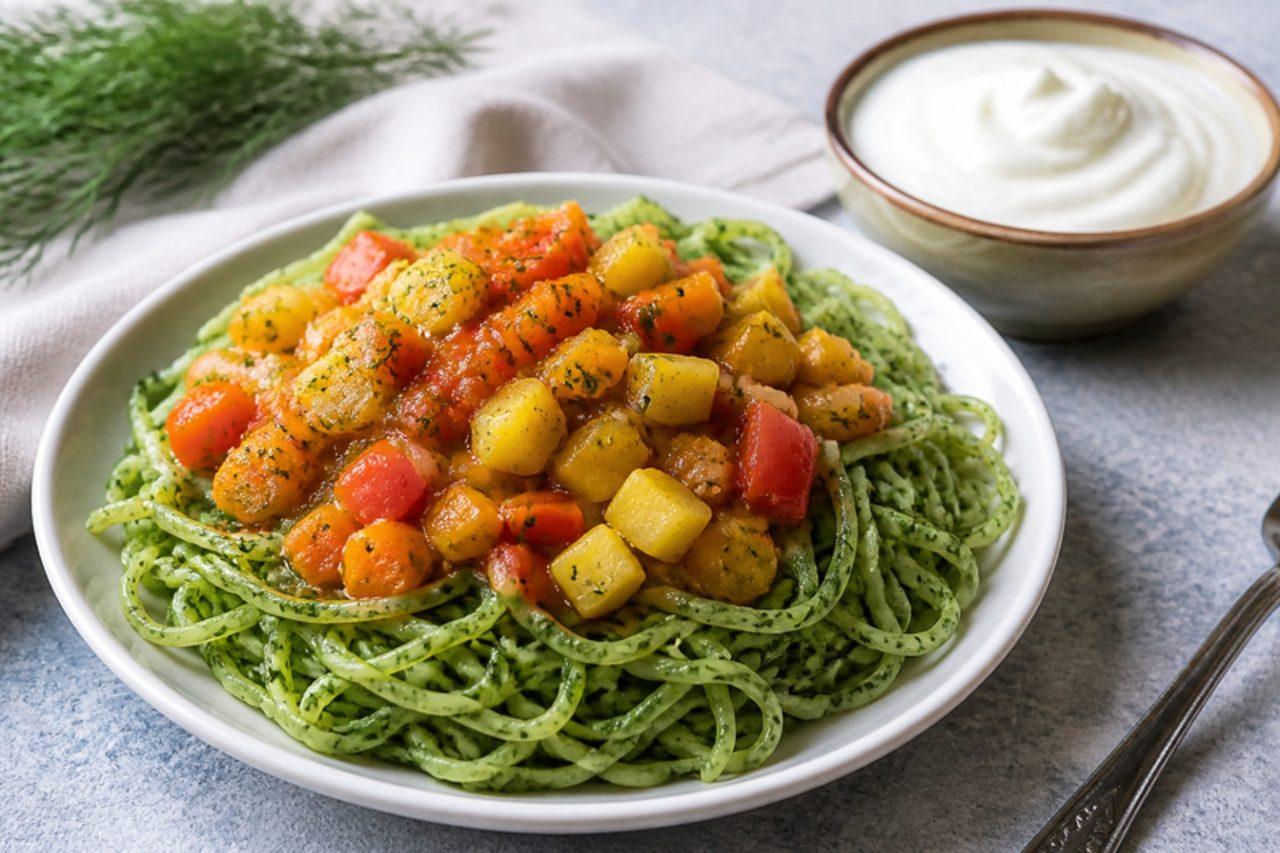
Shivit oshiDill noodles with vegetable sauce

Shivit oshi is the pride of Khorezm, the western oasis around Khiva and Urgench: bright green noodles made with a paste of fresh dill (shivit), topped with a stew of vegetables and a cooling spoon of katyk (thick yogurt). In Khiva's old town it is served at lunch in summer, when the dill is fragrant and the heat makes heavy plov unwelcome. The usual topping has meat; this one is a vadja of potato, carrot, pepper and tomato. Chef's tip: blend the dill with the water rather than chopping it; the dough turns an even jade green and the noodles taste of dill all the way through.

by KrazyBadal 0 views

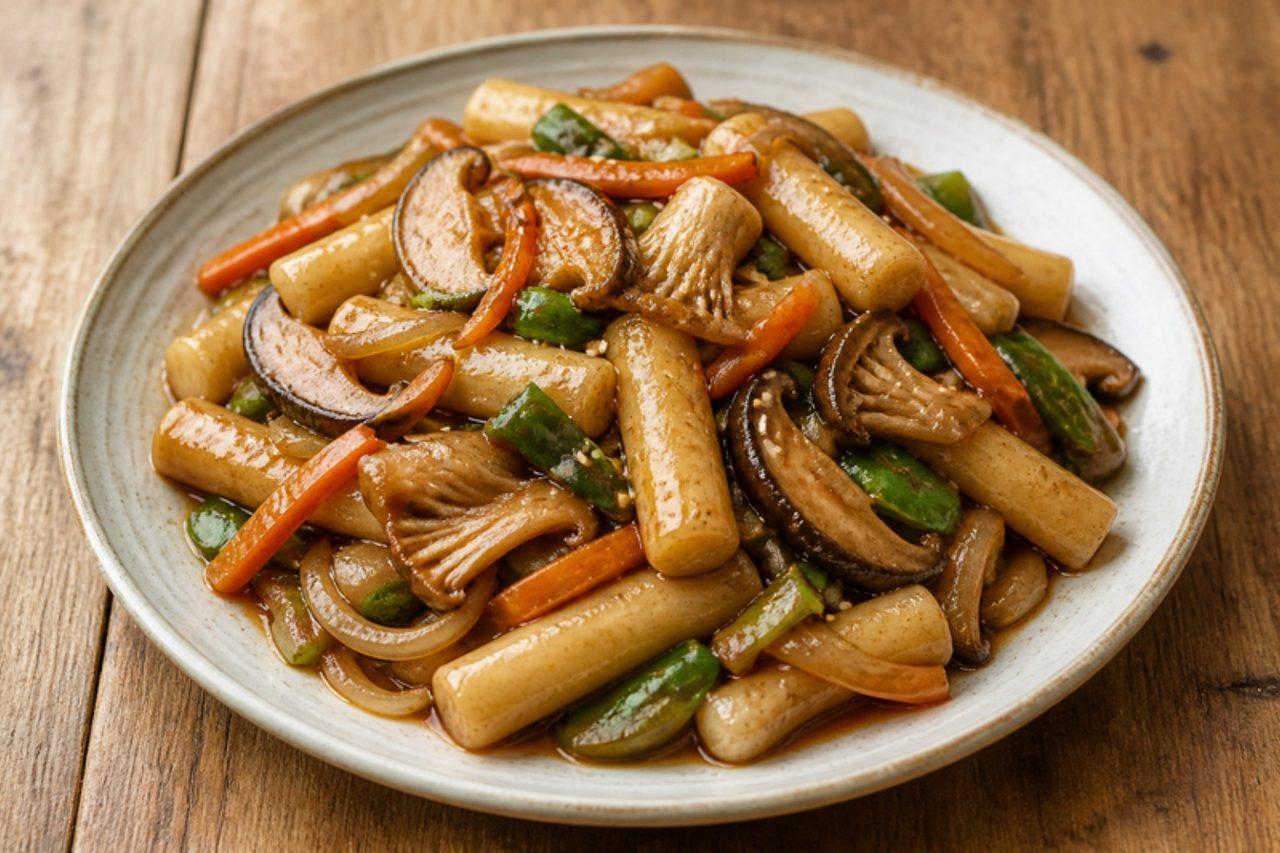
Gungjung tteokbokkiSoy rice cakes with mushrooms

Long before red gochujang tteokbokki took over Seoul's street stalls, the Joseon palace kitchens served gungjung tteokbokki (궁중떡볶이): chewy cylinders of rice cake tossed in a glossy soy and sesame glaze with mushrooms, peppers and onion. It is mild, savoury-sweet and fragrant with toasted sesame, which makes it the version Korean parents cook for children and for anyone who can't take heat. The court recipe used beef; shiitake and oyster mushrooms carry the same savoury depth here. Eat it warm as a snack or alongside rice and kimchi. Chef's tip: soften the rice cakes in hot water before they meet the pan, or the outsides scorch while the centres stay hard.

by KrazyBadal 0 views

Gundruk ko jholSour fermented greens soup

In the terraced hill villages between Pokhara and Ilam, families pack mustard, radish and cauliflower leaves into clay pots after the autumn harvest, let them ferment for a week or two and then sun-dry them into gundruk. That dark, tangy leaf is the store cupboard of the winter months, and its most common use is this thin, sour soup (jhol), served on the side of dal bhat or with dhido, the stiff buckwheat or millet porridge of the hills. It tastes a little like a smoky, vinegary green tea and is light, warming and very cheap. A handful of roasted soybeans (bhatmas) is often thrown in for crunch. The mistake is to cook gundruk without soaking it first, which leaves it gritty and too sour. Chef's tip: squeeze the soaked leaves hard and fry them in the oil until they crackle before you add water; that frying gives the soup its toasty depth.

by KrazyBadal 0 views

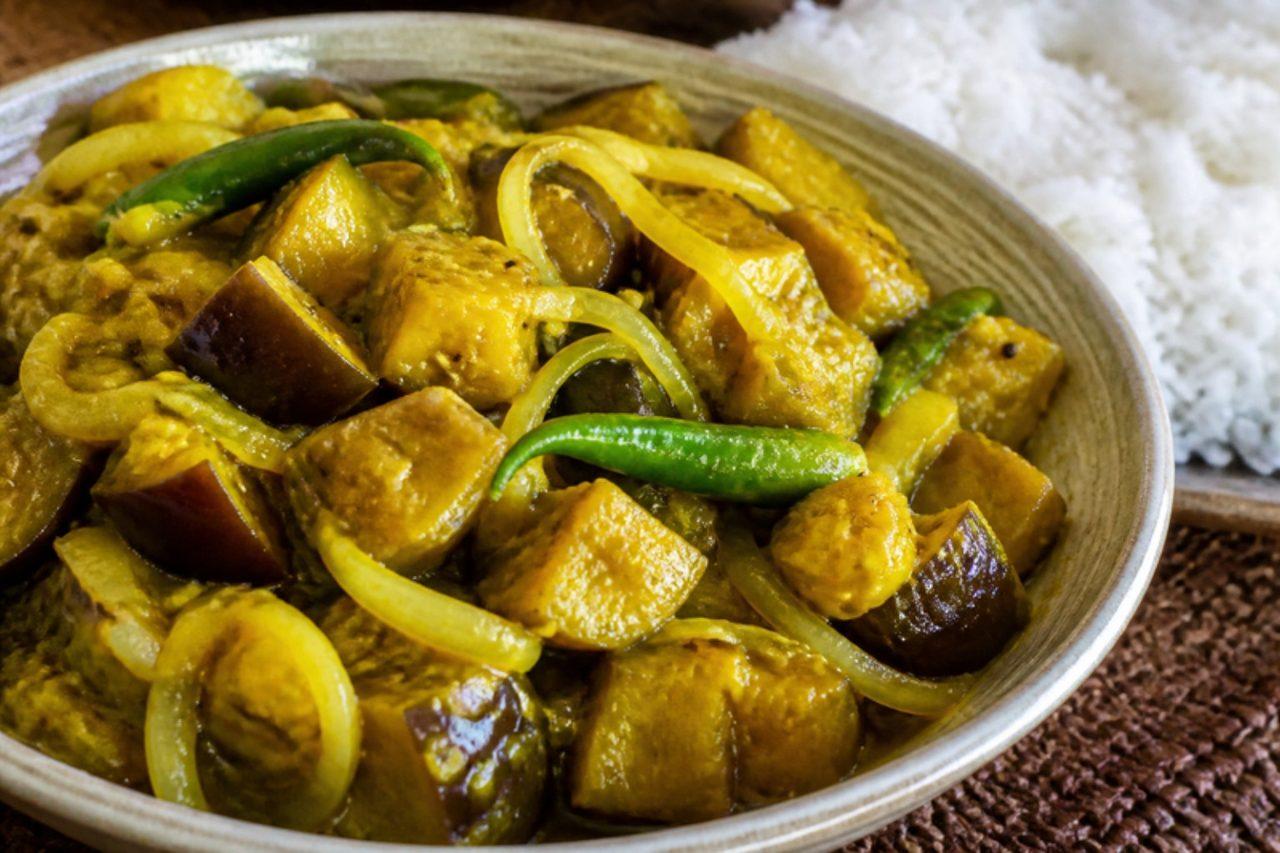
Vegetable vindayeMustard vegetable pickle curry

Vindaye is a Mauritian dish descended from the vindaloo and vinha d'alhos traditions but entirely its own: fried ingredients coated in a bright yellow paste of mustard seed, turmeric, garlic, ginger and vinegar, with lots of raw-crisp onion. Fish and octopus vindaye are the classics, served at room temperature with rice, faratas or bread; aubergine and potato vindaye is a well-loved vegetarian version for Hindu fasting days and buffets. Chef's tip: grind the mustard seeds fresh; ready-ground mustard gives a flat, dusty taste.

by KrazyBadal 0 views

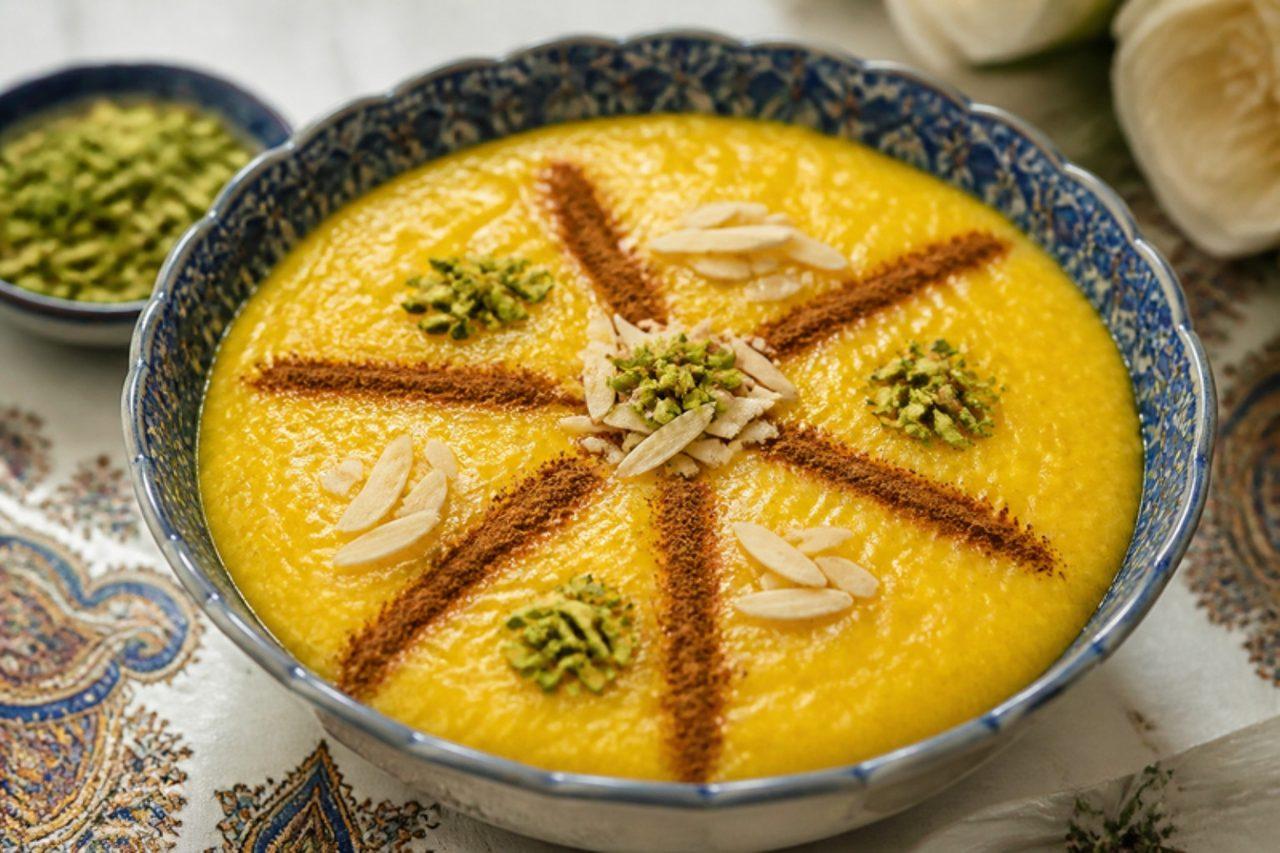
Sholeh zardSaffron rice pudding

Sholeh zard is the bright yellow rice pudding that Iranians cook in huge pots as nazri, food given away to neighbours and strangers, especially during the month of Muharram and on religious feast days; neighbourhoods in Tehran and Mashhad fill with its smell of saffron and rose. Rice is simmered until it almost melts, then sweetened, coloured gold with saffron and perfumed with rosewater and cardamom. It sets softly as it cools and is decorated with cinnamon lines, almonds and pistachios. This version uses a little oil instead of butter, so it is vegan. Chef's tip: add the sugar only when the rice is completely soft; sugar added early stops the grains from breaking down.

by KrazyBadal 0 views

Gundel palacsintaWalnut pancakes with chocolate sauce

Gundel palacsinta is the festive pancake of Budapest, named after the Gundel restaurant by City Park, where it became the showpiece dessert of the mid-twentieth century. Thin Hungarian pancakes are filled with a rum-scented walnut and raisin paste, folded into triangles and drowned in a dark chocolate sauce, sometimes flamed at the table. Everyday palacsinta at home are simpler, rolled with apricot jam, cocoa sugar or sweet túró; this is the version for name days, Christmas and guests. Chef's tip: rest the batter for 30 minutes; the pancakes become thinner and more elastic and stop tearing when you fold them. Common mistake: overfilling, which makes the triangles burst open.

by KrazyBadal 0 views

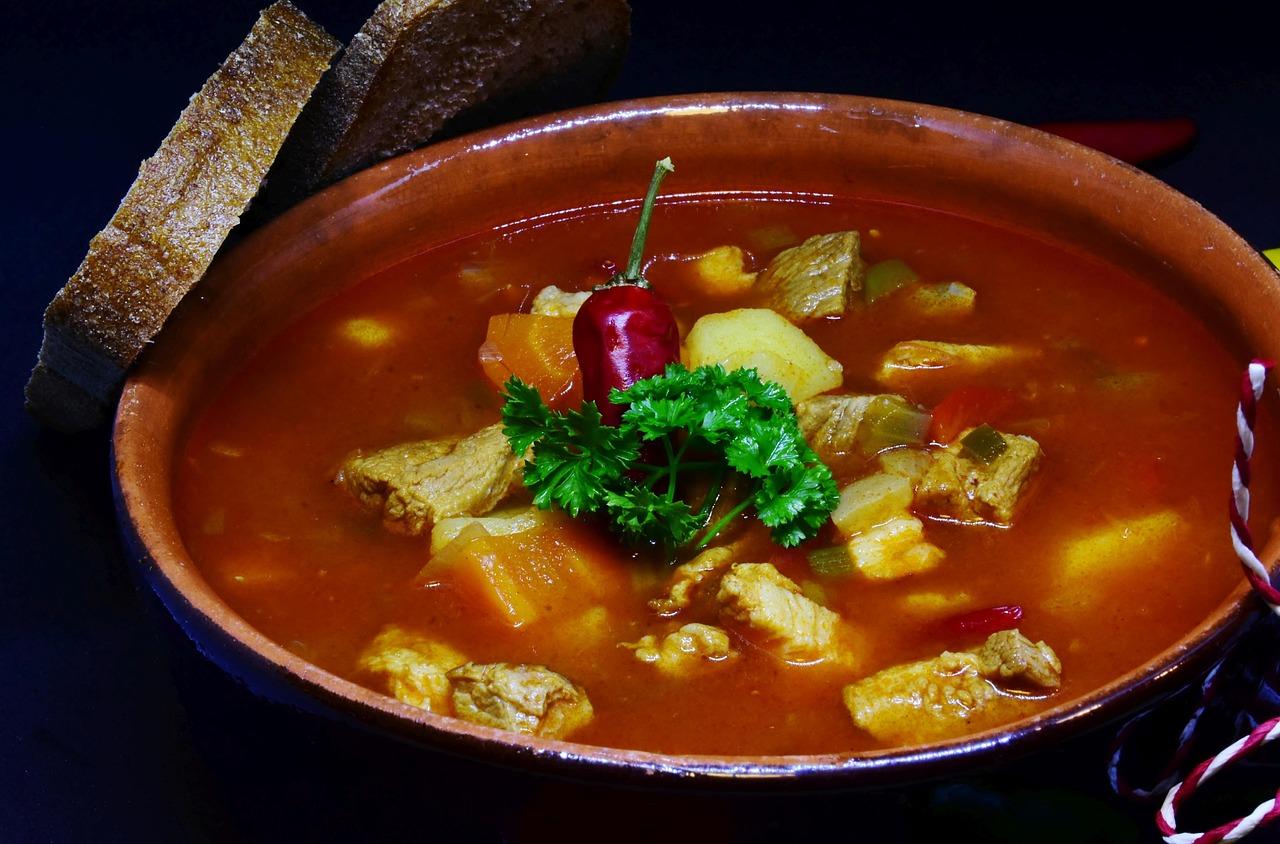
GulyáslevesBeef goulash soup

Real Hungarian goulash is a soup, gulyásleves, born in the cattle herders' kettles of the Great Plain and still cooked over open fires at summer festivals and in every csárda (country inn) between Budapest and Debrecen. Beef shin or chuck simmers with lots of onion, sweet paprika, caraway and green pepper until tender, then potatoes and carrots go in. It is brothy, rich red and gently spicy, eaten with fresh bread. Chef's tip: take the pot off the heat before adding the paprika; it burns in seconds in hot fat and turns bitter.

by KrazyBadal 0 views

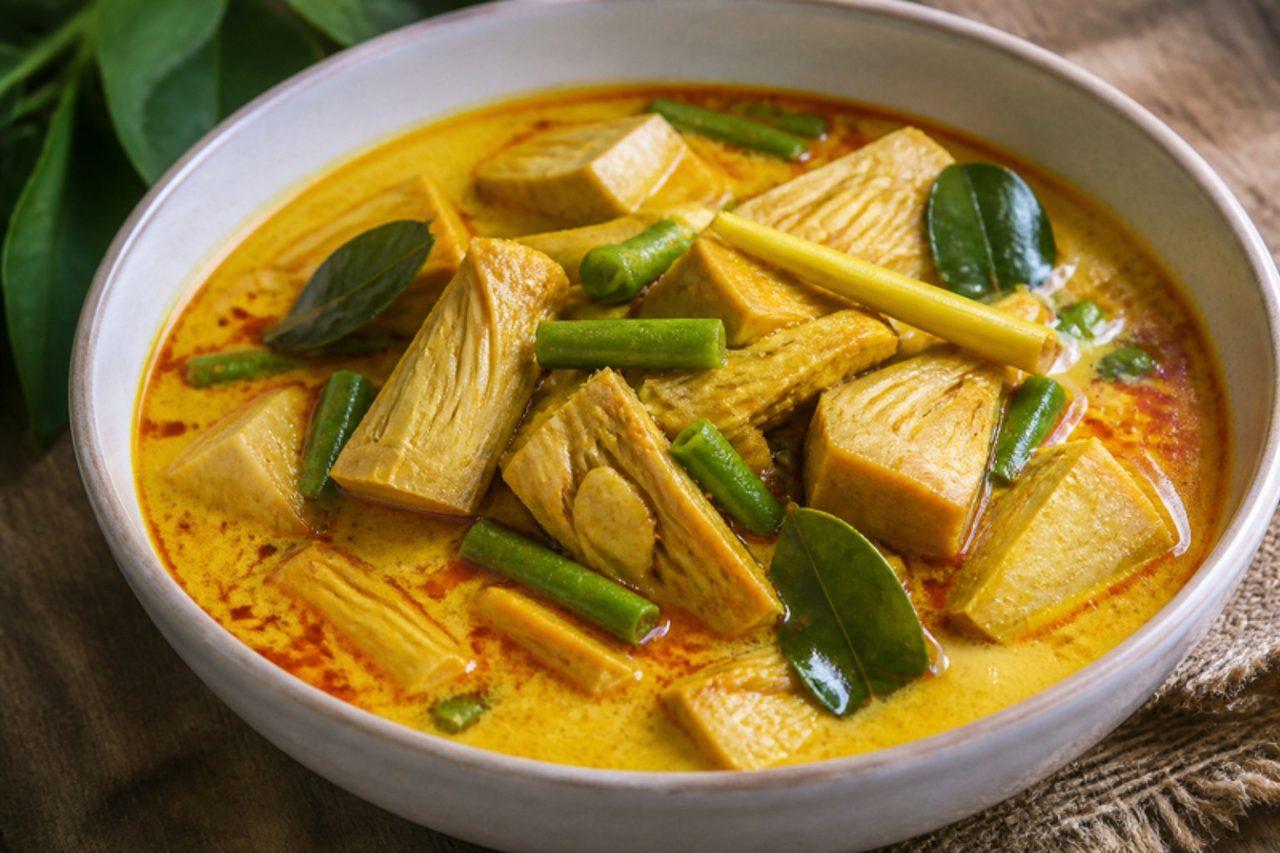
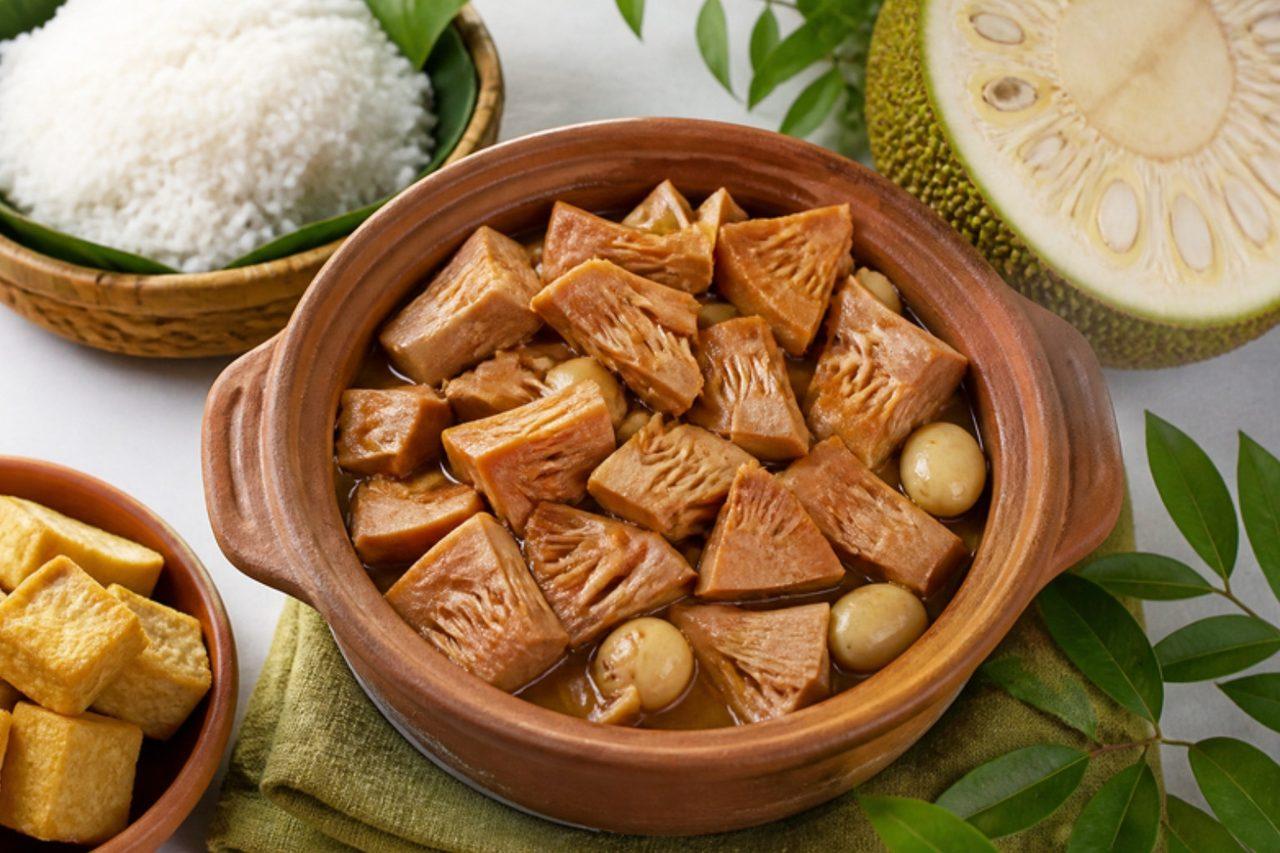
Gulai nangkaYoung jackfruit curry

In a nasi Padang restaurant, where dozens of dishes are stacked in the window and brought to the table on small plates, gulai nangka is the bright yellow one that gets spooned over rice to moisten everything else. Young jackfruit and long beans simmer in a thin, golden coconut sauce with turmeric, chilli and lemongrass until the jackfruit is tender and full of sauce. It's lighter and saucier than rendang and cooks in under an hour, so Padang households make it on ordinary weekdays. Chef's tip: stir the pot almost constantly for the first few minutes after the coconut milk goes in — Padang cooks say it keeps the gulai smooth and stops it splitting.

by KrazyBadal 0 views

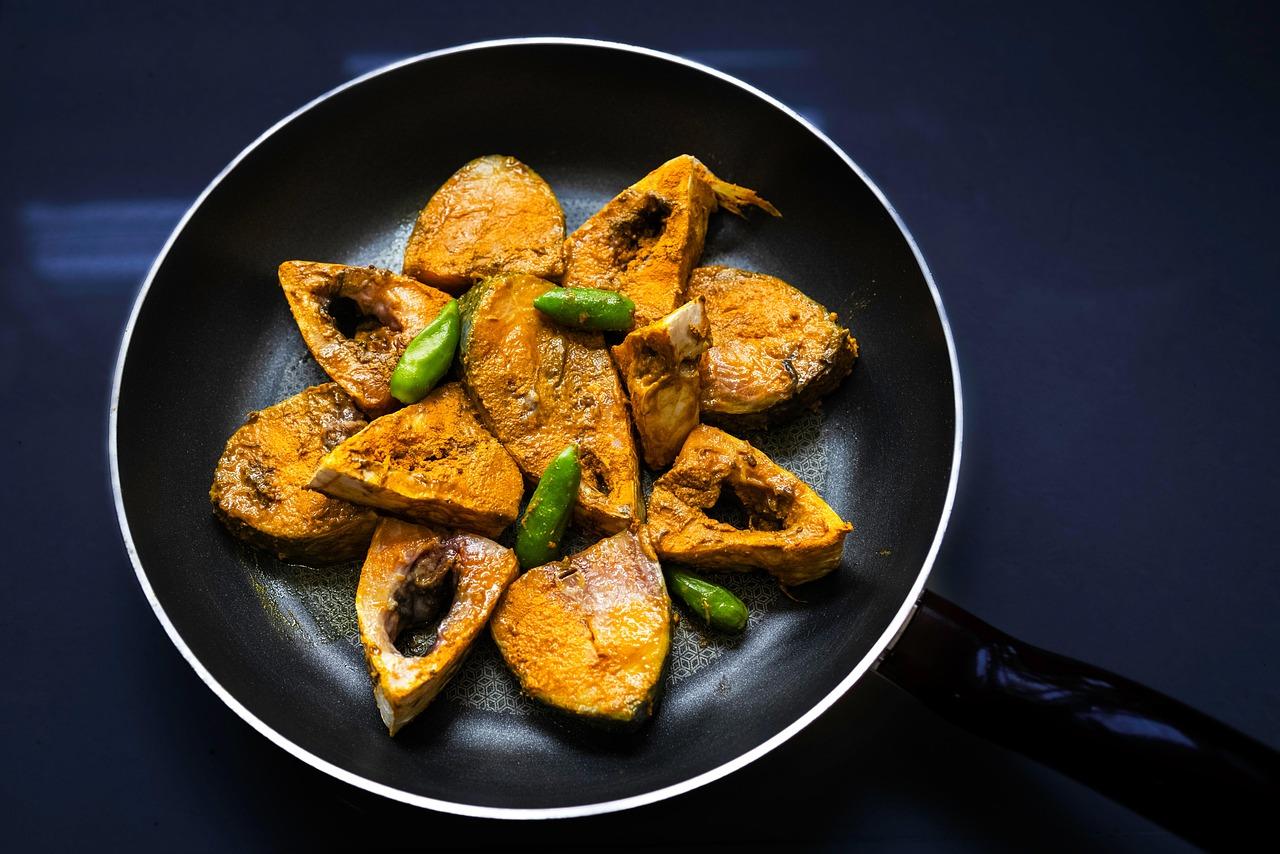
Shorshe ilishHilsa in mustard sauce

Hilsa, ilish, is the national fish of Bangladesh, and during the monsoon, when the shoals swim up the Padma and Meghna rivers, families in Dhaka and Chandpur cook it almost daily. Shorshe ilish is the most loved way: steaks of the rich, silvery fish gently simmered in a paste of ground yellow and black mustard seed, green chillies and mustard oil until the sauce turns sharp, creamy and nose-tingling. Eat it with plain white rice and nothing else. Hilsa is very bony, so warn guests and eat slowly; salmon steaks are an easier, less traditional swap. The common mistake is boiling the sauce hard after the mustard paste goes in, which turns it bitter. Chef's tip: grind the mustard seeds with a pinch of salt and a green chilli, and let the paste rest for 10 minutes before cooking; this tames the bitterness.

by KrazyBadal 0 views

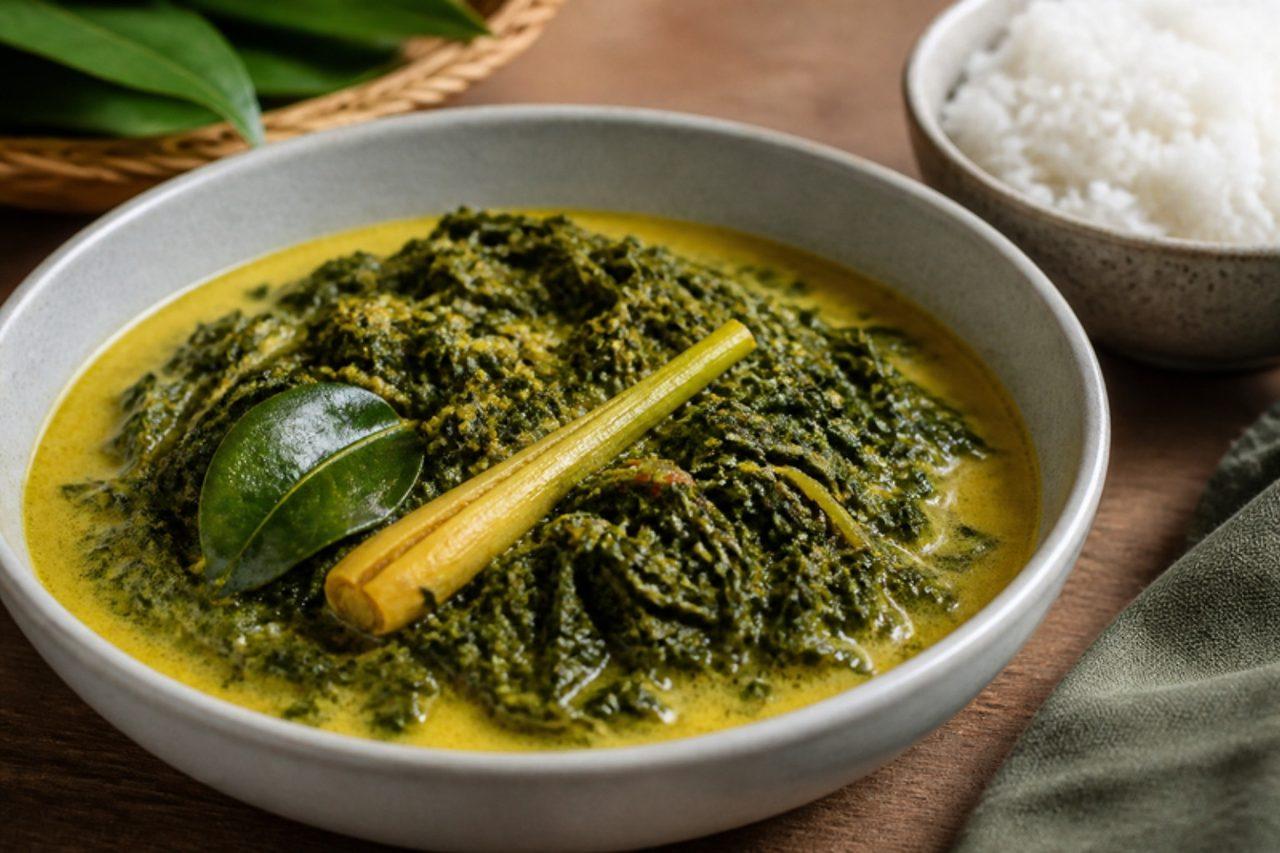
Gulai daun singkongCassava leaves in coconut gravy

No Padang restaurant in West Sumatra is complete without a dish of gulai daun singkong: dark cassava leaves simmered until silky in a yellow coconut gravy fragrant with lemongrass, turmeric leaf and galangal. It is the cooling green on a table of rich, fiery plates, ladled over rice with sambal hijau. Restaurants sometimes add dried anchovies; this version doesn't. Frozen cassava leaves from Asian shops work well; kale is the best stand-in. Chef's tip: squeeze the boiled leaves hard before adding them, or the gravy goes thin and grassy.

by KrazyBadal 0 views

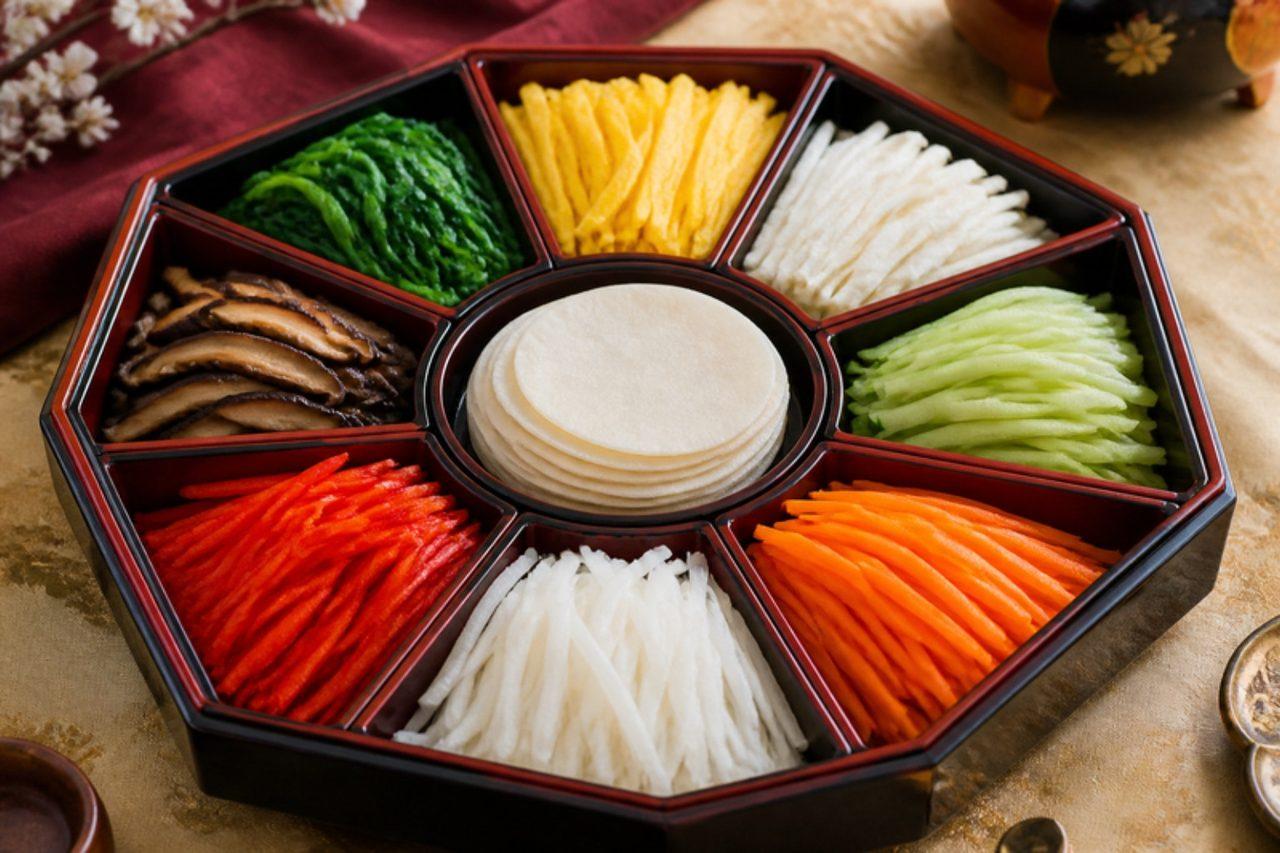
GujeolpanNine-section vegetable platter

Gujeolpan (구절판) takes its name from the octagonal lacquered tray it is served on: eight outer compartments of finely cut, separately seasoned fillings around a stack of paper-thin wheat crêpes in the middle. It was a dish of the Seoul royal court and noble households, and it still appears at weddings, 60th birthdays and Seollal tables, where everyone builds their own little rolls. Classic trays include beef; this one keeps all the colour with shiitake, wood ear, cucumber, carrot, peppers, radish and yellow and white egg. It takes patience rather than skill. Chef's tip: cut every filling into matchsticks the same length as the crêpes are wide, about 5 cm, so each roll closes neatly.

by KrazyBadal 0 views

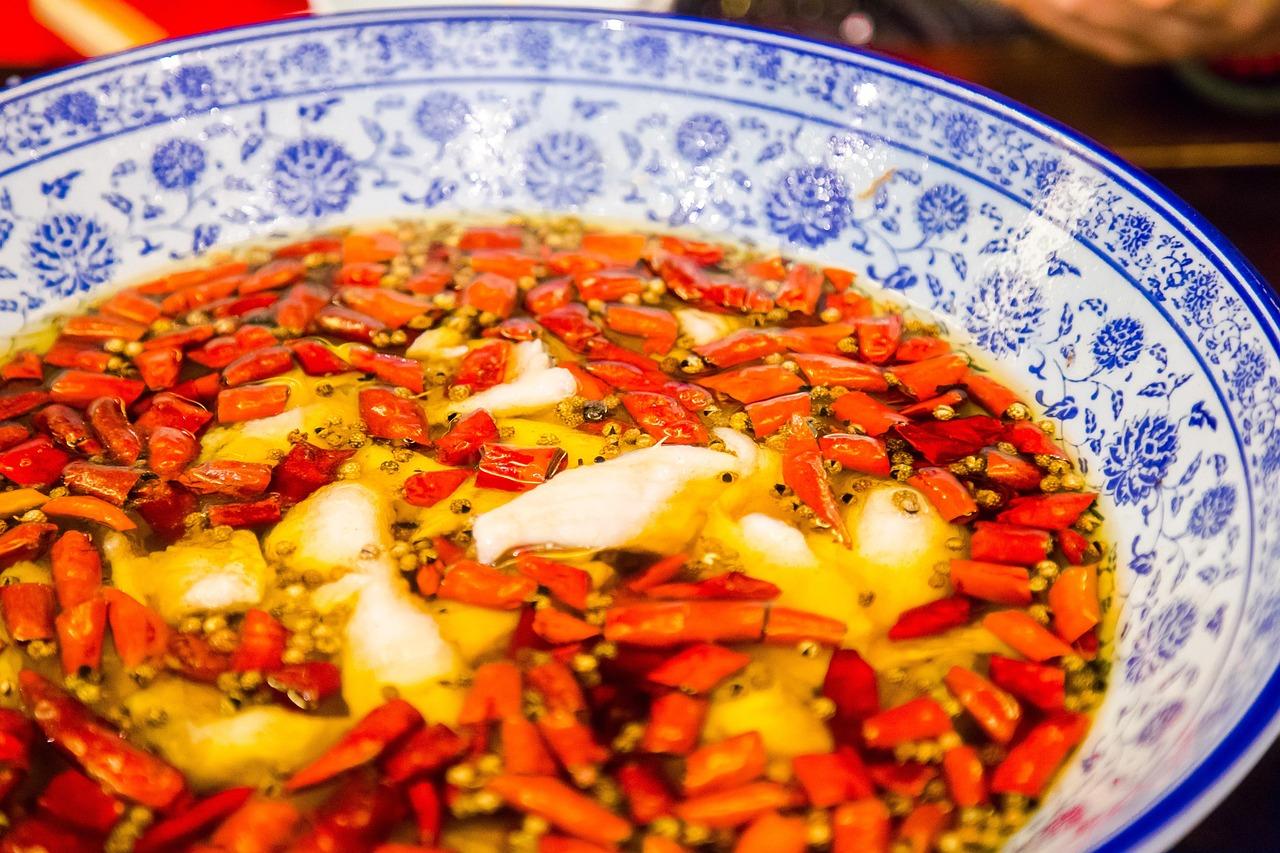
Shui zhu fishFish in chilli broth

'Water-boiled fish' is Sichuan humour at its driest, because what arrives at the table in Chongqing and Chengdu restaurants is a great basin of silky fish slices half hidden under a red sea of chillies and Sichuan pepper, still crackling from a ladle of smoking oil poured over at the last moment. Underneath is a savoury broth of chilli bean paste with soft bean sprouts and celery. It is a dish for sharing with friends over beer or tea: you fish out the slices with chopsticks and leave the oil behind, as everyone does. Plain rice is essential, and something cooling such as smacked cucumber helps. Chef's tip: coat the fish in egg white and cornflour and give it no more than three minutes in the broth; the coating keeps each slice tender and stops it breaking up.

by KrazyBadal 0 views

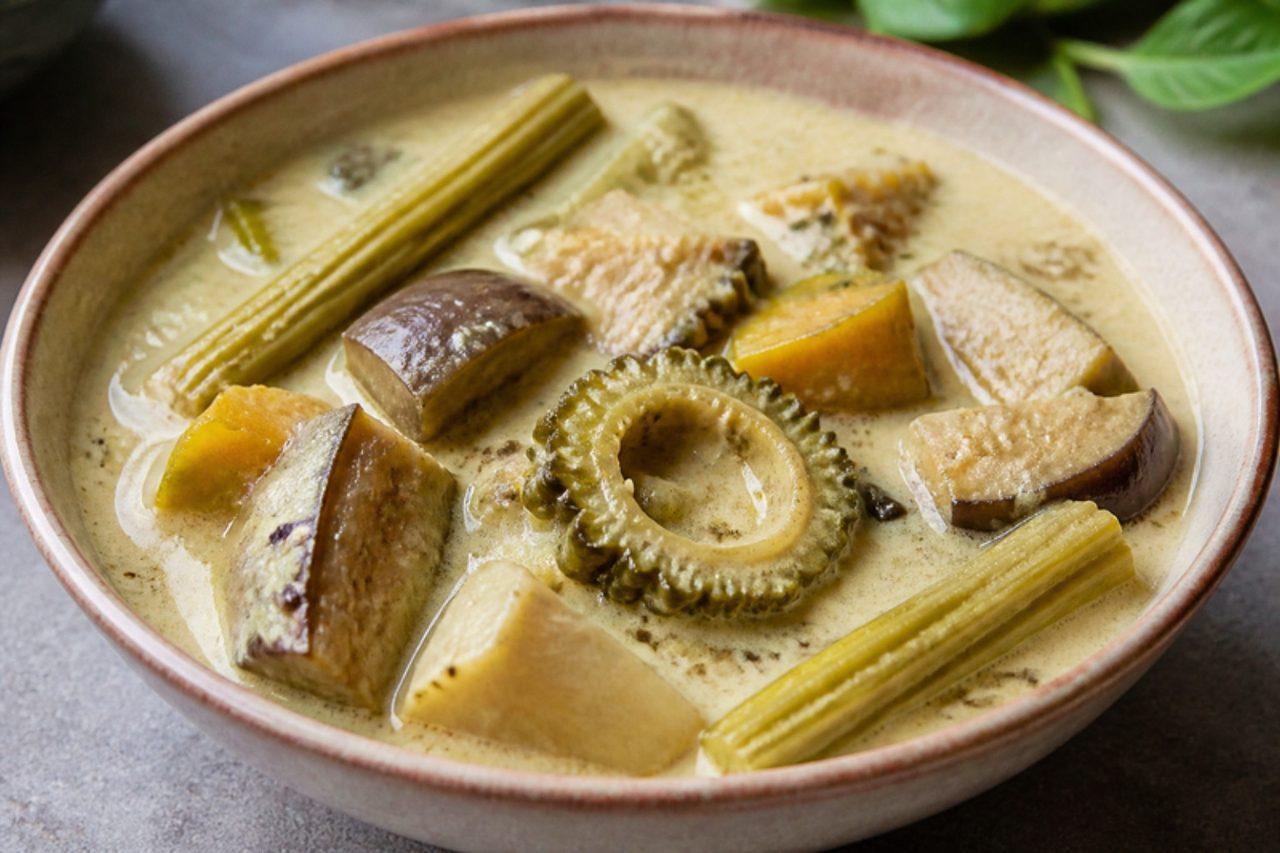
ShuktoBitter mixed vegetable stew

Shukto opens a traditional Bengali meal: a mild, slightly bitter stew of bitter gourd, raw banana, sweet potato, drumsticks and aubergine, eaten with the first mouthfuls of rice to wake up the palate. The vegetables are fried, then simmered with a paste of mustard and poppy seeds and finished with milk and a spoonful of ghee, so the bitterness is balanced by a creamy, faintly sweet sauce. It is a dish of West Bengal's home kitchens, cooked especially in spring. Chef's tip: fry the bitter gourd separately until well browned and add it at the end; this keeps its bitterness pleasant and stops it spreading through the whole pot.

by KrazyBadal 0 views

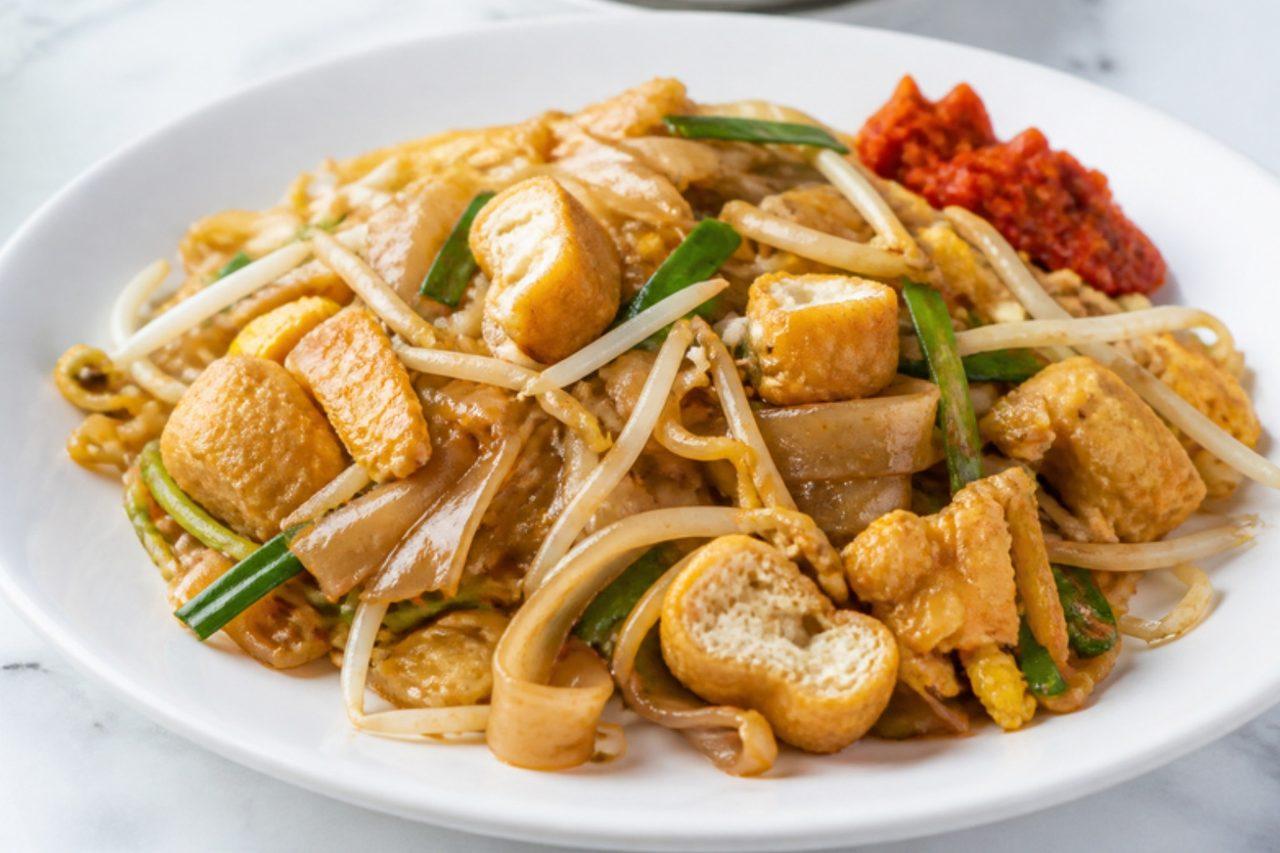
Vegetarian char kway teowStir-fried flat rice noodles

Char kway teow is the dish Singaporeans queue for at hawker centres like Old Airport Road and Zion Riverside: flat rice noodles and yellow noodles tossed over a roaring wok with dark sweet soy, egg, beansprouts and chives until smoky and sticky. The classic uses lard, cockles and Chinese sausage; this vegetarian version gets its richness from fried tofu puffs and plenty of garlic, and its char from a very hot pan. Chef's tip: cook one or two portions at a time; a crowded pan can't get hot enough for the smoky wok hei that defines the dish.

by KrazyBadal 0 views

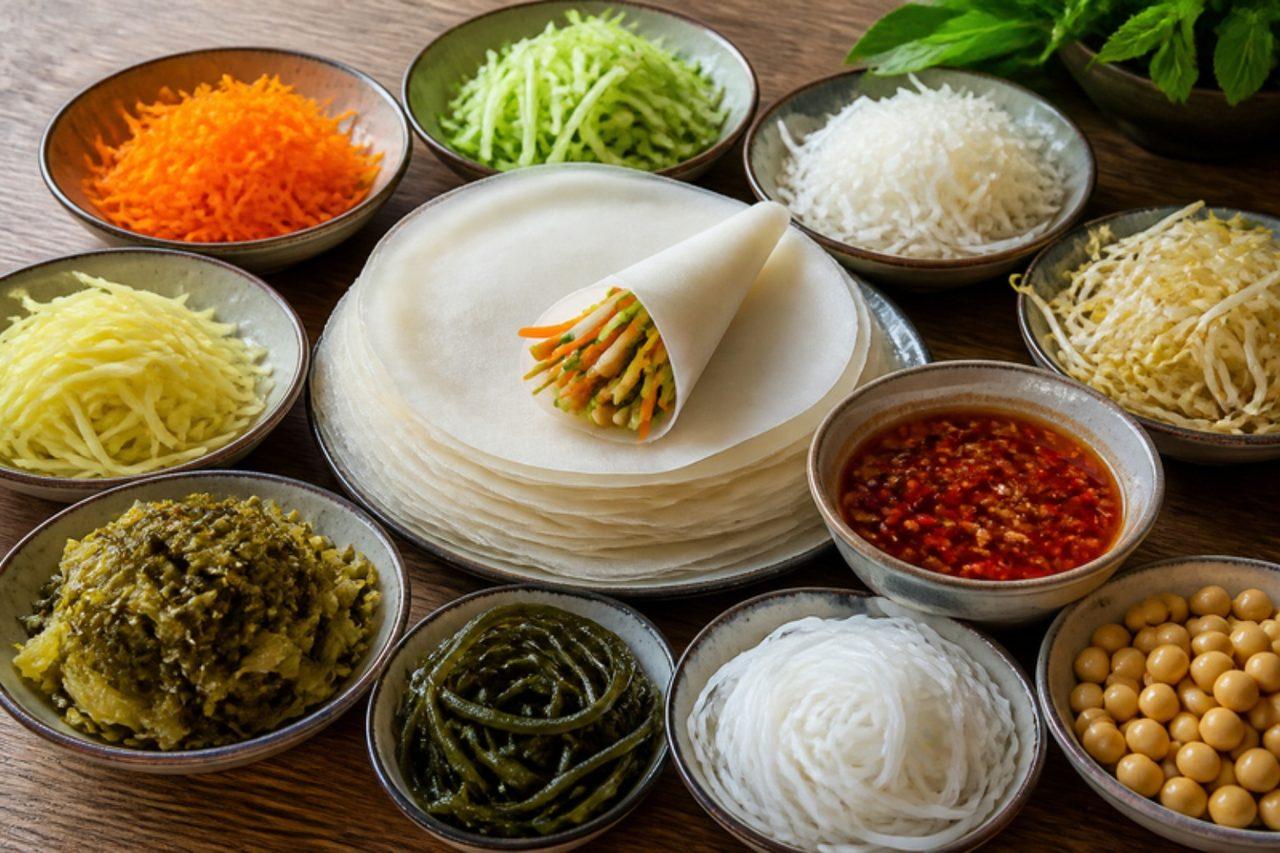
Guiyang si wa waPancake rolls with shredded vegetables

Guiyang's favourite street snack is a do-it-yourself meal: stalls set out twenty or more small bowls of shredded vegetables, and each person wraps a few strands in a pancake no bigger than a palm, folds it like a swaddled baby and pours in a spoonful of sour, chilli-flecked broth. It's light, crunchy and fun to eat with friends. Use as many fillings as you like; the more colours, the better. Chef's tip: shred everything as fine as you can, so the little parcels stay neat and each mouthful has several flavours.

by KrazyBadal 0 views

GudegYoung jackfruit stew

Gudeg is the signature of Yogyakarta: whole streets around Wijilan are lined with stalls selling it from dawn, and visitors carry it home in clay pots or woven baskets. Unripe jackfruit is cooked for hours with palm sugar, coconut milk, galangal and salam leaves until it turns reddish-brown, soft as pulled meat, and deeply sweet and savoury. The classic plate adds chicken, egg and spicy cattle-skin stew; this vegan plate pairs it with sticky-sweet tempeh and tofu and a sharp sambal to cut the sweetness. Chef's tip: let the pot cook down slowly until almost all the liquid is gone — drier gudeg keeps for days and tastes better on the second.

by KrazyBadal 0 views

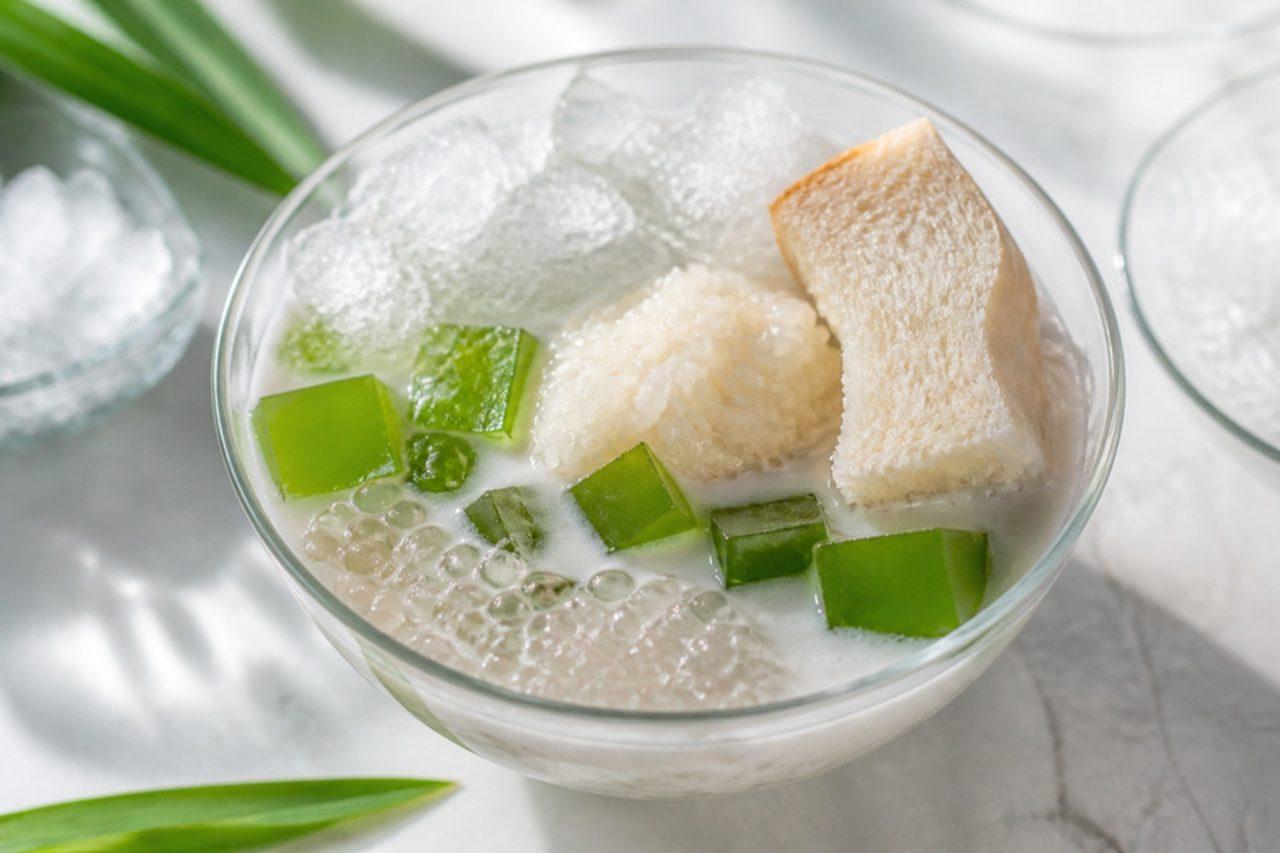
Shwe yin ayeIced coconut dessert

Shwe yin aye, roughly 'golden heart cooler', is what Yangon drinks during the scorching weeks of Thingyan, the April water festival, when stalls set up along the streets to hand it out. It's a bowl of sweet, lightly salted coconut milk over crushed ice, filled with chewy sago pearls, cubes of green agar jelly, a scoop of sticky rice and, surprisingly, a few pieces of soft white bread that soak up the coconut. Chef's tip: make the jelly, sago and sticky rice in the morning and chill everything; assembled cold, the bowl stays refreshing to the last spoonful.

by KrazyBadal 0 views

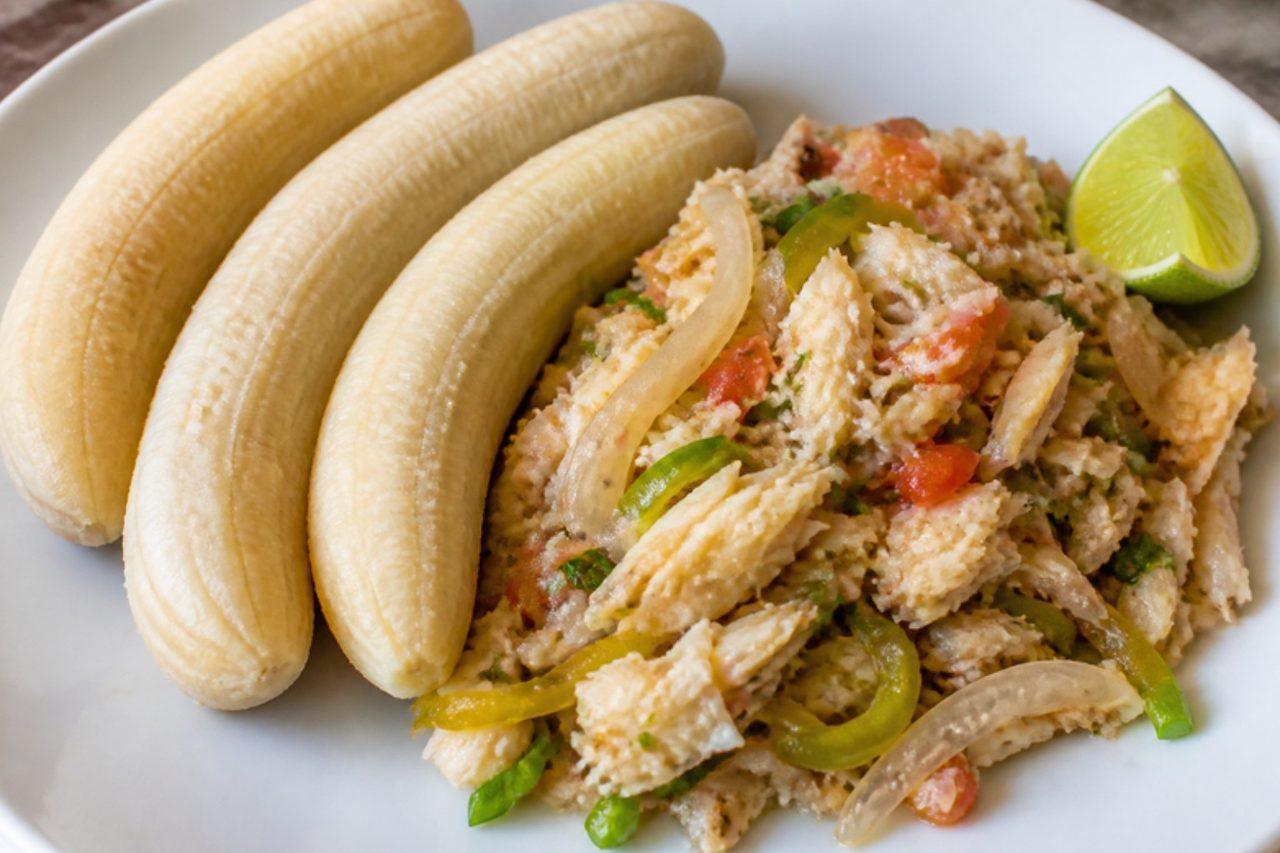
Green fig and saltfishGreen bananas with salt cod

In St Lucia green bananas are called figs, and green fig and saltfish is the national dish: a Saturday lunch in Castries homes and the plate served everywhere on Jounen Kwéyòl, the island's Creole Day in October. The bananas are boiled until tender and mild, a little like potato, and served with salt cod sautéed with onion, sweet pepper, tomato, thyme and hot pepper. Add sliced avocado or cucumber on the side. The most common mistake is not soaking the saltfish long enough, which leaves the whole plate far too salty; taste a flake before you cook it. Chef's tip: rub oil on your hands (or wear gloves) before peeling the green bananas; the sap stains skin black.

by KrazyBadal 0 views

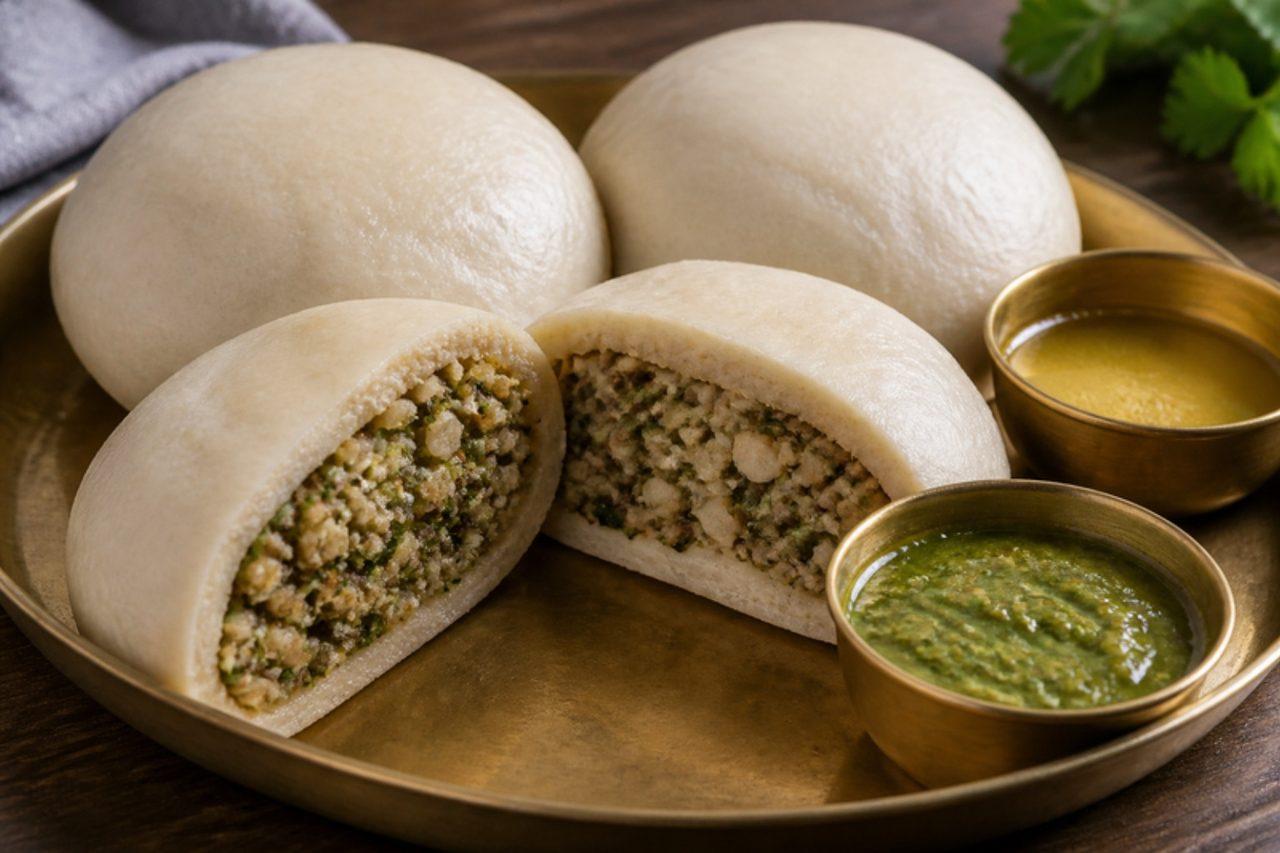
SidduSteamed stuffed wheat buns

Siddu are soft, steamed wheat buns from the hills of Himachal Pradesh, especially around Kullu and Manali, made on cold days with a warming filling. The yeasted wholemeal dough is wrapped around ground walnuts, poppy seeds, garlic and green chilli, then steamed until fluffy. Torn open and drenched in melted ghee, they're eaten with green chutney or dal. Some homes fill them with spiced urad dal instead. Chef's tip: let the shaped siddu rise for 15 minutes before steaming, and don't open the lid early; a sudden draught makes them collapse and turn dense.

by KrazyBadal 0 views

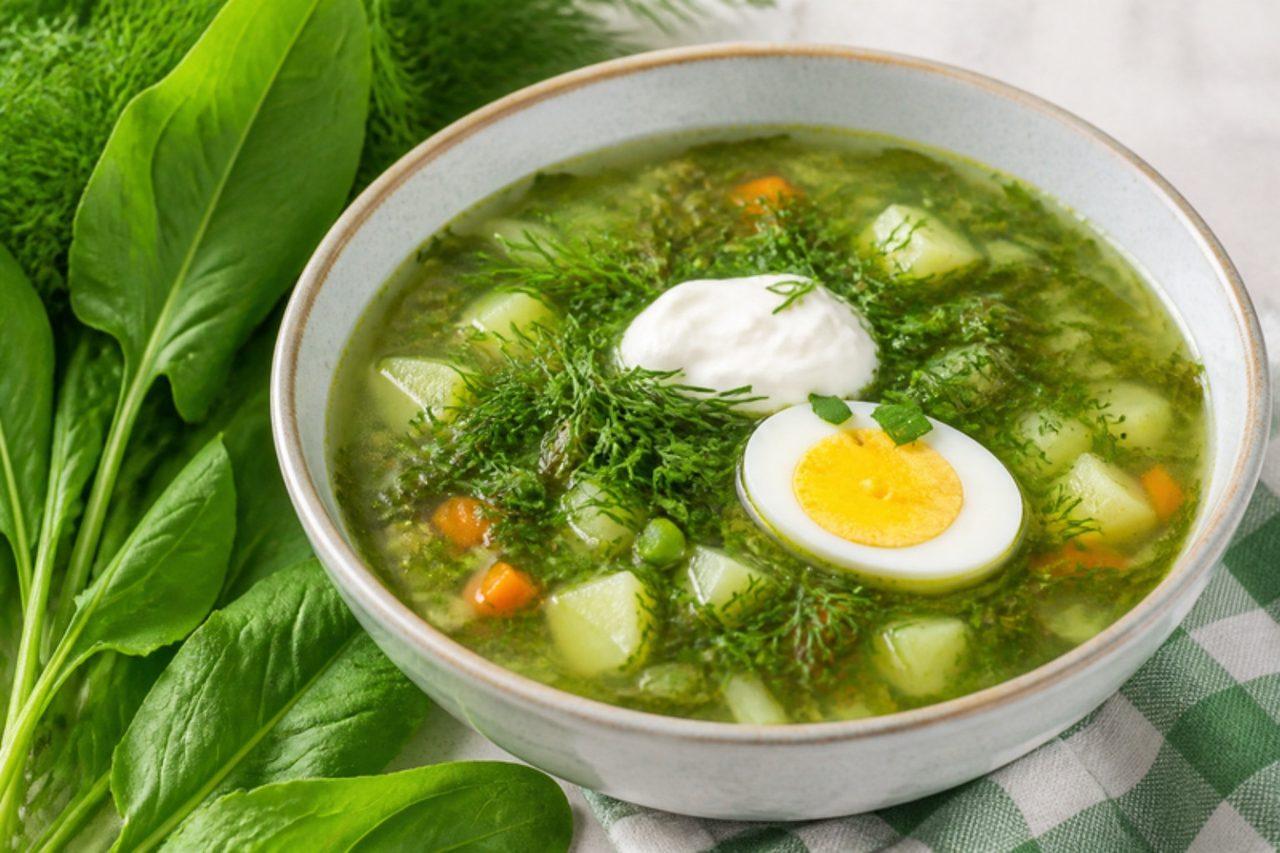
Green borschtSorrel soup with egg

When the first sorrel comes up in village gardens around Chernihiv and Sumy in May, Ukrainian grandmothers stop making red borshch and switch to green: a light, lemony soup of sorrel, potato and herbs, served with halved boiled eggs. It is the soup of early summer and of Trinity Sunday, eaten hot with sour cream or chilled on a warm day. Sorrel gives it a clean sourness, so no vinegar is needed. This version uses vegetable stock instead of the chicken or pork stock some families use. Chef's tip: add the sorrel only in the last two minutes; it turns olive green the moment it hits the heat, but if it boils longer it collapses into stringy khaki threads.

by KrazyBadal 0 views

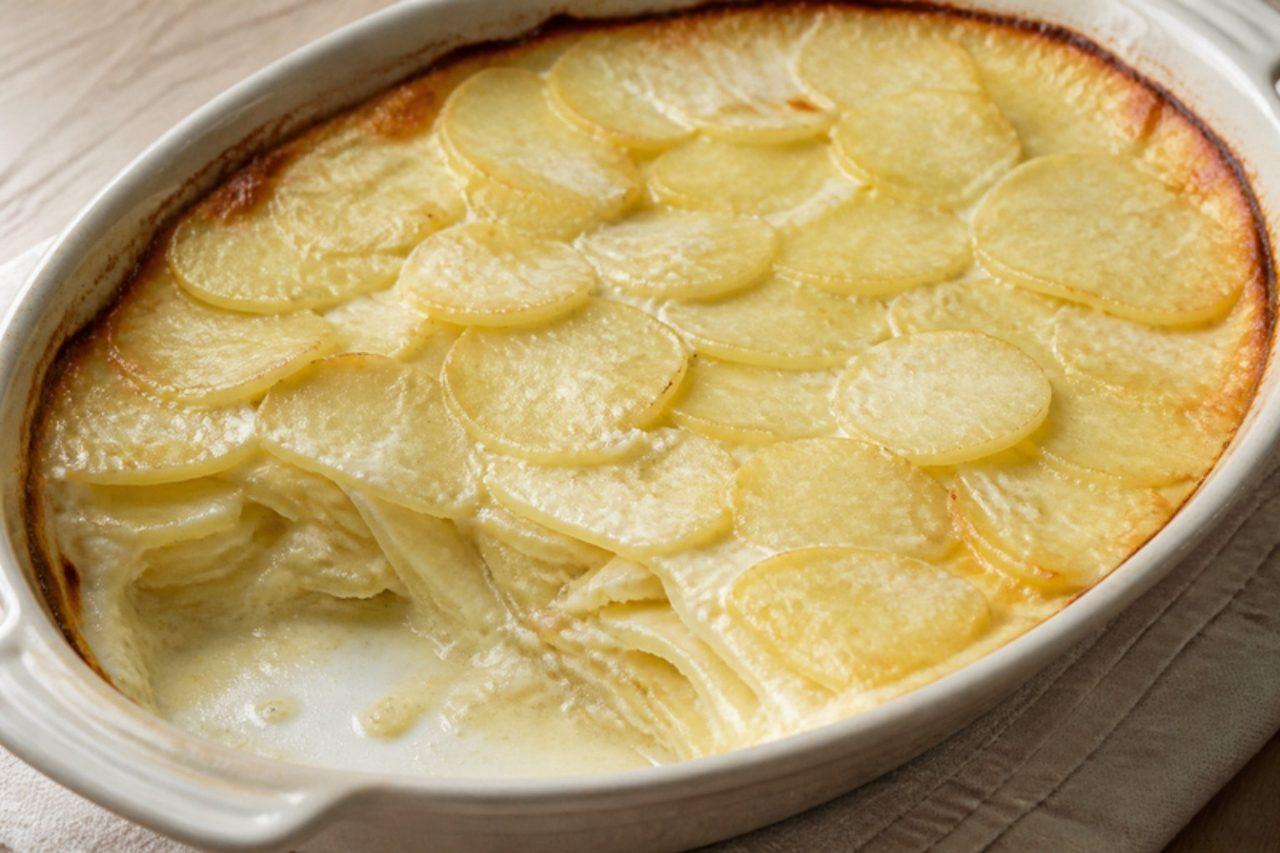
Gratin dauphinoisPotato and cream gratin

Gratin dauphinois comes from the Dauphiné, the mountain region around Grenoble, where it has been made since at least the 1700s. Thinly sliced potatoes are simmered in milk and cream with garlic and nutmeg, then baked slowly until the top is golden and blistered and the inside is soft and creamy enough to cut with a spoon. Purists in the Dauphiné insist there is no cheese; the crust comes from the cream itself. It is a side for Sunday lunch and festive meals, especially good with a green salad or roasted mushrooms. Chef's tip: don't rinse the potato slices; washing off the starch is the common mistake that leaves the cream thin and watery.

by KrazyBadal 0 views

Granita al limoneLemon ice

On summer mornings in Sicily, especially around Catania and Messina, breakfast is granita: a cup of soft, spoonable lemon ice with a warm brioche on the side for dipping. Sicilian granita is finer and creamier than a slushy, because it is stirred as it freezes. All you need is lemons, sugar and water, plus a fork and a freezer. It takes about four hours of occasional scraping. Chef's tip: steep the zest in the warm syrup for 20 minutes; the oils in the peel give a much fuller lemon flavour than juice alone.

by KrazyBadal 0 views

Sigara böreğiFried cheese pastry rolls

These pencil-thin rolls take their name from the cigarettes they resemble, and they are the börek every Turkish child grows up on. Triangles of yufka (thin Turkish pastry) are rolled round a finger of white cheese and parsley and fried until they shatter when you bite them. They turn up at five o'clock tea parties, on the iftar table during Ramadan and in many a school lunchbox. Yufka is sold in Turkish shops; filo works too if you use two sheets brushed with oil. Chef's tip: shape them all, cover with a damp cloth and fry just before eating; they lose their crunch within an hour.

by KrazyBadal 0 views

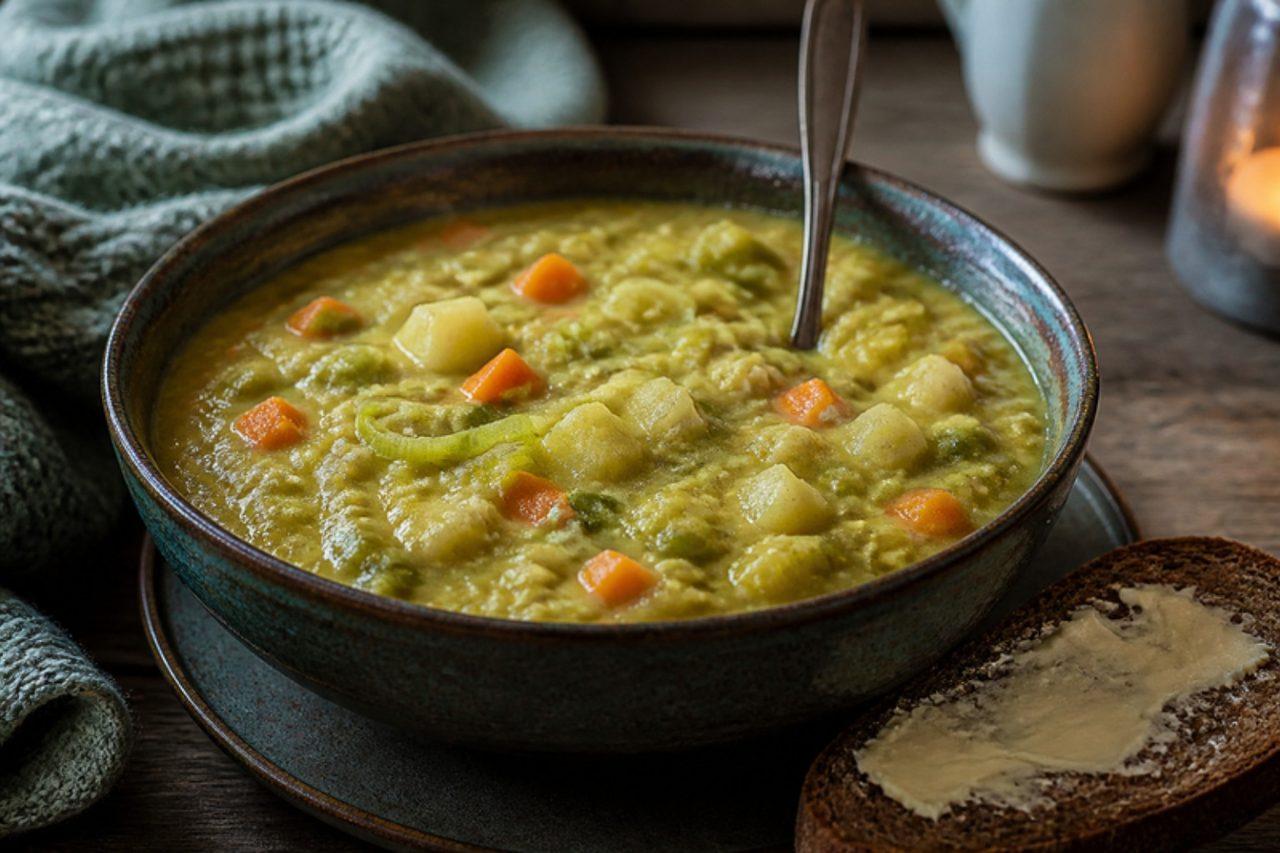
Vegetarian erwtensoepSplit pea soup

Erwtensoep, or snert, is the soup that Dutch skaters drink from paper cups at the koek-en-zopie stalls on frozen lakes, and that families leave to simmer on a Saturday in January. A proper snert is so thick that a spoon should stand upright in the pan, and it tastes better on the second day. The traditional pot is full of pork and smoked sausage; this version gets its depth from celeriac, leek, a little smoked paprika and a long, slow simmer. Serve it with dark rye bread (roggebrood), butter and mustard. Chef's tip: stir the bottom of the pan every 10 minutes in the last half hour; split peas settle as they thicken and catch easily, and a scorched taste spreads through the whole pot.

140 minDutchSoupsVeganGluten free
by KrazyBadal 0 views

Silao khajaLayered syrup pastry

Travellers on the road from Patna to Rajgir stop at Silao, a small town near the ruins of Nalanda, for one thing: khaja, a pastry built from dozens of paper-thin layers that flake apart in the mouth and are glazed with a crackly sugar coat. Silao's halwais have made it for generations, and it is carried home in boxes as a present; it is also offered in temples and at weddings across Bihar and Odisha. It takes patience but no special equipment. Chef's tip: fry at a really low heat so the layers have time to open out like pages before the outside colours; hot oil seals them shut.

by KrazyBadal 0 views

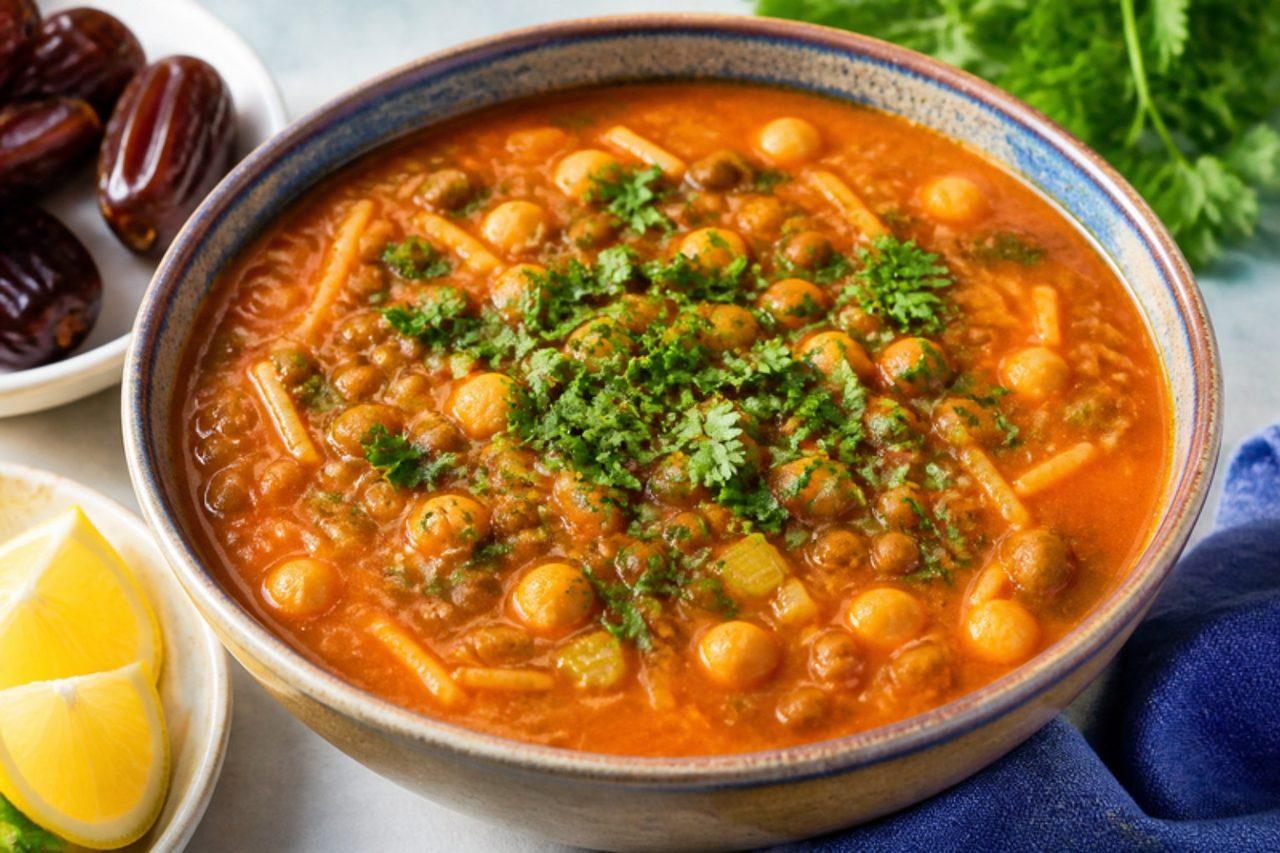
HariraTomato, lentil and chickpea soup

When the call to prayer ends the fast during Ramadan, tables from Tangier to Ouarzazate are set with a bowl of harira, dates and chebakia. This tomato soup is thick with lentils, chickpeas and a great deal of coriander, parsley and celery, and gets its silky body from a flour-and-water slurry stirred in at the end. Many families cook it with a little lamb; this meat-free version uses a well-browned onion and tomato base and olive oil instead of smen, so it is fully vegan and still deeply savoury. Chef's tip: the soup should coat a spoon like thin custard; add the flour slurry slowly while stirring and stop when it reaches that point. Variation: for the meat version, brown 250 g diced lamb with the onion at the start.

by KrazyBadal 0 views

Vegetarian mohingaRice noodle soup with lemongrass

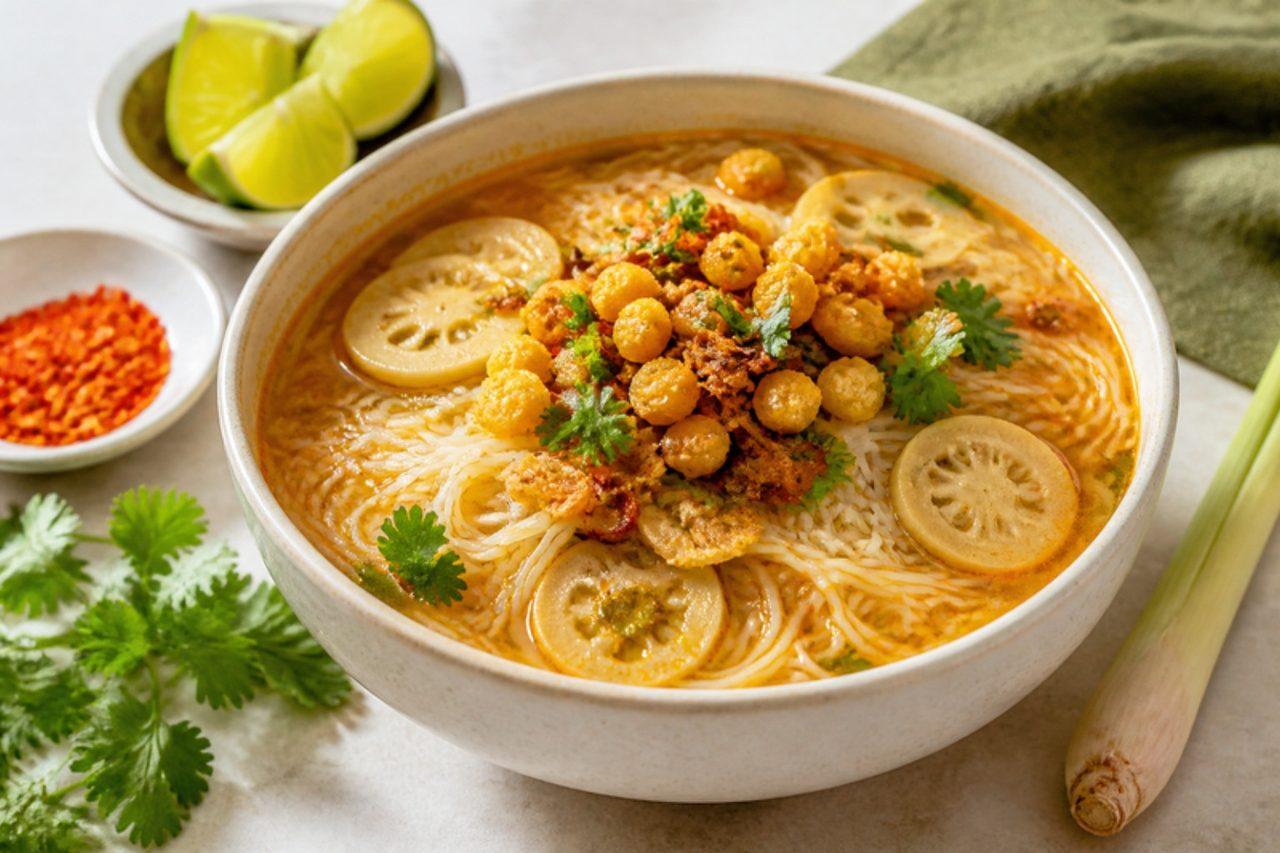
Mohinga is Myanmar's national breakfast, ladled from steaming pots at dawn on street corners from Yangon to Mandalay: thin rice noodles in a thick, golden broth fragrant with lemongrass, ginger and toasted chickpea flour, topped with crisp fritters, lime and chilli. The real thing is built on catfish and fish sauce. This vegetarian version is honestly different: dried shiitake and kombu give savouriness instead of fish, and the body comes from toasted chickpea flour, toasted rice powder and banana stem (or palm heart), so it's lighter and earthier rather than fishy. Chef's tip: toast the chickpea flour and rice until golden and nutty before they go in; they carry most of the flavour.

by KrazyBadal 0 views

SilpanchoBreaded steak over rice and potatoes

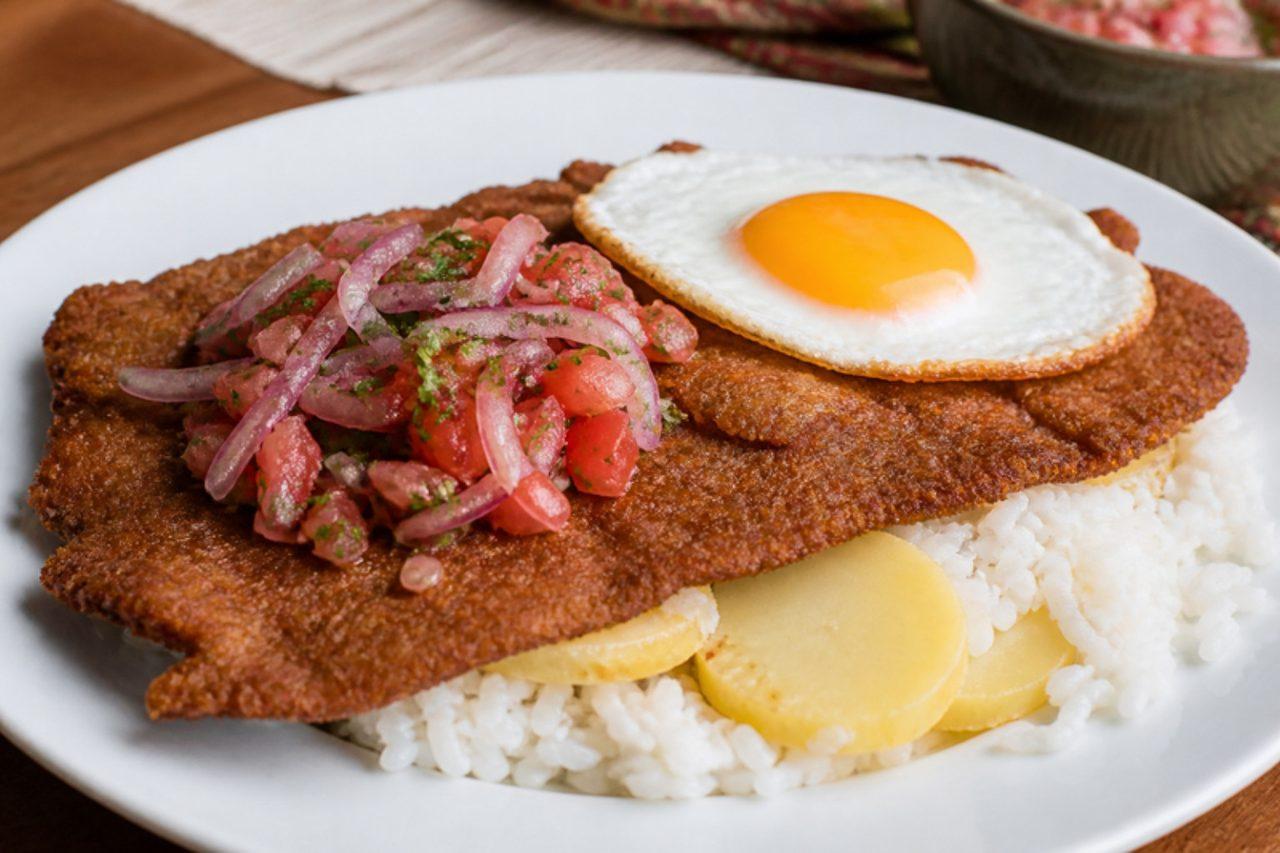
Silpancho is the pride of Cochabamba in Bolivia and is sold in huge portions at the city's lunchtime silpancherías: a layer of rice, then sliced fried potatoes, then a beef steak pounded so thin it covers the plate, breaded and fried, topped with a fried egg and a fresh salsa of tomato, onion and locoto chilli. The mistake is not pounding the meat thin enough; it should be about 3 mm, so it fries in a minute and stays tender. Chef's tip: press the breadcrumbs into the meat with the palm of your hand, then pound lightly once more so they stick.

70 minAndeanMeat
by KrazyBadal 0 views

Göyərti qutabıHerb-filled flatbreads

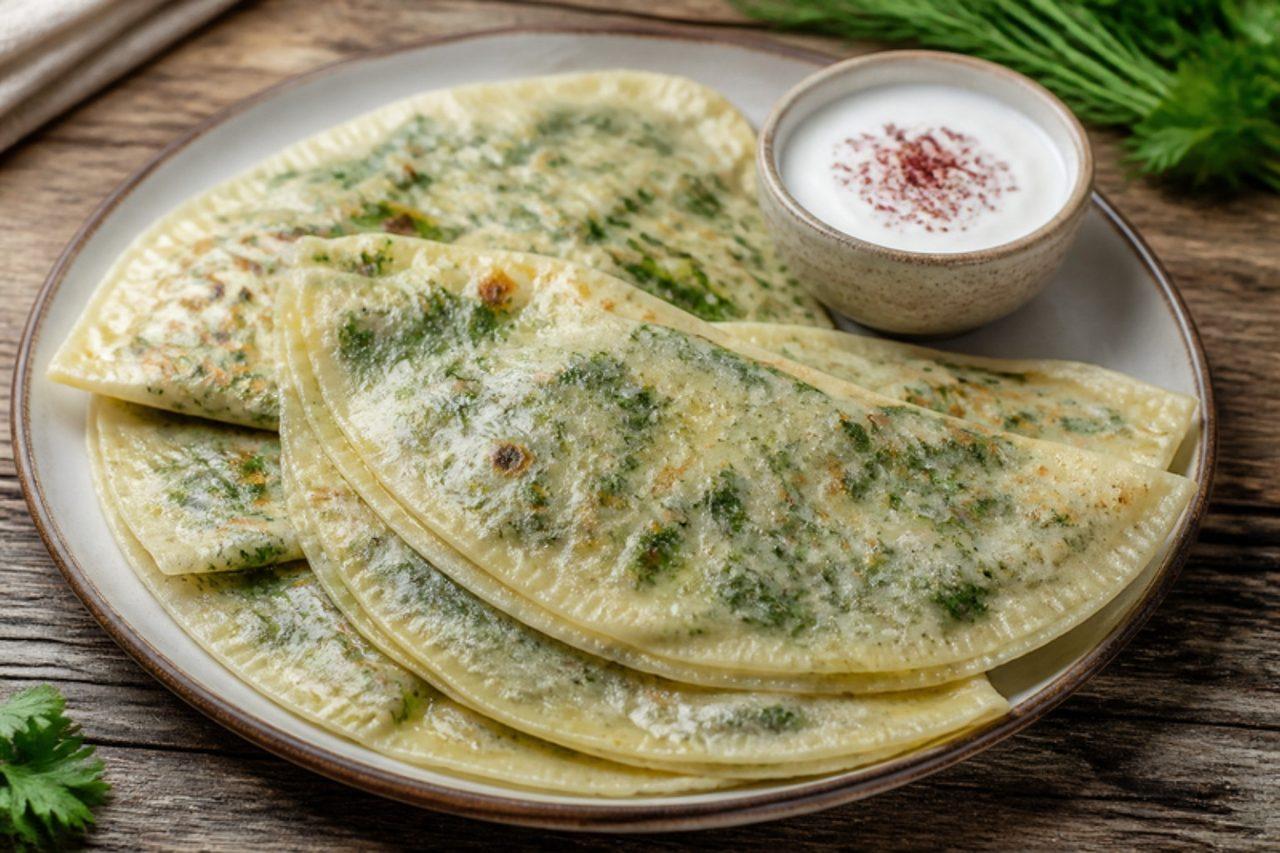
Qutab are the thin half-moon flatbreads that Baku eats at any hour, folded around a filling and cooked in seconds on a domed iron saj, then stacked and brushed with butter. Göyərti qutabı, the green version, is the spring favourite: a handful of chopped spinach, sorrel, dill, coriander and spring onion sealed inside dough rolled so thin the greens show through. They are eaten hot, three or four at a time, sprinkled with sumac and dipped in garlicky yogurt, and appear on every table at Novruz in March. In autumn the same dough wraps pumpkin; that variation is in the steps. Chef's tip: season the greens only just before filling; salt draws out water, and wet greens tear the paper-thin dough.

by KrazyBadal 0 views

SimitSesame bread rings

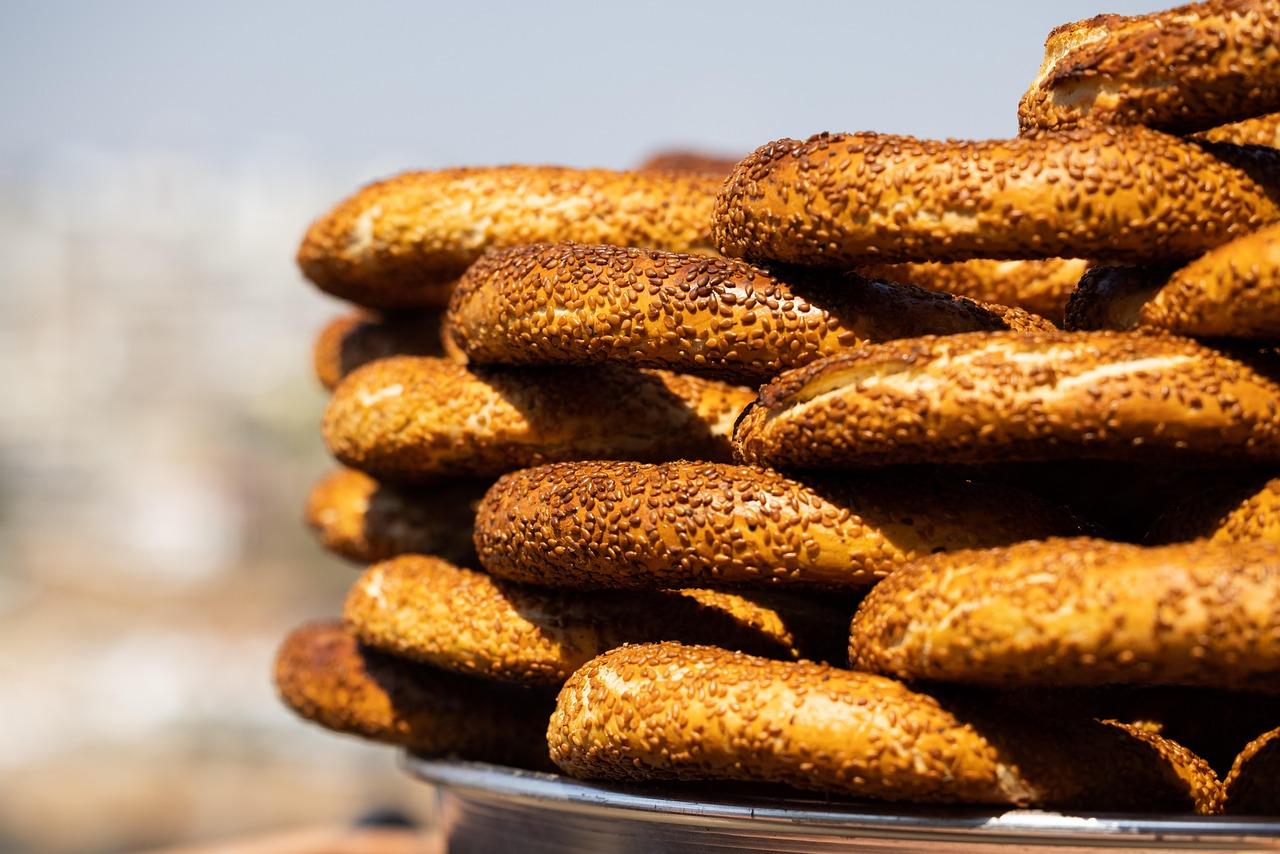
Stacked high on wooden trays and pushed through Istanbul on red carts, simit is the city's breakfast on the move: commuters tear one apart on the ferry across the Bosphorus, throwing the odd piece to the gulls. The ring is twisted, dipped in diluted grape molasses (pekmez) and pressed into sesame, so it bakes up with a crackly, nutty, deep brown crust and a chewy, close crumb. Unlike a bagel it is never boiled. At home, serve warm with tea, white cheese, olives and tomatoes. Chef's tip: toast the sesame seeds in a dry pan before coating; raw seeds stay pale and taste of very little.

by KrazyBadal 0 views

Showing 72 of 7,762 recipes

Show more recipes

Page 714 of 863