


Skip to content
Erissery
Featured recipe

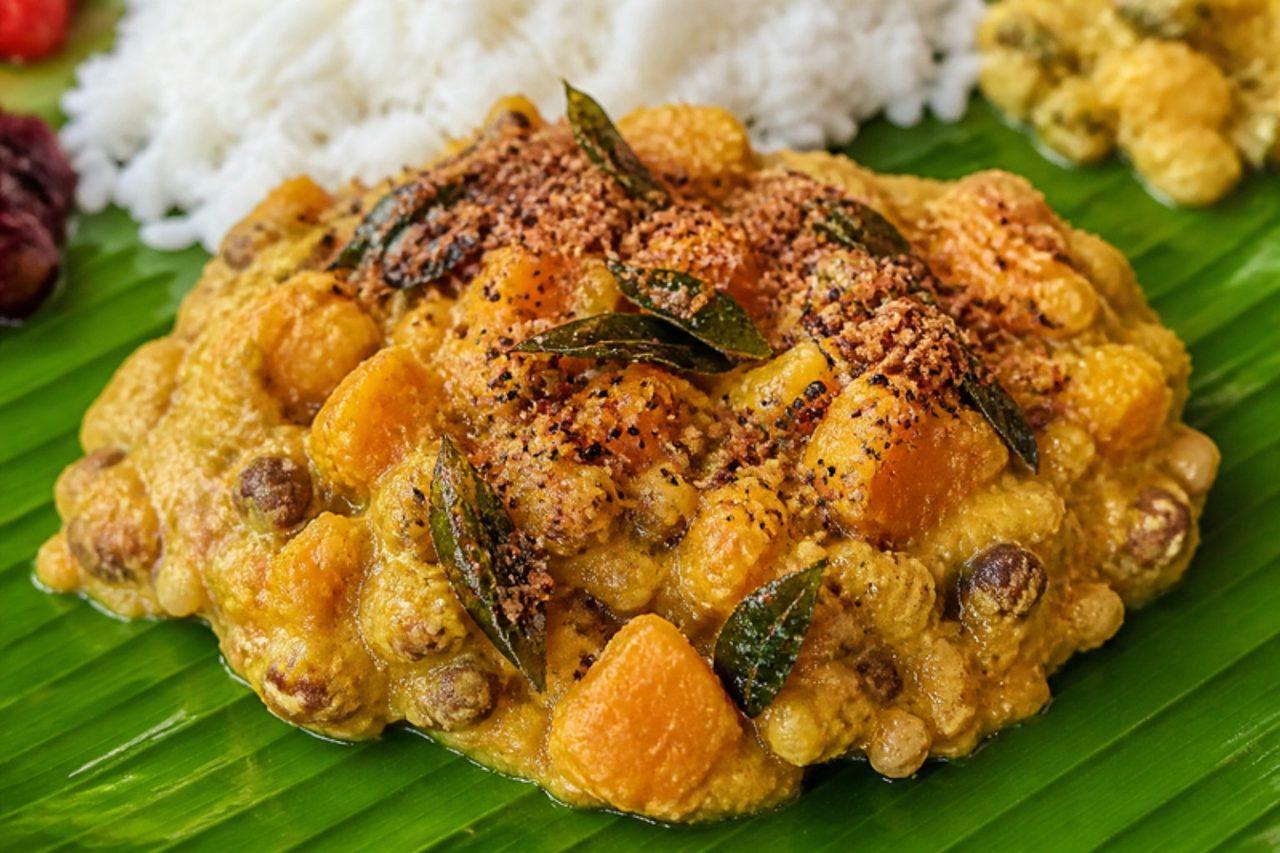
Erissery

Pumpkin and cowpea curry

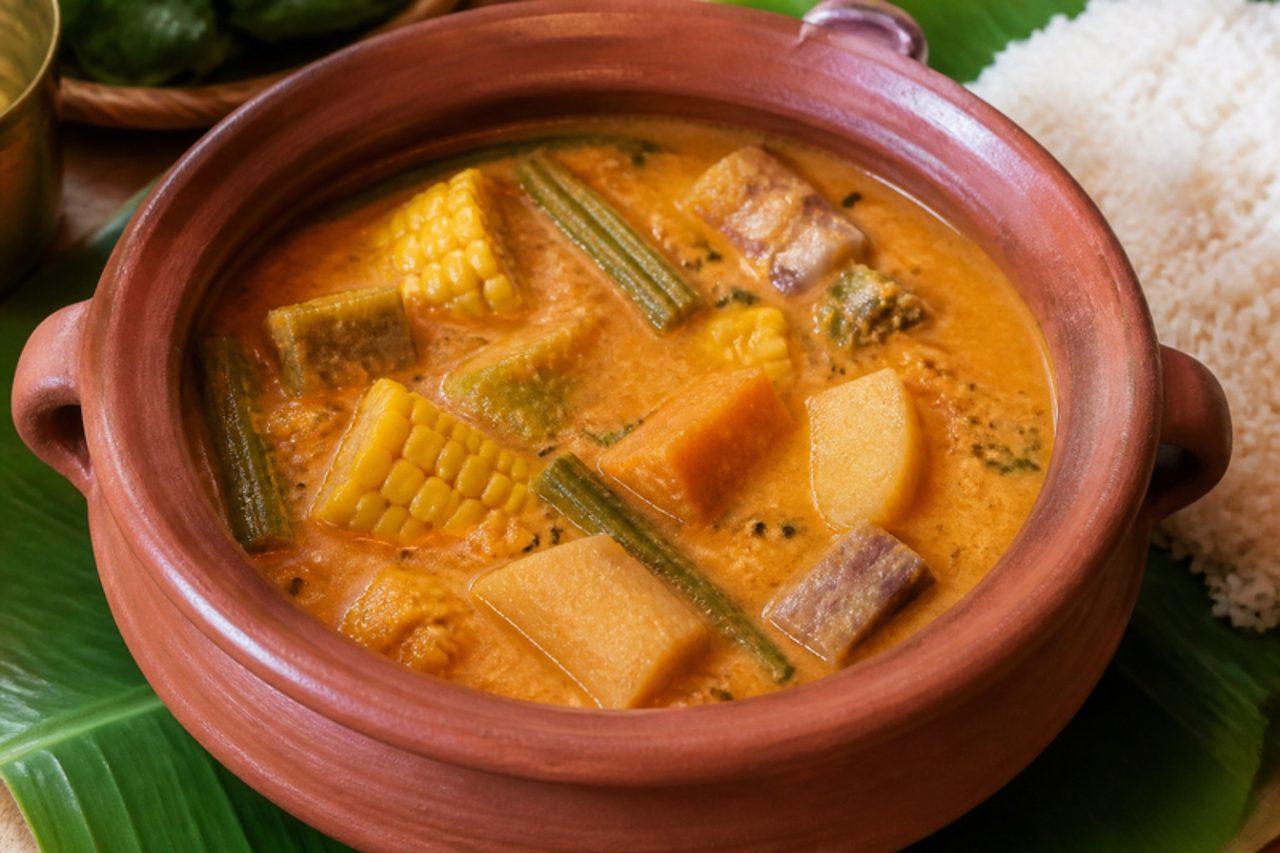
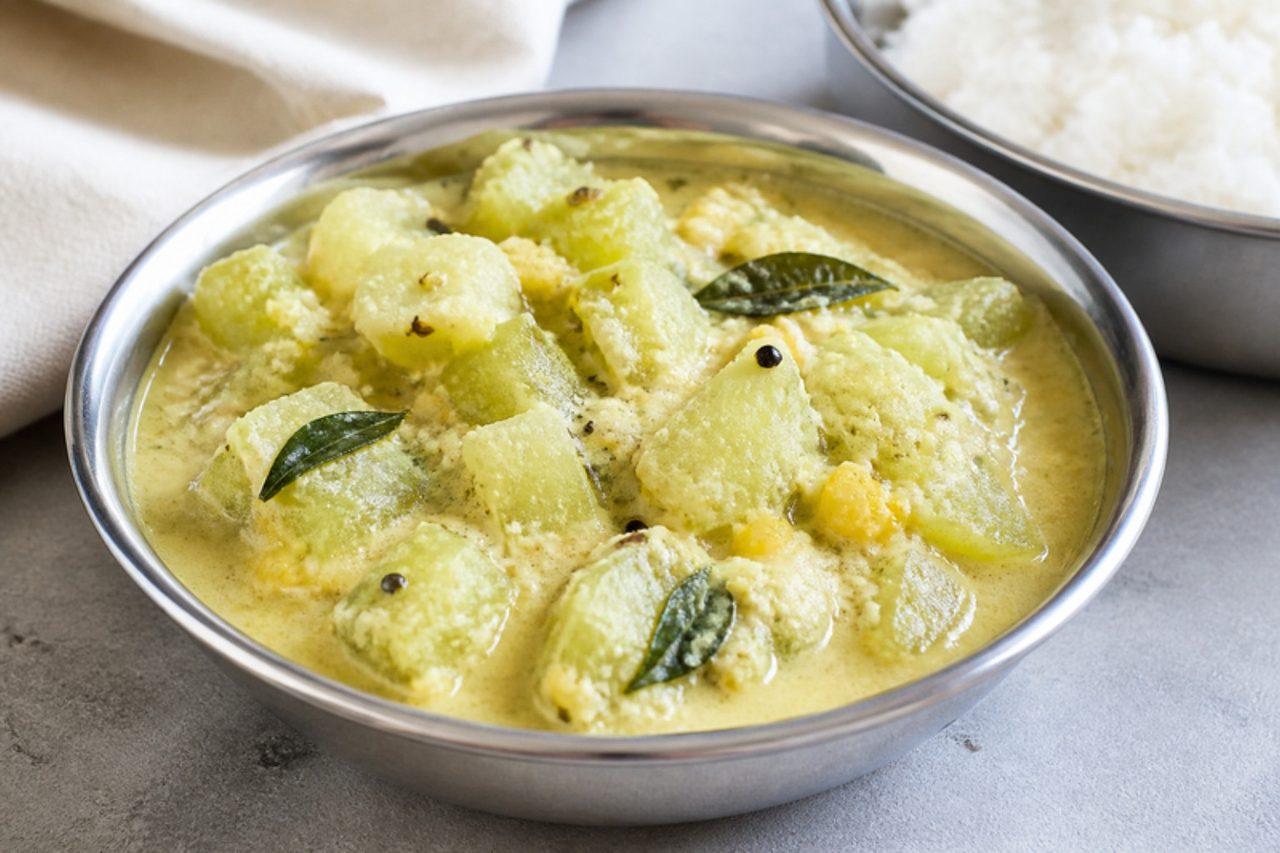
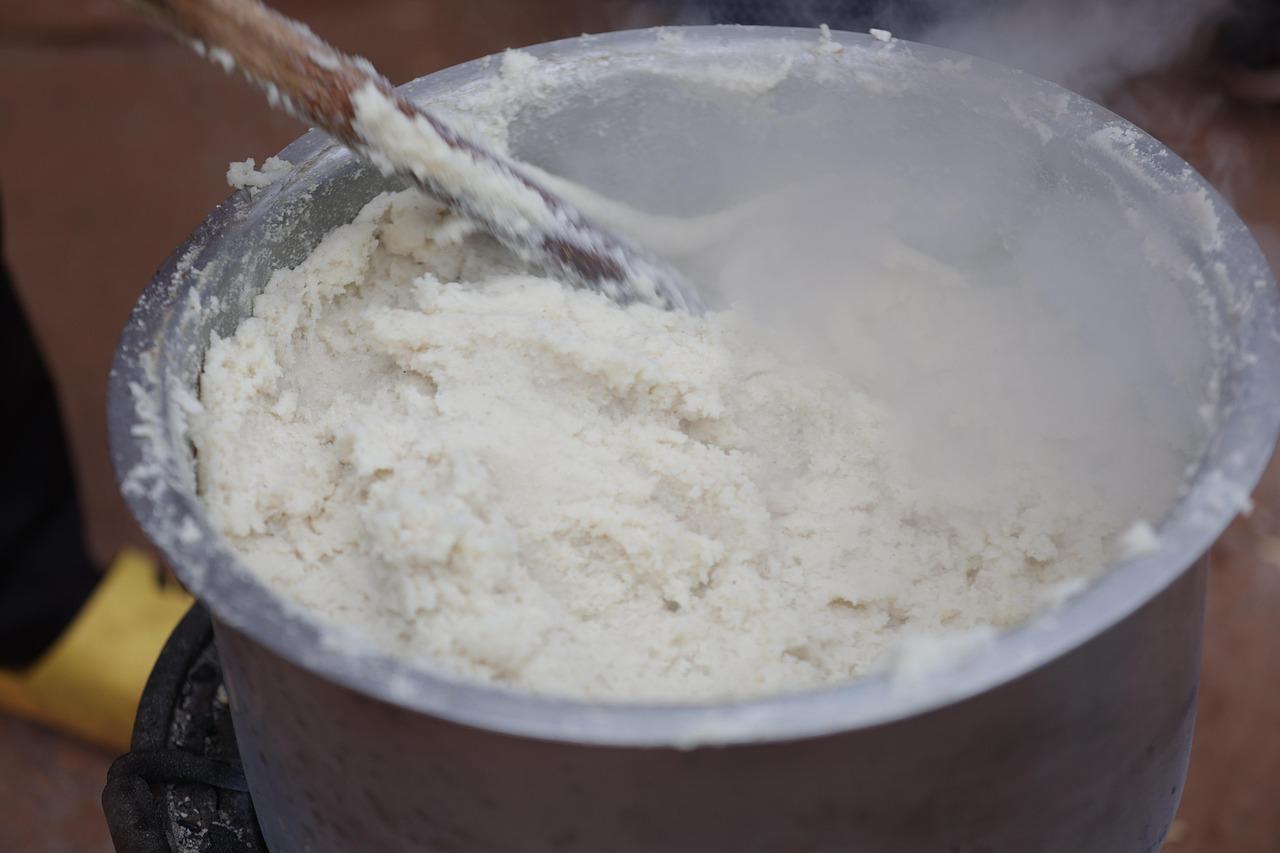
Erissery is the golden, slightly sweet pumpkin dish of the Onam sadya in Kerala, and a favourite in homes all through the harvest season when the yellow mathanga pumpkins are piled up in the markets. Soft pumpkin and red cowpeas are bound with a coconut, cumin and green chilli paste, and the whole pot is crowned with grated coconut fried in coconut oil until it turns the colour of cinnamon. That crunchy, nutty topping is what makes it erissery. Serve with rice and parippu, or scoop it up with chapati. Chef's tip: keep the pumpkin pieces large so some stay whole while others melt into the sauce.

Read more 0 views

What to eat today?

Around the world

Today's trip: Persian

A new country every day, from every cuisine on the site.

Persian

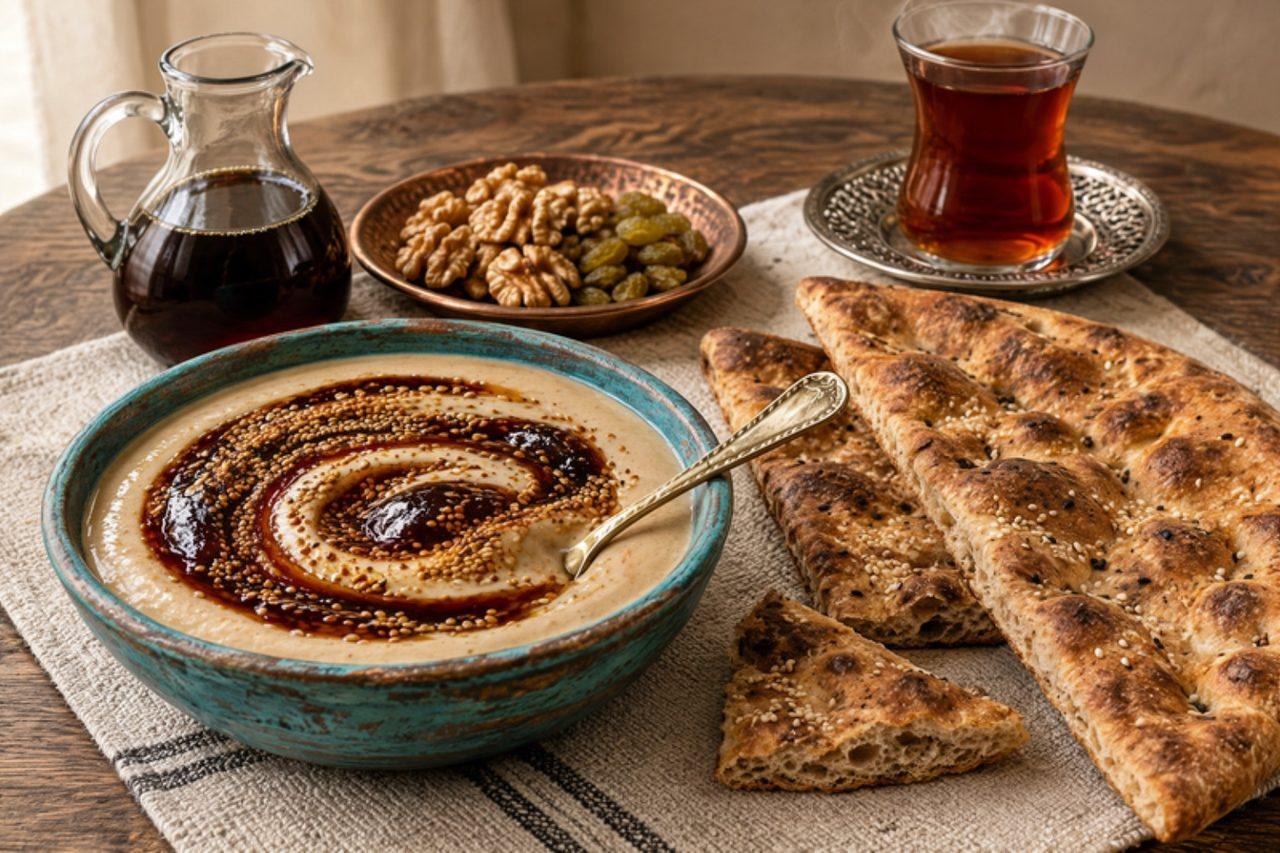
Ardeh shireh

Tahini and grape molasses spread 3 minMore from Persian (131) →

This week's collection

Kid-friendly dinners
537 recipes · a new collection every Monday

Latest recipes

Khao jee pâtéBaguette sandwich with pâté

Khao jee pâté is the breakfast sandwich of Vientiane, sold from glass-fronted carts on street corners since the French era left Laos its love of baguettes. It is a pork sandwich: a crisp, light baguette is warmed over charcoal, spread with pork liver pâté and filled with Lao-style cold cuts (pork sausage or ham), pickled papaya or carrot, cucumber, herbs, chilli sauce and a splash of Maggi-style seasoning. Pregnant people should avoid pâté because of listeria risk. Chef's tip: warm the bread until the crust crackles; a soft baguette makes a soggy sandwich.

by KrazyBadal 0 views

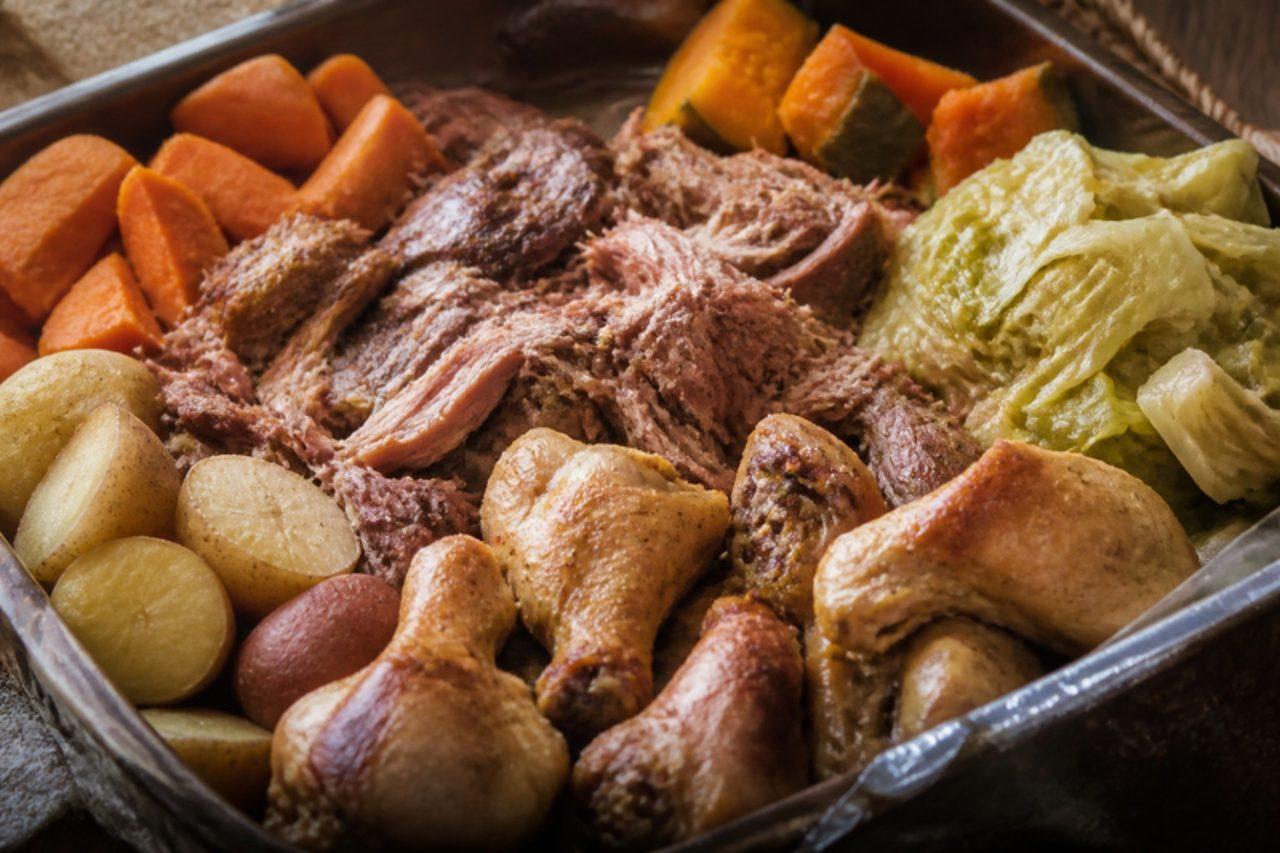
Hāngī-style roastOven-steamed roast pork and vegetables

A true hāngī is cooked by Māori communities across Aotearoa New Zealand in a pit lined with stones heated in a wood fire, with baskets of meat and vegetables covered with damp cloths and earth and left for hours; it is made for tangihanga (funerals), weddings, marae gatherings and fundraisers, and the skill is passed down through whānau. An oven can't reproduce that earthy, smoky steam, and this recipe does not claim to. It borrows the idea: pork, chicken, kūmara, pumpkin and potato packed tightly, covered and steamed for hours until everything is meltingly soft. It contains pork. The mistake to avoid is loose foil; if steam escapes, the meat dries out instead of steaming. Chef's tip: sit the meat on top of the vegetables so its juices drip down and season them.

by KrazyBadal 0 views

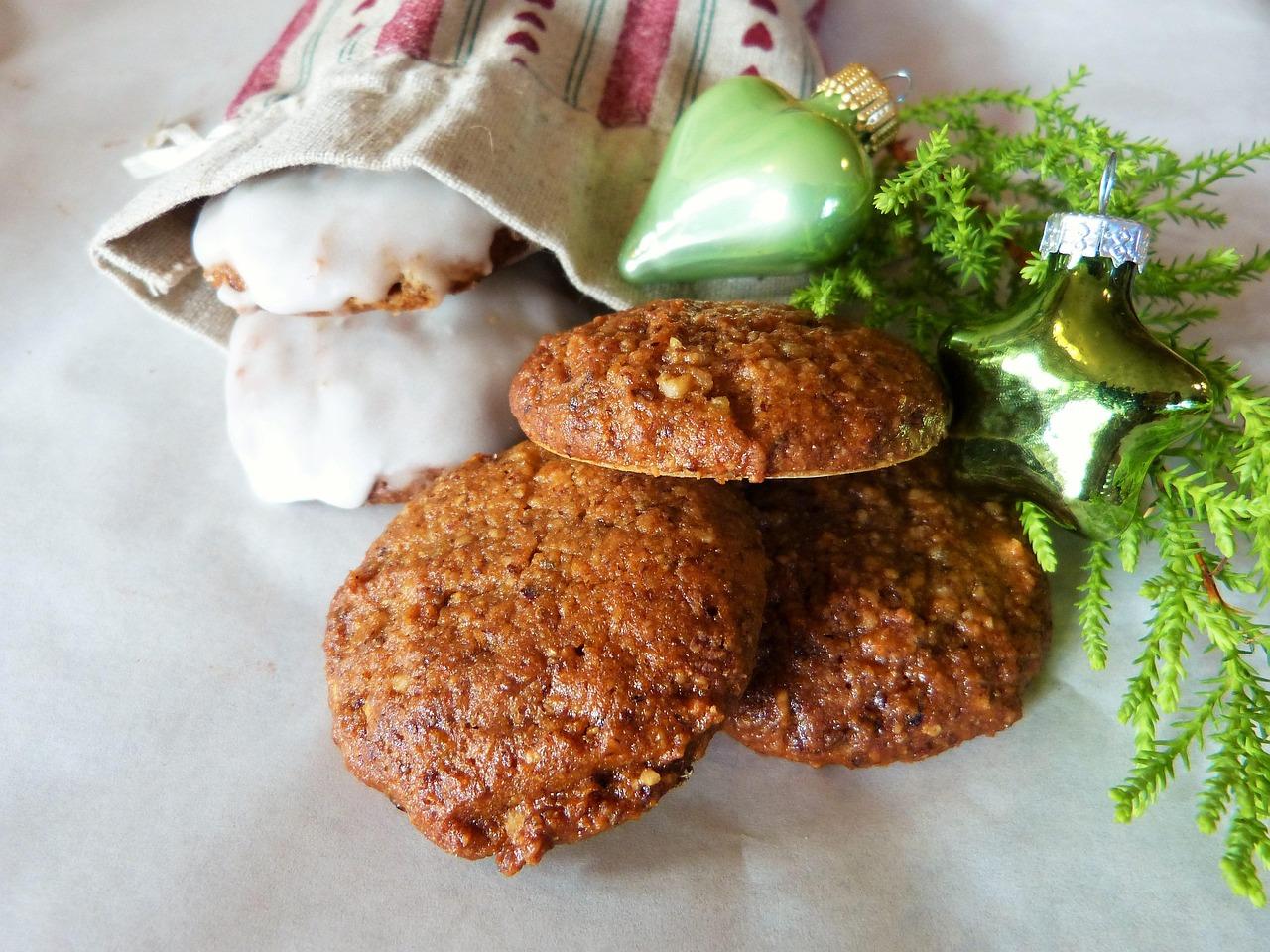
LebkuchenSpiced gingerbread cookies

Nuremberg has been the German capital of Lebkuchen since the Middle Ages, when the city sat on the spice trade routes, and at its Christkindlesmarkt the stalls are piled with them every Advent. The finest kind, Elisenlebkuchen, contain almost no flour: they're made mostly of ground nuts, candied peel, eggs, sugar and a warm spice mix, baked on thin Oblaten wafers so they stay soft and chewy inside, then glazed with chocolate or sugar. They keep for weeks in a tin and get better as they rest. Chef's tip: bake them only until just set; a common mistake is baking until firm, which makes them dry and hard by the next day.

by KrazyBadal 0 views

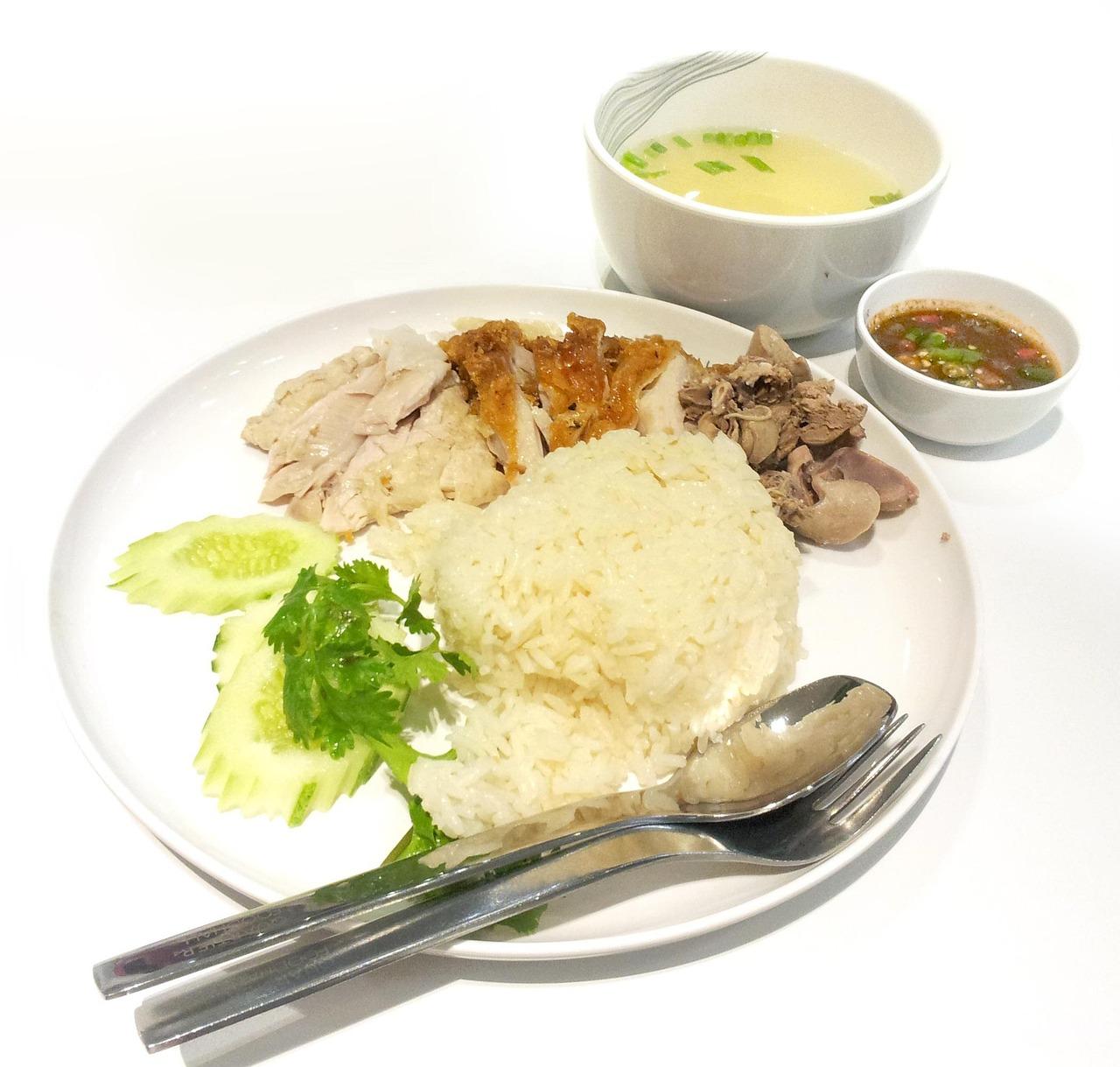
Khao man gaiChicken and ginger rice

Around Pratunam market in Bangkok, the khao man gai stalls are easy to spot: a queue, pale poached chickens hanging in a glass cabinet, and a cook slicing with a cleaver at speed. Like its Hainanese ancestor, the dish pairs silky chicken with rice cooked in the bird's fat and broth, but the Thai plate stands apart for its sauce, a punchy mix of fermented soybeans (tao jiao), ginger, garlic, chilli and vinegar, and for the little bowl of clear broth with winter melon served on the side. Bangkok eats it for breakfast, lunch or a late supper, always with cucumber slices and coriander. Chef's tip: plunge the cooked chicken into iced water for 10 minutes; the skin firms to a jelly-like snap and the meat stays juicy.

by KrazyBadal 0 views

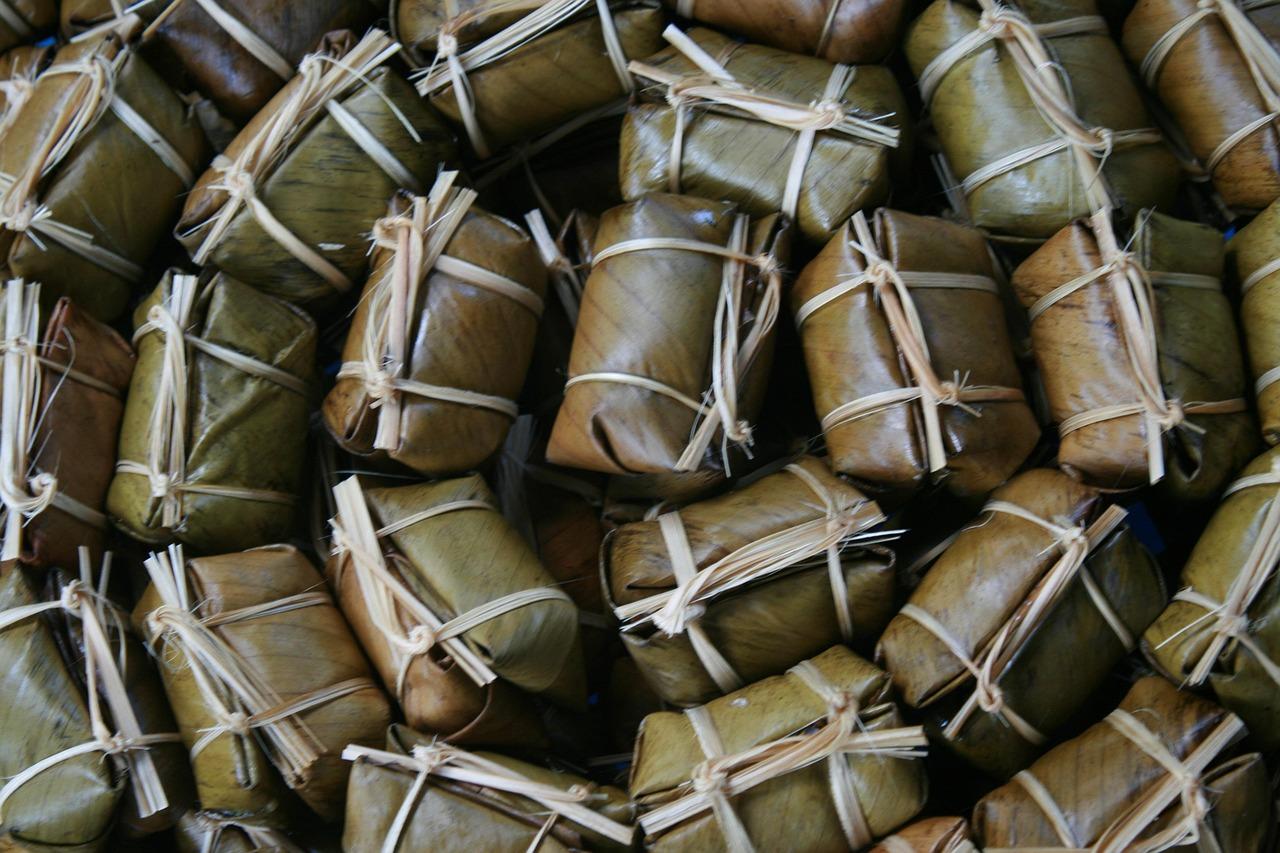
Num ansom chekBanana sticky rice parcels

Num ansom chek are wrapped by the dozen in April for Khmer New Year and again in autumn for Pchum Ben, when families carry them to the pagoda as offerings. A ripe banana is hidden inside a jacket of glutinous rice that has been seasoned with coconut milk and dotted with black beans, then the whole thing is rolled tightly in banana leaf and boiled until the rice turns sticky and the banana goes jammy and blush-pink. Unwrapped, they're eaten at room temperature or sliced and grilled the next morning. Chef's tip: use bananas that are fully yellow with a few brown freckles; green ones stay chalky and the pink colour never comes.

by KrazyBadal 0 views

Oromo with pumpkinSteamed pumpkin roll

Oromo, or orama, is a big rolled dumpling: a thin sheet of dough spread with filling, rolled into a long coil and steamed in a multi-tiered mantovarka. It's a home dish across Kazakhstan, Kyrgyzstan and Uzbekistan, quicker than shaping dozens of manti. In autumn, when Kyrgyz gardens in the Chüy Valley are full of squash, it's filled with grated pumpkin and onion, which turn sweet and juicy. Serve in thick slices with sour cream or a garlicky tomato sauce. Chef's tip: grate the pumpkin coarsely and salt it only just before rolling; salted too early it weeps and makes the dough soggy.

by KrazyBadal 0 views

Khao piak sen with mushroom brothRice noodles in mushroom broth

Khao piak sen is the soup Laotians crave on a cool morning or when they feel unwell, and roadside shops in Vientiane and Luang Prabang sell it from dawn. The noodles are cut by hand from a soft rice and tapioca dough and cooked straight in the broth, so their starch turns the soup thick, slippery and comforting. Instead of the usual chicken stock, this version builds a deep broth from dried shiitake, charred onion and ginger, and finishes it with crisp fried garlic, spring onion and coriander. Chef's tip: dust the cut noodles well with tapioca starch and keep them apart; they stick together into a clump in seconds if left in a pile.

75 minLaoSoupsVeganGluten free
by KrazyBadal 0 views

Khao poon with tofu and vegetablesCoconut curry noodle soup

Khao poon is celebration food in Laos, ladled out at weddings, baci ceremonies and big family gatherings, and sold at morning markets in Vientiane by women with huge steaming pots. Fine round rice noodles sit under a spicy, red-tinged broth of coconut milk, lemongrass and galangal, and everyone adds their own shredded cabbage, banana blossom, beansprouts, mint and lime. The usual chicken or fish is swapped for golden fried tofu and bamboo shoots. Chef's tip: fry the red chilli paste in the coconut cream until oil seeps out in red drops on the surface; that's when the colour and heat are fully released.

by KrazyBadal 0 views

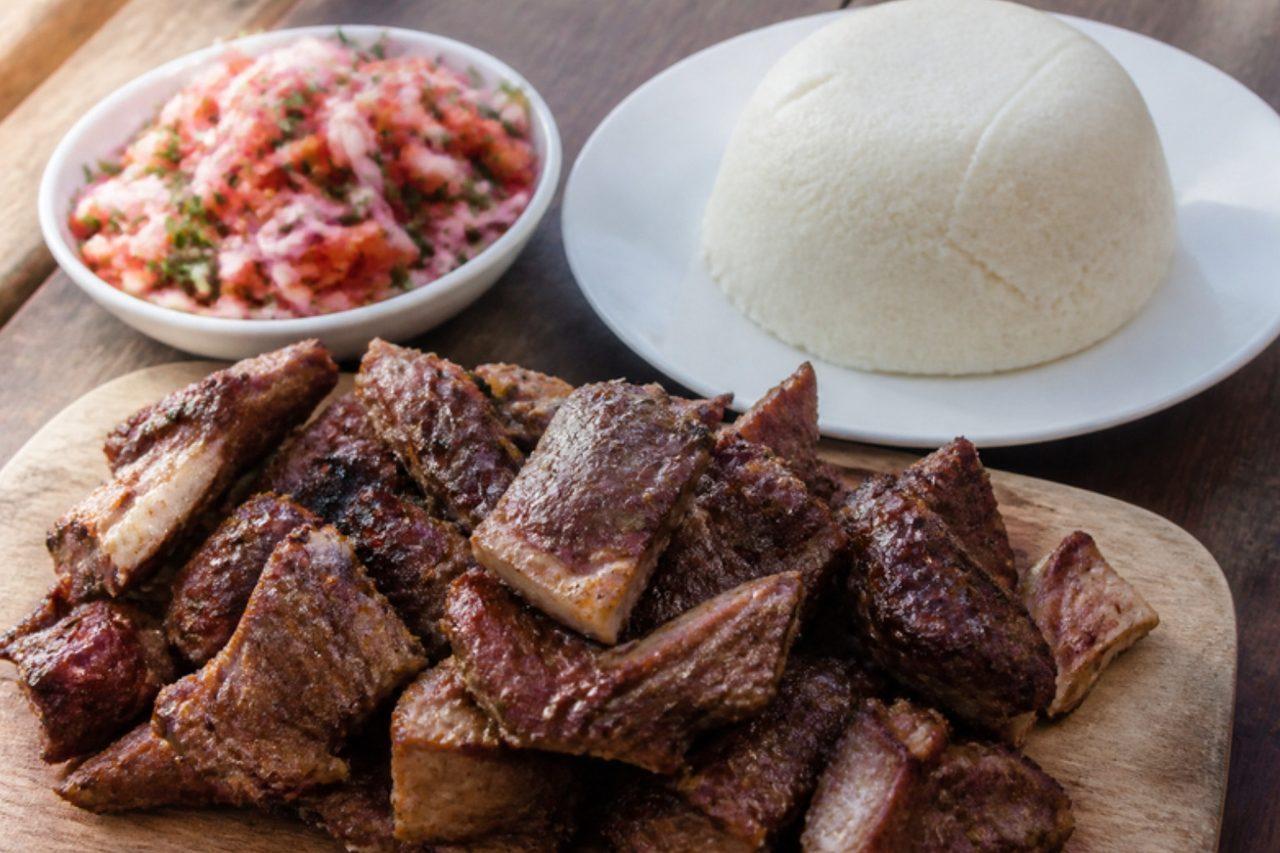
Nyama chomaSlow-grilled goat or beef

Nyama choma, "roasted meat" in Swahili, is the centre of every weekend gathering in Kenya: at roadside joints on the edge of Nairobi you choose your goat ribs or beef by the kilo, it is grilled slowly over charcoal, chopped on a wooden board and brought to the table with salt, kachumbari (tomato and onion salad) and ugali. The meat is meant to be firm and chewy, smoky and simply salted. The mistake is grilling over fierce flames; the outside chars before the inside is tender, so keep it over glowing coals and turn it often. Chef's tip: leg of goat or lamb on the bone is easiest at home; rub it with salt and a little lemon only.

by KrazyBadal 0 views

HandvoSavoury rice and lentil cake

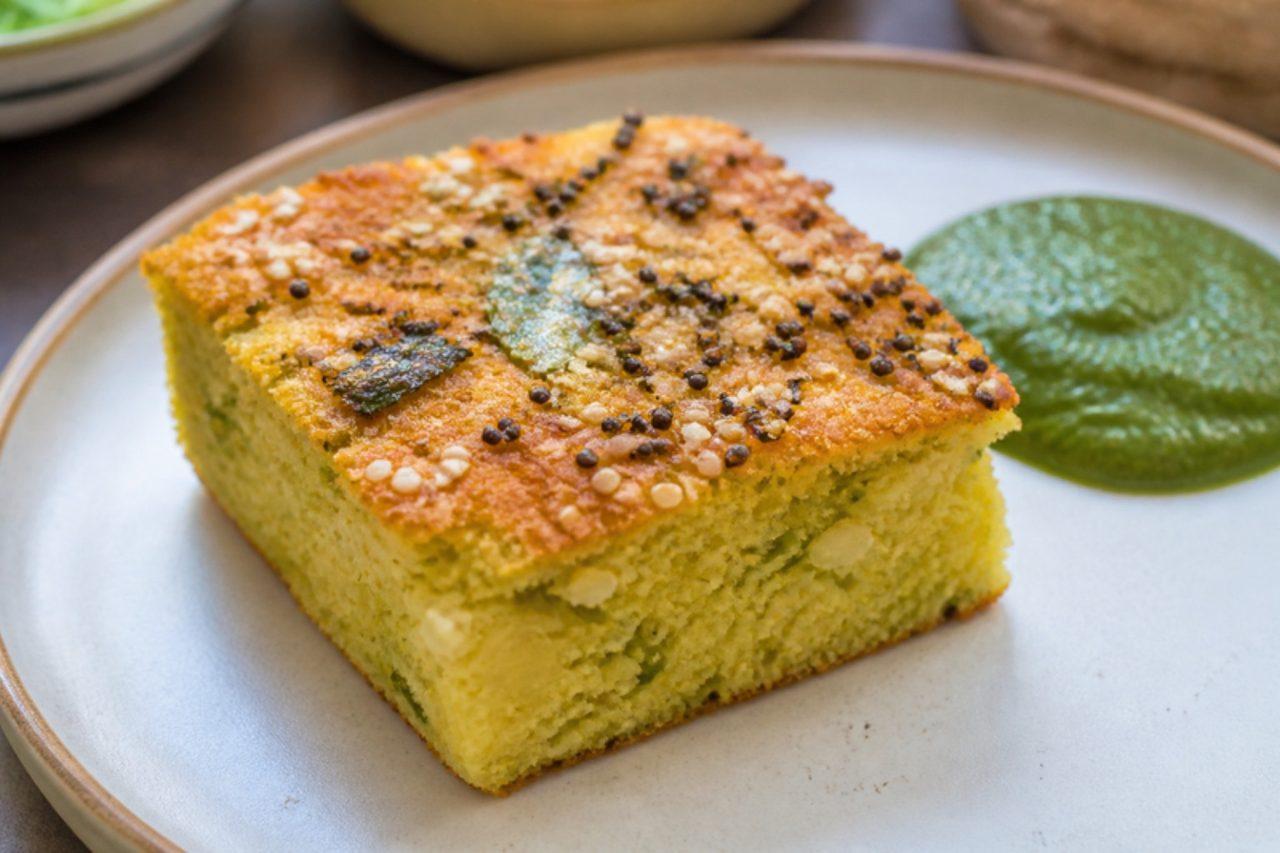
Handvo is a savoury cake from Gujarat, made from a fermented batter of rice and lentils mixed with grated bottle gourd, yogurt and spices. It's baked or cooked slowly in a heavy pan until it has a deep-brown, crackly crust of mustard seeds and sesame and a soft, moist, slightly tangy inside. Gujarati families make it for Sunday tea or a light supper, with green chutney and a cup of masala chai. Slices are also good packed for a journey. Chef's tip: don't rush the crust; cook on a low heat with a lid and let the base go deep golden before you flip, because the crunchy, almost toasted sesame crust is the best part.

by KrazyBadal 0 views

KharRaw papaya and lentil dish

Every traditional Assamese lunch begins with khar, a mouthful of it mixed into the first ball of rice to settle the stomach. The defining ingredient is khar itself, an alkaline liquid filtered from the ash of dried bhim kol (seeded banana) peels; it gives the dish its soft, slightly soapy, earthy taste. Raw papaya and a handful of lentils are cooked in it with mustard oil, garlic and green chilli until silky. At home in Guwahati or Jorhat it is made several times a week. Chef's tip: outside Assam, use a small pinch of bicarbonate of soda in place of khar; too much tastes metallic, so start with ⅛ tsp.

by KrazyBadal 0 views

Nyonya chap chyeBraised cabbage with glass noodles

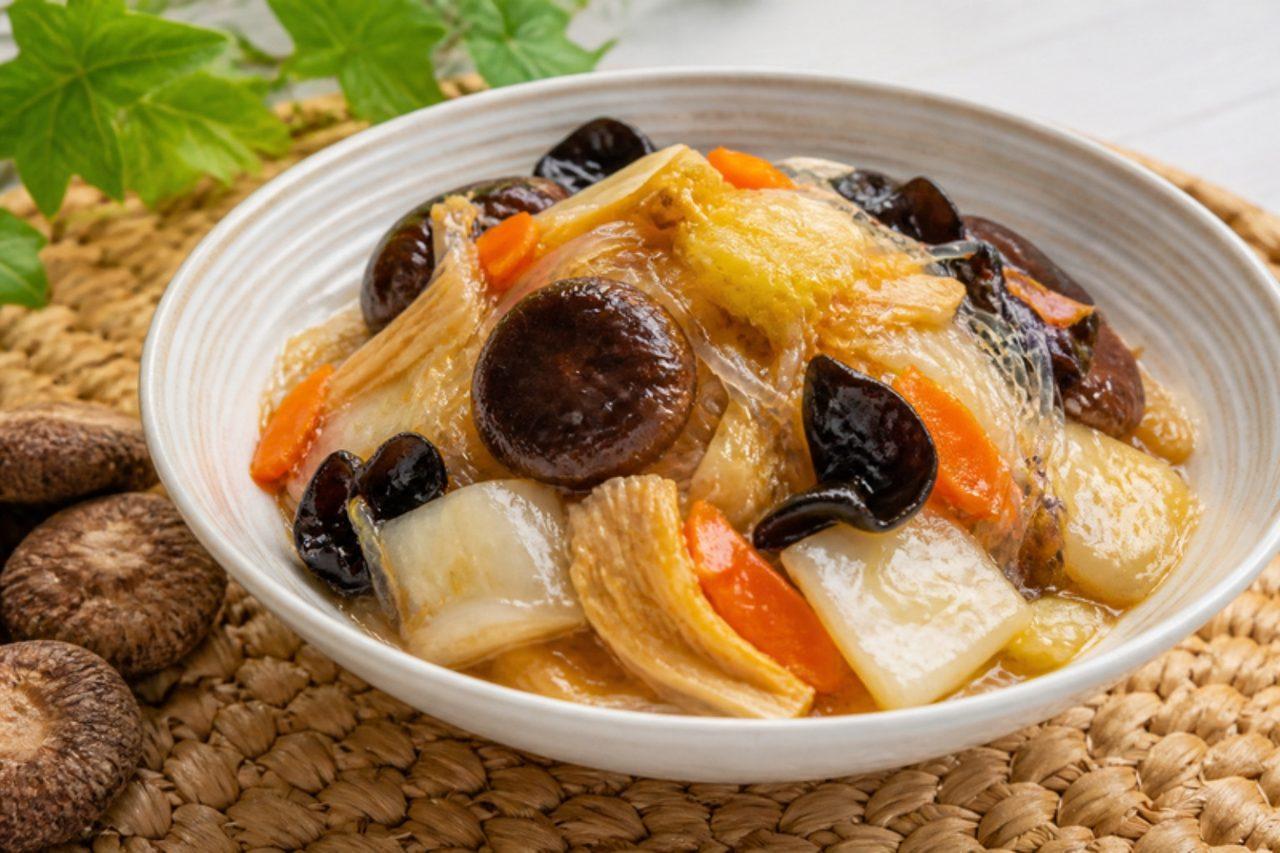
In Peranakan homes in Melaka and Penang, chap chye (mixed vegetables) is cooked in a big pot for Chinese New Year and family prayer days. Cabbage, dried shiitake, wood ear, lily buds and beancurd skin are braised with garlic and tau cheo, the salty fermented soybean paste, until everything is soft and the glass noodles have soaked up the savoury gravy. Many families add pork belly or prawns, but the vegetarian pot is just as traditional for the first day of the new year. It tastes better the next day. Chef's tip: fry the tau cheo with the garlic until it smells nutty before anything else goes in.

by KrazyBadal 0 views

Singapore carrot cake (chai tow kway)Fried radish cake with egg

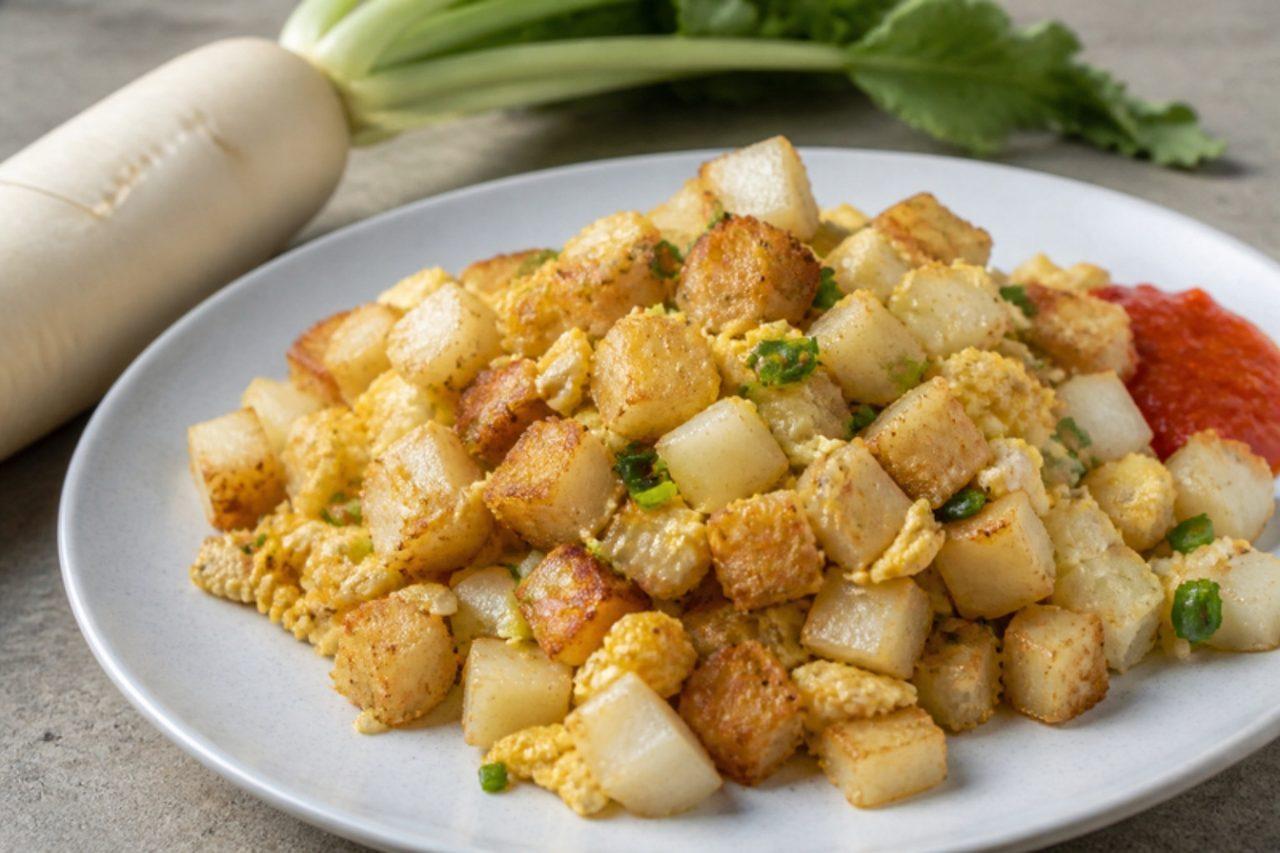
Singapore's carrot cake has no carrot in it: "carrot" is the local word for white radish (daikon). A steamed cake of rice flour and grated radish is cut into cubes and fried with egg and garlic until crisp and golden, either "white" (plain and eggy) or "black" (with sweet dark soy). It's a breakfast and supper favourite at hawker centres like Chinatown Complex. Most stalls add chai poh (preserved radish); this version leaves it out because many brands are made with fish sauce, and spring onions bring the savoury lift instead. Chef's tip: steam the cake a day ahead and chill it overnight; cold, firm cake cuts cleanly and crisps instead of falling apart.

by KrazyBadal 0 views

Keropok lekorFried fish sausages

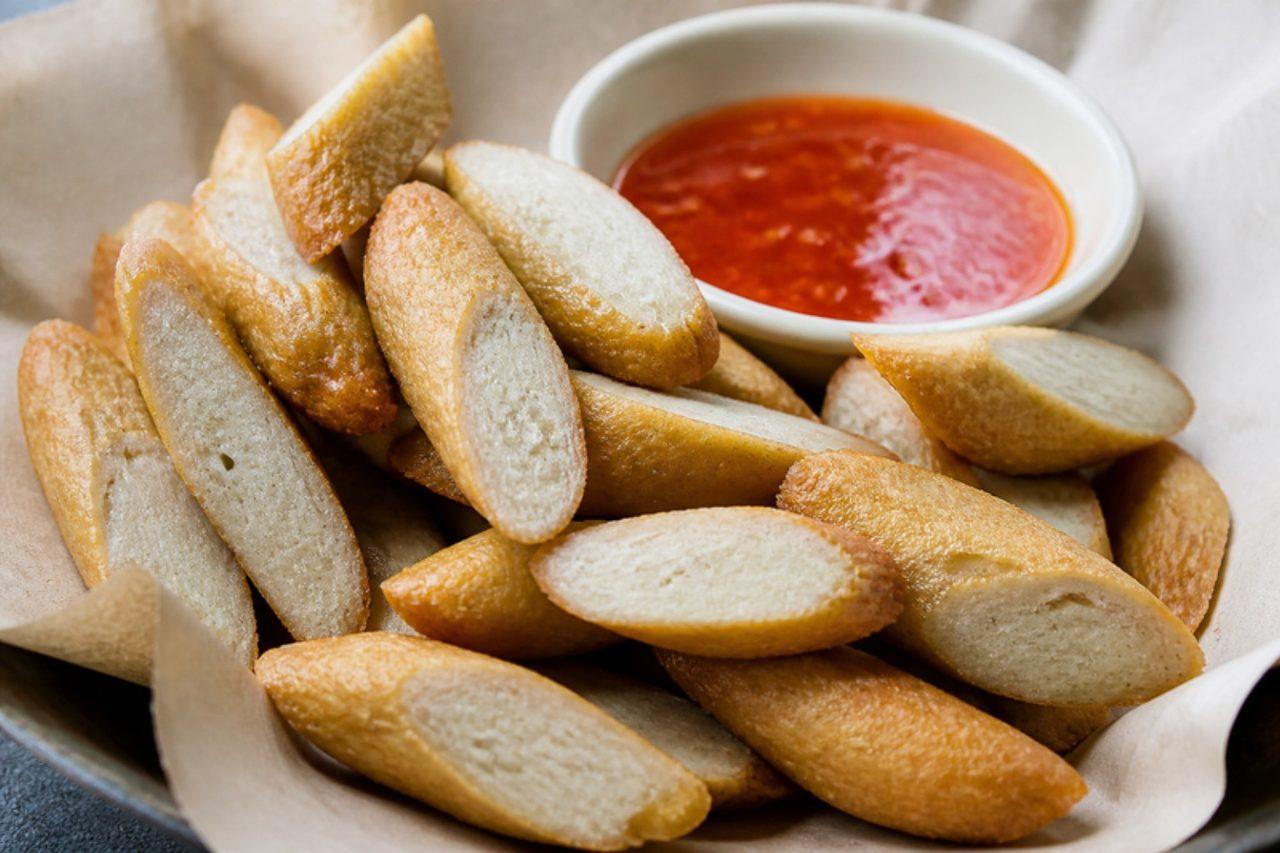
Along the beach road from Kuala Terengganu to Marang, roadside huts sell keropok lekor in paper bags, still hot from the wok. These are long, grey-white sausages of fish and sago starch, boiled until they float and then sliced and fried, so the outside puffs and crisps while the inside stays dense, bouncy and tasting clearly of the sea. Locals dip them in a sweet, garlicky chilli sauce and eat them with tea in the late afternoon. They freeze well after boiling, ready to fry any time. Chef's tip: knead the fish with ice-cold water; keeping the dough cold is what gives the springy bite.

by KrazyBadal 0 views

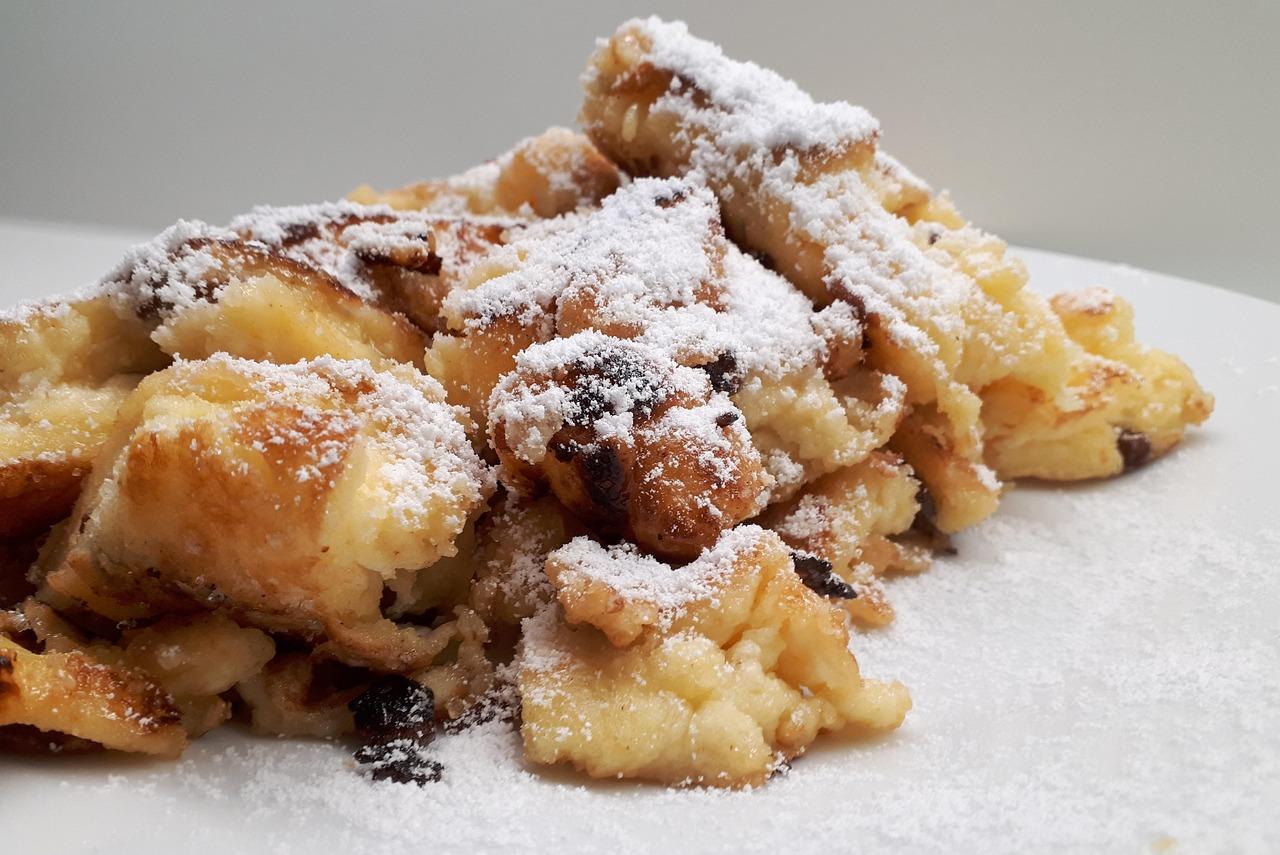
KaiserschmarrnTorn raisin pancake

Kaiserschmarrn, the 'emperor's mess', is Austria's favourite sweet meal, said to have been made for Emperor Franz Joseph, and today it's served from huge pans in every ski hut in Tyrol and Salzburg and in Viennese restaurants. It is a thick, fluffy pancake made with whisked egg whites, torn into rough pieces in the pan with two forks, then caramelised with butter and sugar and heaped with icing sugar. Eat it with Zwetschkenröster (plum compote) or apple sauce. Chef's tip: let the pancake set and brown properly underneath before tearing it up; tear it too early and you get scrambled batter instead of soft, golden pieces.

by KrazyBadal 0 views

KhashBeef foot broth

Khash is a winter ritual in Armenia: friends gather in the early morning between November and March, often at the weekend, to share bowls of plain broth made from beef feet that have cooked all night. Everyone seasons their own bowl at the table with crushed garlic and salt, crumbles dried lavash into it and eats with radishes, pickles and fresh herbs. The broth is rich, sticky with gelatine and deliberately unseasoned in the pot. Skimping on the cleaning and soaking is the classic error; it leaves the broth grey and smelling of the farmyard instead of clean and milky-white. Chef's tip: ask the butcher to clean the feet and saw them into pieces for you.

by KrazyBadal 0 views

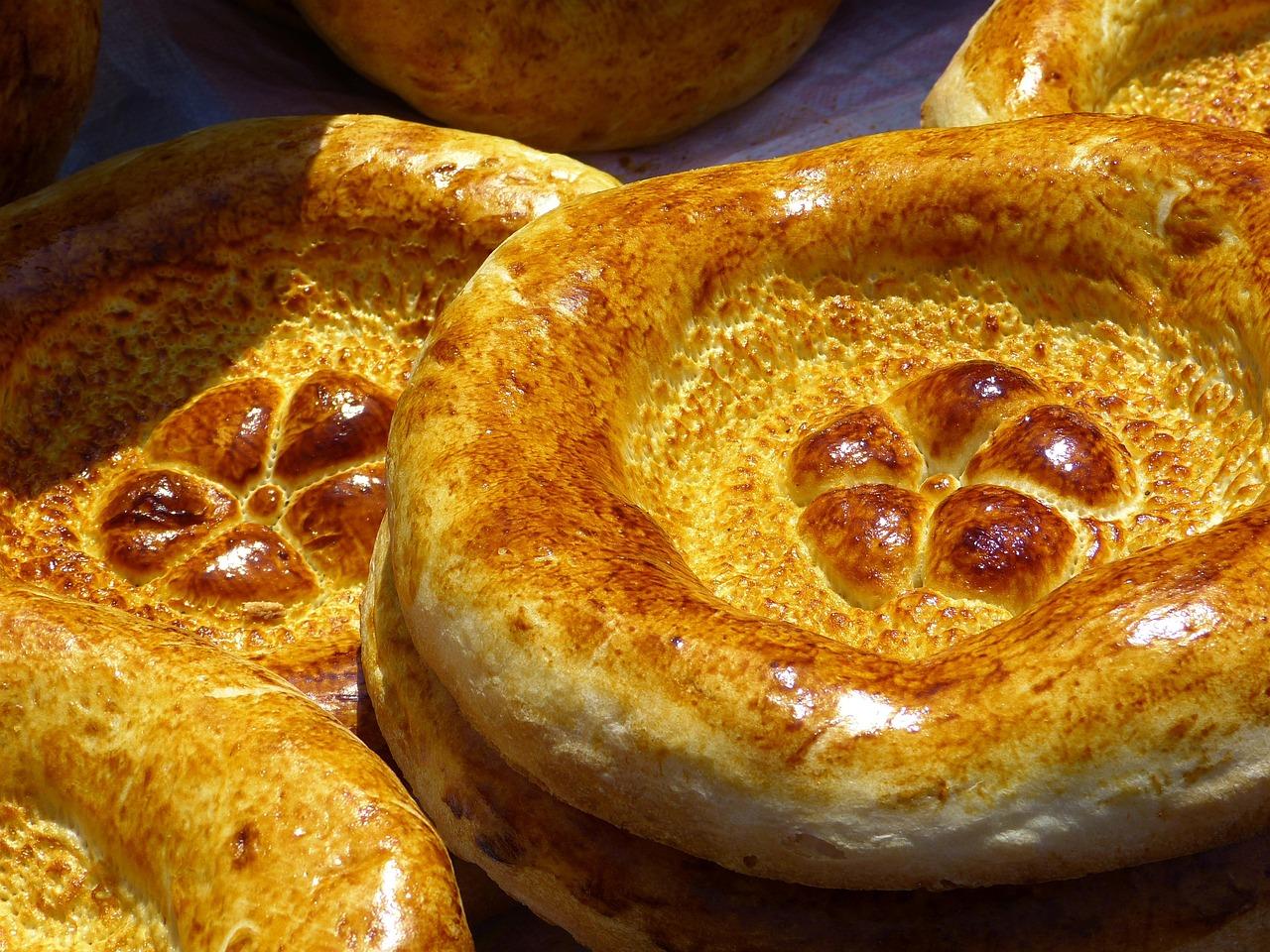
Obi nonTandoor bread

Every Uzbek meal starts with bread torn by hand and passed round the table, and obi non is the everyday loaf: a round with a thick, soft rim and a thin, crisp centre pricked with a patterned stamp called a chekich. In Samarkand and Tashkent it comes out of clay tandoors at dawn, and across the border in Kazakhstan the same bread is sold as tandyr nan. Bread is never cut with a knife and never laid face down. A very hot oven and a baking stone or upturned tray come close to the tandoor at home. Eat it warm with green tea, achichuk salad, soups and plov. Chef's tip: press the centre really thin and prick it all over; if you don't, it puffs into a ball like pitta and you lose the flat, crackly middle.

by KrazyBadal 0 views

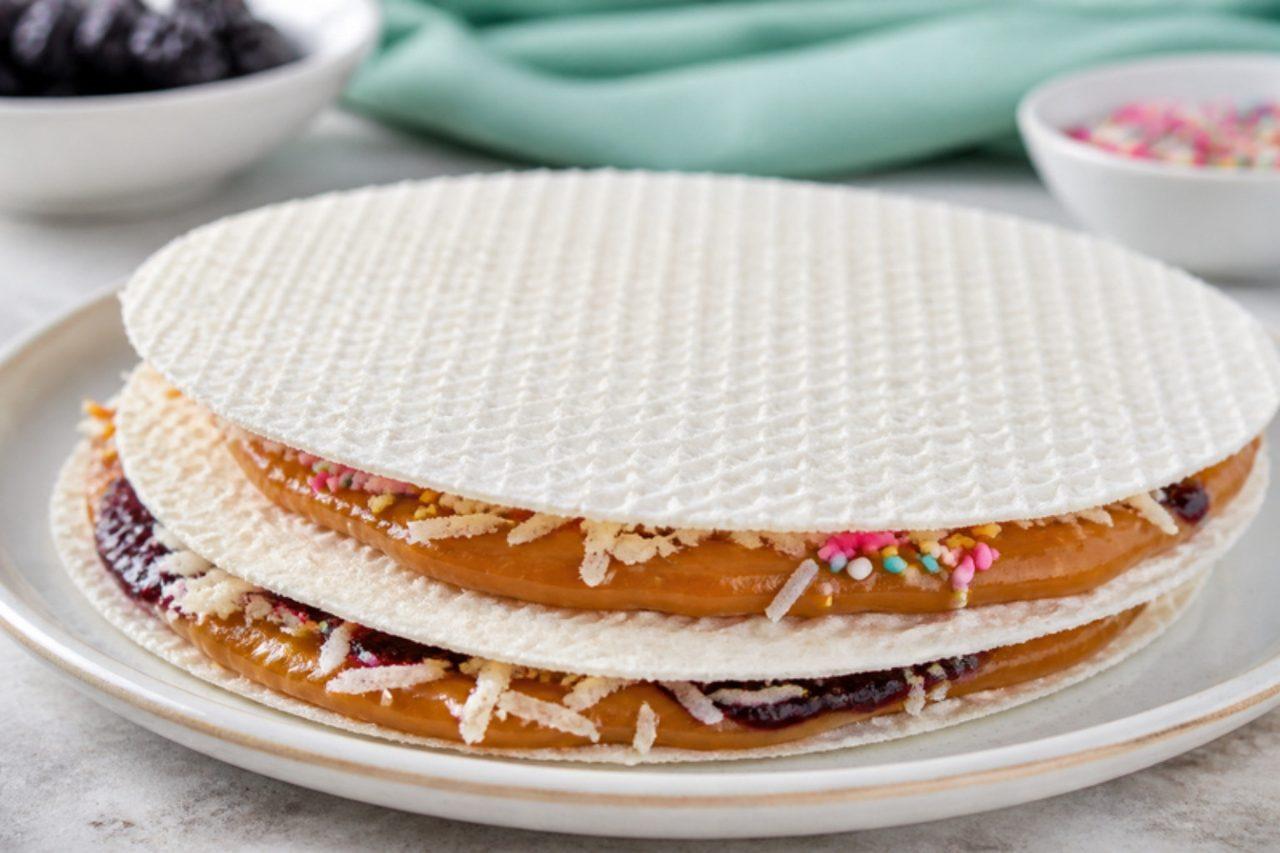
Obleas con arequipeWafers with dulce de leche

Obleas are the giant, paper-thin round wafers sold from street carts in Bogotá's parks and around Floridablanca in Santander, where they began. The vendor spreads two wafers with arequipe, Colombia's dulce de leche, and adds whatever you choose: blackberry jam, grated cheese, condensed milk or sprinkles, then presses them together. They are crisp, sticky and fun to make with children. Look for oblea wafers in Latin American shops. Chef's tip: assemble them right before eating; the wafers soften within an hour.

by KrazyBadal 0 views

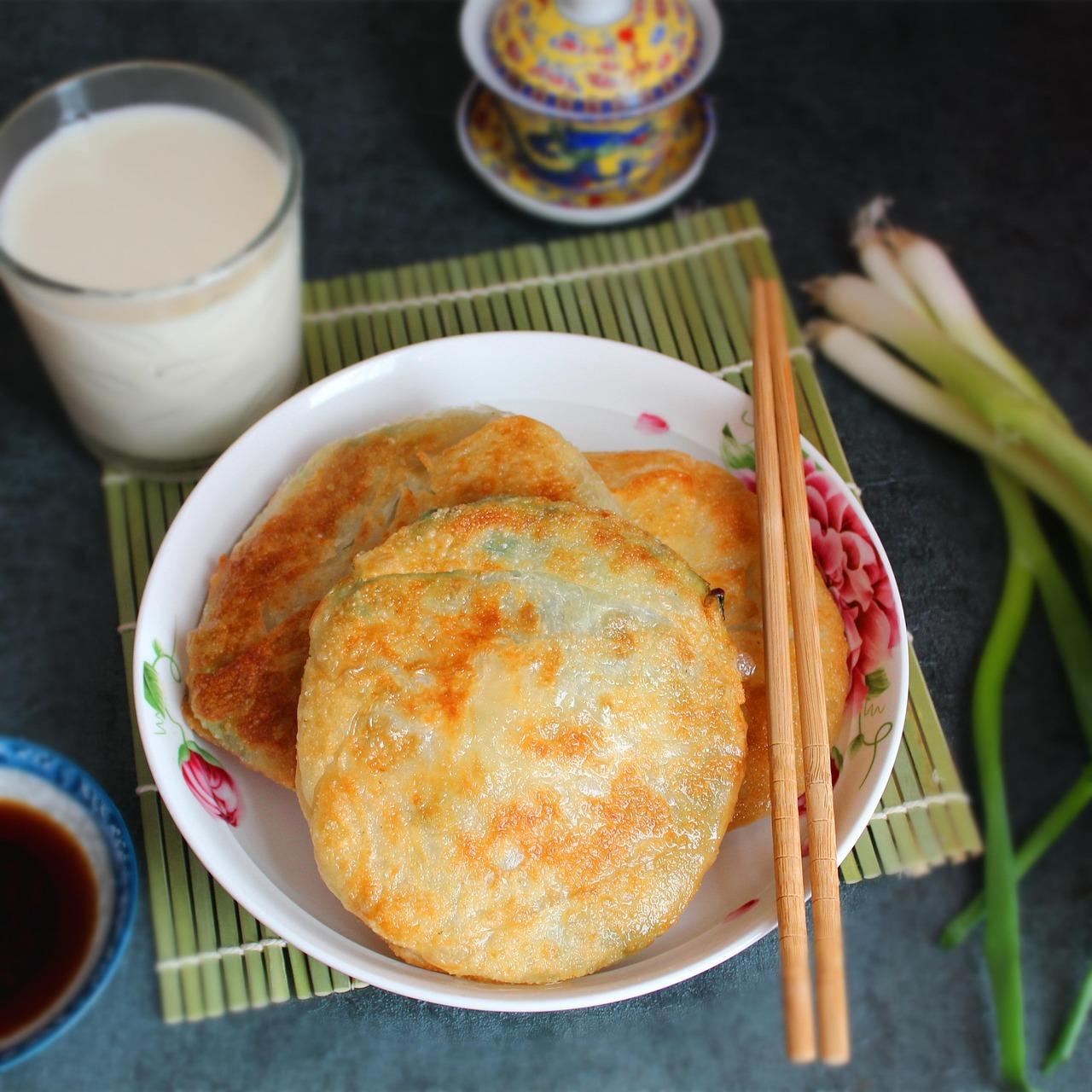
Scallion pancakes (cong you bing)Spring onion flatbreads

Cong you bing are sold from griddles on street corners across northern China, and every Shanghai breakfast stall has its own version. The dough is rolled thin, brushed with a flour-and-oil paste, scattered with spring onion, rolled up like a snail and flattened again, so it fries into dozens of crisp, chewy layers. Children love tearing them apart. Chef's tip: make the dough with hot water; it scalds some of the flour so the pancakes stay soft and roll out without springing back.

by KrazyBadal 0 views

Khasta kachori with aloo sabziFlaky urad dal pastries with potato curry

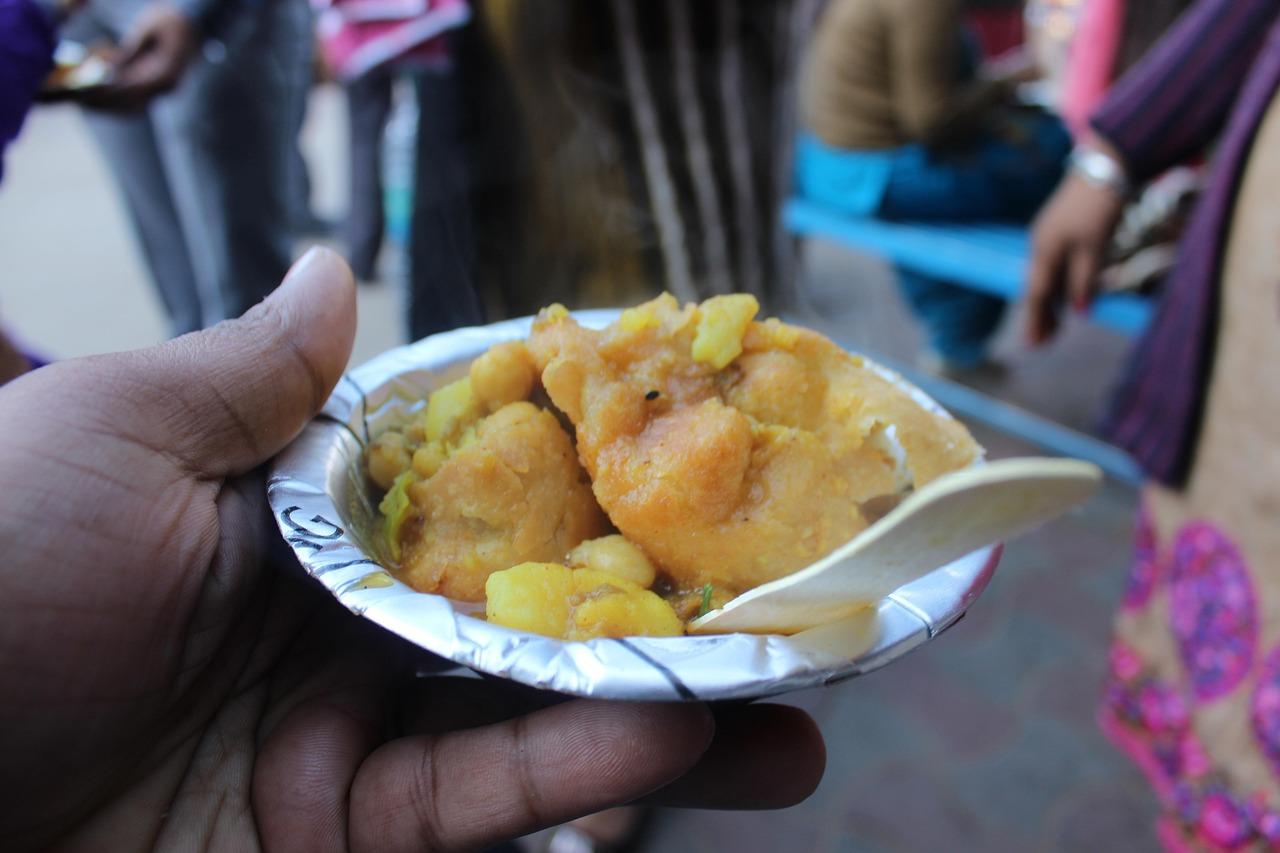
In the lanes of Old Delhi, breakfast often means a leaf plate of khasta kachori broken into a hot, thin potato curry, with a dollop of pickle and a cup of chai. The kachoris are large and flat with a peppery filling of coarsely ground urad dal, fried slowly until they blister and puff, and the aloo sabzi is fiery with chilli and sharp with tomato and dried mango. It's a weekend dish, filling enough to last until lunch. Chef's tip: break the boiled potatoes by hand rather than chopping them; the rough edges melt into the gravy and thicken it naturally.

by KrazyBadal 0 views

TequeñosFried cheese sticks

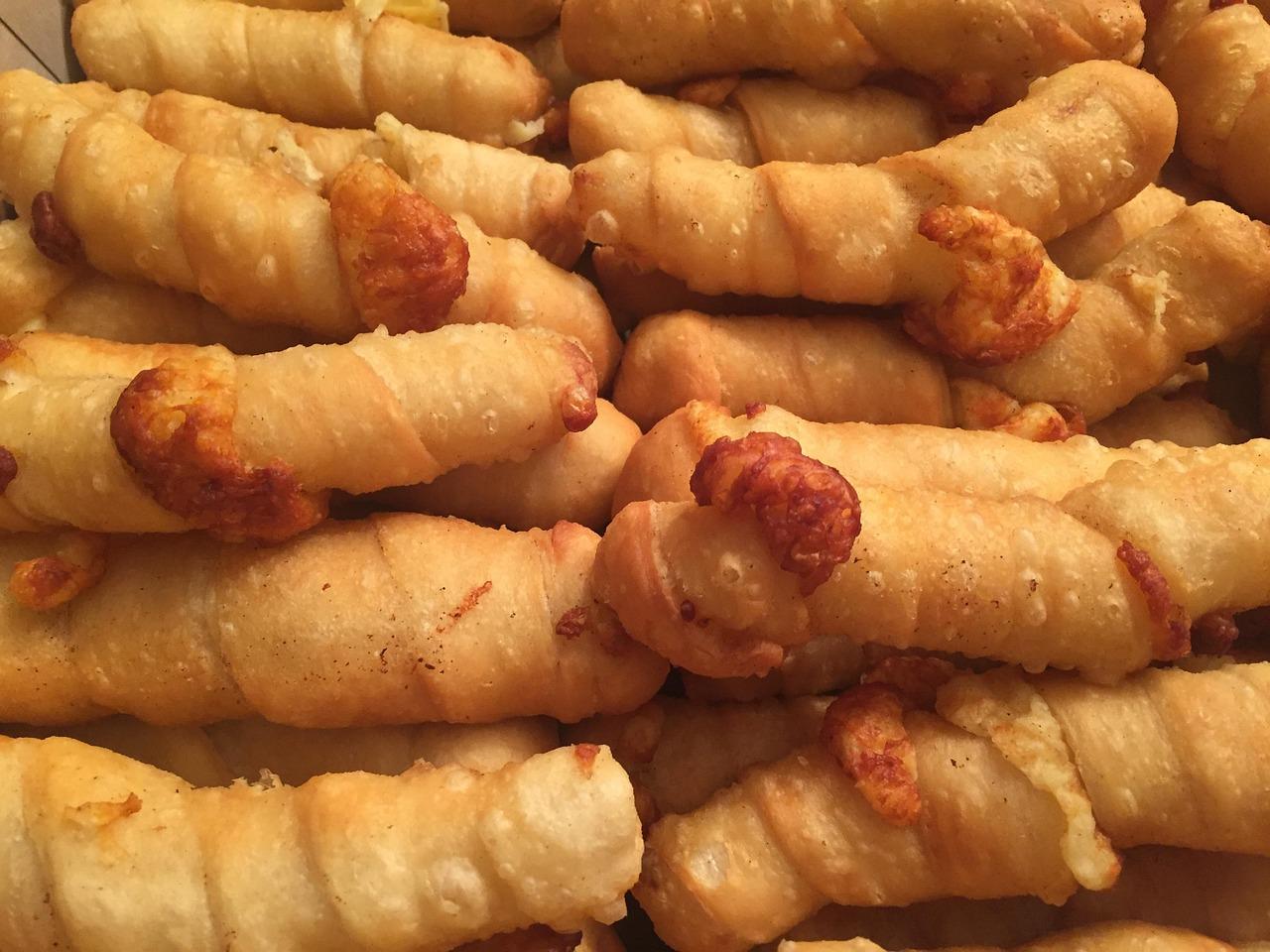
Tequeños are said to come from Los Teques, the town in the hills outside Caracas, and they are the party food of Venezuela: no birthday, wedding or office celebration is without a tray of these crisp pastry fingers wrapped around salty white cheese. The dough is spiralled around the cheese, then fried so the pastry is crunchy and the cheese just starts to melt. Serve with guasacaca (avocado sauce) or a sweet chilli dip. Use a cheese made with vegetarian rennet. Chef's tip: overlap each spiral of dough slightly and seal the ends well, or the cheese escapes into the oil.

by KrazyBadal 0 views

KhatkhatemMixed vegetable and dal stew

Khatkhatem is the vegetable stew Goan Hindu families cook for Ganesh Chaturthi and wedding feasts, when onion and garlic are kept out of the kitchen. It takes whatever the monsoon garden gives: pumpkin, sweet potato, raw banana, corn on the cob, drumsticks, yam and the long Goan cucumber, simmered with a little toor dal in a ground paste of coconut, red chillies and coriander seeds. The flavour comes from tirphal, a dried berry from the Western Ghats with a woody, citrusy, slightly numbing bite. Serve it with rice and a crisp papad as part of the festive spread. Chef's tip: add the vegetables in stages, hardest first; khatkhatem should have every vegetable tender but whole, not a mush.

by KrazyBadal 0 views

Kerala meen currySour red fish curry

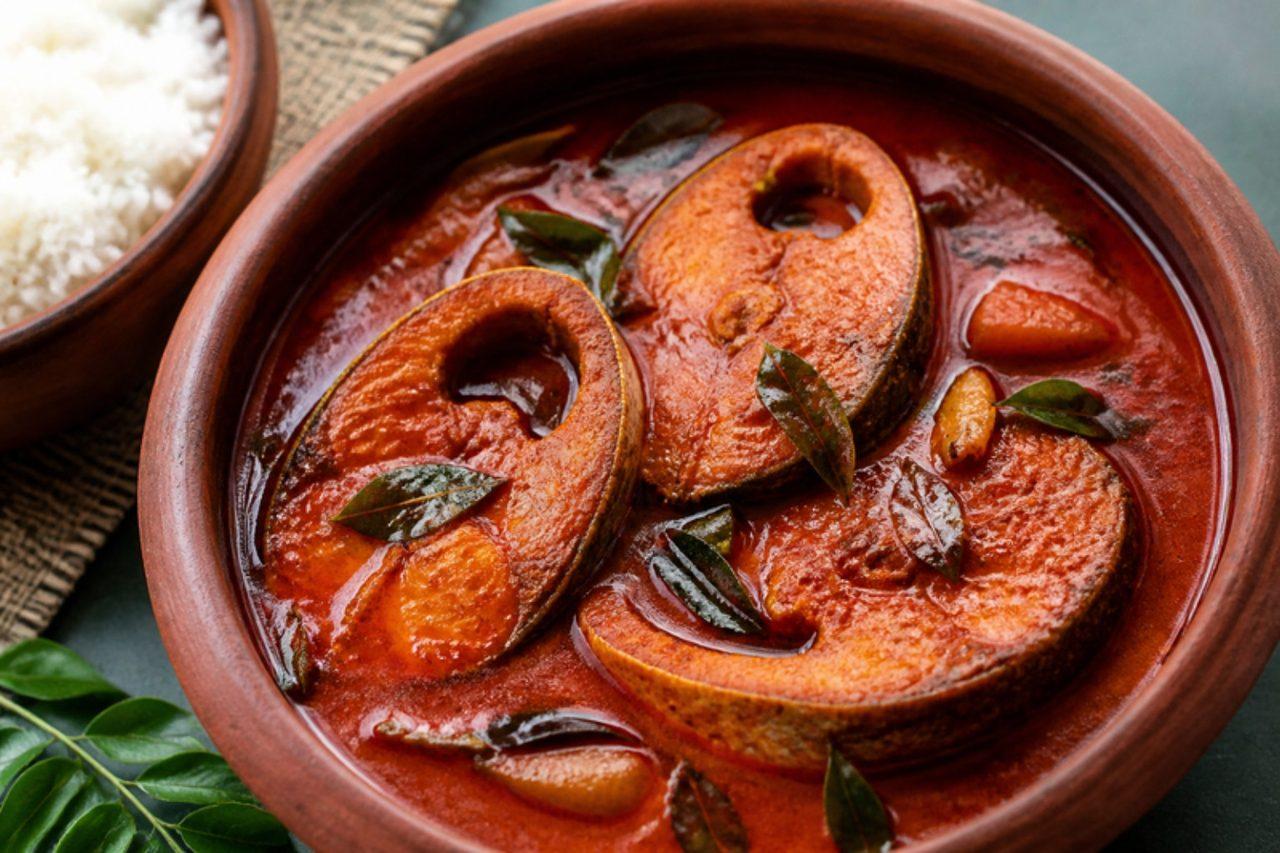
Down the southern backwater districts of Travancore, around Kottayam and Alappuzha, the everyday fish curry has no coconut at all: just a brick-red gravy of chilli, shallots and coconut oil, made sour and smoky with kudampuli (Malabar tamarind). It is traditionally made in a clay pot (manchatti) and left to sit, because it tastes better hours later or the next morning, when the fish has soaked up the sourness. Kingfish, sardines and mackerel are the usual choices; eat it with boiled red Kerala rice or tapioca. Chef's tip: once the fish is in, never use a spoon — hold the pot with a cloth and swirl it so the sauce coats the pieces without breaking them.

45 minIndianFishGluten freeSpicy
by KrazyBadal 0 views

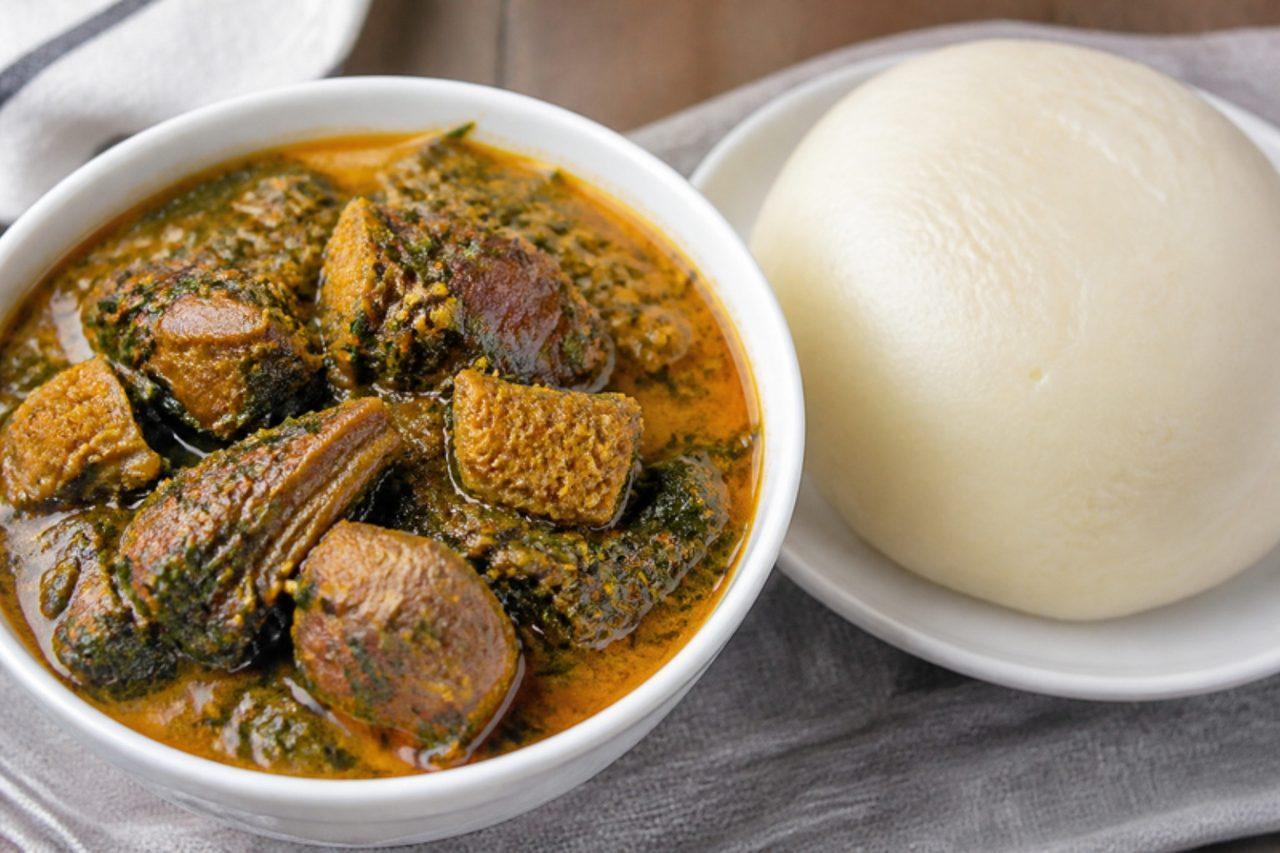
Ofe onugbuBitter leaf soup

Ofe onugbu is the soup Igbo families in Anambra and Enugu make for Sunday lunch and for visitors coming home at Christmas. Washed bitter leaf gives a gentle, pleasant bitterness, cocoyam paste thickens it, and beef, shaki (tripe), stockfish and dried fish add layer after layer of savoury flavour, all coloured by palm oil. It is eaten with pounded yam, eba or fufu, pinched up with the fingers. The mistake to avoid is using bitter leaf that hasn't been washed enough; it should taste only mildly bitter before it goes in. Chef's tip: frozen pre-washed bitter leaf from African grocers saves an hour of squeezing and rinsing.

by KrazyBadal 0 views

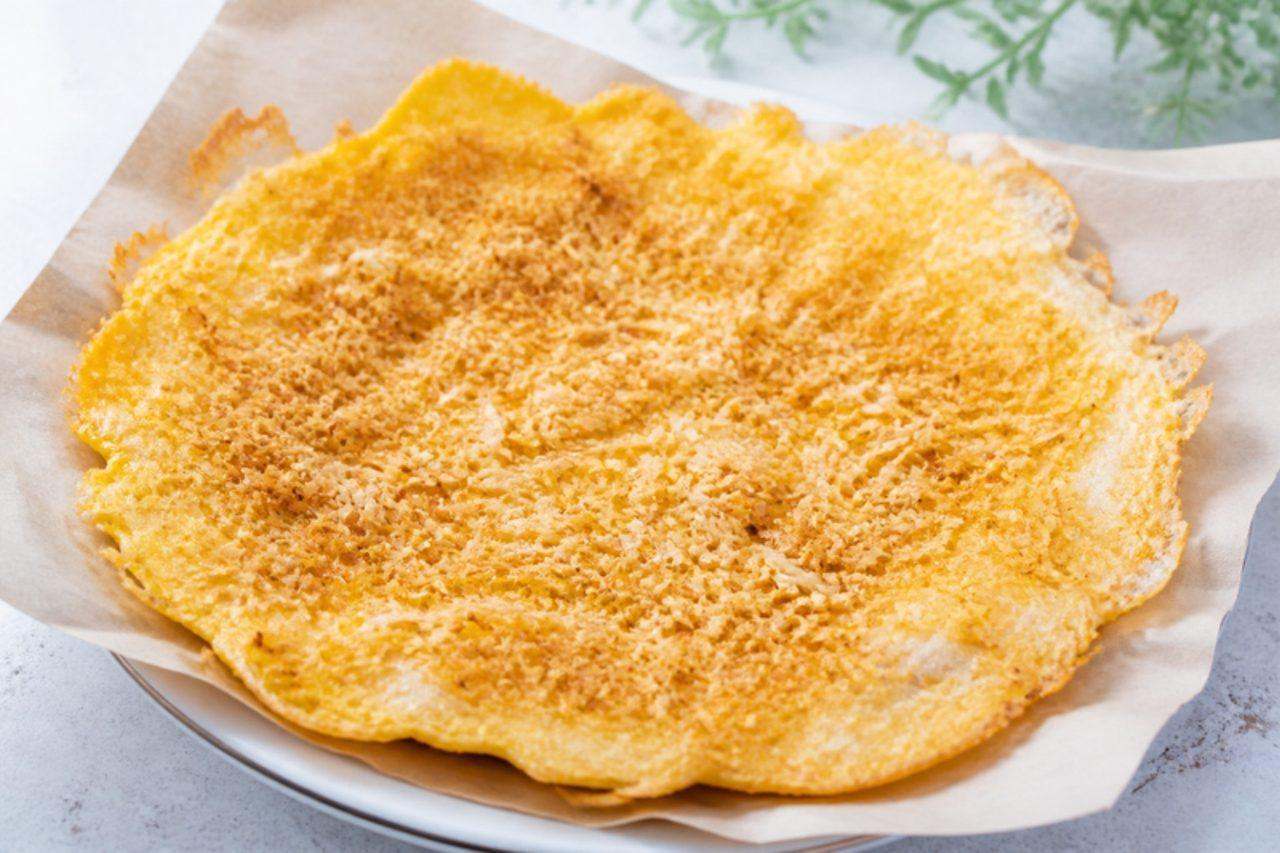
Kerak telorSticky rice and egg omelette

Kerak telor is the Betawi snack of Jakarta, cooked over charcoal by vendors at the Jakarta Fair and around Monas: a little soaked sticky rice is cooked in a tiny wok, an egg cracked on top, then the wok is turned upside down over the coals so the bottom forms a crust. It is finished with serundeng, a spiced toasted coconut, and fried shallots. Vendors usually add dried shrimp to the coconut; this version doesn't. Chef's tip: soak the sticky rice overnight; half-soaked grains stay hard in the middle.

by KrazyBadal 0 views

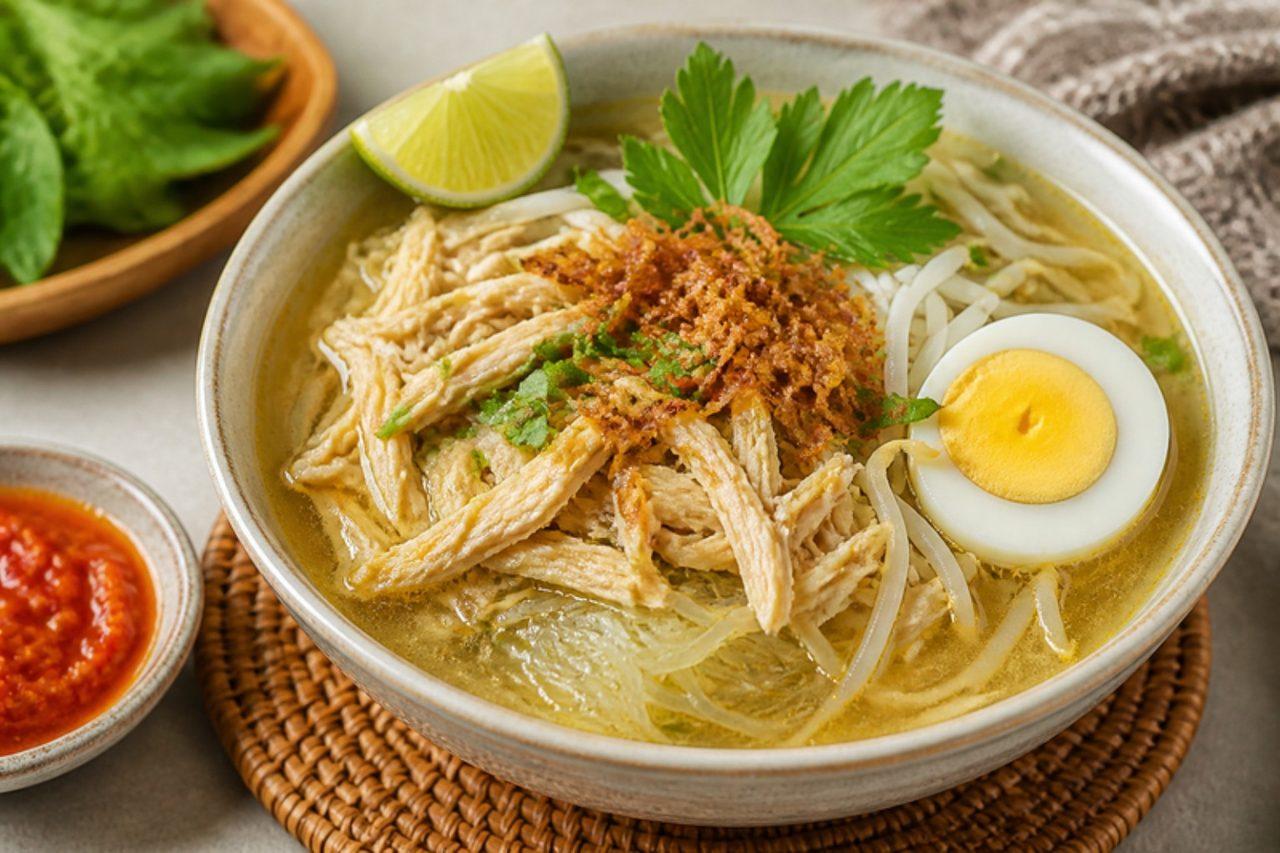
Soto ayamTurmeric chicken soup

From Lamongan to Semarang, Java's soto carts start ladling before the morning commute, and a bowl of soto ayam is how many people begin a working day. The broth is light but bright yellow with fresh turmeric, scented with lemongrass and lime leaf, and poured over slippery glass noodles, shredded chicken, crunchy bean sprouts and half a boiled egg. Squeeze in lime, stir in as much sambal as you dare and eat it with plain rice or rice cakes on the side. In East Java vendors finish it with koya, a sandy powder of prawn crackers and fried garlic that thickens the broth as you eat. Chef's tip: keep the pot at a lazy simmer the whole time; a hard boil turns the golden broth cloudy and greasy.

by KrazyBadal 0 views

Soto BanjarSpiced chicken soup

Along the rivers of Banjarmasin in South Kalimantan, breakfast often means soto Banjar eaten at a wooden riverside warung, sometimes after a dawn trip to the floating market. Unlike the turmeric sotos of Java, this broth is pale and clear, perfumed with the sweet spices that traders brought up the river centuries ago: cinnamon, cloves, star anise, cardamom and nutmeg. Shredded chicken, glass noodles, carrot and a boiled egg go into the bowl with rice cakes, and lime and a little chilli sharpen it at the table. Chef's tip: toast the whole spices in the pan for a minute before the paste goes in; it brings out their sweetness without the dusty edge of ground spice.

by KrazyBadal 1 views

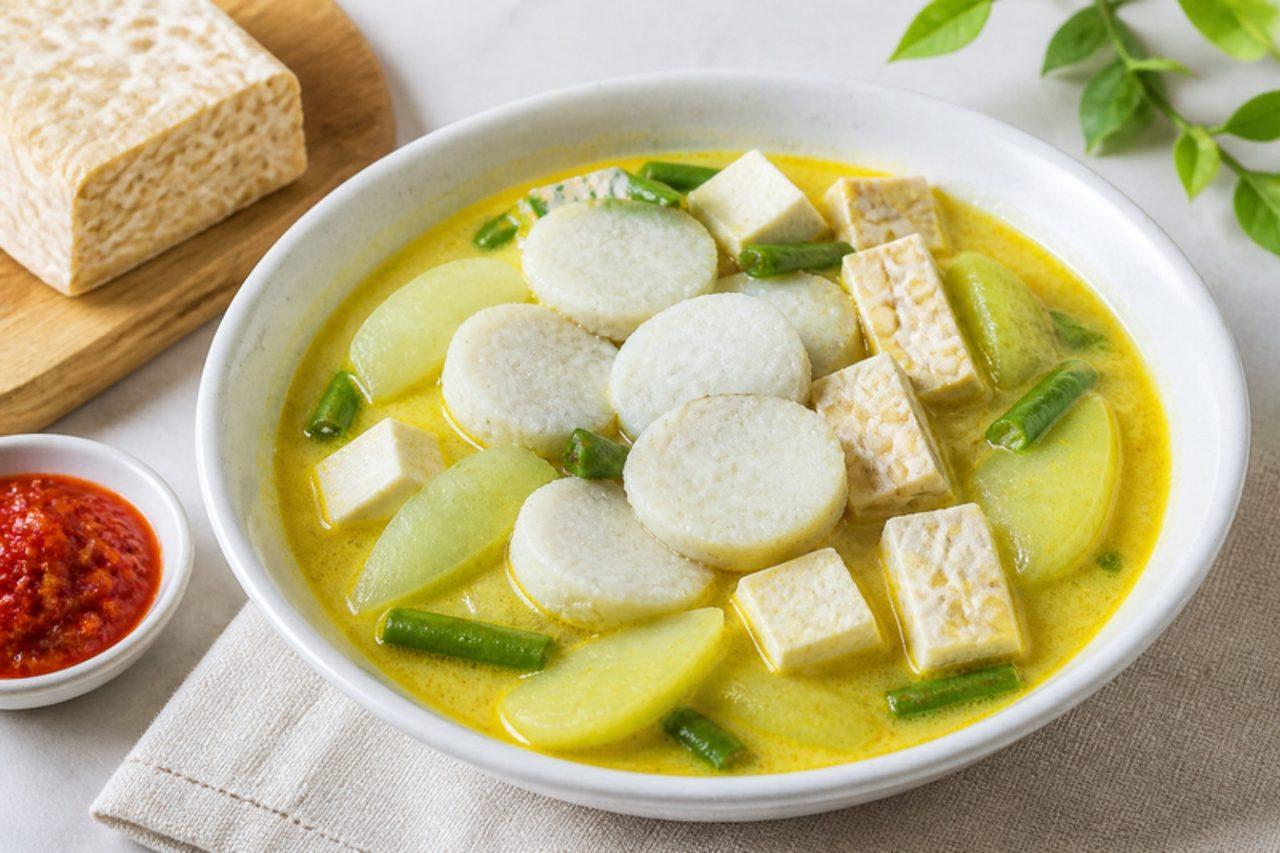
Lontong sayurRice cakes in coconut vegetable broth

In Jakarta, lontong sayur is what the morning carts sell before offices open: firm slices of pressed rice sitting in a thin, golden coconut broth with chayote, long beans and squares of tofu and tempeh. Betawi families also cook a big pot of it for Lebaran morning. Street versions often add dried shrimp to the spice paste; this one keeps the flavour with candlenuts, galangal and salam leaf instead. Serve with sambal, fried shallots and crackers. Chef's tip: cook the lontong the day before and chill it overnight; cold rice cakes slice cleanly and soak up the broth without falling apart.

by KrazyBadal 0 views

Soto BetawiBeef and coconut milk soup

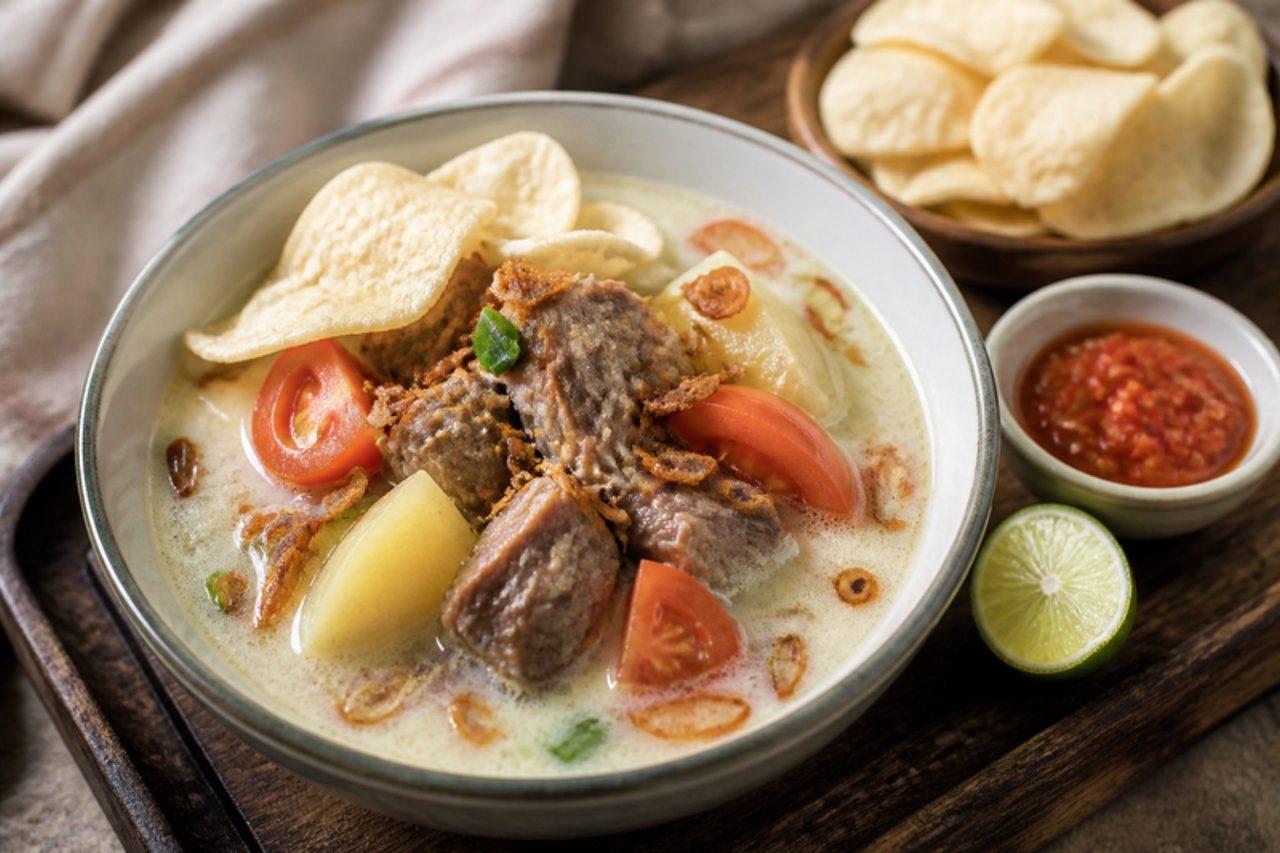
Jakarta's original Betawi community gave the capital this rich, pale-gold soup, and on a Sunday the soto Betawi stalls along the city's side streets are packed with families. Beef brisket (and, for many, tripe) simmers until tender, then goes into a gently spiced broth made creamy with coconut milk and a splash of fresh milk, scented with lemongrass, cinnamon and cloves. Each bowl is loaded with fried potato, raw tomato and spring onion and comes with rice, lime, sambal and bitter-crisp emping crackers. It's comforting and mellow rather than fiery. Chef's tip: for a dairy-free bowl, swap the milk for more coconut milk; the soup will be a little heavier but just as good.

by KrazyBadal 0 views

Maraq digaagChicken and vegetable stew

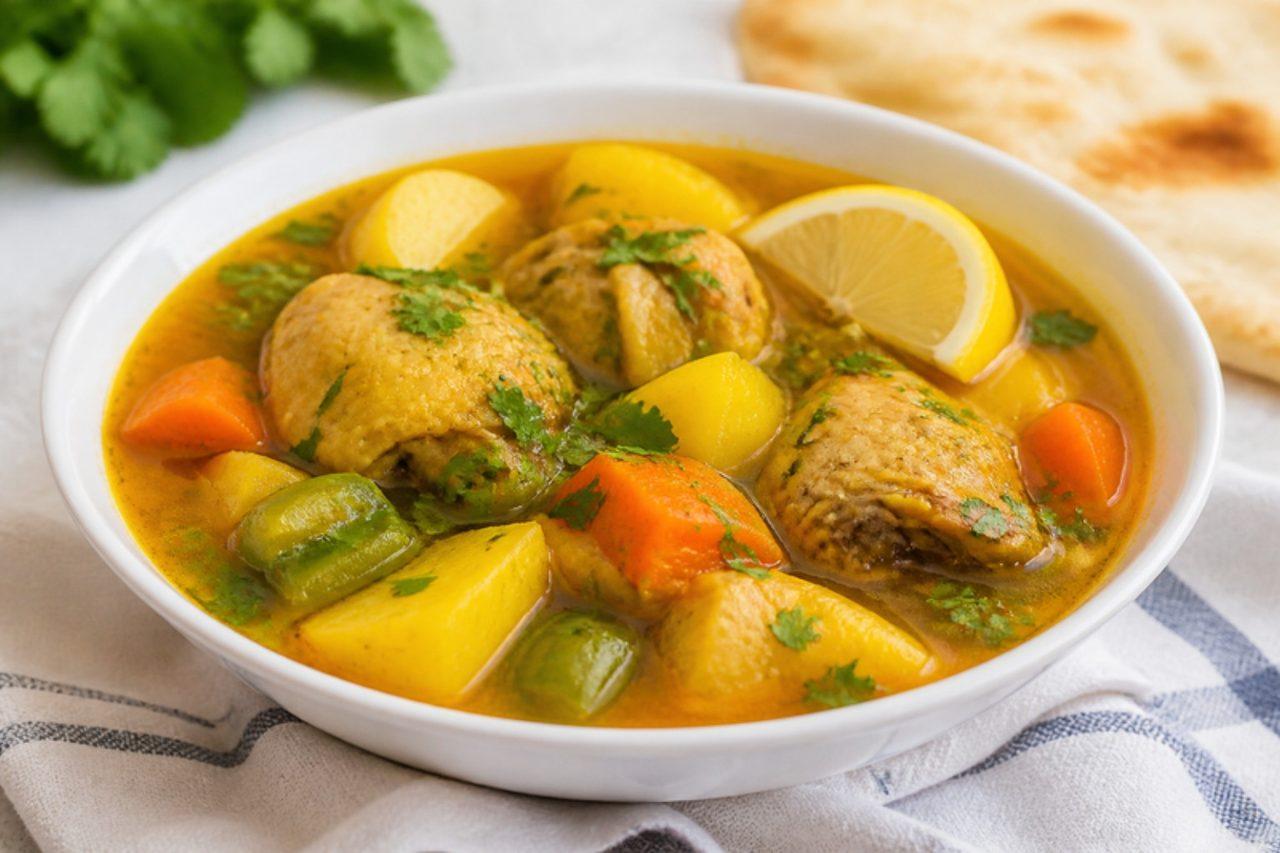
Maraq digaag is the gentle chicken stew Somali mothers make on ordinary weekdays, and the one people ask for when they are unwell: chicken simmered with potato, carrot, tomato and green pepper in a light broth fragrant with xawaash and garlic. It is served with rice, canjeero or bread for dipping. The mistake is boiling it hard, which makes the chicken stringy; keep it at a lazy simmer. Chef's tip: stir in chopped coriander and a little lemon at the end to lift the broth.

by KrazyBadal 0 views

Halo-haloShaved ice dessert

Halo-halo ('mix-mix') is what the Philippines eats through the hot dry months of March to May, bought from roadside stalls and snack shops and eaten slowly with a long spoon in a tall glass. Sweetened beans and chickpeas, banana cooked in brown sugar, jackfruit, nata de coco and sugar-palm fruit go in first, then a mountain of finely shaved ice, a splash of evaporated milk and a crown of ube halaya, a slice of leche flan or a scoop of ube ice cream, with crunchy pinipig (toasted pounded rice) on top. Unlike Malaysian ais kacang, there's no syrup over the ice: the sweetness comes from the layers and the milk. You stir everything together before eating. Chef's tip: chill the glasses and the toppings first so the ice doesn't melt before you have finished building.

by KrazyBadal 0 views

Oil downBreadfruit and salt fish one-pot

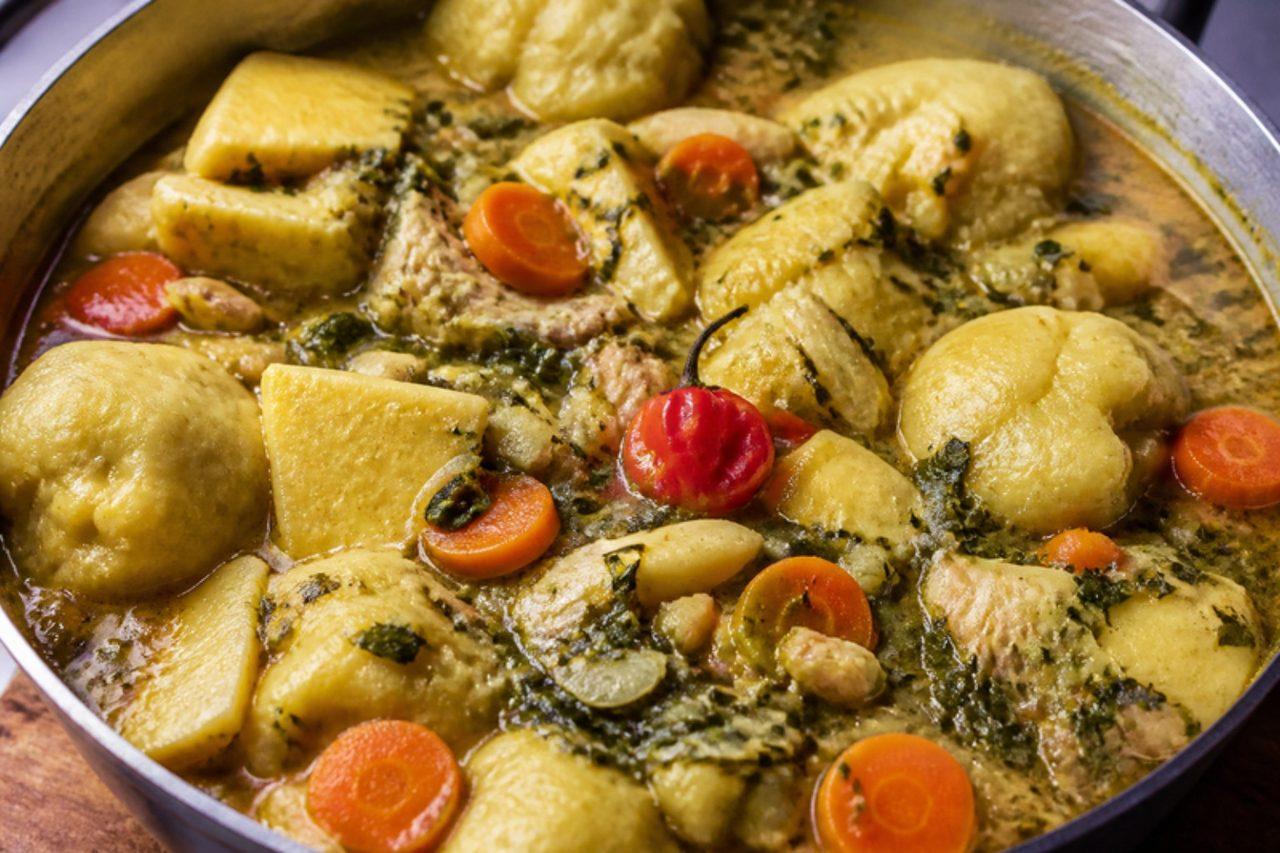
Oil down is what Grenadians cook on the beach, at village fêtes and on Sunday afternoons, often in a big iron pot over a wood fire with everyone waiting around it. Breadfruit, salt fish and soft flour dumplings are layered with callaloo and turmeric (called 'saffron' on the island), then steamed in coconut milk until the milk is drunk up and only a golden oil coats the pot, which gives the dish its name. Many cooks add salted pig tail or chicken; this version keeps to salt fish. The mistake to avoid is stirring, which breaks the layers into mush; shake the pot instead. Chef's tip: put the Scotch bonnet in whole and lift it out at the end, so it scents the pot without burning everyone's mouth.

by KrazyBadal 0 views

Soufflé au fromageCheese soufflé

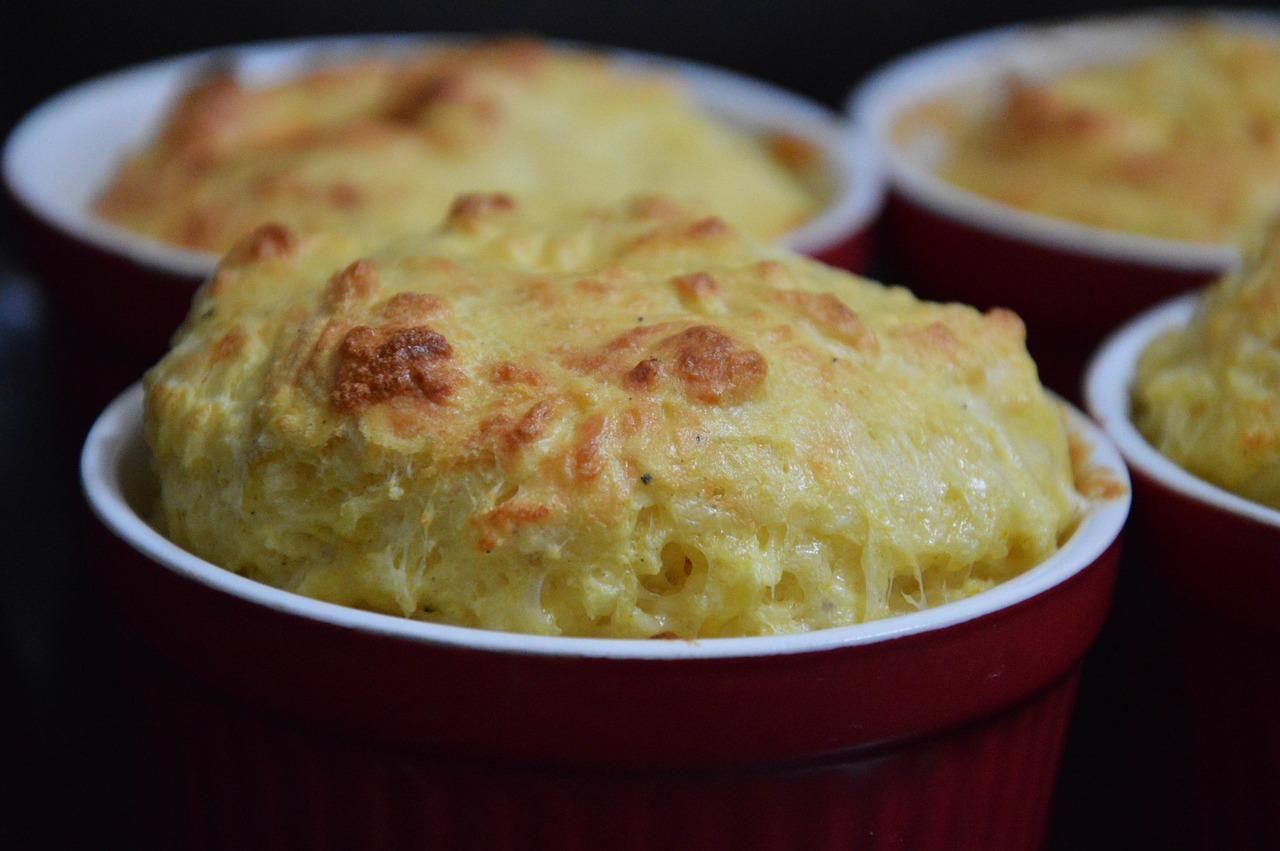
The cheese soufflé is a French bistro classic and a favourite family starter or light supper all over France, often served with a green salad and a glass of white wine. A thick cheese sauce is lightened with whisked egg whites and baked until it rises tall above the dish, golden and crusty outside and soft, almost creamy in the middle. It sounds hard but it's mostly about timing. We thicken the sauce with cornflour so it's gluten free (classic recipes use plain flour). Comté and Gruyère are made with animal rennet, so use a vegetarian alternative. Chef's tip: fold the whites in gently with a big spoon, in three goes; stirring hard is the common mistake that knocks out the air so it never rises.

by KrazyBadal 0 views

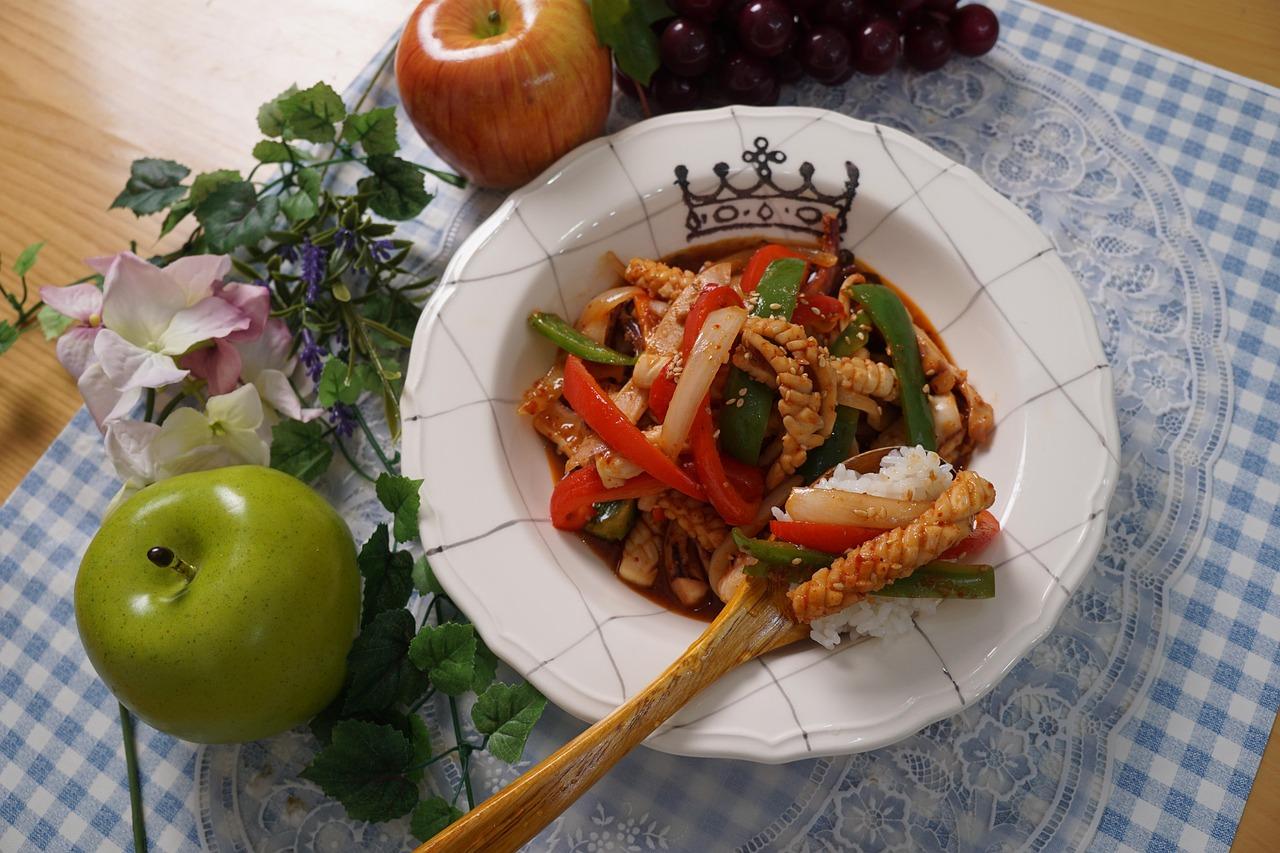
Ojingeo bokkeumSpicy stir-fried squid

Around the harbours of the Chungcheong coast on the Yellow Sea, seafood restaurants fry freshly landed squid in a sticky red sauce, and the same dish turns up in lunch canteens and home kitchens all over Korea. Bright with chilli, it's on the table in about twenty minutes and is often piled straight onto rice as ojingeo deopbap. The sauce is gochujang and chilli flakes sweetened with a little sugar, and the vegetables stay crisp. Serve with rice and a bowl of light soup to cool things down. Chef's tip: mix the sauce before you light the hob, because the squid cooks so fast that there is no time to measure anything once it's in the pan.

20 minKoreanFishSpicy
by KrazyBadal 0 views

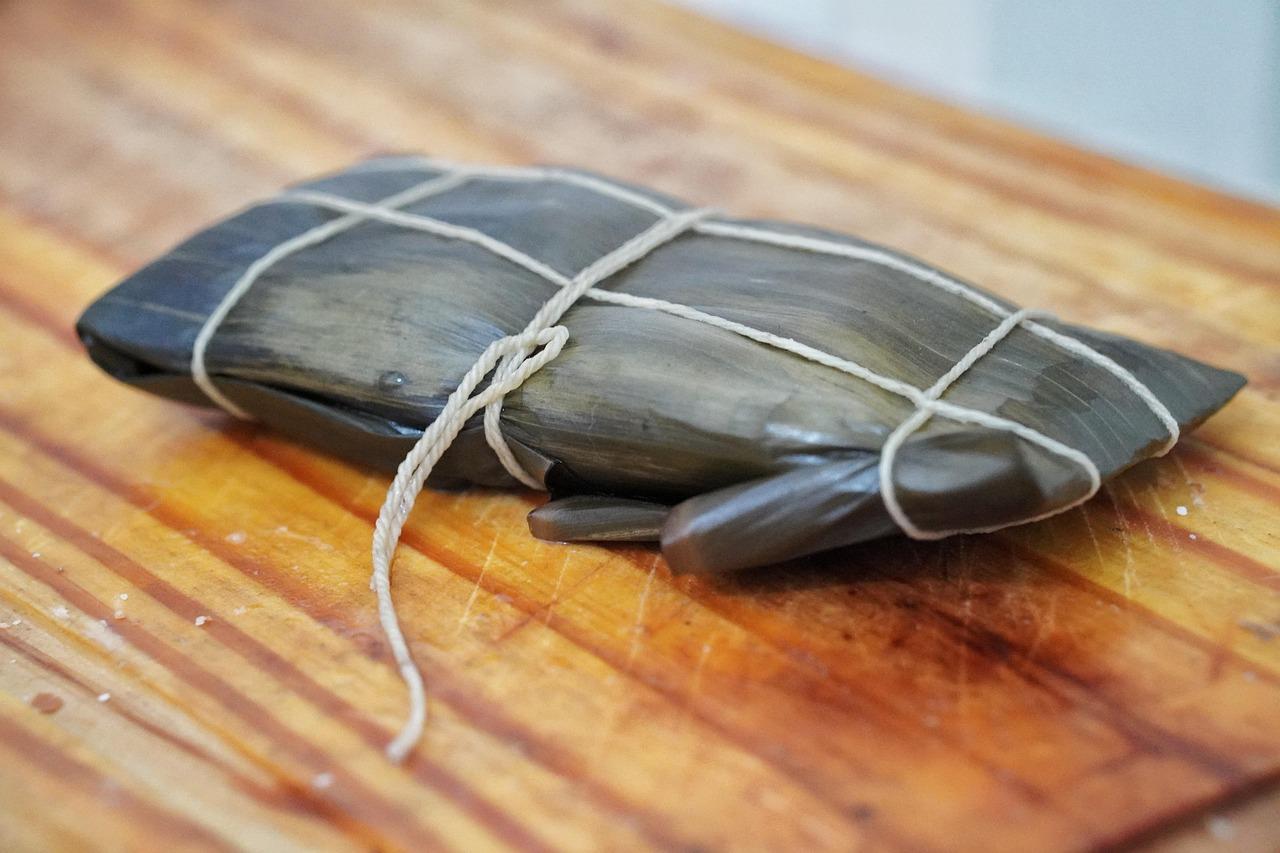
HallacasStuffed corn parcels

Hallacas are Venezuelan Christmas. In December whole families gather around a kitchen table in Caracas, Maracaibo or the Andes to make dozens at once: one person cleans banana leaves, another spreads the annatto-tinted corn dough, another adds the guiso (a stew of pork, beef and chicken) and the garnishes, and someone else ties the parcels. This is a pork dish. The guiso is traditionally finished with red wine; for an alcohol-free version use the same amount of beef stock with a tablespoon of red wine vinegar. They are eaten with pan de jamón and chicken salad from Christmas Eve to New Year. The common mistake is spreading the dough too thick, which makes heavy, stodgy parcels; it should be thin enough to almost see the leaf through it. Chef's tip: make the guiso a day ahead and chill it, so it is firm and easy to portion.

by KrazyBadal 0 views

Hallabong adeSparkling tangerine drink

Hallabong (한라봉) is Jeju's pride: a large, sweet, easy-peel tangerine with a knob on top that is said to look like Hallasan, the island's volcano. Every café on Jeju sells hallabong ade (한라봉에이드), a tall glass of hallabong syrup topped up with sparkling water and ice, often with the fruit sliced into it. Koreans make the syrup, hallabong-cheong, by layering the sliced fruit with sugar in jars; this quick version is ready in 10 minutes. Outside Korea, use dekopon, sumo or any very sweet mandarin. Chef's tip: add a squeeze of lemon to the syrup; hallabong is so sweet that the drink tastes flat without a little extra acid.

by KrazyBadal 0 views

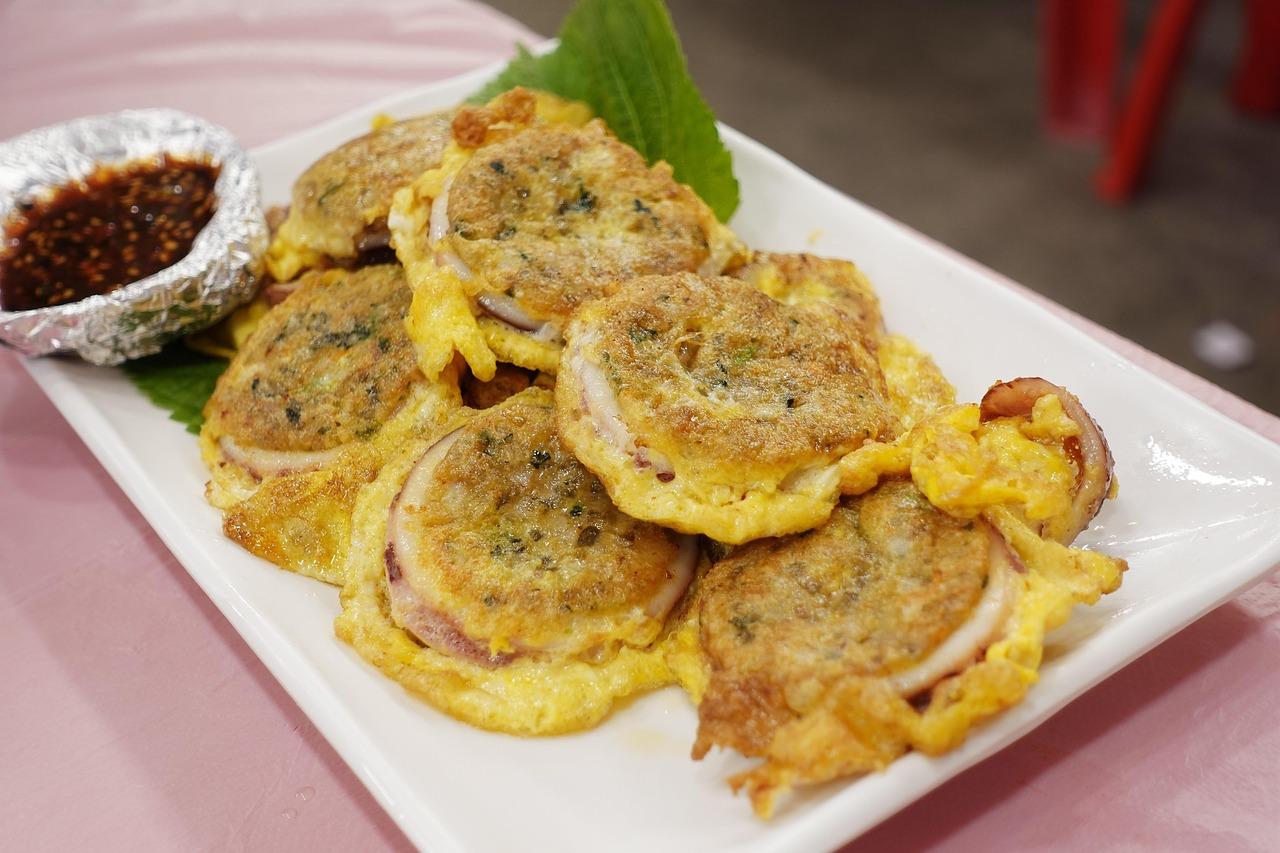
Ojingeo sundaeRice-stuffed squid

Abai Village in Sokcho, on Gangwon's east coast, was settled by people from Hamgyeong province in the north who could not go home after the Korean War. With squid plentiful in the East Sea, they stuffed it the way they had once stuffed pork casings for sundae, and the dish is now sold in the village's small restaurants and at Sokcho's Jungang market. The squid is filled with sticky rice, tofu and vegetables, steamed, cut into rounds and fried in beaten egg until golden. It makes a good sharing plate with a soy and vinegar dip. Chef's tip: mix a little glutinous rice into the filling; it binds the slices so they don't fall apart in the pan.

90 minKoreanFish
by KrazyBadal 0 views

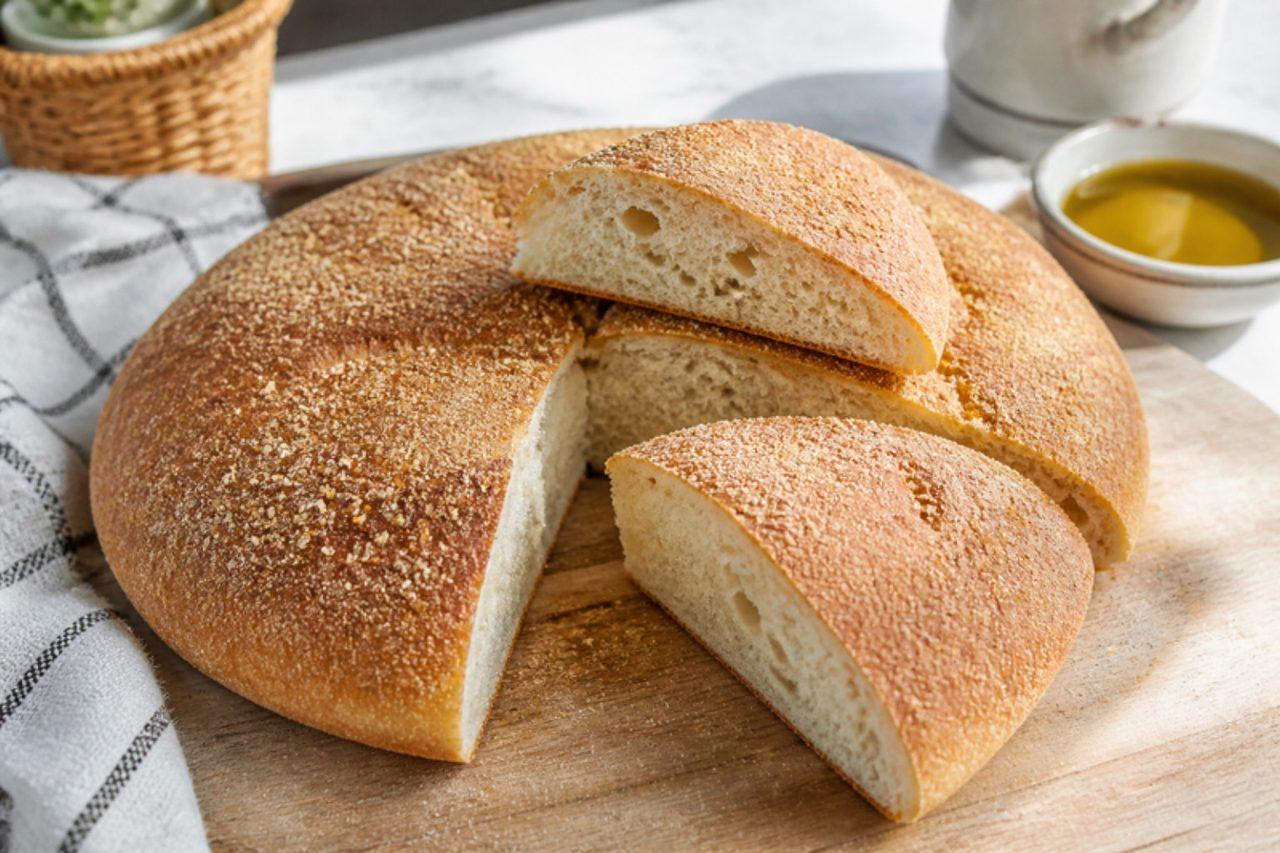
KhobzRound semolina bread

Khobz is the round, flat loaf that sits on every Moroccan table, used instead of cutlery to scoop up tagine and salads. In the older quarters of Fez and Marrakech families still shape their dough at home and carry it on wooden boards to the neighbourhood wood-fired oven, the ferran; at home it bakes perfectly on a hot tray. The semolina and wholemeal give it a slightly nutty taste and a soft, chewy crumb with a thin crust. It keeps for a day wrapped in a cloth and is wonderful toasted. Chef's tip: prick the top all over before baking so it rises evenly and stays flat instead of puffing like a pitta.

by KrazyBadal 0 views

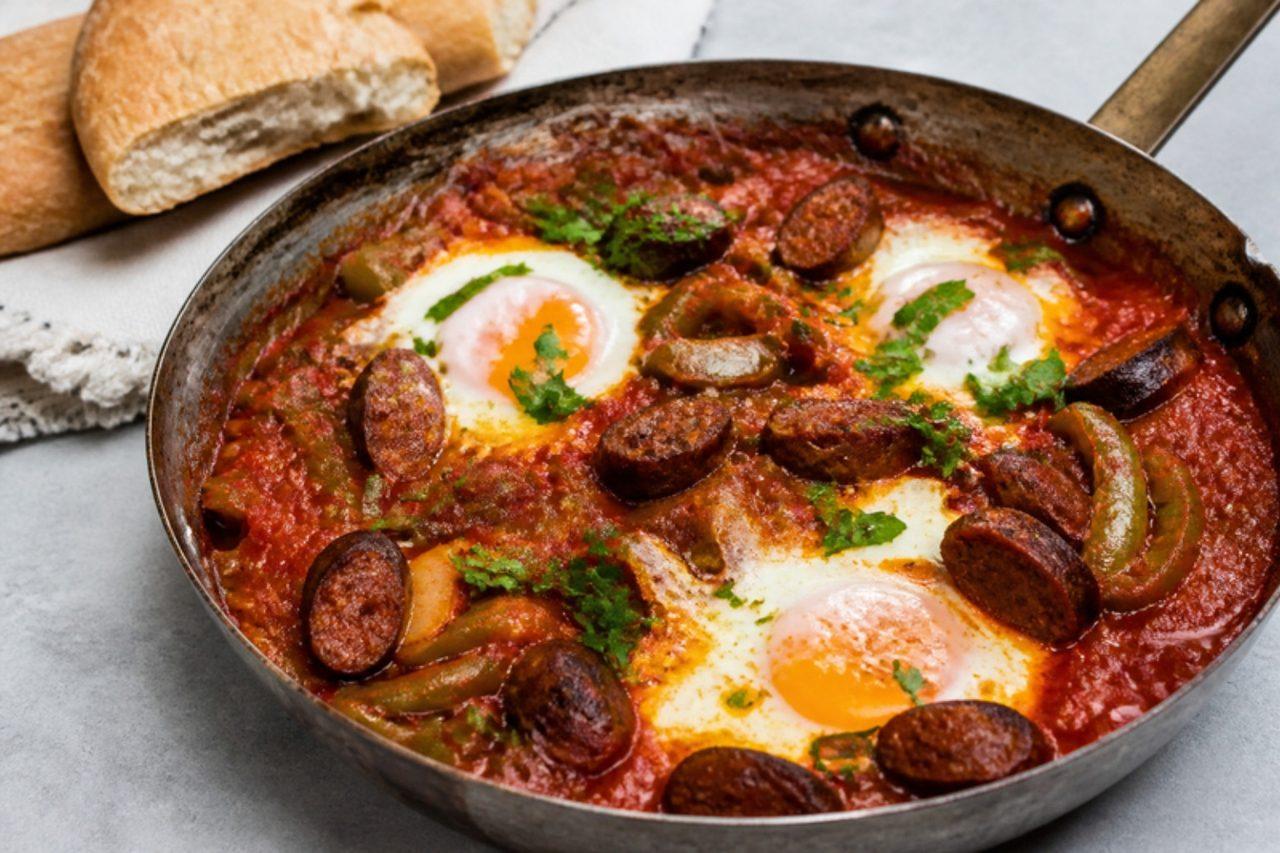
Ojja with merguezSpicy tomato sauce with sausage

Ojja is the quick supper of Tunis cafés and home kitchens: a pan of tomato, peppers, garlic and harissa, cooked down until thick, with slices of spicy lamb merguez and eggs set softly on top. It is scooped up with crusty bread straight from the pan. The mistake is stirring the eggs in too early; they should go in once the sauce is thick and be left alone to just set. Chef's tip: brown the merguez first so its spiced fat flavours the sauce. If you can't get merguez, use any spicy lamb or beef sausage.

by KrazyBadal 0 views

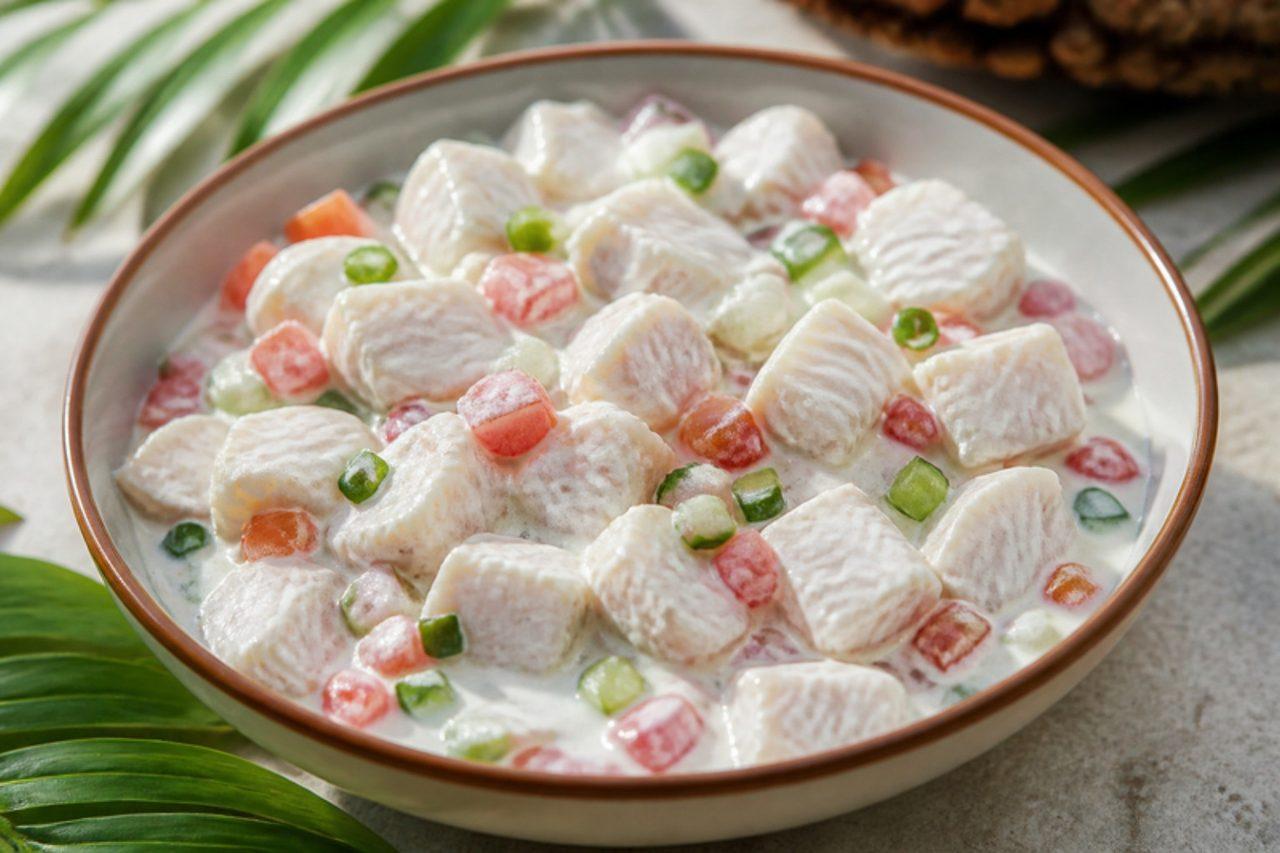
Oka i'aRaw fish in coconut cream

Oka i'a is the raw fish salad served at every Samoan to'ona'i, the big Sunday lunch after church in Apia and the villages of Upolu and Savai'i, and in Samoan homes in Auckland. It is close to Fiji's kokoda but usually uses tuna, a shorter citrus soak and more vegetables, with a finish of spring onion. As a raw fish dish it is written here as a safer version: buy very fresh, previously frozen sashimi-grade tuna, keep it cold and eat within 2 hours. Raw or citrus-cured fish is not for pregnant women, young children or anyone with a weakened immune system; for them, sear the tuna as described in the steps. The mistake is cutting the fish too small, so it goes mushy; keep the cubes about 1.5 cm. Chef's tip: chill the coconut cream and the bowl, so the salad is cold and refreshing.

by KrazyBadal 0 views

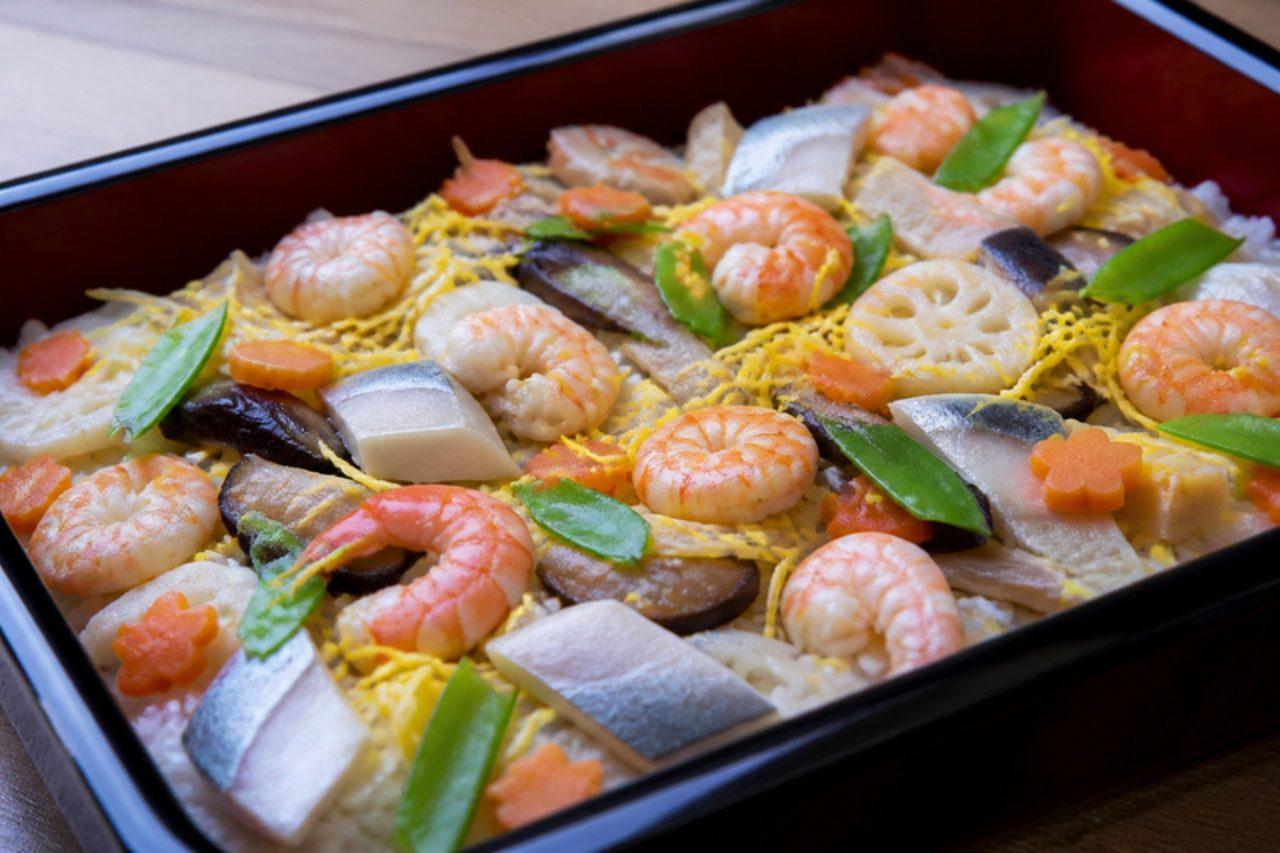
Okayama barazushiScattered sushi with vegetables

Okayama families make a big shallow platter of barazushi for the autumn shrine festivals, Girls' Day in March and other celebrations, and it is sold in station lunch boxes all year. A local story says it began when a lord ordered people to eat only one side dish, so cooks hid everything in the rice instead. The seasoned rice is mixed with simmered vegetables and topped with seafood from the Seto Inland Sea. This version uses cooked prawns, gently simmered squid and egg threads, plus ready-made vinegared mackerel, which is cured but not cooked. Use very fresh, sushi-grade fish from a trusted fishmonger; not for pregnant women, young children or anyone with a weakened immune system. Leave the mackerel out, or add extra prawns, to make it fully cooked. Chef's tip: fold the vinegar into the rice while it is hot and fan it as you go; the rice soaks up the seasoning and turns glossy instead of wet.

by KrazyBadal 0 views

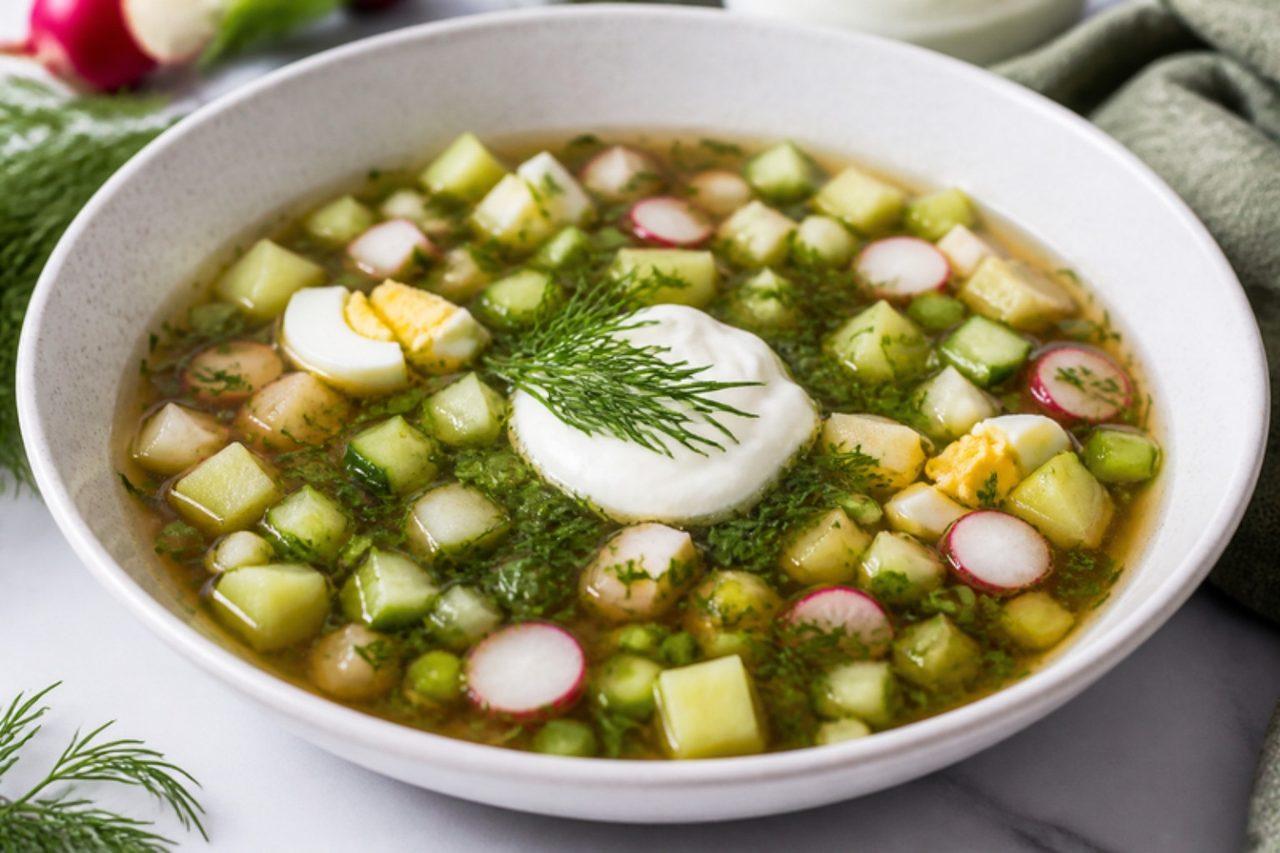
OkroshkaCold vegetable and kvass soup

When Moscow swelters in July, okroshka replaces every hot soup: a bowl of finely chopped radishes, cucumber, potato, egg and a forest of green onion and dill, with ice-cold kvass poured over at the table. It is the lunch of dacha weekends and of hot afternoons on the Volga, and families argue over whether kvass or kefir is the right base (kefir works well and is less sweet). The name comes from kroshit, to crumble, since everything is chopped small. Chef's tip: rub the spring onions and dill with salt first until they give off juice; it releases a green, pungent flavour that tastes of summer.

by KrazyBadal 0 views

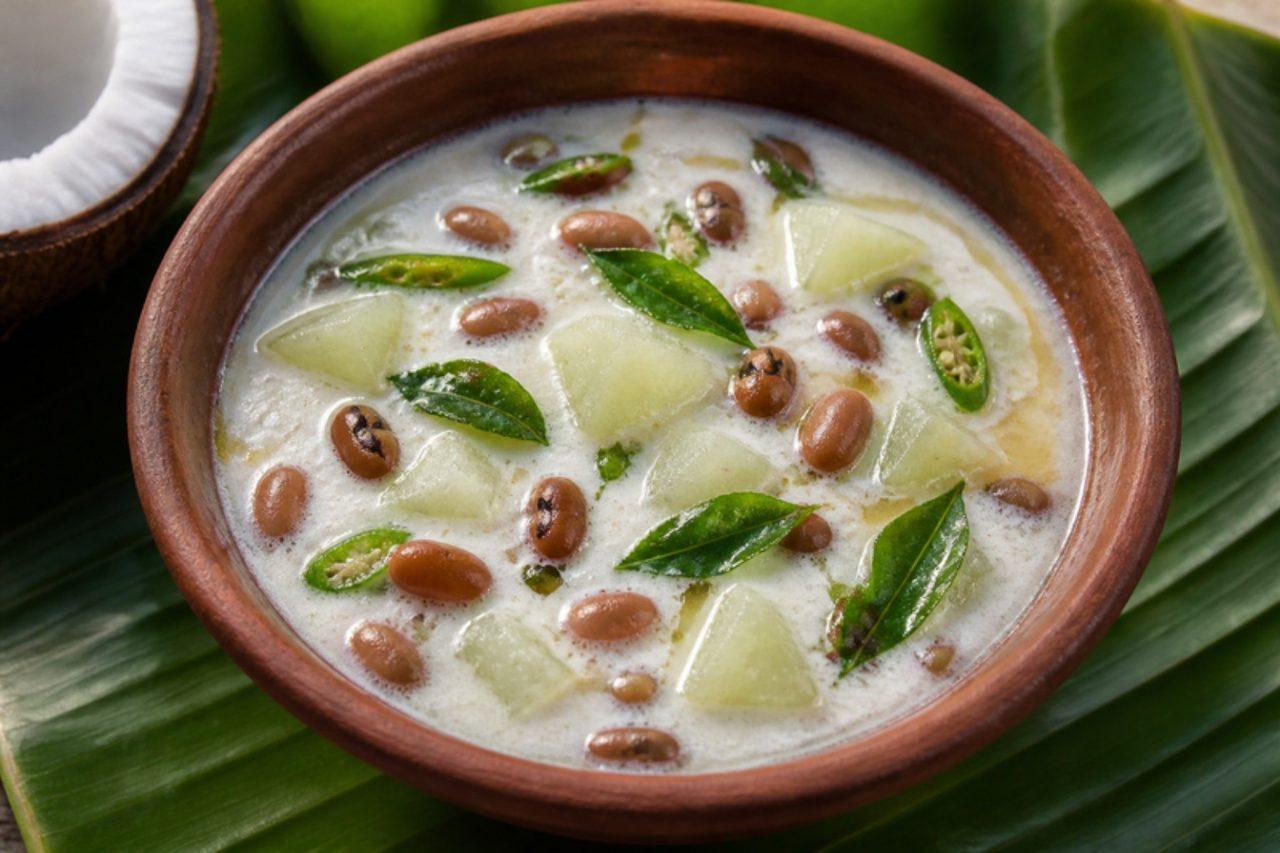
OlanAsh gourd and cowpea stew

Olan is the quietest dish on a Travancore sadya leaf, the banana-leaf feast served in southern Kerala for Onam, weddings and temple festivals. Thin, glassy slices of ash gourd and soft red cowpeas sit in coconut milk with nothing louder than green chilli and curry leaves, and its job is to cool the palate between the tangy, fiery curries around it. The flavour comes from coconut milk added in two stages and a spoonful of raw coconut oil poured over at the end. Eat it with plain rice, or ladle it beside appam on an ordinary weekday. Chef's tip: slice the ash gourd as thin as a coin so it turns translucent in the time the coconut milk takes to thicken.

by KrazyBadal 0 views

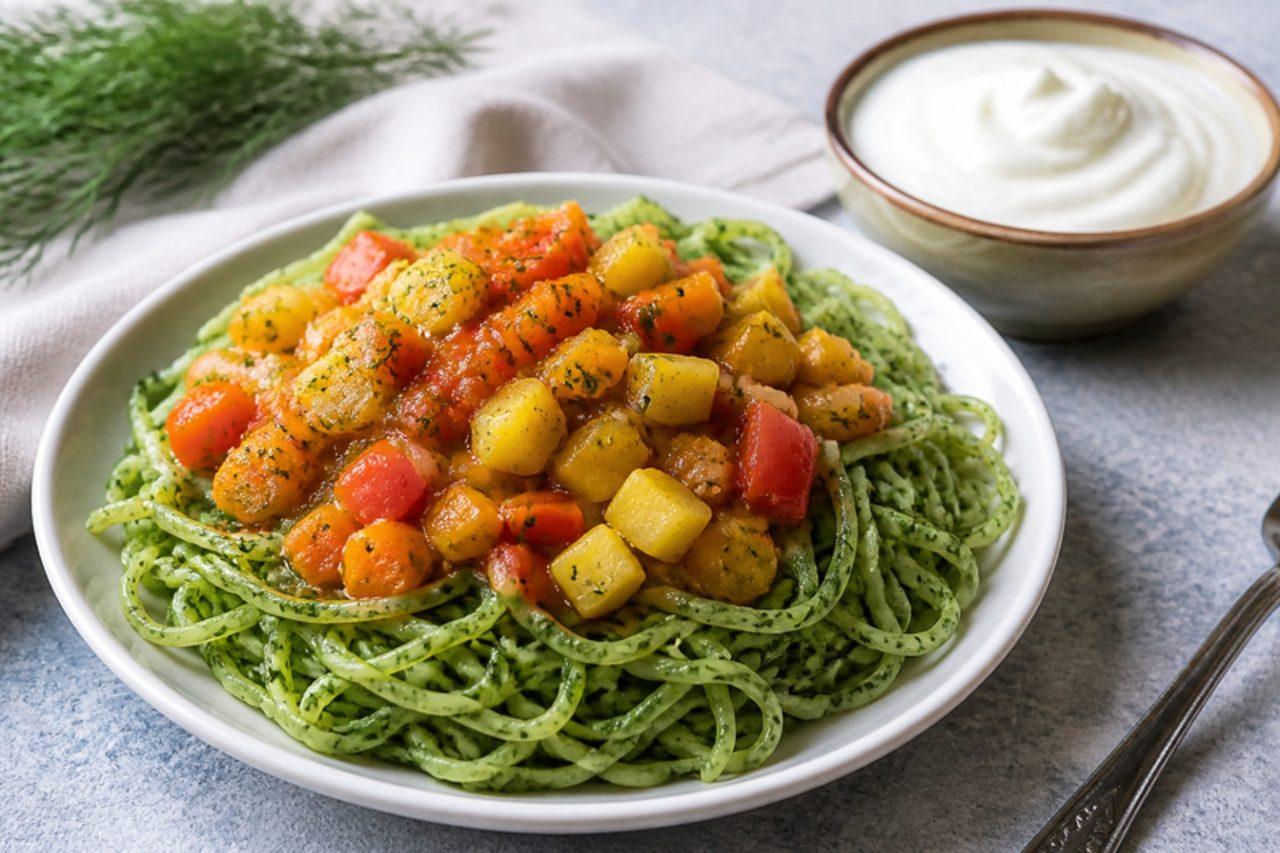
Shivit oshiDill noodles with vegetable sauce

Shivit oshi is the pride of Khorezm, the western oasis around Khiva and Urgench: bright green noodles made with a paste of fresh dill (shivit), topped with a stew of vegetables and a cooling spoon of katyk (thick yogurt). In Khiva's old town it is served at lunch in summer, when the dill is fragrant and the heat makes heavy plov unwelcome. The usual topping has meat; this one is a vadja of potato, carrot, pepper and tomato. Chef's tip: blend the dill with the water rather than chopping it; the dough turns an even jade green and the noodles taste of dill all the way through.

by KrazyBadal 0 views

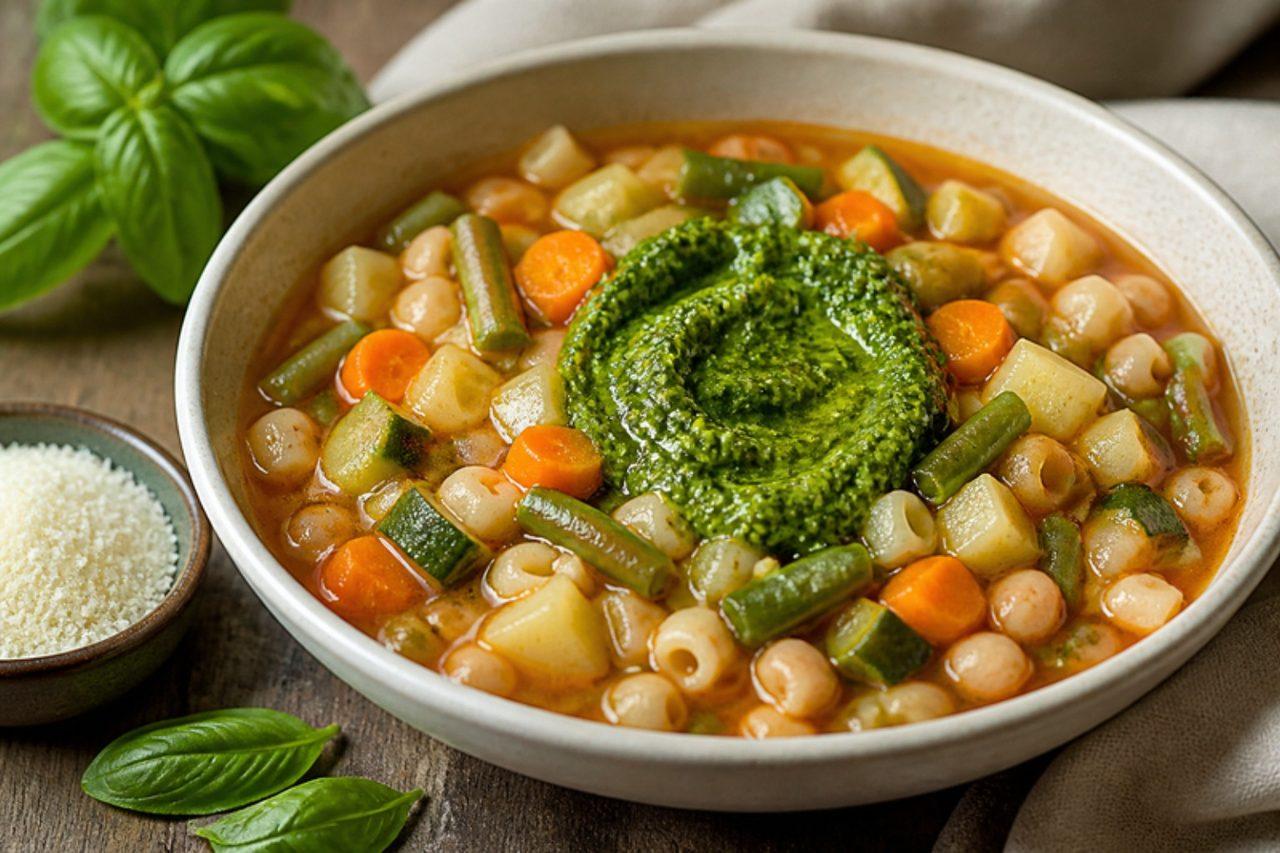
Soupe au pistouBean and vegetable soup with basil

Soupe au pistou is Provence's summer minestrone, eaten from July to September when basil grows thick in the gardens around Marseille and Avignon. Beans, courgettes, green beans, carrots, potato and small pasta simmer in a light broth, then each bowl gets a spoonful of pistou, a pounded paste of basil, garlic, olive oil and hard cheese with no pine nuts. Stirred in at the table, it turns the broth fragrant and green. It is a whole meal with bread. The traditional cheese is Parmesan or aged Gouda, so use a vegetarian hard cheese. Chef's tip: never boil the pistou; adding it to the pot is the common mistake that turns the basil dark and kills its smell.

by KrazyBadal 0 views

Mathura pedaMilk fudge discs

Mathura in Uttar Pradesh, Krishna's birthplace, has a peda all its own: not the pale milky kind found elsewhere, but a dusty-brown disc with a deep, toffee-like flavour from milk solids slowly roasted until they caramelise. Pilgrims buy boxes after visiting the temples, and they are made in huge batches around Janmashtami as an offering. The texture should be dense yet slightly grainy, rolled in fine boora sugar so the outside sparkles. The usual mistake is rushing the roasting over high heat, which scorches the khoya in spots and makes it bitter and greasy. Chef's tip: keep the heat low and scrape the bottom of the pan constantly; the colour should change gradually from cream to light brown, then to the shade of milky coffee.

by KrazyBadal 0 views

Khorkhog-style lambHot stone-style lamb

Khorkhog is the feast of the Mongolian countryside, cooked when a herding family welcomes guests: a sheep is cut into pieces and sealed into a milk churn with hot river stones, onion, carrot and potato, and the churn is set over the fire until the meat is tender and smoky. Guests pass the hot, greasy stones from hand to hand for good health. This home version cooks the lamb in a heavy sealed casserole in the oven, which gives the same tender meat and rich juices; please don't heat stones in a kitchen pot, which is dangerous. The mistake is adding water: the lamb steams in its own juice with only a little liquid. Chef's tip: use lamb on the bone, such as neck or shoulder, for the deepest flavour.

by KrazyBadal 0 views

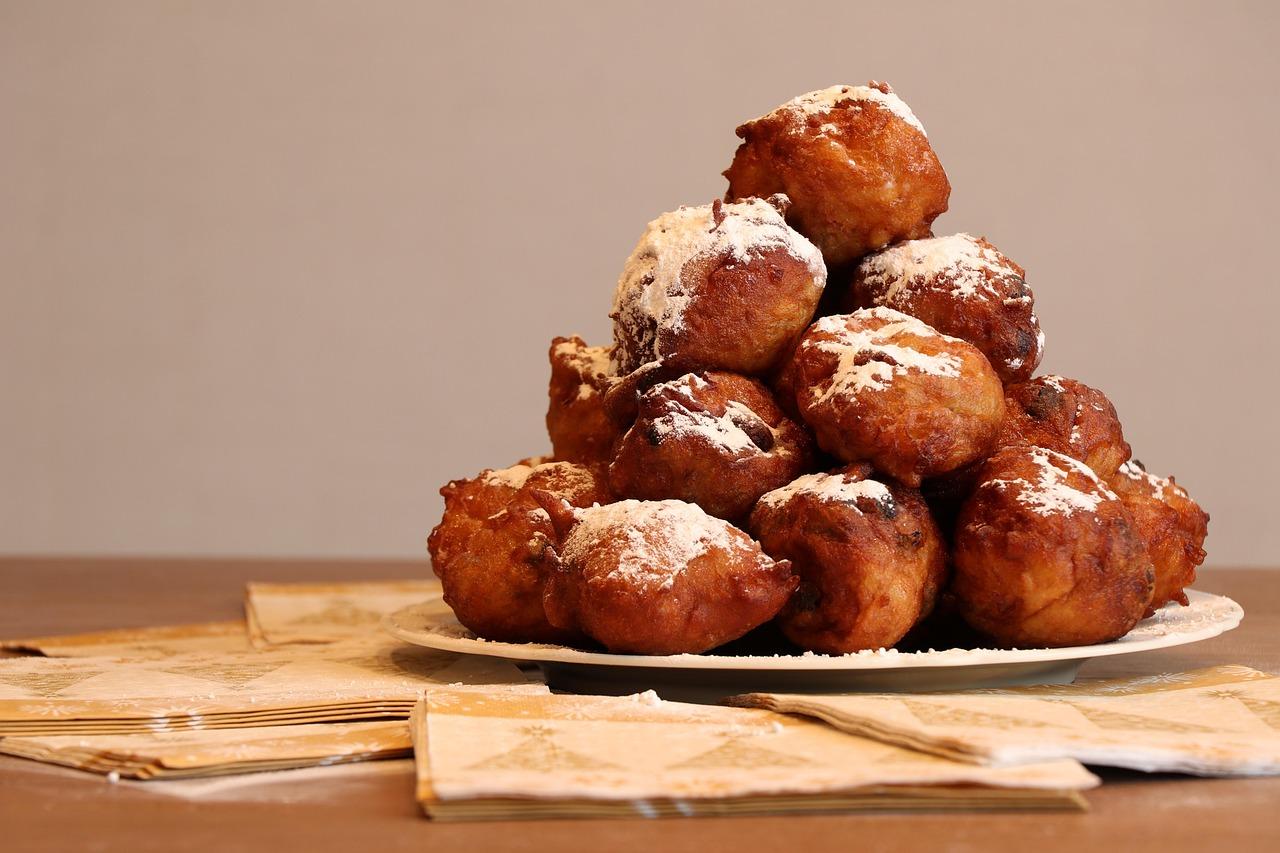
OliebollenRaisin fritters

On the last day of December the queues outside the oliebollenkraam, the caravan-like stalls that pop up in every Dutch town, stretch round the block. Oliebollen ('oil balls') are the food of Oudejaarsavond, New Year's Eve: round, yeasted fritters full of raisins, currants and apple, deep-fried and buried in icing sugar. Families fry big batches at home in the afternoon and eat them with champagne at midnight. They are best within a few hours. Chef's tip: dip your two scooping spoons in the hot oil before each ball; the sticky dough slides off cleanly and the balls come out round instead of ragged.

by KrazyBadal 0 views

Ker sangriDesert berries and beans

Ker sangri is a true desert dish from the Thar in Rajasthan: ker are small, sour wild caper berries and sangri are the thin, chewy bean pods of the khejri tree, both picked in summer and sun-dried to last the year. Soaked, boiled and fried in plenty of mustard oil with chilli, mango powder and coriander, they become tangy, earthy and almost pickle-like. It keeps for days, which is why it travelled with camel herders. Serve with bajra roti or puri, or as a side to dal baati. Chef's tip: taste a ker berry after boiling; if it is still very bitter, boil it again in fresh water before frying.

by KrazyBadal 0 views

Olla de carneBeef and vegetable pot

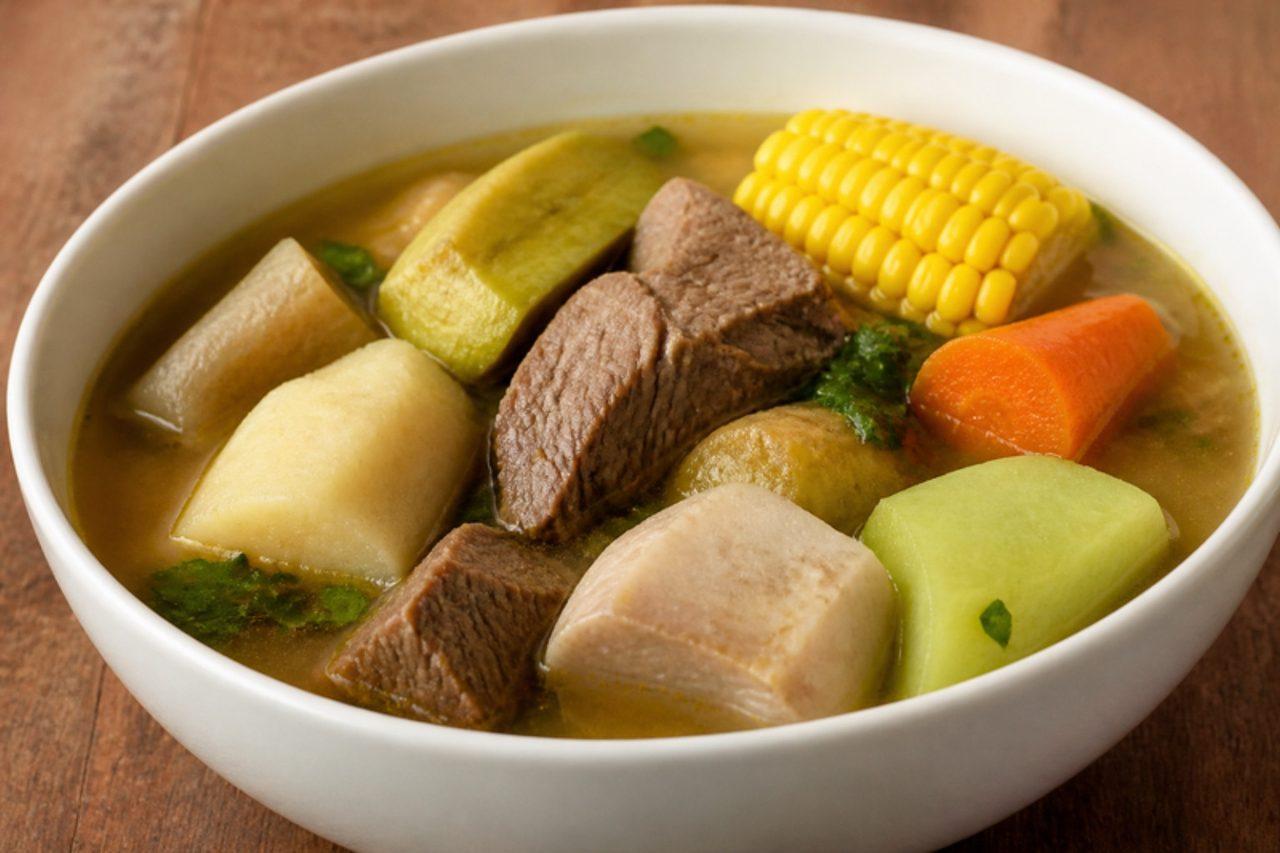
Olla de carne, "pot of meat", is the Costa Rican Sunday soup, cooked slowly in the Central Valley around San José and in country homes: beef shin and short ribs simmered for hours in a clear broth with big pieces of yuca, chayote, green plantain, corn, carrot and taro. The broth is served first, then the meat and vegetables, with rice on the side. The mistake is putting all the vegetables in together; add the hard ones first and the soft chayote and corn last. Chef's tip: use a little bone with the beef; it gives the broth body without any stock cube.

by KrazyBadal 0 views

Khua klingDry-fried spicy minced pork

Ask for this at a rice-and-curry shop in Phuket or Hat Yai and it comes as a small, dark heap beside your rice, smelling of lime leaf and black pepper and hot enough to bring tears. There is no sauce at all: minced pork or beef is fried with a turmeric-heavy southern paste until every crumb is dry, separate and coated in spice. The heat is fierce, so it is always eaten with jasmine rice, sliced cucumber, raw long beans and herbs to cool the mouth. It also keeps well for a couple of days and is excellent cold in a lunchbox. Chef's tip: keep stirring and pressing the meat against the hot wok at the end; the name means 'roll and roast', and that last dry-frying is what makes it.

25 minThaiMeatGluten freeSpicy
by KrazyBadal 0 views

Olluquito con charquiOlluco and dried beef stew

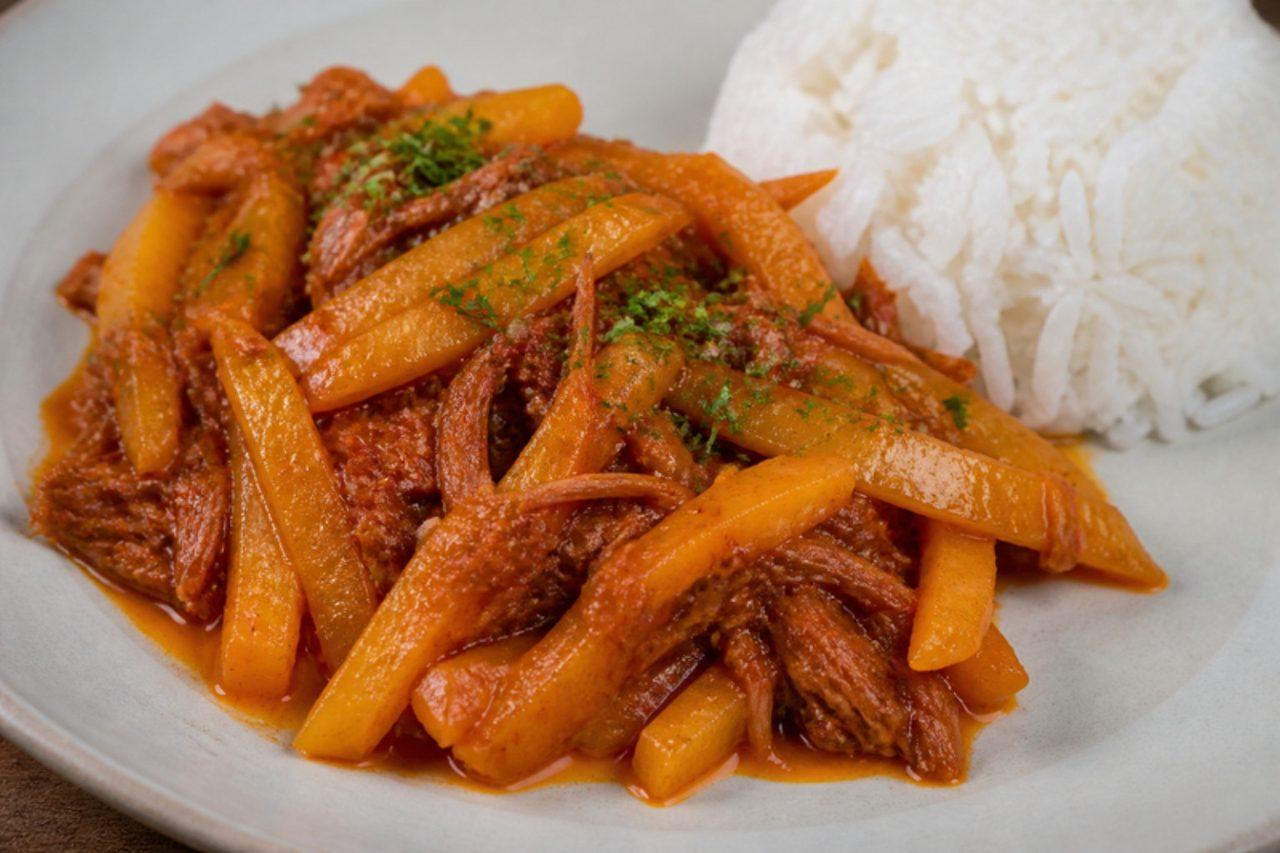
Olluco is a glossy yellow-and-pink tuber grown high in the Andes, crunchy when raw and silky when cooked, and in Lima's market eateries it is cut into fine matchsticks and stewed with charqui, sun-dried meat that was the travel food of Inca messengers. The dish is gently spiced with ají panca and finished with fresh parsley, and it is always served with white rice. Latin shops sell olluco in jars; if you can't find it, firm new potatoes or courgette give a similar texture, and beef brisket stands in well for charqui. Chef's tip: cut the olluco and rinse it well; the slippery sap washes off and the stew won't turn slimy.

by KrazyBadal 0 views

KahwaSaffron green tea

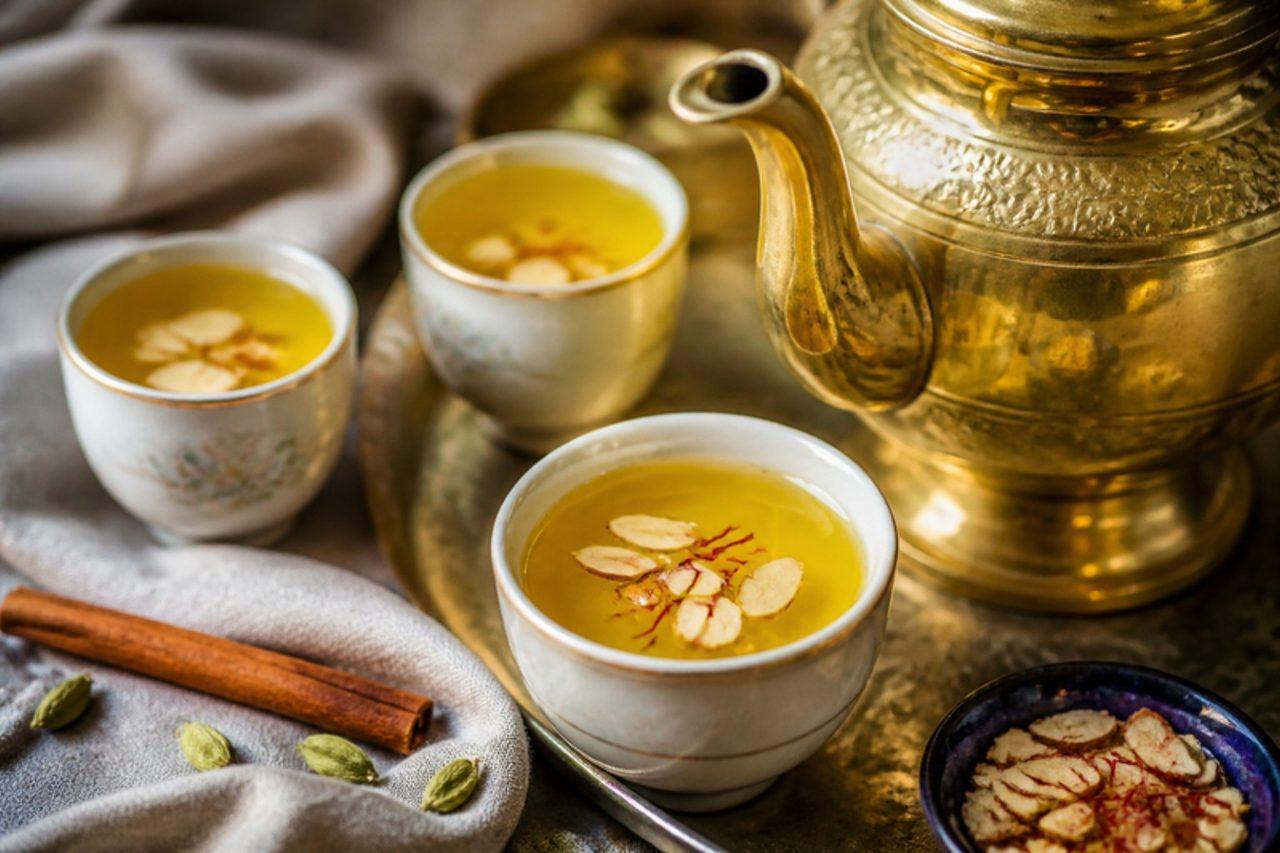
Kahwa is the warming green tea of Kashmir, traditionally brewed in a brass samovar and poured for guests on cold winter days. Green tea leaves are infused with saffron, green cardamom and cinnamon, sweetened lightly and served with slivered almonds in each cup. It's golden, fragrant and soothing, and is drunk after heavy meals to help digestion. Chef's tip: never boil the tea leaves; simmer the spices first, then let the tea steep off the heat for just 2 minutes or it turns bitter.

by KrazyBadal 0 views

Omegi tteokMillet rice cakes with red bean

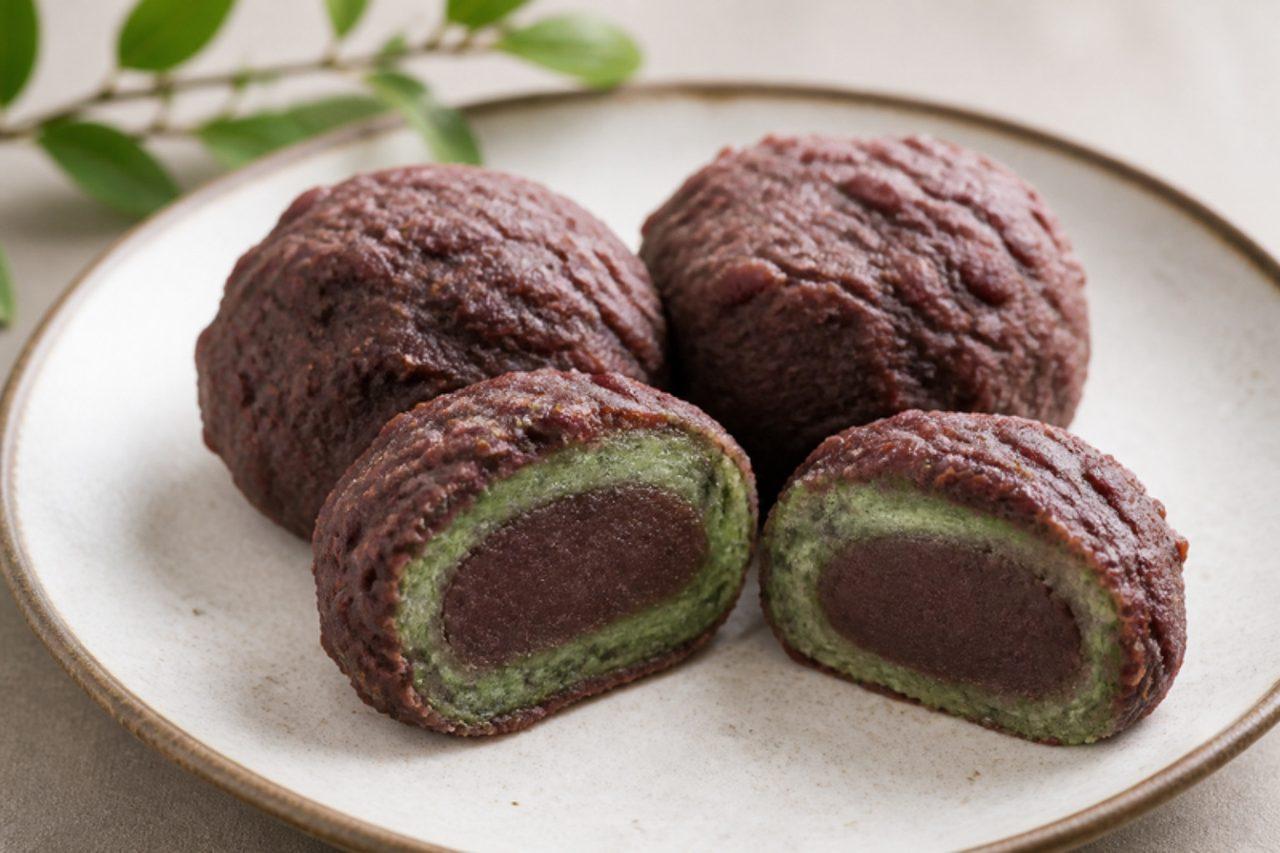
Omegi tteok (오메기떡) are Jeju's best-known rice cakes: small dark-green rounds of glutinous millet and rice dough flavoured with mugwort, filled with sweet red bean, and rolled in a coat of mashed red beans or toasted nuts. Jeju farmers grew millet on fields too stony for rice, and the dough was once fermented into omegi-sul, the island's rice wine. Now they are bought in boxes at Seogwipo's Olle market as the island's favourite gift, kept in the freezer and thawed for tea time. Chef's tip: knead the dough with boiling water while it is still hot; mugwort and millet need the heat to bind into a smooth, stretchy dough.

by KrazyBadal 0 views

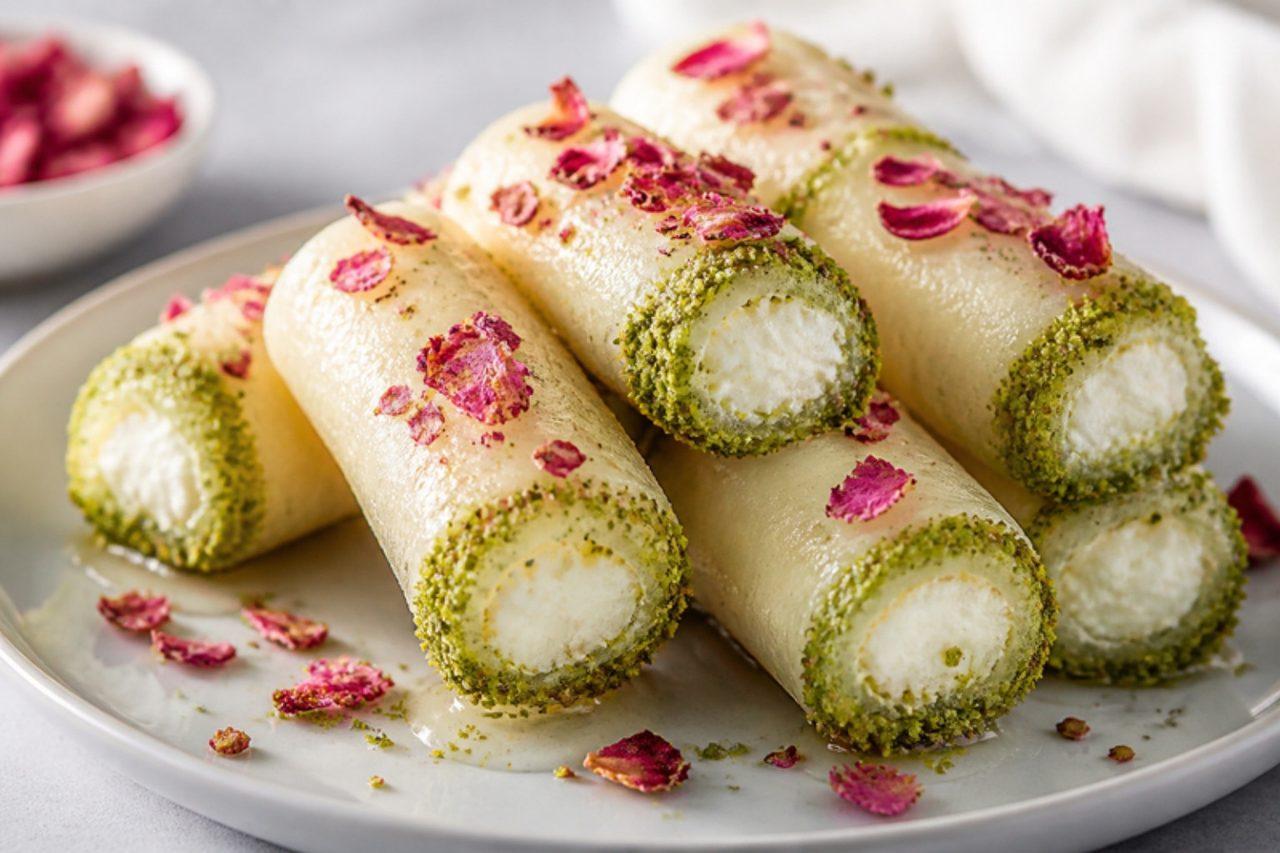
Halawet el jibnCheese and semolina rolls

Halawet el jibn, 'sweetness of cheese', is the pride of the pastry shops of Homs in Syria and Tripoli in Lebanon, where trays of the pale, stretchy rolls are sold for Eid, weddings and Sunday afternoons. A dough of melted cheese and semolina is stretched thin, wrapped around thick clotted cream (ashta), cut into rolls and soaked in rose syrup. The dough must be worked hot, which makes it the hardest dessert in this collection, but the result is soft, chewy and only lightly sweet. Use mozzarella or akkawi made with vegetarian (microbial) rennet; many supermarket mozzarellas are. Chef's tip: oil your hands and the worktop rather than flouring them; flour toughens the dough and dulls its shine.

by KrazyBadal 0 views

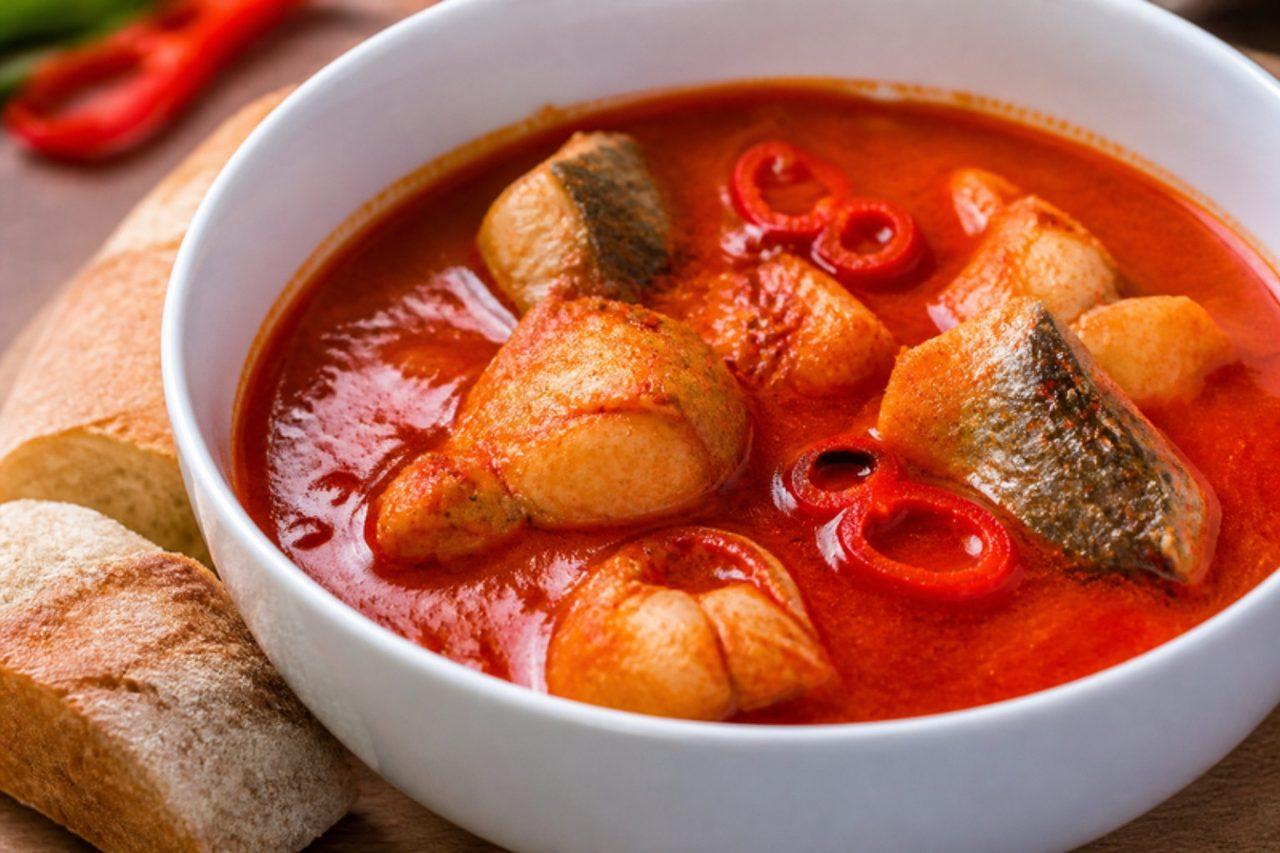
HalászléSpicy carp soup

Halászlé is the fiery fisherman's soup of the rivers Tisza and Danube, and on Christmas Eve it is on almost every Hungarian table; the towns of Szeged and Baja each claim the best version. A rich stock is made from fish heads and bones with onions and lots of paprika, sieved until smooth and red, and then thick slices of carp (or catfish) are poached in it at the last moment. Serve with white bread and fresh hot peppers. Chef's tip: poach the fish fillets without stirring; just swirl the pot so the pieces stay whole.

by KrazyBadal 1 views

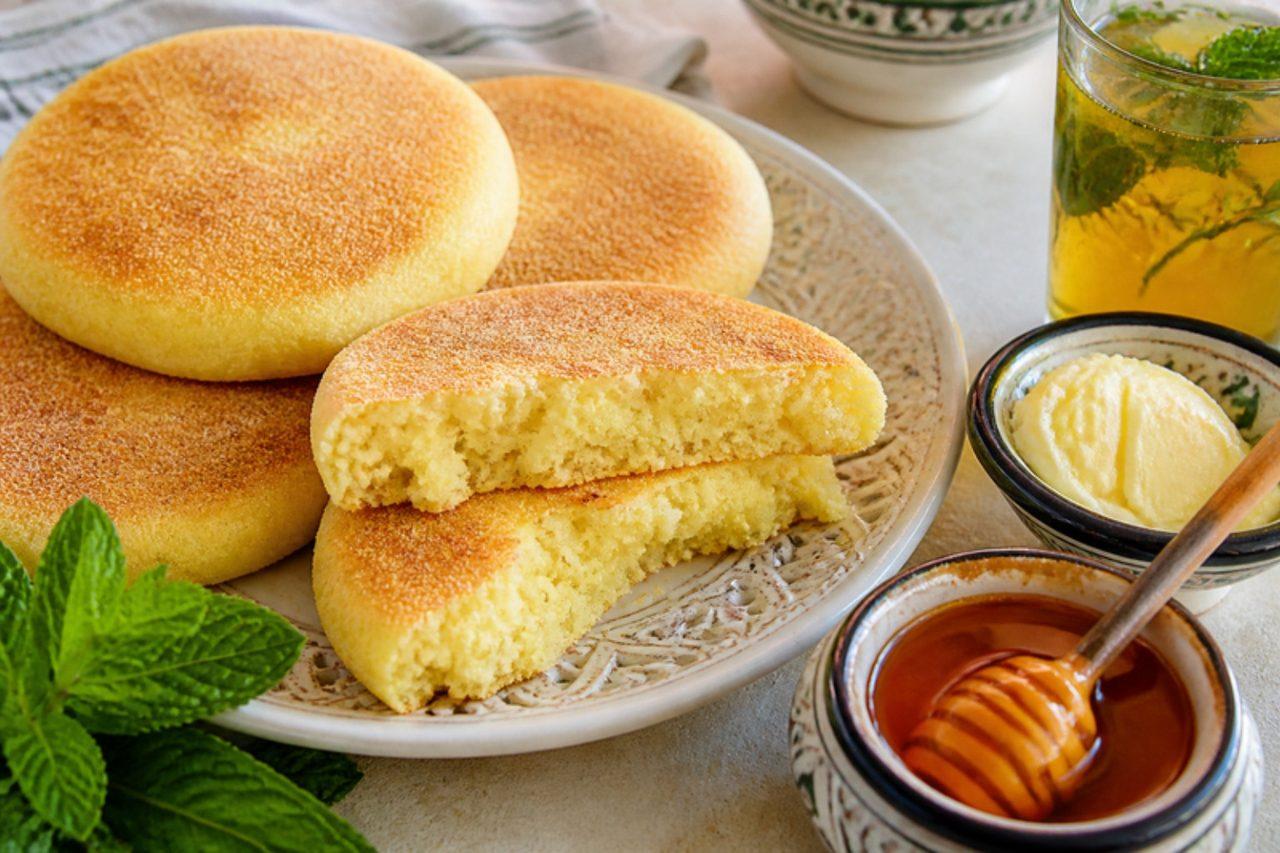
HarchaPan-fried semolina bread

Harcha are thick little semolina breads cooked on a griddle and eaten all over Morocco at breakfast and with mid-afternoon tea, especially during Ramadan for the evening meal. The dough is closer to a crumbly batter than a bread dough, so it needs no kneading or rising; it is pressed into rounds and cooked slowly until the outside turns golden and gritty and the inside stays tender, a bit like a savoury shortbread. Split them while warm and spread with butter and honey, apricot jam or a wedge of soft cheese. Chef's tip: let the mixed dough rest for 5 minutes; the semolina drinks up the milk and becomes much easier to shape.

by KrazyBadal 0 views

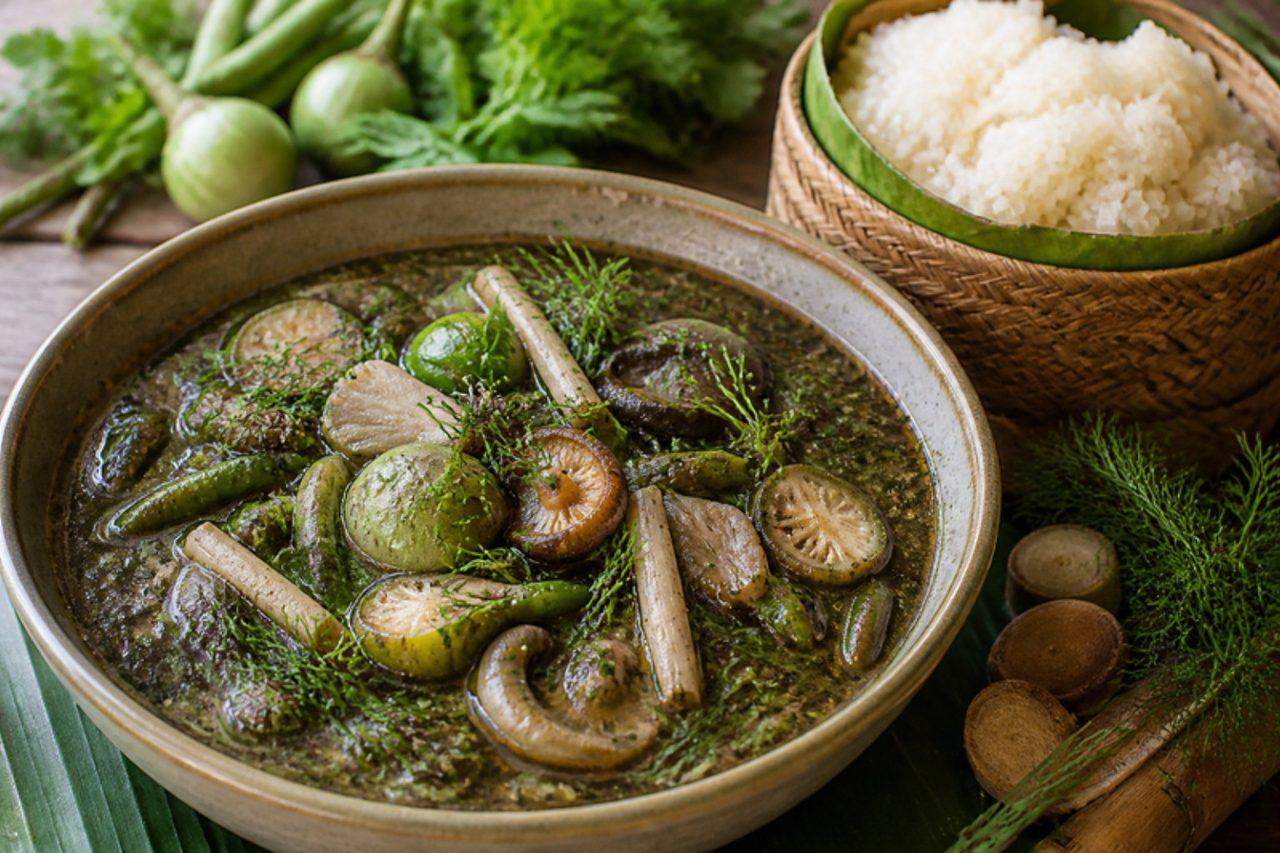
Mushroom or lamHerb stew with aubergine and mushrooms

Or lam belongs to Luang Prabang, the old royal town on the Mekong, where it is cooked for long family lunches and served at almost every restaurant that makes local food. It is a thick, rustic stew of aubergine, long beans, mushrooms and greens, thickened with a little sticky rice and flavoured with sakhan, a peppery wood that numbs the lips like Sichuan pepper, plus heaps of dill and lemongrass. The usual dried buffalo skin and meat are swapped for two kinds of mushroom here. Eat it with sticky rice and a jeow. Chef's tip: if you can't find sakhan, a few lightly crushed Sichuan peppercorns give the same tingle; add them early so the tingle spreads through the broth.

by KrazyBadal 0 views

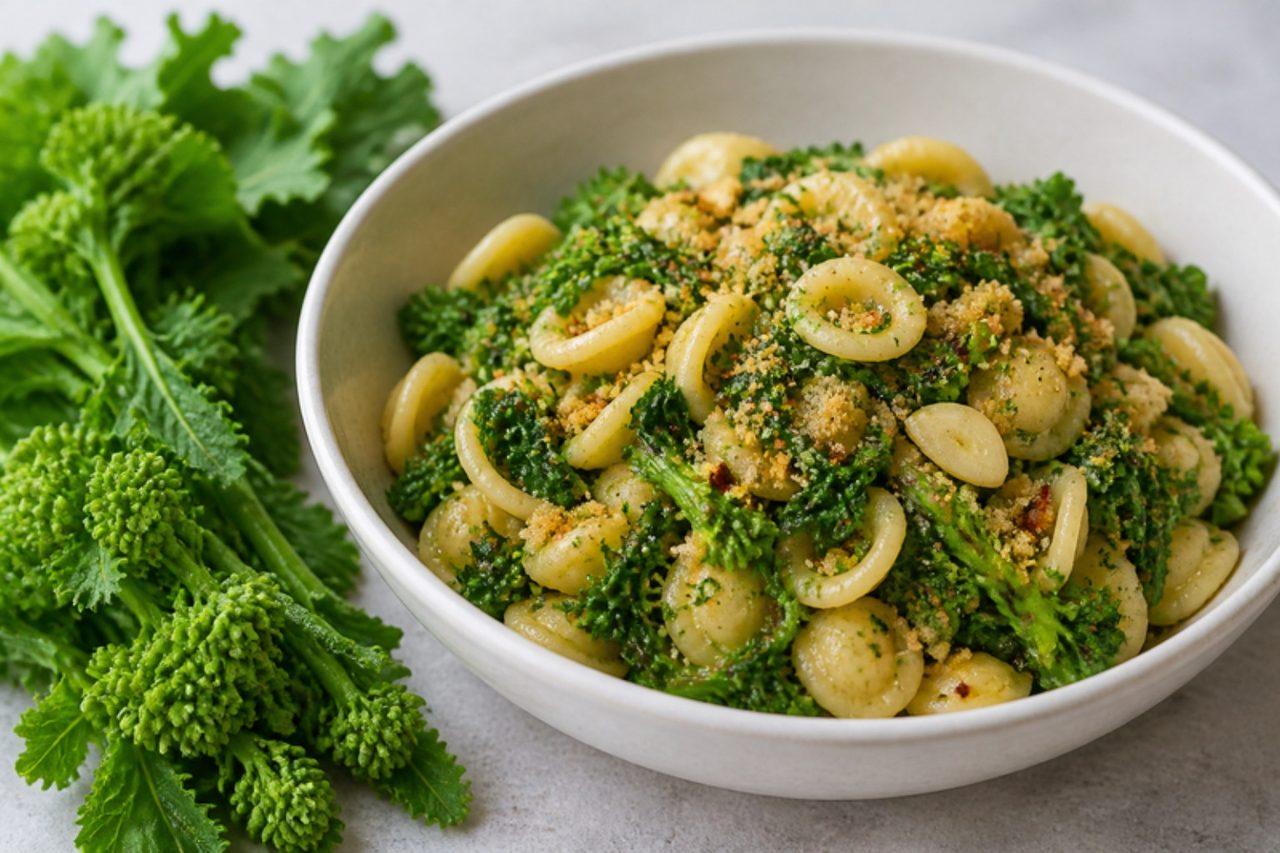
Orecchiette con cime di rapaOrecchiette with turnip tops

In Bari the old women of Arco Basso still shape orecchiette on wooden boards in the street, and the dish everyone cooks them with is cime di rapa: the bitter, leafy turnip tops sold in big bunches from autumn to early spring. The greens and pasta boil in the same pot, then get tossed with garlic, chilli and good olive oil. Pugliese cooks usually melt in anchovies; this vegan version uses golden fried breadcrumbs (mollica), the 'poor man's cheese' of southern Italy, for crunch and savour. Chef's tip: add the chopped stalks first and the leaves a few minutes later, so everything is tender at the same moment as the pasta.

by KrazyBadal 0 views

Mawa batiMilk solid dumplings

Ask a halwai in Ujjain, Indore or Ratlam for something festive and they will point to mawa bati: a fist-sized cousin of gulab jamun, made richer with more khoya, fried slowly to a near-mahogany shell and stuffed with nuts, saffron and cardamom. It turns up on wedding menus across Malwa and in sweet-shop boxes at Diwali, usually served warm with a spoonful of its own syrup. Cutting one open to find the green-gold filling is half the pleasure. Chef's tip: fry on a really gentle heat, with the oil barely shimmering; the bati should take a full 12–15 minutes to darken, which is how the middle cooks through.

by KrazyBadal 0 views

KootuVegetable and moong dal stew

Kootu sits halfway between a dal and a vegetable dish, and in Tamil homes it is the mild, kind side on a lunch plate next to a sharp rasam or a fiery kuzhambu. Chopped vegetables such as chow-chow, snake gourd, cabbage or pumpkin are cooked with moong dal until soft, then thickened with a paste of fresh coconut, cumin and a little green chilli. It's the dish many Tamil grandmothers give children and anyone recovering from a fever. Spoon it over rice with ghee or serve it alongside sambar and poriyal. Chef's tip: grind the coconut paste with the cumin raw, not toasted; the fresh, sweet cumin flavour is what makes kootu taste like kootu.

by KrazyBadal 0 views

Öröm with breadClotted cream on bread

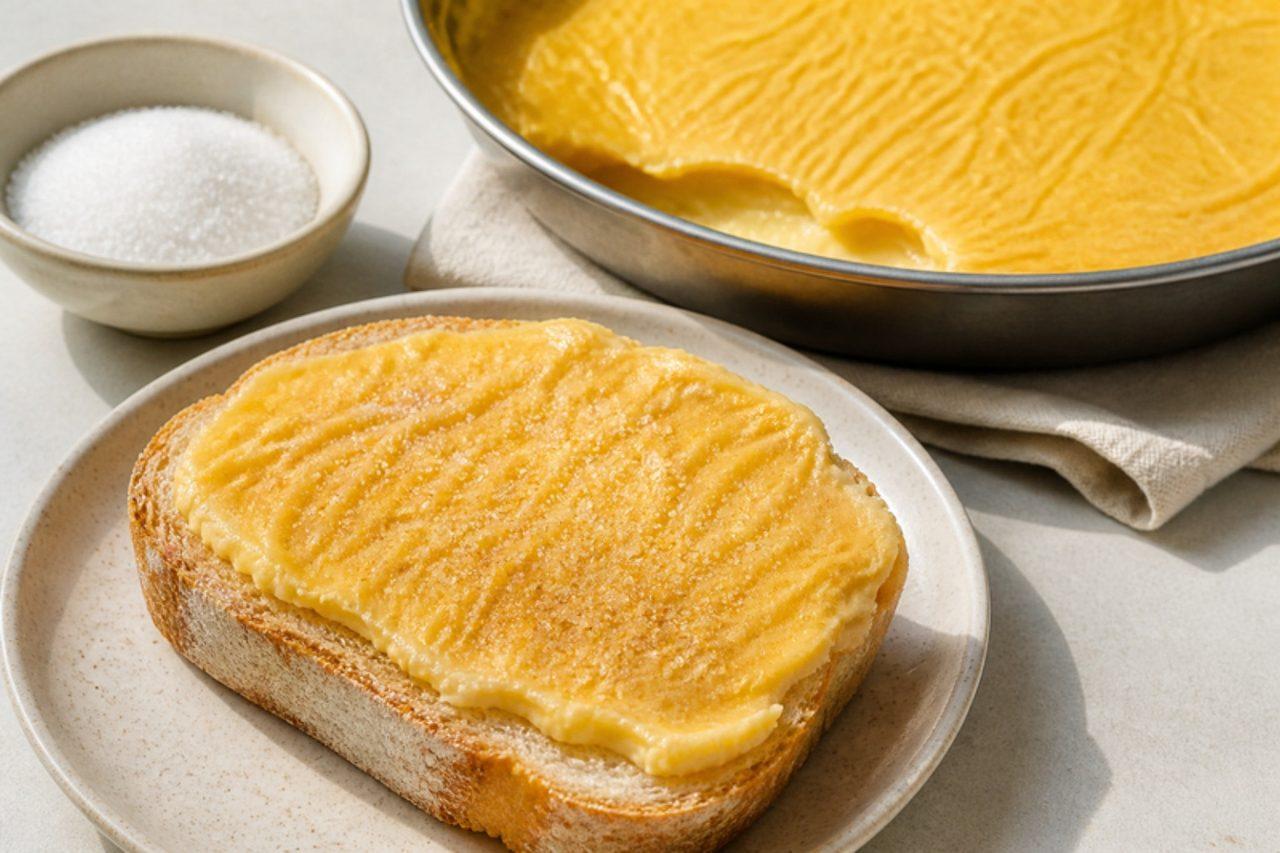
In Mongolian summer, when the herds are milked several times a day, families on the steppe gently heat fresh milk in a wide pan, ladling and pouring it back to froth it, then leave it overnight. By morning a thick, wrinkled, pale-gold skin of cream has formed: öröm. Lifted off and folded, it's spread on boortsog (fried dough) or bread with a sprinkle of sugar and eaten with milk tea. It's rich, slightly nutty and very simple. Chef's tip: use the widest, heaviest pan you own and the lowest possible heat; öröm needs a large surface and patience, not boiling.

by KrazyBadal 0 views

Hakka lei chaPounded herb and peanut tea

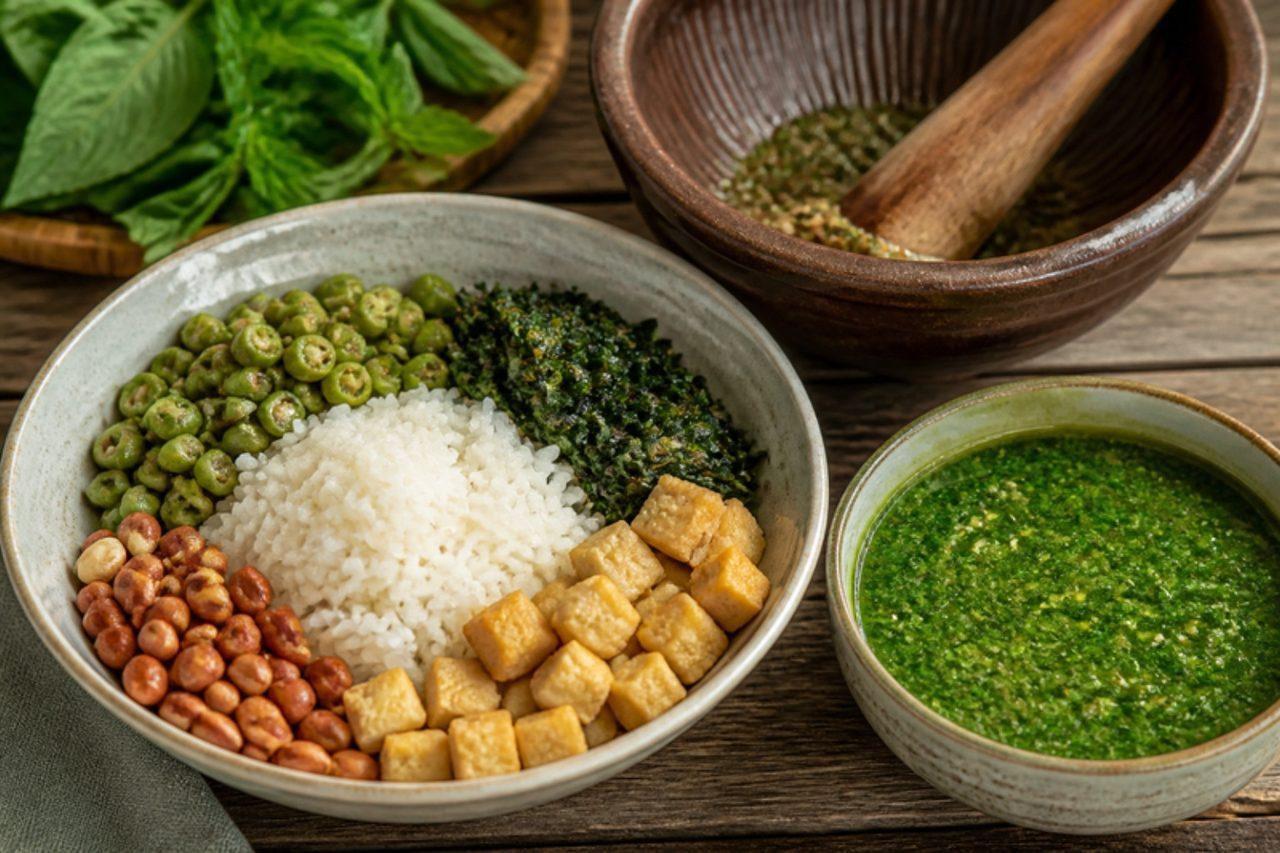
Lei cha means 'pounded tea', and in Hakka villages from Jieyang and Hepo to Taiwan and Malaysia it is still ground by hand in a ridged bowl with a guava-wood stick. Tea leaves, basil, mint and coriander are pounded with sesame and peanuts, then loosened with hot water into a grassy green soup. It's ladled over a bowl of rice topped with small heaps of stir-fried greens, beans, tofu and preserved radish. Some families eat it on the seventh day of the New Year. Chef's tip: toast the sesame and peanuts yourself; the toasting gives the soup its depth.

by KrazyBadal 0 views

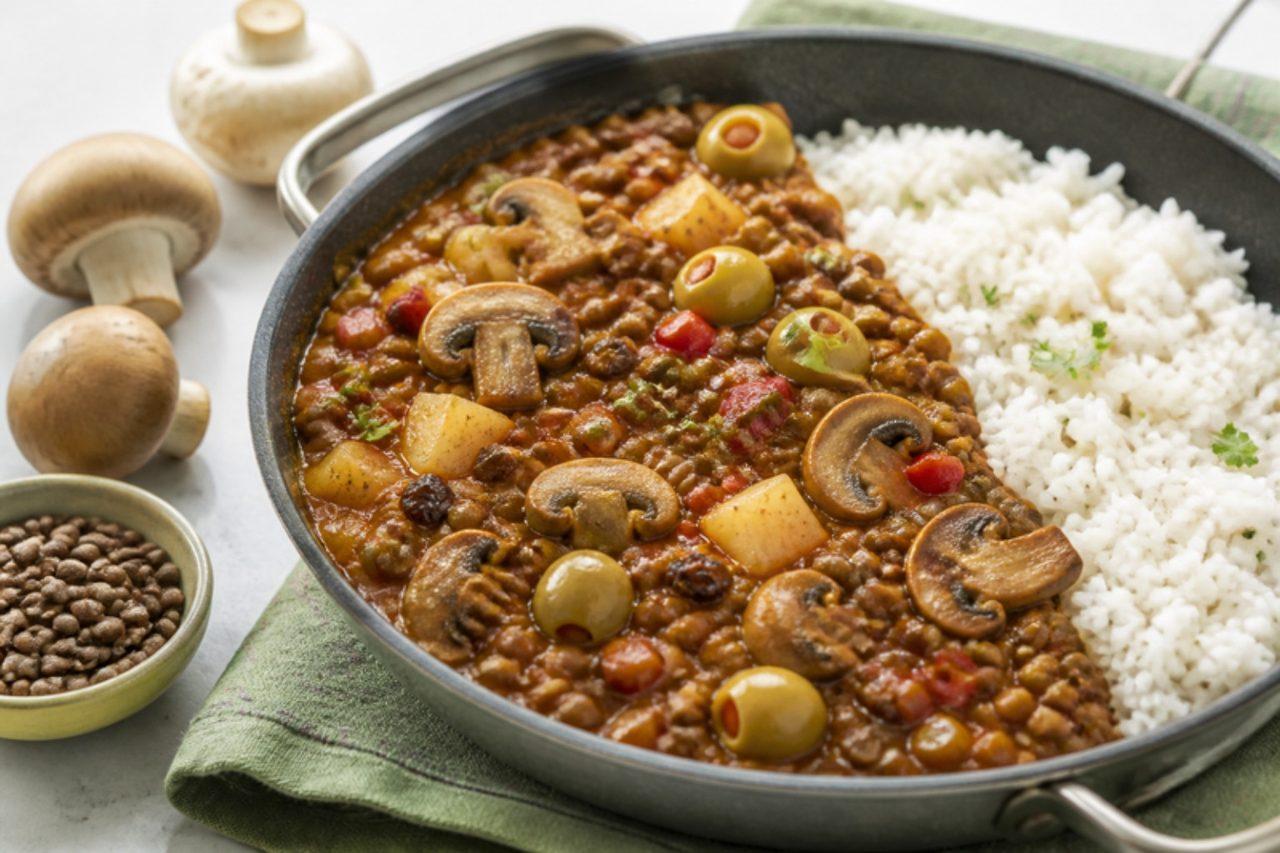
Picadillo vegetarianoLentil and mushroom picadillo

Picadillo a la habanera is Havana's everyday savoury hash, sweet with raisins, salty with olives and capers and sharp with tomato and sofrito. This vegetarian version swaps the meat for brown lentils and finely chopped mushrooms, which give the same crumbly, juicy texture and a deep savoury flavour. Spoon it over white rice with fried ripe plantain, or use it to fill empanadas and stuffed peppers. Chef's tip: let the mushrooms fry until all their liquid has gone and they turn brown; that browning is what makes it taste rich.

by KrazyBadal 0 views

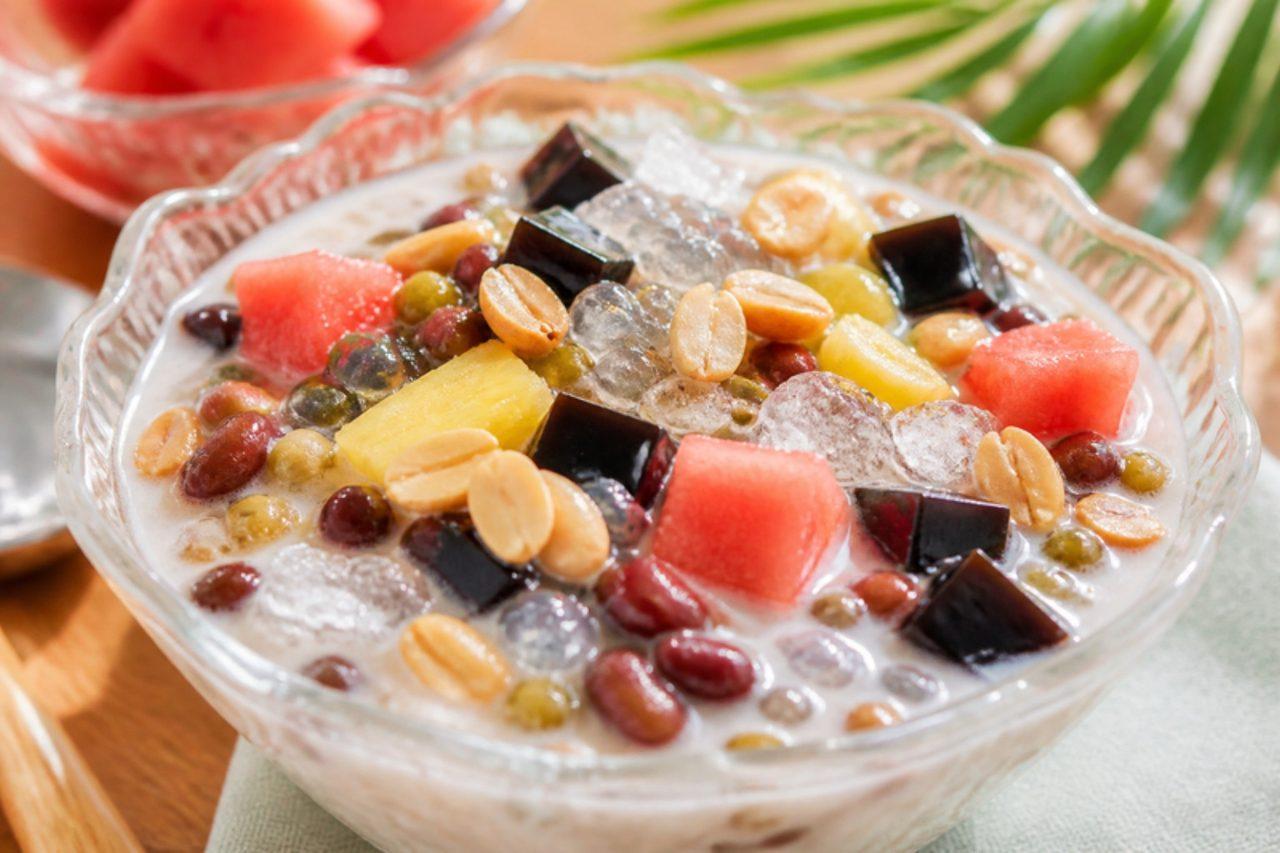
QingbuliangIced coconut milk dessert soup

On hot evenings in Haikou, night-market stalls ladle this into bowls: coconut milk poured over red beans, mung beans, sago pearls, cubes of jelly and fresh tropical fruit, with a scoop of shaved ice on top. The name roughly means 'clearing, nourishing, cooling', and Hainan people eat it to cool down in their long summer. Everything except the fruit can be cooked a day ahead and chilled. Chef's tip: cook each bean separately; they soften at different speeds.

by KrazyBadal 0 views

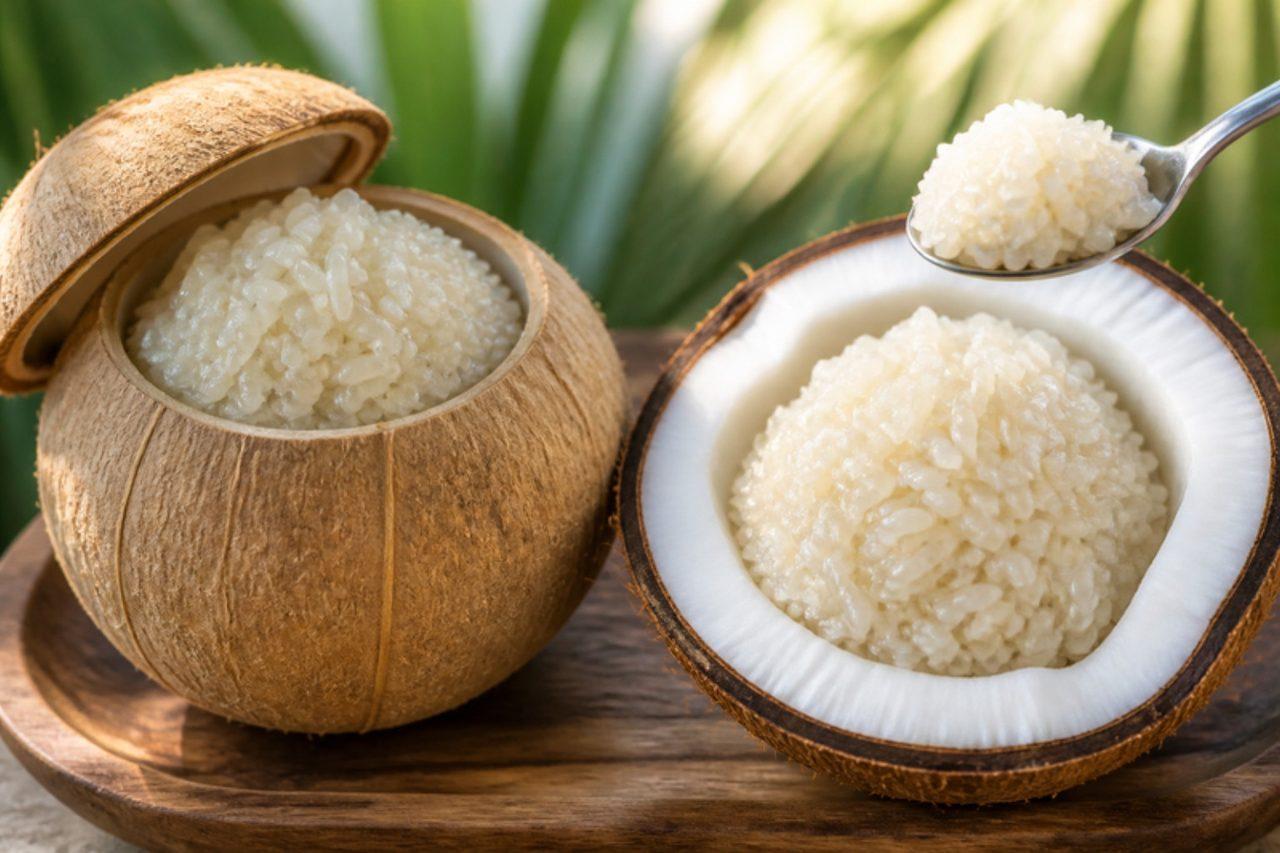
Hainan coconut riceSticky rice in coconut

Across Hainan island, in Wenchang and Haikou especially, cooks fill whole mature coconuts with glutinous rice and steam them for hours until the rice is sticky, sweet and full of coconut flavour. The coconut is cut open at the table and served in wedges with the white flesh still attached. Look for brown, mature coconuts that slosh when shaken. Soak the rice for 4 hours first. Chef's tip: a cleaver tapped round the shell's 'equator' near the top opens it more safely than trying to saw it.

by KrazyBadal 0 views

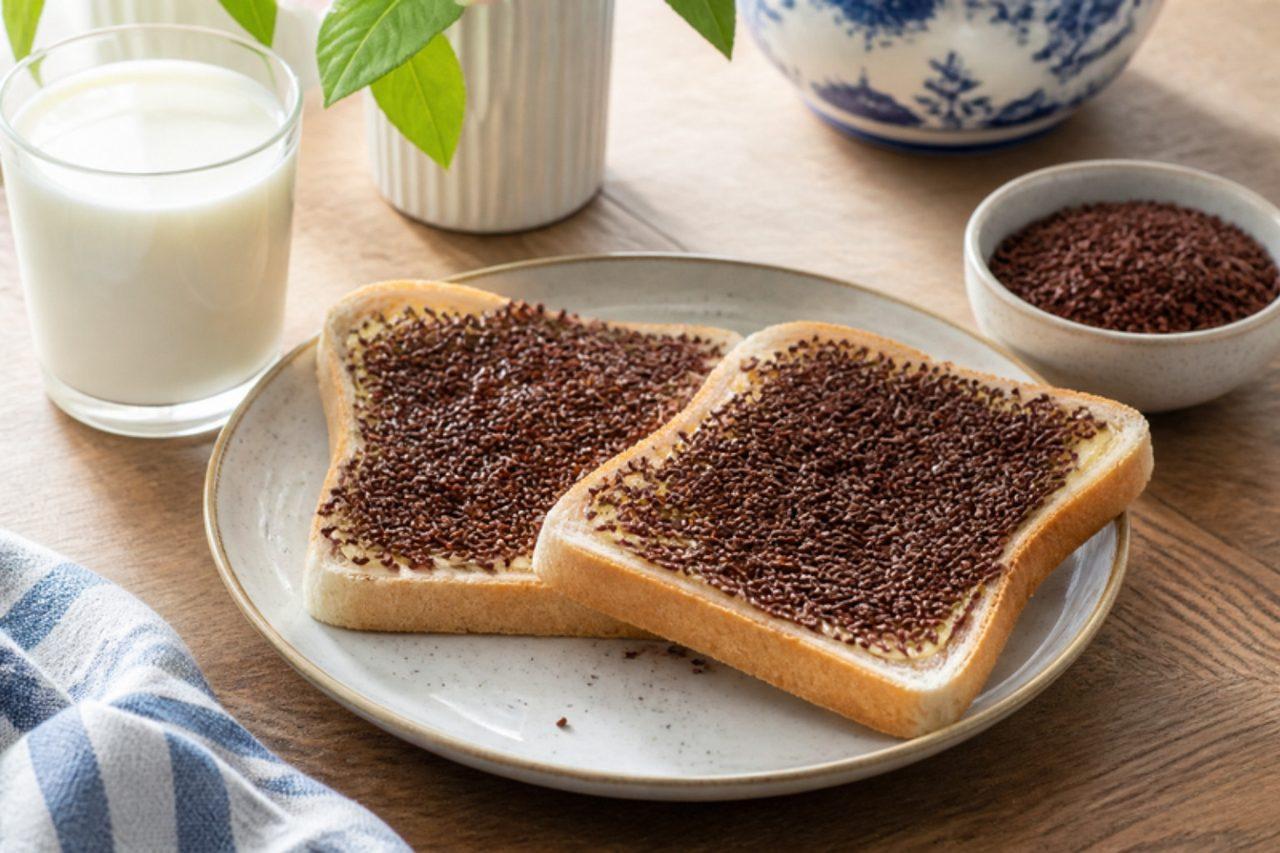
Hagelslag toastBread with chocolate sprinkles

Ask anyone who grew up in the Netherlands what they ate before school and the answer is usually a boterham met hagelslag: a slice of soft bread, well buttered, and covered edge to edge in chocolate sprinkles. It is not a treat for special days but an ordinary Dutch breakfast and lunchbox filler, and the country gets through millions of kilos of hagelslag every year. There are milk and dark chocolate versions, plus vruchtenhagel (fruity pastel sprinkles) and anijshagel (aniseed sprinkles). Chef's tip: the butter is the glue, so spread it right to the crusts and press the sprinkles down gently with the flat of a knife before you lift the slice.

by KrazyBadal 0 views

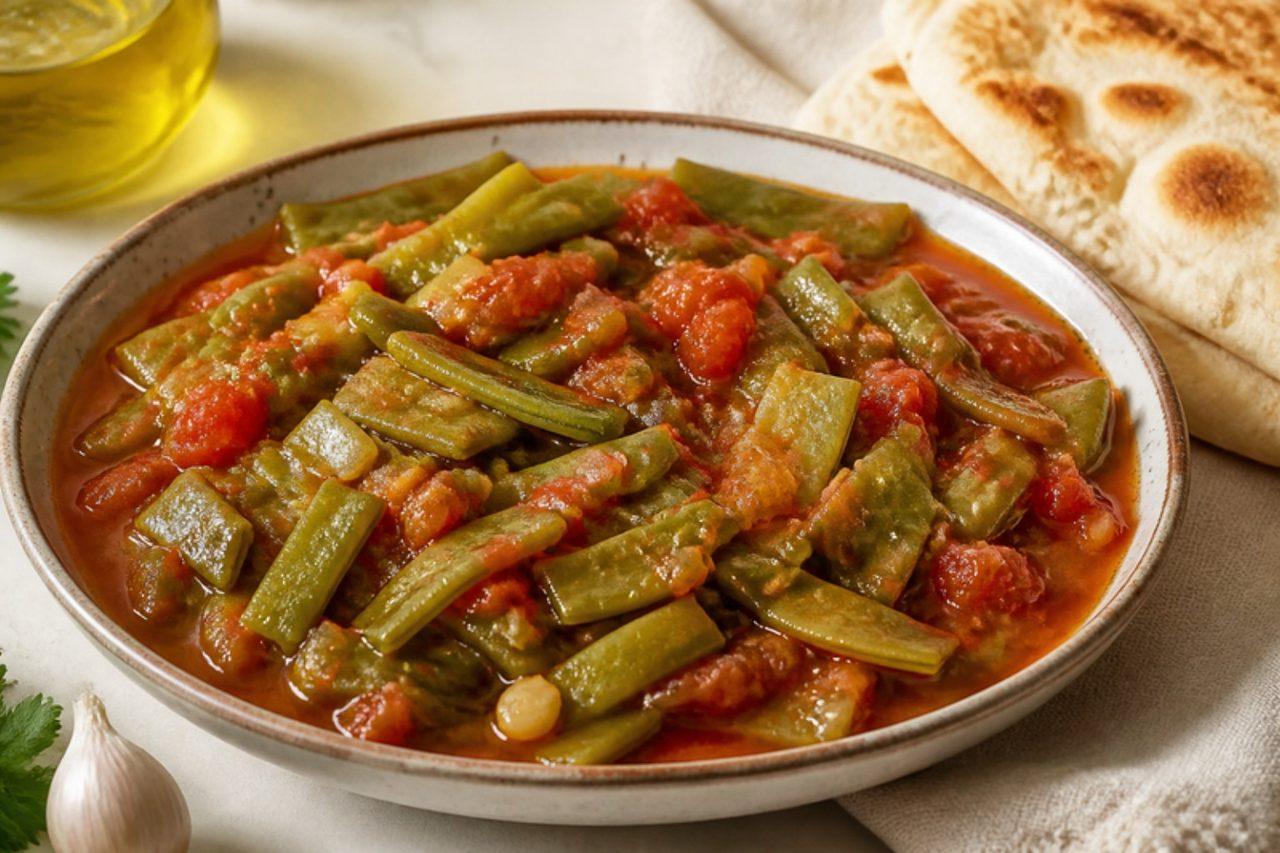
Loubieh bi zeitGreen beans braised in olive oil

In Lebanese homes loubieh bi zeit belongs to the 'bi zeit' family, vegetables cooked in olive oil and served cool, which turn up on the mezze table in summer and fill lunchboxes the next day. Flat runner beans or wide Romano beans are best: they soak up the garlicky tomato sauce and turn silky. It is eaten at room temperature with Arabic bread to mop the oil, and often with a few spring onions and radishes alongside. Chef's tip: cook the garlic only until it smells sweet before adding the beans; browned garlic turns the whole dish bitter.

by KrazyBadal 0 views

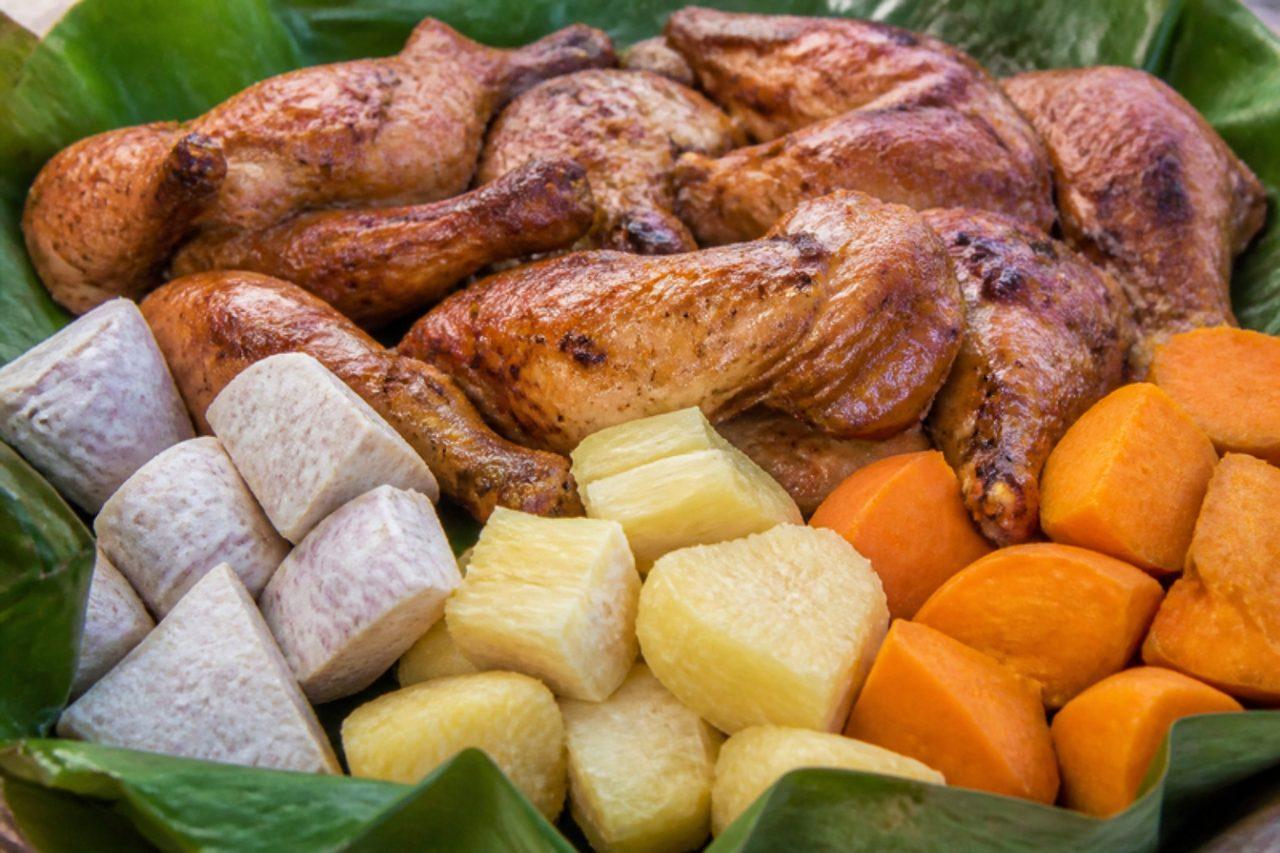
Lovo-style chickenEarth-oven style chicken

A lovo is Fiji's earth oven, dug in the ground for weddings, church feasts and Christmas in villages on Viti Levu and Vanua Levu: hot stones are covered with parcels of meat, fish and root vegetables in banana leaves, then buried for hours. This home version wraps chicken marinated in coconut, garlic and ginger with taro, cassava and sweet potato in foil and banana leaves and roasts them slowly, giving the same steamed, smoky-sweet result. The mistake is wrapping loosely, so the steam escapes and everything dries; seal the parcels tightly. Chef's tip: a few drops of liquid smoke or a smoked paprika rub gives a hint of the earth oven.

by KrazyBadal 0 views

KhuushuurFried mutton pasties

Khuushuur are the flat, crescent-shaped pasties sold hot from stalls at Naadam, the July festival of wrestling, archery and horse racing, and fried in Mongolian homes all summer: thin dough round a filling of minced mutton, onion and garlic, fried until blistered and crisp. People hold them in a napkin and bite through to the juicy filling. The mistake is rolling the dough thick; it should be thin so it crisps quickly while the meat cooks. Chef's tip: press out all the air before sealing, or the pasties balloon and burst in the oil.

by KrazyBadal 0 views

Osmania biscuitsSweet and salty butter biscuits

Osmania biscuits are named after the last Nizam of Hyderabad, and they have been baked in the city's Irani bakeries for generations: round, crumbly, melt-in-the-mouth butter biscuits that are gently sweet with a distinct salty edge and a hint of cardamom. In old-city cafés, men linger over a plate of them and a cup of Irani chai in the early morning or after the evening prayers, dunking each one until it is just about to collapse. Chef's tip: chill the dough before cutting and baking; it keeps the biscuits round and thick instead of spreading thin.

by KrazyBadal 0 views

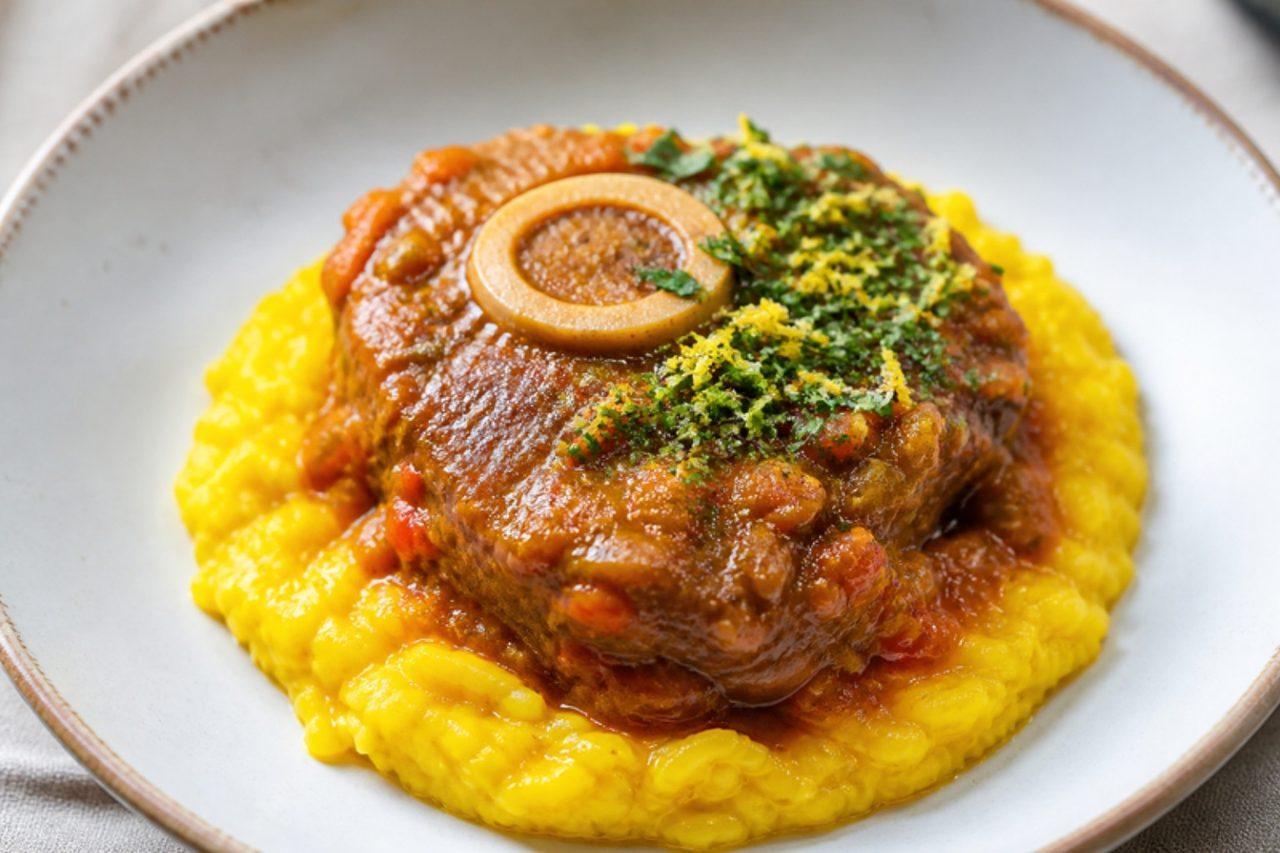
Ossobuco alla milaneseBraised veal shanks

Thick cross-cut slices of veal shank, each ringed around a hollow bone full of marrow, are browned and then braised slowly in white wine and stock until the meat is soft enough to cut with a spoon: this is Milan's great winter Sunday dish. The old Milanese way, 'in bianco', keeps tomato out, so the sauce stays golden and savoury. Just before serving it gets a shower of gremolata, a sharp mix of lemon zest, garlic and parsley that wakes up the rich braise. Serve it with risotto alla milanese, the saffron risotto that is its traditional partner (one of the few times a Milanese risotto shares the plate), or with soft polenta. Chef's tip: snip through the thin skin around each shank in three or four places before browning, so the slices stay flat in the pan instead of curling up.

150 minItalianMeatGluten free
by KrazyBadal 0 views

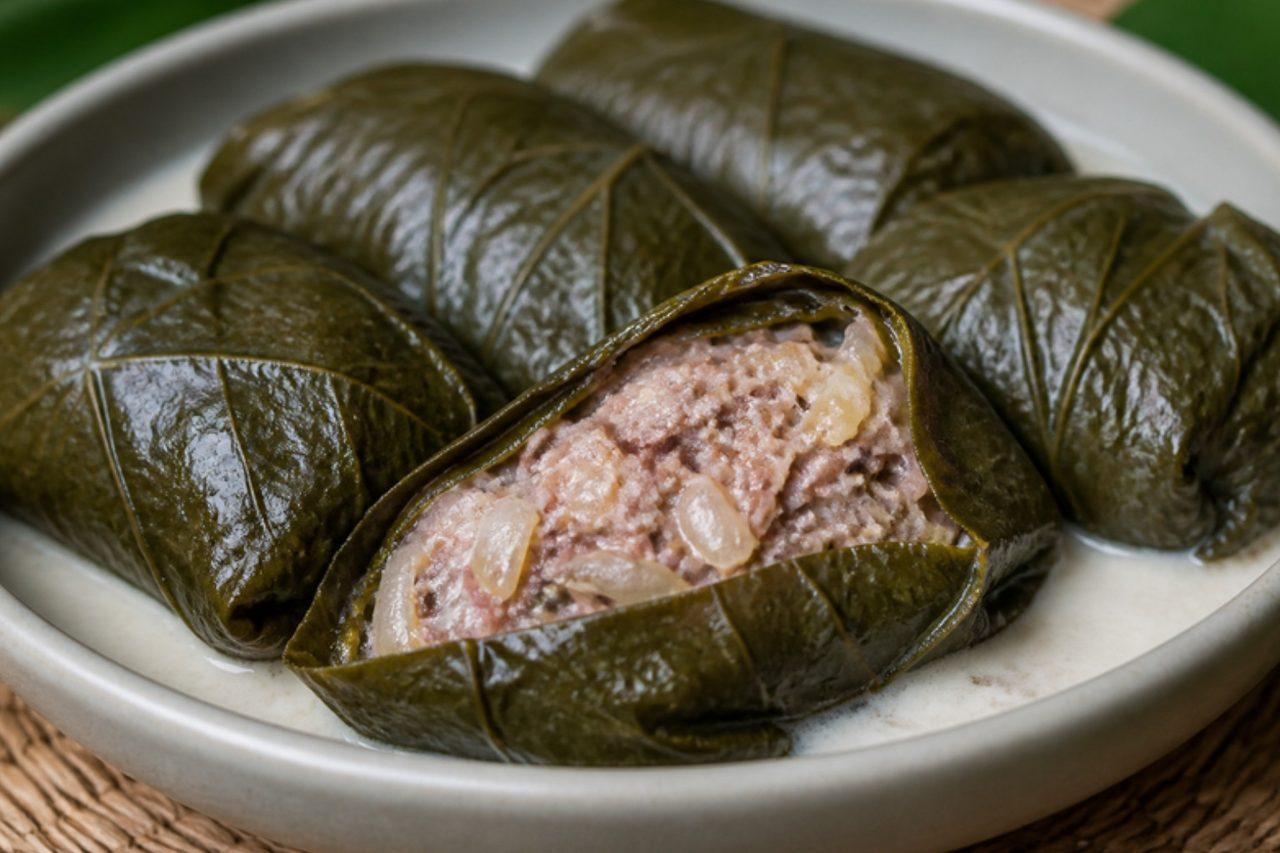
Lu puluCorned beef in taro leaves

Lu pulu is a Sunday dish in Tonga, cooked in the umu (earth oven) after church in Nuku'alofa and by Tongan families in Auckland and Sydney: taro leaves are layered into a cup, filled with corned beef, onion and thick coconut cream, wrapped in foil or banana leaf and baked until the leaves melt into a rich, silky parcel. It is served with boiled taro, yam or sweet potato. The mistake is undercooking the taro leaves: they must cook for at least an hour, as raw taro leaves irritate the mouth and throat. Chef's tip: if you can't find taro leaves, use large spinach or silverbeet leaves, cooked for 45 minutes.

by KrazyBadal 0 views

Masala ugaliSpiced maize meal porridge

Ugali, East Africa's staple of maize meal cooked into a stiff porridge, given a lift with toasted cumin, butter, fresh coriander and green chilli. Stir it hard and keep it soft. Serve hot with sukumawiki or any stew.

by KrazyBadal 1 views

Otak-otakGrilled spiced fish mousse

Drive through Muar in Johor and you will see roadside grills stacked with slim green parcels, sold by the dozen in paper bags for the journey home. Inside each is a soft, bright-orange custard of pounded mackerel, coconut milk and egg, flavoured with a chilli-lemongrass rempah and kaffir lime leaf, which turns smoky and slightly charred at the edges from the grill. Melaka's Nyonya cooks make a fatter, steamed version, but this one is grilled in banana leaf. Eat it warm, peeled straight out of the leaf, with white bread, rice or nasi lemak. Chef's tip: chill the fish mixture for 15 minutes before wrapping; it firms up and is far easier to spoon onto the leaves.

by KrazyBadal 0 views

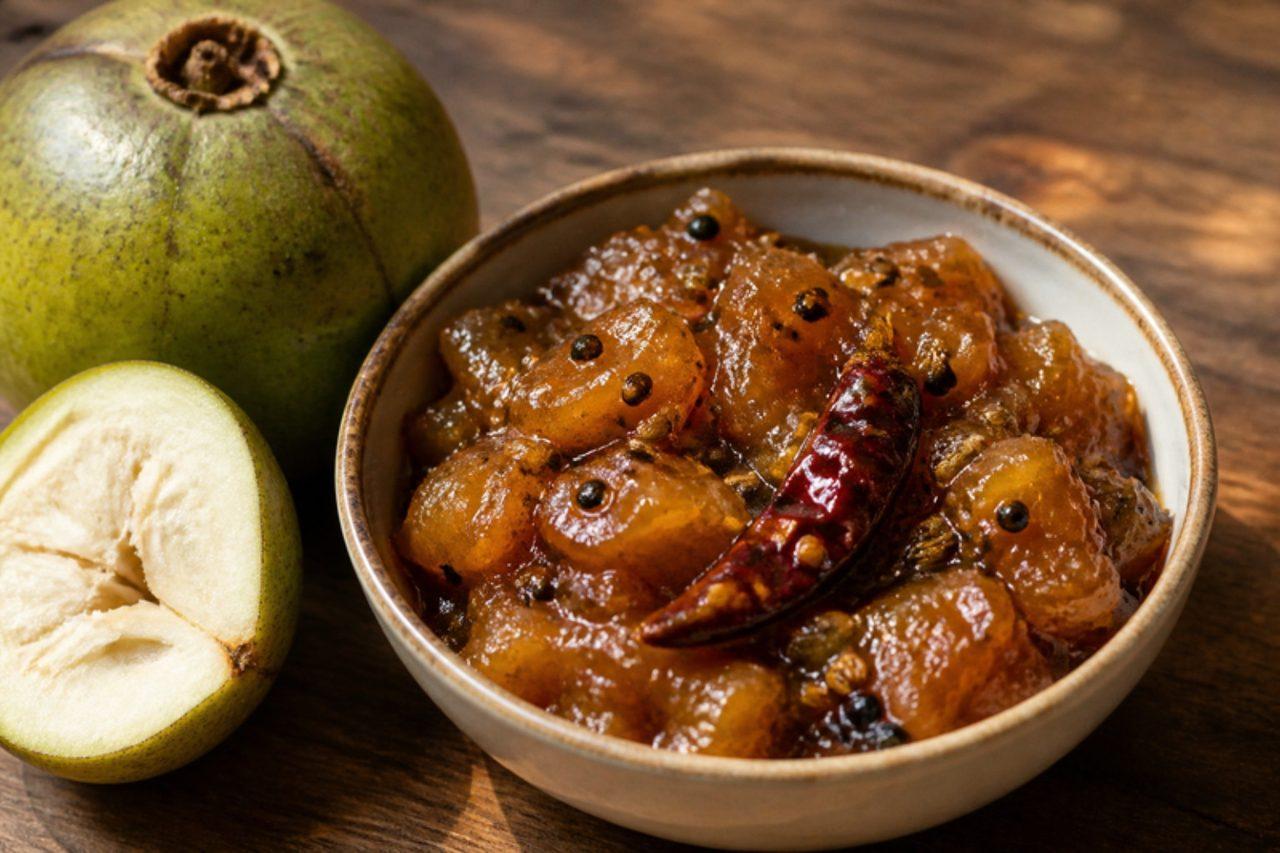
Ou khattaElephant apple chutney

Ou tenga, the elephant apple, is a hard, sour green fruit that grows across Assam and turns up in every winter market in Guwahati. Ou khatta is its sweet chutney: slices are boiled until tender, then simmered with jaggery and panch phoron until glossy, sticky and sharp-sweet. It is served in a little mound at the end of a festive Assamese lunch and at Bihu feasts, the way Bengalis end with tomato chutney. Chef's tip: outside the Northeast, use a mix of very sour green apple and a little tamarind; it gets surprisingly close.

by KrazyBadal 0 views

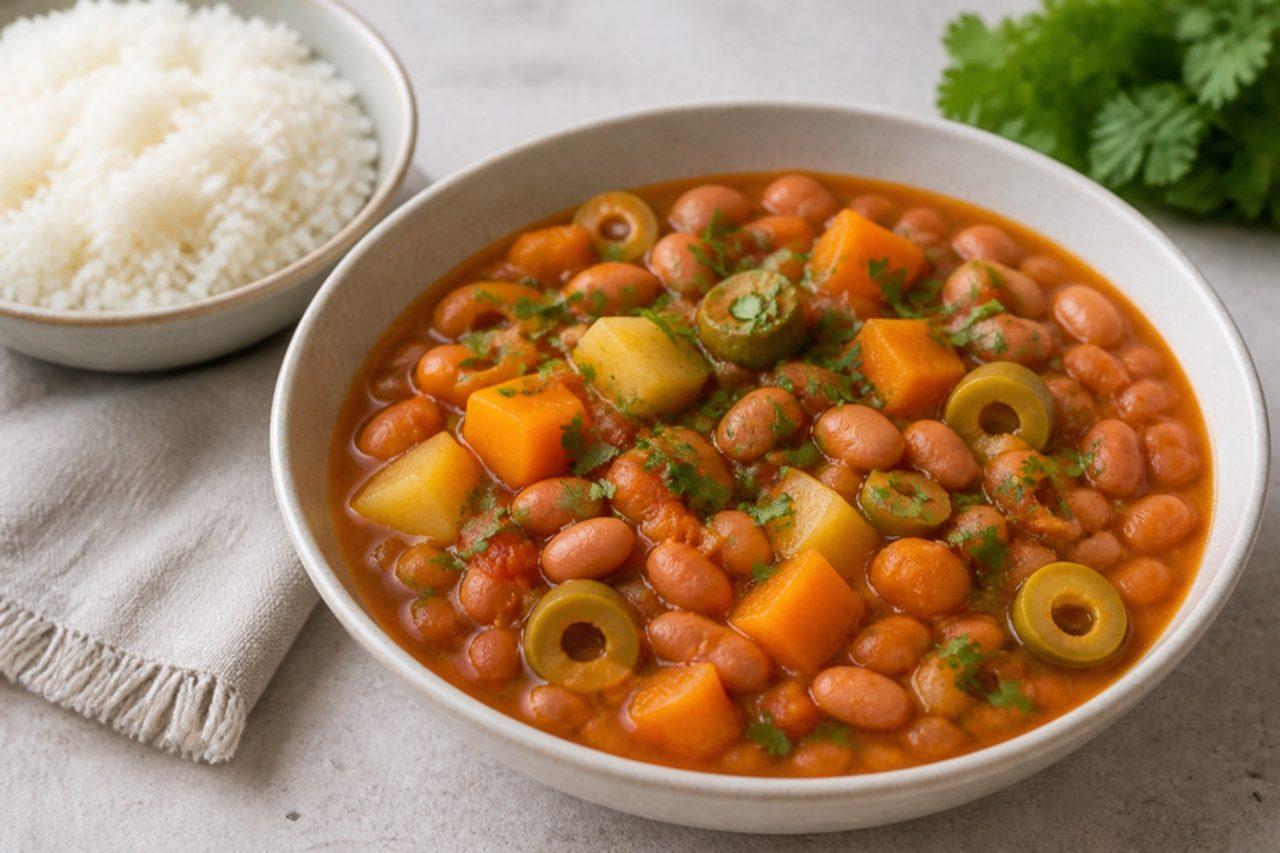
Habichuelas guisadasStewed pink beans

Habichuelas guisadas are on the stove most weekdays in Puerto Rico, from Ponce to Fajardo, ladled over plain white rice for the everyday plate called arroz con habichuelas. Pink or red beans simmer with sofrito, tomato sauce and olives, and cubes of calabaza (West Indian pumpkin) melt into the pot to make a thick, orange-red, gently sweet sauce. It's homely, cheap and deeply savoury. Island cooks often add a piece of ham; this version doesn't need it. Chef's tip: when the pumpkin is soft, crush a few pieces against the side of the pot; they dissolve into the liquid and thicken it without any flour.

by KrazyBadal 0 views

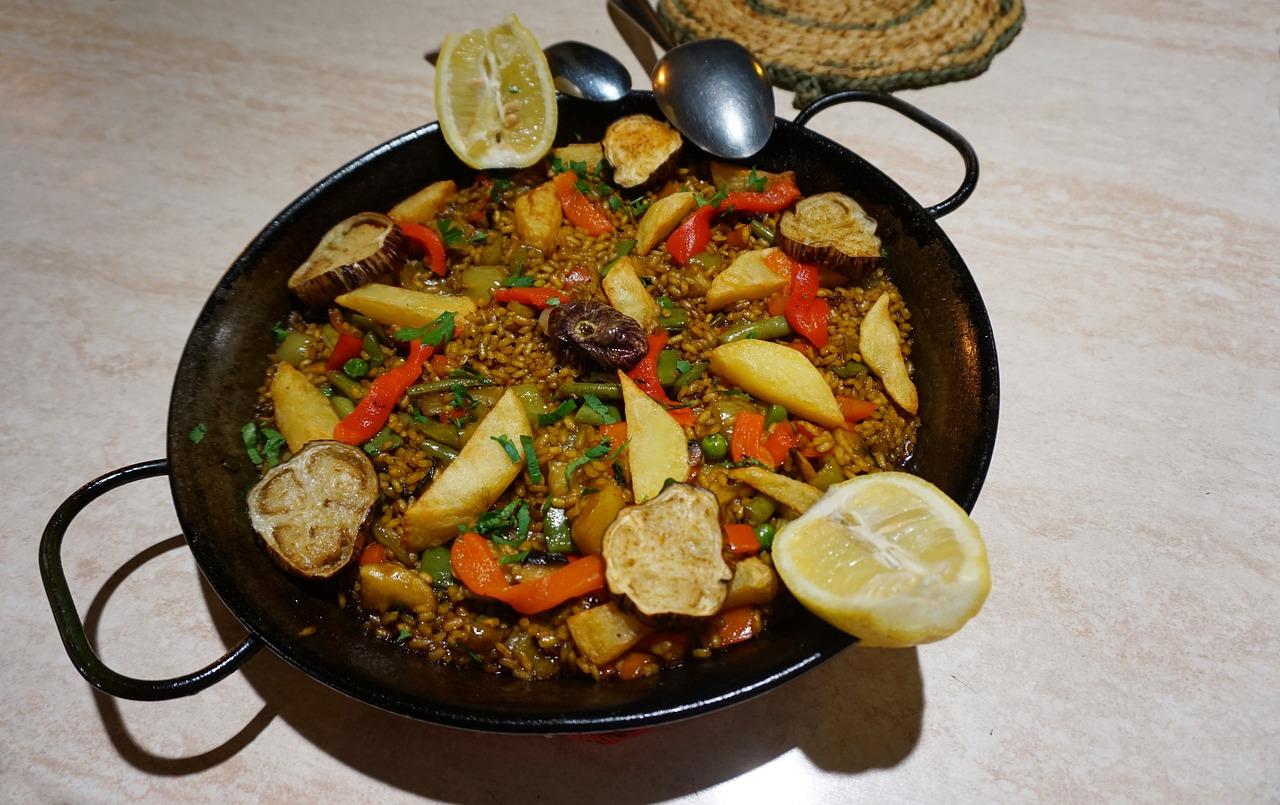
Paella de verdurasVegetable paella

Paella comes from the rice fields around the Albufera lagoon south of Valencia, where it was cooked over orange-wood fires in a wide, shallow pan. Valencians are strict about it: short round rice, saffron, sweet pimentón, flat green beans (ferraúra) and big white garrofó beans, and never any stirring once the rice is in. This all-vegetable paella keeps those rules and adds artichokes and red pepper, as the market gardeners of the Huerta do in spring. It is cooked and served in the same pan, straight onto the table. Chef's tip: listen for the socarrat at the end. Turn up the heat for the last 1–2 minutes until the rice crackles and smells toasty; that caramelised crust on the bottom is the best part of any paella.

by KrazyBadal 0 views

Caramelised clay-pot tofu and mushroomsBraised tofu and mushrooms

Kho is the slow braise of the Mekong Delta: food simmered in a little clay pot (nồi đất) with dark caramel and seasoning until the sauce is sticky and the flavours go deep. This vegetarian cousin of cá kho tộ (braised fish) uses golden tofu and meaty mushrooms in place of fish, cooked in coconut water, as cooks do in the south, and finished with plenty of black pepper. Serve it bubbling in its pot with steamed rice and a sour soup or plain boiled vegetables. Chef's tip: take the caramel (nước màu) to a deep mahogany, darker than you think, just before it smokes; pale caramel only tastes sweet, while dark caramel gives the bittersweet, smoky flavour of a real kho.

by KrazyBadal 2 views

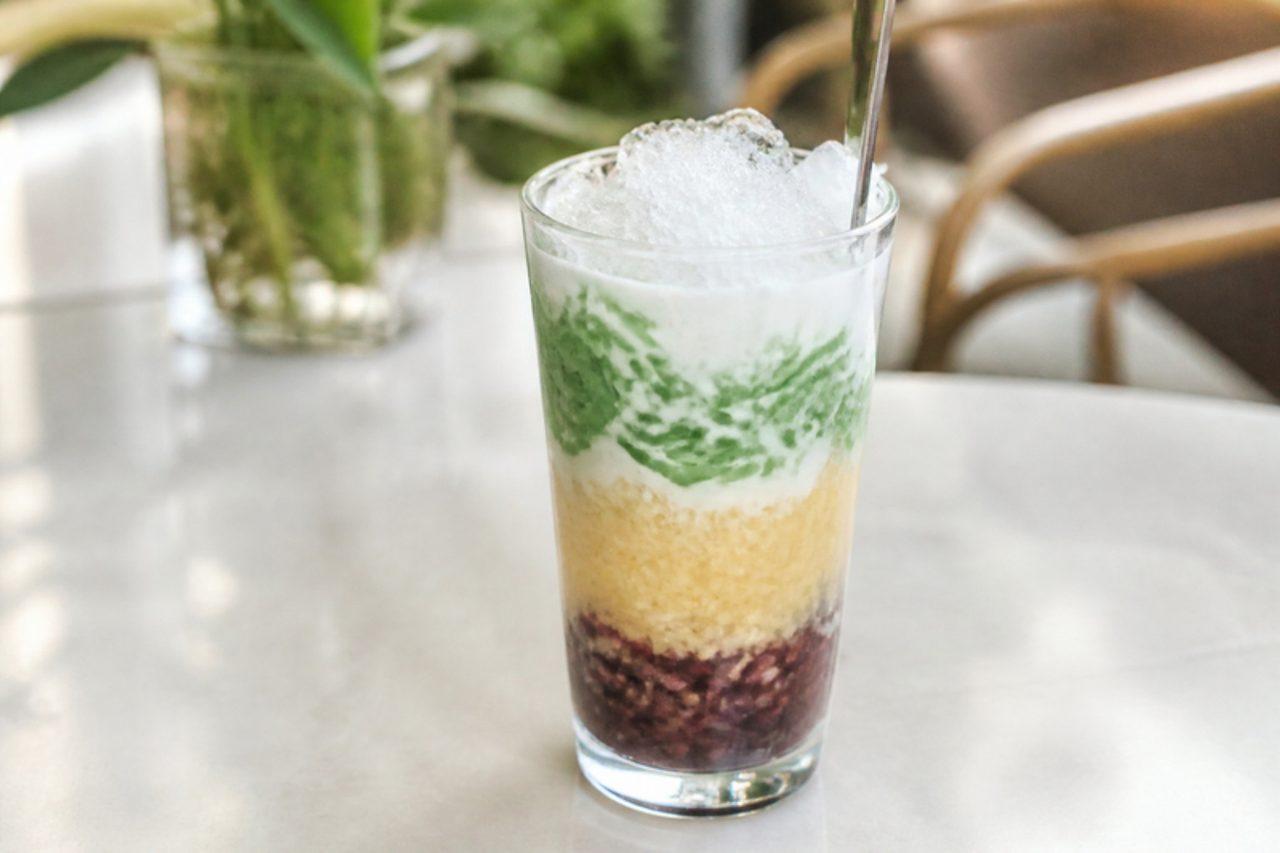
Three-colour dessert

Chè are Vietnam's sweet soups and puddings, and chè ba màu, 'three-colour chè', is the one sold in tall glasses from Saigon street carts on hot afternoons. Sweet red beans, smooth yellow mung bean paste and green pandan jelly are layered with salty-sweet coconut sauce and crushed ice, then stirred together with a long spoon. The jelly is set with agar, so it is fully vegan. Every part can be made a day or two ahead. Chef's tip: add a good pinch of salt to the coconut sauce; it sounds odd, but the slight saltiness lifts the sweet beans and is what makes chè taste properly Vietnamese.

by KrazyBadal 0 views

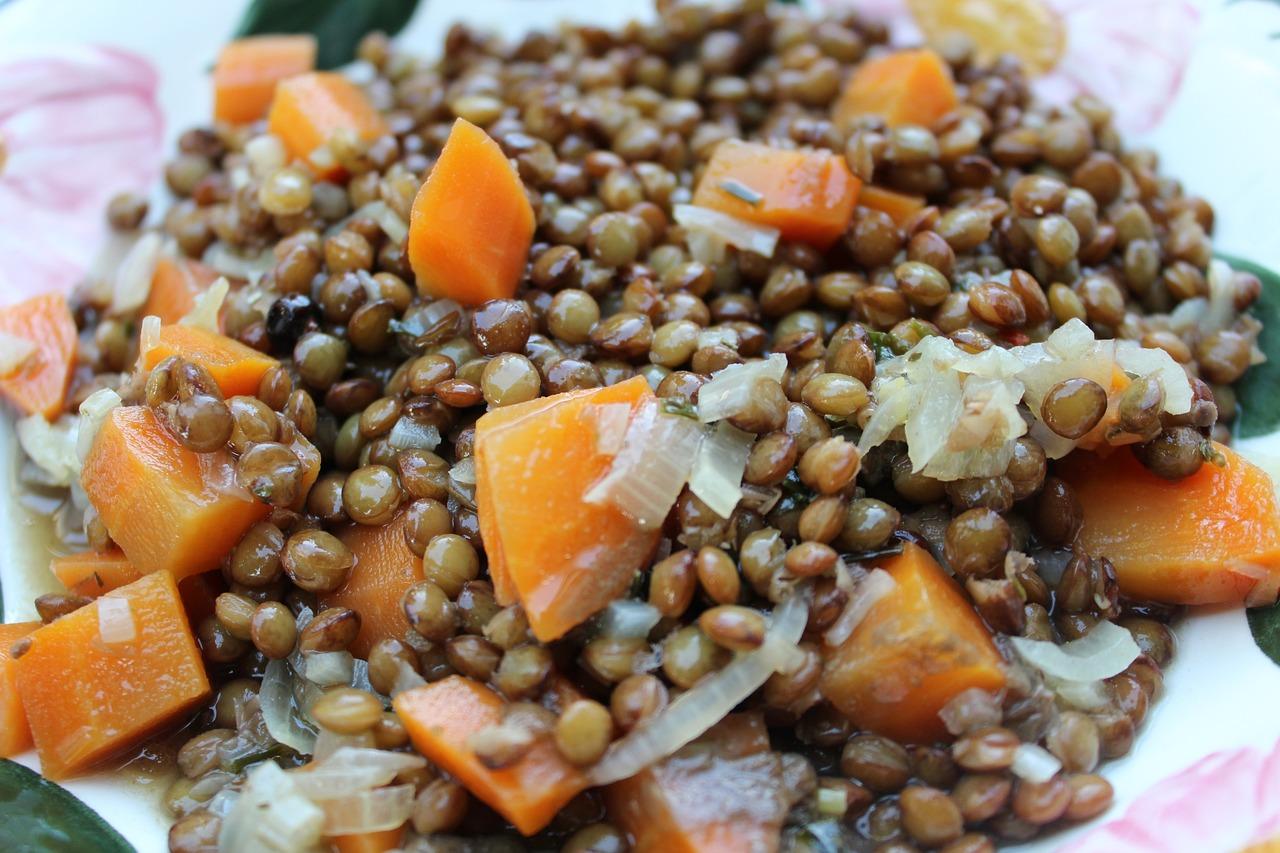
Lentejas estofadasLentil stew

Lentejas estofadas, or lentejas a la española, is the stew that every Spanish household knows from childhood, cooked once a week from Castile to Andalusia. Small brown lentils (pardinas, ideally from Tierra de Campos in León) are simmered with a sofrito of onion, pepper, garlic and tomato, carrot, potato and bay until thick, savoury and soothing. Most families add chorizo; here smoked pimentón de la Vera brings the same smoky warmth. Serve in deep bowls with crusty bread and a few pickled guindilla peppers on the side. Chef's tip: add a splash of sherry vinegar right at the end; it lifts the earthy lentils and is what Spanish grandmothers do to make the stew taste finished.

by KrazyBadal 0 views

Showing 81 of 7,762 recipes

Show more recipes

Page 783 of 863