


Skip to content
New Mexico green chile stew
Featured recipe

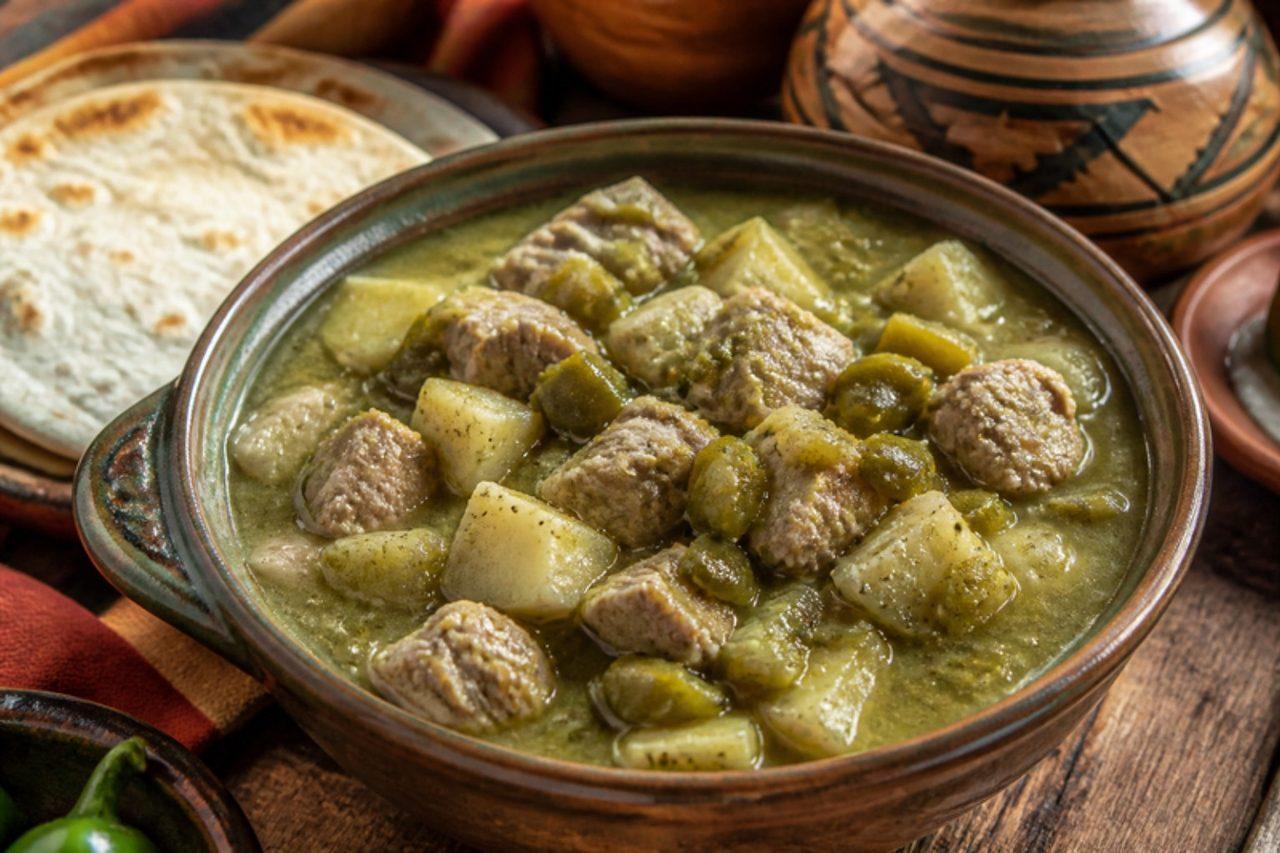
New Mexico green chile stew

When the Hatch chile harvest comes in each September, the smell of roasting green chiles fills supermarket car parks across New Mexico, and green chile stew becomes the dish of football Fridays and cold Santa Fe nights. It is a brothy stew of pork shoulder, potatoes and plenty of roasted, peeled green chile, served with a warm tortilla. Chef's tip: roast the chiles until the skins blister black all over, then sweat them in a covered bowl; the skins slip off easily.

Read more 0 views

What to eat today?

Around the world

Today's trip: Persian

A new country every day, from every cuisine on the site.

This week's collection

Kid-friendly dinners
537 recipes · a new collection every Monday

Latest recipes

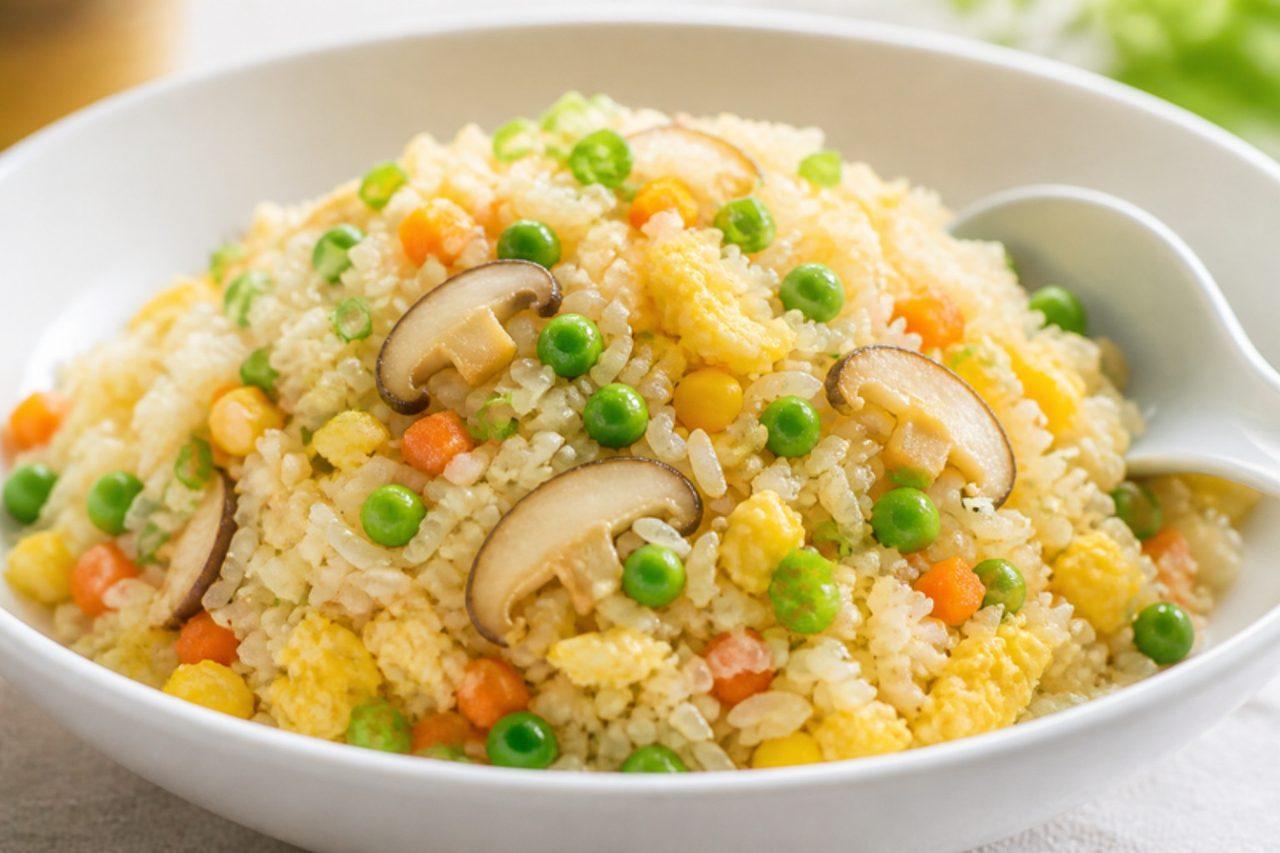
Yangzhou-style vegetable fried riceEgg and vegetable fried rice

Yangzhou in Jiangsu gave its name to China's most famous fried rice, which is supposed to show off a cook's skill: separate, glossy grains, small even dice and egg in every mouthful. The original carries ham and shrimp; this vegetable version swaps them for shiitake, peas, carrot and sweetcorn, and keeps the seasoning light (salt and a little soy) so the rice stays pale and golden rather than brown. It's a meal on its own or a side for stir-fries. Chef's tip: use rice cooked the day before and chilled uncovered; fresh rice is too soft and clumps.

by KrazyBadal 0 views
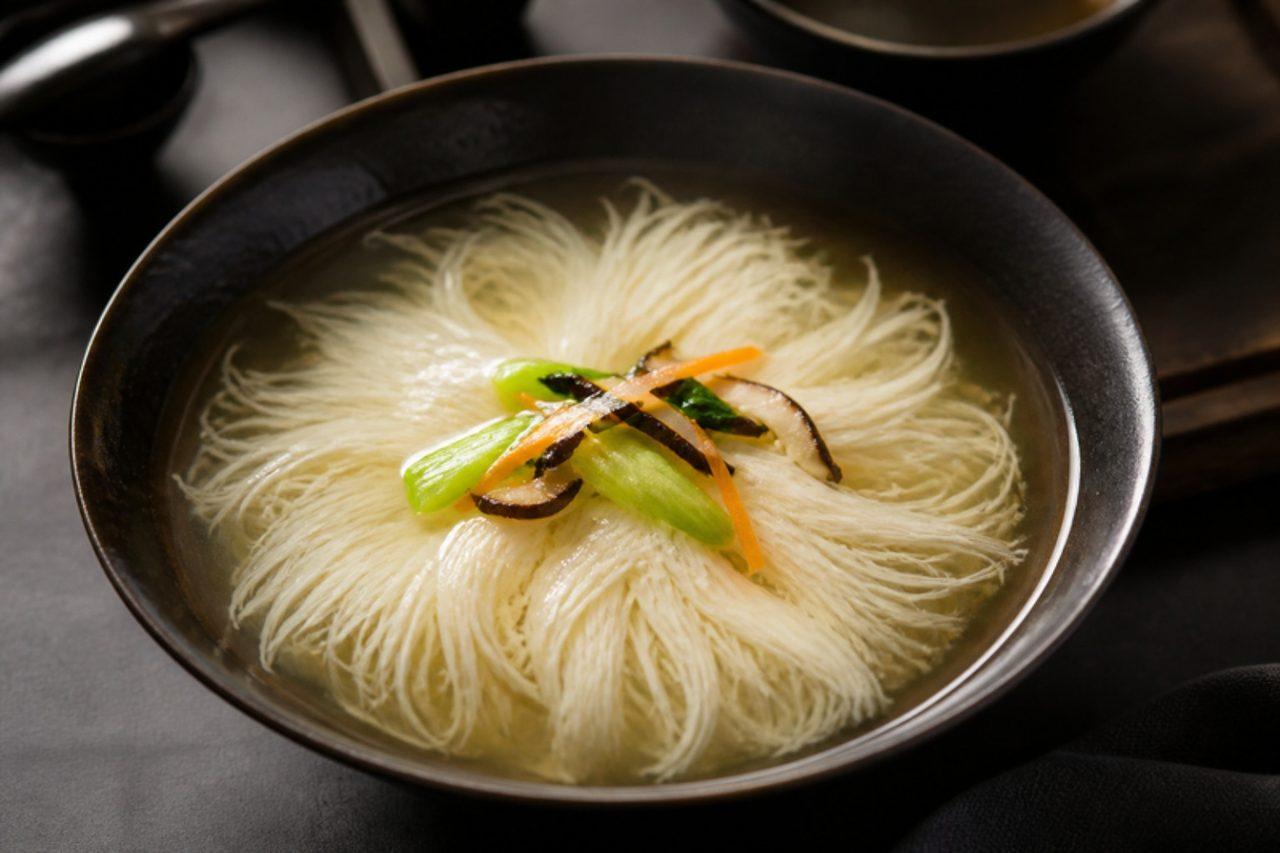
Wensi tofu soupShredded tofu soup

This Yangzhou soup is a test of knife skill: a block of soft tofu is sliced and shredded so finely that the threads drift apart like silk in the bowl. It is credited to a Buddhist monk named Wensi, who served it at a temple in Yangzhou during the Qing dynasty, so a meat-free broth is true to its roots. Huaiyang banquets still serve it as a quiet, delicate course. Chef's tip: wet the knife and slice in one smooth stroke without lifting; the tofu then stays together until you fan it into water.

by KrazyBadal 0 views

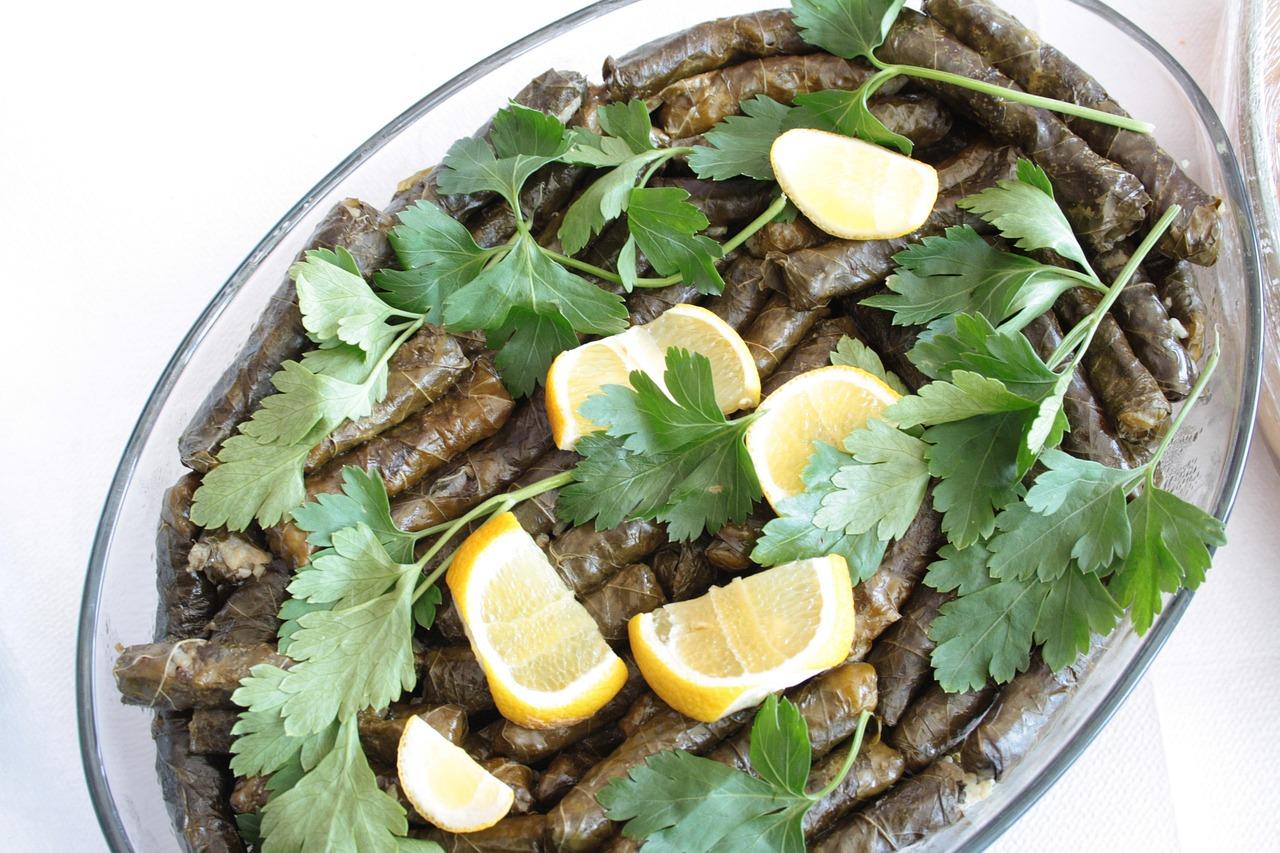
Yaprak sarmaRice-stuffed vine leaves

Rolling yaprak sarma is a social job in Aegean kitchens around Ayvalık and Manisa, where vineyards supply the leaves: a tray of grape leaves, a bowl of spiced rice and two or three people talking while they roll. This meat-free version is the olive-oil kind, filled with rice, onion, pine nuts, currants, mint and a pinch of cinnamon and allspice, and served cold as a meze or at tea-time gatherings. Good sarma are thin as a finger and hold together when bitten. A common mistake is overfilling: the rice swells as it cooks and splits the leaves. Chef's tip: use only a teaspoon of filling per leaf and roll firmly but not tight, leaving room for the rice to grow.

by KrazyBadal 0 views

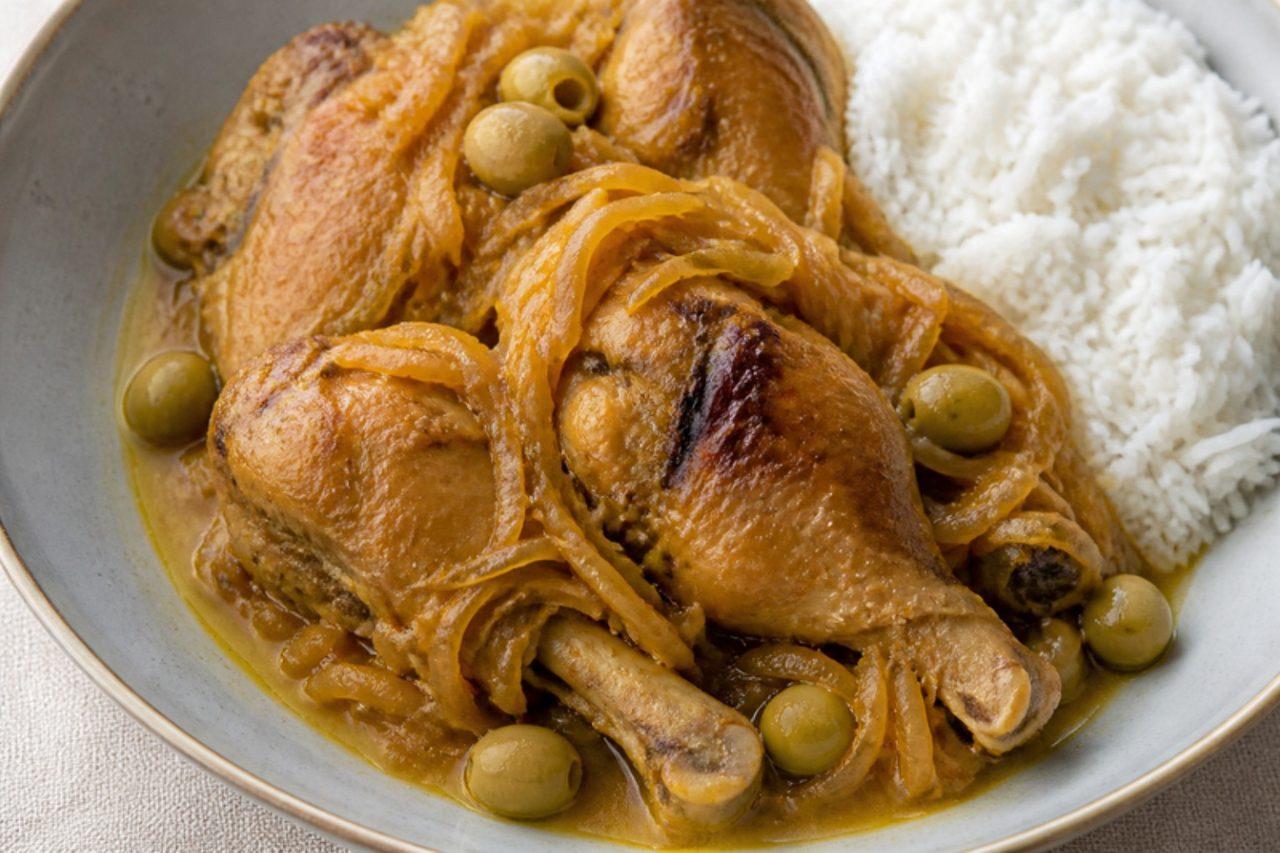
Yassa pouletLemon onion chicken

Yassa comes from Casamance, the green, rice-growing south of Senegal, and has become the dish Dakar families cook for guests and naming ceremonies. Chicken spends a night in lemon juice, mustard and a huge pile of sliced onions, is grilled or browned until charred at the edges, then braised in those same onions until they collapse into a sharp, sweet, jammy sauce. It is served over plain white rice with a green olive or two on top. A common mistake is rushing the onions; if they are still crunchy the sauce tastes raw and harsh, so give them the full half hour. Chef's tip: keep the marinade, because it becomes the sauce; just boil it well with the onions so it is safe to eat.

by KrazyBadal 0 views

YomariSteamed rice flour dumplings

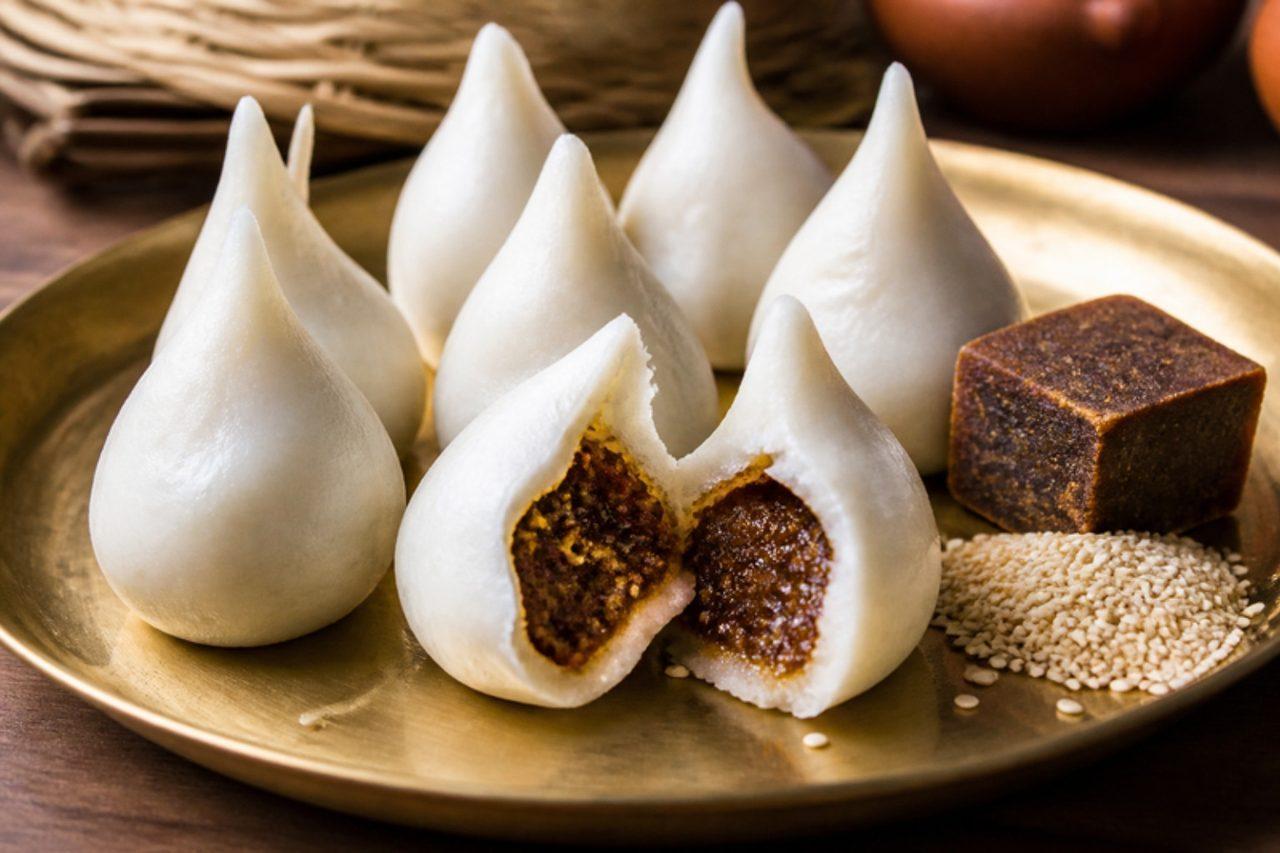
Yomari are the sweet dumplings of the Newars of the Kathmandu Valley, made once a year on Yomari Punhi, the full moon of December that marks the end of the rice harvest. Freshly milled rice flour is kneaded with hot water, pinched into a hollow cone, filled with chaku, a dark, fudgy Newari molasses, and toasted sesame, then shaped with a pointed tail like a fish or a teardrop and steamed. Children go from house to house singing for them, and families offer a few to the gods before anyone eats. The shell is soft and slightly chewy, and the filling melts into warm, smoky caramel. The usual mistake is mixing the dough with lukewarm water: it must be just off the boil so the starch swells and the dough stretches without cracking. Chef's tip: keep a bowl of warm water beside you and dip your fingertips often; damp hands smooth out cracks as you shape.

by KrazyBadal 0 views

Yong tau fooStuffed tofu and vegetables

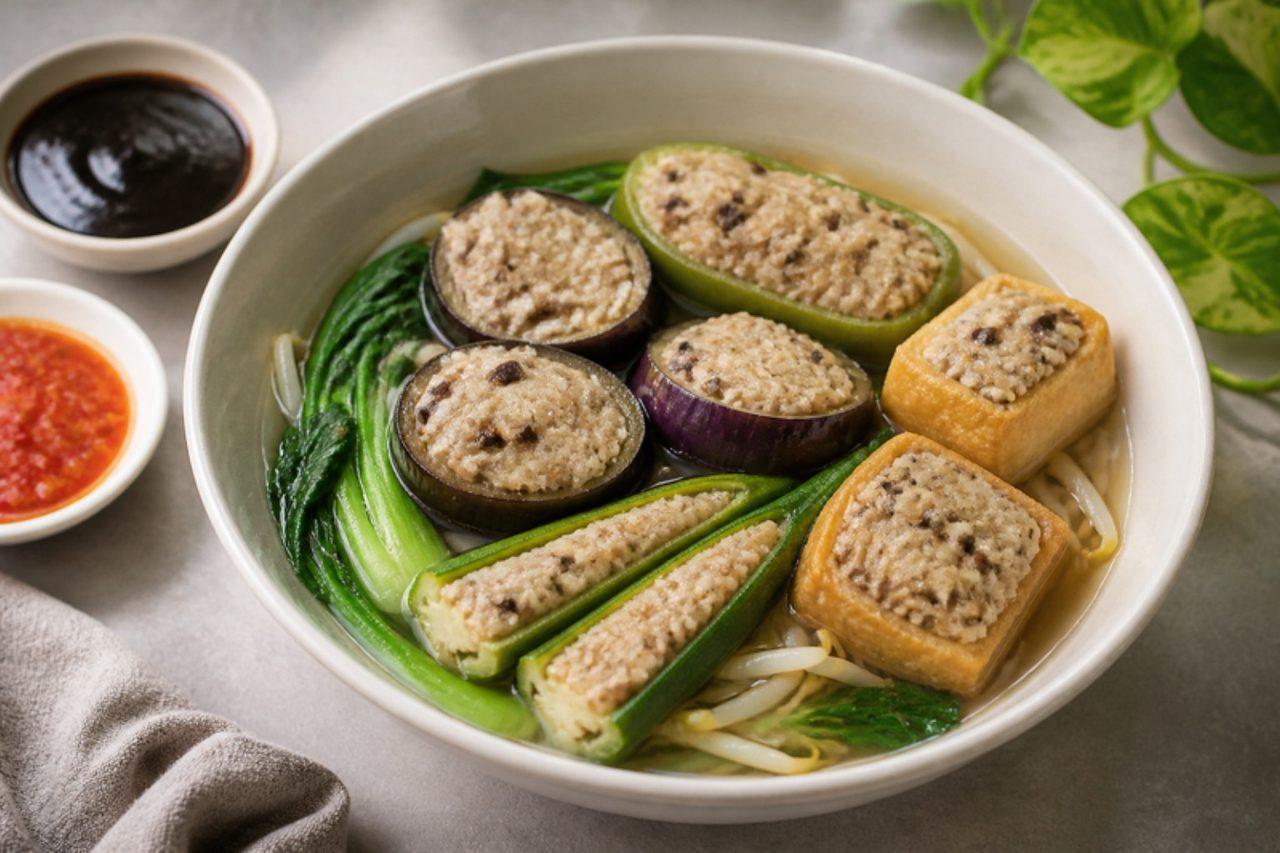
Hakka miners brought yong tau foo to the tin town of Ampang, on the edge of Kuala Lumpur, and families still drive there on weekends for big bowls of it. You choose your pieces from a counter, tofu, chillies, okra, aubergine and bitter gourd, each stuffed with a savoury paste, and the stall poaches or fries them and serves them in a light broth, with a sweet brown sauce and chilli sauce to dip. The traditional filling is fish and pork; this one is firm tofu, shiitake, water chestnut and carrot. It is a gentle, light meal. Chef's tip: press the stuffing in tightly and smooth it flush with a wet finger, so it stays put while it cooks.

by KrazyBadal 0 views

Yu xiang aubergineSweet and sour garlic aubergine

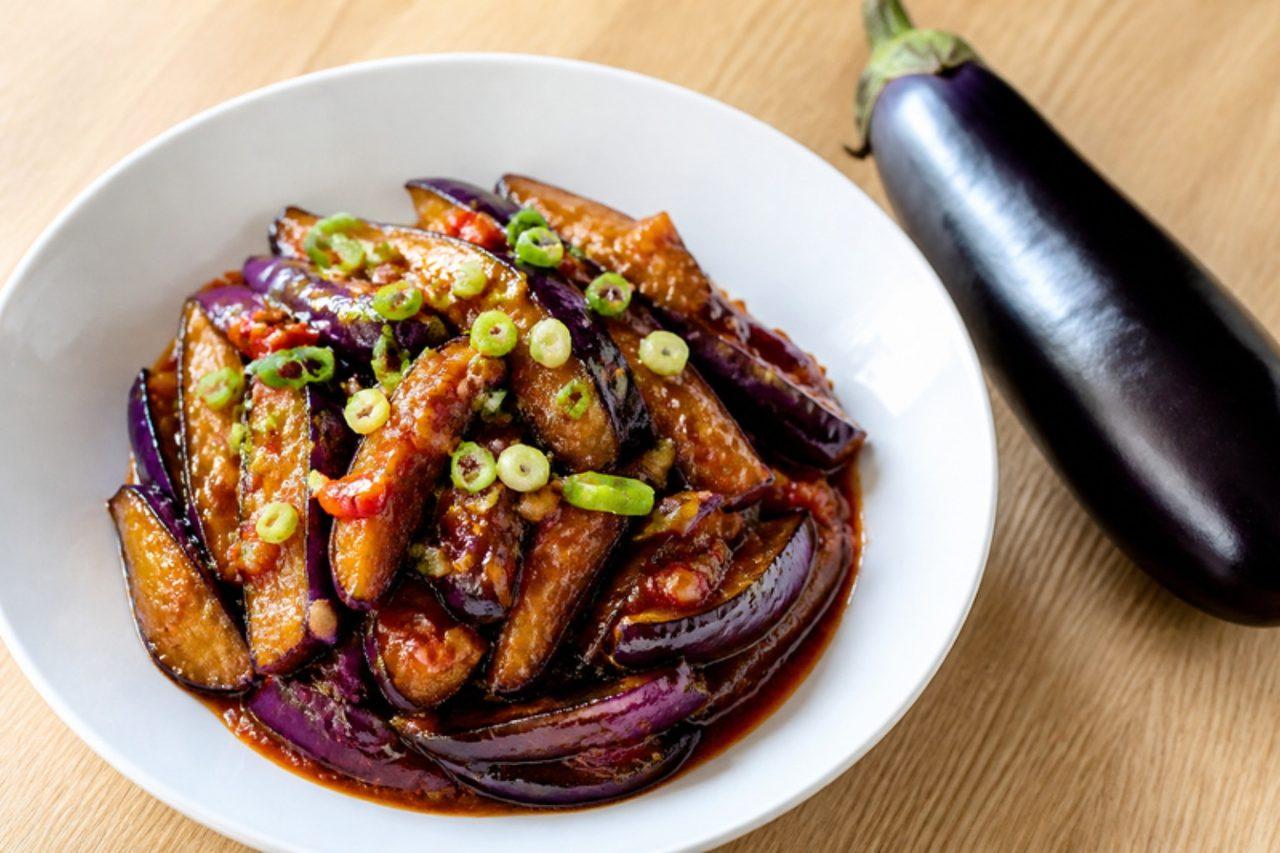
Yu xiang is a Sichuan flavour named after the way local cooks once seasoned fish, but it contains no fish at all: pickled chilli, garlic, ginger and spring onion balanced with sugar and black vinegar. Aubergine is the dish most Chengdu households make with it, often for a weekday supper, because the soft, creamy flesh drinks up the sauce. Serve it with rice and a plain green vegetable. Chef's tip: salt the aubergine fingers for 15 minutes and squeeze them dry; they then absorb far less oil and turn silky instead of greasy.

by KrazyBadal 0 views

Yuca con mojoCassava with garlic sauce

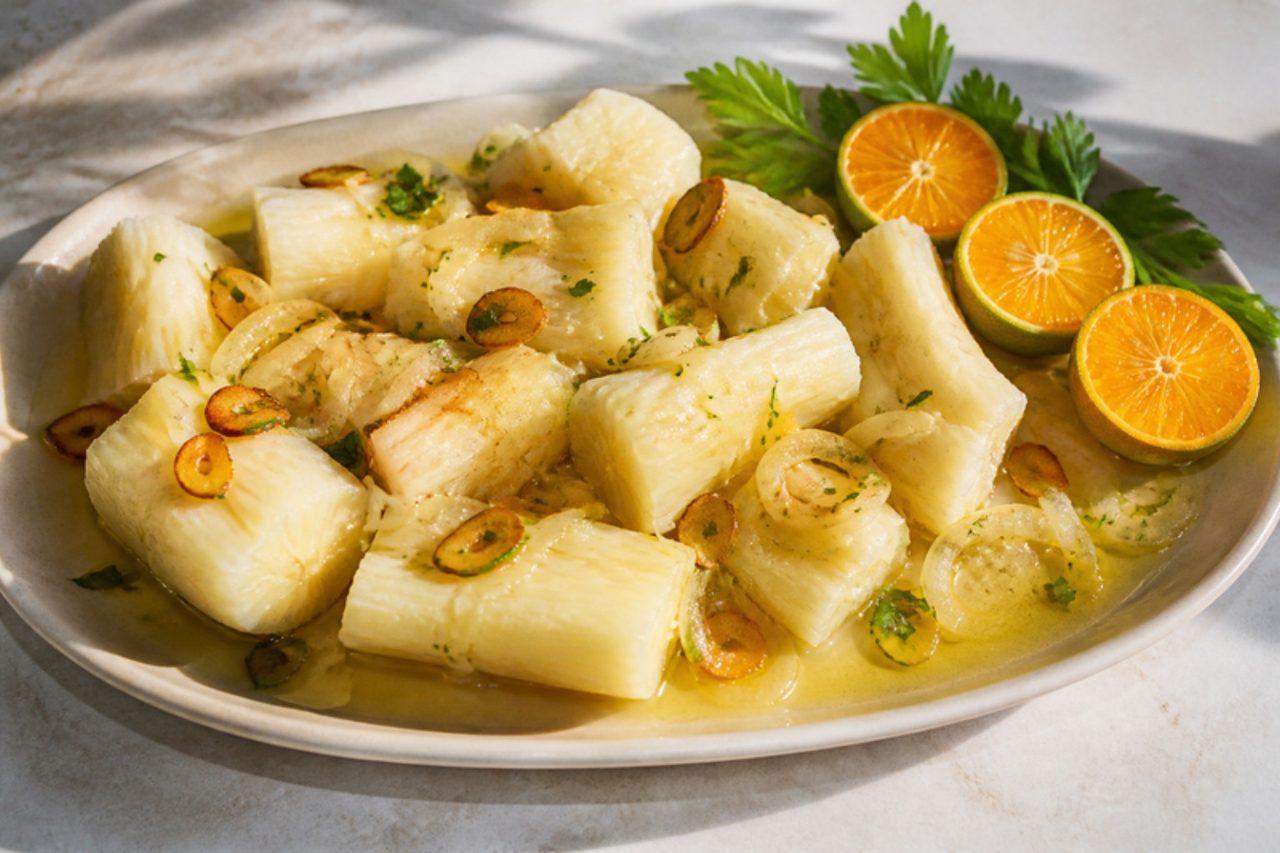
Yuca con mojo is a fixture of the Cuban Nochebuena feast and of everyday family dinners in Matanzas and Miami alike: chunks of cassava boiled until they crack open and turn soft, then drenched in a hot dressing of olive oil, lots of garlic, onion rings and sour orange juice. The yuca soaks up the tangy, garlicky oil like a sponge. Serve it beside moros y cristianos or black beans. Chef's tip: add a splash of cold water to the pot halfway through boiling; Cuban cooks say it 'shocks' the yuca and helps it split open and turn tender.

35 minCubanSidesVeganGluten free
by KrazyBadal 0 views

YudofuSimmered tofu hot pot

Yudofu is the simplest dish in Kyoto and one of the most loved. The city's soft water makes fine tofu, and the restaurants around Nanzen-ji temple in the Higashiyama hills have served it to pilgrims for centuries as part of Buddhist vegetarian cooking. A block of tofu is warmed in an earthenware pot over a sheet of kombu and lifted out with a little slotted ladle, then dipped in citrusy soy with spring onion and ginger. It's a winter dish, best eaten slowly at the table on a cold evening. Chef's tip: never let the water boil. The tofu is ready when it trembles and starts to rise; boiling makes it spongy and full of holes.

by KrazyBadal 0 views

YukjeonEgg-battered fried beef

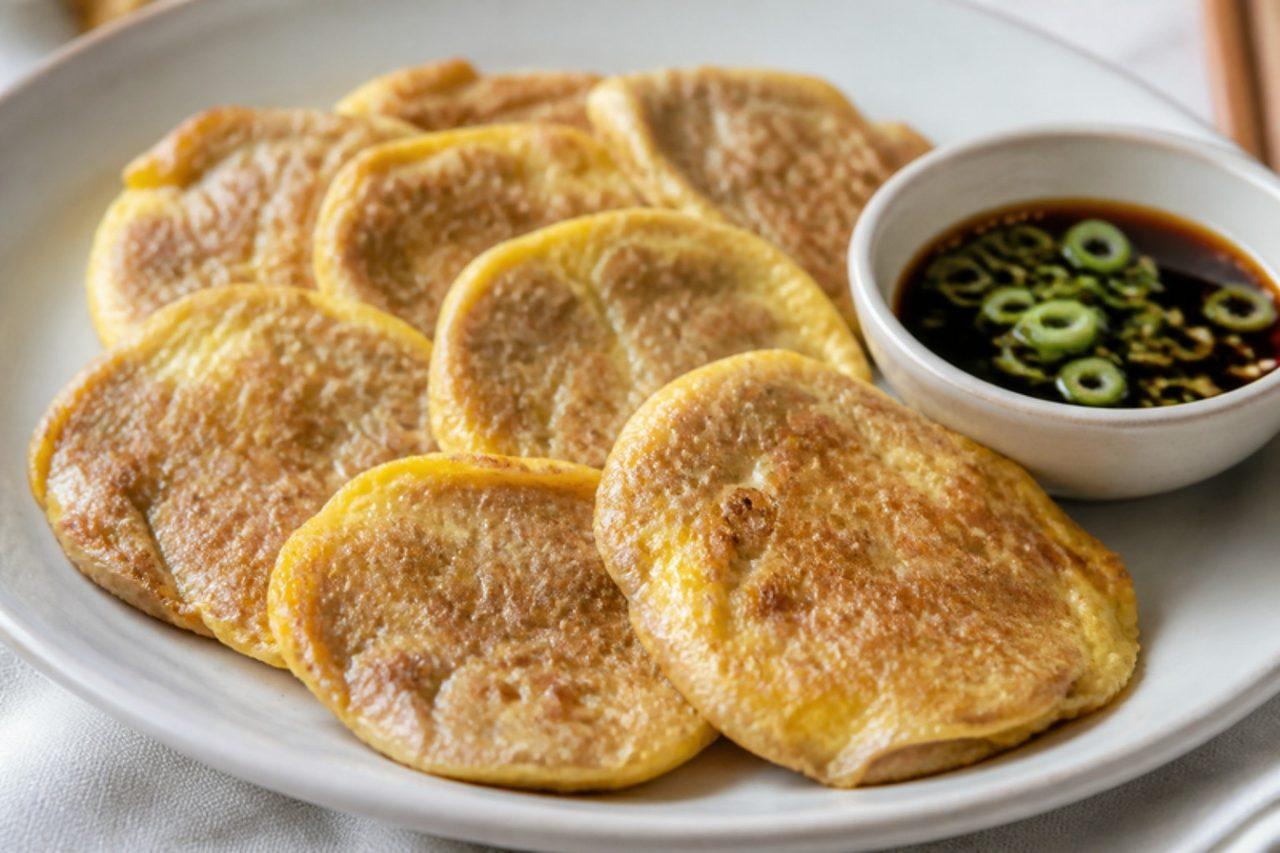
In Gwangju, yukjeon is a restaurant meal in its own right: the server sits by a hot plate at your table and fries slice after slice of egg-coated beef, handing them over while they're still sizzling. Elsewhere in Korea it's more often a festive pancake, made for Chuseok and Lunar New Year along with other jeon. The beef is cut very thin, so it cooks in the time it takes the egg to set. Gwangju places serve it with a sharp salad of finely shredded spring onion and a little salt and sesame oil for dipping. Chef's tip: half-freeze the beef for 40 minutes before slicing; firm meat is easy to cut into slices 2 to 3 mm thick.

25 minKoreanMeat
by KrazyBadal 0 views

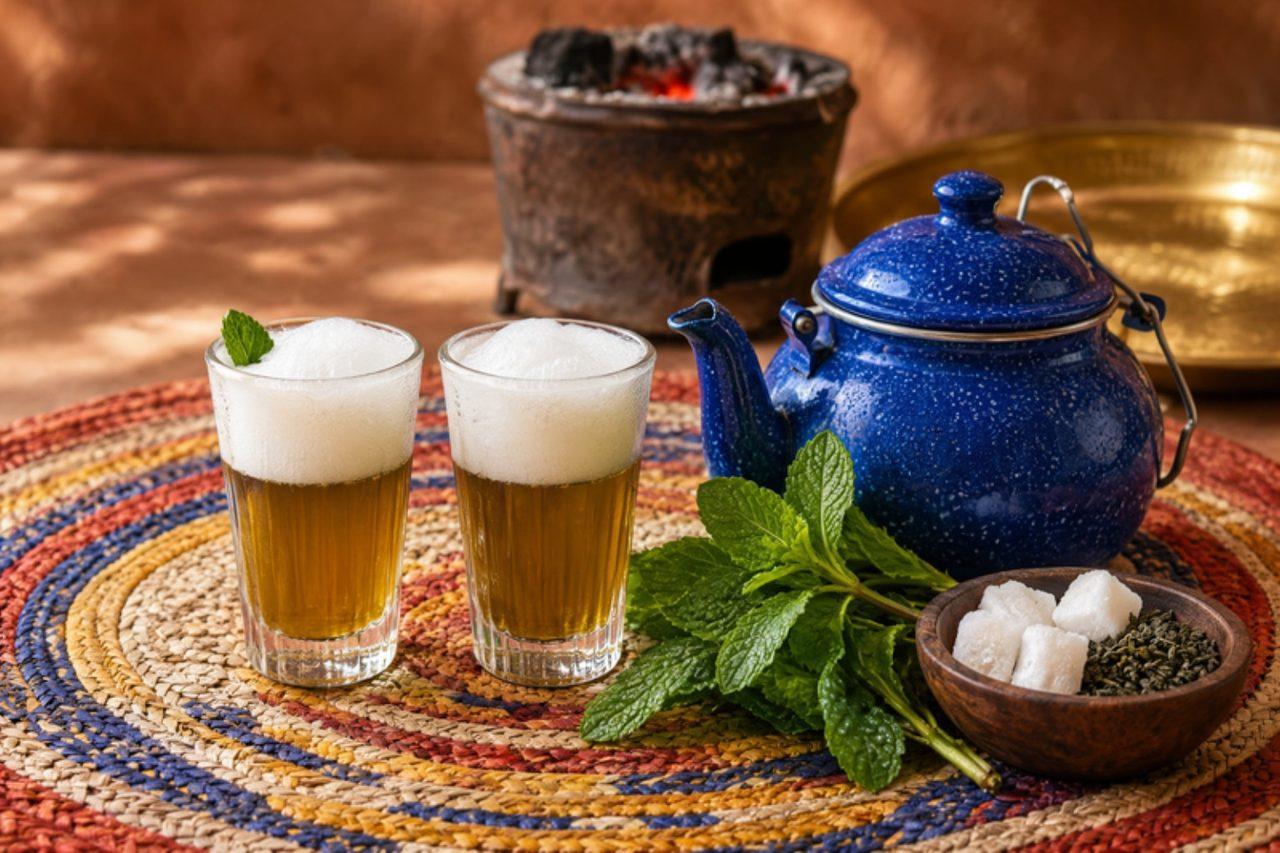
ZaaloukAubergine and tomato salad

Zaalouk is one of the cooked salads that open almost every Moroccan meal, from Fez to Essaouira, set out in small dishes with taktouka and carrot salad and scooped up with bread. Aubergine and tomato are cooked down together with garlic, cumin and paprika until they become a soft, spoonable relish, sharpened at the end with lemon and olive oil. It tastes even better the next day, so many cooks make a big batch. Chef's tip: char the aubergine over a gas flame or under the grill first if you can; the smoky skin flavour gives the best zaalouk.

by KrazyBadal 0 views

ZacuscăRoasted aubergine and pepper spread

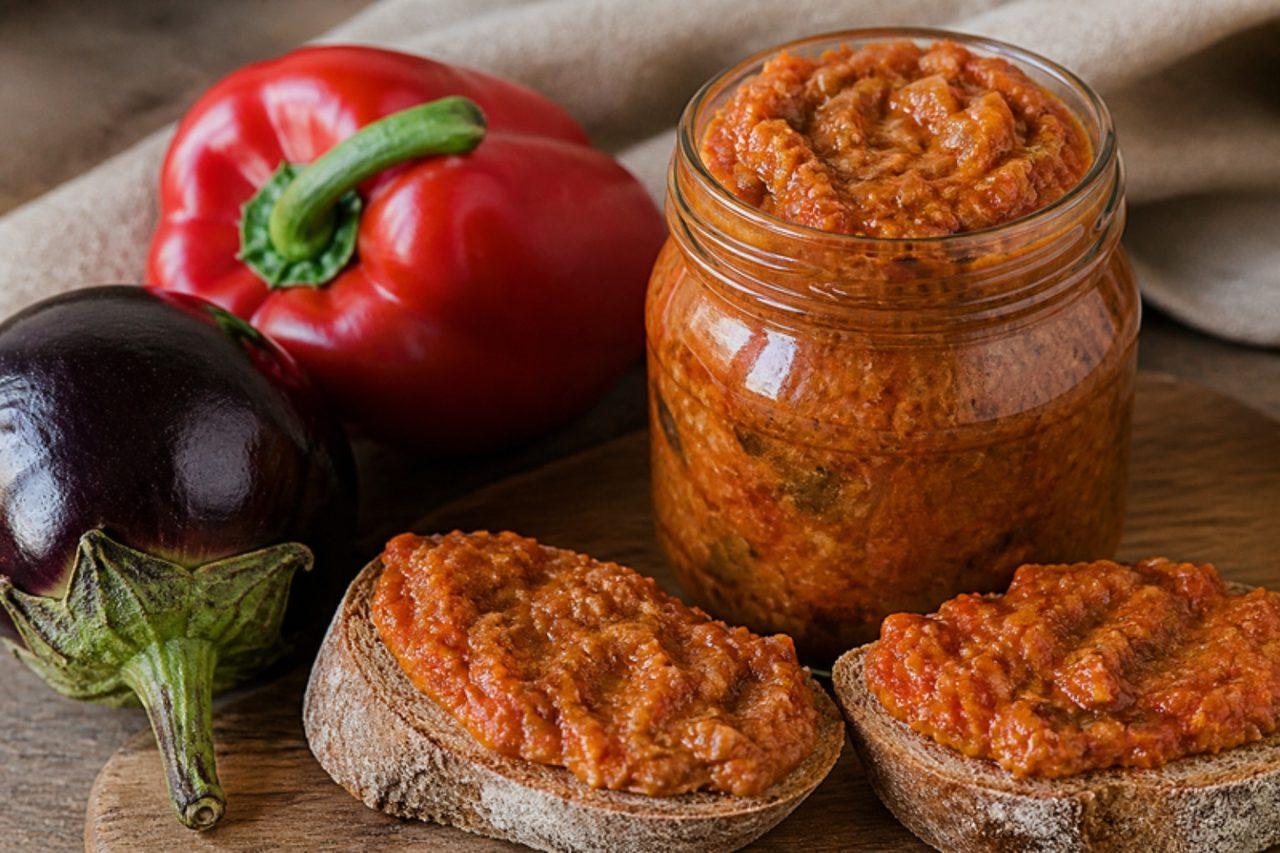
Zacuscă is the autumn preserve of Moldavia and Transylvania: in Iași and the villages around it, families spend a September weekend charring aubergines and red peppers over a grill and slowly frying them down with onion and tomato into a thick, chunky spread. The jars go into the cellar and come out all winter, spread on bread or eaten with mămăligă during the Orthodox fasts. It is coarser and more oniony than smooth Balkan ajvar, with bay and a long, jammy cook. Chef's tip: let the onions go fully soft and sweet before adding anything else; rushing them leaves a sharp, raw edge that the long cook never removes.

by KrazyBadal 0 views

Zagorski štrukliBaked cheese dough rolls

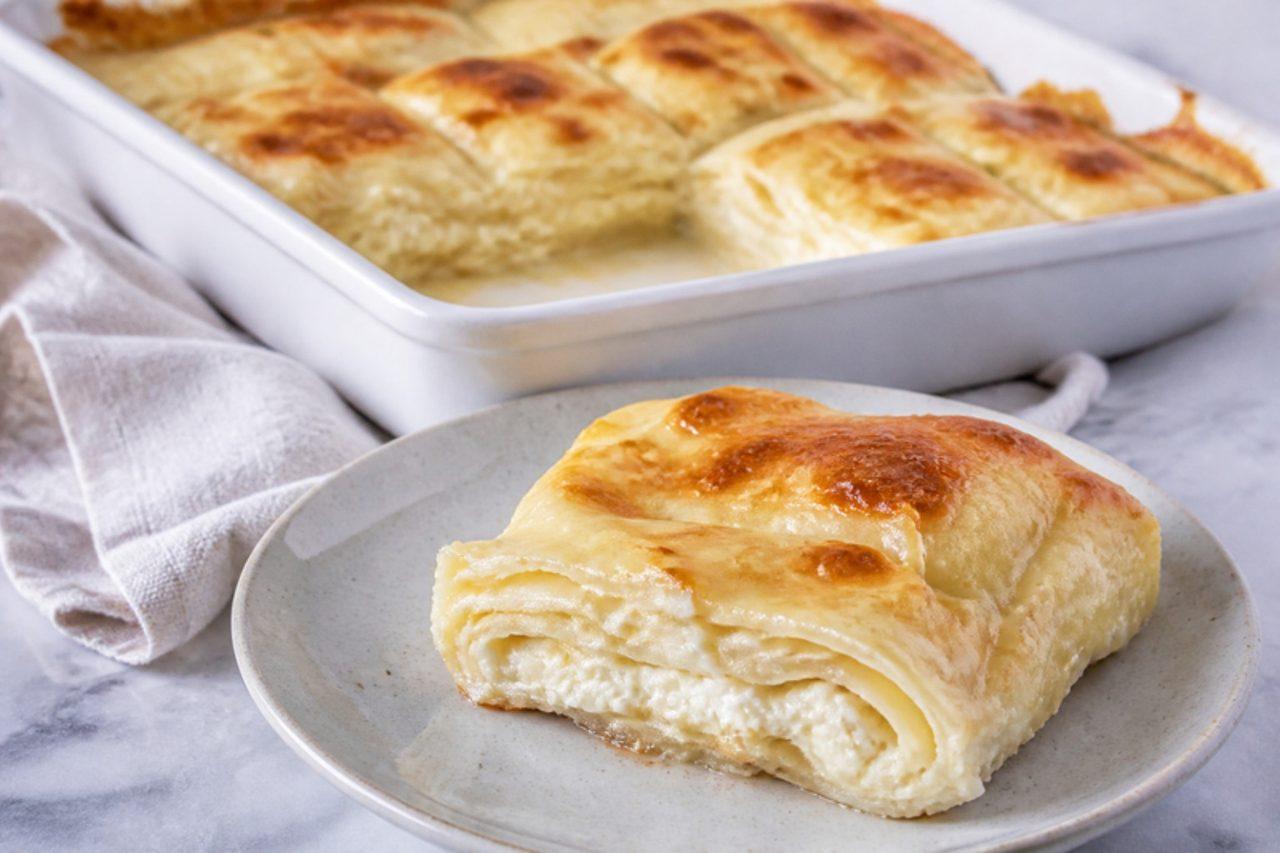
In Hrvatsko Zagorje, the green hill country north of Zagreb, štrukli are Sunday food: paper-thin dough is spread with fresh cow's cheese, rolled up, pinched into pieces with the edge of a plate, then boiled and finished in the oven under a blanket of cream. Zagreb restaurants serve them as a starter or a main, blistered golden on top and soft and custardy inside. The dough is stretched by hand over a tablecloth, which is easier than it sounds once it has rested. Chef's tip: squeeze the cheese if it is wet; a runny filling soaks the thin dough and makes the rolls tear when they boil.

by KrazyBadal 0 views

ZanMillet porridge with vegetables

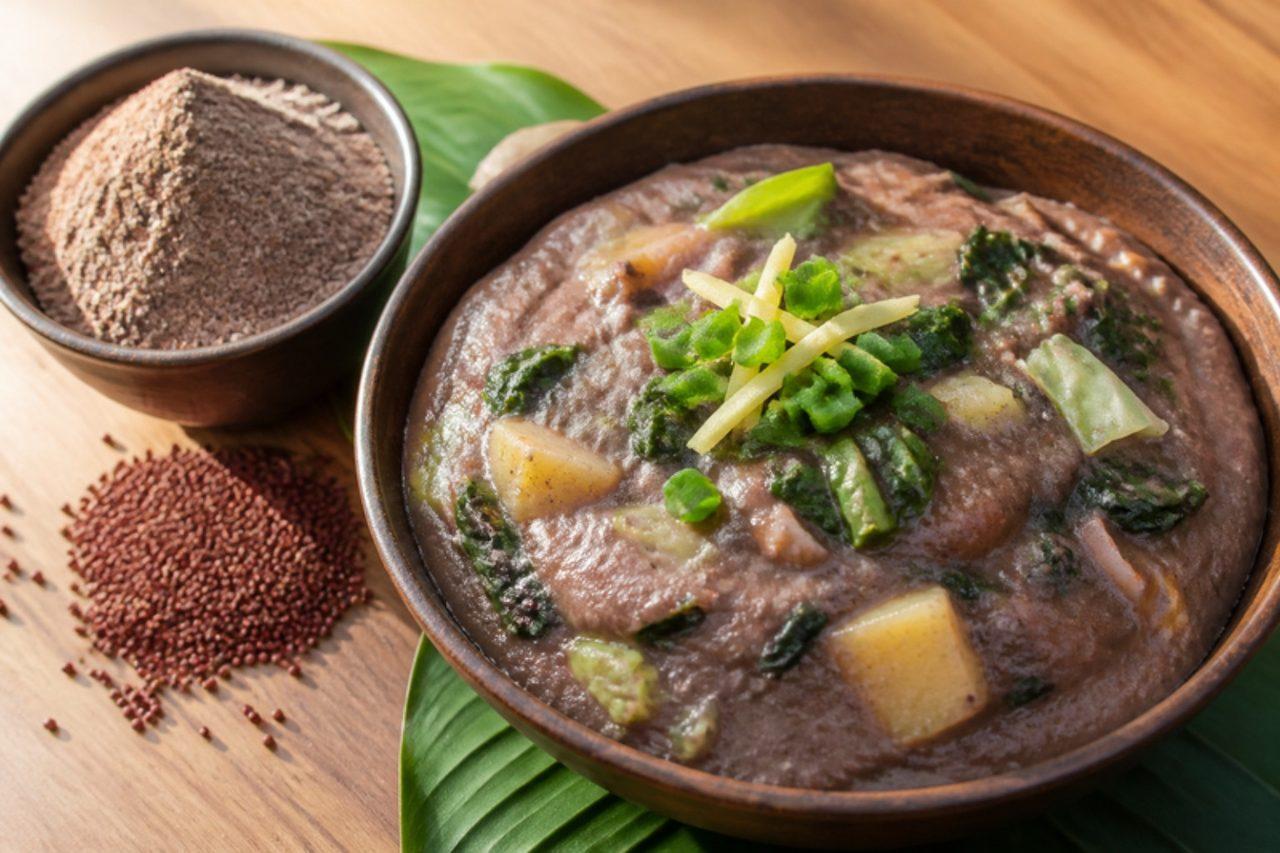
Zan is the millet porridge of Arunachal Pradesh, eaten by the Monpa, Sherdukpen and other hill communities for breakfast or dinner on cold days. Finger millet (ragi) flour is stirred into boiling water with vegetables, ginger and chilli until thick and smooth, then served with a chilli chutney or butter. Some families cook it with meat; this is the vegetable version. It is warming, filling and earthy-tasting, a little like a savoury polenta. Chef's tip: sprinkle the millet flour in with one hand while whisking with the other, or it forms lumps that never cook out.

by KrazyBadal 0 views

ZangiFried marinated chicken

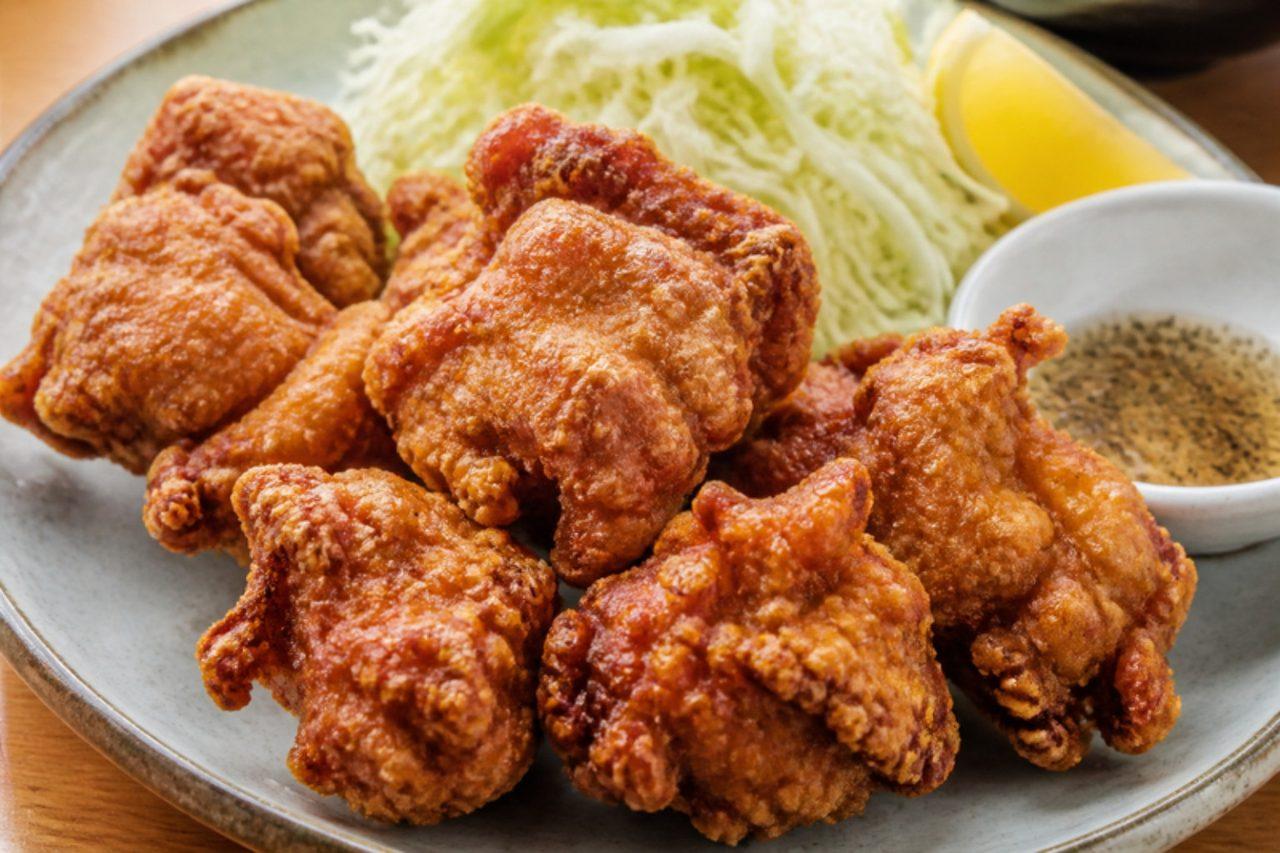
Ask for fried chicken in Kushiro or Sapporo and you'll be handed zangi, which locals insist is not the same as karaage. A Kushiro restaurant says it coined the name around 1960, and today zangi shops, ski-lodge canteens and supermarket delis across Hokkaido sell it in big, bone-in pieces. The chicken soaks for hours in a punchy mix of soy, sake, garlic, ginger and oyster sauce with an egg beaten in, so the flavour runs right through the meat, and it often comes with a sharp dipping sauce of vinegar, soy and black pepper. The coating is a mix of flour and starch, so it fries darker and more savoury than karaage. Chef's tip: marinate it overnight in the fridge for the full Hokkaido flavour; 30 minutes works, but the difference is clear.

by KrazyBadal 0 views

Zanzibar mixMango and gram flour soup with fritters

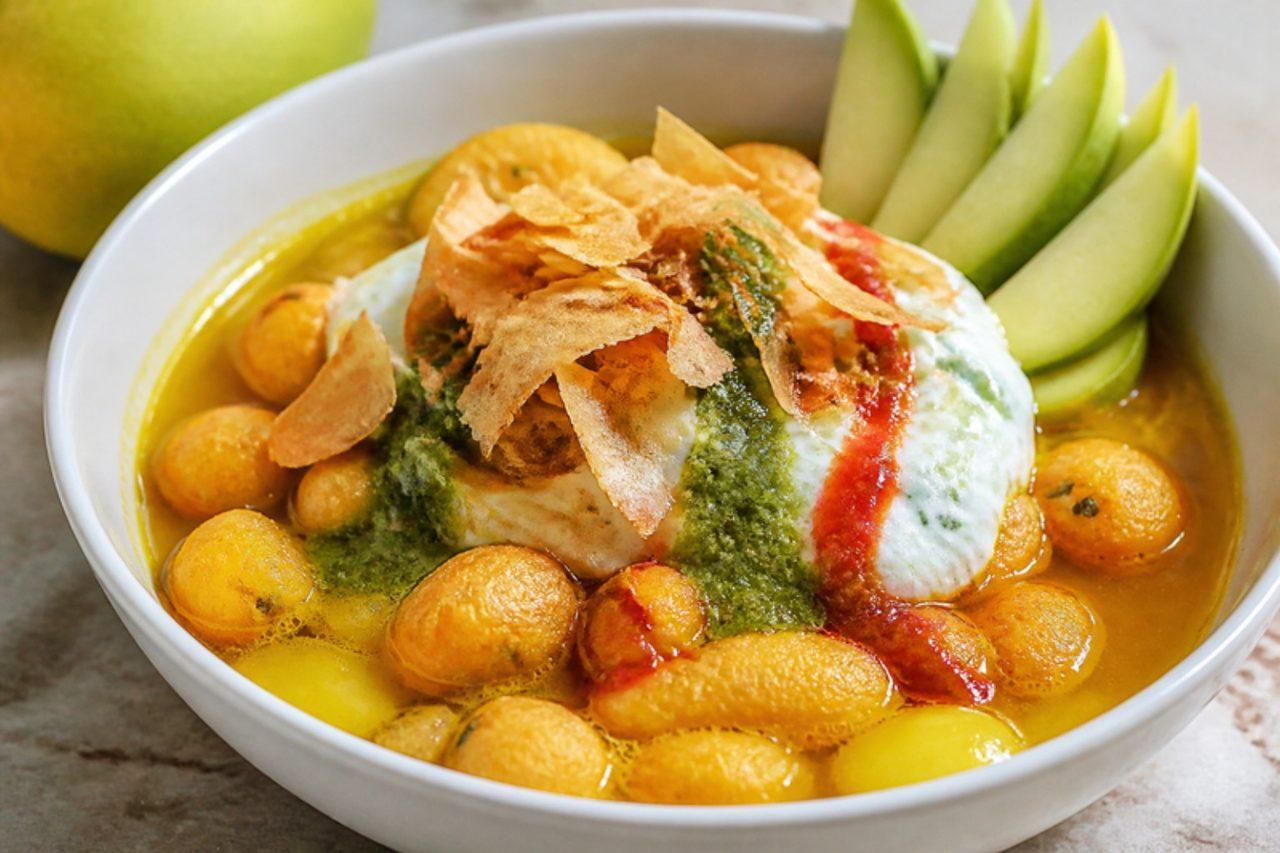
Zanzibar's famous street bowl (urojo): a thin, tangy, golden soup of gram flour, raw mango, coconut and chilli, filled with little lentil fritters and potato balls and topped with crushed cassava crisps and coconut, green and red chutneys. It's sour, spicy and crunchy all at once. Make the fritters, potato balls and chutney ahead, then assemble the bowls at the table.

by KrazyBadal 0 views

ZapiekankaOpen baguette with mushrooms and cheese

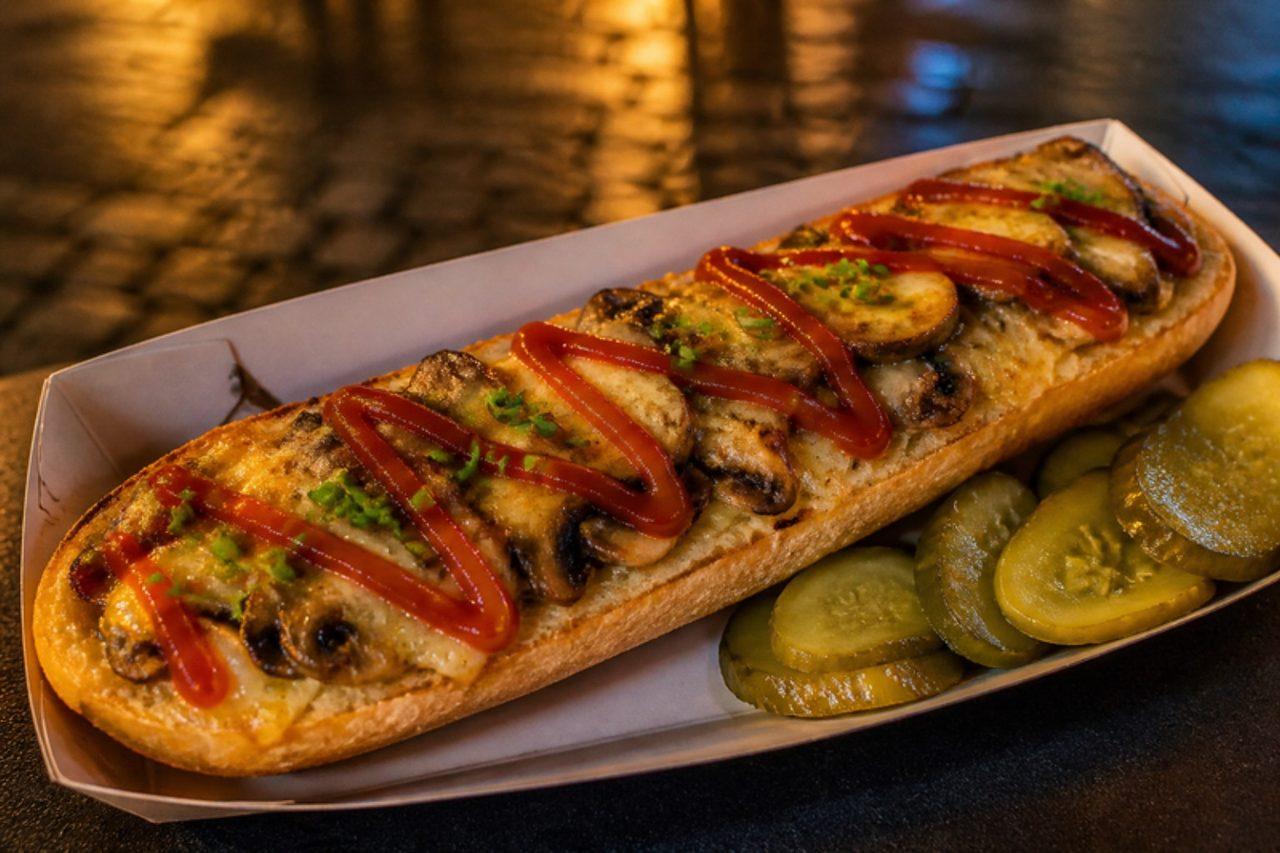
Zapiekanka is Polish street food born in the 1970s and perfected at the hatch windows around Plac Nowy in Kraków's Kazimierz district, where students and night owls queue for one at midnight. Half a long baguette is topped with mushrooms fried with onion, covered in grated cheese and baked until crisp at the edges and bubbling, then finished with a zigzag of ketchup and chives. The classic version has no meat at all. Use a hard cheese made with vegetarian rennet (many supermarket mild Cheddars and Goudas are). Chef's tip: fry the mushrooms until completely dry before they go on the bread; wet mushrooms make the baguette soggy instead of crisp.

by KrazyBadal 1 views

Zeytinyağlı enginarArtichokes braised with peas

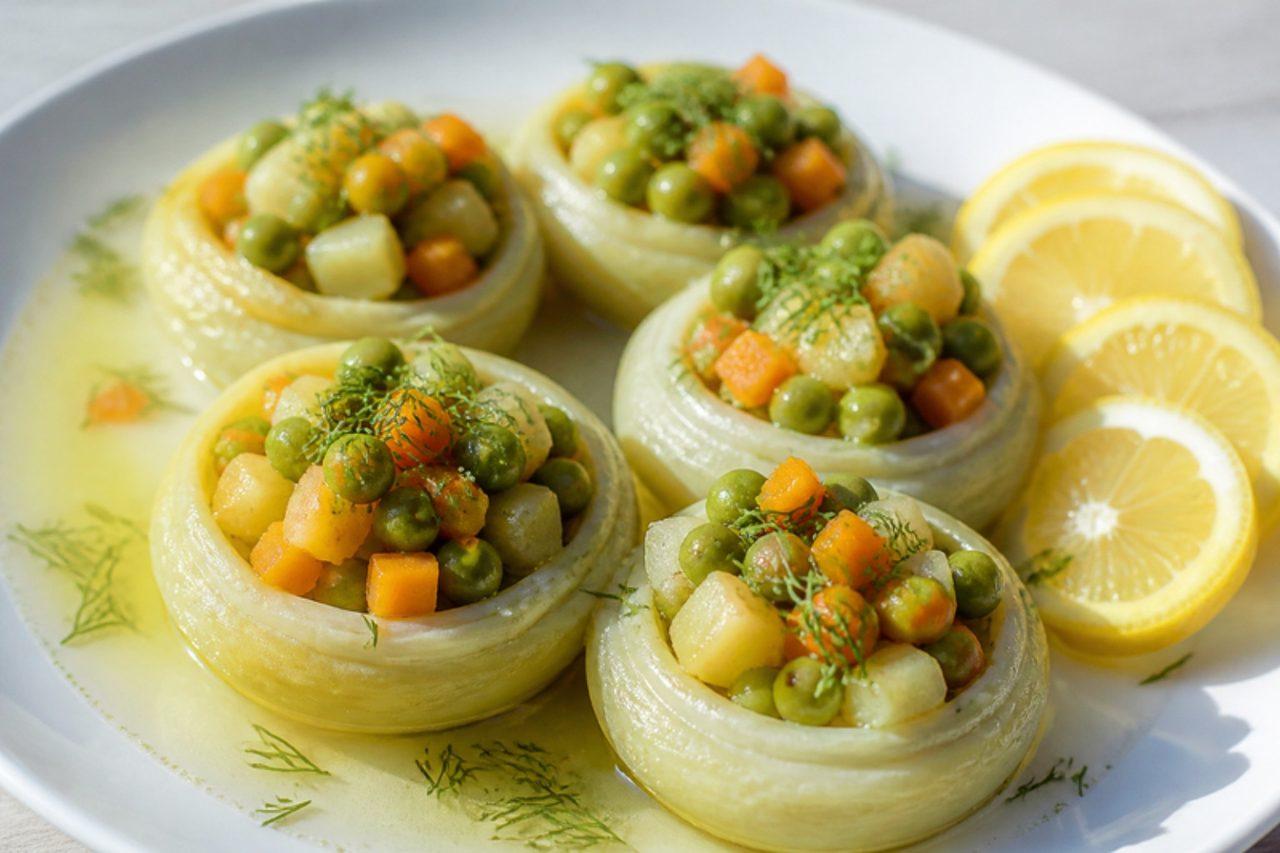
In spring, when globe artichokes pile up on stalls in İzmir and Urla, market sellers trim them on the spot into pale hearts kept in lemon water, and families take them home to make zeytinyağlı enginar. The hearts are braised cup-side up with small onions, carrots, potato and peas in olive oil and lemon, then served cold with a shower of dill, often as the first course of a spring dinner. The classic mistake is leaving trimmed artichokes in the air: they turn grey within minutes. Chef's tip: rub every cut surface with lemon as you go and drop the hearts straight into water with lemon juice and a spoonful of flour, which keeps them pale and cream-coloured.

by KrazyBadal 0 views

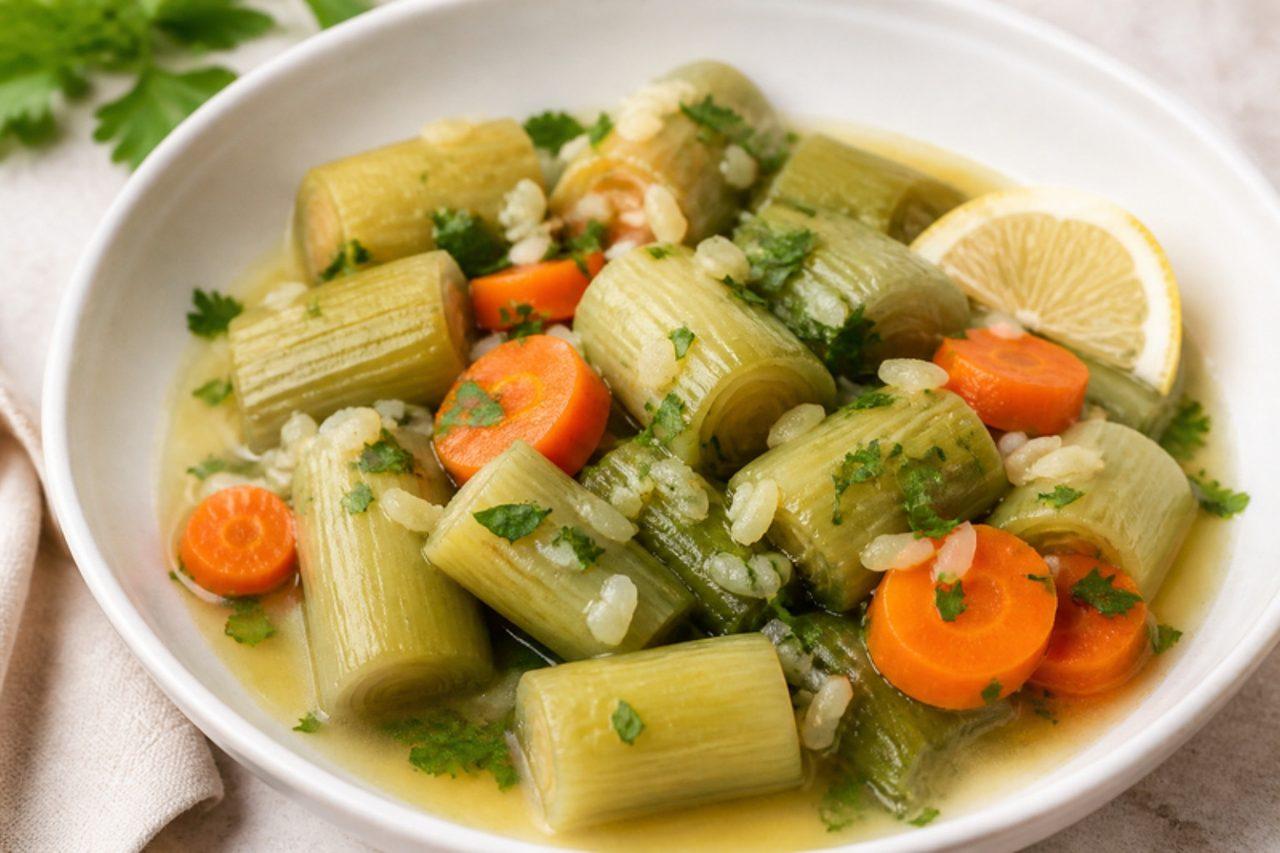
Zeytinyağlı pırasaLeeks braised in olive oil

Winter in Istanbul brings fat leeks to every neighbourhood market, and zeytinyağlı pırasa is how many households use them: chunks of leek and carrot stewed gently in olive oil with a handful of rice to thicken the juices, finished with lemon. It is served at room temperature on the side of a winter table, or as a light lunch with bread and white cheese, and grandmothers often say it is better the second day. The usual mistake is skipping a proper wash: grit hides between the layers and ruins the whole pot. Chef's tip: cut the leeks on a slant into thick pieces and keep them whole rather than separating the rings, so they hold their shape through the slow braise.

by KrazyBadal 0 views

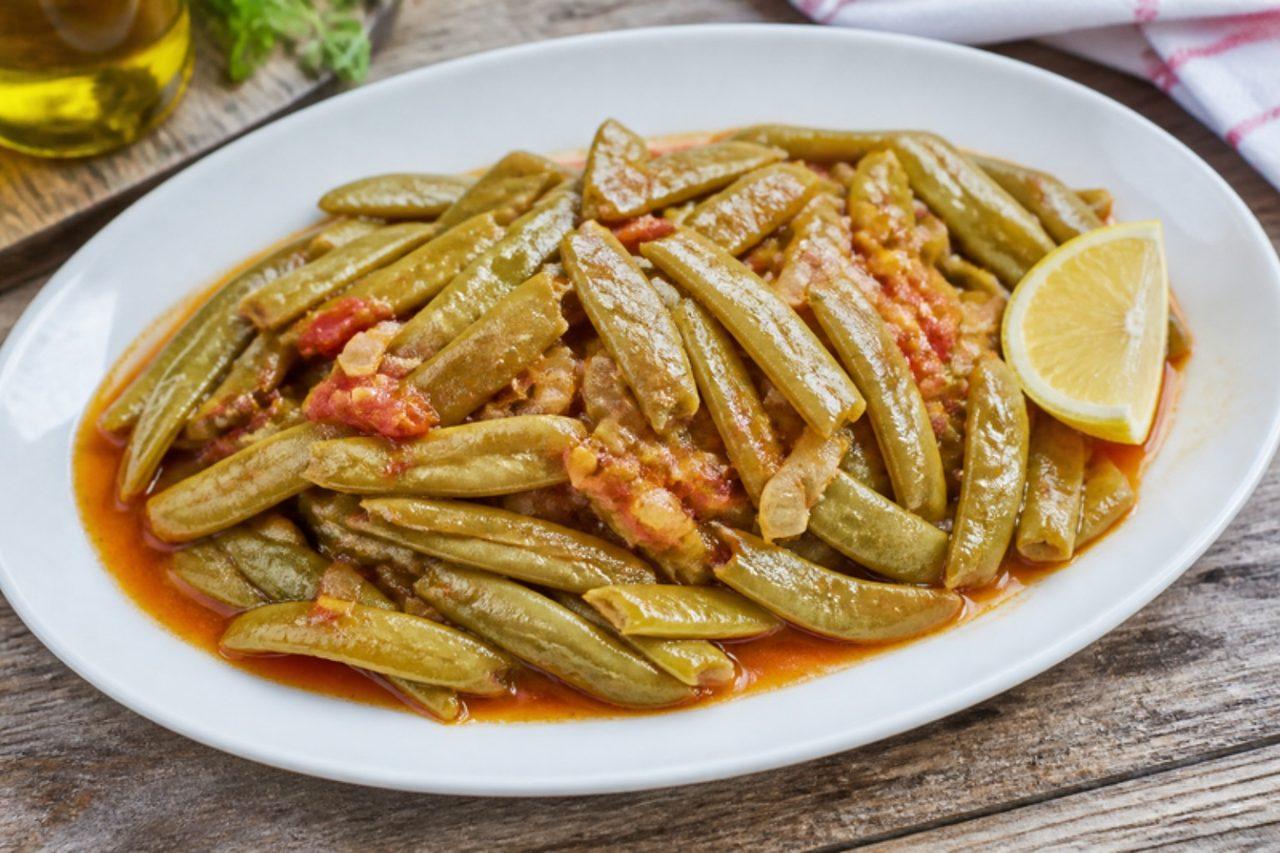
Zeytinyağlı taze fasulyeGreen beans braised in olive oil

Along the Aegean coast, from İzmir down to Bodrum, summer lunch often begins with a plate of flat green beans that have been stewed in olive oil and tomato until they are silky, then left to cool to room temperature. It belongs to the zeytinyağlı family: vegetables cooked in olive oil, with no meat, and eaten cold or barely warm with bread to mop up the orange-red juices. Home cooks make a big pan in the morning and serve it over two or three days, because it tastes better after a night in the fridge. The most common mistake is rushing it on a high flame: the beans stay squeaky and the oil never turns glossy. Chef's tip: lay the beans on top of the onions and tomatoes without stirring, cover tightly and let the steam do the work; stirring breaks the beans and turns the sauce muddy.

by KrazyBadal 0 views

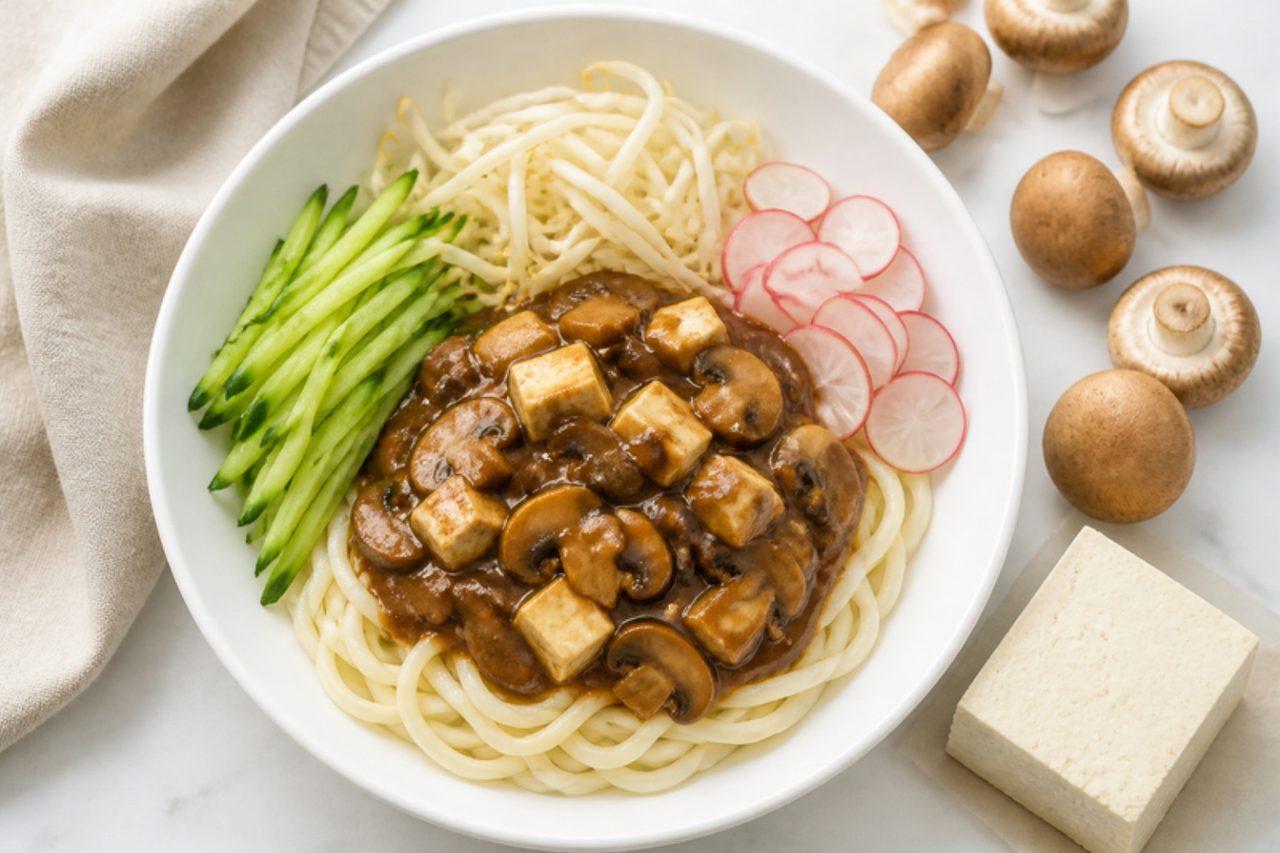
Zhajiangmian with mushroom and tofuNoodles in bean paste sauce

Zhajiangmian is old Beijing's comfort food, eaten in hutong noodle houses and at home on hot summer days. Thick wheat noodles are topped with a dark, salty-sweet sauce of fermented soybean paste fried slowly in oil, then piled with raw cucumber, radish and beansprouts that you mix in at the table. Pork is traditional; diced firm tofu and mushrooms give the sauce the same chunky body here. Chef's tip: fry the bean paste gently and patiently, on a low heat, until the oil separates out and it smells toasty; rushed, it tastes raw and harsh.

by KrazyBadal 0 views

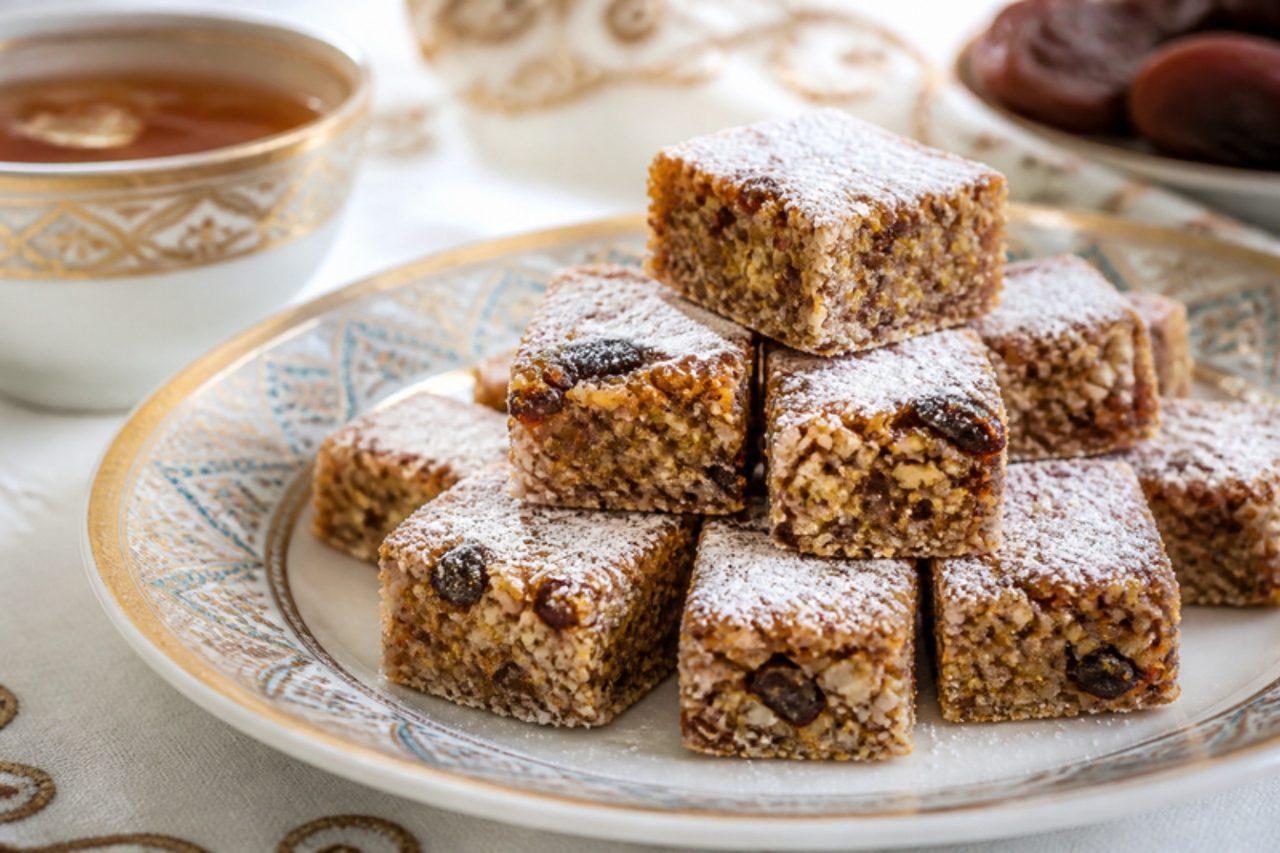
ZhentToasted millet and honey sweet

Zhent is one of the oldest Kazakh sweets: toasted millet (tary) pounded with dried kurt, dates or raisins, and bound with butter and honey into a crumbly, rich square. Herders made it to carry on long rides, and today it appears on the dastarkhan at Nauryz and weddings in southern Kazakhstan, beside baursak and dried fruit. It tastes nutty, salty-sour from the kurt and sweet, a bit like shortbread with a sharp edge. Chef's tip: toast the millet in a dry pan until it pops and smells like popcorn; under-toasted millet tastes raw and grassy.

by KrazyBadal 0 views

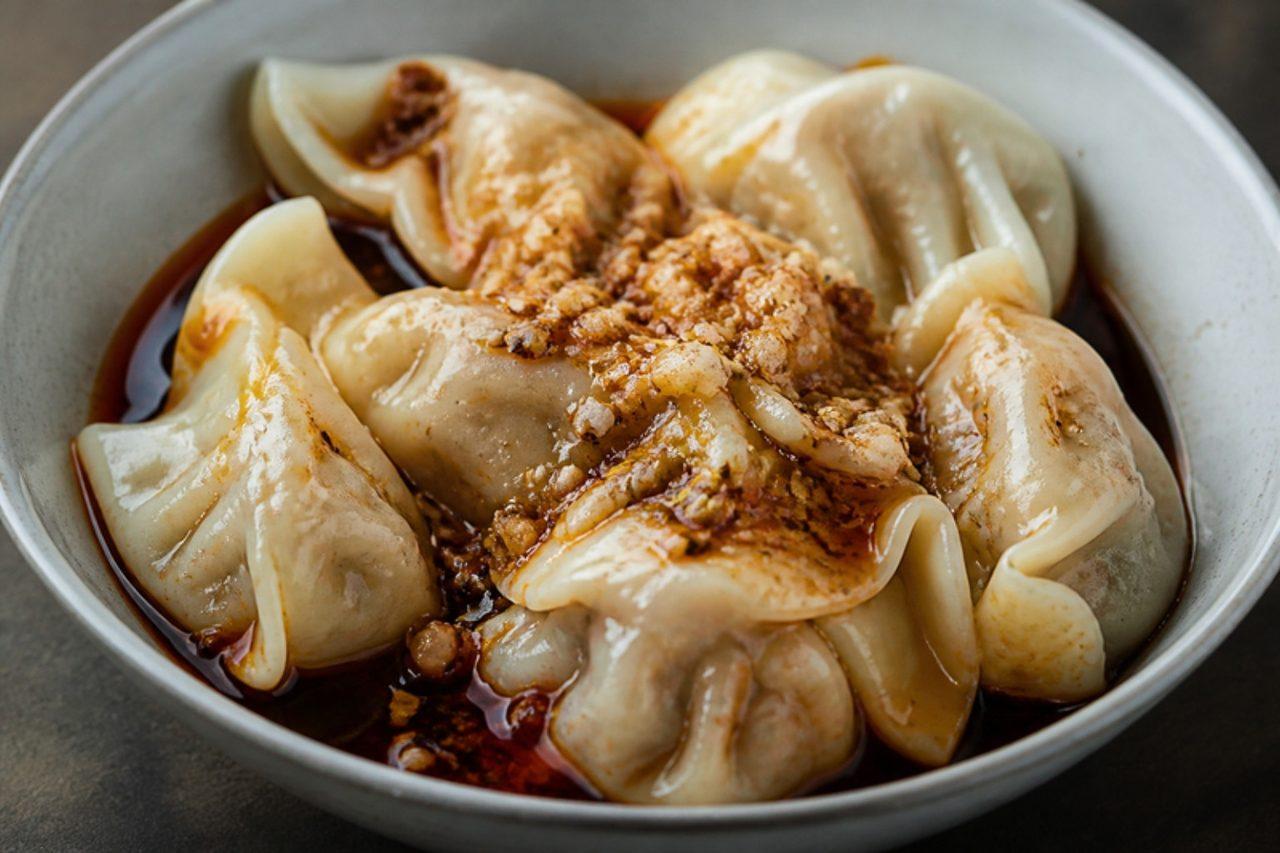
Zhong dumplingsPork dumplings in chilli oil

A snack shop opened by a Mr Zhong in Chengdu in the 1890s still serves these little half-moon dumplings, and every teahouse snack menu in the city has a version. Unlike northern dumplings, they hold only pork, no cabbage or chives, so the filling is soft, juicy and gingery. The magic is the sauce: a spiced, syrupy soy sauce simmered with brown sugar, star anise and cinnamon, spooned over with fiery chilli oil and a punch of raw garlic, so each bite is sweet, salty, hot and pungent at once. Eat them as an afternoon snack or a starter before noodles. Chef's tip: make the sweet soy sauce first; it keeps in the fridge for a month and is just as good on noodles or a plate of greens.

by KrazyBadal 0 views

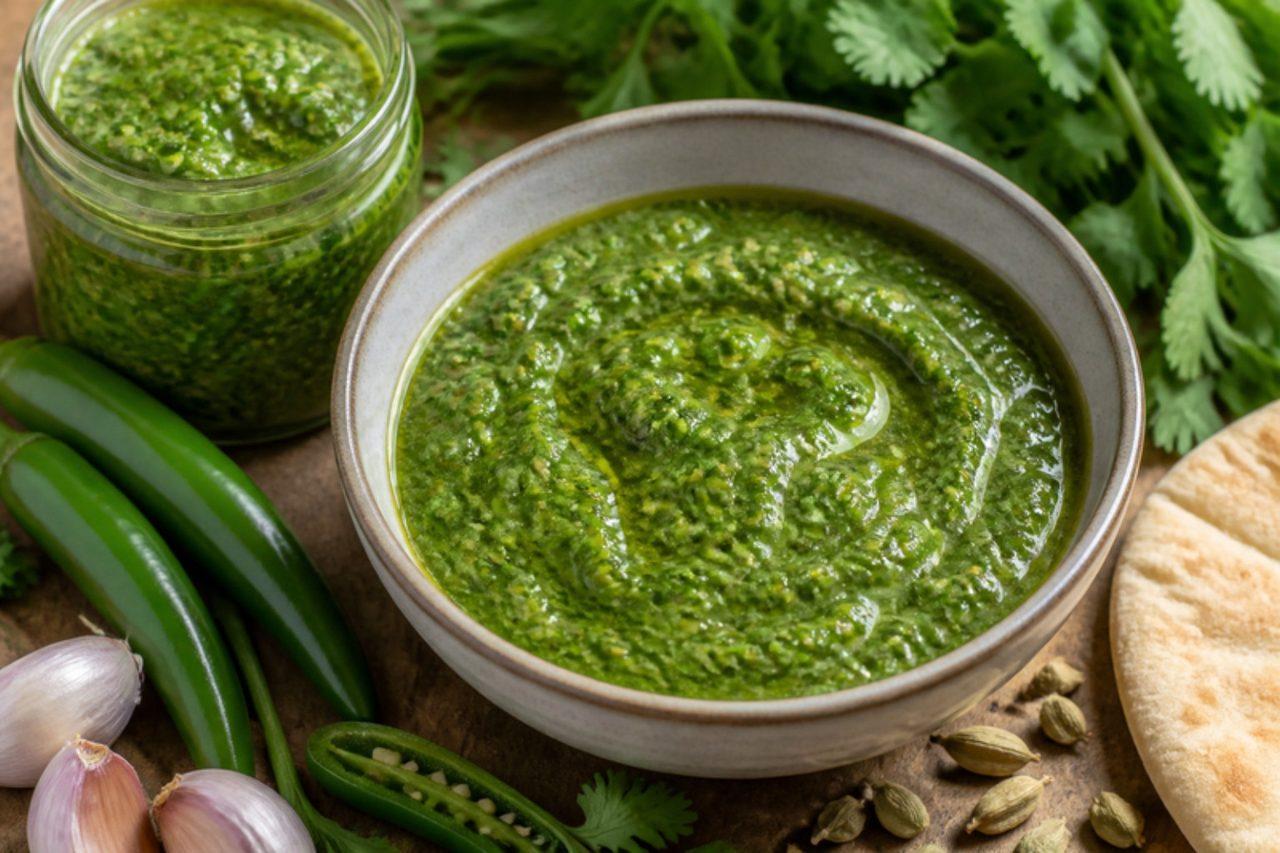
ZhugGreen chilli and coriander sauce

Zhug is the sauce Yemenite Jews brought to Israel, and now it sits beside the tahini and amba at every falafel and sabich stand in Tel Aviv and Jerusalem. Fresh green chillies are ground with a big bunch of coriander, garlic, cumin and cardamom into a bright green, punchy relish with a slow, warming heat. Spoon a little into soup, onto eggs, over jachnun or into a pita. Chef's tip: dry the herbs thoroughly after washing; wet leaves make a watery zhug that goes brown in the fridge.

by KrazyBadal 0 views

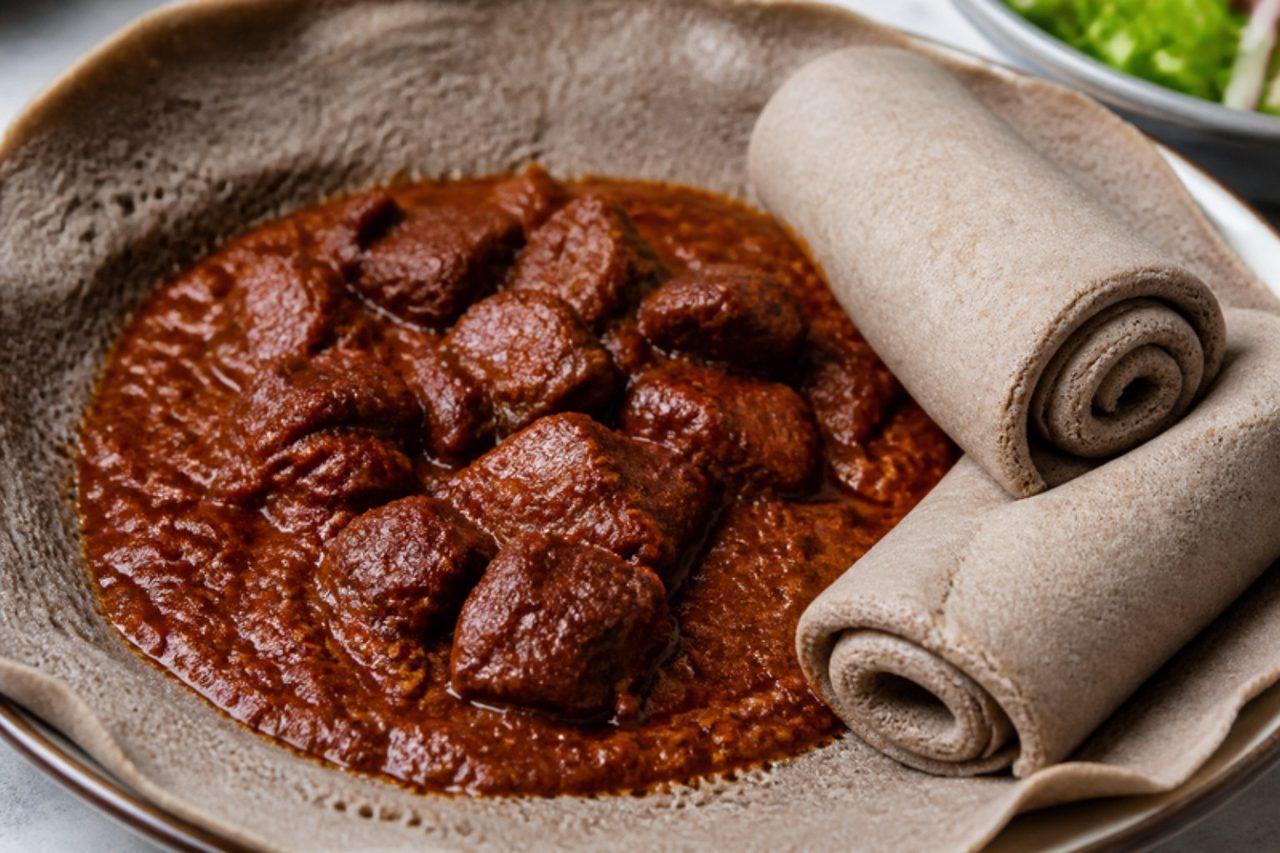
ZigniSpicy beef stew

Zigni is the signature stew of Asmara and the Eritrean highlands, served on a wide platter of injera at weddings, Sunday lunches and the end of fasts. Red onions are cooked slowly in a dry pot until they collapse, then berbere, garlic, ginger and tomato go in, followed by beef that simmers until tender in a deep red, peppery sauce finished with spiced butter (tesmi). The mistake is rushing the onions: they must cook down for a good 20 minutes to give the sauce its sweet base. Chef's tip: the onions start in a dry pan with no oil, the traditional way; stir them often and add a splash of water if they catch.

120 minEritreanMeatGluten freeSpicy
by KrazyBadal 0 views

ZoboHibiscus and pineapple drink

Zobo is the deep crimson drink sold ice-cold in recycled bottles at Nigerian bus parks, markets and parties, and in Ghana the same drink is called sobolo, often made punchier with extra ginger and grains of selim. Dried hibiscus calyces are boiled with pineapple peel, fresh ginger and cloves, then strained and sweetened, giving a tart, fruity, gently spicy drink. It is drunk fresh and alcohol-free, very cold, especially in the dry heat before the rains. Chef's tip: sweeten the drink once it is strained and still warm, tasting as you go; hibiscus tastes much sharper hot than when it is chilled, so leave it a touch sweeter than you think.

by KrazyBadal 0 views

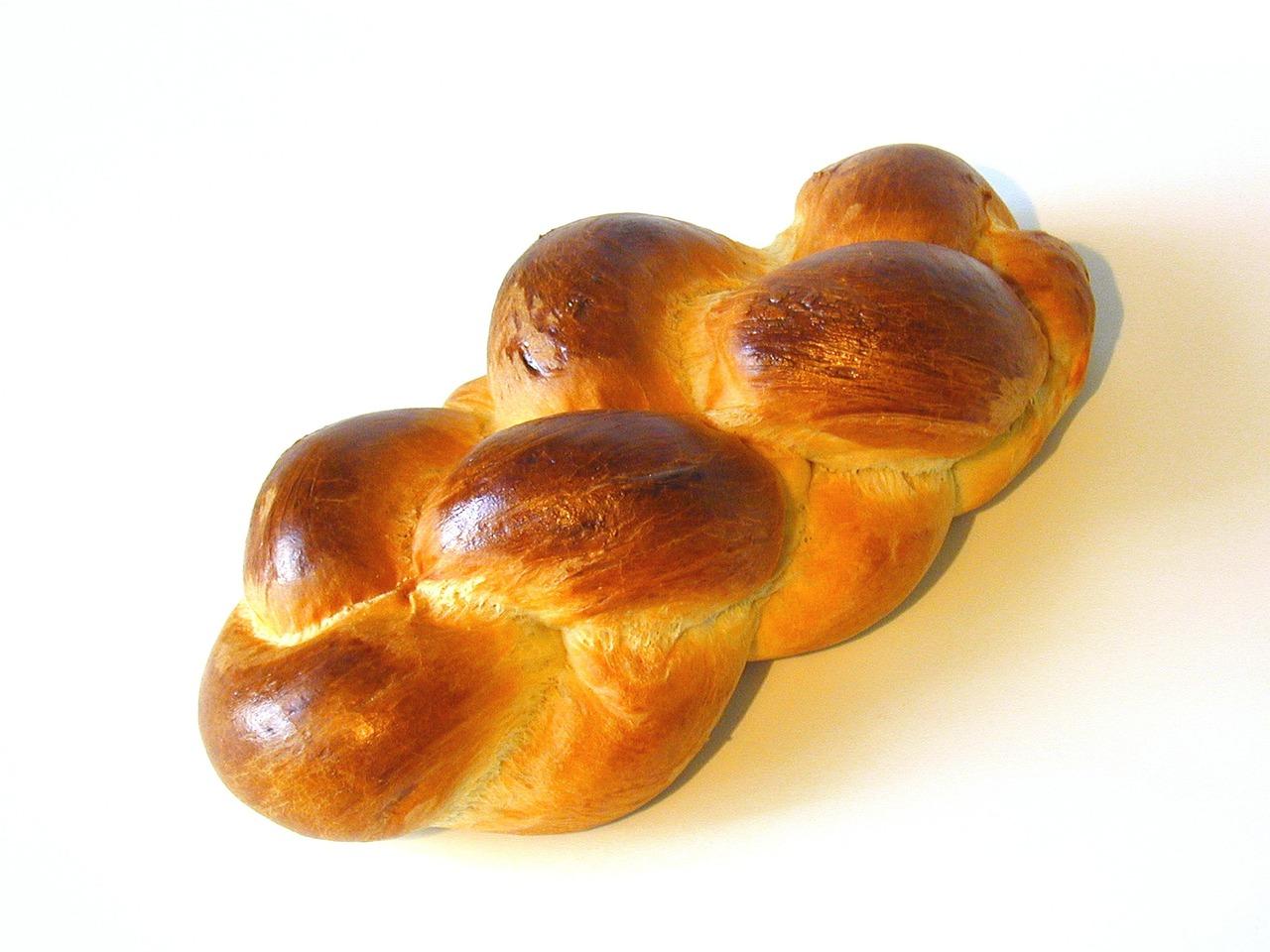
ZopfPlaited butter bread

In German-speaking Switzerland the Sunday breakfast table is not complete without a Zopf (Züpfe in Bern): a shiny, plaited white loaf made with milk and plenty of butter, sliced thick and spread with more butter and jam or honey. Bakeries from Bern to St Gallen bake them on Saturday nights, and many families plait their own on Sunday morning. The crumb is soft, light and faintly sweet from the butter, not the sugar, and the egg-yolk glaze gives a deep brown, glossy crust. Leftovers make excellent French toast (Fotzelschnitte). Chef's tip: let the shaped plait rest in a cool place for 15 minutes before glazing and baking; the strands hold their shape and the pattern stays crisp.

by KrazyBadal 0 views

Zunda mochiRice dumplings with edamame paste

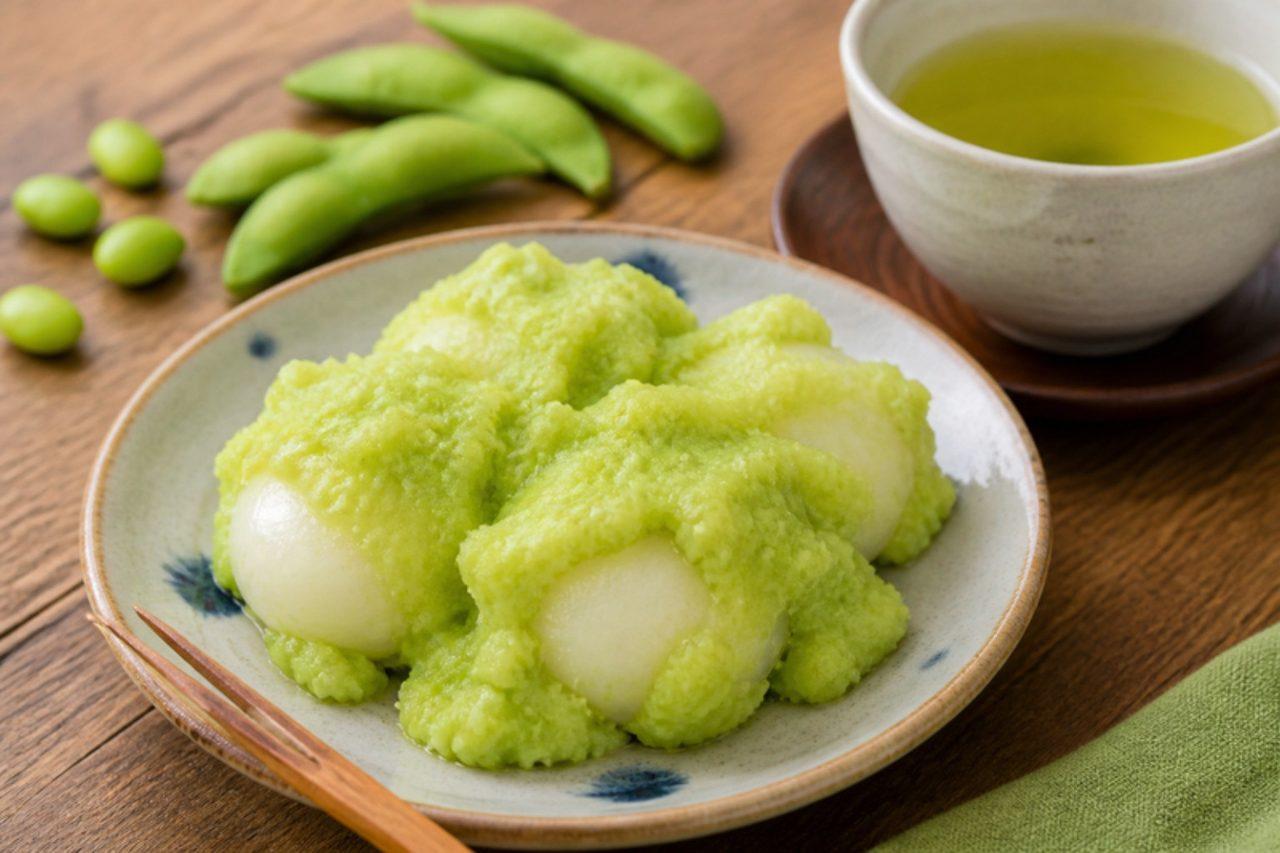
Zunda is Sendai's signature sweet: young green soybeans mashed with sugar into a coarse, pale-green paste. Farmers in Miyagi made it at the end of summer, when edamame were at their best, and it is still sold everywhere from Sendai station's souvenir halls to small tea shops, now also as zunda shakes and rolls. The flavour is gentle, beany and fresh, closer to sweet peas than to red bean paste. Spoon it over warm, chewy rice dumplings and serve with green tea. Chef's tip: rub the skins off the cooked beans. It takes ten minutes but turns the paste from dull khaki to a vivid jade colour.

by KrazyBadal 0 views

Zupa ogórkowaSour pickled cucumber soup

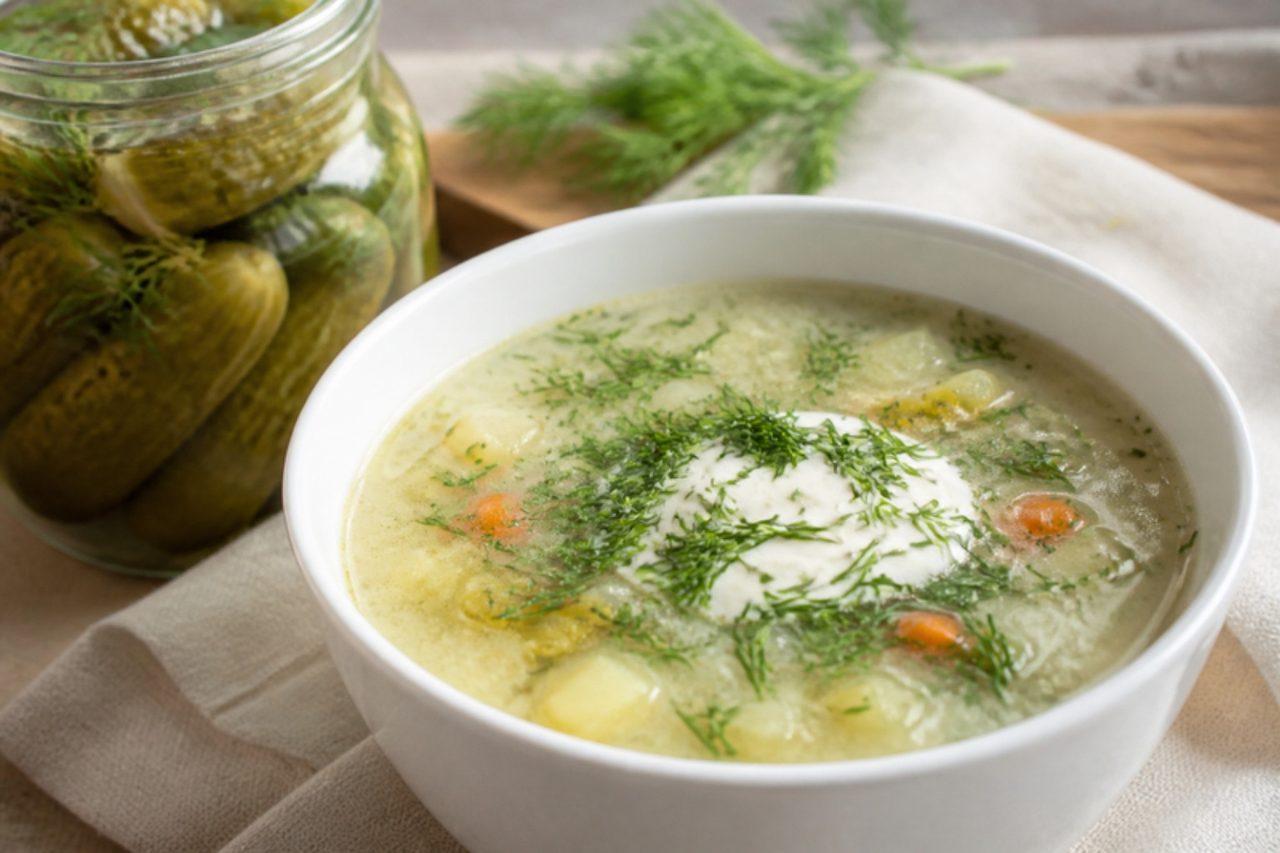
Zupa ogórkowa is the soup Polish families make when the crock of brine-fermented cucumbers from summer starts to run low in late autumn: grated sour pickles and their cloudy brine simmered with potatoes, carrot and root vegetables, then softened with soured cream and a fistful of dill. It is a staple of canteen lunches and Sunday-in-the-country cooking, from Mazovia to Silesia, and it tastes tangy, garlicky and comforting all at once. Traditionally it is made on meat stock; here a good vegetable stock does the job. Use real ogórki kiszone (fermented in salt water), not sweet vinegar gherkins. Chef's tip: stir the cucumbers in only after the potatoes are soft; acid stops potatoes from softening, so if they go in together the potatoes stay hard.

by KrazyBadal 0 views

Zupa pomidorowaCreamy tomato soup with rice

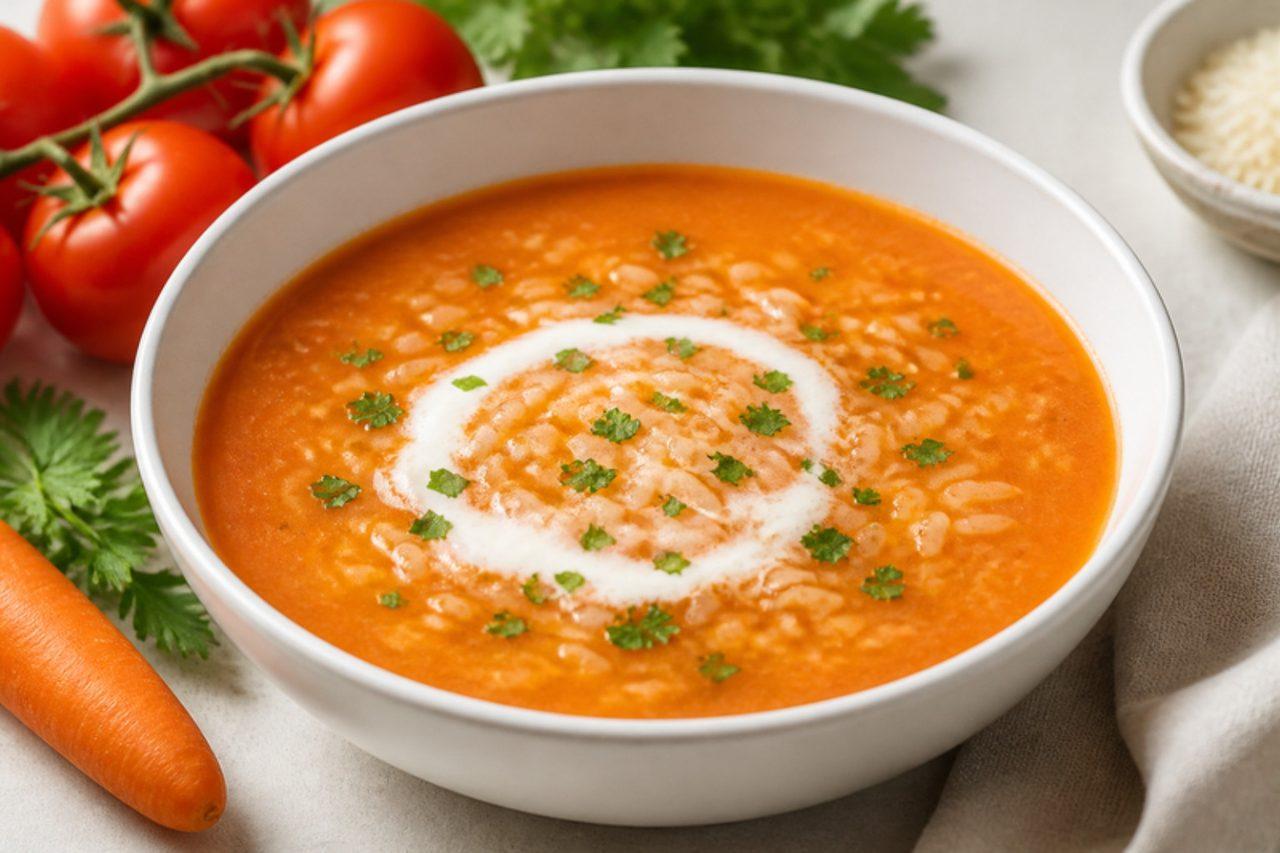
In Poland, zupa pomidorowa is famously Monday's soup: on Sunday the family drinks rosół, and the next day the leftover broth becomes tomato soup with rice or thin noodles and a swirl of soured cream. Children across the country rank it as their favourite school-canteen dish. It is creamy, mild and a little sweet, nothing like a spicy Mediterranean tomato soup. This version starts from vegetable stock (the traditional base is chicken broth) and builds the flavour with carrot, celery root and tomato paste fried in butter. Serve it with rice cooked in the pot or with makaron (fine noodles). Chef's tip: fry the tomato paste in butter until it darkens one shade; raw paste tastes tinny and that one minute makes the soup taste like it simmered for hours.

by KrazyBadal 0 views

Zürcher GeschnetzeltesSliced veal in mushroom cream sauce

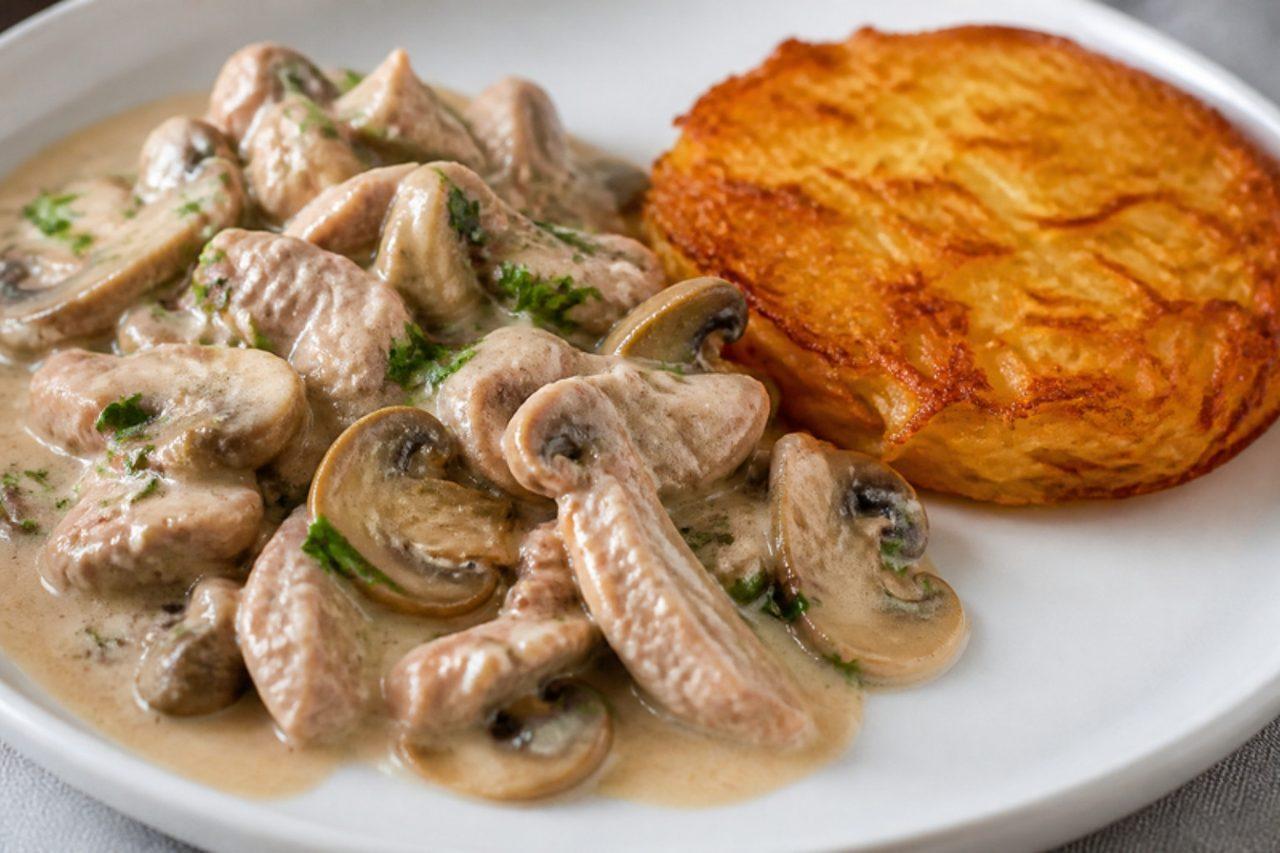
Zürcher Geschnetzeltes is the signature dish of Zurich's old guild restaurants and a favourite Sunday meal in homes across German-speaking Switzerland. Thin strips of veal are seared quickly, then the pan is deglazed with white wine and finished with cream and mushrooms into a pale, glossy sauce, and the whole thing is served beside a golden, crisp rösti. The wine adds alcohol (most cooks it off); for an alcohol-free version use the same amount of chicken stock with 1 teaspoon of lemon juice. The usual error is cooking the veal in the sauce until it toughens; sear it fast, take it out, and only warm it through at the end. Chef's tip: boil the potatoes for the rösti a day ahead and chill them; cold, firm potatoes grate cleanly and fry up crisp.

65 minSwissMeatGluten free
by KrazyBadal 0 views

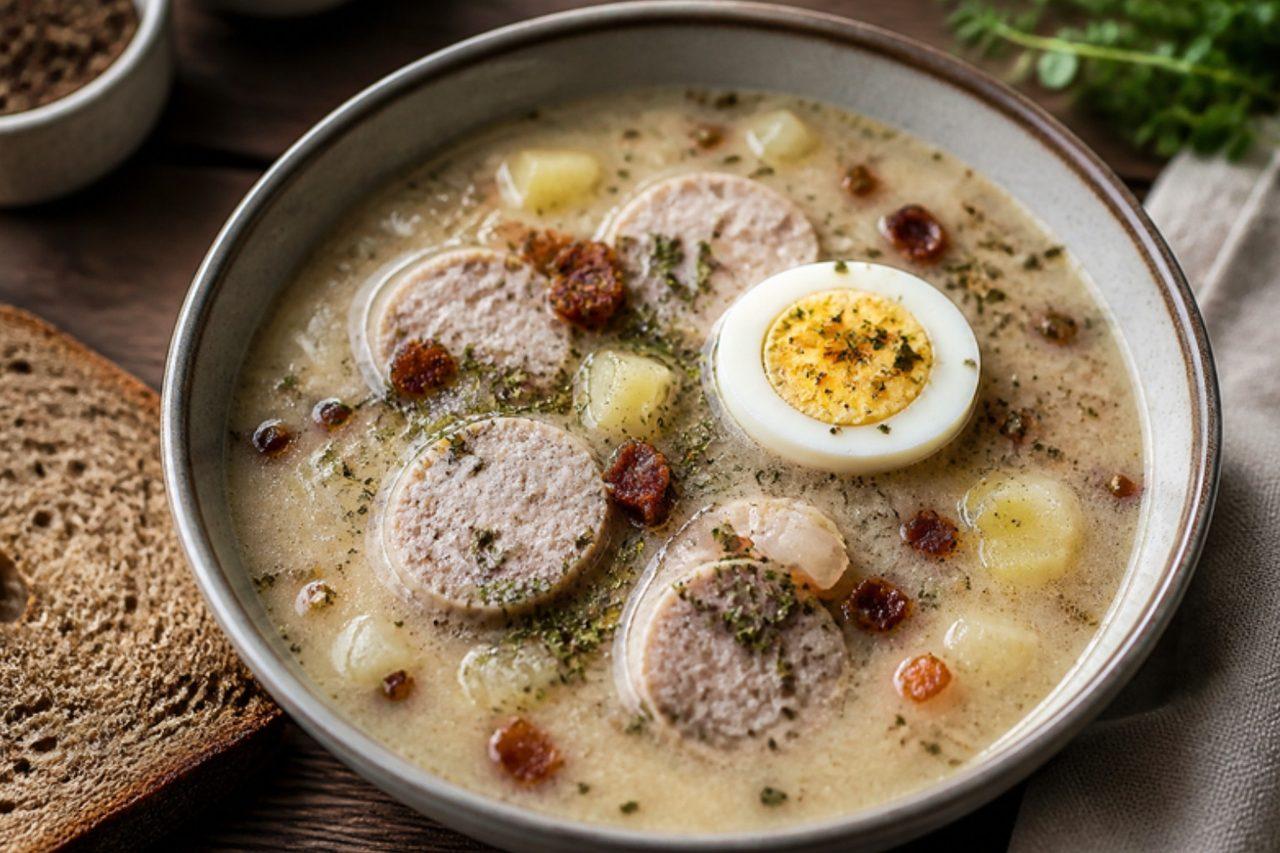
ŻurekSour rye soup with sausage

Żurek is the soup of Polish Easter, served in homes from Kraków to Gdańsk on Easter Sunday morning, and in highland Zakopane restaurants it comes in a hollowed-out bread loaf all year. Its tang comes from zakwas, a fermented rye-flour starter, simmered with marjoram, garlic and stock. This version contains pork: white sausage (biała kiełbasa) and smoked bacon, plus halved hard-boiled eggs. Chef's tip: shake the jar of zakwas before you pour it in; the flour settles and the soup will be thin without it.

by KrazyBadal 0 views

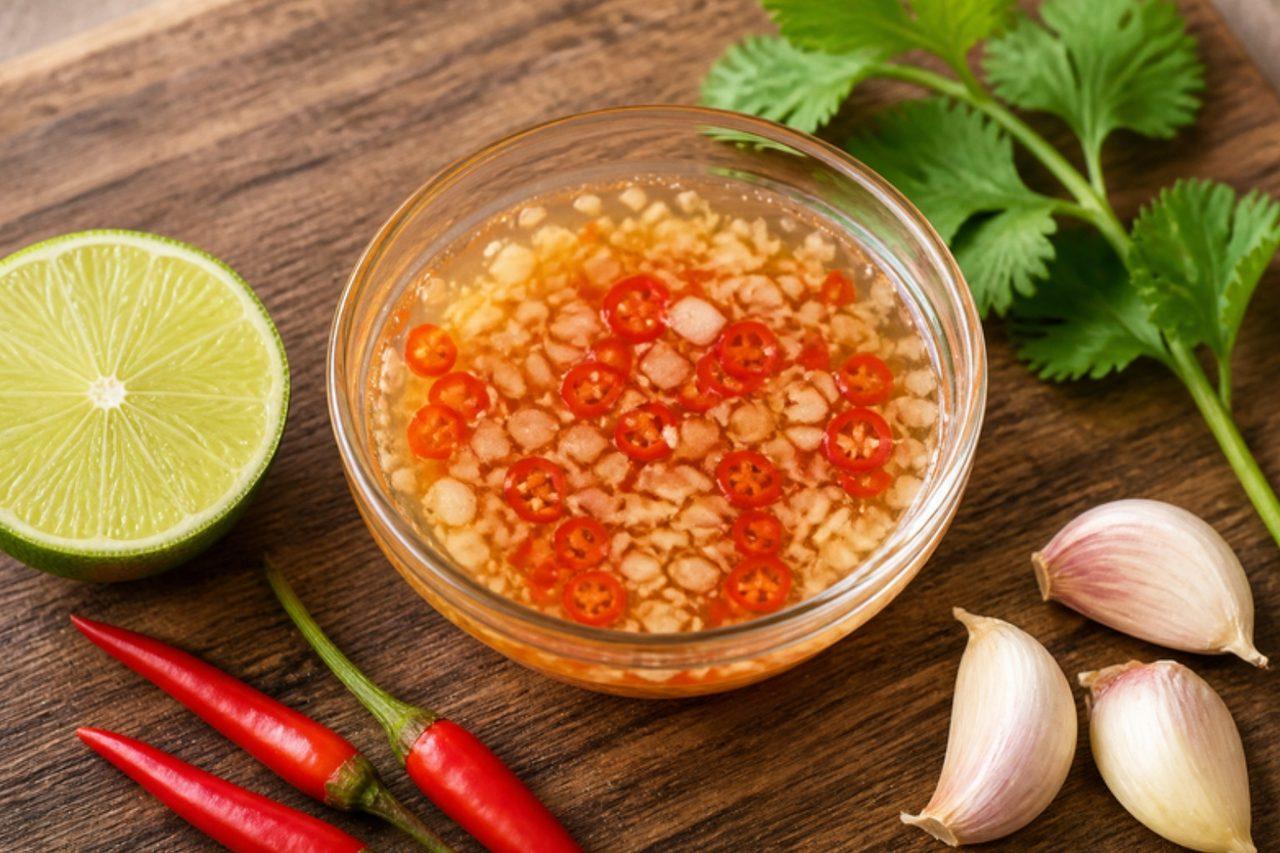
Vegan nuoc chamSweet and sour dipping sauce

Nước chấm is the dipping sauce that goes with almost everything in Vietnam: spring rolls, bánh xèo, noodle salads and broken rice. Buddhist vegetarian cooks, all over the country, make it without fish sauce, using light soy sauce and a little coconut water for the deep, rounded taste. It should be thin, clear and pale amber, with flecks of garlic and chilli floating on top. Chef's tip: dissolve the sugar in the warm water first, then add the lime and soy, and stir in the garlic and chilli last, pounded with a pinch of sugar, so they float on the surface instead of sinking.

by KrazyBadal 1 views

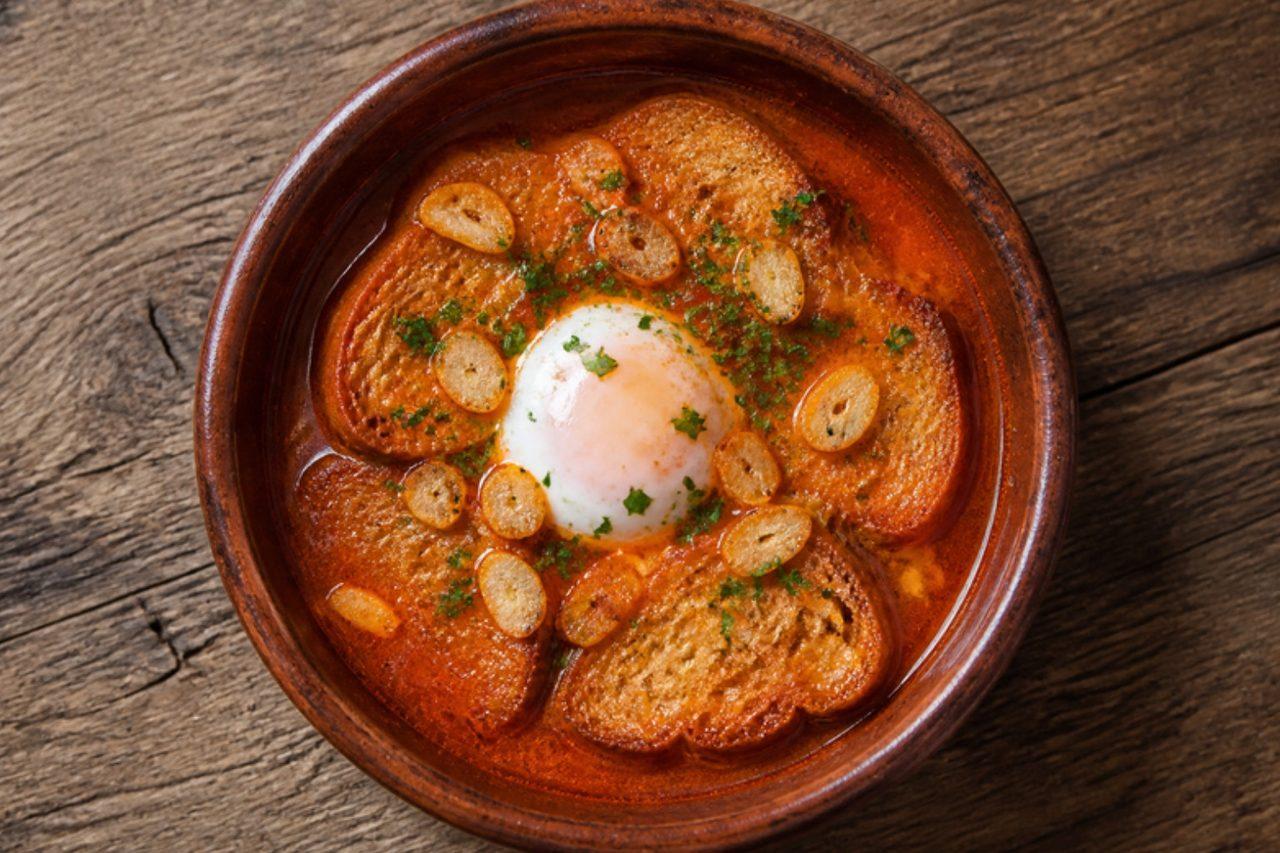
Sopa de ajoGarlic and bread soup

Sopa de ajo, also called sopa castellana, is the warming winter soup of Castile and León, from Segovia to Burgos: stale bread fried in olive oil with lots of garlic and smoky pimentón, simmered in stock and finished with eggs poached right in the soup. It was shepherds' and farmers' food, made from what was always in the kitchen, and is still eaten after a cold night out or on Ash Wednesday. Castilian cooks often add cured ham; this vegetarian version gets its depth from smoked pimentón and a good vegetable stock. Serve it in earthenware bowls, piping hot. Chef's tip: use bread that is truly stale and dry, and toast it in the garlicky oil until golden before adding the stock; fresh bread turns to mush, while toasted stale bread swells but keeps a little texture.

by KrazyBadal 0 views

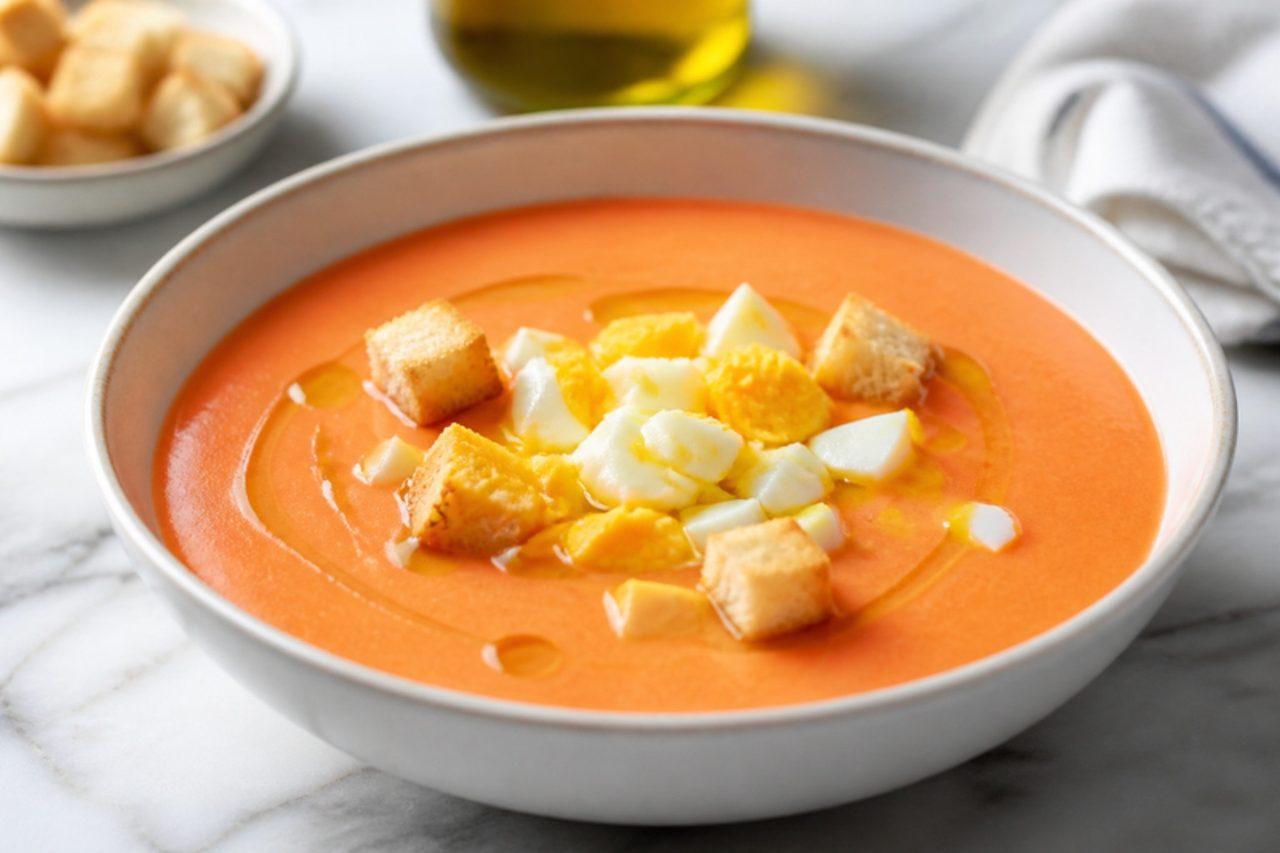
Salmorejo cordobésThick chilled tomato and bread soup

Salmorejo is Córdoba's answer to gazpacho: thicker, richer and simpler, made with just ripe tomatoes, bread, garlic, olive oil and salt, blended into a cream so dense a spoon almost stands up in it. In Córdoba it is served in a shallow earthenware bowl as a first course or tapa, topped with chopped hard-boiled egg and diced cured ham; this vegetarian version keeps the egg (leave it out for a vegan dish) and adds a few crunchy croutons and a thread of olive oil. Chef's tip: use bread with a dense, tight crumb, like a day-old Spanish 'pan de telera' or a firm white loaf; airy supermarket bread makes salmorejo thin and gluey.

by KrazyBadal 0 views

Empanada gallega de verdurasPepper and onion pie

Empanada gallega is the great pie of Galicia, baked in big trays and sold by the slice at every fiesta, market and bakery, and carried on picnics and pilgrimages to Santiago. A thin, crisp, bread-like crust (made with the olive oil from cooking the filling, so it's golden and full of flavour) encloses a moist filling based on a slow-cooked 'zaragallada' of onions and peppers with sweet pimentón. Tuna and pork are the usual fillings; this vegetarian version keeps the classic sofrito and adds hard-boiled eggs and green olives. Serve warm or cold, with a green salad. Chef's tip: drain the filling well and use some of its paprika-coloured oil in the dough; that is the Galician secret that makes the crust golden and savoury and ties the pie together.

by KrazyBadal 0 views

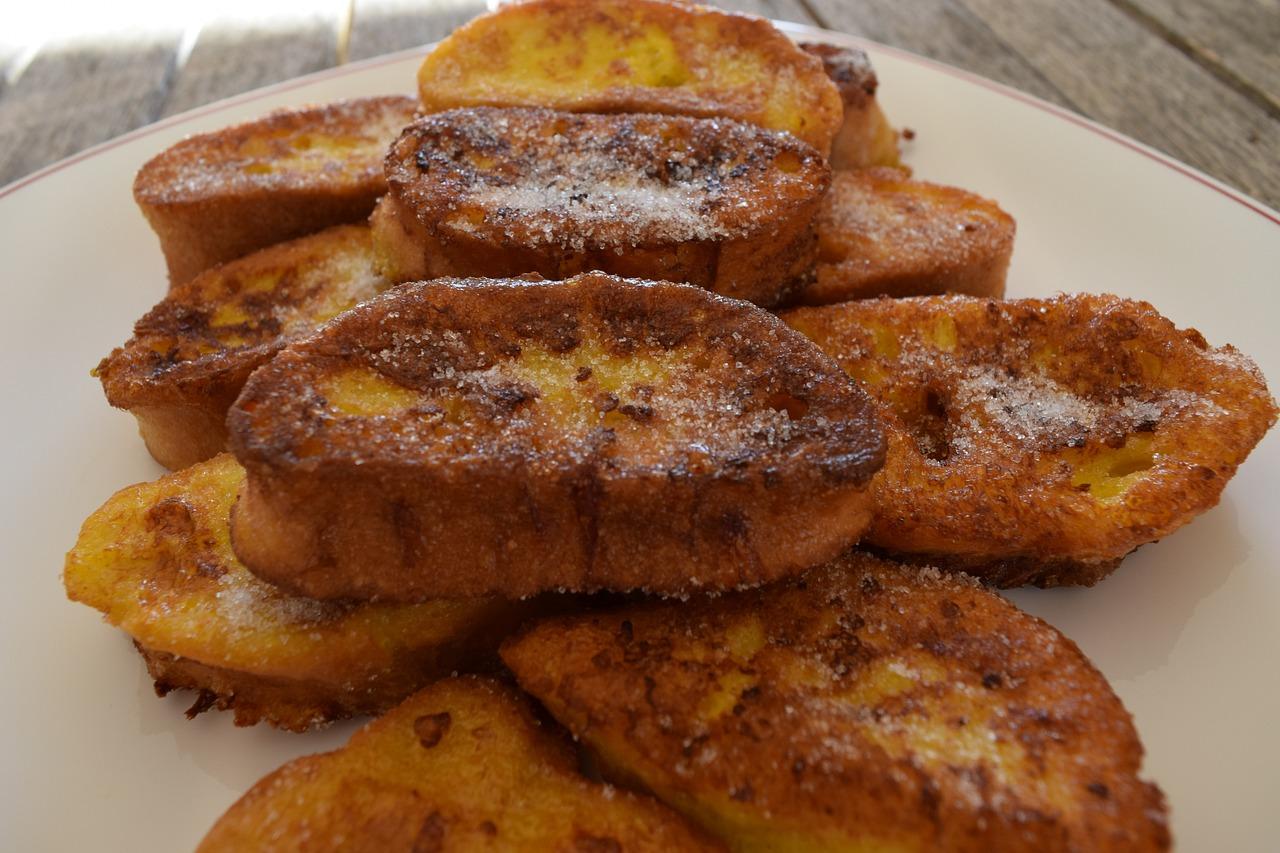
TorrijasCinnamon fried bread

Torrijas are the Easter sweet of Spain, eaten all over the country during Semana Santa and especially in Madrid and Andalusia, where bakeries pile them in their windows. Thick slices of day-old bread are soaked in milk infused with cinnamon and lemon peel, dipped in beaten egg, fried in olive oil and rolled in cinnamon sugar. They were born as a way to use up stale bread during Lent, and they are crisp outside and soft and custardy inside, like a richer, crunchier French toast. Eat them warm or cold, the next day they are even more set and sweet. Chef's tip: use a dense day-old loaf (a Spanish 'pan de torrijas' or a firm baguette) cut 2–3 cm thick, and soak just until saturated; fresh, airy bread falls apart and fries greasy.

by KrazyBadal 0 views

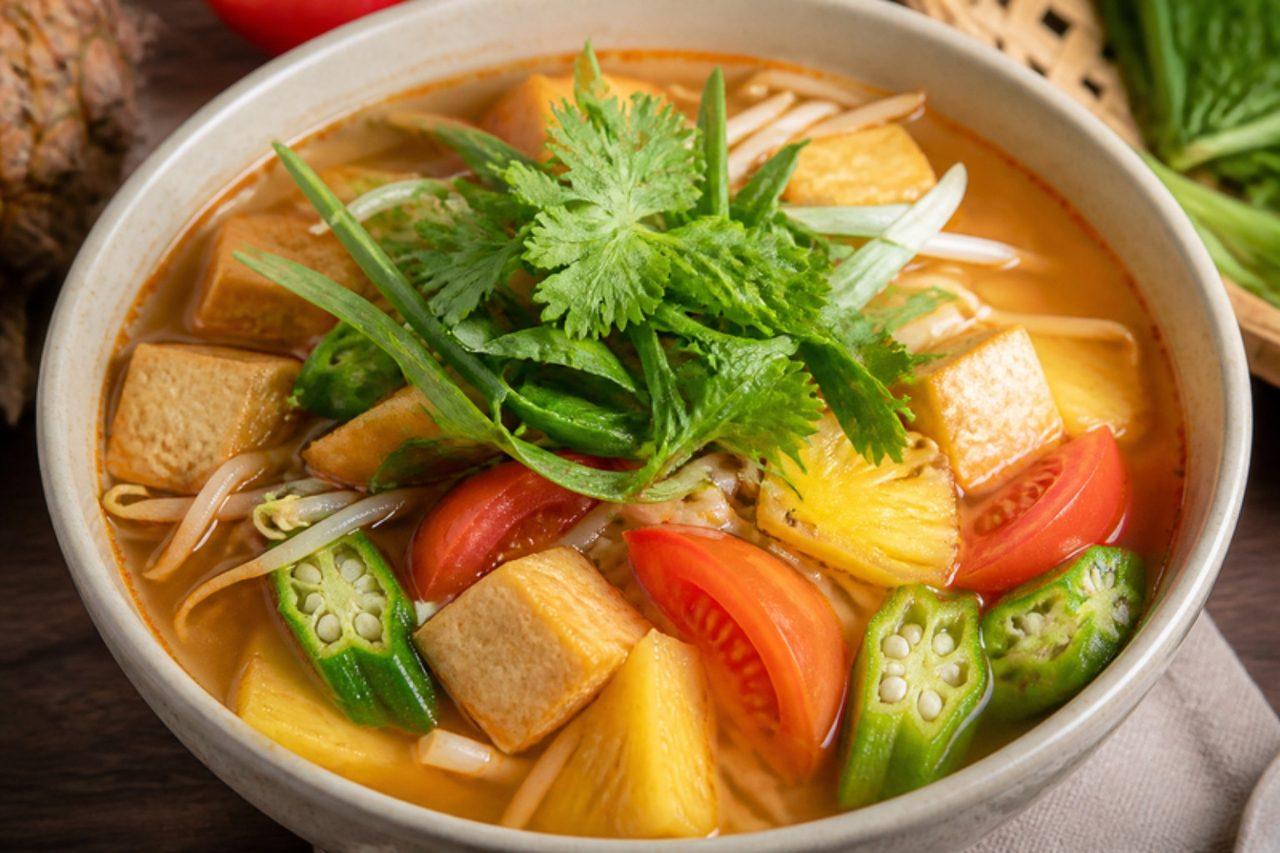
Vegetarian sour soupTamarind and pineapple soup

Canh chua, 'sour soup', is on the table at nearly every family meal in the Mekong Delta, served with plain rice. The broth is soured with tamarind and sweetened with pineapple and tomato, then filled with okra, celery-like taro stems, bean sprouts and lots of herbs. This vegetarian version uses fried tofu in place of fish. It is light, tangy and refreshing in hot weather. Chef's tip: fry the tomato with the shallot until it collapses before adding the liquid, so the broth turns rosy, then add the herbs and bean sprouts only off the heat and finish with garlic fried in oil, which gives the soup its southern fragrance.

by KrazyBadal 0 views

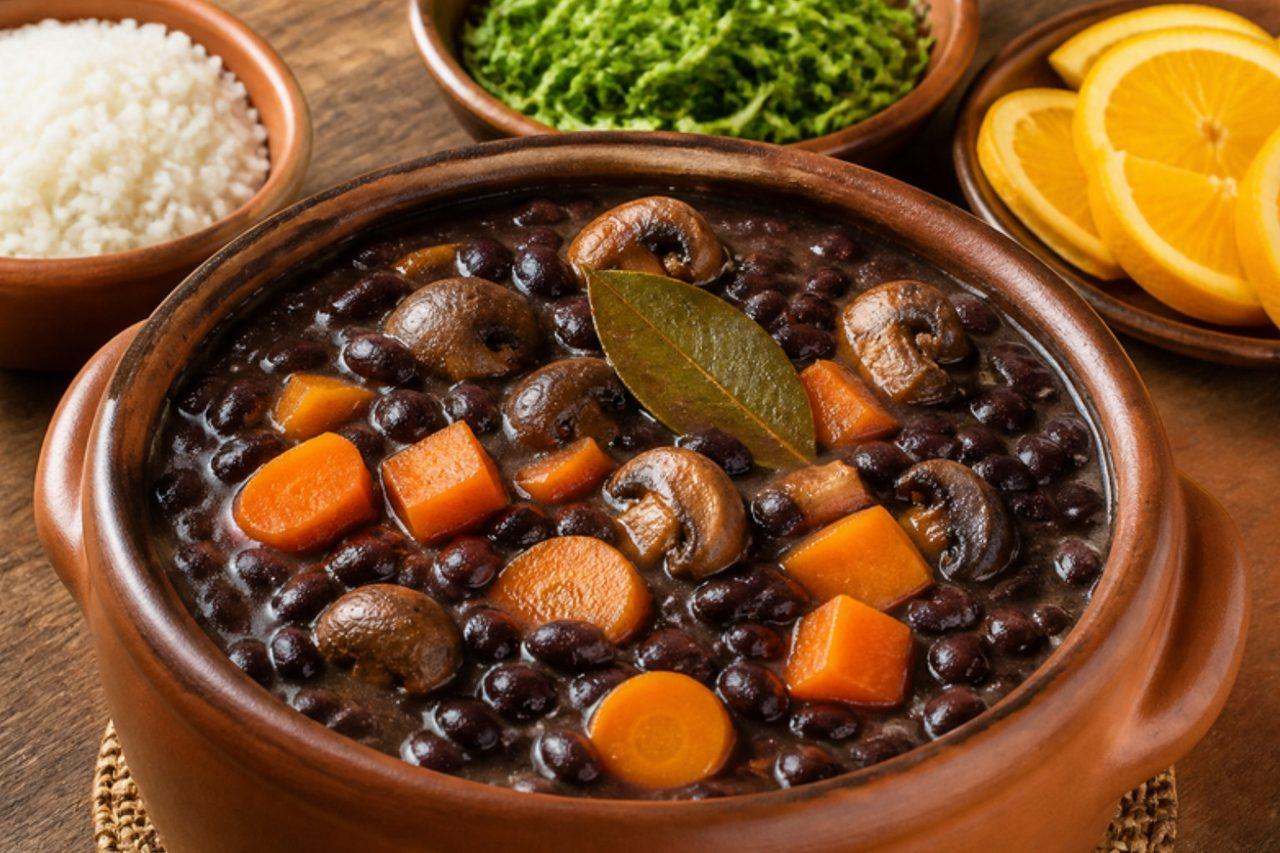
Vegetarian feijoadaSmoky black bean stew

Feijoada is Brazil's national dish, the slow black bean stew that Rio de Janeiro and the rest of the country eat for long Saturday lunches. The classic version is loaded with smoked pork; this feijoada vegetariana gets its depth from well-browned mushrooms, smoked paprika and bay instead, with sweet potato melting into the dark, glossy broth. Serve it the proper way: white rice, couve à mineira, farofa and slices of orange to cut the richness. Chef's tip: once the beans are tender, mash a ladleful against the side of the pot and stir it back in. That's how Brazilian cooks get the thick, velvety caldo that coats the rice, rather than a thin soup.

by KrazyBadal 0 views

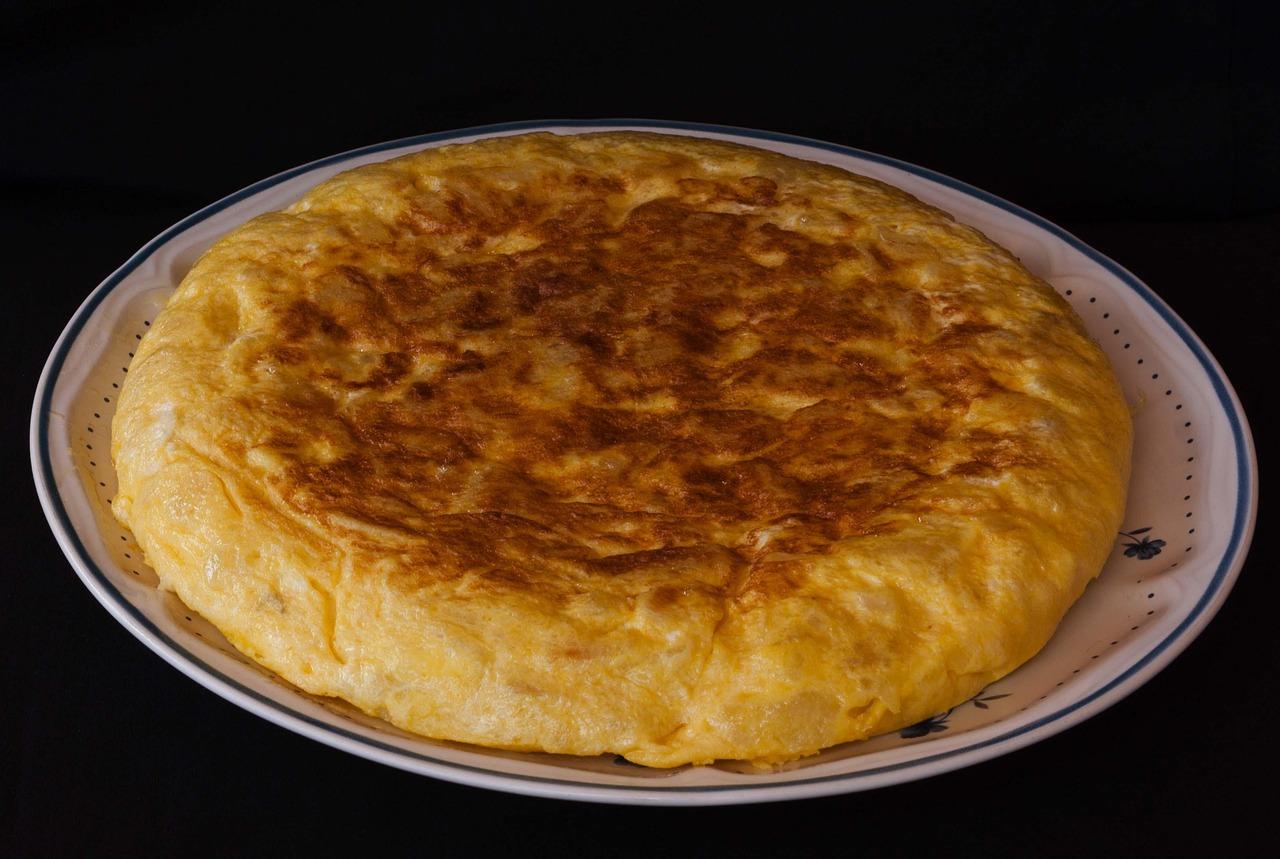
Tortilla españolaSpanish potato omelette

Tortilla de patatas is the dish every Spanish bar keeps on the counter, from Madrid to Seville: a thick cake of soft potato and sweet onion bound with just-set egg, served warm or at room temperature in wedges or small squares (pinchos) with bread. The potatoes are not fried crisp but gently poached in plenty of olive oil until tender, then soaked in the beaten egg so every slice holds together. Spaniards argue about onion (con cebolla or sin) and about how runny the centre should be; this version has onion and a juicy middle, the way most bars in Madrid serve it. Eat it for breakfast, as a tapa or for a light supper with a tomato salad. Chef's tip: once the hot potatoes go into the beaten eggs, leave them to sit for 10 minutes before cooking; the egg starts to set around the potato and the tortilla turns out creamy and holds its shape.

by KrazyBadal 0 views

Vegetarian broken rice plateBroken rice with lemongrass tofu

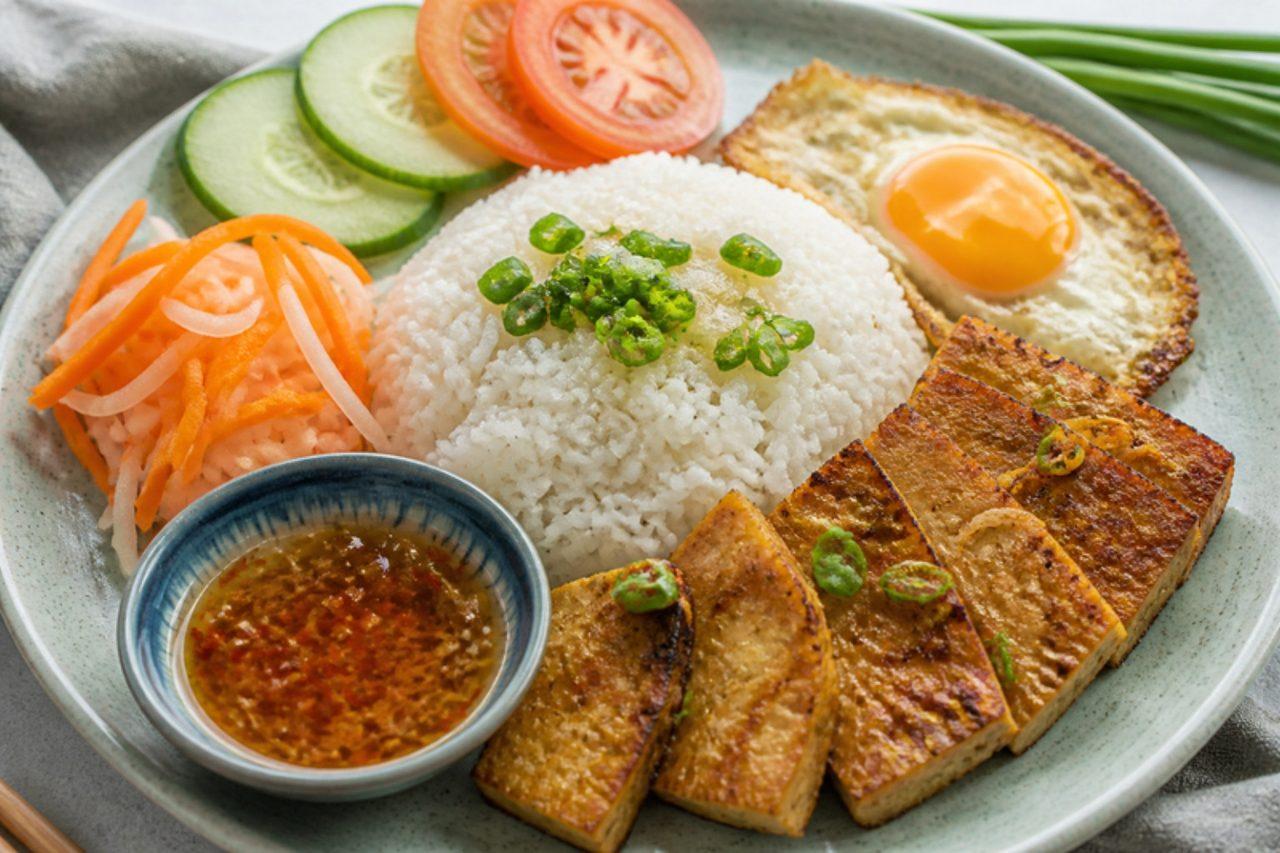
Cơm tấm, 'broken rice', is the breakfast and lunch plate of Saigon. Broken grains, once sold cheaply to the poor, cook up soft and slightly sticky, and street stalls serve them with grilled meat, a crisp-edged fried egg, spring onion oil, pickles and cucumber. This vegetarian plate has caramelised lemongrass tofu in place of pork. Every part goes with the sweet-sour nước chấm spooned over the top. Chef's tip: fry the egg in hot oil and spoon the oil over the white, so the edges go lacy and crisp and the yolk stays runny, Saigon-style; break it over the rice and it becomes part of the sauce.

by KrazyBadal 0 views

Vegetarian banh xeoCrisp turmeric coconut pancakes

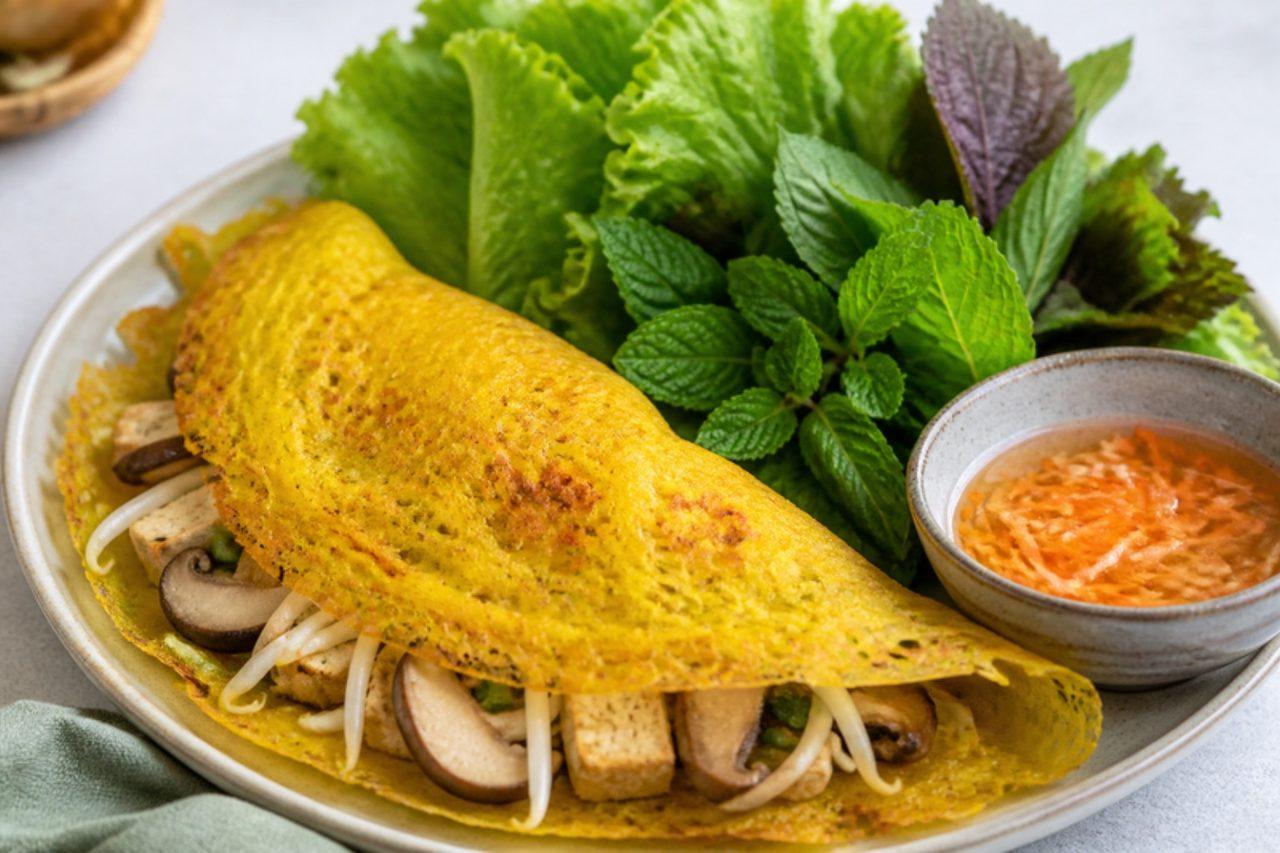
Bánh xèo, named for the loud sizzle (xèo) of the batter hitting the hot pan, are the big, crisp, golden pancakes of the Mekong Delta, made with rice flour, turmeric and coconut milk. This vegetarian version is filled with mushrooms, tofu and bean sprouts. You tear off a piece, wrap it in a lettuce or mustard leaf with mint, perilla and Thai basil, and dip it in nước chấm. It is a fun, hands-on meal for an evening with friends. Chef's tip: swirl the batter thinly into a really hot pan, cover for just a minute to steam the filling, then uncover and be patient: the pancake is only ready when the edges are lacy and brown and it lifts away by itself.

by KrazyBadal 0 views

Vegetable phoVegetable rice noodle soup

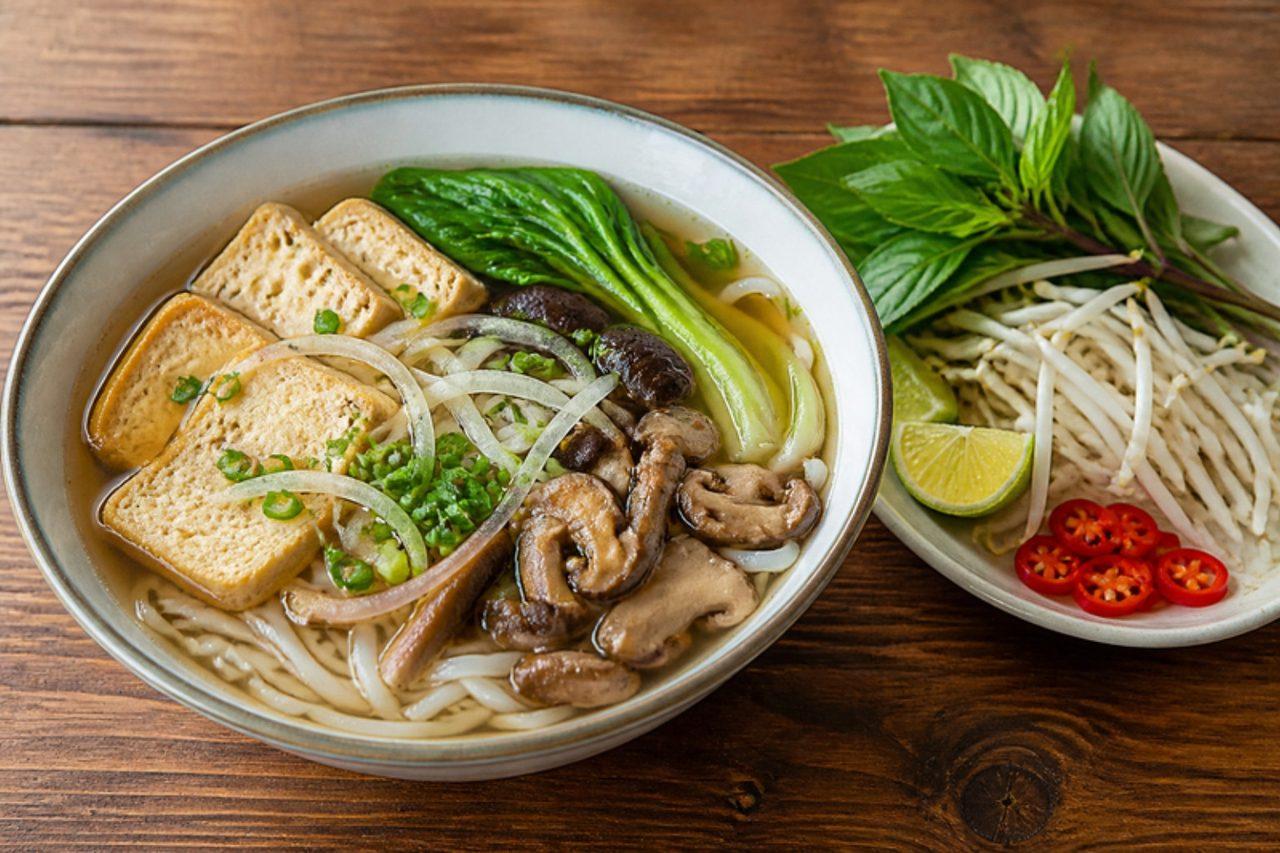
Pho began in the north, around Hanoi and Nam Định, and is now eaten all over Vietnam, often for breakfast. Phở chay is the Buddhist vegetarian version served in temple kitchens and chay restaurants: the deep, clear broth comes from charred onion and ginger, toasted star anise, cinnamon and cloves, simmered with daikon, carrot, sweetcorn and dried shiitake instead of beef bones. Silky flat rice noodles, golden tofu and mushrooms go in the bowl, and everyone adds their own bean sprouts, Thai basil, lime and chilli at the table. Chef's tip: char the onion and ginger until properly blackened in patches and toast the spices in a dry pan until they smell like warm Christmas cake; that smoky, perfumed base is what makes the broth taste like pho and not vegetable soup.

by KrazyBadal 0 views

Horchata de chufaTiger nut milk

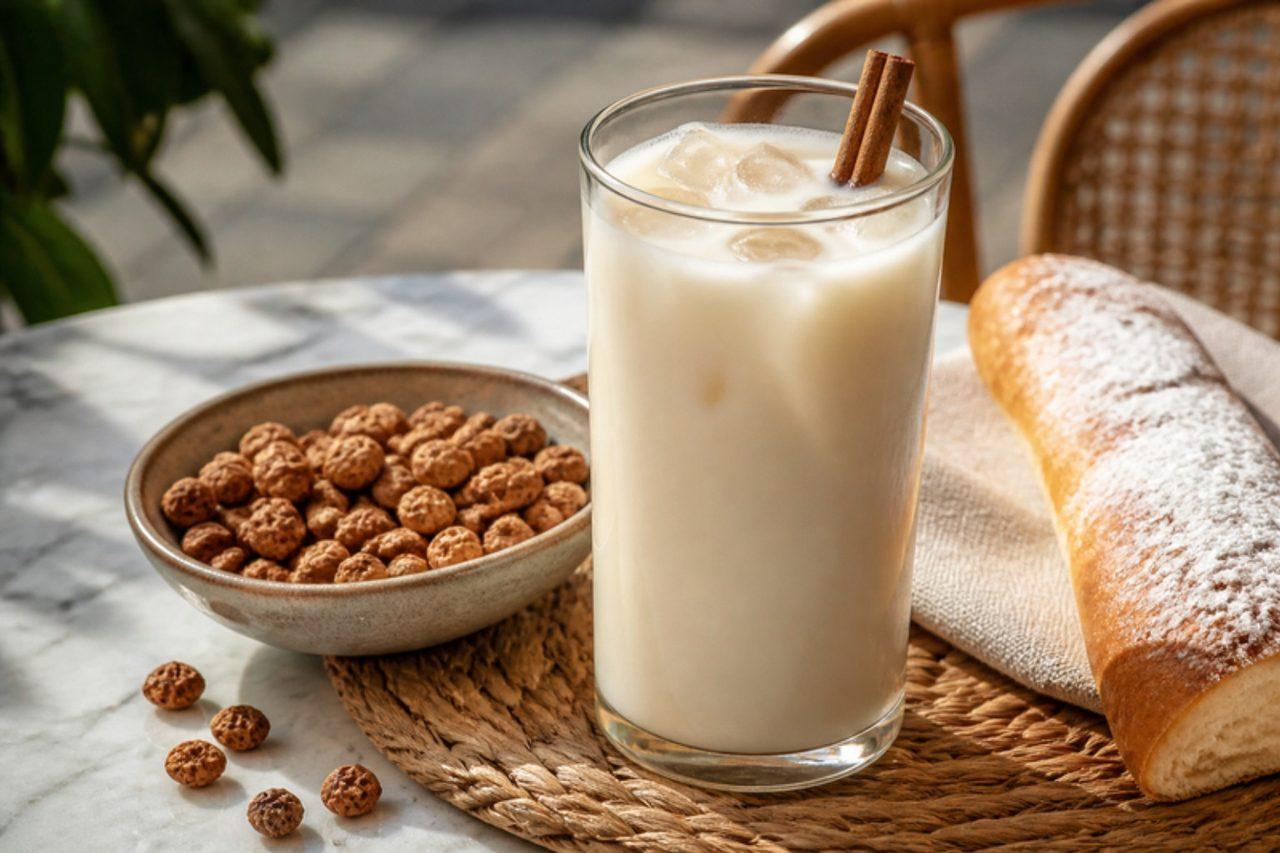
Horchata de chufa is the drink of Valencia's summer, sold ice-cold in the city's horchaterías with long, soft fartons pastries for dipping. It is made from chufas, or tiger nuts: small wrinkled tubers grown around the village of Alboraya just north of Valencia, which have their own protected designation of origin. Soaked, ground with water, strained and sweetened, they give a creamy, nutty, naturally dairy-free milk with a hint of cinnamon. Valencians drink it very cold, or half-frozen as 'granizada'. Chef's tip: soak the tiger nuts for a full 24 hours and change the water once; they must be plump and soft enough to blend into a fine pulp, or the horchata will be thin and taste of raw starch.

by KrazyBadal 1 views

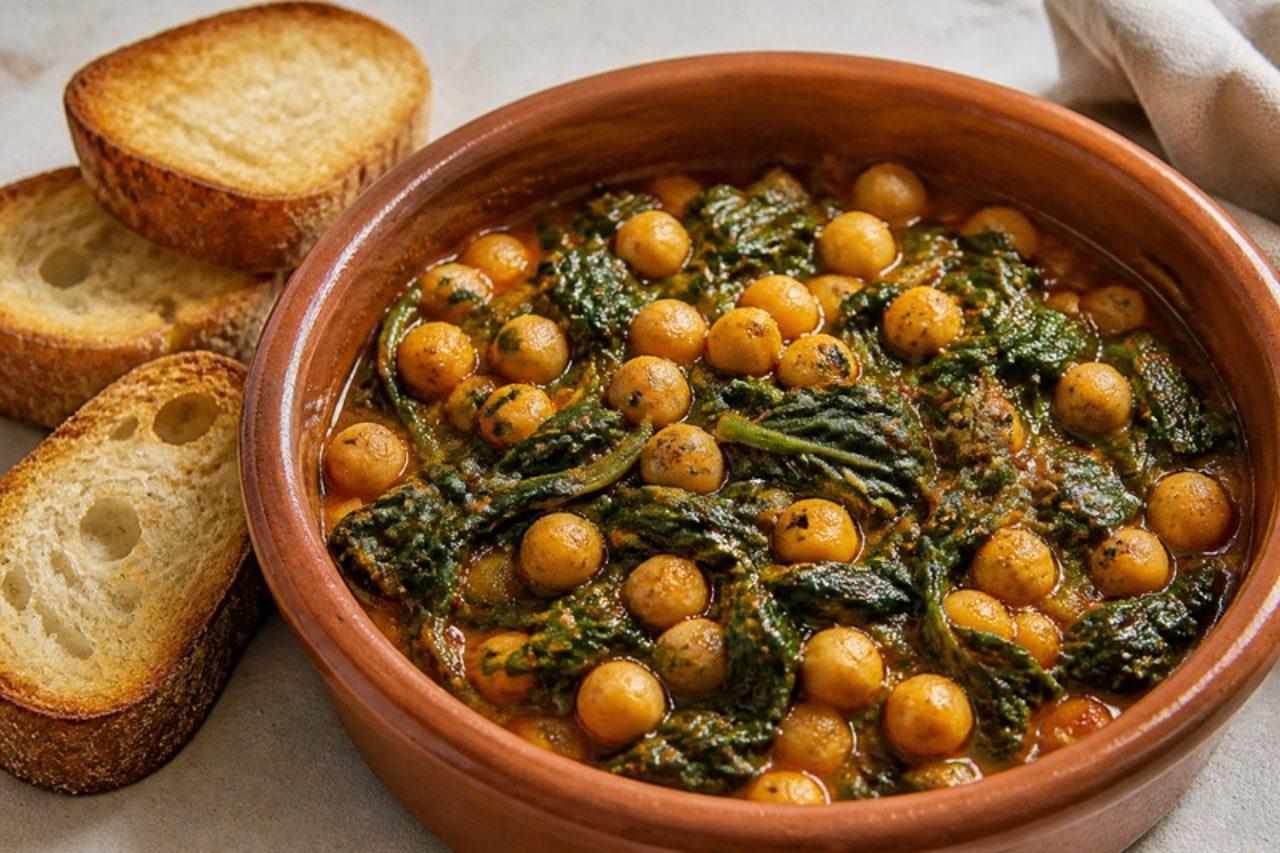
Espinacas con garbanzosSpinach and chickpeas

Espinacas con garbanzos is one of the great tapas of Seville, served in little earthenware dishes in the bars around the cathedral and the Triana market. It carries the city's Moorish past in its spices: cumin, smoked paprika and a little vinegar, with a sauce thickened by a paste of garlic and bread fried in olive oil, the old Andalusian trick called a majado. Earthy chickpeas, soft spinach and a sauce rich enough to mop up with bread make it a filling vegan supper too. It is traditional in Seville during Lent. Chef's tip: pound the fried bread and garlic with the spices and vinegar into a thick paste before it goes into the pan; this majado is what gives the dish its smoky, velvety sauce, so don't skip it.

by KrazyBadal 0 views

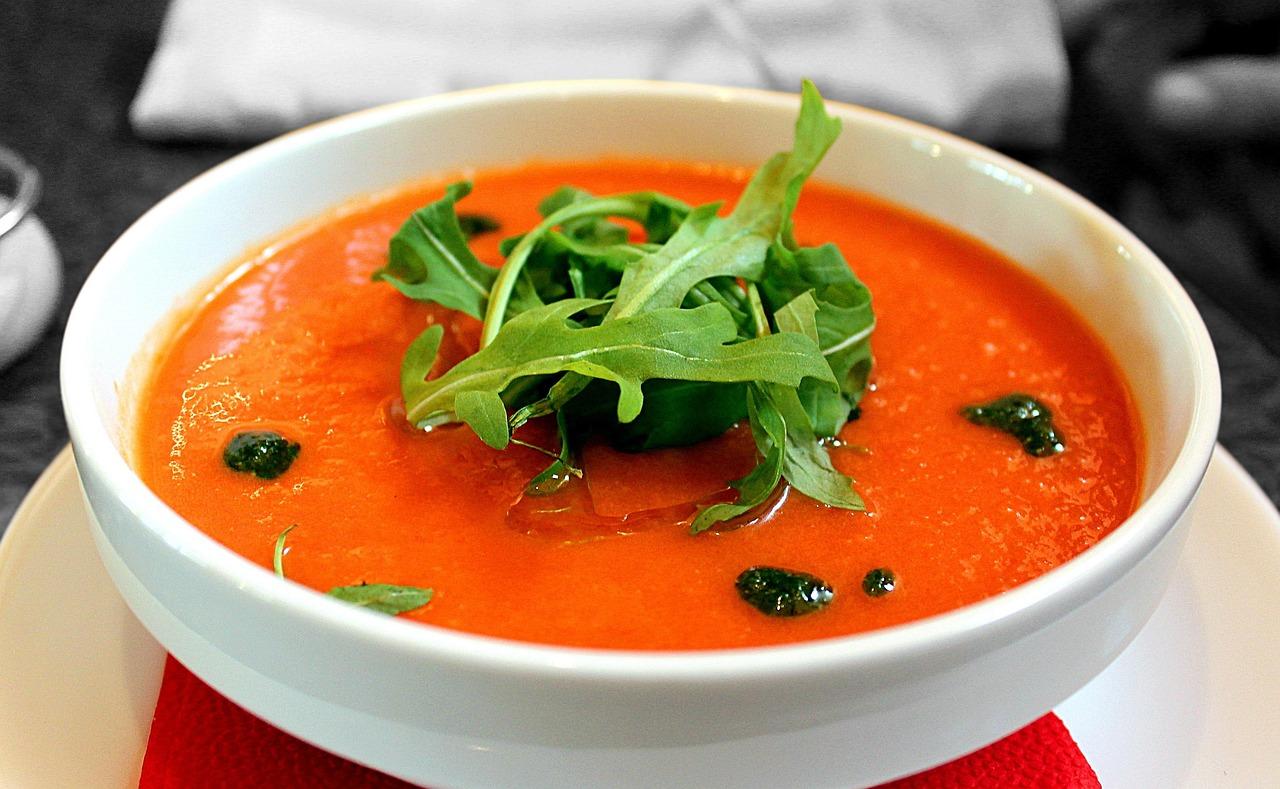
Gazpacho andaluzChilled tomato and cucumber soup

Gazpacho is the cold soup of Andalusia, drunk from a glass or eaten from a bowl through the scorching summers of Seville and Córdoba. It began as a farm workers' meal of bread, oil, garlic and vinegar pounded in a wooden bowl; tomatoes and peppers came later and turned it into the bright red, refreshing soup we know. Ripe tomatoes, cucumber, green pepper, garlic, sherry vinegar and plenty of olive oil are blended until silky and chilled hard. Serve it with tiny dice of cucumber, pepper and onion and a few crunchy croutons. Chef's tip: add the olive oil last, in a thin stream with the blender running; it emulsifies the soup to a creamy, pale-orange texture instead of leaving a slick of oil on top.

by KrazyBadal 0 views

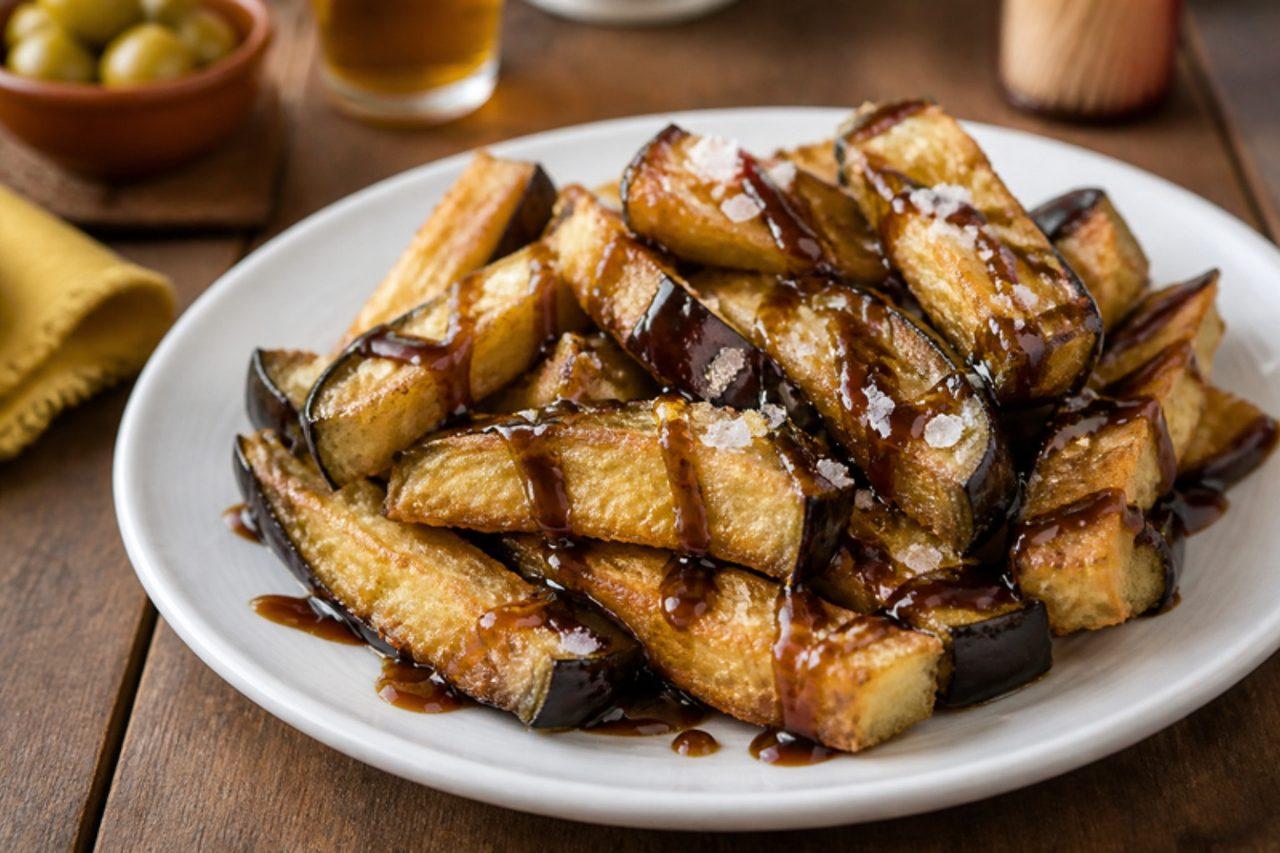
Berenjenas con miel de cañaFried aubergine with molasses

Berenjenas con miel are a classic tapa in Andalusia, especially in Córdoba, Málaga and Granada: thin batons or slices of aubergine, lightly floured and fried until crisp, then drizzled with dark, treacly miel de caña. Despite the name, miel de caña is not bee honey but sugarcane molasses, made in the last cane mill in Europe at Frigiliana on the Málaga coast, so the dish is naturally vegan. The contrast of salty, crunchy aubergine and bittersweet syrup is irresistible; serve it the moment it leaves the pan with a cold drink. Chef's tip: soak the aubergine in salted water (or milk, as many Andalusian cooks do) for 15 minutes and pat dry; it seasons the flesh, softens any bitterness and helps the flour cling so the coating stays thin and crisp.

by KrazyBadal 0 views

Flan de huevoBaked egg custard

Flan de huevo is the most common dessert in Spain: on the menú del día in every town, from Galicia to the Canary Islands, and made at home for Sunday lunch. It is simply eggs, milk and sugar, flavoured with a little lemon zest and vanilla, baked gently in a water bath over a layer of dark caramel. When it's turned out, the caramel becomes a glossy sauce running down the sides. Spanish flan is firmer and more eggy than French crème caramel, and it slices cleanly. Chef's tip: bake it slowly in a water bath and stop when the centre still wobbles slightly like jelly; overbaking leaves little holes and a grainy texture, the sign of a flan cooked too hot or too long.

by KrazyBadal 0 views

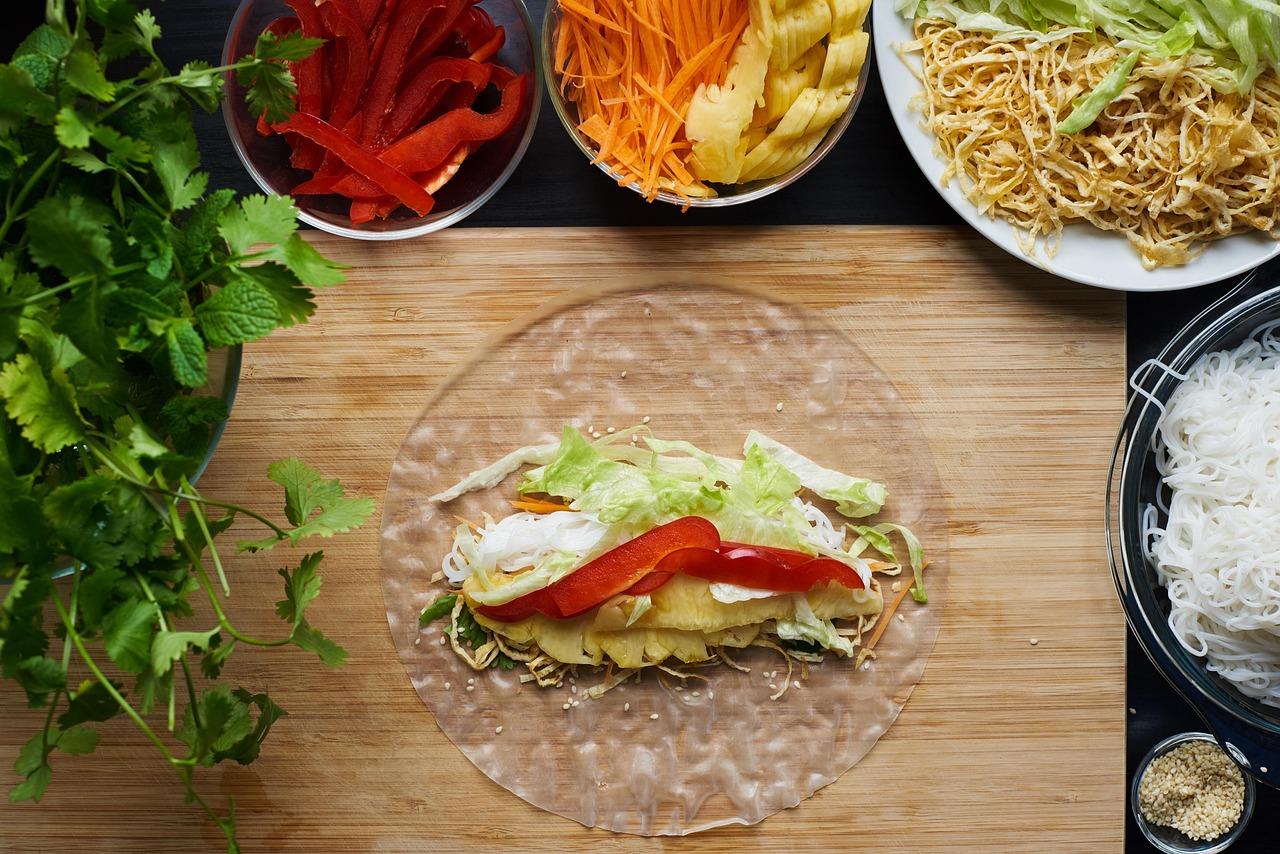
Tofu fresh summer rolls

Gỏi cuốn are the fresh, unfried rolls sold from glass cases at Saigon street stalls and eaten as a light lunch or snack on hot afternoons. Here golden tofu takes the place of the usual prawns and pork, rolled up with rice vermicelli, lettuce, mint, Thai basil, cucumber and garlic chives. They come with a thick, sweet-salty peanut and hoisin dip, as they do in the south. Chef's tip: dip the rice paper for barely a second and let it soften on the board, then lay the prettiest ingredients against the wrapper first, so the tofu and herbs show through the translucent skin and the roll stays tight.

by KrazyBadal 0 views

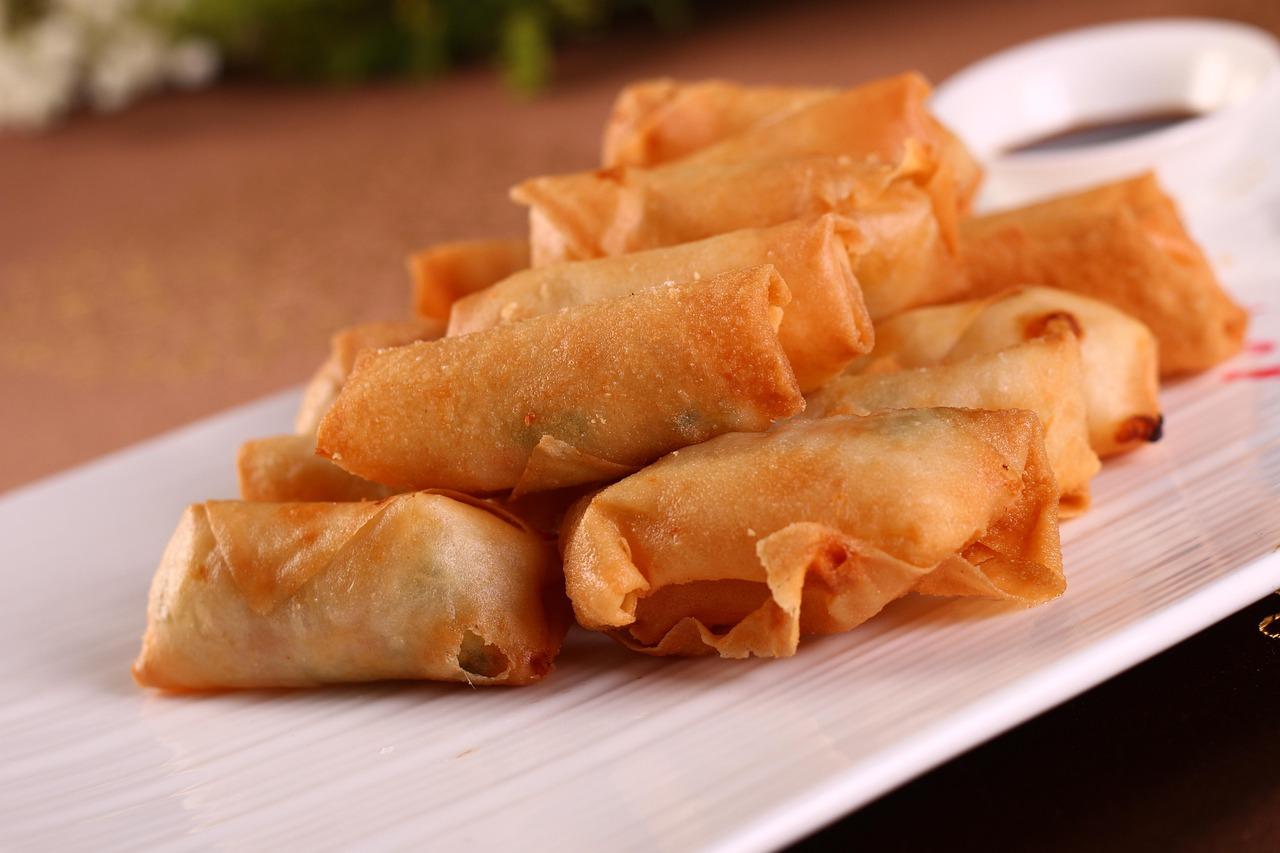
Vegetable spring rolls

In Saigon and the south, fried spring rolls are called chả giò (in Hanoi, nem rán), and no family party or Tết table is without a platter of them. Southern cooks wrap them in rice paper, which fries up into a blistered, glassy-crisp shell quite unlike wheat pastry. This vegetarian filling of glass noodles, wood ear mushrooms, taro, carrot and tofu is the one served at chay restaurants. Roll them in lettuce with mint and perilla and dip in vegan nước chấm. Chef's tip: fry them twice, first gently until set and pale gold, then briefly in hotter oil, and let the rolled rolls dry for 15 minutes first; that is how you get the shattering, bubbly crust that stays crisp.

by KrazyBadal 0 views

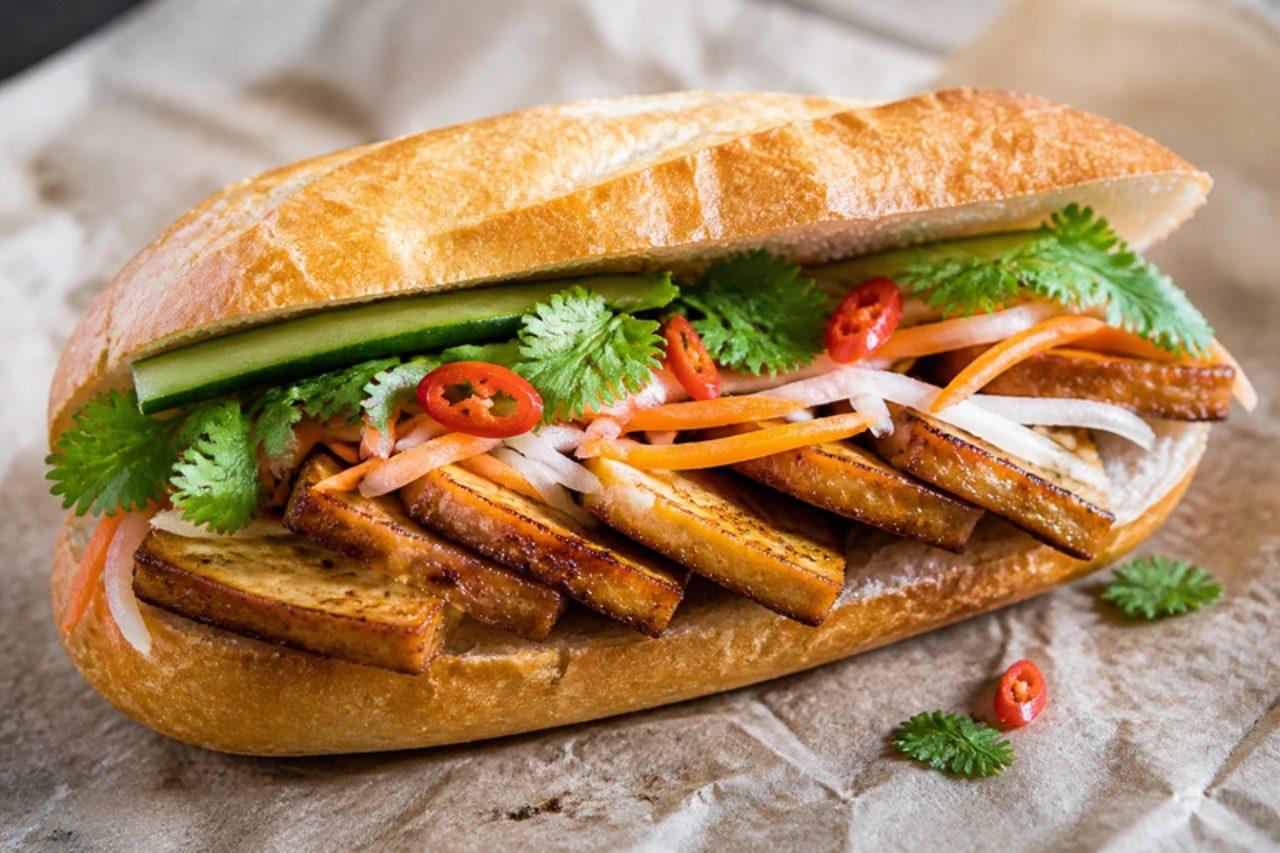
Lemongrass tofu banh mi

Bánh mì is Saigon's favourite street food: an airy, thin-crusted baguette split and stuffed with pickled carrot and daikon (đồ chua), cucumber, coriander and chilli. At vegetarian stalls near the city's pagodas the meat is swapped for sticky, caramelised lemongrass tofu, as in this version. Eat it for breakfast or lunch, warm, with a glass of iced coffee. Chef's tip: warm the baguette in a hot oven until the crust crackles when you squeeze it, and pull out a little of the soft crumb, so every bite is crisp shell, juicy filling and herbs in balance.

by KrazyBadal 0 views

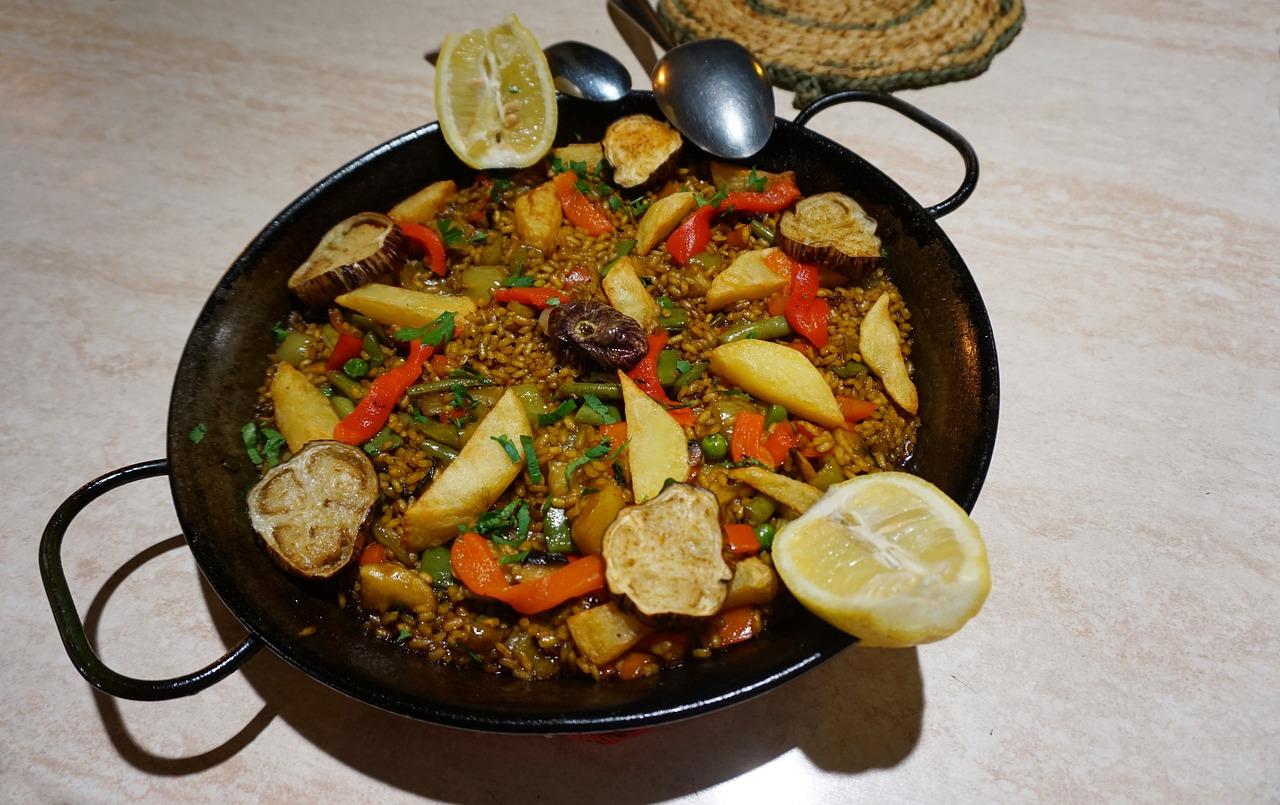
Paella de verdurasVegetable paella

Paella comes from the rice fields around the Albufera lagoon south of Valencia, where it was cooked over orange-wood fires in a wide, shallow pan. Valencians are strict about it: short round rice, saffron, sweet pimentón, flat green beans (ferraúra) and big white garrofó beans, and never any stirring once the rice is in. This all-vegetable paella keeps those rules and adds artichokes and red pepper, as the market gardeners of the Huerta do in spring. It is cooked and served in the same pan, straight onto the table. Chef's tip: listen for the socarrat at the end. Turn up the heat for the last 1–2 minutes until the rice crackles and smells toasty; that caramelised crust on the bottom is the best part of any paella.

by KrazyBadal 0 views

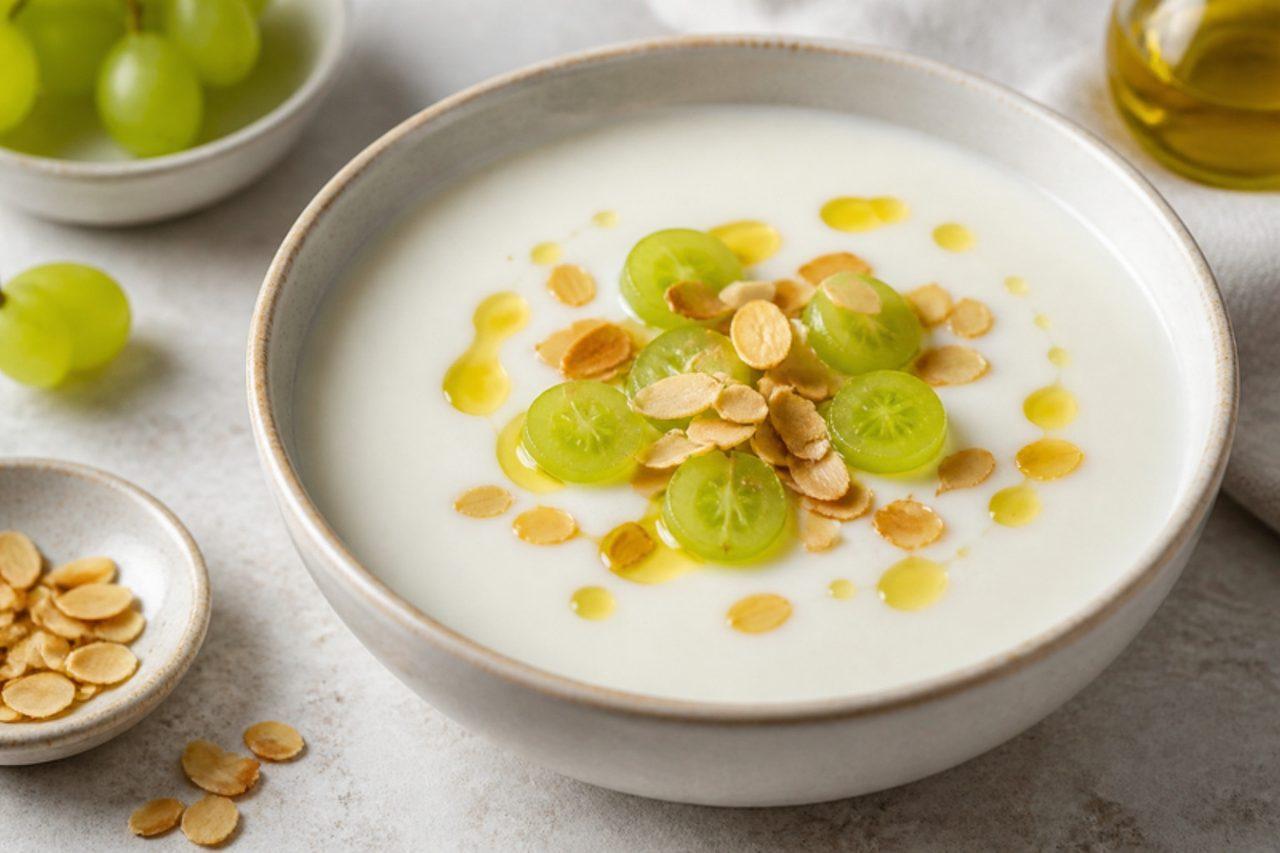
Ajoblanco malagueñoChilled almond and garlic soup

Ajoblanco is one of the oldest soups in Spain, a white gazpacho from Málaga that dates back to Moorish times, before tomatoes ever reached Europe. Blanched almonds, bread, garlic, olive oil, sherry vinegar and ice-cold water are blended into a silky, nutty and surprisingly refreshing cream, traditionally served with sweet green grapes or slices of melon floating on top. In Málaga it is the star of the Fiesta del Ajoblanco in the village of Almáchar each September. Chef's tip: let the blended soup rest in the fridge overnight before serving; the garlic mellows, the almond flavour deepens and the texture becomes smoother and creamier.

by KrazyBadal 0 views

Lentejas estofadasLentil stew

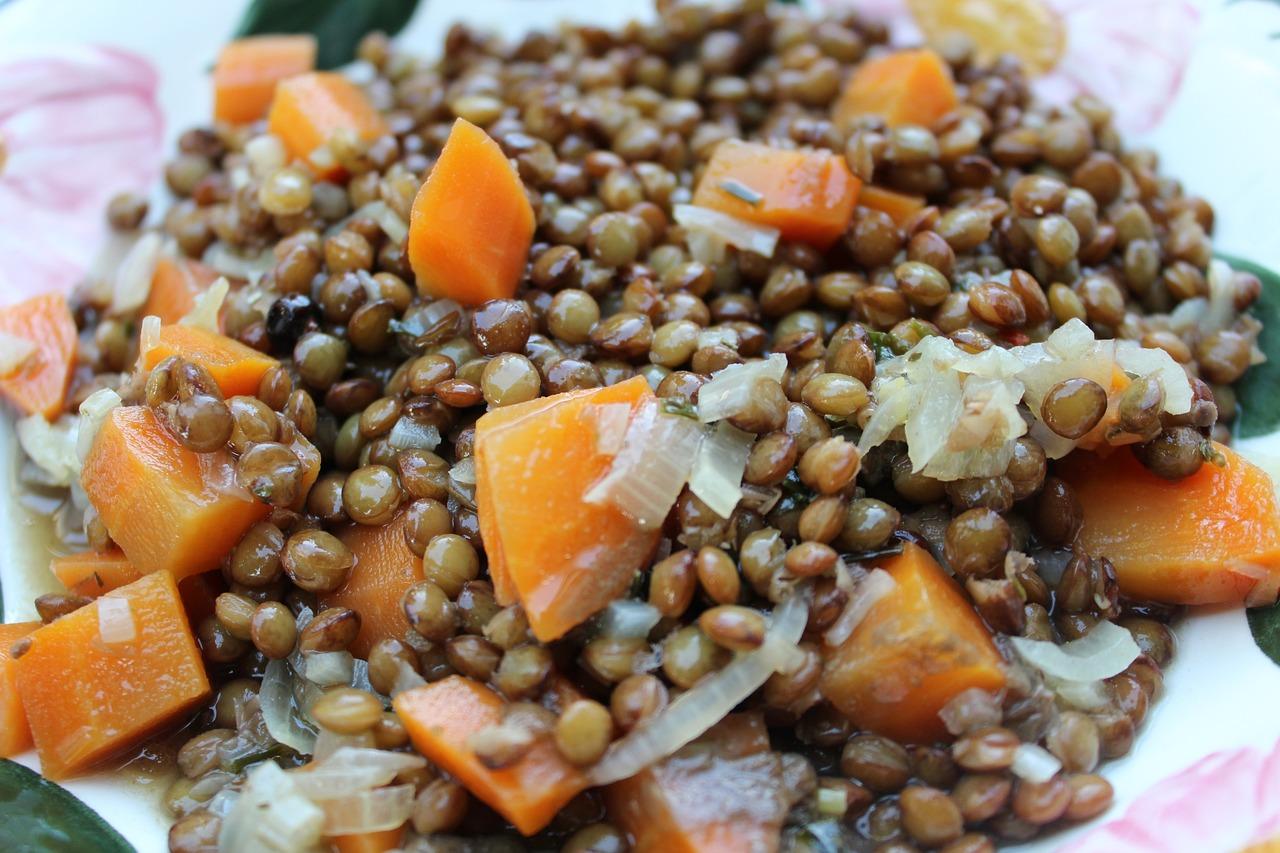
Lentejas estofadas, or lentejas a la española, is the stew that every Spanish household knows from childhood, cooked once a week from Castile to Andalusia. Small brown lentils (pardinas, ideally from Tierra de Campos in León) are simmered with a sofrito of onion, pepper, garlic and tomato, carrot, potato and bay until thick, savoury and soothing. Most families add chorizo; here smoked pimentón de la Vera brings the same smoky warmth. Serve in deep bowls with crusty bread and a few pickled guindilla peppers on the side. Chef's tip: add a splash of sherry vinegar right at the end; it lifts the earthy lentils and is what Spanish grandmothers do to make the stew taste finished.

by KrazyBadal 0 views

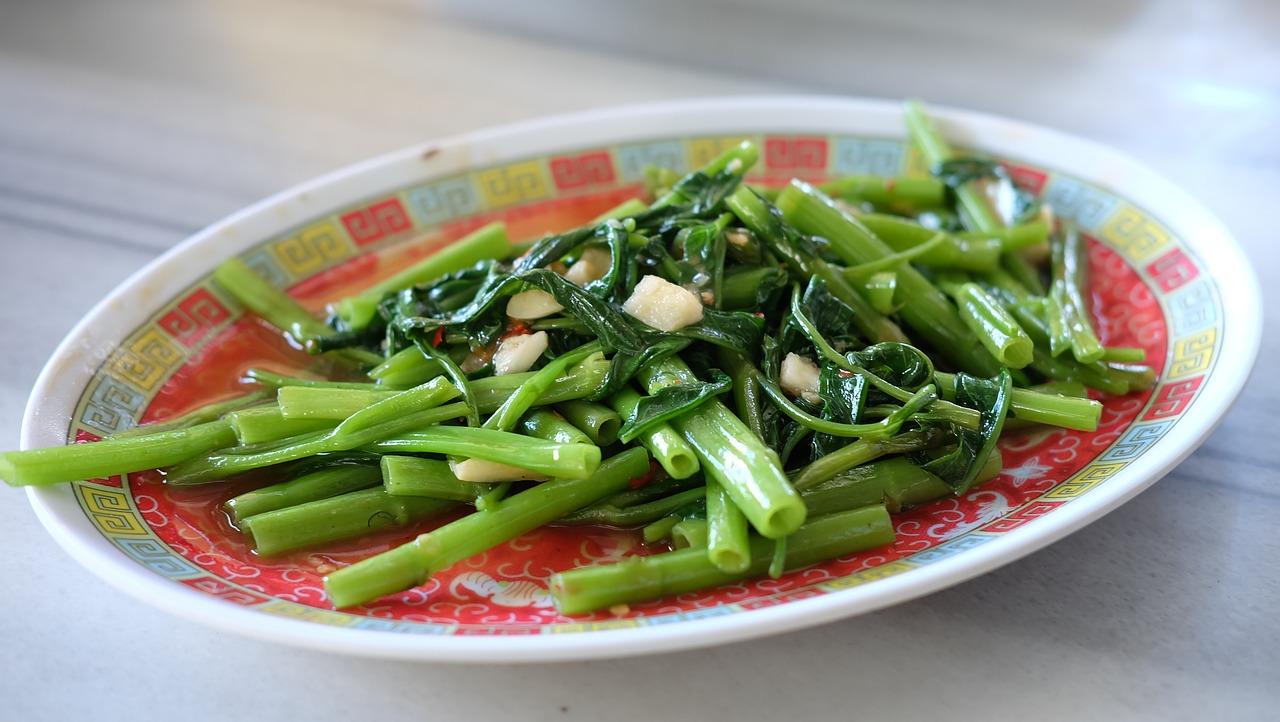
Morning glory with garlicGarlic stir-fried water spinach

Rau muống, water spinach or morning glory, is the everyday green of Vietnam, and a plate of it stir-fried with garlic sits on family tables everywhere, from Hanoi rice-shops to Saigon street stalls. Done well, the hollow stems stay crunchy and bright green and the leaves silky, with a strong hit of garlic. Look for it in Asian grocers as water spinach or ong choy. This version is seasoned with soy sauce instead of fish sauce. Chef's tip: blanch the greens for 30 seconds and plunge them into iced water, as Hanoi cooks do, then stir-fry over the highest heat for barely a minute; they stay vivid green and never go soggy.

by KrazyBadal 0 views

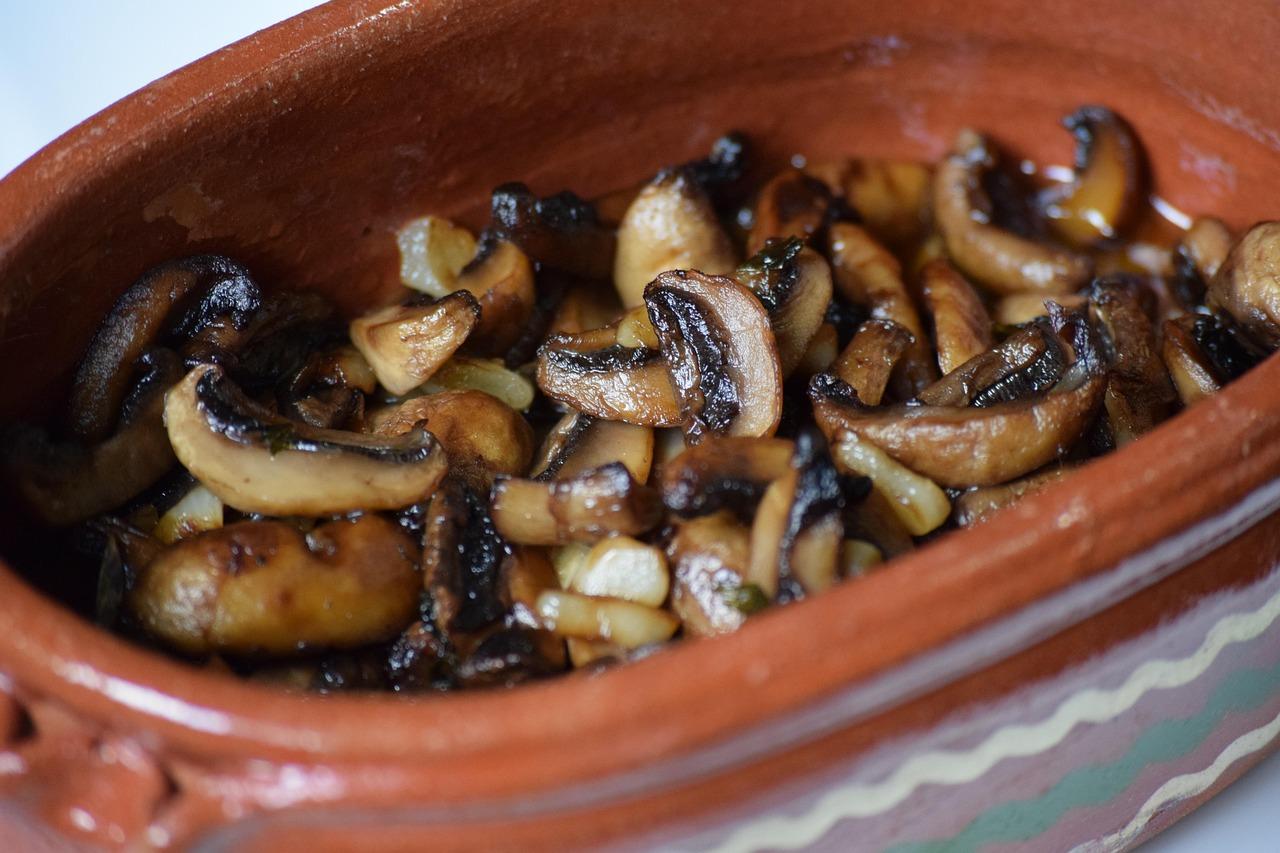
Champiñones al ajilloGarlic mushrooms

Champiñones al ajillo are on the menu of almost every tapas bar in Spain: button mushrooms seared in olive oil with plenty of sliced garlic, a little dried chilli (guindilla), a splash of dry white wine or fino sherry and a handful of parsley. They are usually brought to the table still sizzling in a small terracotta cazuela, with bread to mop up the garlicky juices. Serve them with tortilla, patatas bravas or on toast for a quick lunch. Chef's tip: cook the mushrooms over a high heat in a single layer and do not salt them until they have browned; salt draws out water too early and the mushrooms stew grey instead of searing golden.

by KrazyBadal 0 views

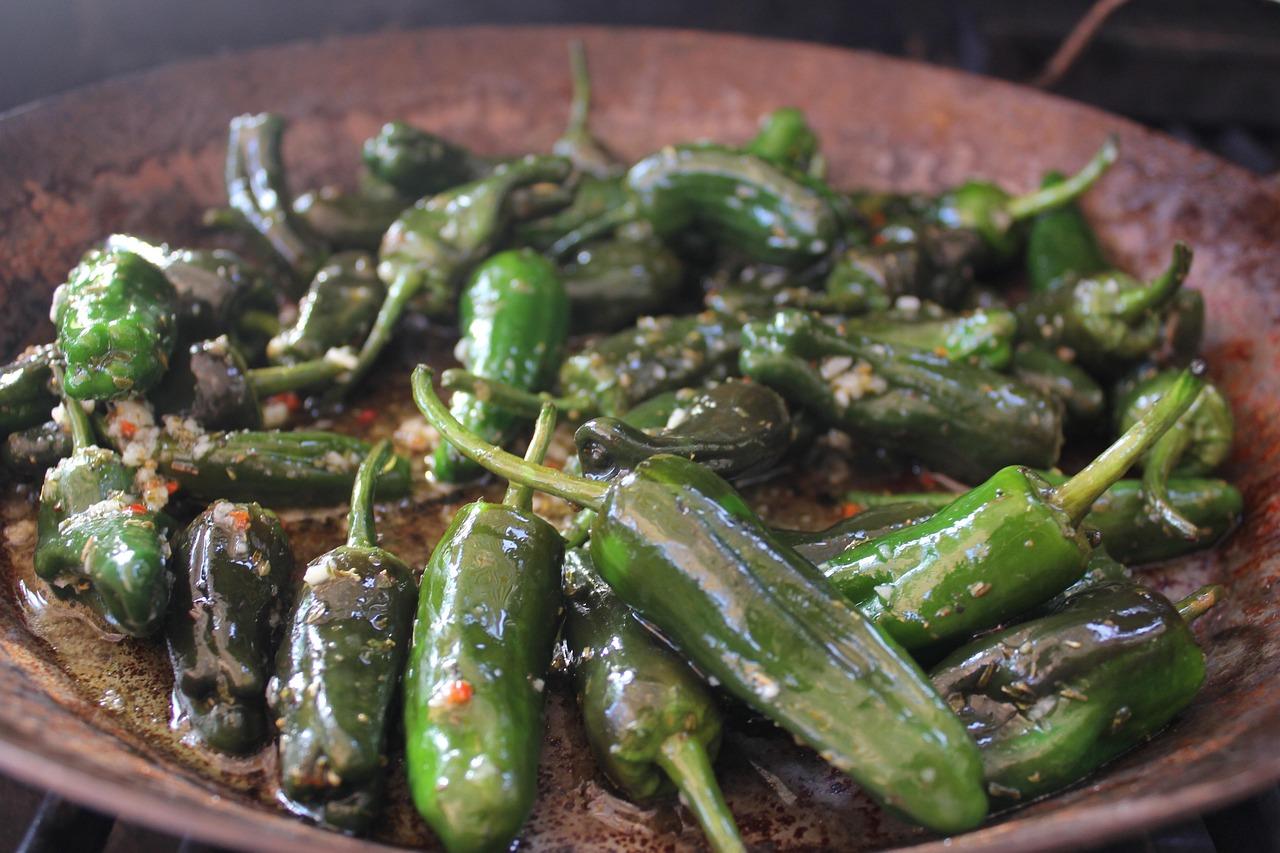
Pimientos de PadrónBlistered green peppers

Pimientos de Padrón come from Herbón, near the town of Padrón in Galicia, where they are fried whole in olive oil and showered with coarse salt. They are small, thin-skinned and mostly mild and grassy, but the Galician saying goes 'os pementos de Padrón, uns pican e outros non' (some are hot and some are not): roughly one in ten has a real kick, which is half the fun. They take five minutes and make the perfect tapa with a cold drink, tortilla or bread. Chef's tip: get the oil properly hot and leave the peppers alone for the first minute so the skins blister and puff; stewing them in lukewarm oil makes them soft and khaki instead of bright and blistered.

by KrazyBadal 0 views

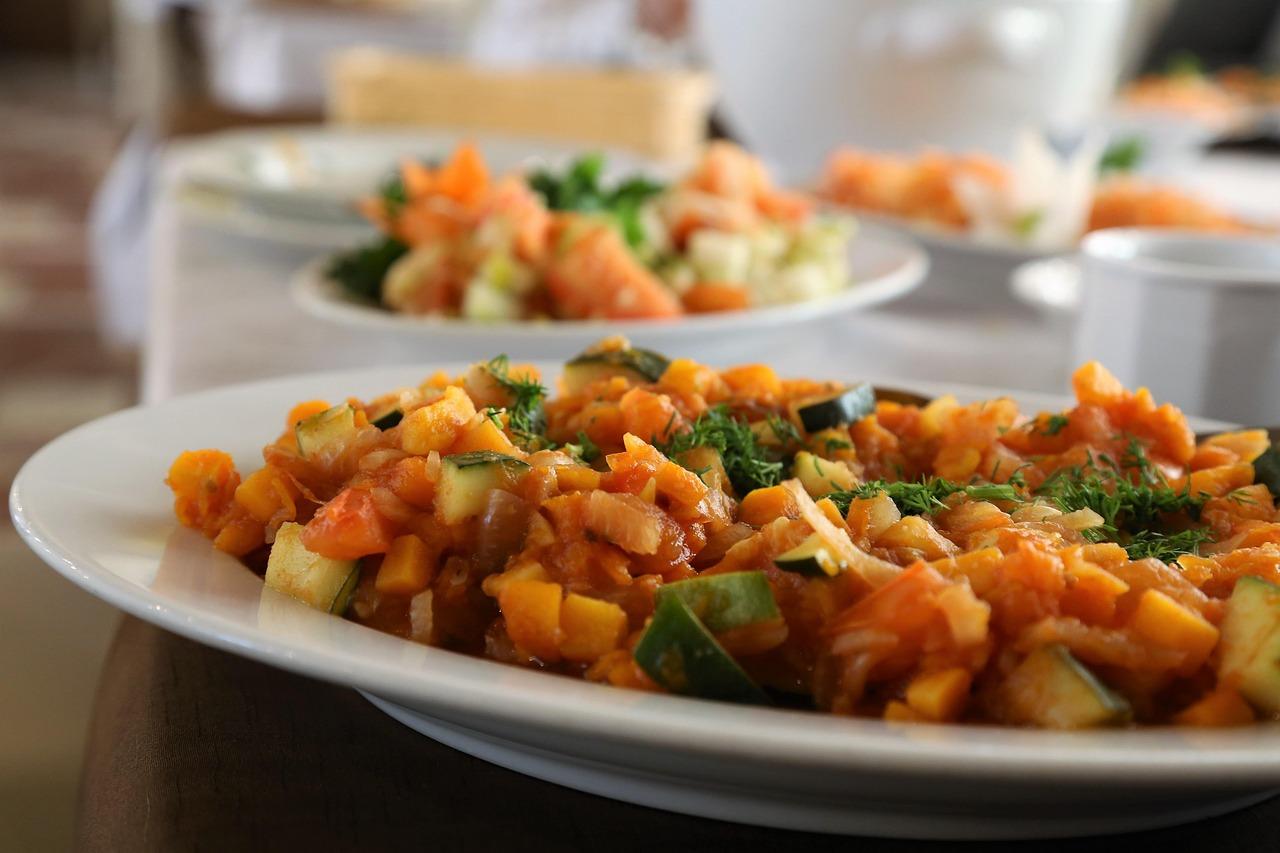
Pisto manchegoPepper, courgette and tomato stew

Pisto manchego is the summer vegetable stew of La Mancha, the high plains of Don Quixote country: onions, green and red peppers and courgette cooked slowly in olive oil, then simmered with fresh tomato until soft, sweet and jammy. Spain's answer to ratatouille is humbler and softer, with the vegetables cooked one after another rather than all at once. In La Mancha it is eaten with bread and very often topped with a fried egg; it is also served alongside rice or potatoes, or cold the next day as a tapa. Chef's tip: be patient with the onion and peppers; give them a full 15–20 minutes over a low heat until really soft and sweet before the tomato goes in, because that slow start is where pisto gets its deep, mellow flavour.

by KrazyBadal 0 views

Patatas bravasFried potatoes with paprika sauce

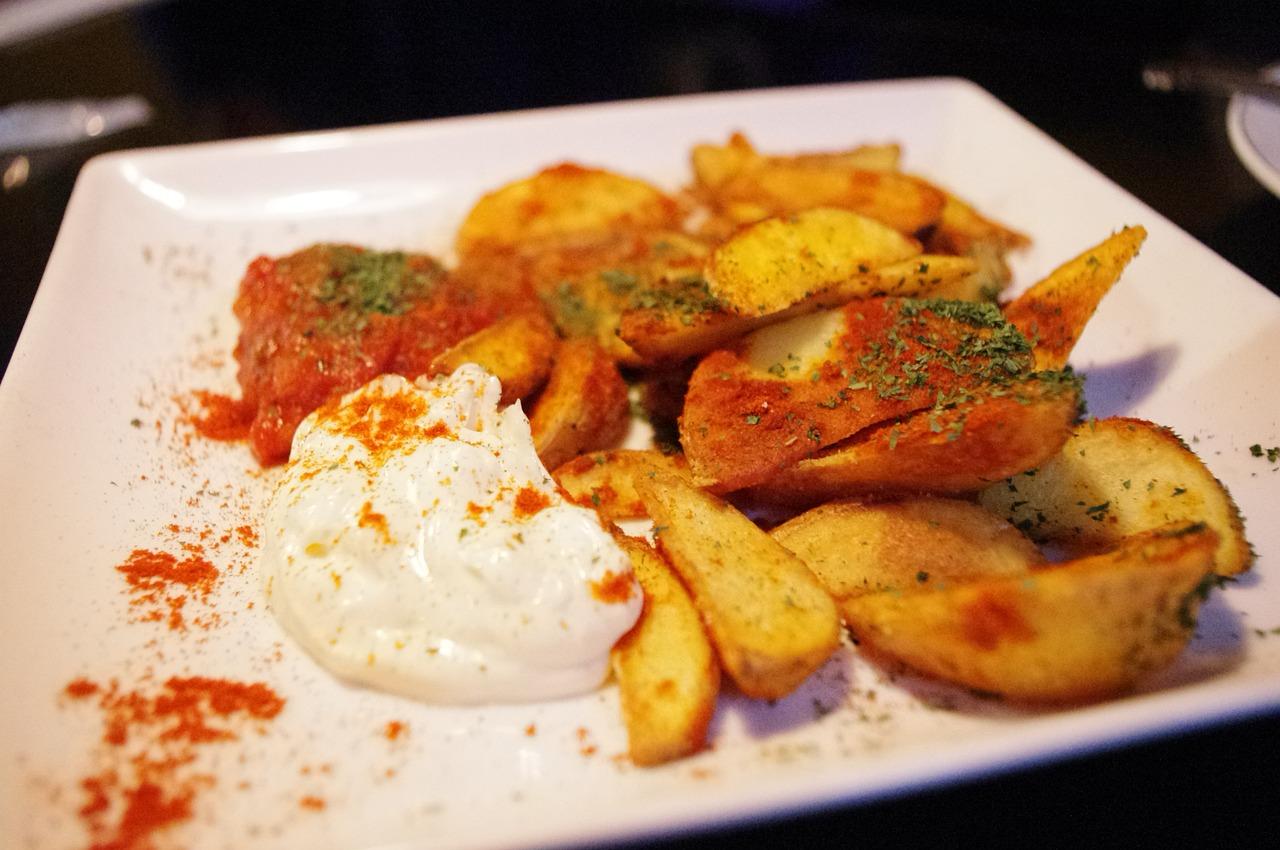
Patatas bravas are Madrid's favourite bar snack: chunky potatoes fried until crisp outside and fluffy inside, then splashed with a brick-red sauce of olive oil, pimentón and a little stock. In Madrid the sauce is not ketchup or tomato sauce but a smooth, smoky paprika sauce with a kick; in Barcelona and Valencia you often get it with a spoon of alioli as well. This home version is fried twice for crunch and keeps the heat moderate so children can join in; add more hot paprika for the grown-ups. Serve with cold drinks, tortilla and pimientos de Padrón for a tapas spread. Chef's tip: take the pan off the heat before adding the pimentón; paprika burns in seconds and turns bitter, and that bitterness is the most common reason homemade bravas sauce tastes wrong.

by KrazyBadal 0 views

Pan con tomateTomato rubbed toast

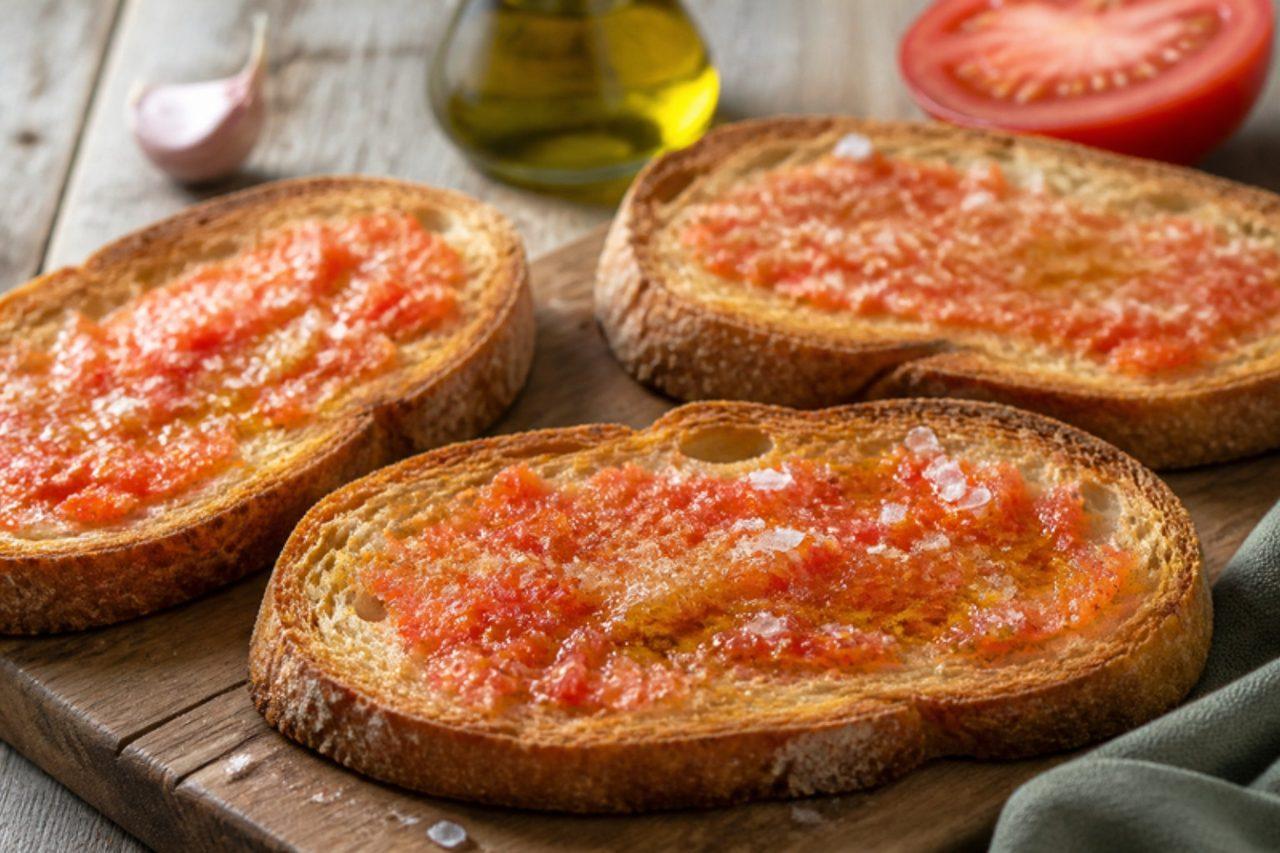
Pa amb tomàquet (pan con tomate in Spanish) is the everyday bread of Catalonia: toasted country bread rubbed with garlic and a cut ripe tomato, drizzled with good olive oil and sprinkled with salt. Catalans eat it at breakfast, as a side to grilled vegetables or with a slice of tortilla, and it is so basic to the table that it is rarely even listed on menus. With so few ingredients the quality of each one matters: the ripest tomatoes, a rustic open-crumbed loaf and fruity extra virgin olive oil. Chef's tip: in Catalonia they use small, juicy 'tomàquets de penjar', hanging tomatoes; at home choose the ripest, softest vine tomatoes you can find and rub them in hard until only the skin is left in your hand.

by KrazyBadal 0 views

Crema catalanaBurnt cream custard

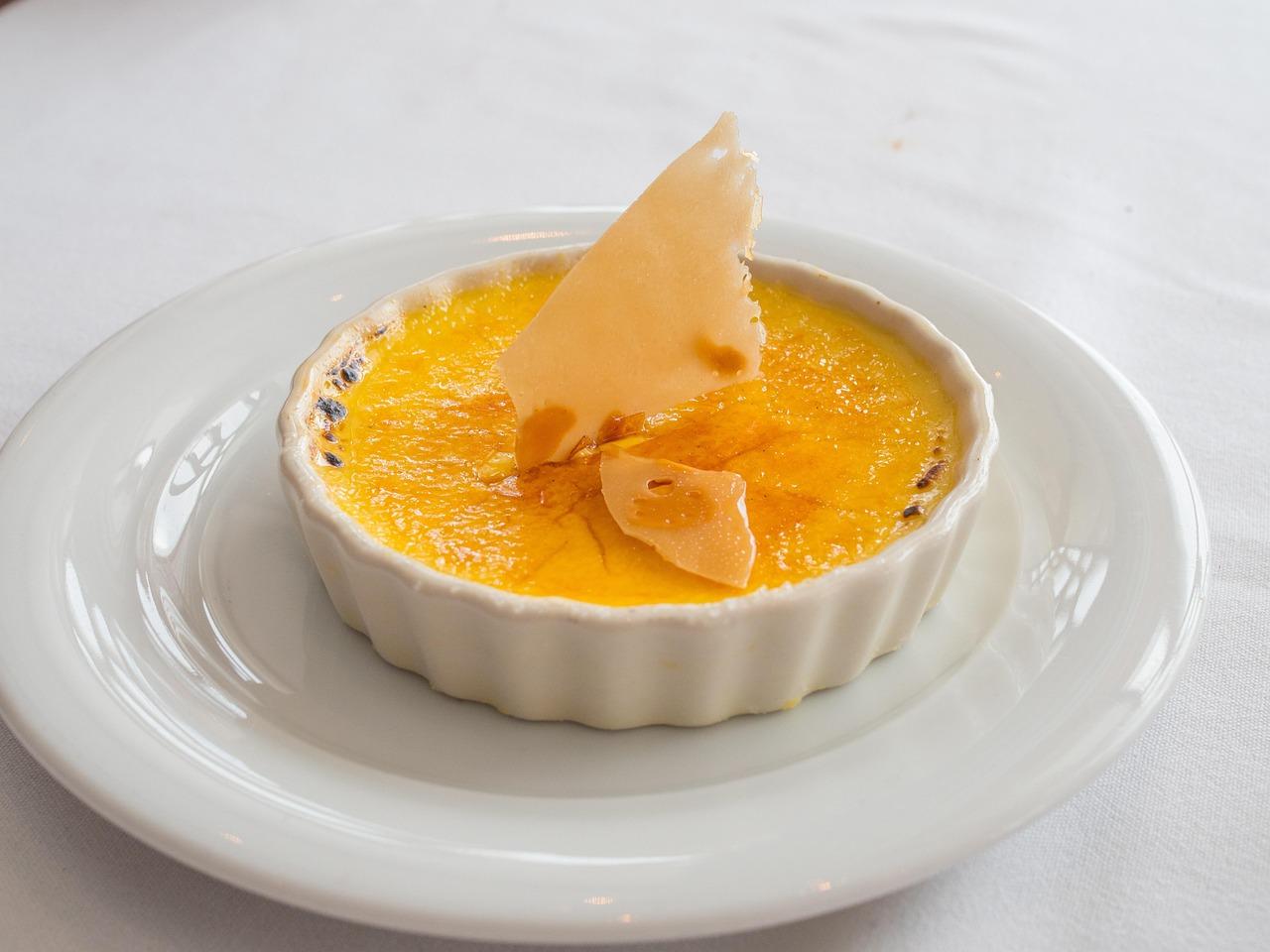
Crema catalana is the classic dessert of Catalonia, served in shallow round earthenware dishes with a glassy layer of burnt sugar on top. Traditionally it was made for Saint Joseph's Day on 19 March, which is why it is also called crema de Sant Josep. It is older than French crème brûlée and different in style: made with milk rather than cream, lightly thickened with cornflour and flavoured with lemon zest and cinnamon, so it is lighter and fresher. Catalans caramelise the top with a hot iron disc called a 'cremador'; a cook's blowtorch does the same job. Chef's tip: burn the sugar just before serving, not earlier; the crust stays crisp only for about 20–30 minutes before the moisture of the custard softens it.

by KrazyBadal 0 views

Churros con chocolateChurros with hot chocolate

Churros con chocolate is Madrid's most famous treat, eaten at the city's historic chocolaterías for breakfast, as a late-afternoon merienda or at dawn after a night out. Churros are made from a simple dough of flour, water and salt piped straight into hot oil, fried until ridged and crisp, and dunked into a cup of hot chocolate so thick it almost holds the churro up. The dough has no egg or sugar, so the churros are light and crunchy; the sweetness comes from the chocolate and a dusting of sugar. Chef's tip: pipe through a star nozzle; the ridges let steam escape so the churros don't burst in the oil, and they create the extra crunch that makes a good churro.

by KrazyBadal 0 views

Basque burnt cheesecake

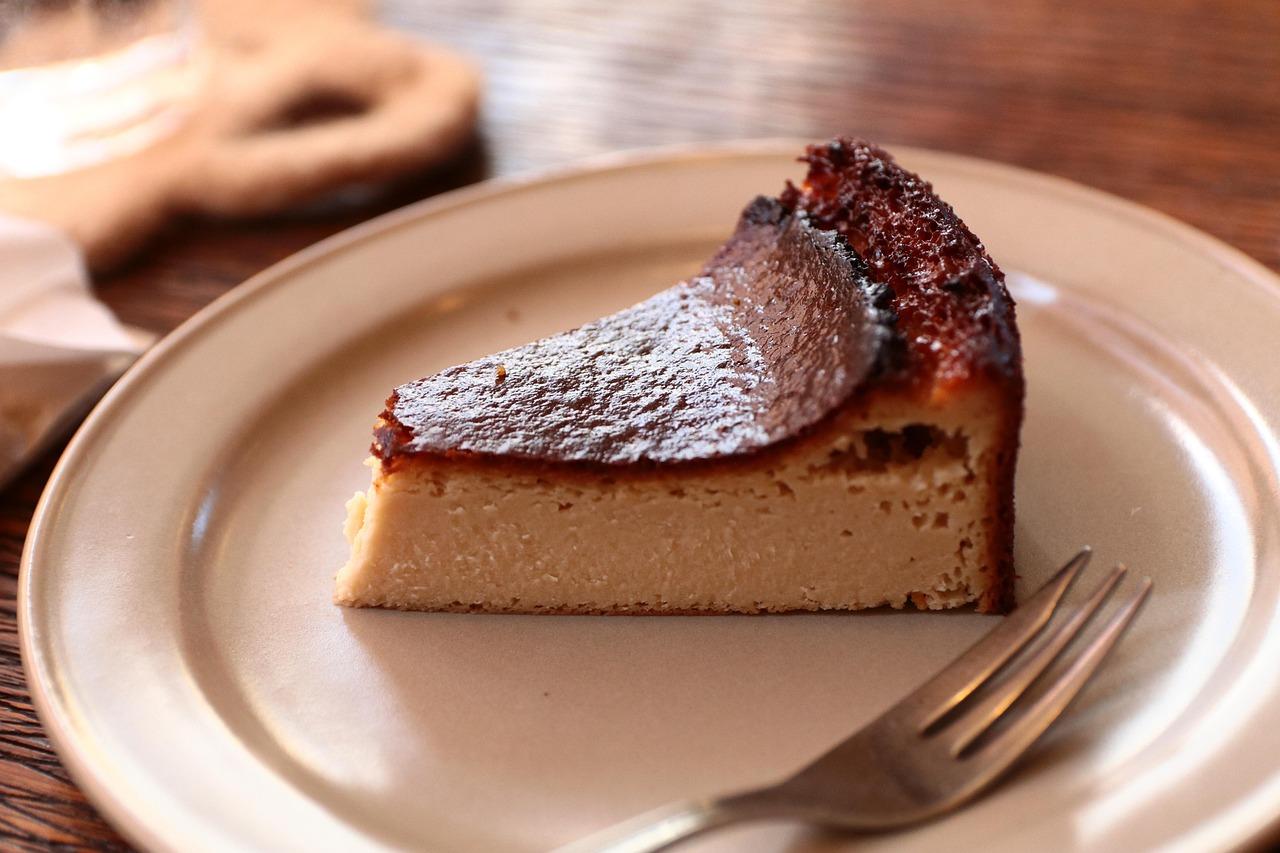
This crustless cheesecake was created in the early 1990s at La Viña, a pintxos bar in the old town of San Sebastián (Donostia) in the Basque Country, and is now famous around the world. It's baked very hot so the top caramelises almost black and the sides rise and crack, while the middle stays soft and creamy, almost runny. There's no base and no water bath, and the rough, rustic look is the point: it's lined with crumpled baking paper. La Viña uses a spoonful of wheat flour; cornflour does the same job and keeps it gluten free. Chef's tip: take it out of the oven while the centre still wobbles like a soft set custard; it firms up as it cools, and if it looks set in the oven, the middle will be dry instead of creamy.

by KrazyBadal 0 views

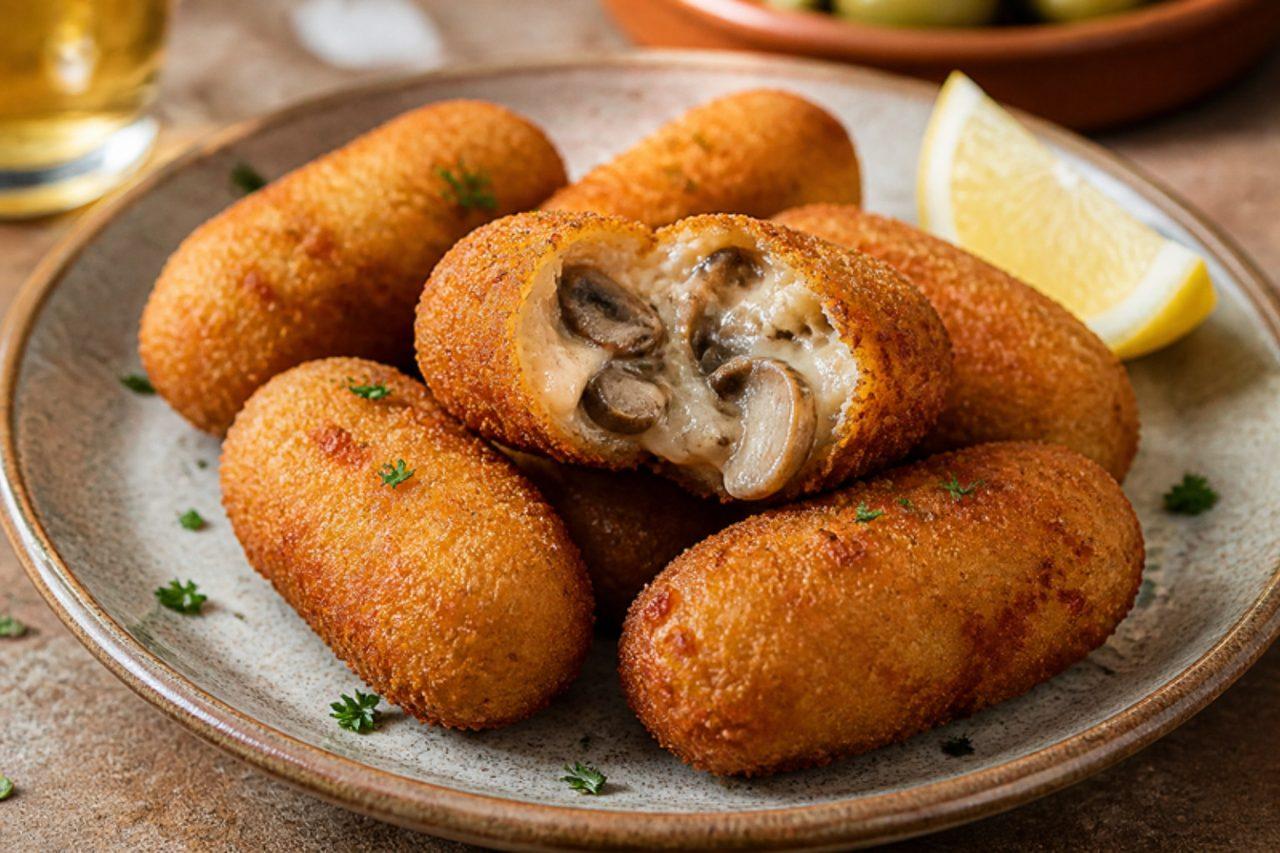
Mushroom croquetas

Croquetas are the pride of Spanish home cooking and tapas bars alike: a thick, silky béchamel full of flavour, chilled, rolled in egg and breadcrumbs and fried until crisp. Every family has its own; ham and chicken are classic, but croquetas de setas, made with wild or chestnut mushrooms, are found all over the country and are especially loved in the mushroom-picking regions of Castile and Catalonia. A good croqueta is creamy, almost liquid, inside, with a thin shell. Make a big batch: they freeze beautifully raw. Chef's tip: cook the flour in the butter and oil for a full 2 minutes and then beat the milk in slowly over a low heat for 10–15 minutes; this long cooking takes away the raw taste of flour and gives the creamy centre that makes Spanish croquetas special.

by KrazyBadal 0 views

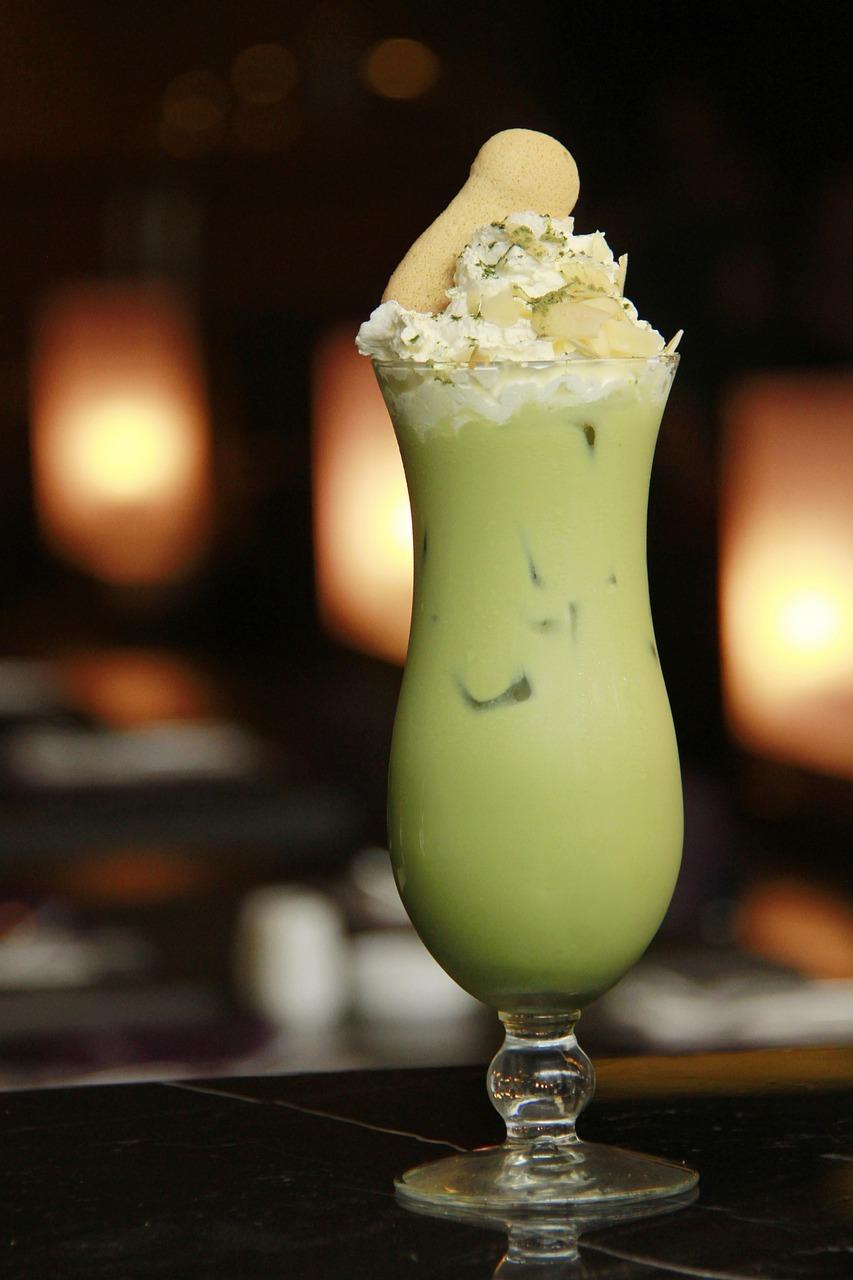
Avocado smoothie

In Vietnam the avocado is a sweet fruit, and sinh tố bơ is the most popular shake at Saigon's juice stalls, especially when the buttery avocados from the Central Highlands are in season. Ripe avocado is blended with milk, condensed milk and ice into a pale green shake so thick it is almost a dessert. Drink it with a straw or a spoon on a hot afternoon. Chef's tip: use a very ripe, soft avocado with no stringy bits, and drizzle a little extra condensed milk around the inside of the glass before pouring, the way street vendors do, so you get sweet ribbons as you drink.

by KrazyBadal 0 views

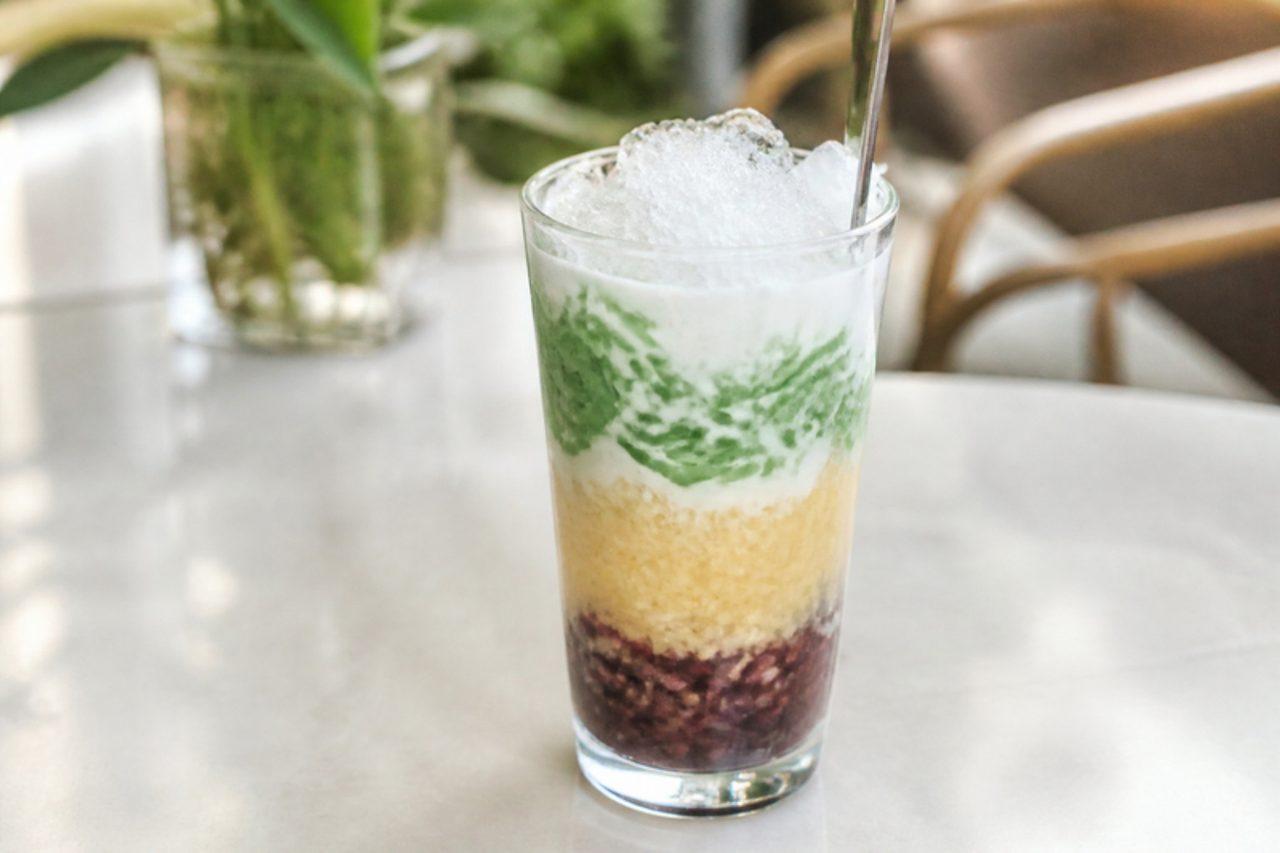
Three-colour dessert

Chè are Vietnam's sweet soups and puddings, and chè ba màu, 'three-colour chè', is the one sold in tall glasses from Saigon street carts on hot afternoons. Sweet red beans, smooth yellow mung bean paste and green pandan jelly are layered with salty-sweet coconut sauce and crushed ice, then stirred together with a long spoon. The jelly is set with agar, so it is fully vegan. Every part can be made a day or two ahead. Chef's tip: add a good pinch of salt to the coconut sauce; it sounds odd, but the slight saltiness lifts the sweet beans and is what makes chè taste properly Vietnamese.

by KrazyBadal 0 views

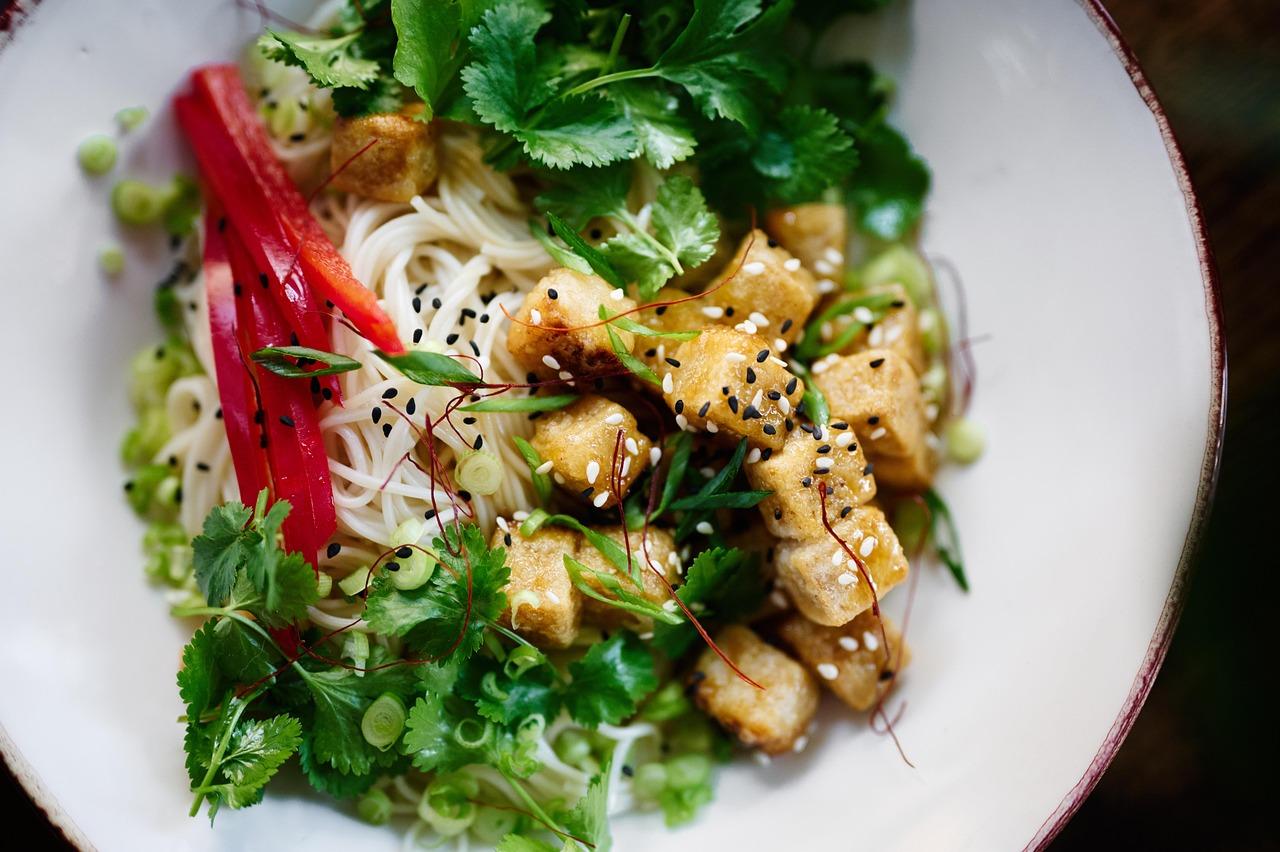
Caramelised clay-pot tofu and mushroomsBraised tofu and mushrooms

Kho is the slow braise of the Mekong Delta: food simmered in a little clay pot (nồi đất) with dark caramel and seasoning until the sauce is sticky and the flavours go deep. This vegetarian cousin of cá kho tộ (braised fish) uses golden tofu and meaty mushrooms in place of fish, cooked in coconut water, as cooks do in the south, and finished with plenty of black pepper. Serve it bubbling in its pot with steamed rice and a sour soup or plain boiled vegetables. Chef's tip: take the caramel (nước màu) to a deep mahogany, darker than you think, just before it smokes; pale caramel only tastes sweet, while dark caramel gives the bittersweet, smoky flavour of a real kho.

by KrazyBadal 2 views

Vietnamese iced coffee
Cà phê sữa đá is the drink of Vietnam's pavement cafés, and in Saigon people sit on tiny plastic stools sipping it slowly from morning to night. Dark-roast coffee, traditionally robusta, drips slowly through a small metal filter called a phin onto a layer of sweetened condensed milk, then gets stirred and poured over ice. It is strong, sweet, chocolatey and very cold. Chef's tip: bloom the coffee with a splash of hot water for 30 seconds before filling the phin; it should then drip slowly, about 1–2 drops a second, for 4–5 minutes. Too fast and the coffee tastes thin, so press the inner filter down a little more next time.

by KrazyBadal 0 views

Lemongrass tofu noodle salad

In Saigon, bún thịt nướng, a bowl of cold rice vermicelli piled with herbs, salad and smoky grilled pork, is the lunch everyone loves on a hot day. This vegetarian bún chay keeps everything that makes it great: lettuce, cucumber, mint and perilla underneath, caramelised lemongrass tofu on top, quick pickles, roasted peanuts, crispy shallots and spring onion oil, with a generous jug of vegan nước chấm poured over just before eating. Chef's tip: make the spring onion oil (mỡ hành) by pouring sizzling oil over sliced spring onions; it gives the bowl its rich, fragrant southern finish.

by KrazyBadal 0 views

Tofu in tomato sauce

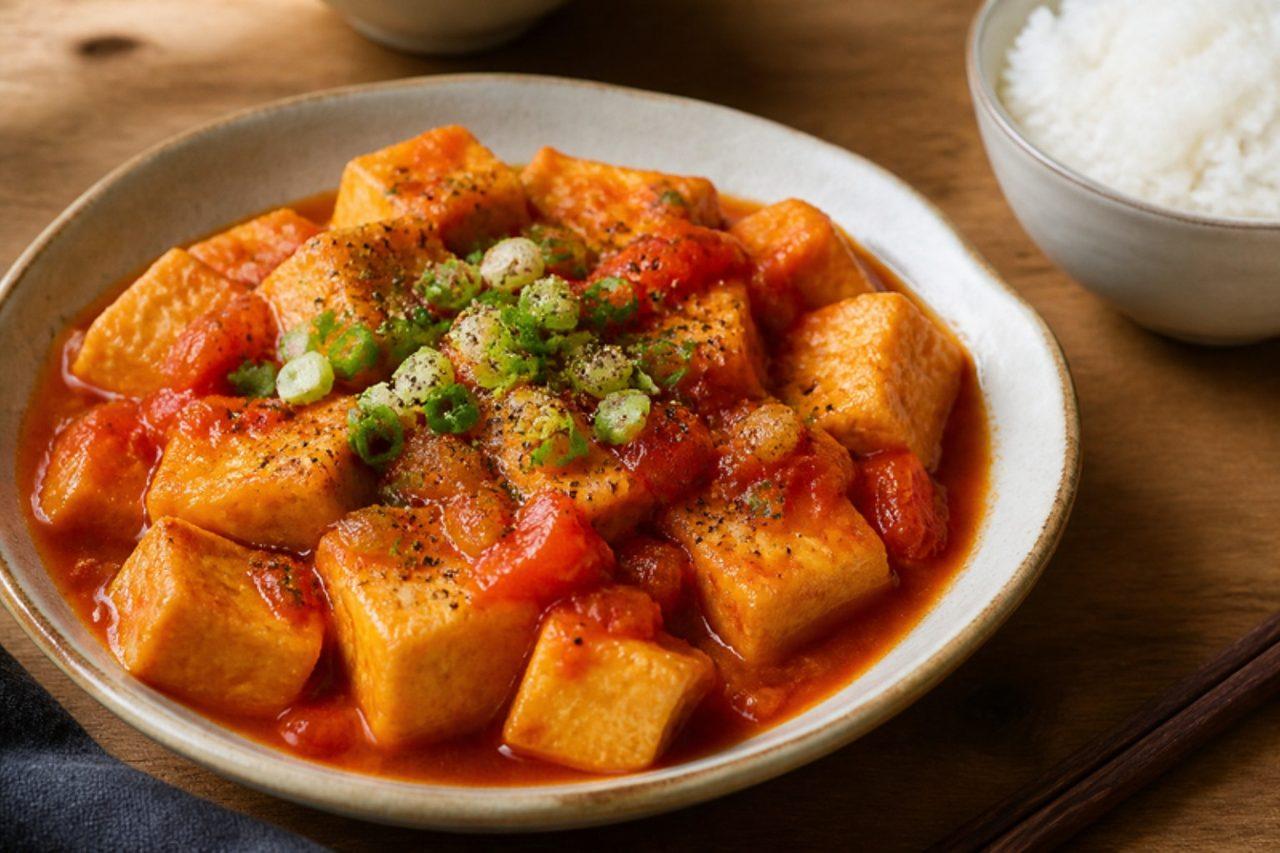
Đậu sốt cà chua is one of the most-loved home dishes in Vietnam, cooked on weeknights from Hanoi to Saigon and eaten with steamed rice and a simple vegetable soup. Golden fried tofu is simmered in a sauce of fresh tomatoes cooked down with shallot and garlic until sweet, tangy and glossy. Fish sauce is replaced here with soy sauce. Chef's tip: cook the tomatoes on their own until they collapse completely into a thick sauce before the tofu goes back in; if you rush this, you get watery pink tomatoes instead of a rich, clinging sauce.

by KrazyBadal 0 views

SaheenaDasheen leaf fritters

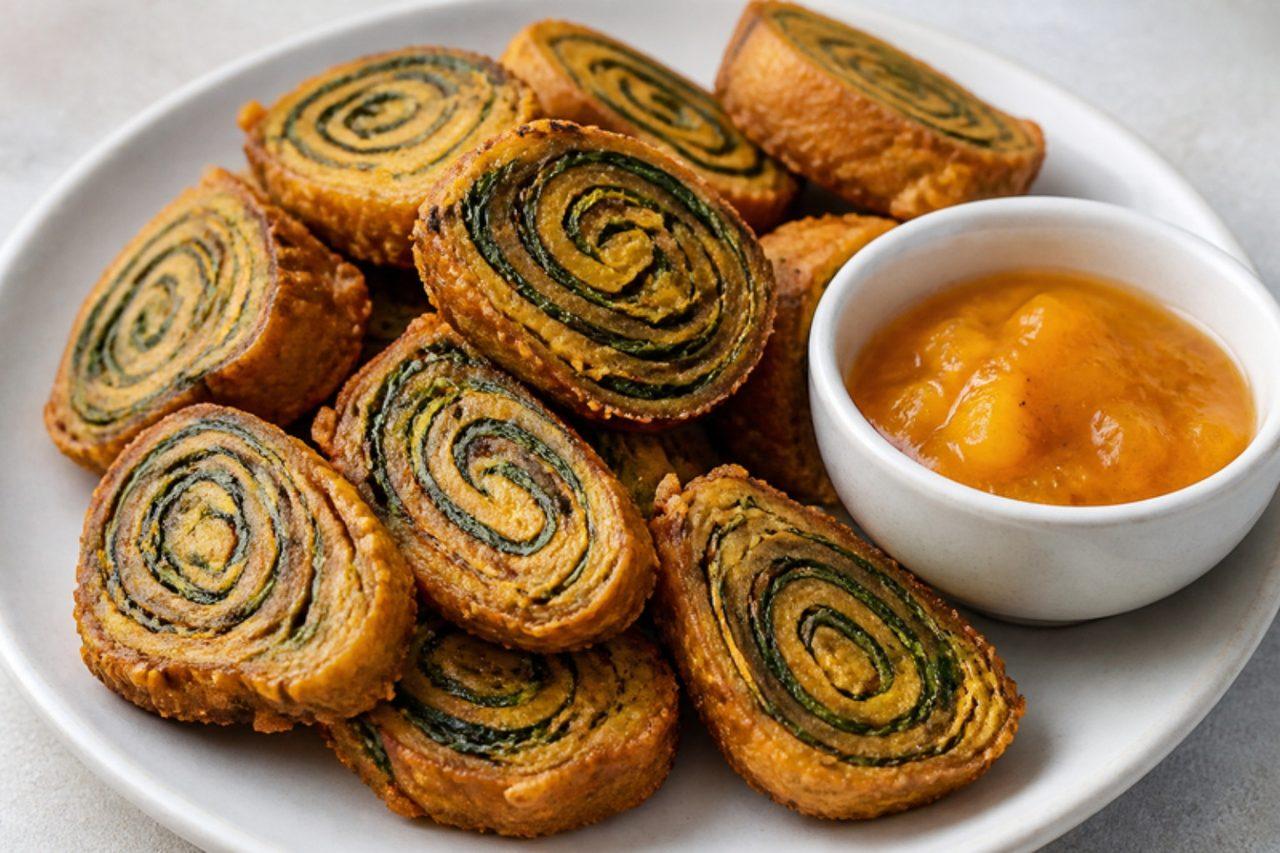
Saheena is an old Indo-Trinidadian snack sold by street vendors and doubles men, especially in Central and South Trinidad. Young dasheen (taro) leaves are spread with a spiced batter of ground split peas, garlic, turmeric and pepper, rolled up like a Swiss roll, steamed, then sliced into rounds and fried until crisp. Each slice shows green spirals of leaf and gold batter, and tastes earthy, savoury and garlicky. Serve with tamarind sauce or mango chutney. If you can't get dasheen leaves, large spinach or Swiss chard leaves work. Chef's tip: always cook dasheen leaves thoroughly. They contain crystals that make your throat itch if undercooked, which is why the rolls are steamed right through before frying.

by KrazyBadal 1 views

Pudim de leite condensadoCondensed milk flan

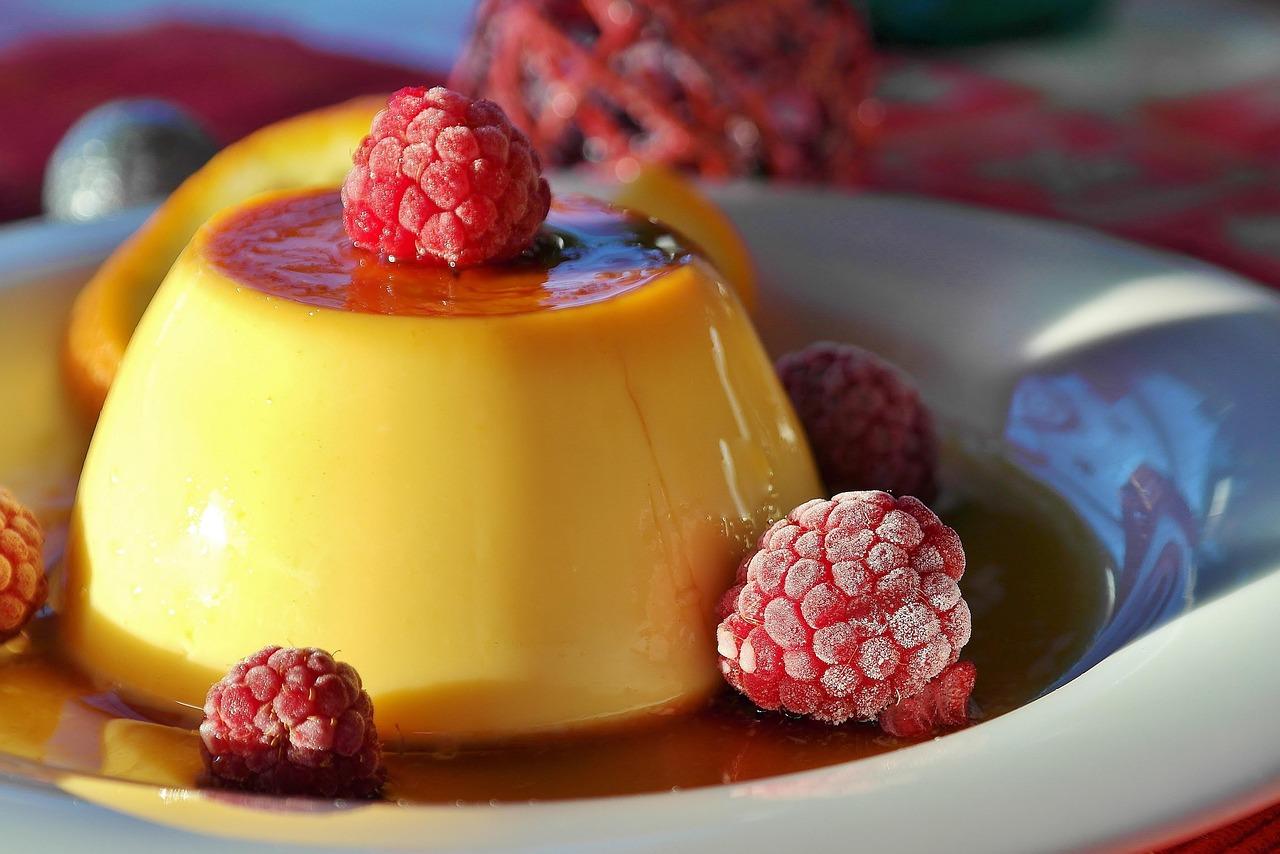
Pudim de leite condensado is the dessert of Brazilian Sunday lunch, served in every home and por-quilo restaurant from north to south. It's richer and denser than a French crème caramel: condensed milk, milk and eggs baked in a water bath in a ring tin, then turned out under a glossy layer of dark caramel. Chef's tip: bake it gently in a water bath and keep the water just below a simmer. Too much heat makes the bubbles that leave the pudim full of little holes; Brazilians prize a smooth, silky pudim lisinho.

by KrazyBadal 0 views

Palm heart and plantain moquecaPalm heart and plantain coconut stew

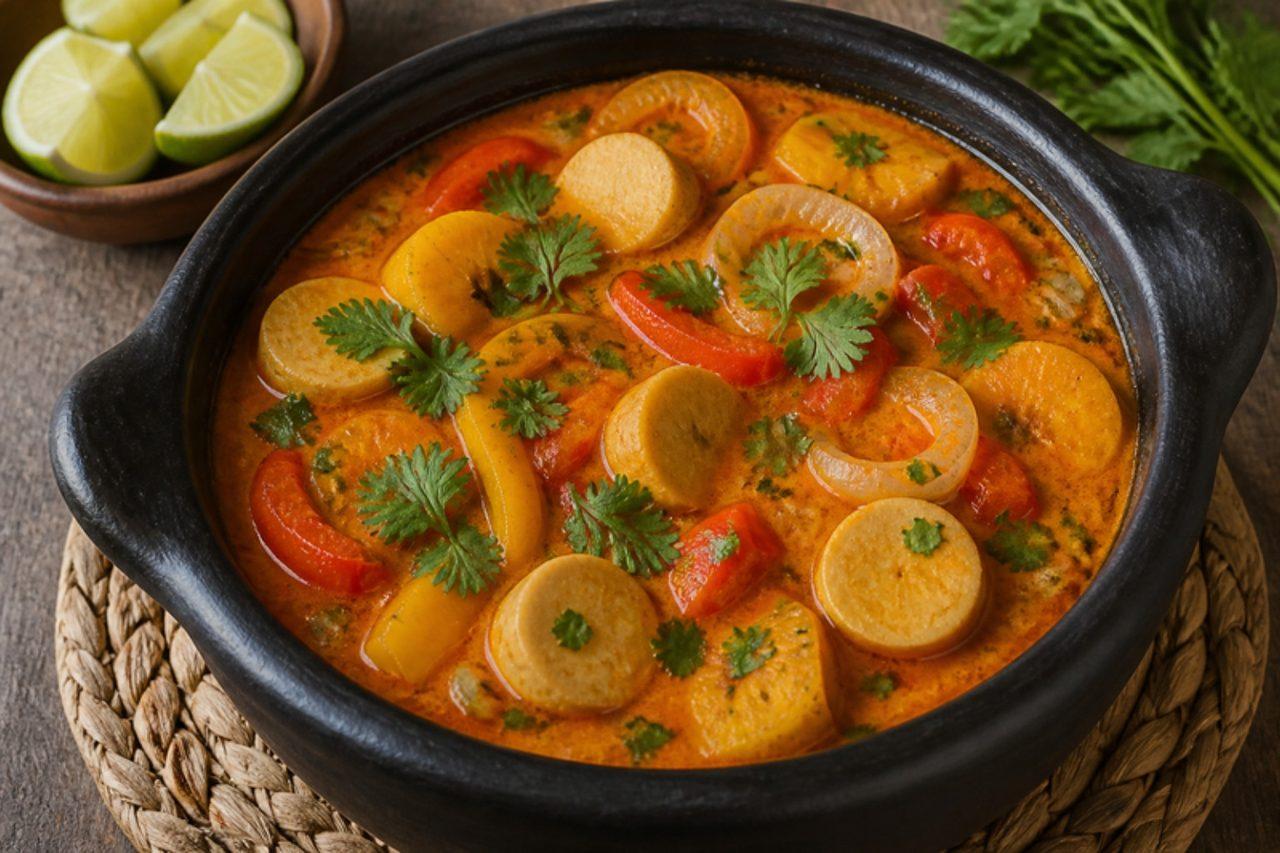
Moqueca is the great stew of Bahia, cooked in a clay pot with coconut milk, tomatoes, peppers and dendê, the red palm oil that gives Salvador's food its colour and flavour. Fish is usual on the coast, but moqueca de palmito e banana-da-terra, with heart of palm and ripe plantain, is a much-loved vegetarian version: sweet, tangy and fragrant with coriander and lime. Serve with white rice and farofa. Chef's tip: layer the vegetables rather than frying them, and add half the dendê at the start and half at the very end. The final splash keeps its fruity, nutty aroma, which is the real taste of Bahia.

by KrazyBadal 0 views

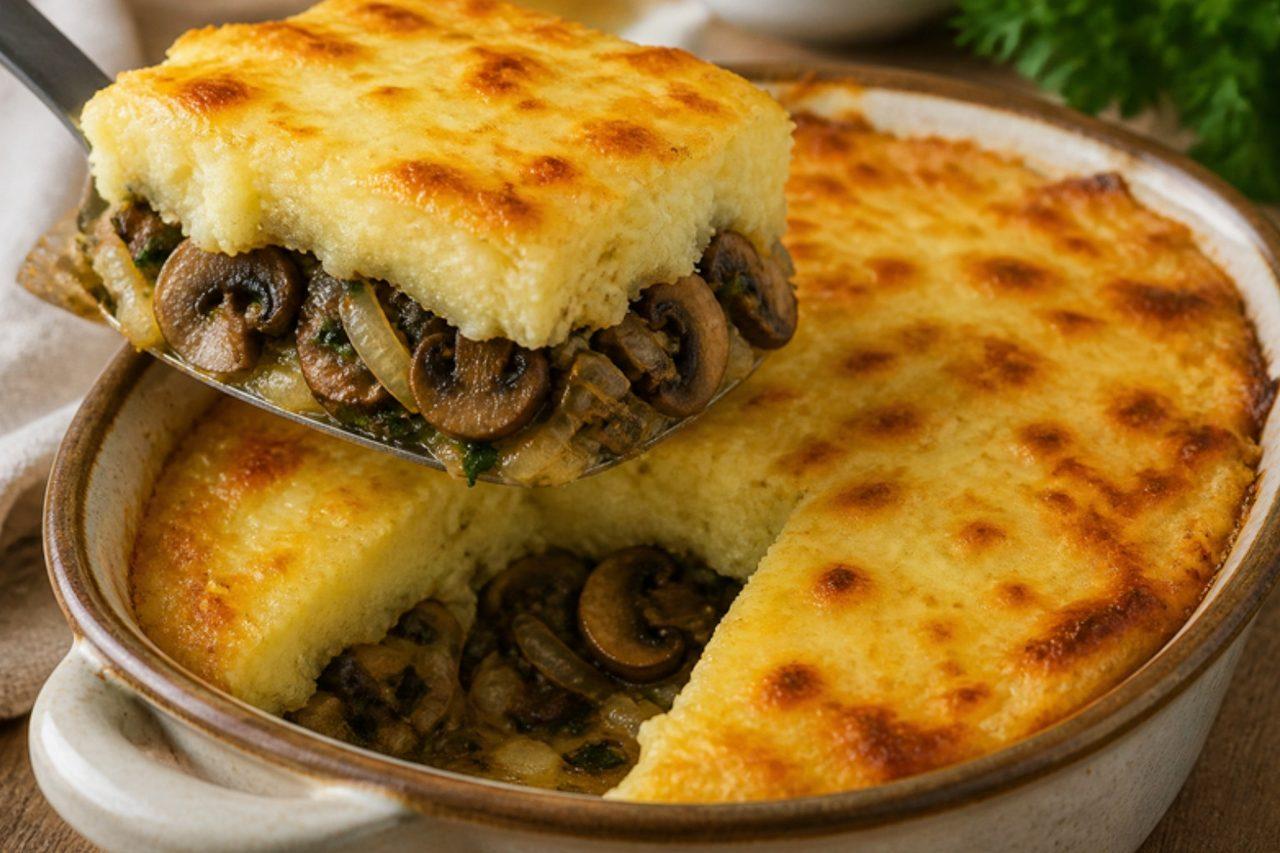
Mushroom and cassava escondidinhoMushroom and cassava bake

Escondidinho ('little hidden one') is a homely baked dish from the Northeast: a savoury filling hidden under a layer of creamy mashed cassava (mandioca or aipim), topped with cheese and baked until golden. The classic is made with carne de sol, the Northeast's sun-dried beef; this vegetarian escondidinho uses mushrooms browned hard with onion, tomato and smoked paprika for the same savoury depth. Serve it with a green salad or couve à mineira. Chef's tip: mash the cassava while it's piping hot and remove the woody core first. Cold cassava turns gluey, and the stringy core spoils the silky texture.
by KrazyBadal 0 views

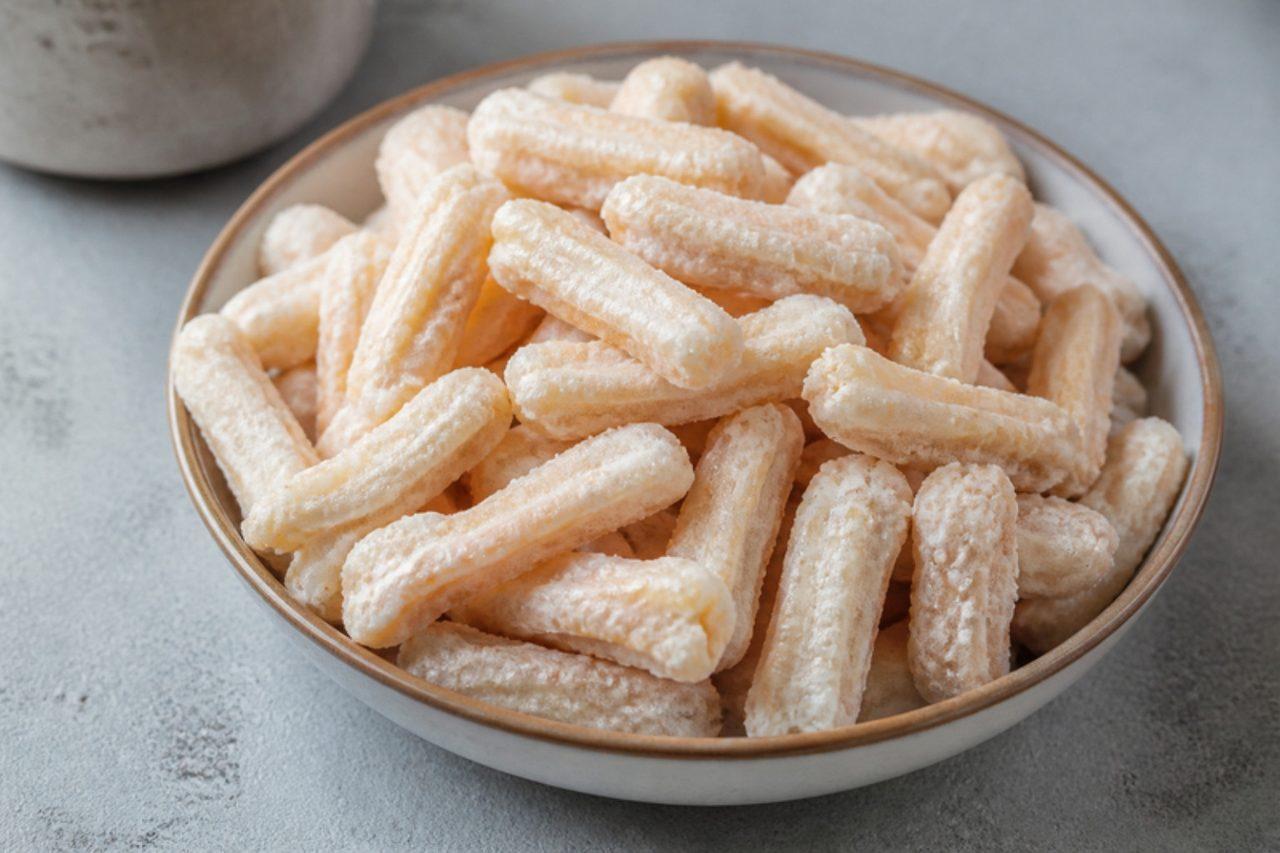
KurmaSweet fried dough sticks

Kurma is a crunchy Indo-Trinidadian sweet made for Divali, weddings and pujas, and sold in bags at roadside parlours in Central Trinidad. A rich dough flavoured with ginger, cinnamon and nutmeg is cut into thin sticks, fried until hard and golden, then tossed in a hot ginger sugar syrup until it dries into a frosty white coating. It keeps for weeks in a tin. Chef's tip: keep stirring the kurma in the syrup off the heat until the sugar suddenly turns opaque and sandy. That moment is the whole trick; stop too early and the coating stays sticky, and the 'frost' is what makes kurma kurma.

by KrazyBadal 0 views

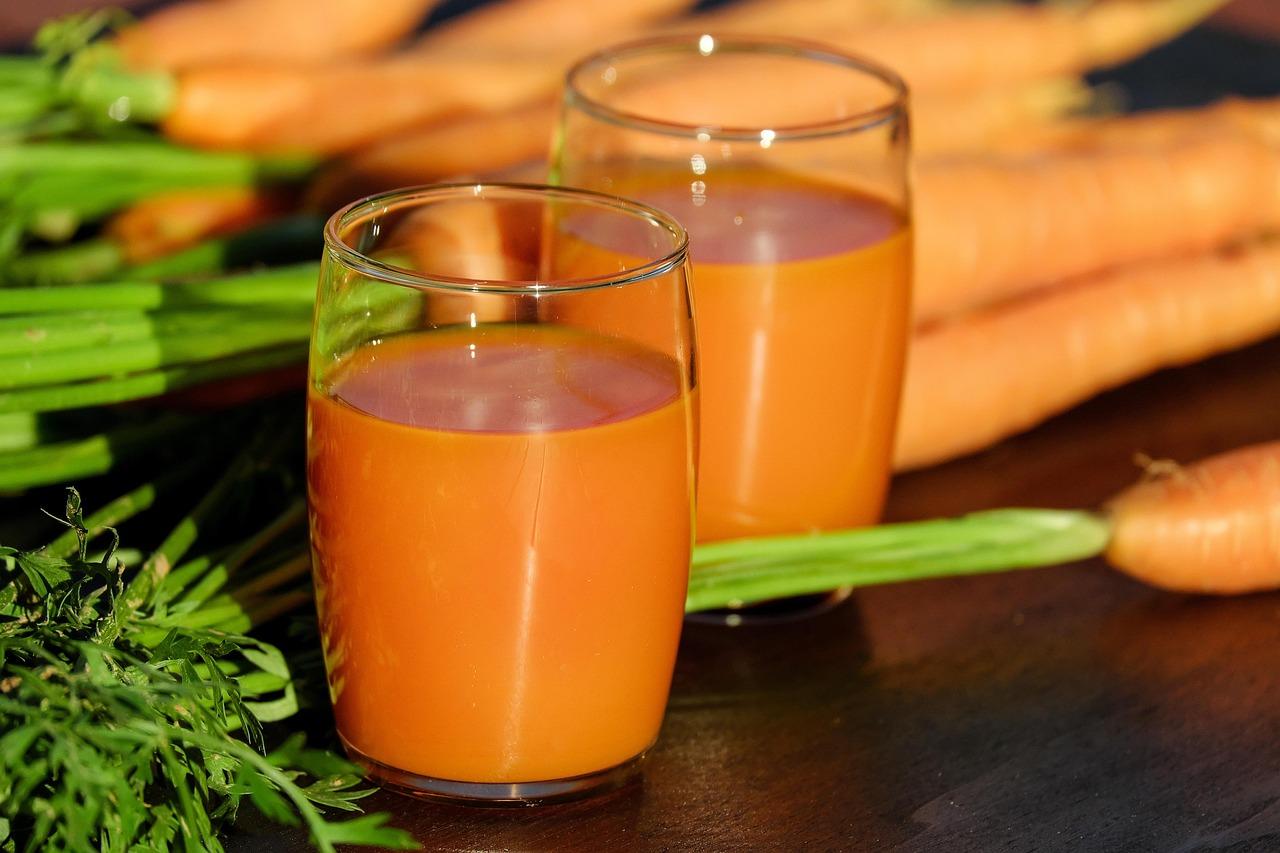
Jamaican carrot juice

Jamaican carrot juice isn't a thin health drink but a creamy, sweet treat, blended fresh in homes and sold cold in bottles at markets and juice stands across the island, especially on Sundays and at Christmas. Grated carrots are blended with water and strained, then sweetened with condensed milk and spiced with nutmeg, vanilla and a squeeze of lime. Chef's tip: add a squeeze of lime and a little fresh ginger. The sharpness cuts through the sweetness and stops the drink tasting flat, the way Jamaican cooks make it.

by KrazyBadal 0 views

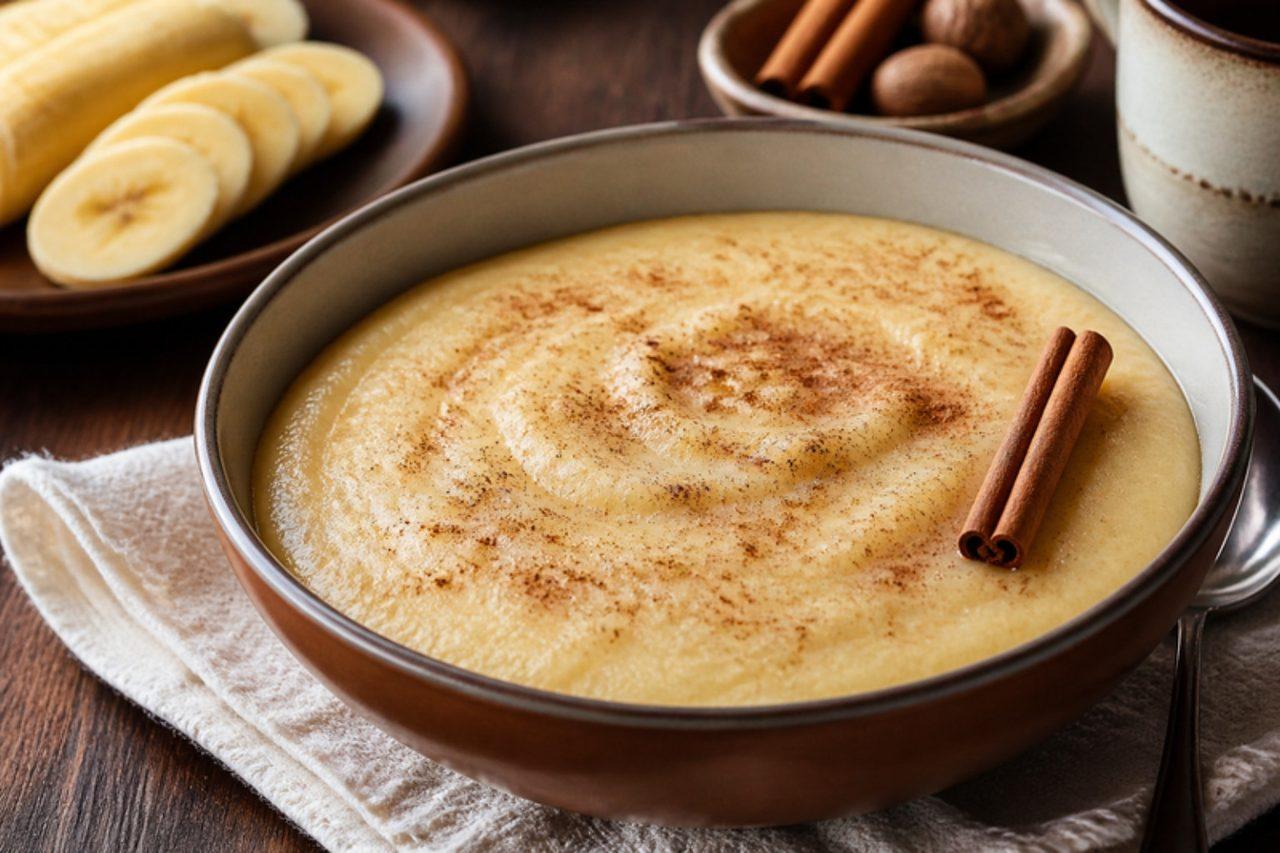
Cornmeal porridge

Cornmeal porridge is the breakfast many Jamaicans grew up on, cooked in homes across the island before school and work. Fine cornmeal is simmered slowly with milk and water until thick and velvety, then spiced with cinnamon, nutmeg and vanilla and sweetened with condensed milk. It's warm, filling and gently sweet. Chef's tip: whisk the cornmeal into cold water first to make a smooth slurry before it meets any heat. Adding dry cornmeal to hot liquid is how porridge goes lumpy.

by KrazyBadal 0 views

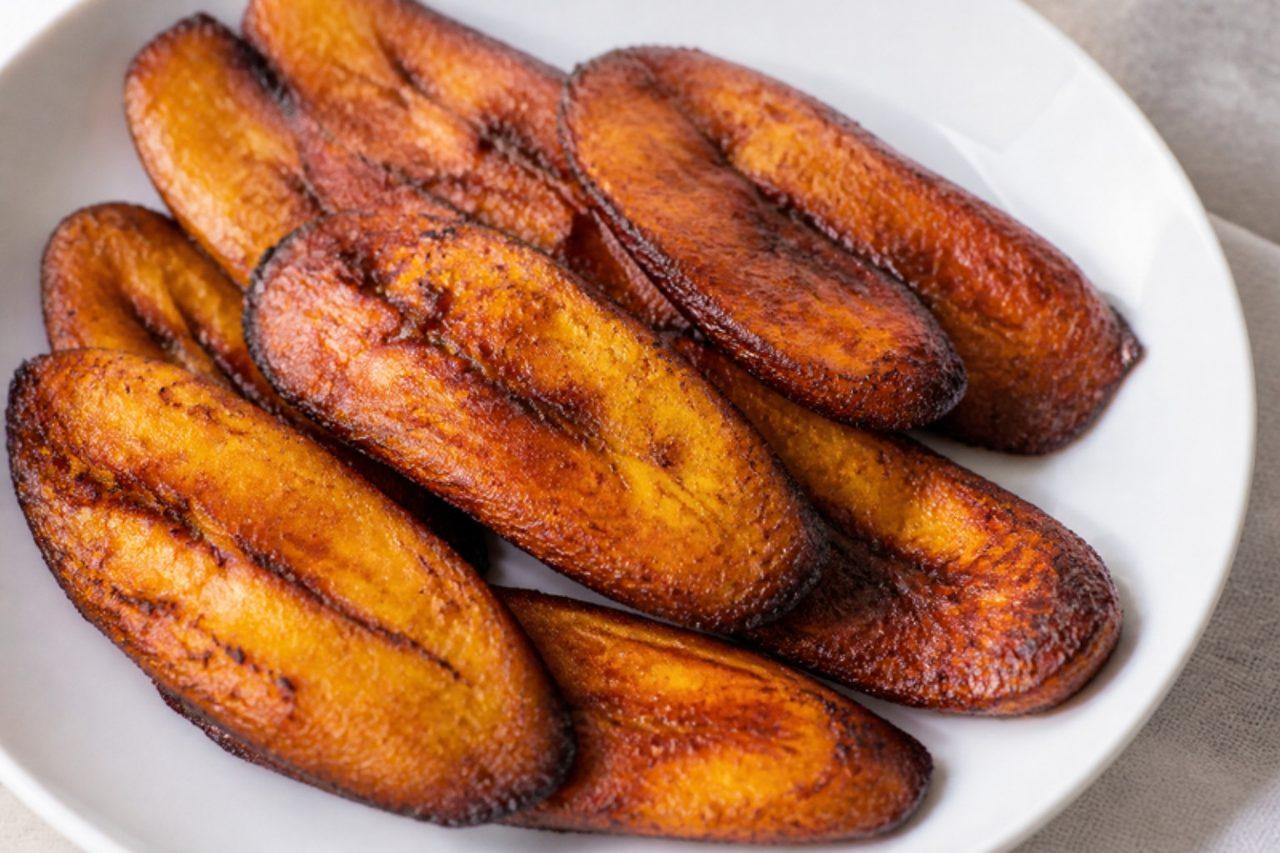
Fried ripe plantain

Fried ripe plantain is on almost every Jamaican plate, from breakfast with ackee and callaloo to Sunday dinner beside rice and peas. When plantains are fully ripe their starch turns to sugar, so the slices fry up soft and custardy inside with dark, sticky, caramelised edges, sweet with a little salt. Chef's tip: wait until the skin is mostly black. A yellow plantain fries up firm and starchy; a black one gives that melting, toffee-sweet result, and medium heat lets the sugars caramelise without burning.
by KrazyBadal 0 views

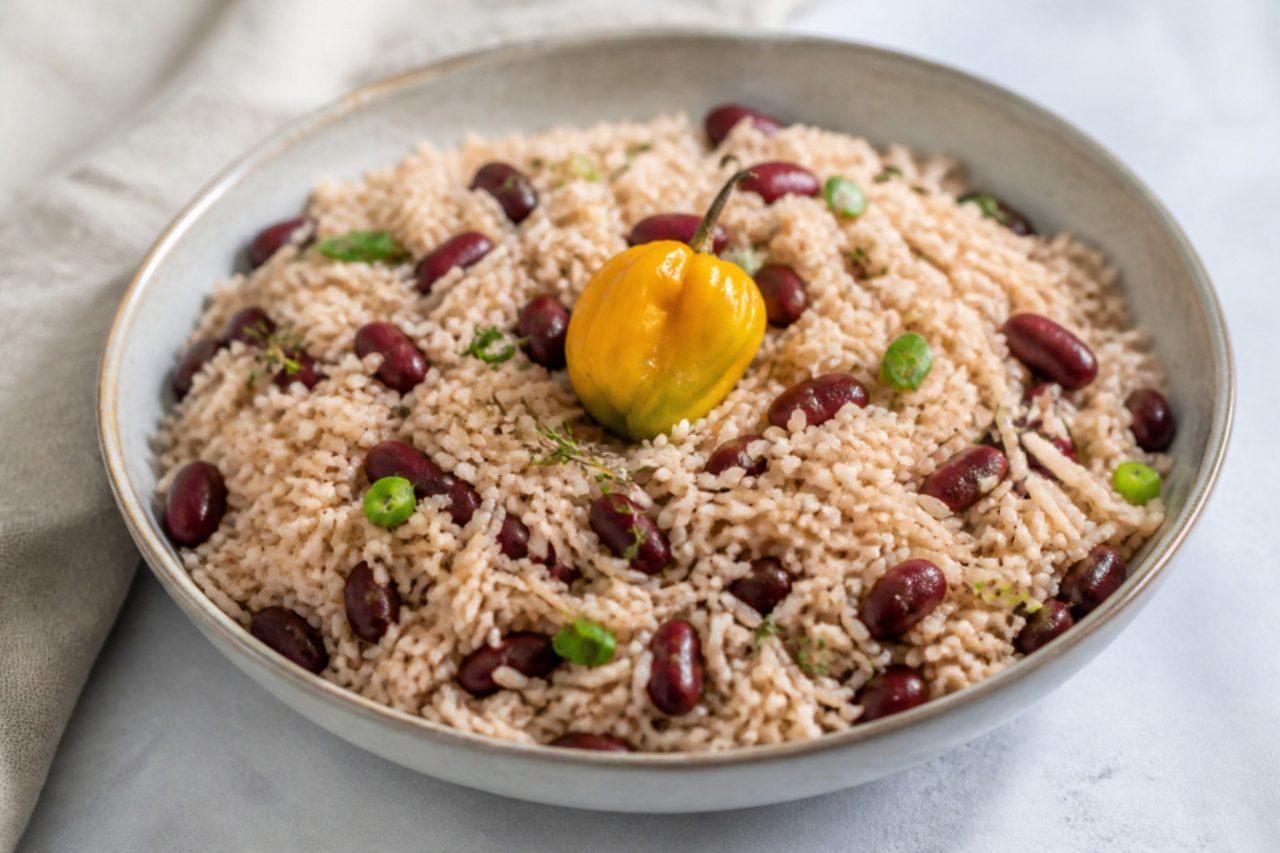
Rice and peas

No Sunday dinner anywhere in Jamaica is complete without rice and peas, and 'peas' here means red kidney beans. The beans tint the rice a soft pinkish brown, the coconut milk makes it rich and creamy, and a whole scotch bonnet sitting on top perfumes the pot with fruity heat without burning anyone. Serve with jerk tofu, Ital stew, steamed cabbage and fried ripe plantain. This version uses tinned beans and their liquid for an everyday cook; with dried beans, soak 250 g overnight and simmer them for about an hour first, then use their cooking water. Chef's tip: once the rice goes in, don't stir it. Cover the pot tightly (a sheet of foil under the lid helps) and let the steam do the work, so the grains come out separate and fluffy instead of mushy.

by KrazyBadal 0 views

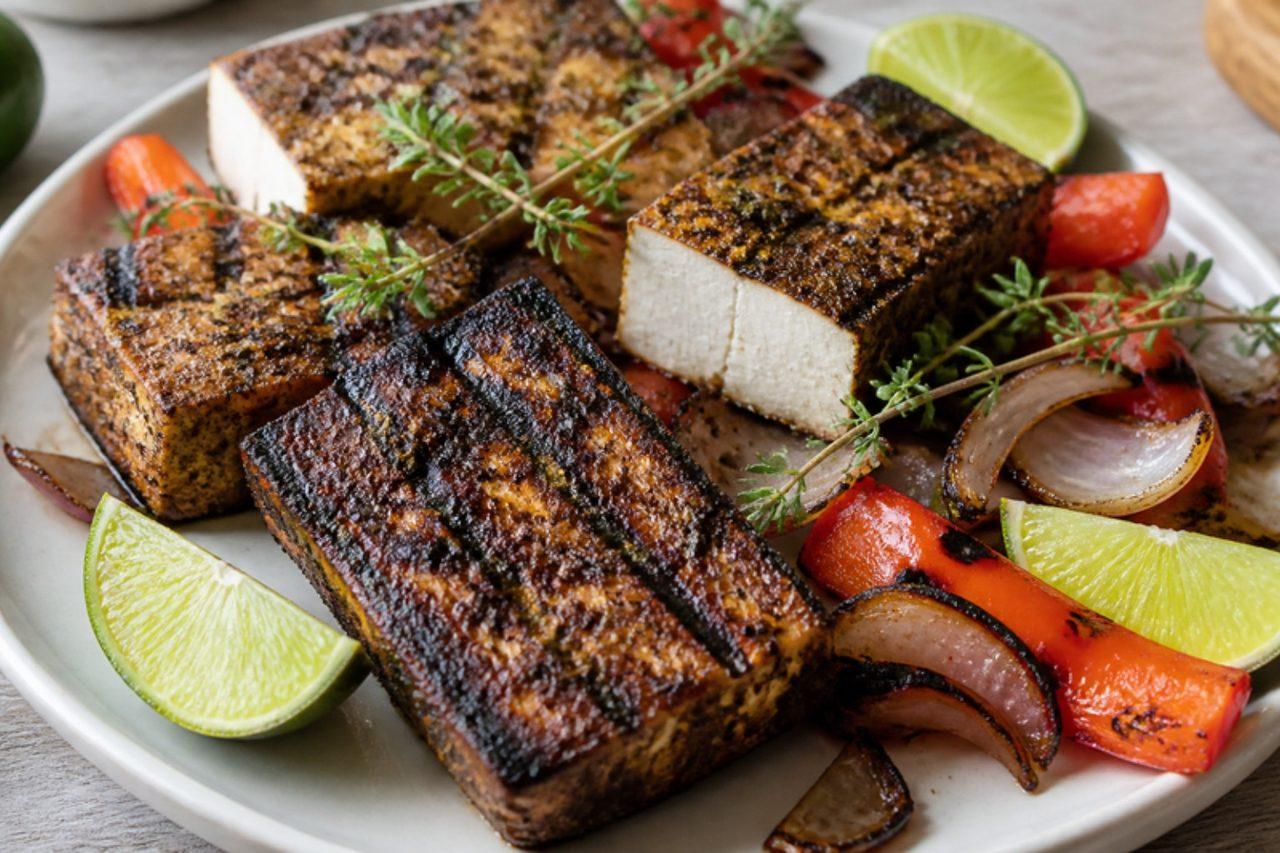
Jerk tofu and vegetables

Jerk was born in the hills of Portland parish, where Maroon communities slow-cooked spiced meat over pimento wood, and Boston Bay is still its home today. The heart of it is the wet marinade: spring onion, thyme, scotch bonnet and plenty of pimento (allspice), blitzed into a coarse green-brown paste. Here it clings to slabs of pressed tofu and chunky vegetables that are charred until sticky at the edges, smoky, hot and fragrant. Serve with rice and peas, fried ripe plantain or festival and a squeeze of lime. Chef's tip: toast whole pimento berries in a dry pan and grind them yourself; ready-ground allspice tastes flat, and the warm clove-pepper perfume of fresh pimento is what makes jerk taste like jerk.

by KrazyBadal 0 views

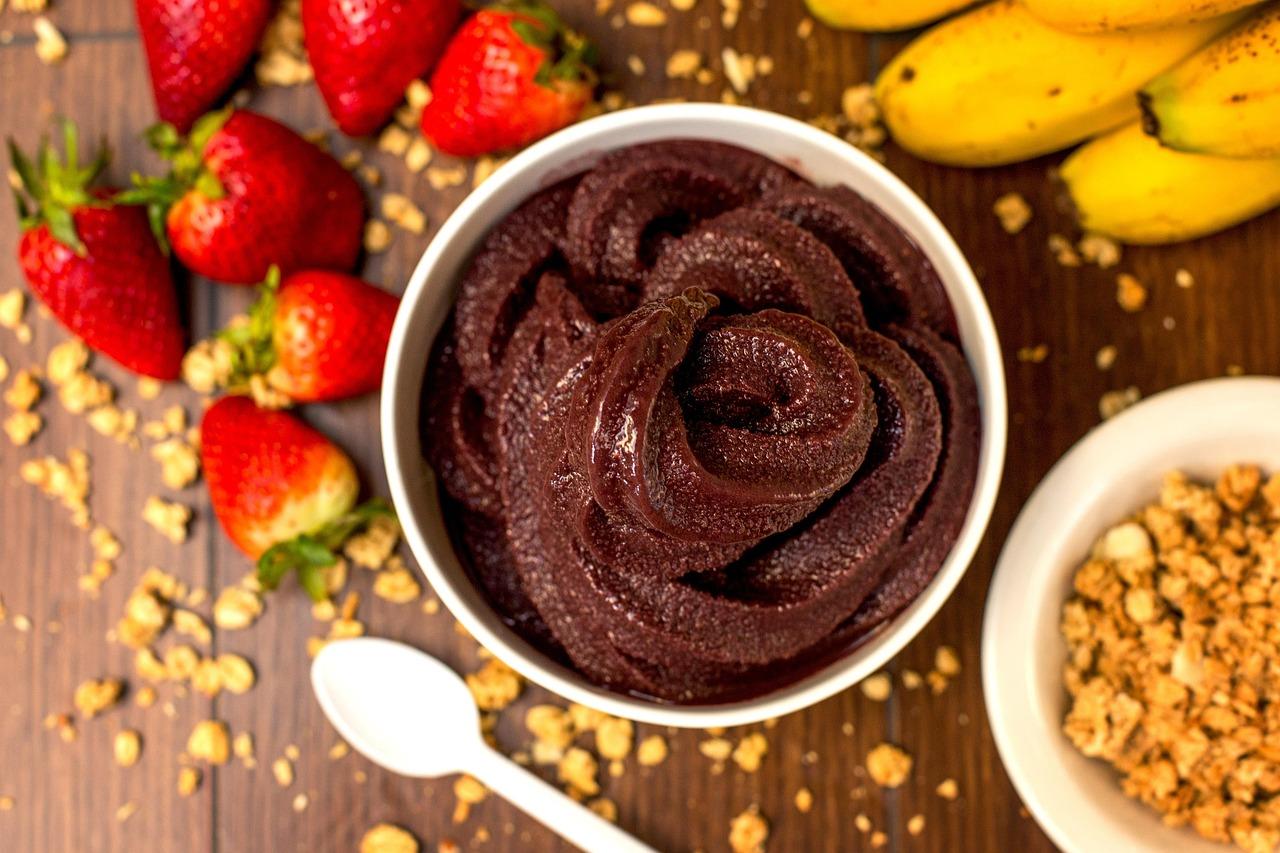
Açaí bowl

Açaí is a deep purple palm berry from Pará, in the Amazon, where people in Belém eat it as a thick, unsweetened purée with manioc meal alongside savoury food. The sweet, frozen açaí na tigela ('açaí in a bowl') was born on the beaches of Rio de Janeiro and became a Brazilian breakfast and post-surf favourite: thick as soft-serve ice cream, topped with crunchy granola, banana and strawberries. Chef's tip: use as little liquid as possible and blend in short pulses, scraping down the sides. Real açaí na tigela is spooned, not drunk; too much juice turns it into a smoothie.

by KrazyBadal 0 views

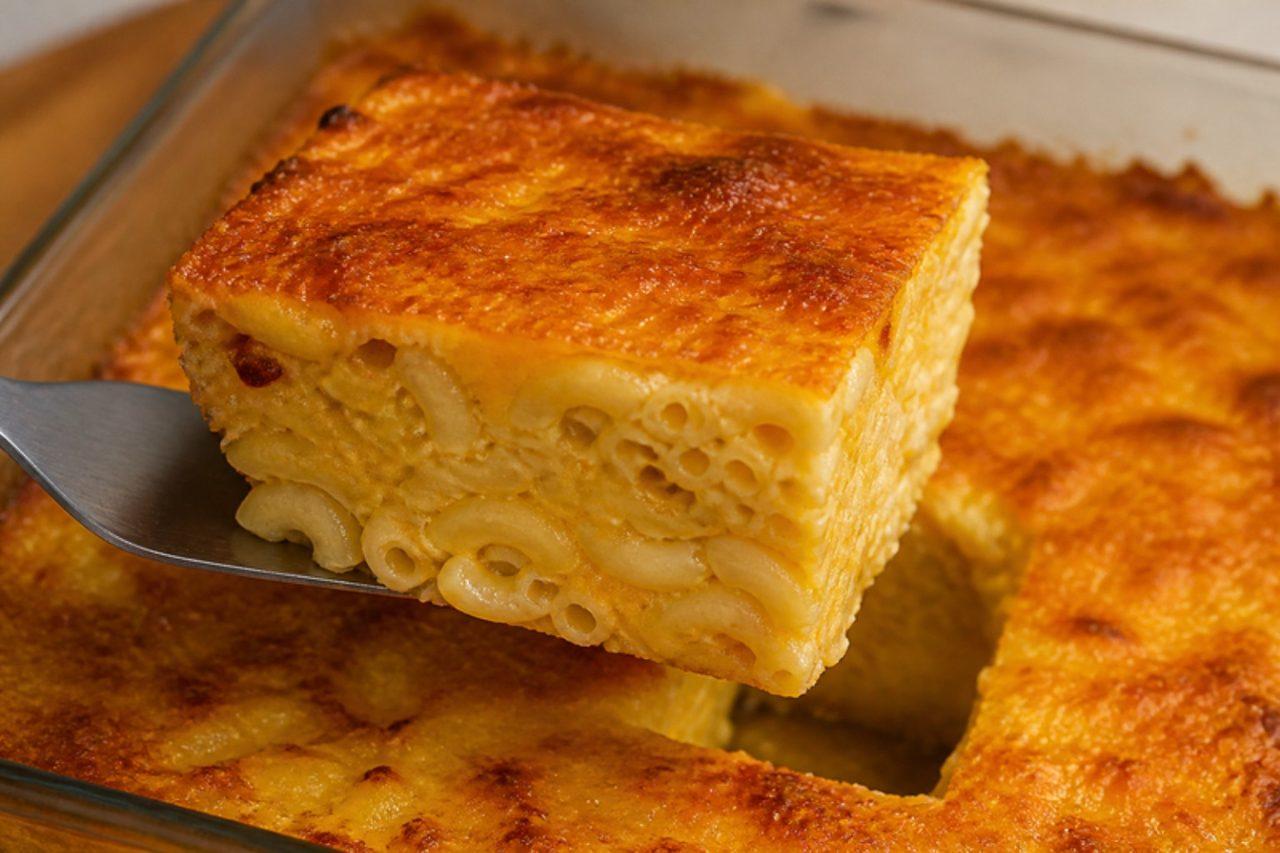
Macaroni pieBaked macaroni and cheese

Macaroni pie is a must on the Trinidadian Sunday lunch table, beside callaloo, rice, stew and salad. It isn't a saucy macaroni cheese but a firm bake: macaroni mixed with sharp cheddar, evaporated milk, eggs, mustard and a little onion and pepper, baked until golden and set enough to cut into neat squares. Kids love it, and it's just as good cold the next day. Chef's tip: let the pie rest for 20 minutes after it comes out of the oven. It firms up as it cools slightly, so you get clean, proper slices instead of a soft heap.
by KrazyBadal 0 views

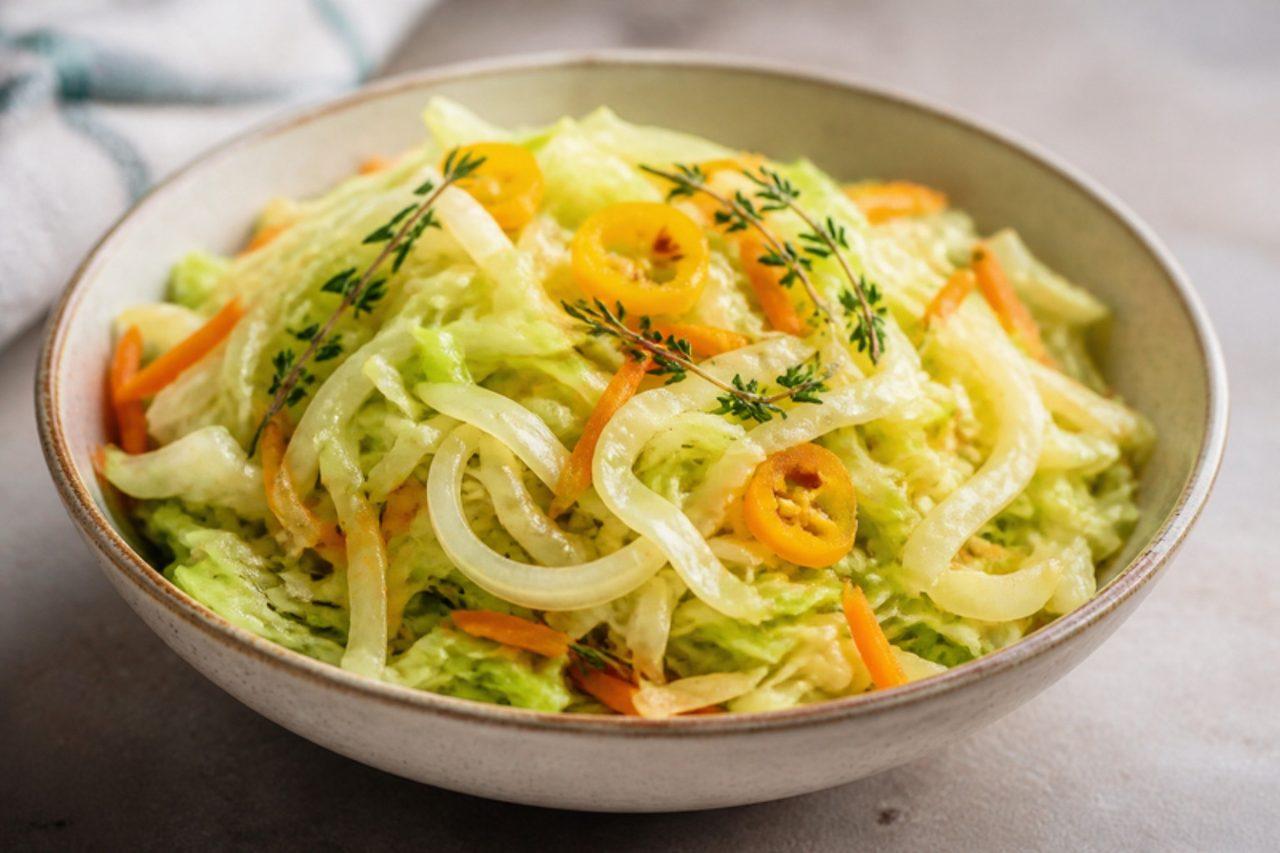
Steamed cabbage

Steamed cabbage is the everyday side dish of Jamaican home cooking, served at breakfast with fried dumplings and at dinner beside rice and peas or stew peas. Shredded cabbage and carrot are cooked with very little water, so they steam in their own juices and turn sweet, peppery and glossy rather than soggy. Chef's tip: use only a splash of water and keep the lid on. The cabbage should be tender-crisp and still pale green, never boiled limp, so take it off the heat while it still has a little bite.

by KrazyBadal 0 views

Acarajé with vegan vatapáBlack-eyed pea fritters with coconut paste

Acarajé is the street food of Salvador da Bahia, fried to order by the baianas de acarajé in their white lace dresses; the craft is protected as part of Brazil's cultural heritage. Peeled black-eyed peas are ground with onion, whipped until light and fried in dendê into crisp, airy fritters, then split and filled with vatapá, a rich paste of coconut, peanuts, cashews and ginger. Street versions add dried shrimp; this one leaves it out and leans on dendê and toasted nuts for depth. Add vinagrete and pepper sauce as they do in Salvador. Chef's tip: beat the bean paste until it's pale and fluffy, and test a little in a glass of water: when it floats, it's ready. That trapped air is what makes acarajé light inside.

by KrazyBadal 0 views

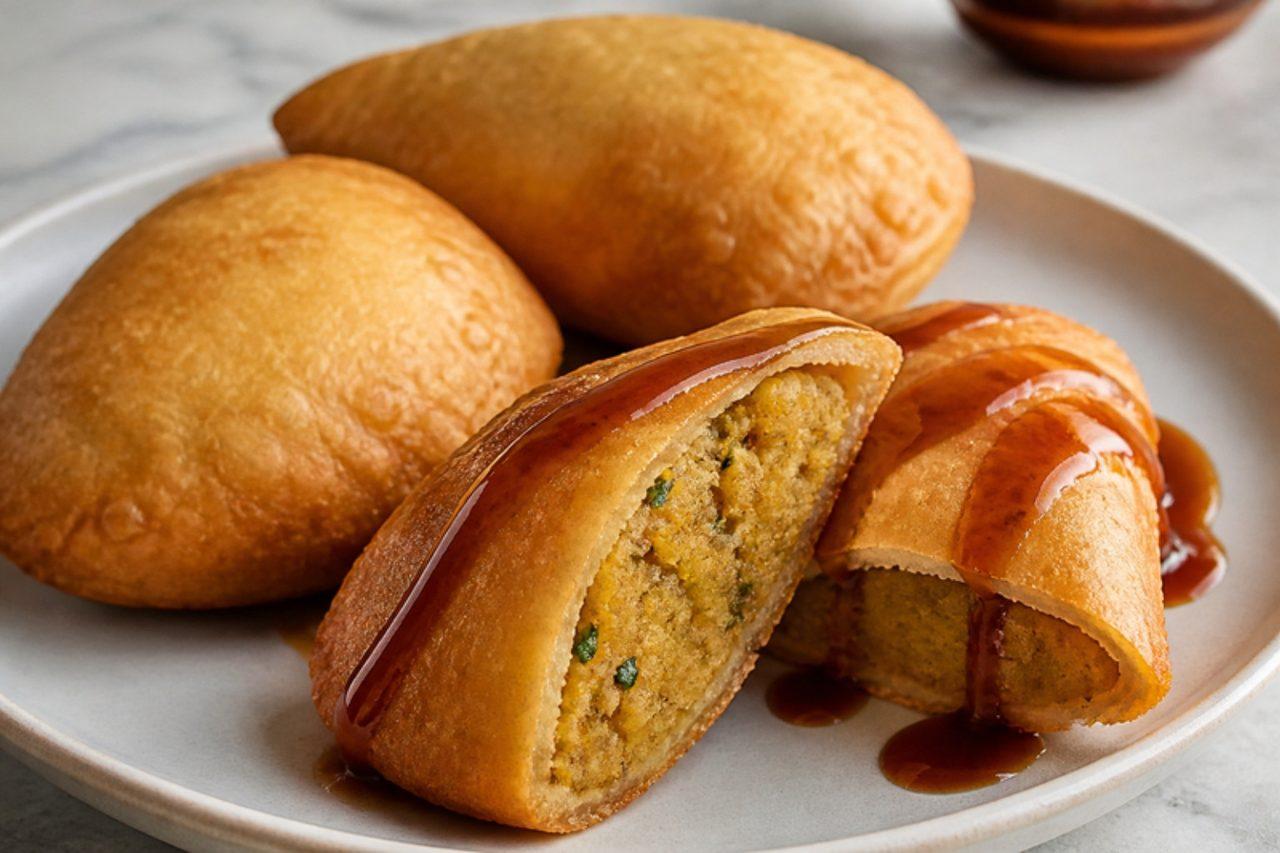
Aloo pieFried potato pastry pockets

Aloo pie is a Trinidadian street snack: a soft, chewy fried dough shaped like a big half-moon, filled with mashed potato seasoned with roasted geera, garlic, pepper and shado beni. It's sold at doubles stands, roti shops and school canteens all over the island, and the classic way to eat it is split open and loaded with curry channa, tamarind sauce and pepper. It's softer and breadier than an Indian samosa. Chef's tip: roast the geera seeds yourself until they're dark brown and fragrant, then grind them. That deep, smoky cumin flavour is what makes Trini aloo pie taste the way it should.
by KrazyBadal 0 views

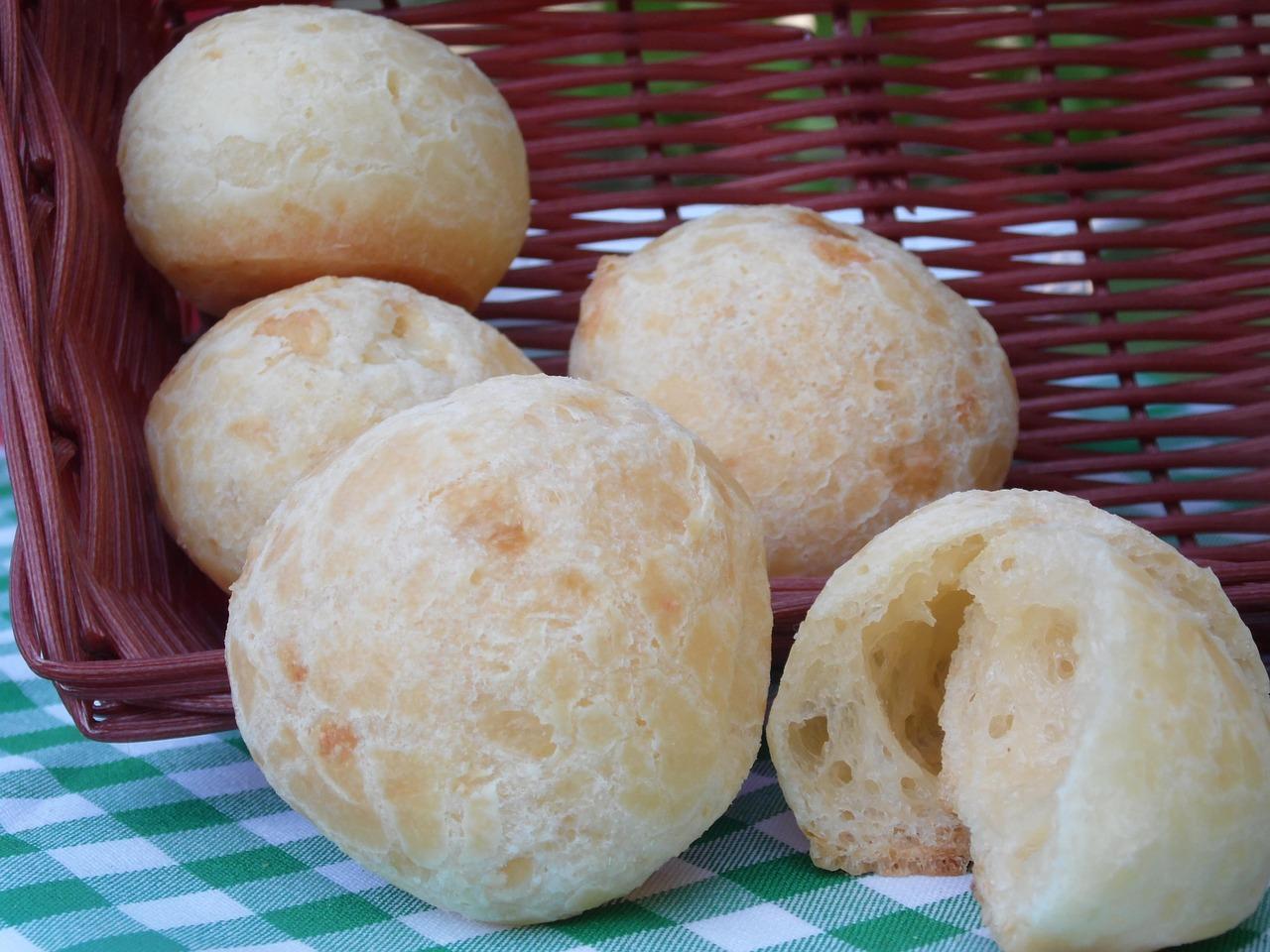
Pão de queijoCheese bread puffs

Pão de queijo comes from Minas Gerais, where every café and grandmother's kitchen has a tray in the oven for breakfast or afternoon coffee. Made with cassava starch (polvilho) instead of wheat flour, the little rolls are crisp and golden outside and stretchy, cheesy and almost hollow inside. Mineiros use queijo minas meia-cura; a mix of Parmesan-style cheese and mozzarella is the closest match elsewhere. Chef's tip: pour the boiling milk and oil over the starch (escaldar). Scalding cooks part of the starch, and that's what gives the chewy, elastic inside; and use some sour starch (polvilho azedo), which makes them puff up tall.

by KrazyBadal 0 views

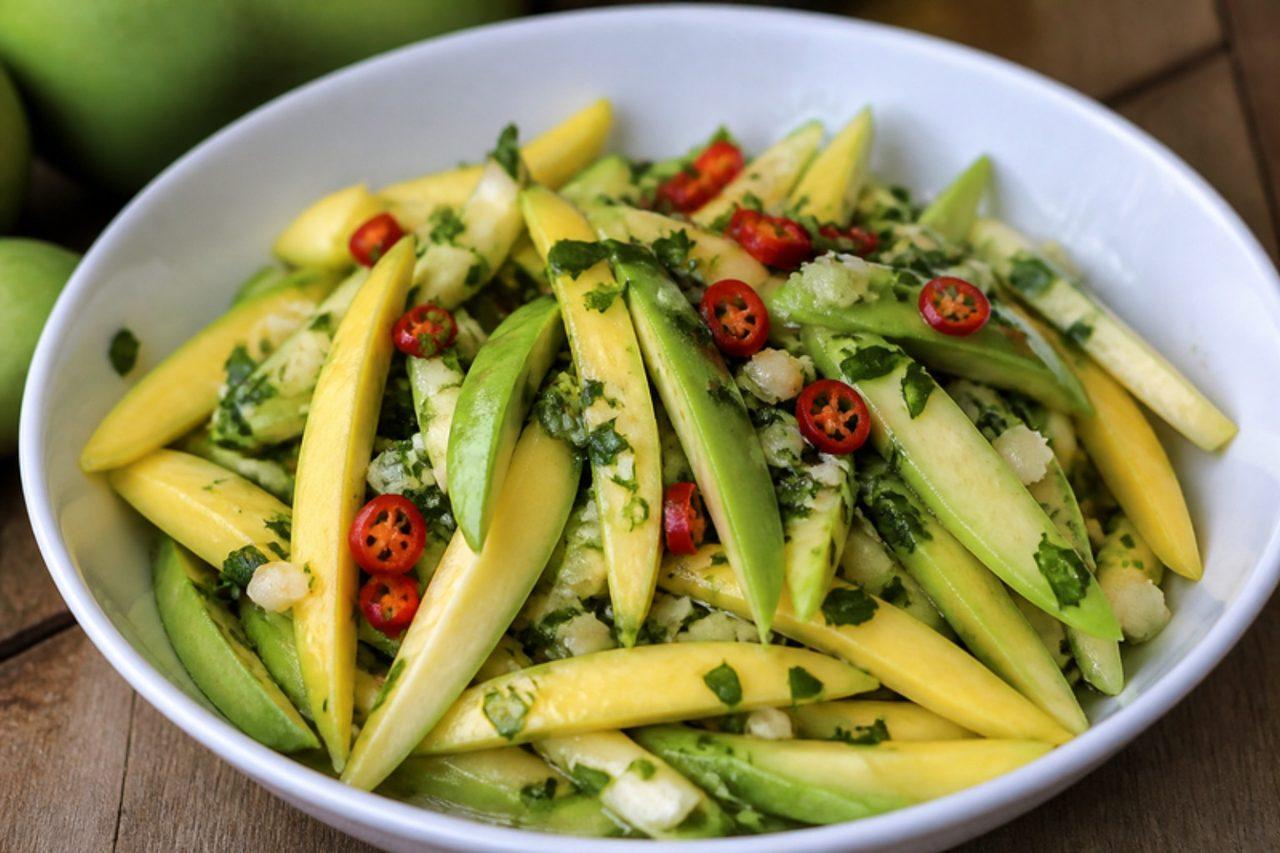
Mango chowSpiced green mango

Chow is what Trinidadians eat on a hot afternoon: fruit, most often half-ripe mango, sliced and tossed with lime juice, salt, garlic, chopped shado beni and plenty of hot pepper. It's sold in little bags at roadside stands, beach stalls and outside schools all over the island. It's crunchy, sour, salty, garlicky and fiery all at once. Pineapple, cucumber and pommecythere (golden apple) are made the same way. Chef's tip: let the chow sit for 10 minutes before eating. The salt and lime draw out the mango's juice into a tangy, peppery 'pickle' liquid, and that juice is the best part.

by KrazyBadal 0 views

Pholourie with tamarind chutneySplit pea fritters with tamarind chutney

Pholourie are little round fritters sold by the bag at doubles stands, school gates and parties all over Trinidad, especially through Divali and Christmas. A turmeric-yellow batter made with ground split peas and flour is dropped by the spoonful into hot oil, where it puffs into crisp-skinned, soft, spongy balls. They're always served with a sticky tamarind chutney spiked with garlic, shado beni and pepper. Unlike Indian pakoras, there are no vegetables in the batter: pholourie is all about the soft, light dough and the dip. Chef's tip: beat the batter hard for a few minutes until it's thick, smooth and falls off the spoon in a sticky blob. Well-beaten batter traps air, so the pholourie puff up round and light instead of flat and greasy.

by KrazyBadal 0 views

Limonada suíçaCreamy lime drink

Limonada suíça is the creamy, frothy limeade served in juice bars and lunch counters all over Brazil. Despite the name ('Swiss lemonade'), nobody knows of any Swiss link, and it's made with whole Tahiti limes, blended briefly, skin and all, then strained and sweetened with condensed milk. It's cold, zingy and pale green, perfect with a hot lunch. Chef's tip: blend for no more than 10–15 seconds. Lime peel gives the drink its wonderful perfume, but blended too long it releases bitterness from the pith; serve it straight away for the same reason.

by KrazyBadal 0 views

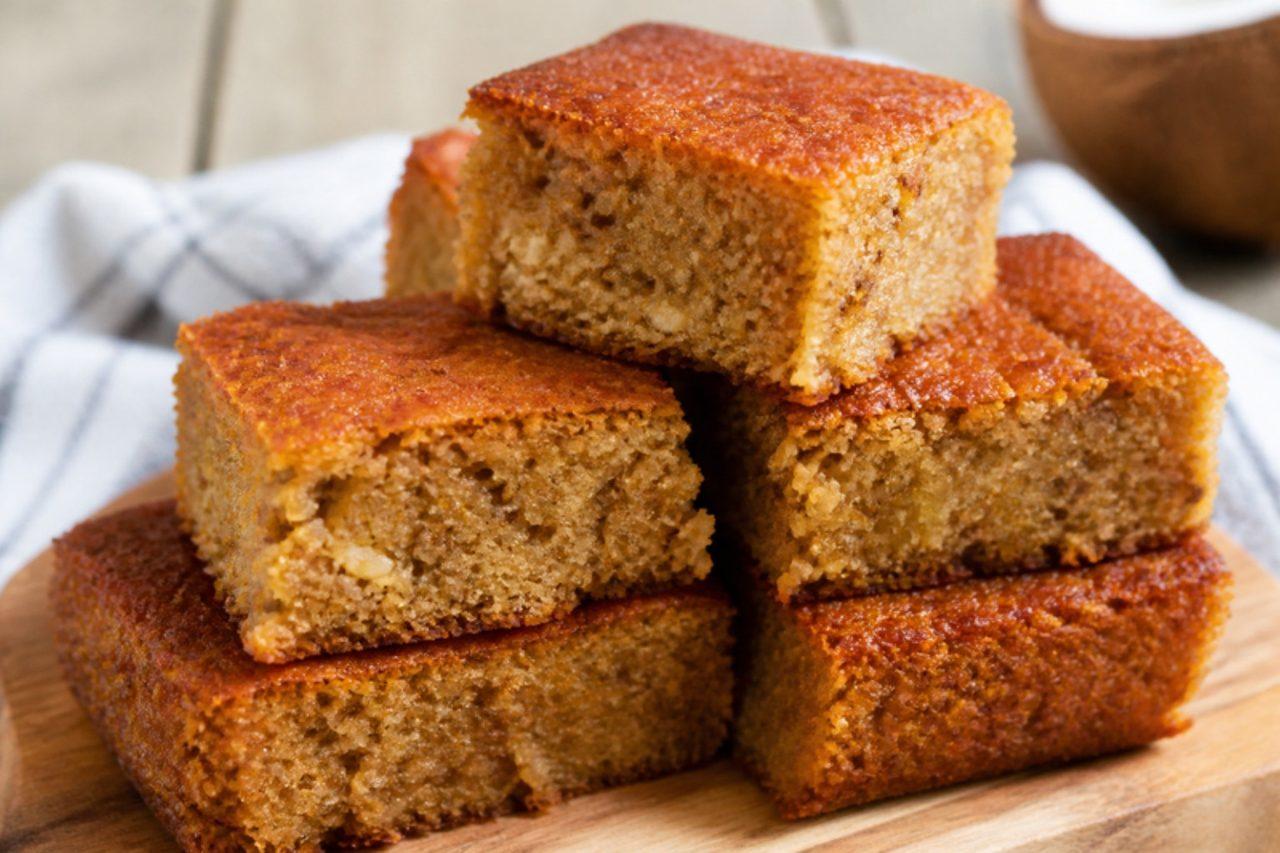
TotoCoconut cake

Toto is an old-time Jamaican country cake, the kind baked in a 'dutchie' over coals in rural St Mary and St Ann and sold in squares at bakeries and school tuck shops. It's dense and moist rather than light, packed with grated coconut, darkened with brown sugar and fragrant with nutmeg, cinnamon and vanilla. Lovely with a cup of tea, still slightly warm. Chef's tip: use fresh grated coconut if you can, or soak desiccated coconut in the warm coconut milk for 15 minutes first. Dry coconut steals moisture from the batter and leaves the cake crumbly instead of chewy.

by KrazyBadal 0 views

Showing 90 of 7,762 recipes

Page 789 of 863