


Skip to content
Plăcintă dobrogeană
Featured recipe

Plăcintă dobrogeană

Cheese and egg coil pie

Down on the Black Sea coast and the steppe villages around Constanța and Tulcea, where Aromanian, Turkish and Tatar cooks have shared ovens for generations, plăcintă dobrogeană is a big round pie made from hand-stretched sheets rolled around salty cheese and egg, coiled into a tin and baked until crackling. Just before baking, a little egg and yogurt is poured over, so the inner layers turn soft and custardy under a shatteringly crisp top. It is cut into wedges and eaten warm for breakfast with ayran or a glass of milk. Telemea and other salty white cheeses are often made with animal rennet, so pick one labelled vegetarian. The usual slip is overfilling the rolls, which split as they coil. Chef's tip: keep the stretched dough under a damp tea towel while you work, so it stays supple.

Read more 0 views

What to eat today?

Around the world

Today's trip: Persian

A new country every day, from every cuisine on the site.

Persian

Persian halva

Saffron rose flour halva 40 minMore from Persian (181) →

This week's collection

Kid-friendly dinners
772 recipes · a new collection every Monday

Coming up

All occasions →

Latest recipes

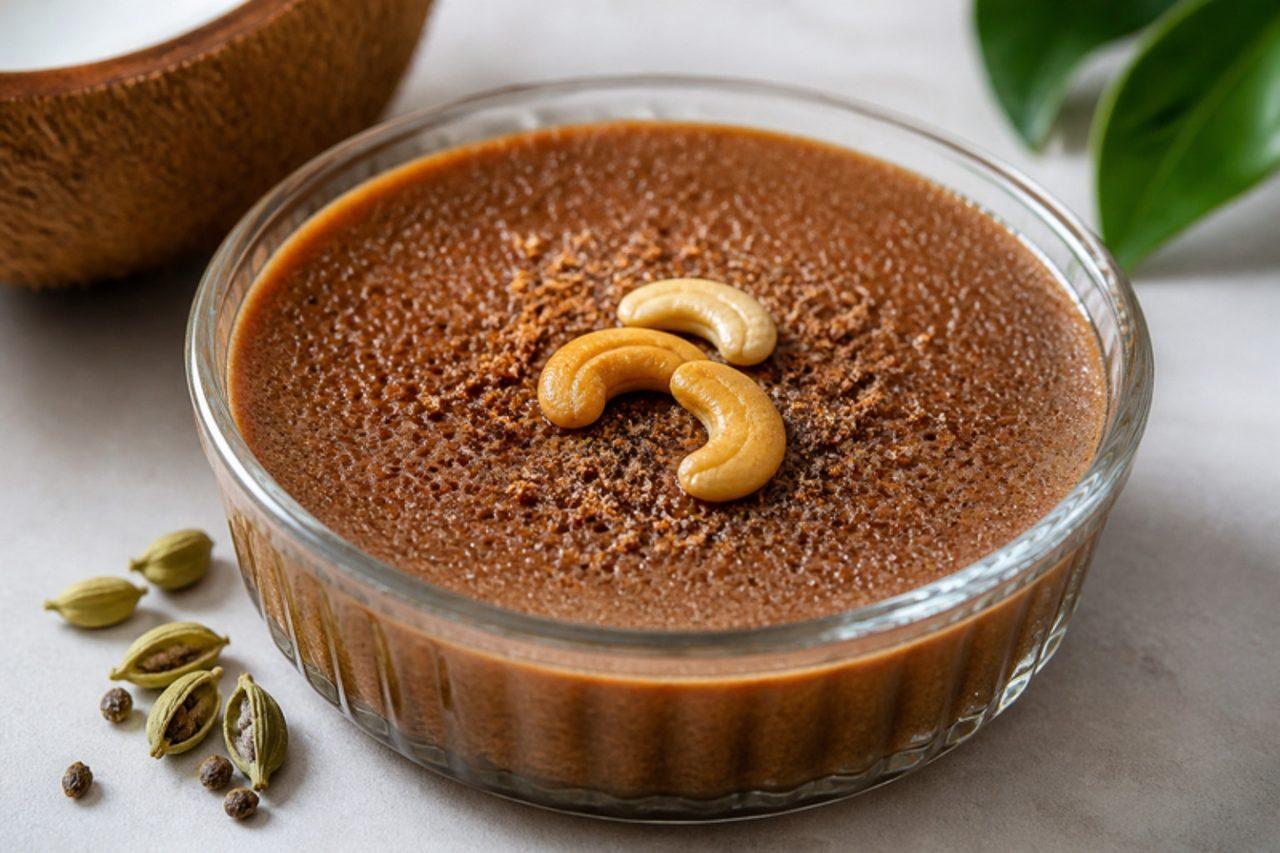
WatalappanJaggery and coconut custard

Watalappan came to Sri Lanka with the island's Malay and Muslim communities, and no Eid table in Colombo, Beruwala or Kandy is complete without it; it now turns up at weddings and birthdays across every community. Thick coconut milk and eggs are sweetened with kithul jaggery, the dark palm sugar from the fishtail palm, and spiced with cardamom, nutmeg and a little clove, then steamed until it sets into a wobbly, honeycombed custard the colour of toffee. Cashews scattered on top add crunch. Dark muscovado sugar works if you can't find kithul jaggery. The common mistake is steaming it on a fierce boil, which makes it full of large holes and watery; a steady, gentle simmer gives a smooth set with the fine honeycomb that's prized. Chef's tip: strain the mixture through a sieve before steaming to remove any stringy egg and jaggery grit.

by KrazyBadal 0 views

Moqueca baianaFish stew with coconut milk

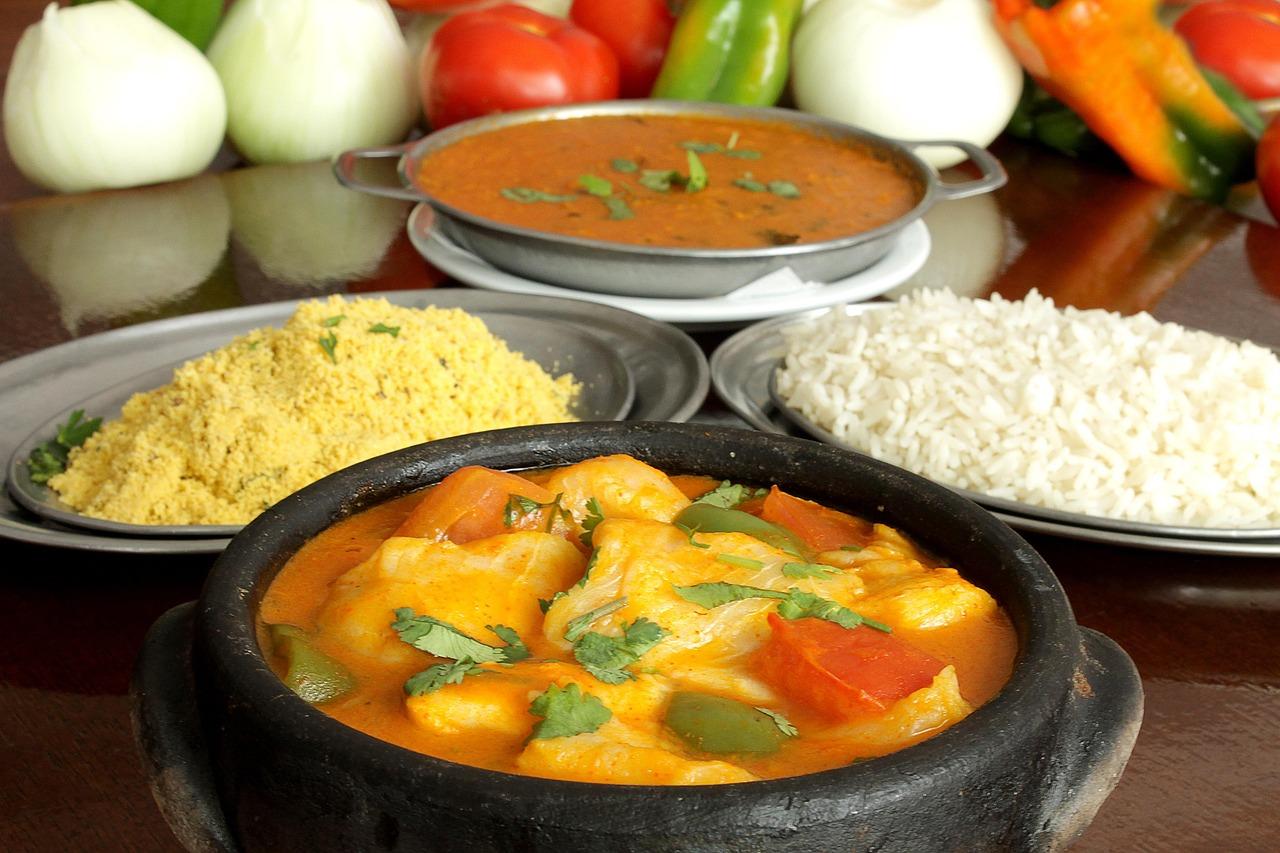
Salvador's moqueca baiana is the richer, sunnier cousin of the capixaba one, and the contrast is worth knowing: where Espírito Santo uses only tomato, annatto and olive oil, Bahia adds coconut milk, sweet peppers and dendê, the orange-red palm oil that came to Bahia with enslaved West Africans and runs through its Afro-Brazilian cooking. The result is creamy, golden and fragrant with coriander. In Salvador it is a weekend lunch at the seafront restaurants and at home, served with white rice, a yellow farofa fried in dendê and pirão. Look for dendê (red palm oil) in Brazilian, African or Caribbean shops. Chef's tip: add the dendê near the end; its flavour is strong and fades with long cooking, so a little stirred in late goes much further.

by KrazyBadal 0 views

Wattakka curryPumpkin curry

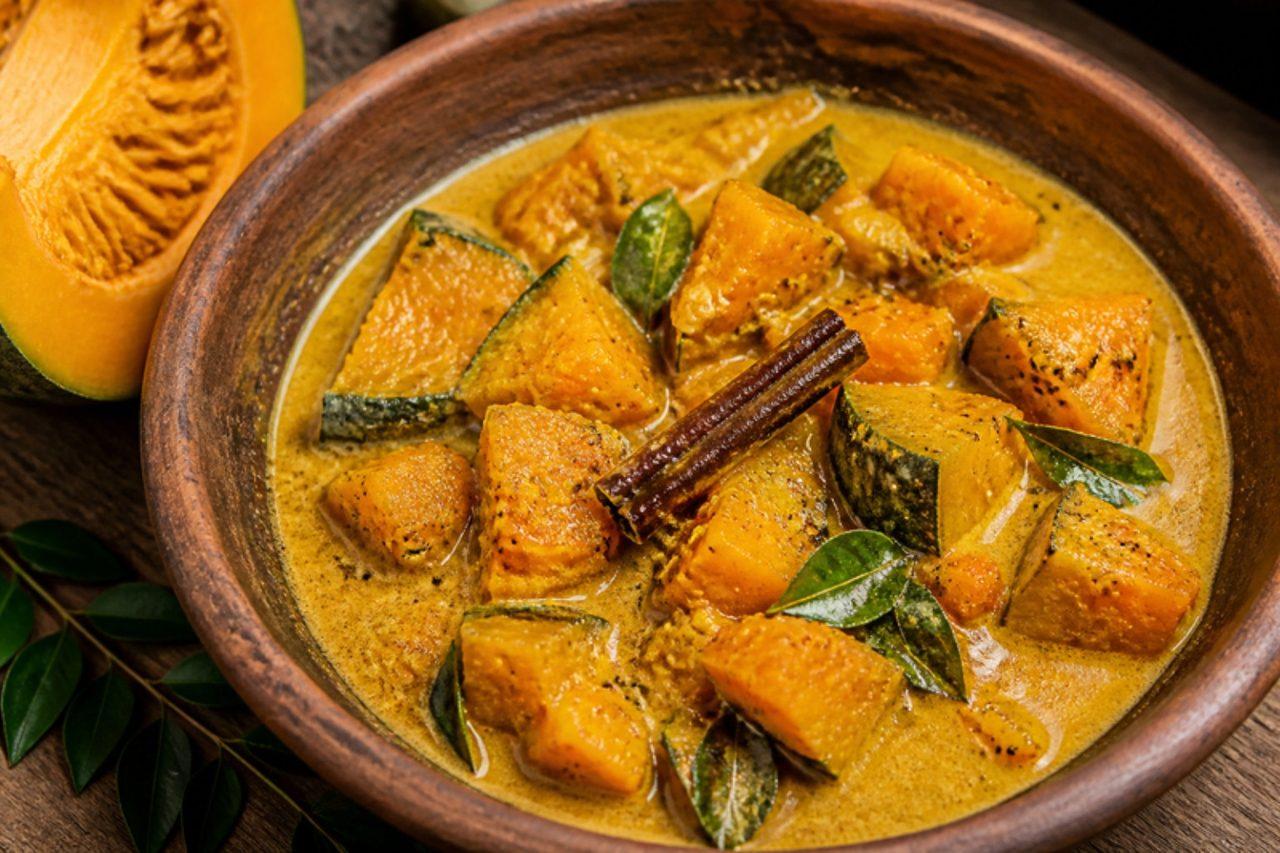
Wattakka (pumpkin) curry is one of the soft, sweet dishes on a Sri Lankan buth (rice) spread, and in villages around Kurunegala it often appears at Poya day almsgivings, when temple meals are always meat-free. The pumpkin is cooked in its skin with dark roasted curry powder, cinnamon, a pinch of fenugreek and pandan, then thickened with coconut milk and a spoonful of ground mustard, which gives it a gentle tang. Some cooks also add toasted coconut paste (kalu pol); we keep it simpler. The common mistake is cutting the pumpkin too small, so it dissolves into mush before the gravy is ready; keep the chunks about 4 cm. Chef's tip: leave the skin on butternut or Kent pumpkin; it holds each piece together and softens completely as it cooks.

by KrazyBadal 0 views

Moong dal kachoriSpiced moong dal pastries

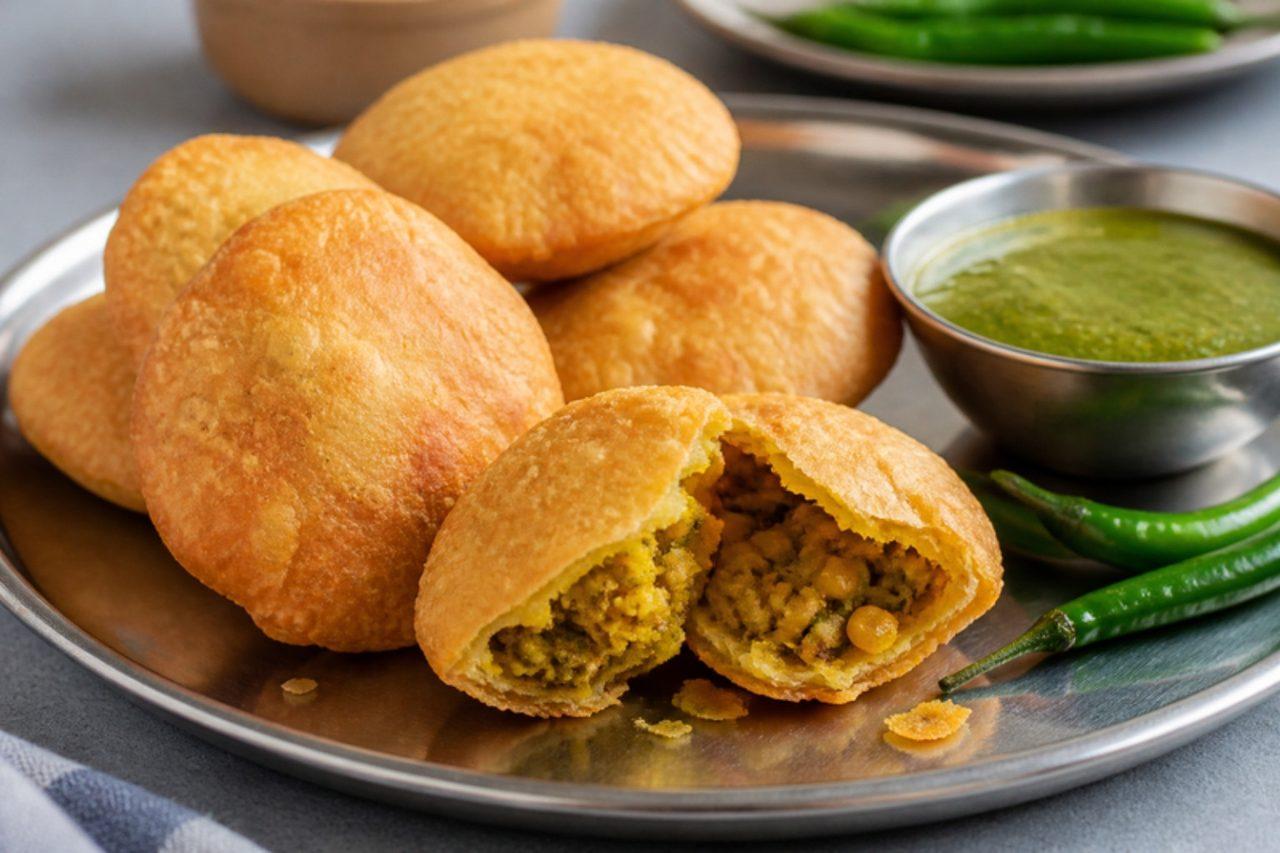
In Jaipur, Rajasthan, moong dal kachori is the street snack people queue for: a round, golden pastry that shatters into flaky layers around a dry, crumbly filling of coarsely ground yellow lentils roasted with fennel, coriander seed and chilli. Because the filling is dry and the crust is fried slowly, they stay crisp for days, which is why families make a big batch before a journey or festival. Serve them warm or at room temperature with tamarind chutney and green chutney, or break them into a bowl of kadhi. Chef's tip: grind the soaked dal coarse and without water, then roast it until it smells like toasted nuts and feels sandy; a wet or under-roasted filling is the reason kachoris go soft.

by KrazyBadal 0 views

Ptichye molokoSoufflé cake with chocolate glaze

Ptichye moloko, 'bird's milk', is named for the impossible treat in old fairy tales, and in 1978 Moscow's Praga restaurant turned it into a cake: a cloud of vanilla soufflé on a thin sponge, glazed with dark chocolate. Soviet shoppers queued for hours for the boxed version, and it is still the cake for birthdays and 8 March. The soufflé has always been set with agar, a seaweed jelly, which makes it naturally free of gelatine and gives a clean, springy bite. Chef's tip: boil the agar syrup to exactly 110°C (a thread forms between two fingers); undercooked syrup leaves the soufflé weepy and soft.

by KrazyBadal 0 views

Sugar-bean bunny chowBean curry in a bread loaf

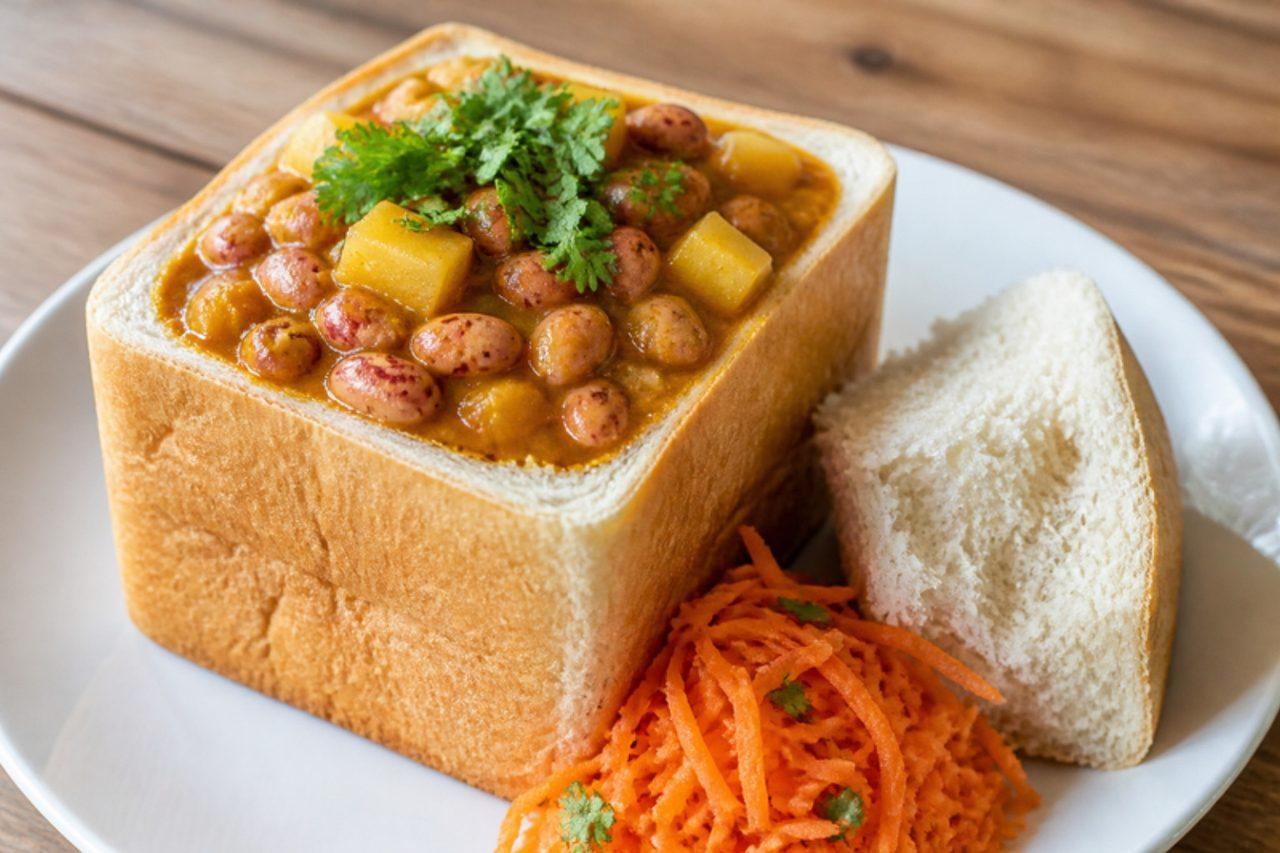
Bunny chow was born in Durban, among the city's Indian community, where curry in a hollowed loaf became the takeaway lunch of dockworkers and caddies. Many Durbanites say the first bunnies were vegetarian, filled with sugar beans, and cafés around Grey Street still sell a bean bunny beside the mutton one. A quarter loaf of unsliced white bread is scooped out and filled with a fiery, red Durban curry, with the scooped-out bread (the 'virgin') put back on top for dunking. It is eaten with your hands, with grated carrot and chilli salad on the side. Chef's tip: the curry needs to be thick and saucy, not watery; a runny curry soaks through the loaf before you've finished the first bite.

by KrazyBadal 0 views

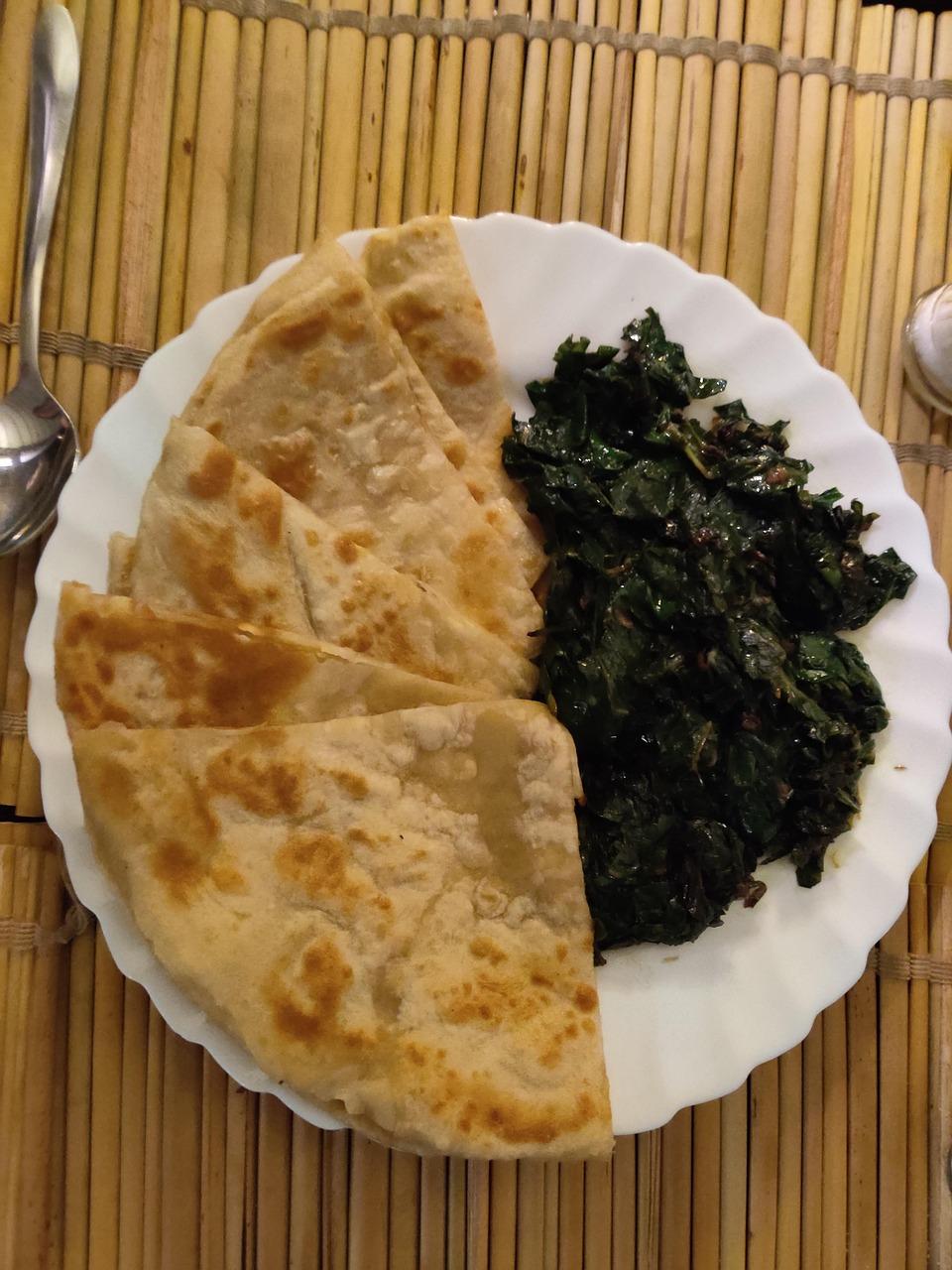
SukumawikiSautéed collard greens

Sukumawiki (collard greens) finely chopped and cooked quickly with cumin, onion, tomato and a little turmeric, chilli and coriander-cumin powder until just tender. Its name means 'push the week', because it's cheap enough to stretch the budget to the end of the week. Serve hot with ugali.

by KrazyBadal 0 views

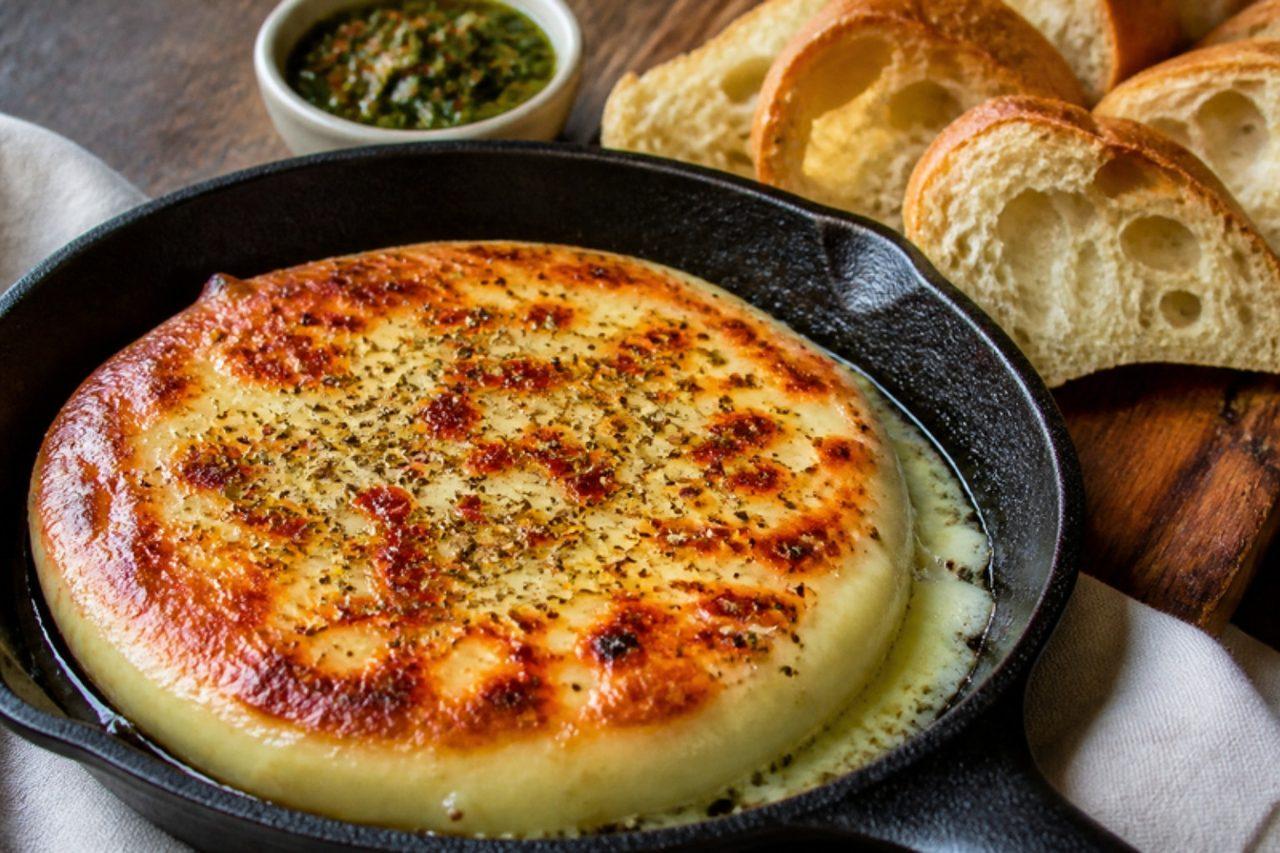
ProvoletaGrilled provolone with oregano

Provoleta is the first thing off the grill at an Argentine asado: a thick round of provolone-style cheese, invented by Italian immigrants in Buenos Aires, cooked in a small iron pan or straight on the grate until the outside forms a golden crust and the inside turns molten. It comes to the table bubbling, sprinkled with oregano and chilli flakes and drizzled with chimichurri, to scoop up with crusty bread. Many provolones use animal rennet, so check the label and choose one made with vegetarian rennet. Chef's tip: chill the cheese well before cooking; cold cheese forms a crust before the middle melts and runs.

by KrazyBadal 0 views

PrinsesstårtaMarzipan-covered layer cake

This domed green cake sits in every Swedish konditori window and is the cake for name days, birthdays and the last week of September, which Swedes call Prinsesstårtans vecka. It was first written down in the 1930s by Jenny Åkerström, cookery teacher to three young Swedish princesses, and they adored it. Under the smooth marzipan lie airy sponge layers, raspberry jam, thick vanilla custard and a tall mound of whipped cream. Shop versions often set the cream with gelatine; here the custard is firmed with cornflour and the cream with a little mascarpone, so it is fully vegetarian and still slices cleanly. Chef's tip: assemble the cake the day before you need the custard and sponge, but cover it with marzipan only a few hours before serving; marzipan sweats in the fridge overnight.

by KrazyBadal 0 views

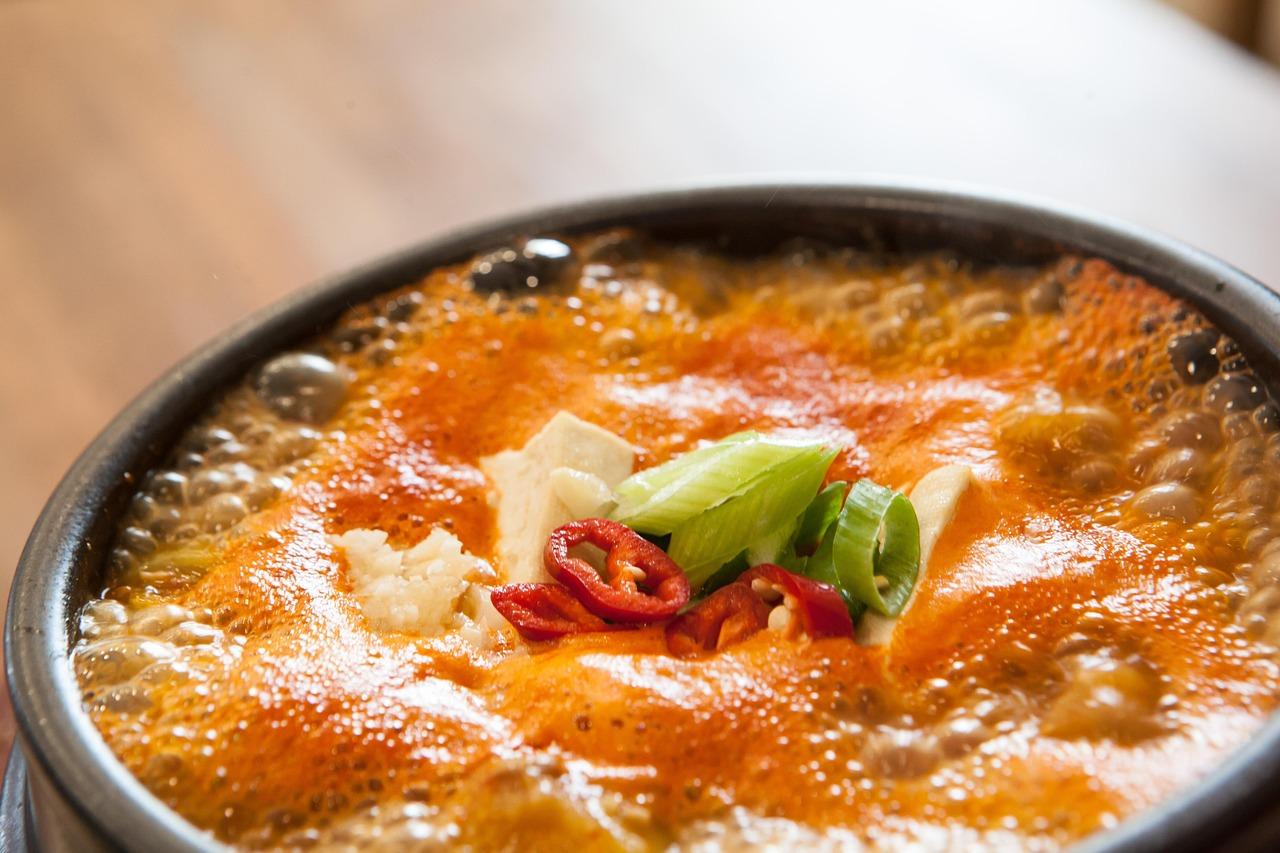
Sundubu jjigaeSoft tofu stew

All over Korea, small lunch restaurants bring sundubu jjigae to the table still boiling in a black stone pot, with a raw egg on the side to crack in while it bubbles. The stew is built on very soft, unpressed tofu, which breaks into creamy curds in a red, chilli-oil broth. Seafood and pork go in together here, though you can use just one. Have it with a bowl of rice and some kimchi; it's especially welcome on a cold day. Chef's tip: fry the chilli flakes gently in oil with the pork and garlic before adding liquid; this red chilli oil gives the stew its colour and a deep, rounded heat.

by KrazyBadal 0 views

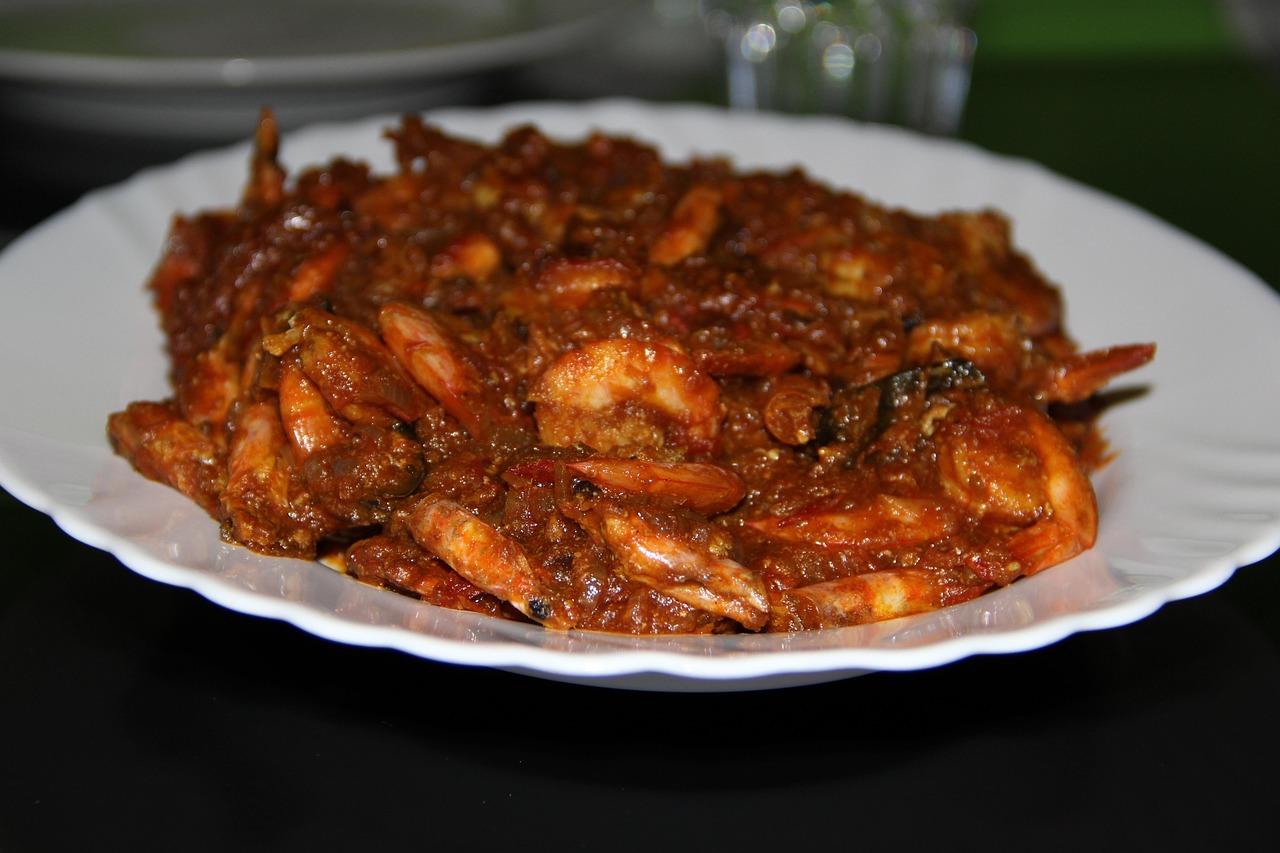
Prawn balchãoSweet-sour prawn pickle curry

Balchão started as a way to keep the catch from the Goan monsoon season: prawns cooked down in a fierce red masala with vinegar and sugar until they keep like a pickle. In Goan homes a jar sits in the fridge to spoon beside rice and dal, and a fresh batch is served as a main curry on Sundays. Its taste is bold: hot, sharp and sweet all at once. Chef's tip: fry the masala slowly until the oil separates and it turns a deep brick colour; undercooked balchão tastes raw and vinegary.

50 minIndianFishGluten freeSpicy
by KrazyBadal 0 views

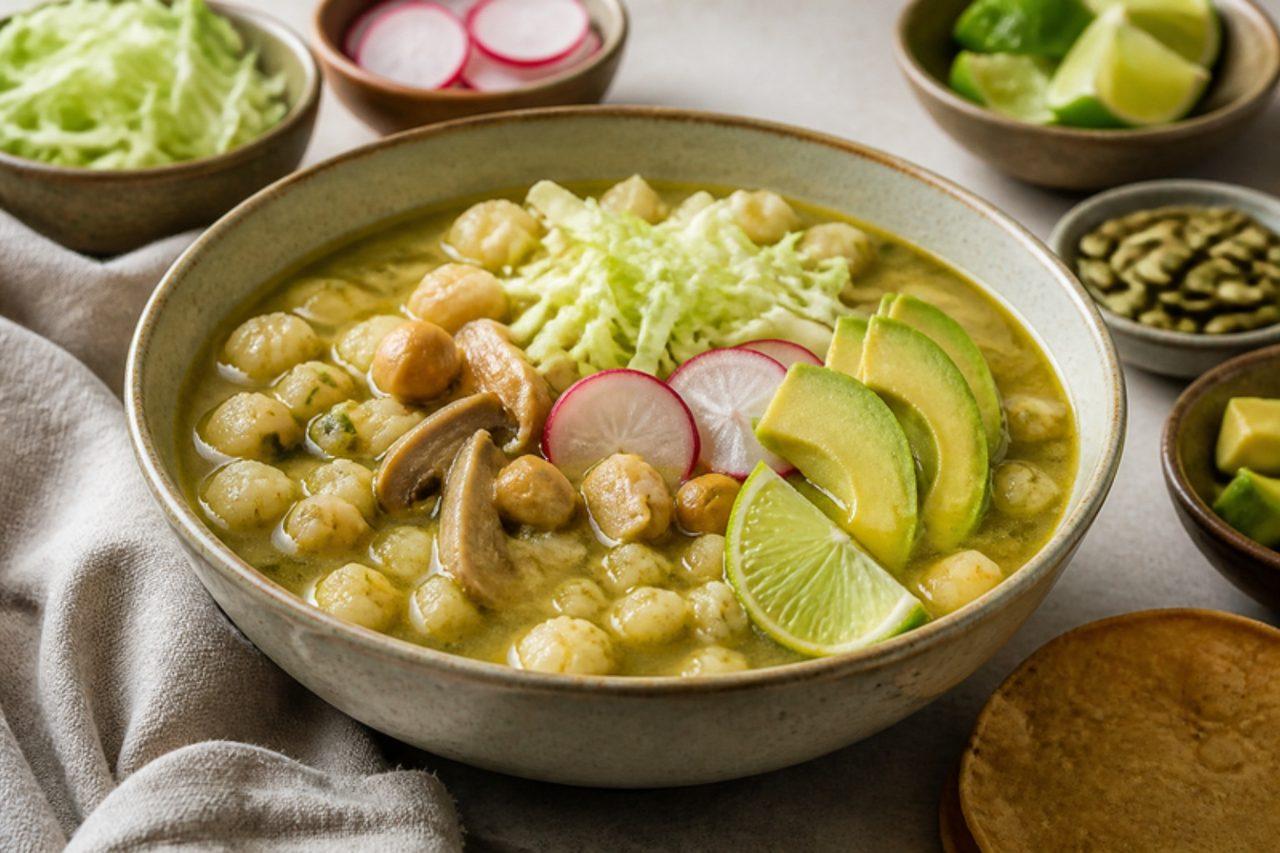
Vegetarian pozole verdeGreen hominy soup

Pozole verde is the green pozole of Guerrero, where Thursday is pozole day and families gather round big bowls of it in Chilpancingo and Acapulco. The broth gets its colour and body from tomatillos, green chillies, coriander and toasted pumpkin seeds (pepitas) blended into a creamy sauce, and it is full of plump, chewy hominy (maíz pozolero), the nixtamalised corn kernels that open like flowers as they cook. This vegetarian version swaps the usual pork for oyster mushrooms and chickpeas, which give the soup a meaty bite. Serve it with the garnishes in little bowls so everyone builds their own: shredded cabbage, radish, onion, oregano, lime and crisp tostadas. Chef's tip: toast the pumpkin seeds only until they puff and start to pop; if they turn brown the whole pot tastes bitter and goes khaki instead of bright green.

by KrazyBadal 0 views

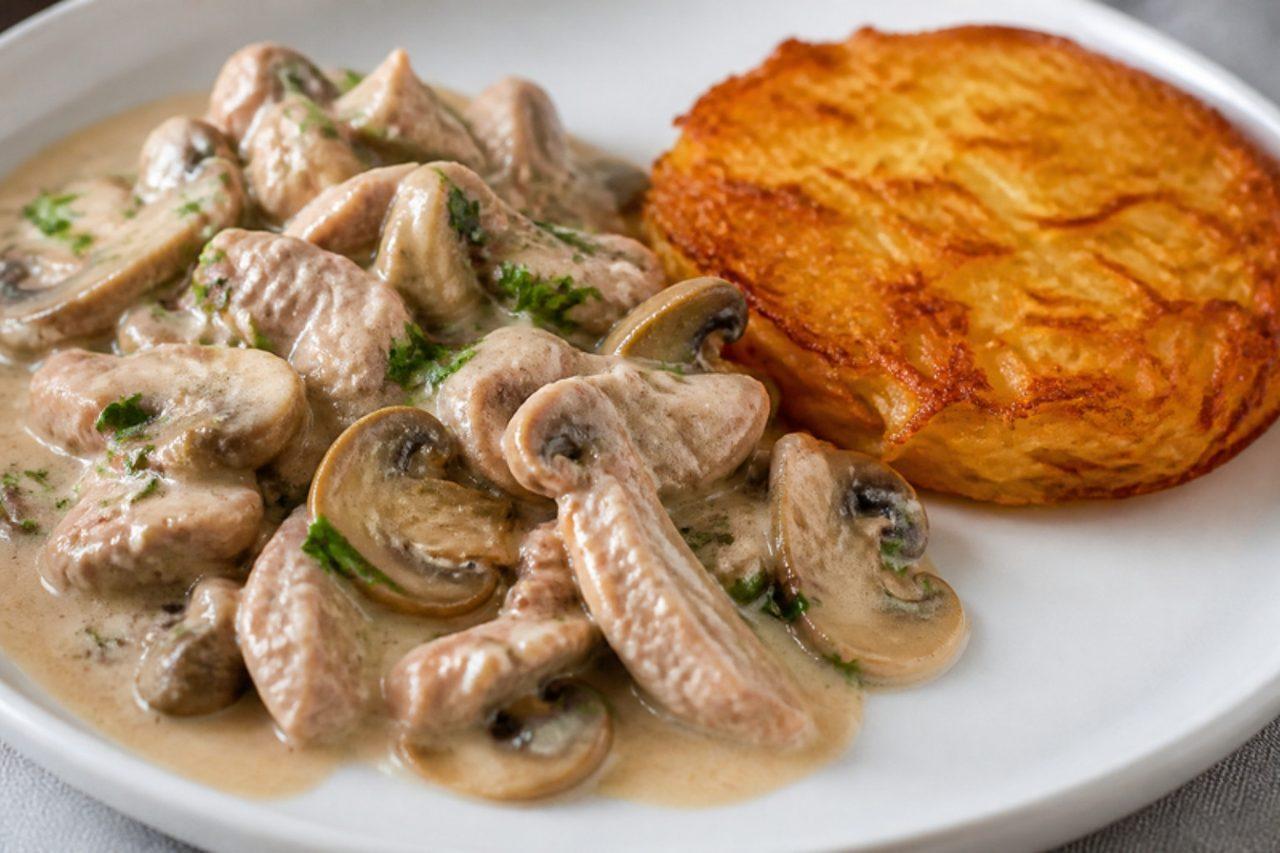
Zürcher GeschnetzeltesSliced veal in mushroom cream sauce

Zürcher Geschnetzeltes is the signature dish of Zurich's old guild restaurants and a favourite Sunday meal in homes across German-speaking Switzerland. Thin strips of veal are seared quickly, then the pan is deglazed with white wine and finished with cream and mushrooms into a pale, glossy sauce, and the whole thing is served beside a golden, crisp rösti. The wine adds alcohol (most cooks it off); for an alcohol-free version use the same amount of chicken stock with 1 teaspoon of lemon juice. The usual error is cooking the veal in the sauce until it toughens; sear it fast, take it out, and only warm it through at the end. Chef's tip: boil the potatoes for the rösti a day ahead and chill them; cold, firm potatoes grate cleanly and fry up crisp.

65 minSwissMeatGluten free
by KrazyBadal 0 views

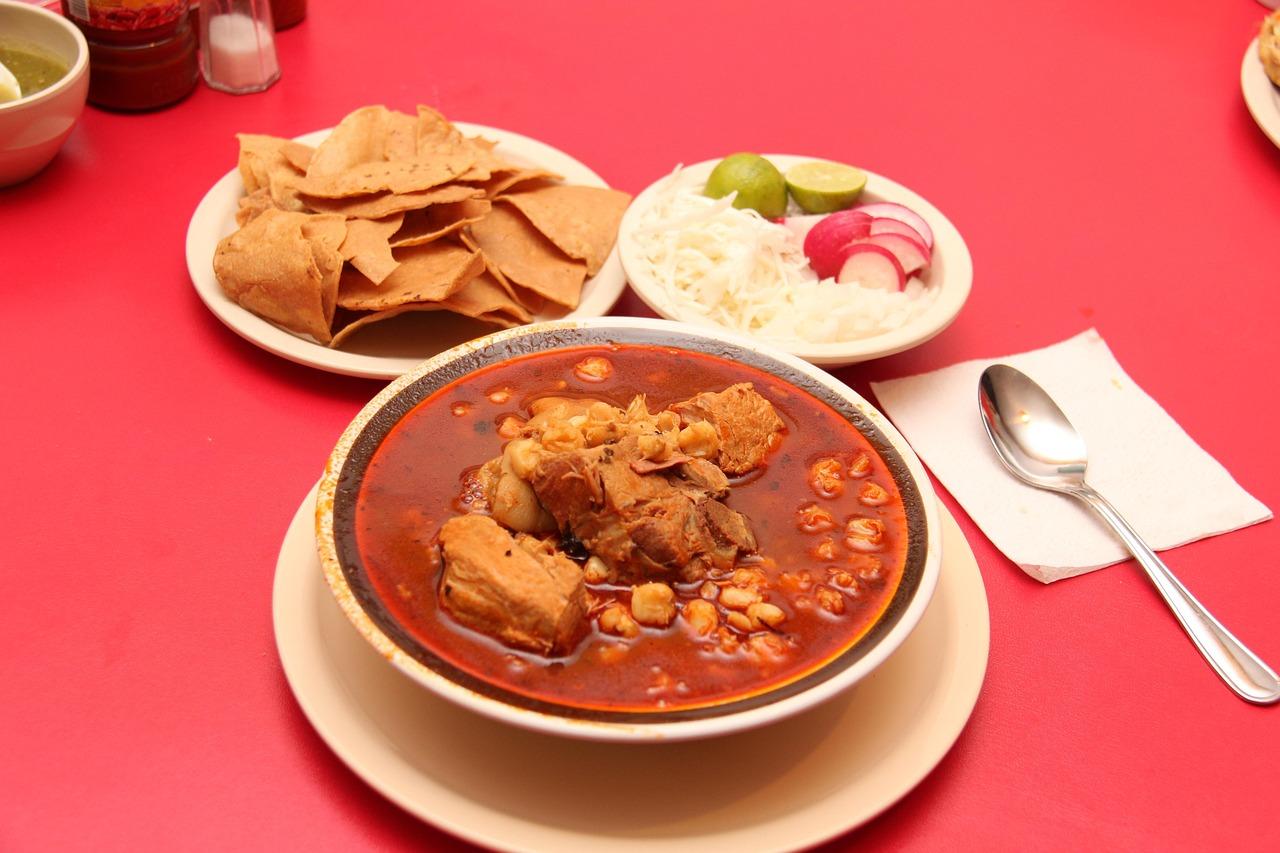
Pozole rojoRed pork and hominy soup

In Jalisco and Guerrero, a pot of red pozole means a crowd: it is made for Independence night on 15 September, for Christmas and New Year, and in Guerrero towns every Thursday is 'jueves pozolero'. Big, chewy kernels of hominy and tender pork simmer in a broth coloured with dried guajillo and ancho chillies, and the bowl is finished at the table with crunchy cabbage, radish, onion, lime and a rub of dried oregano between your palms. It tastes even better the next day, so make the whole pot. Chef's tip: strain the chilli purée through a sieve into the pot, so the broth is silky and free of chilli skins.

180 minMexicanSoupsGluten freeSpicy
by KrazyBadal 0 views

SupplìFried rice croquettes

In Rome supplì are bought from pizza-by-the-slice shops and friggitorie and eaten standing up, wrapped in paper, before the pizza arrives. Unlike Sicilian arancini they are oval and the rice is cooked in tomato sauce, so the inside is orange-red; when you bite one in half, the mozzarella stretches into a long 'telephone cord', which is where the nickname al telefono comes from. Roman bars usually add meat ragù; this version keeps it vegetarian with a basil-scented tomato rice. Chef's tip: cook the rice a day ahead and chill it in a thin layer; cold, firm rice shapes neatly and does not split in the oil.

by KrazyBadal 0 views

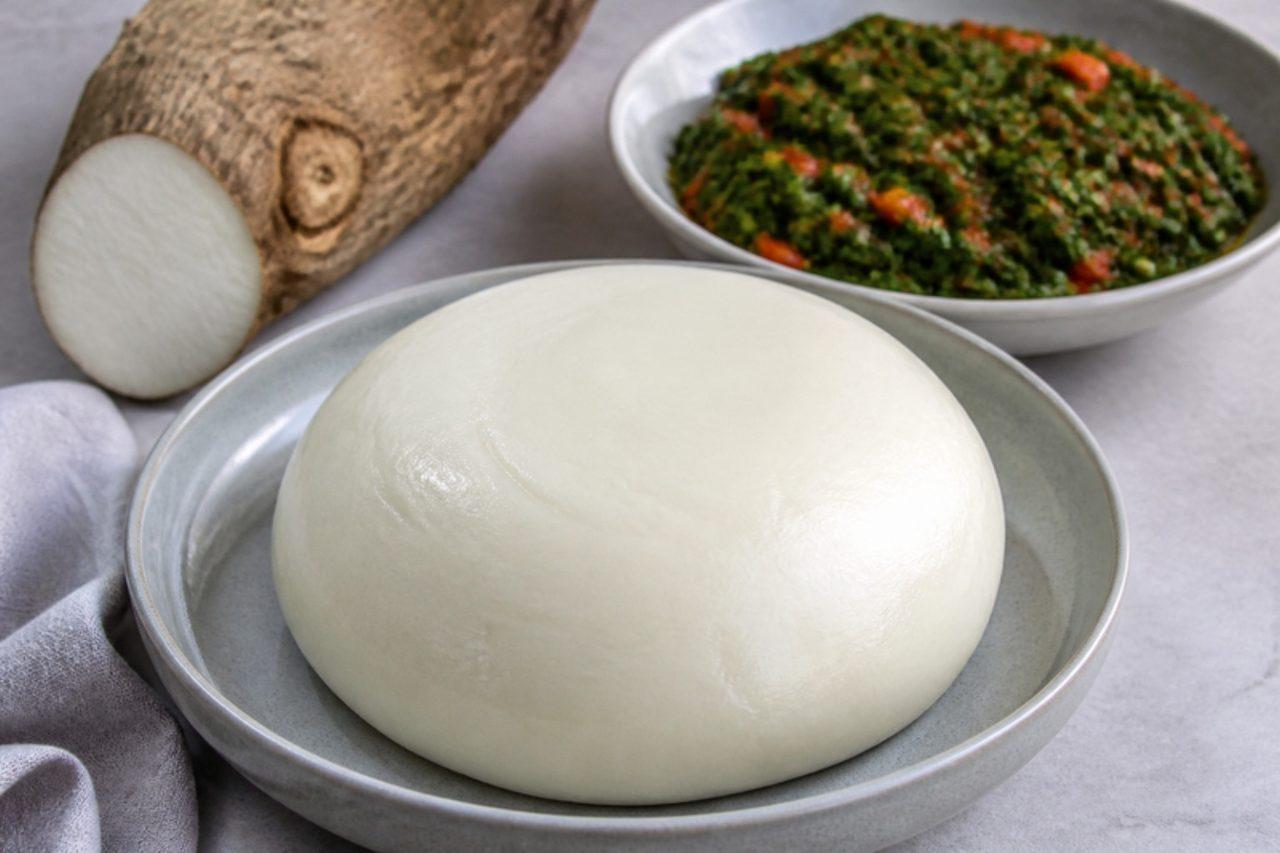
Pounded yamPounded yam dough

Pounded yam, iyan in Yoruba, is the pride of Ekiti and Oyo tables, where it is still pounded in a big wooden mortar on Sundays and at celebrations, the thud of the pestle carrying down the street. Boiled white yam is beaten until it becomes a smooth, elastic, slightly sticky dough that is torn off by hand and dipped into egusi, efo riro or okra soup. At home most people now use a stand mixer or food processor instead of a mortar. It has to be true African white yam (puna yam), not orange sweet potato, which some shops label as yam. Chef's tip: pound or mix the yam while it is still very hot; as it cools the starch sets and it turns lumpy instead of stretchy.

by KrazyBadal 0 views

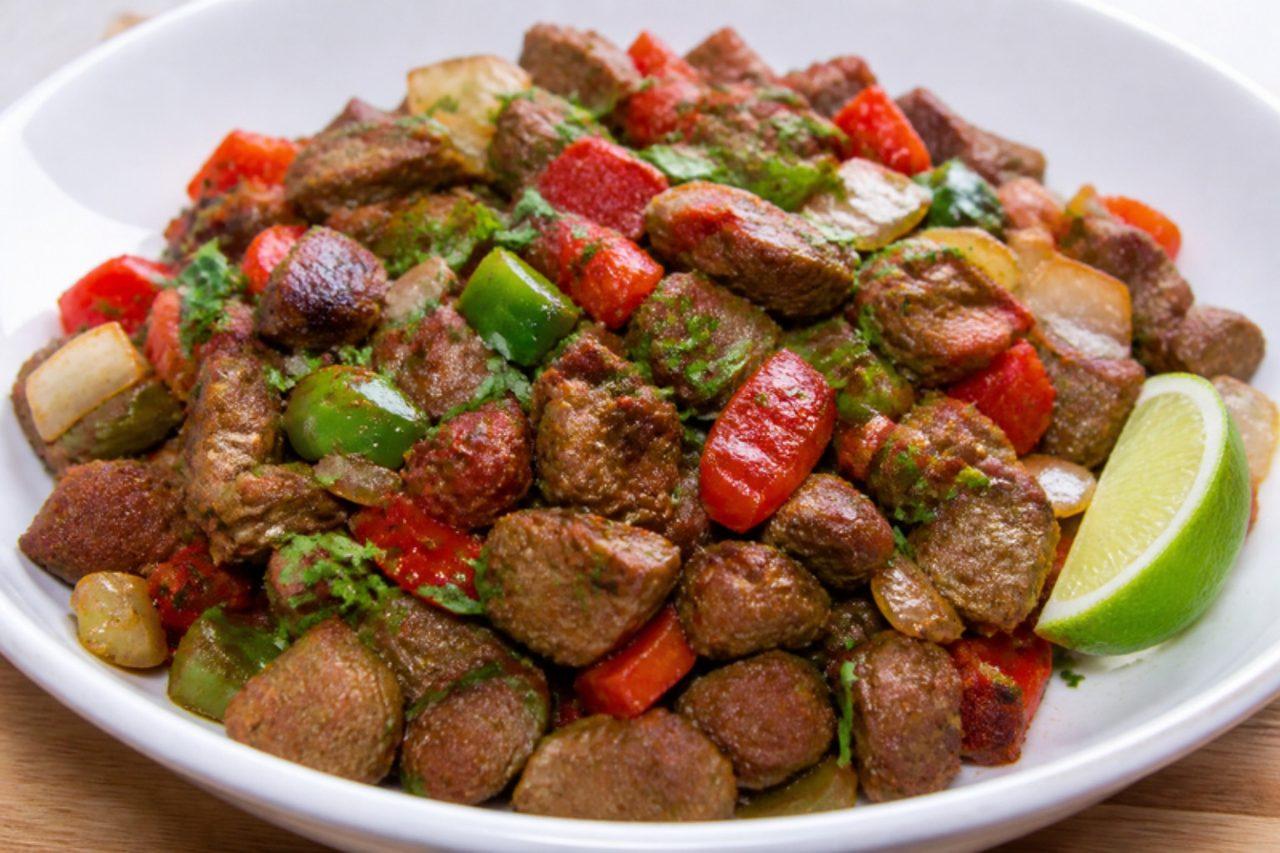
SuqaarSpiced beef stir-fry

Suqaar is the quick beef dish found everywhere from Mogadishu tea shops to Somali cafés in Minneapolis and London: small cubes of beef or lamb browned with onion, peppers and garlic, seasoned with xawaash, the house spice mix of cumin, coriander, cardamom, cinnamon and turmeric. Somalis eat it for breakfast with canjeero (spongy flatbread) or for lunch with rice or pasta. The mistake is cutting the beef in big chunks, which go chewy; cut it into small 1–2 cm cubes so it cooks fast and stays tender. Chef's tip: add a squeeze of lime and a handful of coriander just before serving.

30 minSomaliMeatGluten free
by KrazyBadal 0 views

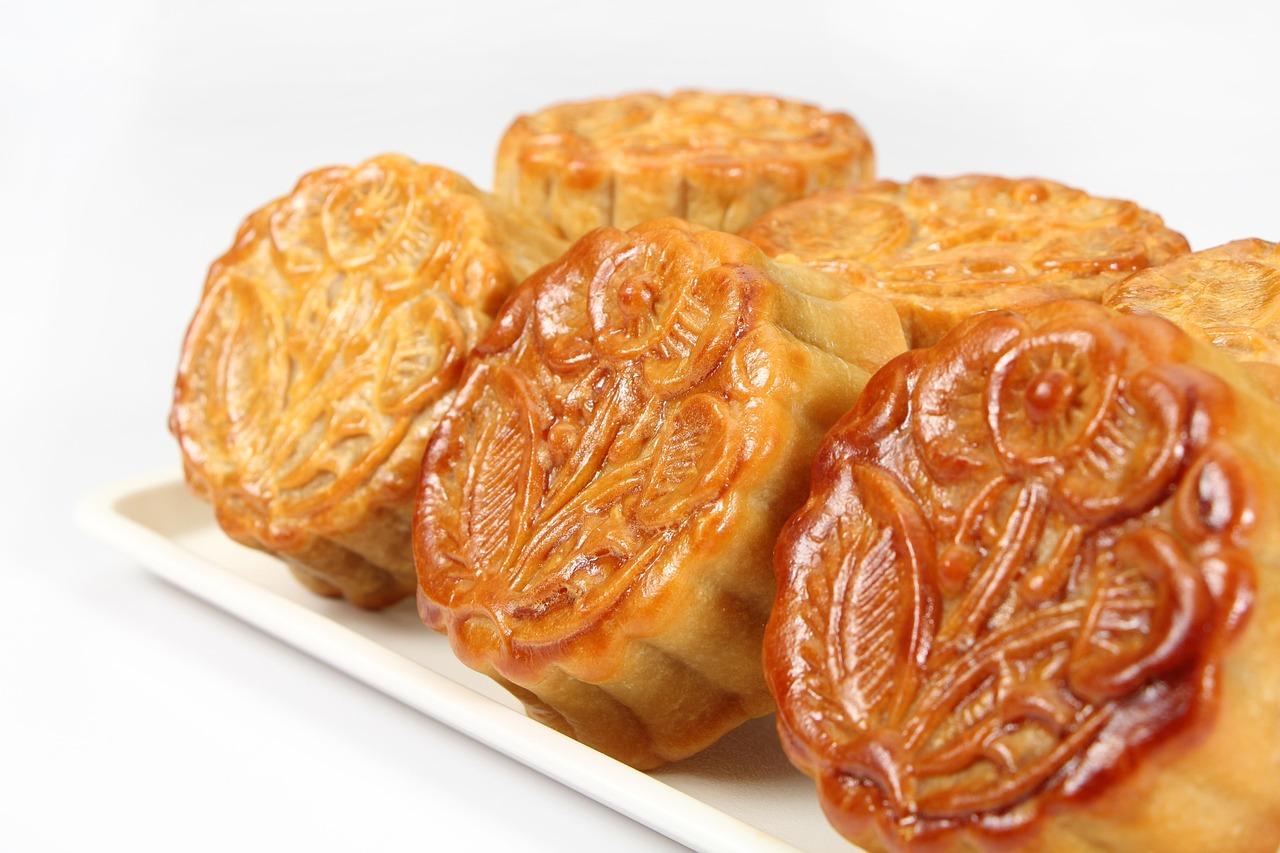
Cantonese mooncakes with lotus or red bean pasteFilled pastry mooncakes

Mooncakes are exchanged and eaten all over China at the Mid-Autumn Festival, when families gather under the full moon with tea and fruit. The Cantonese style, from Guangdong and Hong Kong, has a thin, shiny brown crust around a dense, sweet filling of lotus seed paste or red bean paste; this vegetarian version leaves out the salted duck egg yolks. You need a mooncake press (50–75 g size). Chef's tip: rest the baked mooncakes in an airtight tin for 2 days; the crust softens and turns glossy, a change bakers call 'returning oil'.

by KrazyBadal 0 views

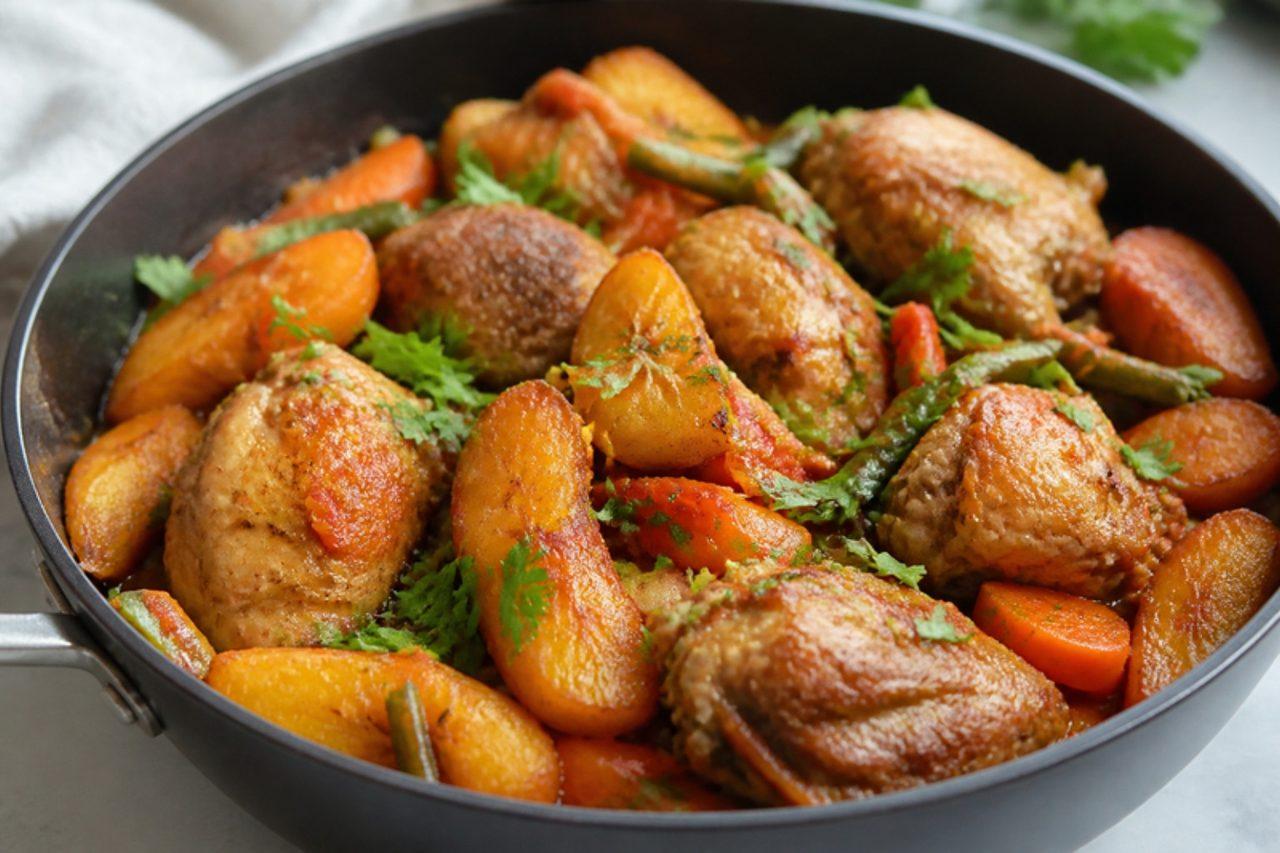
Poulet DGChicken with plantain and vegetables

Poulet DG, short for "poulet directeur général", earned its name in Yaoundé in the 1980s as a dish rich enough for the boss; now it is the centrepiece at weddings and Sunday lunches across Cameroon. Chicken is browned and simmered with tomato, peppers, carrots and green beans, then fried ripe plantain is folded in at the end, so every mouthful is savoury and sweet. The mistake is stirring the plantain in too early, when it breaks up and goes mushy; add it in the last few minutes. Chef's tip: choose plantains that are yellow with lots of black spots, ripe enough to caramelise but still firm.

by KrazyBadal 0 views

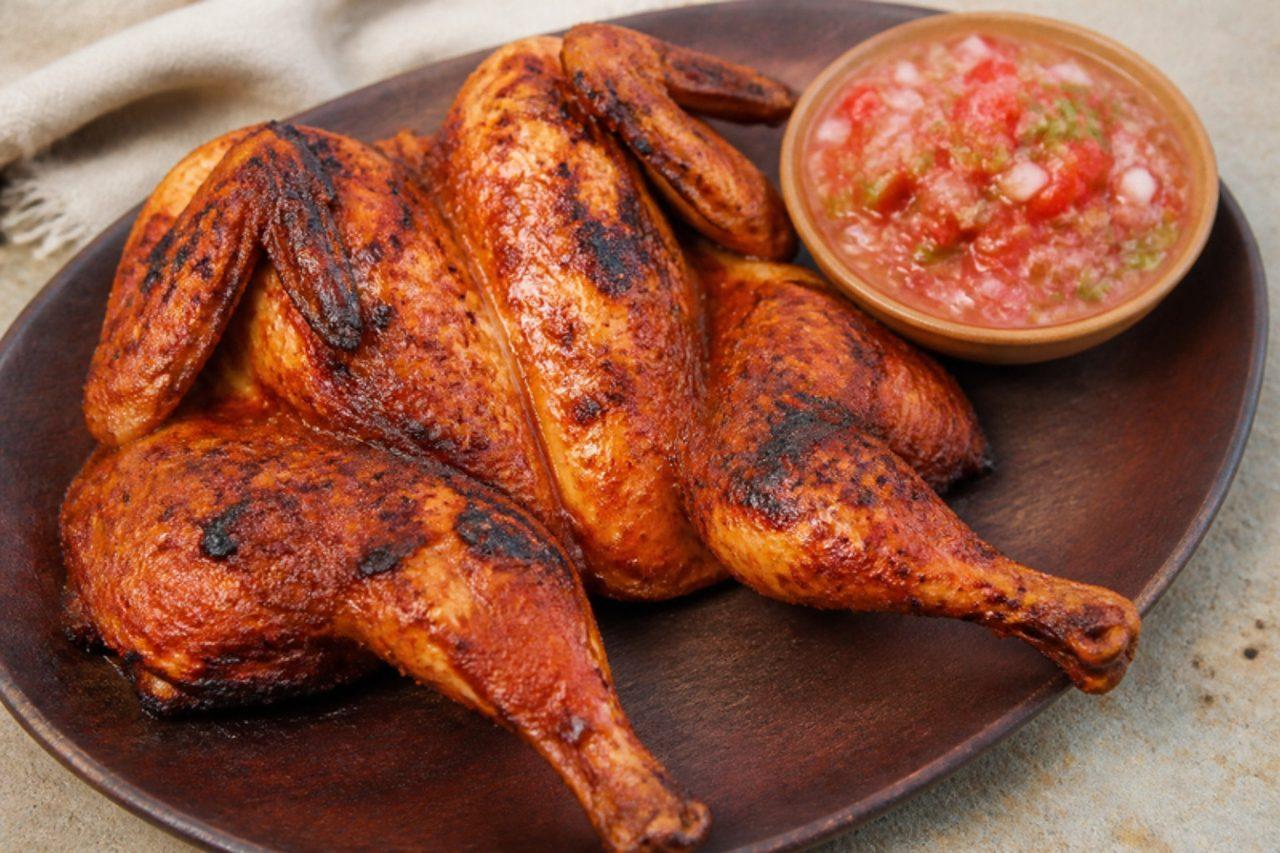
Poulet bicycletteGrilled free-range chicken

Across Burkina Faso and northern Côte d'Ivoire, "bicycle chicken" is the lean village chicken once carried to market strapped to the back of a bike; in Ouagadougou and Bobo-Dioulasso it is grilled whole at open-air stalls in the evening and eaten with fries, attiéké or a chunk of bread. The birds are smaller and firmer than supermarket chicken, so a small free-range or poussin works best at home. The mistake is grilling a whole chicken over high heat from the start, which burns the outside before the inside is safe; start it on indirect heat or in the oven, then char it. Chef's tip: spatchcock the bird so it cooks evenly and fast.

by KrazyBadal 0 views

Pouding chômeurCake baked in maple syrup

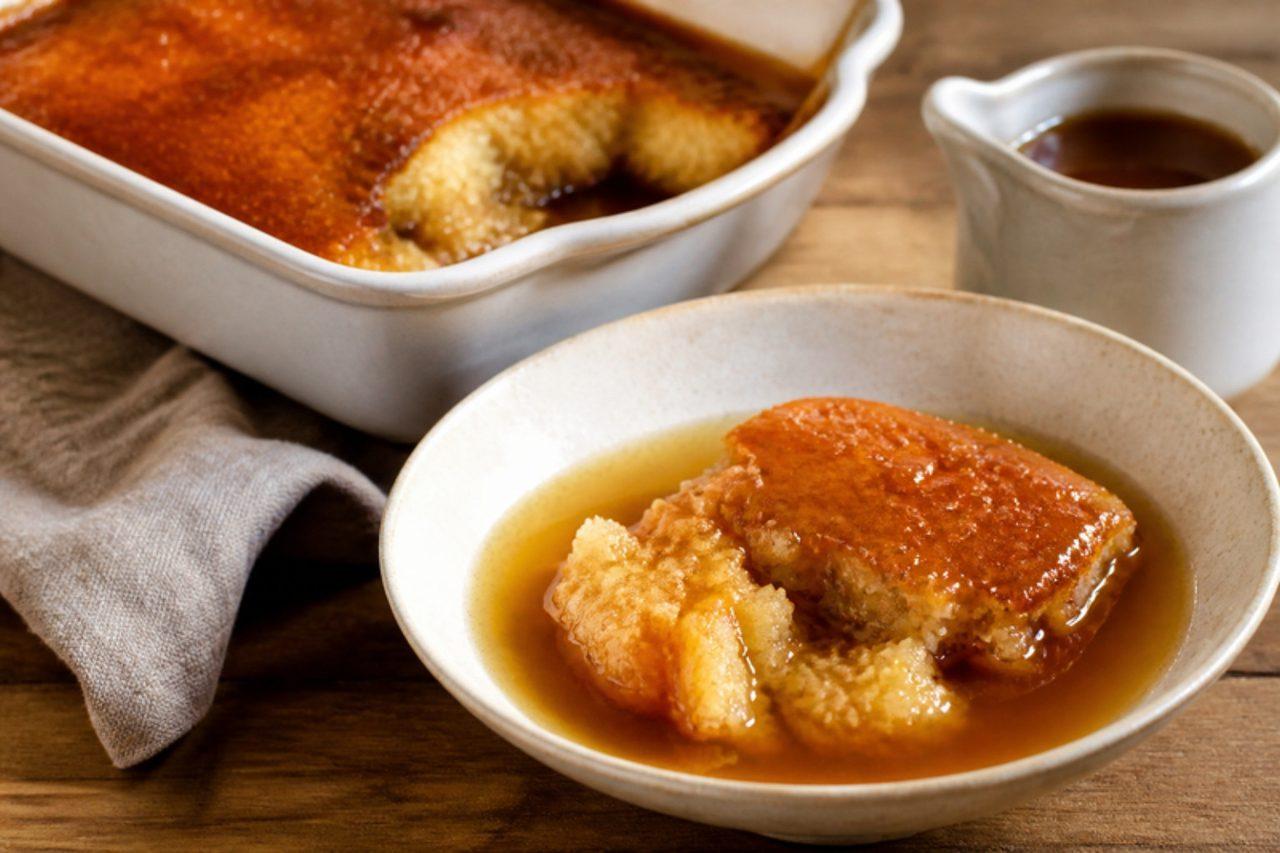
Pouding chômeur ('unemployed person's pudding') was created in Québec during the Depression of the 1930s, from the cheapest ingredients: flour, sugar, a little butter and hot syrup. As it bakes, the light batter rises through the syrup, which settles underneath as a rich caramel sauce. Today it's made with maple syrup and is a fixture of Québec sugar shacks (cabanes à sucre) in March and April, and of family Sunday dinners. Serve warm with vanilla ice cream. Chef's tip: pour the syrup on boiling hot and spoon the batter over in blobs; never stir them together.

by KrazyBadal 0 views

Lamb potjiekosLamb and vegetable stew

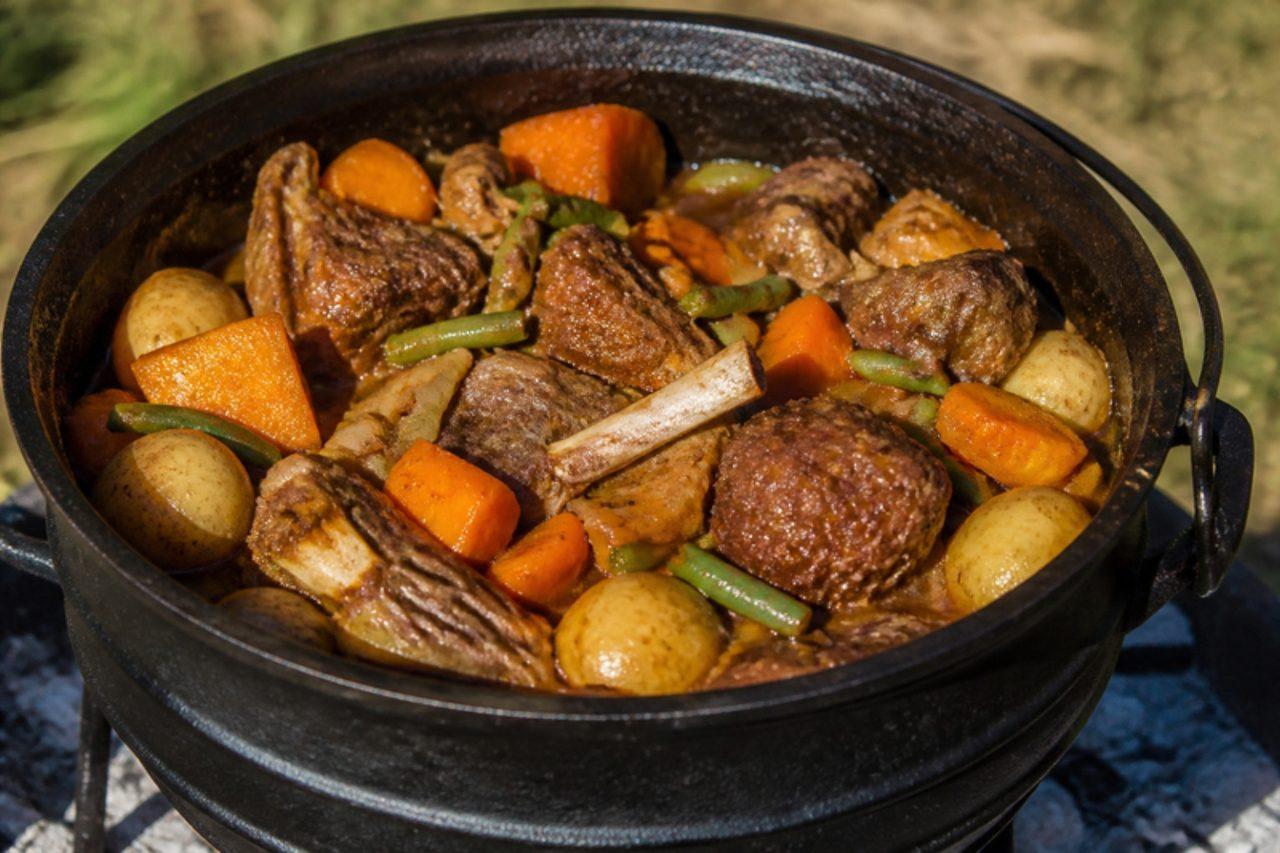
Potjiekos is the long, sociable cook of South African weekends: a cast-iron three-legged pot (potjie) sits over a small fire for hours while friends talk around it, and the rule is that once the layers are in, nobody stirs. The lamb is browned at the bottom, then potatoes, carrots, butternut, green beans and mushrooms are stacked on top so the hardest vegetables are nearest the heat. A heavy casserole on the hob or in the oven works just as well. Some cooks add a glass of red wine or beer; this version uses stock only, and you may swap 150 ml of it for wine if you like. The mistake is stirring the pot, which turns the neat layers into mush. Chef's tip: add only a little liquid; the vegetables give off their own juice as they steam.

by KrazyBadal 0 views

PoticaWalnut and honey spiral cake

No Slovenian Easter or Christmas table is complete without potica, a yeasted dough rolled thin around a honeyed walnut filling and baked in a fluted ring mould called a potičnik. When sliced, each piece shows a tight spiral of pale dough and dark nuts. Families in Ljubljana and across Carniola argue about the best filling, but walnut with honey is the classic one, eaten with coffee from Christmas morning until the tin is empty. Unlike a braided Romanian cozonac, the beauty is all in the thin, even swirl. Chef's tip: spread the filling no thicker than the dough and roll it up tightly; a loose roll or a thick layer leaves a gap between dough and filling once baked, the most common potica fault.

210 minBalkanBaking
by KrazyBadal 0 views

Posta negra cartageneraBeef in dark panela sauce

Posta negra comes from the Caribbean coast, from Cartagena's old walled city and the towns around it, and it is what a family cooks for a birthday or a Sunday when the grandparents visit. A whole piece of beef is browned, then braised slowly with onion, a little cola-coloured panela (unrefined cane sugar) and Worcestershire-style sauce until the sauce turns nearly black and glossy, sweet and tangy at once. It is sliced and served with coconut rice, fried plantain and a tomato and onion salad. The most common mistake is letting the panela burn when caramelising: it should turn a deep mahogany and smell like toffee, not acrid smoke. Chef's tip: slice the meat across the grain only after it has rested, then return the slices to the sauce so they soak it up.

by KrazyBadal 0 views

PortokalopitaOrange fillo cake

Portokalopita is a Greek orange cake with an unusual trick: instead of flour, it uses dried, torn fillo pastry, which soaks up an orange yogurt batter and then a hot orange syrup. It became a favourite in Greek homes in the 1990s and is now baked for coffee mornings, Sunday visits and village festivals across the country. The texture is like a moist sponge with crisp edges, very orangey and not too sweet. It keeps beautifully, so it is perfect for making the day before. Chef's tip: dry the fillo properly until crisp; using it soft is the usual mistake and gives a heavy, gummy cake.

by KrazyBadal 0 views

Porotos granadosFresh bean, pumpkin and corn stew

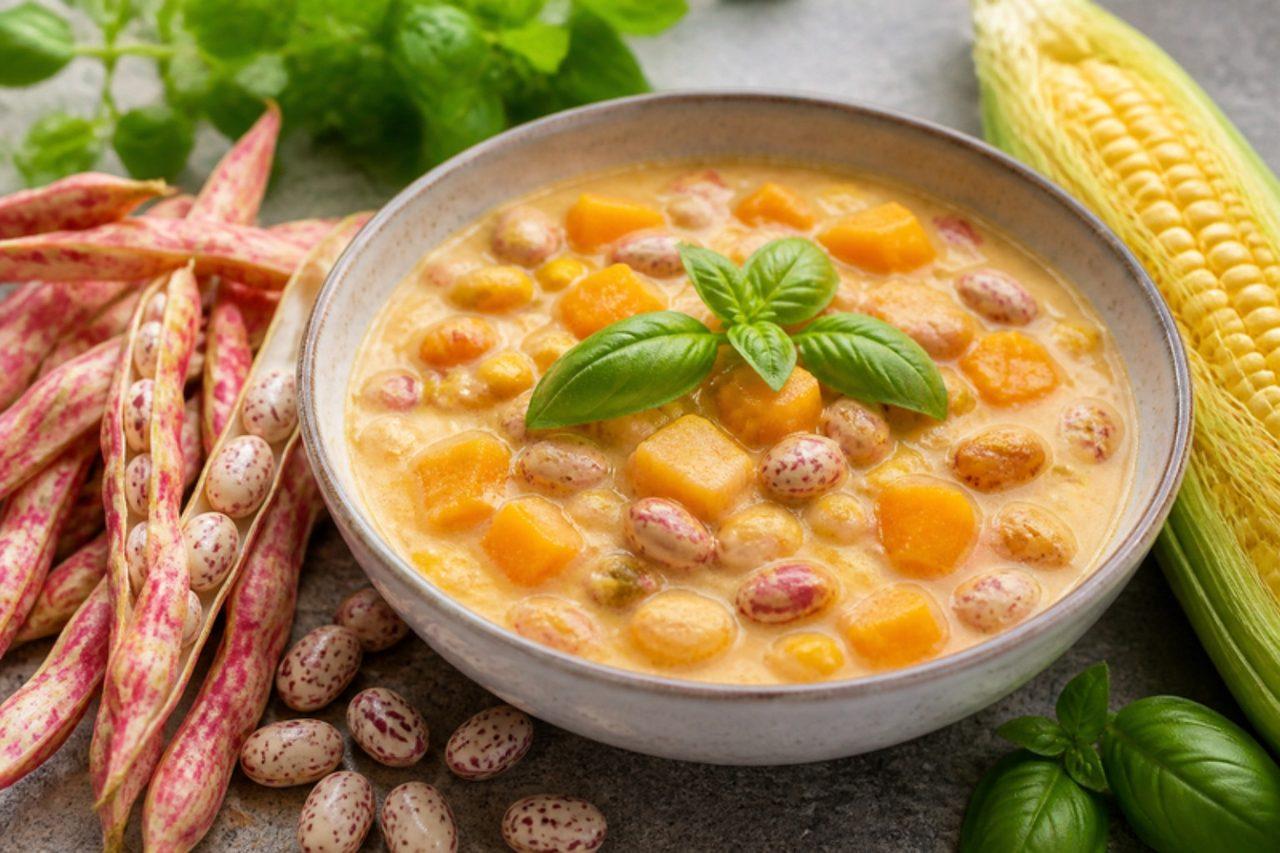
Porotos granados is what central Chile cooks when the fresh beans arrive in late summer: tender cranberry beans shelled at the kitchen table, simmered with pumpkin until it collapses into a thick orange sauce, then finished with grated corn and basil. Families in the Valle Central eat it on hot days, often with pebre and a tomato salad; when the corn is blended in larger amounts it's called 'con mazamorra'. It's hearty but fresh-tasting, and fully plant-based. Chef's tip: add the corn only in the last 10 minutes; it's there to thicken and sweeten, and overcooked it turns floury.

by KrazyBadal 0 views

Surti lochoSteamed chana dal batter snack

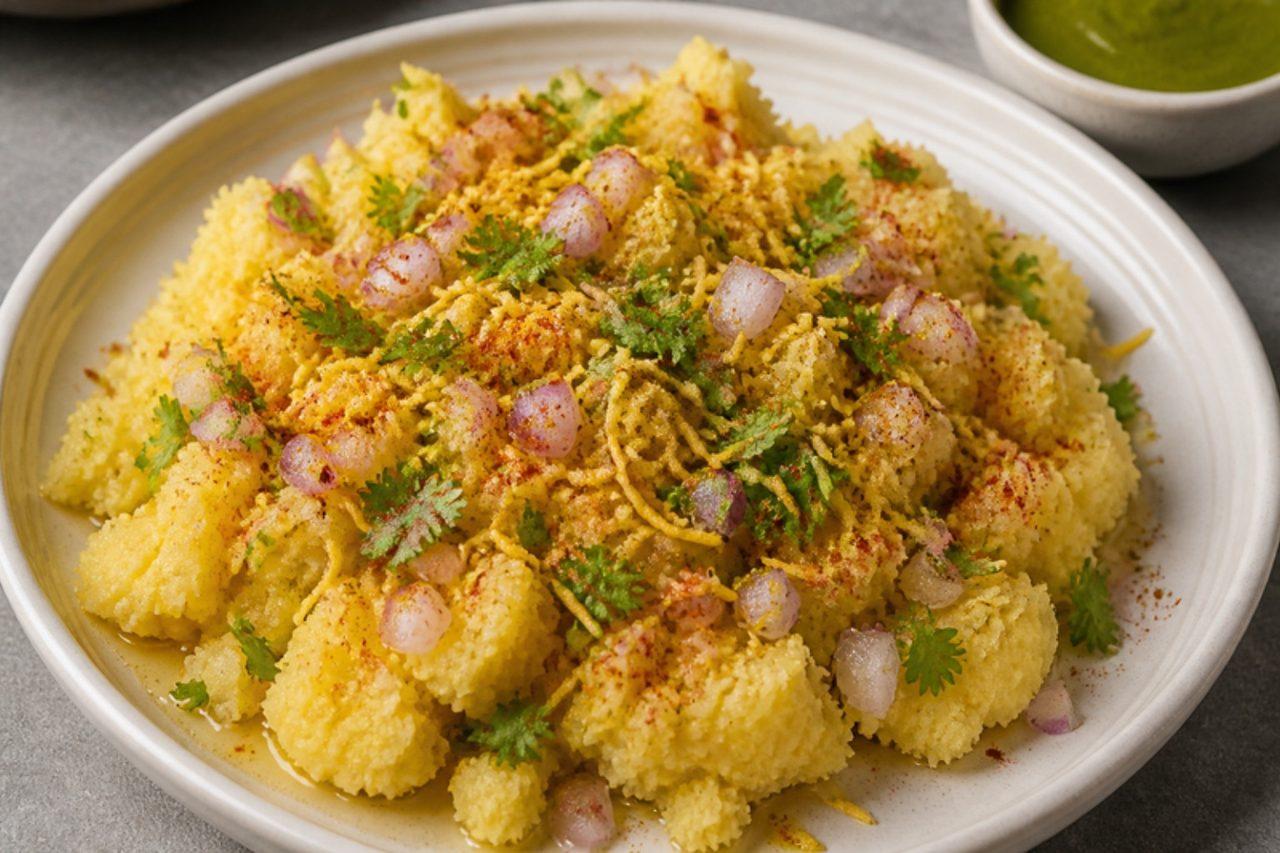
Locho is a breakfast street snack from Surat in Gujarat. The story goes that a batch of khaman went wrong and came out soft and mushy, and people liked it so much it became a dish of its own; 'locho' means a muddle. A fermented batter of chana dal is steamed until just set and scooped out in soft, spoonable heaps, then drizzled with oil and showered with a spicy locho masala, raw onion, coriander and sev. It's eaten hot with green chutney and a sweet-sour tamarind sauce. Chef's tip: steam it in a shallow layer and take it off as soon as a knife comes out sticky but not wet; locho should be just set and wobbly, and over-steamed it turns into a dull khaman.

by KrazyBadal 0 views

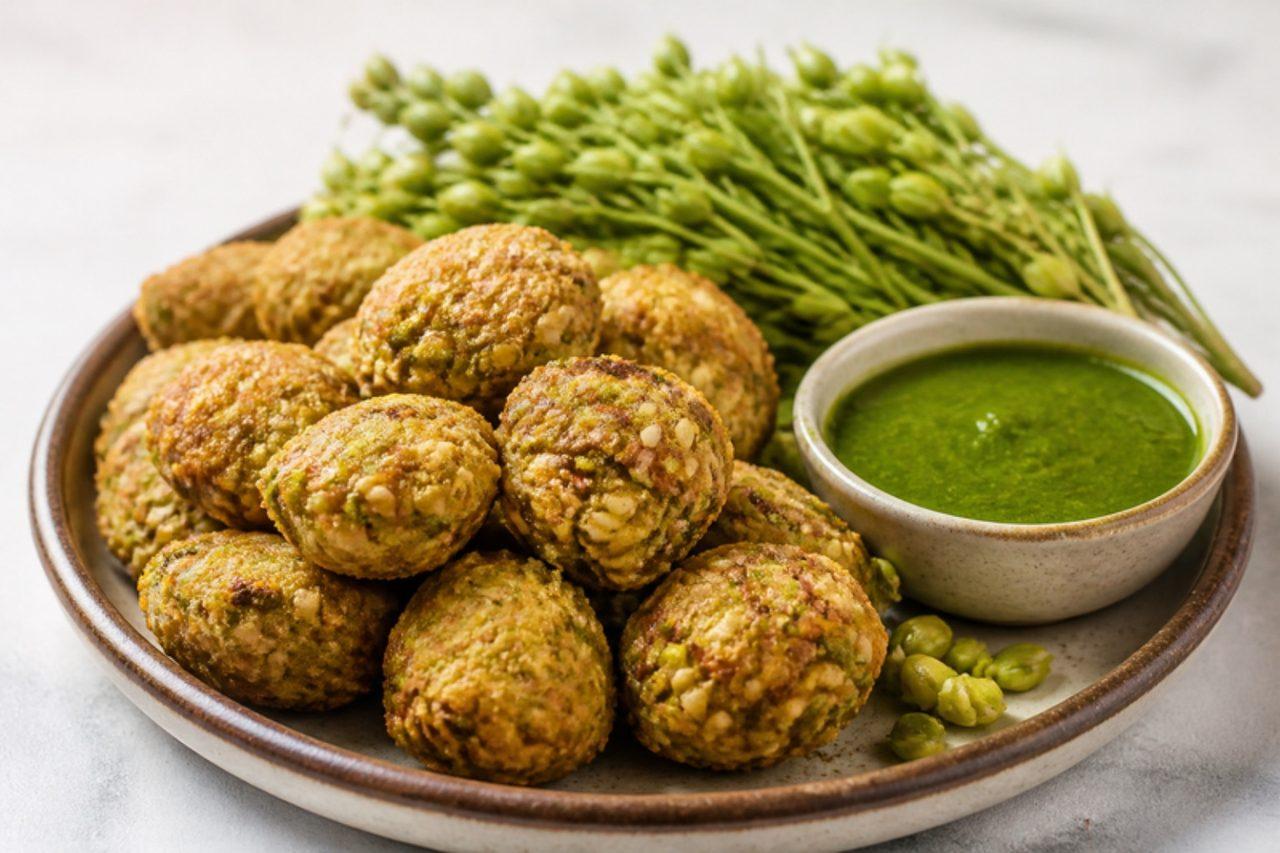
Surti ponk vadaGreen sorghum fritters

Every December and January, farms around Surat roast bundles of young green jowar heads over embers and thresh out ponk, soft, sweet, pale-green grains that last only a few weeks. Surtis turn the trip into a picnic, eating ponk by the handful with lemon-pepper sev and garlic chutney, then frying the leftovers into these crunchy vada. The grains are crushed coarsely with chilli and ginger, bound with a little gram and rice flour, and fried until the outside is lacy and crisp while the inside stays tender and grassy-sweet. Look for frozen ponk in Gujarati grocers outside the season. Chef's tip: crush the ponk only roughly; whole grains popping through the crust is what makes these vada special.

by KrazyBadal 0 views

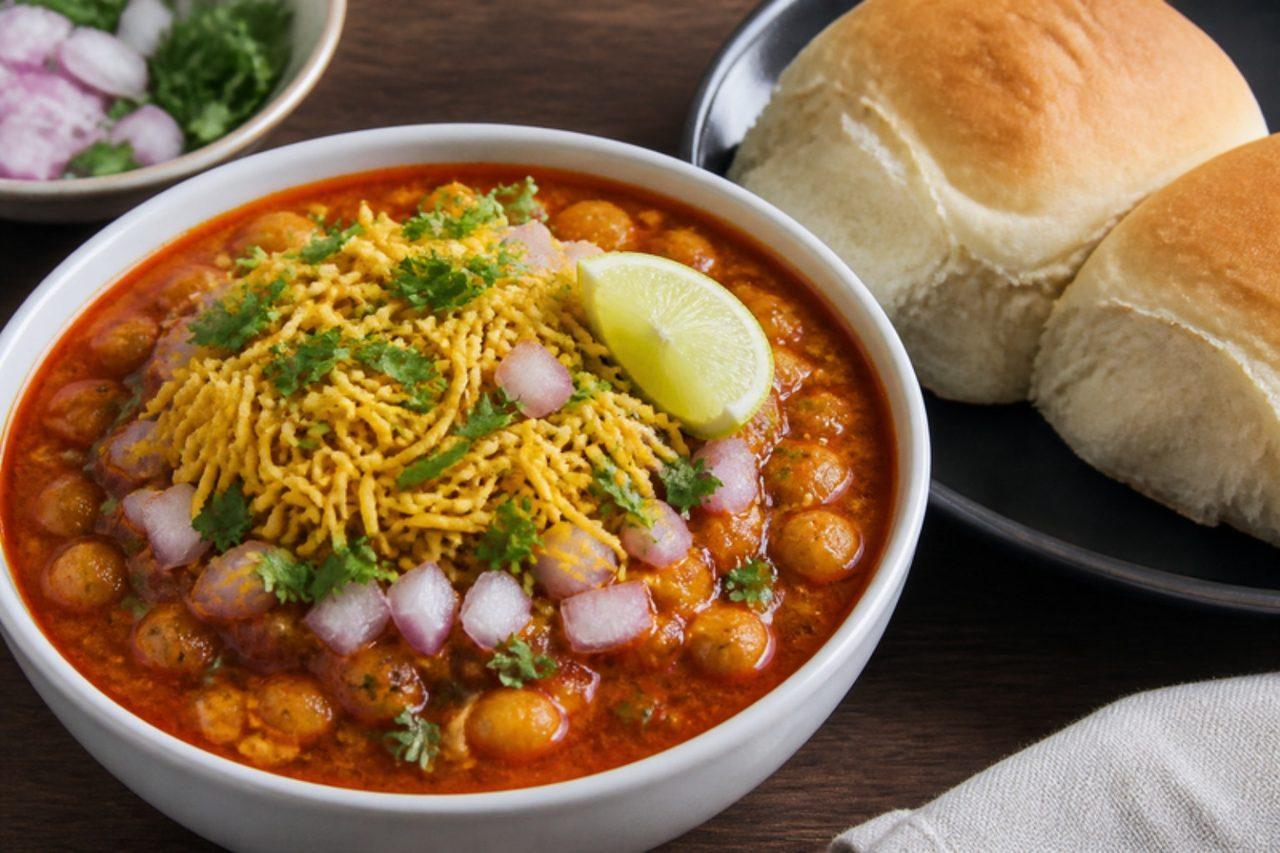
Sev usalWhite pea curry with sev

Ask anyone from Vadodara where to eat sev usal and you'll get a strong opinion and a street-corner name. Early in the morning the handcarts near Mandvi and Raopura have a huge pot of dried white peas simmering in a thin, fiery gravy, with a separate tin of brick-red chilli oil (the tari) on the side. A ladle of usal goes into a steel plate, a spoonful of tari is poured over, and then it disappears under fine sev, raw onion and coriander, with lemon and soft pav to mop it up. The gravy should be loose and soupy, not thick like a curry, so the sev stays crisp for the first few bites and then soaks in. Chef's tip: cook the tari separately and let each person add their own; the usal alone is only medium-hot, and the tari is where the fire comes from.

by KrazyBadal 0 views

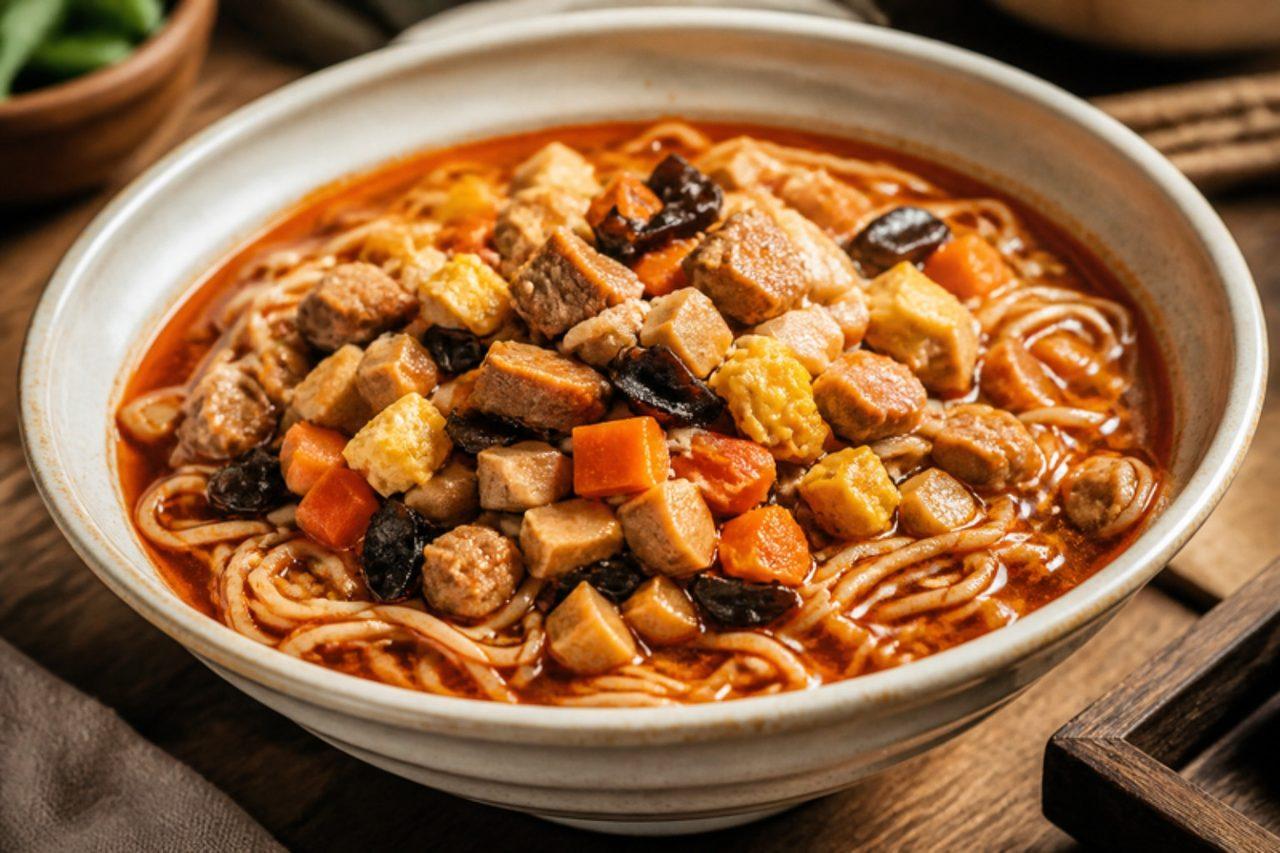
Qishan saozi mianSour-hot noodles with pork

Weddings, birthdays and harvest feasts in Qishan county, west of Xi'an, all call for these little bowls of noodles, and guests may eat ten or twenty small portions in a row. The key is the saozi, diced pork slowly cooked in aged vinegar and chilli until it turns red, tangy and fragrant; the broth is sour, spicy and bright with diced tofu, carrot, wood ear, egg and garlic shoots. The noodles are thin and springy and the bowls deliberately small. Serve it to a crowd as a lively lunch, with a plate of pickled vegetables. Chef's tip: make the saozi a day ahead; it keeps for a week in the fridge and tastes better after a rest.

by KrazyBadal 0 views

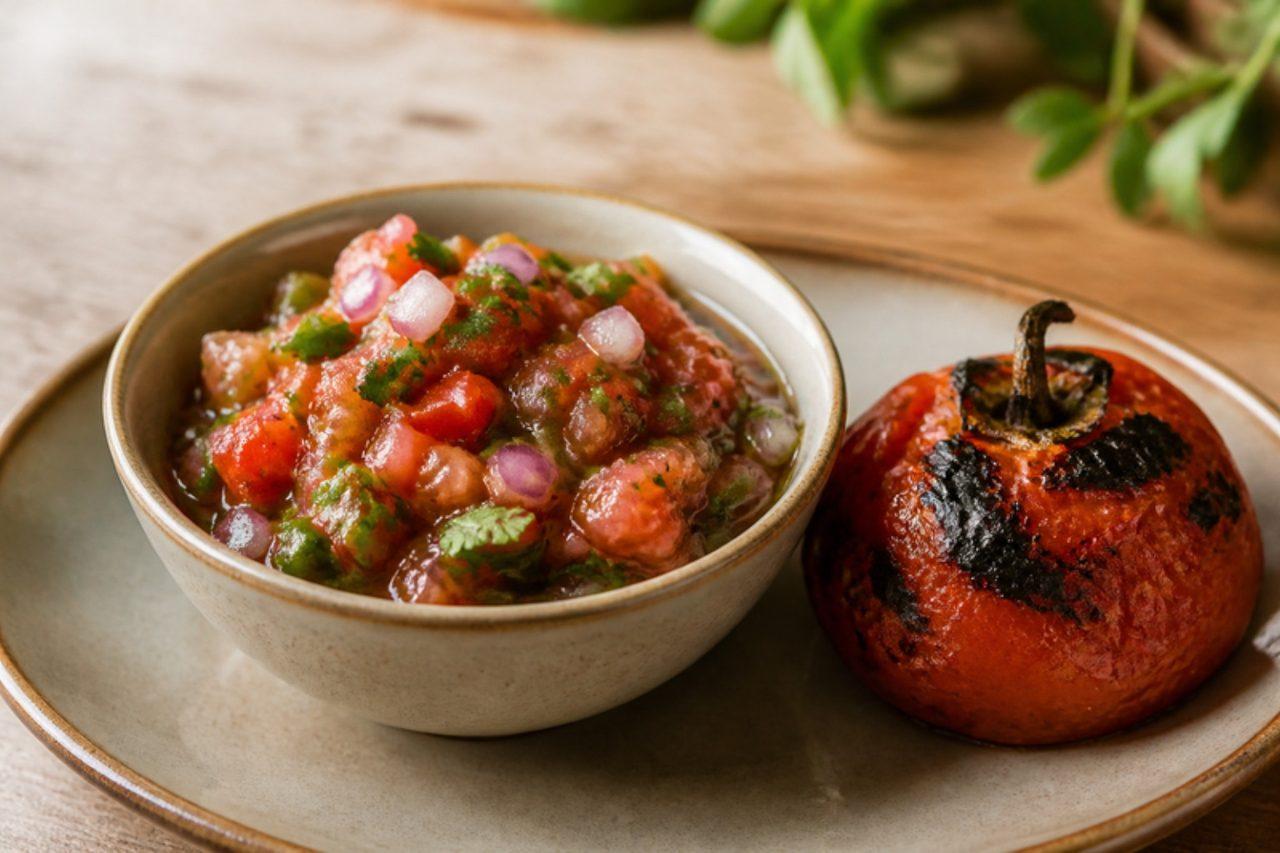
Mosdeng sermaRoasted tomato and chilli relish

Mosdeng serma is the fresh relish Tripuri families in Agartala put on the table almost every day: tomatoes and green chillies roasted until blackened, then crushed with raw onion, coriander and salt. Some versions mash in dried fish; this one doesn't, and leans on a squeeze of lime and plenty of coriander. It is lighter and more salsa-like than Naga raja mircha chutney: chunky, juicy and smoky, more vegetable than chilli. Chef's tip: crush, don't blend; a few whole bits of tomato make it.

by KrazyBadal 0 views

Soto ayamTurmeric chicken soup

From Lamongan to Semarang, Java's soto carts start ladling before the morning commute, and a bowl of soto ayam is how many people begin a working day. The broth is light but bright yellow with fresh turmeric, scented with lemongrass and lime leaf, and poured over slippery glass noodles, shredded chicken, crunchy bean sprouts and half a boiled egg. Squeeze in lime, stir in as much sambal as you dare and eat it with plain rice or rice cakes on the side. In East Java vendors finish it with koya, a sandy powder of prawn crackers and fried garlic that thickens the broth as you eat. Chef's tip: keep the pot at a lazy simmer the whole time; a hard boil turns the golden broth cloudy and greasy.

by KrazyBadal 0 views

Soto BanjarSpiced chicken soup

Along the rivers of Banjarmasin in South Kalimantan, breakfast often means soto Banjar eaten at a wooden riverside warung, sometimes after a dawn trip to the floating market. Unlike the turmeric sotos of Java, this broth is pale and clear, perfumed with the sweet spices that traders brought up the river centuries ago: cinnamon, cloves, star anise, cardamom and nutmeg. Shredded chicken, glass noodles, carrot and a boiled egg go into the bowl with rice cakes, and lime and a little chilli sharpen it at the table. Chef's tip: toast the whole spices in the pan for a minute before the paste goes in; it brings out their sweetness without the dusty edge of ground spice.

by KrazyBadal 1 views

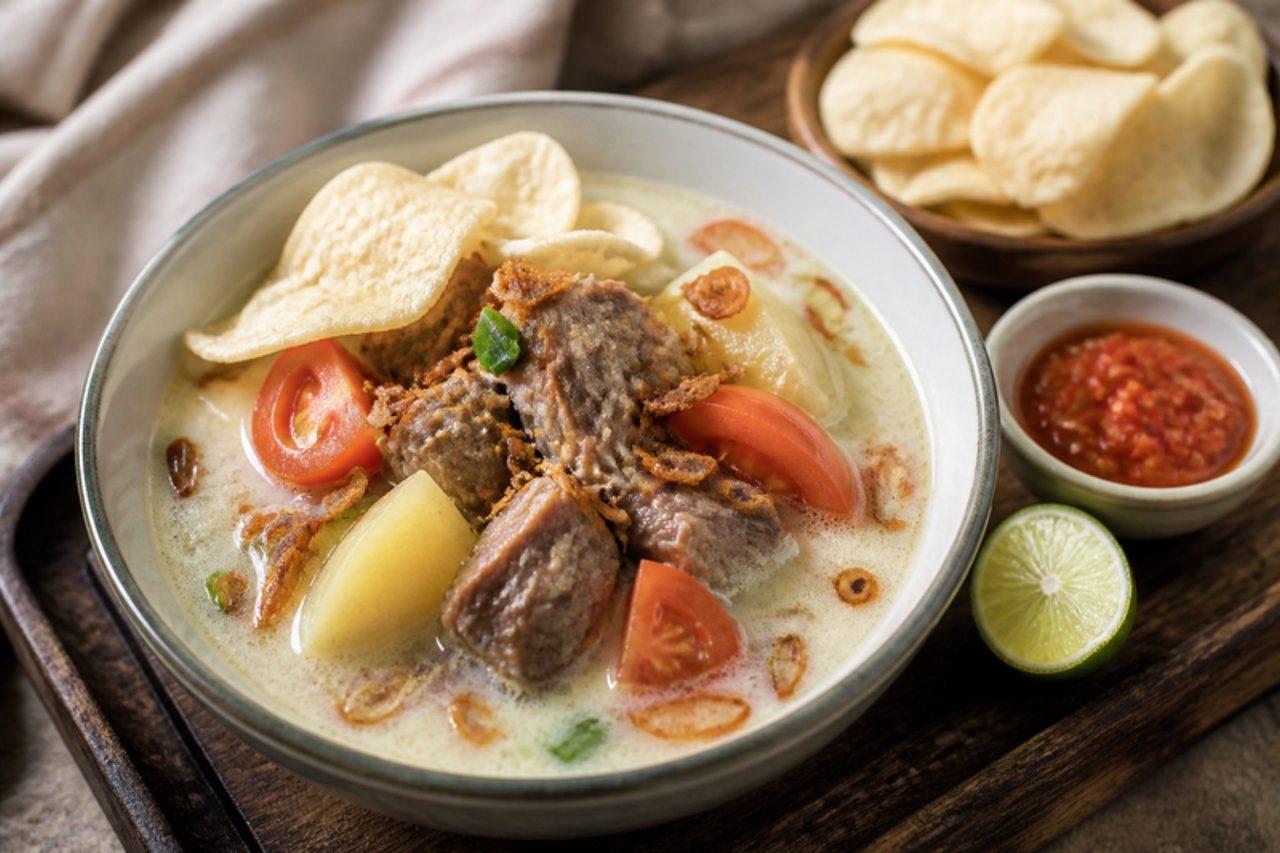
Soto BetawiBeef and coconut milk soup

Jakarta's original Betawi community gave the capital this rich, pale-gold soup, and on a Sunday the soto Betawi stalls along the city's side streets are packed with families. Beef brisket (and, for many, tripe) simmers until tender, then goes into a gently spiced broth made creamy with coconut milk and a splash of fresh milk, scented with lemongrass, cinnamon and cloves. Each bowl is loaded with fried potato, raw tomato and spring onion and comes with rice, lime, sambal and bitter-crisp emping crackers. It's comforting and mellow rather than fiery. Chef's tip: for a dairy-free bowl, swap the milk for more coconut milk; the soup will be a little heavier but just as good.

by KrazyBadal 0 views

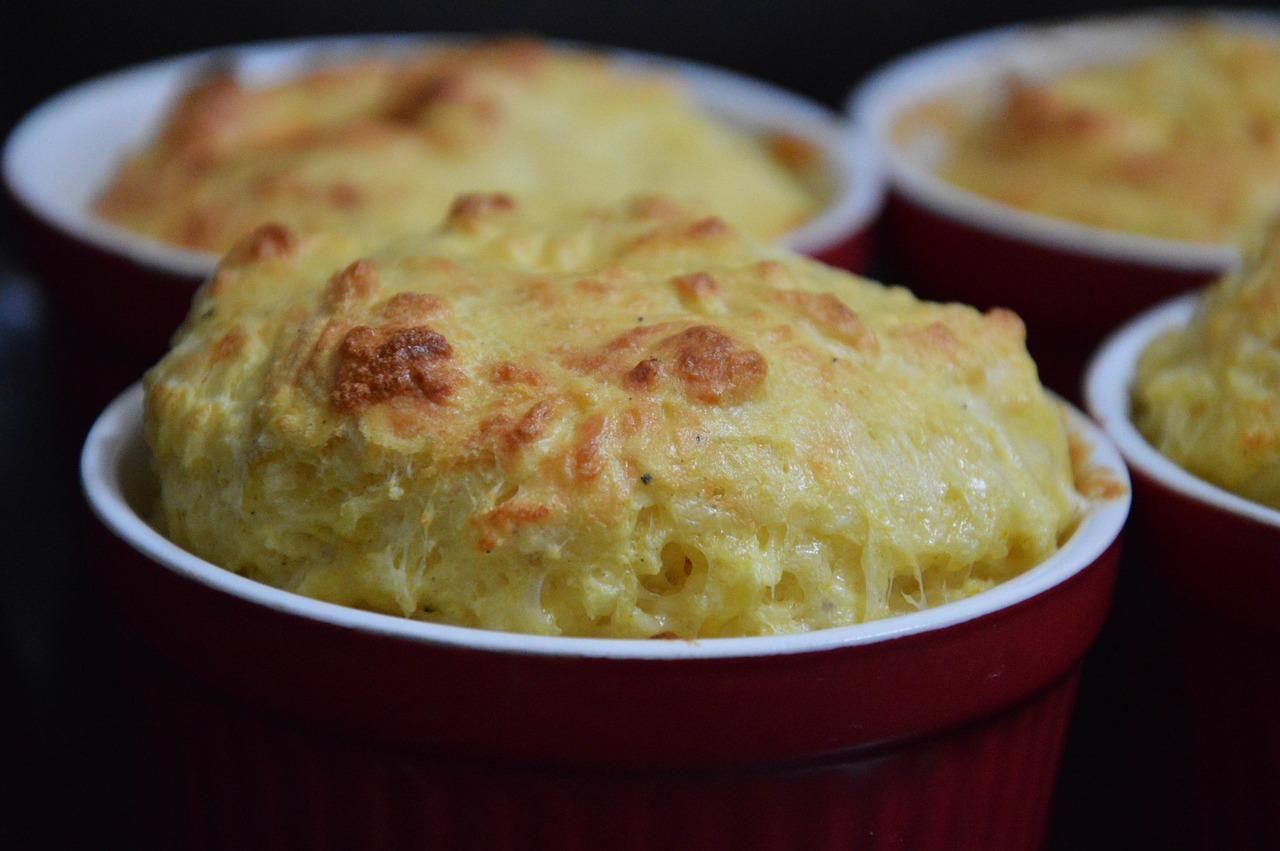
Soufflé au fromageCheese soufflé

The cheese soufflé is a French bistro classic and a favourite family starter or light supper all over France, often served with a green salad and a glass of white wine. A thick cheese sauce is lightened with whisked egg whites and baked until it rises tall above the dish, golden and crusty outside and soft, almost creamy in the middle. It sounds hard but it's mostly about timing. We thicken the sauce with cornflour so it's gluten free (classic recipes use plain flour). Comté and Gruyère are made with animal rennet, so use a vegetarian alternative. Chef's tip: fold the whites in gently with a big spoon, in three goes; stirring hard is the common mistake that knocks out the air so it never rises.

by KrazyBadal 0 views

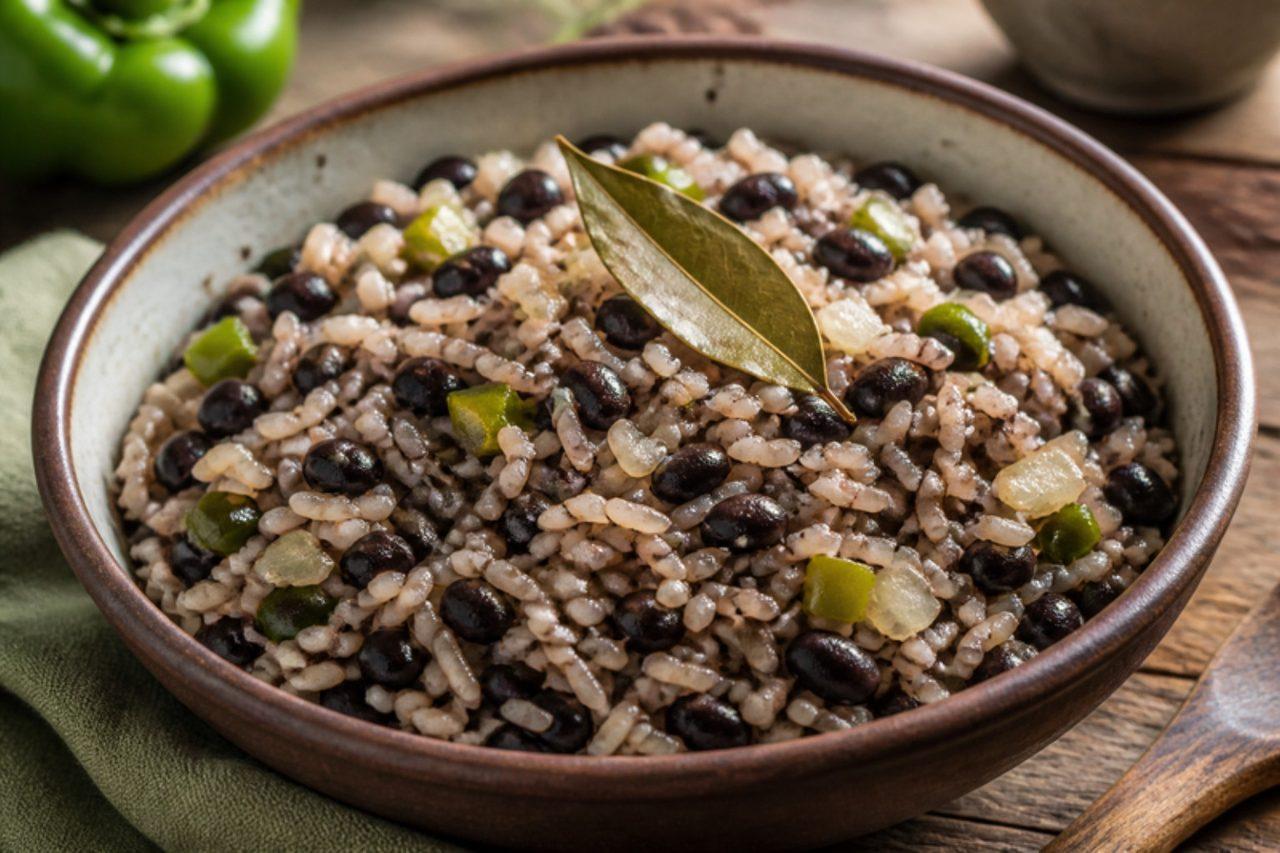
Moros y cristianosBlack beans and white rice

In Cuba, moros y cristianos is the rice that turns up beside almost every Sunday lunch and every Nochebuena (Christmas Eve) table, from Havana kitchens to family parties in Santiago. Unlike rice simply served with beans, here the grains simmer in the dark bean broth with a sofrito of onion, green pepper, garlic, cumin and oregano, so every grain comes out grey-violet, savoury and fluffy. Serve it with tostones, yuca con mojo and an avocado salad for a full Cuban plate. Chef's tip: measure the bean cooking liquid rather than guessing, because it is the liquid, not the beans, that decides whether the rice is fluffy or mushy.

by KrazyBadal 0 views

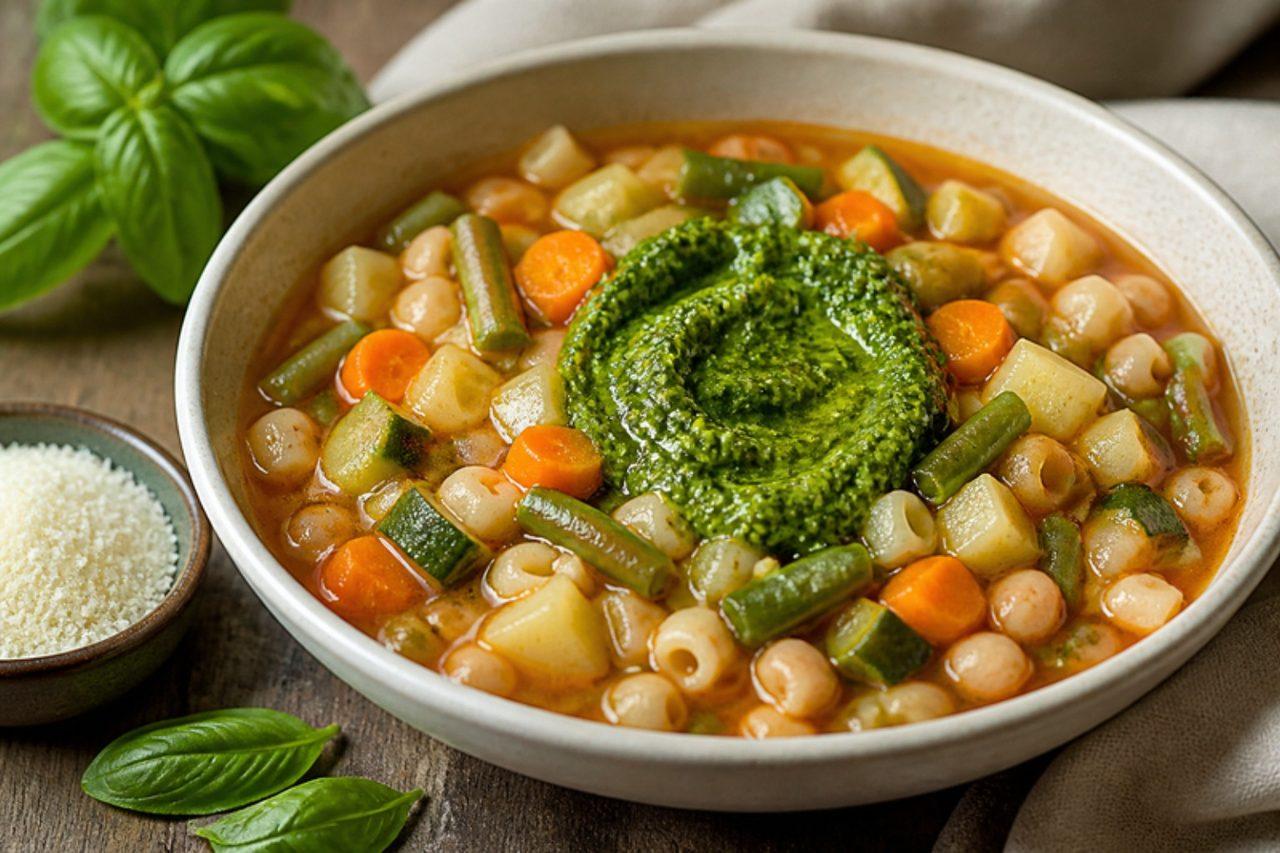
Soupe au pistouBean and vegetable soup with basil

Soupe au pistou is Provence's summer minestrone, eaten from July to September when basil grows thick in the gardens around Marseille and Avignon. Beans, courgettes, green beans, carrots, potato and small pasta simmer in a light broth, then each bowl gets a spoonful of pistou, a pounded paste of basil, garlic, olive oil and hard cheese with no pine nuts. Stirred in at the table, it turns the broth fragrant and green. It is a whole meal with bread. The traditional cheese is Parmesan or aged Gouda, so use a vegetarian hard cheese. Chef's tip: never boil the pistou; adding it to the pot is the common mistake that turns the basil dark and kills its smell.

by KrazyBadal 0 views

QatayefStuffed Ramadan pancakes

Qatayef only really appear in Egypt during Ramadan: in the weeks of the fast, street vendors in Cairo and Alexandria set up big griddles and pour rows of small pancakes that are cooked on one side only, then sold by the kilo for families to fill at home. The pale, bubbly side is folded around chopped nuts and raisins (or a creamy ashta filling), sealed into half-moons, baked or fried until crisp and dipped in syrup. They are eaten after iftar with tea. Chef's tip: cook the pancakes on one side only and don't flip them; the uncooked top stays sticky and is what glues the edges shut.

by KrazyBadal 0 views

Qalb el louzSemolina and almond cake

Qalb el louz ('heart of almond') is the Ramadan sweet of Algiers: a dense, sandy semolina cake with a ribbon of almond filling, cut into diamonds with an almond on top and soaked in syrup while hot. Pastry shops in the Casbah sell it by the tray after iftar, to eat with mint tea or coffee late into the night. The semolina is soaked overnight in butter and water, which gives it its moist, grainy crumb. Chef's tip: pour cold syrup over the hot cake; hot syrup on a hot cake makes it soggy instead of moist.

by KrazyBadal 0 views

Vitello tonnatoVeal with tuna sauce

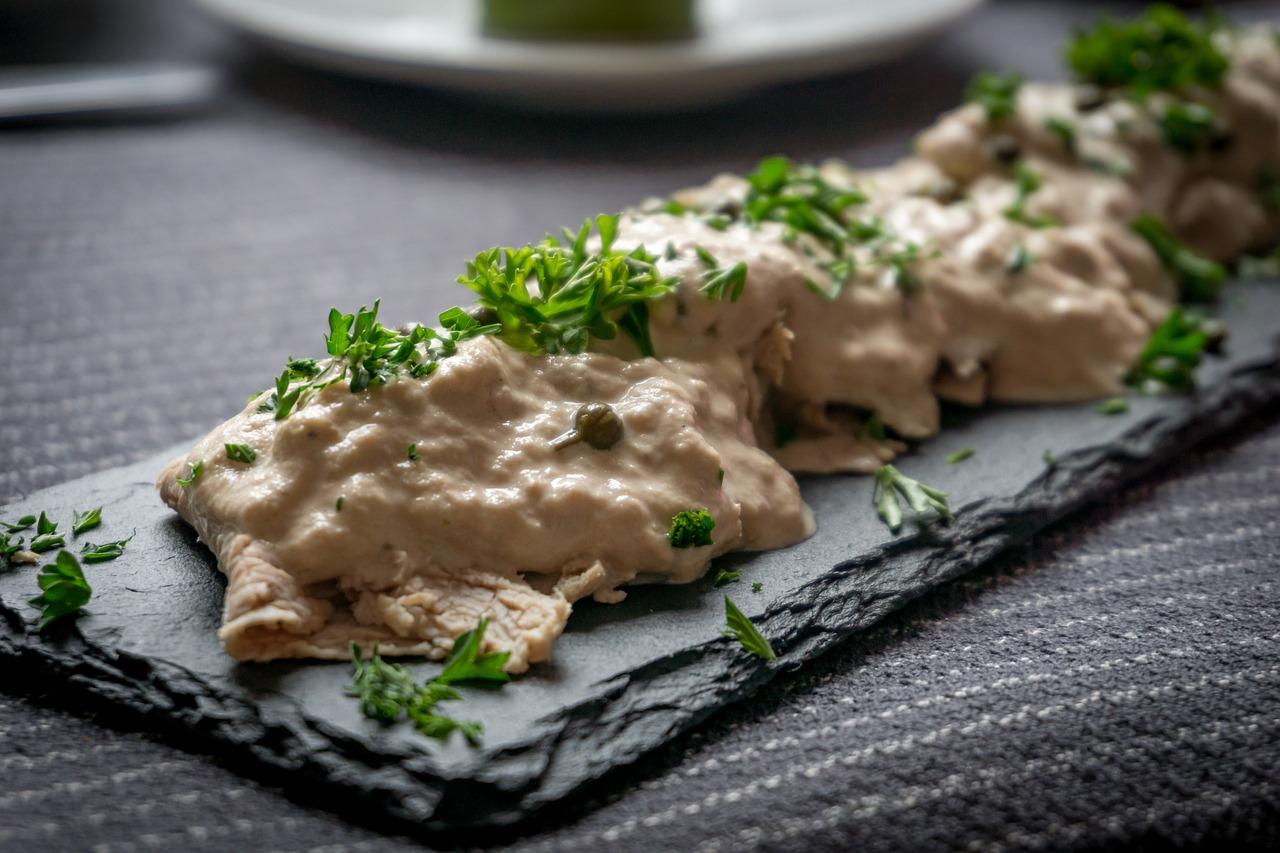
On the hottest days of a Piedmontese summer, and above all for the Ferragosto holiday in mid-August, families set out a platter of cold, thinly sliced veal hidden under a pale, velvety sauce of tuna, anchovy and capers. The combination sounds odd and tastes wonderful: tender, mild meat and a savoury, lemony sauce that is rich without being heavy. This version follows the older Piedmontese style, thickening the sauce with hard-boiled egg yolks and the veal's own poaching broth instead of raw-egg mayonnaise; if you prefer a mayonnaise base, use one made with pasteurised eggs. Serve it as a starter or a summer main with a green salad and bread. A common mistake is slicing the meat while warm; it frays and tears, so chill it first and cut it as thin as you can. Chef's tip: assemble it the evening before; overnight in the fridge, the sauce seeps into the meat and the flavours settle together.

120 minItalianMeatGluten free
by KrazyBadal 0 views

Pyaaz kachoriOnion-filled fried pastries

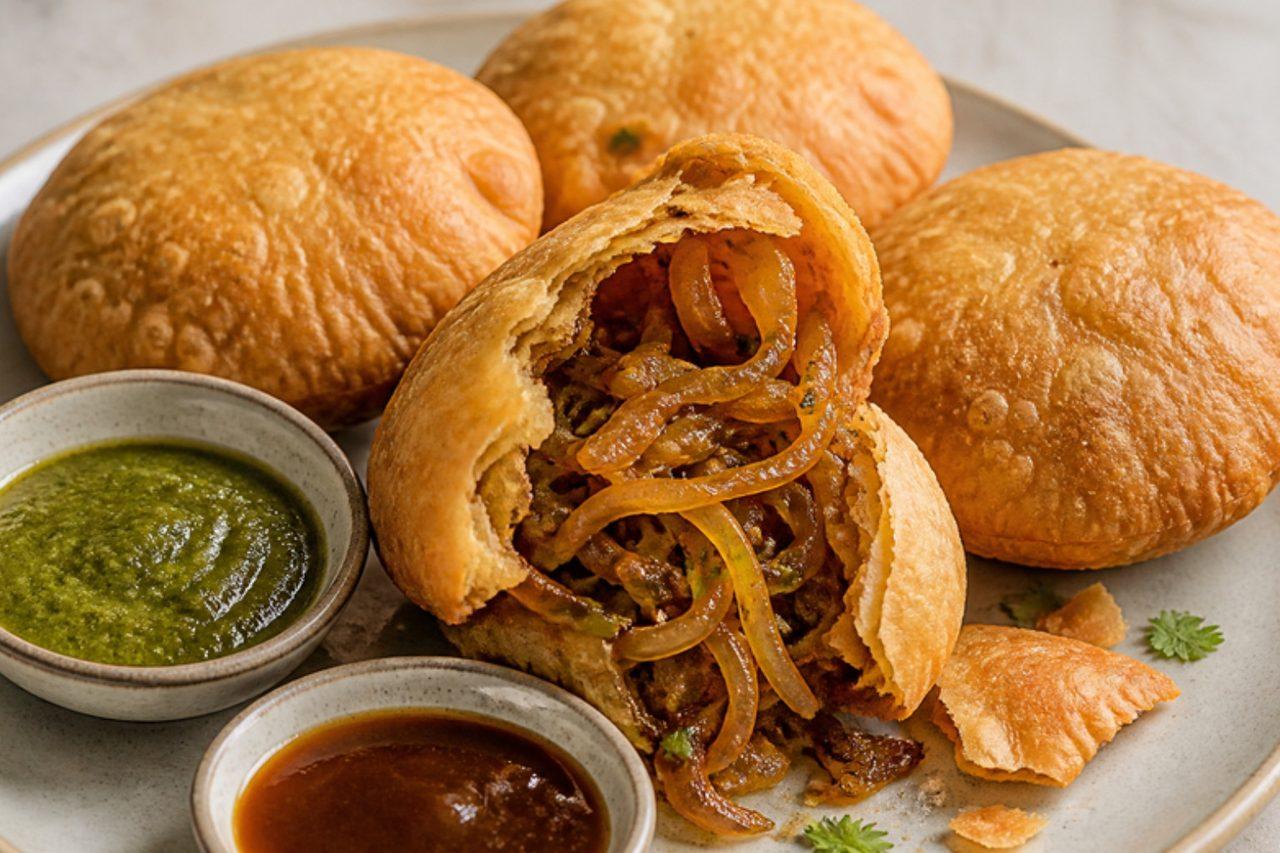
Pyaaz kachori is the pride of Jodhpur in Rajasthan, where sweet shops fry them from early morning and sell them by the hundred with tamarind chutney. The crust is khasta: short, layered and crackly, made by rubbing plenty of oil into the flour and frying slowly. Inside is a soft, jammy filling of onions cooked with fennel, coriander seed and nigella, bound with a little gram flour and potato and lifted with dried mango powder. Eat them warm for breakfast or with afternoon chai. Chef's tip: fry them in oil that is only just warm and let them take their time; the slow fry is what puffs the crust into crisp, hollow layers instead of a hard, oily shell.

by KrazyBadal 0 views

Puttu and kadala currySteamed rice cylinders with chickpea curry

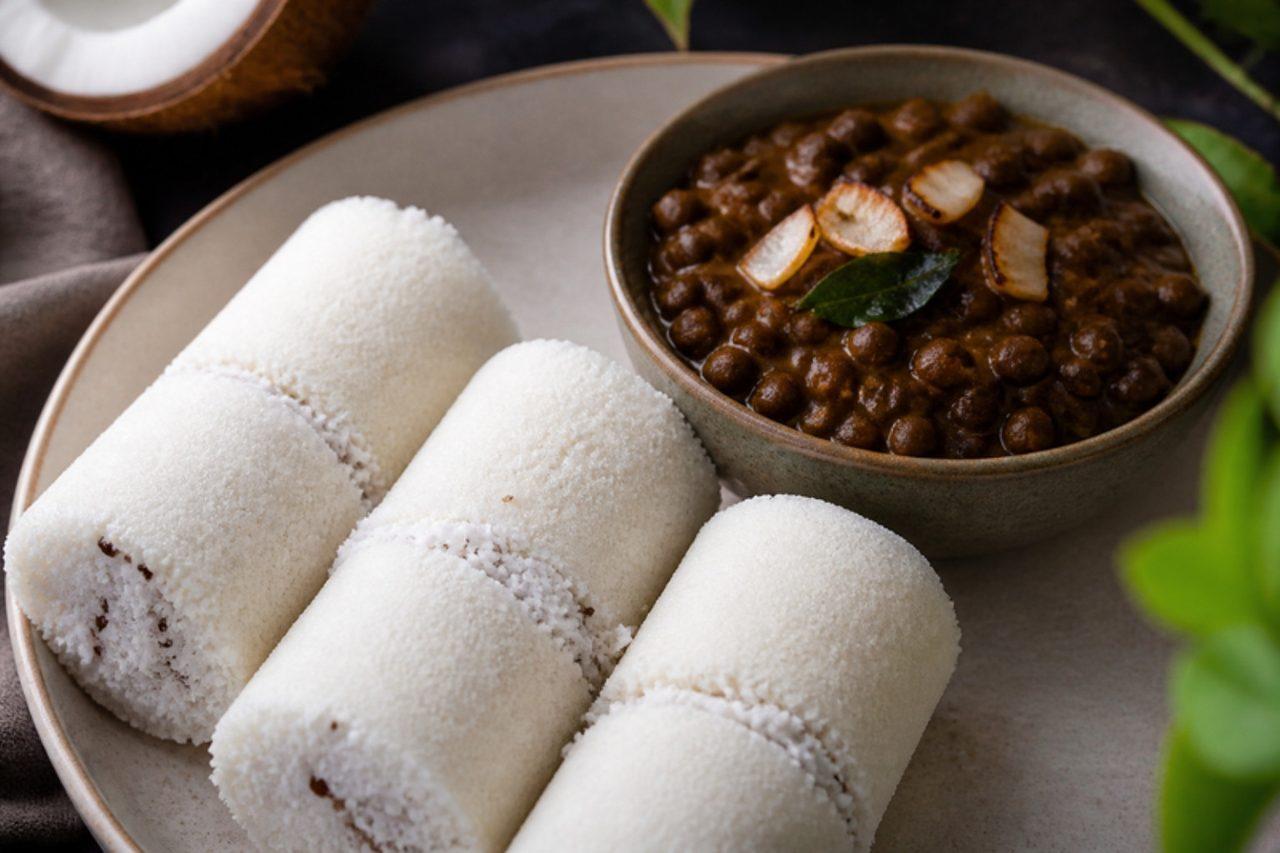
Puttu and kadala is Kerala's most loved breakfast: tall cylinders of steamed rice flour layered with fresh coconut, served with a dark, earthy curry of black chickpeas (kadala) cooked in a masala of coconut roasted until deep brown. Puttu itself is plain and crumbly, so you break it up with your fingers and mash it into the curry, often with a ripe banana and pappadam on the side. The chickpeas make it filling and protein-rich. Chef's tip: the puttu flour should feel like damp sand that holds when squeezed and crumbles when poked; too wet and the puttu turns dense and gluey.

by KrazyBadal 0 views

VitumbuaCoconut cardamom rice pancakes

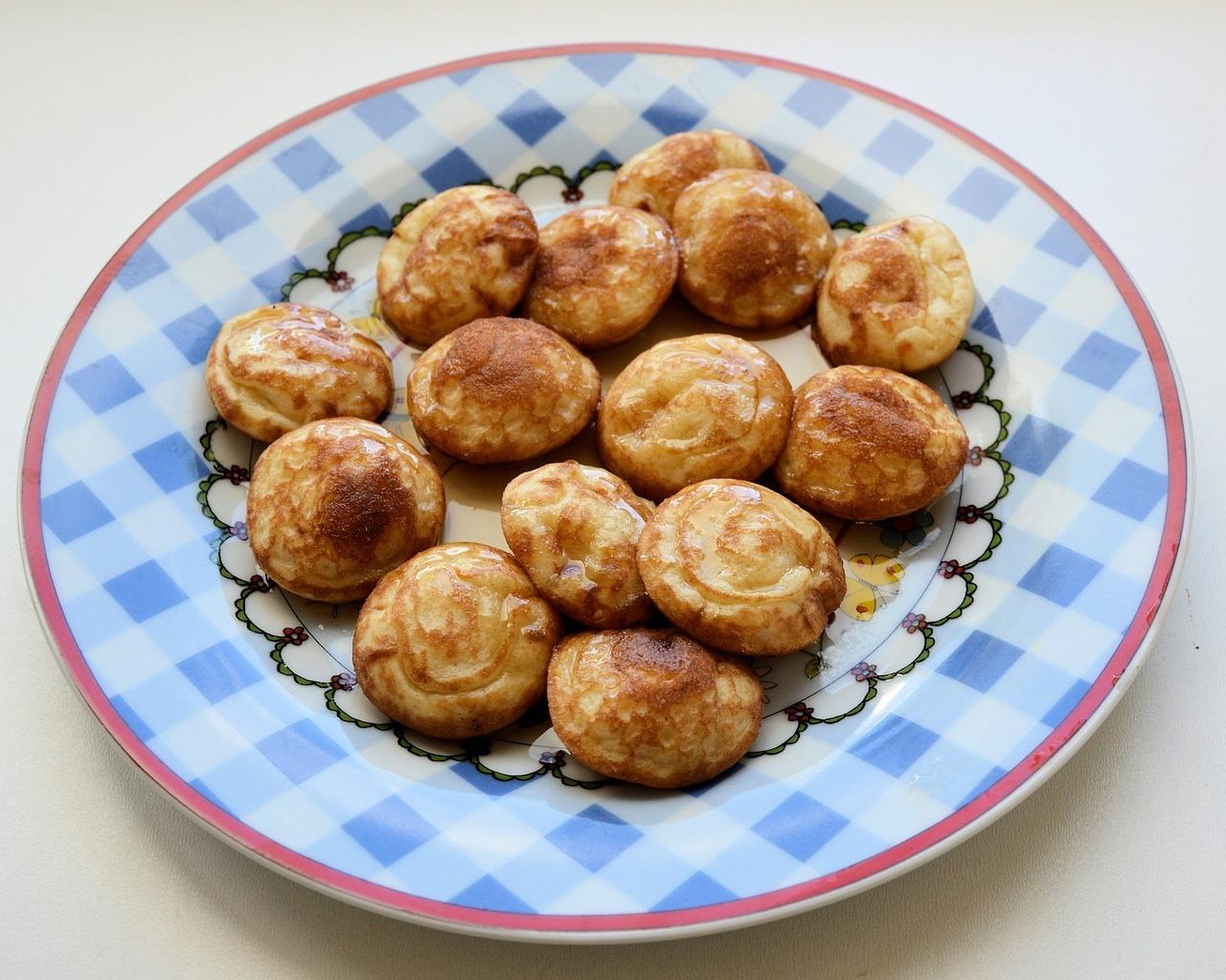
Small, round Swahili rice pancakes made from a yeasted batter of rice flour, coconut milk, grated coconut, sugar and cardamom. They're crisp and golden outside, soft and spongy inside. Serve hot with tea.

by KrazyBadal 0 views

PutoSteamed rice cakes

Puto are small steamed rice cakes found at every Filipino party and merienda table, with countless town styles from Biñan's flat rounds to Calasiao's tiny bites in Pangasinan. Traditionally the batter is fermented ground rice; this home version uses rice flour and baking powder for a quick, reliable rise and a fine, cottony crumb. A strip of cheese on top melts into the cake as it steams. They go with dinuguan in Luzon, but a cup of coffee or hot chocolate is just as good. Chef's tip: wrap the steamer lid in a tea towel so condensation doesn't drip onto the cakes and leave pockmarks.

by KrazyBadal 0 views

Vol-au-ventChicken and mushroom pastry cases

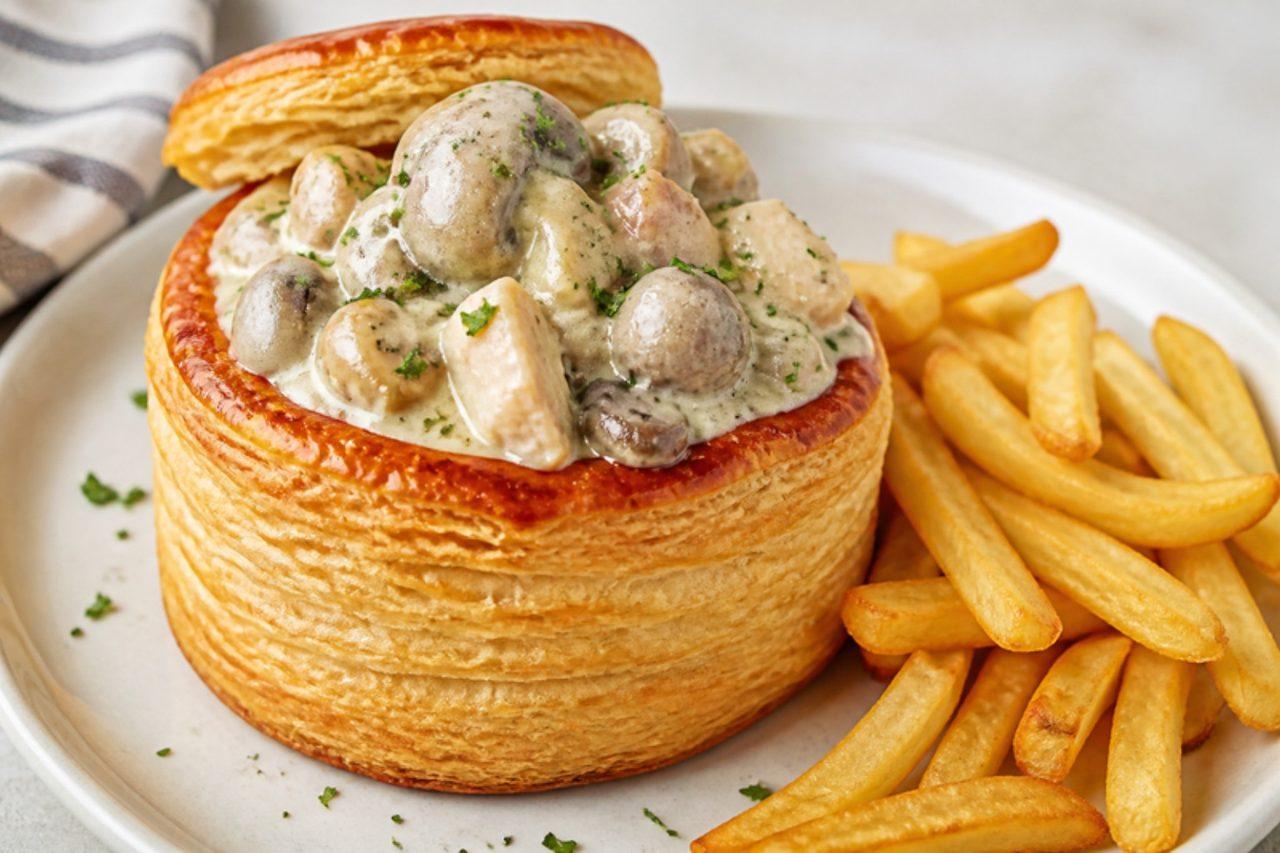
In Belgium a vol-au-vent is not a party nibble but a full plate: a big puff-pastry case filled with creamy chicken ragout, button mushrooms and tiny meatballs, served with chips in Brussels brasseries and for family celebrations and Sunday lunches all over the country. The little meatballs are made with pork mince, so this dish contains pork. The sauce is built on the poaching stock from the chicken, which gives it far more flavour than milk. A mistake many cooks make is filling the pastry too early, so the base turns soggy; fill the cases just before they go to the table. Chef's tip: poach the meatballs in the same stock as the chicken; they take just 5 minutes and season the broth further.

by KrazyBadal 0 views

Pupusas de queso y frijolCheese and bean stuffed corn cakes

In El Salvador pupusas are a Sunday-night ritual: families queue at the pupusería, where cooks pat the dough between wet palms with a soft clapping sound, and the second Sunday of November is National Pupusa Day. These thick masa cakes are stuffed with stringy cheese and smooth refried black beans, griddled until speckled, and eaten with your hands, topped with curtido and a thin tomato salsa. Chef's tip: keep a bowl of water with a splash of oil beside you and wet your hands before every pupusa, so the dough stays supple and the seams don't crack.

by KrazyBadal 0 views

ZhentToasted millet and honey sweet

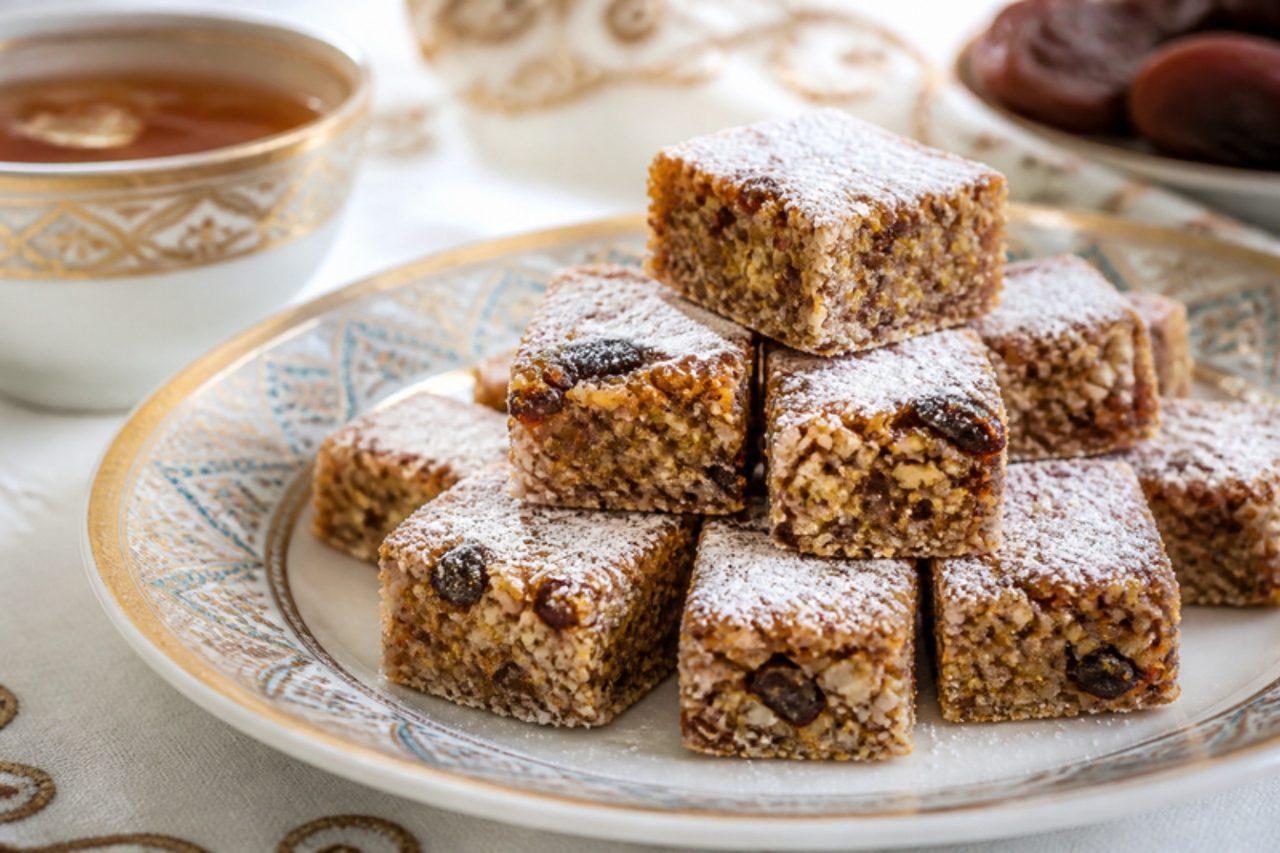
Zhent is one of the oldest Kazakh sweets: toasted millet (tary) pounded with dried kurt, dates or raisins, and bound with butter and honey into a crumbly, rich square. Herders made it to carry on long rides, and today it appears on the dastarkhan at Nauryz and weddings in southern Kazakhstan, beside baursak and dried fruit. It tastes nutty, salty-sour from the kurt and sweet, a bit like shortbread with a sharp edge. Chef's tip: toast the millet in a dry pan until it pops and smells like popcorn; under-toasted millet tastes raw and grassy.

by KrazyBadal 0 views

Vegetarian vori voriCornmeal dumpling and vegetable soup

Vori vori is the soup Paraguayan grandmothers make on cold June and July evenings: a golden broth full of bori, small balls of cornmeal and cheese that swell soft as they simmer. The name is a Guaraní take on the Spanish 'bolita' (little ball). It's usually made with hen; this version gets its colour and body from pumpkin, carrot and a sofrito with saffron or turmeric. Chef's tip: shape the balls no bigger than a hazelnut; they double in size and larger ones stay raw inside.

by KrazyBadal 0 views

Spaghetti alle vongoleSpaghetti with clams

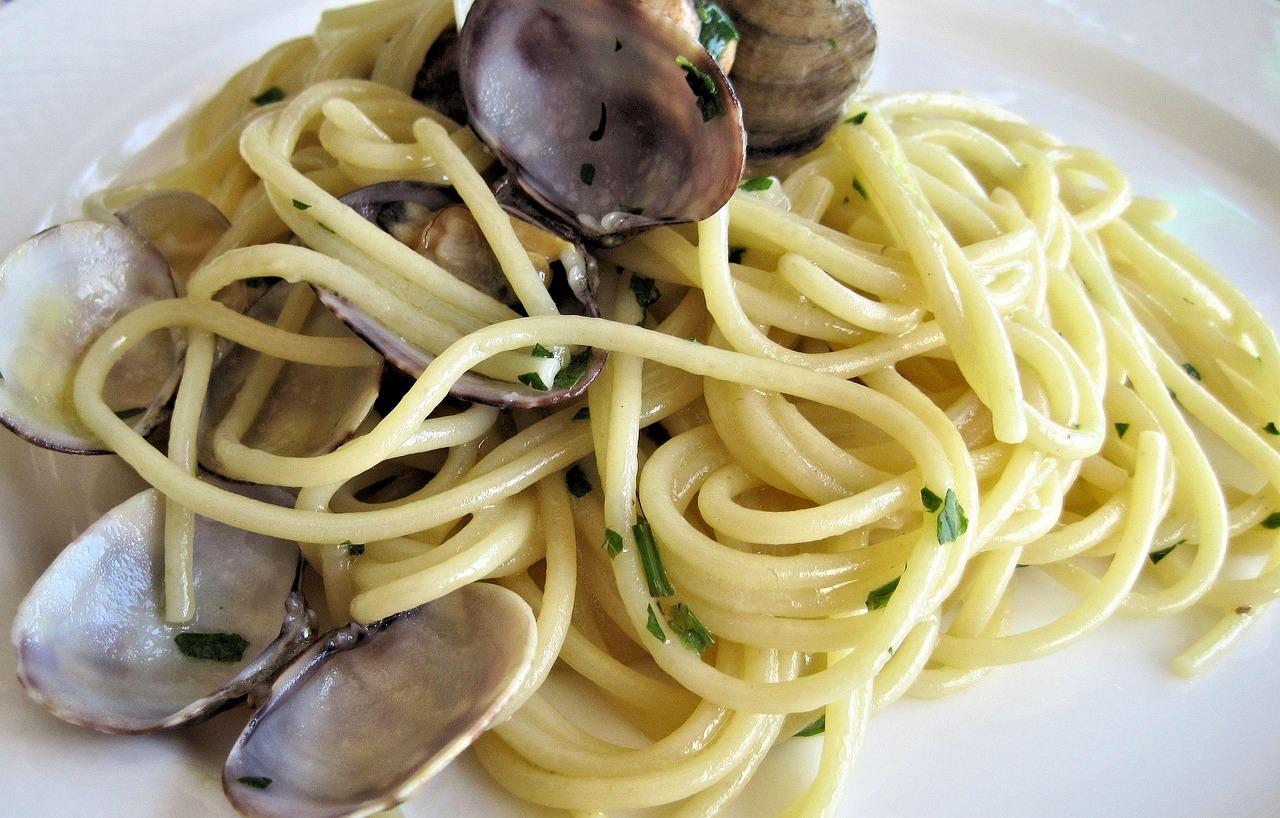
Naples cooks this on Christmas Eve, when the feast is meatless, and all summer long in seaside trattorie along the bay. The clams open in a hot pan of garlicky oil and white wine and release their sea-salty juice, which the half-cooked spaghetti then drinks up as it finishes cooking, so every strand tastes of the shore. Neapolitans keep it in bianco, without tomato, with just a little chilli warmth and a heap of parsley. Most clams in shops are sold already purged of sand; if yours are not, soak them in cold salted water in the fridge for 30 minutes first. Serve with a glass of something cold and bread for the juices. Chef's tip: drain the spaghetti 2 minutes early and finish it in the clam liquor, tossing hard with a little extra oil, so the juices turn into a light, clinging sauce rather than a puddle in the bowl.

by KrazyBadal 0 views

Spaghetti with sukumawikiSpaghetti with collard greens

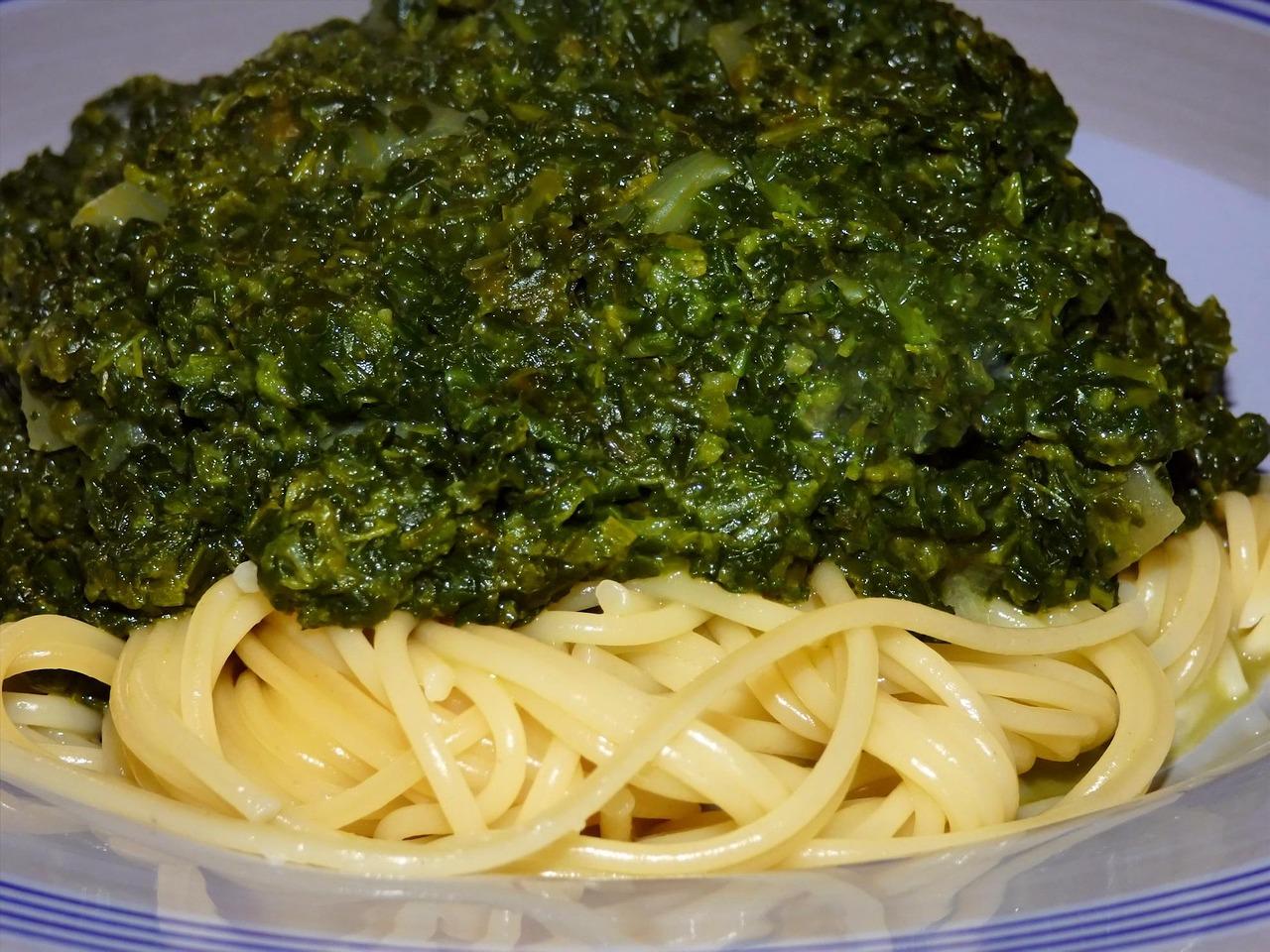
A Kenyan twist on pasta: spaghetti tossed with sukumawiki (collard greens) cooked down with onions, garlic, fresh tomato, tomato paste, green chillies and lots of coriander. It's quick, green and full of flavour. Serve hot with garlic bread.

by KrazyBadal 0 views

SpanakopitaSpinach and feta pie

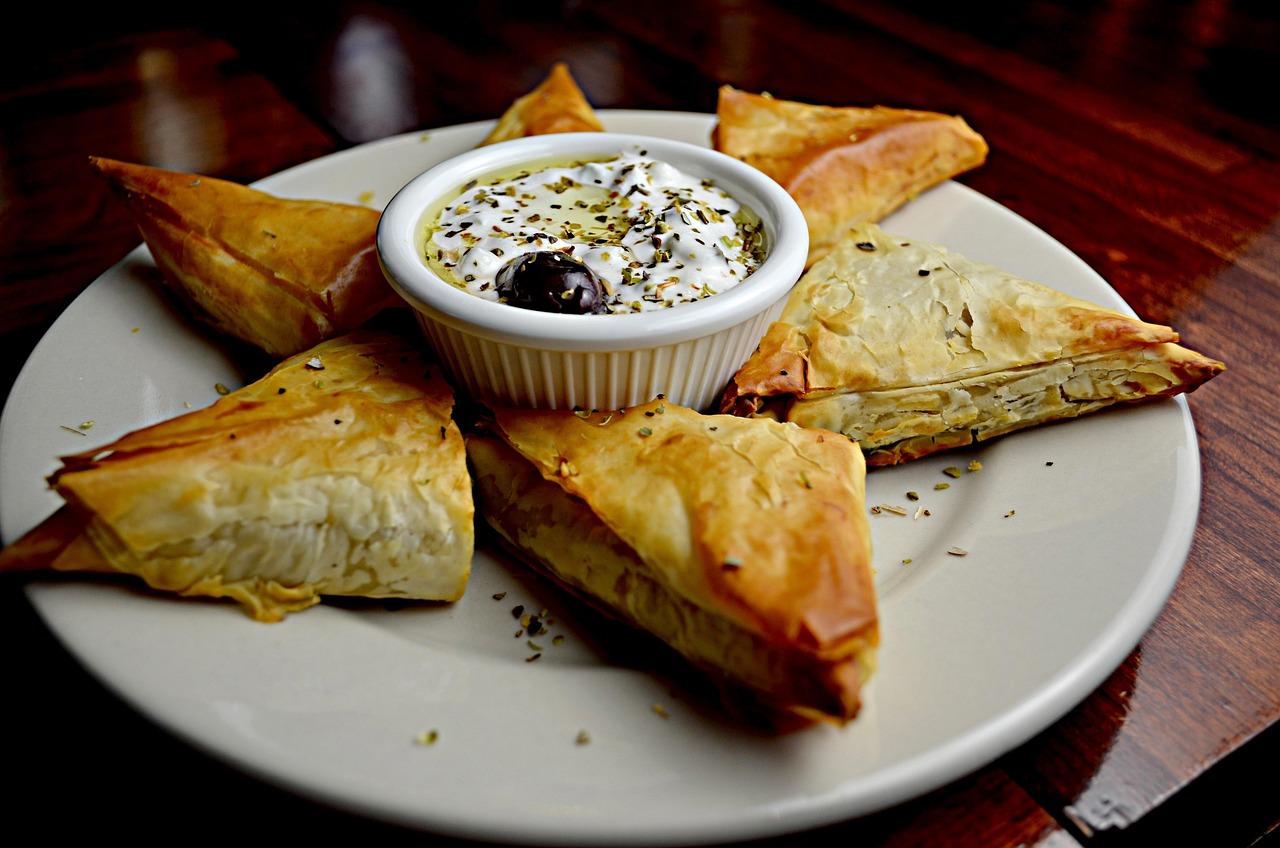
Spanakopita turns up everywhere in Greece: cut into squares at bakeries for a mid-morning snack, carried to the beach wrapped in paper, and set out on Easter and name-day tables beside the salads. A tray of it is a mass of soft, herby spinach and salty feta under layers of fillo that shatter as you cut. Spring onions and plenty of dill keep it fresh rather than heavy. Serve it warm or at room temperature with a tomato salad and olives; it tastes even better a few hours after baking. Feta is often made with animal rennet, so choose one labelled vegetarian. If you want to make your own pastry, our home-made fillo recipe works here. Chef's tip: squeeze the wilted spinach in a clean tea towel until it stops dripping; leaving the water in is the classic mistake that gives a soggy bottom.

by KrazyBadal 0 views

Sambal terasiShrimp paste chilli sambal

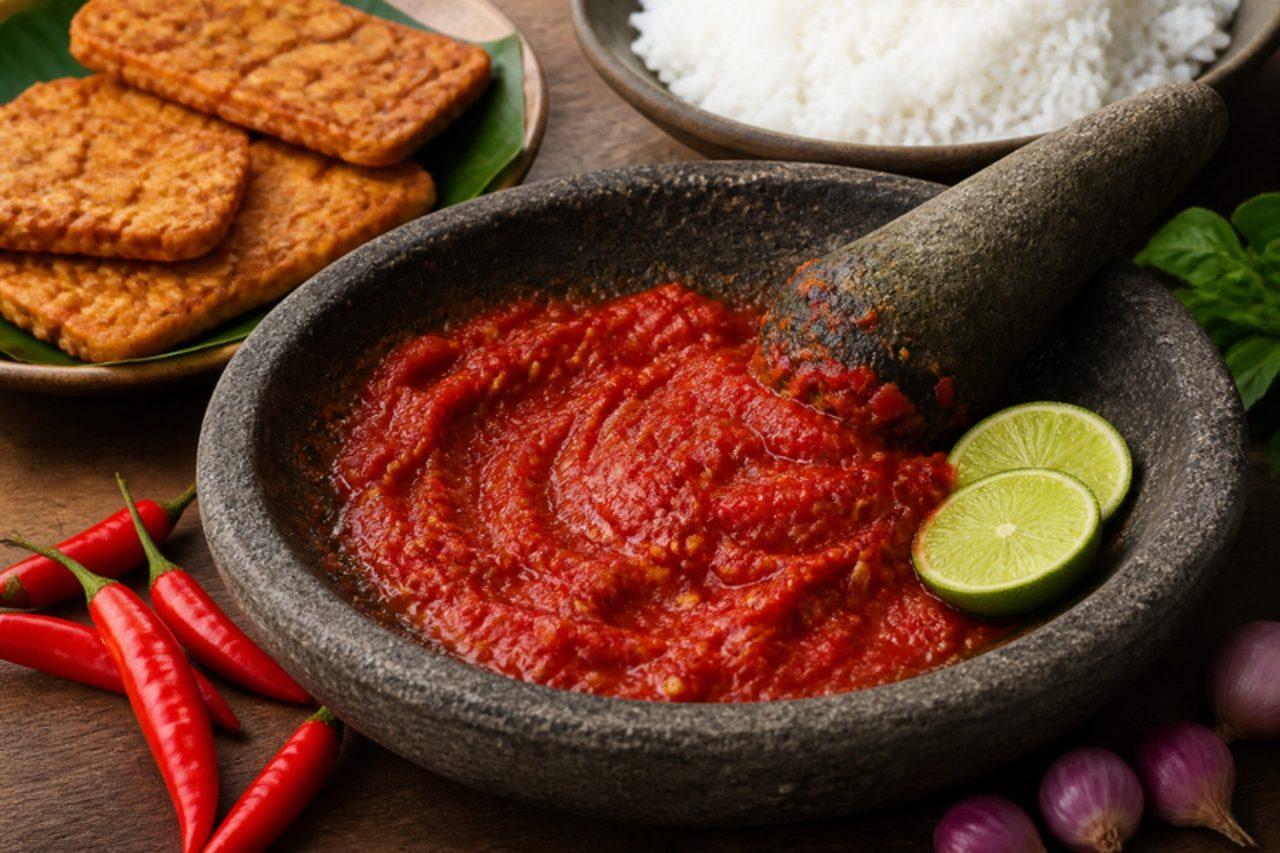
Almost every Indonesian kitchen keeps a stone mortar, the cobek, and the sambal pounded in it most often is this one. Toasted shrimp paste gives it a deep, savoury funk, fried chillies and shallots add sweetness and heat, and a squeeze of lime at the end wakes everything up. Spoon it beside fried chicken, grilled fish, fried tempeh or a plate of raw lalapan vegetables, or stir a little into fried rice. Chef's tip: pound rather than blend if you can; a coarse, slightly juicy texture tastes fresher than a smooth purée.

by KrazyBadal 0 views

Vegetable siu maiOpen-topped vegetable dumplings

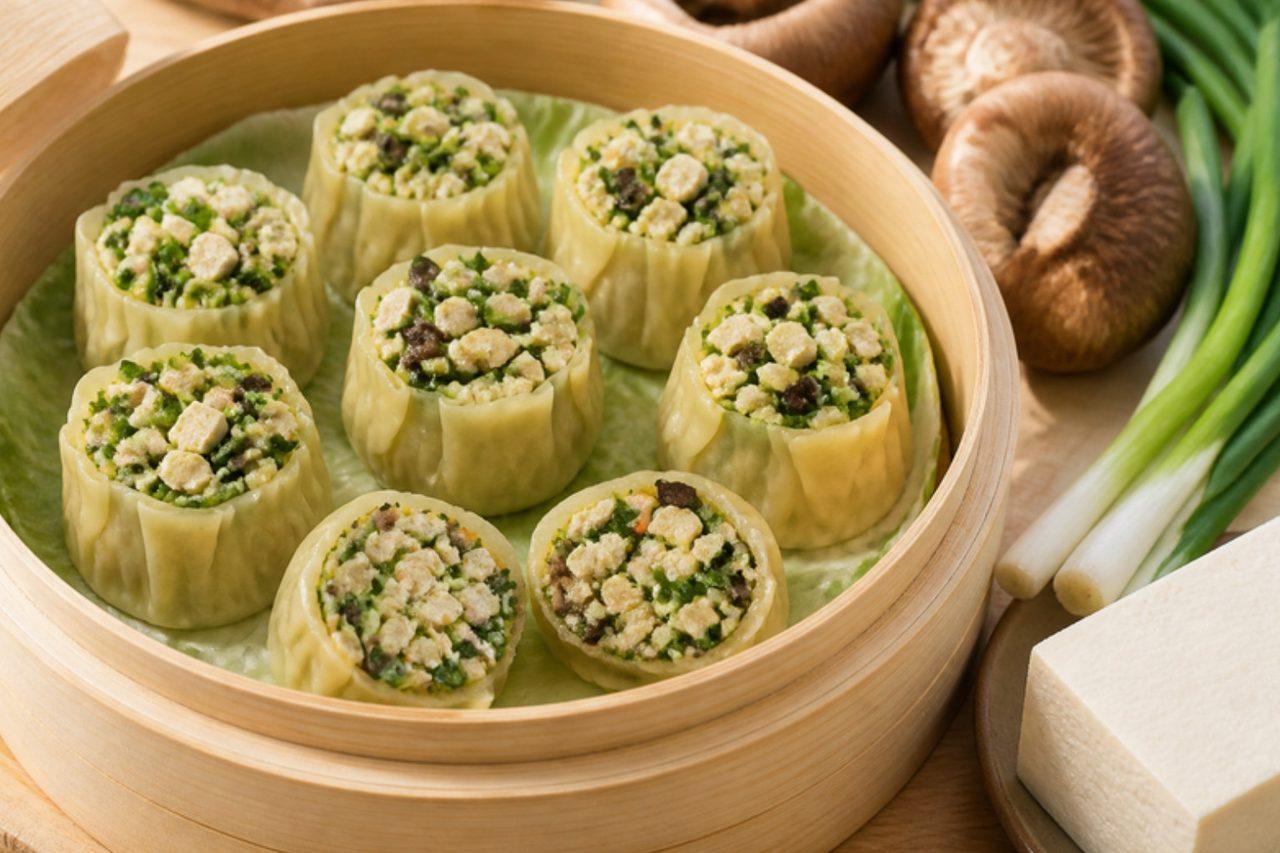
Siu mai are among the first baskets wheeled past at Cantonese dim sum in Guangzhou's tea houses, where people meet over yum cha on weekend mornings. The classic is pork and prawn; this one is packed with shiitake, tofu, crunchy water chestnut and carrot, with a dot of diced carrot on top in place of fish roe. Steam them in a bamboo basket and serve with chilli oil and soy. Chef's tip: squeeze the wrapper into a 'waist' with your thumb and finger and flatten the base on the board, so they stand up straight in the steamer.

by KrazyBadal 0 views

Sambal oelekFresh chilli paste

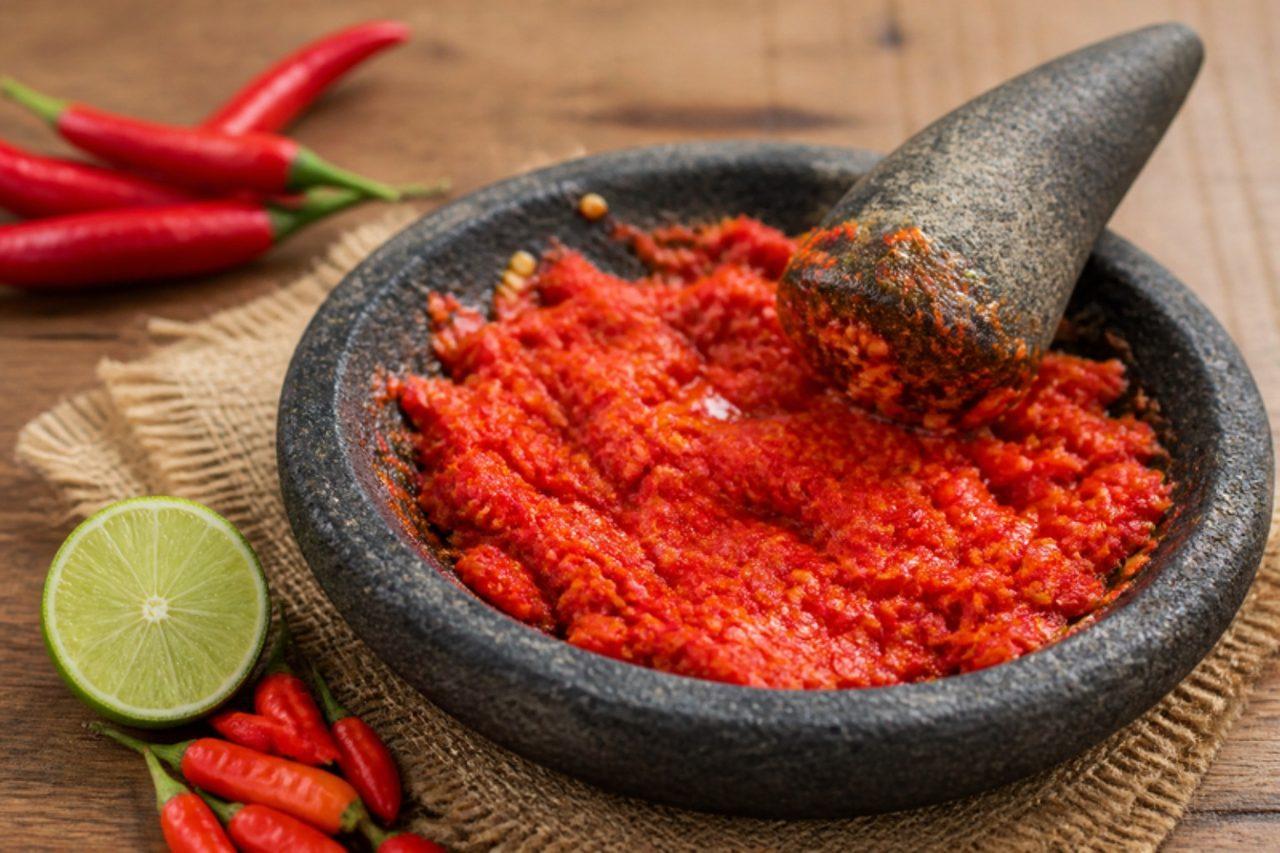
Every Indonesian kitchen has an ulekan, the flat stone mortar that gives sambal oelek its name, and this is the most basic thing ground in it: fresh red chillies and salt, pounded to a coarse, wet, fiery mash. It's the foundation many cooks start from, stirred into fried rice and soups, spooned beside every meal at warung tables nationwide, and the base for more complex cooked sambals. Making it fresh tastes brighter and fruitier than any jar. Chef's tip: wear gloves and pound rather than blitz if you can — crushing releases the oils and gives a juicier, more fragrant sambal than chopping blades.

by KrazyBadal 1 views

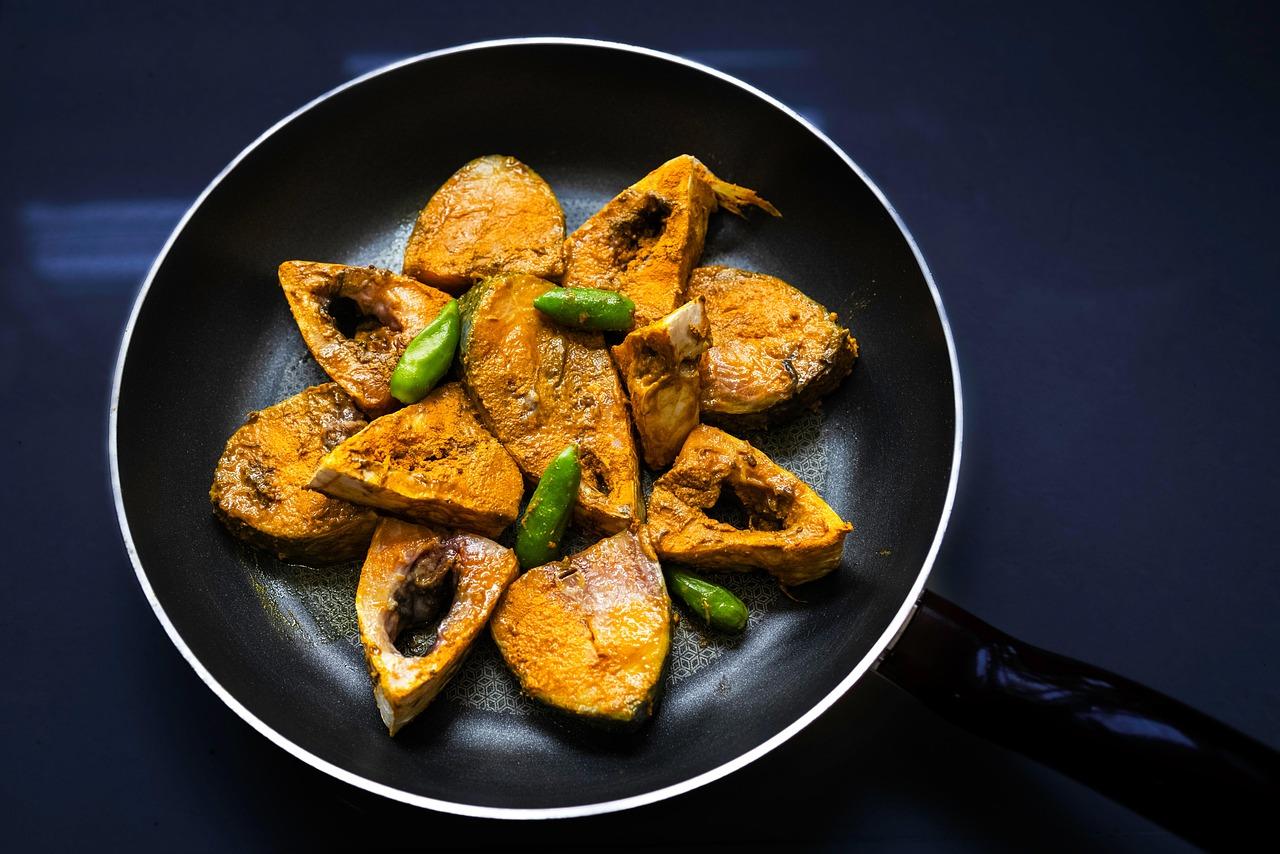
Shorshe ilishHilsa in mustard sauce

Hilsa, ilish, is the national fish of Bangladesh, and during the monsoon, when the shoals swim up the Padma and Meghna rivers, families in Dhaka and Chandpur cook it almost daily. Shorshe ilish is the most loved way: steaks of the rich, silvery fish gently simmered in a paste of ground yellow and black mustard seed, green chillies and mustard oil until the sauce turns sharp, creamy and nose-tingling. Eat it with plain white rice and nothing else. Hilsa is very bony, so warn guests and eat slowly; salmon steaks are an easier, less traditional swap. The common mistake is boiling the sauce hard after the mustard paste goes in, which turns it bitter. Chef's tip: grind the mustard seeds with a pinch of salt and a green chilli, and let the paste rest for 10 minutes before cooking; this tames the bitterness.

by KrazyBadal 0 views

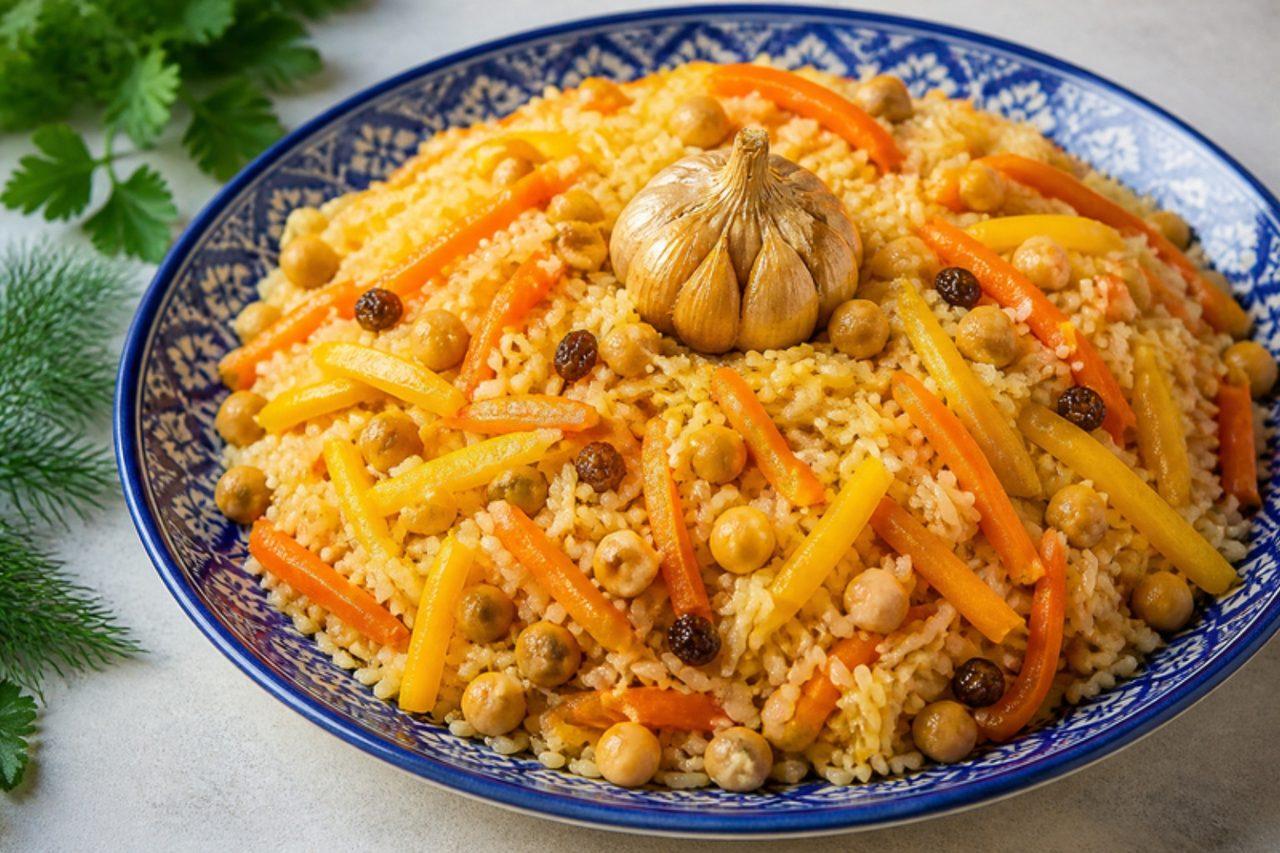
Vegetable Uzbek plovVegetable pilaf

Plov (osh) is the dish Uzbeks cook for weddings, for Friday lunch and for guests, traditionally by men over a fire in a wide cast-iron kazan. Tashkent, Samarkand and Bukhara each have their own style, but all are built the same way: a zirvak (base) of onions and long strips of carrot fried in oil, rice laid on top and steamed until every grain is separate and glossy. This vegetarian version keeps the zirvak and swaps the meat for chickpeas (nohat), whole heads of garlic and barberries, as in Samarkand's chickpea plov. For the classic meat version, lamb or beef is browned in the oil before the onions and simmered in the zirvak for 40 minutes. Serve with achichuk. Chef's tip: hunt out yellow carrots from Central Asian or Turkish grocers; they are sweeter and less watery than orange ones and give plov its honeyed colour.

by KrazyBadal 0 views

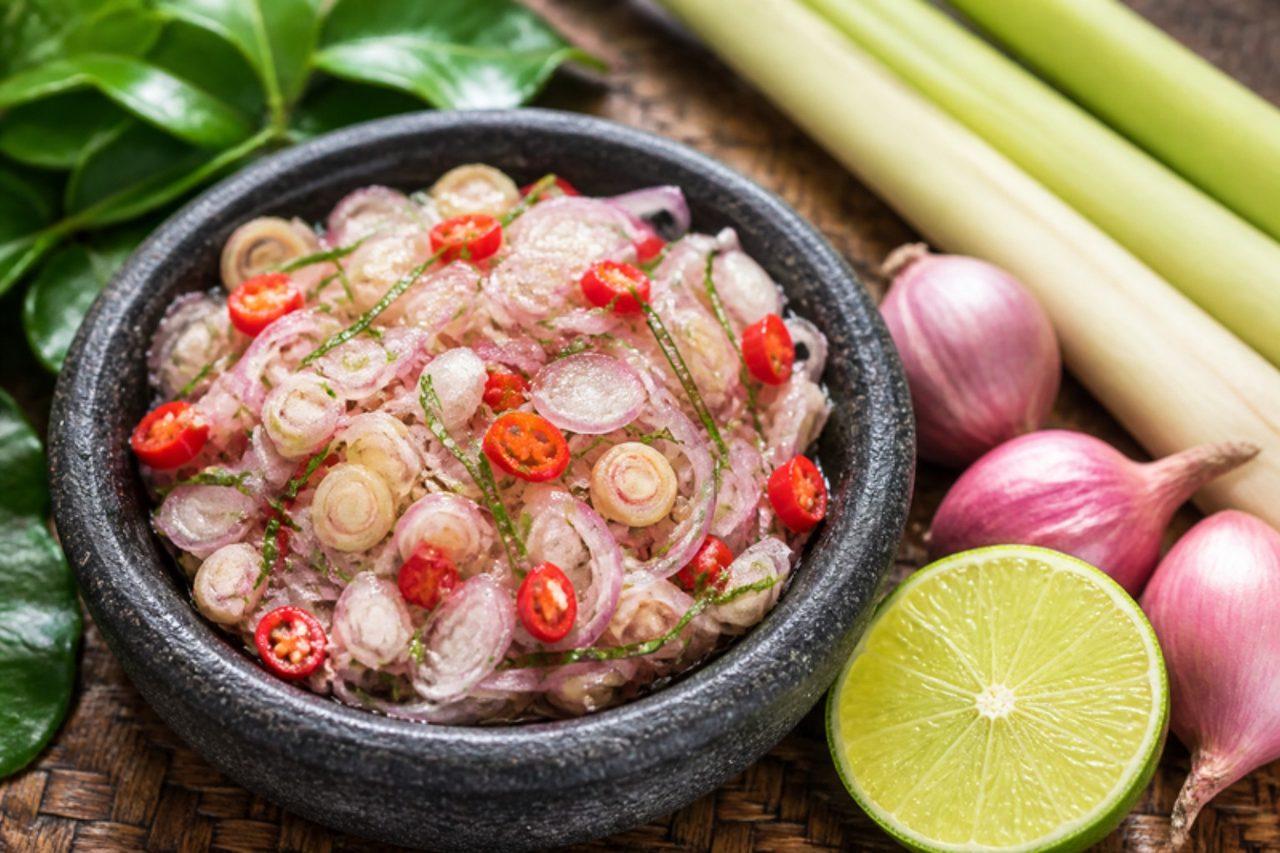
Sambal matahRaw shallot and lemongrass relish

Matah means raw in Balinese, and this sambal is nothing more than finely sliced shallots, chillies, lemongrass and lime leaf, squeezed with lime and dressed with hot coconut oil. It is the fresh, sharp counterpart to grilled tempeh, tofu, corn fritters and plain rice in warungs across Bali. Village cooks rub in a little toasted shrimp paste; this vegetarian version gets its savoury edge from salt and a touch of sugar. Chef's tip: squeeze the salted shallots with your fingers before adding the oil; they soften and release juice that carries the flavour.

by KrazyBadal 0 views

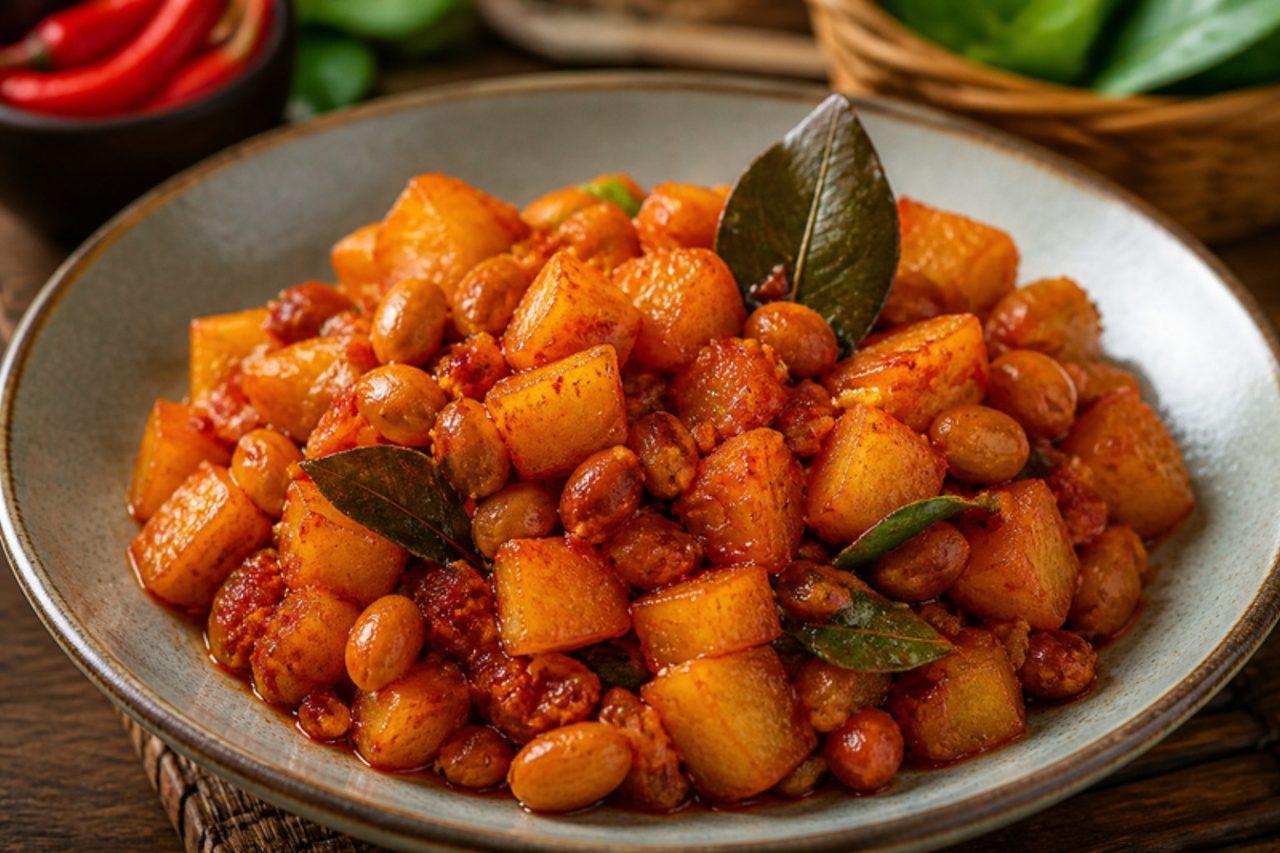
Sambal goreng kentangFried potatoes in sweet-hot sambal

Sambal goreng kentang turns up wherever there's a celebration in Java and Sumatra: on Lebaran tables next to ketupat and opor, in wedding buffets, and in boxes of nasi kotak handed out at gatherings. The potatoes are cut small, fried until crisp and golden, then tossed through a red chilli and shallot sambal sweetened with palm sugar and sharpened with tamarind, so each cube is coated and chewy at the edges. It keeps well and is eaten at room temperature with rice. Chef's tip: soak and dry the potato cubes thoroughly before frying; damp potatoes spit, steam and never crisp up.

by KrazyBadal 0 views

Shui zhu fishFish in chilli broth

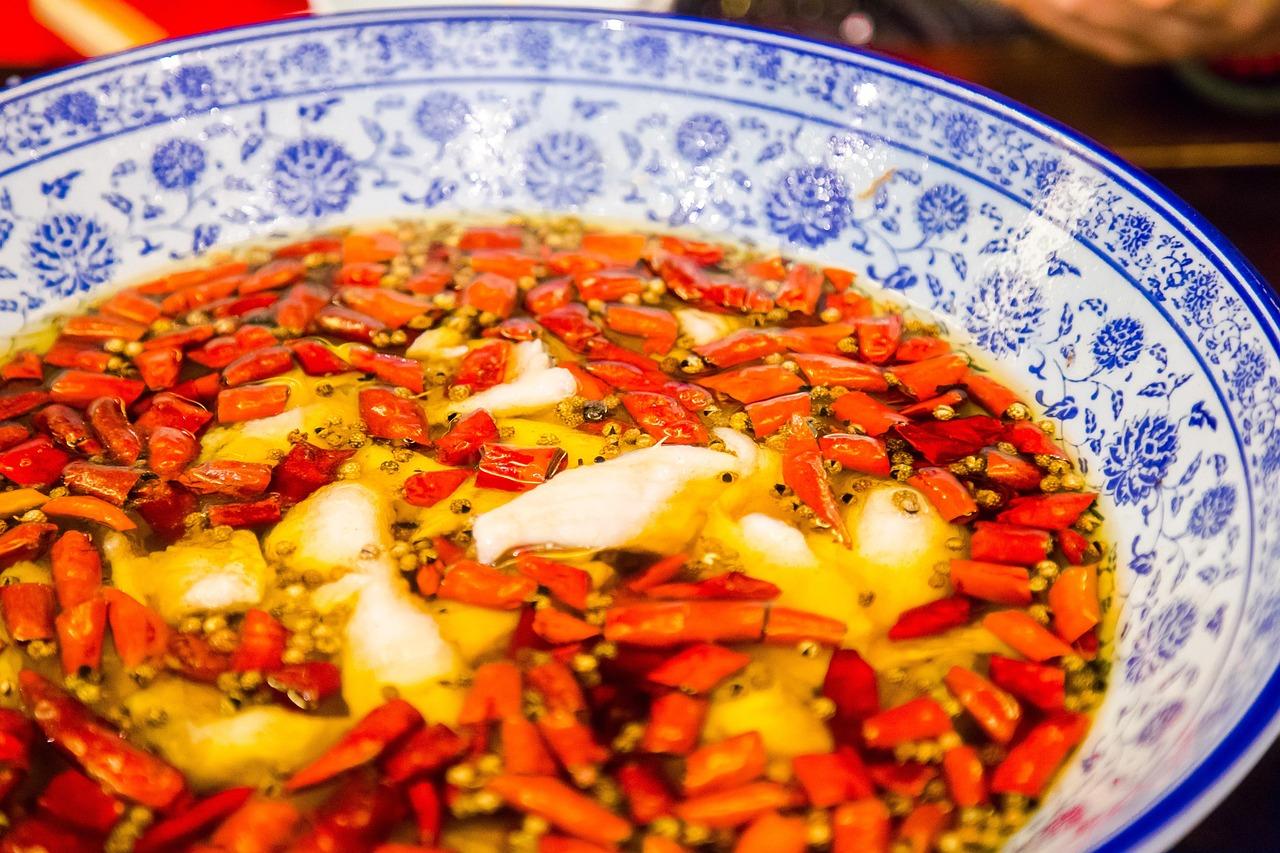
'Water-boiled fish' is Sichuan humour at its driest, because what arrives at the table in Chongqing and Chengdu restaurants is a great basin of silky fish slices half hidden under a red sea of chillies and Sichuan pepper, still crackling from a ladle of smoking oil poured over at the last moment. Underneath is a savoury broth of chilli bean paste with soft bean sprouts and celery. It is a dish for sharing with friends over beer or tea: you fish out the slices with chopsticks and leave the oil behind, as everyone does. Plain rice is essential, and something cooling such as smacked cucumber helps. Chef's tip: coat the fish in egg white and cornflour and give it no more than three minutes in the broth; the coating keeps each slice tender and stops it breaking up.

by KrazyBadal 0 views

ShuktoBitter mixed vegetable stew

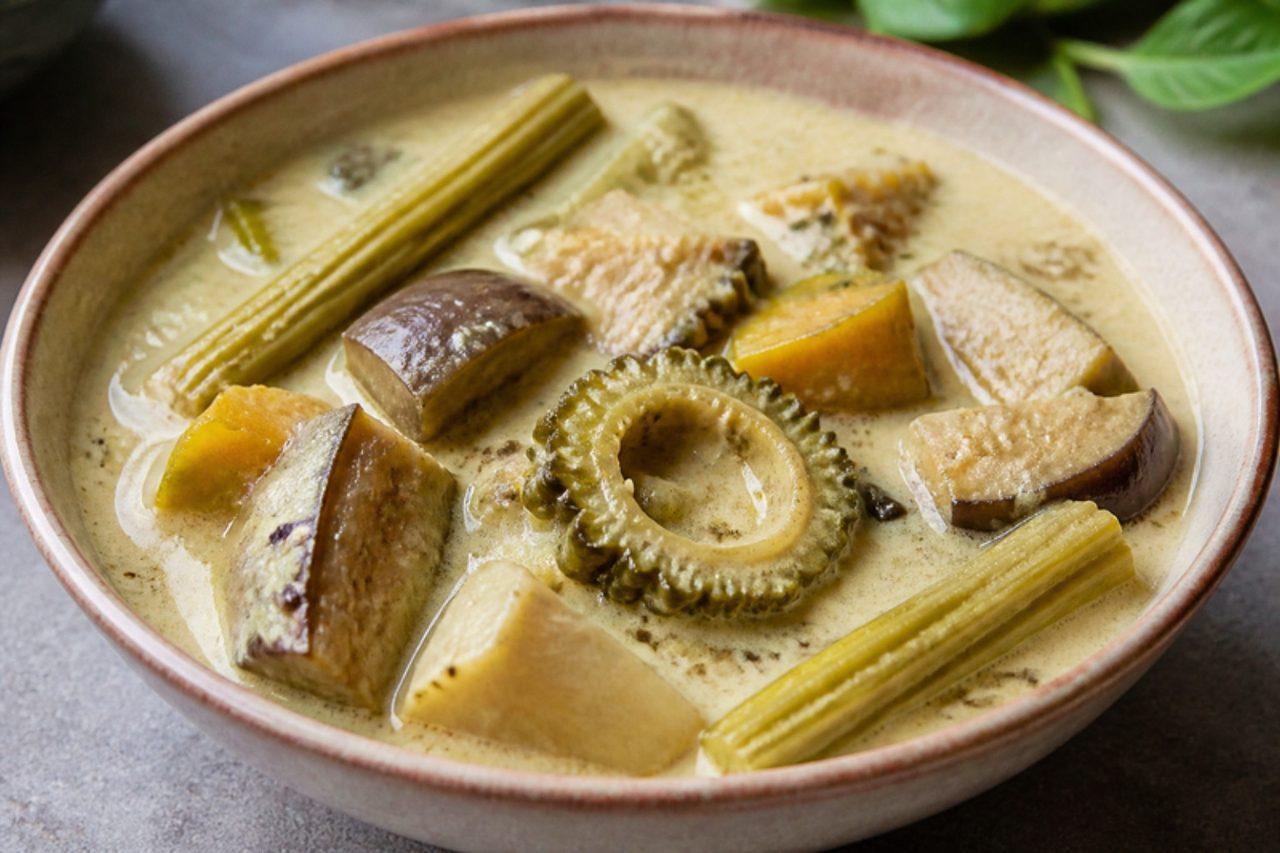
Shukto opens a traditional Bengali meal: a mild, slightly bitter stew of bitter gourd, raw banana, sweet potato, drumsticks and aubergine, eaten with the first mouthfuls of rice to wake up the palate. The vegetables are fried, then simmered with a paste of mustard and poppy seeds and finished with milk and a spoonful of ghee, so the bitterness is balanced by a creamy, faintly sweet sauce. It is a dish of West Bengal's home kitchens, cooked especially in spring. Chef's tip: fry the bitter gourd separately until well browned and add it at the end; this keeps its bitterness pleasant and stops it spreading through the whole pot.

by KrazyBadal 0 views

Vegetable vindayeMustard vegetable pickle curry

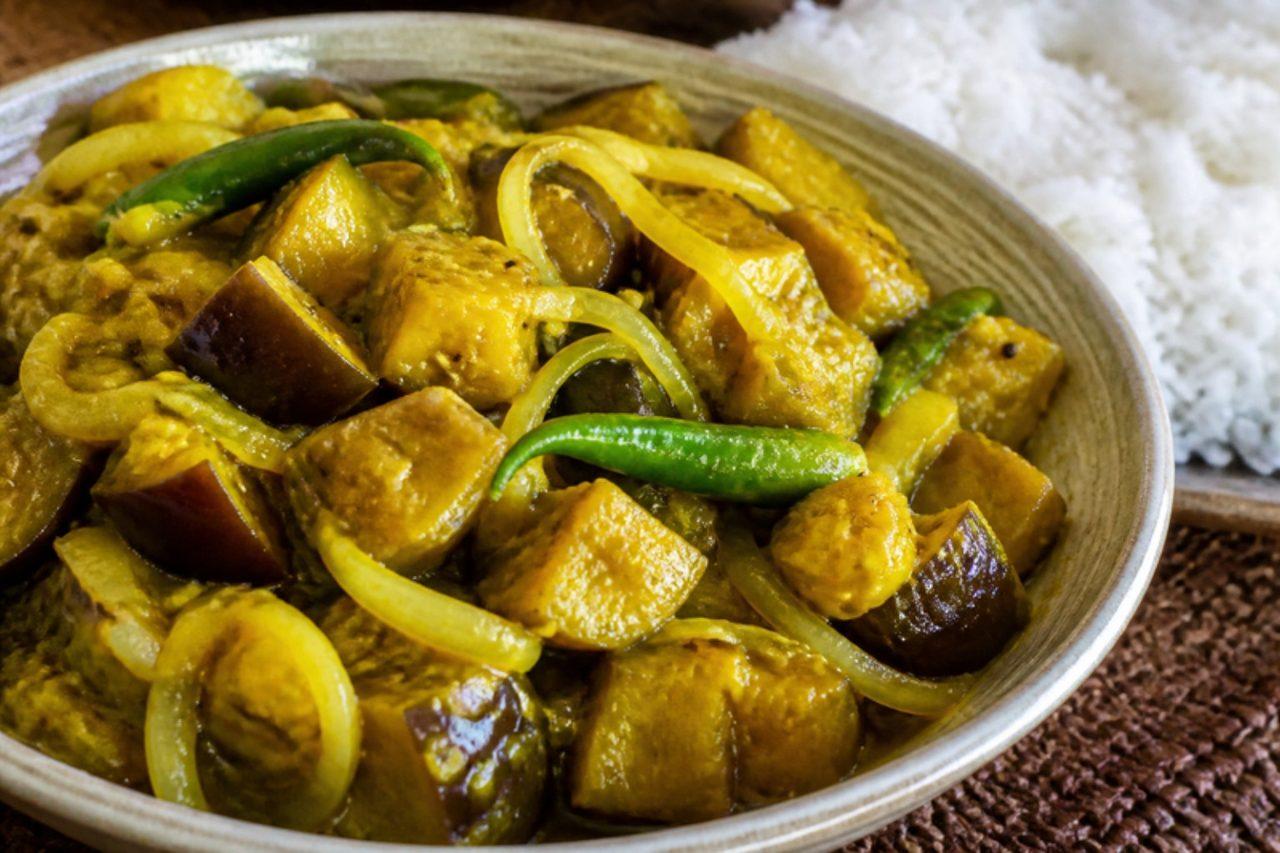
Vindaye is a Mauritian dish descended from the vindaloo and vinha d'alhos traditions but entirely its own: fried ingredients coated in a bright yellow paste of mustard seed, turmeric, garlic, ginger and vinegar, with lots of raw-crisp onion. Fish and octopus vindaye are the classics, served at room temperature with rice, faratas or bread; aubergine and potato vindaye is a well-loved vegetarian version for Hindu fasting days and buffets. Chef's tip: grind the mustard seeds fresh; ready-ground mustard gives a flat, dusty taste.

by KrazyBadal 0 views

Saltimbocca alla romanaVeal with sage and prosciutto

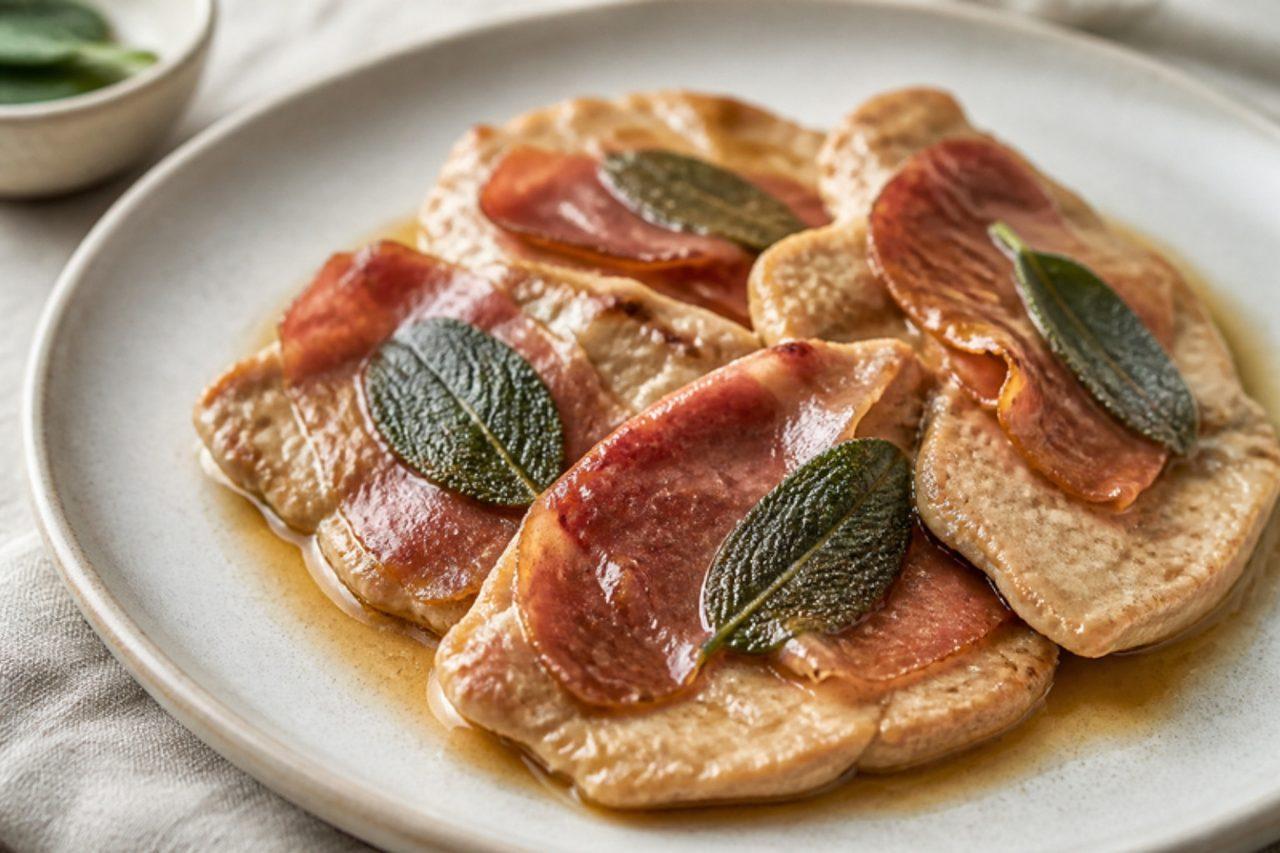
The name means 'jumps into the mouth', which is how fast these little Roman escalopes vanish from the plate. Thin slices of veal are topped with a sage leaf and a sheet of prosciutto, seared for barely a minute a side, then glazed with white wine and butter in the same pan; it is a classic second course in Rome's family trattorie and takes about 20 minutes start to finish. The prosciutto crisps, the sage turns fragrant and the veal stays tender under a short, buttery sauce. Pork loin or turkey escalopes work just as well. Serve with roast potatoes or sautéed spinach to mop up the pan juices. Chef's tip: pound the meat to an even 5 mm between sheets of cling film and pin the ham and sage on with a cocktail stick, so everything cooks in the time it takes the ham to crisp.

by KrazyBadal 0 views

SalteñasJuicy baked beef pastries

Salteñas are the pastries all of La Paz queues for between 10 and noon, when they come out of the oven: a slightly sweet, golden crust wrapped round a soupy filling of beef, potato, peas, olive and egg in a gelatine-set broth seasoned with cumin and ají. The trick, and the fun, is to bite off the top and sip the juice without spilling. The mistake is filling the pastry with warm stew: the filling must be chilled overnight until it sets firm, or it leaks. Chef's tip: hold a salteña upright, nibble off one corner and drink the juice before eating the rest.

by KrazyBadal 0 views

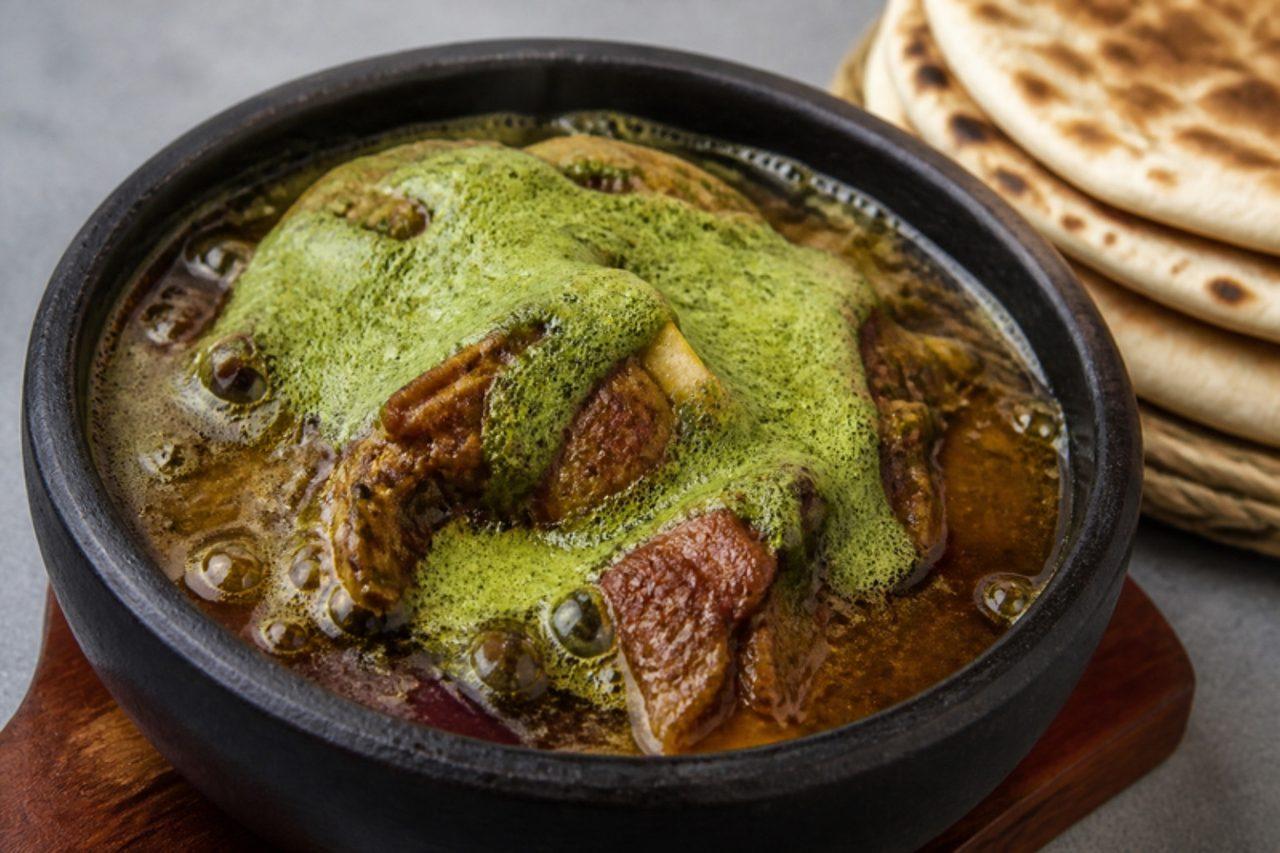
SaltahLamb stew with fenugreek froth

Saltah is the national dish of Yemen, eaten at lunch in Sana'a and the highlands, brought to the table still boiling in a heavy stone pot called a madara. A rich lamb broth (maraq) is cooked down with tomato, potato and hawaij spices, then crowned with hulba, fenugreek whipped to a pale green froth, and scooped up with flatbread. Chef's tip: soak the ground fenugreek for at least 4 hours and pour off its bitter water before whipping; that is what makes it foam.

by KrazyBadal 0 views

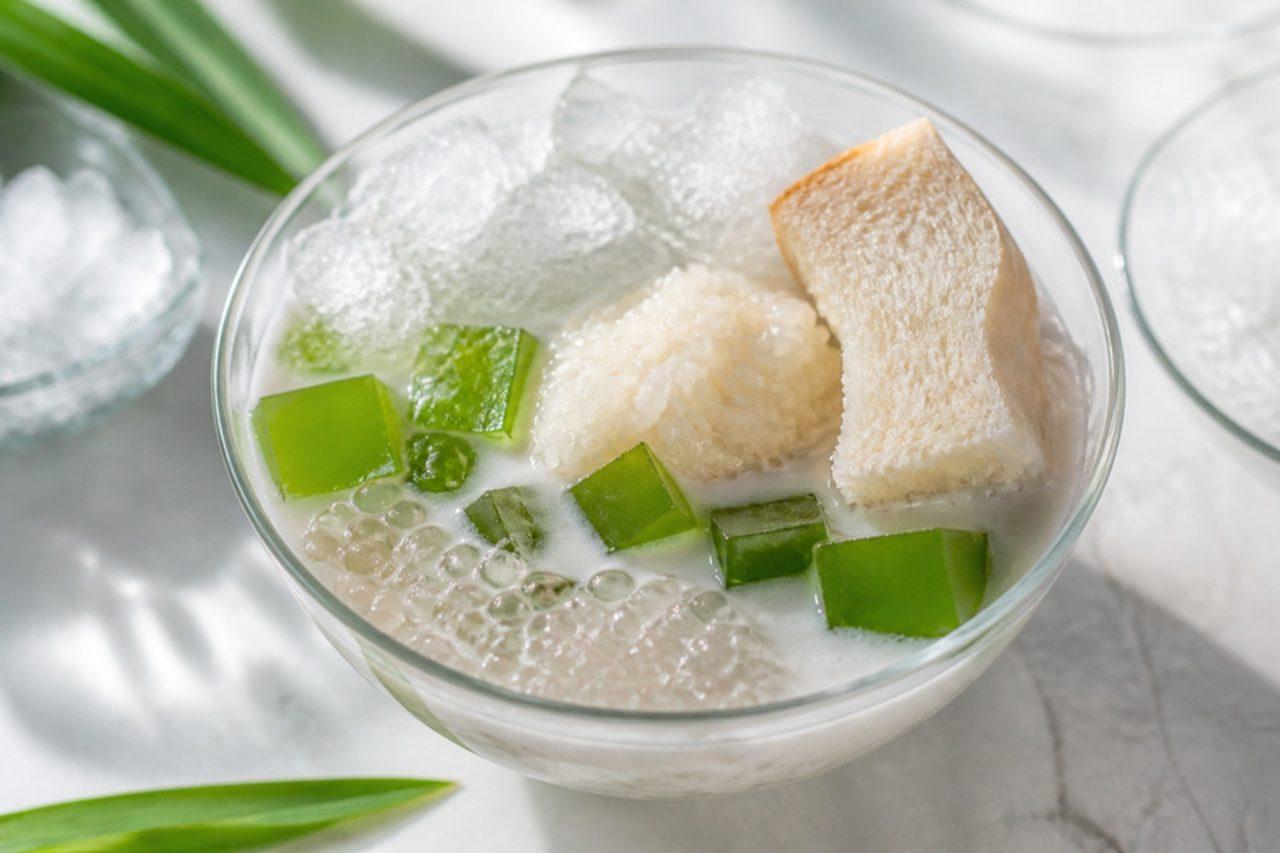
Shwe yin ayeIced coconut dessert

Shwe yin aye, roughly 'golden heart cooler', is what Yangon drinks during the scorching weeks of Thingyan, the April water festival, when stalls set up along the streets to hand it out. It's a bowl of sweet, lightly salted coconut milk over crushed ice, filled with chewy sago pearls, cubes of green agar jelly, a scoop of sticky rice and, surprisingly, a few pieces of soft white bread that soak up the coconut. Chef's tip: make the jelly, sago and sticky rice in the morning and chill everything; assembled cold, the bowl stays refreshing to the last spoonful.

by KrazyBadal 0 views

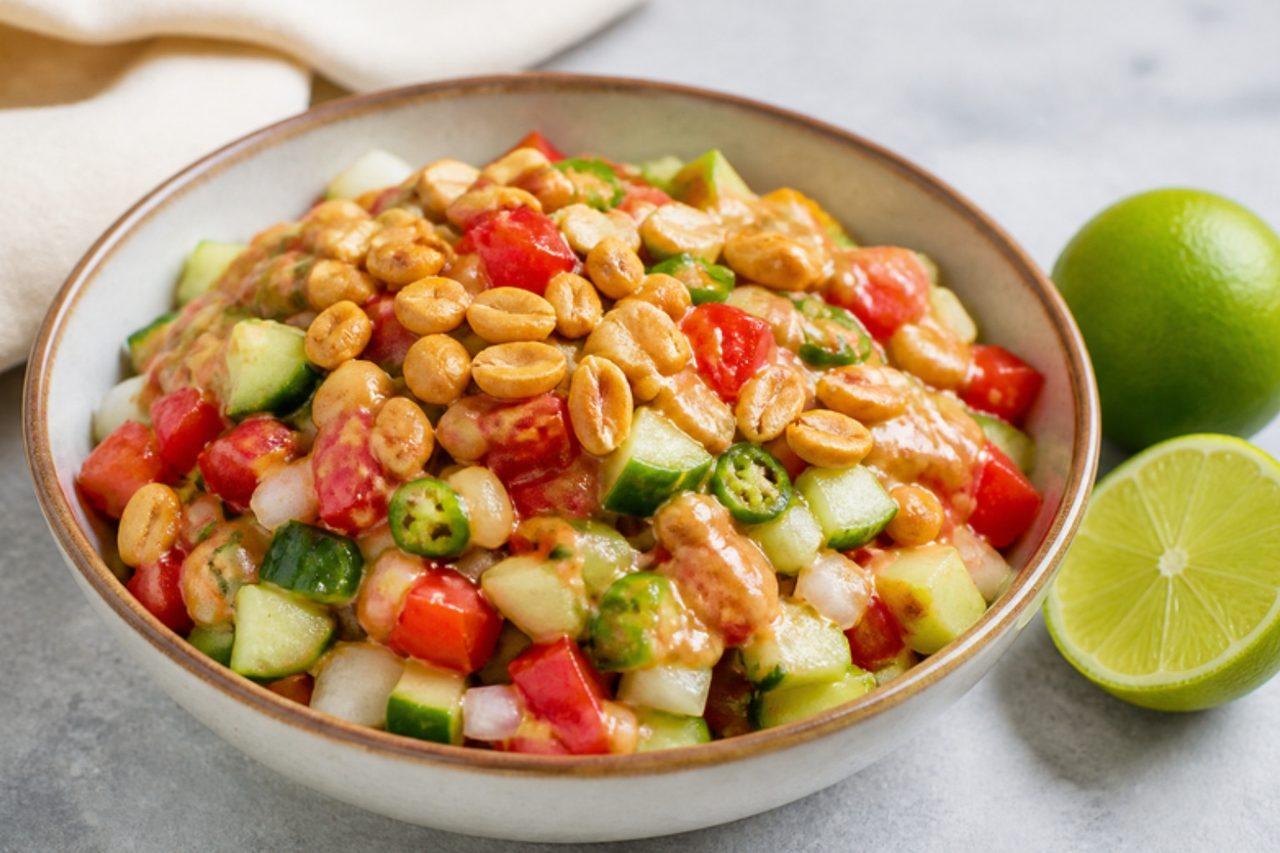
Salatat daquaTomato salad with peanut dressing

Daqua is the Sudanese name for peanut paste, and this everyday salad of tomato, cucumber, onion and green chilli dressed in thinned peanut butter and lime sits on the table at almost every meal in Omdurman and Khartoum, especially in the hot months. It is cooling, crunchy and creamy at once, and is eaten with ful medames, kisra or grilled food. Chef's tip: thin the peanut butter with water and lime before adding it to the vegetables; dolloped straight in, it clumps and never coats them.

by KrazyBadal 0 views

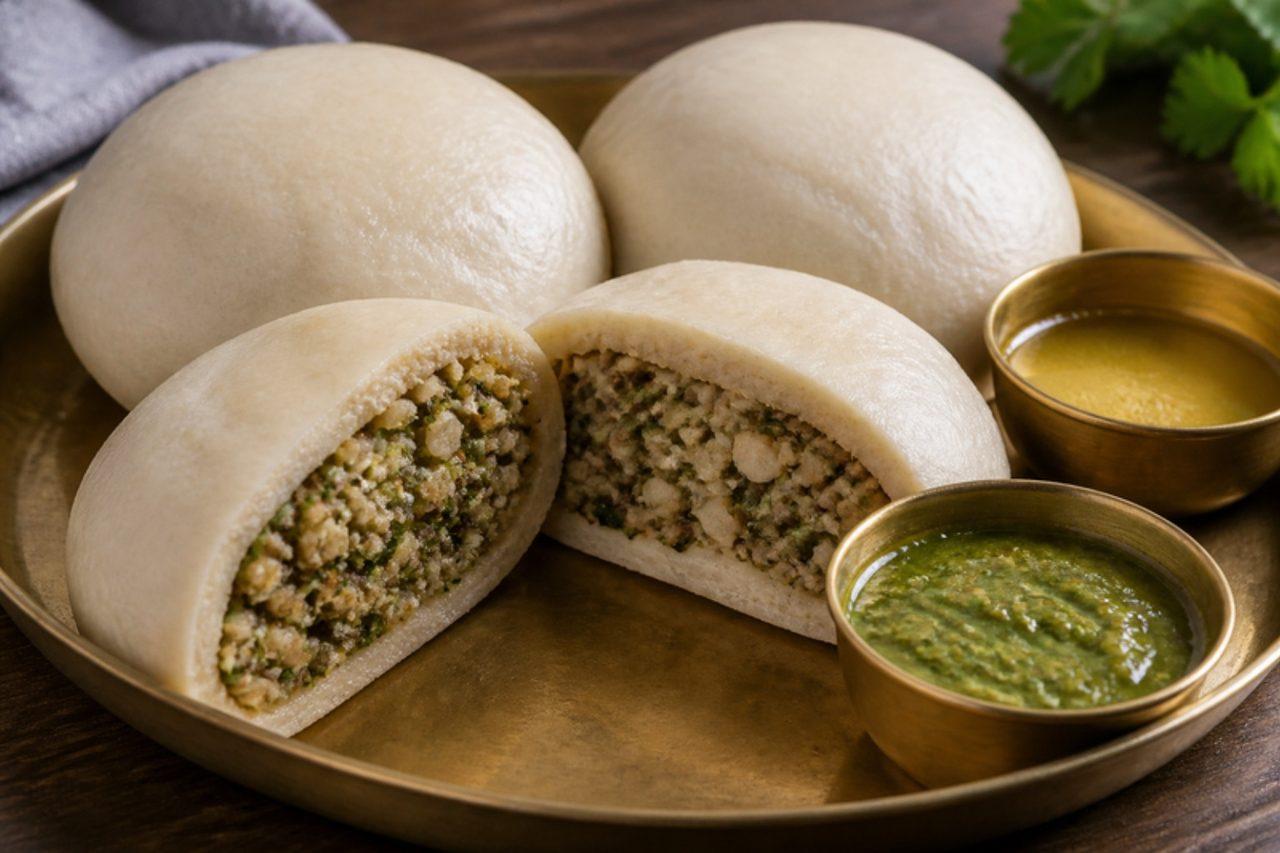
SidduSteamed stuffed wheat buns

Siddu are soft, steamed wheat buns from the hills of Himachal Pradesh, especially around Kullu and Manali, made on cold days with a warming filling. The yeasted wholemeal dough is wrapped around ground walnuts, poppy seeds, garlic and green chilli, then steamed until fluffy. Torn open and drenched in melted ghee, they're eaten with green chutney or dal. Some homes fill them with spiced urad dal instead. Chef's tip: let the shaped siddu rise for 15 minutes before steaming, and don't open the lid early; a sudden draught makes them collapse and turn dense.

by KrazyBadal 0 views

Salată de vineteSmoky aubergine salad

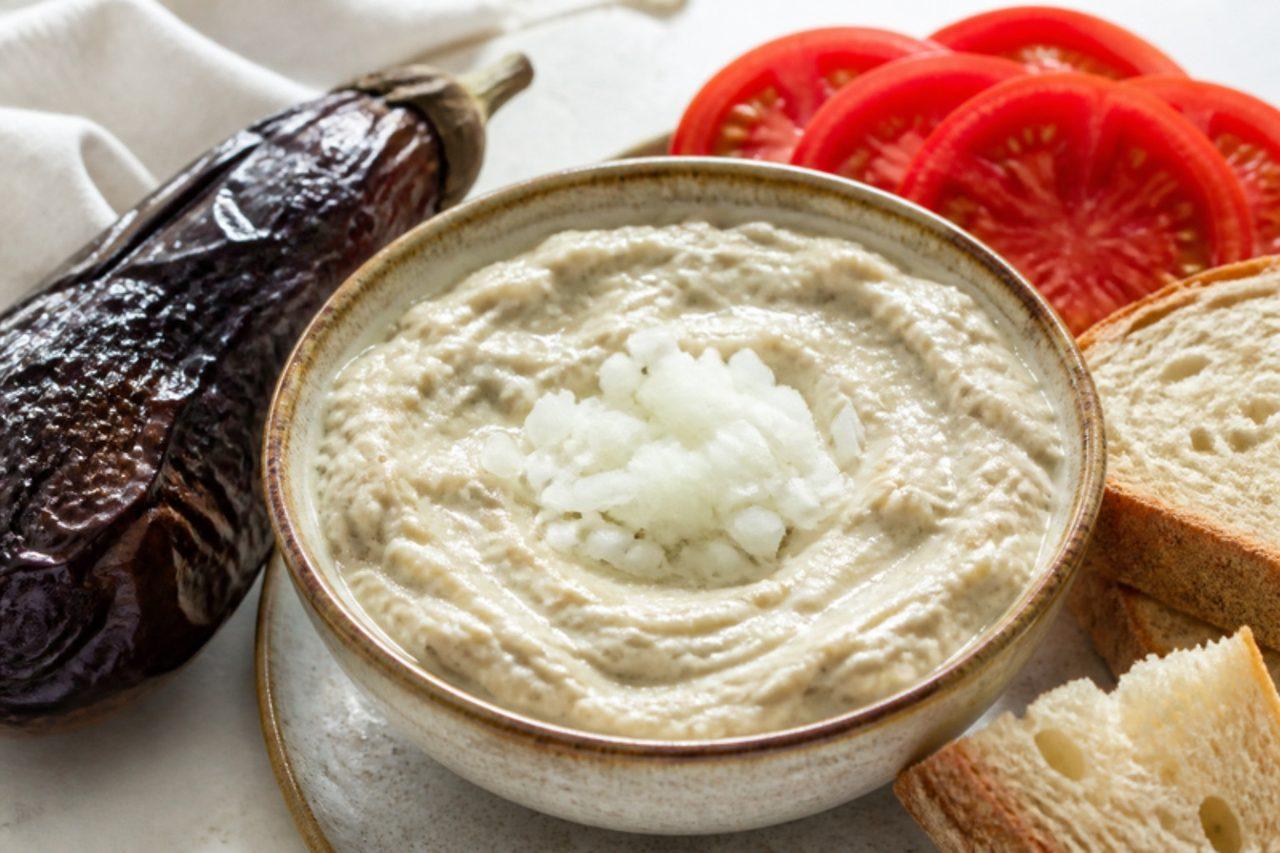
Salată de vinete is on every Romanian table from Bucharest to Brașov in late summer, when market stalls are piled with aubergines and every balcony grill is busy charring them. The smoky flesh is chopped with a wooden knife and beaten with sunflower oil into a pale, fluffy spread, almost like a mayonnaise, then finished with sharp raw onion. There is no tahini or yogurt, which sets it apart from baba ganoush. It is eaten on toasted bread with sliced tomatoes for supper or as a meze before grilled vegetables. Chef's tip: drain the cooked aubergine well; leaving in the brown juices is the usual mistake and makes the salad bitter and watery.

by KrazyBadal 0 views

Salata aswadAubergine and peanut butter salad

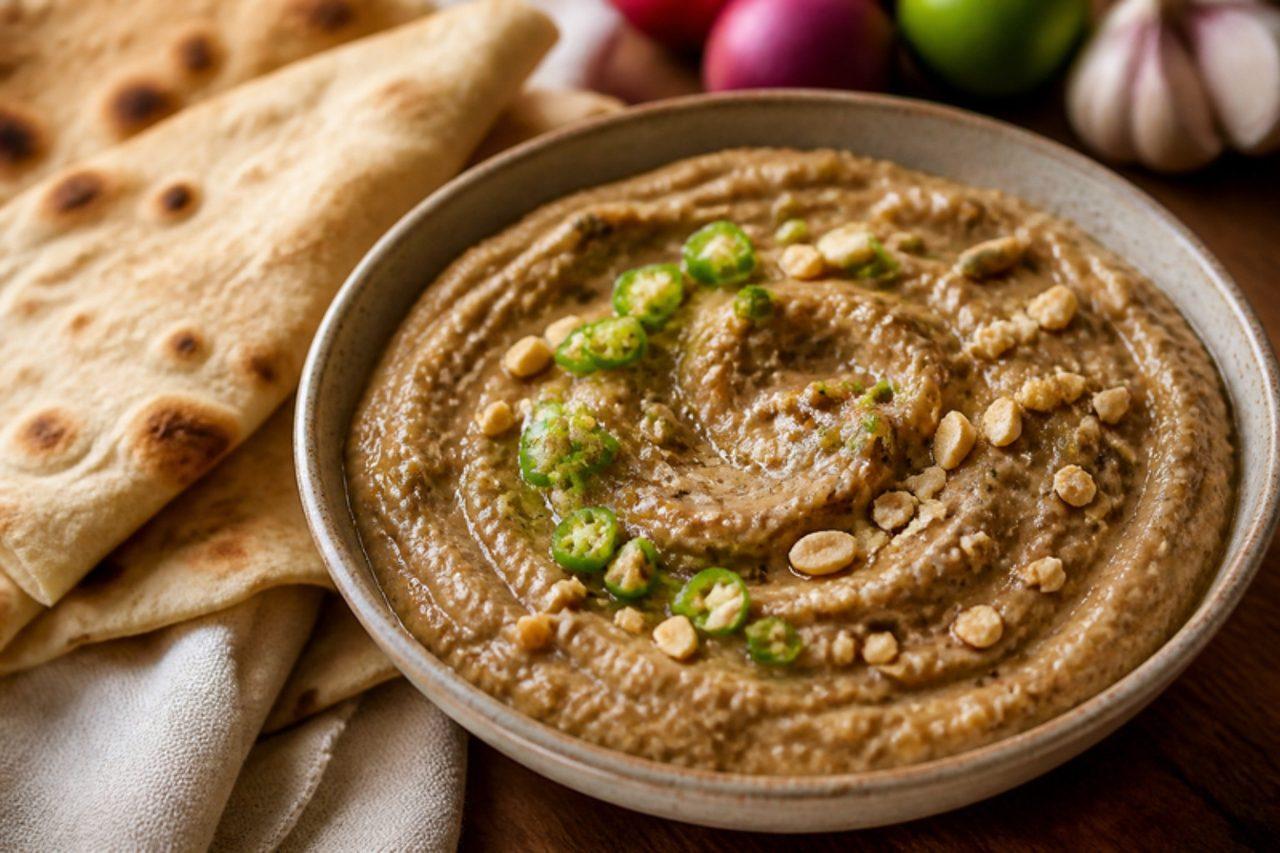
Salata aswad, the 'black salad', is a Khartoum favourite: aubergine fried until almost black and collapsing, then mashed with peanut butter, garlic, lime and a little chilli into a rich, smoky spread. It is served at Ramadan iftars and family lunches with kisra or bread, next to ful and fresh tomato salad. The peanut is what makes it Sudanese rather than a Levantine aubergine dip. Chef's tip: salt the aubergine and squeeze it dry before frying; it absorbs far less oil.

by KrazyBadal 0 views

Salad shiraziTomato, cucumber and onion salad

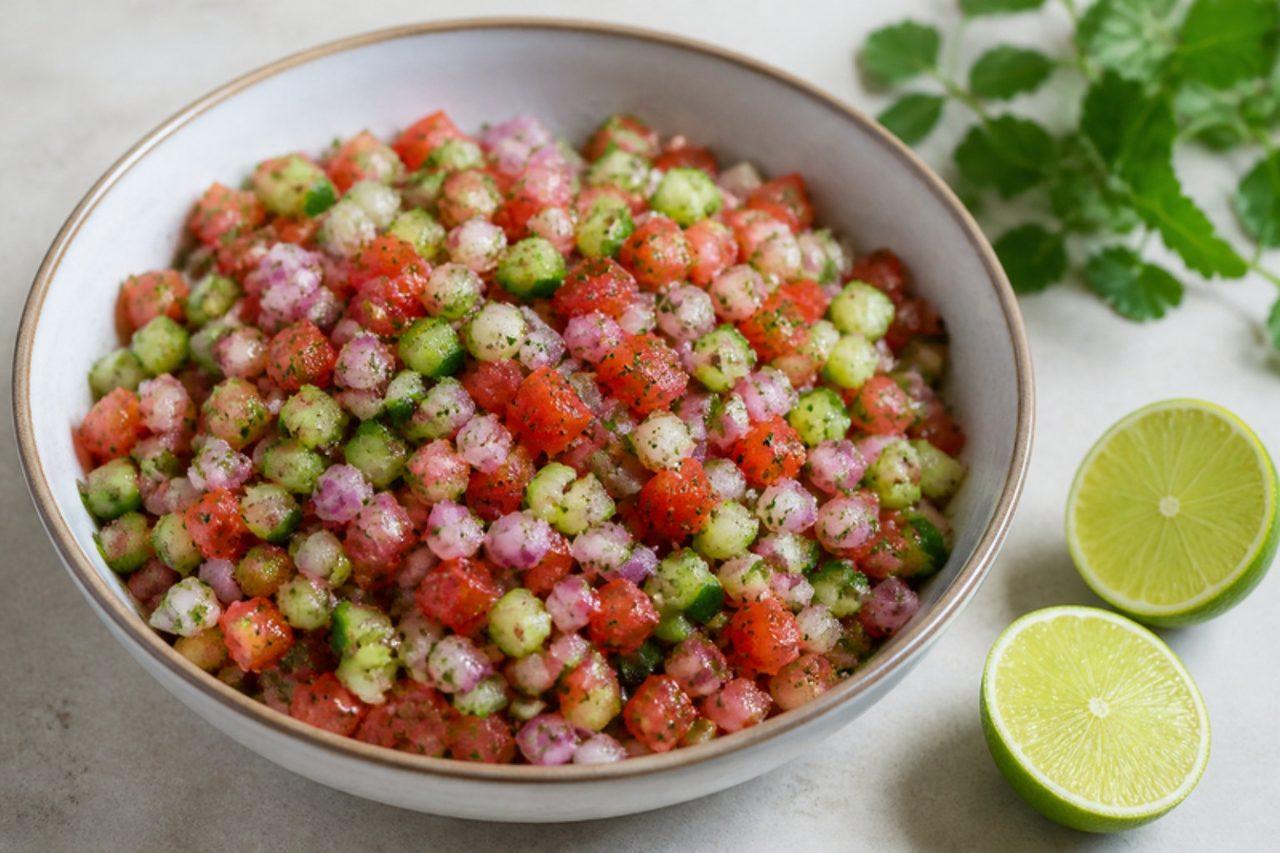
Salad shirazi is named after Shiraz, the city of gardens in Fars province, and it is the salad served with almost every Persian rice and kebab meal. Tomato, cucumber and onion are cut into tiny, even dice and dressed simply with lime juice (or sour grape verjuice, ab-ghooreh, in Shiraz itself), dried mint and a little oil. There are no peppers or herbs to muddy it: it is crunchy, sharp and cold, and is spooned onto rice as a relish. Chef's tip: dice everything as small as a pea; the tiny cubes are what make it taste like Shirazi rather than a chopped salad.

by KrazyBadal 0 views

Sakkarai pongalSweet rice and moong dal

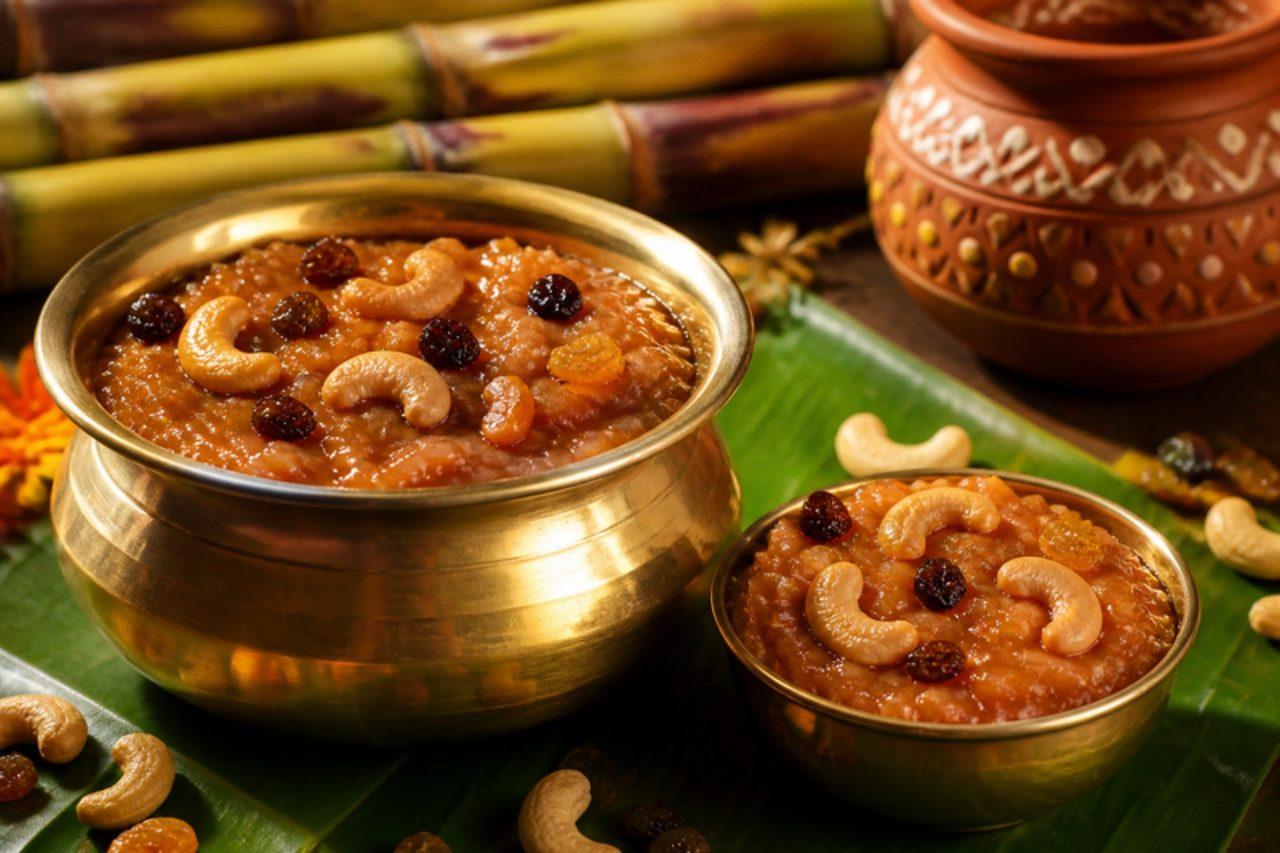
On the morning of Thai Pongal in mid-January, families across Tamil Nadu cook new-harvest rice in a clay pot in the courtyard and wait for the milk to bubble over: 'pongalo pongal!'. That pot becomes sakkarai pongal, a sticky, golden-brown sweet of rice and moong dal cooked soft, then simmered with melted jaggery and finished with lots of ghee, cardamom, edible camphor and cashews and raisins fried golden. It's also the classic prasadam at Vishnu temples. It's the sweet twin of the peppery ven pongal. Chef's tip: dry-roast the moong dal until it smells nutty before cooking; it adds a toasty depth that plain boiled dal can't give.

by KrazyBadal 0 views

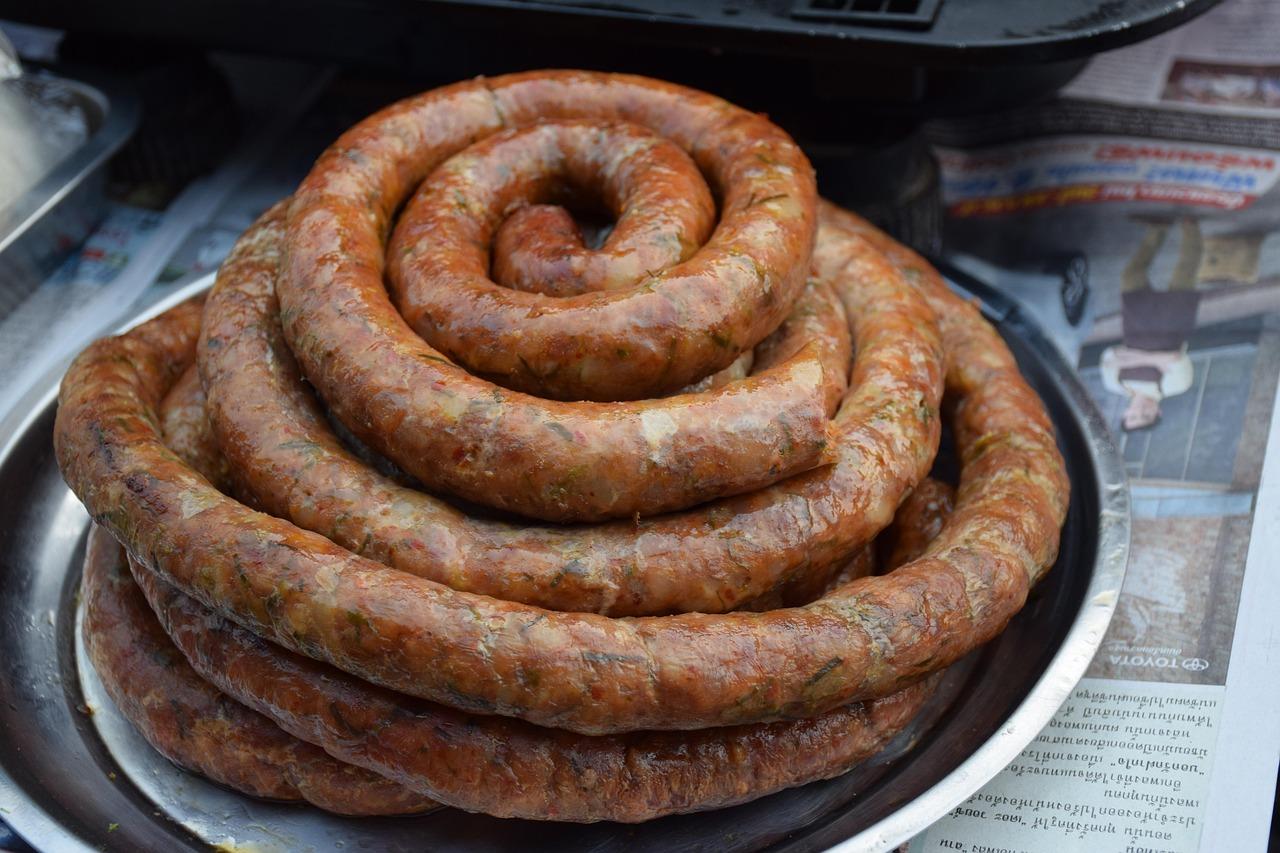
Sai ouaHerby grilled pork sausage

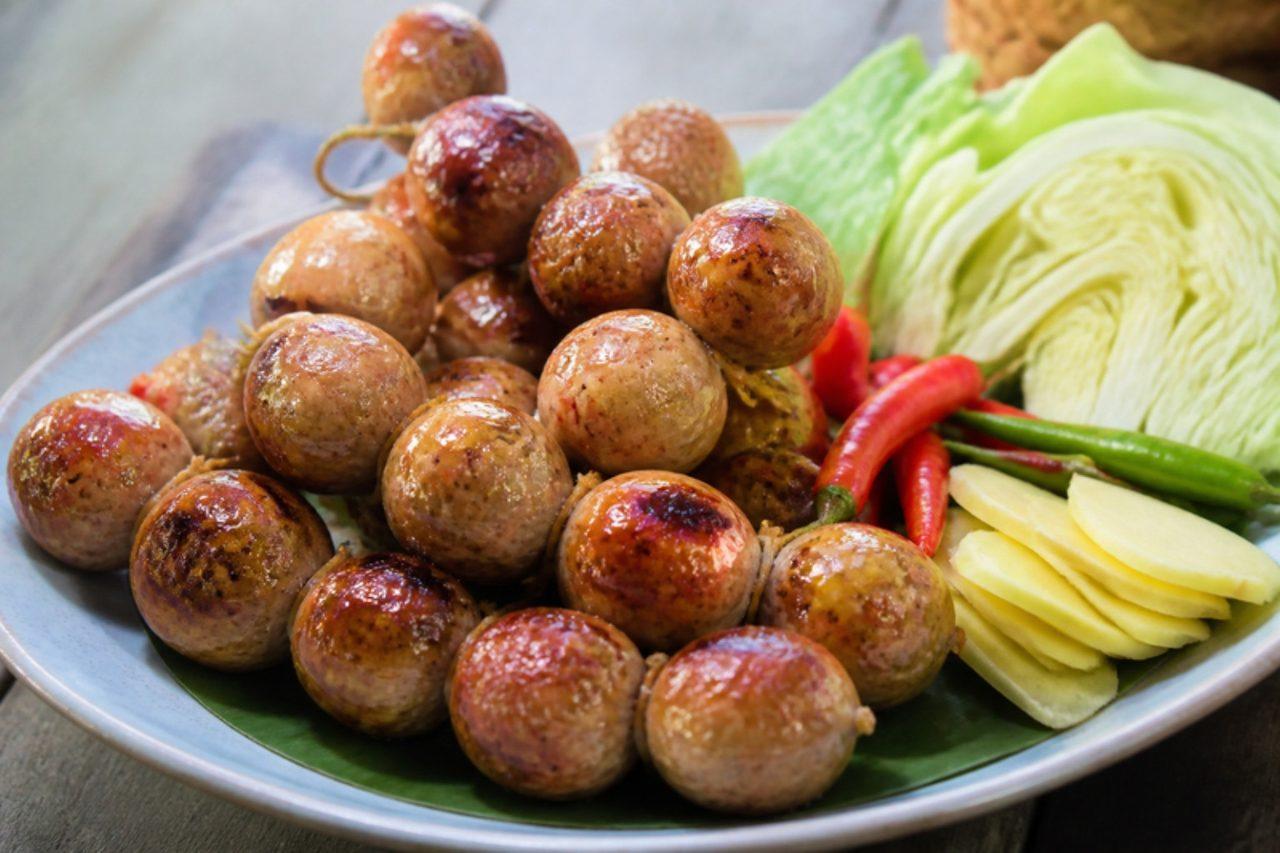
Walk through Chiang Mai's Warorot market and you will smell sai oua before you see it: long coils of sausage smoking over charcoal, flecked green with lime leaf and orange with chilli paste. The meat is coarse and juicy, the flavour loud with lemongrass, galangal and turmeric, and Northern Thais eat it in thick slices with sticky rice, raw cabbage, nam prik noom and a few slices of fresh ginger. If you have no casings or sausage stuffer, the same mixture makes excellent flat patties. Chef's tip: fry a teaspoon of the mixture before you stuff anything and taste it; this is your only chance to fix the salt and chilli.

90 minThaiMeatGluten freeSpicy
by KrazyBadal 0 views

Sigara böreğiFried cheese pastry rolls

These pencil-thin rolls take their name from the cigarettes they resemble, and they are the börek every Turkish child grows up on. Triangles of yufka (thin Turkish pastry) are rolled round a finger of white cheese and parsley and fried until they shatter when you bite them. They turn up at five o'clock tea parties, on the iftar table during Ramadan and in many a school lunchbox. Yufka is sold in Turkish shops; filo works too if you use two sheets brushed with oil. Chef's tip: shape them all, cover with a damp cloth and fry just before eating; they lose their crunch within an hour.

by KrazyBadal 0 views

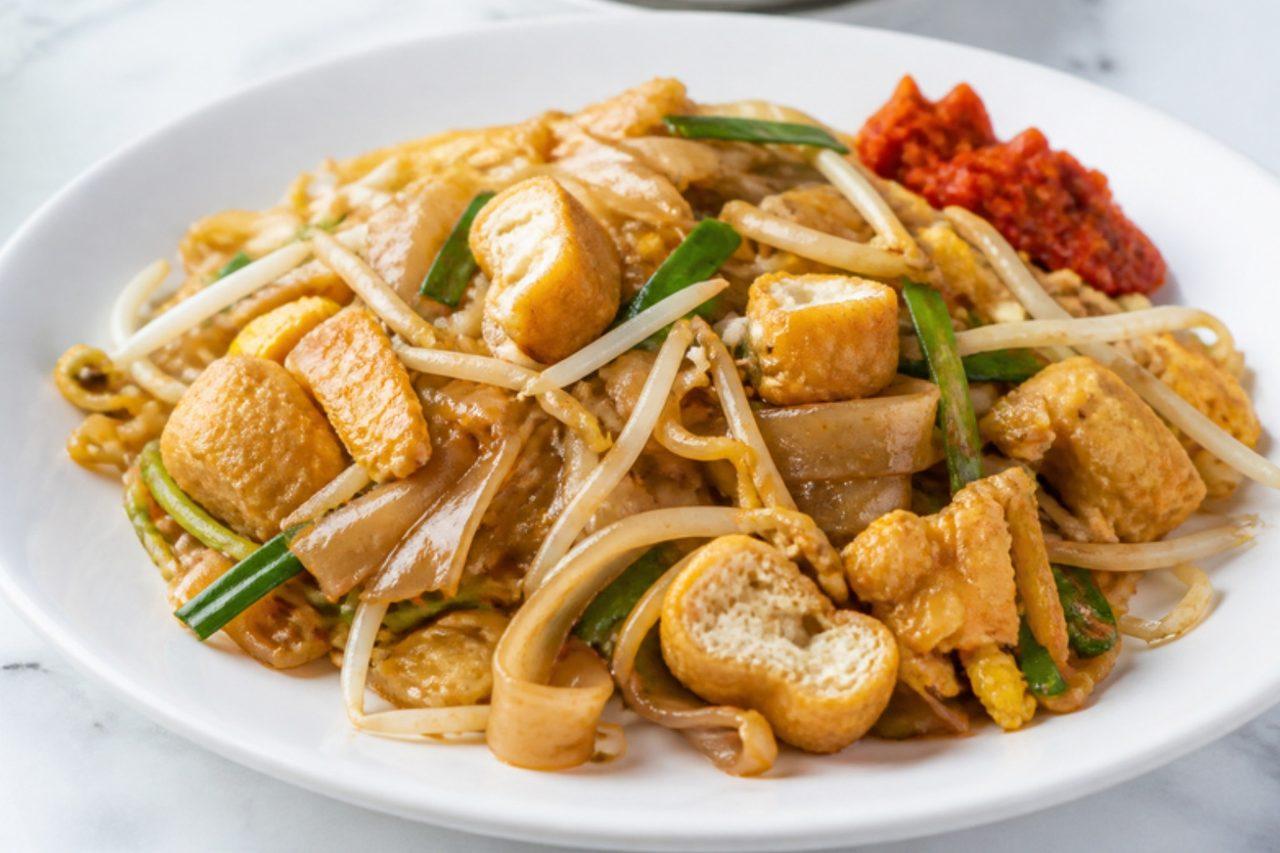
Vegetarian char kway teowStir-fried flat rice noodles

Char kway teow is the dish Singaporeans queue for at hawker centres like Old Airport Road and Zion Riverside: flat rice noodles and yellow noodles tossed over a roaring wok with dark sweet soy, egg, beansprouts and chives until smoky and sticky. The classic uses lard, cockles and Chinese sausage; this vegetarian version gets its richness from fried tofu puffs and plenty of garlic, and its char from a very hot pan. Chef's tip: cook one or two portions at a time; a crowded pan can't get hot enough for the smoky wok hei that defines the dish.

by KrazyBadal 0 views

Silao khajaLayered syrup pastry

Travellers on the road from Patna to Rajgir stop at Silao, a small town near the ruins of Nalanda, for one thing: khaja, a pastry built from dozens of paper-thin layers that flake apart in the mouth and are glazed with a crackly sugar coat. Silao's halwais have made it for generations, and it is carried home in boxes as a present; it is also offered in temples and at weddings across Bihar and Odisha. It takes patience but no special equipment. Chef's tip: fry at a really low heat so the layers have time to open out like pages before the outside colours; hot oil seals them shut.

by KrazyBadal 0 views

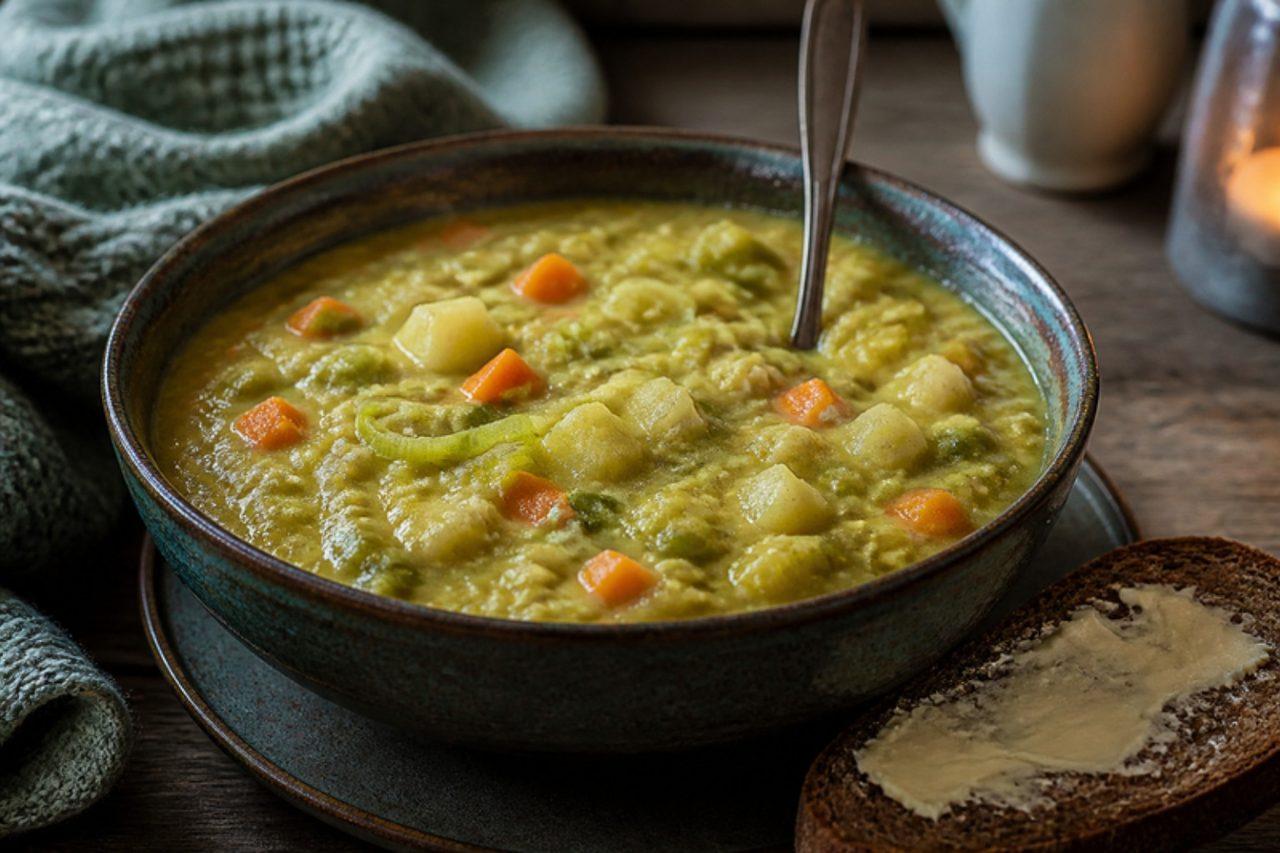
Vegetarian erwtensoepSplit pea soup

Erwtensoep, or snert, is the soup that Dutch skaters drink from paper cups at the koek-en-zopie stalls on frozen lakes, and that families leave to simmer on a Saturday in January. A proper snert is so thick that a spoon should stand upright in the pan, and it tastes better on the second day. The traditional pot is full of pork and smoked sausage; this version gets its depth from celeriac, leek, a little smoked paprika and a long, slow simmer. Serve it with dark rye bread (roggebrood), butter and mustard. Chef's tip: stir the bottom of the pan every 10 minutes in the last half hour; split peas settle as they thicken and catch easily, and a scorched taste spreads through the whole pot.

140 minDutchSoupsVeganGluten free
by KrazyBadal 0 views

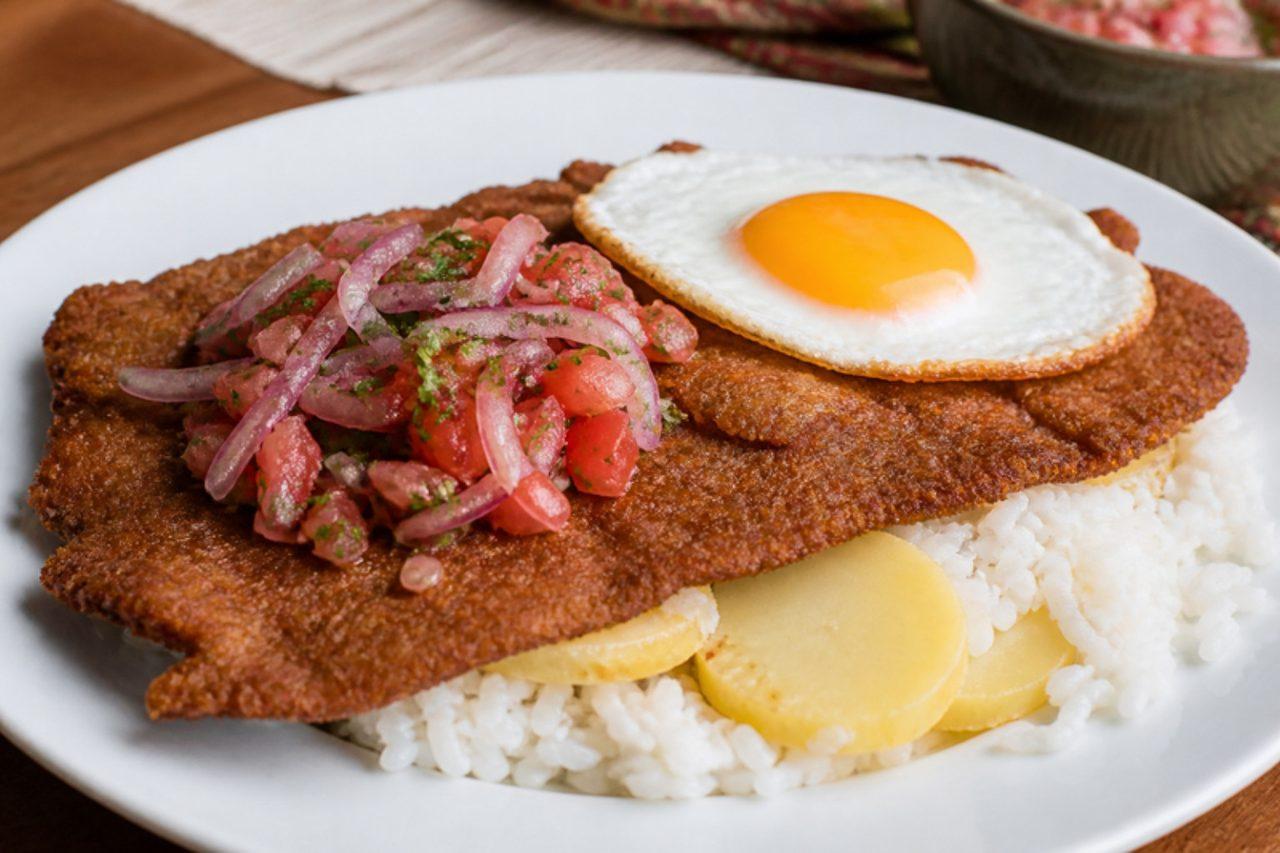
SilpanchoBreaded steak over rice and potatoes

Silpancho is the pride of Cochabamba in Bolivia and is sold in huge portions at the city's lunchtime silpancherías: a layer of rice, then sliced fried potatoes, then a beef steak pounded so thin it covers the plate, breaded and fried, topped with a fried egg and a fresh salsa of tomato, onion and locoto chilli. The mistake is not pounding the meat thin enough; it should be about 3 mm, so it fries in a minute and stays tender. Chef's tip: press the breadcrumbs into the meat with the palm of your hand, then pound lightly once more so they stick.

70 minAndeanMeat
by KrazyBadal 0 views

Sai krok IsanSour pork and rice sausage

Strung in little round links and grilled at night markets from Khon Kaen to Udon Thani, these garlicky sausages are tangy from fermentation, with soft rice grains in a juicy pork filling. Vendors serve them with fresh ginger slices, bird's eye chillies, raw cabbage and roasted peanuts, and every bite is a mix of sour, salty, hot and crunchy. Traditionally they are left at room temperature for two or three days to sour; that is a real food-safety risk at home without controlled cultures and curing salts, so this version cures in the fridge instead. Expect a milder tang than street-stall sai krok; a squeeze of lime at the table makes up the difference. Chef's tip: use day-old cooked rice that went into the fridge quickly; freshly cooked warm rice turns the filling mushy and keeps it in the danger zone.

65 minThaiMeatGluten free
by KrazyBadal 0 views

SimitSesame bread rings

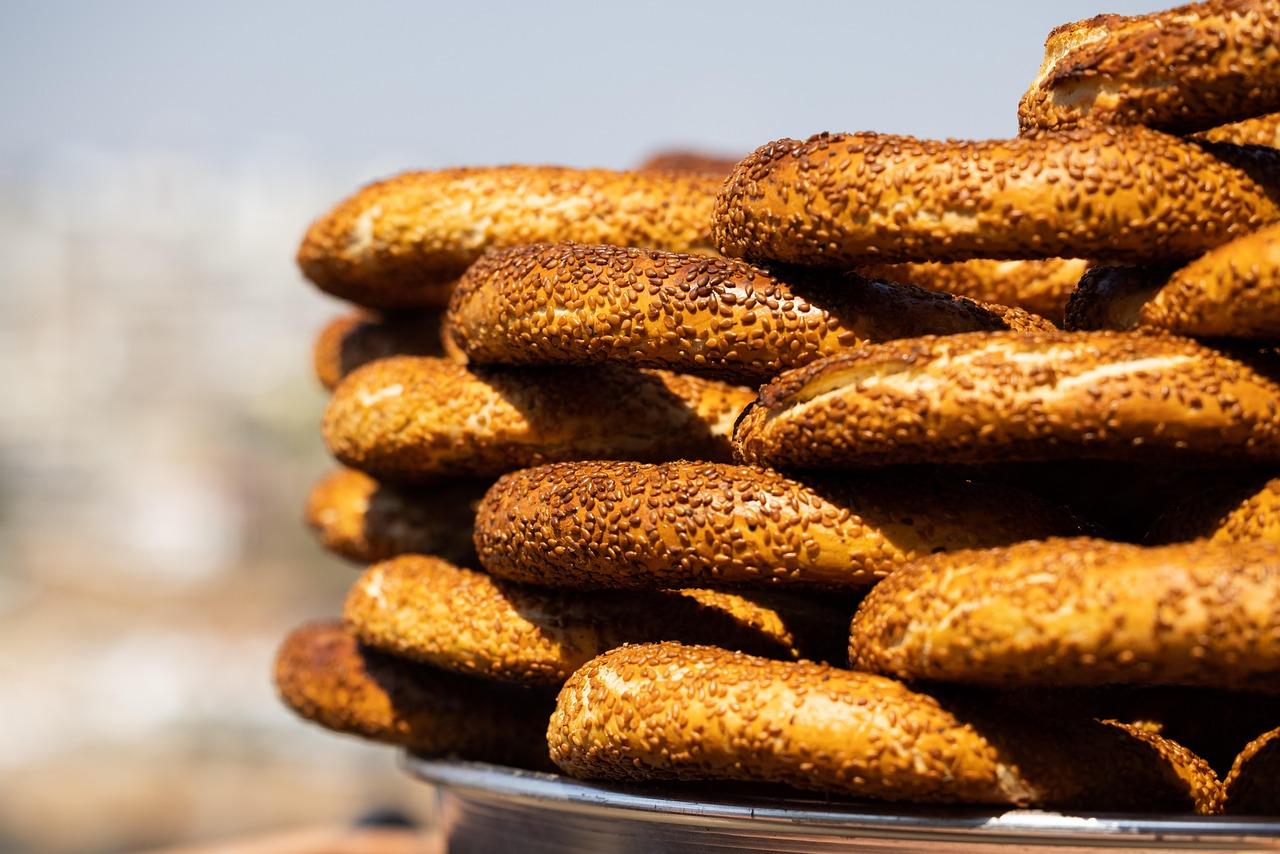
Stacked high on wooden trays and pushed through Istanbul on red carts, simit is the city's breakfast on the move: commuters tear one apart on the ferry across the Bosphorus, throwing the odd piece to the gulls. The ring is twisted, dipped in diluted grape molasses (pekmez) and pressed into sesame, so it bakes up with a crackly, nutty, deep brown crust and a chewy, close crumb. Unlike a bagel it is never boiled. At home, serve warm with tea, white cheese, olives and tomatoes. Chef's tip: toast the sesame seeds in a dry pan before coating; raw seeds stay pale and taste of very little.

by KrazyBadal 0 views

HariraTomato, lentil and chickpea soup

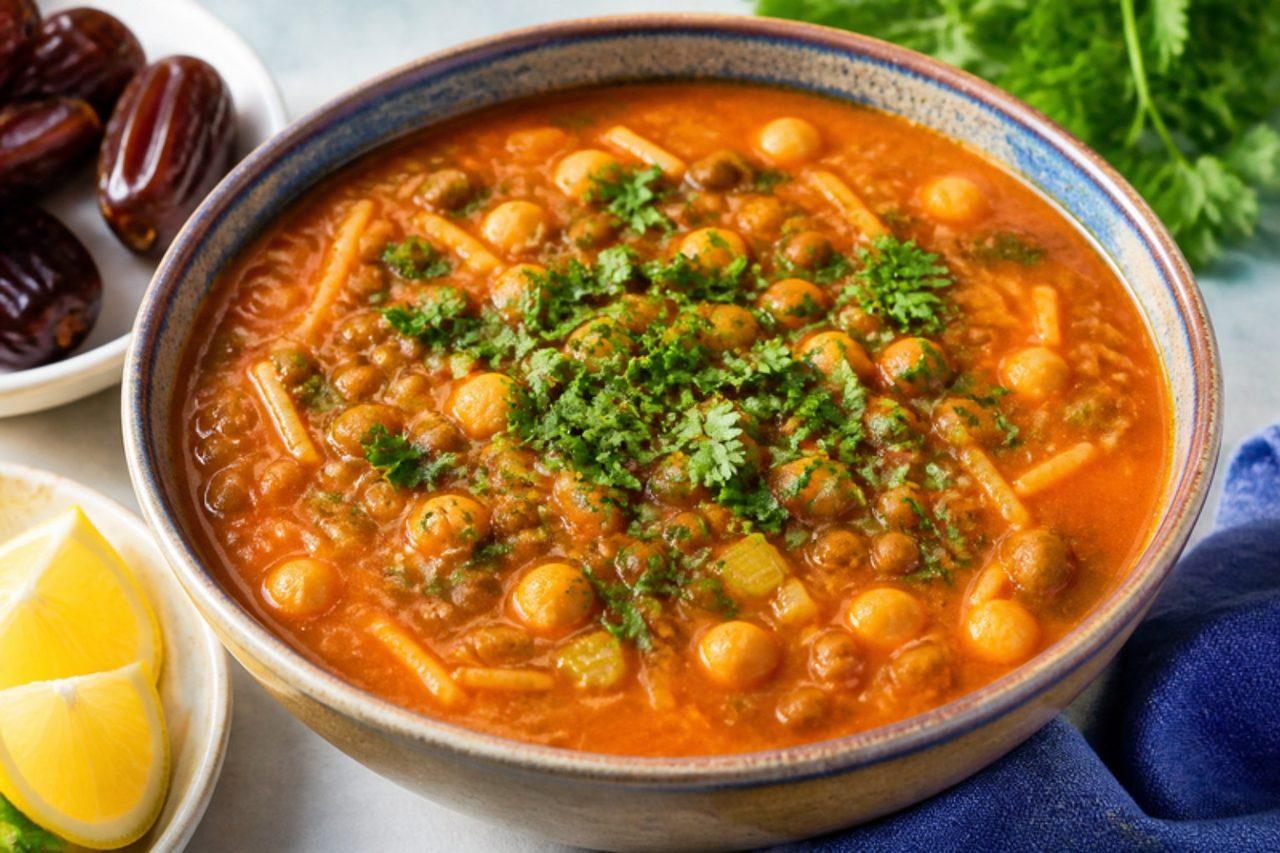
When the call to prayer ends the fast during Ramadan, tables from Tangier to Ouarzazate are set with a bowl of harira, dates and chebakia. This tomato soup is thick with lentils, chickpeas and a great deal of coriander, parsley and celery, and gets its silky body from a flour-and-water slurry stirred in at the end. Many families cook it with a little lamb; this meat-free version uses a well-browned onion and tomato base and olive oil instead of smen, so it is fully vegan and still deeply savoury. Chef's tip: the soup should coat a spoon like thin custard; add the flour slurry slowly while stirring and stop when it reaches that point. Variation: for the meat version, brown 250 g diced lamb with the onion at the start.

by KrazyBadal 0 views

SahlabWarm milk drink

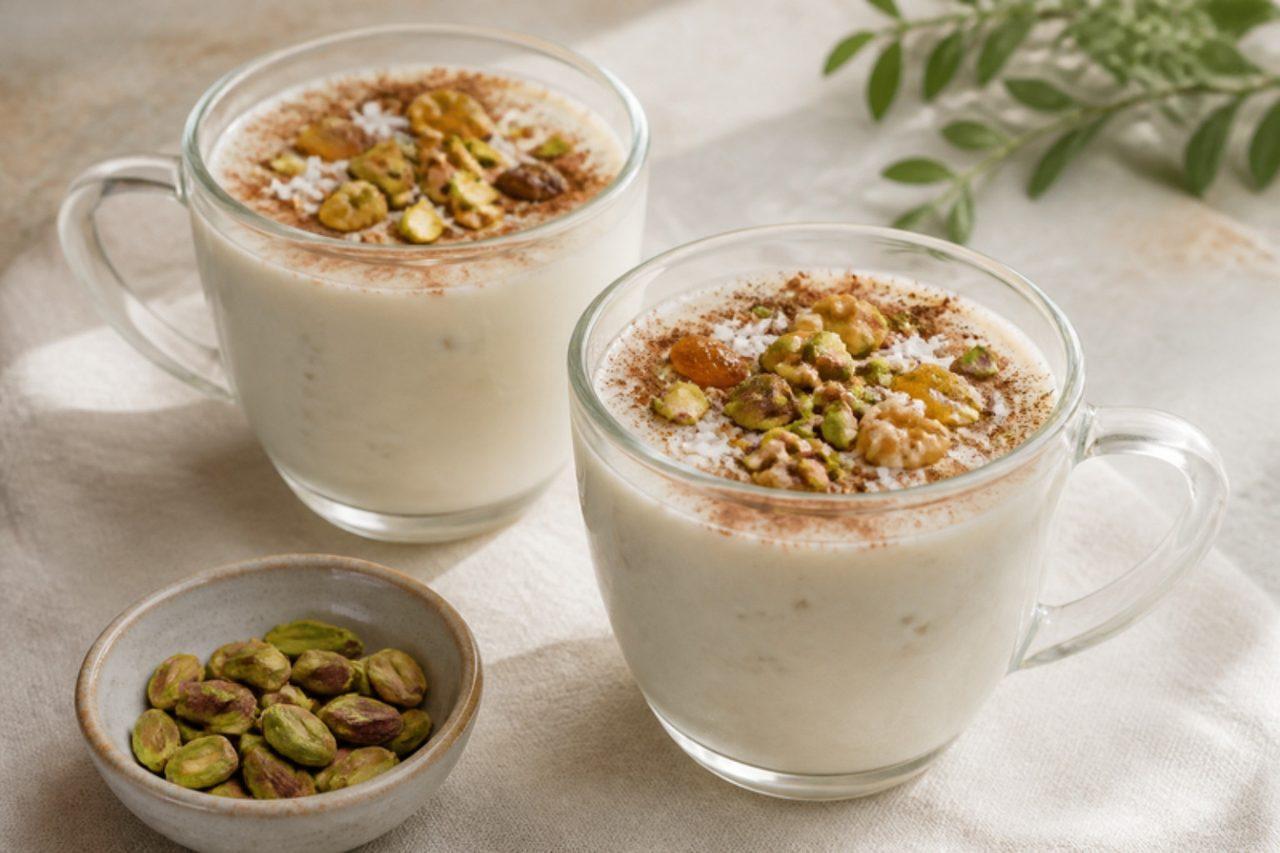
Sahlab is what Cairo drinks on a cold winter evening: a thick, sweet, steaming glass of milk sold in cafés and from street carts, topped with cinnamon, coconut, chopped nuts and a few raisins, and eaten as much with a spoon as drunk. The original thickener is powdered orchid root, which is now rare and protected, so most Egyptian households and many cafés use cornflour or a ready-made sahlab mix instead, as here. Chef's tip: keep whisking from the moment the thickened milk goes in until it boils; stop for a minute and it catches on the bottom of the pan and tastes scorched.

by KrazyBadal 0 views

Showing 81 of 10,569 recipes

Show more recipes

Page 943 of 1,175