
Skip to content
WhatToEat.Today

Jain recipes: no onion, garlic or root vegetables

2,809

2809 Jain recipes with no onion, garlic, potato, carrot, fresh ginger or other root vegetables, and no mushrooms, eggs or honey. Hing, dry ginger and turmeric powder are fine. Each has photos, step-by-step instructions and cook times. The quickest, Apfelschorle, takes 2 minutes. Most take around 40 minutes.

Filter these by time, diet or cuisine · Make Jain your diet to see only these recipes everywhere on the site.

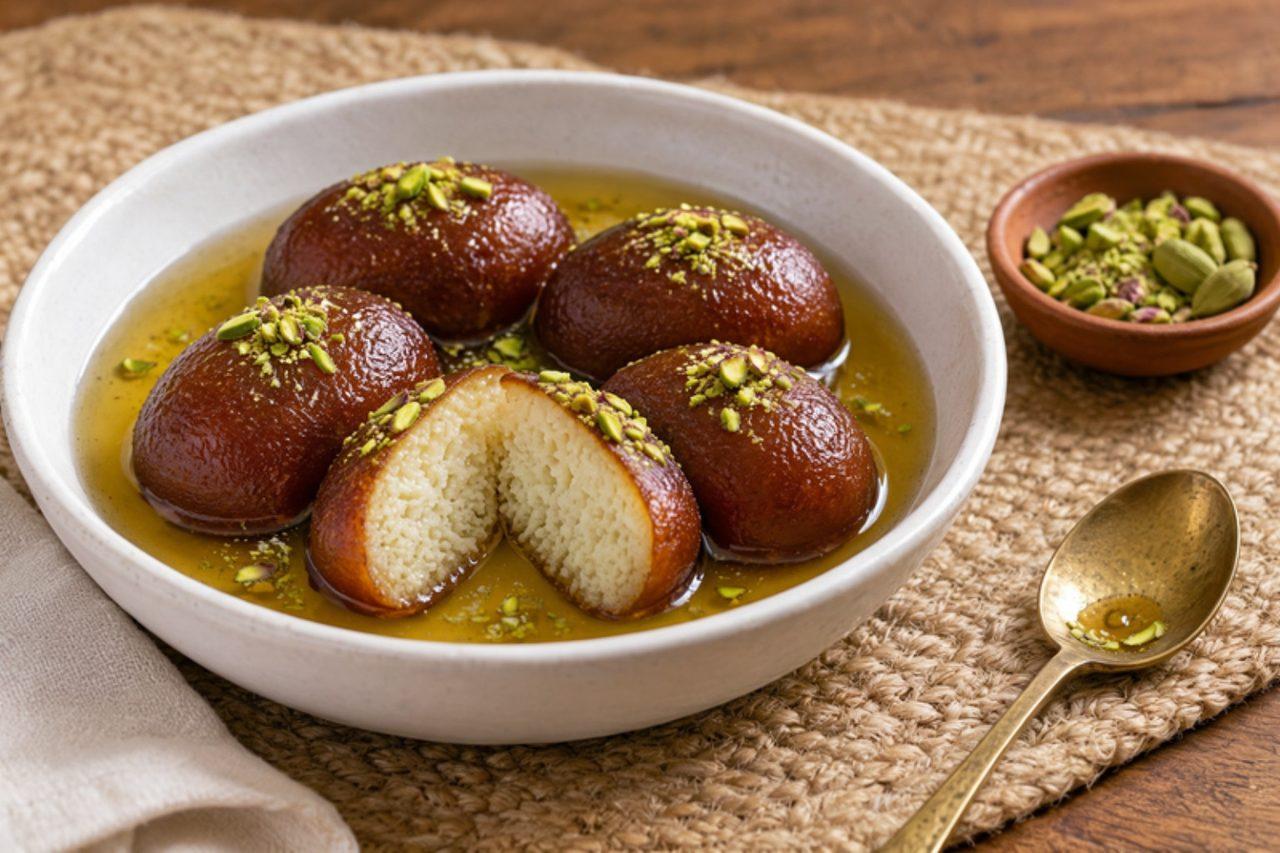
GujiyaSweet filled pastries

In Uttar Pradesh, Bihar and across the Hindi belt, the days before Holi are for making gujiya: the women of the house sit together rolling, filling and crimping hundreds of these half-moon pastries, which are then offered to guests between rounds of colour. The filling is mawa roasted until grainy and golden, mixed with ghee-toasted semolina, coconut, nuts and powdered sugar; Maharashtra's karanji is the cousin with a coconut filling. The common mistake is frying on high heat, which blisters the pastry and leaves it raw and chewy inside; gujiya should fry slowly until crisp and pale gold. Chef's tip: add the powdered sugar only once the mawa has cooled completely, or it melts and the filling turns sticky.

by KrazyBadal 0 views

LyangchaFried milk sweets in syrup

Travellers on the road from Kolkata to Bardhaman stop at Shaktigarh for one reason: lyangcha, cylindrical sweets of chhena and khoya fried almost black and soaked in light syrup, sold hot from roadside shops and carried home in clay pots. The outside is caramelised and slightly chewy, the inside soft, juicy and milky. They are a winter and wedding favourite across Bengal. The common mistake is frying on high heat to get the dark colour quickly; the outside burns while the centre stays raw and the sweet splits in the syrup. Low, patient heat gives an even mahogany shell. Chef's tip: a teaspoon of sugar kneaded into the dough helps it darken evenly.

by KrazyBadal 0 views

Horchata lojanaHerbal flower infusion

In Loja and the valleys of Vilcabamba and Malacatos, horchata has nothing to do with rice: it is a pink herbal infusion of anything up to twenty garden plants, drunk hot at breakfast and after lunch, or cold from the fridge on warm afternoons. Markets sell the herbs in bundles: cedrón, hierbaluisa, toronjil, mint, chamomile, mallow, and the red-leaved escancel and ataco (red amaranth) that give the colour. It tastes lemony, floral and faintly silky, and turns from ruby to bright pink the moment lemon juice goes in. The common mistake is boiling all the herbs hard, which makes it bitter and grassy; only the tough flaxseed and lemongrass simmer, and the soft leaves steep off the heat. It is ready when the liquid is deep red-pink and smells of lemon and flowers. Abroad, Latin shops sell dried mixes; dried hibiscus gives the colour if you lack amaranth. It is traditionally drunk to settle the stomach; if you are pregnant or on medication, check with a doctor before drinking it daily. Chef's tip: add lemon at the table, glass by glass, to watch the colour change.

by KrazyBadal 0 views

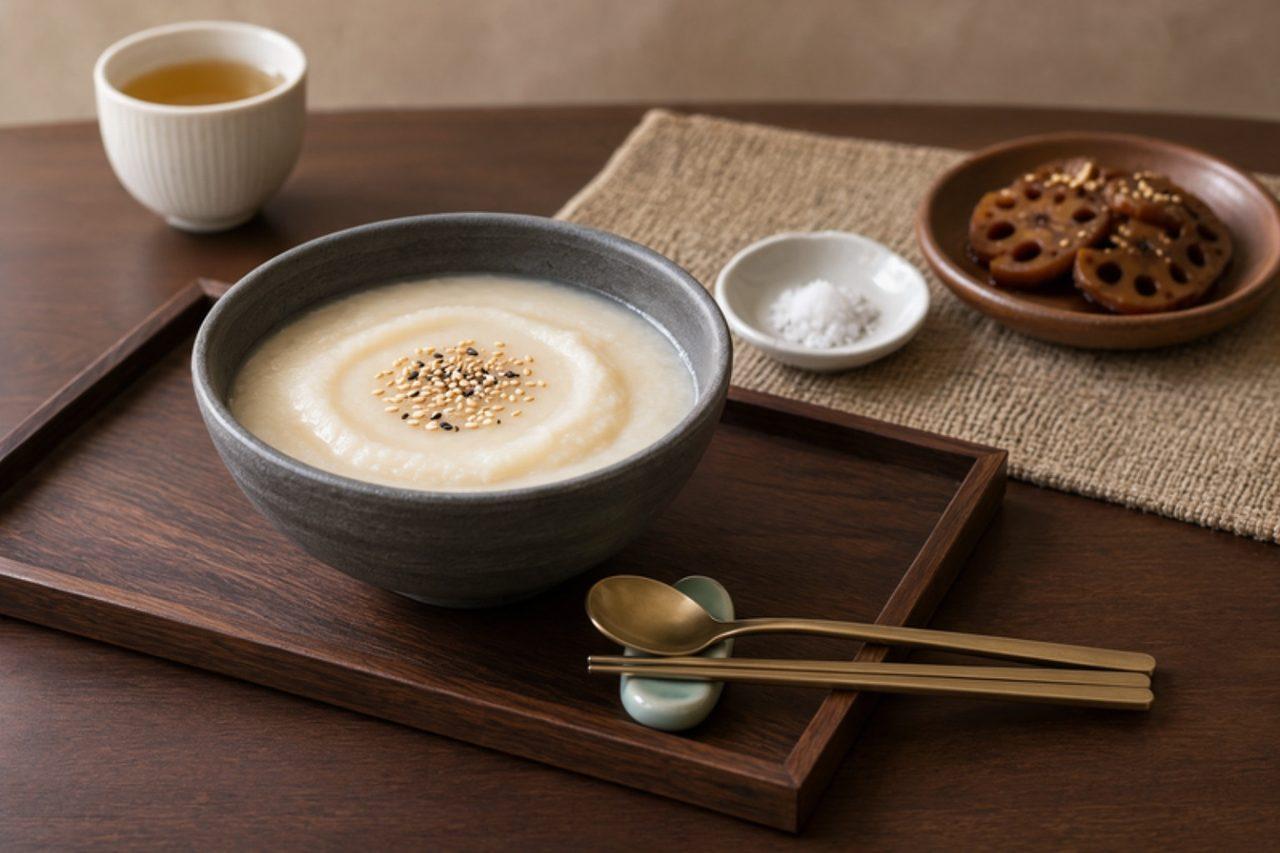
KongjukSoybean and rice porridge

Kongjuk is the porridge Korean families make when they want something filling but plain: soaked soybeans ground into a milk with rice and cooked until it is thick, pale and creamy. It is a breakfast and a summer staple in the countryside, eaten with a little salt and some kimchi or radish on the side. The mistake to avoid is under-blending the beans: gritty bean skins make the porridge grainy, so blend long and fine, or sieve it. Stir often too, because soy milk catches on the bottom quickly. Chef's tip: skim off the loose skins after soaking by rubbing the beans between your palms under water; the porridge comes out silkier and whiter.

by KrazyBadal 0 views

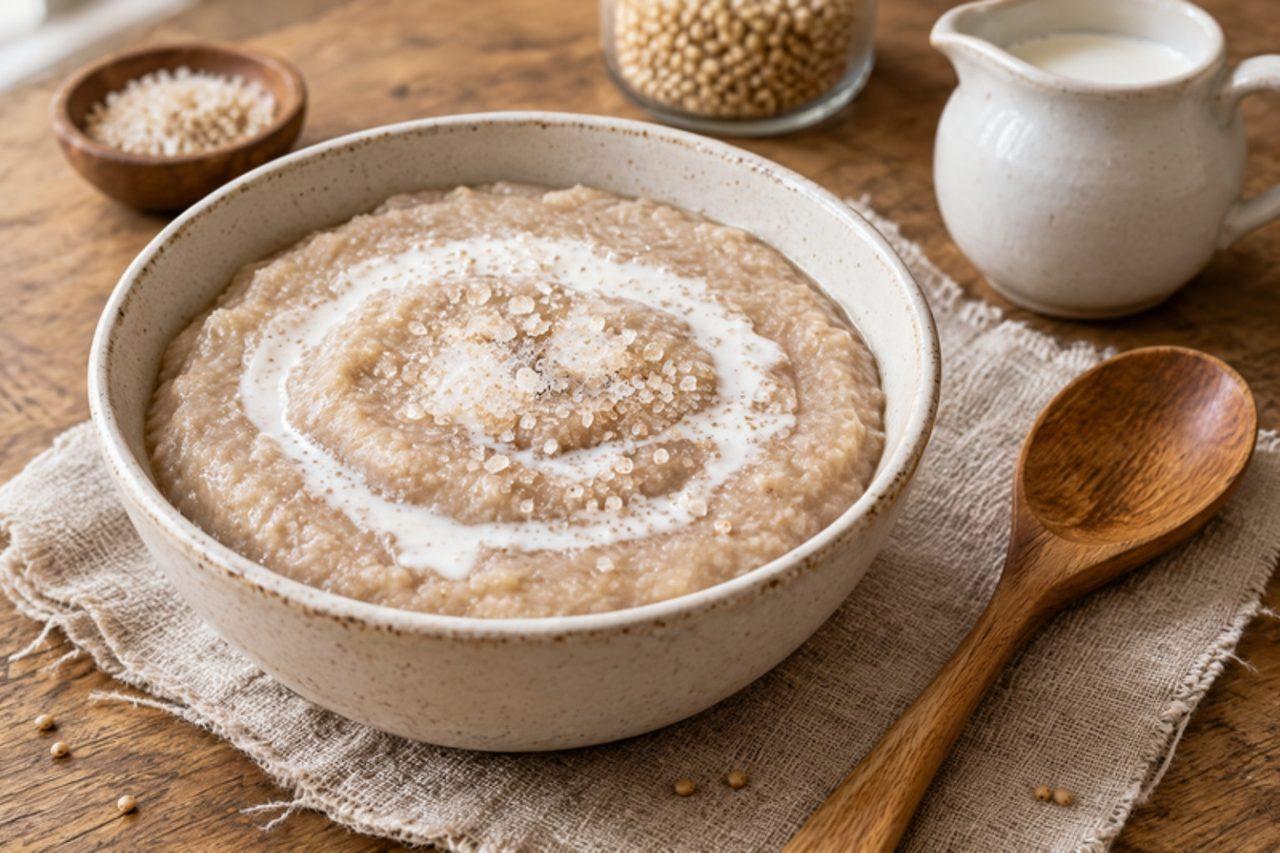
MotogoSoured sorghum porridge

In Botswana, motogo is the soft breakfast porridge made from mabele (sorghum meal), stirred in water until smooth and then soured with a splash of madila or maas, thick cultured milk, and sweetened with sugar. It has a gentle tang and a slightly earthy, nutty flavour, quite unlike oat porridge. The common mistake is adding the sour milk while it is still bubbling, which splits it; take the pot off the heat first. Chef's tip: for an even smoother motogo, soak the sorghum meal in the cold water for 20 minutes before cooking.

by KrazyBadal 0 views

Refresco de linazaFlaxseed and pineapple drink

In La Paz, Cochabamba and Sucre the refresqueras at the market stalls ladle linaza from big glass jars alongside mocochinchi and somó, and at home it is a standard jug in the fridge for the midday almuerzo. Flaxseed is simmered with pineapple peel, cinnamon and cloves until the water turns faintly silky, then strained, sweetened and chilled. It is pale gold, smooth and almost slippery on the tongue, tasting of pineapple and spice, with lime to wake it up. It is traditionally drunk to cool down and to settle the stomach. The common mistake is simmering too long or leaving the seeds in as it cools: the liquid turns into a thick, slimy gel. Strain it while still hot, as soon as a spoon dipped in comes out lightly coated, like thin syrup. It is ready when it pours freely but feels smooth, and tastes sweet, spiced and fresh. Using the peel and core of a pineapple is the thrifty Bolivian way and gives more flavour than the flesh. Chef's tip: if it thickens too much in the fridge, whisk in cold water a little at a time until it pours easily again.

by KrazyBadal 0 views

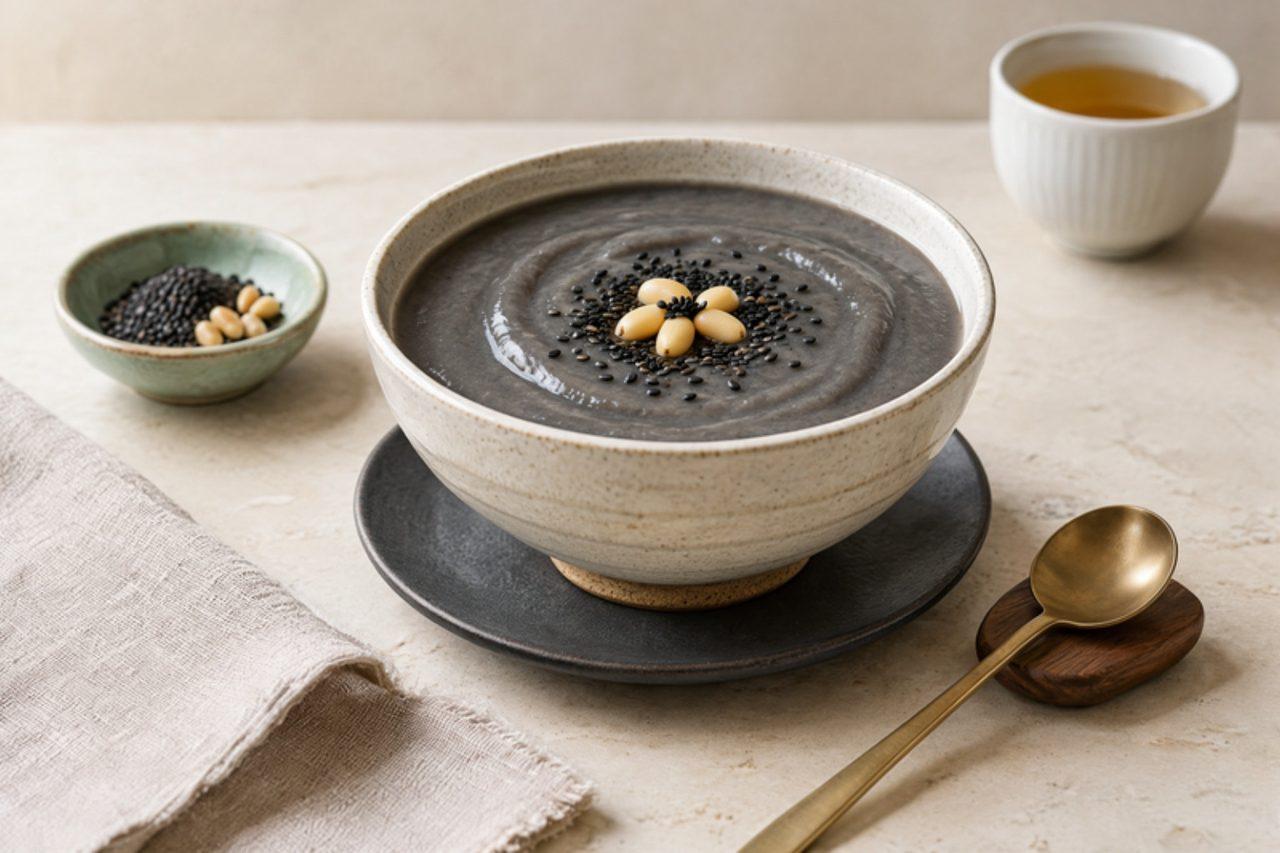
Heukimja-jukBlack sesame rice porridge

This charcoal-grey porridge of roasted black sesame and rice is one of Korea's gentlest breakfasts, often made for elders, for people getting over a cold, or simply on a slow weekend morning. It is nutty, lightly sweet and smooth as cream. The mistake is burning the sesame: the seeds are already black, so you cannot judge by colour; toast them only until they crackle and smell nutty, or the porridge turns bitter. Chef's tip: grind the toasted seeds with a little of the soaked rice and water rather than on their own, which turns them into a smooth paste instead of an oily clump.

by KrazyBadal 0 views

Ají amarillo pasteYellow chilli paste

In Lima's markets ají amarillo is sold fresh all year, and most Peruvian cooks keep a tub of this paste in the fridge the way others keep tomato purée: it is the golden base of causa limeña, ají de gallina, papa a la huancaína, chupe and the sauce for tiraditos. The chillies are seeded, de-veined and blanched in three changes of water, which tames the heat and the raw grassiness, then peeled and blended with oil into a thick, silky, saffron-orange paste. It tastes fruity and sunny, almost like apricot and passion fruit, with a rounded, medium heat. Abroad, buy whole frozen ají amarillo from Latin grocers; dried ají mirasol, soaked, gives a darker, earthier paste. Common mistake: skipping the peeling; the thin skins leave papery flecks and a bitter edge. It is ready when it is completely smooth and holds a soft peak like thick hummus. This is a low-acid paste: keep it in the fridge for a week or freeze it, never on the shelf. Chef's tip: freeze it in an ice-cube tray; one cube is about a tablespoon, just right for a pot of ají de gallina.

by KrazyBadal 0 views

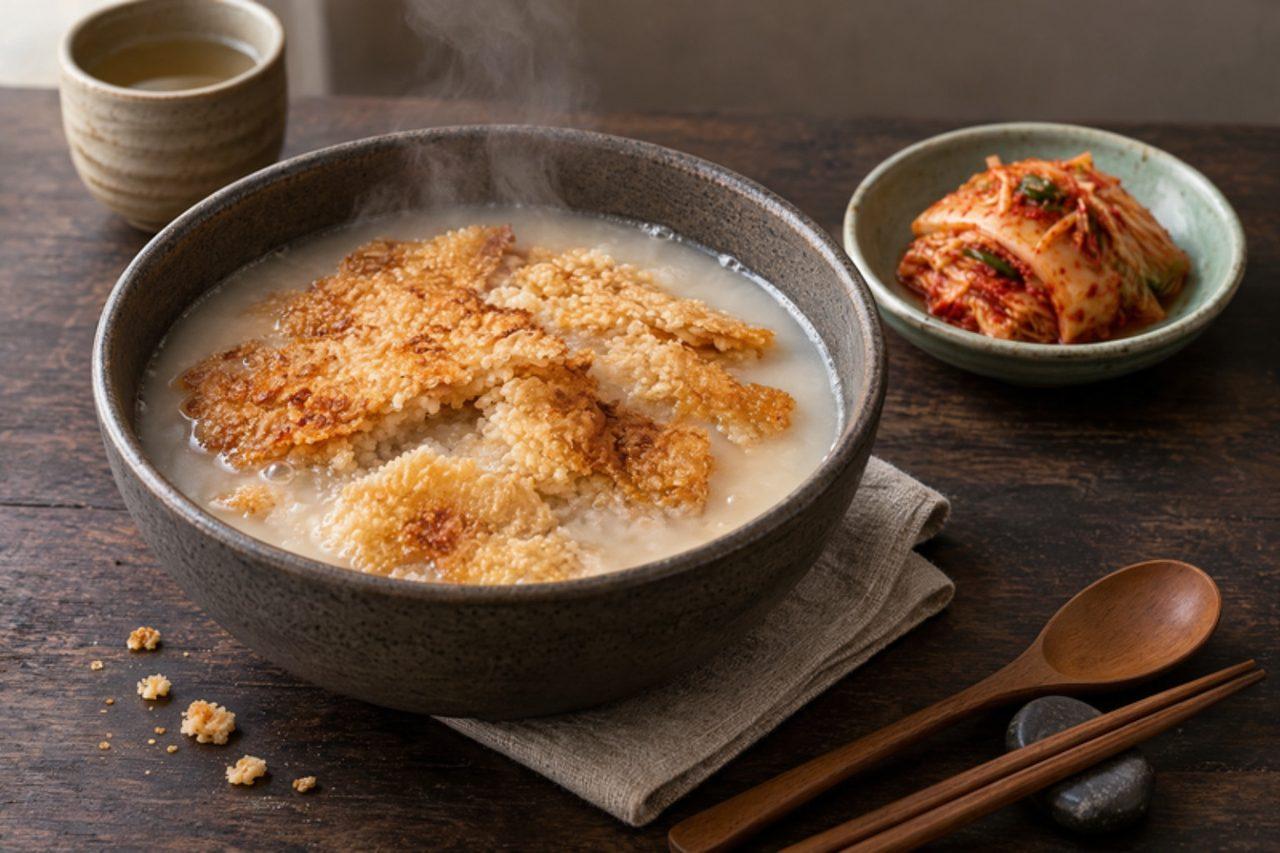
Nurungji porridgeScorched rice porridge

Every Korean home knows the golden crust that sticks to the bottom of the rice pot, and on cold mornings it is simmered in water into nurungji, a nutty, soothing porridge that tastes faintly of toast. Grandmothers serve it with kimchi and a few banchan for breakfast, or as a gentle meal after a heavy night. You can buy dried nurungji sheets in Korean shops, but it is easy to make your own from leftover rice. The common mistake is pulling the crust too soon: pale rice gives a flat, starchy porridge, so wait until it is deep gold. Chef's tip: break the crust into pieces before simmering but keep a few larger shards back and add them in the last minute, so the bowl has soft and slightly crunchy bits.

by KrazyBadal 0 views

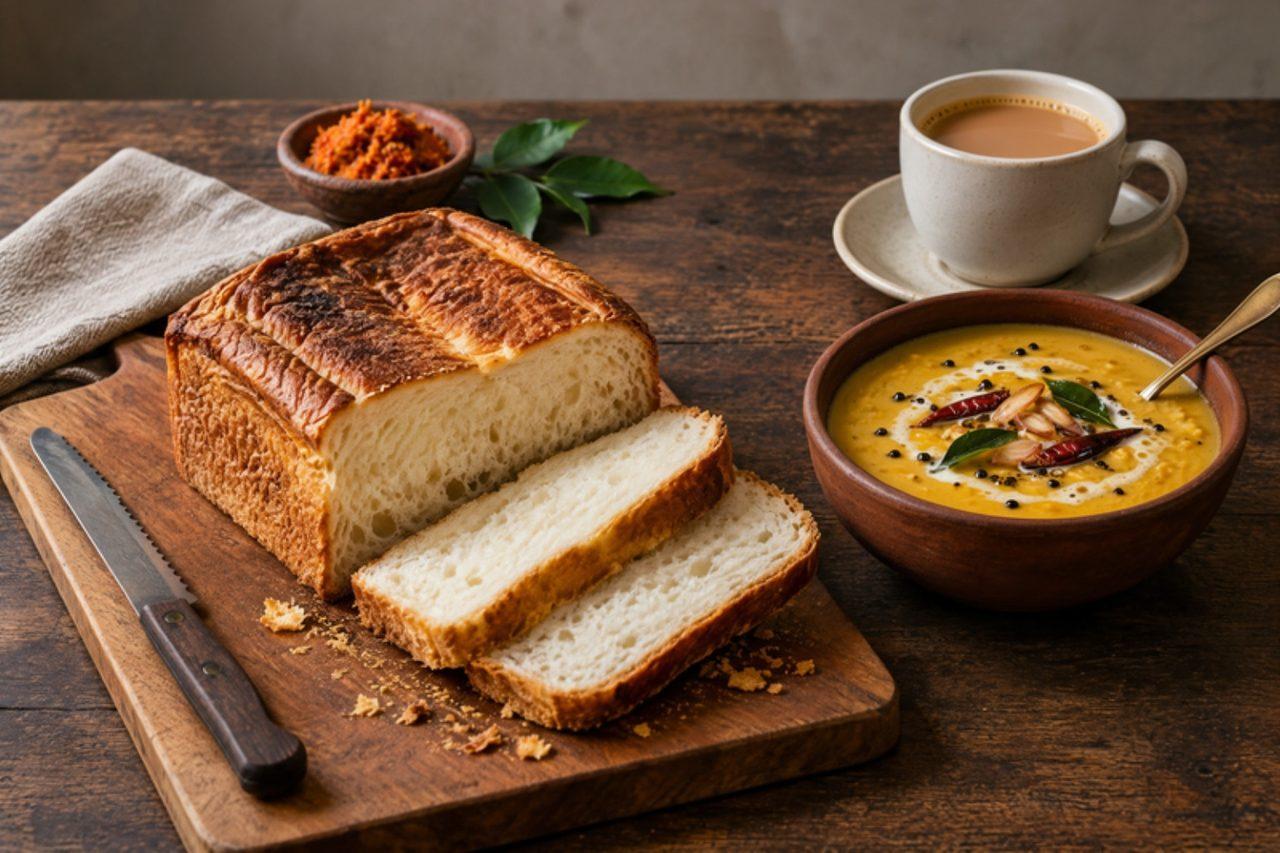
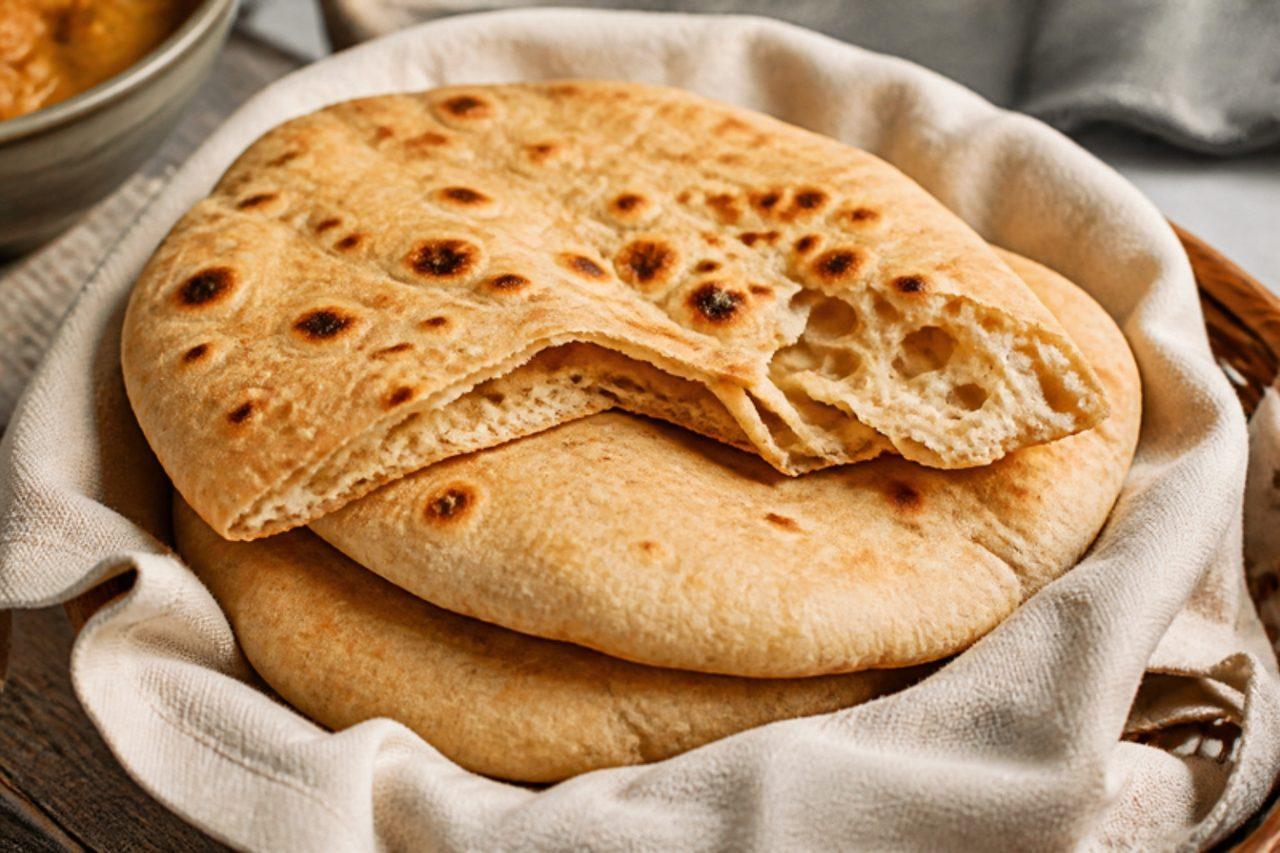
Roast paanCrusty bakery loaf

Every Sri Lankan neighbourhood bakery turns out roast paan before dawn: square loaves baked close together in a wood-fired oven until the tops are dark and crusty while the sides stay soft and pull apart. Bought warm, it is torn and eaten with dhal curry, pol sambol, or kiri hodi, the mild coconut milk gravy. The mistake is baking at too low a temperature, which gives a pale, sandwich-style loaf; it needs a really hot oven and a final blast to blister the top. Allow about 2½ hours with rising. Chef's tip: bake the dough as four balls snug in one square tin so they rise into each other; pulling the soft sides apart is half the pleasure.

by KrazyBadal 0 views

NapolitainesJam shortbread sandwiches with pink icing

Pink, round and glossy, napolitaines sit in the front window of every pâtisserie in Port Louis and Quatre Bornes, and they come out at birthday teas, christenings and school fêtes. Two discs of tender, barely sweet butter shortbread are glued together with strawberry jam and dipped in a thin pink icing that sets to a crisp shell; the biscuit should crumble against the sweet glaze, not snap. The common mistake is baking them until golden: they must stay pale, or the shortbread turns hard and tastes toasted. Look for a vegetarian red food colouring, as many red colourings are made from cochineal insects. Chef's tip: chill the cut rounds for 15 minutes before baking so they keep their sharp edges and do not spread.

by KrazyBadal 0 views

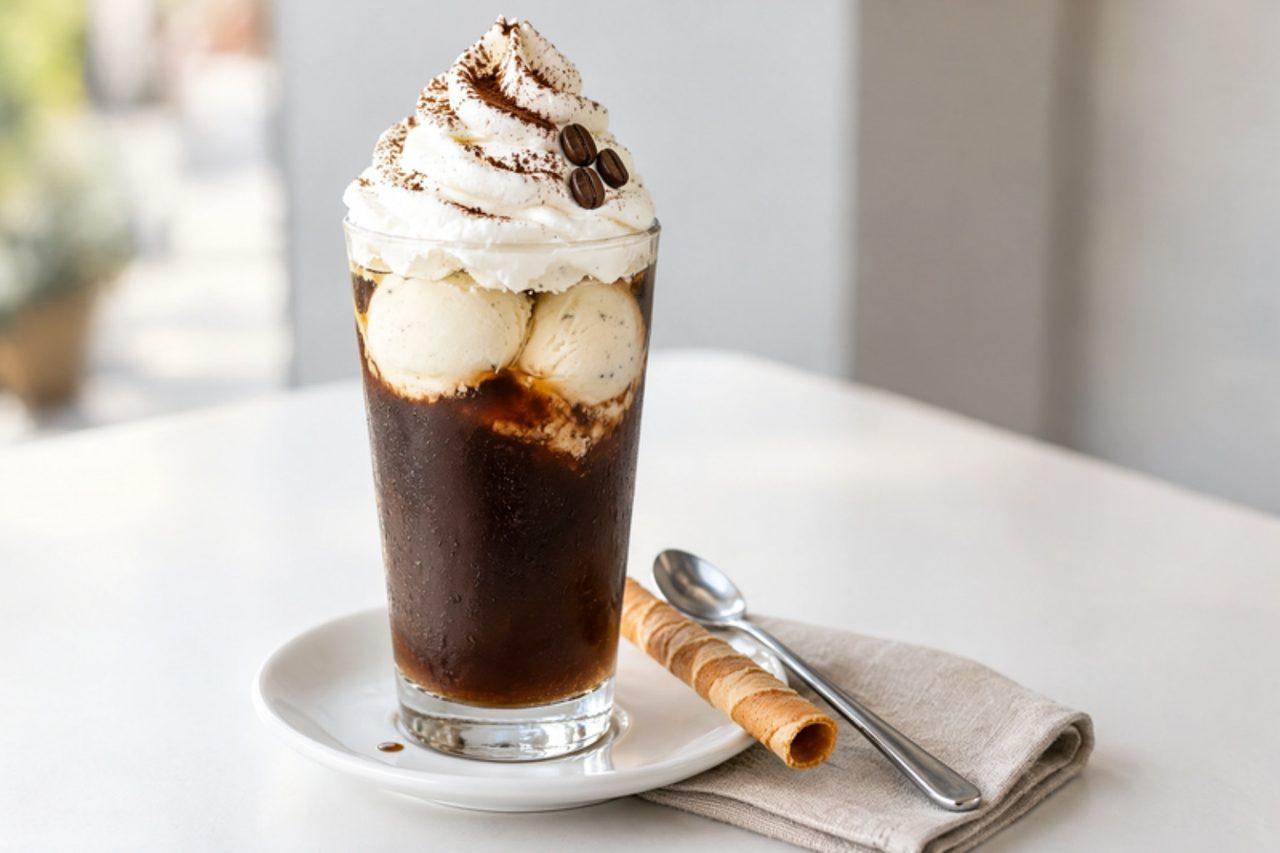
EiskaffeeIced coffee with ice cream

On a hot July afternoon in any German or Austrian Eiscafé, from a Hamburg promenade to a Viennese Gastgarten, the tall glass with the long spoon is Eiskaffee. It is not iced coffee in the American sense: strong coffee, chilled, is poured over two scoops of vanilla ice cream and crowned with sweetened whipped cream, sometimes a wafer and a dusting of cocoa or grated chocolate. You drink the cold coffee through a straw while the ice cream slowly melts into it, then spoon up the creamy, half-frozen rest, so it is part drink, part dessert, eaten at the café in the afternoon rather than with a meal. The usual mistake is pouring hot or even warm coffee straight onto the ice cream: it melts at once into a thin, lukewarm, milky soup. Brew it earlier and chill it properly. It is ready when the coffee is fridge-cold, the scoops sit just proud of the surface and the cream holds soft peaks on top. It is moderately caffeinated, so keep it for adults and older teens. Chef's tip: freeze leftover coffee in ice-cube trays and add a couple to the glass so nothing gets diluted with water.

by KrazyBadal 0 views

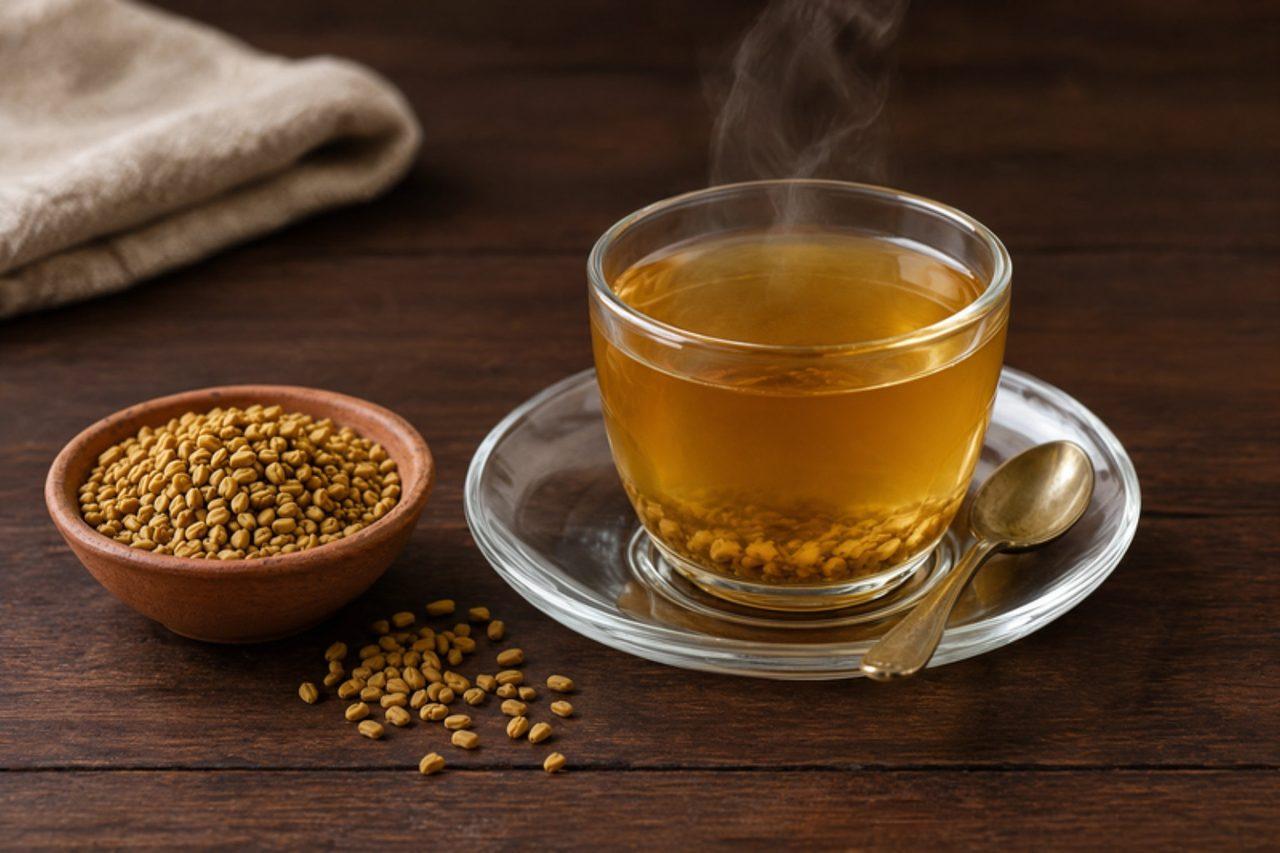
Helba (fenugreek tea)

Helba is the other hot drink chalked on the board of every Egyptian coffee house, ordered in winter by students and old men playing dominoes alike. At home it is brewed when someone has a cold, after childbirth, or simply on chilly nights in the Delta, and is traditionally drunk to soothe the chest and the stomach. Fenugreek seeds are boiled until the water turns amber-yellow; the cup tastes nutty and toasty, like maple and celery, with a pleasant bitterness that sugar softens. Some people add a splash of milk at the end. Fenugreek is not advised during pregnancy, can lower blood sugar and may interact with blood thinners, so check with your doctor if you take medication; it can also make your sweat smell faintly of maple, which is harmless. The common mistake is boiling unrinsed seeds hard for a long time, which gives a slimy, very bitter tea. Rinse them, toast them briefly and boil only 8–10 minutes. It is ready when the liquid is clear golden-amber and smells of warm maple. Chef's tip: soak the seeds overnight first for a milder, rounder brew, and eat the softened seeds with a spoon as Egyptians do.

by KrazyBadal 0 views

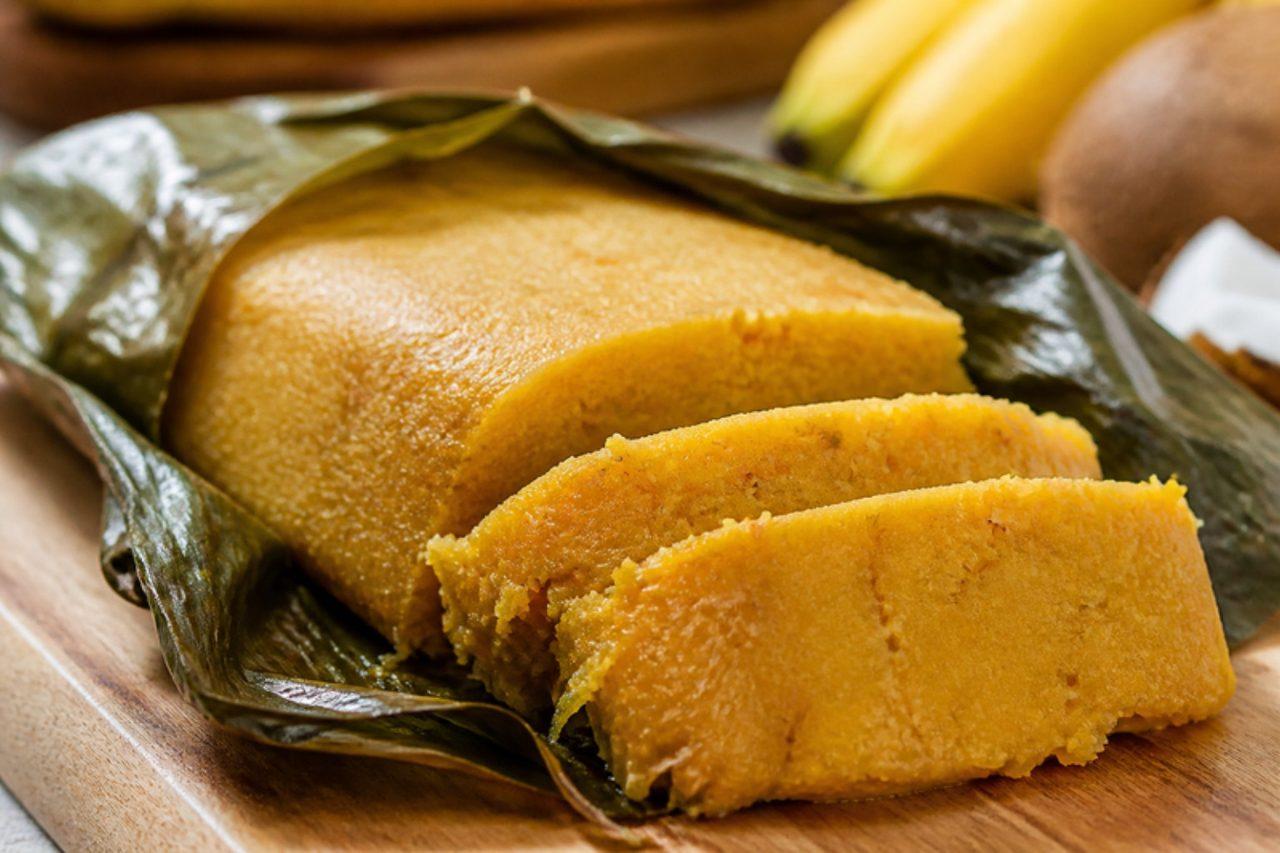
CafungaBanana coconut cake in leaves

Cafunga belongs to Venezuela's eastern coast, in Sucre and the Afro-Venezuelan villages of Barlovento, where ripe bananas, coconut and panela are wrapped in banana leaves and baked until fragrant. It comes out dense and moist, somewhere between a pudding and a cake, and is sold in its leaf at fiestas and village markets. The common mistake is not softening the leaves first, so they crack and leak. Chef's tip: pass each leaf over a gas flame or dip it in boiling water until it turns glossy and pliable.

by KrazyBadal 0 views

Wiener MelangeCoffee with milk and foam

In Vienna you never simply order 'a coffee'; you order by name, and the Melange is the one most Viennese ask for. It arrives in a large cup on a small silver tray with a glass of water and often a tiny chocolate, and you may sit over it for an hour with the newspapers at Café Prückel or Hawelka, mid-morning or after lunch. Traditionally it is a mild, longer espresso (a Verlängerter) with roughly equal hot milk and a soft cap of milk foam; it is gentler than a cappuccino and the foam is looser and creamier. Expect a round, nutty, slightly sweet cup with little bitterness. The common mistake is overheating the milk: once it passes about 70 °C it smells cooked and loses its sweetness and the foam turns big-bubbled and dry. Stop when the jug is too hot to hold for more than a second or two. It is ready when the foam sits in a smooth, glossy dome about a finger thick and the coffee shows as a brown ring at the edge. One cup has about the caffeine of a single espresso. Chef's tip: always serve the glass of water alongside, as Vienna does; it is drunk first to clear the palate.

by KrazyBadal 0 views

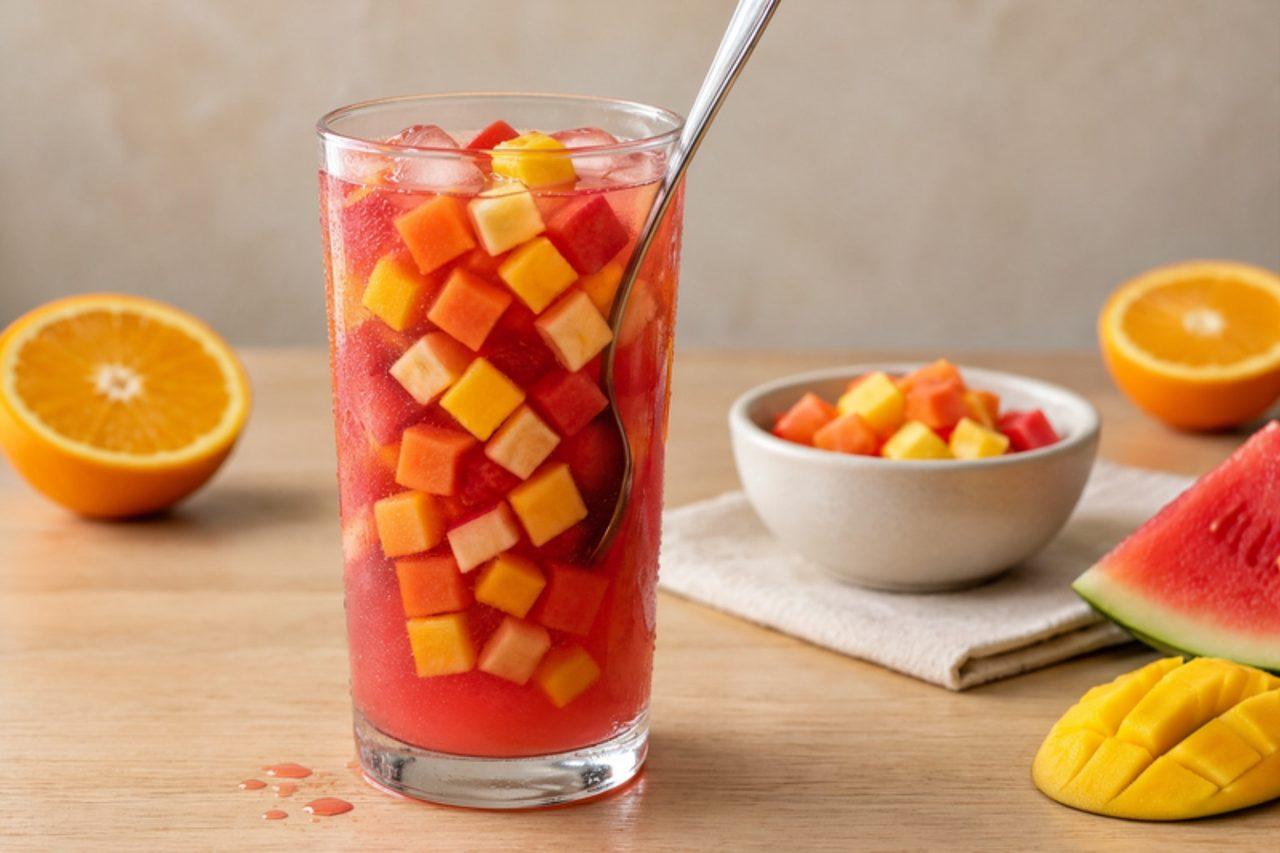
TizanaFruit in orange juice

On Sunday afternoons in Caracas, juice stands along the boulevards of Sabana Grande and the Plaza Altamira, and street carts outside beaches and parks, sell tizana in tall plastic cups with a straw and a long spoon. It is half drink, half fruit salad: papaya, pineapple, melon, watermelon, apple, mango and banana cut into tiny dice and soaked in orange juice tinted ruby with grenadine. At home it is made by the jug for birthday parties and hot holidays. It tastes juicy, sweet and bright, and every sip brings a different fruit up the straw. The common mistake is adding the banana and apple with everything else an hour early: they turn brown and mushy and cloud the juice. Cut them last and stir them in just before serving. The tizana is ready when the fruit has soaked for about 30 minutes in the fridge, the juice has turned a clear coral-pink and the pieces are cold right through. Make the dice no bigger than 1 cm so they pass up a wide straw. Grenadine here means pomegranate syrup; a red fruit syrup works too. Chef's tip: squeeze a little lime over the cut apple and banana to keep them pale and add a tang that lifts the whole jug.

by KrazyBadal 0 views

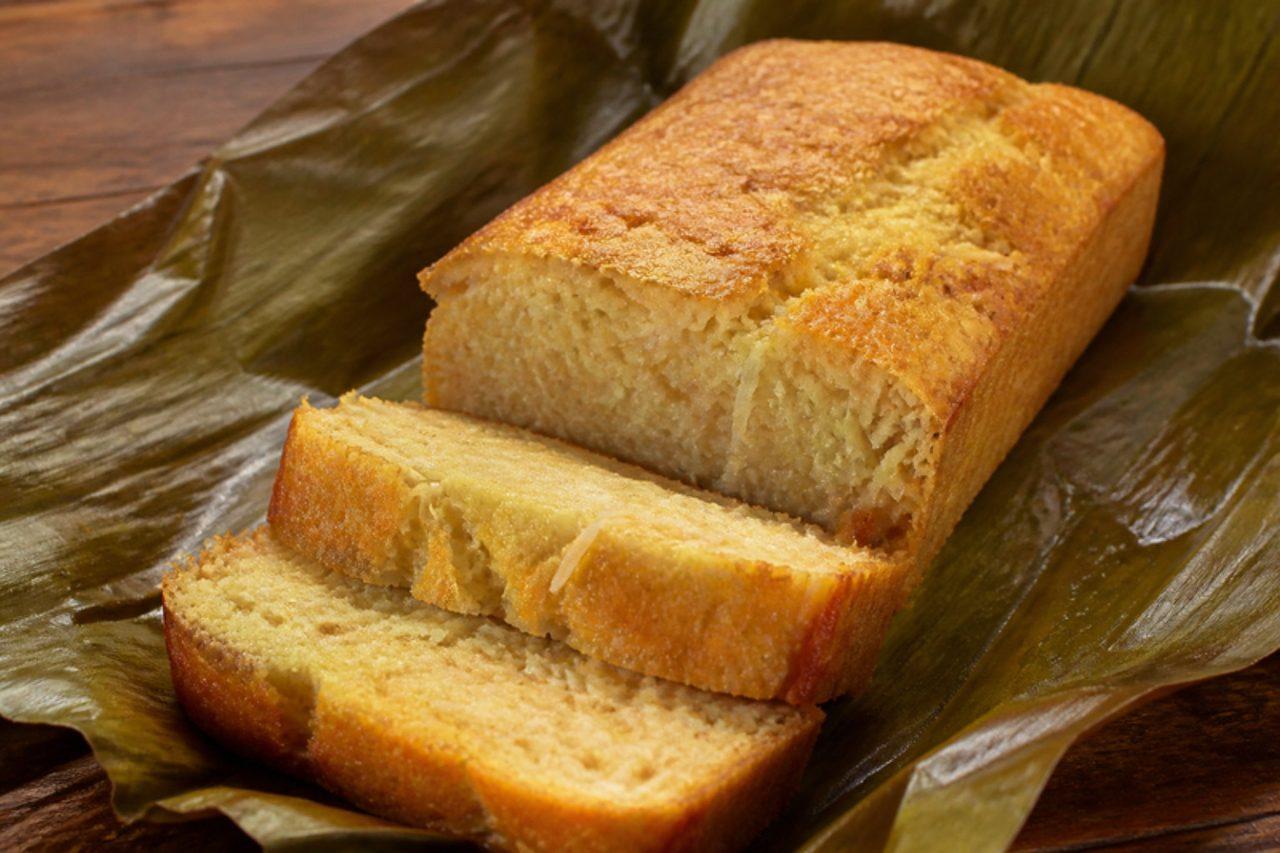
Fa'apapaDense coconut bread

Fa'apapa is a dense, chewy Samoan coconut bread, once baked wrapped in banana leaves in the umu (earth oven) for Sunday lunch, and now often made in a tin in home ovens in Apia and Pacific Auckland. It is made from flour and freshly grated coconut with coconut cream, so it is rich, slightly sweet and very filling, best eaten warm in thick slices. A common mistake is expecting it to rise like bread; it's meant to be heavy and moist. Chef's tip: wrap the dough in banana leaf before putting it in the tin for a gentle, smoky aroma.

by KrazyBadal 0 views

MerengadaStrawberry milk shake

Ask for a batido in Venezuela and you get fruit blended with water; ask for a merengada and it comes with milk, frothy and pale. The name is said to come from the old habit of beating in a little egg white like a meringue, which few cooks do now. Every panadería and fuente de soda from Maracaibo to Barcelona has a row of fruits on the counter, and strawberry from the Andes of Mérida, banana and guava are the favourites, ordered with a cachito or a pastelito at breakfast or as an after-school treat. A good merengada is cold, light and foamy, tasting clearly of fruit, not just of sweet milk. The common mistake is too little ice and too much milk, which gives a thin, warm drink with no froth. Blend the fruit with part of the milk first until perfectly smooth, then add the ice and the rest of the milk and blend hard. It is ready when a thick layer of pink foam sits on top and no fruit pieces are left. Banana or guava (strain the guava for seeds) work the same way. Chef's tip: frozen strawberries make it frostier; cut the ice by half if you use them.

by KrazyBadal 0 views

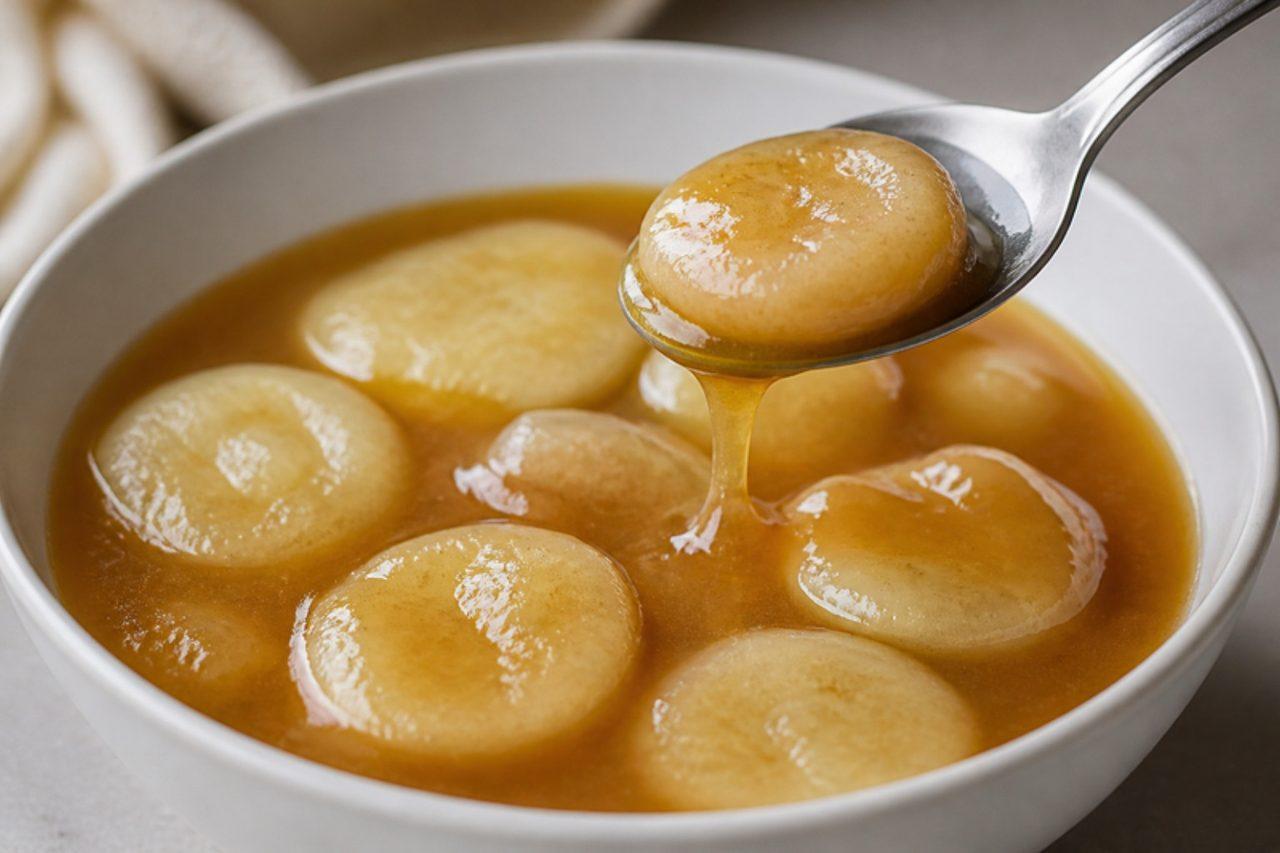
Faikakai topaiDumplings in caramel coconut syrup

Faikakai topai is a much-loved Tongan pudding, served at Sunday feasts and family celebrations in Nuku'alofa and in Tongan communities from Auckland to Utah. Simple flour dumplings are boiled, then smothered in a thick, toffee-like syrup of caramelised sugar and coconut cream called lolo. It is very sweet and best eaten warm. A common mistake is pulling the caramel off the heat too pale; let it turn a deep amber before adding the coconut cream. Chef's tip: roll the dumplings thin and flat so they cook quickly and soak up more syrup.

by KrazyBadal 0 views

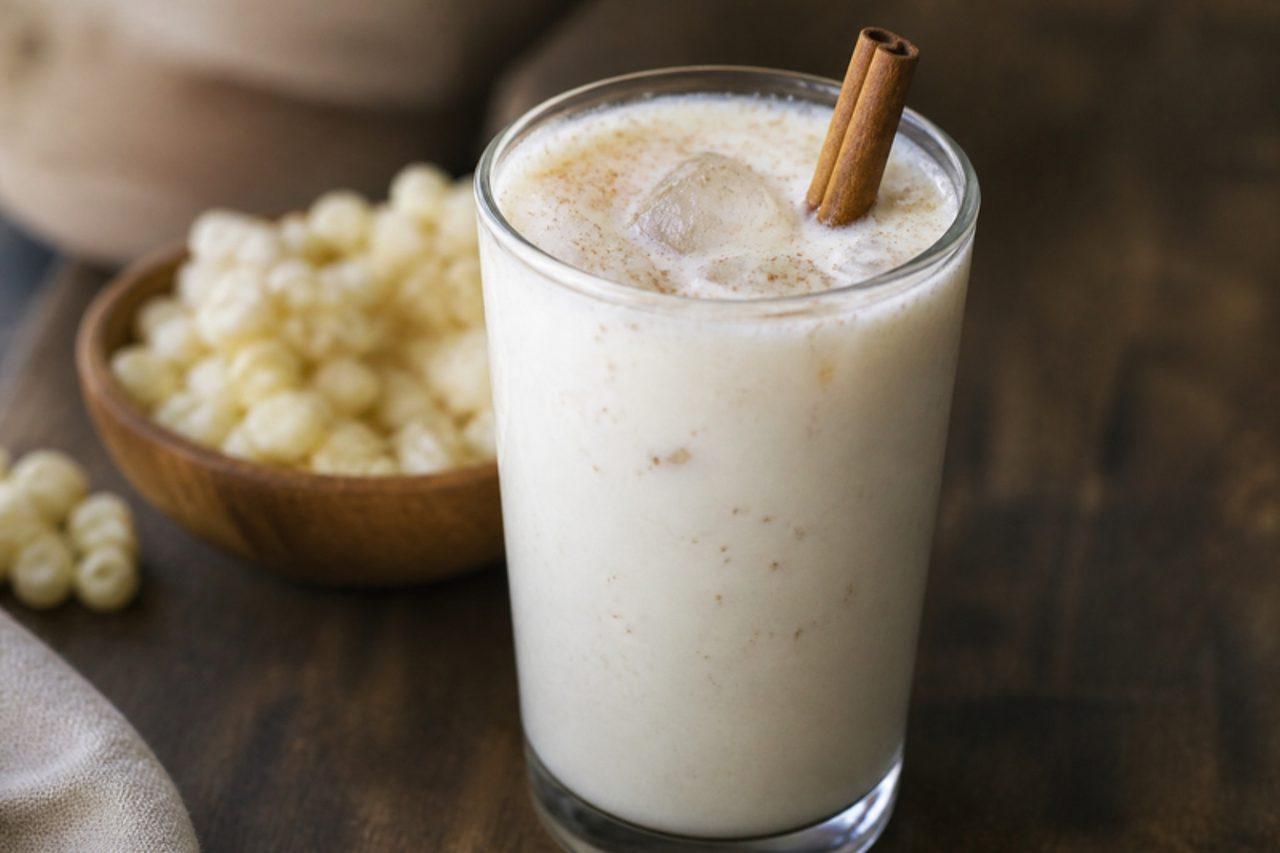
ChichemeCold cracked corn drink

Chicheme comes from La Chorrera, just west of Panama City, where it is sold by the glass at the town's fairs alongside bollos and chorizo, and it is now drunk all over the country on hot afternoons. Cracked white corn is cooked until soft and swollen, then mixed with sweetened milk, cinnamon and vanilla and served very cold, so every sip has chewy grains in it. Undercooked corn is the classic mistake; the kernels must be soft right through or the drink feels gritty. Chef's tip: soak the corn overnight, and it cooks in under an hour instead of two.

by KrazyBadal 0 views

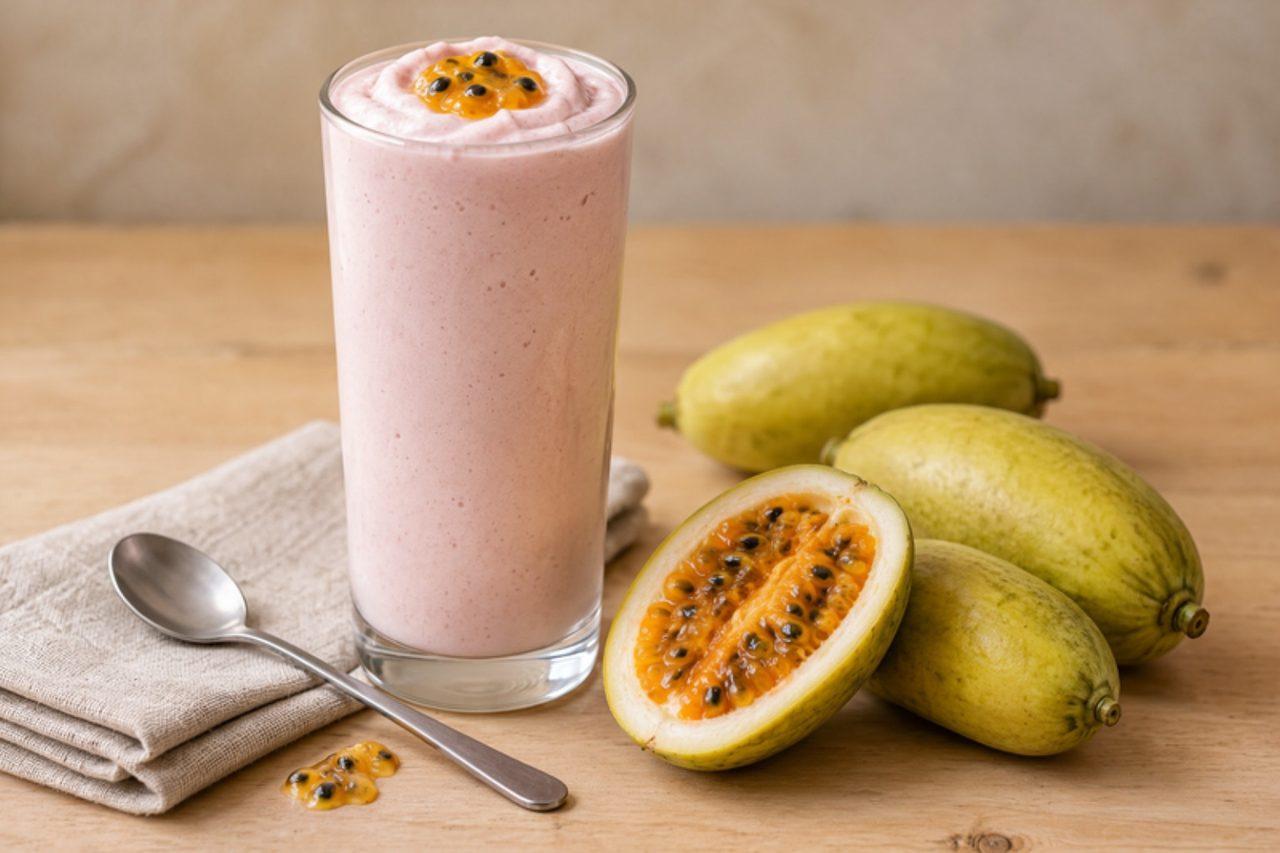
Sorbete de curubaBanana passionfruit milk drink

In Colombia a sorbete is not an ice but a fruit milkshake, and around Bogotá and the cold highlands of Boyacá and Cundinamarca the classic is made with curuba, the long, soft-skinned banana passionfruit that grows on vines at 2,500 metres. Bakeries and corrientazo lunch spots serve it with almuerzo or with a slice of cake at onces, the late-afternoon snack. It is pale salmon-pink, creamy and sweet-tart, more delicate than passionfruit, with a fragrance like guava and lemon. The common mistake is blending the pulp with its black seeds on high speed: the seeds break up and the sorbete turns bitter and grey-flecked. Pulse just enough to loosen the pulp from the seeds, strain, and only then blend with milk. Serve it at once, because the acid in curuba thickens the milk the longer it stands. It is ready when it is smooth, frothy and pink with no gritty specks. Outside Colombia look for frozen curuba pulp in Latin shops; passionfruit pulp works too, but use about two thirds of the amount as it is stronger. Chef's tip: dissolve the sugar in the strained juice before the milk goes in, so you can blend for less time.

by KrazyBadal 0 views

Martín FierroCheese with quince paste

Ask for dessert in a Montevideo bodegón or a country parador and you may be offered a Martín Fierro: a thick slice of fresh, mild cheese laid with an equal slice of dense quince or sweet-potato paste, named after the gaucho of the epic poem. It's salty against sweet, soft against firm, and takes two minutes to assemble. Uruguayan fresh cheese is usually made with animal rennet, so choose one with vegetarian rennet if that matters to you. The mistake is serving it fridge-cold, which dulls both flavours. Chef's tip: cut the cheese and paste to exactly the same thickness, about 1 cm, so every bite has both.

by KrazyBadal 0 views

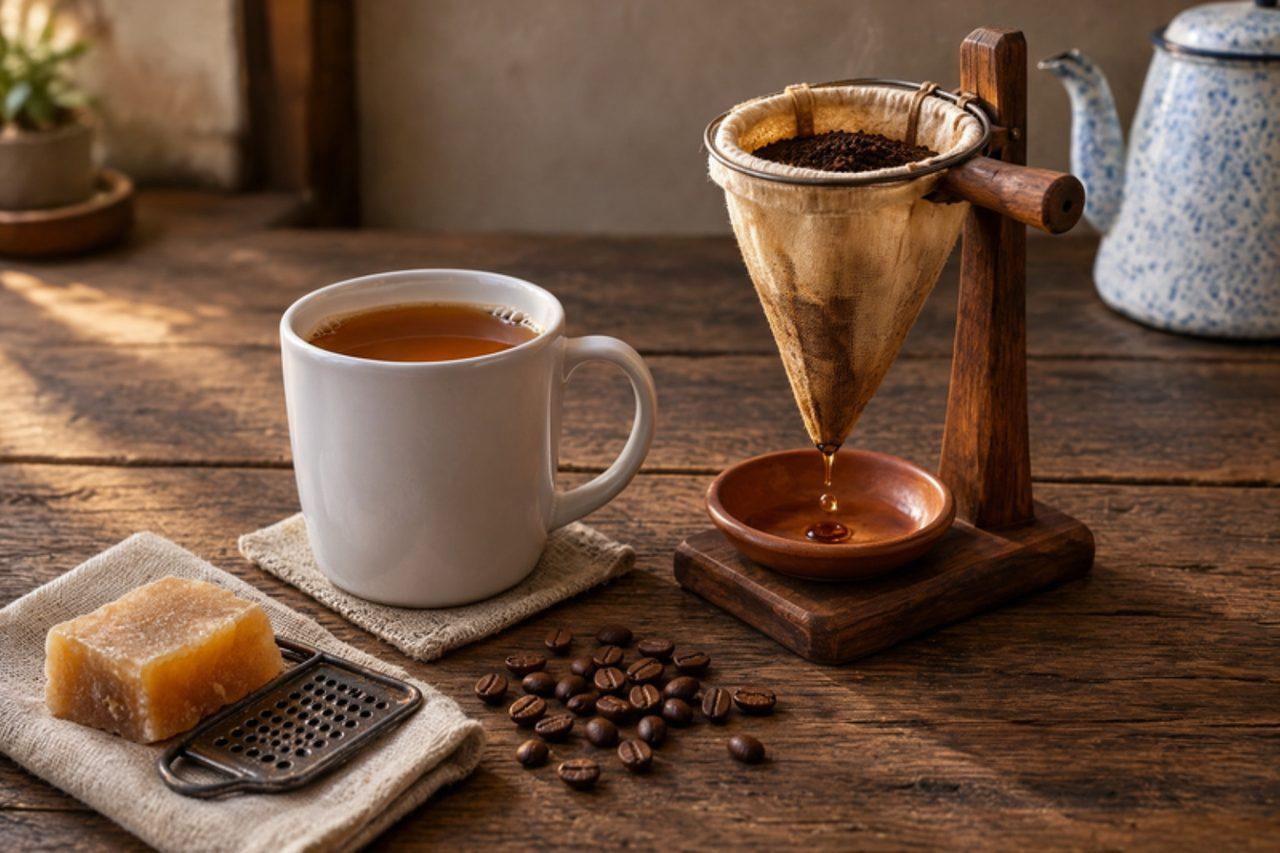
Café guayoyoLong black coffee

In the coffee villages of the Venezuelan Andes, in Trujillo, Mérida and Táchira, the day starts in the dark with a pot of guayoyo, and it never really stops: a cup at breakfast with arepas, one mid-morning, one after lunch, one at the bodega counter in the afternoon. Guayoyo is the opposite of a short, dark negrito: plenty of water through a modest amount of coffee, poured through a colador de tela, a cotton cloth sock on a wire ring. It is light-bodied, mild and clean, closer to tea in strength, with gentle chocolate notes and almost no bitterness, so it is easy to drink cup after cup. It still has caffeine, so count the cups. The common mistake is pouring boiling water onto the grounds, which pulls out bitter flavours; let the kettle rest off the boil for a minute first. Never wash the cloth with soap either, or every cup tastes soapy. The coffee is ready when it runs through amber-brown, clear enough to see the bottom of a white cup. Sweeten with papelón (raw cane sugar) if you like. Chef's tip: keep the rinsed cloth in a jar of water in the fridge between uses so it never smells stale.

by KrazyBadal 0 views

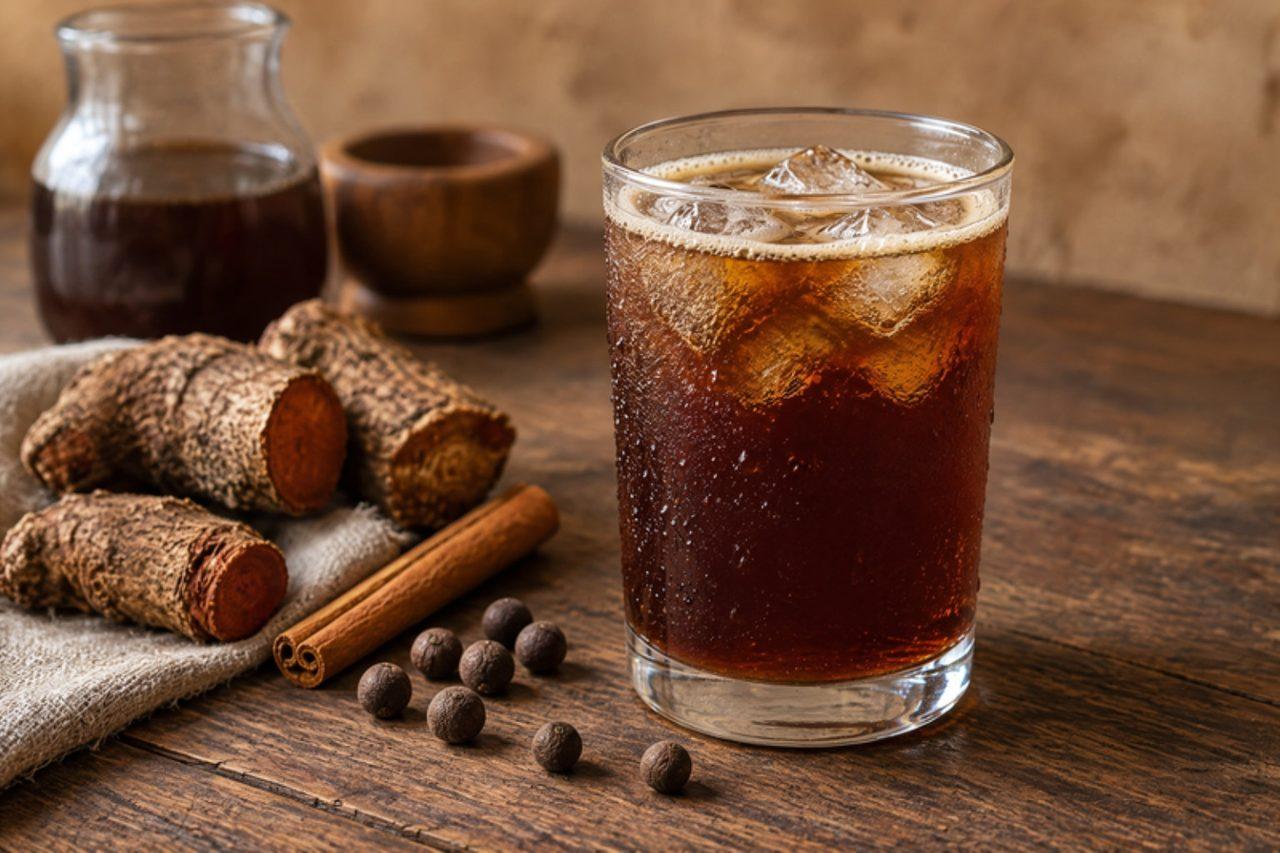
Prú orientalSpiced root drink

In Santiago de Cuba, Guantánamo and Baracoa, prú is sold from plastic bottles at the kitchen door and poured at every birthday, often next to a slab of cake. The recipe came from Haitian and French-Caribbean coffee planters who settled in the east, and families still keep a "madre", a starter jar from the last batch. Roots of raíz de China and bejuco ubí are boiled with pine, cinnamon and allspice, sweetened and left to ferment for a few days. It tastes like a wild, earthy root beer: woody, spiced, a little bitter, with a soft prickle. Fermentation makes a trace of alcohol, well under 1% if drunk young. Outside Cuba use dried sarsaparilla root, a close relative of China root. The common mistake is sealing bottles too early and leaving them warm, which builds dangerous pressure; use a plastic test bottle and chill once it is firm. It is ready when tiny bubbles rise and it smells sweet-sour, not yeasty. Throw it out if it grows fuzzy mould, turns slimy or smells rotten. Pregnant people should skip the pine needles, and anyone on medication should check with a doctor about herbal roots. Chef's tip: keep 250 ml back as the madre for your next batch.

by KrazyBadal 0 views

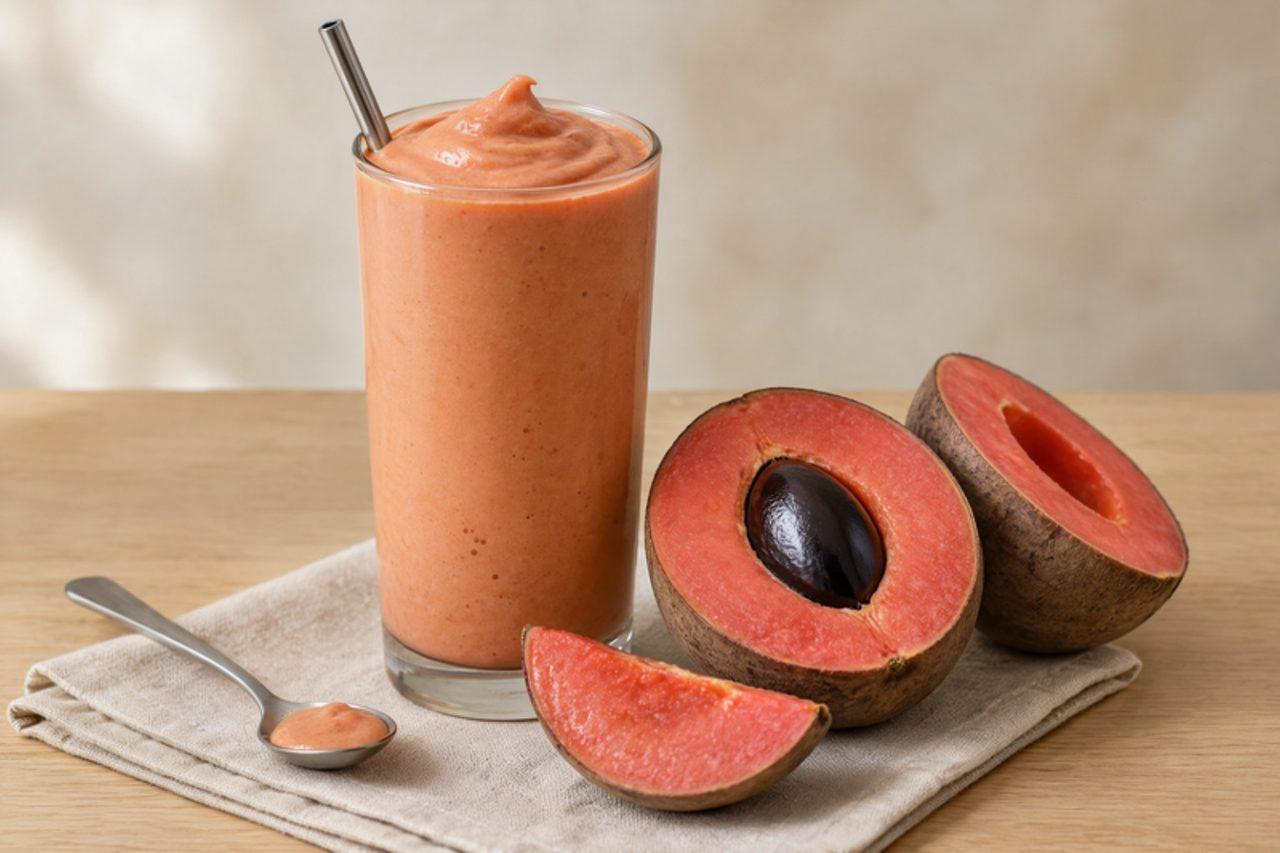
Batido de mameyMamey milkshake

In Havana and all over the island, the cafeteria counter has a blender that never stops, turning out batidos of mango, guanábana, papaya and the favourite of all, mamey. The fruit has a rough brown skin and a soft, salmon-red flesh that tastes like sweet potato, pumpkin pie, almond and apricot at once, and blended with cold milk it makes a shake so thick it is almost a dessert. It is drunk mid-afternoon on hot days, at breakfast with toast, or at a kid's birthday party; Miami's Cuban cafés keep the tradition alive with frozen pulp. The common mistake is using a hard mamey, which tastes starchy and slightly bitter; the fruit must give like a ripe avocado when pressed and show deep red flesh when you scratch the skin with a fingernail. The batido is ready when it is smooth, pumpkin-orange and pours slowly in a thick ribbon. Frozen mamey pulp from Latin American shops is a good substitute; reduce the ice because the pulp is already cold. Chef's tip: a pinch of salt and a drop of vanilla bring out mamey's almond notes.

by KrazyBadal 0 views

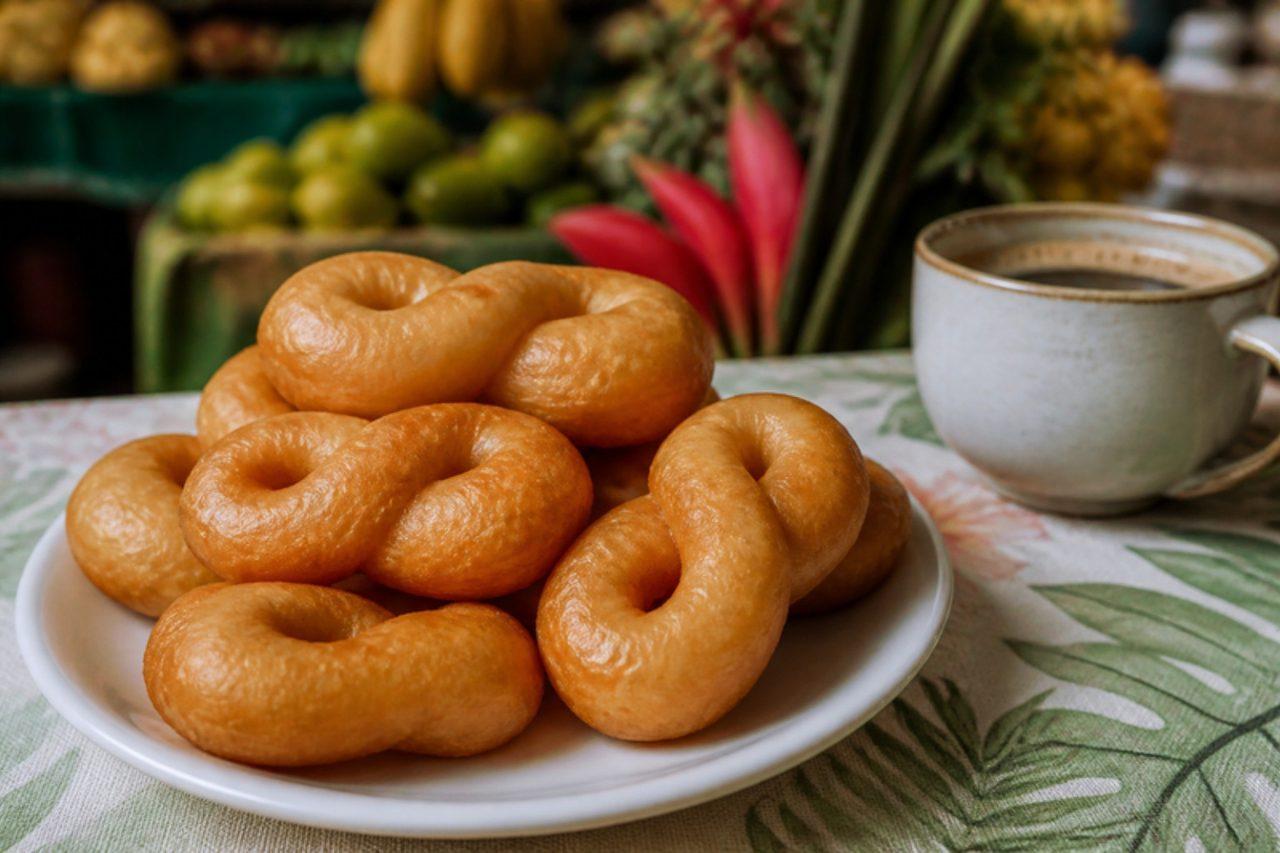
Firi firiCoconut doughnuts

Firi firi are the twisted figure-eight doughnuts of Tahiti, sold every morning at the Papeete market and roadside stands, and eaten with a coffee or dipped in hot chocolate on Sunday mornings. The dough is made with coconut milk instead of dairy, so they're lightly sweet and coconut-scented with a soft, chewy inside. A common mistake is twisting the dough too tightly, which makes it spring back; let it rest first. Chef's tip: give them a short second rise after shaping so they fry up light.

by KrazyBadal 0 views

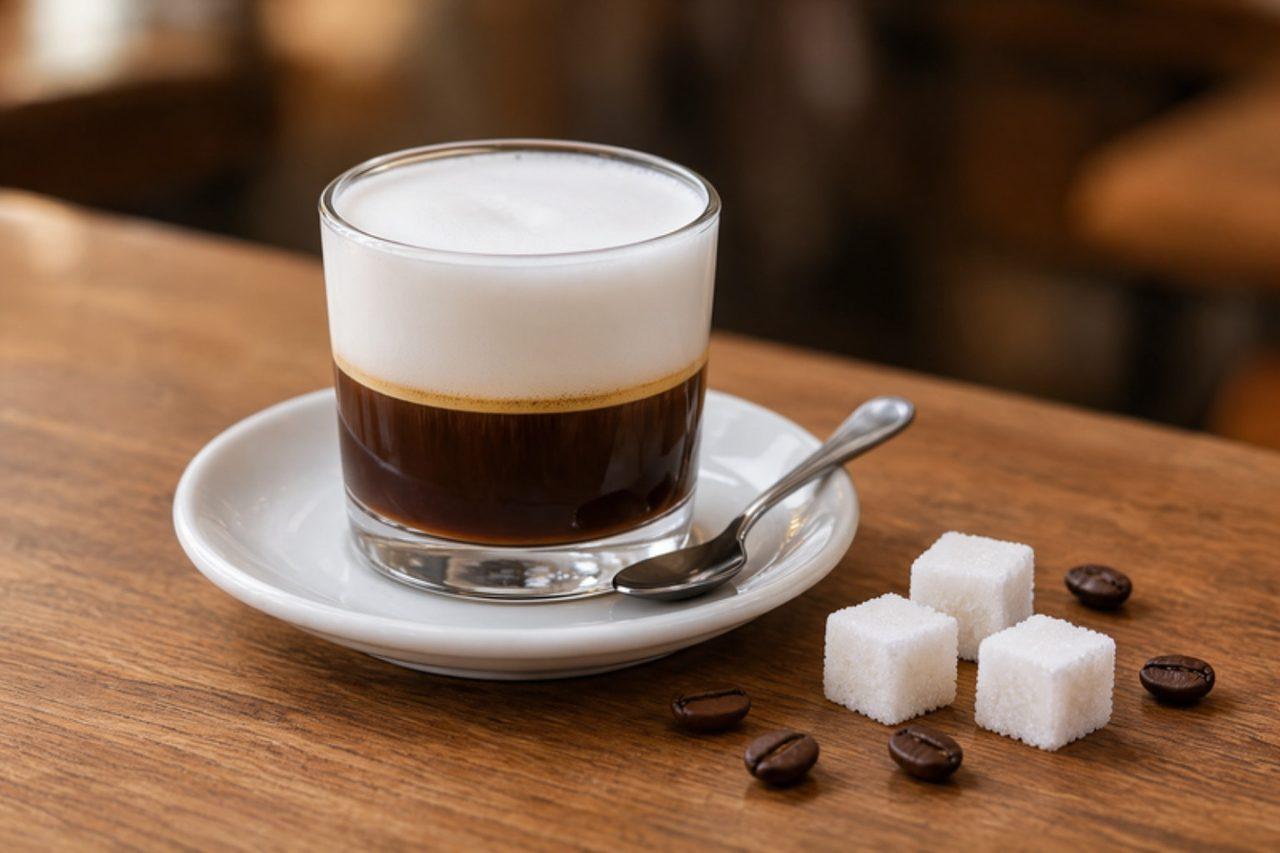
CortaditoEspresso with steamed milk

Havana runs on small cups of coffee: a cafecito standing at a ventanita, a colada shared in tiny plastic cups at work, and in the afternoon or with breakfast, a cortadito, which is Cuban coffee cut (cortado) with roughly as much hot milk. The coffee is brewed in a stovetop cafetera, and the first dark drops are whipped hard with sugar into a pale, thick espumita that floats on top of the cup. The result is rich, very sweet and caramel-like, with a velvety milk body and a strong, bitter edge underneath. It is high in caffeine, so it is not one for children. The common mistake is adding sugar to the pot or stirring it in at the end; without the espumita you get a thin, flat drink. Beat the first concentrated coffee with the sugar until it turns light tan and holds soft folds, then pour in the rest. It is ready when a pale foam floats on the cup and the milk has been heated until steaming, with small bubbles around the edge but not boiling. Chef's tip: catch only the first 2–3 teaspoons of coffee for the foam; later coffee is too thin to whip.

by KrazyBadal 0 views

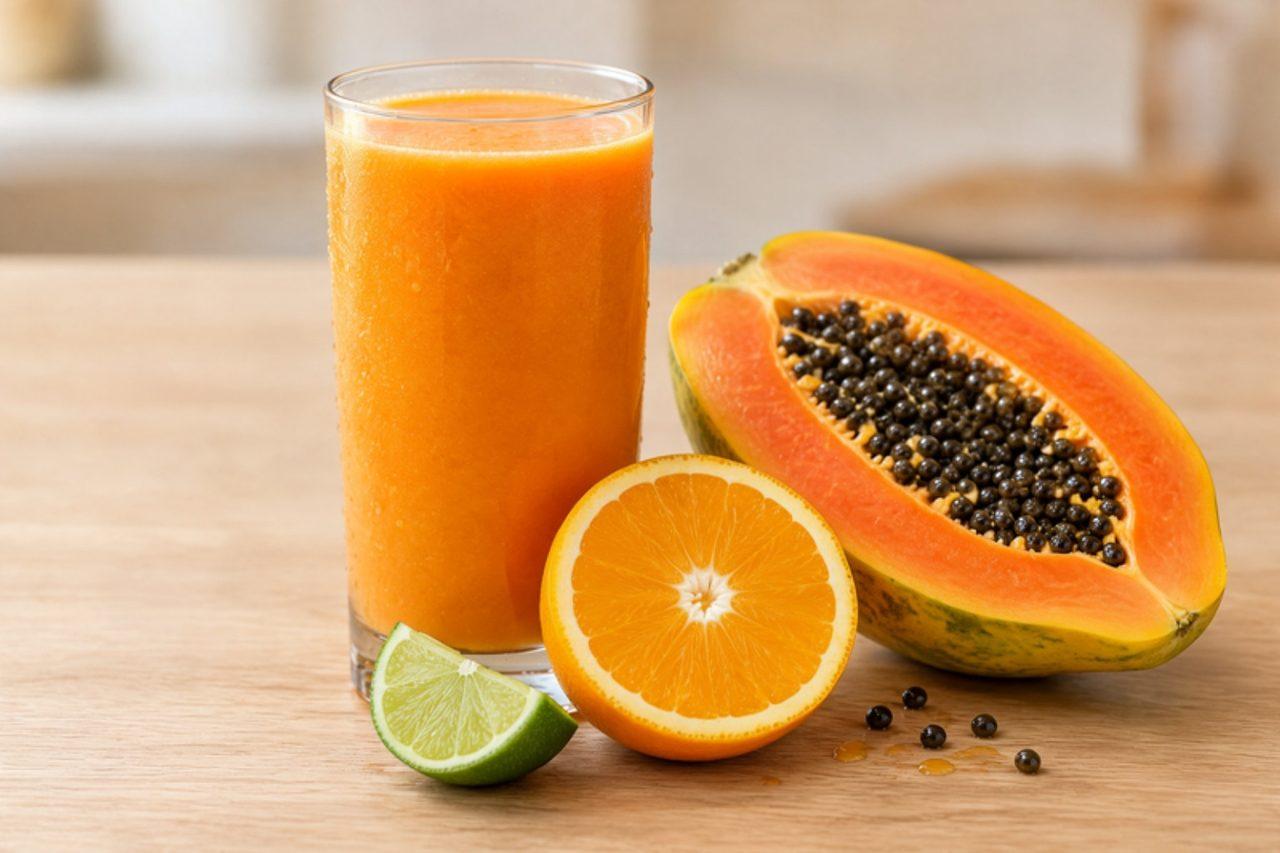
Batido de lechosaPapaya and orange shake

Lechosa is what Venezuelans call papaya, and on breakfast tables from Valencia to Puerto La Cruz it turns up as a batido beside arepas or empanadas, often blended with the oranges that are piled cheap in every market. It is thick, smooth and sunset-orange, tasting of honeyed papaya and bright citrus, and it fills you up until lunch. Some families blend it with milk instead of juice, which turns it into a creamy merengada. The common mistake with milk is letting it stand: papaya's natural enzyme starts to turn milk bitter within half an hour, so drink it straight away. Another mistake is scraping the seed cavity too hard; the black seeds and their slippery coating make the batido bitter and peppery. It is ready when there are no fibres left, it pours in a thick stream and the colour is an even orange. Choose papaya that is mostly yellow-orange and gives slightly under your thumb; a green-streaked one tastes flat and a little musky. Chef's tip: a few drops of lime juice cut through papaya's musky note and make it taste fresher.

by KrazyBadal 0 views

EinspännerBlack coffee with whipped cream

The Einspänner is named after the one-horse carriages of old Vienna: coachmen waiting outside in winter supposedly liked their coffee under a lid of cream that kept it hot and stopped it slopping. Today it is served in a handled glass at classic coffee houses, a strong black mocha (a double espresso or Großer Brauner without milk) topped with a thick layer of cold, lightly sweetened whipped cream and a pinch of icing sugar. You do not stir it: you sip the hot, bitter coffee through the cold, sweet cream, so each mouthful is two temperatures and two textures. It is an afternoon or late-morning coffee, often with a slice of Sachertorte. The common mistake is runny cream that sinks and turns the drink into a milky latte; whip it until it just holds a peak and spoon it on gently so it floats. It is ready when the cream stands at least 2 cm above the coffee and slowly sinks at the edges. It is strong: a double shot of caffeine in one glass. Chef's tip: pour the coffee in first and wait ten seconds before adding the cream, so the crema settles and helps support the cap.

by KrazyBadal 0 views

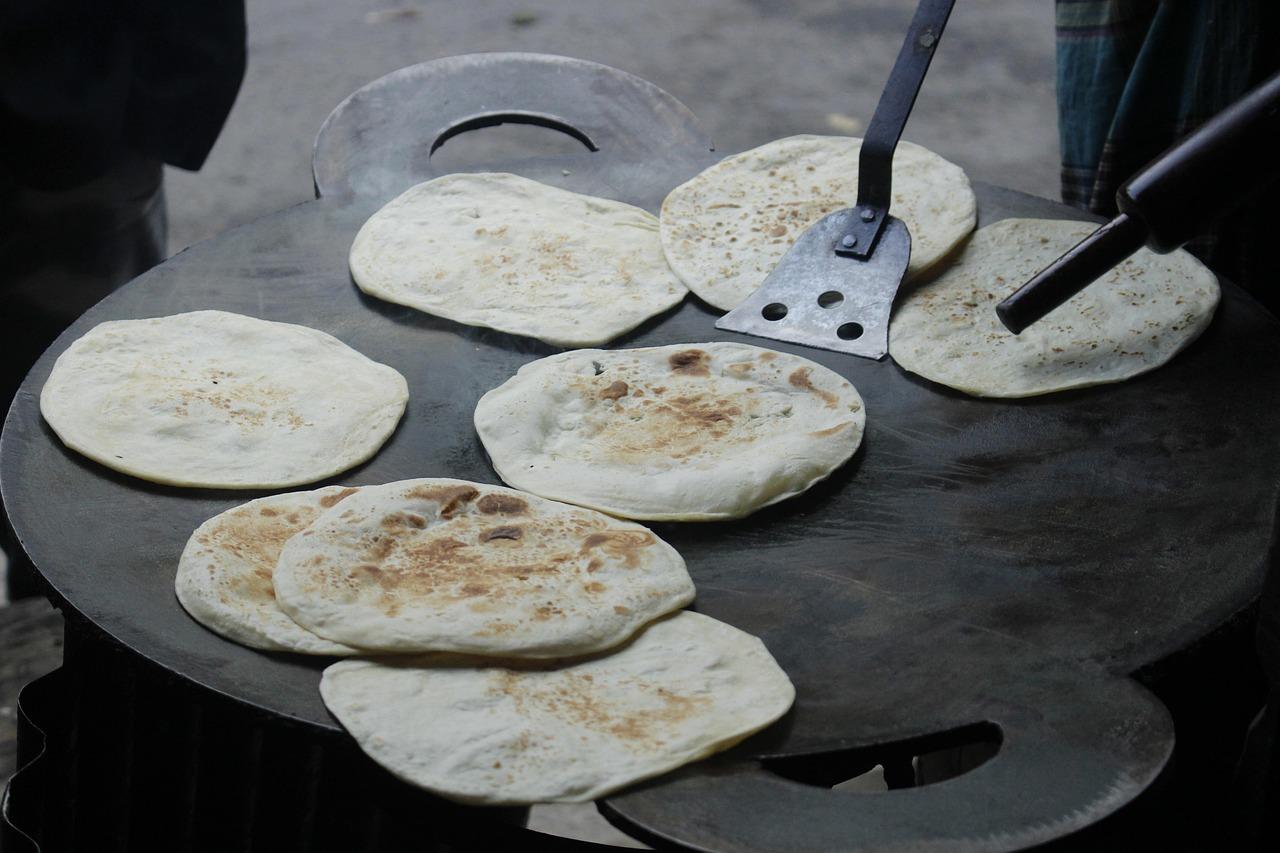
TitiyasCoconut milk flatbread

Titiyas are the soft, slightly sweet flatbreads of Guam and the Marianas, cooked on a griddle and eaten warm at breakfast, with fiesta food or rolled round a piece of grilled meat. Flour titiyas are made with coconut milk, which keeps them tender and gives a faint coconut taste; there is also a corn version (titiyas mai'es). A common mistake is rolling them too thick; 5 mm cooks through without burning. Chef's tip: cook on a dry, medium-hot pan and wrap each one in a towel as it comes off so they stay soft.

by KrazyBadal 0 views

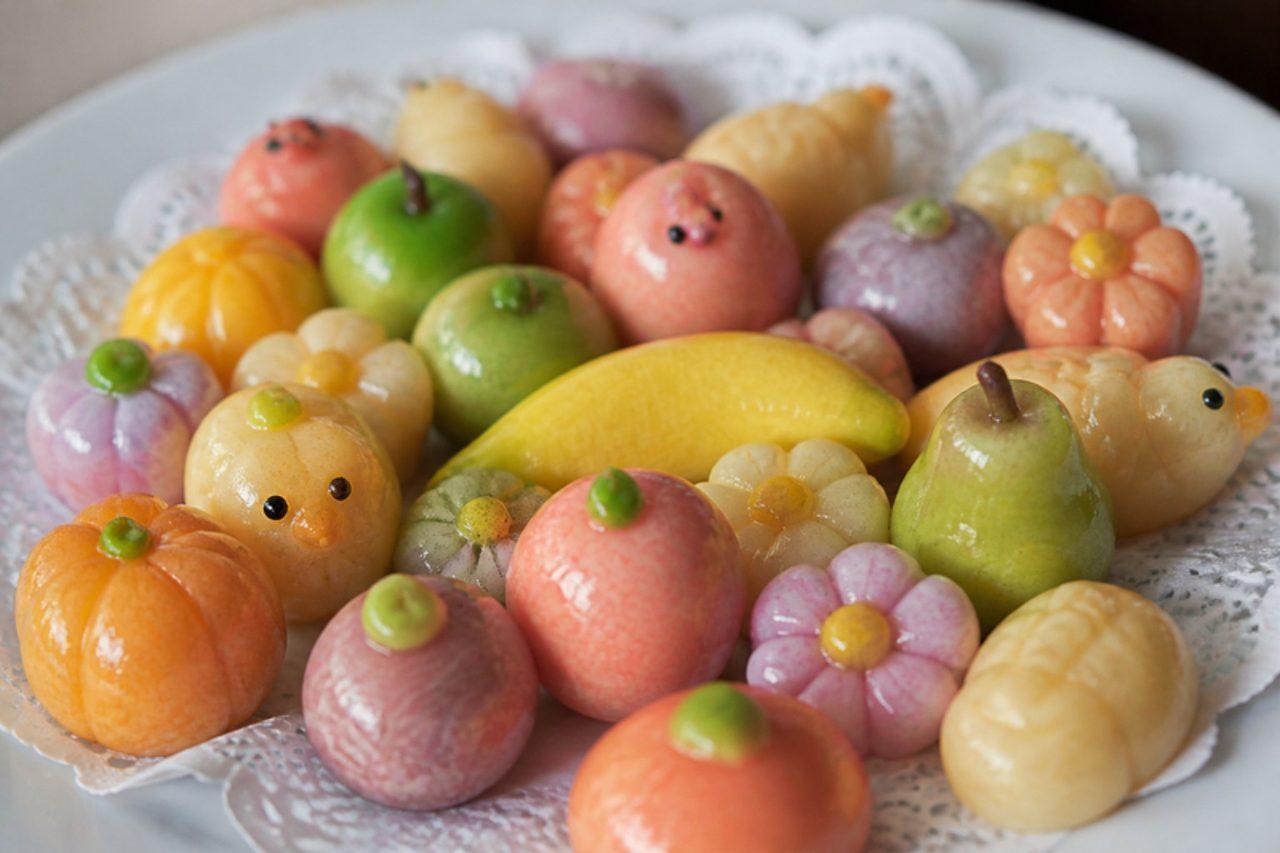
Dulces abrillantadosGlazed milk fudge figures

Walk through the old centre of Mérida and you'll pass windows full of tiny shiny sweets shaped like fruit, flowers and animals: dulces abrillantados, made from milk and sugar cooked down to a fudge, hand-moulded and dipped in syrup that dries to a glassy crust. Families buy boxes to take home from the Andes. They need patience: the shaping is fun, but the milk must be cooked until it truly pulls away from the pan. The common mistake is stopping too early, so the figures flatten. Chef's tip: dust your hands with icing sugar while shaping, and dry the figures overnight before glazing.

by KrazyBadal 0 views

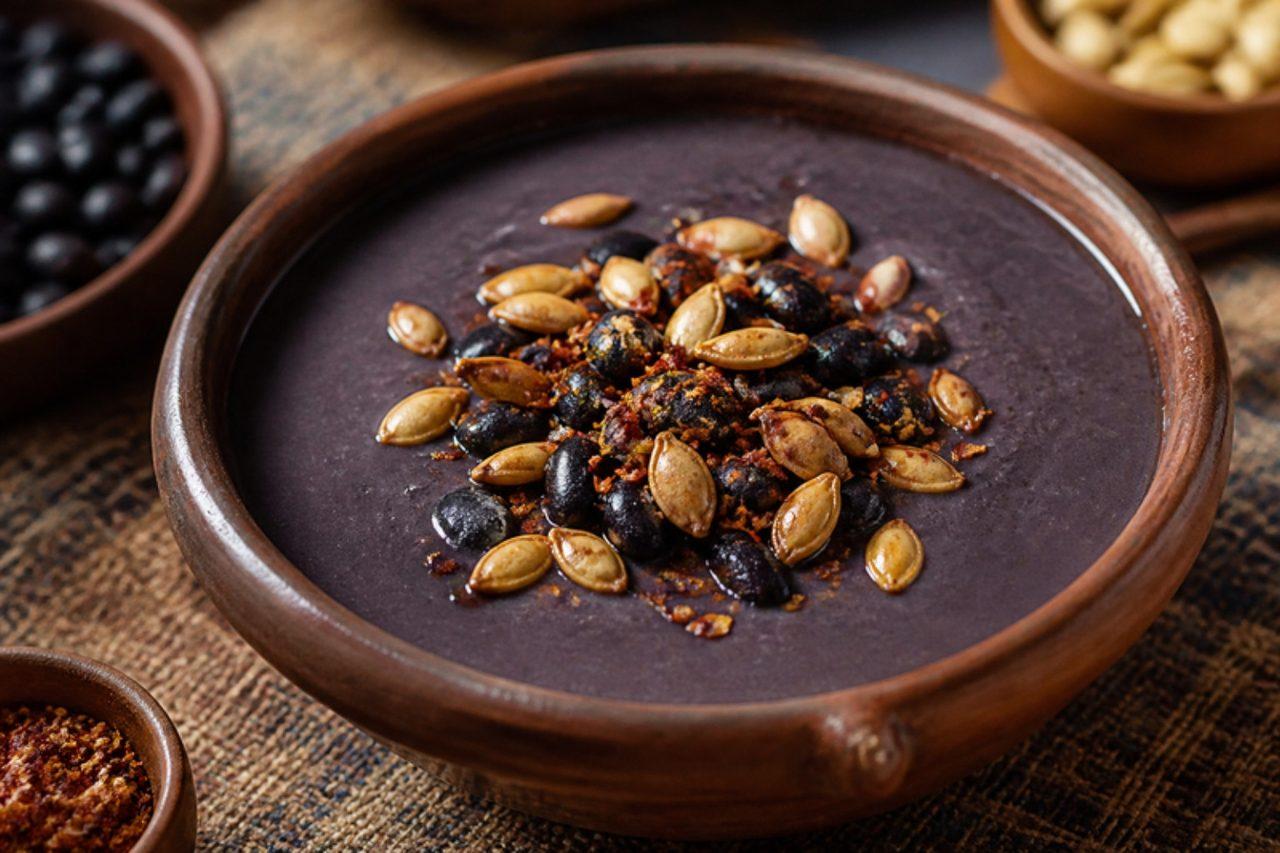
Atol shucoSour black corn drink

In San Salvador's Plaza Libertad and outside churches on cool mornings, atol shuco is ladled from steaming clay pots into gourd bowls. Shuco means 'dirty', for its dusky purple-grey colour: it is made from fermented black corn, so it tastes slightly sour and earthy, topped with ground toasted pumpkin seeds, a few whole black beans and a pinch of chilli salt. It is savoury and filling rather than sweet. The usual mistake is leaving the masa to ferment too long in a hot kitchen; check it after a day and use it as soon as it smells pleasantly tangy. Throw it away if you see mould or it smells unpleasant. Chef's tip: if you can't wait for fermentation, a squeeze of lime at the end gives a similar tang.

by KrazyBadal 0 views

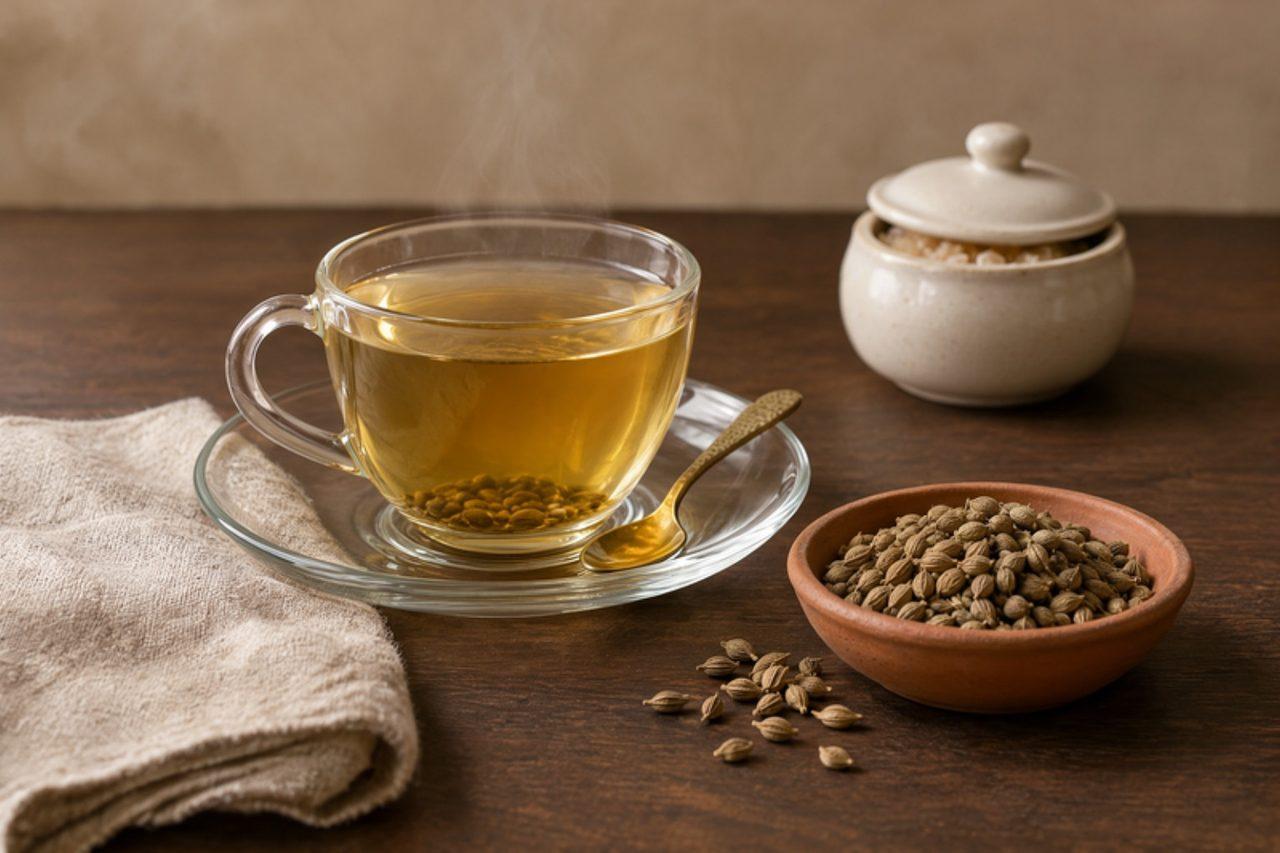
Yansoon (anise tea)

Every Cairo ahwa has yansoon on its menu, chalked up next to tea and helba, and in Egyptian homes it is the drink of evenings, colds and upset stomachs. It is made with green aniseed, often from Upper Egypt, simmered briefly and sweetened. People reach for it after a feast at Eid, during winter coughs, or simply at night because it is caffeine-free and traditionally drunk to calm and help sleep. It is pale gold and sweet, with a soft liquorice scent and a slightly peppery warmth at the end. Many Egyptian mothers give a weak version to infants, but herbal teas are not suitable for babies under six months; ask your doctor first. The common mistake is boiling the seeds for too long, which makes the tea cloudy and bitter: crush them lightly, boil for only a few minutes, then let them steep off the heat. Also do not swap in star anise, a different plant with a harsher taste. It is ready when the liquid is light golden and smells strongly of anise when you lift the lid. Chef's tip: a thin slice of lemon or a few drops of lemon juice brightens the cup without hiding the anise.

by KrazyBadal 0 views

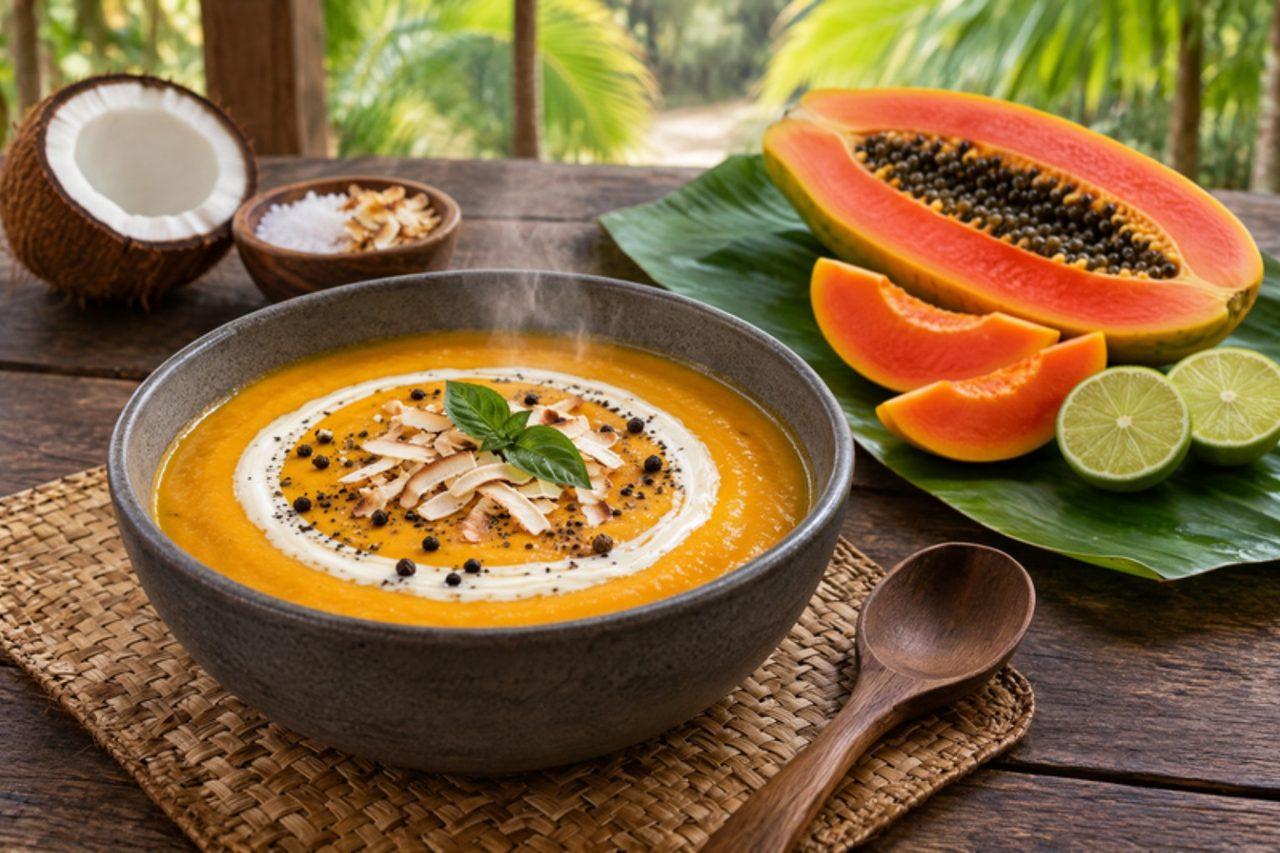
Supo esiPapaya and coconut cream soup

In Samoan villages a big pot of supo esi is a Sunday and everyday breakfast: ripe papaya simmered soft, thickened with tapioca or arrowroot, and enriched with fresh coconut cream (pe'epe'e), served warm with buttered bread or panikeke. It is sweet, silky and tropical, like a warm fruit pudding you drink. The common mistake is boiling it after the coconut cream goes in, which splits the cream into an oily film; add it at the end and only warm through. Chef's tip: a squeeze of lime at the end wakes up the papaya and stops it tasting flat.

by KrazyBadal 0 views

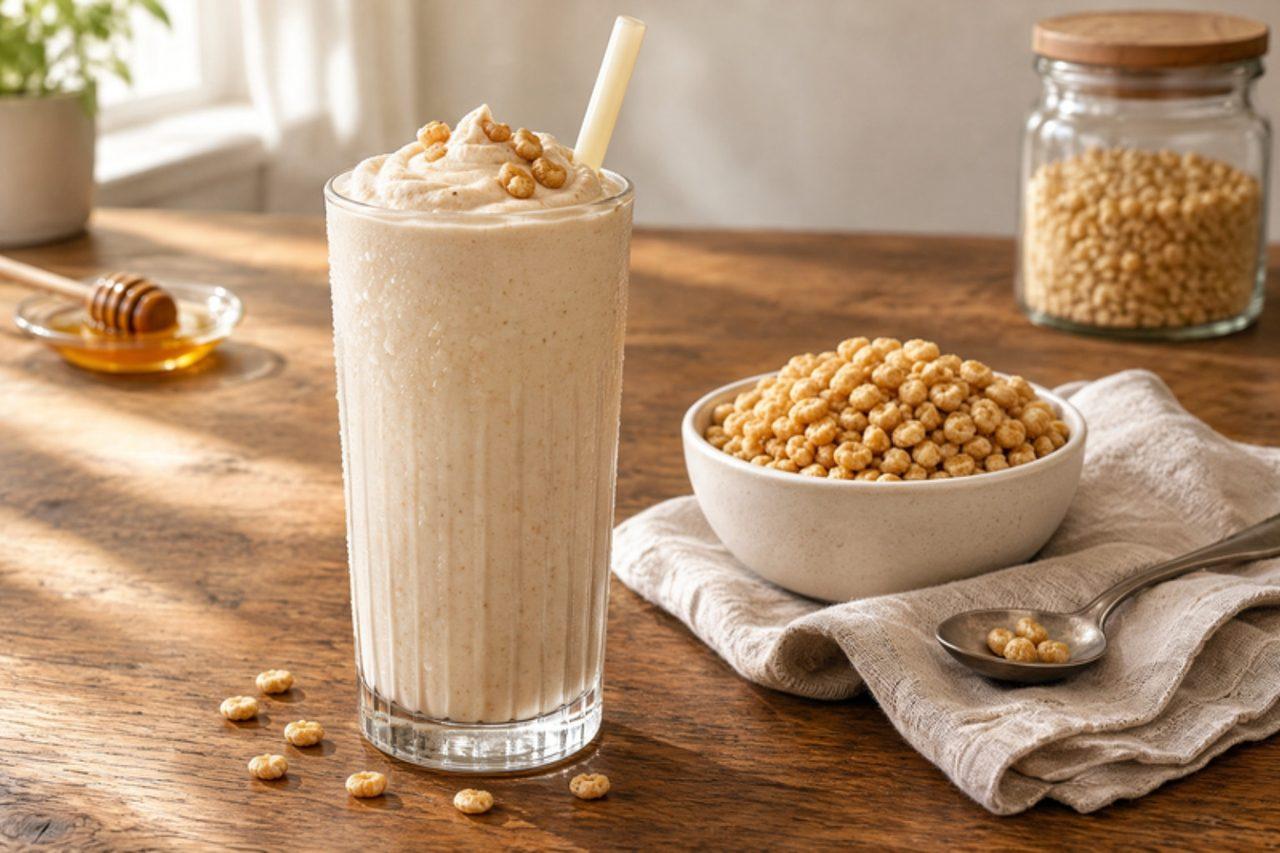
Batido de trigoPuffed wheat shake

Havana cafeterías and Miami ventanitas blend this for breakfast on the run: puffed wheat, cold milk, sugar and ice whizzed into a thick, frothy shake that tastes like a malted milk with toasted cereal. It is one of the most loved Cuban batidos, and quick to make at home. The common mistake is using sweetened, honey-coated cereal, which makes it cloying; plain puffed wheat lets the toasty grain flavour come through. Chef's tip: blend the puffed wheat with half the milk first until completely smooth, then add the ice, so you don't get soggy flecks of cereal.

by KrazyBadal 0 views

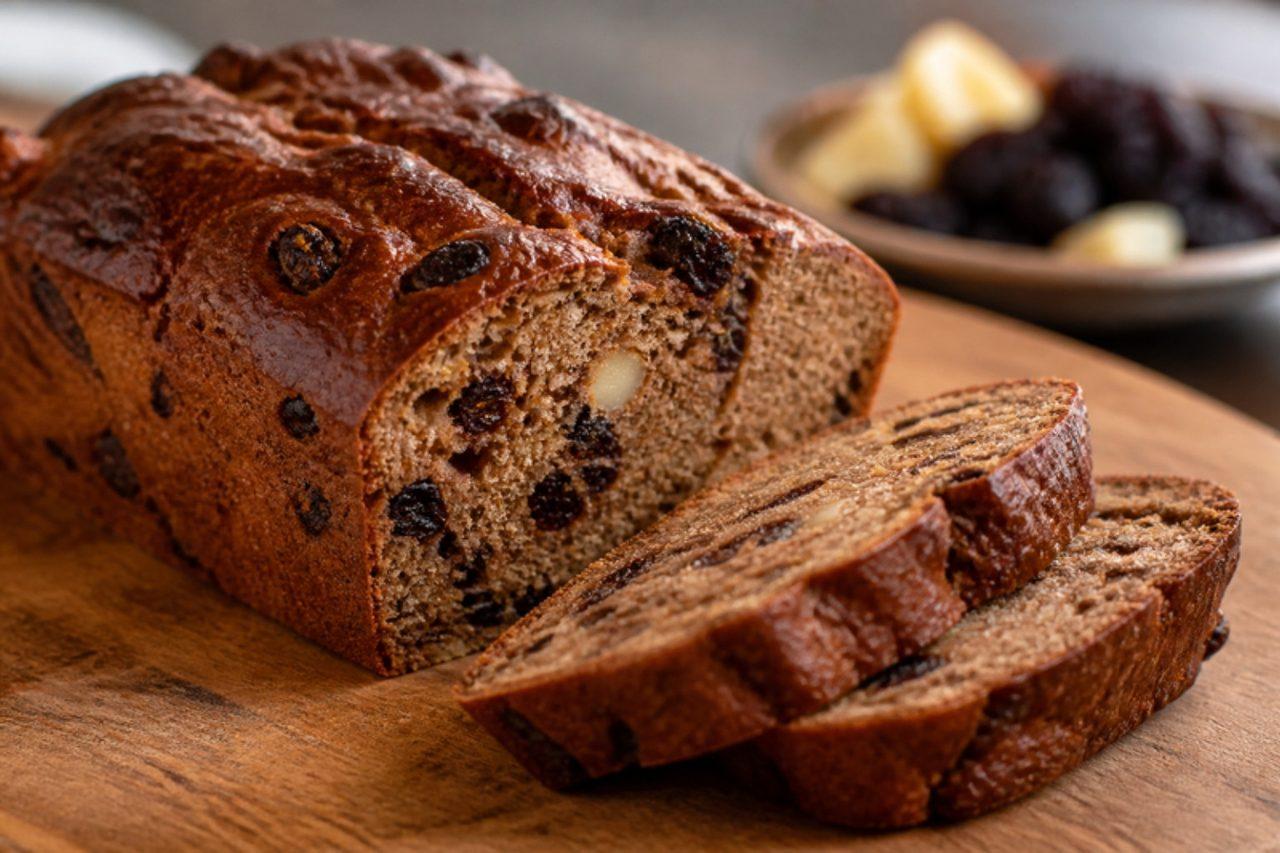
Pan bonDark spiced fruit and cheese bread

On Costa Rica's Caribbean coast, the Afro-Caribbean families of Limón and Cahuita bake pan bon for Easter, Christmas and any big gathering, a recipe brought by Jamaican railway workers in the late 1800s. The loaf is dark and fragrant with molasses and burnt-sugar syrup, studded with raisins, candied peel and little cubes of salty cheese that melt into pockets. It is sliced thick and eaten with coffee. Dense, heavy loaves usually come from adding the fruit and cheese too early; knead them in only after the dough is smooth. Hard cheese is often made with animal rennet, so pick a vegetarian one if needed. Chef's tip: brush the warm loaf with the burnt-sugar syrup straight from the oven for its signature sticky, shining crust.

by KrazyBadal 0 views

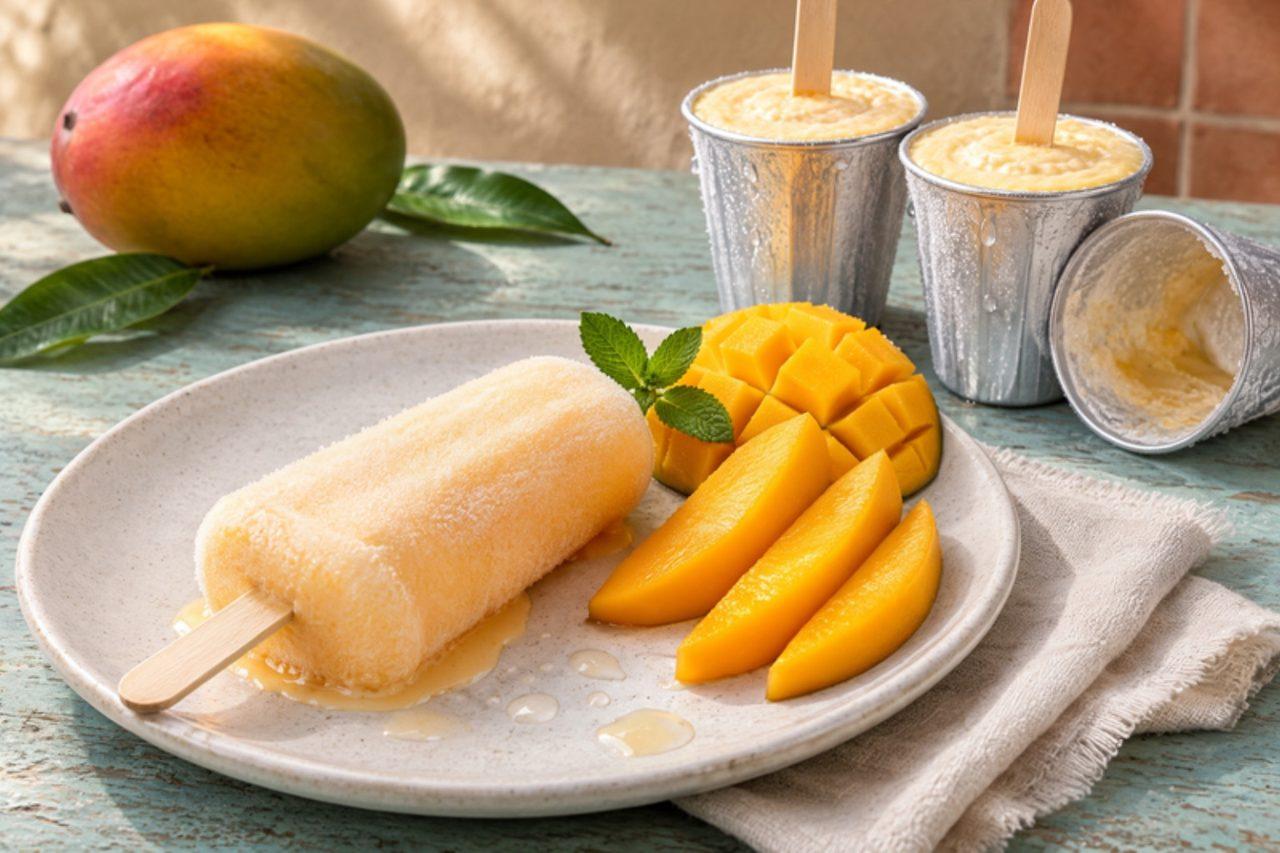
Durofrío de mangoFrozen mango milk pops

In the hot streets of Centro Habana, durofríos are sold straight from the front windows of family homes: a few pesos buys a frozen cup of fruit juice or fruit and milk, popped out and eaten on a stick or straight from its paper cup. Children queue for them after school in the long summer afternoons, when the sea breeze has dropped. This version blends ripe mango with milk and lime into a creamy, fruity ice that is firm, as the name says ("hard-cold"), rather than soft like ice cream. Swap the milk for water or guava juice for a dairy-free fruit ice. It contains milk. Chef's tip: make the mix taste a little too sweet before freezing; cold dulls sweetness.

by KrazyBadal 0 views

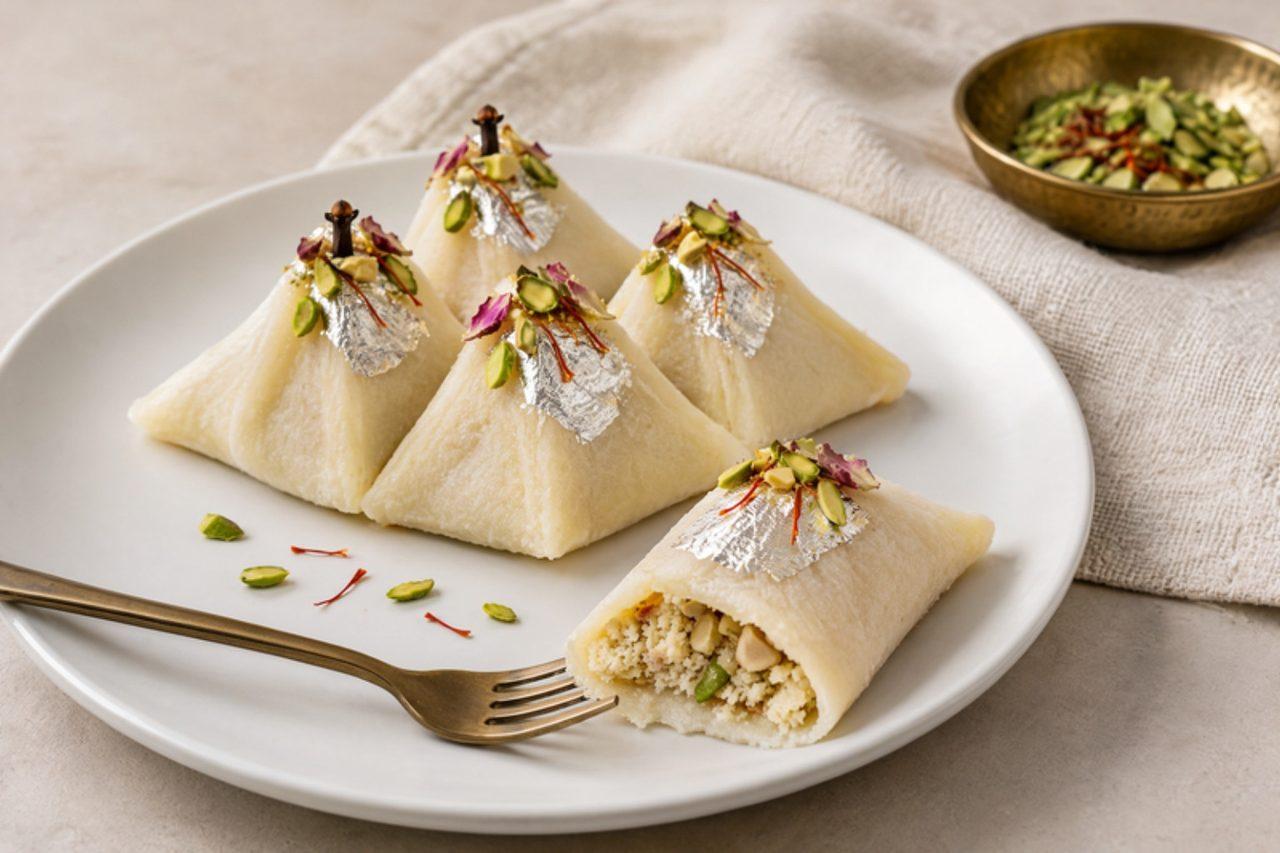
Malai giloriFolded milk cream sweets

Malai gilori is one of Lucknow's most delicate sweets, sold by the old sweet shops of the Chowk, where it is made from thick sheets of malai lifted from huge pans of slowly heated, cooled milk. Each square is folded into a triangle like a gilori of paan around a filling of khoya, sugar, cardamom and chopped nuts, sometimes finished with silver leaf. It melts in the mouth and is eaten at weddings, at Eid and on winter evenings. The home method needs a wide pan and a night in the fridge. If you use silver leaf, buy one certified vegetarian. Contains milk and tree nuts. Chef's tip: once the milk has simmered, do not stir or even move the pan; the cream sheet needs to form undisturbed.

by KrazyBadal 0 views

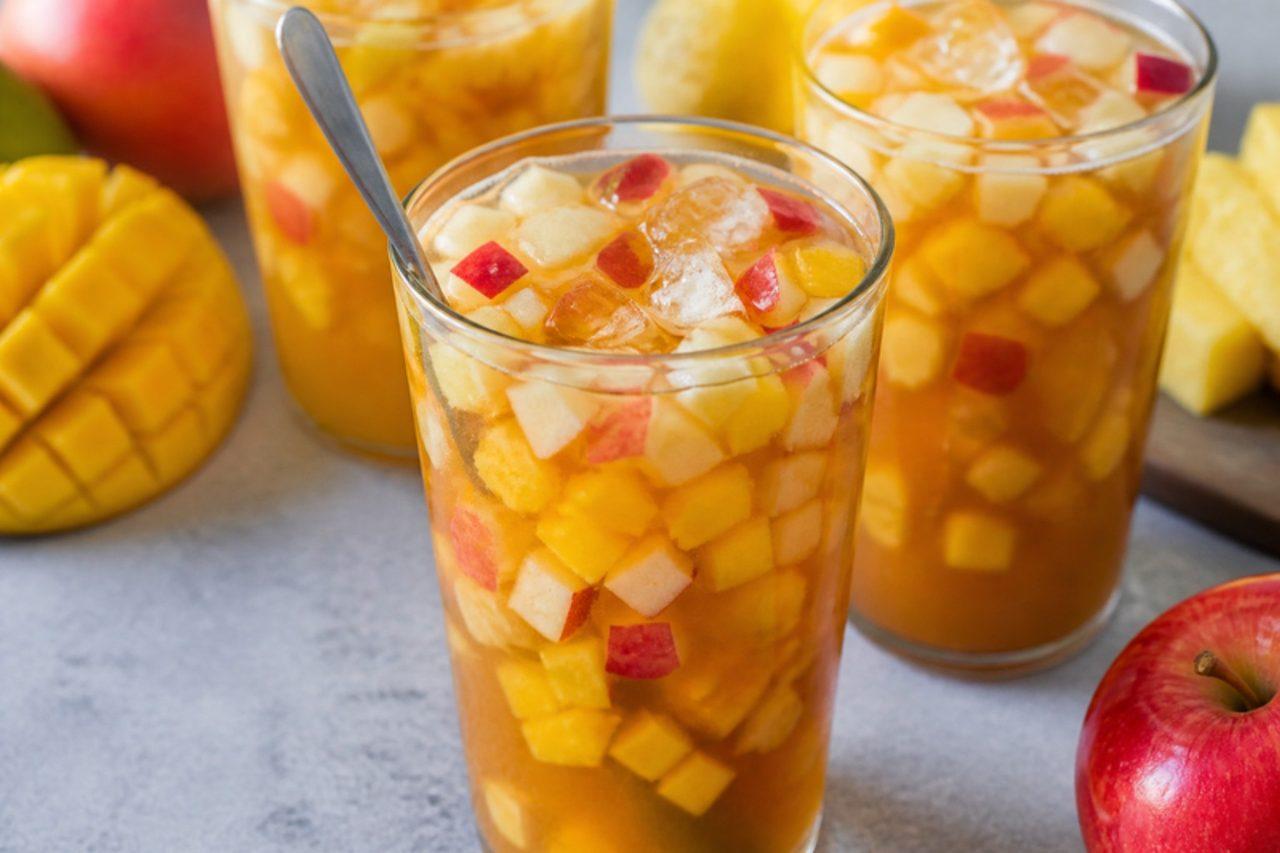
Ensalada salvadoreñaChopped fruit apple drink

Order an ensalada at a pupusería in El Salvador and a tall glass arrives: apple juice crowded with tiny cubes of apple, mango and marañón (cashew fruit), drunk through a straw and finished with a spoon. It is the country's favourite cooler for hot afternoons and Sunday lunches. Outside Central America cashew fruit is rare, so pineapple stands in well. Cutting the fruit too big is the mistake people make; pieces should be small enough to come up a wide straw. Chef's tip: chop the apple last and drop it straight into the juice so it stays white.

by KrazyBadal 0 views

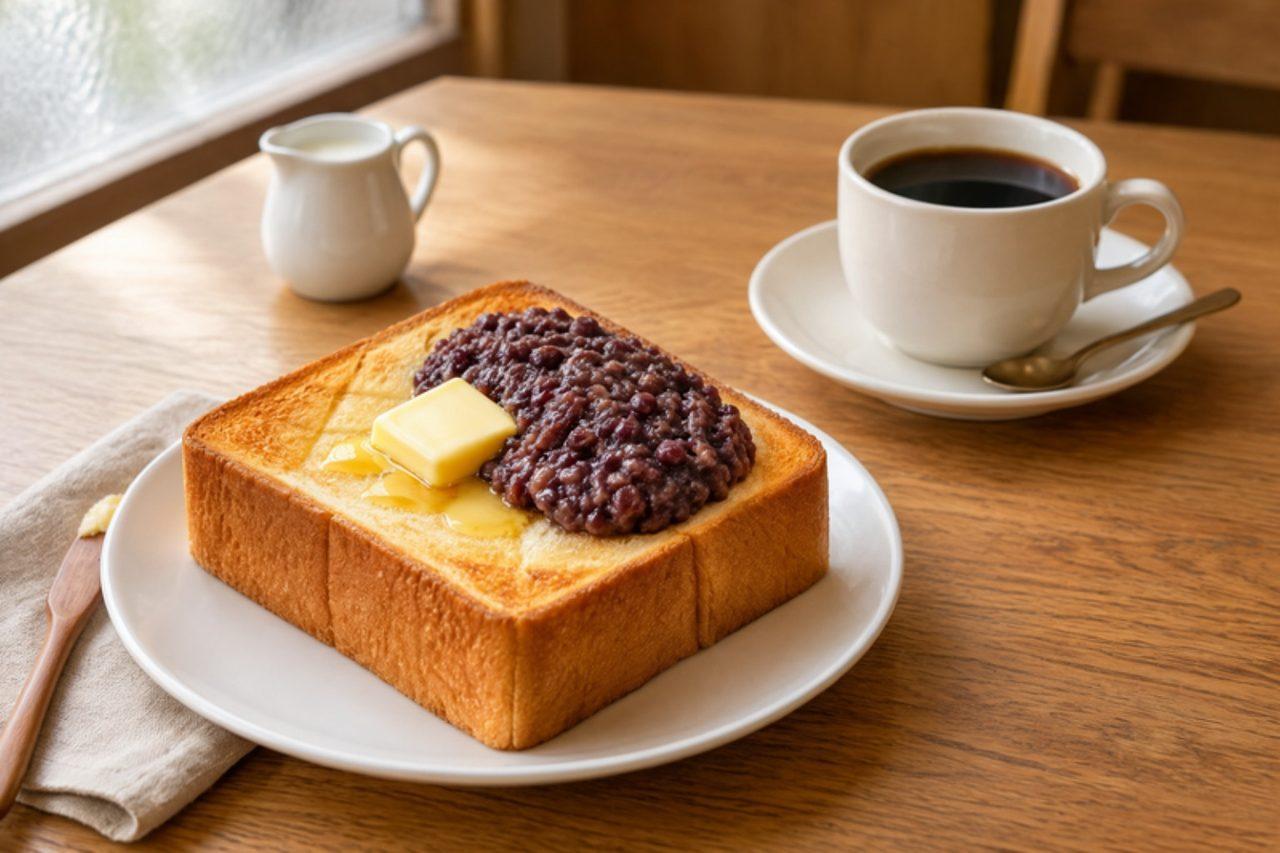
Ogura toastToast with sweet red bean

Walk into a kissaten coffee shop in Nagoya before 11 am, order a coffee, and the "morning service" brings a thick slab of toast spread with butter and a mound of ogura-an, coarse sweet azuki bean paste. The hot, salty butter melting into the cool, grainy beans is the whole point. The common mistake is thin sandwich bread: it goes limp under the paste, so use a 3–4 cm slice of shokupan or soft white bloomer. Chef's tip: butter the toast the second it comes out, then spread the bean paste only on half of each slice so every bite gets a different balance of salt and sweet.

by KrazyBadal 0 views

Malai cha (cream tea)

In Bogura, the town famous for its sweet doi, and in the lanes of Old Dhaka around Nazira Bazar, tea stalls keep a wide karai of milk barely simmering all evening. Layers of skin build up on top; the tea-maker lifts them off as malai and lays a thick spoonful on every cup of strong, sweet milk tea, poured into small unglazed clay bhar that give the tea a faint earthy smell. People stand around after maghrib prayers or late at night, sipping through the cream and finally eating it with a finger. The tea is malty and syrupy-sweet; the malai is soft, rich and slightly caramelised. The usual mistake is boiling the milk hard: a rolling boil breaks the skin into flakes and you never get a thick sheet. Keep it at a lazy shiver and lift the skin every 5 minutes. The tea is ready when it is the colour of milky caramel and coats the back of a spoon; the malai is ready when it lifts off as a wrinkled, leathery sheet. Strong CTC tea makes this fairly caffeinated. Chef's tip: soak clay cups in water for ten minutes first, so they don't drink up the tea or smell dusty.

by KrazyBadal 0 views

Num akorSteamed palm sugar rice cakes

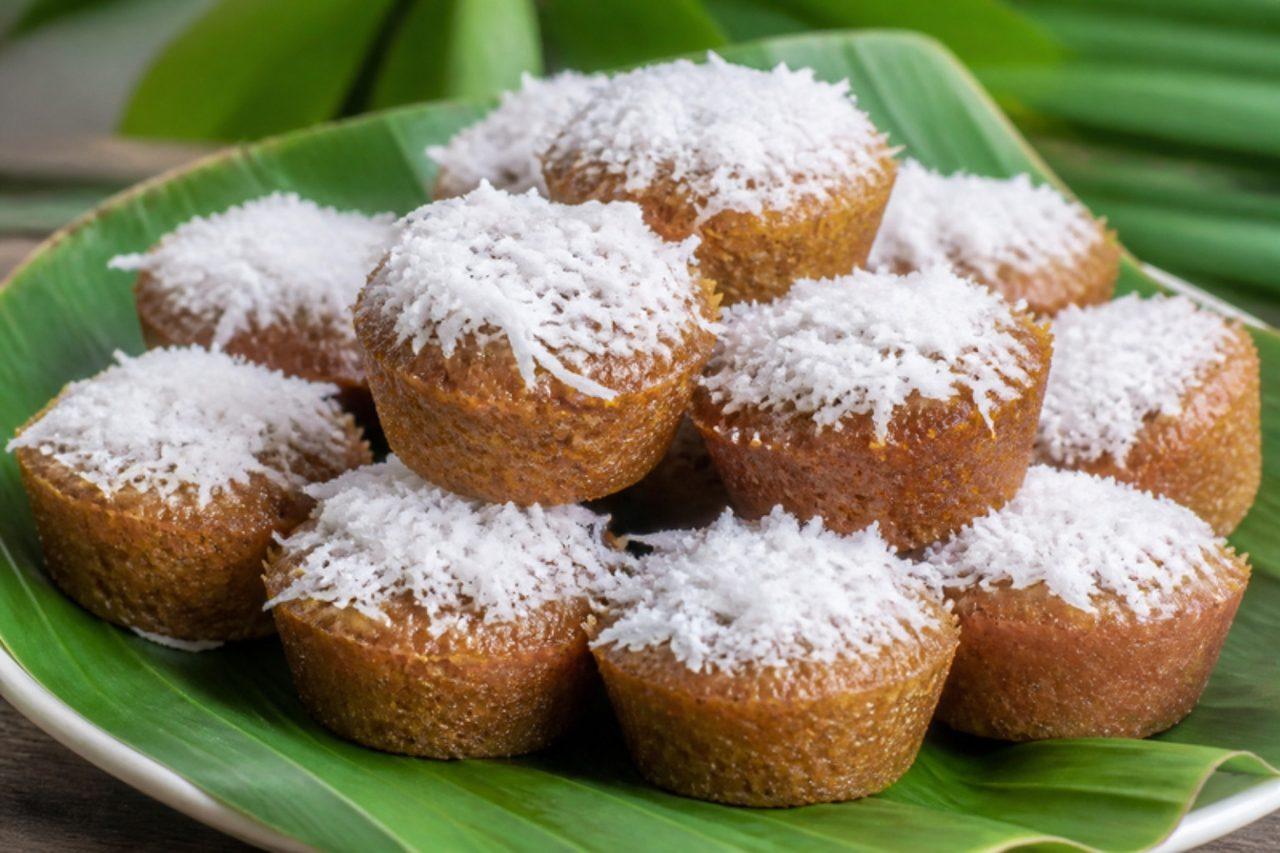
Tiny, springy and the colour of light caramel, num akor are sold from bamboo trays at Cambodian markets in the early morning and appear on the sweets table at weddings and pagoda ceremonies. A rice-flour batter sweetened with palm sugar is left to bubble with yeast, then steamed in small cups so it rises into a soft, airy dome with a faint fermented tang. A spoonful of salted grated coconut on top balances the sweetness. People tend to overfill the cups or lift the steamer lid early, and both give flat, dense cakes with a sunken top. Chef's tip: stir the risen batter just once before pouring, fill each cup only three-quarters, and wrap the steamer lid in a tea towel so drips can't pock the surface.

by KrazyBadal 0 views

Lauki ka halwaBottle gourd halwa

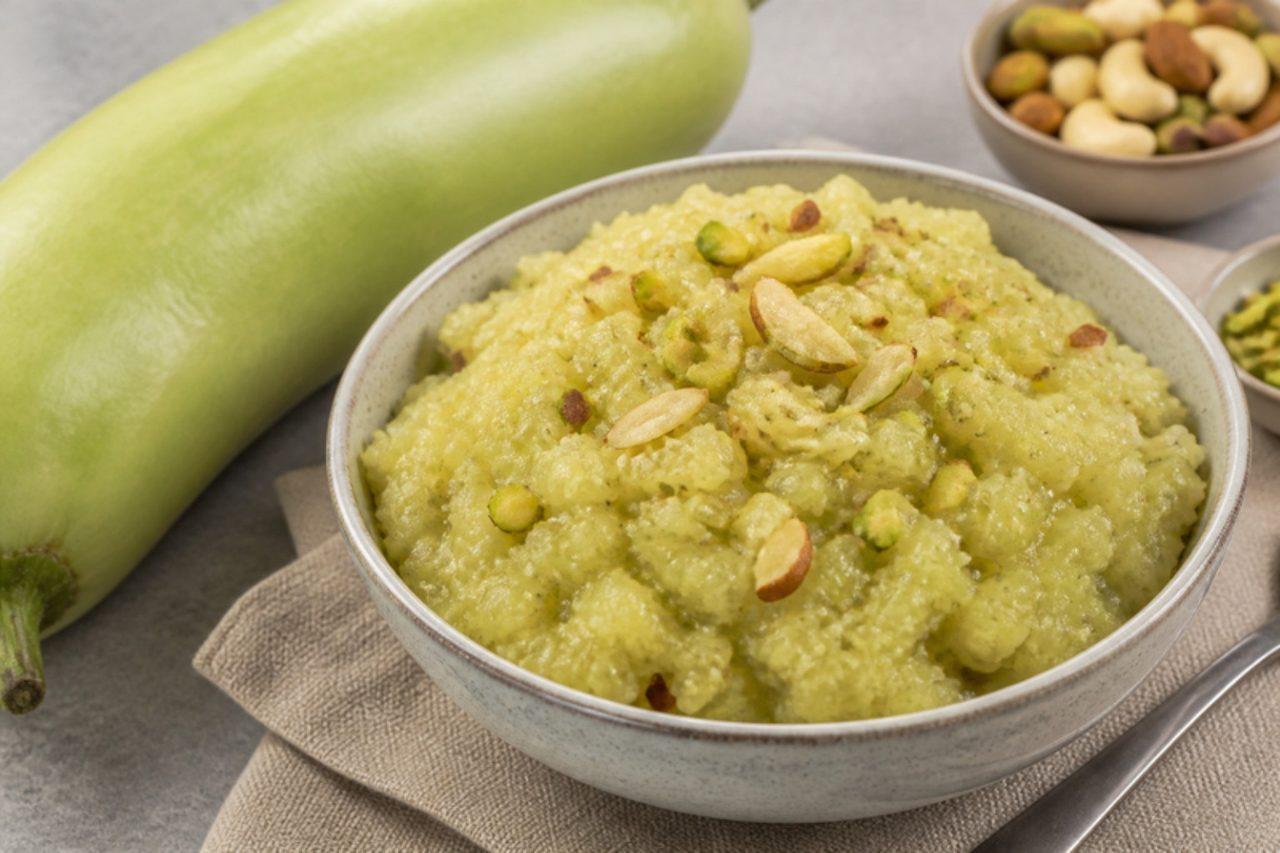
Pale jade-green and soft, with tiny strands of gourd suspended in a creamy, cardamom-scented reduction, lauki ka halwa is what many Pakistani households make in summer, when the vines are heavy and bottle gourd is the cheapest thing in the sabzi mandi. It is lighter than carrot or dal halwa, gently sweet, and tastes of milk and ghee more than vegetable; families in Hyderabad, Karachi and Faisalabad serve it chilled on hot evenings or warm after a meal, and it is a favourite sweet for Ramadan iftar tables. The usual let-down is not squeezing out the gourd's water before cooking, which dilutes the milk and leaves the halwa thin and bland. Chef's tip: use a young, tender lauki with soft seeds, cook the grated gourd in ghee first until it softens, then add the milk, and stop when the halwa is moist and creamy, not dry, as it firms up as it cools.

by KrazyBadal 0 views

RewriSesame-coated sugar sweets

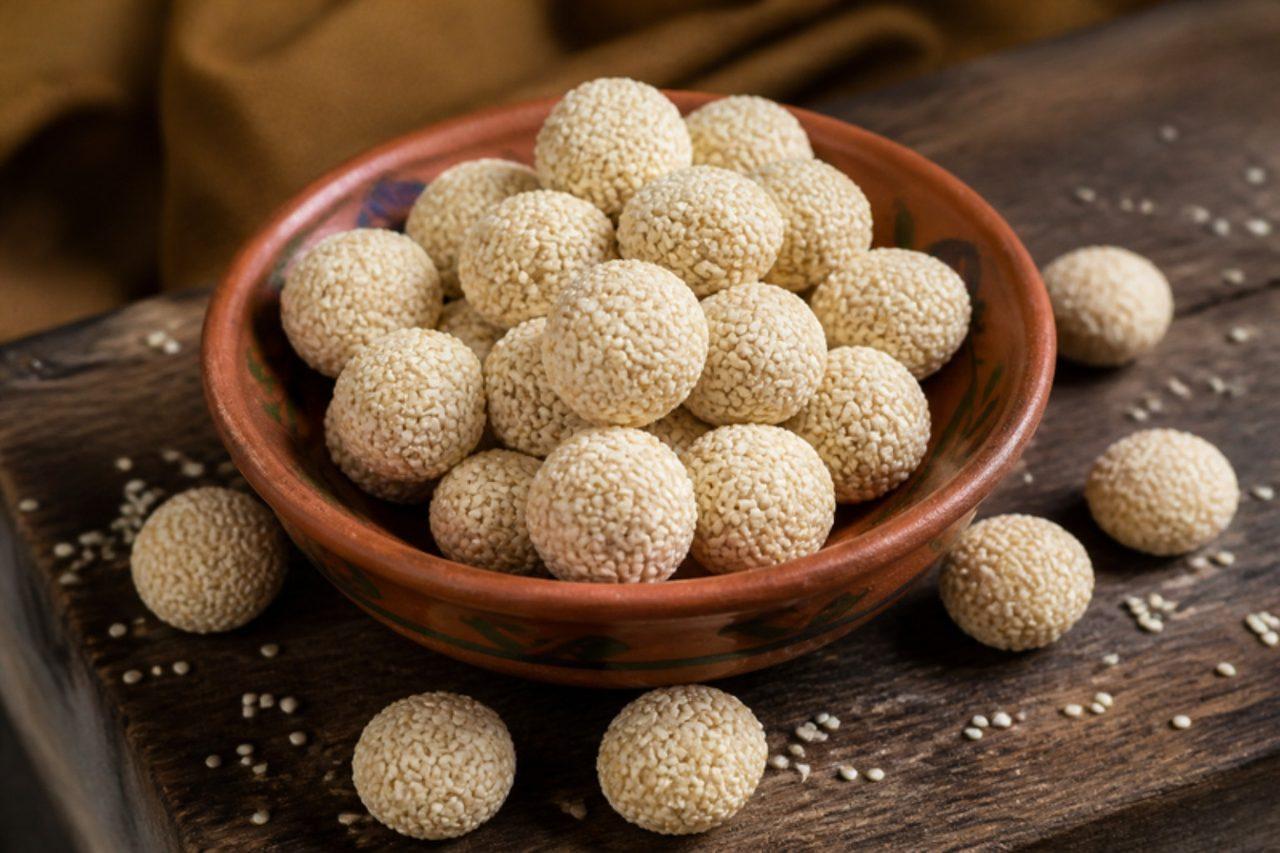
Children in Lahore grow up buying rewri by the paper cone from the old shops in Rang Mahal and from the carts at the Basant and Mela Chiraghan fairs, little white coins of hard candy crusted with toasted sesame that crack between the teeth and then melt slowly. The sugar is boiled to hard crack, pulled on a greased hook or with oiled hands until it turns opaque and white, flavoured with kewra, then cut into tiny pieces and rolled in sesame. It is a winter sweet, eaten with peanuts and gajak around the fire and handed out at shrines. The step that trips people up is pulling the sugar when it is either too hot to handle or already cooling into glass, so time it carefully and work fast. Chef's tip: wear clean, thick rubber gloves rubbed with ghee for pulling, and keep the candy near a warm oven door so it stays pliable while you cut. Take care: boiled sugar causes serious burns, so keep children away while it is hot.

by KrazyBadal 0 views

Num komSticky rice dough parcels

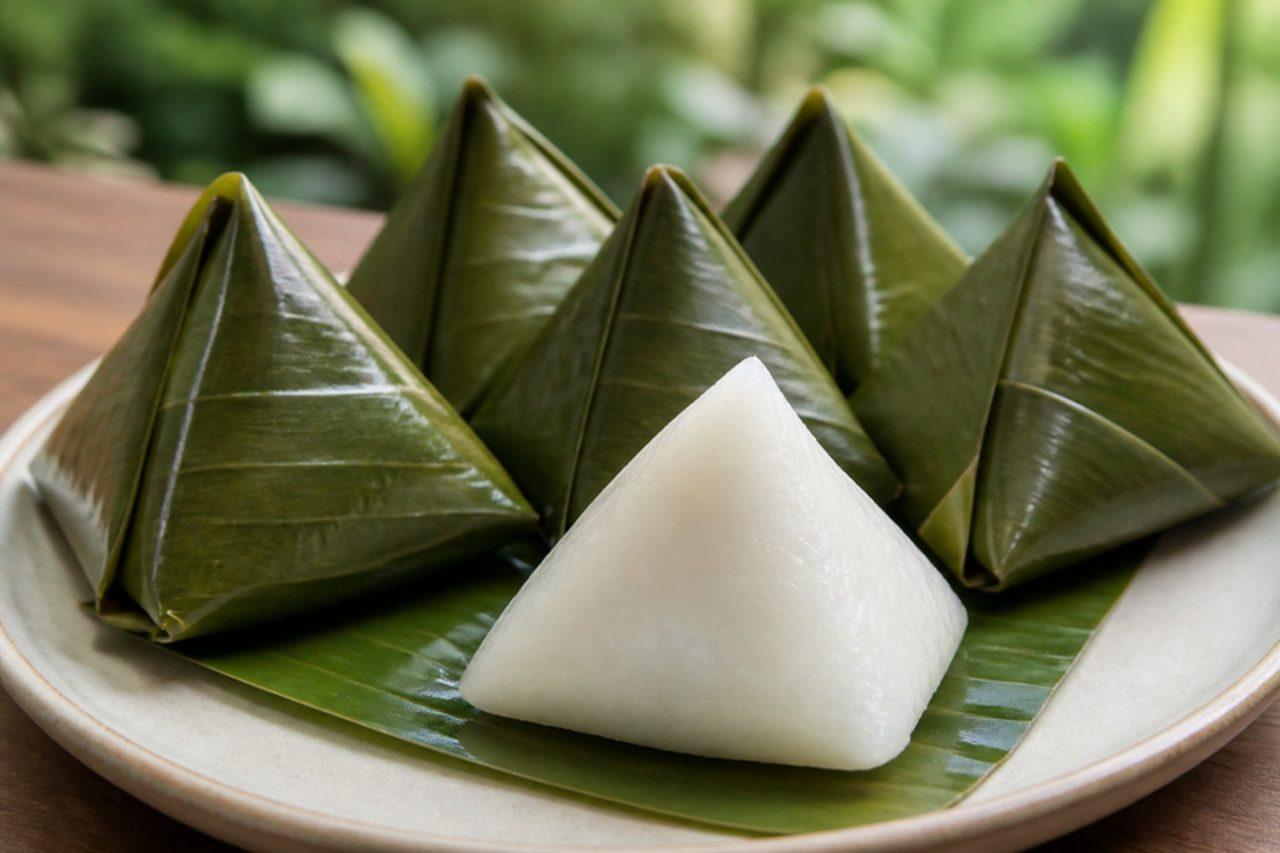
Neat little green pyramids tied in pairs are a sign of celebration in Cambodia: num kom are folded by the tray for Khmer New Year in April, for weddings and for offerings at the pagoda. Inside the banana-leaf wrapper is a thin, soft, chewy skin of glutinous rice dough around a sticky filling of grated coconut cooked with palm sugar and toasted sesame. The leaf leaves a gentle tea-like scent, and the cakes keep well for a day at room temperature, which makes them good for sharing. A brittle leaf is what trips people up: straight from the packet it splits along the veins as you fold, and the dough leaks out. Chef's tip: pass each leaf piece briefly over a gas flame or dip it in hot water until it turns glossy and pliable before you start folding.

by KrazyBadal 0 views

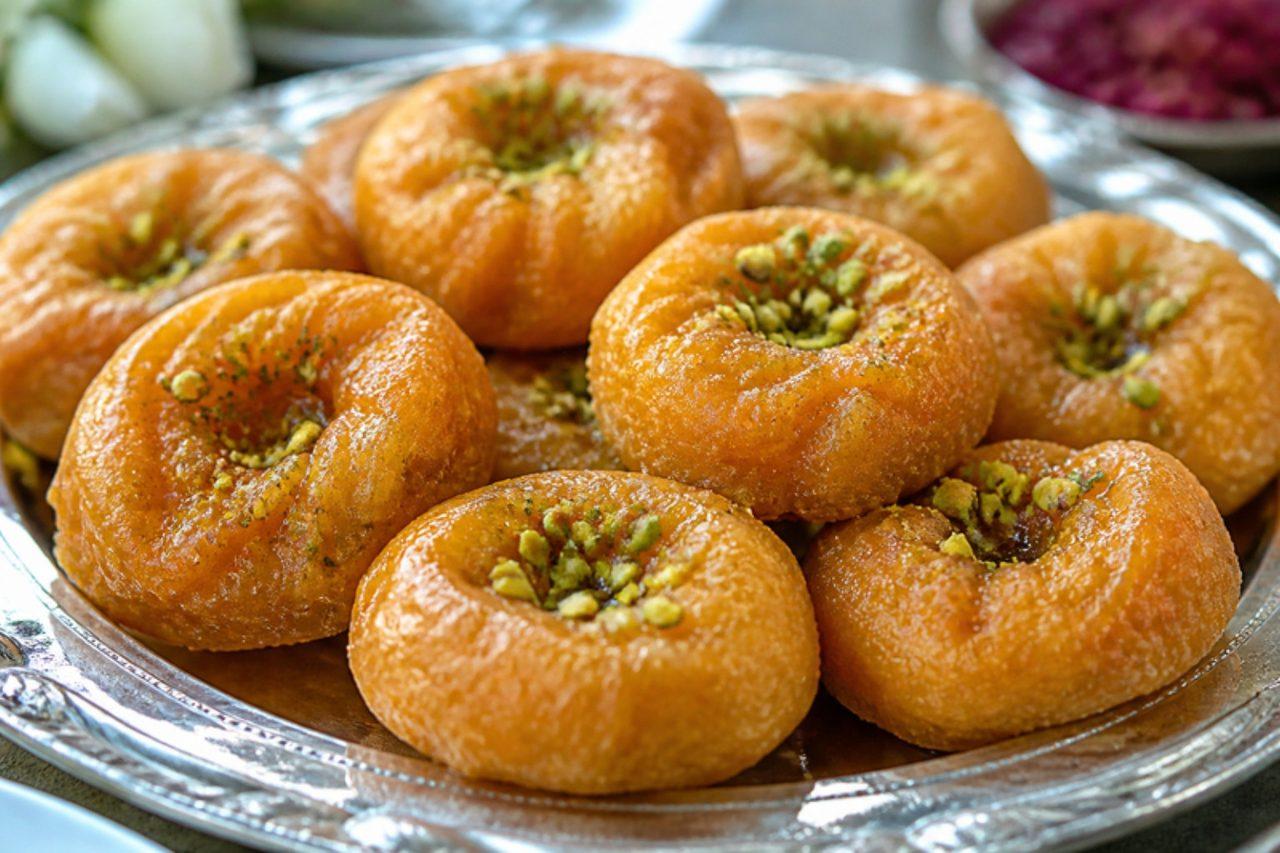
BalushahiFried pastry in cardamom syrup

Look in any mithai box carried to a Pakistani engagement or handed round when exam results come out, and balushahi will be there: a squat, doughnut-like round with a dimple in the centre, layered and flaky inside, glazed with a thin, crackly coat of syrup. It is made from a short dough of flour, ghee and yogurt that is barely kneaded, fried very slowly so it cooks through and turns crisp in tiny layers, then dipped in a thick cardamom syrup. Shops in Lahore's Walled City and in Rawalpindi's Raja Bazaar sell it by the kilo, and at home it is a sweet for Eid and winter tea. A common mistake is kneading the dough smooth like a chapati, which develops gluten and makes the balushahi hard instead of flaky. Chef's tip: fry them in ghee that is only just warm, so they float up slowly over several minutes; that slow start is what opens the layers.

by KrazyBadal 0 views

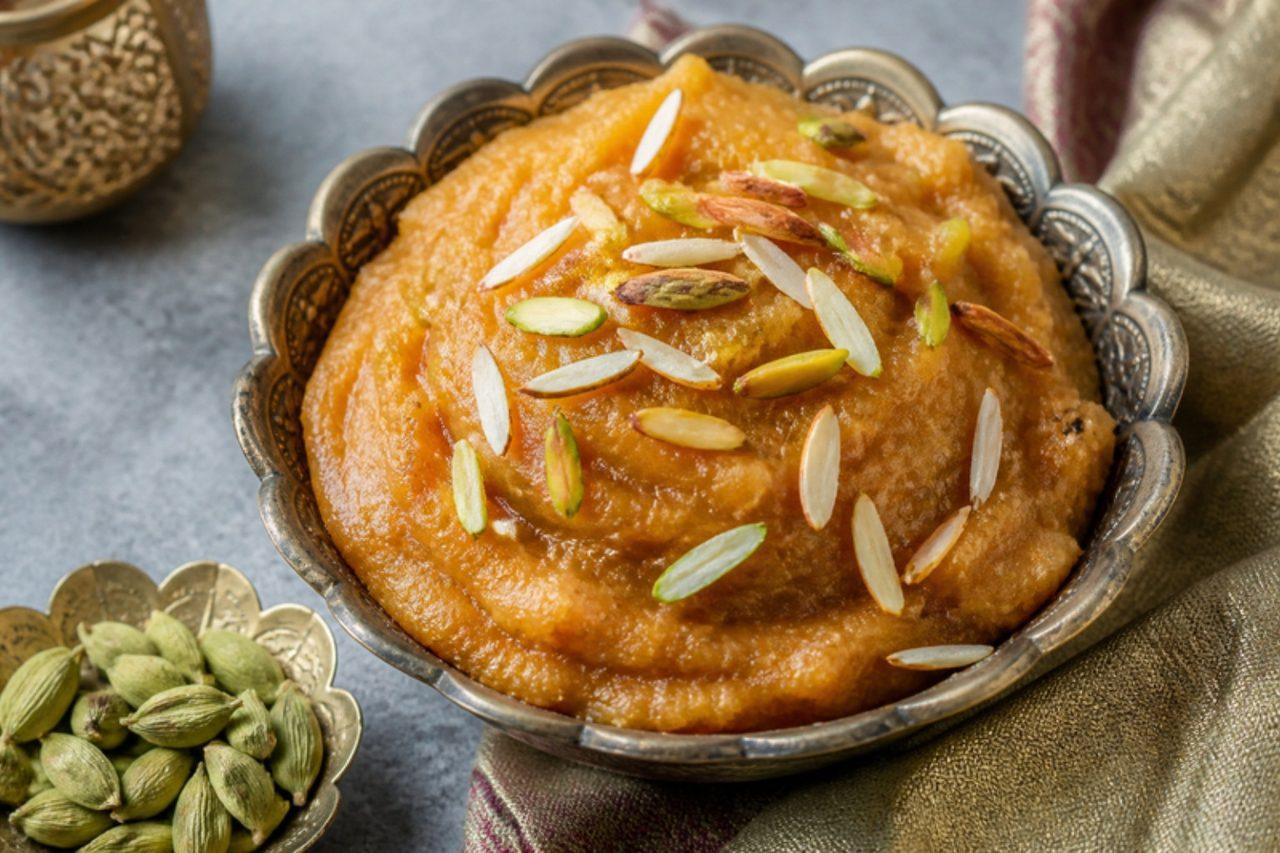
Chana daal halwaSplit chickpea halwa

This is the halwa of family gatherings on cold winter evenings and of Shab-e-Barat, when households in Karachi, Lahore and Multan cook trays of sweets to share with neighbours, and among them all it is the one that rewards hard work most. Split chickpeas are soaked overnight, simmered soft in milk, ground to a paste and then fried in ghee for the best part of an hour, until the raw beany taste is replaced by a deep, toasty, almost caramel flavour and a soft, slightly grainy texture. Cardamom, a little khoya and plenty of almonds and pistachios finish it, and it is eaten warm, or pressed into a tray and cut. It keeps well, so many families make a large pot. The fault that most often spoils it is adding the sugar before the dal paste has been fried long enough, which leaves it pasty and heavy. Chef's tip: stir until the paste turns golden and smells like roasted nuts and the ghee begins to seep out again, and only then add the sugar.

by KrazyBadal 0 views

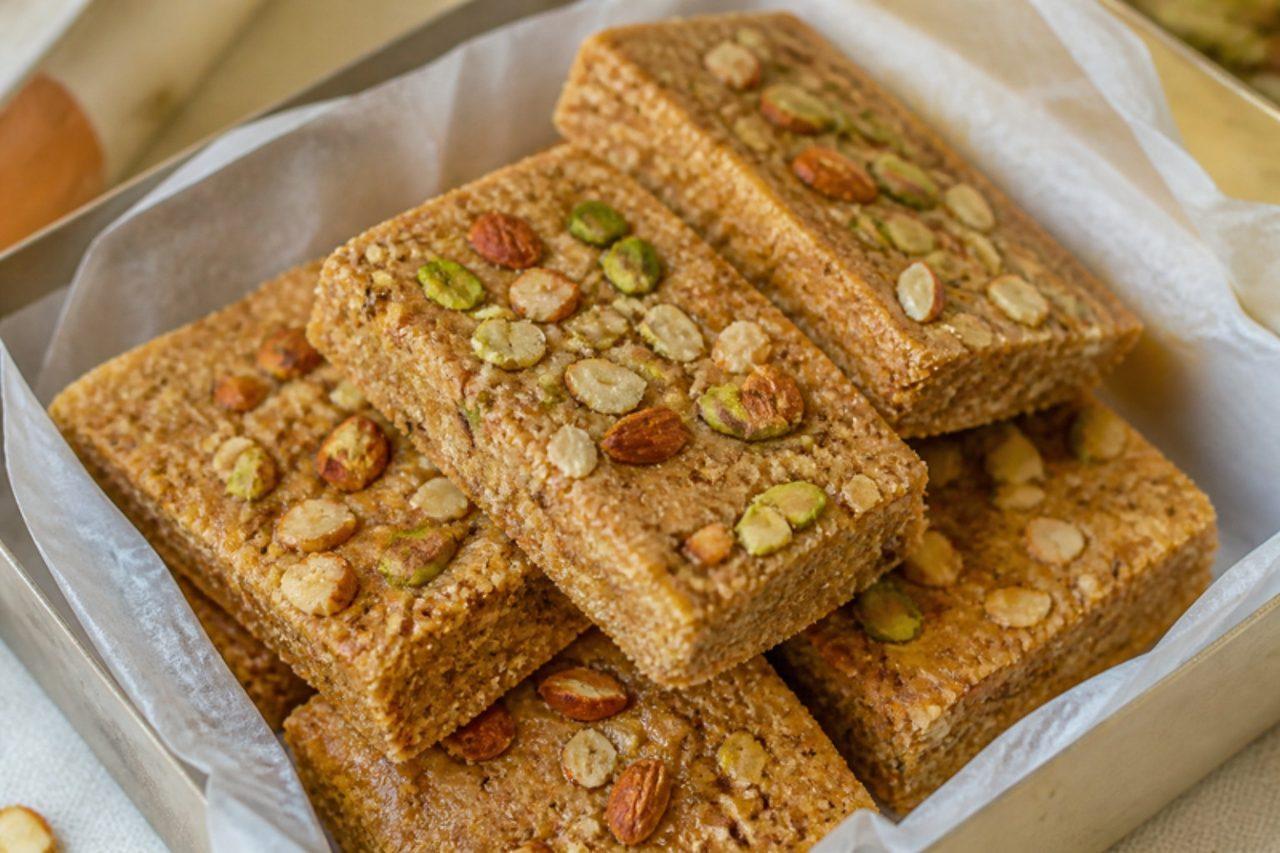
DhodhaMilk, wheat and ghee fudge

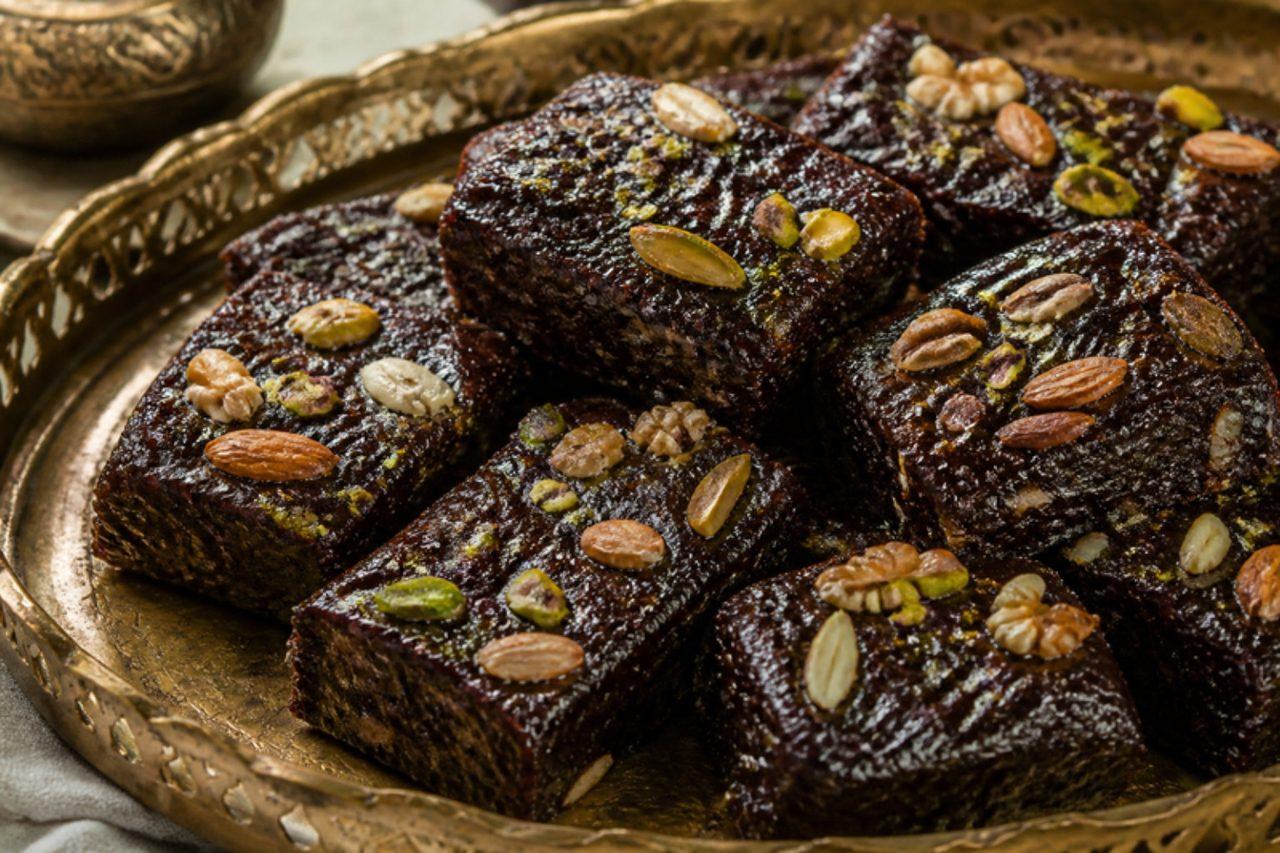
Every bus that stops in Khushab, on the road between Sargodha and the Salt Range, is met by boys carrying boxes of dhodha, the town's famous sweet and a standard gift for anyone visiting family in Punjab. It is lighter in colour and softer than habshi halwa, a moist, crumbly fudge of slowly reduced milk, a little wheat flour, ghee and sugar, packed with almonds, pistachios and walnuts and pressed into slabs about two fingers thick. The flavour is milky and nutty with a gentle caramel note, and it is sliced and eaten with tea, especially in the cold months. Where people slip up is under-reducing the milk, so the dhodha never firms and stays soft like a halwa. Chef's tip: keep stirring after you add the sugar until the mass leaves the sides of the pan cleanly and holds a ridge when you draw the spoon through it, then press it into the tin while still warm.

by KrazyBadal 0 views

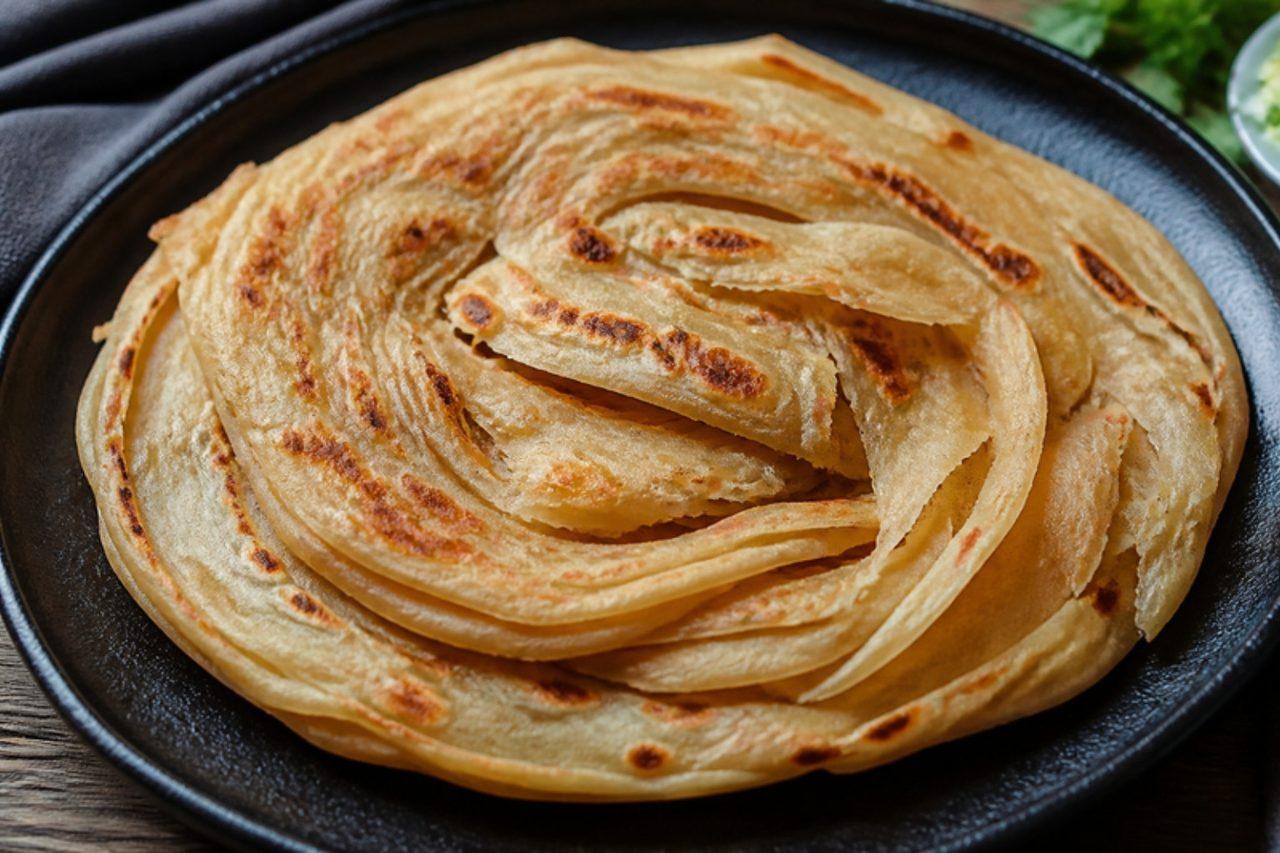
Lachha parathaLayered flaky paratha

The word lachha means a coil or a hank of thread, and the best way to understand the bread is to watch a paratha-maker at a Peshawar or Lahore breakfast stall pleat a thin sheet of ghee-smeared dough like a paper fan, wind it into a snail and roll it out again. On the tawa the layers separate into rings of crisp, flaky dough that you can pull apart with your fingers, and a quick scrunch between the palms when it comes off the heat opens them up even more. It is the paratha for Sunday breakfasts with omelette or chana, for Eid lunches with qorma and for weddings beside tandoori dishes. What lets most home cooks down is a stingy hand with the ghee between the pleats, which welds the layers back together. Chef's tip: dust each greased sheet with a little dry flour before pleating; the flour and ghee together keep the layers apart as they cook.

by KrazyBadal 0 views

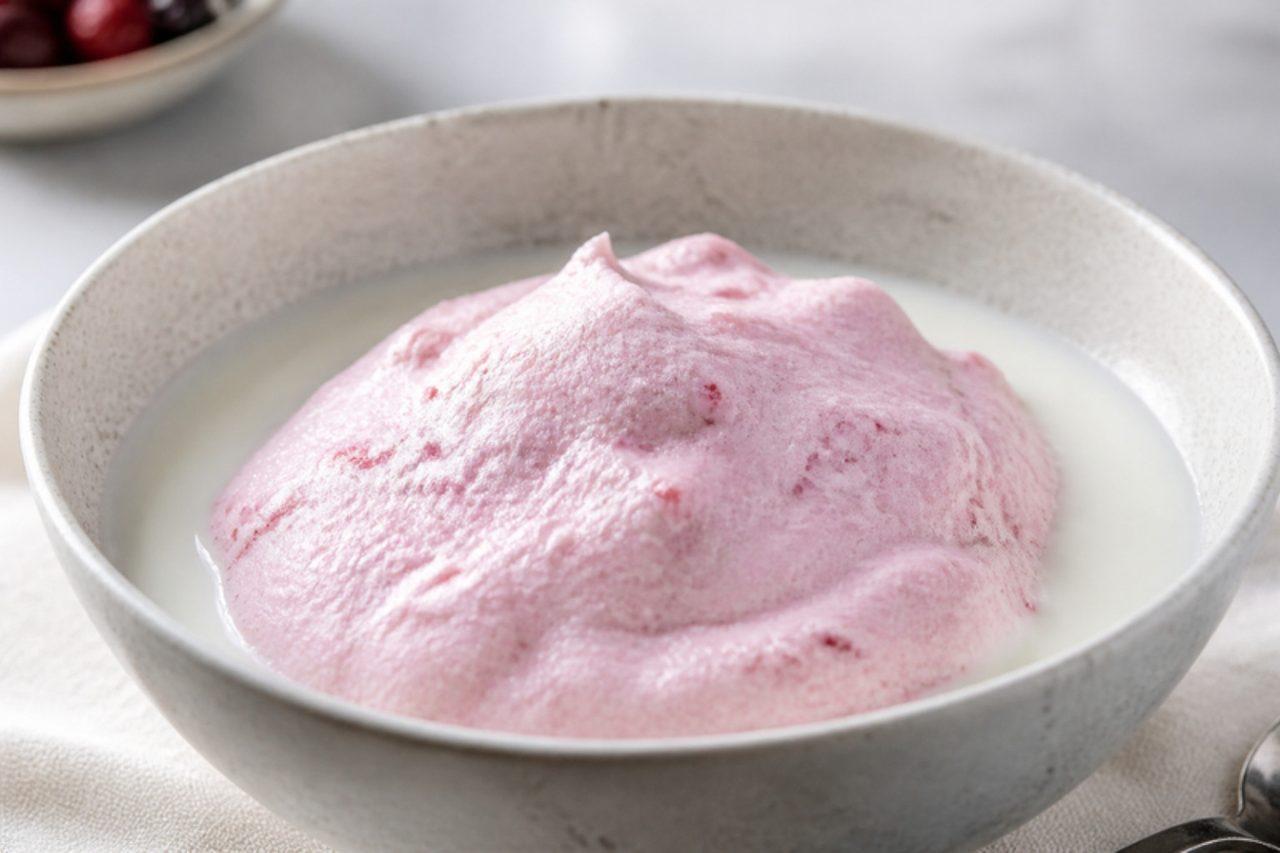
VispipuuroWhipped lingonberry semolina

Vispipuuro, 'whisked porridge', is a Finnish childhood favourite: semolina cooked in lingonberry juice and water with sugar, then cooled and whisked hard until it turns pale pink, light and fluffy like a mousse. It is eaten for breakfast, as a dessert at school, or as a snack, with cold milk poured around it. Cranberries or redcurrants work too. A common mistake is whisking it while still hot, which never lightens it. Chef's tip: cool the porridge in a sink of cold water, then whisk with an electric mixer for 10 minutes; it will double in volume. Serve with oat milk to keep it vegan.

by KrazyBadal 0 views

Lao iced coffee

High on the Bolaven Plateau above Pakse, the coffee towns around Paksong grow most of Laos's beans, and roadside stalls there brew them dark and strong through a long cloth sock, all day long. Ordered cold, it arrives as a glass of ice with a thick layer of sweetened condensed milk at the bottom, the black coffee poured over and stirred to a caramel brown, often with a free cup of weak tea to sip afterwards. It is bitter-sweet, chocolatey and much richer than a café latte, made for hot afternoons on the plateau or a morning stop in Pakse. A French press or a fine sieve lined with a paper filter stands in for the cloth sock. Pouring hot coffee straight onto ice before adding the milk is where it goes flat: the condensed milk won't dissolve in cold coffee and sinks in a gluey lump. Chef's tip: stir the condensed milk into the hot coffee first, then pour over the ice.

10 minLaoDrinksGluten free
by KrazyBadal 0 views

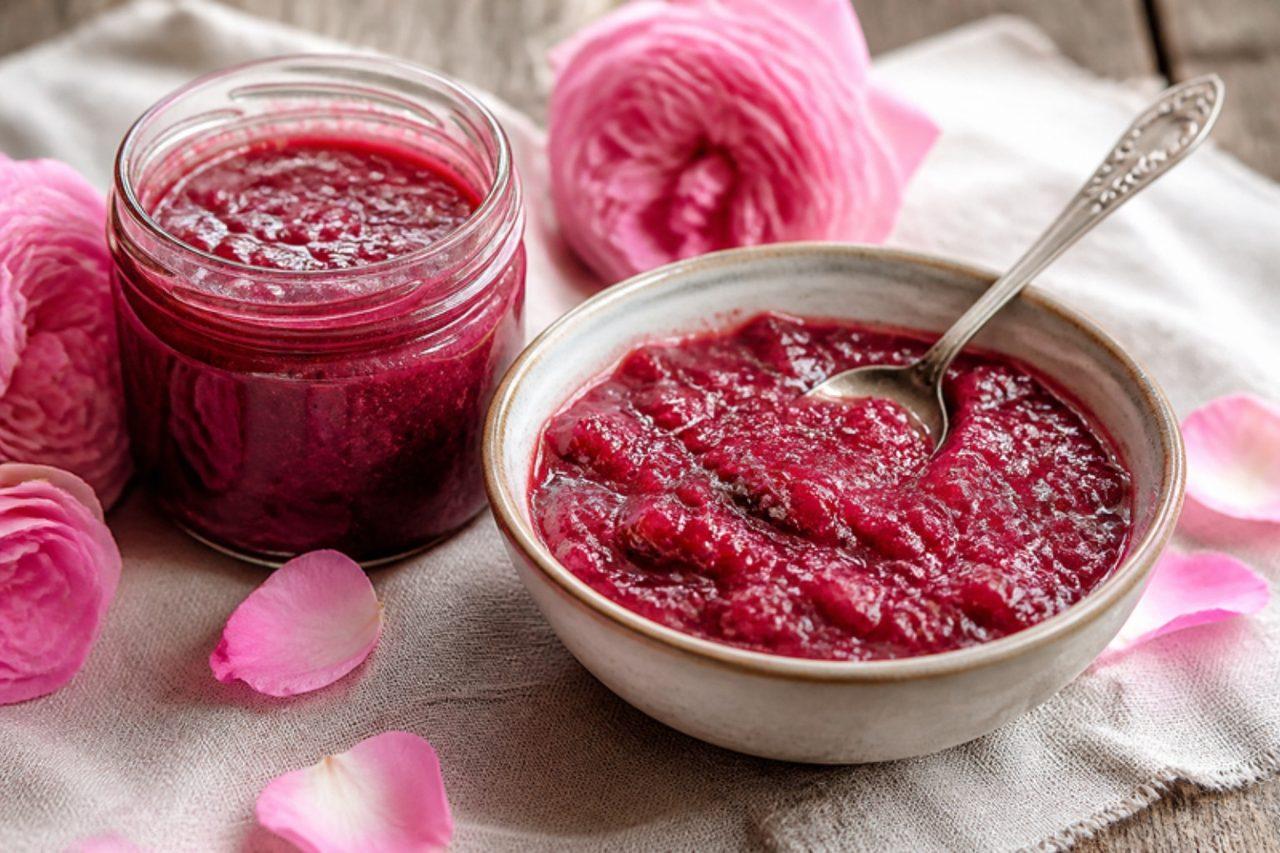
Rose petal jam

Ask a Polish baker what goes inside a proper pączek and the answer is rose jam, not strawberry. In June, families gather the scented pink petals of wild beach roses (Rosa rugosa) from hedges along the Baltic coast and in gardens, then pound them with sugar into a sticky, intensely perfumed paste that keeps for a year. The flavour is floral and sweet with a little sharpness from lemon, lovely in doughnuts, swirled into yoghurt or spread on cheesecake. Pick only from plants that have not been sprayed and away from roads. Where most people go wrong is leaving the bitter white base of the petals on; snip it off. Chef's tip: lemon juice turns dull petals bright magenta, so add it right at the start.

by KrazyBadal 0 views

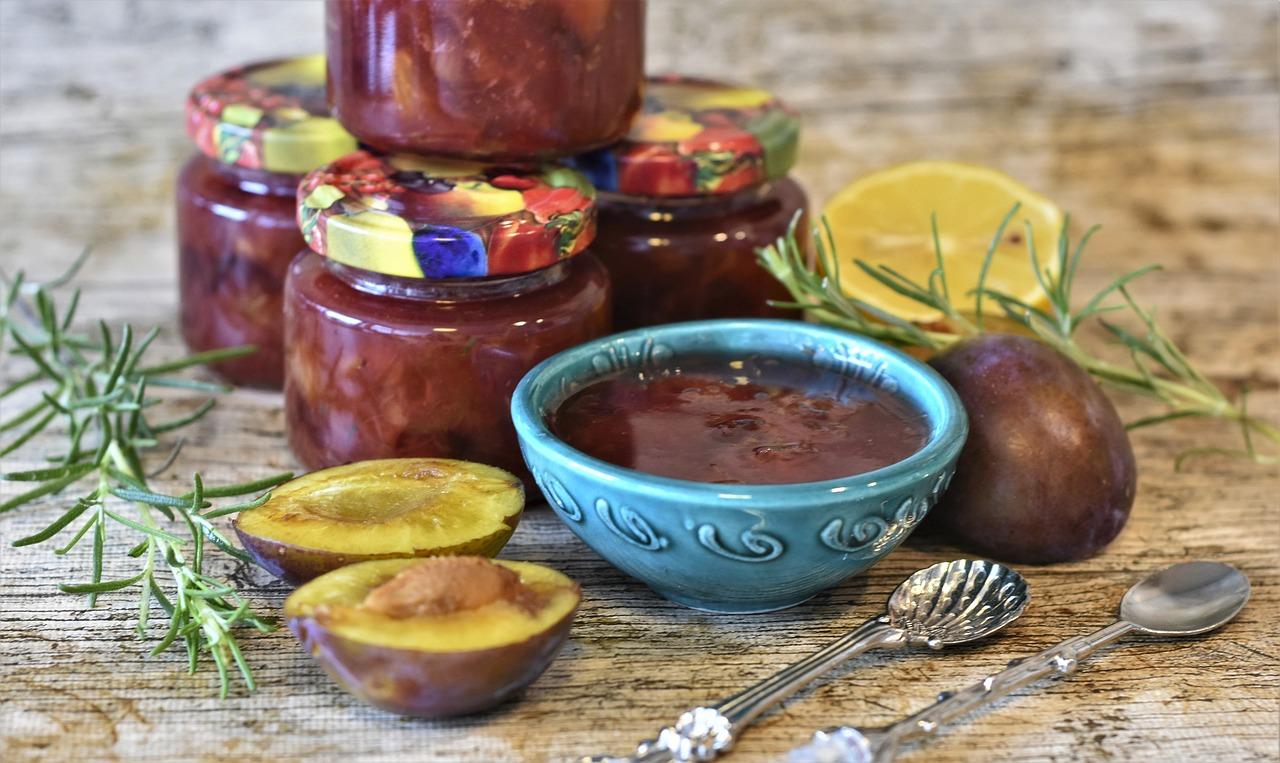
Powidła śliwkowePlum butter

In the villages around Szydłów in the Świętokrzyskie hills, late-season Hungarian plums were once stirred in copper cauldrons over a fire for a day or more, until they became powidła, so thick a spoon stands up in it. The sugar in very ripe plums caramelises, turning the purée nearly black, glossy and intensely fruity with a slight bitterness. It fills pączki, drożdżówki and pierogi, and is spread on bread with butter. Traditional cooks spread the cooking over three days, letting the pot cool between sessions; an oven gets you there in an afternoon. The usual slip is cooking on the hob on high heat, which burns the bottom long before the plums thicken. Chef's tip: use the latest, ripest, wrinkly-skinned plums you can find; they need no sugar at all.

by KrazyBadal 0 views

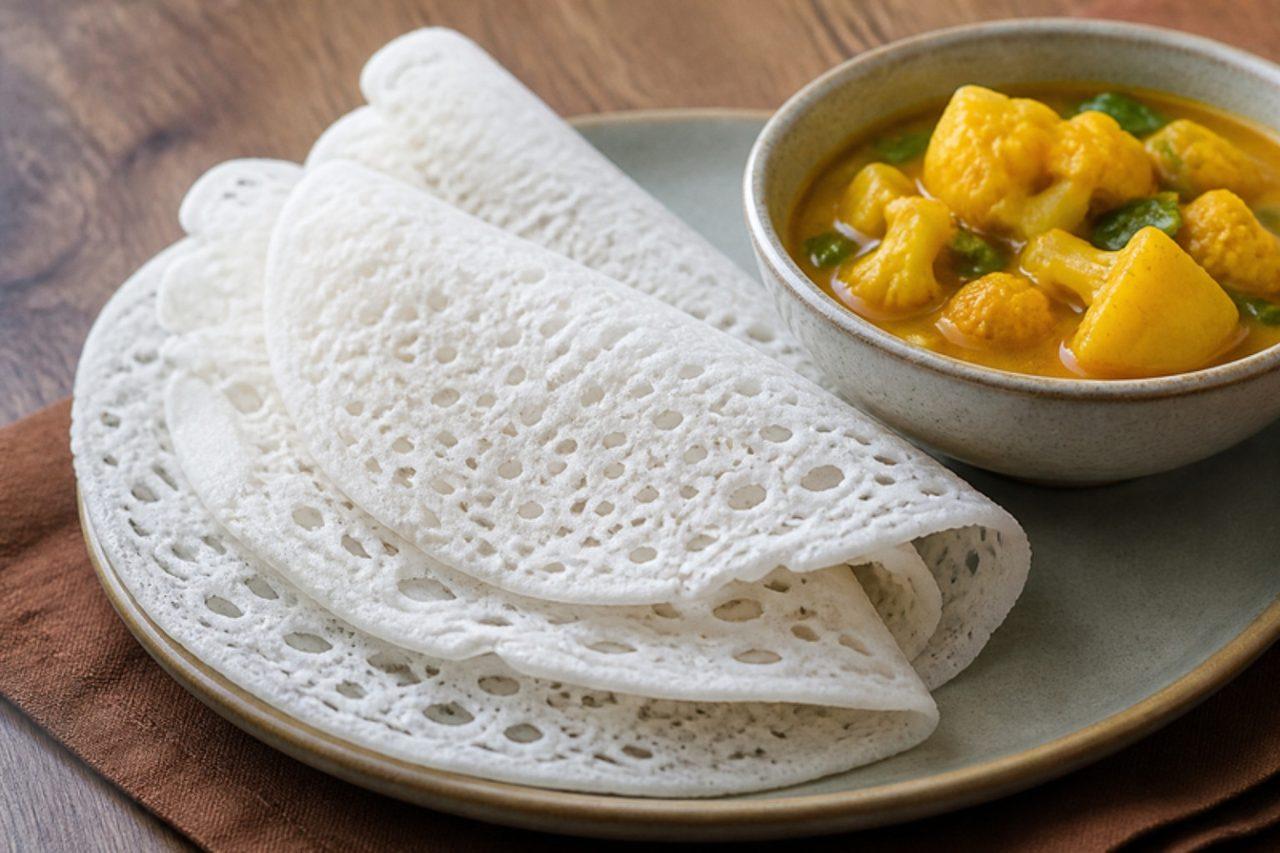
Chhit rutiLacy rice flour flatbread

Chhit means a splash or a sprinkle, and that is exactly how this Chittagong bread is made: the cook dips her fingers in a thin rice batter and flicks it across a hot pan in criss-cross lines until it forms a fragile net. It cooks in seconds, is folded into a soft lacy square and stacked under a cloth, and comes out at Eid breakfasts, winter weddings and mezban-season family meals. Chittagonian households usually eat it with a dark beef kala bhuna or duck curry, but it is just as good with a vegetable korma, chhola bhuna or a sweet dish of milk and jaggery. If the batter is too thick it falls in blobs rather than threads, so it should run off your fingers like single cream. Chef's tip: wipe the pan with an oiled cloth between each ruti so the lace lifts cleanly without tearing.

by KrazyBadal 0 views

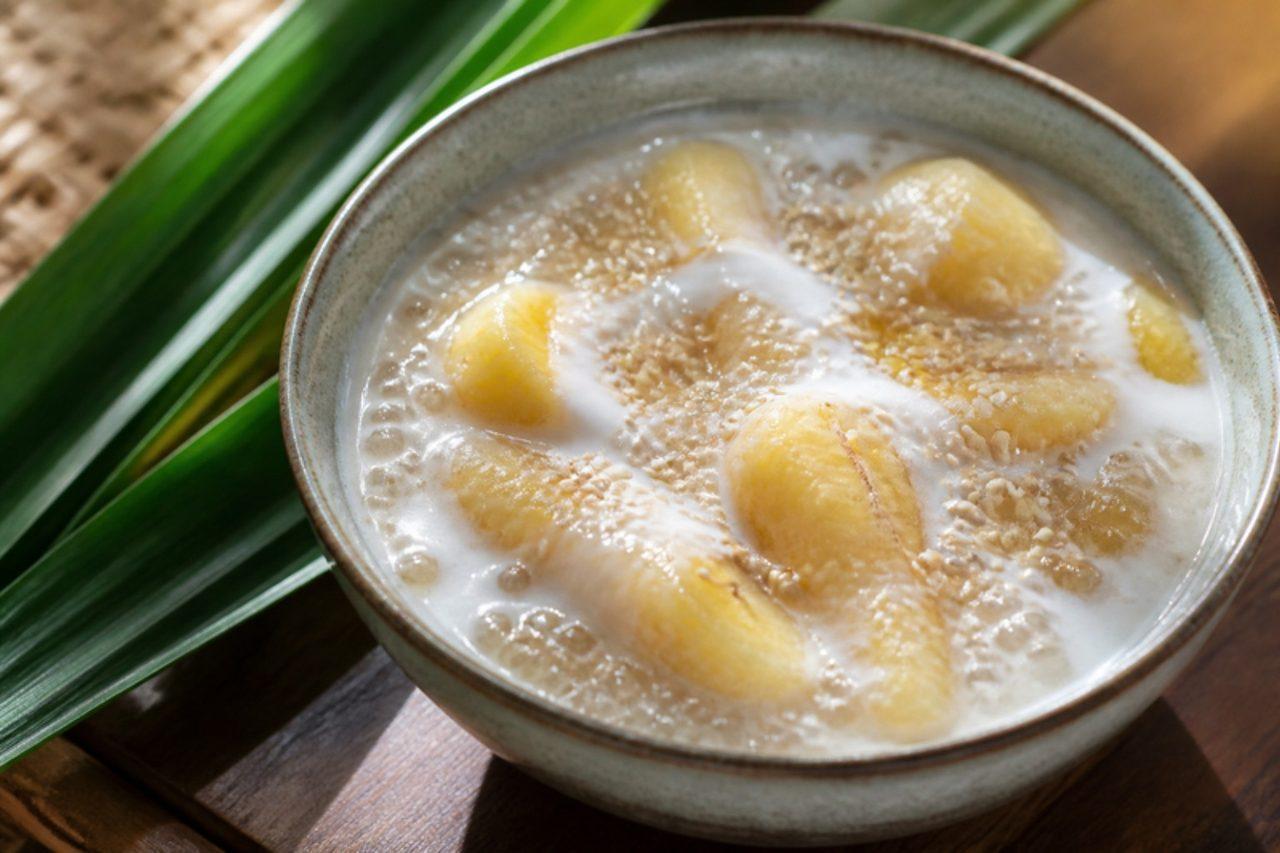
Chek k'tisBanana and tapioca in coconut milk

Ask for something sweet at a Phnom Penh dessert cart on a rainy-season afternoon and you may be handed a warm cup of chek k'tis: chunks of small, tart-sweet bananas bobbing in coconut milk with clear, chewy tapioca pearls. The coconut milk is sweetened with palm sugar and seasoned with a good pinch of salt, which makes it taste rich rather than cloying, and a knot of pandan gives it a grassy vanilla scent. It is also cooked at home as an offering-day treat and eaten warm or at room temperature. The usual error is using very ripe, spotty bananas, which melt into grey sludge; firm, just-yellow fruit holds its shape and blushes pink as it cooks. Chef's tip: let the coconut milk only shiver, never boil hard, or it splits and turns oily.

by KrazyBadal 0 views

Khamiri rotiLeavened wholewheat flatbread

Long before packets of yeast reached Pakistani kitchens, households kept back a lump of yesterday's dough and worked it into the new batch, and khamiri roti is the bread that method makes: thicker and softer than a chapati, with an airy crumb and a gentle sourness. It is the standard bread of many neighbourhood tandoors from Multan to Peshawar, bought by the stack for lunch with chana, sabzi, dal or saag, and some families make it on a tawa during Ramadan because it stays soft until sehri. This version uses a little yeast and a long rise to get the same flavour without the starter. People often get it wrong by rolling it as thin as a chapati, which pushes out the gas and leaves a flat, leathery roti. Chef's tip: let the dough ferment for at least two and a half hours, or overnight in the fridge, and shape each roti by patting it out with your palms rather than with a rolling pin.

by KrazyBadal 0 views

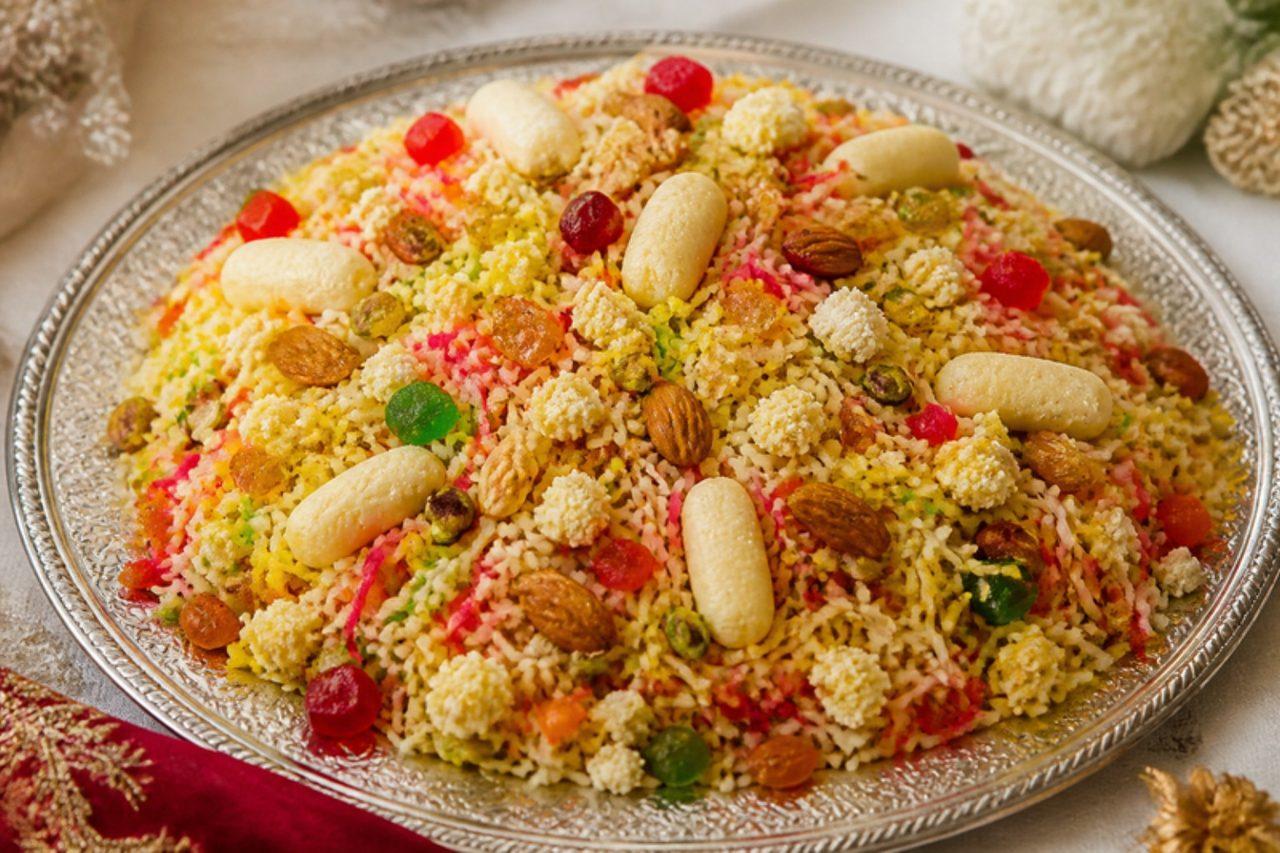
MutanjanSweet coloured rice with candied fruit

If zarda is the everyday celebration rice, mutanjan is its showy older sibling: the grains are dyed in three or four colours, layered with khoya, tutti frutti, nuts and small milk sweets, and steamed so that a spoonful looks like confetti. It is a Lucknowi and old Delhi tradition that came to Karachi with the families who migrated in 1947, and it still turns up at nikah dinners and on Shab-e-Barat in Karachi and Hyderabad, as well as in the old mithai shops of Lahore. The texture should be soft, sticky-sweet and rich with ghee, the flavour heady with cardamom and kewra. The thing that ruins it most often is stirring the coloured rice together, which blurs the colours into a muddy brown. Chef's tip: colour the rice in separate bowls, layer it in the pot without mixing, and only fold it once, very lightly, after the dum.

by KrazyBadal 0 views

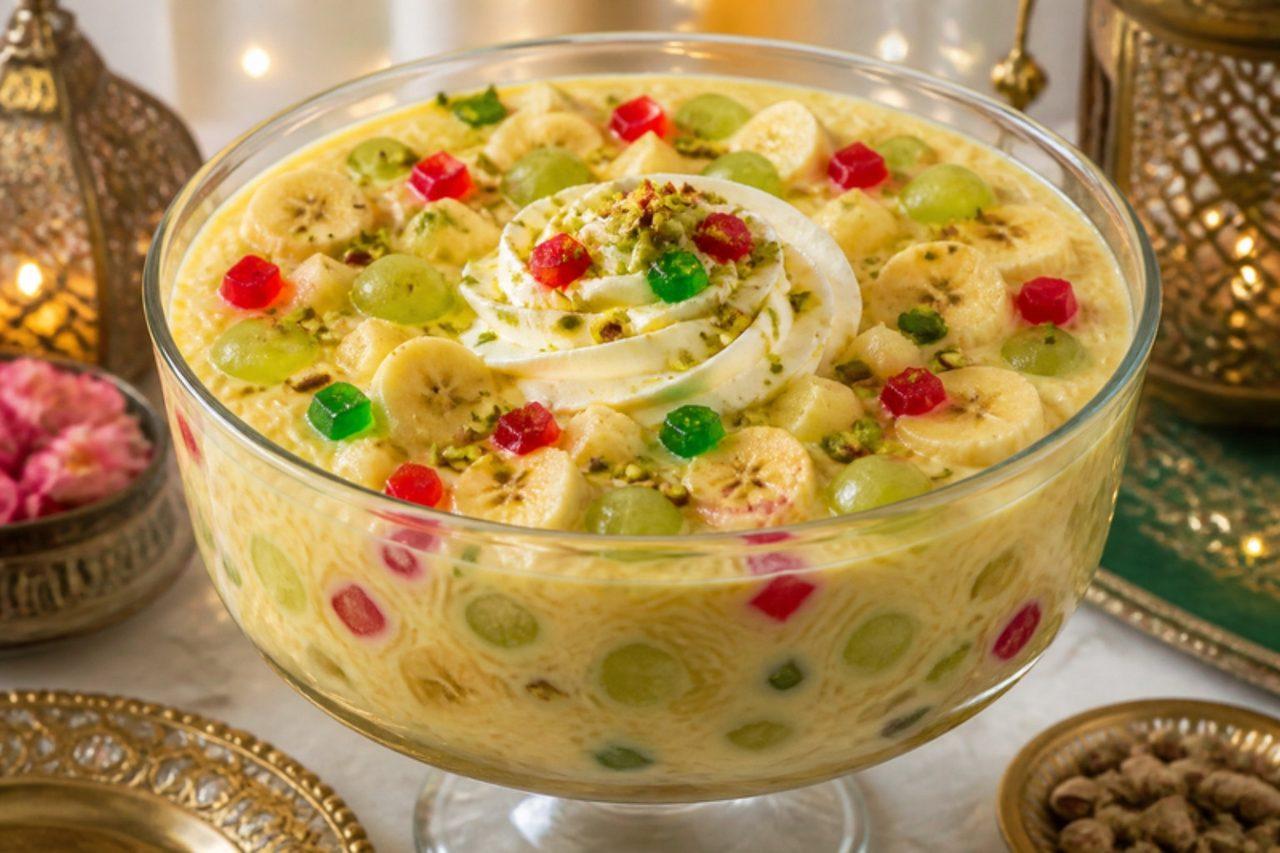
Lab-e-shireenFruit custard with vermicelli

The name means "sweet lips", and on Eid-ul-Fitr afternoons in Karachi and Lahore a glass bowl of it sits in nearly every fridge, waiting for guests who move from house to house. It is a cold, pourable vanilla custard folded through with toasted vermicelli, cubes of red and green jelly, banana, apple, grapes and tinned fruit, finished with cream and sometimes a scatter of nuts. Shop jelly is made with gelatine, so this version sets fruit juice with agar, which also holds up better at room temperature on a crowded table. A lot of cooks get the custard too thick, so once it chills it turns stiff and cannot coat the fruit. Chef's tip: make the jelly and the custard the night before, and stir in the fruit and cream only an hour or two before serving so the bananas stay pale and the vermicelli keeps a little bite.

by KrazyBadal 0 views

Pathein halawaSticky rice halawa

Pathein, the old river port of the Ayeyarwady delta, is famous for two things: painted parasols and this halawa, sold in boxes at roadside shops to travellers heading for the beaches at Chaung Tha and Ngwe Saung and carried home as gifts. Unlike dark mont kalama, it is pale amber and rich with dairy: glutinous rice flour is cooked slowly with milk, coconut milk and sugar, and butter and ghee are worked in until the mixture turns chewy, glossy and toffee-like, with poppy seeds pressed on top. It tastes buttery, caramel-sweet and faintly milky, and is cut into small pieces to eat with plain green tea. Adding all the butter at once is the usual slip; the fat floats out and the halawa turns greasy, so work it in a little at a time. Chef's tip: keep the heat low and patient; a light amber colour means a clean, milky flavour.

by KrazyBadal 0 views

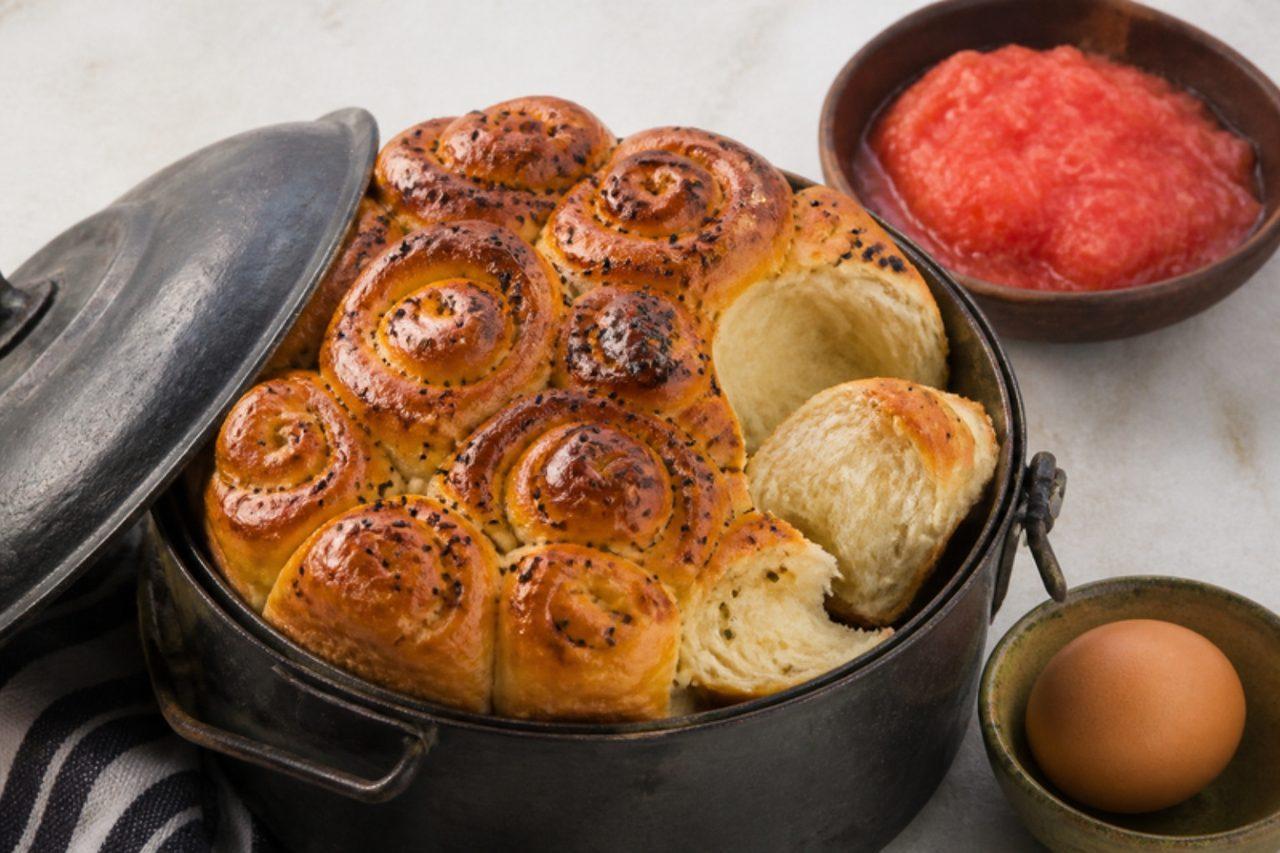
KubanehOvernight pull-apart bread

Kubaneh goes into a low oven on Friday afternoon in Yemenite homes in Rosh HaAyin and Tel Aviv's Kerem HaTeimanim, and comes out on Shabbat morning as a burnished, buttery dome that pulls apart into soft coils. It is eaten with grated tomato, zhug and long-baked brown eggs. Because it bakes for hours at a very low heat, the crust turns mahogany and slightly sweet while the inside steams in its own butter. The mistake is using a pot without a tight lid: the bread dries out instead of steaming. Chef's tip: grease the pot generously and seal the lid with a strip of foil, then trust the process; opening the oven at night lets the steam out.

by KrazyBadal 0 views

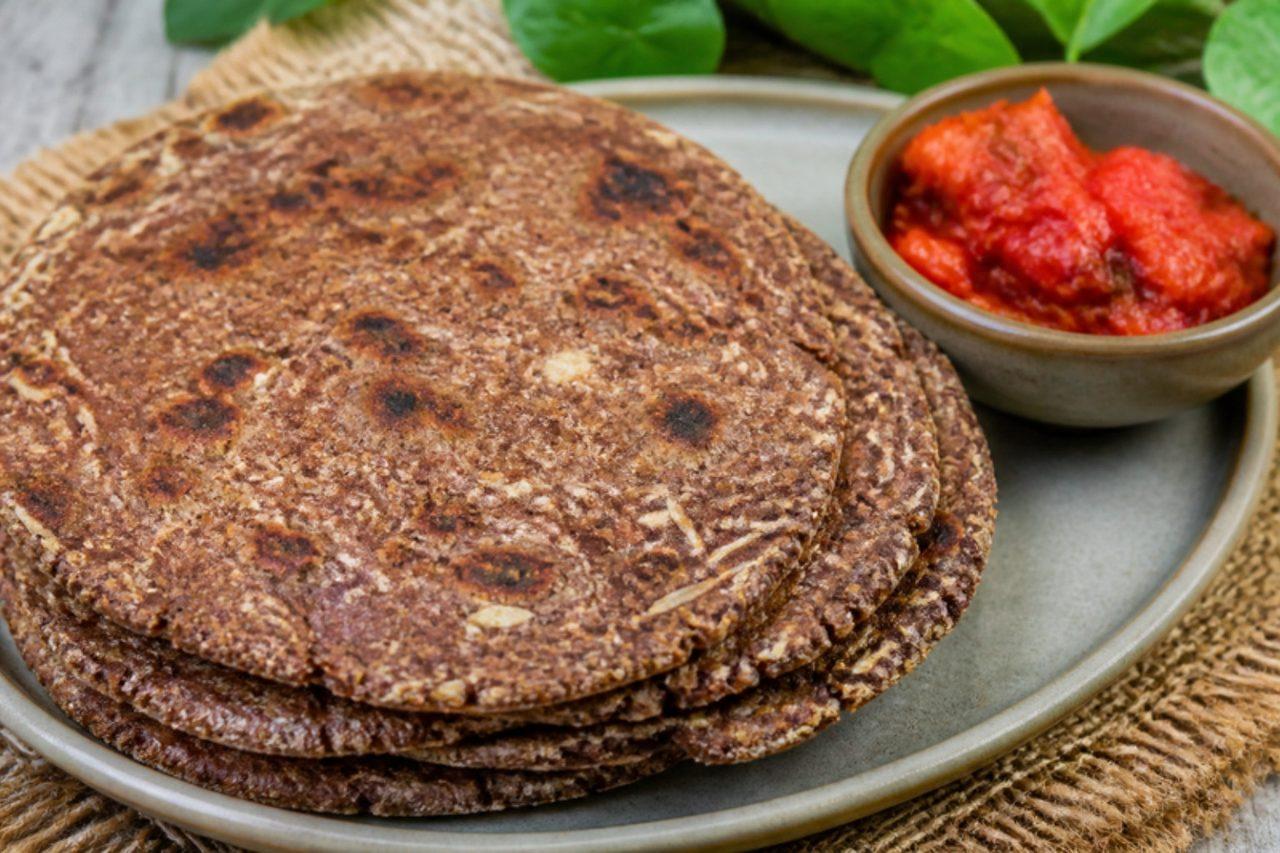
Kurakkan rotiFinger millet and coconut flatbread

Kurakkan, finger millet, was the grain of the dry chena plots and the hill villages long before white bread arrived, and these brown, nutty roti are still what many farming families around Badulla and Monaragala eat for breakfast or dinner. The flour is kneaded with plenty of fresh grated coconut and just enough water to hold, patted flat by hand and cooked on a dry clay pan until speckled and firm. They are dense and earthy, with a faint sweetness from the coconut, and taste best hot with a sharp spoonful of lunu miris or a mild dhal. Pressing the dough too thin is a classic error, because millet has no gluten and the roti crack and break; keep them about 5 mm thick. Chef's tip: shape them on a piece of oiled banana leaf or baking paper and flip them straight onto the pan, which saves them from tearing. Millet is naturally gluten free, but check the packet if you are cooking for coeliacs.

by KrazyBadal 0 views

Obwarzanek krakowskiBraided bread ring

Blue street carts on almost every corner of Kraków's Old Town sell these twisted rings from dawn, and locals grab one on the way to the tram the way others grab a coffee. Each ring is made from two thin ropes of firm yeast dough twisted together, dipped briefly in boiling water and baked, which gives a shiny, slightly chewy crust and a dense, close crumb, somewhere between a bagel and a pretzel. Eat them on the day, plain or split with butter or a vegan spread, or toss stale ones into soup. Where most people go wrong is making the dough too soft: it should feel stiff and smooth, or the twist blurs in the water. Chef's tip: boil the rings only until they float, 30 to 40 seconds, then top them while still wet so the seeds stick.

by KrazyBadal 0 views

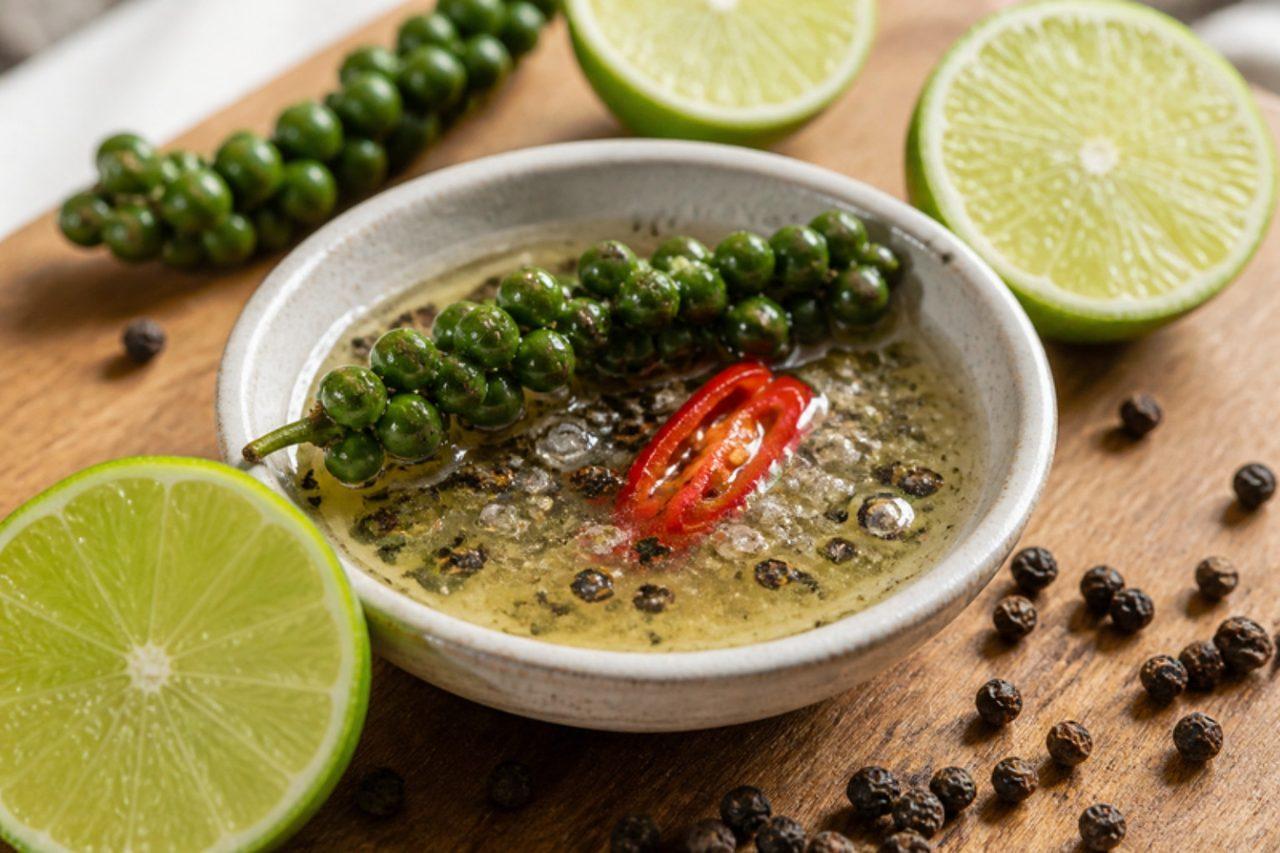
Kampot pepper and lime dip

Every table in Kampot and along the crab-shack pier at Kep gets a saucer of tuk mrech, and diners mix their own: a heap of salt, a spoonful of freshly cracked local pepper and a squeeze of lime. It is sharp, salty and floral-hot, with none of the sweetness of most Khmer dips, and it is meant for dragging grilled corn, griddled tofu, fried eggs or a pepper crab through. Kampot pepper carries a protected geographical indication and tastes fruity and resinous rather than just hot; any good whole black peppercorns work, but pre-ground pepper does not. People often get it wrong by grinding the pepper to dust, which turns the dip muddy and bitter, or by mixing it hours ahead so the lime goes flat. Chef's tip: warm the peppercorns in a dry pan for a minute before cracking them, and squeeze the lime straight into the saucer at the table so it stays fresh and zingy.

by KrazyBadal 0 views

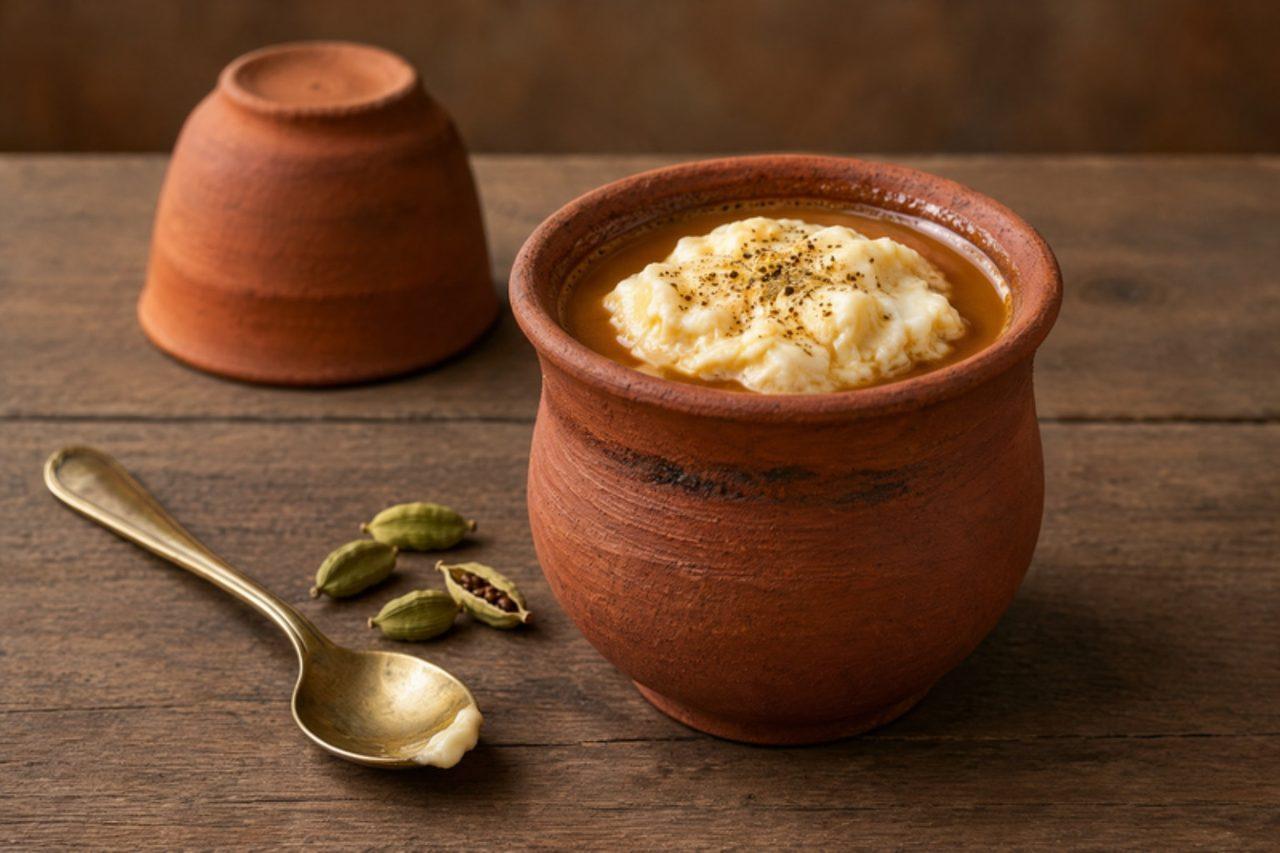
Curd and treacle

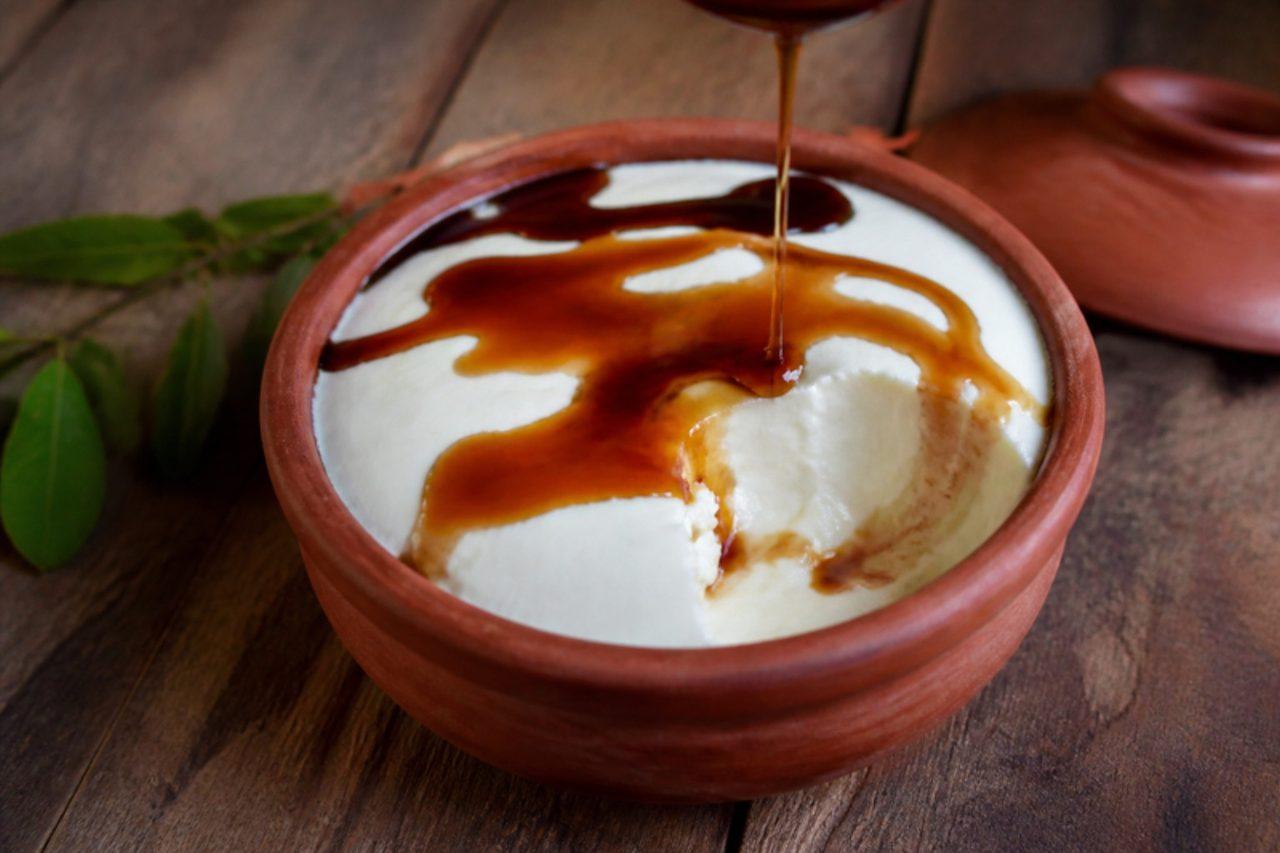
Driving the southern coast road past Tangalle towards Hambantota, you pass stall after stall stacked with round clay chatties of meekiri, the firm, slightly sour curd made from buffalo milk, with bottles of dark kithul treacle hanging beside them. Turned out into a bowl and flooded with treacle, it is the South's great dessert: cool, rich and tangy against the smoky, toffee-like sweetness of the palm syrup, eaten after lunch or as a snack in the heat of the day. Setting it at home is easy with pasteurised buffalo milk or creamy whole cow's milk, a spoon of live curd and a warm spot overnight. The mistake that ruins most first batches is adding the starter while the milk is still too hot, which kills the culture and leaves you with warm milk in the morning. Chef's tip: unglazed clay pots draw out a little whey, which is why traditional curd is so thick; soak them in water and dry them well before using.

by KrazyBadal 0 views

Num kongPalm sugar rice doughnuts

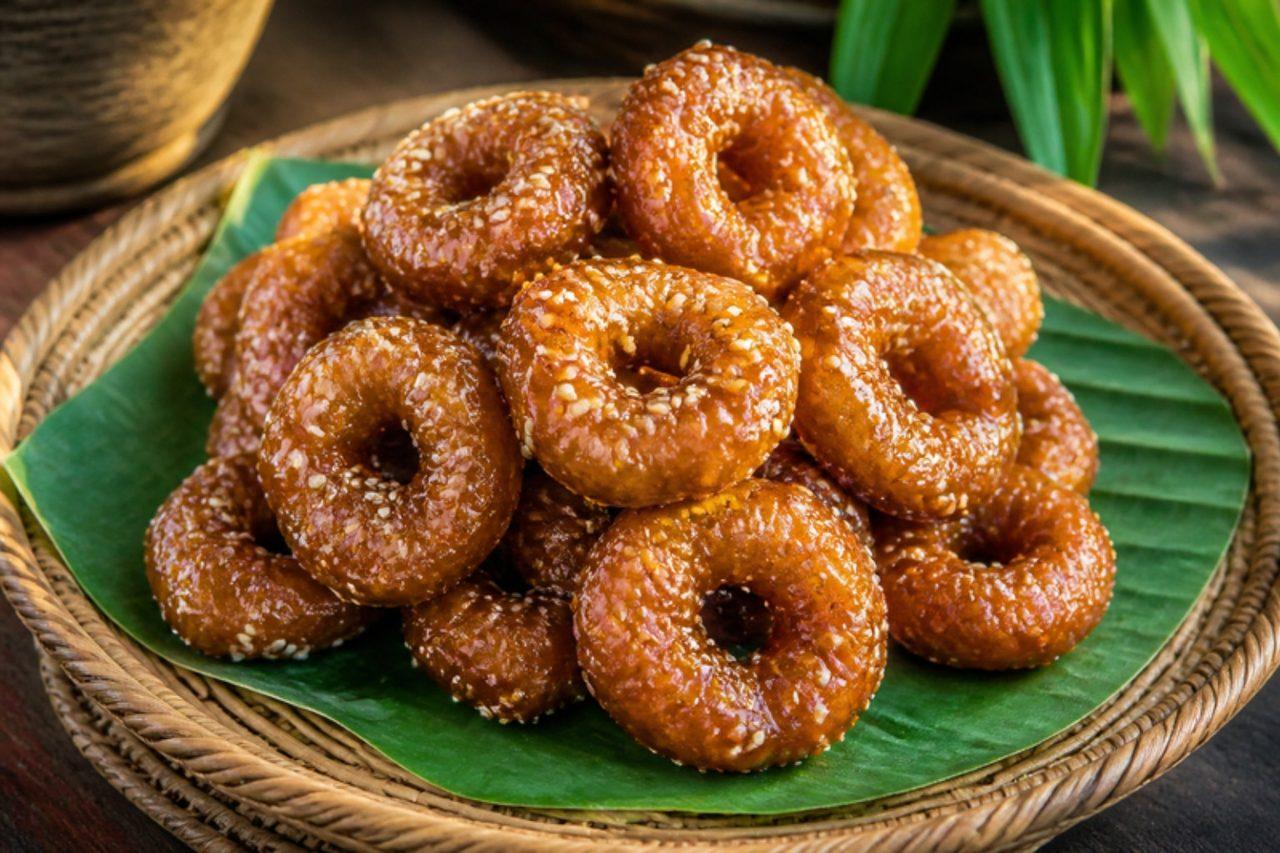
Stacked on trays at morning markets across Cambodia and pressed into the hands of guests at Khmer New Year, num kong are rings of glutinous rice dough sweetened with palm sugar and fried until deep bronze. Bite through the crackly, caramel-glazed shell and the inside is soft and chewy, almost like mochi, with a smoky toffee flavour from the palm sugar and a coating of toasted sesame. They go with strong iced coffee or jasmine tea. Most failures come from oil that is too hot: the outside darkens in a minute while the inside stays raw and pasty, and trapped air can make a ring pop and spit. Chef's tip: knead the dough until it is completely smooth and crack-free, then fry at a steady 160 °C for a good 6–7 minutes; patience gives the shatter-crisp crust.

by KrazyBadal 0 views

LingonsyltLingonberry preserve

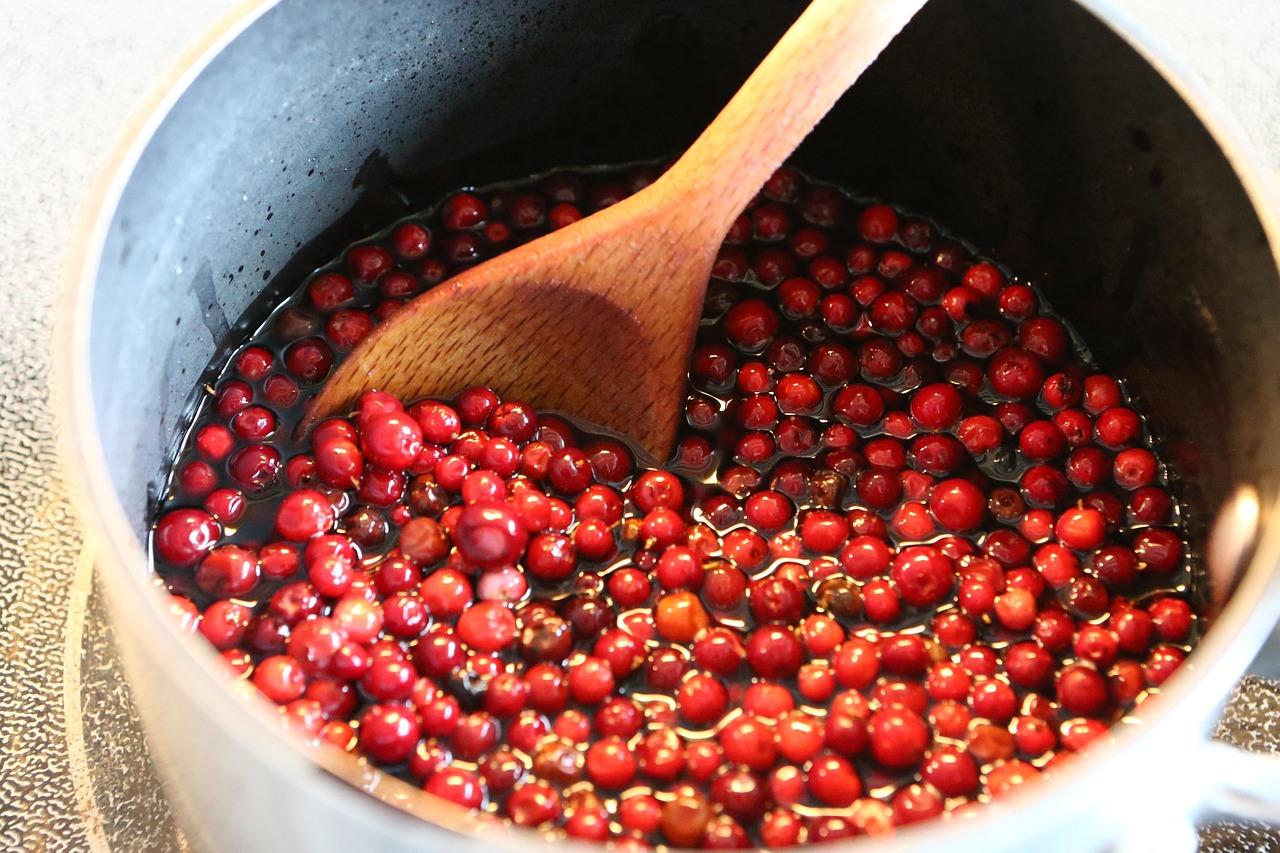
Lingonsylt is the bright red preserve on every Swedish table: with meatballs, Wallenbergare, potato pancakes and kroppkakor, and in Finland and Norway with reindeer and porridge. Swedish families pick the berries in September in the forests and either stir them raw with sugar (rårörda lingon) or cook them very briefly so they stay whole and sharp. A common mistake is boiling them long, which makes a dull, jelly-like jam. Chef's tip: cook for only 3–5 minutes, then cool fast; lingonberries are rich in natural preservatives and keep well.

by KrazyBadal 0 views

Kachi lassiMilk and water lassi

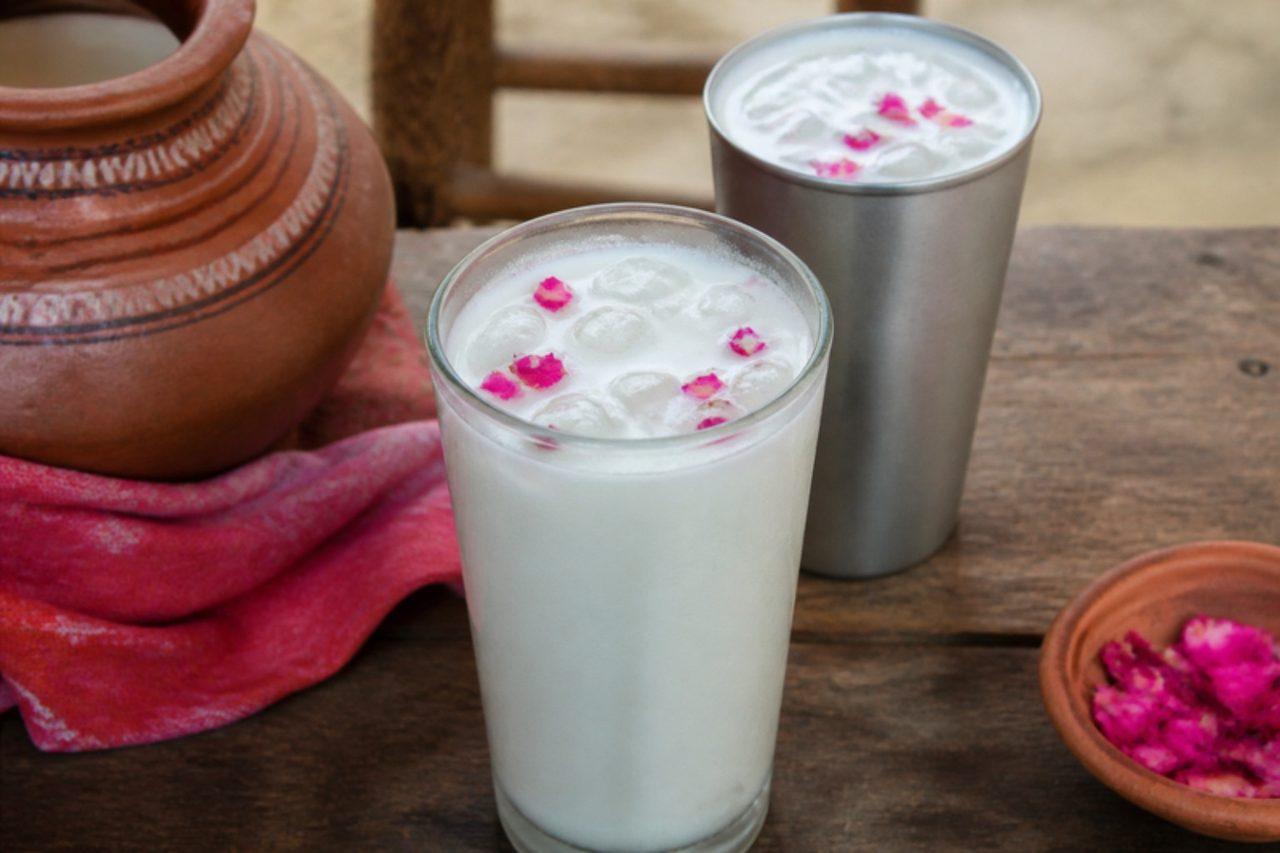
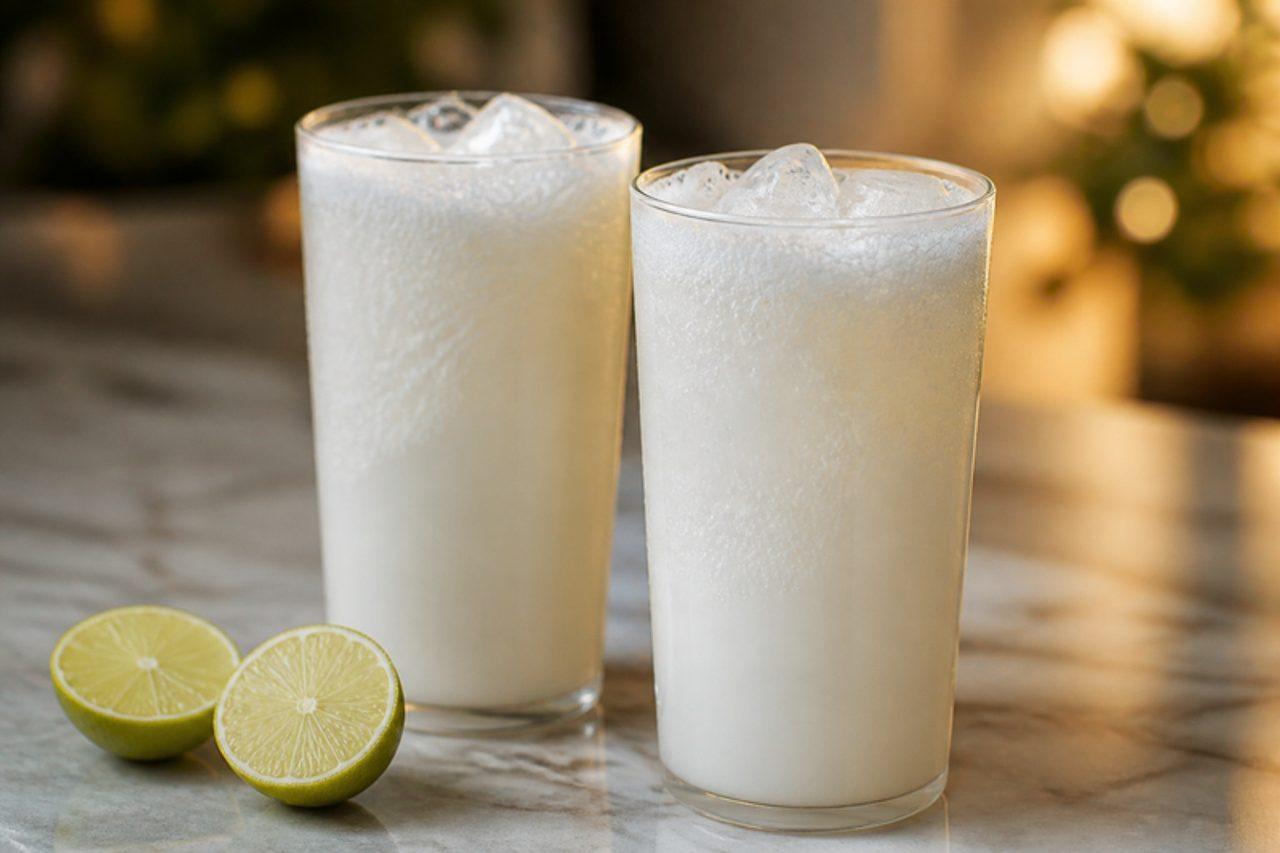
Harvest time in the Punjab is thirsty work: when the wheat is being cut in the April heat, a steel jug of kachi lassi is carried out to the workers: fresh milk thinned with cold water, stirred with sugar and poured over chunks of ice. Unlike yogurt lassi there is no tang, just a light, clean, milky sweetness that quenches thirst better than plain water, and in many villages it is the drink offered to any guest who arrives on a hot afternoon. Some people add a pinch of salt instead of sugar, or a few drops of rose water. The traditional kind uses raw milk straight from the buffalo; use pasteurised milk instead to be safe. The usual mistake is making it with too little water, which turns it heavy instead of refreshing. Chef's tip: whisk it hard or shake it in a jar so it turns frothy, which makes it feel even cooler.

by KrazyBadal 0 views

Doodh sodaMilk with lemon-lime soda

It sounds odd until you are standing in a crowd at a Lahore milk shop on a 45 °C June night, when a tall glass of doodh soda, foamy and sweet with a sharp citrus fizz, is the most refreshing thing in the city. The doodh-walas of Gawalmandi and Mozang chill milk in steel drums over ice, then pour it from a height into a glass with lemon-lime soda so that it froths like a milkshake, and people drink it straight after dinner or after a late plate of fried fish or chana. It tastes like a lighter, bubbly lassi, and children love it. What usually goes wrong is warm milk or flat soda, which makes it taste curdled rather than crisp. Chef's tip: chill both the milk and the soda until very cold, pour the milk first and add the soda in one go, then serve at once while the foam is high.

by KrazyBadal 0 views

PanjiriRoasted wheat flour with nuts

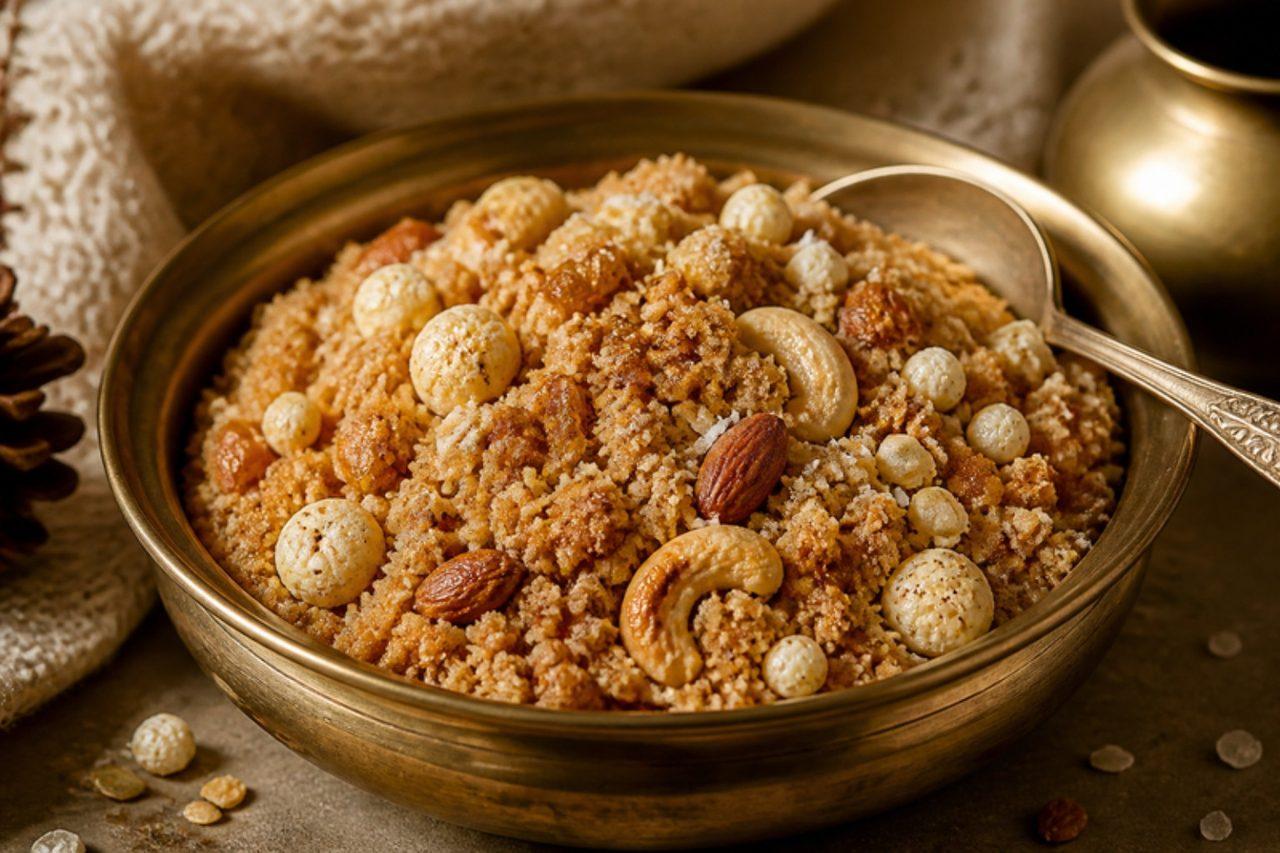
When a baby is born in a Punjabi home, one of the first things the grandmothers do is roast a huge karahi of panjiri, loose, golden crumbs of wholewheat flour fried in ghee and mixed with sugar, nuts, seeds, makhana and crunchy fried gond, meant to warm and strengthen the new mother through the forty days after birth. The same mixture is made in every household from Sialkot to Bahawalpur when the winter cold sets in, eaten by the spoonful with hot milk at night or sprinkled over a bowl of milk for breakfast. It tastes nutty, toasty and lightly sweet, with crunch in every mouthful. The usual way it goes wrong is roasting the flour too fast on a high flame, which browns the outside while the inside still tastes raw. Chef's tip: roast the flour slowly until it is the colour of pale biscuit and smells like baking cookies, and add the sugar only once the flour has cooled, so it stays crunchy rather than melting.

by KrazyBadal 0 views

GajakSesame jaggery brittle

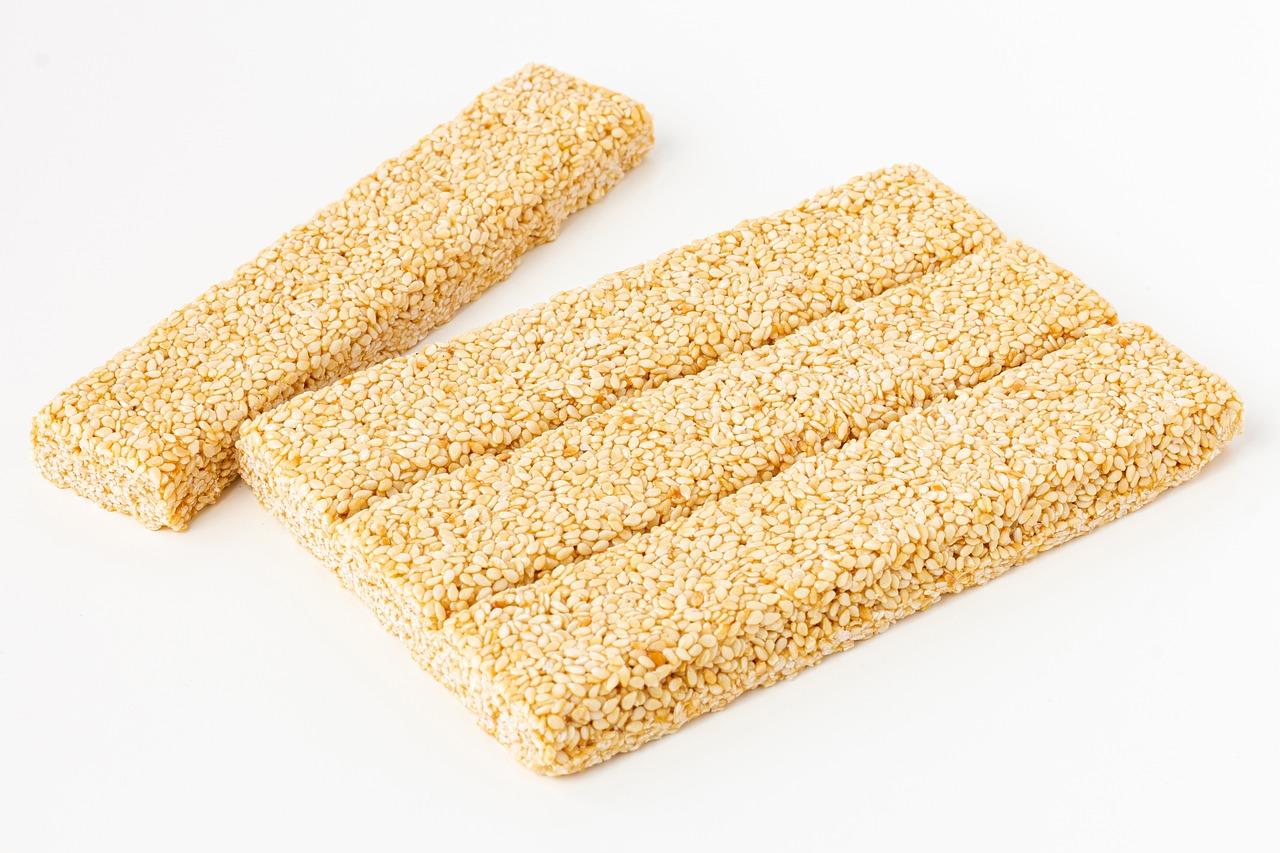
Winter in Punjab has a sound, and it is the snap of gajak: thin, glossy sheets of toasted sesame bound in jaggery, sold from piled trays outside the sweet shops of Multan, Gujranwala and Lahore from the first cold week of December. It is nutty, crunchy and toffee-sweet, with the earthy depth of gur, and families keep a tin of it beside the heater to nibble after dinner with green tea or to share with visitors. The commercial kind is hammered and pulled into flaky layers, but the home version poured thin and rolled flat is what most households make. The pitfall is pulling the jaggery off the heat too early, which gives a brittle that turns chewy and sticky after a day. Chef's tip: test the syrup by dropping a little into cold water; it must snap cleanly at once, and that hard-crack stage is reached quickly, so have the sesame warm and ready. Take care: the syrup is far hotter than boiling water.

by KrazyBadal 0 views

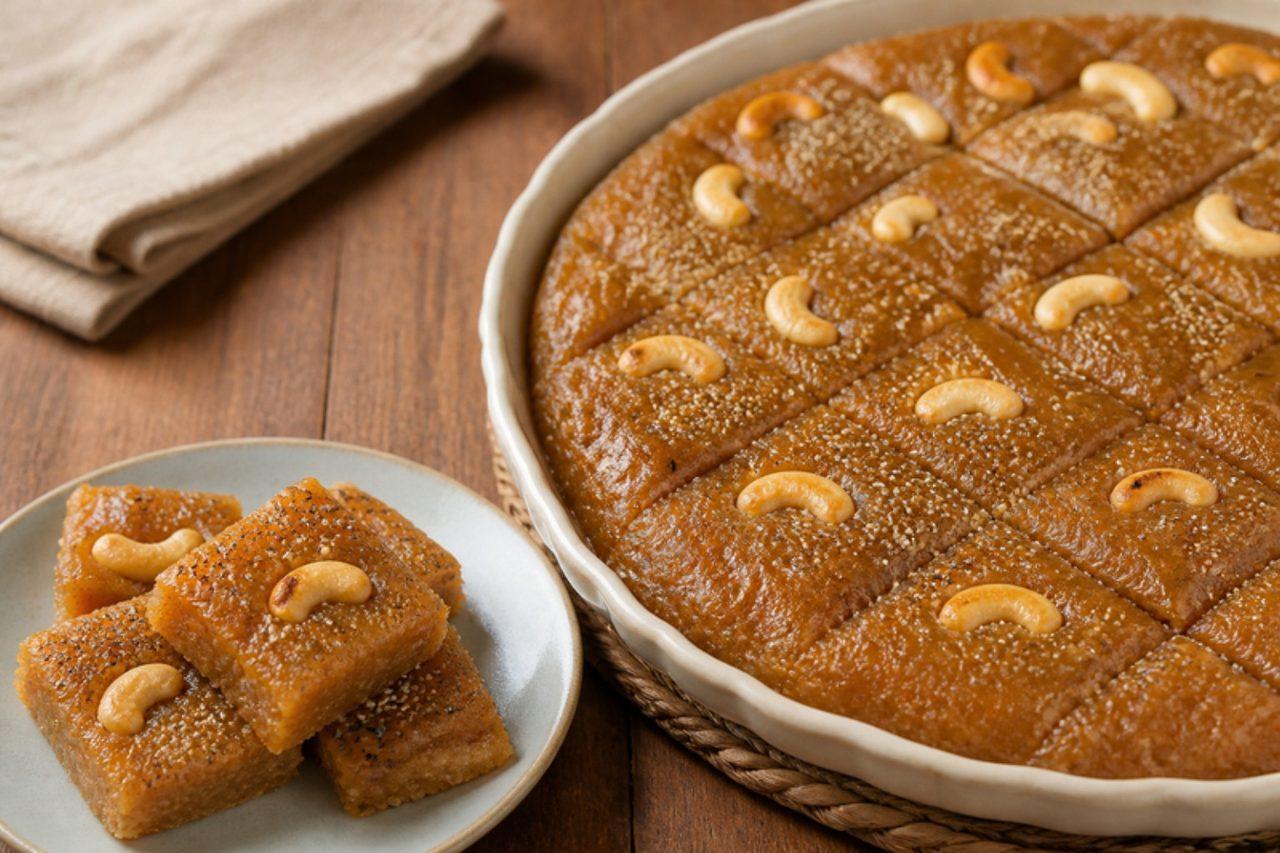
Mont kalamaSticky rice and jaggery fudge

Making mont kalama is a group effort: before weddings, shinbyu novice ceremonies and village pagoda festivals, Burmese families take turns stirring a giant wok of sticky rice flour, coconut milk and jaggery for hours until it turns into a dark, glossy mass. The result, sliced into thick bars and topped with toasted sesame, is chewy and elastic like a soft toffee, tasting of caramel, smoky palm sugar and coconut, much like Malay dodol. It keeps for days, which is why it is a favourite gift to carry home from celebrations. Stopping stirring or turning up the heat to save time is the classic error; it scorches on the bottom and the whole batch tastes bitter. Chef's tip: use a heavy non-stick wok and a sturdy flat wooden spatula, and switch hands often.

by KrazyBadal 0 views

Habshi halwaSprouted wheat and milk halwa

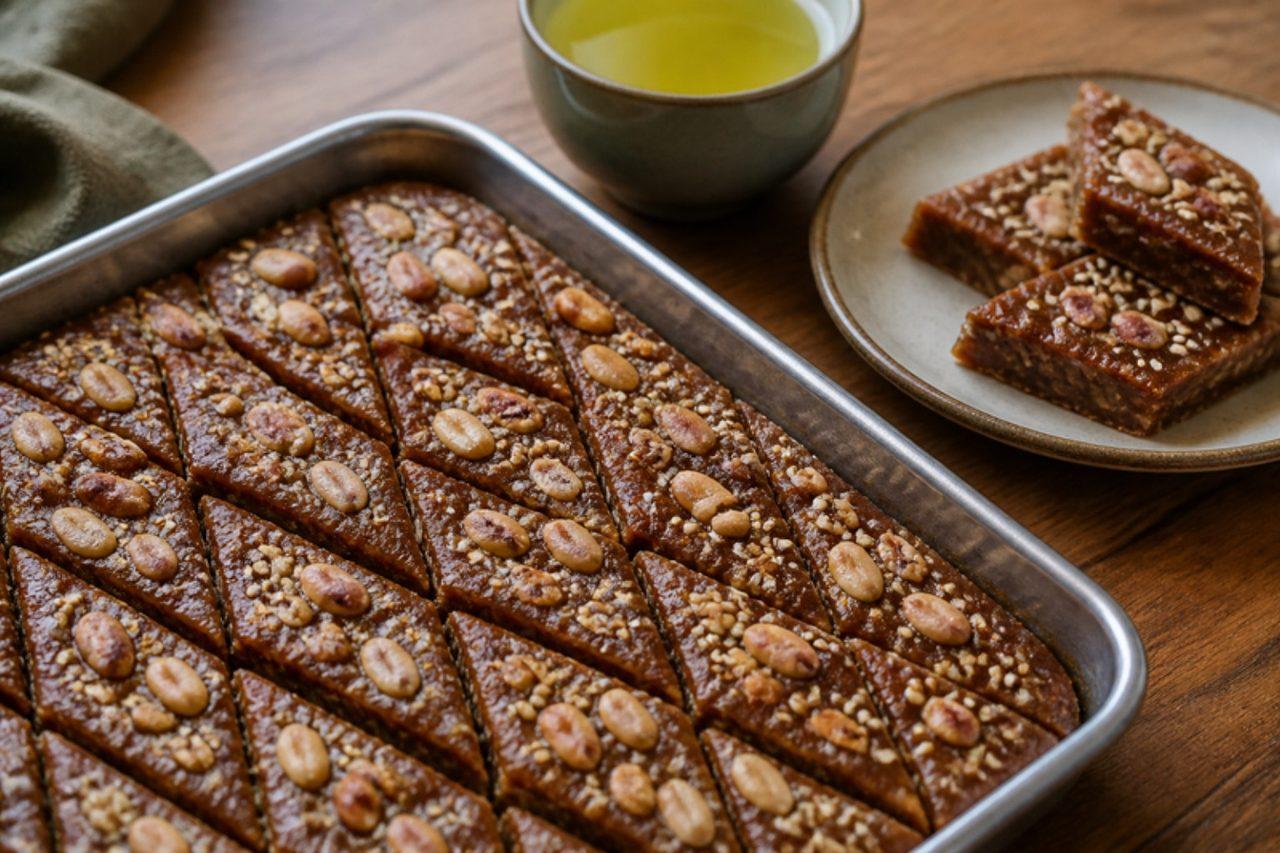
Few sweets demand as much patience as habshi halwa, the near-black, glossy, chewy slab that the old halwais of Lahore's Anarkali and Ichhra stir for most of a day in wide brass karahis. Full-cream milk is reduced with sprouted wheat flour (samnak) until the sugars caramelise and the mixture darkens from cream to coffee to deep mahogany, then ghee is worked in until it leaks out shining at the edges. The taste is of toffee, malt and toasted nuts, rich enough that a small square with tea is plenty, and it is a winter gift sent to relatives and given at weddings. Sprouting wheat takes two or three days, so plan ahead, or use the flour sold as samnak in South Asian shops. The mistake that spoils most batches is turning up the heat to save time, which scorches the milk on the base and makes the halwa bitter instead of deeply caramelised. Chef's tip: caramelise a third of the sugar separately to a dark amber before adding it, which gives the colour without hours of extra stirring.

by KrazyBadal 0 views

Showing 72 of 2,809 recipes

Show more recipes

Page 62 of 118

More Jain ideas

Other diets