Skip to content
WhatToEat.Today

No onion, no garlic recipes (Swaminarayan and sattvic)

3,470

3470 vegetarian recipes cooked without onion or garlic, as in Swaminarayan and sattvic kitchens, with no meat, fish, eggs or alcohol. Each has photos, step-by-step instructions and cook times. The quickest, Apfelschorle, takes 2 minutes. Most take around 45 minutes.

Filter these by time, diet or cuisine · Make No onion & garlic your diet to see only these recipes everywhere on the site.

Shio pan

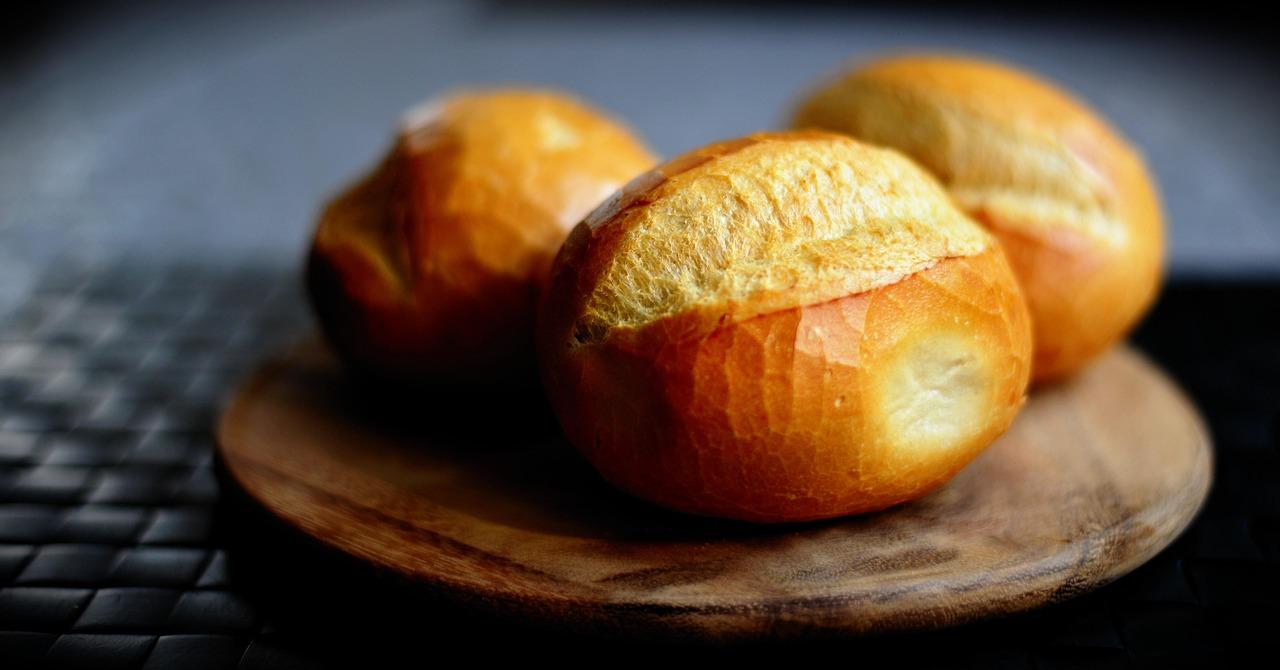
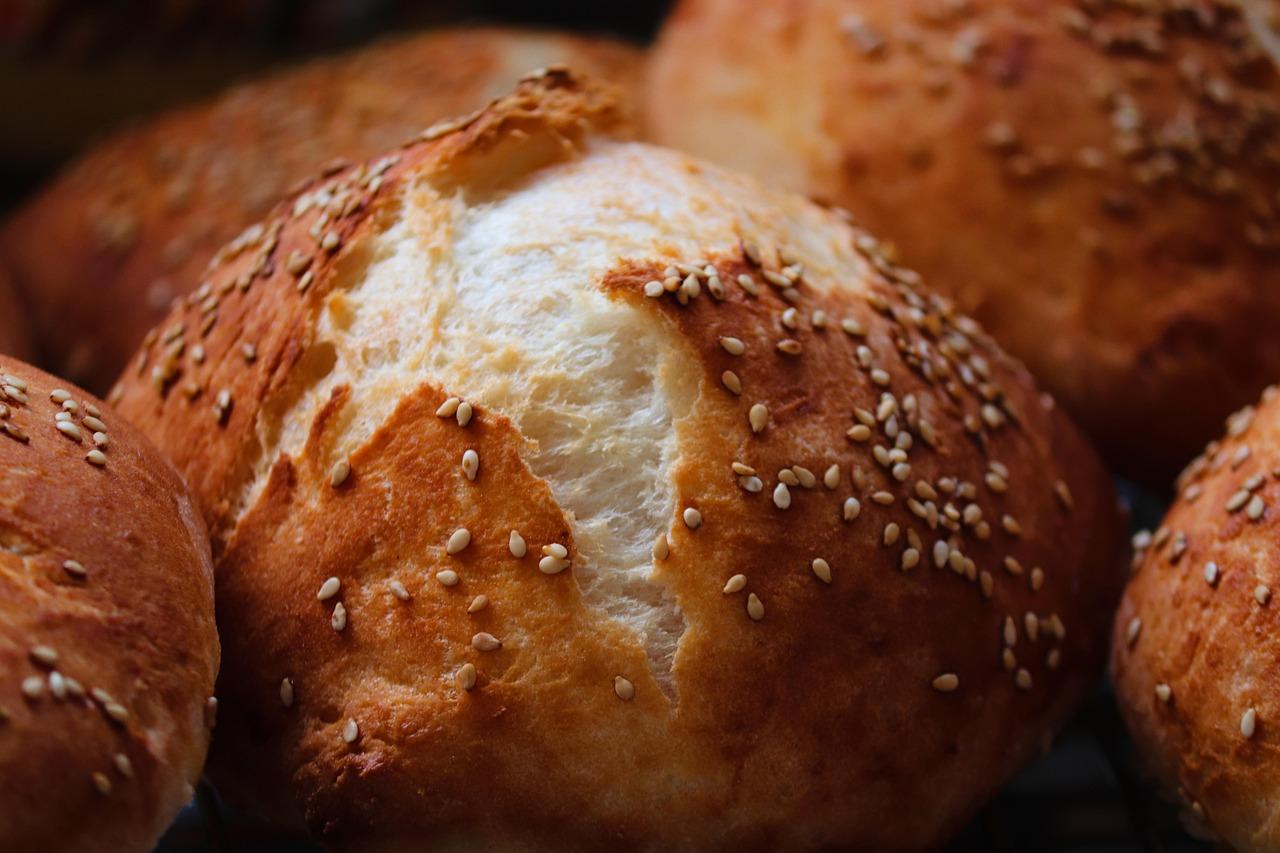
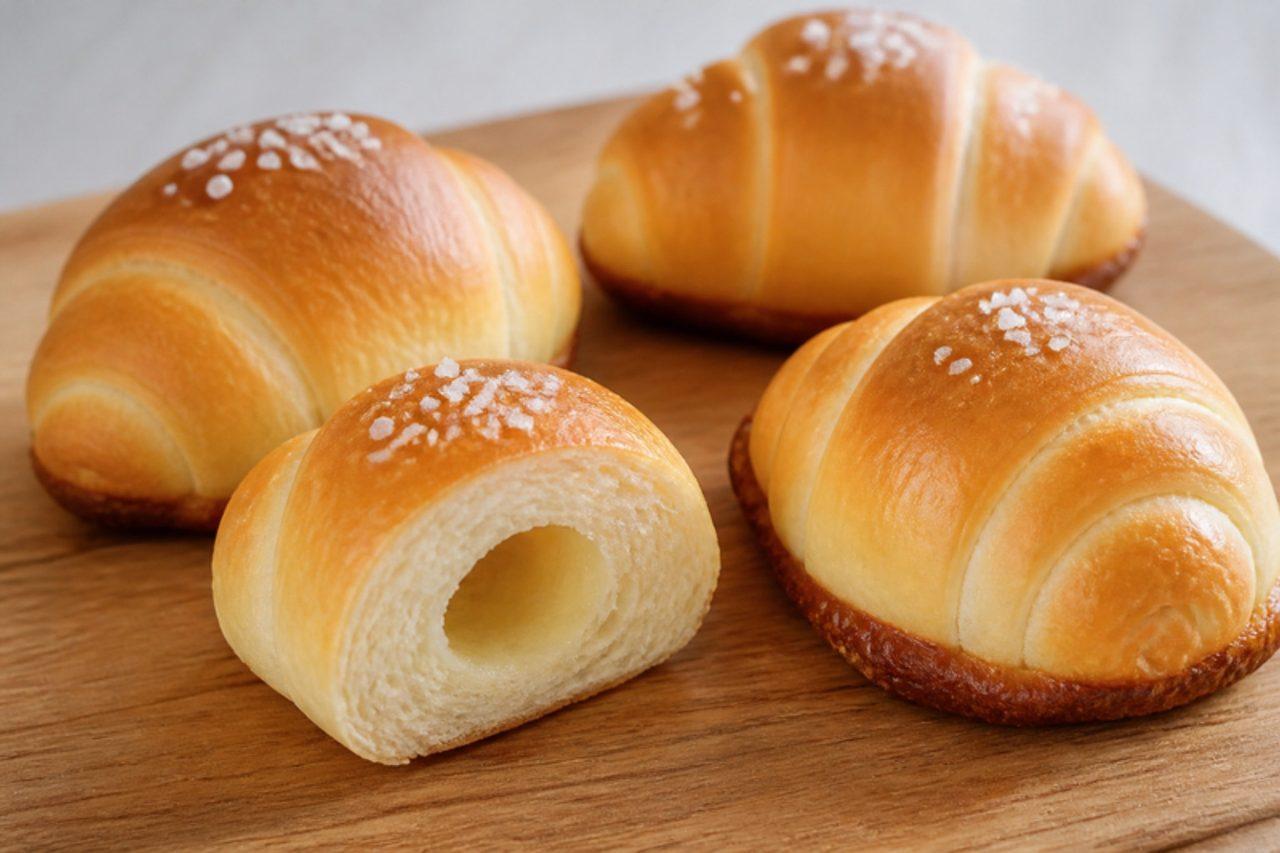
Shio pan (塩パン) began in 2003 at a small bakery in Yawatahama, a port town on the Ehime coast of Shikoku, and spread so fast that most Japanese bakeries now sell their own, as do the 'sogeum-ppang' shops of Seoul. Each roll is wound around a stick of cold butter; in the oven the butter melts out and fries the base, leaving a crisp, salty, golden bottom, a hollow, buttery tunnel inside and soft, chewy bread on top, finished with flaky salt. Eat them warm for breakfast with coffee, or split them for an egg or cucumber sandwich. Proving them somewhere too warm is the classic misstep: above about 28°C the butter leaks out before baking and the rolls lose their crunch. Chef's tip: leave the rolls on the tray for a couple of minutes after baking so they soak the melted butter back up into their bases.

by KrazyBadal 0 views

Mango floatMango icebox cake

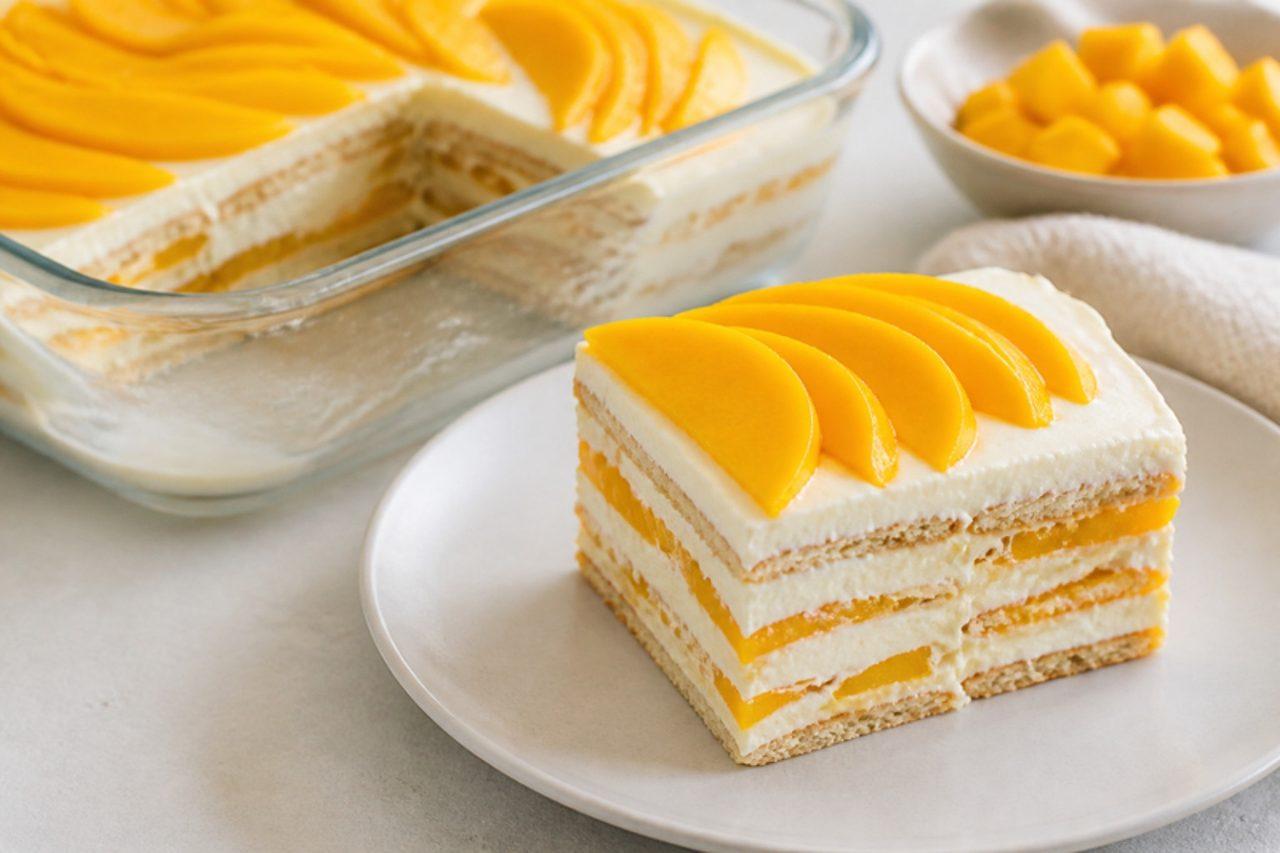
Mango float is the no-bake party cake of the Philippines, made in a big dish for birthdays, graduations and fiestas when Philippine mangoes are at their sweetest. Layers of crackers soften overnight in sweet cream until they slice like cake, with ripe mango in every forkful. Older children can assemble it themselves. It contains milk and gluten. Chef's tip: use mangoes that are fully ripe and fragrant but still firm enough to slice neatly; stringy, sour mangoes spoil it.

by KrazyBadal 0 views

Roti bakar (Indonesian toasted bread)

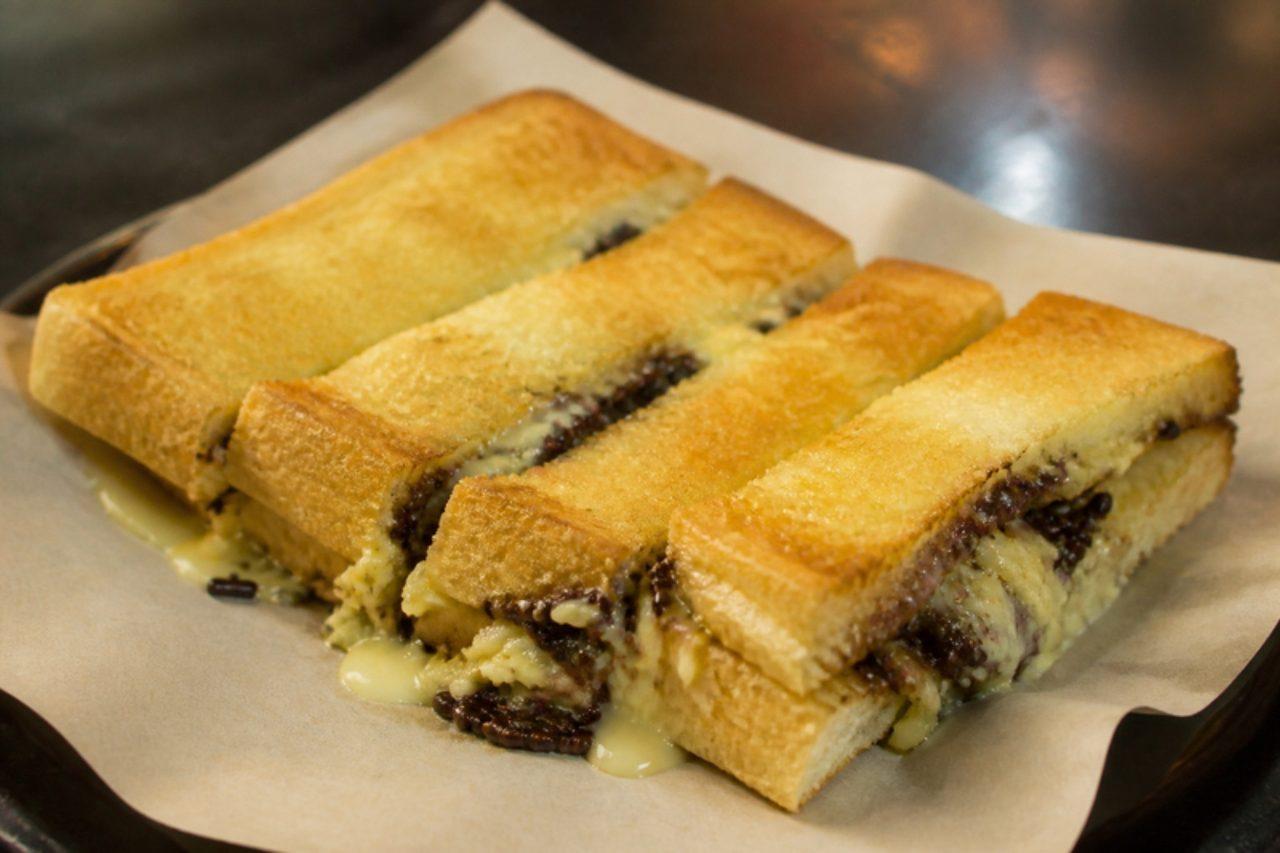
Roti bakar stalls light up street corners all over Indonesia from late afternoon, and children from Jakarta to Surabaya beg for the classic filling of chocolate sprinkles with grated cheese, an unlikely pairing that works. Thick slices of soft bread are spread with butter, toasted on a hot plate until crisp and golden, filled and cut into fingers. Traditional versions add a lot of condensed milk; here it is an optional drizzle. It contains gluten and milk (and may contain soya in the chocolate). Chef's tip: press the bread flat with a spatula as it toasts so the filling melts into it.

by KrazyBadal 0 views

PalianytsiaRound hearth loaf

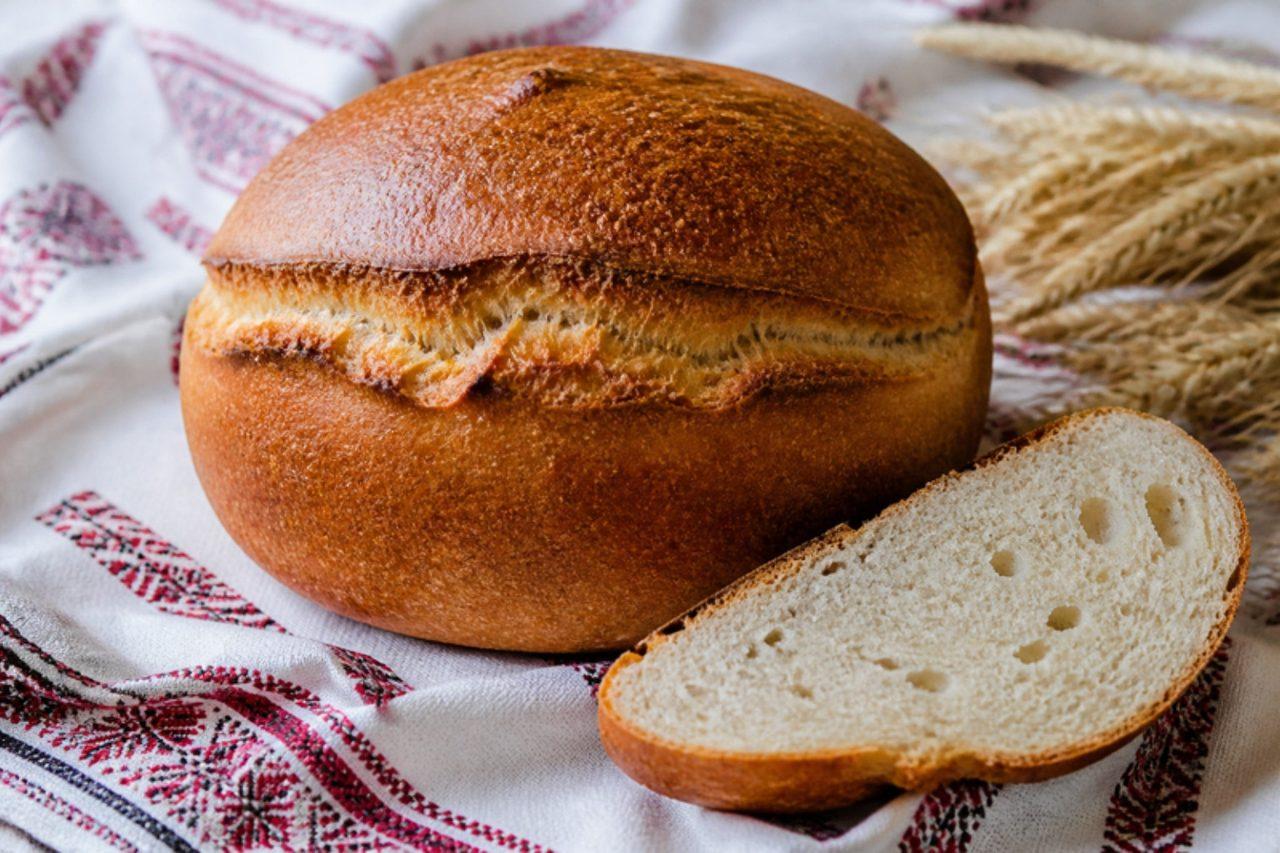
Its name is famously hard to pronounce for anyone who did not grow up speaking Ukrainian, and the loaf itself is just as recognisable: a tall, round wheat hearth bread with one deep cut along its side, which opens in the oven into a raised, crunchy crest. Ukrainian families have long baked palianytsia for everyday meals and for welcoming guests. The crust is thick and well browned, the crumb white, open and slightly chewy. It belongs next to a bowl of borscht with garlic, or sliced with sunflower oil, salt and spring onions. A slow rise gives it flavour, so it uses little yeast. A shallow, timid cut is the commonest mistake: the side bursts in a random place instead of lifting into the crest. Chef's tip: cut at a low angle, about 2 cm deep, a third of the way up the side, and cool the loaf fully before slicing.

by KrazyBadal 0 views

Borodinsky breadDark sourdough rye with coriander

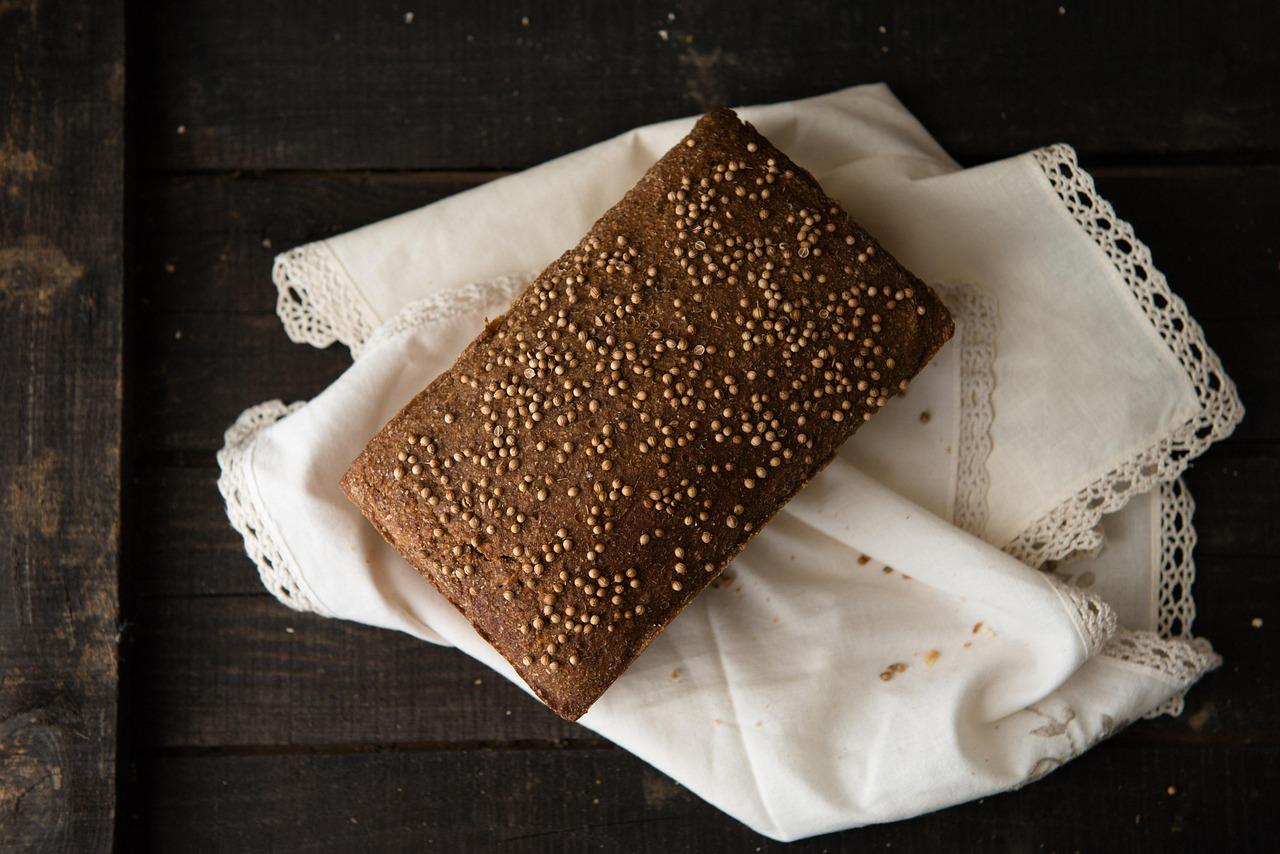
Moscow's darkest everyday loaf is said to be named after the 1812 Battle of Borodino, though the recipe bakers follow today was fixed by the city's bread trust in 1933. Borodinsky (Бородинский хлеб) is a dense, moist sourdough rye, sweet-sour from molasses and red fermented rye malt, with whole coriander seeds crackling on the crust. Russians slice it thin for breakfast with butter and salted cucumbers, alongside borscht or herring for meat-eaters, or under a slice of cheese with strong tea. The method looks long, but most of it is the starter and the scald quietly working on their own. The usual mistake is cutting it on baking day: rye crumb needs a full day wrapped in a cloth to set, and a warm loaf is gummy right through. Chef's tip: red fermented rye malt gives the colour and the deep flavour; plain diastatic malt will not do the same job, so look for the reddish-brown 'fermented' kind in Eastern European shops.

by KrazyBadal 0 views

LimpaSweet orange and fennel rye loaf

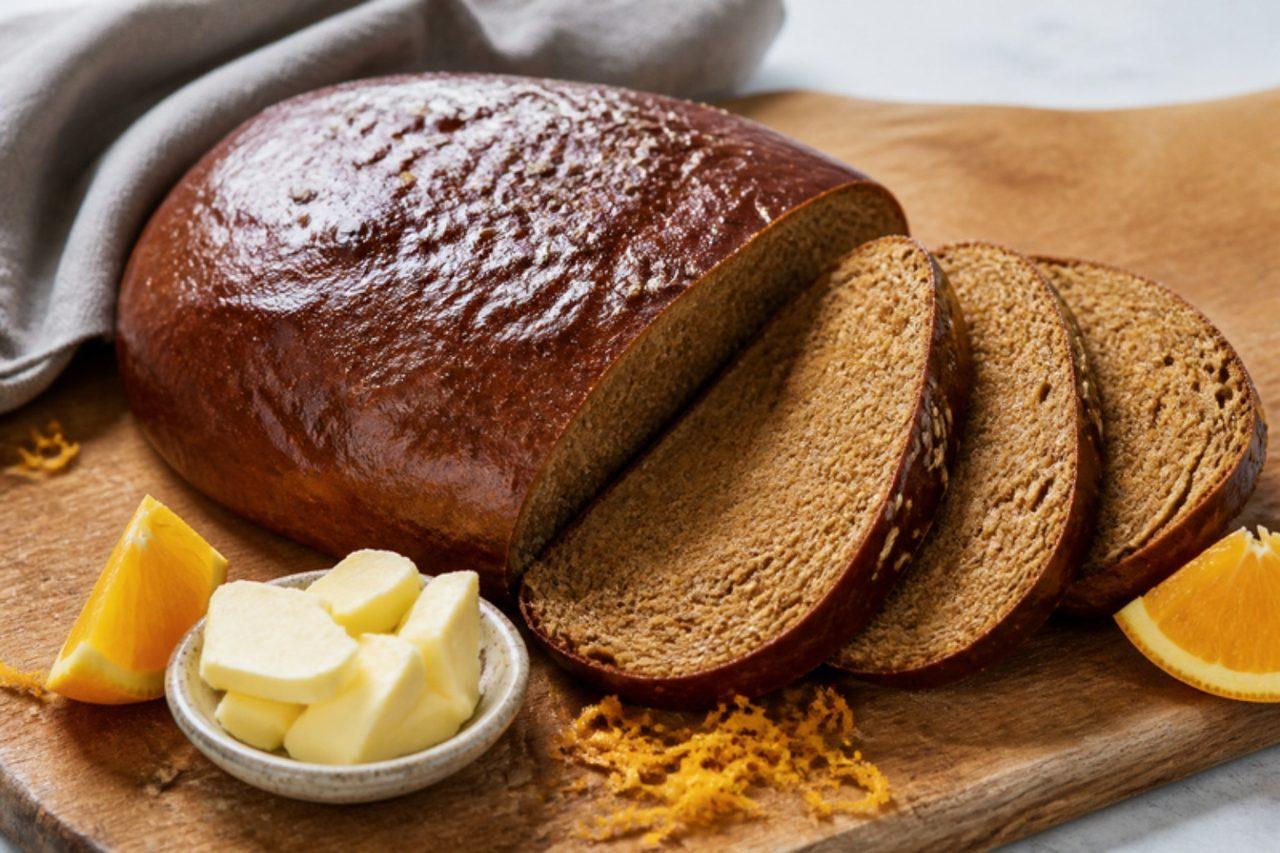
Sweet, fragrant and a little dark, limpa is the soft rye loaf that Swedes slice thinly for breakfast and stack high on the Christmas julbord. Dark syrup gives it a gentle sweetness and a deep brown crumb, while orange zest, fennel and anise make the whole kitchen smell festive. The Christmas version, vörtlimpa, is made with wort or dark beer; this everyday loaf uses milk instead, so there is no alcohol. Eat it with butter and a sharp aged cheese, with marmalade, or with pickled beetroot and egg on the smörgåsbord. Rye dough is sticky by nature, and working in extra flour until it feels like wheat dough is the classic mistake that bakes a heavy brick; oil your hands instead. Chef's tip: brush the loaves with syrup and water the moment they come out of the oven, which gives them their soft, glossy, slightly sticky crust.

by KrazyBadal 0 views

RieskaPotato and barley flatbread

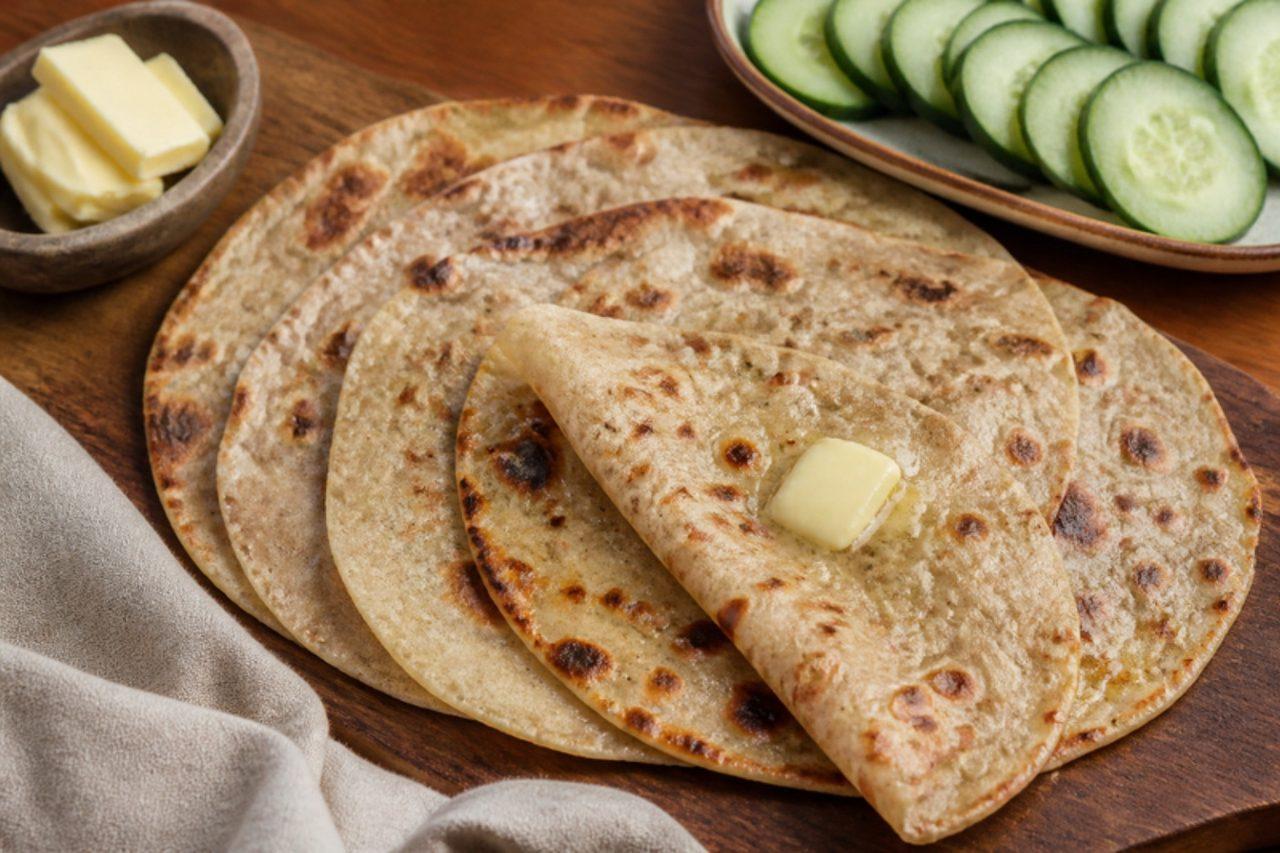
Ten minutes in a very hot oven is all rieska needs, which is why Finnish cooks in Lapland and Ostrobothnia have long baked it on the spot whenever there were cold boiled potatoes in the larder. This version, perunarieska, is unleavened: mashed potato bound with barley flour, rolled thin and baked until speckled brown. It is soft and slightly chewy, with an earthy barley flavour, and is best eaten straight from the oven with plenty of butter melting into it, perhaps with cheese and cucumber or a bowl of soup. Barley gives it the traditional taste but means it is not gluten free. Using warm potatoes is the common mistake; they soak up far more flour and the rieska turns tough. Chef's tip: prick the rounds all over with a fork before baking so they stay flat, then stack them under a cloth as they come out to keep them soft.

by KrazyBadal 0 views

Baguette

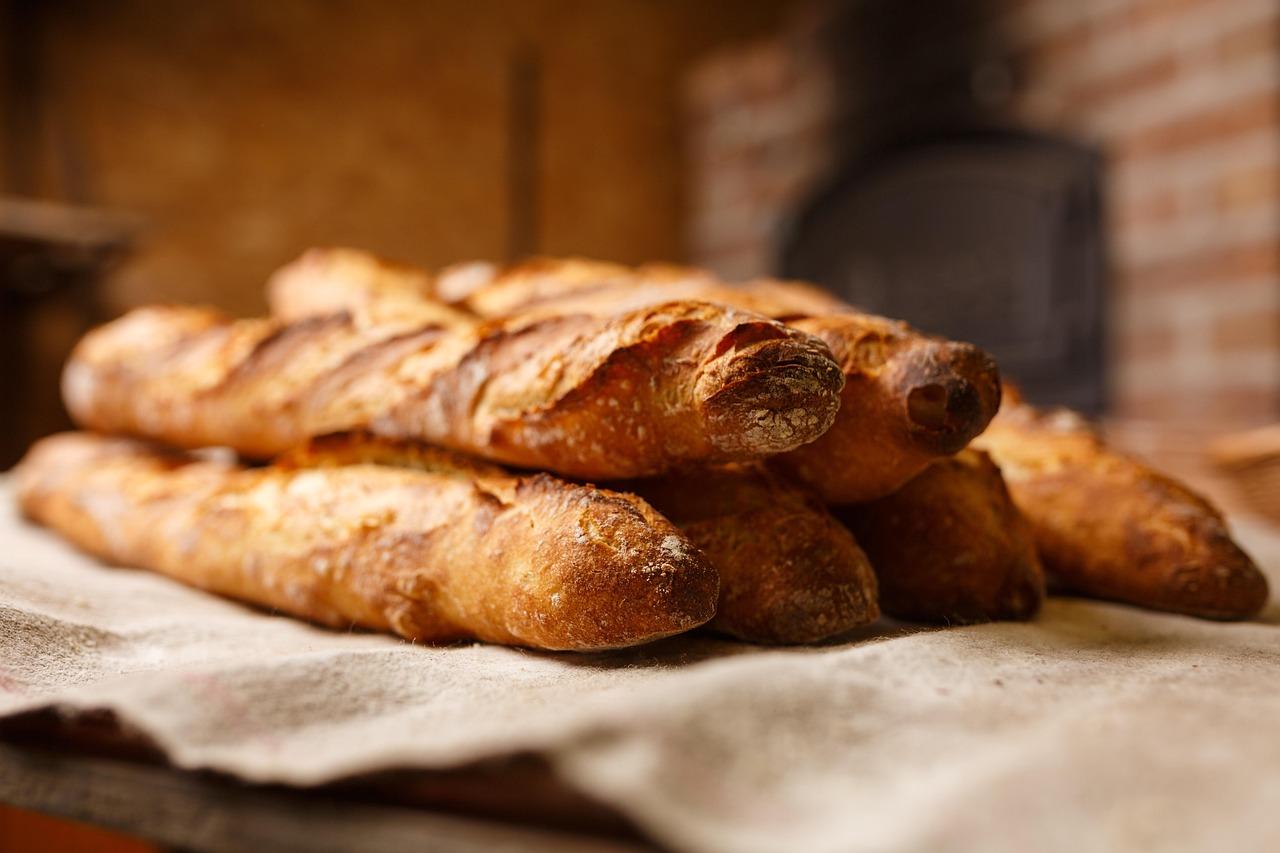
Four ingredients and nothing else: since a 1993 decree, a loaf sold in France as a baguette de tradition may contain only flour, water, salt and leavening. Parisians buy one or two a day, warm from the boulangerie, and the end of the loaf rarely makes it home uneaten. A good one has a thin, shattering, deep golden crust, an open, creamy crumb and a faint nutty sweetness from a long, slow rise. Tear it for butter and jam at breakfast, split it for a jambon-beurre or a cheese sandwich, or put it on the table with soup, salad and a cheese board. Shaping is where most home bakers go wrong: pressing all the air out while rolling the dough long gives a tight, cottony crumb, so handle it lightly and let the bench rest do the work. Chef's tip: cut the slashes almost lengthways, at a shallow angle with the blade nearly flat, and overlap each one by a third; straight-down, crosswise cuts just open into flat scars instead of the raised 'ears' you want.

by KrazyBadal 0 views

Pain de campagneCountry sourdough loaf

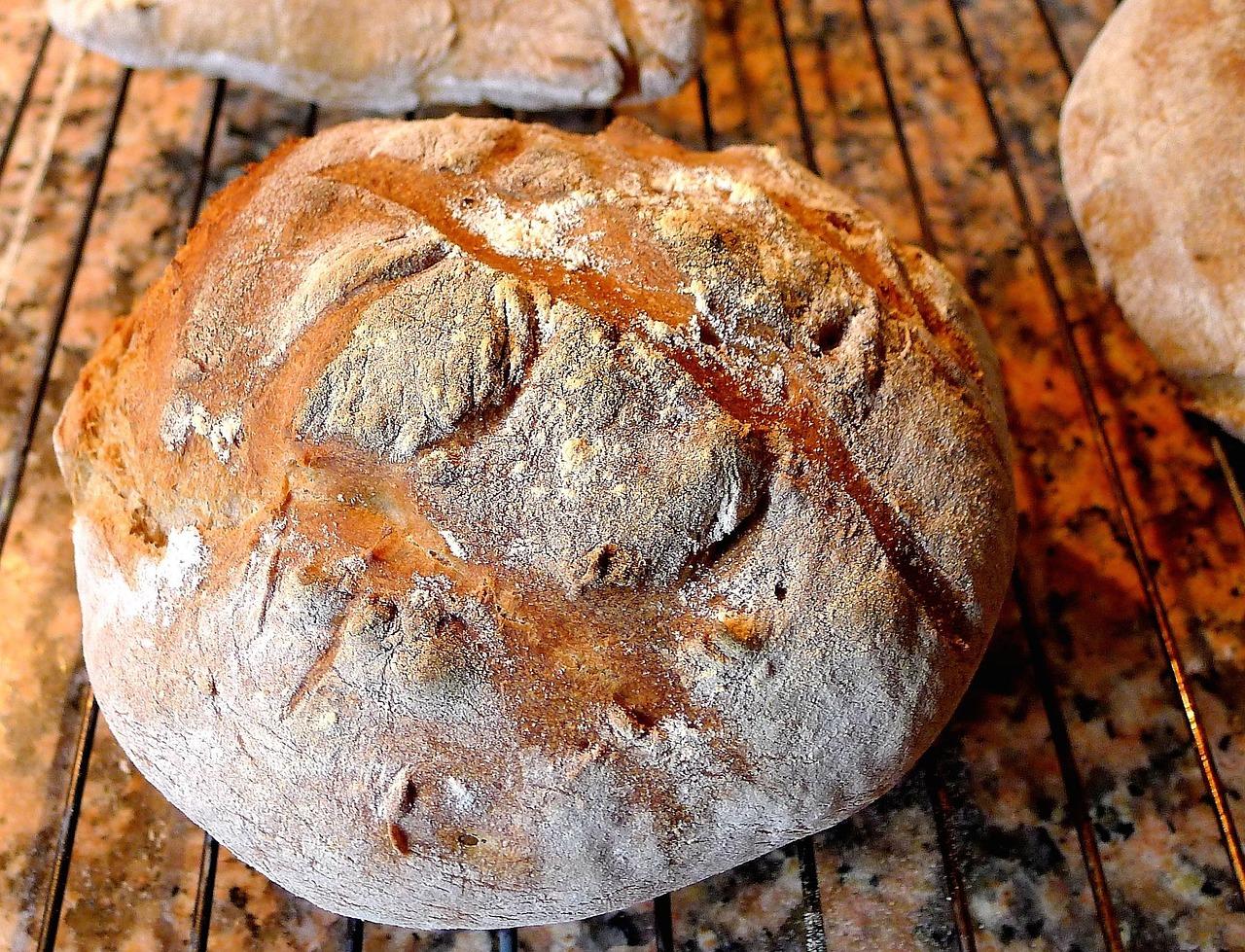
Picture a round, flour-dusted boule on the counter of a village bakery in Burgundy or the Auvergne: that is pain de campagne, the 'country loaf' French families once baked weekly in a shared oven and kept in a cloth for days. A little wholemeal rye in the dough gives a greyish crumb, an earthy, gently sour flavour and a thick, crackling crust that stays good for four or five days. Slice it for tartines with butter and honey, toast it for soup, or serve it with a cheese board, onion soup or a slow vegetable stew. This version builds a fresh leaven in the morning and rests the shaped loaf in the fridge overnight, so you bake first thing the next day. Many home loaves come out pale and soft because they are pulled too early; French bakers call the dark finish 'bien cuit', and that colour is where the flavour lives. Chef's tip: bake straight from the fridge into a screaming-hot lidded casserole; the cold, firm dough is easier to score and springs up higher.

by KrazyBadal 0 views

GijdaThick milk and butter bread

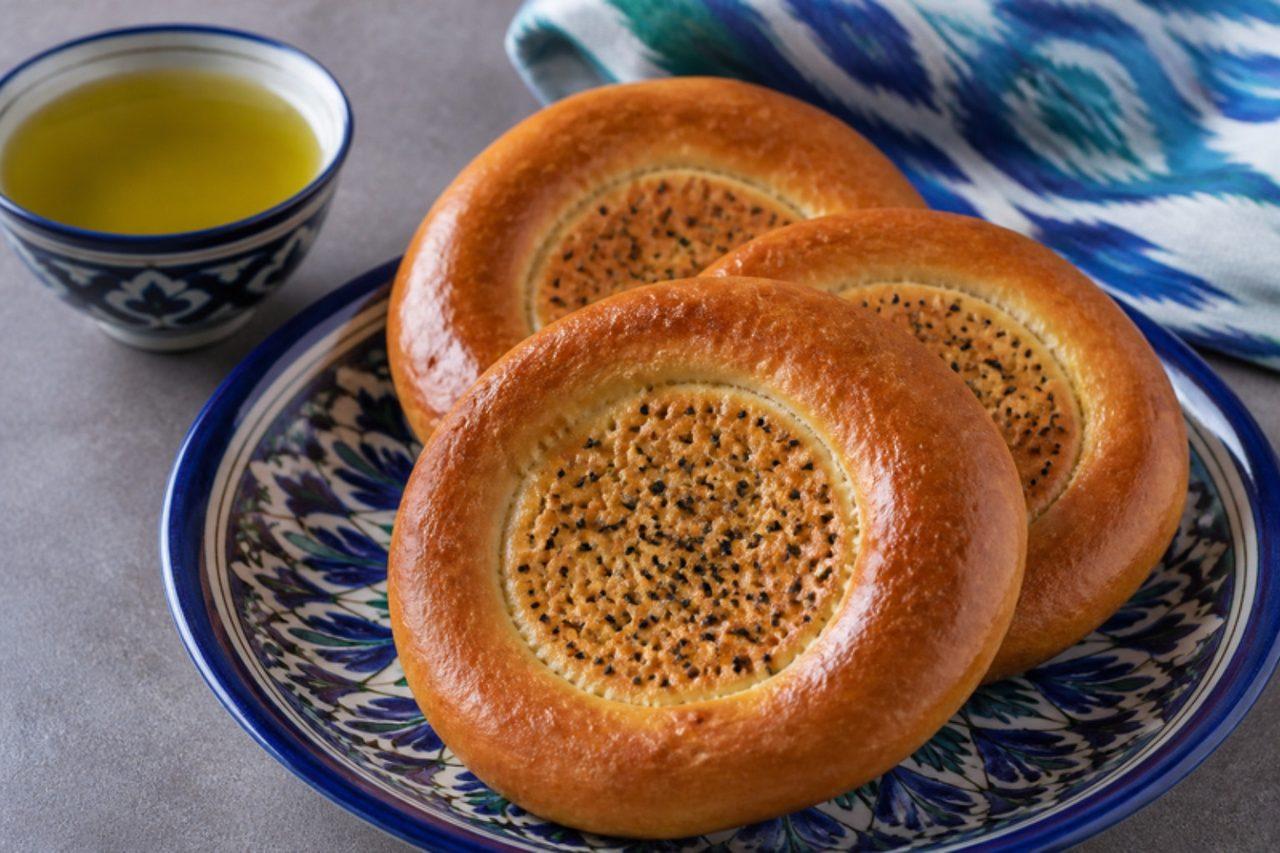
Small, thick and glossy, gijda is the richer cousin of the big Uzbek non, sold in stacks at the bazaars of Tashkent and Samarkand and carried to weddings, family visits and long afternoons of green tea. Milk and butter in the dough make it fine-crumbed and tender, a little sweet, with a deep-golden domed rim and a flat, pricked centre that stays crisp. It is eaten with green tea and honey, torn beside plov, or with a bowl of shurpa. Bakers stamp the middle with a chekich, a wooden tool full of nails; a fork does the same job at home. If the centre is not pressed down hard enough it puffs up in the oven and you lose the classic shape, which is the most common mistake. Chef's tip: press the centre flat with the base of a glass first, then prick it all over, so the rim stays high and the middle stays thin.

by KrazyBadal 0 views

Aish merahrahCorn and fenugreek flatbread

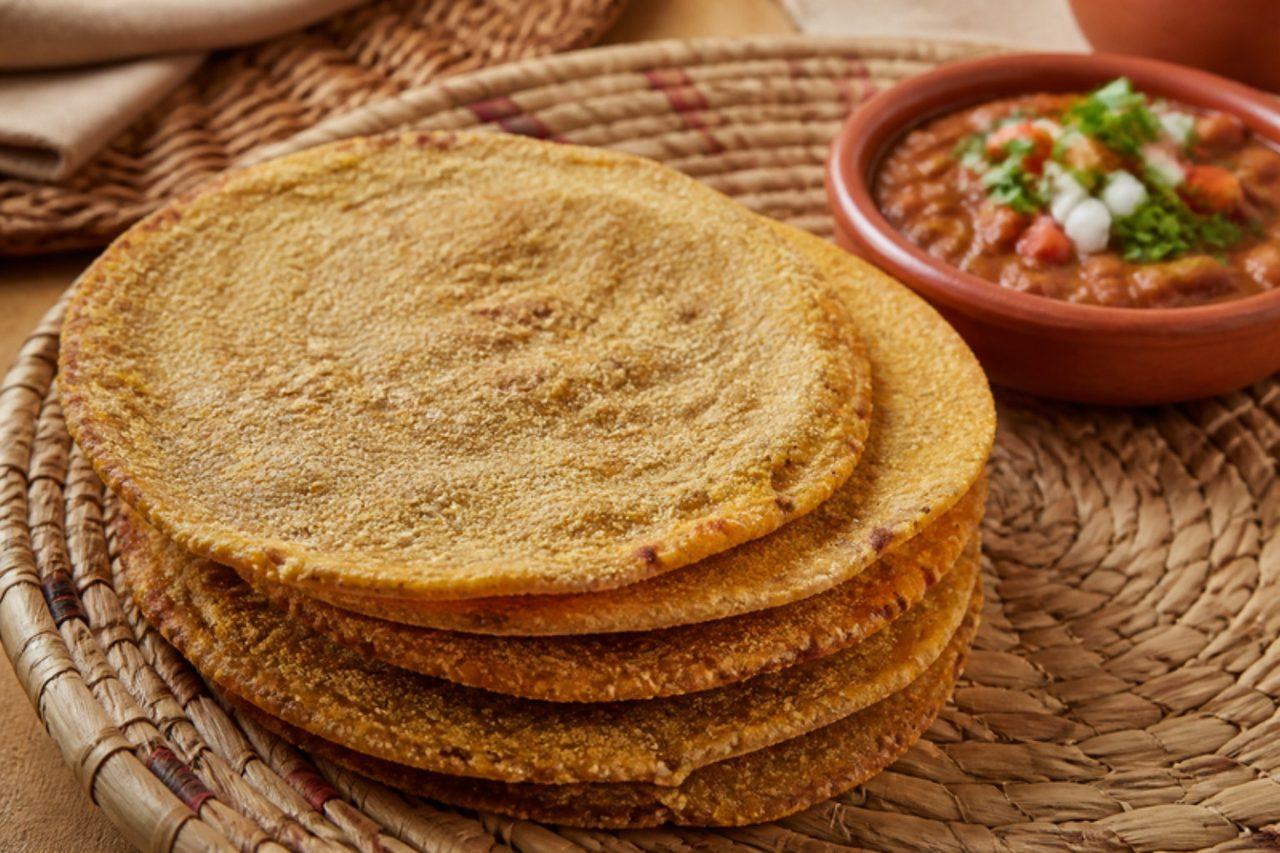
Village women in Sohag, Qena and the countryside around Luxor still bake aish merahrah in mud-brick ovens, a whole week's supply at a time. Made mostly from maize flour with ground fenugreek seeds, it is thin, rough-textured and crisp at the edges, with a gently bitter, maple-like fenugreek aroma and a faint sourness from fermentation. Fresh, it is folded around ful medames, salty mish cheese or a dab of molokhia; dried, it keeps for weeks and is crumbled into soups and stews. A little wholemeal wheat flour holds the dough together, so it is not gluten free. Maize has almost no stretch, and trying to roll it like wheat dough is the classic mistake: it cracks and tears, so pat it out with wet hands instead. Chef's tip: toast the fenugreek seeds in a dry pan for a minute before grinding; it softens their bitterness and deepens the nutty flavour.

by KrazyBadal 0 views

ChaplasHollow puffed Andean bread

Walk through Ayacucho's central market at seven in the morning and you will see women selling stacks of chaplas from cloth-lined baskets, still warm from the wood-fired ovens of the Andes. These round wheat breads puff up like pita in the fierce heat, leaving a hollow pocket inside a thin, soft, lightly floury crust. In Ayacucho and Huancavelica they are eaten with sweet coffee or hot emoliente for breakfast, or split and filled with queso fresco, avocado or a spoonful of rocoto sauce. Highland bakers traditionally work in a little lard; vegetable shortening gives the same tenderness and keeps the bread vegan. A cool baking tray is the reason chaplas stay flat, so preheat it thoroughly. Chef's tip: let the rolled rounds rest before baking and flip them upside down onto the tray, so the smooth, dry side meets the heat first and the pocket opens evenly.

by KrazyBadal 0 views

Tabouna breadSemolina clay-oven flatbread

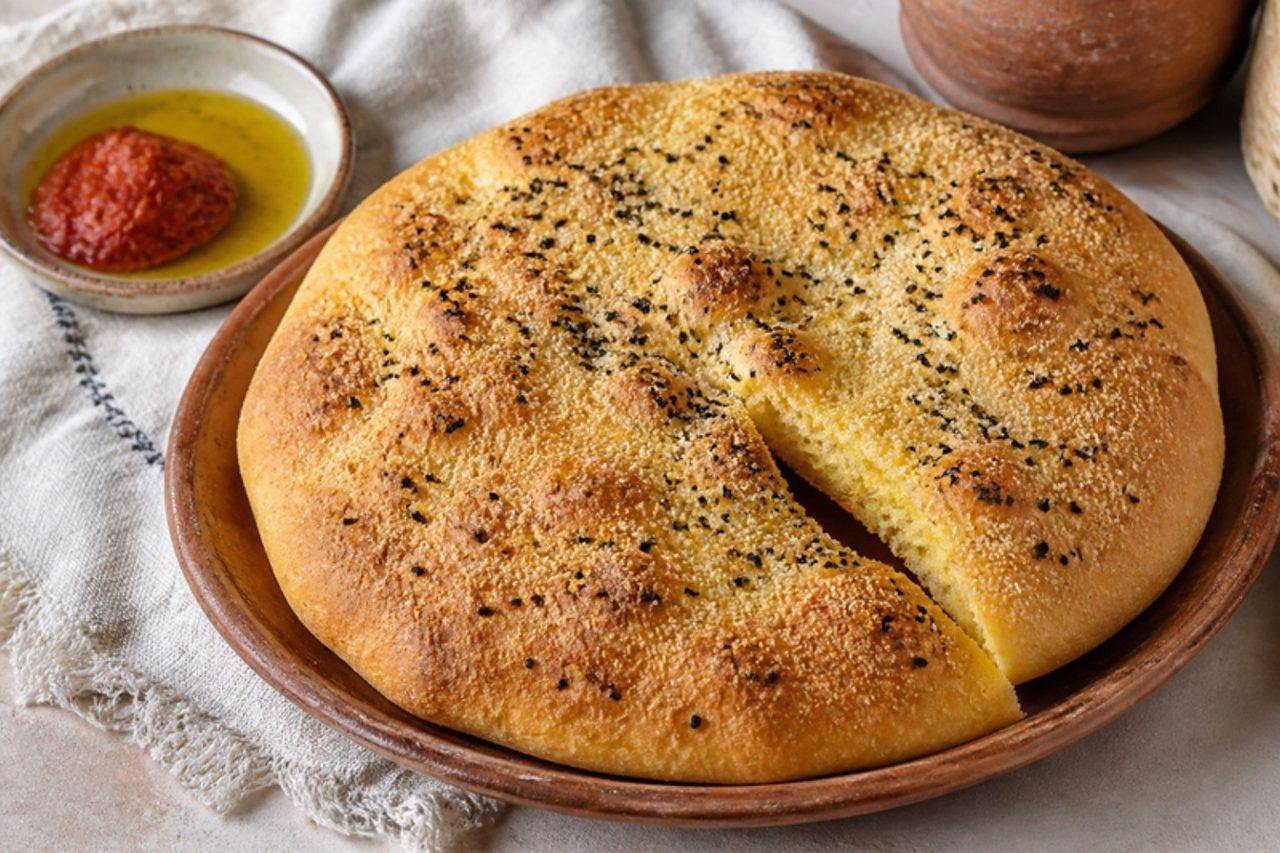
Named after the clay oven it is baked in, tabouna bread is slapped by Tunisian village women against the oven's hot inner wall, where it puffs and blisters in minutes. It is a round semolina bread, golden and slightly gritty outside, tender and yellowish within, with the sweet, nutty taste of durum wheat and a hint of olive oil. Roadside stalls from Kairouan to the Cap Bon sell it warm to wrap around harissa, olive oil and mechouia, the smoky grilled-pepper salad, or to tear into a bowl of lablabi, the garlicky chickpea soup. A hot baking tray does the oven's job at home. Semolina drinks water slowly, and adding extra flour because the dough feels wet at first is the mistake that makes a dry, heavy bread. Chef's tip: shape the rounds with wet hands rather than floury ones; it keeps the dough soft and gives the crust its blistered finish.

by KrazyBadal 0 views

RohlíkSalt and caraway breakfast roll

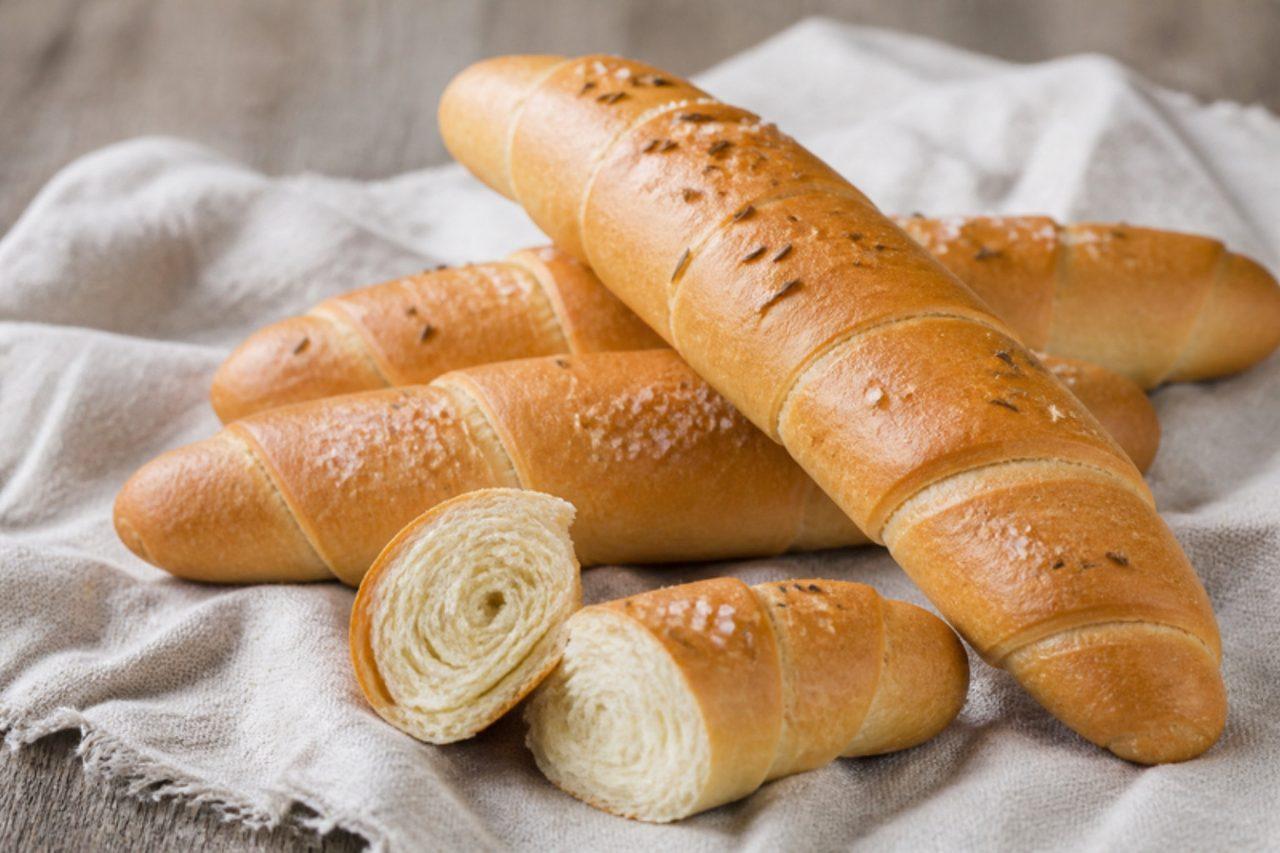
Ask a Czech or Slovak what they ate for breakfast as a child and the answer is usually a rohlík: a long, slim roll rolled up from a triangle of dough, sold for a few crowns at every bakery and supermarket from Prague to Bratislava. It has a thin, crisp golden crust scattered with coarse salt and caraway, and a soft, tight spiral inside. People eat it with butter and jam, with a spread such as egg or bean pomazánka, with a cup of white coffee, or simply dunked in a mug of cocoa. This version uses sunflower oil, so it is vegan. Rolling the triangles loosely is the usual mistake; the spiral opens in the oven and the roll splits. Chef's tip: stretch each triangle gently by its point as you roll it up, which keeps the coil tight and gives the long, even shape.

by KrazyBadal 0 views

BaijimoGriddle-baked flatbread

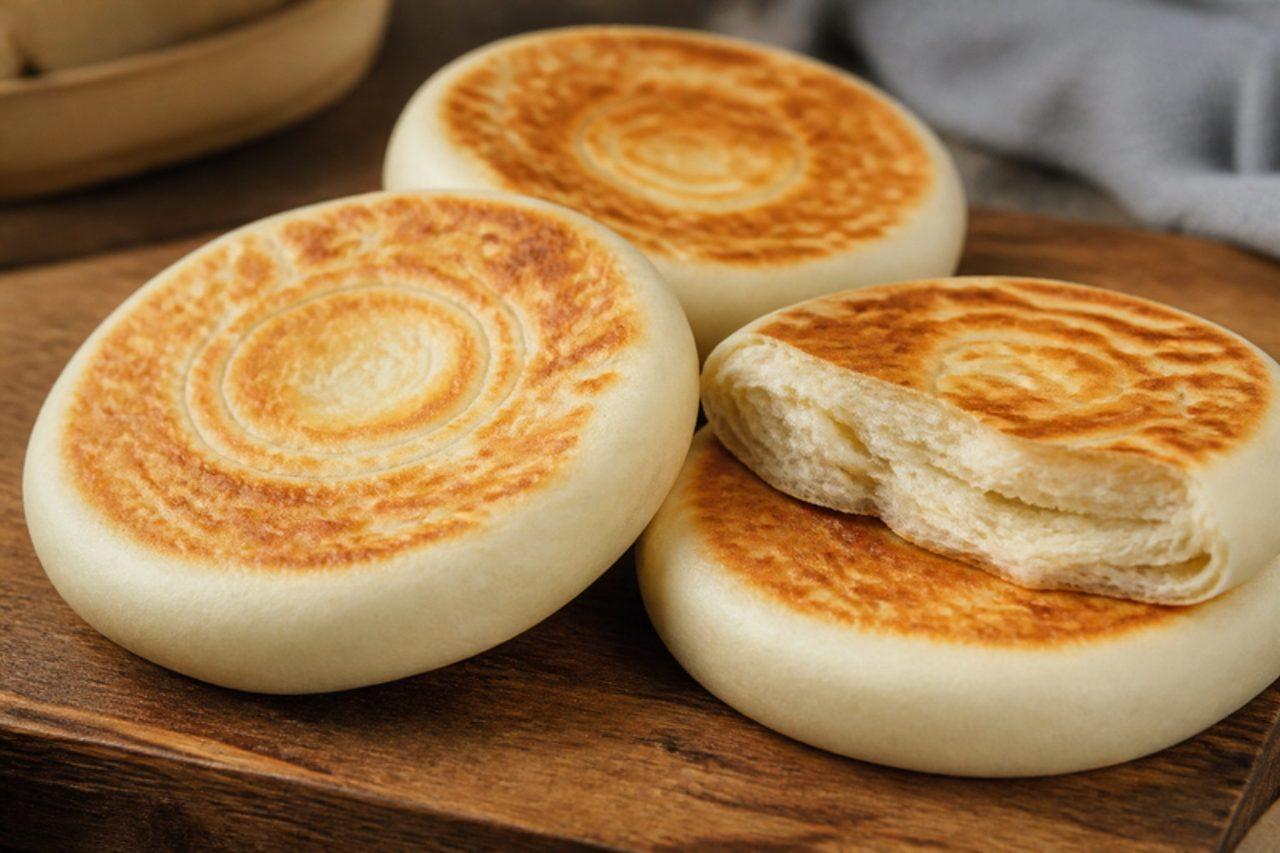
Xi'an street cooks describe a good baijimo with a three-part saying: an iron ring, a tiger's back and a chrysanthemum heart. That means a pale, firm rim, a top mottled golden like tiger stripes, and a spiral pattern in the middle. Inside it is fluffy and layered, outside thin and crisp, and it is split from the side while hot to make roujiamo, the famous Shaanxi sandwich of chopped braised pork. For a meat-free filling, use braised shiitake and tofu with chilli oil, or spicy shredded potato. The dough is only half-risen on purpose; letting it fully prove is the mistake that gives you a soft, bun-like bread with no crunch. Chef's tip: twist the coil as you stand it on end and press it flat, which is what draws the spiral into the chrysanthemum heart.

by KrazyBadal 0 views

SomunDimpled flatbread

During Ramadan in Sarajevo, queues form outside the Baščaršija bakeries in the last hour before iftar, everyone waiting for somun still warm from the oven. It is a round, pale flatbread about three fingers thick, with a crust so thin it barely crackles and a soft, airy middle, and a criss-cross grid pressed into the top. All year it is split and stuffed with ćevapi and onions at the grill houses; for a meat-free plate, fill it with kajmak, roasted peppers and ajvar or grilled vegetables. Somun should stay pale: leave it in the oven until it is brown and the crust turns hard, which is the commonest mistake. Chef's tip: wrap the loaves in a clean tea towel the moment they come out; the trapped steam softens the crust to that typical pillowy finish.

by KrazyBadal 0 views

TelerasSoft two-groove sandwich rolls

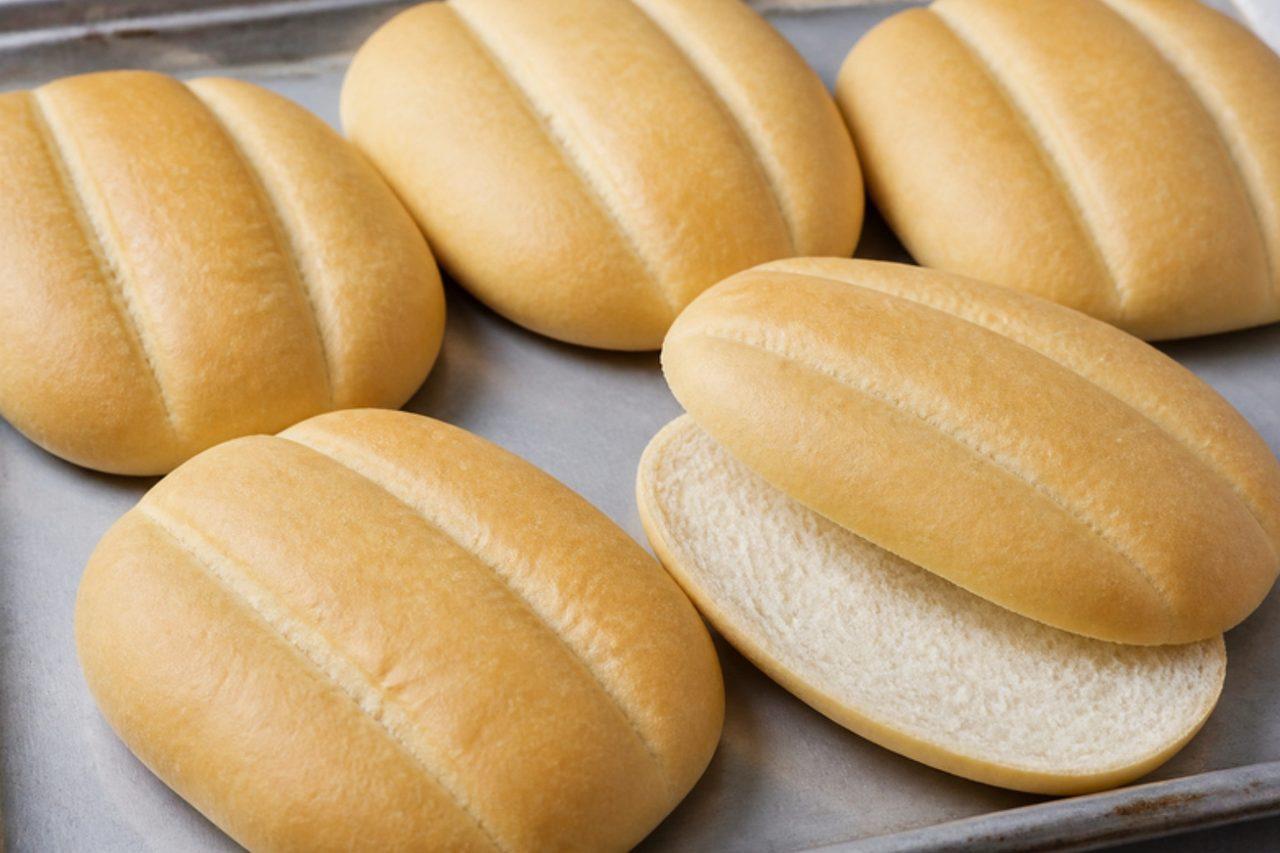
Without teleras there would be no torta, Mexico City's great lunchtime sandwich. These wide, flattish oval rolls, marked with two long grooves, have a thin, tender crust and a soft, close crumb that holds refried beans, avocado, queso and pickled jalapeños without falling apart. Every neighbourhood panadería piles them on metal trays next to the crustier bolillos, and street stalls toast them on a griddle before filling. Some bakers add a spoonful of lard to the dough; vegetable shortening gives the same softness and keeps these vegan. Pressing the grooves too gently is the usual mistake, because they puff closed in the oven and you lose the three-part shape. Chef's tip: for a proper torta, split the roll, pull out a little of the crumb and toast the cut sides on a hot comal with a smear of oil or butter.

by KrazyBadal 0 views

Brun pavHard-crusted bakery bun

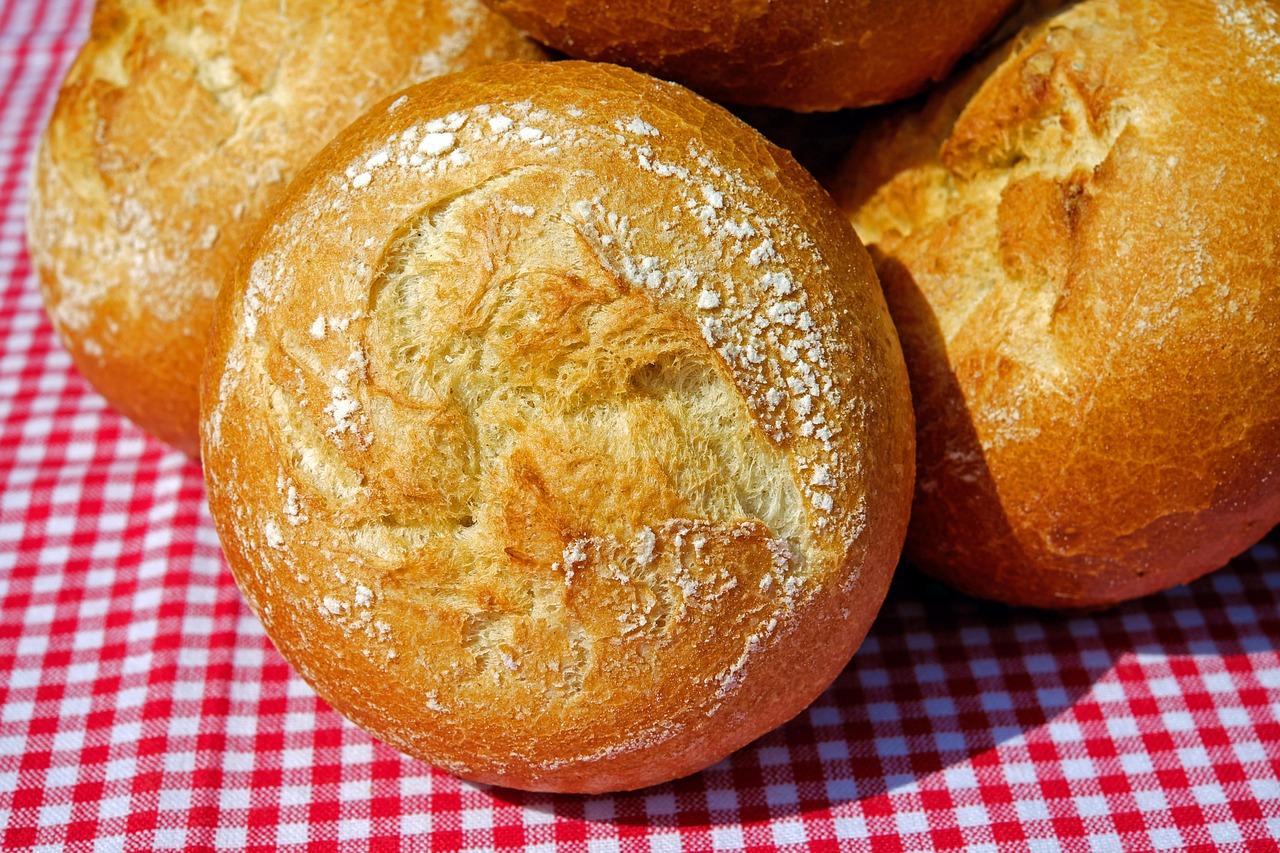
Order brun maska at one of Mumbai's old Irani cafés, under the bentwood chairs and slow ceiling fans, and a waiter brings a hard, round bun split and spread thickly with butter, next to a cup of sweet Irani chai. Brun is the opposite of soft ladi pav: its floury top crackles, the crust is thick enough to knock on, and the inside is dense and chewy, made to be dunked until it softens. The bread itself is just flour, water, yeast and salt, so it is vegan; add the butter (or a vegan spread) only when serving. A long, fairly slow bake gives the crust; pulling it out when it is merely golden is the mistake that leaves you with an ordinary roll. Chef's tip: a day-old brun is even better for dunking, so bake a batch ahead and split and toast them lightly before buttering.

by KrazyBadal 0 views

TsochvoruSesame bread rings

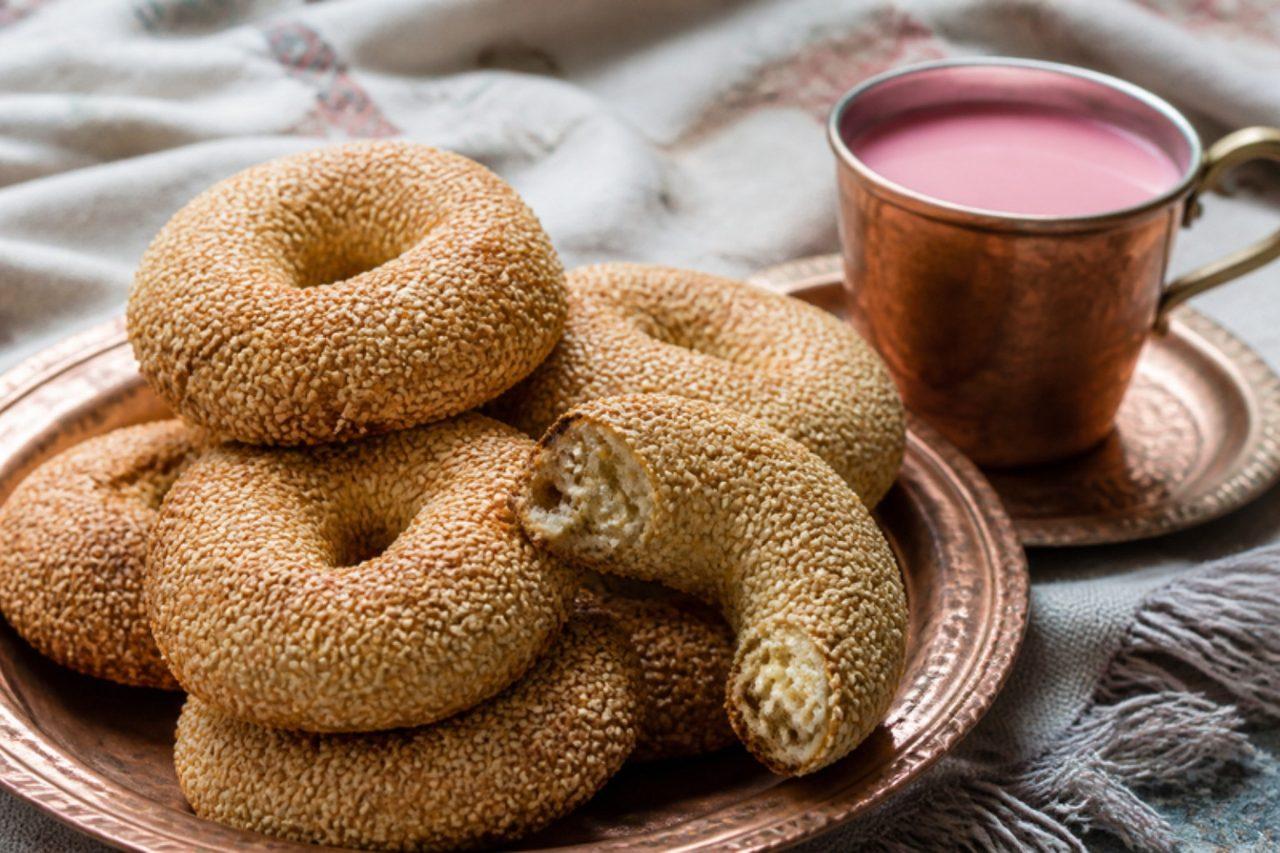
Long before office hours, Srinagar's kandur bakers pull trays of tsochvoru from their clay ovens, and by seven a paper bag of them is on most breakfast cloths in the Valley. They are small, bagel-like rings, a little crisp outside and close-textured inside, covered in toasted sesame and faintly rich from milk and ghee. Kashmiris break them into pink, salty noon chai, or eat them with butter alongside kahwa in the afternoon. Unlike bagels they are not boiled, so they stay lighter and crunchier. Sesame sliding off in the oven is the usual disappointment; the dough must be brushed with milk and pressed into the seeds, not just sprinkled. Chef's tip: press each ring top-down into a plate of sesame, then poke the hole a second time just before baking, because it shrinks as the dough proves.

by KrazyBadal 0 views

Octopus sausages (tako-san wiener)

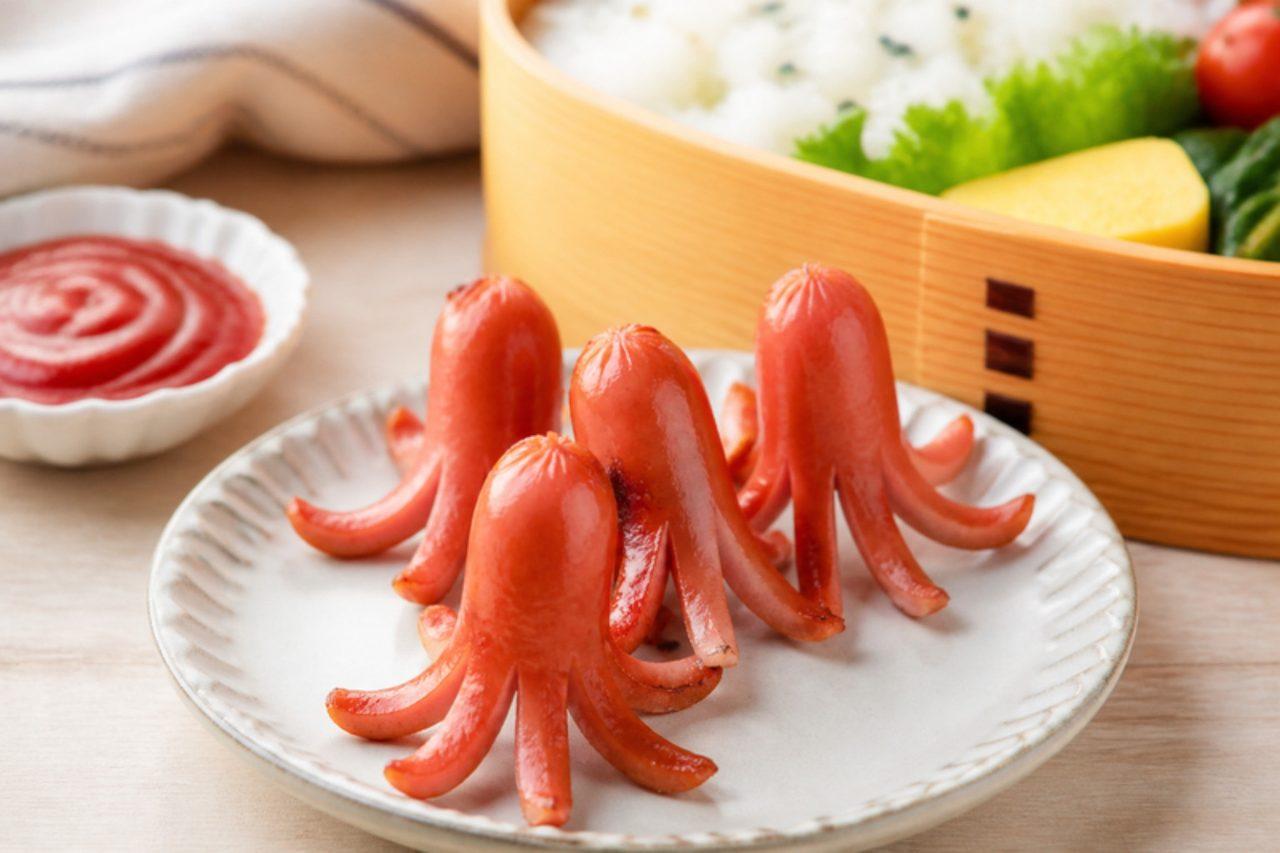
Open a Japanese child's bento almost anywhere in the country and there is a good chance of finding tako-san wiener: small frankfurters with the bottom half cut into legs, which curl out like an octopus when they hit a hot pan. They go in on school-trip days and sports days, often with a tiny sesame-seed face. They contain whatever your sausages contain; check the label for wheat, milk and soya. For children under 5, cut the finished sausages in half lengthwise to avoid a choking risk. Chef's tip: cut the legs only halfway up the sausage, or the head splits off.

by KrazyBadal 0 views

Graham balls

Graham balls are often the first sweet a Filipino child makes, usually for a class party or a cousin's birthday: crushed graham crackers kneaded with condensed milk into a dough, wrapped round a mini marshmallow and rolled in more crumbs, then set in paper cases in the fridge. They need no oven, just clean hands. They contain gluten and milk, and marshmallows usually contain gelatine, so they are not vegetarian unless you use gelatine-free marshmallows or a vegetarian gelling agent version. Graham crackers can be swapped for digestive biscuits. Chef's tip: chill the mixture for 20 minutes before rolling and it stops sticking to your palms.

by KrazyBadal 0 views

Hot dogs in lompe (pølse i lompe)

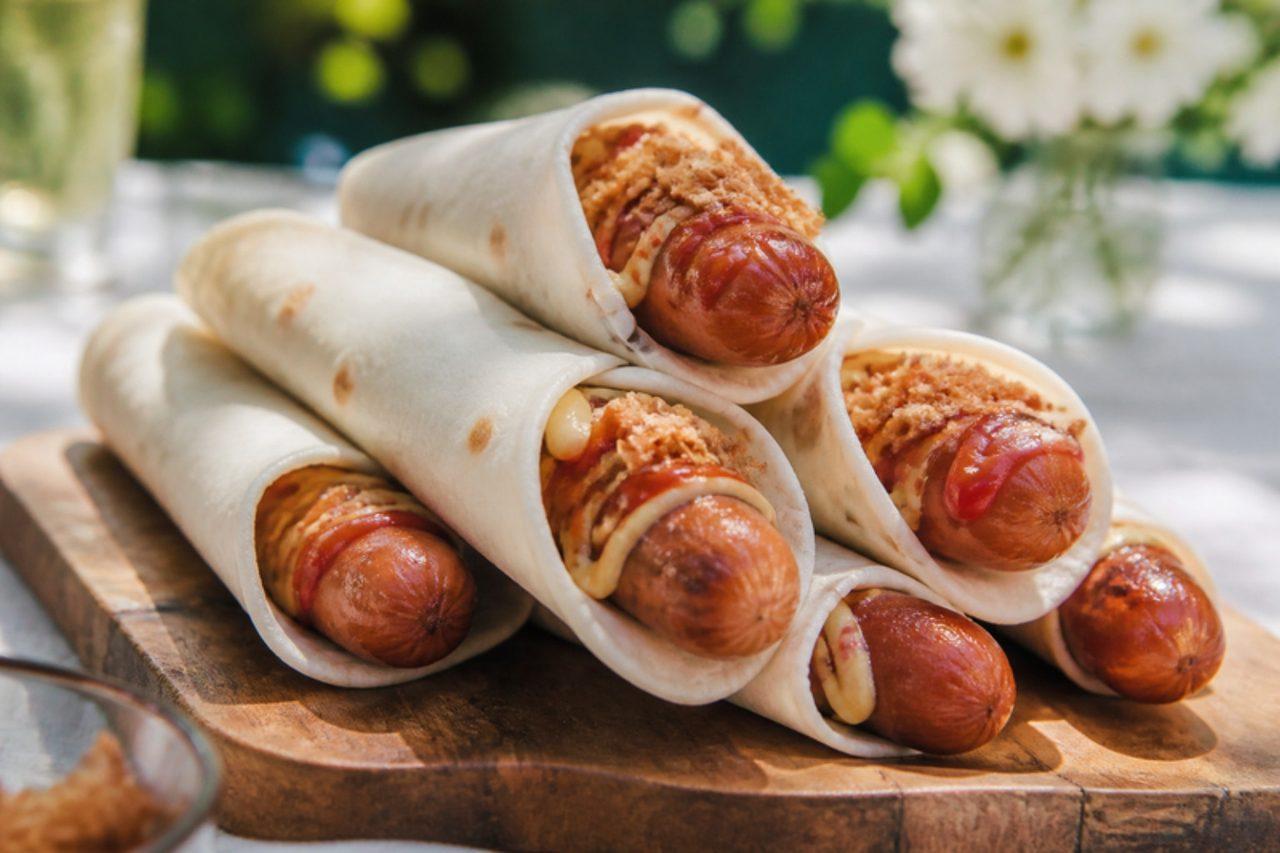
On 17 May, Norway's Constitution Day, children parade with flags and then queue for pølse i lompe: a hot sausage wrapped in a soft, thin potato flatbread instead of a bun, with ketchup, mustard and sometimes crisp onions. The same snack turns up at every football tournament and birthday. Home-made lompe take a little time but freeze well; this recipe makes 8. It contains gluten and milk. Chef's tip: mash the potatoes while hot and let the dough cool completely before kneading in the flour, or it turns gluey.

by KrazyBadal 0 views

Khoba rotiThick pinched wholewheat flatbread

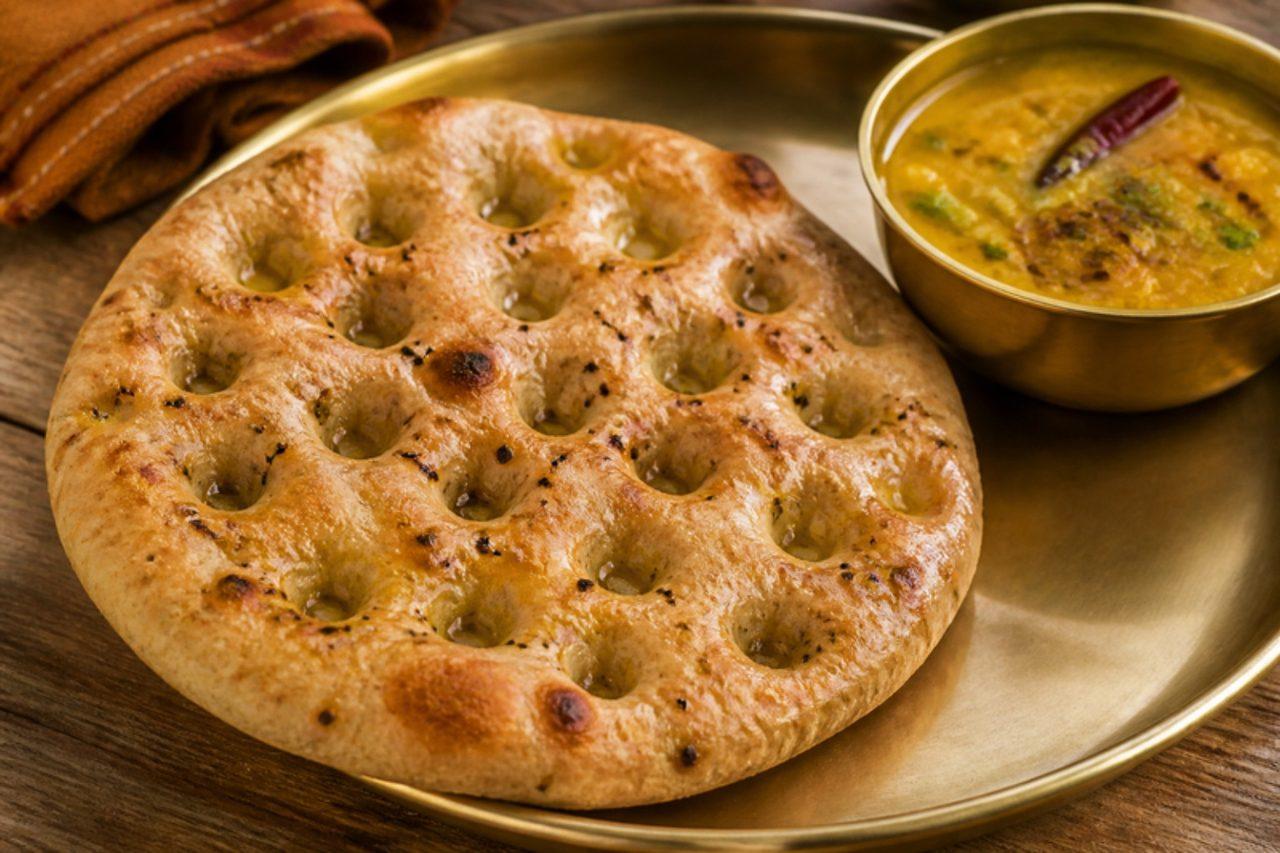
Pinched by hand into rows of tiny craters, khoba roti is the festive everyday bread of Rajasthan's Marwar and Mewar homes, made when guests come or for a Sunday thali. It is thick, almost a centimetre, with a crisp, toasty crust and a soft, chewy middle, and every hollow on top becomes a little cup for melted ghee. Serve it with panchmel dal, ker sangri, gatte ki sabzi or a fiery garlic chutney. The commonest mistake is a hot tawa: the outside chars while the thick centre stays doughy, so keep the flame low and be patient. Chef's tip: dip your thumb and finger in water between pinches; damp fingertips lift the dough into crisp ridges without tearing it.

by KrazyBadal 0 views

Hops breadCrusty breakfast rolls

Saturday breakfast in Trinidad and Tobago often means a paper bag of hops bread from the corner bakery, bought hot and split right away. The rolls are small and round with a crisp, crackly shell that gives way to a soft, airy, almost cotton-like inside. Trinis fill them with cheese and pepper sauce, buljol of saltfish, fried aloo or a smear of butter and guava jelly, and they turn up at lunch with stewed chickpeas too. A little vegetable shortening keeps the crumb tender; there is no milk or butter in the dough, so they are vegan. Underproving is the common mistake: tight, heavy rolls that split along the side. Wait until a fingertip dent fills back slowly. Chef's tip: brush the rolls with water just before and halfway through baking; the moisture is what gives hops their thin, shattering crust.

by KrazyBadal 0 views

Shou tao bao (longevity peach buns)

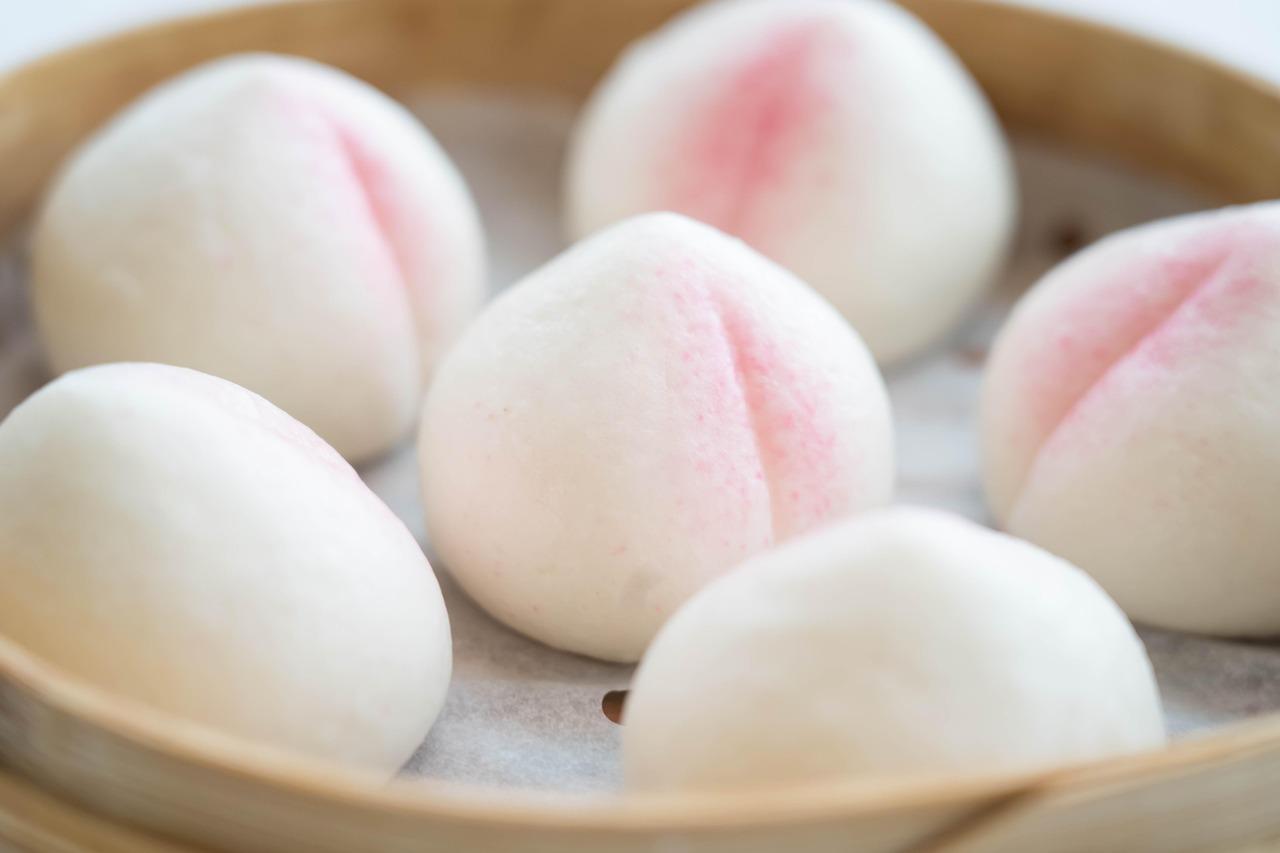
In Chinese tradition the peach is the fruit of long life, so birthday tables, from a grandparent's 80th to a child's party, carry a plate of shou tao bao: fluffy white steamed buns pinched into a peach shape, blushed pink at the tip and filled with sweet lotus seed paste. Children love helping to shape the creases and add the pastry leaves. This version is made without milk. It contains gluten. Chef's tip: steam over a gentle, not roaring, boil and wait 5 minutes before lifting the lid, so the buns stay smooth and don't wrinkle.

by KrazyBadal 0 views

Casadinho (black and white brigadeiro)

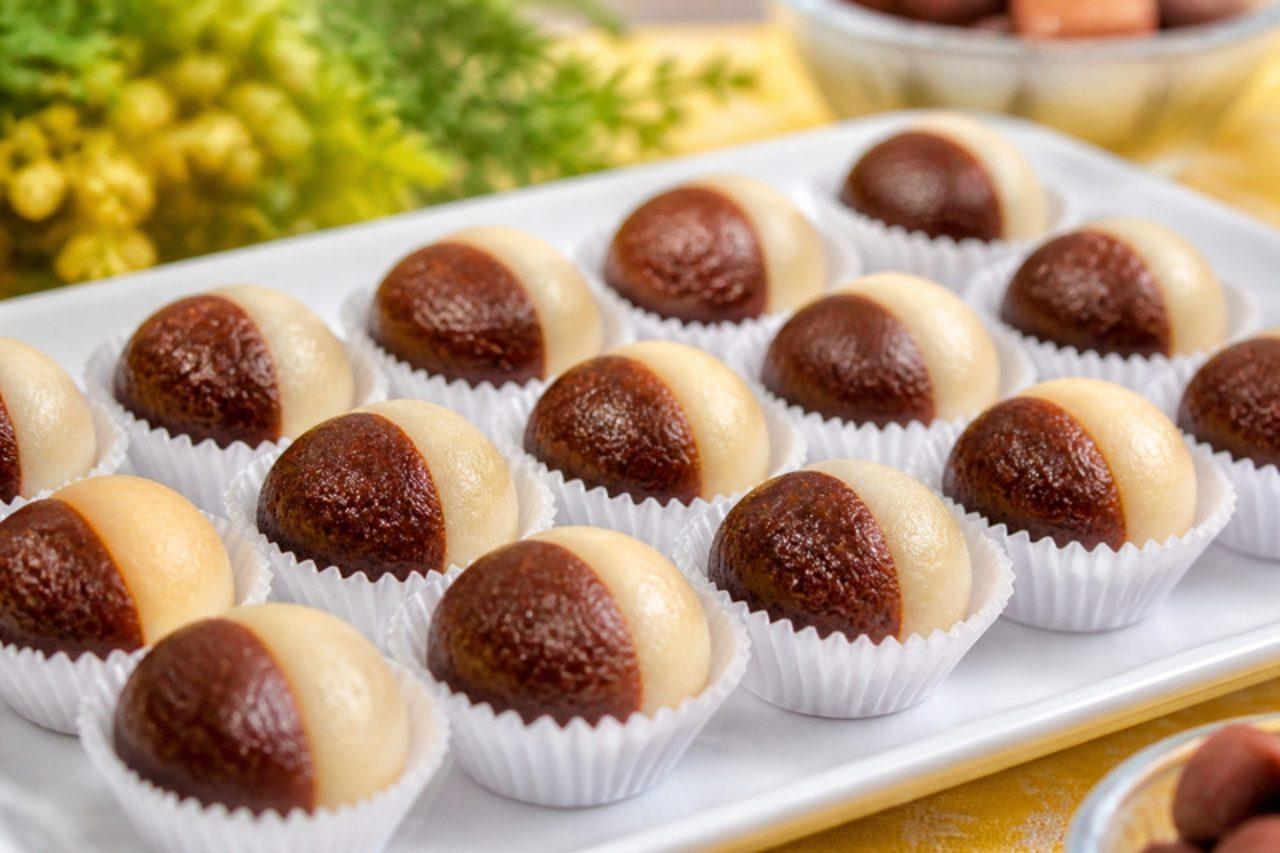
No Brazilian children's birthday is complete without a table of docinhos in little paper cases, and casadinho, the 'little married couple', is the one with two halves: dark chocolate brigadeiro and creamy white beijinho-style fudge rolled together into one ball. Children help roll them the day before the party. It contains milk and is gluten free; check the sprinkles are gluten free if that matters to you. Chef's tip: the fudge is cooked when you can drag a spatula across the pan and see the bottom for two seconds before it closes.

by KrazyBadal 0 views

Beschuit met muisjesRusks with aniseed sprinkles

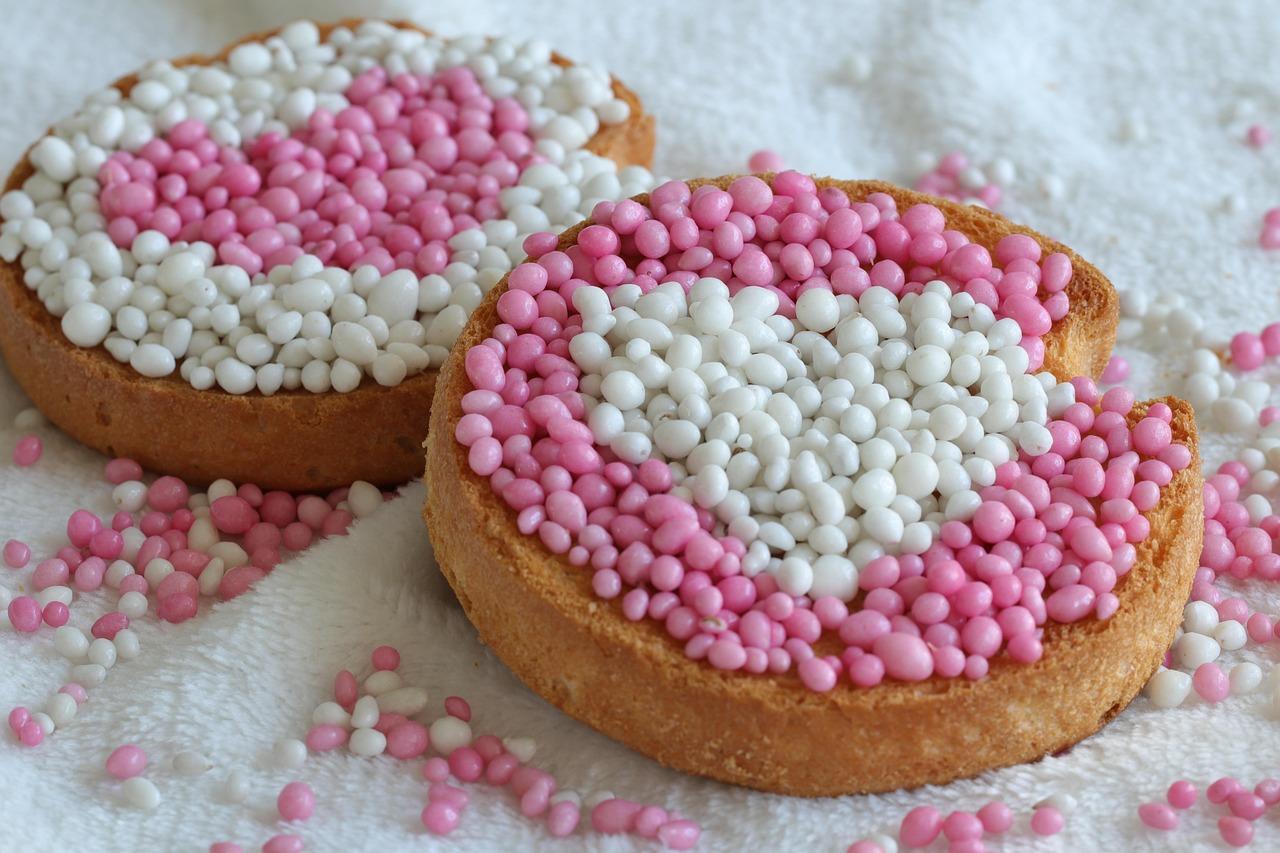
When a baby is born in the Netherlands, visitors are greeted with beschuit met muisjes: round, crisp rusks spread with butter and covered in sugared aniseed sprinkles, pink for a girl, blue for a boy, or the older white-and-pink or white-and-blue mix. Brothers, sisters and school friends love handing them round, and the sprinkles are also a favourite on bread at breakfast. Aniseed was once thought to help new mothers. It contains gluten and milk. Chef's tip: butter the rusks generously right to the edge, or the sprinkles roll off; that is why the Dutch say to 'press, not scatter'.

by KrazyBadal 0 views

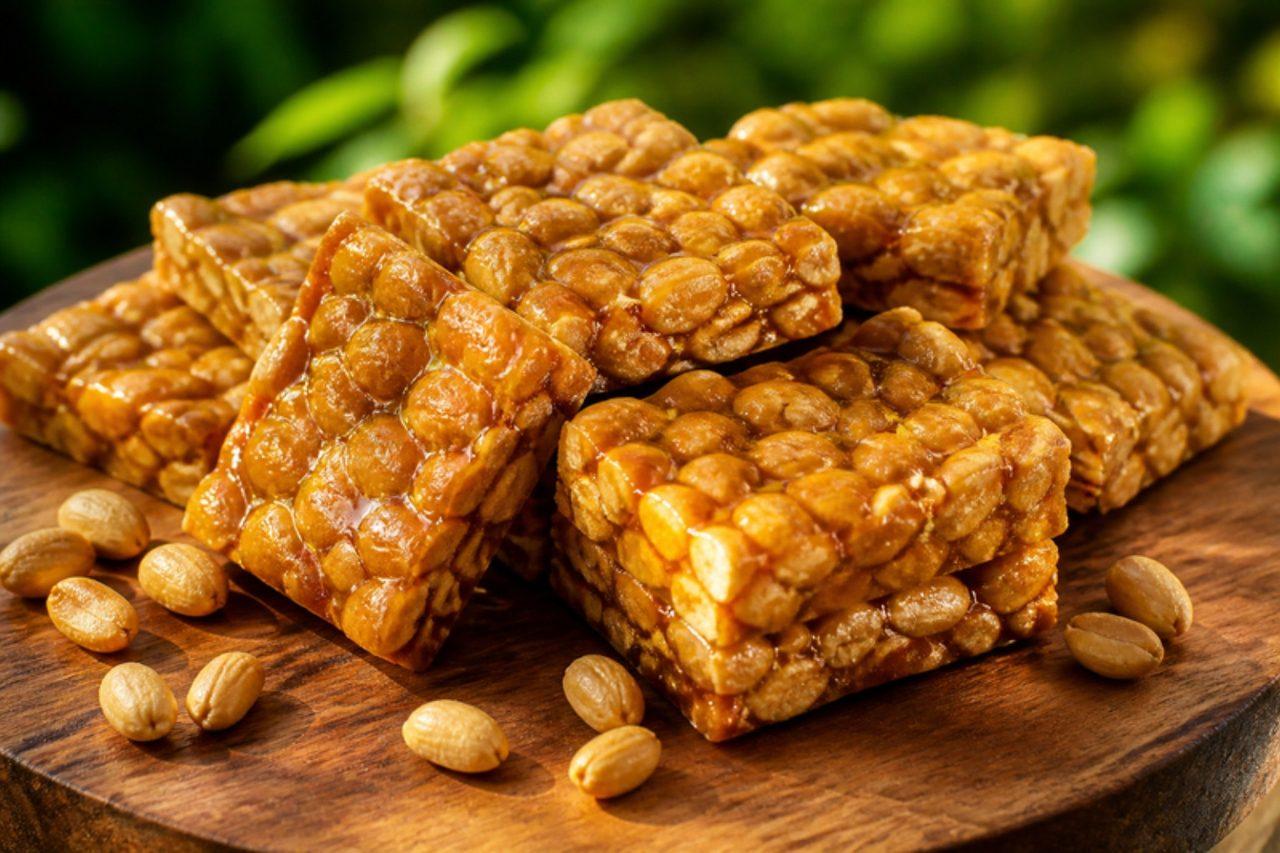
Nkatie cake (Ghanaian peanut brittle)

Nkatie cake, from nkatie, the Twi word for groundnut, is the crunchy peanut brittle sold in small squares wrapped in paper by hawkers at school gates and lorry stations all over Ghana, from Accra to Kumasi. Roasted peanuts are stirred into caramelised sugar, spread thin and cut while warm. It is a sweet treat, so cut the pieces small. It contains peanuts. Whole peanuts and hard brittle are a choking risk for under-5s, so it is not for young children. Chef's tip: have everything ready before the sugar melts; once the caramel is amber you have seconds, not minutes.

by KrazyBadal 0 views

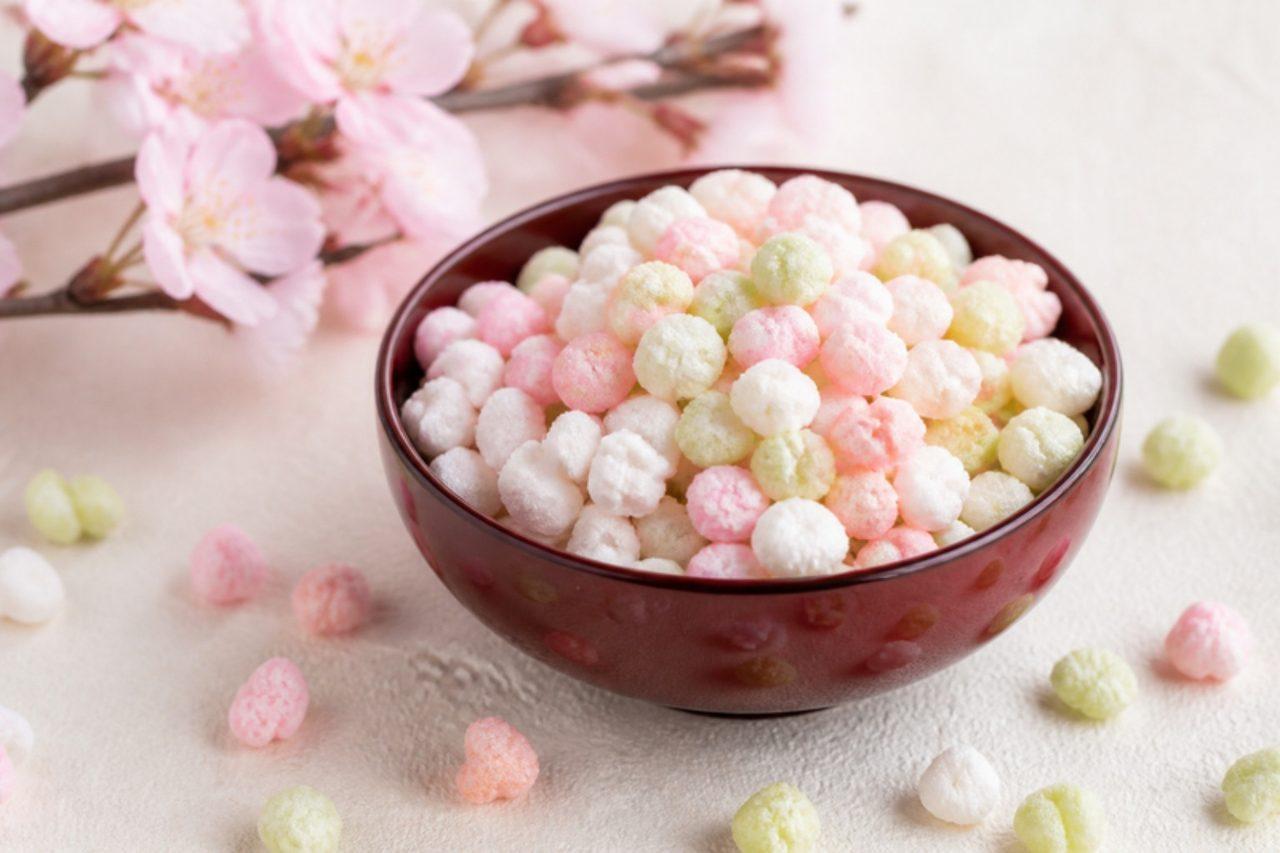
Hina arare (Girls' Day rice puffs)

On 3 March, Japanese families with daughters set out tiered dolls for Hinamatsuri and fill little bowls with hina arare, crunchy pastel rice puffs whose pink, green and white stand for spring blossom, new leaves and snow. In the Kanto region they are sweet; around Kyoto and Osaka they are bigger and soy-glazed, so this version makes both. Puffing cooked rice at home is easy and children love watching it bloom in the oil. It contains soya and gluten (from the soy sauce) and is otherwise free of the common allergens. Chef's tip: dry the cooked rice until every grain is hard and glassy; damp rice spits and never puffs.

by KrazyBadal 0 views

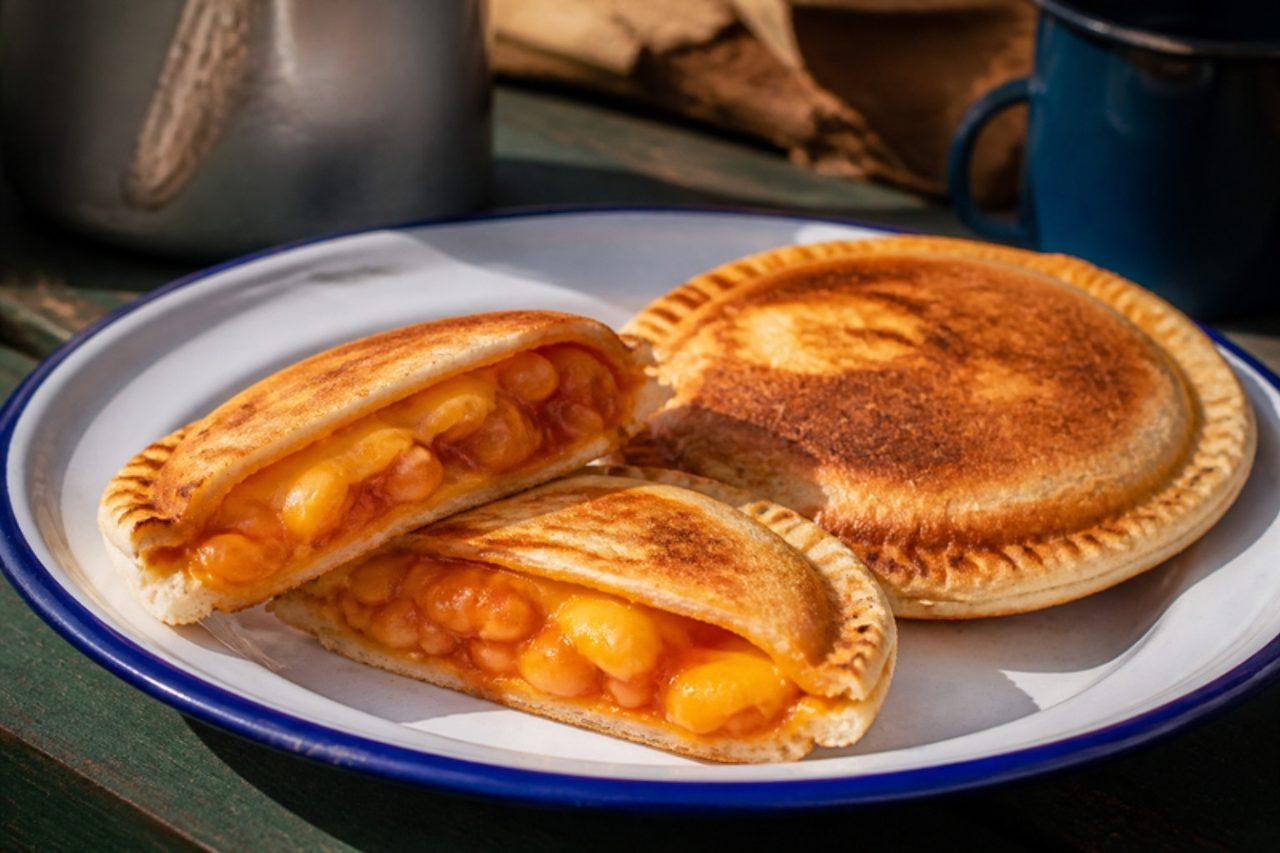
Jaffles (Australian toasted sandwiches)

Jaffles are Australian childhood in a sandwich: thick bread sealed around a hot filling in a cast-iron jaffle iron over the campfire, or in an electric sandwich press after school and on rainy weekend lunchtimes. Cheese and baked beans, or cheese and tomato, are the classics, and the sealed edges keep everything molten inside. They contain gluten and milk. Chef's tip: butter the outsides, not the insides, so the bread turns crisp and golden against the iron.

by KrazyBadal 0 views

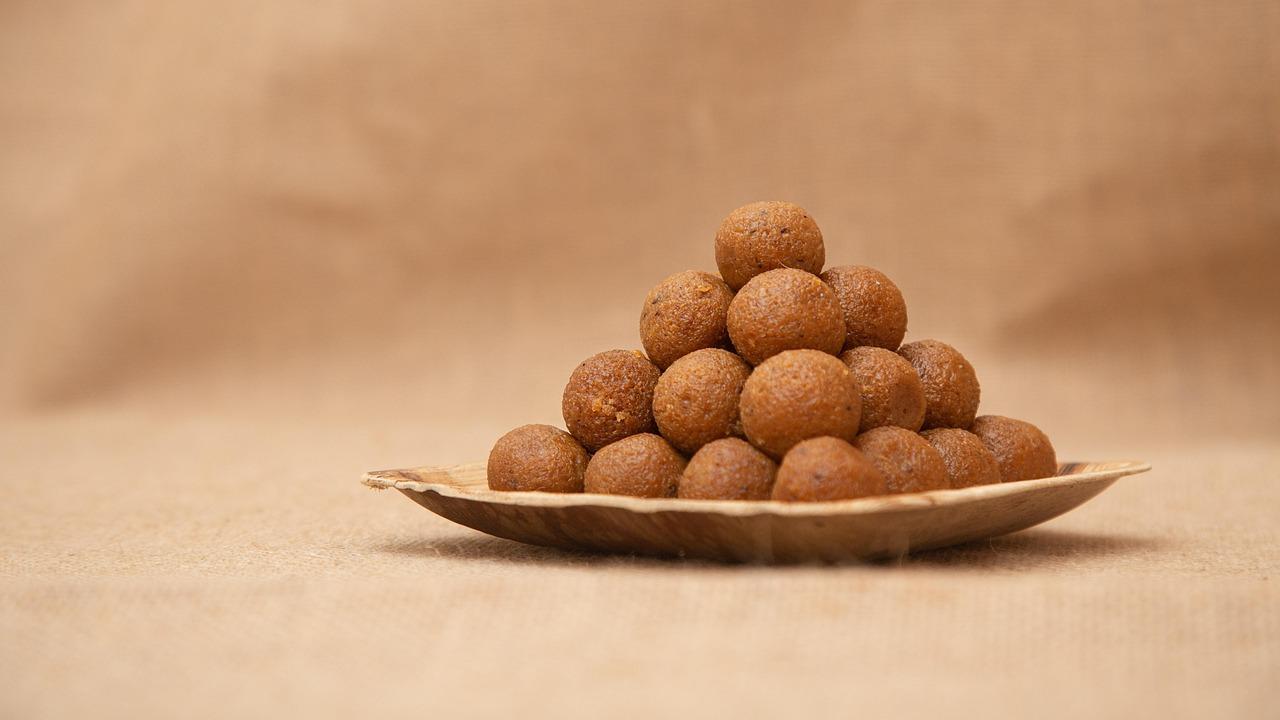
Ragi laddooFinger millet jaggery balls

In Karnataka, ragi (finger millet) is everyday food, and mothers roll ragi laddoos to keep in a tin for after-school snacks and school sports days, because they are filling and keep well. The flour is roasted in ghee until it smells like toasted biscuits, then bound with melted jaggery and sesame into dark, fudgy balls. Jaggery is still sugar, so these are a treat, kept small. They contain milk (ghee) and sesame. Chef's tip: roast the flour slowly until it darkens a shade and smells nutty; under-roasted ragi tastes raw and floury.

by KrazyBadal 0 views

Sev mamraPuffed rice snack mix

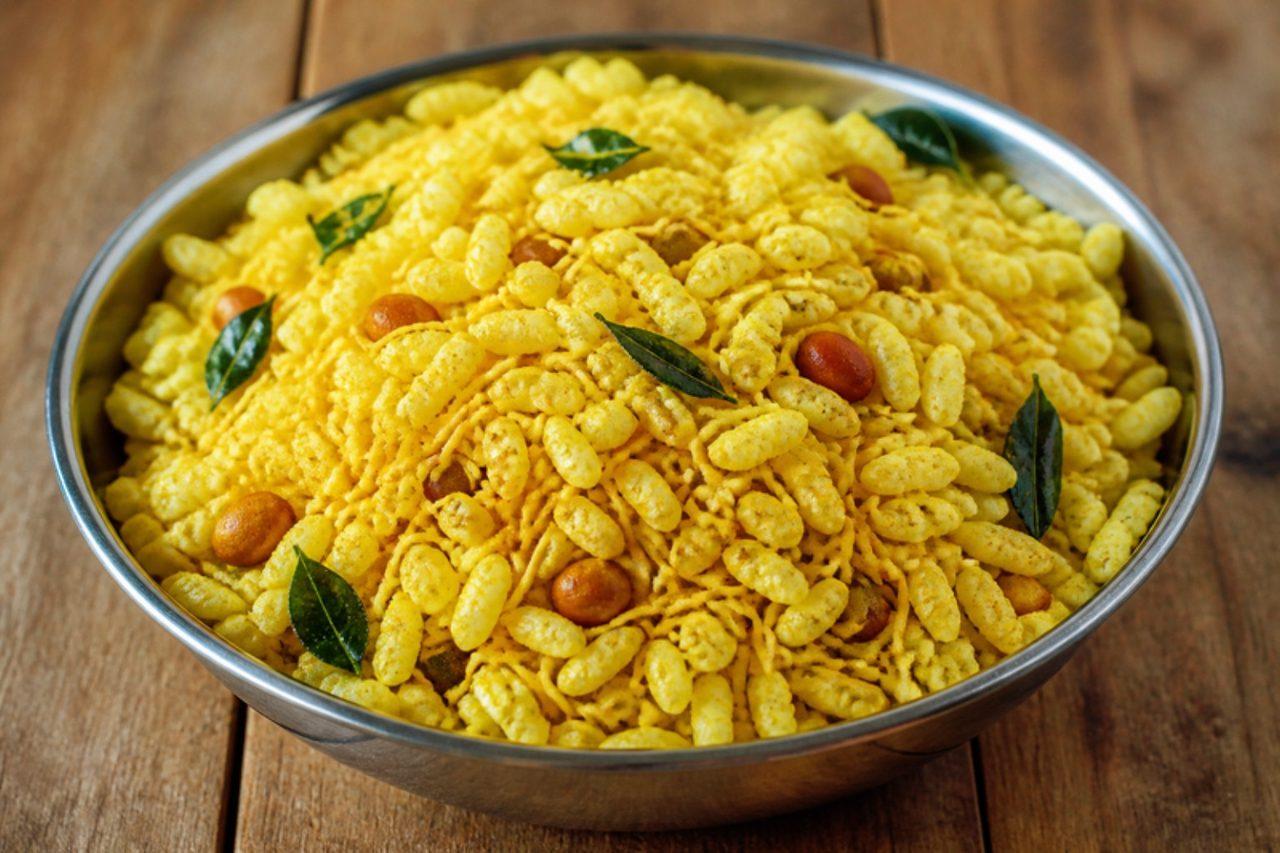
In Gujarati homes from Ahmedabad to Surat, a big steel tin of sev mamra is always ready for children coming home from school, unexpected guests and train journeys. Puffed rice is tossed in a little hot oil with turmeric, curry leaves and peanuts until crisp, then mixed with fine gram-flour sev for a savoury, mildly tangy crunch. A pinch of sugar is traditional; it is optional here. It contains peanuts. Whole peanuts are a choking risk for under-5s, so leave them out or crush them for little ones. Chef's tip: warm the puffed rice in the pan for a few minutes first; even slightly stale mamra turns crisp again.

by KrazyBadal 0 views

Vitamina de banana (Brazilian banana smoothie)

In Brazil a smoothie is a vitamina, and vitamina de banana is what parents from São Paulo to Recife whizz up for breakfast or when children get home from school hungry. Ripe banana, cold milk and a spoonful of oats make a thick, naturally sweet drink that fills a gap until dinner, so no sugar is needed. It contains milk and gluten (oats, unless labelled gluten free). Chef's tip: use bananas with brown freckles on the skin; they are sweeter and blend creamier than green-tipped ones.

by KrazyBadal 0 views

Dal paratha

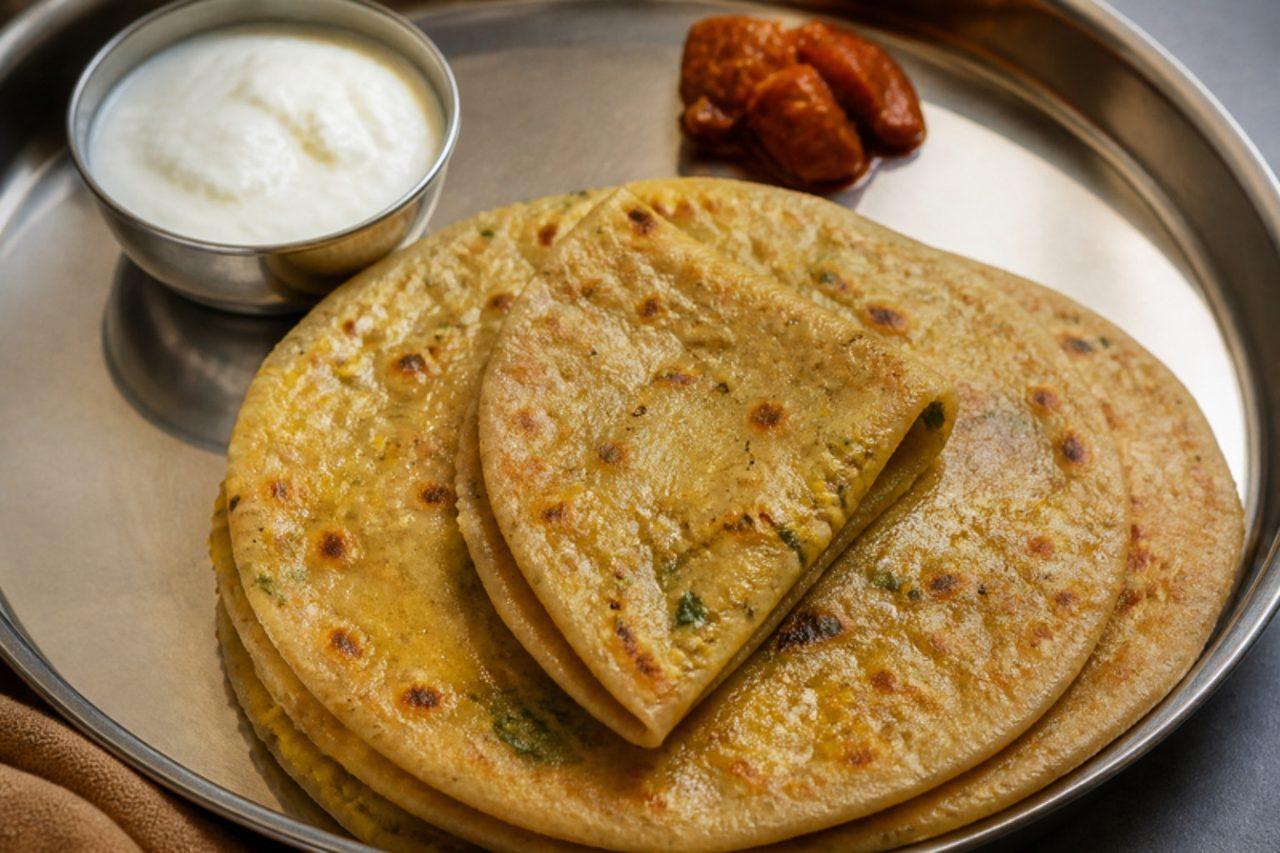
In north Indian kitchens, last night's thick dal rarely goes to waste: the next morning it is kneaded into wholewheat flour with ajwain and coriander and rolled into soft, savoury parathas for breakfast and the school tiffin. They are golden-flecked, faintly spiced and filling, and taste good cold with yoghurt or pickle. They contain gluten (wheat) and milk (ghee); use oil to make them dairy free. Chef's tip: add the dal before any water; it is often all the liquid the dough needs.

by KrazyBadal 0 views

Roasted makhana (crunchy fox nuts)

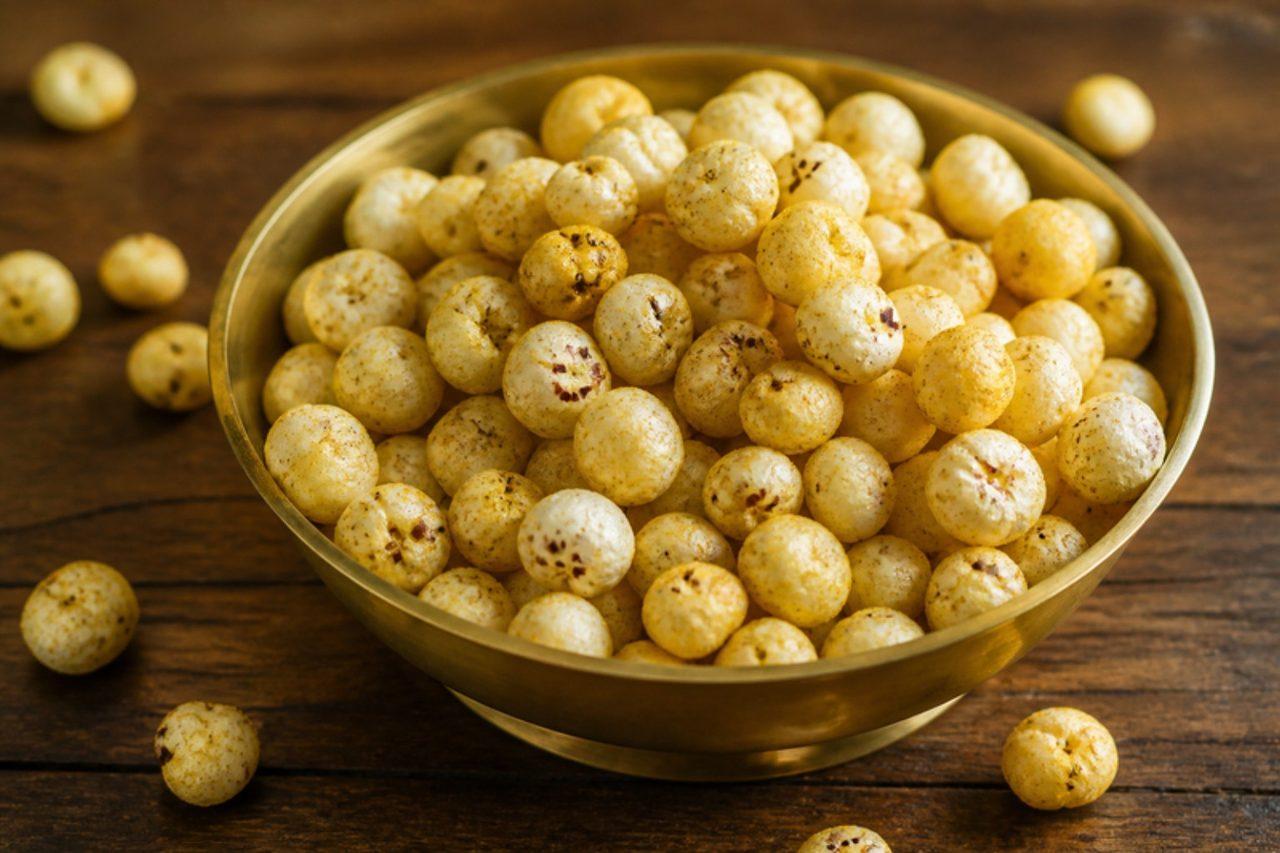
Across North India, a jar of roasted makhana sits on the kitchen shelf for after-school munching, Navratri fasting days and evening cricket on television. The puffed lotus seeds turn from soft to crisp and light in a few minutes of slow roasting in ghee, like a nutty, savoury popcorn. Rock salt and pepper keep it suitable for fasting; turmeric or chaat masala are everyday variations. It contains milk (ghee). Whole makhana are a choking risk for under-5s, so crush them for little ones. Chef's tip: test one before you season: it should snap with a clean crunch, not bend.

by KrazyBadal 0 views

Masala corn cup

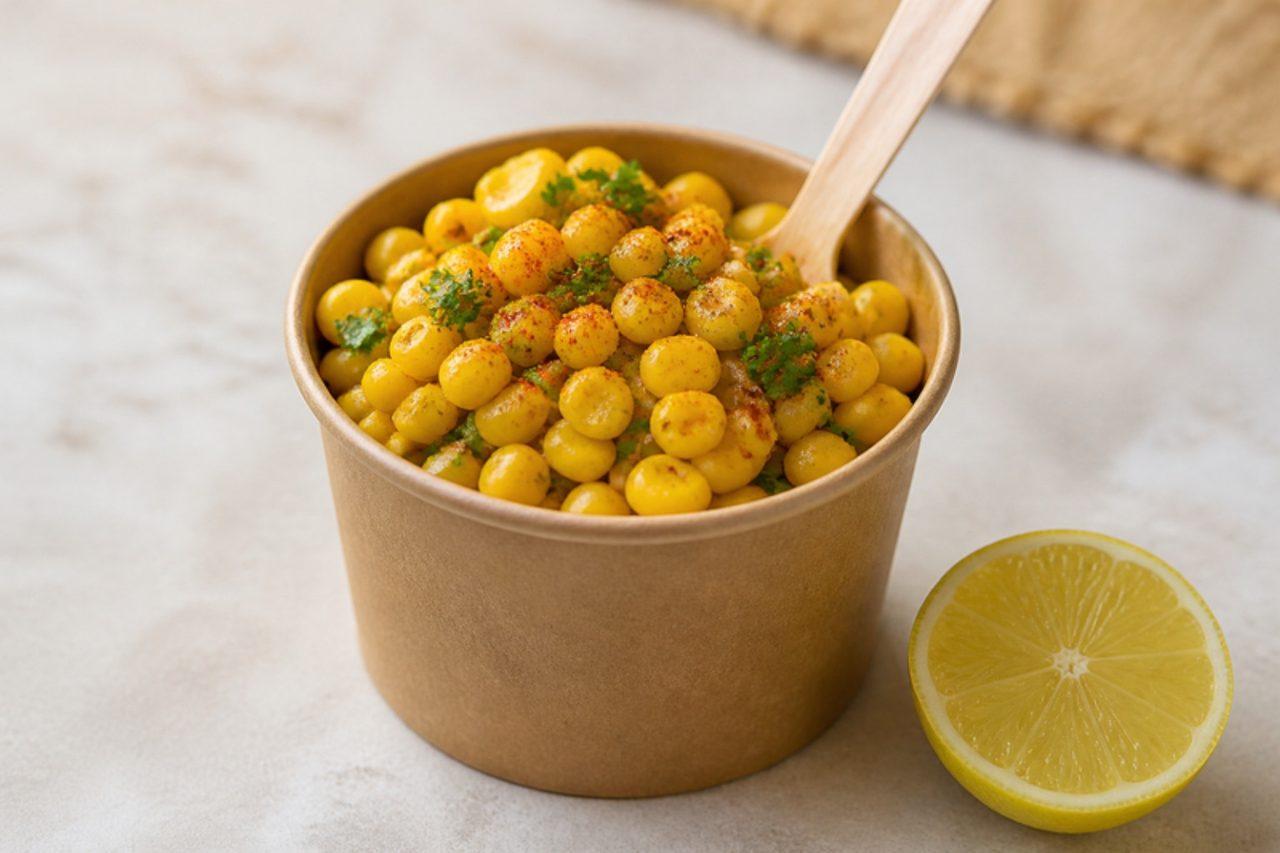
In Mumbai and other Indian cities, cups of hot masala corn are sold at beaches, cinema halls and outside tuition classes, and children grab them after school as an easy, savoury snack. Steamed sweetcorn kernels are tossed with butter, a squeeze of lemon and tangy chaat masala, with a little chilli for older children. It is quick and naturally sweet. It contains milk (butter). Chef's tip: add the lemon only at the very end, off the heat, so it stays bright and doesn't make the butter split.

by KrazyBadal 0 views

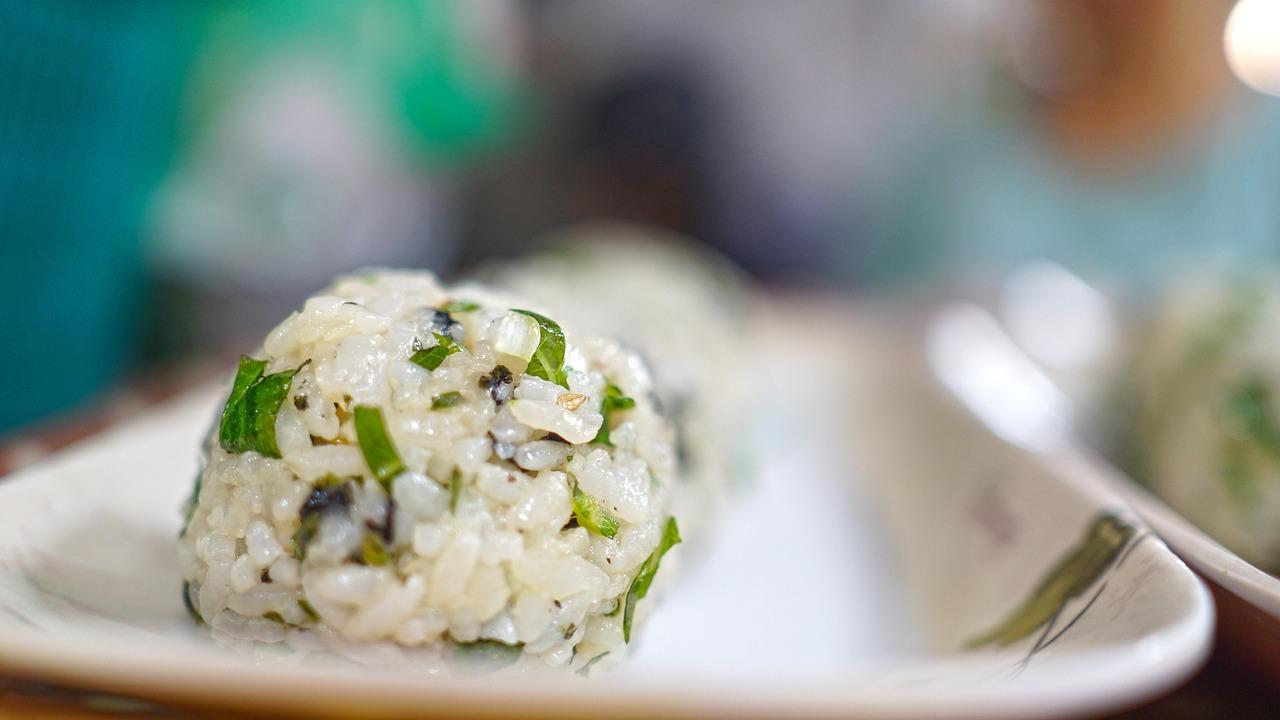
Jumeokbap (Korean vegetable rice balls)

Jumeokbap means 'fist rice', and Korean parents squeeze it together in minutes for picnics, school trips and busy mornings: warm rice tossed with sesame oil, crumbled seasoned laver and tiny pieces of vegetables, then pressed into balls a child can hold. It tastes nutty and gently salty. Tuna with mayonnaise or minced beef is a common addition, but this version is fully vegan. It contains sesame and, from the soy sauce in some seasoned laver, may contain soya and wheat. Chef's tip: mix the rice while it is warm; cold rice won't stick and the balls crumble in the lunchbox.

by KrazyBadal 0 views

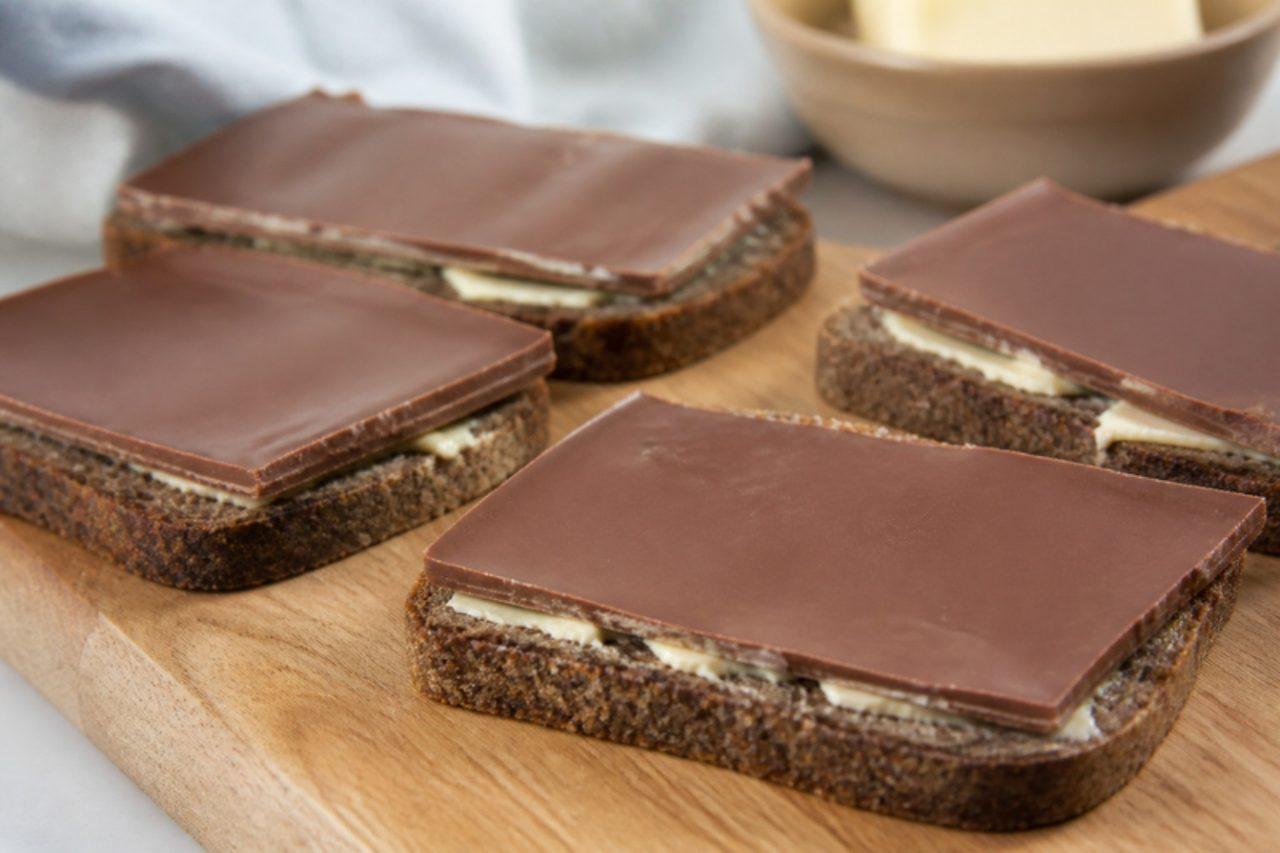
Chocolate slices on rye (pålægschokolade)

Pålægschokolade, wafer-thin slices of chocolate made for laying on bread, is a Danish lunchbox treat, usually saved for Fridays or birthdays: buttered dark rye, a slab of chocolate on top, then cut into fingers. The sour, dense rye and the sweet chocolate are a famous match. Shop slices are thin squares; here you make your own from a bar, which lets you pick dark chocolate with less sugar. It contains gluten (rye and wheat), milk and soya (lecithin in most chocolate). Chef's tip: spread the chocolate as thin as a coin; thick pieces crack and fall off.

by KrazyBadal 0 views

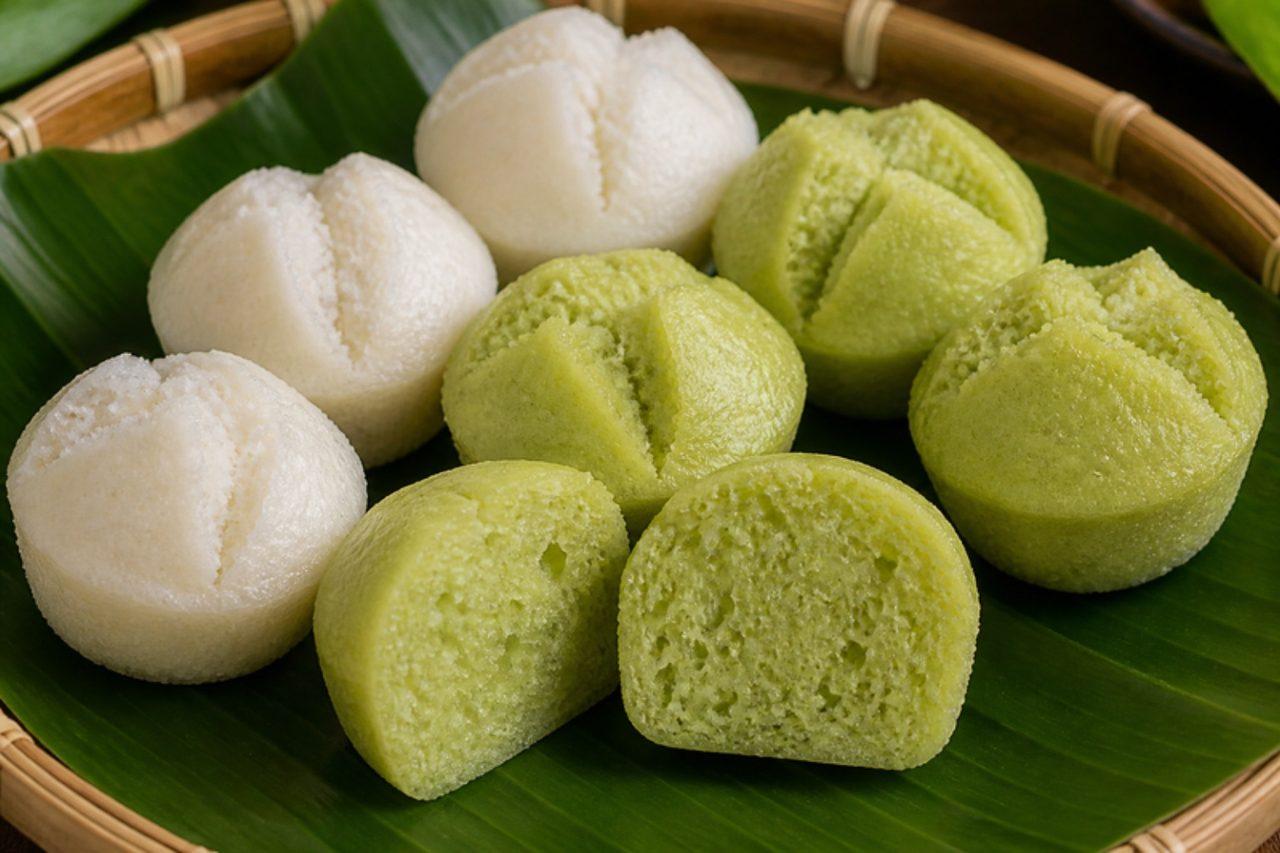
Bánh bò hấp (steamed honeycomb rice cake)

Bánh bò hấp are the soft, puffed rice cakes sold from glass-fronted carts in southern Vietnam, and children in the Mekong Delta pick them up in white, pink or pandan green on the way home from school. The yeasted rice-flour batter is steamed in small cups, so each cake splits open on top like a flower and is chewy and bouncy inside, with a gentle coconut flavour. The sugar here is a little lower than in market versions. None of the common allergens are in it. Chef's tip: steam over fierce, rolling boiling water; a gentle simmer gives flat, dense cakes that don't open.

by KrazyBadal 0 views

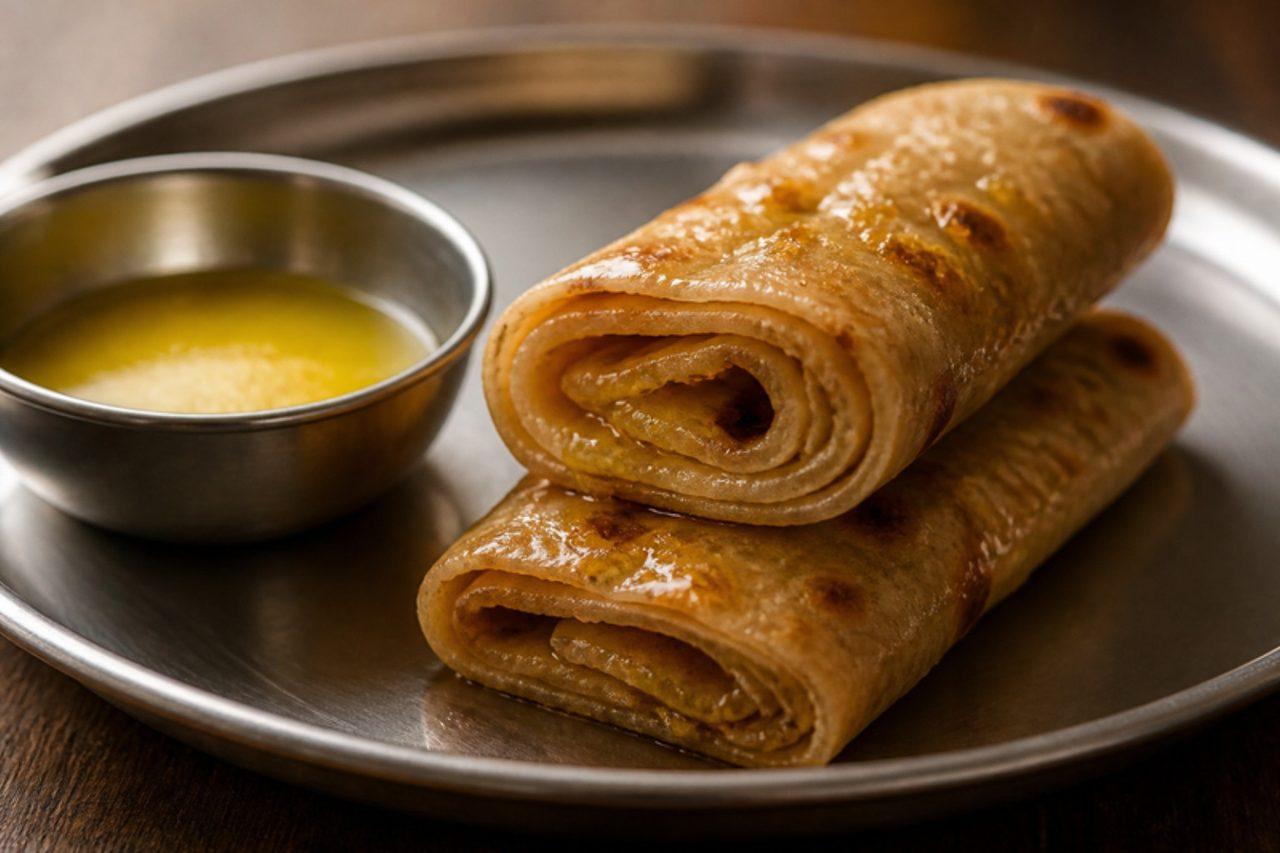
Ghee-shakkar roti roll

Ask anyone who grew up in north India about school tiffin and the ghee-shakkar roti comes up: a soft, warm chapati brushed with ghee, sprinkled with a little sugar or jaggery powder and rolled like a cigar, made by a parent in the rush before the school bus. It is sweet, buttery and wheaty, and still tastes good cold at the morning break. It contains milk (ghee) and gluten (wheat). Chef's tip: use jaggery powder and a light hand; a teaspoon per roti is plenty, and the ghee carries the flavour.

by KrazyBadal 0 views

Butterflap breadFolded buttered rolls

Soft, squishy and folded like a little book, butterflap is a Trinidad and Tobago bakery classic, sold by the bag from Port of Spain to San Fernando. Each roll is an oval of milky dough spread with butter and folded over, so it bakes into a tender roll that peels open along a buttery seam. People eat them warm for breakfast with cheese or a hot cup of cocoa tea, split them for a sandwich at lunch, or tear them up beside a pot of stew. Many bakeries use margarine; butter tastes better. Spreading the butter too thick, right to the edges, is where it goes wrong: it leaks out and fries the base, so keep a clean border. Chef's tip: pack the folded rolls snugly in the tin so they rise up rather than out and stay soft at the sides.

by KrazyBadal 0 views

Semolina in broth (semolino in brodo)

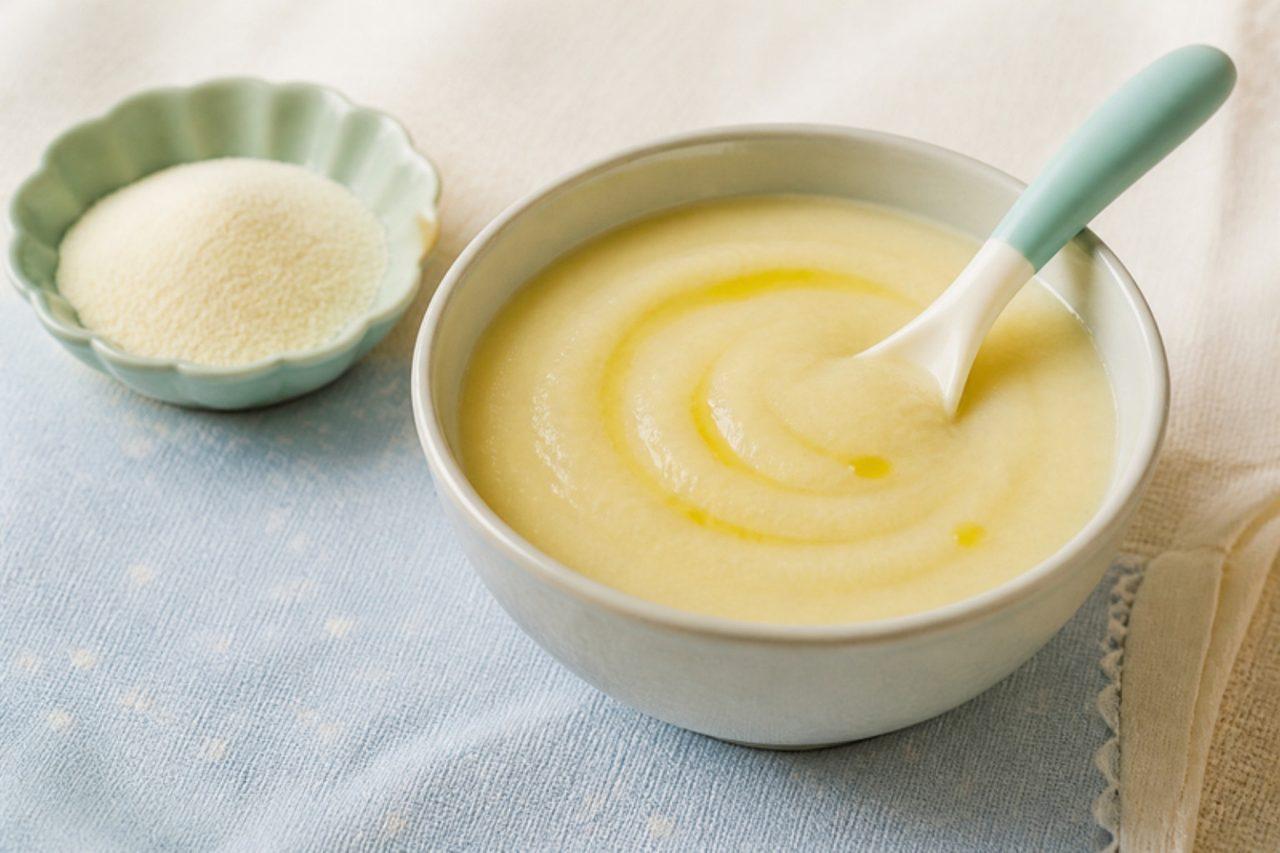
Semolino in brodo is the dish Italian nonne cook for anyone who needs something gentle: babies at the start of weaning and older children with a cold. Fine durum-wheat semolina is rained into hot vegetable broth and stirred into a soft, silky porridge, usually served at supper. For babies the broth is home-made without salt, and the grated parmesan that adults add stays out or is kept to the tiniest pinch, because it is salty. It contains gluten (wheat), and milk if you add parmesan; there is no egg, nuts, soya, sesame or fish. Chef's tip: rain the semolina in from a height while whisking, and you will never get lumps.

by KrazyBadal 0 views

DilkhushCoconut and candied fruit stuffed bread

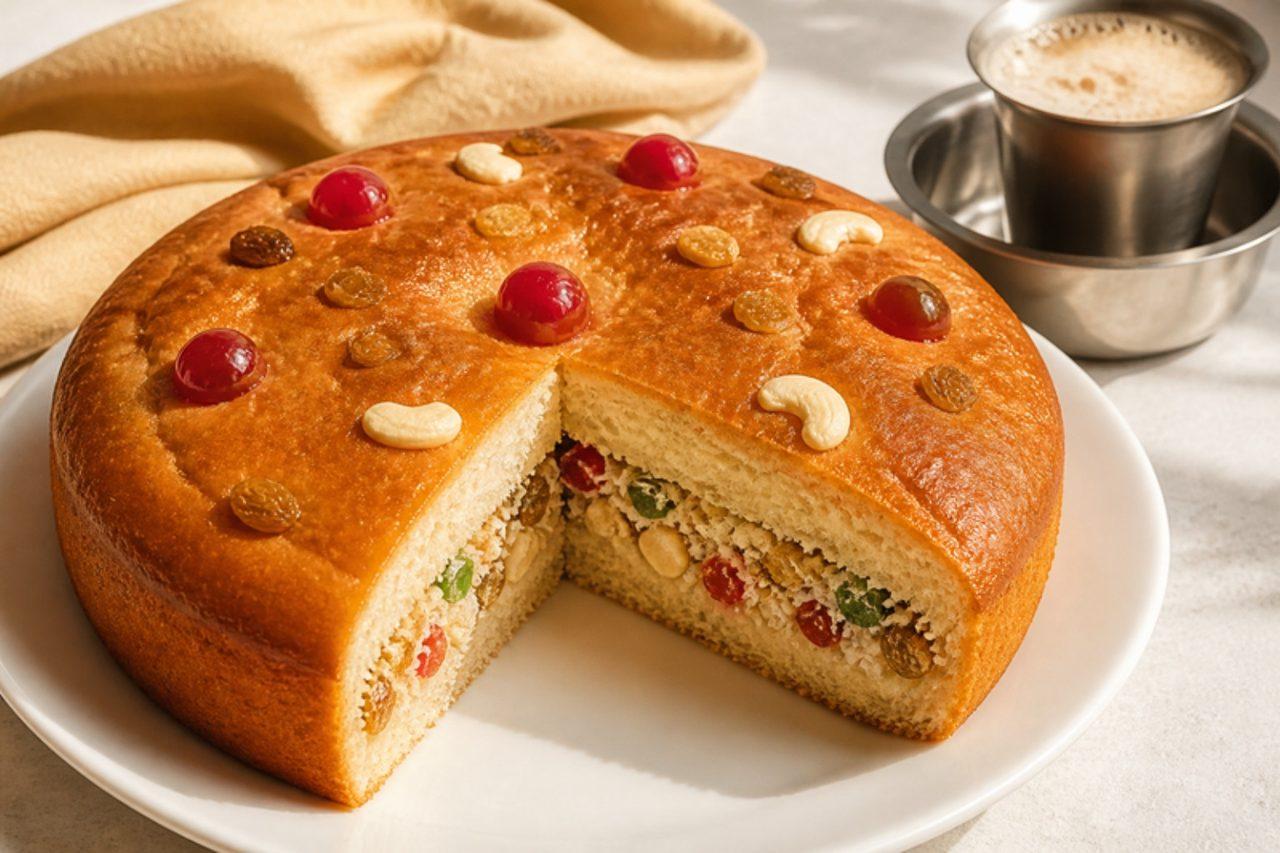
Teatime at an Iyengar bakery in Bengaluru or Mangaluru means dilkhush ("happy heart") stacked in wedges beside the khara buns: a soft, sweet bread round with a thick layer of grated coconut, sugar, tutti-frutti and cashews baked inside it. The dough in these bakeries is usually eggless, so the crumb is light and milky rather than rich, and the filling stays moist and chewy. Eat a wedge with a small glass of filter coffee or masala chai, or pack it for a school snack. The usual mistake is to pile the filling to the very edge; leave a clear 2 cm rim or the seal splits and the coconut toasts black on the tray. Chef's tip: squeeze a little milk into dry desiccated coconut before mixing the filling, so it tastes closer to fresh coconut and does not steal moisture from the bread.

by KrazyBadal 0 views

Ciabatta

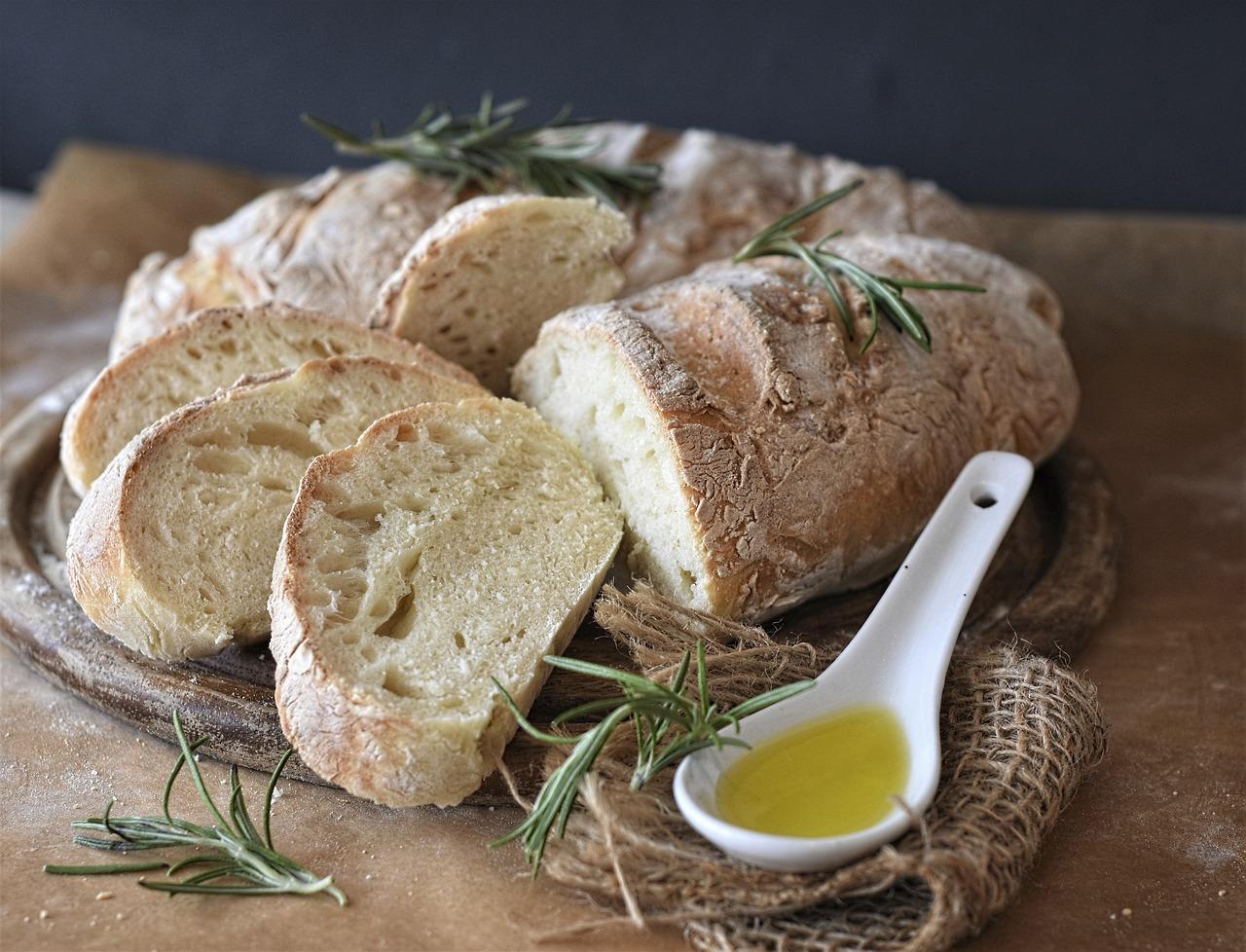
Surprisingly young for an Italian classic, ciabatta was created in 1982 by a baker near Adria, in the Veneto, as Italy's answer to the French baguettes that were filling sandwich shops. Its name means 'slipper', after its flat, floury, oblong shape. The dough is so wet it is barely shaped at all, which gives a thin, crisp crust and a chewy, glossy crumb full of irregular holes, with a wheaty, slightly tangy flavour from an overnight biga. Split it for panini with grilled vegetables and mozzarella, dip it in good olive oil, or serve it with soup and antipasti. The commonest error is panicking at the sticky dough and working in extra flour; that closes up the crumb, so use wet hands and a scraper instead. Chef's tip: once the dough has risen, don't shape it, just cut it into strips with a floured scraper and flip each one over onto its cloth, so the bubbled underside becomes the top.

by KrazyBadal 0 views

Am (Filipino rice-water first porridge)

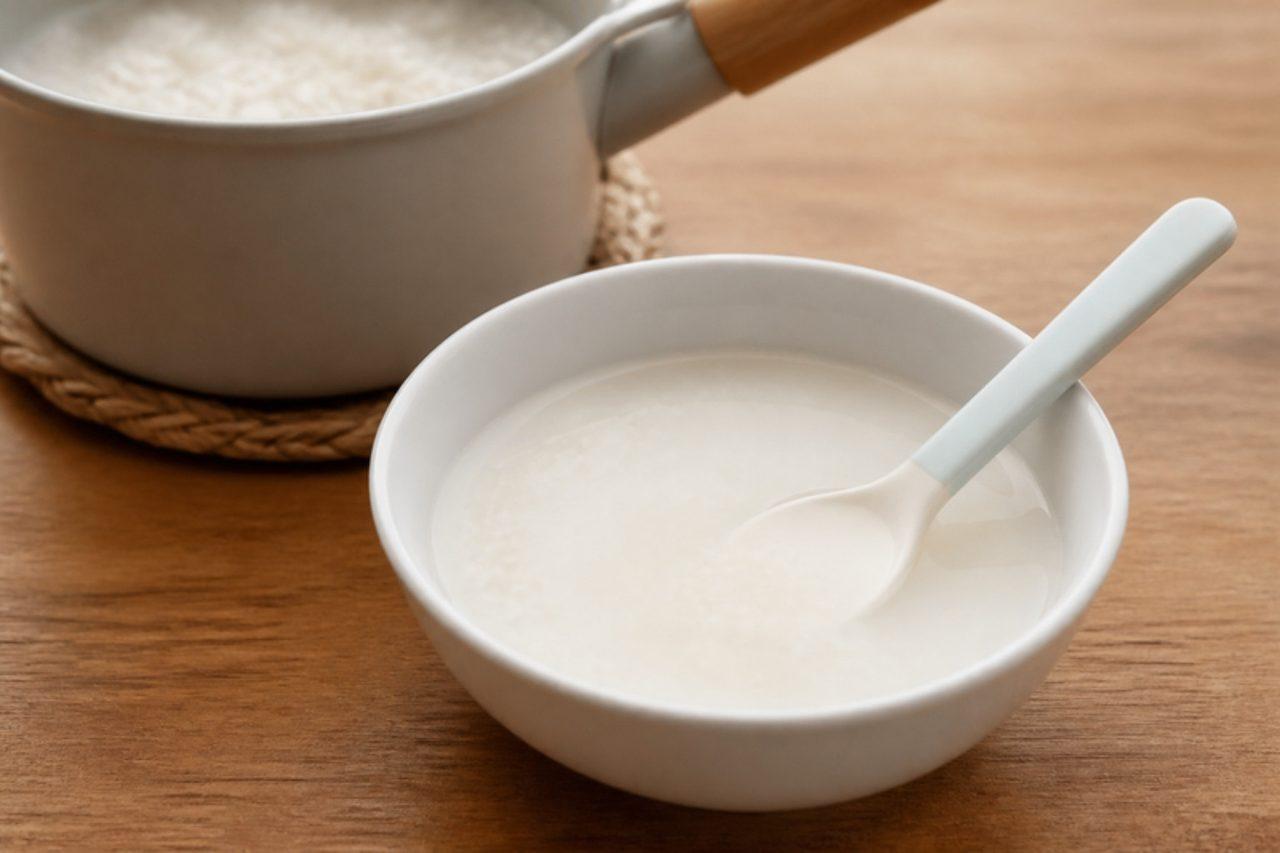
Filipino lolas remember giving babies am, the thick, cloudy liquid that rises to the top as rice boils, ladled off and cooled before the rest of the pot is cooked for the family's lunch. Today it is offered as a thin, smooth first porridge, a few spoonfuls alongside other first foods such as mashed squash or banana, rather than on its own. It tastes mild and slightly sweet. It contains none of the common allergens (milk, egg, gluten, peanut, tree nuts, soya, sesame, fish). Chef's tip: use more water than usual and keep the lid off, so the liquid thickens into a creamy am instead of evaporating away.

by KrazyBadal 0 views

Patta gobhi matarCabbage and pea stir-fry

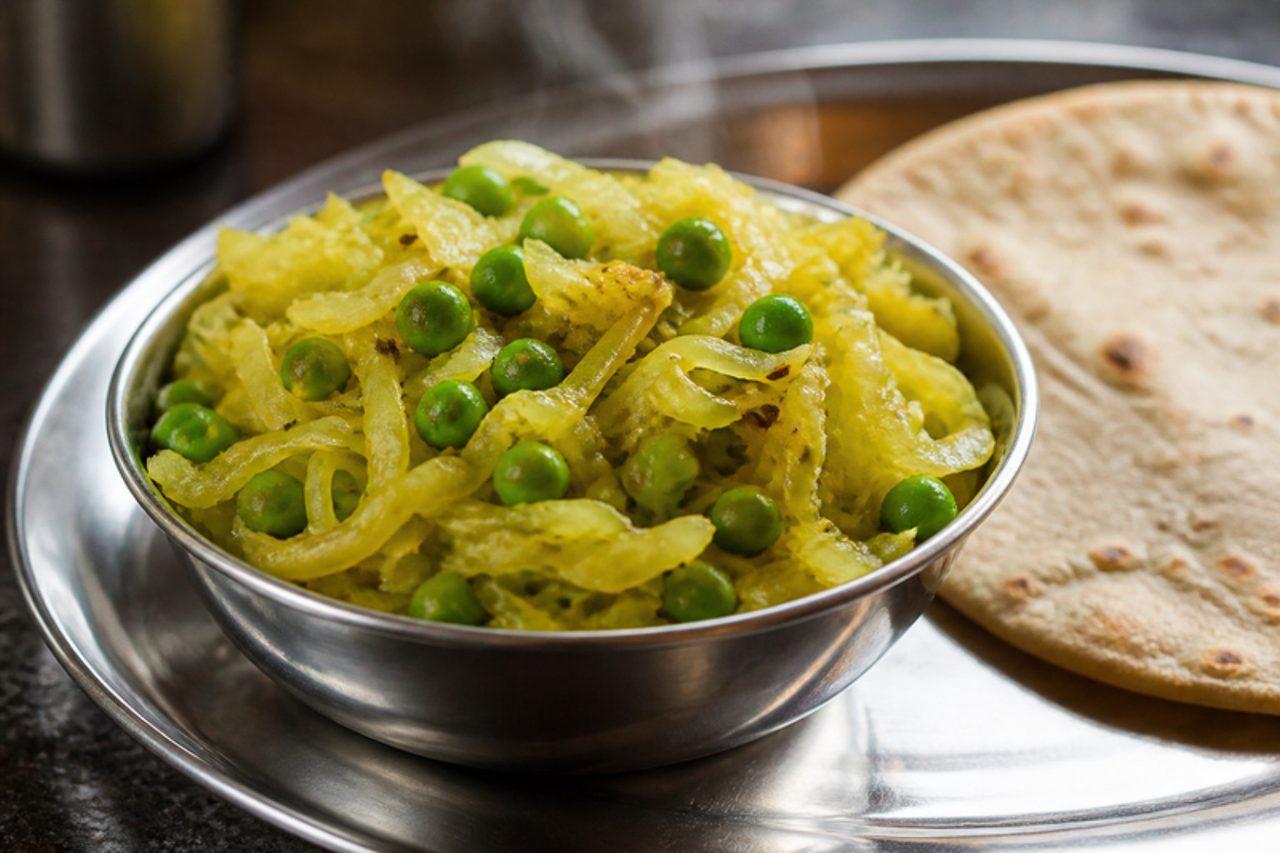
This is one of the plainest and most loved dishes of North Indian home cooking, made in Kanpur, Dehradun and Delhi on any weeknight when the fridge holds half a cabbage: finely shredded cabbage and green peas cooked fast with cumin, green chilli and turmeric until just wilted, still with some crunch. It goes into lunch boxes with ajwain parathas or onto the dinner thali with dal. A portion is about 110 kcal. The most common mistake is covering it for too long, which makes the cabbage watery and gives it a sulphur smell; cook it mostly uncovered on a fairly high heat. Chef's tip: shred the cabbage as finely as you can with a sharp knife; thin ribbons cook in five minutes and soak up the spices evenly.

by KrazyBadal 0 views

Aloo gobi

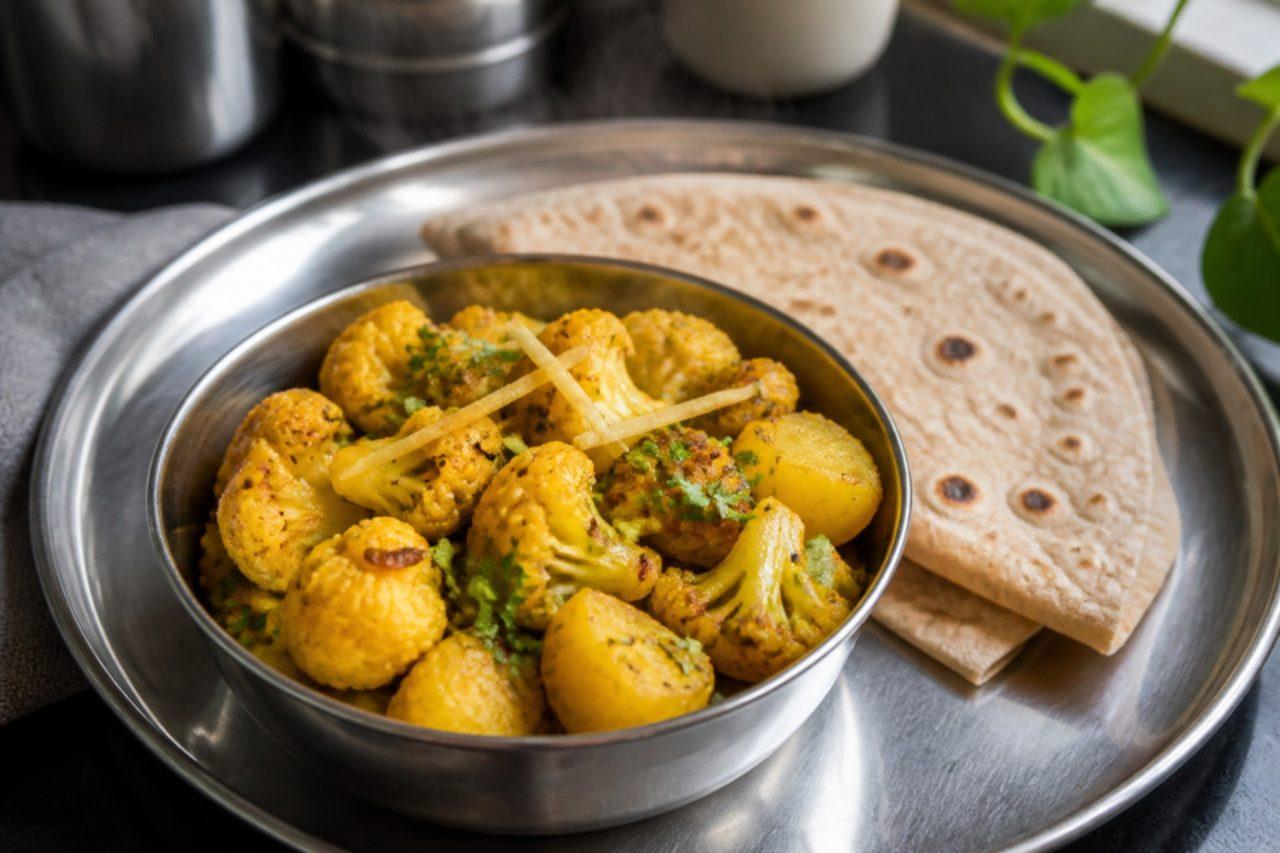
In winter, when the Punjab markets are piled with tight white cauliflowers, aloo gobi is on the table in Amritsar and Ludhiana homes several times a week, folded into hot phulkas for lunch boxes or eaten with dal and rice at night. This is the dry home version, not the oily dhaba one: florets and potato cubes cooked covered in their own steam with cumin, ginger, turmeric and green chilli, then uncovered so the edges brown a little. A portion is about 175 kcal. The most common mistake is adding water, which boils the cauliflower to mush; the lid and a low heat do the work. Chef's tip: cut the potatoes smaller than the florets so they cook in the same time, and don't stir too often, or the florets break.

by KrazyBadal 0 views

Chana sundalChickpea coconut stir-fry

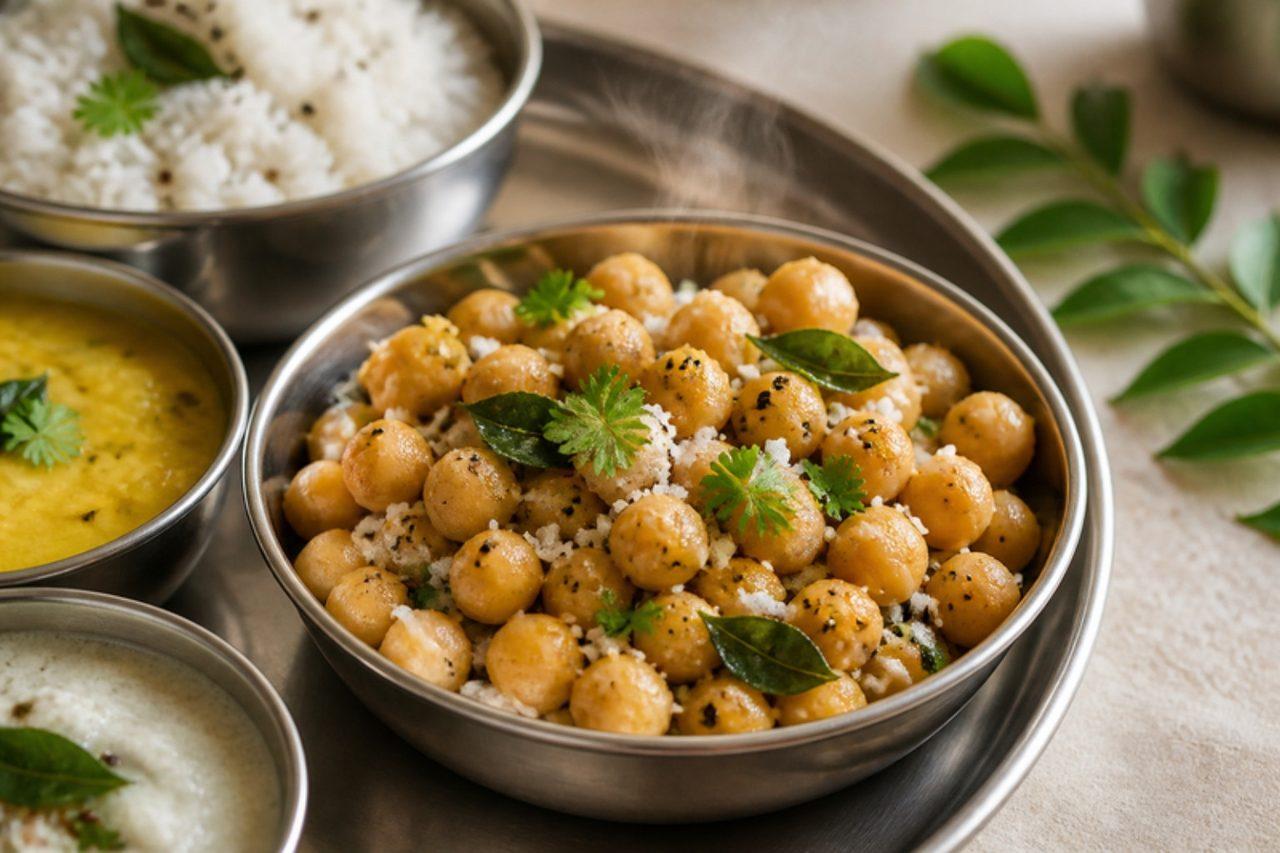
On the sand of Chennai's Marina Beach, vendors sell sundal in paper cones at sunset, and during the nine nights of Navaratri every Tamil home makes a different sundal to offer at the golu doll display and hand out to visiting neighbours. This one is chickpeas tossed in a hot tempering of mustard seeds, urad dal, dried chilli and curry leaves, finished with fresh coconut and a squeeze of lime. A portion is about 190 kcal. Using cooked or tinned chickpeas keeps it under 20 minutes; if you start from dried, soak 120 g overnight and pressure-cook them until soft. The common mistake is wet, mushy chickpeas, which make the coconut clump; drain them well and let them steam dry for a few minutes. Chef's tip: add the coconut off the heat; cooked coconut loses its fresh, milky sweetness.

by KrazyBadal 0 views

Alu bokhara chutneyPlum and date chutney

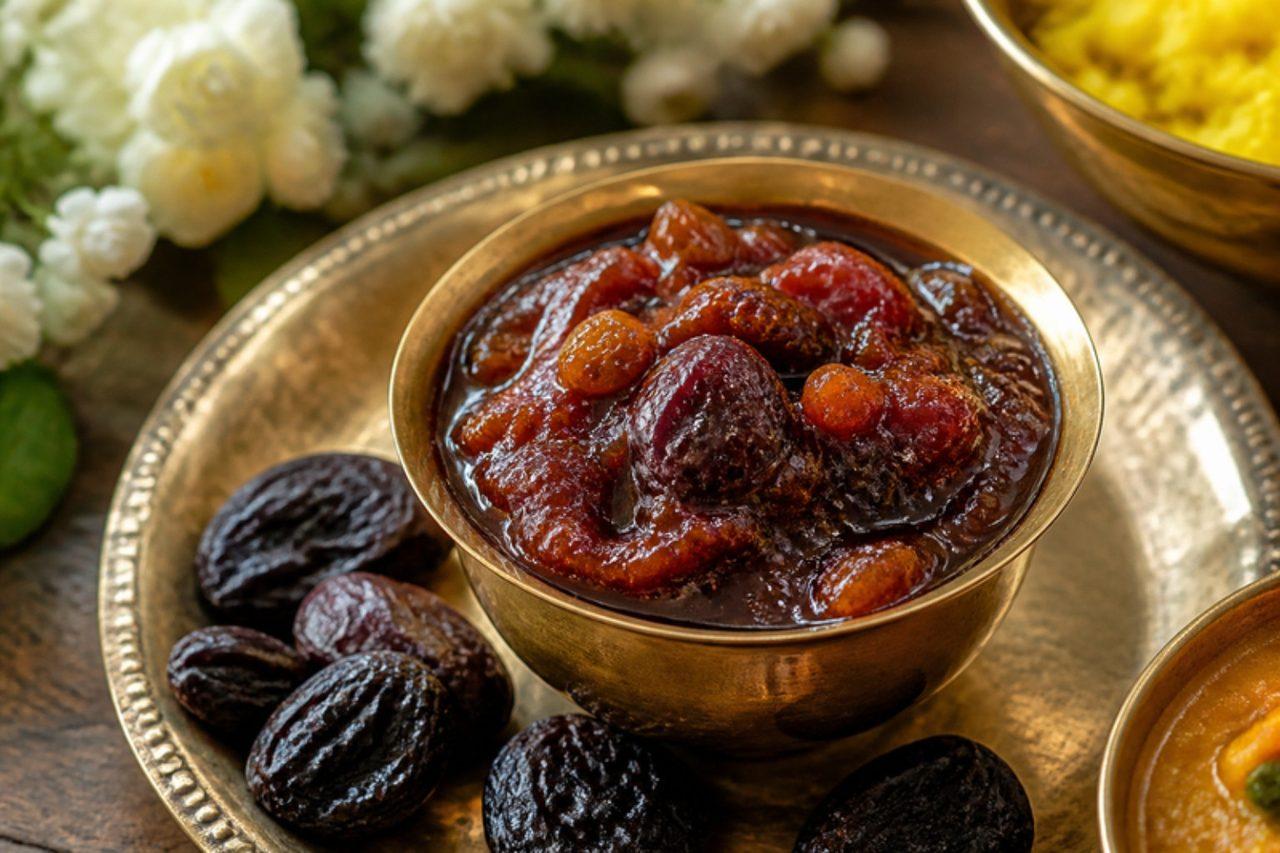
At Bangladeshi weddings and Eid lunches, a small spoon of glossy, garnet alu bokhara chutney comes round after the polao and meat, a sweet and tangy palate-cleanser before the doi and mishti; Old Dhaka caterers are known for theirs. Dried plums and dates simmer with sugar, a splash of vinegar and spices until the fruit is soft and the syrup thick enough to coat a spoon, with a hint of chilli and roasted panch phoron. The mistake is cooking it until it looks thick in the pan; it sets much firmer as it cools, so stop while the syrup is still loose. Chef's tip: toast panch phoron in a dry pan, crush it and stir it in at the end rather than frying it at the start, which keeps the flavour bright.

by KrazyBadal 0 views

RundstykkerBreakfast rolls

Weekend mornings in Denmark and Norway start with a bag of warm rundstykker from the bakery, or a tray baked at home. They are crusty white rolls topped with poppy or sesame seeds, split and eaten with cheese, jam or a slice of brunost alongside coffee. This version is vegan and uses an overnight rise in the fridge, so the rolls go straight into the oven in the morning. A common mistake is adding too much flour, which makes them dense. Chef's tip: put a tray of boiling water in the bottom of the oven for the first 10 minutes so the crust turns thin and crackly.

by KrazyBadal 0 views

KongguksuCold soybean noodle soup

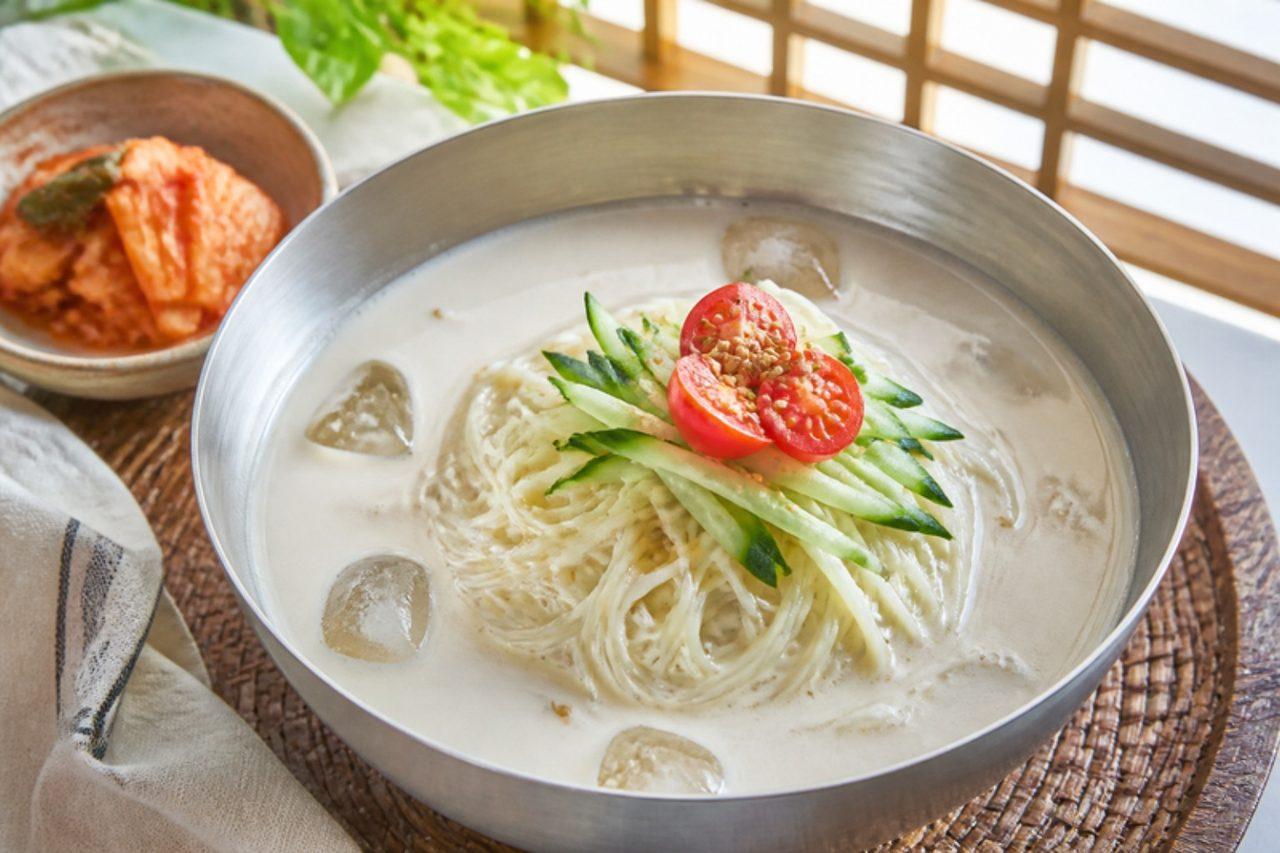
When the monsoon heat settles over Seoul in July, queues form outside old noodle houses near City Hall for kongguksu: thin wheat noodles in an ice-cold, thick, nutty broth of soybeans boiled and blended with their skins, topped with cucumber and sesame. It is plain, rich and very cooling, and people season it at the table with salt (in Seoul) or sugar (in Jeolla). A bowl is about 520 kcal, a full meal with plenty of protein. Soak the soybeans overnight first, not counted in the times. The most common mistake is overboiling the soybeans, which gives a fermented, "meju" smell; boil them for exactly 10–12 minutes and taste one: it should be cooked but not soft. Chef's tip: blend a handful of pine nuts or toasted sesame with the beans; it makes the broth even creamier.

by KrazyBadal 0 views

Zupa owocowaFruit soup with pasta

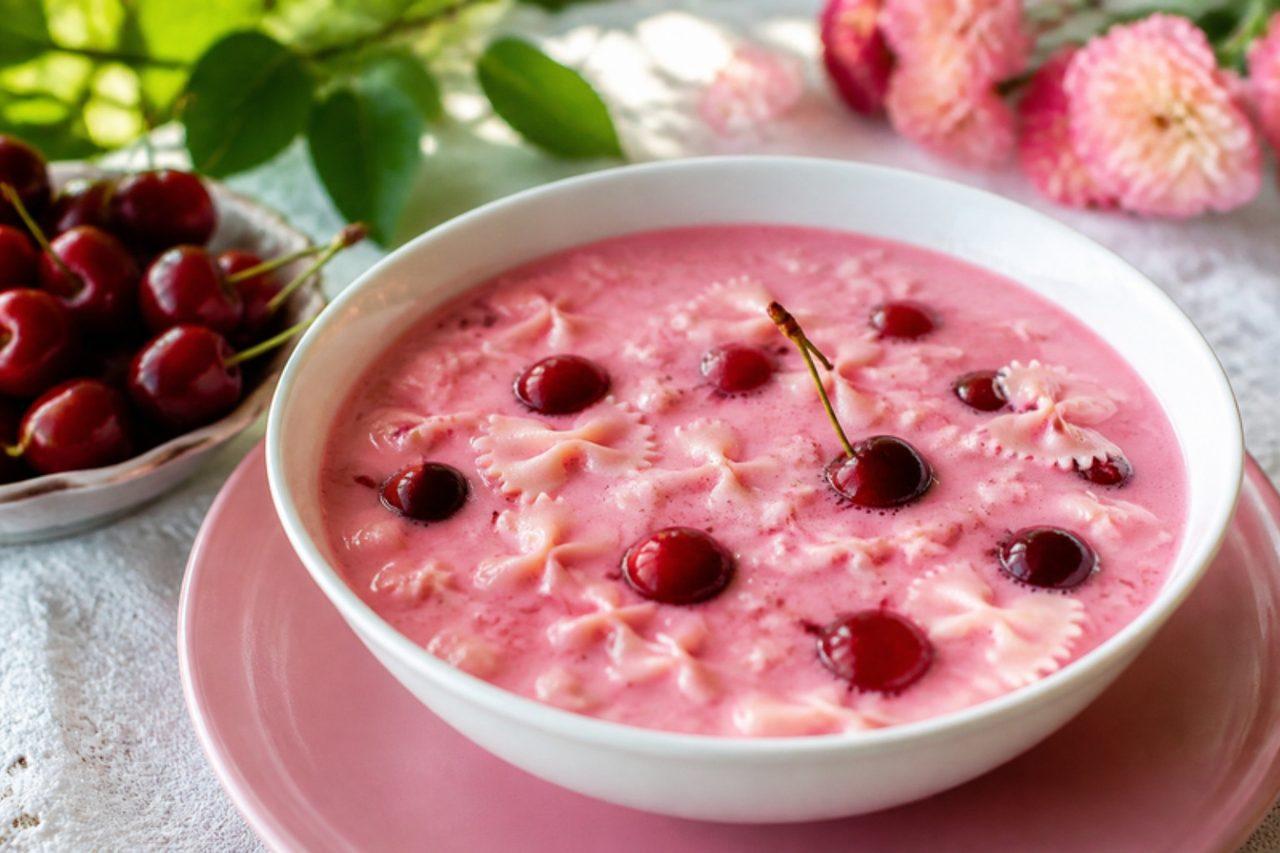
On a hot July afternoon in a Mazurian village or a Warsaw allotment, a pot of zupa owocowa sits cooling on the windowsill: sour cherries or strawberries simmered with sugar, lightly thickened, and served cold over little pasta shells or bow ties. Polish children often get it as the first course of a summer lunch, and it tastes like a drinkable fruit compote. A common mistake is thickening it too much, so it sets into jelly in the fridge; it should stay pourable. Chef's tip: stir a spoon of soured cream into each bowl, not the pot, so the colour stays bright.

by KrazyBadal 0 views

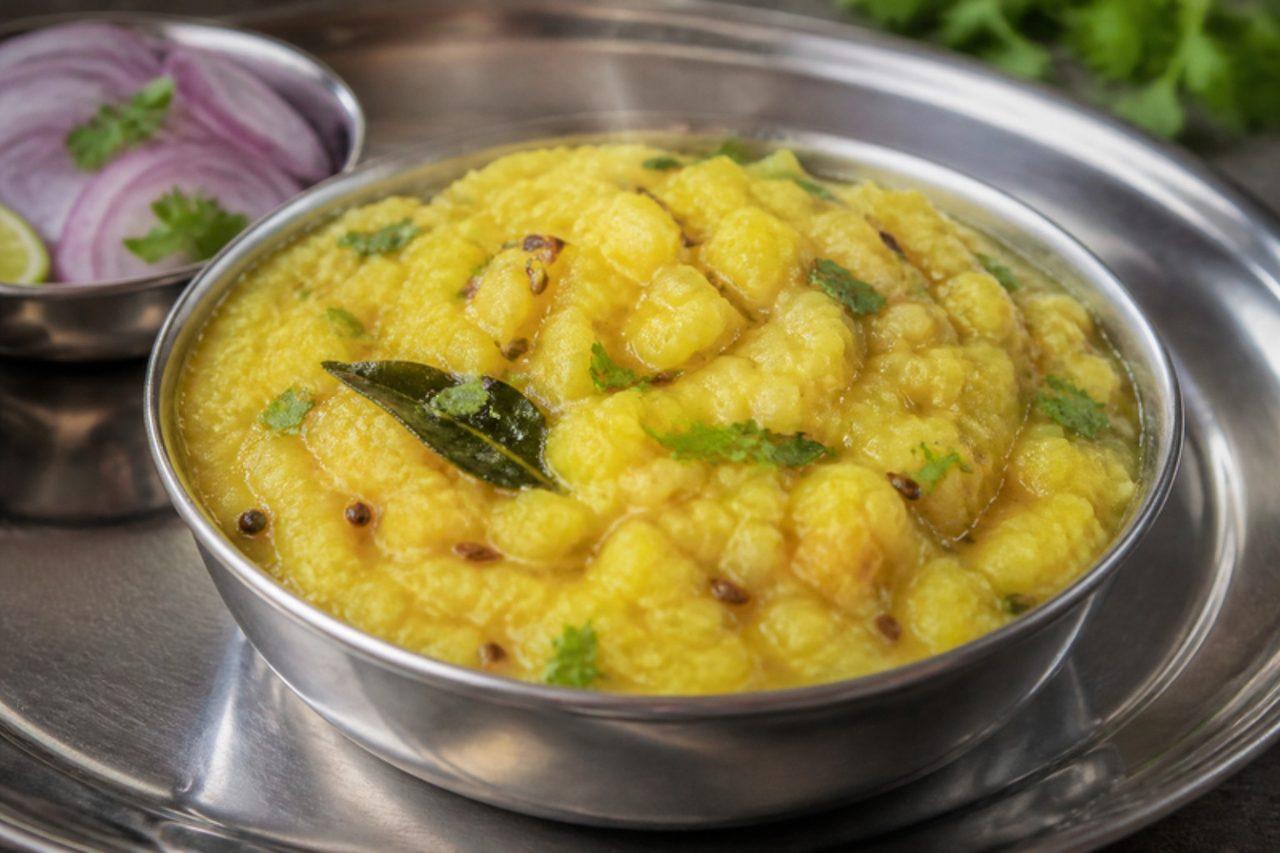
Varagu pongalKodo millet pongal

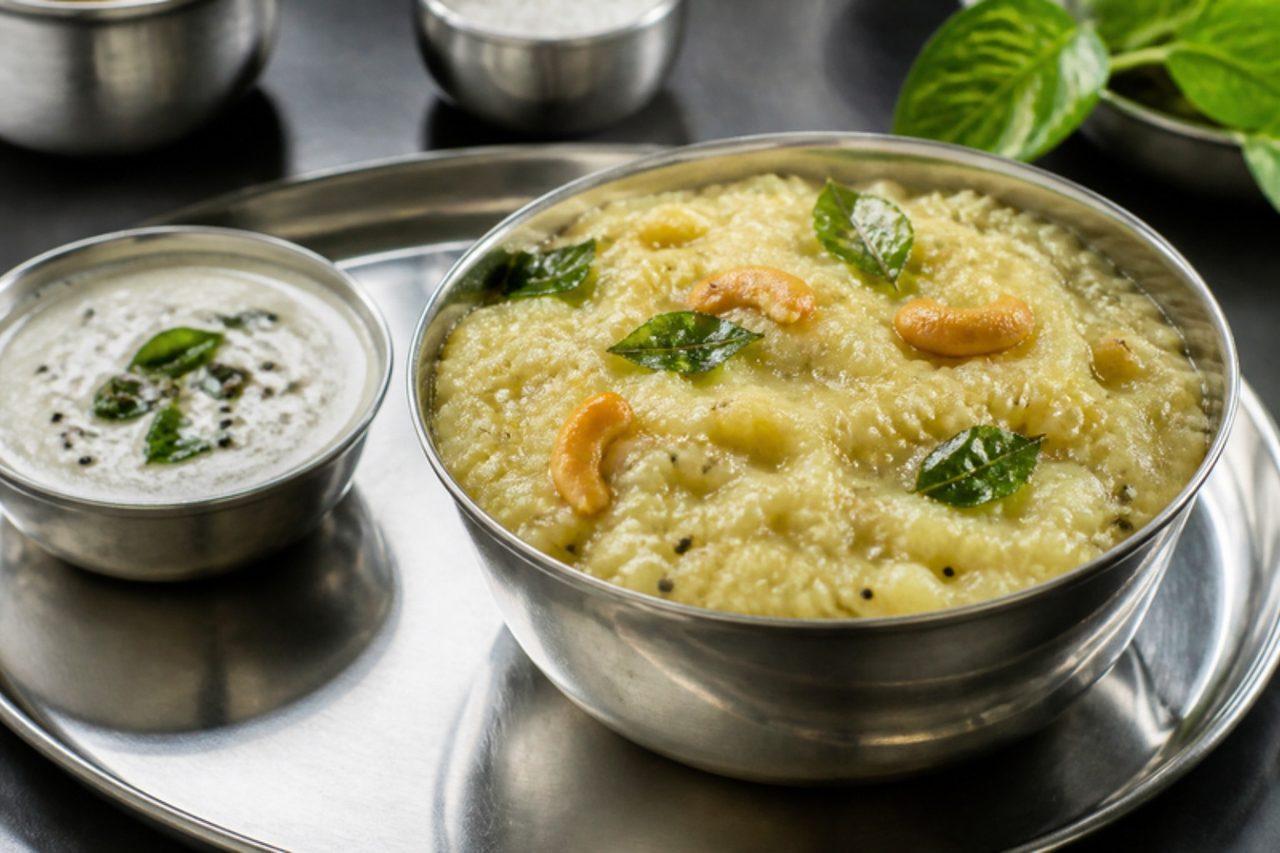
Ven pongal, the peppery rice and dal porridge, is the Sunday breakfast of Tamil Nadu and the prasadam handed out at temples; in Chennai homes that have turned to millets, kodo millet (varagu) now often takes the rice's place. It cooks into the same soft, creamy mass with yellow moong dal, scented with crushed black pepper, cumin, ginger and curry leaves fried in a modest spoon of ghee, and is eaten with coconut chutney and sambar. A portion is about 280 kcal, far less ghee than the temple version. The mistake people make is serving it too thick; pongal firms up fast as it cools, so make it looser than you think. Chef's tip: crush the peppercorns coarsely in a mortar rather than grinding them fine; you want little bursts of heat in each spoonful.

by KrazyBadal 0 views

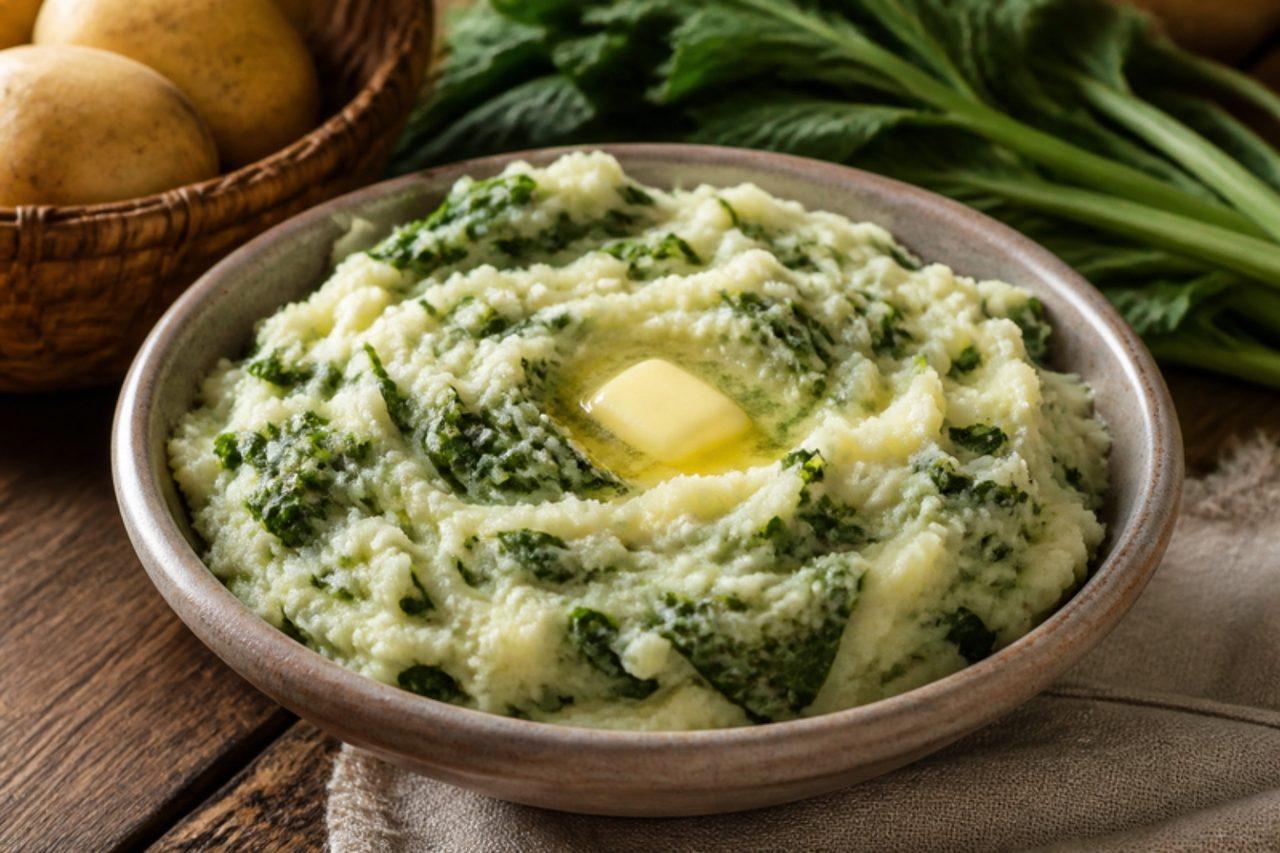
StielmusTurnip greens mash

Stielmus, also called Rübstiel, is the young stalks and leaves of turnips, sold in bunches at markets in Cologne, Düsseldorf and the Münsterland only in spring and early autumn. Rhinelanders chop them and cook them with potatoes, then mash everything together with butter and nutmeg into a green, slightly peppery mash. It is traditionally eaten with bacon or sausage, but works as a vegetarian main with a fried egg. A common mistake is chopping the stalks too coarsely, which leaves stringy pieces. Chef's tip: if you cannot find Stielmus, a mix of turnip tops and chard gives a similar mild bitterness.

by KrazyBadal 0 views

ParadiesäpfelCandy apples

Paradiesäpfel shine from the sugar stalls at German fairs and Christmas markets, from the Cannstatter Wasen to the Hamburg Dom: small tart apples on wooden sticks, dipped in a glassy red sugar glaze that cracks when you bite it. Children often get them on the way home from the rides in autumn. The glaze is just sugar, water and a drop of vinegar boiled to the hard-crack stage, so a sugar thermometer helps. The most common mistake is using wet or waxed apples, which makes the glaze slide off. Chef's tip: scrub the apples in hot water and dry them completely first, then dip quickly and twist so the excess drips back into the pan.

by KrazyBadal 0 views

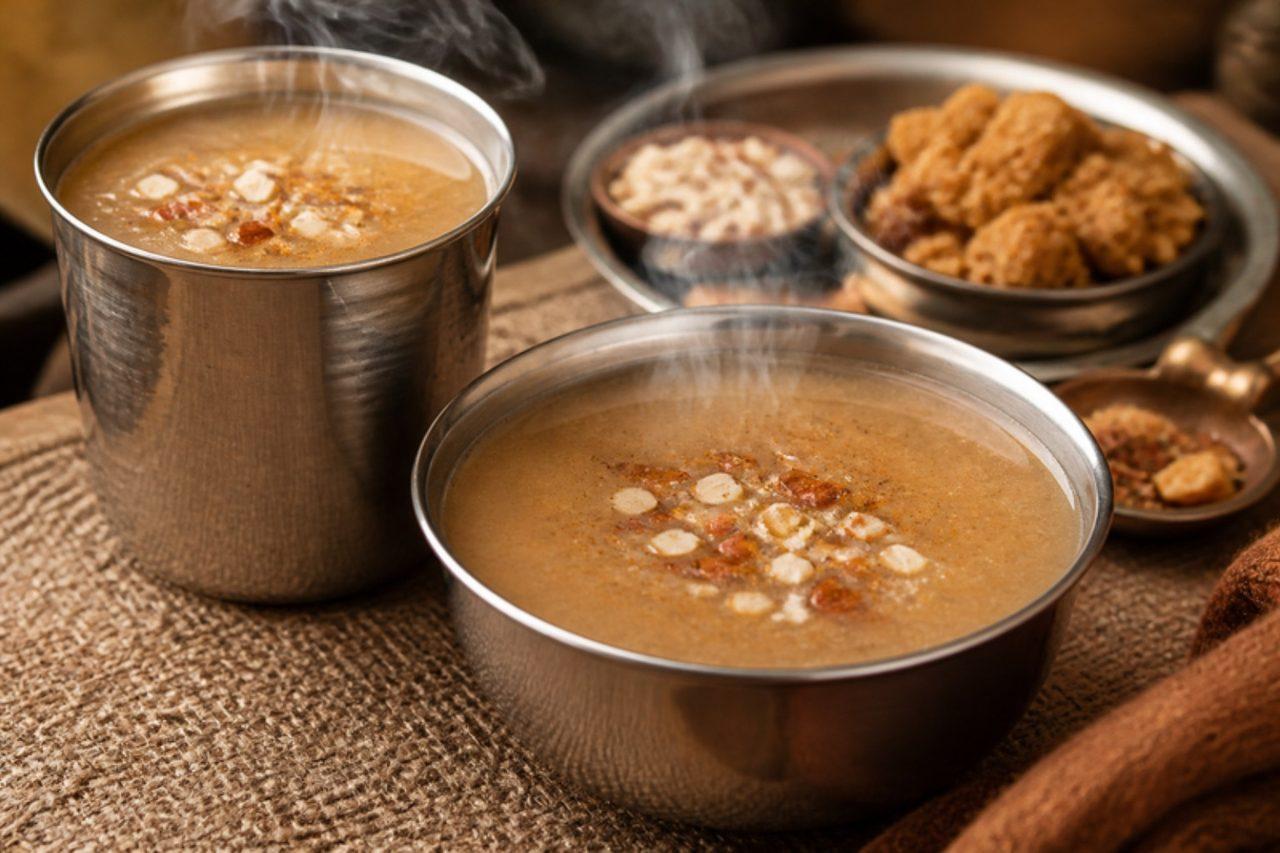
Bajri ni raabPearl millet jaggery drink

In Gujarati homes from Ahmedabad to the villages of Saurashtra, raab is what is made on a cold January evening, for a cough, or for a new mother regaining her strength: a spoon of bajri flour roasted in ghee with ajwain and dry ginger, then cooked with water and jaggery into a thin, sippable porridge. It is drunk hot from a steel tumbler and tastes of toasted grain, caramel and warm spice. A tumbler is about 220 kcal. The most common mistake is adding jaggery to boiling raab with the flame high, which can make it split; turn the heat down first and stir it in until it melts. Chef's tip: roast the flour on a low flame until it smells like toasted biscuit and darkens just slightly; underroasted bajri tastes raw and bitter.

by KrazyBadal 0 views

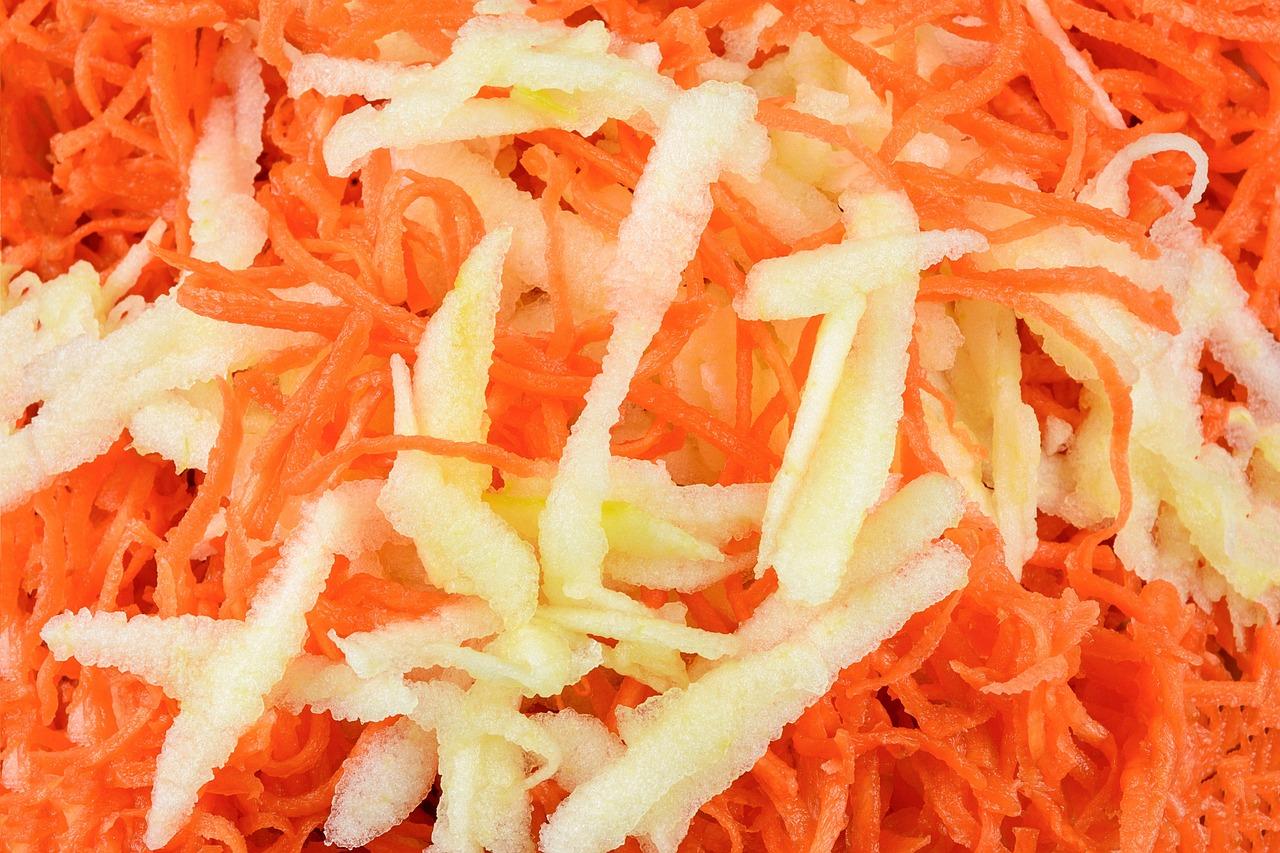
Surówka z marchewkiCarrot and apple salad

That little mound of orange on the side of every milk-bar plate in Łódź or Wrocław is surówka z marchewki, raw carrot and apple grated together and sharpened with lemon. Polish families make it beside Sunday chops, Friday fish and plain potatoes all year round, because carrots and apples keep through the winter. It takes ten minutes and is crisp, sweet and tart. A common mistake is grating the apple long before serving, so it browns and the salad turns watery. Chef's tip: grate the carrots on the fine side of the grater and the apple on the coarse side, so the apple stays juicy and the carrot soaks up the dressing.

by KrazyBadal 0 views

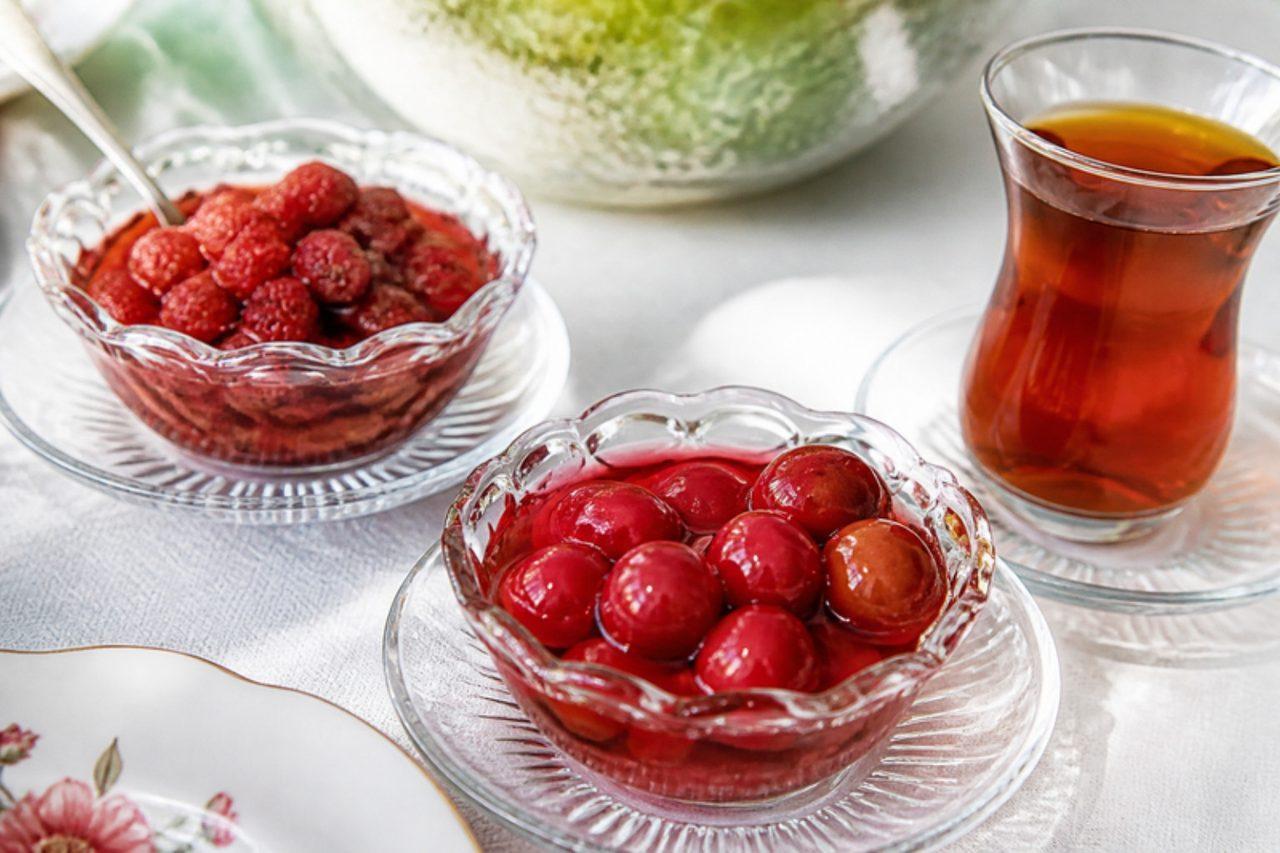
VarenyeFruit preserve in syrup

Varenye is not quite jam: whole berries or fruit are steeped and cooked in short bursts so they stay intact in a clear, glossy syrup. All summer at dachas around Moscow and Vladimir, copper basins of strawberry, cherry or gooseberry varenye bubble outside, and in winter it is spooned into tiny glass rosettes and eaten with tea, sometimes straight from the spoon between sips. The common mistake is boiling it in one long go, which turns the fruit to mush. Chef's tip: cook it in three short boils with long rests between; the fruit soaks up syrup slowly and stays whole.

by KrazyBadal 0 views

Pane ticinesePull-apart white loaf

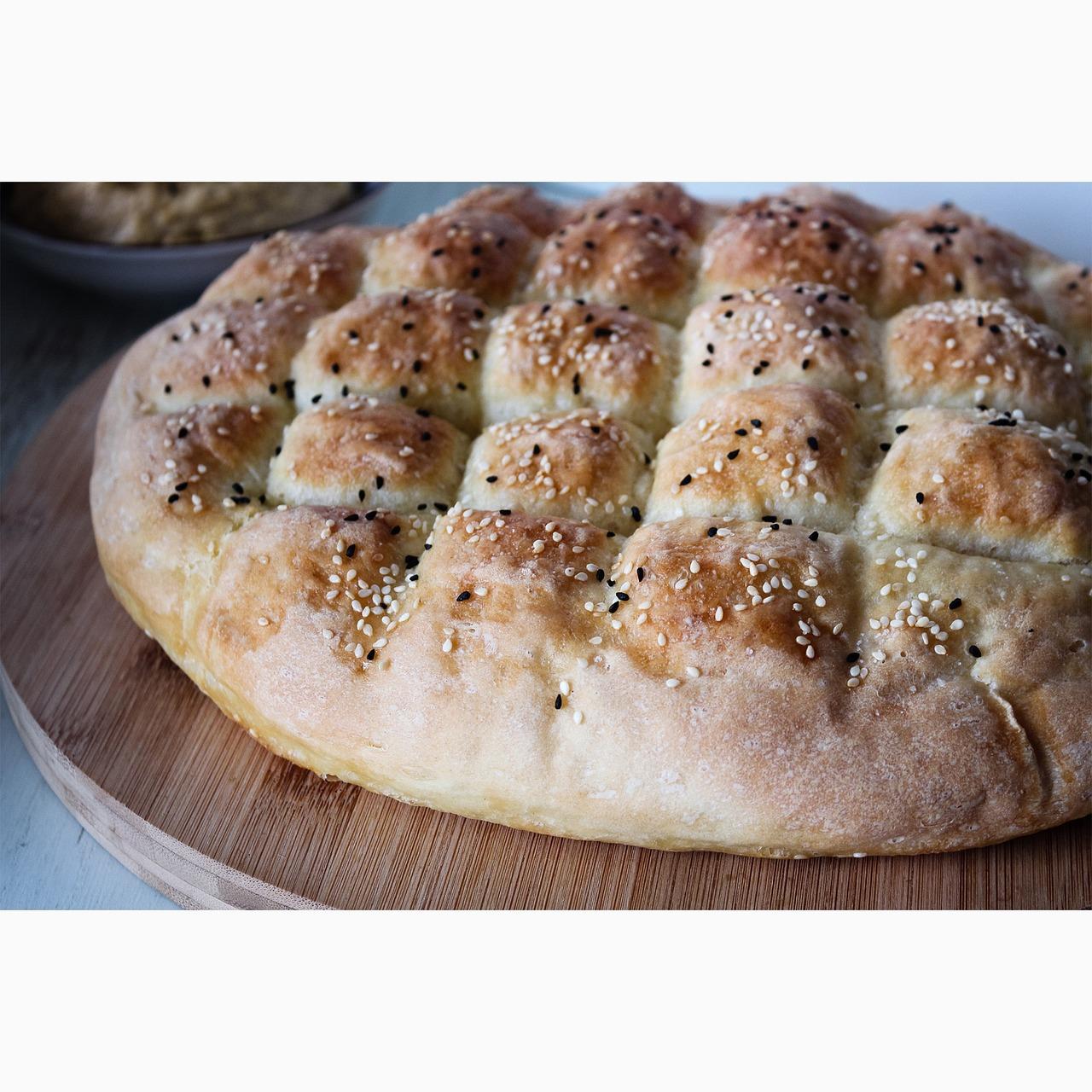
Pane ticinese comes from Switzerland's Italian-speaking south and is now sold in bakeries across the country: a long, flat loaf made of linked rolls, each section easy to break off, with a soft, slightly chewy crumb thanks to a little olive oil in the dough. In Lugano and Bellinzona it goes on the table at lunch with salami and formaggini, or is torn into hunks for minestrone; this version is vegan. Chef's tip: when shaping, press each fold right down with the side of your hand; the deep creases are what let the loaf snap into neat pieces after baking.

by KrazyBadal 0 views

Paruppu usiliGreen beans with crumbled lentils

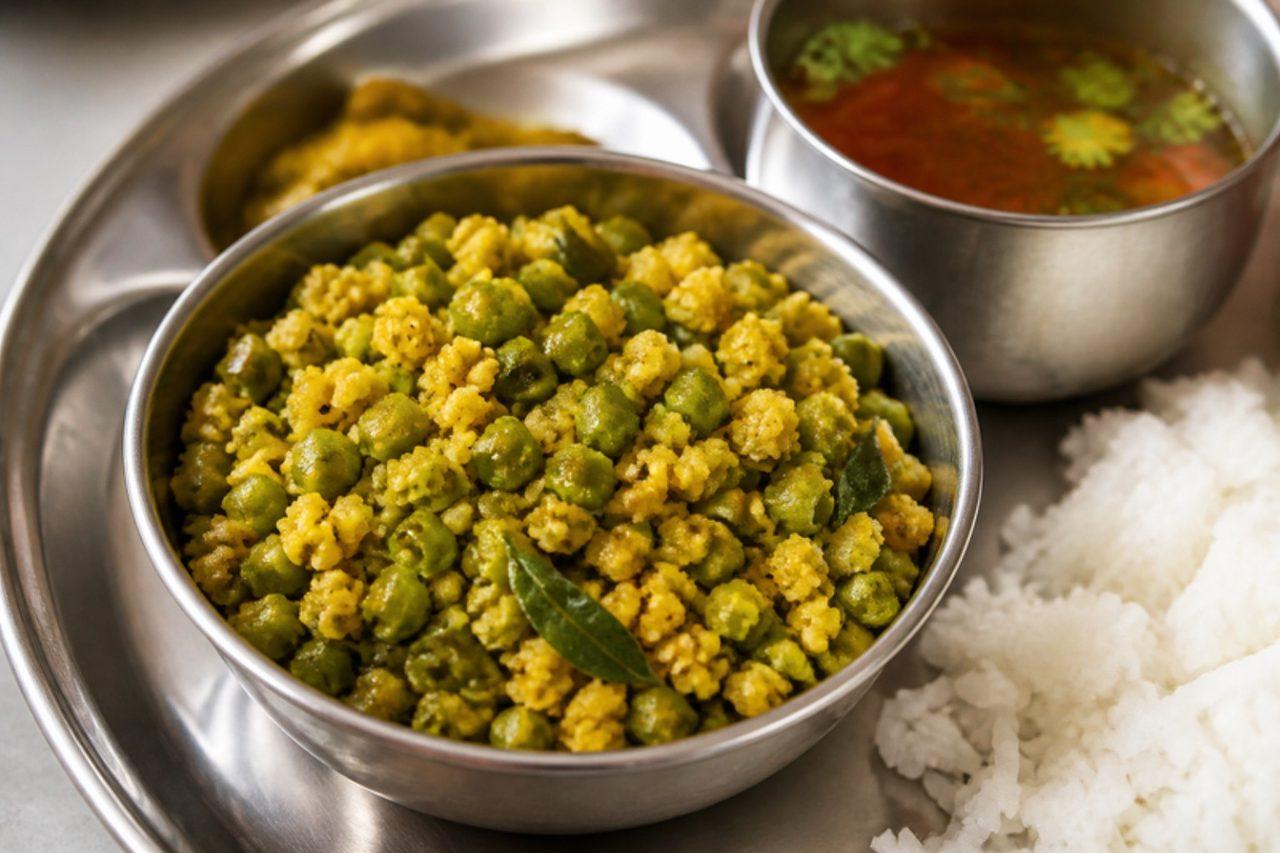
Paruppu usili is a Tamil Brahmin speciality, the dry dish that sits beside more kuzhambu or rasam on a Thanjavur lunch leaf at weddings and at home: chana and toor dal are soaked, ground coarsely with red chilli, steamed into a cake, crumbled, then fried with finely chopped green beans until the crumbs turn golden and crisp in places. The result is nutty, spicy and full of protein. A portion is about 220 kcal. The dals soak for 1 hour first (not counted in the times). The mistake most people make is grinding the dal to a smooth paste; it should be coarse like semolina, or the usili turns into lumps instead of crumbs. Chef's tip: steam the ground dal before frying, rather than frying it raw; it crumbles perfectly and needs far less oil.

by KrazyBadal 0 views

WeggliSoft milk rolls

Weggli are the soft white rolls Swiss-German children grow up on: in Zurich, Bern and Basel they are bought warm on Saturday mornings, pulled apart along their deep central crease and eaten with butter and jam, or with a bar of chocolate pressed inside for the school break. The dough is enriched with milk and butter, so the crumb is fine and fluffy and the crust thin and golden. Chef's tip: press the crease firmly with the handle of a wooden spoon almost to the tray; if it's too shallow the rolls rise back into plain buns.

by KrazyBadal 0 views

Kaasblokjes met mosterdCheese cubes with mustard

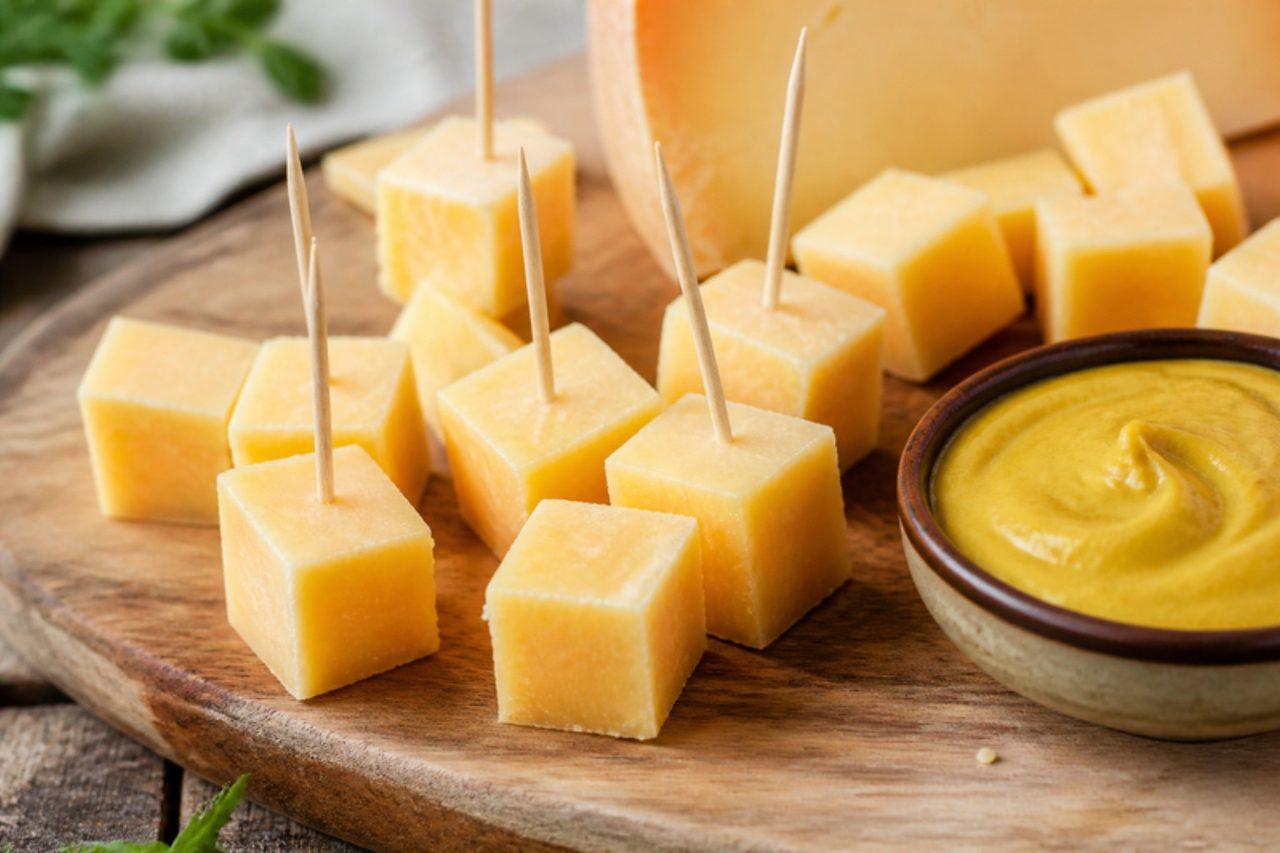
Friday afternoon in a Dutch brown café, or a birthday circle in a living room in Utrecht, means a borrel, and the first thing on the table is a plate of cheese cubes on cocktail sticks. Belegen or oude Gouda, aged until it is firm and nutty with little salt crystals, is cut into neat cubes and served with a pot of coarse mustard and a shake of celery salt. Traditional Gouda is made with animal rennet, so pick a vegetarian aged Gouda-style cheese if needed. A common mistake is serving the cheese fridge-cold, which hides its flavour. Chef's tip: cut it half an hour before guests arrive and let it come to room temperature, covered.

by KrazyBadal 0 views

Doodh pattiStrong milk tea

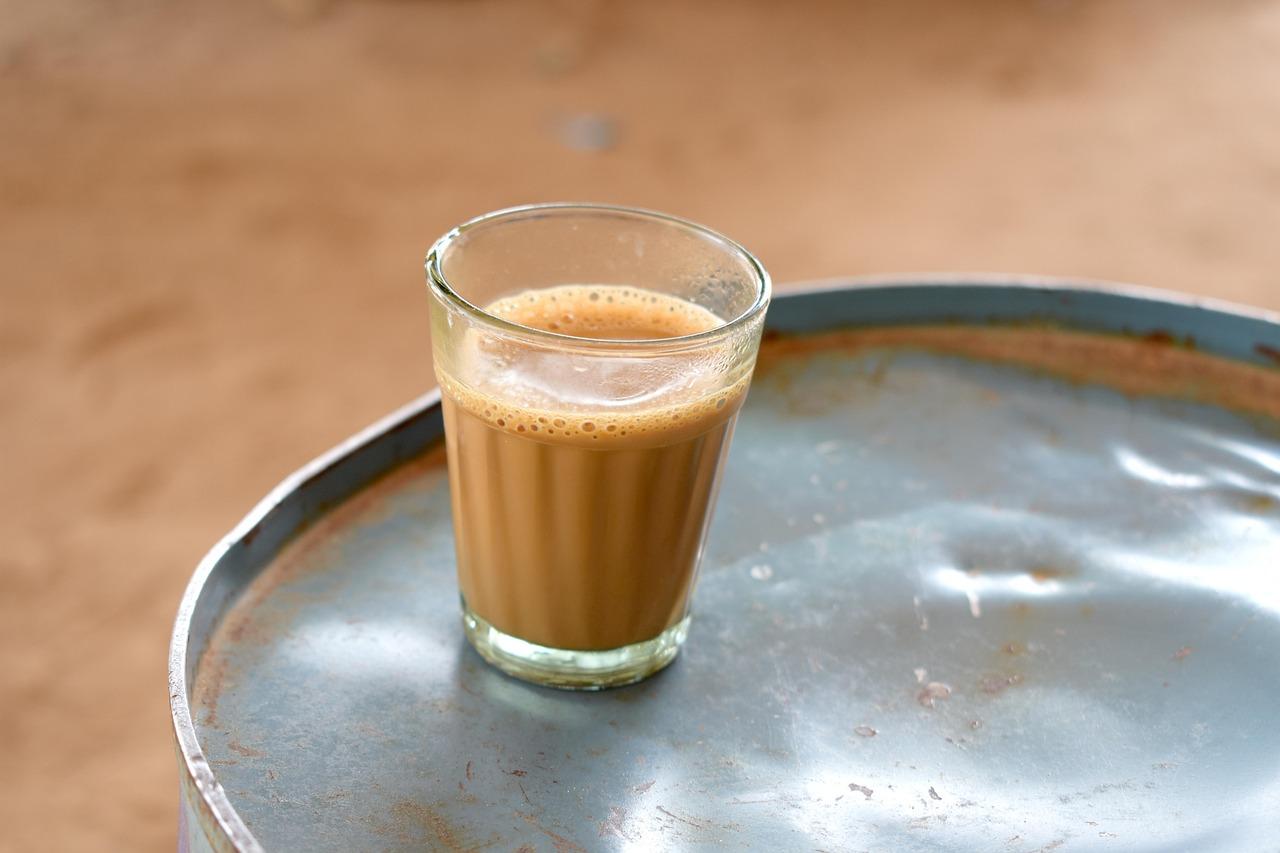
Doodh patti is poured from a dented pan at every truck stop, university canteen and street-corner dhaba in Pakistan, from Karachi's Saddar to the Murree road, and it is drunk at all hours: before work, after cricket, at midnight with a paratha. The tea is made without any water at all, boiling loose black tea and sugar in milk until it turns a deep caramel colour and tastes rich, malty and strong. The mistake is simmering too gently and pulling it off too soon, giving a weak, milky drink; it needs a proper rolling boil, more than once. Contains milk. Chef's tip: lift the pan off the heat each time the tea froths to the top and return it, three times; each rise deepens the colour and flavour.

by KrazyBadal 0 views

Appenzeller BiberAlmond-filled gingerbread

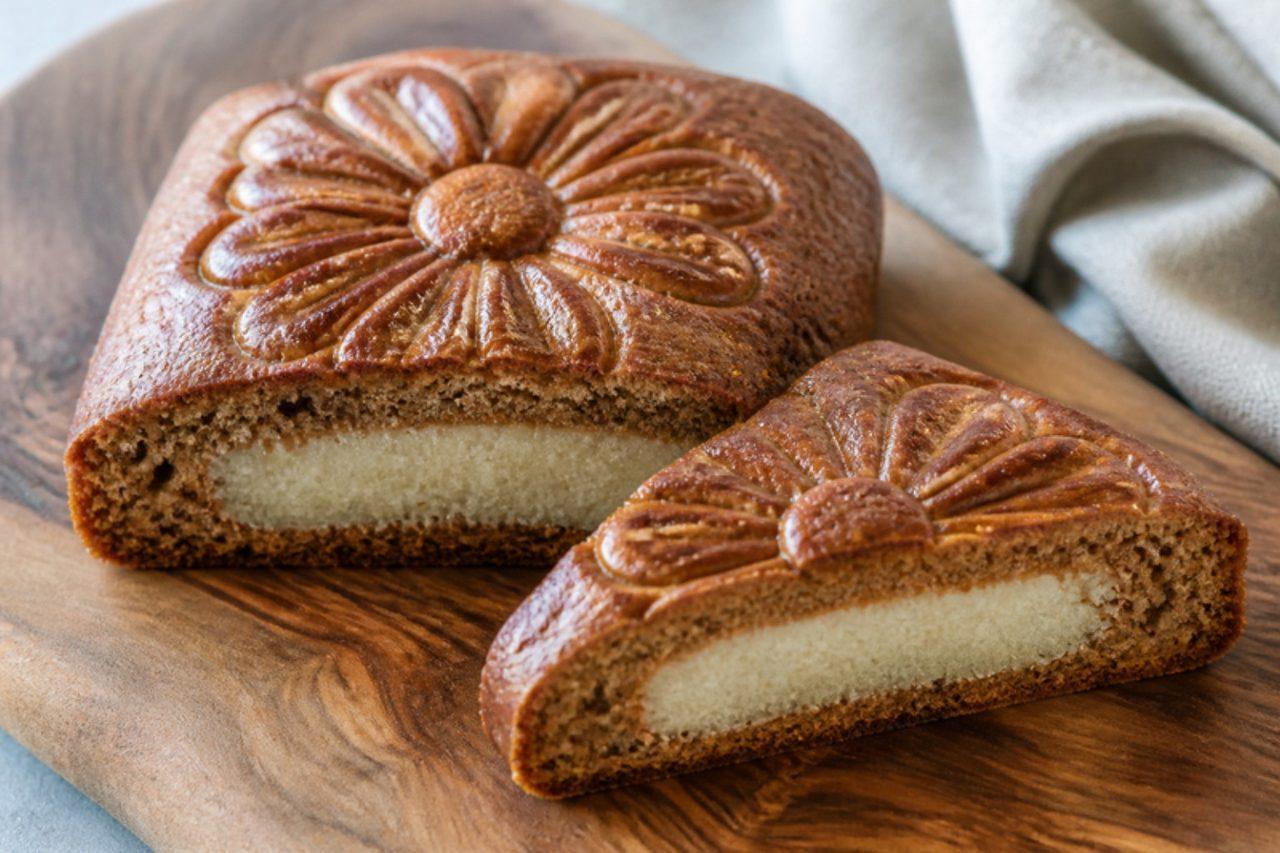
In the green hills of Appenzell, Biber are the sweet that marks Christmas, New Year and christenings, and bakers in Appenzell town stamp them with wooden moulds of cows, bears and the traditional alpine ascent. The dough is a dark, spicy honey gingerbread wrapped around a layer of almond paste, baked until it glows chestnut brown. They keep well and are sliced or eaten whole with coffee. Chef's tip: leave the dough to rest for at least a day if you can; honey doughs get smoother and spicier with time and crack less when stamped.

by KrazyBadal 0 views

Moong dal khichdiRice and moong dal porridge

When someone in a Gujarati or Rajasthani home is under the weather, has just come back from a long trip, or simply wants a light supper on a Monday, the pressure cooker comes out for plain moong dal khichdi. Rice and split yellow moong cook together with turmeric until they collapse into a soft, spoonable porridge, and a small tempering of ghee, cumin and asafoetida is poured over at the end. It is eaten with yogurt, papad and a pickle, and it is gentle enough for toddlers over one year. A portion is about 290 kcal. The most common mistake is too little water, which leaves a stiff, dry khichdi; it should be loose enough to settle flat in the bowl. Chef's tip: dry-roast the dal for two minutes before adding water; it gives a nutty smell that plain boiled dal never has.

by KrazyBadal 0 views

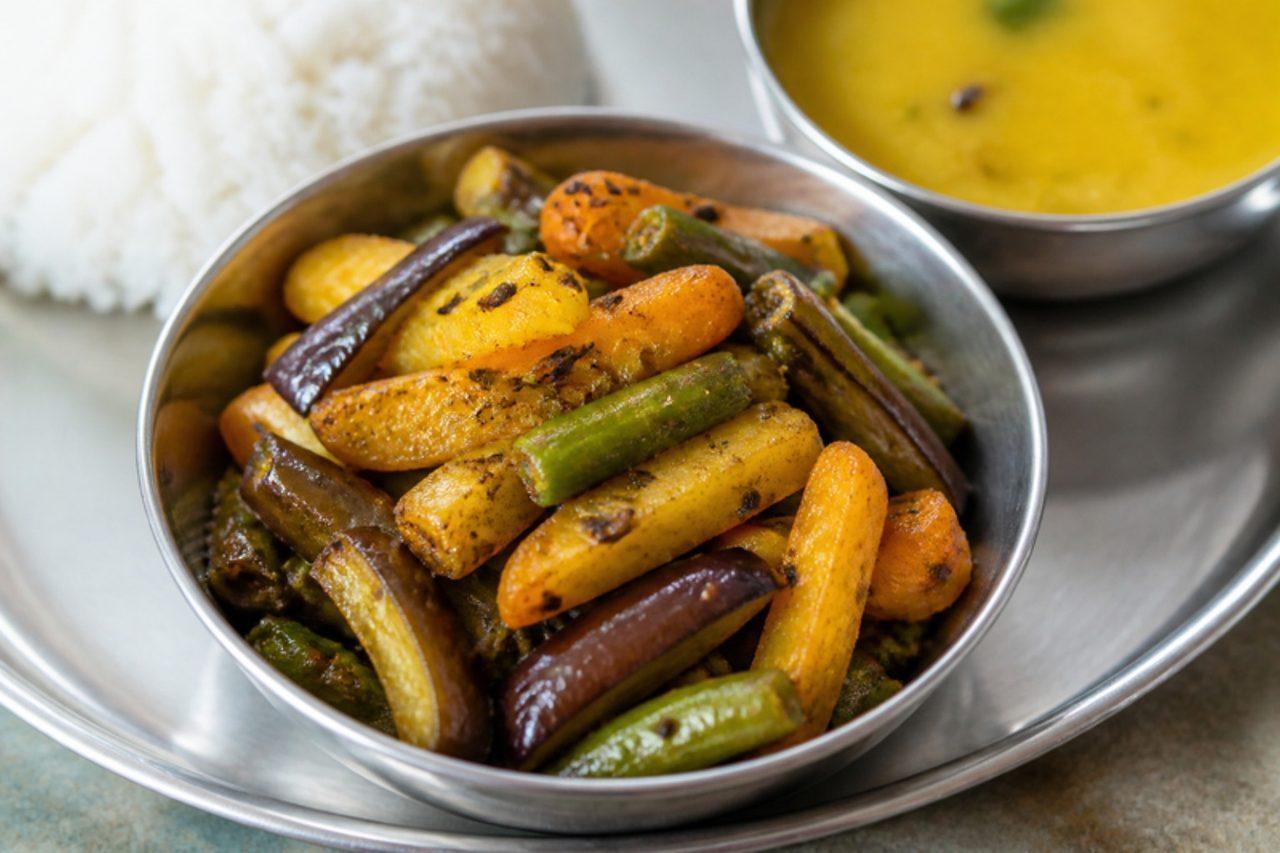
ChorchoriMixed vegetable stir-fry

Chorchori is the thrifty everyday dish of Kolkata kitchens, where whatever vegetables are in the basket, pumpkin, potato, aubergine, radish, beans, are cut into sticks and cooked down slowly with panch phoron and mustard oil until the pan is dry and the bottom catches a little. Bengalis love that slightly caramelised scrape at the bottom of the pan. It is eaten with rice and dal at lunch. A portion is about 150 kcal. The usual mistake is stirring too much, which breaks the vegetables into mush; once the lid is on, leave it and just shake the pan. Chef's tip: add a teaspoon of mustard paste or a pinch of sugar at the end, as many Bengali homes do; it rounds out the flavour.

by KrazyBadal 0 views

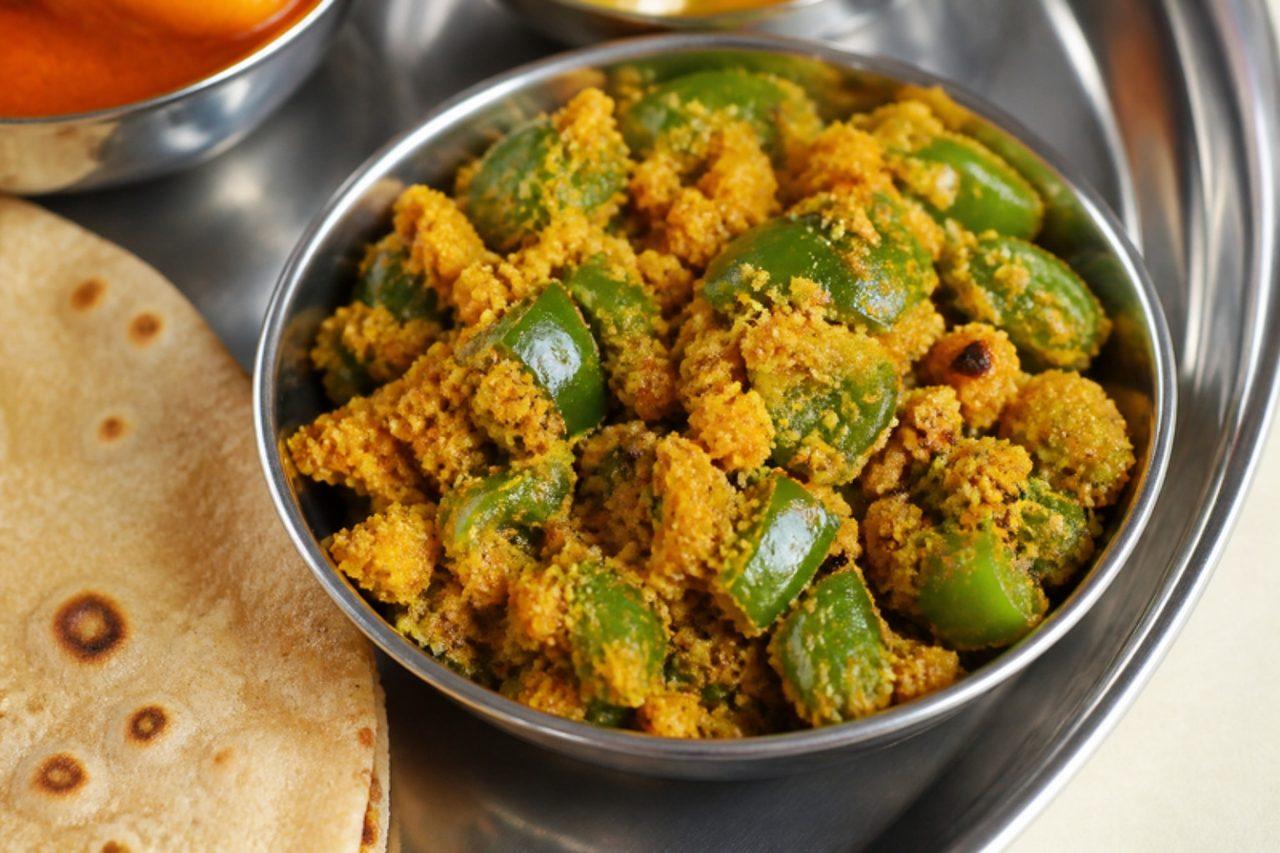
Shimla mirch besanCapsicum with gram flour

In Marwari homes in Jodhpur and Bikaner, and across Vidarbha in Maharashtra, gram flour stretches a few vegetables into a satisfying dry sabzi, and capsicum with besan is the weekday favourite, eaten with phulka and a bowl of kadhi or dal. Diced green peppers are cooked until just soft, then dusted with roasted, spiced besan, which turns into crumbly golden bits that cling to the peppers. A portion is about 165 kcal. The common mistake is adding the besan raw to the wet peppers, which gives a pasty, raw-tasting coating; roast it dry in a separate pan first until it smells nutty. Chef's tip: keep the capsicum slightly crunchy; it carries on softening once the besan goes in.

by KrazyBadal 0 views

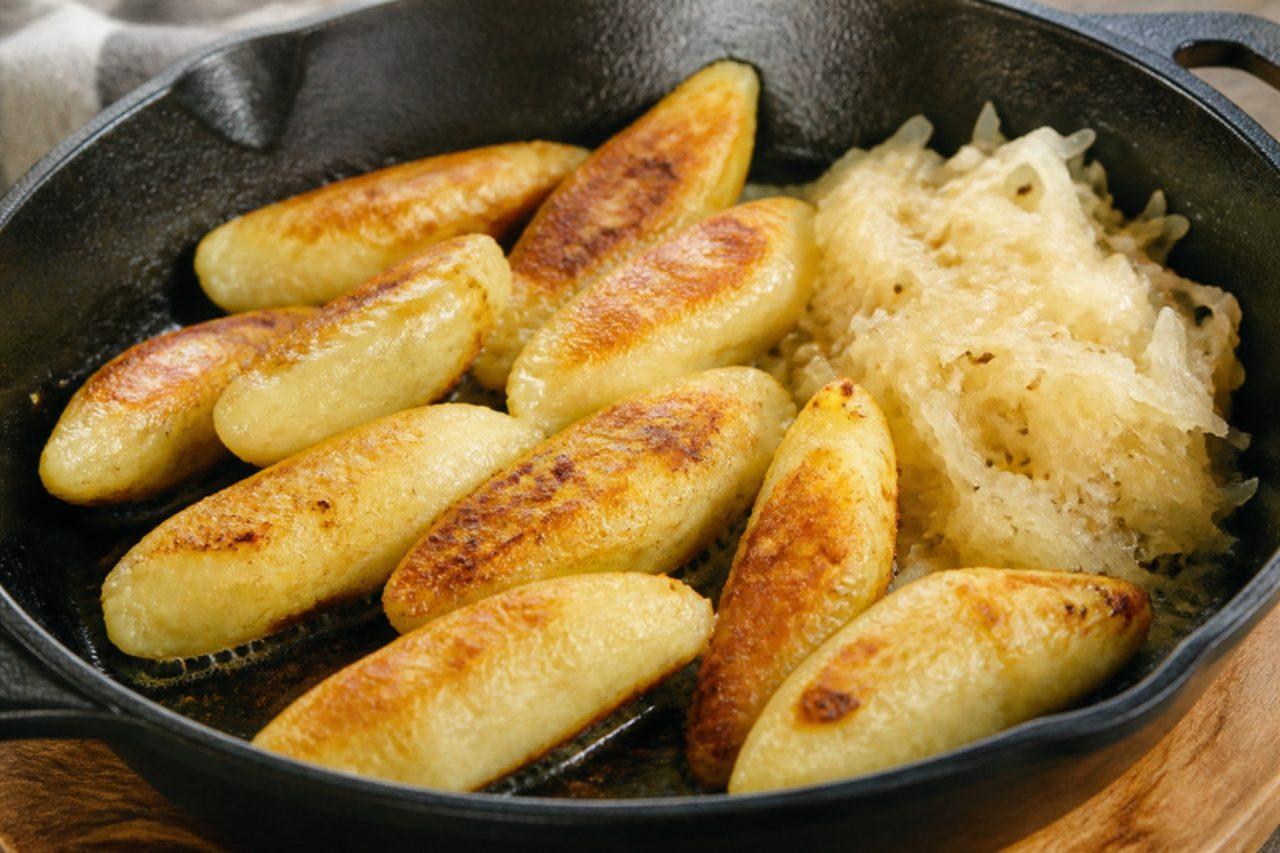
HoorischeRaw potato dumplings

In the Saarland, Hoorische means 'hairy ones', after the rough, fibrous surface of these long dumplings made from grated raw potato squeezed dry and mixed with a little cooked potato. Families in Saarbrücken, Neunkirchen and St. Wendel eat them on Fridays and in autumn, simmered, then browned in butter and served with sauerkraut or a creamy sauce. They are chewy, filling and pleasantly rough-textured. The classic mistake is not squeezing the grated potato hard enough, so the dumplings fall apart in the water. Chef's tip: keep the starch that settles out of the potato water and work it back into the dough; it is the glue that holds Hoorische together.

by KrazyBadal 0 views

DrömmarCrisp dream cookies

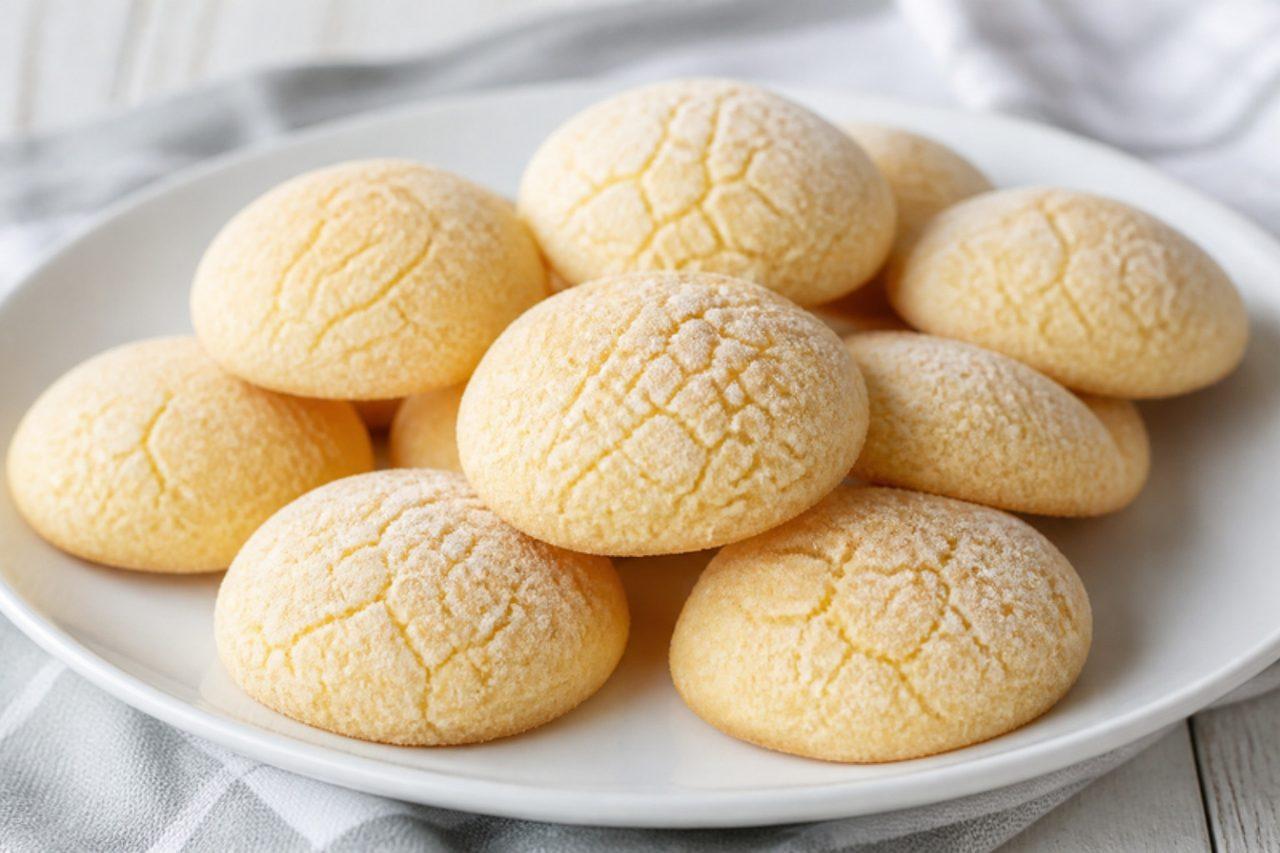
Drömmar, 'dreams', are on almost every plate of the seven kinds of cookies that Swedish hosts traditionally set out for kafferep, the old coffee party, and grandmothers in Dalarna still bake them by the tin. They are pale, domed and so light they crack and melt on the tongue. That texture comes from hjorthornssalt, baker's ammonia, which smells strongly while baking but leaves nothing behind once the cookies are cooked through. Baking powder works too, but the cookies will be less airy. A common mistake is baking at a high heat; they must stay white. Chef's tip: bake in a low oven until completely dry inside, or the ammonia taste lingers.

by KrazyBadal 0 views

RuispuuroRye porridge

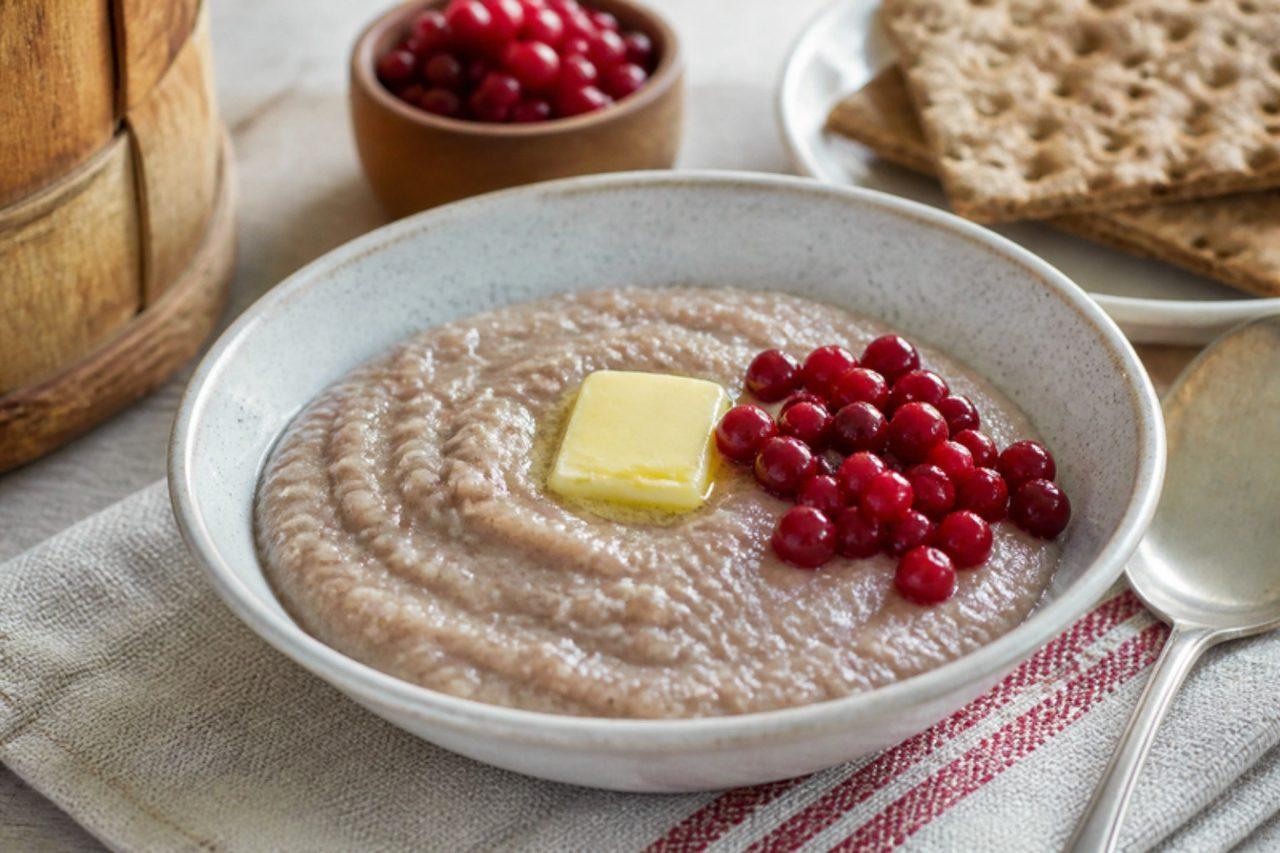
In Finnish homes and school canteens, ruispuuro is the plain, filling porridge of winter mornings, from Helsinki flats to farmhouses in Ostrobothnia. Rye flakes or coarse rye meal simmer in salted water until thick and slightly tangy, and the classic topping is a pool of melting butter, called a voisilmä or 'butter eye'. This version is vegan: use a plant butter, or tart lingonberries and a little oat milk. A common mistake is serving it too soon, when the flakes are still chewy. Chef's tip: let the porridge rest off the heat with the lid on for 5 minutes — the rye swells and turns creamy.

by KrazyBadal 0 views

TirggelHoney biscuits

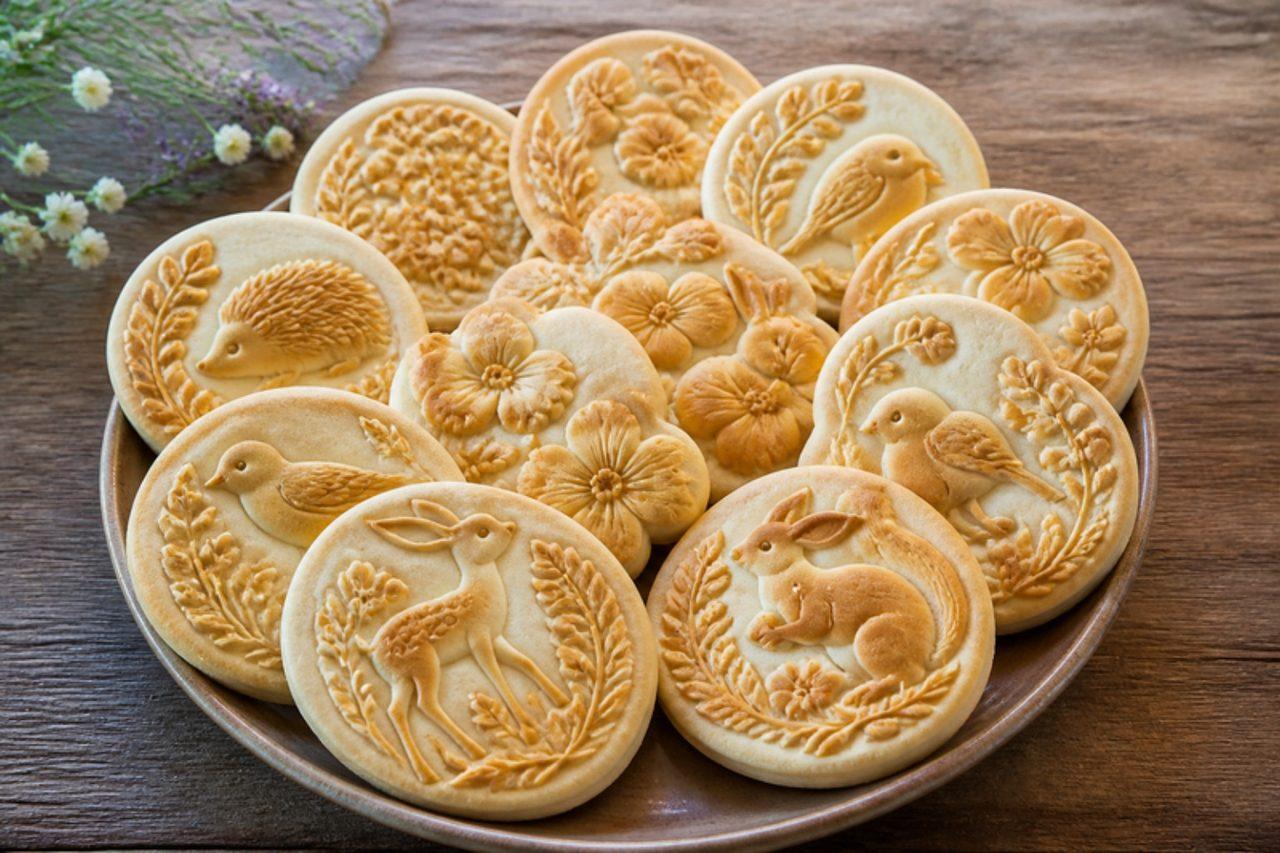
Tirggel have been baked in Zurich since the Middle Ages and are still sold at the Christmas markets on the Bahnhofstrasse and the old-town bakeries: wafer-thin honey biscuits pressed into carved moulds of guild scenes, animals and town views, then baked with heat from the top only so the raised picture turns golden while the back stays pale. They are hard and meant to be broken into pieces and let melt on the tongue. Wooden or silicone springerle moulds work at home. Chef's tip: bake them under the top heat only, or on the highest shelf with a tray below; full heat browns the whole biscuit and the picture disappears.

by KrazyBadal 0 views

Tokma sharbatBasil seed lemon drink

When the azan sounds at sunset during Ramadan, tables from Dhaka's Mirpur flats to village courtyards in Comilla carry a jug of tokma sharbat: lemon water swirling with soaked sweet basil seeds, each one wearing a soft, jelly-like halo. It is sweet, sharp and cooling, a gentle first sip after a long hot fast before the dates and piyaju. The most common mistake is stirring the seeds straight into the jug dry, where they clump into slimy lumps; always soak them separately in plenty of water first. Chef's tip: bruise a few mint leaves or add a thumb of grated ginger to the jug, which many Dhaka families do in the hottest months.

by KrazyBadal 0 views

Showing 72 of 3,470 recipes

Show more recipes

Page 31 of 145

More No onion & garlic ideas

Other diets