No onion, no garlic recipes (Swaminarayan and sattvic)
3,481
3481 vegetarian recipes cooked without onion or garlic, as in Swaminarayan and sattvic kitchens, with no meat, fish, eggs or alcohol. Each has photos, step-by-step instructions and cook times. The quickest, Apfelschorle, takes 2 minutes. Most take around 45 minutes.
On Galle Face Green at sunset, and at every Vesak fair, the bombai motai seller walks with a glass box of pink candyfloss and a little bell, handing it out in small cones. You can spin a home version without a machine: sugar boiled to the hard-crack stage, then flicked from a fork in thin threads over two spoon handles. Children love to watch, but they must stay well back while the sugar is hot. Contains no major allergens. Chef's tip: make it on a dry day; humidity melts the threads back into sticky sugar.
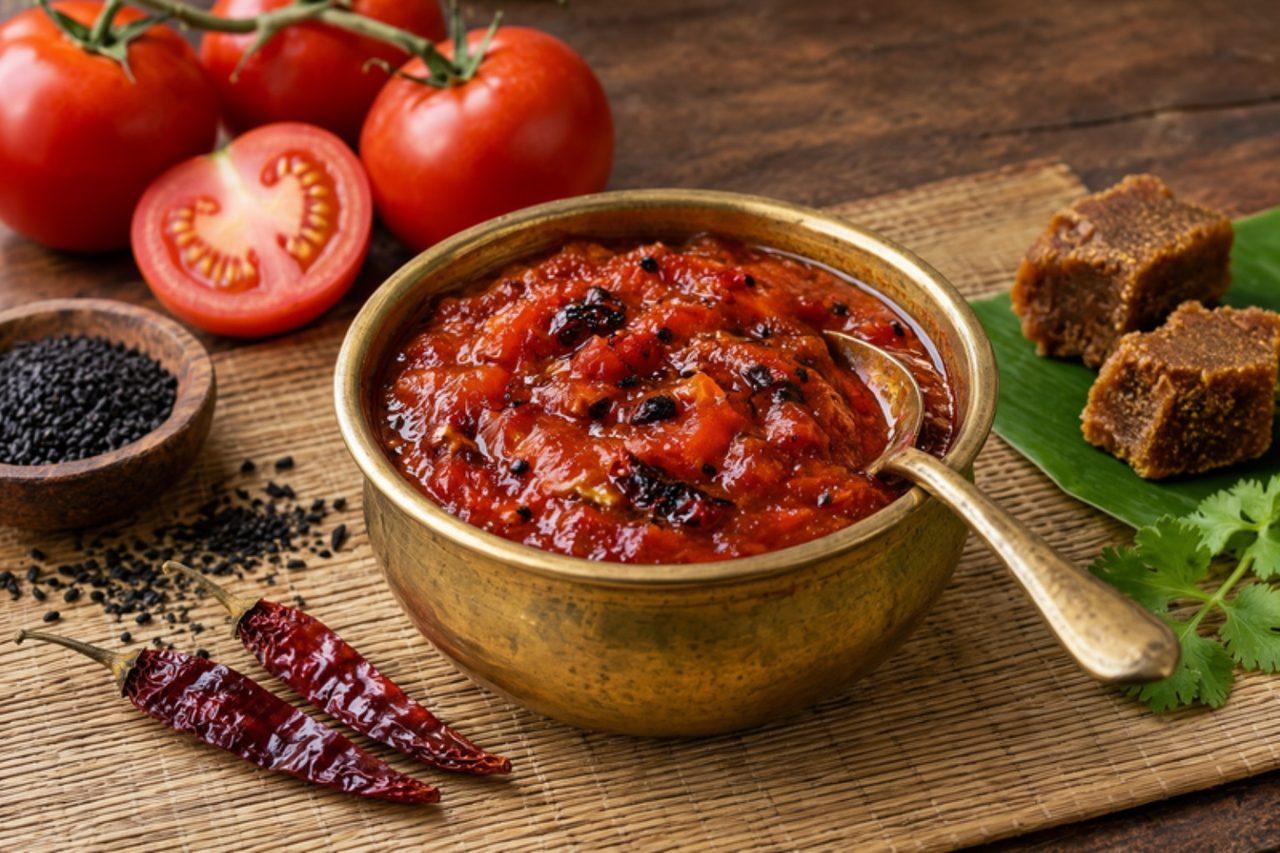
Bilahi is the Assamese word for tomato, and this glossy red chutney, sweet with jaggery and warmed with nigella and dried chilli, closes a festive Assamese meal, especially at weddings and on Bihu, as the sweet-sour last course before curd and sweets. Everyday cooks in Jorhat and Guwahati make a quick batch in winter when tomatoes are cheap. The mistake to avoid is adding the jaggery too early, which scorches before the tomatoes have broken down. Chef's tip: a few dates or raisins added with the jaggery give the chutney a deeper, jammy sweetness.
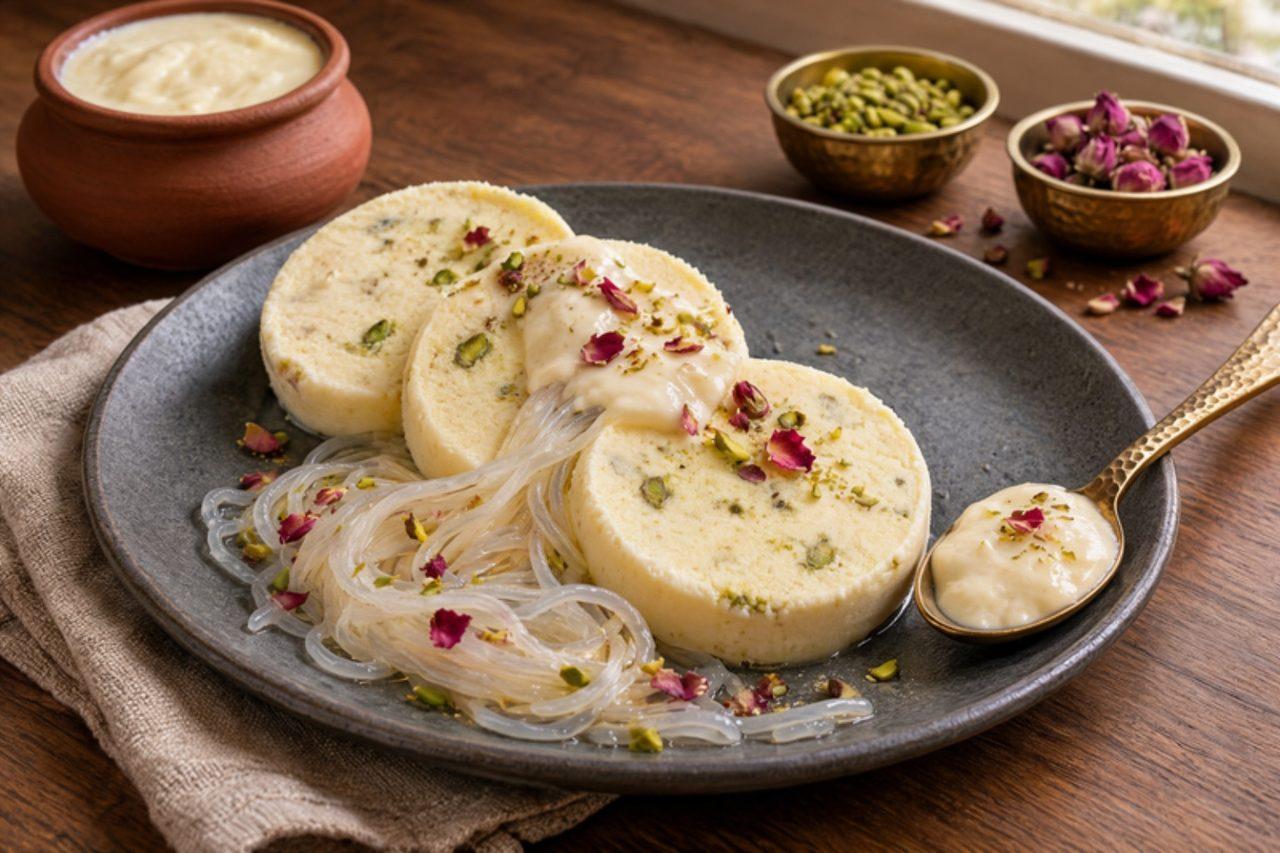
On hot Lahore nights, families stroll to Gawalmandi food street and the old shops near Anarkali for kulfa: a whole cone of dense, cardamom-scented kulfi is sliced into fat discs, laid over soft falooda noodles and spooned over with rabri, the thick sweetened milk. It is cold, chewy and creamy in every mouthful. Contains milk and tree nuts (pistachio and almond); the falooda noodles may contain wheat. Chef's tip: scrape the bottom and sides of the pan constantly as the milk reduces; one scorched patch flavours the whole batch.
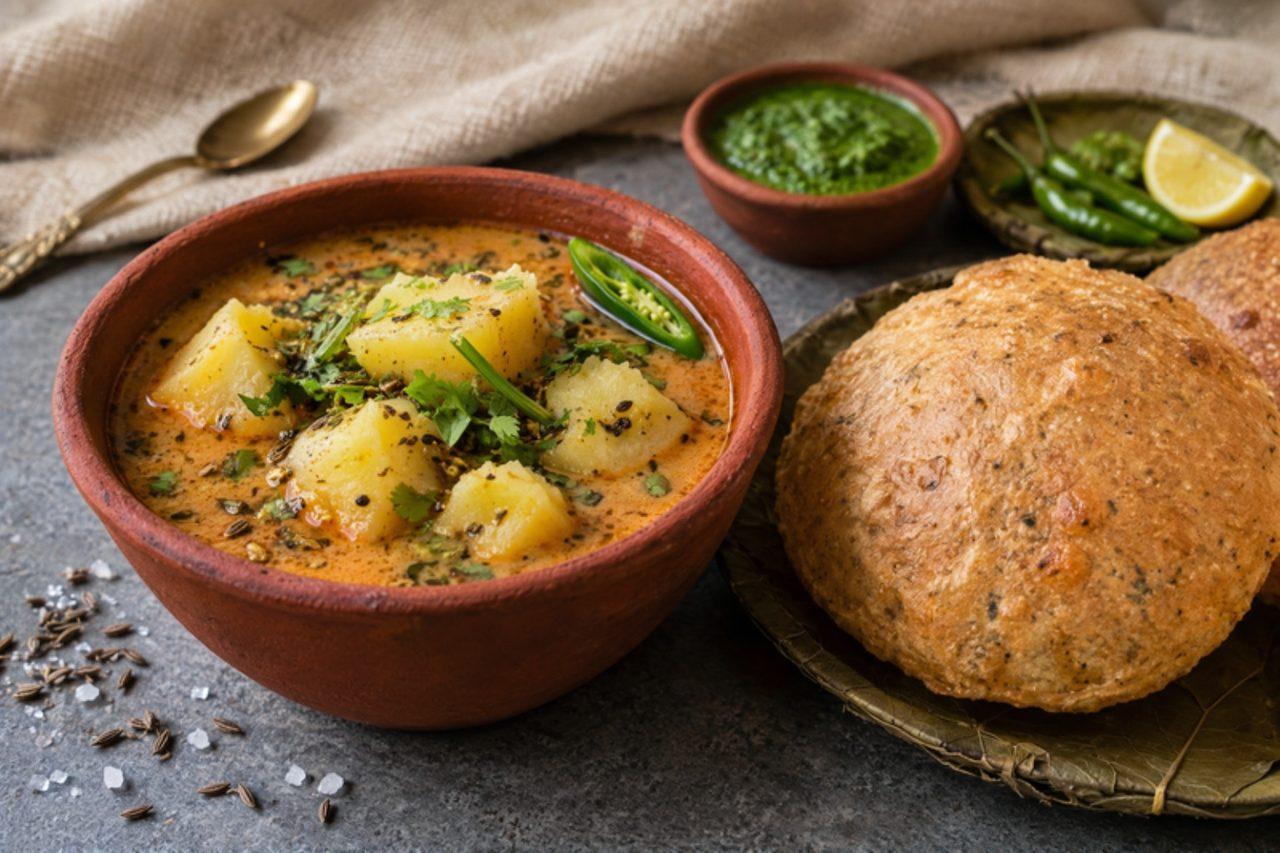
In the lanes of Mathura and Agra, breakfast is bedai or kachori with dubki wale aloo, a thin, peppery potato curry with so much gravy the puri can take a dip, or dubki. Its flavour comes from hing, crushed coriander seed and fennel rather than onion or garlic, which suits the Vaishnav kitchens of Braj and Holi mornings. The common mistake is making the gravy thick; it should run, so add enough water and mash only a few potatoes to give it body. Chef's tip: crush the boiled potatoes by hand into rough pieces rather than cubing them; the jagged edges soak up the spice.
Before the shutters go up along Yaowarat Road in Bangkok's Chinatown, the pa thong ko vendors are already frying: two strips of dough pressed together, stretched and dropped into a wok of oil, where they swell into hollow, crackly sticks shaped a little like a pair of legs. Office workers buy a paper bag on the way to the skytrain and eat them with a cup of hot soy milk, or tear them into pieces and dip them in green pandan custard or condensed milk. This home version is egg-free and dairy-free and is served with sweetened soy milk. Chef's tip: let the dough rest for the full hour; a relaxed dough stretches without tearing and puffs far more in the oil.
In Lima's markets ají amarillo is sold fresh all year, and most Peruvian cooks keep a tub of this paste in the fridge the way others keep tomato purée: it is the golden base of causa limeña, ají de gallina, papa a la huancaína, chupe and the sauce for tiraditos. The chillies are seeded, de-veined and blanched in three changes of water, which tames the heat and the raw grassiness, then peeled and blended with oil into a thick, silky, saffron-orange paste. It tastes fruity and sunny, almost like apricot and passion fruit, with a rounded, medium heat. Abroad, buy whole frozen ají amarillo from Latin grocers; dried ají mirasol, soaked, gives a darker, earthier paste. Common mistake: skipping the peeling; the thin skins leave papery flecks and a bitter edge. It is ready when it is completely smooth and holds a soft peak like thick hummus. This is a low-acid paste: keep it in the fridge for a week or freeze it, never on the shelf. Chef's tip: freeze it in an ice-cube tray; one cube is about a tablespoon, just right for a pot of ají de gallina.
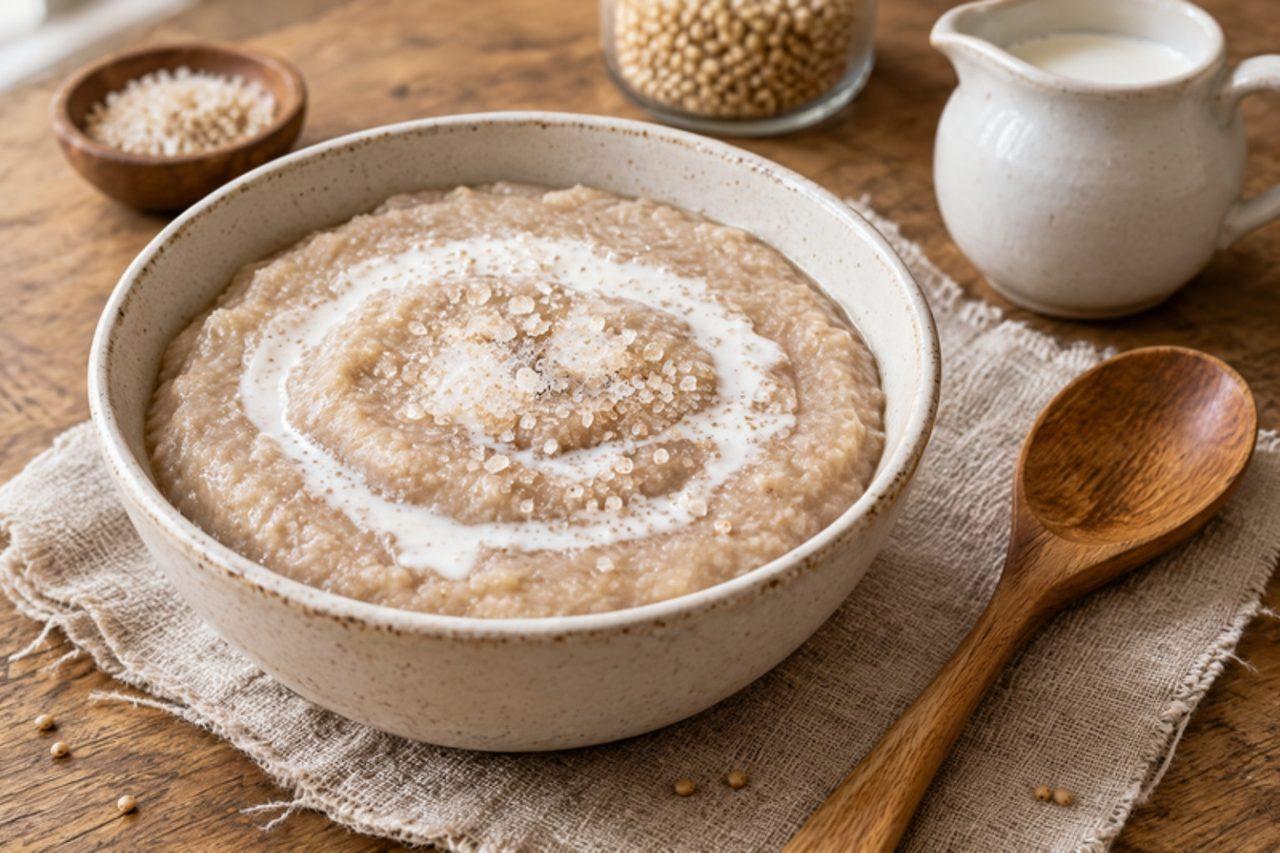
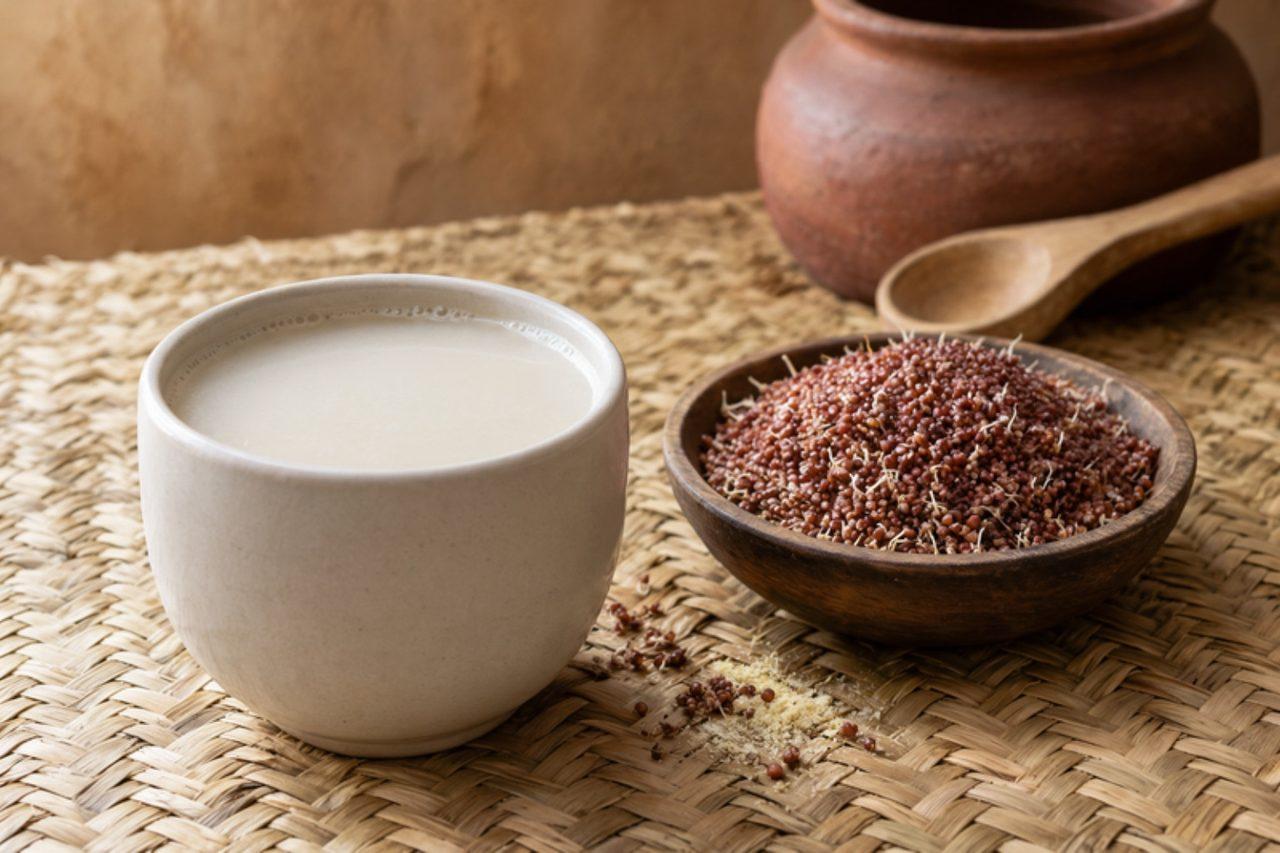
In Botswana, motogo is the soft breakfast porridge made from mabele (sorghum meal), stirred in water until smooth and then soured with a splash of madila or maas, thick cultured milk, and sweetened with sugar. It has a gentle tang and a slightly earthy, nutty flavour, quite unlike oat porridge. The common mistake is adding the sour milk while it is still bubbling, which splits it; take the pot off the heat first. Chef's tip: for an even smoother motogo, soak the sorghum meal in the cold water for 20 minutes before cooking.
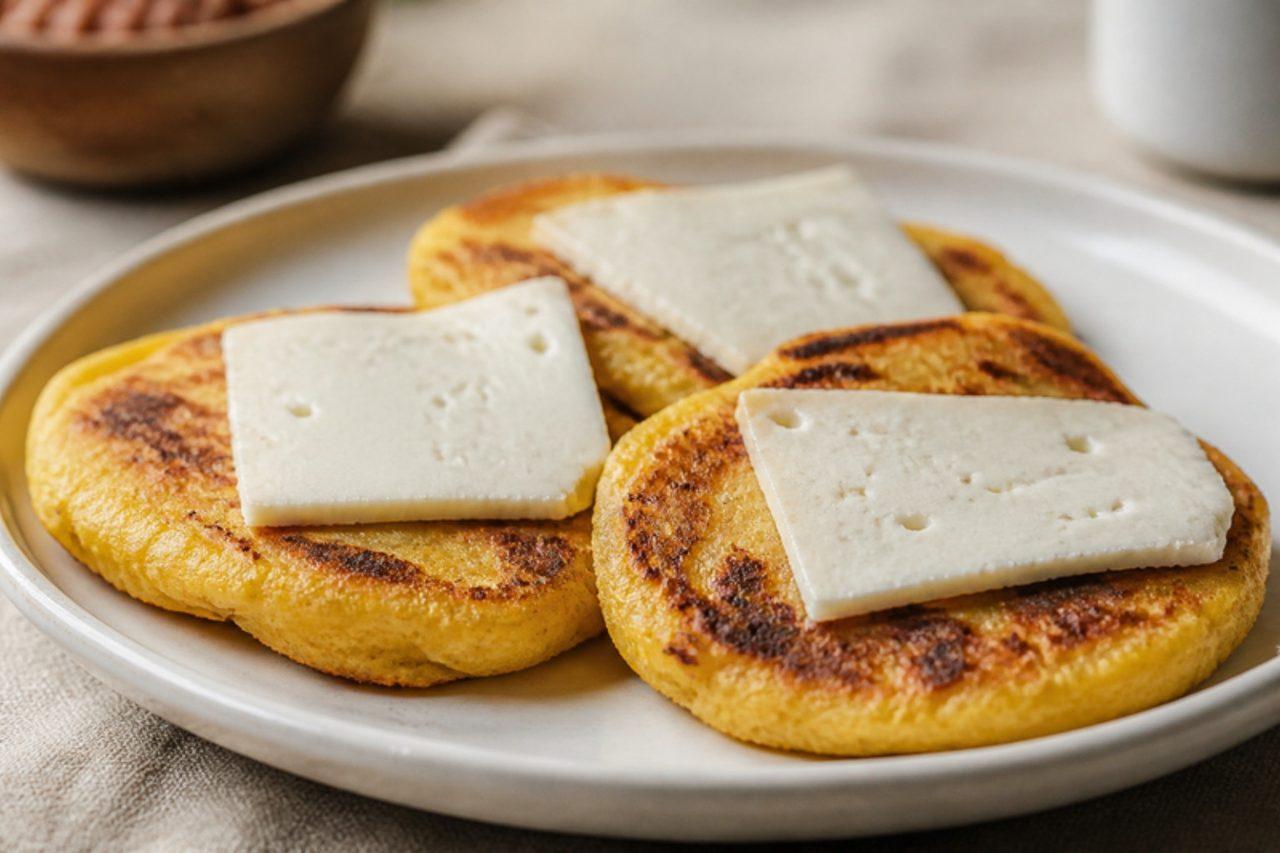
In the Azuero Peninsula and the farming towns of Los Santos and Herrera, changa is the breakfast of corn season: young sweet corn ground with a little sugar and butter and cooked on a griddle into a thick, sweet, soft-centred cake, eaten hot with a slab of salty queso blanco on top. It is simpler and wetter than an arepa, closer to a corn pancake. The common mistake is using a hot pan, which burns the sugary outside before the middle sets. Panamanian white cheese is usually made with animal rennet; a vegetarian paneer-style or halloumi-style cheese works well. Chef's tip: grate or blend the kernels with some texture left in; perfectly smooth batter spreads too thin.
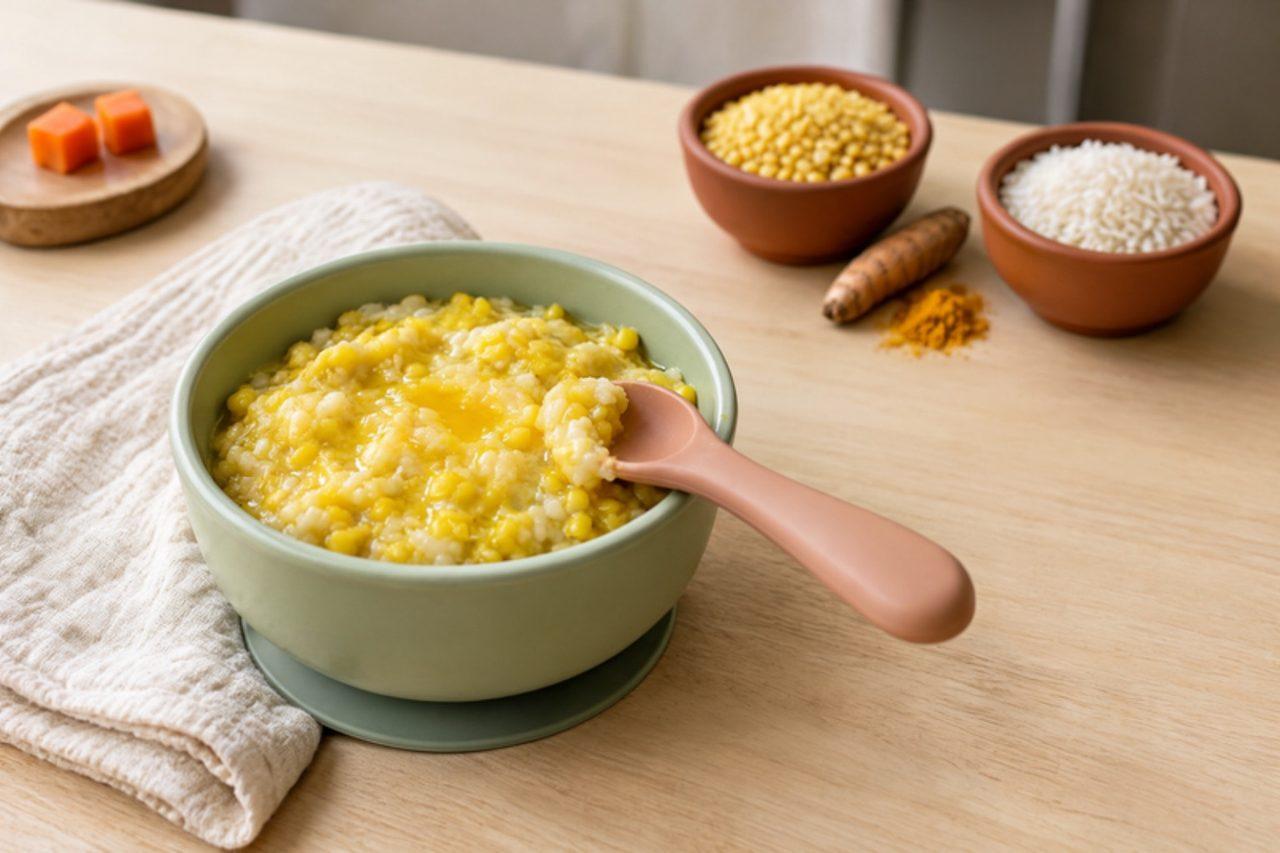
In Gujarati homes from Ahmedabad to Surat, the first real family meal a baby shares is a pot of mag ni dal ni khichdi, the same yellow moong and rice that grown-ups eat with kadhi on a quiet weeknight, just cooked softer and left unseasoned. From around nine months it is mashed to soft lumps instead of blended, so babies learn to move food around their mouths and chew with their gums. It tastes mild, creamy and faintly earthy from the turmeric. It contains milk (ghee); swap in a neutral oil to make it dairy free. It has no gluten, egg, nuts, soya or sesame. Chef's tip: soak the washed dal and rice for 20 minutes before cooking; they collapse into a creamier khichdi in less time.
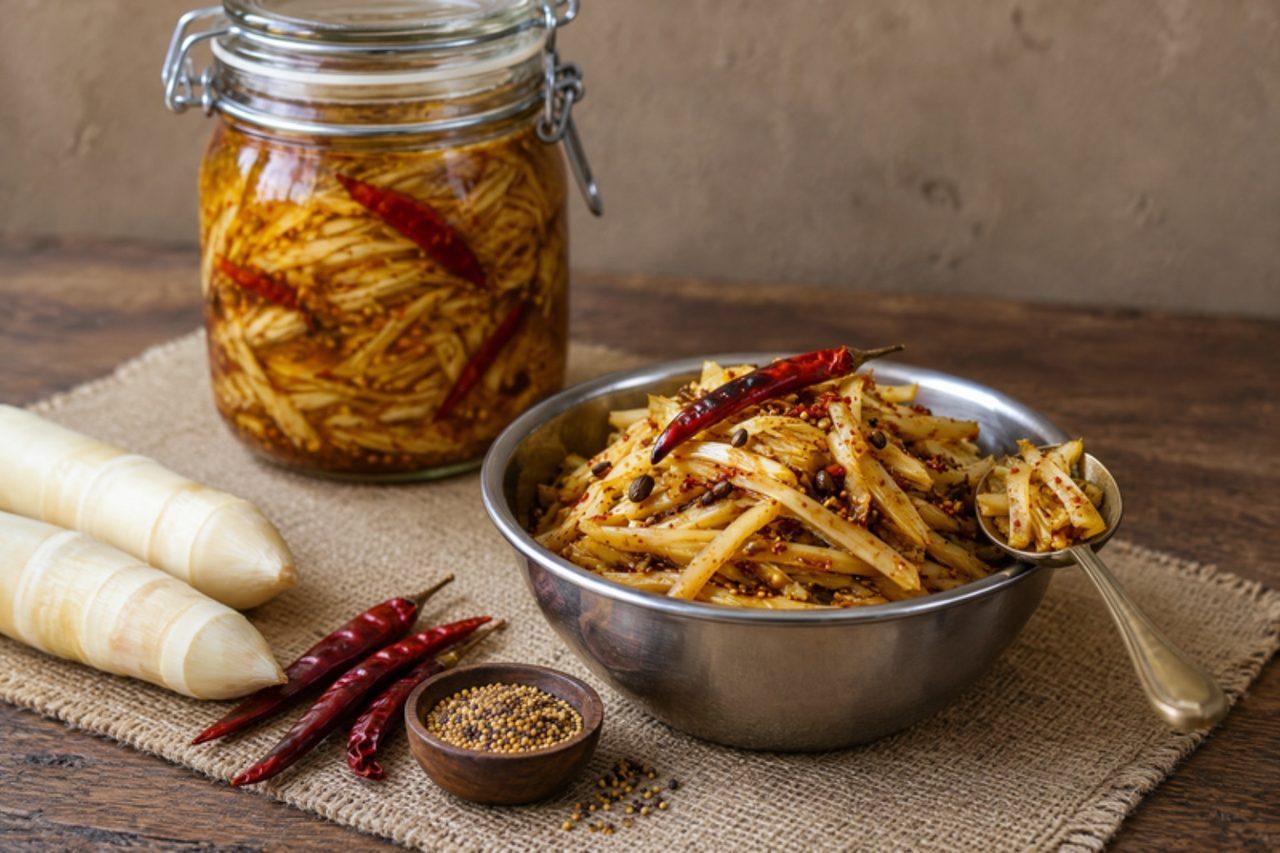
Lepcha and Nepali households in Sikkim shred tender bamboo shoots in the monsoon, when they push up fresh, and pack them tightly into glass jars or hollow bamboo to sour for one to two weeks. The finished mesu is eaten as a sharp pickle with rice and dal through the rest of the year. A common mistake is leaving shoots above the brine, which invites mould; press them down hard so the liquid always covers them. Keep the jar at 20–28 °C out of direct sun and taste from day 7: it is ready when pleasantly sour and pale yellow. Discard the batch if you see fuzzy, pink or black mould, if it smells putrid rather than sour, or if the shoots feel slimy. Chef's tip: short of time, buy ready-fermented bamboo shoot from a Northeast or Asian grocer and go straight to the tempering.
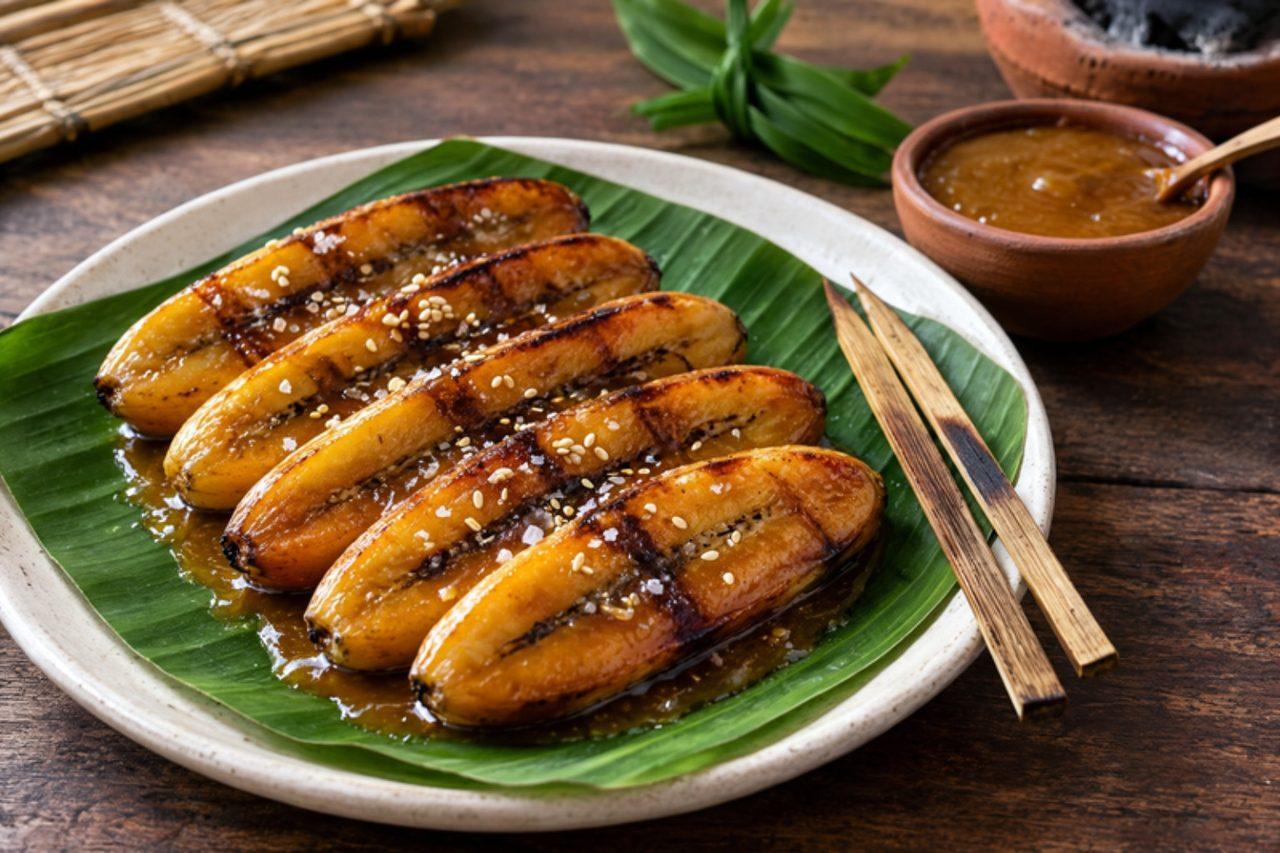
Kluay ping carts work the pavements of Silom and the lanes off Sukhumvit from mid-morning, when office workers want something sweet with their iced coffee. The vendor grills small, starchy nam wa bananas slowly over embers, presses each one flat with a wooden board and then brushes it with coconut cream cooked down with palm sugar and a pinch of salt. The outside turns sticky and smoky; the inside stays soft and fudgy. Ladyfinger bananas or firm, just-ripe small bananas work at home. Chef's tip: choose bananas that are yellow with no brown spots; overripe fruit turns to mush on the grill.
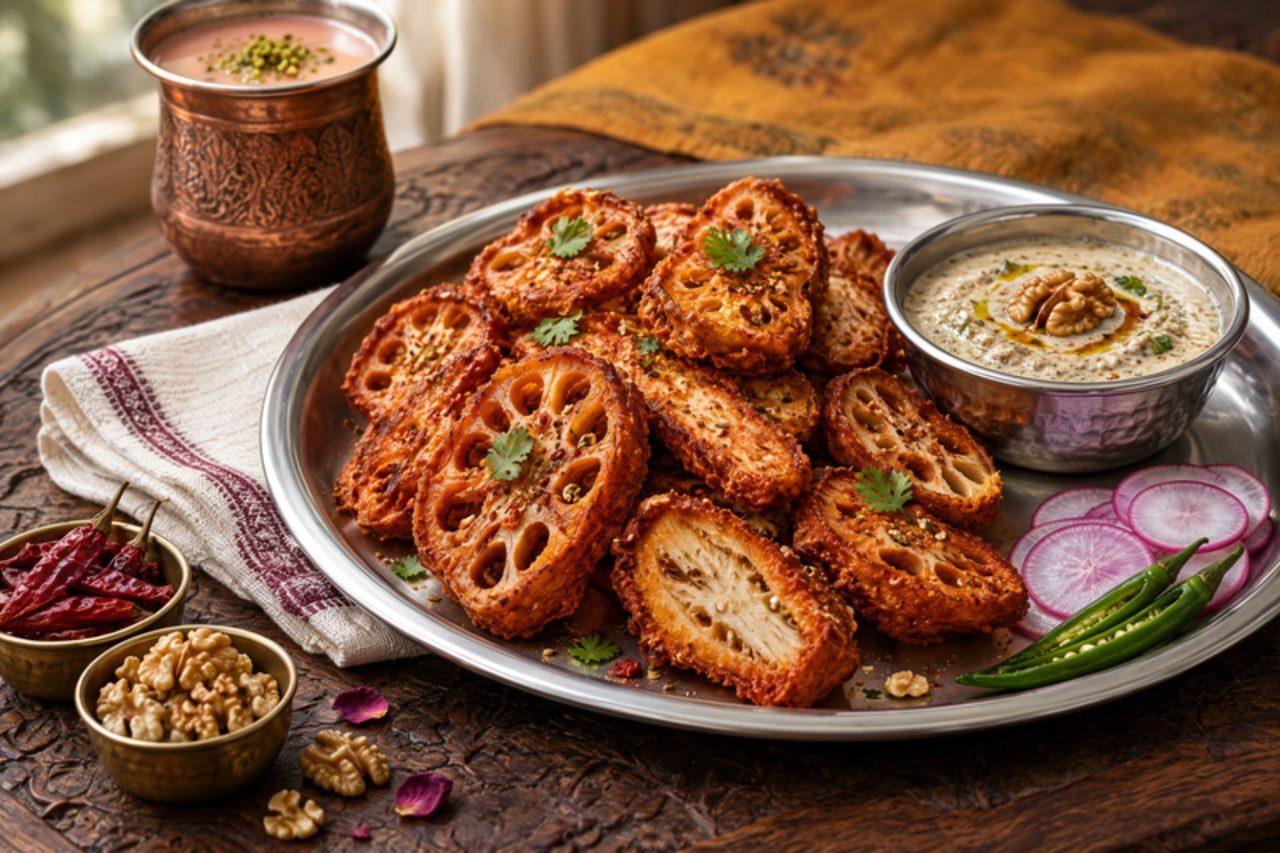
On cold Srinagar evenings the stalls around Dal Lake and in the old city fry nadru monje, thin slices of lotus stem dipped in a rice-flour batter reddened with Kashmiri chilli and fried until crackling. They are eaten hot from paper with a sharp walnut or radish chutney, and turn up at home with noon chai when guests drop in. The lotus stem stays crunchy inside the crisp batter. The most common mistake is skipping the boiling step; raw lotus stem is woody and can carry mud in its holes, so scrub and part-cook it first. Chef's tip: slice on a slant about 3 mm thick so the batter clings and the lacy holes show.
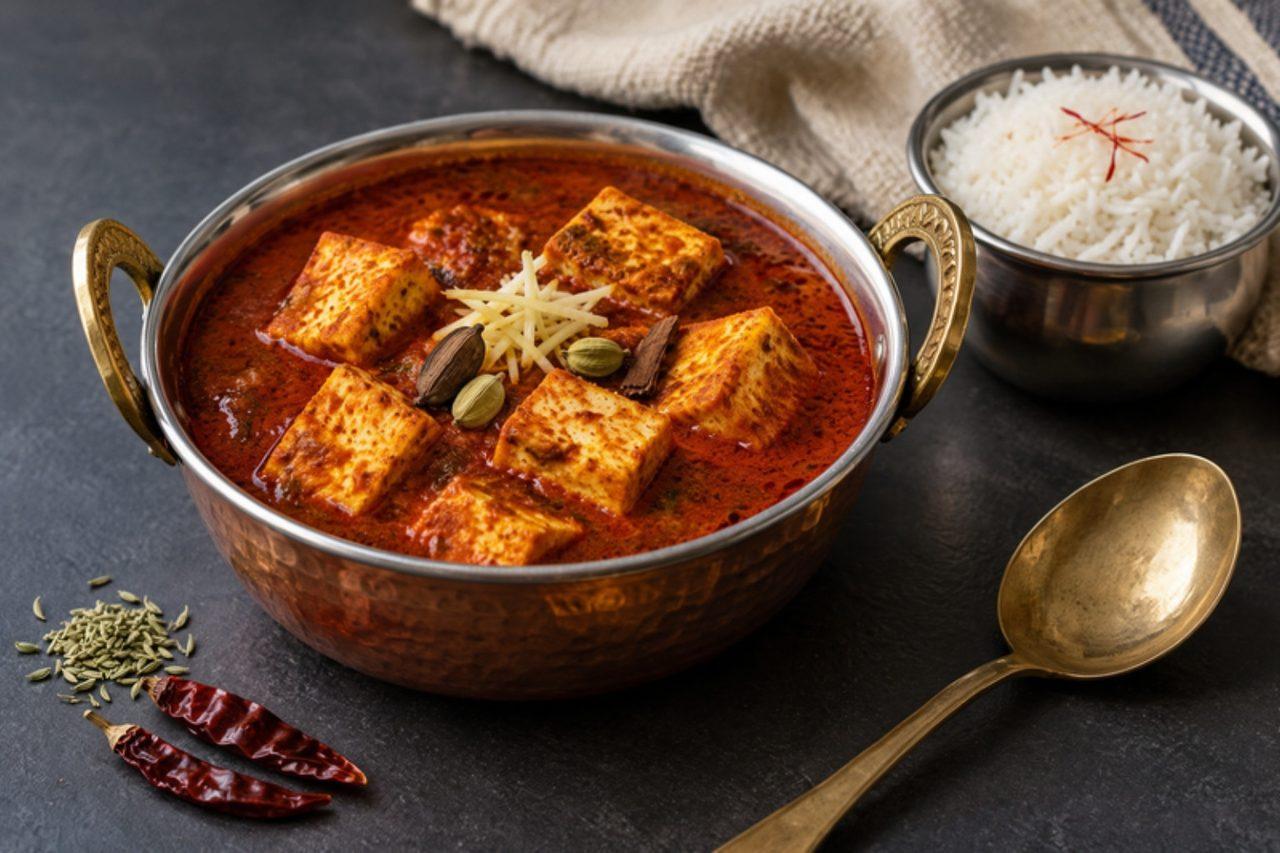
Ruwangan chaman, 'tomato paneer', is the red sister of the yellow chaman kaliya, cooked in Kashmiri Pandit homes for Sunday lunches and on festival days when the meat is left out. Fried paneer cubes are simmered in a thin, glossy gravy of tomato with fennel, dry ginger and plenty of mild Kashmiri chilli, with no onion or garlic. It is eaten with plain rice, the gravy soaking in. The common mistake is frying the paneer too long, which makes it rubbery; you only want a light golden skin. Chef's tip: drop the fried paneer into warm salted water for ten minutes before it goes into the gravy, and it will be soft as a sponge.
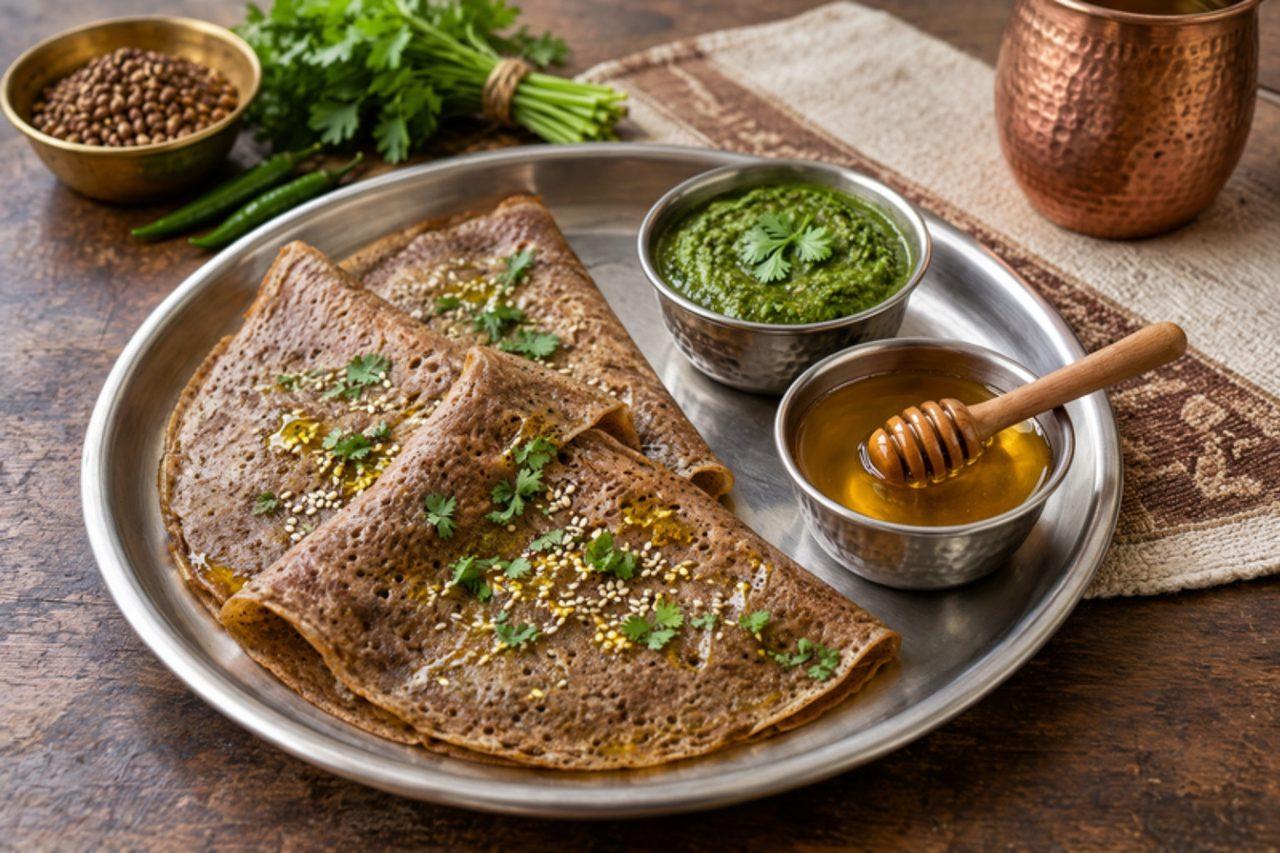
In the upper hills around Shimla and through Kinnaur, buckwheat (kuttu or ogla) grows where wheat struggles, and chilre are its everyday form: thin, lacy pancakes poured on a hot griddle for breakfast or a late-afternoon snack. They are eaten with a sharp mint-and-walnut chutney, or sweet with honey, and are naturally gluten free when made with pure buckwheat. The common mistake is making the batter too thick, so the chilre come out stodgy; it should pour like single cream. Chef's tip: let the batter rest 15 minutes so the buckwheat swells, and wipe the pan with an oiled cloth rather than pouring oil, for even, lacy pancakes.
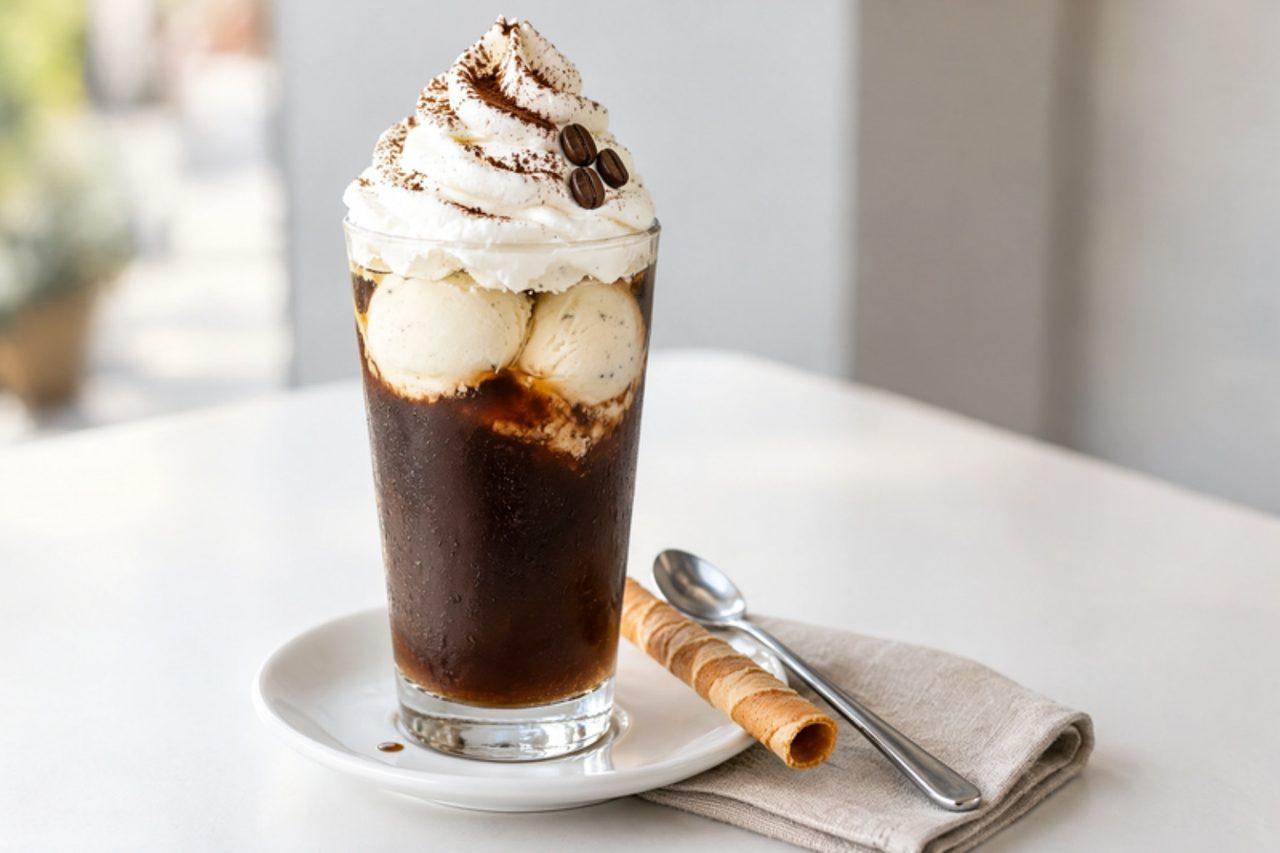
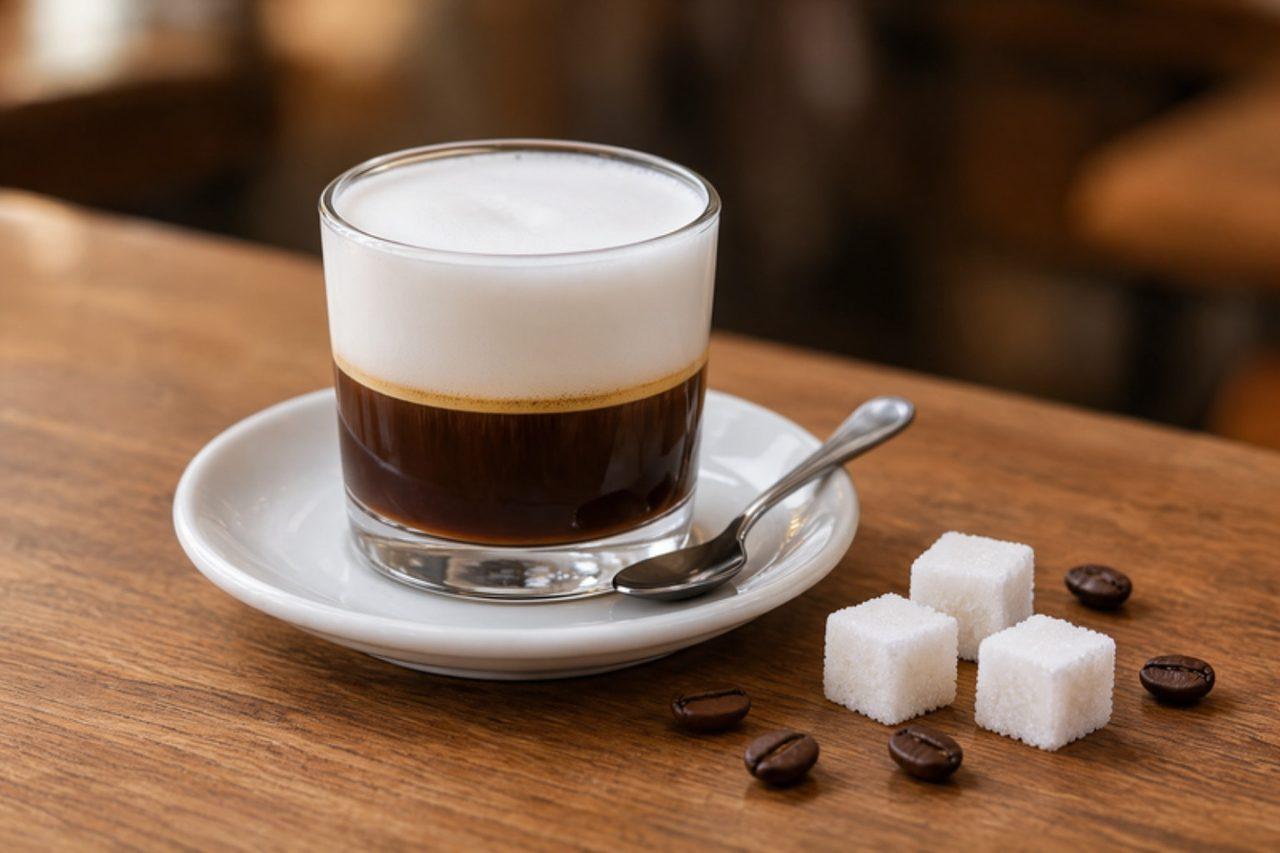
Order a koffie verkeerd in any Dutch café or bruin café and you get a tall glass that is mostly steamed milk with a strong shot of coffee poured in, the 'wrong' way round compared with a normal black coffee. It is the Dutch morning cup at home and at work, usually with a speculaas biscuit on the saucer. The common mistake is boiling the milk, which makes it taste cooked and kills the foam; heat it only until it steams and small bubbles form at the edge, about 65 °C. Chef's tip: froth the milk by shaking it in a jar with the lid on before warming it in the microwave, and you get café-style foam without a machine.
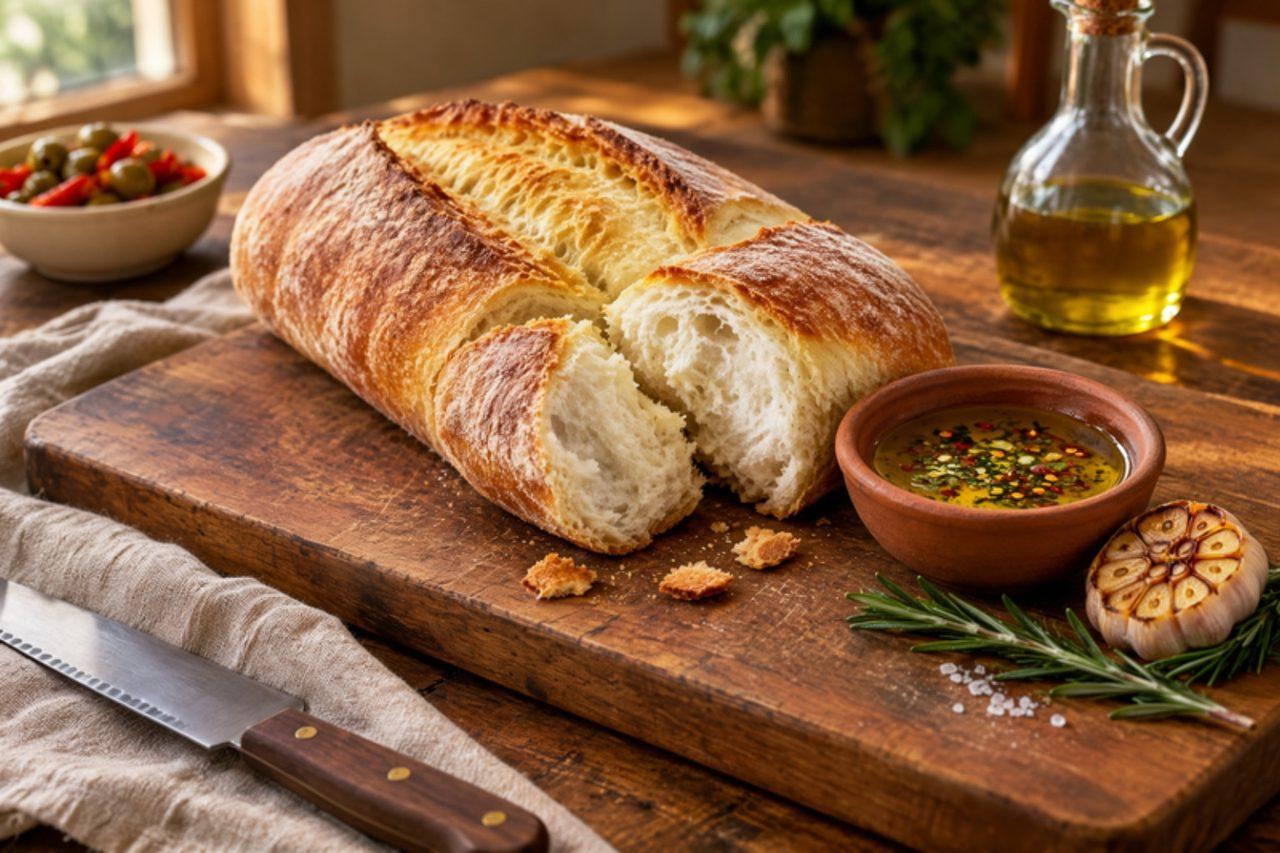
In San Juan, Ponce and every small town in between, the panadería opens before sunrise and people line up for long loaves of pan de agua, a thin-crusted, airy white bread made with only flour, water, yeast, salt and a pinch of sugar. Torn warm, buttered and dunked in café con leche, it is the island's breakfast. The trick is steam: the dough is brushed with water and baked over a tray of hot water, which gives the light, crackly crust. The common mistake is adding too much flour while kneading; a sticky dough makes the open, airy crumb. Chef's tip: let the shaped loaves rise in a cold oven above a tray of just-boiled water, then remove them while the oven heats; the warm, humid air gives a fast, even rise.
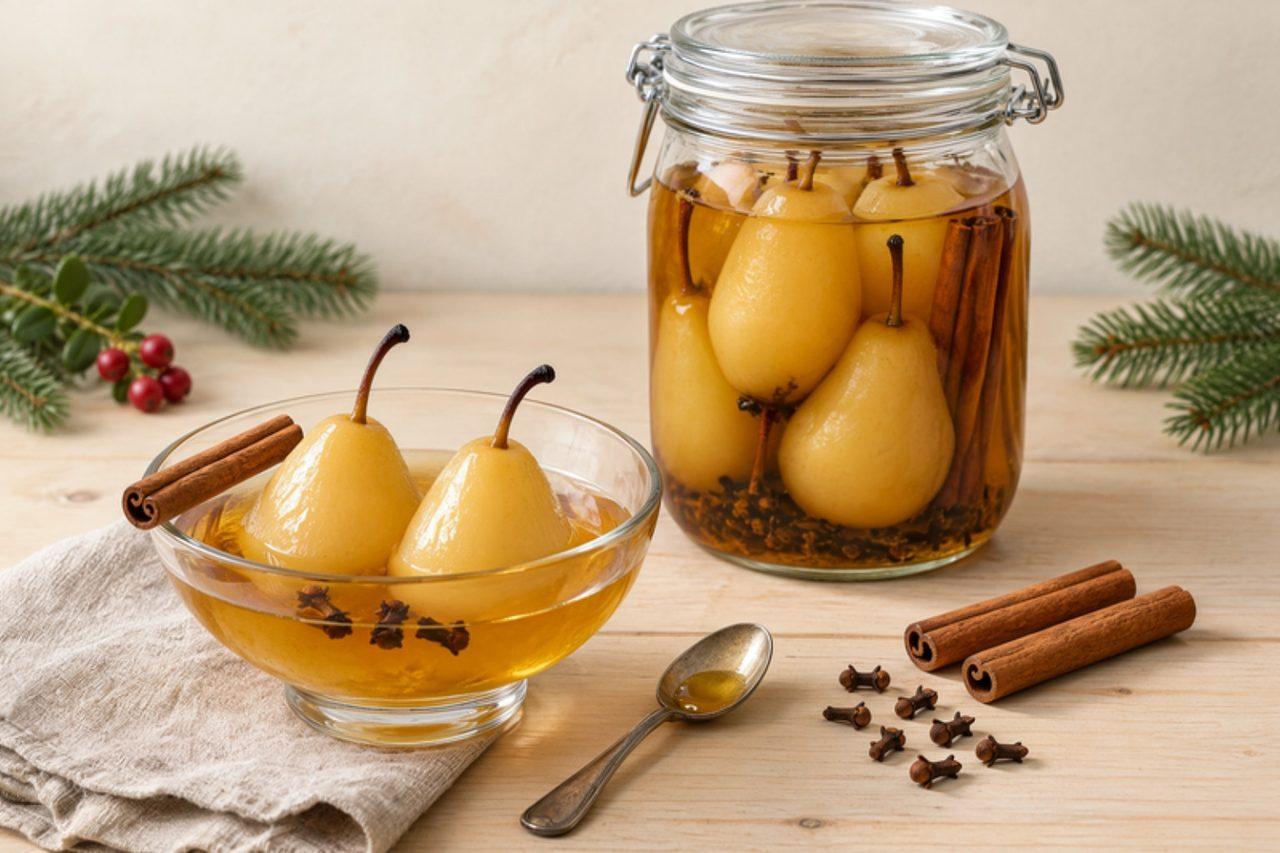
When the Swedish julbord is laid in December, a bowl of syltade päron sits between the Christmas ham, the liver pâté and the brawn, and its spiced syrup cuts neatly through all that richness. The pears are put up in September from small, hard cooking varieties such as Gråpäron, picked just short of ripe and poached whole in sugar syrup with cinnamon, cloves and a good splash of vinegar. They taste sweet at first, then gently sour and warm; the flesh should be tender to the core yet hold its shape, amber and translucent at the edges. The usual mistake is reaching for ripe, juicy pears, which collapse into mush in the hot syrup: choose hard ones and keep the simmer gentle. They are done when a thin skewer slides in with only slight resistance, and the syrup is ready when it runs clear and slightly thick from a spoon. Give the jars at least a week before opening so the spice soaks in. Chef's tip: leave the stalks on so each pear looks whole on the plate and can be lifted out by it.
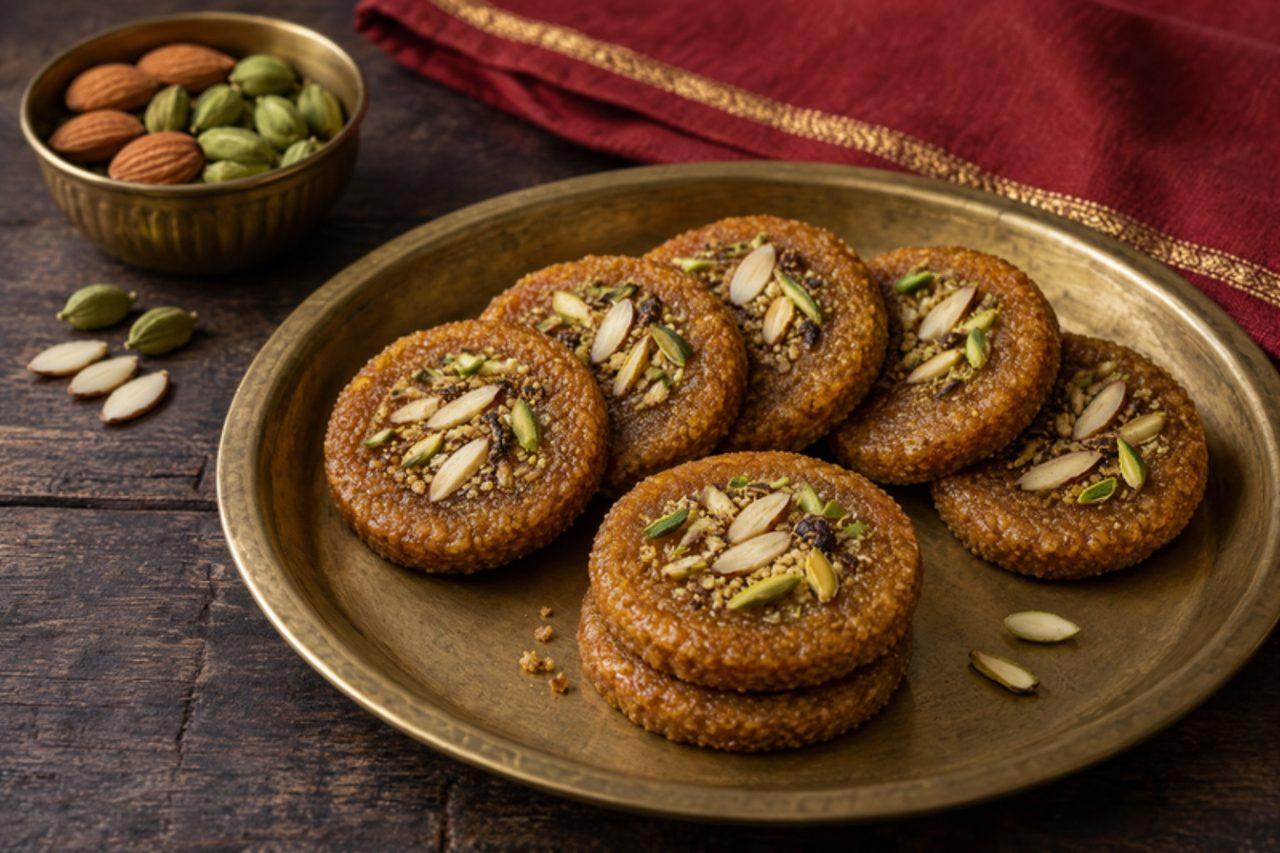
Khambhat, the old port town at the head of the Gulf, is where halvasan comes from, and its sweet shops still sell the chewy, nutmeg-heavy rounds wrapped in paper to visitors from Ahmedabad and Vadodara. Milk is split so it turns grainy, then cooked down with soaked cracked wheat, ghee, sugar and a little puffed edible gum until it is dark gold and chewy, rather like a cross between a halwa and a barfi. The mistake to avoid is undercooking: if it is taken off while still soft and sticky, the rounds never set and turn greasy. Chef's tip: keep cooking until the mass rolls around the pan as one lump and a drop pressed between two fingers feels tacky but not wet.
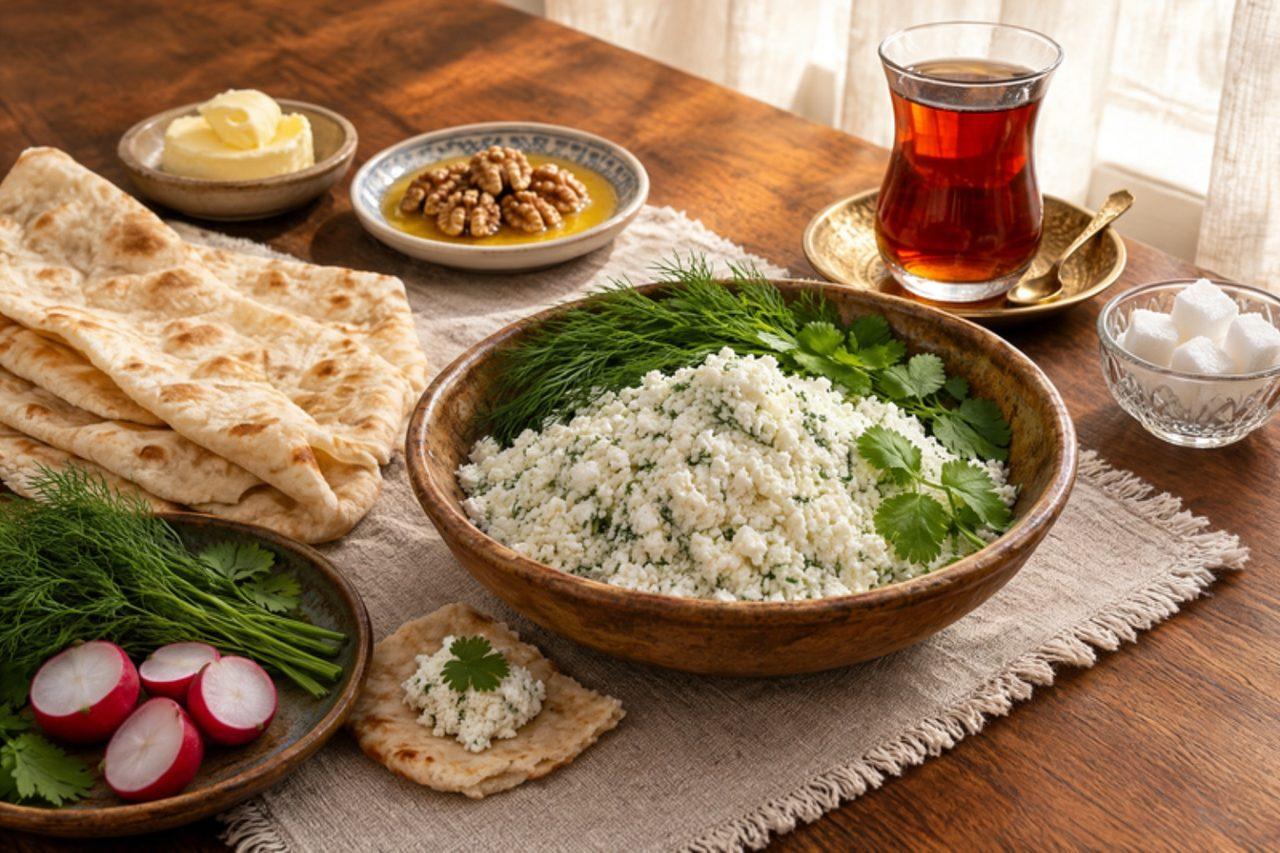
In Azerbaijani villages şor is made from what is left after churning butter from soured milk: the curds are heated, drained in a cloth, salted and left to dry into a crumbly, tangy cheese. On the breakfast table in Shaki or Ganja it sits beside fresh herbs, cucumbers, butter and bread, with tea in pear-shaped glasses. This home version uses natural yogurt and milk, and needs about 12 hours to drain and dry. It is set with acid and heat, so no rennet is used. The mistake is boiling the mixture hard, which makes rubbery curds; heat it gently until it just separates. Chef's tip: add the salt after draining, crumbling it through with your fingers, so you can taste and stop when it is pleasantly salty.
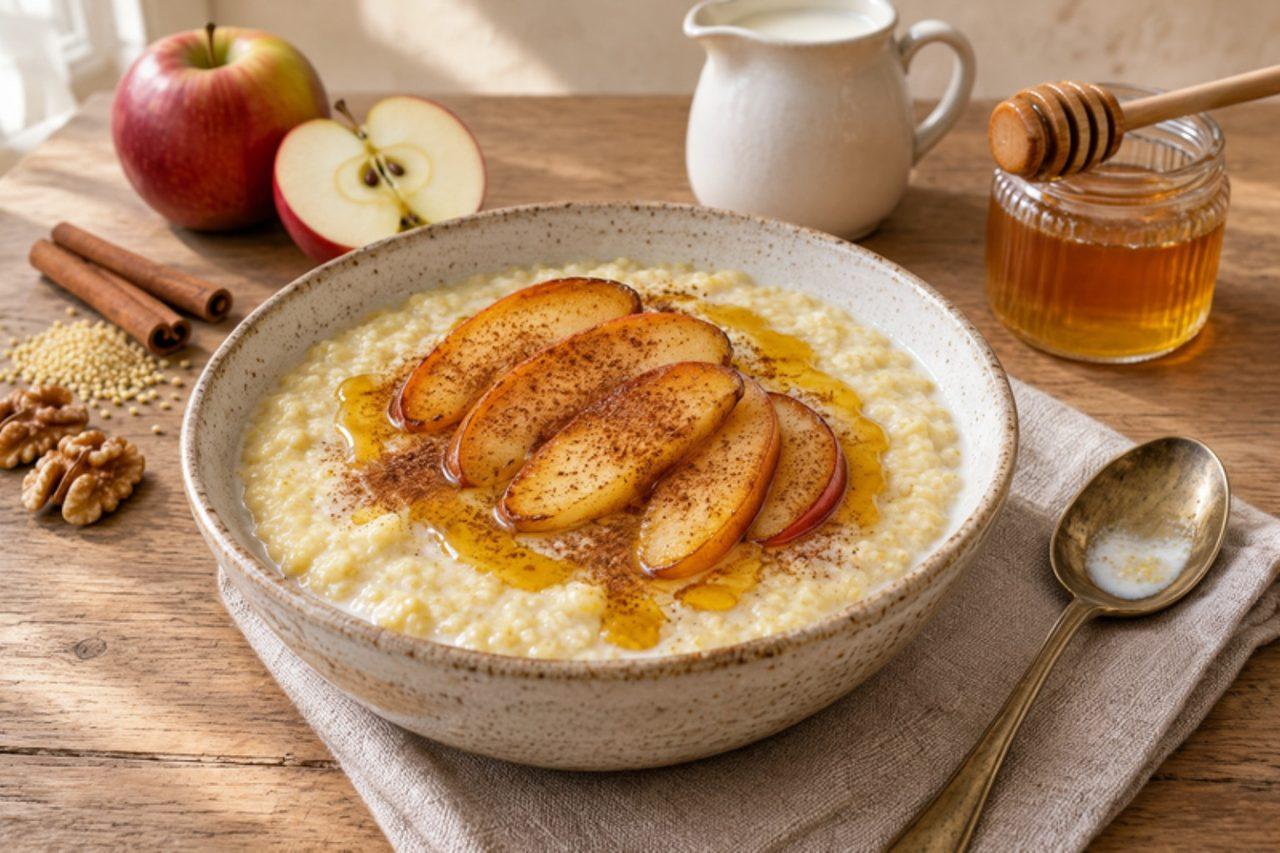
Millet, jagły, has been eaten in Poland for centuries, and kasza jaglana na mleku is the warming winter breakfast many Polish children grew up on, now back in fashion as a gentle, gluten-free porridge. The grains are cooked in water first, then simmered in milk until soft and creamy, and topped with sautéed apple, cinnamon and a little honey. The mistake that puts people off millet is skipping the rinse: the grains carry a bitter coating that has to be washed off and scalded away with boiling water. Chef's tip: toast the rinsed millet in the dry pan for 2 minutes before adding water, and the porridge tastes nutty instead of grassy.
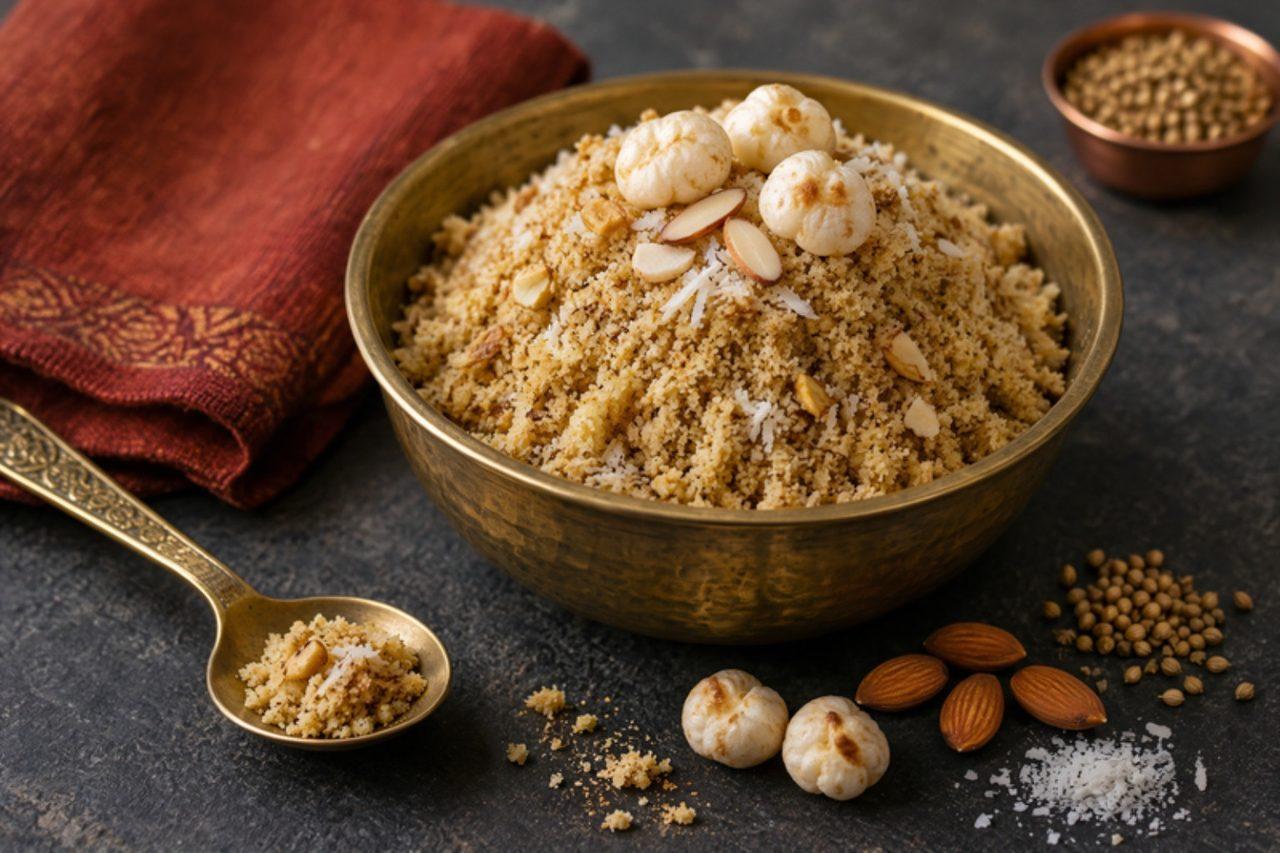
At midnight on Janmashtami, when Gujarati and Rajasthani families sing to baby Krishna, the prasad handed round is this fragrant panjiri of ground coriander seeds roasted in ghee and mixed with powdered sugar, coconut, makhana and dry fruit. Because it contains no grain, it is also eaten by those who keep the Janmashtami fast. It tastes warm, sweet and surprisingly floral. The common mistake is roasting the coriander powder on high heat; it burns in seconds and turns bitter. Chef's tip: grind the seeds yourself just before roasting, and stop when the kitchen smells like warm citrus, not toast.
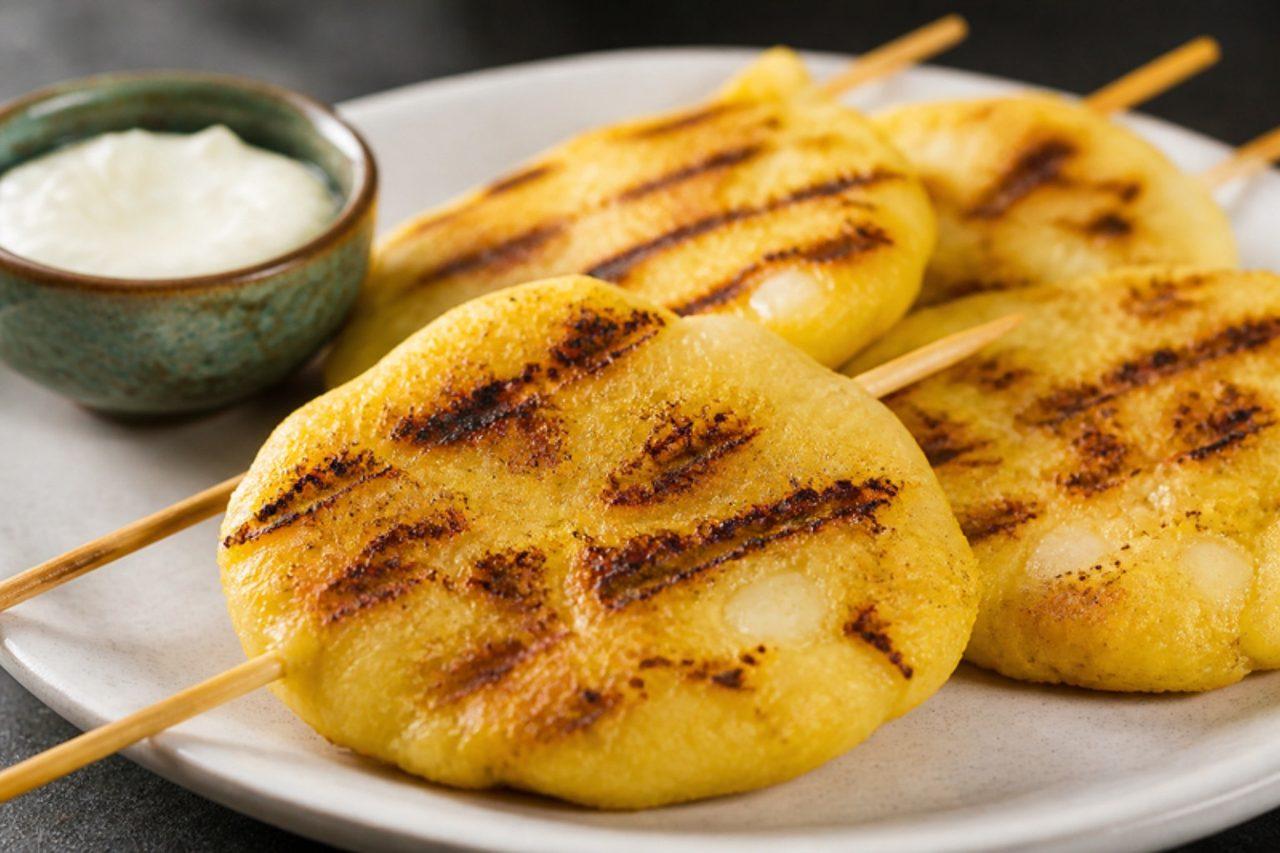
At Sunday churrascos and roadside grills around Santa Cruz de la Sierra, sonso is wrapped round thick wooden sticks and turned slowly over embers until blistered and smoky, then eaten hot with coffee or alongside grilled meat. The dough is simply mashed cassava worked with cheese, butter and a little milk, so it is chewy, stretchy and salty-sweet. Bolivian lowland cheese is usually set with animal rennet; a vegetarian mozzarella and Cheddar mix works well. Always use sweet cassava, the kind sold in supermarkets. The common mistake is mashing the cassava cold, which gives a crumbly dough that falls off the stick. Chef's tip: if you have no grill, press the dough into a buttered dish and bake it as sonso al horno.
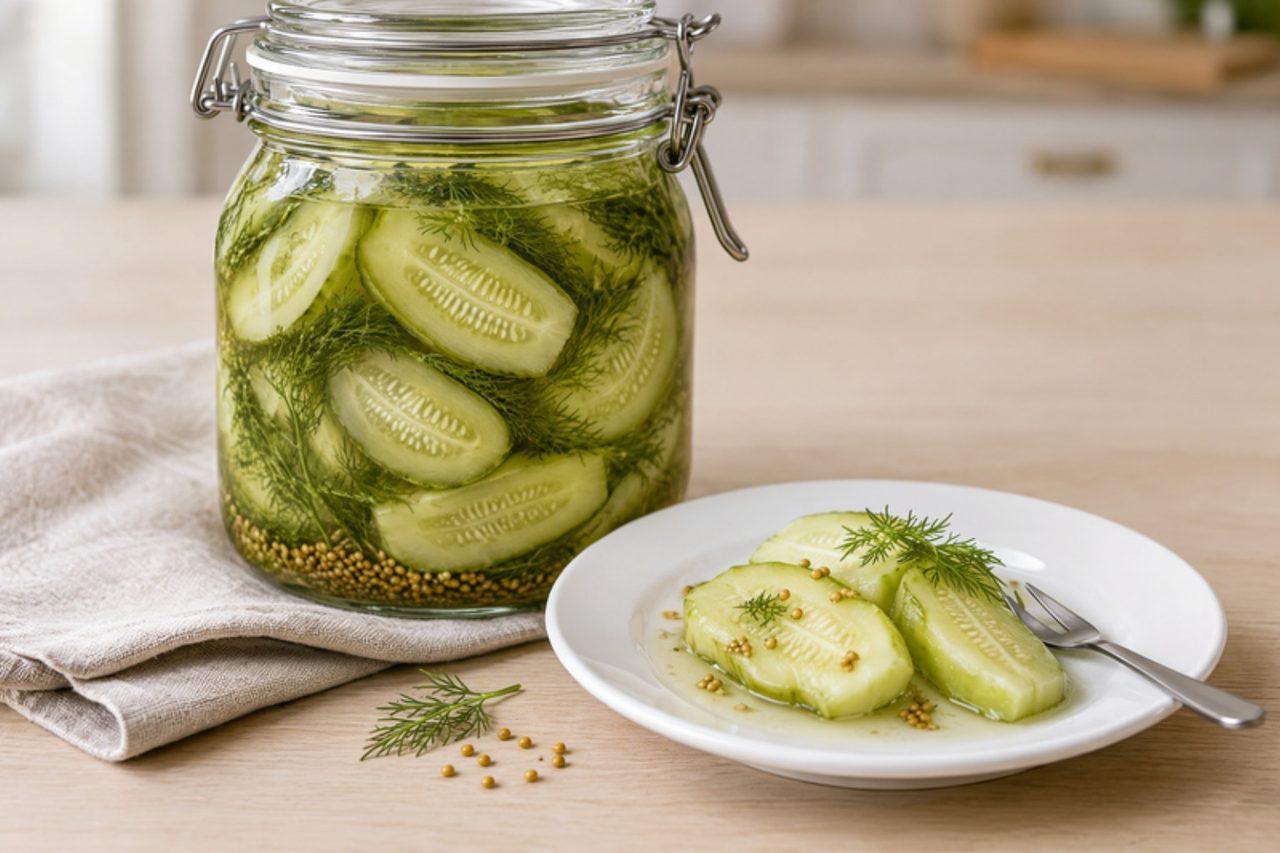
Late August in Danish allotments means the asie, a fat yellow-green cucumber left on the vine until its skin turns thick and its seeds big, and the smell of hot vinegar in every kitchen. The cucumbers are peeled, seeded and salted overnight, then sealed in jars with a sweet vinegar lage, dill crowns and mustard seeds. Asier are a fixture of the Danish table all winter: beside frikadeller, flæskesteg and roast duck at Christmas, sliced onto smørrebrød with liver pâté, and with boiled potatoes and brown gravy on any Tuesday. The pickle is crisp yet tender, sweet first and then sharply sour, with dill and mustard on the finish. Common mistake: skipping the overnight salting, which leaves watery, flabby asier that dilute the vinegar. The salt draws the water out so the cucumber stays firm. They are ready after two weeks, when the flesh has turned translucent and sweet-sour right through. Chef's tip: no asier? Use large, overgrown ridge or field cucumbers; ordinary salad cucumbers are too watery.
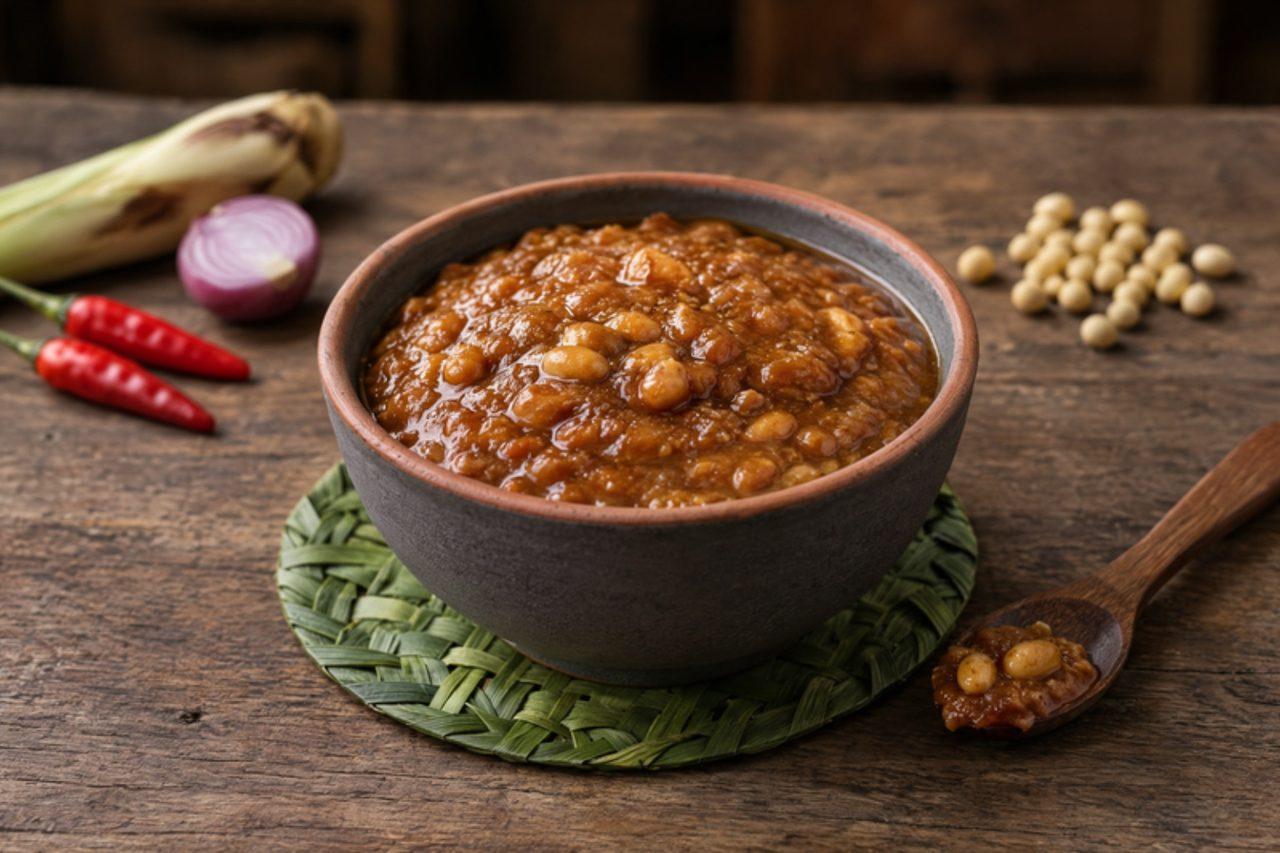
Cianjur, in the hills of West Java, has made tauco since the late 1800s, when Chinese Peranakan families brought the technique, and the town's sweet, thick version is still sold in squat jars to every traveller on the Puncak road. Sundanese and Peranakan cooks fry it with garlic and chilli for tumis tauco with tofu, long beans or kangkung, and add a spoonful to fish stews. The beans are first grown with a mould culture, then ripened in strong salt brine in the sun for weeks, and finally simmered with palm sugar. The result is salty-sweet and deeply savoury, like a soft, chunky miso with caramel notes, half-whole beans in a glossy brown sauce. Common mistake: fermenting the moulded beans in a sealed tub; they sweat, turn slimy and smell of ammonia. They need air and 28–32 °C. Readiness cues: after the mould stage, the beans are knitted with white fluff turning pale yellow-green; after brining, they are brown and smell like soy sauce; after cooking, the sauce is thick and glossy. Chef's tip: a pandan leaf and a slice of galangal in the final simmer give the Cianjur fragrance.
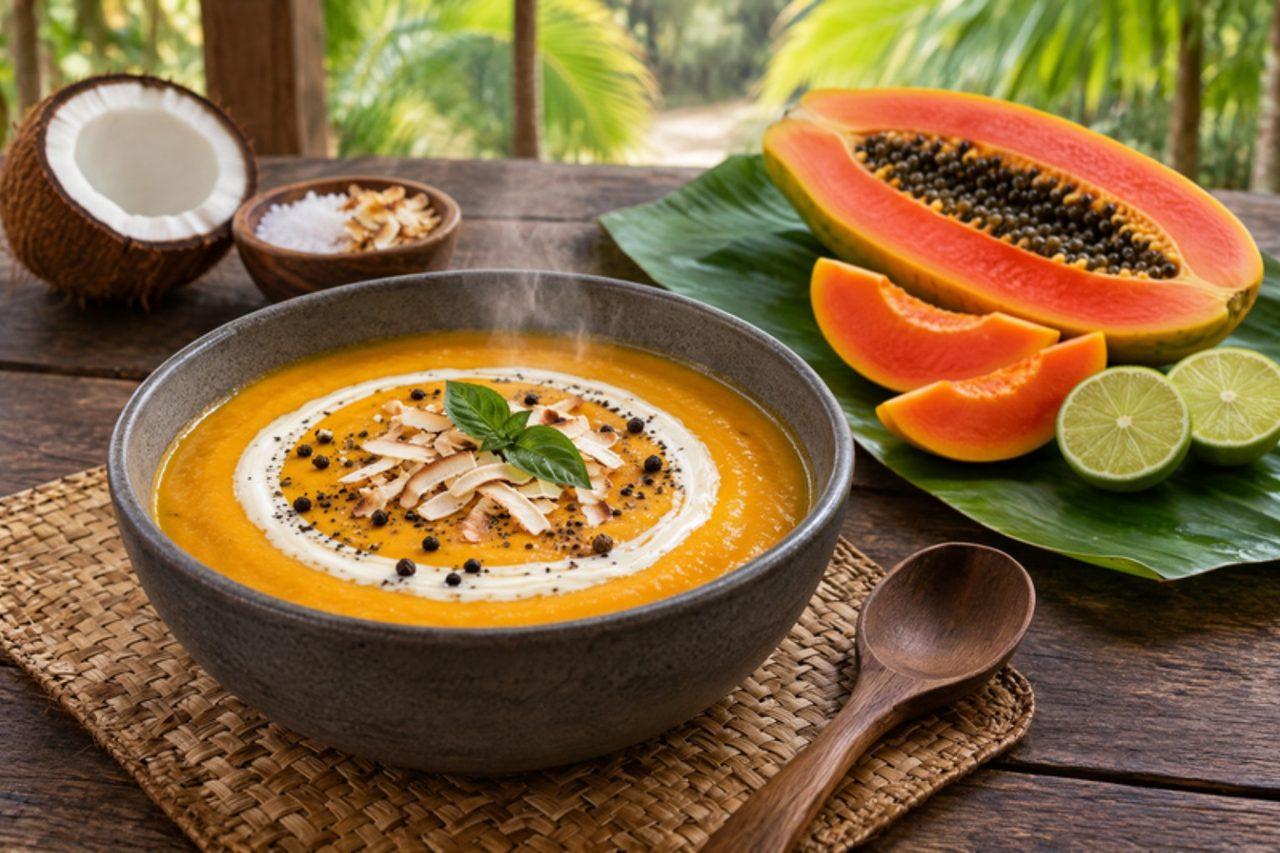
In Samoan villages a big pot of supo esi is a Sunday and everyday breakfast: ripe papaya simmered soft, thickened with tapioca or arrowroot, and enriched with fresh coconut cream (pe'epe'e), served warm with buttered bread or panikeke. It is sweet, silky and tropical, like a warm fruit pudding you drink. The common mistake is boiling it after the coconut cream goes in, which splits the cream into an oily film; add it at the end and only warm through. Chef's tip: a squeeze of lime at the end wakes up the papaya and stops it tasting flat.
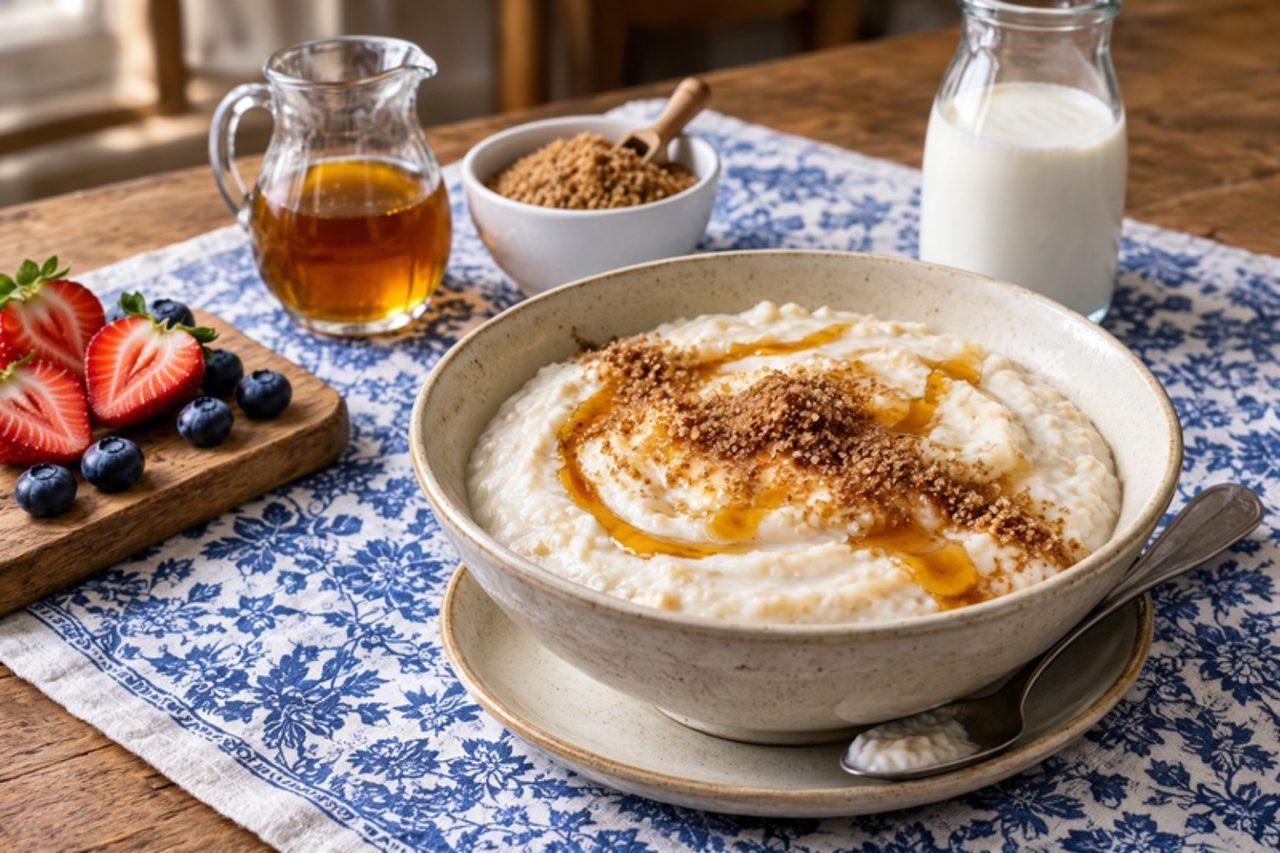
Karnemelkse pap, made with the buttermilk left over from Dutch farm churning, was breakfast and supper in the Netherlands for centuries, and many older Dutch people still remember it on cold winter mornings. Buttermilk is thickened with flour into a smooth, tangy porridge and eaten hot with stroop (syrup) or brown sugar. The common mistake is pouring cold buttermilk on flour and boiling hard, which splits the porridge into grainy lumps; mix a smooth paste first and keep the heat gentle. Chef's tip: stir constantly with a whisk, especially at the bottom of the pan, until it bubbles once, and it stays silky.
On the winding road north from Managua to Matagalpa and Jinotega, smoke from roadside griddles means güirilas: thick, sweet tortillas of freshly ground young corn, folded around a slab of salty cuajada and a spoonful of cream. The outside is lightly charred and the middle soft and custardy, a little like a corn pancake. Cuajada is a fresh cheese usually set with animal rennet; a vegetarian halloumi or fresh vegetarian cheese is a good swap. The most common mistake is a batter so runny that it spreads thin and tears when you flip it. Chef's tip: grind the corn in a blender in short bursts so a little texture remains, then stir in masa harina a spoonful at a time until the batter just holds a soft mound.
When the Festas Juninas light up São Paulo's interior and the cold southern states in June and July, quentão is ladled steaming from a big pot beside the bonfire, next to paper cones of roasted pinhão, popcorn and paçoca. It is a festival warmer for adults only: dark caramel, sharp fresh ginger, clove and cinnamon, with the cachaça softened by heat but still clearly there. It should taste spicy and sweet, never syrupy, and smell like a spice market from across the yard. Simmering removes only part of the alcohol, so treat a mug as a real drink and drink responsibly. The classic mistake is letting the pot boil hard once the cachaça is in: the alcohol vapour can catch on a gas flame and the drink turns flat and harsh. Keep it at a bare shiver and never pour from the bottle near the flame. It is ready when the caramel is a deep amber, the ginger has made the syrup peppery on the tongue and steam rises without bubbles. Chef's tip: let the sugar caramelise until it smells just short of burnt; that bitter edge is what makes quentão taste grown-up rather than sweet.
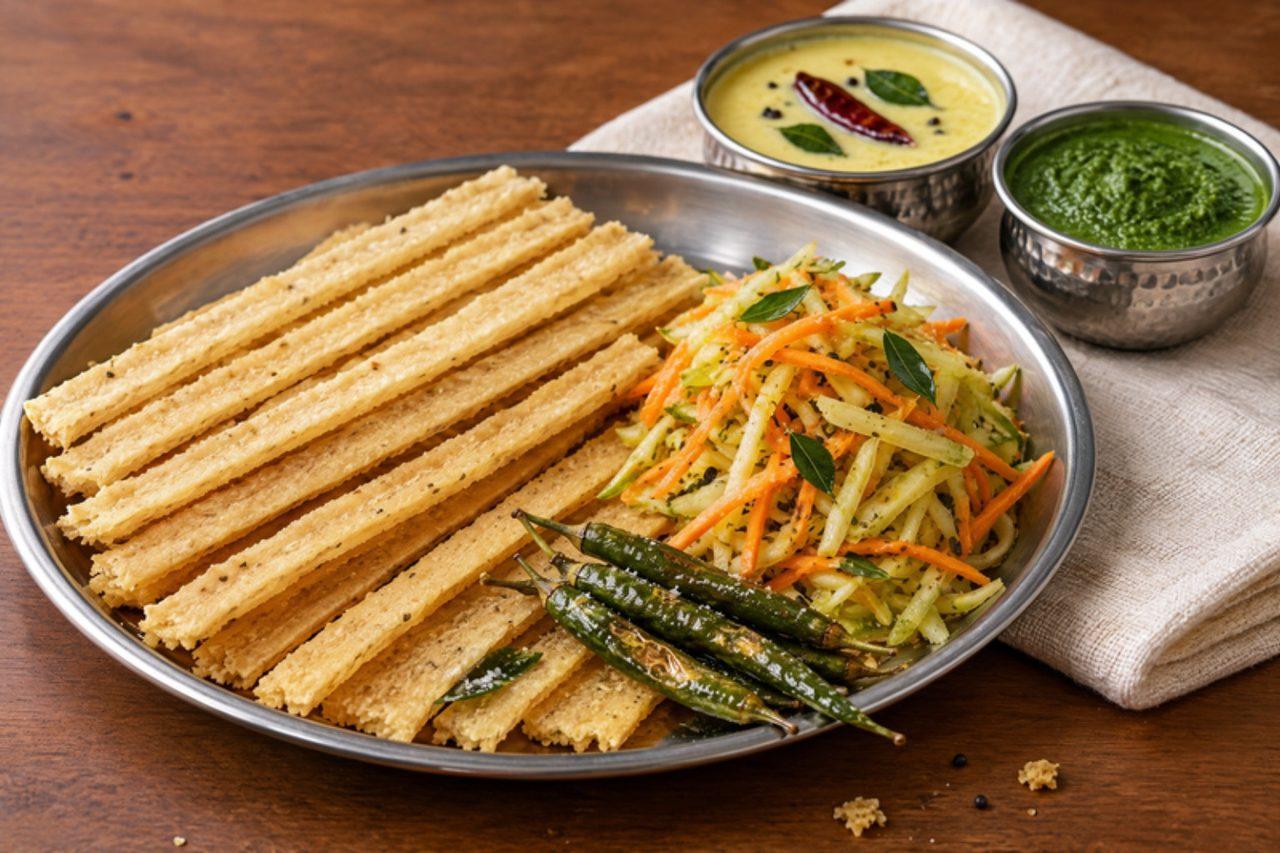
On Sunday mornings, and above all on Dussehra, Ahmedabad queues outside its farsan shops for paper parcels of fafda: long, pale-gold strips of gram flour dough, crisp and gently salty with carom, eaten beside hot jalebi, a sour-sweet raw papaya relish called sambharo and whole fried chillies. The real craft is the shaping, done by pushing a little log of dough along a wooden board with the heel of the hand until it stretches into a thin ribbon. Chef's tip: knead the dough with your knuckles for a full 5 minutes until it turns smooth and slightly shiny, or the strips tear as you push them.
When the first frost comes to Goheung in South Jeolla and Namhae island in November, the yuja orchards turn gold, and households slice the knobbly, deeply perfumed fruit into sugar to make yujacheong. Through the winter, a few spoonfuls in a mug of hot water make yuja-cha, the tea Koreans reach for on cold evenings and when they feel a cold coming on; it is also spooned over yoghurt, toast or into salad dressings. It tastes floral, sharp and sweet, with tender strips of peel and a thick golden syrup. The sugar is what preserves it: equal weights of fruit and sugar, kept in the fridge once the sugar dissolves. The common mistake is leaving it warm too long: after a day or two on the counter it can start to ferment and fizz, so move it to the fridge as soon as the sugar has mostly melted. It is ready after about a week, when the peel is translucent and the syrup thick. No yuja? Use Meyer lemons, or two lemons for every mandarin. Bubbles or a boozy smell mean it has started to ferment: refrigerate it at once; mould means throw it away. Chef's tip: scrub the skins with baking soda first; you are eating the whole peel, so it must be spotless.
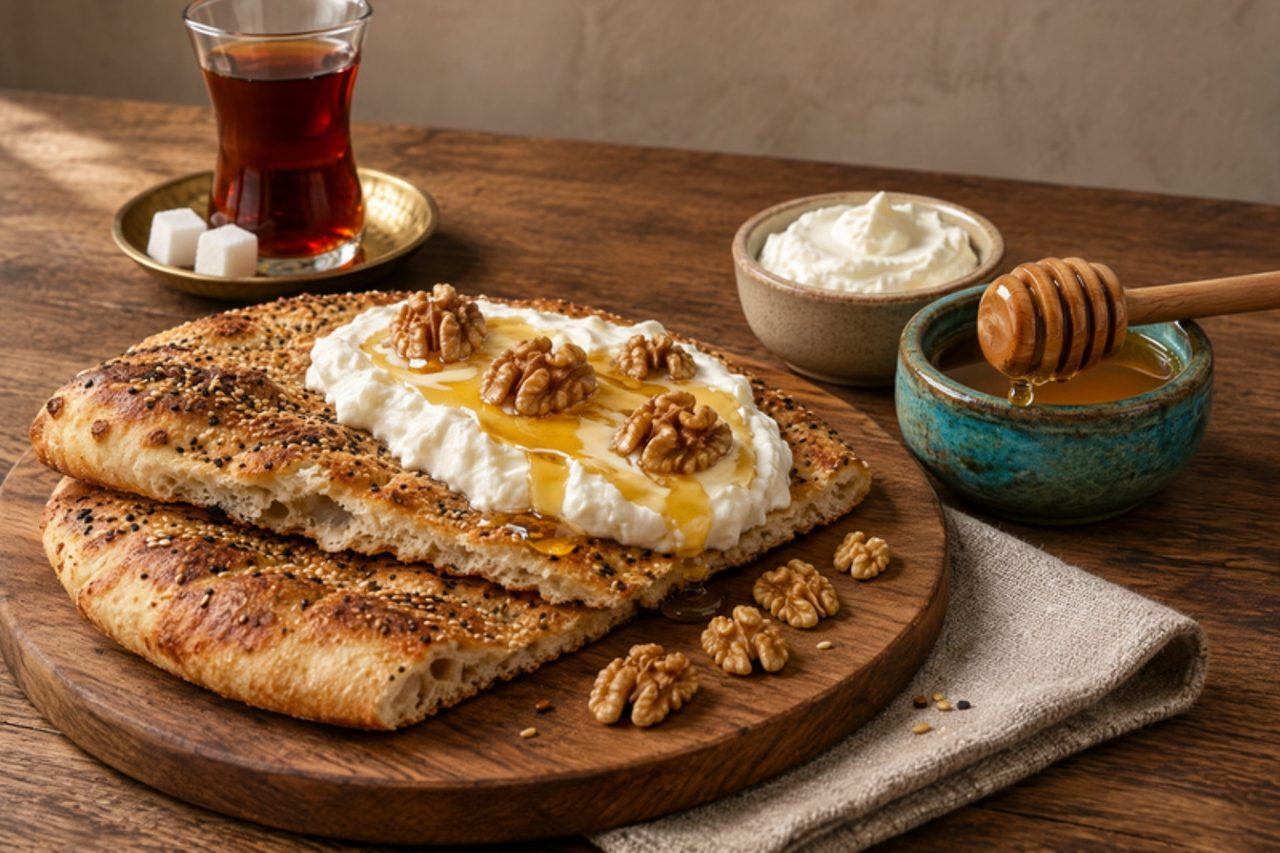
On Friday mornings in Tehran and Isfahan, families queue at the bakery for hot barbari or sangak, then come home to a treat: thick clotted cream, called khameh or sarshir, drizzled with honey and scooped up with the warm bread, alongside glasses of black tea. The mistake is serving it with cold bread; the warmth is what softens the cream into the honey. Honey is not suitable for babies under one. Chef's tip: let the cream sit out for 10 minutes and spread it first, then drizzle the honey in a thin stream so you get sweet ribbons rather than a puddle.
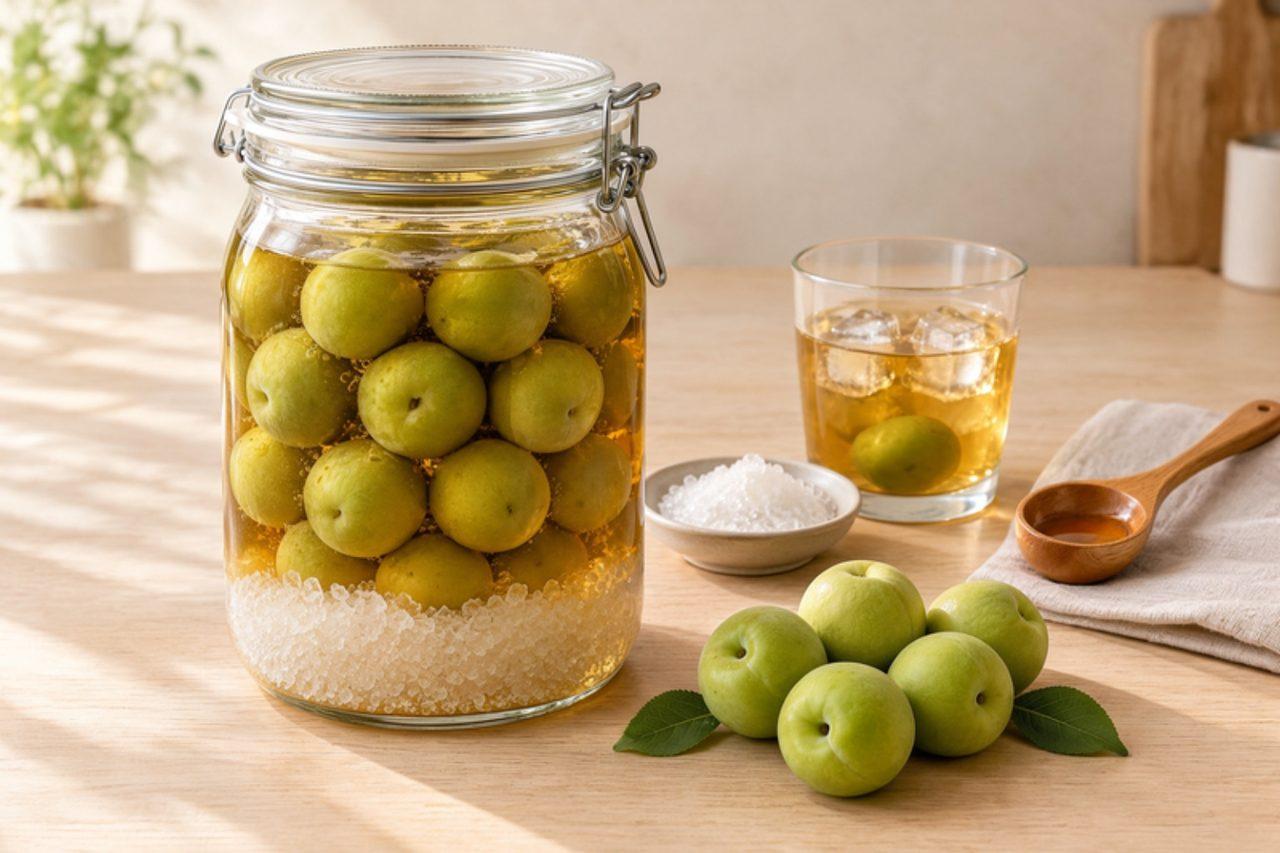
In early June, Gwangyang in South Jeolla holds its plum festival under hillsides of maesil trees, and across Korea families buy crates of hard green maesil plums to make maesilcheong. The plums are layered with an equal weight of sugar in big glass jars, and over 100 days the sugar draws out their juice into a tart, fruity amber syrup. It is the Korean kitchen's all-purpose sweetener: a spoonful in a marinade for bulgogi, in salad dressings and in kimchi, and diluted with cold water as a summer drink traditionally taken after a heavy meal. It tastes sweet, sour and almond-scented. Expect a little natural fermentation: a few bubbles and a trace of alcohol (well under 1%) are normal while the sugar dissolves, so keep the lid loose. The common mistake is wet fruit: any water left on the plums or stem scars can lead to mould, so dry them for hours. Ready when the plums have shrivelled and float, and the syrup is clear amber. Raw green plum stones contain compounds that release cyanide: never crush, bite or eat the stones, and remove the fruit after 100 days. No maesil? Use hard green apricots, with the same care. Chef's tip: use half brown sugar for a deeper colour and caramel note.
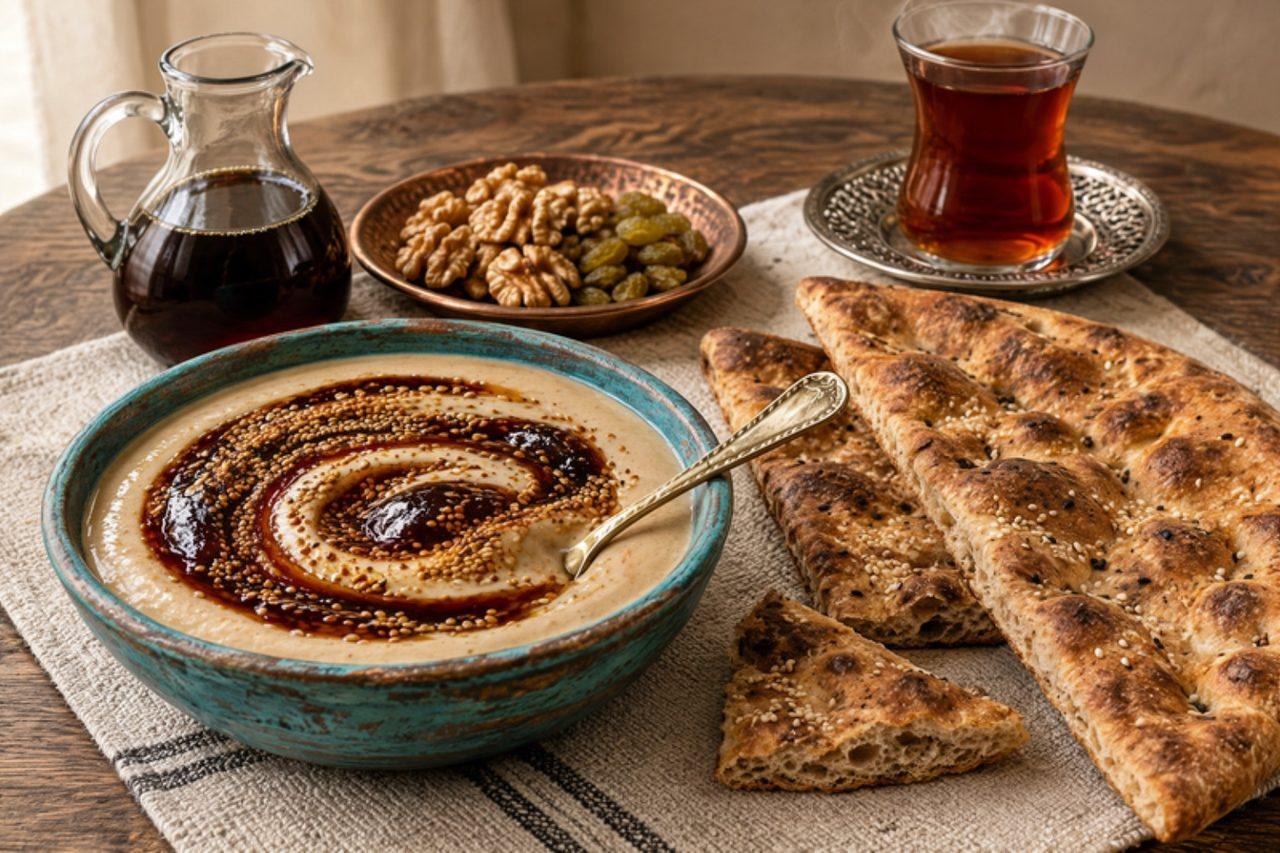
In Iranian homes, especially in Yazd and the central provinces, a small dish of ardeh shireh sits on the winter breakfast spread: smooth tahini swirled with dark grape molasses into a marbled, sticky spread that tastes like a grown-up peanut butter and jam. It is mopped up with warm flatbread and washed down with tea. The mistake is beating the two together until uniform; you lose the swirls and the spread turns dull. Fold just a few times. Chef's tip: stir the tahini jar well first, because the oil separates, and use runny, well-stirred tahini for the best ribbons. Serve with flatbread, or gluten-free crackers if you need it gluten free.
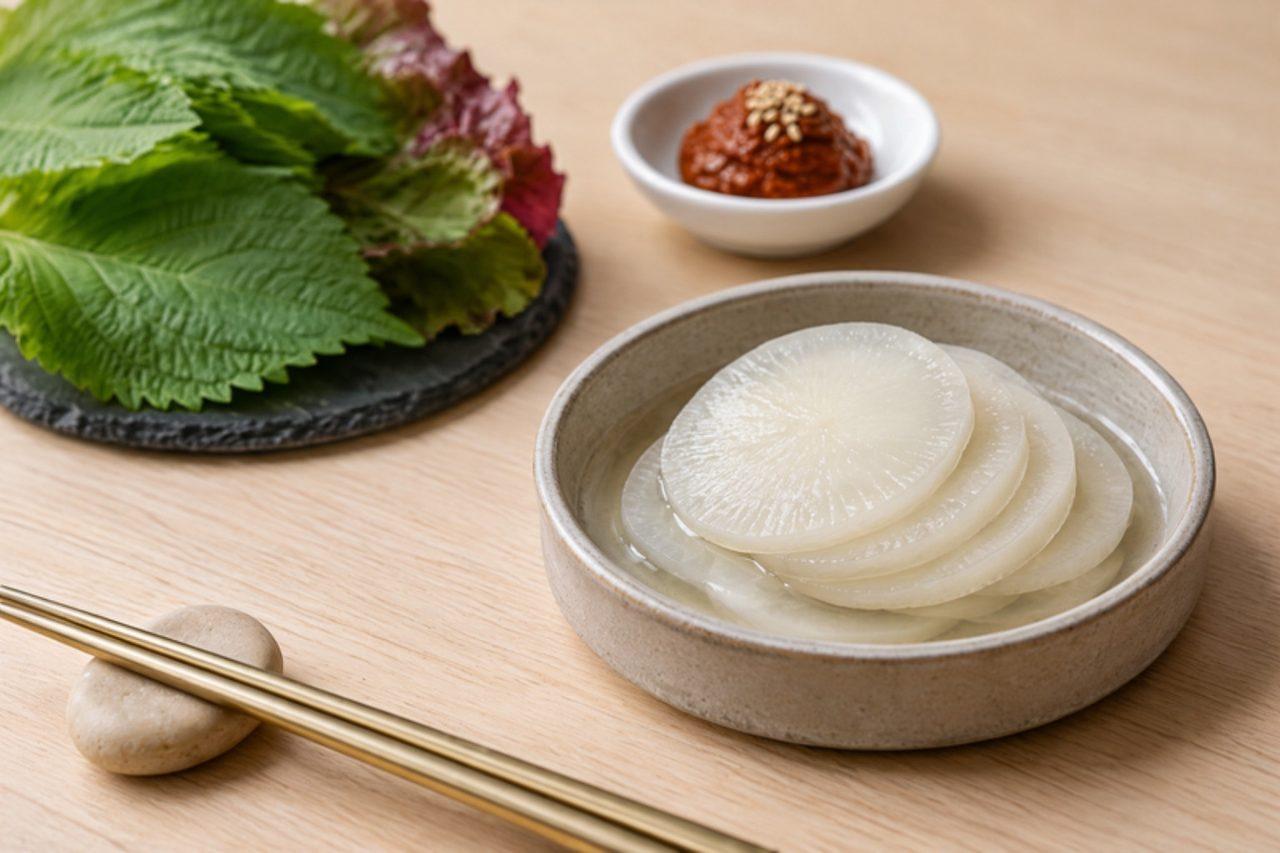
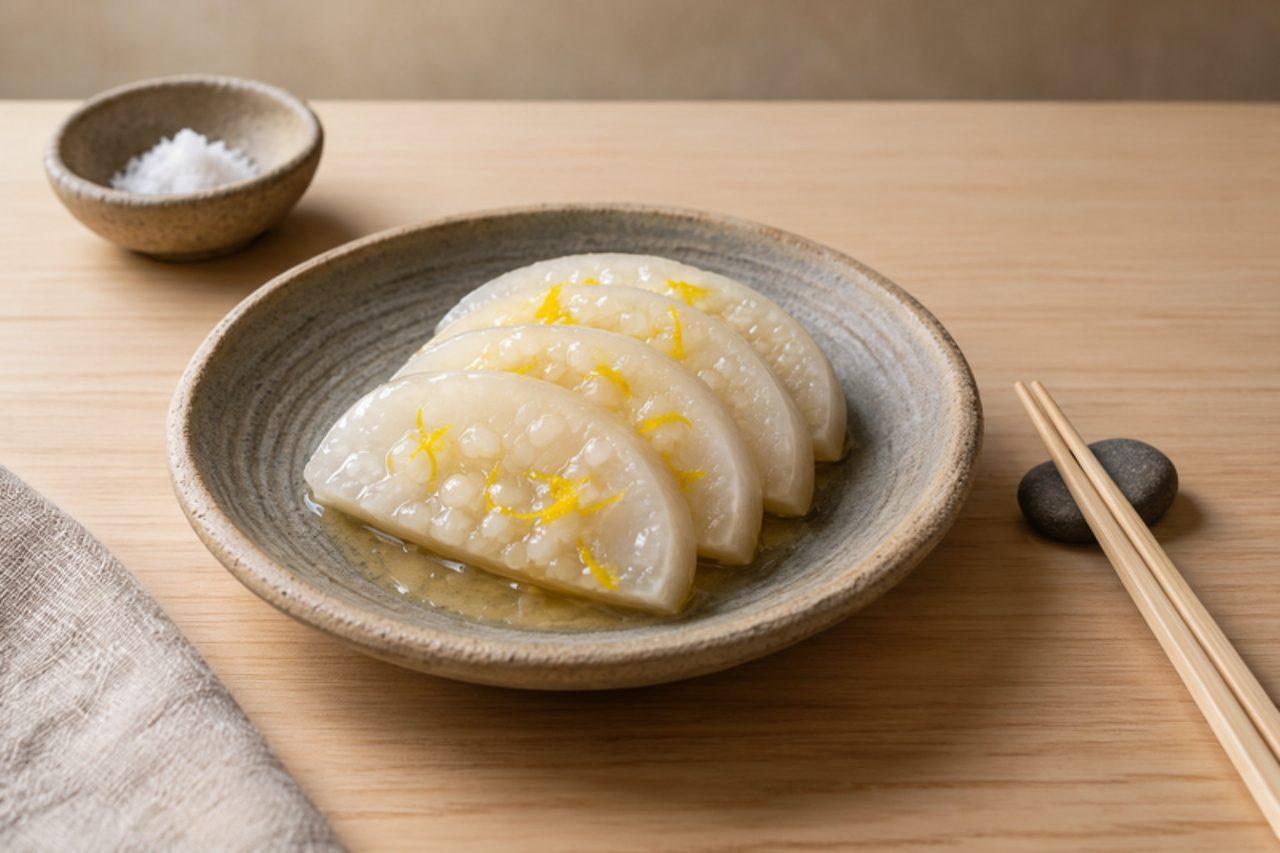
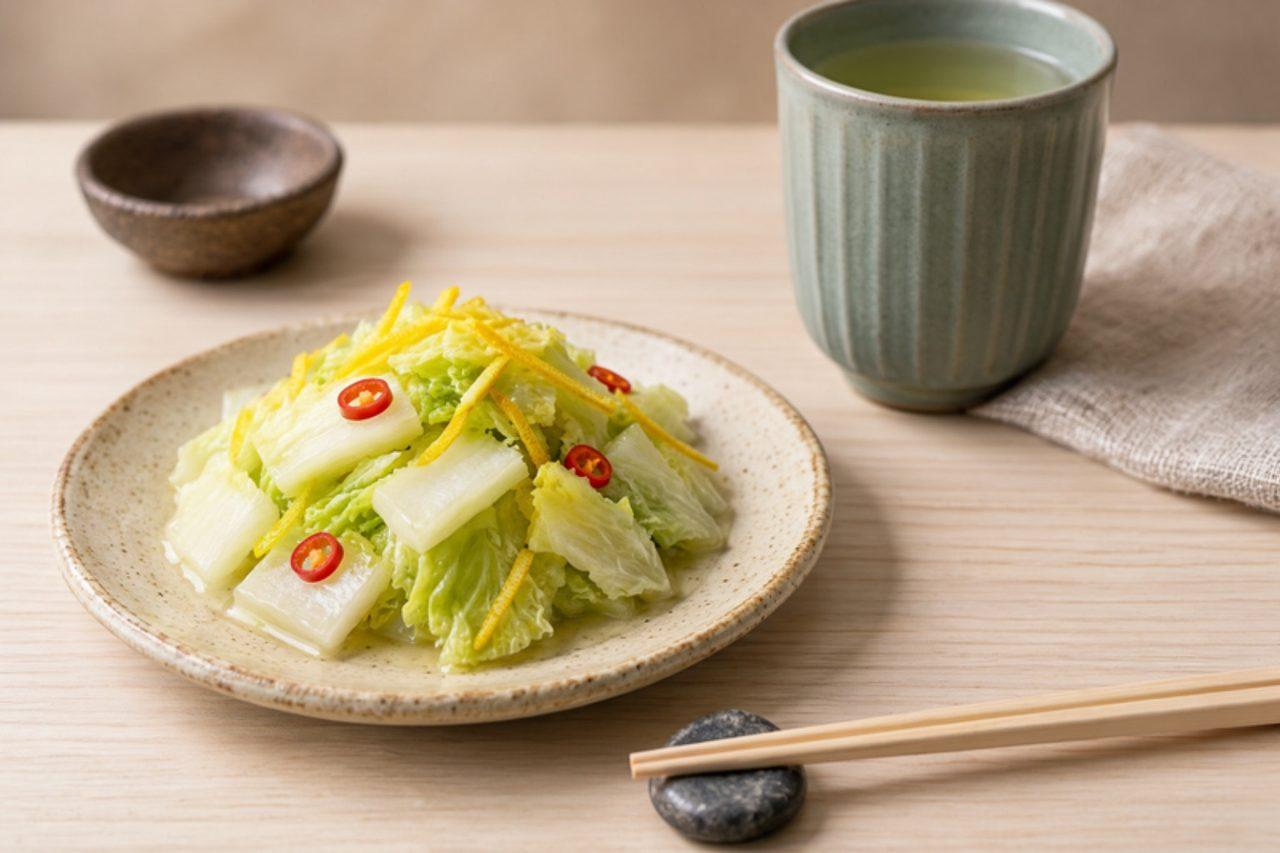
Ssam-mu is what you find in a little dish at every Korean barbecue restaurant, from Seoul's pork-belly alleys to suburban galbi houses: translucent discs of radish, sweet and sharp, to fold around a piece of hot meat with a dab of ssamjang. At home it is a year-round fridge staple, especially in winter when Korean radish (mu) is at its sweetest, and it is just as good wrapped around grilled king oyster mushrooms or tofu. Each round is cool, crisp at the edge and pliable enough to fold without breaking, with a clean sweet-sour taste that cuts through rich, smoky food. The vinegar must be at least 5% acidity, and the brine should be no weaker than 2 parts water to 1 part vinegar. The common mistake is slicing too thick: over 1.5 mm the rounds crack when you fold them, so use a mandoline set to 1 mm. It is ready when the slices are translucent, bend easily and taste sweet-sour right through, after about a day. Daikon works if you cannot find Korean radish; choose a fat one. Chef's tip: add a slice of raw beetroot for pink rounds, or a pinch of turmeric for the yellow ones in Korean shops.
In the oases of the Tunisian south, in Gabès, Tozeur, Nefta, Kebili and on Djerba, palm climbers cut a small wound at the crown of an ageing date palm and hang a clay pot under it overnight. By sunrise it holds lagmi: cloudy, ivory-white sap, cool and sweet, with notes of coconut water and fresh dates. It is sold in recycled bottles at the roadside and drunk the same morning, because the wild yeasts in it begin to ferment almost at once. By afternoon it is fizzy and sour, and by the next day it has become an alcoholic palm wine, also called lagmi, which is a different drink altogether. The common mistake is buying more than you can drink by lunchtime or leaving it in the sun: keep it on ice from the moment you get it. Fresh lagmi is ready to drink when it is sweet, smells clean and milky, and only a few tiny bubbles rise; once it tastes sour or prickles on the tongue, it has started to turn. It is raw and unpasteurised, so pregnant people, babies, older people and anyone unwell should skip it. Outside the oases, fresh coconut water is the closest stand-in. Chef's tip: chill the glasses too; lagmi is at its best ice-cold.
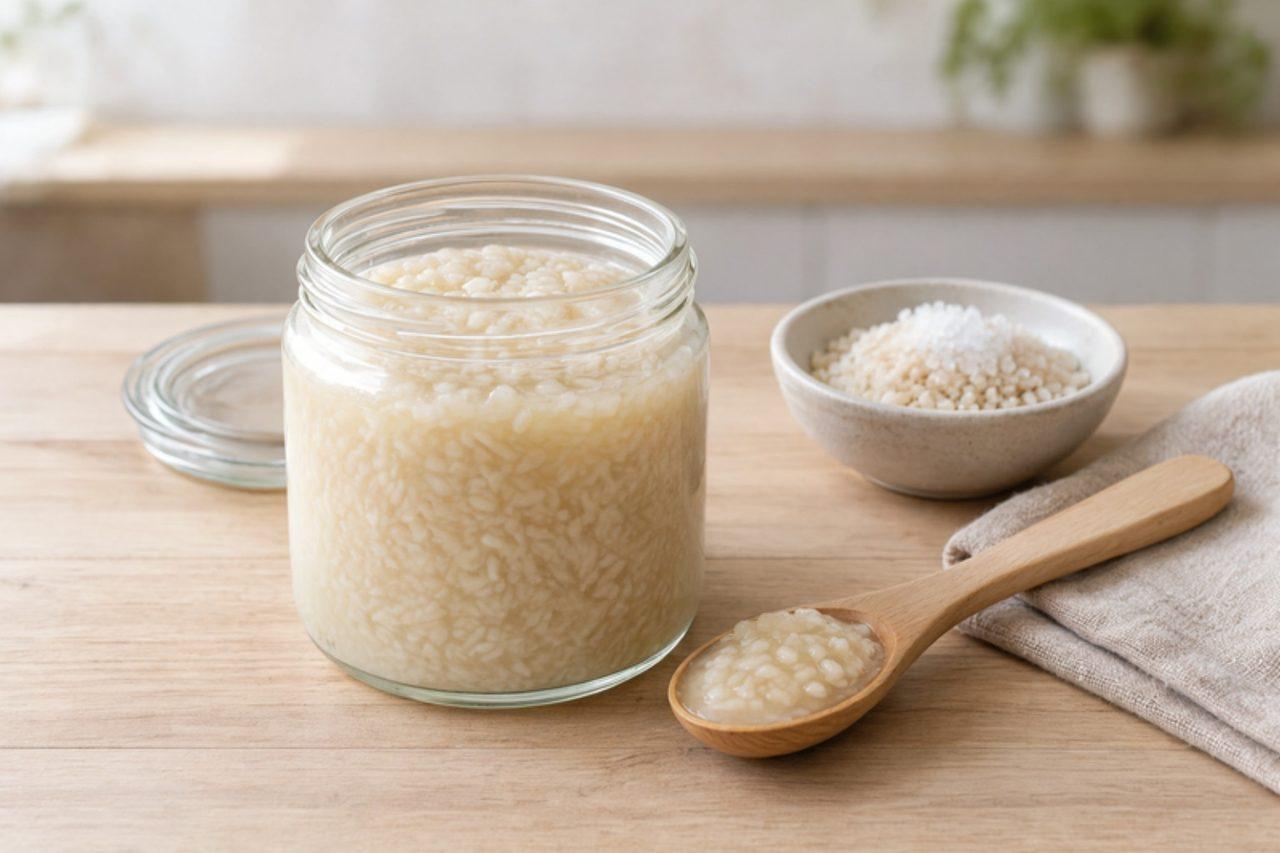
Shio koji is an old Tohoku pickling medium that swept Japanese home kitchens in the 2010s and never left. Rice koji, the grains cultured with the mould that also makes miso and sake, is rubbed with salt, covered with water and left on the counter for a week. Its enzymes break down starch and protein, so the result is a pale, porridge-like seasoning that tastes salty, mildly sweet and deeply savoury, with a fruity, sake-like scent. Use it all year in place of salt: rub it over chicken, pork or fish (about 10% of the weight) the night before grilling, toss it with vegetables for a quick overnight pickle, or stir it into dressings and soups. The common mistake is too little water: the grains must stay just covered, or the top dries and can grow mould. Stir once a day with a clean spoon and top up with a little water if needed. It is ready when the grains crush easily between your fingers, the mixture is thick and creamy, and it smells sweet rather than raw. A faint alcohol smell is normal. Chef's tip: blend the finished shio koji smooth with a stick blender; it spreads more evenly on meat and won't burn in spots.
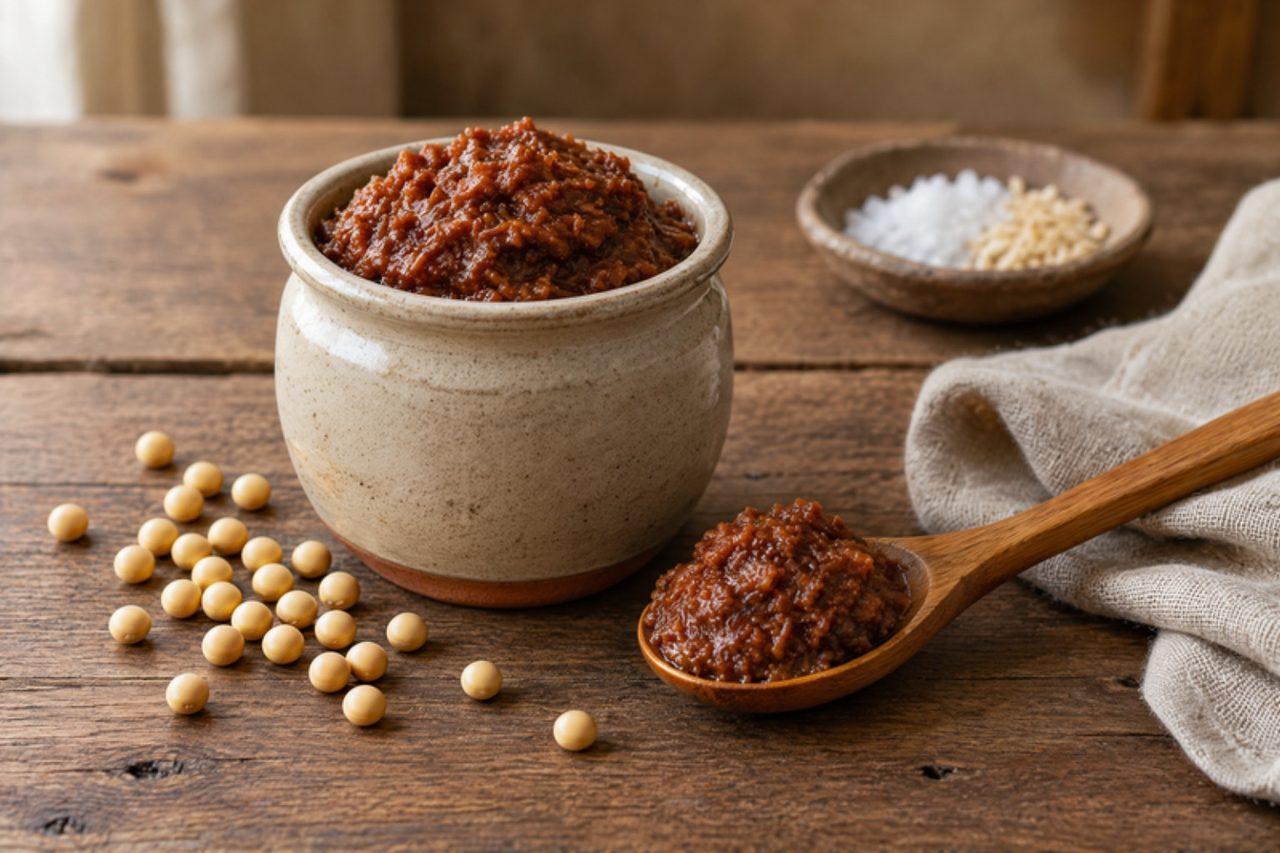
Temae miso means 'my own miso', and the phrase also means bragging about your own work, because every family thinks theirs is the best. Across rural Japan the cold months of January and February are miso-making season: the low temperatures let the mash settle in slowly before summer's warmth speeds up the fermentation. Dried soybeans are soaked, simmered until soft, mashed, mixed with rice koji and salt, then packed tightly into a crock under a salt cap and a weight. By autumn it has turned from pale beige to reddish brown, sweet-salty and rich, with a rounder, fruitier flavour than shop miso. The salt, about 12% of the finished weight, is what keeps it safe, so measure it rather than guessing. The common mistake is leaving air pockets when packing, which is where mould grows; throw the mash into the container in balls and press each one down hard. It is ready when it smells sweet and savoury like soy sauce, tastes well-balanced rather than raw and floury, and dark liquid (tamari) has pooled on top. Chef's tip: make it with friends; a kilo of beans is a lot of mashing, and the batch tastes better for the company.
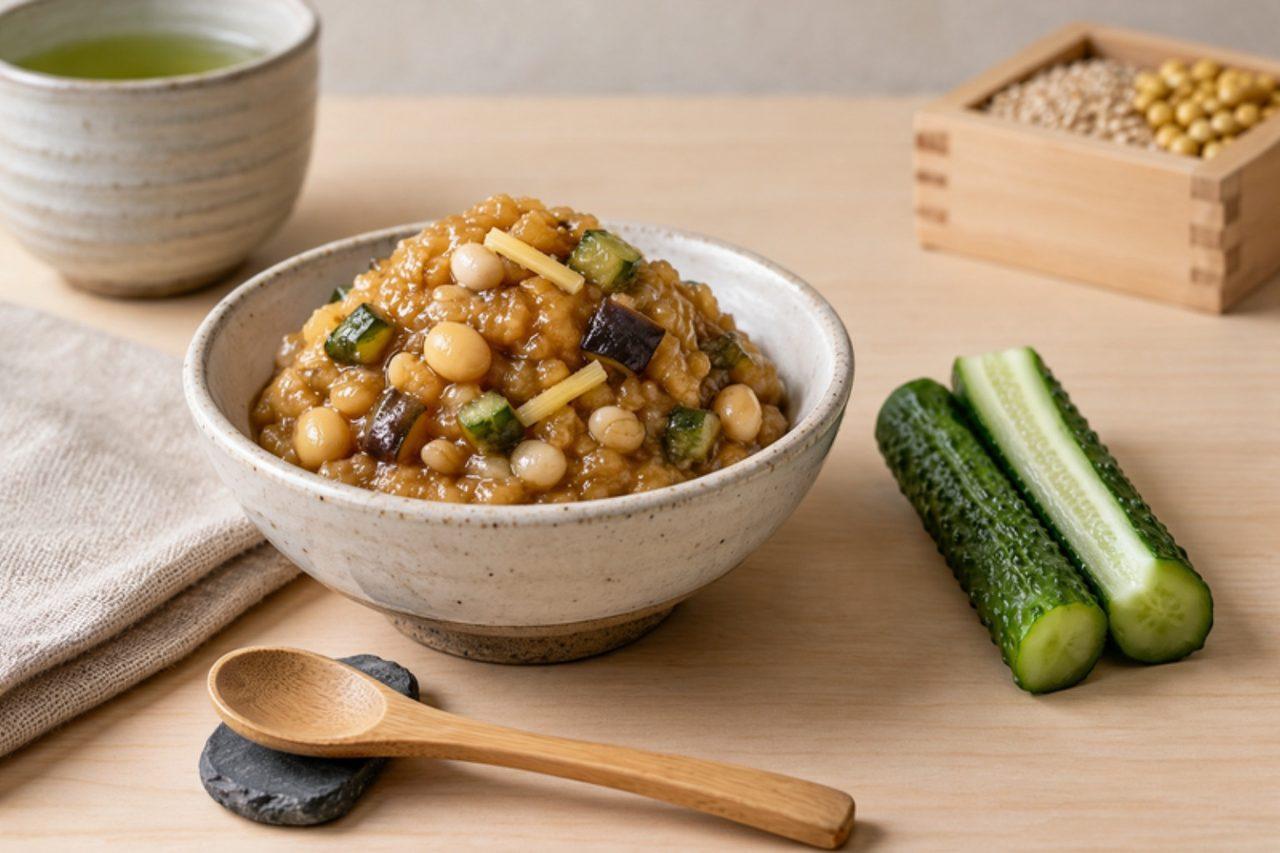
Kinzanji miso is not for soup. It is a chunky, sweet-savoury 'name-miso', a miso you eat straight, spooned onto hot rice, tucked into a cucumber stick or set beside rice porridge at breakfast. Legend says a monk brought the method from Jingshan Temple in China to Yuasa in Wakayama, where the run-off liquid became Japan's first soy sauce. Traditionally it is made in summer, when aubergines and uri melons are plentiful, and eaten through autumn and winter. You can see every ingredient: soft barley grains, nutty roasted soybean pieces, little cubes of aubergine and cucumber, threads of ginger, all bound in a glossy brown paste. This home version uses ready-made barley koji. The common mistake is adding the vegetables wet; salt them, then squeeze hard, or the extra water thins the salt and invites spoilage. It is ready when the barley grains are soft, the mix smells sweet and soy-like, and it tastes rich and rounded, after about four weeks; then it is sweetened and kept cold. Japanese melon (shirouri) is traditional; firm cucumber is the usual substitute. Chef's tip: a spoonful on a cold block of tofu with a little chopped spring onion is the best snack you can make in 30 seconds.
Salabat is the Filipino early-morning cup, simmered in homes from Luzon to Mindanao when the weather turns cool or a sore throat threatens, and drunk with bibingka and puto bumbong outside churches during the Christmas dawn masses. It is just ginger, water and dark sugar, but the ginger has to be bashed to release its heat. The mistake is slicing the ginger thinly and boiling briefly; you get a pale, weak tea. Crush it and simmer it properly. Chef's tip: leave the skin on young ginger, scrub it well and smash it with the flat of a cleaver, which gives a stronger, rounder heat.
On cold winter mornings in Tehran, steam rises from street carts selling lubia pokhte: pinto beans simmered with a pinch of salt until soft as butter, ladled into a cup with some of their cooking liquid and sprinkled with golpar, the citrusy ground seed of Persian hogweed, plus a squeeze of lemon. It is cheap, warming and filling. The mistake is salting the water at the start; add salt once the beans are tender or the skins stay tough. Chef's tip: skim the foam in the first 10 minutes and keep the beans at a lazy simmer, never a rolling boil, so they stay whole but creamy inside.
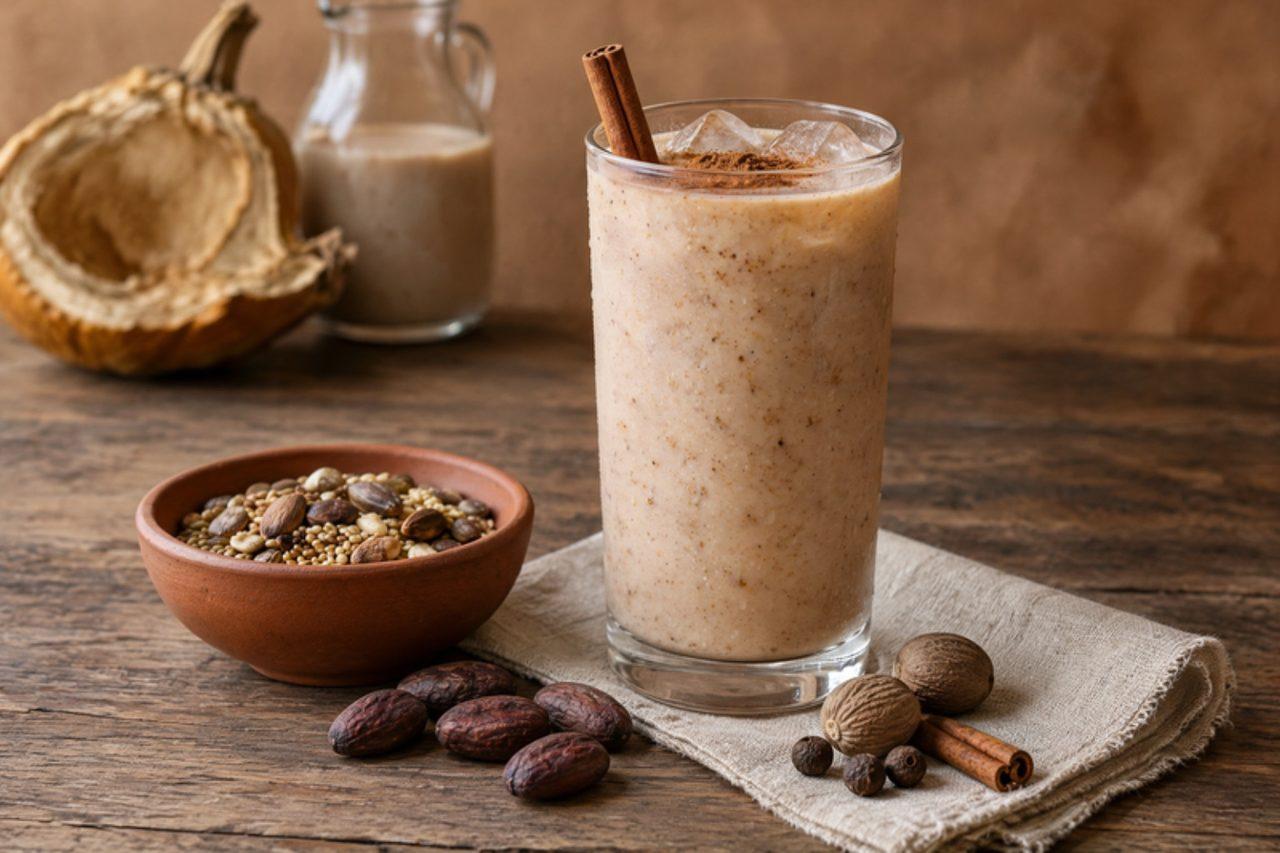
In El Salvador horchata means horchata de morro, made with the seeds of the morro or jícaro tree, whose round gourds also become cups and bowls. It is poured from big glass jars at pupuserías every evening, sold in plastic bags with a straw outside schools, and drunk at home with Sunday lunch. Markets in San Salvador and Santa Ana sell a ready-ground mix, but toasting your own is easy: rice, morro seeds, sesame, pumpkin seeds and cacao, with cinnamon and allspice. The drink is light brown, cool and creamy, with a nutty, toasted taste, a hint of chocolate and warm spice; quite different from the white Mexican rice horchata. The common mistake is skipping the soak and blending the powder straight with water; it stays gritty and tastes thin. Let it soak at least 30 minutes, or overnight in the fridge. It is ready when it is smooth, beige-brown, coats the glass faintly and smells of toasted seeds and cinnamon. Outside Central America, look for semilla de morro or horchata mix in Latin shops; if you cannot find it, use extra pumpkin seeds and sesame. Chef's tip: toast each seed separately, because they brown at different speeds.
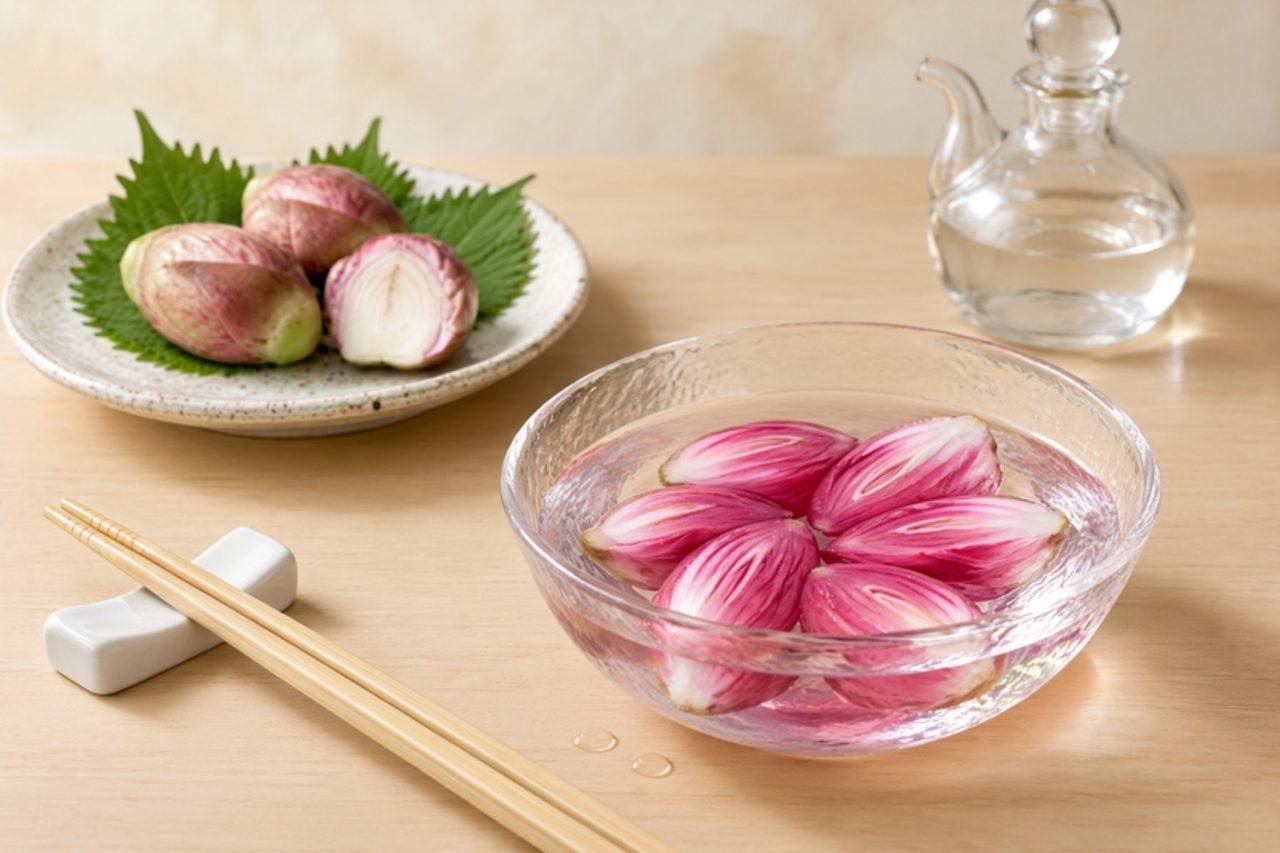
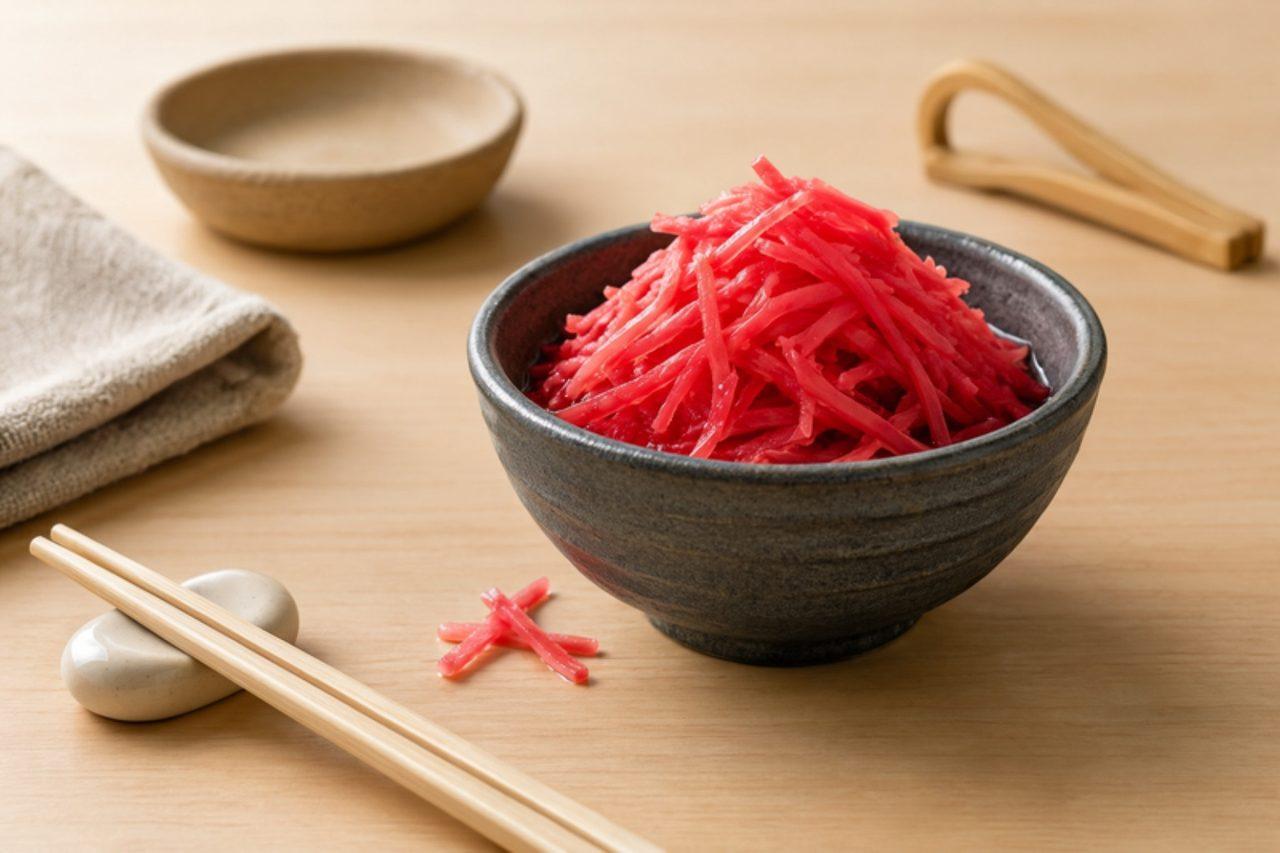
Myoga is the flower bud of a Japanese ginger plant, harvested from the shady corners of gardens across Japan from July to September, and its pickled form is one of summer's small pleasures. Halved buds are blanched and dropped into warm sweet vinegar, and within half an hour the pale purple-white layers blush a vivid pink. They taste crisp and fresh, gently sweet-sour, with the floral, slightly resinous bite that makes myoga unlike ordinary ginger. Serve them beside grilled fish, with cold somen noodles on a hot evening, or tucked into a bento. Look for myoga in Japanese grocers, often frozen; there is no real substitute, but young ginger or small shallots pickled the same way make a pleasing alternative. The common mistake is over-blanching: past 30 seconds the layers turn soft and floppy and lose their crunch. Pour the vinegar over while the buds are still hot, which sets the colour. They are ready when they are evenly pink and taste sour-sweet right through. Chef's tip: slice a few pickled buds into thin strips and fold them into sushi rice for a quick summer chirashi.
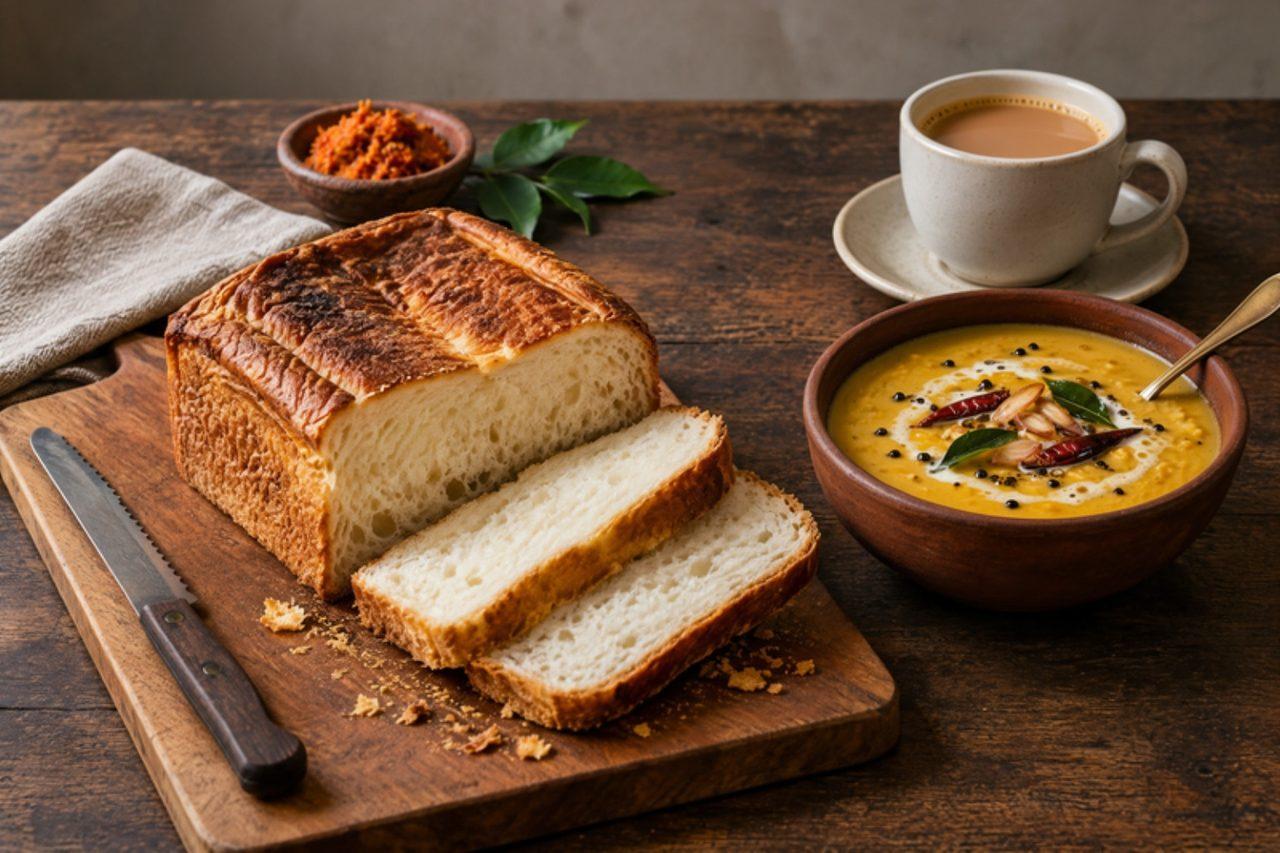
Every Sri Lankan neighbourhood bakery turns out roast paan before dawn: square loaves baked close together in a wood-fired oven until the tops are dark and crusty while the sides stay soft and pull apart. Bought warm, it is torn and eaten with dhal curry, pol sambol, or kiri hodi, the mild coconut milk gravy. The mistake is baking at too low a temperature, which gives a pale, sandwich-style loaf; it needs a really hot oven and a final blast to blister the top. Allow about 2½ hours with rising. Chef's tip: bake the dough as four balls snug in one square tin so they rise into each other; pulling the soft sides apart is half the pleasure.
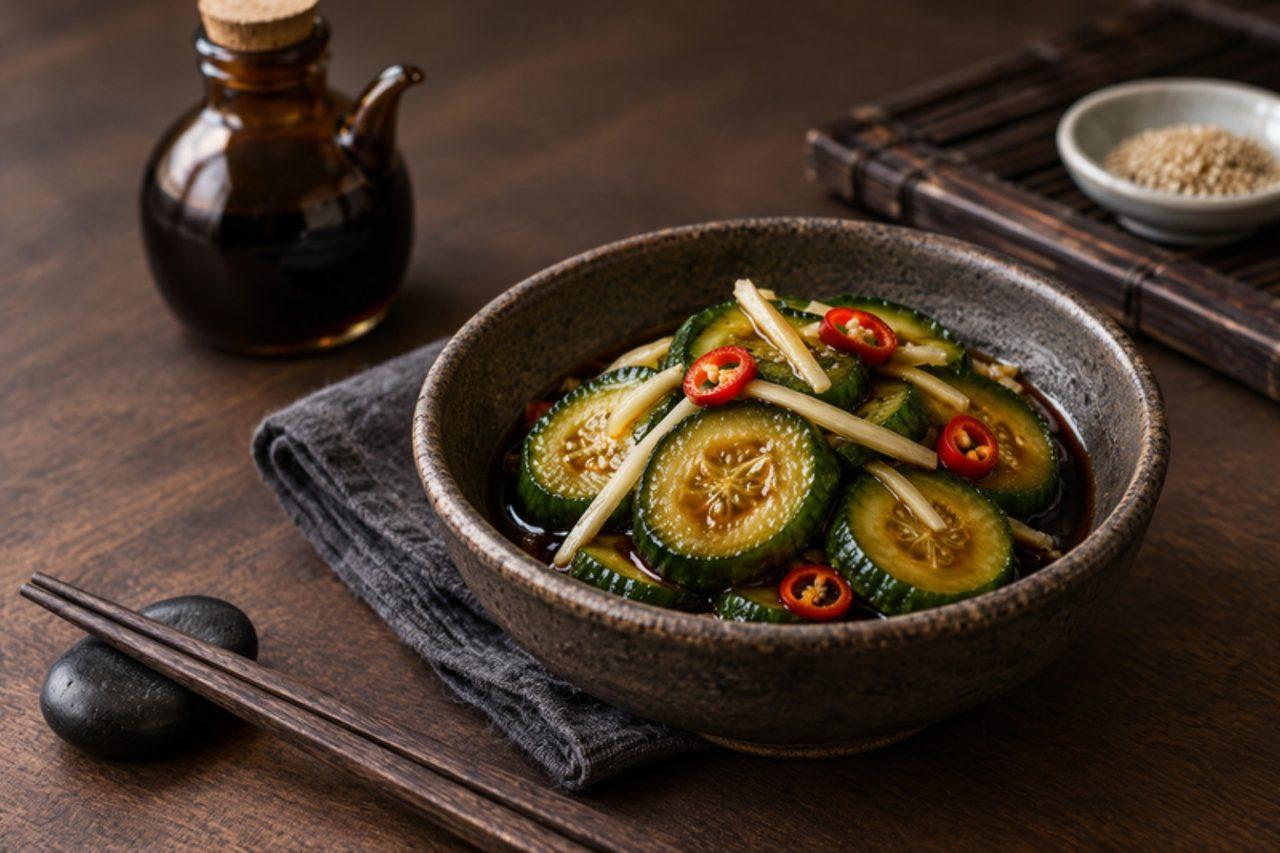
When summer gardens across Japan produce more cucumbers than anyone can eat, grandmothers make this: thick cucumber rounds scalded in a pot of soy sauce, vinegar, sugar, ginger and chilli, then left to soak. It appears in July and August beside white rice and miso soup, rolled into onigiri, and on the table at rural inns as the small dish everyone reaches for. It is deeply savoury, a little sweet, with a ginger and chilli warmth and a surprising snap, because the cucumbers are drained and scalded again instead of simmered. The common mistake is boiling the cucumbers in the liquid: they go soft and olive-coloured. Instead, pour the boiling liquid over, drain it off, reheat it, and pour it back, twice; each round draws out water and keeps the crunch. They are ready when the rounds are glossy dark brown, slightly wrinkled at the edges and crunchy right through. Use firm, small-seeded cucumbers such as Japanese or Lebanese; large salad cucumbers with big seeds go soggy. Chef's tip: add a strip of kombu in the last round and a handful of toasted sesame seeds when you serve, for deeper flavour.
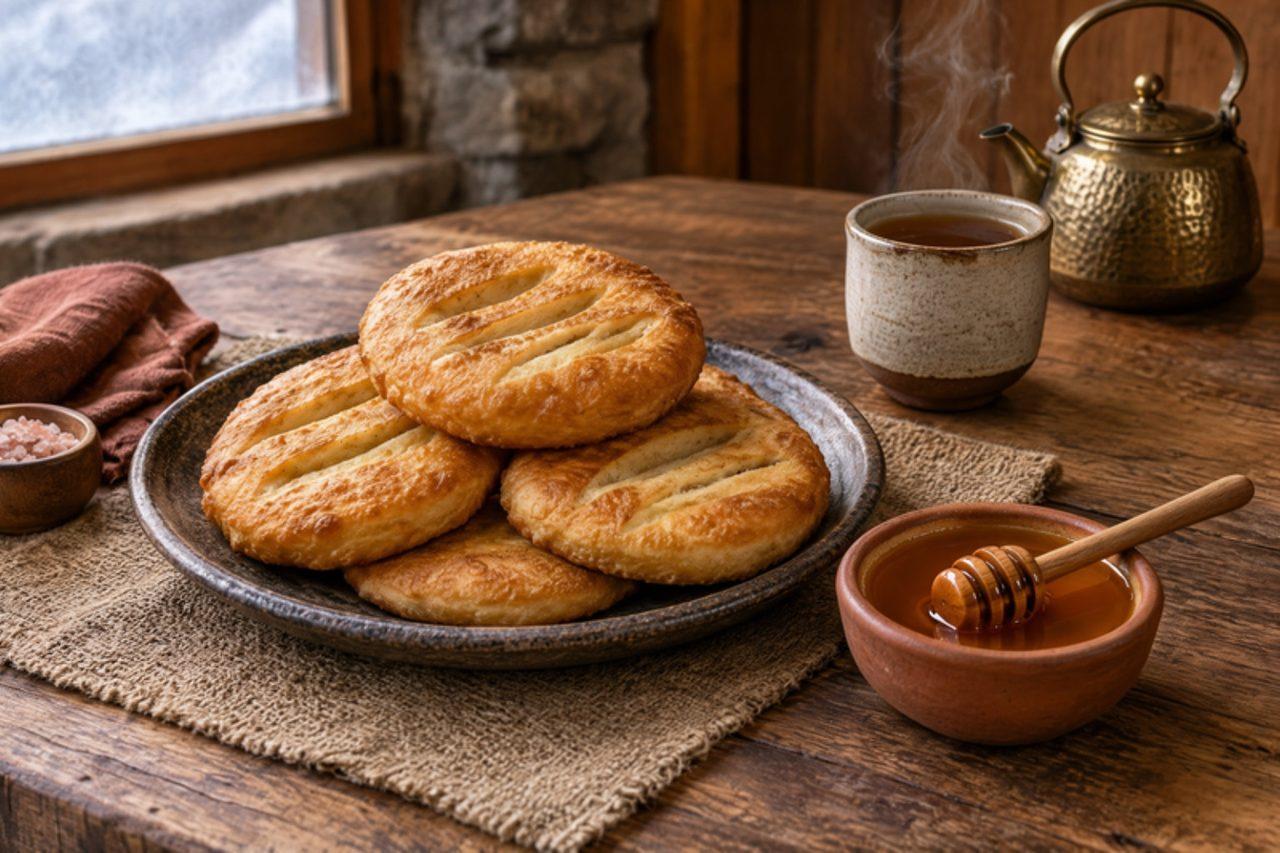
Trekkers in the Everest and Annapurna regions, and early risers in Kathmandu's Boudha neighbourhood, know this bread: rounds of dough slashed down the middle and fried until they puff, golden outside and soft inside. Tibetan families eat it with honey or jam, with a bowl of potato or chickpea curry, and with salty butter tea. The mistake is rolling the dough too thin; at about 1 cm thick it stays tender, while thin dough fries into a hard cracker. Chef's tip: let the shaped rounds rest for 10 minutes before frying so the gluten relaxes and the bread balloons evenly.
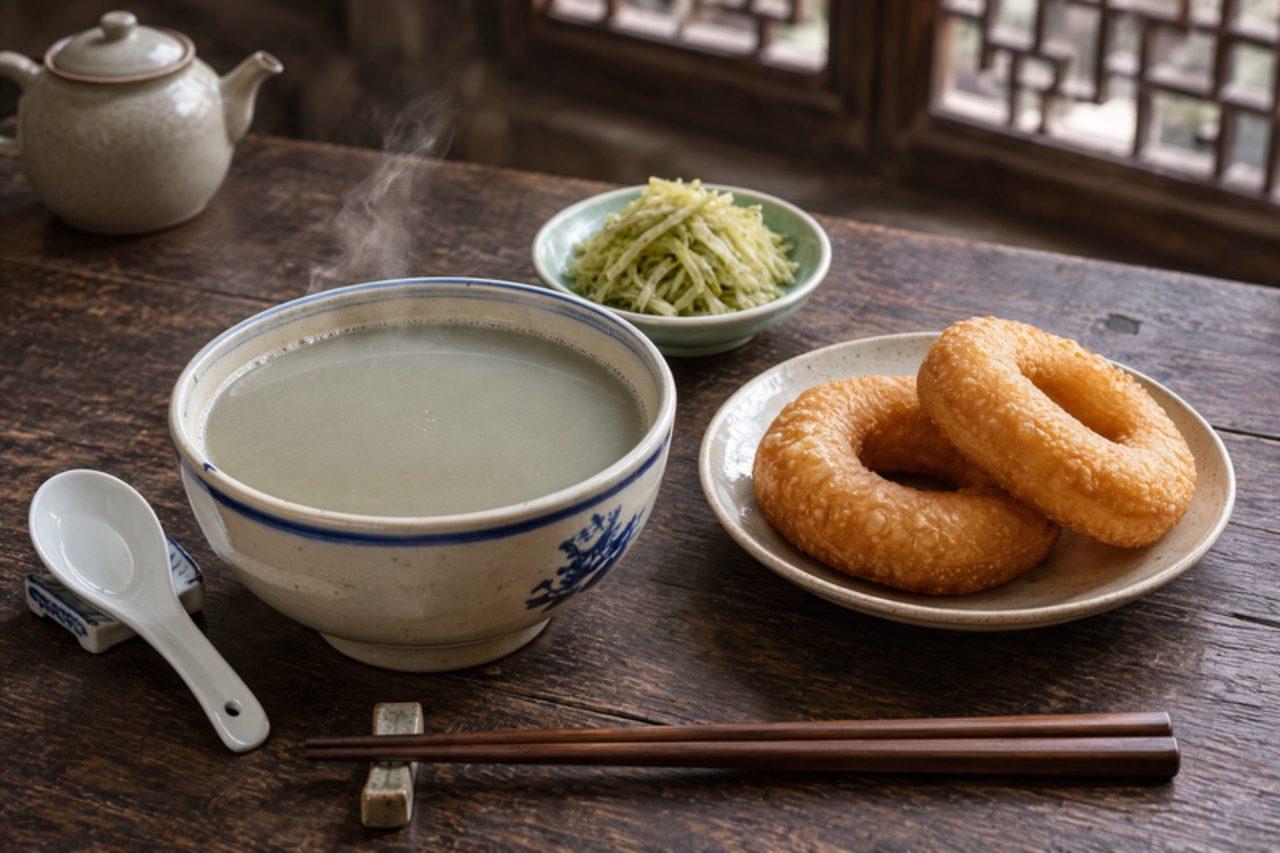
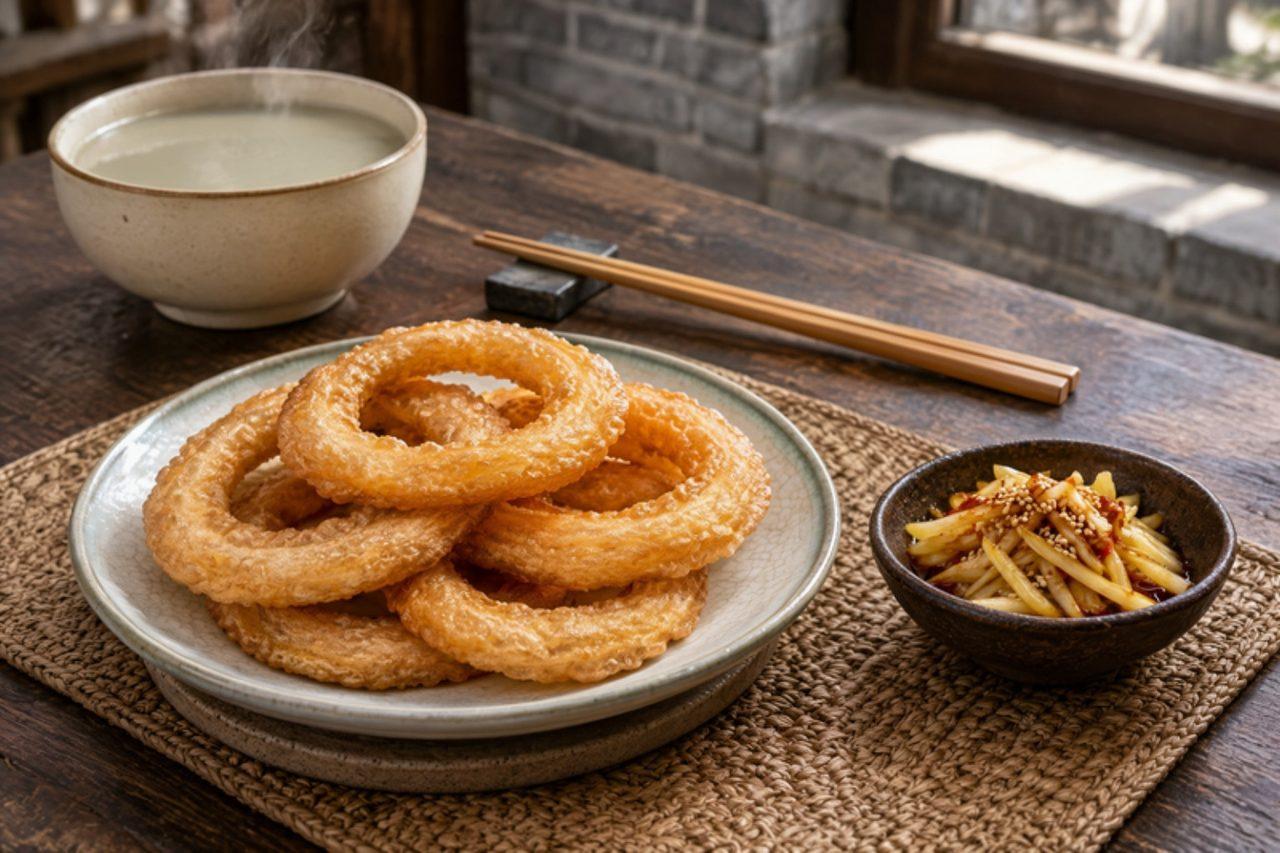
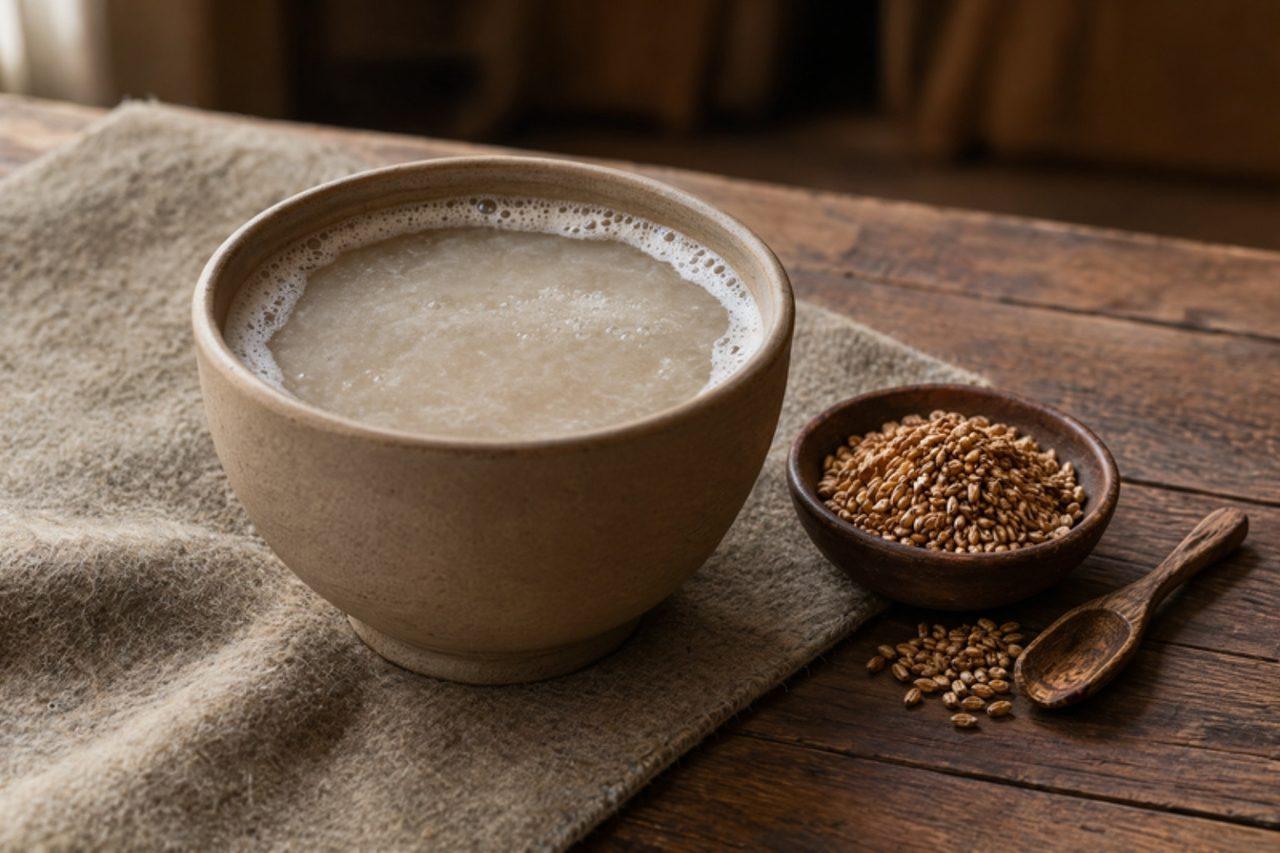
Douzhi is the most famous acquired taste in Beijing: a hot, grey-green, sour drink made from the liquid left when mung beans are ground for starch, then fermented. Old Beijingers sip it at breakfast with crisp jiaoquan rings and shredded salted mustard pickles, and visitors either love it or never try it twice. At home you make a small batch by blending mung beans, settling out the starch and fermenting the cloudy water for a day. The mistake is letting it boil hard: it separates into watery and thick layers, so keep it at a gentle bubble. It must smell cleanly sour like yogurt; throw it away if it smells rotten, has mould, or turns pink or slimy. Chef's tip: stir it continuously as it heats and add a splash of the thinner liquid at the end, which keeps the classic smooth, slightly thick texture.
Sunki belongs to the high Kiso valley in Nagano, where salt was once too precious to spend on pickles. After the first frosts in November, villagers blanch the leaves and stalks of the red Otaki turnip, layer them in a wooden tub with a handful of last year's dried or frozen sunki as starter, and keep the tub wrapped and warm overnight so lactic bacteria take over. The result is completely unsalted, fiercely sour and earthy, with soft leaves in a rosy brine; it goes on hot soba as sunki soba, into miso soup and over rice. Because there is no salt to protect it, sourness is the only safety: it must become clearly sour within 2 days, and it must stay cold after that. If you have no sunki starter, use 100 ml brine from a live, unpasteurised sauerkraut (a little salt, but a reliable start). The common mistake is blanching with boiling water, which kills everything; the water should be about 70 °C. Normal signs are a pink brine, fine bubbles and a clean sour, yoghurt-like smell; bad signs are fuzzy mould, slime or a putrid smell, which mean discard. Chef's tip: freeze the finished sunki in small portions; it keeps its sourness and you keep a starter for next year.
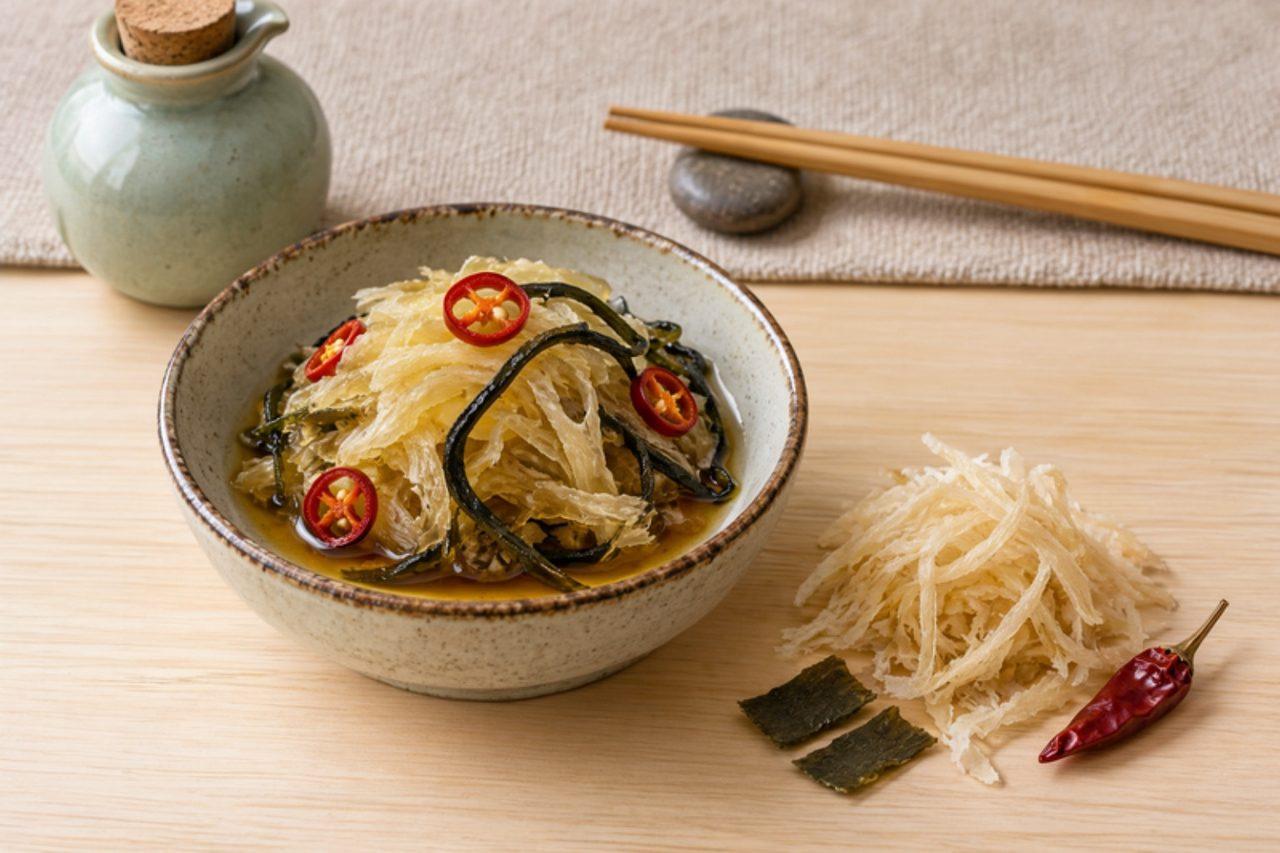
Hariharizuke takes its name from the sound it makes, 'hari-hari', as you chew. It starts with kiriboshi daikon, the radish strips dried in the cold winter sun across Miyazaki and much of rural Japan, which are rehydrated and steeped in a sharp, slightly sweet soy-vinegar with ribbons of kombu and a little chilli. It is a year-round side dish, but home cooks lean on it in late winter and early spring when fresh vegetables are fewer, packing it into bento boxes or setting it beside grilled fish and rice. The taste is sweet-sour and savoury, with a concentrated, almost caramel daikon flavour, and the texture is springy and crunchy. The common mistake is soaking the dried daikon too long: after 10–15 minutes it is pliable, and beyond that it turns soft and loses its crunch. It is ready when the strips are glossy, tan and taste seasoned right through, about an hour after mixing, and even better the next day. Look for dried daikon in Japanese or Korean shops (Korean mumallaengi is the same thing). Chef's tip: add the carrot in very fine matchsticks and a few drops of sesame oil just before serving for colour and aroma.
Burmese teashops, from the busy corners of Yangon to small-town Shan State, run on laphet yay: very strong black tea poured over condensed and evaporated milk, and customers order it by sweetness, from "pan pyar" (less sweet) to "cho seint" (extra sweet and creamy). It comes with samusa, palata or a bowl of mohinga. The mistake is weak tea: it must be brewed long and dark so it stands up to all that milk. Chef's tip: pour the finished tea from one jug to another from a height a few times; it cools slightly and gets the frothy top teashops are proud of.
When Lima's grey winter finally lifts and summer reaches the beaches south of the city, the chilcano takes over from the pisco sour: lighter, longer and made for an afternoon. Peru even gives it a Semana del Chilcano each January, and it is poured at weekend lunches with chifa or fried fish. This is a highball for adults only: pisco poured over a tall glass of ice with fresh lime and ginger ale, finished with a few drops of bitters. It should taste crisp and fizzy, with the ginger and lime lifting the floral grape notes of the pisco rather than hiding them. The common mistake is using too little ice and warm ginger ale, which gives a sweet, diluted drink that goes flat in minutes. Fill the glass to the top with ice and keep the ginger ale in the fridge until the last second. It is ready when the glass is frosty, the bubbles race up the sides and the bitters drift through the top as a pink haze. Light it may be, but drink responsibly. Chef's tip: try a fruit-infused pisco, made by steeping passion fruit or mandarin peel in the bottle for a few days; Limeños love a chilcano de maracuyá.
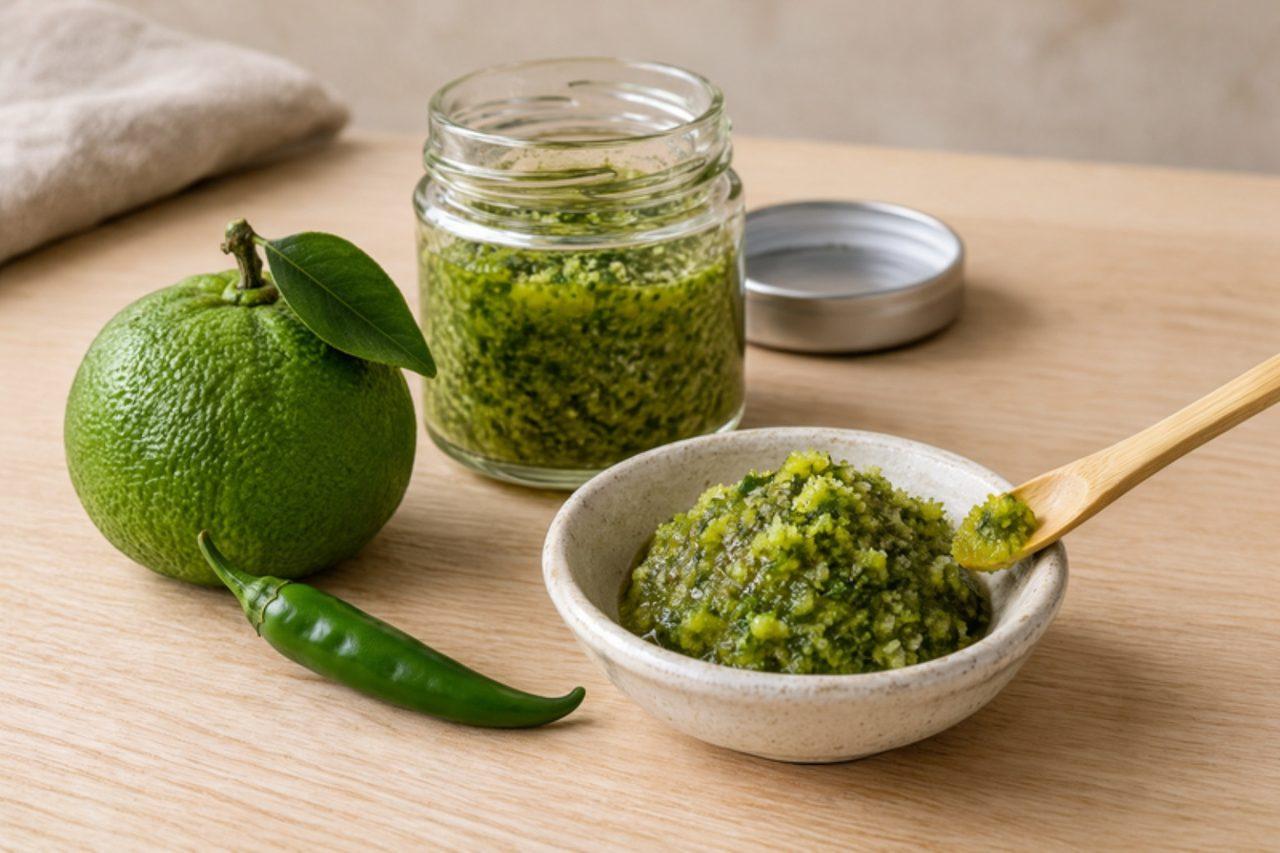
In the mountain villages of Kyushu, especially Oita and Fukuoka, families make yuzu kosho in late summer, when yuzu are still green and the chillies are at their hottest (in Kyushu dialect 'kosho' means chilli, not pepper). Zest and chillies are ground with salt in a suribachi until they turn into a bright, coarse paste, then left to mature for a week or more. A tiny dab lifts hot-pot, grilled chicken or fish, sashimi, miso soup and even a bowl of udon; it is intensely citrusy, salty and hot all at once. It is a fresh chilli paste, so it lives in the fridge or the freezer, never on the shelf, and the salt (about 15% of the paste) is what keeps it. The common mistake is grating into the white pith, which makes it bitter; take only the thin green layer. It is ready when the paste is fine, moist and evenly coloured and the raw chilli edge has softened into a rounded heat, after about a week. No yuzu? Use the zest of green limes with a little lemon, or sudachi or kabosu. Wear gloves when you handle the chillies. Chef's tip: ripe yellow yuzu with red chillies makes the orange version for winter; same method.
In Uttar Pradesh, Bihar and across the Hindi belt, the days before Holi are for making gujiya: the women of the house sit together rolling, filling and crimping hundreds of these half-moon pastries, which are then offered to guests between rounds of colour. The filling is mawa roasted until grainy and golden, mixed with ghee-toasted semolina, coconut, nuts and powdered sugar; Maharashtra's karanji is the cousin with a coconut filling. The common mistake is frying on high heat, which blisters the pastry and leaves it raw and chewy inside; gujiya should fry slowly until crisp and pale gold. Chef's tip: add the powdered sugar only once the mawa has cooled completely, or it melts and the filling turns sticky.
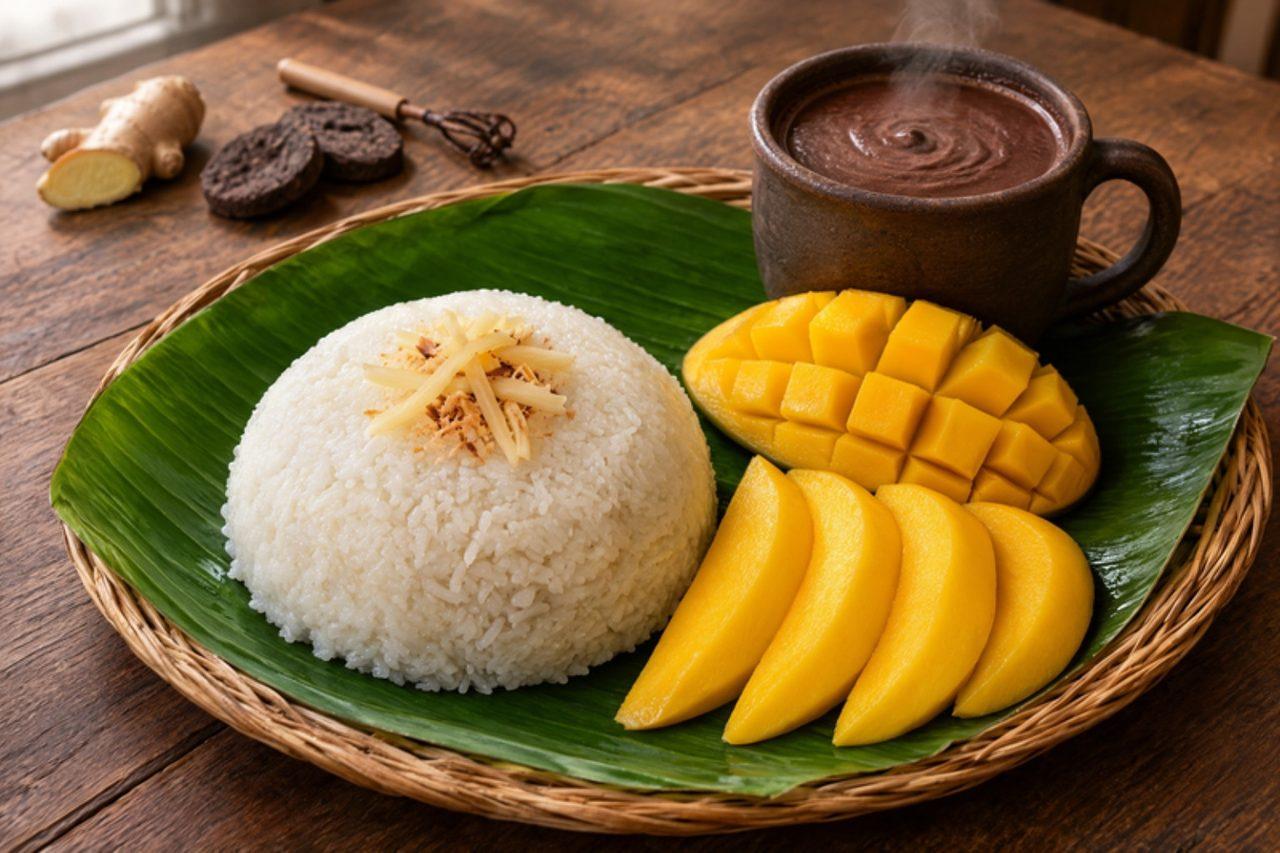
At dawn in Cebu's Carbon Market and in towns across the Visayas, vendors sell puto maya: sticky rice steamed with coconut milk and ginger, often purple from heirloom rice, shaped into little mounds. It is eaten with a cup of sikwate, a thick drink of local tablea cacao, and slices of sweet ripe mango. The mistake is skipping the soak; unsoaked glutinous rice steams up hard in the middle. Soak it for at least 4 hours or overnight. Chef's tip: steam the rice first with half the coconut milk, then fold in the rest and steam again; the rice stays chewy and glossy instead of gluey.
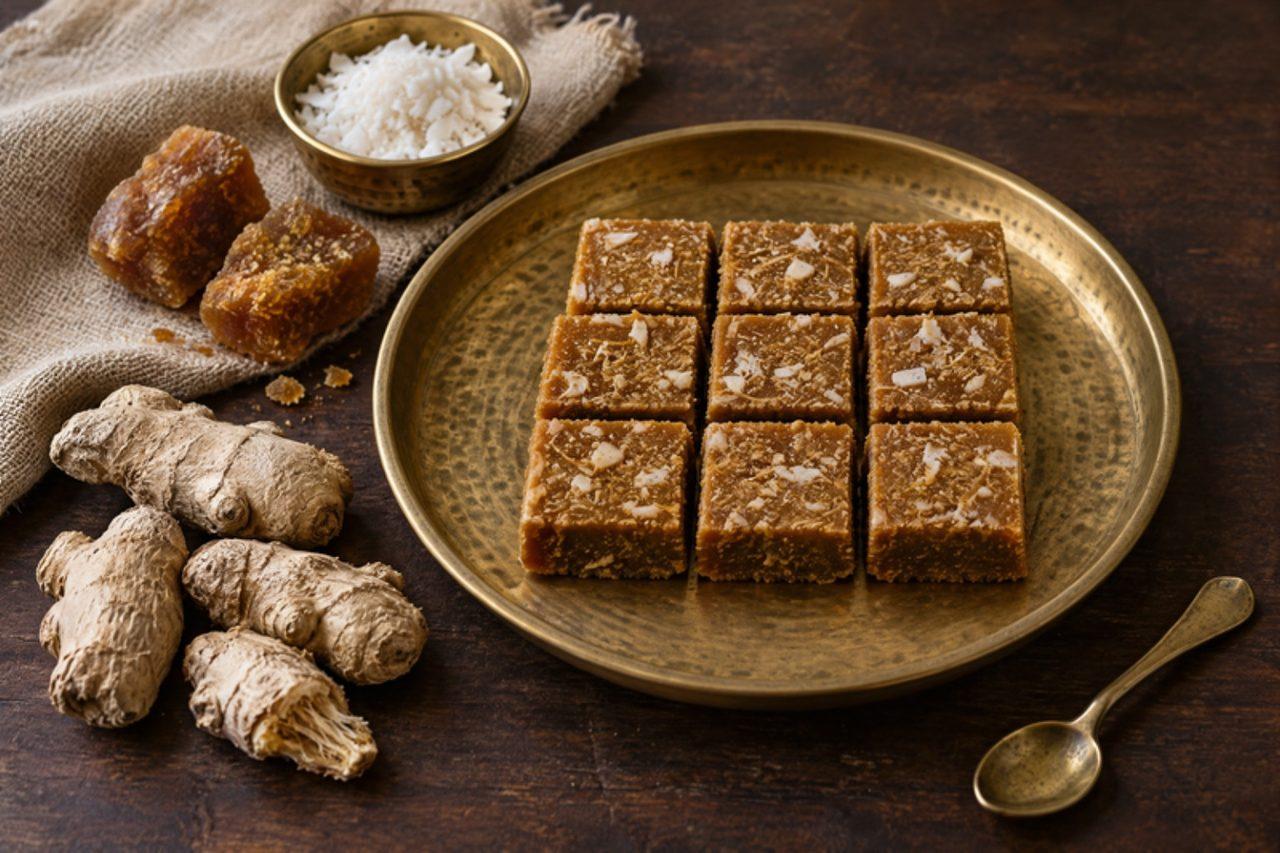
In Saurashtra a new mother is handed a tin of sooth pak within days of giving birth, and the rest of the family quietly helps themselves when winter colds arrive. It is a small, potent square: plenty of dry ginger roasted in ghee, softened by jaggery and wheat flour, with a little puffed gum and coconut for texture, so one piece warms you right through. The mistake to avoid is roasting the ginger powder on its own in very hot ghee, which scorches it in seconds and leaves the pak bitter. Chef's tip: grind dry ginger root yourself in a spice grinder just before cooking; the flavour is far brighter than old packet powder.
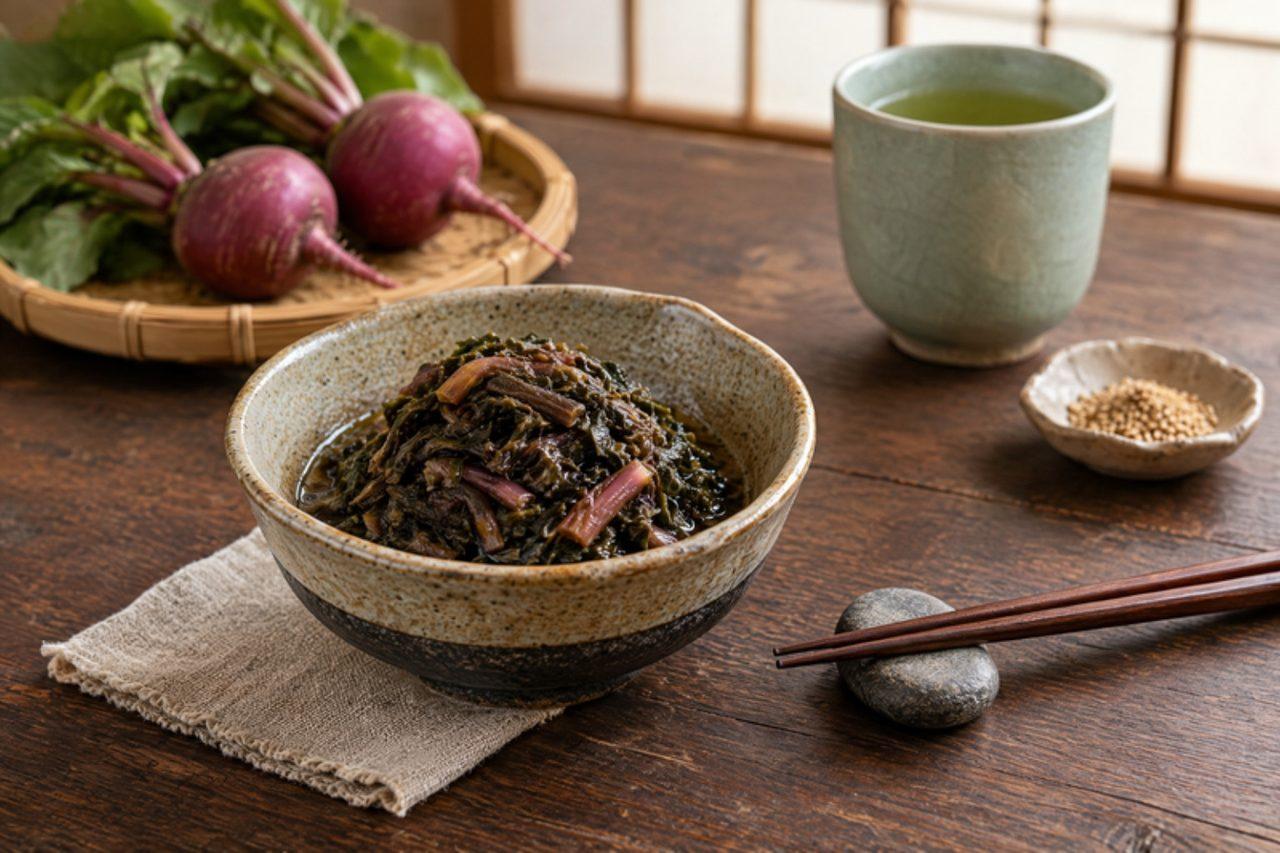
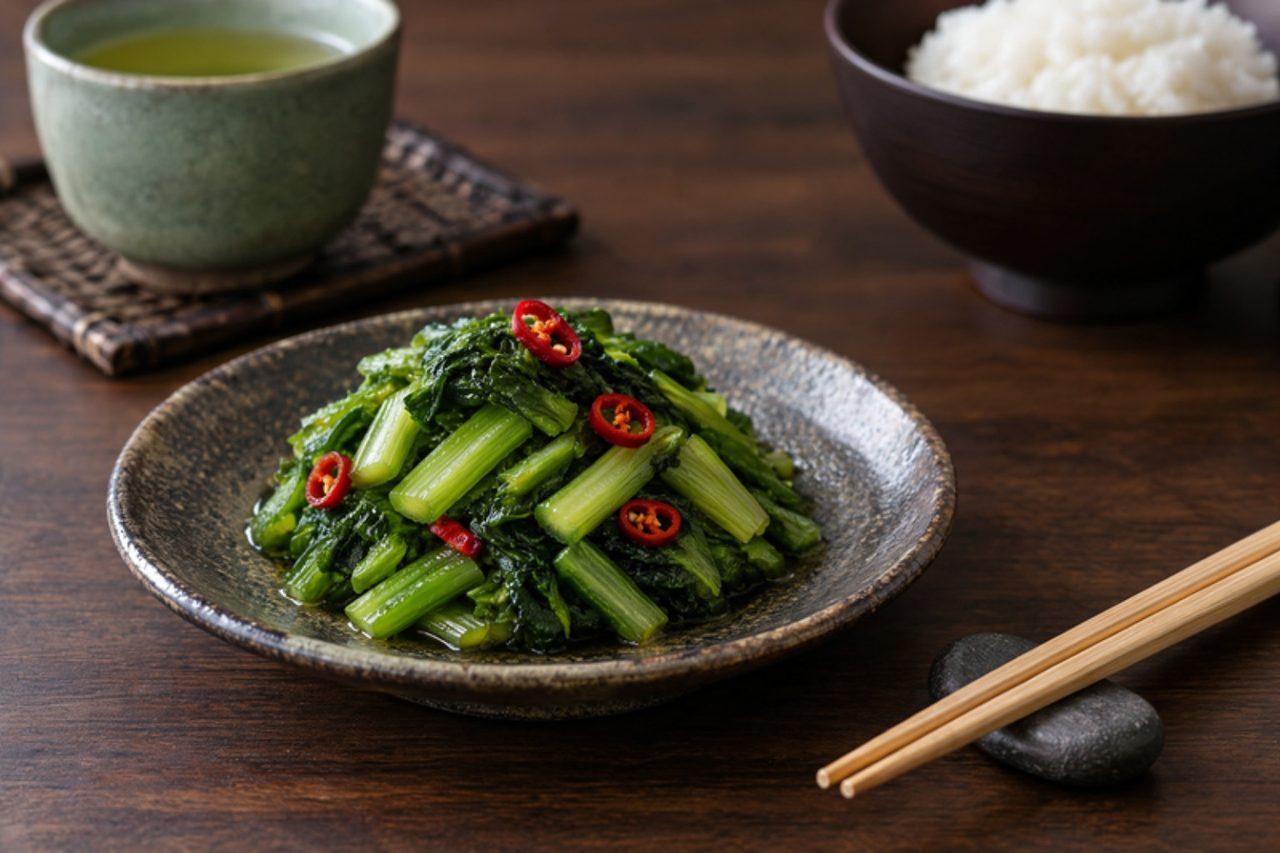
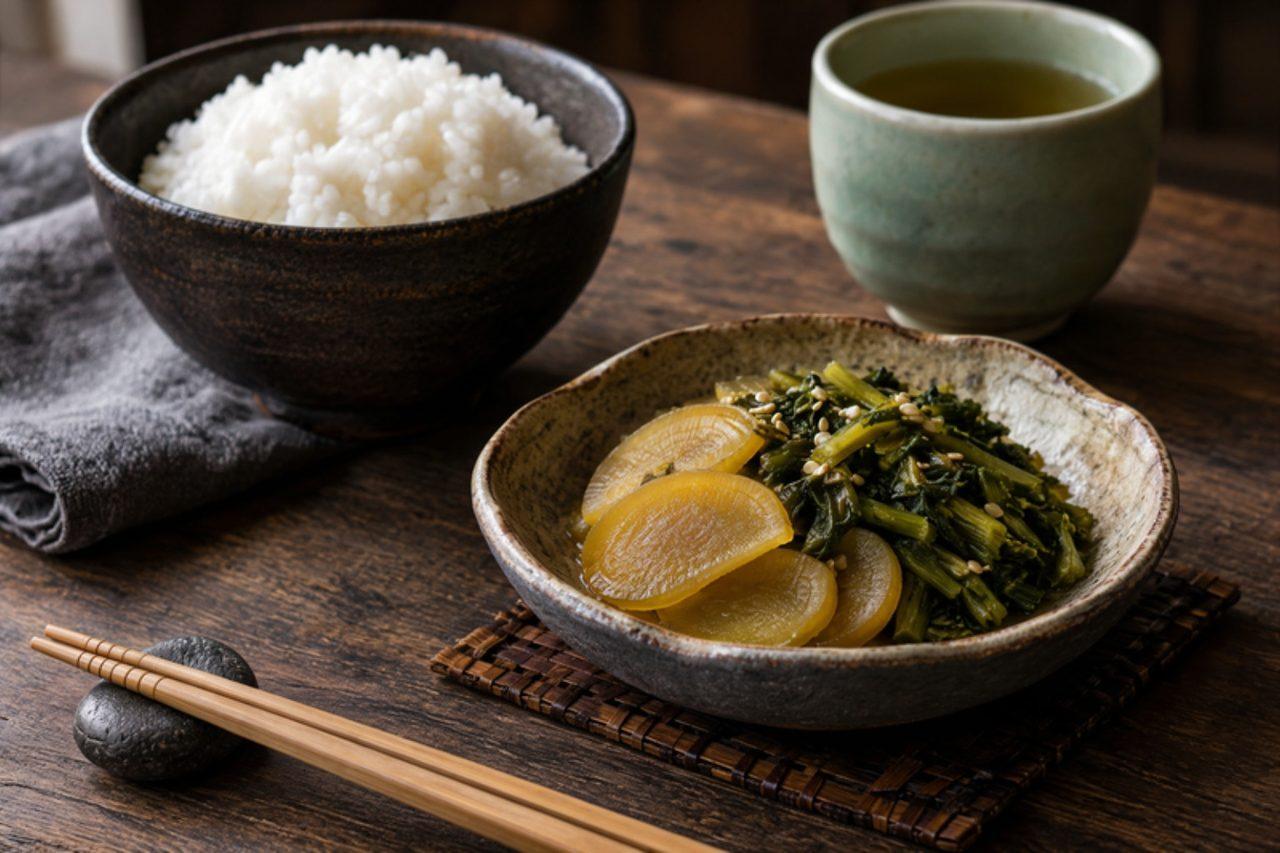
In the snowy hot-spring village of Nozawa Onsen in northern Nagano, early November is 'onsen washing' time: families carry armfuls of nozawana, a turnip relative with stalks taller than a child, to the steaming public spring to wash them, then salt them in big barrels for winter. The pickle is the region's tea-time snack, set out with green tea for neighbours, and the side for every winter meal. In the first weeks it is bright green, crisp and lightly salty (aozuke); by late winter it ferments to a golden-brown, sour 'ame-iro' stage, which locals chop and fry with sesame oil. Outside Japan use turnip greens, young mustard greens or the stems of komatsuna or choy sum. The common mistake is salting straight from cold water: rinsing in hand-hot water (around 40 °C) for a minute softens the stalks so the salt penetrates evenly. It is ready when the stalks are flexible, a vivid deep green and taste salty, juicy and fresh. Chef's tip: cut it into 3 cm lengths right before serving and toss with a drop of sesame oil and toasted sesame seeds.
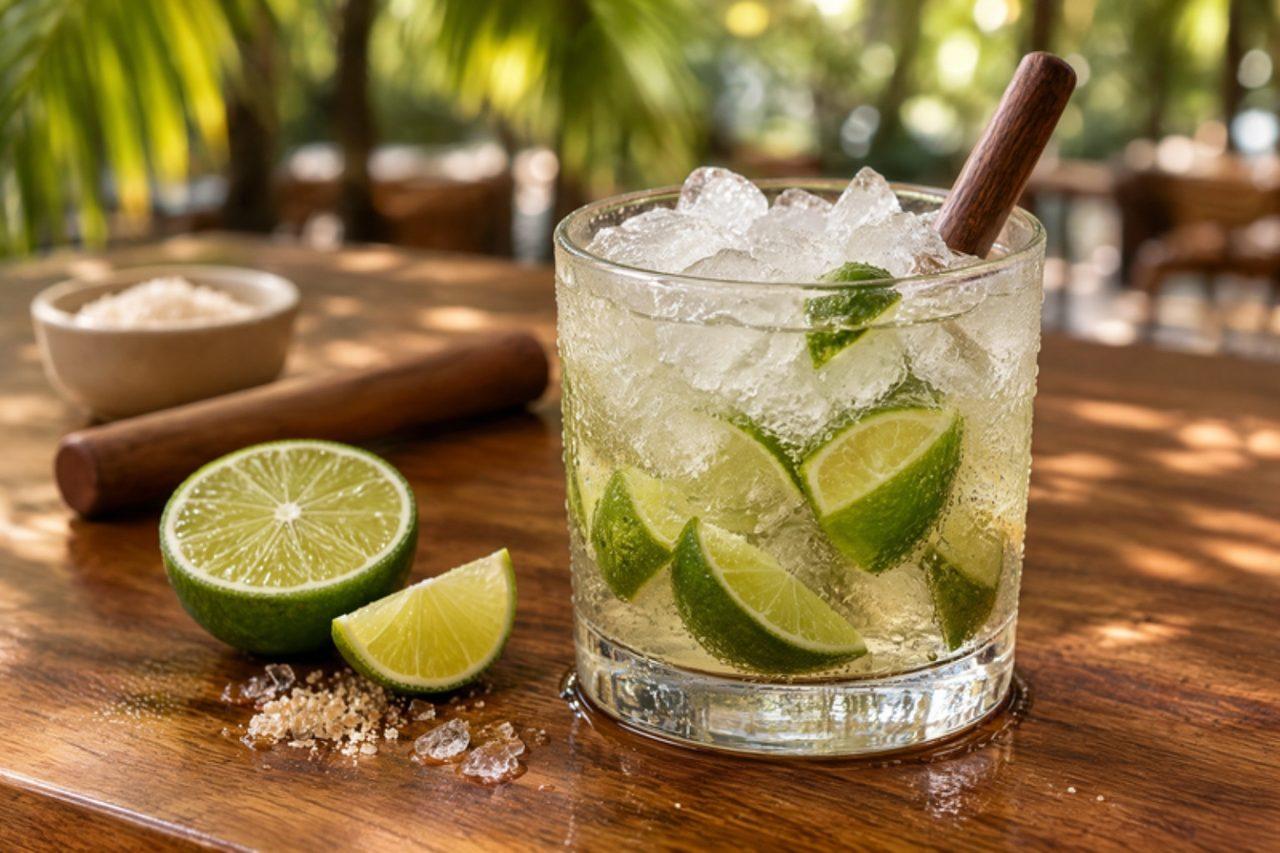
Brazil's national drink lives on every boteco counter in São Paulo, but it tastes best on a hot Saturday beside a pot of feijoada, or handed over from a beach vendor's cart. It is a short, rough-cut drink for adults only: a whole lime chopped into wedges, crushed with sugar right in the glass, packed with crushed ice and drowned in cachaça, the sugarcane spirit with a grassy, faintly funky edge that rum does not have. Each sip moves from sharp lime oil to cold sweetness to a warm cane finish, with a little crunchy sugar at the bottom to stir back up. The usual mistake is pounding the lime to a pulp: the white pith and the core turn bitter within minutes. Cut out the central white strip, press each wedge only until the juice runs and the skin smells of lime oil, then stop. It is ready when the sugar has mostly melted into a cloudy syrup and the glass frosts on the outside. Cachaça is strong, so sip slowly and drink responsibly. Chef's tip: roll the lime hard on the board before cutting and choose thin-skinned, heavy limes; a thick-skinned lime makes a bitter caipirinha however gently you muddle.
During Ramadan, as the afternoon wears on, vendors in Algiers' Bab El Oued, in Blida and Boufarik and in the old streets of Constantine fill plastic bags and jugs with ice-cold charbat for families to carry home before the call to iftar. It is lemonade made with lemon zest rubbed into sugar, a good splash of orange blossom water and a little milk, which turns it pale, opaque and silky and takes the sharp edge off the lemon. Served with zlabia, qalb el louz or straight after the dates and chorba, it tastes like lemon sherbet with a floral finish. The common mistake is adding the milk to strong, undiluted lemon juice, which curdles it into flecks; dilute the lemon fully, chill it, and only then pour in cold milk slowly while stirring. It is ready when it looks like pale lemon cream, smells of orange blossom and tastes sweet first, then tart. Lemon-and-milk drinks do not keep well, so make it the afternoon you serve it. Chef's tip: let the zest sit in the sugar for a good 10 minutes before adding water; the oils give charbat its perfume, far more than the juice alone.
In Tanzania's Dodoma, Singida and Iringa regions, togwa is drunk through the hot, dry months and carried to workers in the fields at midday. It starts as a thin porridge of maize or sorghum flour. Once it cools a little, a handful of kimea, sprouted and dried finger millet ground to a malt, is stirred in, and its enzymes turn the starch to sugar so the thick gruel thins almost before your eyes and tastes sweet. Left overnight, it sours lightly. Good togwa is sweet-sour, smooth and drinkable, like a thin, tangy grain milk. Any alcohol is only a trace, well under 1%, if drunk within a day or two. The common mistake is stirring the kimea into gruel that is still boiling, which kills the enzymes and leaves it stodgy; wait until it is hot but bearable to touch, about 60 °C. It is ready when it has thinned to a pourable drink, tastes pleasantly sour and smells clean and slightly yeasty. If you cannot buy kimea, soak finger millet for 12 hours, sprout it for 2 days, dry it in the sun or a cool oven and grind it. Chef's tip: stir in the malt in two goes, half while warm to sweeten and half when cool to start the souring.
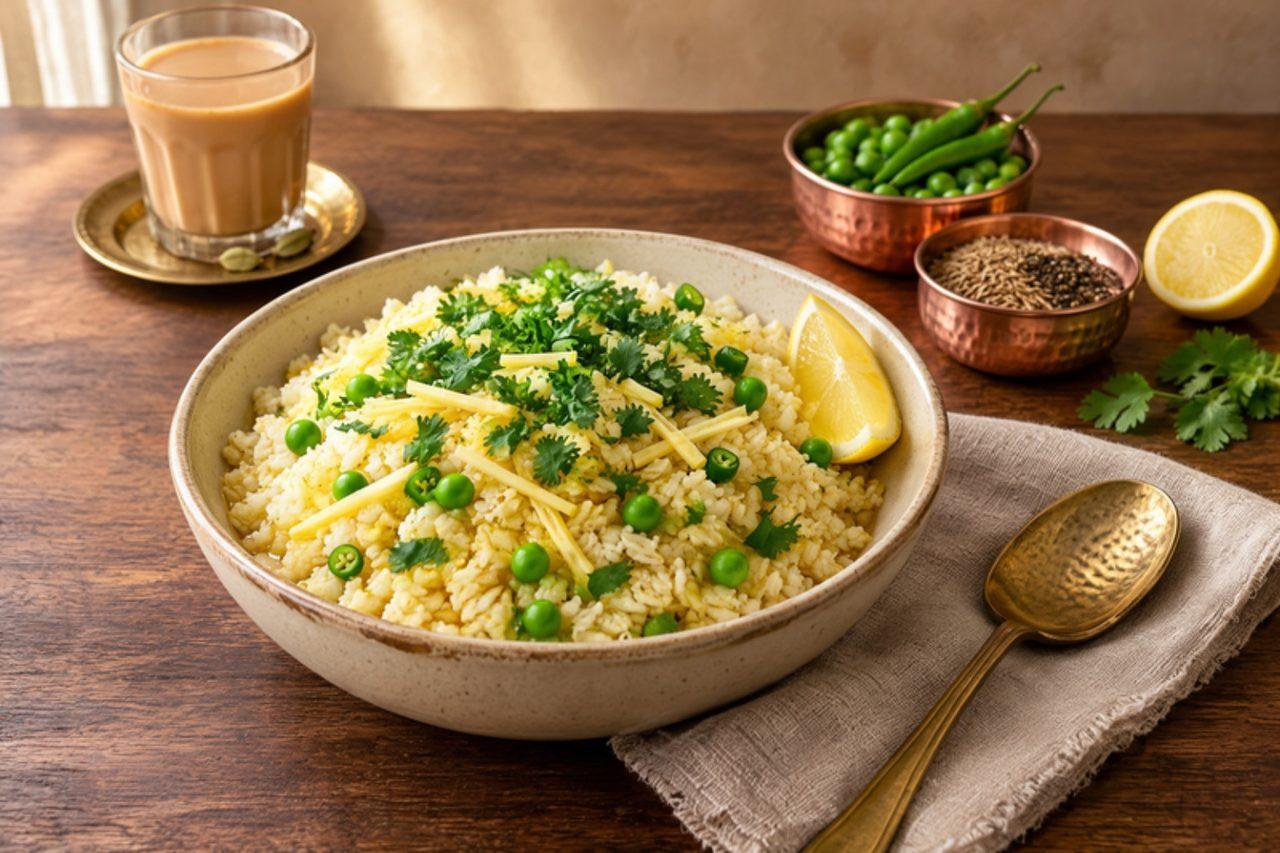
When fresh peas pile up in the markets of Varanasi and eastern Uttar Pradesh in winter, breakfast becomes chura matar: thick flattened rice tossed in ghee with sweet green peas, ginger, green chilli and a pinch of sugar, finished with lemon and coriander. It is softer and richer than poha, and is often eaten on the ghats with a cup of chai. The mistake is soaking the chura in water; it turns mushy. Rinse it quickly in a sieve and let it rest, and it softens just enough. Chef's tip: crush half the peas lightly with the back of a spoon in the pan so they coat the rice and make each mouthful sweeter.
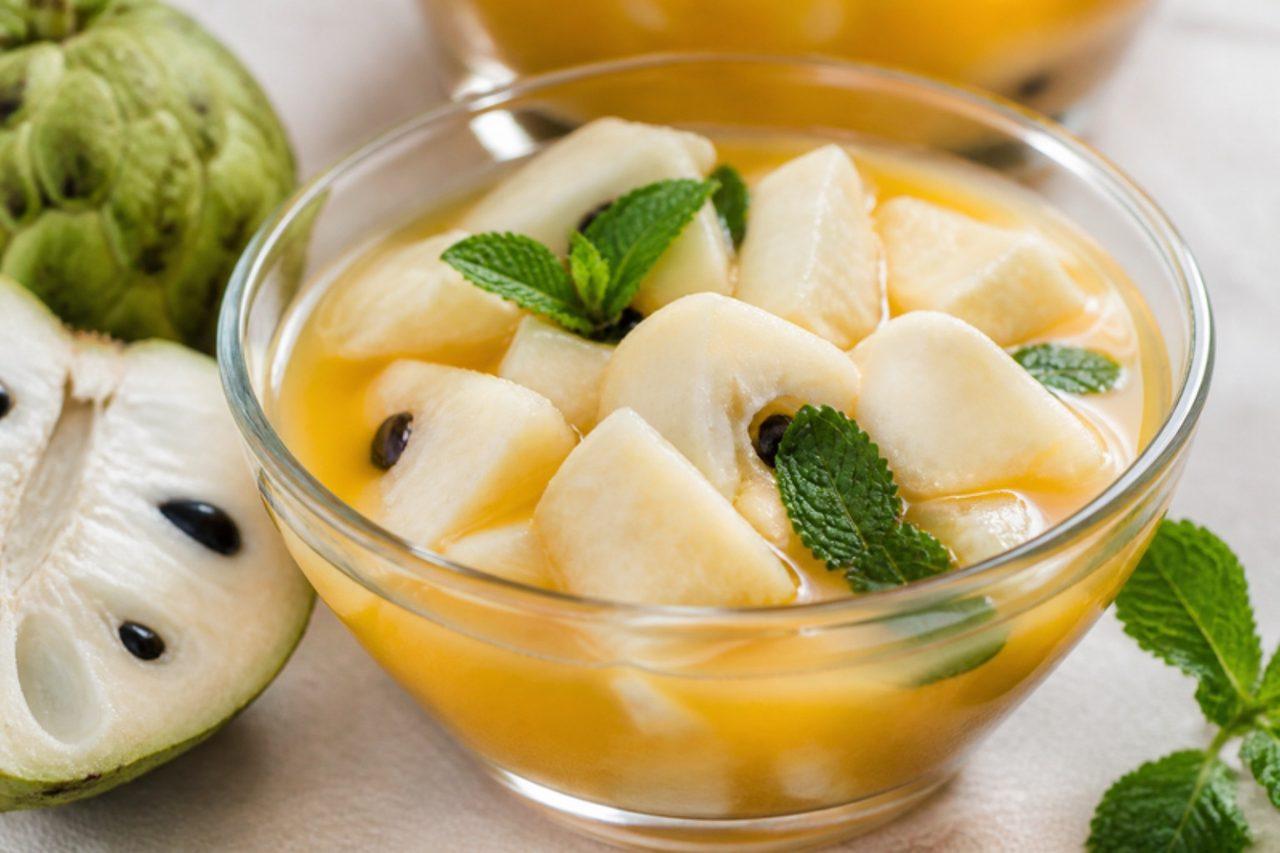
Chileans call it 'happy cherimoya': ripe custard-apple pulp dropped into fresh orange juice and served ice-cold. It turns up as the summer dessert after a big lunch in the Central Valley and in the Aconcagua valley, where much of Chile's cherimoya grows. The fruit should be soft like a ripe avocado; a hard one tastes starchy. The most common mistake is preparing the fruit ahead without juice, so it turns brown and loses its perfume: drop each piece straight into the orange juice. Remove every black seed, as the seeds must not be eaten or crushed. Chef's tip: squeeze the oranges yourself and taste before you sweeten; good juice often needs no sugar at all.
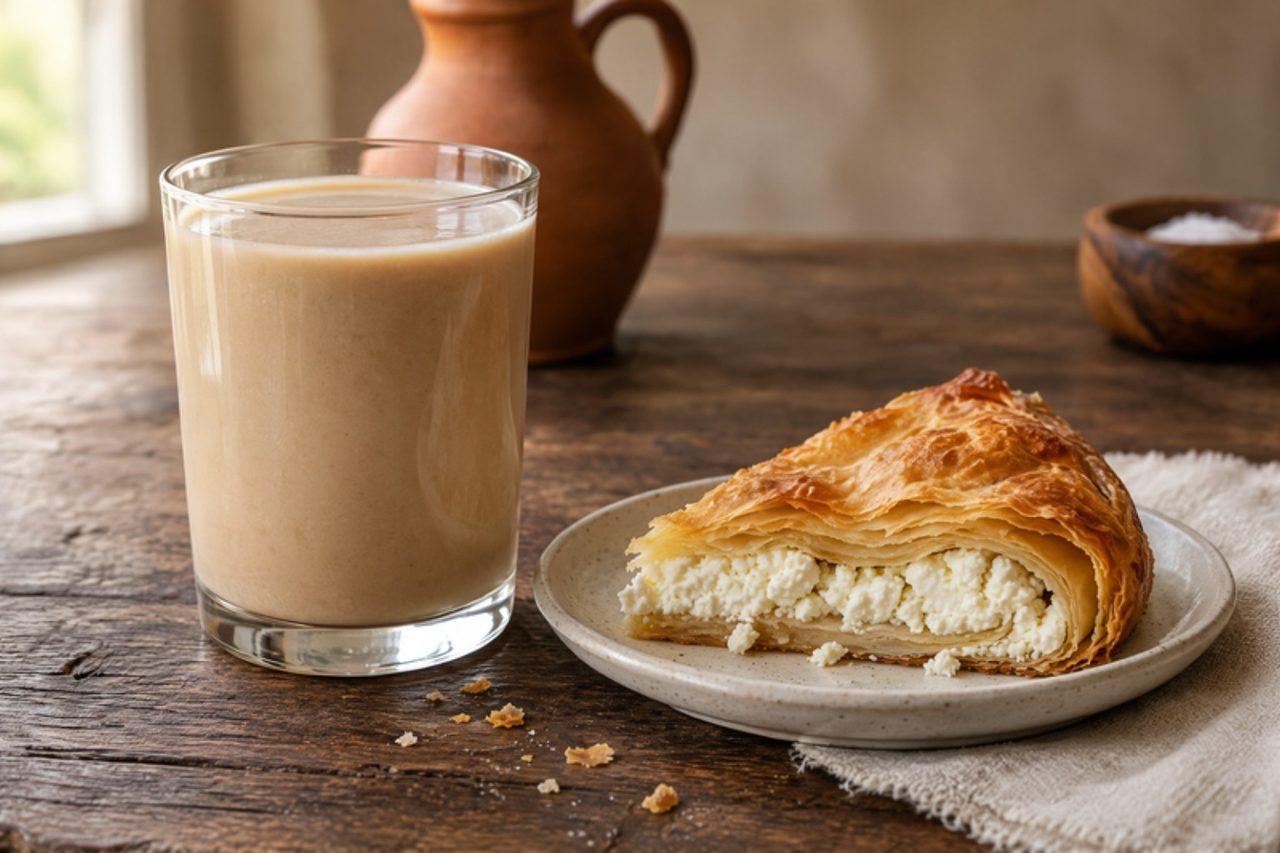
In Bulgaria boza is a breakfast habit: a plastic bottle of it from the corner pastry shop and a slice of hot, flaky banitsa, bought on the way to work or school, especially from autumn through to spring. Towns such as Radomir, Plovdiv and Sofia argue over whose is best. It is the colour of milky coffee, thick enough to coat the glass, sweet up front with a sour, bready finish and a faint prickle. Like every fermented grain drink it makes a trace of alcohol, well under 1% when drunk young. The base is millet flour, toasted for flavour, cooked into a thin porridge, then fermented for about a day before being strained and sweetened. The common mistake is adding the yeast while the porridge is still hot, which kills it and leaves you with sweet gruel; wait until it feels only just warm on your wrist. It is ready when the surface is covered in small bubbles, it smells like fresh bread with a sour edge and tastes pleasantly tangy. Chef's tip: keep back a glass of each batch in the fridge and use it instead of yeast next time; boza made from an old starter is rounder and more sour.
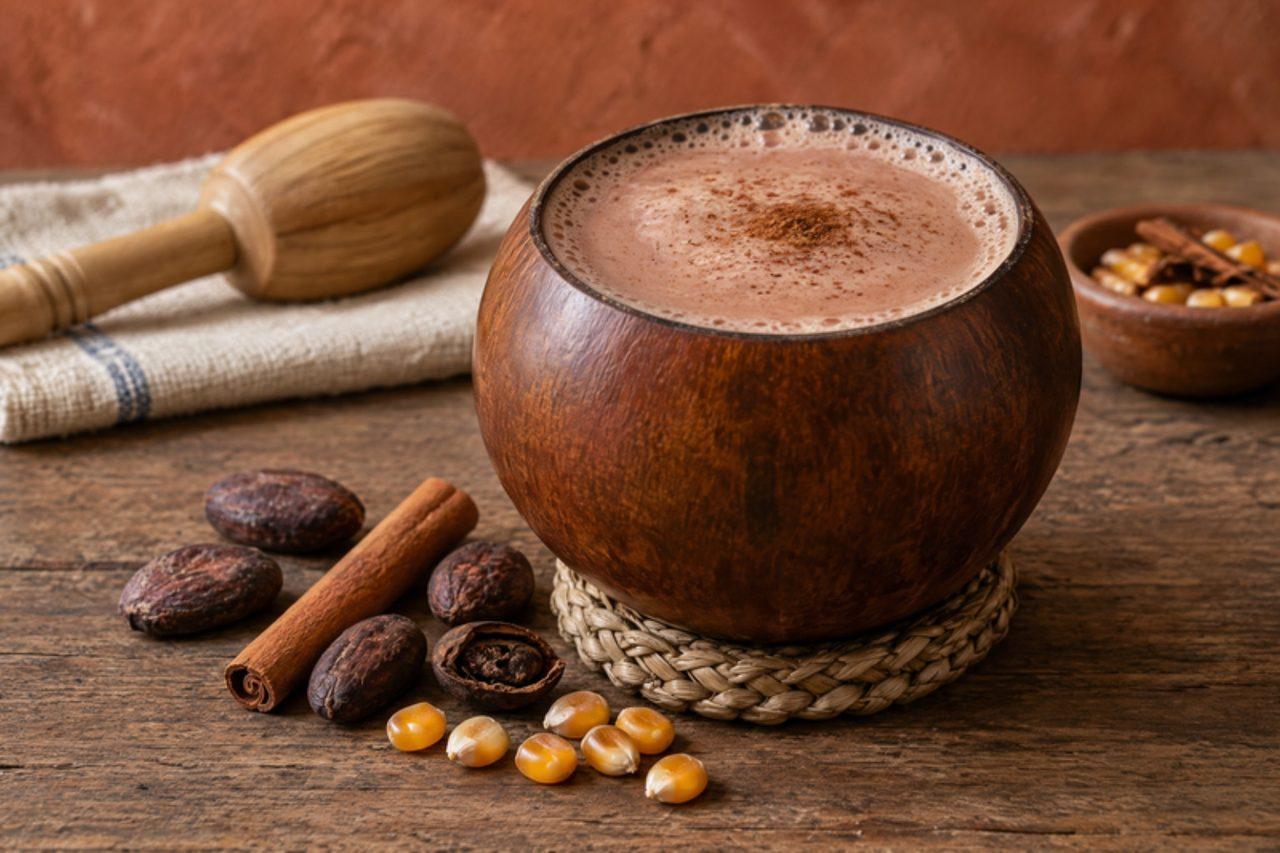
In Nicaragua tiste belongs to the hot season and to the countryside around León, Chinandega and Masaya, where it is served in a jícara, a polished half-gourd, at fiestas patronales, at markets and to anyone arriving tired from the fields. Dried maize and cacao beans are toasted until fragrant, ground with cinnamon to a fine flour, then stirred into cold water with sugar. It is grainy in a pleasant way, with the taste of toasted corn, a deep cocoa bitterness and warm cinnamon; in the north they add a little achiote for colour. The common mistake is under-toasting the maize: it needs to go a deep golden-brown, with a few kernels popping, or the drink tastes raw and floury. It is ready when the powder smells like popcorn and chocolate, and the mixed drink is a cloudy cocoa brown that needs stirring as it settles. Traditionally the grinding was done on a stone; a high-powered blender or grain mill works well. If you cannot get dried maize, toast 150 g masa harina in a dry pan until golden instead. Chef's tip: make a double batch of the powder and keep it in a jar; it lasts a month and a glass takes one minute.
When the canals of Friesland freeze hard and the whole of the Netherlands goes out on skates, koek-en-zopie stalls appear on the ice selling erwtensoep, warm sausage and steaming cups of anijsmelk. At home it is a winter bedtime drink for children and grandparents alike, made either by crushing aniseed into simmering milk or, as many Dutch families do, by stirring in anijsblokjes, sugar cubes flavoured with aniseed. It tastes softly sweet and liquorice-like without being sharp, and it is smooth and warming, with a faint warmth on the tongue. The common mistake is boiling the milk: it rises over the pan, scorches on the base and forms a thick skin. Heat it slowly and stop when tiny bubbles appear around the edge. It is ready when the milk smells clearly of anise after steeping and has turned faintly ivory. Anise seeds are sold in spice shops; in a pinch use one star anise, though it tastes stronger and less sweet. There is no caffeine, which is why Dutch parents serve it at bedtime. Chef's tip: crush the seeds just before using, the oils fade quickly once ground.
Slemp is the Dutch holiday drink of earlier centuries: on Sinterklaas evening, around New Year and on skating days in the 18th and 19th centuries, a big kettle of milk was simmered with saffron, mace, cinnamon, cloves, lemon peel and a handful of tea leaves, and ladled into cups for family and visitors. Slemp evenings came back into fashion in Amsterdam museums and village fairs, and you can still buy dried 'slempkruiden' spice mixes in old-fashioned shops. The drink is golden, faintly floral from the saffron, warmly spiced and only lightly sweet, with a soft tea background; a spoon of cornflour gives it a slight body. The common mistake is throwing all the spices straight into boiling milk: cloves turn harsh and the milk catches. Steep the spices in the hot milk below the boil instead, then strain. It is ready when it has turned saffron-gold and smells of cinnamon and mace. The tea adds a small amount of caffeine. Chef's tip: soak the saffron in a spoon of warm milk for ten minutes first; the colour spreads more evenly and you need fewer threads.
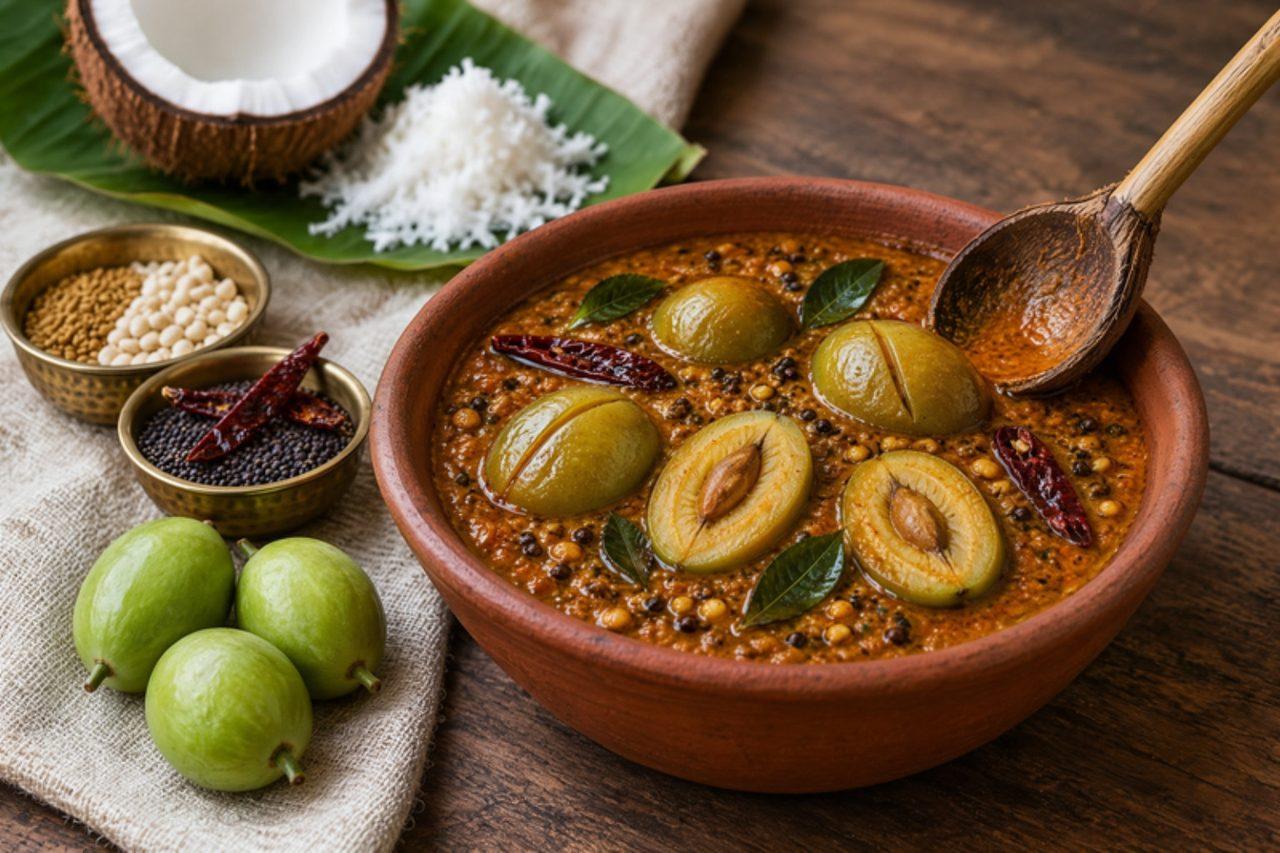
Udda methi is a Goan Saraswat curry named for its two roasted seasonings, urad dal and fenugreek seeds, and in the monsoon months the best version is made with tart green hog plums, ambade. The plums simmer whole in a coconut gravy that is sour, a little bitter, hot and faintly sweet from jaggery, and it is eaten with plain rice on rainy days or at a Shravan meal. The common mistake is burning the fenugreek: it should be roasted only until reddish, because dark seeds make the whole pot bitter. Raw mango works in place of ambade outside the season. Chef's tip: crush each hog plum lightly with a pestle before cooking so the gravy can soak into the flesh around the stone.
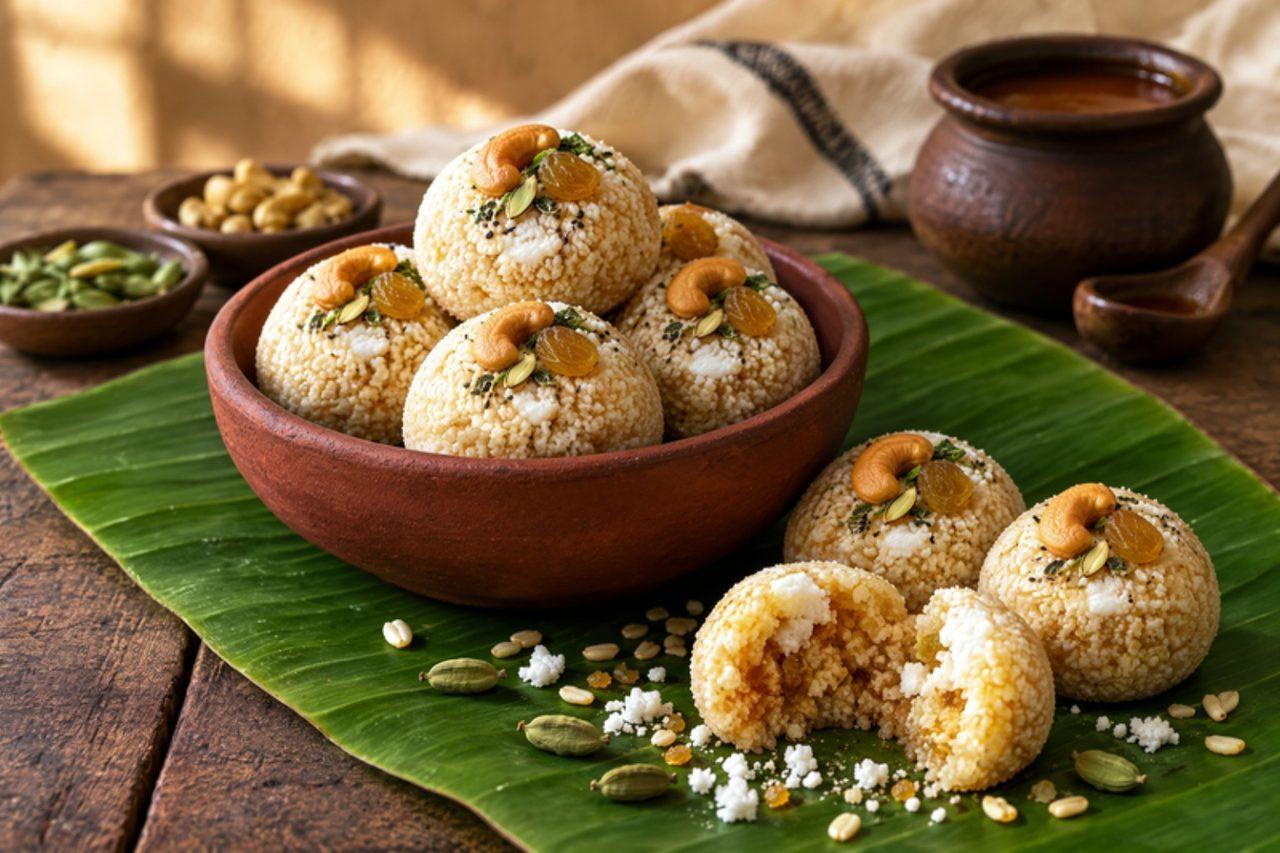
Joynagar, south of Kolkata, makes moa only in winter, when the fragrant kanakchur paddy is harvested and date-palm sap is boiled into fresh nolen gur. Puffed kanakchur khoi is bound with the liquid gur, khoya and ghee into soft balls topped with a raisin and a pinch of cardamom, and Bengalis queue for the first boxes each December. The common mistake is overcooking the gur, which sets the moa hard as stone; it should reach only the soft-thread stage so the balls stay tender and squash slightly when bitten. Chef's tip: if you cannot find kanakchur khoi, use the freshest, crispest puffed rice you can buy and warm it briefly in a dry pan.
In late May and early June, when elder bushes bloom white along every Romanian village lane and riverbank, grandmothers fill big glass jars with water, sugar, lemon slices and elderflower heads and set them on a sunny windowsill or balcony. Three or four days later the jar is fizzing gently and socată, the most beloved summer drink of rural Romania, is bottled and chilled for haymaking days, family lunches and long evenings in the courtyard. It is sweet and floral, like honeyed lemonade with the scent of muscat grapes, with a light natural sparkle. Like all young ferments it makes a trace of alcohol, well under 1% if drunk within a week. The common mistake is washing the flowers or picking them after rain: the pollen and wild yeast that start the fermentation are rinsed away and nothing happens. Pick dry, fully open heads on a sunny morning and just shake off insects. It is ready to strain when fine bubbles rise steadily and it smells floral and slightly tangy. Use only the flowers: elder stems, leaves and unripe berries are toxic. Chef's tip: a few raisins in the jar give the yeast a boost if your flowers are slow.
Jiaoquan are the thin, shatteringly crisp fried rings that old Beijingers dunk into a bowl of sour douzhi, or tuck inside a sesame shaobing for breakfast. Street cooks use alum to make them puff; this home version uses baking powder and soda, with a long rest so the dough becomes stretchy. The mistake is cutting the rest short: tight dough will not stretch thin and the rings come out chewy. The dough needs about 3 hours in total, most of it hands-off. Chef's tip: keep the oil steady at about 170 °C and turn the rings constantly with chopsticks; they should stay pale gold, not brown, and sound hollow when tapped.
Every Costa Rican grandmother has a chorreador: a small wooden stand holding a cloth bag, the bolsita, over a cup or jug. Hot water is poured through the grounds by hand, a little at a time, and the result is the coffee drunk at breakfast with gallo pinto and again at the afternoon cafecito around three, with a tamal, a slice of pan casero or a rosquilla. The cloth catches the oils and fine grounds, so the cup is clean, bright and smooth, with the soft acidity and caramel sweetness of Tarrazú and Central Valley beans. In the countryside the water is sometimes sweetened with tapa de dulce before it goes through. It is strong coffee, so mind the caffeine late in the day. The common mistake is pouring all the water in at once, which floods the bag and leaves weak, uneven coffee; pour in slow circles, in four or five goes. It is ready when the drips slow to a trickle and the coffee is dark reddish-brown and smells of toasted caramel. Never wash the bag with soap; rinse it in hot water and hang it to dry. Chef's tip: boil a new bag once with a spoonful of coffee before using it, to season the cloth.
On summer days in Bishkek and Osh, blue and yellow street barrels sell maksym by the glass, next to chalap and kymyz. It is a sour grain drink of Kyrgyz herders: barley (or millet or corn) is toasted, ground and cooked with fried wheat flour into a thin gruel, then left overnight with a little of yesterday's batch until it turns pleasantly sour and slightly sparkling. It is drunk cold with plov, samsa or simply to cool down in July heat. It tastes nutty, like toast and rye bread, with a yogurt-like tang and a gentle salty edge; the texture is thicker than kvass, about like thin buttermilk. Like all ferments it develops a trace of alcohol, well under 1% when drunk young. The classic mistake is adding the starter while the gruel is still hot, which kills it; wait until it feels just warm, about 30 °C. It is ready when small bubbles rise, it smells pleasantly sour and a foamy cap forms. Keep it in the fridge in a loosely capped jug for 3–4 days; it gets sourer and more alcoholic as it sits. Discard if you see coloured mould, slime or smell anything rotten. Contains gluten. Chef's tip: toast the barley until it smells like coffee for the deepest flavour.
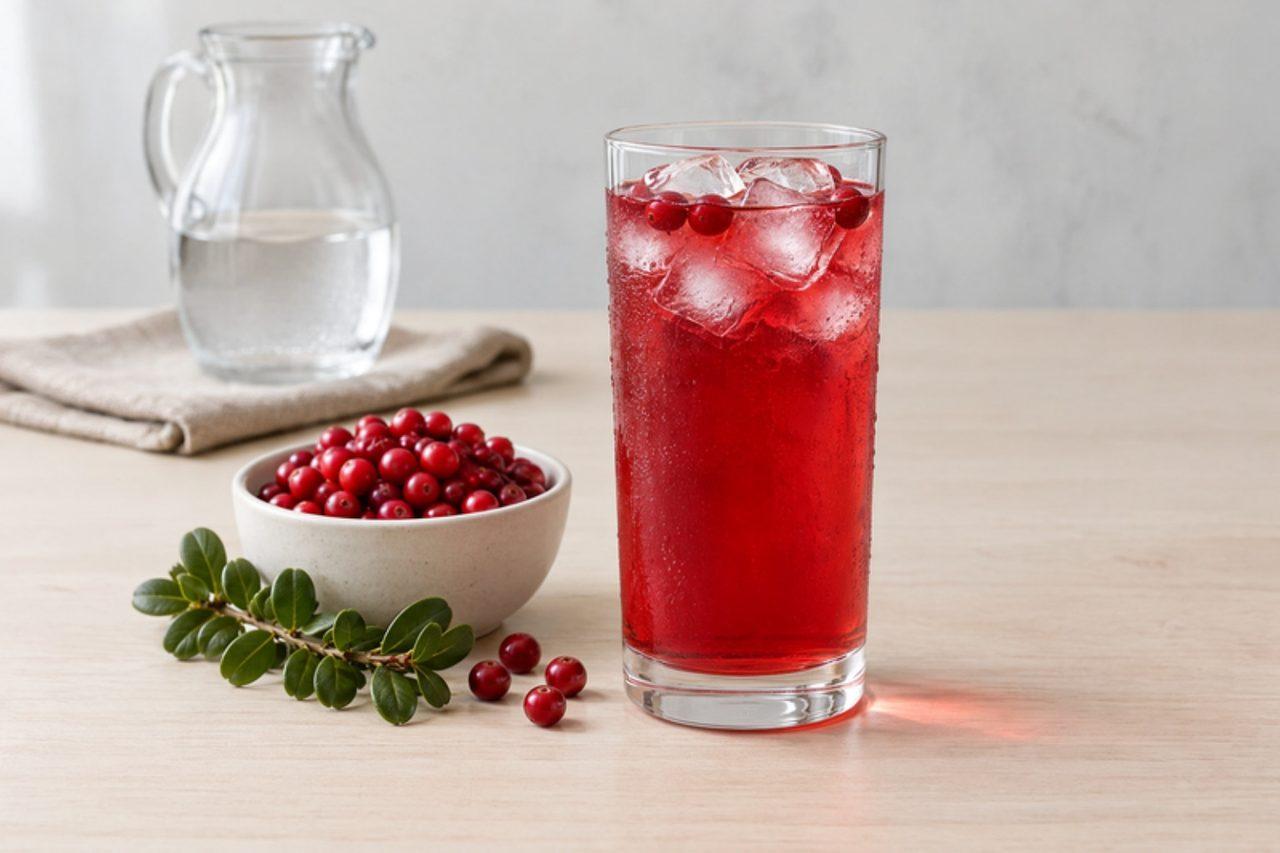
In Sweden the jug of red lingondricka sits on the table at weekday dinners, in school canteens and at the julbord, poured beside meatballs, pyttipanna or a Saturday pea soup. Lingonberries grow wild in the forests of Norrland and Dalarna, and in late August families pick them by the bucket with a wooden berry rake. Cooked with sugar and strained, they become a cordial that is both sweet and sharp, with a slight bitter-almond edge from the skins, bright enough to cut through rich, creamy food. The common mistake is boiling the berries hard for a long time: the cordial turns jammy and brownish, and the pectin can make it set in the bottle. Bring it just to the boil, crush, then simmer only briefly. The syrup is ready when it is clear ruby, flows like a thin syrup and tastes tart then sweet. Lingonberries are sold frozen in Nordic and Eastern European shops; cranberries work as a substitute, with a little more sugar. Bottled hot into sterilised bottles it keeps 2 months in the fridge, or 6 months frozen. Throw it out if you see mould or it fizzes. Chef's tip: mix one part cordial to five of chilled sparkling water for a party version.
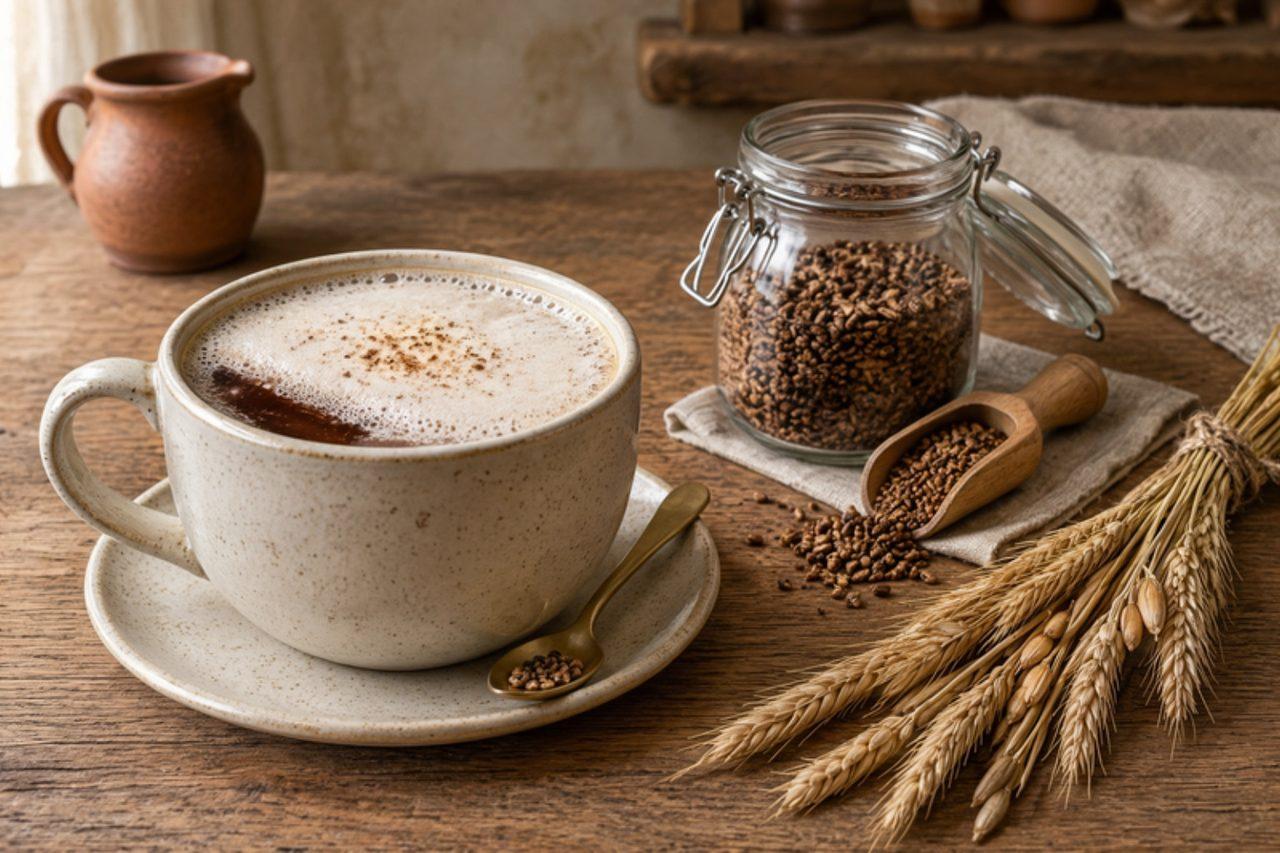
In Polish kindergartens, school canteens and grandmothers' kitchens, kawa zbożowa is the breakfast "coffee" everyone can drink: a blend of roasted rye, barley, chicory and sometimes sugar beet that tastes toasty and malty with no caffeine at all. It is usually drunk milky and a little sweet alongside bread and butter. The common mistake is brewing ground grain coffee like espresso: it needs a few minutes of simmering to give up its flavour, or it tastes like weak tea. Chef's tip: let the pot stand off the heat for 2 minutes after simmering so the grounds sink, then pour gently and you won't need a filter at all.
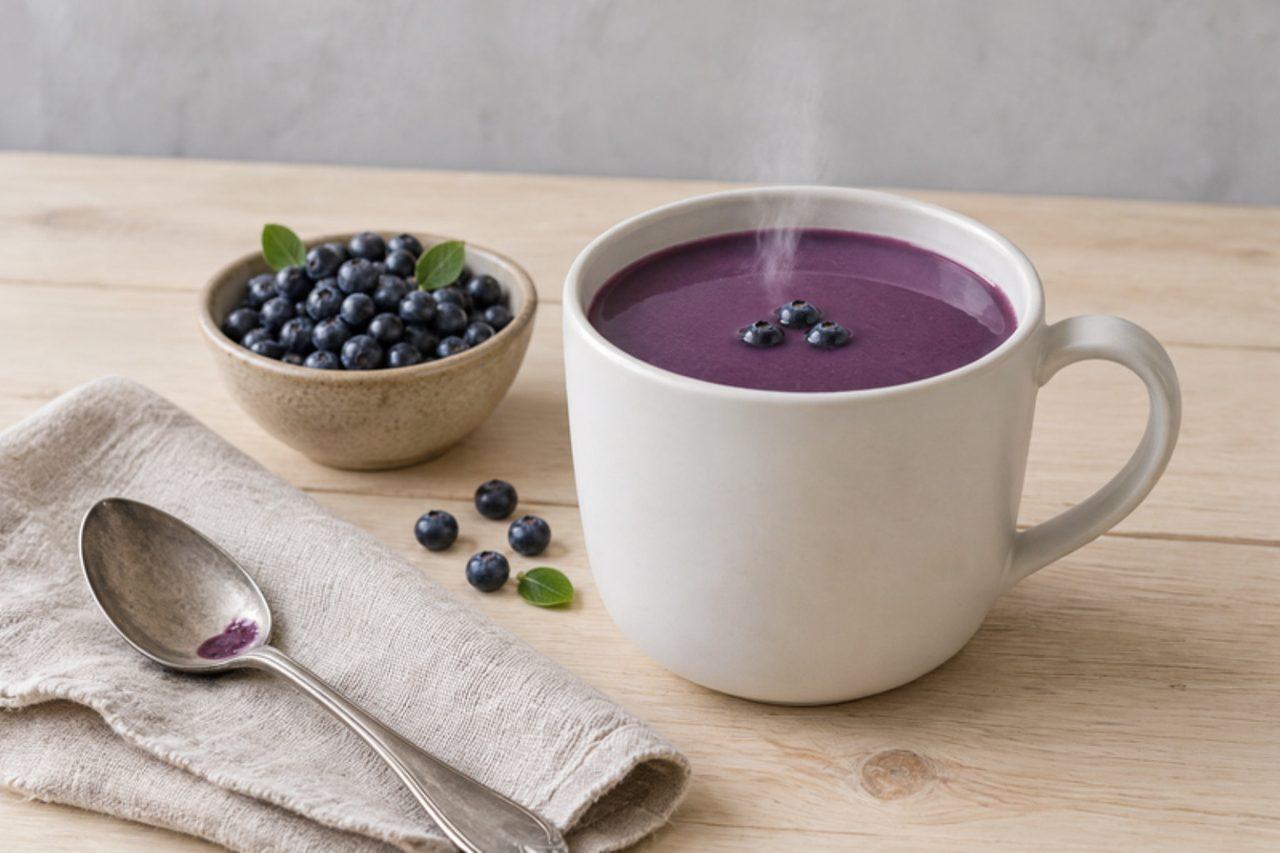
Every first Sunday of March, the 90-kilometre Vasaloppet ski race from Sälen to Mora is fuelled by blåbärssoppa: volunteers at the feeding stations hand thousands of skiers paper cups of the warm purple drink, and Swedes drink it from thermoses on winter hikes, after skating and on the ski slopes. It is made from wild bilberries, the small dark forest berries with purple flesh, cooked with sugar and thickened with potato starch so it is just thick enough to coat the cup. It is sweet, softly tart and tastes intensely of berries, with a silky, almost glossy body. The common mistake is stirring the starch straight into the hot pot: it forms jelly lumps at once. Always mix potato starch with cold water first, take the pot off the boil, then stir it in and bring back just to a bubble; long boiling thins it again. It is ready when it turns glossy and coats a spoon in a thin film. Bilberries are sold frozen in Nordic shops; cultivated blueberries work too, with a squeeze of lemon for sharpness. Chef's tip: it is just as good cold the next day, or served as a soup with whipped cream and almond biscuits.
Along the barracas of Salvador's beaches and at the June São João parties across Bahia, batida de coco comes out of the blender in jugs, poured into plastic cups and drunk while the forró plays. It is a drink for adults only that hides its strength well: creamy, cold and sweet like a coconut milkshake, with cachaça warming the finish rather than shouting. The texture should be thick but pourable, pale ivory, with a soft froth on top. The common mistake is blending the ice for too long, which leaves a thin, watery drink that separates into a fatty layer within minutes. Blend the liquids smooth first, then add the ice and pulse only a few times, until the noise from the blender goes quiet and smooth. It is ready when no lumps of ice rattle and the batida coats the side of the glass. Because it tastes so gentle, keep the cups small and drink responsibly. Chef's tip: chill the cachaça, coconut milk and tin of condensed milk overnight, and you will need less ice and get a richer, denser batida.
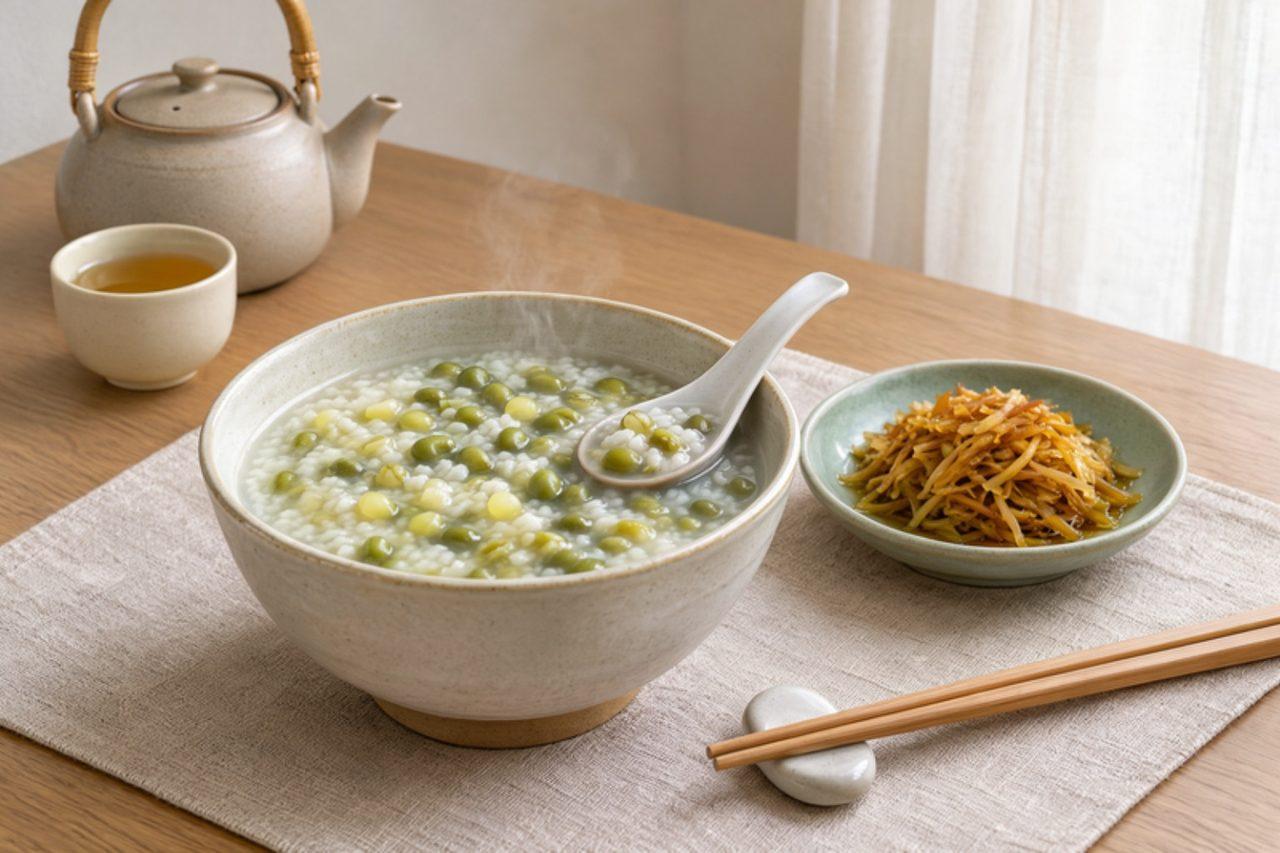
In Beijing and across the north, a pot of lüdou zhou is what families cook on hot summer mornings: plain rice and mung beans simmered until the beans split and the rice turns creamy, believed to cool the body. It is eaten with salty pickled vegetables, a fried dough stick or a spoon of sugar for children. The mistake is putting the rice and beans in together; mung beans need a head start or you get mushy rice with hard beans. Chef's tip: once it is cooked, leave it to stand off the heat with the lid on for 10 minutes; it thickens into a silky congee without extra stirring.
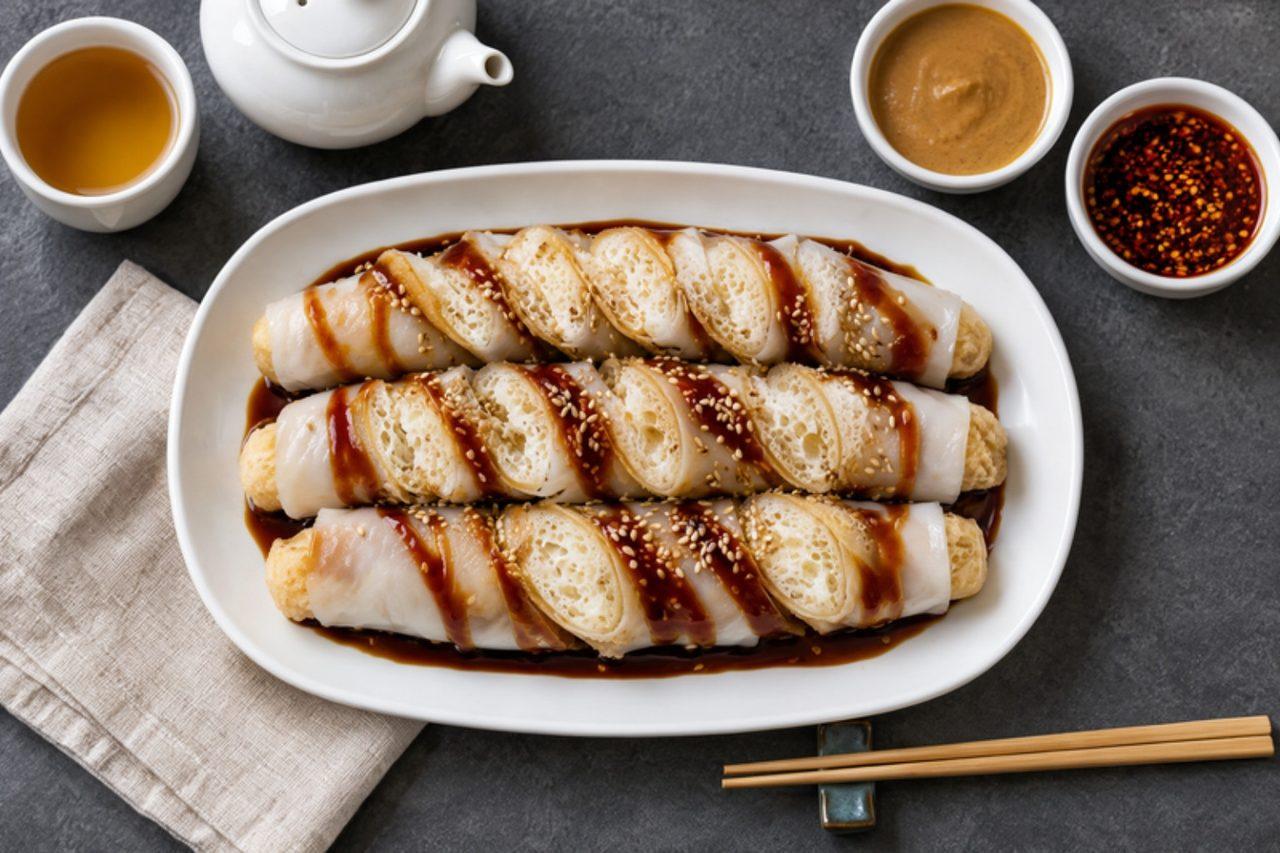
In Hong Kong dim sum halls and congee shops, zhaliang is a morning favourite: a fried dough stick wrapped in a slippery steamed rice noodle sheet, cut into pieces and doused in sweet soy, with hoisin and sesame paste or seeds on the side. The joy is the contrast between soft and crisp. The mistake is wrapping a stale dough stick; re-crisp it in the oven first, or it turns leathery inside the sheet. Store-bought dough sticks sometimes contain egg or milk, so check the label for a vegan plate. Chef's tip: steam the rice sheets in a lightly oiled tin no thicker than 2 mm, and roll them round the dough stick while still hot so they cling.
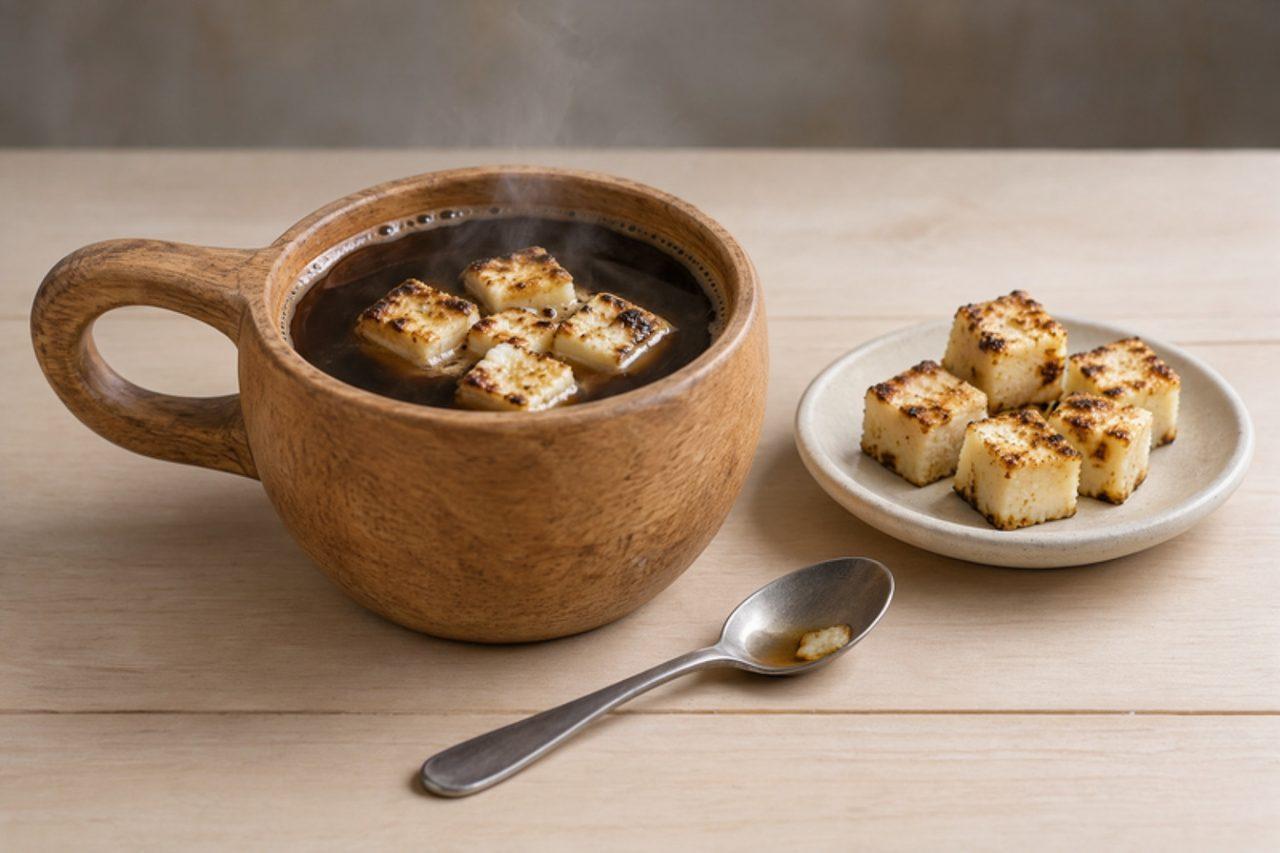
In the far north, across Swedish Norrbotten and Finnish Lapland, coffee comes with cheese in the cup. Leipäjuusto, a mild, squeaky cheese baked or grilled until spotted brown (called kaffeost or 'bread cheese'), is cut into cubes and put in a cup, often a carved wooden kuksa, then hot black coffee is poured over. Sámi reindeer herders and Tornedalen farmers have made it this way for generations; it is a fireside or mid-morning drink on a cold day, and in some families a little sugar or a slice of dried reindeer meat goes in as well. The cheese warms through, softens slightly and soaks up the coffee, so you drink the coffee and then spoon out the warm, chewy, milky cubes. The common mistake is using a soft or melting cheese: it collapses into strings. Use proper leipäjuusto or halloumi, which keep their shape. It is ready when the cubes are hot to the centre, about 2 minutes, and slightly puffed. Strong coffee means real caffeine here, so it is an adult drink. Leipäjuusto is sold in Nordic shops; halloumi is the nearest substitute. Chef's tip: warm the cheese on a dry pan first for extra browned flavour.
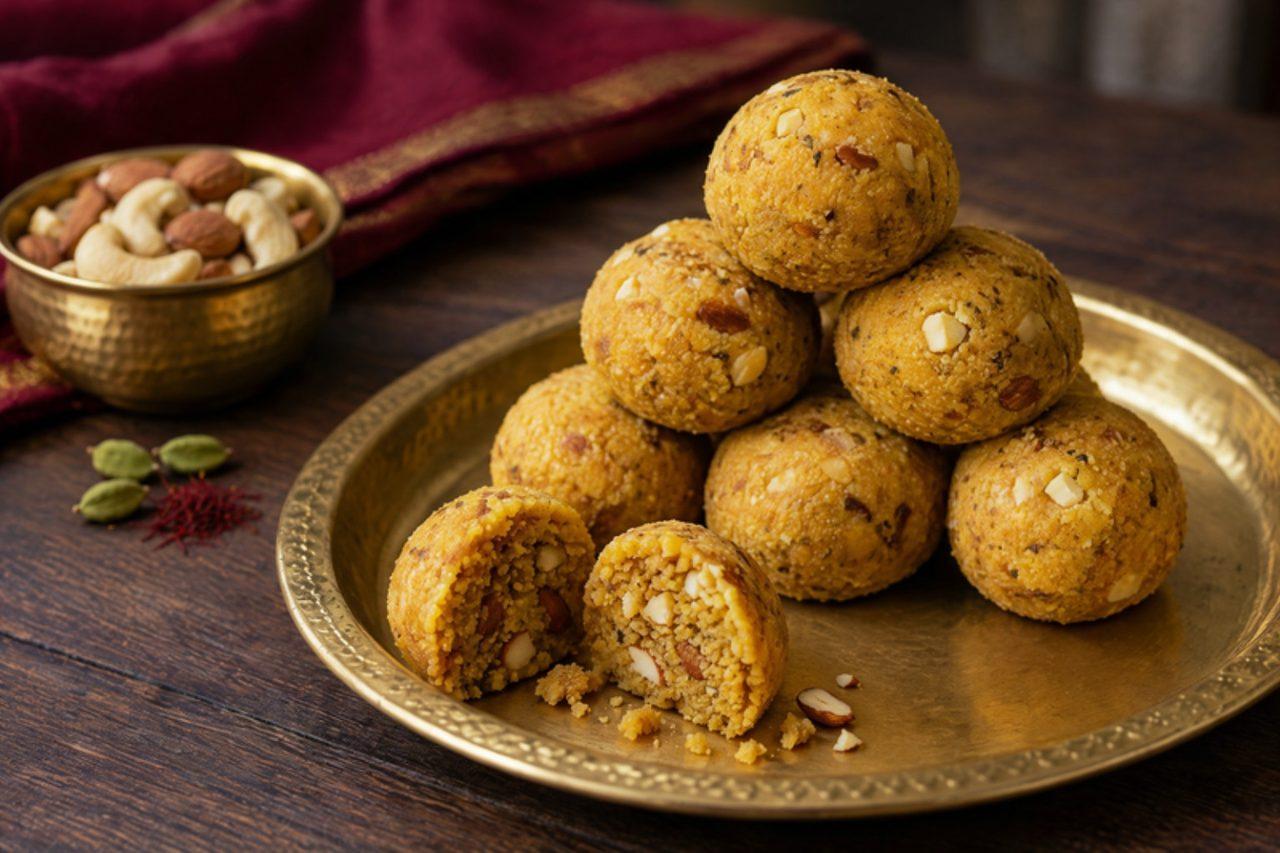
Mag na ladva are a Central Gujarat favourite for Diwali and for lunchbox treats, rich with ghee yet light in texture because the moong dal is dry-roasted and ground before it ever meets fat. Cooked slowly in ghee, the ground dal turns sandy and smells of toasted nuts, then powdered sugar, cardamom and chopped nuts bind it into soft, crumbly laddus. The mistake many make is grinding the dal too fine and roasting it too fast, which gives a pasty laddu with a raw, beany aftertaste. Chef's tip: grind the dal to the texture of fine semolina, not flour, for the classic melt-in-the-mouth crumb.
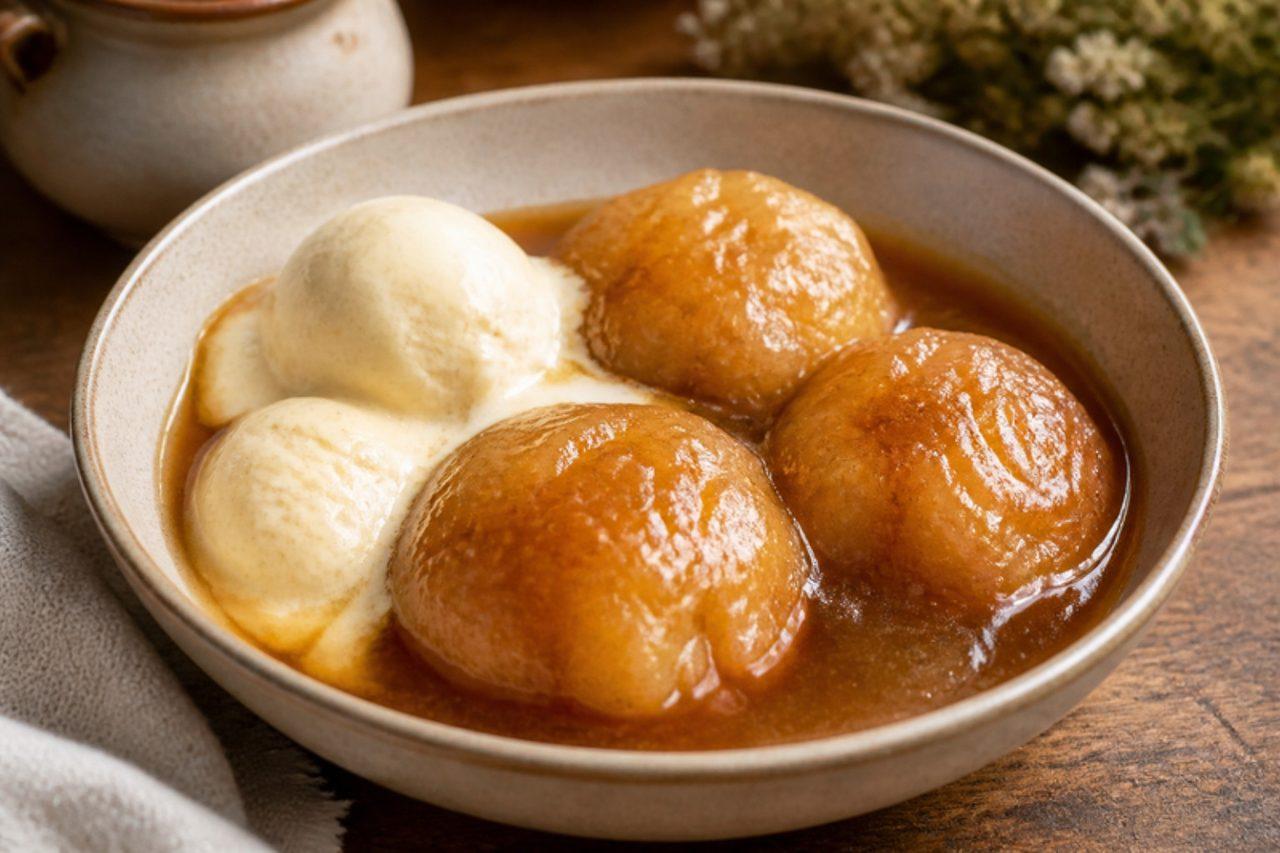
Golden syrup dumplings are a winter pudding from Australian country kitchens, made during the Depression and still cooked by grandmothers in the Riverina and the Victorian high country when the nights turn cold. Soft scone-dough balls simmer in a sauce of golden syrup, butter and brown sugar until they swell and turn sticky. Serve with vanilla ice cream or custard. A common mistake is a pan that's too small; the dumplings double in size and need space. Chef's tip: keep the lid on and resist peeking, so the tops steam light and fluffy.
Resbaladera comes from Guanacaste, the dry, sunny cattle province of northwest Costa Rica, and is sold by the cup at the Fiestas de Santa Cruz in January, at the July celebrations of the Anexión in Liberia, and from carts at rodeos and turnos all through the hot months. Pearl barley and a little rice are cooked with cinnamon and cloves until bursting, then blended with milk and sweetened, giving a cold, slightly thick, creamy drink, smooth and milky like rice pudding in a glass, with warm spice and vanilla. The name hints at how easily it slips down. The common mistake is undercooking the barley: if the grains still have bite, the drink is gritty and thin however long you blend. Cook until they are swollen, split and very soft. It is ready when it is pale cream, completely smooth after straining and tastes of vanilla, cinnamon and nutmeg. Barley means it is not gluten free. Chef's tip: chill it properly before serving and stir in a splash of cold milk if it thickens in the fridge overnight; it should pour easily.
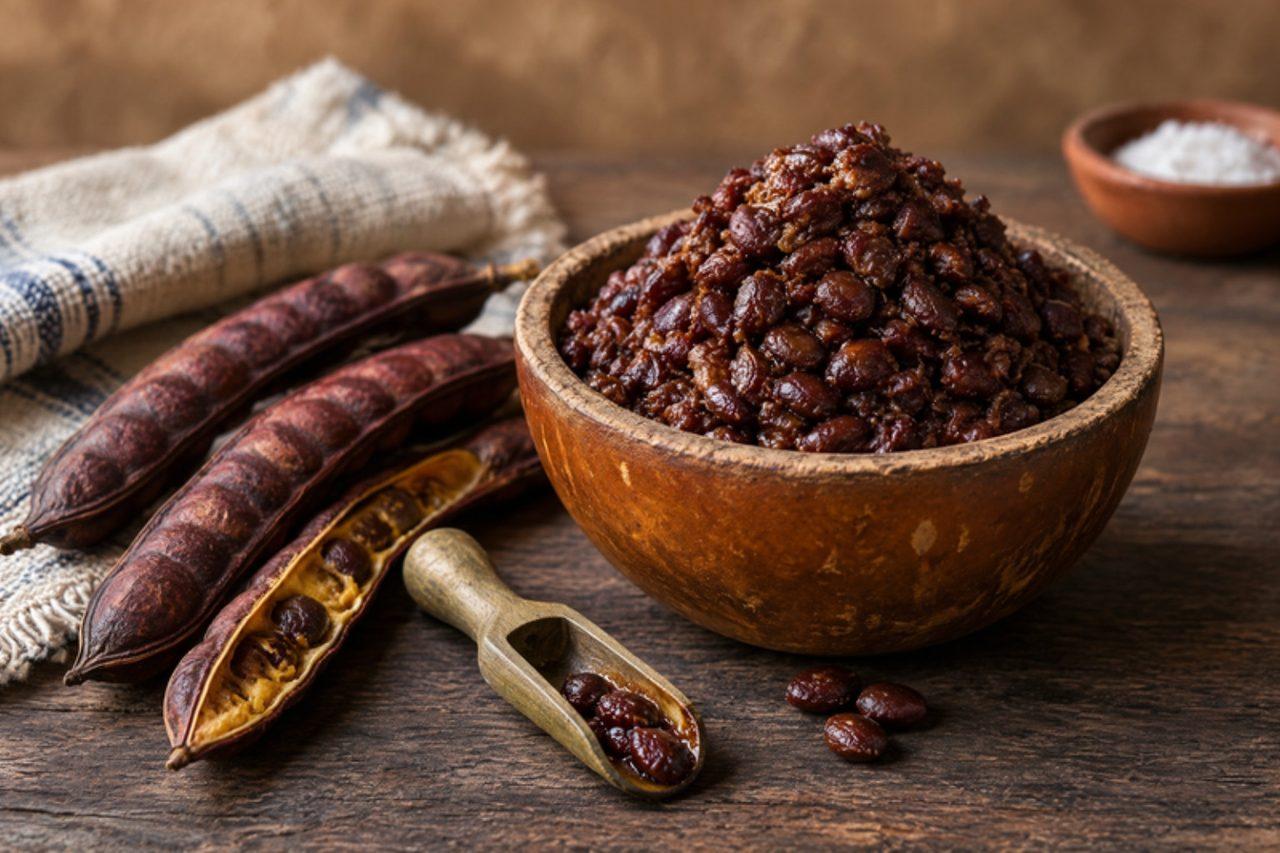
In Yoruba towns from Ibadan to Ogbomoso, iru is the smell of a good stew: a spoonful of the dark, fermented locust beans melted into efo riro, ofada ayamase, gbegiri and ewedu changes the whole pot. Making it is women's work passed down over generations, done in the dry season when the yellow pods of the African locust bean tree (igba) ripen. The seeds are boiled for hours, rubbed free of their black hulls, boiled again and wrapped warm in leaves for two or three days, when a sticky bacterial ferment covers them. Iru woro is left whole; iru pete is mashed. Expect a powerful ammonia-and-cheese smell, a soft, sticky texture and a deep savoury, almost meaty taste once cooked. Common mistake: fermenting too cool; below 30 °C the beans go sour and grey instead of developing the rich, sticky coat. Keep them in a warm oven with only the light on, or in a cooler box with a hot-water bottle. It is ready when the beans are dark brown, sticky and covered in fine white threads. Chef's tip: dried locust beans are sold at West African shops; fermented soybeans make a fair substitute.
In Polish homes a bottle of sok malinowy, the raspberry syrup made each July from garden or forest raspberries, waits in the pantry for winter. When someone comes in from the frost, or lies in bed with a cold, it goes into a glass of hot black tea, sometimes with a slice of lemon; grandmothers insist it makes you sweat the chill out, and the drink is traditionally given at the first sign of a sniffle. It also appears simply after a winter walk or with a slice of cake. The tea turns ruby, tastes of summer berries with a light tannic edge, and is sweet enough without sugar. The usual mistake is pouring syrup into boiling tea straight from the kettle: the fresh raspberry aroma cooks off and only sweetness is left. Let the tea cool for a minute or two first. It is ready when the tea is deep amber, the syrup has fully swirled through and it smells clearly of raspberries. No homemade syrup? Use a good shop-bought raspberry syrup, or make the quick one in the optional steps. Chef's tip: brew the tea weaker than usual, about two minutes, so the fruit stays in front.
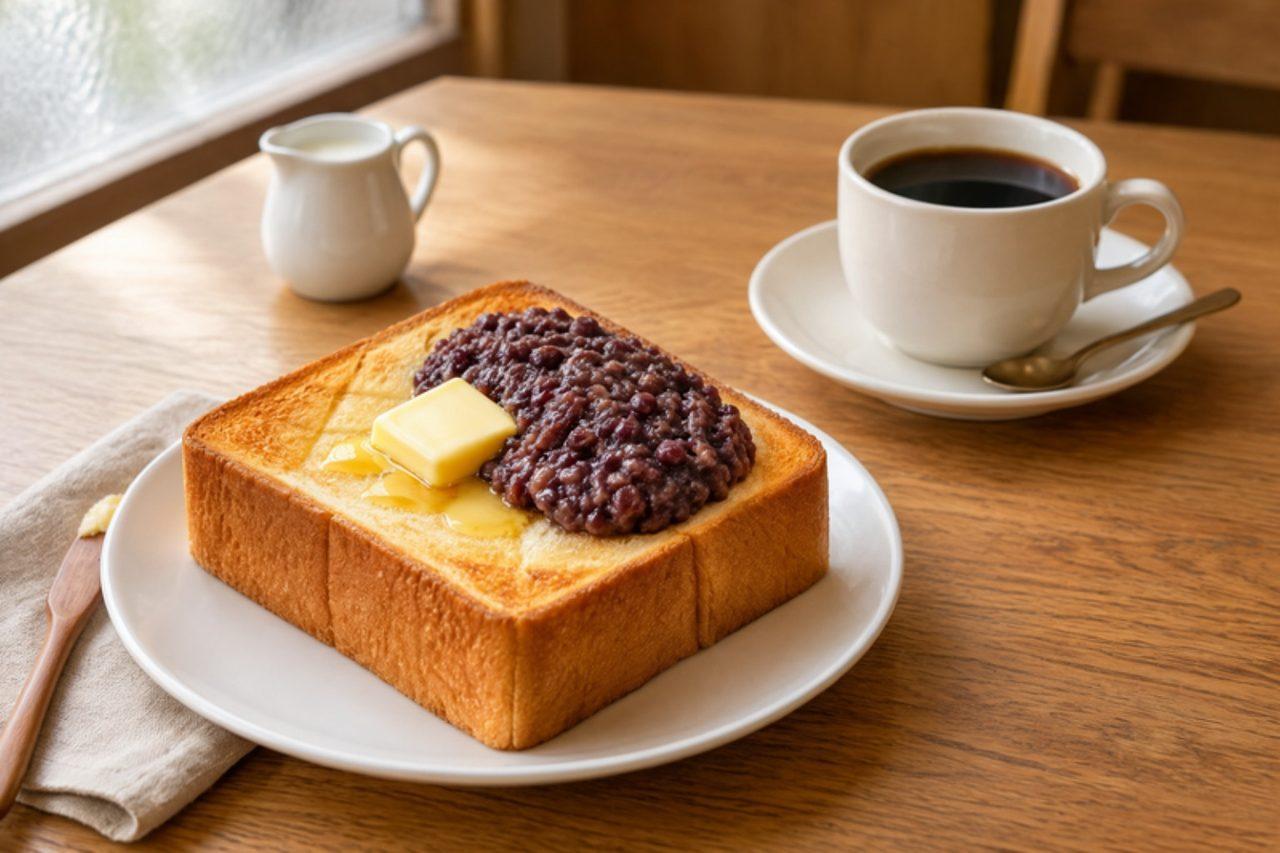
Walk into a kissaten coffee shop in Nagoya before 11 am, order a coffee, and the "morning service" brings a thick slab of toast spread with butter and a mound of ogura-an, coarse sweet azuki bean paste. The hot, salty butter melting into the cool, grainy beans is the whole point. The common mistake is thin sandwich bread: it goes limp under the paste, so use a 3–4 cm slice of shokupan or soft white bloomer. Chef's tip: butter the toast the second it comes out, then spread the bean paste only on half of each slice so every bite gets a different balance of salt and sweet.
Yangon runs on lahpet yay. From before dawn, crowded teashops set out tiny plastic stools on the pavement, and the tea comes with mohinga, palata or a plate of samusa; people linger again at four in the afternoon to talk. The tea is a dark, very strong brew of cheap black leaf that has been boiled and kept hot in a kettle, mixed in the cup with condensed milk and evaporated milk. Regulars order in code: cho seint is sweet and creamy, kya seint is strong and less sweet, pawsein is the standard. It should be thick, silky, sweet, faintly smoky and bitter underneath. The common mistake is brewing it like ordinary tea: it ends up thin and the condensed milk just tastes of sugar. Boil the leaves hard and then let them stand so the liquor is almost black; the bitterness is needed to stand up to the milk. It is ready when the tea poured from height into the cup has a light froth and the colour of milk chocolate. It is strongly caffeinated, so not one for children or late evenings. Chef's tip: pour the finished tea between two jugs a few times to cool it slightly and give it the teashop froth.
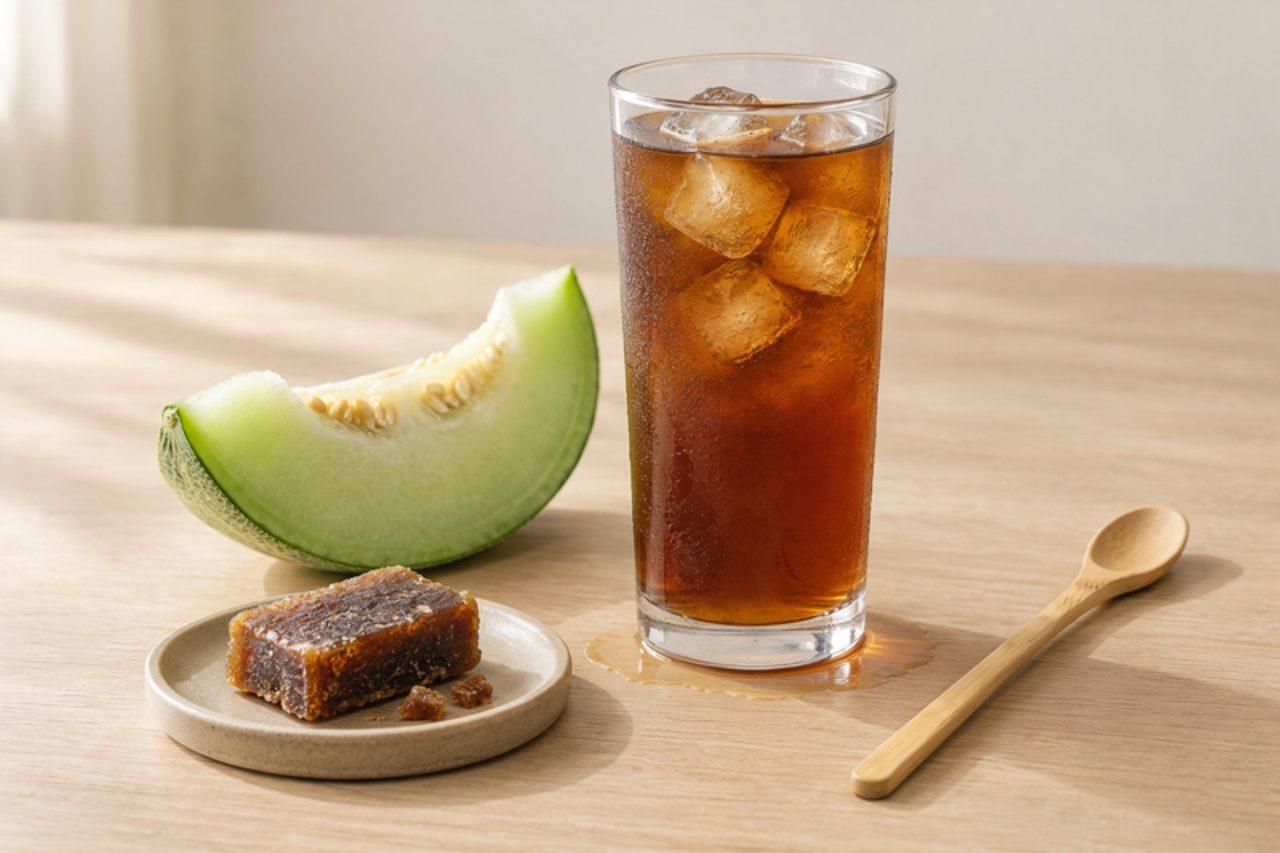
All over Taiwan, from Tainan's old markets to Taipei's night-market stalls, winter melon tea is sold in plastic cups packed with ice through the steaming summer. Despite the name there is no tea in it: chunks of winter melon are cooked down for hours with brown and white sugar until the melon disappears into a thick, dark, toffee-scented paste, which is set into blocks and later dissolved in hot water and chilled. The drink tastes of caramel and light molasses with a gentle, grassy melon note, and it is often mixed half and half with lemon juice or fresh milk. The common mistake is stopping too early, when the mixture is still runny: it will not set and it tastes boiled rather than caramelised. Keep stirring until a drop on a cold plate sets firm and the paste pulls away from the pan. Ready blocks keep 2 months in the fridge, or 6 months frozen; make the drink whenever you want it. If you cannot find winter melon (ash gourd, available frozen in Asian shops), there is no good substitute. Chef's tip: a final 10 minutes on low heat with constant stirring gives the deep, smoky colour that market versions have.
Every 19 and 20 October, the lanes around Takarada Ebisu Shrine in Nihonbashi fill with stalls for the Bettara-ichi, Tokyo's old pickle fair, where vendors hold up whole daikon dripping with rice koji and passers-by try not to get 'bettari', sticky. The pickle has been an Edo favourite since the 1700s: daikon salted, then buried in amazake, the sweet porridge that koji makes from rice. It tastes mild, sweet and fresh, with a clean crunch and a faint fermented, sake-lees perfume, which makes it a favourite with children and a pause between salty dishes. Bettarazuke is low in salt and acid, so it lives in the fridge from start to finish. The common mistake is adding the daikon while the amazake is still warm: it cooks the surface and softens the crunch, so cool it fully. It is ready when the daikon is translucent at the edges, juicy, and the koji coating tastes sweet with a light tang. Chef's tip: make the amazake in a rice cooker on keep-warm with the lid ajar and a cloth over it, so it holds about 60 °C; a thermometer helps the first time.
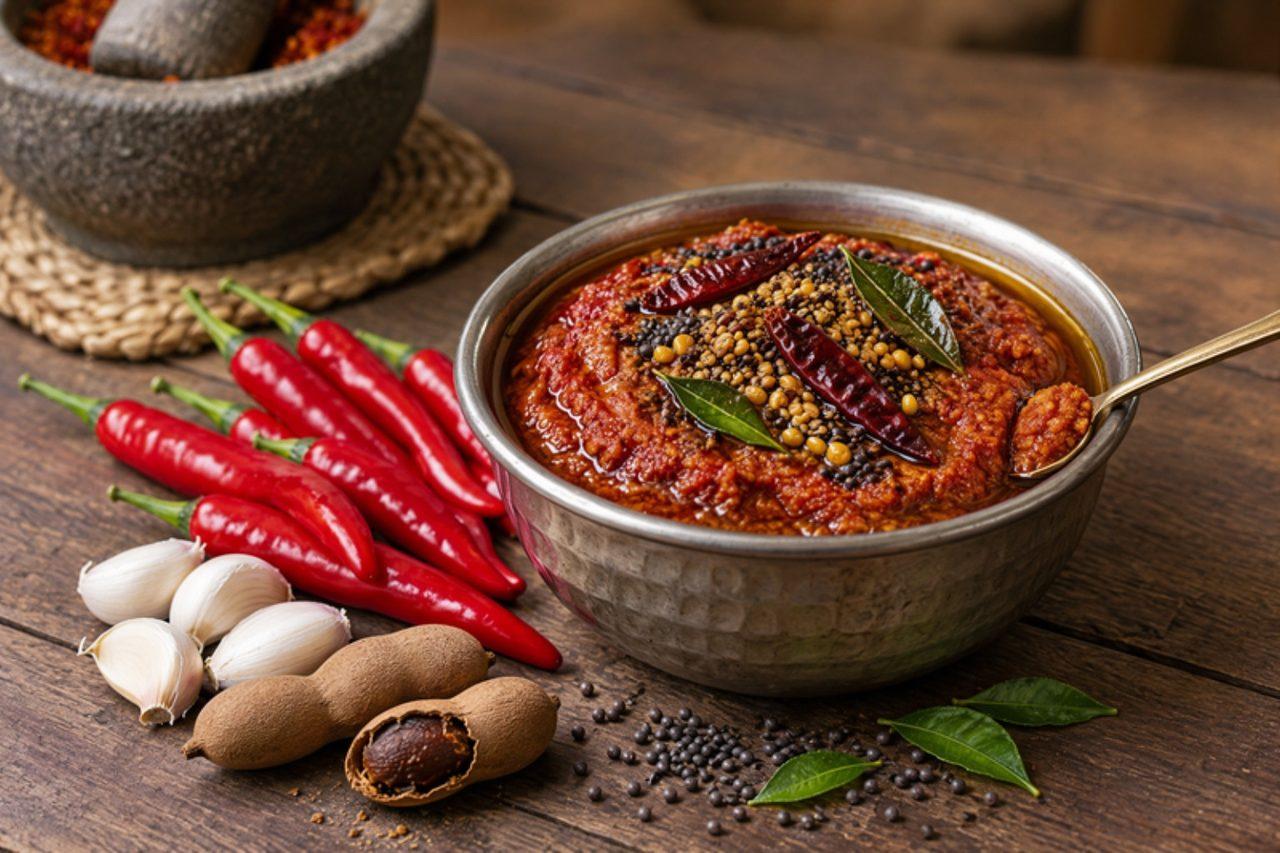
Guntur is chilli country, and when the fields turn red between January and March, Andhra kitchens buy fresh, fully ripe red chillies by the kilo for this pachadi. The chillies are chopped, salted and packed with tamarind for two days, then ground coarse with roasted fenugreek and sealed under a tempering of gingelly oil, mustard and hing. The result is brick red, fiery and fruity rather than smoky, with a sour backbone from the tamarind and a faint bitterness from the methi. A teaspoon is mashed into hot rice with a spoon of ghee or sesame oil, and it is just as good beside idli, dosa or pesarattu. The big mistake is washing the chillies and grinding them while still damp: water is what makes this pachadi spoil, so wipe them dry and leave them on a cloth for a few hours. It is ready when the paste is thick and glossy and the oil pools on top. Salt here is high on purpose, about 12 g for every 100 g of chillies, and the tamarind makes it acidic; even so, keep it in the fridge, where it lasts up to 6 months. Chef's tip: mix in a few Byadgi or Kashmiri chillies with the hot Guntur ones for a deeper red without extra fire.
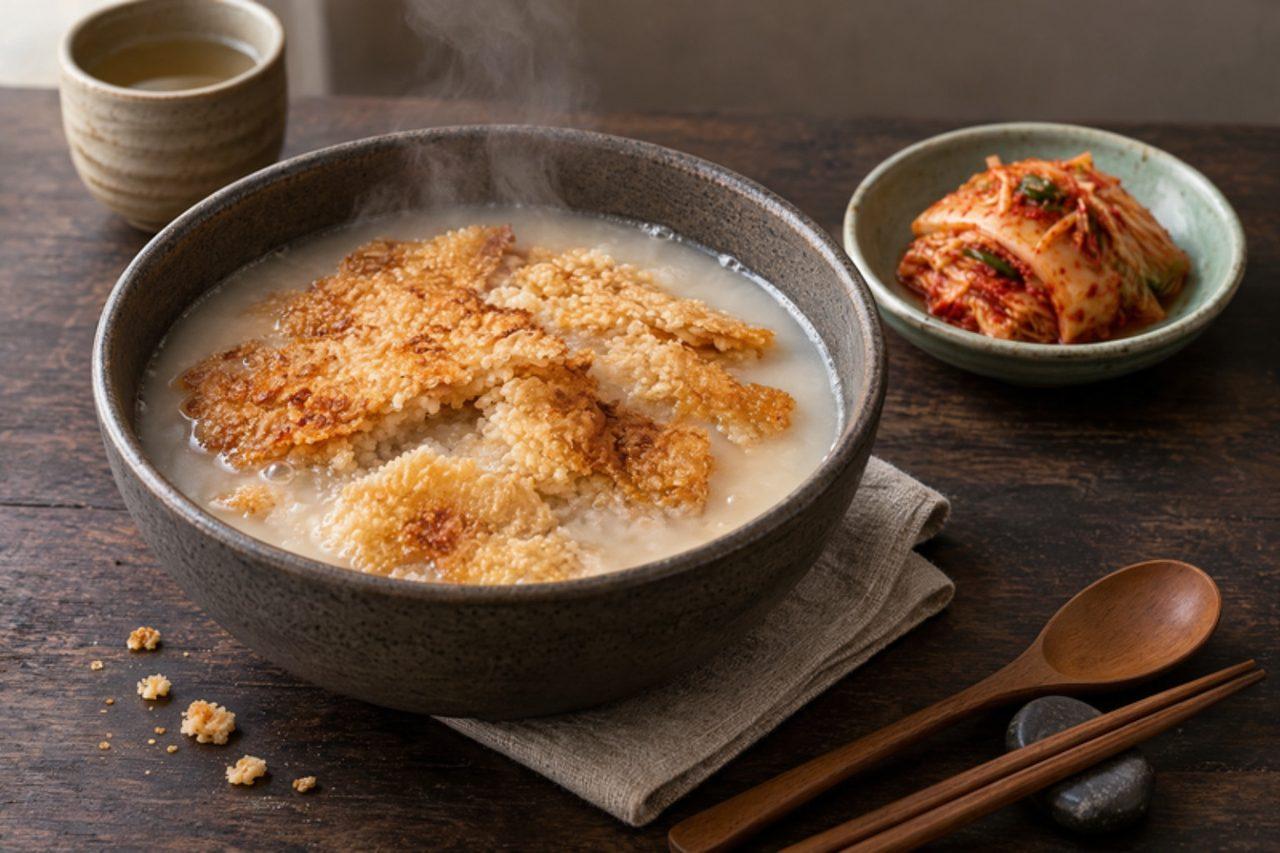
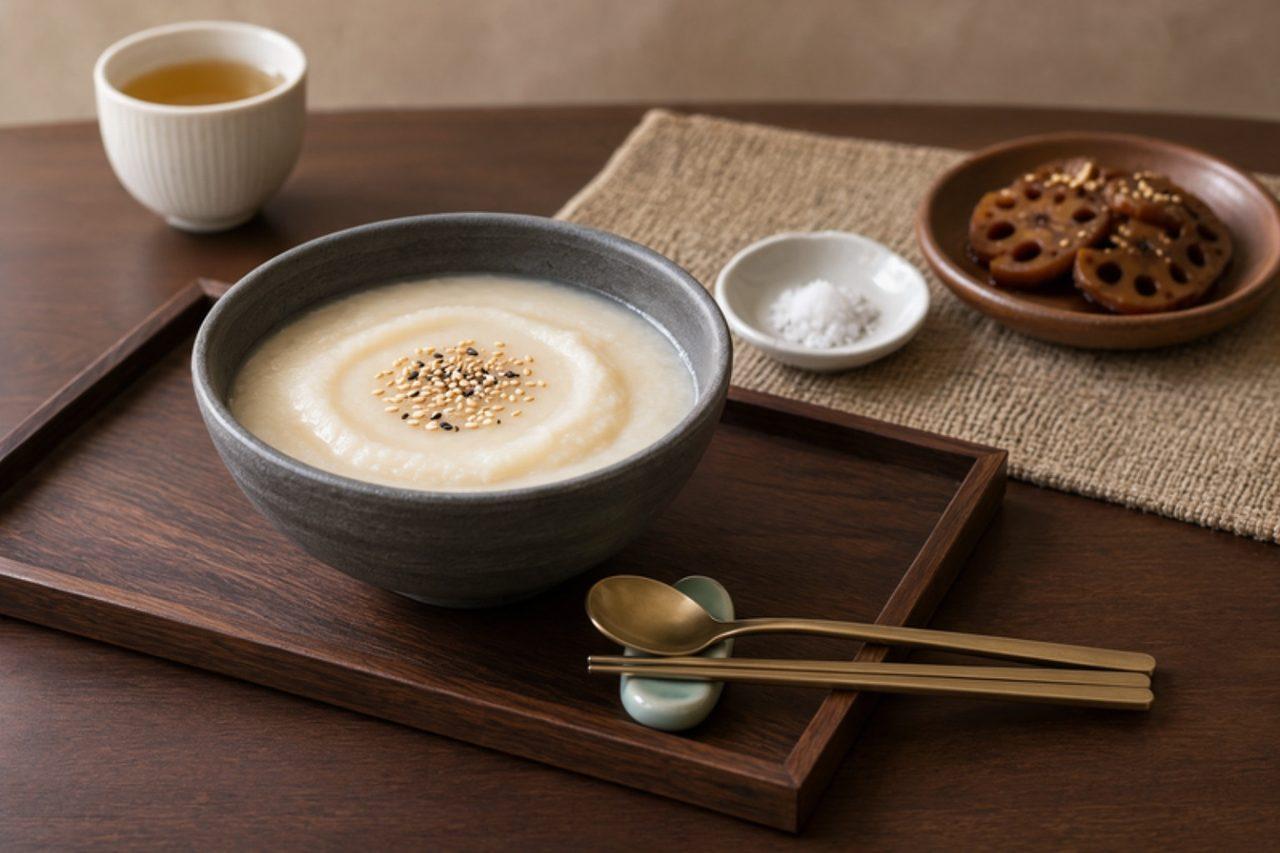
Every Korean home knows the golden crust that sticks to the bottom of the rice pot, and on cold mornings it is simmered in water into nurungji, a nutty, soothing porridge that tastes faintly of toast. Grandmothers serve it with kimchi and a few banchan for breakfast, or as a gentle meal after a heavy night. You can buy dried nurungji sheets in Korean shops, but it is easy to make your own from leftover rice. The common mistake is pulling the crust too soon: pale rice gives a flat, starchy porridge, so wait until it is deep gold. Chef's tip: break the crust into pieces before simmering but keep a few larger shards back and add them in the last minute, so the bowl has soft and slightly crunchy bits.
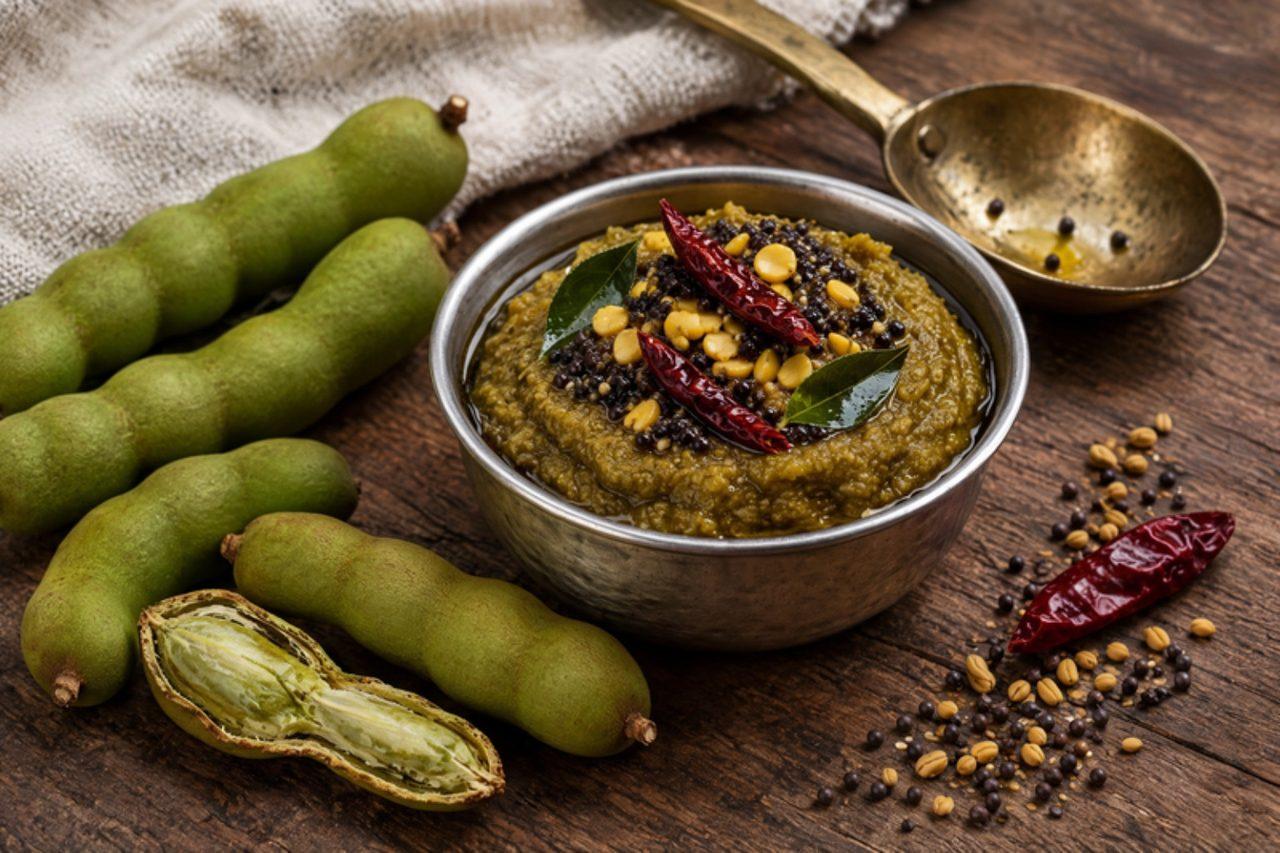
In Telangana and coastal Andhra, the tamarind trees hang heavy with tender green pods from December to February, and every household that can lays in a jar of chintakaya before the pods ripen and turn brown. The raw pods are pounded with salt and turmeric and left to mature into a sharp, olive-green base that keeps for the whole year. Small portions are then ground with chillies and finished with a crackling tadka whenever the family wants it. The taste is pure, mouth-puckering sourness with a fresh, almost apple-like green note, very different from ripe tamarind. Mix it into hot rice with sesame oil, or eat it with jonna rotte (sorghum flatbread) and raw onion. The common mistake is to let wet pods into the jar: wash the tamarind the day before, then spread it to dry completely. The salted base is very acidic and roughly 15% salt, so it keeps in a cool cupboard; the finished pachadi with chillies belongs in the fridge and is best within 3 weeks. It is ready when the paste is coarse, dark green and smells sharply sour. Chef's tip: roast dried chillies for a smoky winter version, or use green chillies for a brighter, fresher heat.
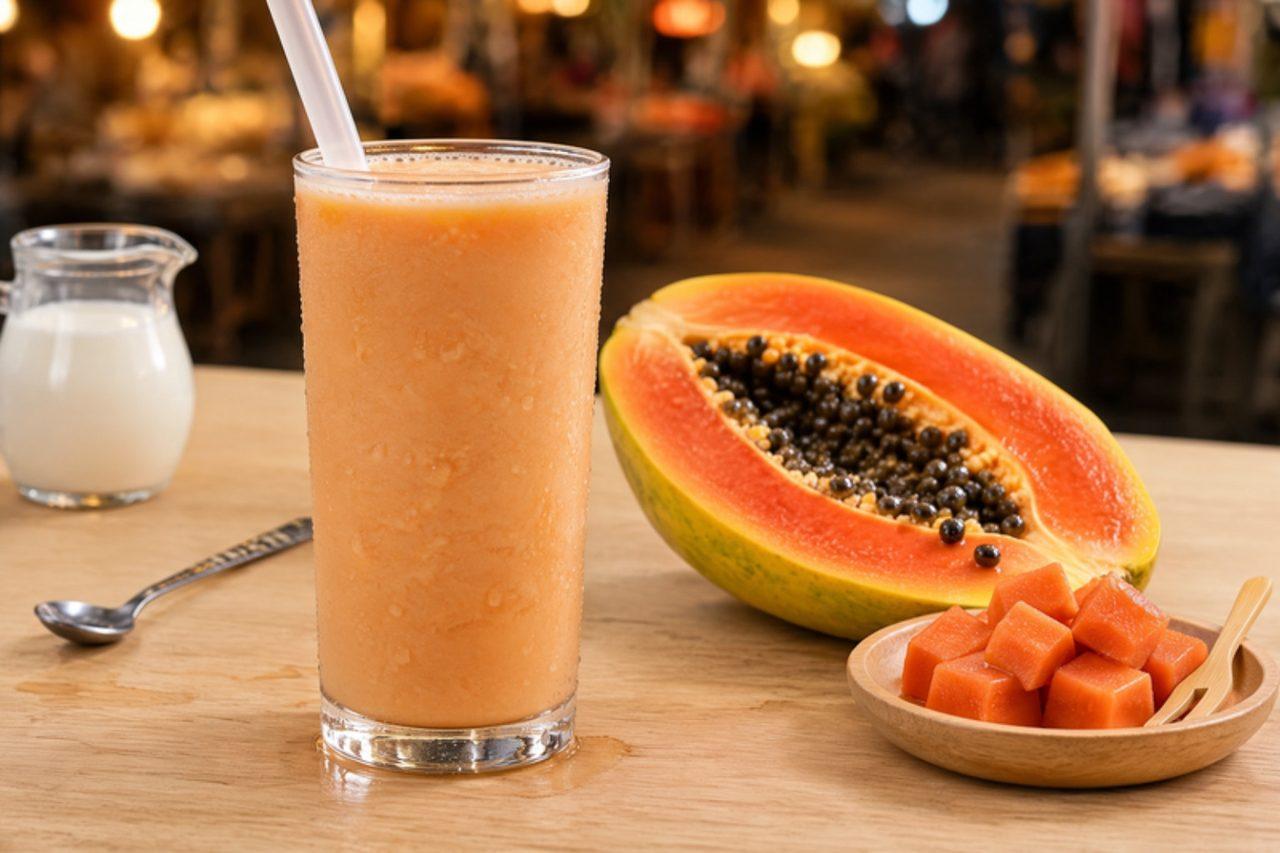
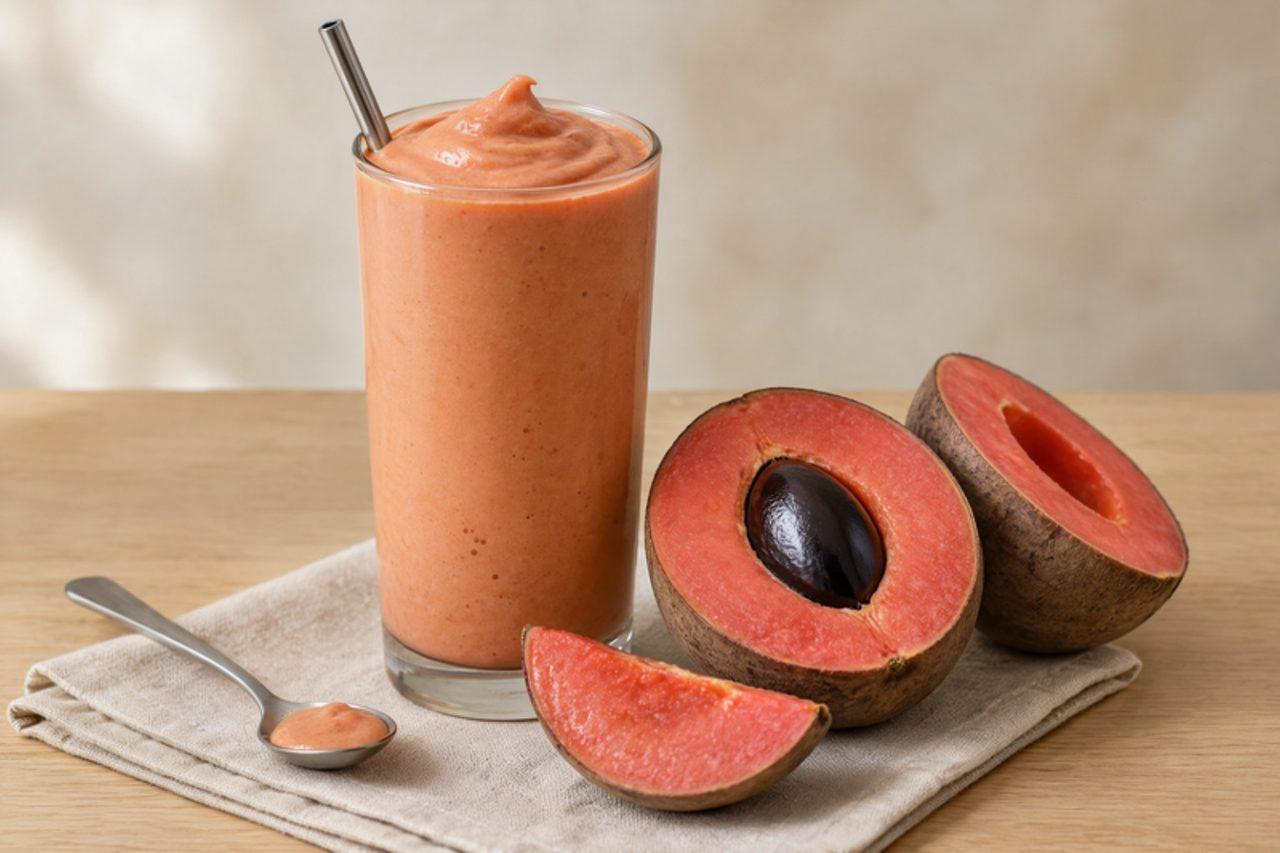
Kaohsiung claims papaya milk as its own: the southern port city's fruit stalls, and the famous old shop on Liuhe night market's doorstep, have been blending it since the 1960s, when sweet red-fleshed papayas from Pingtung became cheap and plentiful. It is now sold all over Taiwan, a thick orange-pink shake in a tall cup, drunk on sticky evenings while walking between food stalls or in the morning with a scallion pancake. It tastes of ripe papaya and cold milk, sweet and mellow, with a smooth, slightly airy body. The classic mistake is making it in advance: papaya contains the enzyme papain, which starts working on milk proteins within about 20 minutes and leaves the drink bitter and curdled-looking. Blend it just before drinking. Your papaya is ripe when the skin is mostly yellow-orange and gives slightly to a thumb, and it smells sweet at the stalk end; it is ready to serve when it is fully smooth, foamy on top and evenly coloured. Children love it, and with little added sugar it is a fine after-school snack. Chef's tip: chill the papaya well beforehand so you need less ice and the shake stays thick.
In Santiago, December means cola de mono: bottles of cold, coffee-coloured spiced milk that families make days ahead and open on Christmas Eve and New Year's Eve, poured beside slices of pan de pascua, the dense Chilean fruit cake. The traditional version is for adults only, spiked with grape aguardiente; pour small glasses and drink responsibly. It tastes like a sweet, cold café con leche with cinnamon, clove and orange, the aguardiente adding a warm finish, and the texture is smooth and light, never thick. Each glass has about as much caffeine as a small, weak coffee, so use decaf for anyone sensitive. The classic mistake is adding the aguardiente while the milk is still hot: much of the alcohol steams away and the milk can catch and curdle. Let the spiced milk cool completely first. It is ready when the colour is an even tan, the spices smell strong but the milk tastes clean, and it is fridge-cold. It keeps 3–4 days in the fridge in clean bottles; shake before pouring and throw it out if it smells sour. Chef's tip: make it two days ahead; the spices keep blooming and it tastes noticeably rounder.
Suguki comes from the farms around Kamigamo Shrine in north Kyoto, where an heirloom turnip with a pointed root has been grown for centuries. In late autumn the farmers peel the roots, salt them with their leaves, and press them under long wooden beams weighted with stones, then move the barrels into a heated room so lactic bacteria turn the pickle properly sour. It reaches the shops in December and is sliced thin through the New Year, eaten with plain rice, in ochazuke or beside a simmering pot of tofu. Expect a bright, yoghurt-like sourness, a little salt and a turnip that is firm but yielding. At home a 30–35 °C spot (an oven with only the light on, or a proving setting) stands in for the warm room; use small turnips with leaves attached. The common mistake is fermenting with too little weight: the brine must rise above the vegetables within a day, or the top dries out and moulds. Normal signs are fine bubbles, cloudy brine and a clean sour smell; a thin white film (kahm yeast) can be skimmed. Chef's tip: slice it thin, add a few drops of soy sauce and a pinch of shichimi, and serve it cold.
Two bars in 1950s San Juan claim to have created the piña colada, and Puerto Rico made it the island's official drink in 1978. It is the drink of hot afternoons on the beaches of Condado and Isla Verde, of hotel pools and of family parties where the blender runs all day. The rum version is for adults only, and because it tastes like a dessert it is easy to drink too fast, so keep to one or two and drink responsibly. A good piña colada is thick, frosty and smooth, coconut-sweet but kept fresh by the sharp acidity of pineapple, with the rum warming the finish. The common mistake is using coconut milk or unsweetened coconut cream instead of cream of coconut, the thick sweetened coconut syrup sold in tins and squeeze bottles: the drink comes out bland and splits into icy water and fat. If you only have coconut cream, blend in 2 tbsp sugar. It is ready when the drink is thick enough to hold a straw upright for a moment, has no crunchy ice and has turned a pale, creamy yellow. Chef's tip: freeze half of the pineapple juice into ice cubes the day before; you will need less ice and the colada stays thick to the last sip.
Beni shoga is the bright pink tangle you see on Osaka street food: piled beside yakisoba, scattered on okonomiyaki, folded into takoyaki batter and heaped on a bowl of gyudon at lunchtime. Kansai cooks make it in early summer, when umeboshi plums finish salting and leave behind red umezu, the salty, sour, shiso-coloured plum vinegar that both cures and dyes the ginger. The result is crunchy, sharp and salty, with a clean ginger heat and none of the sweetness of sushi gari. Young summer ginger gives the most tender threads; mature ginger works but is hotter and more fibrous, so cut it thinner. If you cannot find red umezu, use rice vinegar with salt and a slice of raw beetroot for colour (see the note). The common mistake is skipping the salting and drying: wet ginger dilutes the umezu and turns soft and dull. Squeeze it and let it dry so it drinks up the vinegar. It is ready when the threads are evenly rosy right through and taste salty-sour rather than raw. Chef's tip: save the pink vinegar left in the jar; a spoonful in potato salad or rice for onigiri is excellent.
Kongjuk is the porridge Korean families make when they want something filling but plain: soaked soybeans ground into a milk with rice and cooked until it is thick, pale and creamy. It is a breakfast and a summer staple in the countryside, eaten with a little salt and some kimchi or radish on the side. The mistake to avoid is under-blending the beans: gritty bean skins make the porridge grainy, so blend long and fine, or sieve it. Stir often too, because soy milk catches on the bottom quickly. Chef's tip: skim off the loose skins after soaking by rubbing the beans between your palms under water; the porridge comes out silkier and whiter.
Swank is the simplest drink in Guyana and the one everybody's grandmother made: fresh limes from the yard squeezed into cold water and sweetened with brown Demerara sugar from the cane fields along the coast; nobody agrees where the odd name comes from. It turns up beside Sunday cook-up rice, at village cricket matches, at Mashramani in February and on any hot afternoon in Georgetown, New Amsterdam or the Essequibo coast, poured from an enamel jug full of ice. It is sharp, refreshing and gently caramel-sweet from the brown sugar, with a warm hint of nutmeg on top. The common mistake is squeezing the limes so hard, or leaving the lime shells in the jug, that bitter peel oil takes over; squeeze firmly but not to the last drop, and take the shells out. It is ready when the sugar has completely dissolved, it tastes bright, tart and sweet in balance, and the nutmeg smells warm on top. Make it fresh: lime juice turns bitter if it sits for more than a few hours. Chef's tip: dissolve the Demerara in a little warm water first; the large crystals take forever to melt in cold water.
In Japanese homes from Hokkaido to Kyushu, hakusaizuke appears when napa cabbage is cheap and sweet, from November through February. Big heads are quartered, dried for half a day on a sunny veranda, then salted in a wooden tub with kombu, dried chilli and slivers of yuzu peel, and pressed under a stone. A few days later the leaves are crisp, juicy, lightly salty and fragrant with citrus, and after a week they turn pleasantly sour. It is the everyday pickle beside breakfast rice and miso soup, or chopped into a hot-pot. Use about 3% salt by weight; less and it can spoil, more and it is too salty to enjoy. The common mistake is too light a weight at the start: the brine must rise over the cabbage within a day, so begin with twice the cabbage's weight and halve it once the liquid appears. It is ready when the white ribs are translucent and bend, the brine is clear to faintly cloudy, and it smells fresh and briny. If you cannot get yuzu, use strips of lemon peel with a little orange peel. Chef's tip: squeeze a slice firmly before serving and add a few drops of tamari and some toasted sesame seeds.
In the colonial town of Trinidad, in Sancti Spíritus province, the canchánchara is served in little clay cups to the sound of a son band in the late afternoon. Its roots are in the independence wars of the 1860s and 70s, when the mambí fighters drank cane aguardiente mixed with honey, lime and water, warm or at camp temperature. Today it comes with crushed ice, but it is still a drink for adults only, rustic and honest: floral honey, sharp lime and the raw, sugary heat of young cane spirit, cold and only slightly diluted. The classic mistake is pouring honey straight onto the ice, where it sets into a hard lump at the bottom and the drink tastes of nothing but sour spirit. Stir the honey into the lime and water first until no streaks remain, then add the ice and spirit. It is ready when the honey has disappeared into a cloudy, even mixture and the outside of the cup sweats with cold. Drink it slowly and responsibly. Outside Cuba, use unaged white rum or cachaça for the aguardiente; a short tumbler is fine if you have no clay cup. Chef's tip: soak the clay cup in cold water for ten minutes first; it keeps the drink cold for much longer.
Across Guangdong and Hong Kong, the leung cha shop with its gleaming brass urns is a neighbourhood fixture. People drop in after a run of fried food, late nights or the heavy, humid weather of early summer, when Cantonese tradition says the body has too much 'heat', and down a bowl standing at the counter, then chase it with a dried plum. Brews range from the gentle 'five-flower tea' to fiercely bitter 24-herb mixes. This home version uses dried mesona (sin cho), prunella spike (ha fu cho), chrysanthemum and honeysuckle: dark brown, earthy and grassy, clearly bitter but rounded by the flowers and a little rock sugar. The common mistake is boiling everything together for an hour; the flowers turn harsh and muddy. Simmer the woody herbs first, add the flowers only for the last 10 minutes. It is ready when the liquor is the colour of strong tea and has reduced by about a third. It is traditionally drunk for comfort, not as medicine: skip it in pregnancy and check with a doctor if you take regular medication. Chef's tip: buy herbs pre-weighed as a packet from a Chinese herbalist, who will rinse-check them for grit and freshness.
In Mauritius the kettle goes on for dité at breakfast and again at four, when the heat of the day breaks and someone brings out gato piment, a packet of biscuits or a slice of gato patate. The tea is grown on the island's central plateau, around Curepipe and the Bois Chéri hills, and the local favourite is black tea perfumed with vanilla, the same vanilla that grows on the neighbouring islands. It is drunk strong, very sweet and milky, often with evaporated or condensed milk: a round, creamy cup with a soft caramel-vanilla scent and no bitterness. The common mistake is boiling the tea leaves with the milk until they stew; brew the tea in water first, then add hot milk. It is ready when the tea is the colour of milky caramel and the kitchen smells of vanilla. A cup has about as much caffeine as ordinary black tea. If you cannot find vanilla-scented Mauritian tea, a strong black tea and a split vanilla pod do the job well. Chef's tip: dry the used vanilla pod and bury it in your sugar jar; next time the sugar alone will scent the tea.
In Loja and the valleys of Vilcabamba and Malacatos, horchata has nothing to do with rice: it is a pink herbal infusion of anything up to twenty garden plants, drunk hot at breakfast and after lunch, or cold from the fridge on warm afternoons. Markets sell the herbs in bundles: cedrón, hierbaluisa, toronjil, mint, chamomile, mallow, and the red-leaved escancel and ataco (red amaranth) that give the colour. It tastes lemony, floral and faintly silky, and turns from ruby to bright pink the moment lemon juice goes in. The common mistake is boiling all the herbs hard, which makes it bitter and grassy; only the tough flaxseed and lemongrass simmer, and the soft leaves steep off the heat. It is ready when the liquid is deep red-pink and smells of lemon and flowers. Abroad, Latin shops sell dried mixes; dried hibiscus gives the colour if you lack amaranth. It is traditionally drunk to settle the stomach; if you are pregnant or on medication, check with a doctor before drinking it daily. Chef's tip: add lemon at the table, glass by glass, to watch the colour change.
Sea buckthorn grows wild along the rivers of Altai and the Baikal shore, and by October its thorny branches are crowded with tiny orange berries. Siberians freeze them by the bucketful, and all winter a glass teapot of oblepikha tea glows on café tables from Irkutsk to Moscow, ordered after skiing or against the dark afternoons. The taste is sharp and tropical, somewhere between passion fruit, pineapple and lemon, with a faint oily richness from the berries, softened by honey and warmed by ginger. The common mistake is pouring boiling water straight onto the honey and berries: it dulls the fruit, makes the honey taste flat and can turn the tea bitter. Let the kettle settle for a couple of minutes first. It is ready when the tea is a cloudy sunset orange, smells of citrus and ginger and the berries have released their juice. Outside Russia, look for frozen sea buckthorn in Eastern European or Nordic shops, or use unsweetened sea buckthorn purée. Chef's tip: crush a big batch of berries with honey, keep it in a jar in the fridge for a week, and spoon it into mugs whenever you want a cup.
For two or three weeks at the end of March and into April, while there is still snow under the trees and before the buds open, the birches around Moscow, Tver, Vologda and across the north start to run. Families tap a few trees at the dacha and drink the sap straight from the jar: clear, cold, very faintly sweet, tasting of rainwater and fresh wood. Because it spoils within two or three days, villagers bottled the rest with sugar, raisins and lemon zest, letting it ferment slightly into a sparkling drink that kept into early summer; like any ferment it makes a trace of alcohol, well under 1% if drunk young. Only tap with the owner's permission, choose trees thicker than 20 cm, drill one small hole and plug it with a wooden peg afterwards so the tree heals. The common mistake is sealing the bottles tight at warm room temperature, which can make them burst; keep them cool and open the caps daily. The bottled sap is ready when the raisins float, a ring of fine bubbles forms on top and it tastes gently sparkling. Chef's tip: drink the first glass straight from the tree; it is never quite as good again.
In La Paz, Cochabamba and Sucre the refresqueras at the market stalls ladle linaza from big glass jars alongside mocochinchi and somó, and at home it is a standard jug in the fridge for the midday almuerzo. Flaxseed is simmered with pineapple peel, cinnamon and cloves until the water turns faintly silky, then strained, sweetened and chilled. It is pale gold, smooth and almost slippery on the tongue, tasting of pineapple and spice, with lime to wake it up. It is traditionally drunk to cool down and to settle the stomach. The common mistake is simmering too long or leaving the seeds in as it cools: the liquid turns into a thick, slimy gel. Strain it while still hot, as soon as a spoon dipped in comes out lightly coated, like thin syrup. It is ready when it pours freely but feels smooth, and tastes sweet, spiced and fresh. Using the peel and core of a pineapple is the thrifty Bolivian way and gives more flavour than the flesh. Chef's tip: if it thickens too much in the fridge, whisk in cold water a little at a time until it pours easily again.
Pink, round and glossy, napolitaines sit in the front window of every pâtisserie in Port Louis and Quatre Bornes, and they come out at birthday teas, christenings and school fêtes. Two discs of tender, barely sweet butter shortbread are glued together with strawberry jam and dipped in a thin pink icing that sets to a crisp shell; the biscuit should crumble against the sweet glaze, not snap. The common mistake is baking them until golden: they must stay pale, or the shortbread turns hard and tastes toasted. Look for a vegetarian red food colouring, as many red colourings are made from cochineal insects. Chef's tip: chill the cut rounds for 15 minutes before baking so they keep their sharp edges and do not spread.
Around Juana Díaz on Puerto Rico's south coast, and in the Dominican countryside, mabí is sold ice-cold from barrels on hot afternoons and at patron-saint fiestas. It is made from the bark of the mabí tree (Colubrina elliptica, the mauby of the English-speaking Caribbean), boiled with spices, sweetened with brown sugar and left a day or so to ferment with a splash from the last batch, the madre. It tastes bittersweet, like a woodier root beer, with a creamy head and light fizz. Fermenting makes a trace of alcohol, well under 1% if drunk within a few days. The common mistake is skipping the beating: mabí should be poured back and forth between two jugs from a height until it is thick with foam, which also airs the yeast. It is ready when a tan foam stays on top, it tastes sweet-bitter with a slight sourness and small bubbles rise. Look for mabí or mauby bark in Caribbean shops; there is no real substitute. Traditionally drunk to cool down; drink it in moderation, and if you are pregnant or on blood-pressure medication, check with a doctor first. Chef's tip: keep a cup of finished mabí in the fridge as the madre for the next batch.
In Vienna you never simply order 'a coffee'; you order by name, and the Melange is the one most Viennese ask for. It arrives in a large cup on a small silver tray with a glass of water and often a tiny chocolate, and you may sit over it for an hour with the newspapers at Café Prückel or Hawelka, mid-morning or after lunch. Traditionally it is a mild, longer espresso (a Verlängerter) with roughly equal hot milk and a soft cap of milk foam; it is gentler than a cappuccino and the foam is looser and creamier. Expect a round, nutty, slightly sweet cup with little bitterness. The common mistake is overheating the milk: once it passes about 70 °C it smells cooked and loses its sweetness and the foam turns big-bubbled and dry. Stop when the jug is too hot to hold for more than a second or two. It is ready when the foam sits in a smooth, glossy dome about a finger thick and the coffee shows as a brown ring at the edge. One cup has about the caffeine of a single espresso. Chef's tip: always serve the glass of water alongside, as Vienna does; it is drunk first to clear the palate.
The Einspänner is named after the one-horse carriages of old Vienna: coachmen waiting outside in winter supposedly liked their coffee under a lid of cream that kept it hot and stopped it slopping. Today it is served in a handled glass at classic coffee houses, a strong black mocha (a double espresso or Großer Brauner without milk) topped with a thick layer of cold, lightly sweetened whipped cream and a pinch of icing sugar. You do not stir it: you sip the hot, bitter coffee through the cold, sweet cream, so each mouthful is two temperatures and two textures. It is an afternoon or late-morning coffee, often with a slice of Sachertorte. The common mistake is runny cream that sinks and turns the drink into a milky latte; whip it until it just holds a peak and spoon it on gently so it floats. It is ready when the cream stands at least 2 cm above the coffee and slowly sinks at the edges. It is strong: a double shot of caffeine in one glass. Chef's tip: pour the coffee in first and wait ten seconds before adding the cream, so the crema settles and helps support the cap.
In Bogura, the town famous for its sweet doi, and in the lanes of Old Dhaka around Nazira Bazar, tea stalls keep a wide karai of milk barely simmering all evening. Layers of skin build up on top; the tea-maker lifts them off as malai and lays a thick spoonful on every cup of strong, sweet milk tea, poured into small unglazed clay bhar that give the tea a faint earthy smell. People stand around after maghrib prayers or late at night, sipping through the cream and finally eating it with a finger. The tea is malty and syrupy-sweet; the malai is soft, rich and slightly caramelised. The usual mistake is boiling the milk hard: a rolling boil breaks the skin into flakes and you never get a thick sheet. Keep it at a lazy shiver and lift the skin every 5 minutes. The tea is ready when it is the colour of milky caramel and coats the back of a spoon; the malai is ready when it lifts off as a wrinkled, leathery sheet. Strong CTC tea makes this fairly caffeinated. Chef's tip: soak clay cups in water for ten minutes first, so they don't drink up the tea or smell dusty.
On a hot July afternoon in any German or Austrian Eiscafé, from a Hamburg promenade to a Viennese Gastgarten, the tall glass with the long spoon is Eiskaffee. It is not iced coffee in the American sense: strong coffee, chilled, is poured over two scoops of vanilla ice cream and crowned with sweetened whipped cream, sometimes a wafer and a dusting of cocoa or grated chocolate. You drink the cold coffee through a straw while the ice cream slowly melts into it, then spoon up the creamy, half-frozen rest, so it is part drink, part dessert, eaten at the café in the afternoon rather than with a meal. The usual mistake is pouring hot or even warm coffee straight onto the ice cream: it melts at once into a thin, lukewarm, milky soup. Brew it earlier and chill it properly. It is ready when the coffee is fridge-cold, the scoops sit just proud of the surface and the cream holds soft peaks on top. It is moderately caffeinated, so keep it for adults and older teens. Chef's tip: freeze leftover coffee in ice-cube trays and add a couple to the glass so nothing gets diluted with water.
This charcoal-grey porridge of roasted black sesame and rice is one of Korea's gentlest breakfasts, often made for elders, for people getting over a cold, or simply on a slow weekend morning. It is nutty, lightly sweet and smooth as cream. The mistake is burning the sesame: the seeds are already black, so you cannot judge by colour; toast them only until they crackle and smell nutty, or the porridge turns bitter. Chef's tip: grind the toasted seeds with a little of the soaked rice and water rather than on their own, which turns them into a smooth paste instead of an oily clump.
Helba is the other hot drink chalked on the board of every Egyptian coffee house, ordered in winter by students and old men playing dominoes alike. At home it is brewed when someone has a cold, after childbirth, or simply on chilly nights in the Delta, and is traditionally drunk to soothe the chest and the stomach. Fenugreek seeds are boiled until the water turns amber-yellow; the cup tastes nutty and toasty, like maple and celery, with a pleasant bitterness that sugar softens. Some people add a splash of milk at the end. Fenugreek is not advised during pregnancy, can lower blood sugar and may interact with blood thinners, so check with your doctor if you take medication; it can also make your sweat smell faintly of maple, which is harmless. The common mistake is boiling unrinsed seeds hard for a long time, which gives a slimy, very bitter tea. Rinse them, toast them briefly and boil only 8–10 minutes. It is ready when the liquid is clear golden-amber and smells of warm maple. Chef's tip: soak the seeds overnight first for a milder, rounder brew, and eat the softened seeds with a spoon as Egyptians do.
Long before Chinese tea reached ordinary villages, peasants around Koporye near St Petersburg, and on through Karelia and the Arkhangelsk forests, were rolling and fermenting the leaves of fireweed, the tall pink-flowered plant that floods clearings every July. Ivan-chai is having a revival now, sold in paper bags at markets and drunk at the dacha in the evening from the samovar, because it has no caffeine and will not keep anyone awake. It brews to a clear amber with a soft, slightly fruity, honey-and-dried-apple taste and almost no bitterness. Granular kinds taste deeper, leaf kinds more floral. The common mistake is brewing it for two or three minutes like black tea; it needs a full 10 minutes in a warmed pot to open up, and it never turns bitter if you leave it longer. It is ready when the liquid is a deep golden-amber and smells of honey and dried fruit. It is traditionally drunk as a calming evening tea; if you are pregnant or on regular medication, check with a doctor before drinking it daily. Chef's tip: the same leaves give a second, lighter pot; just top up with fresh hot water and wait another 10 minutes.
Ask a Hong Kong family what they drink at the first hint of a sore throat in autumn, or when the city's spring humidity sets in, and many will say jook je mao gun soi. Lengths of thin green bamboo sugarcane, split open, are simmered with dried cogon grass root and carrots, sometimes with water chestnuts and a few dried corn silks, into a pale amber broth that tastes of sugarcane, sweet carrot and a faint grassiness. It is drunk warm after dinner or chilled from the fridge during the day, and herbal tea shops sell it by the bottle for children who refuse the bitter stuff. The common mistake is skipping the splitting of the cane: whole sticks barely release any sweetness, and you end up adding sugar. Bash each piece with the back of a cleaver until it cracks lengthwise. The drink is ready when the carrots are soft, the liquid is clear and light amber, and it tastes naturally sweet. Bamboo cane and cogon root are sold as soup packs in Chinese grocers; ordinary purple or green sugarcane works too. It is traditionally drunk to 'clear heat', but it is a refreshment, not a cure. Chef's tip: add a few peeled water chestnuts for extra crunch-sweetness.
In Colombia a sorbete is not an ice but a fruit milkshake, and around Bogotá and the cold highlands of Boyacá and Cundinamarca the classic is made with curuba, the long, soft-skinned banana passionfruit that grows on vines at 2,500 metres. Bakeries and corrientazo lunch spots serve it with almuerzo or with a slice of cake at onces, the late-afternoon snack. It is pale salmon-pink, creamy and sweet-tart, more delicate than passionfruit, with a fragrance like guava and lemon. The common mistake is blending the pulp with its black seeds on high speed: the seeds break up and the sorbete turns bitter and grey-flecked. Pulse just enough to loosen the pulp from the seeds, strain, and only then blend with milk. Serve it at once, because the acid in curuba thickens the milk the longer it stands. It is ready when it is smooth, frothy and pink with no gritty specks. Outside Colombia look for frozen curuba pulp in Latin shops; passionfruit pulp works too, but use about two thirds of the amount as it is stronger. Chef's tip: dissolve the sugar in the strained juice before the milk goes in, so you can blend for less time.
On Sunday afternoons in Caracas, juice stands along the boulevards of Sabana Grande and the Plaza Altamira, and street carts outside beaches and parks, sell tizana in tall plastic cups with a straw and a long spoon. It is half drink, half fruit salad: papaya, pineapple, melon, watermelon, apple, mango and banana cut into tiny dice and soaked in orange juice tinted ruby with grenadine. At home it is made by the jug for birthday parties and hot holidays. It tastes juicy, sweet and bright, and every sip brings a different fruit up the straw. The common mistake is adding the banana and apple with everything else an hour early: they turn brown and mushy and cloud the juice. Cut them last and stir them in just before serving. The tizana is ready when the fruit has soaked for about 30 minutes in the fridge, the juice has turned a clear coral-pink and the pieces are cold right through. Make the dice no bigger than 1 cm so they pass up a wide straw. Grenadine here means pomegranate syrup; a red fruit syrup works too. Chef's tip: squeeze a little lime over the cut apple and banana to keep them pale and add a tang that lifts the whole jug.
Havana runs on small cups of coffee: a cafecito standing at a ventanita, a colada shared in tiny plastic cups at work, and in the afternoon or with breakfast, a cortadito, which is Cuban coffee cut (cortado) with roughly as much hot milk. The coffee is brewed in a stovetop cafetera, and the first dark drops are whipped hard with sugar into a pale, thick espumita that floats on top of the cup. The result is rich, very sweet and caramel-like, with a velvety milk body and a strong, bitter edge underneath. It is high in caffeine, so it is not one for children. The common mistake is adding sugar to the pot or stirring it in at the end; without the espumita you get a thin, flat drink. Beat the first concentrated coffee with the sugar until it turns light tan and holds soft folds, then pour in the rest. It is ready when a pale foam floats on the cup and the milk has been heated until steaming, with small bubbles around the edge but not boiling. Chef's tip: catch only the first 2–3 teaspoons of coffee for the foam; later coffee is too thin to whip.
Ask for a batido in Venezuela and you get fruit blended with water; ask for a merengada and it comes with milk, frothy and pale. The name is said to come from the old habit of beating in a little egg white like a meringue, which few cooks do now. Every panadería and fuente de soda from Maracaibo to Barcelona has a row of fruits on the counter, and strawberry from the Andes of Mérida, banana and guava are the favourites, ordered with a cachito or a pastelito at breakfast or as an after-school treat. A good merengada is cold, light and foamy, tasting clearly of fruit, not just of sweet milk. The common mistake is too little ice and too much milk, which gives a thin, warm drink with no froth. Blend the fruit with part of the milk first until perfectly smooth, then add the ice and the rest of the milk and blend hard. It is ready when a thick layer of pink foam sits on top and no fruit pieces are left. Banana or guava (strain the guava for seeds) work the same way. Chef's tip: frozen strawberries make it frostier; cut the ice by half if you use them.
In Santiago de Cuba, Guantánamo and Baracoa, prú is sold from plastic bottles at the kitchen door and poured at every birthday, often next to a slab of cake. The recipe came from Haitian and French-Caribbean coffee planters who settled in the east, and families still keep a "madre", a starter jar from the last batch. Roots of raíz de China and bejuco ubí are boiled with pine, cinnamon and allspice, sweetened and left to ferment for a few days. It tastes like a wild, earthy root beer: woody, spiced, a little bitter, with a soft prickle. Fermentation makes a trace of alcohol, well under 1% if drunk young. Outside Cuba use dried sarsaparilla root, a close relative of China root. The common mistake is sealing bottles too early and leaving them warm, which builds dangerous pressure; use a plastic test bottle and chill once it is firm. It is ready when tiny bubbles rise and it smells sweet-sour, not yeasty. Throw it out if it grows fuzzy mould, turns slimy or smells rotten. Pregnant people should skip the pine needles, and anyone on medication should check with a doctor about herbal roots. Chef's tip: keep 250 ml back as the madre for your next batch.
In Havana and all over the island, the cafeteria counter has a blender that never stops, turning out batidos of mango, guanábana, papaya and the favourite of all, mamey. The fruit has a rough brown skin and a soft, salmon-red flesh that tastes like sweet potato, pumpkin pie, almond and apricot at once, and blended with cold milk it makes a shake so thick it is almost a dessert. It is drunk mid-afternoon on hot days, at breakfast with toast, or at a kid's birthday party; Miami's Cuban cafés keep the tradition alive with frozen pulp. The common mistake is using a hard mamey, which tastes starchy and slightly bitter; the fruit must give like a ripe avocado when pressed and show deep red flesh when you scratch the skin with a fingernail. The batido is ready when it is smooth, pumpkin-orange and pours slowly in a thick ribbon. Frozen mamey pulp from Latin American shops is a good substitute; reduce the ice because the pulp is already cold. Chef's tip: a pinch of salt and a drop of vanilla bring out mamey's almond notes.

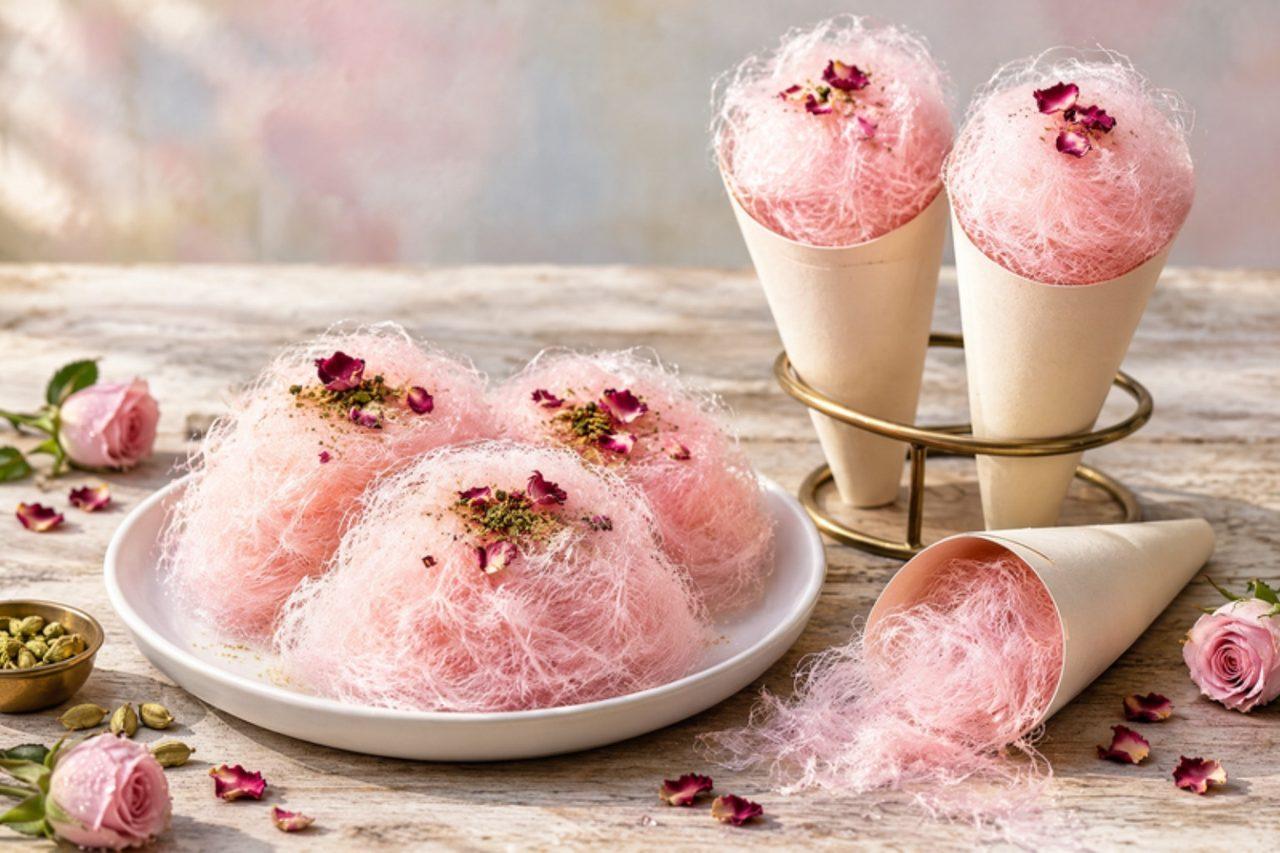
 Sri Lankan · Desserts