Skip to content
Masala khakhra
Featured recipe

Masala khakhra

Crisp roasted wheat crackers

Khakhra are thin chapaties roasted slowly on a griddle until they turn crisp, like a cracker. This masala version adds gram flour, fresh fenugreek, turmeric and chilli to the wheat dough. They are a light Gujarati breakfast or tea-time snack, and lovely with pickle, chutney or a smear of butter. You can also make them in a roti maker.

Read more 2 views

What to eat today?

Around the world

Today's trip: Persian

A new country every day, from every cuisine on the site.

Persian

Shir berenj

Rose water rice pudding 70 minMore from Persian (181) →

This week's collection

Kid-friendly dinners
750 recipes · a new collection every Monday

Coming up

All occasions →

Latest recipes

Lucknowi sheermalSaffron sweet milk flatbread

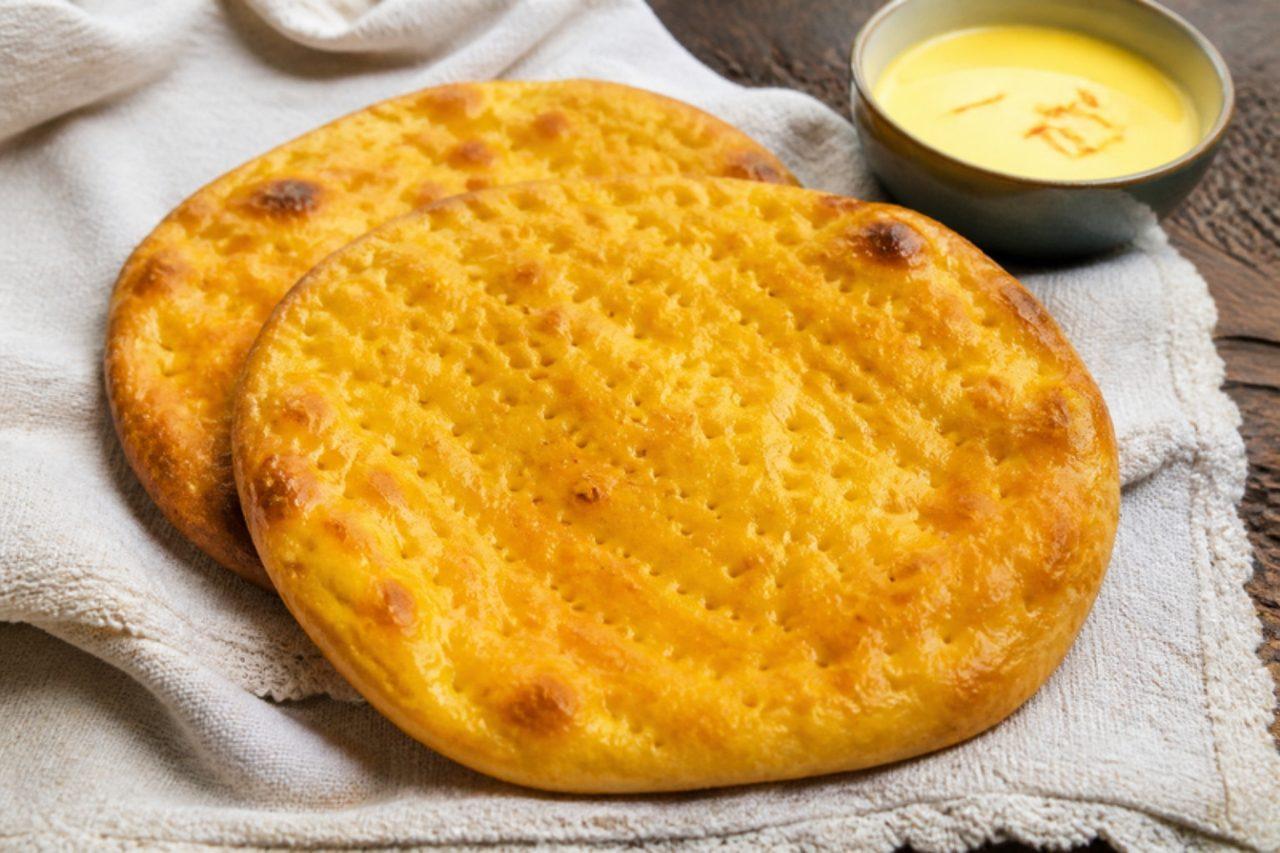
Sheermal is a soft flatbread made with milk and ghee instead of water, lightly sweet, and brushed with saffron milk so it bakes to a glossy amber colour. In Lucknow's old quarters like Chowk and Aminabad, bakers still make it in tandoors each morning, and families buy it for Eid, weddings and Ramadan iftar, eating it alongside rich kormas or simply with a cup of milky tea. It sits halfway between bread and pastry. The usual mistake is adding too much flour while kneading because the dough feels sticky; a dry dough gives a tough, crumbly sheermal. Chef's tip: oil your hands instead of flouring the surface, and let the rich dough rise until it is truly doubled.

by KrazyBadal 0 views
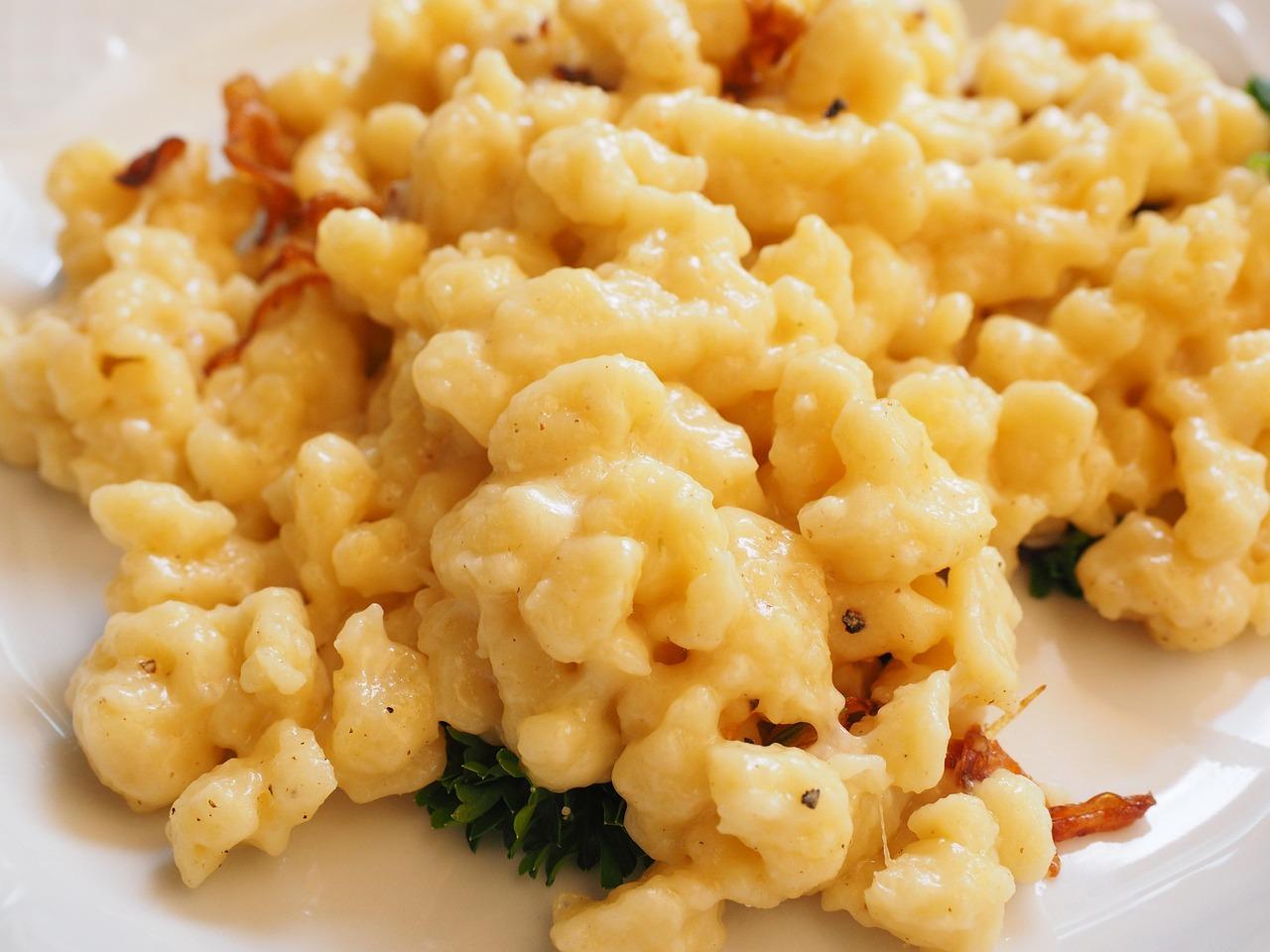
KäsespätzleCheese egg noodles

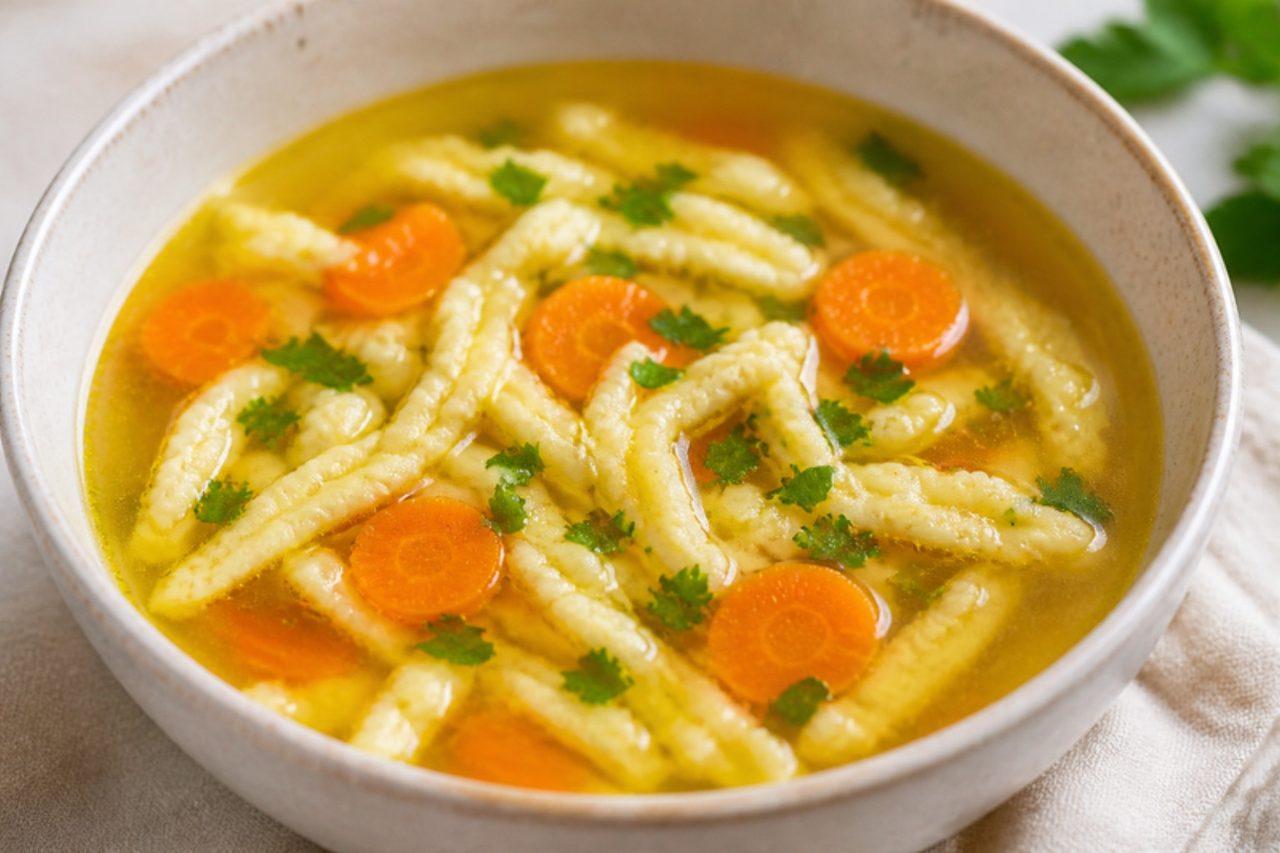
Käsespätzle is the cheese-and-noodle dish of Swabia and the Allgäu in the far south of Germany, served in mountain huts after a day's walking or skiing and in every village inn from Stuttgart to Oberstdorf. Freshly made spätzle, soft, irregular egg noodles, are layered hot with grated Bergkäse or Emmental until the cheese melts into long strings, then crowned with onions fried slowly until brown and sweet. A green salad with a sharp vinegar dressing is the classic partner. Use cheese made with vegetarian rennet; many mountain cheeses use animal rennet, so check the label. Chef's tip: layer the spätzle and cheese while both are piping hot, straight from the pot, so the cheese melts in the gaps instead of sitting on top in a rubbery sheet.

by KrazyBadal 0 views

KaftejiFried vegetables with egg

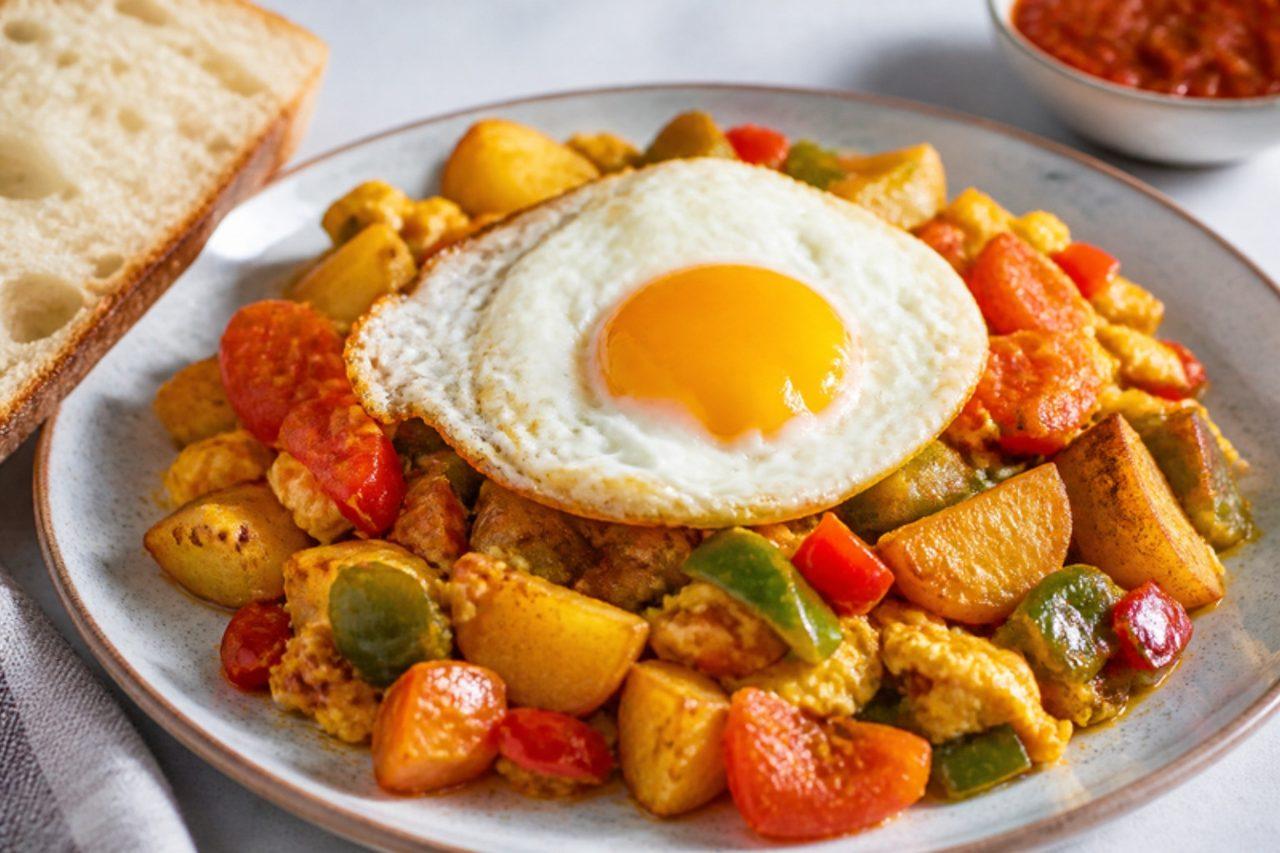
Kafteji is a Tunis sandwich-shop classic: fried peppers, tomato, squash and potato chopped together on a board with a cleaver, mixed with harissa and fried eggs, and eaten from a plate or stuffed into a baguette at lunchtime. Stalls near Bab Souika and the central market make it to order, and the sound of the chopping is part of the show. Chef's tip: fry each vegetable separately; they cook at different speeds, and crowding them makes everything greasy and soft.

by KrazyBadal 0 views

KafuliSpinach and fenugreek curry

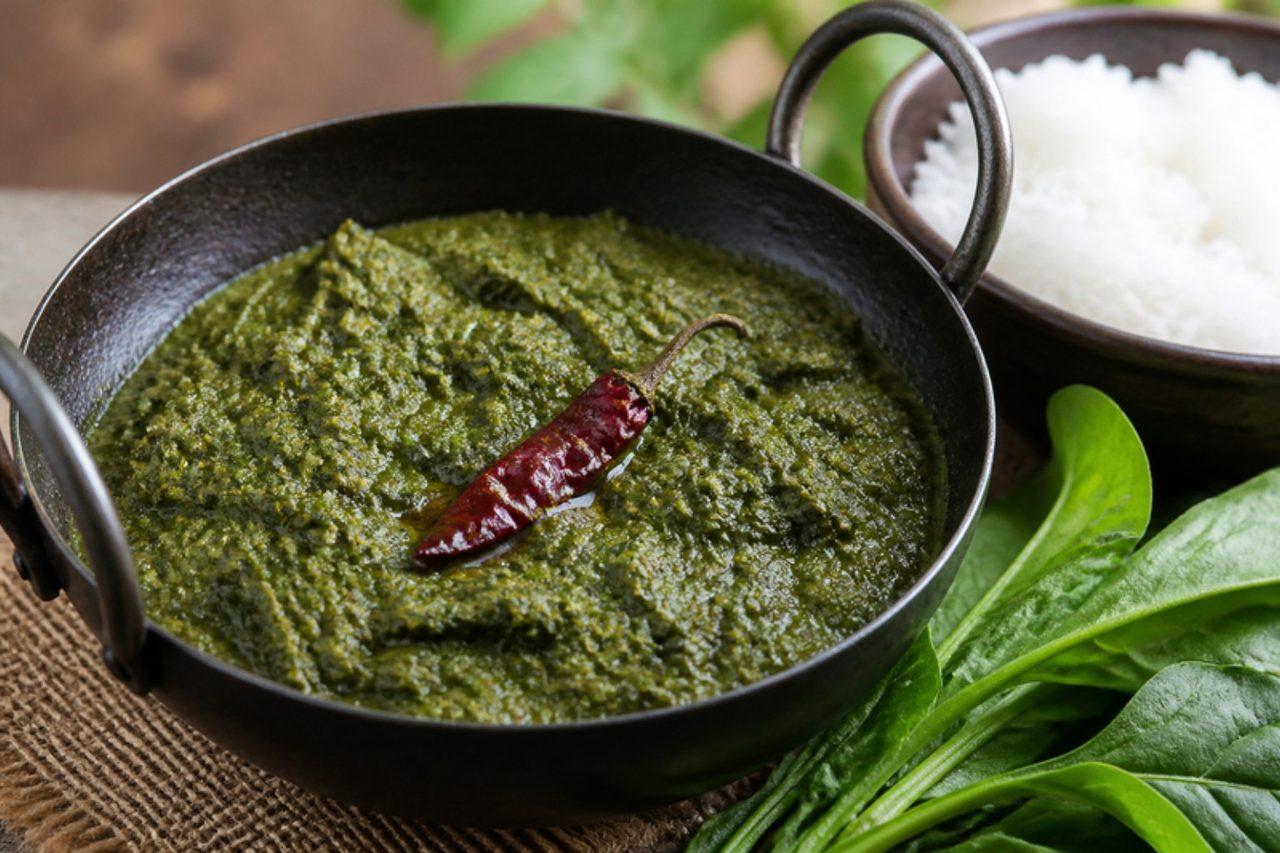
In the villages of Garhwal, kafuli is what goes into the iron kadhai when the terraces are full of palak and methi in late winter. The greens are blanched, ground roughly on a stone and simmered with a spoonful of soaked rice paste, which turns the curry silky without any cream. Mustard oil and a few dried chillies give it a sharp, warm edge, and the iron pan darkens it to a deep forest green. Eat it with mandua ki roti or plain rice and a dab of ghee for those who want it. Chef's tip: grind the greens in short pulses so you can still see flecks of leaf; kafuli should have texture, not look like a smooth soup.

by KrazyBadal 0 views

Mozambique peri-peri prawns

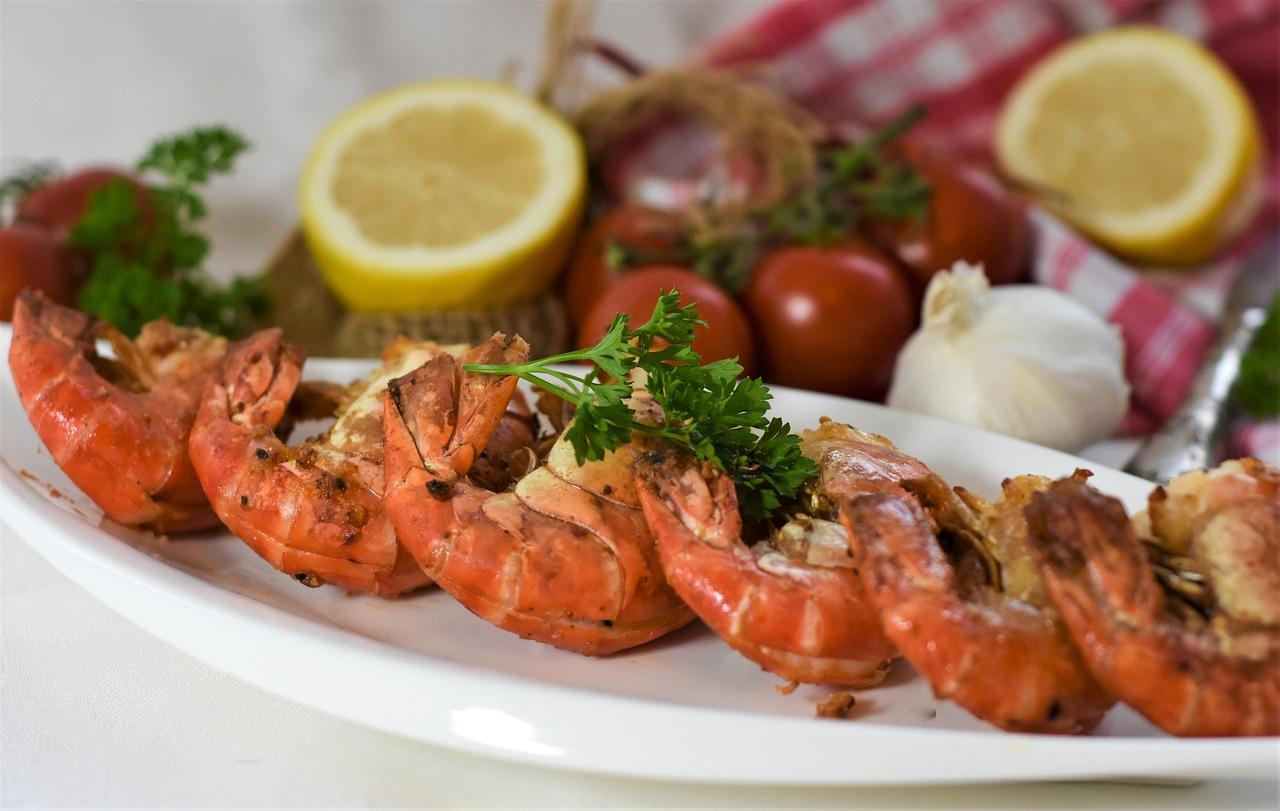
Maputo's waterfront restaurants and the beach shacks of Inhambane and Vilanculos are famous for their prawns: big shell-on prawns split down the back, painted with a sauce of piri-piri chilli, garlic, lime and butter and grilled over coals until the shells blister. You eat them with your fingers, sucking the sauce off the shells, with bread or chips. The mistake is overcooking, which turns them rubbery; they need only 2–3 minutes a side. Chef's tip: split the prawns through the shell and remove the dark vein, so the sauce gets right into the flesh.

by KrazyBadal 0 views

Chatini pomme d'amourCrushed tomato chutney

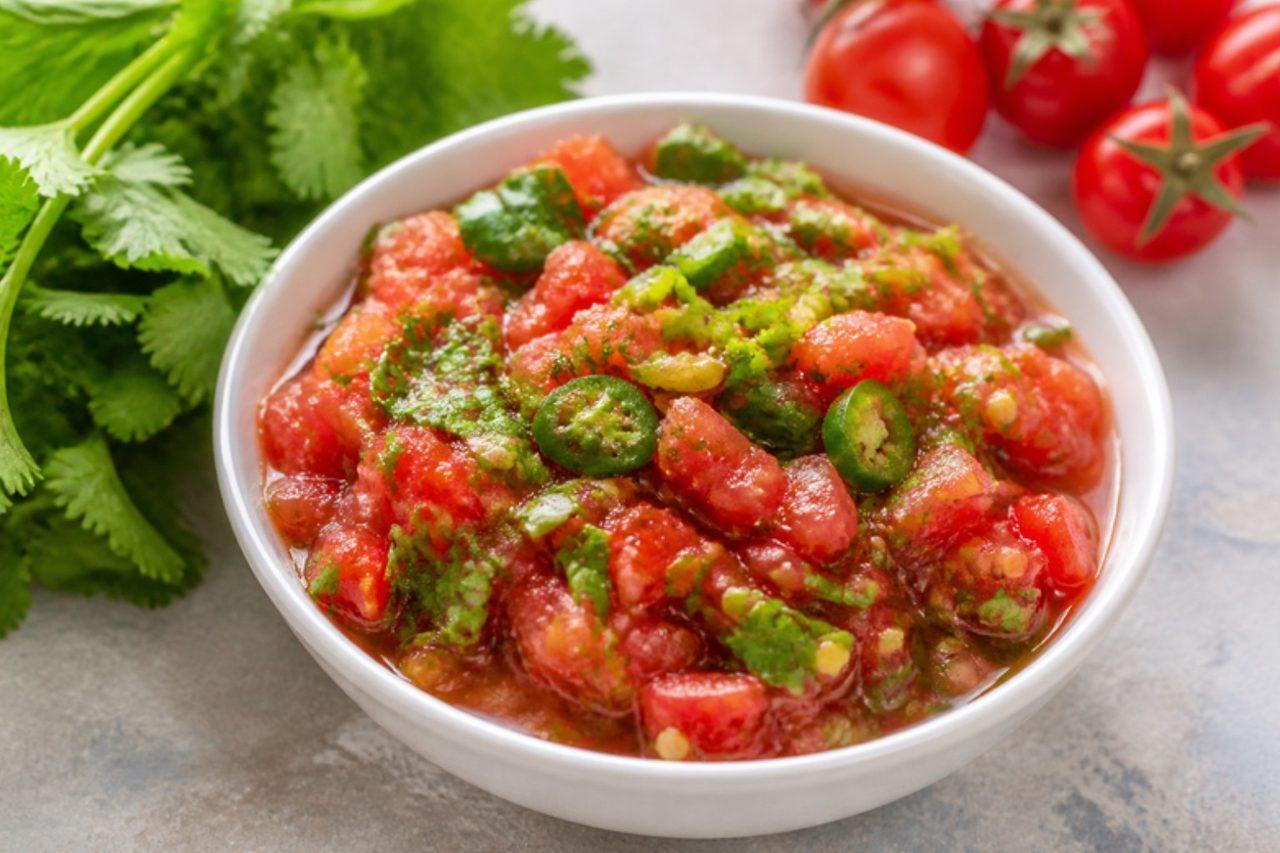
Chatini pomme d'amour (tomato chutney) is on the side of every Mauritian plate of rice, dholl puri and farata. In Creole and Indo-Mauritian homes it is crushed by hand on the roche carri, the island's flat grinding stone, so the tomato turns juicy while the onion and coriander stay fresh. Unlike kachumbari it is crushed rather than chopped, with raw garlic and a spoon of oil. Chef's tip: crush the garlic and chilli to a paste first, then the tomato; otherwise you bite into raw garlic pieces.

by KrazyBadal 0 views

ChatamariRice flour crêpe with toppings

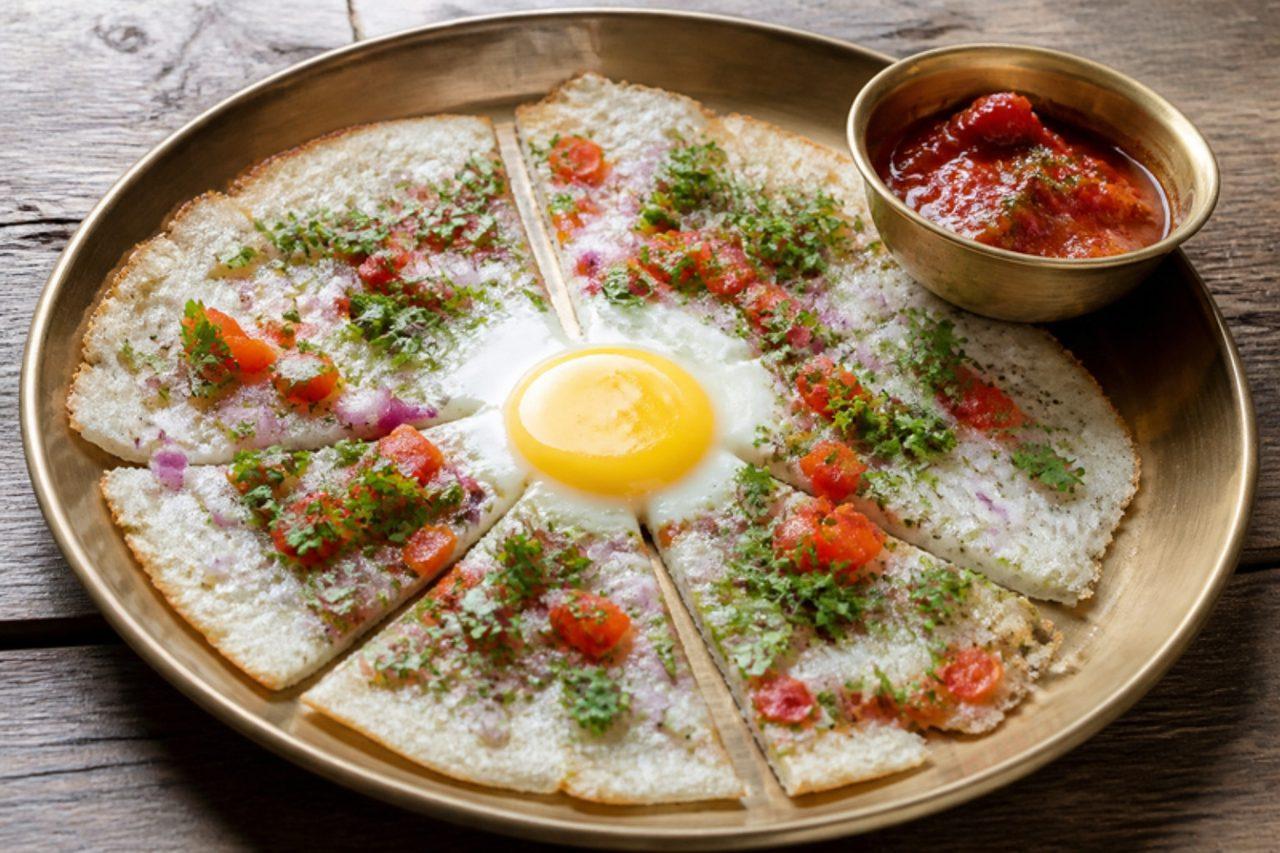
Chatamari is a thin, round crêpe of rice flour that Newar cooks in Patan, Bhaktapur and old Kathmandu make on a covered griddle, so the topping steams on top while the base turns crisp underneath. It is sometimes called Newari pizza, which says something about how it's eaten: cut into wedges, hot, and shared. It is a festival and teahouse snack, served at Newar feasts and in the small eateries around Patan Durbar Square. The classic topping is a cracked egg spread over the batter with onion, tomato and coriander, and this vegetarian version keeps the egg; leave it out and add more vegetables if you prefer. The common mistake is to pour the batter too thick; it should be as thin as single cream so it cooks through before the edges burn. Chef's tip: swirl the batter with the back of a ladle in a spiral from the centre outwards, so it sets in an even, lacy layer.

by KrazyBadal 0 views

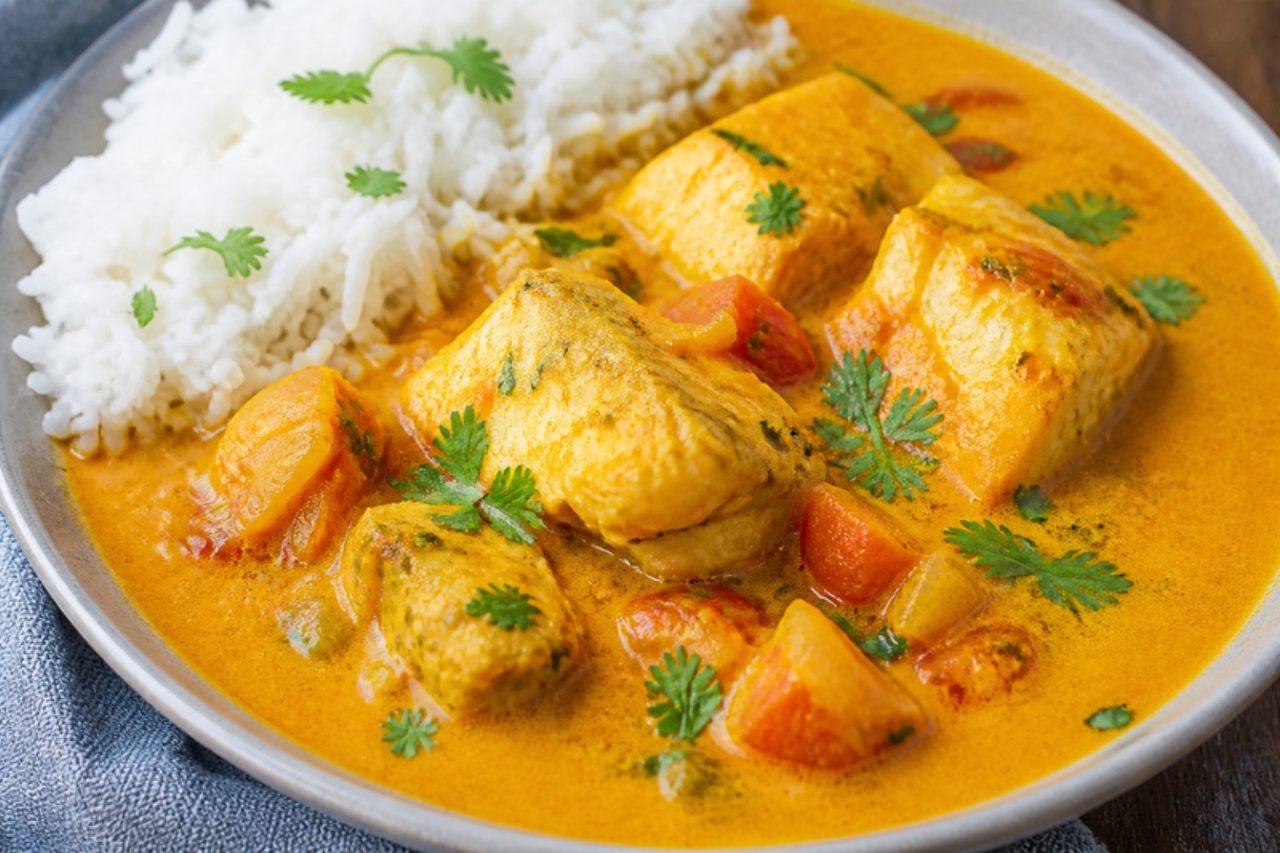
Zanzibar fish curry

Mchuzi wa samaki is cooked in homes all along the Swahili coast, from Mombasa and Lamu to Stone Town in Zanzibar, where the spice trade left cumin, cardamom and turmeric in every kitchen. Firm fish simmers briefly in a sauce of tomato, onion and coconut milk soured with tamarind, and it is eaten with plain rice or chapati. The mistake is stirring once the fish is in, which breaks it up; shake the pan gently instead. Chef's tip: rub the fish with turmeric, lime and salt for 15 minutes first, which firms it and seasons it all the way through.

by KrazyBadal 0 views

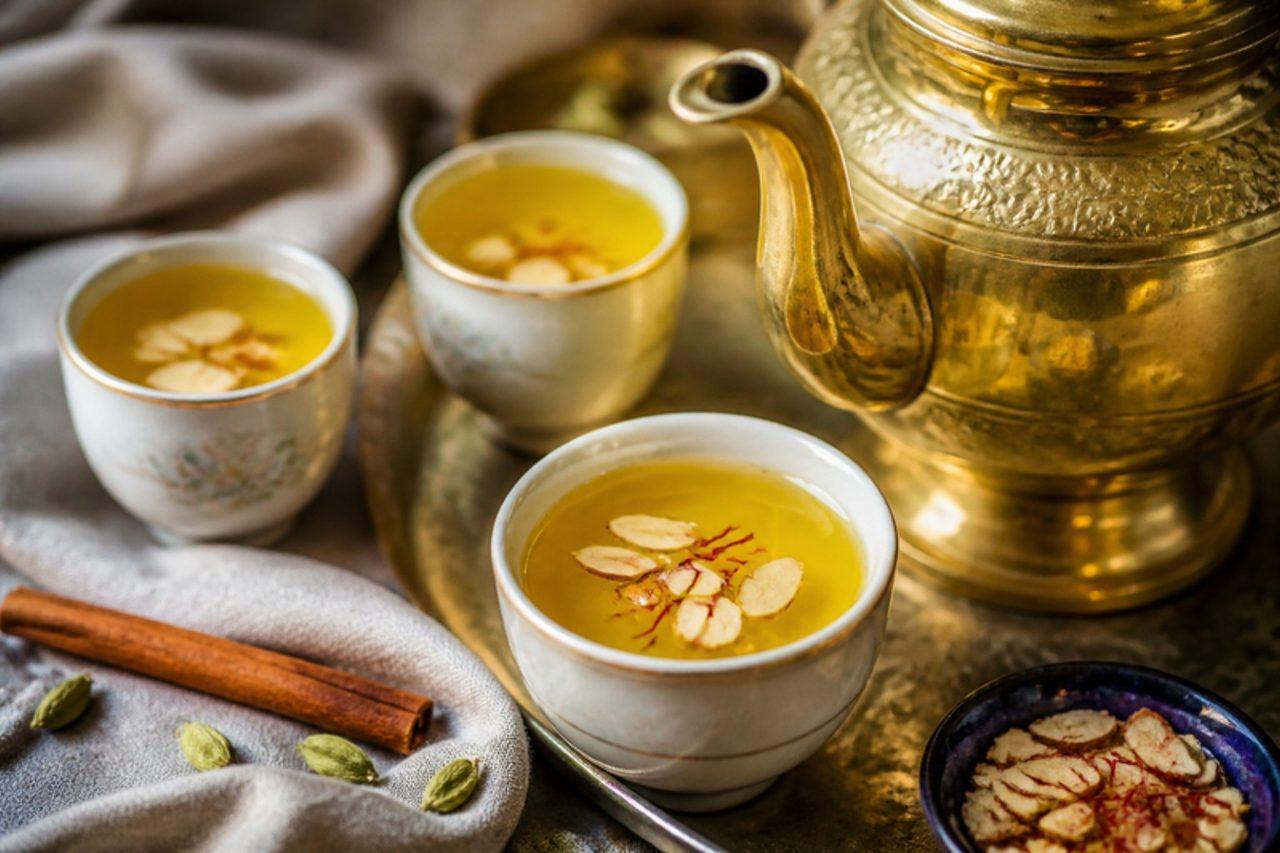
KahwaSaffron green tea

Kahwa is the warming green tea of Kashmir, traditionally brewed in a brass samovar and poured for guests on cold winter days. Green tea leaves are infused with saffron, green cardamom and cinnamon, sweetened lightly and served with slivered almonds in each cup. It's golden, fragrant and soothing, and is drunk after heavy meals to help digestion. Chef's tip: never boil the tea leaves; simmer the spices first, then let the tea steep off the heat for just 2 minutes or it turns bitter.

by KrazyBadal 0 views

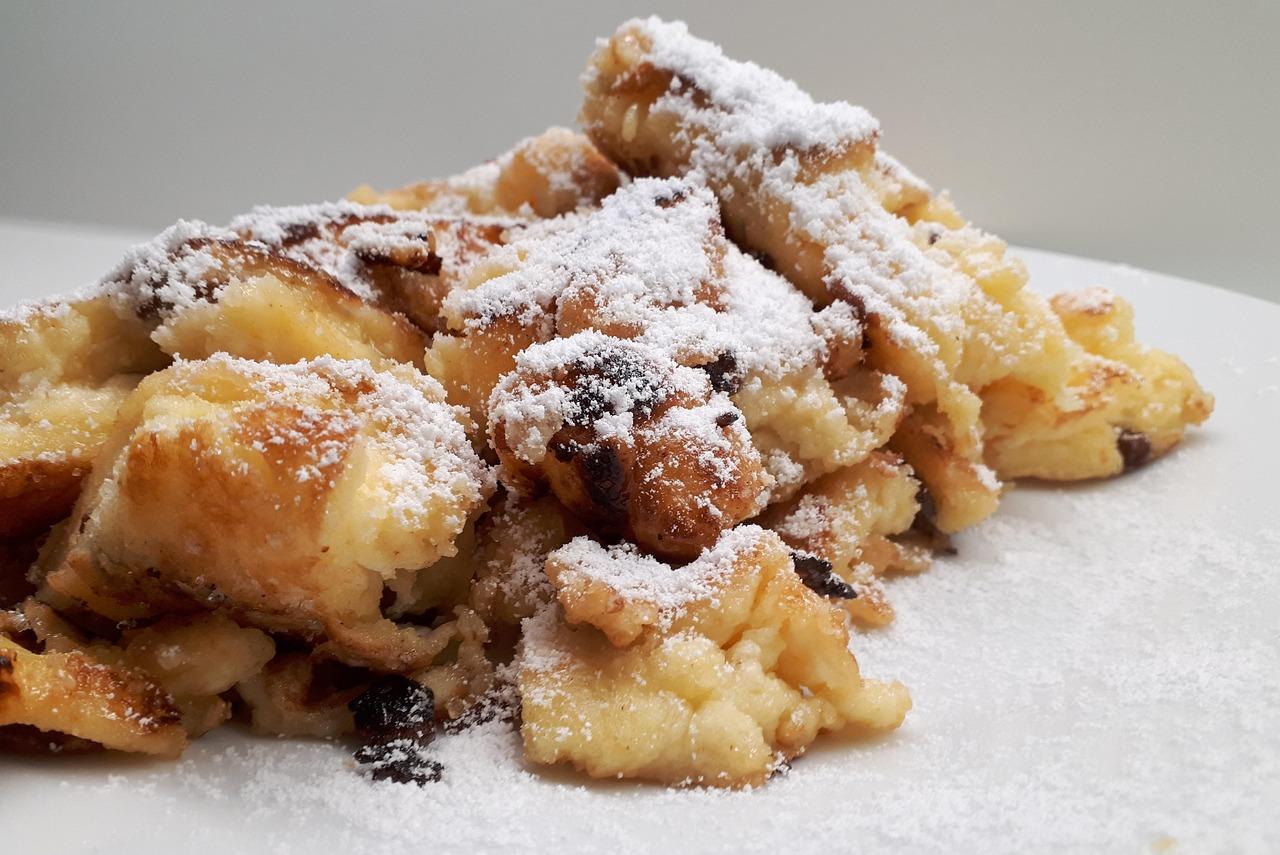
KaiserschmarrnTorn raisin pancake

Kaiserschmarrn, the 'emperor's mess', is Austria's favourite sweet meal, said to have been made for Emperor Franz Joseph, and today it's served from huge pans in every ski hut in Tyrol and Salzburg and in Viennese restaurants. It is a thick, fluffy pancake made with whisked egg whites, torn into rough pieces in the pan with two forks, then caramelised with butter and sugar and heaped with icing sugar. Eat it with Zwetschkenröster (plum compote) or apple sauce. Chef's tip: let the pancake set and brown properly underneath before tearing it up; tear it too early and you get scrambled batter instead of soft, golden pieces.

by KrazyBadal 0 views

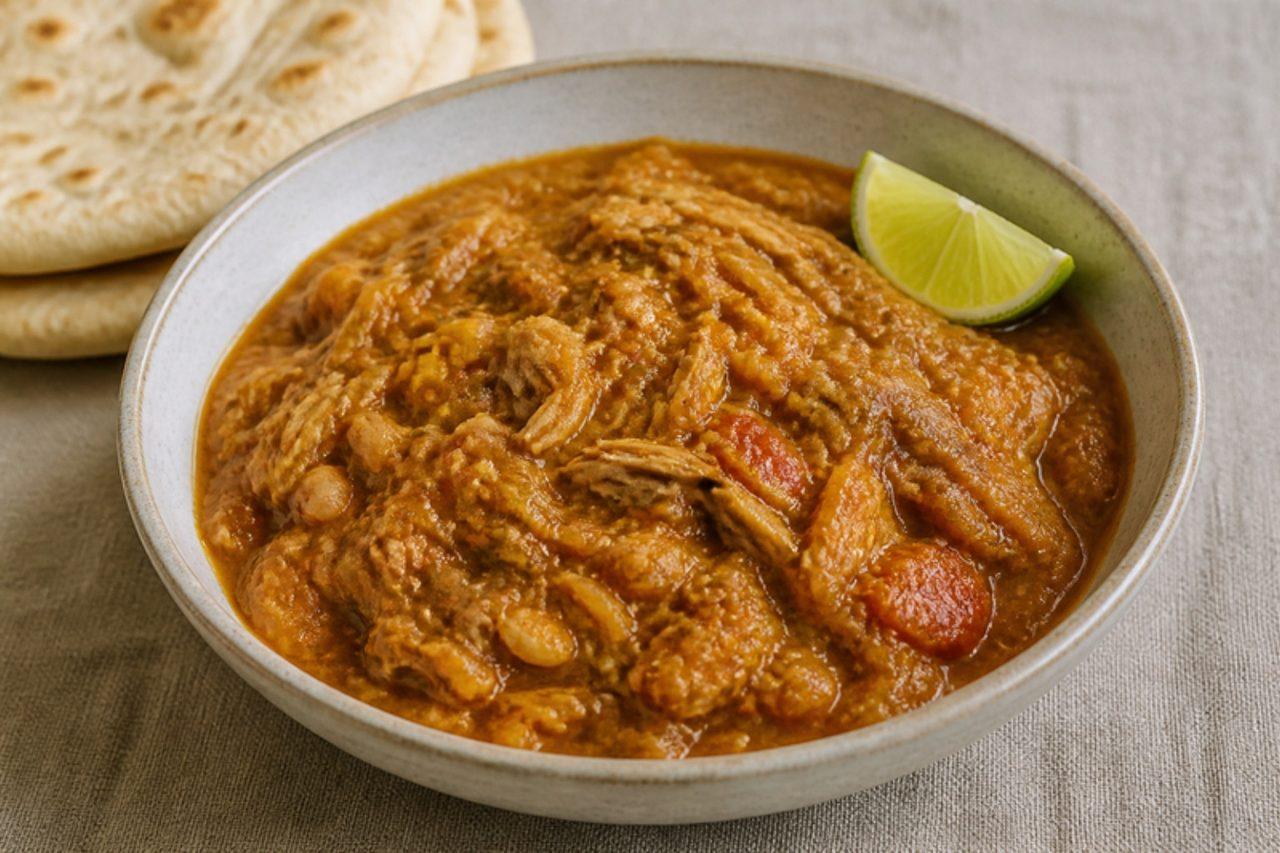
KajaikDried fish stew

Kajaik is a stew from the Nile towns of northern Sudan, where fish from the river is salted and sun-dried to keep through the year; it is cooked with plenty of onion, tomato and a spoonful of peanut butter and eaten with aseeda (thick porridge) or kisra. The flavour is deep and savoury, a little like a rich fish curry without the heat. The mistake is not soaking the dried fish long enough, which makes the stew far too salty and the fish tough; soak it overnight and change the water twice. Chef's tip: if you can't find dried Nile fish, salted dried cod (bacalao) works well.

by KrazyBadal 0 views

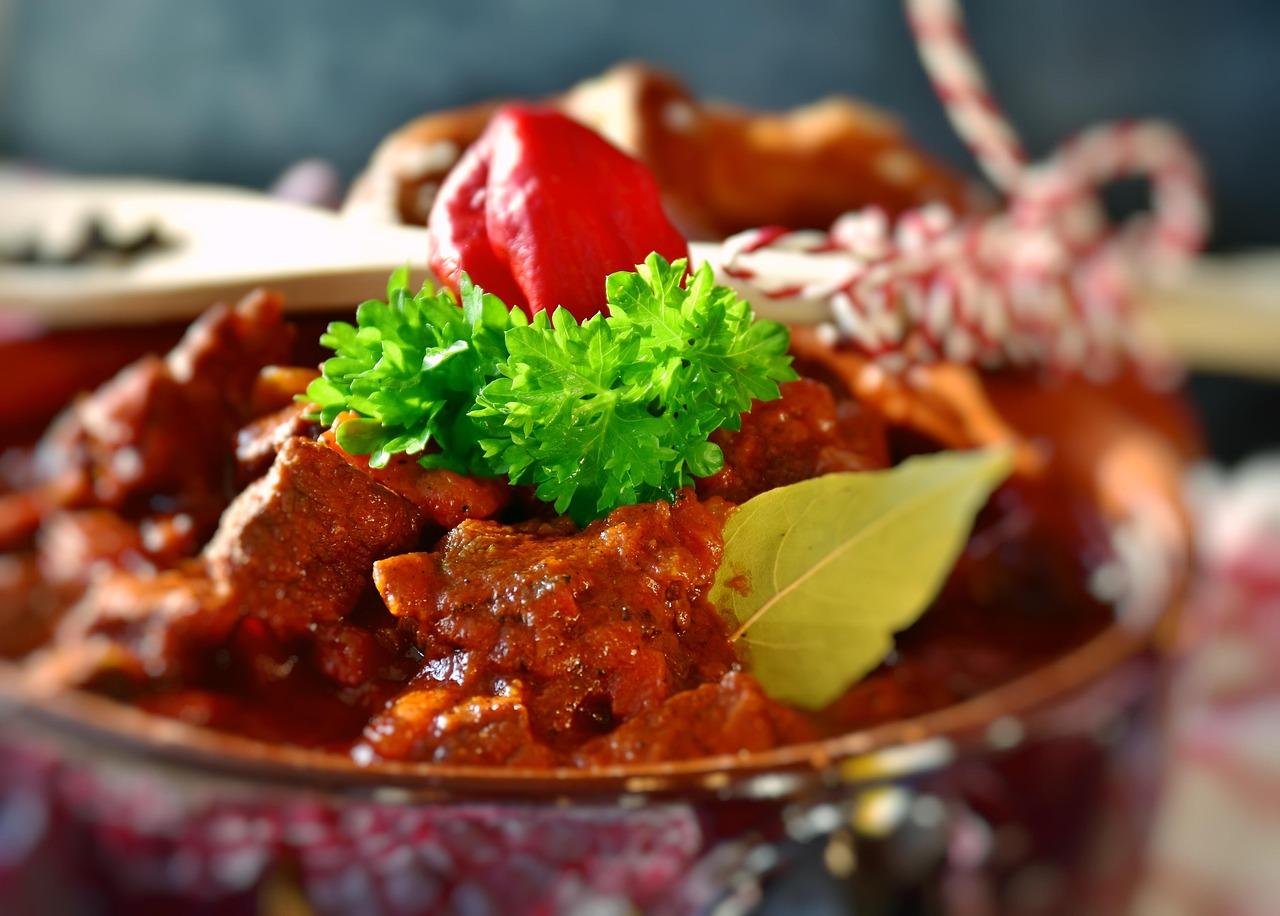
ChashushuliSpicy beef and tomato stew

Chashushuli is a fiery beef stew from the home kitchens and Tbilisi taverns of eastern Georgia, cooked in a clay ketsi pot or a heavy pan and eaten with shoti bread. Beef simmers slowly with lots of onion and tomato, then gets a hit of garlic, chilli, khmeli suneli and fresh coriander right at the end. It is meant to be spicy, but you can halve the chilli. Chef's tip: cook it until the sauce is thick enough to scoop with bread; Georgians do not eat it like soup.

120 minGeorgianMeatGluten freeSpicy
by KrazyBadal 0 views

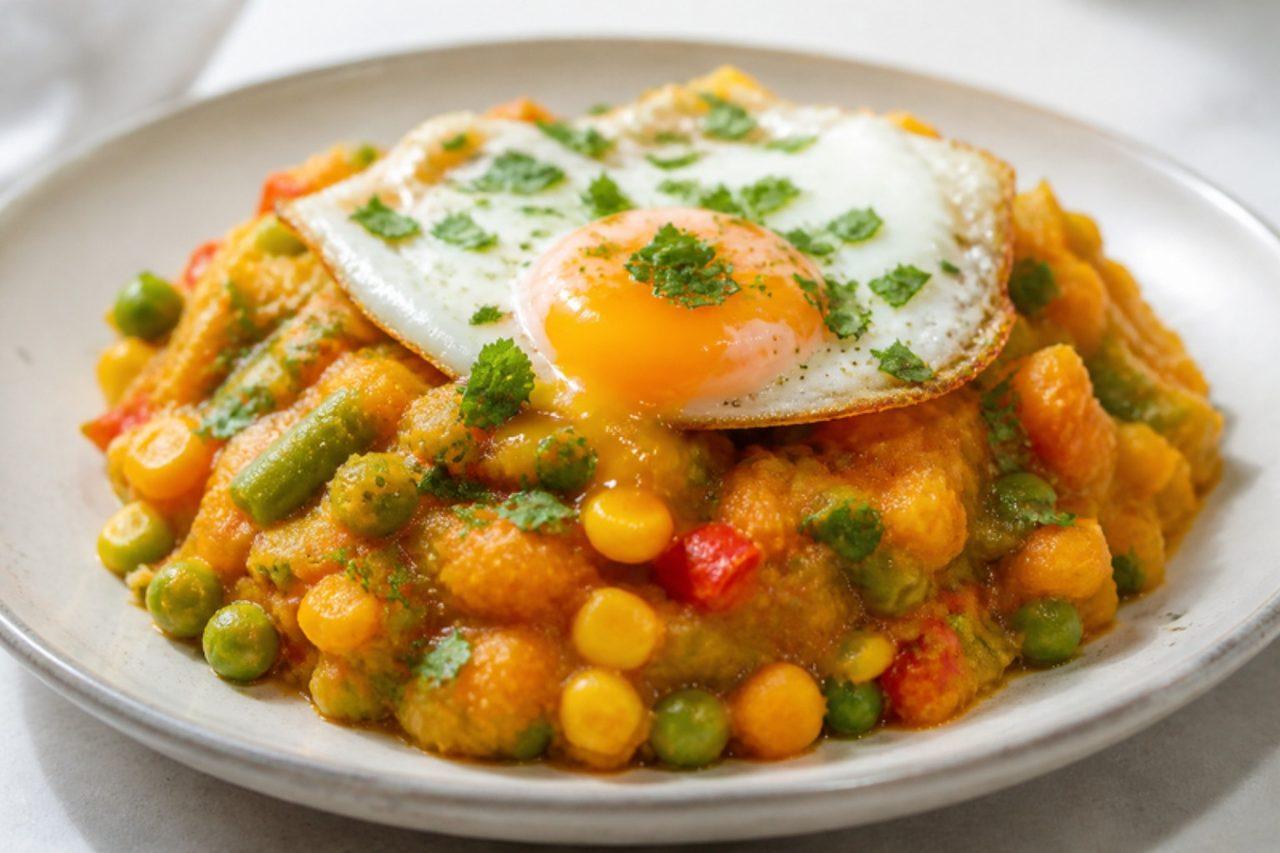
Vegetable charquicánPumpkin, potato and corn stew

Charquicán is old Chilean country food: a thick mash of pumpkin and potato with corn and peas, once made with charqui, the dried meat of the Andes. In the south and in Santiago homes it's a winter weeknight dinner, served in a deep plate with a fried egg on top and pickled onions or a simple salad. Without the meat it's still rich and smoky with merkén (smoked chilli) and paprika. Chef's tip: mash only roughly at the end; charquicán should have soft chunks, not be a smooth purée.

by KrazyBadal 0 views

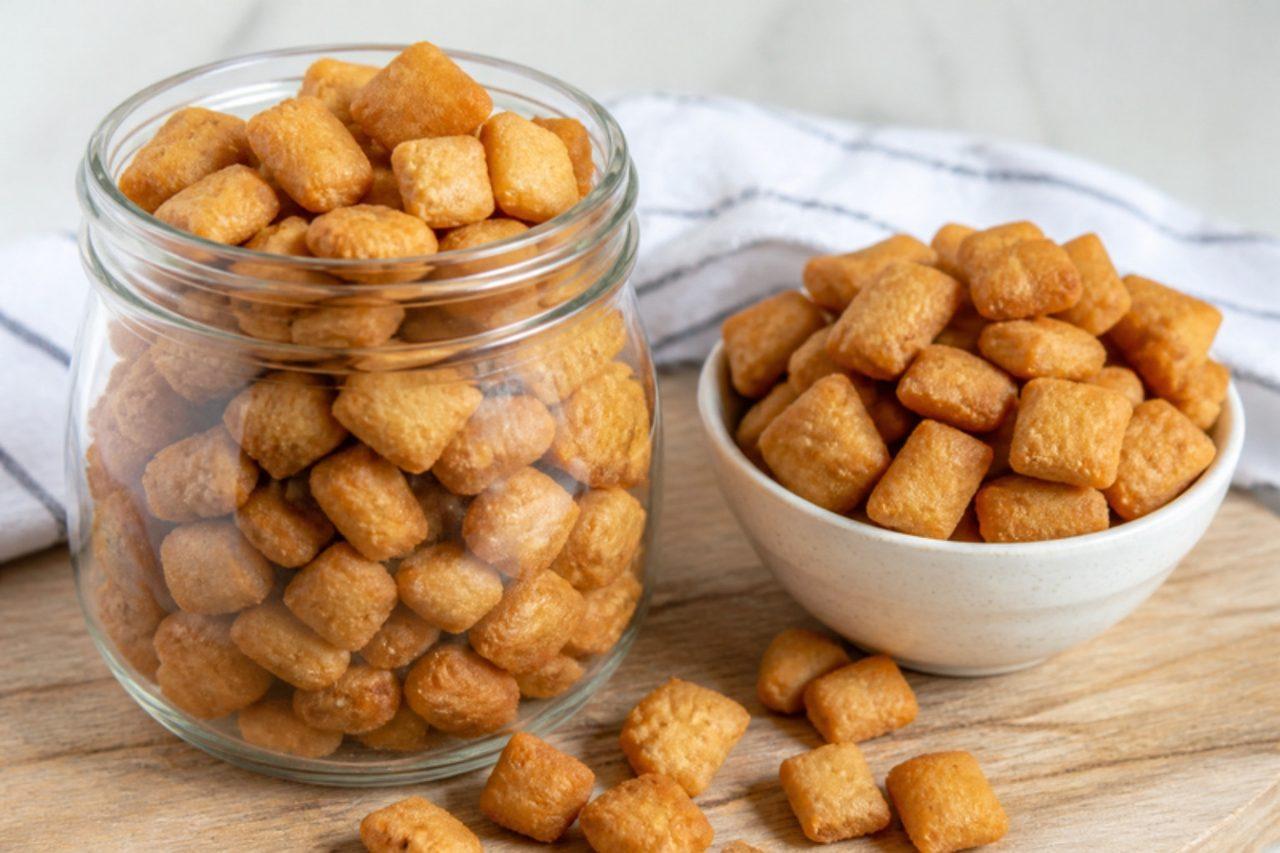
Chin chinCrunchy fried dough bites

Every December, Nigerian kitchens turn into small factories of chin chin, crunchy little cubes of sweet fried dough packed into big plastic tubs for Christmas visitors, weddings and the long drive back to the village. The dough is enriched with butter, egg and evaporated milk and scented with nutmeg; cut small and fried, it shatters with a satisfying crunch. It keeps for weeks, so families make kilos at a time. Chef's tip: roll the dough evenly thin, about 5 mm, so every piece fries through to a crisp centre at the same time.

by KrazyBadal 0 views

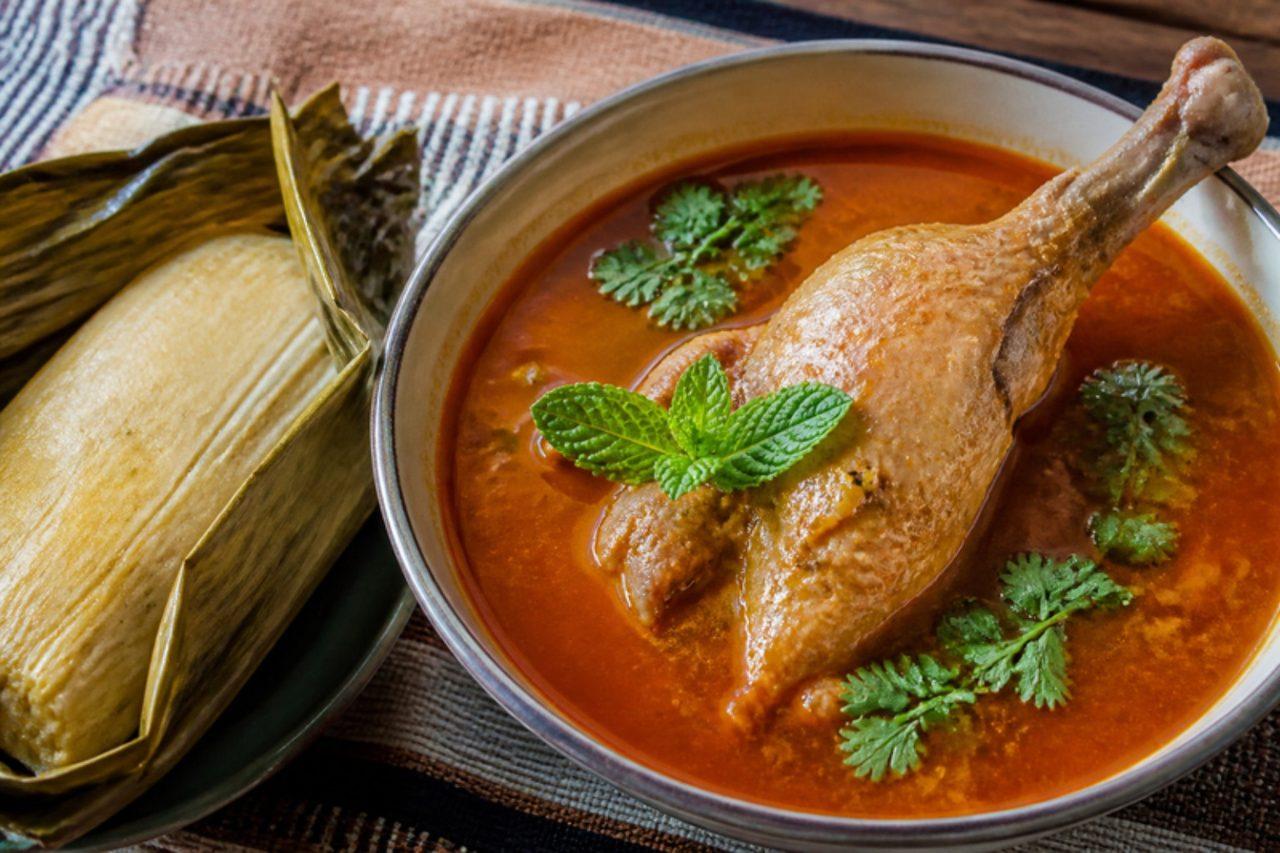
Kak'ikTurkey and chilli soup

Kak'ik is a red, aromatic turkey soup from the Q'eqchi' Maya of Alta Verapaz, around Cobán, and is cooked for weddings, saints' days and Christmas; it is now recognised as part of Guatemala's cultural heritage. Turkey legs simmer in a broth flavoured with toasted tomatoes, guajillo and pasa chillies, achiote, coriander and mint, and it is served with tamalitos or rice. The mistake is not toasting the chillies and tomatoes; the slight char gives the soup its smoky depth. Chef's tip: toast the dried chillies only for seconds, until they puff and smell fruity, or they turn bitter.

by KrazyBadal 0 views

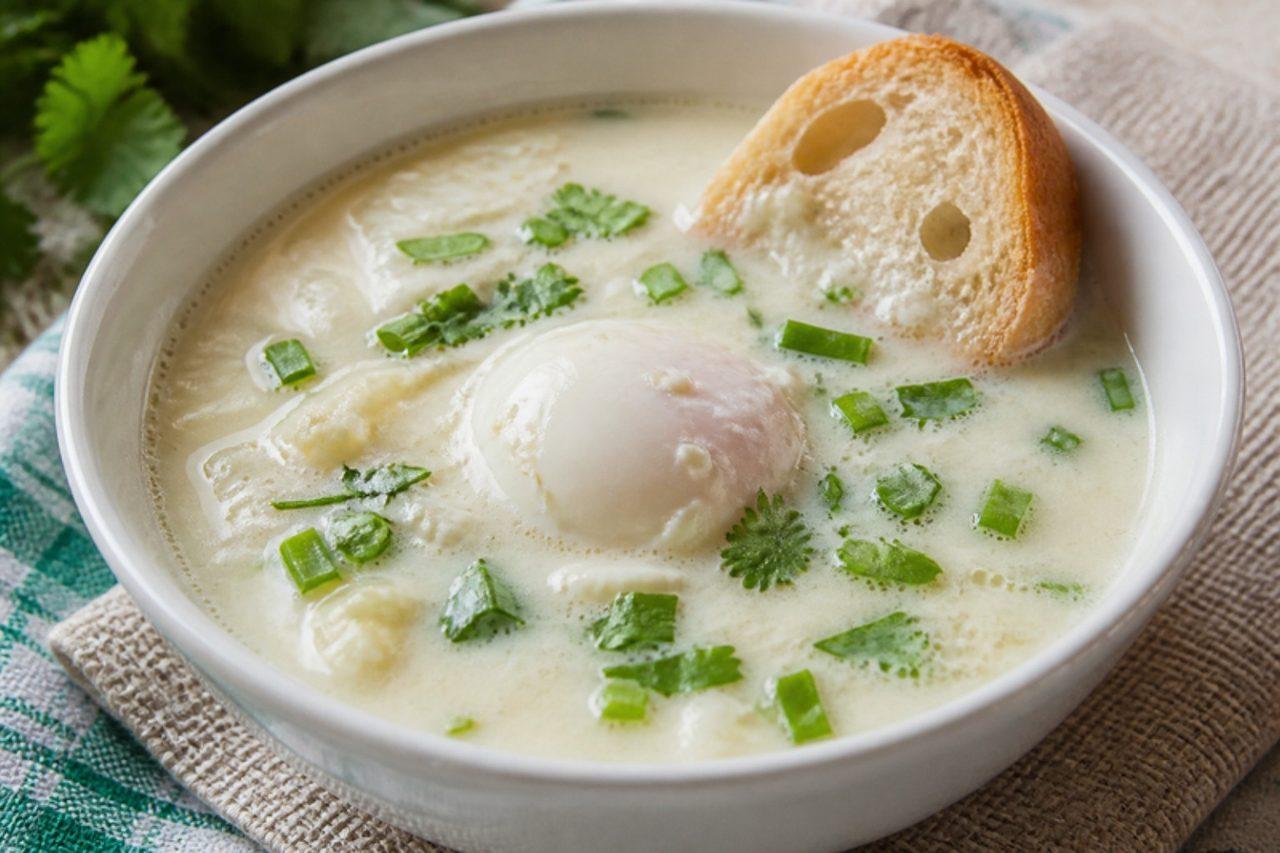
ChanguaMilk and egg breakfast soup

Changua is the breakfast soup of Bogotá and the high plains of Cundinamarca and Boyacá, where cold mornings call for something hot before work. Milk and water are simmered with spring onion, eggs are poached right in the pot, and the bowls get fresh coriander and pieces of stale bread or calado (dried toasted bread) that soften in the broth. It is gentle, creamy and filling. Chef's tip: keep the milk at a bare simmer; if it boils hard it can catch on the bottom and the eggs break apart.

by KrazyBadal 0 views

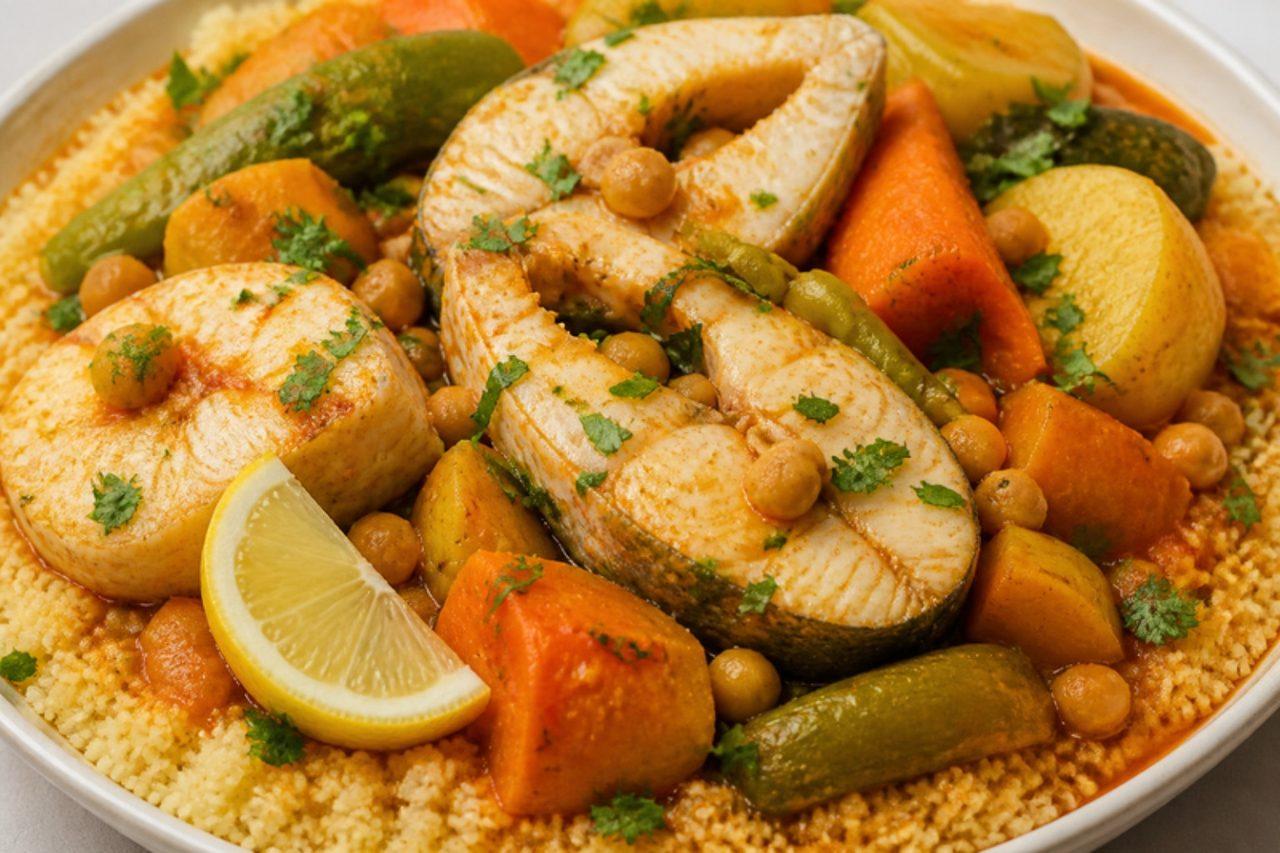
Tunisian fish couscous

On Tunisia's coast, especially in Sfax, Mahdia and the fishing towns of Cap Bon, couscous for Friday lunch is made with fish instead of meat: a red, peppery broth of tomato, harissa and caraway in which the vegetables cook first and the fish is poached at the end, while the couscous steams on top. The broth is ladled over the grains at the table until they glisten. The mistake is boiling the fish too long, so it breaks into the broth; poach it gently for the last 10 minutes only. Chef's tip: oil and rub the couscous between your palms before and after the first steaming so every grain stays separate.

105 minTunisianFishSpicy
by KrazyBadal 0 views

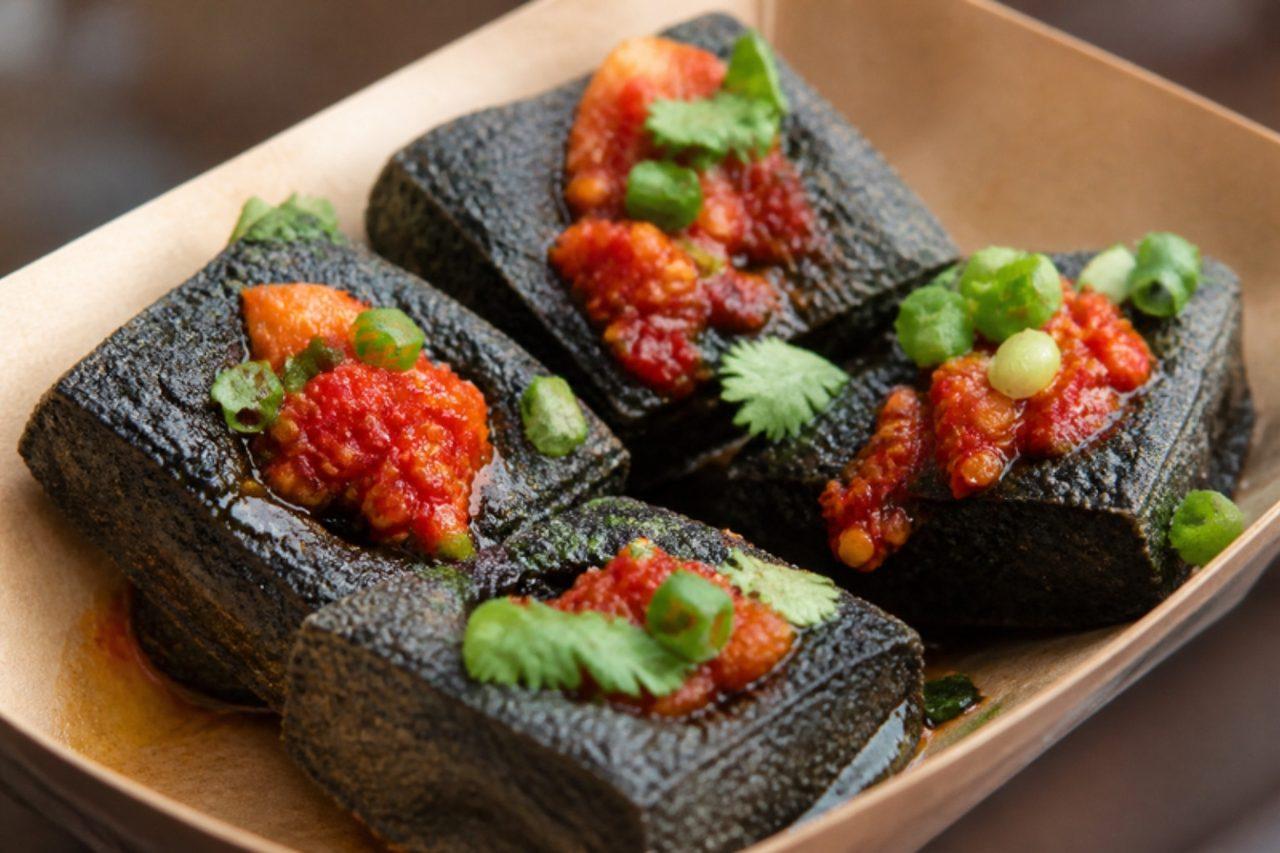
Changsha stinky tofuFried fermented tofu

Walk down Pozi Street in Changsha and you'll smell this before you see it. The tofu is fermented in a brine until it turns jet black and pungent, then fried until it puffs up with a crisp skin and a soft, hollow middle. Vendors poke a hole in each piece and spoon in a sauce of chopped chillies, garlic and soy. Making the brine takes weeks, so this home version starts with bought stinky tofu (frozen, in Chinese supermarkets). Chef's tip: the smell fades a lot during frying; it tastes milder and nuttier than it smells.

by KrazyBadal 0 views

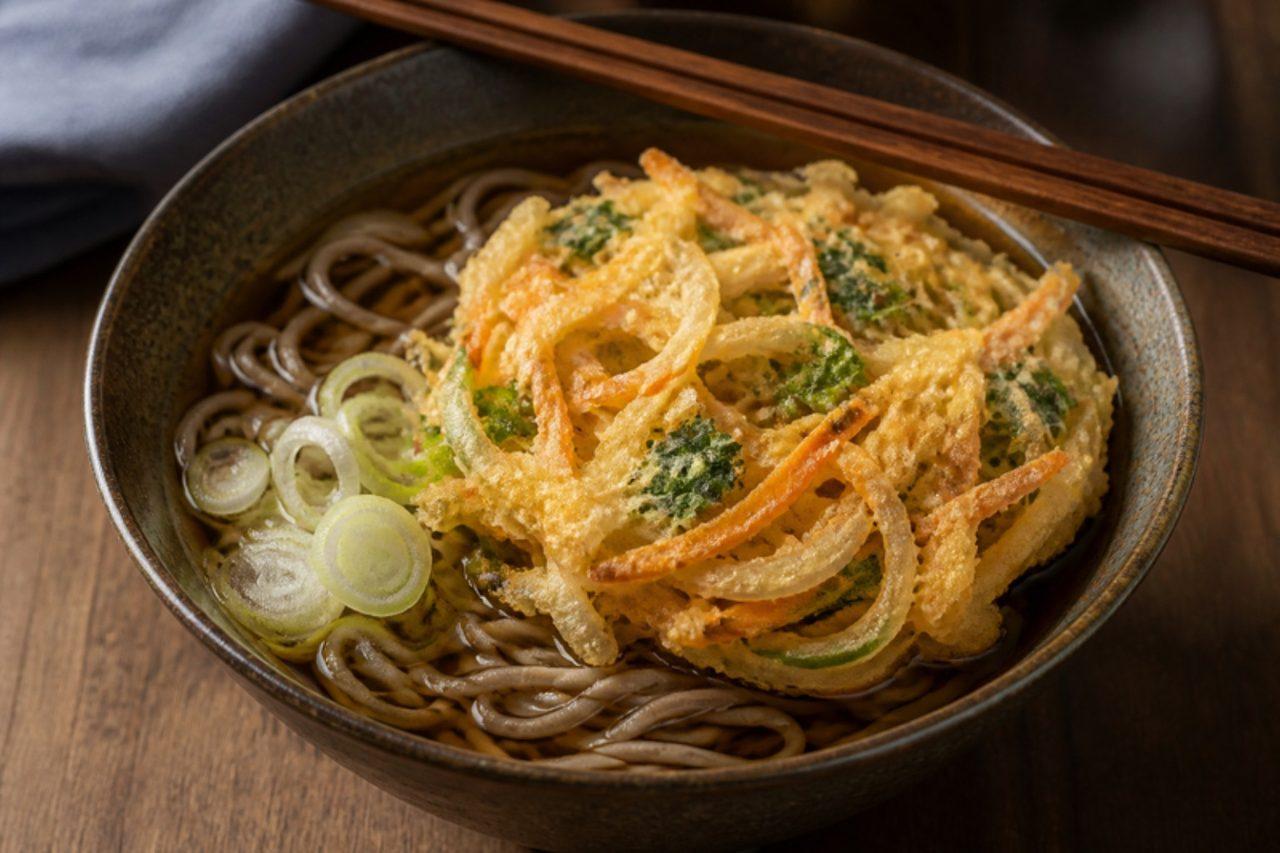
Kakiage sobaBuckwheat noodles with vegetable tempura

In Tokyo, hot soba with a fritter on top is the city's fast food. Standing soba counters near train stations, called tachigui soba, have served it to commuters since the Edo period, when soba and tempura stalls stood side by side. The fritter here is kakiage: a loose nest of onion, carrot and greens held together with just enough batter to fry into a lacy disc. It softens a little in the broth and flavours it with toasty oil, which is why many Tokyoites eat half of it crisp and let the rest soak. Our broth uses kombu and shiitake instead of bonito. Chef's tip: slide the kakiage into the oil off a flat spatula or ladle, and don't touch it for the first minute. It needs that time to set, or it falls apart.

by KrazyBadal 0 views

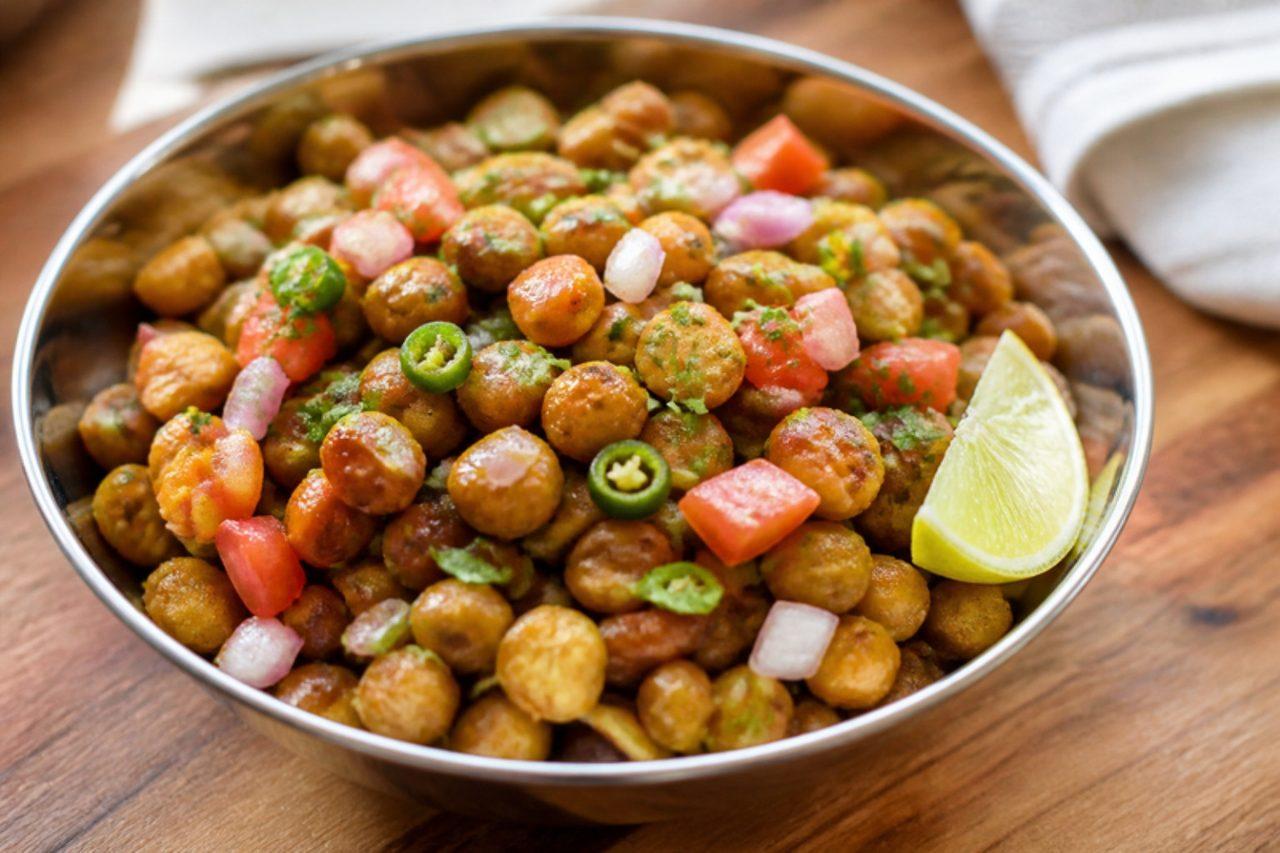
Chana jor garamSpiced flattened chickpea snack

Chana jor garam is sold from a tin box slung round a vendor's neck on the Kolkata Maidan, at Babughat and along Esplanade, with a sing-song call to match its name. Chickpeas are soaked, pressed flat, and fried or roasted until crunchy, then tossed to order with raw onion, tomato, green chilli, coriander, lime and a spice mix, and handed over in a paper cone. It is lighter than jhalmuri and much crunchier. The same snack is sold on Mumbai beaches; this is the Kolkata cart version. Chef's tip: flatten the soaked chickpeas while still damp, with a rolling pin between two cloths, so they split into thin discs.

by KrazyBadal 0 views

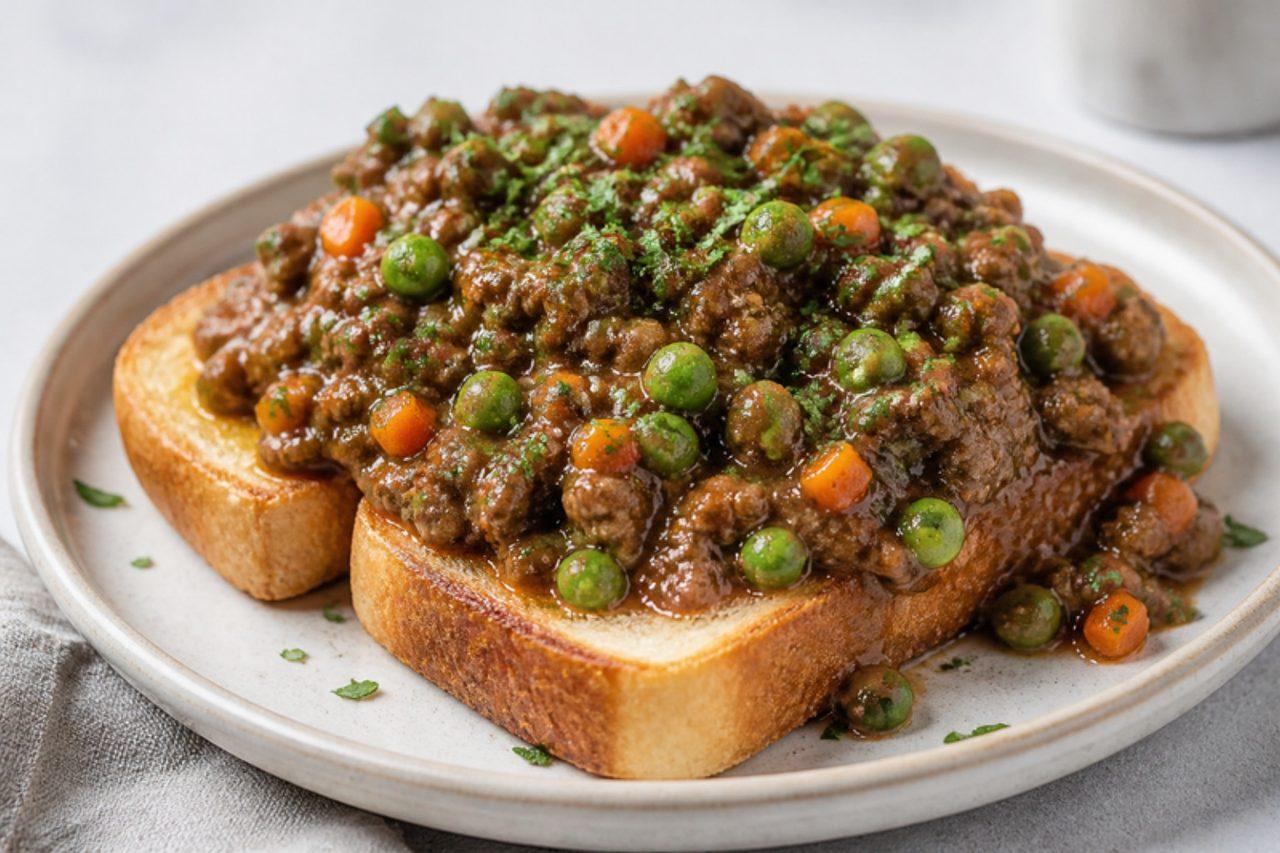
Mince on toast

Mince on toast is pure Kiwi comfort: a weeknight tea in homes from Invercargill to Auckland, and lately a proud fixture on café brunch menus, where it comes with a poached egg on top. Beef mince is browned hard, simmered with onion, grated carrot and a glug of Worcestershire sauce into a thick savoury gravy, then finished with peas and piled onto buttered toast. It's quick, cheap and kids love it. The usual mistake is stirring the mince constantly in a crowded pan, so it steams grey instead of browning; let it sit and catch colour. Chef's tip: grate the carrot instead of chopping it; it melts into the gravy and sweetens it without anyone noticing the vegetables.

by KrazyBadal 0 views

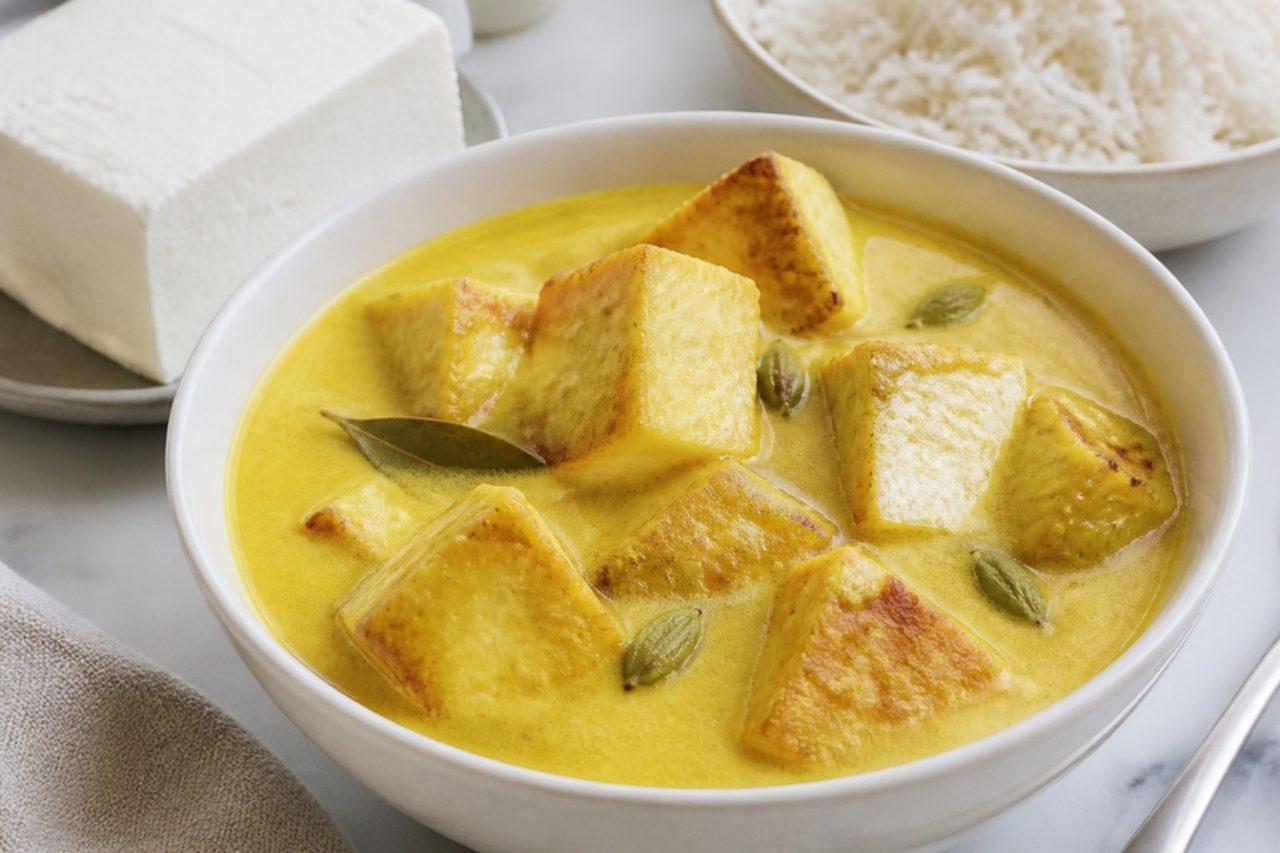
Chaman kaliyaPaneer in turmeric milk gravy

In Kashmir paneer is called chaman, and kaliya is the name for a gravy coloured bright yellow with turmeric rather than red with chilli. Kashmiri Pandit cooks fry thick slabs of paneer, rest them in warm water so they stay spongy, then simmer them in milk with fennel, dry ginger and cardamom. The result is mild, sweet-scented and soothing, a dish that sits beside the fiery ones on a wedding or festival spread and is just as welcome on a weekday with rice. Chef's tip: use a generous spoon of good turmeric; the gravy should glow a deep gold, and the milk mellows any rawness.

by KrazyBadal 0 views

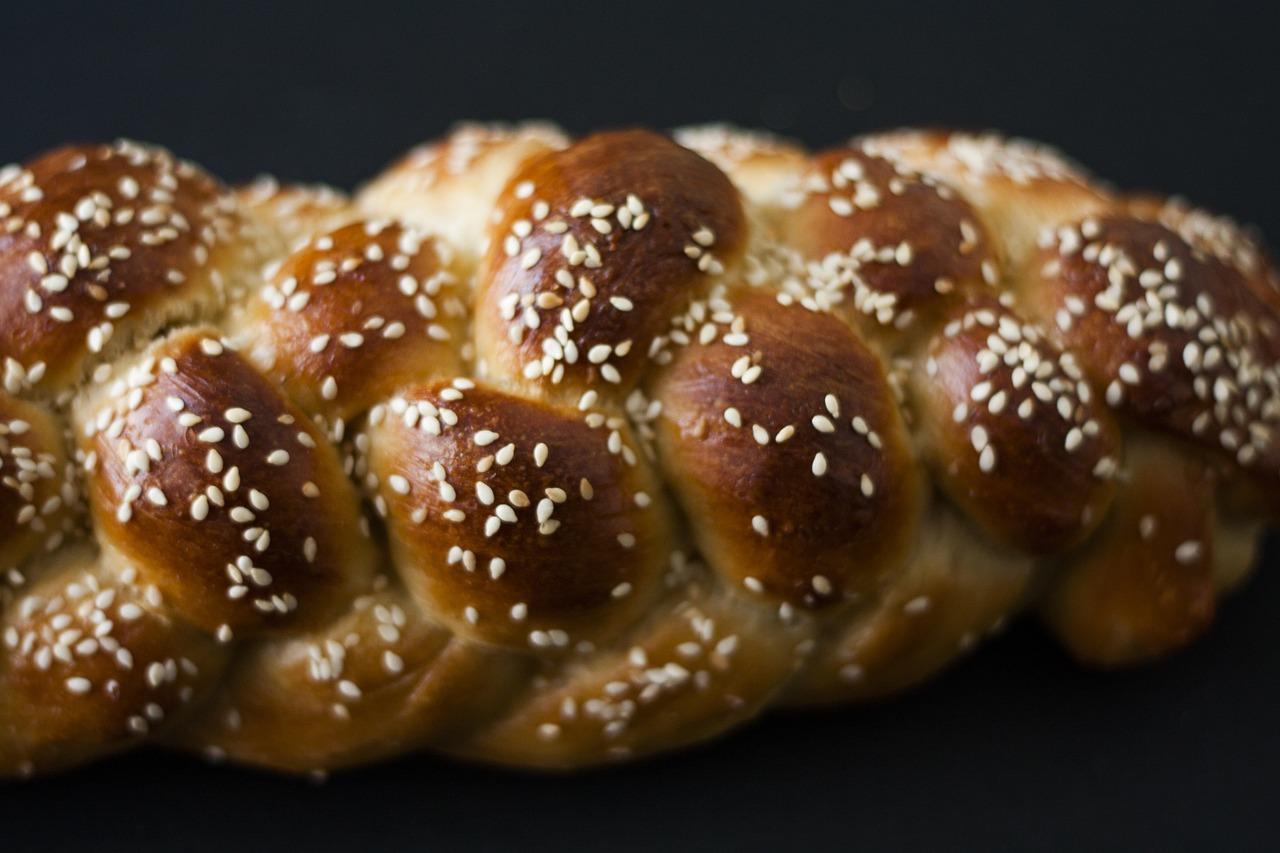
ChallahBraided egg bread

On Friday afternoons the bakeries of Jerusalem's Mahane Yehuda market and every Jewish neighbourhood from Brooklyn to Golders Green fill with plaited, shiny challah for the Shabbat table, where two loaves sit under an embroidered cloth until the blessing. The dough is enriched with eggs, oil and a little honey, so the crumb is soft, faintly sweet and pulls apart in feathery strands, and the crust bakes deep mahogany. Leftovers make wonderful French toast. Chef's tip: brush the egg glaze twice, once before rising and once just before baking, for the deep, lacquered shine.

by KrazyBadal 0 views

Chakuli pithaRice and urad dal pancakes

Chakuli pitha is Odisha's breakfast pancake and the first of the pithas a child learns to love; it is offered to Lord Jagannath and made at home on Sundays and for Manabasa Gurubar in the month of Margasira. Rice and a little urad dal are soaked, ground and fermented overnight, then poured onto a hot pan into a pancake that is thinner than an uttapam but softer and thicker than a dosa, with a lacy, holey top. It is eaten with aloo bhaja, ghuguni or simply with jaggery. Chef's tip: cook only on one side under a lid; the steam sets the top and keeps the holes.

by KrazyBadal 0 views

Chakki ki shaakWheat gluten curry

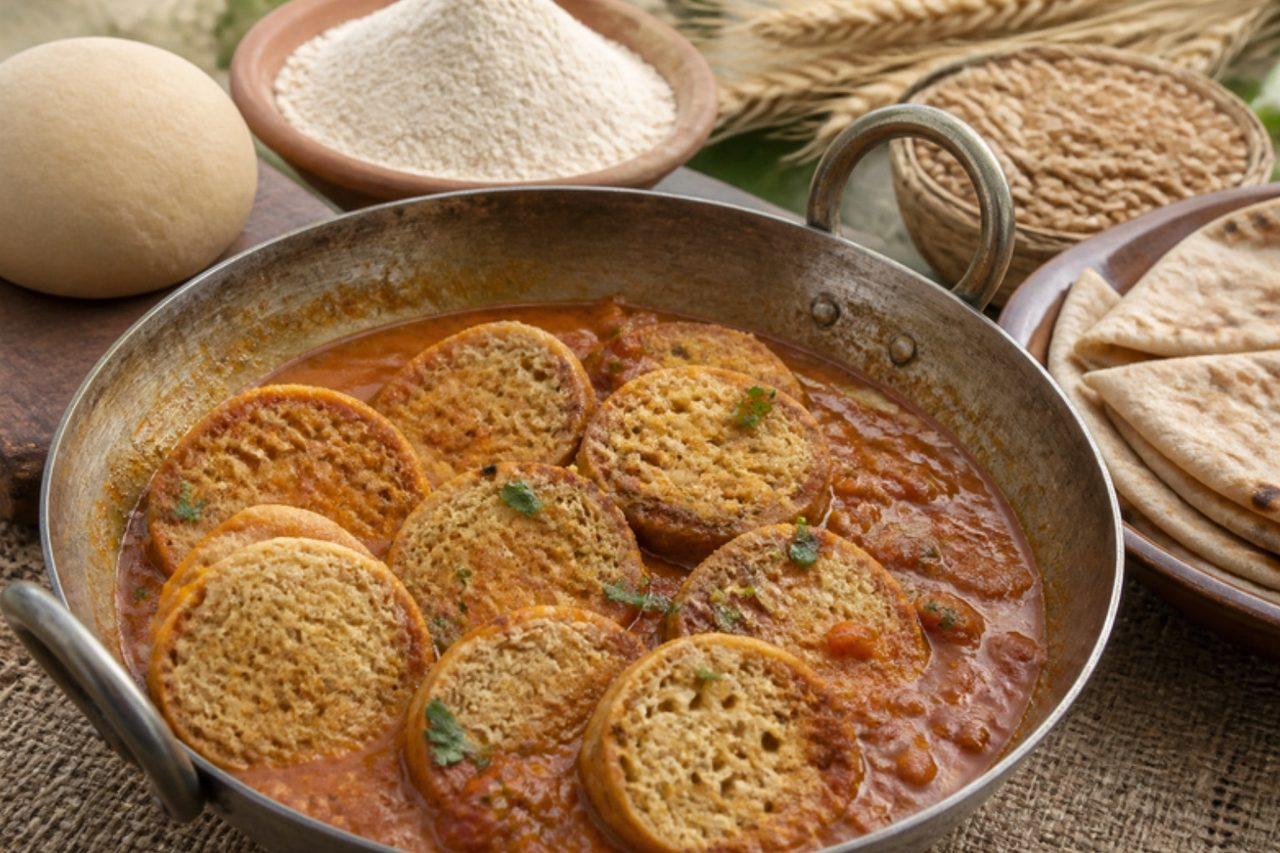
This Malwa dish from around Indore and Ujjain is a lesson in thrift: wheat dough is washed under water until only its stretchy gluten remains, then steamed into a firm block and cut into rounds that look like little grinding stones, or chakki. Fried and simmered in a spiced yogurt gravy, the pieces turn chewy and meaty, soaking up flavour like a sponge. It is a Sunday or special-occasion sabzi in Marwari and Malwi homes, eaten with hot rotis or bafla. It takes time, but most of it is hands-off resting and washing. Chef's tip: whisk the yogurt with the coriander powder and add it off the heat, then bring it back slowly, so the gravy stays smooth instead of curdling.

by KrazyBadal 0 views

ChakhwiJackfruit seed and papaya stew

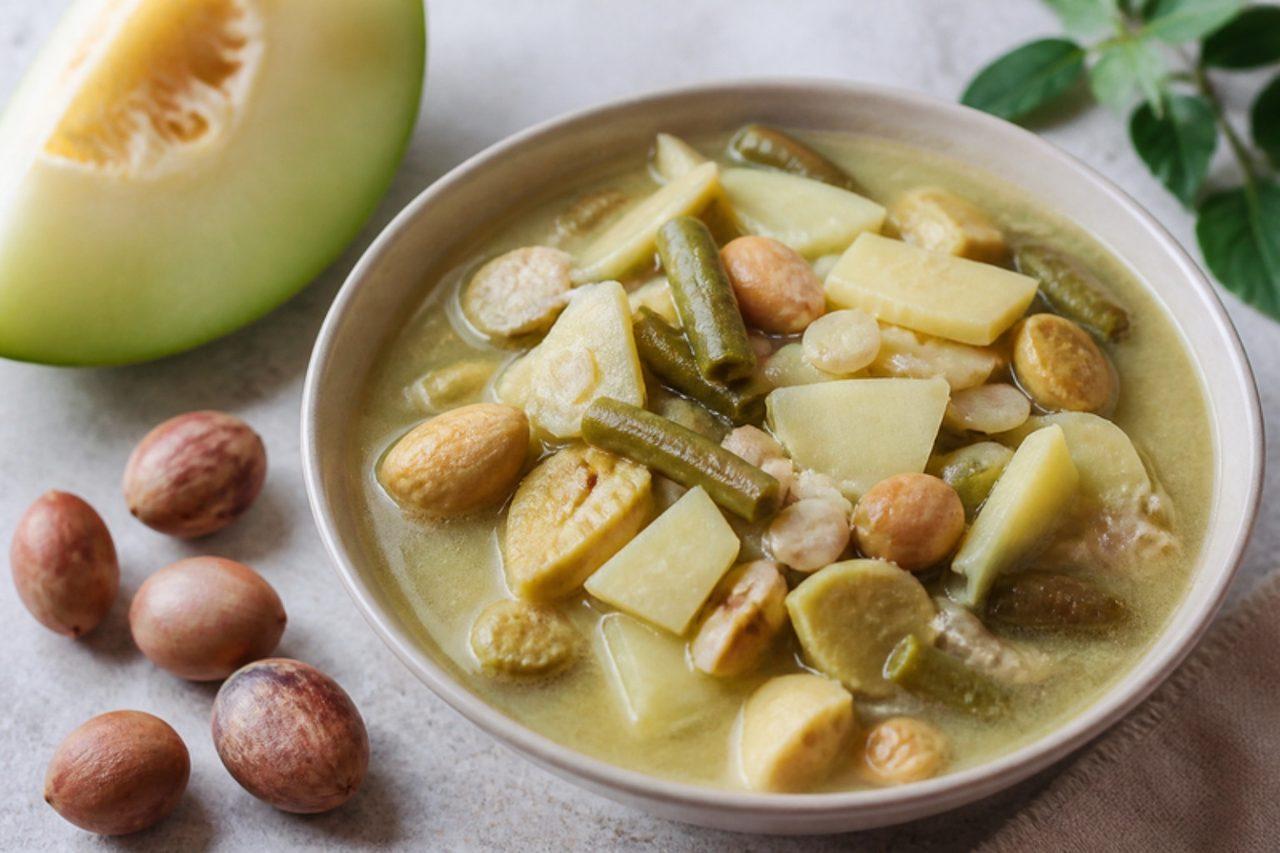
Chakhwi is a Tripuri festive stew cooked at weddings and family feasts around Agartala, where the defining ingredient is 'khar' or soda, made by filtering water through banana-plant ash. It softens vegetables and gives a smooth, gently alkaline taste. Pork chakhwi is the best known; the vegetarian version is cooked with raw papaya, jackfruit seeds, bamboo shoot and long beans, with ginger and green chilli. It is soupier than Assamese khar and has no lentils. Chef's tip: use bicarbonate of soda if you have no ash water, but only a pinch; you should be able to taste it, not feel it.

by KrazyBadal 0 views

Lumpiang shanghaiPork spring rolls

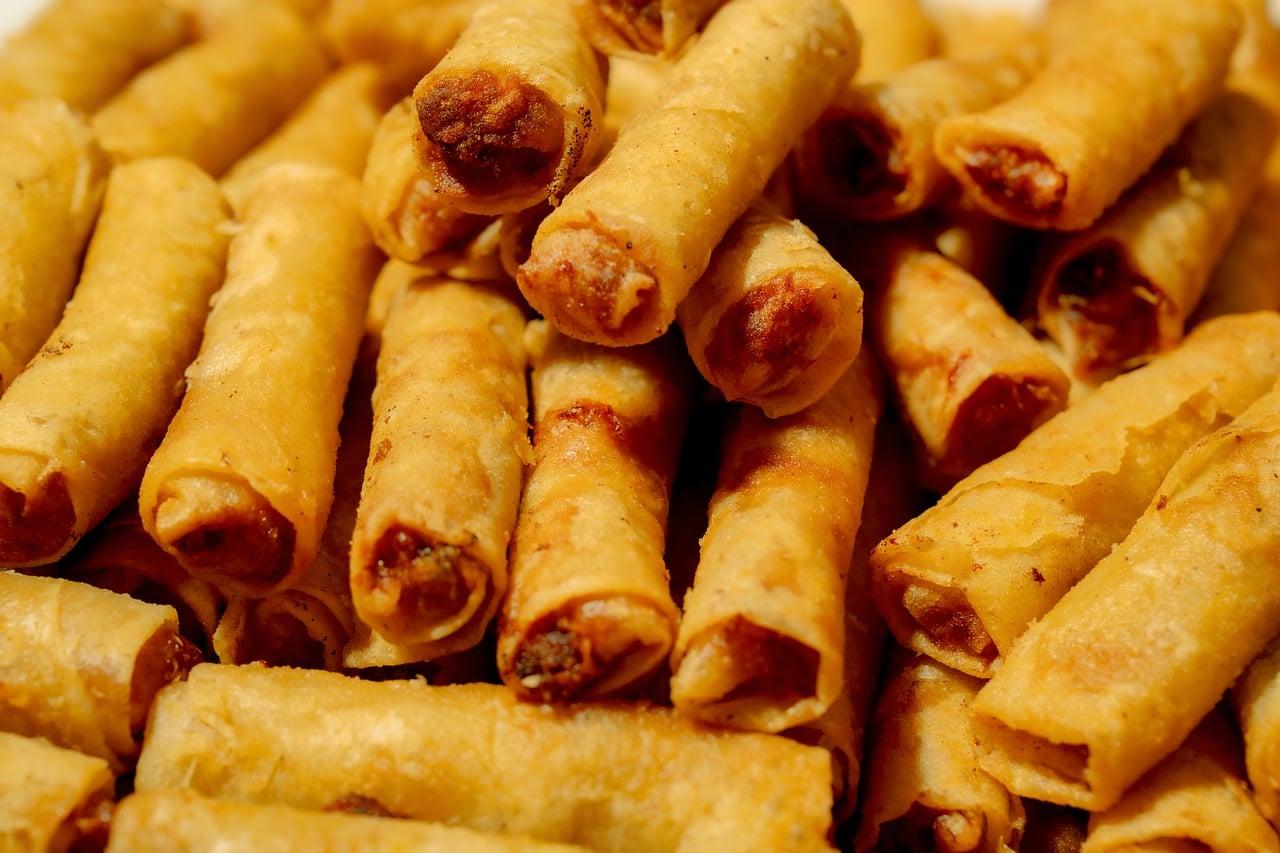
No Filipino party table is complete without a platter of lumpiang shanghai, the pencil-thin pork spring rolls that disappear first at birthdays, Christmas Eve (Noche Buena) and family reunions. They came from the Chinese-Filipino cooks of Manila, and the filling is seasoned minced pork with carrot, onion and water chestnut, rolled tight in thin wrappers and fried until they crackle. Dip them in sweet chilli sauce or banana ketchup. Chef's tip: roll them no thicker than your finger; thin rolls cook through in the time the wrapper takes to turn golden.

by KrazyBadal 0 views

Barramundi with lemon myrtle butter

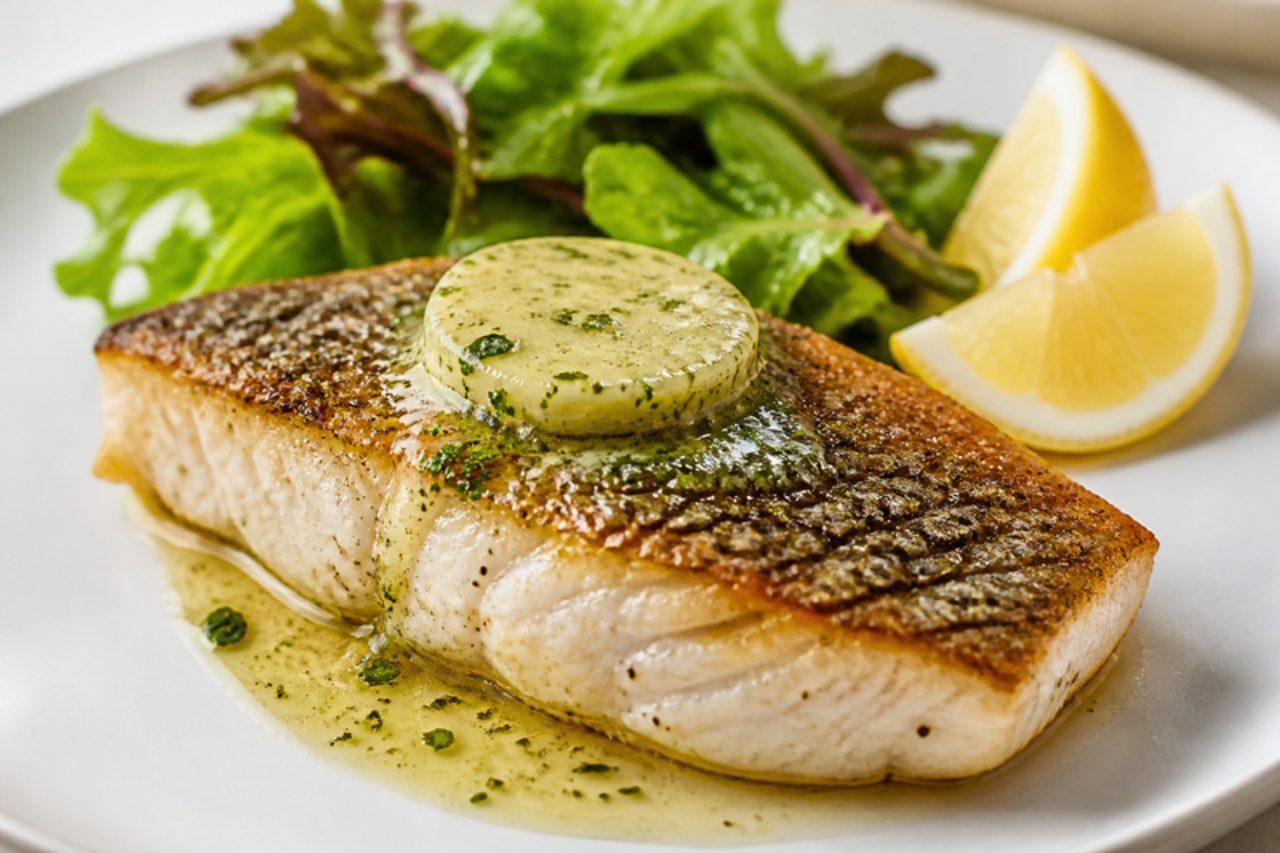
Barramundi is the prize fish of Australia's tropical north, caught in the rivers and estuaries of the Northern Territory and Far North Queensland and served everywhere from Darwin's waterfront to Brisbane pubs. Its firm, sweet white flesh is best cooked simply, skin side down until crisp, then topped with a butter flavoured with lemon myrtle, a native rainforest leaf that tastes like lemon and lemongrass together. Eat it with a green salad, new potatoes or chips on a warm evening. The mistake to avoid is moving the fillets too soon: the skin tears and sticks; leave them until they release by themselves. Chef's tip: dry the skin very well with kitchen paper and salt it just before cooking, never earlier, or it draws out moisture and won't crisp.

by KrazyBadal 0 views

Aussie meat pie

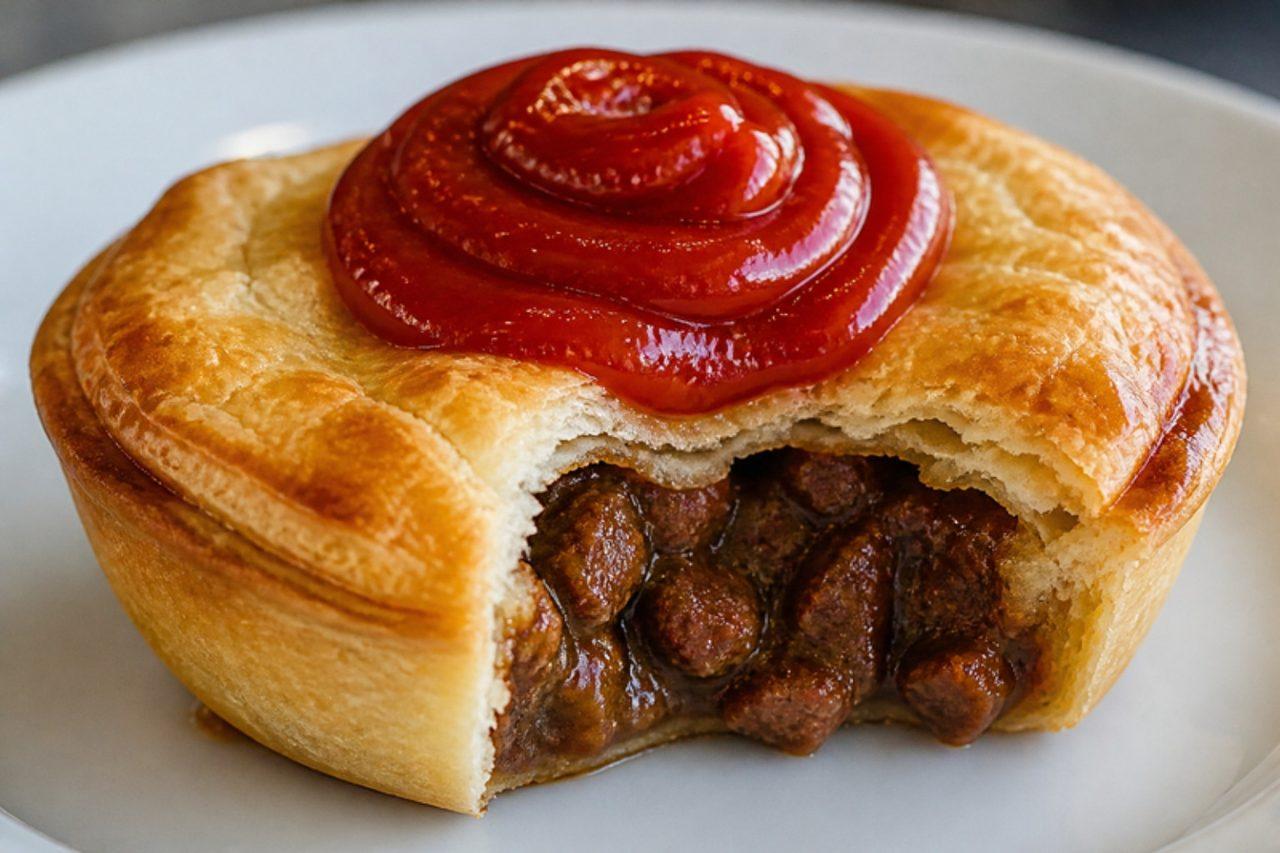
Half-time at the MCG, a country-town bakery at 7 am, a servo on a long drive: the meat pie is Australia's everyday hand-held meal, eaten straight from its paper bag with a squirt of tomato sauce. A sturdy shortcrust base holds minced beef in thick, peppery gravy, and a flaky puff pastry lid shatters on the first bite. Making them at home takes a little time, but the filling can be cooked a day ahead. The mistake behind a soggy base is filling the pastry with hot mince; let the filling cool completely in the fridge first. Chef's tip: cook the filling until it is thicker than you think it needs to be; a loose gravy boils over and leaks through the base.

by KrazyBadal 0 views

KalanYam and banana yogurt curry

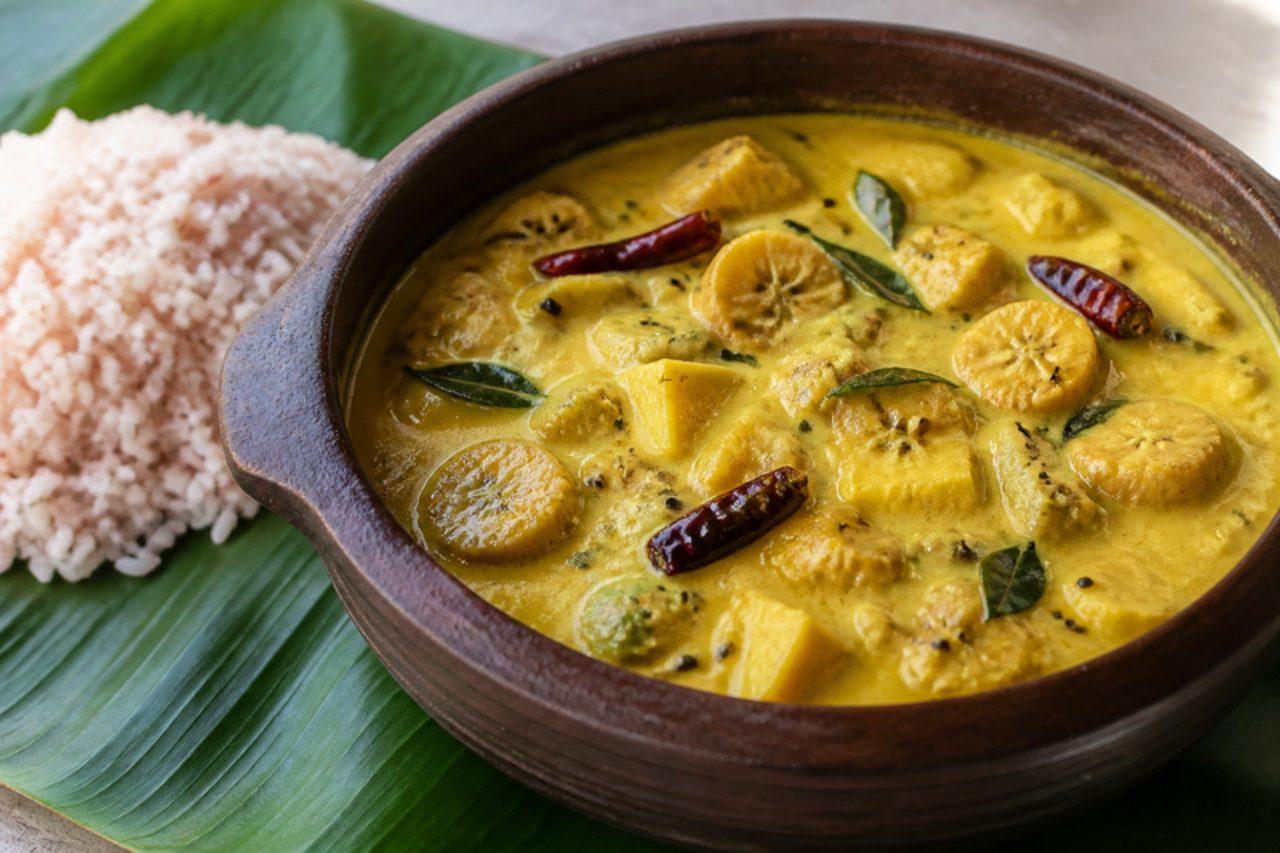
Kalan is one of the old curries of the Onam sadya in central Kerala, made days ahead in temple kitchens and big family homes because it keeps so well. Elephant yam and green nendran banana are cooked with plenty of black pepper, then soured curd is stirred in and slowly reduced until it is thick enough to coat a spoon, before a fine coconut paste goes in. It tastes sharp, peppery and rich, with the toasted fenugreek of the tempering coming through at the end. Spoon a little over hot rice and ghee. Chef's tip: use curd that has sat out for a day and turned properly sour; mild fresh yogurt gives a flat kalan.

by KrazyBadal 0 views

Kalari kulchaCheese-stuffed kulcha

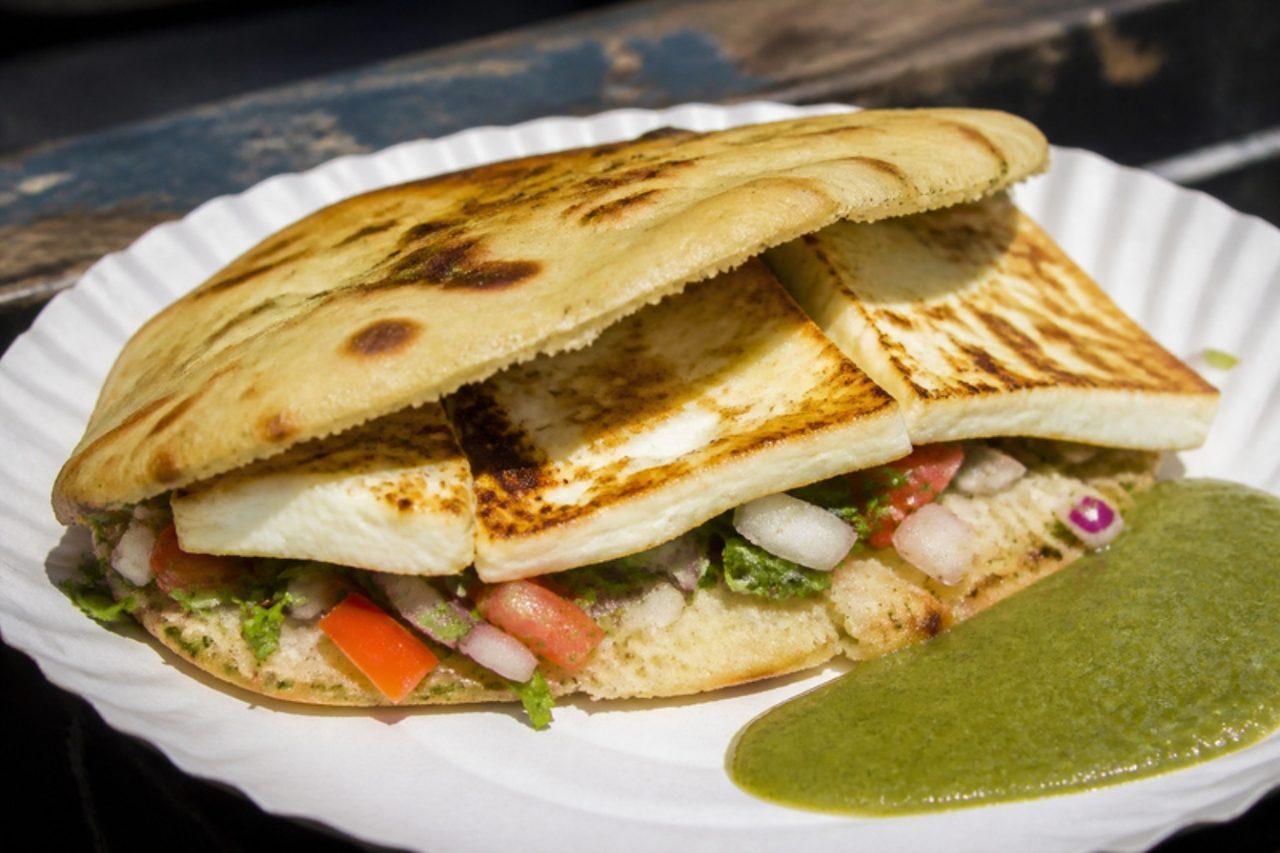
Kalari, also spelt kaladi, is a fresh, stretchy cheese made in the hills around Udhampur and Ramnagar in Jammu, often from buffalo or goat milk. Street sellers in Jammu city lay slices of it on a hot iron tawa with no oil at all: the cheese releases its own fat and fries to a blistered brown crust while the inside turns soft and slightly stringy. They stuff it into a warm kulcha with onion, tomato, green chutney and a shake of chaat masala, and it is eaten standing up, especially on winter evenings. Outside Jammu, use halloumi, which behaves almost the same, or firm paneer with a teaspoon of oil. Chef's tip: dry the cheese slices on kitchen paper first; wet cheese steams instead of crisping.

by KrazyBadal 0 views

ChakalakaSpicy vegetable and bean relish

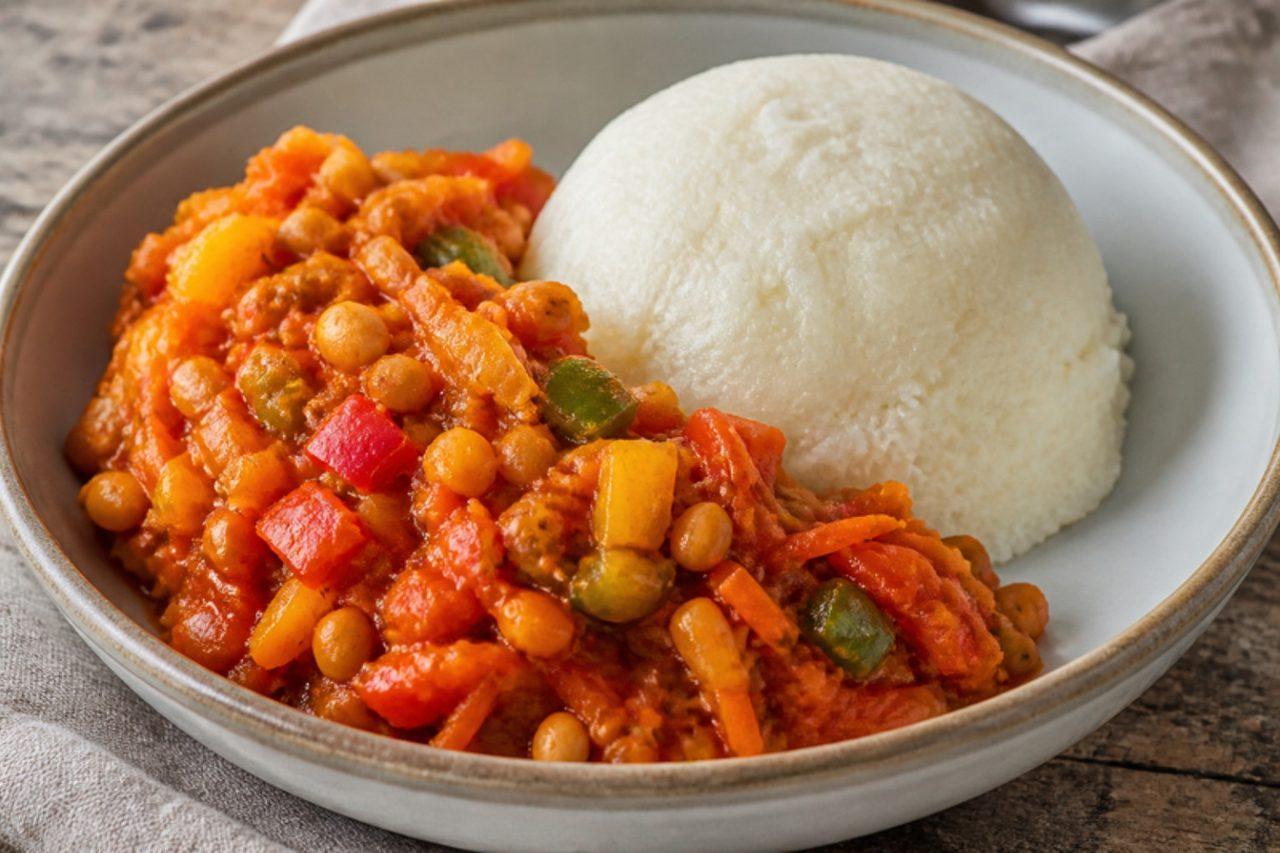
Chakalaka is said to have started in the townships and mines around Johannesburg, where workers cooked tinned beans and vegetables with chilli and curry powder over open fires. Today no South African braai (barbecue) is complete without a pot of it, and it goes on the table at Sunday lunch, at funerals and weddings, served warm or cold alongside pap. It is spicy, a little sweet from the carrots and peppers, and tangy from the tomato and beans. Chef's tip: grate the carrots rather than chopping them; they melt into the relish and give it its characteristic soft, spoonable texture.

by KrazyBadal 0 views

AlcapurriasGreen banana and taro fritters

Drive along the coast road at Piñones in Loíza on a weekend and the beach kiosks are frying alcapurrias by the tray, each one wrapped in paper with a dash of chilli vinegar. The shell is a masa of grated green banana and yautía (taro root), coloured with annatto oil, that fries to a crisp crust with a soft, almost creamy inside; the filling here is a well-seasoned beef picadillo. They are a Loíza tradition with roots in the town's Afro-Puerto Rican cooking. The common mistake is frying warm, wet masa, which spreads and falls apart in the oil; chill it until firm. Chef's tip: shape them on a piece of greaseproof paper or banana leaf brushed with annatto oil, then slide each one straight off into the pan.

by KrazyBadal 0 views

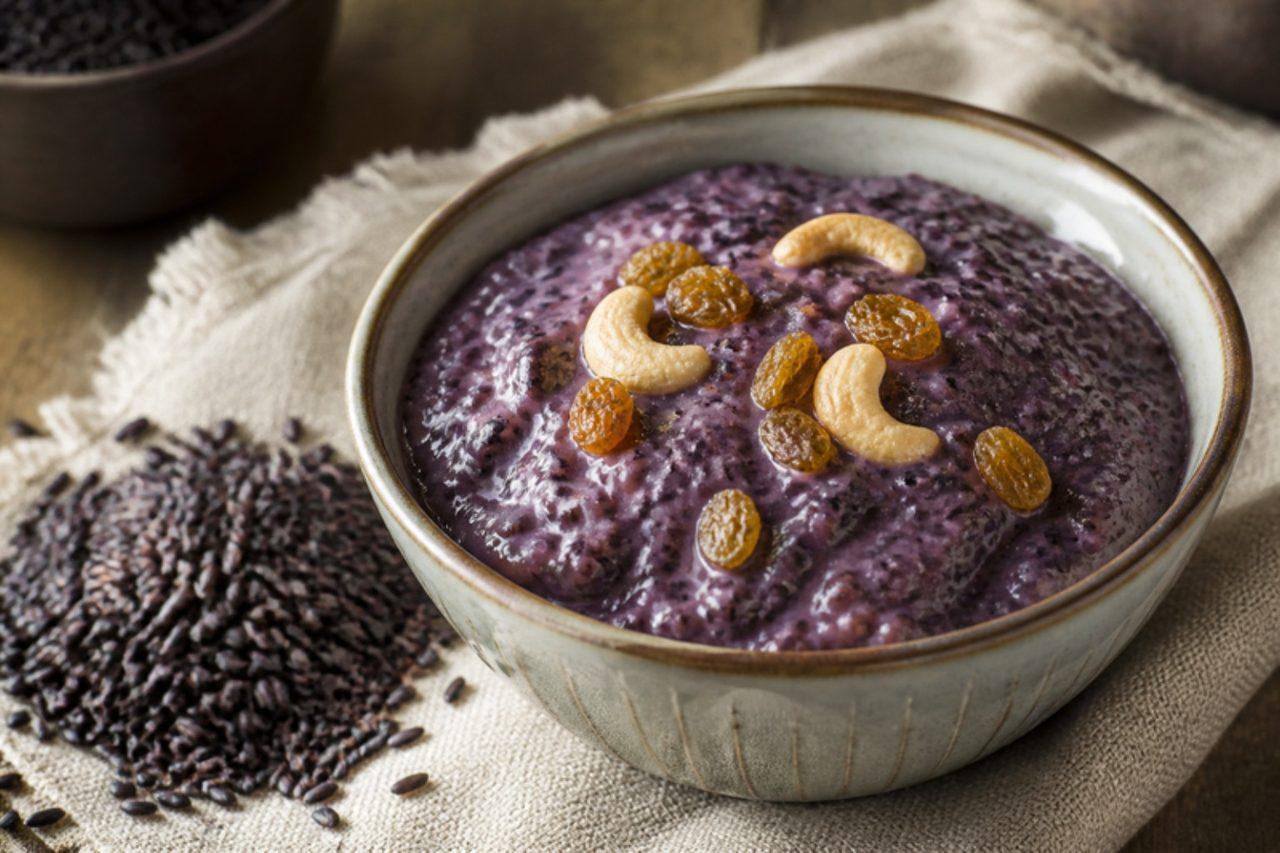
Chak-hao kheerBlack rice pudding

Chak-hao is Manipur's aromatic black rice, grown in the valley around Imphal; when cooked slowly in milk it turns a deep violet and makes chak-hao kheer, the pudding served at Meitei feasts, weddings and Ningol Chakouba, the festival when married daughters come home for a meal. The grains stay slightly chewy and nutty, and the milk takes on a lavender colour. Chef's tip: soak the rice for at least 3 hours, or overnight; black rice has a hard bran layer and won't soften in the milk otherwise.

by KrazyBadal 0 views

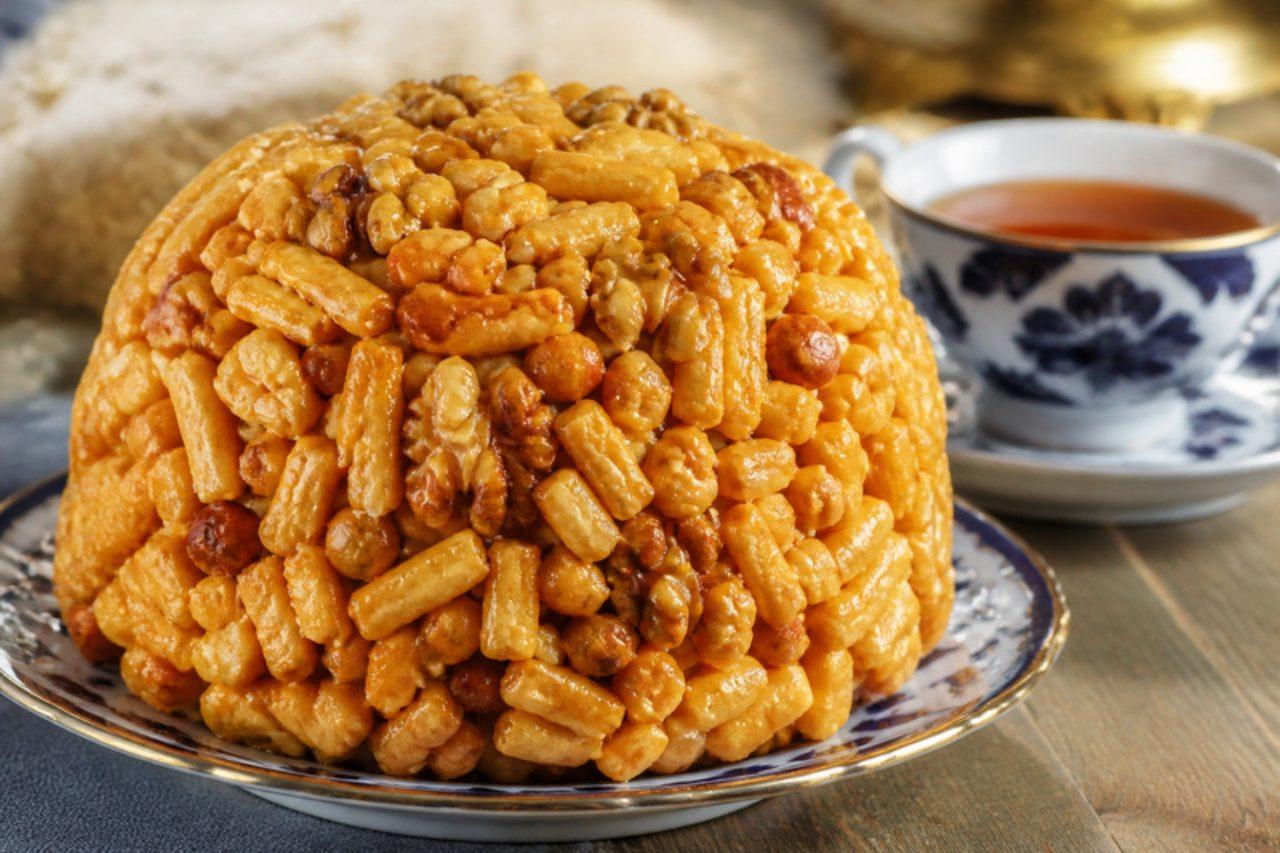
Chak-chakHoney-bound fried dough

Chak-chak arrived in Uzbekistan with Tatar families and is now a fixture of wedding tables and Navruz spreads in Tashkent and Samarkand: tiny nuggets of egg dough fried crisp, then tossed in hot honey syrup and pressed into a mound or ring that's broken apart with the fingers. Guests nibble it all evening with green tea. It keeps for a week, so it's often made a day or two ahead. Chef's tip: cook the honey syrup only to the soft-ball stage (about 115°C); boil it longer and the chak-chak sets as hard as brittle.

by KrazyBadal 0 views

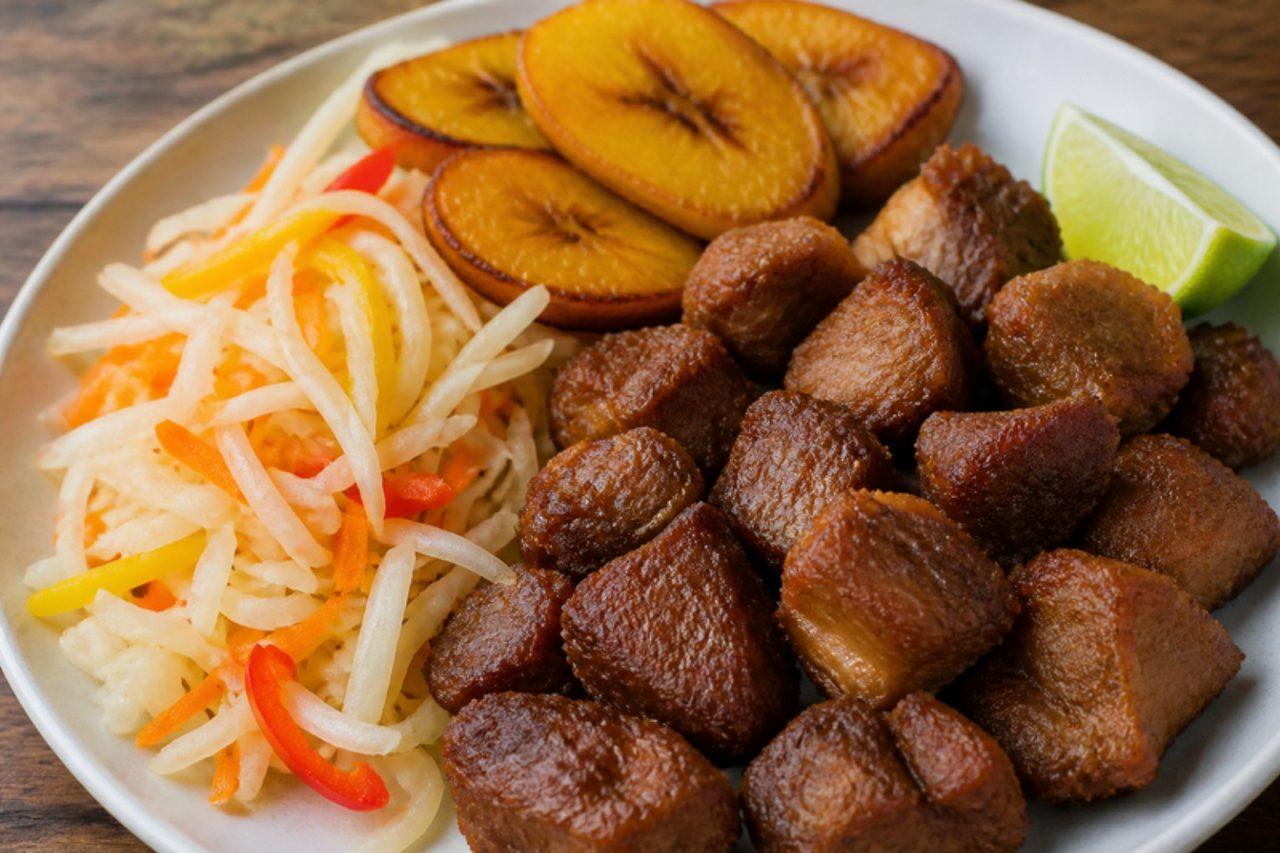
Griot with pikliz

Griot is Haiti's party food: it is piled on platters at weddings, first communions and Saturday-night fritay stalls in Port-au-Prince, always with pikliz, a crunchy, very hot pickle of cabbage, carrot and Scotch bonnet. Chunks of pork shoulder soak up a green epis marinade of sour orange, herbs and garlic, simmer until tender and then fry until the outside turns dark and crisp. This is a pork dish. Serve it with fried plantain (bannann peze) and rice with beans. The mistake that ruins the crust is frying the pork straight from the pot while still wet; it spits and steams instead of browning, so drain and dry the pieces first. Chef's tip: make the pikliz at least a day ahead; after a night in the fridge the heat softens and spreads through the vinegar.

140 minHaitianMeatGluten freeSpicy
by KrazyBadal 0 views

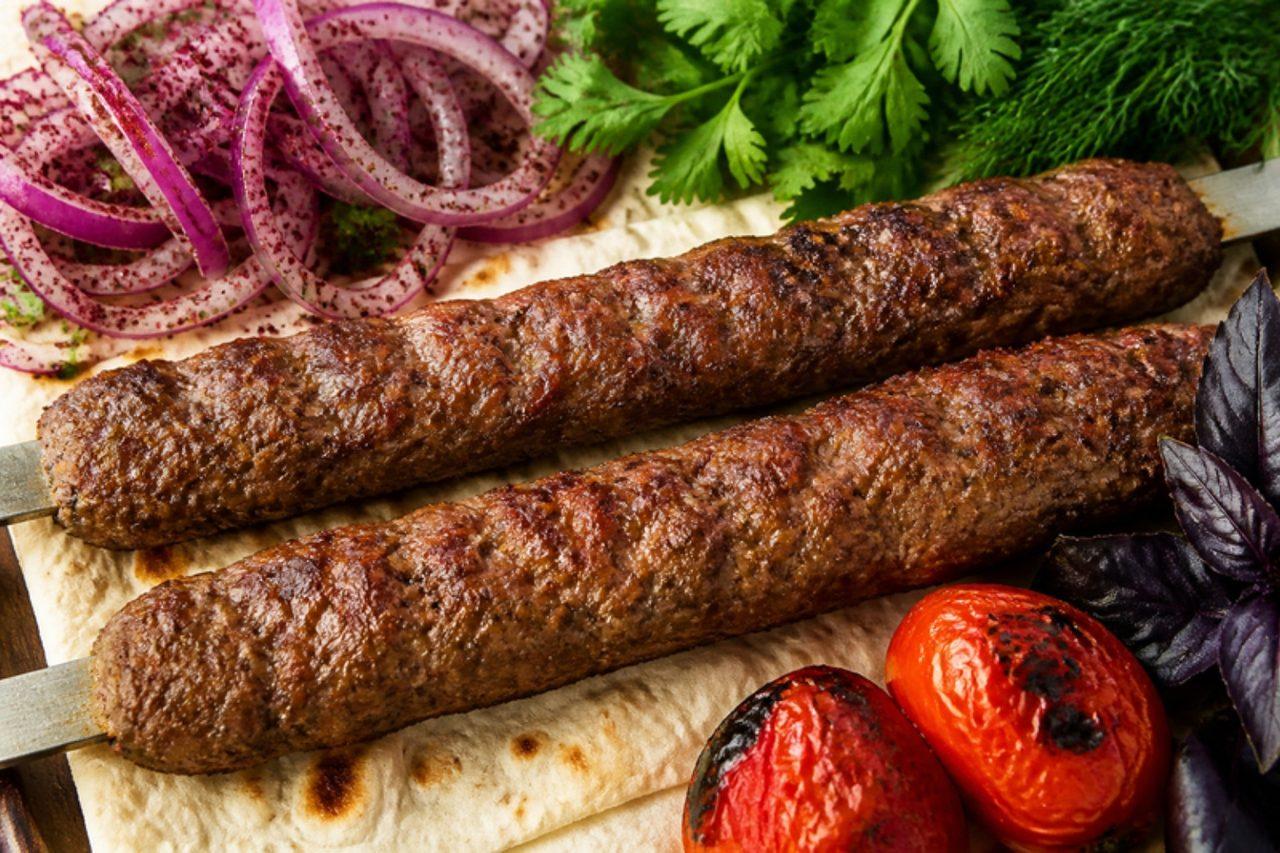
Lula kebabChopped lamb kebab

Lula kebab is the kebab Baku's grill houses are proudest of: minced lamb mixed with onion and a little tail fat, squeezed by hand around wide skewers and cooked fast over charcoal. It comes to the table on thin lavash with sliced raw onion tossed in sumac, grilled tomatoes and a pile of herbs, usually at long family lunches and weddings. The meat is only salted and peppered, so it tastes of lamb rather than spice. Many people skip chilling the mince, and soft warm meat slides straight off the skewer into the fire. Chef's tip: knead and slap the mince against the bowl for a few minutes; it becomes sticky and clings to the skewer.

by KrazyBadal 0 views

ChajáSponge, peach and cream cake

Chajá was created in 1927 at a bakery in Paysandú, a city on the Uruguay River, and named after a local bird whose feathers look as fluffy as its crumbly meringue coat. Today it's Uruguay's birthday and celebration cake: layers of light sponge soaked in peach syrup, filled with whipped cream, peaches and dulce de leche, then covered in crushed meringue. It's sweet, soft and crunchy at once, best on the day it's assembled. Chef's tip: soak the sponge but not too much; it should feel moist, not wet, or the layers slide.

by KrazyBadal 0 views

LuladaLulo and lime drink

Lulada is the drink of Cali and the Valle del Cauca, sold in tall glasses from street stalls and juice shops on hot afternoons. Lulo (naranjilla) is a small orange fruit with a green, sour, citrus-like pulp; for lulada it is chopped and crushed by hand rather than blended, then mixed with lime, sugar, cold water and ice, so you drink it with a spoon as much as a straw. Look for frozen lulo pulp or whole fruit in Latin American shops. Chef's tip: crush the lulo with a fork or muddler; blending smashes the seeds and makes the drink bitter.

by KrazyBadal 0 views

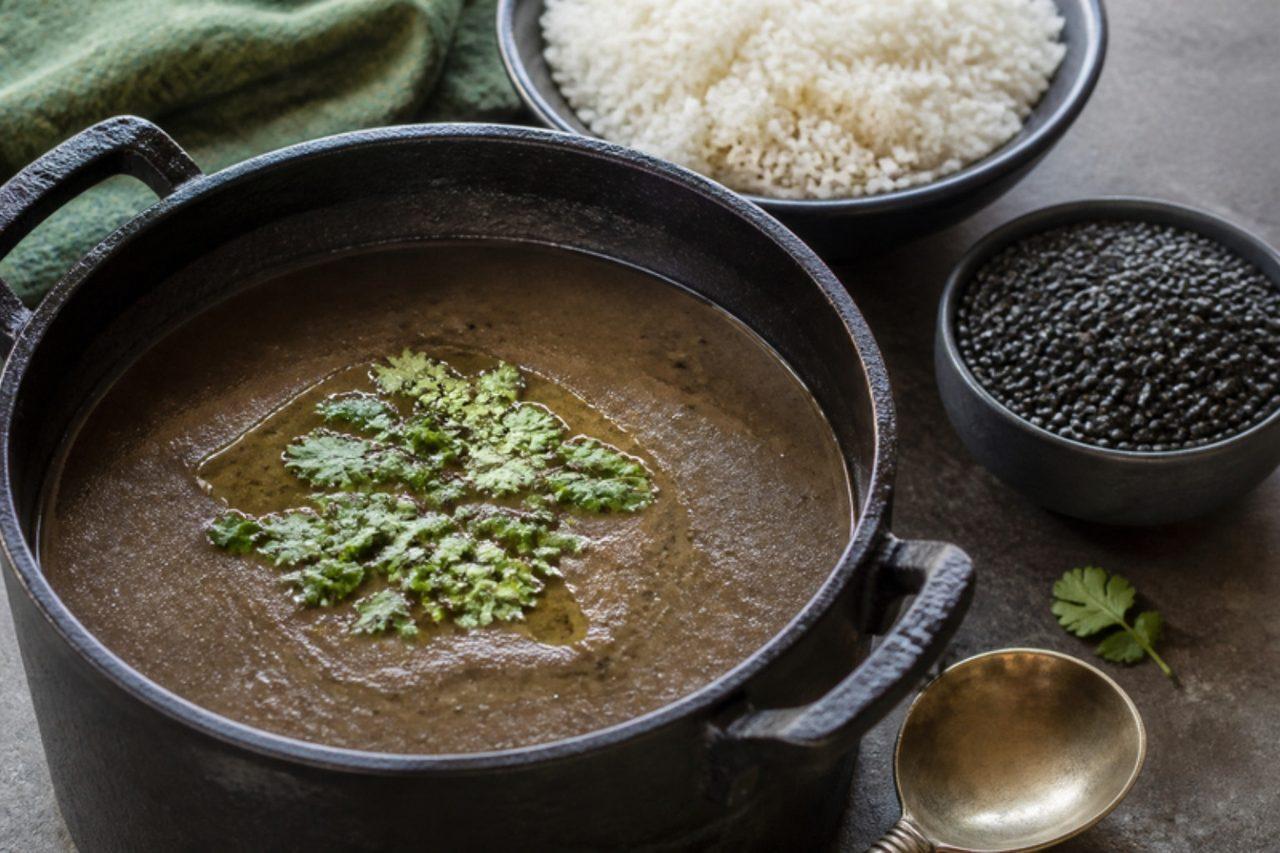
ChainsooRoasted black gram dal

Chainsoo comes from the Garhwal hills, where whole black urad is roasted in a dry pan until it smells like toasted bread, ground coarsely on a hand mill and cooked into a thick, smoky dal. It is a winter dish: heavy, warming and full of protein, eaten with plain rice or jhangora and a drizzle of ghee for anyone who isn't keeping it vegan. Village cooks make it in a lohe ki kadhai, the iron pan that turns it almost black. The texture should be grainy and spoonable, somewhere between a dal and a porridge. Chef's tip: roast the urad slowly over a medium-low heat; the moment it turns from golden to dark brown it tastes bitter, so keep stirring and pull it off early.

by KrazyBadal 0 views

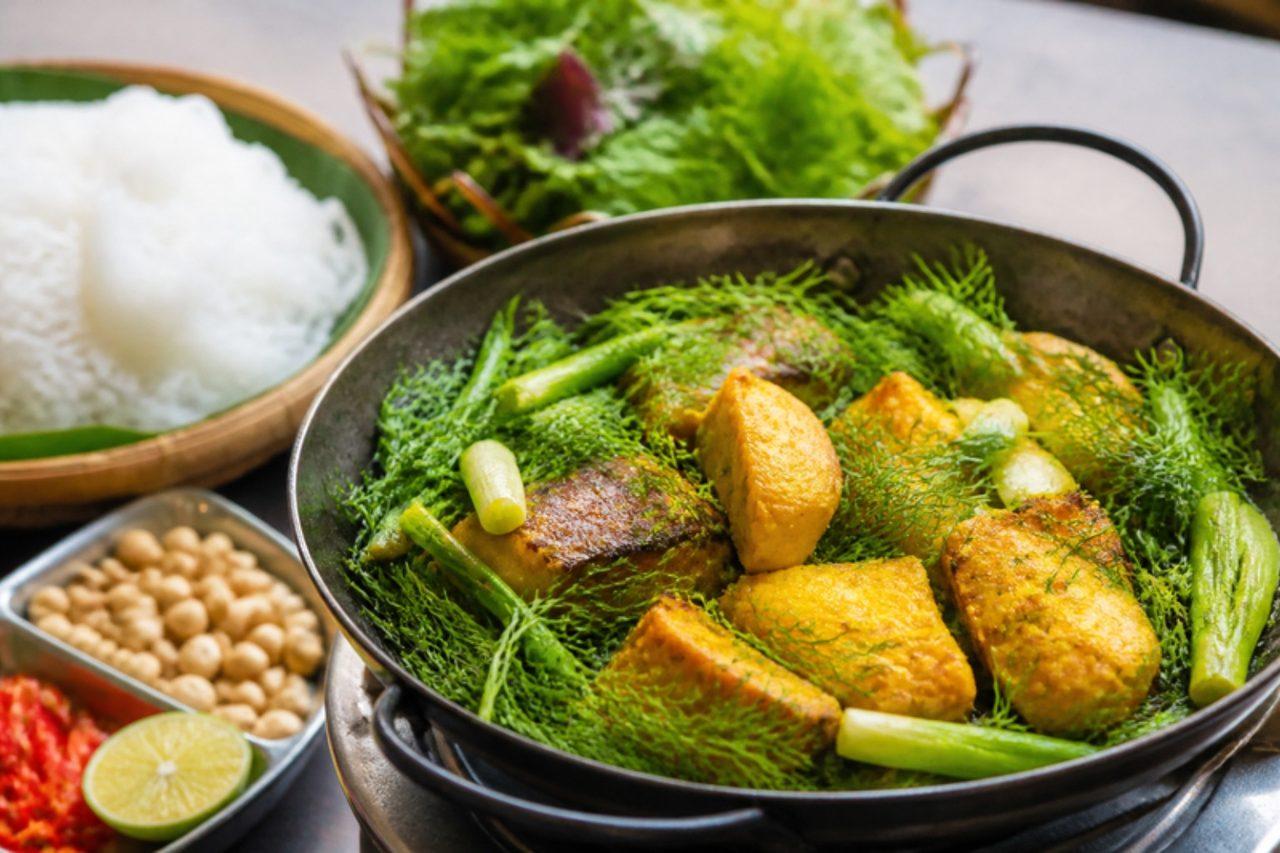
Cha ca La VongTurmeric fish with dill

A family restaurant in Hanoi's Old Quarter served this one dish for so long that the street itself was renamed Chả Cá, Grilled Fish Street. Chunks of white fish are marinated in turmeric and galangal, cooked until golden, then brought to the table in a pan of hot oil where everyone throws in handfuls of dill and spring onion to wilt. You eat it over rice vermicelli with peanuts, fresh herbs and a pungent shrimp-paste dip. Dill is rare elsewhere in Vietnamese cooking, which is why this dish tastes so distinct. Chef's tip: use a lot more dill than seems sensible; it is treated as a vegetable here, not a garnish.

by KrazyBadal 0 views

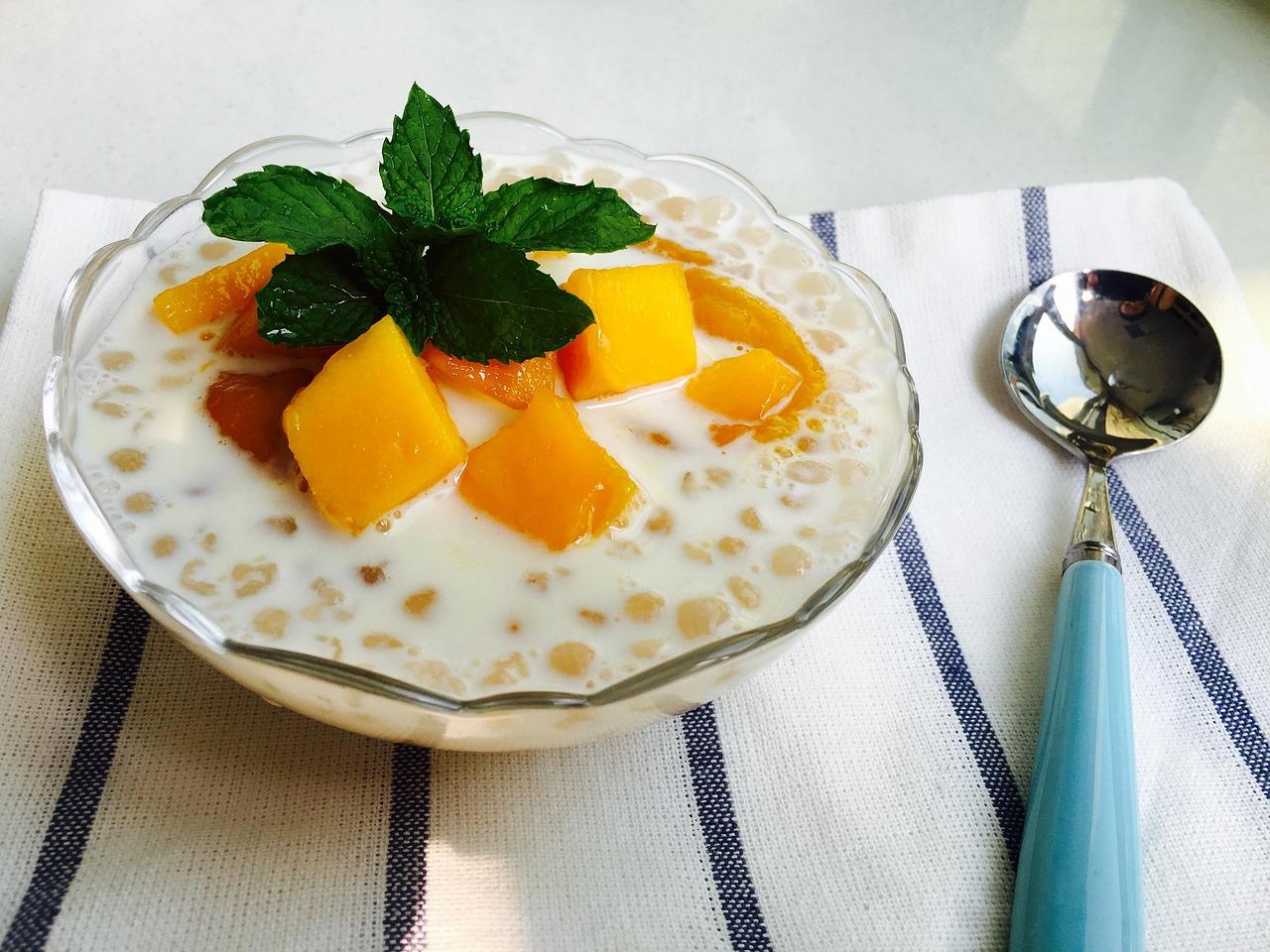
Mango pomelo sagoMango, pomelo and sago dessert

Yeung chi gam lo was created in a Hong Kong restaurant in the 1980s and quickly became the city's favourite summer dessert, served in dessert shops late into the night. It's half drink, half pudding: puréed ripe mango mixed with coconut and evaporated milk, studded with chewy sago pearls, mango cubes and juicy pomelo. Chef's tip: rinse the cooked sago under cold water until it stops feeling slimy; this keeps each pearl separate and the dessert clean-tasting.

by KrazyBadal 0 views

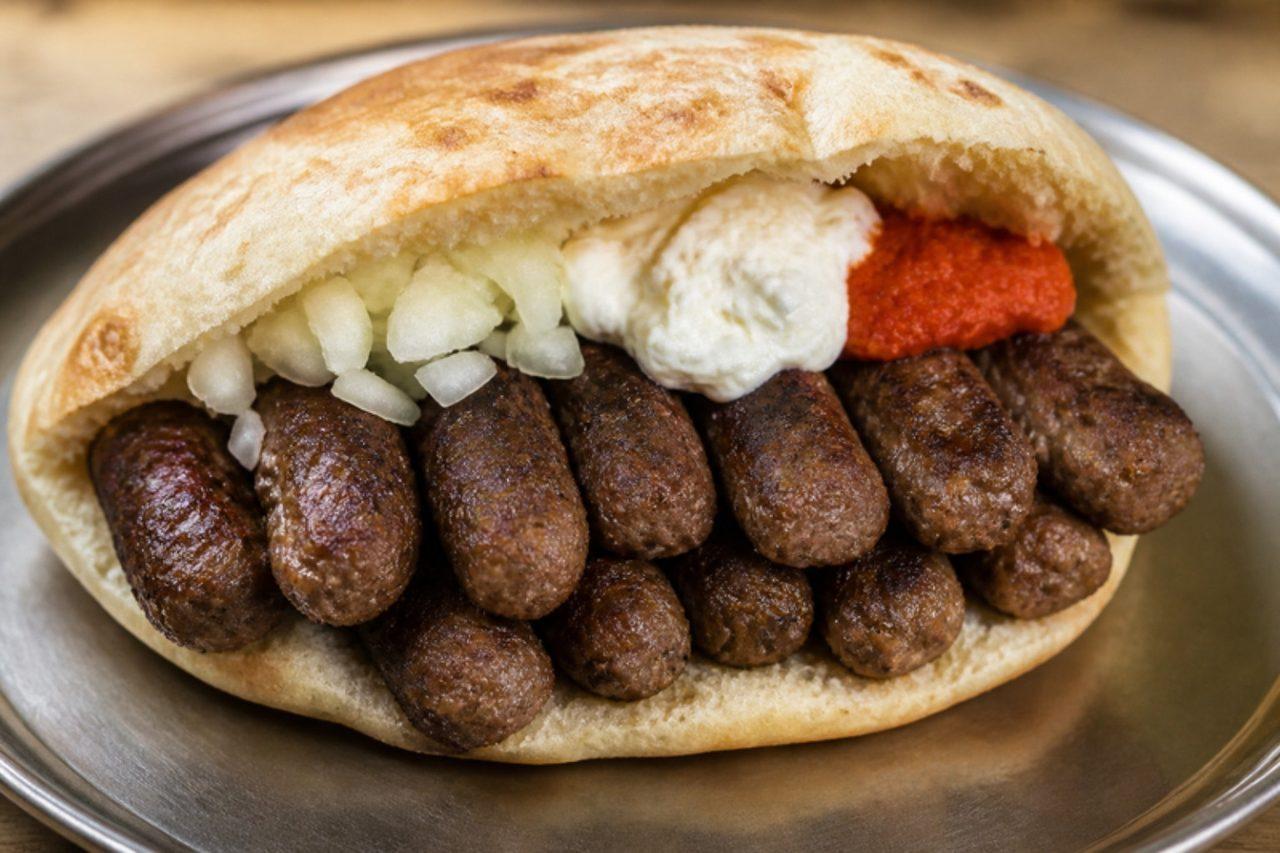
ĆevapiGrilled minced meat fingers

In Sarajevo's old Baščaršija bazaar, ćevabdžinicas grill ćevapi from morning till late night, serving them ten at a time stuffed into a puffy, griddle-warmed somun flatbread with raw onion and a spoon of kajmak. The little skinless fingers are made from beef (often mixed with lamb), seasoned with nothing more than salt, pepper, garlic and a little bicarbonate of soda, which gives them their bouncy bite. Belgrade and Banja Luka have their own versions, but the idea is the same: smoky meat, soft bread, sharp onion. People often over-season them with herbs and paprika; the Bosnian way is plain, letting the meat and charcoal speak. Chef's tip: chill the shaped ćevapi well before grilling and turn them only once or twice, so they keep a juicy centre and a crusty outside.

40 minBalkanMeat
by KrazyBadal 0 views

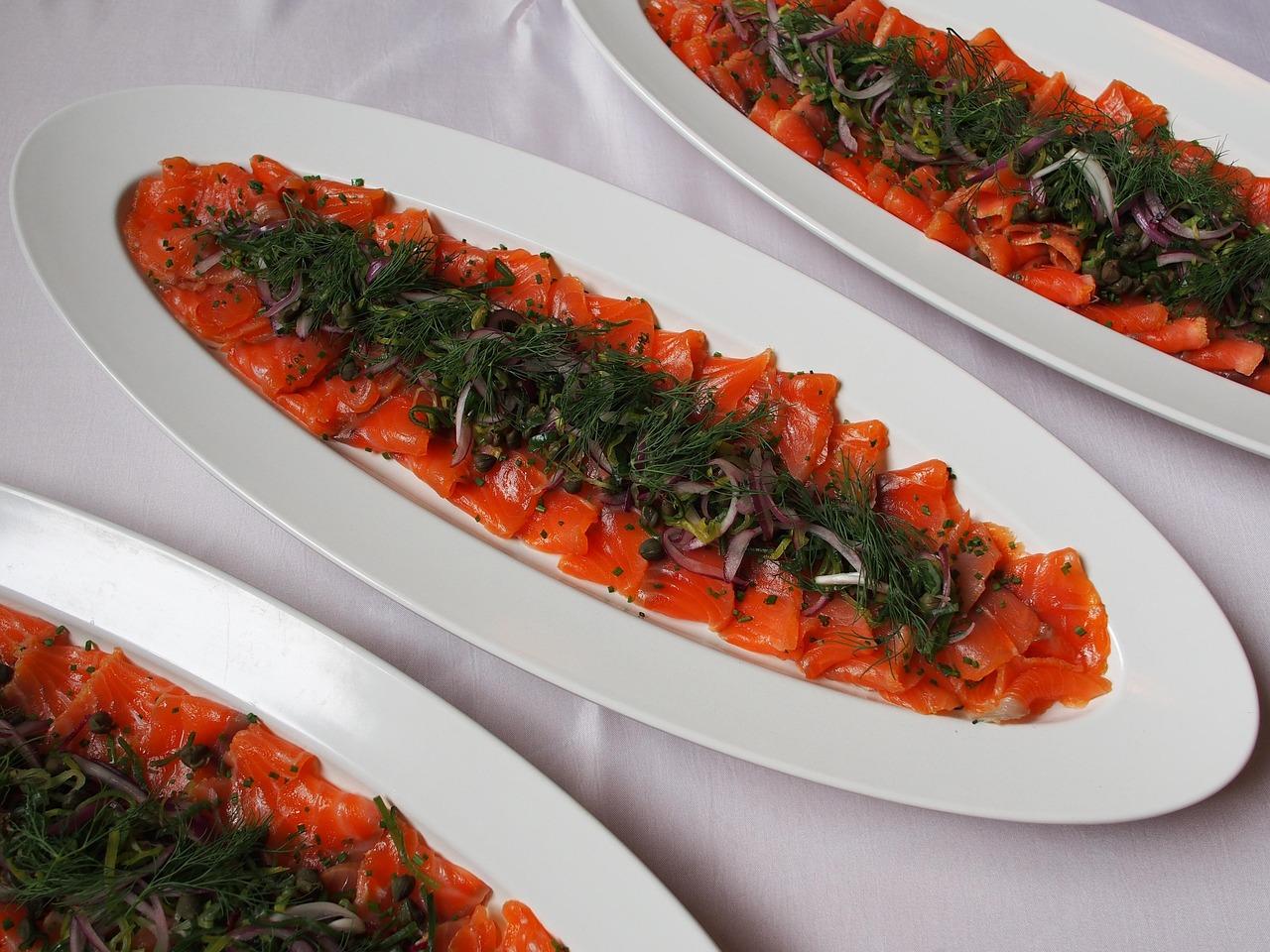
Gravlax with mustard-dill sauce

Along the coasts of Norway and Sweden, gravlax is the centrepiece of Christmas and Easter buffets and a favourite on open sandwiches through the year. A side of salmon is pressed under salt, sugar, dill and white pepper for two days in the fridge, which firms the flesh and turns it silky, then it is sliced paper-thin and served with a sweet mustard-dill sauce, rye bread or boiled new potatoes. This is cured, not cooked, fish: use very fresh salmon that has been previously frozen (or freeze it yourself at -18 °C for at least 4 days, then thaw in the fridge) to kill any parasites, and it is not suitable for pregnant women, young children or anyone with a weakened immune system. A frequent error is slicing it thick and straight down; cut long, thin slices at a low angle towards the tail. Chef's tip: turn the parcel every 12 hours and baste with the brine it releases so the cure is even on both sides.

by KrazyBadal 0 views

MantıBeef dumplings with garlic yogurt

Kayseri, in central Anatolia, is famous across Turkey for mantı so small that, by local saying, forty should fit on one spoon. Families make big batches together on winter afternoons, rolling the dough thin and pinching each square around a pea of spiced minced meat, and the dumplings were traditionally part of a bride's test in the kitchen. They are boiled and served under garlicky yogurt, then drenched in butter sizzled with red pepper. Chef's tip: make a double batch and freeze the uncooked dumplings on a floured tray; they cook from frozen in about 2 minutes extra.

by KrazyBadal 0 views

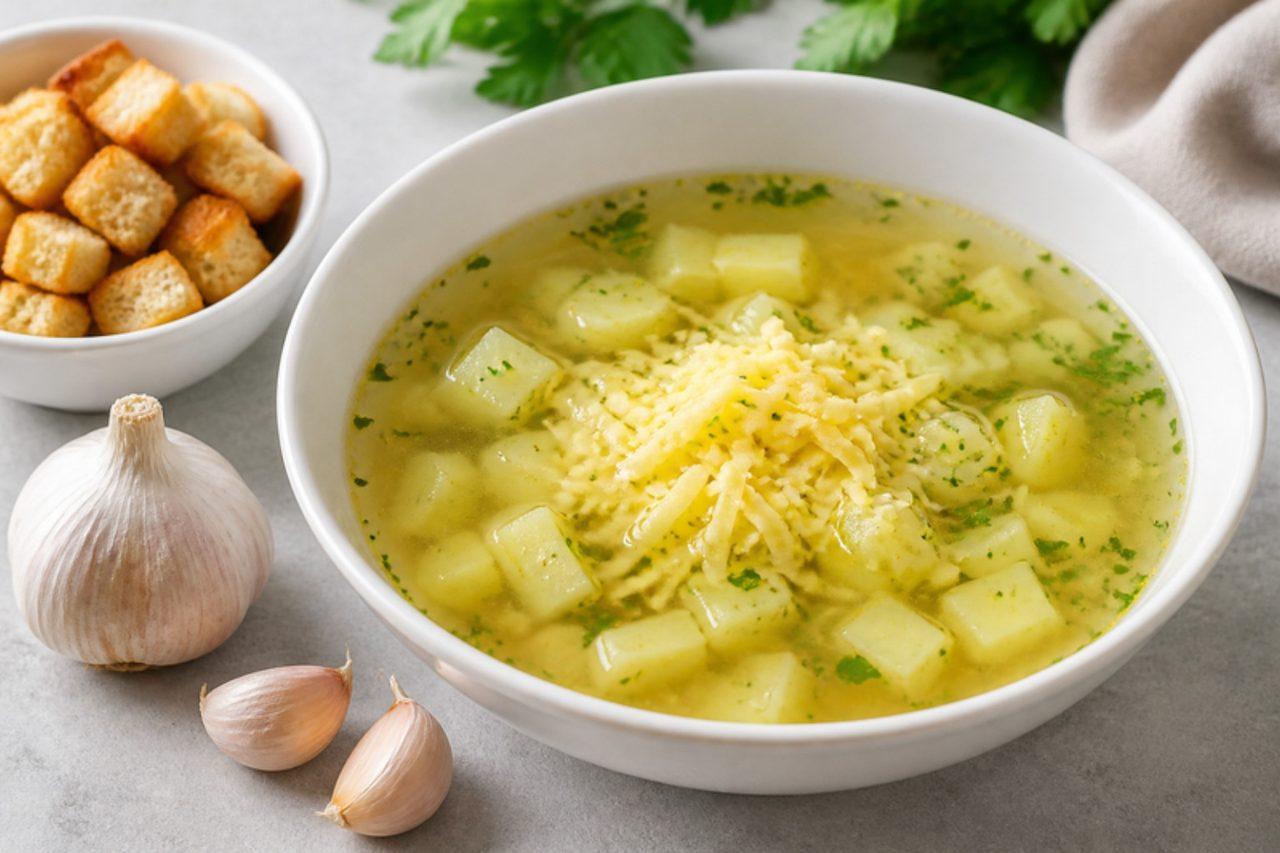
ČesnečkaGarlic soup

Česnečka is the soup Czechs swear by after a long night in a Prague pivnice: a thin, savoury broth fragrant with raw garlic, caraway and marjoram, with soft potato cubes, crunchy fried bread and a fistful of grated cheese melting into each bowl. It costs almost nothing, comes together in half an hour and is served in workers' canteens and village pubs all winter. This version uses vegetable stock instead of the old meat bouillon. Chef's tip: crush the garlic into the bowls or add it right at the end off the heat; boiled garlic goes sweet and mild, and česnečka should bite.

30 minCzechSoups
by KrazyBadal 0 views

Kamatama udonUdon with raw egg

Kagawa, the smallest prefecture in Japan, eats more udon than anywhere else, and its Sanuki udon is known for a firm, springy bite. Locals queue at self-service udon shops at breakfast, and one of the most popular orders is kamatama: noodles lifted straight from the boiling pot, dropped onto a raw egg and tossed until the heat turns the egg into a glossy coating, a little like carbonara. A splash of soy sauce and some spring onion are all it needs. Use frozen Sanuki-style udon, which is closest to fresh. Chef's tip: warm the bowls and crack the egg in first. The noodles must go in seconds after leaving the water, or the egg won't cook into a sauce.

by KrazyBadal 0 views

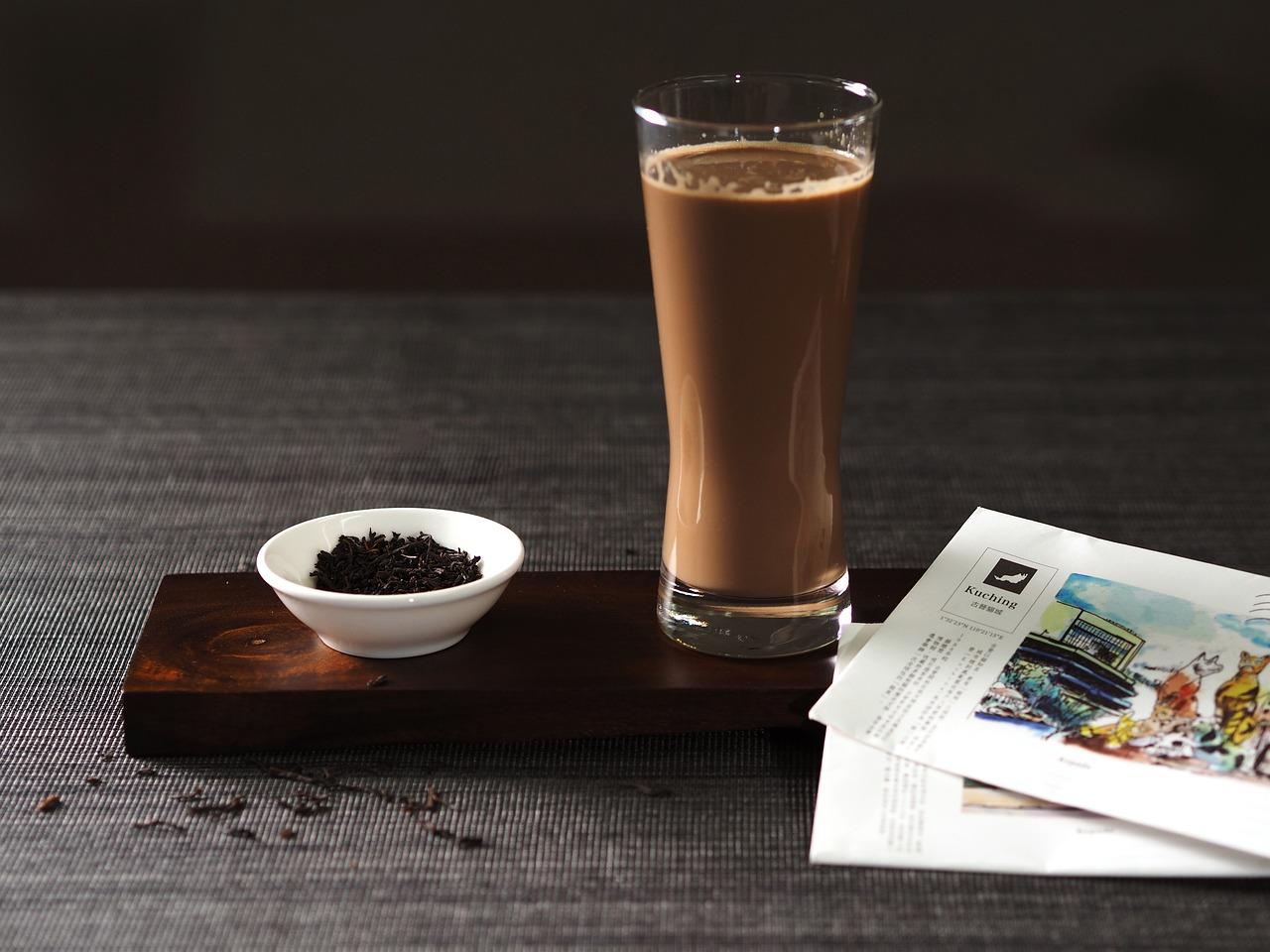
Ceylon teaSpiced milk tea

In the misty tea country around Nuwara Eliya, Hatton and Ella, and in every roadside tea kade across Sri Lanka, tea is made strong, sweetened generously and often whitened with milk, then poured from a height between two jugs so it cools a little and wears a frothy cap. Families drink it first thing, again at 'tea time' around four, and with every short eats snack in between. Unlike Indian masala chai there are no spices: the flavour comes from bright, brisk high-grown Ceylon black tea, often a BOP or BOPF grade. If you'd rather have it plain, kahata thé is the same tea with no milk and a bite of jaggery. The common mistake is stewing the leaves too long, which turns it bitter and tannic; three to four minutes is plenty. Chef's tip: pour from jug to jug four or five times; the 'pulled' tea is smoother and creamier.

by KrazyBadal 0 views

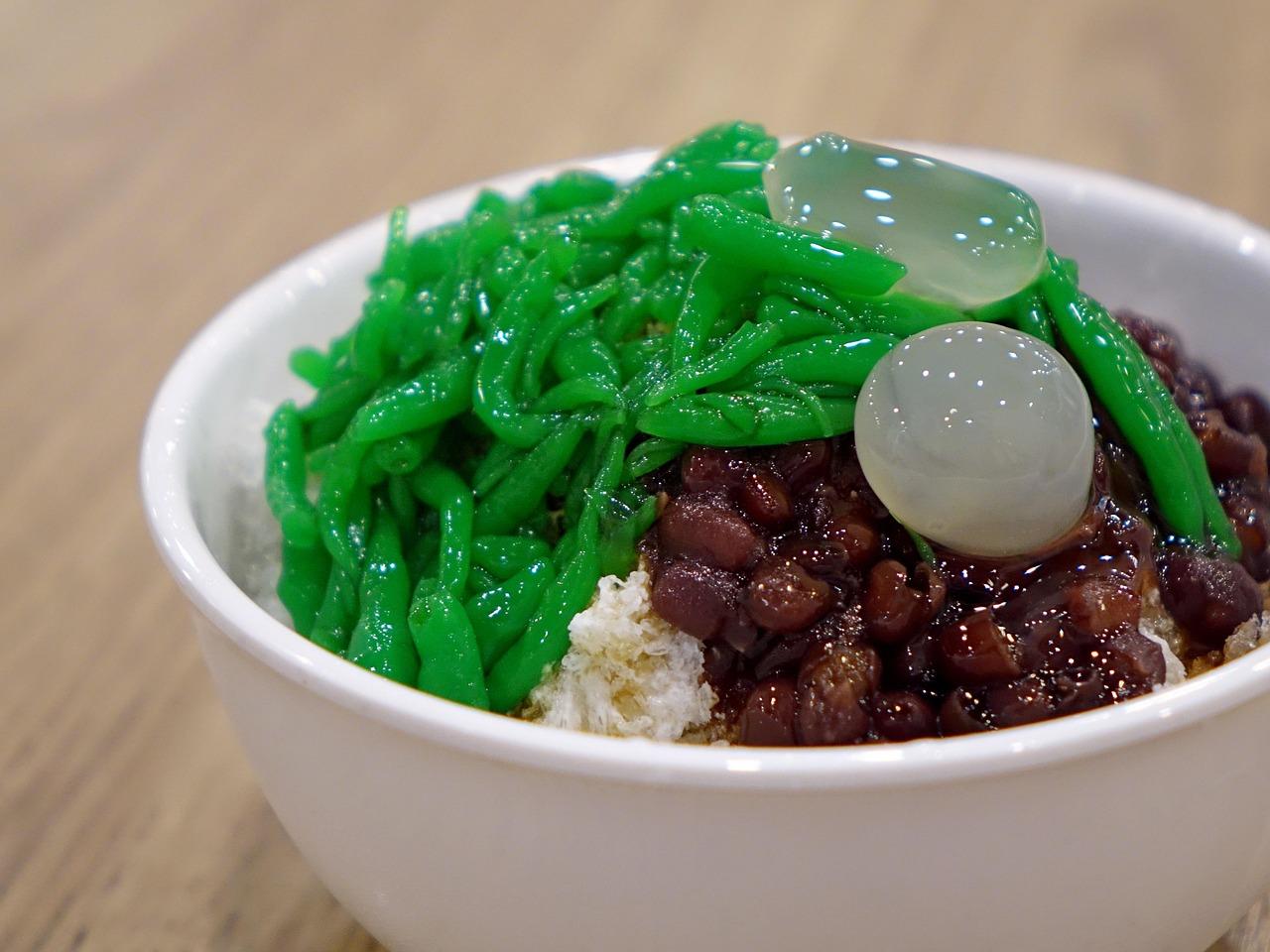
CendolPandan jelly in coconut milk

On a sweltering afternoon in Melaka, the queue snakes out of the cendol shops on Jonker Street: a bowl of shaved ice drenched in salted coconut milk and smoky, dark gula Melaka syrup, hiding soft green jelly 'worms' made from rice flour and pandan, with red beans at the bottom. It's sweet, salty, creamy and cold all at once, and it's the city's signature dessert. Melaka's own gula Melaka is the key; it should smell of caramel and woodsmoke. Chef's tip: a pinch of salt in the coconut milk makes the palm sugar taste deeper; without it the bowl tastes flat.

by KrazyBadal 0 views

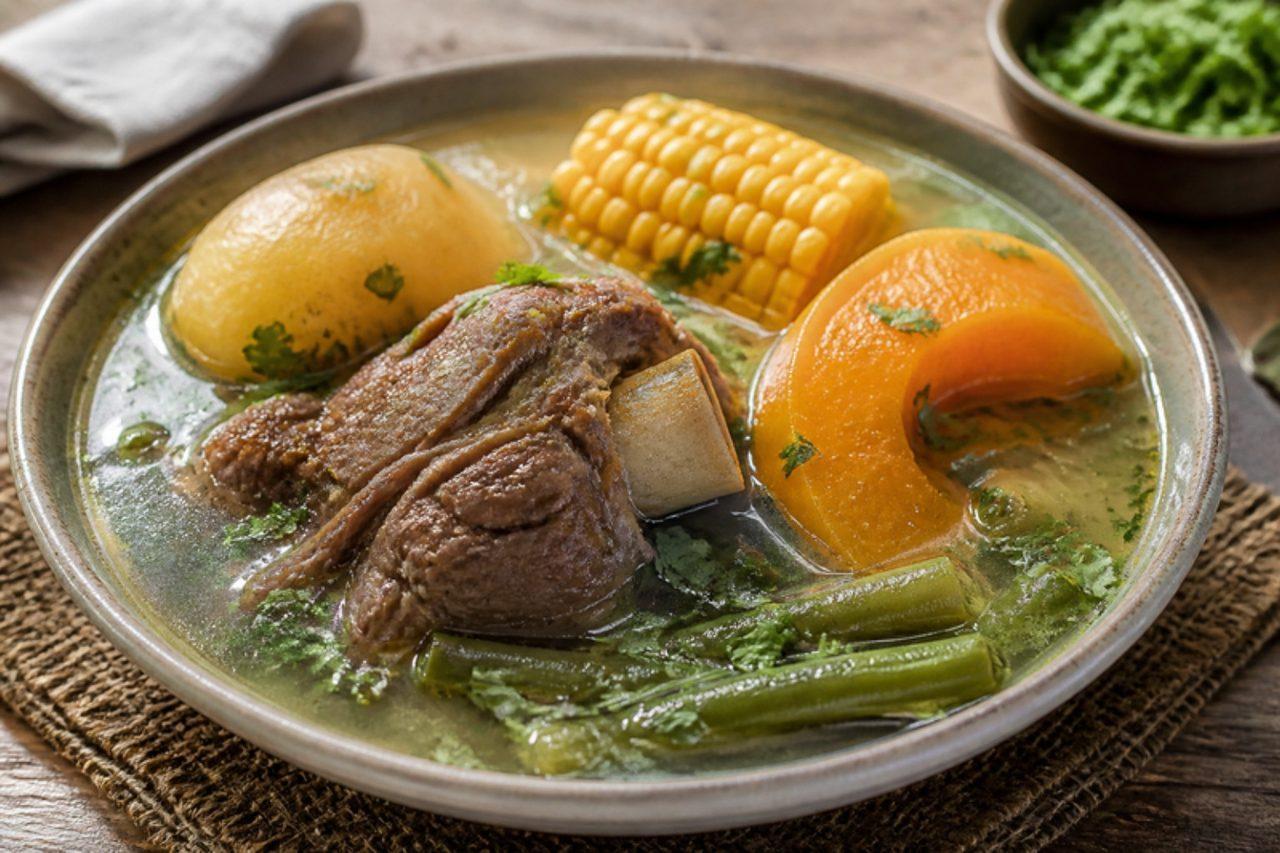
Cazuela de vacunoBeef and vegetable soup

Cazuela is the soup Chilean grandmothers make all through winter, from Santiago's Central Valley to the farms of the south: each bowl gets a whole piece of beef on the bone, a whole potato, a wedge of pumpkin and a piece of corn in a clear broth, with a little rice or green beans and plenty of fresh coriander. It is eaten as a full meal, with pebre and bread. The mistake is cutting the vegetables small: they should stay in big pieces, one of each per person. Chef's tip: simmer the beef very gently and skim it well so the broth stays clear.

145 minChileanSoupsGluten free
by KrazyBadal 0 views

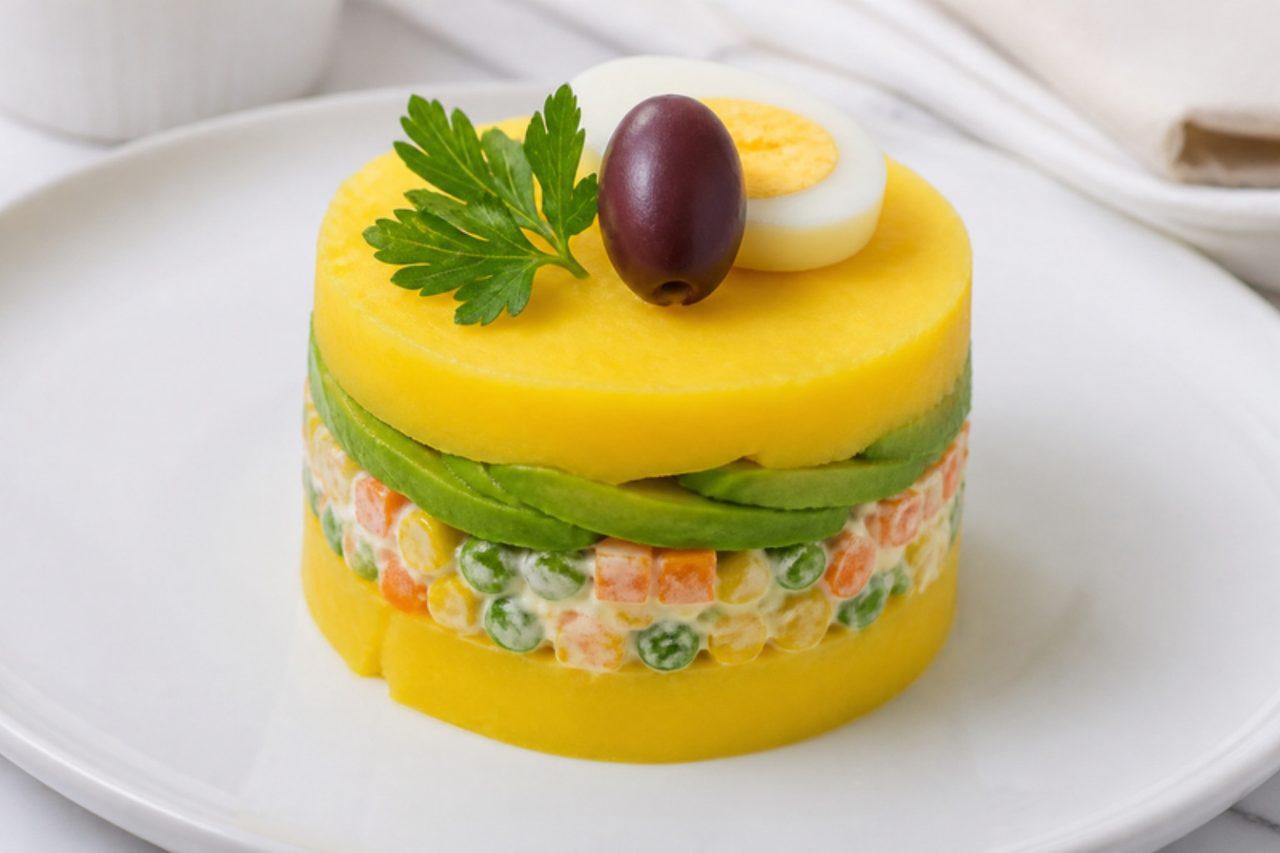
Causa limeñaLayered potato terrine

Causa limeña is Lima's cold potato terrine: yellow potatoes mashed with lime, oil and ají amarillo, pressed into layers and filled. In Lima it is a lunchtime starter sold in every menú and at every family party, often with tuna or chicken; this vegetarian causa is filled with ripe avocado and a creamy salad of corn, peas and carrot. The potato should be smooth, sunny yellow, tangy and gently hot, and the whole thing is served cold in neat slices. Make it in the morning for dinner, or the day before for a party. Chef's tip: mash the potatoes while warm but add the lime only once they have cooled; lime on hot potato turns the mash grey and gluey.

by KrazyBadal 0 views

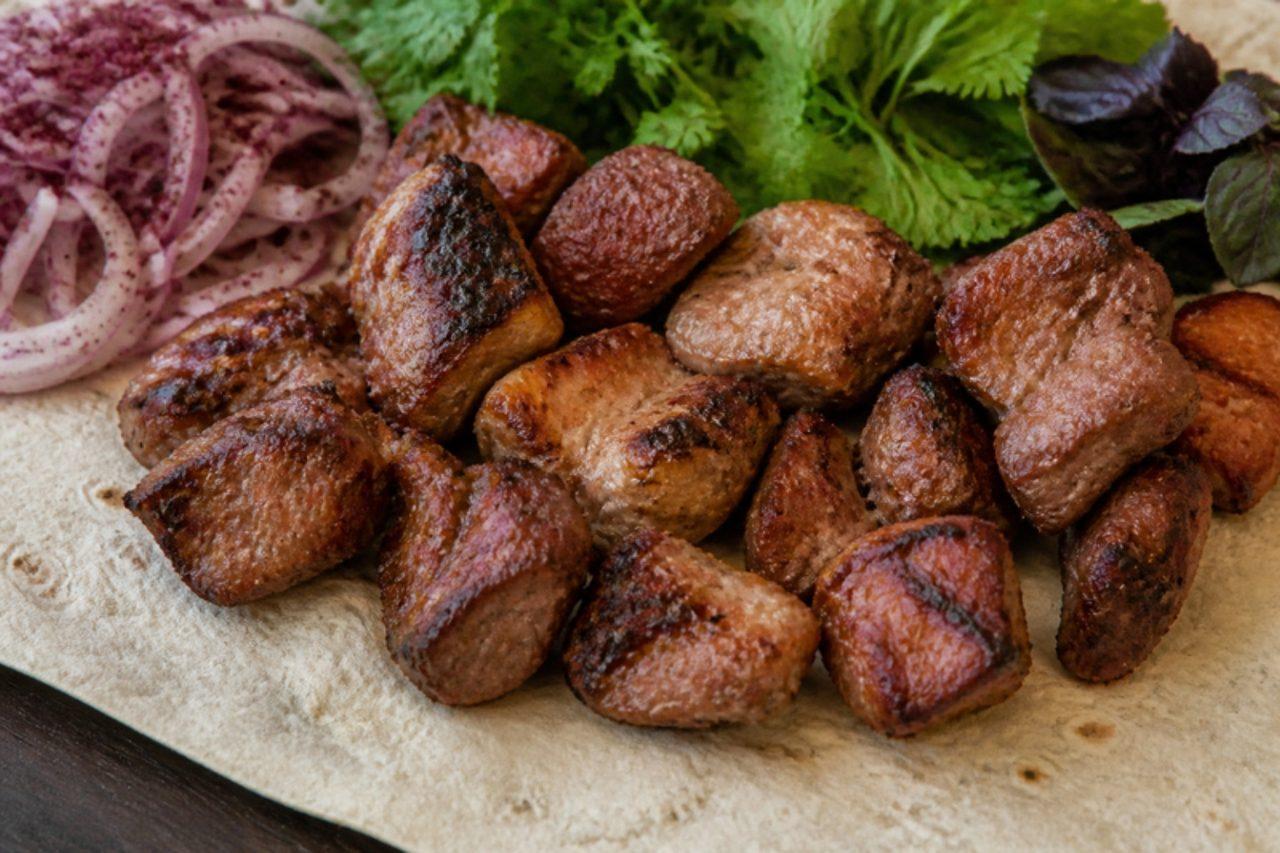
Pork khorovats

Khorovats is the centre of every Armenian summer weekend, whether at a family dacha near Yerevan or a picnic by Lake Sevan: big chunks of meat on long flat skewers, grilled over vine or apricot wood. This version uses pork (it contains pork) from the neck or shoulder, which stays juicy over fire; boneless lamb leg works the same way with 2–3 minutes less cooking. The marinade is just onion, black pepper, a little paprika and herbs, and the meat is served with raw onion, flat lavash and a plate of grilled vegetables. A frequent mistake is cutting the pieces small; at under 4 cm they dry out before the outside browns. Chef's tip: lay a sheet of lavash over the finished skewers for a minute so it soaks up the juices, then eat the bread too.

by KrazyBadal 0 views

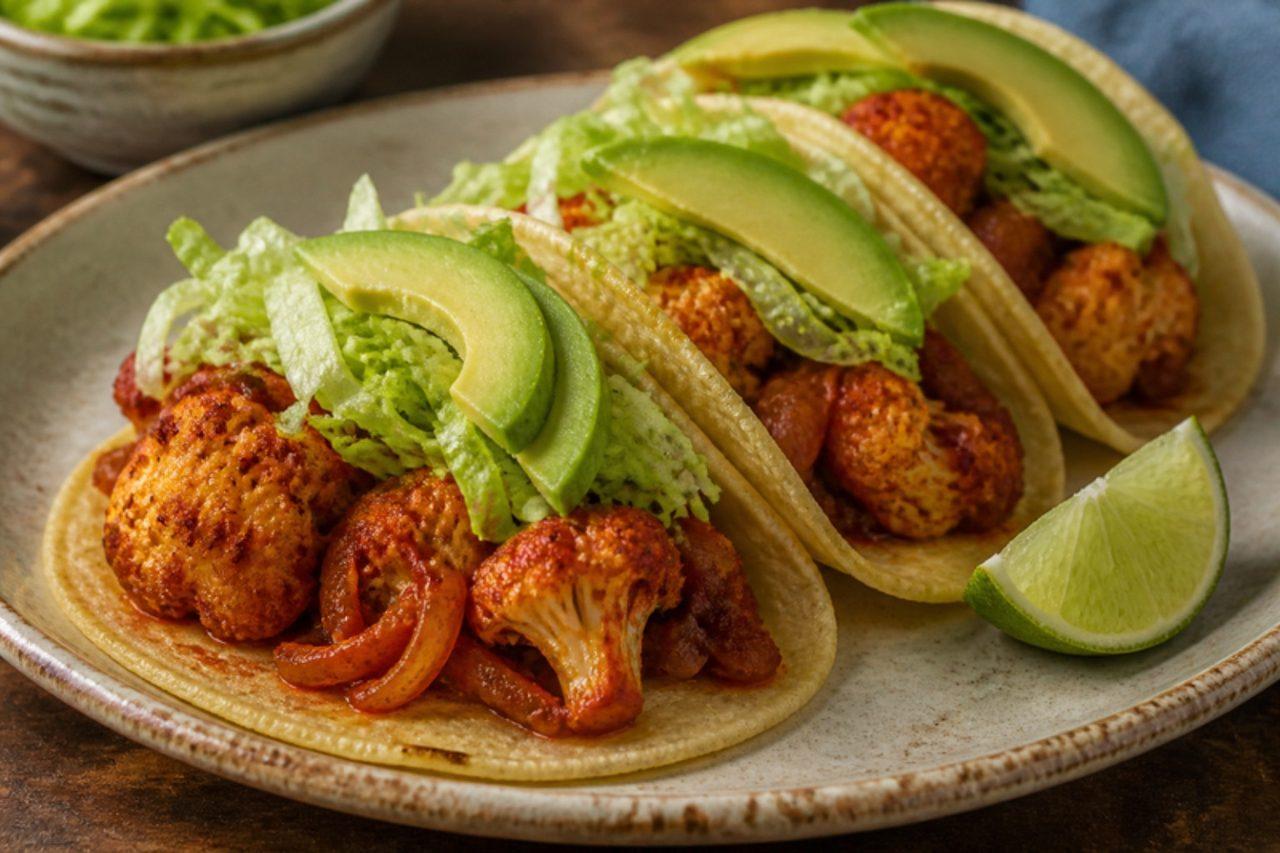
Cauliflower tinga tacosChipotle cauliflower tacos

Tinga comes from Puebla, where shredded meat is simmered in a sauce of sweet sliced onion, tomato and smoky chipotle chillies and piled onto tostadas or tacos. Here roasted cauliflower takes the place of the chicken: browned in a hot oven so it turns nutty and holds its shape, then folded through the brick-red sauce so every floret is glossy and smoky. The result, tinga de coliflor, is sweet, tangy and properly spicy; serve it in warm corn tortillas or on crisp tostadas with avocado, shredded lettuce and lime. Chef's tip: cook the onions slowly until soft and sweet before the tomatoes go in; the sweetness is what balances the heat of the chipotle.

by KrazyBadal 0 views

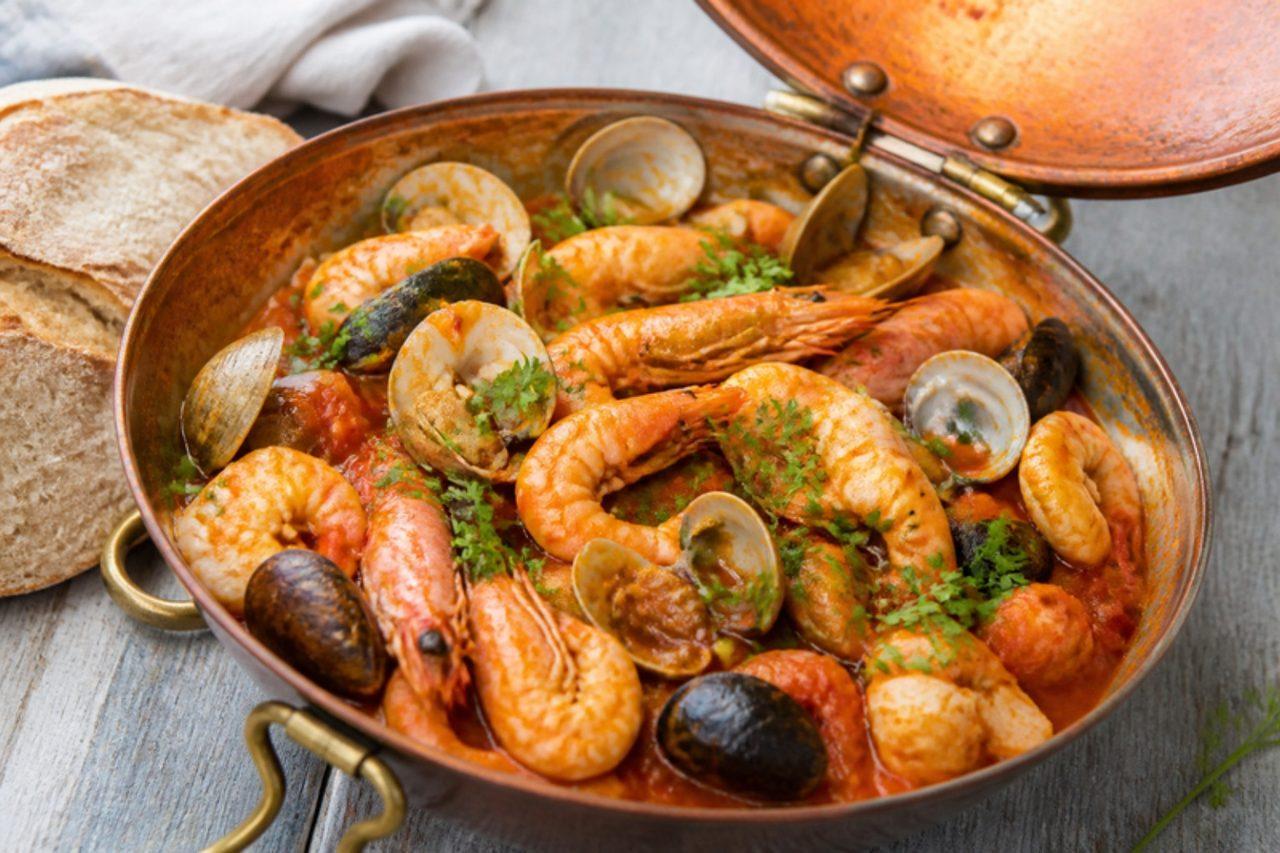
Cataplana de mariscoSeafood and sausage steam pot

Cataplana is the Algarve's showpiece, named after the hinged, clam-shaped copper pan it is cooked in, and it is served at the table in harbour towns like Olhão and Portimão, lid opened in a puff of steam. This version contains pork: smoky chouriço sausage goes in with the onion, peppers and tomato, then clams, prawns and firm white fish steam on top in their own juices. Bring bread for the broth. No cataplana? A wide casserole with a tight lid works. Chef's tip: purge the clams in salty water in the fridge for an hour so they spit out their sand before cooking.

by KrazyBadal 0 views

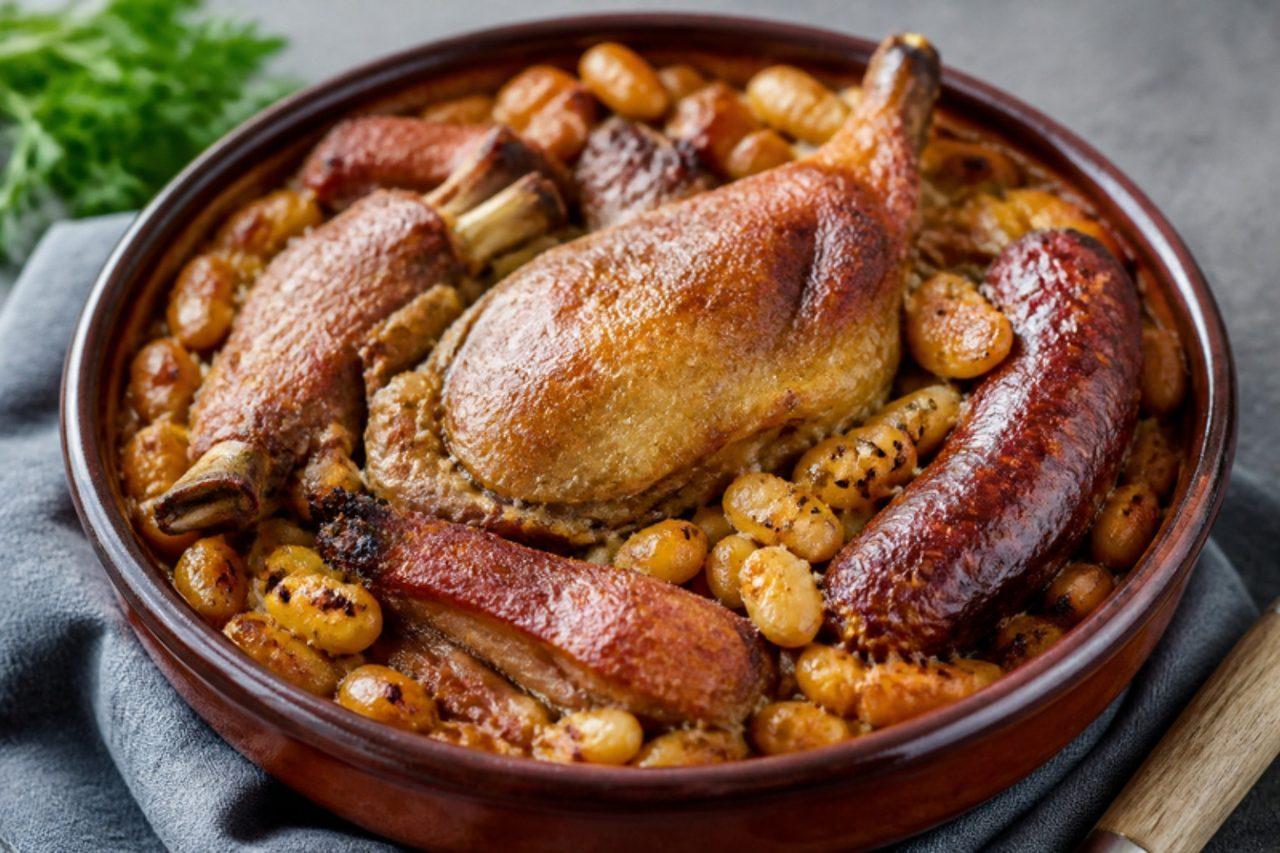
CassouletWhite bean and duck stew

Cassoulet is the great winter feast of the Languedoc, and the towns of Castelnaudary, Carcassonne and Toulouse still argue over who makes it best. Contains pork: white beans cook with pork rind and belly, then bake for hours with duck confit and garlicky Toulouse sausages in a deep earthenware dish until a dark crust forms on top. It takes two days at a relaxed pace and feeds a crowd. Serve with nothing more than a green salad. Chef's tip: break the crust and push it under several times while it bakes; each new crust adds flavour and body.

280 minFrenchMeatGluten free
by KrazyBadal 0 views

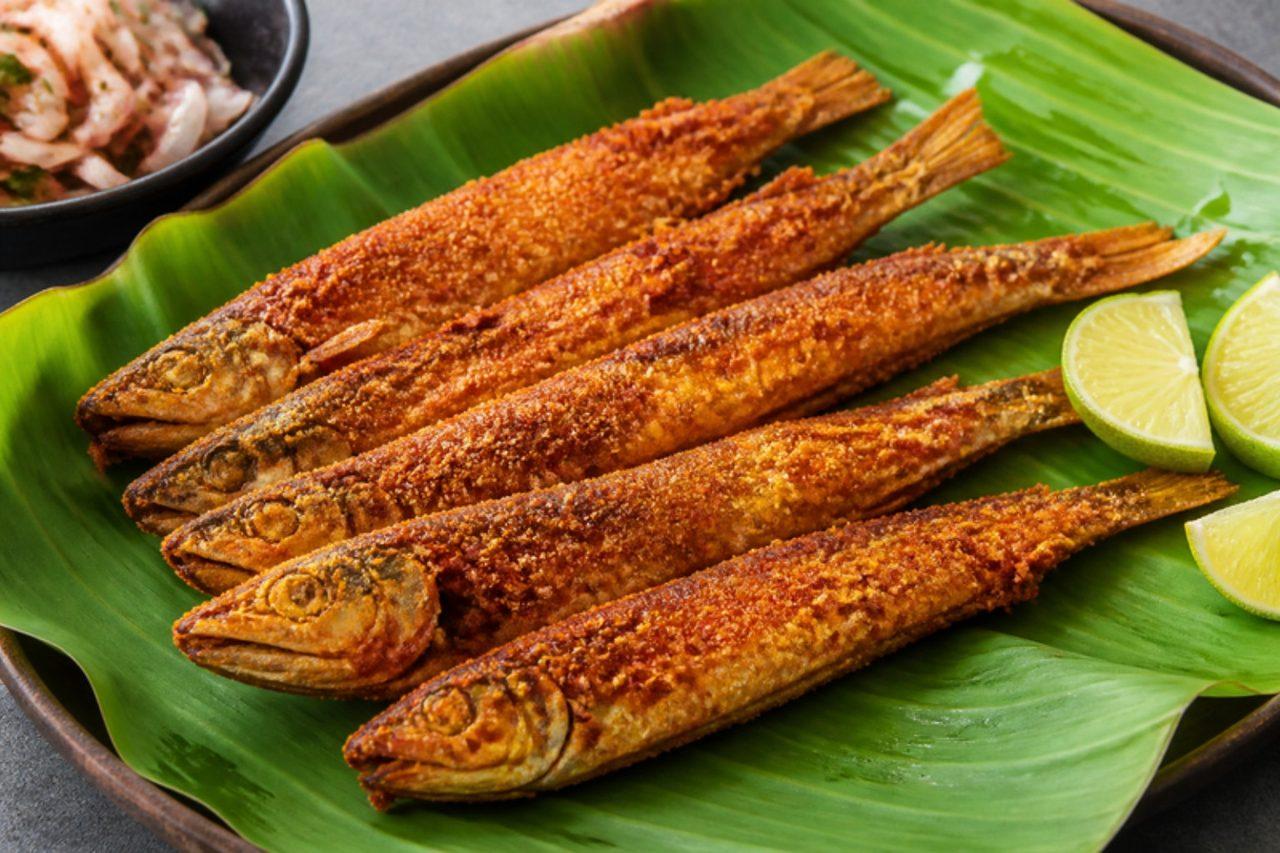
Kane rava frySemolina-crusted fried fish

In the seafood canteens of Mangalore and along the Udupi coast, kane, a slim, sweet ladyfish, is the fried fish everyone orders with a fish thali. It is slashed, packed with a red masala of Byadgi chilli, garlic and tamarind, then pressed into coarse semolina and shallow-fried in coconut oil until the crust crackles. Unlike Mumbai's soft bombil, kane is firm, so it holds its shape and is eaten off the bone. Chef's tip: leave the fish alone for the first 3 minutes in the pan; the crust sets and then releases on its own.

30 minIndianFish
by KrazyBadal 0 views

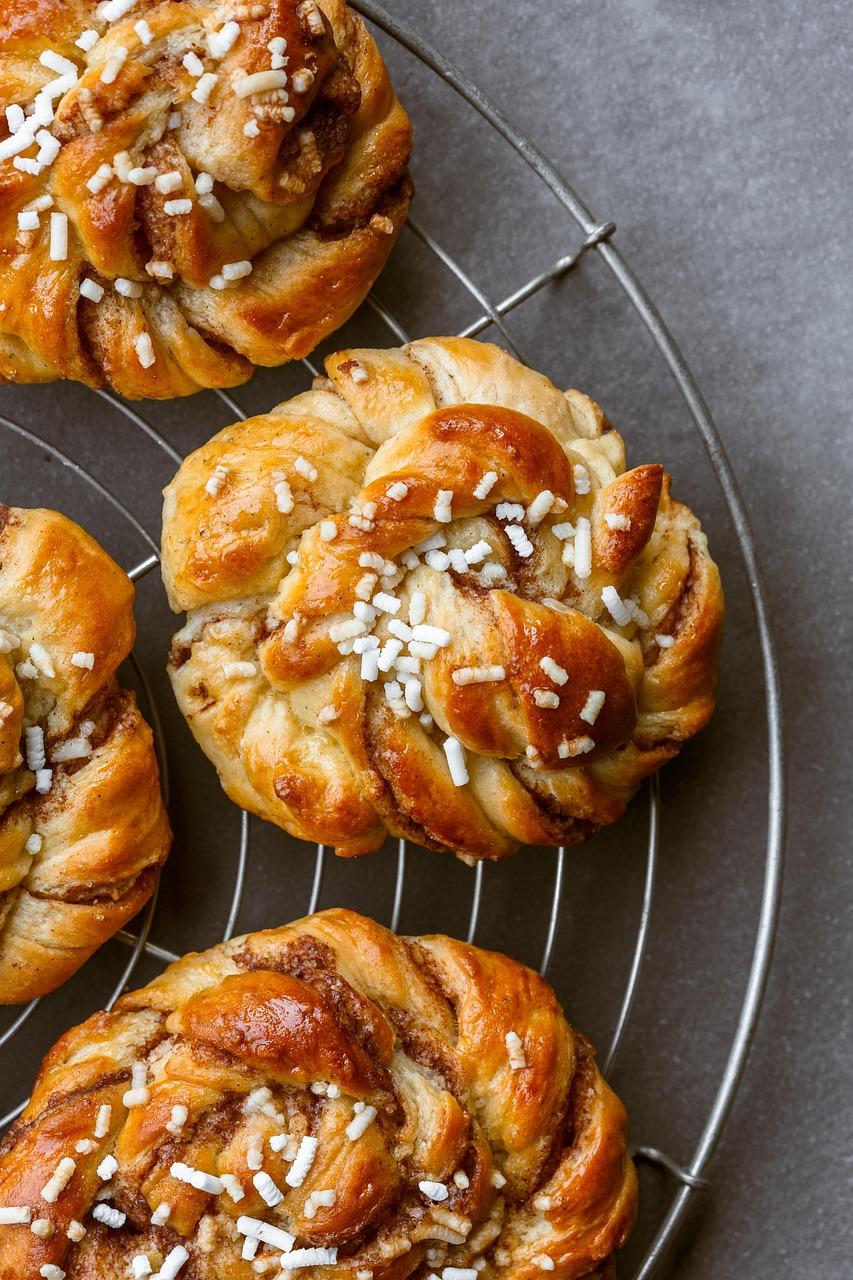
KanelbullarCinnamon buns

Every Swedish café from Malmö to Kiruna keeps a tray of kanelbullar by the till, and on 4 October, Kanelbullens dag, bakeries can barely keep up. They belong to fika, the mid-morning or afternoon pause for coffee and something sweet. Unlike the big, iced American roll, a Swedish bun is modest and buttery: the dough is perfumed with freshly crushed cardamom, the filling is a thin smear of cinnamon butter, and the top gets a scatter of crunchy pearl sugar instead of frosting. This version shapes them into knots, the way Stockholm bakers do, though plain spirals baked in paper cases are just as traditional at home. Chef's tip: crush the cardamom seeds yourself just before mixing; ready-ground cardamom loses most of its scent within weeks and the buns will taste only of cinnamon.

by KrazyBadal 0 views

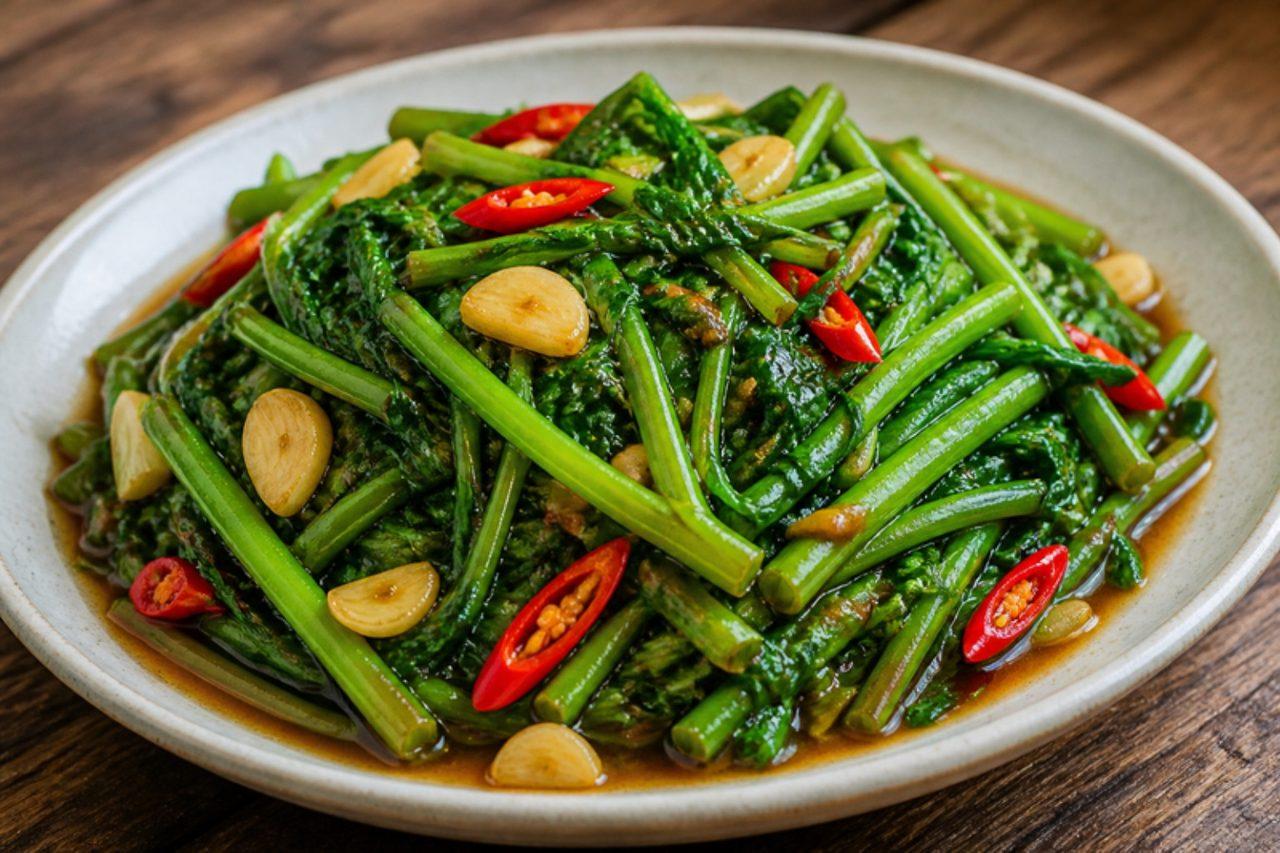
Kangkung gorengGarlic stir-fried water spinach

Kangkung grows in wet ditches and paddy edges right across Malaysia, and every zi char stall and kopitiam kitchen has a pile waiting for the wok. Ordered beside rice and a curry at lunch, or as one of several shared plates at night, it arrives glossy, hollow stems still crunchy, leaves just collapsed. Hawkers often fry it with belacan; this version gets its savoury punch from garlic, shallots, red chilli and a spoon of fermented soybean paste (tauco) instead. It's done in under five minutes. Chef's tip: dry the washed greens thoroughly in a salad spinner, because wet leaves cool the wok and steam instead of sizzle.

by KrazyBadal 0 views

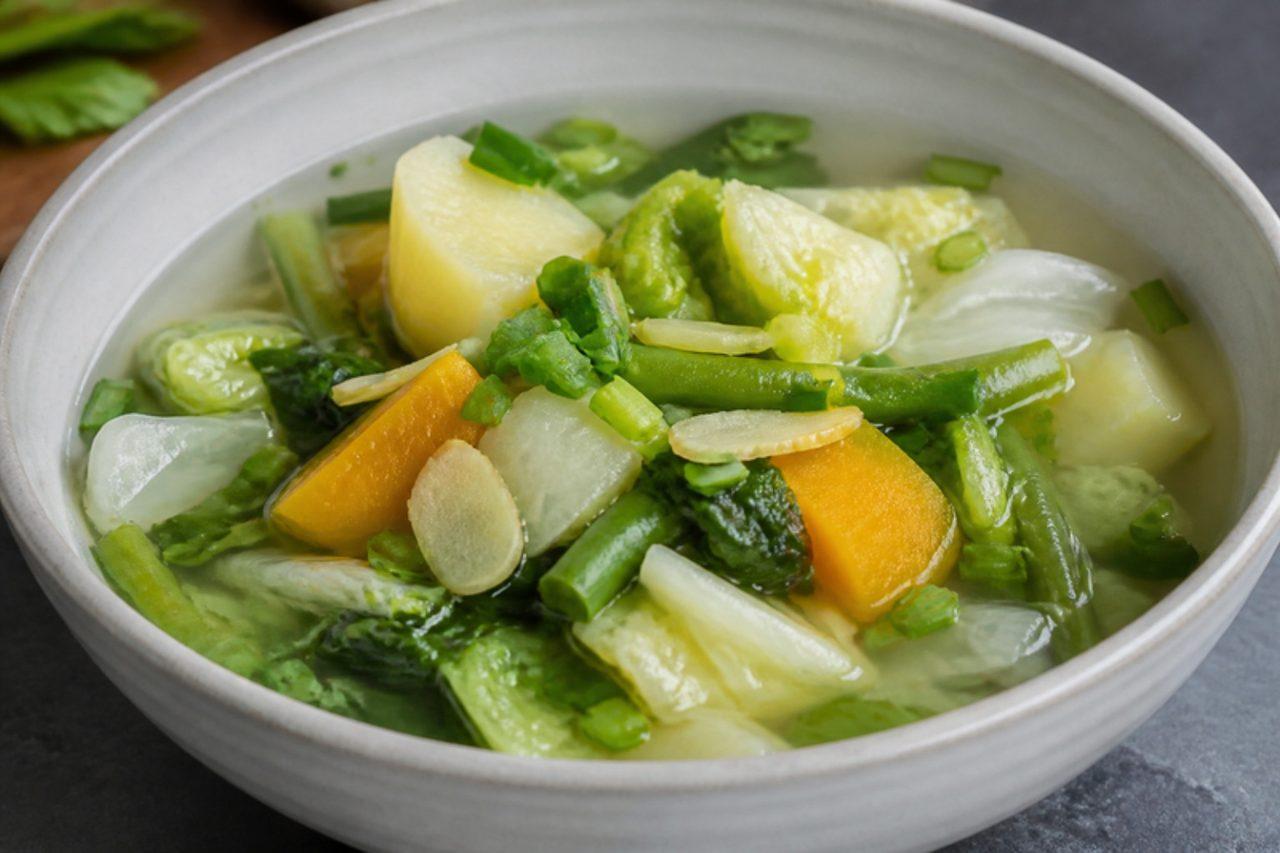
KangshoiClear vegetable stew

Kangshoi is the everyday stew of the Imphal Valley: seasonal vegetables simmered in water with ginger, onion and chilli, and finished with a fistful of fresh herbs such as maroi (a garlic chive), coriander and mint. It is light, clear and brothy, eaten with rice at almost every Meitei meal. Many households add dried fish or ngari (fermented fish) for depth; Vaishnav Meitei homes leave it out, and this vegetarian version relies on toasted chilli and plenty of herbs instead. Chef's tip: cook it without oil, as Manipuris do; the clean broth is the point.

by KrazyBadal 0 views

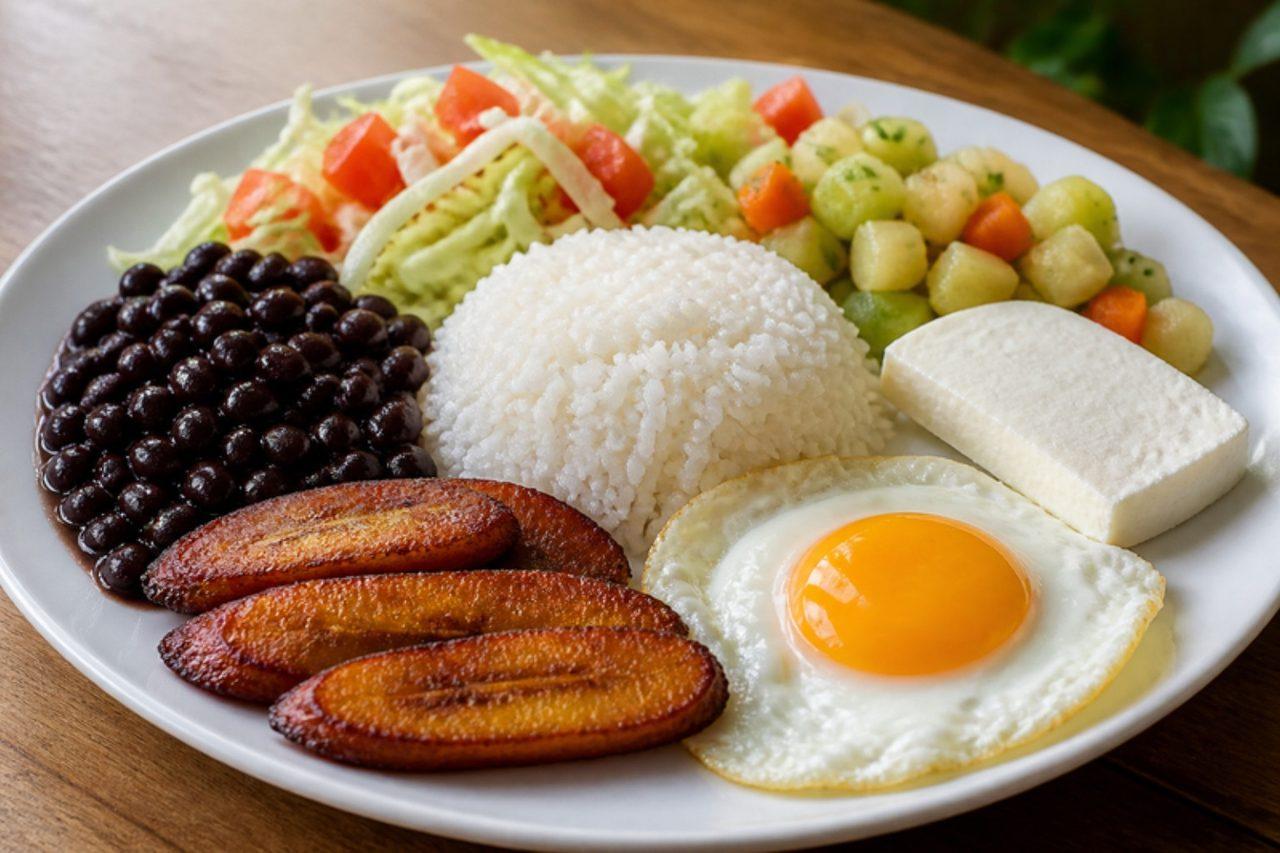
Casado vegetarianoRice, beans and plantain plate

Walk into any soda (small family diner) in San José at lunchtime and the board will offer a casado: one plate where rice and beans are 'married' to salad, sweet plantain and a main. The meatless version is just as common, with a fried egg and a slice of fresh white cheese, plus a little picadillo of chopped vegetables. It's a full, balanced lunch, and every element is simple. Chef's tip: cook the plantain only when it's deeply black-skinned and soft; ripe plantain caramelises to sticky dark edges, green plantain just goes dry.

by KrazyBadal 0 views

Carne de porco à alentejanaPork and clams

Despite the name, this surf-and-turf dish of pork and clams is most often linked with the Algarve coast, where Alentejo pork met local shellfish; today it is served in tascas all over Portugal, especially for Sunday lunch. It is a pork dish: cubes of pork shoulder marinate in massa de pimentão (sweet red pepper paste), garlic and traditionally white wine, then are fried and tossed with steamed clams, crisp potato cubes, pickles and lots of coriander. For an alcohol-free version, swap the wine for chicken stock with a tablespoon of white wine vinegar. Chef's tip: buy the pork with a little fat on; lean loin turns dry and tough when fried.

by KrazyBadal 0 views

Kanpur khoya and suji ladduMilk solids and semolina laddu

Kanpur's best-known sweet is a crumbly, rich laddu sold in brown paper boxes near the city's busy crossings and taken home as a souvenir from the city. It is made by roasting semolina slowly in ghee until it smells like warm biscuits, then mixing in browned khoya, sugar and plenty of cashews, giving a soft, melt-in-the-mouth bite with tiny pieces of crunch. Families make a batch for Diwali or Raksha Bandhan and keep it for a week. The biggest mistake is adding the sugar while the mixture is still hot; it melts and the laddus collapse into flat puddles. Chef's tip: if the mixture feels too dry to bind, sprinkle in warm milk a teaspoon at a time rather than adding more ghee.

by KrazyBadal 0 views

CarimañolasYuca fritters stuffed with beef

Carimañolas are torpedo-shaped fritters of mashed yuca filled with savoury minced beef, a breakfast and party snack in Panama City and along the Caribbean coast in Colón, often eaten with a cup of coffee or a spoon of hot sauce. The yuca dough is soft and smooth, the outside crisp after frying. The mistake is working the yuca dough while it is cold; mash and shape it while still warm, when it is smooth and pliable. Chef's tip: wet your hands with a little oil or water as you shape them so the dough doesn't stick.

by KrazyBadal 0 views

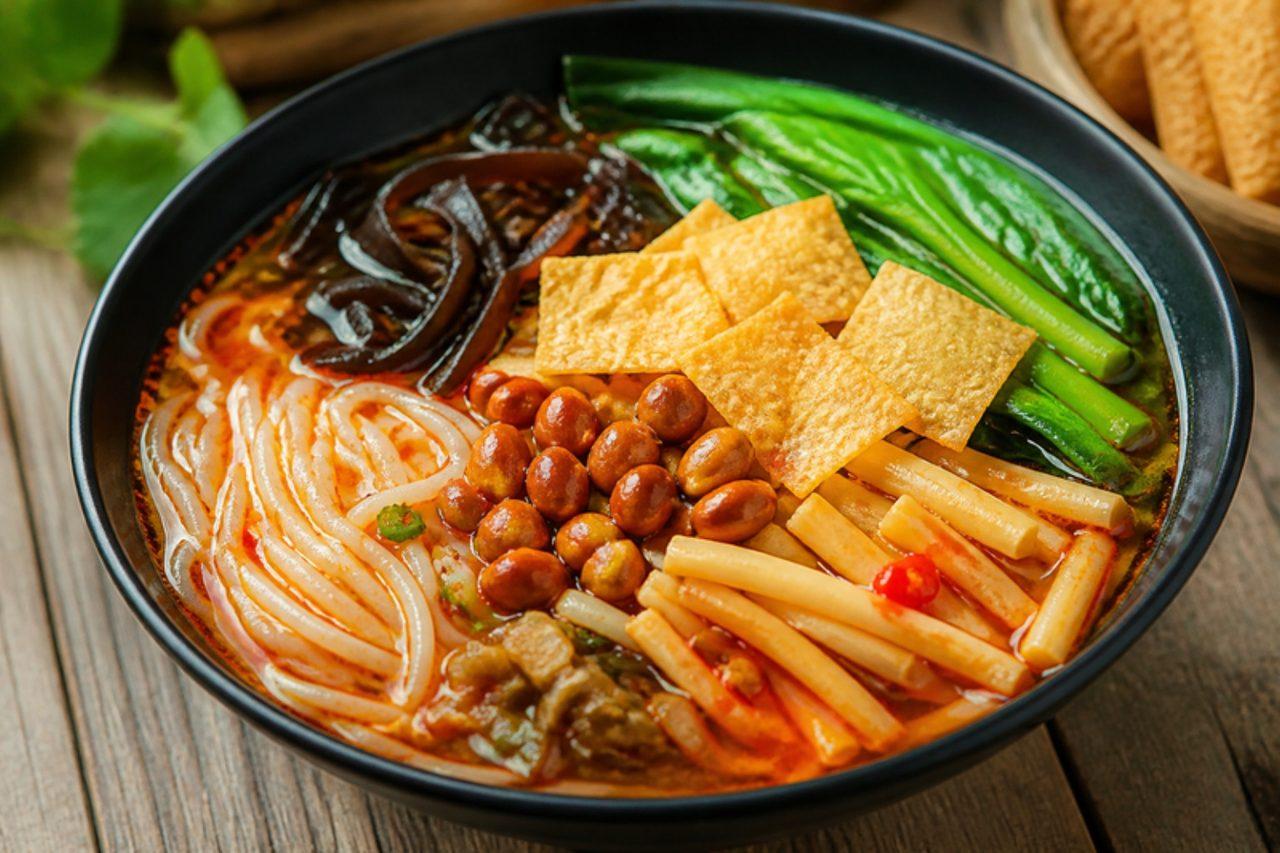
LuosifenRiver snail rice noodles

Liuzhou, an industrial city in Guangxi, turned its late-night snail noodle stalls into a national obsession, and the smell alone makes luosifen famous: sour fermented bamboo shoots give it a funky, love-it-or-hate-it aroma that fills the kitchen. The broth itself is rich and savoury from pork bones and river snails, red with chilli oil, and the bowl is piled with crunchy fried tofu skin, peanuts, pickled beans, greens and slippery rice noodles. Taste-wise it is hot, sour and deeply savoury all at once. It is a meal in a bowl, best eaten with the window open and a cold drink. Chef's tip: use only snails sold ready-cooked and cleaned, frozen or canned, never wild-gathered ones, and still boil them in the broth for at least 15 minutes; if you can't find them, dried shrimp make a good snail-free broth.

120 minChineseSoupsSpicy
by KrazyBadal 0 views

Cari pouletChicken curry

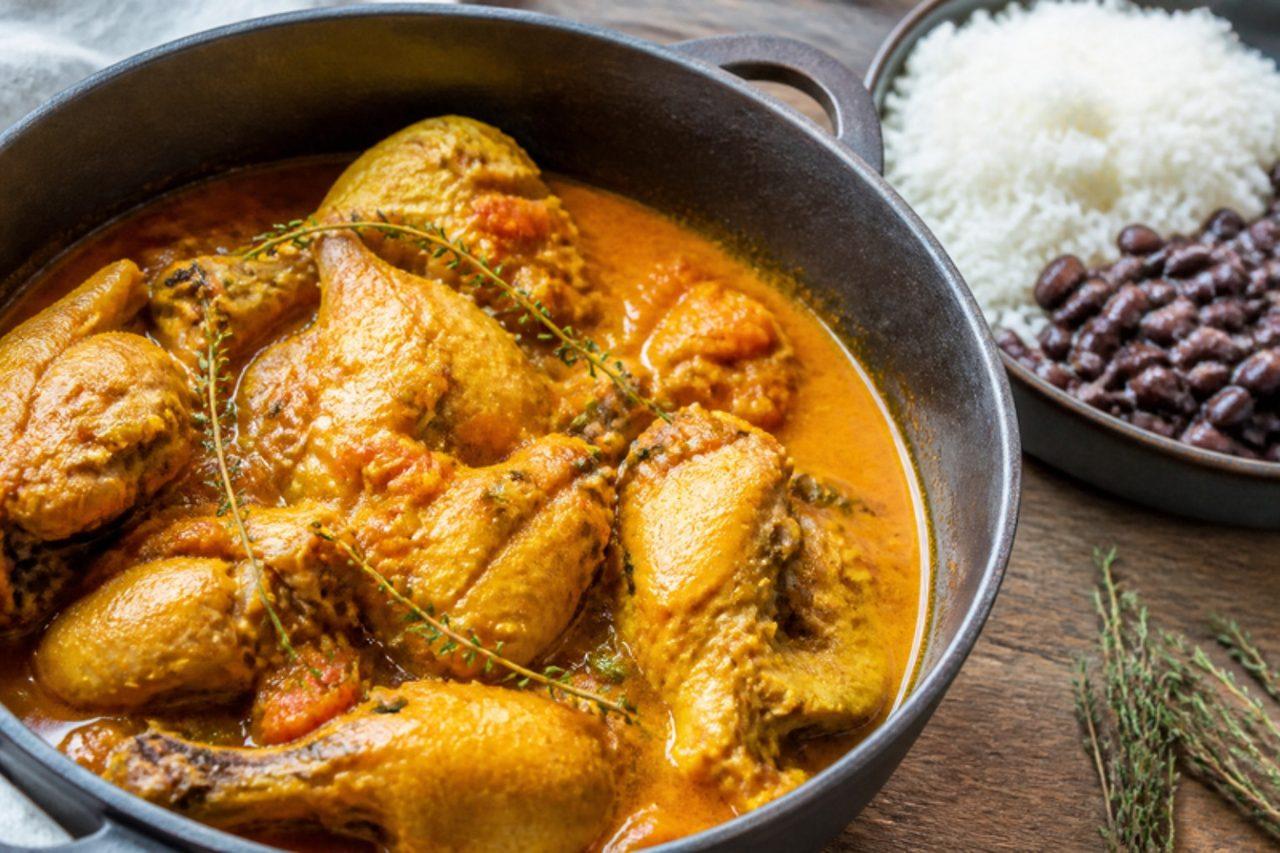
In Réunion a cari is any stew cooked with turmeric (called "safran" on the island), garlic, ginger, onion, tomato and thyme, and cari poulet is the dish families cook on Sundays in Saint-Denis and the mountain villages, often in a big cast-iron pot over a wood fire. It is served with white rice, red beans or lentils, and a fiery rougail on the side. The mistake is adding water too early: let the chicken brown and the tomatoes melt first, then add only a little. Chef's tip: thyme is essential in Réunionnais cooking; add it whole and fish it out before serving.

by KrazyBadal 0 views

Kapenta with tomatoFried dried sardines with tomato

Kapenta are tiny freshwater sardines from Lake Kariba and Lake Tanganyika, sun-dried on racks along the shore and sold in markets from Lusaka to Harare. Cooked with onion, tomato and a little chilli, they become a savoury, crunchy relish that is eaten with nshima or sadza for a cheap, protein-rich weeknight meal. The mistake is skipping the rinse: dried kapenta carries sand and a strong smell, so soak and rinse it well. Chef's tip: fry the drained kapenta on its own first until crisp, then add the tomato, so it keeps some crunch.

by KrazyBadal 0 views

Kappa puzhukkuMashed cassava with coconut

Kappa puzhukku is the cassava dish of central Kerala, eaten in homes around Kottayam and Thrissur, and also served at the start of the Thiruvathira festival. Cassava is boiled twice, roughly mashed with coconut crushed with green chilli, shallots and garlic, then finished with a coconut-oil tempering. It's soft and starchy, with crunchy coconut and a lot of chilli heat, filling enough to be a meal with a fiery chammanthi or a ladle of moru curry. Chef's tip: when you peel the cassava, pull out the woody string that runs down the middle; it never softens.

by KrazyBadal 0 views

KapusniakSauerkraut and millet soup

Kapusniak is the sour, warming sauerkraut soup of western Ukraine, cooked through the long winters in Lviv and the Galician villages, when barrels of home-fermented cabbage stand in every cellar. Potato and a handful of millet make it filling, and a spoon of tomato paste and smoked paprika round out the tang. It is famous as the soup for the morning after a wedding or New Year party, and is often cooked with smoked pork; this vegan version gets its depth from a well-browned zazharka instead. Chef's tip: taste your sauerkraut first and rinse it only if it is very salty or sharp, because the brine is where the flavour lives. Common mistake: adding the sauerkraut together with the potatoes; the acid stops them softening, so let the potatoes cook first.

by KrazyBadal 0 views

Carciofi alla romanaBraised artichokes with mint

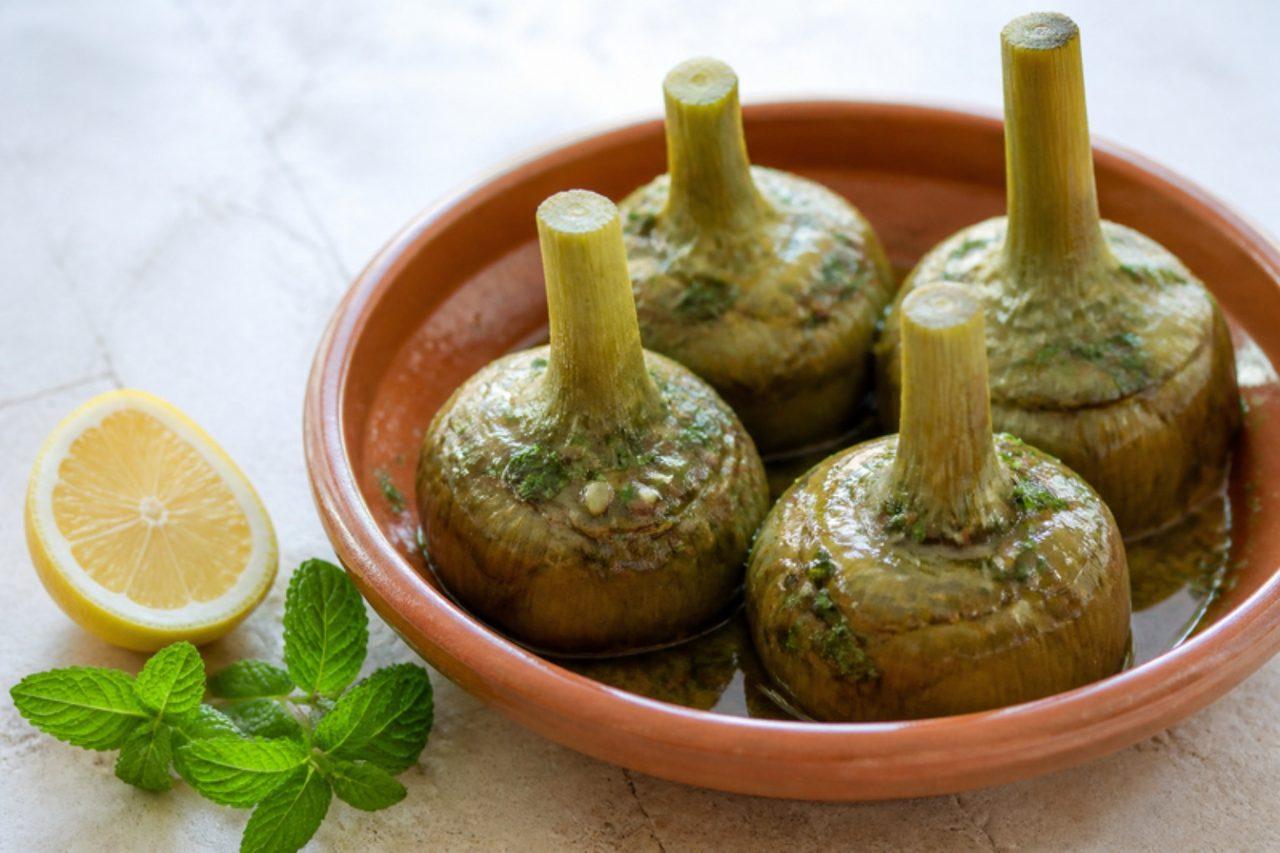
Every spring, from February to April, Roman market stalls pile up round, thornless romanesco artichokes (cimaroli), and trattorie serve them alla romana: stuffed with wild mint, parsley and garlic and braised stem-up in oil and water until meltingly soft. They are eaten warm or at room temperature as a contorno, often next to their crisp cousins, carciofi alla giudia. Any large globe artichoke works at home. Chef's tip: braise them upside down, stems in the air and tightly packed, so the hearts sit in the liquid and the stems steam to the same tenderness.

by KrazyBadal 0 views

CapunsChard parcels of herby dough

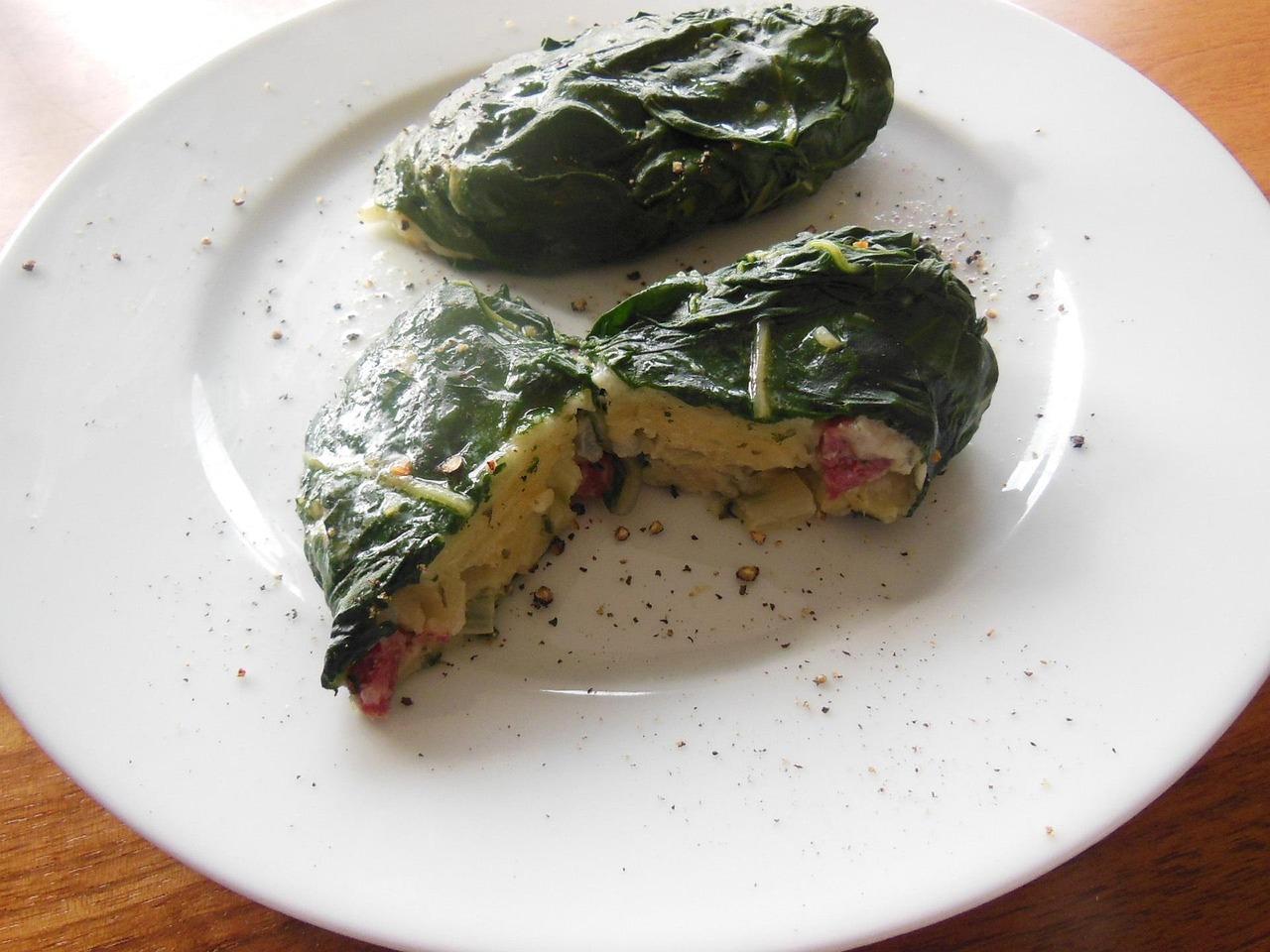
Capuns come from the valleys of Graubünden, where every village in the Surselva and Engadin has its own way of making them, and they are cooked on cold evenings and for festivals in mountain inns. A soft spätzle batter flavoured with herbs and little cubes of air-dried salsiz sausage and bacon is wrapped in chard leaves, then the parcels are poached in a mixture of milk and stock and finished with butter and grated mountain cheese. The salsiz and bacon are pork. Most first attempts fail because the dough is too runny to wrap; it should drop slowly off a spoon, like very thick porridge. Chef's tip: dip the chard leaves into boiling water for just 10 seconds so they turn supple enough to roll without tearing.

80 minSwissMeat
by KrazyBadal 0 views

LuqaimatSaffron dumplings with date syrup

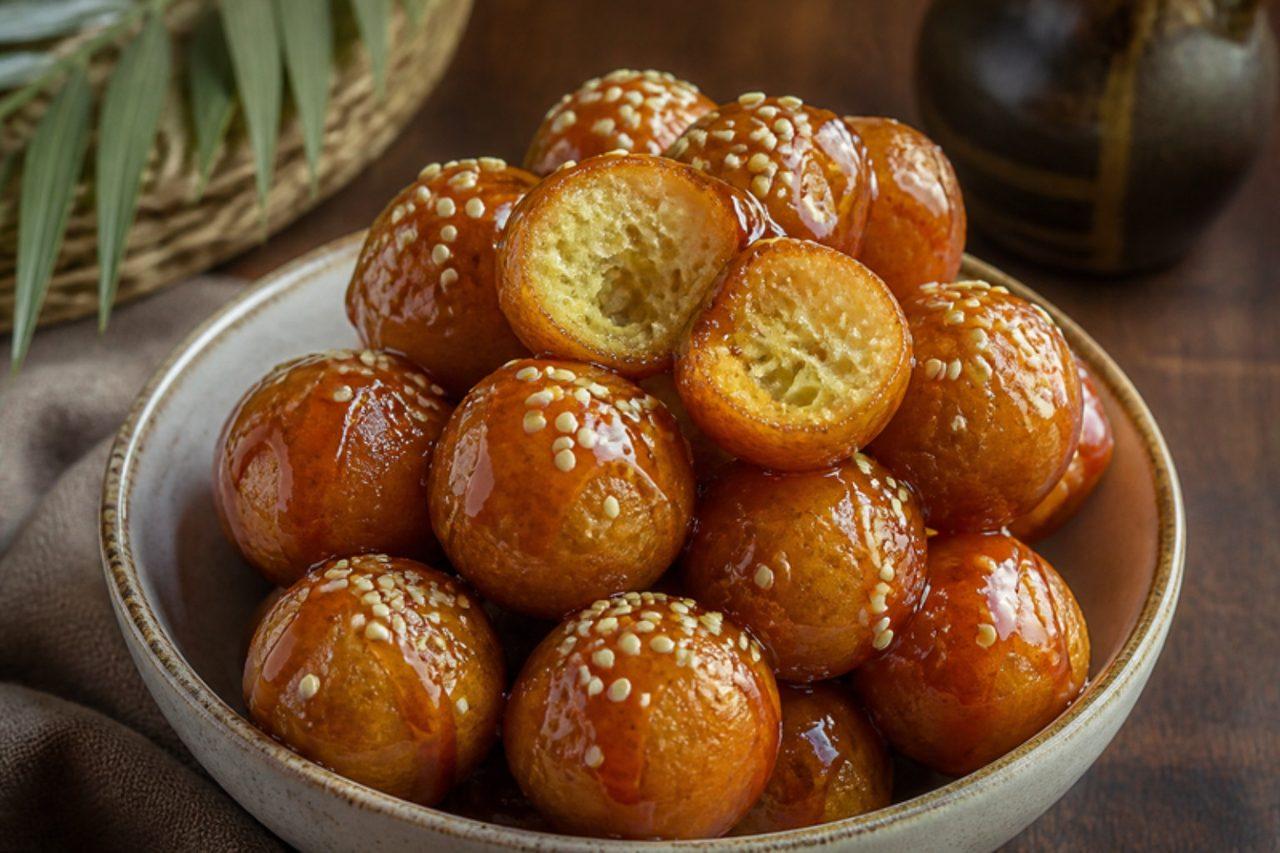
When the sun goes down during Ramadan in Dubai, Sharjah or Muscat, plates of luqaimat appear on iftar tables and in mosque courtyards. The little balls of yeasted batter, scented with saffron and cardamom, are fried until crisp and golden outside and soft as a cloud inside, then drizzled with dibs (date syrup) and scattered with sesame. Unlike syrup-soaked fritters, they are glazed only lightly, so they stay crunchy. Chef's tip: a teaspoon of oil on your thumb and a wet spoon stop the sticky batter clinging, so the balls drop round into the oil.

by KrazyBadal 0 views

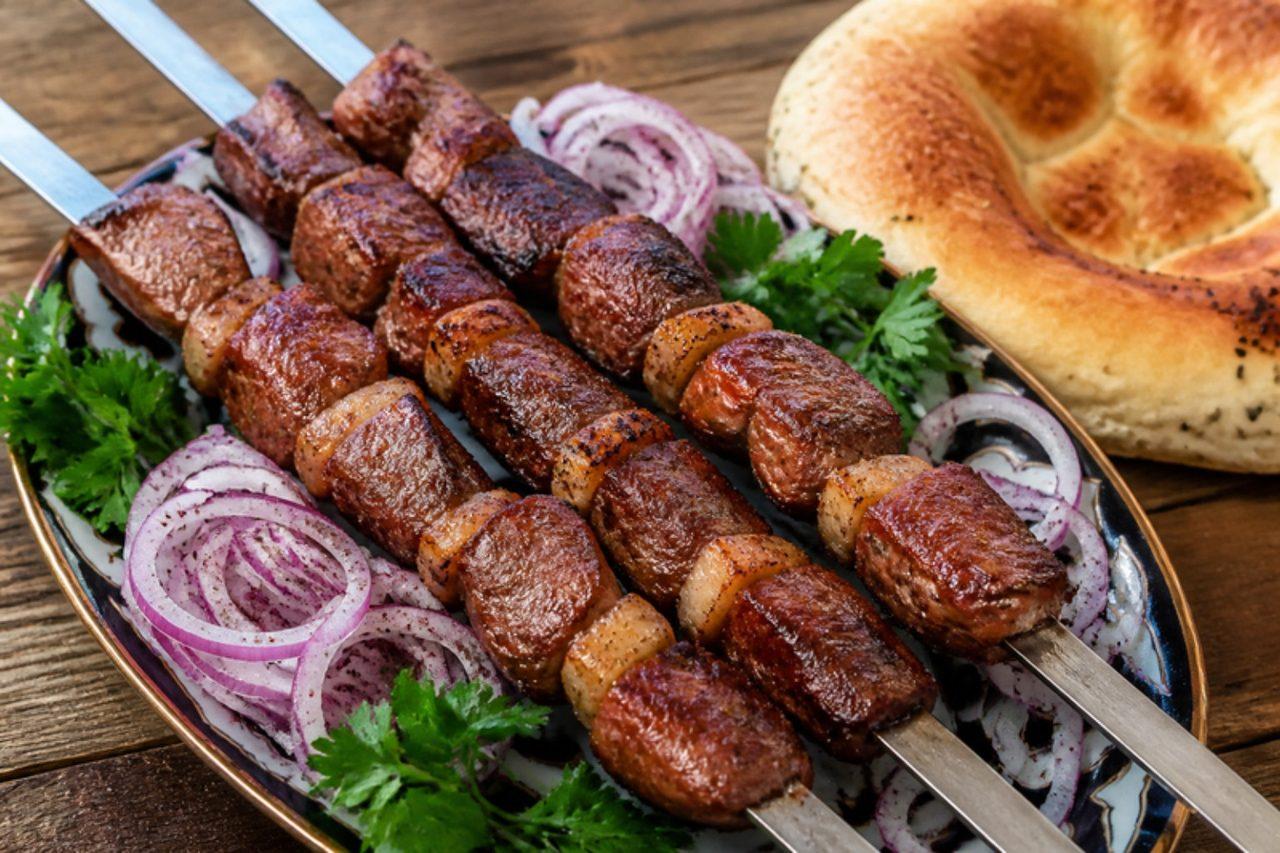
Uzbek lamb shashlik

Walk past any chaikhana (teahouse) in Samarkand or Bukhara in the evening and you will smell shashlik: chunks of lamb, threaded with little cubes of tail fat, grilled over charcoal and fanned with a piece of cardboard. They arrive on long flat skewers with a heap of raw onion soaked in vinegar, a round of non bread and green tea. The marinade is simple, just onion, cumin, black pepper and salt, so the flavour comes from good lamb and real fire. The usual slip is to pack the meat tightly on the skewer, which steams the middle instead of searing it; leave a little gap between pieces. Chef's tip: grate the onion for the marinade rather than slicing it; the juice tenderises the lamb in a few hours.

40 minUzbekMeatGluten free
by KrazyBadal 0 views

Showing 72 of 10,569 recipes

Show more recipes

Page 1,044 of 1,175