


Skip to content
Thai red vegetable curry
Featured recipe

Thai red vegetable curry

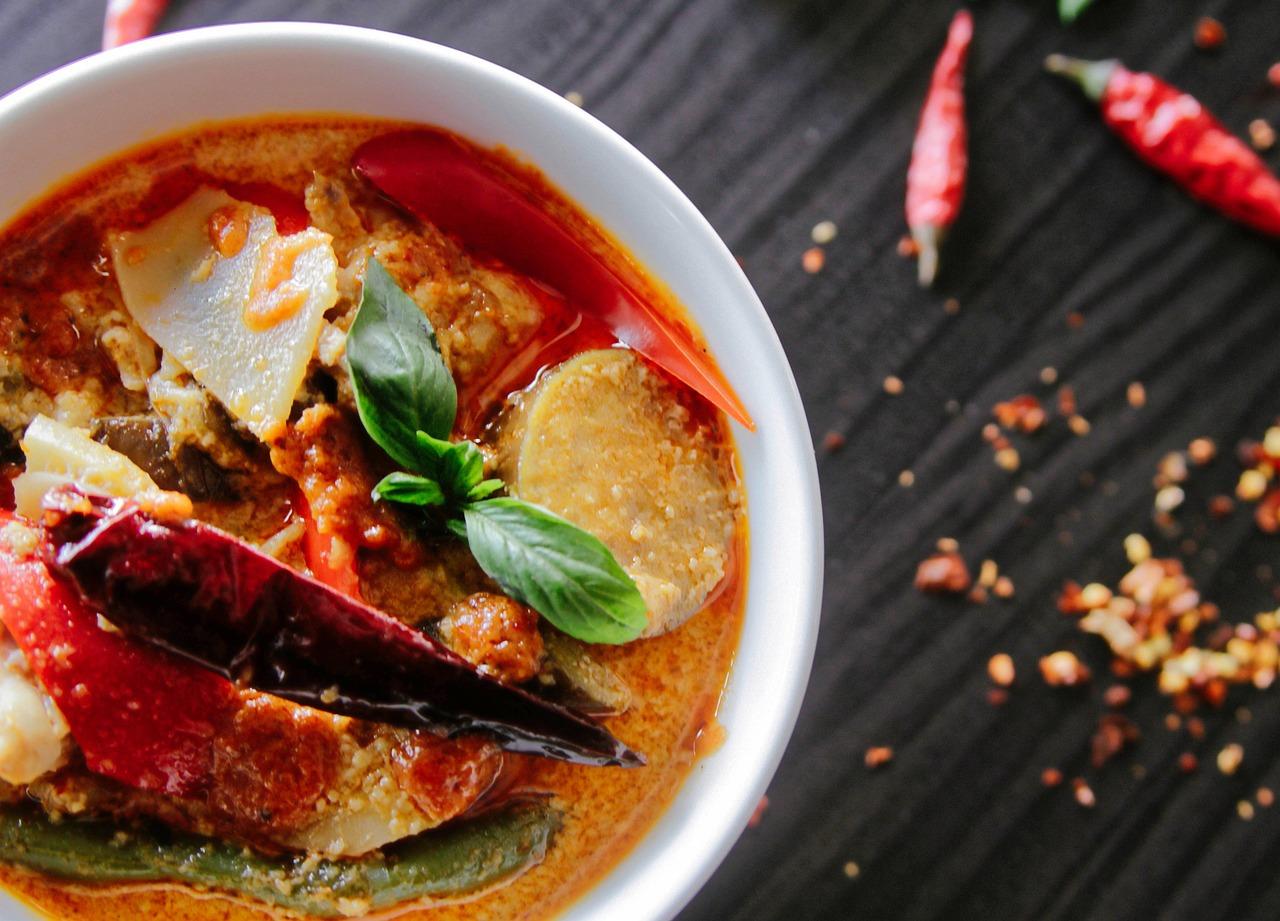
A quick Thai red curry with a home-made paste of soaked red chillies, onion, garlic, ginger, lemongrass, coriander, cumin and white pepper. Crunchy baby corn, broccoli, carrot and mushrooms simmer in coconut milk with basil until the sauce is creamy and gently thickened. The paste is also used in several other Thai recipes in this collection. Serve warm with rice.

Read more 0 views

What to eat today?

Around the world

Today's trip: Persian

A new country every day, from every cuisine on the site.

Persian

Persian halva

Saffron rose flour halva 40 minMore from Persian (181) →

This week's collection

Kid-friendly dinners
772 recipes · a new collection every Monday

Coming up

All occasions →

Latest recipes

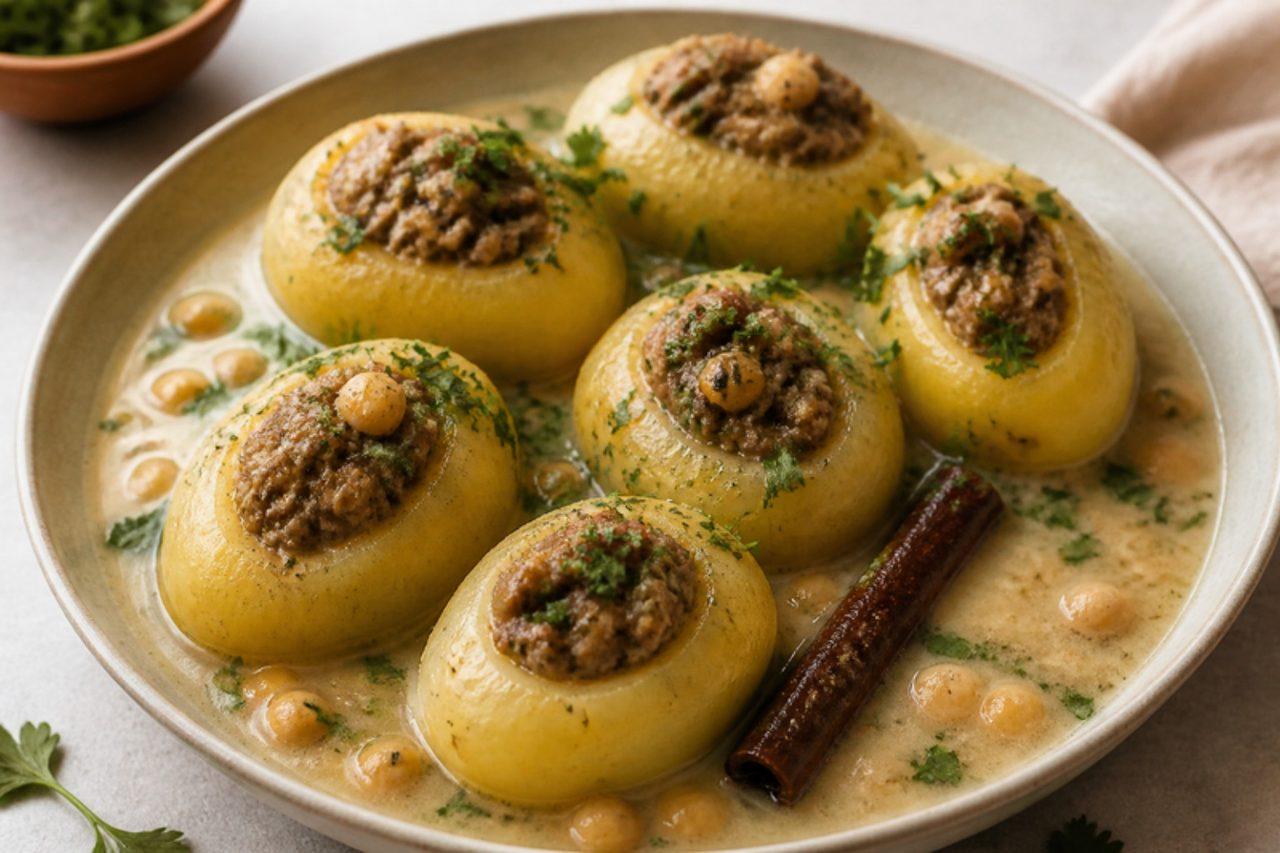
Dolma batataStuffed potatoes in chickpea sauce

Dolma batata belongs to the Algiers home kitchen, where it is a Ramadan favourite and a Friday dish: hollowed potatoes filled with beef mince, onion, parsley and cinnamon, fried until golden, then simmered in a pale sauce (marqa beida) of onion, chickpeas, black pepper and cinnamon. The sauce stays white because no tomato goes in. The mistake is hollowing the potatoes too thinly, so they split in the pot; leave walls about 1 cm thick. Chef's tip: fry the scooped-out potato flesh and add it to the sauce to thicken it.

by KrazyBadal 0 views

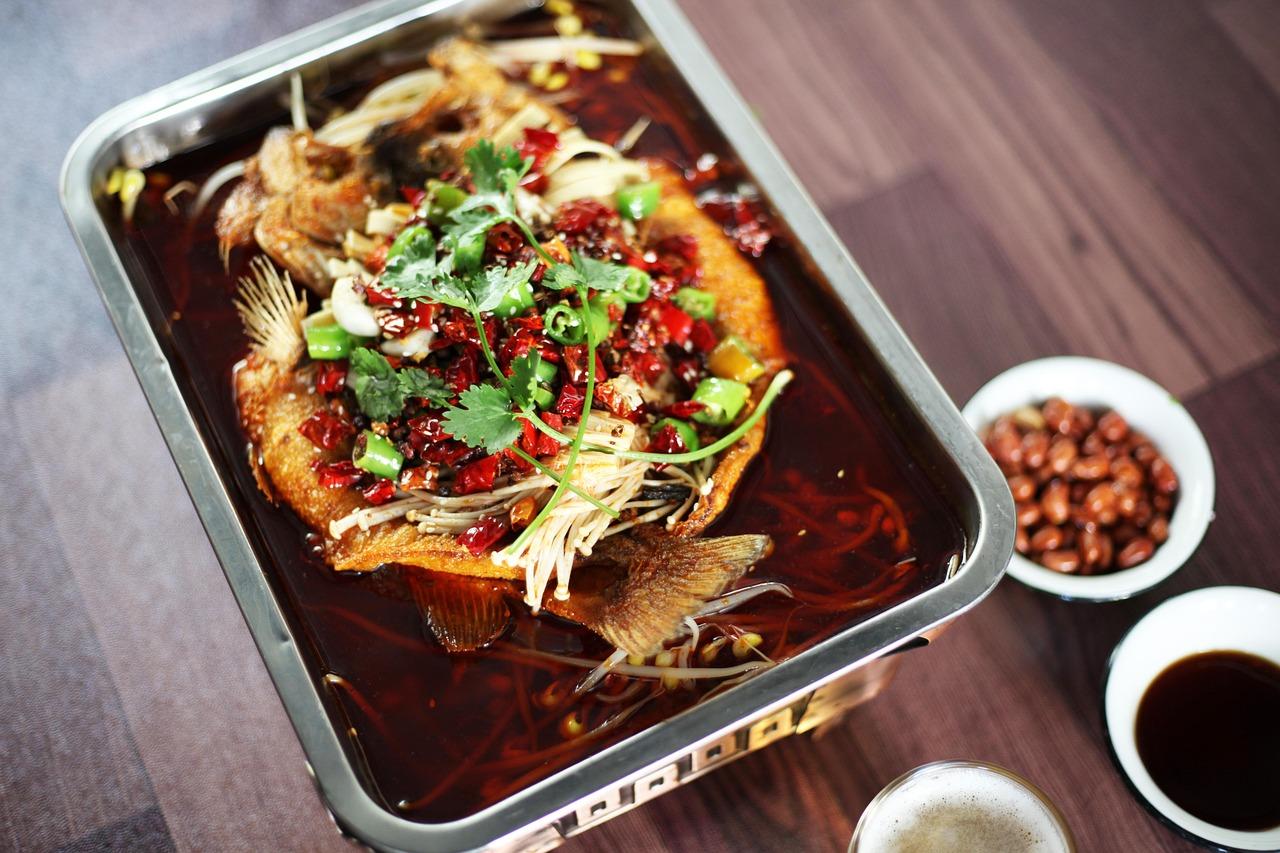
Chongqing grilled fish

The river port of Wanzhou on the Yangtze gave the country kao yu, now a late-night favourite in every Chinese city: a whole fish, split open and grilled over charcoal until the skin crackles, then laid in a metal tray of bubbling chilli broth and kept hot over a burner in the middle of the table. Friends pick at the crisp skin and soft flesh, then work through the potatoes, bean sprouts and celery underneath, which soak up the spicy, savoury, faintly numbing sauce. This home version uses a hot oven and a roasting tin. Serve it with rice and plenty of cold drinks. Chef's tip: dry the fish inside and out with kitchen paper and oil the tin well; a wet fish steams instead of crisping and sticks to the metal.

by KrazyBadal 0 views

ChivitoSteak sandwich with ham and egg

The chivito was created in the 1940s at a restaurant in Punta del Este, Uruguay, and became the national sandwich: a soft roll filled with thin, tender steak, ham, melted mozzarella, a fried egg, bacon, lettuce, tomato, olives and mayonnaise. It is eaten in Montevideo's parrillas and corner bars with chips on the side. This sandwich contains pork. The mistake is a thick, chewy steak: use thinly sliced sirloin and sear it fast. Chef's tip: toast the cut sides of the rolls so they stand up to all the juices.

by KrazyBadal 0 views

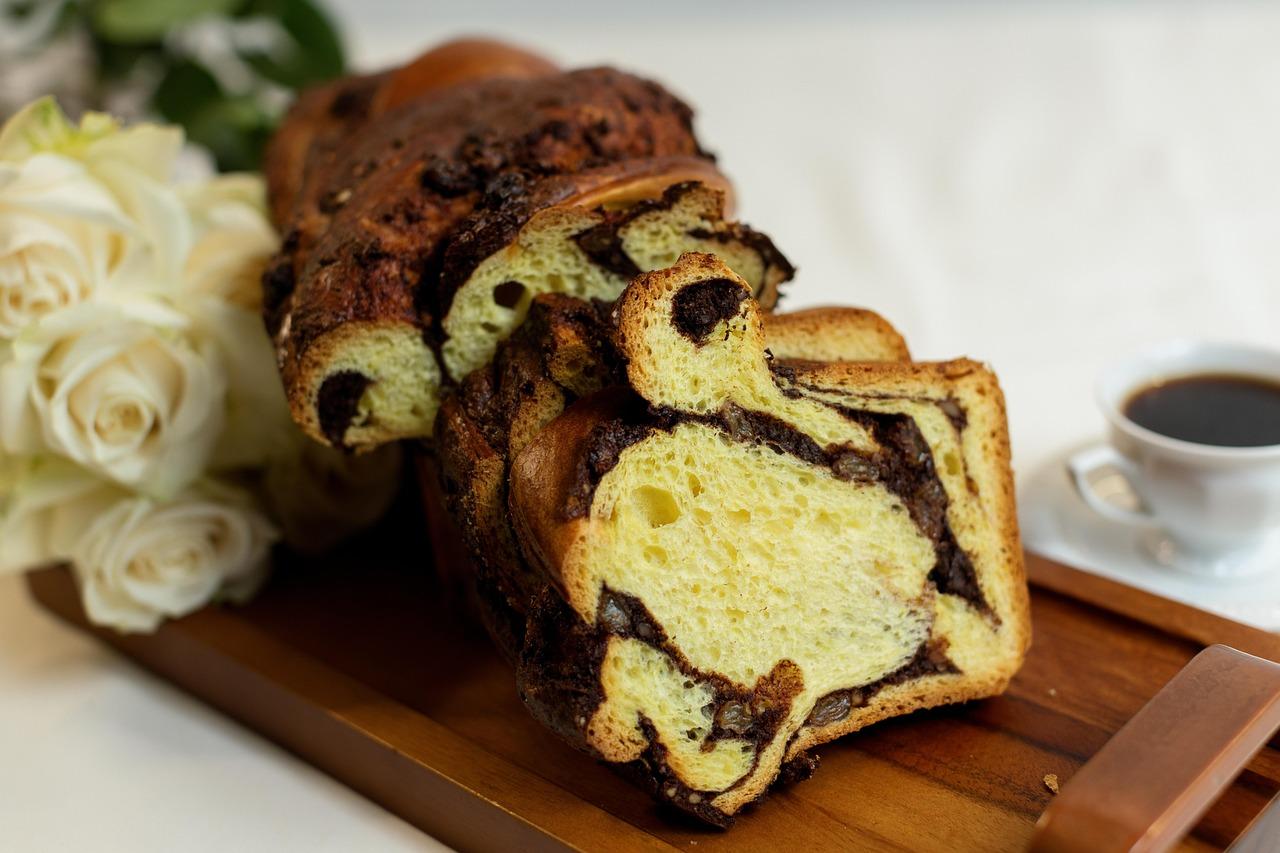
CozonacSweet braided bread

Cozonac is the festive loaf every Romanian family bakes for Easter and Christmas, filling kitchens from Craiova to Suceava with the smell of butter, rum, lemon and orange zest. The rich yeast dough is rolled around a walnut and cocoa filling studded with pieces of rahat (Turkish delight), then braided and baked in a tall loaf tin so each slice shows a dark swirl. Unlike Slovenian potica, which is rolled into a thin spiral ring, cozonac is a braided loaf. It is eaten in thick slices with coffee on the feast mornings. Chef's tip: knead until the dough is silky and comes away from the bowl, then be patient with the rises; under-proving is the classic mistake and gives a dense, heavy loaf.

by KrazyBadal 0 views

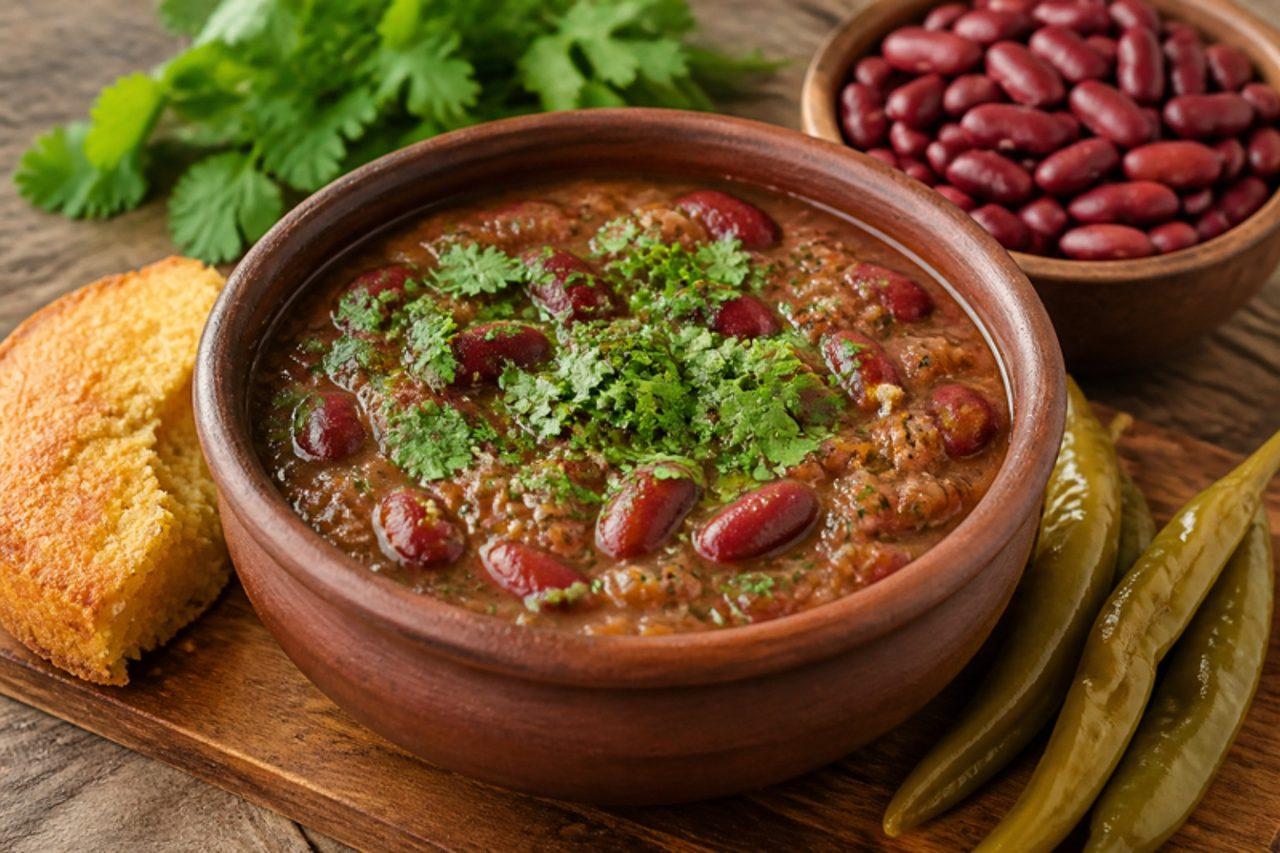
LobioRed bean stew

Lobio simply means beans, and in Georgia it means this thick, herb-scented stew of red kidney beans, cooked and served in a clay pot (a ketsi or kotani). In Imereti and Racha it is everyday winter food and a mainstay of the Lenten table, eaten with hot mchadi, pickled cabbage or green chillies and a spoon of tkemali. Some of the beans are crushed so the stew turns creamy while the rest stay whole. A common mistake is mashing everything to a purée; crush only about a third. Raw kidney beans must also boil hard for 10 minutes before simmering, or they can make you ill. Chef's tip: stir in the fresh coriander and garlic only at the end, off the heat, so they stay bright and sharp against the soft beans.

by KrazyBadal 0 views

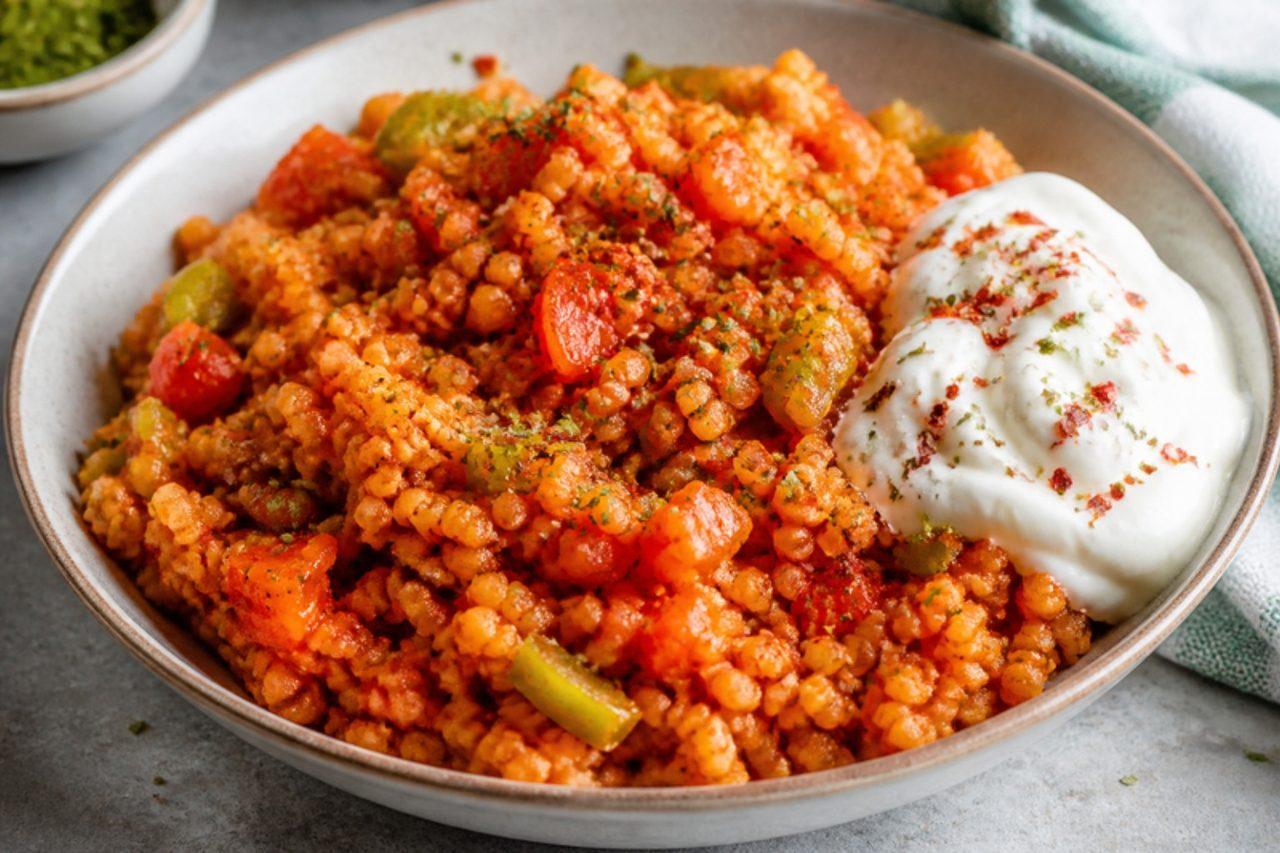
Domatesli bulgur pilavıTomato bulgur pilaf

Across Turkey, from Anatolian village kitchens to Istanbul lunch counters (esnaf lokantası), a pot of bulgur pilaf sits beside beans, stuffed vegetables and yogurt as reliably as bread does. Coarse bulgur (pilavlık bulgur) is cooked with onion, sweet pepper paste, grated tomato and a green pepper until every grain is separate, tender and lightly reddish. It is nuttier and chewier than rice pilaf and ready in half an hour, which is why so many families make it on weeknights. Spoon it next to kuru fasulye, cacık or a simple salad, or eat a bowl on its own with a dollop of yogurt. Chef's tip: once the water is absorbed, lay a clean tea towel under the lid and let the pilaf rest off the heat for 10 minutes; the towel catches the steam so the grains turn fluffy instead of wet.

by KrazyBadal 0 views

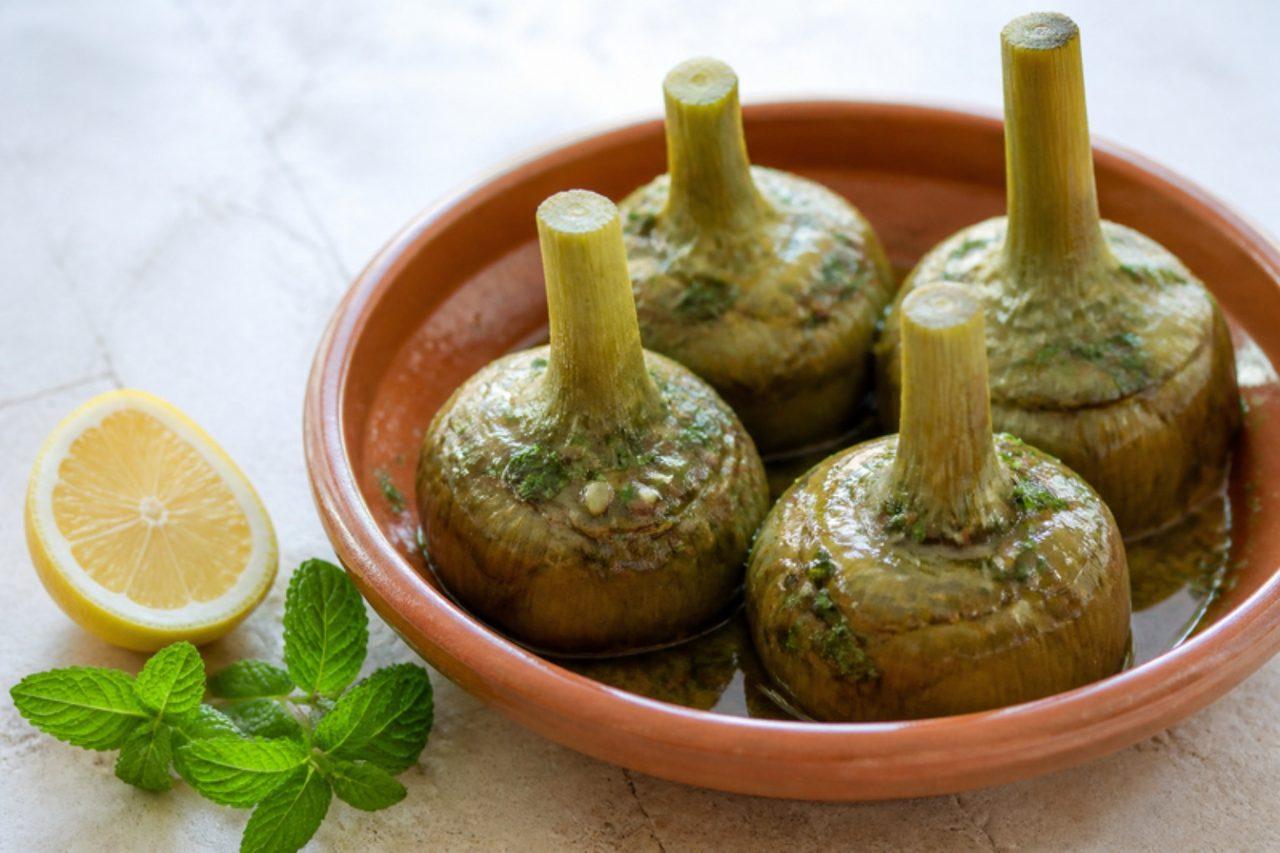
Carciofi alla romanaBraised artichokes with mint

Every spring, from February to April, Roman market stalls pile up round, thornless romanesco artichokes (cimaroli), and trattorie serve them alla romana: stuffed with wild mint, parsley and garlic and braised stem-up in oil and water until meltingly soft. They are eaten warm or at room temperature as a contorno, often next to their crisp cousins, carciofi alla giudia. Any large globe artichoke works at home. Chef's tip: braise them upside down, stems in the air and tightly packed, so the hearts sit in the liquid and the stems steam to the same tenderness.

by KrazyBadal 0 views

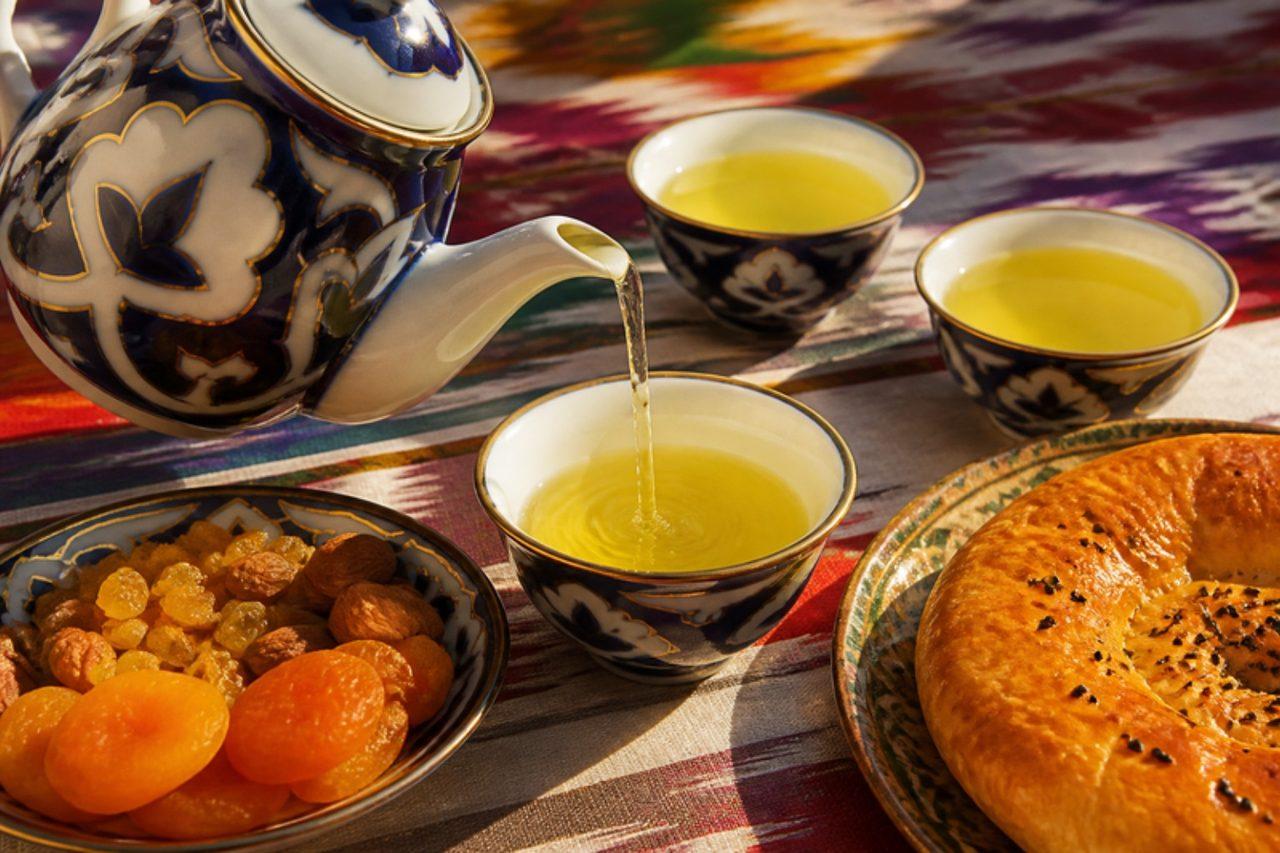
Kok choyGreen tea

In an Uzbek chaikhana, from Tashkent's shady teahouses to the courtyards of Khiva, the first thing to arrive is a teapot of kok choy, green tea, with small bowls (piala) and a plate of raisins, almonds and sweets. The host performs qaytarish: pours a bowl, tips it back into the pot, and repeats three times to blend the brew, then serves each guest a bowl only half full, a sign they should stay and be topped up. Green tea is drunk with plov to cut the oil, and all through hot summer days. Chef's tip: use water just off the boil (about 90°C) and warm the pot first; boiling water straight from the kettle makes Chinese green tea taste harsh.

by KrazyBadal 0 views

Butter tarts

Butter tarts are fiercely loved in Ontario, where towns along the 'Butter Tart Trail' near Midland and Wellington County hold contests, and where Canadians argue about whether raisins belong in them. Small, flaky pastry cups hold a filling of brown sugar, butter, egg and syrup that bakes into a gooey, caramel-like centre with a crackled top. This version adds a little maple syrup and leaves raisins optional. Chef's tip: bake only until the filling bubbles and the edges are set but the centre still jiggles; runny is the goal, but overbaked tarts turn sugary and hard.

by KrazyBadal 0 views

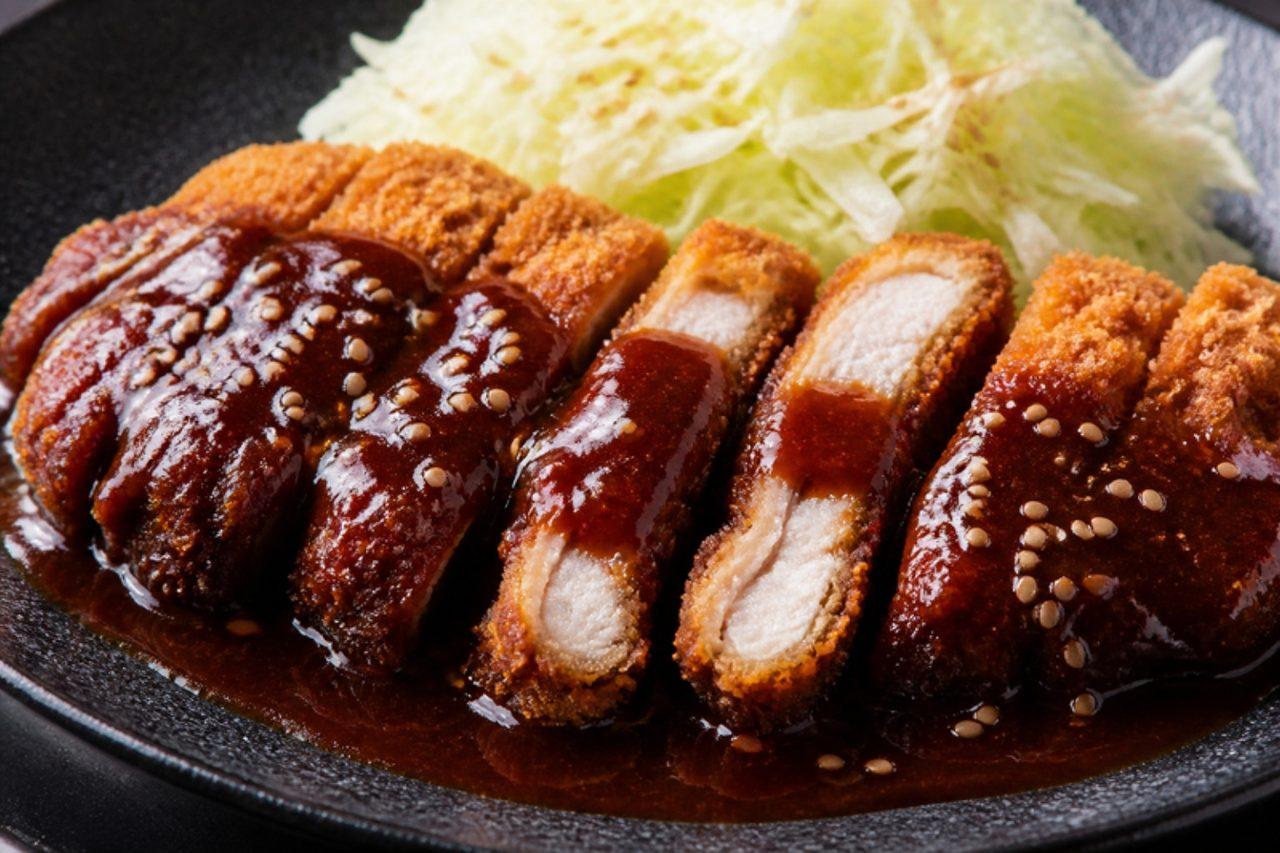
Miso katsu (Nagoya pork cutlet with red miso sauce)

Dark soybean miso, such as the hatcho miso made in nearby Okazaki, gives Nagoya food its deep brown colour and rich, slightly bitter flavour. Miso katsu is the city's best-known way to use it: a fried pork cutlet covered in a thick, sweet miso sauce. It is served in lunch restaurants on a bed of shredded cabbage with rice and miso soup, or sliced over rice as a bowl. The sauce is glossy and savoury, a little like a darker, sweeter barbecue sauce. Chef's tip: snip through the strip of fat and sinew along the edge of each chop every 2 cm before coating it, so the cutlet stays flat in the oil and cooks evenly.

by KrazyBadal 0 views

Locro argentinoCorn, bean and meat stew

Locro comes from the Andean northwest, from Salta, Jujuy and Tucumán, and today the whole country eats it on 25 May and 9 July, the two national holidays, when it simmers in huge pots at clubs and church halls. Dried white corn, white beans and squash cook down with beef, pork belly and chorizo into a stew so thick a spoon stands up in it. This is a pork dish. It is topped with quiquirimichi, a red oil of paprika, chilli and spring onion. The classic mistake is not soaking the corn and beans overnight; without it they never soften. Chef's tip: stir often in the last hour, scraping the bottom, as the squash breaks down and the locro catches easily.

by KrazyBadal 0 views

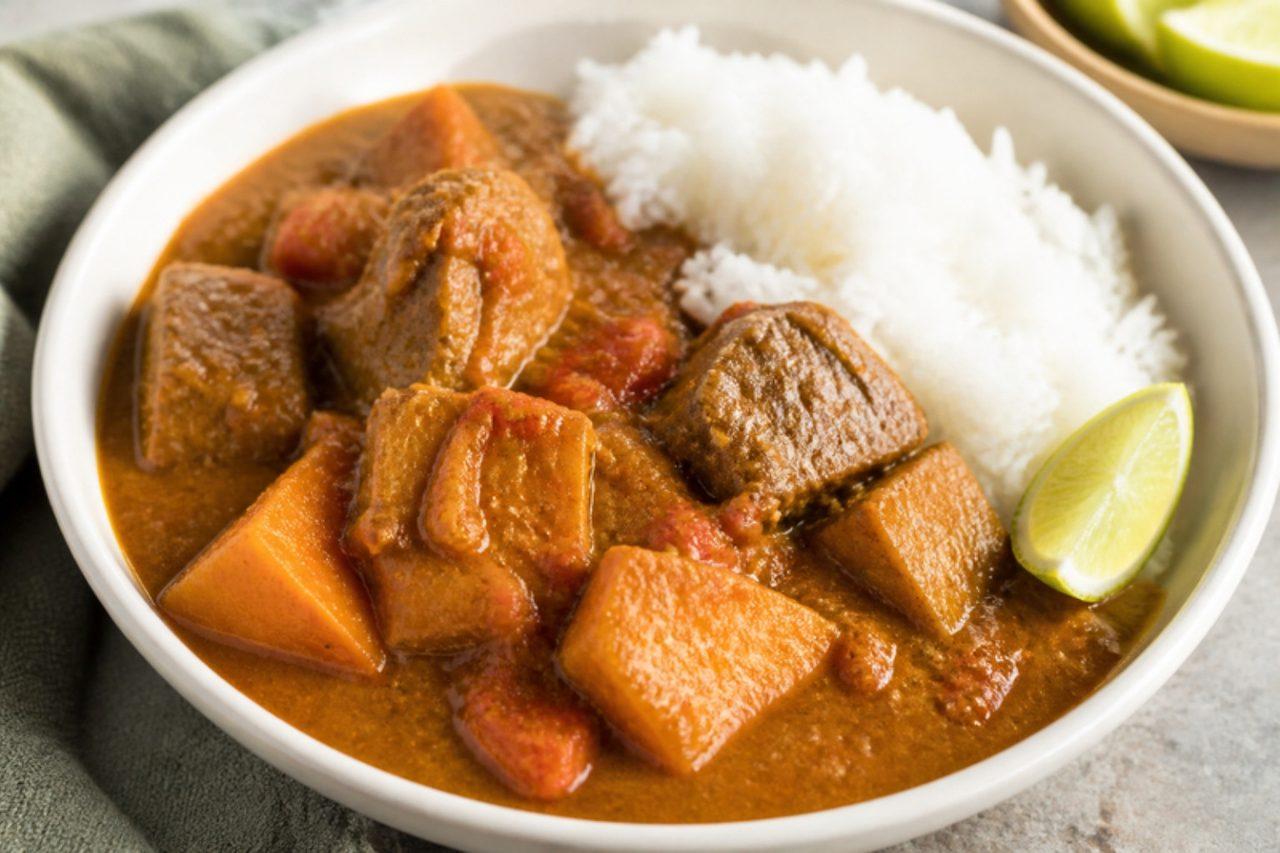
DomodaBeef and peanut stew

Domoda is the stew that most families in the Gambia, from Banjul to the riverside villages upcountry, cook several times a week. Beef is browned and simmered with tomato and onion, then smooth peanut butter is stirred in until the sauce turns thick, glossy and rich, with pumpkin and sweet potato melting into it. It is spooned over white rice with a squeeze of lime, and a scotch bonnet floats in the pot for whoever likes it hot. The mistake to avoid is adding the peanut butter too early and leaving it unstirred, as it catches and burns on the bottom; add it once the beef is nearly tender and stir often. Chef's tip: whisk the peanut butter with a ladle of hot broth before it goes in, so it melts smoothly instead of forming lumps.

by KrazyBadal 0 views

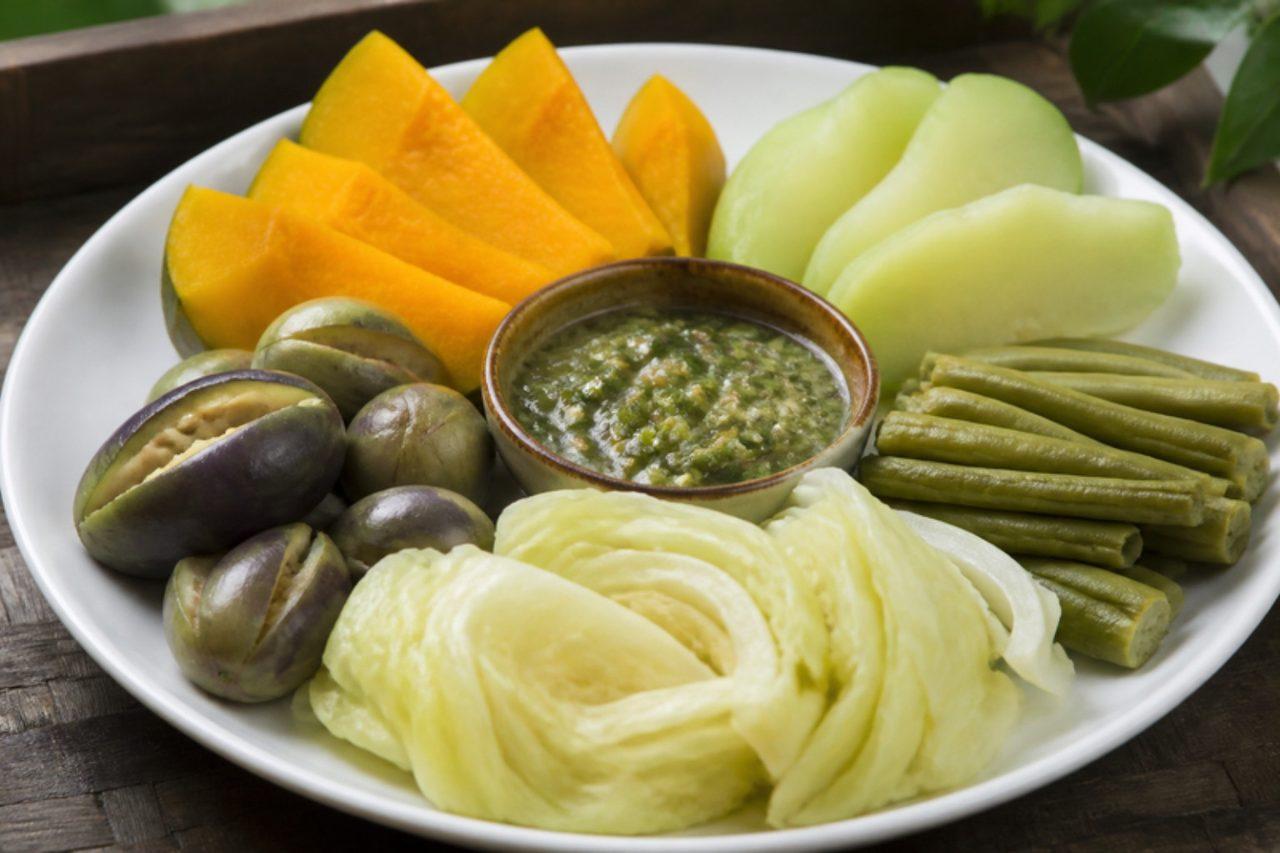
Chhum hanSteamed vegetables with chilli dip

Chhum han is how Mizo families eat vegetables at their simplest: whatever is in the garden (pumpkin, chayote, beans, aubergine, cabbage, potato) steamed or boiled until just tender and served on a plate with a sharp dip of crushed chilli, garlic, salt and herbs. In Aizawl it is part of almost every home meal, eaten with rice and bai. The vegetables taste of themselves, and the dip does the work. Chef's tip: steam each vegetable for its own time and take it off when a knife slides in; overcooked chhum han is watery and dull.

by KrazyBadal 0 views

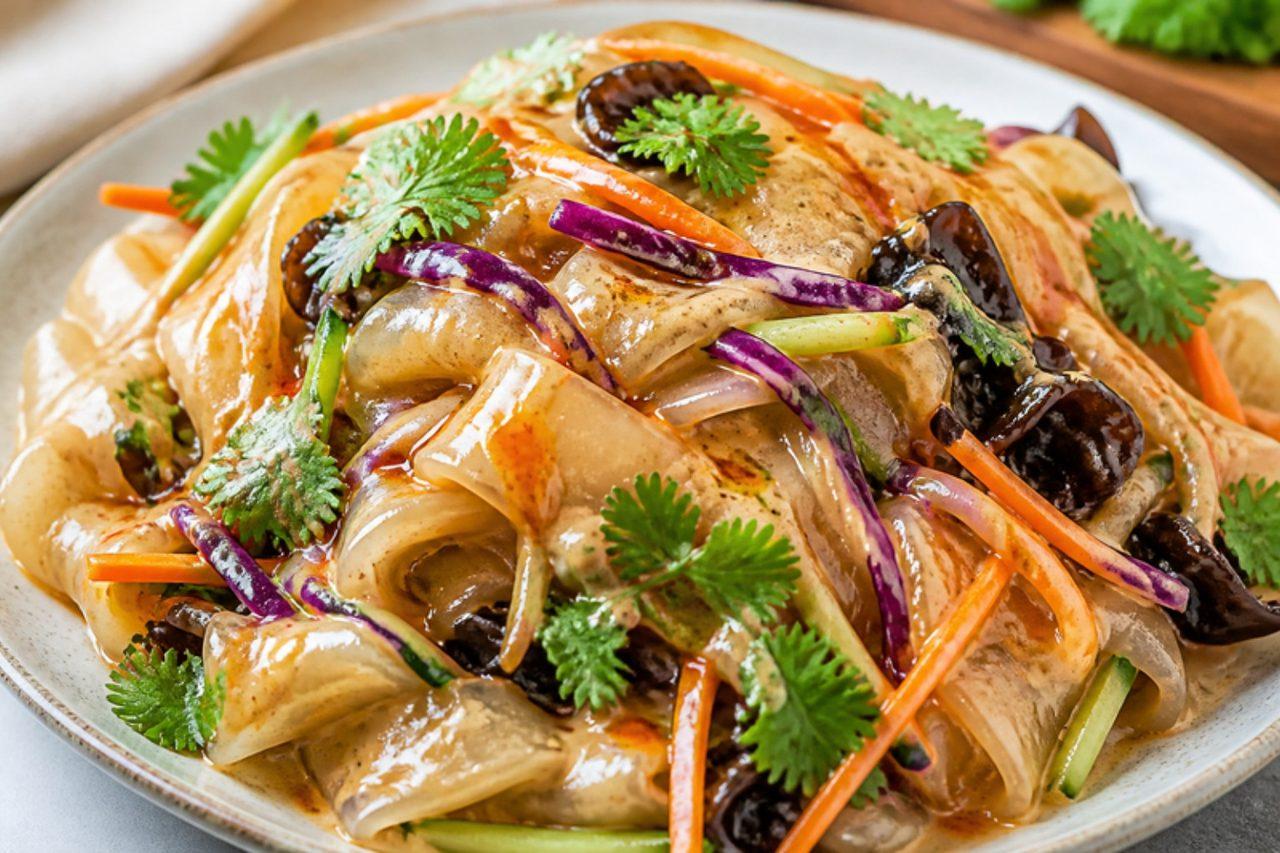
Dongbei da la piMung bean sheet salad

In north-east China, a big platter of this arrives at almost every family dinner and restaurant table, often next to the stews and dumplings. Wide, glassy sheets of mung-bean starch sit on a bed of shredded cucumber, carrot and cabbage, with a sesame, garlic and vinegar sauce and a dab of mustard poured over at the table. It's cool, slippery and crunchy. Look for dried la pi sheets or wide mung-bean noodles in Chinese supermarkets. Chef's tip: the sheet noodles must be fully cold before mixing, or they go soft and sticky.

by KrazyBadal 0 views

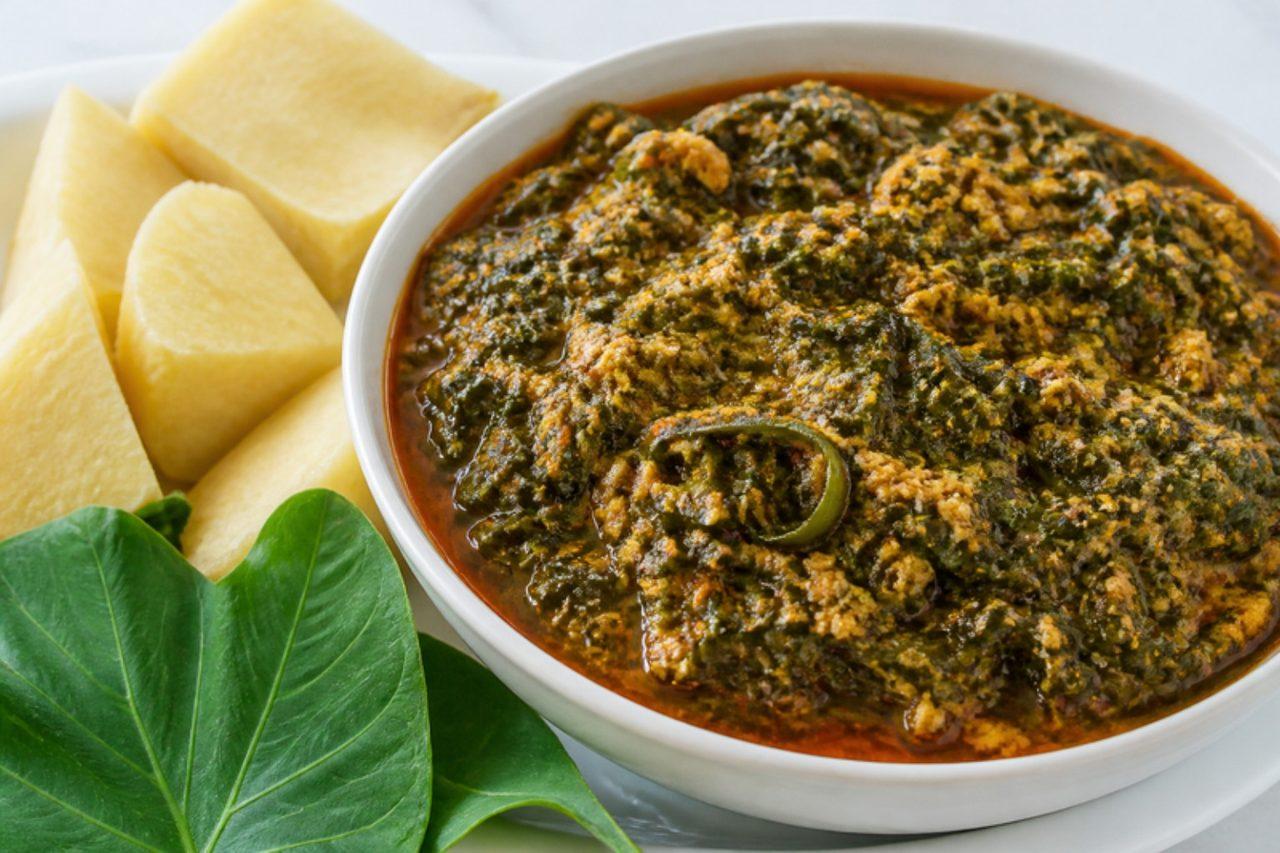
Kontomire stewCocoyam leaf stew

Kontomire stew comes from the Ashanti region around Kumasi, where young cocoyam (taro) leaves are picked from farms and cooked down with palm oil, tomatoes and ground agushie (egusi) seeds. It is a thick, dark green, nutty stew eaten with boiled yam, ampesi (boiled plantain) or rice. Many families add smoked fish or salted fish; this version uses boiled eggs instead, which is also common. Spinach is the best stand-in when fresh cocoyam leaves are not available. Chef's tip: cocoyam leaves must be cooked thoroughly; under-cooked ones leave an itchy, scratchy feeling in the throat.

by KrazyBadal 0 views

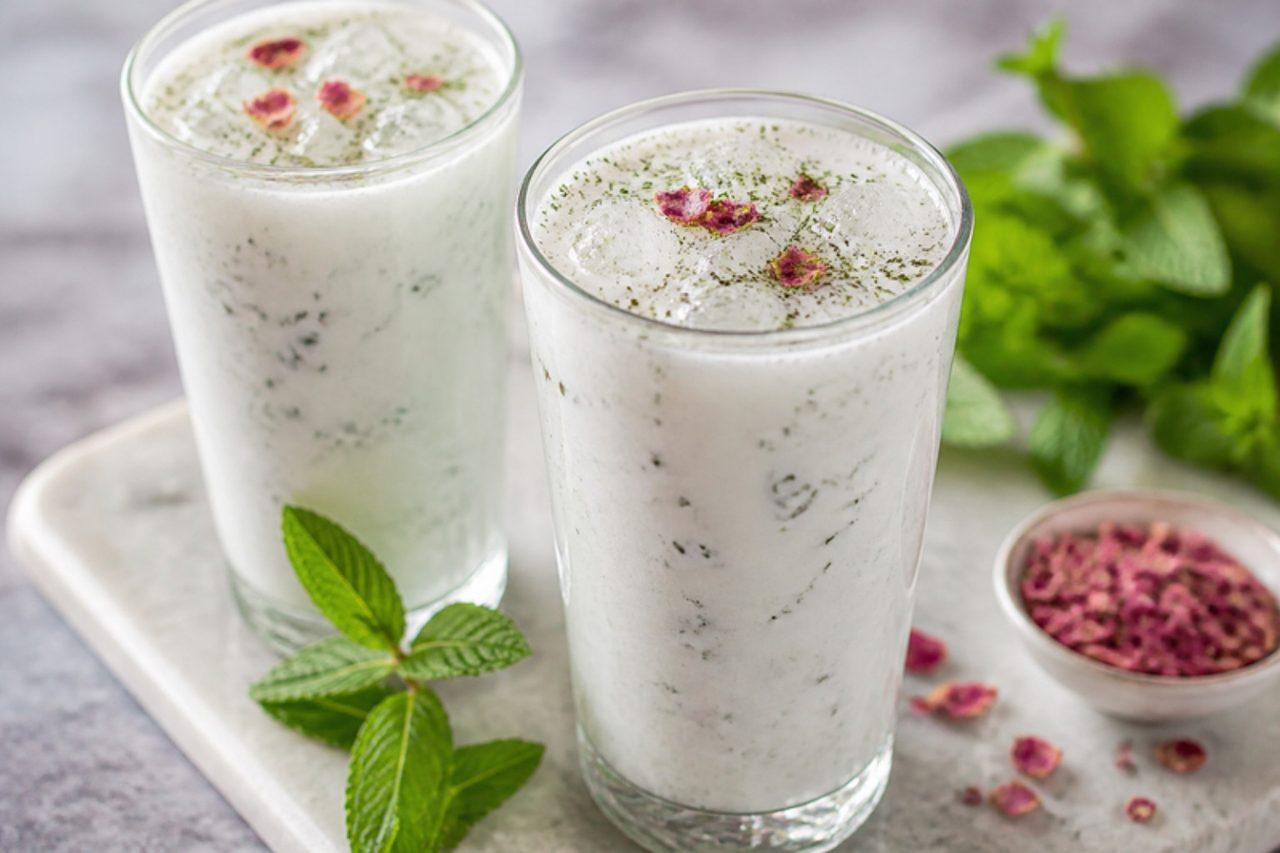
DooghSalted yogurt drink

Doogh is the salty, fizzy yogurt drink served in tall glasses with lunch across Iran, and above all with kebab and rice at the chelow-kababi restaurants of Tehran. Bottled sparkling doogh from the mineral springs of Abali, in the mountains east of the capital, is the famous one; at home it is mixed from yogurt, cold water and soda water with crumbled dried mint, and sometimes wild pennyroyal (kakuti) or rose petals. Its bubbles and mint set it apart from plainer, still yogurt drinks. It is cooling and good with rich, herby food. Chef's tip: add the sparkling water last and stir gently, or the fizz disappears before it reaches the glass.

by KrazyBadal 0 views

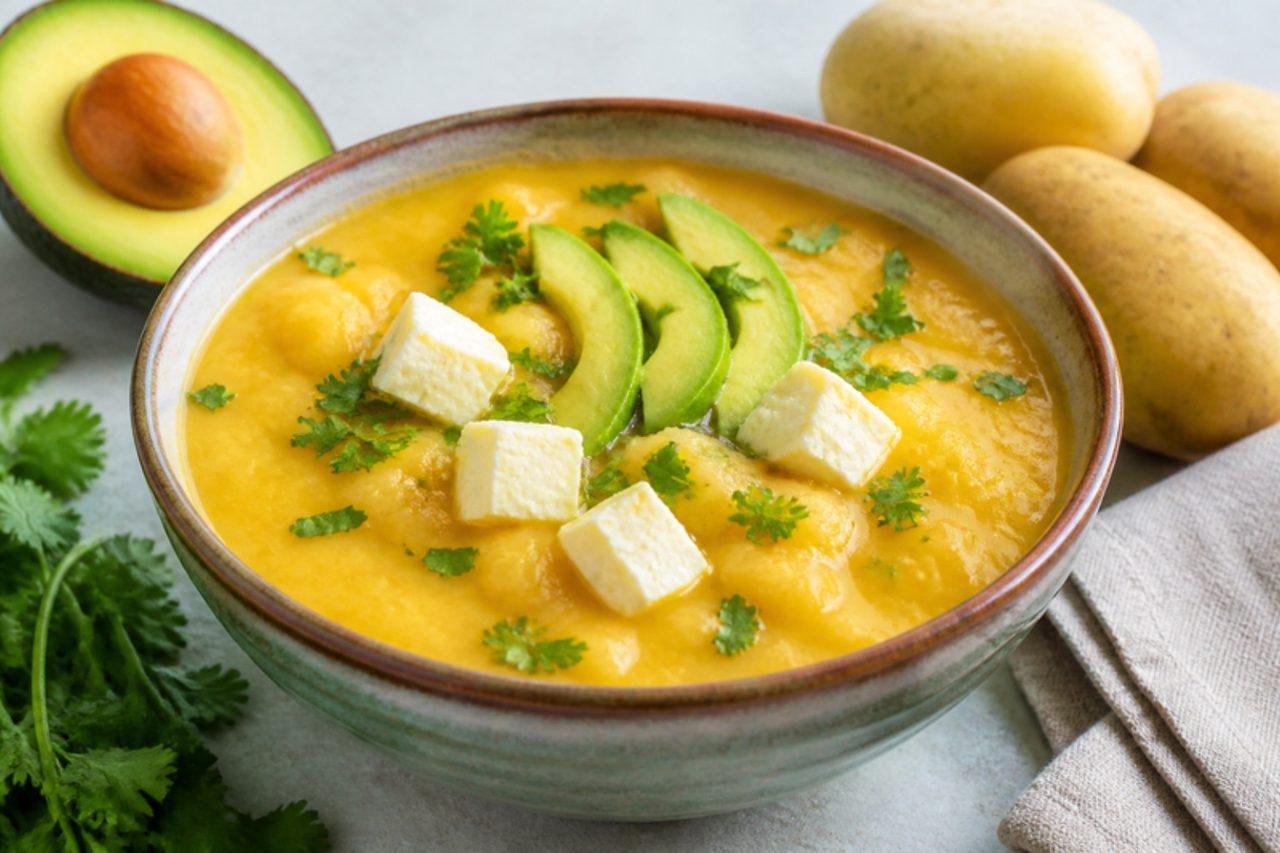
Locro de papaPotato and cheese soup

Locro de papa is Quito's comfort soup, eaten on cold afternoons in the Andean highlands where nights drop near freezing. Potatoes are cooked until half of them dissolve into a thick, achiote-tinted broth, then finished with milk and cubes of fresh cheese that soften into strings. Bowls are crowned with avocado slices and served with ají (chilli sauce) on the side. Ecuador uses two potatoes, a floury one to thicken and a waxy one to hold its shape. Chef's tip: add the cheese off the heat; it should soften and go stretchy, not melt into an oily layer.

by KrazyBadal 0 views

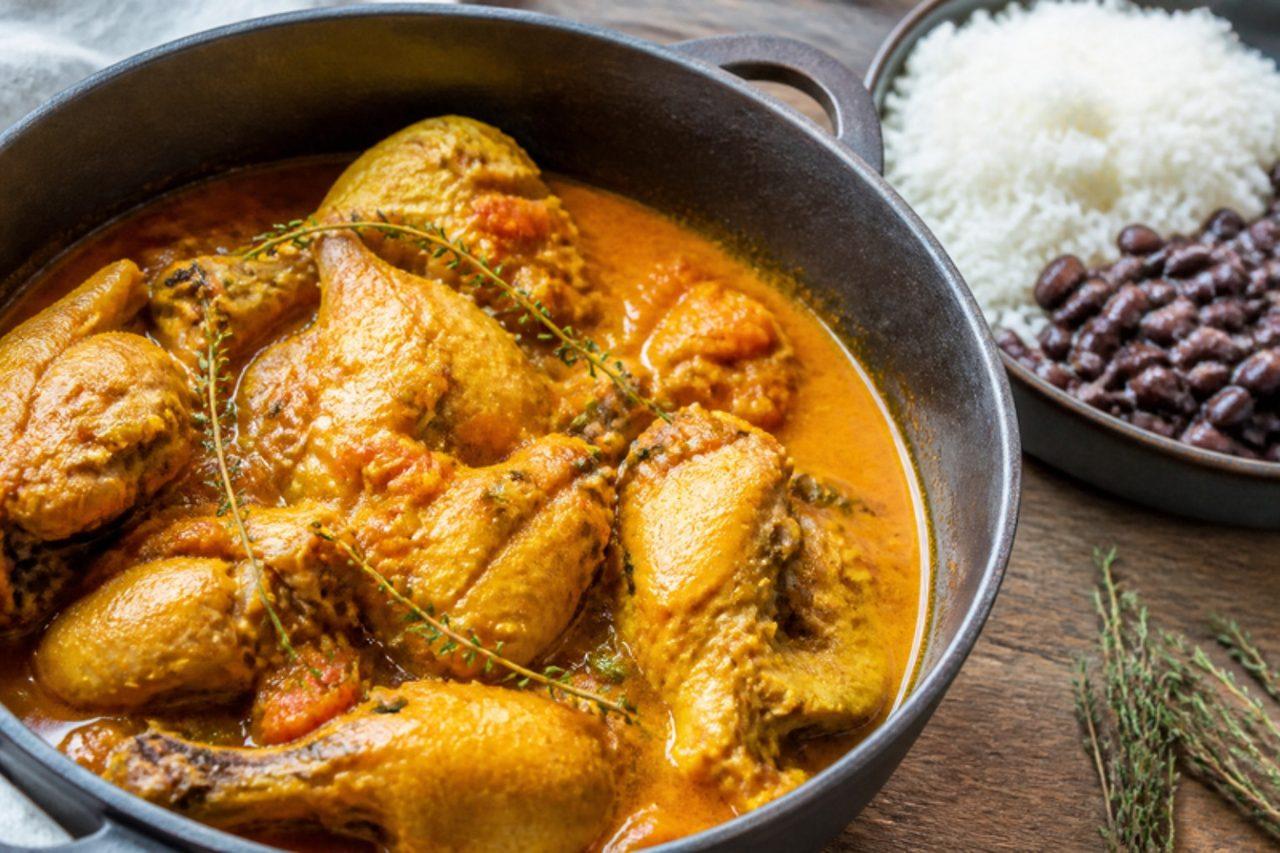
Cari pouletChicken curry

In Réunion a cari is any stew cooked with turmeric (called "safran" on the island), garlic, ginger, onion, tomato and thyme, and cari poulet is the dish families cook on Sundays in Saint-Denis and the mountain villages, often in a big cast-iron pot over a wood fire. It is served with white rice, red beans or lentils, and a fiery rougail on the side. The mistake is adding water too early: let the chicken brown and the tomatoes melt first, then add only a little. Chef's tip: thyme is essential in Réunionnais cooking; add it whole and fish it out before serving.

by KrazyBadal 0 views

Alicha wat (chicken)Mild turmeric chicken stew

Not every Ethiopian stew is fiery: alicha wat is the gentle, golden one, coloured with turmeric instead of berbere and seasoned with ginger, garlic and a few green chillies. Families across the country cook doro alicha when someone wants something soothing, when children are at the table, or as the mild partner to a spicy wat on a festive spread. The chicken simmers in a soft onion and spiced-butter sauce until tender, with a fragrant, buttery and slightly peppery flavour. Serve with injera or rice and a fresh tomato salad. Chef's tip: add the green chillies whole and fish them out before serving if you want flavour without heat.

by KrazyBadal 0 views

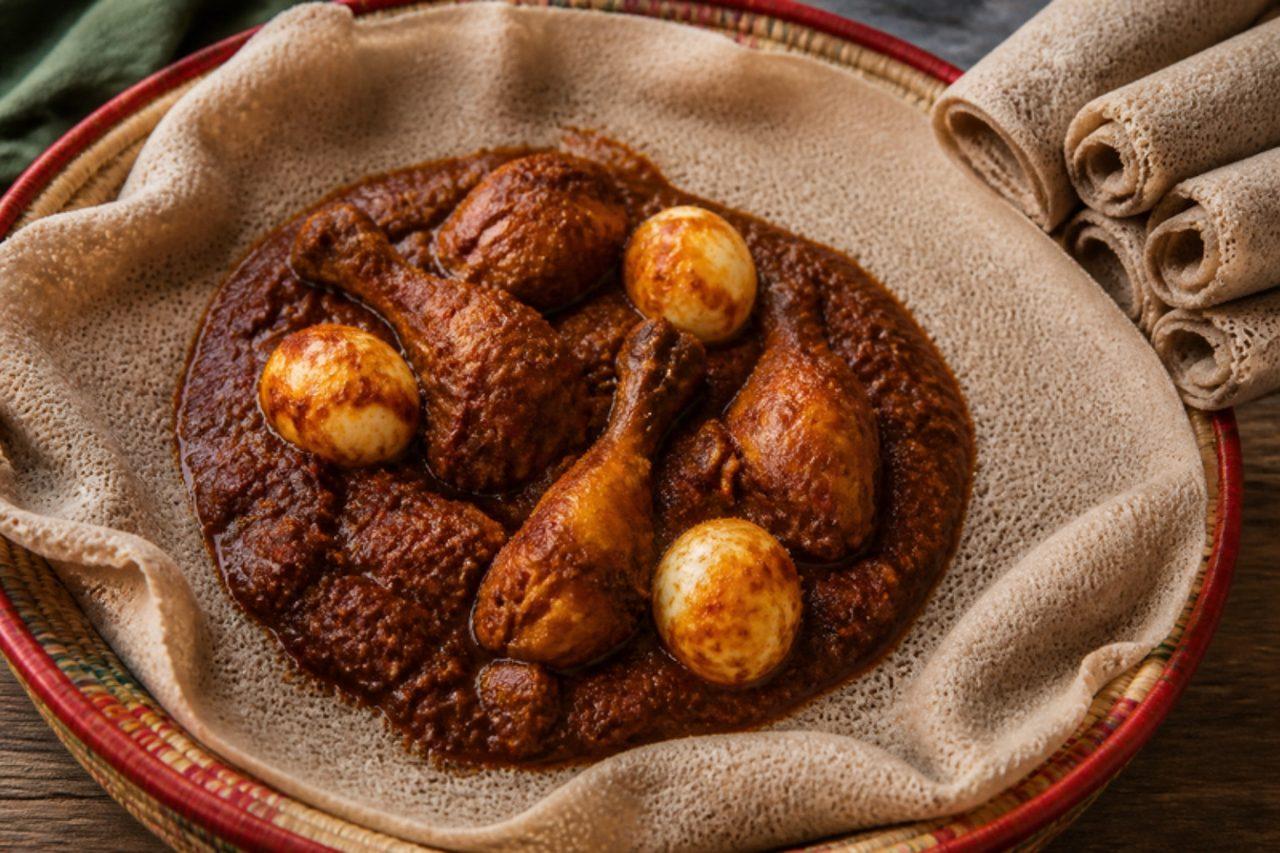
Doro watSpicy chicken and egg stew

Ethiopian families make doro wat for the biggest days of the year, especially Genna (Christmas) and Fasika (Easter), when it breaks weeks of meatless fasting. Its secret is patience: a mountain of red onions is cooked down slowly with no fat at all until jammy and dark, then enriched with spiced butter and fiery berbere. Chicken pieces and whole hard-boiled eggs simmer in the sauce until it is thick, glossy and brick red, with a deep, smoky heat. Ladle it onto injera, with ayib (fresh cheese) alongside to cool things down. Chef's tip: score the boiled eggs lightly all over before adding them, so the sauce seeps right into the whites.

by KrazyBadal 0 views

MantıBeef dumplings with garlic yogurt

Kayseri, in central Anatolia, is famous across Turkey for mantı so small that, by local saying, forty should fit on one spoon. Families make big batches together on winter afternoons, rolling the dough thin and pinching each square around a pea of spiced minced meat, and the dumplings were traditionally part of a bride's test in the kitchen. They are boiled and served under garlicky yogurt, then drenched in butter sizzled with red pepper. Chef's tip: make a double batch and freeze the uncooked dumplings on a floured tray; they cook from frozen in about 2 minutes extra.

by KrazyBadal 0 views

White rose dumplings (banh bao banh vac)

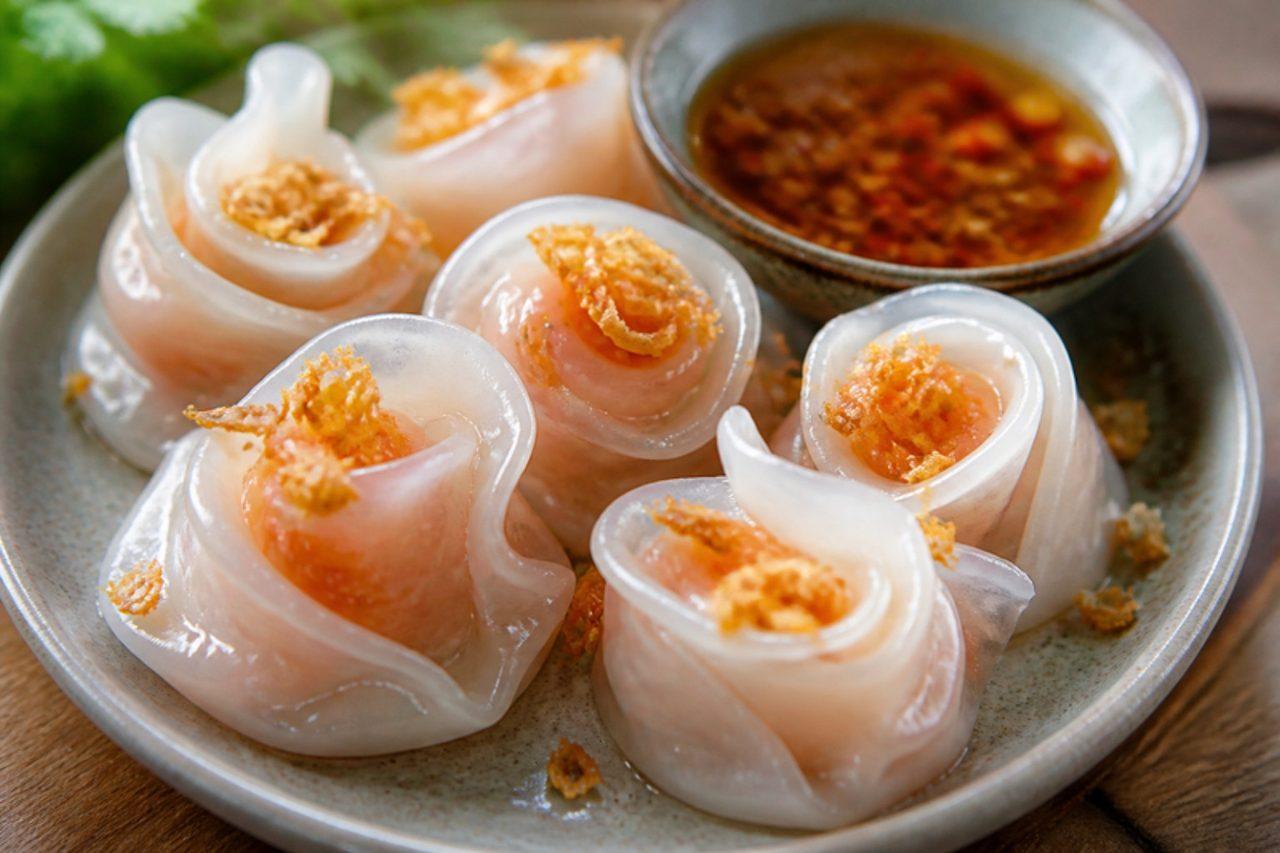
Restaurants all over Hội An serve 'white rose' dumplings as a starter, and much of the town's supply is said to come from a single family workshop that has made them for decades. The wrapper is a thin, glassy rice-flour dough, pinched up around a pounded prawn filling so that each dumpling looks like an open flower, and the plate is finished with crisp fried shallots and a light, sweet chilli-fish-sauce dip. They are delicate and fiddly, but shaping becomes quick after the first dozen. This home version adds a little pork to the prawn for juiciness. Chef's tip: keep the dough under a damp cloth the whole time; even a few minutes in the air makes it crack when you pinch it.

by KrazyBadal 0 views

La zi ji (Chongqing chilli chicken)

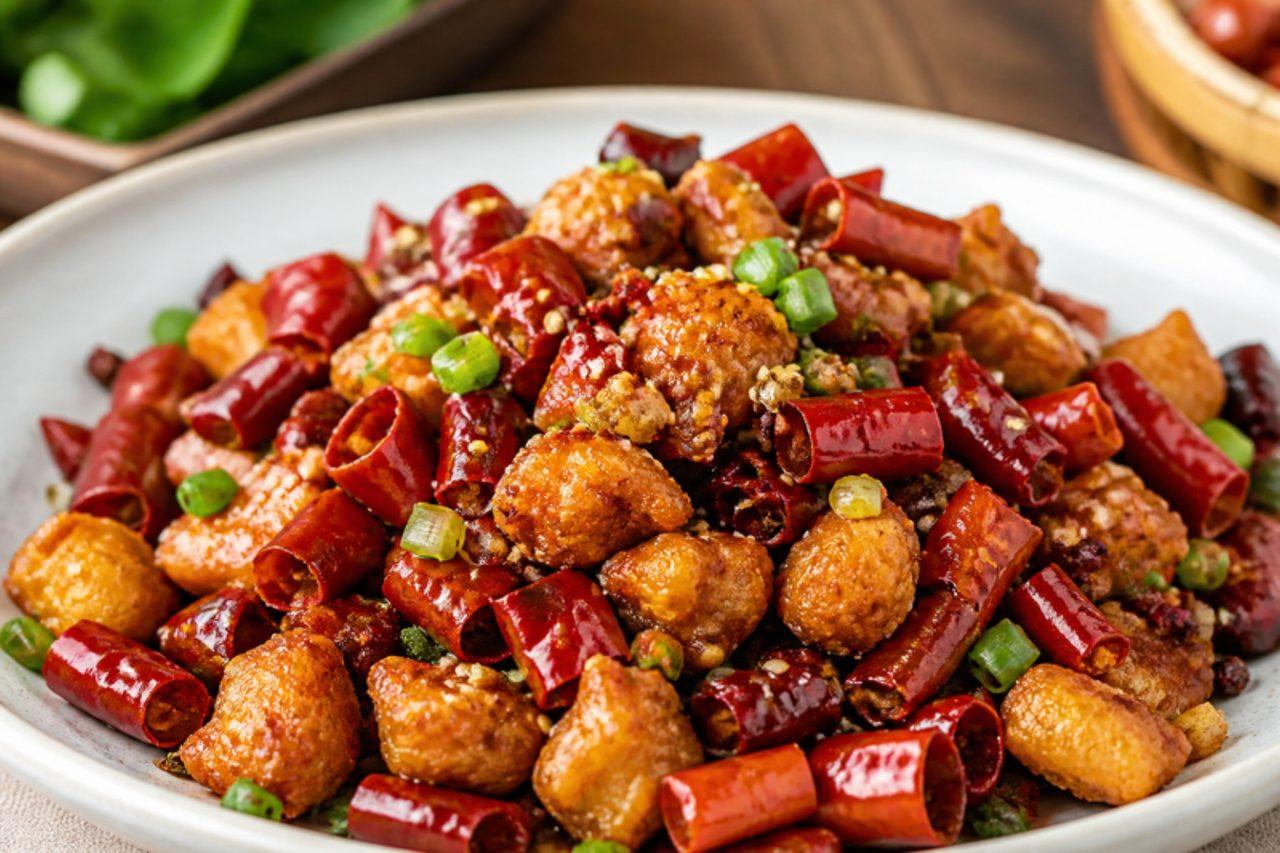
Truck drivers stopping on Geleshan, the hill outside Chongqing, made this dish famous at roadside canteens in the 1980s, and it still arrives at tables there as a platter that looks like nothing but dried chillies. Hidden among them are small pieces of chicken fried twice until the outside is dry and crunchy and the inside juicy, then tossed with garlic, ginger and handfuls of Sichuan pepper. Eating it is a game: you hunt through the red pile with chopsticks for the morsels, which are smoky, salty, numbing and surprisingly moreish with a cold beer or a pot of tea. Serve it with rice and a mild soup or stir-fried greens. Chef's tip: fry the chicken in two batches and give it a second, hotter fry; crowding the oil is the most common mistake and leaves the coating soft.

by KrazyBadal 0 views

Kamatama udonUdon with raw egg

Kagawa, the smallest prefecture in Japan, eats more udon than anywhere else, and its Sanuki udon is known for a firm, springy bite. Locals queue at self-service udon shops at breakfast, and one of the most popular orders is kamatama: noodles lifted straight from the boiling pot, dropped onto a raw egg and tossed until the heat turns the egg into a glossy coating, a little like carbonara. A splash of soy sauce and some spring onion are all it needs. Use frozen Sanuki-style udon, which is closest to fresh. Chef's tip: warm the bowls and crack the egg in first. The noodles must go in seconds after leaving the water, or the egg won't cook into a sauce.

by KrazyBadal 0 views

Texas chili con carne

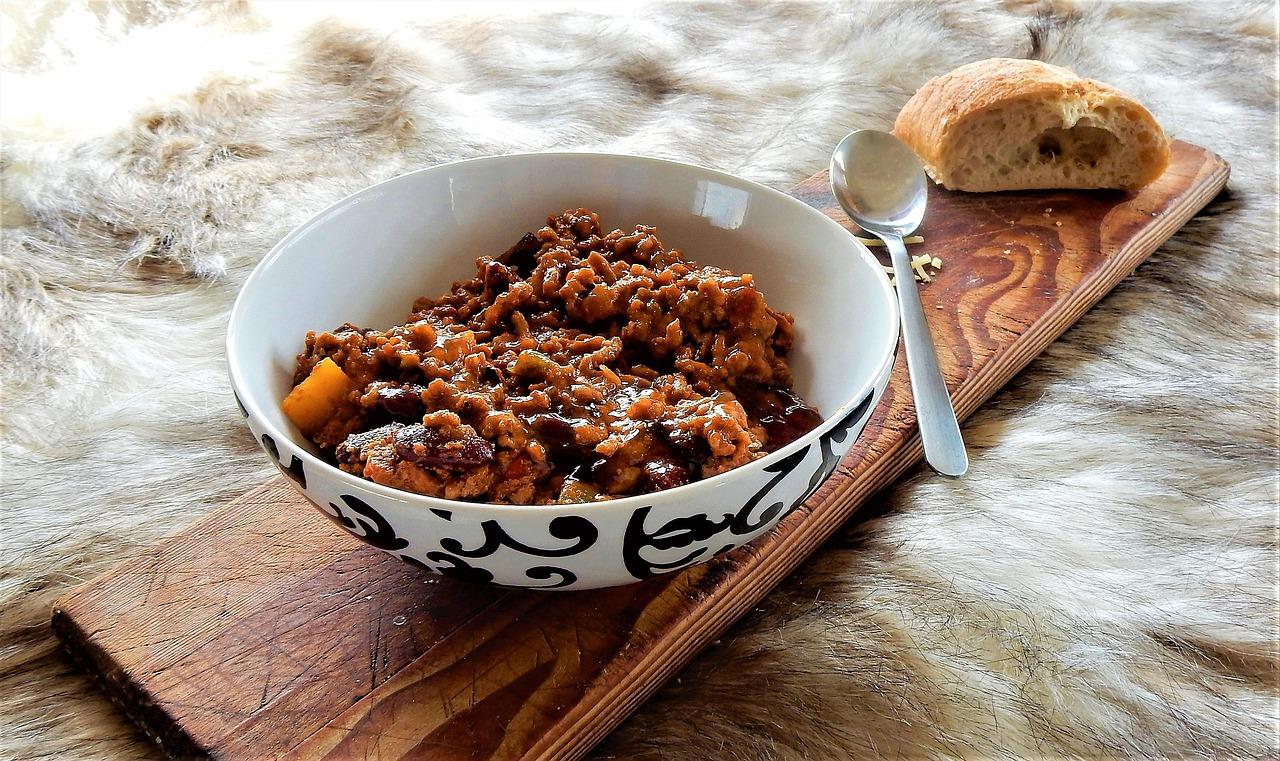
Texans call it a 'bowl of red', and at chili cook-offs from San Antonio to Terlingua the rules are firm: chunks of beef, a sauce made from dried chillies, cumin and garlic, and no beans in the pot. Beef chuck braises slowly in a brick-red purée of toasted ancho and guajillo chillies until it falls apart at a touch. Serve with chopped onion, grated cheese and crackers or cornbread. Chef's tip: toast the dried chillies only until they smell fragrant and soften, about 30 seconds per side; burnt chillies make the whole pot bitter.

210 minAmericanMeatGluten freeSpicy
by KrazyBadal 0 views

DovgaHerb and yogurt soup

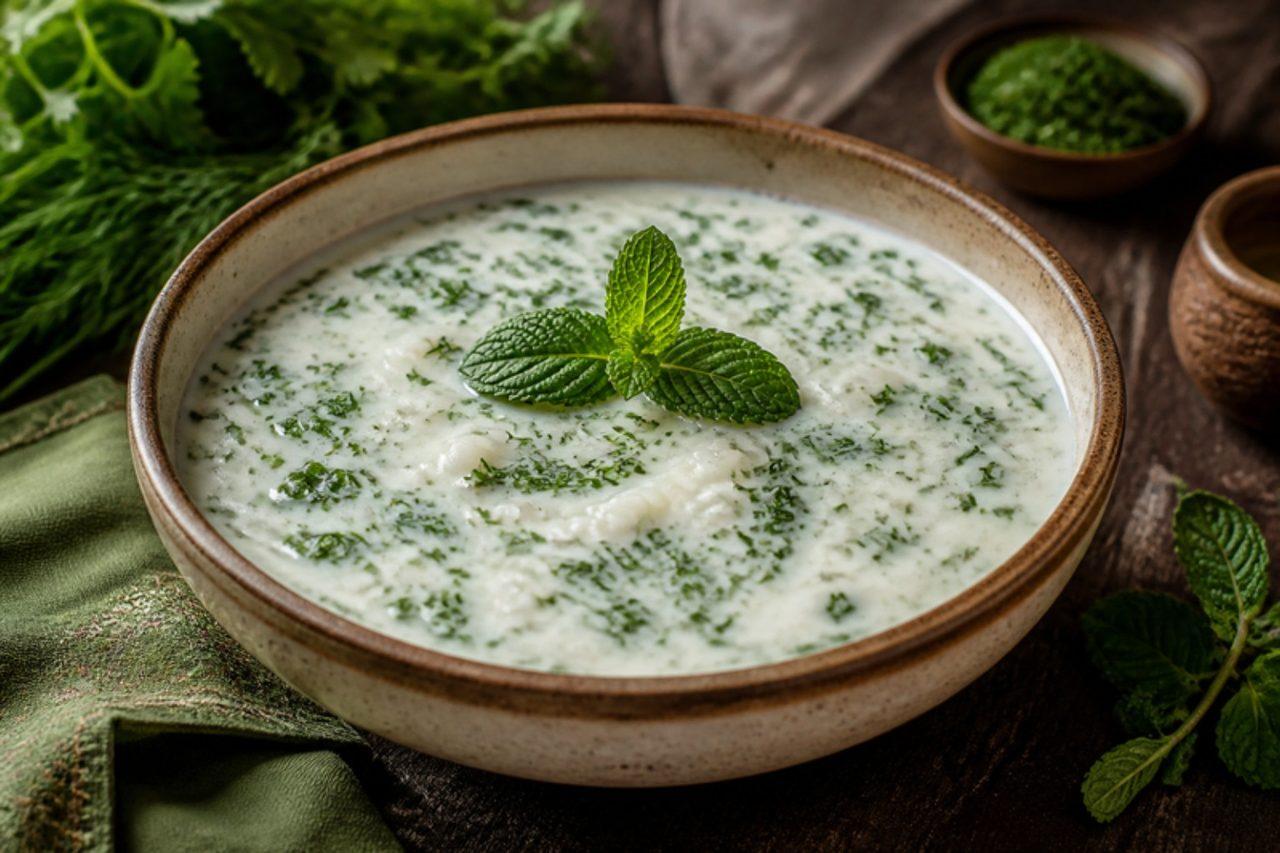
Dovğa is green, tangy and cooling, the soup Azerbaijanis drink cold from glasses on hot Baku afternoons and eat hot in bowls when the Absheron wind turns chilly. Yogurt is thinned, thickened with rice and egg, then packed with chopped spinach, dill, coriander, mint and sorrel, until the soup is more herbs than dairy. It is served at weddings and at Novruz to settle the stomach after rich food, and many cooks add chickpeas. Unlike Armenian spas, there is no fried onion or wheat; the flavour is all fresh herbs and sour yogurt. Chef's tip: add the herbs only once the yogurt is boiling steadily and stable; they wilt in seconds, and the colour stays bright green.

by KrazyBadal 0 views

Fujian oyster omelette

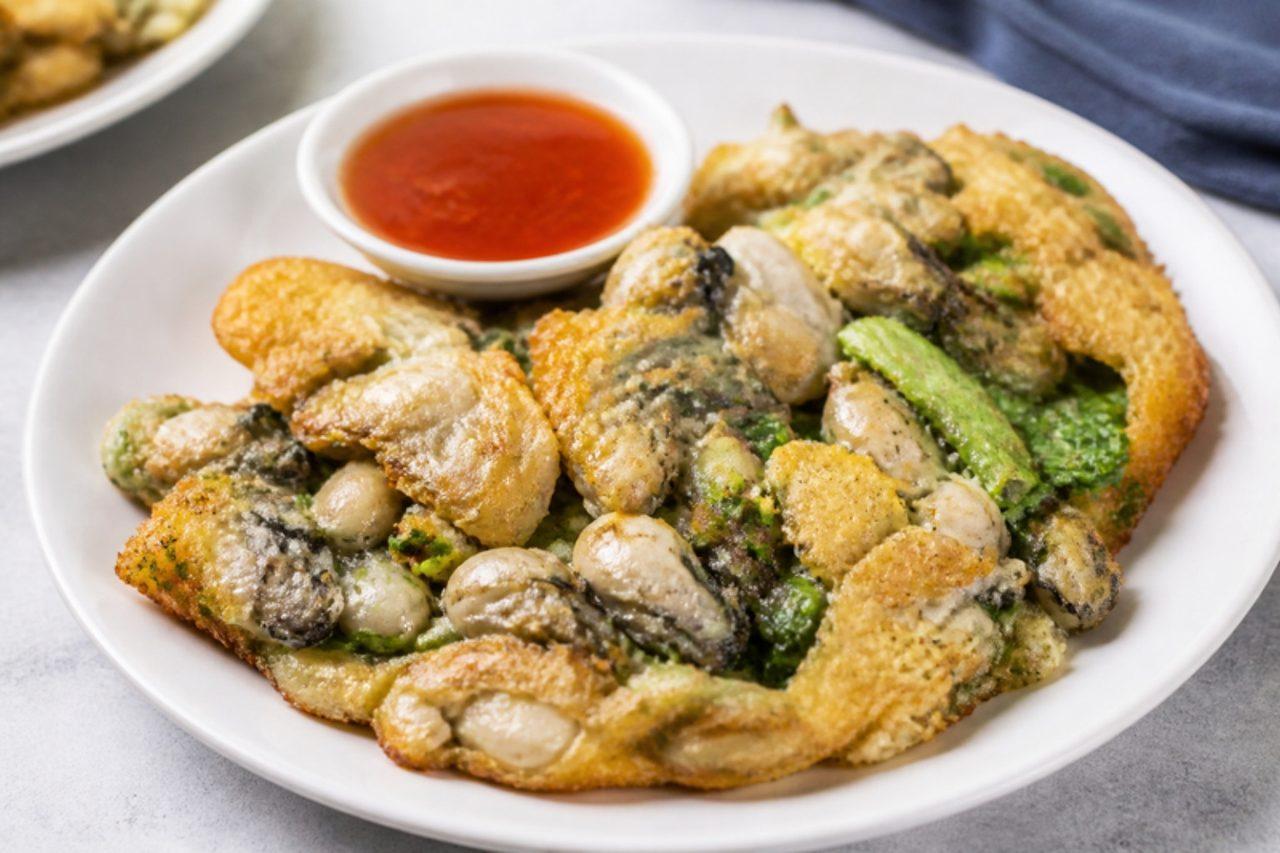
Along Zhongshan Road and the night markets of Xiamen, cooks fry this on wide griddles all evening, one portion after another. Small fresh oysters are scattered into a batter of sweet potato starch and water, which sets clear and chewy, then eggs are swirled over the top so it ends up crisp at the edges and soft and gooey in the middle. It is salty from the sea, eggy and pleasantly sticky, with a squeeze of sweet chilli sauce to balance it. Eat it hot from the pan as a snack or with rice porridge for a light supper. Chef's tip: stir the batter just before pouring it in; the starch sinks to the bottom within seconds.

by KrazyBadal 0 views

StollenFruit Christmas bread

Dresden has baked Christstollen for more than 500 years, and every December the city holds a Stollen festival with a giant loaf paraded through the old town to the Striezelmarkt. The loaf's shape, folded over and dusted white, is said to show the Christ child wrapped in swaddling cloth. It's a rich, dense yeast bread, heavy with butter, raisins, candied peel and almonds, brushed with melted butter straight from the oven and buried in sugar. It's baked weeks before Christmas and sliced thinly through Advent. Chef's tip: wrap it tightly and let it rest for at least a week before cutting; the flavours ripen and the crumb turns moist.

120 minGermanBaking
by KrazyBadal 0 views

KopiCoffee with condensed milk

Kopi is the strong, thick coffee poured from long-spouted pots at kopitiams all over Singapore. The beans are dark-roasted with sugar and margarine, which gives a bittersweet, almost chocolatey brew, and the classic cup is sweetened with condensed milk. Order it like a local: kopi-o is black with sugar, kopi-c has evaporated milk, and kopi peng is iced. At home, a dark-roast robusta or espresso blend in a cloth sock or cafetière gets close. Chef's tip: pour the coffee back and forth between two jugs a few times; it cools slightly, aerates and gets the smooth, frothy kopitiam texture.

by KrazyBadal 0 views

Roasted cauliflower with tahini

Tel Aviv restaurants made the whole roasted cauliflower famous, set on the table charred and steaming for everyone to tear apart, and it has since become a favourite for Shabbat dinners and Friday get-togethers across Israel. The head is first boiled in salted water until just tender, then roasted very hot with olive oil until the florets blister and blacken in places. Lemony tahini, a scatter of herbs and a dusting of sumac turn a humble vegetable into the centre of the meal. Chef's tip: let the boiled cauliflower steam dry for 5 minutes before roasting; a wet head steams in the oven and never chars.

by KrazyBadal 0 views

LohikeittoCreamy salmon soup

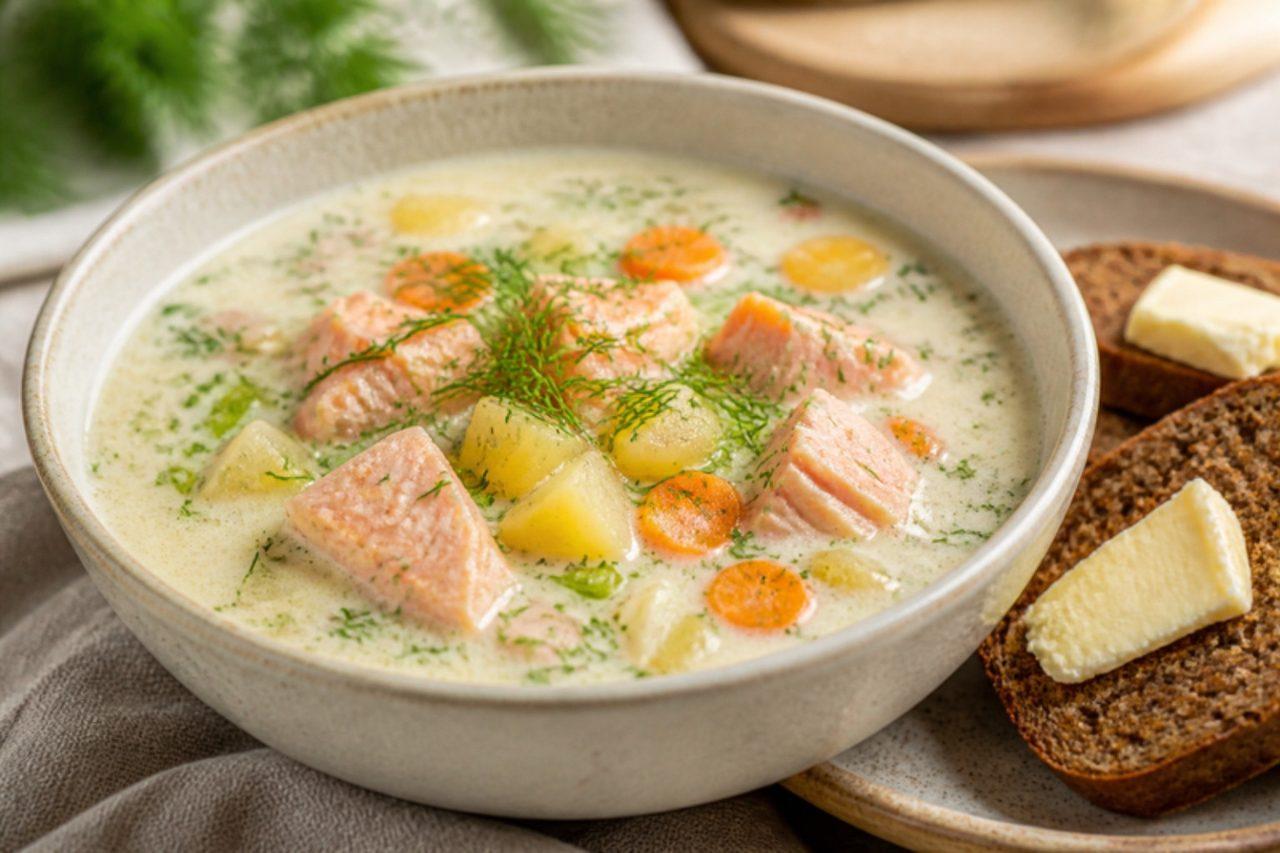
Lohikeitto is what Finns cook when they want something warming after a day outside, ladled up in Helsinki lunch cafés and in lakeside summer cottages alike. Chunks of salmon and potato simmer in a light fish stock with leek and allspice, then a little cream turns it pale and gentle and a big handful of dill makes it taste of summer. It takes about forty minutes and is served with dark rye bread and butter. The common mistake is boiling the salmon hard, which turns it dry and stringy; it only needs a few minutes at a bare simmer. Chef's tip: add the salmon last and switch off the heat with the lid on; the fish finishes in the hot soup and stays in juicy flakes.

by KrazyBadal 0 views

Matzo ball soup with vegetable broth

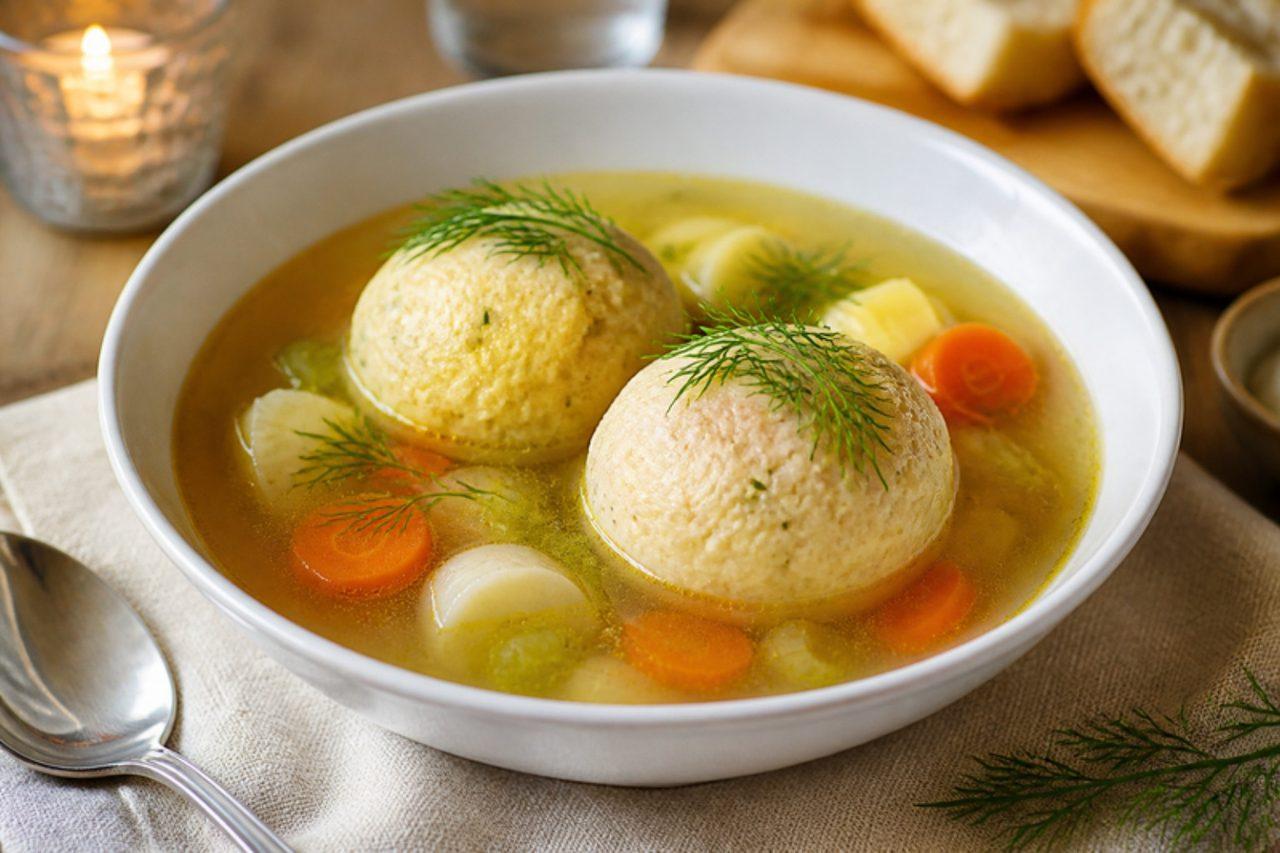
Ashkenazi Jewish families from Kraków to New York serve matzo ball soup at the Passover seder and whenever someone has a cold, and arguments about 'floaters' versus 'sinkers' go back generations. Here the broth is golden and savoury without chicken: onions browned with their skins, carrots, celery, parsnip and a few dried mushrooms simmered with dill. The kneidlach are made with oil instead of chicken fat and a splash of sparkling water so they come out light and fluffy. Chef's tip: chill the matzo mixture for at least 30 minutes; it needs time to absorb the liquid or the balls fall apart in the pot.

by KrazyBadal 0 views

Duba watSpicy pumpkin stew

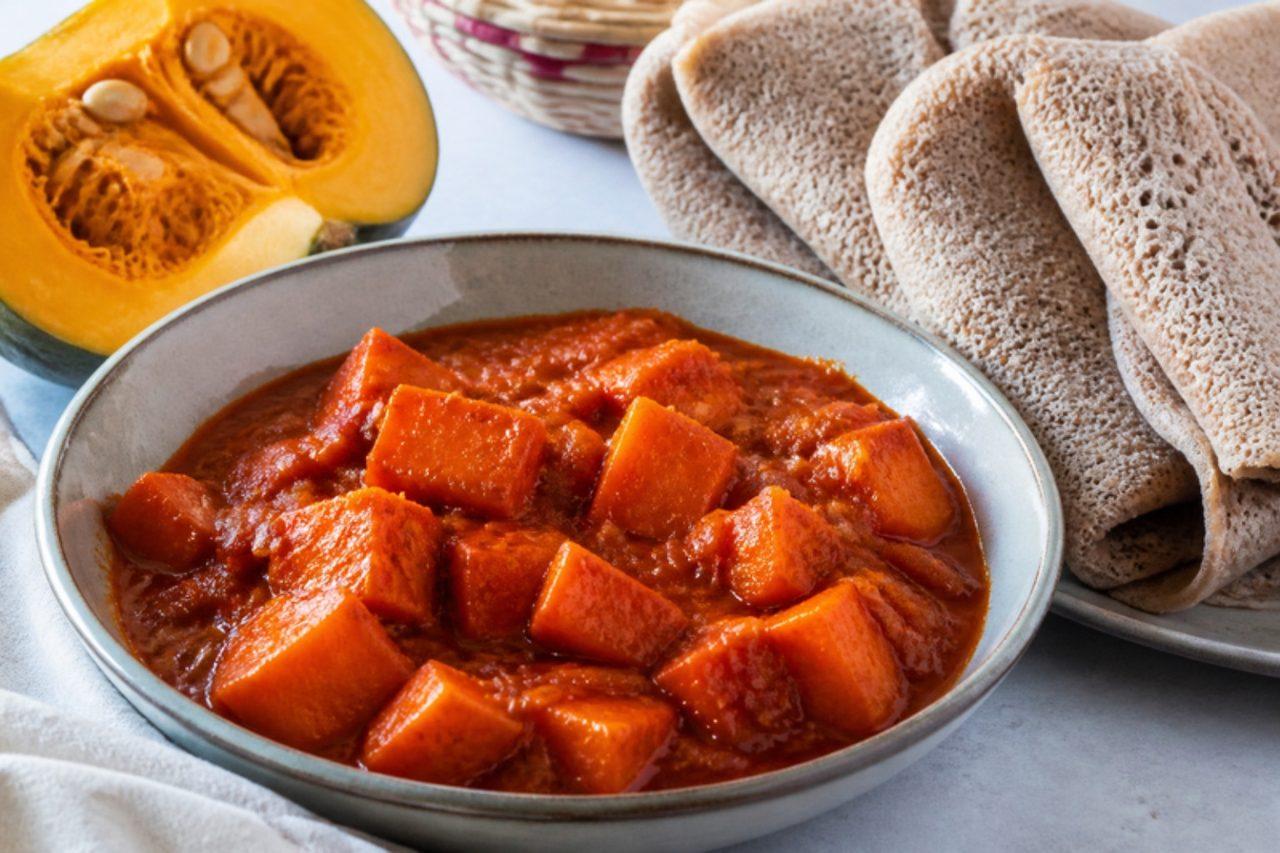
Duba wat is a fasting-season stew from the Ethiopian highlands, made when pumpkins are plentiful after the rains around Meskel in late September. Chunks of pumpkin are cooked in a classic red wat base of slow-cooked onion, garlic and berbere, so the sweetness of the squash plays against the heat of the spices. It is softer and sweeter than most wats and goes well with gomen and injera. Chef's tip: add the pumpkin only once the onion and berbere base is fully cooked and glossy; raw-tasting berbere spoils the dish.

by KrazyBadal 0 views

CarimañolasYuca fritters stuffed with beef

Carimañolas are torpedo-shaped fritters of mashed yuca filled with savoury minced beef, a breakfast and party snack in Panama City and along the Caribbean coast in Colón, often eaten with a cup of coffee or a spoon of hot sauce. The yuca dough is soft and smooth, the outside crisp after frying. The mistake is working the yuca dough while it is cold; mash and shape it while still warm, when it is smooth and pliable. Chef's tip: wet your hands with a little oil or water as you shape them so the dough doesn't stick.

by KrazyBadal 0 views

LokmaFried yeast fritters in syrup

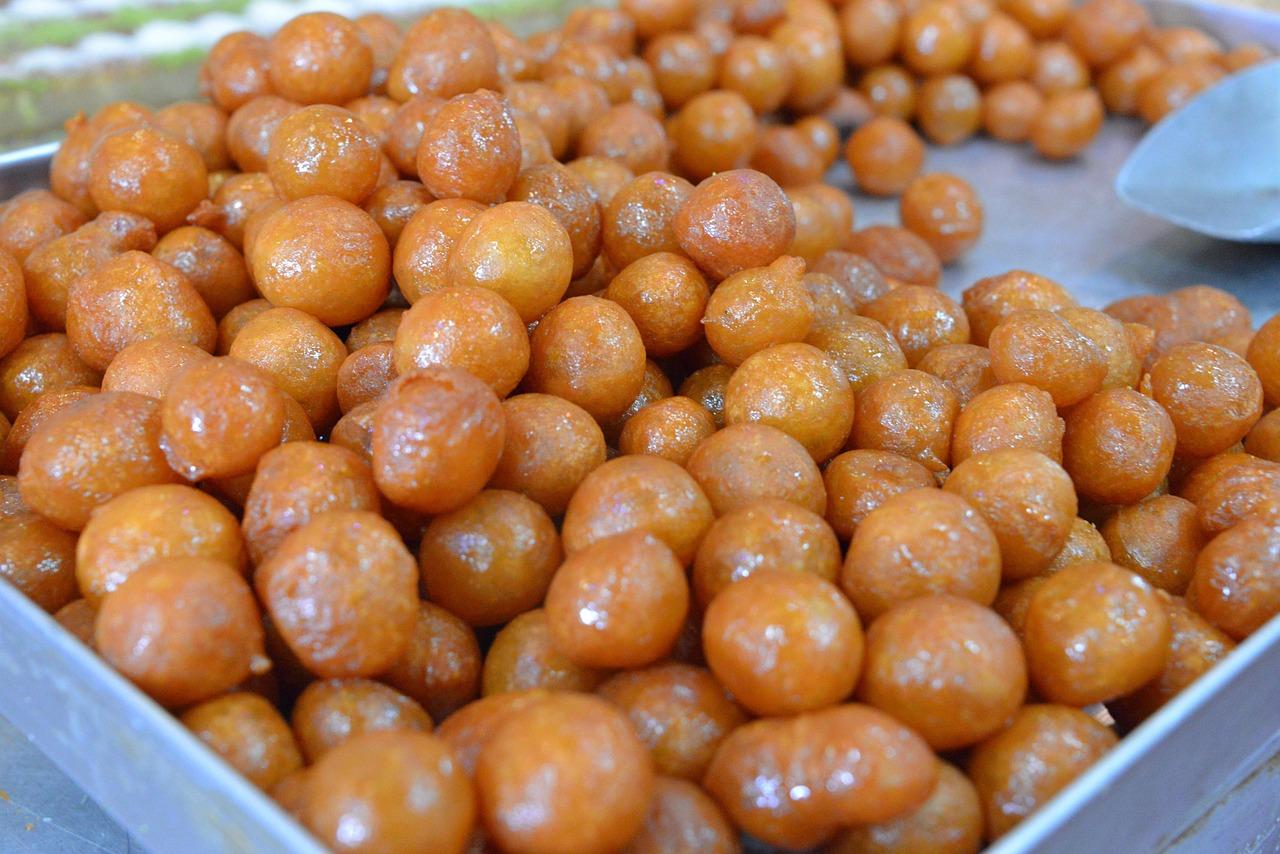
In İzmir and along the Aegean coast, lokma is the sweet of shared moments: families hire a lokma master with a big cauldron to fry hundreds of these golden balls on the street after a funeral or to mark an anniversary, handing them out to anyone passing by, and stalls sell them by the paper cup all year. Each fritter is a little ball of yeasted batter, crisp outside, hollow and soft within, soaked briefly in lemon syrup so it crunches before it melts. This home version needs no eggs or butter, and kids love squeezing out the balls. Eat them warm, on their own or with a sprinkle of cinnamon or crushed pistachios. Chef's tip: dip your spoon or fingers in a cup of water before each ball; the batter then slides off cleanly into round shapes instead of stringy tails.

by KrazyBadal 0 views

Kik alichaMild yellow split pea stew

Kik alicha is the gentle golden stew on Ethiopian platters: 'alicha' means a mild dish made without berbere, so it is coloured with turmeric instead and flavoured with garlic, ginger and onion. Cooks in the Amhara highlands and in Addis make it all through the fasting seasons, and it sits next to fiery shiro and misir wat to cool things down. Yellow split peas are simmered until they collapse into a thick, smooth purée. Chef's tip: stir it regularly towards the end; split peas thicken suddenly and catch on the bottom of the pan.

by KrazyBadal 0 views

Com ga Hoi An (turmeric chicken rice)

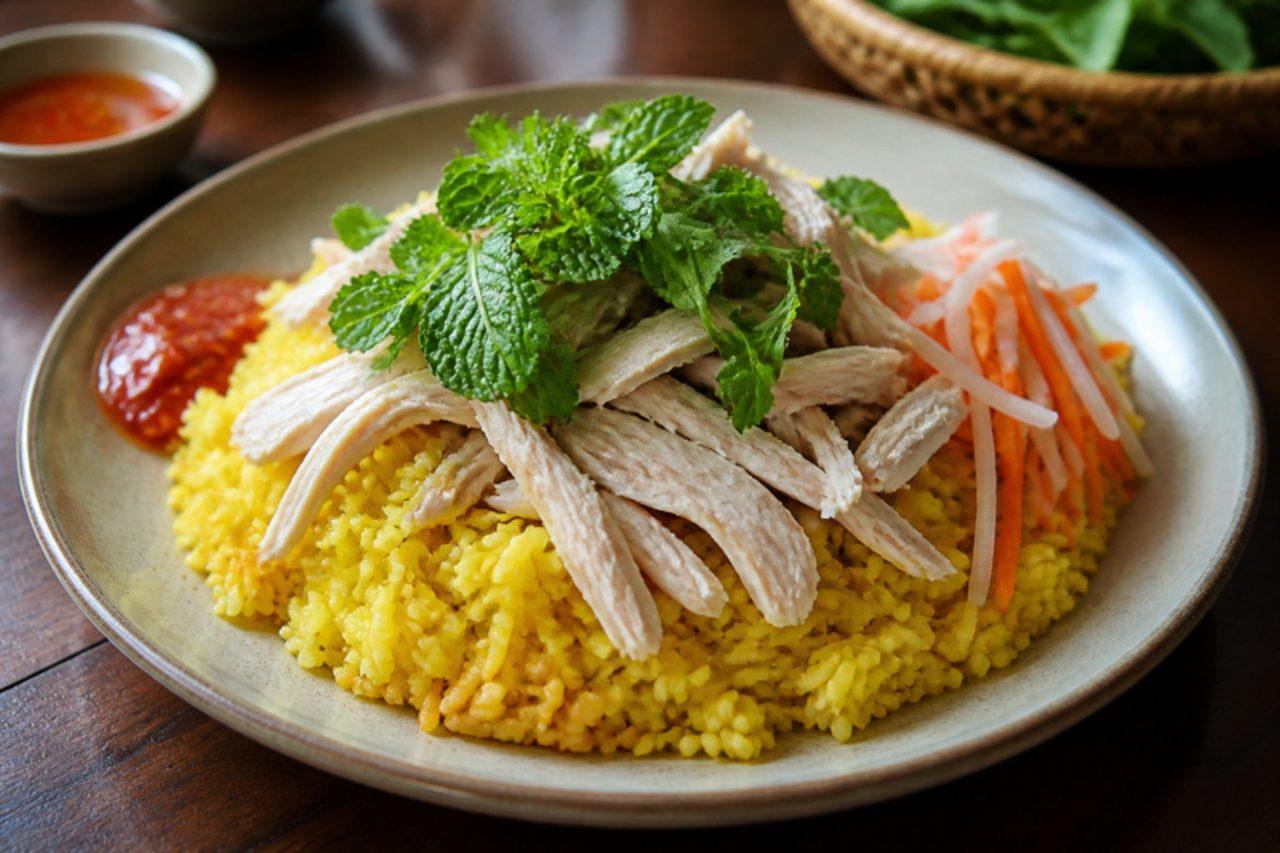
Lunchtime in the old town of Hội An means cơm gà: small eateries near the river pile plates high with yellow rice and shredded chicken from late morning until it runs out. The rice is fried with garlic and chicken fat, coloured with turmeric and cooked in the poaching stock, so every grain tastes of chicken. On top goes chicken pulled into strips and tossed with sliced onion, Vietnamese coriander, lime and pepper, plus a spoon of chilli sauce and a little pickled papaya. A small bowl of the clear broth comes alongside. Chef's tip: plunge the poached chicken into iced water for 5 minutes; it stops the cooking and keeps the meat juicy and the skin firm.

by KrazyBadal 0 views

Koraishutir kochuriGreen pea stuffed puris

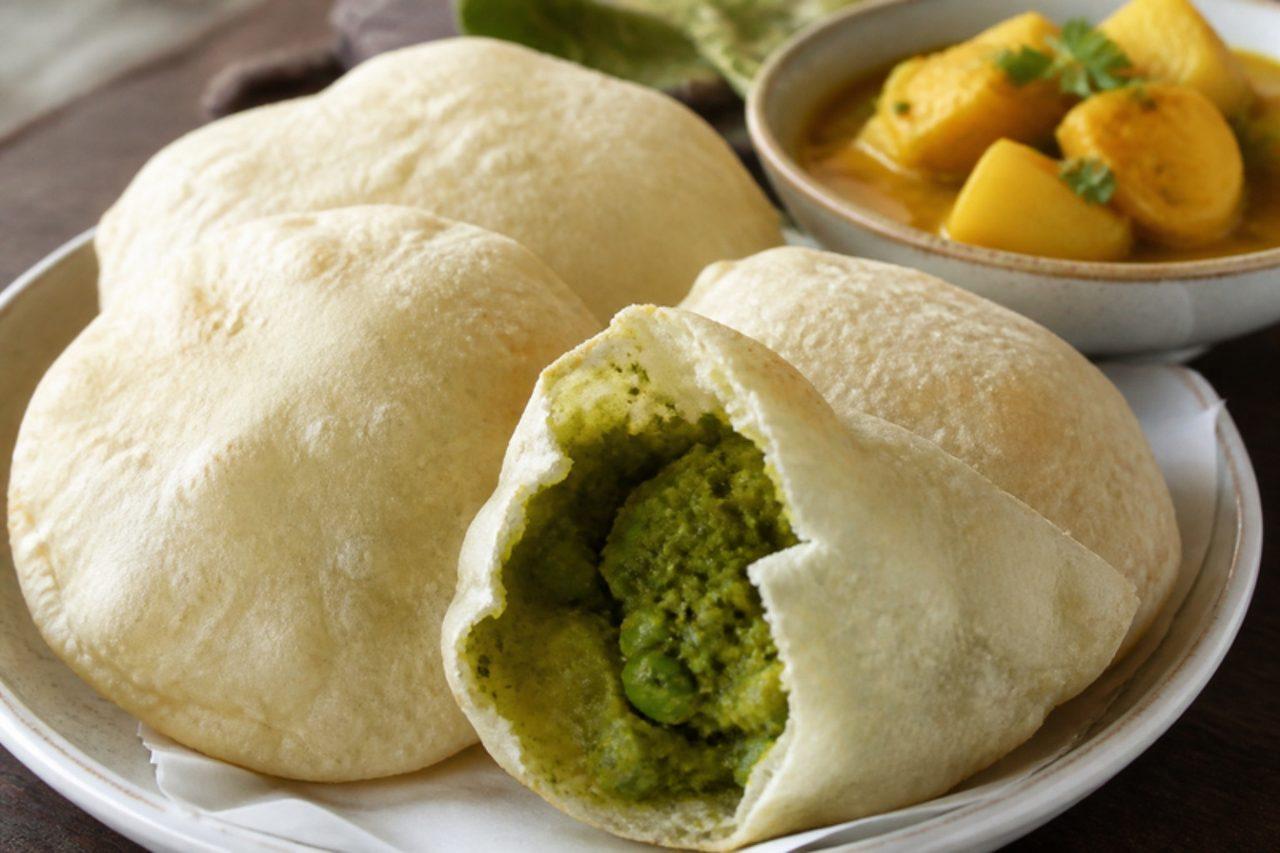
Koraishutir kochuri is a winter treat in Kolkata and across West Bengal, made when sweet new-season peas arrive in the markets. Soft maida dough is filled with a smooth, gingery green pea paste, rolled thin and fried until it puffs into a pale golden pillow with a green blush showing through. It's a Sunday breakfast or a festive snack, classically served with aloor dom (Bengali spiced potatoes) or cholar dal and a sweet to finish. Chef's tip: cook the pea paste until it's dry enough to roll into a ball that doesn't stick to your fingers; a wet filling tears through the thin dough as you roll.

by KrazyBadal 0 views

Bang bang chicken

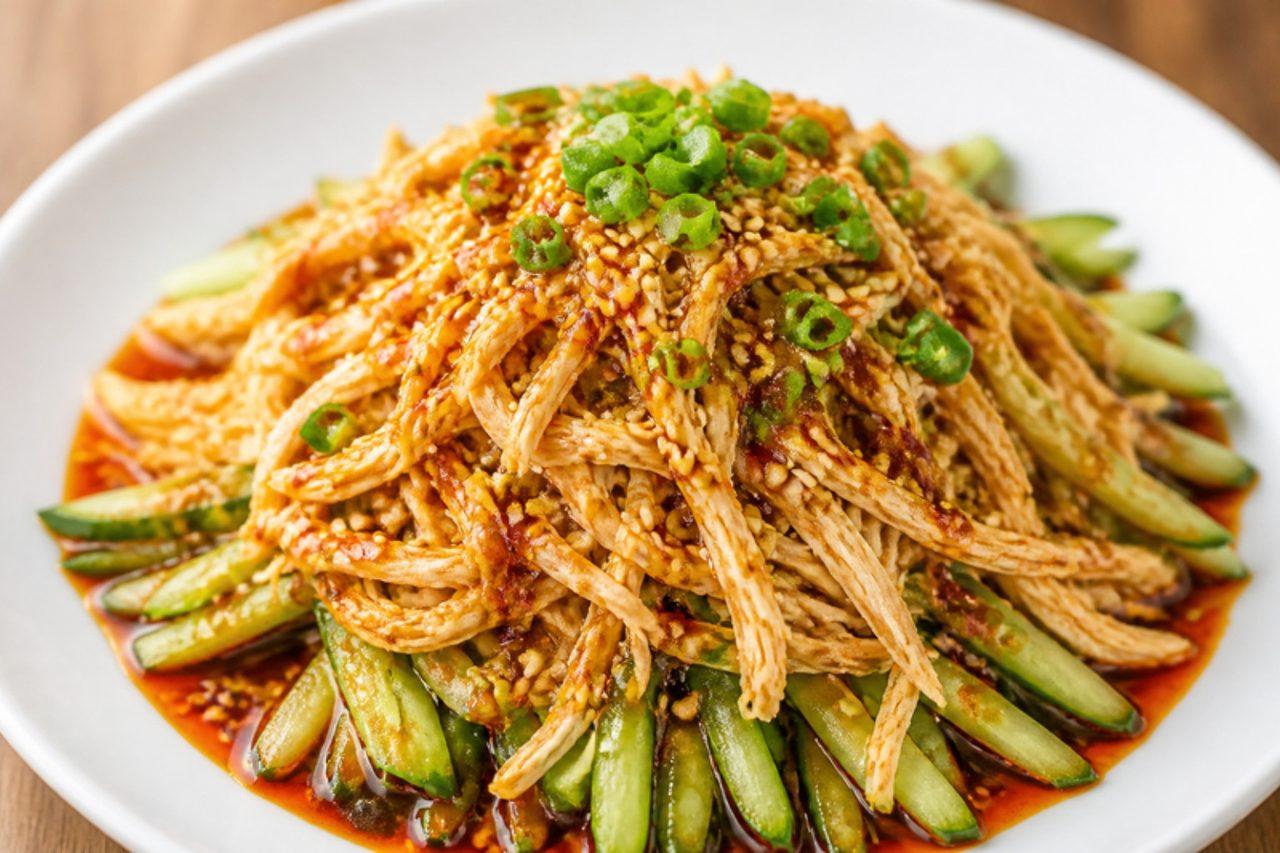
Street vendors in Leshan, the river town below the Giant Buddha, used to cut their poached chicken by tapping a wooden stick against the back of the cleaver, and that knocking gave bang bang ji its name. It is a cold dish, eaten as a starter at banquets or bought by the bagful for a picnic: silky shreds of chicken piled on cool cucumber and drenched in a nutty, sweet, tingling sauce of sesame paste, chilli oil and ground Sichuan pepper. The contrast of cold meat, crisp vegetable and rich dressing makes it ideal for a hot day. Serve it with other cold plates, a bowl of rice or simply some flatbread. Chef's tip: beat the cooked breasts gently with a rolling pin before shredding; the fibres loosen and pull apart into long, soft strands that hold the sauce.

by KrazyBadal 0 views

Kane rava frySemolina-crusted fried fish

In the seafood canteens of Mangalore and along the Udupi coast, kane, a slim, sweet ladyfish, is the fried fish everyone orders with a fish thali. It is slashed, packed with a red masala of Byadgi chilli, garlic and tamarind, then pressed into coarse semolina and shallow-fried in coconut oil until the crust crackles. Unlike Mumbai's soft bombil, kane is firm, so it holds its shape and is eaten off the bone. Chef's tip: leave the fish alone for the first 3 minutes in the pan; the crust sets and then releases on its own.

30 minIndianFish
by KrazyBadal 0 views

KanelbullarCinnamon buns

Every Swedish café from Malmö to Kiruna keeps a tray of kanelbullar by the till, and on 4 October, Kanelbullens dag, bakeries can barely keep up. They belong to fika, the mid-morning or afternoon pause for coffee and something sweet. Unlike the big, iced American roll, a Swedish bun is modest and buttery: the dough is perfumed with freshly crushed cardamom, the filling is a thin smear of cinnamon butter, and the top gets a scatter of crunchy pearl sugar instead of frosting. This version shapes them into knots, the way Stockholm bakers do, though plain spirals baked in paper cases are just as traditional at home. Chef's tip: crush the cardamom seeds yourself just before mixing; ready-ground cardamom loses most of its scent within weeks and the buns will taste only of cinnamon.

by KrazyBadal 0 views

Dulce de lecheMilk caramel

Dulce de leche is Argentina's national sweet, spread on toast at breakfast, sandwiched in alfajores, rolled into panqueques and spooned onto flan. Argentine families traditionally make it by slowly cooking milk and sugar with a vanilla pod and a pinch of bicarbonate of soda, which helps it turn deep brown, until it becomes a thick, glossy caramel cream. It takes about three hours of gentle cooking and regular stirring. Chef's tip: use a wide, heavy pan and keep the heat low; the wider the surface, the faster the milk reduces, and the less it catches on the bottom.

by KrazyBadal 0 views

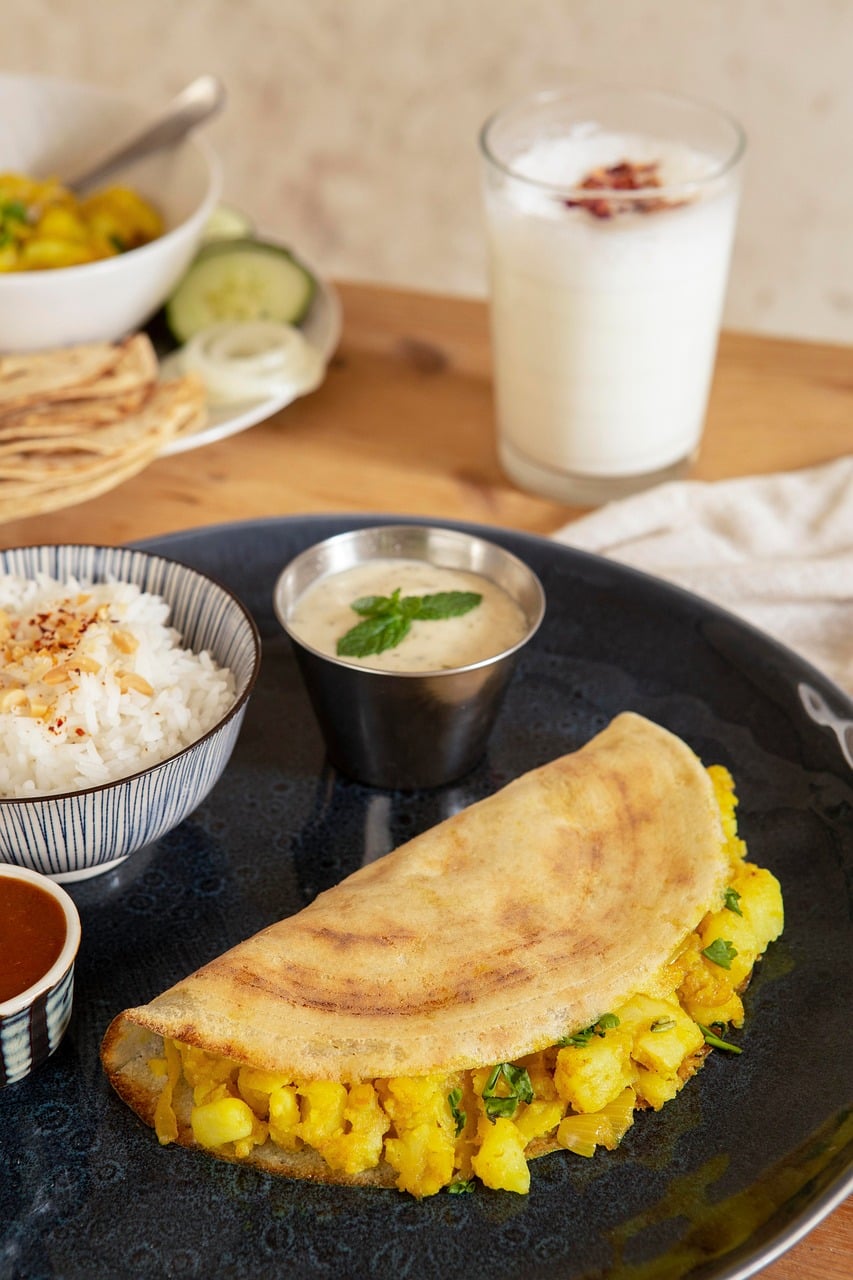
Masala dosaPotato-filled rice crêpes

Masala dosa is the breakfast of Tamil Nadu and Karnataka: a huge, thin, golden crêpe of fermented rice and urad dal batter, crisp at the edges and soft in the middle, folded around a turmeric-yellow potato and onion filling tempered with mustard seeds and curry leaves. In Chennai and Bengaluru it's eaten at small tiffin rooms with coconut chutney and a bowl of sambar, torn by hand. The batter takes planning, soaking in the morning and fermenting overnight, but one batch makes dosas for two or three days. Chef's tip: wipe the hot griddle with a cut onion dipped in oil, then sprinkle on water; if it sizzles away in a second the pan is ready, and the batter will spread thin without sticking.

by KrazyBadal 0 views

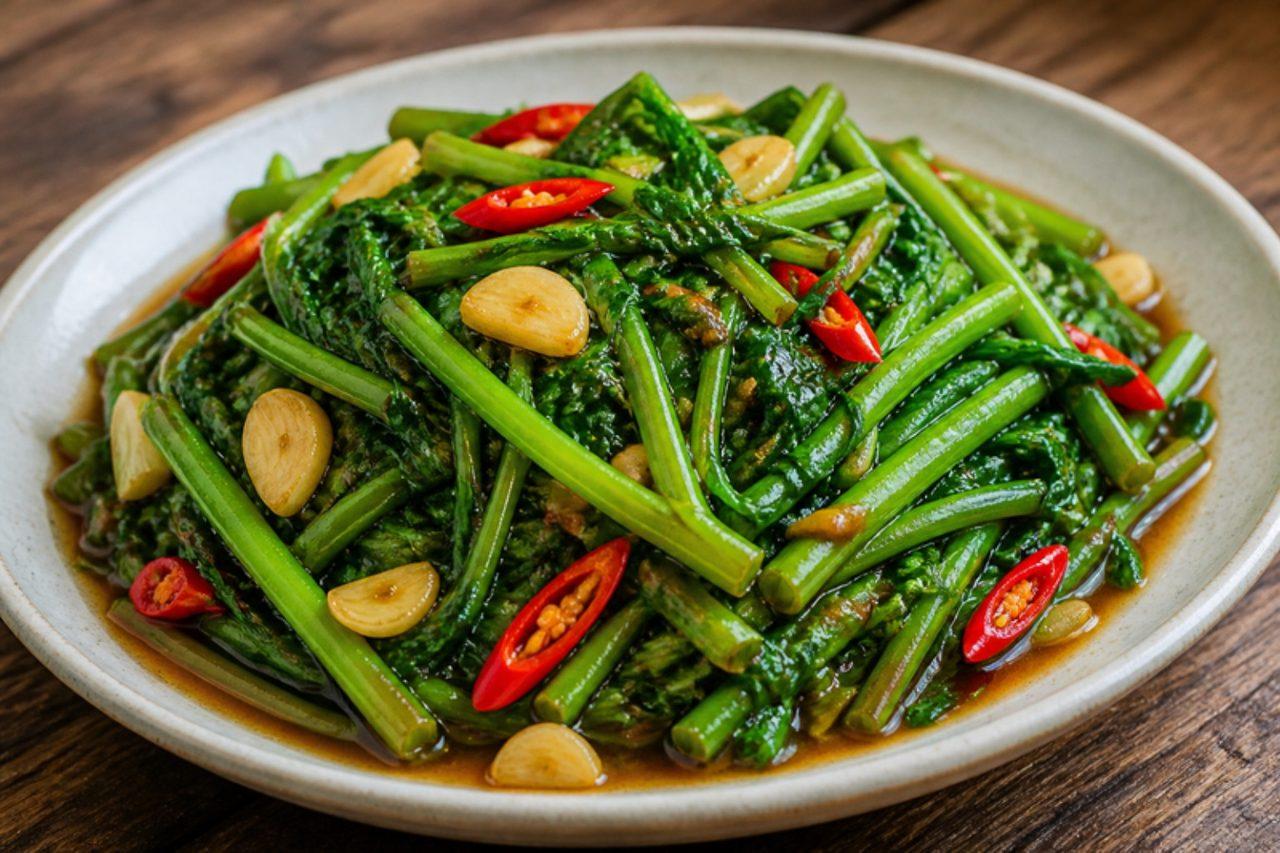
Kangkung gorengGarlic stir-fried water spinach

Kangkung grows in wet ditches and paddy edges right across Malaysia, and every zi char stall and kopitiam kitchen has a pile waiting for the wok. Ordered beside rice and a curry at lunch, or as one of several shared plates at night, it arrives glossy, hollow stems still crunchy, leaves just collapsed. Hawkers often fry it with belacan; this version gets its savoury punch from garlic, shallots, red chilli and a spoon of fermented soybean paste (tauco) instead. It's done in under five minutes. Chef's tip: dry the washed greens thoroughly in a salad spinner, because wet leaves cool the wok and steam instead of sizzle.

by KrazyBadal 0 views

Twice-cooked pork

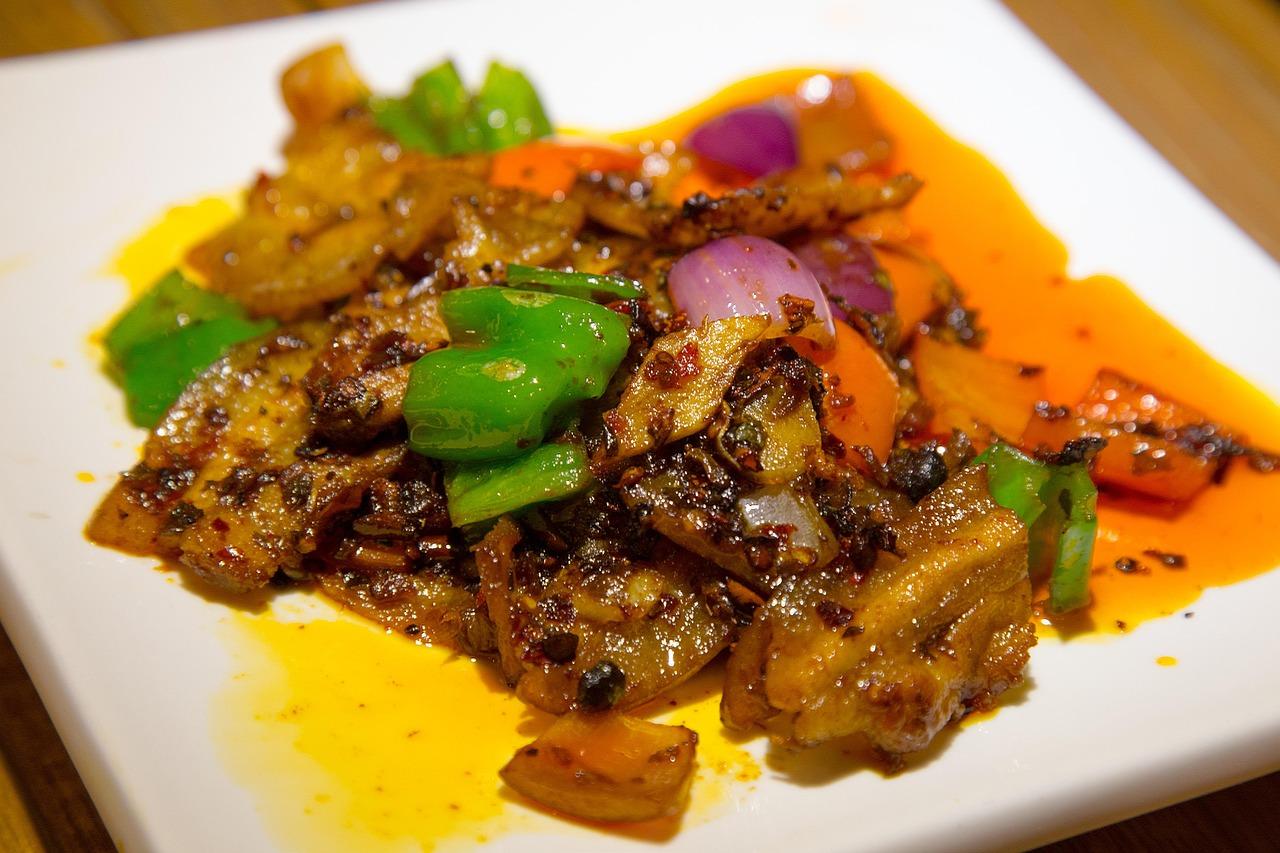
Sichuan families say no dish is more homely than hui guo rou, literally 'meat returned to the pot': pork belly is simmered whole, cooled, sliced paper-thin and then fried again with fermented chilli bean paste until the fat turns translucent and the slices curl into little cups. It was once the treat cooked after ancestral offerings, when the boiled pork came back to the kitchen, and it is still the dish many Chengdu people crave most when they are far from home. The flavour is rich, salty and savoury with a slow chilli warmth rather than a sharp burn, and the leeks bring a sweet, green crunch. Eat it with a big bowl of rice to soak up the red oil. Chef's tip: chill the boiled pork for 15 minutes in the freezer before slicing; firm pork gives clean, even 3 mm slices that curl beautifully in the wok.

by KrazyBadal 0 views

KangshoiClear vegetable stew

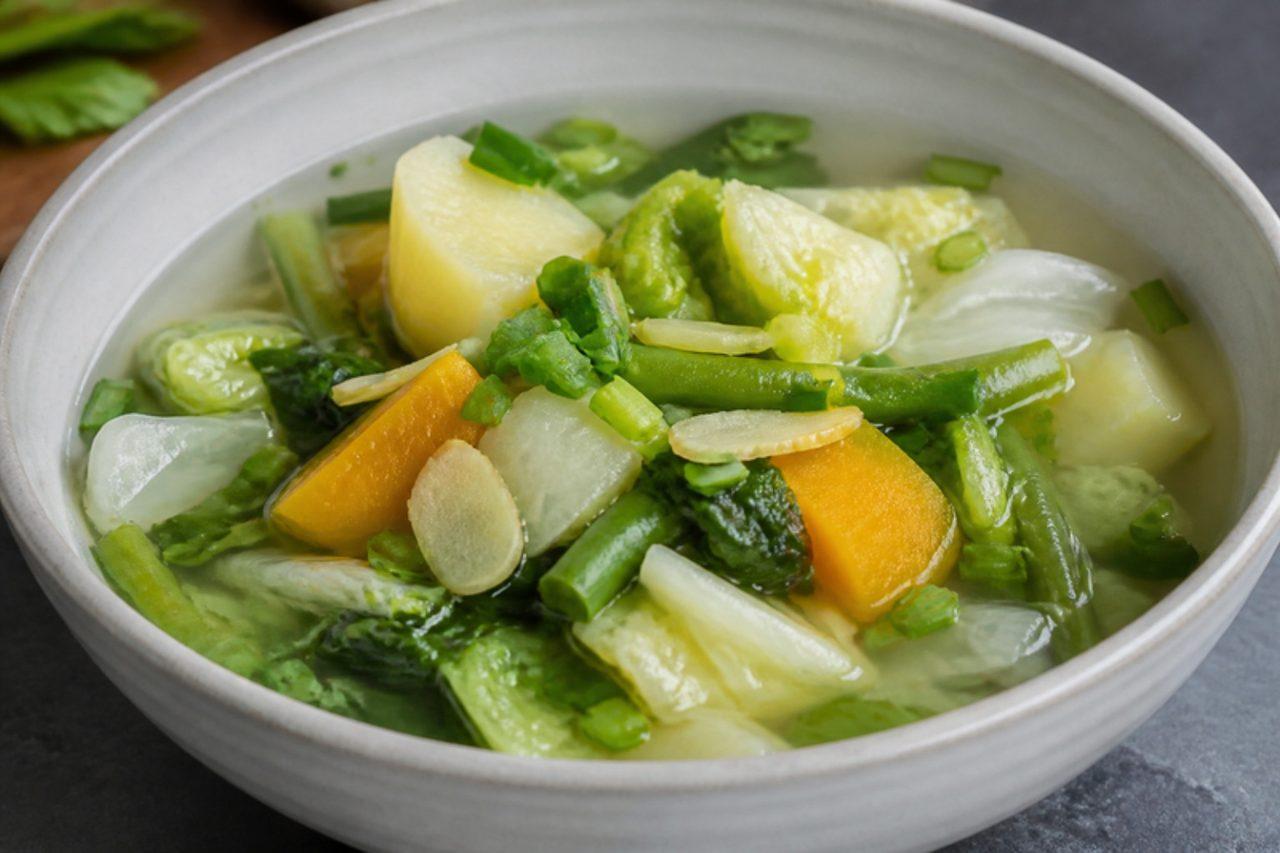
Kangshoi is the everyday stew of the Imphal Valley: seasonal vegetables simmered in water with ginger, onion and chilli, and finished with a fistful of fresh herbs such as maroi (a garlic chive), coriander and mint. It is light, clear and brothy, eaten with rice at almost every Meitei meal. Many households add dried fish or ngari (fermented fish) for depth; Vaishnav Meitei homes leave it out, and this vegetarian version relies on toasted chilli and plenty of herbs instead. Chef's tip: cook it without oil, as Manipuris do; the clean broth is the point.

by KrazyBadal 0 views

Eggs with dates and onions

On a winter morning in the Emirati countryside, when the date palms have given their harvest, a pan of eggs scrambled with onion and chopped dates is a quick, filling breakfast eaten with flatbread and a glass of sweet tea. The dates melt into sticky pockets among the eggs, the onions add savoury sweetness and a pinch of cardamom ties it together. It is homely food rarely seen in restaurants, made in minutes from what every Gulf kitchen has. Chef's tip: use soft, moist dates such as khalas or medjool; dry ones stay chewy and never melt into the eggs.

by KrazyBadal 0 views

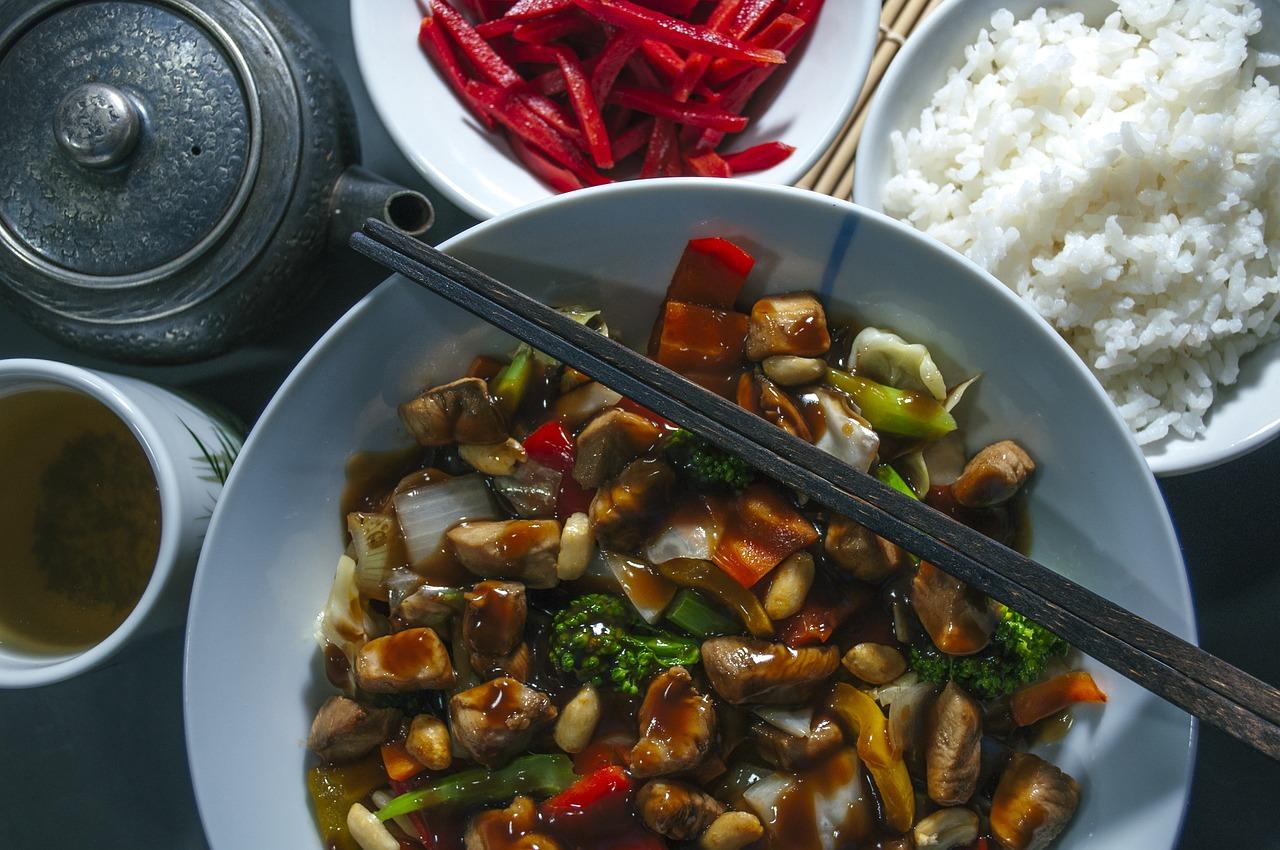
Kung pao chicken

Named after a 19th-century governor of Sichuan, gong bao chicken is weeknight food in Chengdu: small cubes of tender thigh meat tossed in a wok with scorched chillies, tingling Sichuan pepper and crunchy peanuts. Its signature is the glossy sauce Sichuan cooks call 'lychee flavour', sweet and sour in equal measure, clinging lightly rather than pooling on the plate. The chilli here perfumes the oil more than it burns, so it is the gentlest of the classic Sichuan stir-fries. Serve it with plain steamed rice and a green vegetable such as stir-fried pak choi. Chef's tip: mix the sauce in a bowl before you light the hob, because the whole stir-fry is over in about four minutes and there is no time to measure once the wok is hot.

by KrazyBadal 0 views

Nanaimo bars

Named after the city of Nanaimo on Vancouver Island, these three-layer bars have been Canada's favourite tray bake since the 1950s, when the recipe appeared in local community cookbooks. A crumbly base of biscuit crumbs, cocoa, coconut and nuts is topped with a thick yellow custard-flavoured buttercream and a snap of dark chocolate. They're made for church sales, Christmas cookie tins and coffee breaks, and need no oven. Chef's tip: dip the knife in hot water and wipe it between cuts; it slices through the chocolate cleanly without cracking it.

by KrazyBadal 0 views

Shrimp and grits

In the Lowcountry around Charleston, South Carolina, shrimp and grits started as a fisherman's breakfast and is now brunch on every restaurant menu in town. Stone-ground grits are simmered slowly until creamy and finished with sharp cheddar and butter, then crowned with prawns cooked fast in a smoky, lemony pan sauce with spring onions. Chef's tip: whisk the grits into the liquid a little at a time and keep stirring for the first five minutes; lumps form only at the start.

by KrazyBadal 0 views

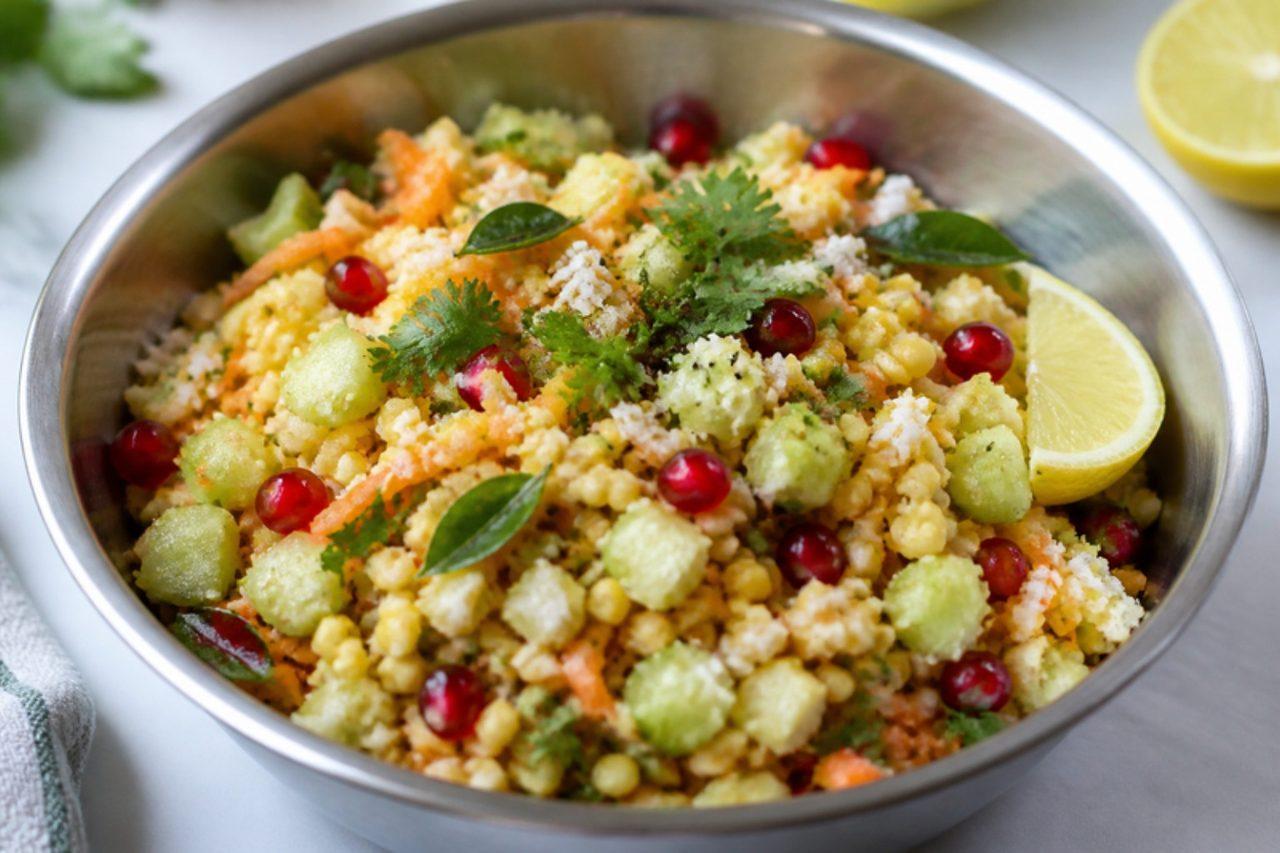
KosambariMoong dal and cucumber salad

No Karnataka festival lunch on a banana leaf is complete without a spoonful of kosambari at the top left corner. This raw salad of soaked split moong dal, cucumber, carrot and fresh coconut, sharpened with lemon and finished with a mustard-seed tempering, is especially made for Ram Navami, when it is offered in temples with panaka (jaggery water), and for Ugadi and weddings. It is crunchy, cool and refreshing, and packed with protein. Chef's tip: add the salt and lemon only just before serving; salted cucumber weeps water and turns the salad soggy within half an hour.

by KrazyBadal 0 views

Kanpur khoya and suji ladduMilk solids and semolina laddu

Kanpur's best-known sweet is a crumbly, rich laddu sold in brown paper boxes near the city's busy crossings and taken home as a souvenir from the city. It is made by roasting semolina slowly in ghee until it smells like warm biscuits, then mixing in browned khoya, sugar and plenty of cashews, giving a soft, melt-in-the-mouth bite with tiny pieces of crunch. Families make a batch for Diwali or Raksha Bandhan and keep it for a week. The biggest mistake is adding the sugar while the mixture is still hot; it melts and the laddus collapse into flat puddles. Chef's tip: if the mixture feels too dry to bind, sprinkle in warm milk a teaspoon at a time rather than adding more ghee.

by KrazyBadal 0 views

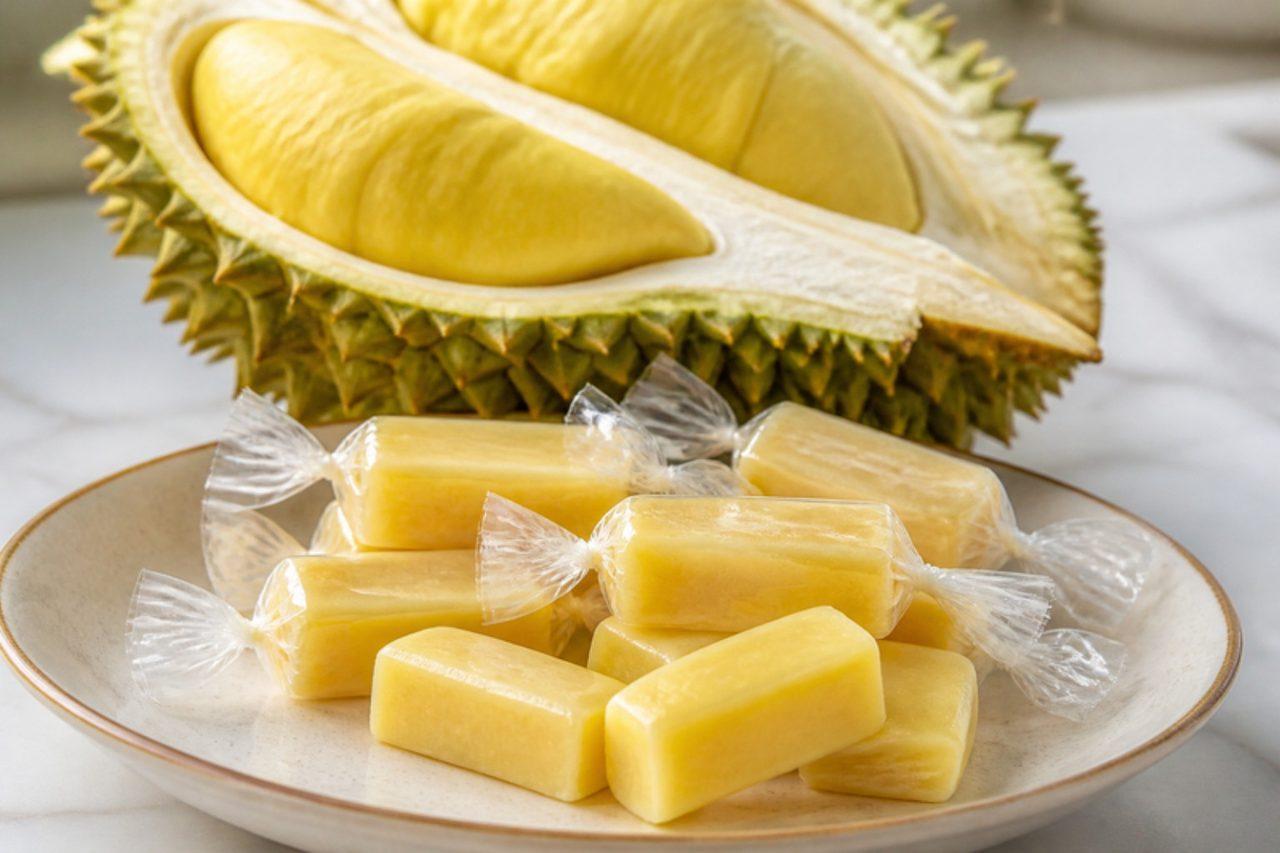
Durian candyDurian milk fudge

Davao City on Mindanao is the Philippines' durian capital, and its roadside stalls sell the fruit by the kilo next to boxes of durian candy for travellers who can't carry a whole one home. Ripe durian pulp is cooked slowly with condensed milk, sugar and butter until it becomes a dense, chewy fudge that tastes of caramel, custard and that famously strong fruit. Chef's tip: frozen durian pulp works perfectly; thaw it fully and pick out any seeds and fibrous bits before you start.

by KrazyBadal 0 views

Carne de porco à alentejanaPork and clams

Despite the name, this surf-and-turf dish of pork and clams is most often linked with the Algarve coast, where Alentejo pork met local shellfish; today it is served in tascas all over Portugal, especially for Sunday lunch. It is a pork dish: cubes of pork shoulder marinate in massa de pimentão (sweet red pepper paste), garlic and traditionally white wine, then are fried and tossed with steamed clams, crisp potato cubes, pickles and lots of coriander. For an alcohol-free version, swap the wine for chicken stock with a tablespoon of white wine vinegar. Chef's tip: buy the pork with a little fat on; lean loin turns dry and tough when fried.

by KrazyBadal 0 views

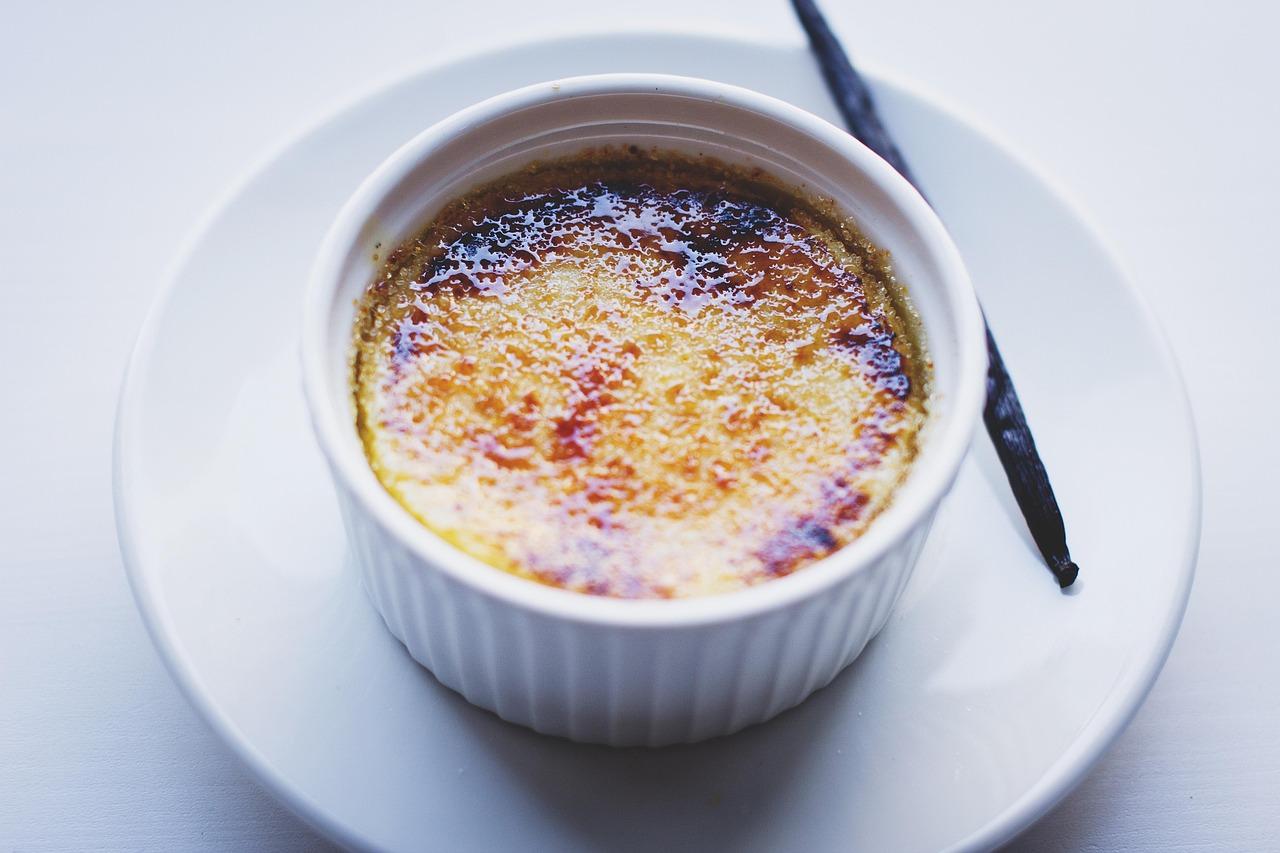
Crème brûléeBurnt cream custard

Crème brûlée, 'burnt cream', is the dessert on almost every Paris bistro menu: a shallow dish of rich vanilla custard, cold and silky, under a thin sheet of caramelised sugar you crack with the back of a spoon. Unlike the stovetop Spanish crema catalana, it's made with cream and baked gently in a water bath. The custards are made a day ahead, which makes it ideal for dinner parties; only the sugar is burnt at the last minute. Chef's tip: take them out of the oven while the middle still wobbles like jelly; overbaking is the common mistake and the custard turns grainy and splits.

by KrazyBadal 0 views

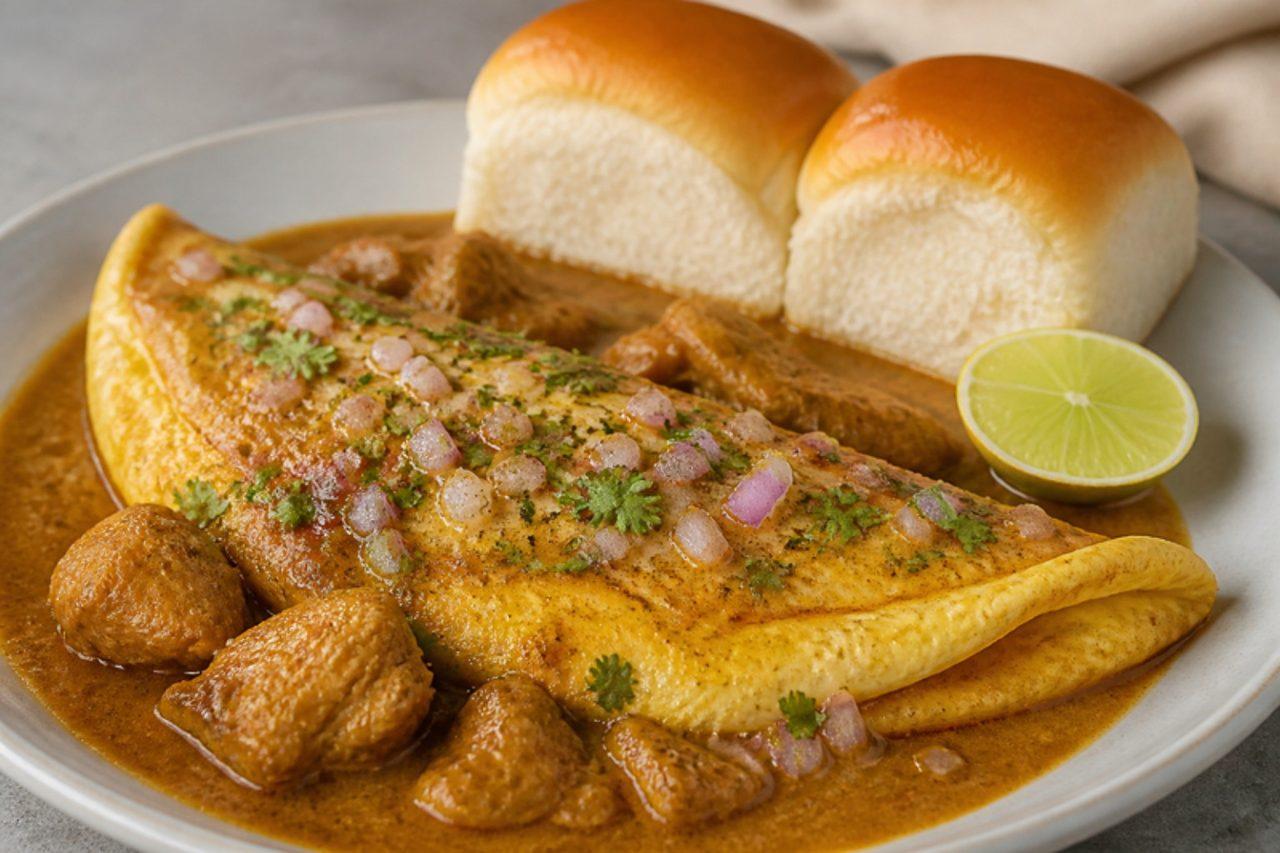
Goan ros omelette

After dark in Panjim, Mapusa and Margao, roadside carts fry omelettes to order and ladle over them a thin, spicy chicken gravy called ros, meaning juice. It is late-night food, eaten standing up, mopped with soft Goan pao. The ros is a loose chicken xacuti, rich with roasted coconut, poppy seeds and star anise. Chef's tip: keep the gravy soupy; it should flood the omelette and soak into the bread, not sit on top like a stew.

by KrazyBadal 0 views

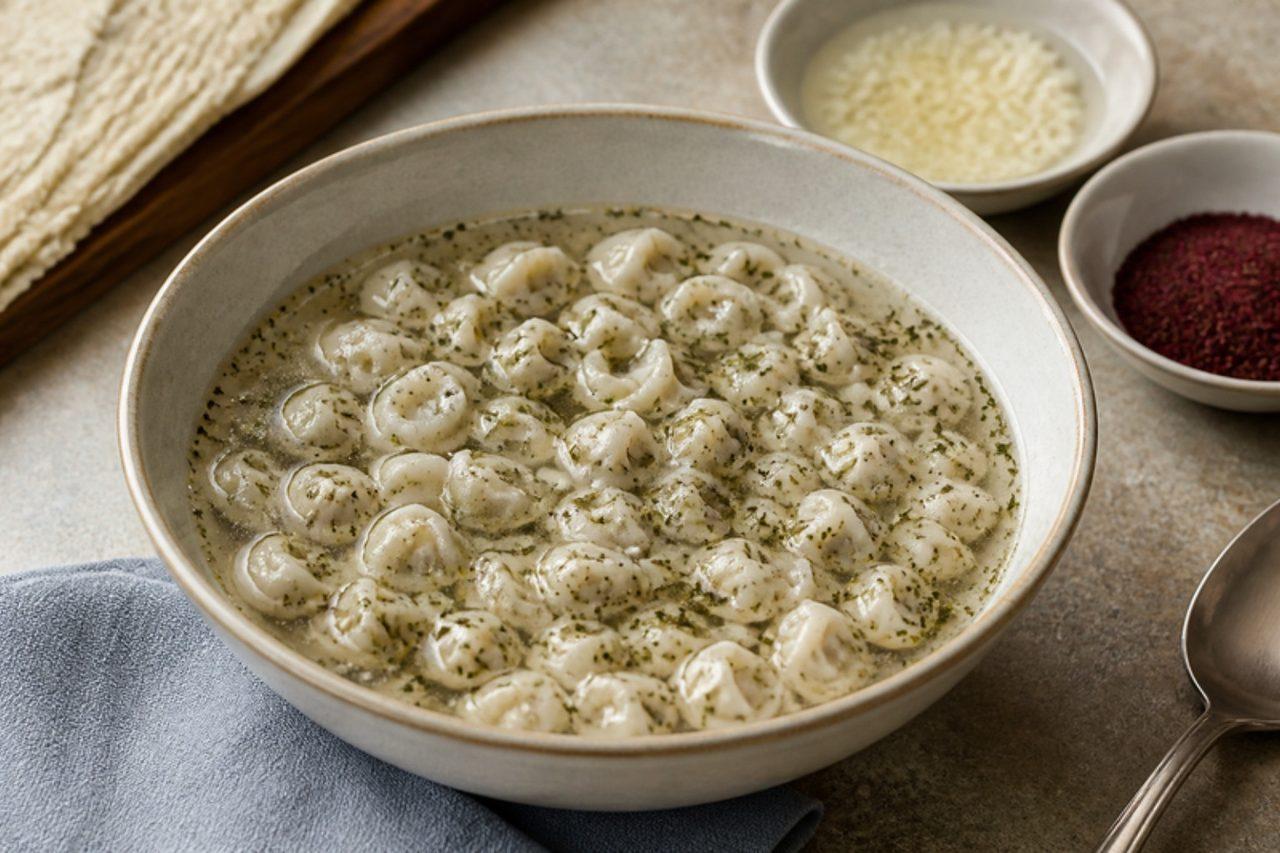
DushbaraTiny lamb dumplings in broth

Dushbara is the test of a patient cook in Azerbaijan: dumplings so small that a dozen fit on a spoon, filled with lamb and onion and served in clear bone broth. Families in Baku and the Absheron towns make them for New Year and Novruz, everyone sitting around the table folding together. At the table each bowl gets dried mint, a little crushed garlic in vinegar, and sumac. Over-filling is the usual problem; too much meat and the edges won't seal, so the dumplings open in the pot. Chef's tip: make the broth from lamb bones the day before and chill it, so you can lift off the fat and the soup stays crystal clear.

by KrazyBadal 0 views

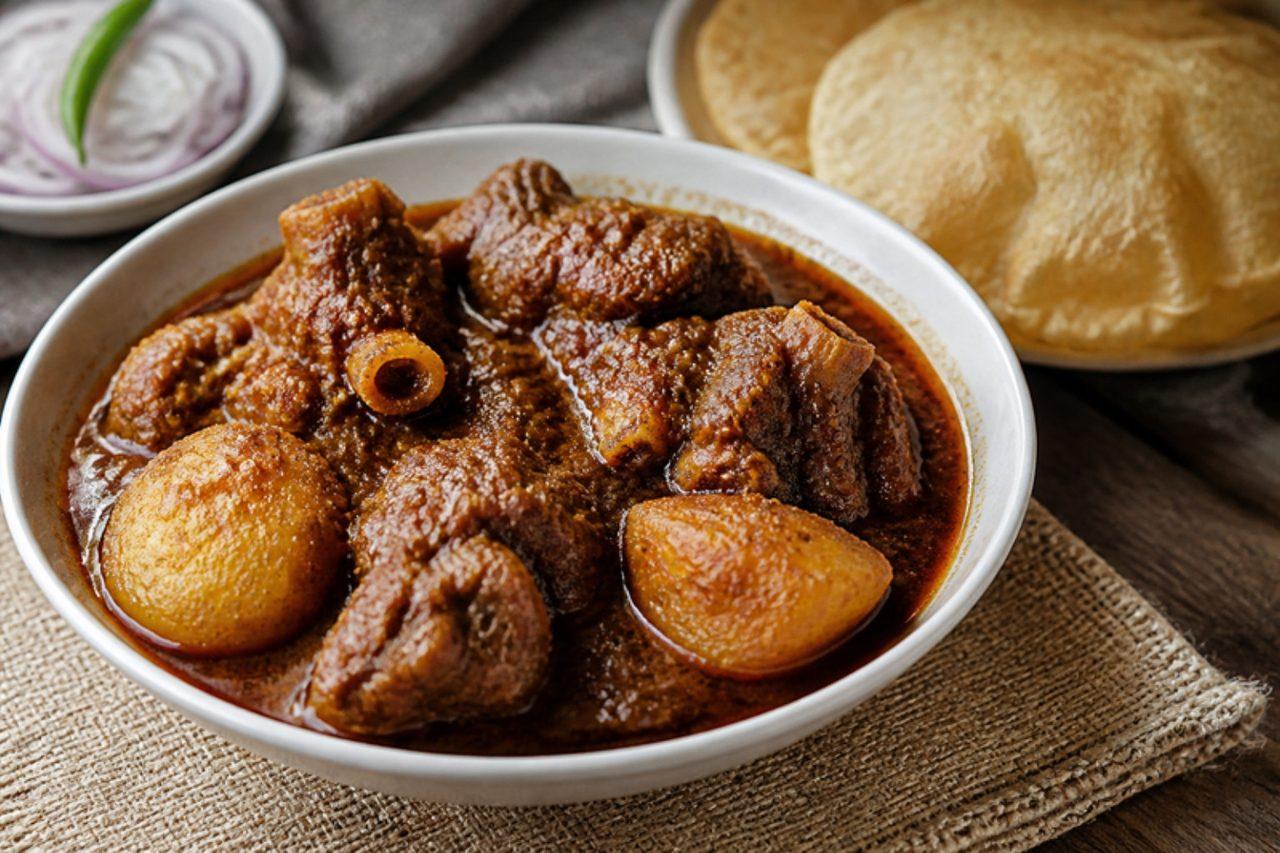
Kosha mangshoSlow-fried mutton curry

Sunday lunch in a Bengali home in Kolkata often means kosha mangsho: goat on the bone, fried patiently in mustard oil until the masala turns almost mahogany and clings to every piece. The word 'kosha' describes that long stirring over the heat, and it is what separates this dish from an ordinary mutton curry. Families eat it with luchi or plain rice, and it also turns up at Durga Puja feasts and wedding dinners. Chef's tip: buy bone-in goat or mutton shoulder cut into curry pieces; the bones and a little fat give the gravy its body.

135 minIndianMeatGluten free
by KrazyBadal 0 views

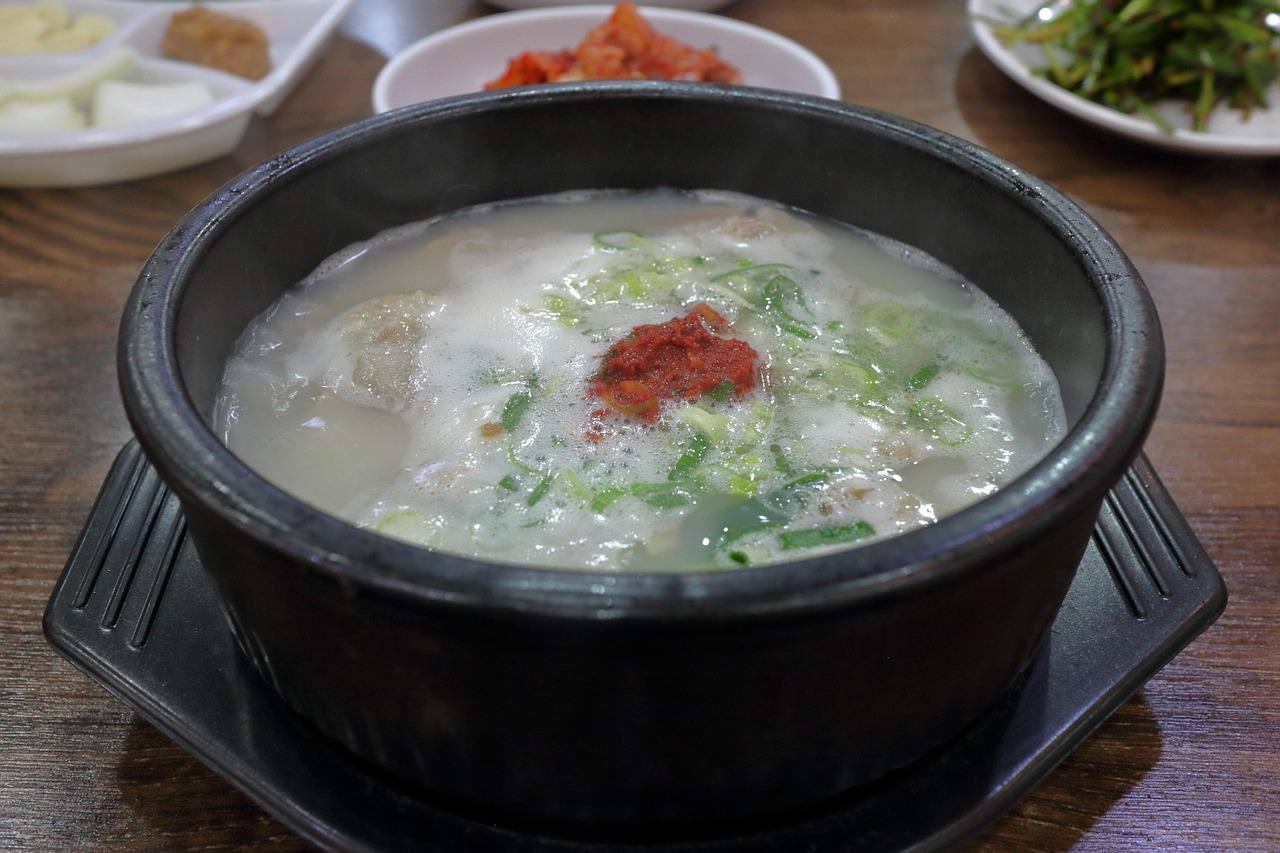
Dwaeji gukbapPork and rice soup

Ask anyone in Busan for a bowl of something filling at any hour and they will probably send you for dwaeji gukbap. Seomyeon has a whole alley of gukbap restaurants, open from early morning to late at night, serving the soup to market workers, students and people heading home after a night out. Pork bones are boiled hard for hours until the broth turns cloudy and white, then poured over sliced pork and rice. Each diner seasons their own bowl at the table with salted shrimp, chilli paste and a pile of garlic chives, with raw onion, green chilli and kimchi on the side. Chef's tip: season the soup in the bowl, not the pot; a little saeujeot at a time gives a clean, savoury depth that salt alone doesn't.

180 minKoreanSoups
by KrazyBadal 0 views

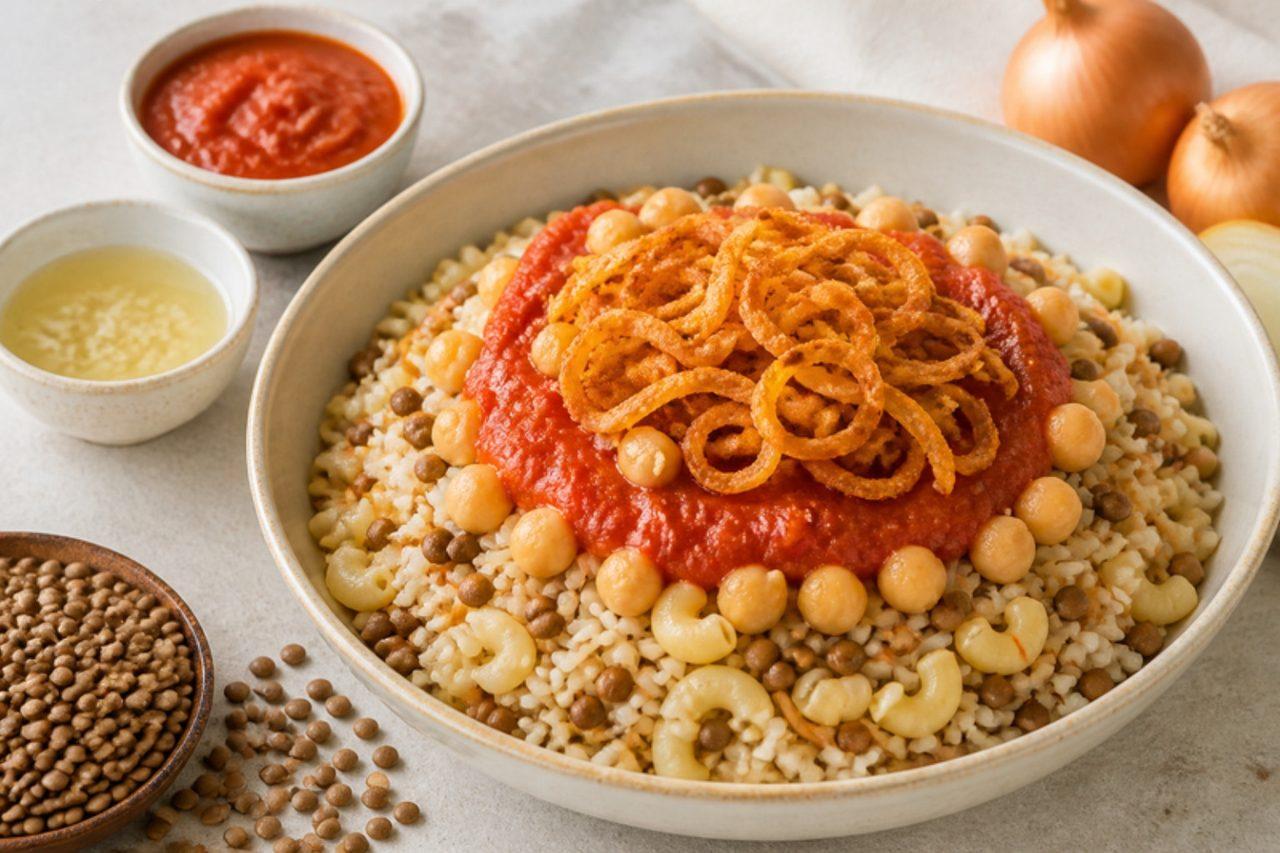
KoshariRice, lentil and pasta bowl

Koshari is the dish of Cairo's streets: whole shops, from Abou Tarek downtown to small corner counters, sell nothing else, and office workers queue for a metal bowl of it at lunchtime. Brown lentils and rice are cooked together, then piled with macaroni, vermicelli and chickpeas, drowned in a sharp cumin-tomato sauce and finished with dakka (garlic vinegar), shatta (chilli sauce) and a heap of dark fried onions. It is cheap, filling and naturally vegan, and every Egyptian eats it differently, so put the sauces on the table. Chef's tip: fry the onions first and cook everything else in their oil; that onion-scented oil is what makes koshari taste like the shops' and not like a plate of separate leftovers.

by KrazyBadal 0 views

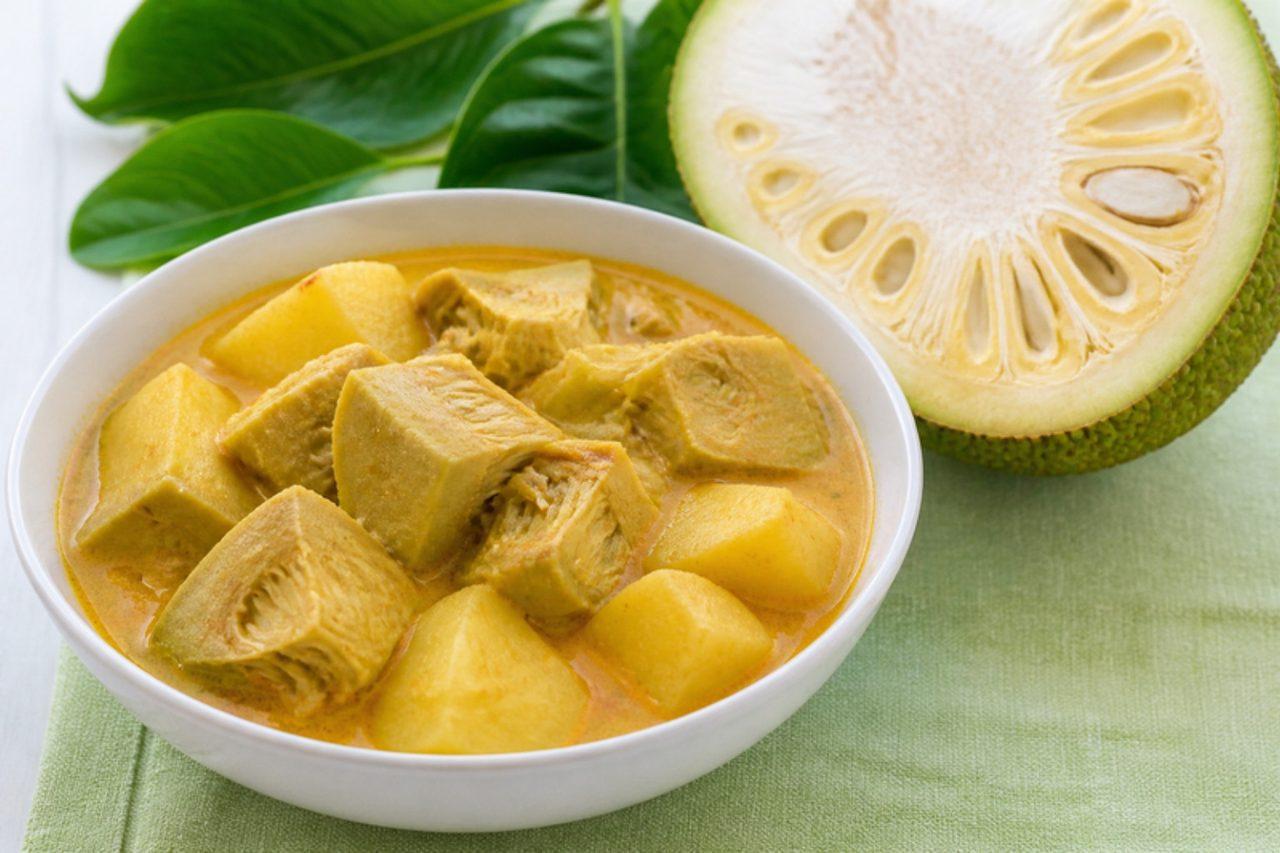
Echorer dalnaYoung jackfruit curry

In early summer, Kolkata's bazaars sell baby green jackfruit (echor), and Bengali households cook it into a dalna rich enough to be called gachh-patha, 'mutton from the tree'. The jackfruit is boiled, fried with potato and simmered in a ginger, cumin and tomato gravy, finished with ghee and garam masala. Its chewy, meaty texture soaks up the spice. It is a Sunday lunch dish, eaten with rice or luchi. Chef's tip: buy jackfruit no longer than your forearm, with pale seeds; older fruit is fibrous and the seeds are hard.

by KrazyBadal 0 views

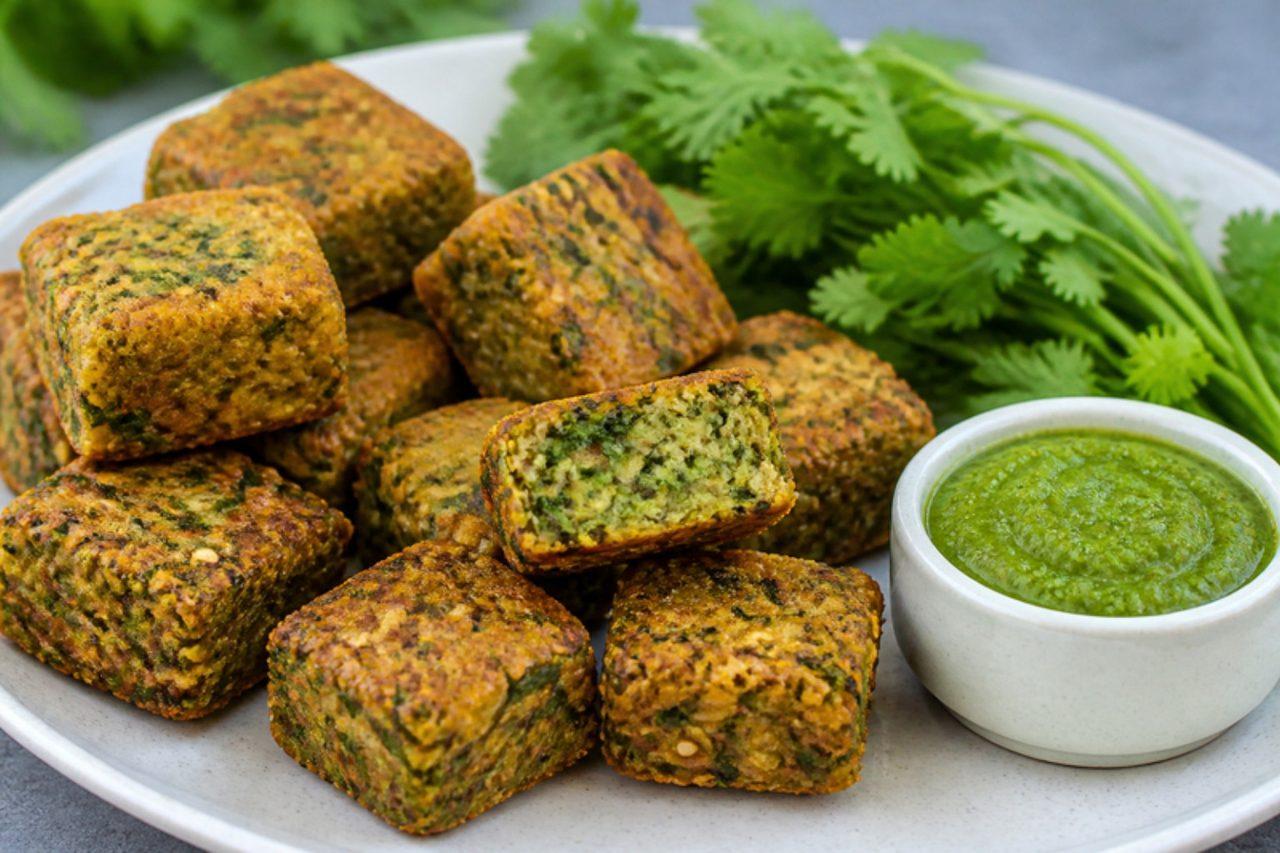
Kothimbir vadiCoriander and gram flour fritters

When the winter coriander in the Nashik markets comes in huge, fragrant bunches for a few rupees, Maharashtrian kitchens make kothimbir vadi. A batter that is mostly fresh coriander, held together with gram flour and sesame, is steamed into a cake, cut into squares, then shallow-fried until each piece has a crunchy shell and a soft, herby middle. It's a tea-time snack in Pune homes, a side on the festive thali and a favourite in tiffin boxes because it's good at room temperature. Serve with green chutney or tomato ketchup. Chef's tip: dry the coriander well after washing; wet leaves make the batter loose and the vadi soggy.

by KrazyBadal 0 views

MageuFermented maize drink

Mageu (also amahewu or mahewu) is a thin, sour, nourishing drink of fermented maize porridge, made in homes across Zimbabwe, South Africa, Zambia and Botswana and drunk by farm workers, schoolchildren and anyone needing a filling lift on a hot afternoon. A little wheat flour or a spoonful of the last batch starts the fermentation overnight. Commercial cartons are sold everywhere, but home-made tastes fresher. Chef's tip: let the porridge cool to lukewarm before adding the starter; too hot and it kills the fermentation.

by KrazyBadal 0 views

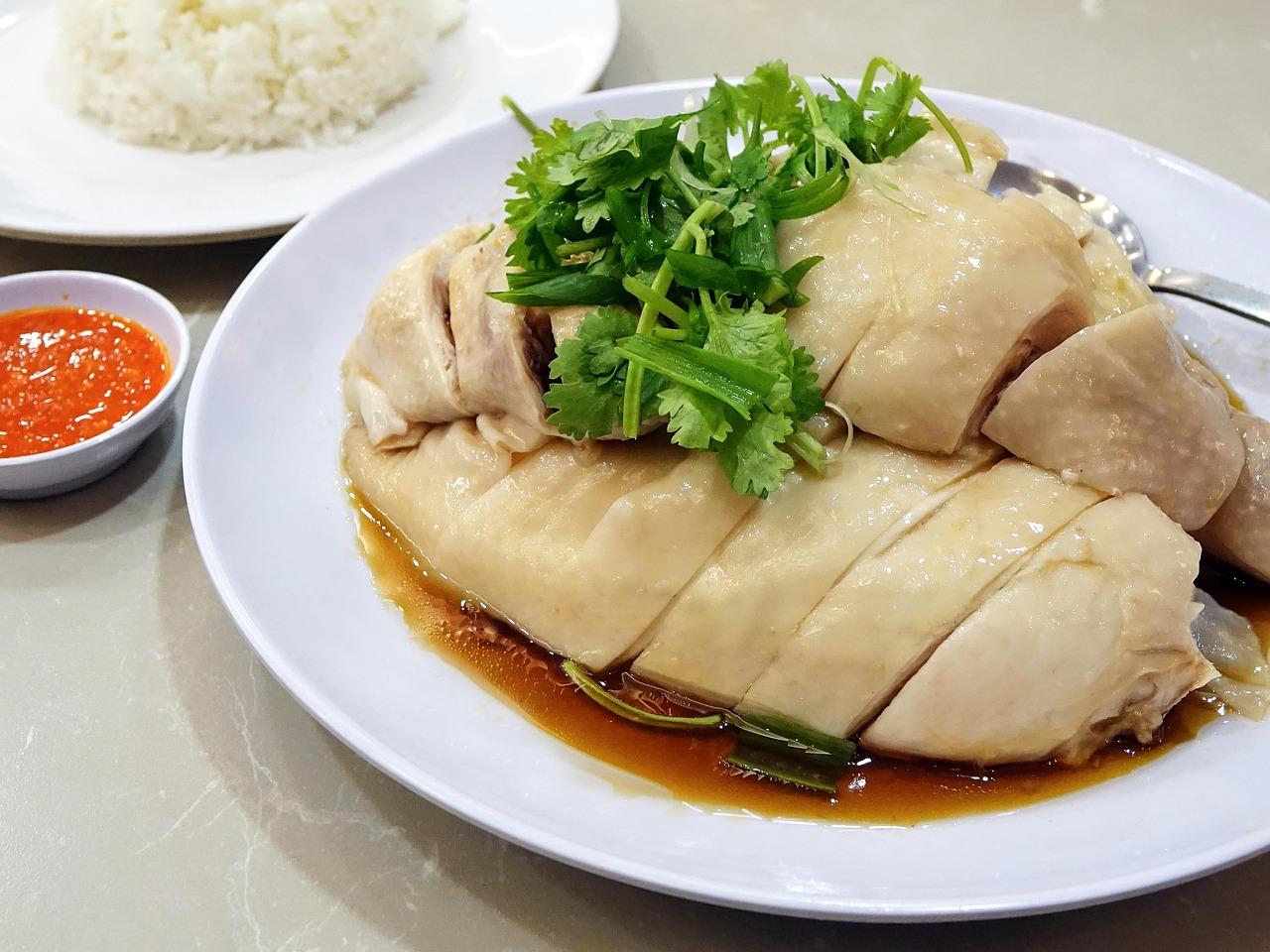
Hainanese chicken rice

Brought by Hainanese cooks and now sold at kopitiam and hawker stalls in every Malaysian town, chicken rice looks plain but is all about restraint. The chicken is barely simmered and plunged into iced water, which leaves the meat silky and the skin firm and slightly jellied. The rice is fried in rendered chicken fat with garlic, ginger and pandan, then cooked in the poaching stock until each grain is glossy and fragrant. A punchy chilli-ginger-lime sauce and a bowl of the clear broth complete the plate, with cucumber slices on the side. Chef's tip: keep the poaching water at a bare shiver, never a boil; boiling tightens the meat and splits the skin.

by KrazyBadal 0 views

EetchBulgur in tomato and pepper

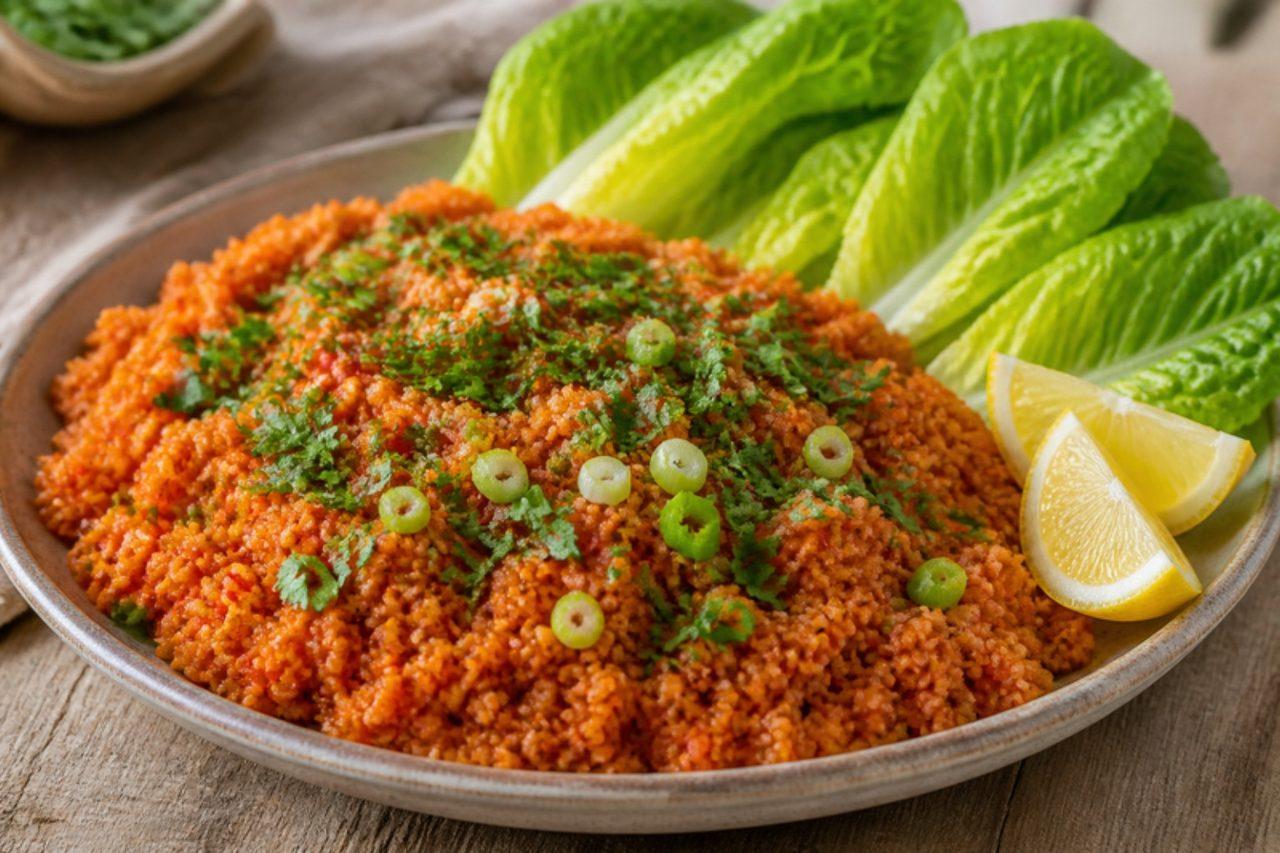
Eetch is a Western Armenian dish from the old Cilician towns, carried by families to Aleppo, Beirut and the Armenian quarters of American cities. Fine bulgur is stirred into a hot sauce of onion, red pepper, tomato and pepper paste and left to drink it up, then finished with lemon, parsley and spring onion and eaten at room temperature, often scooped up with lettuce leaves. Unlike a herb-heavy raw bulgur salad, eetch is cooked, so it is rich and tomatoey, and it is a fixture of Lenten tables, picnics and mezze spreads. It keeps for days, which makes it a favourite for lunchboxes. Chef's tip: take the pan off the heat before adding the bulgur and keep the lid on; the grains soften in the residual heat and stay separate instead of turning to porridge.

by KrazyBadal 0 views

Efo riroSpinach stew

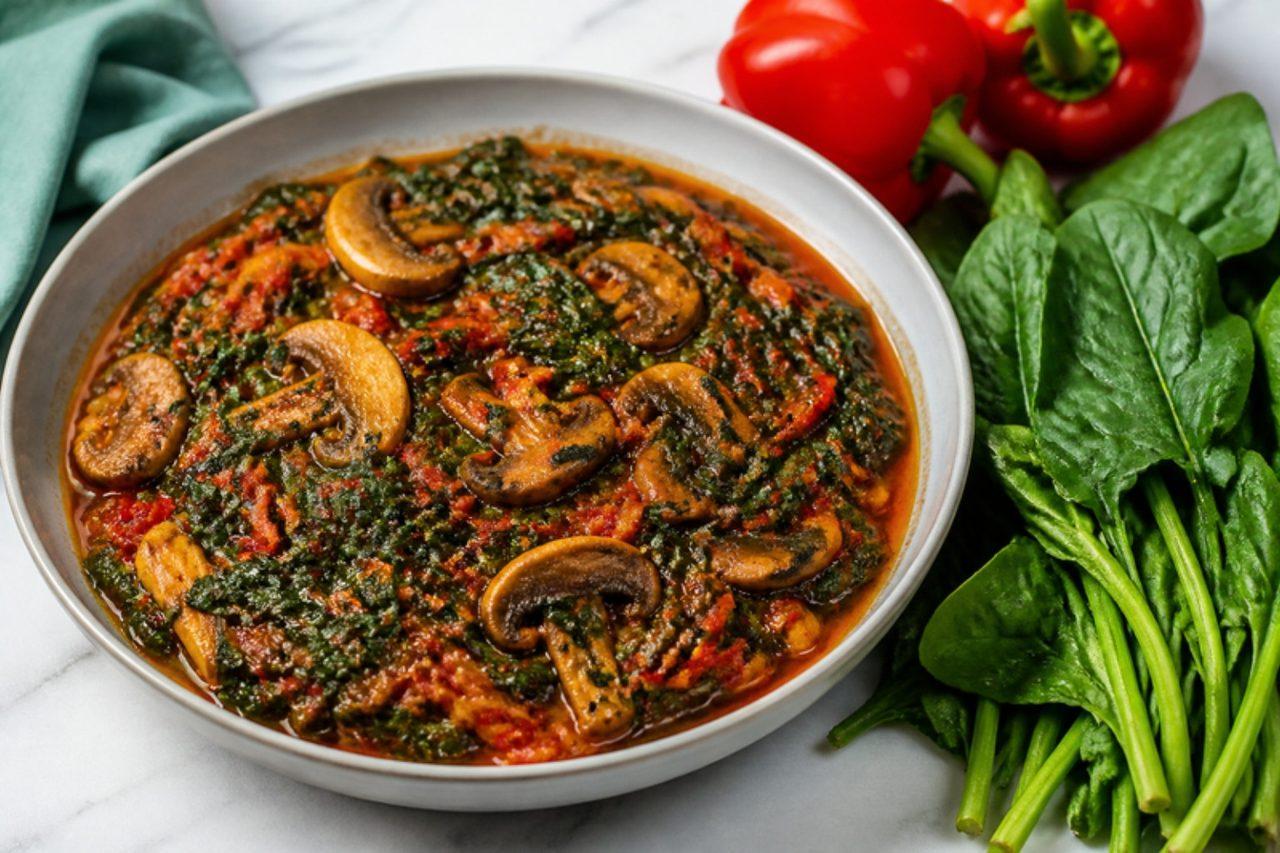
Efo riro, literally 'stirred greens', is the Yoruba vegetable stew cooked in homes from Ibadan to Lagos on any ordinary weekday, and eaten with pounded yam, eba or plain rice. Leafy greens are wilted into a rich base of blended peppers fried in palm oil with iru, the pungent fermented locust beans that give the dish its savoury backbone. Most families add assorted meats, stockfish and crayfish; some keep a little smoked fish on the side for those who want it. This version leans on mushrooms, iru and a touch of smoked paprika instead. Chef's tip: squeeze the blanched greens really dry before they go into the sauce; wet spinach thins the stew and washes out the flavour.

by KrazyBadal 0 views

Kapenta with tomatoFried dried sardines with tomato

Kapenta are tiny freshwater sardines from Lake Kariba and Lake Tanganyika, sun-dried on racks along the shore and sold in markets from Lusaka to Harare. Cooked with onion, tomato and a little chilli, they become a savoury, crunchy relish that is eaten with nshima or sadza for a cheap, protein-rich weeknight meal. The mistake is skipping the rinse: dried kapenta carries sand and a strong smell, so soak and rinse it well. Chef's tip: fry the drained kapenta on its own first until crisp, then add the tomato, so it keeps some crunch.

by KrazyBadal 0 views

Kappa puzhukkuMashed cassava with coconut

Kappa puzhukku is the cassava dish of central Kerala, eaten in homes around Kottayam and Thrissur, and also served at the start of the Thiruvathira festival. Cassava is boiled twice, roughly mashed with coconut crushed with green chilli, shallots and garlic, then finished with a coconut-oil tempering. It's soft and starchy, with crunchy coconut and a lot of chilli heat, filling enough to be a meal with a fiery chammanthi or a ladle of moru curry. Chef's tip: when you peel the cassava, pull out the woody string that runs down the middle; it never softens.

by KrazyBadal 0 views

Kotlet schabowyBreaded pork cutlet

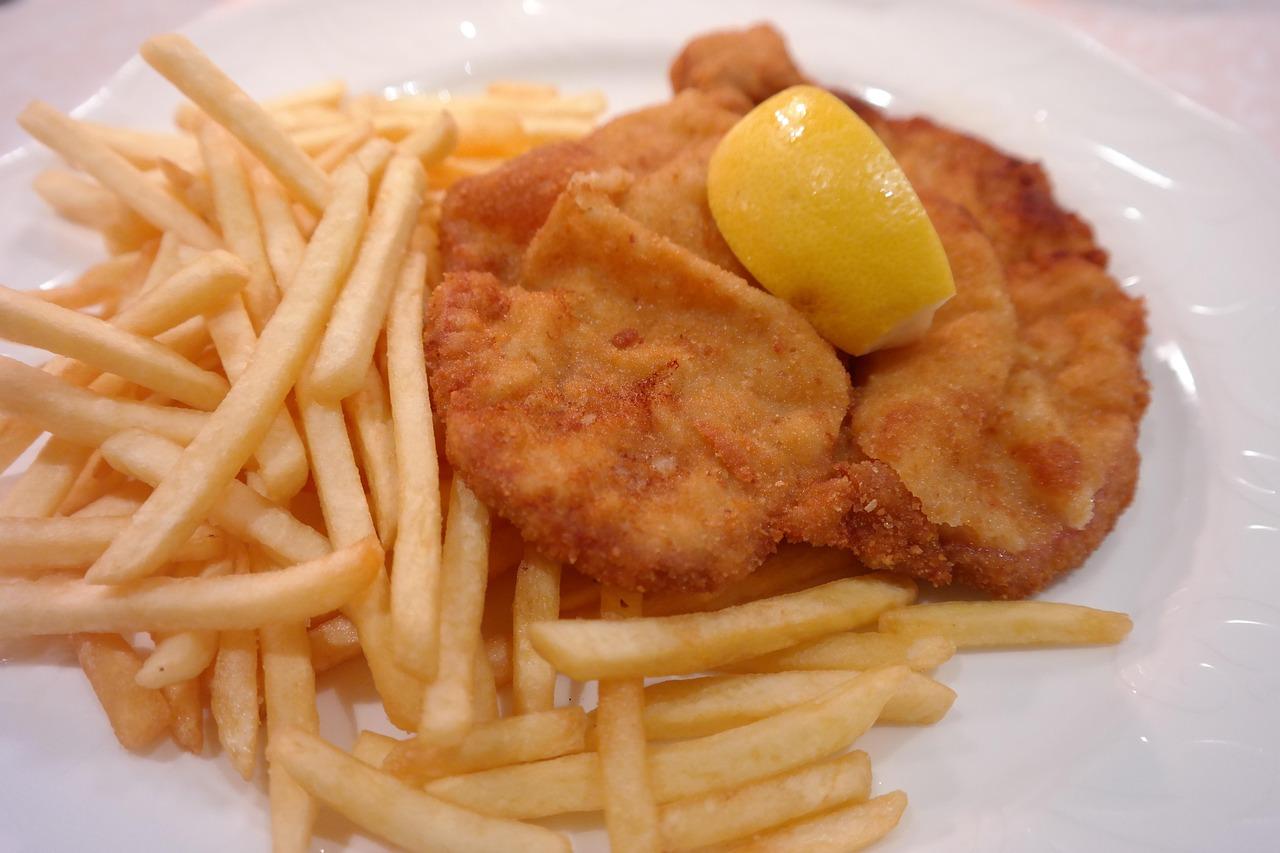
Kotlet schabowy is the Polish Sunday dinner, served in homes and milk bars from Warsaw to Wrocław, usually with buttery dill potatoes and mizeria (cucumber in soured cream) or braised cabbage. It is a pork dish: slices of boneless pork loin are pounded thin, dipped in flour, egg and breadcrumbs and fried in lard or oil until crisp and golden. Chef's tip: pound the meat between sheets of cling film to an even 5 mm; even thickness means the coating browns just as the meat is done.

35 minPolishMeat
by KrazyBadal 0 views

Egg hoppersBowl-shaped rice pancakes with egg

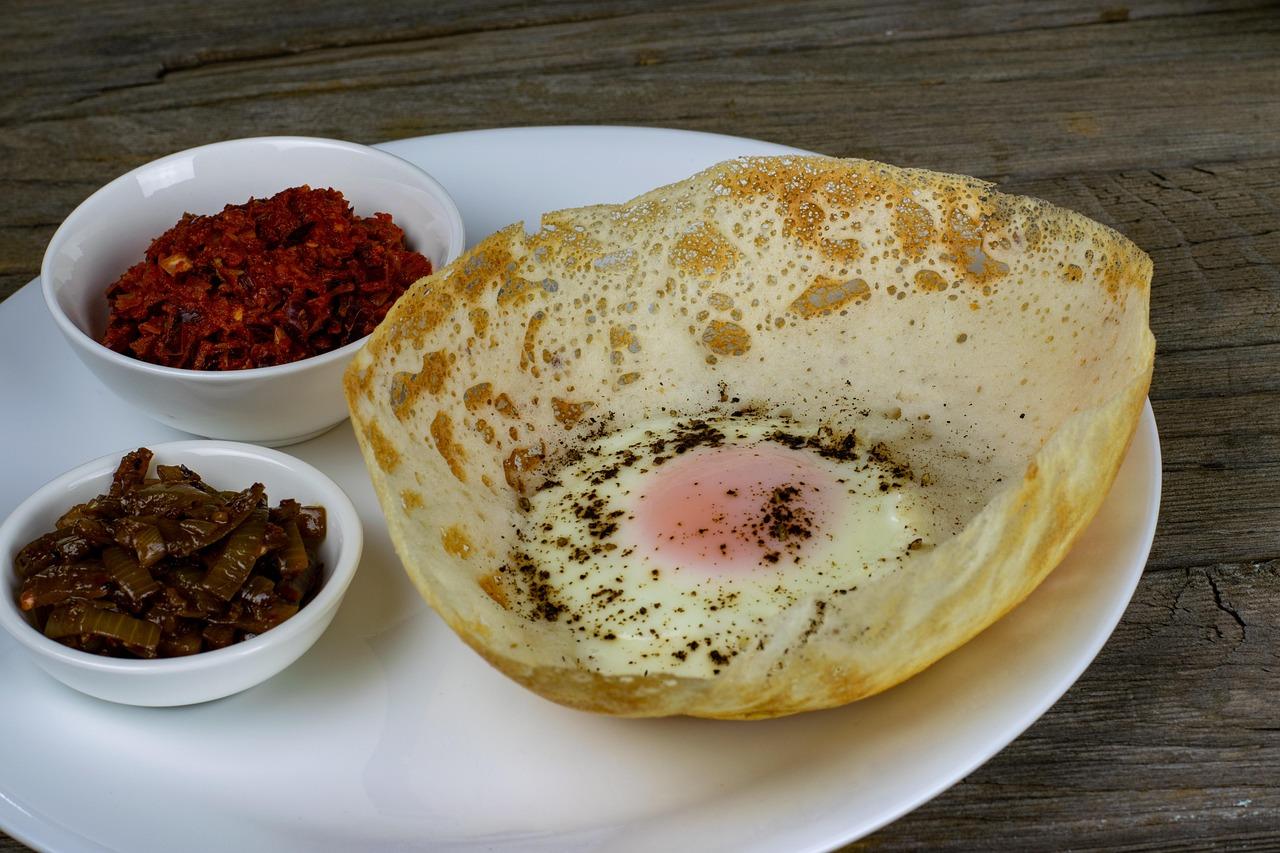
Hoppers (appa) are the crisp-edged, bowl-shaped pancakes that street cooks in Colombo, Kandy and Jaffna make in rows of small round pans every evening; an egg hopper has an egg cracked into the soft centre so it steams to a runny yolk. The batter of rice flour, coconut milk and yeast (traditionally toddy) is left to ferment until it's light and slightly sour, which gives the lacy, golden rim and the spongy middle. They're eaten hot with pol sambol and lunu miris, and plain hoppers come with sweet jaggery for dessert. Kerala's appam is a cousin, but Sri Lankan hoppers are thinner and crisper and the egg version is their own. The common mistake is a batter that's too thick, which gives heavy, pale hoppers; it should flow like single cream. Chef's tip: swirl the pan in one quick full turn the moment the batter goes in, then cover at once.

by KrazyBadal 0 views

KapusniakSauerkraut and millet soup

Kapusniak is the sour, warming sauerkraut soup of western Ukraine, cooked through the long winters in Lviv and the Galician villages, when barrels of home-fermented cabbage stand in every cellar. Potato and a handful of millet make it filling, and a spoon of tomato paste and smoked paprika round out the tang. It is famous as the soup for the morning after a wedding or New Year party, and is often cooked with smoked pork; this vegan version gets its depth from a well-browned zazharka instead. Chef's tip: taste your sauerkraut first and rinse it only if it is very salty or sharp, because the brine is where the flavour lives. Common mistake: adding the sauerkraut together with the potatoes; the acid stops them softening, so let the potatoes cook first.

by KrazyBadal 0 views

Irish stew

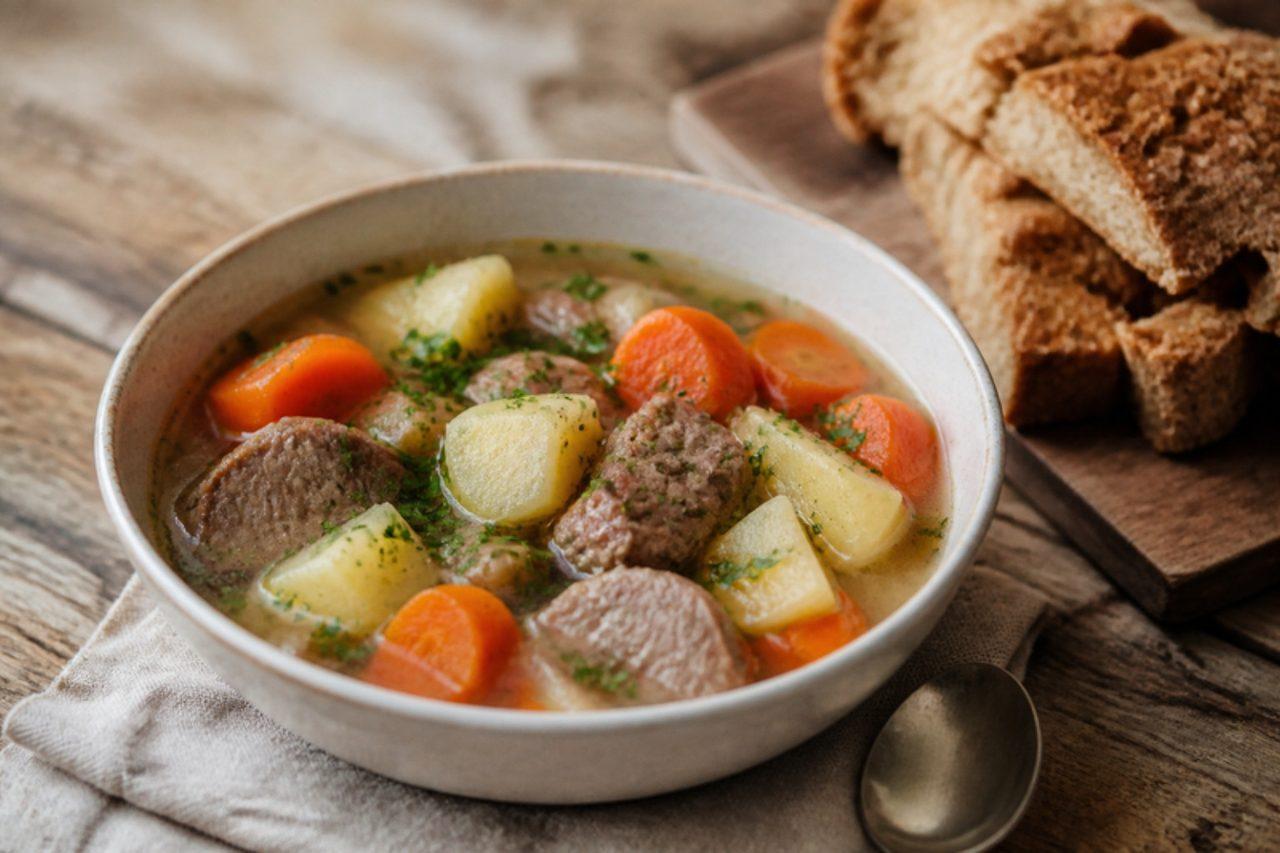
Irish stew, stobhach Gaelach, is the plain and honest pot of the Irish countryside, still made in farmhouse kitchens from Kerry to Donegal and served in Dublin pubs on St Patrick's Day. Lamb on the bone simmers slowly with onions, carrots and two kinds of potato: waxy ones that hold their shape and floury ones that melt and thicken the broth naturally, so no flour is needed. Thyme and parsley are the only seasoning. Chef's tip: use lamb neck or shoulder on the bone; the bones give body to the broth that lean leg never will.

145 minIrishMeatGluten free
by KrazyBadal 0 views

Showing 72 of 10,569 recipes

Show more recipes

Page 1,046 of 1,175