


Skip to content
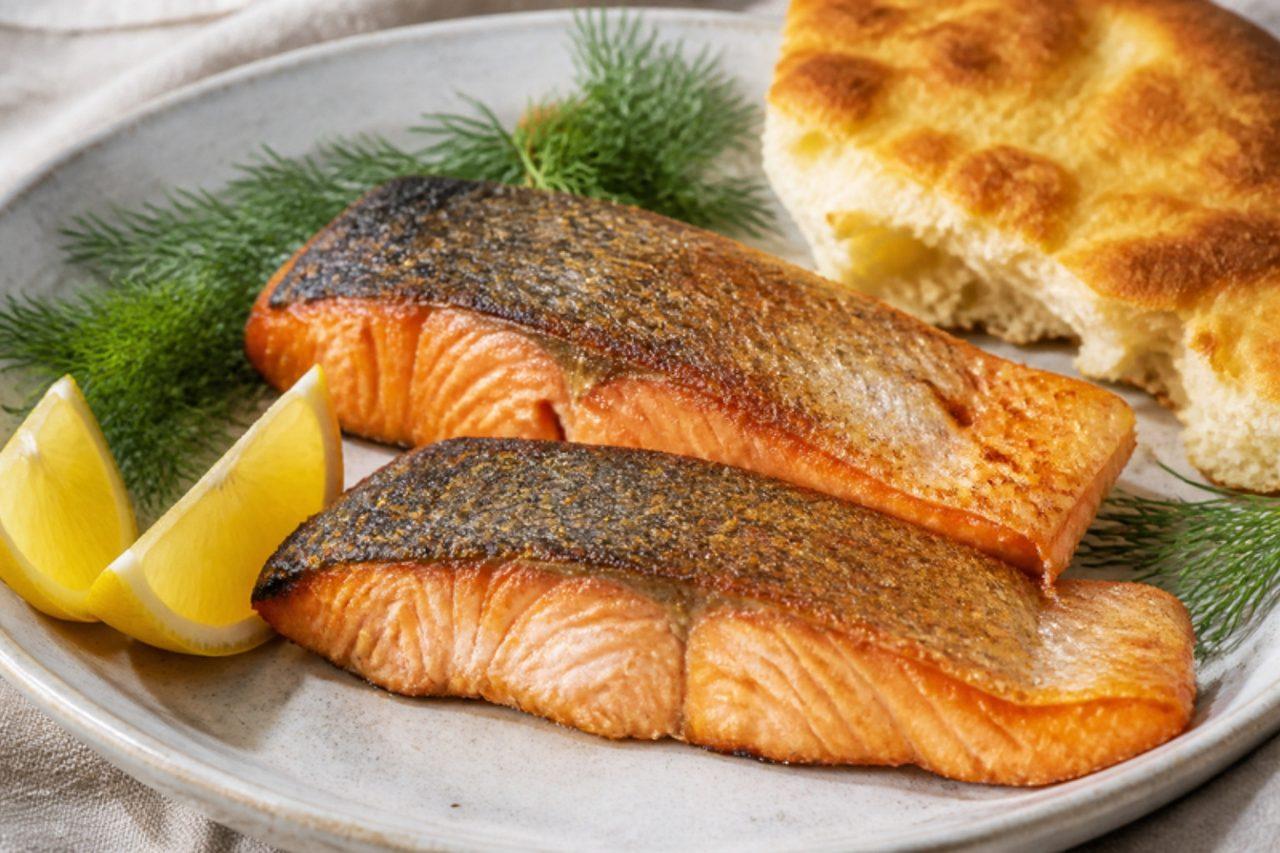
Pan-fried Arctic char
Featured recipe

Pan-fried Arctic char

Arctic char, iqaluk in Inuktitut, is the fish of Nunavut, netted in the rivers around Cambridge Bay and Pangnirtung when it runs to the sea in summer and through the ice in spring. It tastes like a cross between salmon and trout, with rosy, delicate flesh. In Iqaluit homes it is eaten many ways; here it is simply pan-fried until the skin crackles, with lemon and a piece of warm bannock. A common mistake is moving the fillet too early; leave it until the skin releases on its own. Chef's tip: press the fillet flat with a spatula for the first 30 seconds so the skin doesn't curl.

Read more 0 views

What to eat today?

Around the world

Today's trip: Persian

A new country every day, from every cuisine on the site.

Persian

Ash-e doogh

Yogurt soup with rice and chickpeas 60 minMore from Persian (131) →

This week's collection

Kid-friendly dinners
537 recipes · a new collection every Monday

Latest recipes

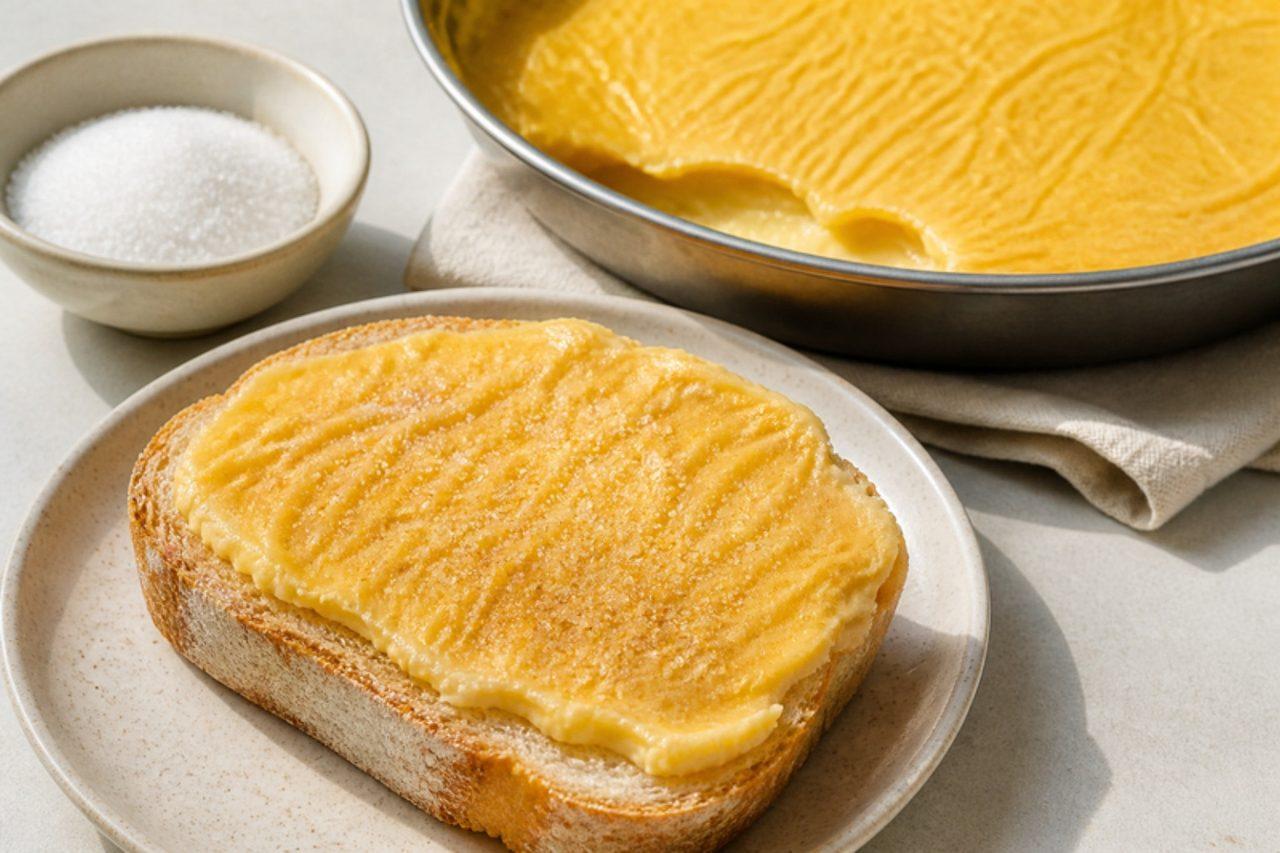
Öröm with breadClotted cream on bread

In Mongolian summer, when the herds are milked several times a day, families on the steppe gently heat fresh milk in a wide pan, ladling and pouring it back to froth it, then leave it overnight. By morning a thick, wrinkled, pale-gold skin of cream has formed: öröm. Lifted off and folded, it's spread on boortsog (fried dough) or bread with a sprinkle of sugar and eaten with milk tea. It's rich, slightly nutty and very simple. Chef's tip: use the widest, heaviest pan you own and the lowest possible heat; öröm needs a large surface and patience, not boiling.

by KrazyBadal 0 views

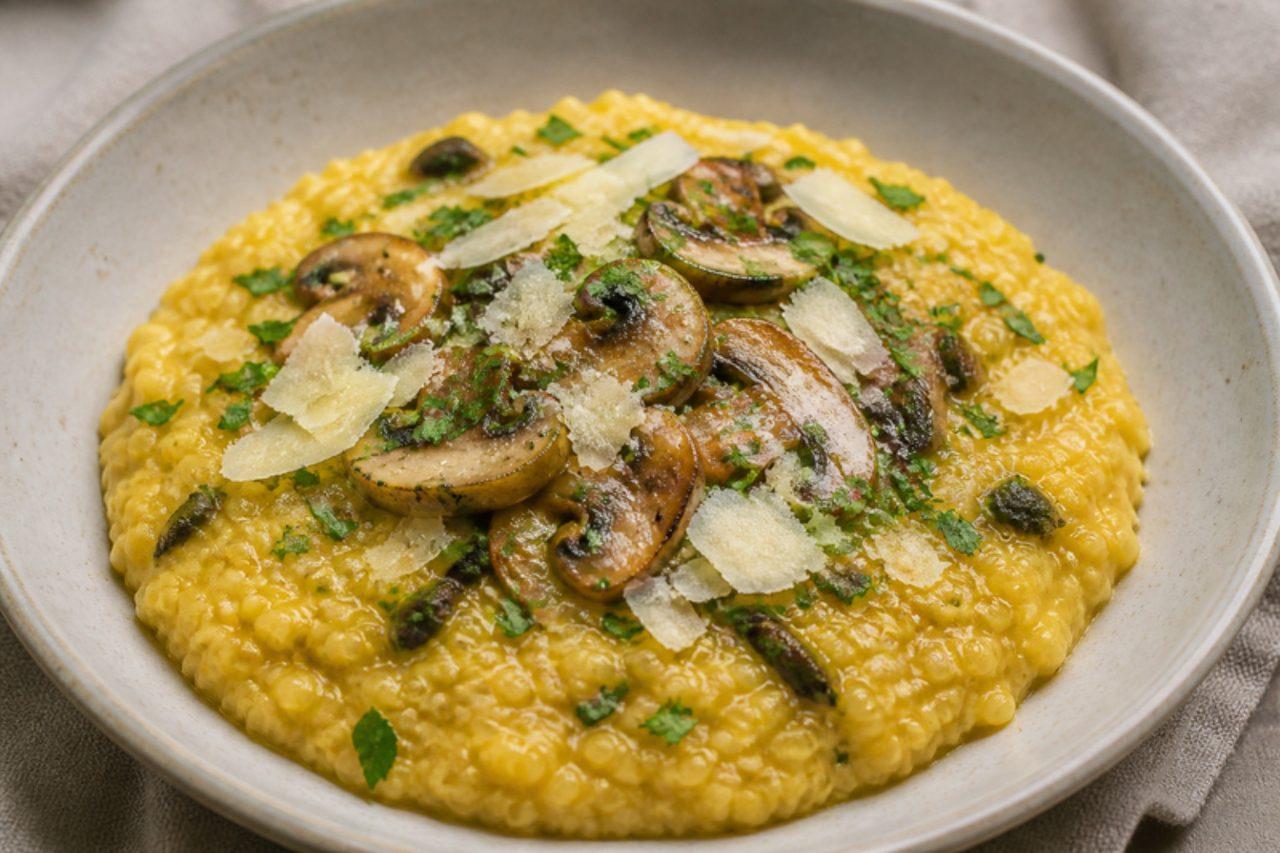
QuinottoCreamy quinoa with mushrooms

Quinotto is quinoa cooked like a risotto, a dish from the new Andean cooking of Cusco and Lima that marries Italian technique with the grain of the high Andes. Quinoa is toasted with onion and garlic, simmered in stock with white wine, then finished with mushrooms, butter, cream and grated cheese until creamy and loose. It has a pleasant pop and nutty flavour that rice never has, and a gentle warmth from ají amarillo. Serve it as a main with a green salad. Use a hard cheese made with vegetarian rennet. Chef's tip: quinoa has little starch, so the creaminess comes at the end; stir in the butter, cheese and cream off the heat and serve straight away while it still flows.

by KrazyBadal 0 views

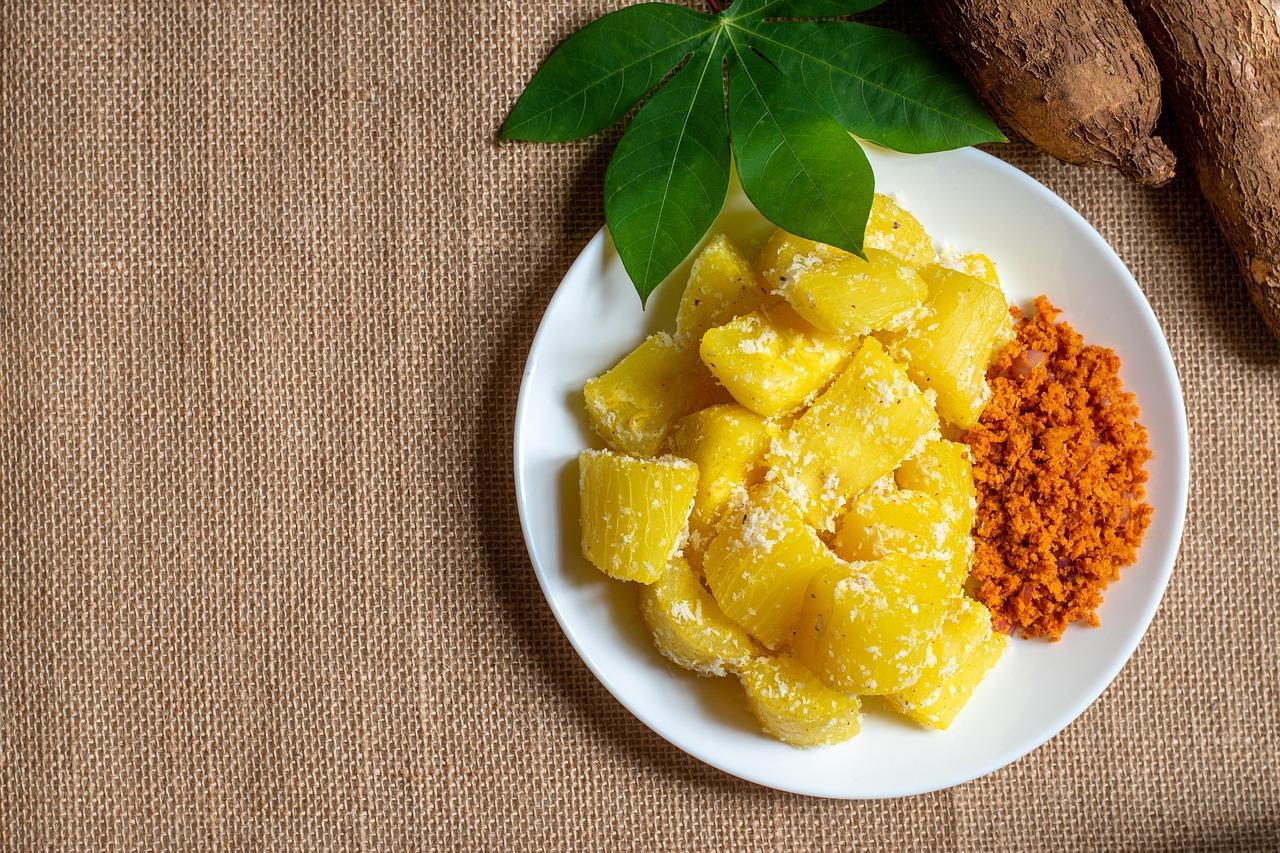
Kappa puzhukkuMashed cassava with coconut

Kappa puzhukku is the cassava dish of central Kerala, eaten in homes around Kottayam and Thrissur, and also served at the start of the Thiruvathira festival. Cassava is boiled twice, roughly mashed with coconut crushed with green chilli, shallots and garlic, then finished with a coconut-oil tempering. It's soft and starchy, with crunchy coconut and a lot of chilli heat, filling enough to be a meal with a fiery chammanthi or a ladle of moru curry. Chef's tip: when you peel the cassava, pull out the woody string that runs down the middle; it never softens.

by KrazyBadal 0 views

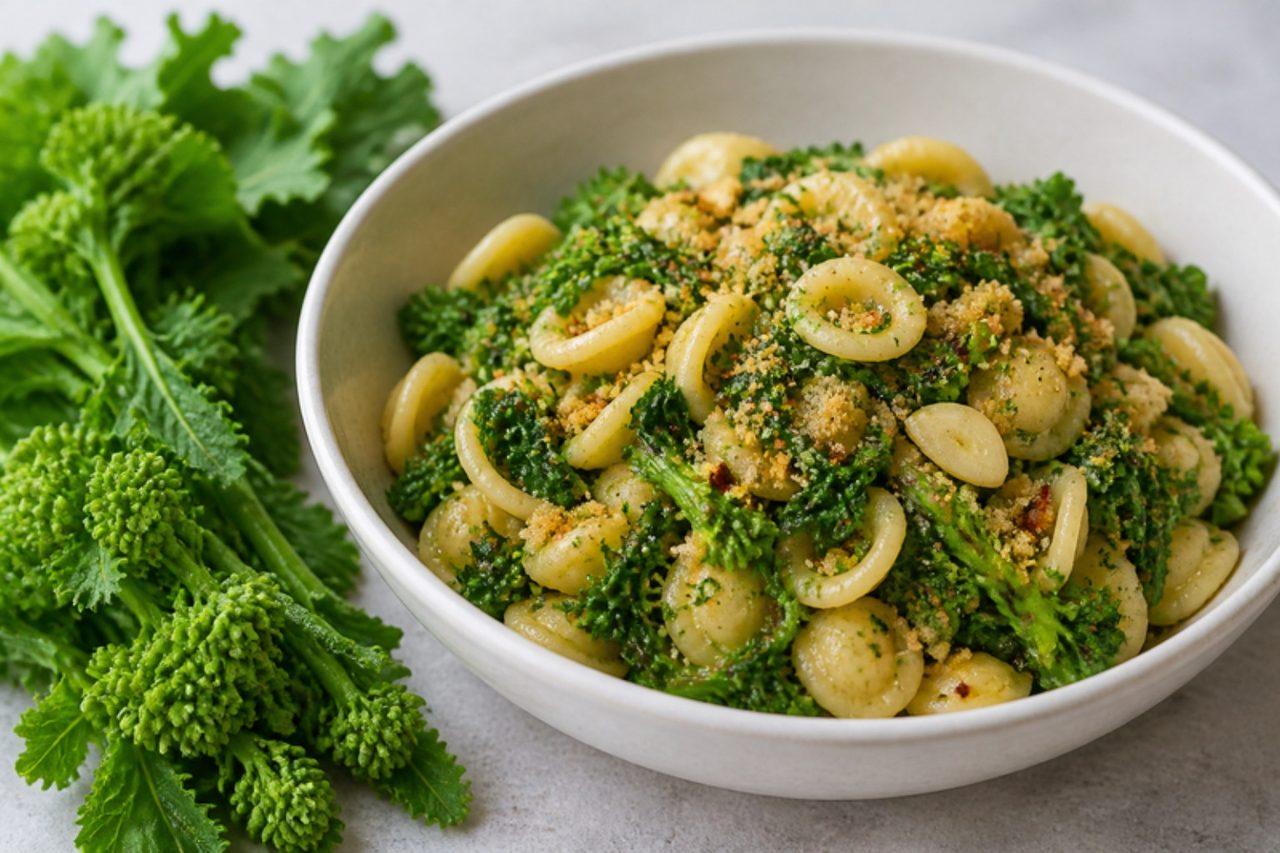
Orecchiette con cime di rapaOrecchiette with turnip tops

In Bari the old women of Arco Basso still shape orecchiette on wooden boards in the street, and the dish everyone cooks them with is cime di rapa: the bitter, leafy turnip tops sold in big bunches from autumn to early spring. The greens and pasta boil in the same pot, then get tossed with garlic, chilli and good olive oil. Pugliese cooks usually melt in anchovies; this vegan version uses golden fried breadcrumbs (mollica), the 'poor man's cheese' of southern Italy, for crunch and savour. Chef's tip: add the chopped stalks first and the leaves a few minutes later, so everything is tender at the same moment as the pasta.

by KrazyBadal 0 views

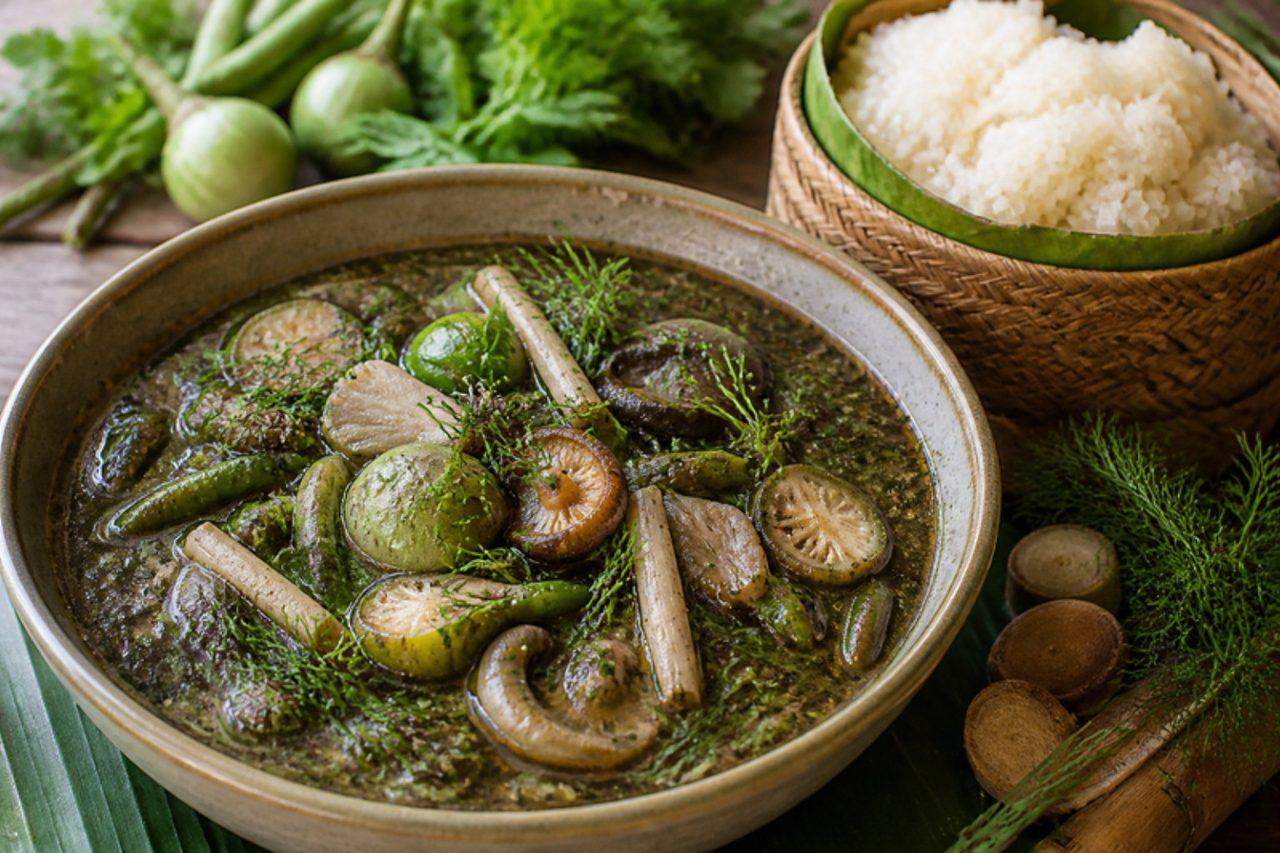
Mushroom or lamHerb stew with aubergine and mushrooms

Or lam belongs to Luang Prabang, the old royal town on the Mekong, where it is cooked for long family lunches and served at almost every restaurant that makes local food. It is a thick, rustic stew of aubergine, long beans, mushrooms and greens, thickened with a little sticky rice and flavoured with sakhan, a peppery wood that numbs the lips like Sichuan pepper, plus heaps of dill and lemongrass. The usual dried buffalo skin and meat are swapped for two kinds of mushroom here. Eat it with sticky rice and a jeow. Chef's tip: if you can't find sakhan, a few lightly crushed Sichuan peppercorns give the same tingle; add them early so the tingle spreads through the broth.

by KrazyBadal 0 views

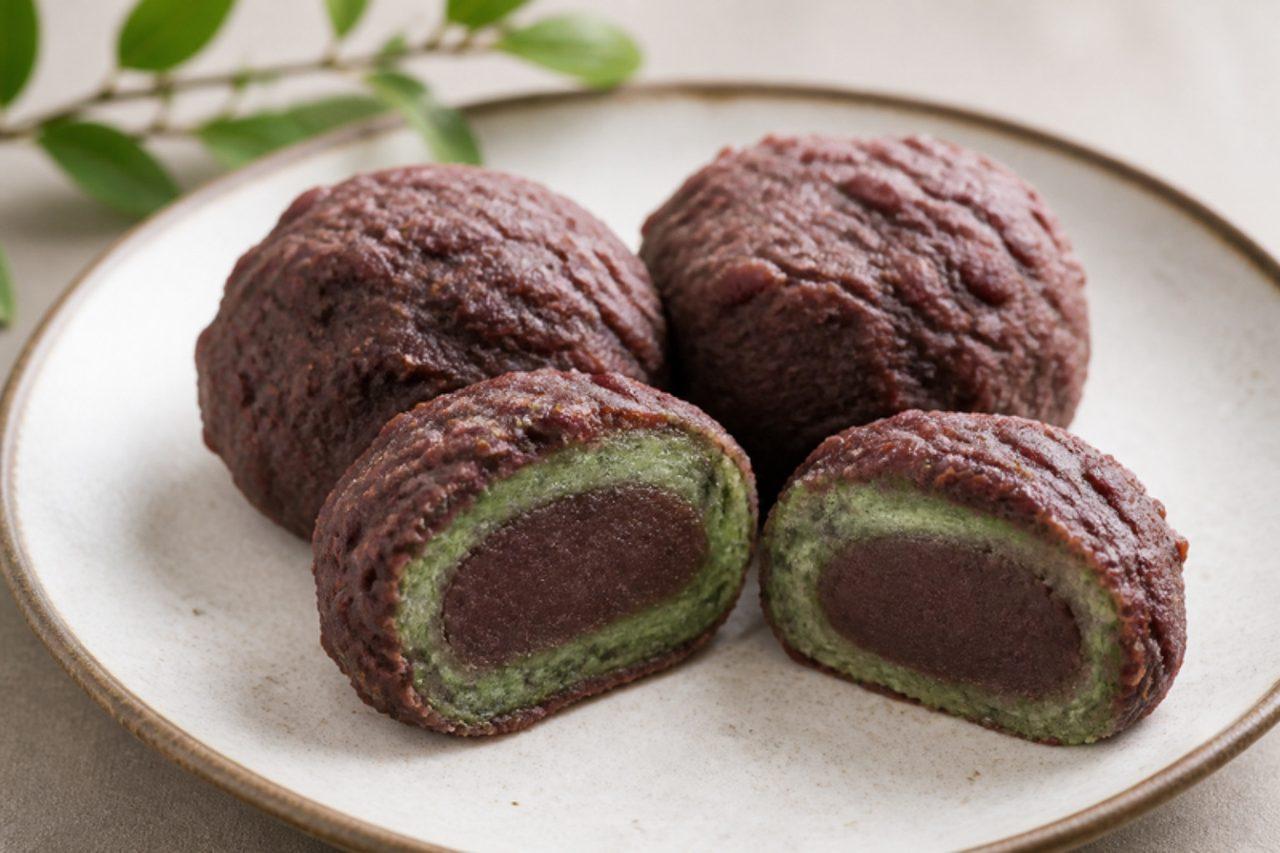
Omegi tteokMillet rice cakes with red bean

Omegi tteok (오메기떡) are Jeju's best-known rice cakes: small dark-green rounds of glutinous millet and rice dough flavoured with mugwort, filled with sweet red bean, and rolled in a coat of mashed red beans or toasted nuts. Jeju farmers grew millet on fields too stony for rice, and the dough was once fermented into omegi-sul, the island's rice wine. Now they are bought in boxes at Seogwipo's Olle market as the island's favourite gift, kept in the freezer and thawed for tea time. Chef's tip: knead the dough with boiling water while it is still hot; mugwort and millet need the heat to bind into a smooth, stretchy dough.

by KrazyBadal 0 views

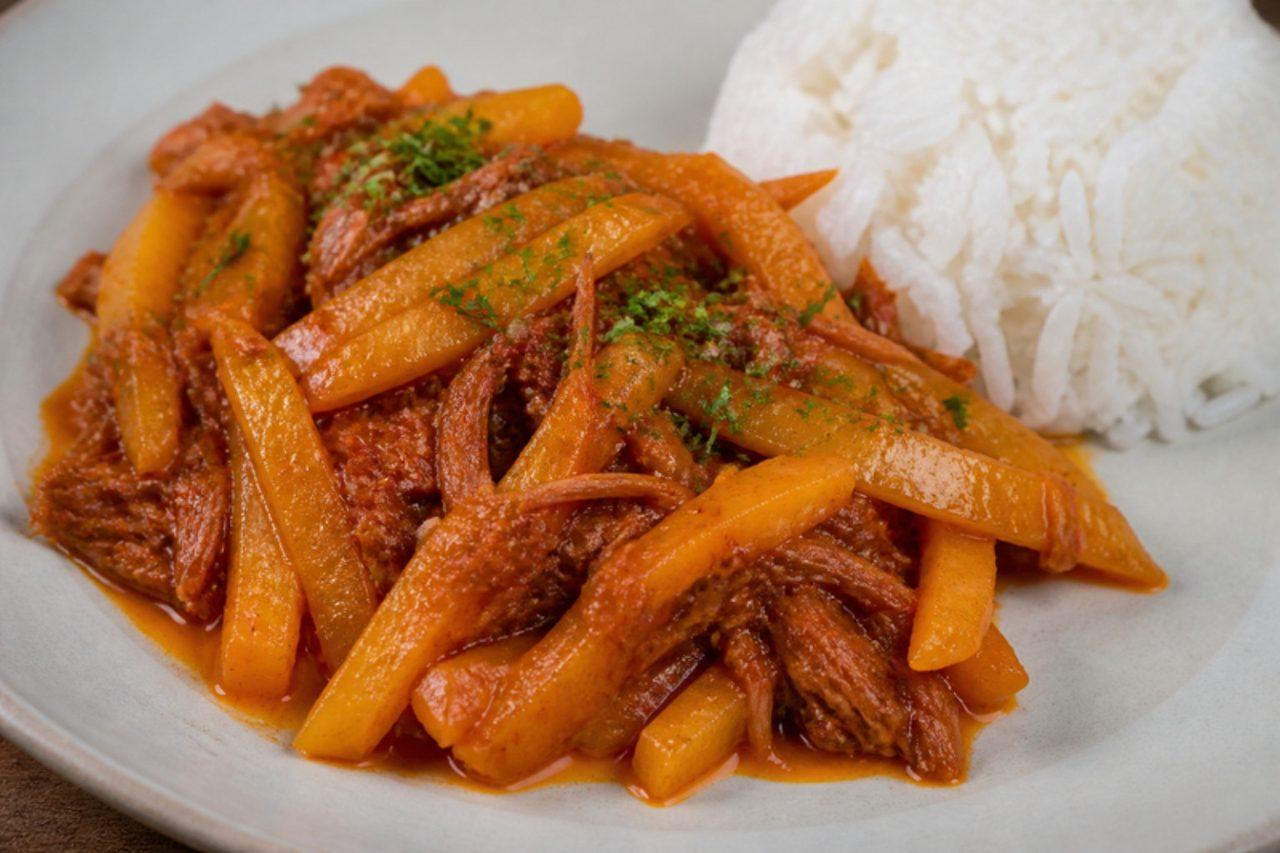
Olluquito con charquiOlluco and dried beef stew

Olluco is a glossy yellow-and-pink tuber grown high in the Andes, crunchy when raw and silky when cooked, and in Lima's market eateries it is cut into fine matchsticks and stewed with charqui, sun-dried meat that was the travel food of Inca messengers. The dish is gently spiced with ají panca and finished with fresh parsley, and it is always served with white rice. Latin shops sell olluco in jars; if you can't find it, firm new potatoes or courgette give a similar texture, and beef brisket stands in well for charqui. Chef's tip: cut the olluco and rinse it well; the slippery sap washes off and the stew won't turn slimy.

by KrazyBadal 0 views

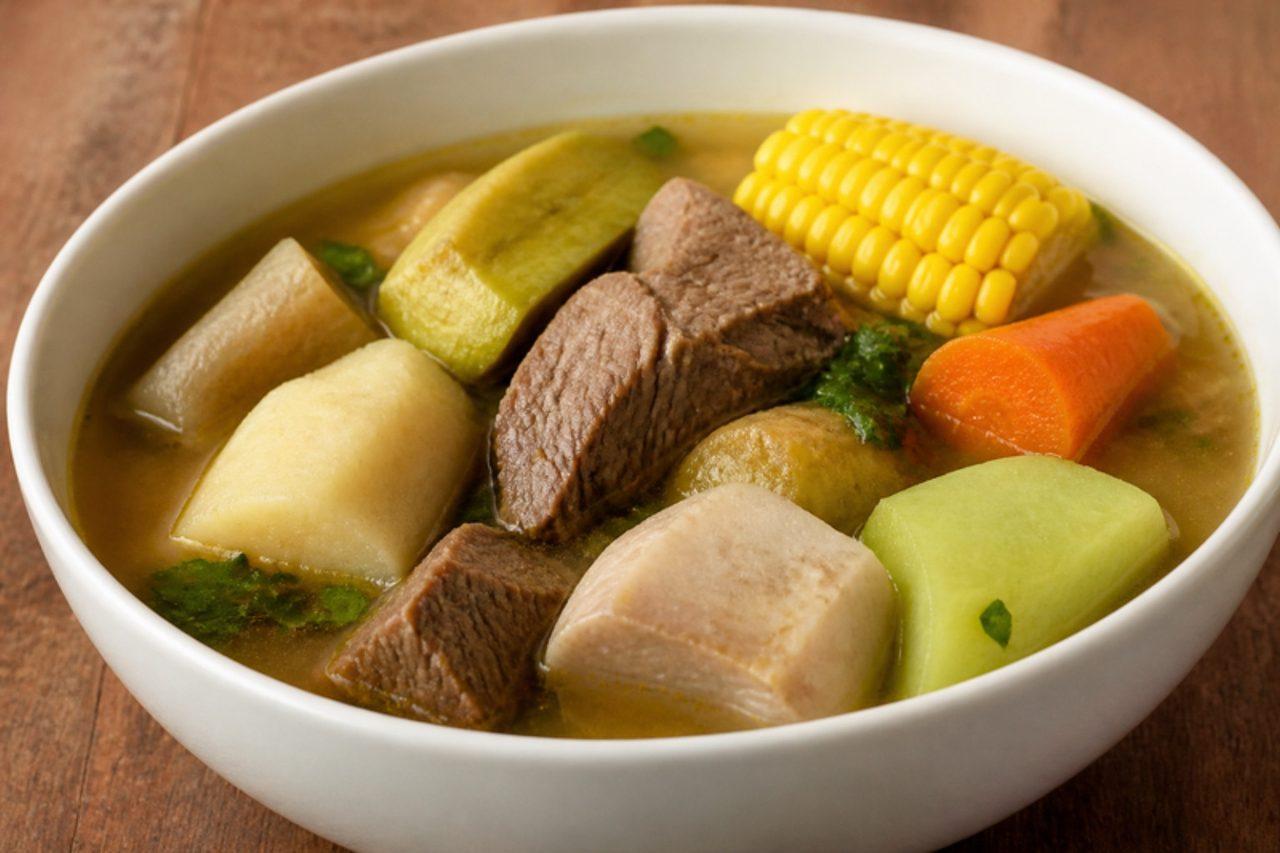
Olla de carneBeef and vegetable pot

Olla de carne, "pot of meat", is the Costa Rican Sunday soup, cooked slowly in the Central Valley around San José and in country homes: beef shin and short ribs simmered for hours in a clear broth with big pieces of yuca, chayote, green plantain, corn, carrot and taro. The broth is served first, then the meat and vegetables, with rice on the side. The mistake is putting all the vegetables in together; add the hard ones first and the soft chayote and corn last. Chef's tip: use a little bone with the beef; it gives the broth body without any stock cube.

by KrazyBadal 0 views

OliebollenRaisin fritters

On the last day of December the queues outside the oliebollenkraam, the caravan-like stalls that pop up in every Dutch town, stretch round the block. Oliebollen ('oil balls') are the food of Oudejaarsavond, New Year's Eve: round, yeasted fritters full of raisins, currants and apple, deep-fried and buried in icing sugar. Families fry big batches at home in the afternoon and eat them with champagne at midnight. They are best within a few hours. Chef's tip: dip your two scooping spoons in the hot oil before each ball; the sticky dough slides off cleanly and the balls come out round instead of ragged.

by KrazyBadal 0 views

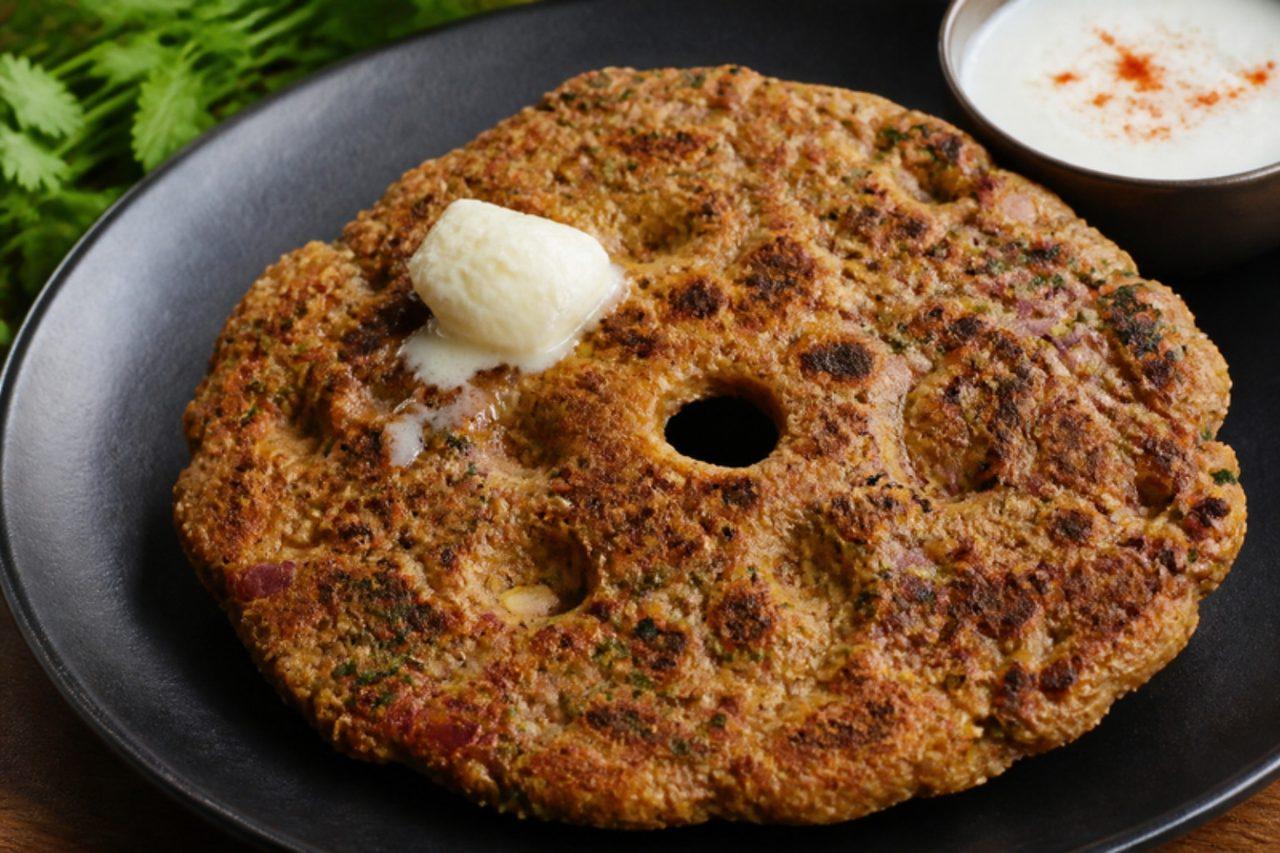
ThalipeethMultigrain flatbread

Thalipeeth is a rustic Maharashtrian flatbread made from bhajani, a flour of roasted grains and lentils. The dough is soft and sticky with onion, green chilli and coriander, and is patted out by hand straight onto the pan, with holes poked in it so the oil can crisp it from both sides. It comes off the tawa crunchy at the edges and soft in the middle, smoky with cumin and coriander seed. Eat it hot for breakfast with thick yogurt, white butter or a garlic and peanut chutney, or with lemon pickle. Chef's tip: pat the dough out on a damp cloth or wet baking paper and flip it straight onto the pan; it's too soft to roll, and wet hands keep it from sticking.

by KrazyBadal 0 views

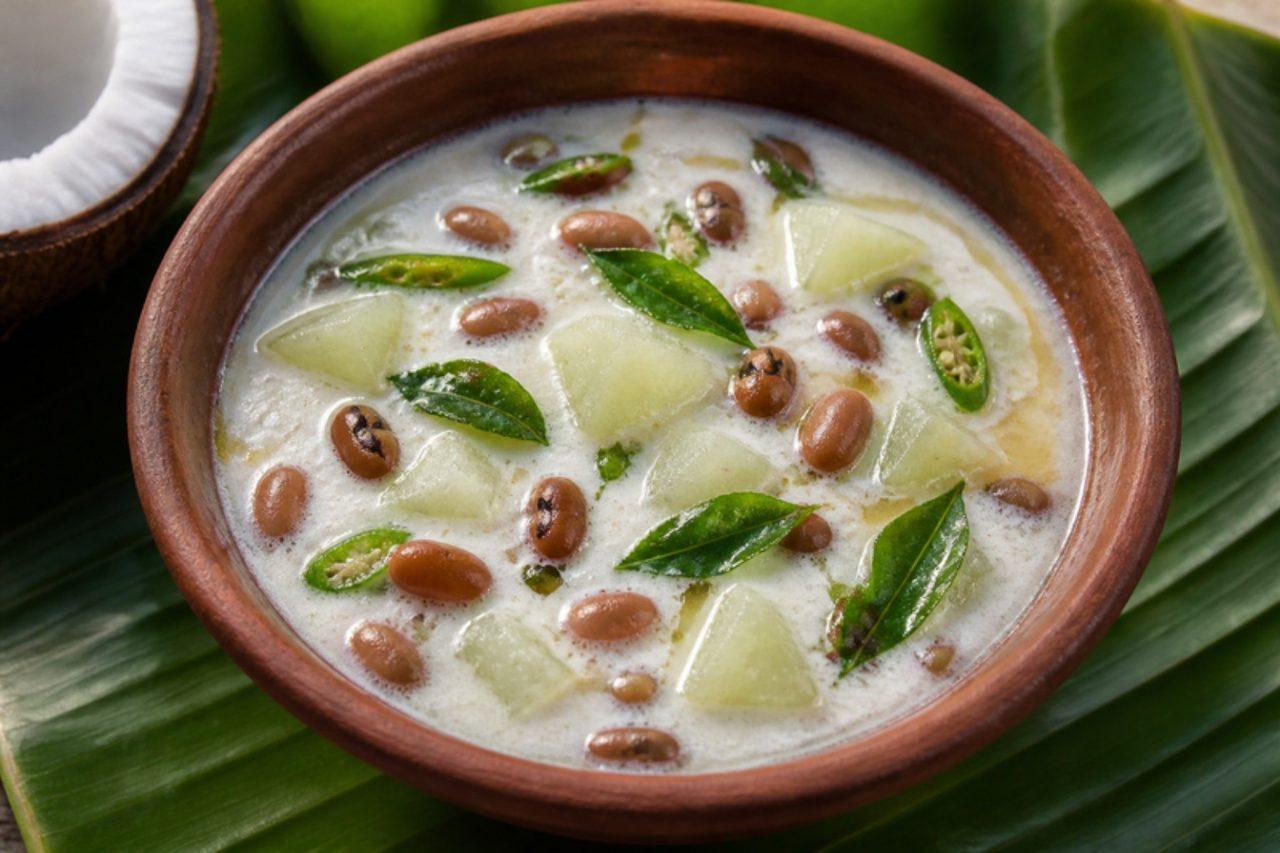
OlanAsh gourd and cowpea stew

Olan is the quietest dish on a Travancore sadya leaf, the banana-leaf feast served in southern Kerala for Onam, weddings and temple festivals. Thin, glassy slices of ash gourd and soft red cowpeas sit in coconut milk with nothing louder than green chilli and curry leaves, and its job is to cool the palate between the tangy, fiery curries around it. The flavour comes from coconut milk added in two stages and a spoonful of raw coconut oil poured over at the end. Eat it with plain rice, or ladle it beside appam on an ordinary weekday. Chef's tip: slice the ash gourd as thin as a coin so it turns translucent in the time the coconut milk takes to thicken.

by KrazyBadal 0 views

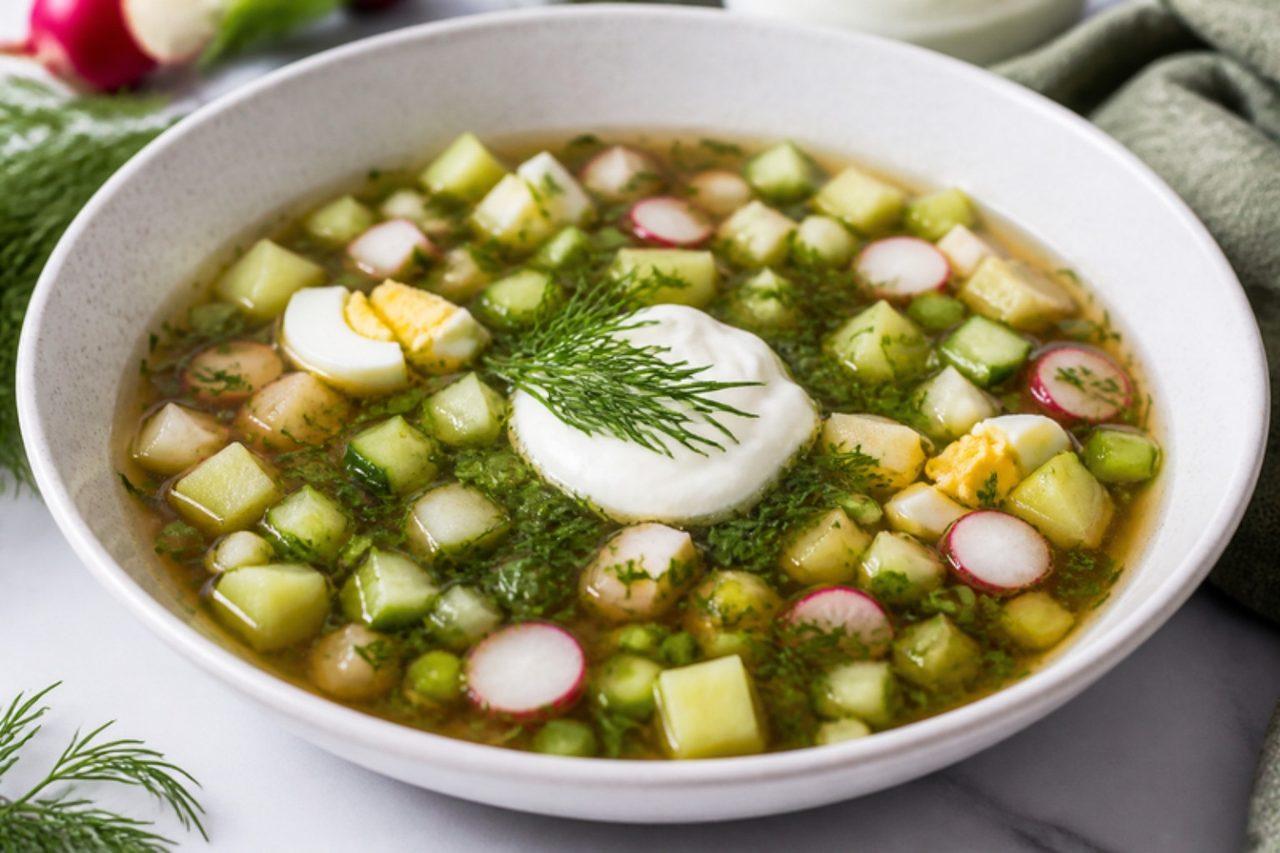
OkroshkaCold vegetable and kvass soup

When Moscow swelters in July, okroshka replaces every hot soup: a bowl of finely chopped radishes, cucumber, potato, egg and a forest of green onion and dill, with ice-cold kvass poured over at the table. It is the lunch of dacha weekends and of hot afternoons on the Volga, and families argue over whether kvass or kefir is the right base (kefir works well and is less sweet). The name comes from kroshit, to crumble, since everything is chopped small. Chef's tip: rub the spring onions and dill with salt first until they give off juice; it releases a green, pungent flavour that tastes of summer.

by KrazyBadal 0 views

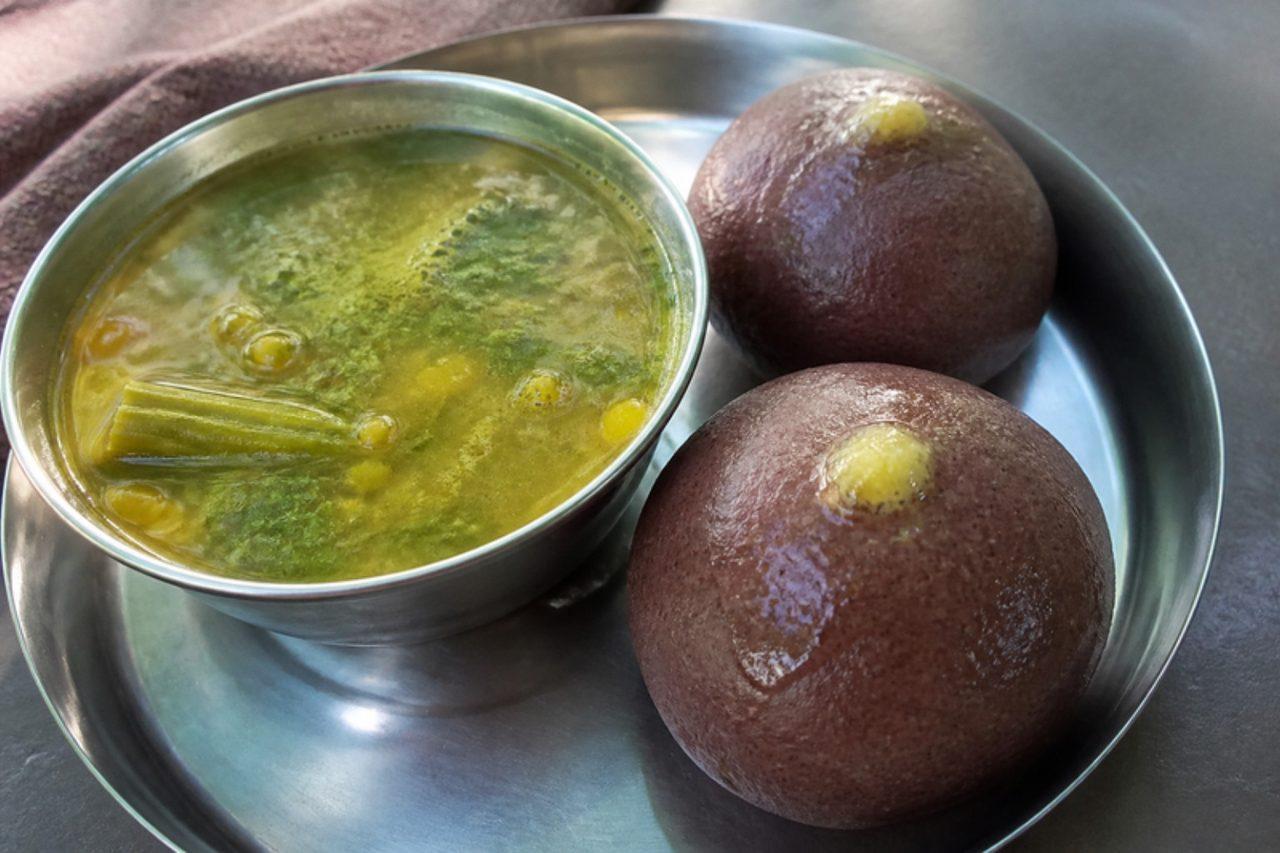
Ragi mudde with bassaruFinger millet balls with dal broth

In the villages around Mandya, Mysuru and Hassan, the farmers' lunch is ragi mudde: steaming balls of finger millet cooked into a firm, smooth dough, eaten with a thin, spicy bassaru. Bassaru literally means 'drained water': greens and dal are cooked together, the liquid is poured off and spiced into a peppery broth (the saaru), and the solids become a dry palya on the side. You pinch off a piece of mudde, roll it in the saaru and swallow it without chewing. It is filling, very nourishing and naturally gluten-free. Chef's tip: the wooden stick (mudde kolu) matters; stirring with the handle of a wooden spoon pushes the flour into the water and gets rid of lumps far better than a whisk.

by KrazyBadal 0 views

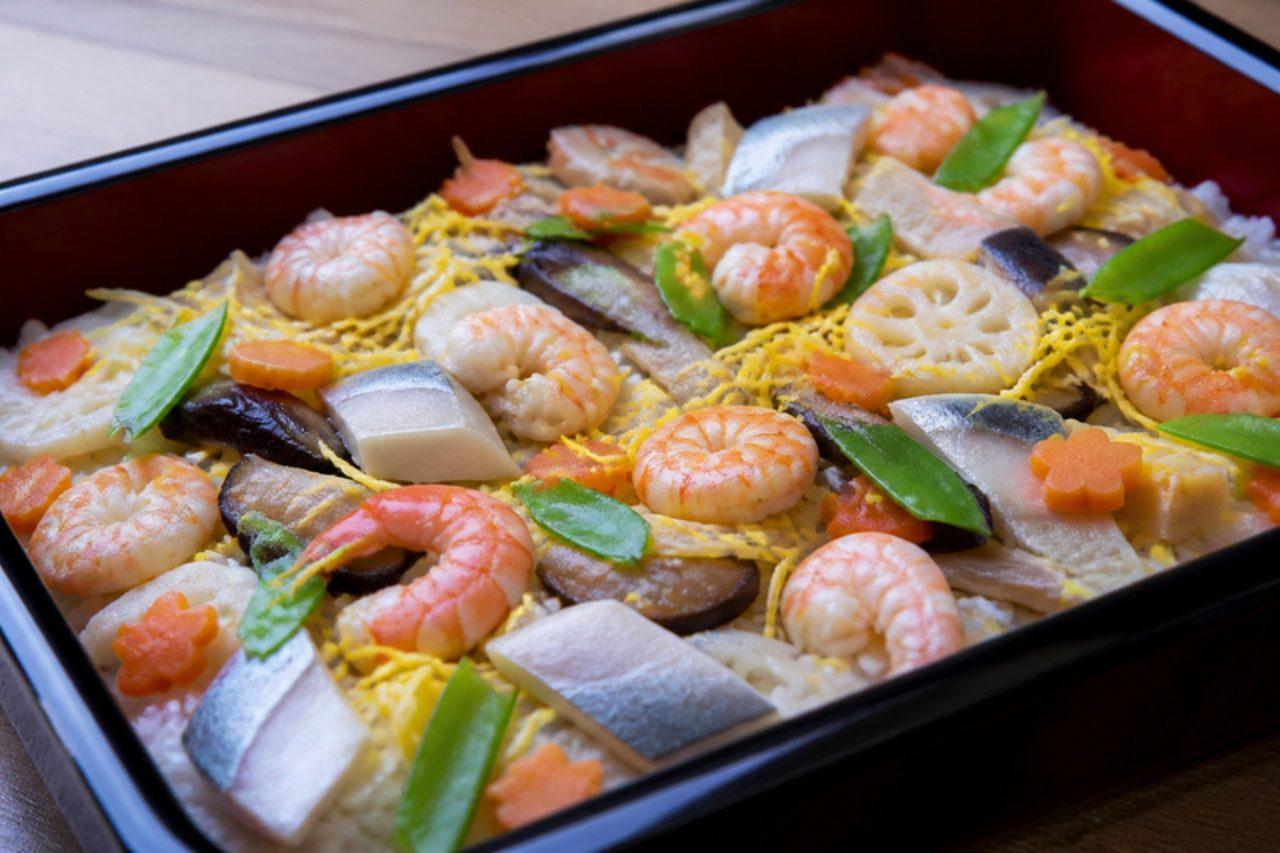
Okayama barazushiScattered sushi with vegetables

Okayama families make a big shallow platter of barazushi for the autumn shrine festivals, Girls' Day in March and other celebrations, and it is sold in station lunch boxes all year. A local story says it began when a lord ordered people to eat only one side dish, so cooks hid everything in the rice instead. The seasoned rice is mixed with simmered vegetables and topped with seafood from the Seto Inland Sea. This version uses cooked prawns, gently simmered squid and egg threads, plus ready-made vinegared mackerel, which is cured but not cooked. Use very fresh, sushi-grade fish from a trusted fishmonger; not for pregnant women, young children or anyone with a weakened immune system. Leave the mackerel out, or add extra prawns, to make it fully cooked. Chef's tip: fold the vinegar into the rice while it is hot and fan it as you go; the rice soaks up the seasoning and turns glossy instead of wet.

by KrazyBadal 0 views

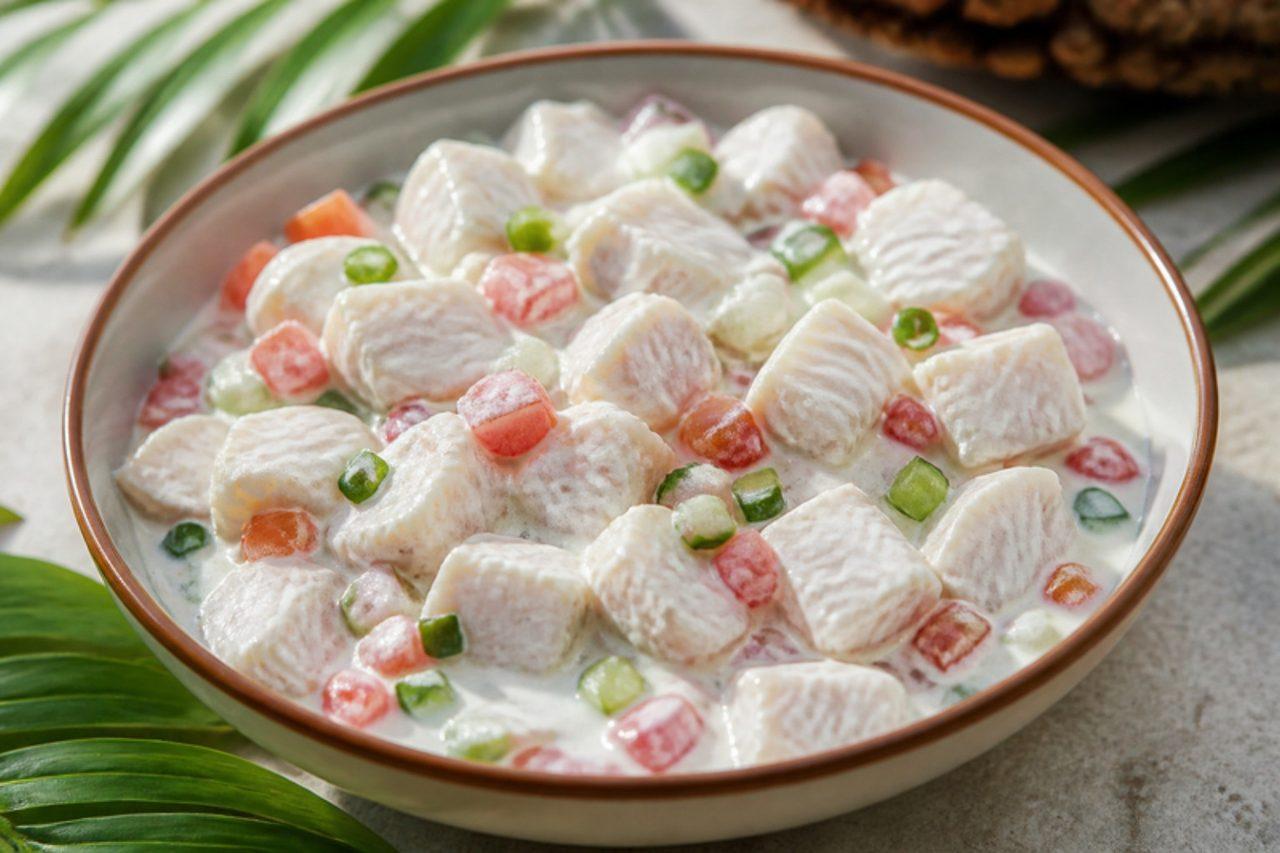
Oka i'aRaw fish in coconut cream

Oka i'a is the raw fish salad served at every Samoan to'ona'i, the big Sunday lunch after church in Apia and the villages of Upolu and Savai'i, and in Samoan homes in Auckland. It is close to Fiji's kokoda but usually uses tuna, a shorter citrus soak and more vegetables, with a finish of spring onion. As a raw fish dish it is written here as a safer version: buy very fresh, previously frozen sashimi-grade tuna, keep it cold and eat within 2 hours. Raw or citrus-cured fish is not for pregnant women, young children or anyone with a weakened immune system; for them, sear the tuna as described in the steps. The mistake is cutting the fish too small, so it goes mushy; keep the cubes about 1.5 cm. Chef's tip: chill the coconut cream and the bowl, so the salad is cold and refreshing.

by KrazyBadal 0 views

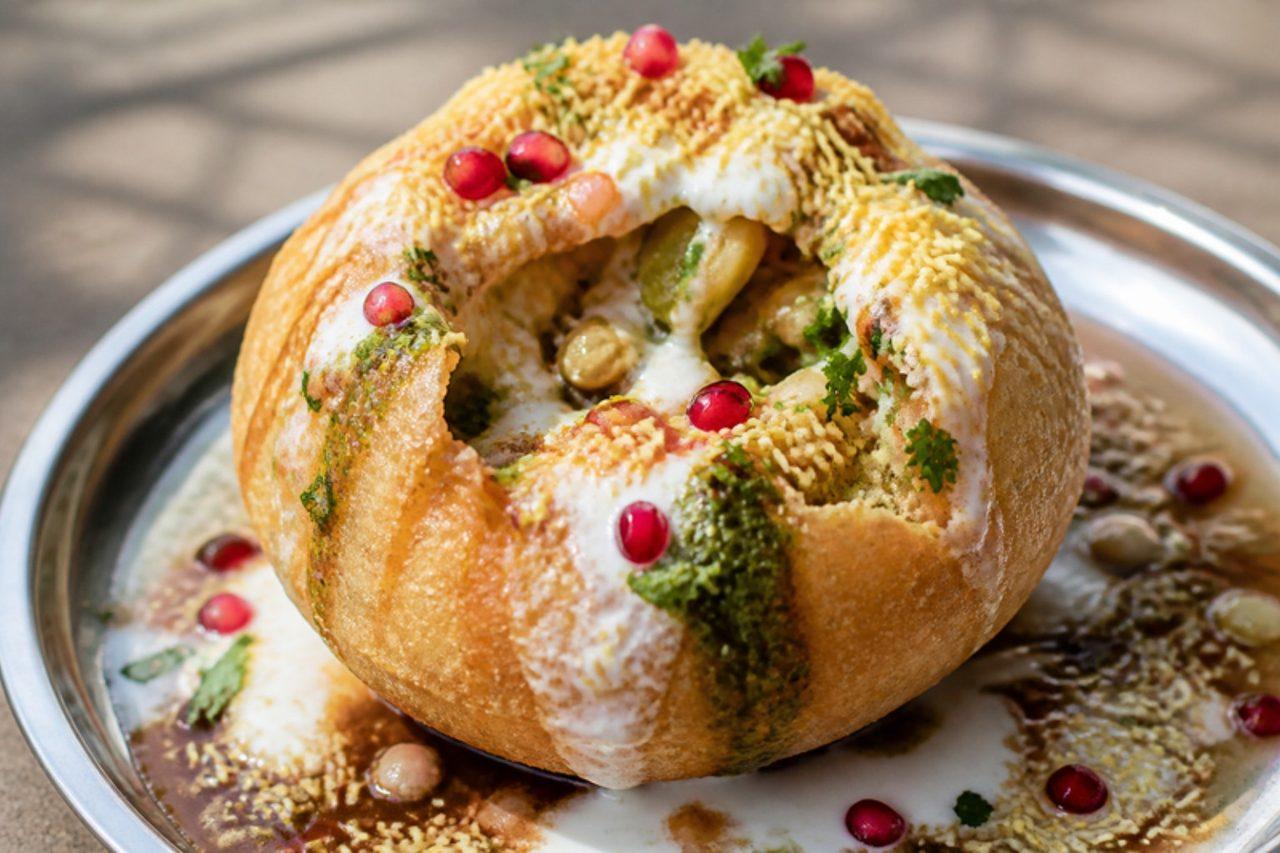
Raj kachoriGiant puri chaat

Raj kachori is the showpiece at Delhi's sweet-and-chaat shops: a fist-sized puri, fried until it balloons and turns crisp as a biscuit, then cracked open and stuffed with potato, chickpeas, sprouted moong, sweet yogurt, two chutneys and a snowfall of sev. It arrives on a steel plate at weddings and family outings, and it's eaten with a spoon because there's no other way. Every bite is crunchy, cold, sweet, sour and spicy at once. The puris can be fried a day ahead and kept in a tin. Chef's tip: roll the dough thin and even, and keep the oil properly hot; a puri rolled thicker on one side won't puff into a full ball.

by KrazyBadal 0 views

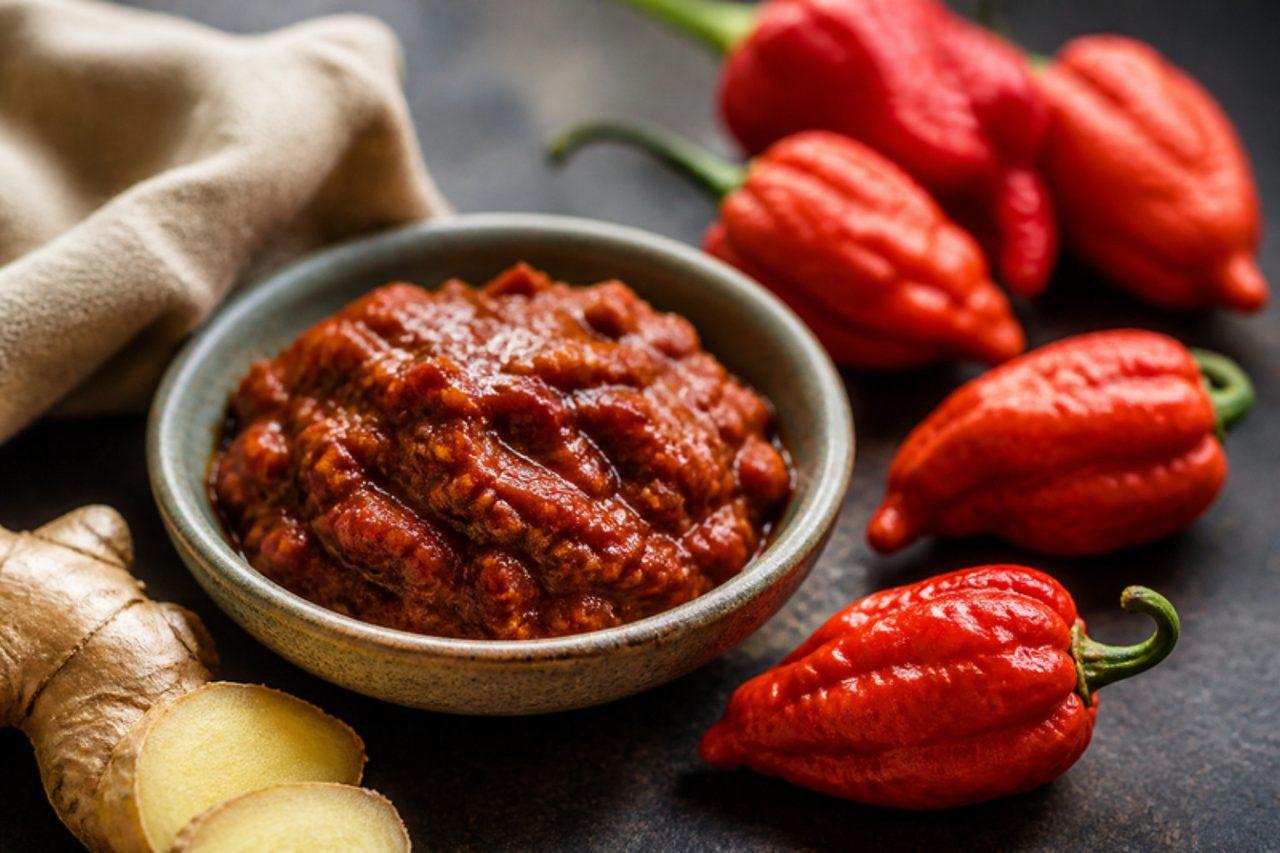
Raja mircha chutneyGhost pepper chutney

Raja mircha, the king chilli or bhut jolokia, is grown in the hills around Kohima and Dimapur and was once ranked the hottest chilli in the world. Naga households pound it with tomatoes smoked in the embers, ginger, garlic and salt into a thick red chutney that is fruity, smoky and ferociously hot. It is eaten in tiny amounts with rice and boiled vegetables, and at the Hornbill Festival there are eating contests. Chef's tip: one king chilli is plenty for this amount; wear gloves, open the window when roasting, and keep the seeds if you are brave.

by KrazyBadal 0 views

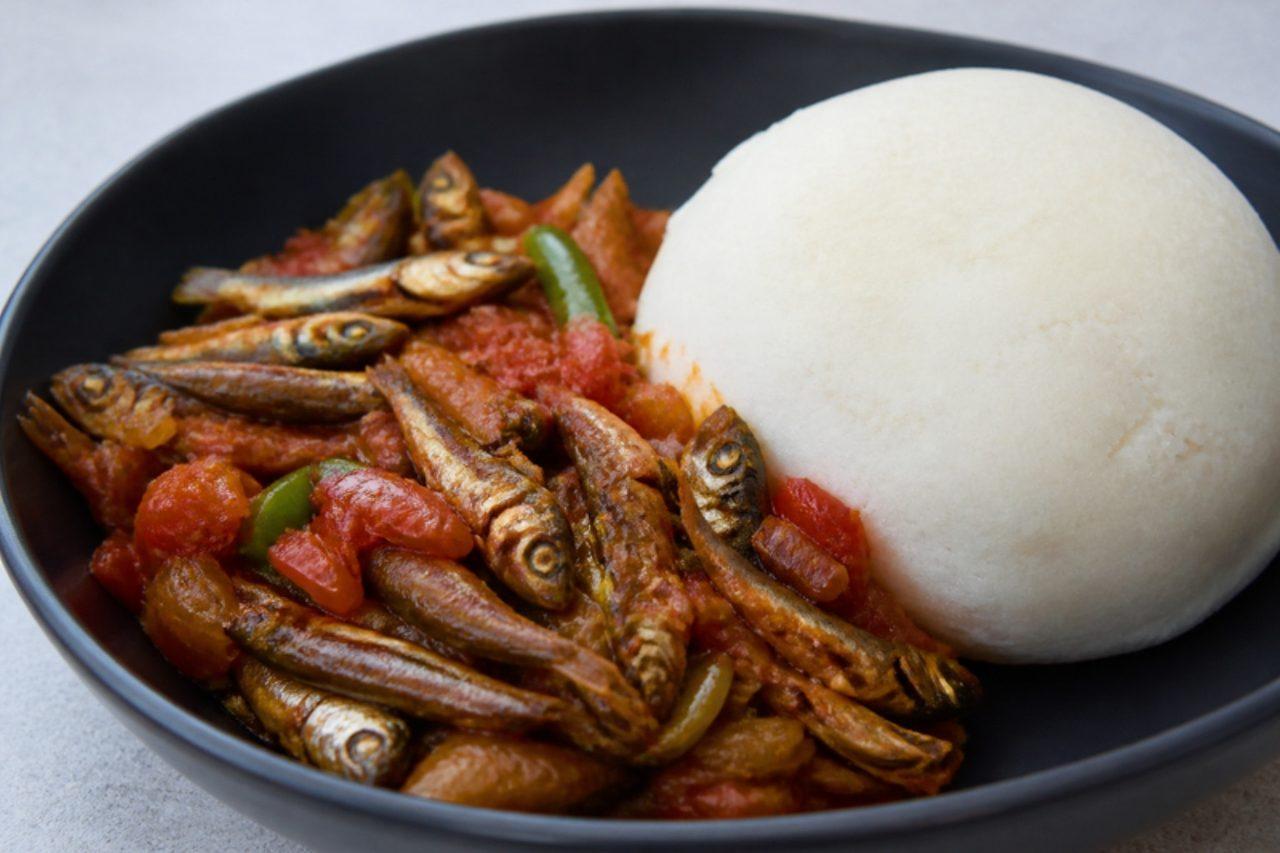
Kapenta with tomatoFried dried sardines with tomato

Kapenta are tiny freshwater sardines from Lake Kariba and Lake Tanganyika, sun-dried on racks along the shore and sold in markets from Lusaka to Harare. Cooked with onion, tomato and a little chilli, they become a savoury, crunchy relish that is eaten with nshima or sadza for a cheap, protein-rich weeknight meal. The mistake is skipping the rinse: dried kapenta carries sand and a strong smell, so soak and rinse it well. Chef's tip: fry the drained kapenta on its own first until crisp, then add the tomato, so it keeps some crunch.

by KrazyBadal 0 views

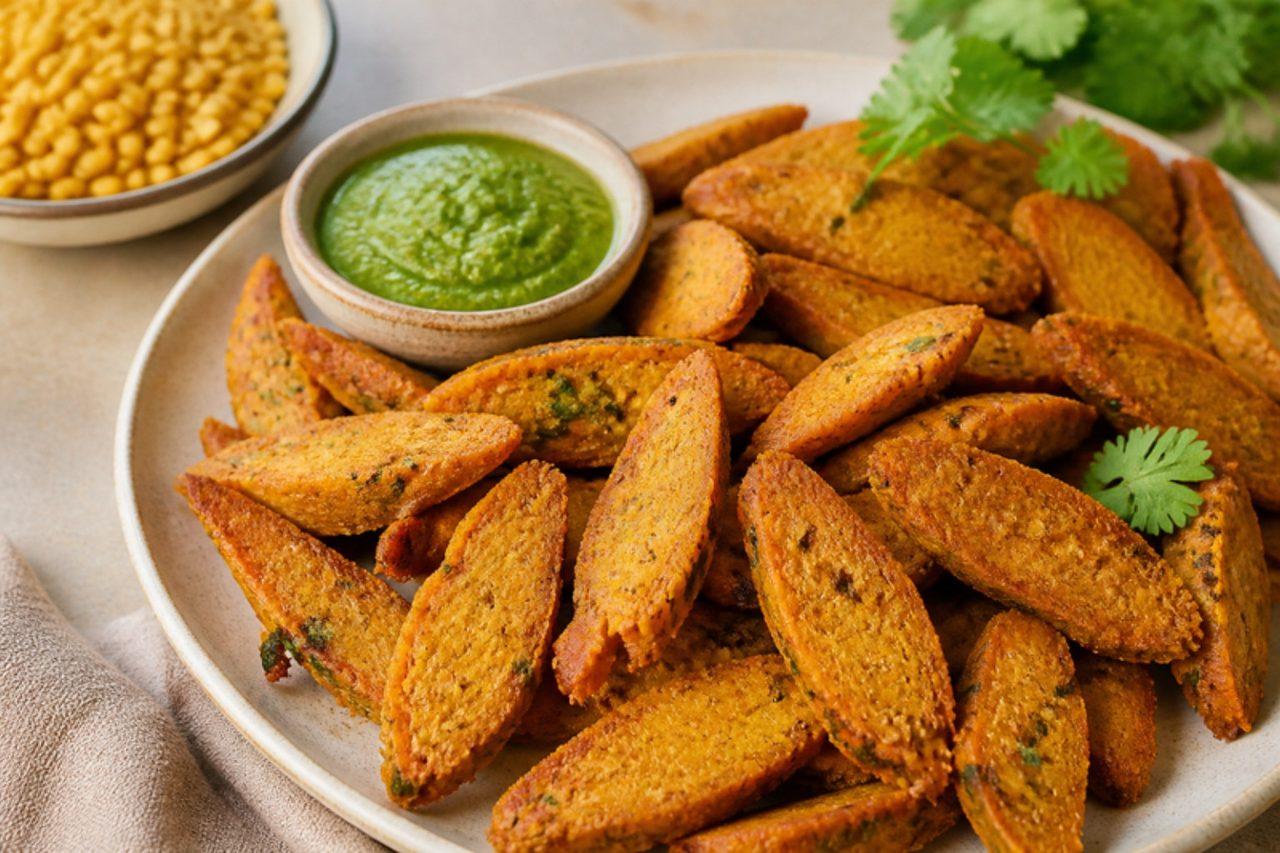
Rajasthani kalmi vadaChana dal fritters

Kalmi vada gets its name from kalam, the Hindi word for pen: the fried chana-dal log is sliced into thin, slanted pieces that resemble pen nibs, then fried again until the slices are crunchy right through. In Jaipur and Ajmer, kalmi vadas are sold by weight from big trays, especially during the monsoon, and served with mint chutney and hot tea. The dal is ground coarse and spiced with whole coriander, fennel and chilli, so every bite crackles. The mistake to avoid is adding water when grinding; a wet mix won't hold its shape and absorbs oil. Chef's tip: let the first-fried logs cool completely before slicing, or they'll crumble under the knife.

by KrazyBadal 0 views

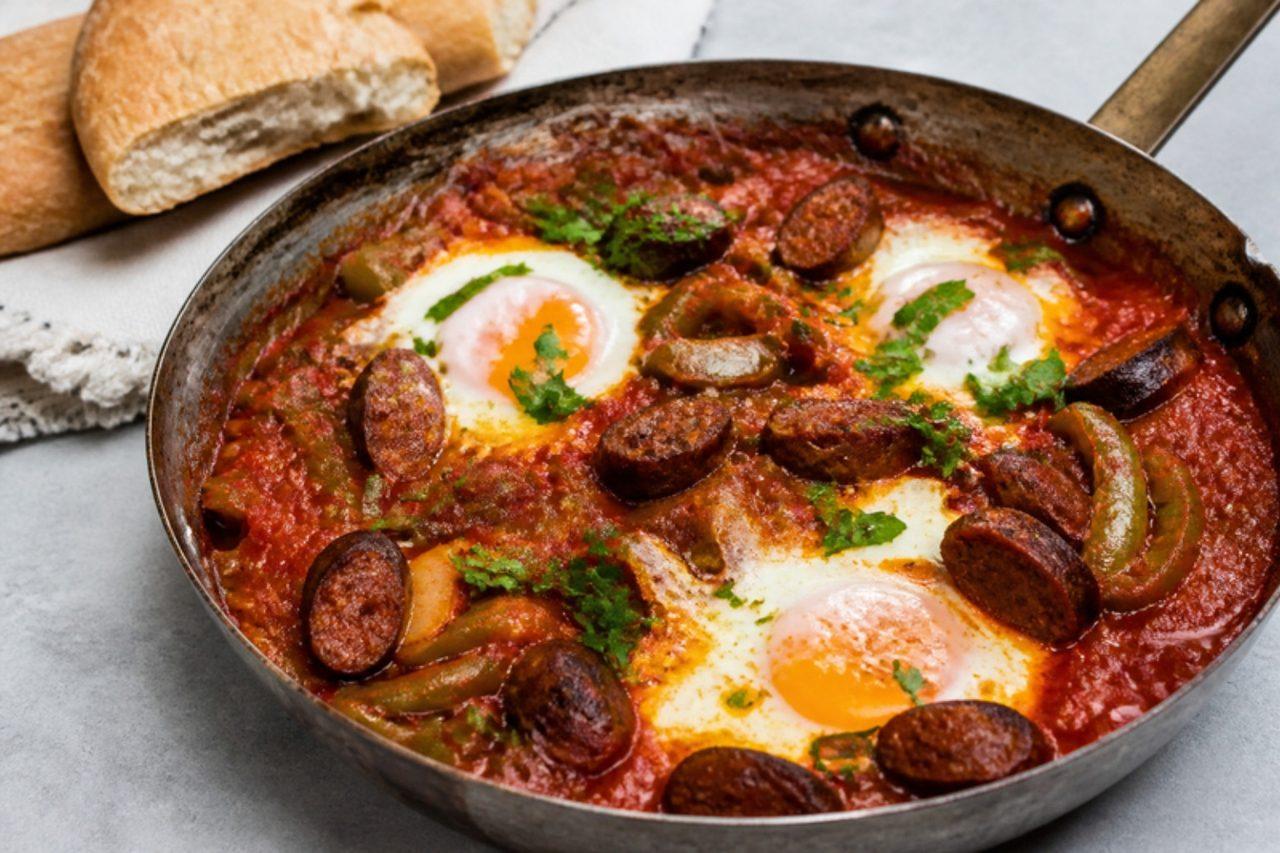
Ojja with merguezSpicy tomato sauce with sausage

Ojja is the quick supper of Tunis cafés and home kitchens: a pan of tomato, peppers, garlic and harissa, cooked down until thick, with slices of spicy lamb merguez and eggs set softly on top. It is scooped up with crusty bread straight from the pan. The mistake is stirring the eggs in too early; they should go in once the sauce is thick and be left alone to just set. Chef's tip: brown the merguez first so its spiced fat flavours the sauce. If you can't get merguez, use any spicy lamb or beef sausage.

by KrazyBadal 0 views

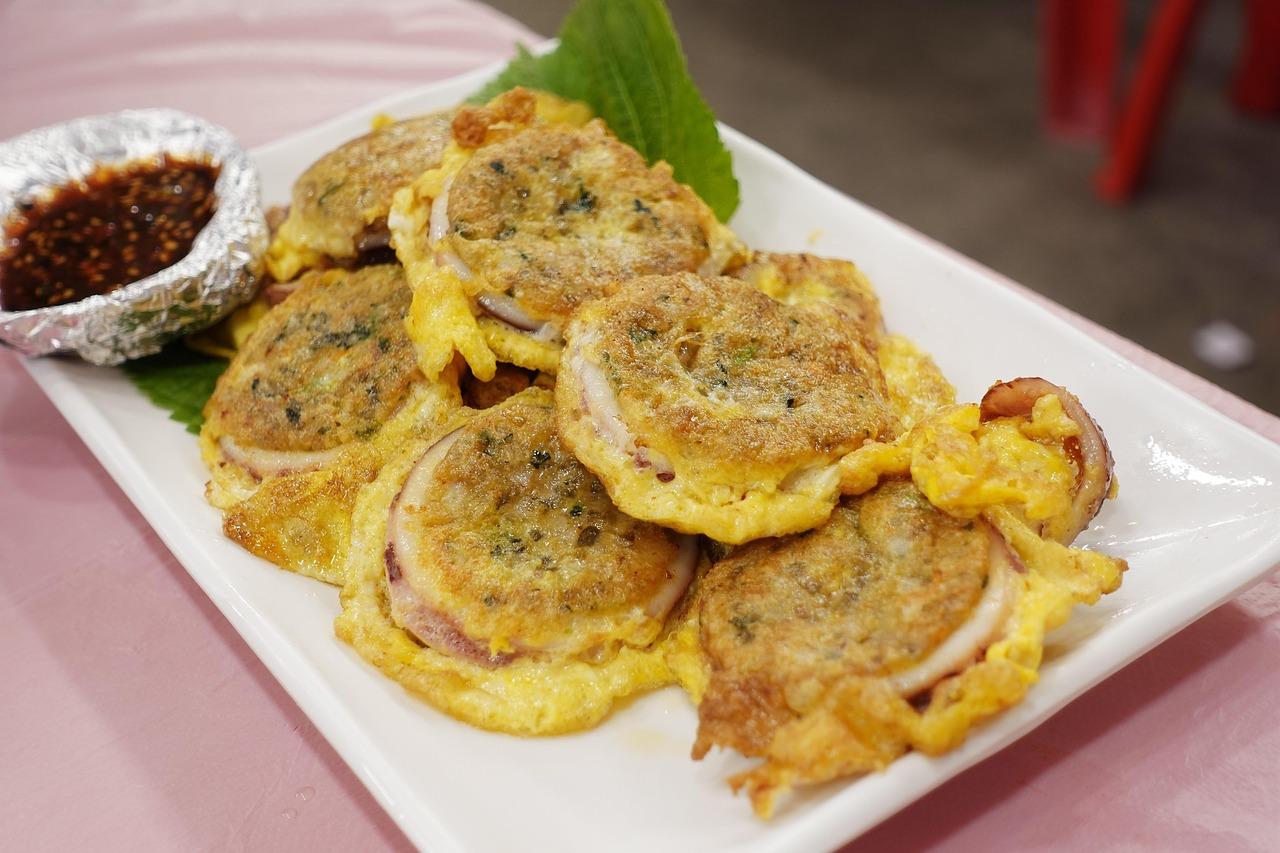
Ojingeo sundaeRice-stuffed squid

Abai Village in Sokcho, on Gangwon's east coast, was settled by people from Hamgyeong province in the north who could not go home after the Korean War. With squid plentiful in the East Sea, they stuffed it the way they had once stuffed pork casings for sundae, and the dish is now sold in the village's small restaurants and at Sokcho's Jungang market. The squid is filled with sticky rice, tofu and vegetables, steamed, cut into rounds and fried in beaten egg until golden. It makes a good sharing plate with a soy and vinegar dip. Chef's tip: mix a little glutinous rice into the filling; it binds the slices so they don't fall apart in the pan.

90 minKoreanFish
by KrazyBadal 0 views

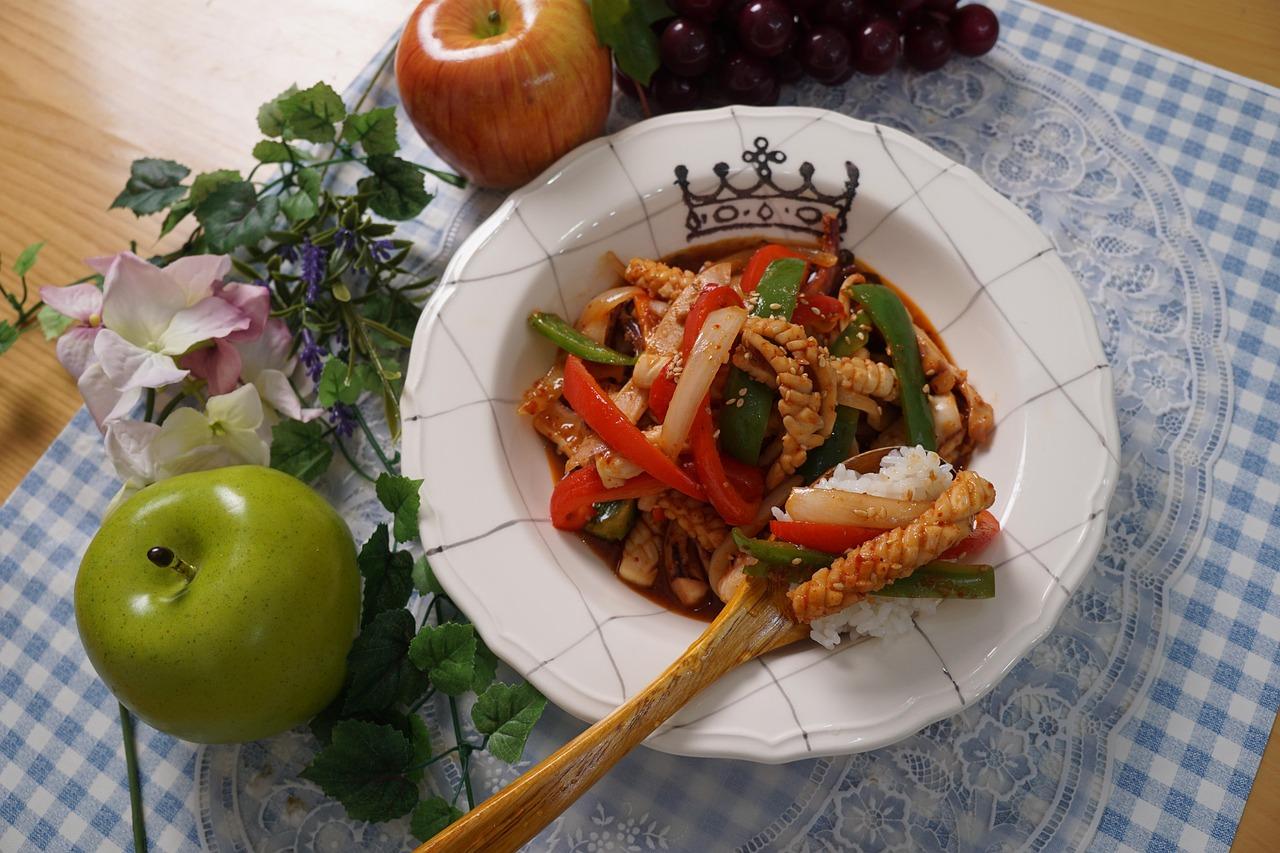
Ojingeo bokkeumSpicy stir-fried squid

Around the harbours of the Chungcheong coast on the Yellow Sea, seafood restaurants fry freshly landed squid in a sticky red sauce, and the same dish turns up in lunch canteens and home kitchens all over Korea. Bright with chilli, it's on the table in about twenty minutes and is often piled straight onto rice as ojingeo deopbap. The sauce is gochujang and chilli flakes sweetened with a little sugar, and the vegetables stay crisp. Serve with rice and a bowl of light soup to cool things down. Chef's tip: mix the sauce before you light the hob, because the squid cooks so fast that there is no time to measure anything once it's in the pan.

20 minKoreanFishSpicy
by KrazyBadal 0 views

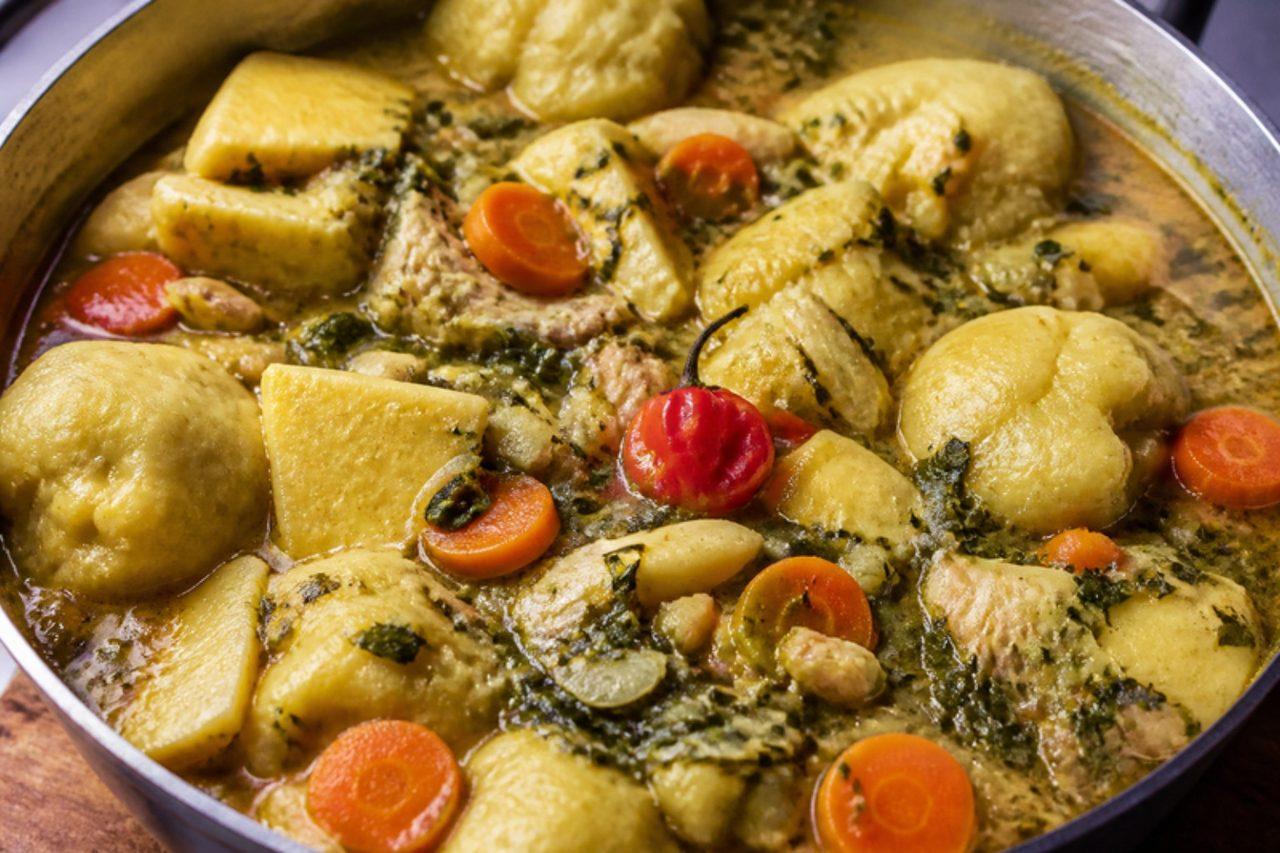
Oil downBreadfruit and salt fish one-pot

Oil down is what Grenadians cook on the beach, at village fêtes and on Sunday afternoons, often in a big iron pot over a wood fire with everyone waiting around it. Breadfruit, salt fish and soft flour dumplings are layered with callaloo and turmeric (called 'saffron' on the island), then steamed in coconut milk until the milk is drunk up and only a golden oil coats the pot, which gives the dish its name. Many cooks add salted pig tail or chicken; this version keeps to salt fish. The mistake to avoid is stirring, which breaks the layers into mush; shake the pot instead. Chef's tip: put the Scotch bonnet in whole and lift it out at the end, so it scents the pot without burning everyone's mouth.

by KrazyBadal 0 views

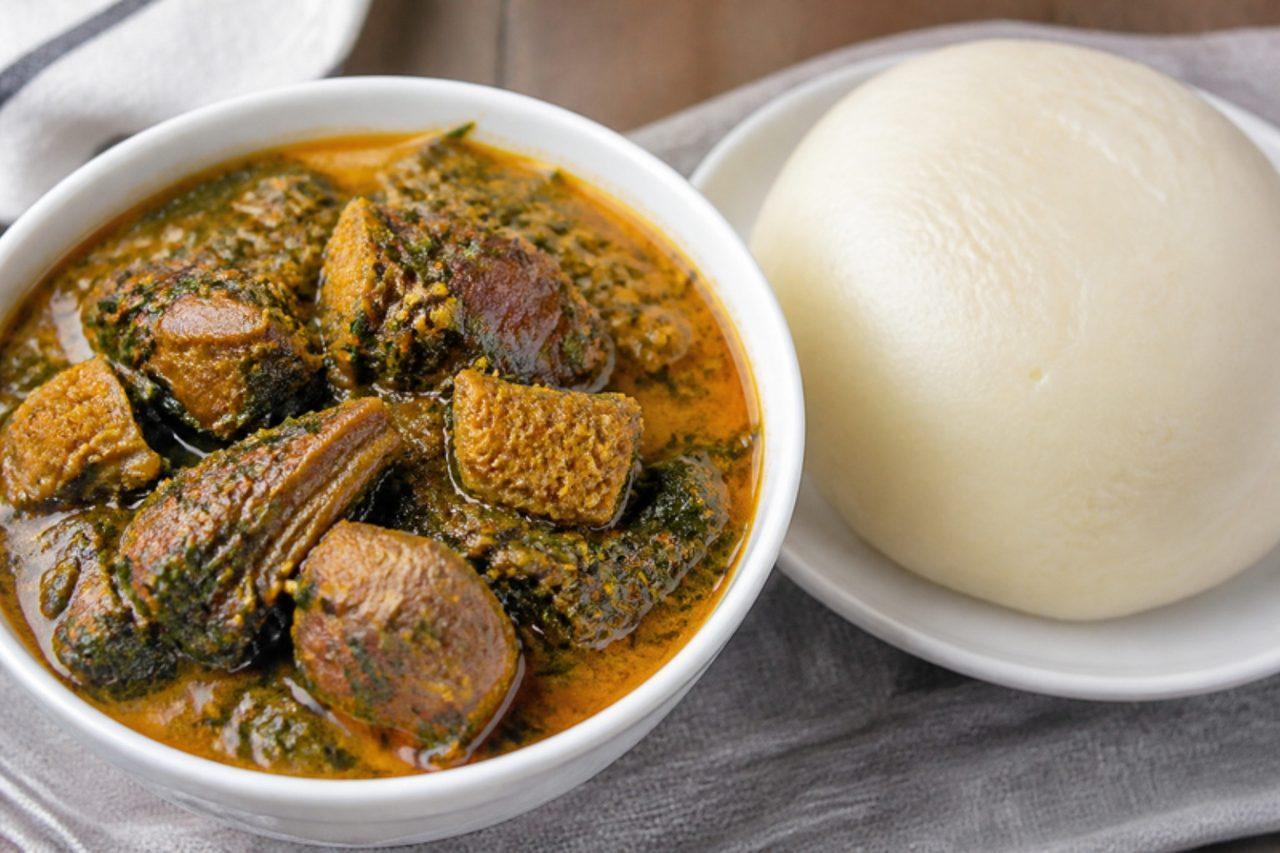
Ofe onugbuBitter leaf soup

Ofe onugbu is the soup Igbo families in Anambra and Enugu make for Sunday lunch and for visitors coming home at Christmas. Washed bitter leaf gives a gentle, pleasant bitterness, cocoyam paste thickens it, and beef, shaki (tripe), stockfish and dried fish add layer after layer of savoury flavour, all coloured by palm oil. It is eaten with pounded yam, eba or fufu, pinched up with the fingers. The mistake to avoid is using bitter leaf that hasn't been washed enough; it should taste only mildly bitter before it goes in. Chef's tip: frozen pre-washed bitter leaf from African grocers saves an hour of squeezing and rinsing.

by KrazyBadal 0 views

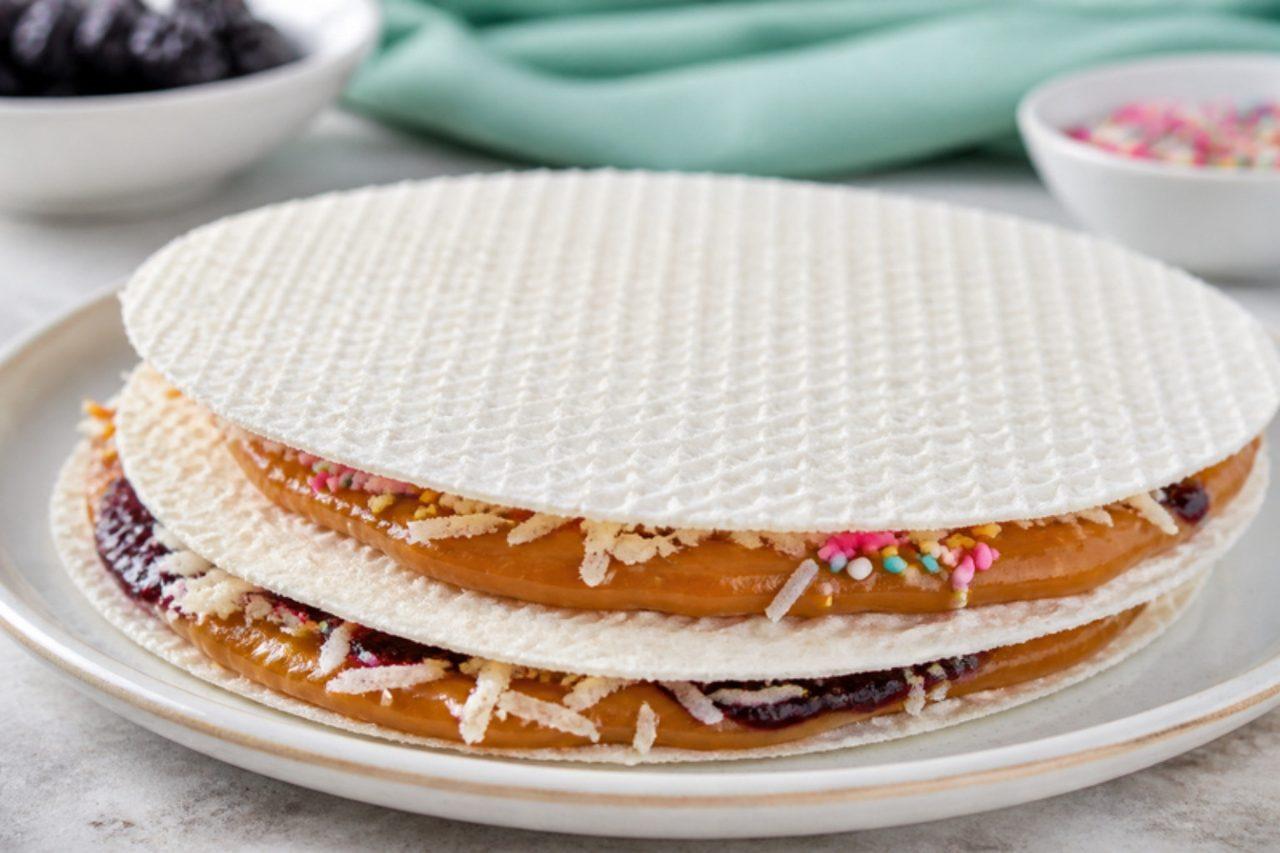
Obleas con arequipeWafers with dulce de leche

Obleas are the giant, paper-thin round wafers sold from street carts in Bogotá's parks and around Floridablanca in Santander, where they began. The vendor spreads two wafers with arequipe, Colombia's dulce de leche, and adds whatever you choose: blackberry jam, grated cheese, condensed milk or sprinkles, then presses them together. They are crisp, sticky and fun to make with children. Look for oblea wafers in Latin American shops. Chef's tip: assemble them right before eating; the wafers soften within an hour.

by KrazyBadal 0 views

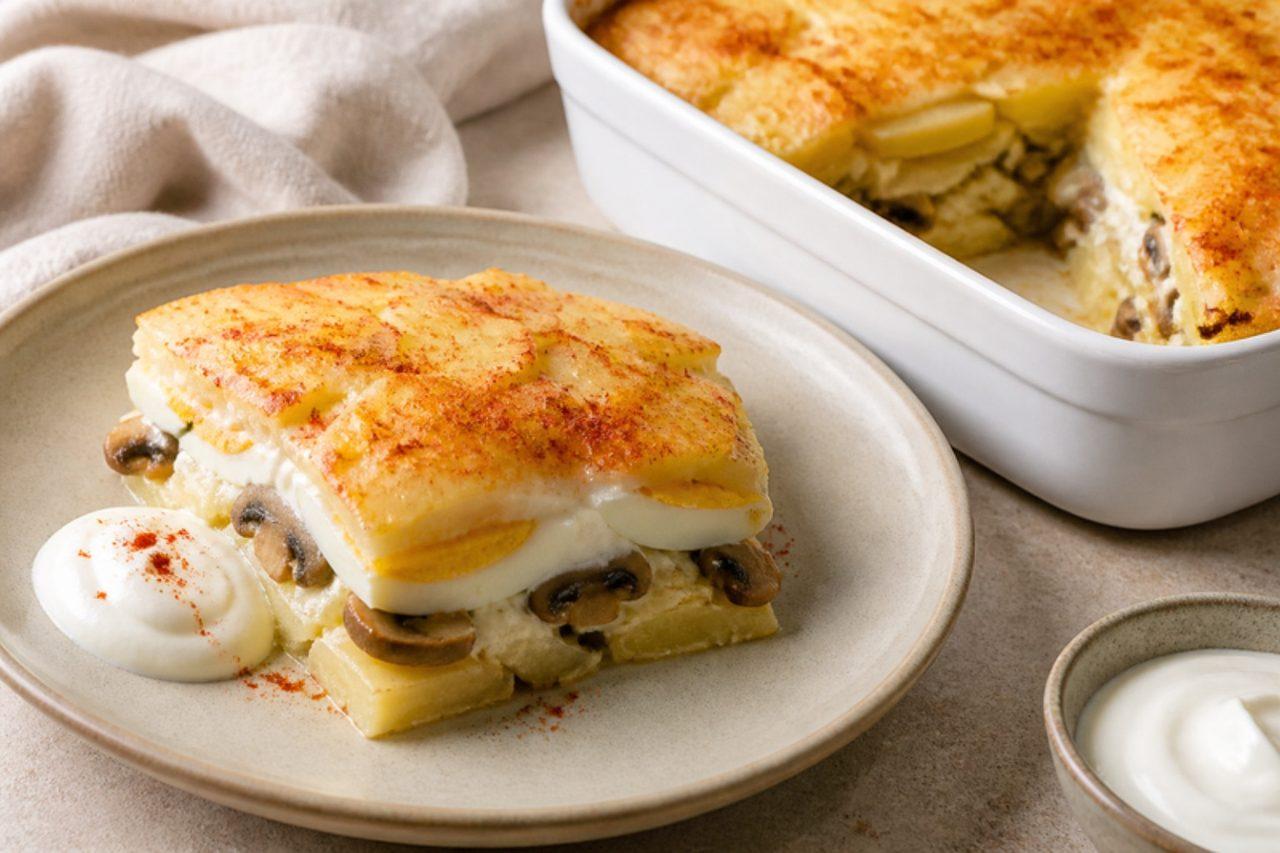
Rakott krumpliLayered potato and egg bake

Rakott krumpli means 'layered potatoes', and it is a family supper baked all over Hungary, especially in winter in the north-east around Miskolc and Eger, where every household layers it slightly differently. Slices of boiled potato are stacked with hard-boiled eggs and plenty of sour cream, then baked until bubbling and golden. Many versions add smoked sausage; this vegetarian one uses sautéed mushrooms and a dusting of smoked paprika for depth. It is rich, creamy and needs only a sharp cucumber salad or pickles alongside. Chef's tip: boil the potatoes in their skins and peel them while warm; they slice cleanly and don't soak up water.

by KrazyBadal 0 views

Obi nonTandoor bread

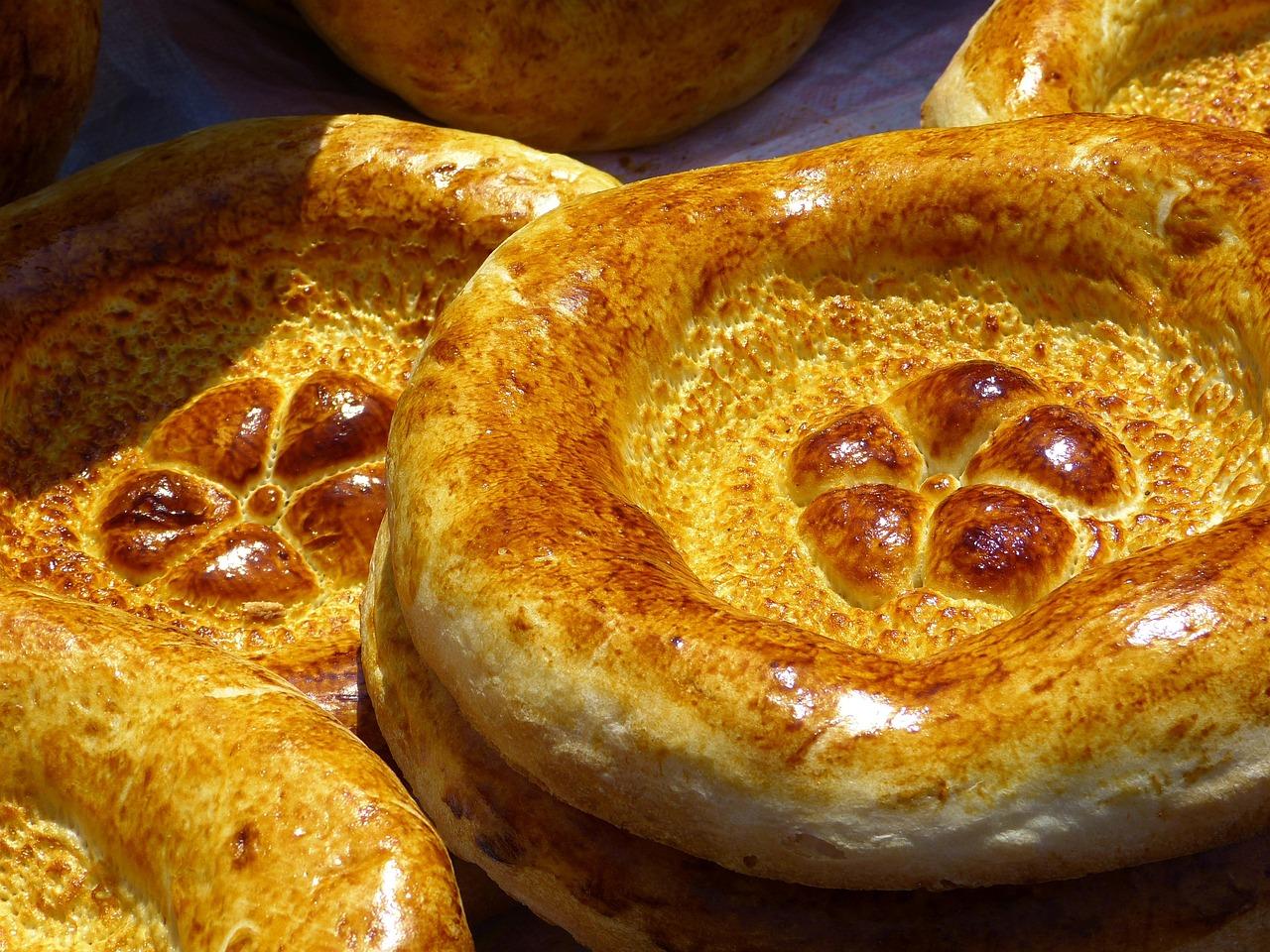
Every Uzbek meal starts with bread torn by hand and passed round the table, and obi non is the everyday loaf: a round with a thick, soft rim and a thin, crisp centre pricked with a patterned stamp called a chekich. In Samarkand and Tashkent it comes out of clay tandoors at dawn, and across the border in Kazakhstan the same bread is sold as tandyr nan. Bread is never cut with a knife and never laid face down. A very hot oven and a baking stone or upturned tray come close to the tandoor at home. Eat it warm with green tea, achichuk salad, soups and plov. Chef's tip: press the centre really thin and prick it all over; if you don't, it puffs into a ball like pitta and you lose the flat, crackly middle.

by KrazyBadal 0 views

Ram ladooMoong dal fritters with chutney

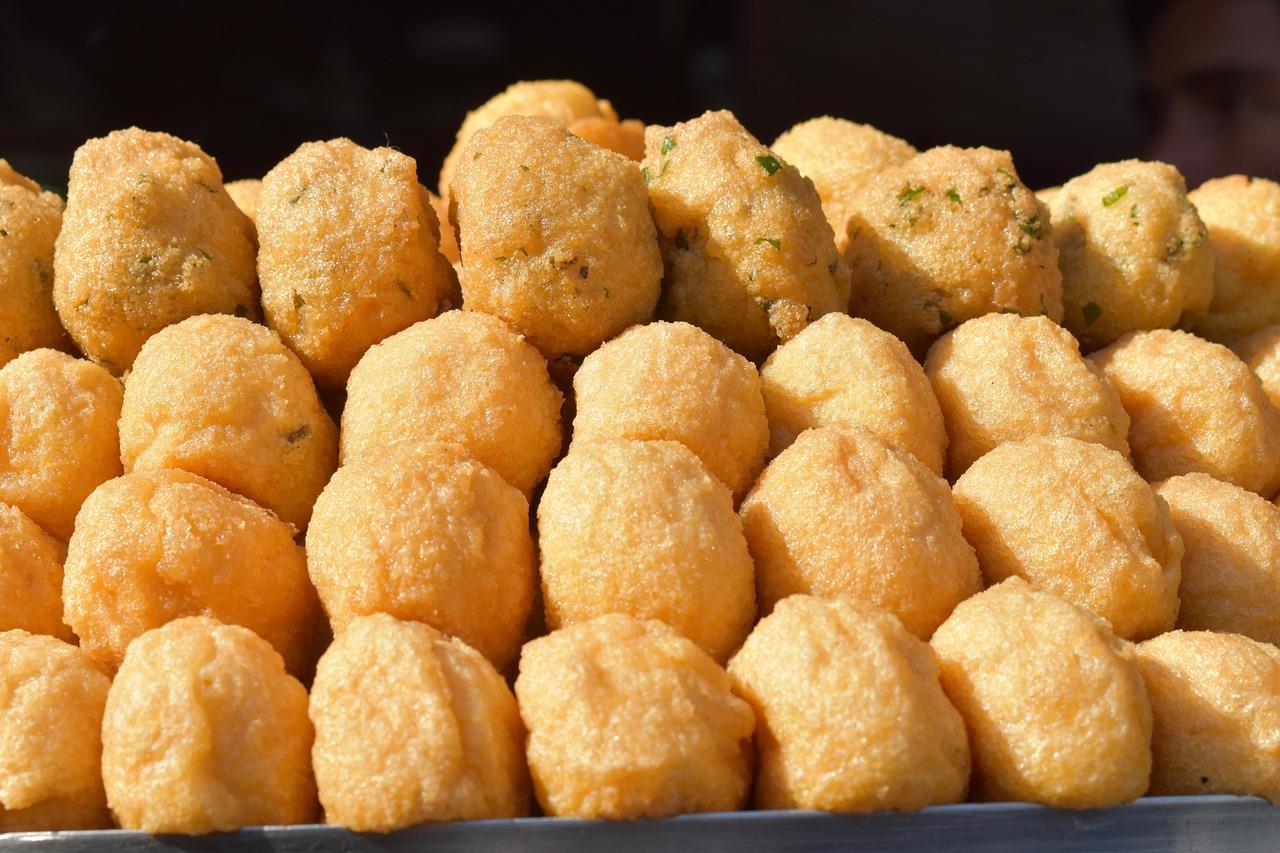
Despite the name, ram ladoo aren't sweet. They're small, crisp moong and chana dal fritters, sold from carts across Delhi in winter, when white radish is at its best. The vendor splits a few hot ones, smears them with a sharp coriander chutney and buries them under a heap of grated mooli and its leaves, with lemon and chaat masala over the top. Hot, crunchy fritters against cold, peppery radish is the whole appeal; it's a light snack for a foggy evening. Chef's tip: grind the soaked dal with as little water as possible, then beat the batter by hand for 3–4 minutes; air whipped into it is what makes the ladoos puff up and stay light.

by KrazyBadal 0 views

Nyonya chap chyeBraised cabbage with glass noodles

In Peranakan homes in Melaka and Penang, chap chye (mixed vegetables) is cooked in a big pot for Chinese New Year and family prayer days. Cabbage, dried shiitake, wood ear, lily buds and beancurd skin are braised with garlic and tau cheo, the salty fermented soybean paste, until everything is soft and the glass noodles have soaked up the savoury gravy. Many families add pork belly or prawns, but the vegetarian pot is just as traditional for the first day of the new year. It tastes better the next day. Chef's tip: fry the tau cheo with the garlic until it smells nutty before anything else goes in.

by KrazyBadal 0 views

Thayir sadamCurd rice

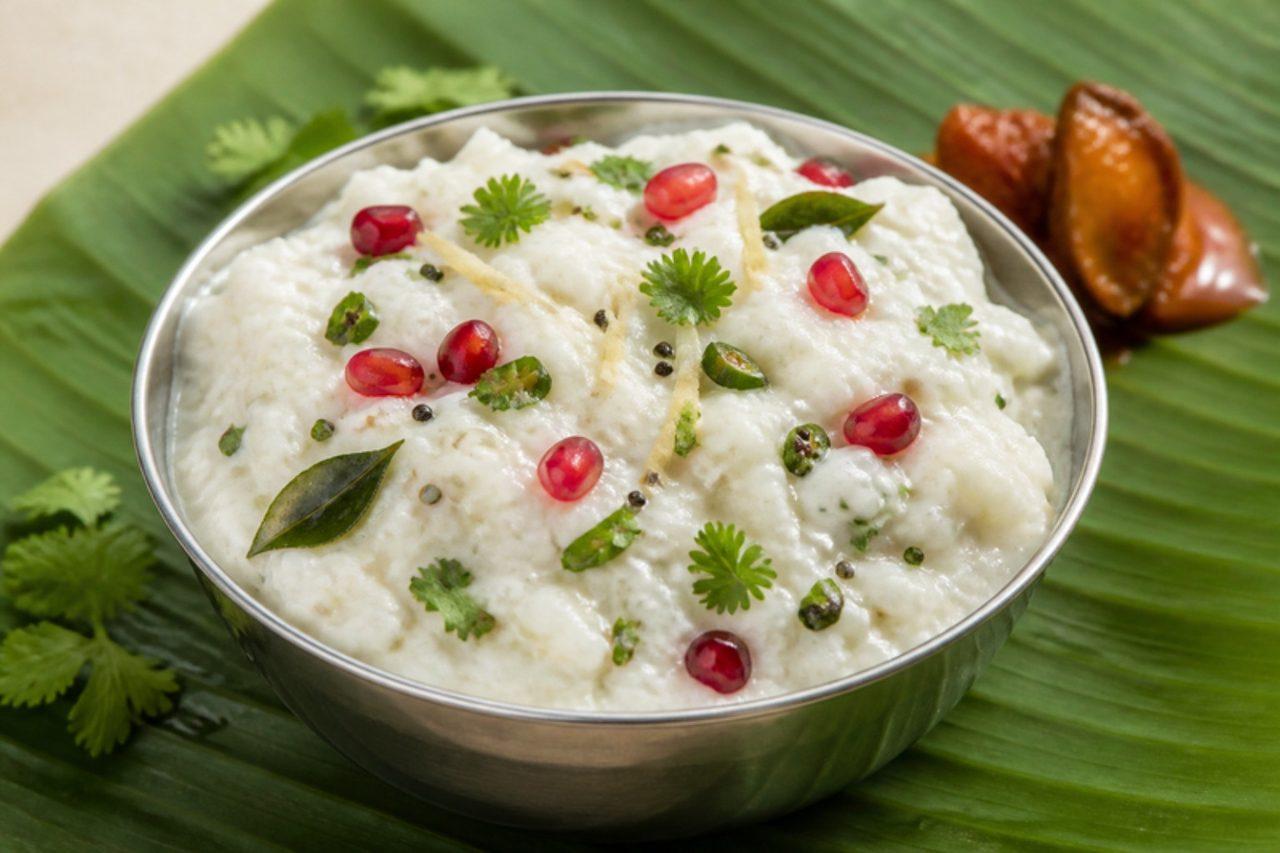
No Tamil meal is really finished without thayir sadam. It's the last course on a banana-leaf lunch, the comfort food packed for train journeys and school tiffins, and the prasadam handed out in some Tamil Nadu temples. Soft, mashed rice is mixed with cool yogurt and a splash of milk, seasoned with ginger, green chilli and curry leaves popped in hot oil, then dotted with pomegranate, grated carrot or green grapes. It's eaten slightly cool with a spoonful of pickle or a fried vathal on the side. Chef's tip: mix a little milk in with the yogurt; it keeps the rice creamy and stops it turning sour if you pack it for lunch several hours ahead.

by KrazyBadal 0 views

ThekuaWheat and jaggery cookies

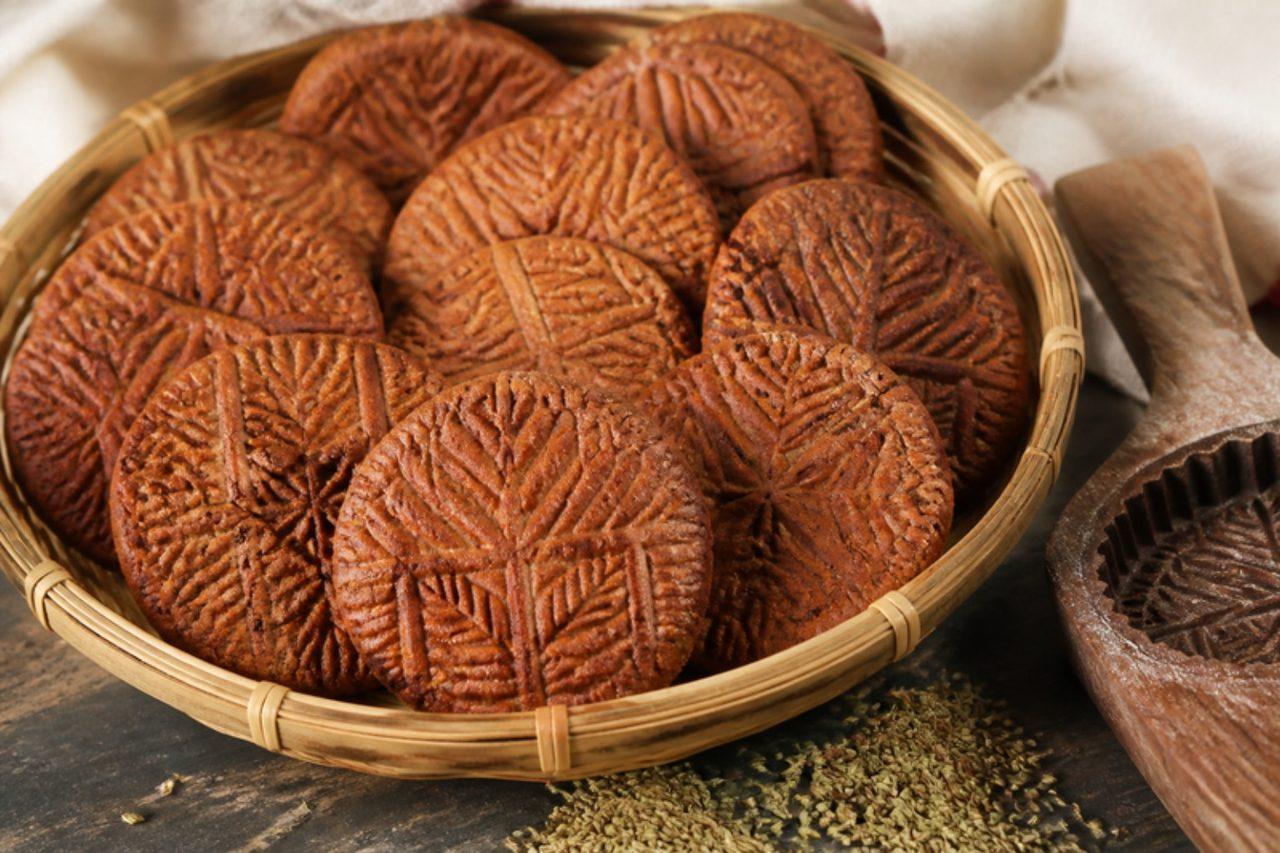
During Chhath Puja, when families across Bihar stand in rivers and ponds to make offerings to the setting and rising sun, thekua fill the bamboo baskets carried to the ghats. Women make them at home in the days before, pressing jaggery-sweetened wheat dough into carved wooden moulds (sancha) and frying them in ghee until dark and crunchy. Outside the festival they are the snack Bihari students take back to hostels in the city, because they keep for weeks. Chef's tip: the dough must be stiff, and the frying slow; soft dough loses the pattern and hot oil leaves them pale and soft inside.

by KrazyBadal 0 views

ThethriGram flour twists

No Teeja in Chhattisgarh passes without a tin of thethri: knotted and twisted pieces of gram-flour dough, seasoned with ajwain and chilli and fried slowly until they shatter when you bite. Married daughters coming home for the festival are sent back with them, alongside the sweet khurmi, and they keep for weeks. Each family has its favourite shape, from simple knots to little spirals and braided rings. Chef's tip: fry on a medium-low flame and be patient; thethri fried hot puff up and brown outside but stay soft and chewy inside.

by KrazyBadal 0 views

Ranon'apangoToasted rice water

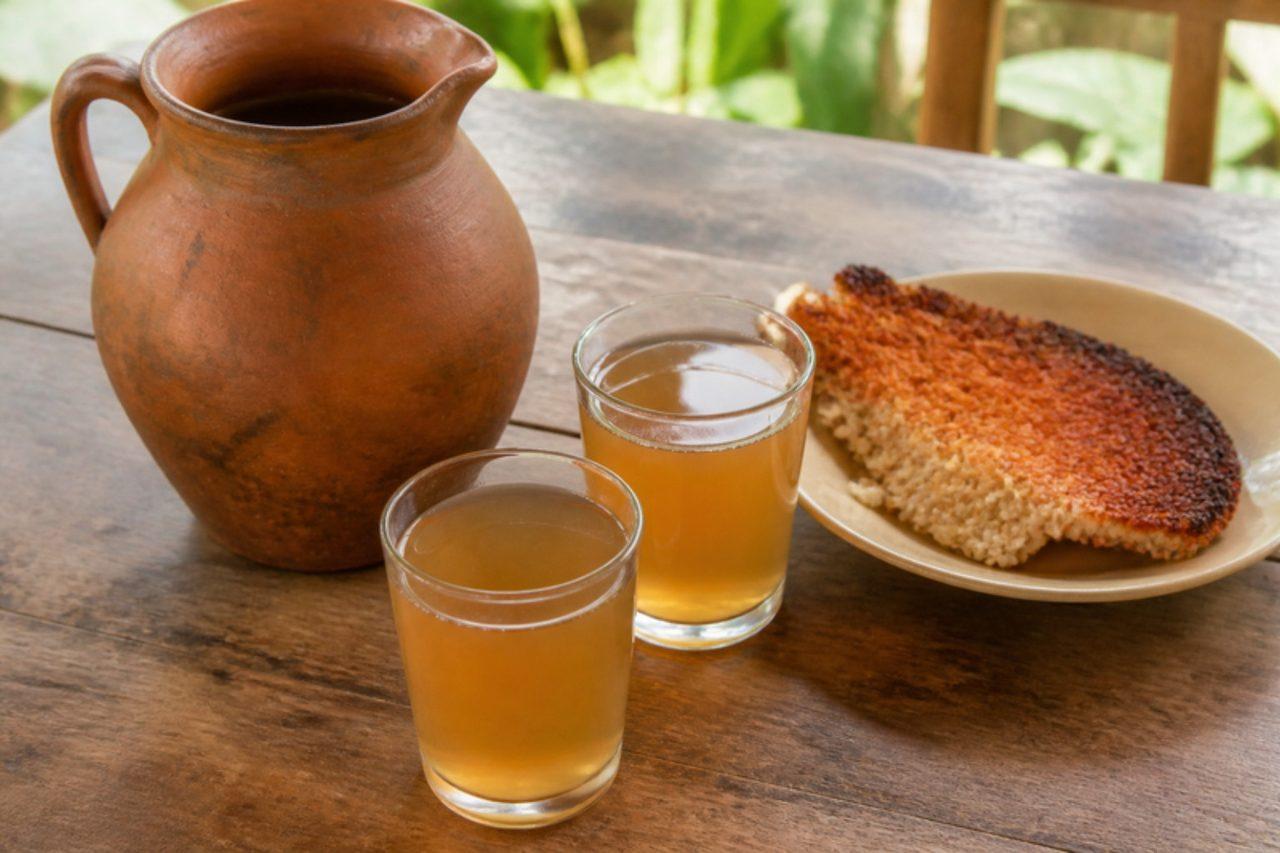
Ranon'apango is the everyday drink of Madagascar: after rice is cooked, the crust at the bottom of the pot is left to toast until golden, then water is boiled with it to make a pale amber, nutty, slightly smoky drink. It is served warm or cold in jugs alongside meals in homes and hotelys, and is a safe way to drink boiled water. Chef's tip: toast the crust until golden-brown, not black; burnt rice makes the drink bitter.

by KrazyBadal 0 views

Nyama chomaSlow-grilled goat or beef

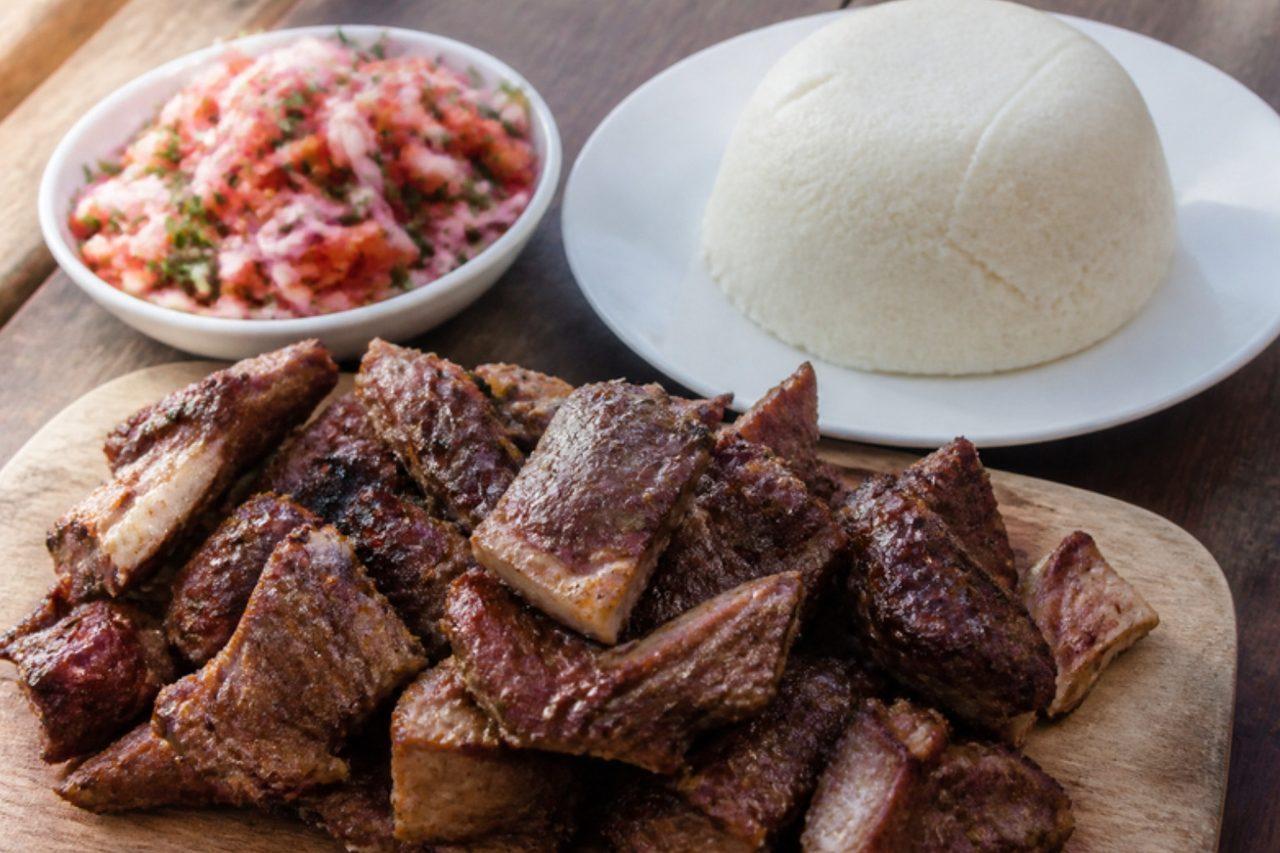
Nyama choma, "roasted meat" in Swahili, is the centre of every weekend gathering in Kenya: at roadside joints on the edge of Nairobi you choose your goat ribs or beef by the kilo, it is grilled slowly over charcoal, chopped on a wooden board and brought to the table with salt, kachumbari (tomato and onion salad) and ugali. The meat is meant to be firm and chewy, smoky and simply salted. The mistake is grilling over fierce flames; the outside chars before the inside is tender, so keep it over glowing coals and turn it often. Chef's tip: leg of goat or lamb on the bone is easiest at home; rub it with salt and a little lemon only.

by KrazyBadal 0 views

RasabaliFried cheese discs in milk

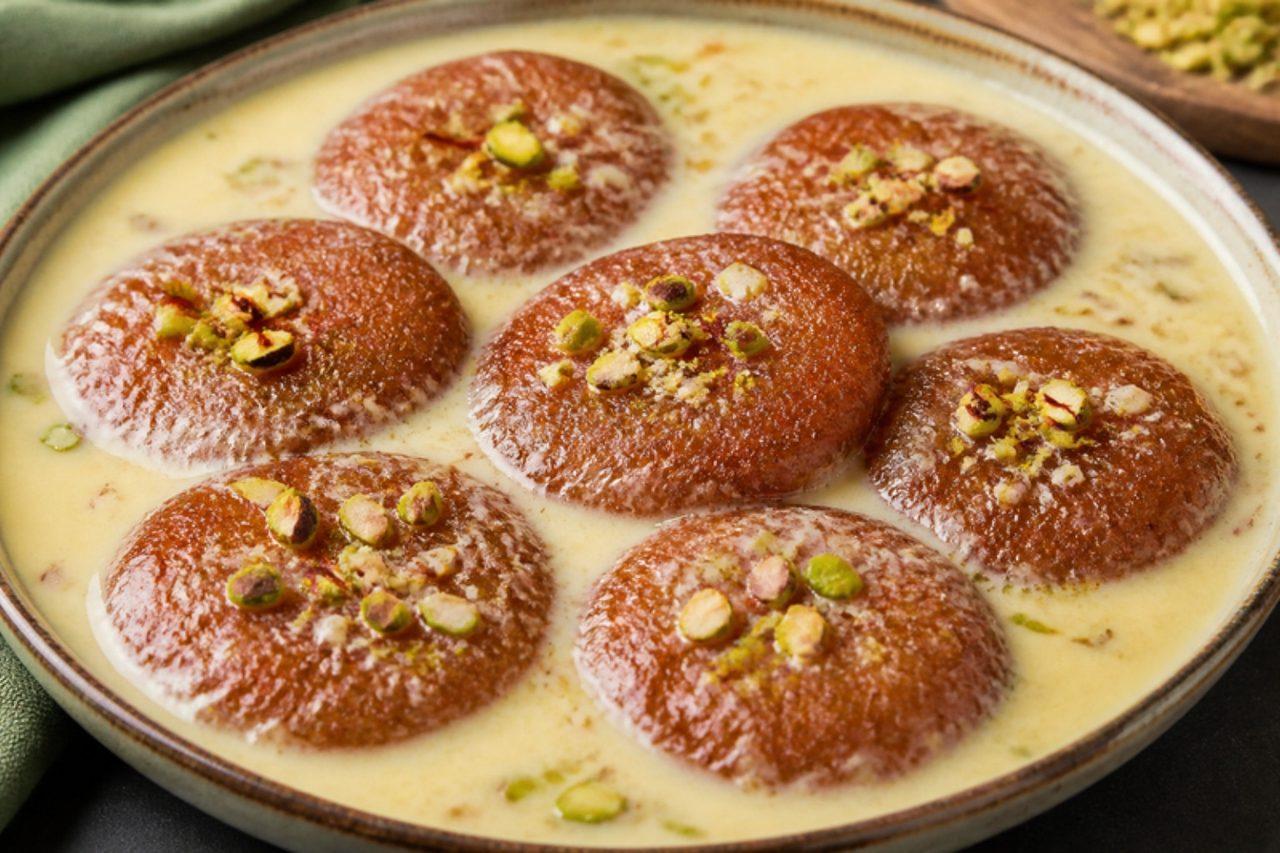
Rasabali comes from the Baladevjew temple in Kendrapara and is one of the 56 offerings of Puri's Jagannath temple. Flattened discs of chhena are deep-fried until reddish-brown, then soaked in milk that has been simmered down until thick and sweet with cardamom. Unlike rasmalai, whose discs are poached in syrup, rasabali's are fried, so they keep a chewy, slightly caramelised skin under the milk. It is eaten chilled at festivals and weddings in Odisha. Chef's tip: press a dimple into the centre of each disc before frying, so it fries evenly and holds more milk.

by KrazyBadal 0 views

Kanpur khoya and suji ladduMilk solids and semolina laddu

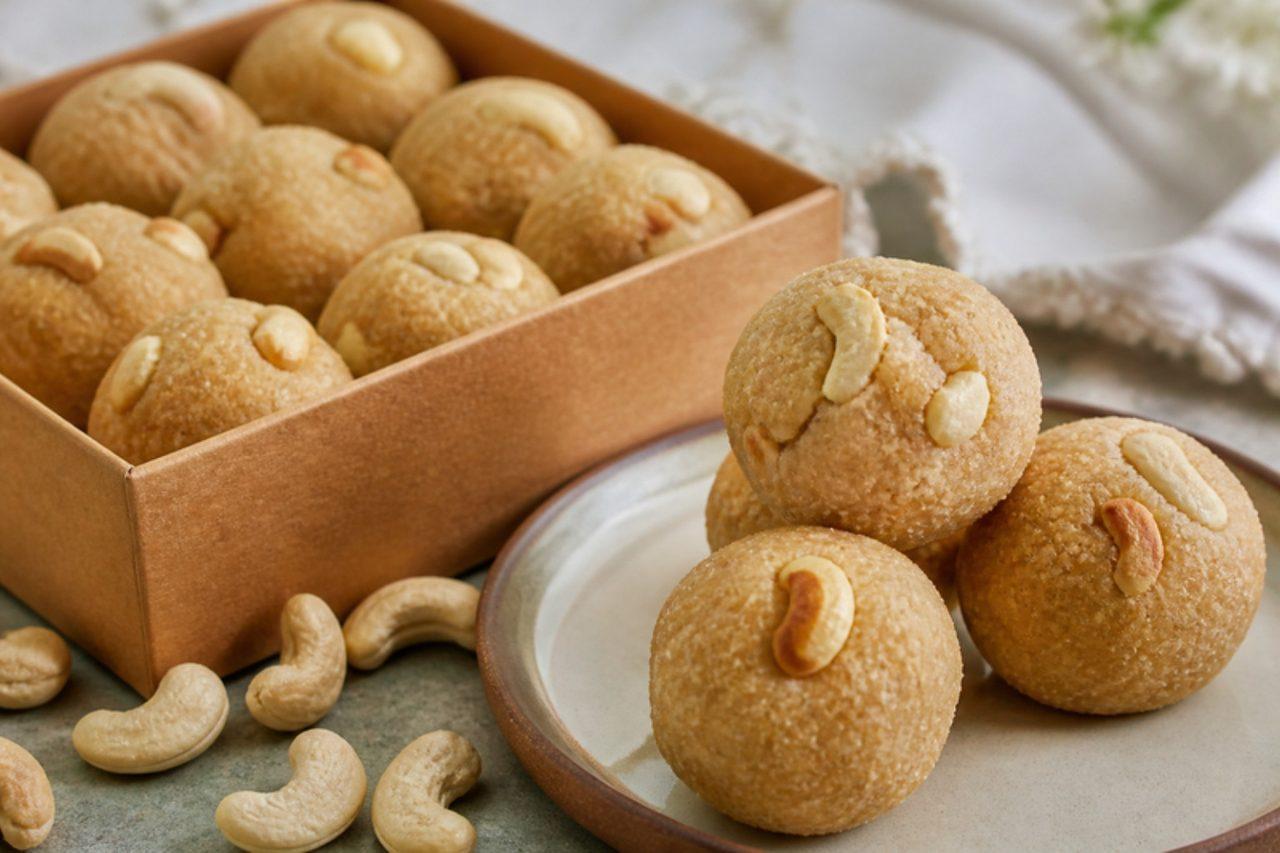
Kanpur's best-known sweet is a crumbly, rich laddu sold in brown paper boxes near the city's busy crossings and taken home as a souvenir from the city. It is made by roasting semolina slowly in ghee until it smells like warm biscuits, then mixing in browned khoya, sugar and plenty of cashews, giving a soft, melt-in-the-mouth bite with tiny pieces of crunch. Families make a batch for Diwali or Raksha Bandhan and keep it for a week. The biggest mistake is adding the sugar while the mixture is still hot; it melts and the laddus collapse into flat puddles. Chef's tip: if the mixture feels too dry to bind, sprinkle in warm milk a teaspoon at a time rather than adding more ghee.

by KrazyBadal 0 views

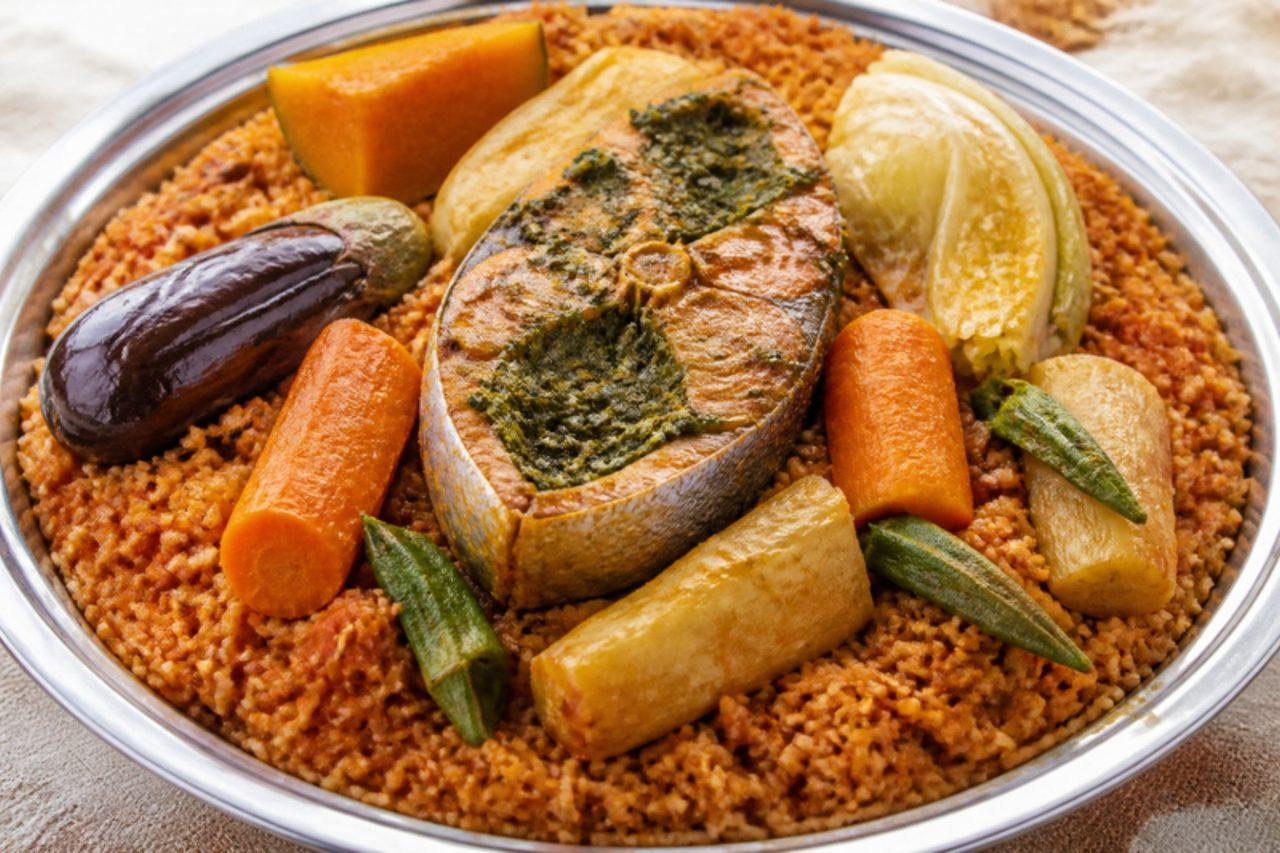
ThieboudienneFish and rice in tomato broth

Ceebu jën, "rice and fish" in Wolof, is the dish Saint-Louis claims as its own and the whole of Senegal cooks for the big Friday or Sunday lunch, served on one wide platter that the family eats from together. Thick fish steaks are stuffed with a green paste of parsley, garlic and chilli, browned, then simmered in a deep tomato broth with whole cassava, carrot, cabbage and aubergine; the broken rice then soaks up that same broth until it turns orange and fragrant. The prized part is the xoon, the crust that forms at the bottom of the pot, which is shared out at the end. The usual mistake is leaving the fish in the pot while the rice cooks, so it falls apart; lift it out with the vegetables and keep it warm. Chef's tip: rinse the broken rice three times and steam it briefly before it goes into the broth, so the grains stay separate instead of turning to porridge.

by KrazyBadal 0 views

Oromo with pumpkinSteamed pumpkin roll

Oromo, or orama, is a big rolled dumpling: a thin sheet of dough spread with filling, rolled into a long coil and steamed in a multi-tiered mantovarka. It's a home dish across Kazakhstan, Kyrgyzstan and Uzbekistan, quicker than shaping dozens of manti. In autumn, when Kyrgyz gardens in the Chüy Valley are full of squash, it's filled with grated pumpkin and onion, which turn sweet and juicy. Serve in thick slices with sour cream or a garlicky tomato sauce. Chef's tip: grate the pumpkin coarsely and salt it only just before rolling; salted too early it weeps and makes the dough soggy.

by KrazyBadal 0 views

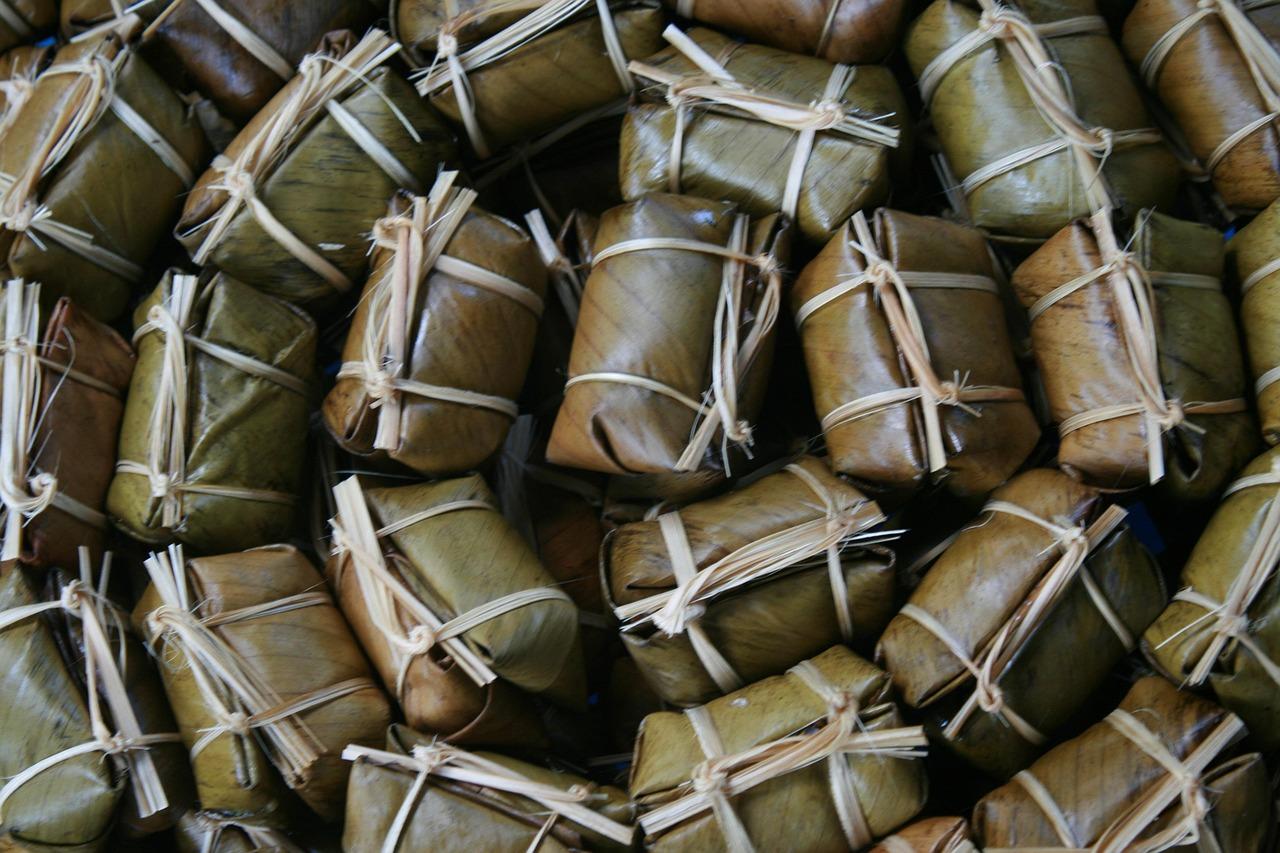
Num ansom chekBanana sticky rice parcels

Num ansom chek are wrapped by the dozen in April for Khmer New Year and again in autumn for Pchum Ben, when families carry them to the pagoda as offerings. A ripe banana is hidden inside a jacket of glutinous rice that has been seasoned with coconut milk and dotted with black beans, then the whole thing is rolled tightly in banana leaf and boiled until the rice turns sticky and the banana goes jammy and blush-pink. Unwrapped, they're eaten at room temperature or sliced and grilled the next morning. Chef's tip: use bananas that are fully yellow with a few brown freckles; green ones stay chalky and the pink colour never comes.

by KrazyBadal 0 views

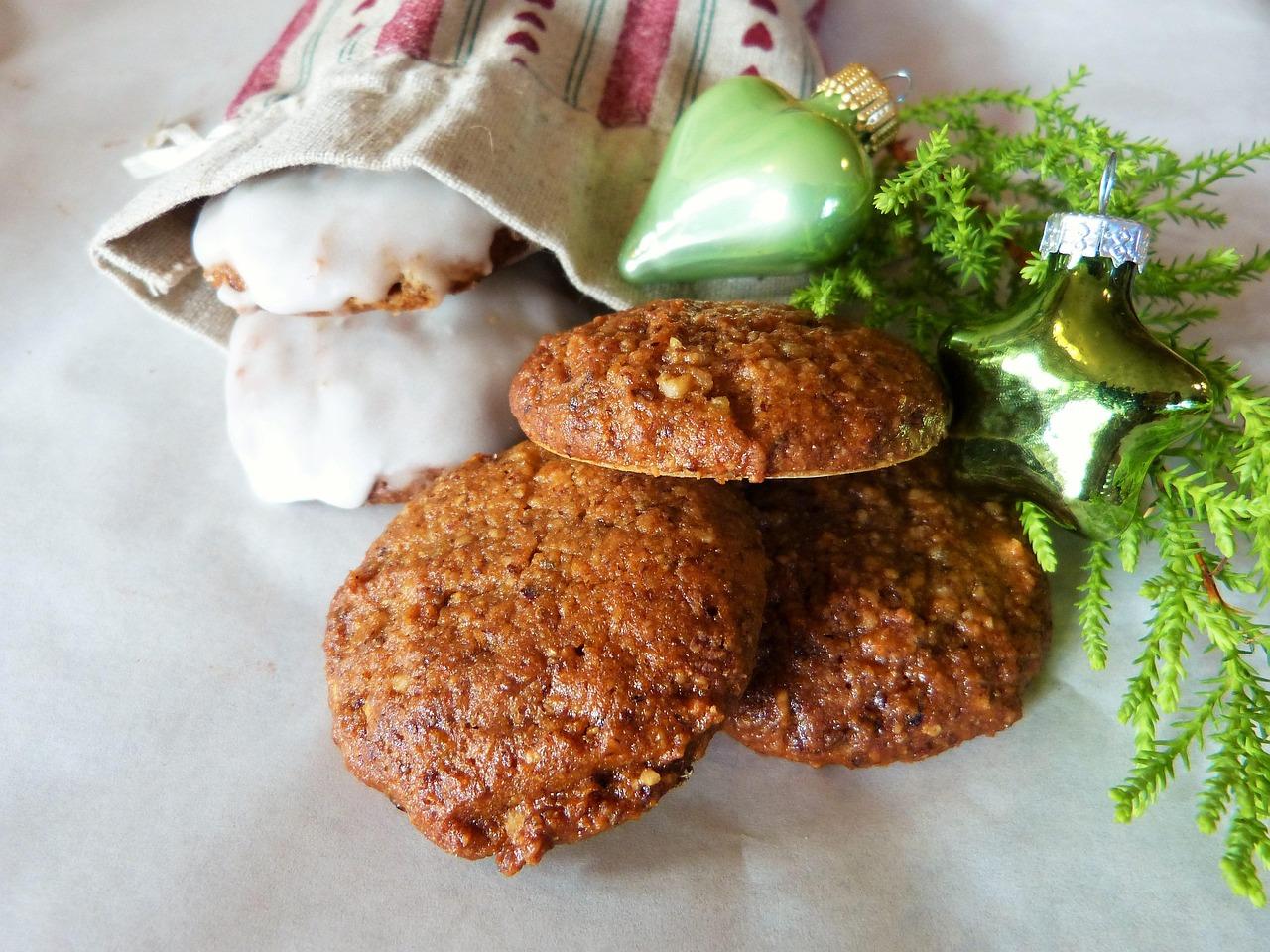
LebkuchenSpiced gingerbread cookies

Nuremberg has been the German capital of Lebkuchen since the Middle Ages, when the city sat on the spice trade routes, and at its Christkindlesmarkt the stalls are piled with them every Advent. The finest kind, Elisenlebkuchen, contain almost no flour: they're made mostly of ground nuts, candied peel, eggs, sugar and a warm spice mix, baked on thin Oblaten wafers so they stay soft and chewy inside, then glazed with chocolate or sugar. They keep for weeks in a tin and get better as they rest. Chef's tip: bake them only until just set; a common mistake is baking until firm, which makes them dry and hard by the next day.

by KrazyBadal 0 views

Nom krokCoconut rice cakes

Nom krok are a street snack you hear before you see: the hiss of batter hitting a charcoal-heated cast-iron pan full of small round hollows, outside markets and schools across Phnom Penh in the late afternoon. Each little cake has a lacy, crunchy rice-flour shell and a molten top of salted coconut cream with spring onion, and two halves are pressed together to eat hot from a banana leaf. A Danish aebleskiver or Japanese takoyaki pan works perfectly at home. Chef's tip: let the pan get properly hot before the first batter goes in, about 4 minutes on a medium-high heat; a cool pan makes pale, sticky cakes that won't come out cleanly.

by KrazyBadal 0 views

Nom banh chok with green curry brothRice noodles in green curry broth

Before seven in the morning, women carrying baskets on shoulder poles sell nom banh chok across Cambodia; around Siem Reap there is even a lane of stalls near the temples known for it. Soft, slippery rice noodles are piled into a bowl, ladled with a pale green broth of kroeung and coconut milk, then buried under shredded banana blossom, cucumber, beansprouts, long beans and handfuls of herbs. The market version thickens the broth with pounded fish; here pumpkin and creamy white beans give it the same body. Chef's tip: be generous with the raw vegetables and herbs; the dish is meant to be more garden than noodle, and the cool crunch is what balances the warm broth.

by KrazyBadal 0 views

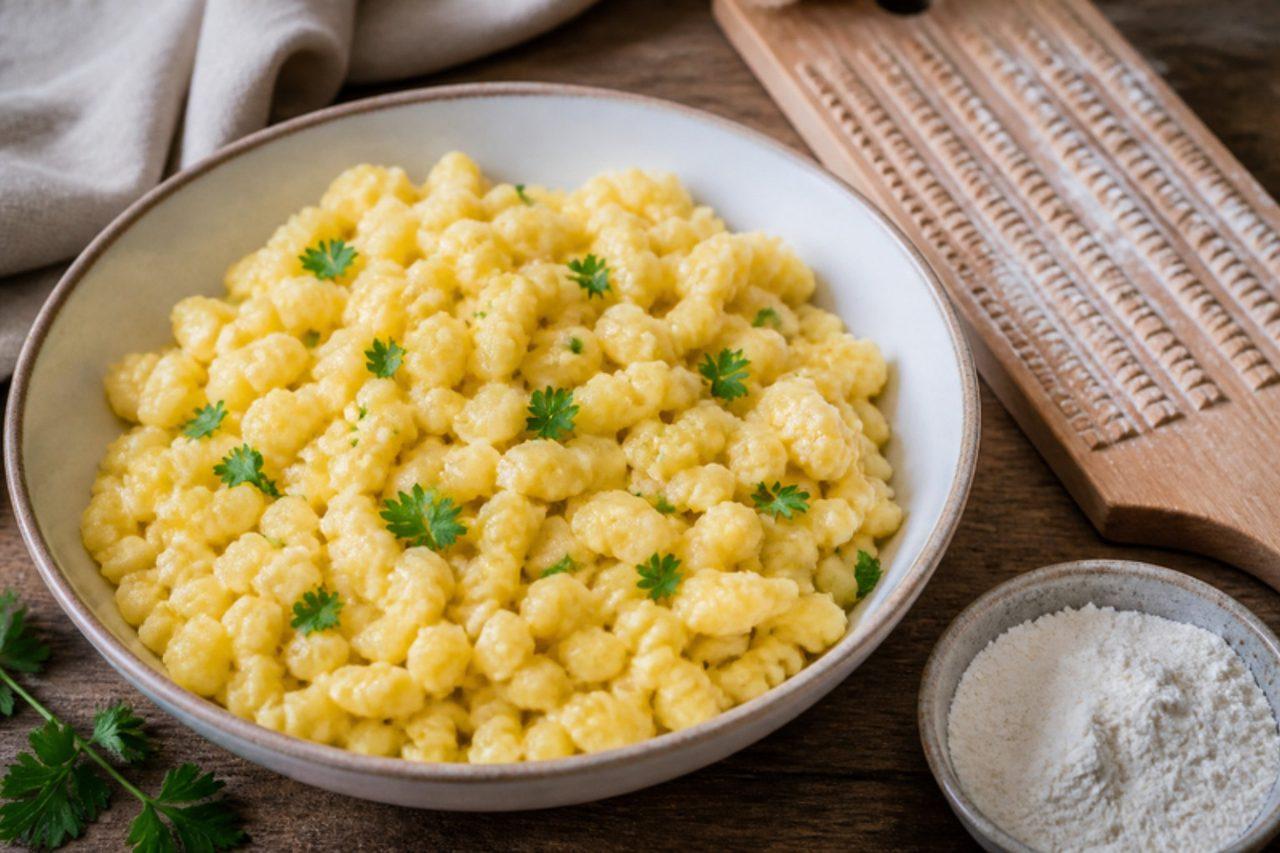
NokedliSoft egg dumplings

Nokedli, also called galuska, are the small, soft, irregular egg dumplings that sit under almost every paprikás in Hungary, from Budapest lunch canteens to Sunday tables in the villages of the Great Plain. Unlike German Käsespätzle, they are not baked with cheese: they are a plain, buttery side whose job is to soak up a red, sour-cream sauce. Grandmothers scrape the batter off a wet board with a knife, but a nokedli grater (nokedliszaggató) or a colander with large holes is quicker at home. Serve them with gombapaprikás or lecsó, or toss them with fried egg for a quick supper. Chef's tip: let the batter rest for 10 minutes before cooking; the flour hydrates and the dumplings hold together instead of dissolving into the water.

by KrazyBadal 0 views

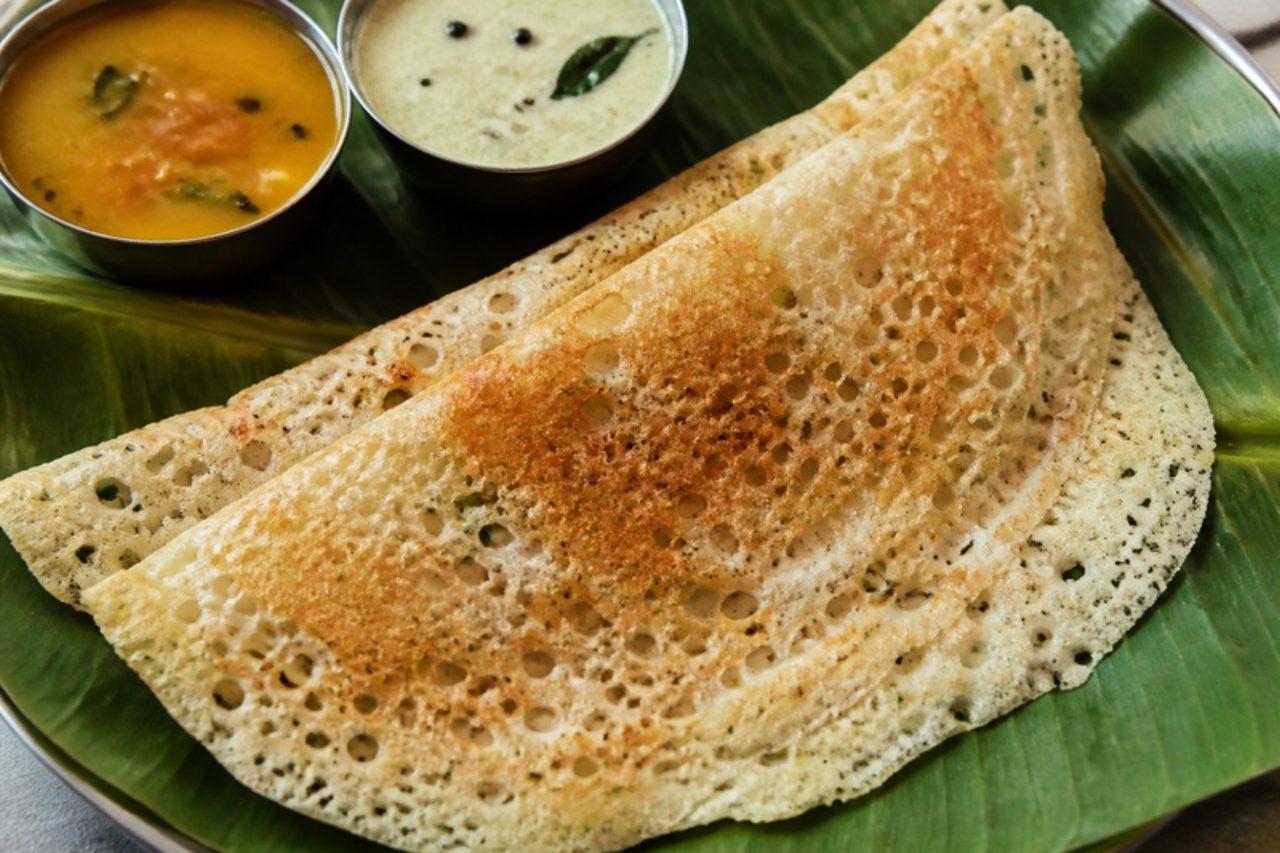
Rava dosaCrisp semolina crêpes

Rava dosa is the instant dosa of Karnataka's Udupi restaurants: a thin, pourable batter of semolina and rice flour, studded with cumin, cracked pepper, ginger and curry leaves, poured onto a very hot griddle so it sets into a crisp, holey lace. There's no soaking or fermenting, so it's the dosa to make when the craving strikes. Serve straight from the pan with coconut chutney and sambar. Because it contains semolina it's not gluten free. Chef's tip: the batter must be watery, thinner than single cream; pour it from a height onto the pan instead of spreading it, and stir the bowl before every dosa because the semolina sinks.

by KrazyBadal 0 views

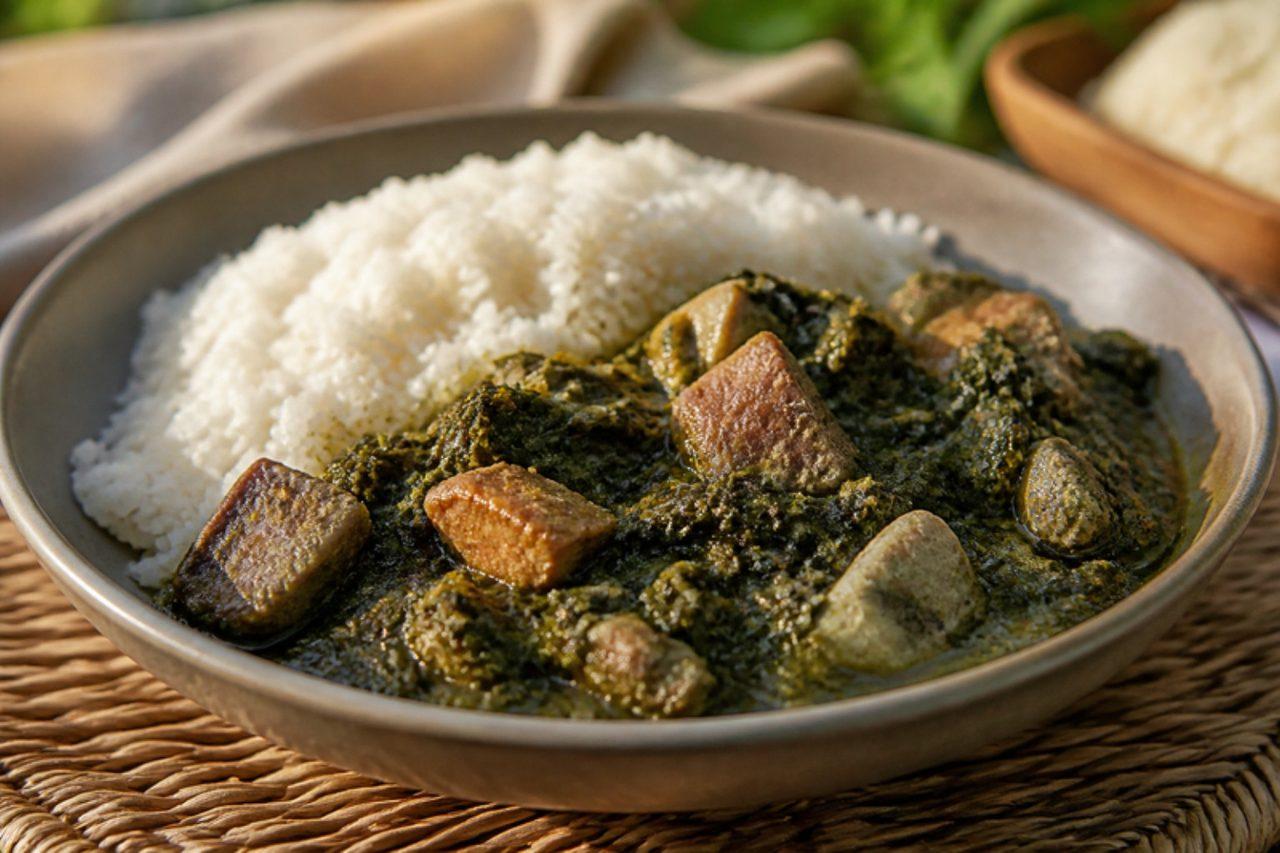
Ravitoto with porkPounded cassava leaves with pork

Ravitoto sy henakisoa, cassava leaves with pork, is a favourite of the Malagasy highlands around Antananarivo and is served at family Sunday lunches with a mound of white rice. This dish contains pork. The cassava leaves are pounded to a dark green paste and simmered for a long time with fatty pork, garlic and ginger until rich and soft, often finished with coconut milk. The mistake is undercooking the cassava leaves: they must cook for at least an hour to be safe and lose their bitterness, so don't cut it short. Chef's tip: frozen pounded cassava leaves (sold as ravitoto, pondu or saka saka) save a lot of work.

120 minMalagasyMeatGluten free
by KrazyBadal 0 views

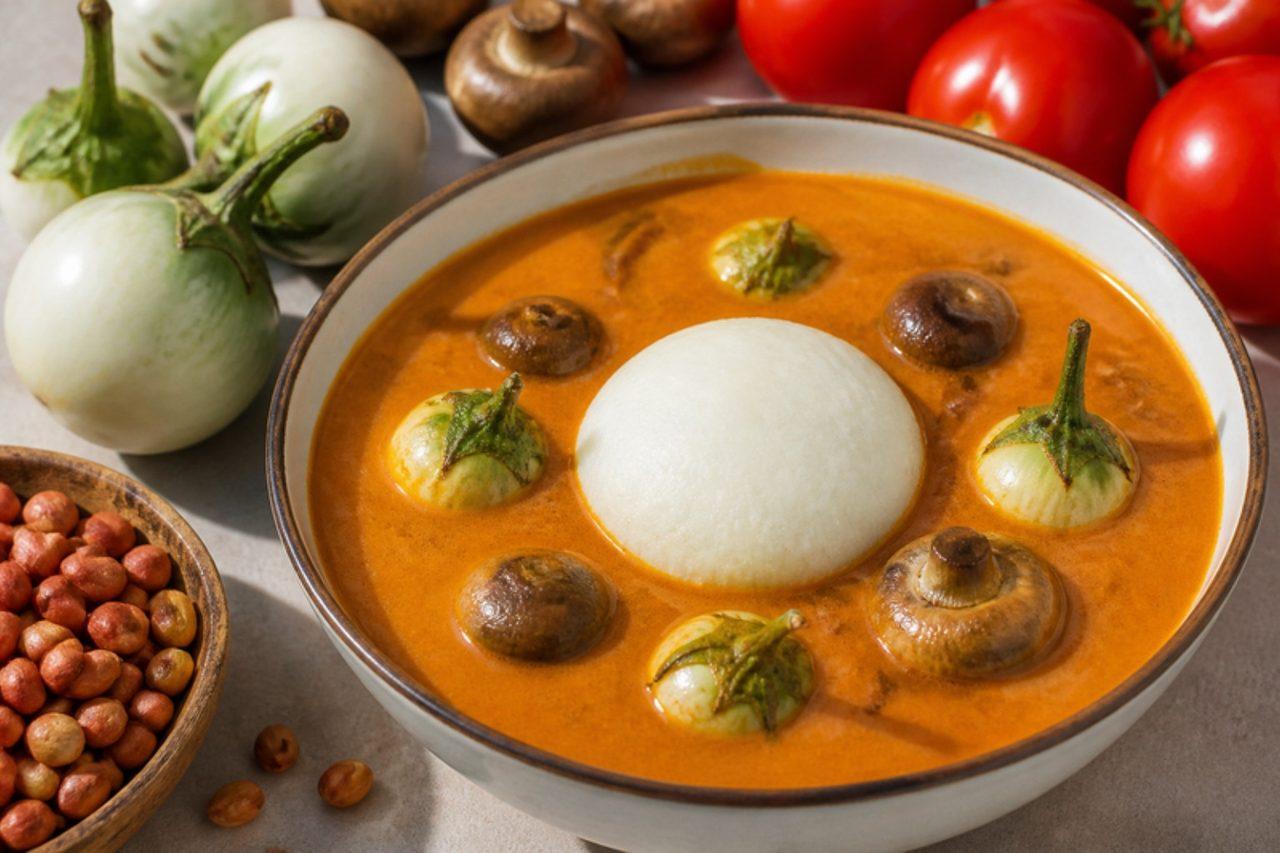
Groundnut soup (nkatenkwan)Peanut soup

Nkatenkwan is the Sunday soup of Ghanaian homes, simmered while families are at church and eaten afterwards with omo tuo (soft rice balls) or fufu. Roasted groundnut paste is cooked slowly in a peppery tomato and ginger broth until the oil separates and turns the soup a rich orange-brown. It usually carries chicken or goat; here garden eggs (small African aubergines) and mushrooms keep it meaty without meat. Chef's tip: cook the groundnut paste long and slow; it is ready only when reddish oil rises and pools on top, and rushing it leaves a raw, pasty taste.

by KrazyBadal 0 views

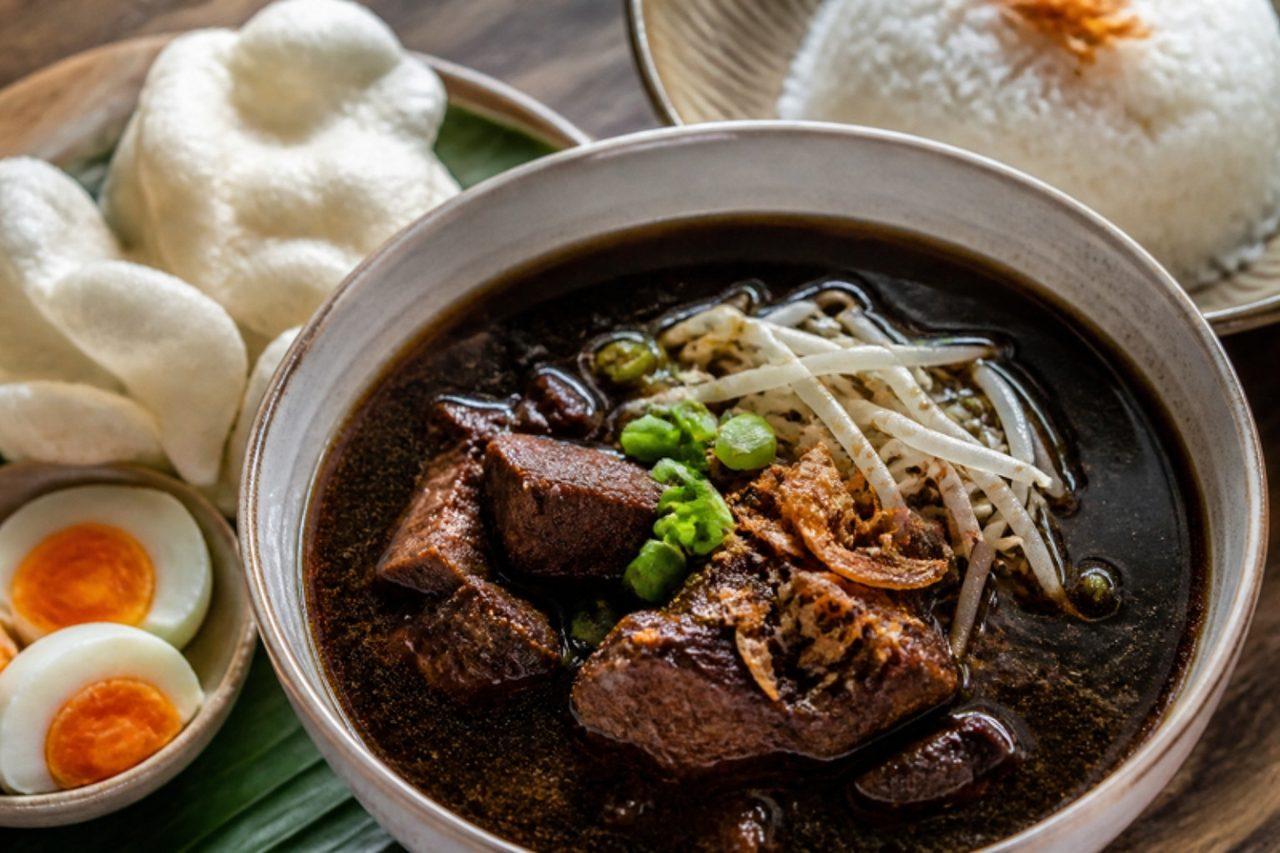
RawonBlack beef soup

Nothing else on the table looks like rawon: a beef soup as dark as strong coffee, served in Surabaya from breakfast through to the late-night warungs that stay open after the football. Its colour and flavour come from keluak (kluwek), the fermented kernel of a tropical tree nut, which tastes earthy and faintly bitter, somewhere between black olive, cocoa and mushroom. Tender beef cubes swim in the broth, and it's served with rice, short crunchy bean sprouts, a salted duck egg and prawn crackers for crunch. Raw keluak contains a natural poison and is only safe after long processing, so always buy ready-prepared kluwek nuts from an Asian grocer. Chef's tip: crack one nut first and taste a crumb; good flesh is moist, black and smells chocolatey, while sour or dry, pale flesh should be thrown away.

by KrazyBadal 0 views

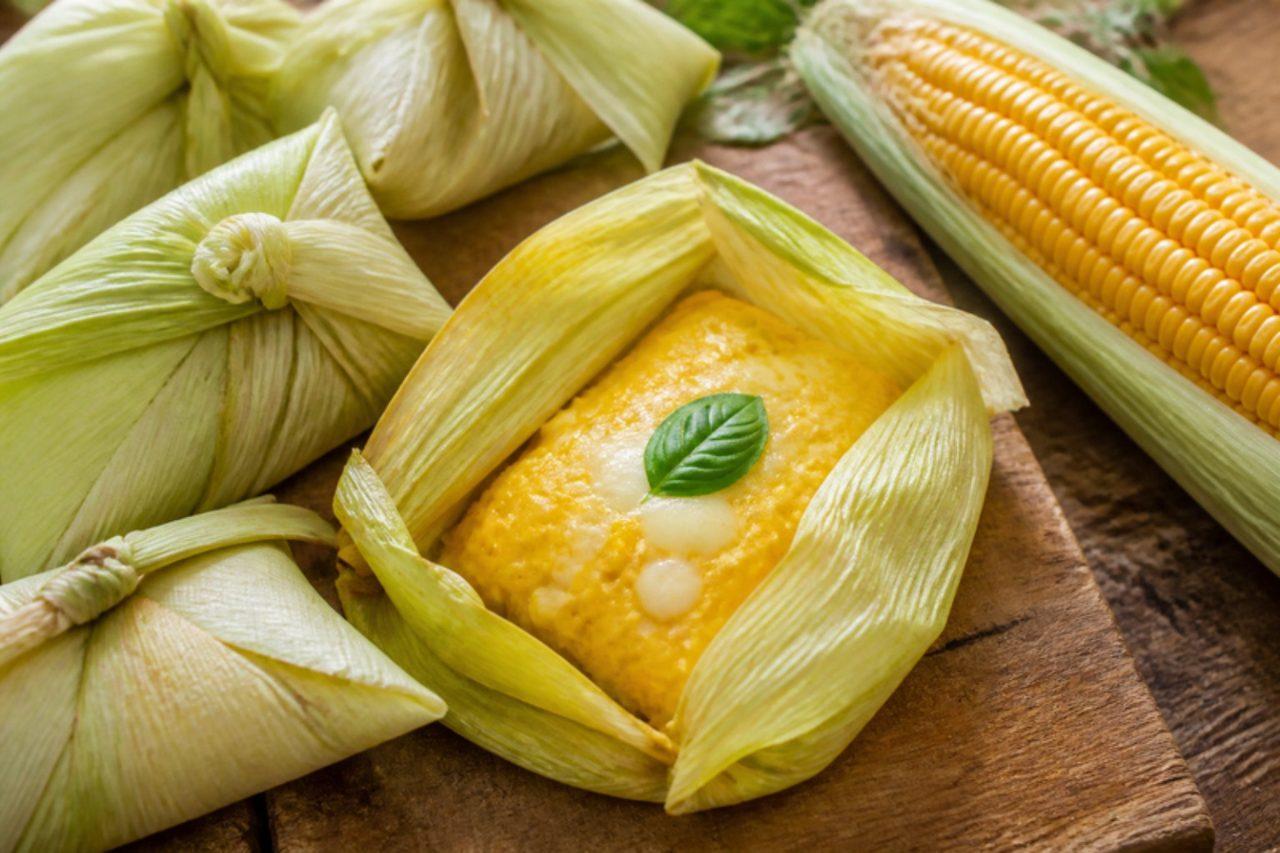
Humita en chalaSteamed corn and squash parcels

In Salta, Jujuy and Tucumán in Argentina's Andean northwest, humitas are made in late summer when the corn is young and milky. Fresh kernels are grated off the cob and cooked with onion, red pepper, squash and a little sweet paprika, then bound with cheese, wrapped in the fresh green husks (chala), tied with strips of husk and simmered. They come out soft, sweet and savoury, like a delicate corn pudding. Chef's tip: grate the corn on a box grater; it releases the milky juice that sets the humita, which cut kernels never will.

by KrazyBadal 0 views

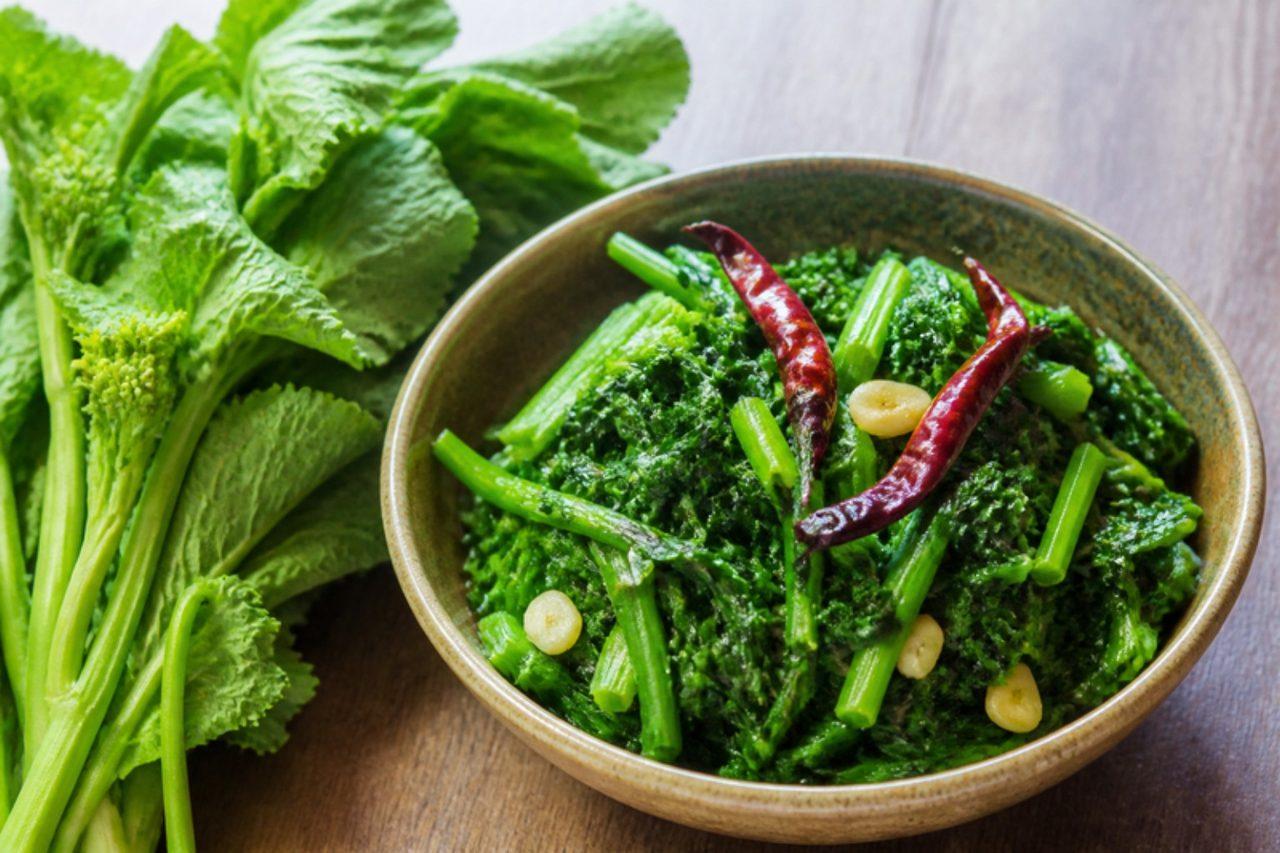
Saag (rayo ko saag)Mustard greens stir-fry

Ask for saag anywhere in Nepal and you will get the leafy part of the dal bhat plate: a tangle of greens, most often rayo (a broad-leafed mustard green), fried fast in mustard oil with garlic and a dried chilli until just wilted. It is nothing like the slow-cooked, puréed sarson ka saag of Punjab. Nepali saag keeps its bright colour, a little bite in the stems and a pleasant bitterness. It grows in every kitchen garden from the Terai to the hills and is on the table most days from autumn to spring. Spinach, chard or Chinese mustard greens all work the same way. The common mistake is to cover the pan, which stews the leaves to a grey mush; keep the heat high and the lid off. Chef's tip: add the stems a minute before the leaves so both are done at the same moment.

by KrazyBadal 0 views

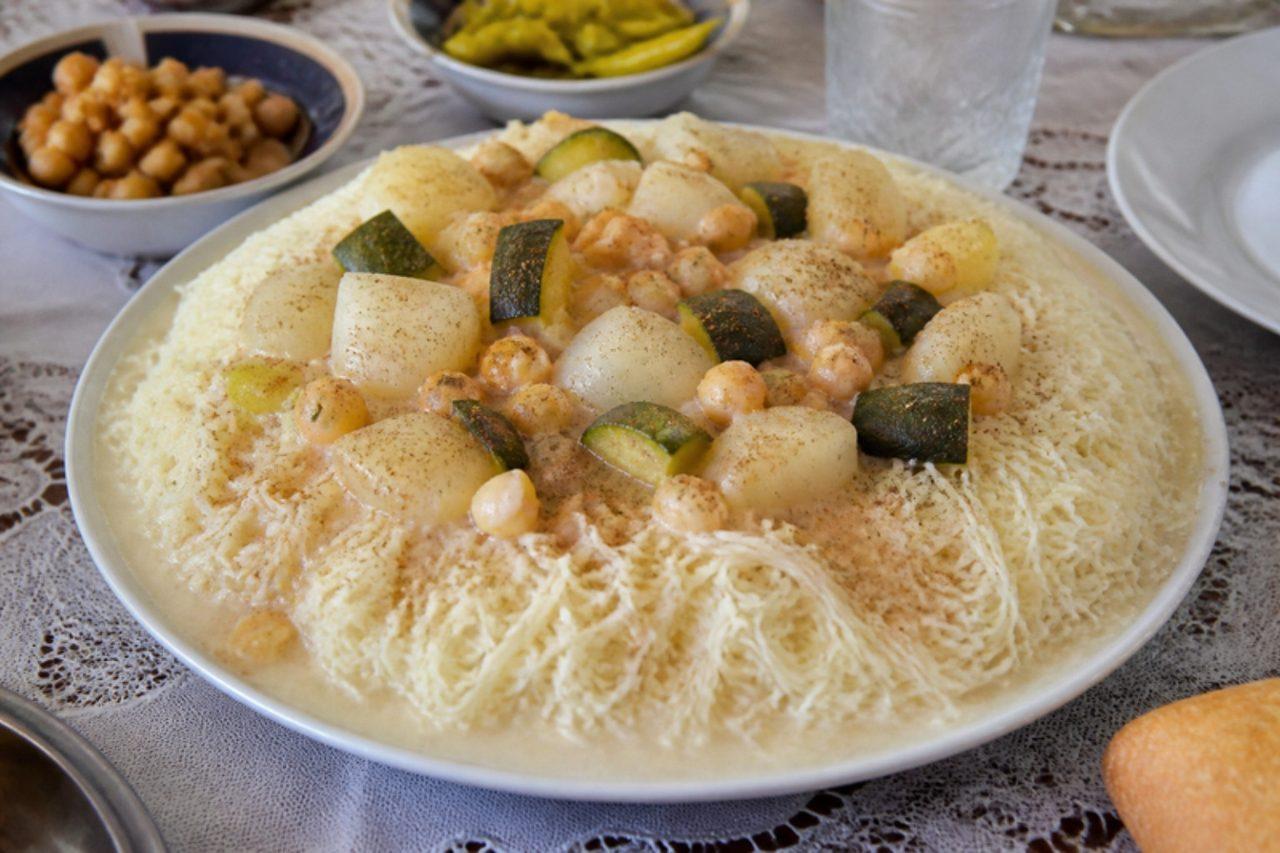
Rechta with vegetable sauceNoodles in turnip and chickpea broth

Rechta is the dish of Algiers and Blida for Mouloud, Ashura and the first day of the new year: thin, square-cut fresh noodles steamed in a couscoussier like couscous, then drenched in a pale, cinnamon-scented white sauce of turnips, courgette and chickpeas. It is usually made with chicken; this vegetable version keeps the gentle, peppery broth. Dried rechta is sold in North African shops; very thin dried egg-free noodles work too. Chef's tip: steam the noodles twice and rub them with oil in between, so they stay separate and silky.

by KrazyBadal 0 views

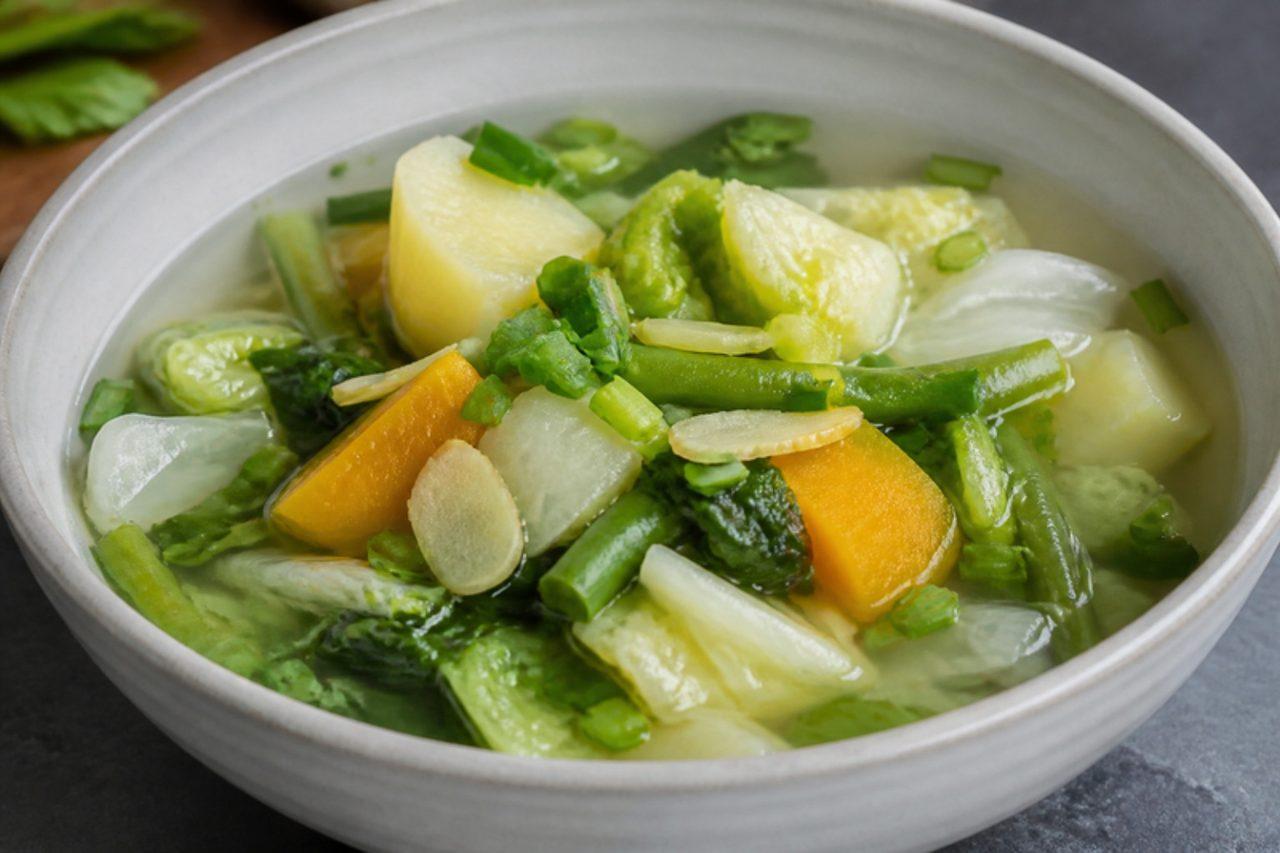
KangshoiClear vegetable stew

Kangshoi is the everyday stew of the Imphal Valley: seasonal vegetables simmered in water with ginger, onion and chilli, and finished with a fistful of fresh herbs such as maroi (a garlic chive), coriander and mint. It is light, clear and brothy, eaten with rice at almost every Meitei meal. Many households add dried fish or ngari (fermented fish) for depth; Vaishnav Meitei homes leave it out, and this vegetarian version relies on toasted chilli and plenty of herbs instead. Chef's tip: cook it without oil, as Manipuris do; the clean broth is the point.

by KrazyBadal 0 views

Kachri ki chutneyWild melon and chilli chutney

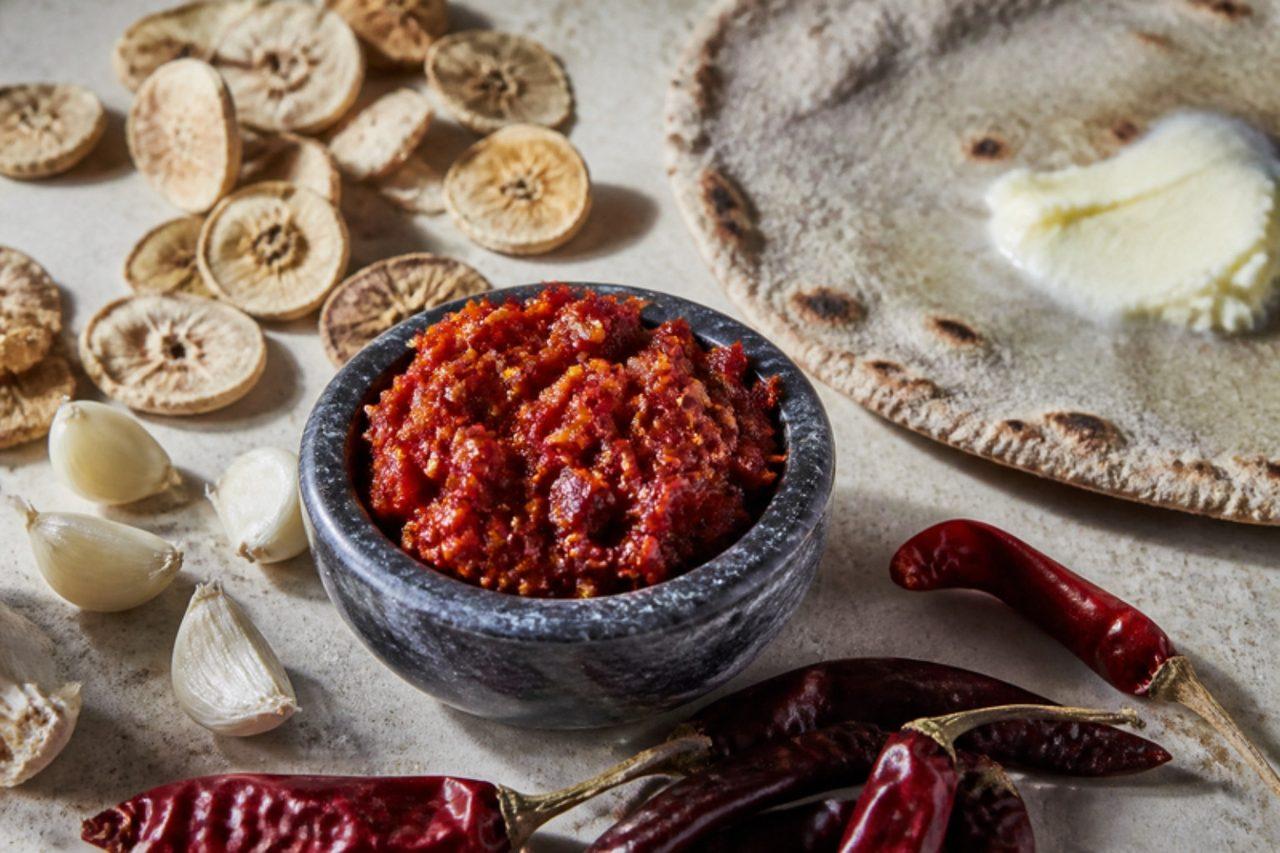
Kachri is a small wild melon that grows on its own in the sandy fields of southern Haryana and western Rajasthan. Sliced and sun-dried, it keeps for a year and has a sharp, sour taste that farmers' families grind with garlic and red chilli into this fiery chutney. A spoonful goes with bajra roti and white butter on a winter afternoon, or with dal and rice when there is nothing else in the house. Dried kachri and kachri powder are sold in Indian grocers. Chef's tip: taste a piece of dried kachri first; occasionally one batch is bitter, and that bitterness will ruin the whole jar.

by KrazyBadal 0 views

Moamba de galinhaChicken stew in palm oil sauce

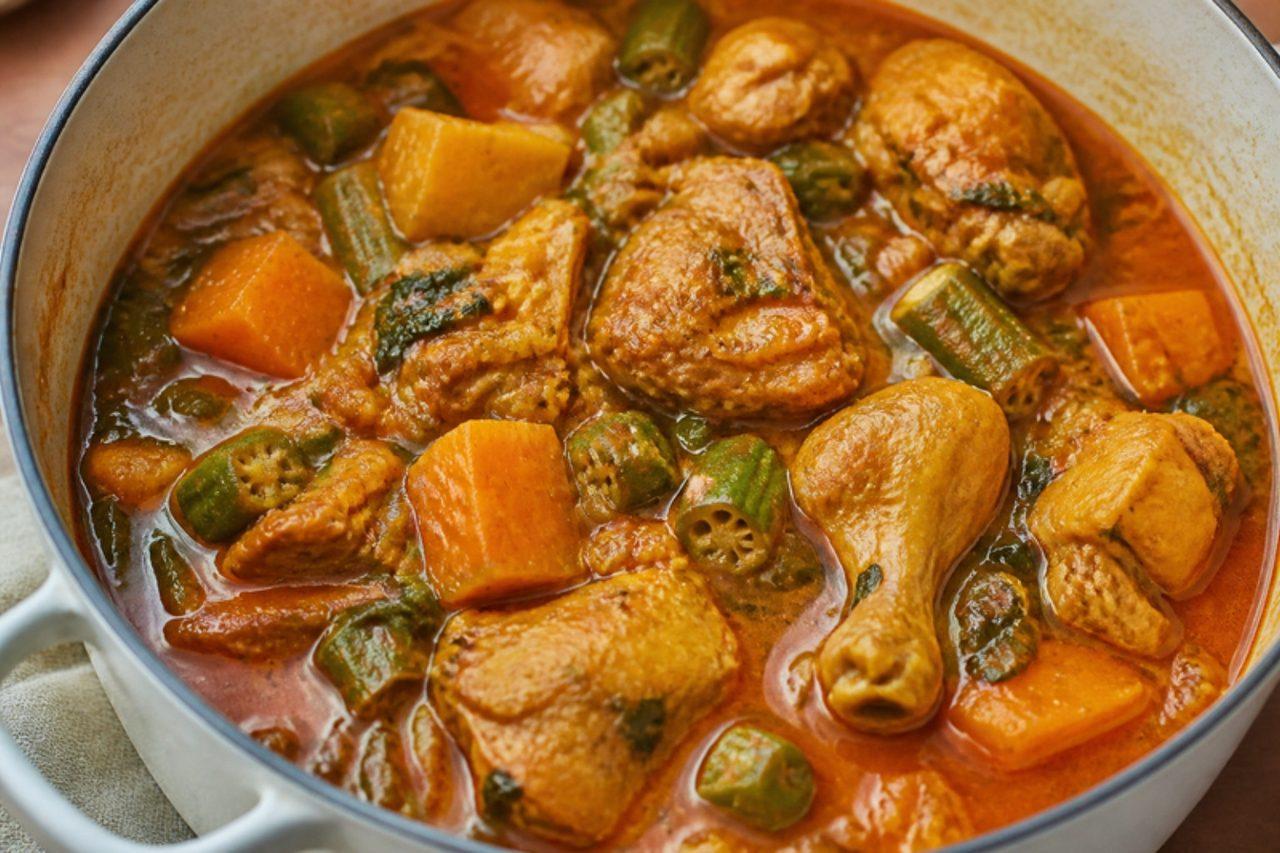
Moamba de galinha is the national dish of Angola, cooked in Luanda for Sunday lunch and family celebrations: chicken simmered in a deep orange sauce of palm oil (or palm-nut cream), tomato, garlic and chilli, with okra and butternut squash. It is served with funge, a smooth cassava porridge, which is dipped into the sauce. The mistake is frying red palm oil over high heat, which makes it bitter; heat it gently. Chef's tip: marinate the chicken in lemon and garlic first; the sourness balances the rich sauce.

by KrazyBadal 0 views

Milanesa a la napolitanaBreaded beef with ham and cheese

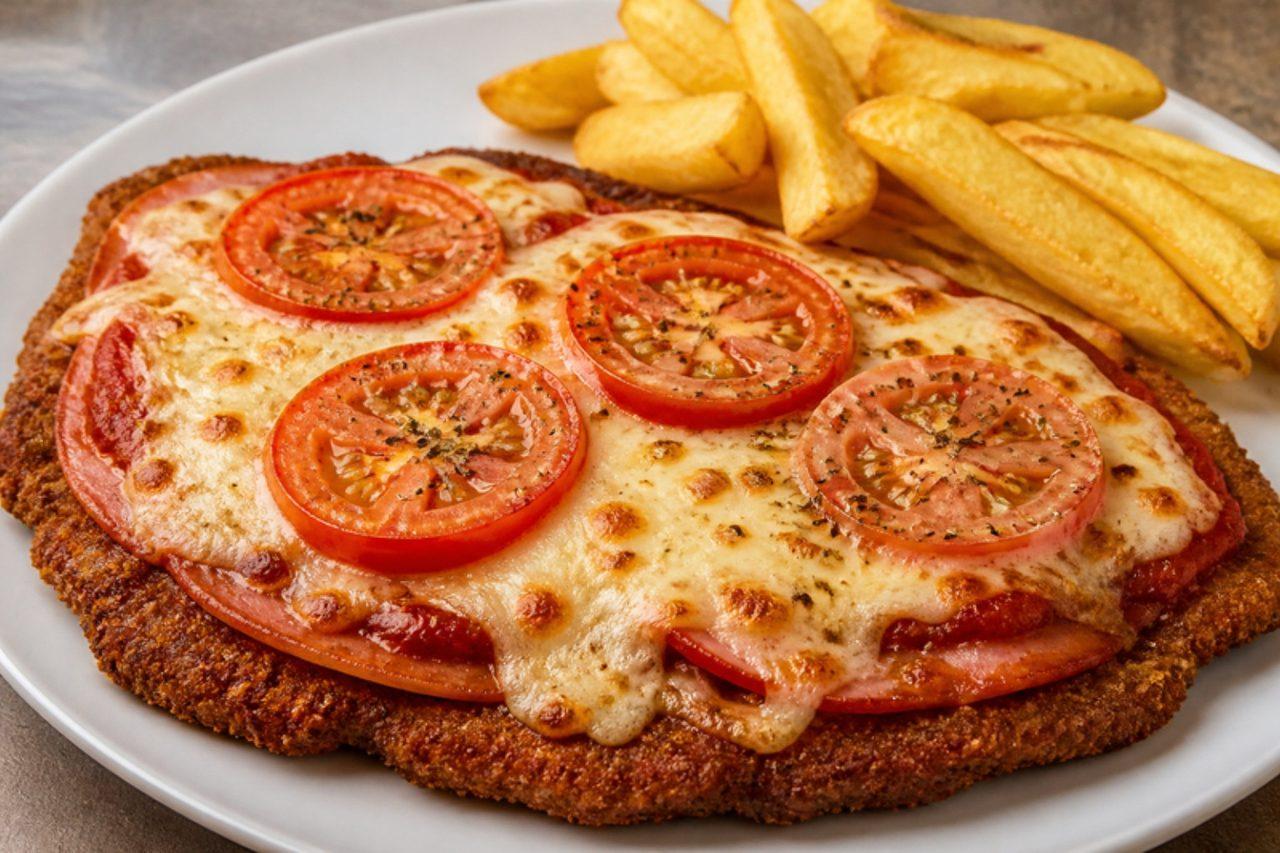
Despite the name, this has nothing to do with Naples: it was invented in Buenos Aires in the 1940s at a restaurant called Nápoli, near the Luna Park stadium. A crisp milanesa is topped with tomato sauce, a slice of ham and plenty of mozzarella, then grilled until the cheese bubbles. It is a pork-and-beef dish, because of the ham. Porteños order it at the corner bodegón with a mountain of chips, one plate often shared by two. The common mistake is spooning on too much sauce, which turns the crumb soggy; a thin layer is enough. Chef's tip: fry the milanesas a minute less than usual, since they finish cooking under the grill, and keep the sauce thick.

by KrazyBadal 0 views

Ehime mikan jellyMandarin jelly

Ehime, on the sunny north coast of Shikoku, is Japan's mandarin country. Terraced orchards climb its hillsides above the Seto Inland Sea, and the local mikan is so central to life there that some towns joke their taps run with juice. Mikan jelly is the prefecture's everyday treat, sold in cups at service stations and made at home when the fruit glut comes in winter. Ours is set with kanten (agar) instead of gelatine, which also means it holds firm at room temperature and doesn't melt on a hot day. Serve chilled after dinner. Chef's tip: boil the agar properly for 2 minutes. Agar only sets once fully dissolved, and undercooked agar leaves a grainy, weak jelly.

by KrazyBadal 0 views

Tocăniță de ciuperciMushroom stew

Tocăniță is the everyday stew of Romanian home cooking, and the mushroom version is a fixture of the Orthodox fasting days, when Transylvanian cooks use forest mushrooms gathered in the Apuseni hills and city cooks use button mushrooms from the market. Onions, garlic, tomato, white wine and thyme cook down into a thick, glossy sauce, without the sour cream and paprika of a Hungarian paprikás. It is always eaten with hot mămăligă and a spoon of the sauce over the top. Chef's tip: brown the mushrooms in batches in a hot pan; crowding them is the usual mistake, and they then stew grey in their own water instead of turning golden.

by KrazyBadal 0 views

Kacchi biryaniRaw-marinated mutton biryani

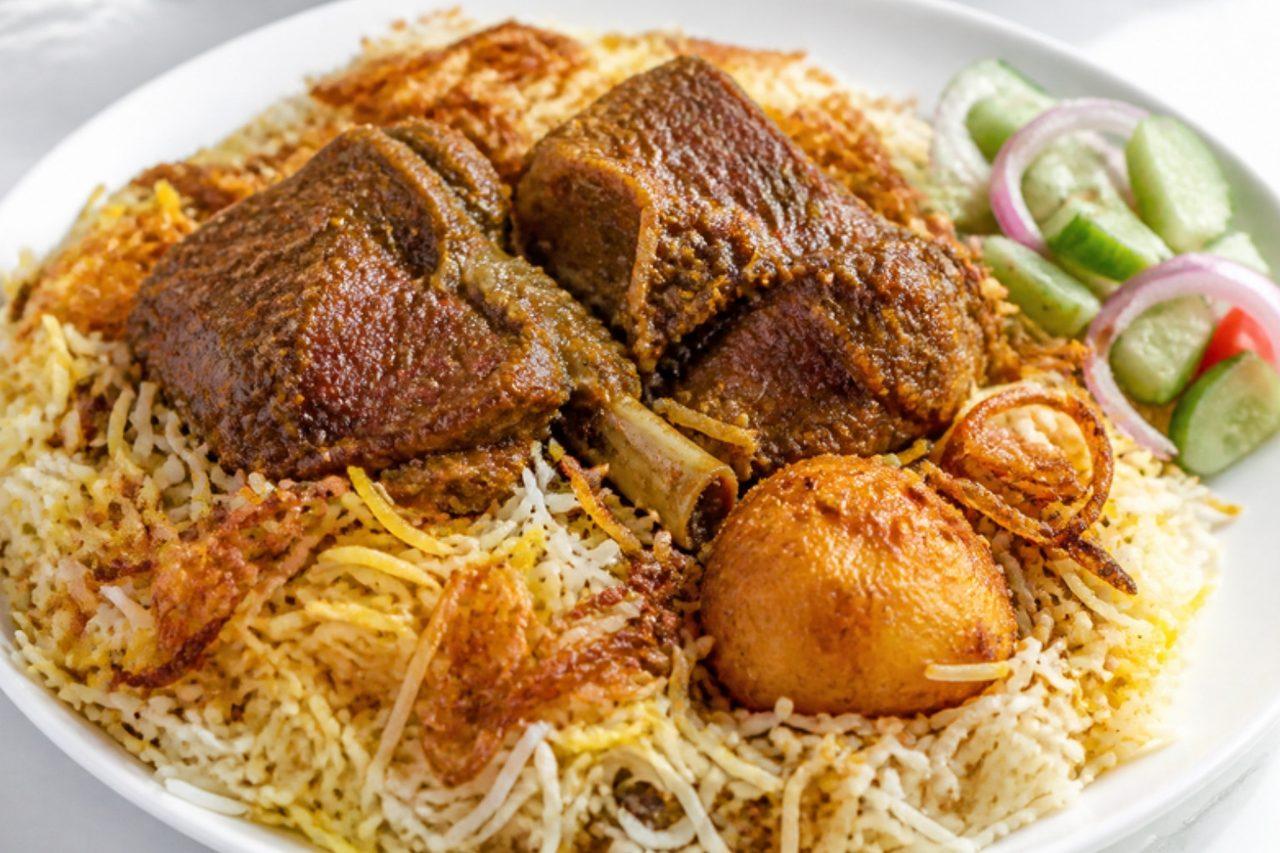
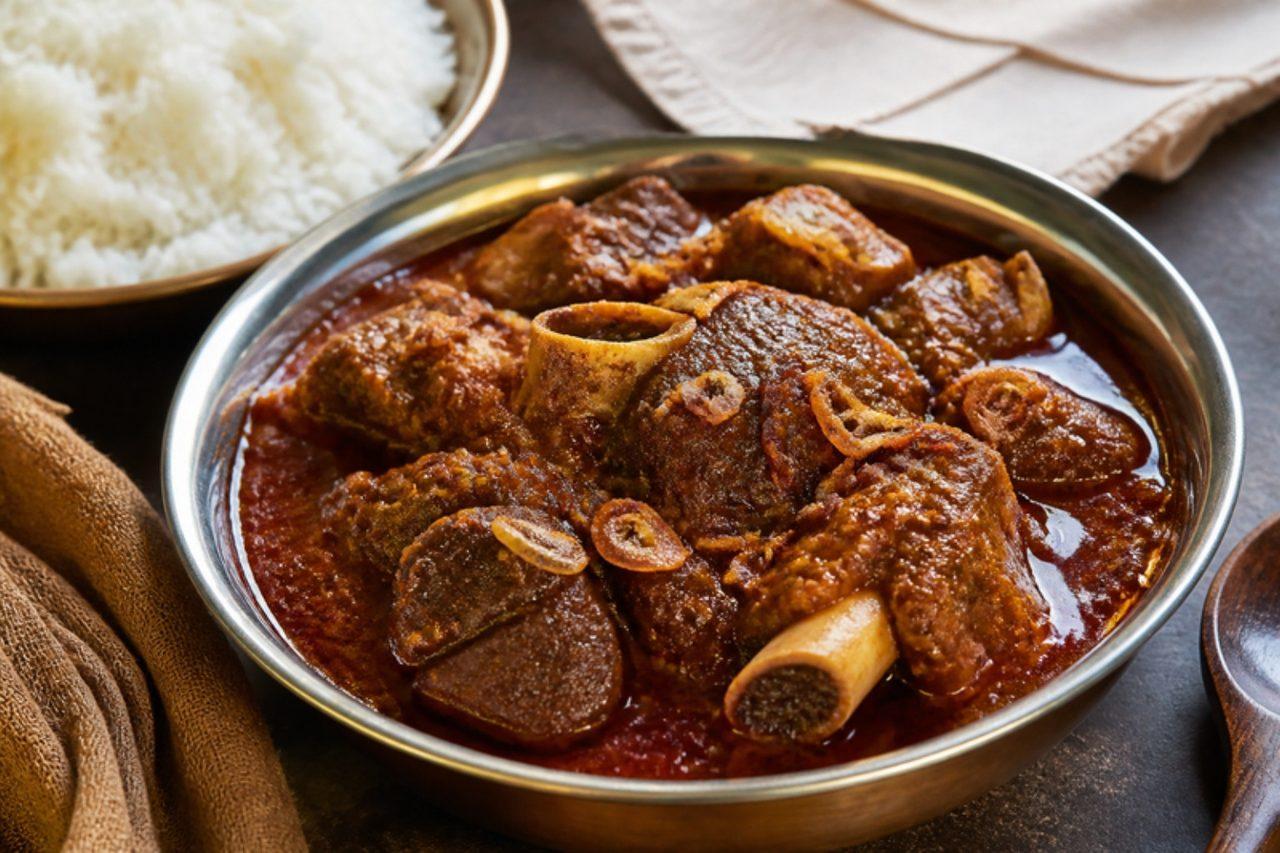
Kacchi biryani is the wedding dish of Old Dhaka: at every Bangladeshi biye the huge copper pots come out, and the lanes around Nazira Bazar are famous for it. 'Kacchi' means raw: the mutton goes into the pot uncooked, marinated in yogurt and spices, under a layer of half-cooked aromatic rice and fried potatoes, and everything steams together for over an hour so the meat juices cook the rice. Serve it with borhani, the spiced yogurt drink, and a salad of sliced cucumber and onion. The common mistake is under-marinating or using lean meat cut too large; small pieces of shoulder with some fat, marinated overnight in the fridge, cook through in time. Chef's tip: seal the lid with a rope of dough; if no steam escapes, the meat at the bottom becomes tender without you ever opening the pot.

by KrazyBadal 0 views

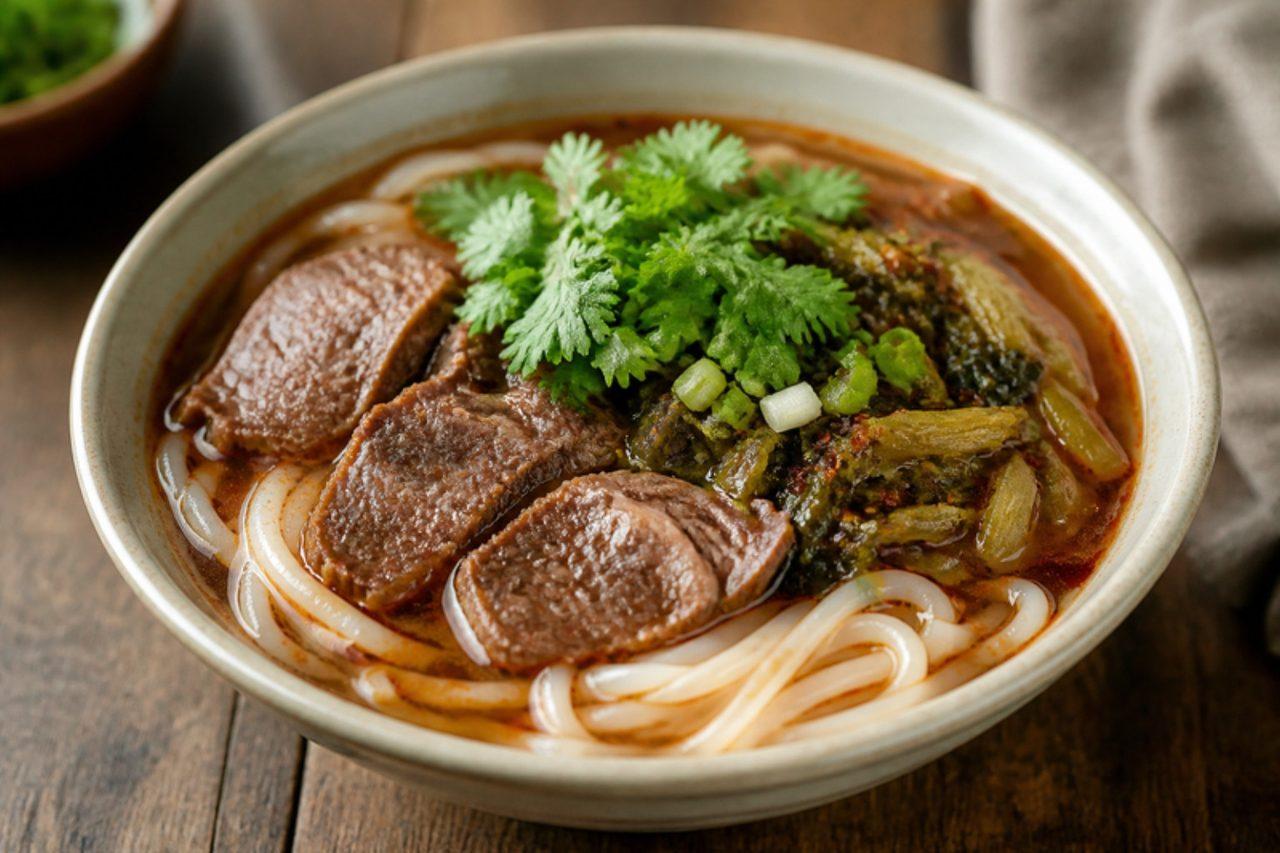
Huaxi beef noodlesBeef rice noodle soup

Breakfast in Guiyang means a steaming bowl of rice noodles at a counter, and the version from the Huaxi district on the city's southern edge is the one people queue for. Silky noodles sit in a clear, deeply beefy broth under slices of slow-cooked shin, and each diner finishes the bowl at the table from pots of tangy pickled mustard greens, toasted chilli and fresh herbs, so it is sour, spicy and savoury exactly to taste. The broth is light enough for the morning but rich in flavour. Serve it as a whole meal; a few extra pickles on the side are all it needs. Chef's tip: blanch the beef and rinse it before the long simmer; skipping this is the common mistake that leaves the broth cloudy and scummy.

by KrazyBadal 0 views

Schwäbischer KartoffelsalatWarm potato salad

Swabian potato salad is nothing like the creamy kind. In Stuttgart and across Baden-Württemberg it is made with waxy potatoes sliced while still warm and soaked in hot stock, vinegar, onion and oil until it turns glossy and slightly 'schlonzig', a local word for that loose, juicy texture. It is eaten lukewarm, never fridge-cold, beside Maultaschen or vegetarian schnitzel, and at every summer garden party. This version uses vegetable stock. Chef's tip: pour the hot dressing over the potatoes while they are still warm; cold potatoes won't drink it in and the salad stays dry.

by KrazyBadal 0 views

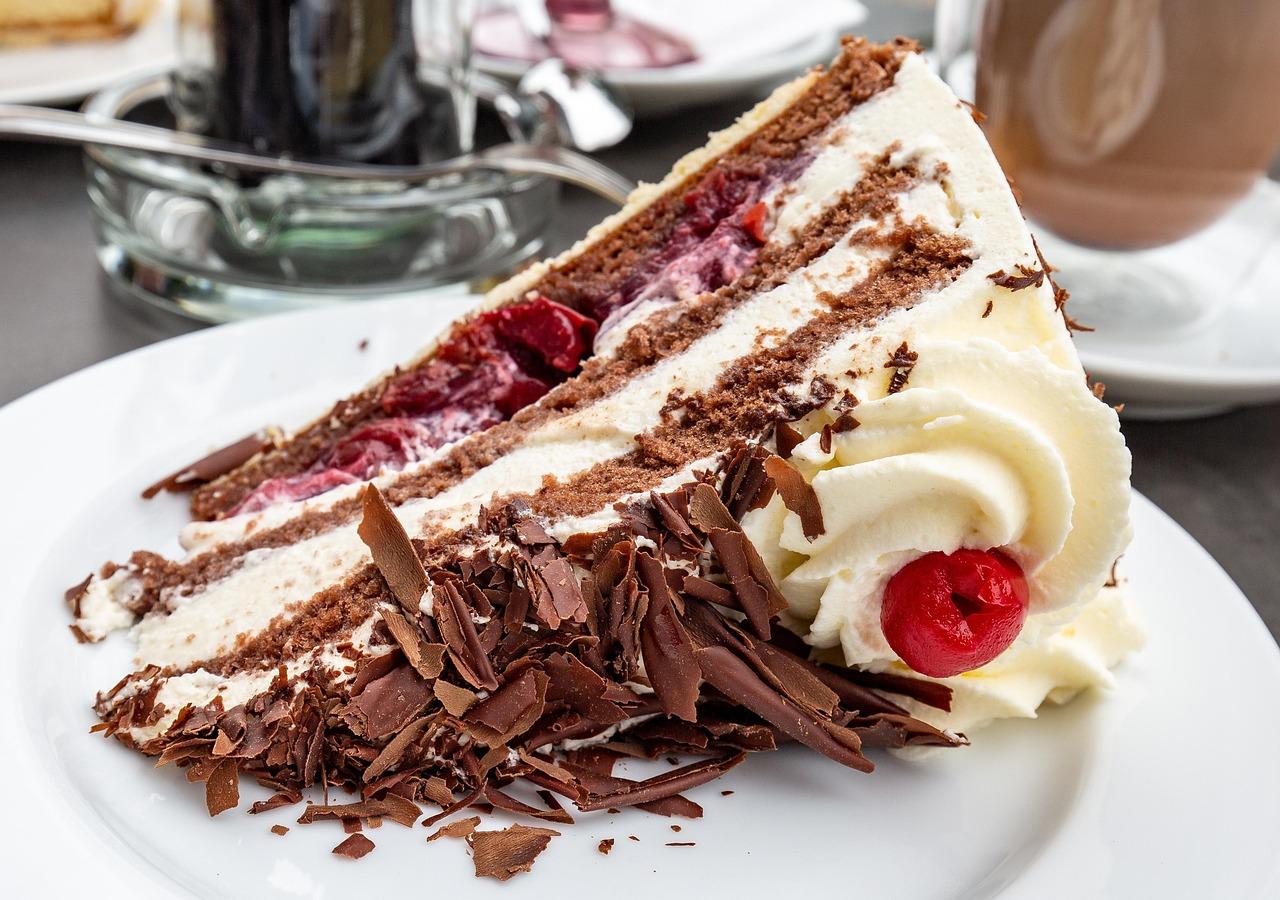
Schwarzwälder KirschtorteBlack Forest gâteau

Schwarzwälder Kirschtorte comes from the Black Forest in south-west Germany, a region famous for its sour cherries and the clear cherry brandy, Kirschwasser, distilled from them. Layers of light chocolate sponge are soaked with cherry syrup (and traditionally kirsch), filled with thickened sour cherries and lots of whipped cream, then covered in cream and chocolate shavings and topped with cherries. It's the cake of birthdays, Sunday Kaffee und Kuchen and Konditorei windows. This version leaves out gelatine: the cherries are set with cornflour and the cream with a little mascarpone. Chef's tip: chill the assembled cake for at least 4 hours; cut too early and the layers slide apart.

by KrazyBadal 0 views

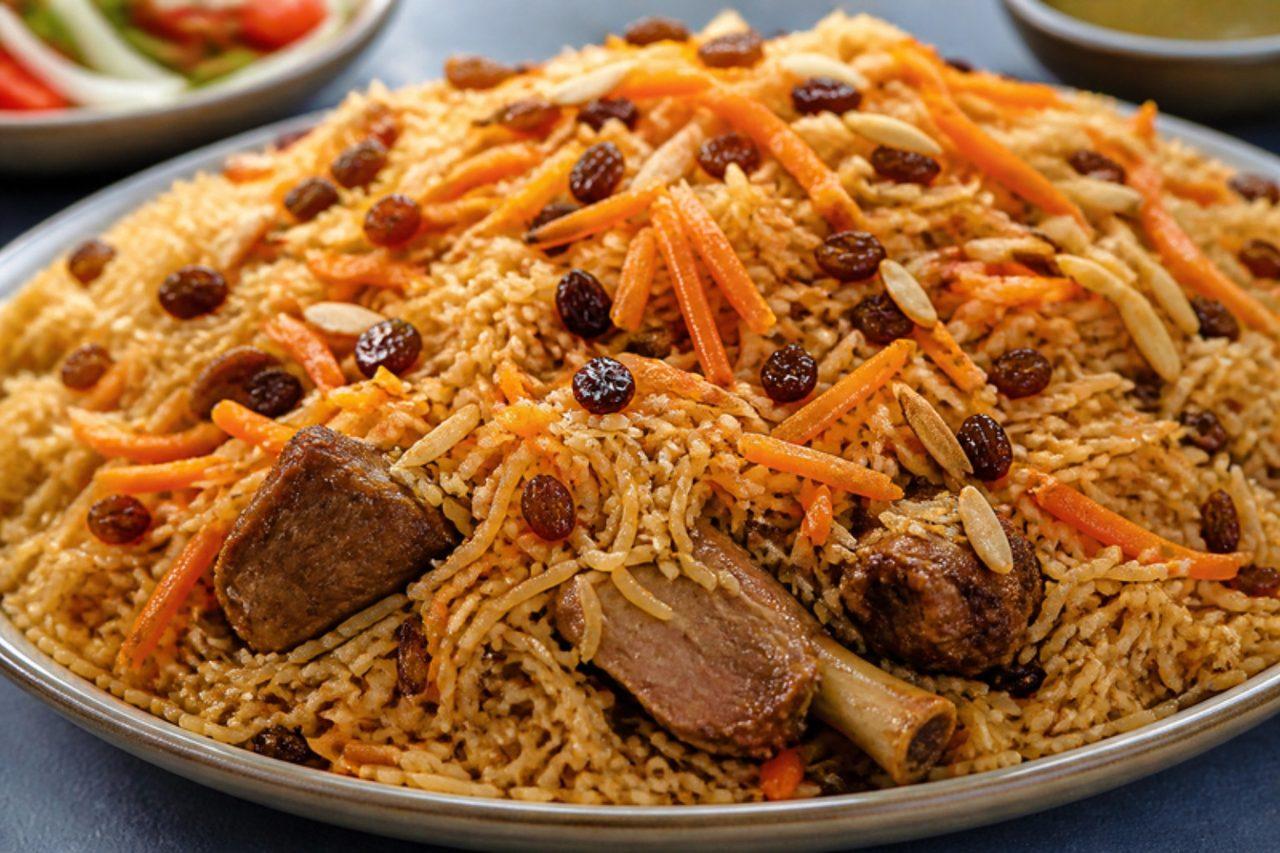
Kabuli pulaoLamb pilaf with carrots and raisins

Kabuli pulao crossed the Khyber Pass from Afghanistan and is now part of everyday cooking in Peshawar and across Khyber Pakhtunkhwa, where it is the dish of honour for guests and the centre of Eid tables. Lamb on the bone is simmered into a rich stock, then rice is cooked in that stock and the meat is buried in the middle so it stays soft. On top go strips of carrot and raisins, glazed in a little sugar, and toasted almonds. It isn't spicy, just warm with cumin and cardamom. Chef's tip: caramelise a spoon of sugar in the oil before adding the stock; it gives the rice its traditional golden-brown colour.

by KrazyBadal 0 views

Tofu adoboTofu braised in vinegar and soy

Adobo is the dish Filipinos call national, cooked in some form in nearly every home from Ilocos down to Mindanao, and the meat versions are what most people know. In Catholic households, though, Holy Week and the Fridays of Lent call for a meatless table, and adobong tokwa (tofu adobo) is the answer many families reach for. Firm tofu is fried until it has a golden skin, then simmered in a reduced sauce of cane vinegar, soy sauce, a whole head of garlic, bay leaves and whole peppercorns until the sauce clings, sour and salty with a little sweetness. It tastes even better the next day and is eaten with mounds of plain rice. Chef's tip: press the tofu well and fry it properly; a dry, golden crust is what soaks up the adobo sauce instead of turning it watery.

by KrazyBadal 0 views

Migas with greens and garlicFried bread with greens and garlic

In the Alentejo nothing made of bread is wasted, and migas is the proof: stale loaves soaked, then worked in a pan of hot olive oil and garlic until they come together into a golden, crusty roll with a soft middle. Around Évora and Beja it usually sits next to fried pork, but in spring, when wild asparagus (espargos bravos) and grelos are picked along the field edges, cooks fold the greens straight into the bread and make it a dish in its own right. This version uses tender asparagus or turnip tops and is entirely plant-based. Serve it as a side with a fried egg or a bean stew, or on its own with olives. Chef's tip: soak the bread only until it is damp and heavy, then squeeze it hard; wet bread steams in the pan instead of forming the golden crust that makes migas worth eating.

by KrazyBadal 0 views

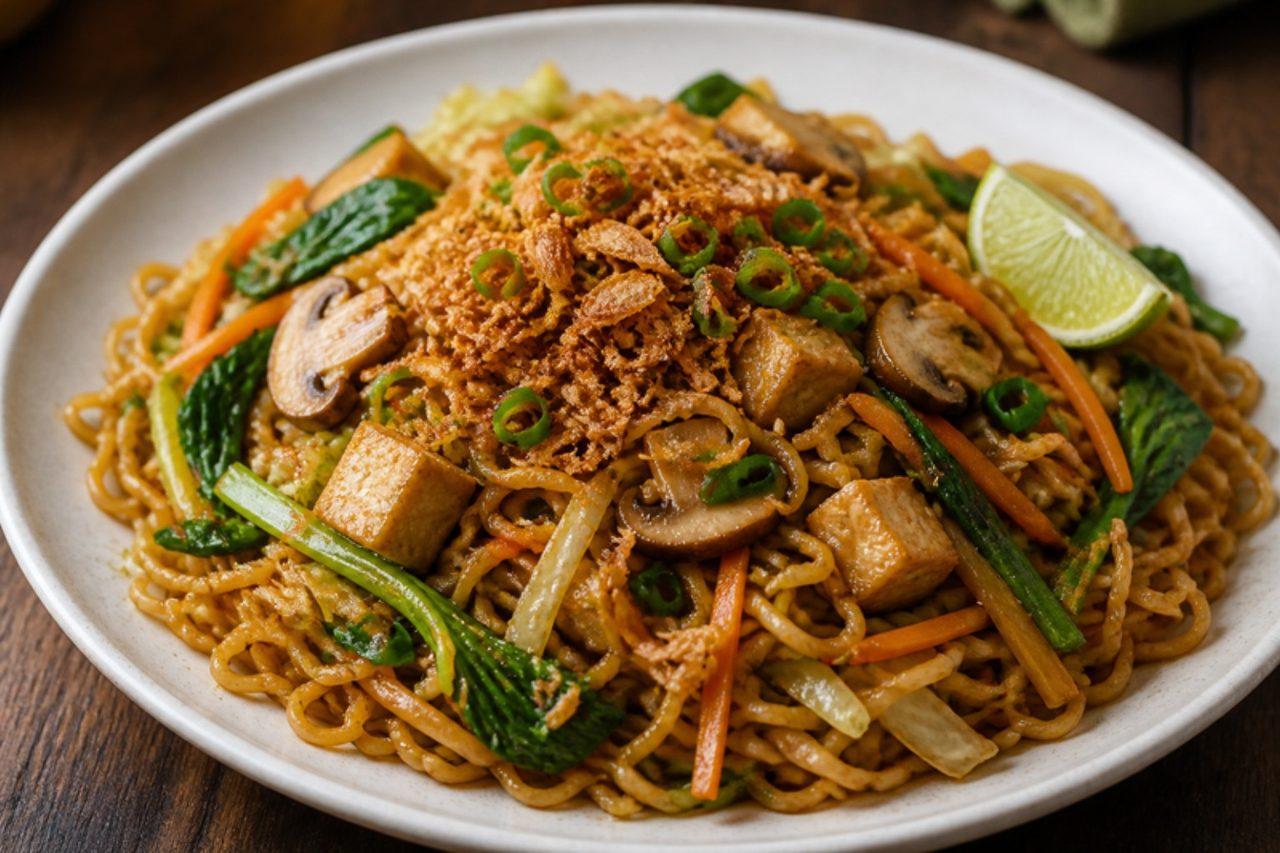
Mie gorengFried egg noodles

Mie goreng is what the gerobak noodle carts of Indonesian towns fry up after dark, each portion tossed in a blackened wok over a roaring flame, sweet and savoury from kecap manis and sharp with garlic. Unlike Malaysia's tomato-red mamak noodles, the Indonesian style is dark, glossy and dominated by sweet soy and white pepper, with plenty of greens and a scattering of fried shallots. This version swaps the usual chicken and prawns for tofu and mushrooms and is on the table in twenty minutes. Chef's tip: cook the noodles a minute short of the packet time and rinse them in cold water; they finish softening in the wok and stay springy instead of breaking.

by KrazyBadal 0 views

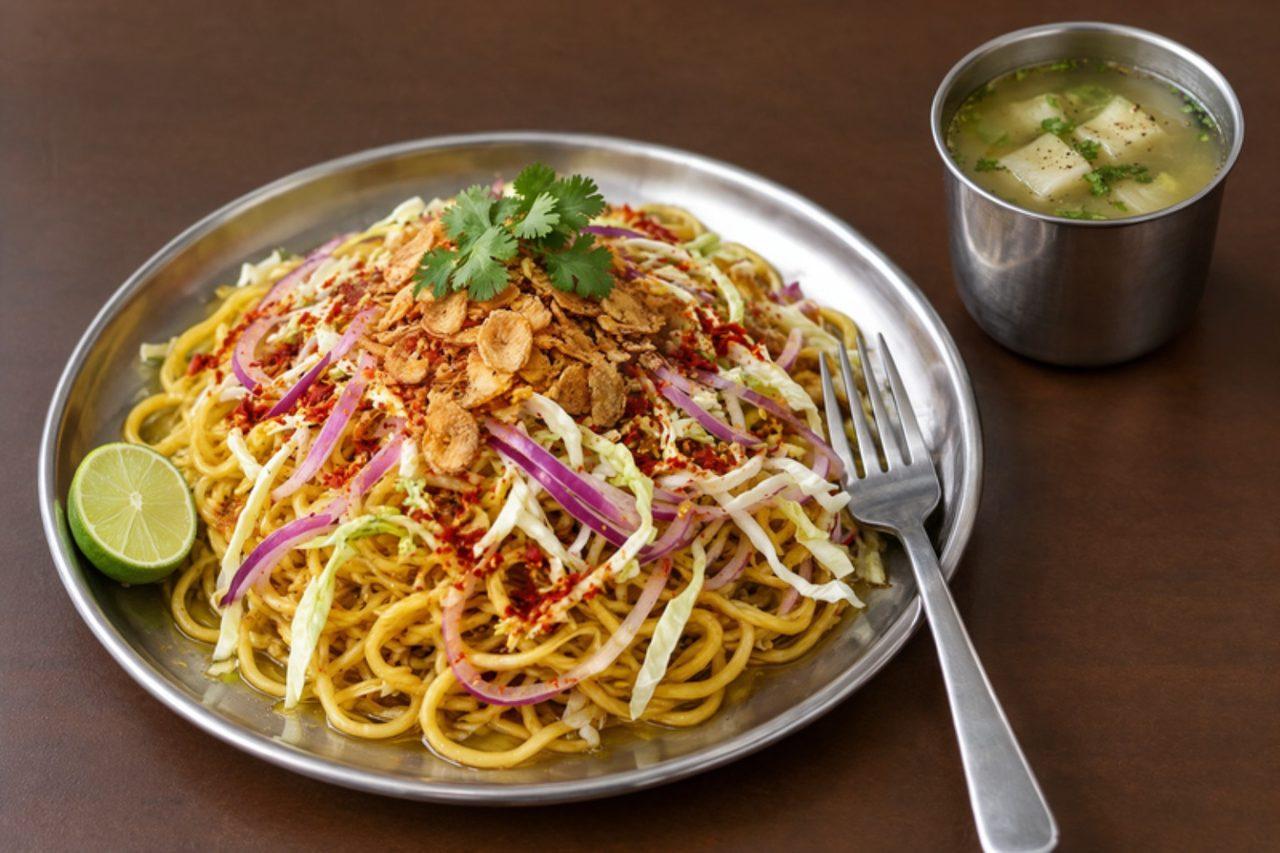
Ohn no khao swe with tofuCoconut noodle soup with tofu

Ohn no khao swe is the comforting coconut noodle soup that Burmese families serve for weekend lunches and for crowds at donation feasts, especially around Mandalay and Yangon. Wheat noodles sit in a rich, mildly spiced coconut broth thickened with chickpea flour, and everyone adds their own toppings: lime, sliced raw onion, chilli flakes, coriander and crispy fried noodles. It's normally made with chicken; tofu and chickpeas take its place here. Chef's tip: stir the coconut milk in at the end and keep it at a gentle simmer; a hard boil makes the coconut split and turn oily.

by KrazyBadal 0 views

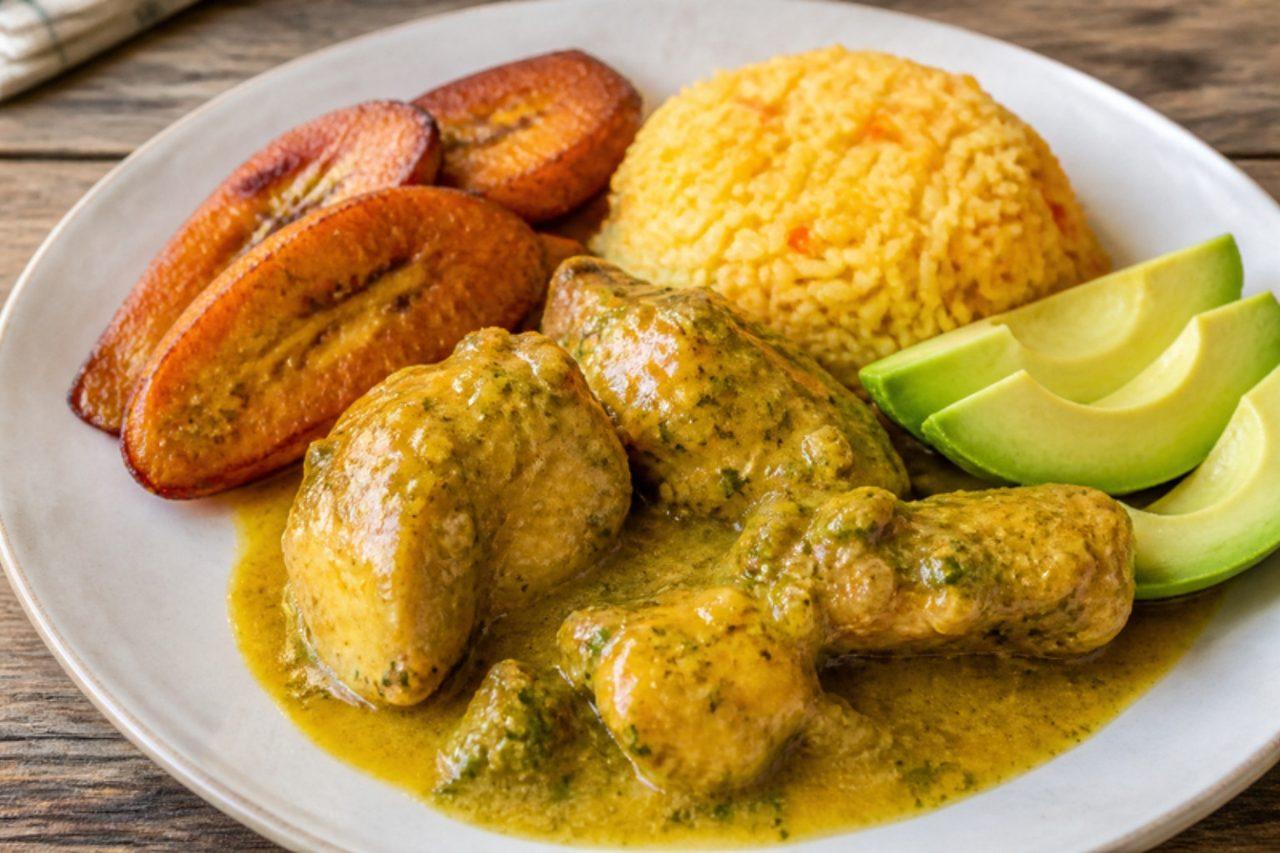
Seco de polloChicken stewed with coriander and beer

Seco de pollo is the weekday stew of Ecuadorian homes, from Quito to Cuenca, and the dish most lunch places serve on Mondays: chicken simmered in a green-gold sauce of onion, peppers, garlic, cumin and lots of coriander, soured with naranjilla (lulo) juice and often cooked with a little beer. It is served with yellow rice, fried ripe plantain and avocado. This recipe uses beer; for an alcohol-free version replace it with the same amount of chicken stock plus a teaspoon of sugar. The mistake is using too little coriander: the sauce should be fragrant and green. Chef's tip: if you can't find naranjilla, use half orange juice and half lime juice.

by KrazyBadal 0 views

Hawaiian tofu pokeMarinated tofu bowl

Poke (say 'POH-keh', meaning 'to cut into pieces') is Hawaii's everyday snack: in local markets and at the deli counters of Honolulu, raw cubed fish is tossed with soy, sesame oil, sweet Maui onion, seaweed and inamona (roasted candlenut). Tofu poke has become a standard option at those same counters, and it's how this recipe is written; the original uses raw tuna (ahi) instead of tofu. Serve it as a pūpū (snack) or over rice. Chef's tip: press the tofu well and dry it; firm, dry cubes soak up the dressing instead of watering it down.

by KrazyBadal 0 views

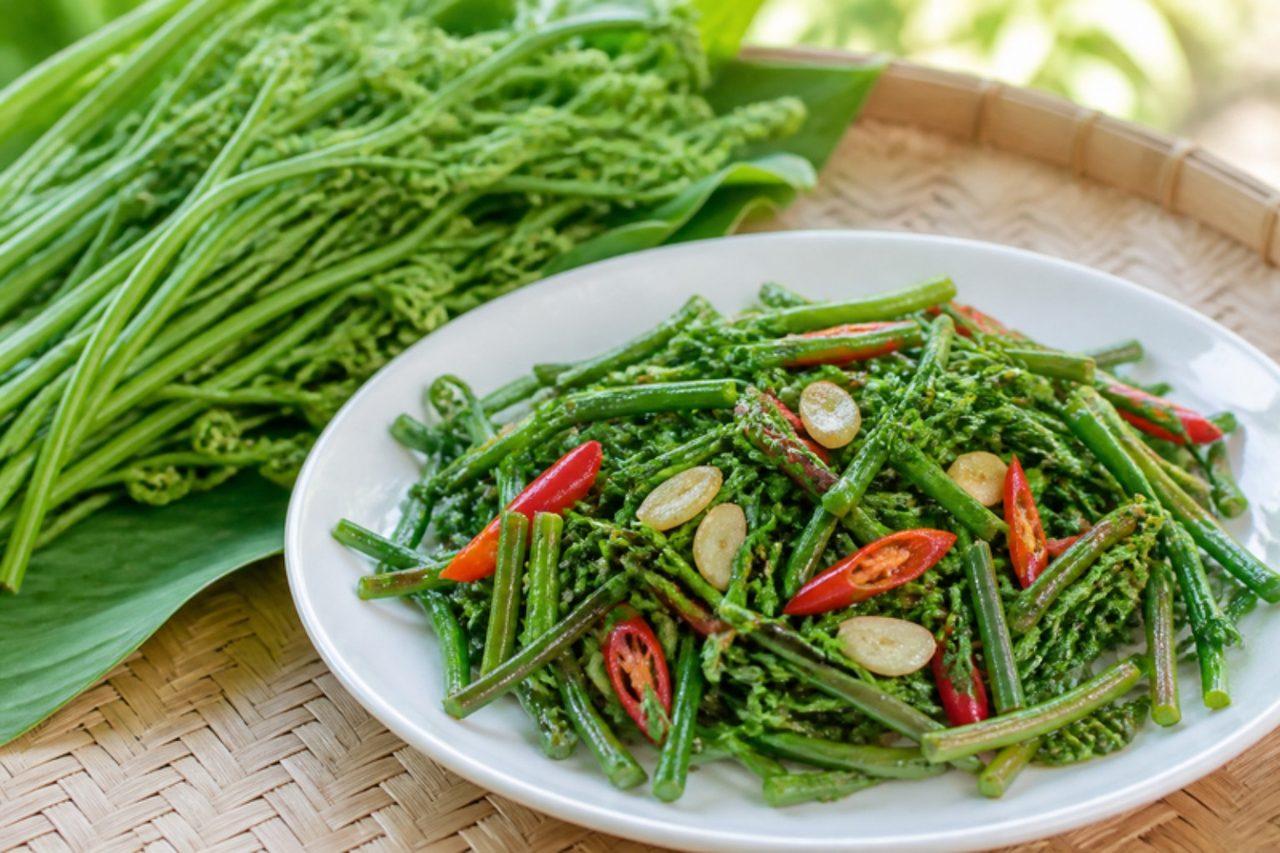
Midin gorengStir-fried jungle fern

Midin is a wild fern that grows in Sarawak's forests, with curly tips that stay crunchy when cooked, and Kuching restaurants serve it at almost every meal. The best-known version uses belacan (shrimp paste); just as common, and what this is, is midin fried hard and fast with plenty of garlic and a little chilli. Outside Borneo, fiddlehead ferns are the nearest match, and young pea shoots or asparagus tips make a good everyday stand-in. Chef's tip: fry in a very hot wok and serve in under 3 minutes; ferns lose their snap quickly.

by KrazyBadal 0 views

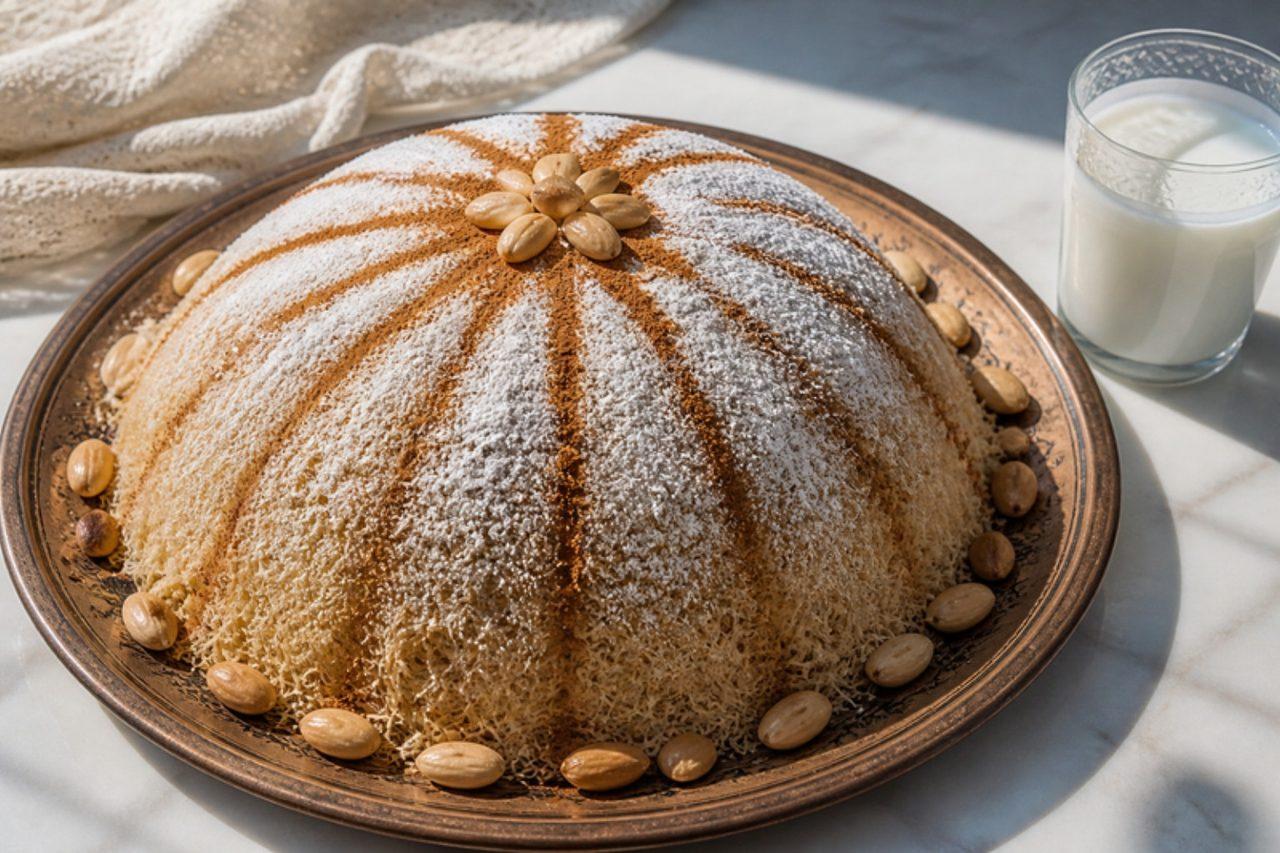
SeffaSweet steamed vermicelli

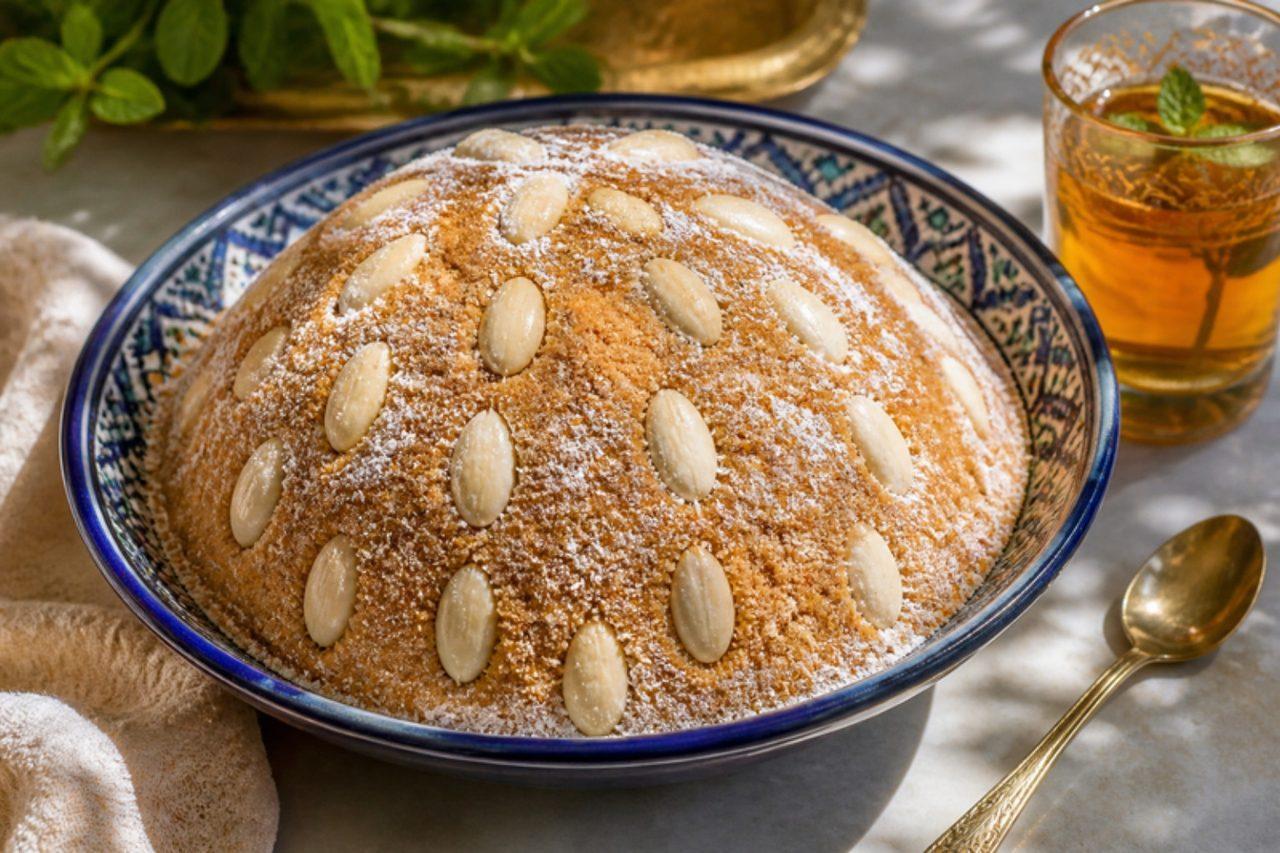
Seffa comes from the old medina of Fez, where it is carried out at the end of wedding feasts and served for breakfast after a baby's naming day: a mountain of fine steamed vermicelli tossed with butter, then decorated with lines of cinnamon, icing sugar and crushed almonds. The noodles are steamed rather than boiled, so they stay soft and separate rather than sticky. Each person eats from their side of the cone, often with a glass of cold milk. Chef's tip: steam the vermicelli in short bursts and fork it apart between each one; a single long steaming leaves it clumped.

by KrazyBadal 0 views

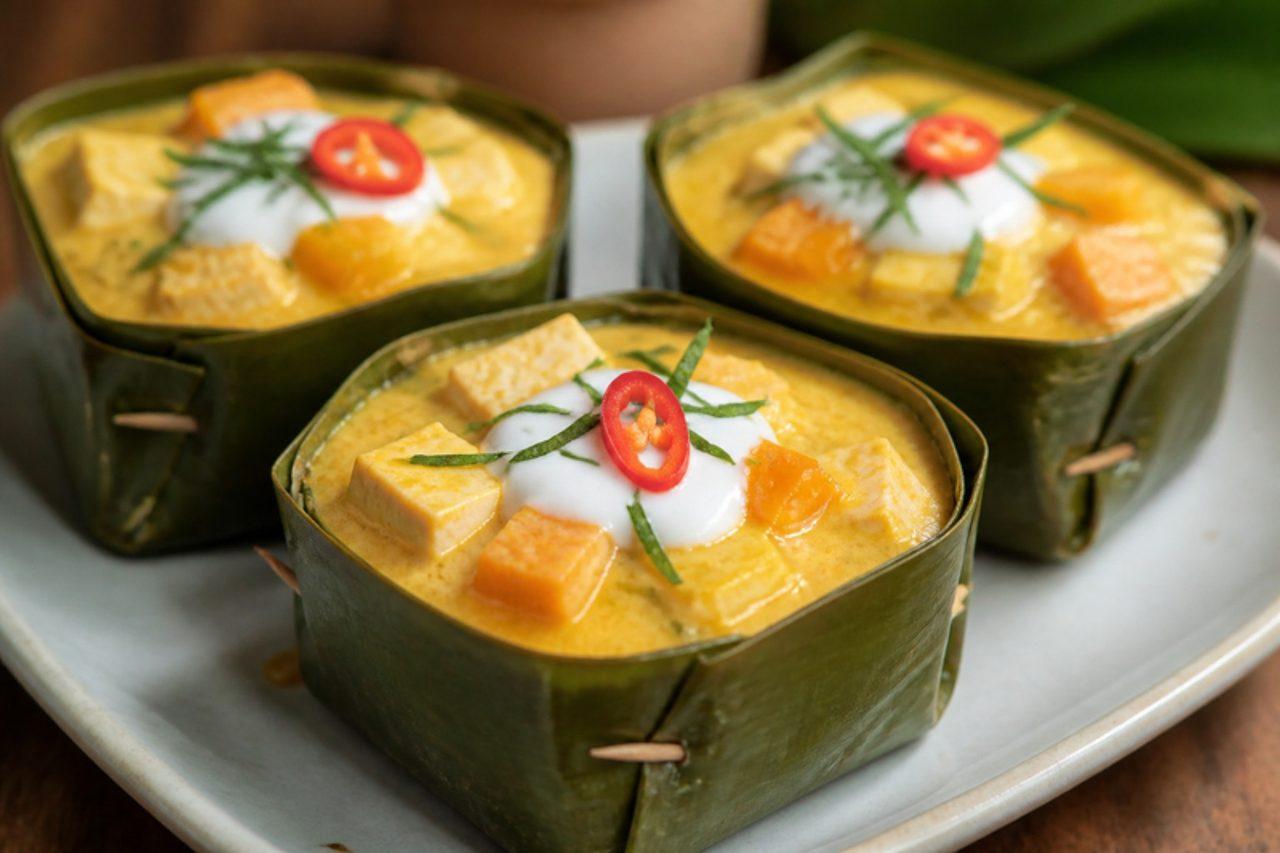
Tofu and pumpkin amokSteamed tofu and pumpkin custard

Amok is the dish Cambodians proudly serve to visitors, especially around Siem Reap and the Tonlé Sap, where it is traditionally made with freshwater fish. This home version keeps everything that makes it amok, the fragrant kroeung, thick coconut cream and a beaten egg that sets it into a soft, spoonable custard, but fills the banana-leaf cups with firm tofu and sweet pumpkin instead. Noni leaves (slok ngor) usually line the cups; young spinach gives the same green layer. Serve it with plain jasmine rice for a special dinner. Chef's tip: stir the custard in one direction only while you mix the coconut cream and egg; Cambodian cooks say this keeps it silky, and it also stops air bubbles that leave holes once steamed.

by KrazyBadal 0 views

Sopa paraguayaCheesy cornbread

Paraguayans love telling visitors that their national 'soup' is eaten with a fork: sopa paraguaya is a dense, moist cornbread baked with sweated onions, fresh cheese, eggs and milk. It's on every table at asados, weddings and the Christmas meal, and sold in squares at bus stations from Asunción to Encarnación. The crust is golden and the inside soft and cheesy, more like a savoury pudding than bread. Chef's tip: soak the cornmeal in the milk for 15 minutes before mixing; hydrated cornmeal bakes up tender instead of gritty.

by KrazyBadal 0 views

MiciGrilled skinless sausages

Every Romanian park, beer garden and May Day picnic smells of mici, the little skinless rolls of minced beef and lamb that sizzle on charcoal grills from Bucharest's Obor market to the Black Sea coast. The mince is beaten with garlic, thyme, a strong beef stock and a little bicarbonate of soda, which makes them springy and juicy inside with a crusty outside. They come in tens, with plenty of mustard, fresh bread and sometimes chips. The usual error is cooking them straight after mixing: the mince needs a night in the fridge for the bicarbonate and garlic to work. Chef's tip: shape them with oiled hands on an oiled tray, and grill them no thicker than your thumb so the middle cooks before the outside burns.

by KrazyBadal 0 views

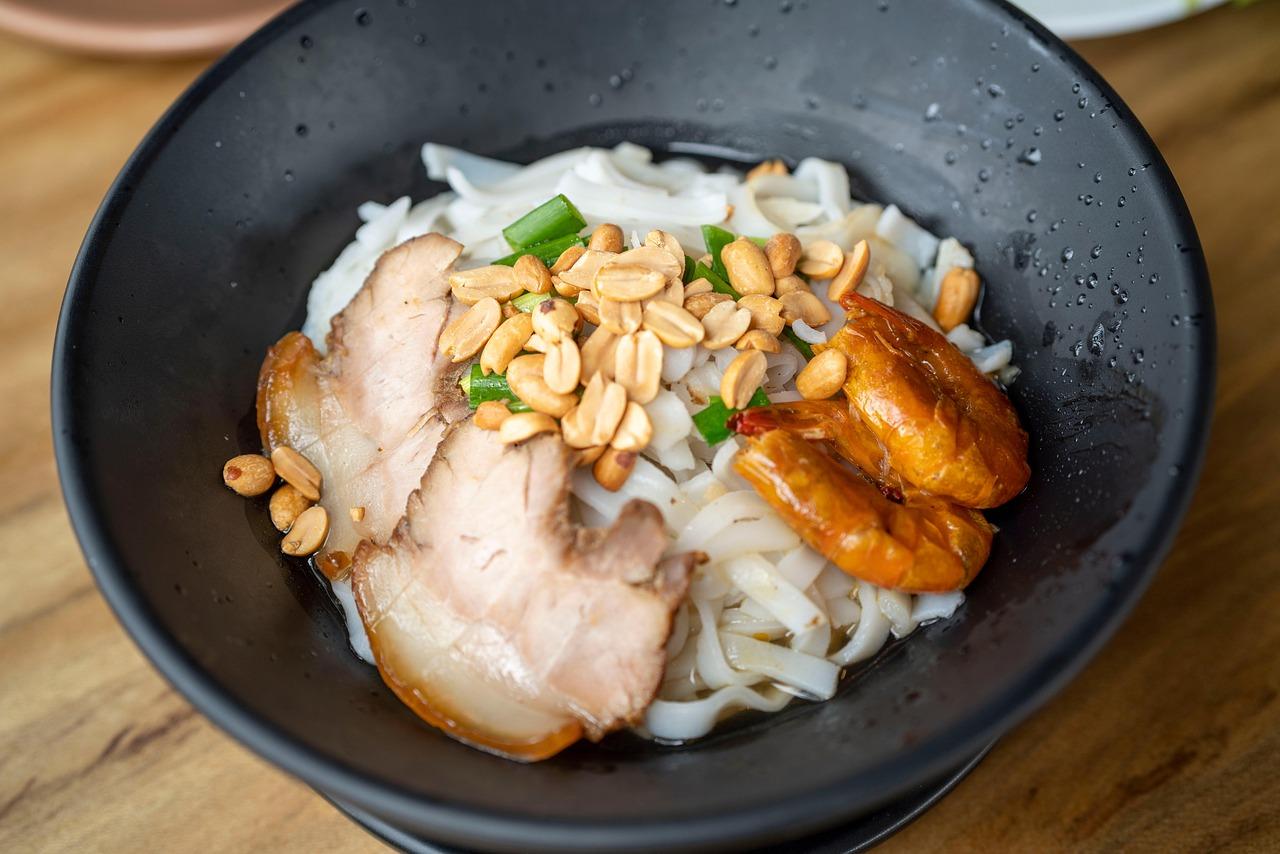
Mi QuangTurmeric noodles with pork and prawns

Mì Quảng comes from Quảng Nam province, around Hội An and Tam Kỳ, where it's eaten at any hour from roadside stalls and family tables. It sits halfway between soup and salad: wide yellow noodles get only a small ladle of rich, turmeric-coloured broth with braised pork and prawns, then a scatter of peanuts and herbs. A toasted sesame rice cracker is broken over the top for crunch. Every bite should be part noodle, part leaf, part cracker. Chef's tip: pour in just enough broth to come a third of the way up the noodles; any more and it becomes a soup and the crackers go soggy.

by KrazyBadal 0 views

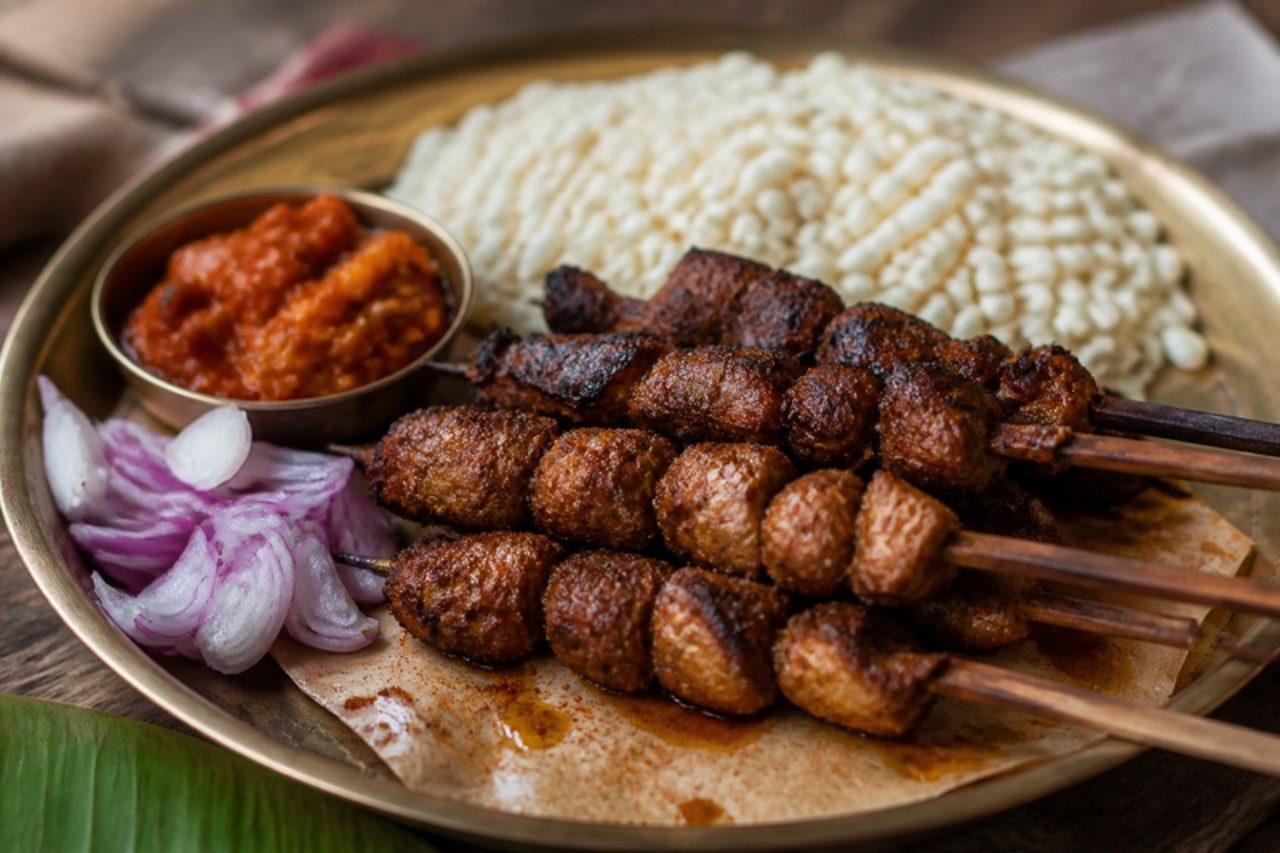
SekuwaSpiced grilled meat skewers

Dharan, in Nepal's eastern hills, is famous for its 'sekuwa corner', a lane of smoky grills where families and friends gather in the evening for spiced goat, chicken and pork skewers fresh off the fire. The meat is marinated in a dry-ish paste of garlic, ginger, cumin, chilli and timur (Nepali Sichuan pepper), with a little mustard oil, then grilled until charred at the edges. It is the classic picnic and party food, eaten with puffed rice, a tomato-sesame achar and sliced onion. This recipe uses lamb or mutton shoulder in place of goat. Chef's tip: soak wooden skewers for 30 minutes and leave a little space between the pieces so the heat reaches all sides.

40 minNepaliMeatGluten freeSpicy
by KrazyBadal 0 views

Sel rotiSweet rice flour rings

When Tihar, the five-day festival of lights, arrives in late autumn, kitchens all over Nepal fill with the smell of sel roti: big, thin rings of sweetened rice batter fried in hot oil until crisp and russet outside and soft and slightly chewy inside. They are stacked high to offer to the gods, to sisters during Bhai Tika and to every guest, and they are also made at Dashain and for weddings, travelling well and keeping for days. Rice is soaked overnight and ground with sugar into a thick, pourable batter, then poured by hand in one confident circle into the oil. Many families add ghee to the batter, which makes the rings richer but means they are vegetarian rather than vegan; this version uses oil. The common mistake is oil that is not hot enough, so the batter drinks fat and turns greasy. Chef's tip: let the batter rest for an hour after grinding; it thickens and ferments slightly, and the rings puff and hold their shape better.

by KrazyBadal 0 views

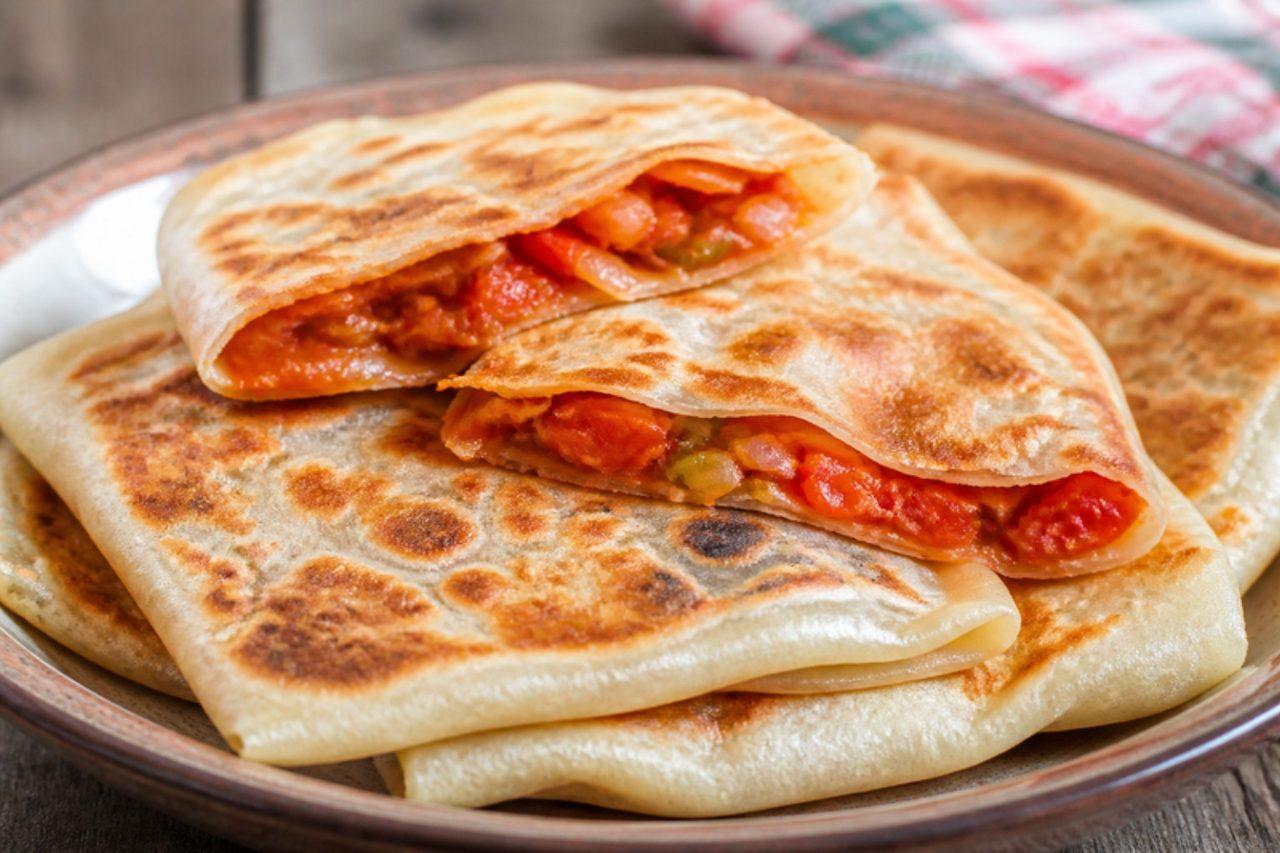
MhadjebStuffed semolina flatbreads

Mhadjeb (also mahjouba) are the folded flatbreads of Constantine and the east of Algeria, sold on street corners at teatime and made in every home during Ramadan. A stretchy semolina dough is pulled paper-thin with oiled hands, filled with a jammy stew of onion, tomato and pepper, folded into a square and cooked on a dry griddle until spotted brown. Chef's tip: knead the dough for the full 15 minutes; it must stretch almost transparent without tearing.

by KrazyBadal 0 views

SellouToasted flour and almond sweet

Sellou (also called sfouf or zmita) is made in big batches across Morocco for Ramadan, for new mothers and for Eid, and is served in a mound beside mint tea. Flour is toasted slowly in a dry pan until it turns the colour of sand and smells like biscuits, then mixed with ground toasted almonds and sesame, anise, cinnamon, butter and honey. The result is a crumbly, nutty, not-too-sweet sweet that you eat by the spoonful, or press into balls. It keeps for weeks. Chef's tip: toast the flour patiently over a low heat and keep it moving; scorched flour tastes bitter and the whole batch is lost.

by KrazyBadal 0 views

Mezbani beefSpicy feast beef curry

A mezban is the great community feast of Chittagong, held for a death anniversary, a new home or a good harvest, and the food is always the same: rice, dal and this dark, fiery beef curry cooked in giant pots by professional bawarchis. What makes it different from other Bangladeshi curries is its spice blend: mustard oil, lots of dried red chilli, and a ground mix of star anise, mace, nutmeg, cumin and white pepper that tastes warm and deep rather than hot alone. At home it is a weekend treat, eaten with rice or paratha. The common mistake is rushing the bhuna (frying) stage; the beef must fry in its spices until the oil floats free before any water goes in. Chef's tip: toast and grind the mezbani spice mix fresh on the day, because ready-ground spices lose their perfume in a curry this long.

by KrazyBadal 0 views

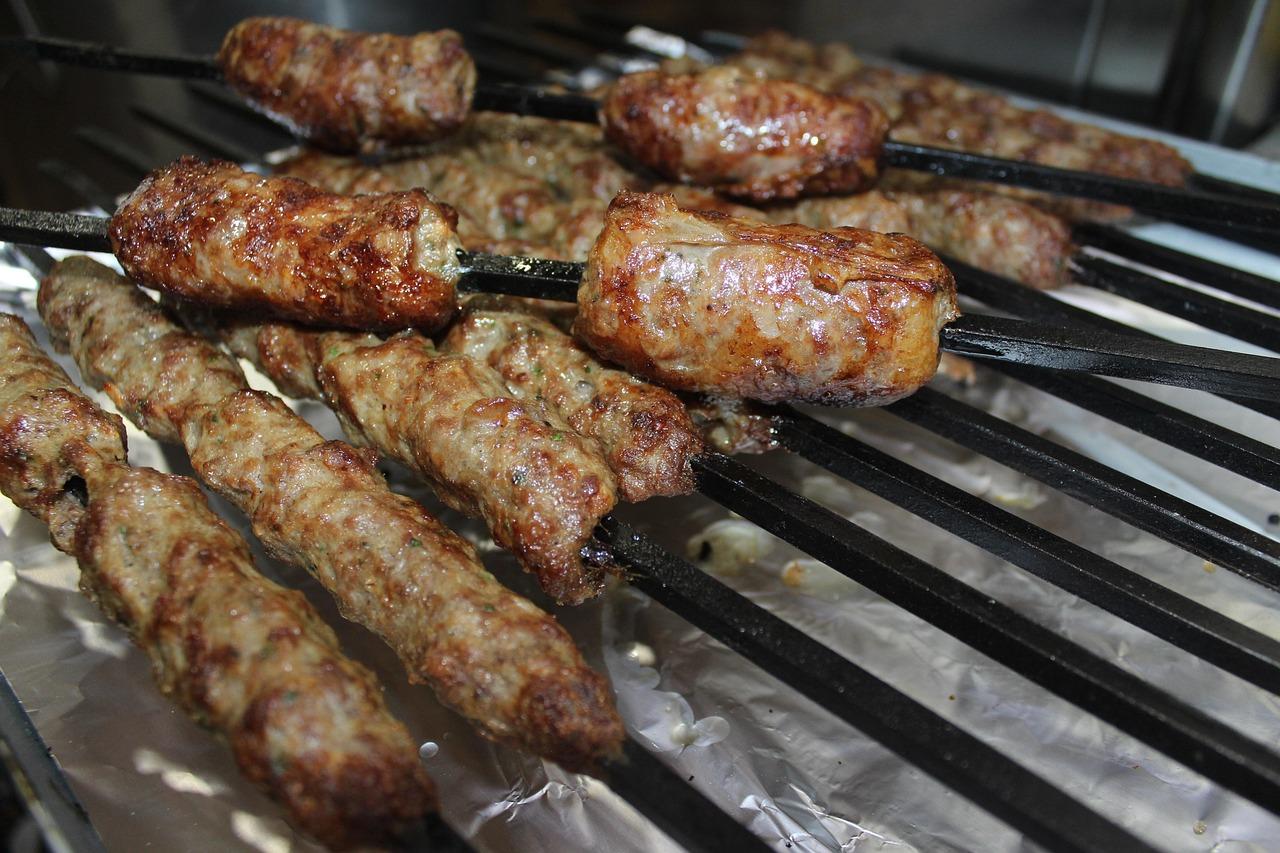
Kabab koobidehMinced lamb kebabs

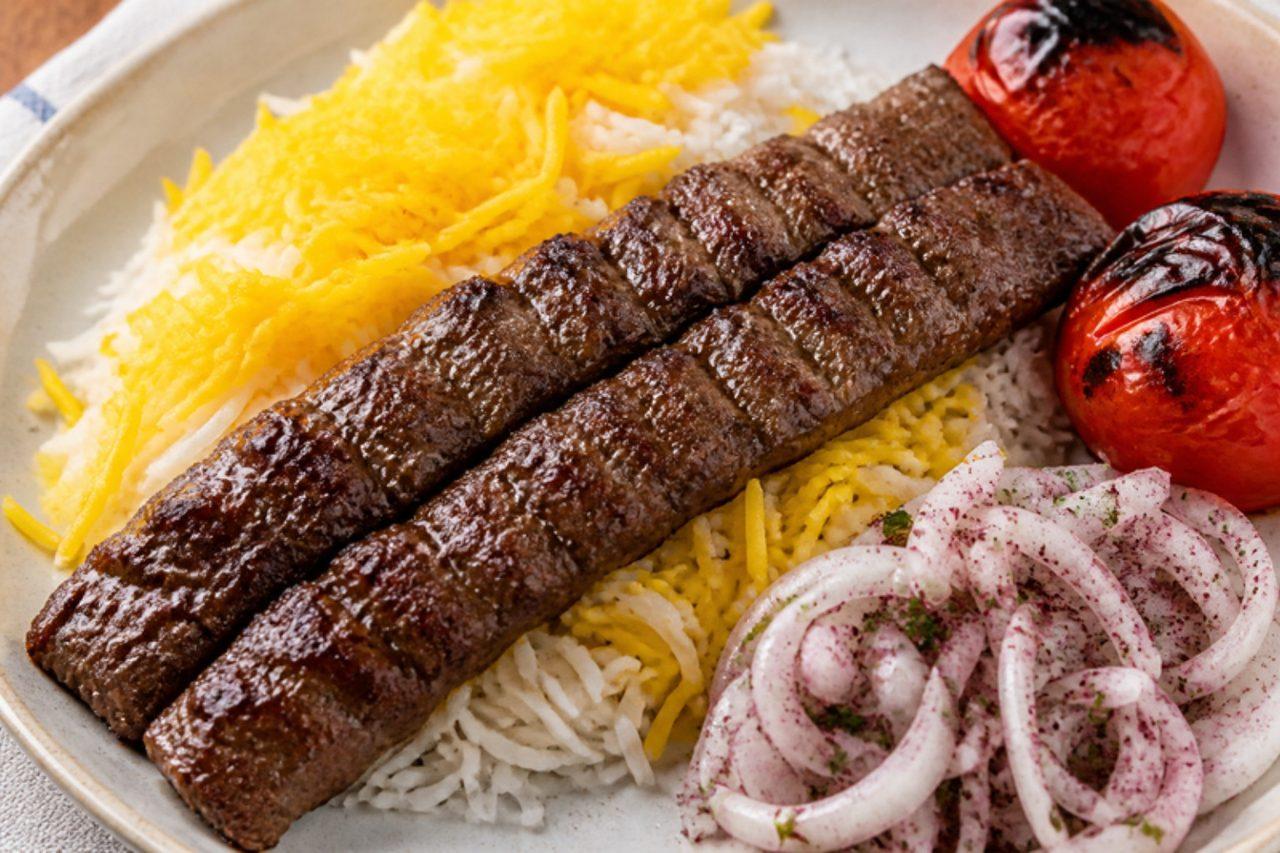
Koobideh is the kebab of Tehran's bazaar lunch houses and roadside chelo-kababis, laid on a hill of buttered rice with a raw egg yolk or a slab of butter melting into the grains. The name means 'pounded': minced lamb is kneaded with grated onion until it turns sticky and pale, then pressed by hand along wide, flat skewers and grilled hard over coals. It comes out juicy and onion-sweet, with little ridges from your fingers. Eat it with charred tomatoes, raw onion, fresh herbs and lavash on the side. Chef's tip: squeeze every drop of juice out of the grated onion; wet mince slips straight off the skewer.

by KrazyBadal 0 views

Mewari makki ki kadhiMaize flour yogurt curry

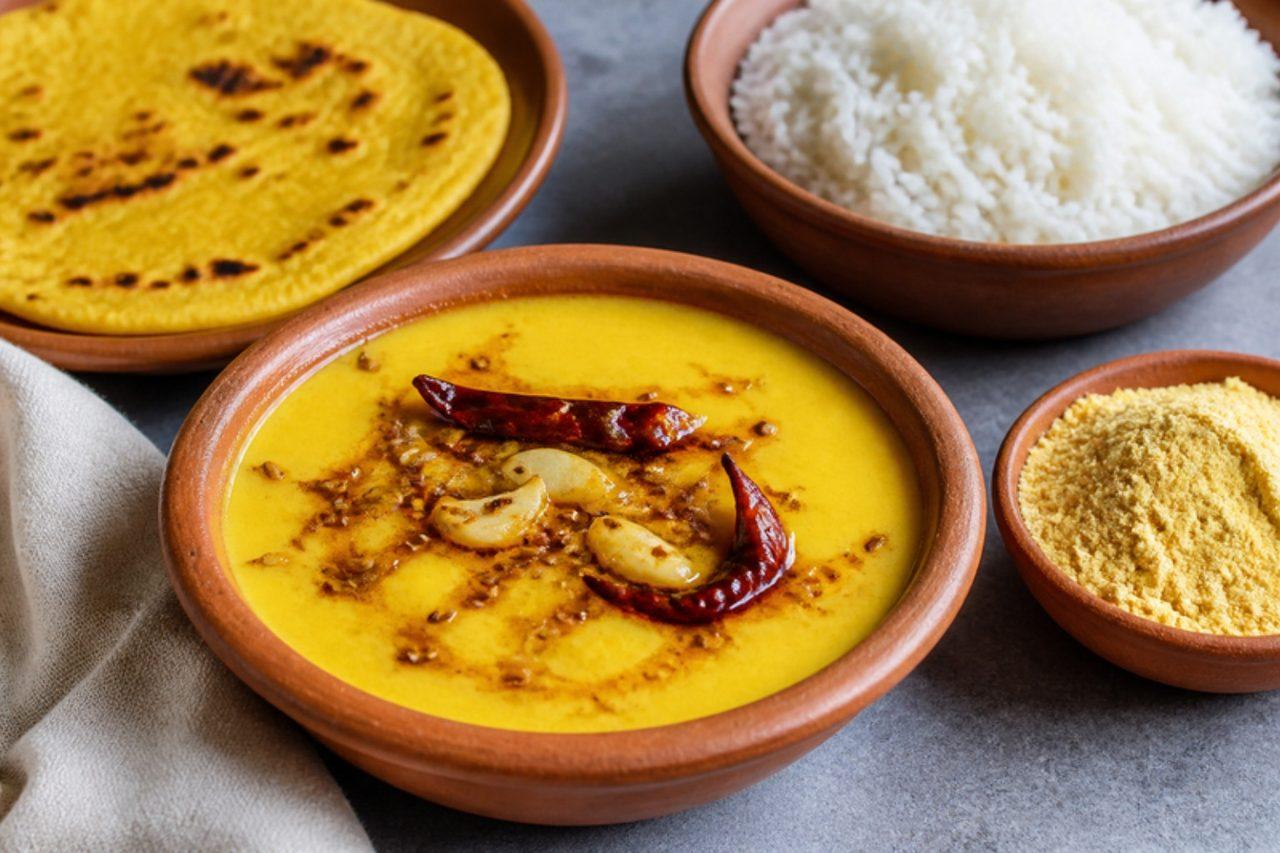
In the Mewar region around Udaipur, maize is a staple crop, and in winter it even goes into kadhi. Instead of gram flour, cooks thicken sour buttermilk with fine maize flour, which gives a golden, slightly earthy, gently sweet kadhi with no pakoras in it. It is ladled over makki ki roti or bajra roti, or eaten with plain rice and a raw onion on the side. The tadka is simple but bold: ghee, cumin, fenugreek, crushed garlic and whole red chillies. The usual mistake is not stirring until it boils—the yogurt splits into curds and whey. Chef's tip: simmer it longer than you would a besan kadhi, at least 20 minutes, until no raw corn taste remains.

by KrazyBadal 0 views

Semmelknödel with mushroom sauceBread dumplings with mushroom sauce

Semmelknödel are the bread dumplings of Bavaria and Austria, made to use up yesterday's rolls (Semmeln) soaked in warm milk and bound with egg, onion and parsley. With a creamy mushroom sauce, Semmelknödel mit Schwammerlsoße, they become a full meal and a favourite in Munich beer gardens and Alpine inns from late summer, when foraged chanterelles and ceps reach the markets. Chef's tip: simmer the dumplings in barely trembling water, never a rolling boil; hard boiling breaks them apart, which is the most common Knödel disaster.

by KrazyBadal 0 views

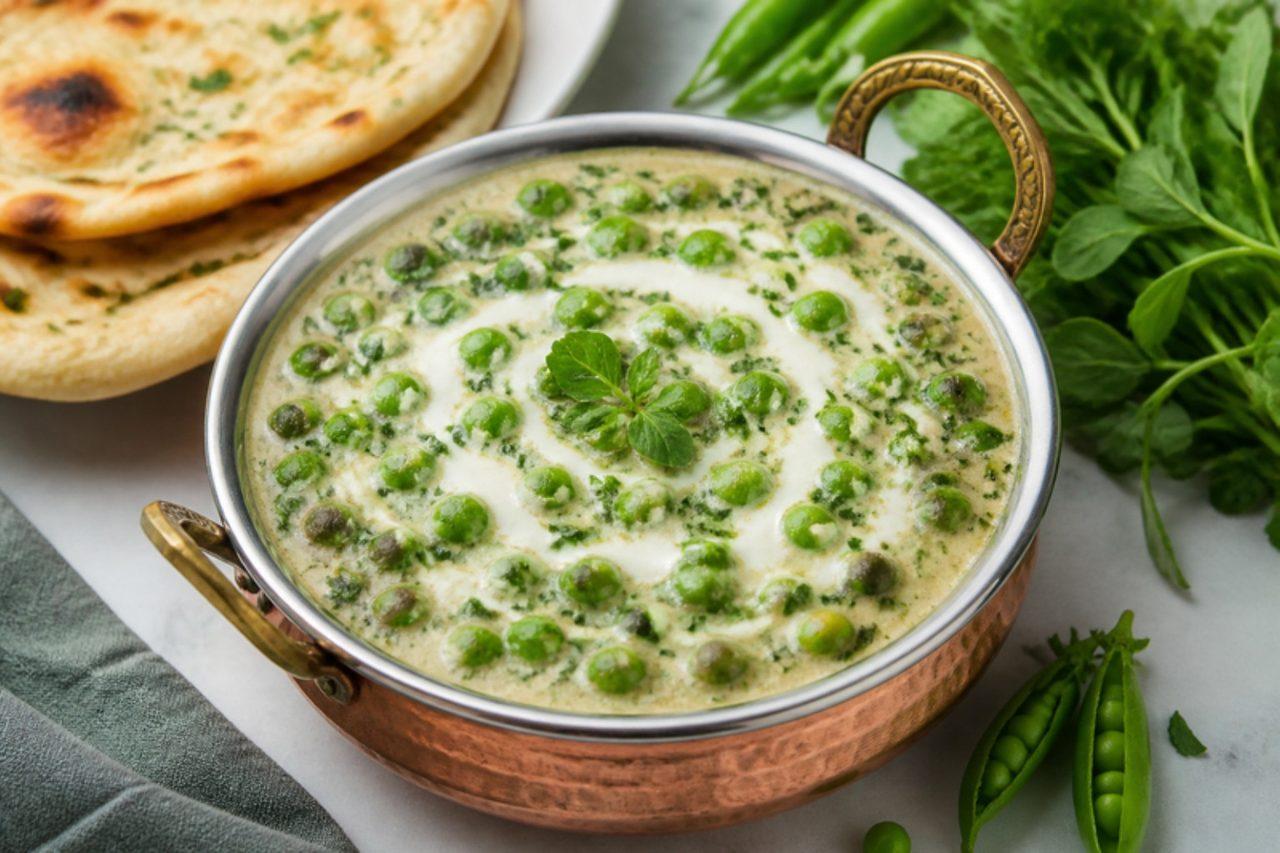
Methi matar malaiFenugreek and peas in cream gravy

Methi matar malai belongs to the Punjabi wedding buffet and the dhaba menu as much as to winter home cooking, when bunches of fresh fenugreek pile up in the markets of Ludhiana and Jalandhar. Bitter-sweet methi leaves and sweet green peas sit in a pale, silky gravy of onion, cashew and cream, mild enough for children and rich enough for a celebration. Serve it with butter naan, lachha paratha or jeera rice. Chef's tip: salt the chopped methi and squeeze it before cooking; it takes away much of the bitterness while keeping the flavour.

by KrazyBadal 0 views

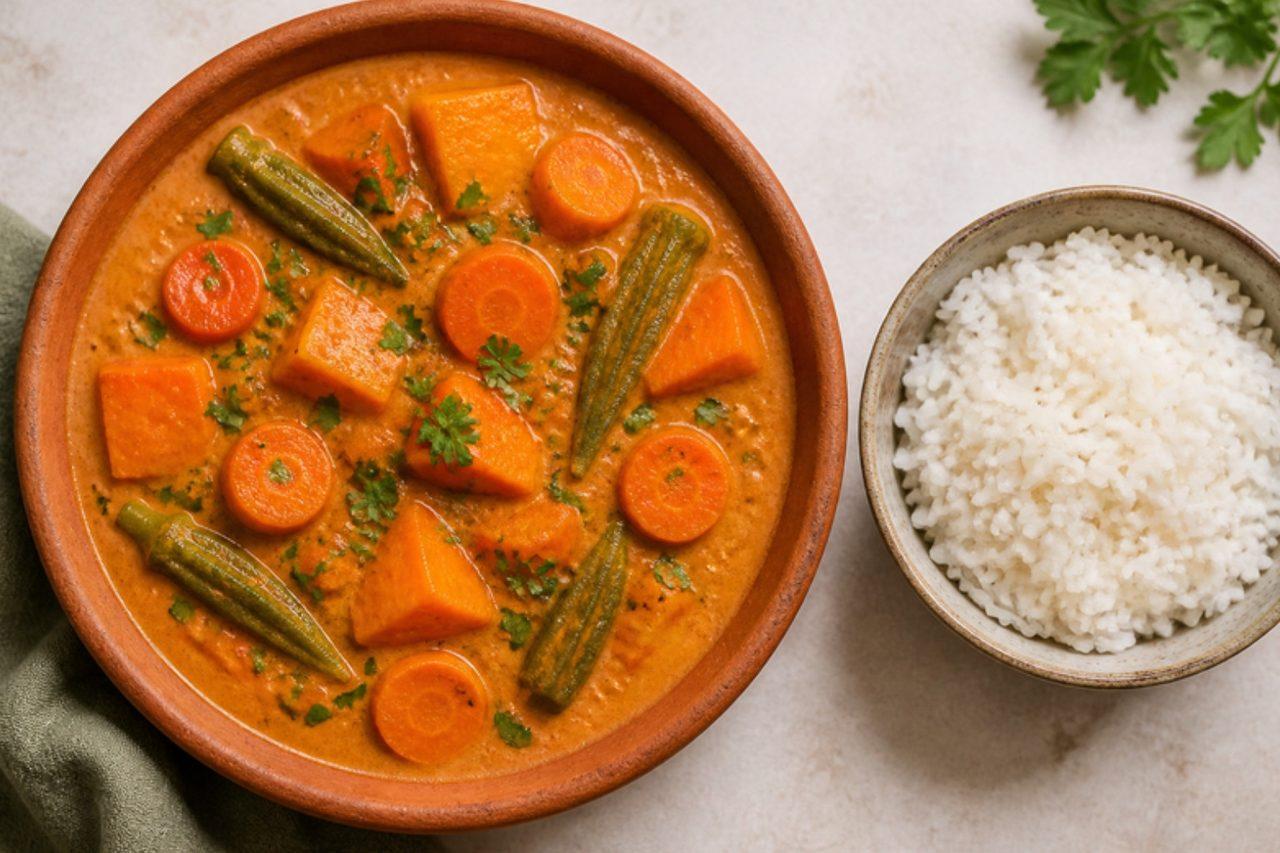
Vegetable maféPeanut and vegetable stew

Mafé is the Sunday-lunch stew of Senegal and Mali: a rust-coloured sauce of roasted peanut paste and tomato, simmered until oil glistens on top and ladled over broken rice. In Dakar it usually carries lamb or beef; this version uses sweet potato, carrot, cabbage and okra, which soak up the sauce just as well. In Côte d'Ivoire the same idea is called sauce d'arachide and is eaten with rice or foutou; make it slightly thinner and add aubergine for the Abidjan style. Chef's tip: use plain, unsweetened peanut paste and cook it long enough that a thin layer of red oil rises to the surface; that is the sign the peanut has lost its raw taste.

by KrazyBadal 0 views

KaassouffléFried Gouda in breadcrumbs

Despite the French-sounding name, a Dutch kaassoufflé has nothing to do with a baked soufflé. It is a snack-bar classic, fried in the frituur of every cafetaria from Groningen to Maastricht: a rectangle of thin pastry wrapped around a slab of young Gouda, coated in breadcrumbs and deep-fried until the cheese inside goes molten. It is the vegetarian's answer to the kroket, eaten at lunch or on the way home from football, with a squeeze of mayonnaise or sweet chilli sauce. Chef's tip: chill the filled, breaded pockets for at least 30 minutes before frying; cold pastry and cheese stay sealed in the hot oil, while warm ones burst and leak.

by KrazyBadal 0 views

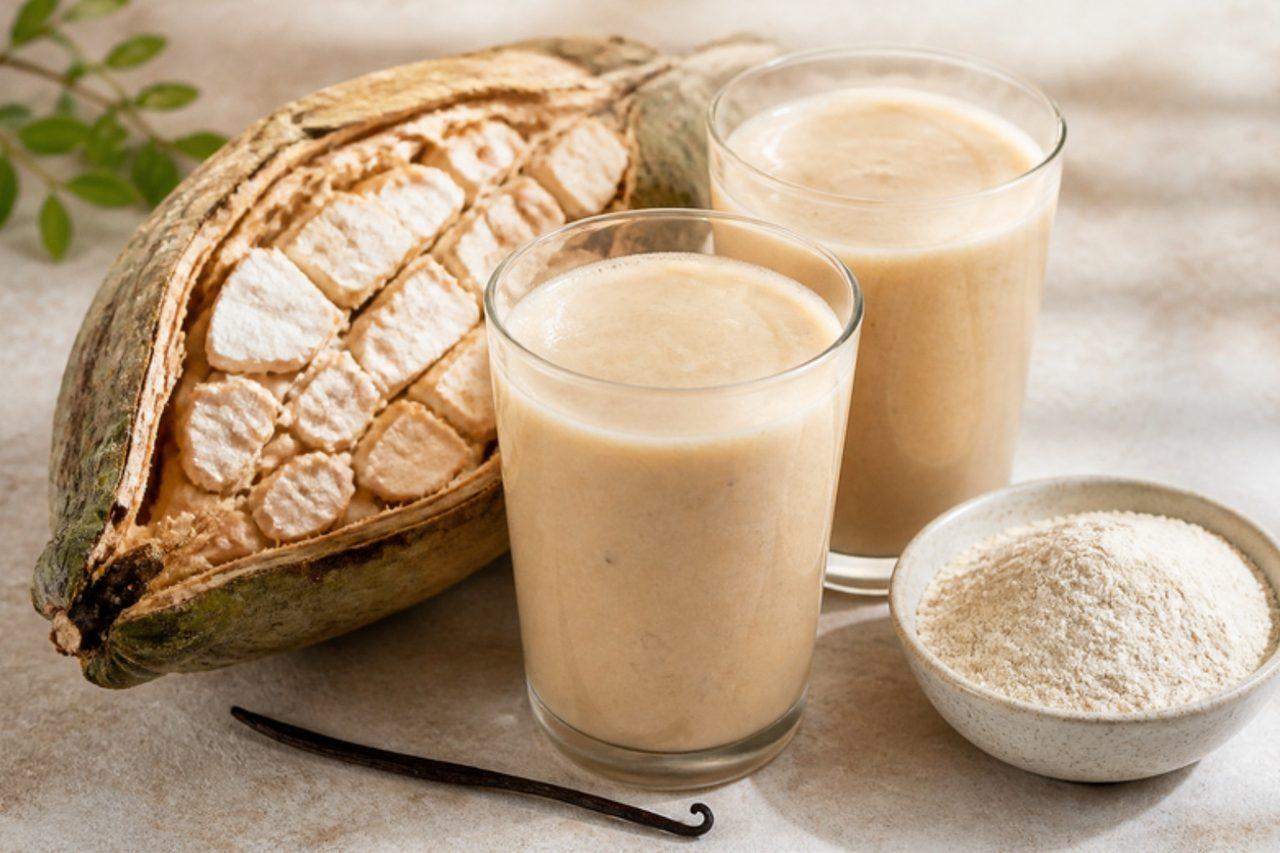
Jus de bouyeBaobab fruit drink

Bouye is the Wolof name for the powdery white pulp of the baobab fruit, and jus de bouye is the thick, creamy-tart drink sold in reused bottles from coolers all over Dakar and served at every family celebration. It tastes like sherbet with a hint of pear. Most cooks now use baobab powder, which is sold in health shops as well as African grocers. Sweetened condensed milk is optional but common. Chef's tip: whisk the powder into a little water first to make a smooth paste; poured straight into a jug it forms lumps that never dissolve.

by KrazyBadal 0 views

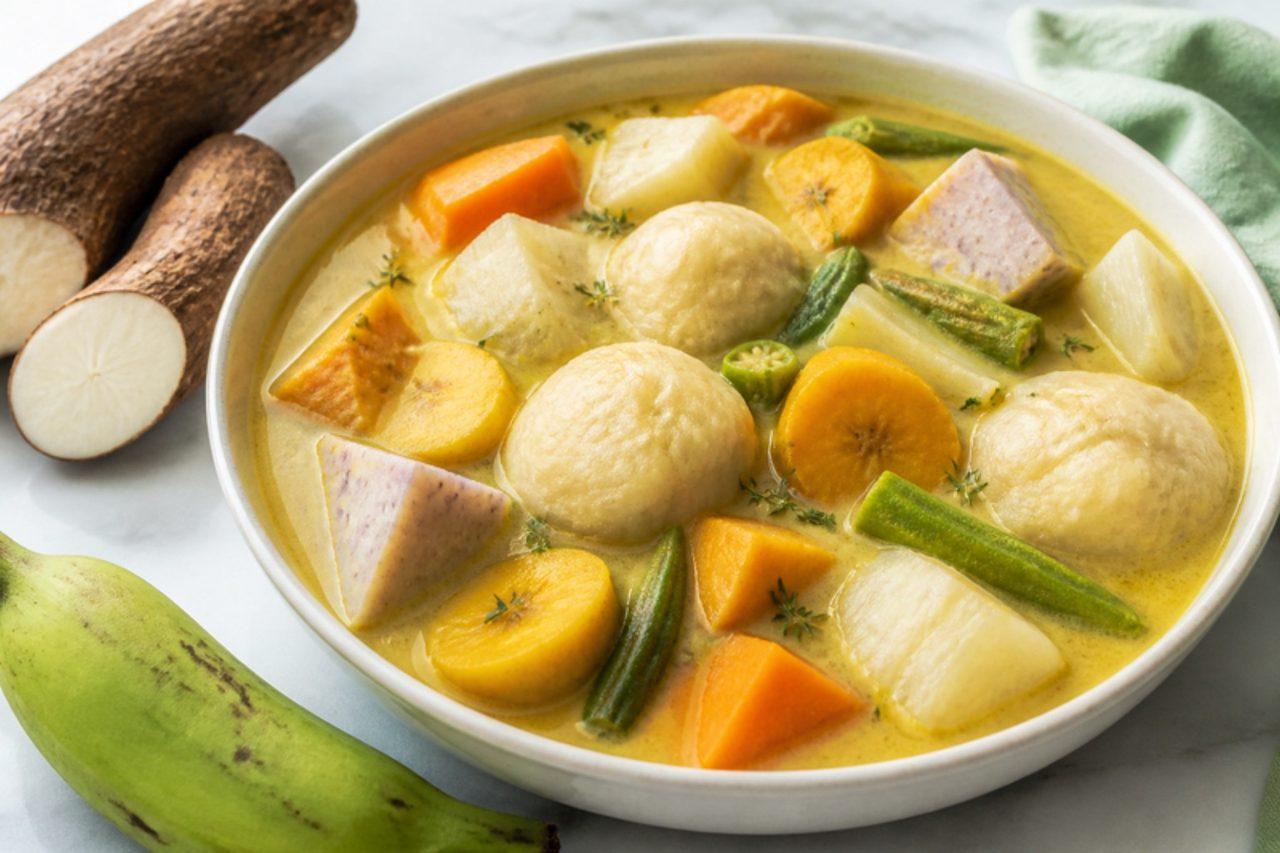
MetemgeeRoot vegetable and dumpling stew

Metemgee (also mettagee or 'mettem') is Guyanese country food from the coastal villages: ground provisions, cassava, eddoes, sweet potato, yam and plantain, layered in a pot and cooked in coconut milk until soft, with duff (dumplings) steamed on top. The broth thickens from the starch into a creamy, thyme-and-pepper gravy. It's usually served with fried salt fish; here it's all vegetables, with okra added. Chef's tip: layer the hardest vegetables at the bottom and the softest on top, then don't stir; everything ends up cooked at the same moment.

by KrazyBadal 0 views

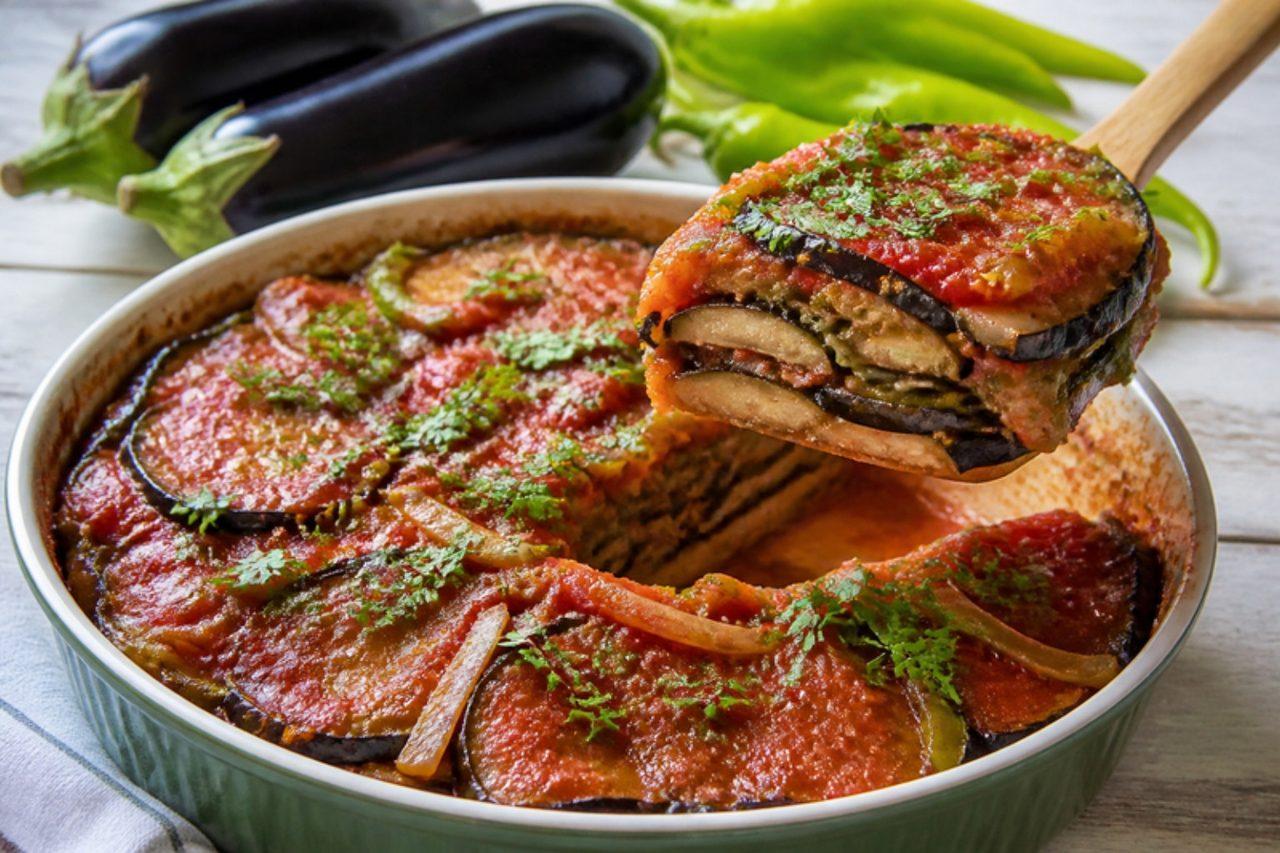
Mesaqa'aBaked aubergine and pepper

Mesaqa'a shares a name with Greek moussaka but is a different dish: there's no béchamel and no cheese, just fried aubergine slices baked in a garlicky tomato sauce with green peppers and chilli until soft and jammy. In Cairo it is a weekday family dish and a favourite during the summer heat and in the Coptic fasting seasons, when many families eat no animal products; it tastes even better the next day at room temperature, scooped up with baladi bread. Chef's tip: salt the aubergine and press it dry, then roast or shallow-fry it until truly golden; pale aubergine makes a watery, grey mesaqa'a.

by KrazyBadal 0 views

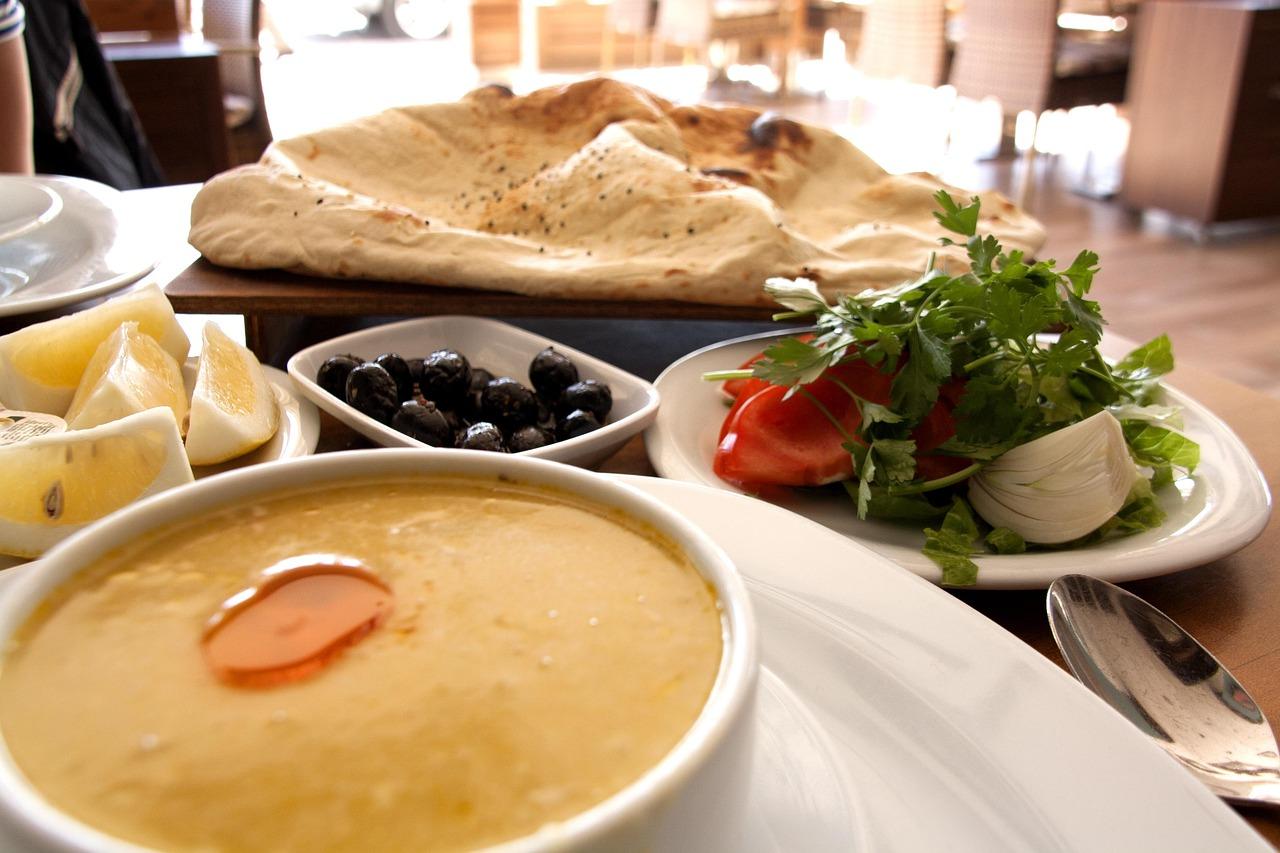
Mercimek çorbasıRed lentil soup

If one soup feeds Turkey, it is this. Mercimek çorbası is on the counter of every lokanta (tradesmen's restaurant), in factory and hospital canteens, and it is often what Turks eat for breakfast on a cold morning or to break the fast in Ramadan. Red lentils simmered with onion, carrot and potato are blended until velvety, then each bowl gets a squeeze of lemon and a swirl of butter sizzled with Aleppo pepper and dried mint. It is warming, cheap and filling. Chef's tip: rinse the lentils in several changes of water until it runs clear; it washes off the starch that makes the soup foam and taste dusty.

by KrazyBadal 0 views

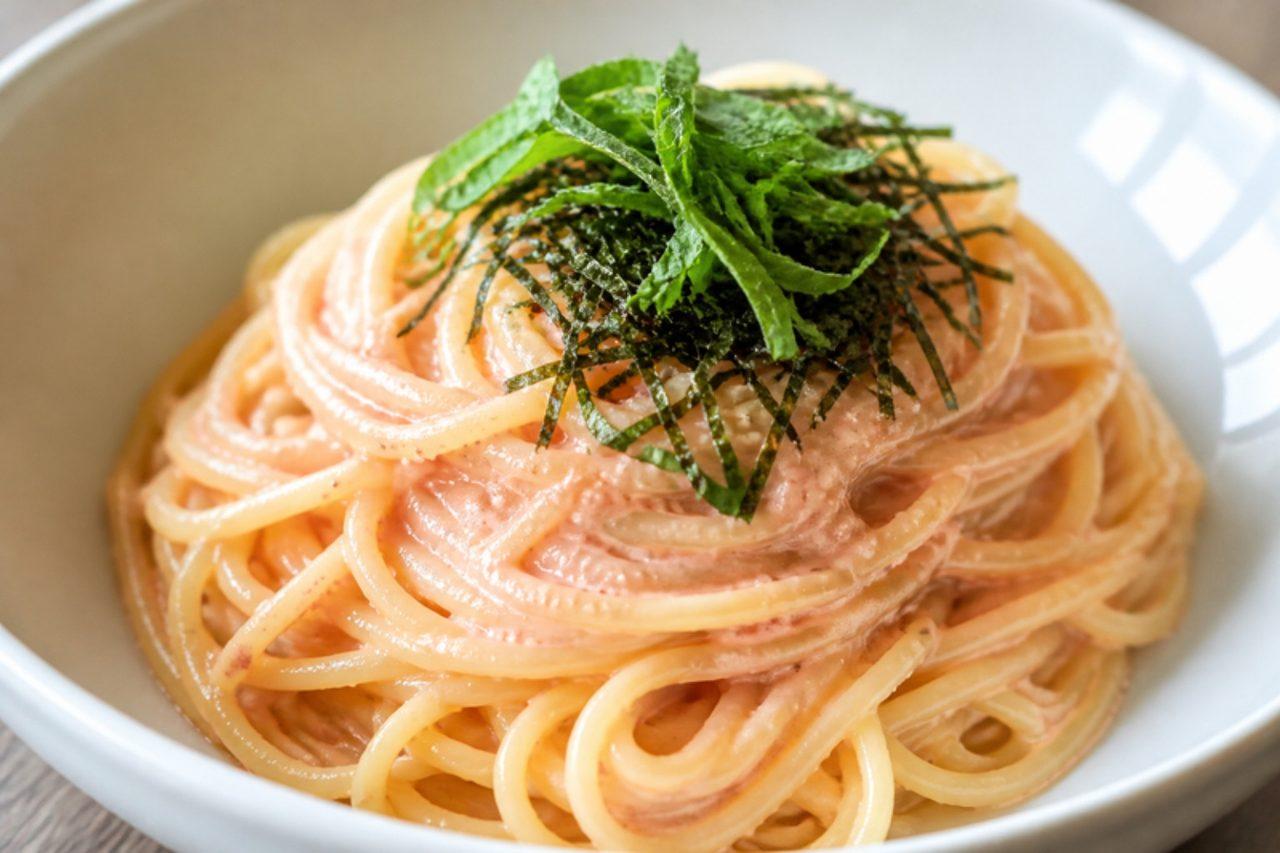
Mentaiko pastaSpaghetti with pollock roe

Mentaiko, pollock roe cured with salt and chilli, is the food gift everyone brings back from Hakata in Fukuoka, where shops near the station sell it in rows of red sacs. The pasta came from the Japanese-style spaghetti cafés of Tokyo in the 1960s and is now on menus right across Japan, Fukuoka included. The roe is not really cooked: the heat of the drained spaghetti and the melting butter turn it into a pink, salty-spicy coating. Mentaiko is a raw cured product. Use very fresh, sushi-grade fish from a trusted fishmonger; not for pregnant women, young children or anyone with a weakened immune system. For mentaiko, that means a chilled, sealed pack well within its date. Chef's tip: save a ladle of the pasta water; a spoonful loosens the roe so it clings to every strand instead of clumping.

by KrazyBadal 0 views

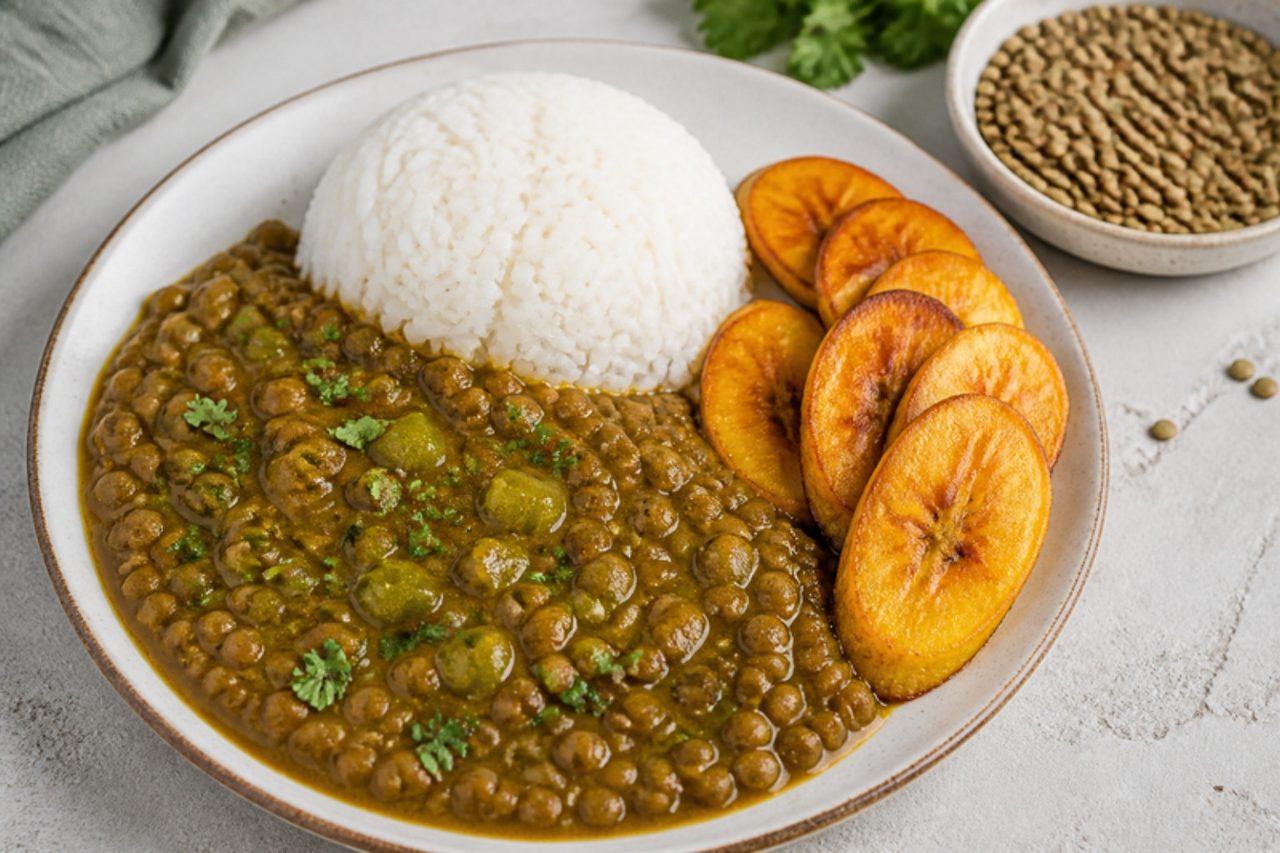
Menestra de lentejasCumin lentil stew

Menestra is the backbone of Ecuador's set lunches: in Guayaquil's almuerzo cafés, plates arrive with white rice, a ladle of thick menestra, fried plantain (patacones or maduros) and a little salad, usually beside grilled meat. On its own it makes a complete meatless meal. Lentils are cooked down with a refrito of onion, pepper, garlic, cumin and achiote until thick enough to hold a mound. Chef's tip: stir in a handful of chopped coriander right at the end; it's the fresh lift that makes menestra taste Ecuadorian.

by KrazyBadal 0 views

Showing 90 of 7,762 recipes

Page 726 of 863