


Skip to content
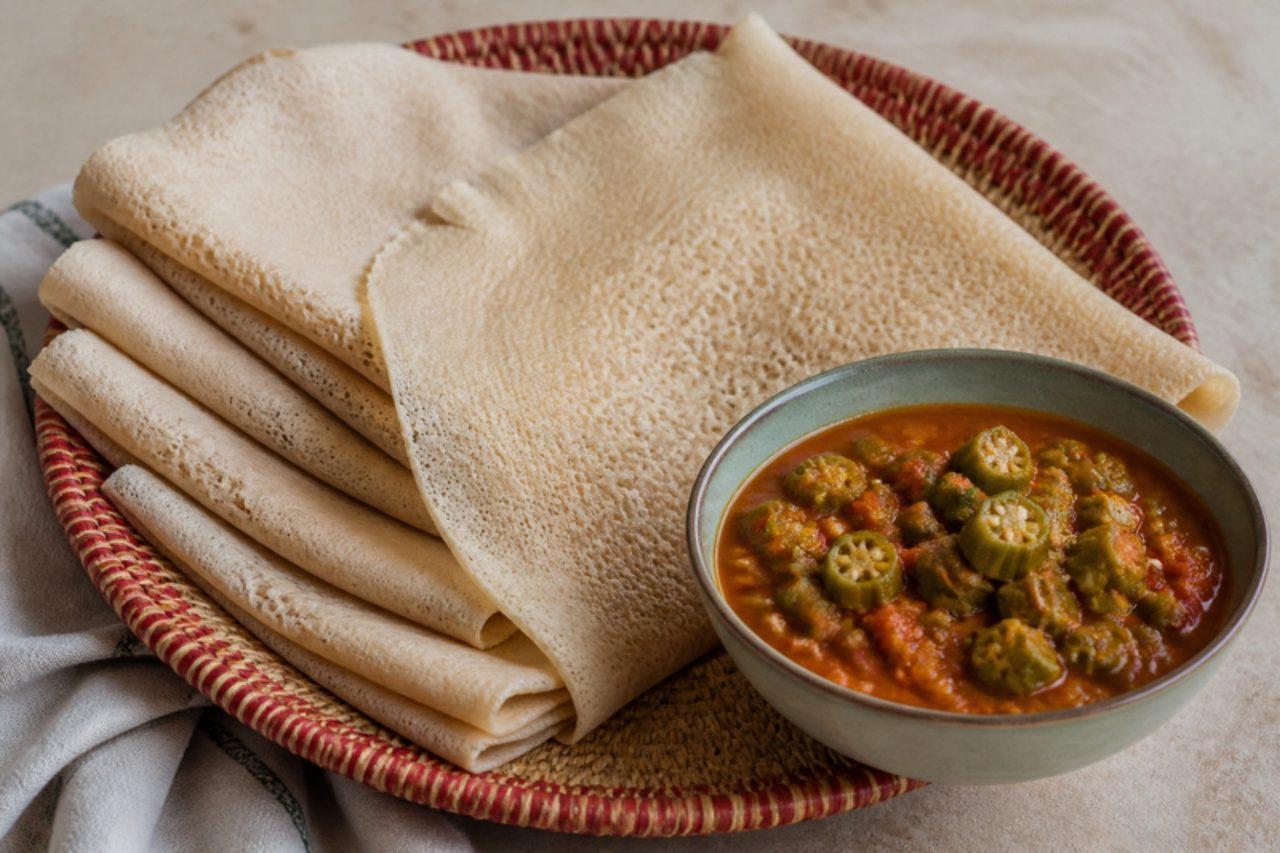
Surinamese peprewatra
Featured recipe

Surinamese peprewatra

Hot pepper fish broth

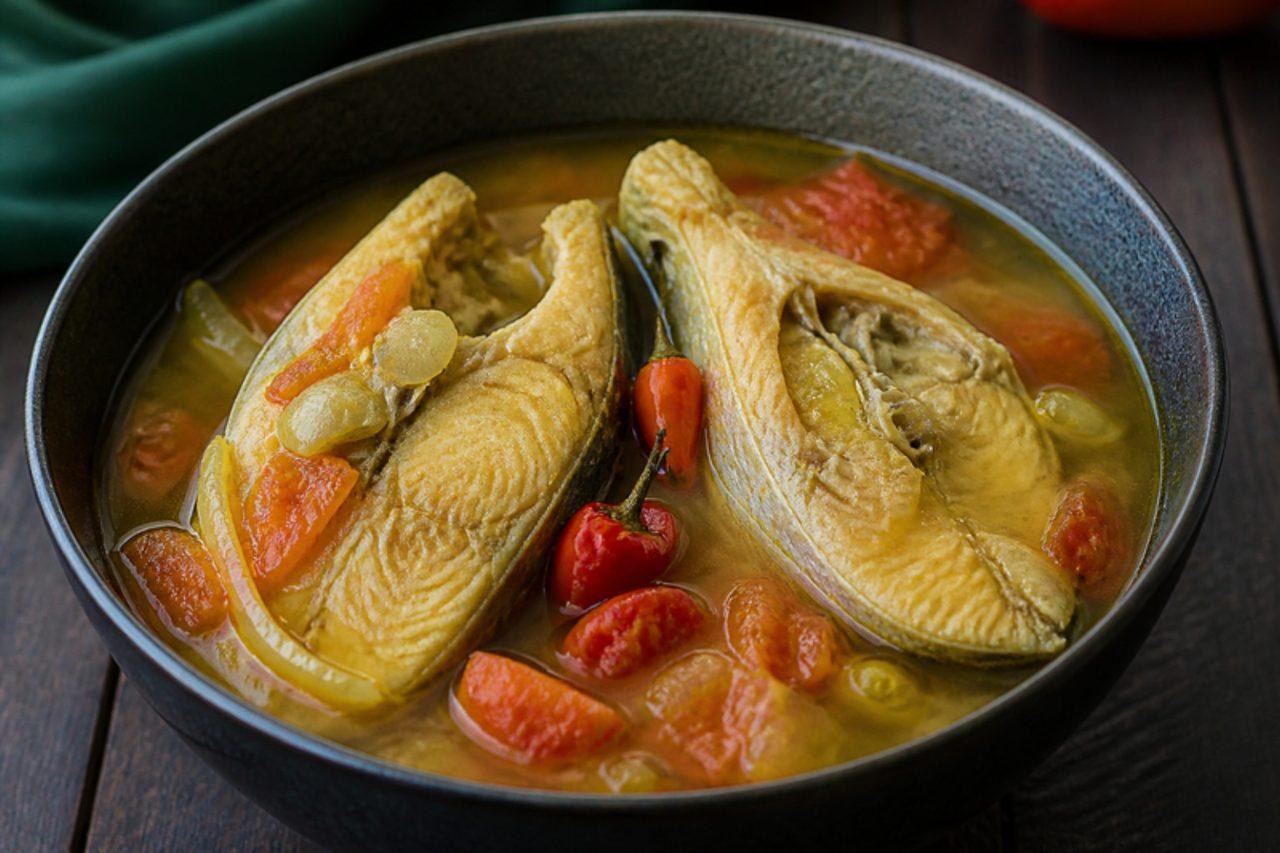
Peprewatra means 'pepper water' in Sranan Tongo, and in Paramaribo it is the broth people reach for after a long night, on a rainy day or when they feel a cold coming: a clear, very spicy fish soup with Madame Jeanette peppers, onion, tomato and lots of herbs, often with a few pieces of cassava or plantain to make it a meal. Use firm white fish steaks with the bone in for flavour. The usual mistake is boiling the fish hard, so it breaks into shreds; add it to the hot broth and keep it just simmering. Chef's tip: drop the whole pepper in first and pierce it once; take it out when the broth is as hot as you like it.

Read more 0 views

What to eat today?

Around the world

Today's trip: Persian

A new country every day, from every cuisine on the site.

Persian

Nazkhatoon

Smoky aubergine with pomegranate 40 minMore from Persian (131) →

This week's collection

Kid-friendly dinners
541 recipes · a new collection every Monday

Latest recipes

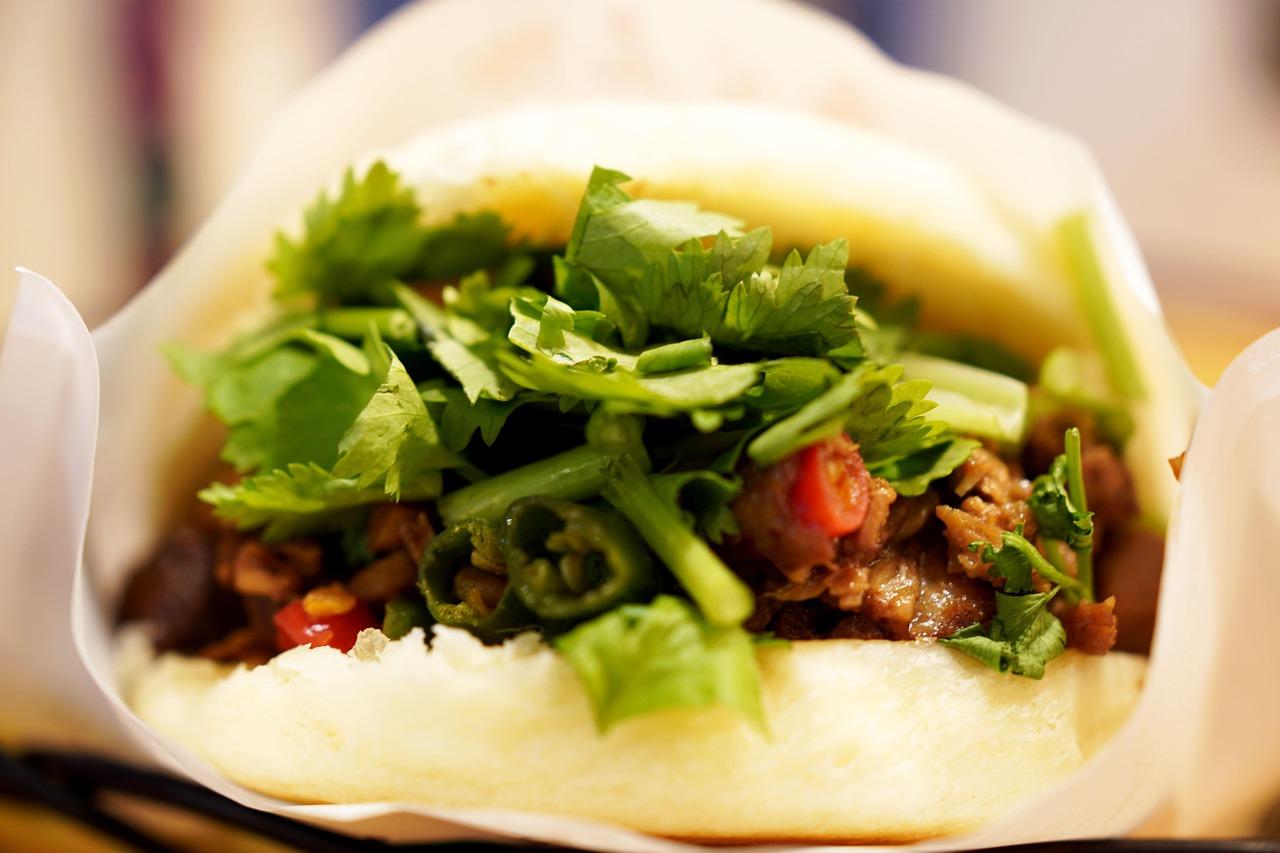
Rou jia moSpiced pork flatbread sandwich

Walk through Xi'an's Muslim Quarter or any Shaanxi bus station and you will see cooks chopping steaming braised pork on thick wooden blocks and stuffing it into split, griddle-crisped buns. The bread, called baijimo, has a crackly shell with an 'iron ring' edge, a 'tiger-back' top and a spiral 'chrysanthemum heart' inside; the pork is slow-cooked in a soy broth with a dozen warm spices until it falls apart. Chopped with green chilli and coriander and moistened with the braising juices, it makes one of the world's oldest sandwiches. Eat it hot in the hand, with cold liangpi noodles or a bowl of soup alongside. Chef's tip: keep the braising liquid as a master stock in the freezer; the next batch of pork tastes even better.

by KrazyBadal 0 views
HaydariStrained yogurt and feta dip

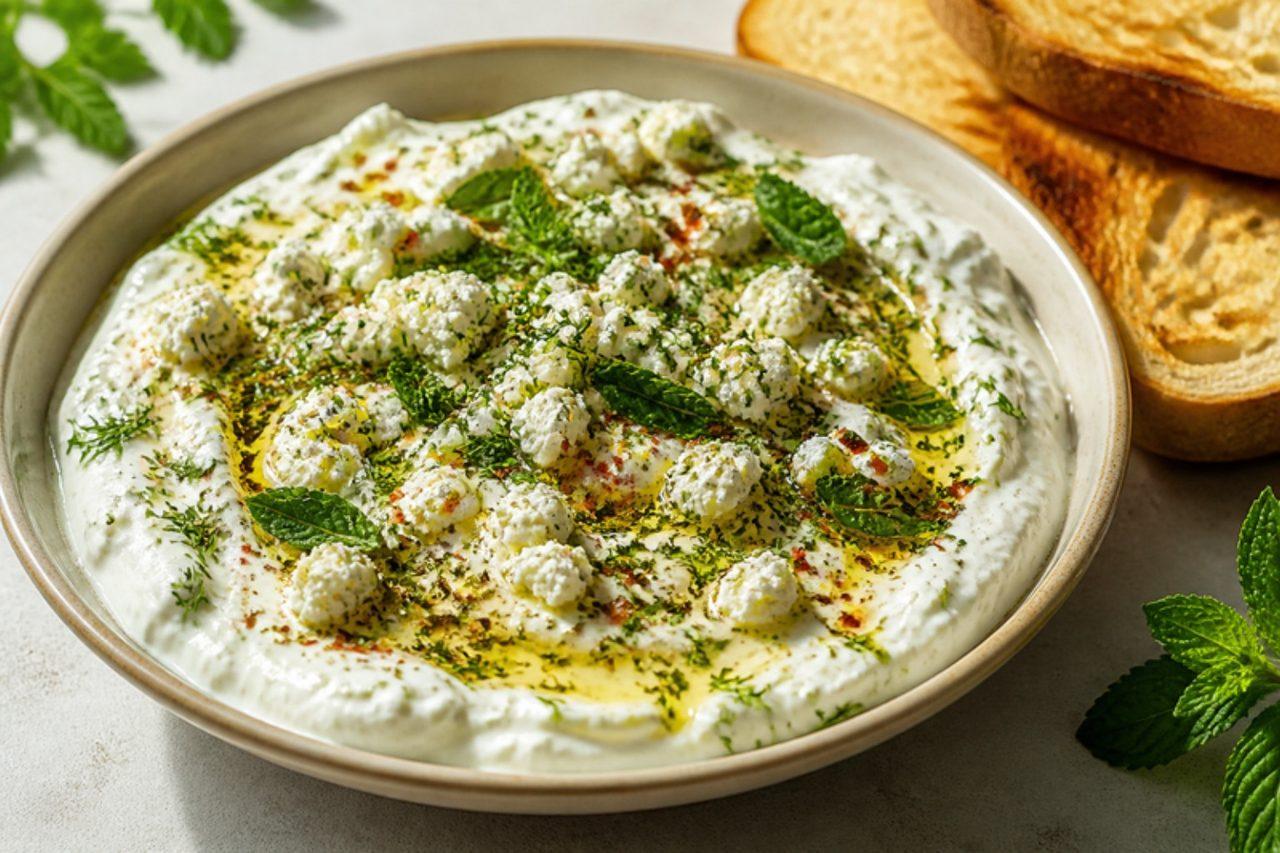
Order meze in an Istanbul meyhane and haydari is usually among the first small plates to land: very thick strained yogurt beaten with crumbled white cheese, garlic, dill and mint, then crowned with a drizzle of oil warmed with dried mint and chilli flakes. It is eaten with bread, beside roasted vegetables or with crisp börek, and it takes minutes once you have the yogurt. The mistake to avoid is using thin pouring yogurt, which gives you a runny sauce rather than a dip that holds its shape. Chef's tip: use Greek-style strained yogurt, or hang plain yogurt in a cloth for an hour, and check the beyaz peynir or feta is made with vegetarian rennet.

by KrazyBadal 0 views

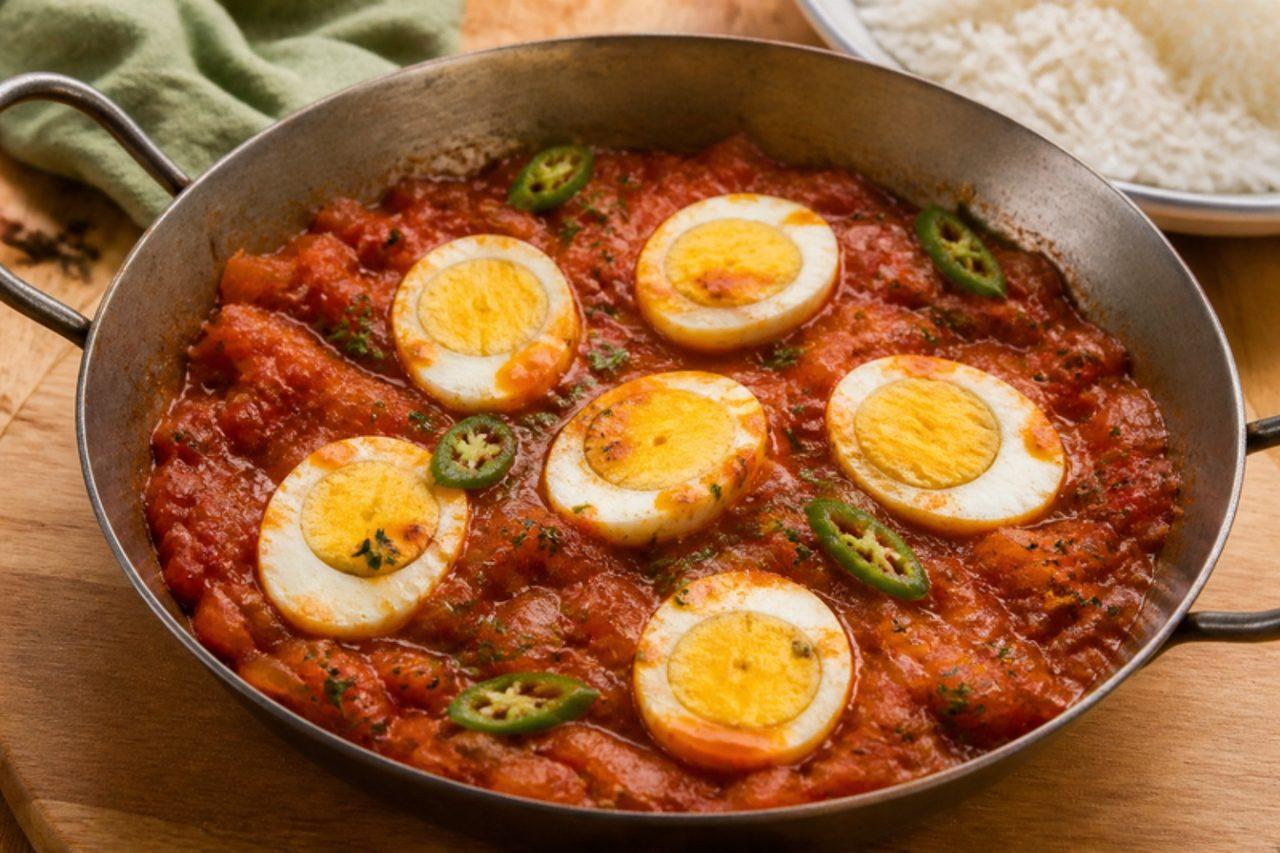
RougailleSpiced tomato sauce with eggs

Rougaille is the Creole tomato sauce at the heart of Mauritian home cooking, made in every kitchen from Port Louis to Mahébourg and also in the Seychelles and Réunion. Tomatoes are cooked down with onion, garlic, ginger, thyme and chilli until thick, and then something is simmered in it: sausages, salted fish, or, in many homes on a weeknight, hard-boiled eggs. Serve with rice, lentils (dholl) and chatini. Chef's tip: cook the tomatoes until the oil separates at the edges; watery rougaille tastes thin.

by KrazyBadal 0 views

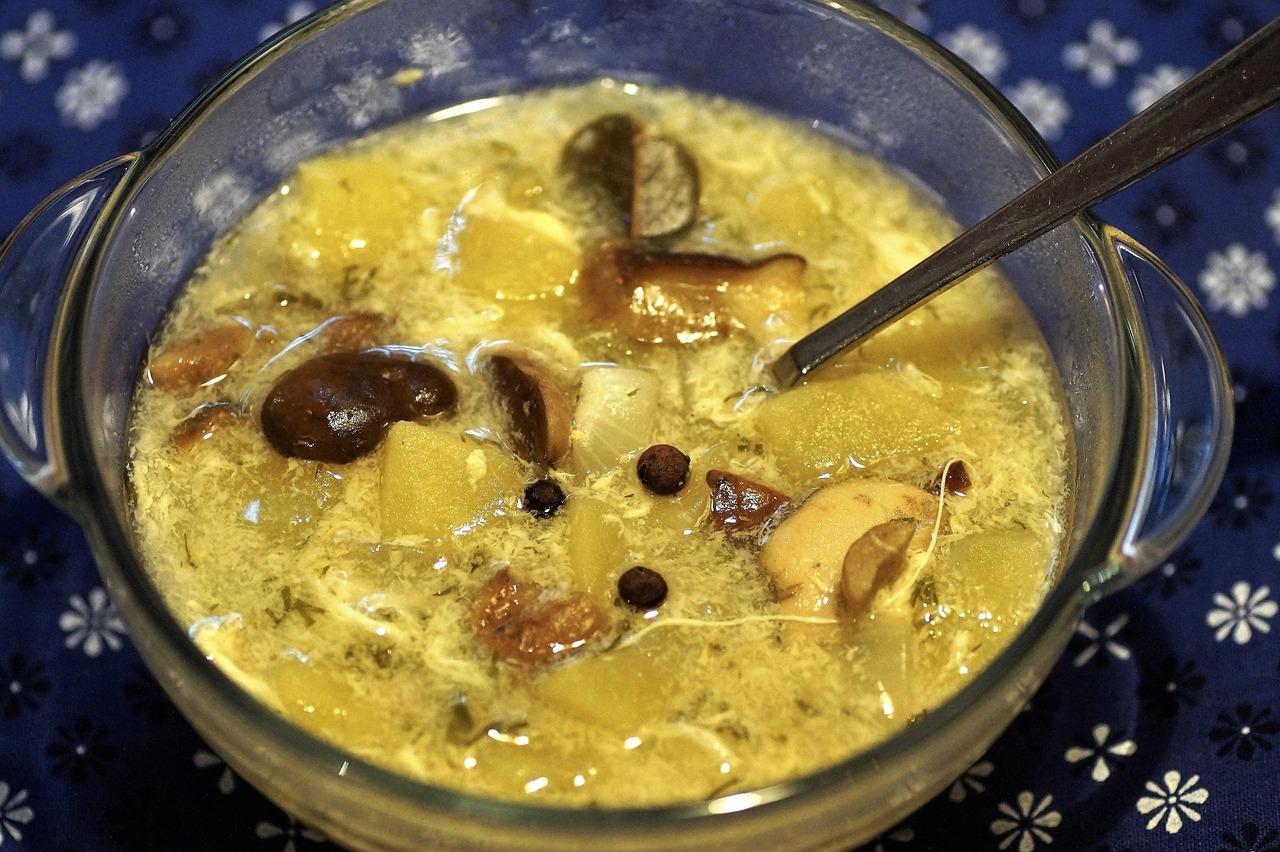
KulajdaDill and mushroom cream soup

Kulajda comes from South Bohemia, the land of carp ponds and pine forests around České Budějovice and Český Krumlov, where families come home from the woods in late summer with baskets of porcini. It is a thick, pale, gently sour soup of potatoes, mushrooms, cream and plenty of dill, finished with vinegar and served with a soft poached egg floating in each bowl. It is eaten as a filling lunch on its own with a slice of rye bread. Chef's tip: add the vinegar off the heat and taste as you go; the soup should be clearly tangy but never sharp, like a good pickle brine softened by cream.

50 minCzechSoups
by KrazyBadal 0 views

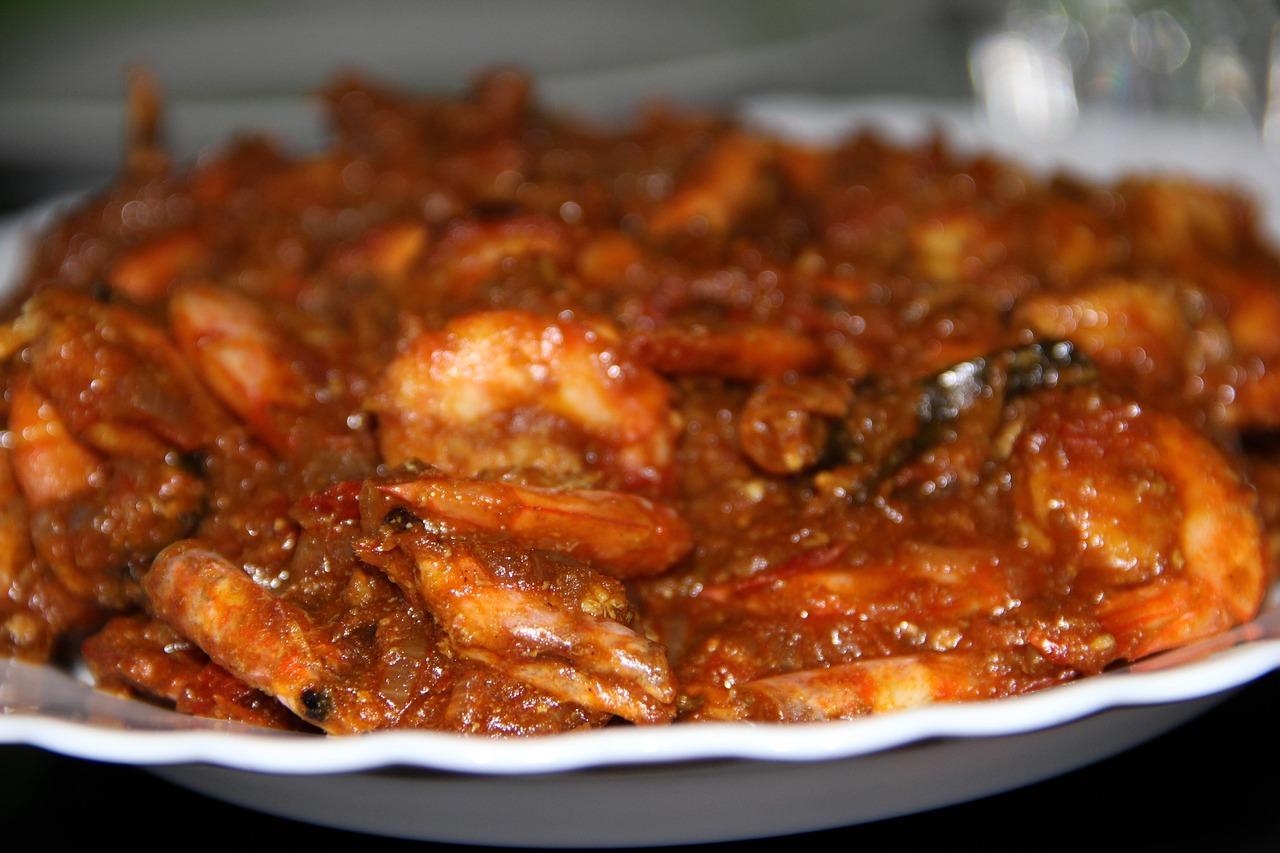
Royyala iguruThick prawn curry

Along the coastal Andhra delta, where the Godavari meets the sea near Kakinada and Bhimavaram, prawns come in fresh every morning and often end up as iguru. The word means cooked down: the onion-chilli masala is reduced until it clings to the prawns, with only a spoonful of sauce left in the pan. It goes onto hot rice with ghee, alongside sambar or pappu, and is a favourite in Telugu homes on weekends. Chef's tip: cook the masala fully first and add the prawns only for the last few minutes, so they stay plump.

40 minIndianFishGluten freeSpicy
by KrazyBadal 0 views

Roz bel labanRice pudding

Roz bel laban (rice with milk) is the pudding of Egyptian homes and dessert shops alike, sold in clay pots and little foil cups across Cairo and eaten all year, especially in the evenings of Ramadan. It is made with short Egyptian rice cooked slowly in milk, thickened with a little cornflour so it sets creamy and spoonable, and scented with vanilla or orange blossom water. This is the roz bel laban fel forn version, finished in a very hot oven so the top blisters with brown spots, the way the Cairo dessert shops sell it. Serve it cold, scattered with pistachios or coconut. Chef's tip: stir the cornflour into cold milk before adding it; dropped straight into the hot pot it turns into lumps you can't whisk out.

by KrazyBadal 0 views

Granita al limoneLemon ice

On summer mornings in Sicily, especially around Catania and Messina, breakfast is granita: a cup of soft, spoonable lemon ice with a warm brioche on the side for dipping. Sicilian granita is finer and creamier than a slushy, because it is stirred as it freezes. All you need is lemons, sugar and water, plus a fork and a freezer. It takes about four hours of occasional scraping. Chef's tip: steep the zest in the warm syrup for 20 minutes; the oils in the peel give a much fuller lemon flavour than juice alone.

by KrazyBadal 0 views

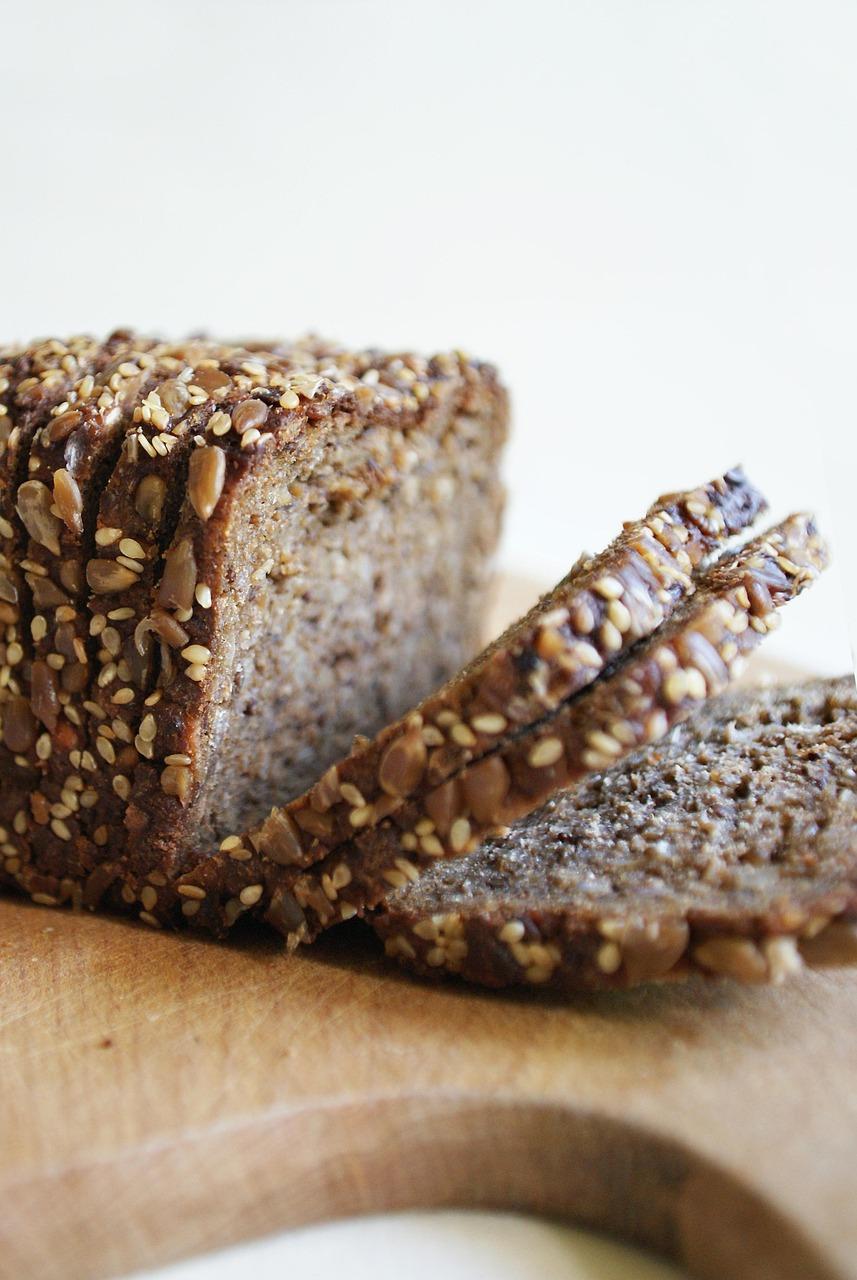
RugbrødDark rye loaf

In Denmark rugbrød is not a speciality but the daily bread: a dark, dense, slightly sour loaf of rye flour, cracked rye kernels and seeds, baked in a tin and sliced thin for every smørrebrød lunch. Bakeries in Aarhus and Copenhagen sell it by the brick, and many households keep a jar of rye sourdough starter in the fridge just for it. The dough is more of a thick porridge than a dough; you spoon it into the tin rather than shape it. It needs patience: a long sour, a long bake and a full day of resting before it is cut. Chef's tip: wait at least 12 hours, ideally 24, before slicing; the crumb is still setting as it cools and cut early it will be gummy.

by KrazyBadal 0 views

RugelachCream cheese cinnamon crescents

Rugelach came from the Jewish bakeries of Eastern Europe, and today they are piled high on trays in Jerusalem's Machane Yehuda market and in every New York deli bakery, eaten with coffee on Friday or packed for a Hanukkah visit. The American-style dough made with cream cheese and butter bakes up tender and flaky, and each wedge is rolled up around a filling of brown sugar, cinnamon, chopped walnuts and raisins into a small crescent. Chef's tip: chop the walnuts and raisins finely; big pieces tear the thin dough as you roll it.

by KrazyBadal 0 views

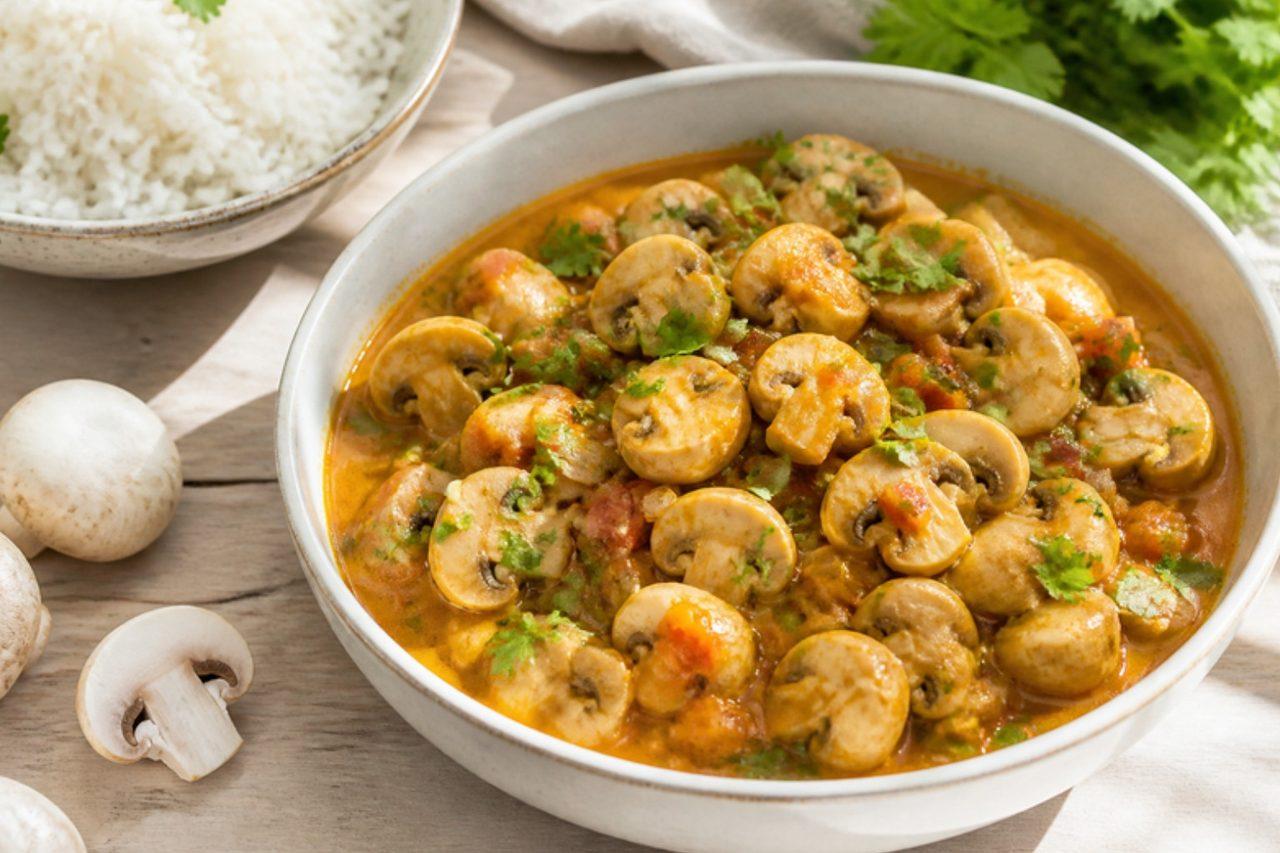
Rugra curryPuffball mushroom curry

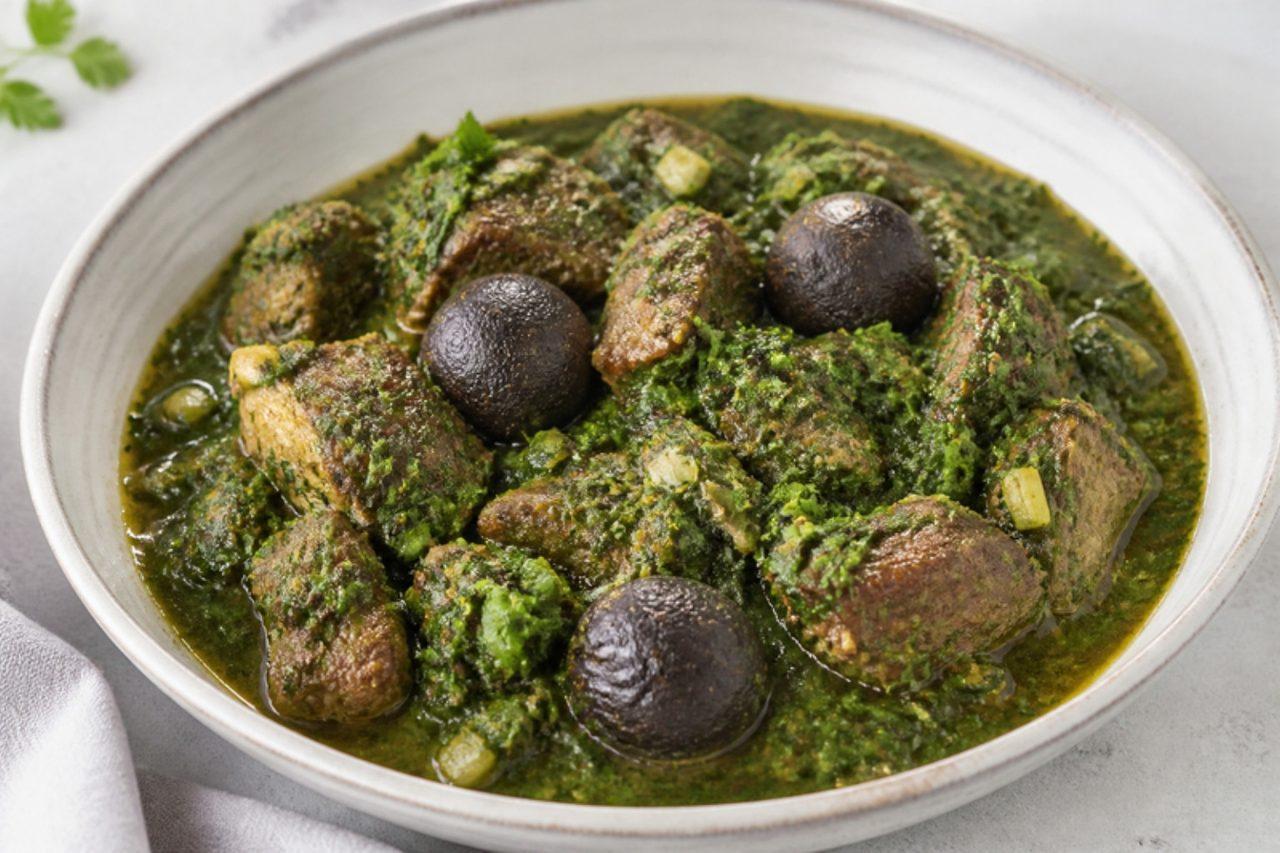
Rugra are small, round underground mushrooms that push up under sal trees in Jharkhand's forests after the first monsoon rains. Tribal villagers dig them out and sell them by the basket in Ranchi markets for a few short weeks, and families cook them into a dark, spicy curry with onion, tomato and mustard oil. They have a firm skin and a meaty, earthy bite. Outside Jharkhand, small whole button or chestnut mushrooms make a fine version. Chef's tip: rugra come caked in soil, so soak and scrub them several times, then halve one to check the inside is white; grey or black ones are past their best.

by KrazyBadal 0 views

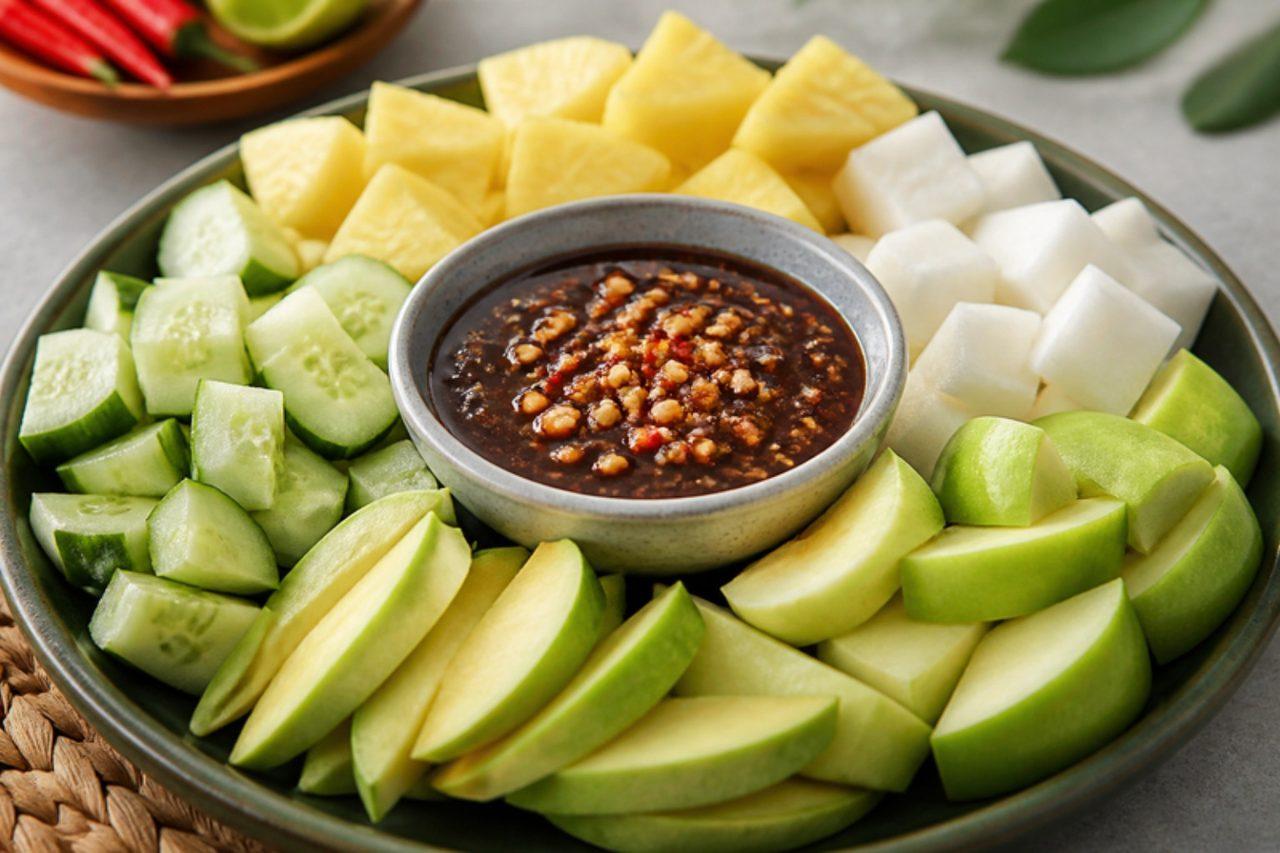
Rujak buahFruit salad with tamarind dip

Across Java, rujak buah is the afternoon snack that office workers share from a paper cone: crisp green mango, jicama, pineapple and cucumber dragged through a dark, sticky sauce of palm sugar, tamarind and crushed chilli. Hawkers usually add shrimp paste; many make a version without, which is what this is, with a few roasted peanuts for body. The mix of sour fruit and hot, sweet sauce wakes you up on a humid day. Chef's tip: chill the fruit but keep the sauce at room temperature, so it stays loose enough to cling.

by KrazyBadal 0 views

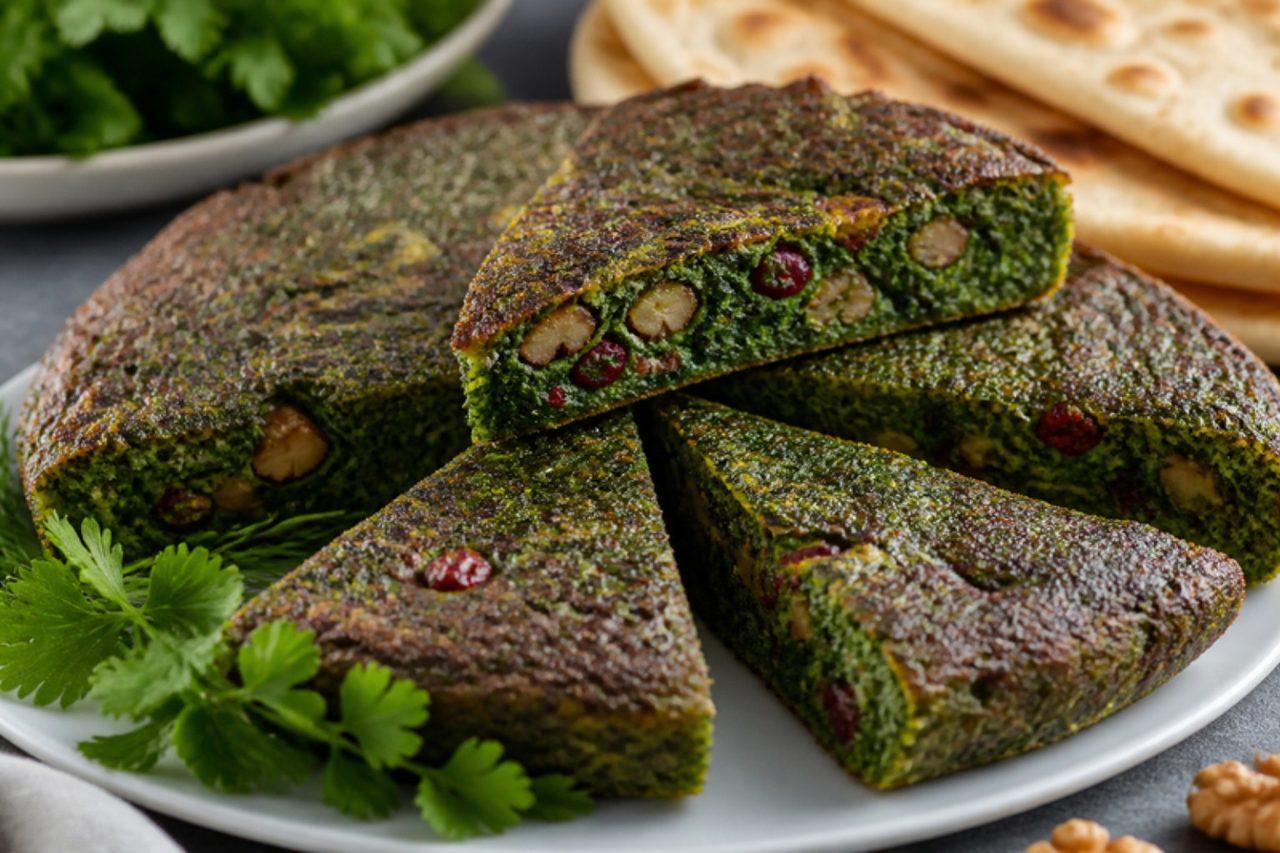
Kuku sabziHerb frittata

Kuku sabzi is a deep green, herb-packed egg cake that Iranian families make for Nowruz, the New Year on the first day of spring, often alongside sabzi polo. It is more herb than egg: just enough egg binds a heap of parsley, coriander, dill and chives, with crunchy walnuts and little sour barberries. It is eaten warm or cold, cut into wedges, tucked into lavash with yogurt and radishes, and it travels well to the Sizdah Bedar picnic thirteen days later. Chef's tip: cook it slowly with the lid on; high heat browns the base before the middle sets.

by KrazyBadal 0 views

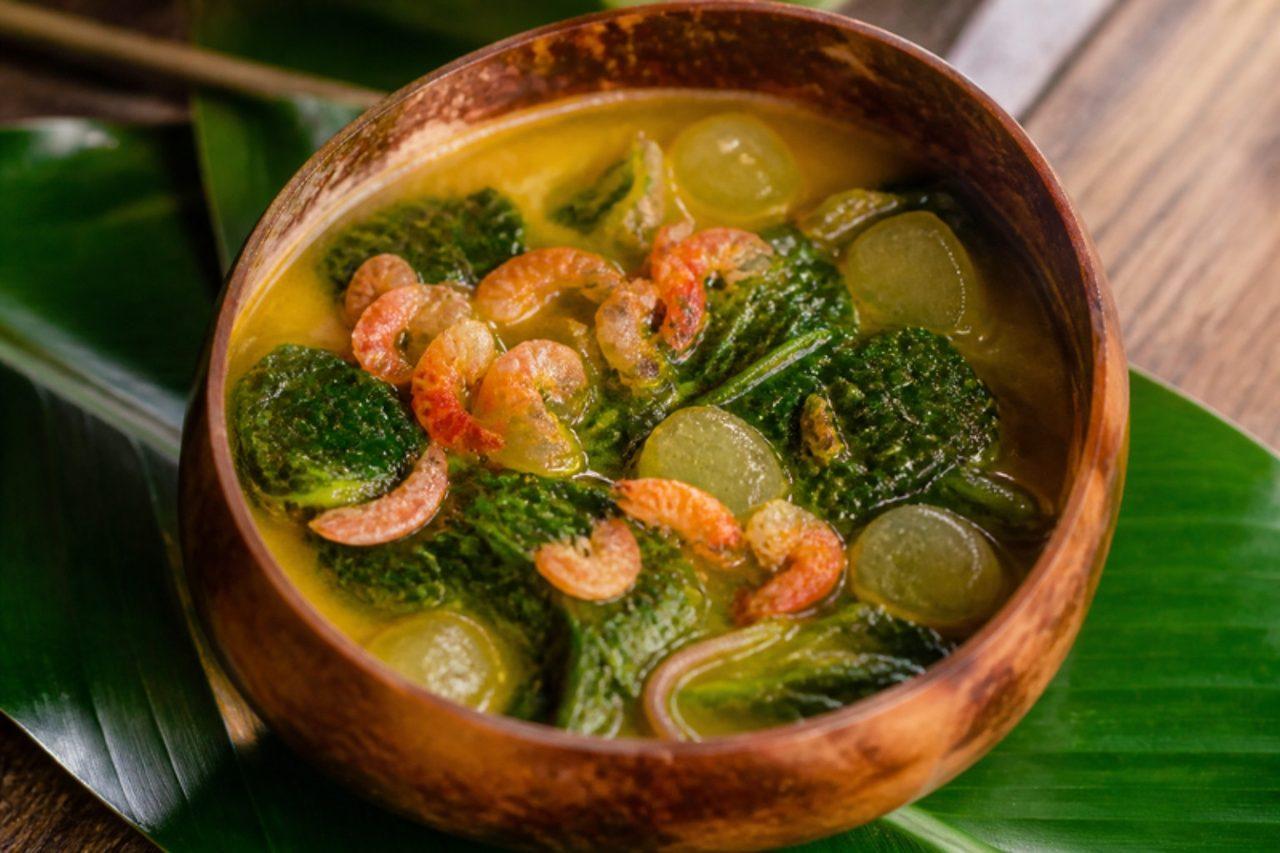
TacacáHot tucupi broth with shrimp

Around four in the afternoon in Belém, capital of Pará, the tacacazeiras open their street stalls and people queue for tacacá, served scalding hot in a cuia, a bowl made from a dried gourd. The broth is tucupi, the sour yellow juice of wild manioc, with a spoonful of tapioca gum, dried shrimp and jambu, an Amazon herb whose leaves make your lips and tongue tingle and go pleasantly numb. You drink the broth straight from the bowl and pick out the rest. Tucupi is sold cooked and bottled (or frozen) in Brazilian shops; it must be properly boiled before eating, which is explained in the steps. Chef's tip: soak and briefly boil the dried shrimp before they go in; straight from the bag they make the broth far too salty.

by KrazyBadal 0 views

HawawshiSpiced beef stuffed bread

Walk through downtown Cairo in the evening and you will smell hawawshi before you see it: round baladi breads split open, packed with minced beef, onion, green chilli and warm spices, then baked until the bread turns crisp and the fat from the meat soaks into the crumb. Street stalls sell it wrapped in paper with pickles and tahini; at home it is a quick Friday supper. Pitta works well if you can't find baladi bread. The mistake most people make is packing in too thick a layer of meat, so the bread burns before the middle is cooked; keep it about 1 cm thick. Chef's tip: squeeze the grated onion in a sieve before mixing it in, or the filling turns wet and the bread goes soggy.

by KrazyBadal 0 views

Kuku pakaGrilled chicken in coconut curry

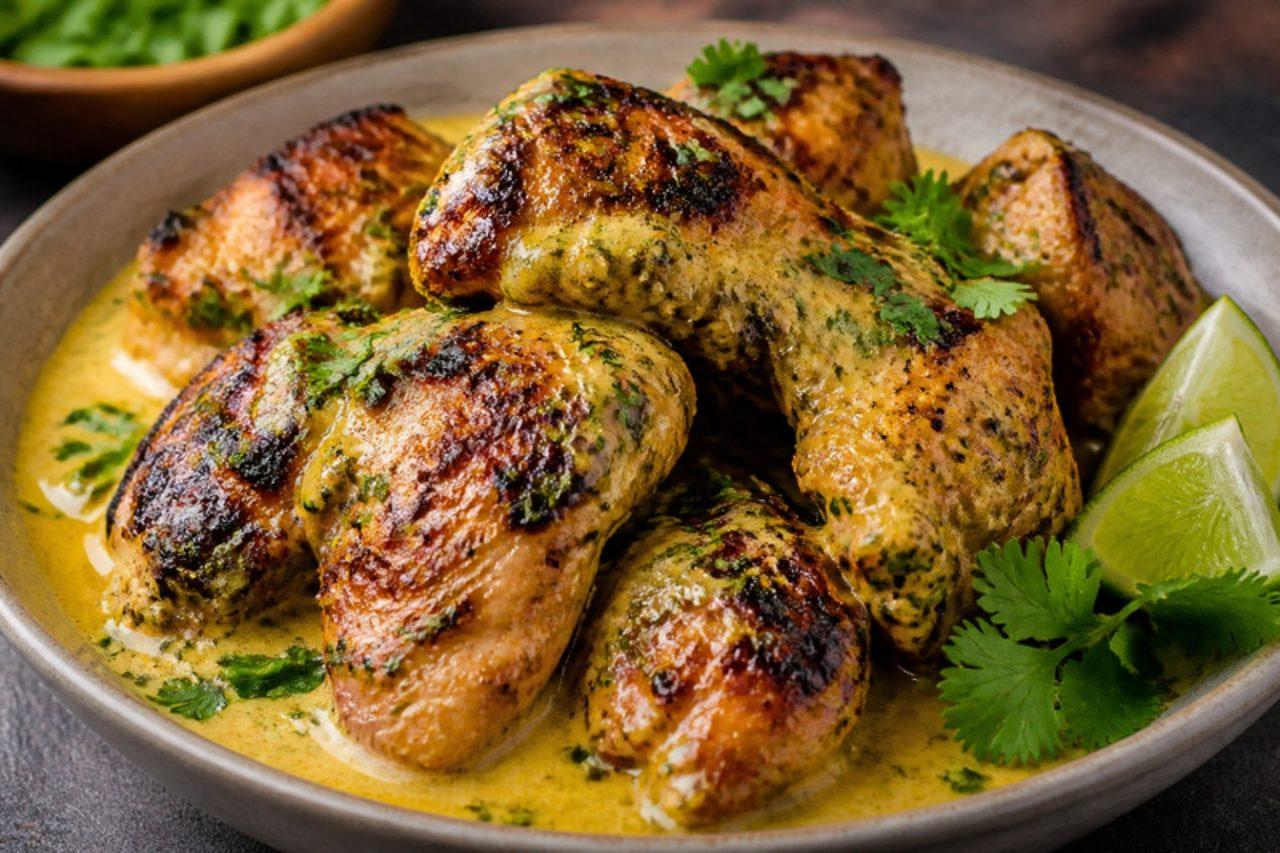
Kuku paka is a Mombasa and Lamu speciality with Indian roots, cooked for weddings and Eid along the Kenyan coast: chicken is marinated in ginger, garlic and chilli, charred over charcoal or under a grill, then simmered in a smooth coconut sauce with turmeric and lime. The grilling gives the sauce its smoky note. The mistake is adding thick coconut milk too early and boiling it hard, so it splits; simmer gently. Chef's tip: add halved boiled potatoes or boiled eggs to the sauce, as many coast families do, to stretch it for more people.

by KrazyBadal 0 views

Kuih seri mukaSticky rice and pandan custard cake

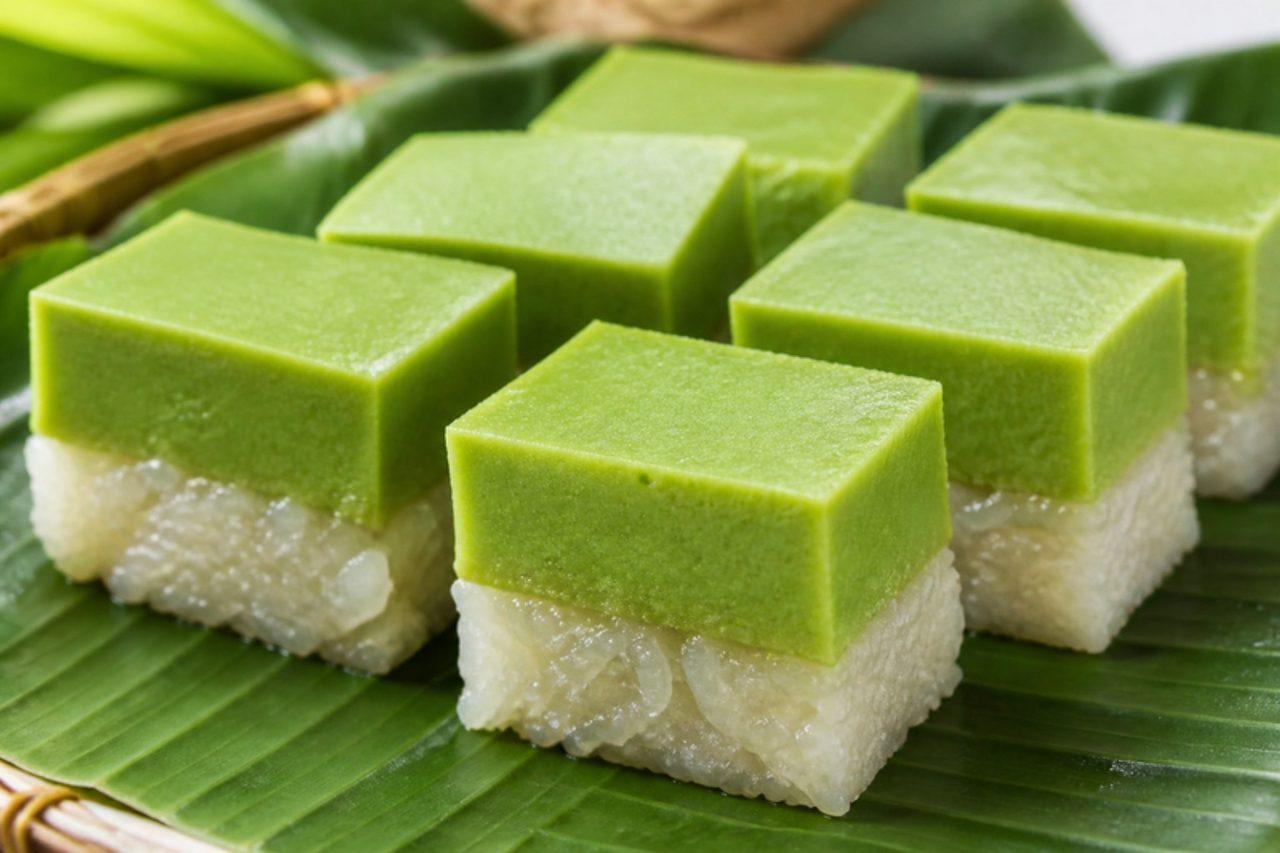
Seri muka is one of the most loved kuih in Melaka and all over Malaysia, sold in neat diamonds at morning markets and Ramadan bazaars. The base is glutinous rice steamed in coconut milk and pressed firm; the top is a silky, green custard of pandan juice, eggs and coconut milk, steamed until it just sets. Each bite is salty-sweet, chewy then smooth. Chef's tip: rough up the top of the hot rice with a fork before pouring on the custard, so the two layers stick together instead of sliding apart.

by KrazyBadal 0 views

Kuih lapisSteamed layered coconut cake

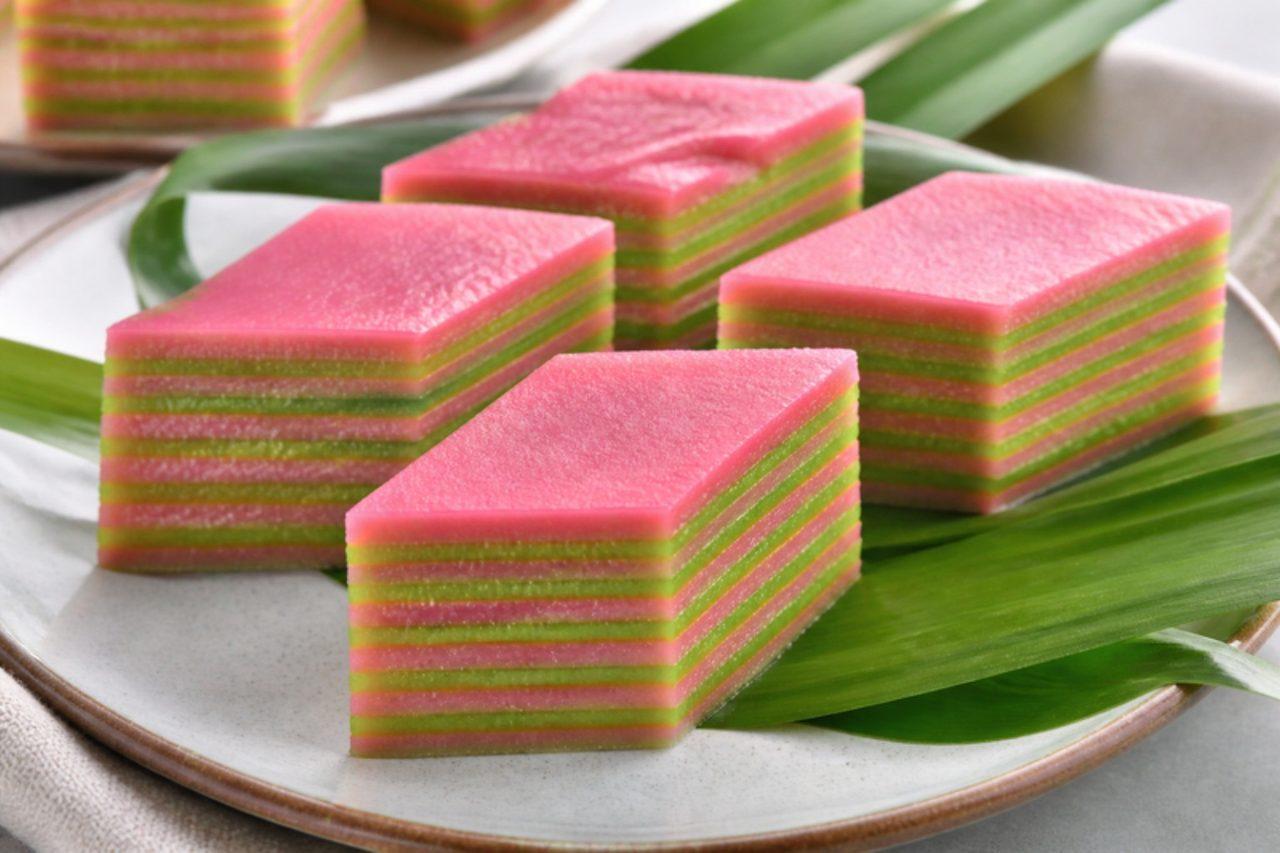
Kuih lapis is the striped, bouncy cake piled on trays at Malaysian pasar malam (night markets) and laid out for guests at Hari Raya, Deepavali and Chinese New Year open houses. It's built from a thin coconut-milk batter of rice flour and tapioca starch, steamed one layer at a time, so each slice shows nine neat stripes, and children everywhere peel them off one by one. The texture is soft, springy and slightly chewy; the flavour is gentle coconut and pandan. It takes patience rather than skill. Chef's tip: steam the empty tin for 5 minutes before the first layer, so it sets evenly from the bottom.

by KrazyBadal 0 views

Kueh pie teeCrisp pastry cups with jicama

Pie tee are thin, crunchy fried cups shaped like little top hats, made with a brass mould dipped in batter and plunged into hot oil. Peranakan cooks in Melaka and Penang fill them with finely shredded jicama and carrot braised in garlic, then top them with egg, coriander and a dot of sweet chilli sauce. They are a festive starter for Chinese New Year and weddings. Prawns usually crown each cup; this version uses fine strips of omelette. If you have no mould, shop-bought cups are fine. Chef's tip: heat the mould in the oil before each dip; a cold mould won't hold the batter.

by KrazyBadal 0 views

Kuchen de murtaBerry custard tart

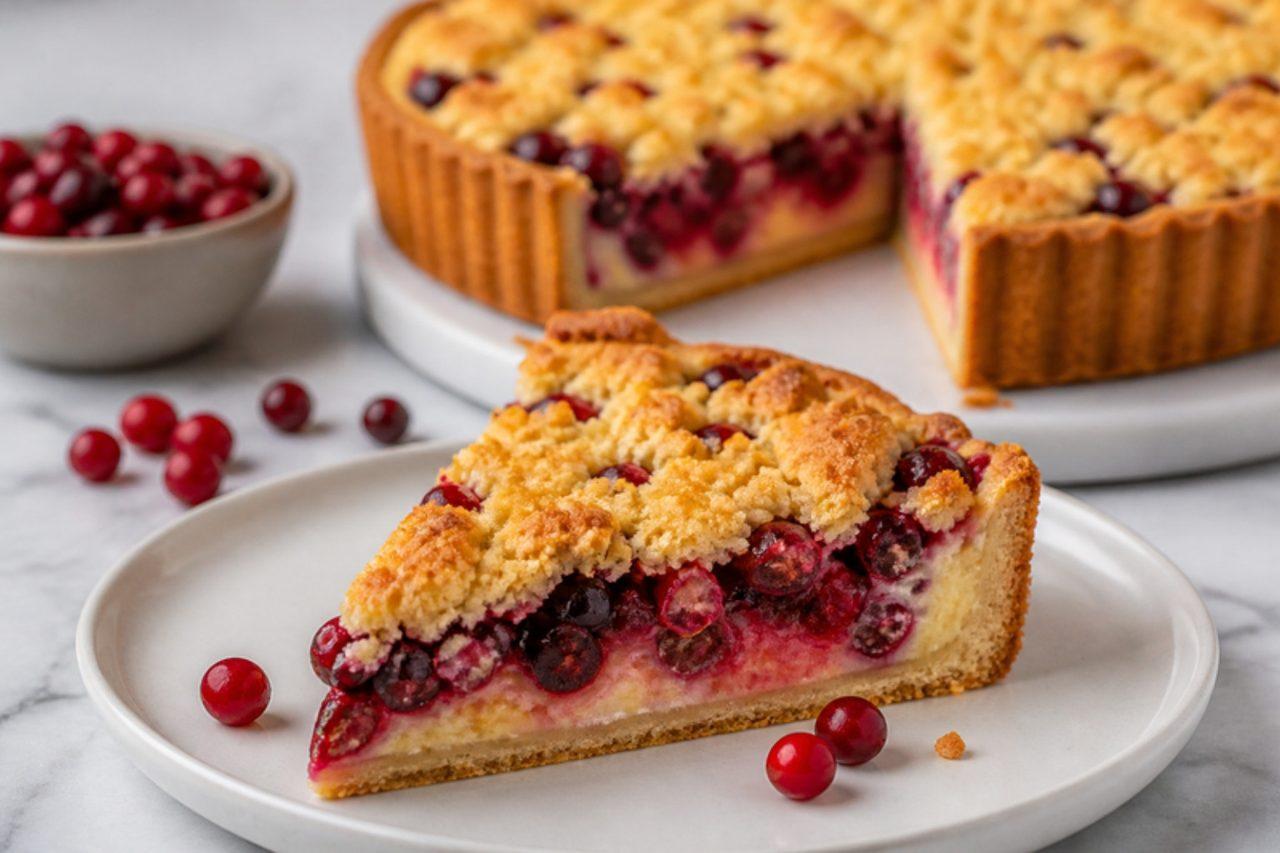
Around Lake Llanquihue, in Frutillar and Puerto Varas, German settlers of the 1850s left Chile a love of kuchen, now served with coffee in every café of the south. The Chilean twist is the fruit: murta (Chilean guava), a small, red, perfumed berry that grows wild there in autumn. A buttery base holds the berries in a light custard under a crumble of butter and sugar. Outside Chile, cranberries with a few blueberries give a similar sharp-sweet balance. Chef's tip: blind-bake the base for 10 minutes first; a pre-set base stays crisp under the wet custard.

by KrazyBadal 0 views

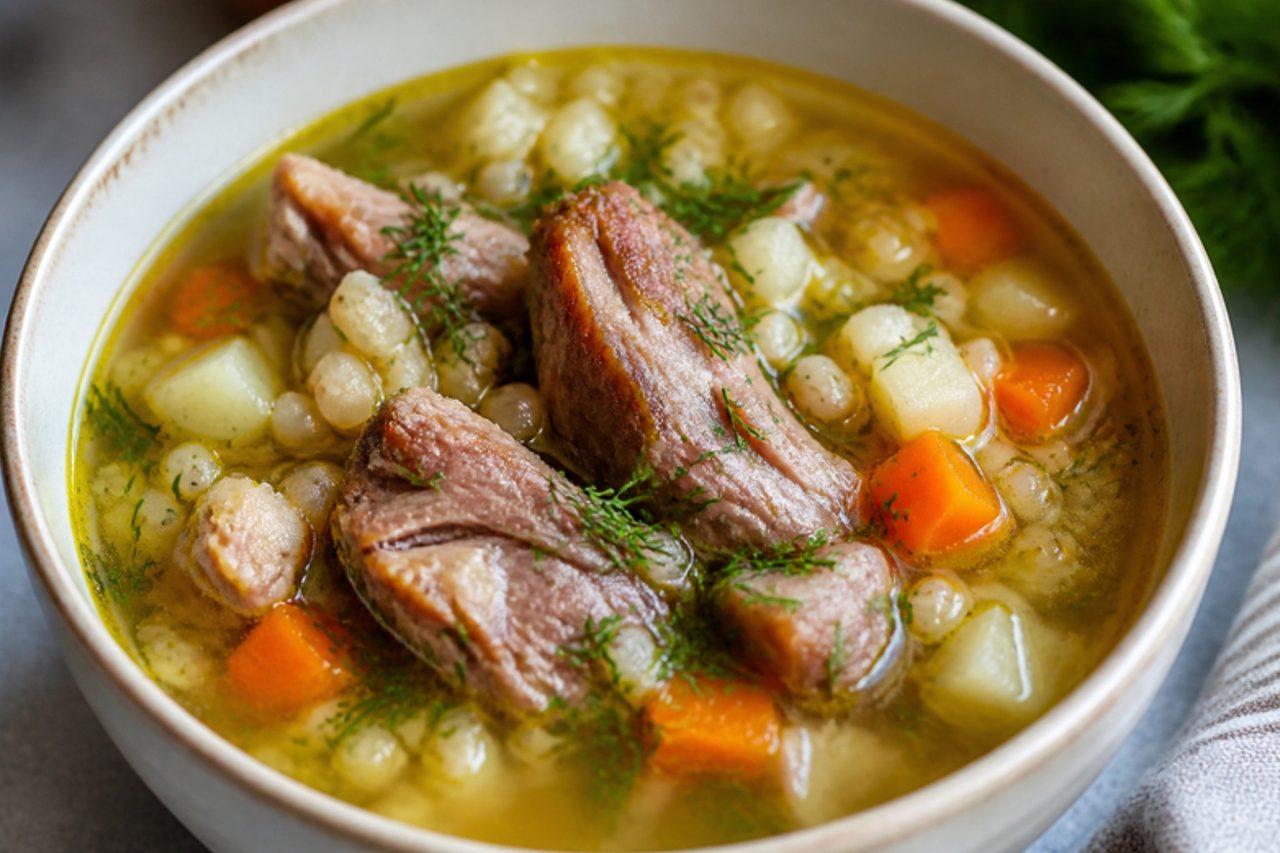
KrupnikBarley soup with smoked pork

Krupnik is a thrifty, warming soup from every Polish grandmother's kitchen, from the villages of Podlasie to city milk bars, and it is the soup people make when someone in the house has a cold. Pearl barley (kasza jęczmienna), carrot, celeriac, parsley root and potato simmer in a broth of smoked pork ribs, which gives it a gentle smoky depth; this version contains pork. Dried mushrooms add an earthy note. Chef's tip: rinse the barley well and add it early; it releases starch that gives krupnik its slightly creamy body.

by KrazyBadal 0 views

Kroeung (Khmer lemongrass paste)Lemongrass and galangal paste

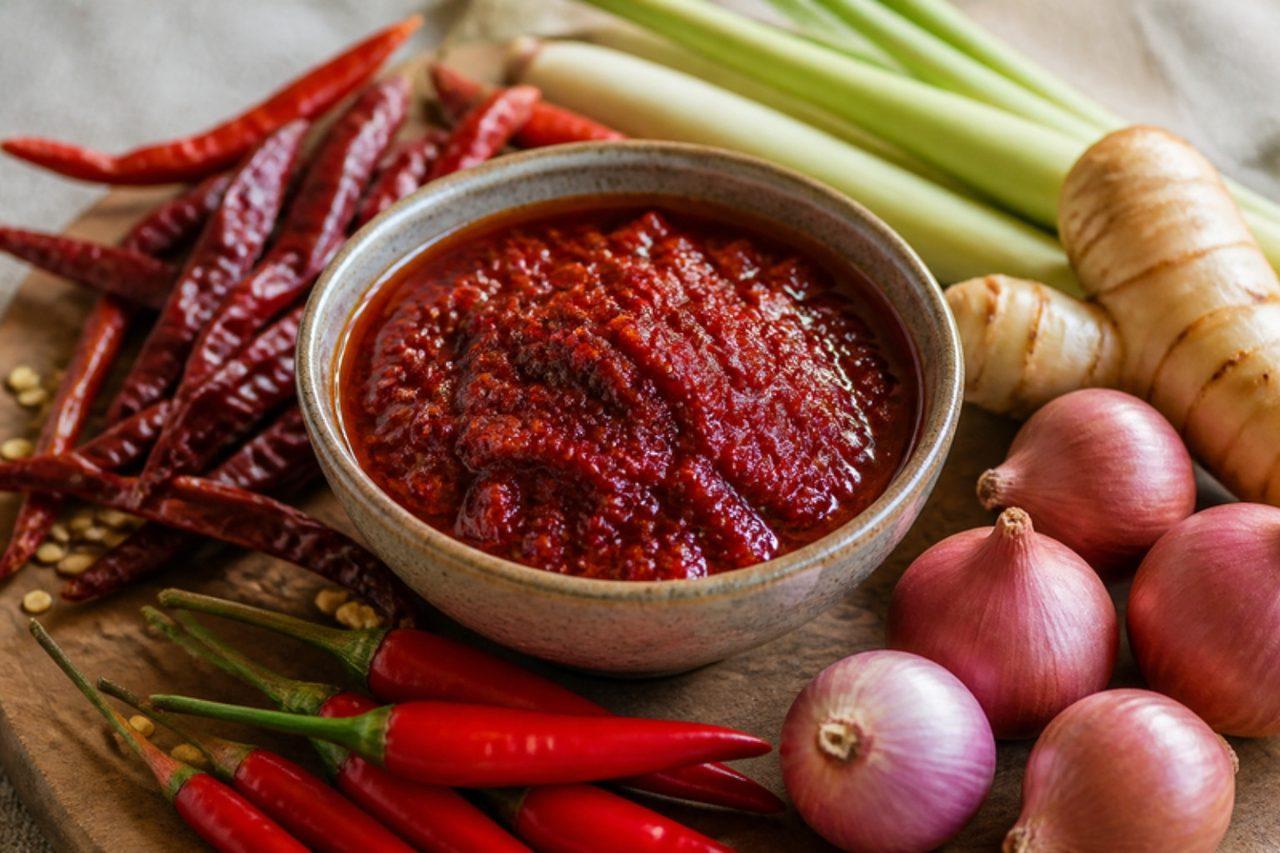
Almost every Khmer kitchen, from Phnom Penh flats to village houses around Siem Reap, starts the day's cooking by pounding kroeung in a heavy stone mortar. This is the yellow kind, coloured with fresh turmeric and built on lemongrass, galangal, makrut lime leaf, garlic and shallot; it goes into amok, samlor korko, noodle curries and stir-fries. Homemade, it smells brighter and more citrusy than any jar, and a batch keeps for a week in the fridge or months in the freezer. Chef's tip: slice the lemongrass into paper-thin rounds across the grain before it goes near the mortar or blender; long fibres never break down and leave the paste stringy.

by KrazyBadal 0 views

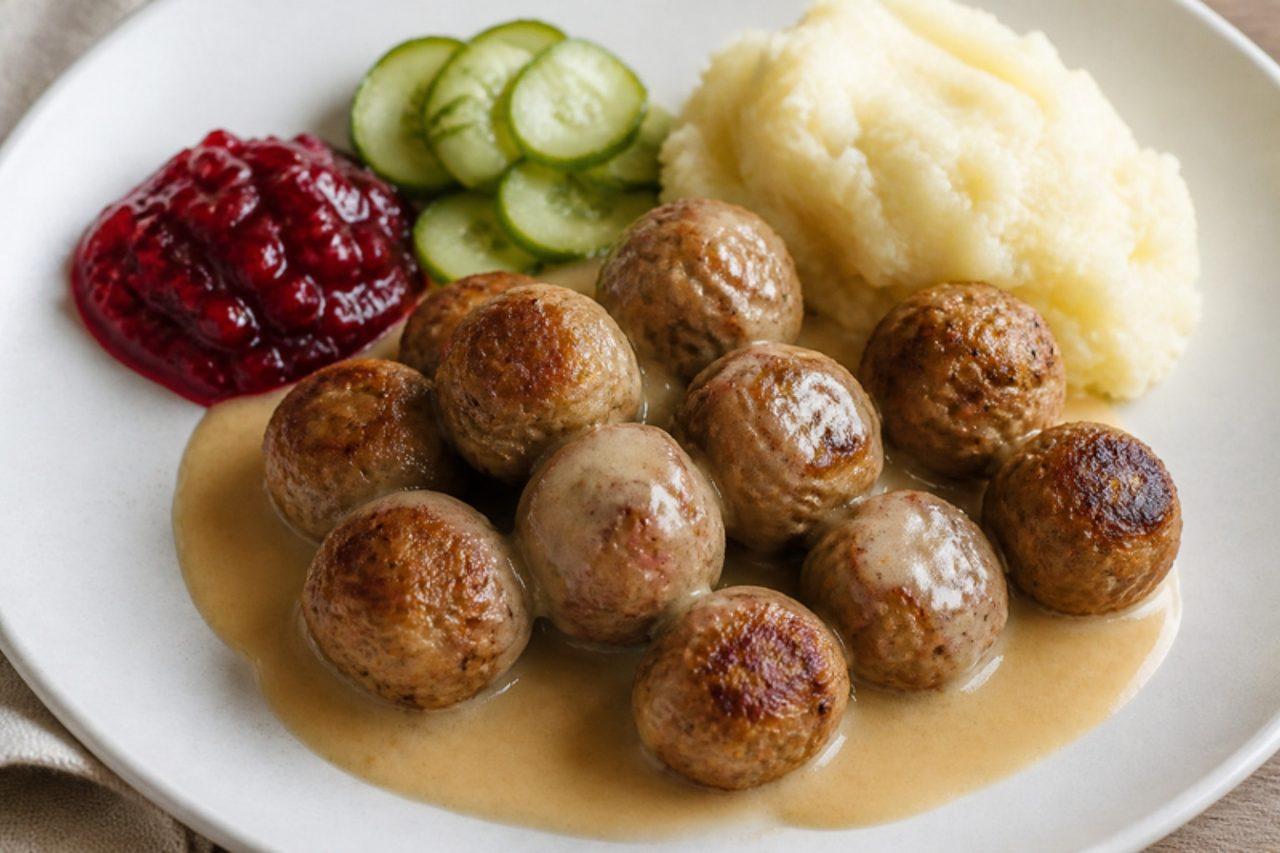
Swedish meatballsMeatballs with cream gravy

In Sweden köttbullar turn up everywhere from Stockholm school canteens to the Christmas julbord, and most families keep a bag of homemade ones in the freezer for busy weeknights. These are small, soft and lightly spiced with allspice, made from a mix of beef and pork, so this recipe contains pork. They come to the table in a pale, peppery cream gravy with buttery mashed potato, sharp lingonberry jam and quick pressed cucumber. The usual slip is rolling them too big and packing them tight: they should be the size of a walnut and shaped with wet hands, never squeezed. Chef's tip: soak the breadcrumbs in milk for a full five minutes before mixing in the meat; that panade is what keeps them tender.

by KrazyBadal 0 views

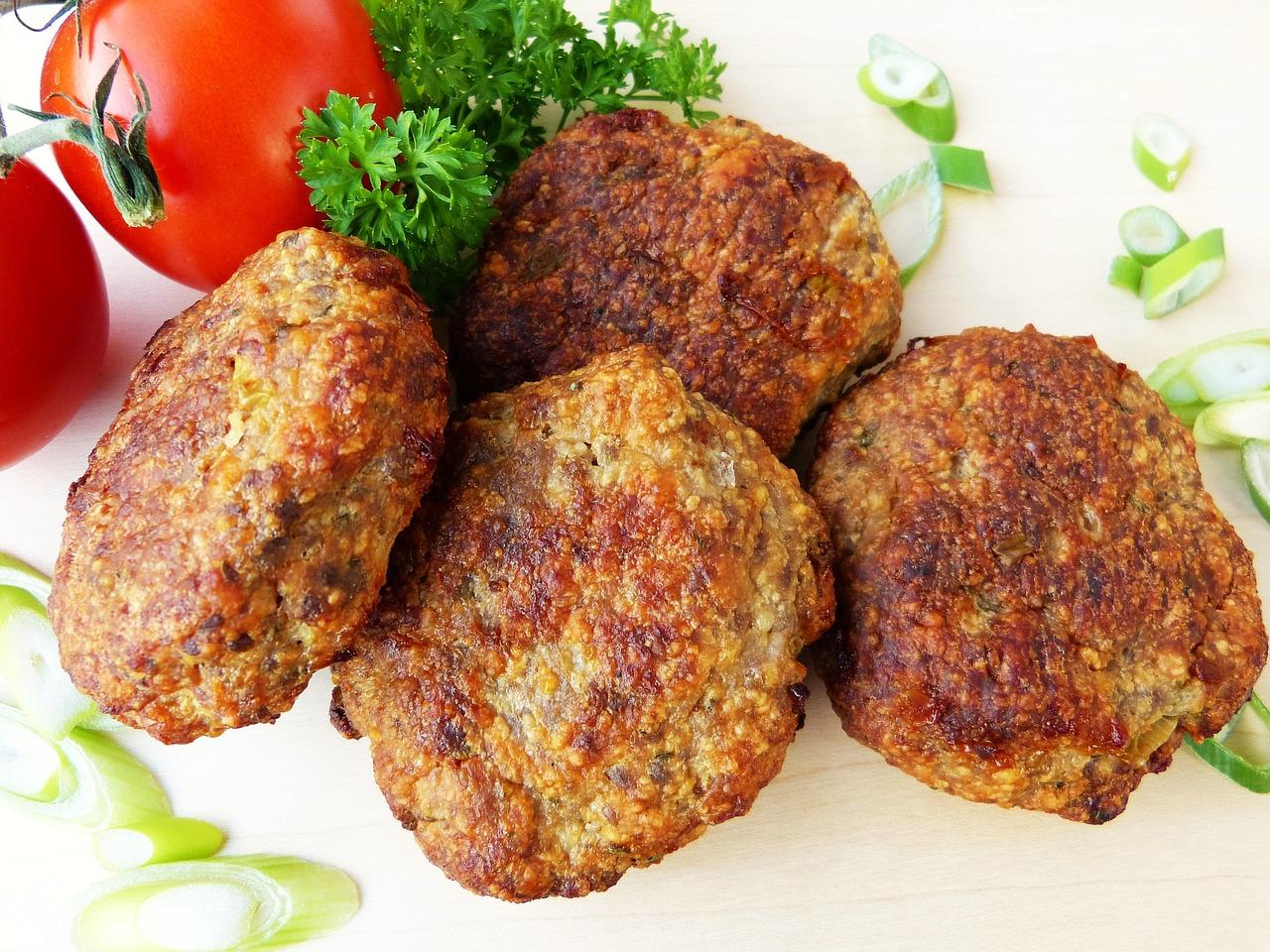
KotletyPan-fried meat patties

Kotlety are what a Russian grandmother makes on an ordinary Tuesday and what Soviet school canteens served at lunch: soft, oval patties of minced pork and beef, fried golden and finished with a splash of water under a lid. They contain pork. Bread soaked in milk is the secret to their tenderness; the patties stay juicy enough to eat cold the next day in a sandwich. Serve them with mashed potato or buckwheat (grechka), a few pickles and a spoon of the pan juices. The mistake most people make is leaving out the soaked bread or using breadcrumbs instead, which gives dense, dry burgers rather than kotlety. Chef's tip: wet your hands with cold water before shaping each patty, so the soft mince doesn't stick and the surface stays smooth.

by KrazyBadal 0 views

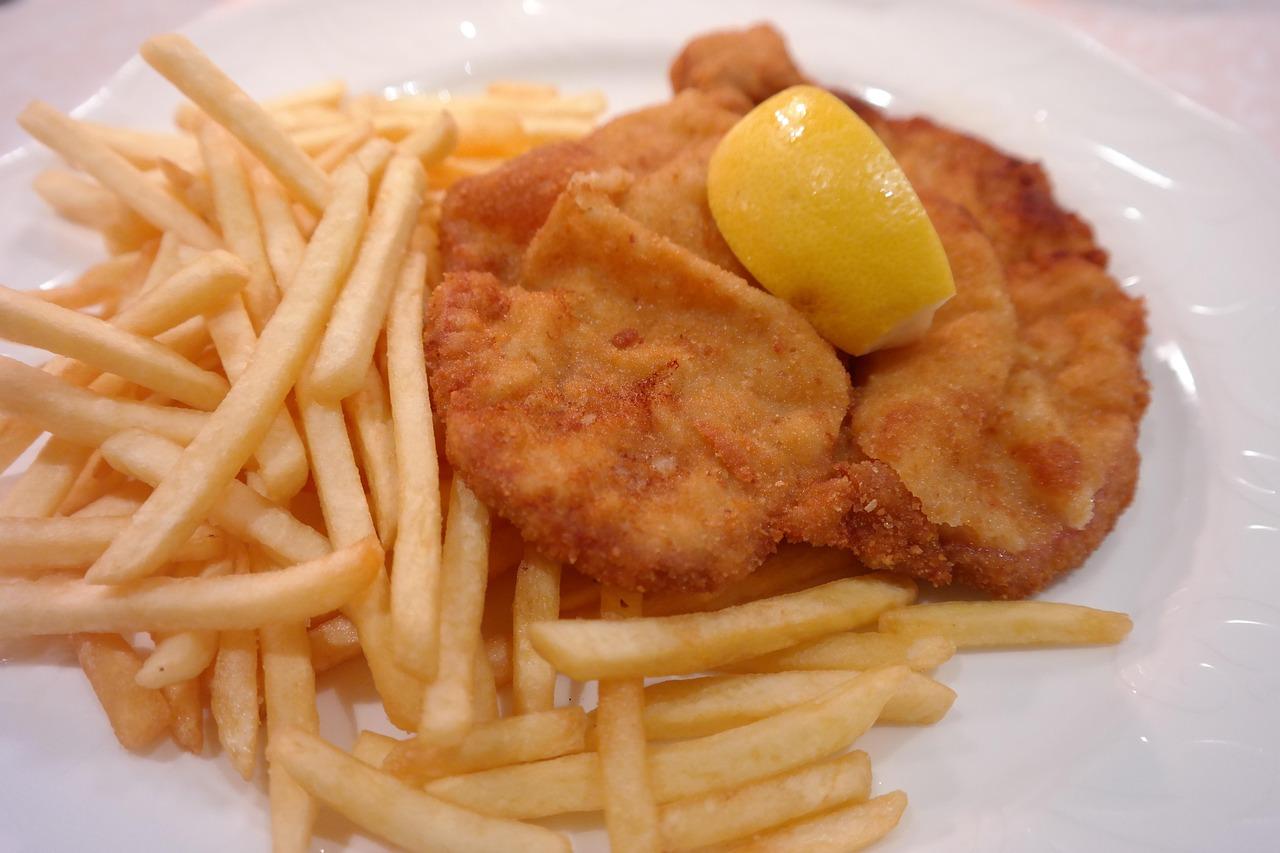
Kotlet schabowyBreaded pork cutlet

Kotlet schabowy is the Polish Sunday dinner, served in homes and milk bars from Warsaw to Wrocław, usually with buttery dill potatoes and mizeria (cucumber in soured cream) or braised cabbage. It is a pork dish: slices of boneless pork loin are pounded thin, dipped in flour, egg and breadcrumbs and fried in lard or oil until crisp and golden. Chef's tip: pound the meat between sheets of cling film to an even 5 mm; even thickness means the coating browns just as the meat is done.

35 minPolishMeat
by KrazyBadal 0 views

SabichAubergine and egg pita

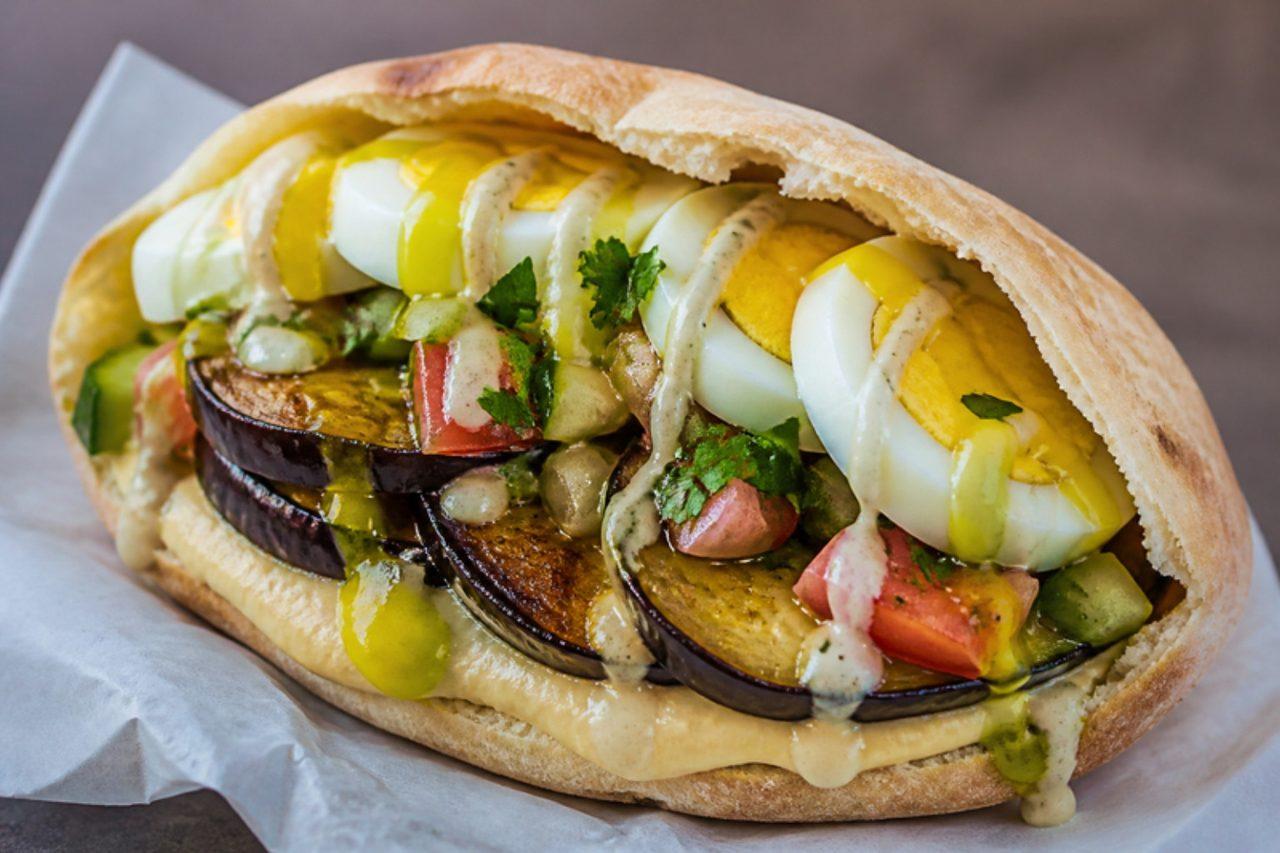
Sabich came to Israel with Iraqi Jews, who ate fried aubergine and hard-boiled eggs on Saturday mornings when no cooking was allowed. In Ramat Gan in the 1950s someone stuffed it all into a pita, and today it is street food all over Tel Aviv: crisp-edged aubergine, sliced egg, hummus, tahini, chopped salad and a spoonful of tangy amba mango pickle, with zhug for heat. It is messy, rich and best eaten standing up with a paper napkin. Chef's tip: salt the aubergine and dry it well before frying; it soaks up far less oil and comes out creamy instead of greasy.

by KrazyBadal 0 views

Kothimbir vadiCoriander and gram flour fritters

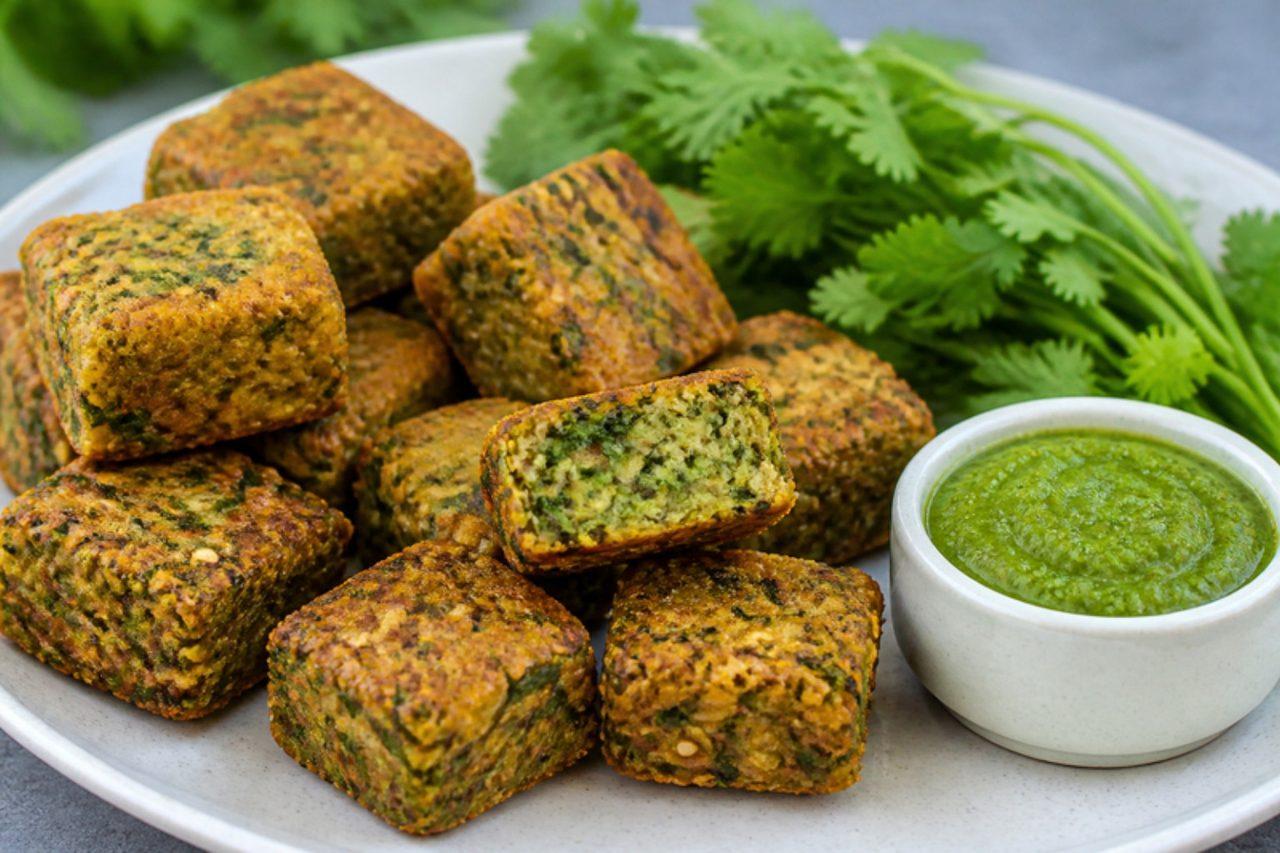
When the winter coriander in the Nashik markets comes in huge, fragrant bunches for a few rupees, Maharashtrian kitchens make kothimbir vadi. A batter that is mostly fresh coriander, held together with gram flour and sesame, is steamed into a cake, cut into squares, then shallow-fried until each piece has a crunchy shell and a soft, herby middle. It's a tea-time snack in Pune homes, a side on the festive thali and a favourite in tiffin boxes because it's good at room temperature. Serve with green chutney or tomato ketchup. Chef's tip: dry the coriander well after washing; wet leaves make the batter loose and the vadi soggy.

by KrazyBadal 0 views

Sabzi poloGreen herb rice

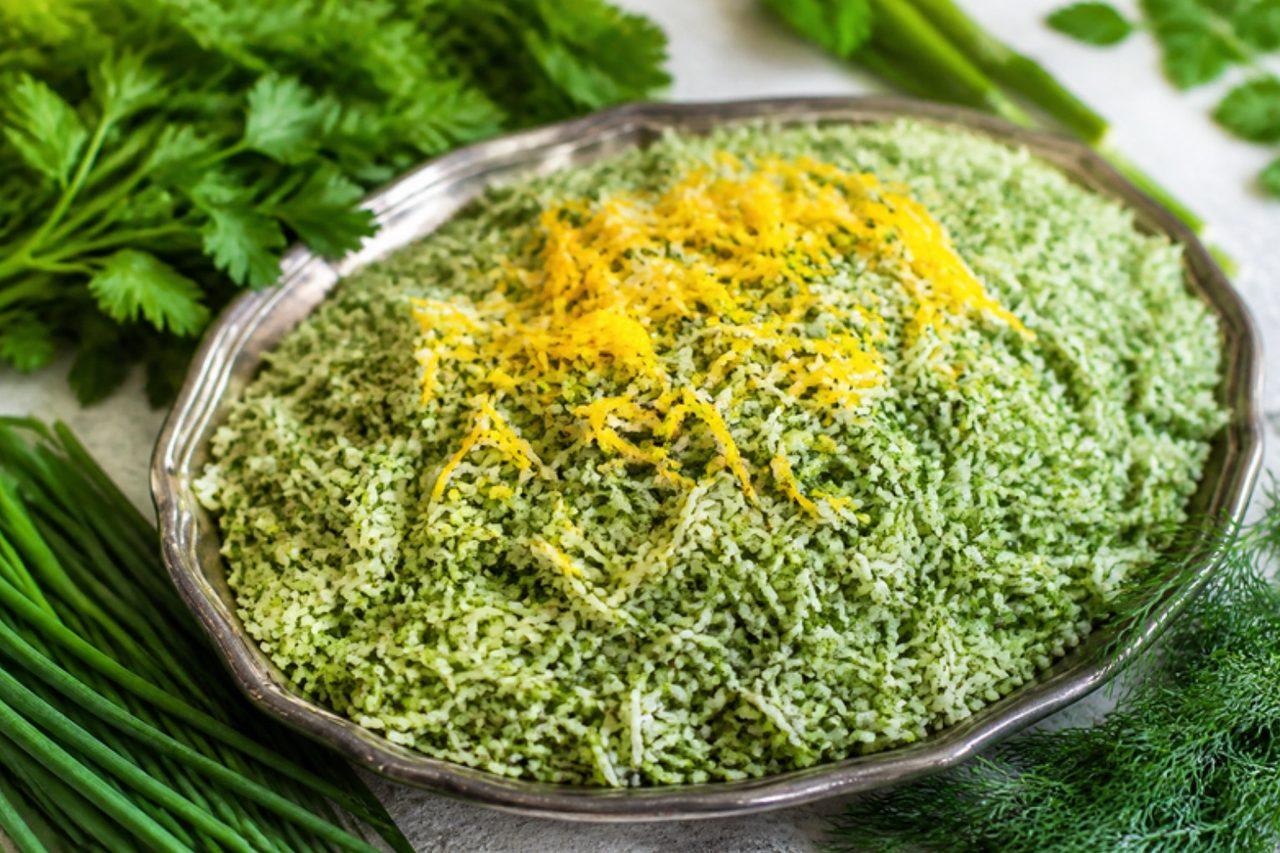
Sabzi polo is the rice of Nowruz, the Persian New Year on the spring equinox, when families across Iran sit down on the first evening to a mound of rice speckled green with dill, parsley, coriander and chives. Fresh green herbs stand for renewal, and the dish is traditionally paired with fish on the New Year table; a vegetarian house serves it with kuku sabzi, the herb omelette, fried eggs or a bowl of yogurt. The rice tastes bright and grassy, with a gentle garlic note and a golden lavash crust underneath. Chef's tip: chop the herbs the day before and spread them on a tray to dry slightly; damp herbs make the rice heavy and clumpy.

by KrazyBadal 0 views

Sabzi qovurmaLamb with fresh herbs

Sabzi qovurma is a home dish across Azerbaijan, made especially in spring when the markets of Ganja and Baku are full of bundles of green herbs. Pieces of lamb are fried until golden, then cooked with masses of chopped coriander, dill, spinach, spring onion and leek, sharpened by dried black lime or sour plums. It is served with plain plov rice or bread and a bowl of yogurt. The trap is adding wet herbs straight to the pan; they stew rather than fry and the dish goes flat and grassy. Chef's tip: dry the herbs well and fry them on their own until they darken before they join the meat.

by KrazyBadal 0 views

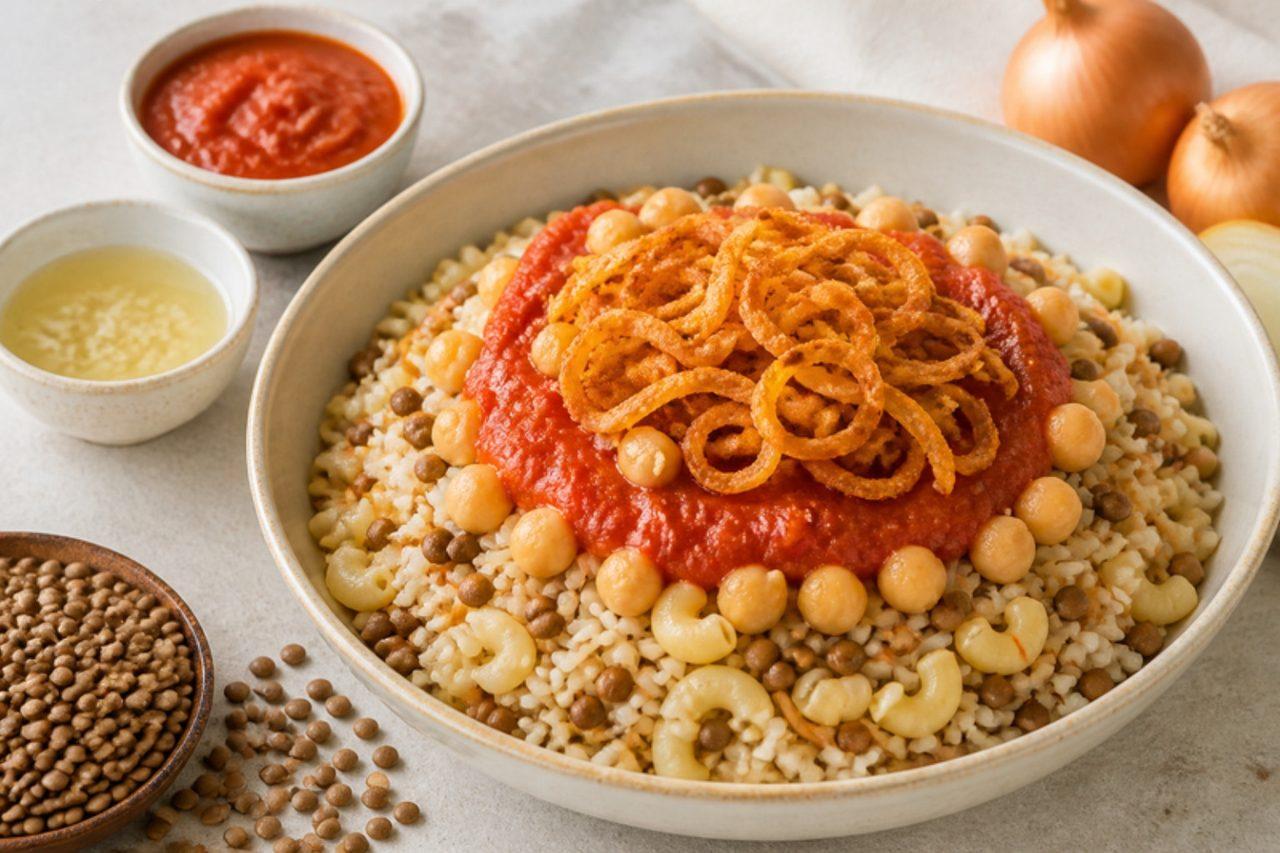
KoshariRice, lentil and pasta bowl

Koshari is the dish of Cairo's streets: whole shops, from Abou Tarek downtown to small corner counters, sell nothing else, and office workers queue for a metal bowl of it at lunchtime. Brown lentils and rice are cooked together, then piled with macaroni, vermicelli and chickpeas, drowned in a sharp cumin-tomato sauce and finished with dakka (garlic vinegar), shatta (chilli sauce) and a heap of dark fried onions. It is cheap, filling and naturally vegan, and every Egyptian eats it differently, so put the sauces on the table. Chef's tip: fry the onions first and cook everything else in their oil; that onion-scented oil is what makes koshari taste like the shops' and not like a plate of separate leftovers.

by KrazyBadal 0 views

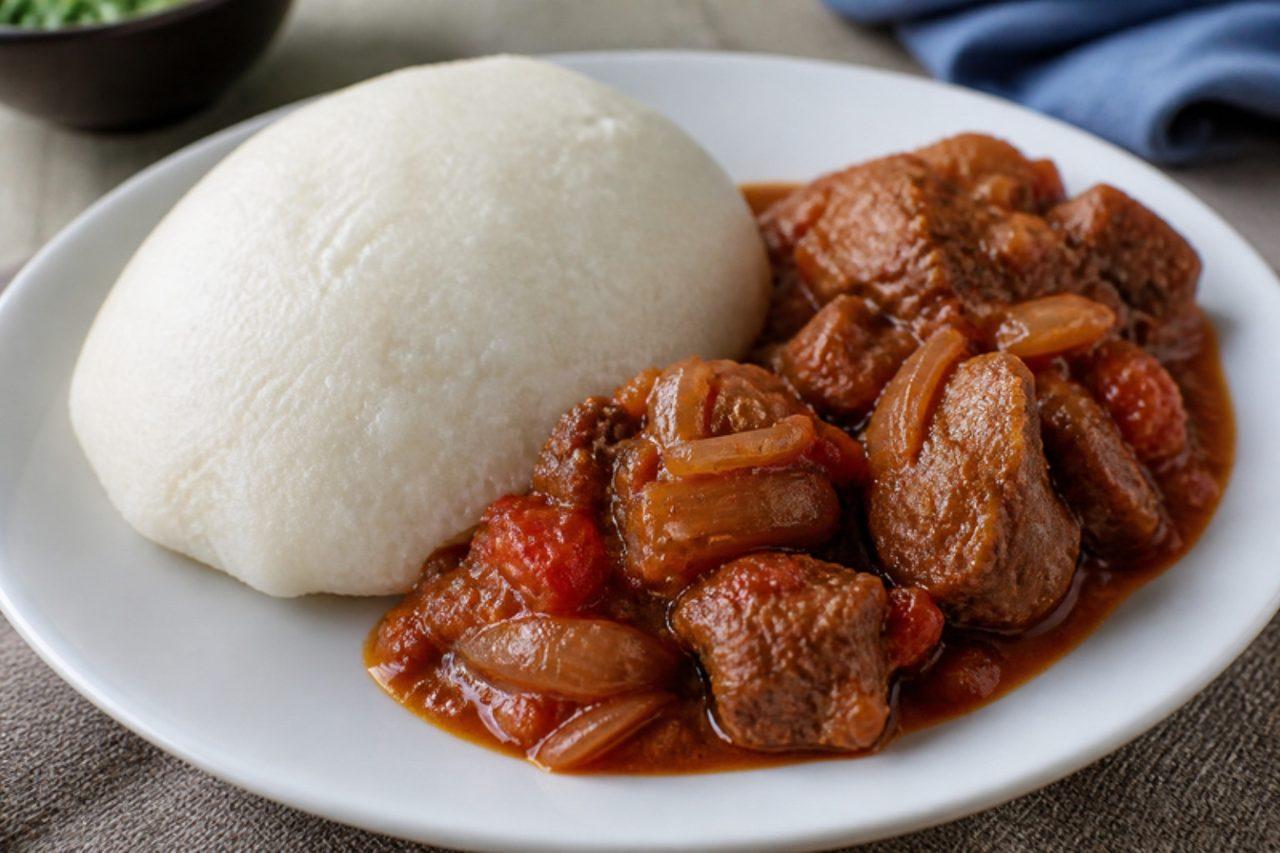
Sadza with beef stewMaize porridge with beef stew

Sadza ne nyama, sadza with meat, is the meal most Zimbabweans would call home: a stiff, smooth porridge of white maize meal shaped into rounds with a wooden spoon, served with a beef stew and a side of greens such as covo or rape. Families in Harare and Bulawayo eat it at lunch or supper, rolling a little sadza into a ball in the right hand and dipping it in the gravy. The mistake is adding all the maize meal at once, which makes lumps; stir in a paste first, then add the rest gradually. Chef's tip: let the porridge "rest and cook" under a lid for a few minutes between additions so the meal tastes cooked, not raw.

by KrazyBadal 0 views

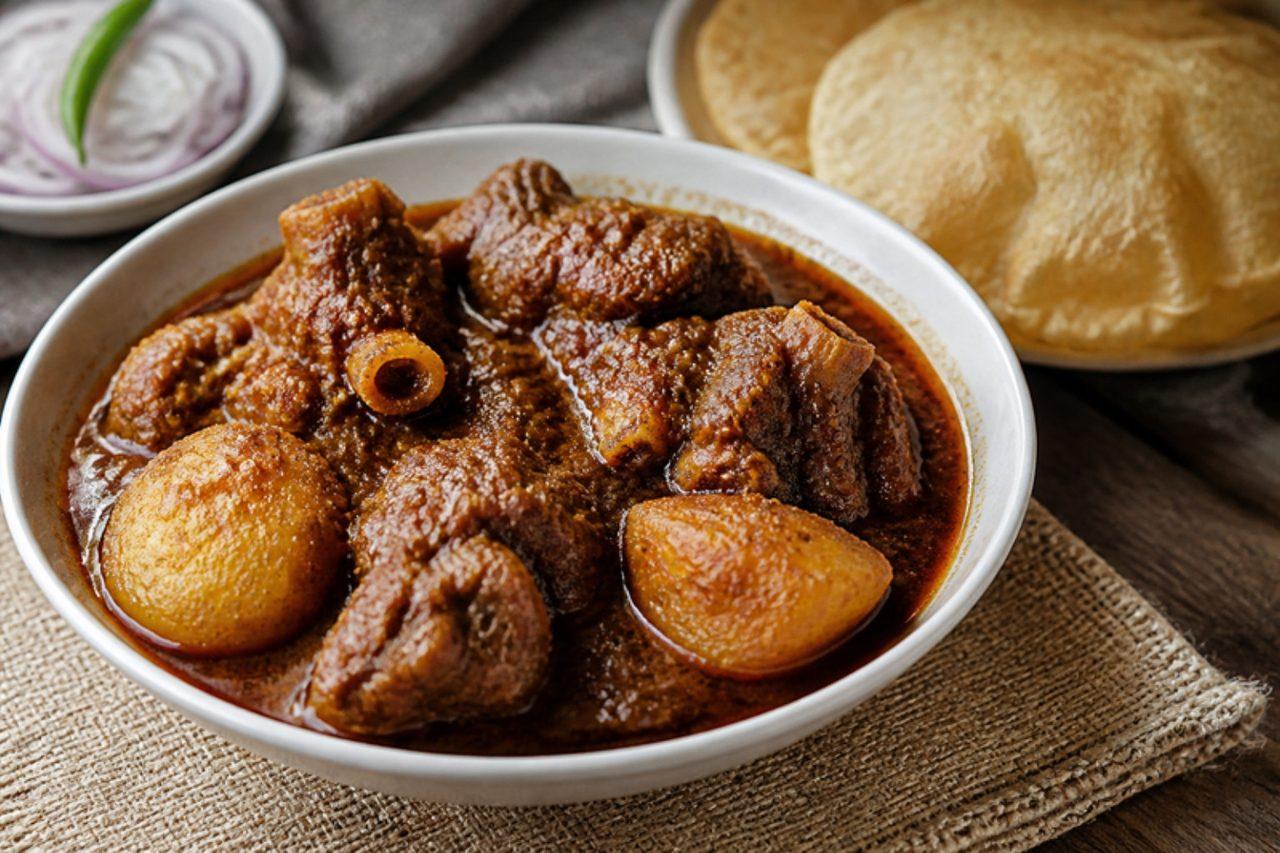
Kosha mangshoSlow-fried mutton curry

Sunday lunch in a Bengali home in Kolkata often means kosha mangsho: goat on the bone, fried patiently in mustard oil until the masala turns almost mahogany and clings to every piece. The word 'kosha' describes that long stirring over the heat, and it is what separates this dish from an ordinary mutton curry. Families eat it with luchi or plain rice, and it also turns up at Durga Puja feasts and wedding dinners. Chef's tip: buy bone-in goat or mutton shoulder cut into curry pieces; the bones and a little fat give the gravy its body.

135 minIndianMeatGluten free
by KrazyBadal 0 views

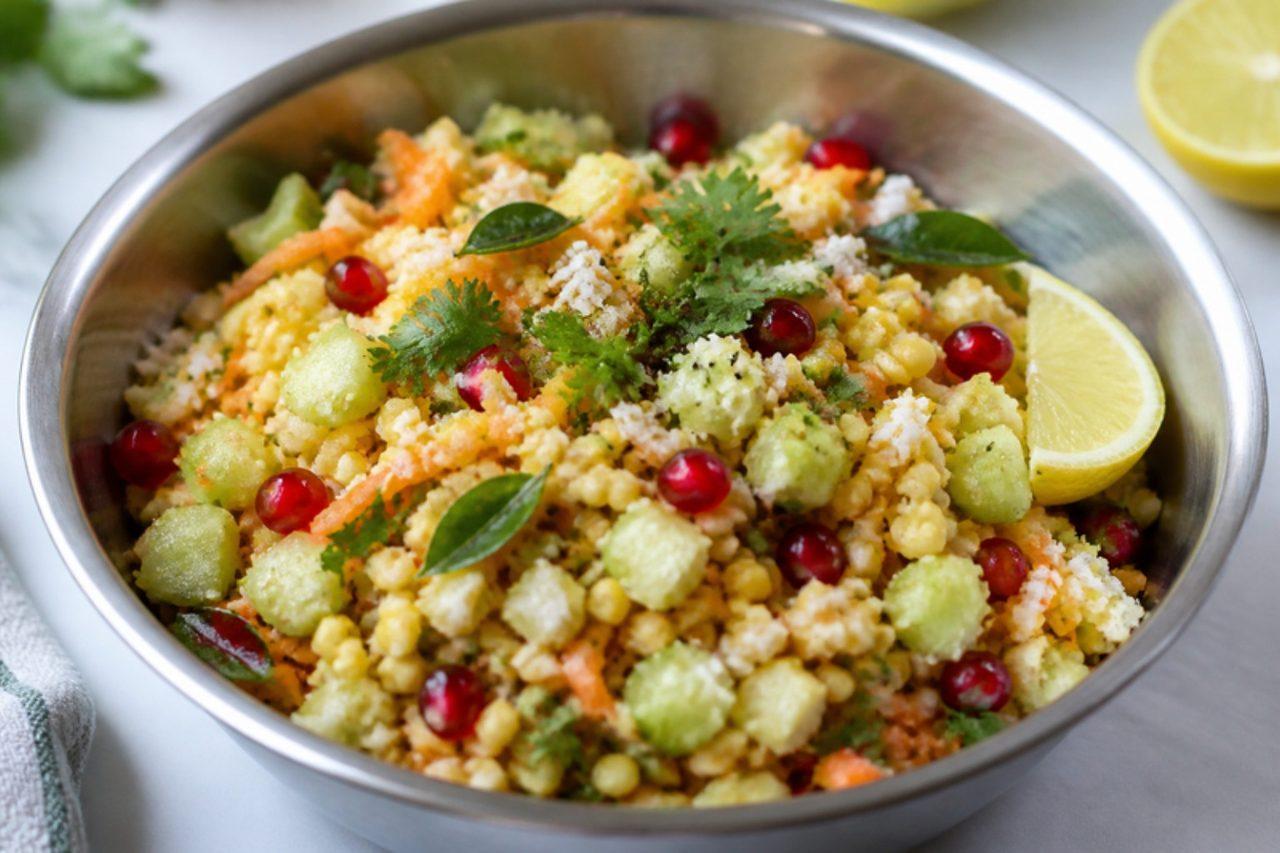
KosambariMoong dal and cucumber salad

No Karnataka festival lunch on a banana leaf is complete without a spoonful of kosambari at the top left corner. This raw salad of soaked split moong dal, cucumber, carrot and fresh coconut, sharpened with lemon and finished with a mustard-seed tempering, is especially made for Ram Navami, when it is offered in temples with panaka (jaggery water), and for Ugadi and weddings. It is crunchy, cool and refreshing, and packed with protein. Chef's tip: add the salt and lemon only just before serving; salted cucumber weeps water and turns the salad soggy within half an hour.

by KrazyBadal 0 views

Safed maasMutton in white gravy

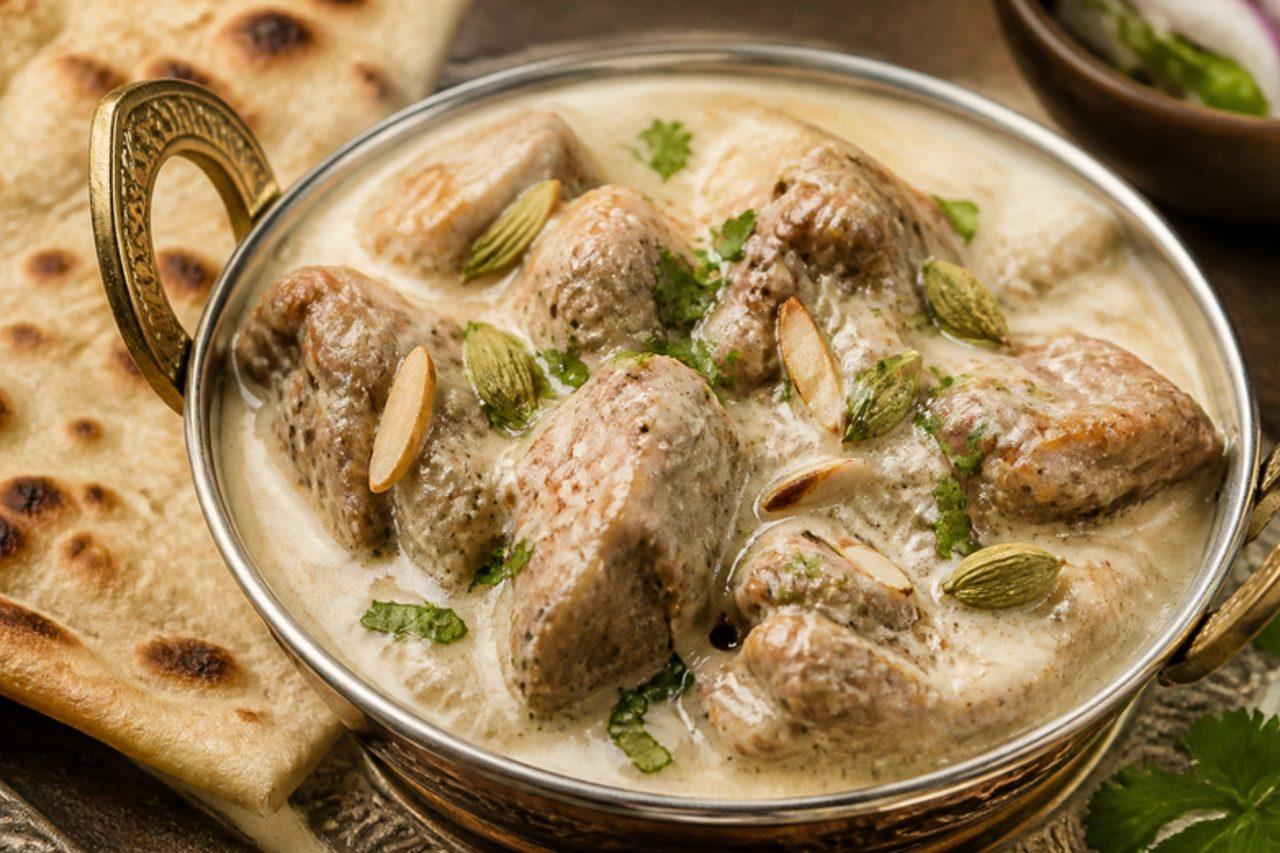
Safed maas is the quiet sibling of fiery laal maas, created in the palace kitchens of Rajasthan's princely states such as Jaipur and Udaipur, where cooks prized dishes that looked as refined as they tasted. There is no turmeric, no red chilli and no browning: the mutton is cooked white with yogurt, a paste of cashews and almonds, cream and white pepper, scented with cardamom and kewra. Its heat is gentle and comes from white pepper and a few green chillies. It's served at weddings and festive dinners with soft rotis or saffron pulao. Chef's tip: keep the heat low from start to finish; the moment the meat or the spices brown, the gravy turns beige and loses that ivory look.

125 minIndianMeatGluten free
by KrazyBadal 0 views

Koraishutir kochuriGreen pea stuffed puris

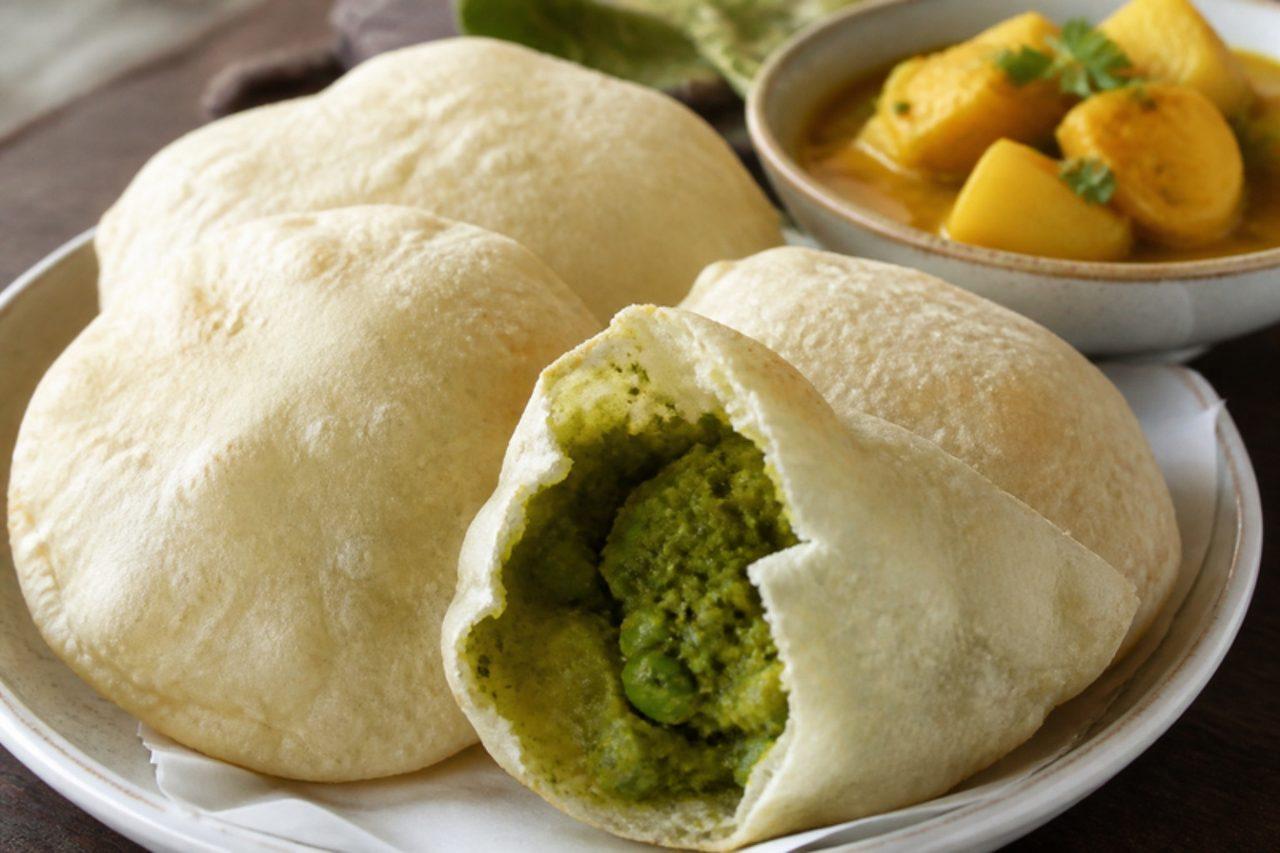
Koraishutir kochuri is a winter treat in Kolkata and across West Bengal, made when sweet new-season peas arrive in the markets. Soft maida dough is filled with a smooth, gingery green pea paste, rolled thin and fried until it puffs into a pale golden pillow with a green blush showing through. It's a Sunday breakfast or a festive snack, classically served with aloor dom (Bengali spiced potatoes) or cholar dal and a sweet to finish. Chef's tip: cook the pea paste until it's dry enough to roll into a ball that doesn't stick to your fingers; a wet filling tears through the thin dough as you roll.

by KrazyBadal 0 views

KopiCoffee with condensed milk

Kopi is the strong, thick coffee poured from long-spouted pots at kopitiams all over Singapore. The beans are dark-roasted with sugar and margarine, which gives a bittersweet, almost chocolatey brew, and the classic cup is sweetened with condensed milk. Order it like a local: kopi-o is black with sugar, kopi-c has evaporated milk, and kopi peng is iced. At home, a dark-roast robusta or espresso blend in a cloth sock or cafetière gets close. Chef's tip: pour the coffee back and forth between two jugs a few times; it cools slightly, aerates and gets the smooth, frothy kopitiam texture.

by KrazyBadal 0 views

SaganakiPan-fried cheese

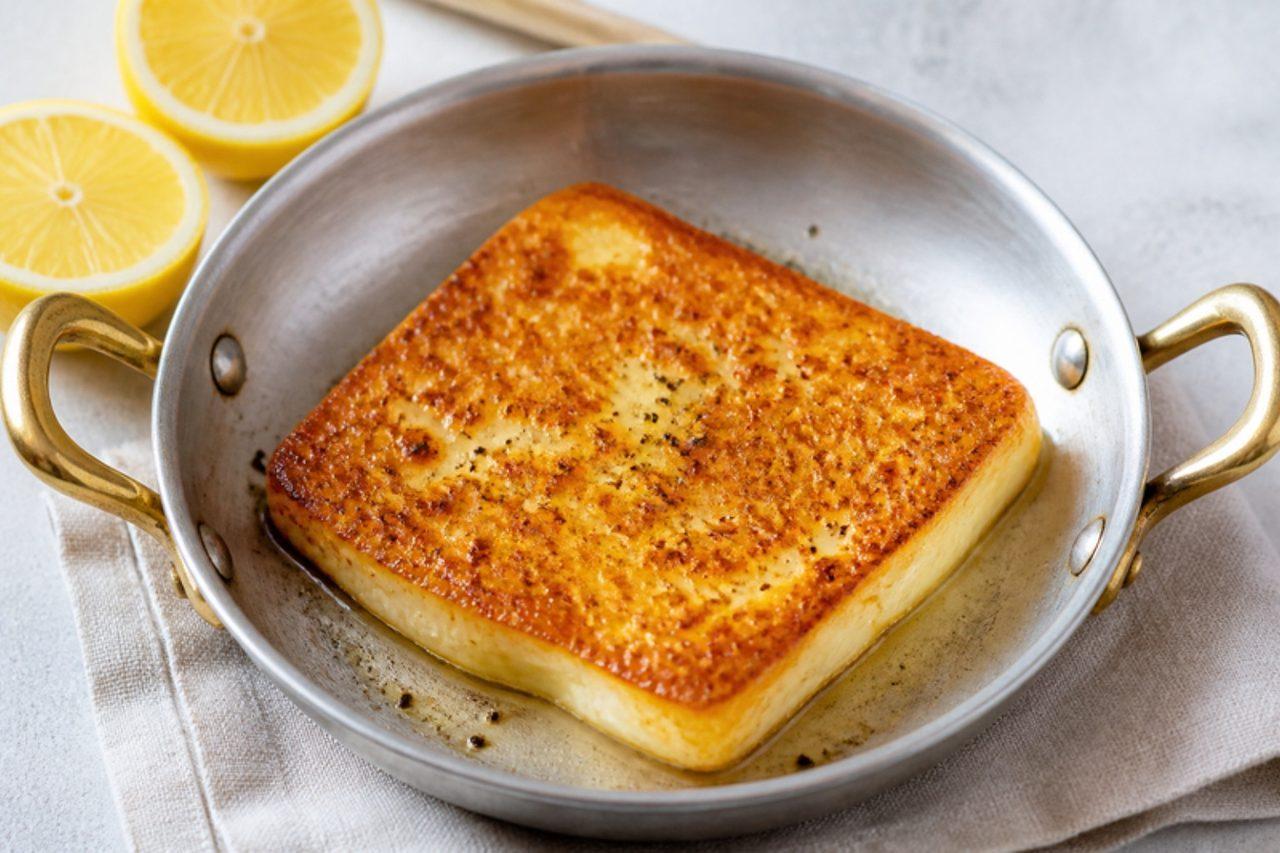
Saganaki takes its name from the small two-handled pan it's cooked in. A thick slice of hard sheep's-milk cheese, usually kefalograviera or kefalotyri, is dusted with flour and fried until it has a crisp, golden crust and a soft, stretchy middle, then splashed with lemon. In Greek tavernas it arrives sizzling at the start of the meal, to share with bread, salad and a cold drink. Traditional Greek hard cheeses are often made with animal rennet, so use a vegetarian alternative such as a vegetarian graviera or halloumi. We dust it with rice flour so it is gluten free. Chef's tip: chill the cheese and get the pan properly hot before it goes in; a lukewarm pan is the common mistake and the cheese melts into a puddle before it crisps.

by KrazyBadal 0 views

Sago gula MelakaSago pudding with palm sugar

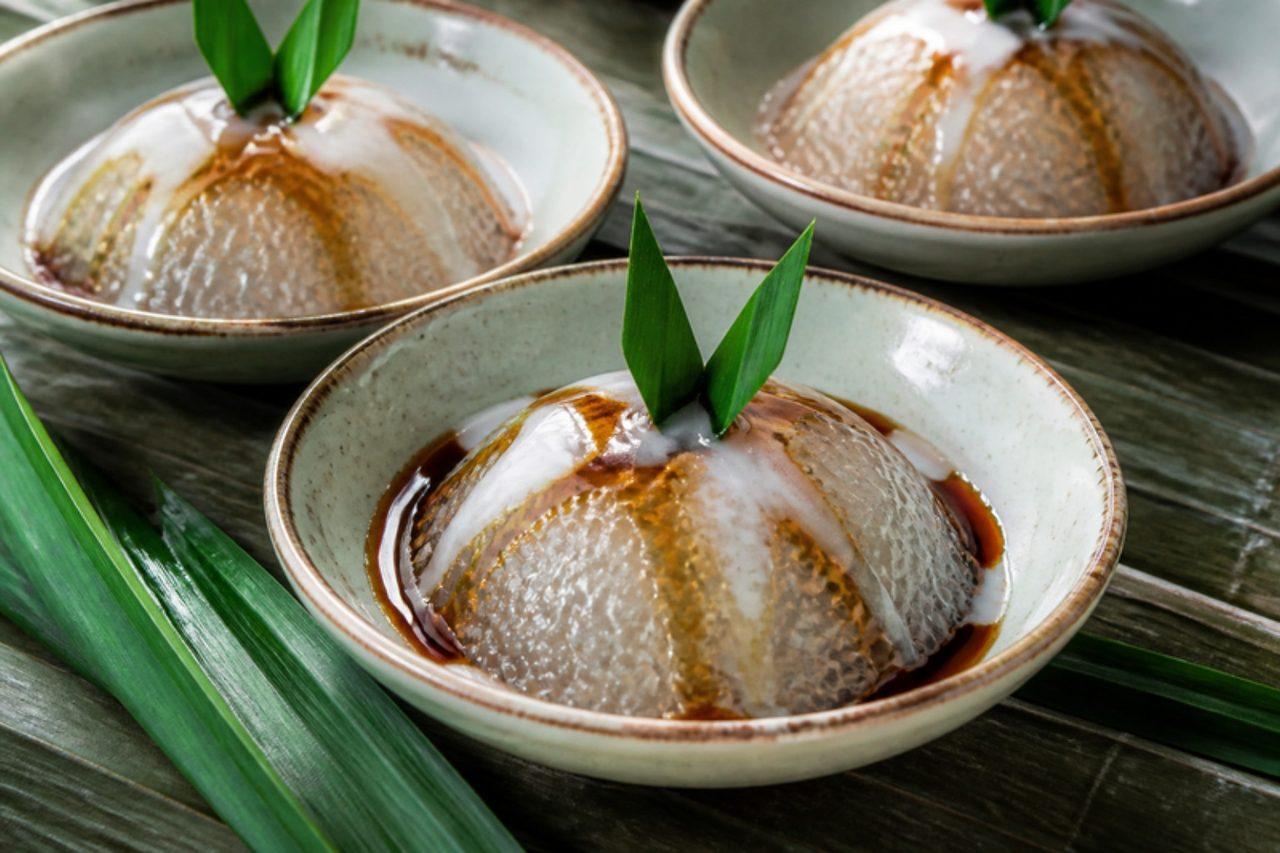
This cool, wobbly pudding is named after the dark palm sugar made from coconut-flower sap around Melaka, and it's on the menu at Peranakan restaurants there and at many a Malaysian dinner party. Little domes of clear sago pearls are chilled until set, then turned out and drowned in salted coconut milk and smoky gula Melaka syrup. The pearls are soft and bouncy, the sauces rich and caramel-dark, and it can all be made the day before. Chef's tip: pour the sago into the water only once it's at a full rolling boil, and stir straight away; tepid water turns it into a gluey lump.

by KrazyBadal 0 views

HaupiaCoconut pudding

Haupia is the dessert of every Hawaiian lūʻau and family party: coconut milk thickened and set into smooth, wobbly-firm squares that you can pick up with your fingers. It was once set with arrowroot from the pia plant; today cornflour does the job. It tastes clean, cool and gently sweet, and is also layered on chocolate pies and spread on cakes in Honolulu bakeries. Chef's tip: keep whisking until it's as thick as mayonnaise and big bubbles plop slowly; underdone haupia won't set firm enough to slice.

by KrazyBadal 0 views

SahlabWarm milk drink

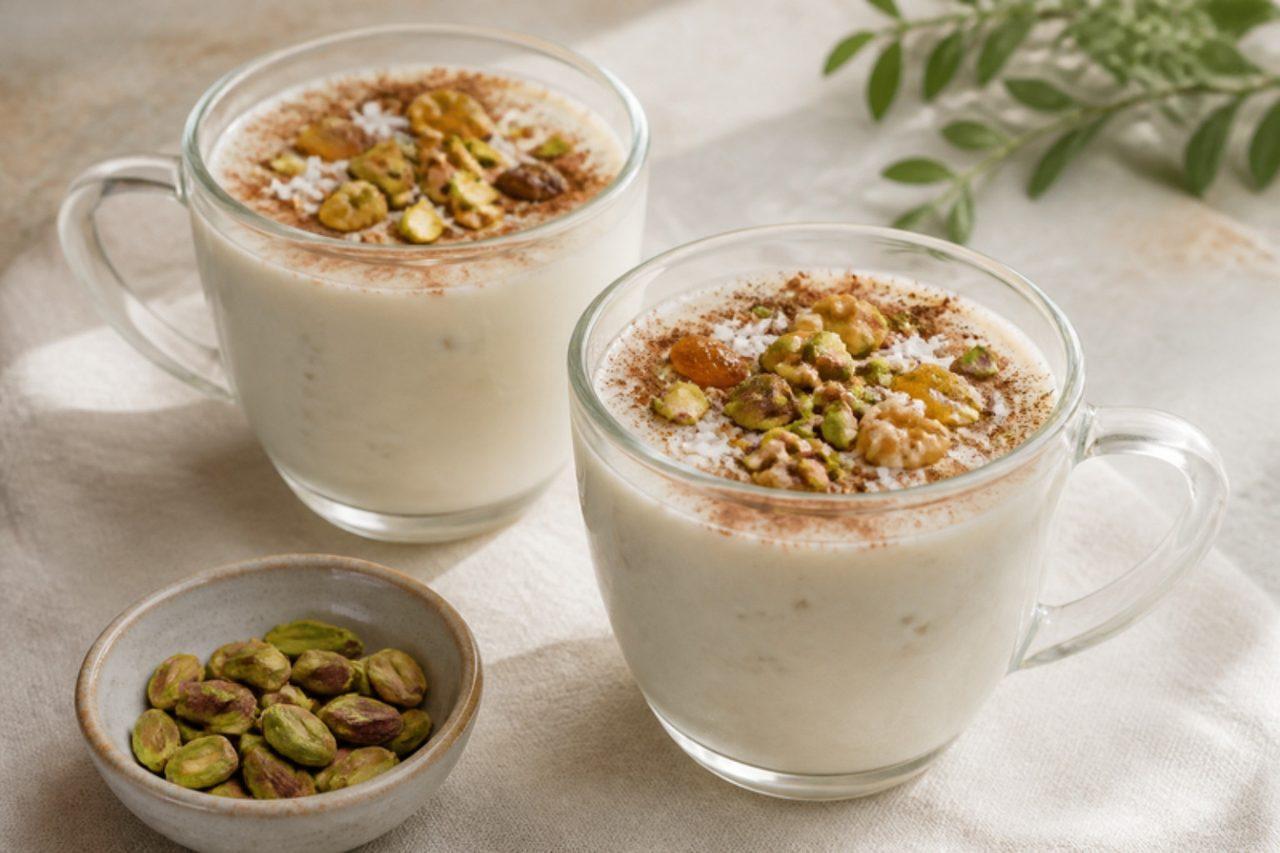
Sahlab is what Cairo drinks on a cold winter evening: a thick, sweet, steaming glass of milk sold in cafés and from street carts, topped with cinnamon, coconut, chopped nuts and a few raisins, and eaten as much with a spoon as drunk. The original thickener is powdered orchid root, which is now rare and protected, so most Egyptian households and many cafés use cornflour or a ready-made sahlab mix instead, as here. Chef's tip: keep whisking from the moment the thickened milk goes in until it boils; stop for a minute and it catches on the bottom of the pan and tastes scorched.

by KrazyBadal 0 views

Sai krok IsanSour pork and rice sausage

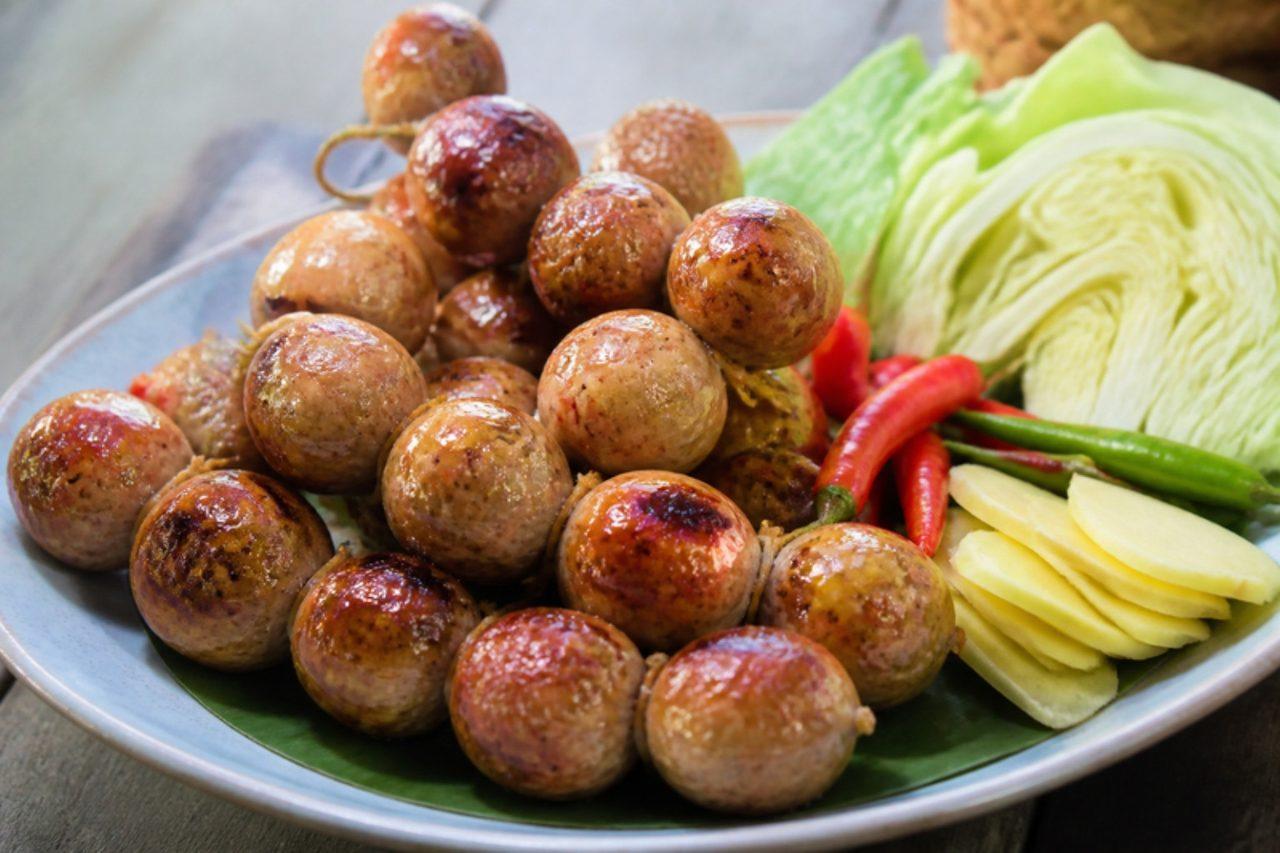
Strung in little round links and grilled at night markets from Khon Kaen to Udon Thani, these garlicky sausages are tangy from fermentation, with soft rice grains in a juicy pork filling. Vendors serve them with fresh ginger slices, bird's eye chillies, raw cabbage and roasted peanuts, and every bite is a mix of sour, salty, hot and crunchy. Traditionally they are left at room temperature for two or three days to sour; that is a real food-safety risk at home without controlled cultures and curing salts, so this version cures in the fridge instead. Expect a milder tang than street-stall sai krok; a squeeze of lime at the table makes up the difference. Chef's tip: use day-old cooked rice that went into the fridge quickly; freshly cooked warm rice turns the filling mushy and keeps it in the danger zone.

65 minThaiMeatGluten free
by KrazyBadal 0 views

Sai ouaHerby grilled pork sausage

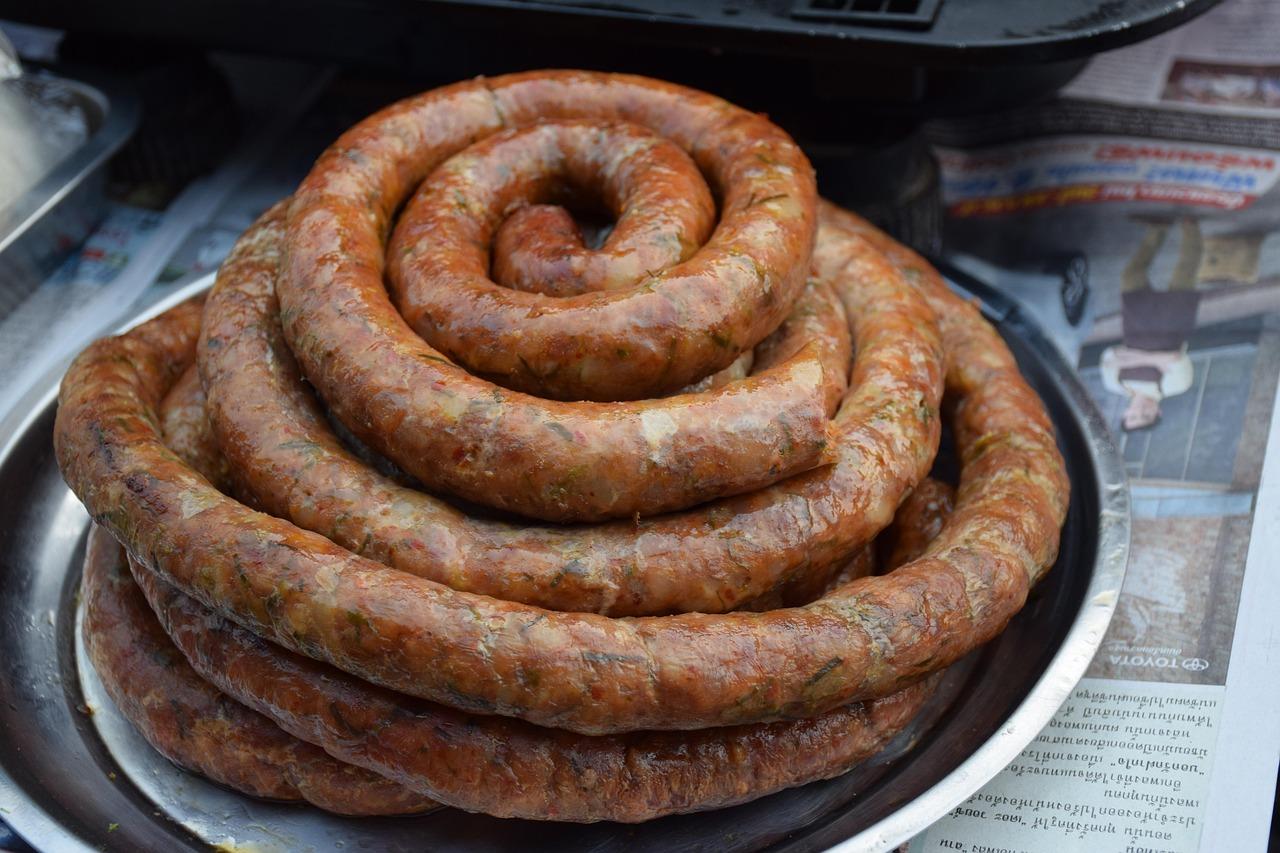
Walk through Chiang Mai's Warorot market and you will smell sai oua before you see it: long coils of sausage smoking over charcoal, flecked green with lime leaf and orange with chilli paste. The meat is coarse and juicy, the flavour loud with lemongrass, galangal and turmeric, and Northern Thais eat it in thick slices with sticky rice, raw cabbage, nam prik noom and a few slices of fresh ginger. If you have no casings or sausage stuffer, the same mixture makes excellent flat patties. Chef's tip: fry a teaspoon of the mixture before you stuff anything and taste it; this is your only chance to fix the salt and chilli.

90 minThaiMeatGluten freeSpicy
by KrazyBadal 0 views

Kontomire stewCocoyam leaf stew

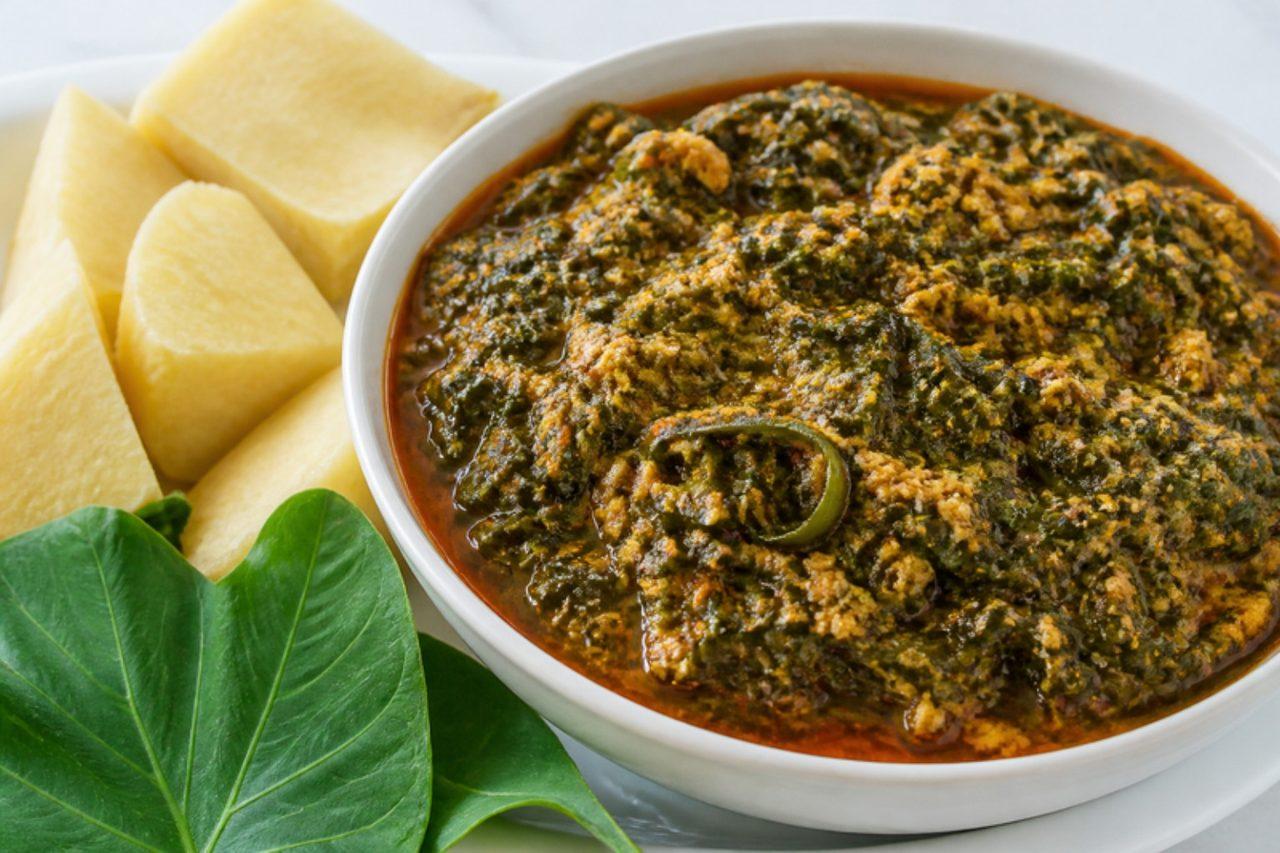
Kontomire stew comes from the Ashanti region around Kumasi, where young cocoyam (taro) leaves are picked from farms and cooked down with palm oil, tomatoes and ground agushie (egusi) seeds. It is a thick, dark green, nutty stew eaten with boiled yam, ampesi (boiled plantain) or rice. Many families add smoked fish or salted fish; this version uses boiled eggs instead, which is also common. Spinach is the best stand-in when fresh cocoyam leaves are not available. Chef's tip: cocoyam leaves must be cooked thoroughly; under-cooked ones leave an itchy, scratchy feeling in the throat.

by KrazyBadal 0 views

KompotFruit and berry drink

Kompot is the drink of Russian summers: a big pan of water with whatever the garden or market offers, apples, cherries, redcurrants, strawberries, plums, simmered for a few minutes, lightly sweetened and served cold from the fridge. It is what children drink with lunch at school canteens and summer camps from Moscow to Novosibirsk, and dacha cellars are lined with three-litre jars of it bottled for winter. The fruit at the bottom of the glass is everyone's favourite part. Chef's tip: switch off the heat as soon as it boils and let the fruit steep as it cools; long boiling makes it taste stewed and dull.

by KrazyBadal 0 views

TacachoMashed roasted green plantain balls

Tacacho is the breakfast of the Peruvian Amazon, from Tarapoto to Iquitos: green plantains roasted over coals, mashed with fat and salt and shaped into balls. There it comes with cecina (smoked pork) and is mashed with lard and crackling; this vegan tacacho uses good oil and a pinch of smoked paprika for the same savoury, smoky depth. The balls are dense, chewy and starchy, crisp at the edges where the plantain charred, and they are eaten hot with a fiery chilli sauce or alongside stews. Use plantains that are fully green and firm. Chef's tip: mash the plantains while they are still very hot; as green plantain cools its starch sets and it won't bind into a smooth ball.

by KrazyBadal 1 views

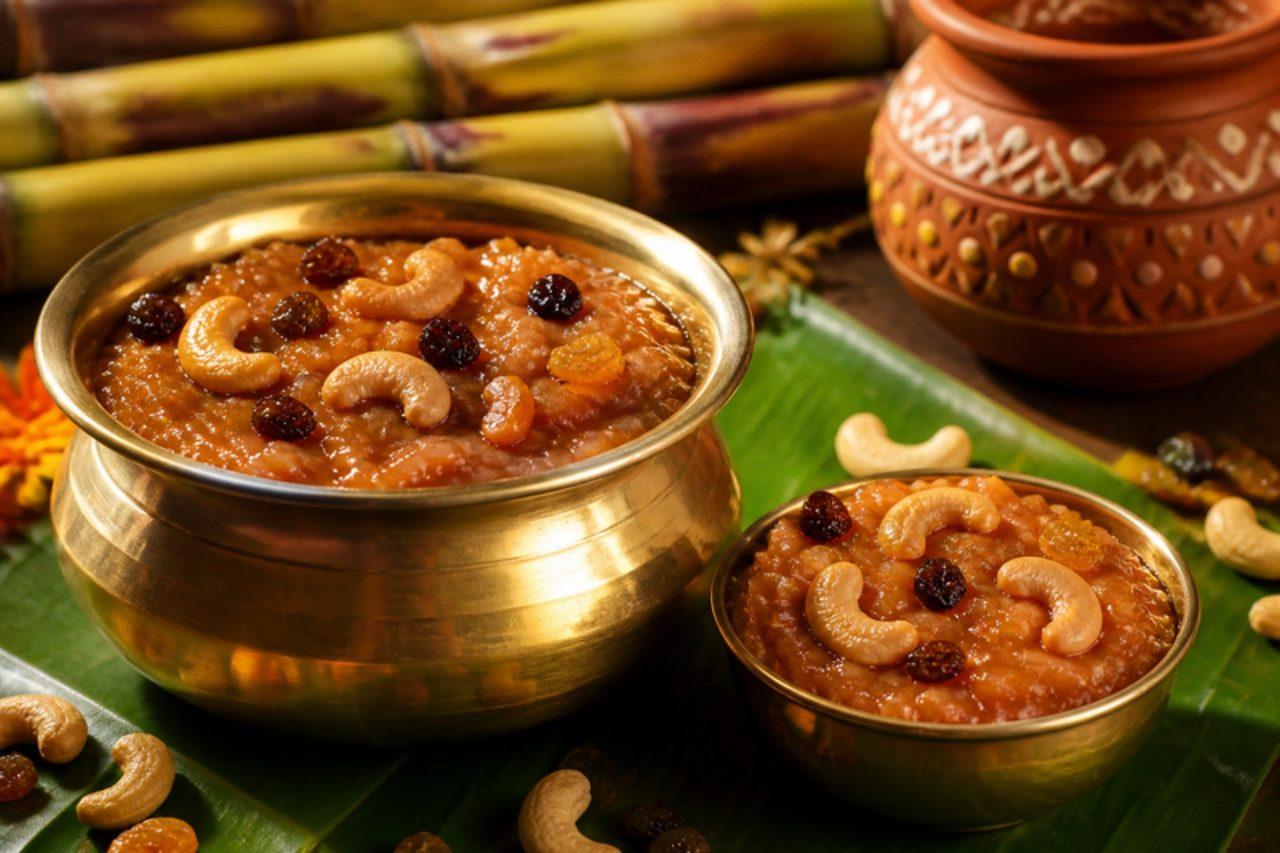
Sakkarai pongalSweet rice and moong dal

On the morning of Thai Pongal in mid-January, families across Tamil Nadu cook new-harvest rice in a clay pot in the courtyard and wait for the milk to bubble over: 'pongalo pongal!'. That pot becomes sakkarai pongal, a sticky, golden-brown sweet of rice and moong dal cooked soft, then simmered with melted jaggery and finished with lots of ghee, cardamom, edible camphor and cashews and raisins fried golden. It's also the classic prasadam at Vishnu temples. It's the sweet twin of the peppery ven pongal. Chef's tip: dry-roast the moong dal until it smells nutty before cooking; it adds a toasty depth that plain boiled dal can't give.

by KrazyBadal 0 views

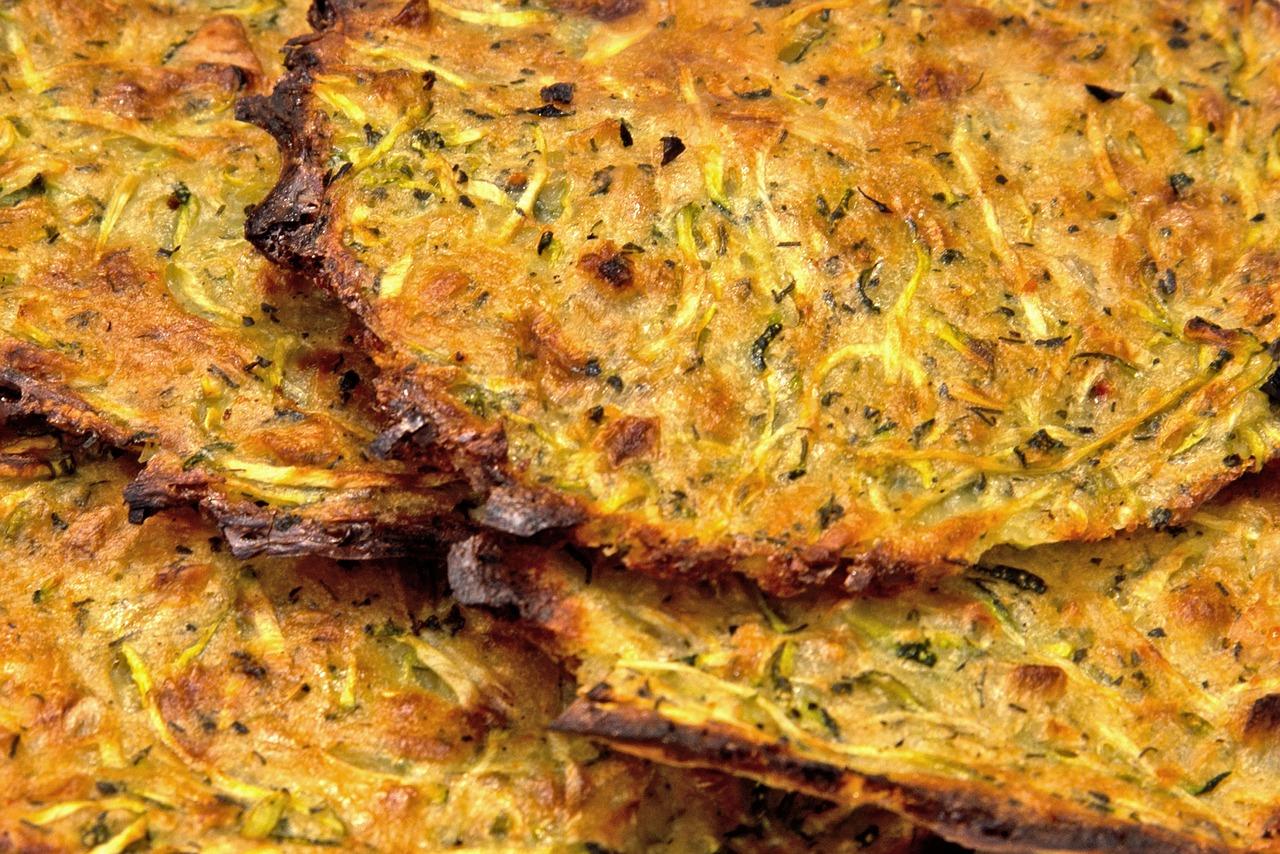
KolokithokeftedesCourgette and feta fritters

Kolokithokeftedes are what happens to a glut of courgettes in a Greek summer: grated, squeezed, mixed with feta, spring onion, mint and dill, and fried into crisp little patties. Tavernas serve them as a meze with a bowl of tzatziki, and at home they are a light dinner with salad. Outside they are golden and crunchy; inside they stay soft and herby. Use feta labelled vegetarian. Chef's tip: squeeze the salted courgette until it's almost dry; wet courgette is the usual mistake and makes fritters that spit, soak up oil and fall apart.

by KrazyBadal 0 views

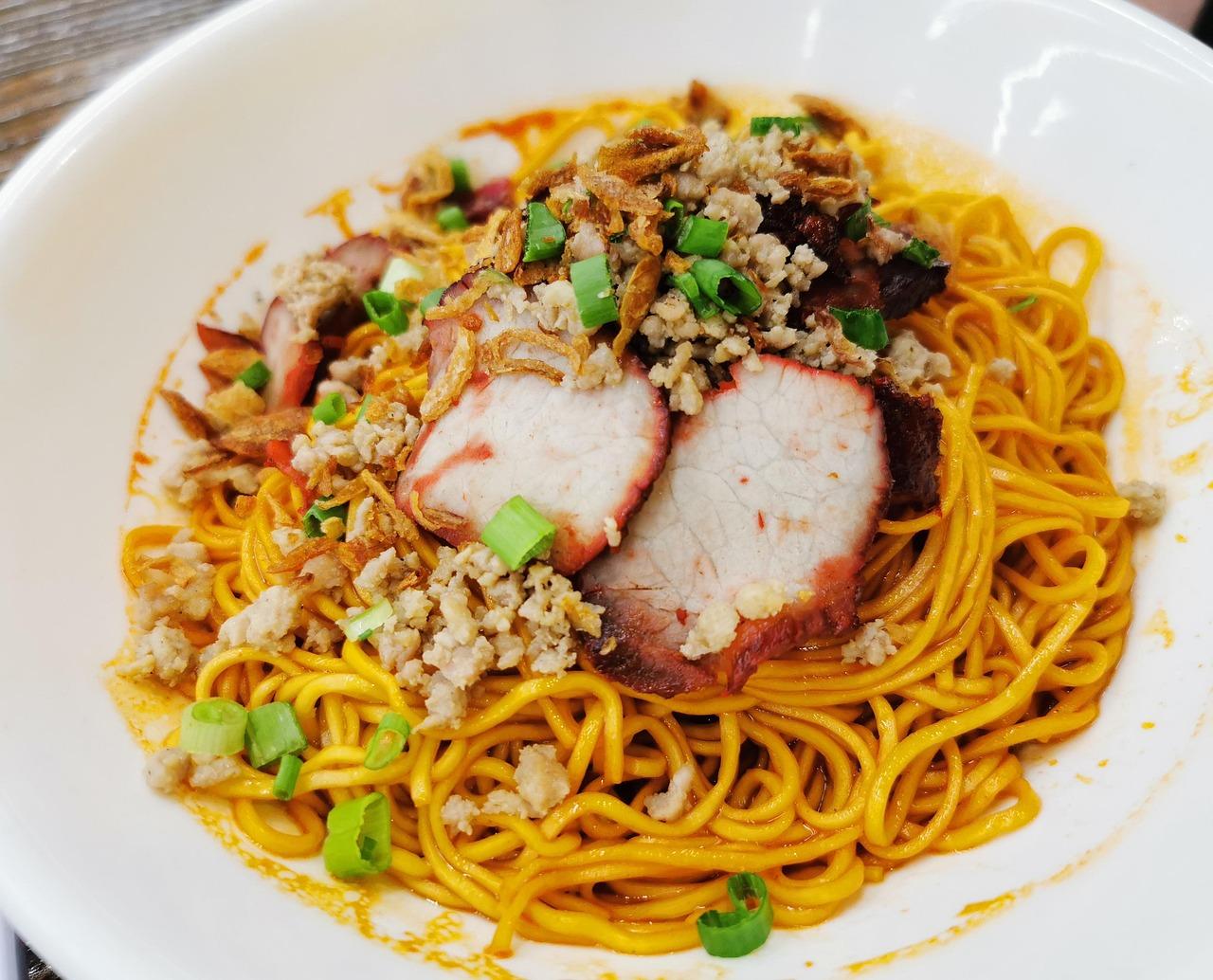
Kolo meeDry egg noodles with pork

Ask anyone from Kuching what they miss most and the answer is usually kolo mee, a bowl that looks almost too simple: curly, springy egg noodles tossed in fragrant shallot oil, a little soy and white pepper, then crowned with savoury minced pork and slices of char siu. There is no thick gravy and no chilli on top; the flavour is clean, porky and aromatic, and the texture is the whole point, each strand bouncy and separate. Stalls often add a dash of red char siu oil for the 'red' version. It is eaten at any hour with a small bowl of clear soup and pickled green chilli on the side. Chef's tip: cook the noodles in small portions in a big pot of fiercely boiling water and shake them really dry; any leftover water dilutes the shallot oil.

by KrazyBadal 0 views

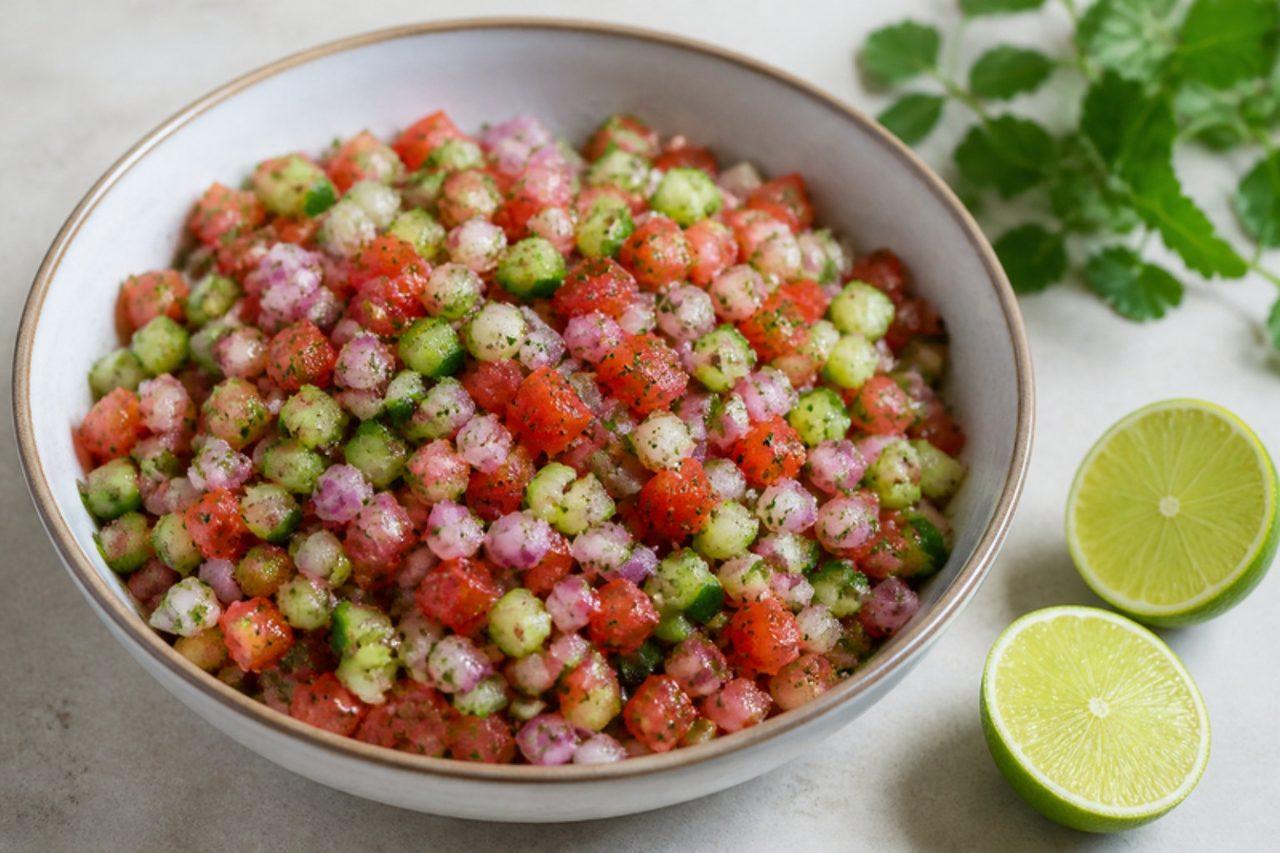
Salad shiraziTomato, cucumber and onion salad

Salad shirazi is named after Shiraz, the city of gardens in Fars province, and it is the salad served with almost every Persian rice and kebab meal. Tomato, cucumber and onion are cut into tiny, even dice and dressed simply with lime juice (or sour grape verjuice, ab-ghooreh, in Shiraz itself), dried mint and a little oil. There are no peppers or herbs to muddy it: it is crunchy, sharp and cold, and is spooned onto rice as a relish. Chef's tip: dice everything as small as a pea; the tiny cubes are what make it taste like Shirazi rather than a chopped salad.

by KrazyBadal 0 views

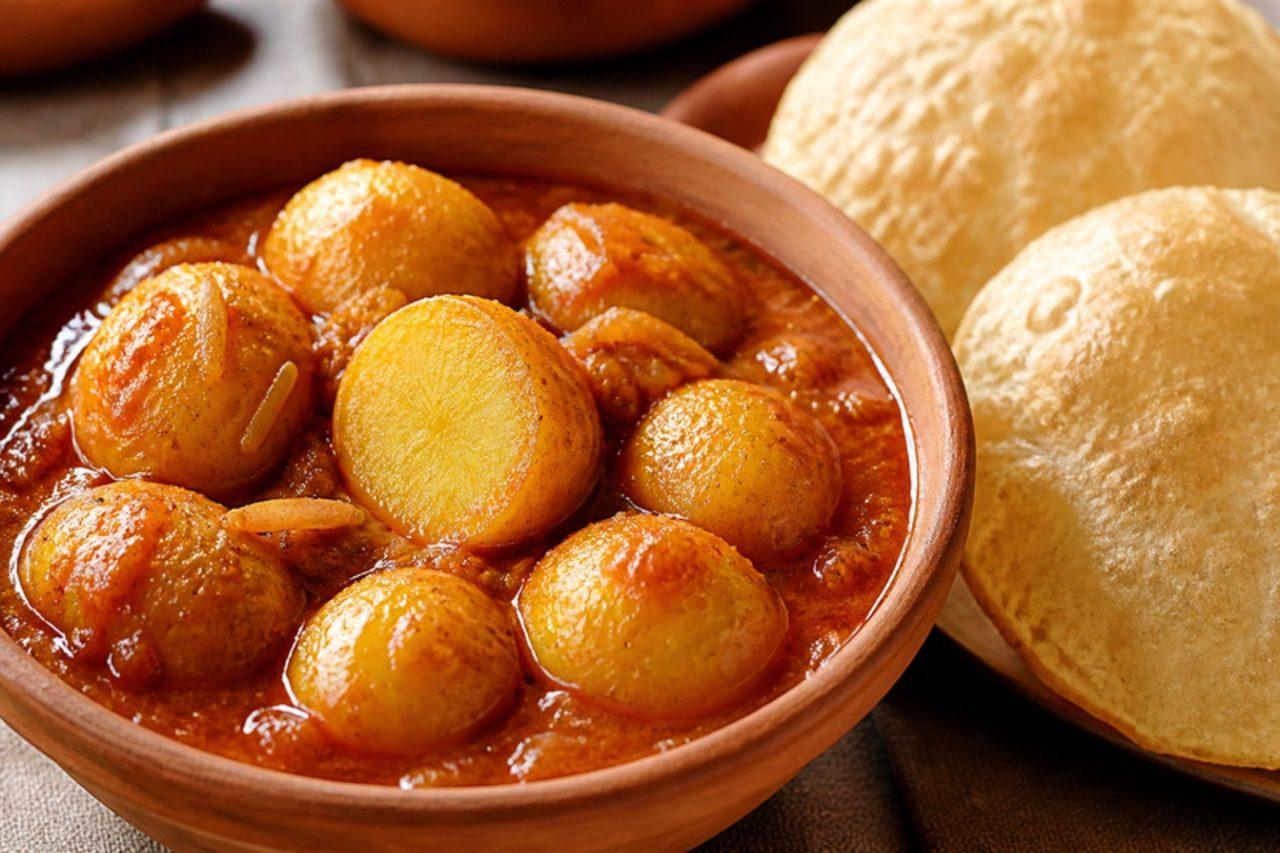
Kolkata aloo dumBaby potatoes in ginger tomato gravy

In Kolkata, aloo dum is the partner of luchi: hot puffed puris at a Sunday breakfast, or at the sweet shops and roadside stalls that sell 'luchi-alur dom' as a plate. Bengali aloo dum is thicker, sweeter and more gingery than its Kashmiri cousin, with no yogurt or fennel, and the potatoes are fried until their skins crinkle before they go into the gravy. A little sugar balances the chilli, and a final pinch of roasted cumin-coriander powder gives it the smell of a Bengali kitchen. Chef's tip: prick each boiled potato with a fork so the gravy gets inside.

by KrazyBadal 0 views

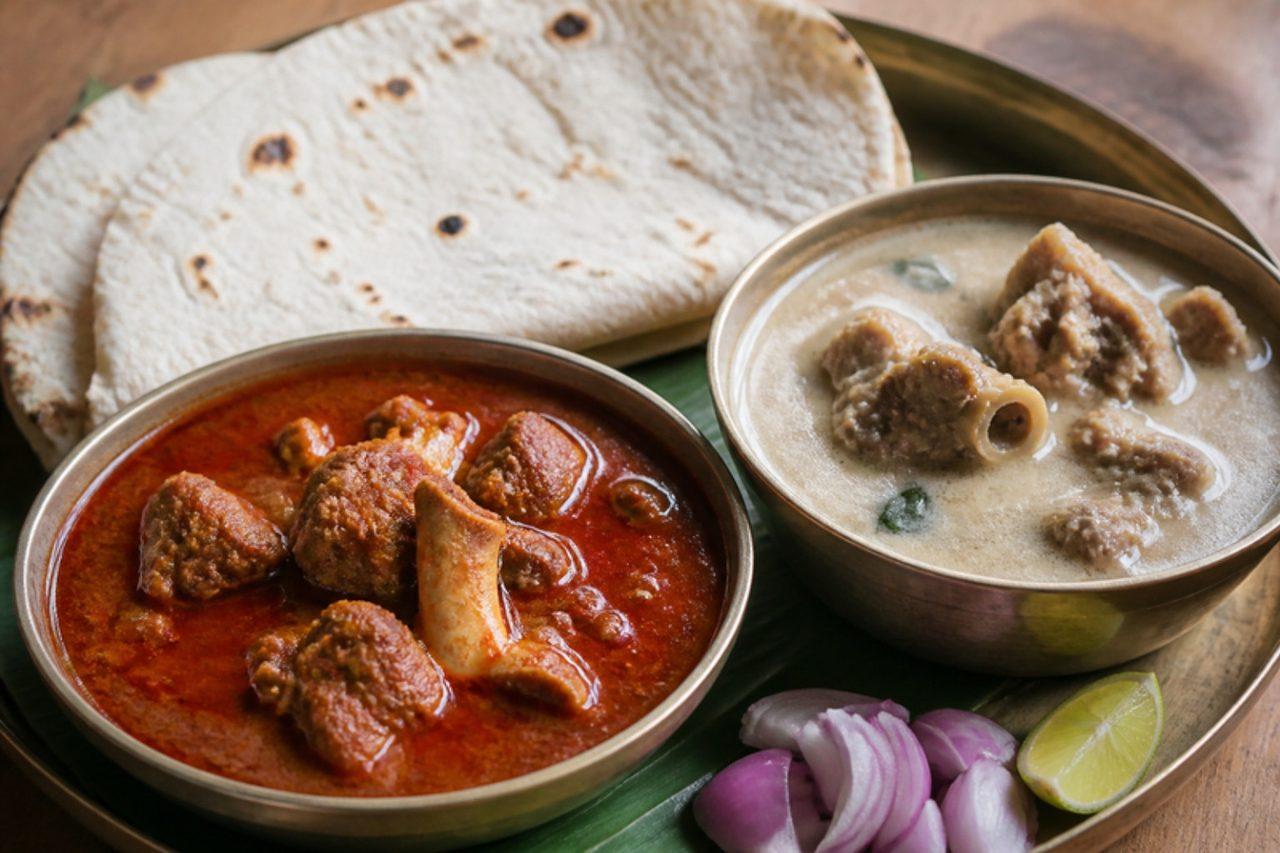
Kolhapuri tambda rassa with pandhra rassaFiery red mutton broth

In Kolhapur, in the far south of Maharashtra, Sunday lunch at a khanaval (a family-run eating house) means mutton cooked one way and served two: a thin, blazing-red tambda rassa and a soothing white pandhra rassa made from the same stock. Diners sip the white one between spoonfuls of the red, with bhakri, rice and raw onion on the side. The heat comes from Kolhapur's own chilli blend and a dark-roasted coconut and onion masala. Chef's tip: roast the dried coconut and the onions until they are properly brown, almost mahogany; that roasting, not extra chilli, is what gives the rassa its deep colour and smoky taste.

135 minIndianMeatGluten freeSpicy
by KrazyBadal 0 views

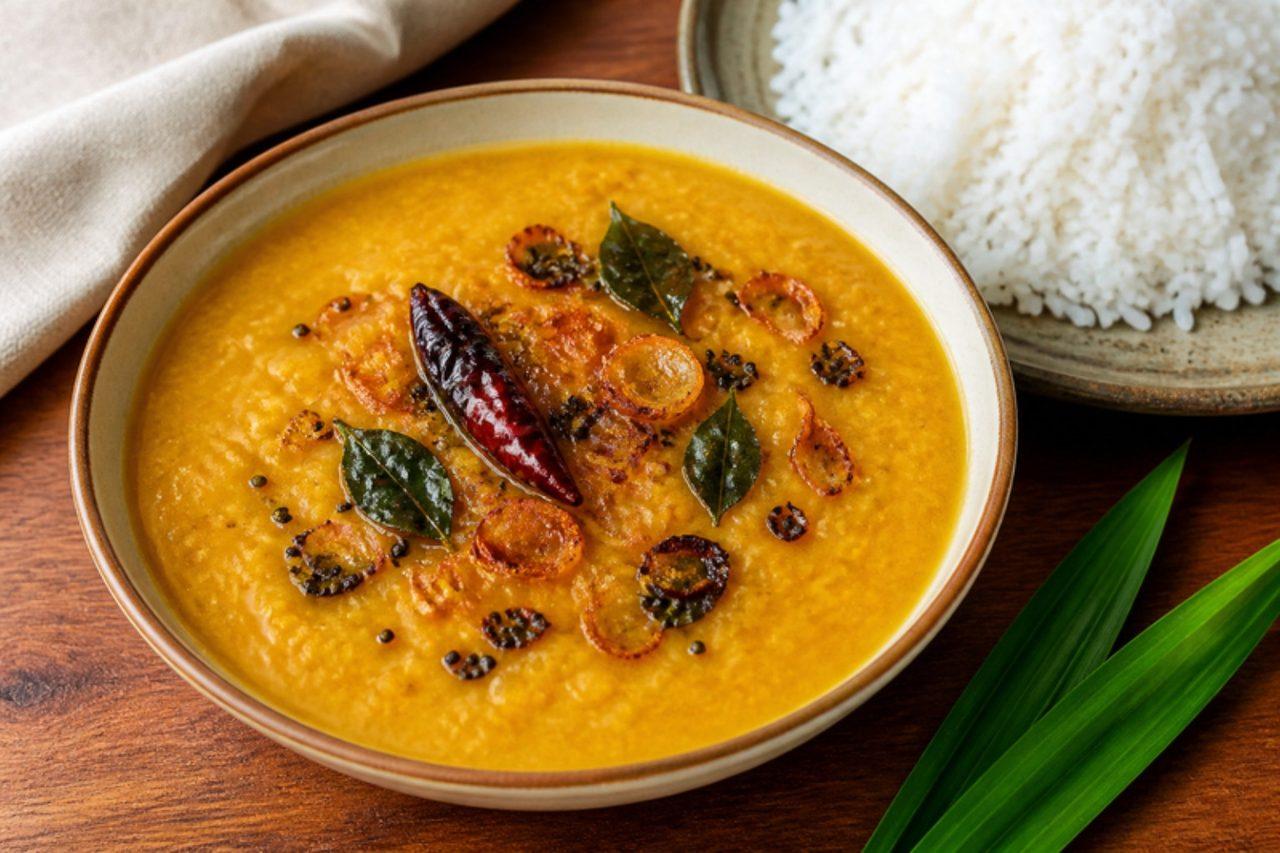
ParippuRed lentil curry

No Sri Lankan rice-and-curry plate is complete without a bowl of parippu, from a Colombo office canteen to a farmhouse kitchen in the dry zone; many families also mop it up with bread or pol roti for breakfast. Unlike a North Indian dal, the red lentils are cooked with turmeric, green chilli and a strip of rampe (pandan leaf), then softened with thin coconut milk and finished with a sizzling tempering of mustard seeds, shallots, dried chilli and curry leaves, so it tastes mellow, fragrant and only gently spicy. Keep it pourable: it thickens a lot as it stands. The usual mistake is adding the coconut milk too early and boiling it hard, which makes it split and grainy. Chef's tip: stir the thick coconut milk in off the heat at the very end; it gives a silky, almost creamy finish without curdling.

by KrazyBadal 0 views

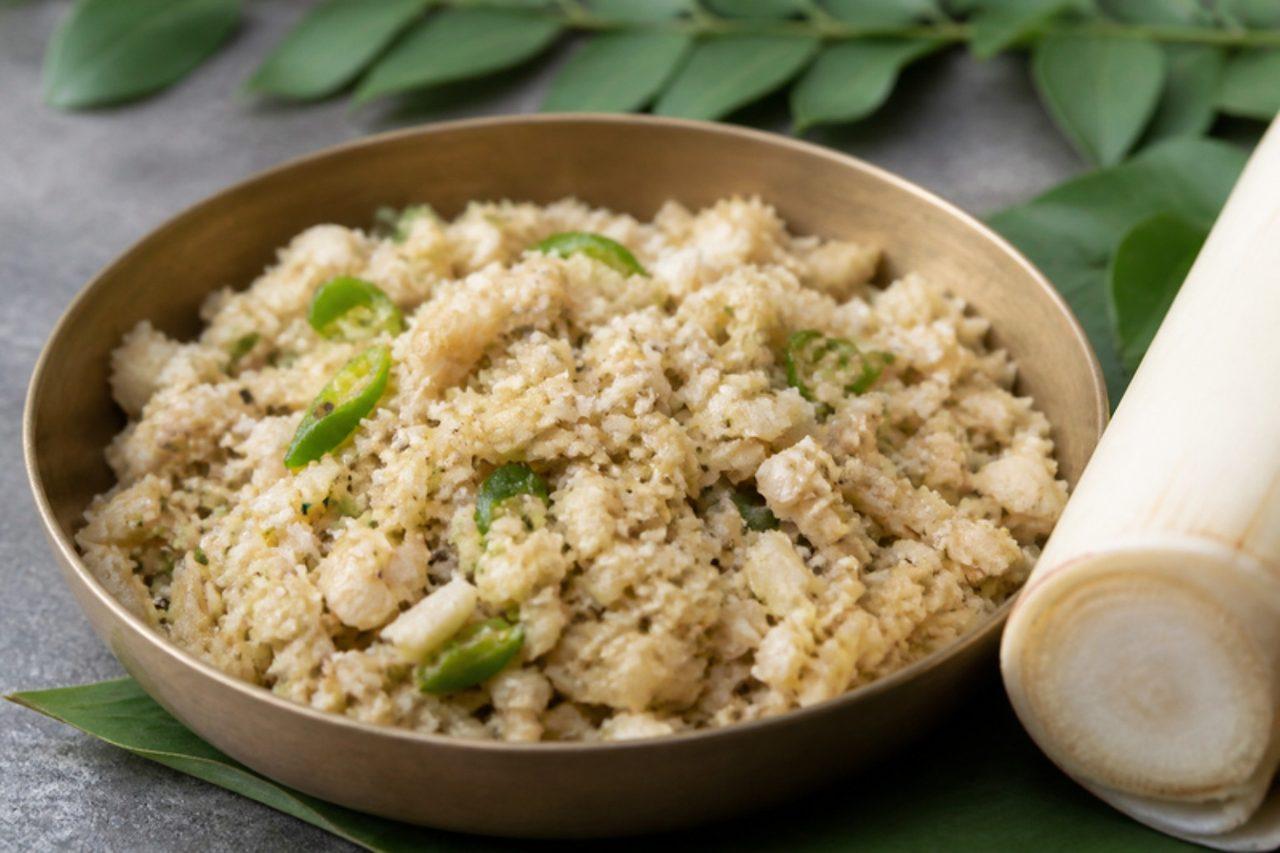
Kol posolaBanana stem stir-fry

Kol posola is the pale inner core of the banana plant, chopped and cooked down with mustard oil, ginger and green chilli until it is soft, juicy and faintly sweet. In Assamese villages, where banana plants grow in every yard, it is cheap everyday food, and it is also a favourite on Bihu tables and in Assamese thalis in Guwahati restaurants. It has a mild, cucumber-like flavour and is prized as a cooling, cleansing food. Chef's tip: as you chop the stem, twirl a finger or a skewer through the slices to catch and pull away the fine fibres; otherwise they stay stringy.

by KrazyBadal 0 views

Salata aswadAubergine and peanut butter salad

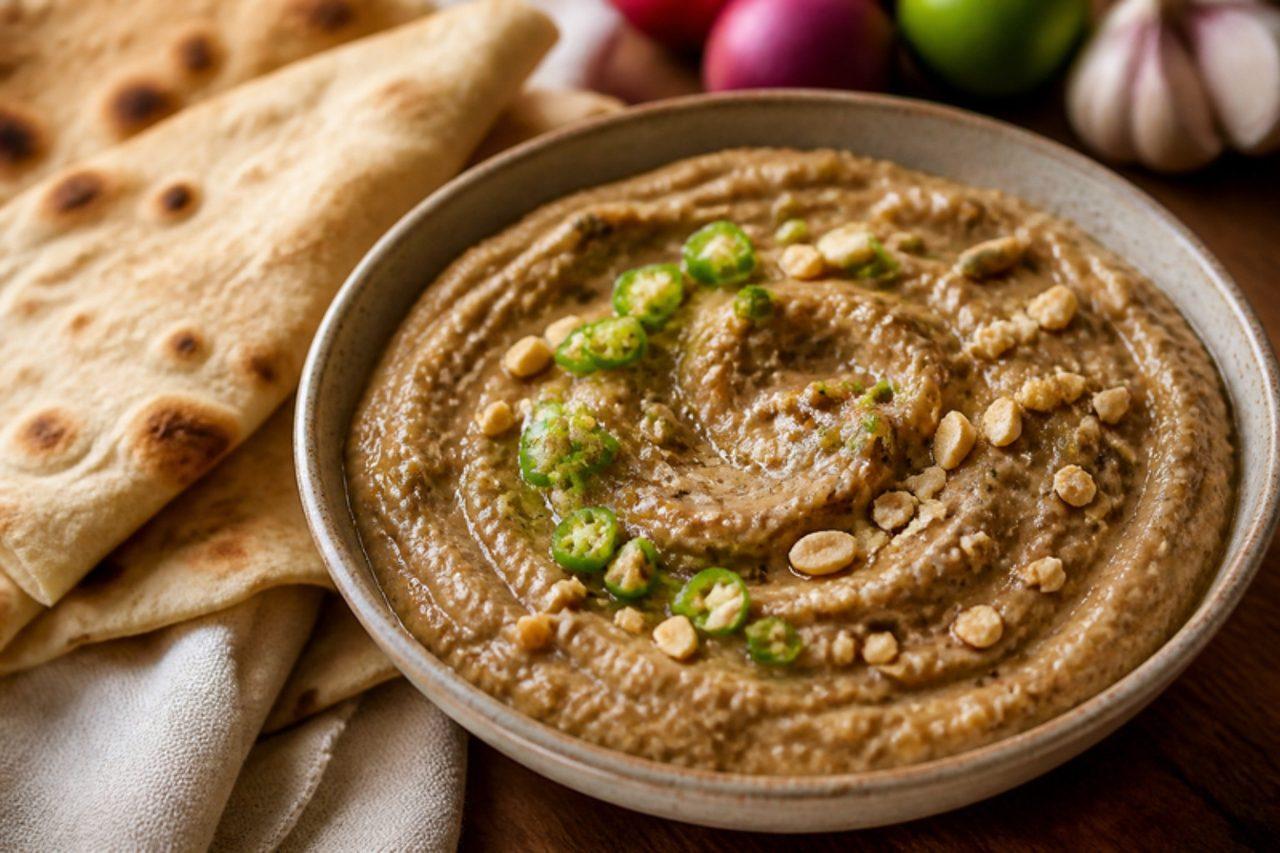
Salata aswad, the 'black salad', is a Khartoum favourite: aubergine fried until almost black and collapsing, then mashed with peanut butter, garlic, lime and a little chilli into a rich, smoky spread. It is served at Ramadan iftars and family lunches with kisra or bread, next to ful and fresh tomato salad. The peanut is what makes it Sudanese rather than a Levantine aubergine dip. Chef's tip: salt the aubergine and squeeze it dry before frying; it absorbs far less oil.

by KrazyBadal 0 views

KokodaLime-cured fish in coconut cream

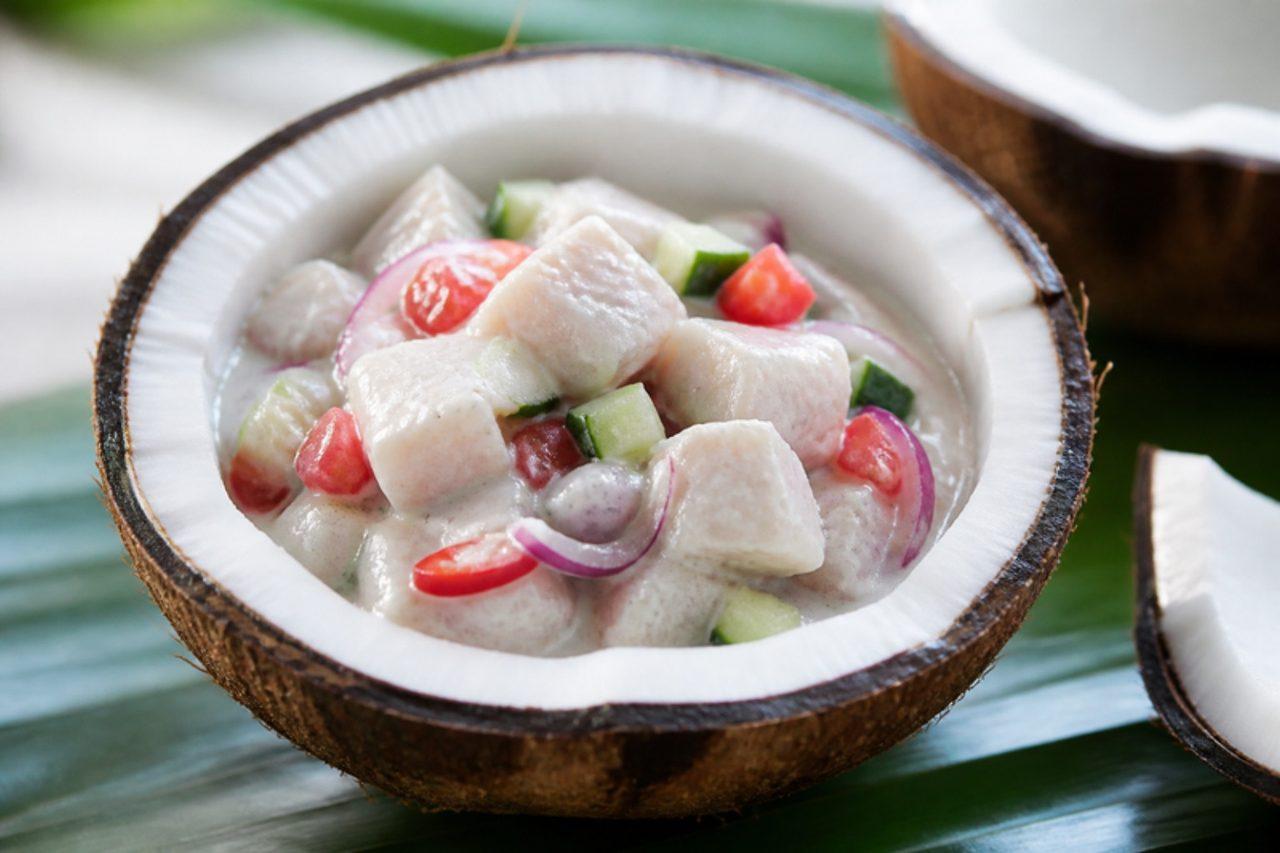
Kokoda (said "ko-kon-da") is Fiji's answer to ceviche, made in villages on Viti Levu and served at Suva's restaurants and family feasts in a half coconut shell: cubes of white fish soaked in lime juice until they turn white, then mixed with fresh coconut cream, onion, tomato, chilli and a little cucumber. Lime "cooks" the look of the fish but does not kill bacteria or parasites like heat does, so this is written as a safer version: use only very fresh fish that has been frozen first (sold as sashimi or sushi grade), keep everything cold and eat it within 2 hours. Raw or lime-cured fish is not for pregnant women, young children or anyone with a weakened immune system; for them, use the lightly poached option in the steps. The mistake is leaving the fish in lime too long, which turns it chalky; 15–20 minutes is enough. Chef's tip: drain off the lime juice before adding the coconut cream so the dish stays creamy, not sour.

by KrazyBadal 0 views

KokisCrisp rice flour flowers

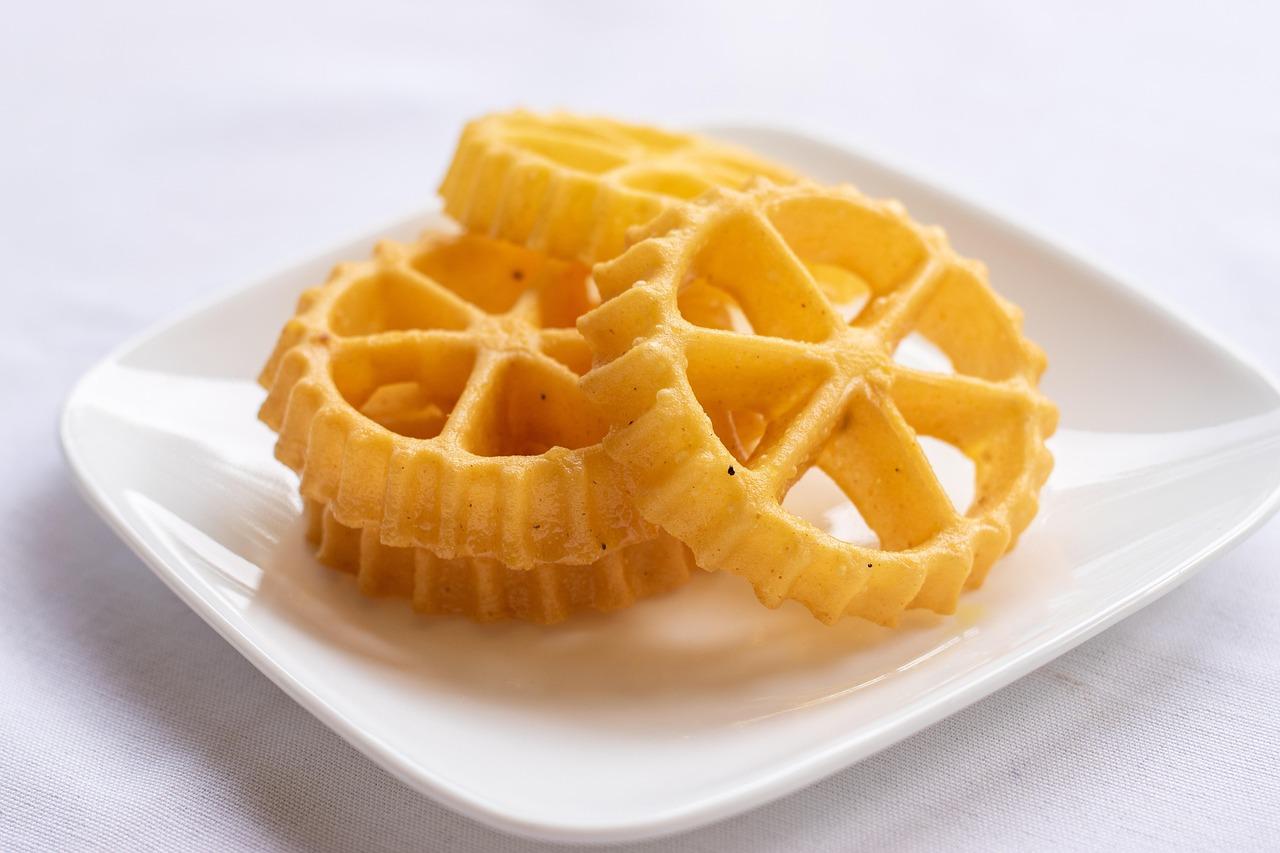
Kokis are the lacy, wheel-shaped crisps that every Sri Lankan family fries in the days before Sinhala and Tamil New Year in April, piled onto the Avurudu table beside kavum, kiri bath and banana. A thin batter of rice flour, thick coconut milk, egg and a little turmeric is picked up on a hot brass kokis mould, dipped into the oil, and shaken free as it sets, so each one is light, salty-sweet and shatteringly crunchy. They're a cousin of the rosette cookie but savoury rather than sugary. The usual mistake is dipping the mould right under the batter, so the kokis sticks and won't release; dip it only three-quarters of the way up its sides. Chef's tip: heat the mould in the oil for a full minute before the first dip, and return it to the oil between every kokis; a cold mould won't pick up batter.

by KrazyBadal 0 views

Salată de vineteSmoky aubergine salad

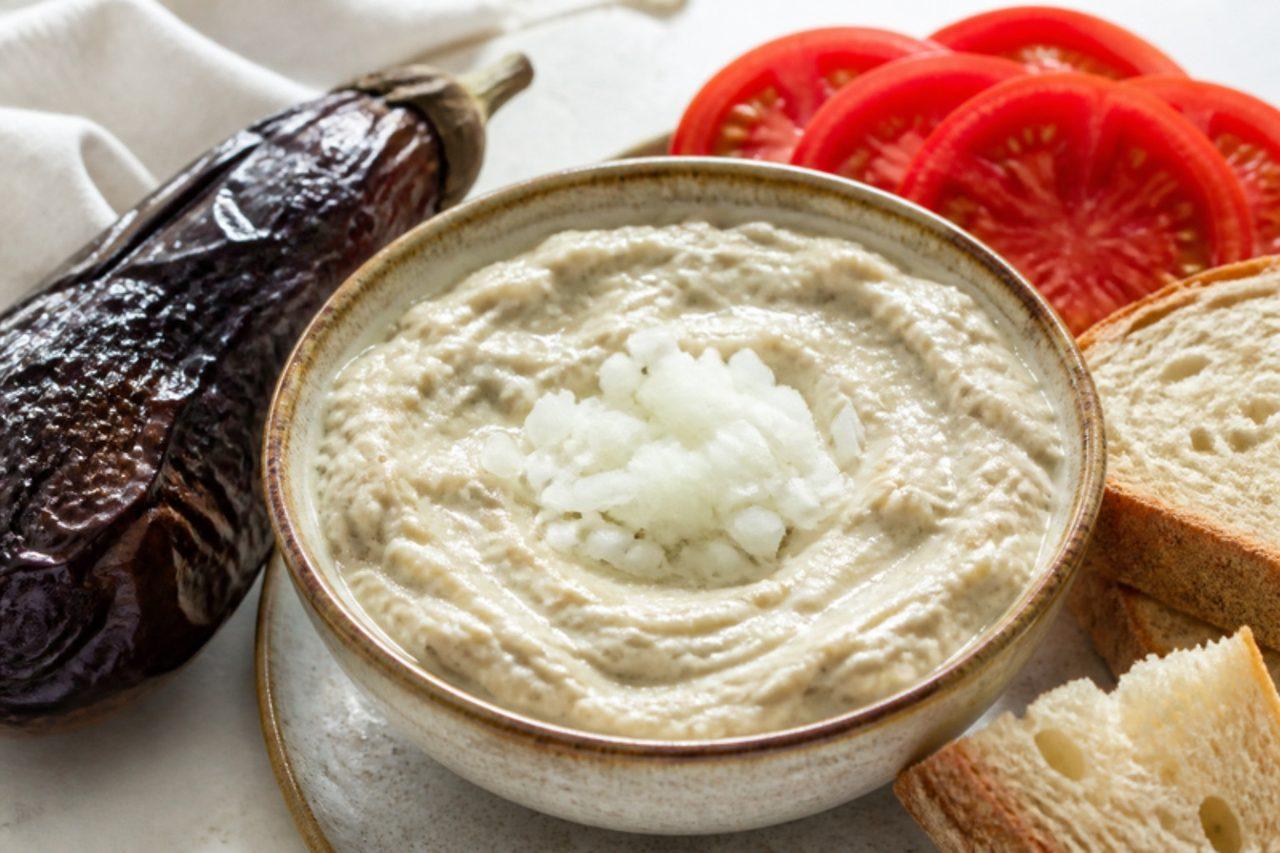
Salată de vinete is on every Romanian table from Bucharest to Brașov in late summer, when market stalls are piled with aubergines and every balcony grill is busy charring them. The smoky flesh is chopped with a wooden knife and beaten with sunflower oil into a pale, fluffy spread, almost like a mayonnaise, then finished with sharp raw onion. There is no tahini or yogurt, which sets it apart from baba ganoush. It is eaten on toasted bread with sliced tomatoes for supper or as a meze before grilled vegetables. Chef's tip: drain the cooked aubergine well; leaving in the brown juices is the usual mistake and makes the salad bitter and watery.

by KrazyBadal 0 views

KokiSteamed black-eyed bean pudding

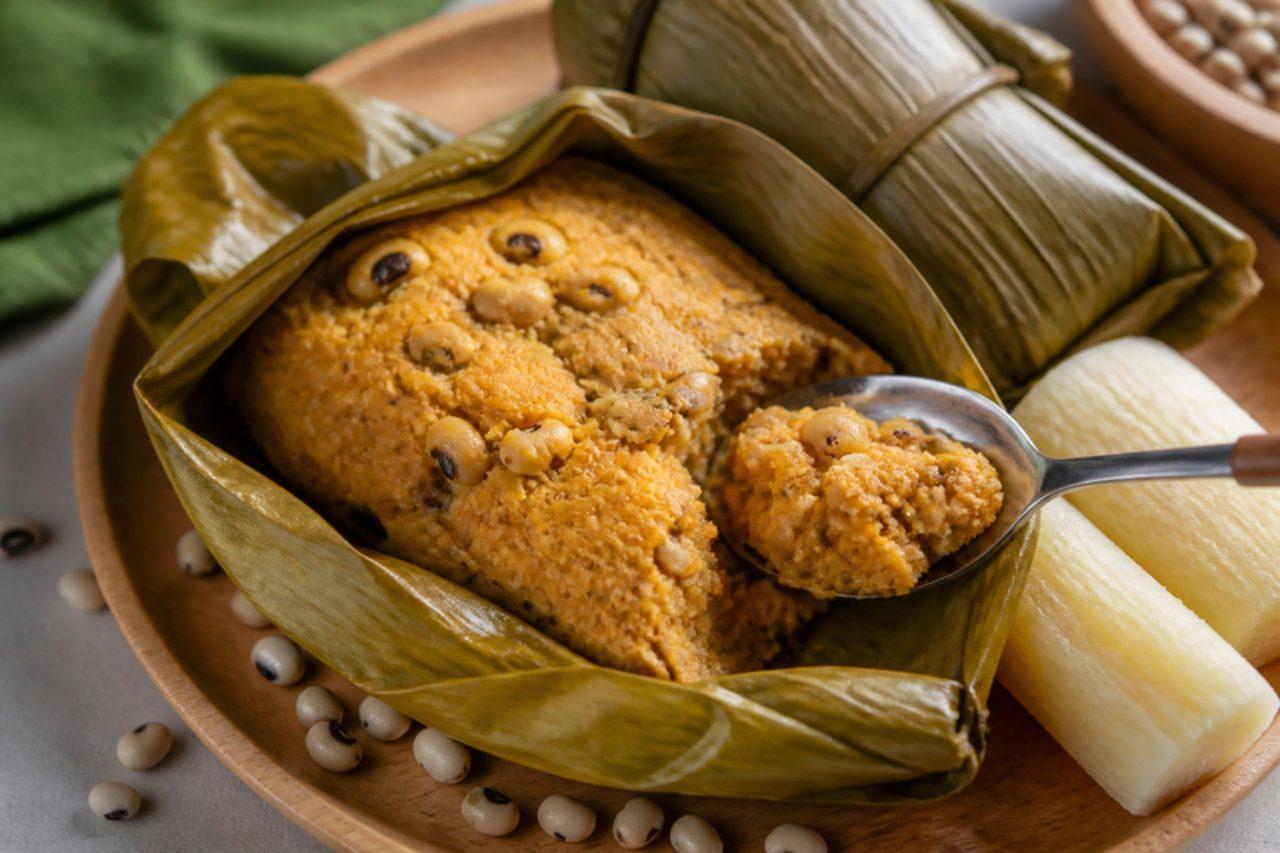
Koki is a dense, orange-red bean cake from the Douala and Bakweri country of Cameroon, made from skinned black-eyed beans blended with red palm oil, chilli and greens, then wrapped in banana leaves and steamed for hours. It is weekend food and market food, eaten with boiled plantain, cassava or ripe banana. It is related to Nigerian moi moi but heavier, richer with palm oil and full of cocoyam leaves or spinach. Chef's tip: warm the palm oil just until liquid before beating it in; poured in cold and solid it leaves streaks of fat instead of an even orange colour.

by KrazyBadal 0 views

Salatat daquaTomato salad with peanut dressing

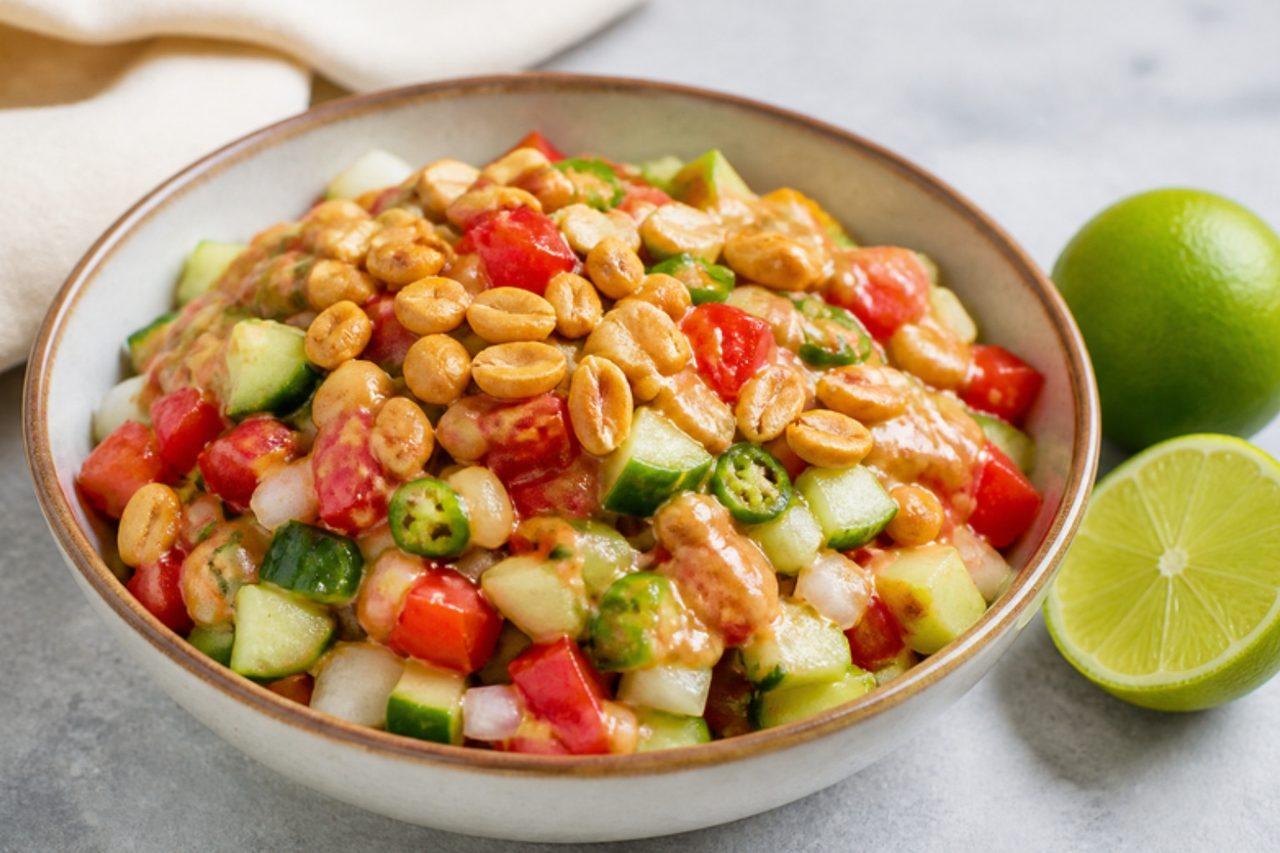
Daqua is the Sudanese name for peanut paste, and this everyday salad of tomato, cucumber, onion and green chilli dressed in thinned peanut butter and lime sits on the table at almost every meal in Omdurman and Khartoum, especially in the hot months. It is cooling, crunchy and creamy at once, and is eaten with ful medames, kisra or grilled food. Chef's tip: thin the peanut butter with water and lime before adding it to the vegetables; dolloped straight in, it clumps and never coats them.

by KrazyBadal 0 views

Kok choyGreen tea

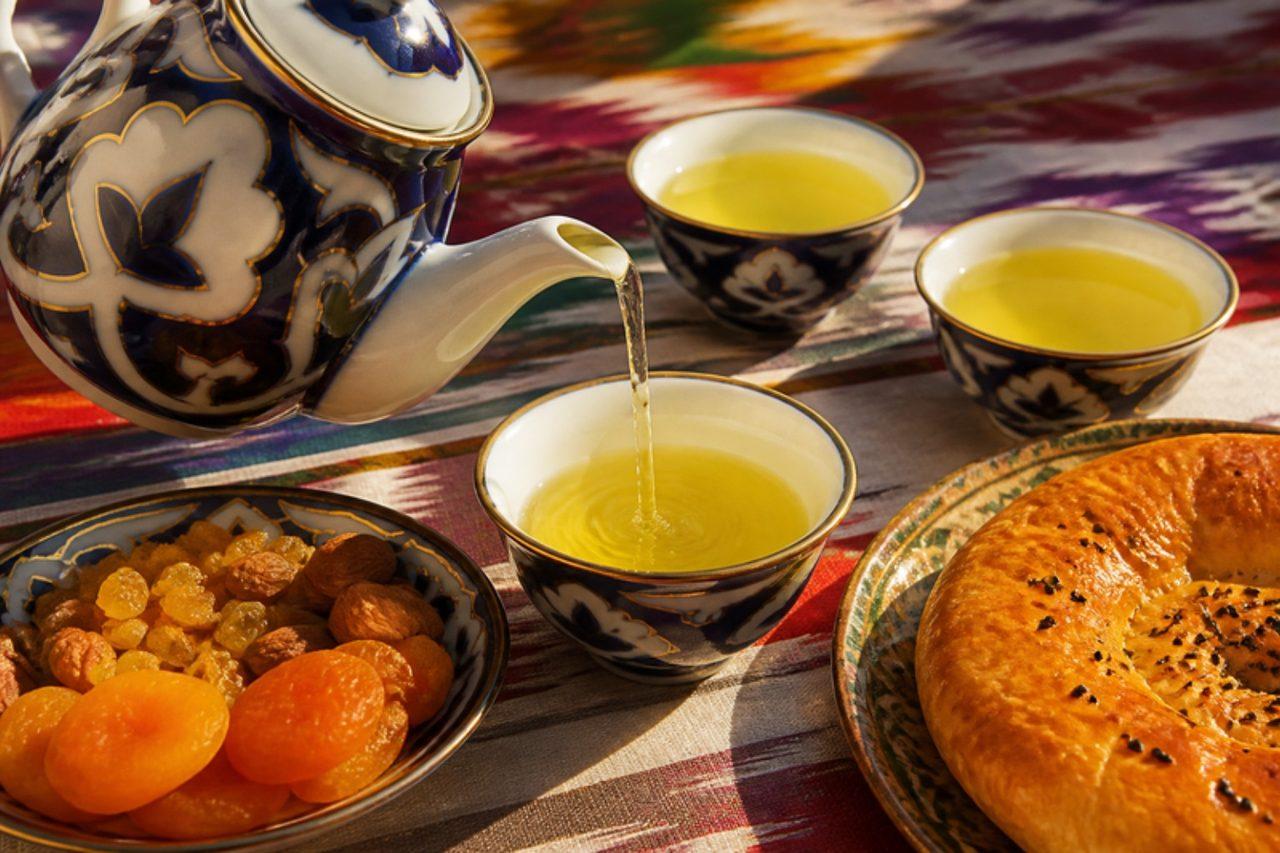
In an Uzbek chaikhana, from Tashkent's shady teahouses to the courtyards of Khiva, the first thing to arrive is a teapot of kok choy, green tea, with small bowls (piala) and a plate of raisins, almonds and sweets. The host performs qaytarish: pours a bowl, tips it back into the pot, and repeats three times to blend the brew, then serves each guest a bowl only half full, a sign they should stay and be topped up. Green tea is drunk with plov to cut the oil, and all through hot summer days. Chef's tip: use water just off the boil (about 90°C) and warm the pot first; boiling water straight from the kettle makes Chinese green tea taste harsh.

by KrazyBadal 0 views

Haryanvi bajra khichdiPearl millet and moong dal porridge

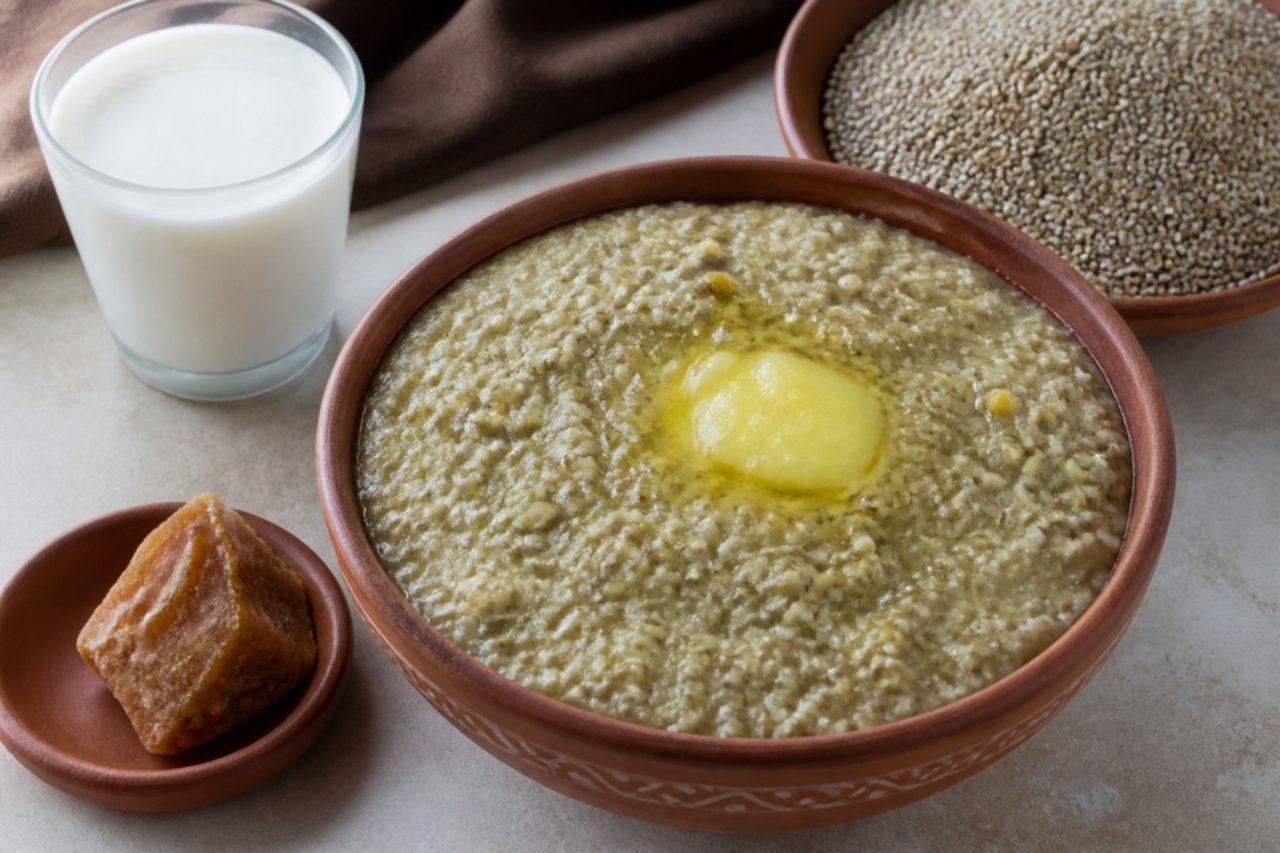
In village homes across Haryana, bajra khichdi is the food of cold winter nights and the days around Makar Sankranti: cracked pearl millet and yellow moong cooked slowly until soft and porridge-like, then eaten with a big spoon of ghee and either jaggery or a glass of lassi. It is plain, nutty and very filling, and grandmothers swear it keeps you warm. The millet was traditionally pounded in a stone mortar to crack it; a quick pulse in a grinder does the same. Chef's tip: soak the bajra overnight; unsoaked millet stays hard and gritty however long you cook it.

by KrazyBadal 0 views

HareesWheat and chicken porridge

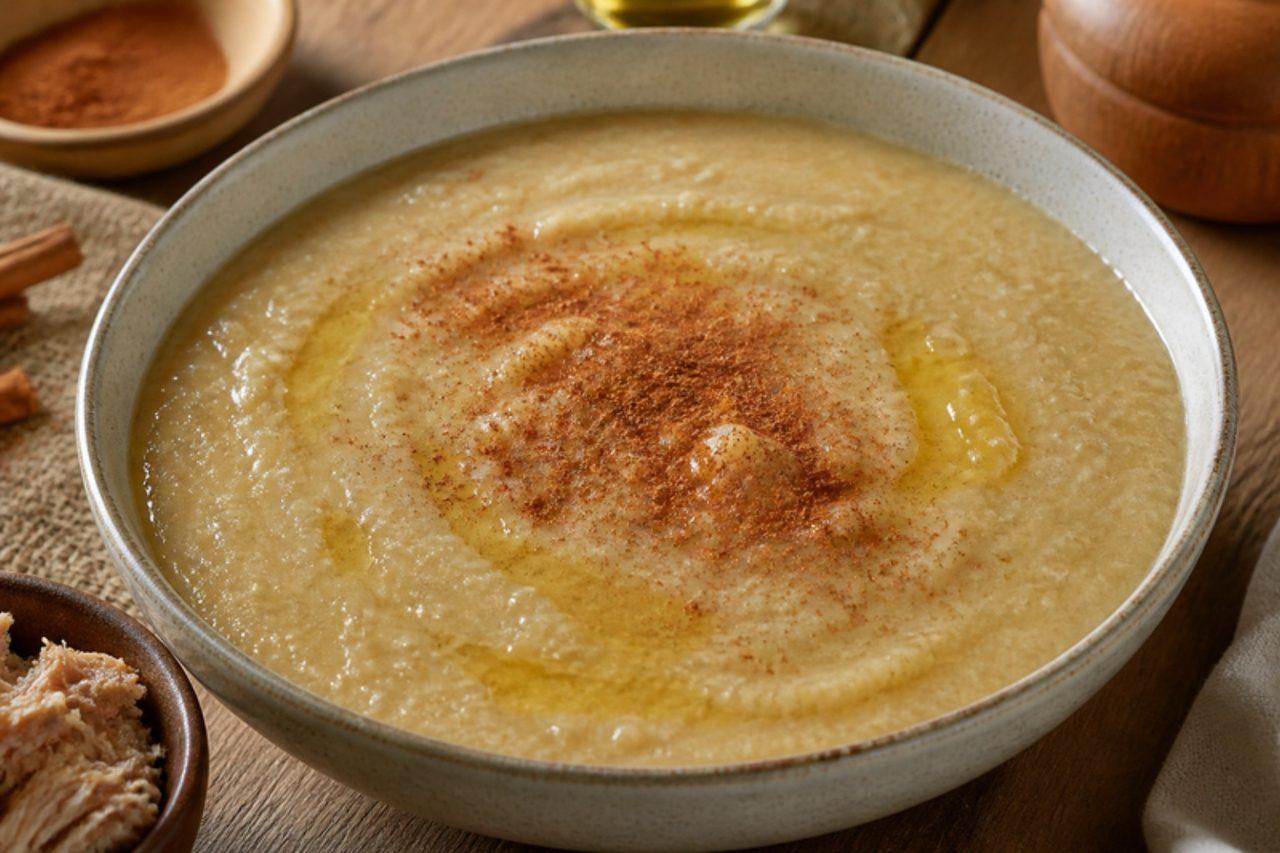
Harees is one of the oldest dishes of the Arabian Gulf, made in the UAE, Oman and Saudi Arabia for Ramadan iftar, Eid and weddings, when big pots are stirred for hours and shared with neighbours. Whole wheat and chicken cook slowly together until the grain bursts and the meat falls apart, then everything is beaten to a smooth, sticky porridge and finished with ghee and a little cinnamon. It is soft, mild and very comforting. Chef's tip: beat it hard with a wooden spoon (or briefly with a stick blender) at the end; that is what gives harees its elastic texture.

by KrazyBadal 0 views

Hanhor mangxoDuck curry

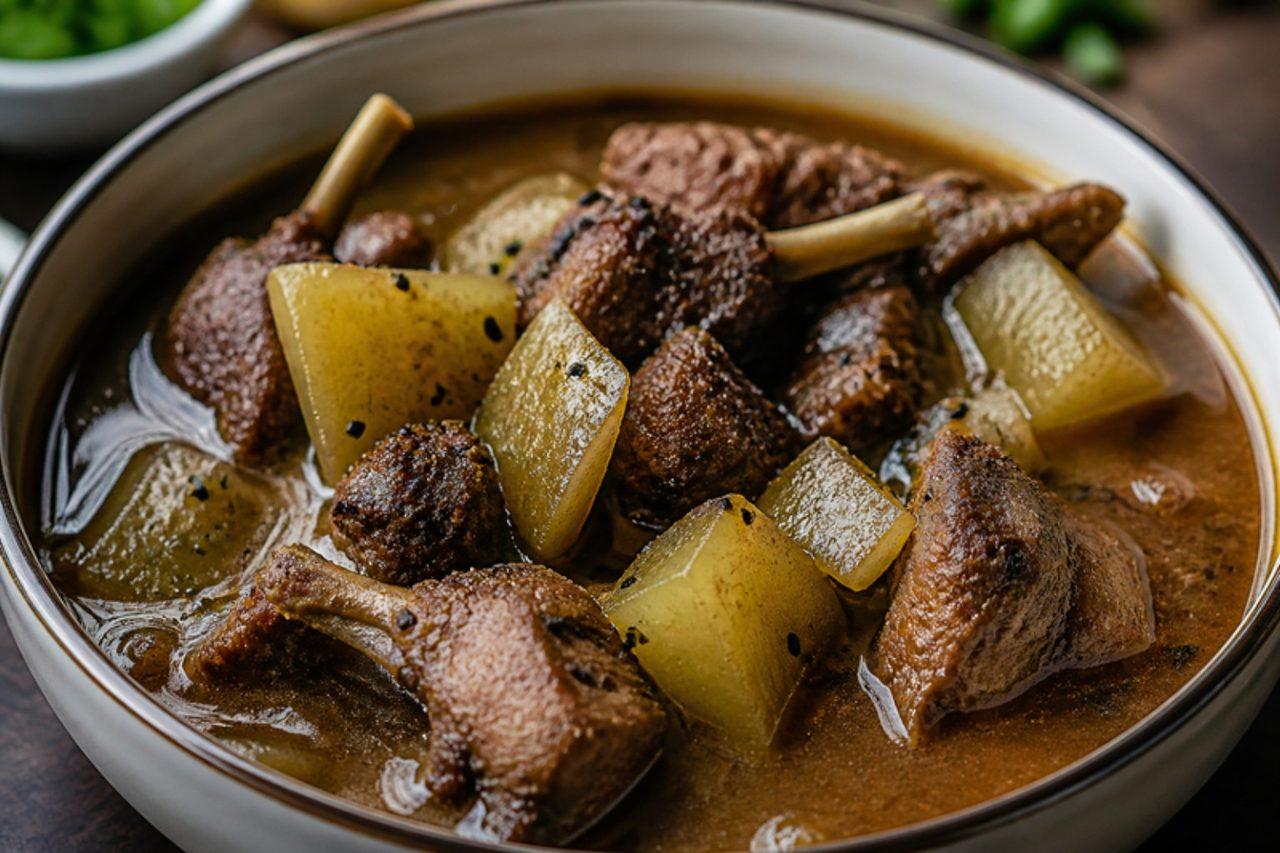
When Magh Bihu brings bonfires and feasting to the villages of Assam in January, duck curry is one of the dishes families look forward to. Duck meat is simmered with ash gourd (kumura), which soaks up the rich juices, and the gravy is thickened with toasted black sesame for a deep, nutty taste. It is eaten with rice, often after the night-long community feast called uruka. Chef's tip: brown the duck skin-side down first and pour off some of the rendered fat; you need its flavour, not all of it.

120 minIndianMeatGluten free
by KrazyBadal 0 views

Kohu-kohuSmoked tuna salad

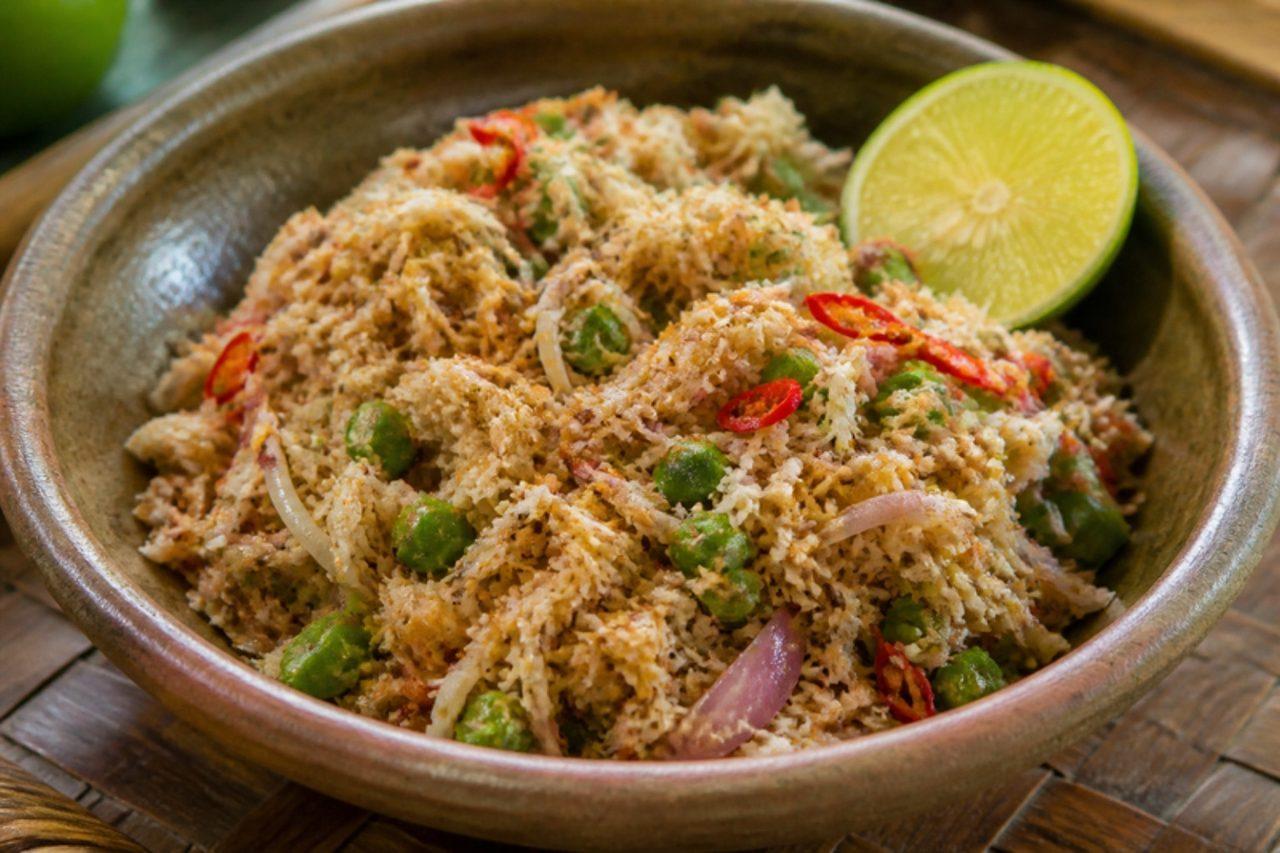
Ambon's fish markets sell ikan asar, tuna smoked over coconut husks, and one of the best things to do with it is kohu-kohu. Flakes of the smoky fish are tossed with crisp shredded long beans, bean sprouts, lightly toasted coconut, raw shallot, chilli and plenty of lime, making a salad that is crunchy, smoky, sour and hot all at once. It's a staple at Maluku family meals, often served next to papeda and fish soup or simply with rice. Chef's tip: mix it no more than an hour before eating; fresh coconut goes limp and sour if it sits around, and the salad loses its crunch.

by KrazyBadal 0 views

Koba akondroBanana, rice and peanut parcels

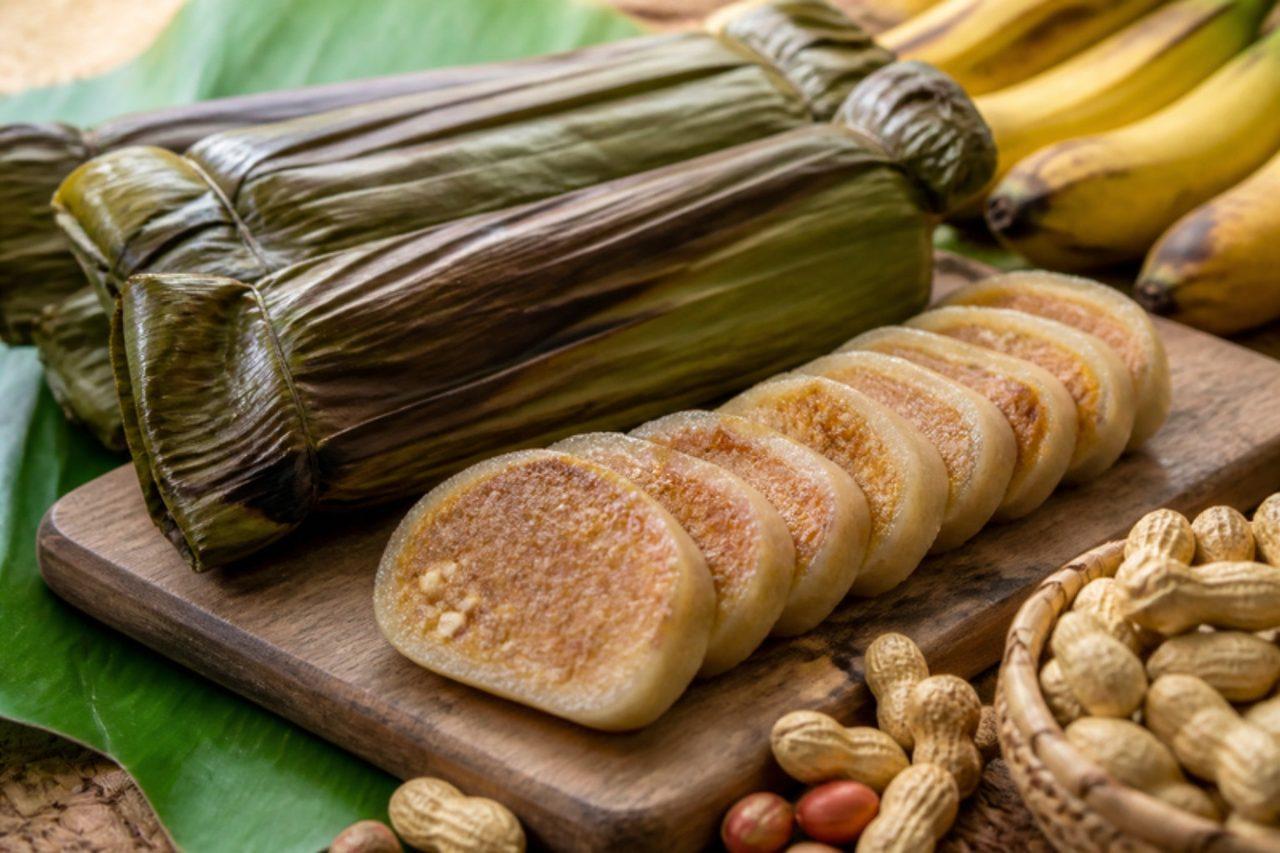
Koba is the street sweet of Madagascar's highlands, sold in thick slices from huge logs wrapped in banana leaves at markets and taxi-brousse stops around Antananarivo and Antsirabe. Koba ravina is a dense block of ground peanuts, rice flour and brown sugar; koba akondro adds ripe banana and is softer. This home version makes small parcels that steam in an hour and a half instead of a whole day. Chef's tip: wrap the parcels tightly; loose parcels let water in and the koba turns sticky instead of firm.

by KrazyBadal 0 views

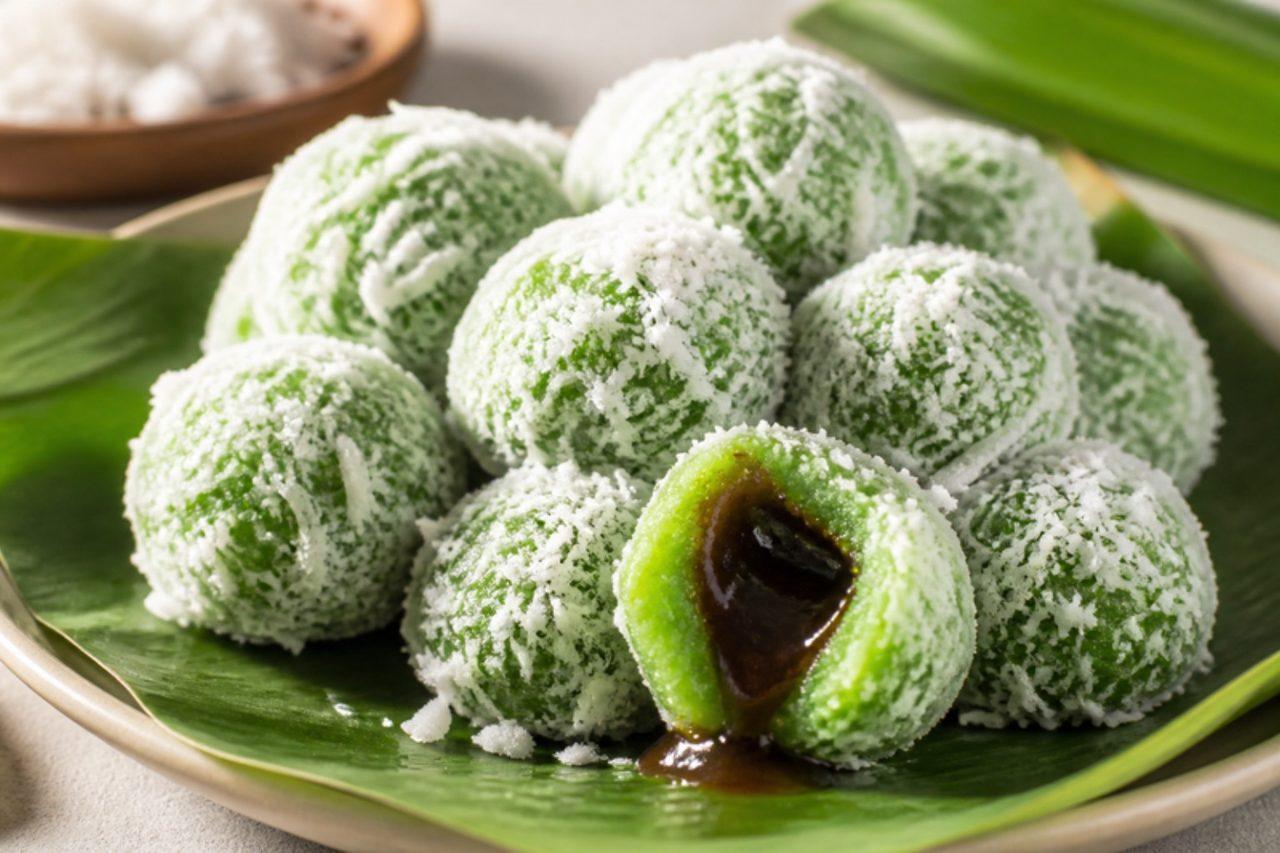
KleponPandan rice balls with palm sugar

Klepon are the jajan pasar, or market cakes, of Java: sold in the morning from baskets lined with banana leaves, bright green from pandan and dusted with grated coconut. Bite one and a pocket of molten palm sugar floods your mouth, so Javanese eat them whole. Malaysians and Singaporeans know the same sweet as onde-onde, made for festive tea tables, so this page covers both. Chef's tip: seal the balls with no cracks and drop them into gently boiling water — the moment they float, give them one more minute, and the sugar inside will be fully molten.

by KrazyBadal 0 views

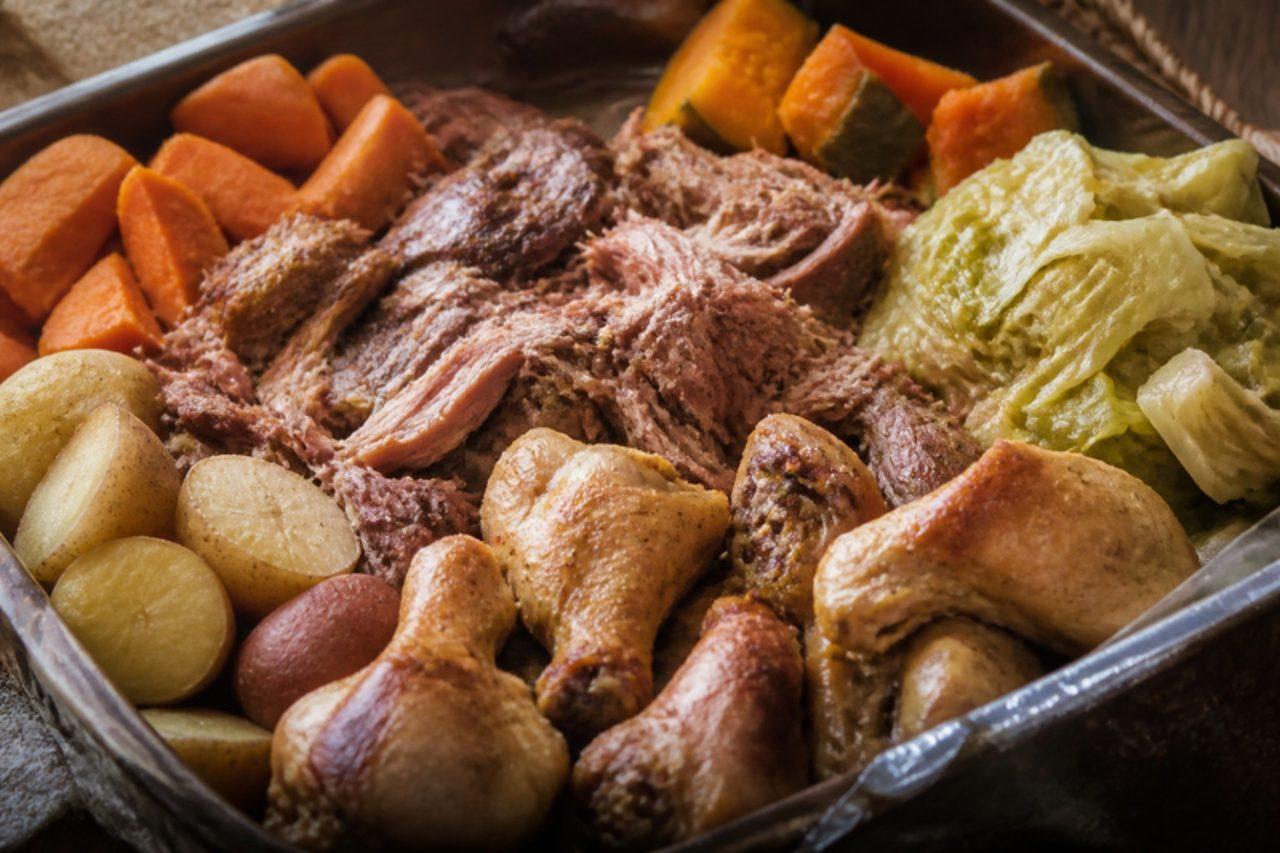
Hāngī-style roastOven-steamed roast pork and vegetables

A true hāngī is cooked by Māori communities across Aotearoa New Zealand in a pit lined with stones heated in a wood fire, with baskets of meat and vegetables covered with damp cloths and earth and left for hours; it is made for tangihanga (funerals), weddings, marae gatherings and fundraisers, and the skill is passed down through whānau. An oven can't reproduce that earthy, smoky steam, and this recipe does not claim to. It borrows the idea: pork, chicken, kūmara, pumpkin and potato packed tightly, covered and steamed for hours until everything is meltingly soft. It contains pork. The mistake to avoid is loose foil; if steam escapes, the meat dries out instead of steaming. Chef's tip: sit the meat on top of the vegetables so its juices drip down and season them.

by KrazyBadal 0 views

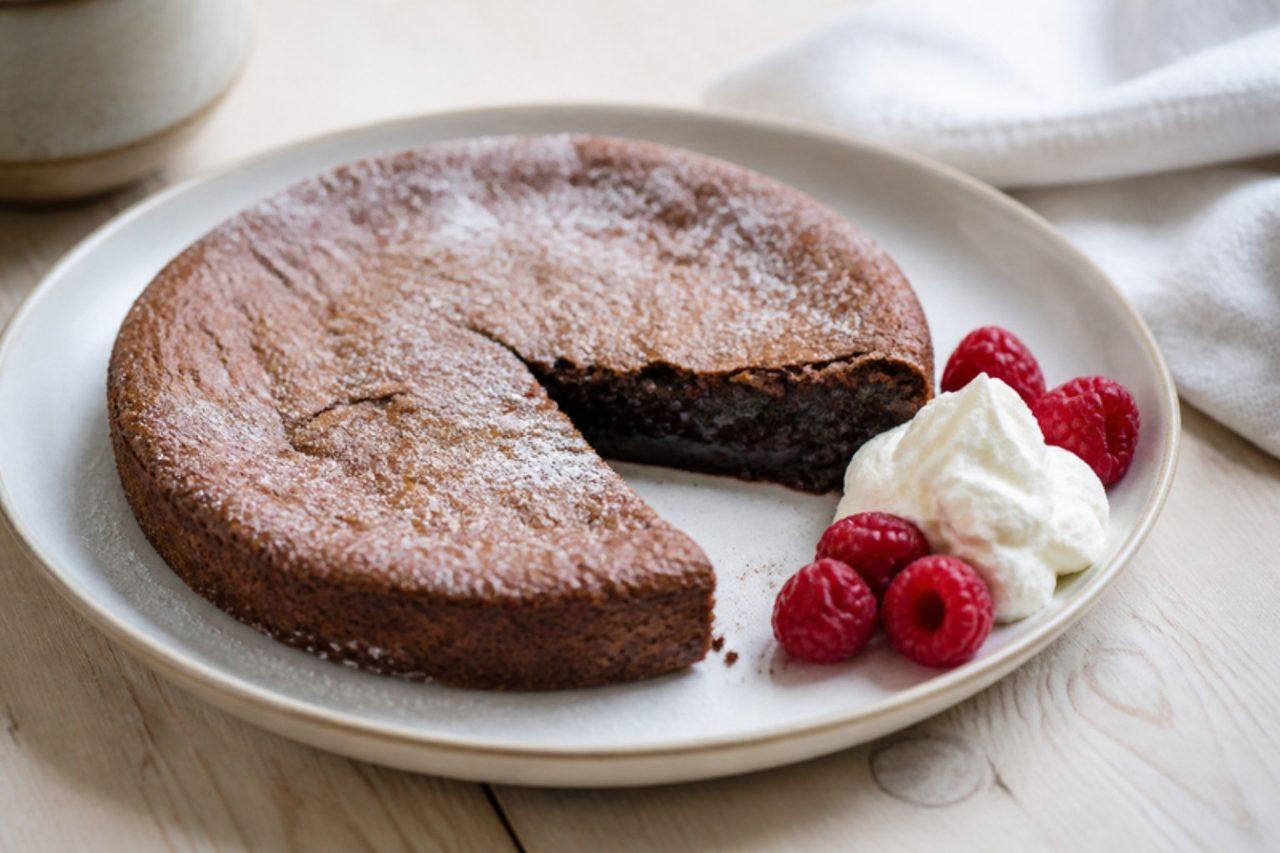
KladdkakaSticky chocolate cake

Kladdkaka, literally 'sticky cake', is the chocolate cake Swedish teenagers learn to make first, because it needs one pan, no mixer and no raising agent. The outside bakes to a thin, crackly crust while the centre stays fudgy and almost molten, somewhere between a brownie and a chocolate pudding. In Sweden it turns up at birthday parties, after Friday tacos and at summer cottages, cut into wedges and served with lightly whipped cream and a few raspberries or lingonberries. Cocoa, not bar chocolate, gives it its classic flavour. Chef's tip: take it out when the middle still wobbles like set jelly; it firms up as it cools and a fully set kladdkaka is just a dry chocolate cake.

by KrazyBadal 0 views

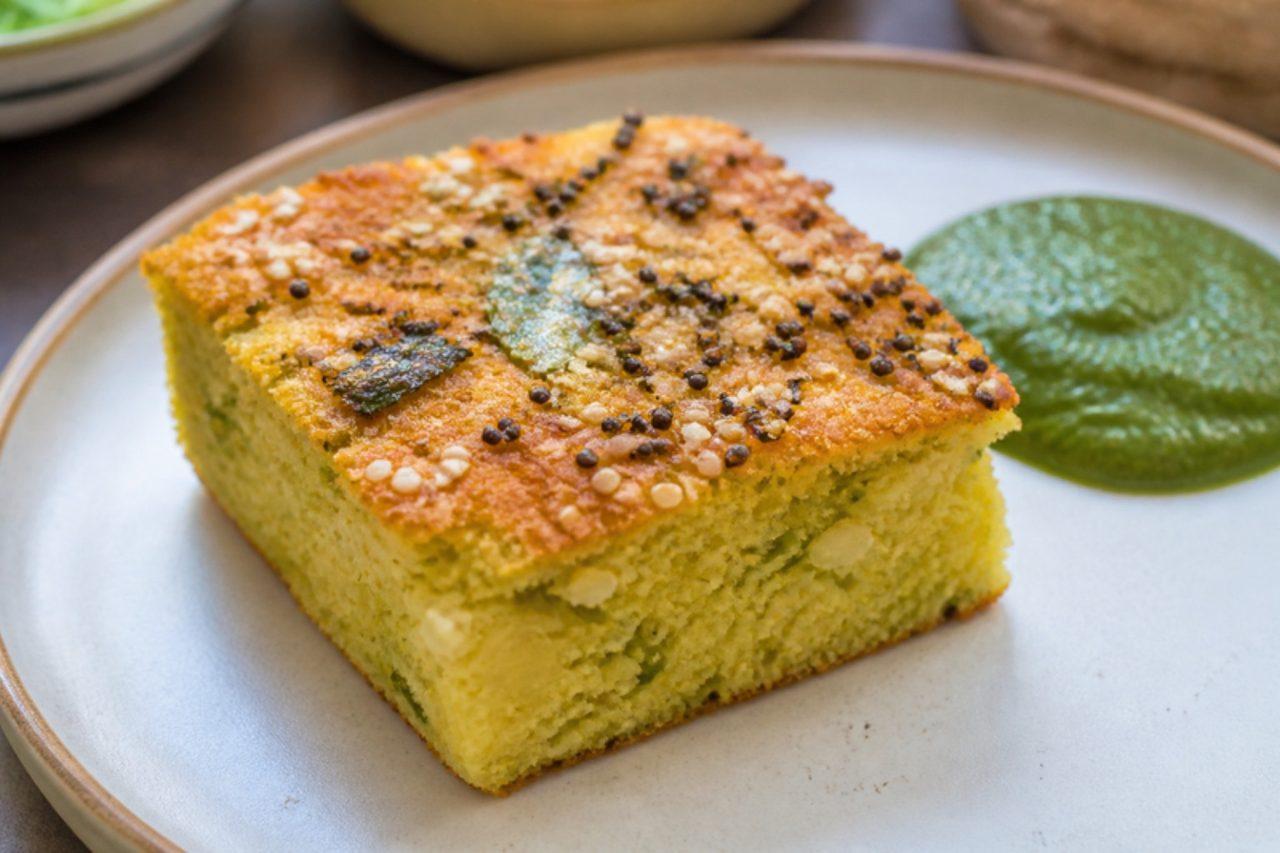
HandvoSavoury rice and lentil cake

Handvo is a savoury cake from Gujarat, made from a fermented batter of rice and lentils mixed with grated bottle gourd, yogurt and spices. It's baked or cooked slowly in a heavy pan until it has a deep-brown, crackly crust of mustard seeds and sesame and a soft, moist, slightly tangy inside. Gujarati families make it for Sunday tea or a light supper, with green chutney and a cup of masala chai. Slices are also good packed for a journey. Chef's tip: don't rush the crust; cook on a low heat with a lid and let the base go deep golden before you flip, because the crunchy, almost toasted sesame crust is the best part.

by KrazyBadal 0 views

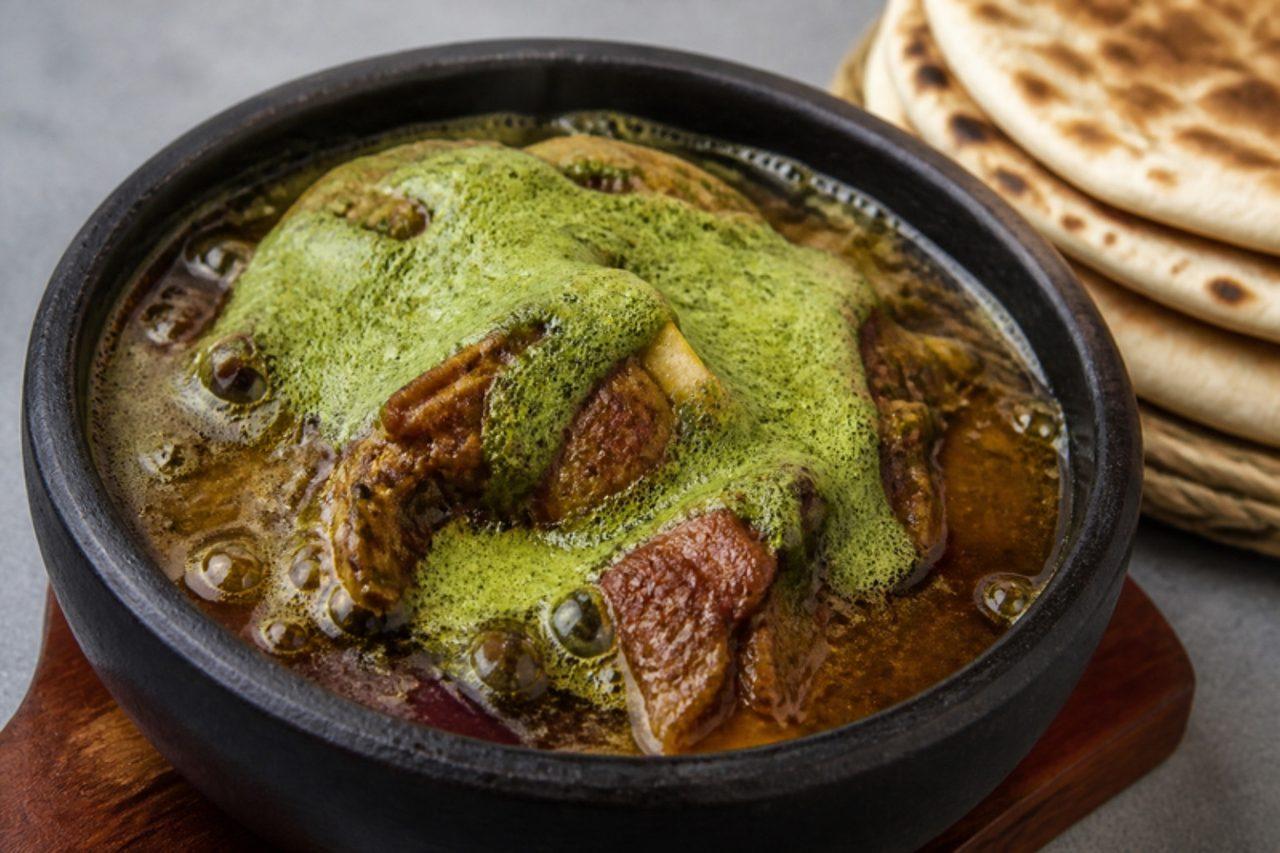
SaltahLamb stew with fenugreek froth

Saltah is the national dish of Yemen, eaten at lunch in Sana'a and the highlands, brought to the table still boiling in a heavy stone pot called a madara. A rich lamb broth (maraq) is cooked down with tomato, potato and hawaij spices, then crowned with hulba, fenugreek whipped to a pale green froth, and scooped up with flatbread. Chef's tip: soak the ground fenugreek for at least 4 hours and pour off its bitter water before whipping; that is what makes it foam.

by KrazyBadal 0 views

SalteñasJuicy baked beef pastries

Salteñas are the pastries all of La Paz queues for between 10 and noon, when they come out of the oven: a slightly sweet, golden crust wrapped round a soupy filling of beef, potato, peas, olive and egg in a gelatine-set broth seasoned with cumin and ají. The trick, and the fun, is to bite off the top and sip the juice without spilling. The mistake is filling the pastry with warm stew: the filling must be chilled overnight until it sets firm, or it leaks. Chef's tip: hold a salteña upright, nibble off one corner and drink the juice before eating the rest.

by KrazyBadal 0 views

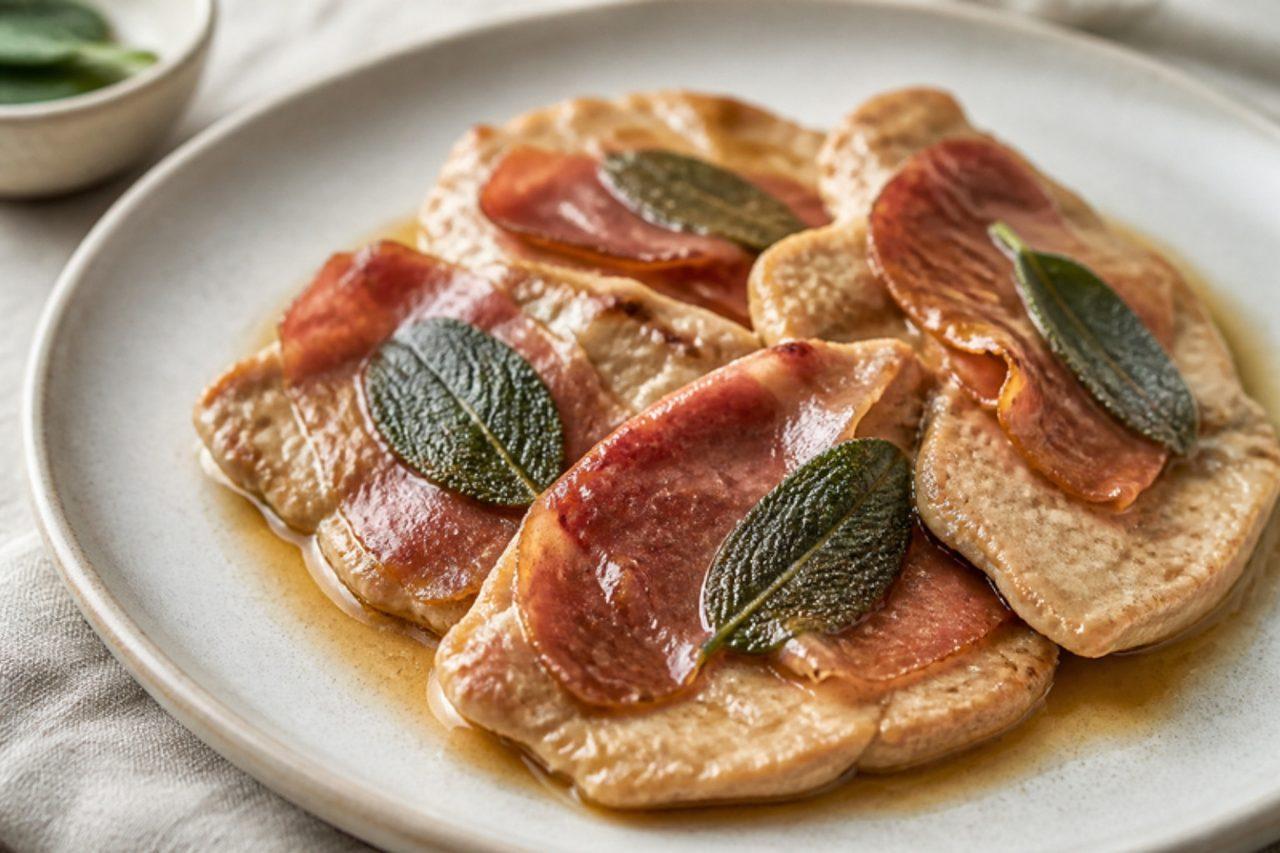
Saltimbocca alla romanaVeal with sage and prosciutto

The name means 'jumps into the mouth', which is how fast these little Roman escalopes vanish from the plate. Thin slices of veal are topped with a sage leaf and a sheet of prosciutto, seared for barely a minute a side, then glazed with white wine and butter in the same pan; it is a classic second course in Rome's family trattorie and takes about 20 minutes start to finish. The prosciutto crisps, the sage turns fragrant and the veal stays tender under a short, buttery sauce. Pork loin or turkey escalopes work just as well. Serve with roast potatoes or sautéed spinach to mop up the pan juices. Chef's tip: pound the meat to an even 5 mm between sheets of cling film and pin the ham and sage on with a cocktail stick, so everything cooks in the time it takes the ham to crisp.

by KrazyBadal 0 views

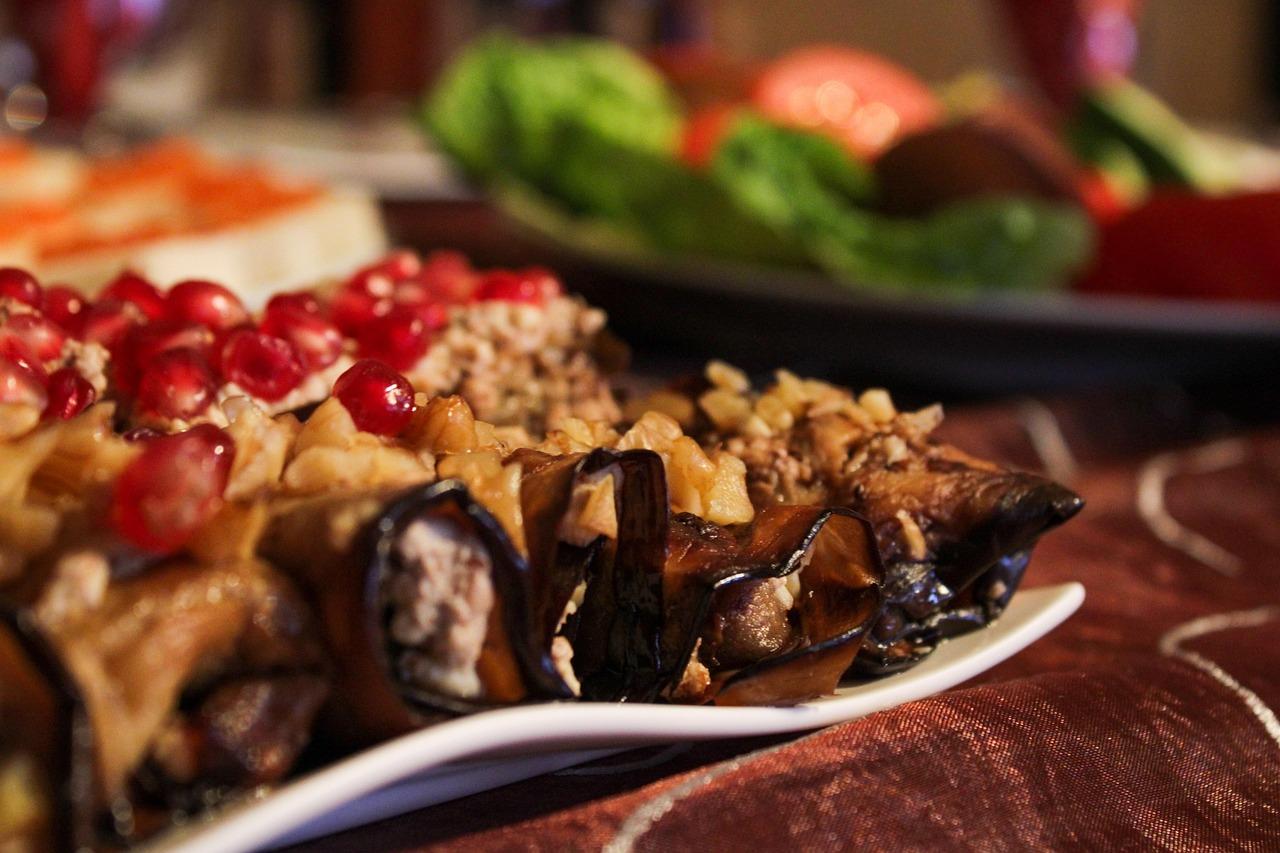
Badrijani nigvzitAubergine rolls with walnut paste

Badrijani nigvzit, aubergine with walnuts, is the summer starter of Tbilisi and Kakheti: thin slices of aubergine fried until silky, spread with a garlicky, spiced walnut paste and rolled up, then scattered with pomegranate seeds. They sit on every supra table between the cheeses and pkhali, and on restaurant menus from June until the frosts. Served cold, they are rich and soft, with sour pops of pomegranate. The common mistake is undercooking the aubergine: if it is still firm it cracks when you roll it and tastes raw, so fry each slice until it is limp and golden. Chef's tip: dry the fried slices on kitchen paper and press them gently; you lose surplus oil, and the paste spreads and sticks better.

by KrazyBadal 0 views

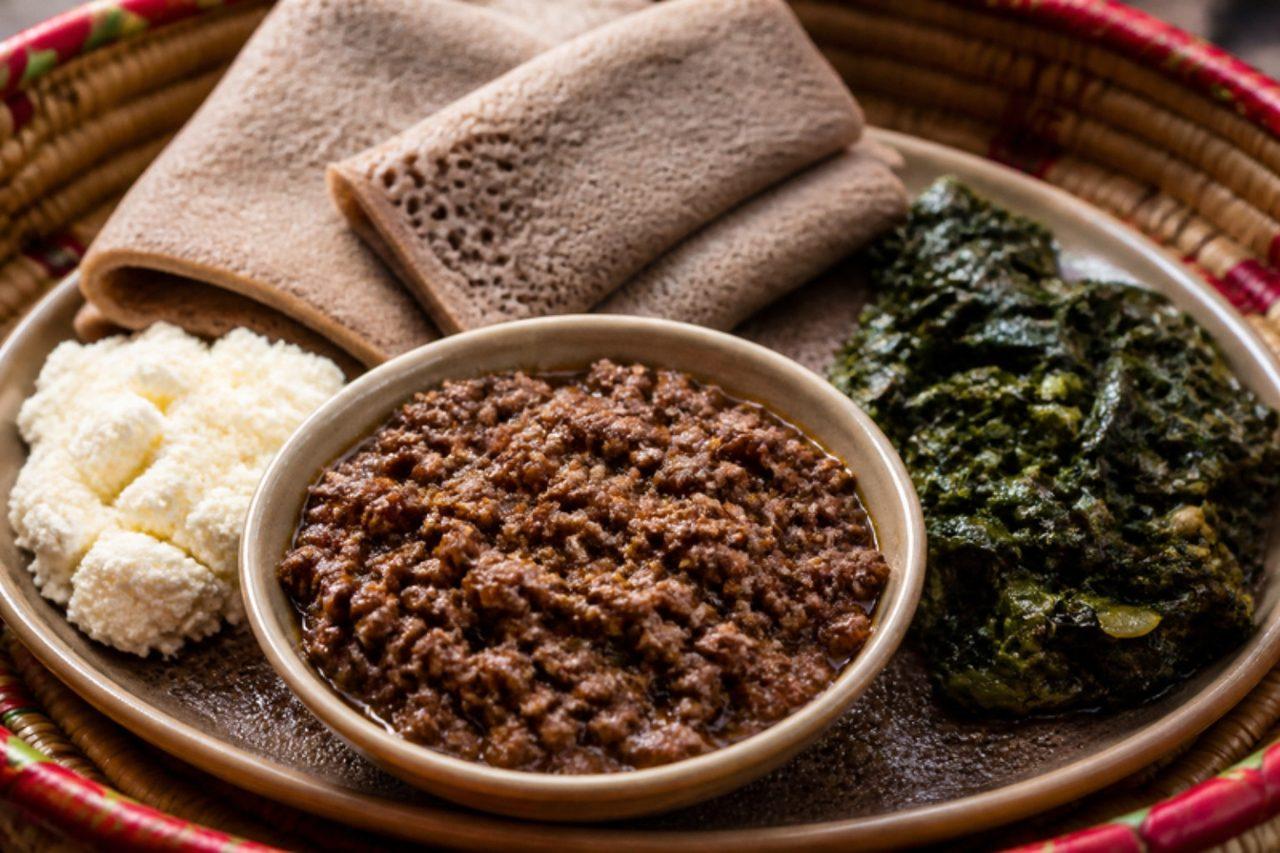
KitfoSpiced minced beef

Kitfo comes from the Gurage people south-west of Addis Ababa, and it is the dish Ethiopians order at special kitfo houses or make for Meskel, the September feast of the True Cross. Lean beef is finely minced and stirred with warm spiced butter and mitmita, a hot chilli and cardamom powder. In Ethiopia it is often eaten raw (tire) or barely warmed (leb leb), but raw or lightly warmed minced beef is not safe for home cooks: this version is cooked to 71 °C, which keeps the buttery, fiery flavour with a soft, crumbly texture. Serve with ayib, braised greens and injera or kocho. Chef's tip: mince the beef yourself from a single lean cut if you can, and keep it fridge-cold until the moment it goes into the pan.

by KrazyBadal 0 views

Tacu tacuPan-fried beans and rice cake

Tacu tacu was born in the Afro-Peruvian kitchens of Lima, as a thrifty way to turn yesterday's beans and rice into something new; today it appears on the menus of smart criollo restaurants too. Mashed canario beans and rice are fried with garlic, onion and ají amarillo, then shaped in the pan into a long, crisp-edged cake, soft inside and golden outside. It is a hearty lunch for two with a sharp salsa criolla of onion and lime, and often a fried ripe plantain on the side. Canario beans are pale yellow and creamy; pinto or cannellini beans work well. Chef's tip: use cold, day-old rice and beans; warm, freshly cooked ones are too soft to hold their shape and the tacu tacu falls apart.

by KrazyBadal 0 views

KisraFermented sorghum flatbread

Kisra (kisra rahifa) is the daily bread of northern and central Sudan: a sorghum batter left to sour for a day, then wiped across a very hot iron plate in a single sweep so it cooks into a lacy sheet as thin as paper. In homes it is made early each morning and stacked in folded layers to eat with mullah stews, especially during Ramadan. A wide crêpe pan and a plastic scraper or spatula work at home. Chef's tip: the pan must be hot enough that the batter sets the moment it touches; if it is too cool the sheet sticks and tears.

by KrazyBadal 0 views

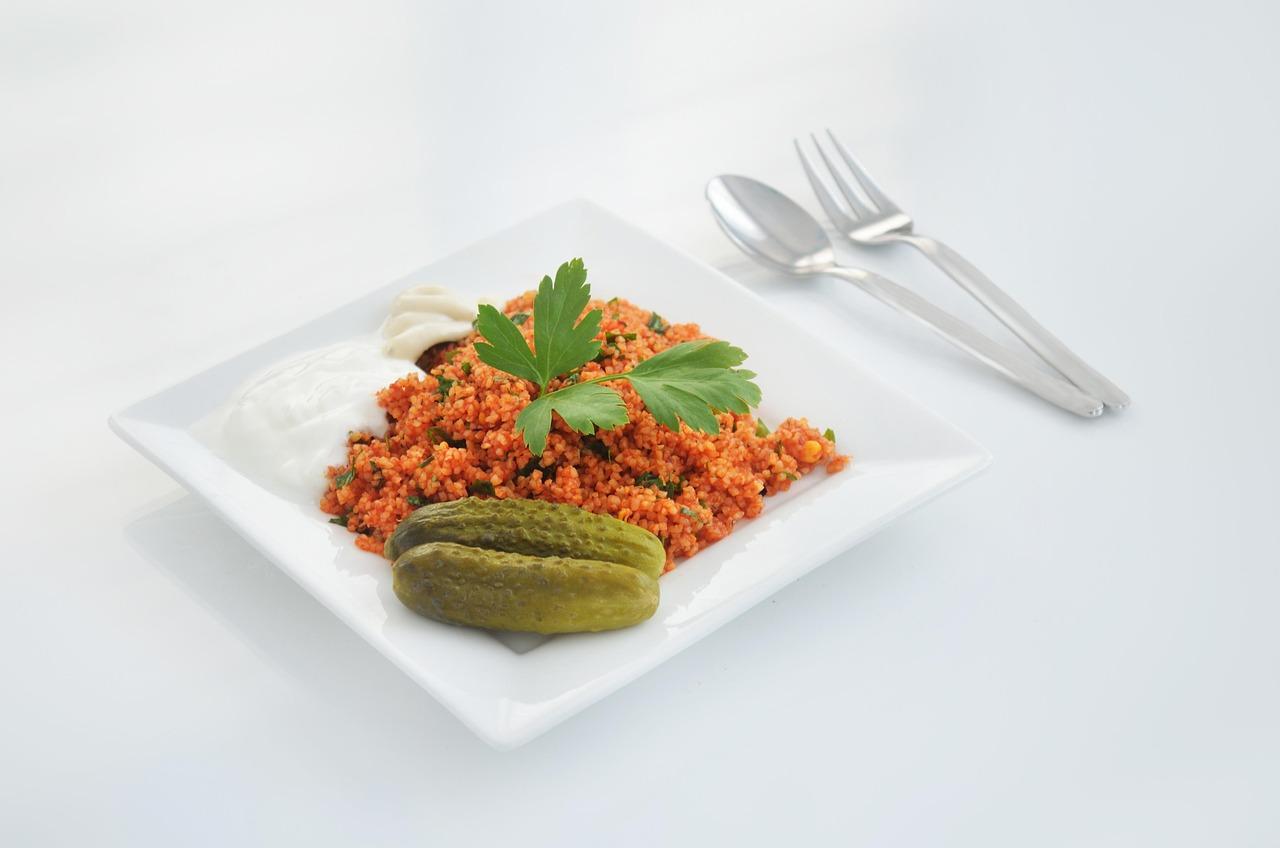
KısırBulgur salad with pepper paste

Kısır comes from southeastern Turkey but is now the dish women across the country bring to 'altın günü', the afternoon gatherings where friends meet at each other's homes over tea. Fine bulgur is softened with hot water and kneaded with tomato and pepper paste until rosy, then mixed with spring onion, parsley, mint, lemon and pomegranate molasses. It is served at room temperature, often wrapped in crisp lettuce leaves. The typical mistake is pouring in too much water, which turns the bulgur mushy; use just enough to cover. Chef's tip: knead the pastes into the warm bulgur with your hands for a full minute so every grain turns red and the flavour goes right through.

by KrazyBadal 0 views

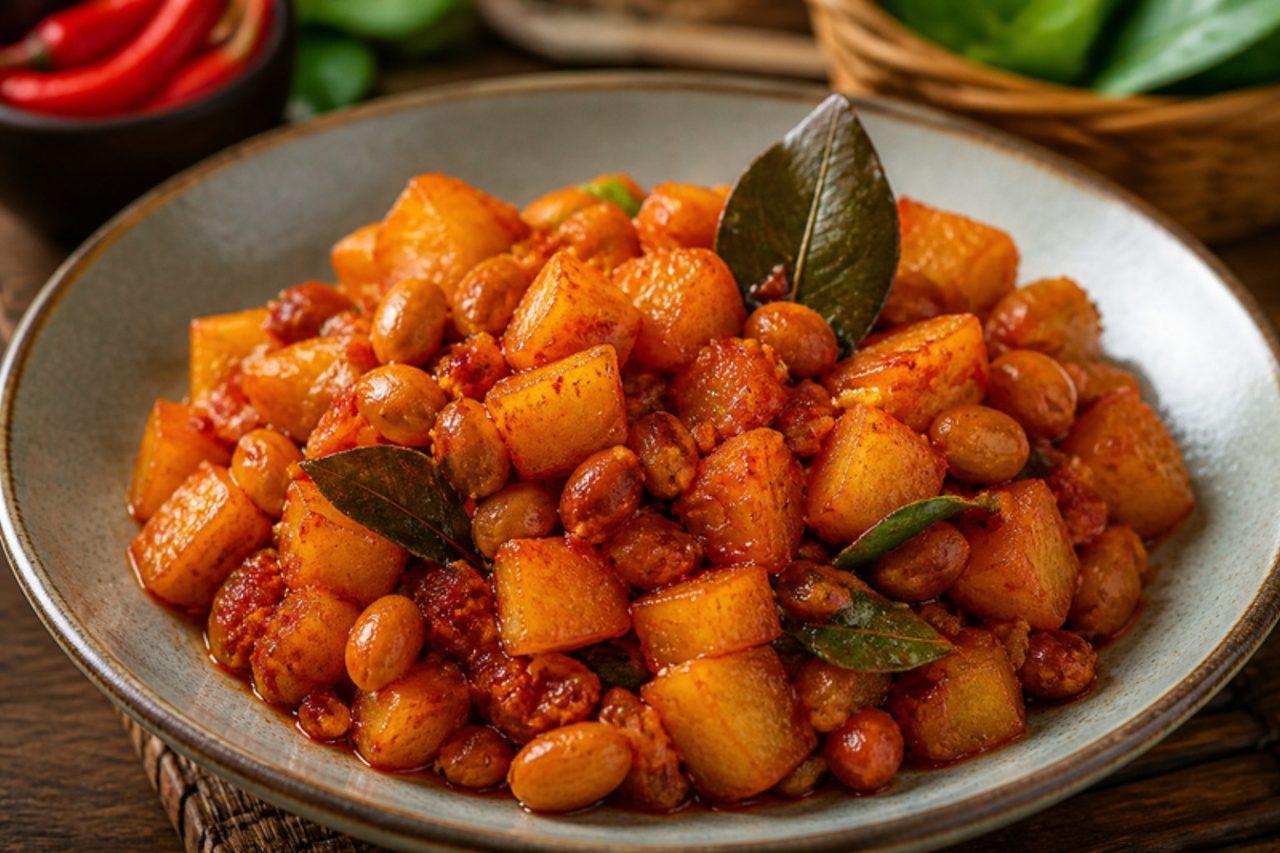
Sambal goreng kentangFried potatoes in sweet-hot sambal

Sambal goreng kentang turns up wherever there's a celebration in Java and Sumatra: on Lebaran tables next to ketupat and opor, in wedding buffets, and in boxes of nasi kotak handed out at gatherings. The potatoes are cut small, fried until crisp and golden, then tossed through a red chilli and shallot sambal sweetened with palm sugar and sharpened with tamarind, so each cube is coated and chewy at the edges. It keeps well and is eaten at room temperature with rice. Chef's tip: soak and dry the potato cubes thoroughly before frying; damp potatoes spit, steam and never crisp up.

by KrazyBadal 0 views

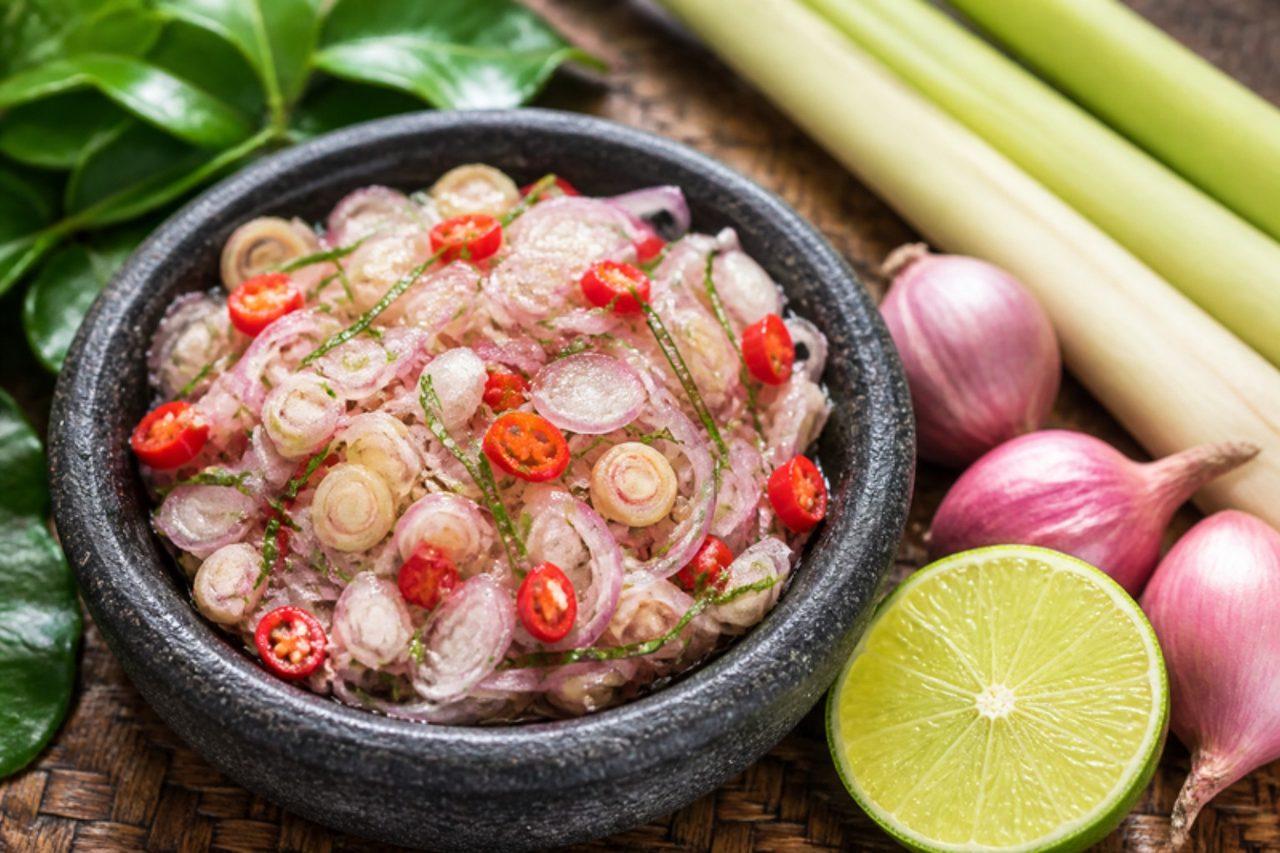
Sambal matahRaw shallot and lemongrass relish

Matah means raw in Balinese, and this sambal is nothing more than finely sliced shallots, chillies, lemongrass and lime leaf, squeezed with lime and dressed with hot coconut oil. It is the fresh, sharp counterpart to grilled tempeh, tofu, corn fritters and plain rice in warungs across Bali. Village cooks rub in a little toasted shrimp paste; this vegetarian version gets its savoury edge from salt and a touch of sugar. Chef's tip: squeeze the salted shallots with your fingers before adding the oil; they soften and release juice that carries the flavour.

by KrazyBadal 0 views

Sambal oelekFresh chilli paste

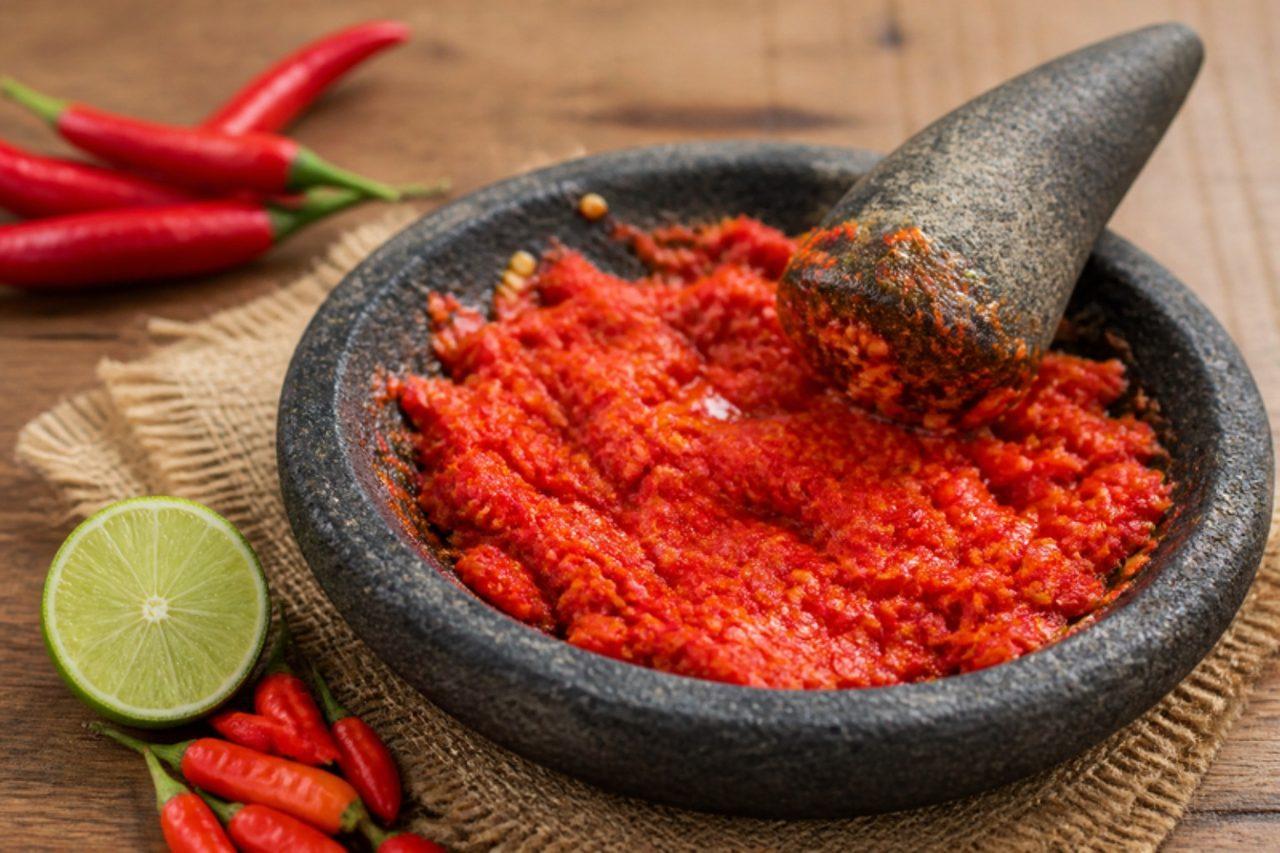
Every Indonesian kitchen has an ulekan, the flat stone mortar that gives sambal oelek its name, and this is the most basic thing ground in it: fresh red chillies and salt, pounded to a coarse, wet, fiery mash. It's the foundation many cooks start from, stirred into fried rice and soups, spooned beside every meal at warung tables nationwide, and the base for more complex cooked sambals. Making it fresh tastes brighter and fruitier than any jar. Chef's tip: wear gloves and pound rather than blitz if you can — crushing releases the oils and gives a juicier, more fragrant sambal than chopping blades.

by KrazyBadal 1 views

Sambal terasiShrimp paste chilli sambal

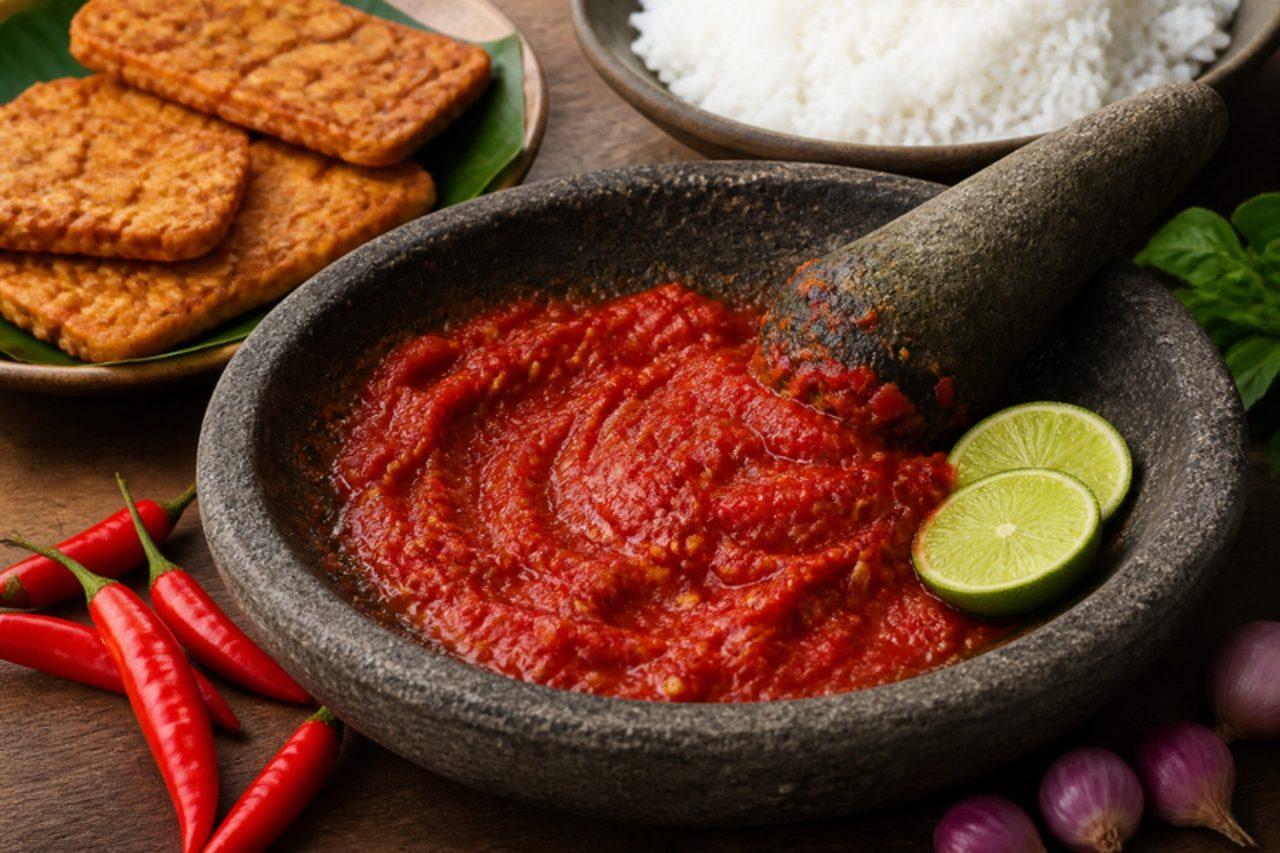
Almost every Indonesian kitchen keeps a stone mortar, the cobek, and the sambal pounded in it most often is this one. Toasted shrimp paste gives it a deep, savoury funk, fried chillies and shallots add sweetness and heat, and a squeeze of lime at the end wakes everything up. Spoon it beside fried chicken, grilled fish, fried tempeh or a plate of raw lalapan vegetables, or stir a little into fried rice. Chef's tip: pound rather than blend if you can; a coarse, slightly juicy texture tastes fresher than a smooth purée.

by KrazyBadal 0 views

Sambal tumisFried chilli paste

Ask any Malaysian cook what lives in the fridge door and the answer is usually a jar of sambal tumis. 'Tumis' means to sauté, and the paste of soaked dried chillies, shallots, garlic and spices is fried slowly in plenty of oil until it turns dark and jammy. From Johor to Kedah it goes on nasi lemak, gets stirred through fried rice and noodles, and is spooned beside eggs, tofu or roti. Most versions lean on belacan (shrimp paste); here a little toasted nori brings back that savoury, faintly sea-like depth. Chef's tip: make a double batch; covered with a film of its own oil it keeps for two weeks in the fridge and months in the freezer.

by KrazyBadal 0 views

Göyərti qutabıHerb-filled flatbreads

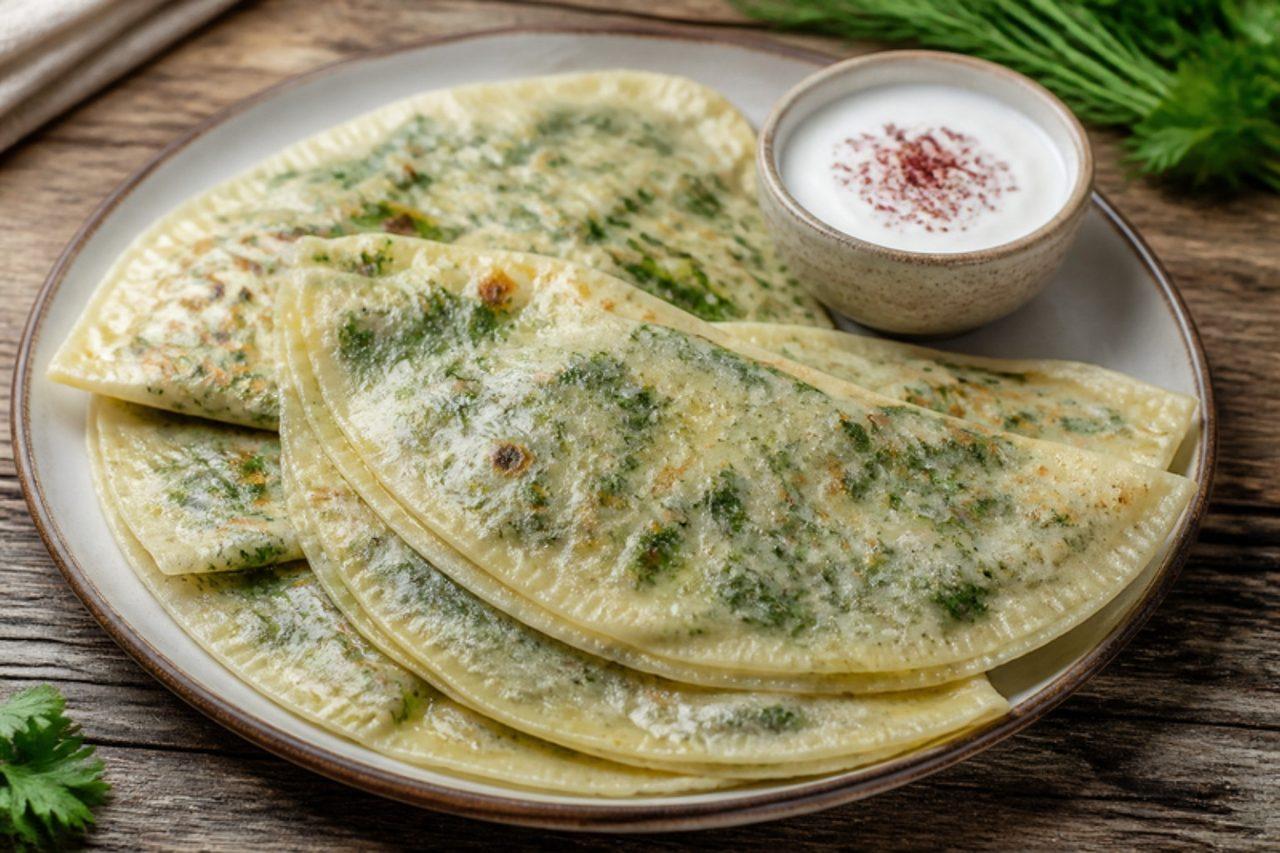
Qutab are the thin half-moon flatbreads that Baku eats at any hour, folded around a filling and cooked in seconds on a domed iron saj, then stacked and brushed with butter. Göyərti qutabı, the green version, is the spring favourite: a handful of chopped spinach, sorrel, dill, coriander and spring onion sealed inside dough rolled so thin the greens show through. They are eaten hot, three or four at a time, sprinkled with sumac and dipped in garlicky yogurt, and appear on every table at Novruz in March. In autumn the same dough wraps pumpkin; that variation is in the steps. Chef's tip: season the greens only just before filling; salt draws out water, and wet greens tear the paper-thin dough.

by KrazyBadal 0 views

Kiritanpo nabeRice stick and chicken hot pot

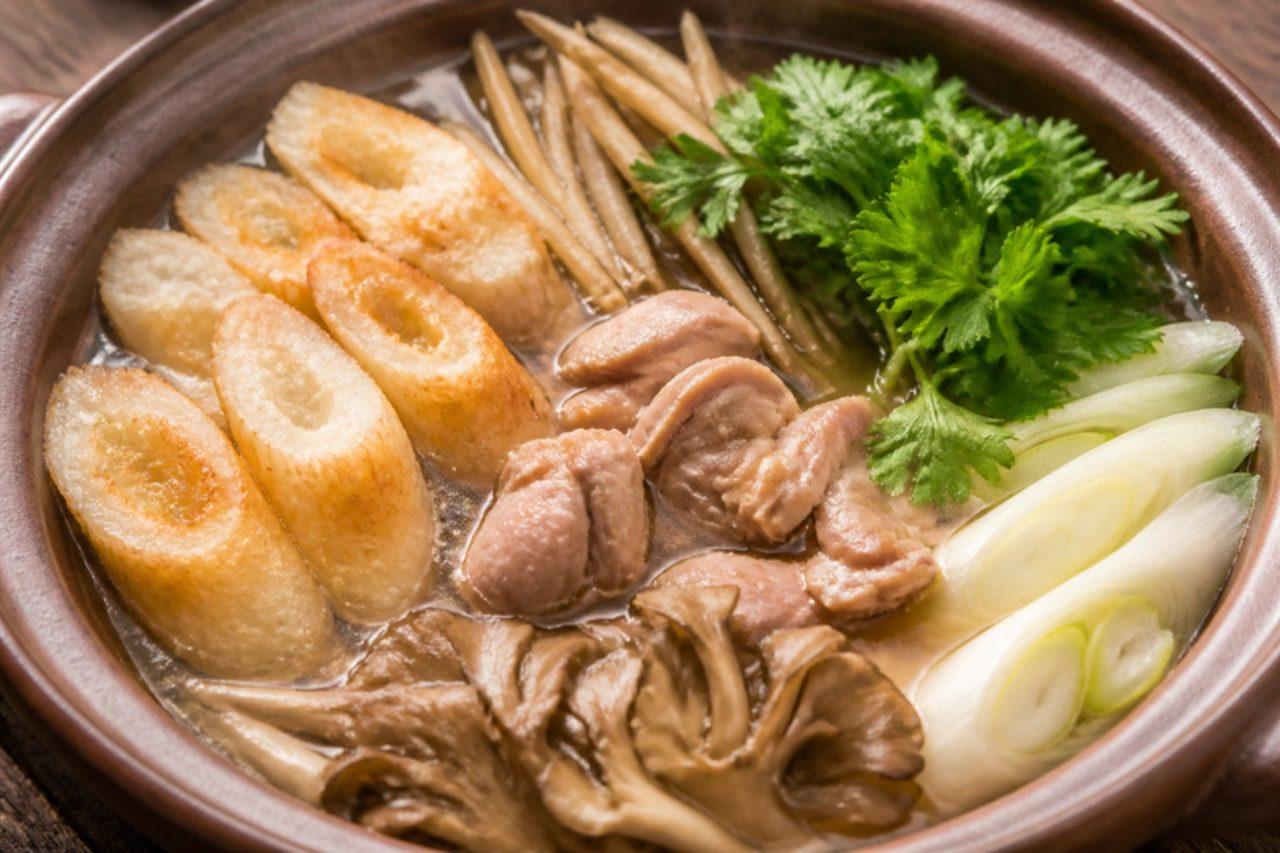
In Akita, in Japan's snowy north-west, the new rice harvest in October marks the start of kiritanpo season, and the town of Odate holds a festival for it every autumn. Freshly cooked rice is half-pounded, pressed around sticks and toasted, then cut up and dropped into a soy-seasoned chicken broth with burdock, maitake mushrooms and crunchy Japanese parsley called seri. Locals use the region's Hinai-jidori chicken; any good free-range bird works. The toasted rice soaks up the broth but keeps a little chew. Chef's tip: toast the rice sticks until dry and golden in patches all over, as a crisp outer skin keeps them from dissolving in the pot.

by KrazyBadal 0 views

SambuusCrisp beef pastries

Sambuus are the triangles of crisp pastry Somali families fry by the hundred during Ramadan, filling them with minced beef, onion, green chilli, coriander and xawaash; trays of them sit on every iftar table from Hargeisa to Toronto. The filling must be dry, and the pastry thin. The mistake is a wet filling, which steams the pastry from the inside and makes it soggy; cook the mince until all the liquid has gone. Chef's tip: shop-bought spring roll pastry, cut into strips, makes good thin sambuus at home.

by KrazyBadal 0 views

Halo-haloShaved ice dessert

Halo-halo ('mix-mix') is what the Philippines eats through the hot dry months of March to May, bought from roadside stalls and snack shops and eaten slowly with a long spoon in a tall glass. Sweetened beans and chickpeas, banana cooked in brown sugar, jackfruit, nata de coco and sugar-palm fruit go in first, then a mountain of finely shaved ice, a splash of evaporated milk and a crown of ube halaya, a slice of leche flan or a scoop of ube ice cream, with crunchy pinipig (toasted pounded rice) on top. Unlike Malaysian ais kacang, there's no syrup over the ice: the sweetness comes from the layers and the milk. You stir everything together before eating. Chef's tip: chill the glasses and the toppings first so the ice doesn't melt before you have finished building.

by KrazyBadal 0 views

SamgyetangGinseng chicken soup

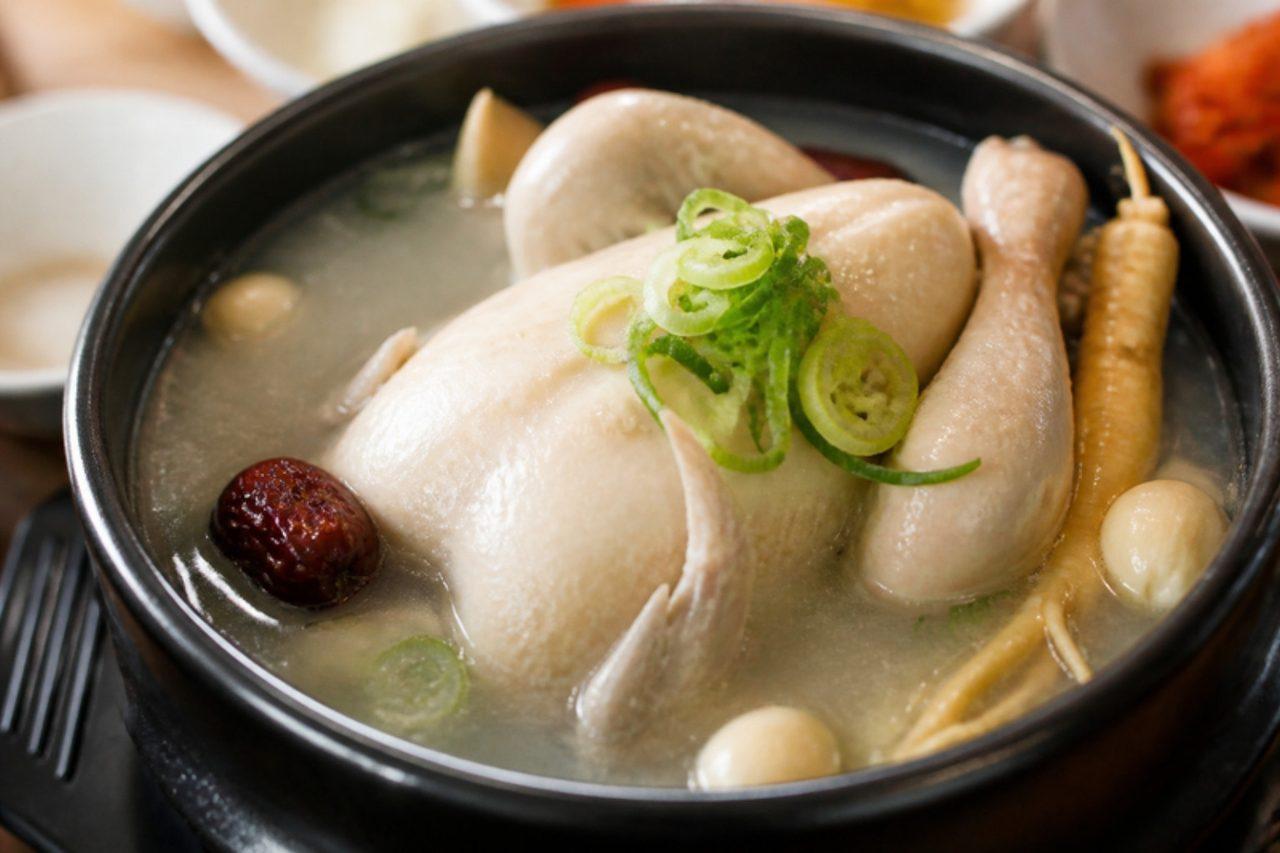
On the three hottest days of the Korean summer, called boknal, queues form outside samgyetang restaurants all over the country. The idea is to fight heat with heat: a small whole chicken is stuffed with glutinous rice, ginseng, jujubes and garlic, then simmered until the meat falls off the bone. Each person gets their own bird in its own bowl, with salt and pepper for dipping. Ginseng is not advised in pregnancy, so leave it out if unsure. Chef's tip: cut a small slit in the skin of one thigh and tuck the other leg through it, so the stuffing stays inside without string.

by KrazyBadal 0 views

Samkeh harraBaked fish with spicy tahini

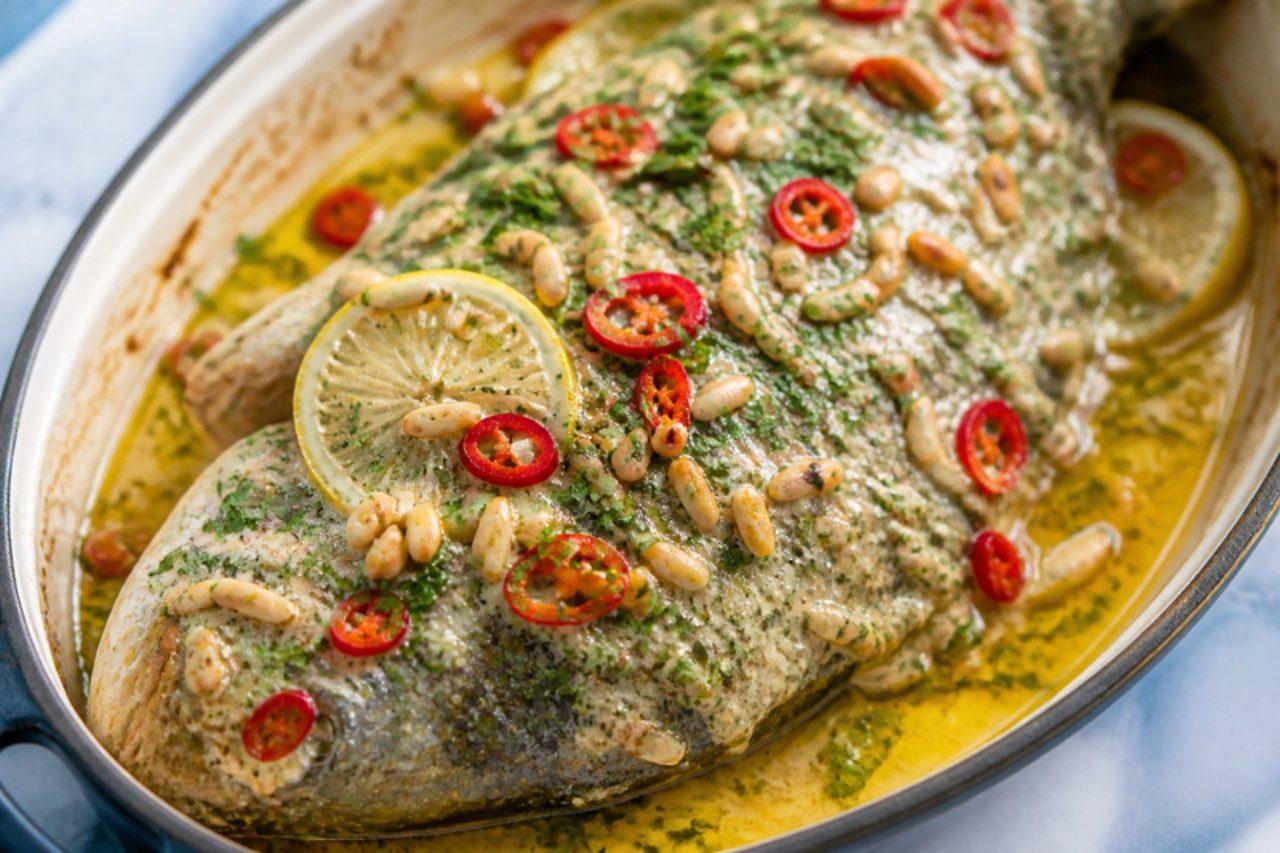
Samkeh harra, 'hot fish', is the pride of Tripoli and the fishing towns of northern Lebanon, where it is made with a whole sea bream or sea bass on Fridays and for summer lunches by the sea. The fish is baked, then covered with a fiery sauce of tahini, lemon, garlic, chilli and lots of coriander and returned to the oven until bubbling. Walnuts on top are a Tripoli touch. It is eaten warm or at room temperature with bread and a green salad. Chef's tip: loosen the tahini with lemon juice first, then water; it will seize and turn thick before it turns smooth, so keep whisking.

by KrazyBadal 0 views

Vegetable samlor korkoVegetable and green papaya soup

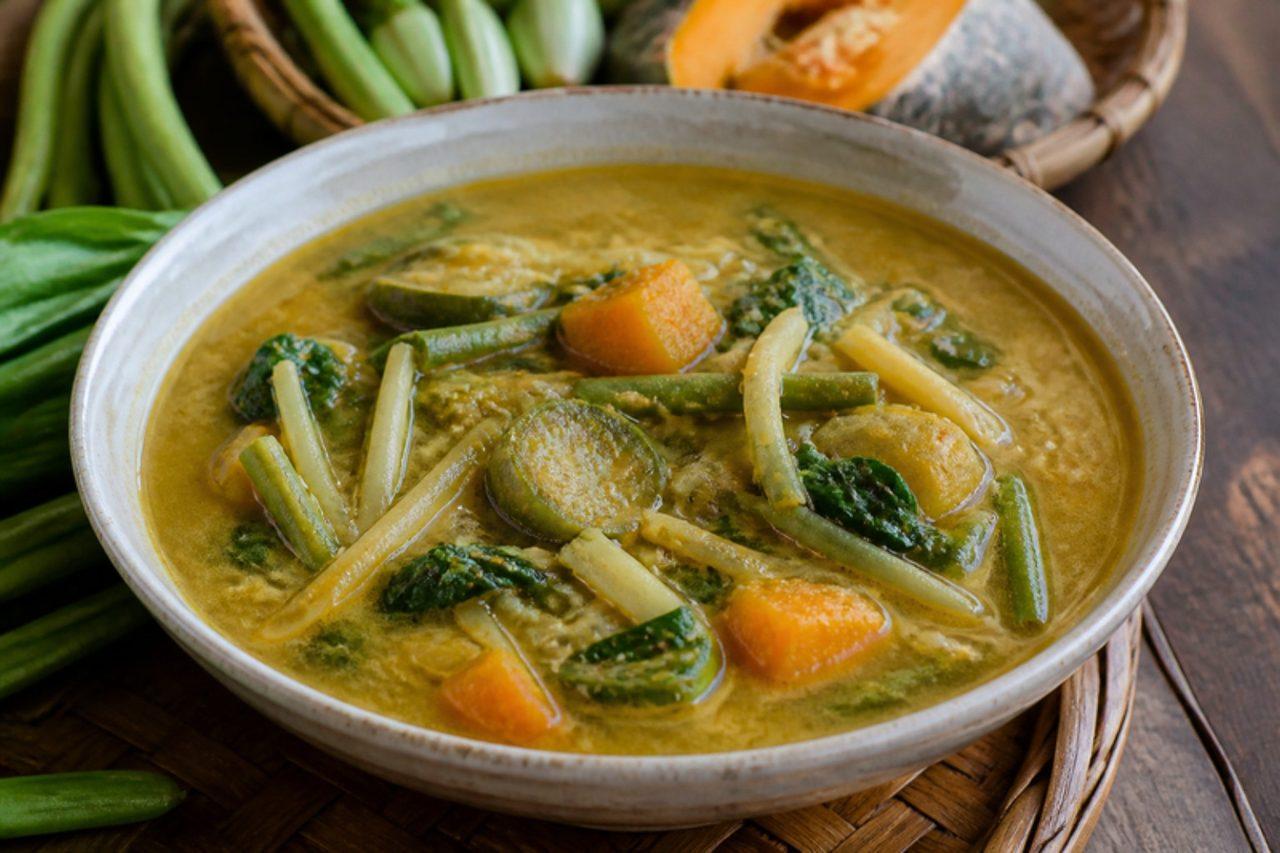
Samlor korko is called the national soup of Cambodia, cooked in villages from Battambang to Kampot and eaten at lunch with a bowl of rice. Its name means 'stirring soup', because the cook stands over the pot moving the vegetables as they go in one by one: green papaya, pumpkin, aubergine, long beans and leafy greens, all in a thin, herb-scented broth thickened with a spoonful of ground toasted rice. Prahok usually gives it its funk; fermented soybean paste and a little soy give depth here, and the soup stays light and full of vegetables. Chef's tip: toast the rice slowly until it is the colour of a hazelnut shell; that nutty smell is the backbone of the soup.

by KrazyBadal 0 views

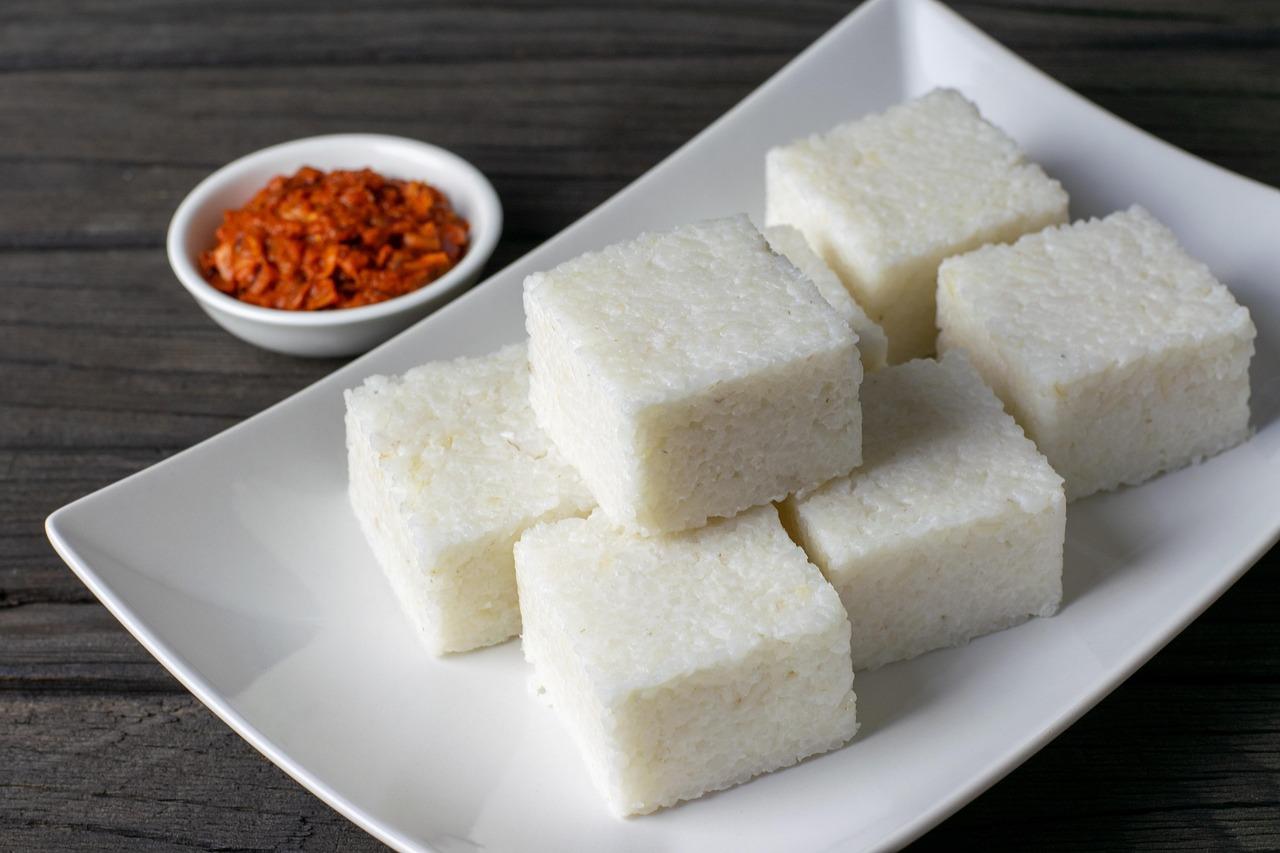
Kiri bathCoconut milk rice

Kiri bath is the first food eaten at Sinhala and Tamil New Year (Aluth Avurudu) in mid-April, cooked at the exact auspicious time the astrologers announce, and it also starts the first day of each month, birthdays and new jobs across Sri Lanka. White rice is boiled until very soft, then cooked again with thick coconut milk and salt until it sets into a creamy slab that is cut into diamonds. It's eaten with lunu miris, a fierce red onion and chilli paste, or with jaggery and bananas for the sweet-toothed. Lunu miris often contains Maldive fish; ours doesn't. The common mistake is adding the coconut milk before the rice is completely soft: the grains stay hard. Chef's tip: press the hot rice flat with a banana leaf or the back of a spoon dipped in coconut milk; it stops sticking and gives the classic glossy top.

by KrazyBadal 0 views

Kinema curryFermented soybean curry

Kinema is the Limbu and Nepali fermented soybean of Sikkim and the Darjeeling hills: boiled soybeans wrapped in leaves and left by the hearth for a couple of days until sticky and pungent. Cooked with onion, tomato, turmeric and fiery dalle or green chilli, it becomes a thick, savoury curry eaten with rice in Gangtok and Kalimpong homes, especially in winter. It is rich in protein and has a deep, almost meaty savour. Chef's tip: dry-fry the kinema before adding the masala; it tames the smell and brings out a toasted flavour. Outside the hills, Japanese natto is the closest substitute.

by KrazyBadal 0 views

Showing 90 of 7,888 recipes

Page 762 of 877