


Skip to content
Chamba chukh
Featured recipe

Chamba chukh

Chilli and lemon paste

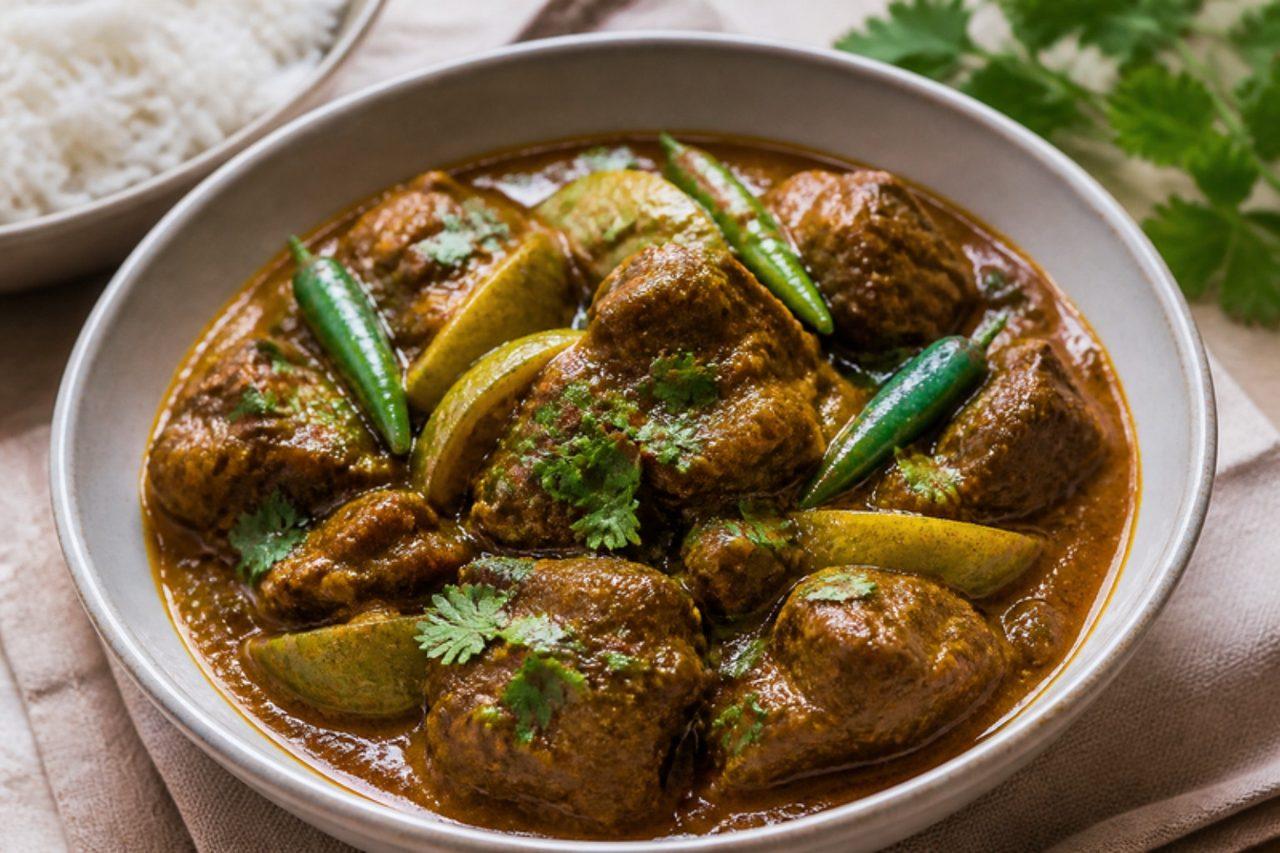
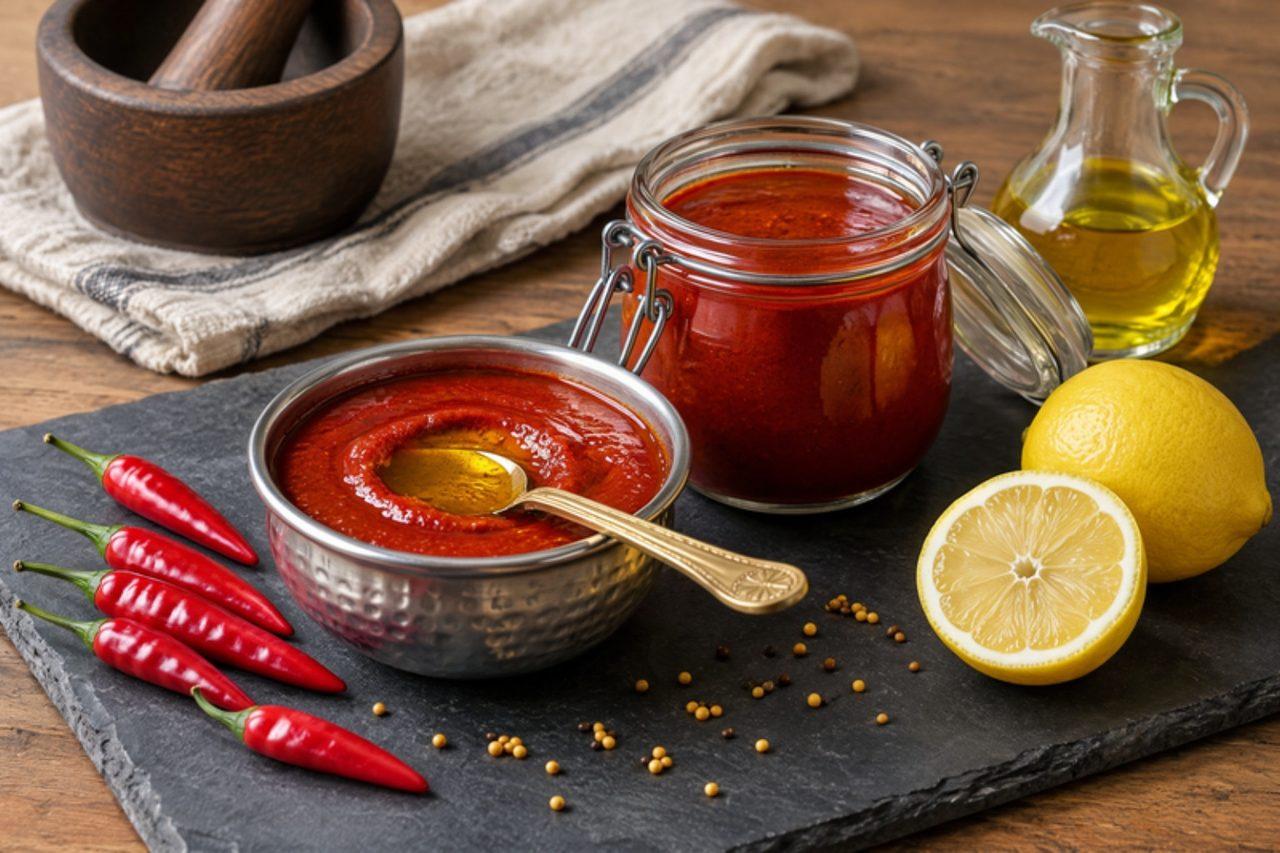
Chukh is the fiery condiment of Chamba in western Himachal, made at the end of summer when red and green chillies are abundant, and kept for months to brighten dal, rice and rajma through the winter. Chillies are lightly cooked in mustard oil, pounded with lemon juice and salt, and stored in glass jars under a film of oil. Just a dab is used at a time. The common mistake is leaving moisture in the jar, which lets mould grow; use a bone-dry, sterilised jar and a dry spoon. Chef's tip: wear gloves when handling this many chillies, and do not touch your eyes for hours afterwards.

Read more 0 views

What to eat today?

Around the world

Today's trip: Persian

A new country every day, from every cuisine on the site.

Persian

Shir berenj

Rose water rice pudding 70 minMore from Persian (181) →

This week's collection

Kid-friendly dinners
772 recipes · a new collection every Monday

Coming up

All occasions →

Latest recipes

Narikol laruCoconut and jaggery balls

Narikol laru are the small, chewy coconut balls that sit next to til pitha on every Bihu plate in Assam, offered to visitors with tea and jolpan. Fresh coconut is cooked with jaggery until it binds, flavoured with cardamom and rolled warm. They are soft and moist, not dry like desiccated-coconut ladoos, and are made in big batches the night before the festival. Chef's tip: roll them while still warm with damp palms; once cold, the mixture won't hold.

by KrazyBadal 0 views
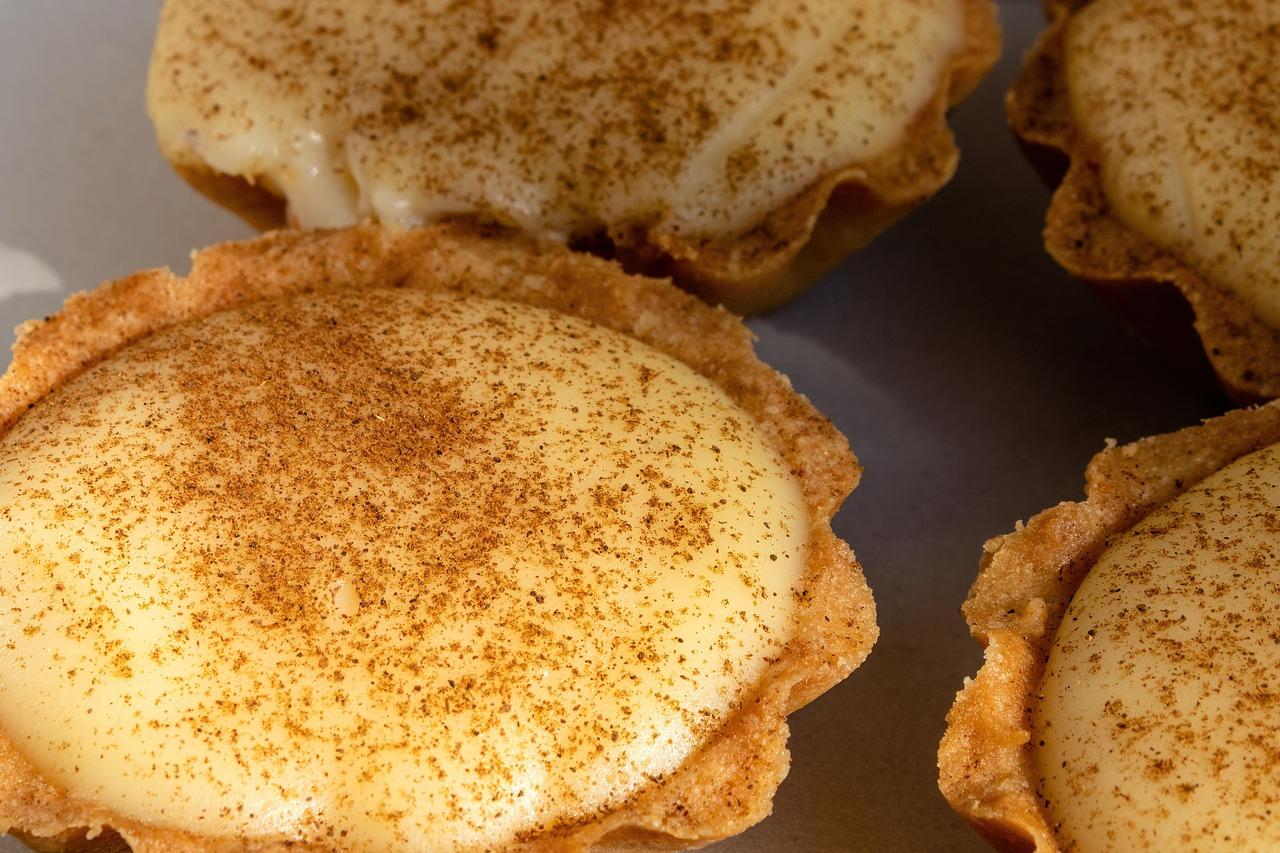
Milk tart (melktert)Cinnamon custard tart

Melktert is South Africa's coffee-time tart, made by Afrikaner and Cape Malay families alike, sold at church bazaars and in farm stalls along the Garden Route, and even celebrated with its own National Milk Tart Day on 27 February. A crisp sweet pastry case holds a thick, wobbly custard made with milk and flavoured with a cinnamon stick, then finished with a heavy dusting of ground cinnamon. It is lighter and more milky than a baked egg custard tart. Chef's tip: stir the custard constantly as it thickens and keep cooking for 2 minutes after it bubbles so the flour loses its raw taste.

by KrazyBadal 0 views

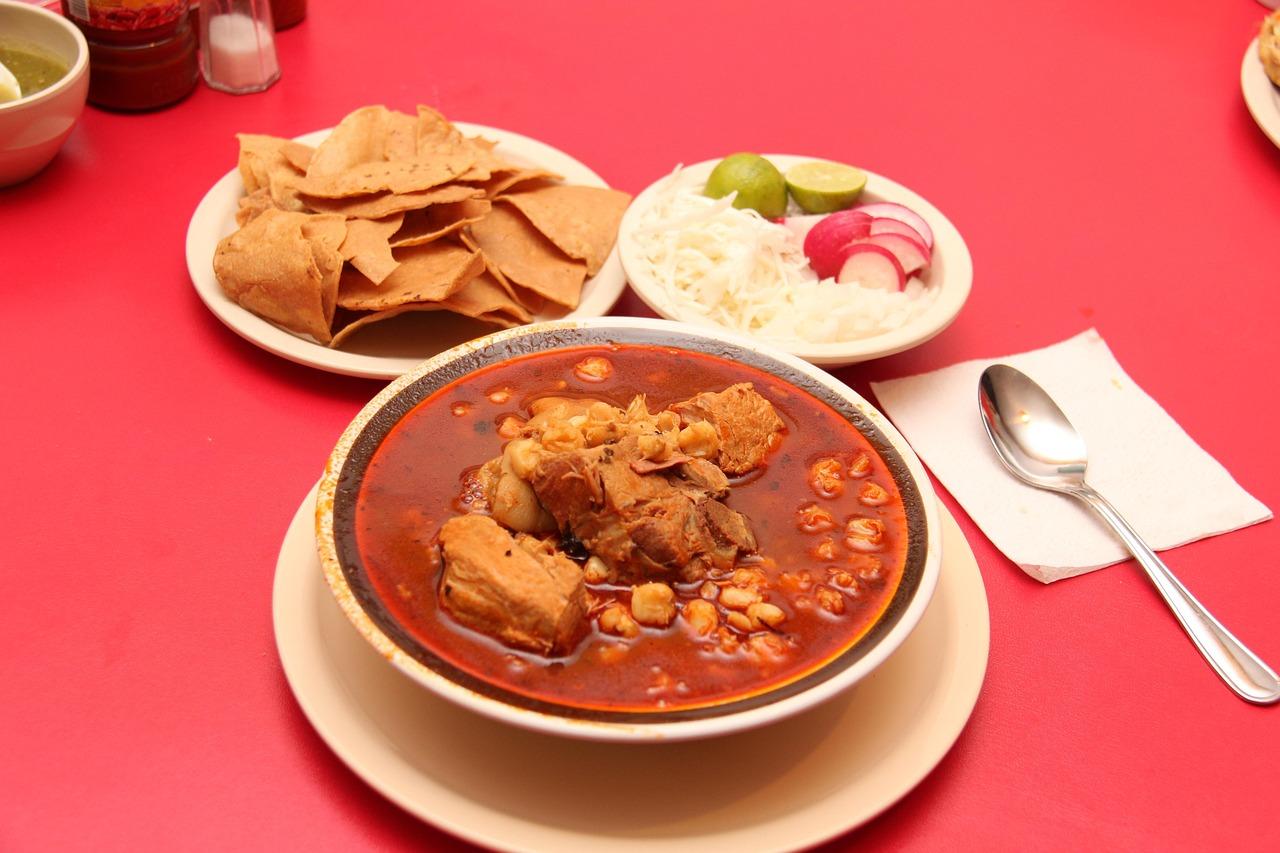
Pozole rojoRed pork and hominy soup

In Jalisco and Guerrero, a pot of red pozole means a crowd: it is made for Independence night on 15 September, for Christmas and New Year, and in Guerrero towns every Thursday is 'jueves pozolero'. Big, chewy kernels of hominy and tender pork simmer in a broth coloured with dried guajillo and ancho chillies, and the bowl is finished at the table with crunchy cabbage, radish, onion, lime and a rub of dried oregano between your palms. It tastes even better the next day, so make the whole pot. Chef's tip: strain the chilli purée through a sieve into the pot, so the broth is silky and free of chilli skins.

180 minMexicanSoupsGluten freeSpicy
by KrazyBadal 0 views

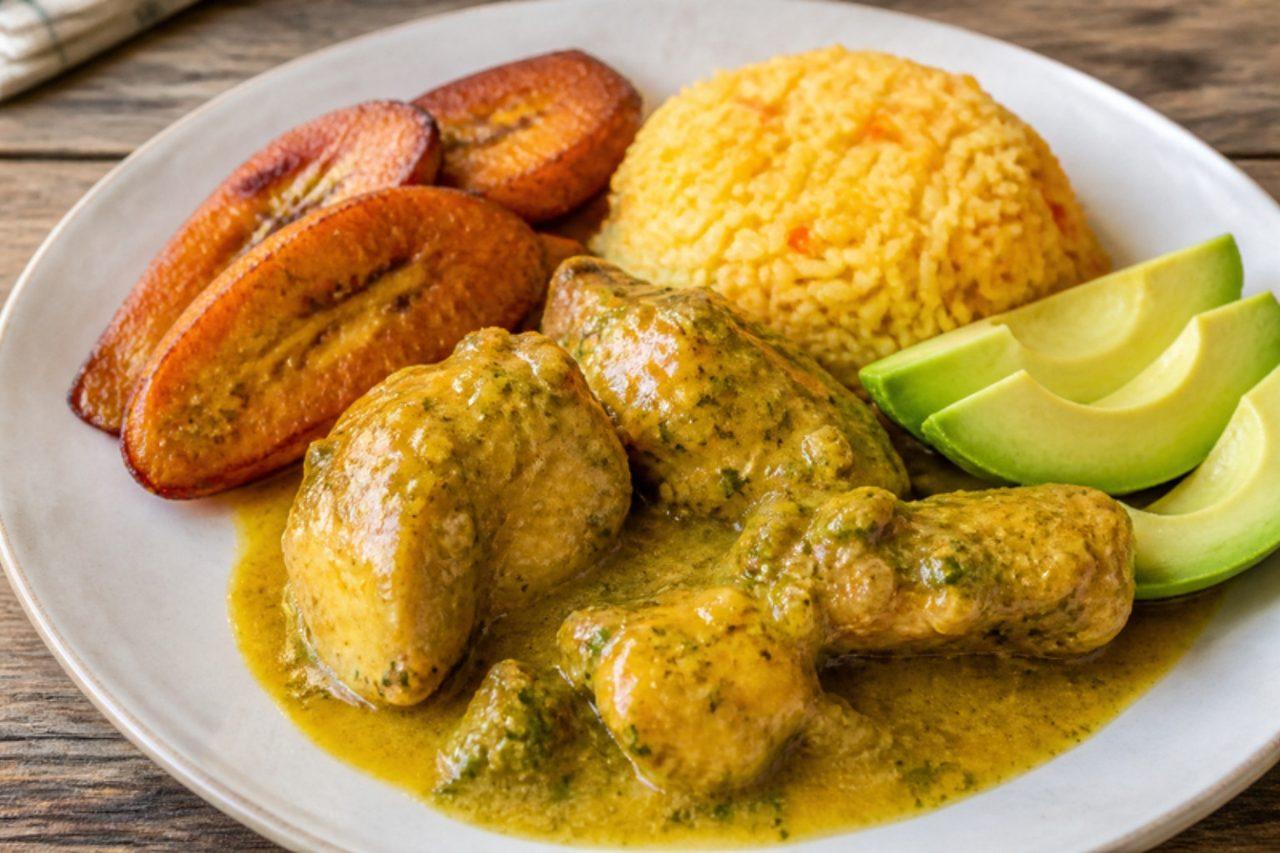
Seco de polloChicken stewed with coriander and beer

Seco de pollo is the weekday stew of Ecuadorian homes, from Quito to Cuenca, and the dish most lunch places serve on Mondays: chicken simmered in a green-gold sauce of onion, peppers, garlic, cumin and lots of coriander, soured with naranjilla (lulo) juice and often cooked with a little beer. It is served with yellow rice, fried ripe plantain and avocado. This recipe uses beer; for an alcohol-free version replace it with the same amount of chicken stock plus a teaspoon of sugar. The mistake is using too little coriander: the sauce should be fragrant and green. Chef's tip: if you can't find naranjilla, use half orange juice and half lime juice.

by KrazyBadal 0 views

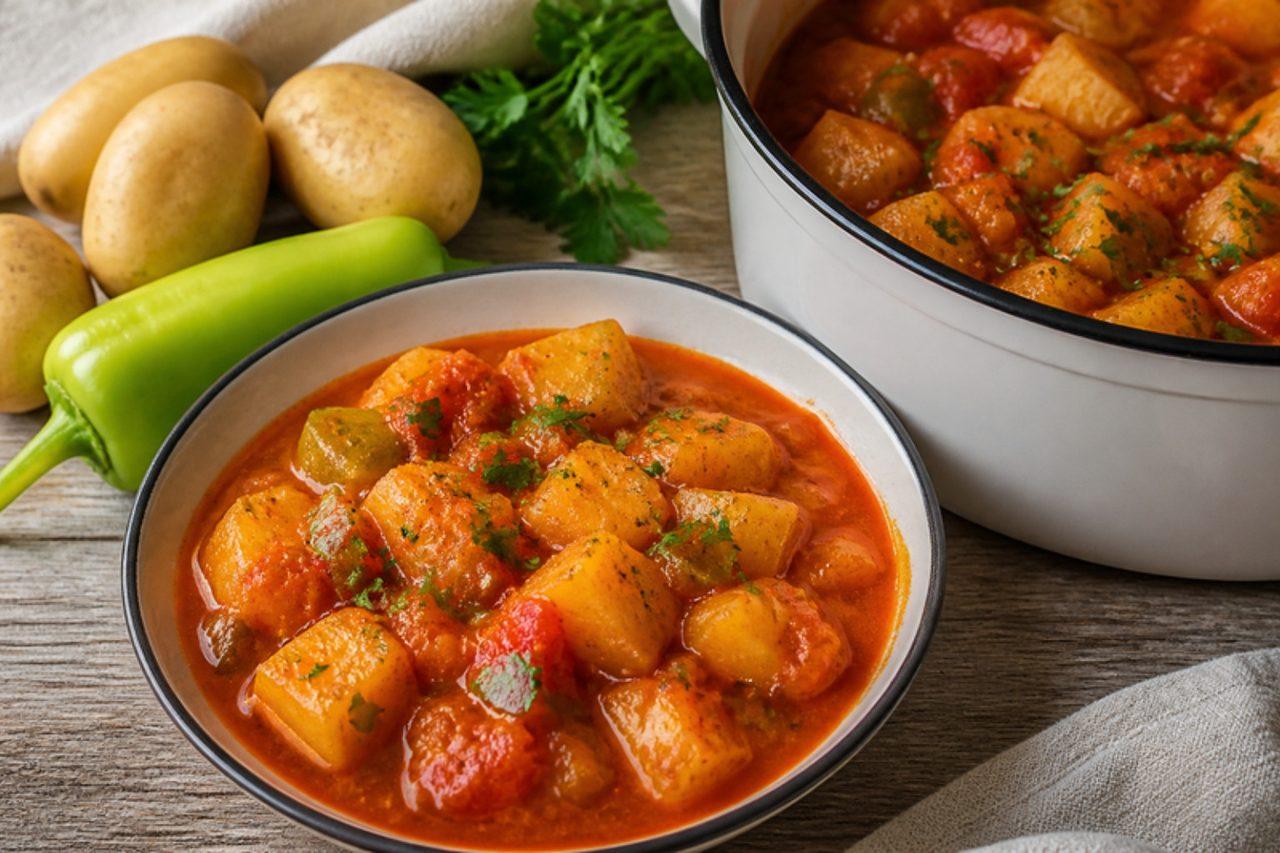
Paprikás krumpliPaprika potato stew

Paprikás krumpli is a thrifty potato stew that every Hungarian student learns to cook, and it turns up at school dinners, on autumn weekdays and in cauldrons at village harvest festivals. Potatoes simmer in an onion and paprika base with pepper and tomato until they start to break and thicken their own sauce. Most versions add sliced smoked sausage; this vegan one swaps it for a pinch of smoked paprika and caraway, which give the same savoury depth. Serve in bowls with crusty bread and a pickled cucumber or a spoon of pickled peppers on the side. Chef's tip: cut the potatoes unevenly on purpose; the smaller pieces melt and thicken the sauce while the bigger ones stay whole.

by KrazyBadal 0 views

TuronFried banana spring rolls

Turon is the afternoon snack sold by vendors on every Filipino street corner, school gate and jeepney stop around three o'clock, often next to banana cue on bamboo skewers. A slice of saba banana and a strip of ripe jackfruit are rolled in a thin spring roll wrapper with brown sugar, then fried in oil that has more brown sugar sprinkled in it, so each roll comes out wrapped in a crackly, glassy caramel shell. It is eaten hot with your fingers, when the banana inside has turned soft and sticky. Saba is a short, firm cooking banana; ripe plantain is the closest substitute. Chef's tip: roll them tightly with no air pockets, or the caramel blows holes in the wrapper.

by KrazyBadal 0 views

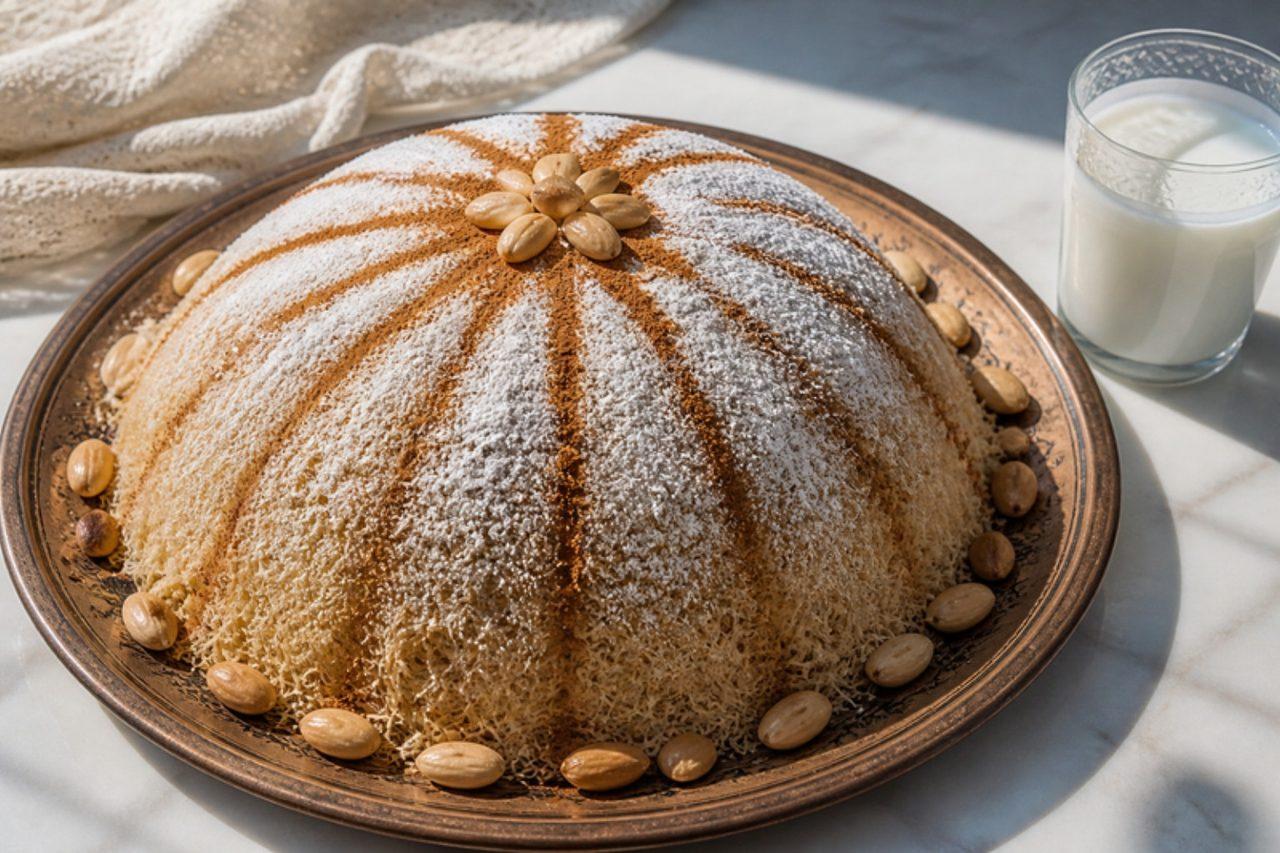
SeffaSweet steamed vermicelli

Seffa comes from the old medina of Fez, where it is carried out at the end of wedding feasts and served for breakfast after a baby's naming day: a mountain of fine steamed vermicelli tossed with butter, then decorated with lines of cinnamon, icing sugar and crushed almonds. The noodles are steamed rather than boiled, so they stay soft and separate rather than sticky. Each person eats from their side of the cone, often with a glass of cold milk. Chef's tip: steam the vermicelli in short bursts and fork it apart between each one; a single long steaming leaves it clumped.

by KrazyBadal 0 views

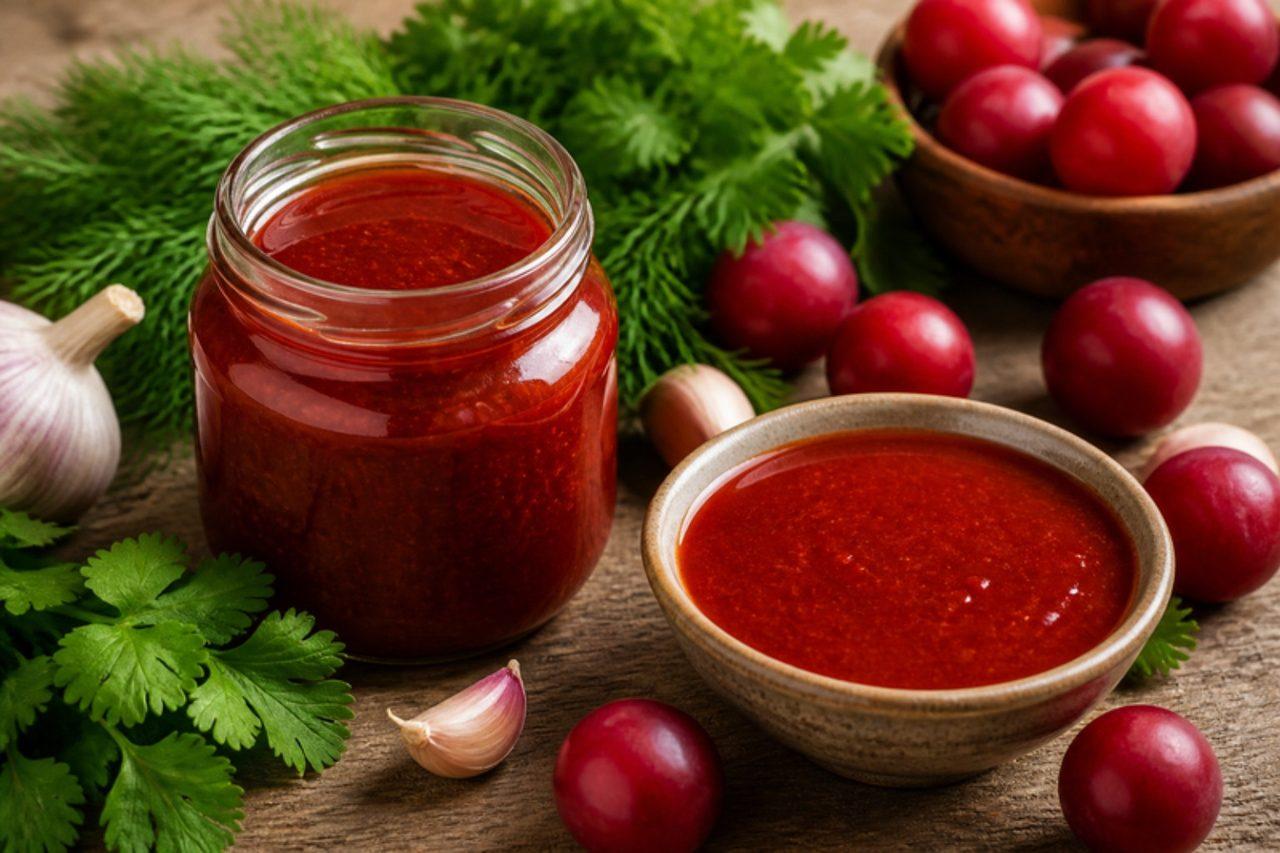
TkemaliSour plum sauce

Tkemali is Georgia's table sauce, made in Samegrelo, Guria and Imereti from sour cherry plums. Green tkemali comes from unripe plums in late spring; the red one is made at the end of summer, when the plums colour and every family cooks a big pot to bottle for the winter. It goes with almost everything: boiled potatoes, beans, fried courgettes, mchadi and cheese. Traditionally it is flavoured with ombalo (pennyroyal), which is hard to buy, so dried mint stands in here. A common mistake is boiling the herbs and garlic for too long, which turns the sauce dull and brown; they go in only for the last few minutes. Chef's tip: if your plums are sweet supermarket ones, add a squeeze of lemon; tkemali should be properly sour.

by KrazyBadal 0 views

Sopa paraguayaCheesy cornbread

Paraguayans love telling visitors that their national 'soup' is eaten with a fork: sopa paraguaya is a dense, moist cornbread baked with sweated onions, fresh cheese, eggs and milk. It's on every table at asados, weddings and the Christmas meal, and sold in squares at bus stations from Asunción to Encarnación. The crust is golden and the inside soft and cheesy, more like a savoury pudding than bread. Chef's tip: soak the cornmeal in the milk for 15 minutes before mixing; hydrated cornmeal bakes up tender instead of gritty.

by KrazyBadal 0 views

Túrós csuszaPasta with curd cheese

Túrós csusza is a simple dish of wide pasta squares tossed with crumbly túró curd cheese and sour cream, loved across Hungary and especially in the Danube villages, where it is served as a filling main after a bowl of fish soup. At home it is a Friday or end-of-the-month supper made from what is in the fridge. Traditionally it is topped with crisp pork crackling; here, fried onions and a little smoked paprika give the same crunch and savouriness. The flavour is mild, tangy and comforting. Chef's tip: toss the cheese into the pasta while it is still steaming so the túró warms through, but serve the sour cream cold on top for contrast.

by KrazyBadal 0 views

SekuwaSpiced grilled meat skewers

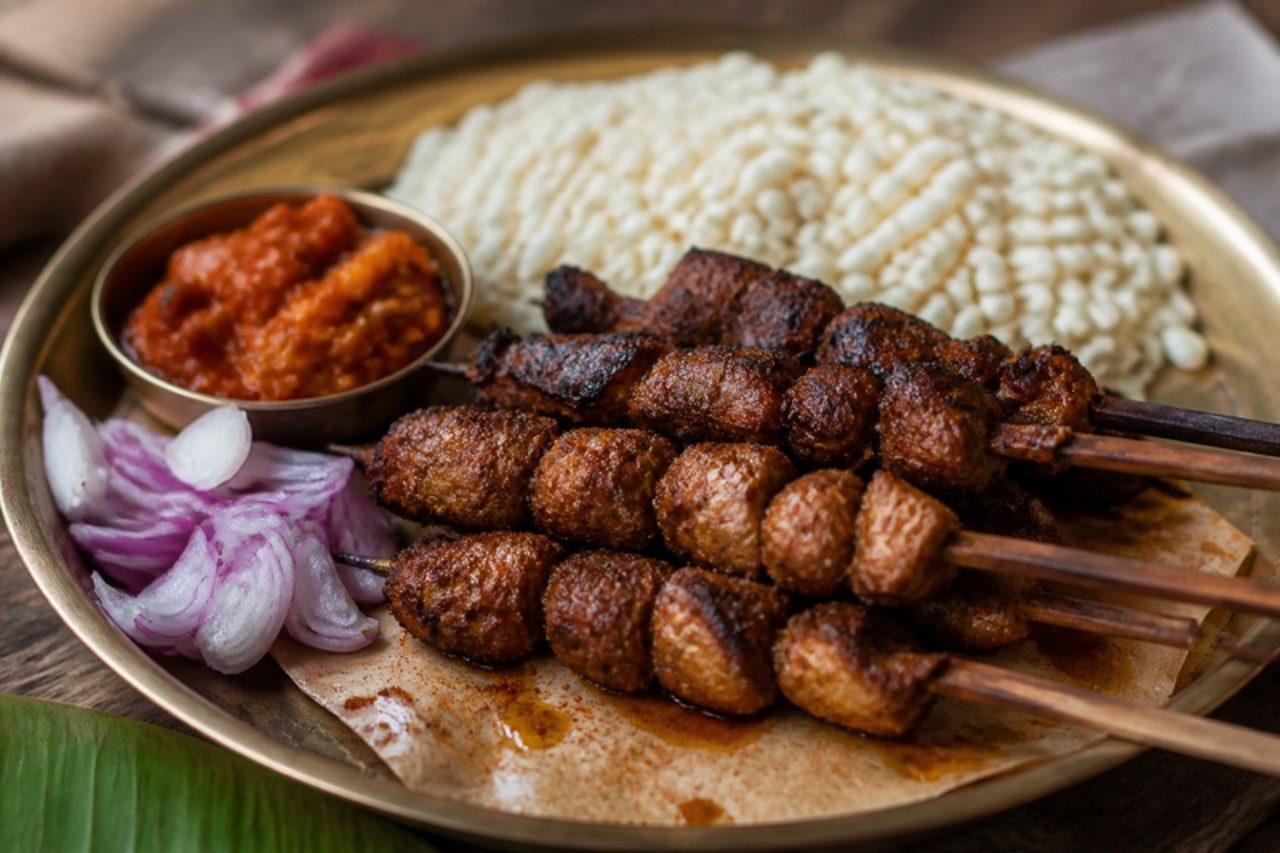
Dharan, in Nepal's eastern hills, is famous for its 'sekuwa corner', a lane of smoky grills where families and friends gather in the evening for spiced goat, chicken and pork skewers fresh off the fire. The meat is marinated in a dry-ish paste of garlic, ginger, cumin, chilli and timur (Nepali Sichuan pepper), with a little mustard oil, then grilled until charred at the edges. It is the classic picnic and party food, eaten with puffed rice, a tomato-sesame achar and sliced onion. This recipe uses lamb or mutton shoulder in place of goat. Chef's tip: soak wooden skewers for 30 minutes and leave a little space between the pieces so the heat reaches all sides.

40 minNepaliMeatGluten freeSpicy
by KrazyBadal 0 views

Sel rotiSweet rice flour rings

When Tihar, the five-day festival of lights, arrives in late autumn, kitchens all over Nepal fill with the smell of sel roti: big, thin rings of sweetened rice batter fried in hot oil until crisp and russet outside and soft and slightly chewy inside. They are stacked high to offer to the gods, to sisters during Bhai Tika and to every guest, and they are also made at Dashain and for weddings, travelling well and keeping for days. Rice is soaked overnight and ground with sugar into a thick, pourable batter, then poured by hand in one confident circle into the oil. Many families add ghee to the batter, which makes the rings richer but means they are vegetarian rather than vegan; this version uses oil. The common mistake is oil that is not hot enough, so the batter drinks fat and turns greasy. Chef's tip: let the batter rest for an hour after grinding; it thickens and ferments slightly, and the rings puff and hold their shape better.

by KrazyBadal 0 views

Xoi xeoSticky rice with mung bean

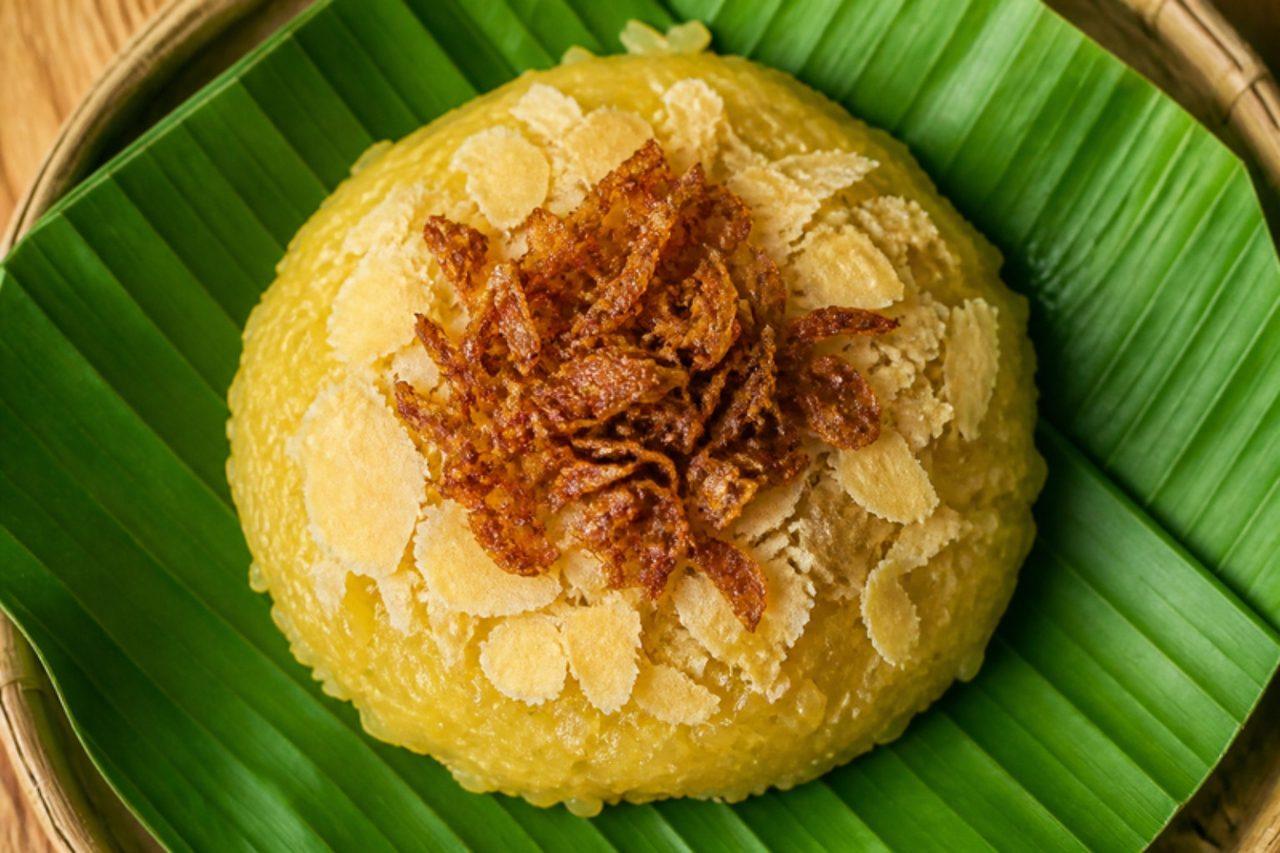
Xôi xéo is a Hanoi breakfast sold before dawn from baskets on the pavement, wrapped in a lotus or banana leaf for people to eat on the way to work. Turmeric-tinted glutinous rice is steamed until chewy, then topped with thin shavings cut from a firm ball of cooked mung bean (the 'xéo' is the slanting cut) and a spoonful of crunchy fried shallots with their fragrant oil. Street sellers often use pork fat for the shallots; frying them in vegetable oil keeps it vegan and still rich. Chef's tip: squeeze the mung bean paste into a tight ball while it is warm and let it cool before shaving; a loose ball crumbles instead of slicing into ribbons.

by KrazyBadal 0 views

SellouToasted flour and almond sweet

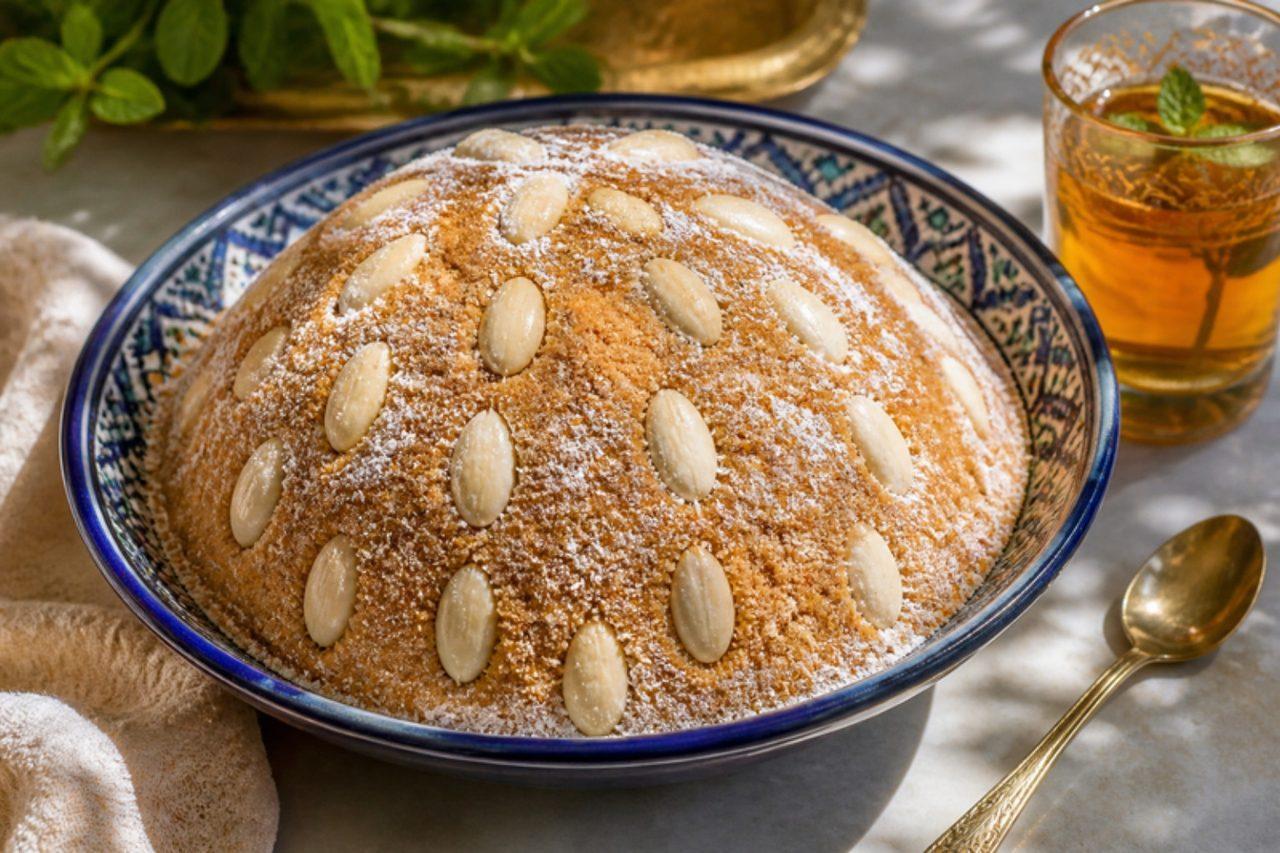
Sellou (also called sfouf or zmita) is made in big batches across Morocco for Ramadan, for new mothers and for Eid, and is served in a mound beside mint tea. Flour is toasted slowly in a dry pan until it turns the colour of sand and smells like biscuits, then mixed with ground toasted almonds and sesame, anise, cinnamon, butter and honey. The result is a crumbly, nutty, not-too-sweet sweet that you eat by the spoonful, or press into balls. It keeps for weeks. Chef's tip: toast the flour patiently over a low heat and keep it moving; scorched flour tastes bitter and the whole batch is lost.

by KrazyBadal 0 views

Vegetarian pozole verdeGreen hominy soup

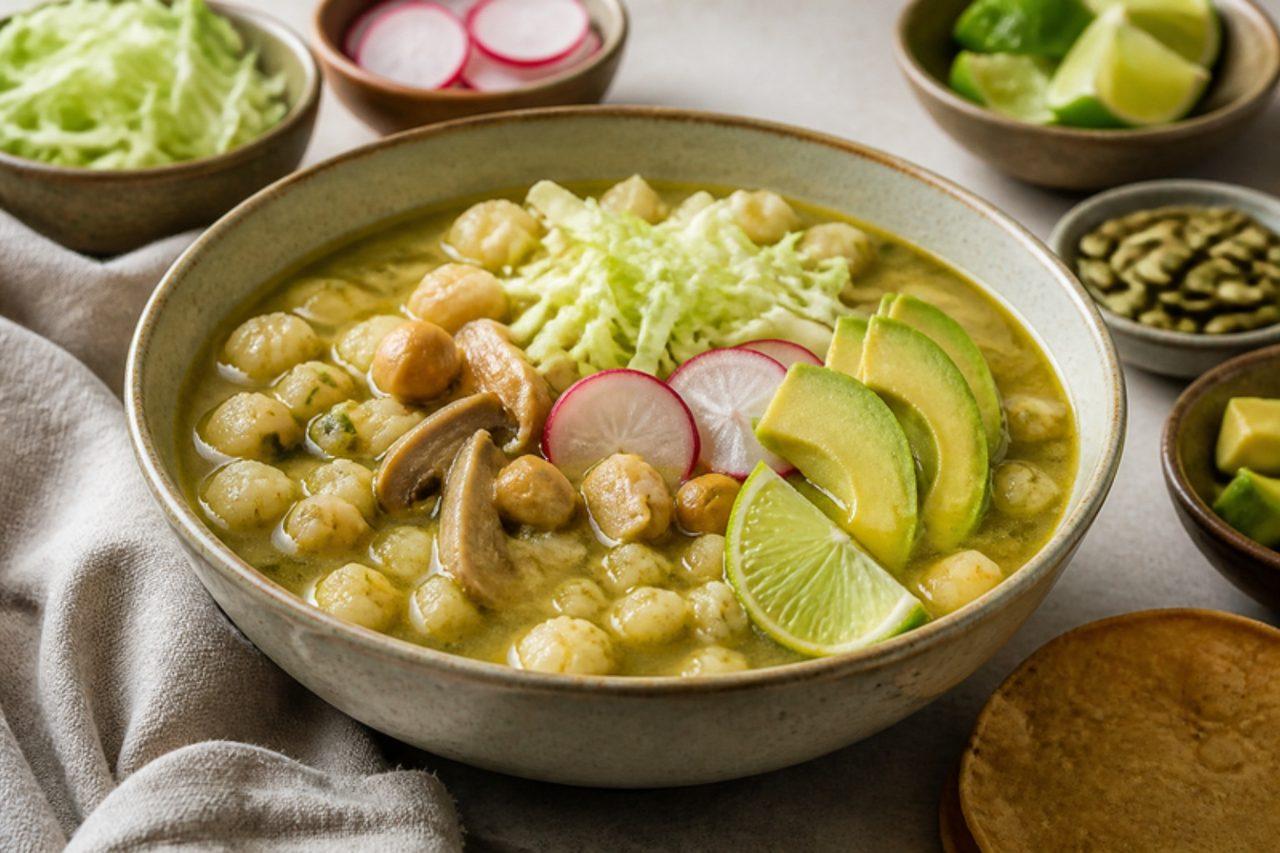
Pozole verde is the green pozole of Guerrero, where Thursday is pozole day and families gather round big bowls of it in Chilpancingo and Acapulco. The broth gets its colour and body from tomatillos, green chillies, coriander and toasted pumpkin seeds (pepitas) blended into a creamy sauce, and it is full of plump, chewy hominy (maíz pozolero), the nixtamalised corn kernels that open like flowers as they cook. This vegetarian version swaps the usual pork for oyster mushrooms and chickpeas, which give the soup a meaty bite. Serve it with the garnishes in little bowls so everyone builds their own: shredded cabbage, radish, onion, oregano, lime and crisp tostadas. Chef's tip: toast the pumpkin seeds only until they puff and start to pop; if they turn brown the whole pot tastes bitter and goes khaki instead of bright green.

by KrazyBadal 0 views

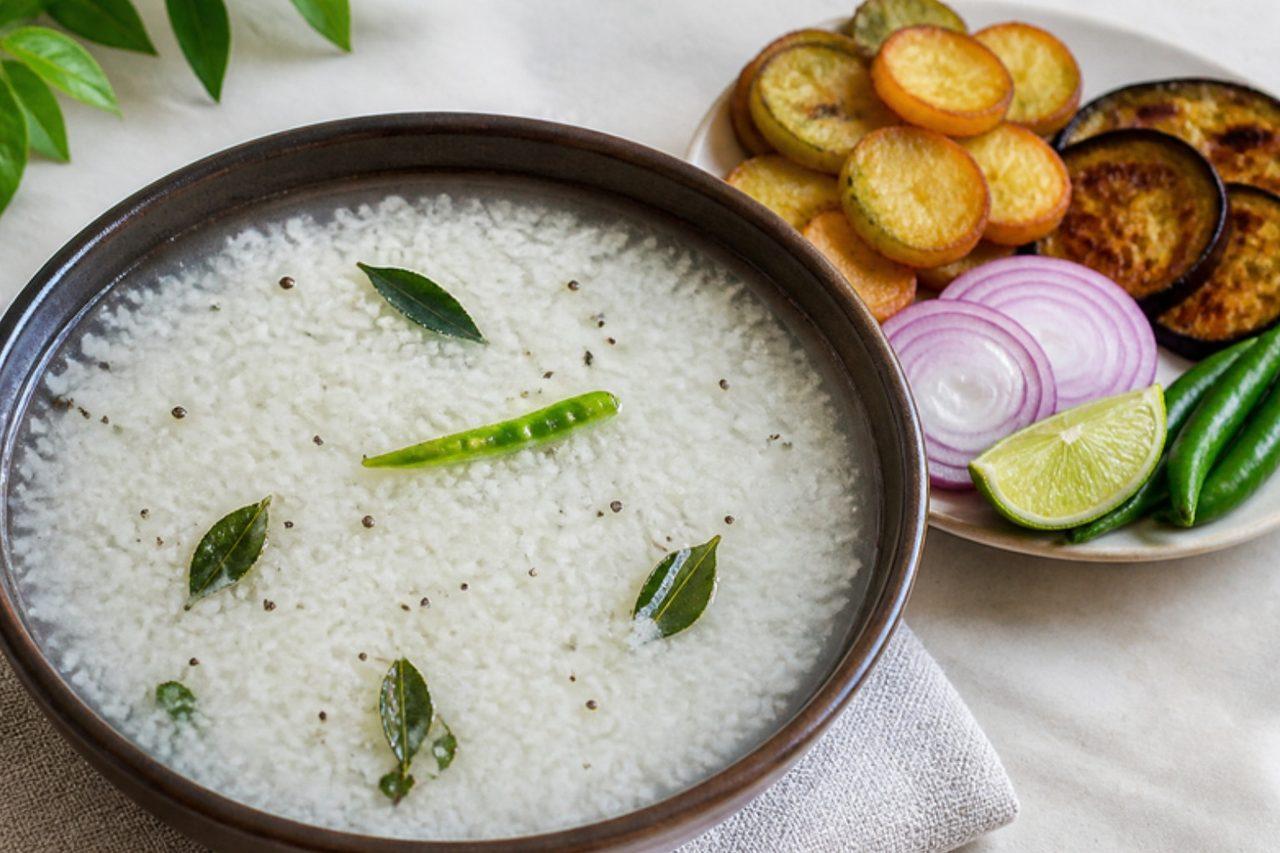
Pakhala bhataSoaked rice with curd

Pakhala is Odisha's answer to the summer heat: cooked rice left to soak in water, often overnight so it turns faintly sour, then loosened with curd, salt, lime leaf, cumin and green chilli and eaten cold at midday. The state even celebrates Pakhala Dibasa on 20 March. The rice itself is plain; the pleasure is in the sides, such as badi chura (crushed fried lentil dumplings with onion and mustard oil), fried potato, saga bhaja and roasted aubergine. Chef's tip: for the gently sour basi pakhala, leave the rice in its water at room temperature for 8–12 hours; for dahi pakhala, eat it the same day with more curd.

by KrazyBadal 0 views

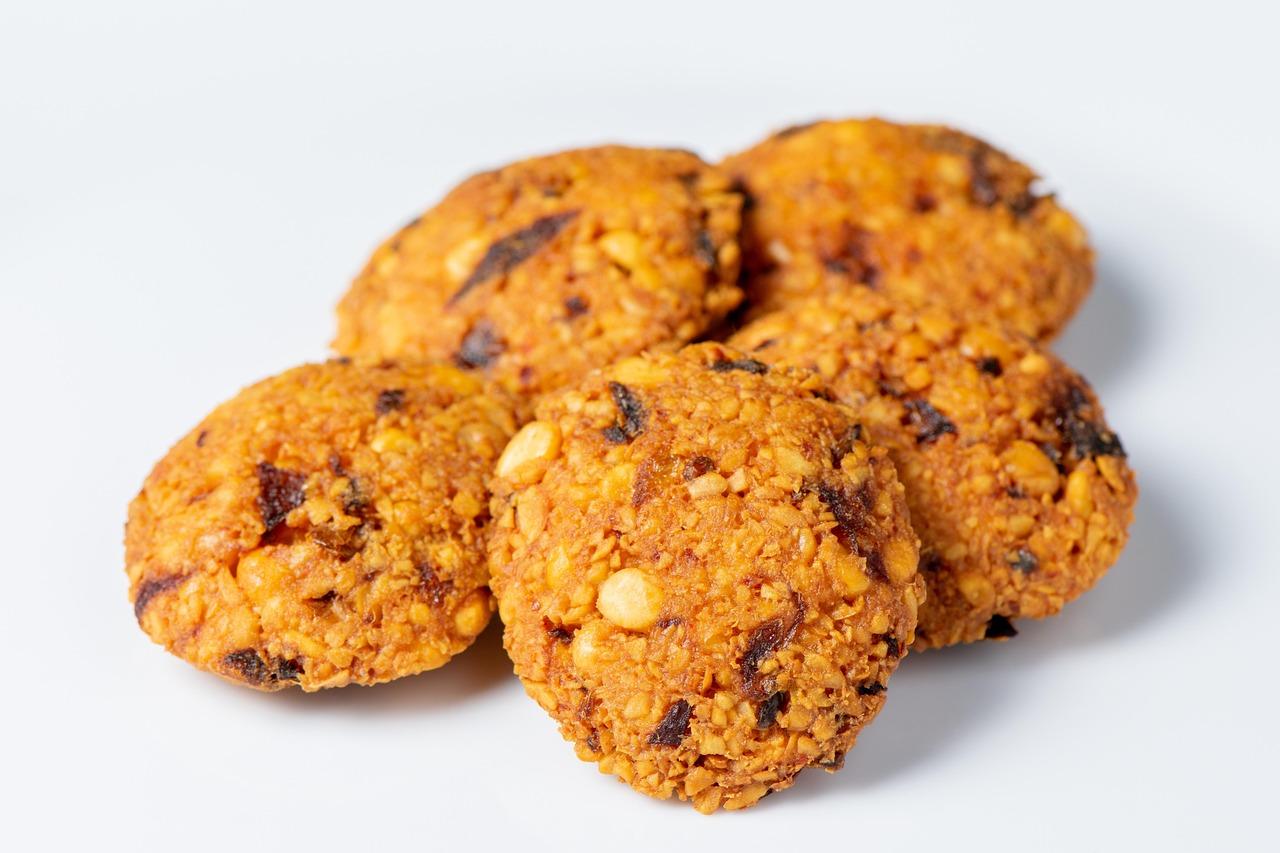
Parippu vadaiCrunchy split pea fritters

Parippu vadai are the crunchy, lumpy fritters sold from glass boxes on Sri Lankan trains and from carts along Colombo's Galle Face Green at sunset, often with a couple of fried prawns pressed on top; ours are the plain vegetarian kind, which are just as common. Soaked yellow split peas (kadala parippu) are coarsely ground with green chilli, onion, curry leaves and fennel, shaped into flat discs and deep-fried until craggy and golden, crisp outside and nubbly within. Eat them hot with a cup of plain tea or a spoonful of seeni sambol. They're different from South Indian medu vada, which are made with smooth black lentil batter. The common mistake is grinding the lentils to a smooth paste; leave plenty of whole and half peas for the crunch. Chef's tip: hold back about a quarter of the soaked peas and stir them in whole after grinding.

by KrazyBadal 0 views

Semmelknödel with mushroom sauceBread dumplings with mushroom sauce

Semmelknödel are the bread dumplings of Bavaria and Austria, made to use up yesterday's rolls (Semmeln) soaked in warm milk and bound with egg, onion and parsley. With a creamy mushroom sauce, Semmelknödel mit Schwammerlsoße, they become a full meal and a favourite in Munich beer gardens and Alpine inns from late summer, when foraged chanterelles and ceps reach the markets. Chef's tip: simmer the dumplings in barely trembling water, never a rolling boil; hard boiling breaks them apart, which is the most common Knödel disaster.

by KrazyBadal 0 views

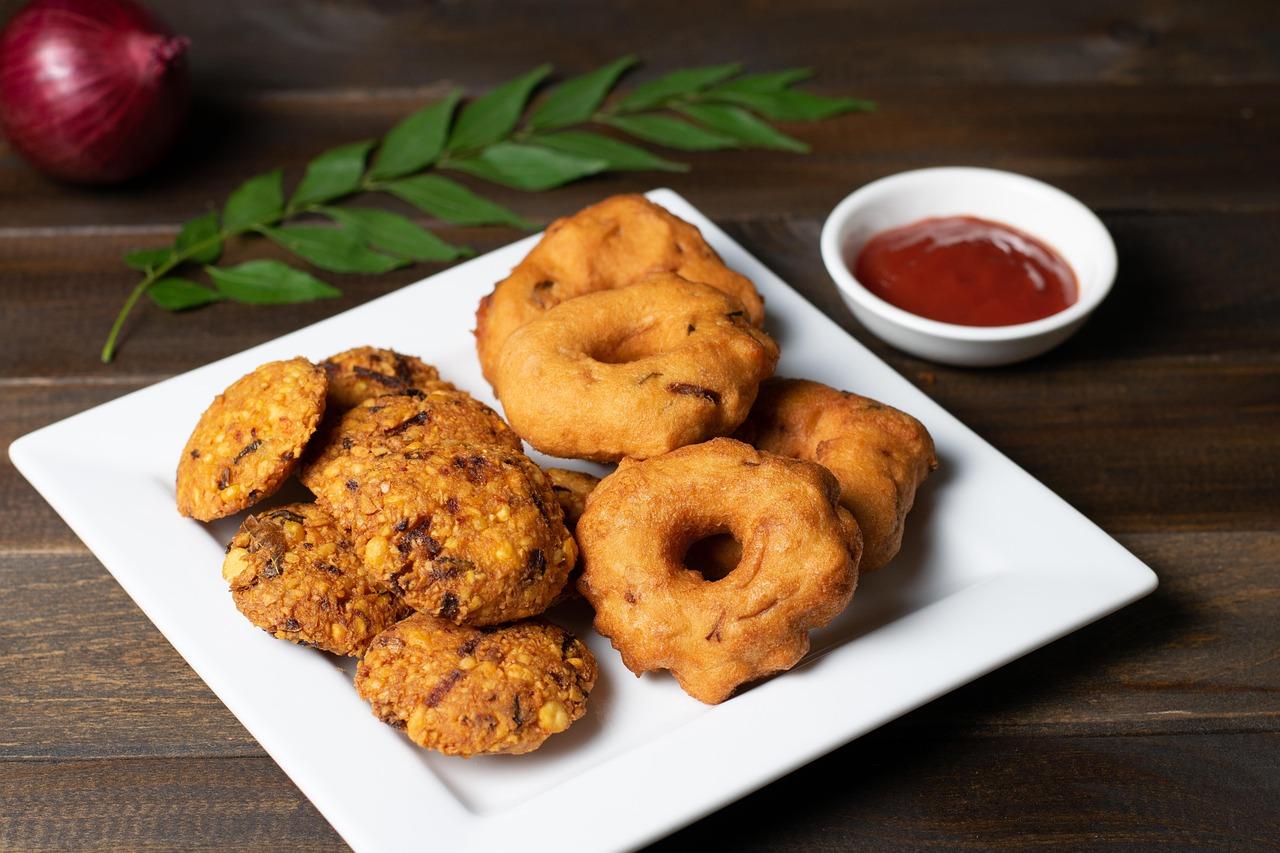
Medu vadaUrad dal doughnuts

Medu vada are the ring-shaped lentil fritters eaten all over Tamil Nadu and the rest of the south for breakfast, with idli, sambar and coconut chutney. A good one has a thin, crisp, golden shell and an inside as light and airy as a cloud, flecked with black pepper, ginger, green chilli and curry leaves. The secret is a very thick batter ground with as little water as possible and then whipped full of air. Serve them hot, dunked in sambar, or soaked in rasam as 'rasa vada'. Chef's tip: drop a little batter into a bowl of water before you shape them; if it floats, it's airy enough, and if it sinks, beat it by hand for another few minutes.

by KrazyBadal 0 views

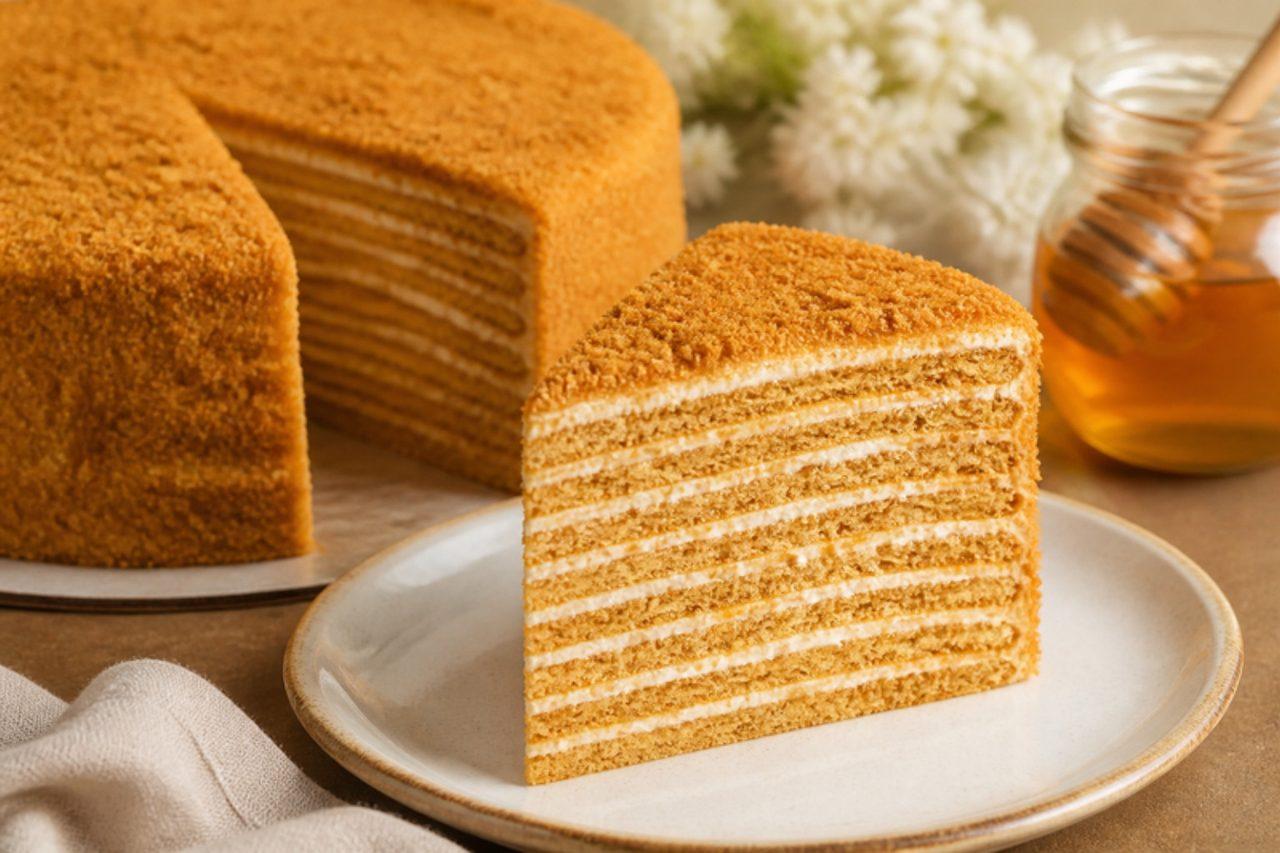
MedovikHoney layer cake

Medovik, the honey cake, is the birthday and name-day cake of countless Ukrainian homes, from Dnipro to Zaporizhzhia, and is shared with kitchens across the former Soviet Union. Eight thin layers of honey-caramel dough are baked like biscuits, then stacked with a tangy sour-cream frosting and left overnight, when they soften into a tender, moist cake. The crumbs from trimming coat the outside. Because it is made with honey and eggs, it is vegetarian but not vegan. Chef's tip: cook the honey, sugar and butter until it turns a deep amber before the bicarbonate goes in; that caramel is the whole flavour of the cake. Common mistake: cutting it the same day, before the layers have soaked up the cream, when it is still dry and hard.

by KrazyBadal 0 views

Vegetable maféPeanut and vegetable stew

Mafé is the Sunday-lunch stew of Senegal and Mali: a rust-coloured sauce of roasted peanut paste and tomato, simmered until oil glistens on top and ladled over broken rice. In Dakar it usually carries lamb or beef; this version uses sweet potato, carrot, cabbage and okra, which soak up the sauce just as well. In Côte d'Ivoire the same idea is called sauce d'arachide and is eaten with rice or foutou; make it slightly thinner and add aubergine for the Abidjan style. Chef's tip: use plain, unsweetened peanut paste and cook it long enough that a thin layer of red oil rises to the surface; that is the sign the peanut has lost its raw taste.

by KrazyBadal 0 views

TlayudasLarge crisp tortilla with beans and cheese

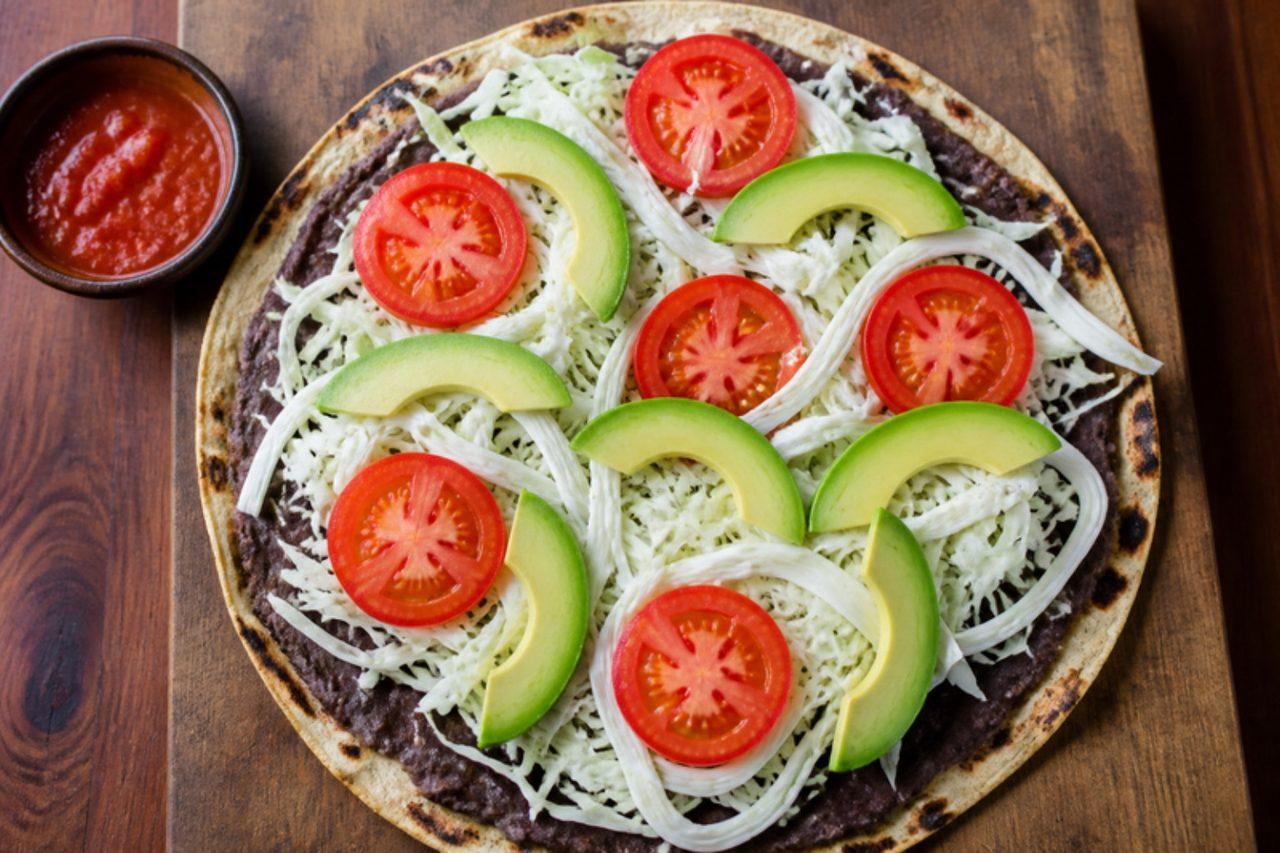
The tlayuda is the late-night street food of Oaxaca City: a huge, thin, slightly leathery corn tortilla spread with black bean paste and asiento (unrefined pork lard), scattered with quesillo (Oaxaca string cheese) and cabbage, folded and toasted over charcoal until crisp and smoky. This vegetarian version swaps the asiento for browned butter, which gives the same toasty richness, and is topped with avocado, tomato and salsa. Real tlayudas are about 30 cm across and hard to find outside Oaxaca; use the largest corn tortillas you can get, or flour tortillas of 25 cm (then they are not gluten free). Quesillo is made with animal rennet in Oaxaca; for a vegetarian dish use low-moisture mozzarella or a string cheese made with vegetarian rennet. Chef's tip: spread the beans thinly; a thick layer makes the tortilla soggy and stops it crisping.

by KrazyBadal 0 views

Parmigiana di melanzaneBaked aubergine with tomato and mozzarella

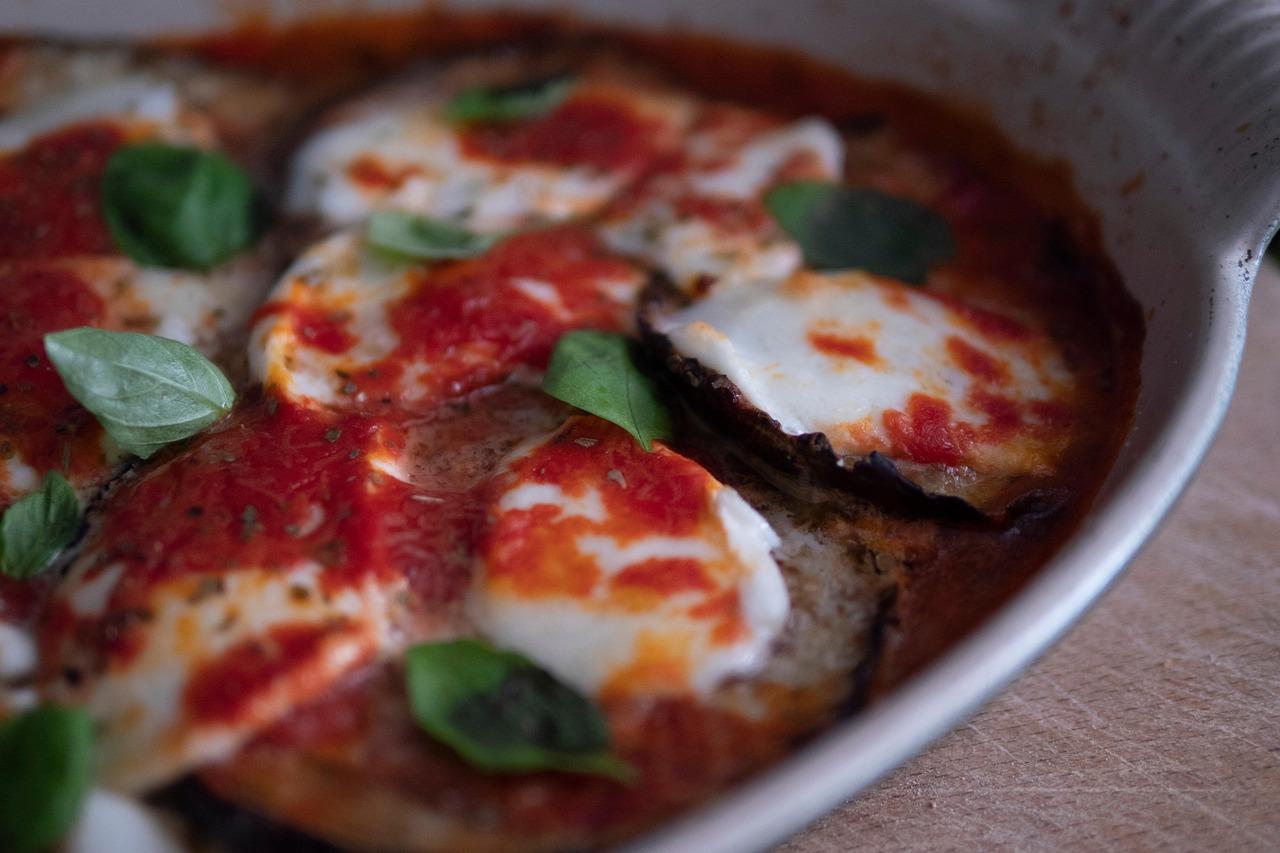
Parmigiana di melanzane is Campania's big summer bake, made when aubergines are cheap and glossy and served for Sunday lunch or carried in a tin to the beach. Fried slices of aubergine are layered with a quick basil tomato sauce, fior di latte and grated hard cheese, then baked until the edges bubble and darken. It is better warm than piping hot, and better still the next day, cut into neat squares. Chef's tip: salt the slices and press them for 30 minutes before frying; they drink less oil and the layers stay distinct instead of watery.

by KrazyBadal 0 views

Panqueques con dulce de lecheCrêpes with dulce de leche

In Argentina and Uruguay, panqueques are not fluffy American pancakes but thin crêpes, and the classic way to eat them is rolled around dulce de leche, often as the dessert at a neighbourhood parrilla or on a rainy Sunday afternoon at home. Some restaurants sprinkle them with sugar and caramelise the top with a hot iron; at home a dusting of sugar is enough. Chef's tip: rest the batter for 20 minutes so the flour relaxes and the crêpes come out thin and tender rather than rubbery.

by KrazyBadal 0 views

Pumpkin kibbehBaked bulgur and pumpkin layers

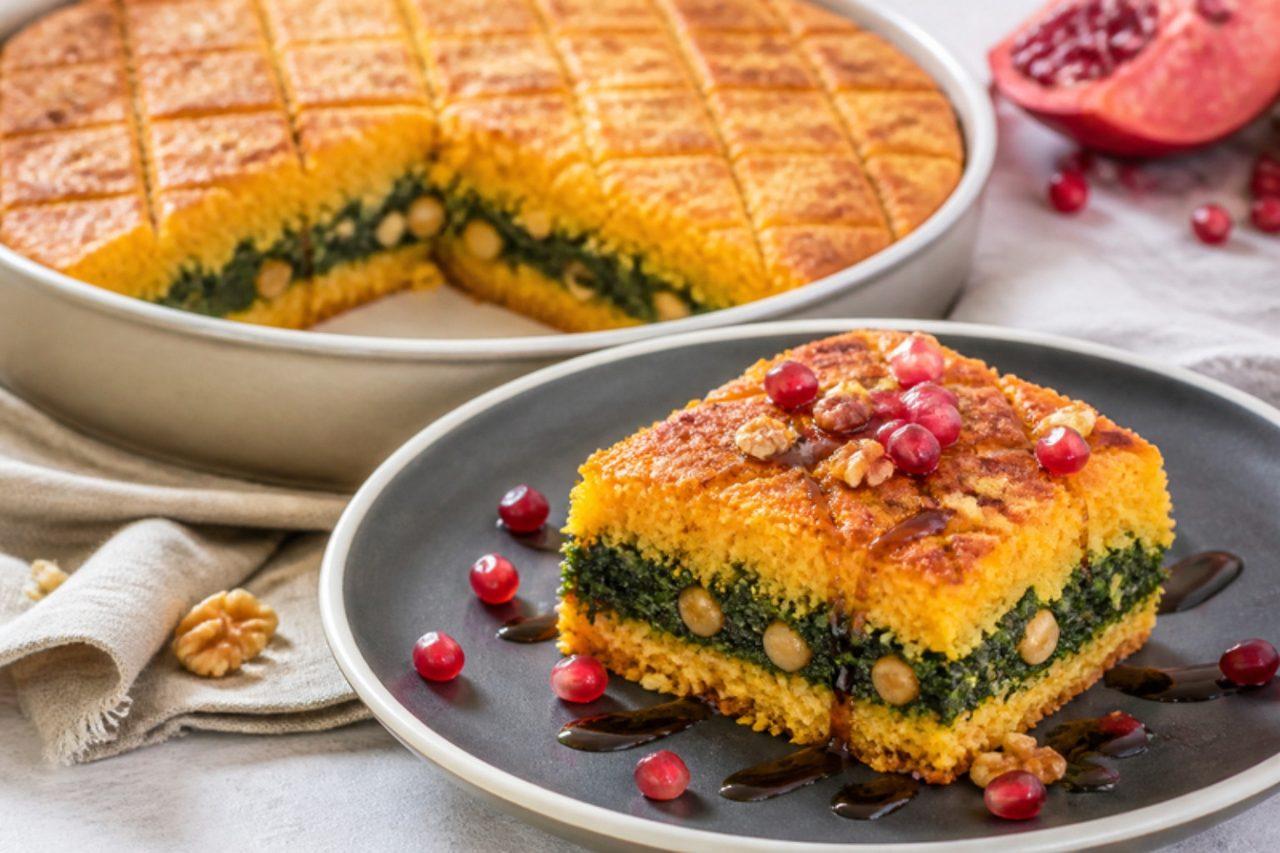
Kibbet laqteen is the Lenten kibbeh of Lebanon's Christian villages, made in the weeks before Easter when meat is off the table: roasted pumpkin is kneaded with fine bulgur, onion and warm spices into a soft dough, which is pressed in layers around a filling of caramelised onion, chickpeas, spinach and walnuts, then baked in a round tray. It is cut into diamonds and eaten warm or cold, often with a plate of pickles and a bowl of salad. The common slip is a wet pumpkin, which makes the dough too sticky to spread; roast the pumpkin rather than boiling it. Chef's tip: score a deep diamond pattern before baking and pour oil into the cuts, so every piece comes out with crisp edges.

by KrazyBadal 0 views

Pumpkin tortelliPumpkin-filled pasta

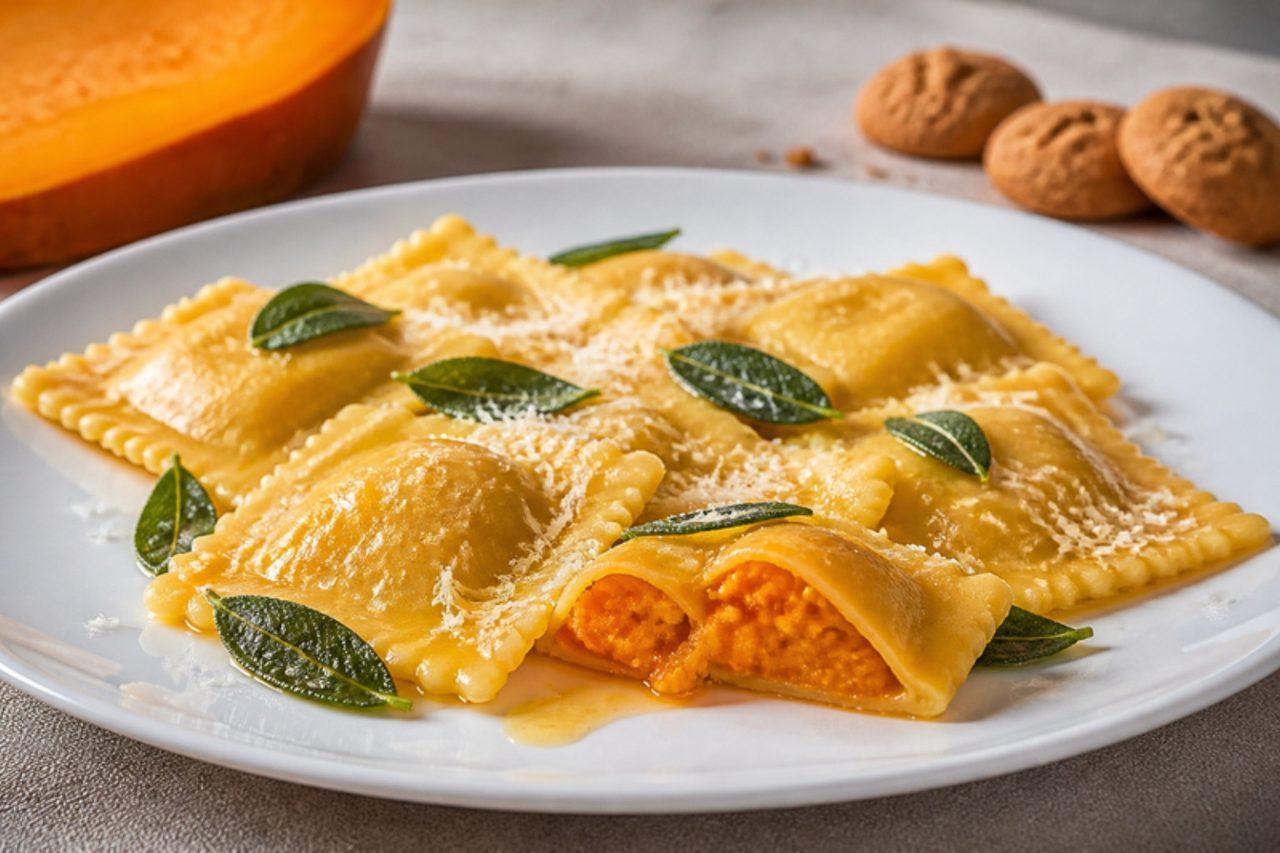
Tortelli di zucca are the Christmas Eve dish of Mantua, in Lombardy, where the dense orange pumpkins of the Po plain are roasted and mashed with crushed amaretti biscuits, spicy fruit mostarda and hard cheese. The filling is sweet, salty and a little hot all at once, a taste that goes back to the Renaissance Gonzaga court. They are served simply, with melted butter, sage and more cheese. Chef's tip: roast the pumpkin rather than boil it, and make the filling the day before; a dry, rested filling is easy to pipe and the flavours blend.

by KrazyBadal 0 views

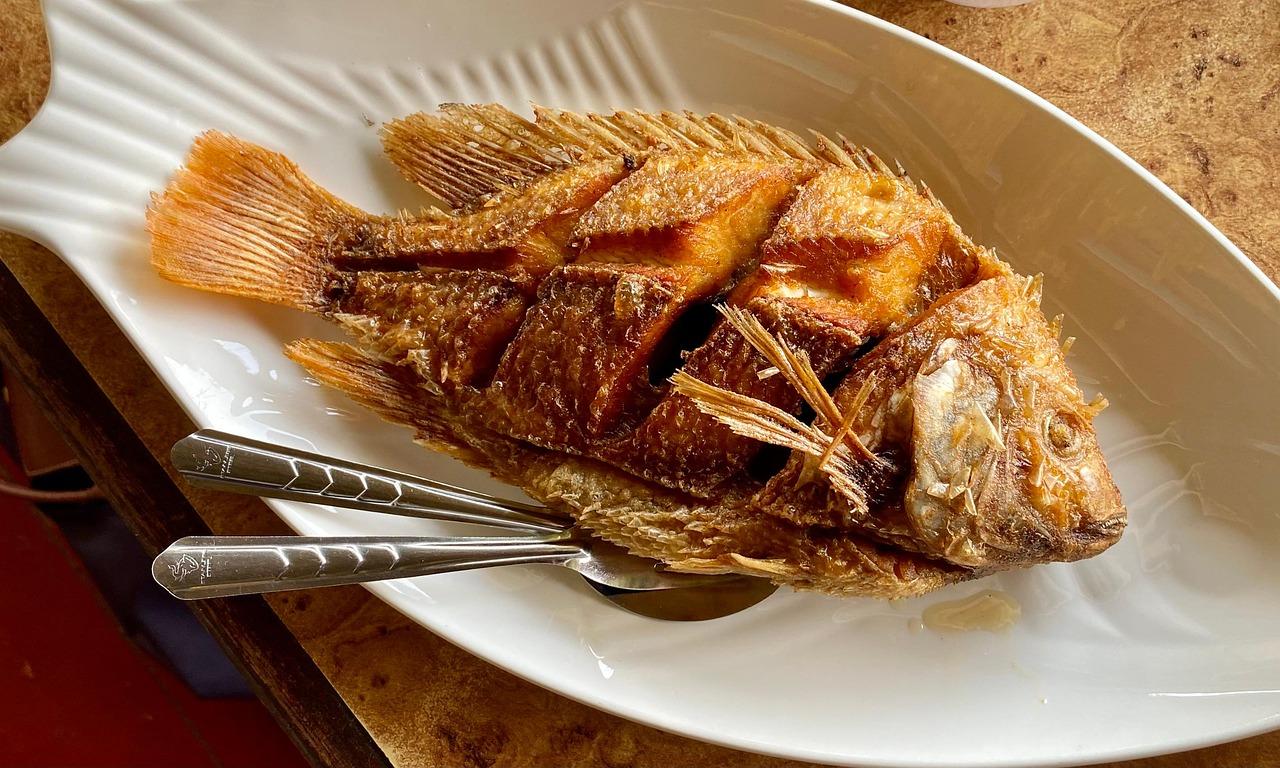
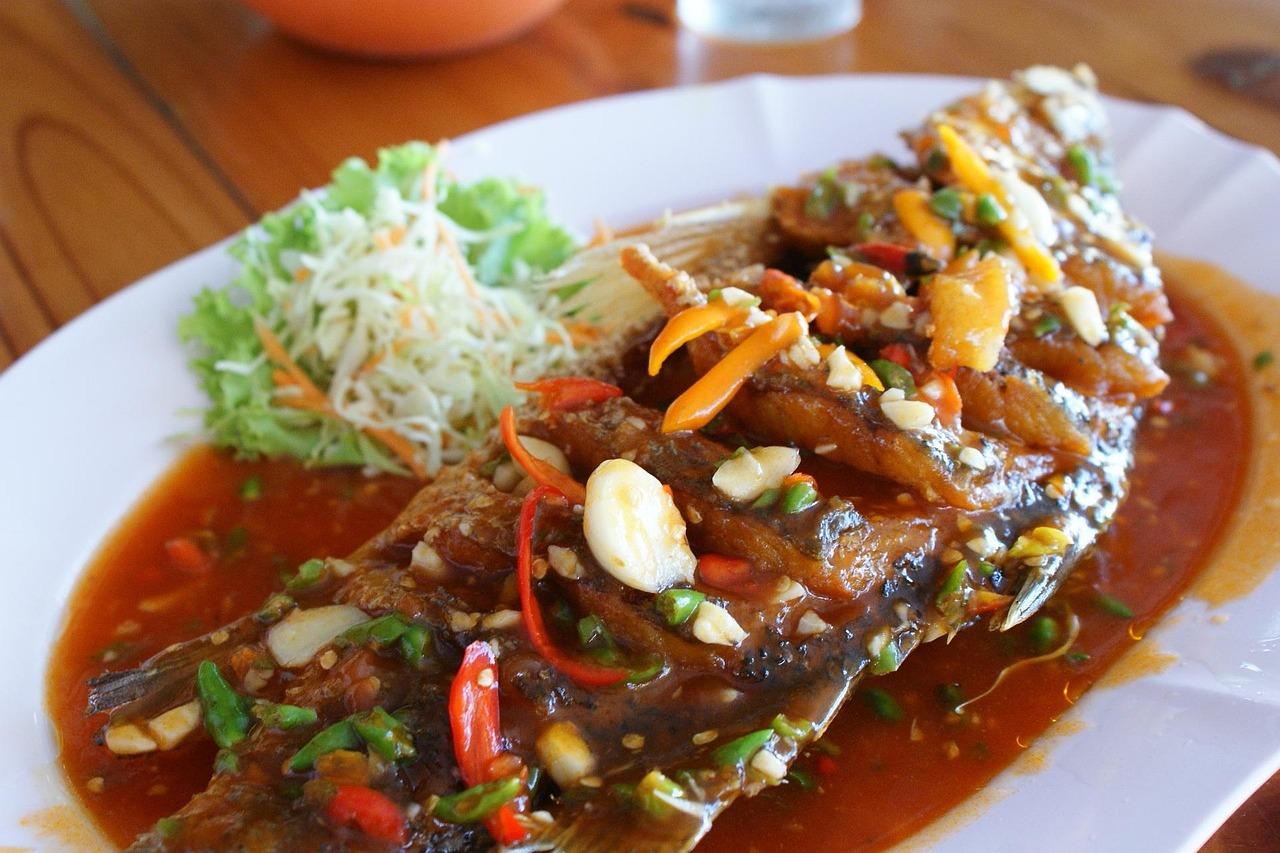
Pla kapong tod nam plaFried sea bass with fish sauce

Seafood restaurants on the jetties of Krabi, Trang and Hua Hin bring this out whole on a long platter, its scored sides fanned open and crackling, as the centrepiece of a shared table. The skin and fins fry so crisp you can eat them, while the flesh inside stays moist and sweet; a sticky glaze of fish sauce and palm sugar goes over at the last minute. It is salty-sweet rather than spicy, so it sits happily beside a sour green mango salad, a hot curry and plenty of jasmine rice. Chef's tip: dry the fish thoroughly with kitchen paper, inside the cuts too, and leave it uncovered in the fridge for 30 minutes if you can; dry skin is crisp skin and spits far less.

40 minThaiFishGluten free
by KrazyBadal 0 views

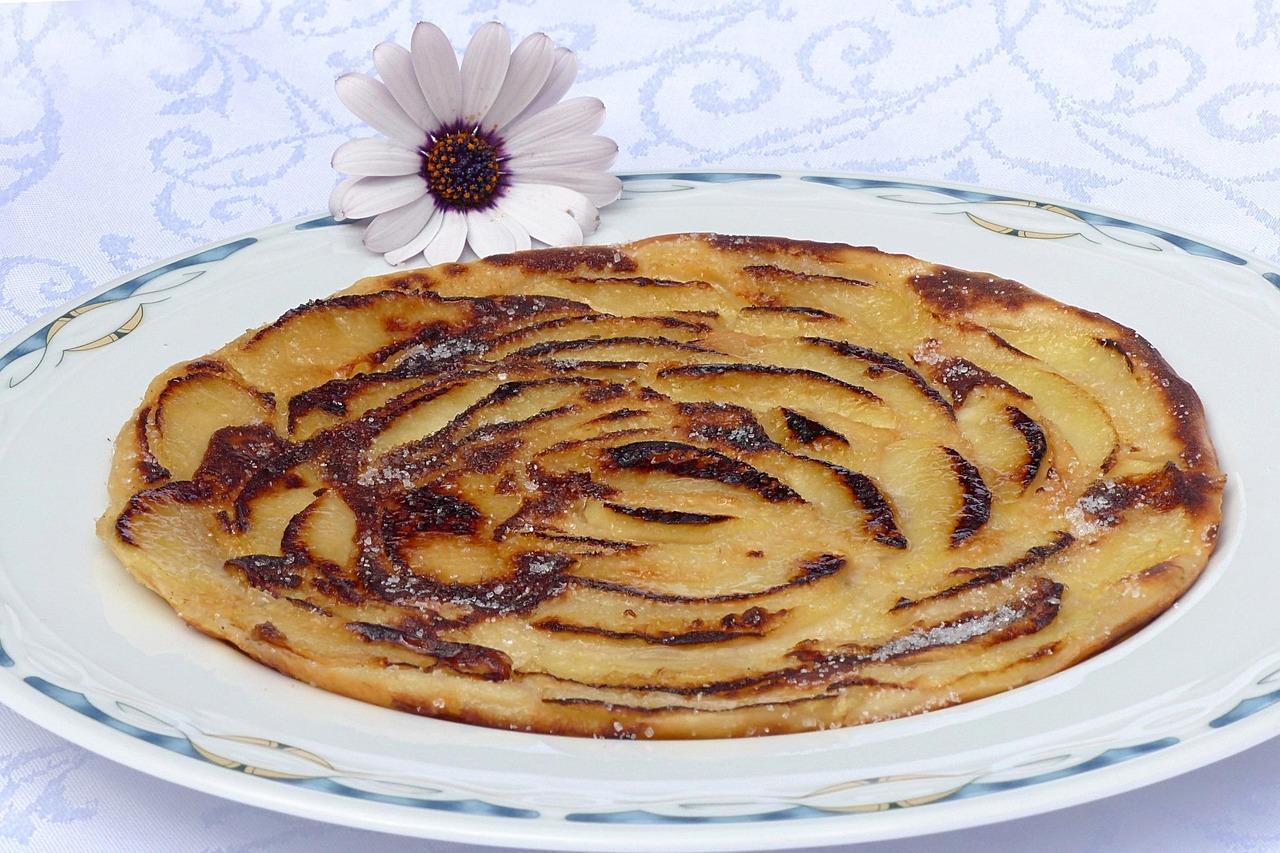
PannenkoekenDutch dinner pancakes

Dutch pannenkoeken are a meal, not a dessert: plate-sized, thicker than a French crêpe, and eaten for dinner with whatever has been baked straight into the batter. A pannenkoekenhuis in Amsterdam or by the dunes in Zeeland will offer dozens of fillings, but at home the favourites are apple (appel), young Gouda (kaas), or the two together, all finished with a thread of dark syrup (stroop). Kids eat them rolled up by hand. Chef's tip: lay the apple slices or cheese in the pan first and pour the batter over them, not the other way round; the fruit caramelises against the hot pan and the cheese becomes a crisp golden lace.

by KrazyBadal 0 views

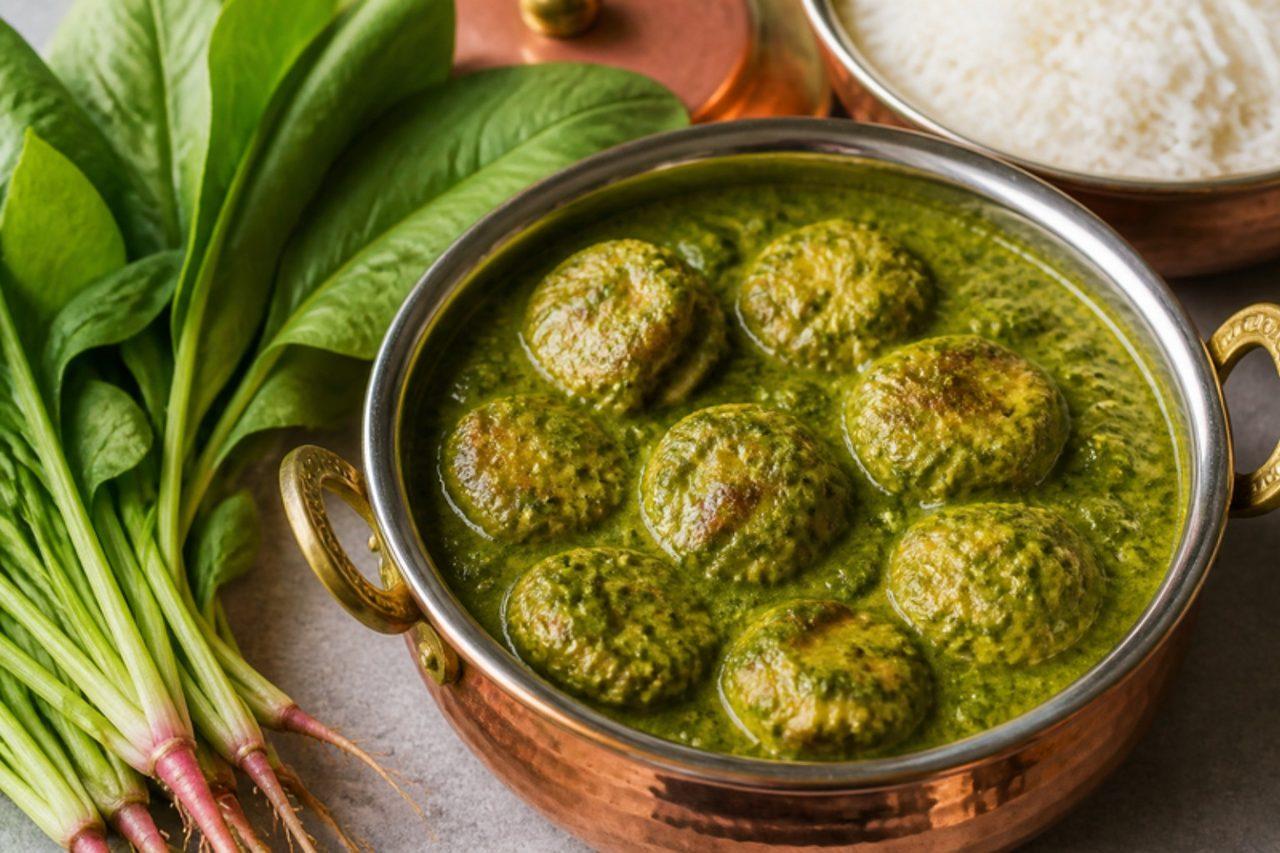
Sepu vadiLentil dumplings in spinach yogurt gravy

No dham in Mandi district of Himachal Pradesh is complete without sepu vadi. Light urad-dal dumplings are fried, softened in warm water and then simmered in a smooth spinach gravy tangy with yogurt, until they swell up and turn spongy. The botis who cook the feast make huge copper pots of it, served on leaf plates with rice and eaten with the fingers. At home it makes a rich weekend curry with rice or chapati. Chef's tip: beat the ground dal by hand for a few minutes before frying; the air you whip in is what makes the vadi light.

by KrazyBadal 0 views

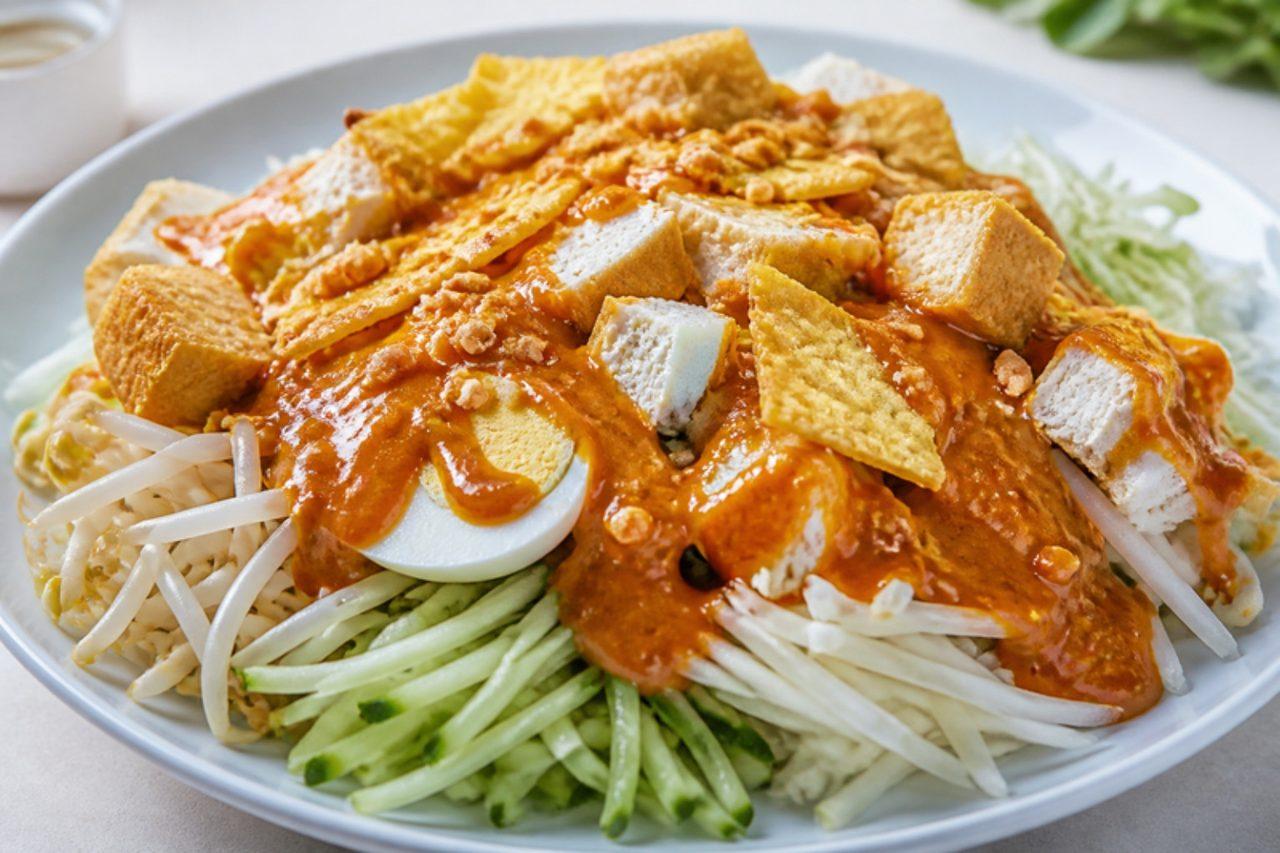
PasemburVegetable and fritter salad

Pasembur is sold from Indian-Muslim (mamak) stalls along Penang's Gurney Drive and Esplanade: shredded cucumber, jicama and bean sprouts piled with sliced fried tofu, boiled egg and crisp fritters, all buried under a thick, sweet, gently spicy sauce made from sweet potato, chilli and peanuts. You pick your fritters at the stall; prawn fritters are common, but here they are crunchy cabbage and onion ones. Chef's tip: dress it at the very last moment and eat at once, so the fritters stay crisp under the sauce.

by KrazyBadal 0 views

SerabiCoconut rice pancakes

Serabi are small, thick pancakes cooked one at a time in clay pans over charcoal, sold at dawn in Solo and Bandung. The rice-flour batter, rich with coconut milk, sets with a spongy, bubbly top and a crisp, lacy base. In Bandung they come with a pour of kinca, a warm palm-sugar syrup scented with pandan; Solo's version is rolled in a banana leaf with a dot of thick coconut cream. Chef's tip: don't flip them; covering the pan lets steam cook the top while the bottom crisps.

by KrazyBadal 0 views

Pla rad prikFried fish with chilli sauce

A whole fried fish blanketed in glossy red chilli sauce is the centrepiece of many family celebrations and riverside restaurant meals in central Thailand. The sauce is known as sam rot, 'three flavours', because palm sugar, tamarind and fish sauce are balanced against pounded chillies and garlic; spooned over a fish fried until its skin crackles and the fins crunch like crisps, it turns sticky and shiny. Sea bass (pla kapong) is the usual choice, though snapper or tilapia work well too. Bring it to the table with jasmine rice, a stir-fried green vegetable and a clear soup to share. Chef's tip: score the fish down to the bone on both sides and pat it bone-dry, so the heat reaches the thickest part and the oil doesn't spit.

45 minThaiFishSpicy
by KrazyBadal 0 views

SernikBaked cheesecake

Sernik is the baked cheesecake Polish grandmothers make for Easter and Christmas, and in Kraków it often comes as sernik krakowski, with raisins in the filling and a lattice of pastry on top. Unlike the American kind it is made with twaróg, a dry, tangy curd cheese, so the filling is light and fine-grained rather than dense, set with eggs and a little potato starch, never gelatine. This version keeps a buttery shortcrust base and a smooth vanilla-lemon top. Chef's tip: the twaróg must be put through a mincer or sieve twice, or bought as ready-ground twaróg sernikowy in a tub; lumpy cheese gives a grainy cake.

110 minPolishBaking
by KrazyBadal 0 views

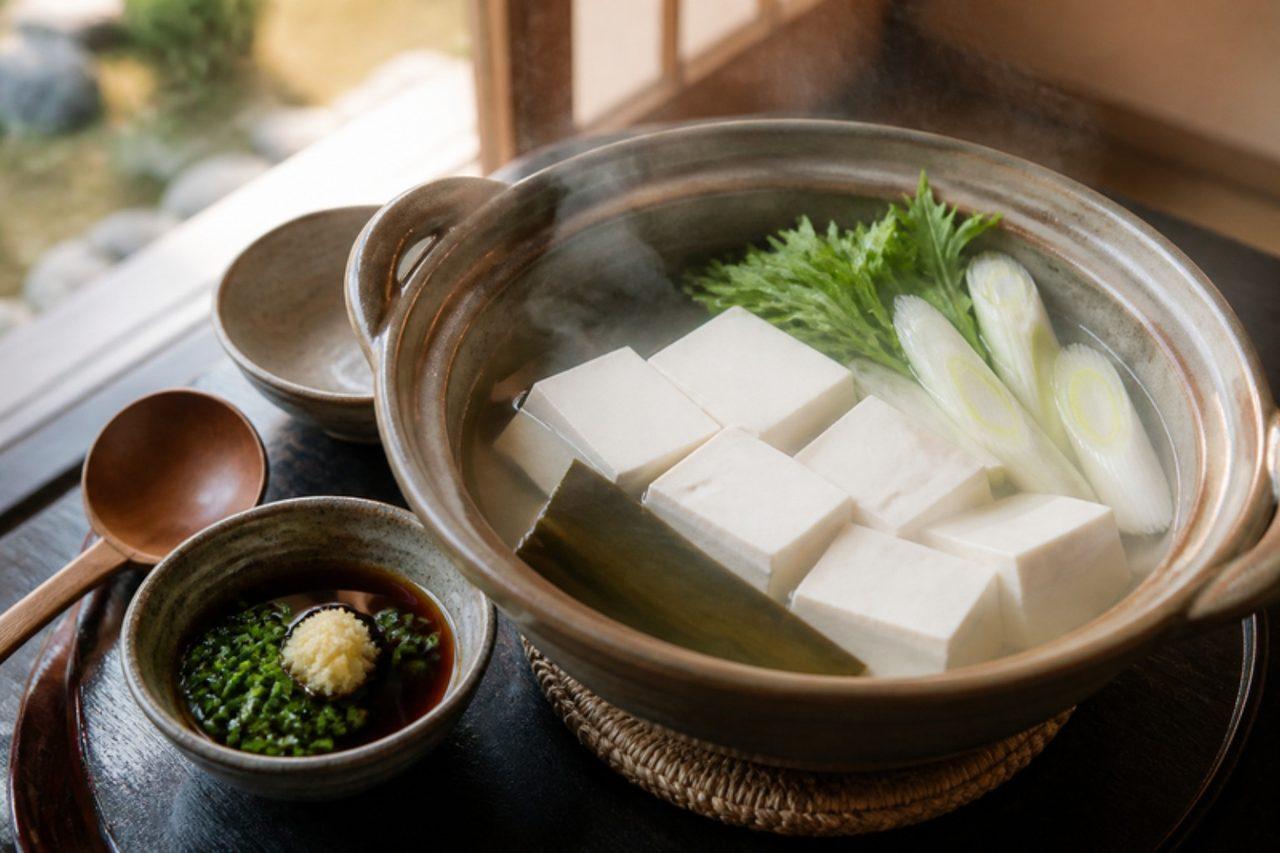
YudofuSimmered tofu hot pot

Yudofu is the simplest dish in Kyoto and one of the most loved. The city's soft water makes fine tofu, and the restaurants around Nanzen-ji temple in the Higashiyama hills have served it to pilgrims for centuries as part of Buddhist vegetarian cooking. A block of tofu is warmed in an earthenware pot over a sheet of kombu and lifted out with a little slotted ladle, then dipped in citrusy soy with spring onion and ginger. It's a winter dish, best eaten slowly at the table on a cold evening. Chef's tip: never let the water boil. The tofu is ready when it trembles and starts to rise; boiling makes it spongy and full of holes.

by KrazyBadal 0 views

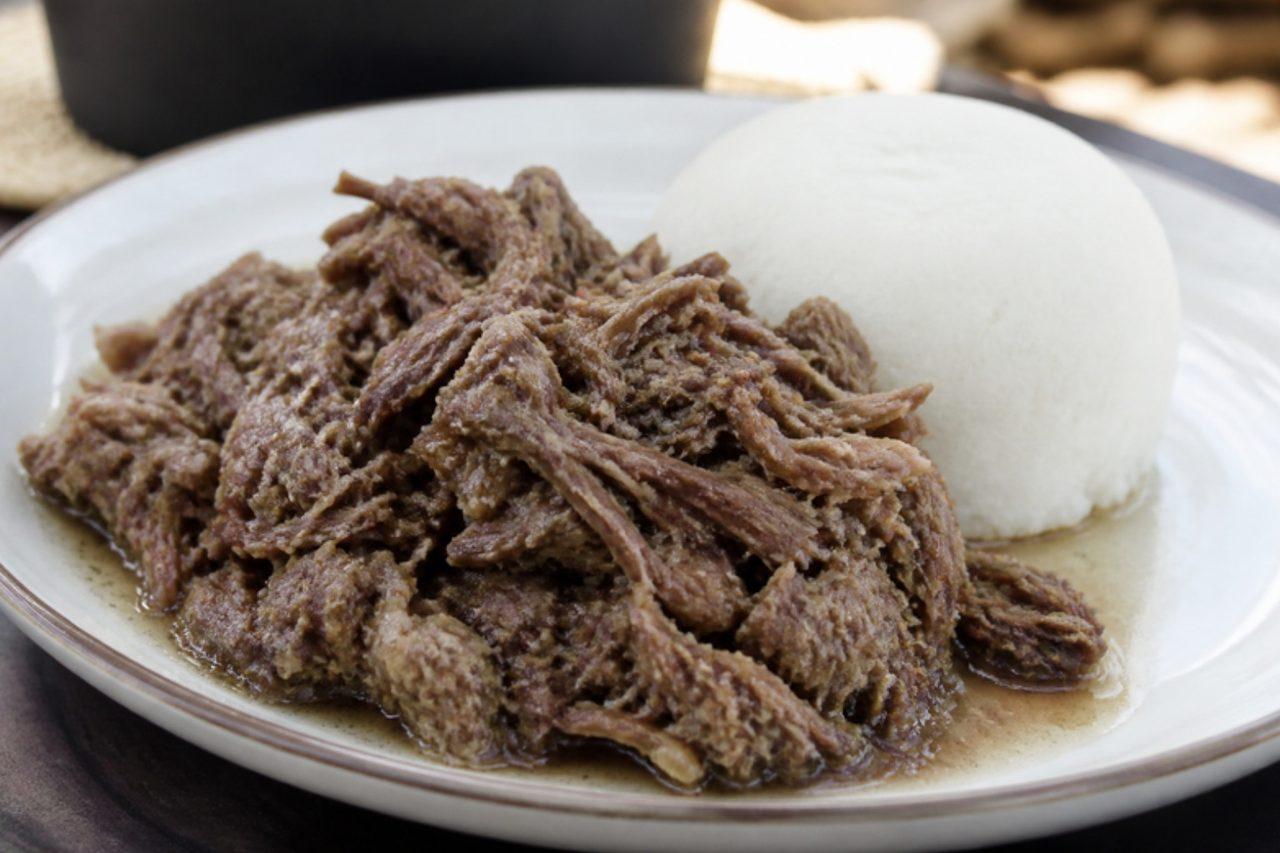
SeswaaPounded boiled beef

Seswaa is Botswana's national dish, made by the men at weddings, funerals and Independence Day in great three-legged pots over fires: beef on the bone is boiled with only onion, bay and salt for hours until it falls apart, then pounded with a wooden spoon into soft shreds in its own fat. It is served with pap (stiff maize porridge) or samp and a side of greens. The mistake is adding too much water at the end; the meat should be moist, not soupy, so let the liquid cook away before pounding. Chef's tip: use a mix of brisket and shin on the bone for flavour and richness.

by KrazyBadal 0 views

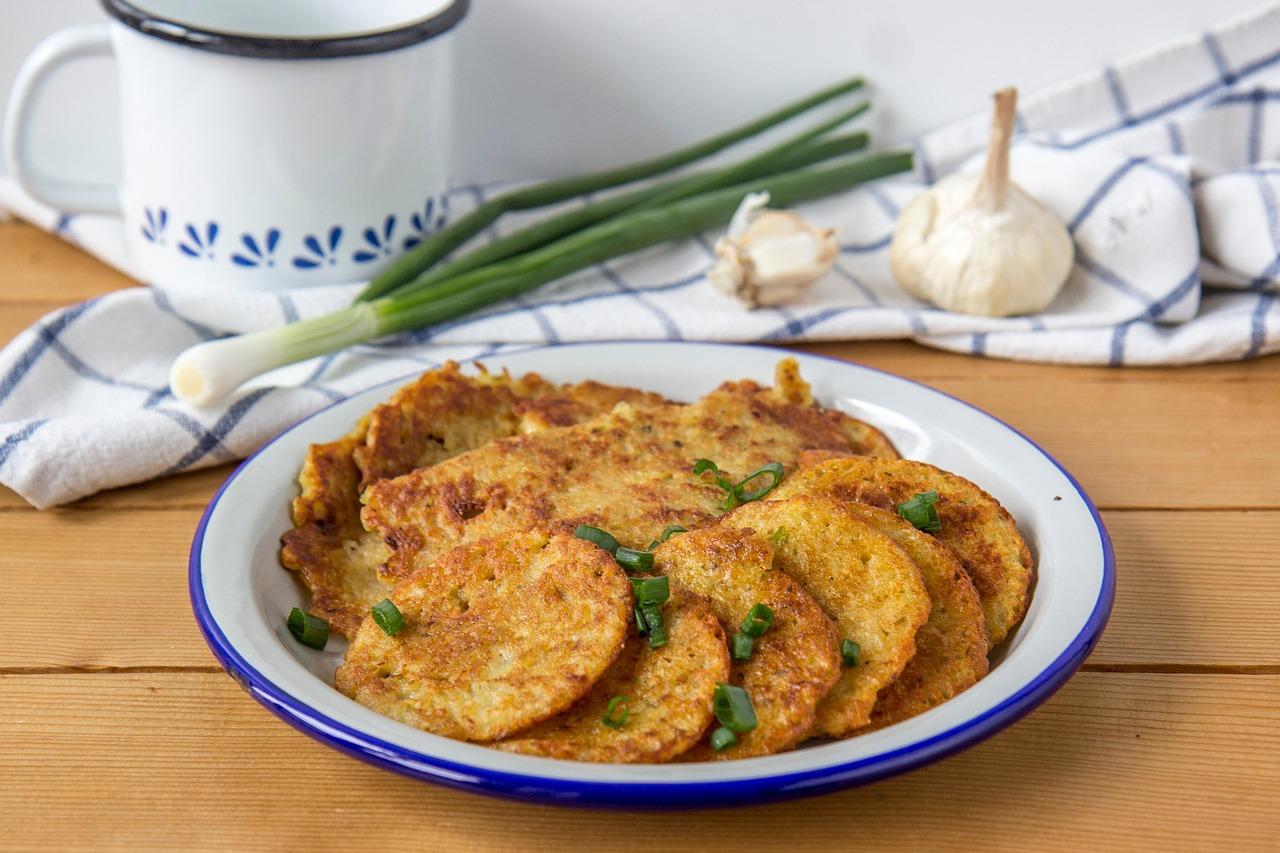
Sweet potato cakeFried sweet potato cakes

Soft, lightly sweet fried cakes of grated boiled sweet potato, flour and milk, shaped by hand into small flat rounds. They're golden outside and tender inside; the book's Handy Hints say sweet potato is good for the eyes and lifts the mood. Serve as a tea-time snack, or with tomato and chilli sauce.

by KrazyBadal 0 views

Sev usalWhite pea curry with sev

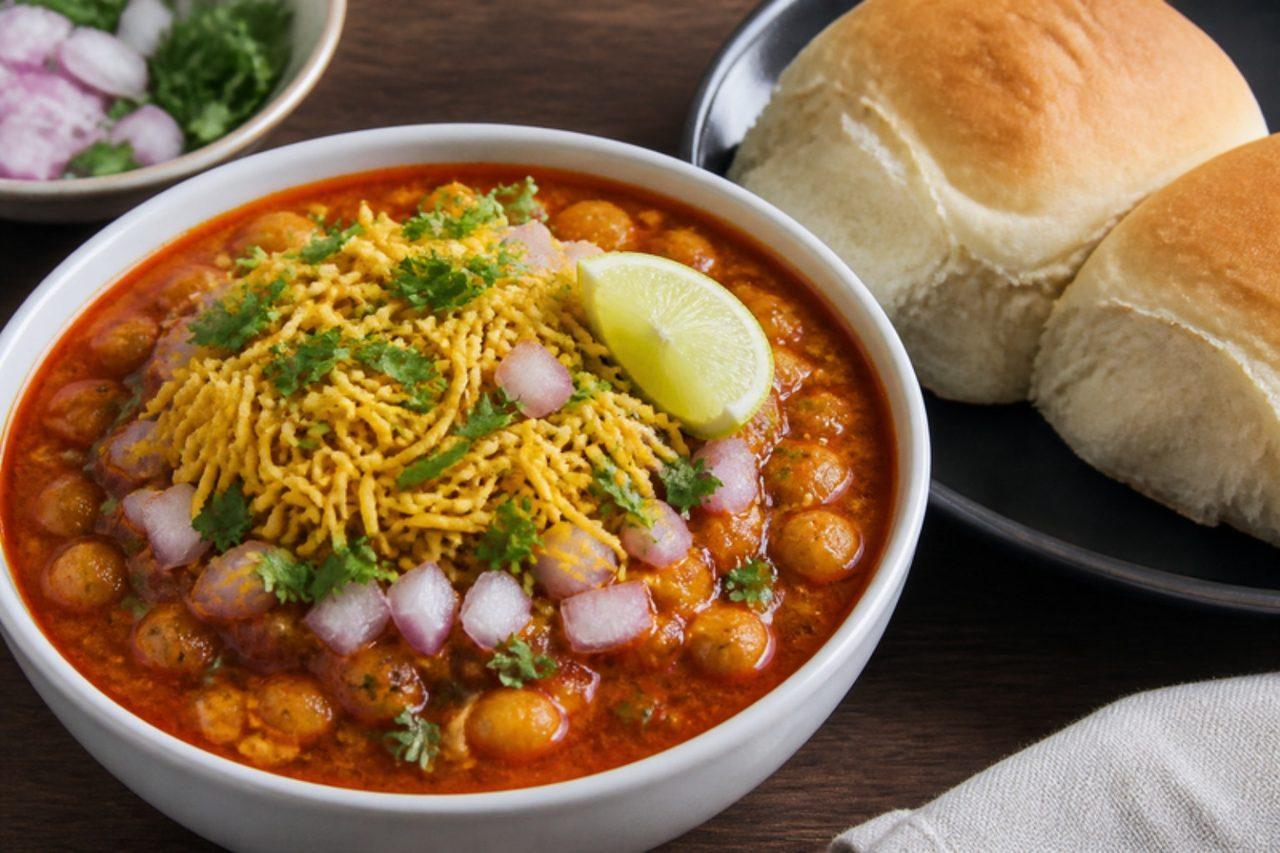
Ask anyone from Vadodara where to eat sev usal and you'll get a strong opinion and a street-corner name. Early in the morning the handcarts near Mandvi and Raopura have a huge pot of dried white peas simmering in a thin, fiery gravy, with a separate tin of brick-red chilli oil (the tari) on the side. A ladle of usal goes into a steel plate, a spoonful of tari is poured over, and then it disappears under fine sev, raw onion and coriander, with lemon and soft pav to mop it up. The gravy should be loose and soupy, not thick like a curry, so the sev stays crisp for the first few bites and then soaks in. Chef's tip: cook the tari separately and let each person add their own; the usal alone is only medium-hot, and the tari is where the fire comes from.

by KrazyBadal 0 views

Seven-vegetable couscous (bidaoui)Couscous with seven vegetables

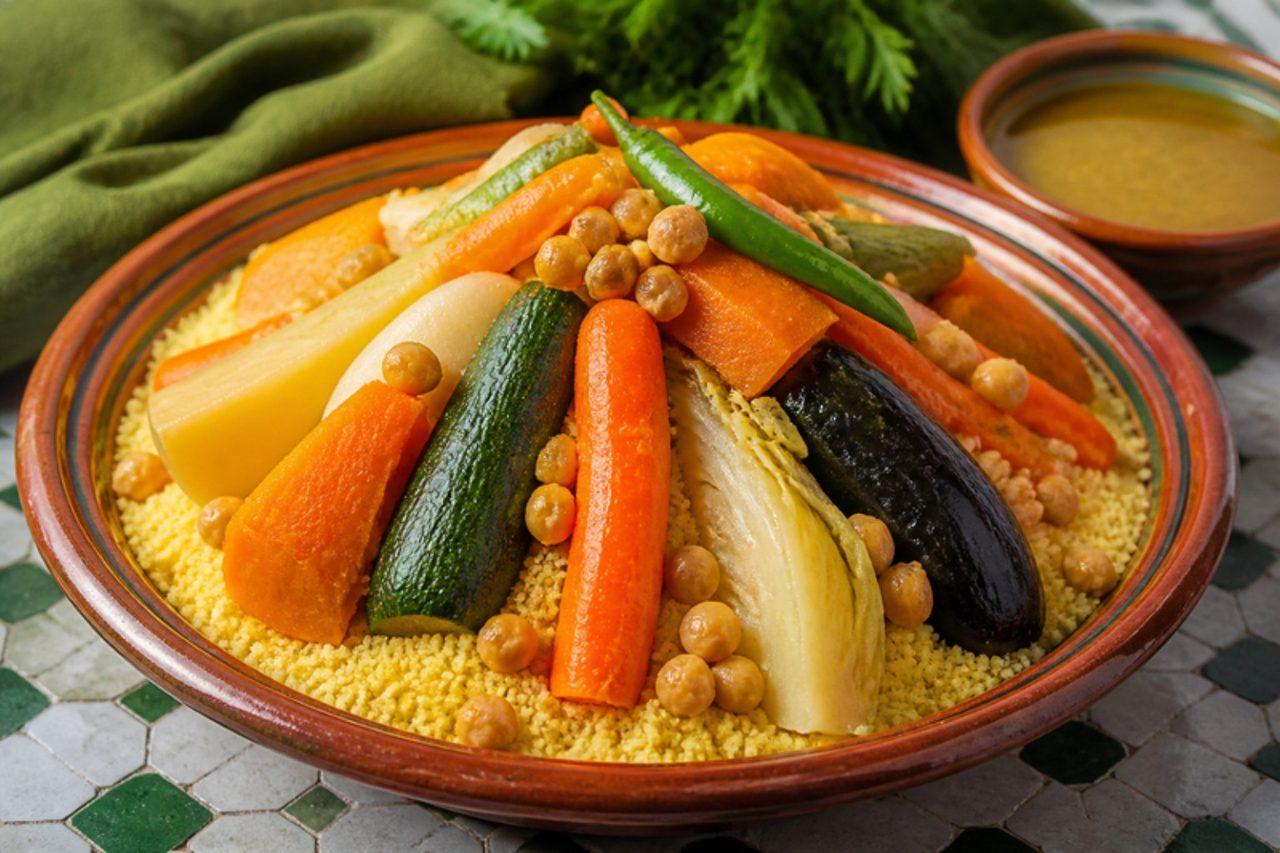
In Casablanca, Friday lunch after midday prayers means couscous bidaoui, the city's own version piled with seven vegetables, from pumpkin and turnip to cabbage and carrot. Families eat it from one great dish, each person working on their own corner of the mound, with extra broth ladled on as they go. The grains are steamed twice over the simmering broth so they swell into separate, fluffy beads that soak up the flavour without turning soggy. This vegetarian version builds the broth from onion, tomato, saffron and chickpeas, so it is rich enough without meat. Chef's tip: rub the couscous between your palms after each steaming to break up every clump; that is what makes it light.

by KrazyBadal 0 views

ZangiFried marinated chicken

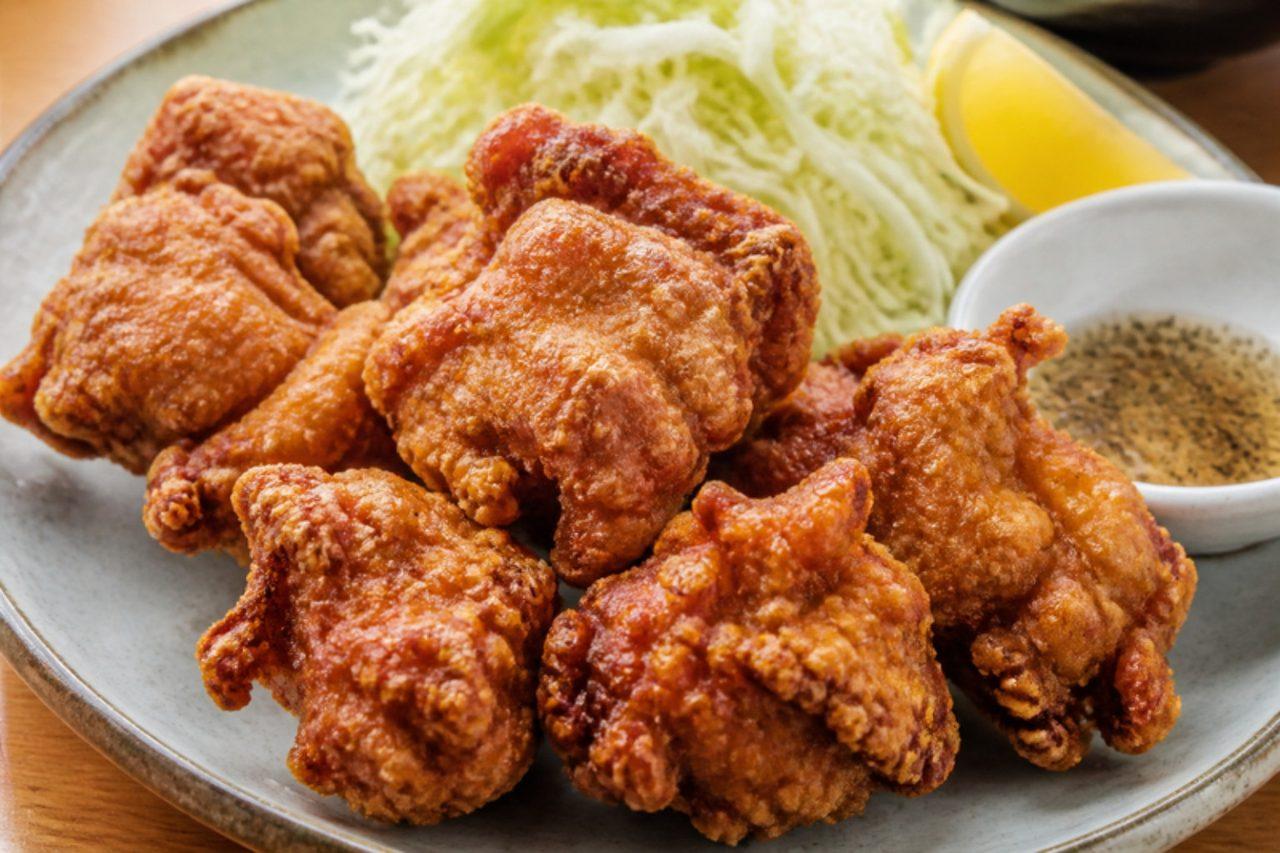
Ask for fried chicken in Kushiro or Sapporo and you'll be handed zangi, which locals insist is not the same as karaage. A Kushiro restaurant says it coined the name around 1960, and today zangi shops, ski-lodge canteens and supermarket delis across Hokkaido sell it in big, bone-in pieces. The chicken soaks for hours in a punchy mix of soy, sake, garlic, ginger and oyster sauce with an egg beaten in, so the flavour runs right through the meat, and it often comes with a sharp dipping sauce of vinegar, soy and black pepper. The coating is a mix of flour and starch, so it fries darker and more savoury than karaage. Chef's tip: marinate it overnight in the fridge for the full Hokkaido flavour; 30 minutes works, but the difference is clear.

by KrazyBadal 0 views

SfeehaSmall open lamb pies

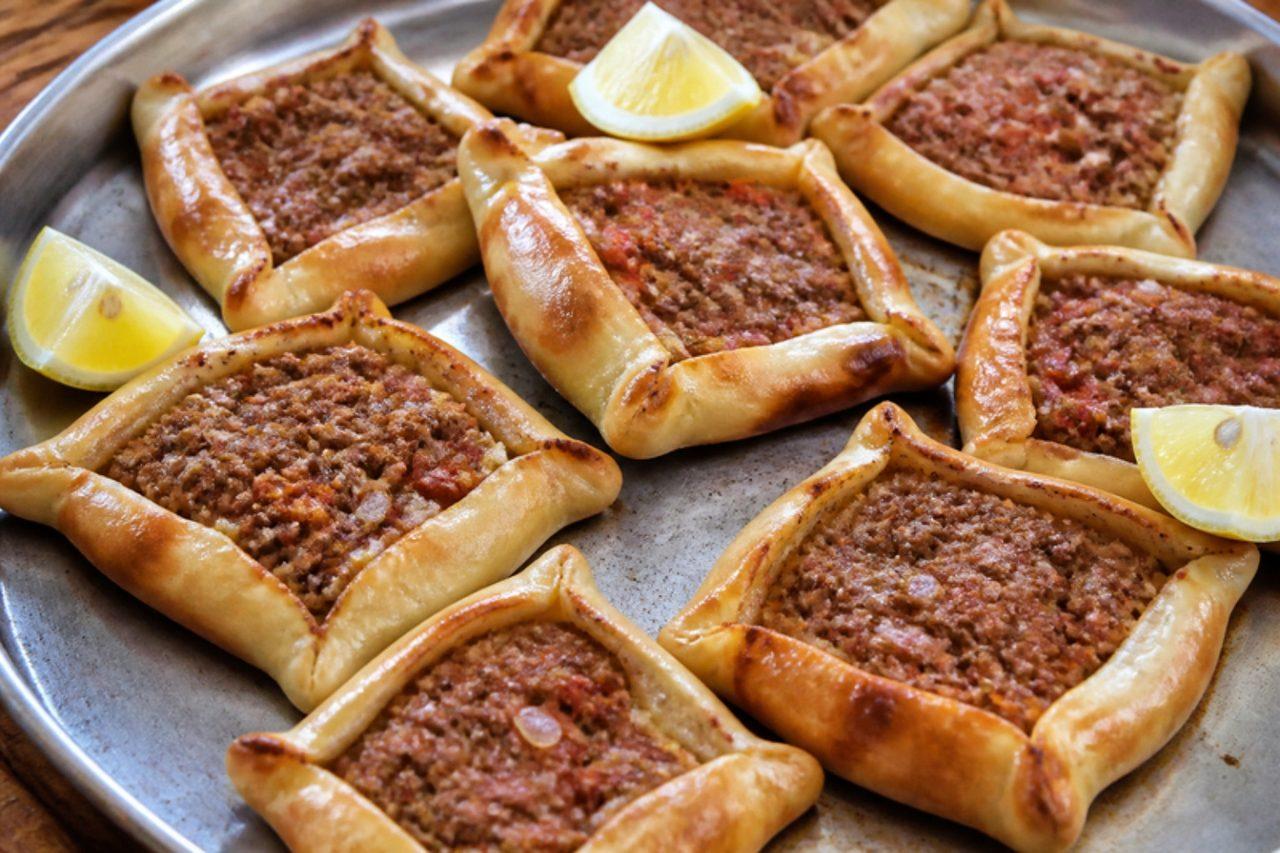
Sfeeha are the little open meat pies of Baalbek in Lebanon's Bekaa Valley, where bakers pinch them into neat squares and bake them by the hundred for weddings, Eid and Sunday mornings. The lamb filling is chopped with tomato and onion and sharpened with pomegranate molasses and a spoon of yogurt, so it stays juicy as it bakes on thin, crisp dough. Eat them warm with a bowl of yogurt or labneh and some cucumber. Chef's tip: pinch the four corners really firmly; the square shape is what traps the juices so the base stays crisp.

by KrazyBadal 0 views

SfogliatelleFlaky shell-shaped pastries

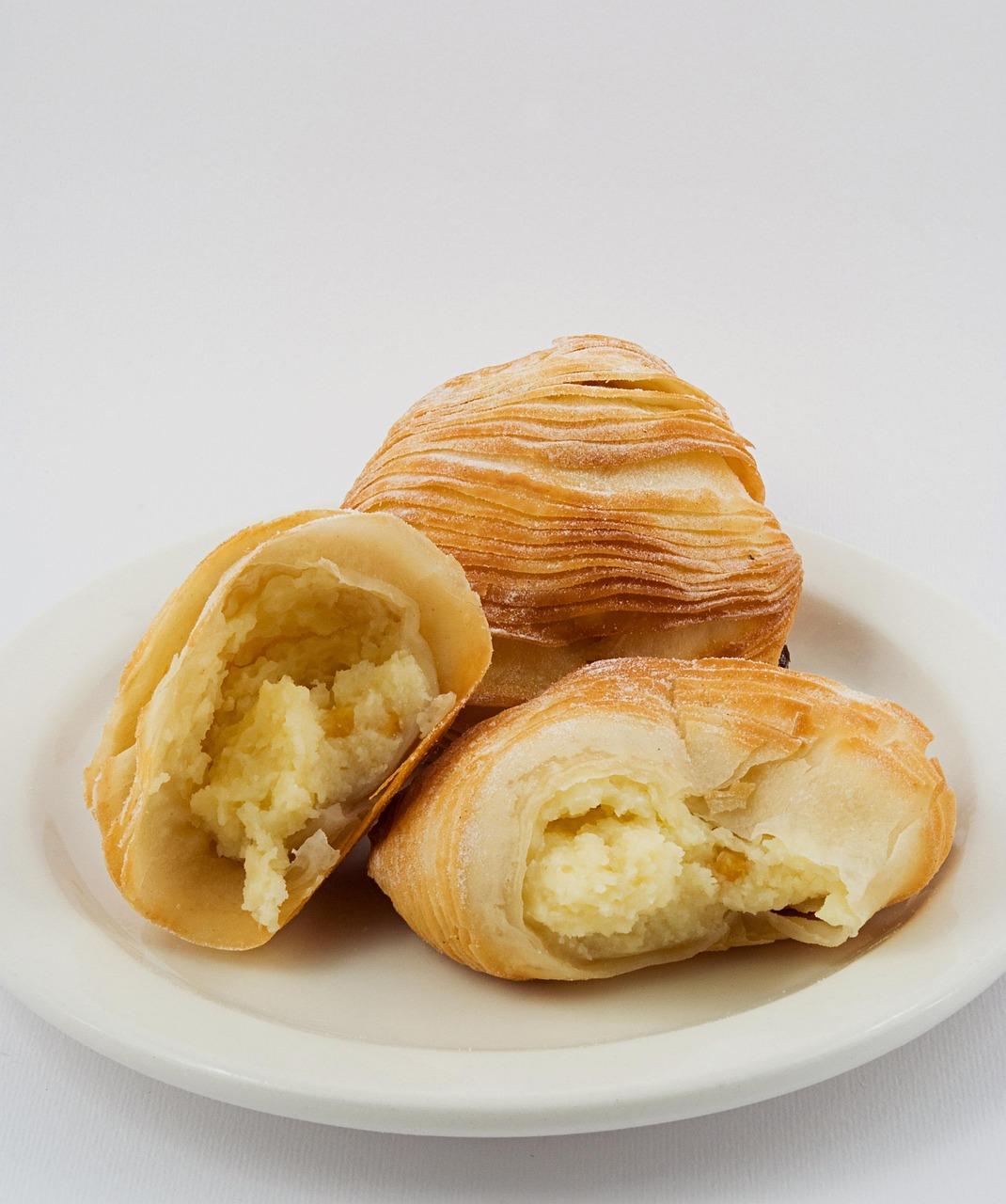
Sfogliatella riccia is the most famous pastry of Naples, sold warm from bakeries on Via Toledo and eaten for breakfast with an espresso: dozens of paper-thin layers fanned into a shell that shatters when you bite, around a filling of semolina, ricotta, candied orange and cinnamon. It is a project for a weekend, as the dough needs to be rolled very thin, wound into a tight log and chilled overnight. Neapolitan bakers use lard; this version uses a mix of butter and vegetable shortening. Chef's tip: a pasta machine is your best friend; roll the dough to the thinnest or second-thinnest setting so the layers separate into crisp leaves.

by KrazyBadal 0 views

SfoufTurmeric semolina cake

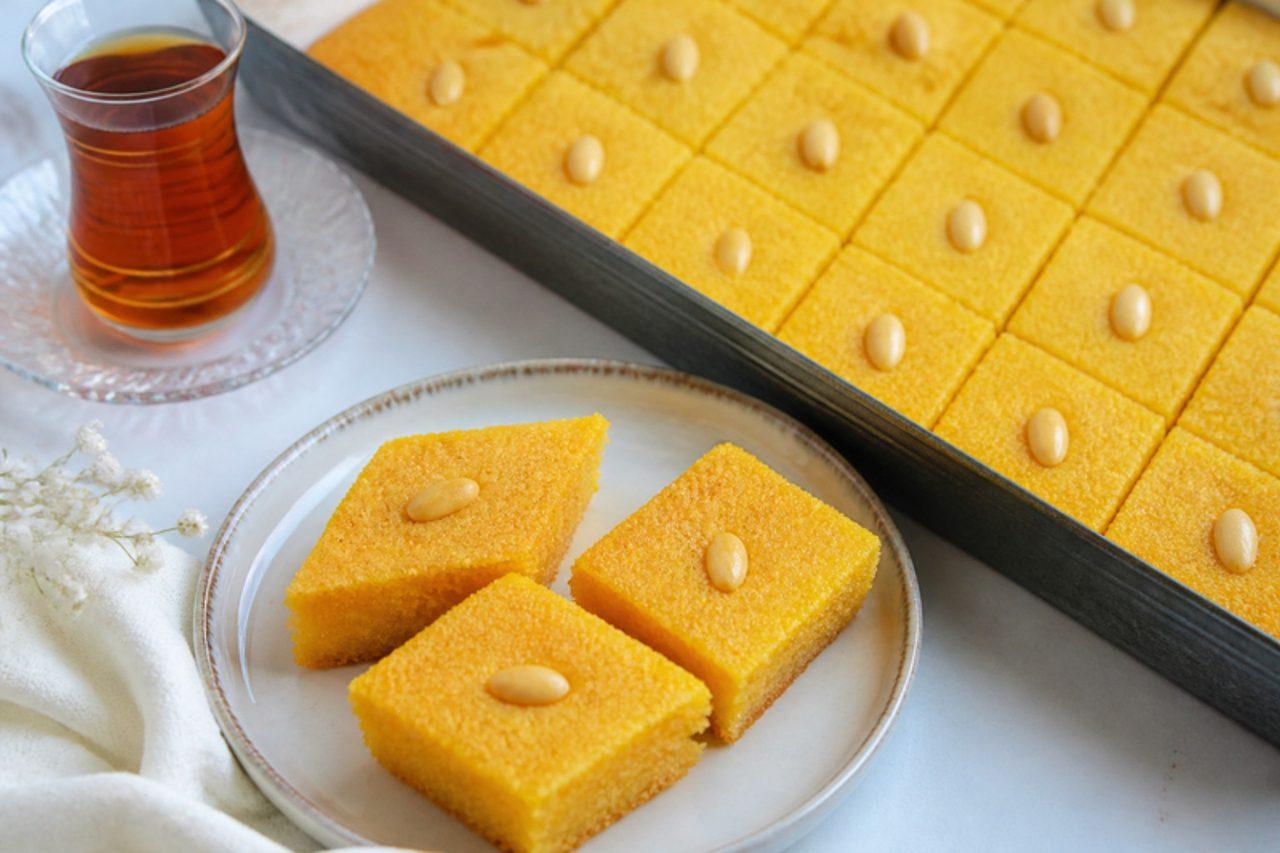
Sfouf is the bright yellow cake you find in every Lebanese bakery window and in plastic tubs at village coffee mornings, cut into diamonds and eaten with tea or a small cup of coffee. Turmeric gives the colour, aniseed and a little mahlab the perfume, and semolina a soft, slightly sandy crumb. Many families make it without eggs or dairy for Lent, and this version is fully plant-based, so it is not the site's eggless coconut-yogurt semolina cake. The tin is greased with tahini, a Beirut habit that gives the base a nutty crust. Chef's tip: use only the turmeric listed; more turns the cake bitter and slightly medicinal.

by KrazyBadal 0 views

Pasta alla griciaPasta with guanciale and pecorino

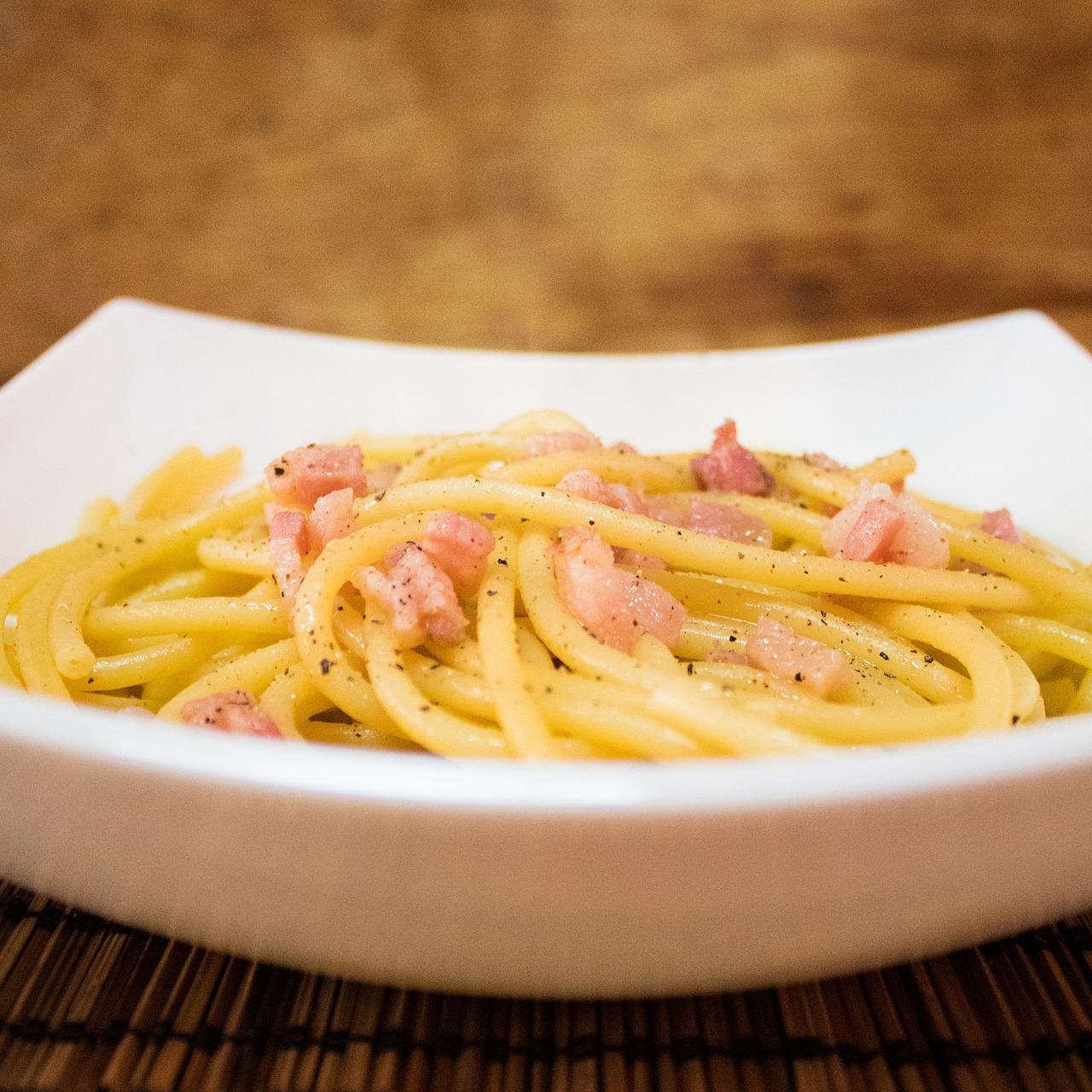
Older than both carbonara and amatriciana, gricia is the white pasta of the Roman hills: no egg, no tomato, nothing but guanciale, pecorino and pepper brought together with starchy cooking water. On a Roman menu it often sits with its siblings under the heading of the four great Roman pastas, and it is many locals' quiet favourite for a weekday lunch. Short rigatoni catch the creamy, salty sauce in their ridges and tubes, and the guanciale is cooked until amber and crisp-edged so its fat flavours everything. Follow it with something light, such as sautéed chicory with garlic. Chef's tip: before you finish the pasta, mash the pecorino in a bowl with a few spoonfuls of cooled pasta water into a smooth cream; it melts into the sauce instead of seizing into strings.

by KrazyBadal 0 views

Sha phaley with cabbage and cheeseFried cabbage and cheese pockets

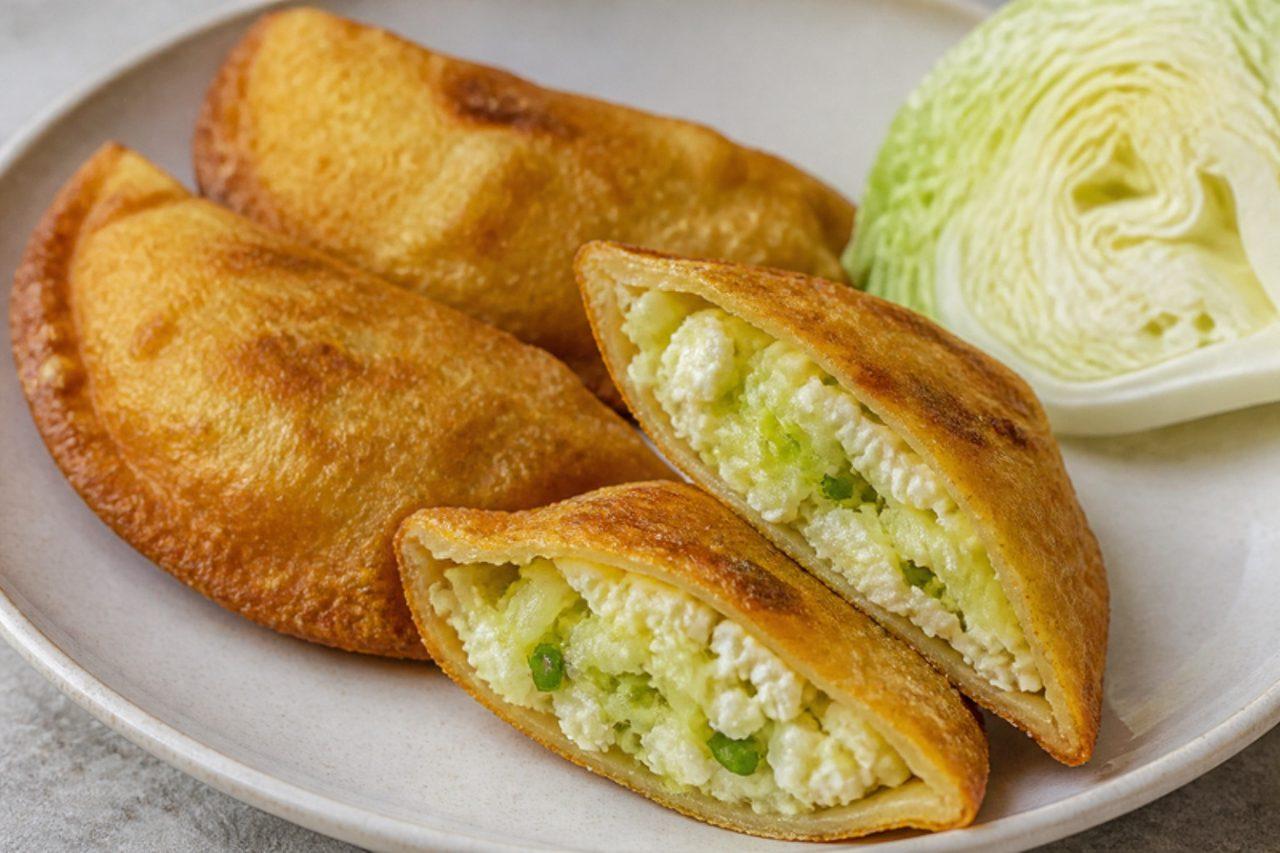
Sha phaley comes from Sikkim's Bhutia and Tibetan communities: rounds of dough are filled, sealed into half-moons and fried until golden and blistered, like a fat, crisp pie. In Gangtok's MG Marg cafés and home kitchens the classic filling is minced meat, but a vegetarian version with cabbage, spring onion, ginger and cheese (paneer or soft churpi) is common and very good. Eat them hot with dalle chutney and a bowl of thukpa or tea. Chef's tip: squeeze the salted cabbage hard before filling; any loose water steams inside and makes the dough soggy.

by KrazyBadal 0 views

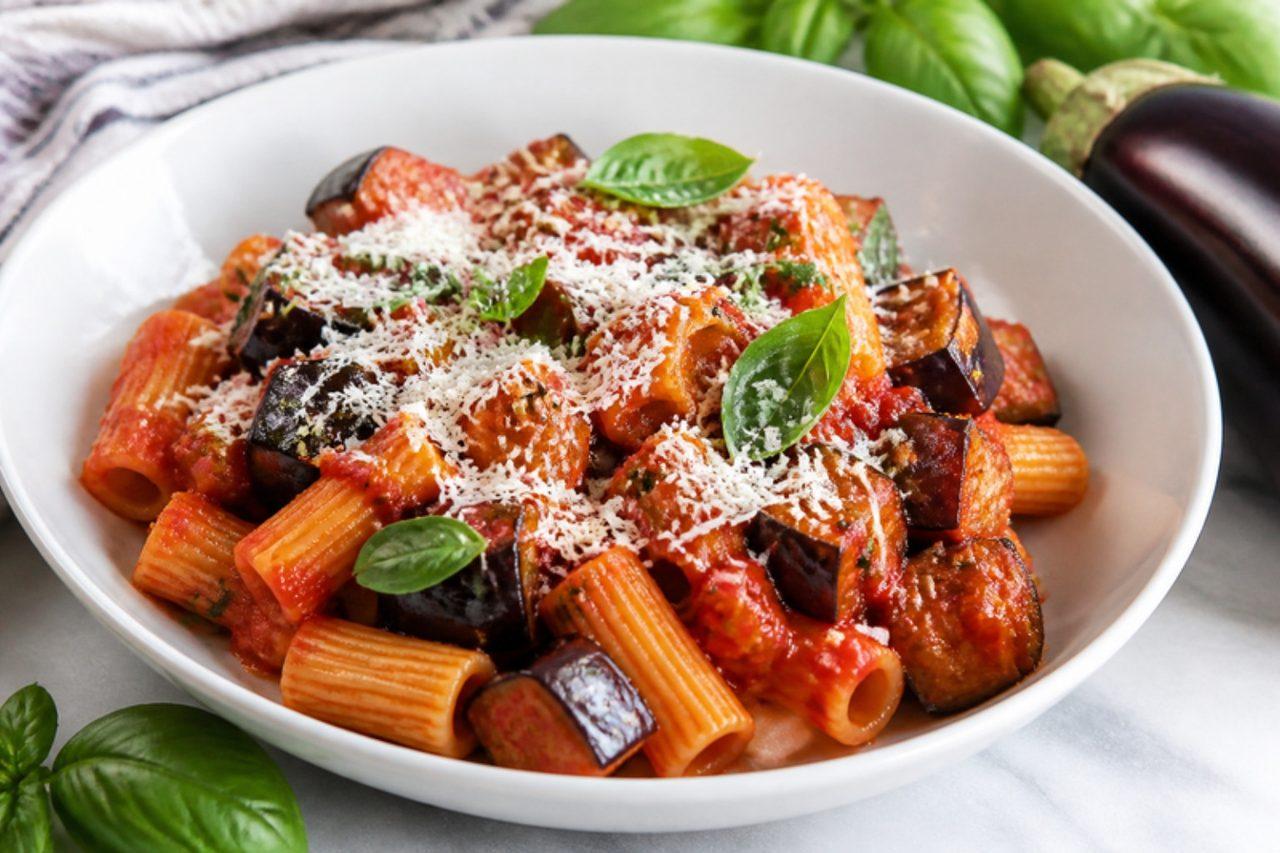
Pasta alla NormaPasta with fried aubergine and tomato

Pasta alla Norma comes from Catania, in the shadow of Mount Etna, and is named after Norma, the opera by the city's own composer Vincenzo Bellini; a local writer is said to have called the dish 'a real Norma', meaning a masterpiece. Fried aubergine, a simple garlic and basil tomato sauce and a snowfall of salty ricotta salata make one of Sicily's best summer lunches. Chef's tip: keep a few of the best fried aubergine slices aside and lay them on top at the end; the rest melt into the sauce and the top ones stay silky.

by KrazyBadal 0 views

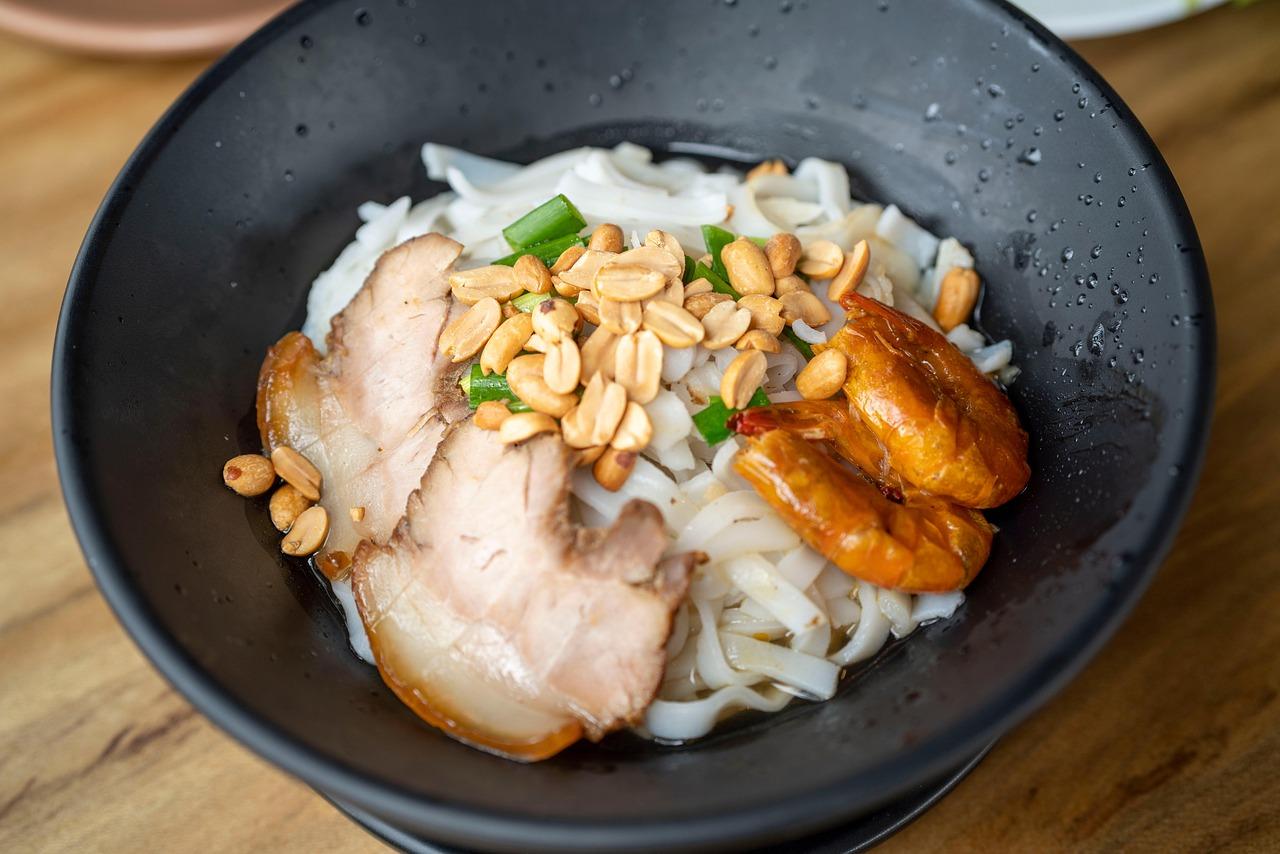
Mi QuangTurmeric noodles with pork and prawns

Mì Quảng comes from Quảng Nam province, around Hội An and Tam Kỳ, where it's eaten at any hour from roadside stalls and family tables. It sits halfway between soup and salad: wide yellow noodles get only a small ladle of rich, turmeric-coloured broth with braised pork and prawns, then a scatter of peanuts and herbs. A toasted sesame rice cracker is broken over the top for crunch. Every bite should be part noodle, part leaf, part cracker. Chef's tip: pour in just enough broth to come a third of the way up the noodles; any more and it becomes a soup and the crackers go soggy.

by KrazyBadal 0 views

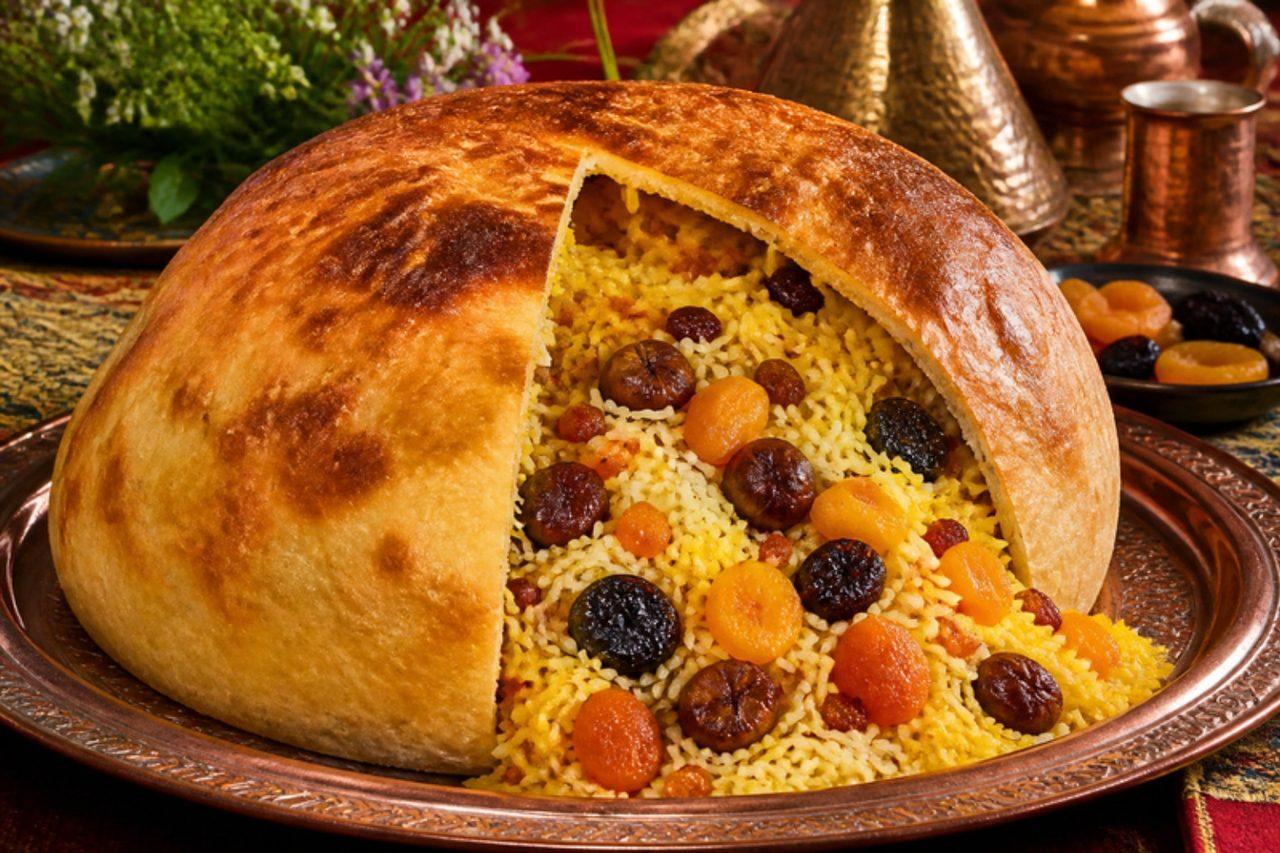
Shah plovPilaf in a lavash crust

Shah plov, the "king's pilaf", is the showpiece of Azerbaijani weddings and Novruz feasts, especially in Baku, Shaki and Ganja. Saffron rice layered with butter-glazed apricots, raisins, prunes and chestnuts is packed into a pot lined with overlapping sheets of thin lavash, then baked until the bread forms a crisp golden dome. It is carried whole to the table, the top is cut like a crown, and everyone gets a crisp shard with their rice. The classic version also has lamb; this one keeps the fruit and nuts that already make it festive. Chef's tip: brush every lavash sheet generously with butter and overlap them by at least a third; thin spots tear when the plov is turned out.

by KrazyBadal 0 views

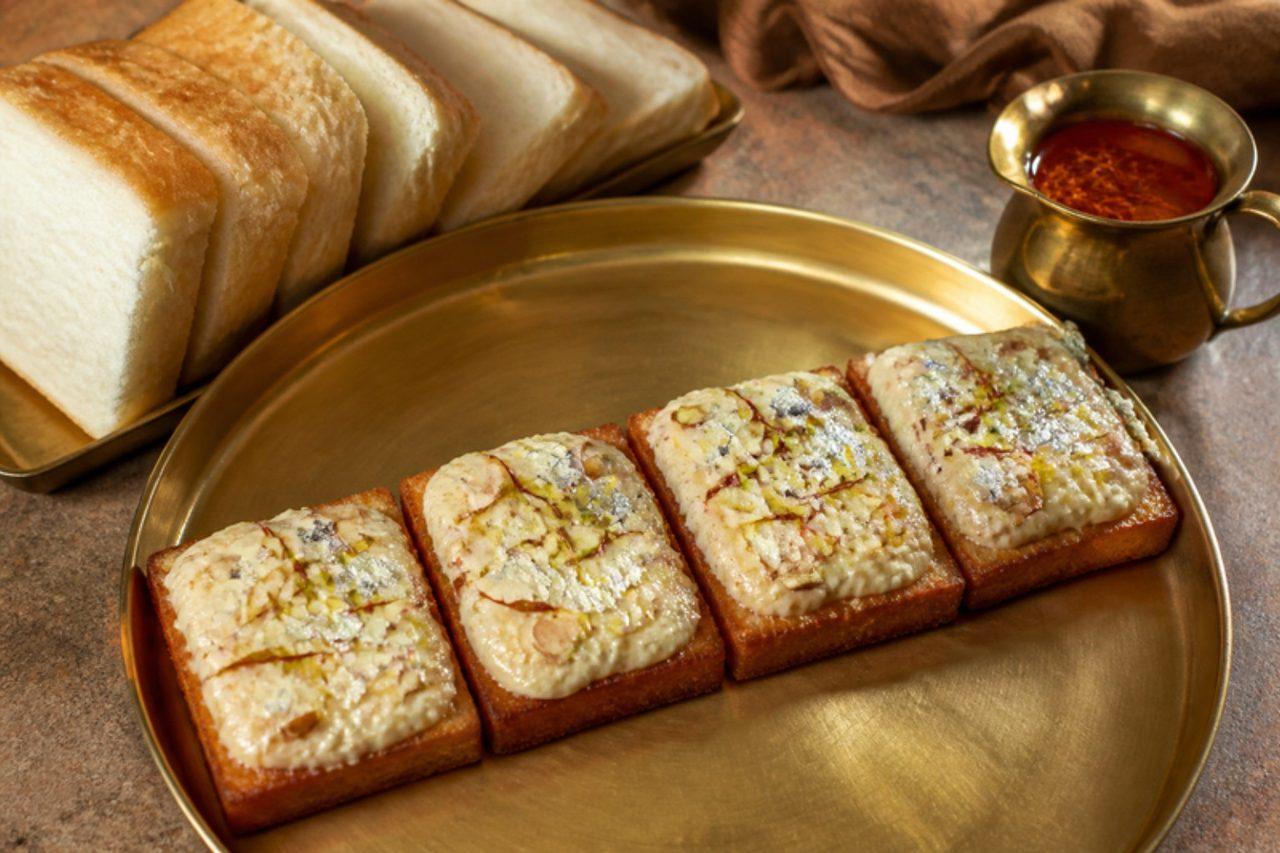
Shahi tukdaFried bread in saffron syrup

Shahi tukda, the 'royal piece', comes from the Mughal kitchens of Old Delhi, and you'll still find trays of it around Jama Masjid during Ramzan, eaten after the evening meal, and at Eid feasts. Thick slices of bread are fried in ghee until crisp and golden, dipped briefly in cardamom and saffron syrup, then covered with rabri, milk slowly reduced until thick and full of creamy flakes. The bread stays crisp at the edges and soft in the middle. It's rich, so small pieces go a long way. Chef's tip: start the rabri first and let it simmer while you fry the bread; it takes the longest and needs only an occasional stir.

by KrazyBadal 0 views

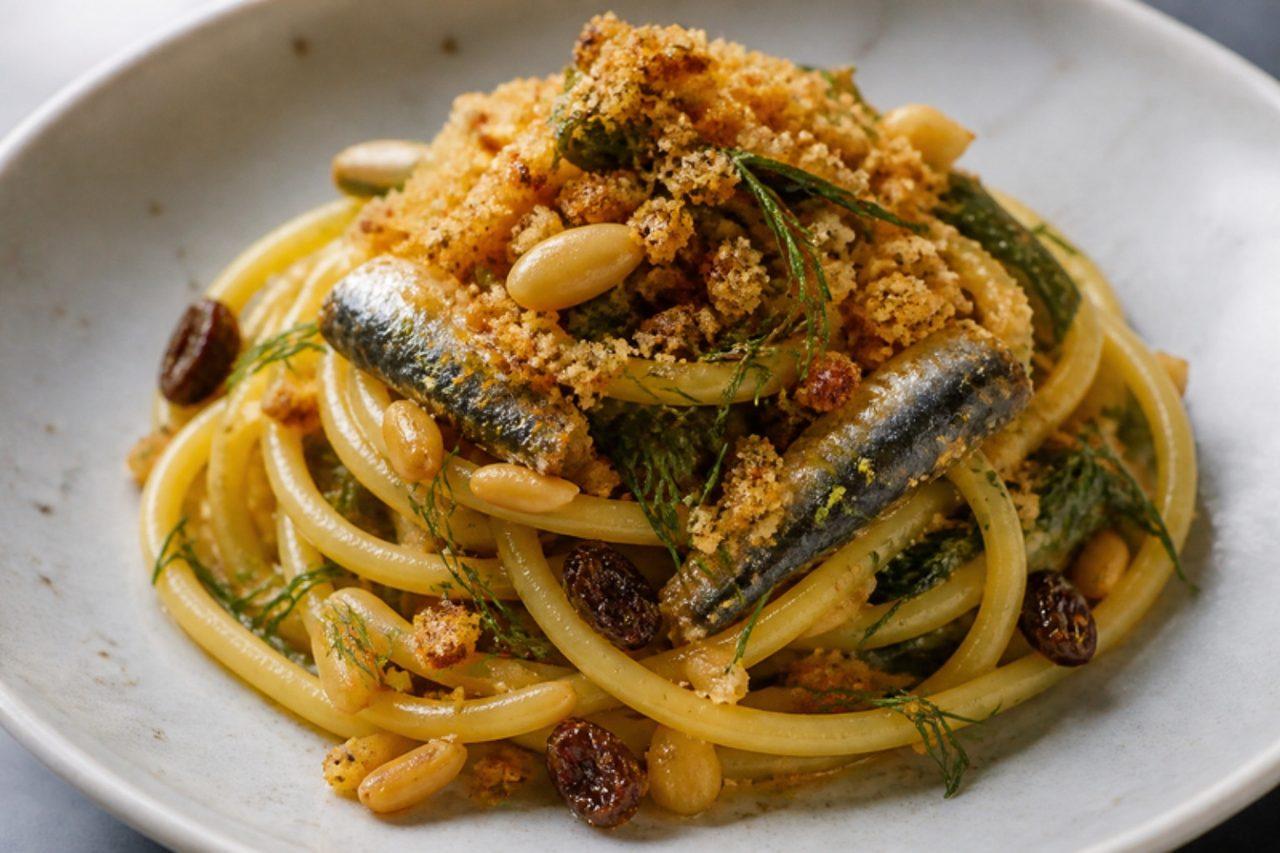
Pasta con le sardePasta with sardines and fennel

Sweet, salty and grassy all at once, Palermo's favourite pasta carries the island's history in one pan: Arab raisins, pine nuts and saffron meet fresh sardines and the wild fennel that grows on every Sicilian hillside in spring. It is cooked at home and in the city's old trattorie from March to the start of summer, and on 19 March for the feast of San Giuseppe. Instead of cheese, it is finished with olive oil toasted breadcrumbs, the crunchy 'muddica' that Sicilians call poor man's parmesan. Wild fennel is hard to find outside Italy; the fronds from two fennel bulbs plus a few fennel seeds come close. Serve it warm, or at room temperature as Palermitans often do. Chef's tip: blanch the fennel greens in the pasta pot first and cook the bucatini in that same green, aniseed-scented water, so the flavour runs right through the pasta.

by KrazyBadal 0 views

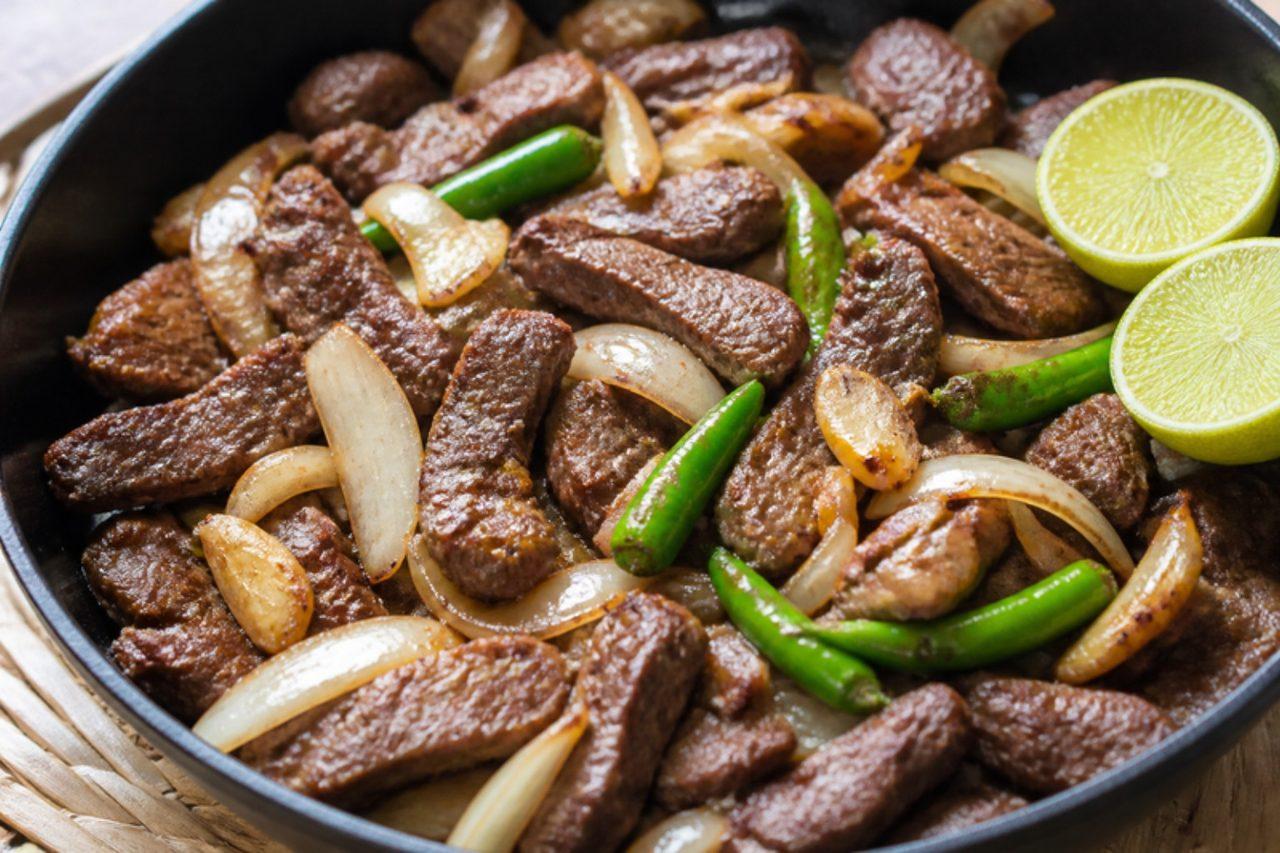
ShaiyahPan-seared lamb with onion and chilli

Shaiyah means "seared" and is what Khartoum families cook when guests drop in or for Eid breakfast after the sacrifice: small pieces of lamb thrown into a very hot pan with onion, garlic and green chilli and cooked fast until browned and sizzling. It is eaten with kisra flatbread or bread, a salad of tomato and onion, and a squeeze of lime. The mistake is crowding the pan, which stews the lamb grey instead of searing it; cook in two batches if needed. Chef's tip: use lamb with a little fat on it, such as shoulder or leg steaks, so it stays juicy over the high heat.

by KrazyBadal 0 views

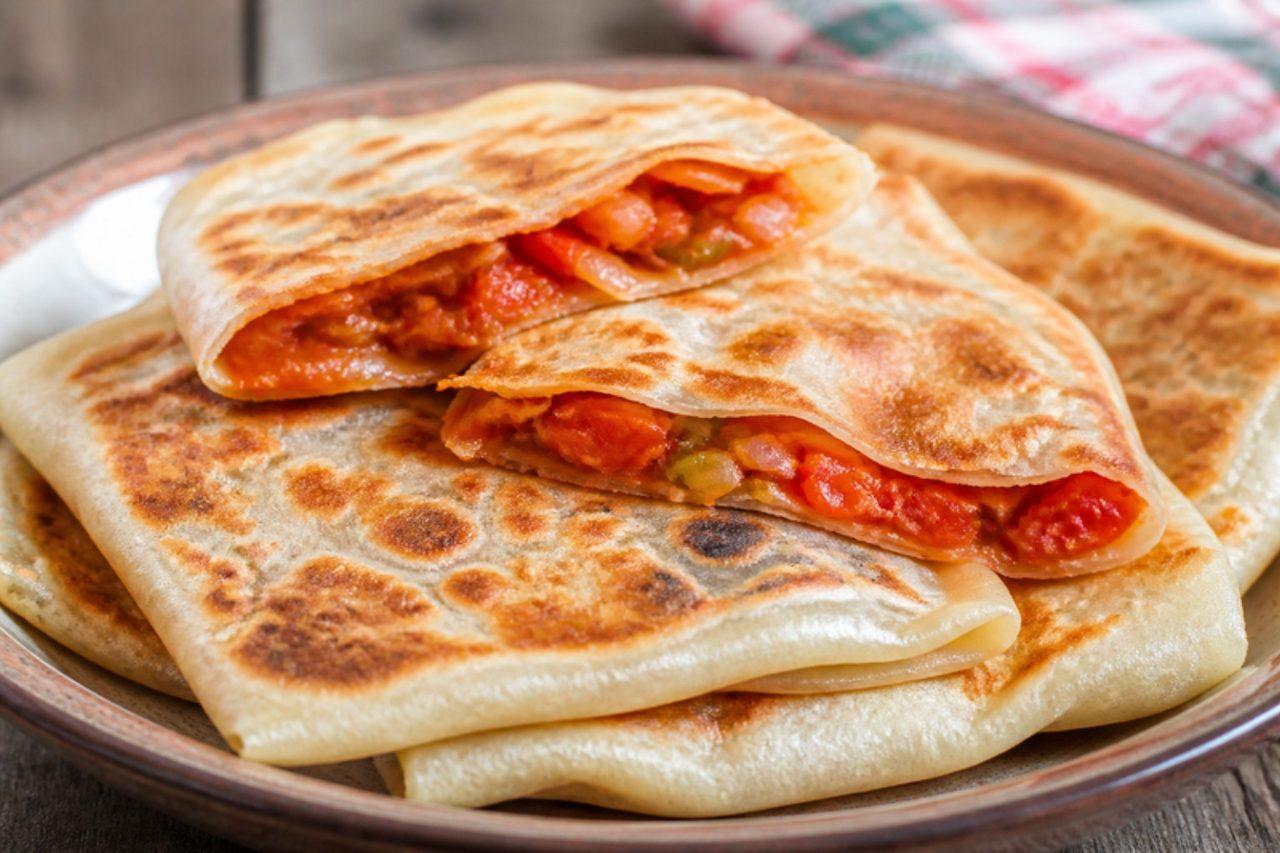
MhadjebStuffed semolina flatbreads

Mhadjeb (also mahjouba) are the folded flatbreads of Constantine and the east of Algeria, sold on street corners at teatime and made in every home during Ramadan. A stretchy semolina dough is pulled paper-thin with oiled hands, filled with a jammy stew of onion, tomato and pepper, folded into a square and cooked on a dry griddle until spotted brown. Chef's tip: knead the dough for the full 15 minutes; it must stretch almost transparent without tearing.

by KrazyBadal 0 views

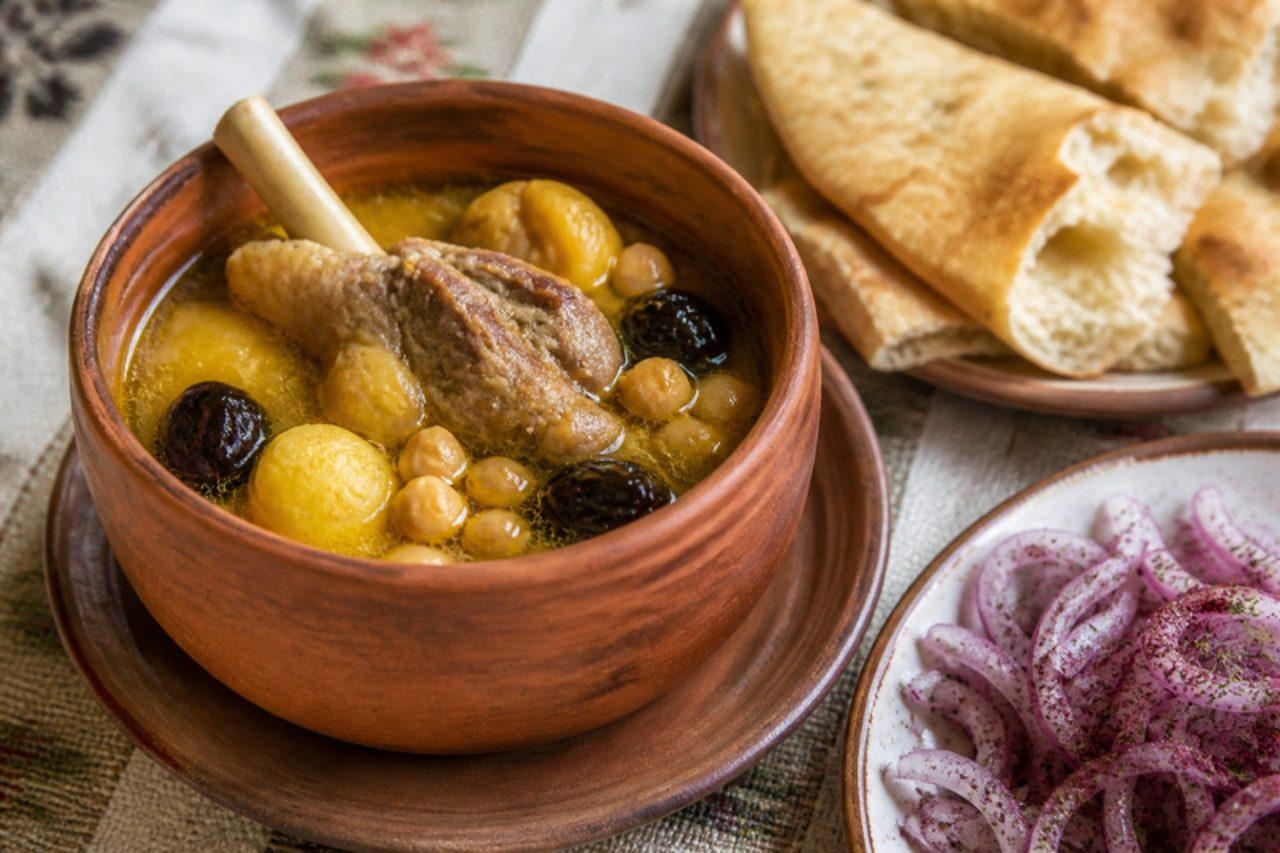
Shaki pitiLamb, chickpea and chestnut stew

Piti belongs to Shaki, the old silk-road town in the green foothills of northern Azerbaijan, where it is still cooked in individual clay pots and served in restaurants near the caravanserai. Each pot holds lamb on the bone, chickpeas, a chestnut or two, a little tail fat and saffron water. It is eaten in two stages: first you pour the broth over torn bread with sumac, then you mash the meat and chickpeas and eat that as a second course. Rushing it at a high heat is the error to avoid; the broth turns cloudy and the lamb tightens. Chef's tip: if you have no clay pots, a heavy casserole works, and you can ladle it into bowls to serve.

by KrazyBadal 0 views

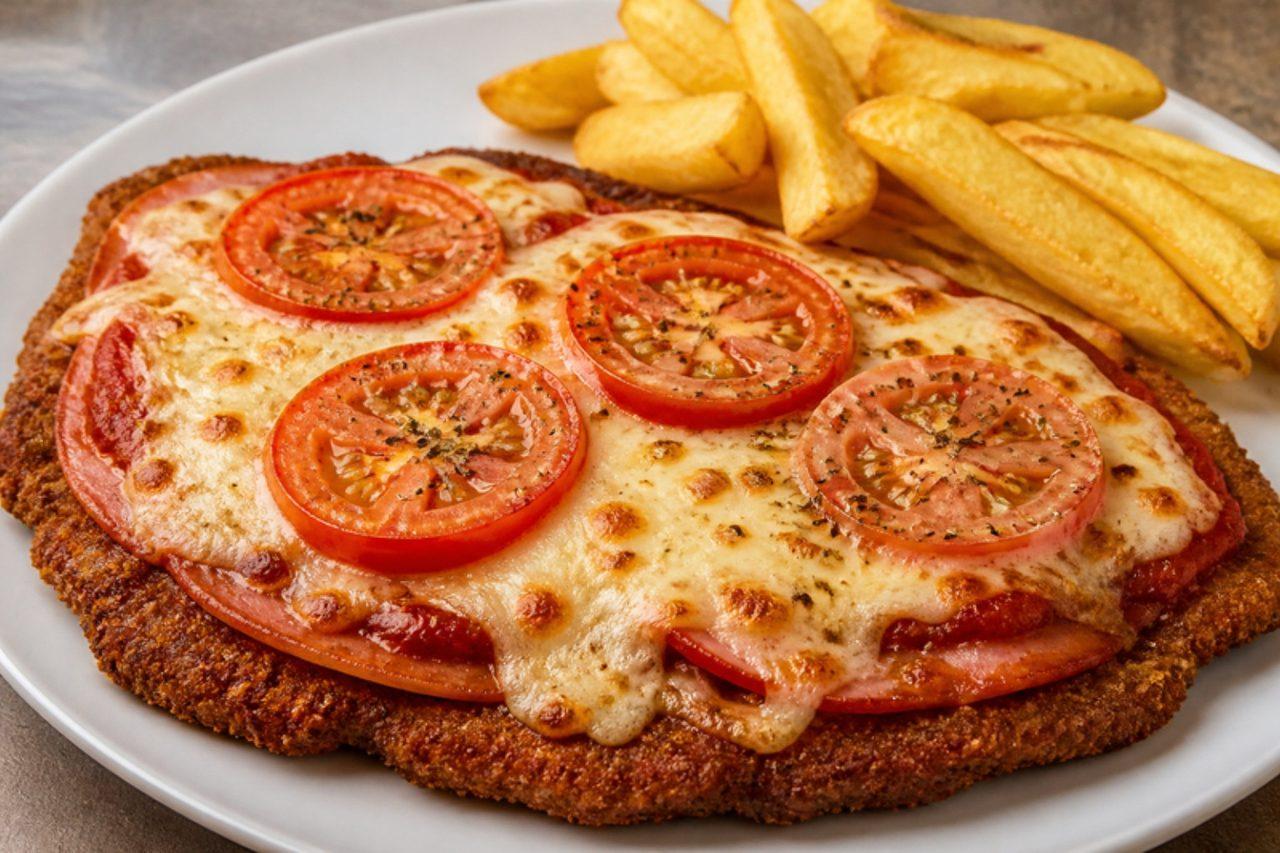
Milanesa a la napolitanaBreaded beef with ham and cheese

Despite the name, this has nothing to do with Naples: it was invented in Buenos Aires in the 1940s at a restaurant called Nápoli, near the Luna Park stadium. A crisp milanesa is topped with tomato sauce, a slice of ham and plenty of mozzarella, then grilled until the cheese bubbles. It is a pork-and-beef dish, because of the ham. Porteños order it at the corner bodegón with a mountain of chips, one plate often shared by two. The common mistake is spooning on too much sauce, which turns the crumb soggy; a thin layer is enough. Chef's tip: fry the milanesas a minute less than usual, since they finish cooking under the grill, and keep the sauce thick.

by KrazyBadal 0 views

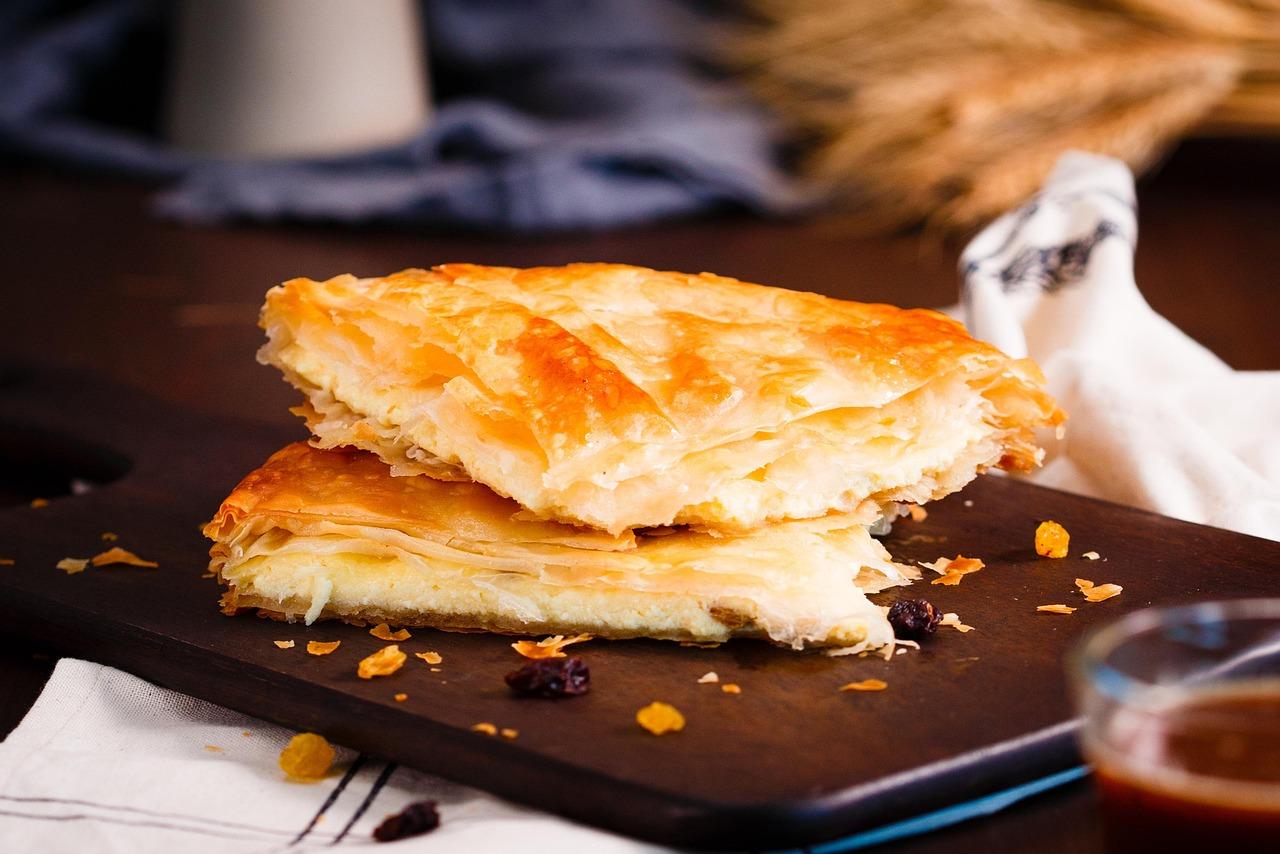
Plăcintă cu brânzăCheese and dill pies

In Moldavia, on both sides of the Prut, plăcintă means a flat round pie fried or baked on a griddle, and the cheese and dill one is what grandmothers in Iași and Chișinău make for weekend breakfasts and for guests at the door. A soft, stretchy dough is pulled thin, wrapped around salty cheese with fresh dill and egg, coiled into a snail and flattened, then cooked in a pan until blistered and crisp. They are eaten hot with a glass of sour milk or tea. Chef's tip: rest the oiled dough properly so it stretches without tearing; skipping the rest is the common mistake and you'll be fighting a springy dough that leaks its filling.

by KrazyBadal 0 views

ZacuscăRoasted aubergine and pepper spread

Zacuscă is the autumn preserve of Moldavia and Transylvania: in Iași and the villages around it, families spend a September weekend charring aubergines and red peppers over a grill and slowly frying them down with onion and tomato into a thick, chunky spread. The jars go into the cellar and come out all winter, spread on bread or eaten with mămăligă during the Orthodox fasts. It is coarser and more oniony than smooth Balkan ajvar, with bay and a long, jammy cook. Chef's tip: let the onions go fully soft and sweet before adding anything else; rushing them leaves a sharp, raw edge that the long cook never removes.

by KrazyBadal 0 views

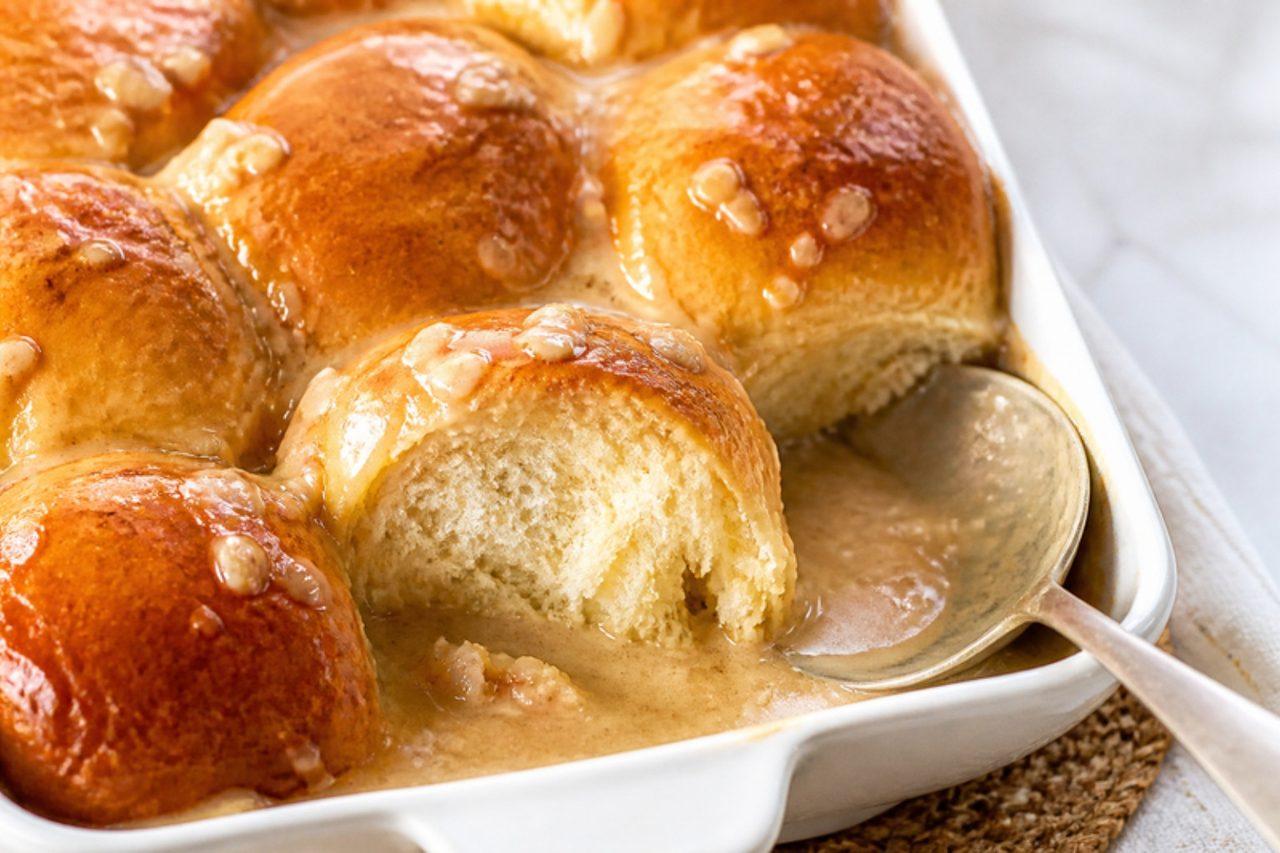
PanipopoSweet rolls in coconut sauce

Panipopo (from 'pani', bun, and 'popo', coconut) are soft, sweet bread rolls baked sitting in a pool of coconut milk and sugar, which bubbles into a sticky, caramel-coloured sauce around them. Samoan families bake them for Sunday lunch, fundraisers and church gatherings, and they've spread to Samoan communities in Auckland and Hawaii. Served warm with the sauce spooned over, they're somewhere between a cinnamon roll and a pudding. Chef's tip: pour the coconut sauce around the rolls just before baking, not hours ahead, or the bottoms go soggy instead of sticky.

by KrazyBadal 0 views

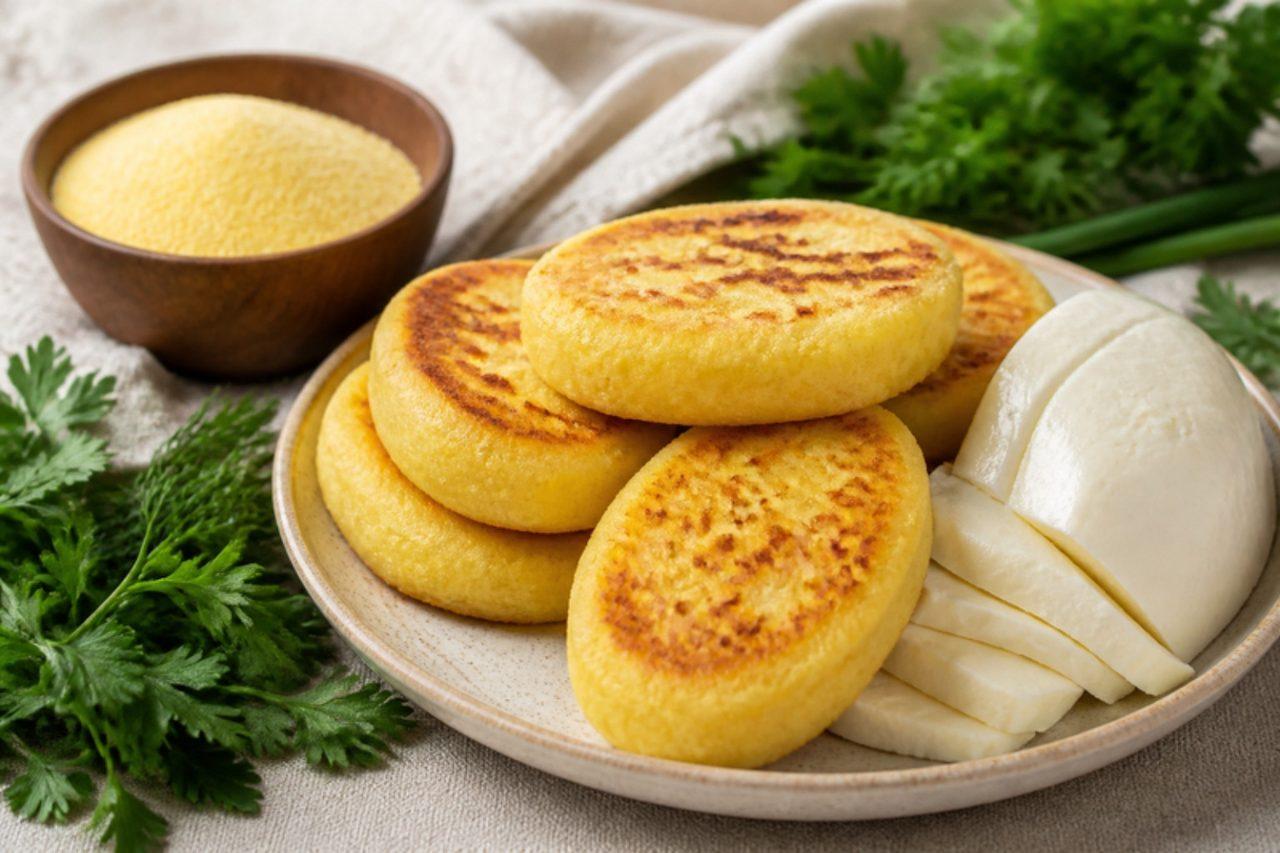
MchadiPan-fried cornbread cakes

Mchadi are the everyday cornbread of western Georgia, from Samegrelo and Guria down to the Black Sea coast, where maize has been grown since the 1700s. They are nothing more than cornmeal, water and salt, shaped by hand into thick ovals and fried or baked on a clay disc until crusty outside and soft and steaming inside. Families eat them hot with a wedge of cheese, a bowl of lobio, pickled vegetables or a spoon of adjika, and they are naturally gluten-free and vegan. The common mistake is using a dough that is too dry, so the cakes crack and crumble in the pan: it should feel like soft, wet clay. Chef's tip: wet your hands in a bowl of water between every cake; the cornmeal will not stick and the surface comes out smooth and crisp.

by KrazyBadal 0 views

Shan tofuChickpea flour tofu

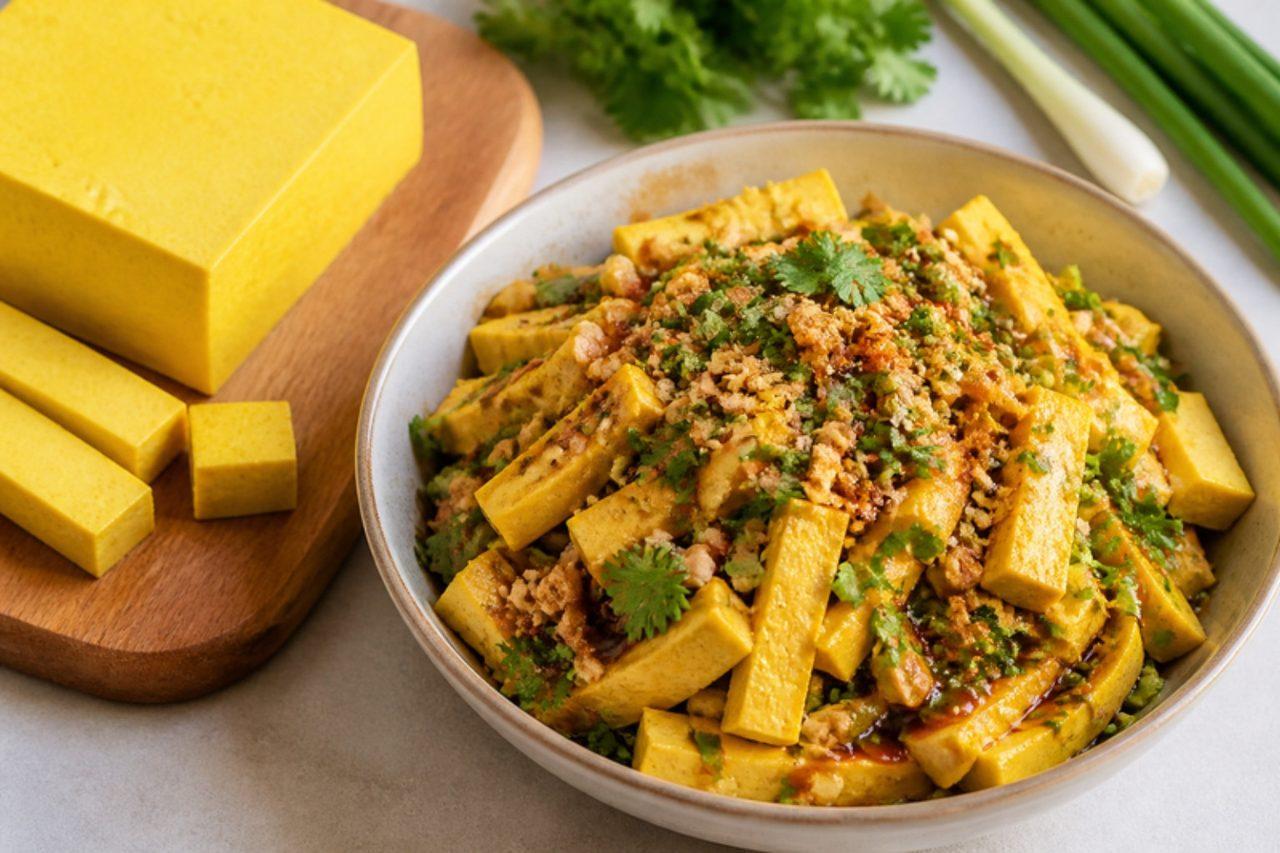
Shan tofu (to hpu) contains no soy at all: it is a smooth, wobbly block of chickpea flour cooked with water and turmeric, then left to set. Shan women sell it in golden slabs at the five-day markets around Inle Lake and Taunggyi, cut into cubes and dressed as a salad with chilli oil, garlic, vinegar and peanuts, or sliced and fried into crisp fritters. Warm and unset, it's eaten as a porridge (to hpu nway). Chef's tip: whisk constantly as it thickens and keep cooking for a full 8 minutes after it turns thick; undercooked Shan tofu tastes raw and never sets firmly.

by KrazyBadal 0 views

Pasta e fagioliBean and pasta soup

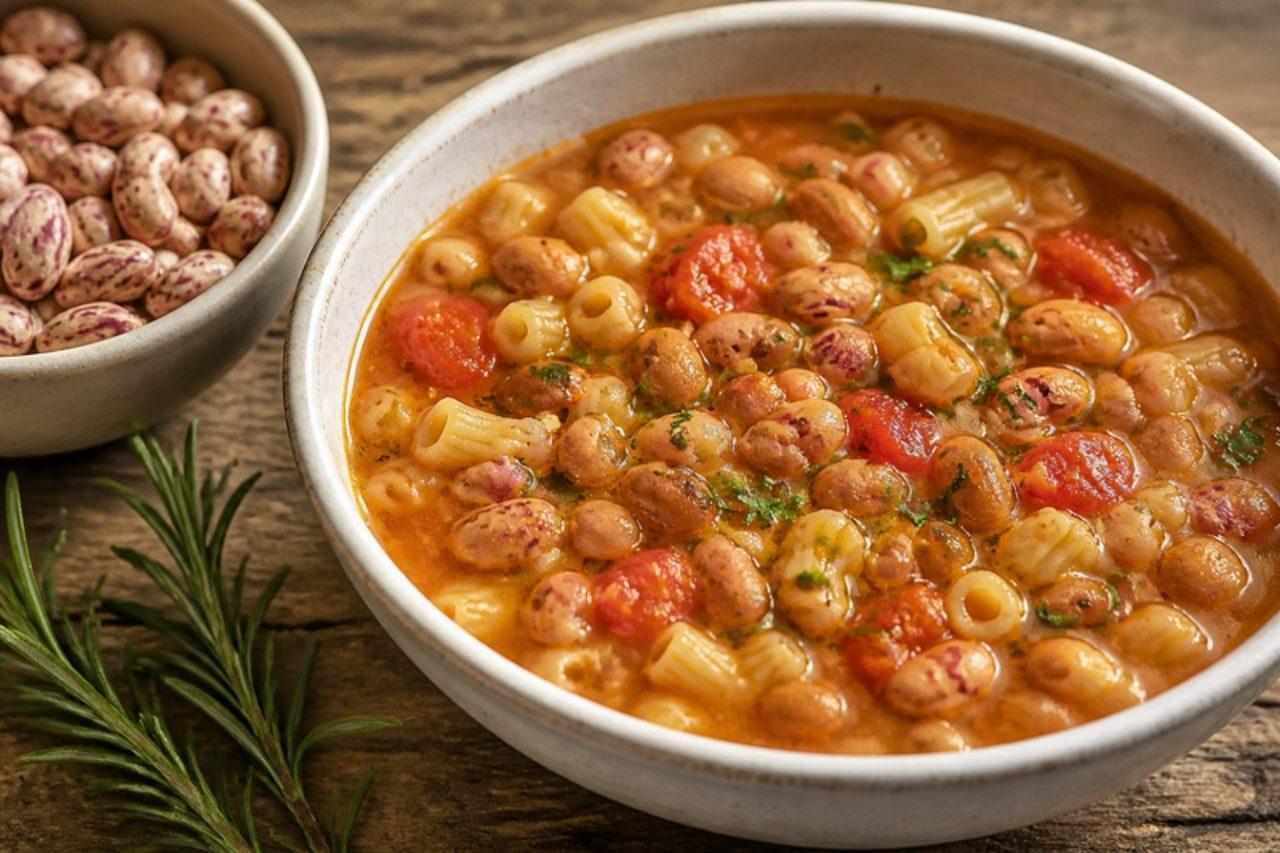
In Naples pasta e fagioli (pasta e fasule in dialect) is thick enough to stand a spoon in, made with cannellini or borlotti beans, a few cherry tomatoes, garlic and broken pasta cooked straight in the bean broth. It is a cheap, filling Friday-night meal in many Neapolitan homes, and the bean starch, not cream or cheese, makes it velvety; this version stays vegan. Chef's tip: blend a ladle of the beans before the pasta goes in; it thickens the soup naturally so the pasta is coated, not swimming.

by KrazyBadal 0 views

Shanghai ci fan tuanSticky rice rolls with fried dough

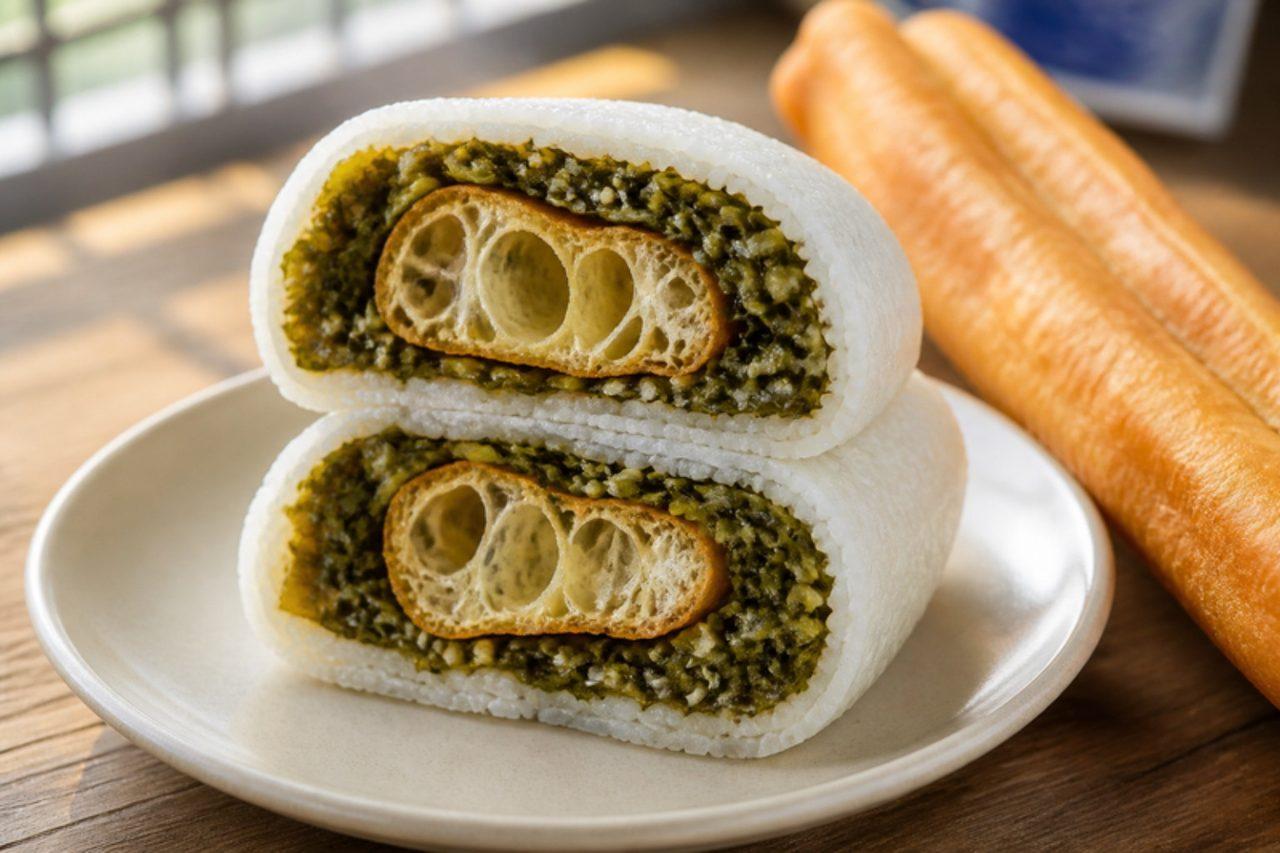
Ci fan tuan is one of the 'four heavenly kings' of Shanghai breakfast, along with fried dough sticks, soy milk and sesame flatbread. Vendors spread warm sticky rice on a cloth, lay a crisp youtiao and pickles in the middle and squeeze it into a fat roll to eat on the way to work. The savoury version often adds pork floss; this one uses pickled mustard and sesame, and there's a sweet sugar version too. Soak the rice overnight. Chef's tip: wrap the rice tightly in cling film and a tea towel, so the roll holds without being squashed flat.

by KrazyBadal 0 views

Shanghai scallion oil noodlesNoodles with spring onion oil

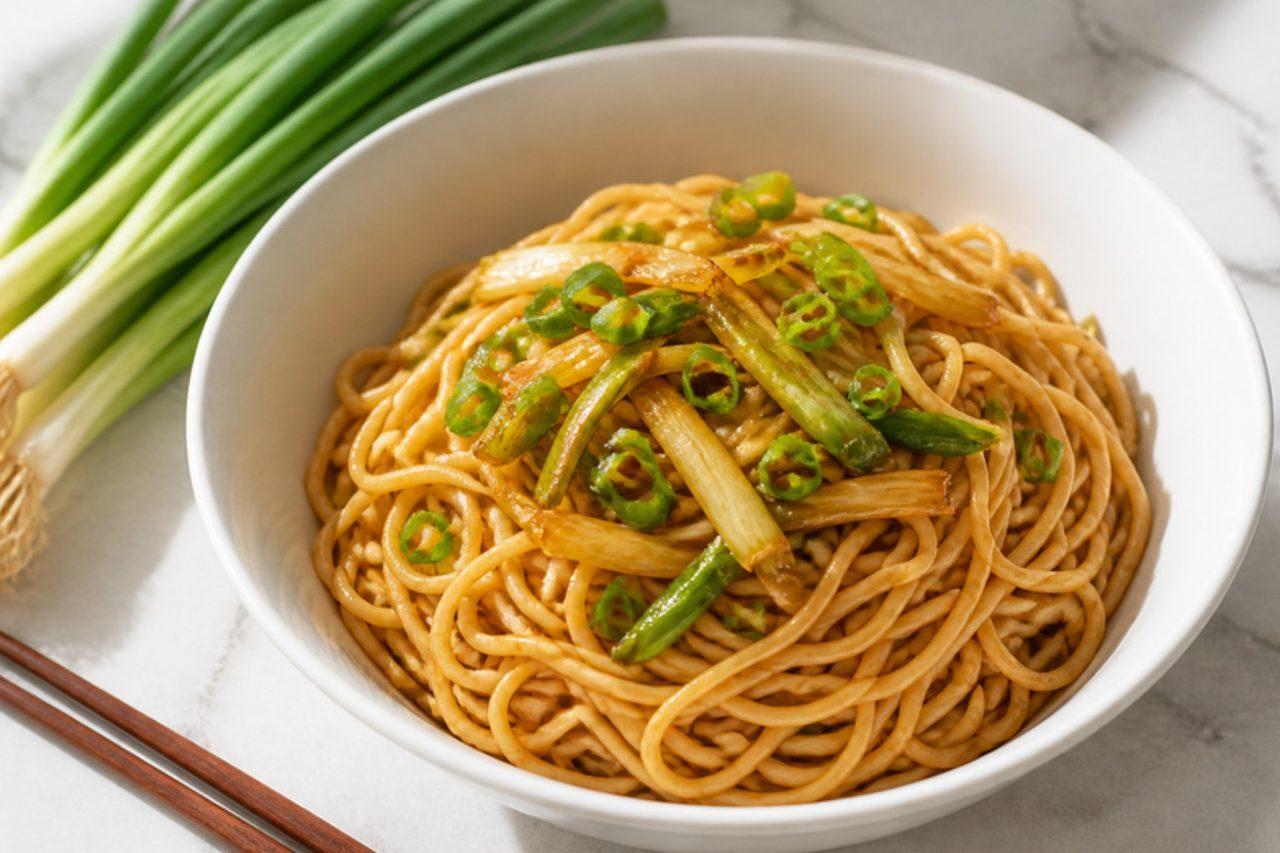
Cong you ban mian is a Shanghai breakfast and late-night favourite: thin wheat noodles tossed in oil that has been slowly infused with spring onions until they turn dark and crisp, plus a sweet soy sauce. It's almost nothing, and yet the caramelised onion flavour is addictive. Locals have it with a bowl of soup or a fried egg. Chef's tip: fry the spring onions over a medium-low heat for the full 12 minutes, until deep brown but not black; pale onions give oil with no character.

by KrazyBadal 0 views

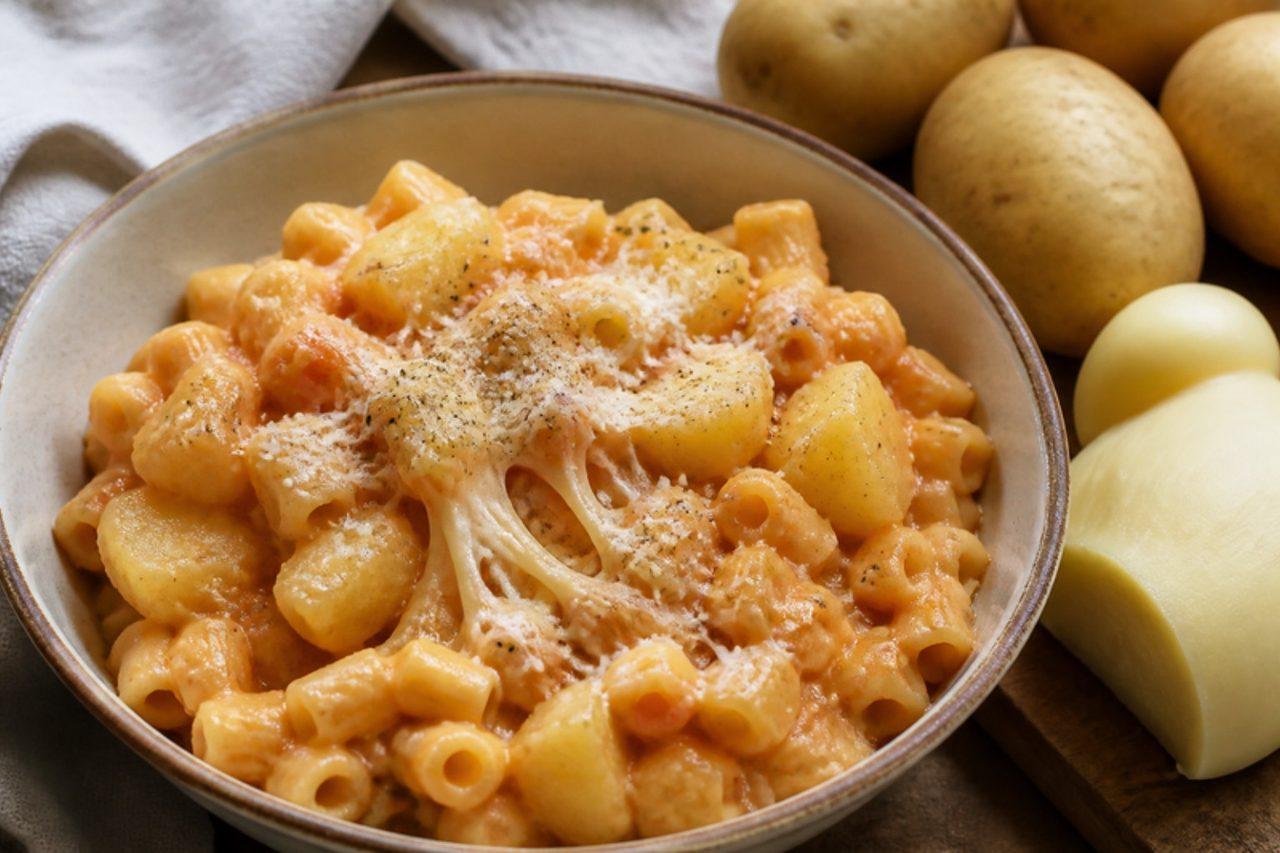
Pasta e patatePasta with potatoes

Pasta e patate is Neapolitan home cooking at its most thrifty: potatoes and mixed broken pasta (pasta mista, the odds and ends from many packets) cooked together in one pot like a risotto, until the potato breaks down and the starch makes everything creamy. Naples families eat it on weekday evenings in winter, and many stir in cubes of smoked provola at the end so it goes stringy (pasta patate e provola). Children love it. Chef's tip: cut half the potato small and half larger; the small pieces melt into the sauce while the larger ones keep their shape.

by KrazyBadal 0 views

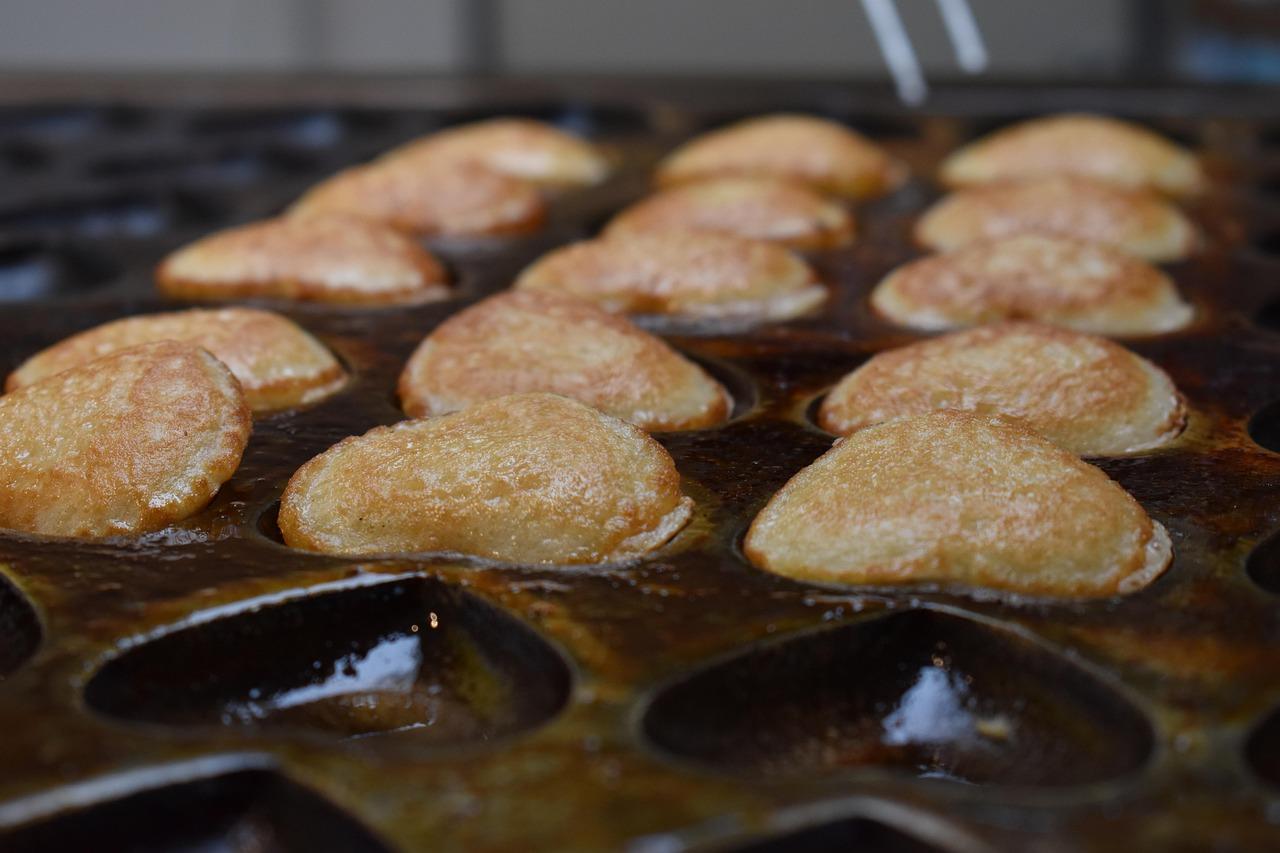
PoffertjesMini puffed pancakes

The smell of poffertjes drifts across every Dutch kermis (funfair), Christmas market and summer street festival, where they are flipped by the hundred on a cast-iron plate full of shallow hollows. They are tiny, puffy, yeasted pancakes made partly with buckwheat, served a dozen at a time on a cardboard dish with a slab of melting butter and a snowfall of icing sugar. At home you need a poffertjespan, a pan with small round dips; a Danish æbleskiver pan is too deep. Chef's tip: put the batter in a squeeze bottle or a piping bag; filling 30 hollows quickly by spoon is almost impossible, and the first ones burn while you fill the last.

by KrazyBadal 0 views

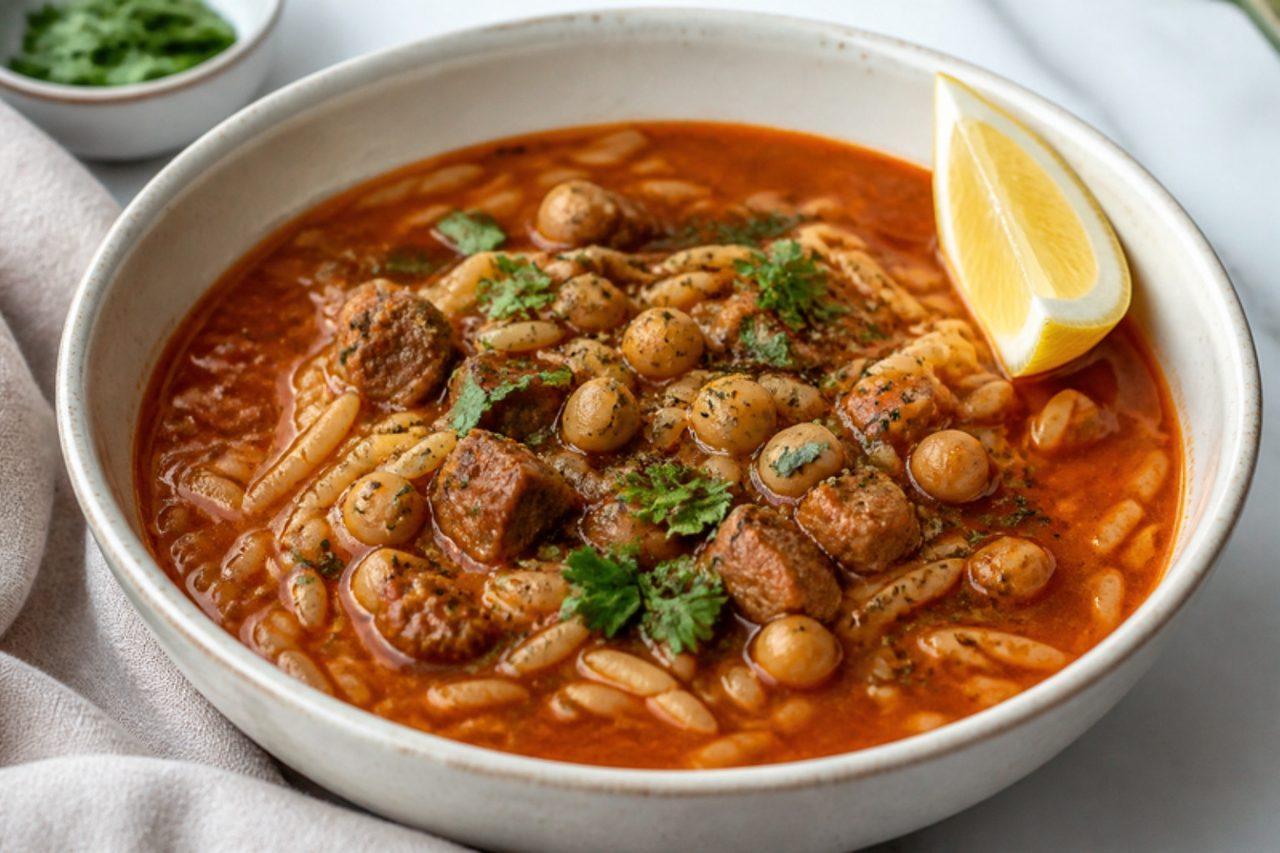
Sharba libiyaLamb and orzo soup

Sharba libiya is the soup that opens the iftar table in almost every Libyan home during Ramadan, from Benghazi to Misrata: small pieces of lamb, tomato, chickpeas and tiny pasta (lisan asfour, orzo) in a red broth spiced with turmeric and chilli and finished with dried mint and lemon. It is light enough after a day of fasting but filling. The mistake is adding the pasta too early, which makes it swell and turn the soup to porridge; it needs only the last 12 minutes. Chef's tip: rub the dried mint between your palms over the pot at the end so it releases its oils.

by KrazyBadal 0 views

Ehime mikan jellyMandarin jelly

Ehime, on the sunny north coast of Shikoku, is Japan's mandarin country. Terraced orchards climb its hillsides above the Seto Inland Sea, and the local mikan is so central to life there that some towns joke their taps run with juice. Mikan jelly is the prefecture's everyday treat, sold in cups at service stations and made at home when the fruit glut comes in winter. Ours is set with kanten (agar) instead of gelatine, which also means it holds firm at room temperature and doesn't melt on a hot day. Serve chilled after dinner. Chef's tip: boil the agar properly for 2 minutes. Agar only sets once fully dissolved, and undercooked agar leaves a grainy, weak jelly.

by KrazyBadal 0 views

Pastéis de nataCustard tarts

Pastéis de nata were first baked by monks of the Jerónimos Monastery in Belém, on the Lisbon waterfront, who used surplus egg yolks (whites went to starch habits) in a lemon-and-cinnamon custard. Today every pastelaria in Portugal sells them warm from first thing in the morning, eaten standing at the counter with a bica or galão, dusted with cinnamon and icing sugar. The pastry is a spiral of thin, buttery layers pressed up the sides of the tin with a wet thumb; the custard is baked in the hottest oven you have, so it sets creamy and catches dark freckles in under 15 minutes. Chef's tip: chill the rolled log of pastry well and press the discs from the centre outwards, so the edge stands slightly above the rim; that thin rim is what shatters when you bite.

by KrazyBadal 0 views

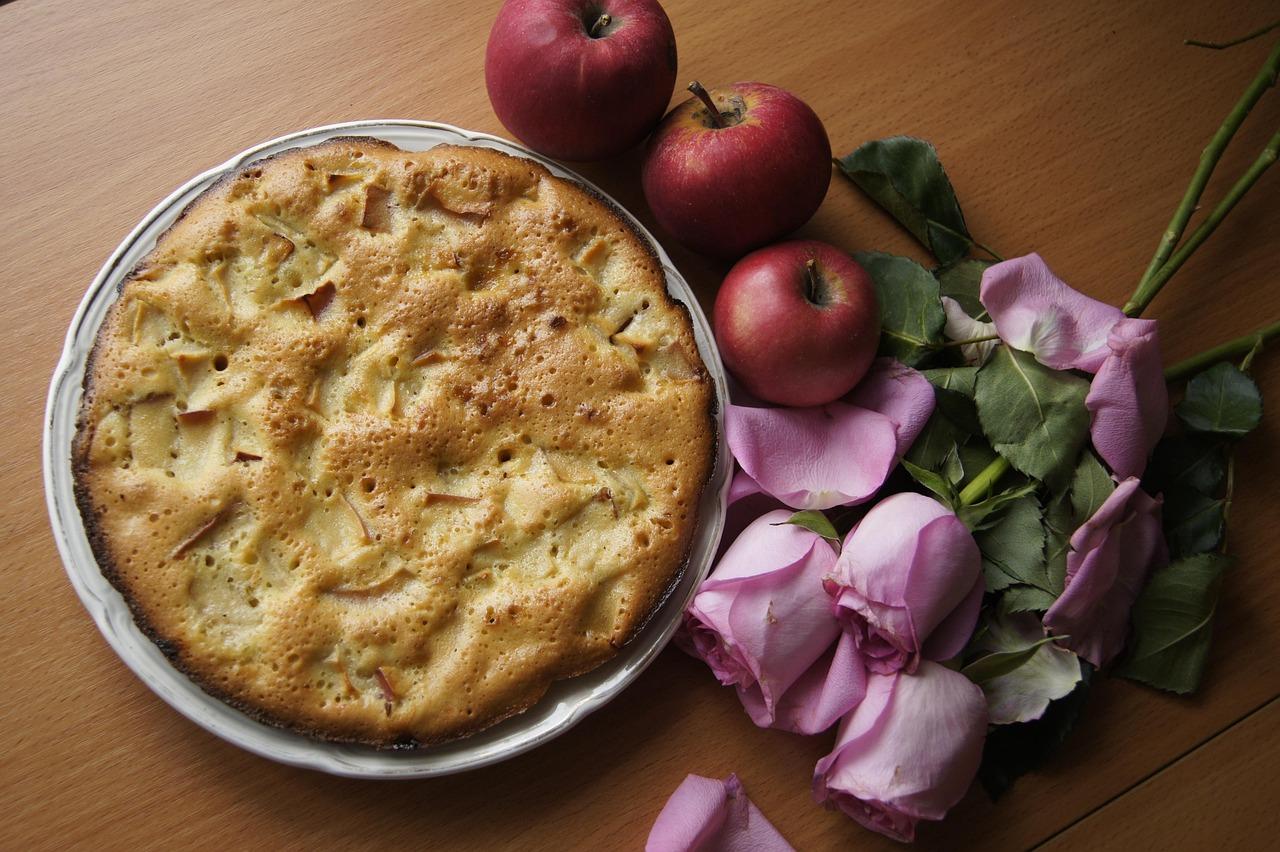
SharlotkaApple sponge cake

Sharlotka is the cake every Russian family bakes in September, when dachas around Moscow and Saint Petersburg drown in Antonovka apples. It is nothing like Polish szarlotka with its shortcrust: here the tin is packed with sliced tart apples and a feather-light batter of whisked eggs, sugar and flour is poured over, so it bakes into an airy, crackly-topped sponge holding a soft apple layer. Only four ingredients, and it is on the table in under an hour with tea from the samovar. Chef's tip: whisk the eggs and sugar for a full 8 minutes until pale and tripled; that air is the only raising agent and a short whisk gives a flat, rubbery cake.

by KrazyBadal 0 views

Pumpkin samsaPumpkin pastries

In autumn, when piles of orange pumpkins appear in the Chorsu bazaar in Tashkent, bakers switch some of their samsa from meat to oshqovoq somsa: crisp, flaky triangles filled with diced pumpkin, onion, cumin and a little sugar, baked against the tandoor wall. They are a street snack eaten hot from paper with green tea, and a fasting-friendly favourite at home. The pastry here is the quick laminated dough Uzbek home cooks use, rolled thin, buttered and coiled. Chef's tip: dice the pumpkin small (1 cm) and don't pre-cook it; raw pumpkin steams inside the pastry and stays in tender, distinct pieces instead of turning into purée.

by KrazyBadal 0 views

Shatkora beefBeef curry with wild citrus

Shatkora is a large, thick-skinned citrus that grows in the hills of Sylhet in north-east Bangladesh, and its bitter, perfumed rind is what Sylhetis put in beef curry instead of lemon. The rind and pith are cut into chunks and simmered with the meat, so the sauce turns gently sour and smells like lime leaves and grapefruit at once. It is a home dish for Fridays and Eid, eaten with rice; the many Sylheti families in Britain made it famous in UK curry houses. Shatkora is sold frozen or in brine at South Asian grocers; if you can't get it, use the peel of half a grapefruit and a lime. The common mistake is adding too much shatkora early, which makes the curry bitter. Chef's tip: boil the shatkora pieces in water for 2 minutes and drain before adding them; it removes the harshest bitterness and keeps the fragrance.

by KrazyBadal 0 views

Ube halayaPurple yam jam

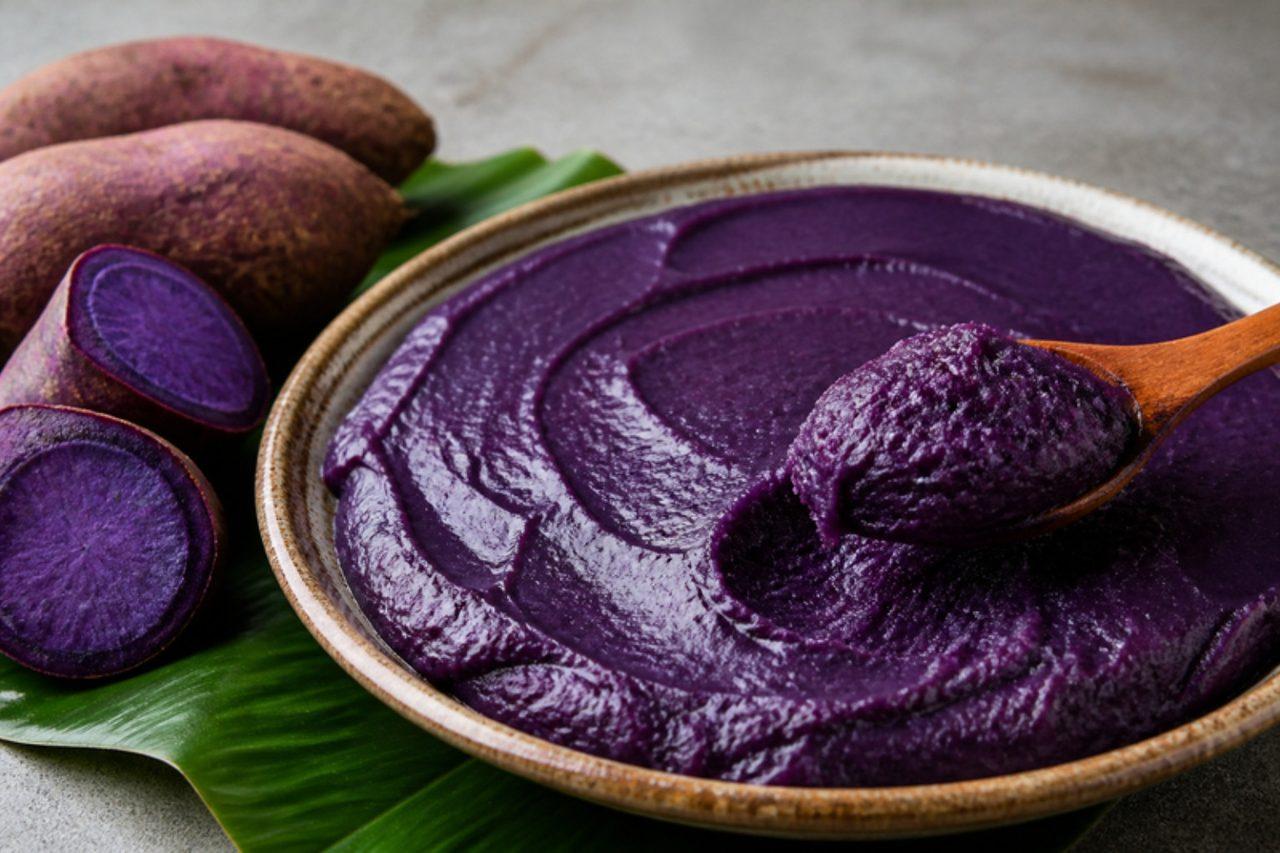
Ube halaya is a thick, deep purple jam made from purple yam, slowly stirred with coconut milk, condensed milk and butter until it pulls away from the pan. Bohol, where ube grows in abundance and the province holds a festival for it every January, claims it, and in Baguio jars of it are bought as pasalubong (gifts) to take home. It appears at Christmas and fiestas, spread on bread, eaten by the spoonful, packed into halo-halo or shaped in moulds and topped with latik or grated cheese. Real ube has a gentle, nutty, vanilla-like flavour; purple sweet potato is not the same. Chef's tip: frozen grated ube from Asian grocers works perfectly and saves an hour of peeling and grating.

by KrazyBadal 0 views

Longjing shrimp

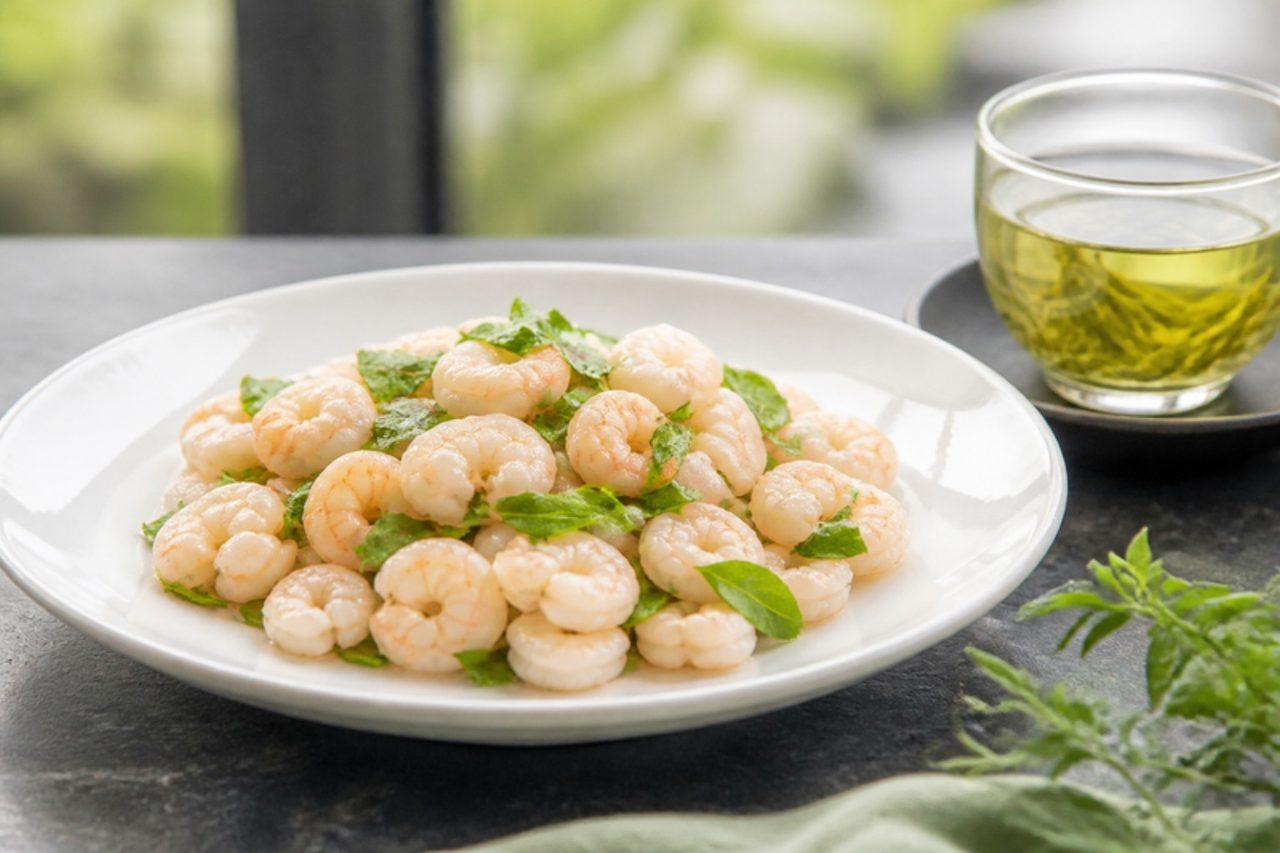
Spring in Hangzhou means new-season Longjing tea from the hills west of the city, and restaurants celebrate it by tossing tiny, pearly river shrimp with the tender tea leaves and a splash of their brew. The result is very delicate: sweet, springy shrimp, a faint grassy and chestnut aroma from the tea, and no heavy sauce at all. It is usually one dish among several at a family meal, eaten with rice. Small raw prawns are the easiest home swap for river shrimp. Chef's tip: brew the tea with water at about 80 °C, never straight from the boil, which makes the leaves bitter.

by KrazyBadal 0 views

Cameroonian coconut rice

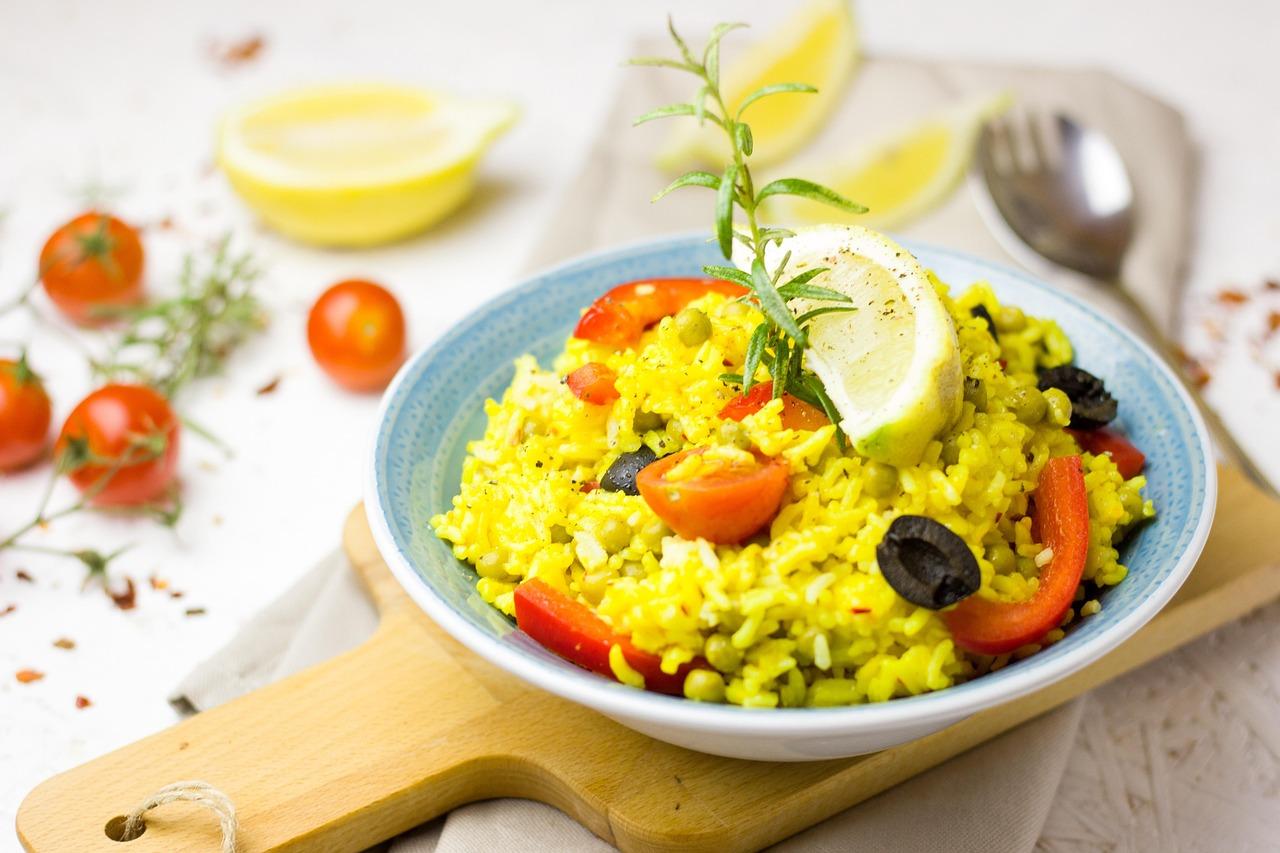
A colourful one-pot rice from Cameroon: long-grain rice simmered in thin coconut milk with tomato paste, chilli, cinnamon-clove powder and thyme, studded with carrot and yellow pepper. It's lightly spiced, creamy and fragrant. Serve it with beans, a vegetable stew or a simple salad.

by KrazyBadal 0 views

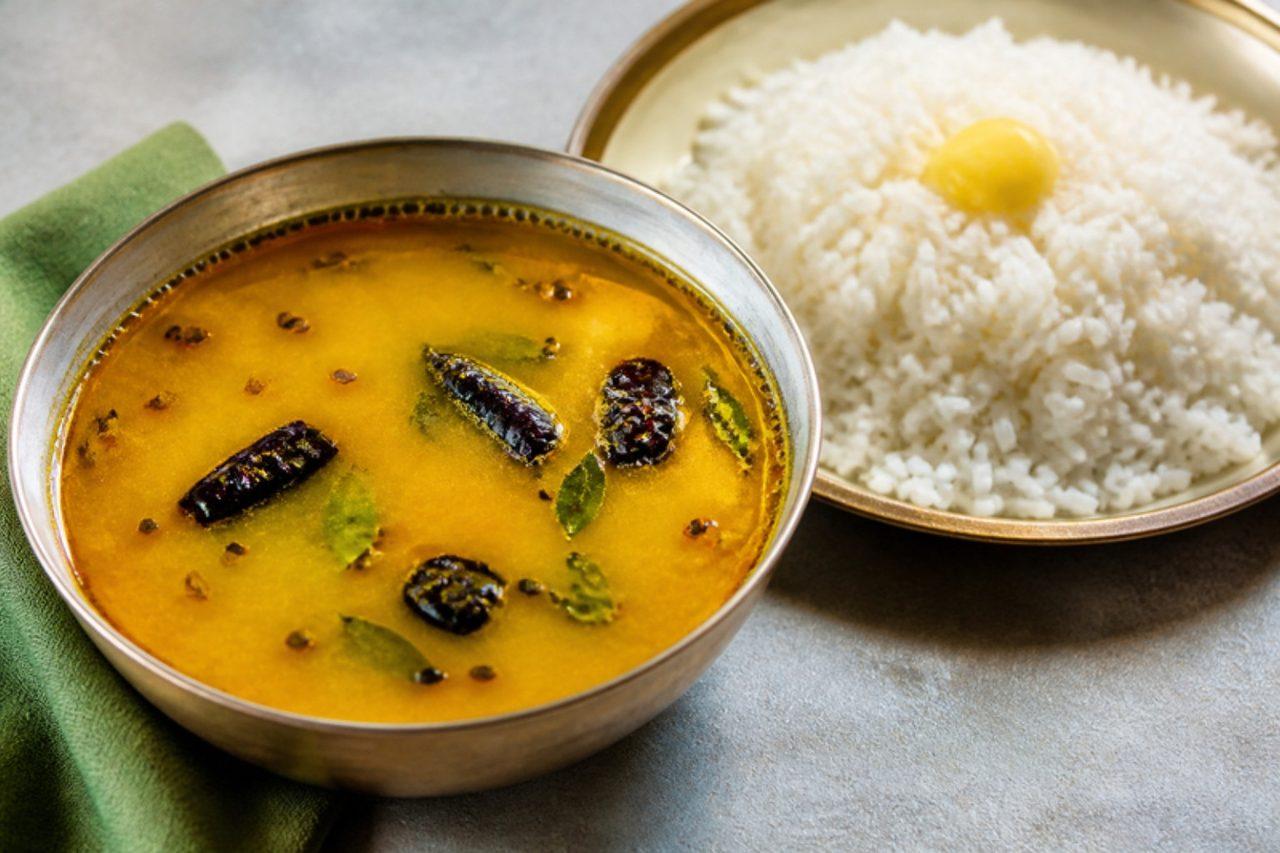
Maharashtrian aamtiSweet and sour dal

Aamti is the everyday dal of Maharashtrian homes from Pune to Kolhapur: toor dal cooked soft, soured with kokum, sweetened with a little jaggery and seasoned with goda masala, the dark, aromatic spice blend of the state. It's thinner than a Punjabi dal and has a gentle sweet-sour-hot balance. Before the tempering goes in, many cooks scoop out a bowl of the plain cooked dal for varan bhaat, the simple turmeric-yellow dal with rice, ghee and lemon that every Maharashtrian child grows up on and that starts every festive thali. Chef's tip: add the kokum near the end and taste after 5 minutes; it keeps releasing sourness, and it's easy to overshoot.

by KrazyBadal 1 views

Butter beans with cabbage

A simple, homely East African dish of butter beans (or kidney beans) tossed with tender cabbage and carrots in butter with deeply browned onions. It's mild, filling and good for every day; the book's Handy Hints note that cabbage is high in fibre and good for digestion. Serve hot with chapati, rice or ugali.

by KrazyBadal 0 views

ChipaCheese bread rings

In Paraguay you hear 'chipa, chipa!' called by vendors with big baskets on buses and street corners, and every family bakes it for Holy Week, when chipa is the food of Good Friday. Cassava starch, a little cornmeal, butter, eggs and a lot of hard cheese are kneaded into a dough scented with aniseed, shaped into rings or small rolls and baked in a hot oven, traditionally a domed clay tatakua. It's chewy, crisp outside and best warm with cocido (toasted yerba tea). Chef's tip: the dough should feel soft and slightly greasy; add milk a spoon at a time, as too much makes the chipa spread flat.

by KrazyBadal 1 views

Roasted red pepper & fennel

Big pieces of sweet red pepper and fennel tossed with lemon, black pepper and olive oil and roasted until soft and just starting to brown, then topped with black olives, toasted pine nuts and fresh herbs. It works as a side or a light starter, warm or cold. The vegetables can also be roasted on the barbecue jiko.

by KrazyBadal 0 views

Roasted bananas in chocolate

Whole bananas roasted on the barbecue until soft and sweet, cut into quarters, put on skewers, half-dipped in melted dark chocolate and rolled in chopped almonds, pistachios and cashews. It's a quick barbecue dessert that children love to help make. Serve them straight away while the chocolate is still soft.

20 minDessertsGluten free
by KrazyBadal 0 views

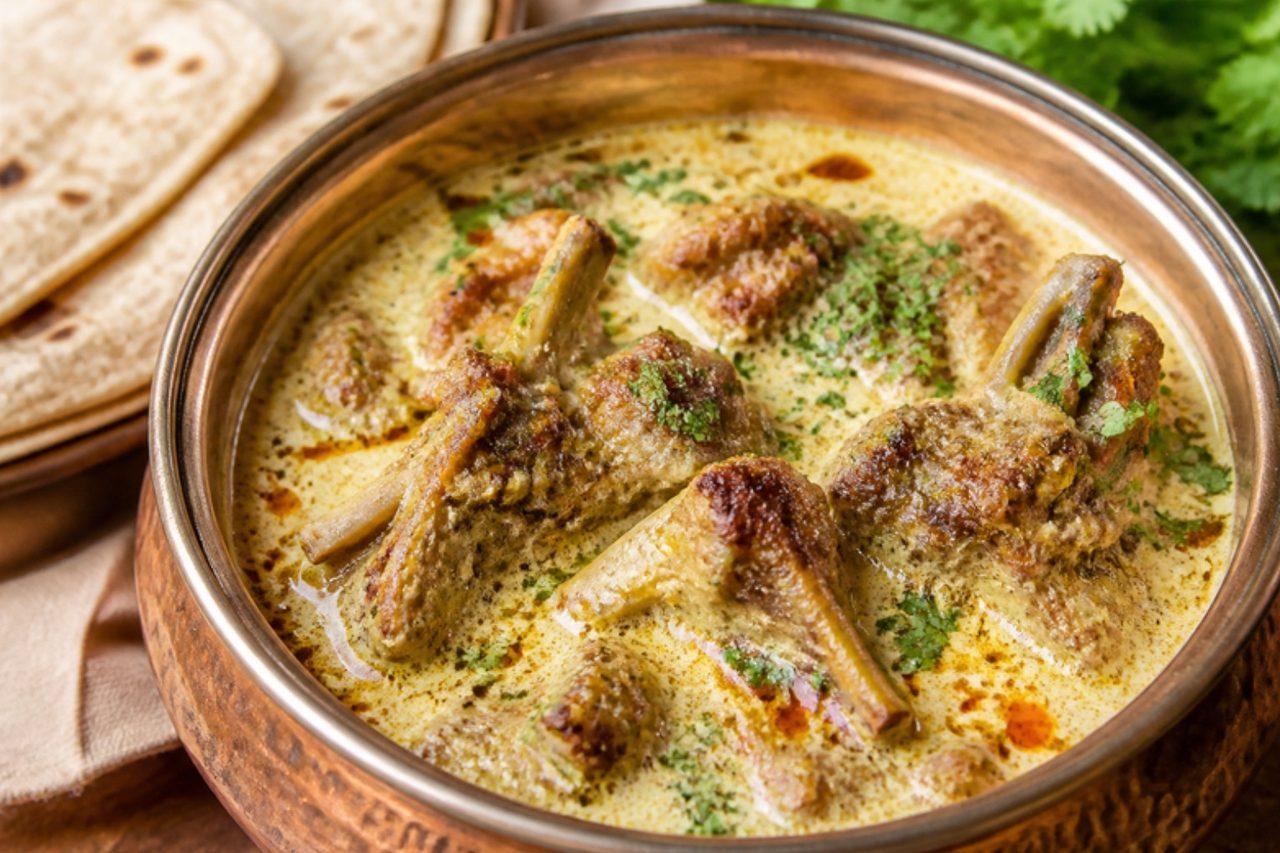
Chha goshtLamb in buttermilk gravy

Up in the hill villages of Himachal Pradesh, where flocks are walked to summer pastures, lamb is often cooked in chhaachh, the thin buttermilk left after churning butter. Thickened with a spoonful of gram flour, it makes a pale, gently sour gravy that is milder and lighter than the red curries of the plains, and it is a favourite at dhams, the festive meals of the Kangra and Chamba valleys. Serve it with steamed rice or makki ki roti. Chef's tip: whisk the gram flour into the buttermilk until there are no lumps before it goes near the pot; once it hits the heat, any lumps stay lumps.

105 minIndianMeatGluten free
by KrazyBadal 1 views

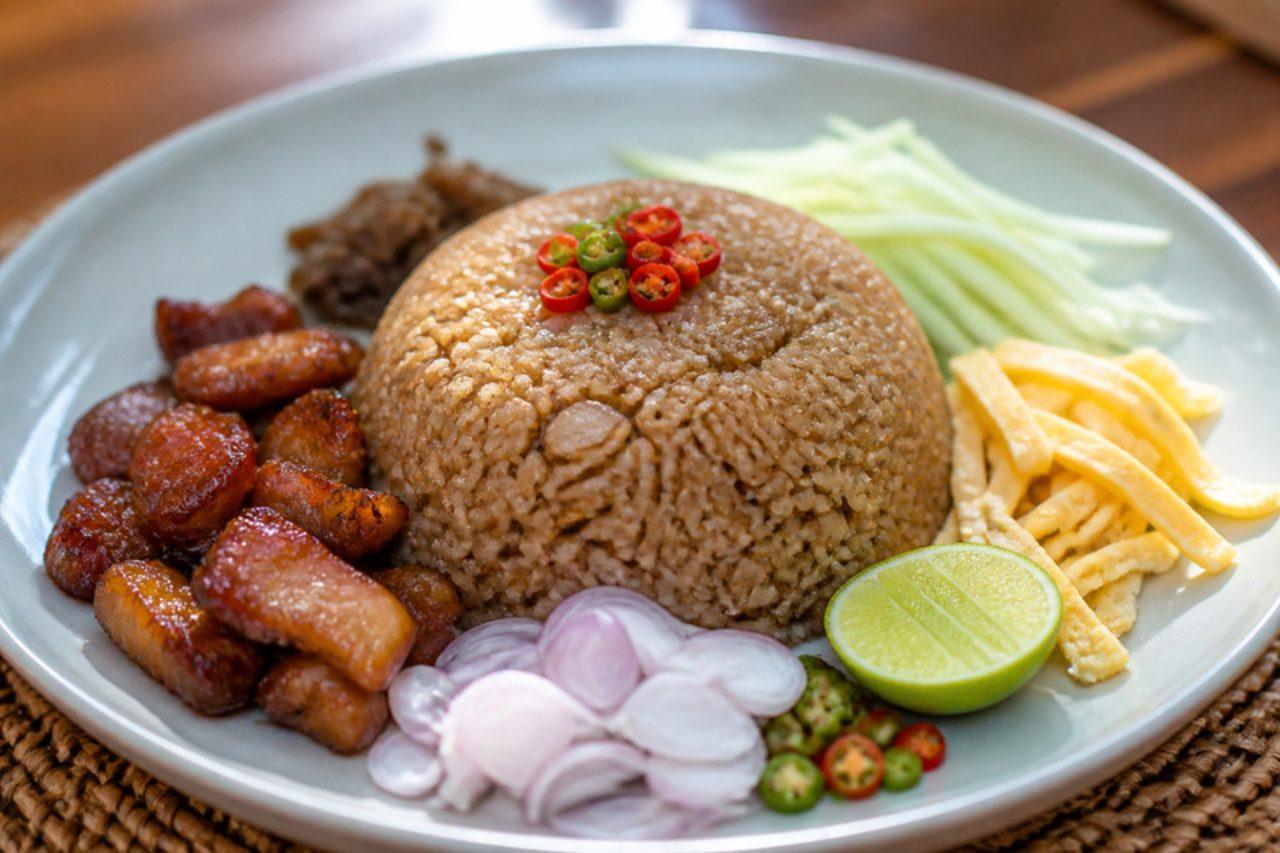
Khao kluk kapiShrimp paste rice

Everything on this central Thai plate is arranged in little heaps around a mound of rice tossed with garlic and fermented shrimp paste: sticky caramelised pork (moo wan), threads of sour green mango, shallots, chillies, sliced long beans, crisp dried shrimp and ribbons of thin omelette. You mix a bit of each into every spoonful, so salty, sweet, sour and hot arrive together. It's a favourite at Bangkok's curry-and-rice shops and a clever way to use up yesterday's rice at home; lime wedges and cucumber cool it down. Chef's tip: use day-old jasmine rice straight from the fridge, because freshly cooked rice clumps and smears the shrimp paste instead of coating each grain.

by KrazyBadal 1 views

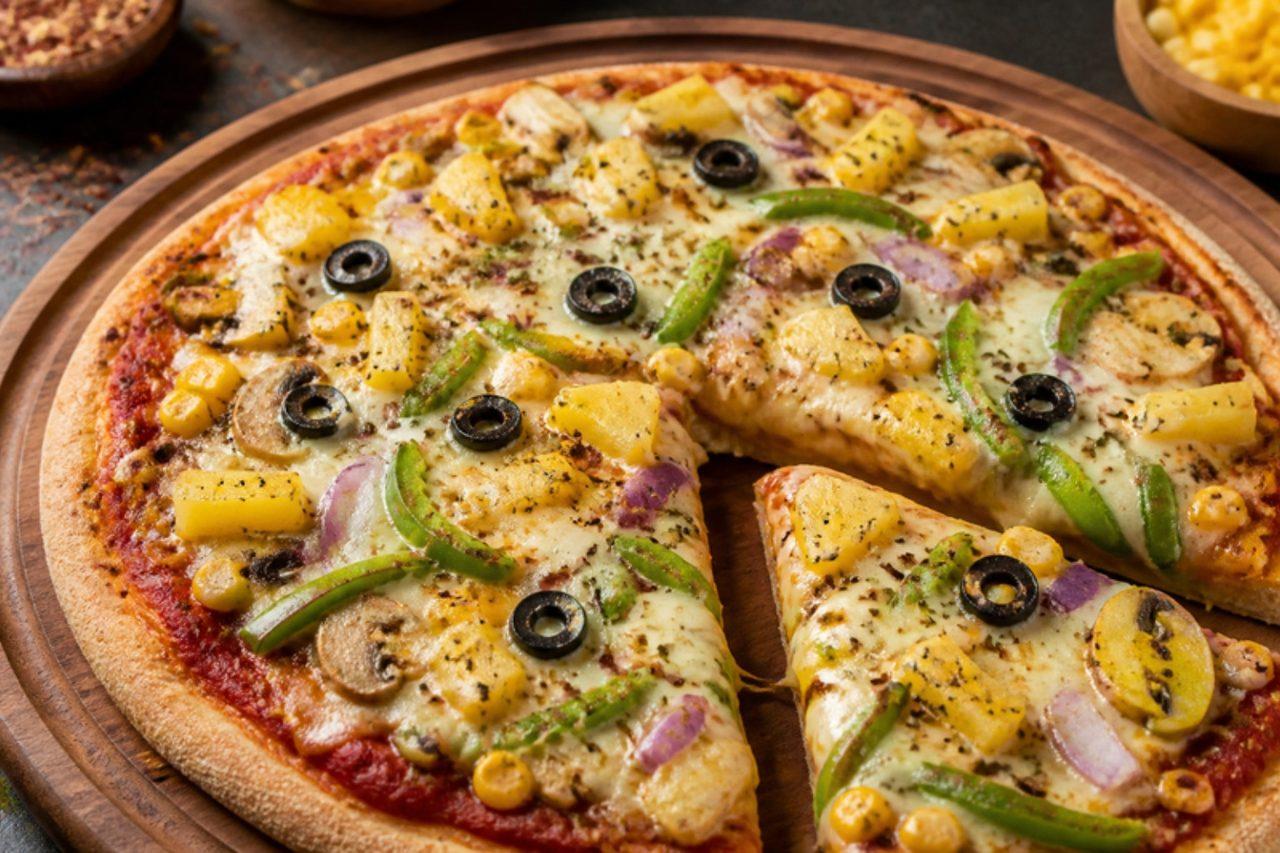
Vegetable pizza

Eight small pizzas on a soft yogurt dough made with half wholewheat flour, spread with hot pizza gravy and loaded with capsicum, pineapple, onion, mushrooms, olives, sweetcorn, chilli flakes and both mozzarella and cheddar. The bases can be baked ahead and topped when the guests arrive. Cut into quarters and serve hot.

125 minItalianPizza
by KrazyBadal 0 views

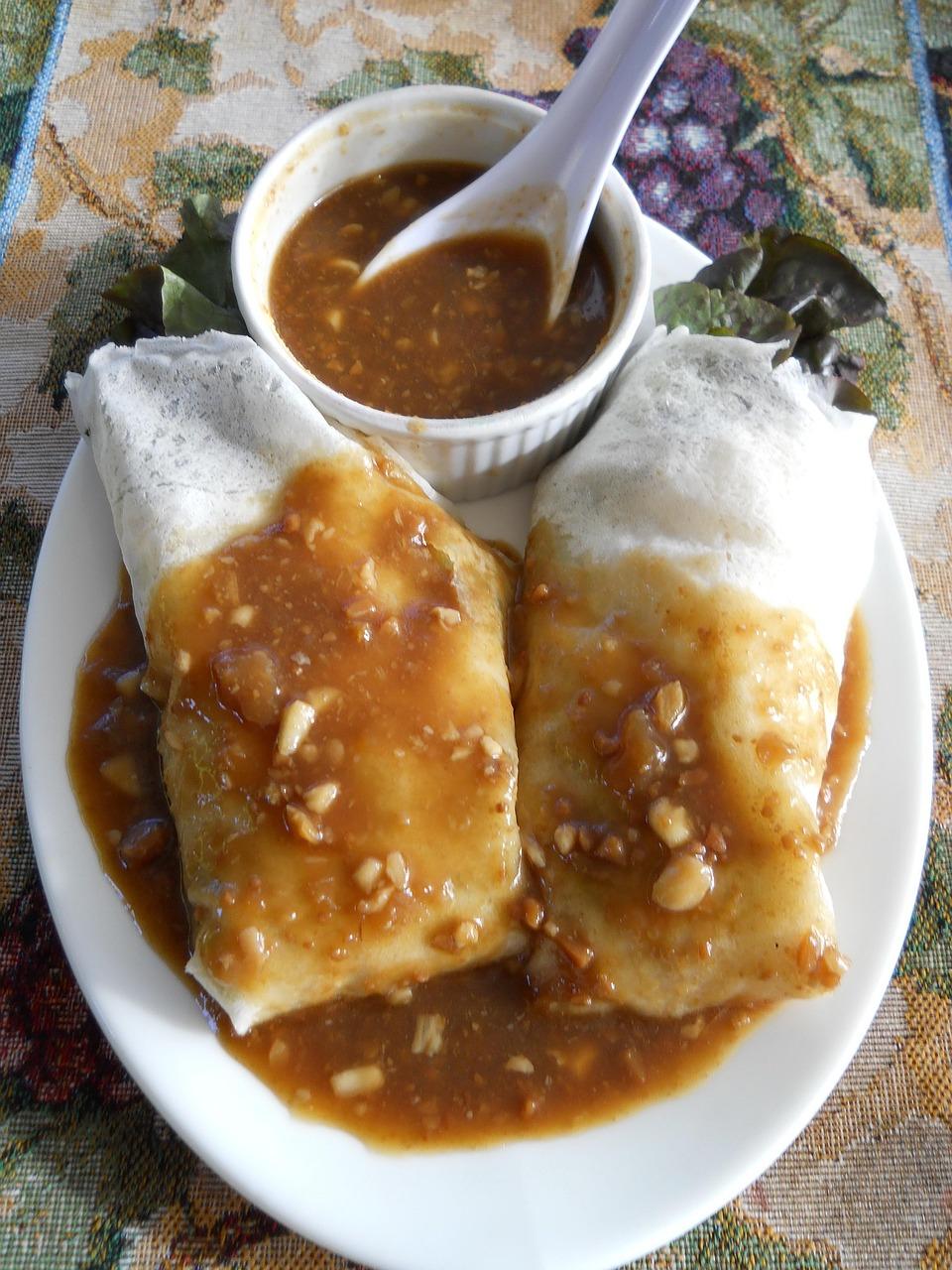
Lumpiang sariwaFresh vegetable spring rolls

Lumpiang sariwa ('fresh lumpia') is the unfried cousin of the crisp Filipino spring roll, served at fiestas, family gatherings and as a substantial afternoon merienda around Manila and the Tagalog provinces. A thin, soft egg crepe is wrapped around a lettuce leaf and a warm sauté of sweet potato, jicama, carrot, green beans, cabbage and tofu, then covered in a glossy brown garlic sauce and a shower of crushed peanuts. In Negros the filling is heart of palm (ubod) instead. It is eaten with a knife and fork, or carefully by hand. Chef's tip: make the crepes thin enough that you can almost see light through them; thick ones turn rubbery and hide the filling.

by KrazyBadal 1 views

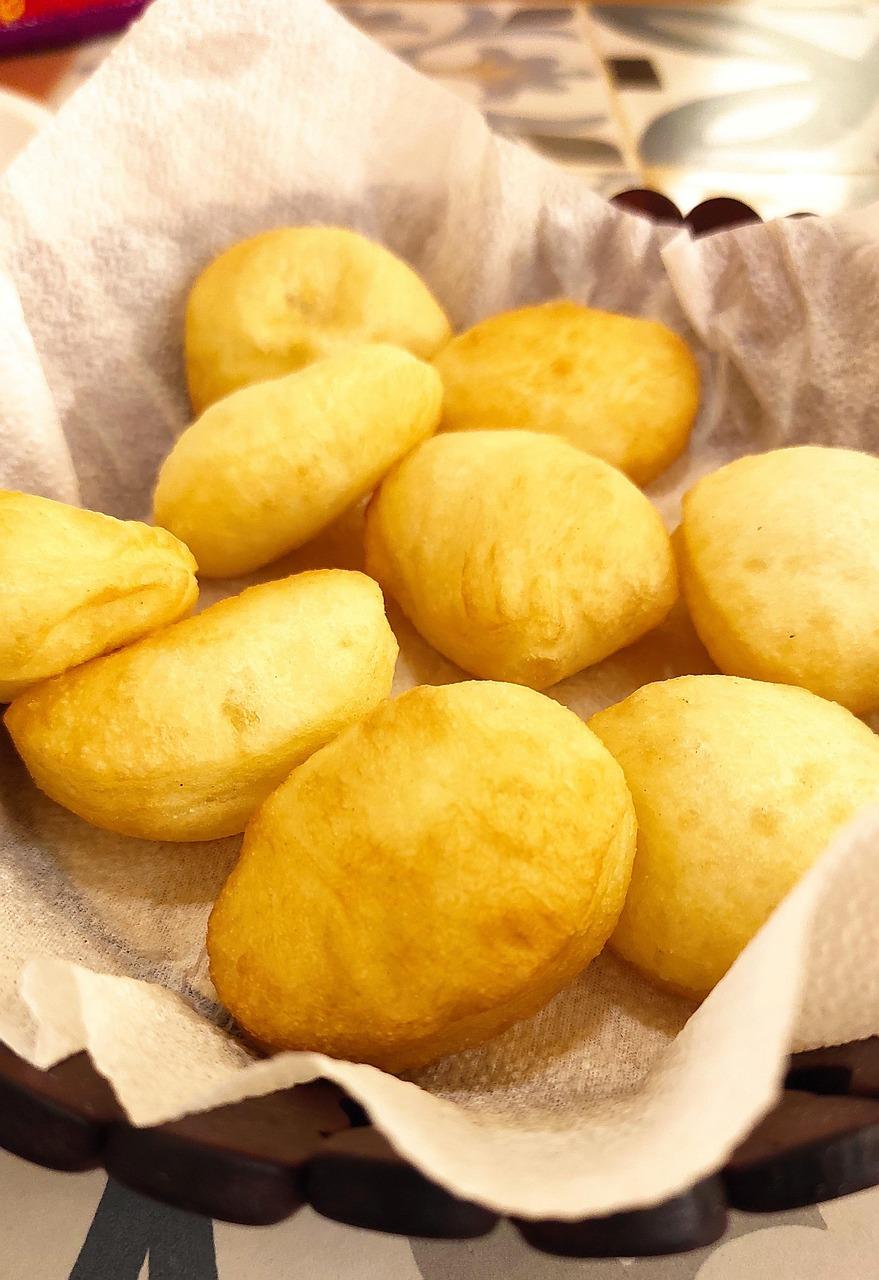
BaursakPuffed fried dough

No Kazakh dastarkhan, the cloth spread with food for guests, is complete without a heap of baursak: soft, hollow pillows of yeasted dough fried until they balloon. They are scattered over the table at weddings, at Nauryz in March and at funerals, where the smell of frying baursak is said to reach the departed. In Almaty families fry hundreds at a time and eat them through the evening with milk tea, butter, jam or honey. Kyrgyz and Turkmen households make almost identical versions. Chef's tip: roll the dough just 1 cm thick and keep the oil hot; thin dough in hot oil puffs into a hollow ball, thick dough stays bready.

by KrazyBadal 0 views

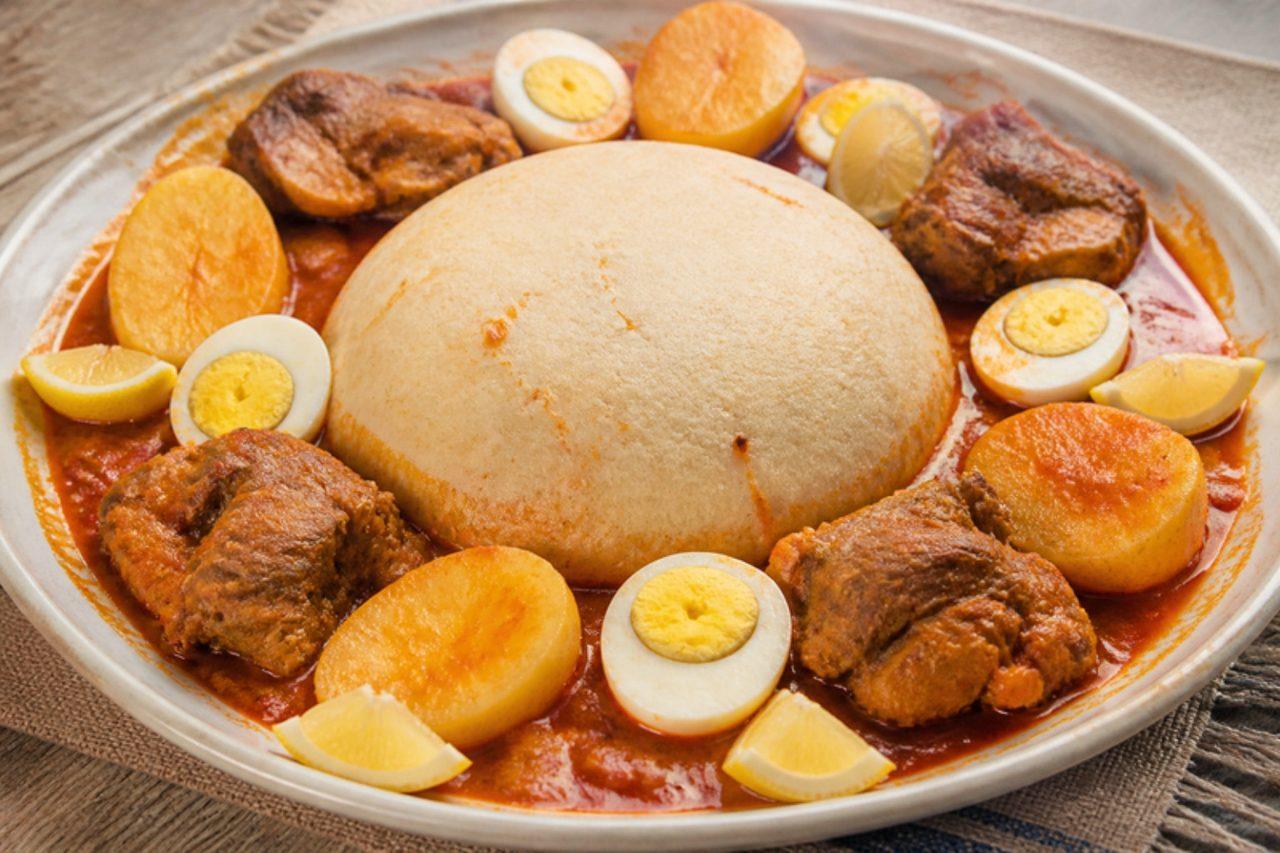
Bazin with lambBarley dough with lamb stew

Bazin is the traditional festive dish of Libya, especially in Tripoli and the western mountains: a smooth, firm dome of barley-flour dough set in the middle of a wide dish, surrounded by a spicy lamb stew of tomato, chilli and turmeric, with hard-boiled eggs and potatoes. Everyone eats from the same plate with the right hand, pinching off dough and dipping it in the sauce. The mistake is not beating the dough hard enough: it should be pounded until completely smooth, or it tastes floury. Chef's tip: beat the dough with a wooden spoon, adding cooking liquid a spoonful at a time, until it pulls cleanly away from the pot.

150 minAfricanMeatSpicy
by KrazyBadal 0 views

Beans poriyalGreen bean and coconut stir-fry

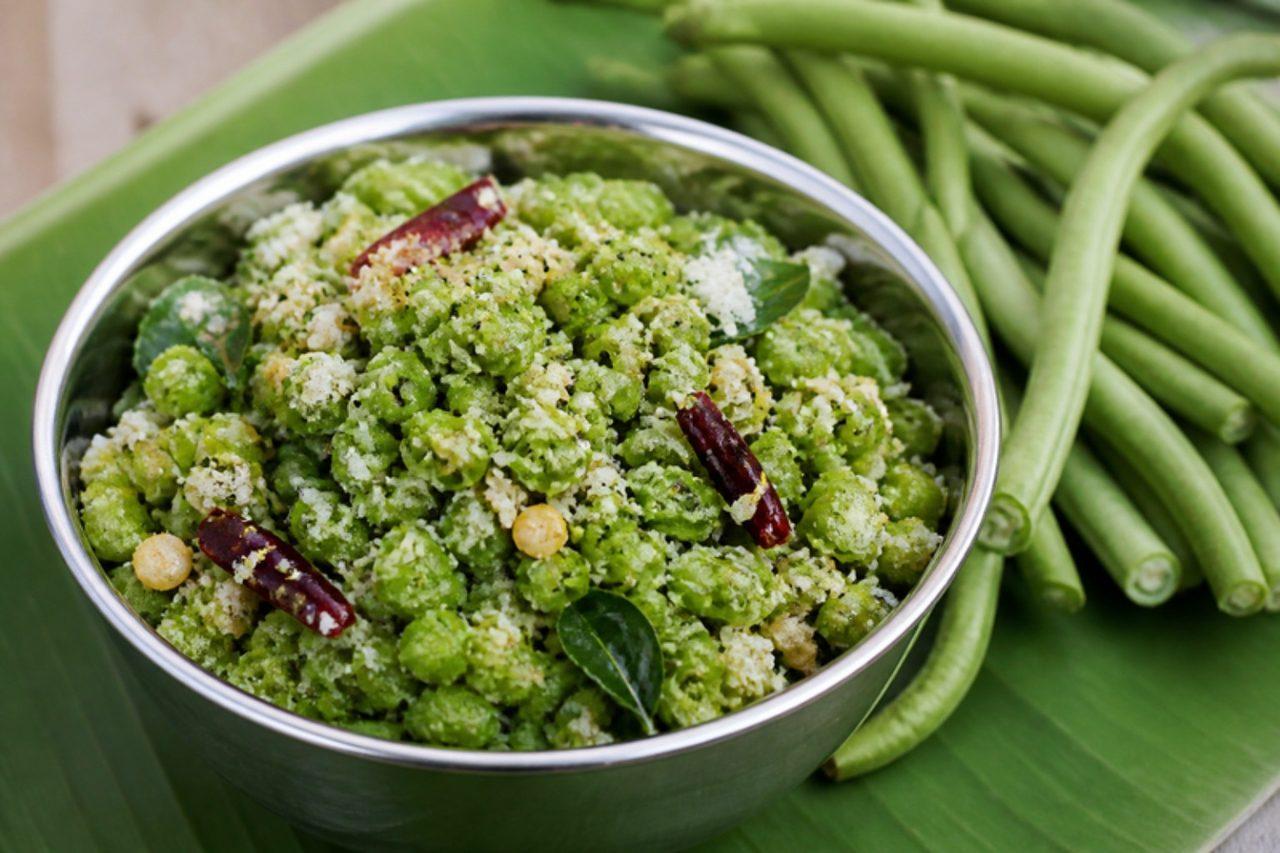
Poriyal is the everyday dry vegetable of Tamil Nadu, and beans poriyal is the one that appears on banana-leaf meals at weddings, temple annadhanam and Monday-to-Friday lunch boxes alike. The beans are chopped very small, steamed in their own moisture with a mustard and urad dal tempering, and finished with a shower of fresh coconut, so each spoonful is bright green, a little crunchy and nutty. It sits next to sambar or kuzhambu with rice, and it also makes a good filling rolled into a chapati. Chef's tip: chop the beans into tiny 5 mm pieces; they cook in minutes, stay green and soak up the tempering far better than long pieces.

by KrazyBadal 0 views

Bebek betutuSpiced slow-roasted duck

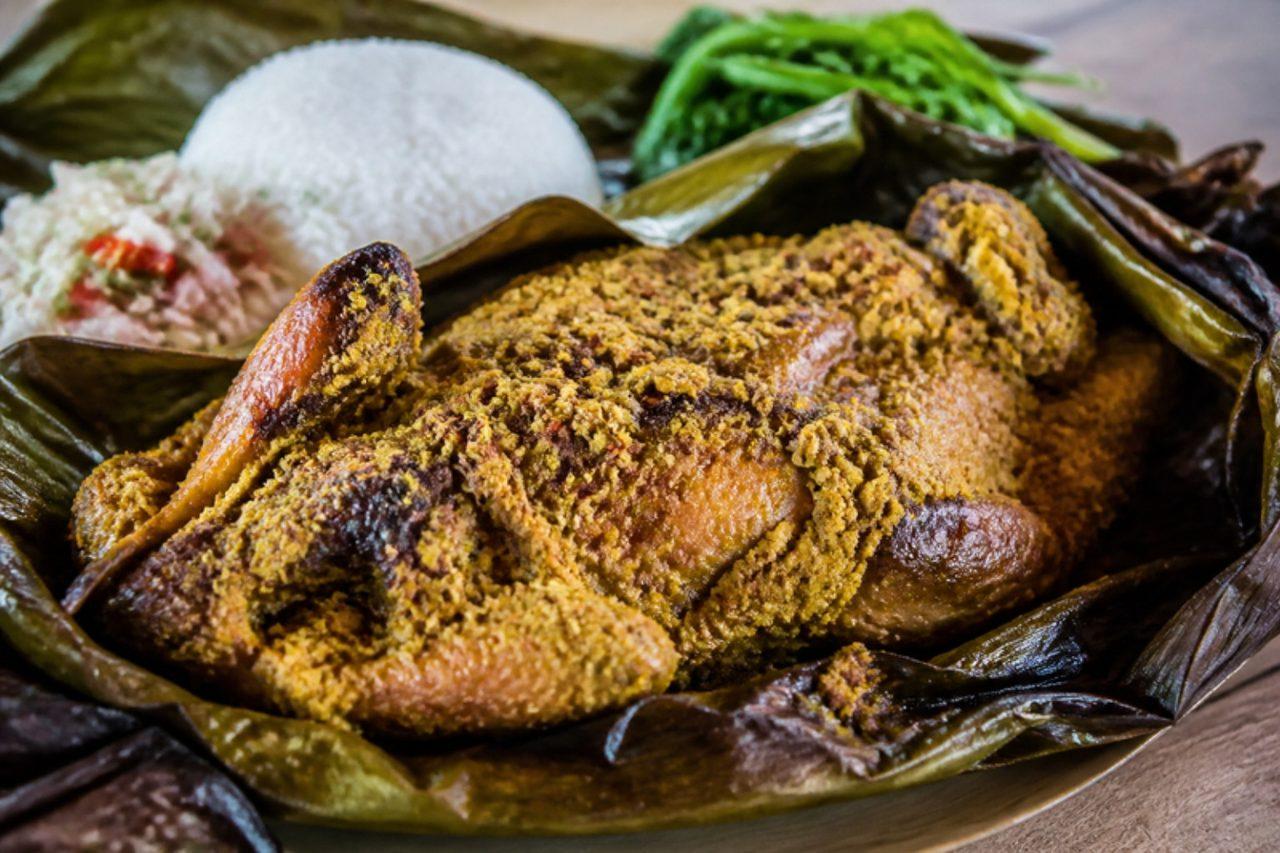
For ceremonies in the villages around Gianyar in central Bali, a whole duck is stuffed and smothered with base genep, wrapped in banana leaves and areca-palm sheath, and buried overnight in smouldering rice husks. By morning the meat has turned meltingly soft, the fat has rendered into the spices and the parcel smells of turmeric, smoke and lime leaf. This home version keeps the stuffing and the leaf parcel but uses a low oven for three hours, then opens the parcel for a short blast to colour the skin. Serve it in its juices with rice, a sharp sambal matah and long beans or water spinach. Chef's tip: marinate the duck overnight in the fridge if you can; the paste needs time to get past the fat and into the meat.

by KrazyBadal 0 views

BebincaLayered coconut milk cake

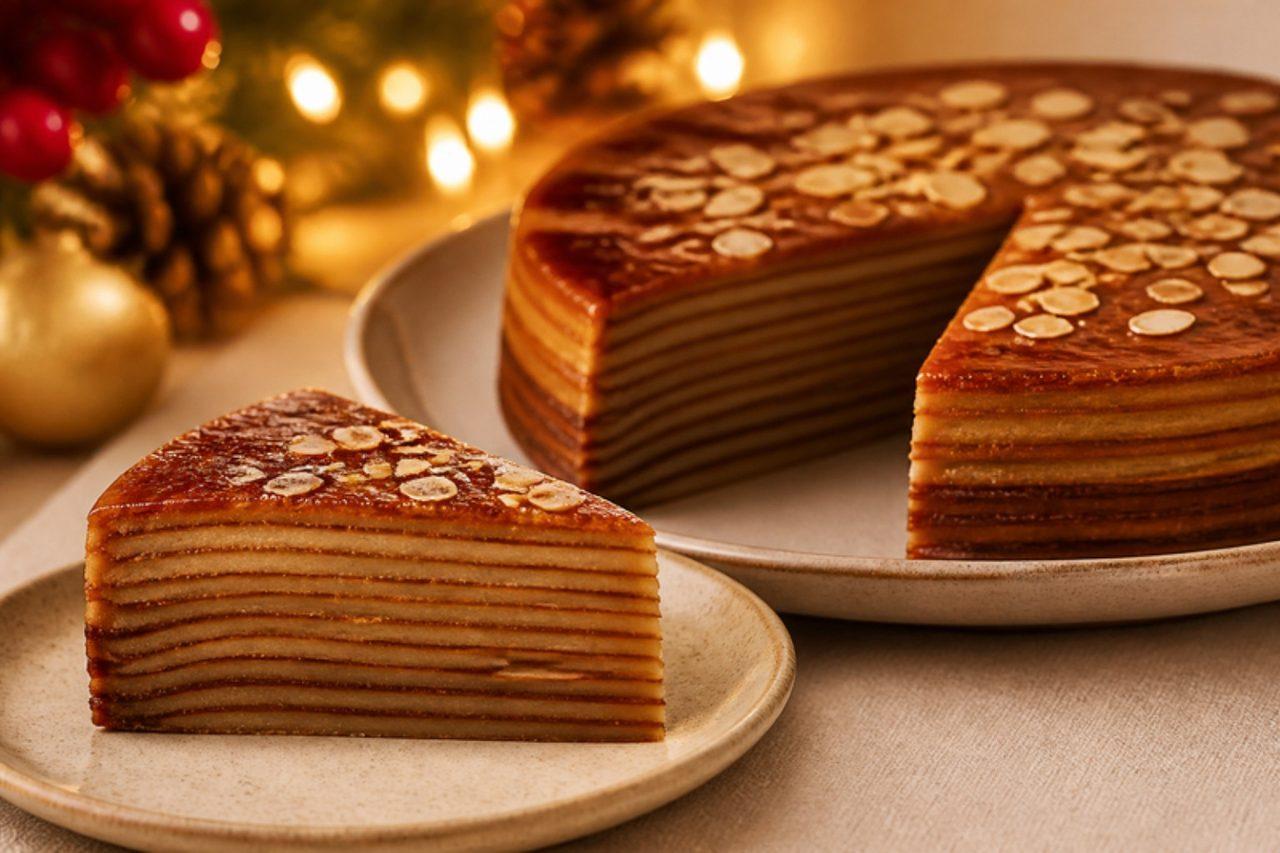
No Goan Catholic Christmas, wedding or feast is complete without bebinca, the 'queen of Goan desserts'. A rich batter of coconut milk, egg yolks, sugar and a little flour is cooked one thin layer at a time under the heat, each layer brushed with ghee before the next is poured on, so the finished cake shows dark-and-light stripes when sliced. Traditionally it was baked over coconut-husk fire with coals on the lid and had sixteen layers; a home grill makes eight to ten easily in an afternoon. It's rich, dense and fudgy, and keeps for a week. Serve thin slices at room temperature, or warm with vanilla ice cream. Chef's tip: make each layer the same thin pour; a thick layer stays raw in the middle while its top burns.

by KrazyBadal 0 views

HaleemWheat, lentil and beef porridge

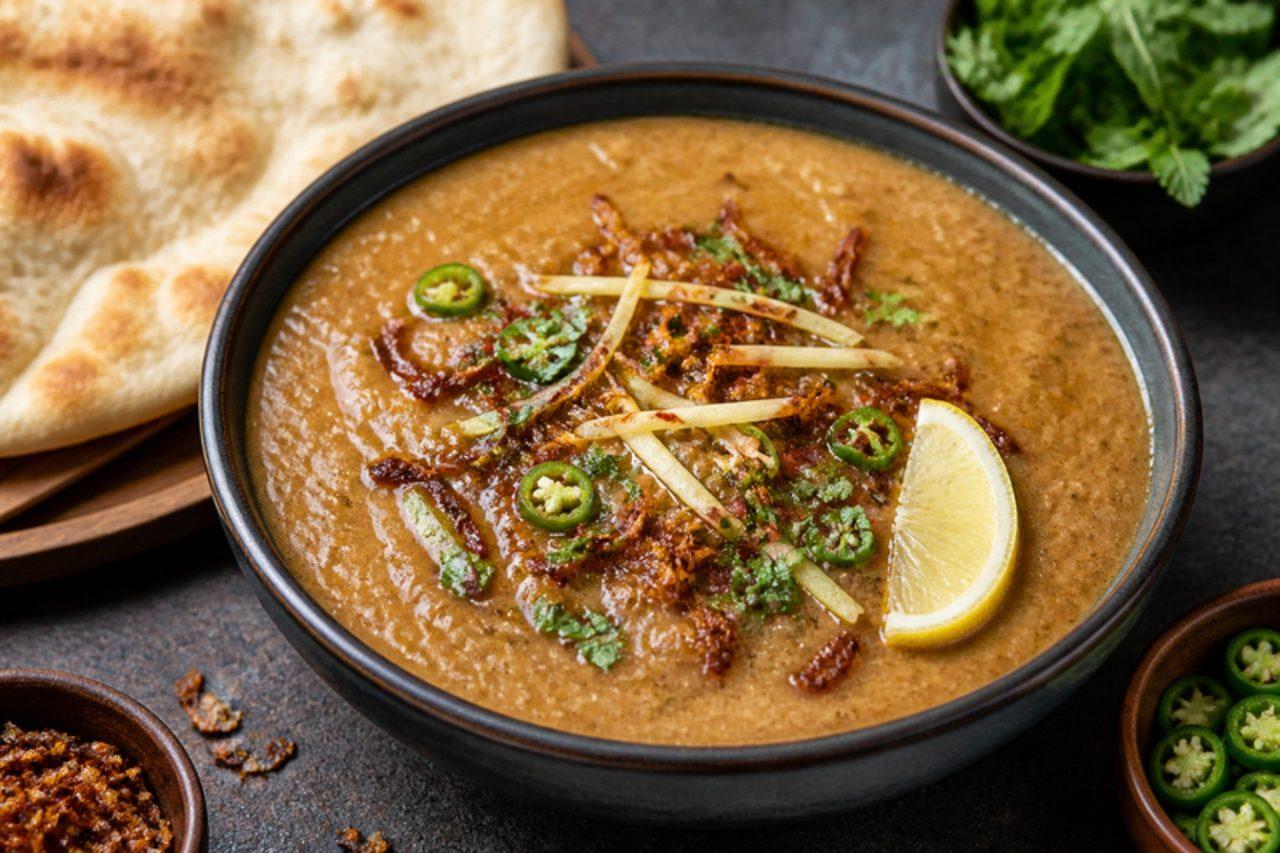
Haleem is cooked in vast pots across Pakistan in the month of Muharram and during Ramadan, when neighbours queue with bowls in Karachi, Lahore and Hyderabad. Cracked wheat, barley and several lentils cook for hours with beef until everything is beaten into one thick, stretchy, deeply savoury porridge. Each bowl is finished with crisp fried onions, ginger, green chilli, mint and lemon, so everyone builds their own. It takes time but freezes well, so make a big pot. Chef's tip: beat the haleem hard with a wooden spoon or a hand blender on short pulses; you want long meaty threads, not a smooth purée.

by KrazyBadal 0 views

Beef lok lakPeppery stir-fried beef

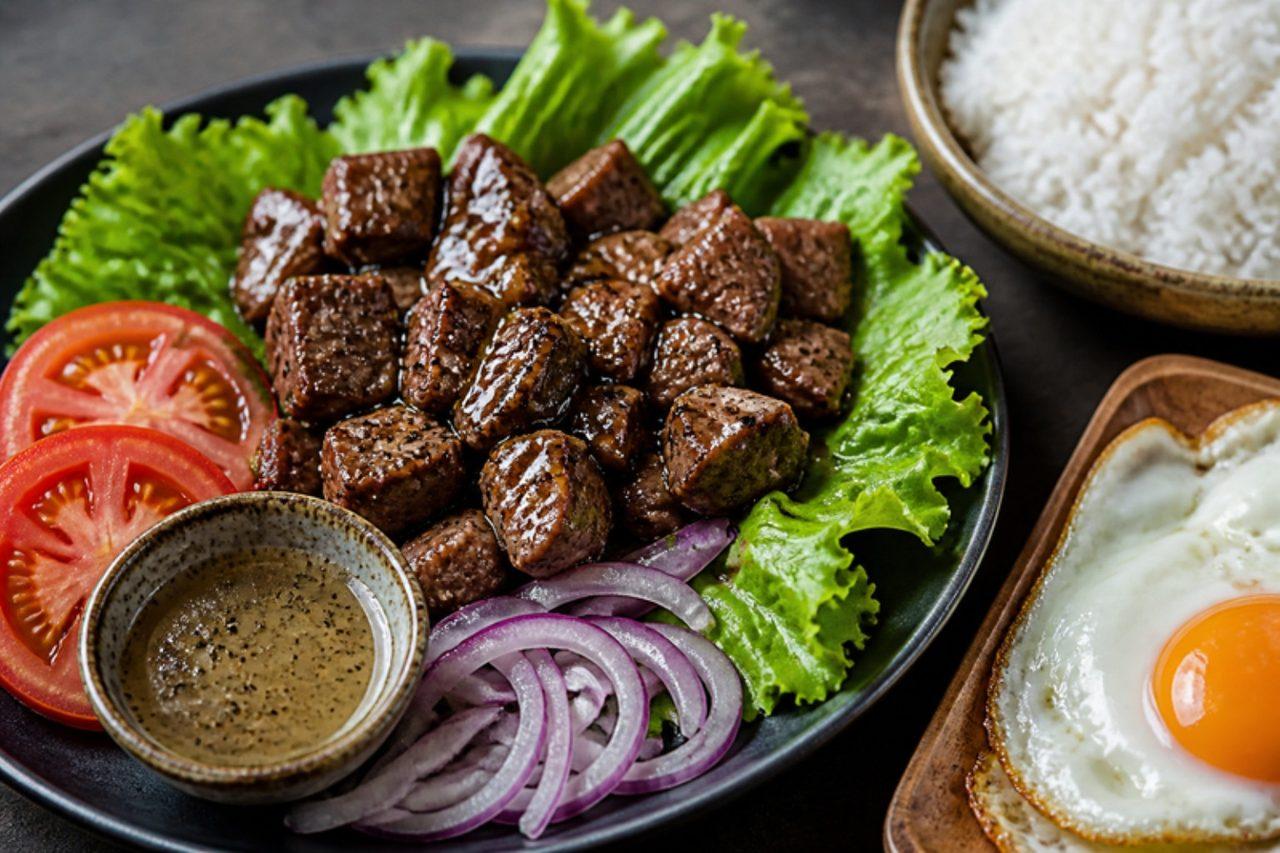
Lok lak is a favourite in Phnom Penh restaurants and family kitchens, a dish Cambodians often order on special nights out. Cubes of beef are marinated in oyster sauce, soy and garlic, seared fast in a hot wok and served on lettuce, tomato and onion with rice, a fried egg on top and a tiny bowl of tuk meric: Kampot black pepper, salt and lime juice for dipping. Chef's tip: dry the beef well and cook it in a very hot pan in two batches; it should sear, not stew.

by KrazyBadal 0 views

Beef nihariSlow-cooked beef shank stew

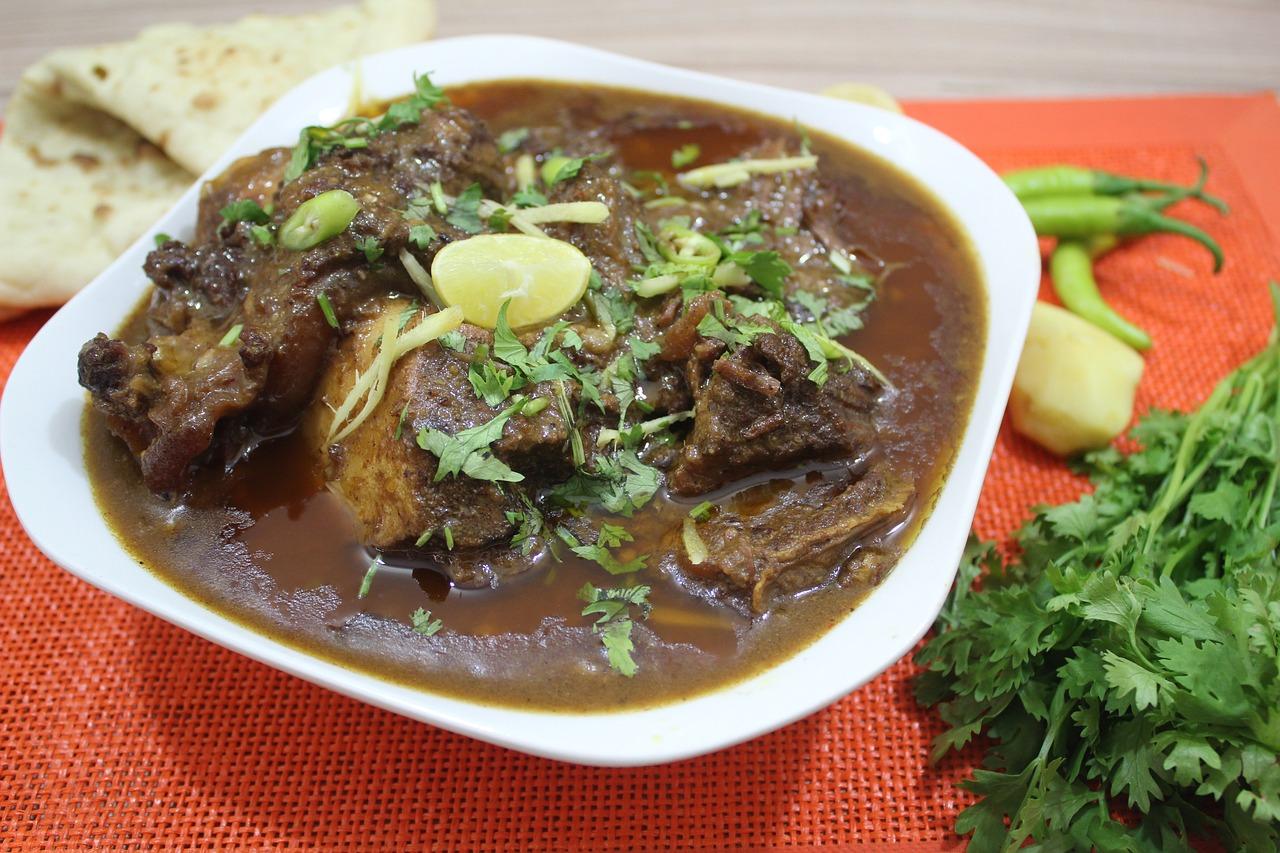
Nihari takes its name from nahar, the Arabic word for morning, and in Karachi and Lahore it is still a breakfast dish: the big pots simmer through the night and shops open at dawn for office workers and families. Beef shank cooks for hours until the meat falls apart and its marrow and gelatine turn the spiced gravy rich and silky, thickened at the end with a little toasted flour. At home it makes a perfect weekend brunch or Eid lunch, and it reheats beautifully. Serve with naan, fresh ginger, green chilli, coriander and lemon at the table. Chef's tip: cook it the day before and chill it overnight, then lift off some of the fat that sets on top before reheating.

by KrazyBadal 0 views

Beef ularthiyathuDry-fried spiced beef

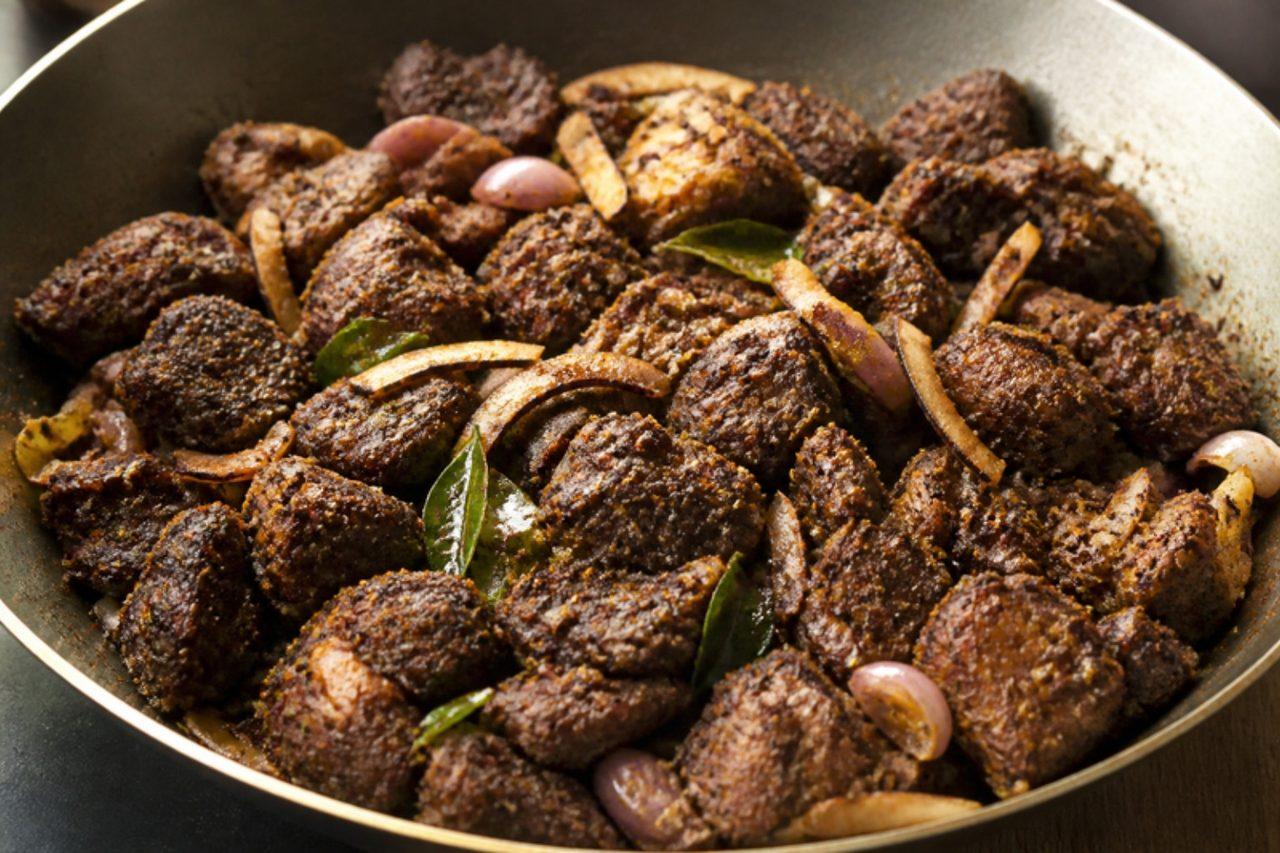
Among the Syrian Christian families of central Kerala, from Kottayam to Pala, a pan of beef ularthiyathu sits on the table at Christmas and Easter, at weddings and with Sunday appam. The beef is first stewed soft in pepper, fennel and coriander, then roasted slowly in coconut oil with shallots, curry leaves and crunchy slivers of fresh coconut until it turns almost black and every piece is coated. It keeps well for days and is just as good with porotta, rice or a cold glass of something fizzy. Chef's tip: keep the final roast at medium-low and be patient; the dark colour should come from slow caramelising, not scorching.

140 minIndianMeatGluten freeSpicy
by KrazyBadal 0 views

Showing 90 of 10,569 recipes

Page 1,050 of 1,175