


Skip to content
Caricoles
Featured recipe

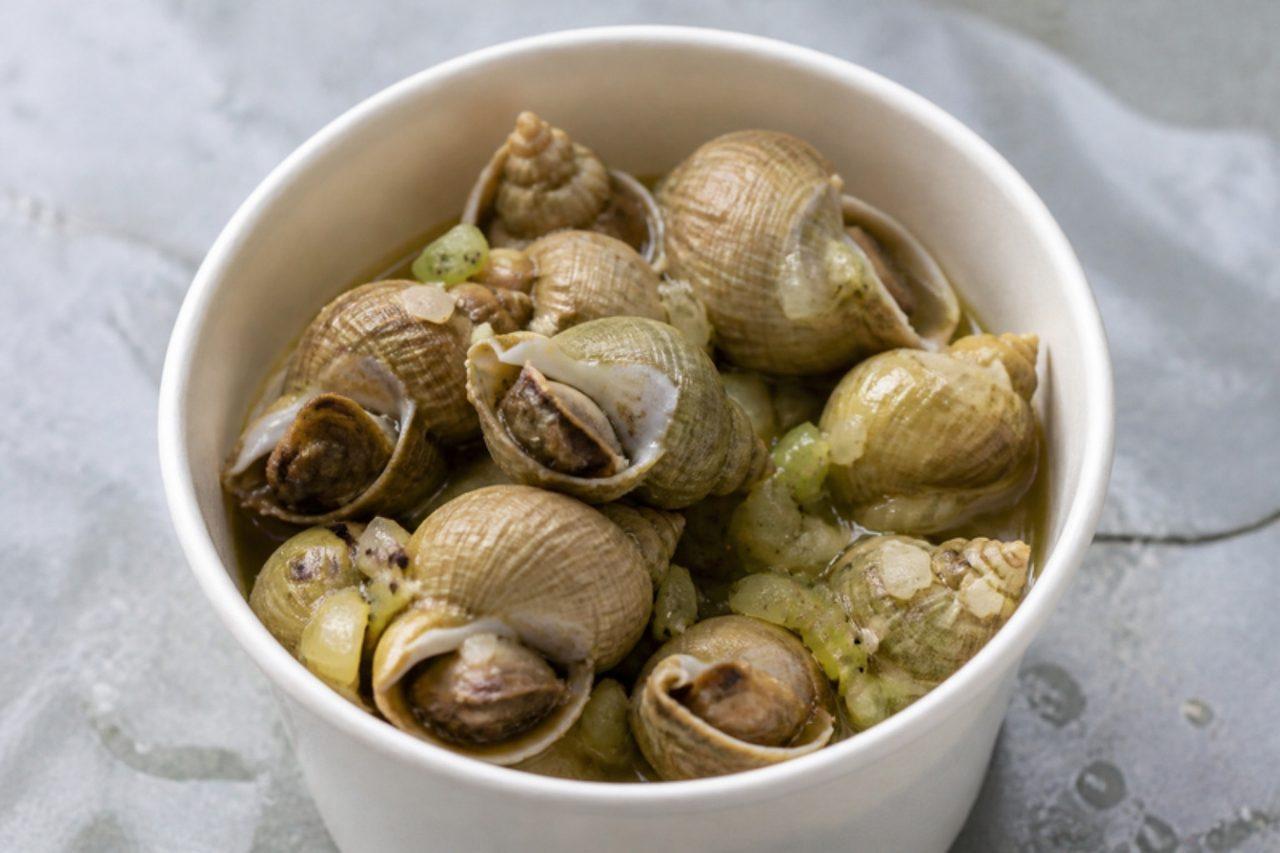
Caricoles

Whelks in celery broth

Caricoles are the whelks sold hot in paper cups from street carts in Brussels, at the Marolles flea market, the Place Sainte-Catherine and the Christmas market: the sea snails are simmered for an hour in a peppery broth with celery, onion, thyme, bay and a lot of black pepper and chilli, and you pick them out with a toothpick and drink the broth. Buy whelks live or freshly cooked from a fishmonger. Live whelks should be tightly closed inside their shells or retract when touched; throw away any that smell bad or have broken shells, and any that stay open and limp after cooking. A common mistake is skipping the purge, which leaves them gritty. Chef's tip: soak live whelks in salted cold water for an hour and rinse them several times, then start them in cold broth so they don't toughen.

Read more 0 views

What to eat today?

Around the world

Today's trip: Persian

A new country every day, from every cuisine on the site.

Persian

Ash-e doogh

Yogurt soup with rice and chickpeas 60 minMore from Persian (131) →

This week's collection

Kid-friendly dinners
537 recipes · a new collection every Monday

Latest recipes

Kol posolaBanana stem stir-fry

Kol posola is the pale inner core of the banana plant, chopped and cooked down with mustard oil, ginger and green chilli until it is soft, juicy and faintly sweet. In Assamese villages, where banana plants grow in every yard, it is cheap everyday food, and it is also a favourite on Bihu tables and in Assamese thalis in Guwahati restaurants. It has a mild, cucumber-like flavour and is prized as a cooling, cleansing food. Chef's tip: as you chop the stem, twirl a finger or a skewer through the slices to catch and pull away the fine fibres; otherwise they stay stringy.

by KrazyBadal 0 views
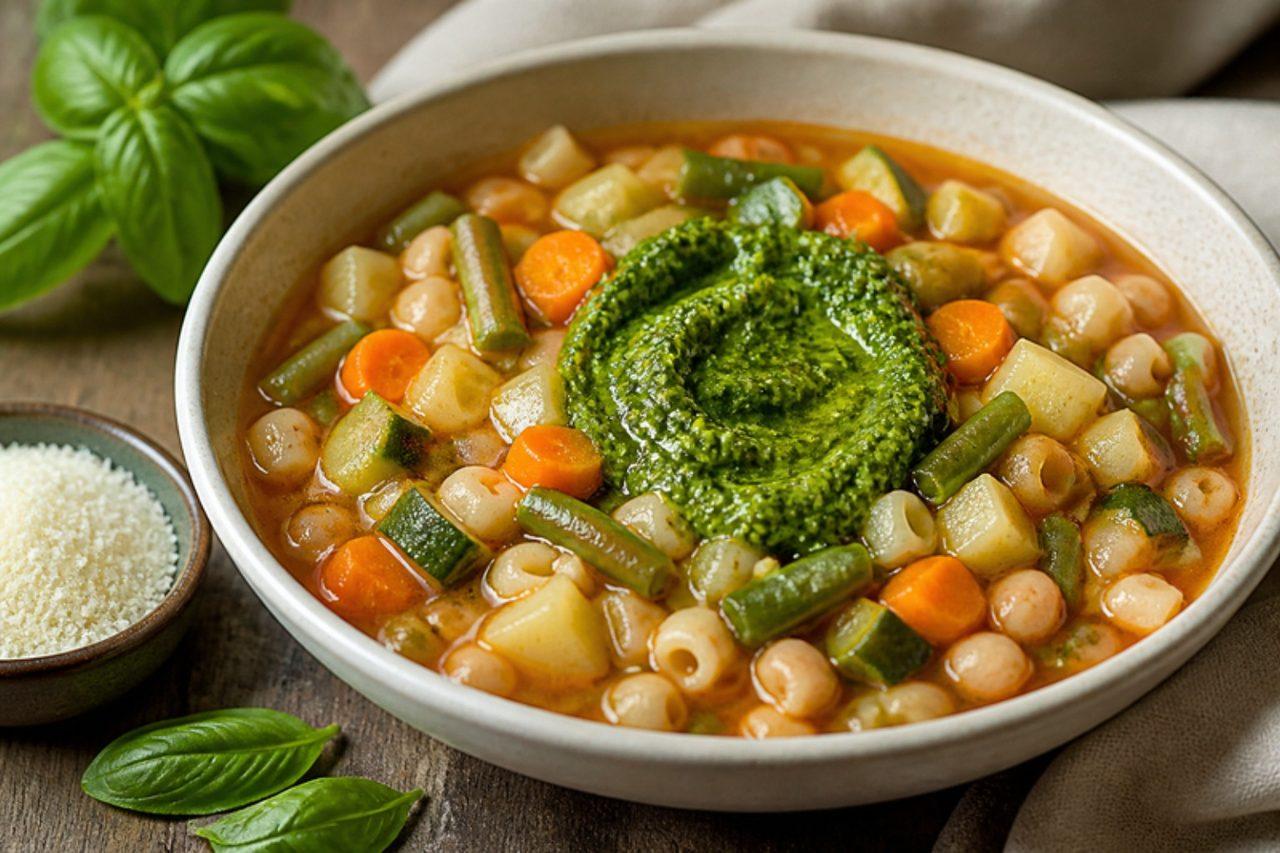
Soupe au pistouBean and vegetable soup with basil

Soupe au pistou is Provence's summer minestrone, eaten from July to September when basil grows thick in the gardens around Marseille and Avignon. Beans, courgettes, green beans, carrots, potato and small pasta simmer in a light broth, then each bowl gets a spoonful of pistou, a pounded paste of basil, garlic, olive oil and hard cheese with no pine nuts. Stirred in at the table, it turns the broth fragrant and green. It is a whole meal with bread. The traditional cheese is Parmesan or aged Gouda, so use a vegetarian hard cheese. Chef's tip: never boil the pistou; adding it to the pot is the common mistake that turns the basil dark and kills its smell.

by KrazyBadal 0 views

KokodaLime-cured fish in coconut cream

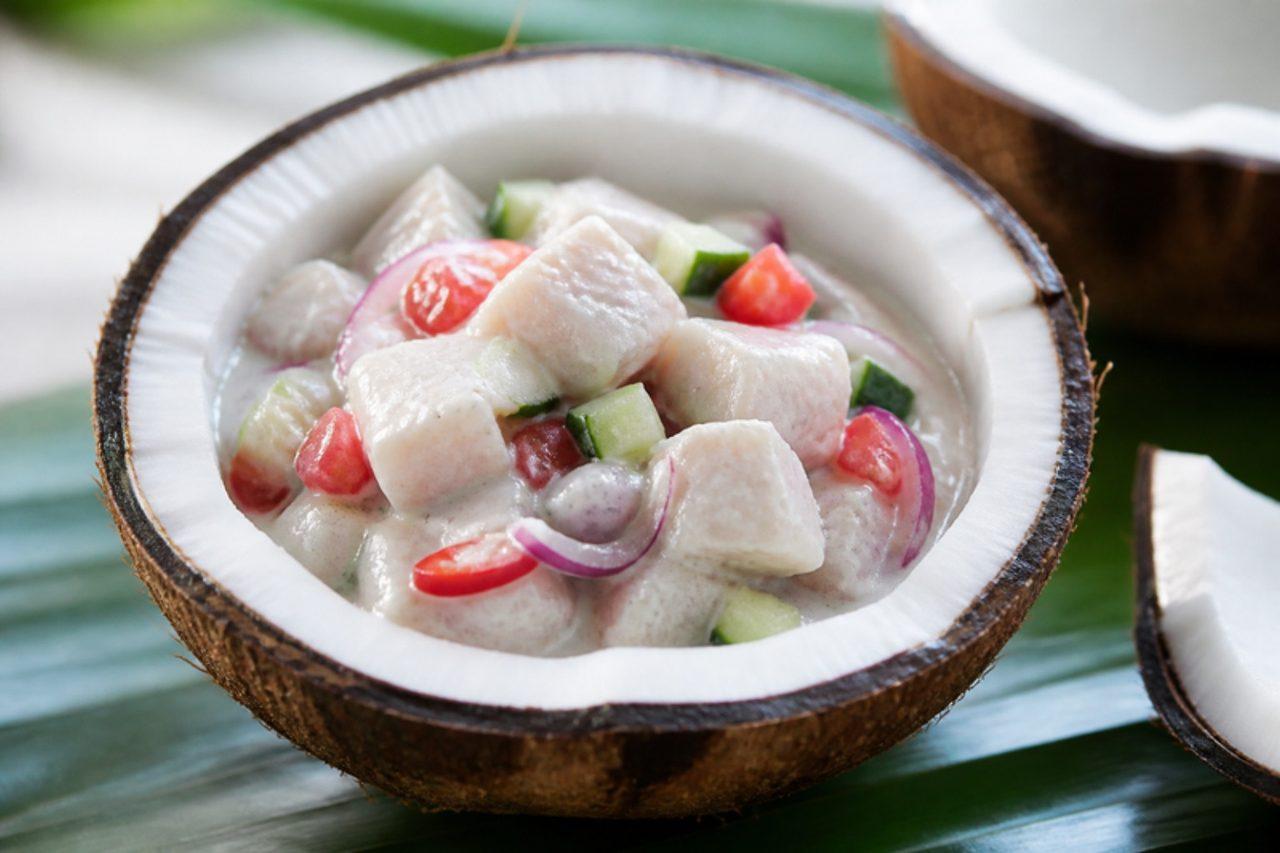
Kokoda (said "ko-kon-da") is Fiji's answer to ceviche, made in villages on Viti Levu and served at Suva's restaurants and family feasts in a half coconut shell: cubes of white fish soaked in lime juice until they turn white, then mixed with fresh coconut cream, onion, tomato, chilli and a little cucumber. Lime "cooks" the look of the fish but does not kill bacteria or parasites like heat does, so this is written as a safer version: use only very fresh fish that has been frozen first (sold as sashimi or sushi grade), keep everything cold and eat it within 2 hours. Raw or lime-cured fish is not for pregnant women, young children or anyone with a weakened immune system; for them, use the lightly poached option in the steps. The mistake is leaving the fish in lime too long, which turns it chalky; 15–20 minutes is enough. Chef's tip: drain off the lime juice before adding the coconut cream so the dish stays creamy, not sour.

by KrazyBadal 0 views

Qingdao mackerel dumplings

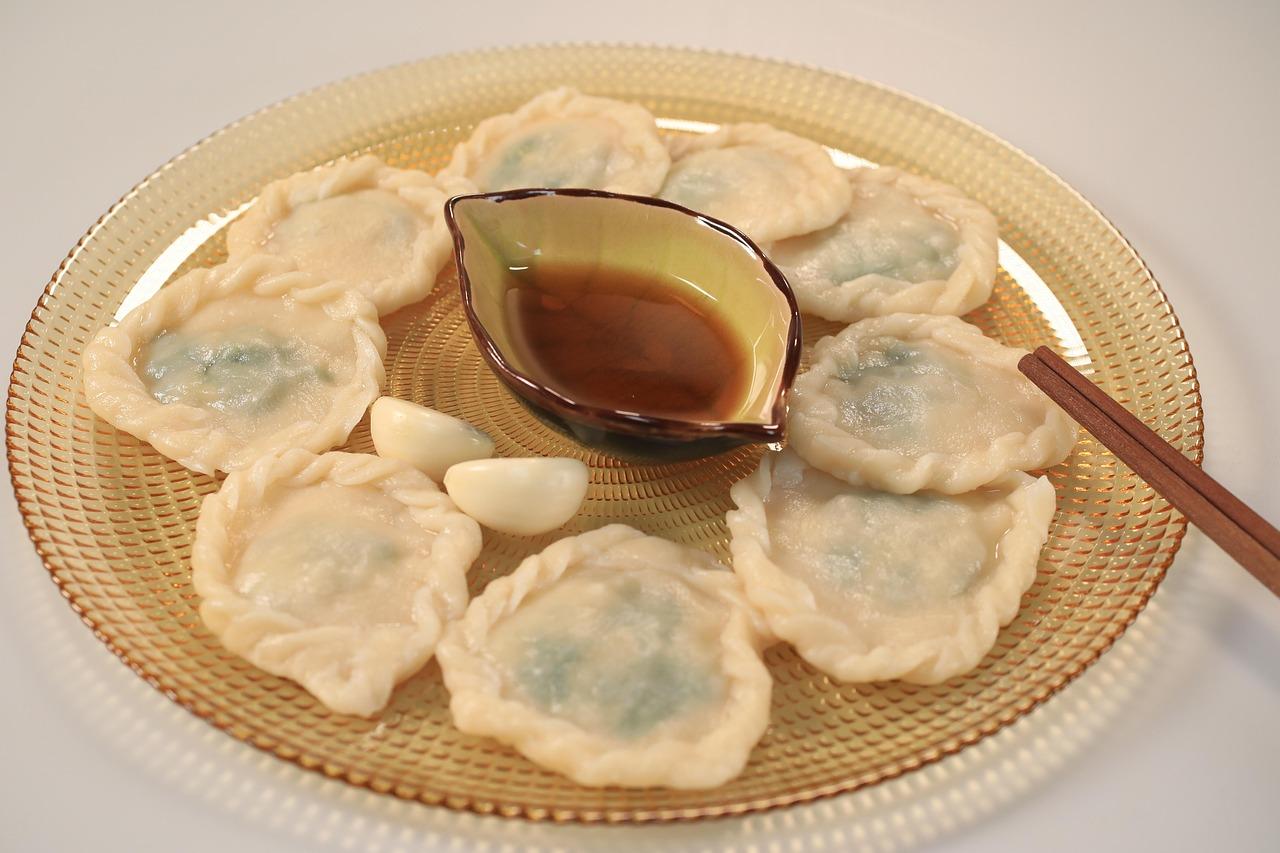
Every spring, when Spanish mackerel run off the Shandong coast, Qingdao families fill the kitchen table with flour and fish for these large boiled dumplings; restaurants by the harbour serve them by the plate all year. The filling is whipped with peppercorn-infused water until it turns light and almost mousse-like, with chives for freshness and a little fatty pork for richness. Bitten open, they are juicy, briny and sweet rather than fishy. Eat them straight from the pot with black vinegar and crushed garlic, with a pot of jasmine tea. Chef's tip: if you can't find Spanish mackerel, ordinary mackerel or a mix of mackerel and cod works well.

by KrazyBadal 0 views

KokisCrisp rice flour flowers

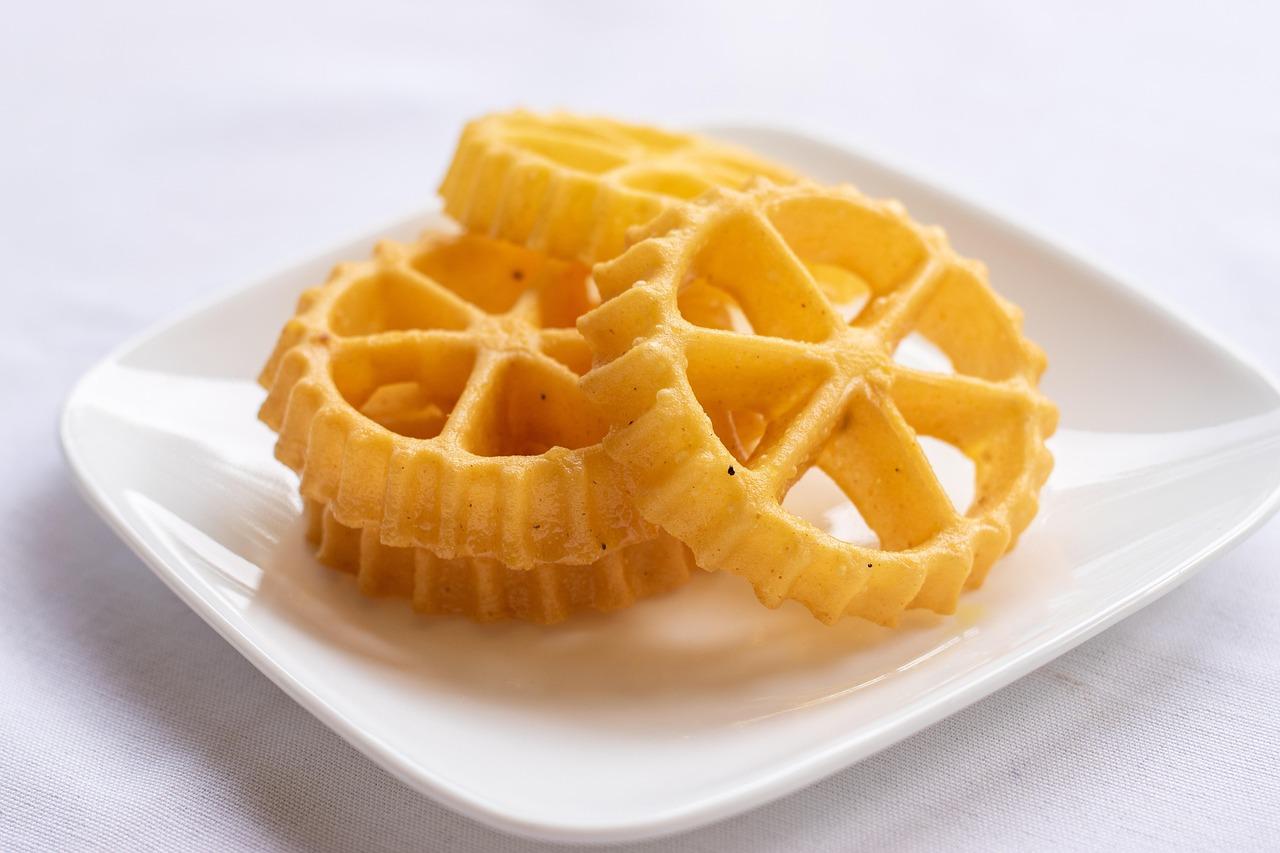
Kokis are the lacy, wheel-shaped crisps that every Sri Lankan family fries in the days before Sinhala and Tamil New Year in April, piled onto the Avurudu table beside kavum, kiri bath and banana. A thin batter of rice flour, thick coconut milk, egg and a little turmeric is picked up on a hot brass kokis mould, dipped into the oil, and shaken free as it sets, so each one is light, salty-sweet and shatteringly crunchy. They're a cousin of the rosette cookie but savoury rather than sugary. The usual mistake is dipping the mould right under the batter, so the kokis sticks and won't release; dip it only three-quarters of the way up its sides. Chef's tip: heat the mould in the oil for a full minute before the first dip, and return it to the oil between every kokis; a cold mould won't pick up batter.

by KrazyBadal 0 views

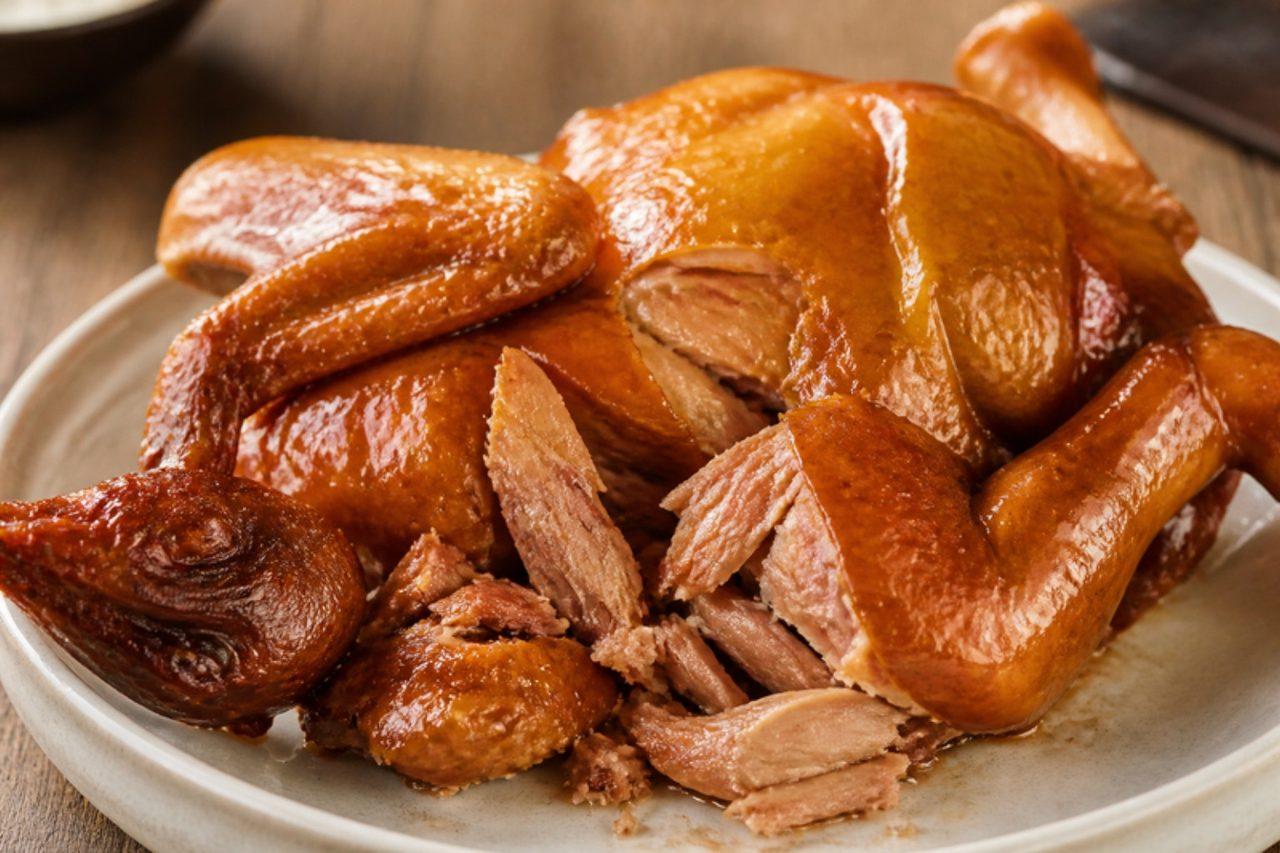
Dezhou braised chicken

For generations, travellers passing through Dezhou station in Shandong bought this chicken in a paper wrap from the platform sellers, and boxes of it are still a favourite gift to take home. A whole bird is trussed with its legs tucked into the body, glazed and fried to a reddish gold, then barely simmered for hours in a stock of soy and a dozen spices. The result is fragrant, savoury and so soft that a gentle shake loosens the bones. Eat it warm or cold, torn into pieces, with steamed buns, a cucumber salad or plain congee. Chef's tip: keep the stock at the barest shiver, never a boil; that is how the skin stays whole while the meat turns meltingly tender.

by KrazyBadal 0 views

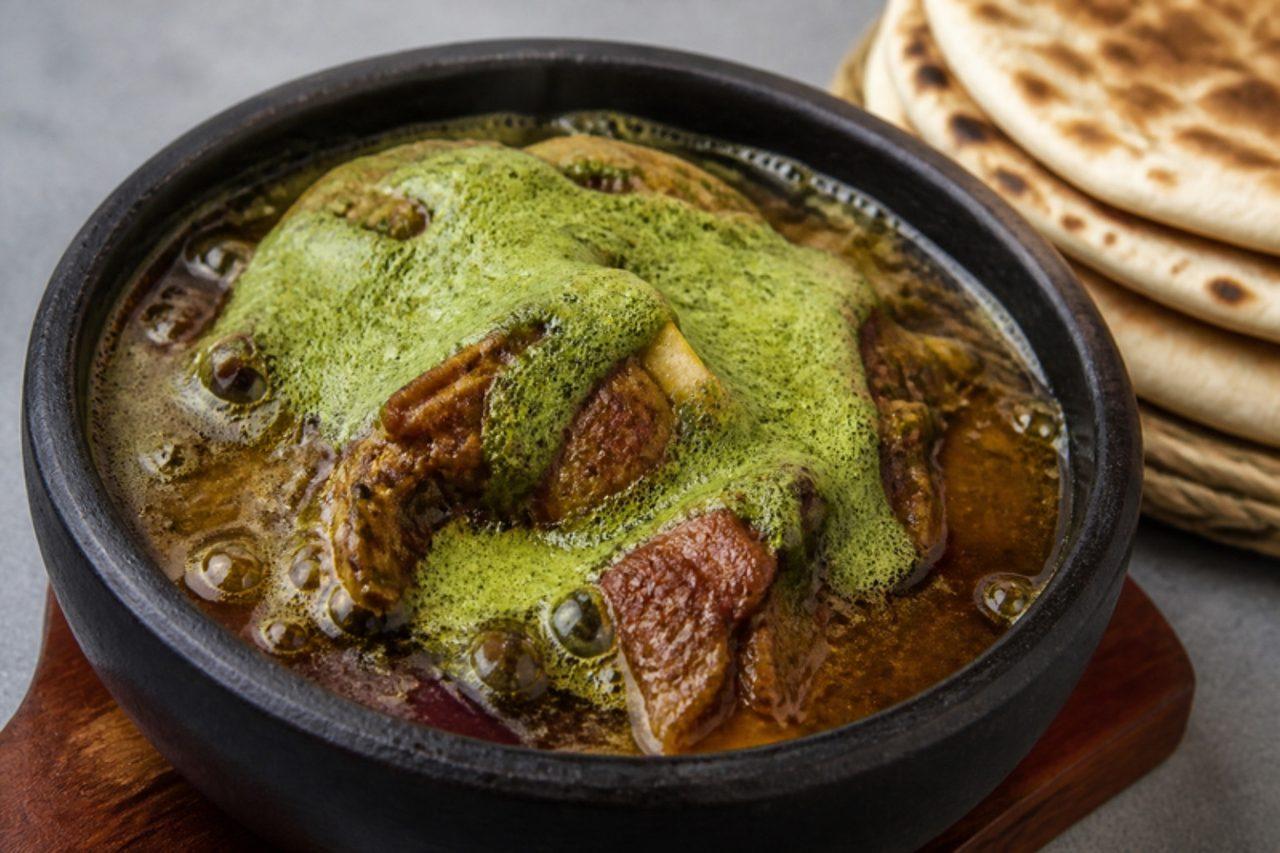
SaltahLamb stew with fenugreek froth

Saltah is the national dish of Yemen, eaten at lunch in Sana'a and the highlands, brought to the table still boiling in a heavy stone pot called a madara. A rich lamb broth (maraq) is cooked down with tomato, potato and hawaij spices, then crowned with hulba, fenugreek whipped to a pale green froth, and scooped up with flatbread. Chef's tip: soak the ground fenugreek for at least 4 hours and pour off its bitter water before whipping; that is what makes it foam.

by KrazyBadal 0 views

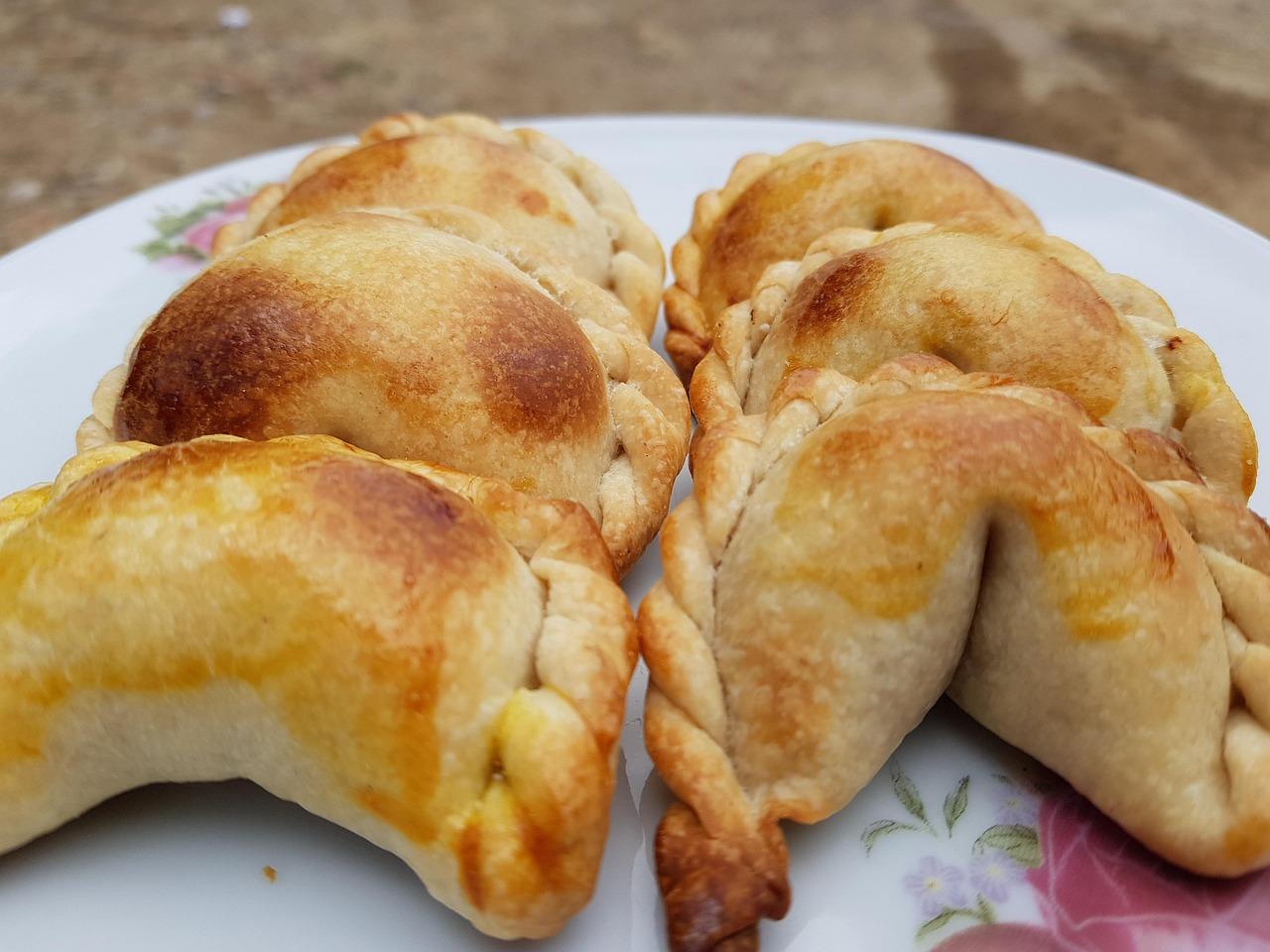
SalteñasJuicy baked beef pastries

Salteñas are the pastries all of La Paz queues for between 10 and noon, when they come out of the oven: a slightly sweet, golden crust wrapped round a soupy filling of beef, potato, peas, olive and egg in a gelatine-set broth seasoned with cumin and ají. The trick, and the fun, is to bite off the top and sip the juice without spilling. The mistake is filling the pastry with warm stew: the filling must be chilled overnight until it sets firm, or it leaks. Chef's tip: hold a salteña upright, nibble off one corner and drink the juice before eating the rest.

by KrazyBadal 0 views

KokiSteamed black-eyed bean pudding

Koki is a dense, orange-red bean cake from the Douala and Bakweri country of Cameroon, made from skinned black-eyed beans blended with red palm oil, chilli and greens, then wrapped in banana leaves and steamed for hours. It is weekend food and market food, eaten with boiled plantain, cassava or ripe banana. It is related to Nigerian moi moi but heavier, richer with palm oil and full of cocoyam leaves or spinach. Chef's tip: warm the palm oil just until liquid before beating it in; poured in cold and solid it leaves streaks of fat instead of an even orange colour.

by KrazyBadal 0 views

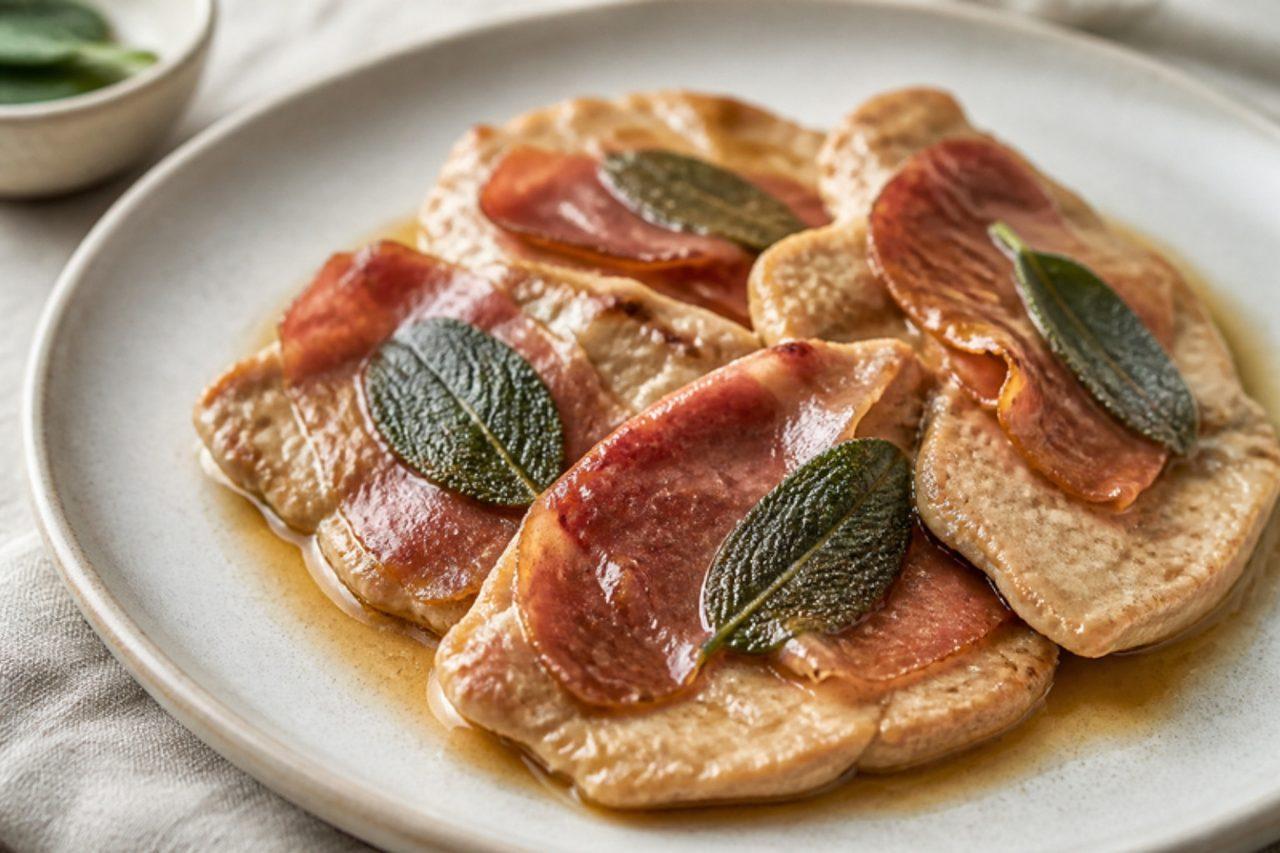
Saltimbocca alla romanaVeal with sage and prosciutto

The name means 'jumps into the mouth', which is how fast these little Roman escalopes vanish from the plate. Thin slices of veal are topped with a sage leaf and a sheet of prosciutto, seared for barely a minute a side, then glazed with white wine and butter in the same pan; it is a classic second course in Rome's family trattorie and takes about 20 minutes start to finish. The prosciutto crisps, the sage turns fragrant and the veal stays tender under a short, buttery sauce. Pork loin or turkey escalopes work just as well. Serve with roast potatoes or sautéed spinach to mop up the pan juices. Chef's tip: pound the meat to an even 5 mm between sheets of cling film and pin the ham and sage on with a cocktail stick, so everything cooks in the time it takes the ham to crisp.

by KrazyBadal 0 views

Chairman Mao's red braised pork

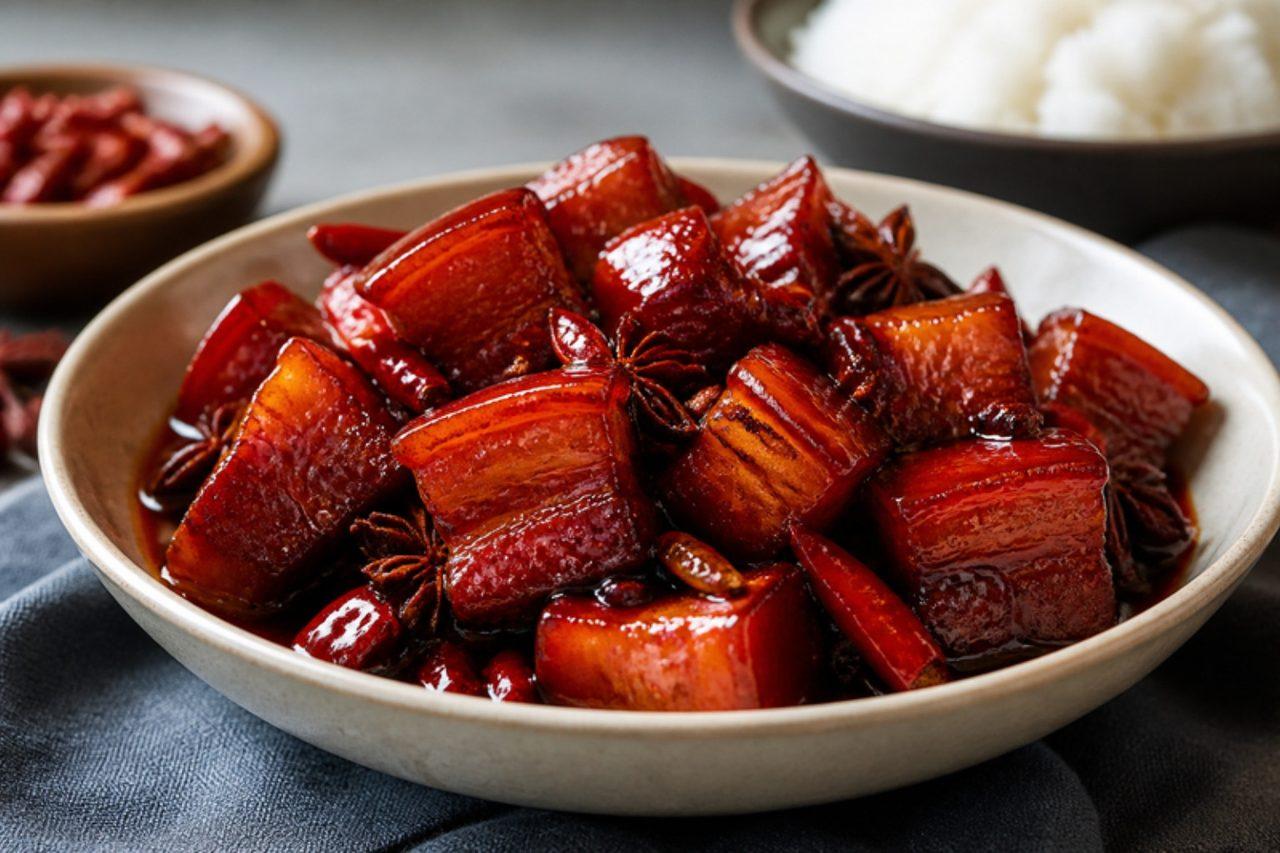
Restaurants in Shaoshan, Mao Zedong's home village in Hunan, all put this pork on the menu because it was said to be his favourite food. What sets the Hunan way apart from the soy-dark braises of Shanghai is that the deep mahogany colour comes from caramelised sugar alone, with dried chillies and warm spices in the pot, so the sauce tastes cleaner and slightly smoky. After an hour of gentle simmering the cubes of belly are wobbly and melting under a sticky, sweet-salty glaze. It is celebration food at Hunan family dinners, eaten with steamed rice and a sharp stir-fried green vegetable to cut the richness. Chef's tip: dry the blanched pork well before it meets the caramel, so it doesn't spit, and stop the caramel at the colour of strong tea; a few seconds longer and it turns bitter.

by KrazyBadal 0 views

Kok choyGreen tea

In an Uzbek chaikhana, from Tashkent's shady teahouses to the courtyards of Khiva, the first thing to arrive is a teapot of kok choy, green tea, with small bowls (piala) and a plate of raisins, almonds and sweets. The host performs qaytarish: pours a bowl, tips it back into the pot, and repeats three times to blend the brew, then serves each guest a bowl only half full, a sign they should stay and be topped up. Green tea is drunk with plov to cut the oil, and all through hot summer days. Chef's tip: use water just off the boil (about 90°C) and warm the pot first; boiling water straight from the kettle makes Chinese green tea taste harsh.

by KrazyBadal 0 views

Kohu-kohuSmoked tuna salad

Ambon's fish markets sell ikan asar, tuna smoked over coconut husks, and one of the best things to do with it is kohu-kohu. Flakes of the smoky fish are tossed with crisp shredded long beans, bean sprouts, lightly toasted coconut, raw shallot, chilli and plenty of lime, making a salad that is crunchy, smoky, sour and hot all at once. It's a staple at Maluku family meals, often served next to papeda and fish soup or simply with rice. Chef's tip: mix it no more than an hour before eating; fresh coconut goes limp and sour if it sits around, and the salad loses its crunch.

by KrazyBadal 0 views

Sweet and sour carp

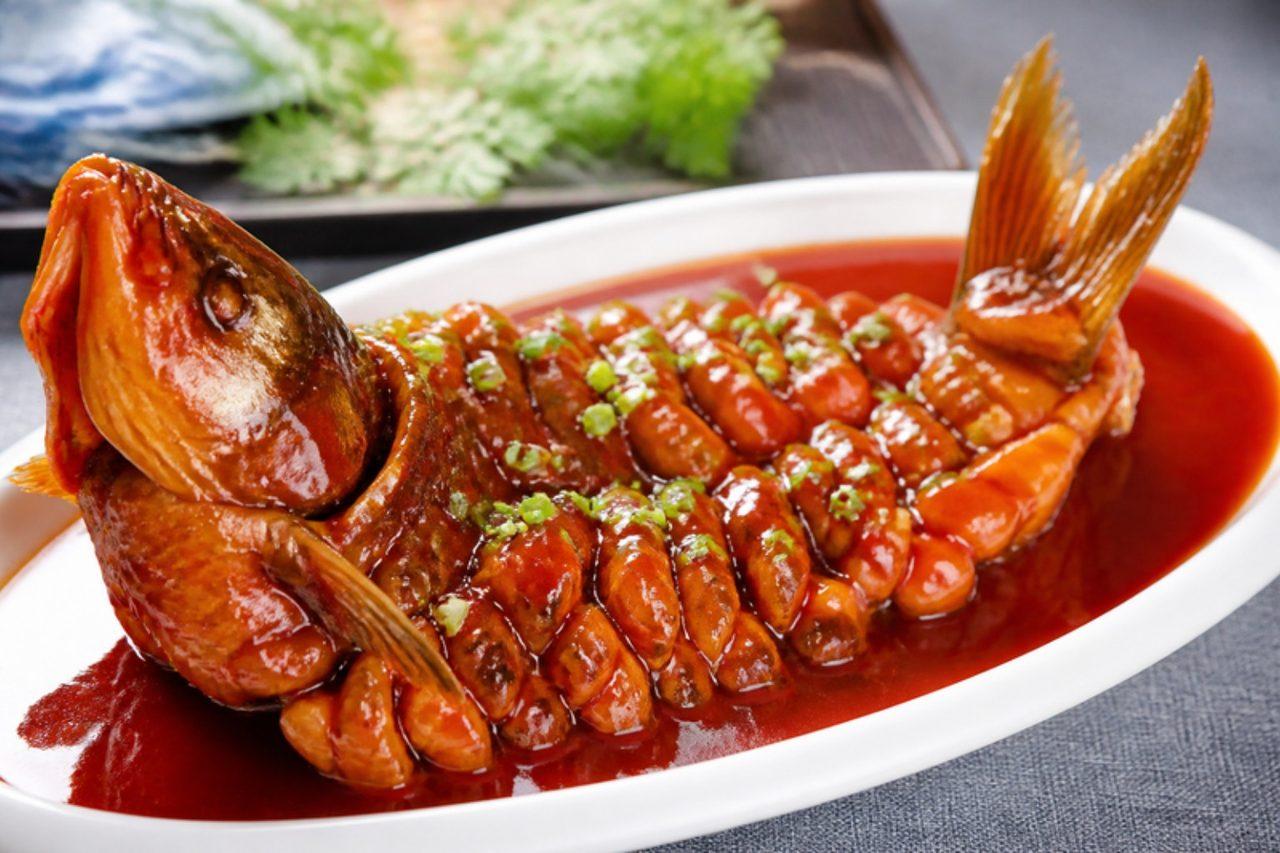
On Jinan's banquet tables a whole carp, its tail curled up as if leaping the Dragon Gate on the Yellow River, is a wish for success, so it turns up at weddings, exam celebrations and New Year. The fish is scored deeply, coated in a thin starch batter and fried until the skin crackles, then a hot glaze of sugar, vinegar and soy is poured over so it sizzles at the table. Inside, the flesh stays white and moist. Serve with steamed rice and a stir-fried green vegetable. Chef's tip: carp has fine bones, so if you are cooking for children use sea bass or tilapia; the method is the same.

by KrazyBadal 0 views

Koba akondroBanana, rice and peanut parcels

Koba is the street sweet of Madagascar's highlands, sold in thick slices from huge logs wrapped in banana leaves at markets and taxi-brousse stops around Antananarivo and Antsirabe. Koba ravina is a dense block of ground peanuts, rice flour and brown sugar; koba akondro adds ripe banana and is softer. This home version makes small parcels that steam in an hour and a half instead of a whole day. Chef's tip: wrap the parcels tightly; loose parcels let water in and the koba turns sticky instead of firm.

by KrazyBadal 0 views

Sambal goreng kentangFried potatoes in sweet-hot sambal

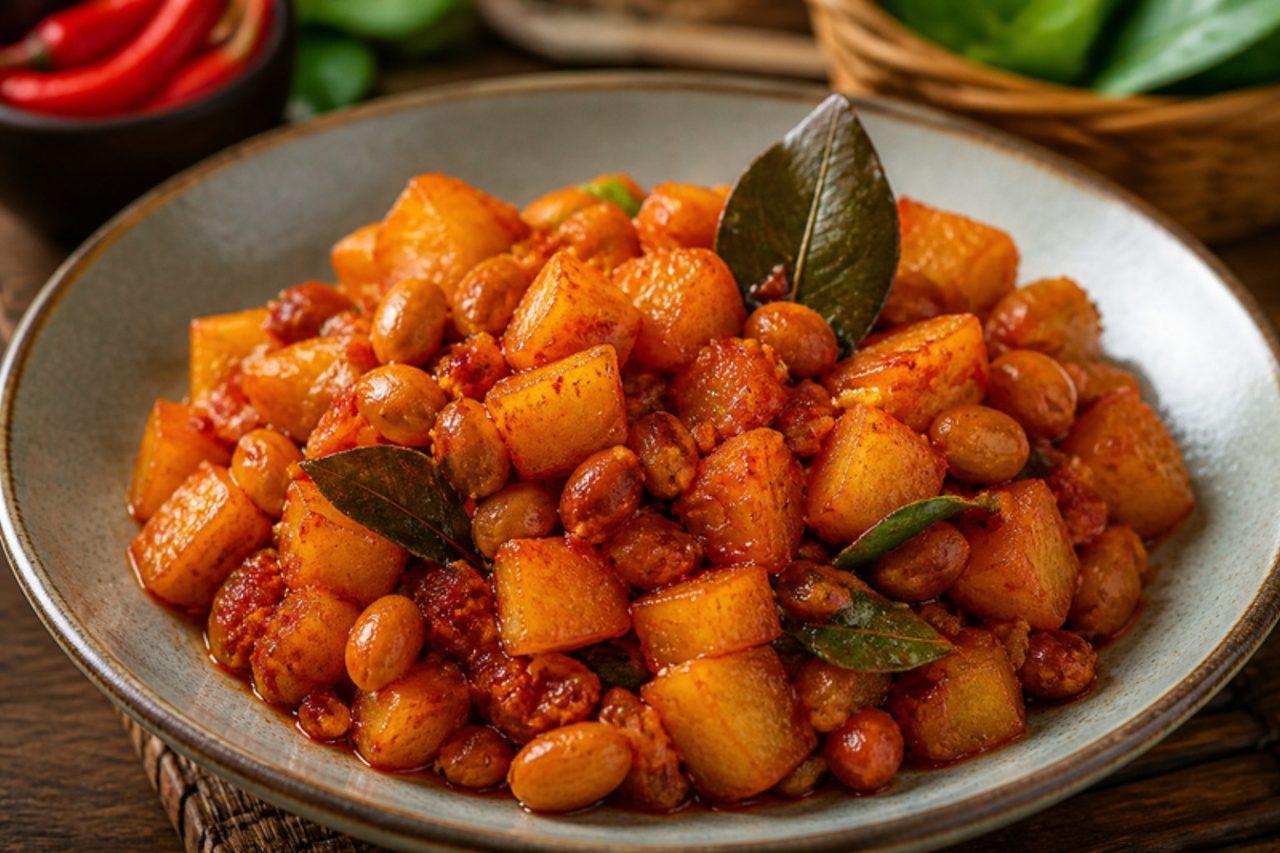
Sambal goreng kentang turns up wherever there's a celebration in Java and Sumatra: on Lebaran tables next to ketupat and opor, in wedding buffets, and in boxes of nasi kotak handed out at gatherings. The potatoes are cut small, fried until crisp and golden, then tossed through a red chilli and shallot sambal sweetened with palm sugar and sharpened with tamarind, so each cube is coated and chewy at the edges. It keeps well and is eaten at room temperature with rice. Chef's tip: soak and dry the potato cubes thoroughly before frying; damp potatoes spit, steam and never crisp up.

by KrazyBadal 0 views

Sambal matahRaw shallot and lemongrass relish

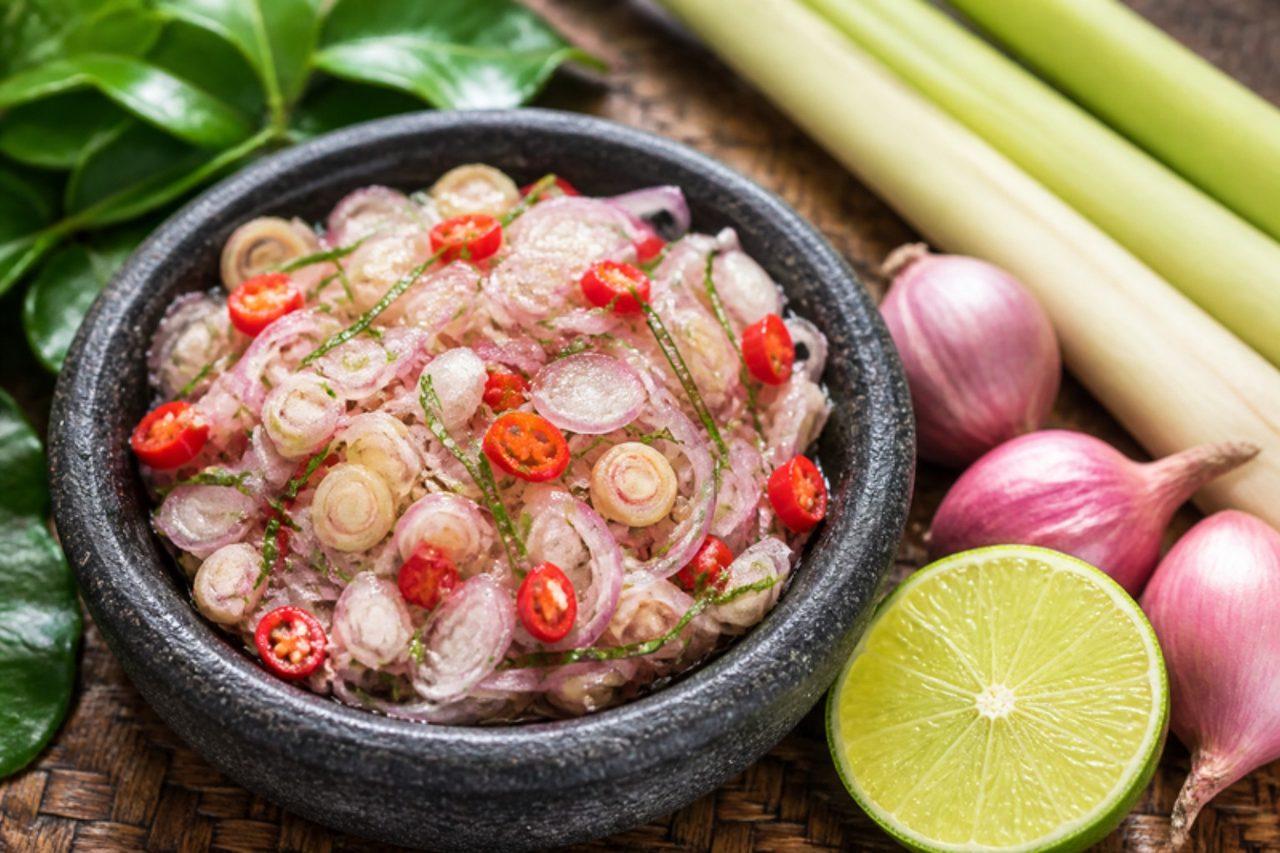
Matah means raw in Balinese, and this sambal is nothing more than finely sliced shallots, chillies, lemongrass and lime leaf, squeezed with lime and dressed with hot coconut oil. It is the fresh, sharp counterpart to grilled tempeh, tofu, corn fritters and plain rice in warungs across Bali. Village cooks rub in a little toasted shrimp paste; this vegetarian version gets its savoury edge from salt and a touch of sugar. Chef's tip: squeeze the salted shallots with your fingers before adding the oil; they soften and release juice that carries the flavour.

by KrazyBadal 0 views

Sambal oelekFresh chilli paste

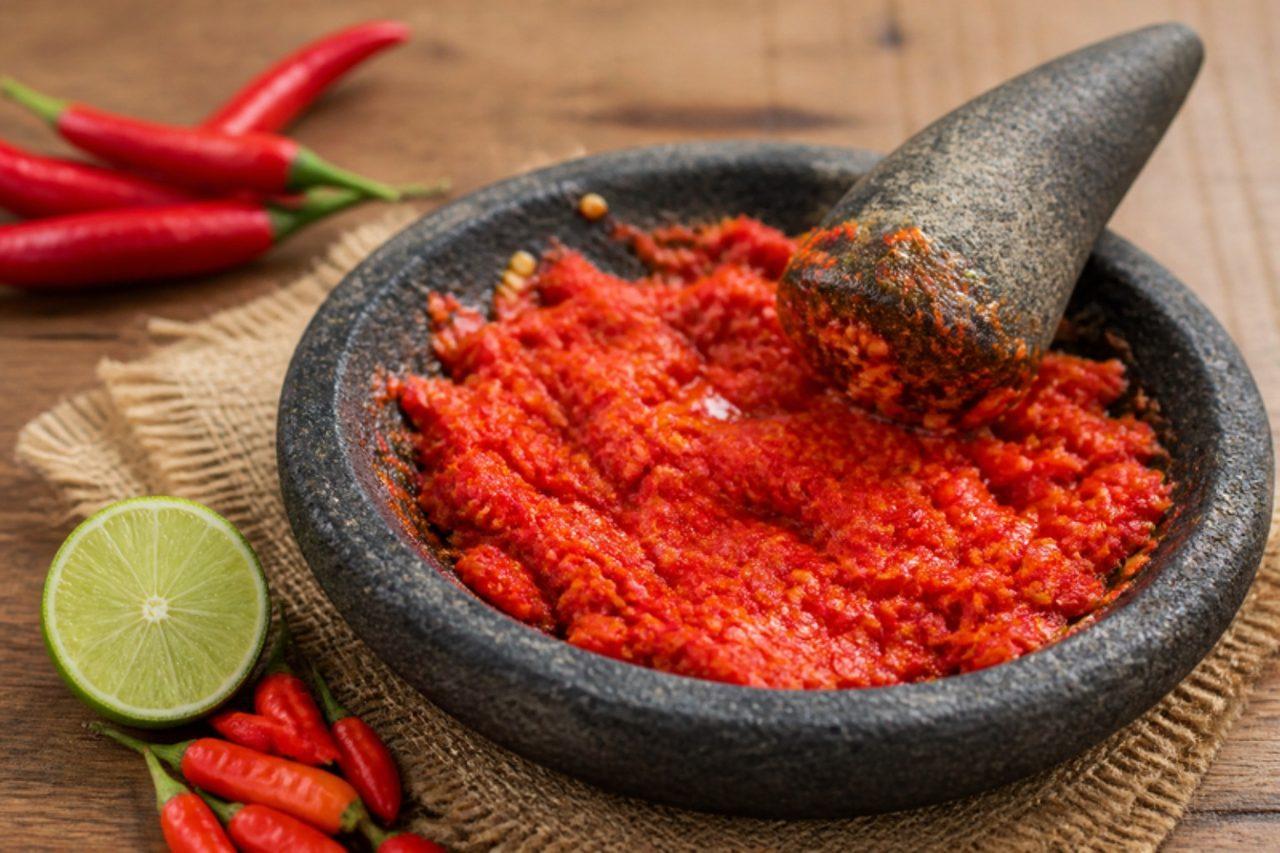
Every Indonesian kitchen has an ulekan, the flat stone mortar that gives sambal oelek its name, and this is the most basic thing ground in it: fresh red chillies and salt, pounded to a coarse, wet, fiery mash. It's the foundation many cooks start from, stirred into fried rice and soups, spooned beside every meal at warung tables nationwide, and the base for more complex cooked sambals. Making it fresh tastes brighter and fruitier than any jar. Chef's tip: wear gloves and pound rather than blitz if you can — crushing releases the oils and gives a juicier, more fragrant sambal than chopping blades.

by KrazyBadal 1 views

Sambal terasiShrimp paste chilli sambal

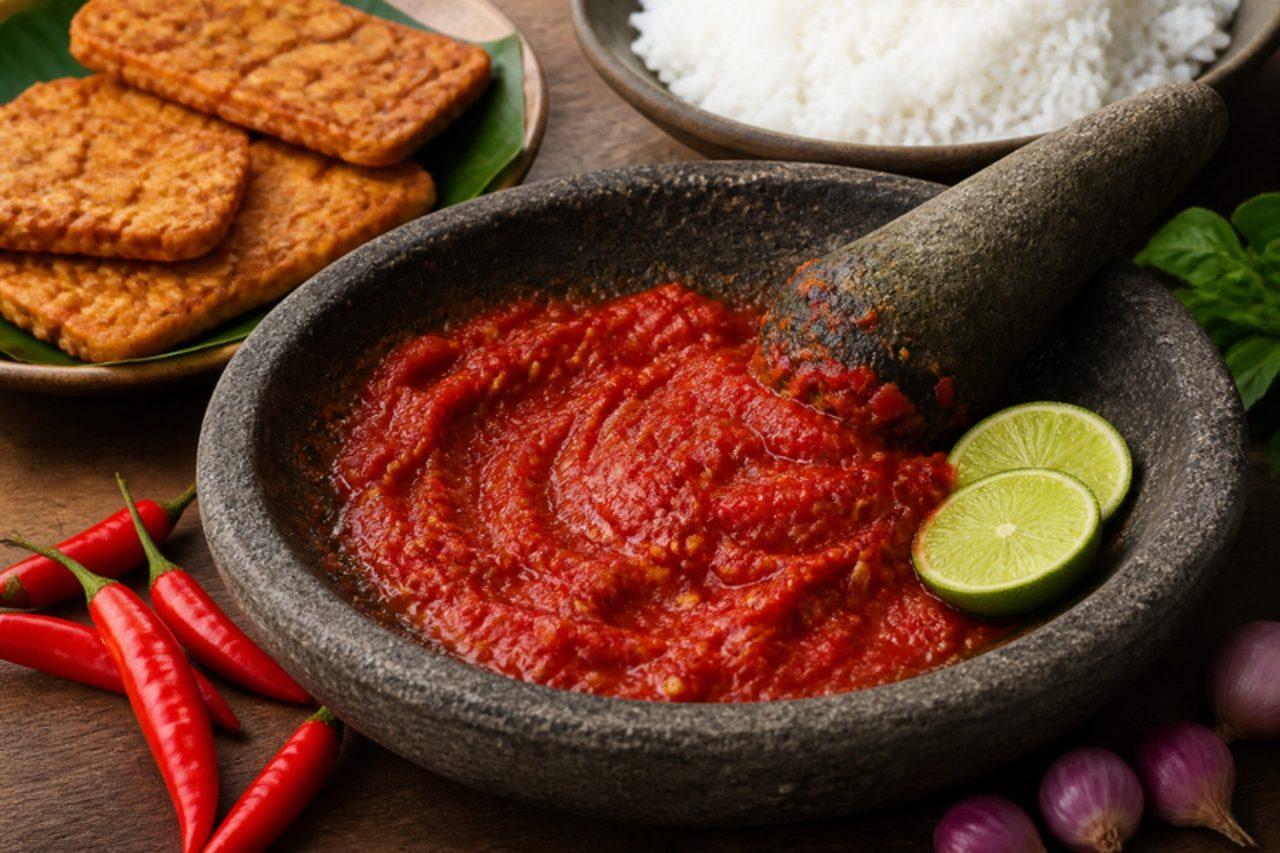
Almost every Indonesian kitchen keeps a stone mortar, the cobek, and the sambal pounded in it most often is this one. Toasted shrimp paste gives it a deep, savoury funk, fried chillies and shallots add sweetness and heat, and a squeeze of lime at the end wakes everything up. Spoon it beside fried chicken, grilled fish, fried tempeh or a plate of raw lalapan vegetables, or stir a little into fried rice. Chef's tip: pound rather than blend if you can; a coarse, slightly juicy texture tastes fresher than a smooth purée.

by KrazyBadal 0 views

Sambal tumisFried chilli paste

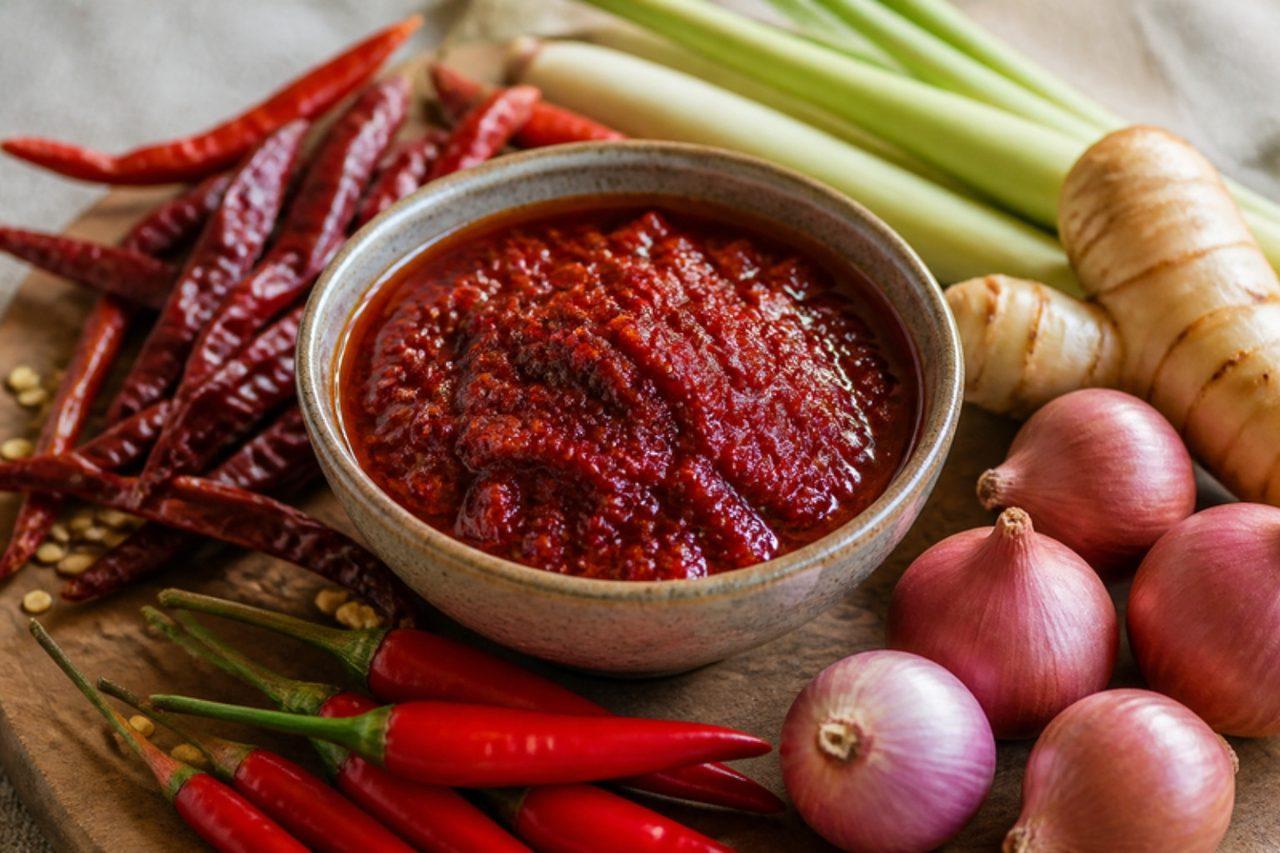
Ask any Malaysian cook what lives in the fridge door and the answer is usually a jar of sambal tumis. 'Tumis' means to sauté, and the paste of soaked dried chillies, shallots, garlic and spices is fried slowly in plenty of oil until it turns dark and jammy. From Johor to Kedah it goes on nasi lemak, gets stirred through fried rice and noodles, and is spooned beside eggs, tofu or roti. Most versions lean on belacan (shrimp paste); here a little toasted nori brings back that savoury, faintly sea-like depth. Chef's tip: make a double batch; covered with a film of its own oil it keeps for two weeks in the fridge and months in the freezer.

by KrazyBadal 0 views

Braised intestines in brown sauce

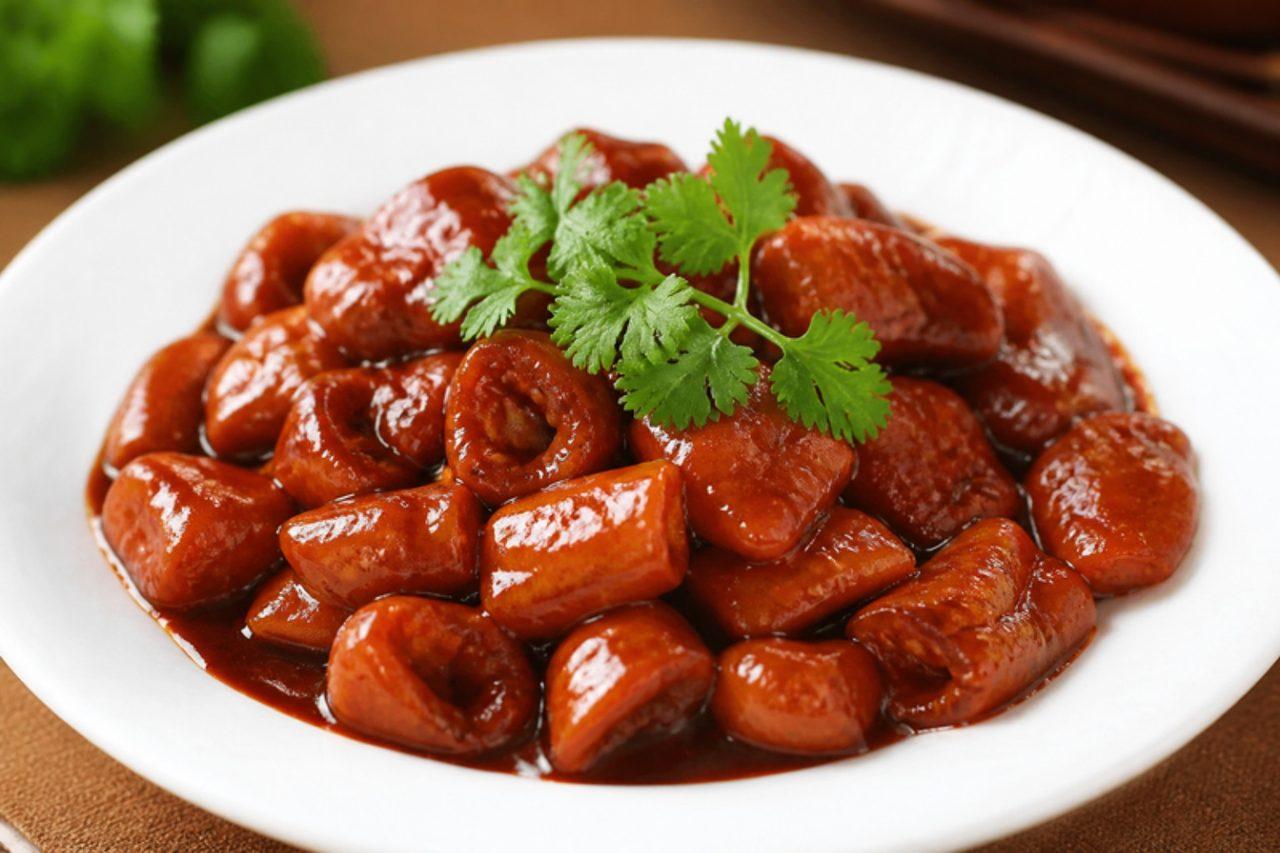
Jinan restaurants have served this Shandong classic for more than a century, and its name, 'nine turns', borrows from Taoist alchemy to praise how many times the flavour seems to change on the tongue. Sections of pork intestine are cleaned thoroughly, simmered until tender, fried golden and then braised in a dark glaze that is sweet, sour, salty, peppery and gently spiced all at once, finished with a dusting of cinnamon and white pepper. The texture is soft and rich with a slight chew. It is banquet food in Shandong, eaten with plain rice or steamed buns and a green vegetable. Chef's tip: buy intestines already cleaned by a butcher if you can; you will still give them a wash, but the hard part is done.

120 minChineseMeat
by KrazyBadal 0 views

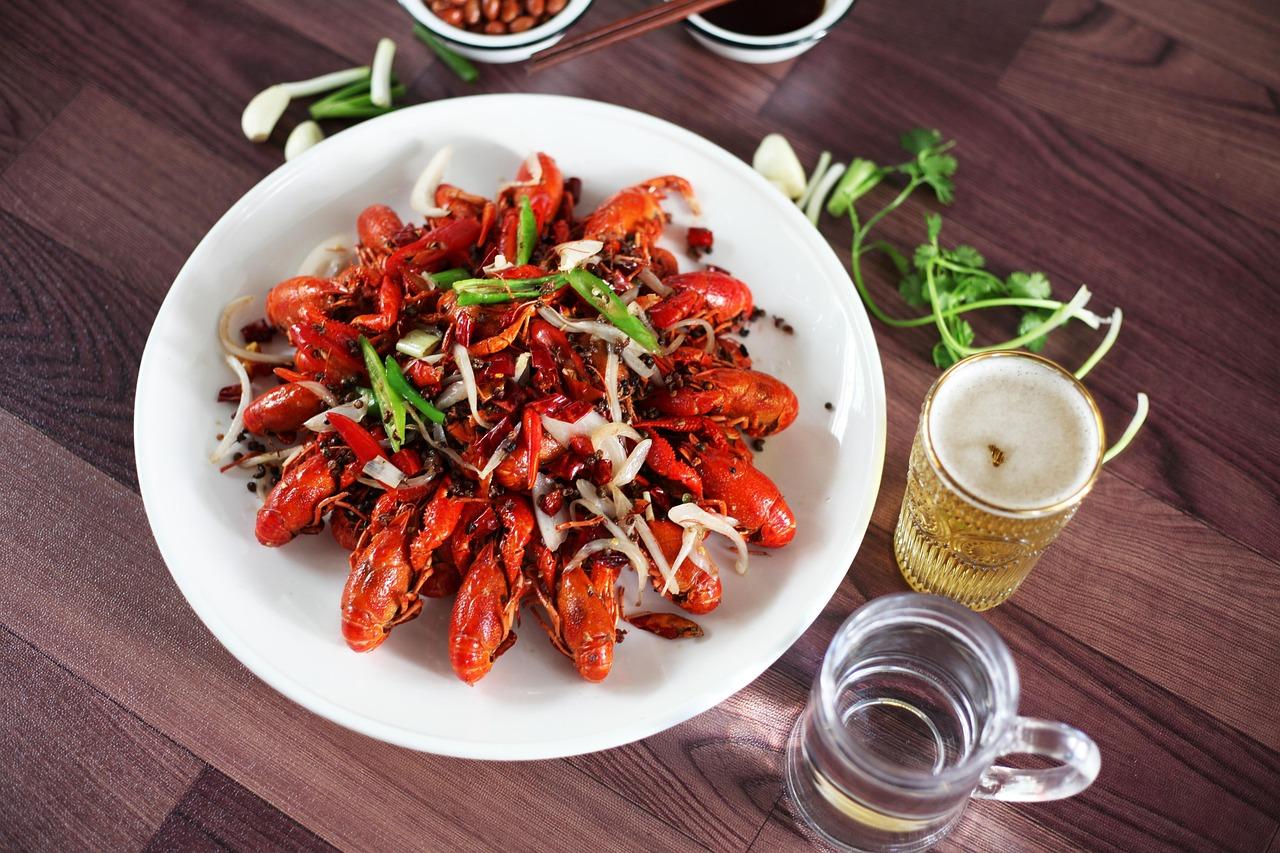
Mala crayfish

On summer nights the pavements of Changsha and Wuhan fill with folding tables, plastic gloves and mountains of glossy red crayfish, the season's great shared feast from May to August. Each little shell is sucked for its spicy sauce before you twist off the tail for a sweet, firm bite of meat; the sauce is hot from chillies and bean paste, numbing from Sichuan pepper and rounded out with garlic and a bottle of lager. Large shell-on prawns make an easy swap if you can't buy live crayfish. Serve with cold drinks, cucumber, steamed buns or rice to mop up the sauce, and lots of napkins. Chef's tip: once the crayfish turn red, simmer them for no more than 8 minutes; longer and the tail meat goes mushy and comes away in shreds.

by KrazyBadal 0 views

KleponPandan rice balls with palm sugar

Klepon are the jajan pasar, or market cakes, of Java: sold in the morning from baskets lined with banana leaves, bright green from pandan and dusted with grated coconut. Bite one and a pocket of molten palm sugar floods your mouth, so Javanese eat them whole. Malaysians and Singaporeans know the same sweet as onde-onde, made for festive tea tables, so this page covers both. Chef's tip: seal the balls with no cracks and drop them into gently boiling water — the moment they float, give them one more minute, and the sugar inside will be fully molten.

by KrazyBadal 0 views

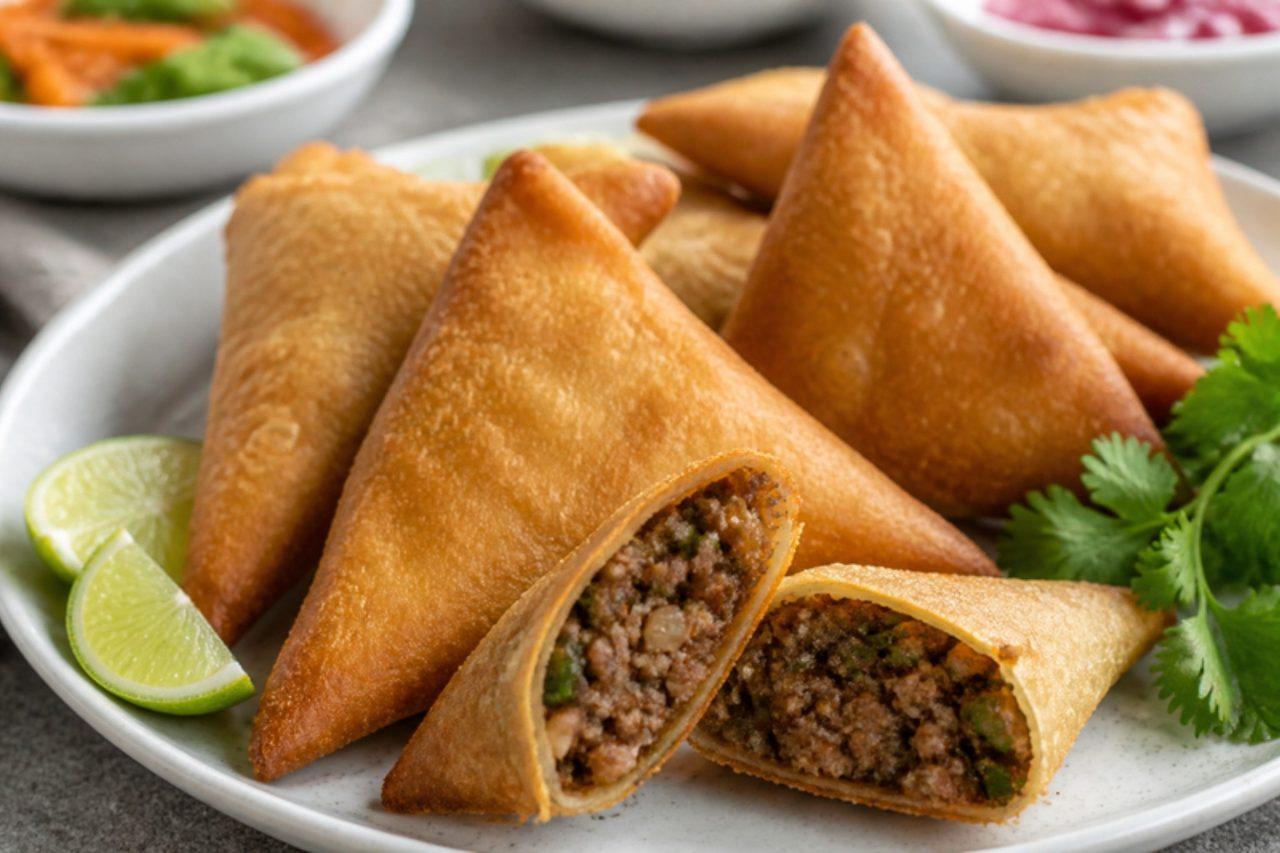
SambuusCrisp beef pastries

Sambuus are the triangles of crisp pastry Somali families fry by the hundred during Ramadan, filling them with minced beef, onion, green chilli, coriander and xawaash; trays of them sit on every iftar table from Hargeisa to Toronto. The filling must be dry, and the pastry thin. The mistake is a wet filling, which steams the pastry from the inside and makes it soggy; cook the mince until all the liquid has gone. Chef's tip: shop-bought spring roll pastry, cut into strips, makes good thin sambuus at home.

by KrazyBadal 0 views

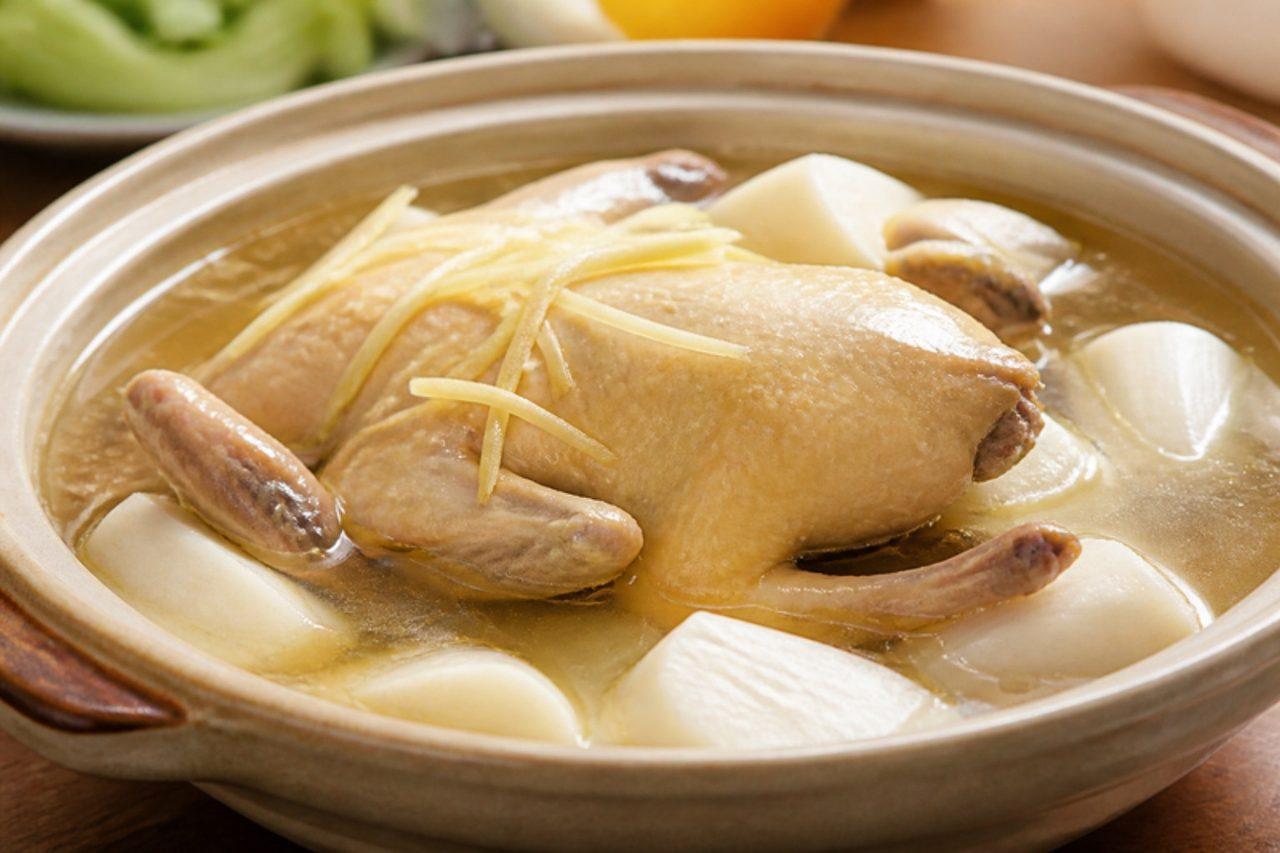
Huangshan braised pigeon

In the villages below the Huangshan mountains of Anhui, pigeon slowly stewed with Chinese yam in a clay pot is a classic nourishing dish, given to people recovering from illness and served to guests in cold weather. The broth is clear, light and gingery; the dark, rich squab turns tender enough to pull off the bone, and the yam goes soft and slightly creamy. Bring the pot to the table and eat the meat with rice, sipping the broth between mouthfuls. Squab is sold by good butchers and Asian grocers, often frozen. Chef's tip: wear gloves when peeling the yam; its sticky juice makes many people's hands itch.

120 minChineseMeatGluten free
by KrazyBadal 0 views

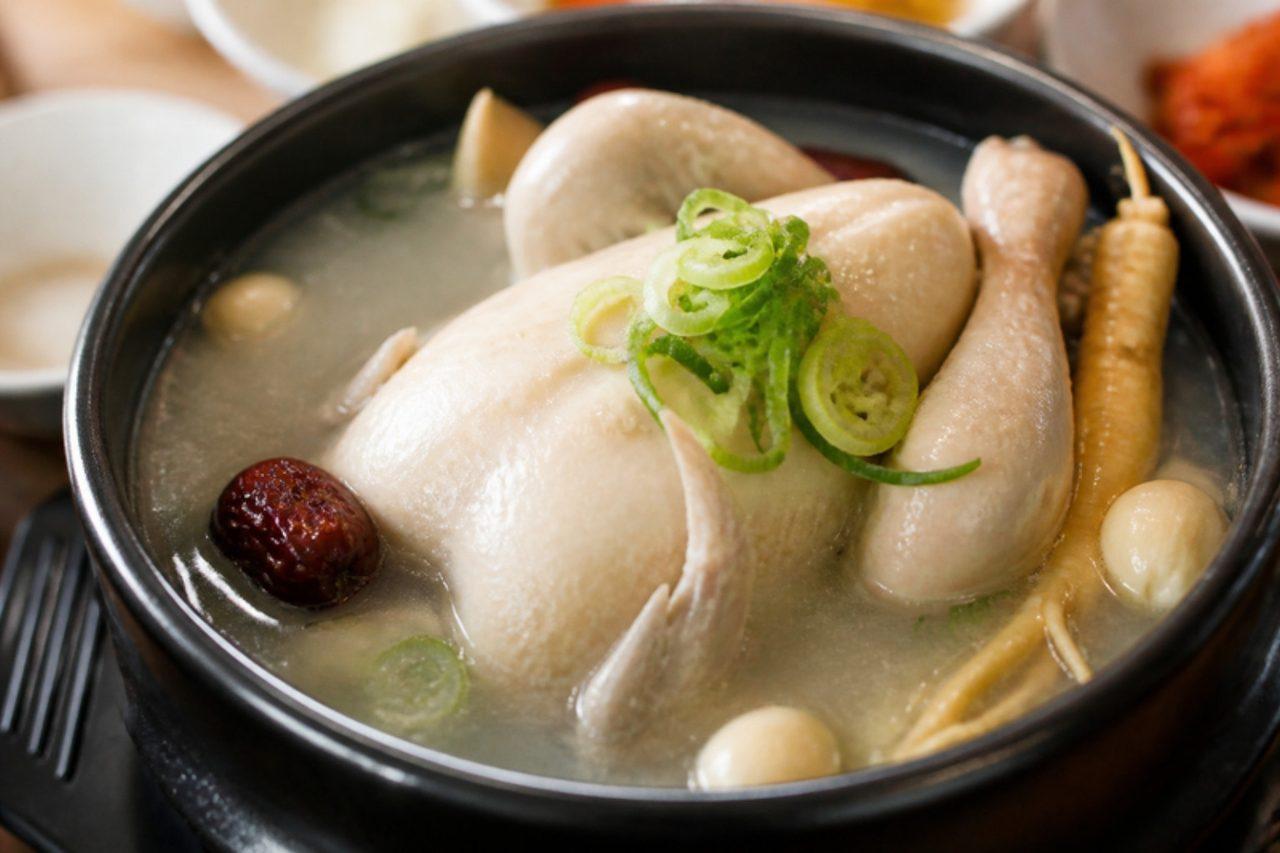
SamgyetangGinseng chicken soup

On the three hottest days of the Korean summer, called boknal, queues form outside samgyetang restaurants all over the country. The idea is to fight heat with heat: a small whole chicken is stuffed with glutinous rice, ginseng, jujubes and garlic, then simmered until the meat falls off the bone. Each person gets their own bird in its own bowl, with salt and pepper for dipping. Ginseng is not advised in pregnancy, so leave it out if unsure. Chef's tip: cut a small slit in the skin of one thigh and tuck the other leg through it, so the stuffing stays inside without string.

by KrazyBadal 0 views

Samkeh harraBaked fish with spicy tahini

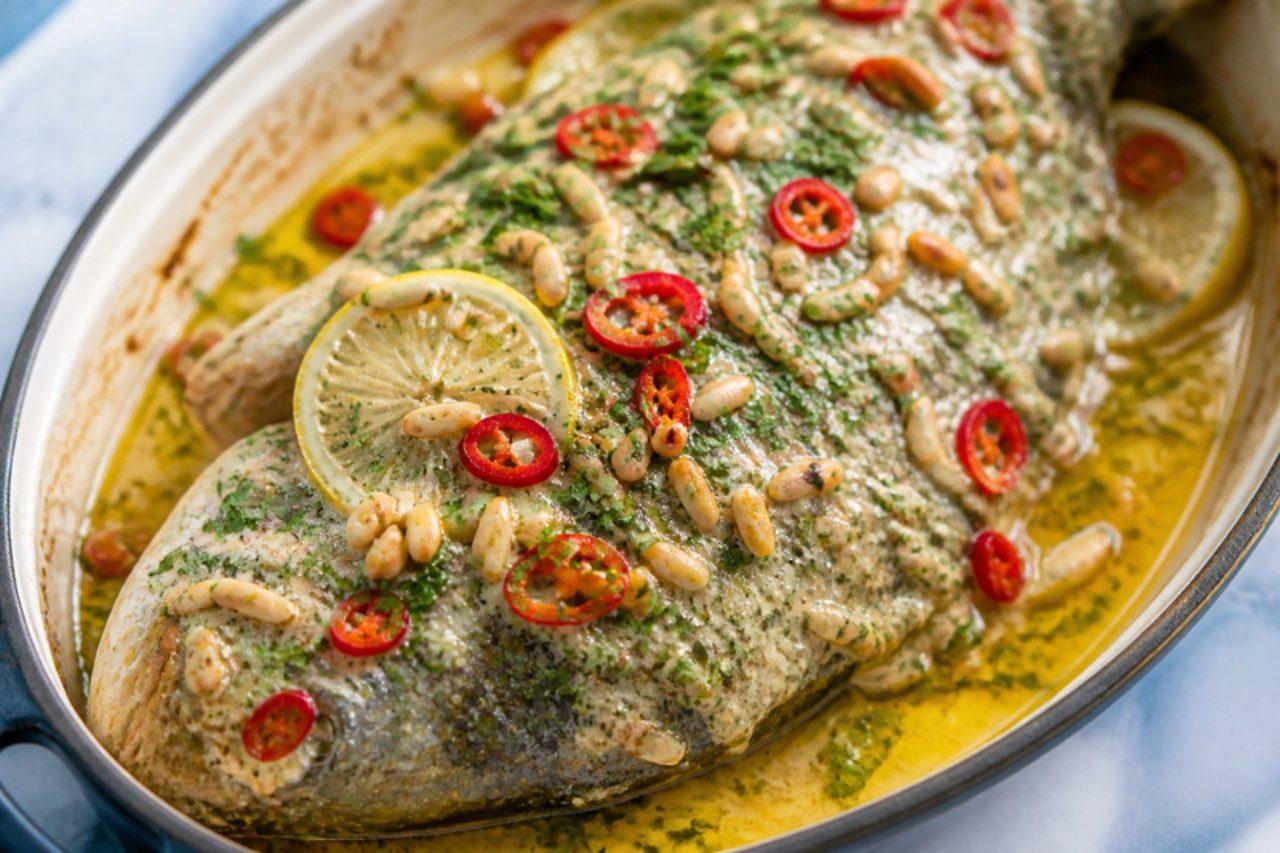
Samkeh harra, 'hot fish', is the pride of Tripoli and the fishing towns of northern Lebanon, where it is made with a whole sea bream or sea bass on Fridays and for summer lunches by the sea. The fish is baked, then covered with a fiery sauce of tahini, lemon, garlic, chilli and lots of coriander and returned to the oven until bubbling. Walnuts on top are a Tripoli touch. It is eaten warm or at room temperature with bread and a green salad. Chef's tip: loosen the tahini with lemon juice first, then water; it will seize and turn thick before it turns smooth, so keep whisking.

by KrazyBadal 0 views

Vegetable samlor korkoVegetable and green papaya soup

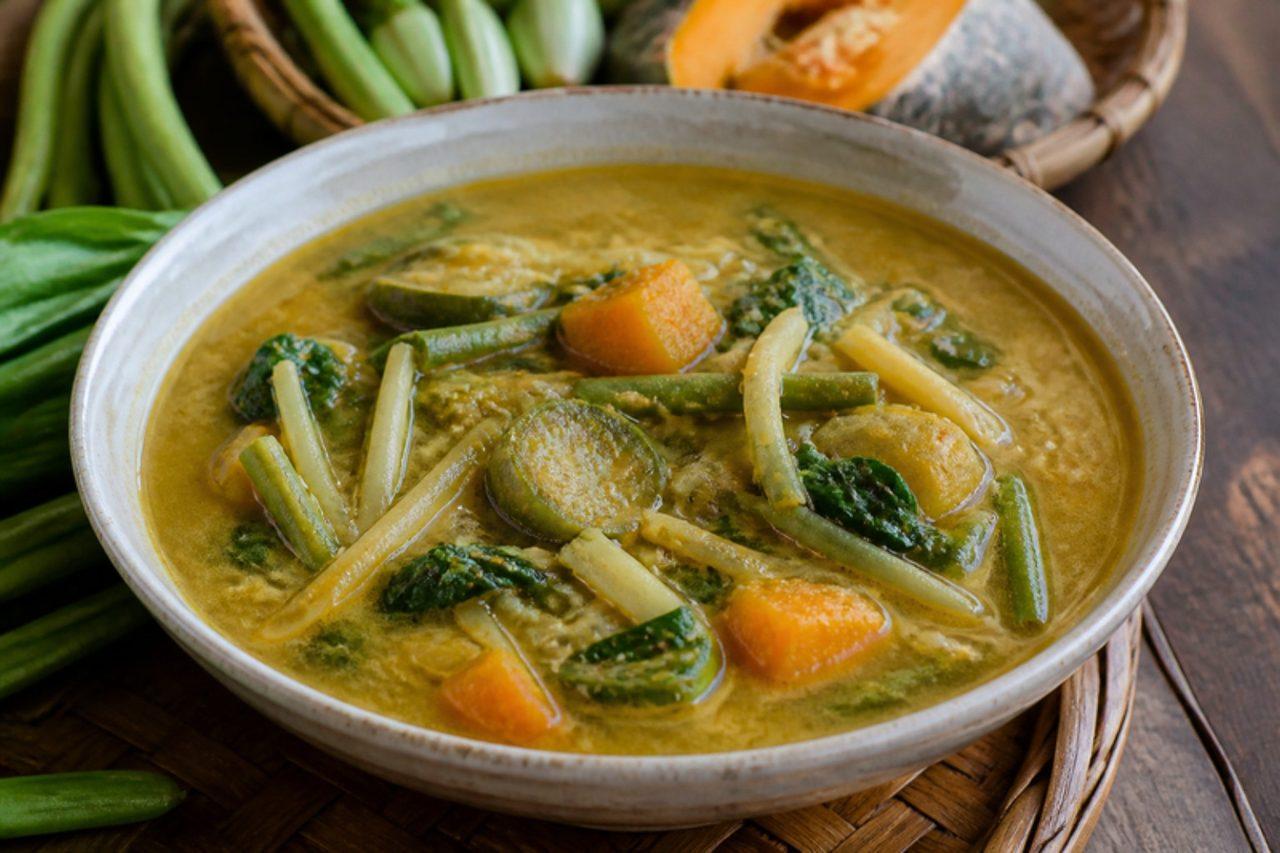
Samlor korko is called the national soup of Cambodia, cooked in villages from Battambang to Kampot and eaten at lunch with a bowl of rice. Its name means 'stirring soup', because the cook stands over the pot moving the vegetables as they go in one by one: green papaya, pumpkin, aubergine, long beans and leafy greens, all in a thin, herb-scented broth thickened with a spoonful of ground toasted rice. Prahok usually gives it its funk; fermented soybean paste and a little soy give depth here, and the soup stays light and full of vegetables. Chef's tip: toast the rice slowly until it is the colour of a hazelnut shell; that nutty smell is the backbone of the soup.

by KrazyBadal 0 views

KladdkakaSticky chocolate cake

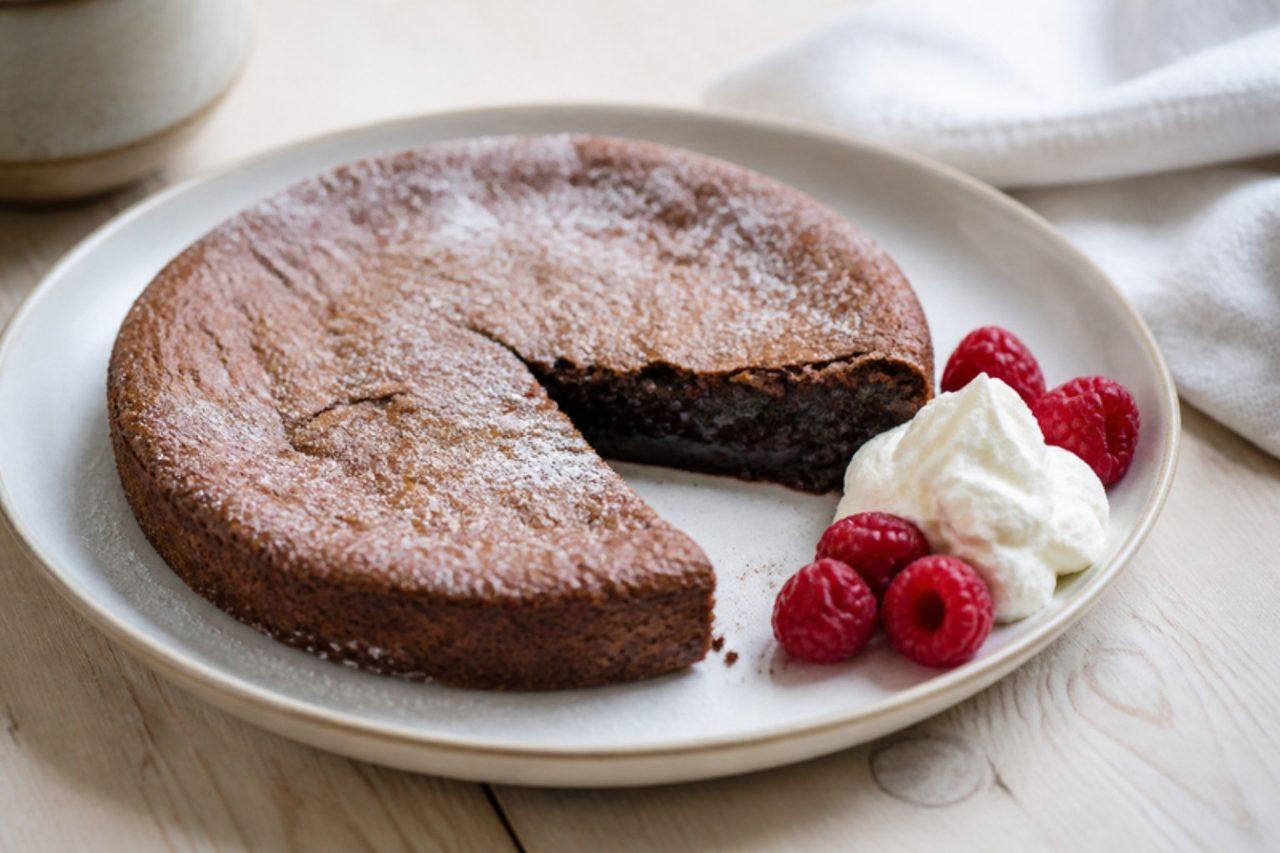
Kladdkaka, literally 'sticky cake', is the chocolate cake Swedish teenagers learn to make first, because it needs one pan, no mixer and no raising agent. The outside bakes to a thin, crackly crust while the centre stays fudgy and almost molten, somewhere between a brownie and a chocolate pudding. In Sweden it turns up at birthday parties, after Friday tacos and at summer cottages, cut into wedges and served with lightly whipped cream and a few raspberries or lingonberries. Cocoa, not bar chocolate, gives it its classic flavour. Chef's tip: take it out when the middle still wobbles like set jelly; it firms up as it cools and a fully set kladdkaka is just a dry chocolate cake.

by KrazyBadal 0 views

KitfoSpiced minced beef

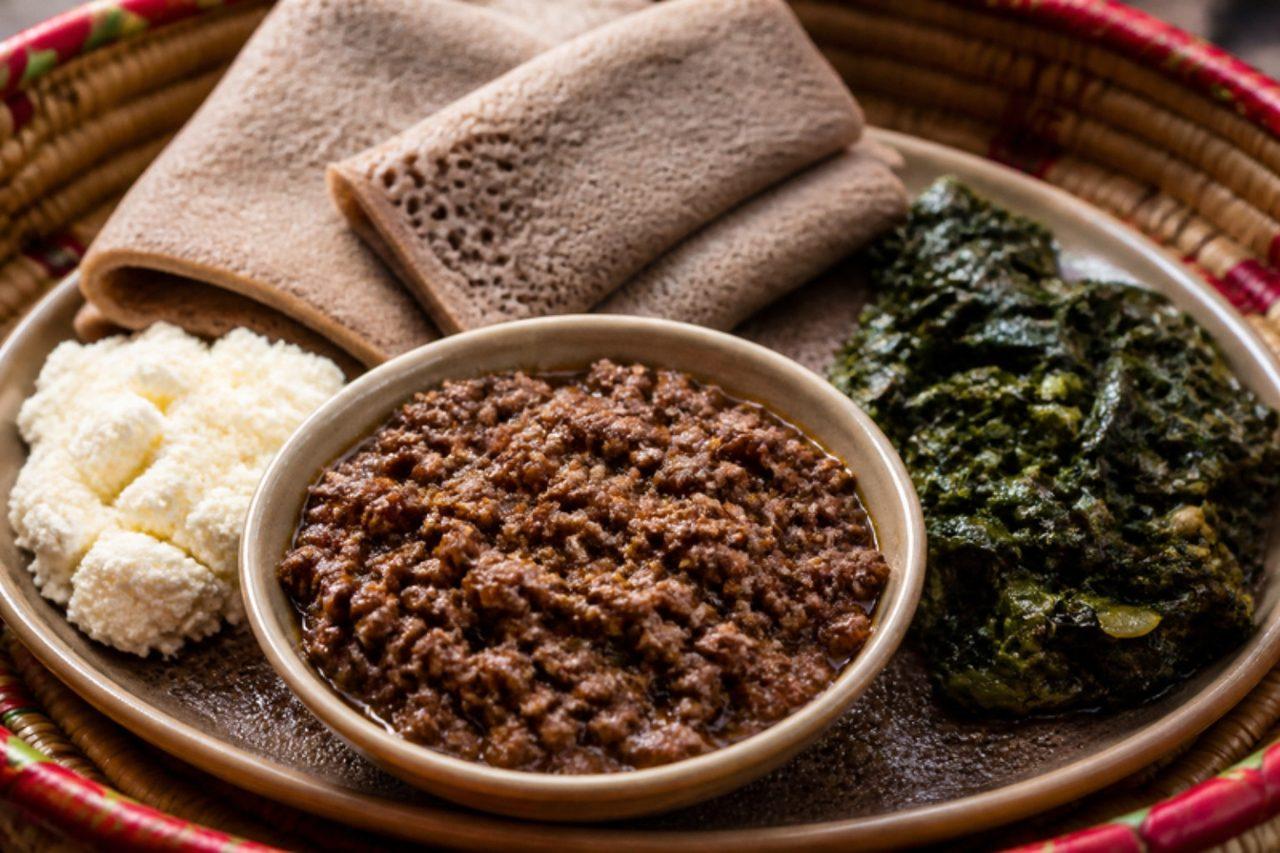
Kitfo comes from the Gurage people south-west of Addis Ababa, and it is the dish Ethiopians order at special kitfo houses or make for Meskel, the September feast of the True Cross. Lean beef is finely minced and stirred with warm spiced butter and mitmita, a hot chilli and cardamom powder. In Ethiopia it is often eaten raw (tire) or barely warmed (leb leb), but raw or lightly warmed minced beef is not safe for home cooks: this version is cooked to 71 °C, which keeps the buttery, fiery flavour with a soft, crumbly texture. Serve with ayib, braised greens and injera or kocho. Chef's tip: mince the beef yourself from a single lean cut if you can, and keep it fridge-cold until the moment it goes into the pan.

by KrazyBadal 0 views

KisraFermented sorghum flatbread

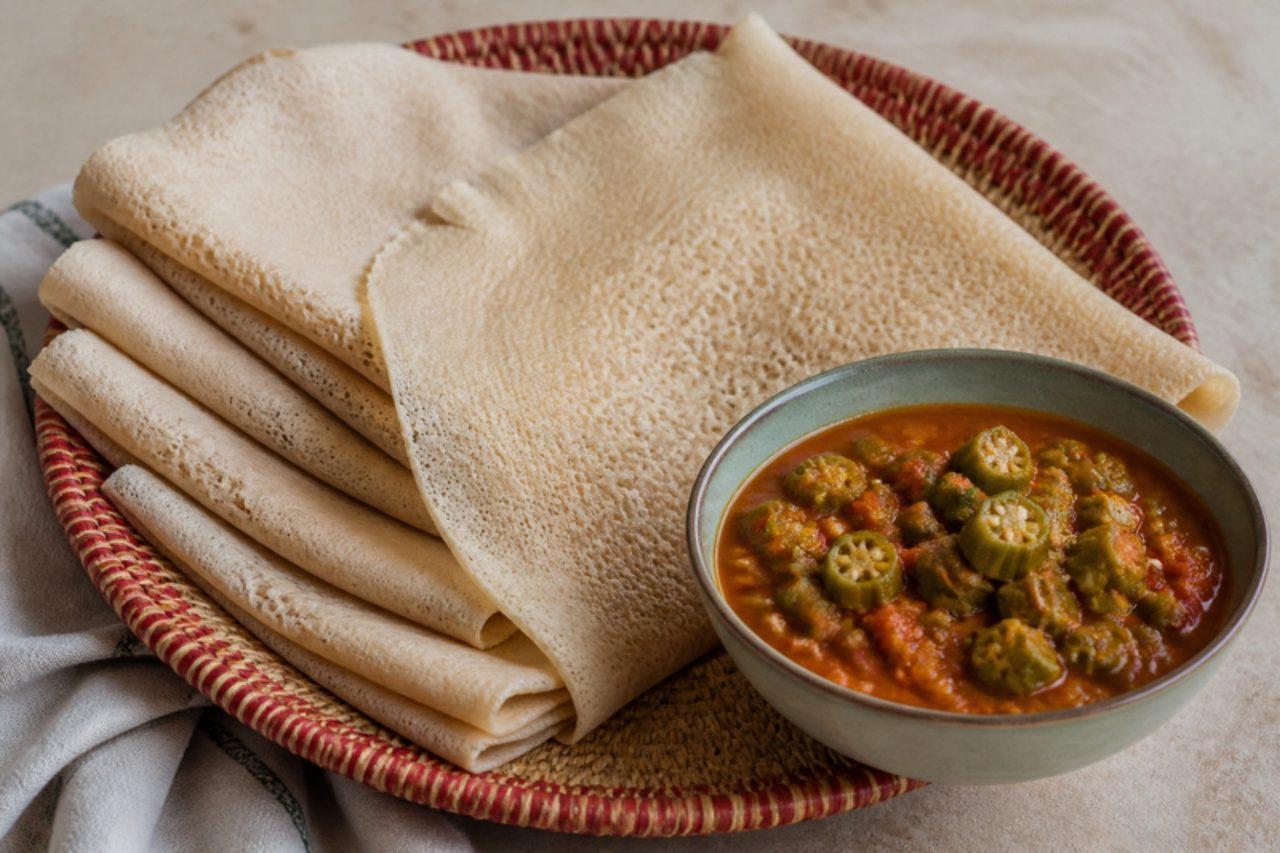
Kisra (kisra rahifa) is the daily bread of northern and central Sudan: a sorghum batter left to sour for a day, then wiped across a very hot iron plate in a single sweep so it cooks into a lacy sheet as thin as paper. In homes it is made early each morning and stacked in folded layers to eat with mullah stews, especially during Ramadan. A wide crêpe pan and a plastic scraper or spatula work at home. Chef's tip: the pan must be hot enough that the batter sets the moment it touches; if it is too cool the sheet sticks and tears.

by KrazyBadal 0 views

KısırBulgur salad with pepper paste

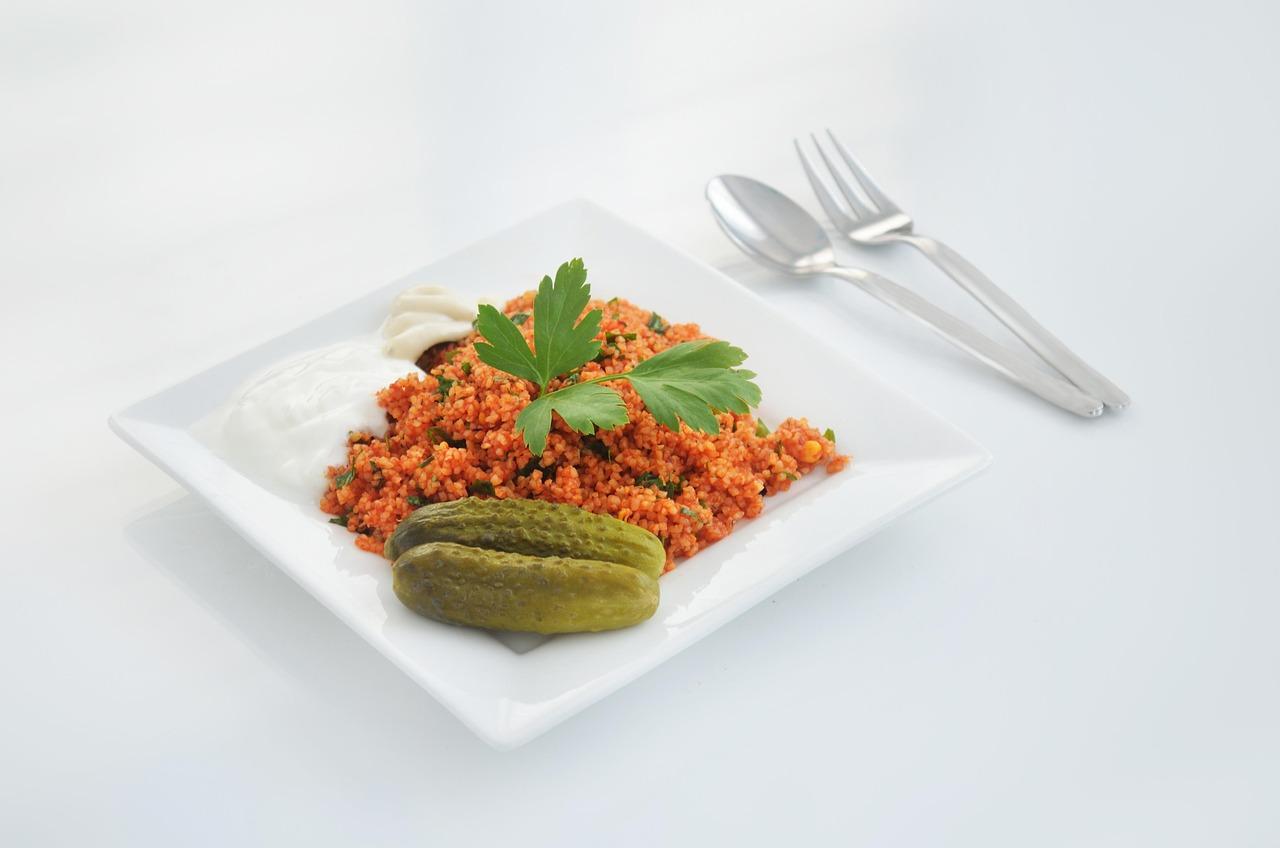
Kısır comes from southeastern Turkey but is now the dish women across the country bring to 'altın günü', the afternoon gatherings where friends meet at each other's homes over tea. Fine bulgur is softened with hot water and kneaded with tomato and pepper paste until rosy, then mixed with spring onion, parsley, mint, lemon and pomegranate molasses. It is served at room temperature, often wrapped in crisp lettuce leaves. The typical mistake is pouring in too much water, which turns the bulgur mushy; use just enough to cover. Chef's tip: knead the pastes into the warm bulgur with your hands for a full minute so every grain turns red and the flavour goes right through.

by KrazyBadal 0 views

Samosa thokeSamosa salad

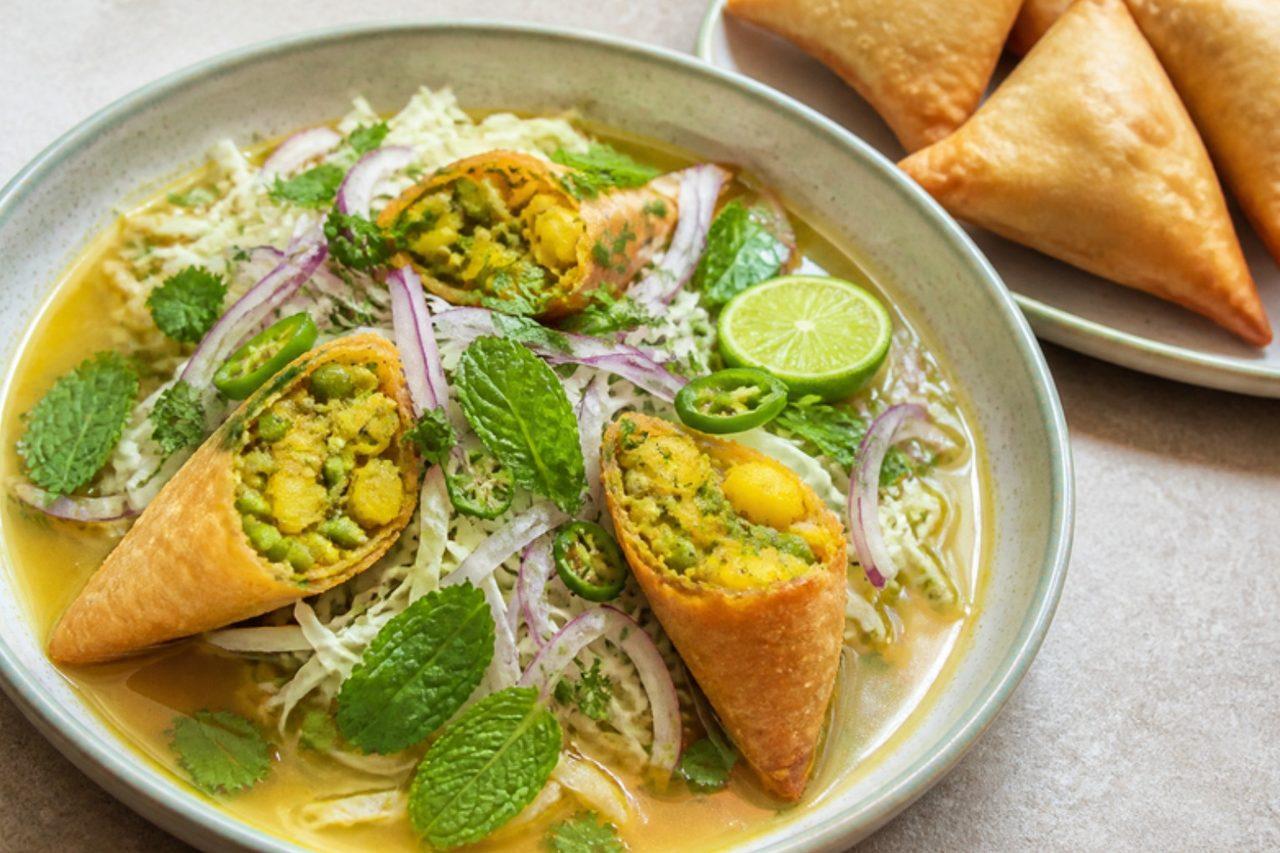
Samosa thoke is pure Yangon street food, born from the city's Indian-Burmese communities: vendors on Mahabandoola Road chop crisp samosas into a bowl with cabbage, onion and mint, ladle over a thin, spiced lentil broth (pe hin ye), and finish it with tamarind, chilli and a squeeze of lime. The samosas soften at the edges while the middle stays crunchy, and the whole bowl is hot, sour and savoury. Use vegan samosas made without ghee. Chef's tip: ladle the broth over at the very last moment and eat straight away; samosa thoke left to sit turns soggy fast.

by KrazyBadal 0 views

Kiritanpo nabeRice stick and chicken hot pot

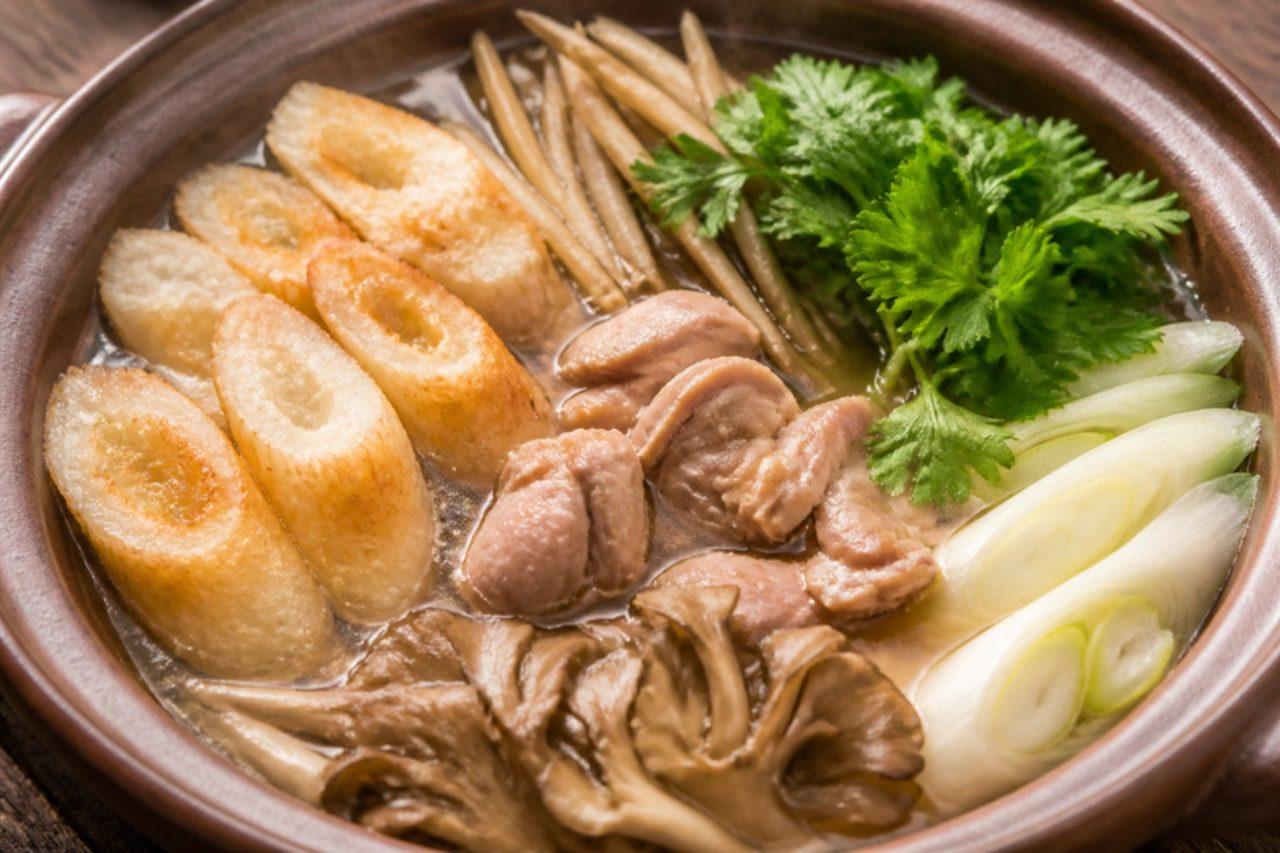
In Akita, in Japan's snowy north-west, the new rice harvest in October marks the start of kiritanpo season, and the town of Odate holds a festival for it every autumn. Freshly cooked rice is half-pounded, pressed around sticks and toasted, then cut up and dropped into a soy-seasoned chicken broth with burdock, maitake mushrooms and crunchy Japanese parsley called seri. Locals use the region's Hinai-jidori chicken; any good free-range bird works. The toasted rice soaks up the broth but keeps a little chew. Chef's tip: toast the rice sticks until dry and golden in patches all over, as a crisp outer skin keeps them from dissolving in the pot.

by KrazyBadal 0 views

Suwon galbiGrilled beef short ribs

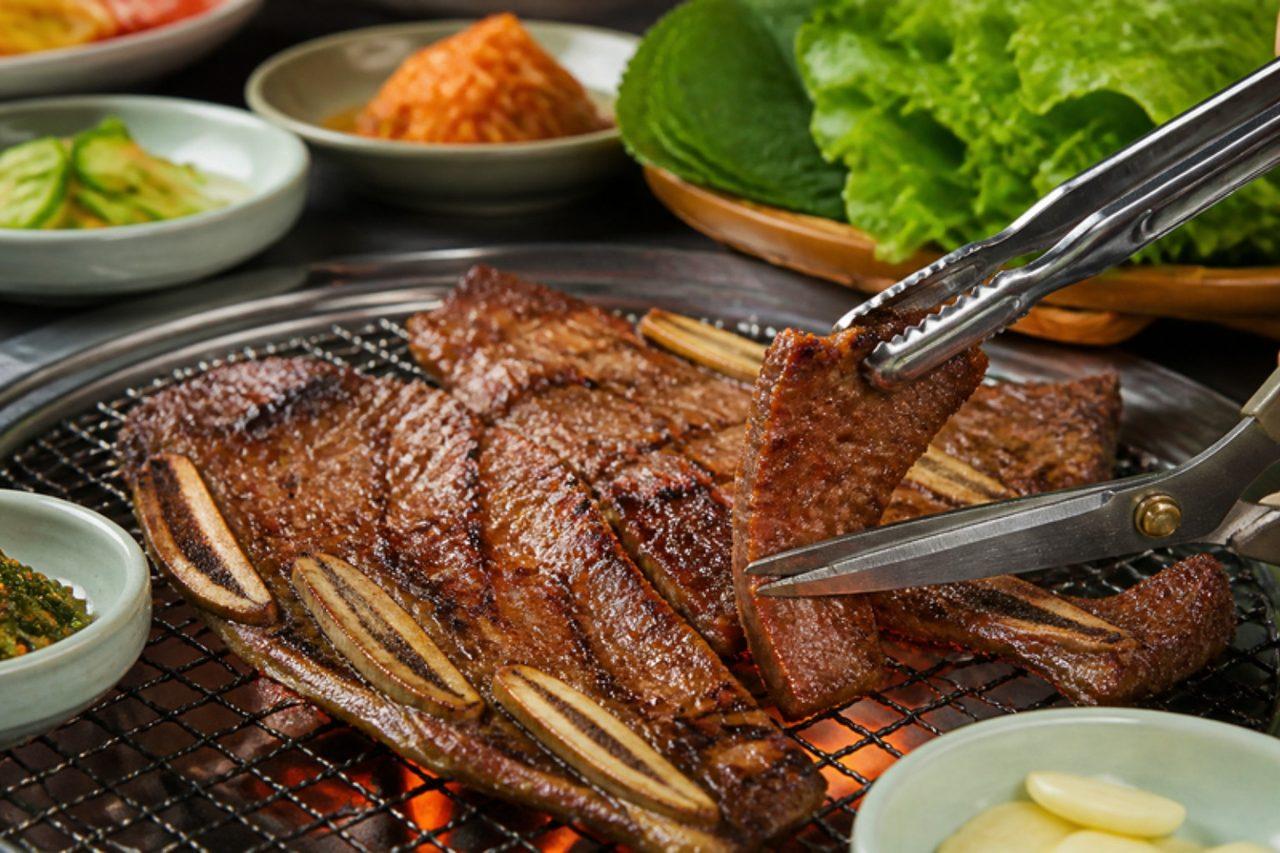
Suwon, south of Seoul in Gyeonggi province, once had one of the largest cattle markets in Korea, and its galbi houses grew up around that trade. The city's style is unusual: the long, butterflied short ribs are seasoned mainly with salt, garlic and sesame oil rather than the soy marinade most people know. Families and office groups grill them at the table over charcoal, snip them into pieces with scissors and wrap each bite in lettuce with ssamjang and raw garlic. At home a ridged griddle pan or a barbecue does the job well. Chef's tip: score the opened-out meat lightly in a criss-cross pattern on both sides, so the salt seasoning soaks in and the ribbon of meat stays flat on the grill.

90 minKoreanMeat
by KrazyBadal 0 views

Sancocho de verdurasVegetable and plantain stew

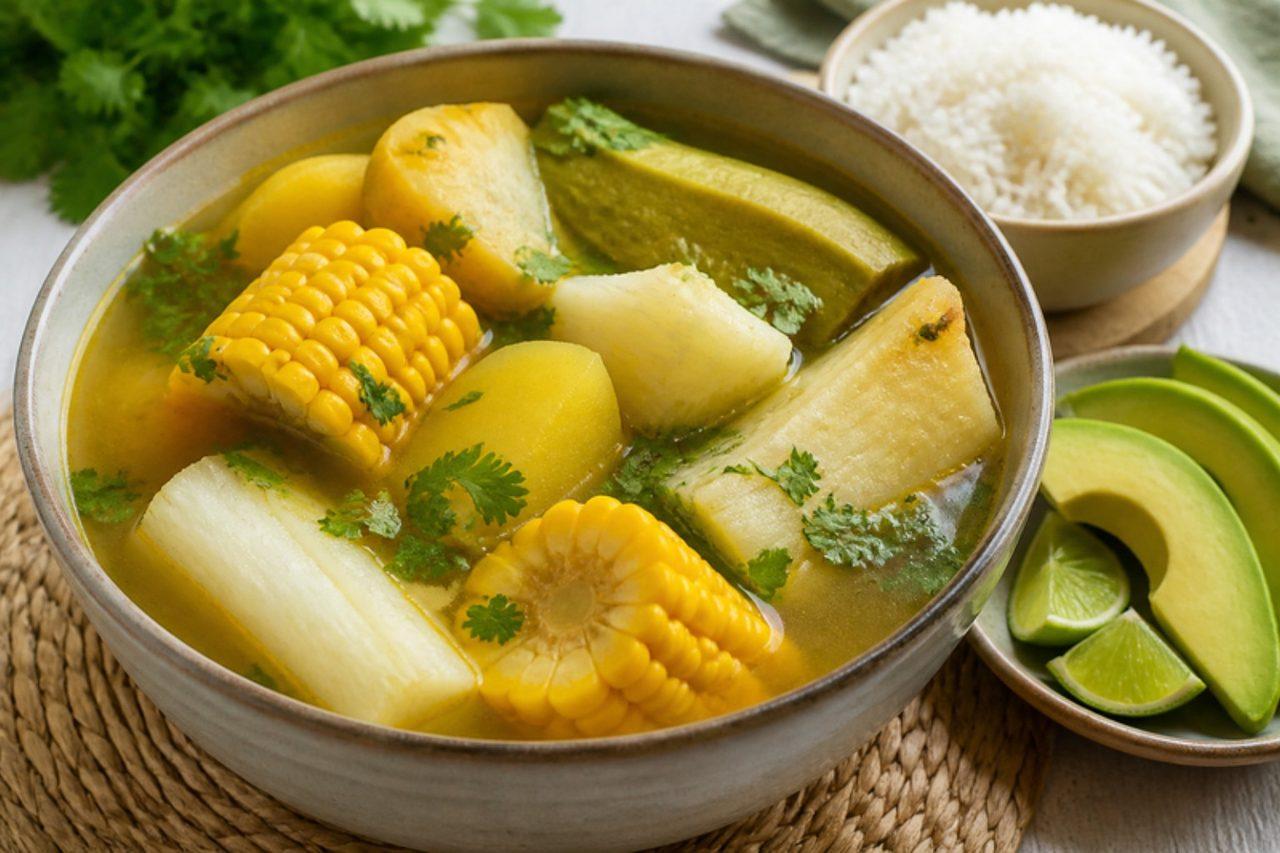
Sancocho is the big Sunday soup Colombian families cook outdoors on riverbanks and fincas (country houses), with every region from Antioquia to the Valle having its own version. This vegetarian sancocho keeps the essentials: green plantain broken by hand, cassava, potatoes and corn on the cob simmered in a broth seasoned with spring onion, garlic, cumin and plenty of coriander, until the starches thicken it. Serve each bowl with white rice, avocado and lime on the side. Chef's tip: break the plantain into pieces with your hands rather than cutting it; the rough edges release starch and thicken the broth.

by KrazyBadal 0 views

Sancocho panameñoChicken and yam soup

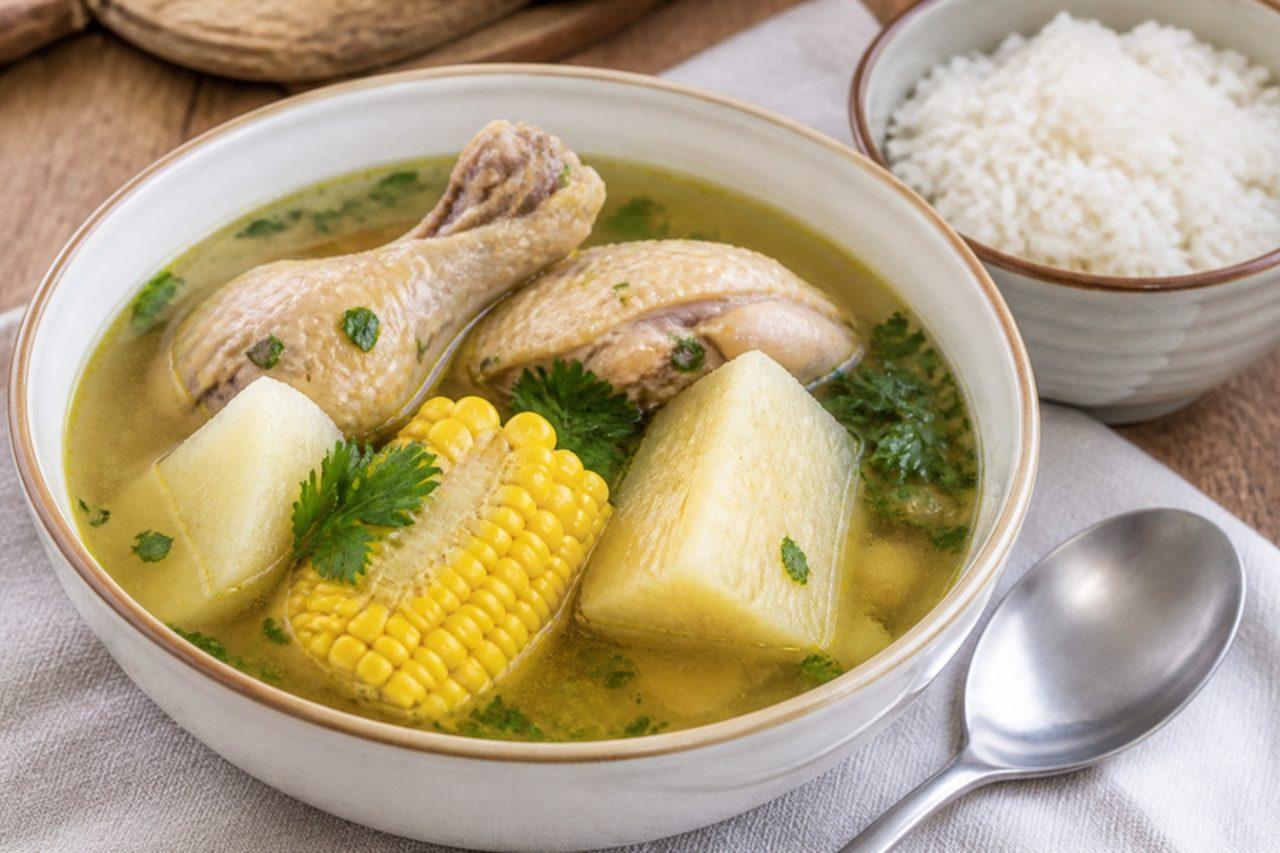
Sancocho is Panama's national dish, a golden chicken soup thickened with ñame (white yam), seasoned with culantro (a strong, saw-edged cousin of coriander), oregano and onion; families make it on Sundays, after a long night out and whenever someone is unwell, and the soup from the town of Chitré in the Azuero peninsula is said to be the best. It is served with white rice on the side, which people spoon into the bowl. The mistake is adding the yam too early; it dissolves and the broth turns gluey, so add it after the chicken has simmered. Chef's tip: some of the yam should break down to thicken the broth, so let it cook until the edges soften.

by KrazyBadal 0 views

SandeshSoft fresh cheese sweets

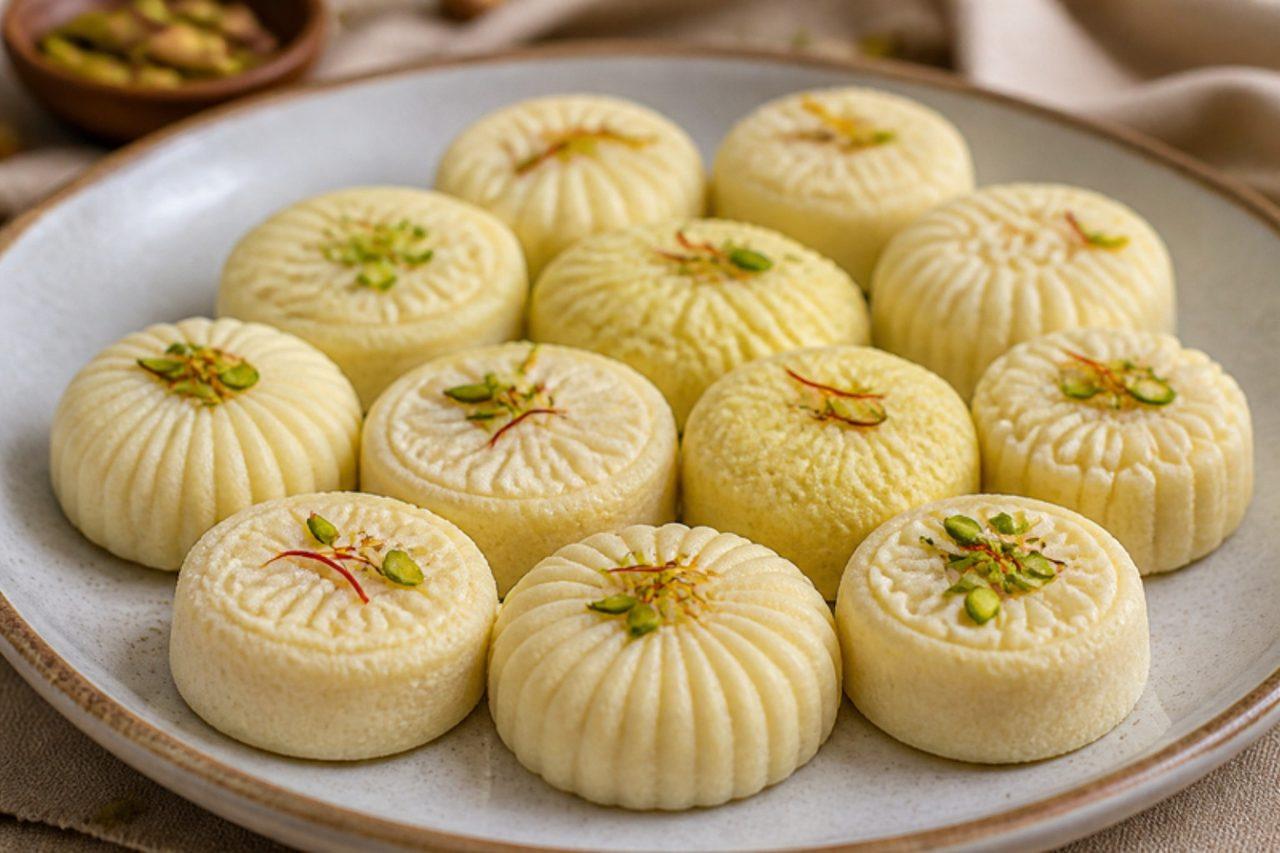
Sandesh is the most delicate of Bengal's sweets, made in Kolkata's sweet shops every morning from chhena, fresh milk curds. The chhena is kneaded until silky, cooked briefly with sugar and pressed into little rounds or moulds. It's soft, fine-textured and milky, sweet but light, often scented with cardamom or saffron. This is the soft 'norom pak' style. Serve at room temperature as a sweet with tea or after a meal. Chef's tip: hang the chhena only until it stops dripping; if it's too dry, the sandesh turn crumbly, and if too wet they won't hold a shape.

by KrazyBadal 0 views

Huizhou stinky mandarin fish

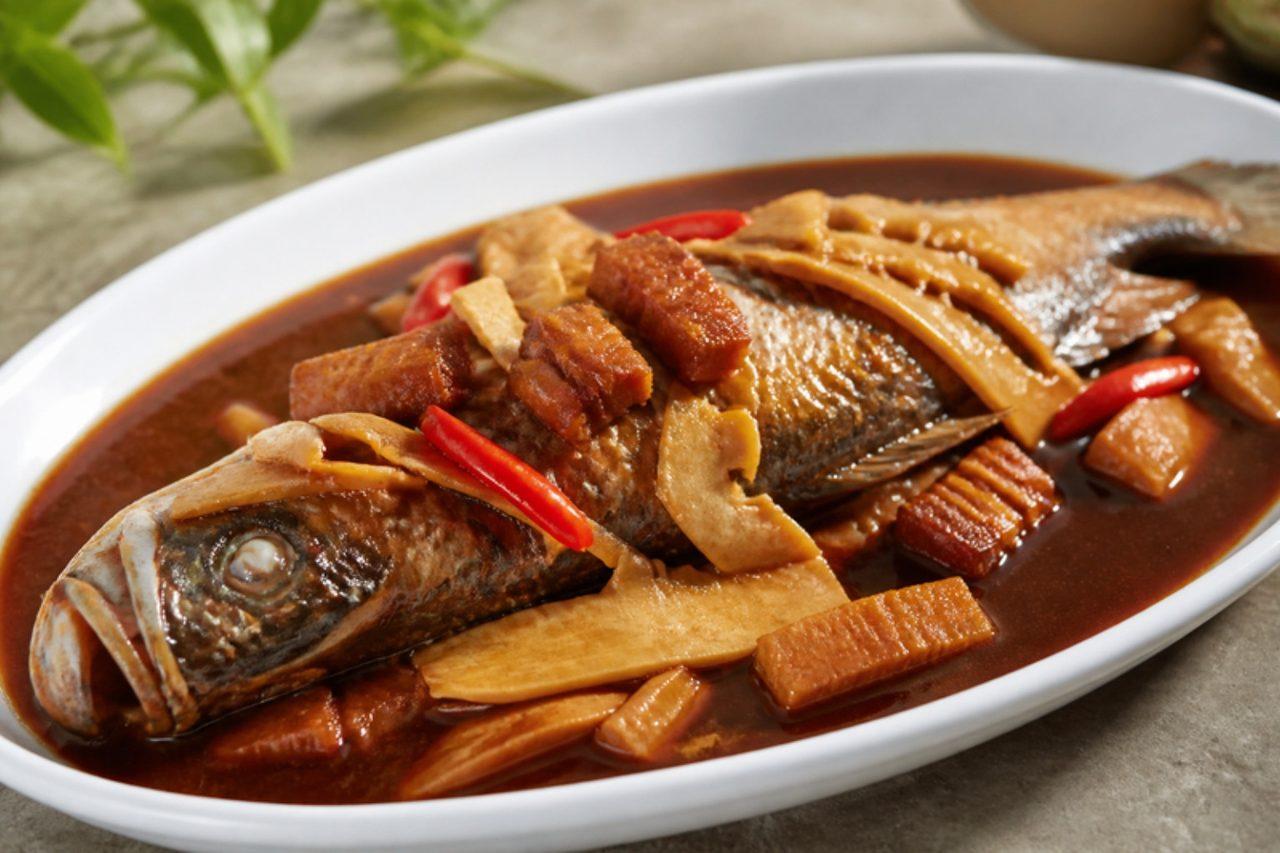
From the mountain towns of Huizhou in southern Anhui comes a fish with a famous smell: mandarin fish lightly fermented for days, then braised with pork belly and bamboo shoots until the flesh separates into firm, almost garlic-clove-like flakes with a savoury, cheesy depth. Traditionally the fish ferments in a barrel at room temperature, which is not safe to copy at home. This version gives the same firm texture and a gentle tang by salt-curing the fish in the fridge for 1–2 days, never at room temperature; it is milder than the real thing. Serve it in its sauce with plenty of rice. Chef's tip: dry the cured fish very well before it goes into the pan, or the skin sticks and tears.

by KrazyBadal 0 views

Shanghai drunken chicken

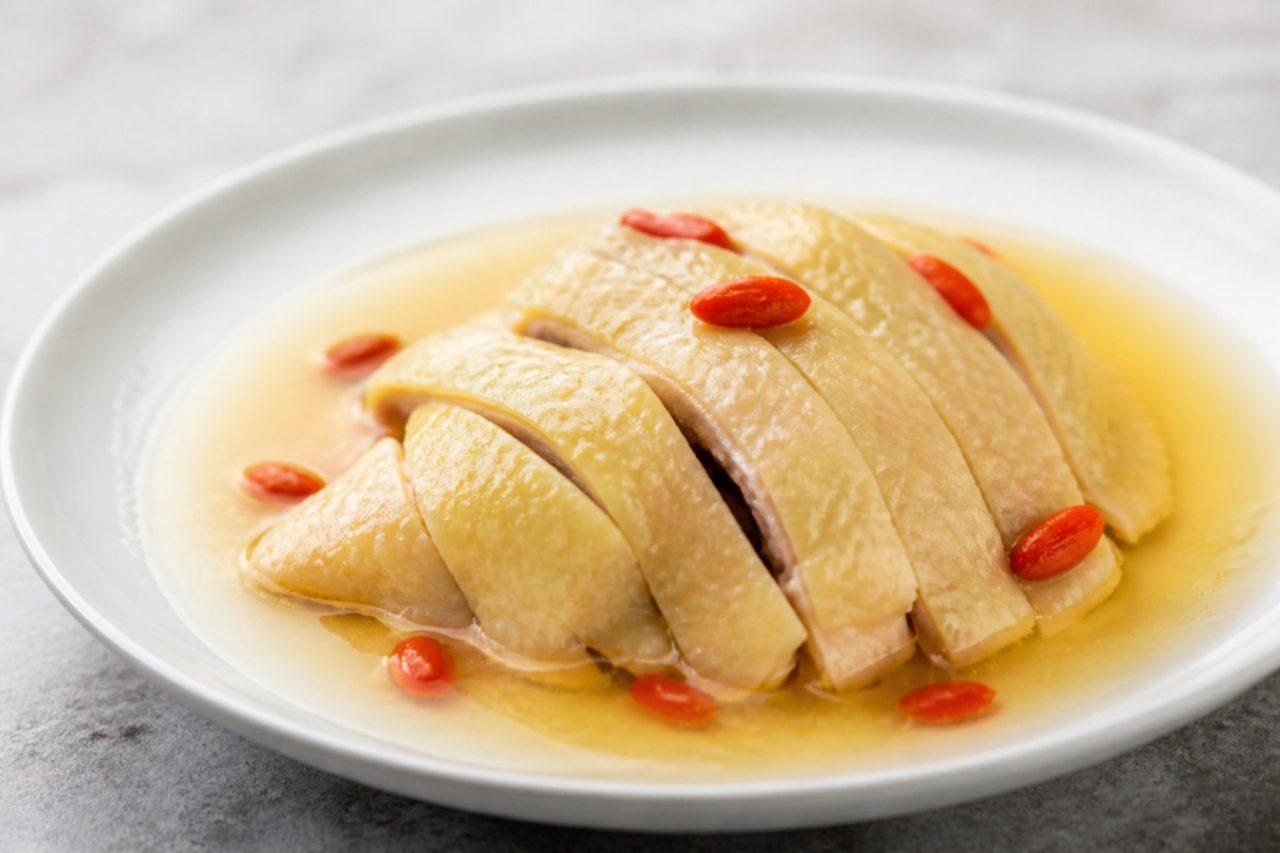
Shanghai's cold-dish counters always have a tray of drunken chicken: smooth, pale poached chicken with jelly-like skin, steeped overnight in a fragrant, slightly sweet bath of Shaoxing wine. Please note that the wine here is not cooked, so the classic dish contains alcohol and is not suitable for children, during pregnancy or for anyone avoiding alcohol. For them, make the fragrant alcohol-free version given in the ingredients, which steeps the chicken in stock with goji berries, dried tangerine peel and a little rice vinegar. Serve it chilled as a starter in summer or at Chinese New Year with other cold dishes. Chef's tip: plunge the chicken into iced water straight after poaching; the quick chill is what gives the skin its springy texture.

by KrazyBadal 0 views

Kiri bathCoconut milk rice

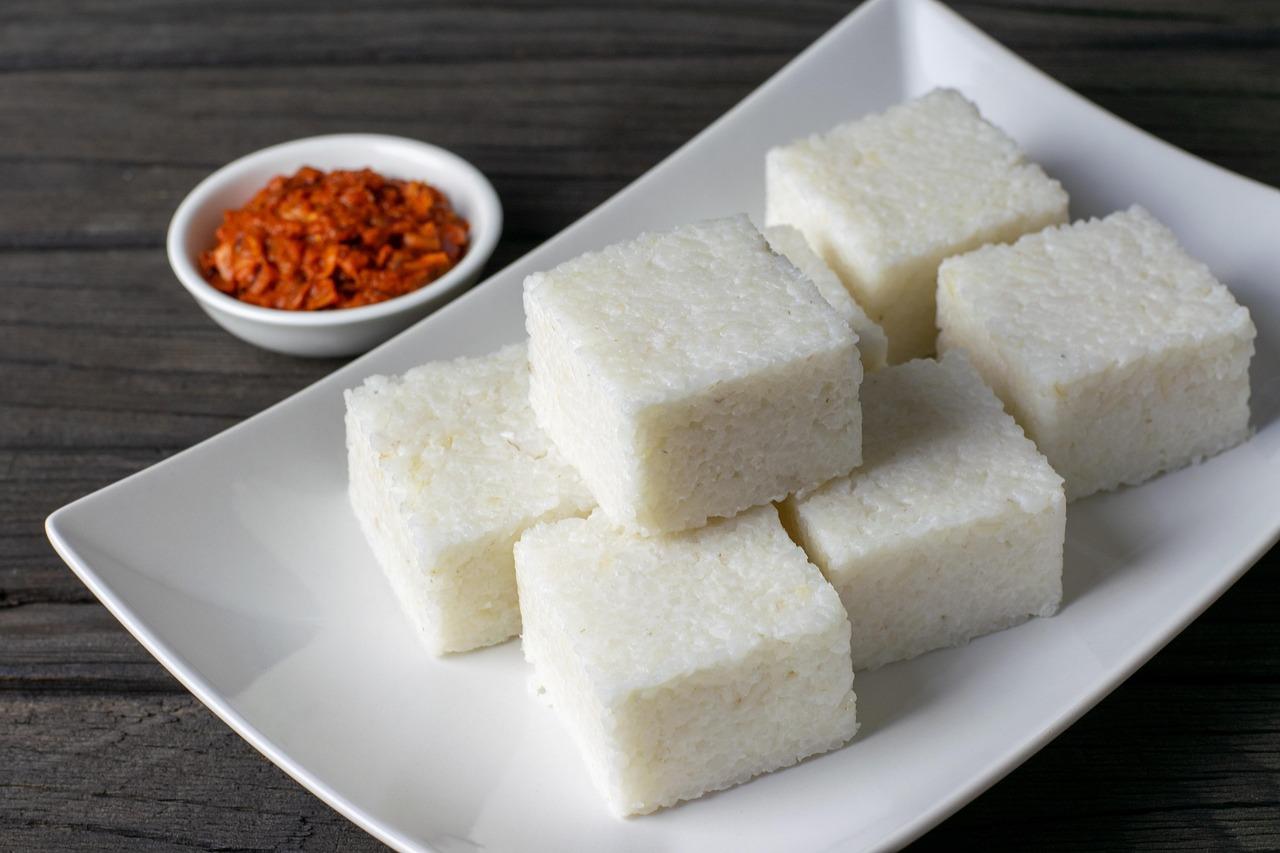
Kiri bath is the first food eaten at Sinhala and Tamil New Year (Aluth Avurudu) in mid-April, cooked at the exact auspicious time the astrologers announce, and it also starts the first day of each month, birthdays and new jobs across Sri Lanka. White rice is boiled until very soft, then cooked again with thick coconut milk and salt until it sets into a creamy slab that is cut into diamonds. It's eaten with lunu miris, a fierce red onion and chilli paste, or with jaggery and bananas for the sweet-toothed. Lunu miris often contains Maldive fish; ours doesn't. The common mistake is adding the coconut milk before the rice is completely soft: the grains stay hard. Chef's tip: press the hot rice flat with a banana leaf or the back of a spoon dipped in coconut milk; it stops sticking and gives the classic glossy top.

by KrazyBadal 0 views

Kinema curryFermented soybean curry

Kinema is the Limbu and Nepali fermented soybean of Sikkim and the Darjeeling hills: boiled soybeans wrapped in leaves and left by the hearth for a couple of days until sticky and pungent. Cooked with onion, tomato, turmeric and fiery dalle or green chilli, it becomes a thick, savoury curry eaten with rice in Gangtok and Kalimpong homes, especially in winter. It is rich in protein and has a deep, almost meaty savour. Chef's tip: dry-fry the kinema before adding the masala; it tames the smell and brings out a toasted flavour. Outside the hills, Japanese natto is the closest substitute.

by KrazyBadal 0 views

KinderpunschHot spiced fruit punch

At every German and Austrian Christmas market, from Nuremberg to Vienna's Rathausplatz, the stalls selling Glühwein also sell Kinderpunsch: a steaming, alcohol-free mix of fruit tea and juices with cinnamon, cloves and orange, served in the market's own decorated mugs. Children love it, but so do drivers and anyone who just wants something warm to hold on a cold evening. It takes 20 minutes at home and makes the whole house smell of Advent. Chef's tip: keep it just below a simmer; boiling makes the spices bitter and dulls the fruit flavour.

by KrazyBadal 0 views

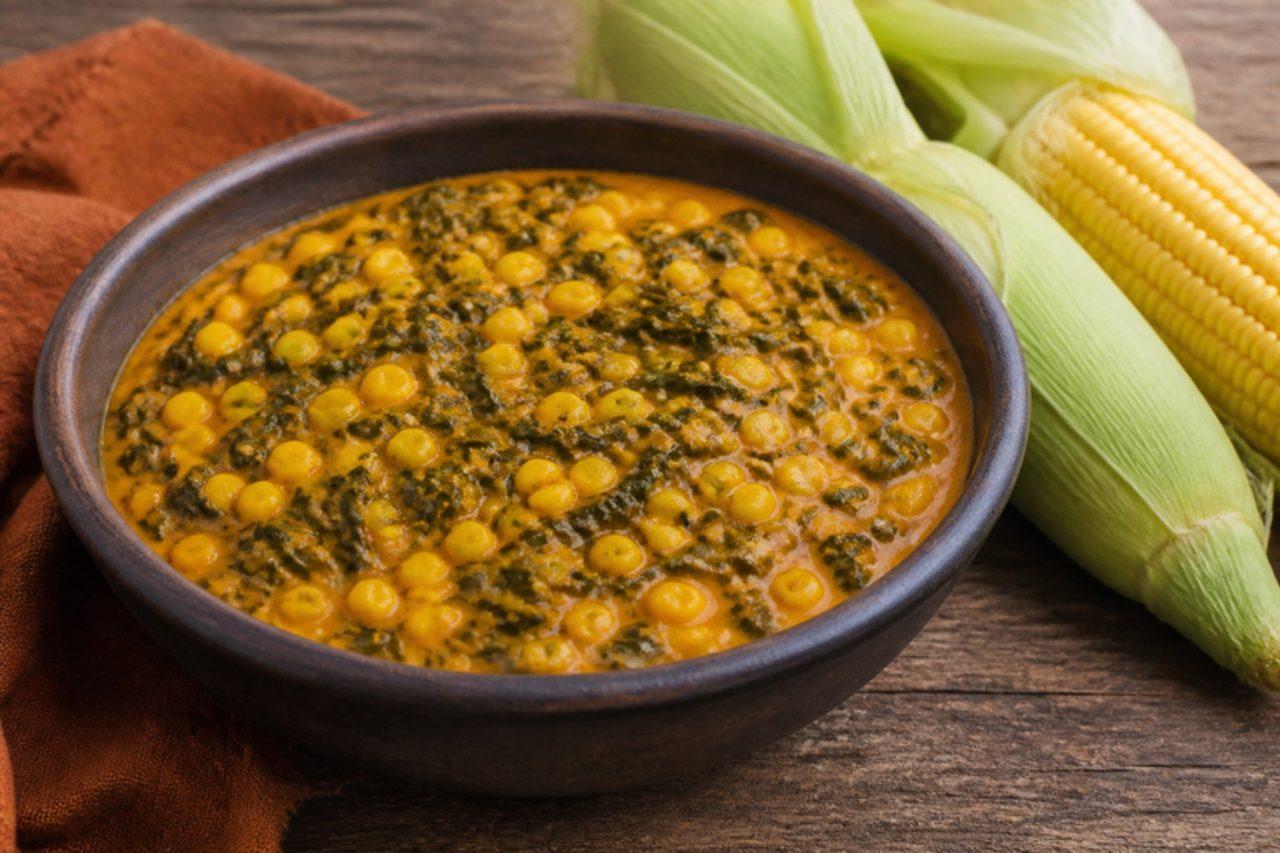
SangaCorn and greens in palm cream

Sanga is a home dish of the Beti people around Yaoundé in the Centre region of Cameroon, made in the maize season: young corn is grated off the cob and cooked with finely shredded njama njama (huckleberry leaves) and the orange pulp pressed from palm nuts. It is eaten warm from a bowl, sometimes with a little sugar stirred in. Spinach and tinned palm nut concentrate make a good version abroad. Chef's tip: grate the kernels off the cob rather than slicing them; the milky pulp is what thickens sanga.

by KrazyBadal 0 views

Sangkhya lapovCustard-filled steamed pumpkin

Sangkhya lapov is the showpiece of a Cambodian dessert stall: a squat green pumpkin, hollowed out, filled with an egg, coconut and palm sugar custard and steamed whole, then cut into wedges so every slice shows a band of orange flesh around a creamy caramel-coloured centre. In Phnom Penh it is sold by the slice at night markets and made at home for weddings and Pchum Ben. A small kabocha of about 1 kg is ideal. Chef's tip: cool it completely, ideally overnight in the fridge, before slicing; warm custard is soft and slumps out of the pumpkin.

by KrazyBadal 0 views

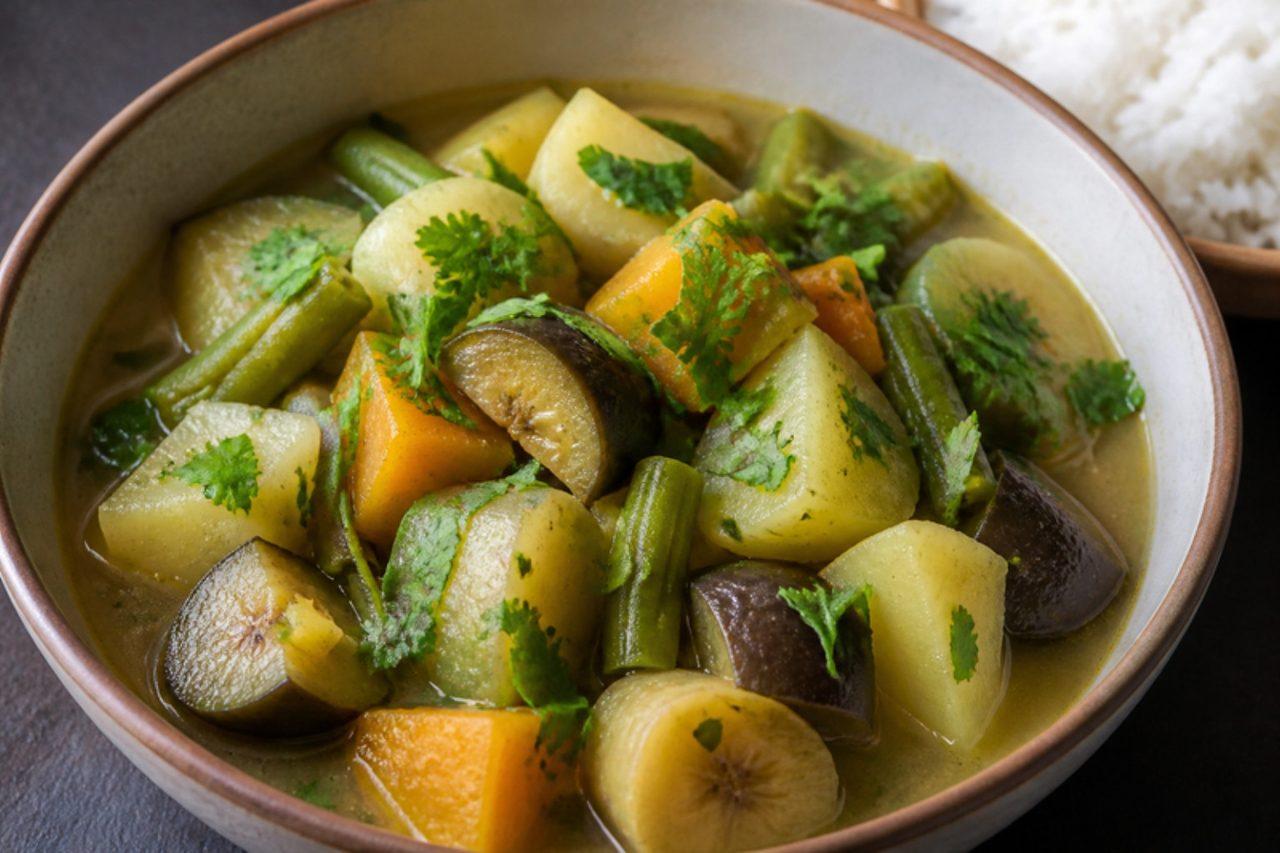
SantulaMildly spiced mixed vegetables

Santula is everyday Odia comfort food, the dish cooks in Bhubaneswar and Cuttack make when someone is unwell or when the family wants something light after festival meals. Papaya, potato, aubergine, pumpkin and raw banana are boiled with turmeric, then given a quick tempering of panch phoron, garlic and dried chilli in a little oil, and finished, in many homes, with a spoon of milk. It is soft, mild and slightly soupy, and eaten with rice and dal. Chef's tip: boil the vegetables only until just tender; santula should look like separate pieces, not a mash.

by KrazyBadal 0 views

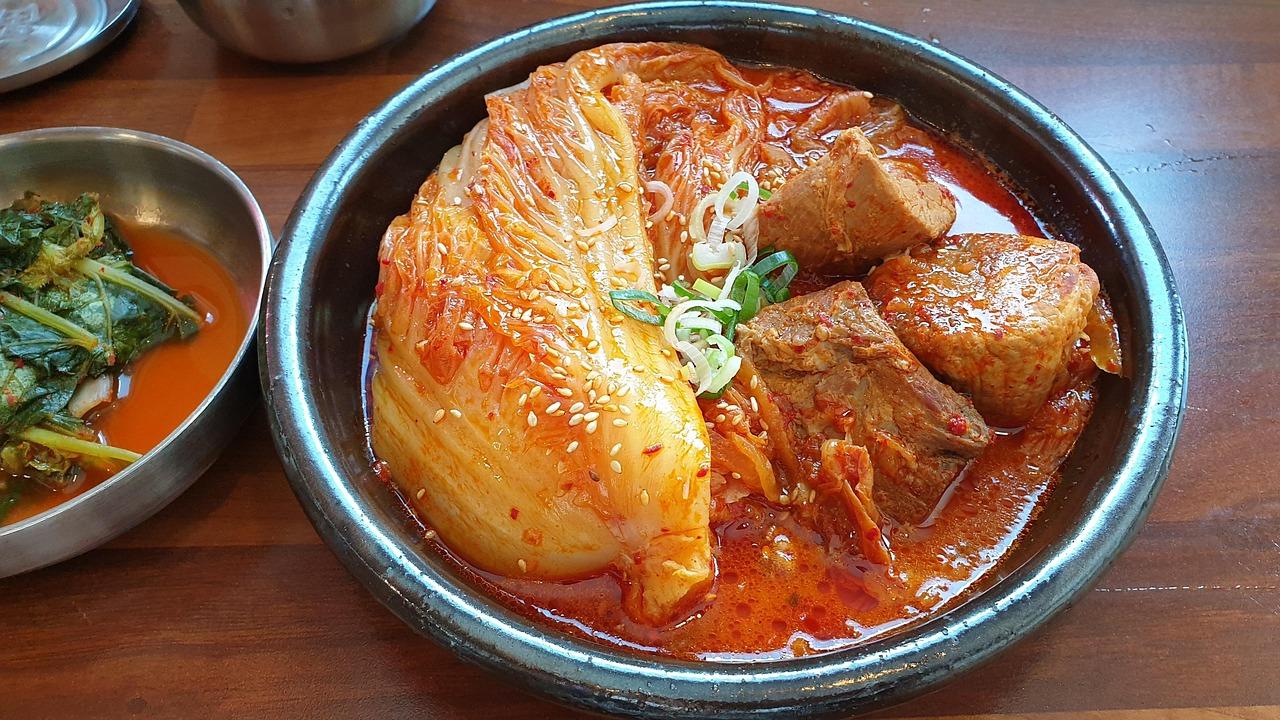
Kimchi jjigaeKimchi stew

Every Korean home has a version of kimchi jjigae, and it turns up on the table from Seoul to Busan at breakfast, lunch and late at night. It is the classic way to use up kimchi that has fermented for weeks and turned properly sour. Pork belly gives the broth richness, tofu soaks up the heat, and the pot comes to the table still boiling, next to a bowl of plain rice. Chef's tip: fry the kimchi in the pork fat for a full 5 minutes before any water goes in; that is where the deep, savoury flavour comes from.

by KrazyBadal 0 views

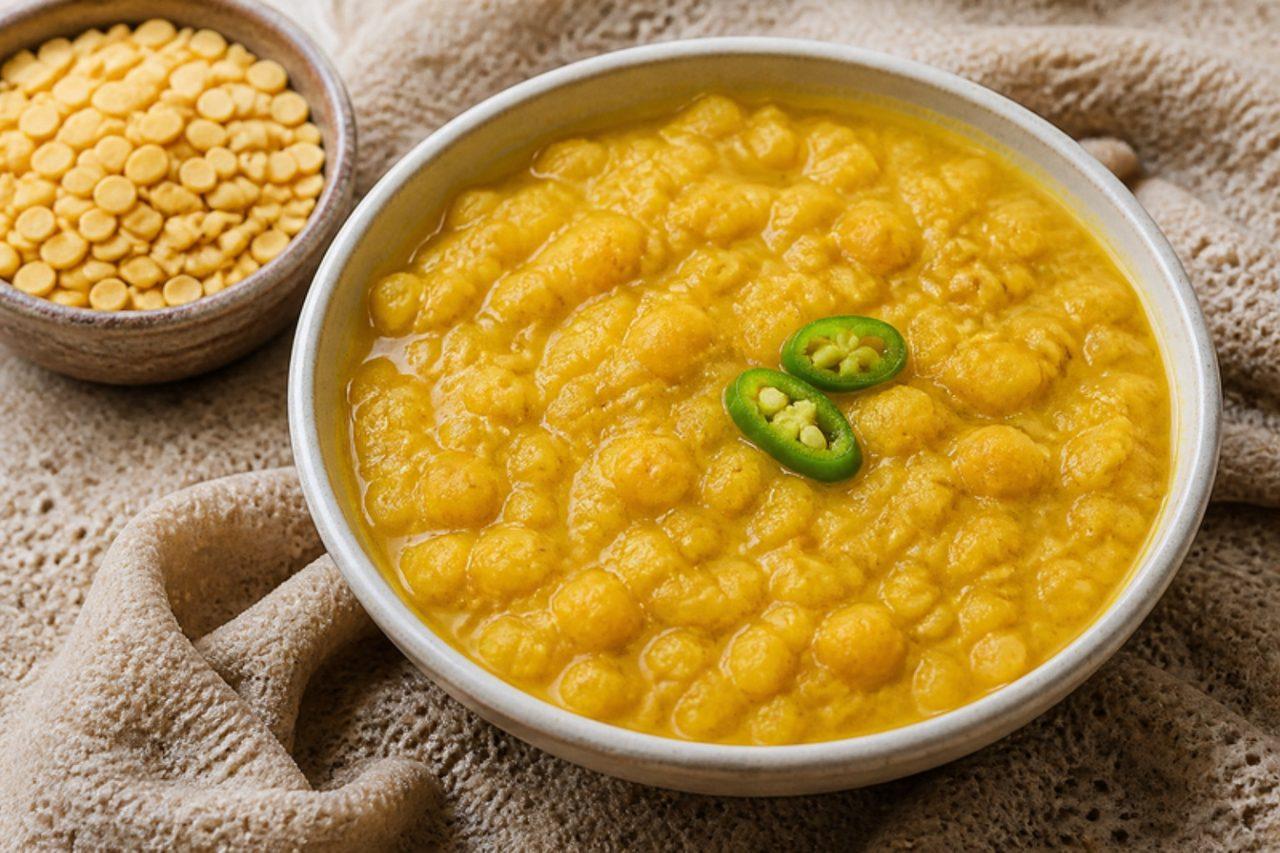
Kik alichaMild yellow split pea stew

Kik alicha is the gentle golden stew on Ethiopian platters: 'alicha' means a mild dish made without berbere, so it is coloured with turmeric instead and flavoured with garlic, ginger and onion. Cooks in the Amhara highlands and in Addis make it all through the fasting seasons, and it sits next to fiery shiro and misir wat to cool things down. Yellow split peas are simmered until they collapse into a thick, smooth purée. Chef's tip: stir it regularly towards the end; split peas thicken suddenly and catch on the bottom of the pan.

by KrazyBadal 0 views

KhuushuurFried mutton pasties

Khuushuur are the flat, crescent-shaped pasties sold hot from stalls at Naadam, the July festival of wrestling, archery and horse racing, and fried in Mongolian homes all summer: thin dough round a filling of minced mutton, onion and garlic, fried until blistered and crisp. People hold them in a napkin and bite through to the juicy filling. The mistake is rolling the dough thick; it should be thin so it crisps quickly while the meat cooks. Chef's tip: press out all the air before sealing, or the pasties balloon and burst in the oil.

by KrazyBadal 0 views

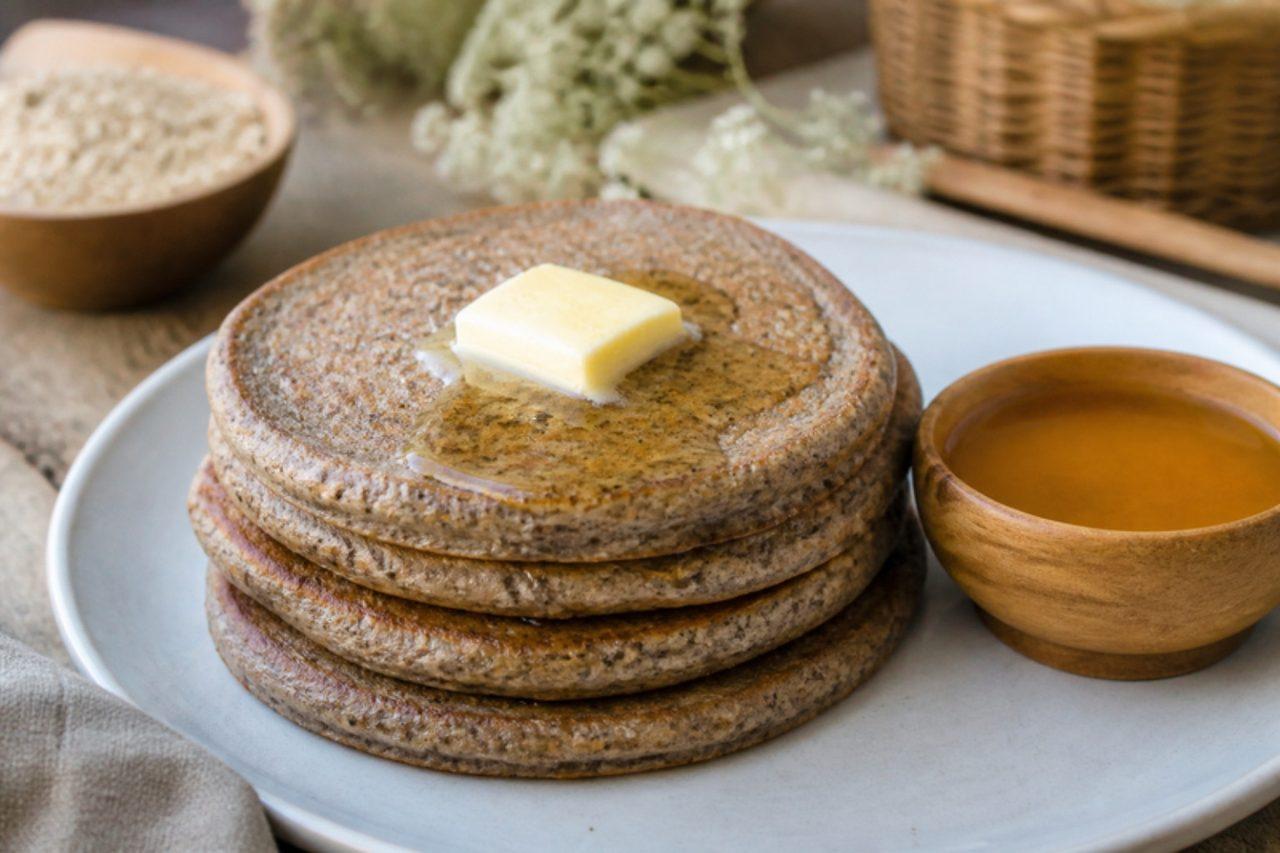
KhuraBuckwheat pancakes

Khura are the buckwheat pancakes of the Monpa people of Tawang and West Kameng, high in Arunachal Pradesh, where buckwheat grows better than wheat. A thick, egg-enriched batter of buckwheat flour is cooked into soft, spongy pancakes for breakfast, eaten with butter tea, chilli-cheese chutney (chamin) or vegetable curry. They are earthy, slightly sour and filling on a cold morning. Chef's tip: let the batter stand for 20 minutes; buckwheat absorbs water slowly and the pancakes hold together much better.

by KrazyBadal 0 views

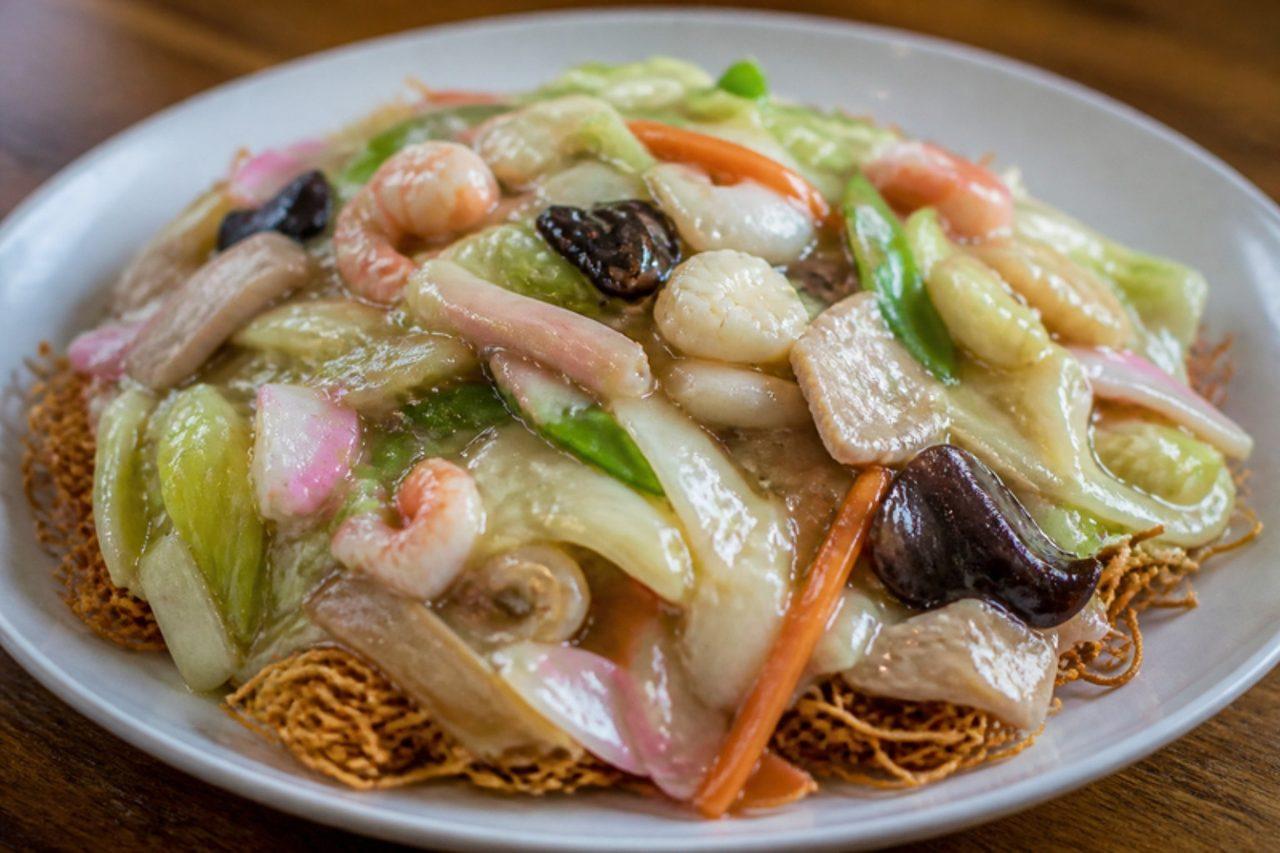
Sara udonCrispy noodles with seafood sauce

Nagasaki's second famous noodle dish uses the same toppings as champon but turns them into a thick sauce poured over a plate of crunchy fried noodles. The name means plate udon, though the classic noodles are very thin and fried crisp. In Nagasaki homes it is a quick weekend lunch and a standard dish at family gatherings, and supermarkets there sell the fried noodle nests ready to use. People splash it with Worcestershire sauce at the table, and a dab of hot mustard is common too. Chef's tip: pour the sauce over at the very last moment and let the noodles soften slowly as you eat, so you get crisp and soft in every mouthful.

by KrazyBadal 0 views

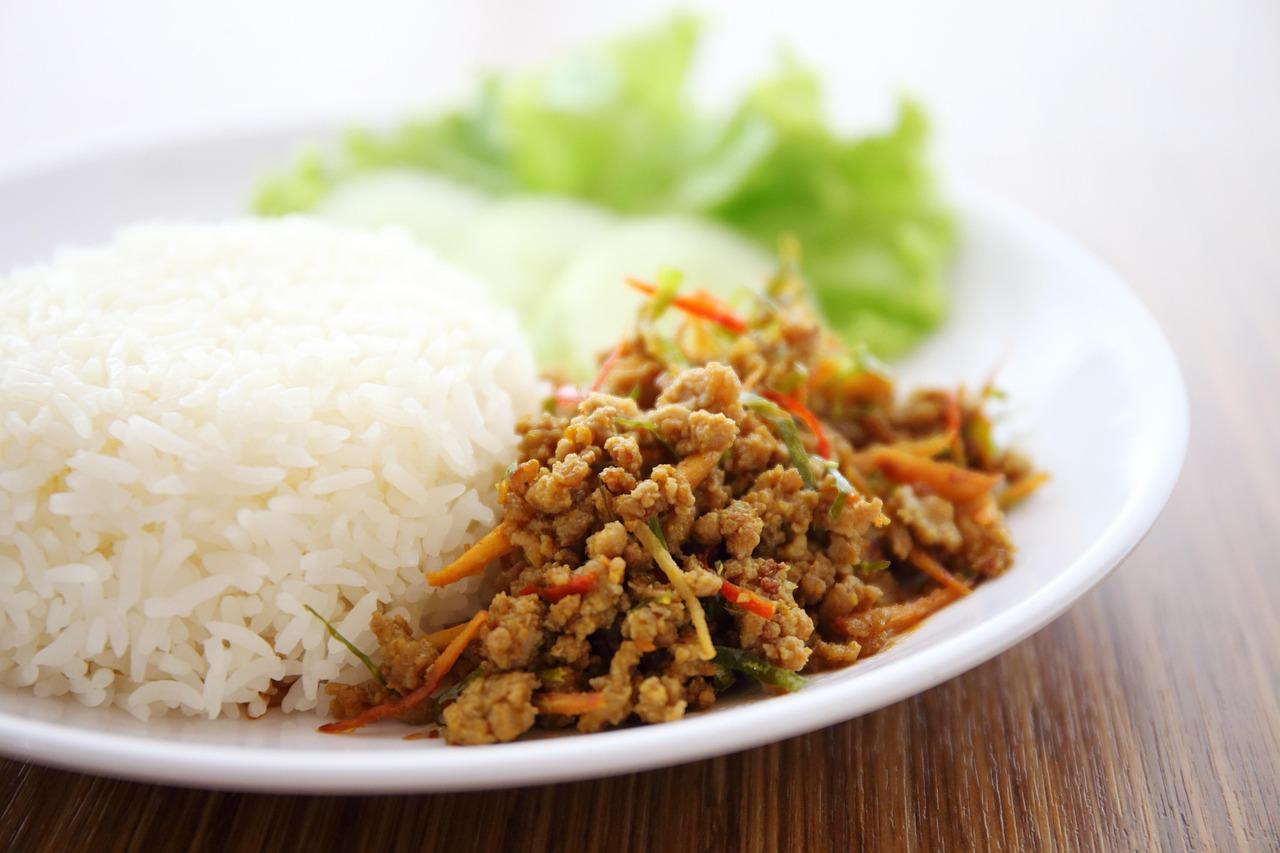
Khua klingDry-fried spicy minced pork

Ask for this at a rice-and-curry shop in Phuket or Hat Yai and it comes as a small, dark heap beside your rice, smelling of lime leaf and black pepper and hot enough to bring tears. There is no sauce at all: minced pork or beef is fried with a turmeric-heavy southern paste until every crumb is dry, separate and coated in spice. The heat is fierce, so it is always eaten with jasmine rice, sliced cucumber, raw long beans and herbs to cool the mouth. It also keeps well for a couple of days and is excellent cold in a lunchbox. Chef's tip: keep stirring and pressing the meat against the hot wok at the end; the name means 'roll and roast', and that last dry-frying is what makes it.

25 minThaiMeatGluten freeSpicy
by KrazyBadal 0 views

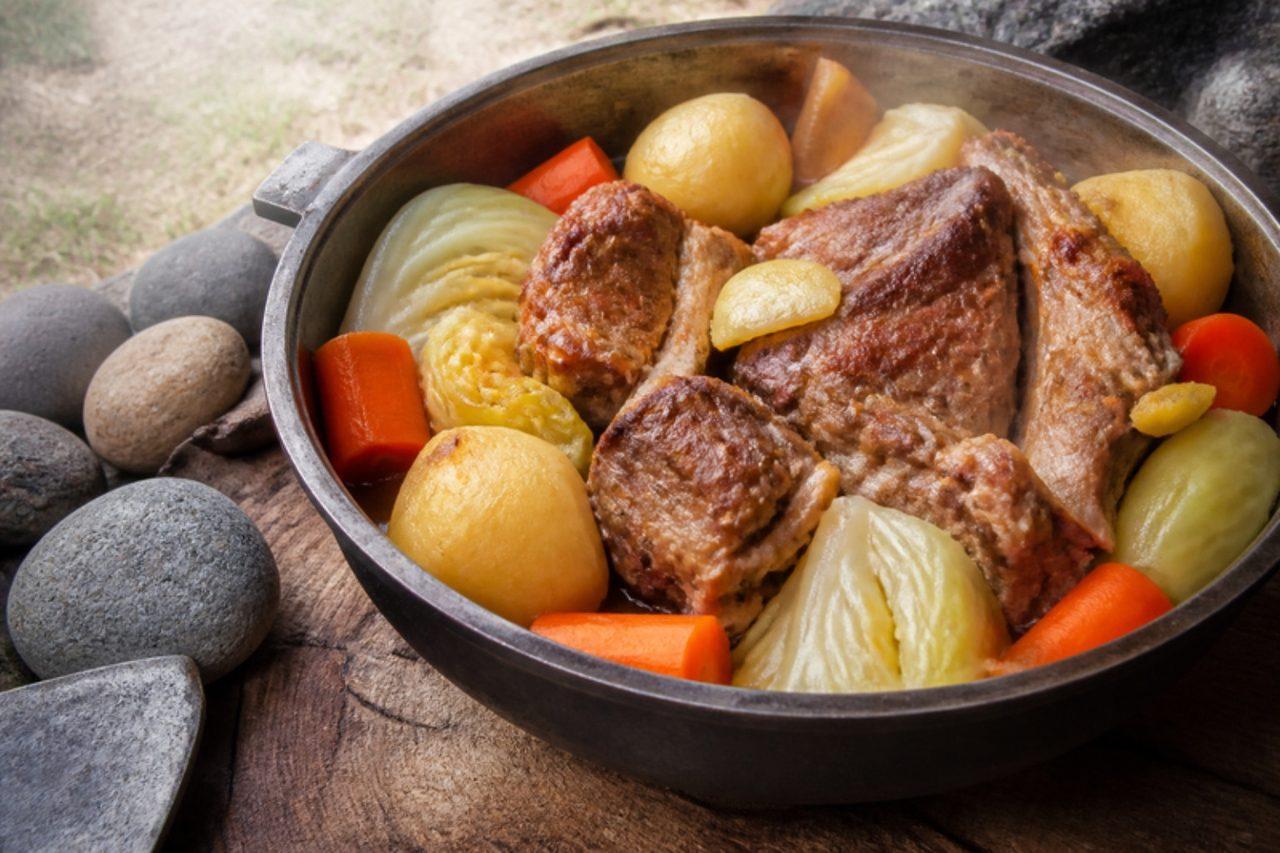
Khorkhog-style lambHot stone-style lamb

Khorkhog is the feast of the Mongolian countryside, cooked when a herding family welcomes guests: a sheep is cut into pieces and sealed into a milk churn with hot river stones, onion, carrot and potato, and the churn is set over the fire until the meat is tender and smoky. Guests pass the hot, greasy stones from hand to hand for good health. This home version cooks the lamb in a heavy sealed casserole in the oven, which gives the same tender meat and rich juices; please don't heat stones in a kitchen pot, which is dangerous. The mistake is adding water: the lamb steams in its own juice with only a little liquid. Chef's tip: use lamb on the bone, such as neck or shoulder, for the deepest flavour.

by KrazyBadal 0 views

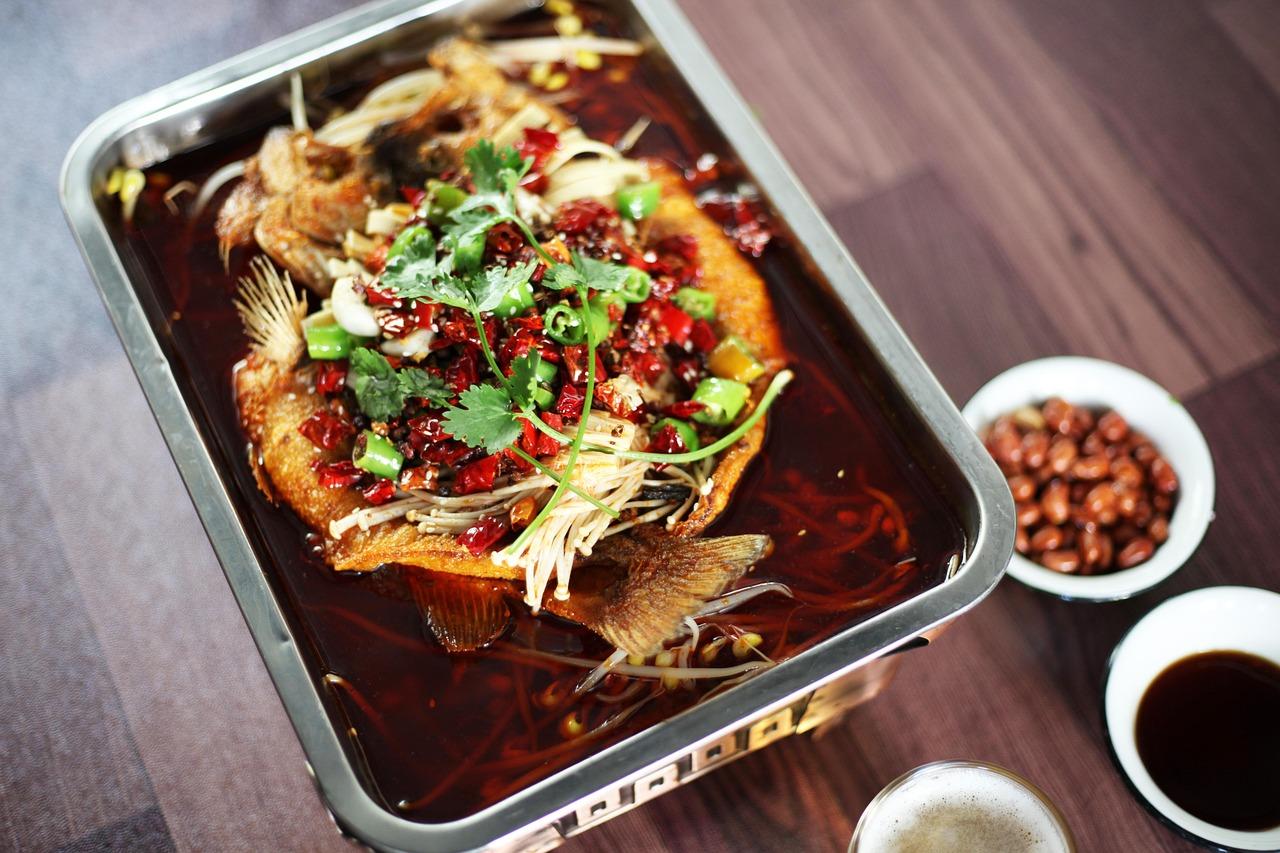
Chongqing grilled fish

The river port of Wanzhou on the Yangtze gave the country kao yu, now a late-night favourite in every Chinese city: a whole fish, split open and grilled over charcoal until the skin crackles, then laid in a metal tray of bubbling chilli broth and kept hot over a burner in the middle of the table. Friends pick at the crisp skin and soft flesh, then work through the potatoes, bean sprouts and celery underneath, which soak up the spicy, savoury, faintly numbing sauce. This home version uses a hot oven and a roasting tin. Serve it with rice and plenty of cold drinks. Chef's tip: dry the fish inside and out with kitchen paper and oil the tin well; a wet fish steams instead of crisping and sticks to the metal.

by KrazyBadal 0 views

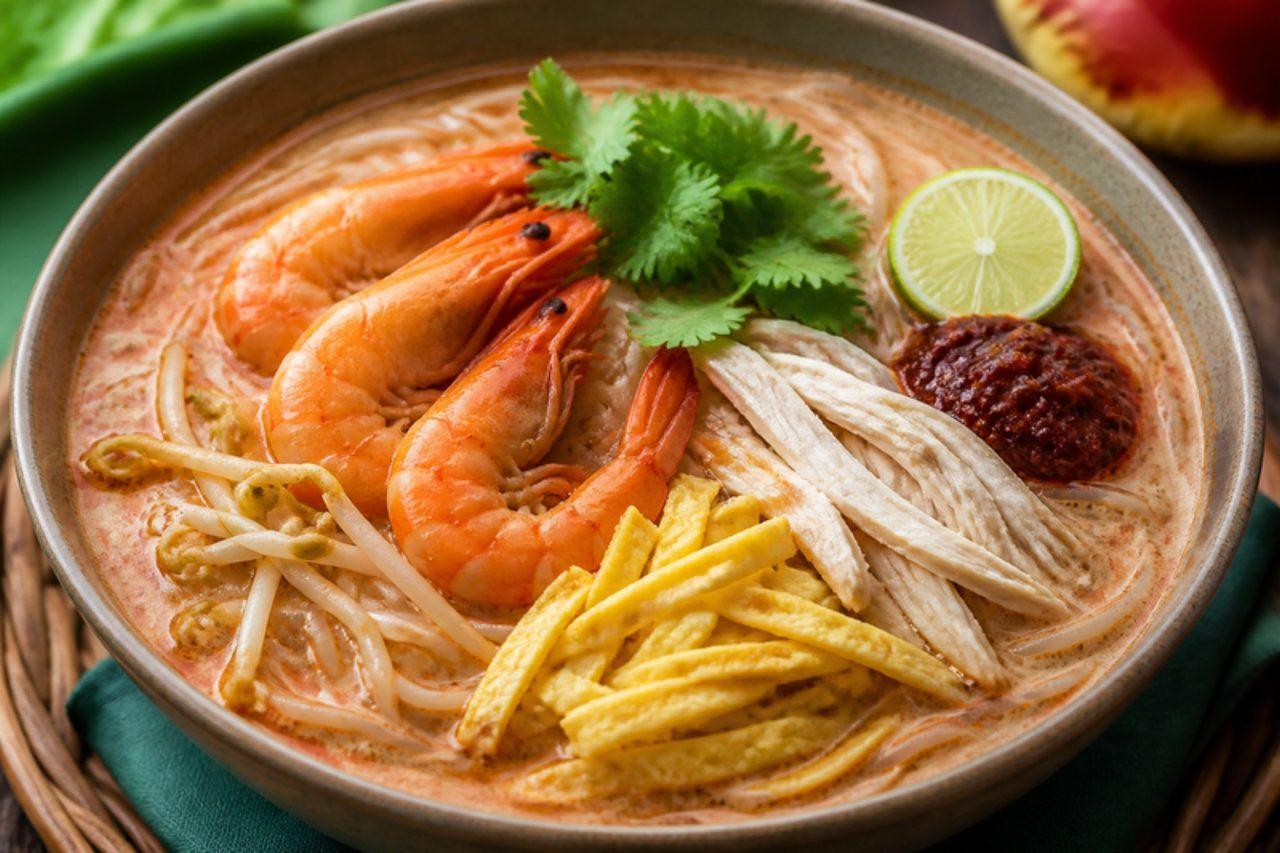
Sarawak laksaSpicy coconut noodle soup

Kuching wakes up to laksa Sarawak, ordered at coffee shops before work and reaching its peak on a lazy Sunday morning. It looks nothing like curry laksa: the broth is a russet, gently creamy soup built on a complex paste of chillies, shallots, galangal, toasted sesame, peanuts and warm whole spices, cooked into a chicken and prawn-shell stock with tamarind and a little coconut milk. Thin rice vermicelli is topped with shredded chicken, whole prawns, ribbons of omelette and bean sprouts, and every bowl comes with lime and a dab of sambal belacan. The work is in the paste, which keeps well and makes several batches. Chef's tip: toast the spices, sesame seeds and peanuts separately in a dry pan before grinding; it gives the broth its deep, roasted aroma.

by KrazyBadal 0 views

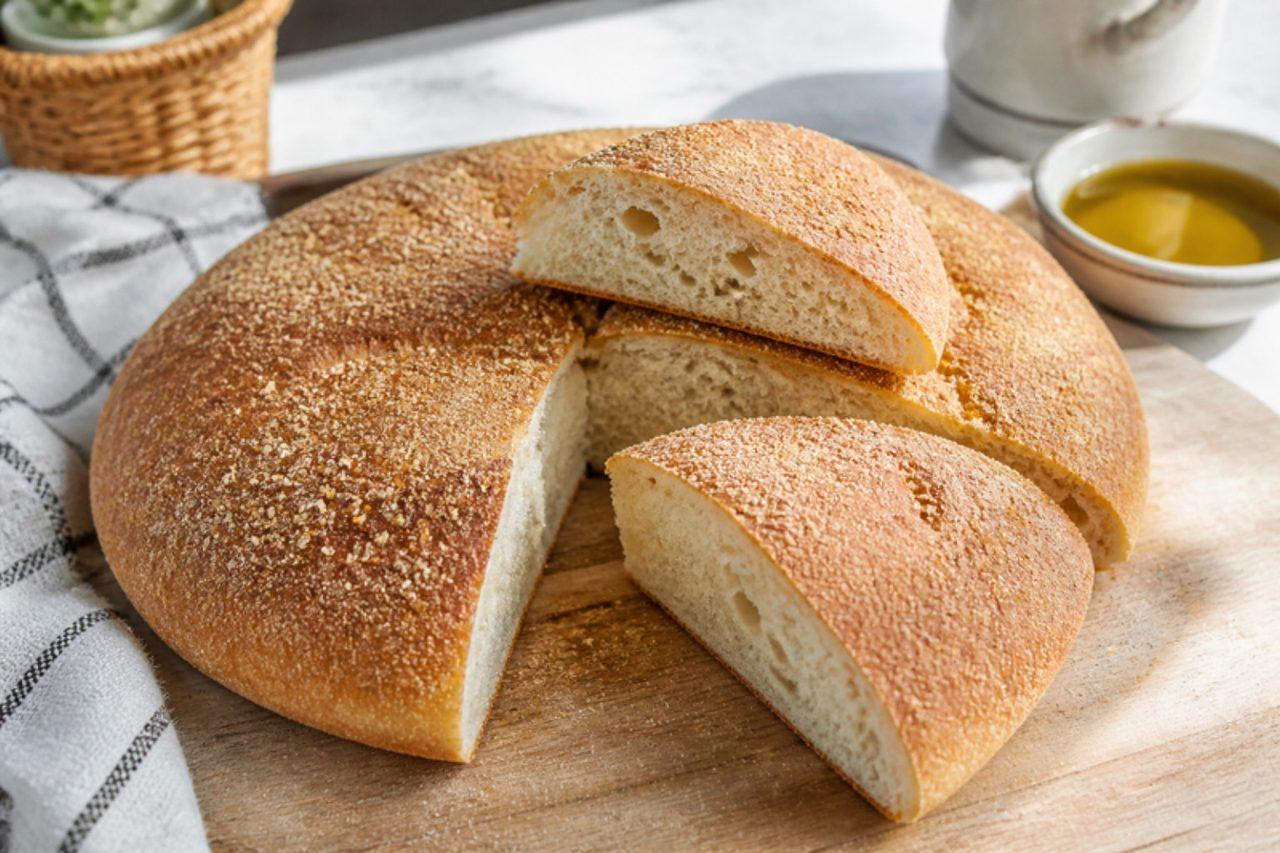
KhobzRound semolina bread

Khobz is the round, flat loaf that sits on every Moroccan table, used instead of cutlery to scoop up tagine and salads. In the older quarters of Fez and Marrakech families still shape their dough at home and carry it on wooden boards to the neighbourhood wood-fired oven, the ferran; at home it bakes perfectly on a hot tray. The semolina and wholemeal give it a slightly nutty taste and a soft, chewy crumb with a thin crust. It keeps for a day wrapped in a cloth and is wonderful toasted. Chef's tip: prick the top all over before baking so it rises evenly and stays flat instead of puffing like a pitta.

by KrazyBadal 0 views

SupplìFried rice croquettes

In Rome supplì are bought from pizza-by-the-slice shops and friggitorie and eaten standing up, wrapped in paper, before the pizza arrives. Unlike Sicilian arancini they are oval and the rice is cooked in tomato sauce, so the inside is orange-red; when you bite one in half, the mozzarella stretches into a long 'telephone cord', which is where the nickname al telefono comes from. Roman bars usually add meat ragù; this version keeps it vegetarian with a basil-scented tomato rice. Chef's tip: cook the rice a day ahead and chill it in a thin layer; cold, firm rice shapes neatly and does not split in the oil.

by KrazyBadal 0 views

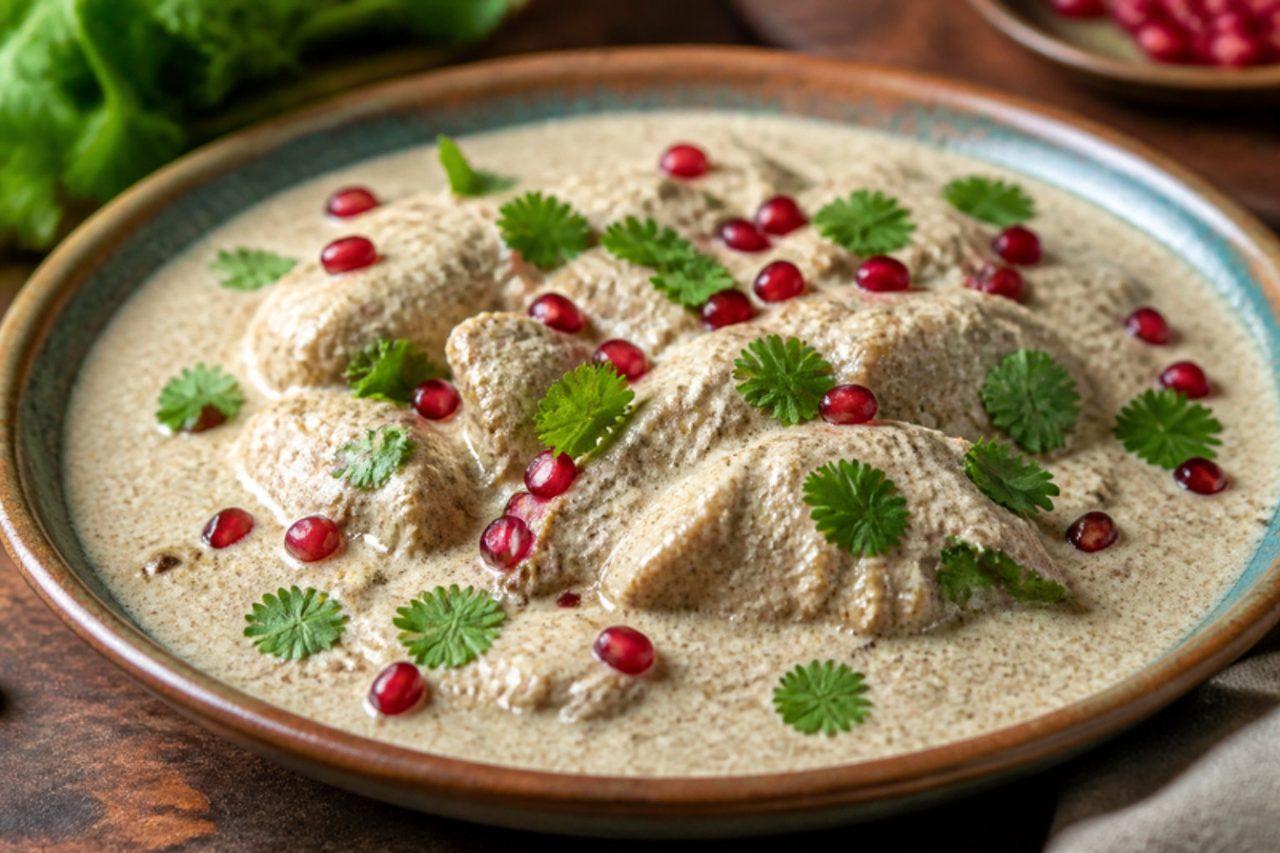
SatsiviChicken in cold walnut sauce

Satsivi is a dish of the Georgian New Year table, prepared in homes across western Georgia, Imereti and Samegrelo, a day ahead so it can be served cold at the long supra feast on 1 January. Poached chicken is covered in a thick, ivory walnut sauce scented with garlic, fenugreek, coriander and marigold petals and sharpened with vinegar. It is rich and fragrant, eaten with cornbread (mchadi) or fresh bread. Chef's tip: blend the walnuts with a little warm stock until they release their oil; this gives the sauce its silky texture.

by KrazyBadal 0 views

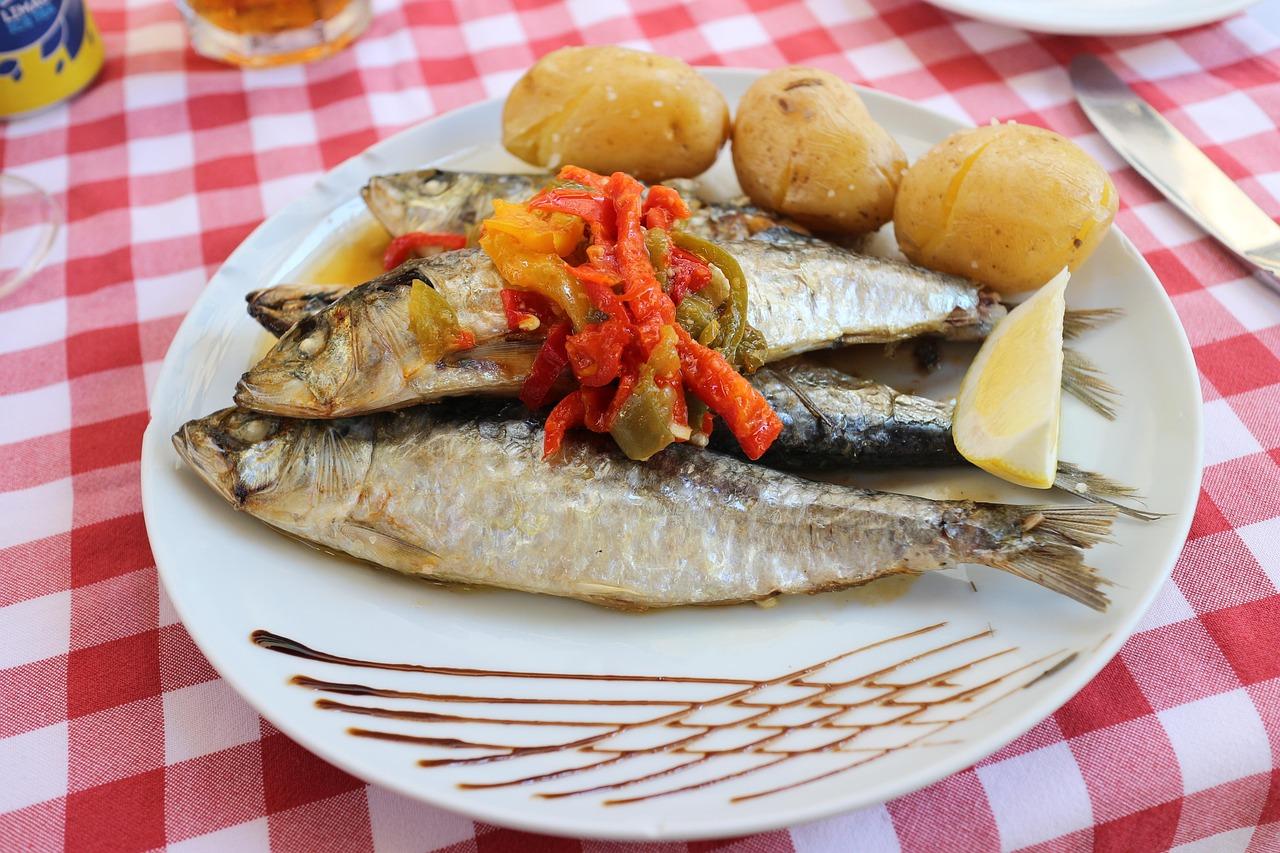
Sardinhas assadasGrilled sardines

In June the steep lanes of Alfama and Mouraria fill with smoke during the Santos Populares, Lisbon's street festivals for Saint Anthony, and almost every grill is loaded with sardines. They are salted, grilled whole over charcoal until the skin blisters, and laid on a thick slice of country bread that soaks up their juices. Add roasted green peppers and a salad of tomato and onion, and that is the whole feast. Chef's tip: salt the sardines with coarse salt 30 minutes before grilling and keep them chilled; the salt firms the skin so it doesn't stick to the grill.

by KrazyBadal 0 views

KhatkhatemMixed vegetable and dal stew

Khatkhatem is the vegetable stew Goan Hindu families cook for Ganesh Chaturthi and wedding feasts, when onion and garlic are kept out of the kitchen. It takes whatever the monsoon garden gives: pumpkin, sweet potato, raw banana, corn on the cob, drumsticks, yam and the long Goan cucumber, simmered with a little toor dal in a ground paste of coconut, red chillies and coriander seeds. The flavour comes from tirphal, a dried berry from the Western Ghats with a woody, citrusy, slightly numbing bite. Serve it with rice and a crisp papad as part of the festive spread. Chef's tip: add the vegetables in stages, hardest first; khatkhatem should have every vegetable tender but whole, not a mush.

by KrazyBadal 0 views

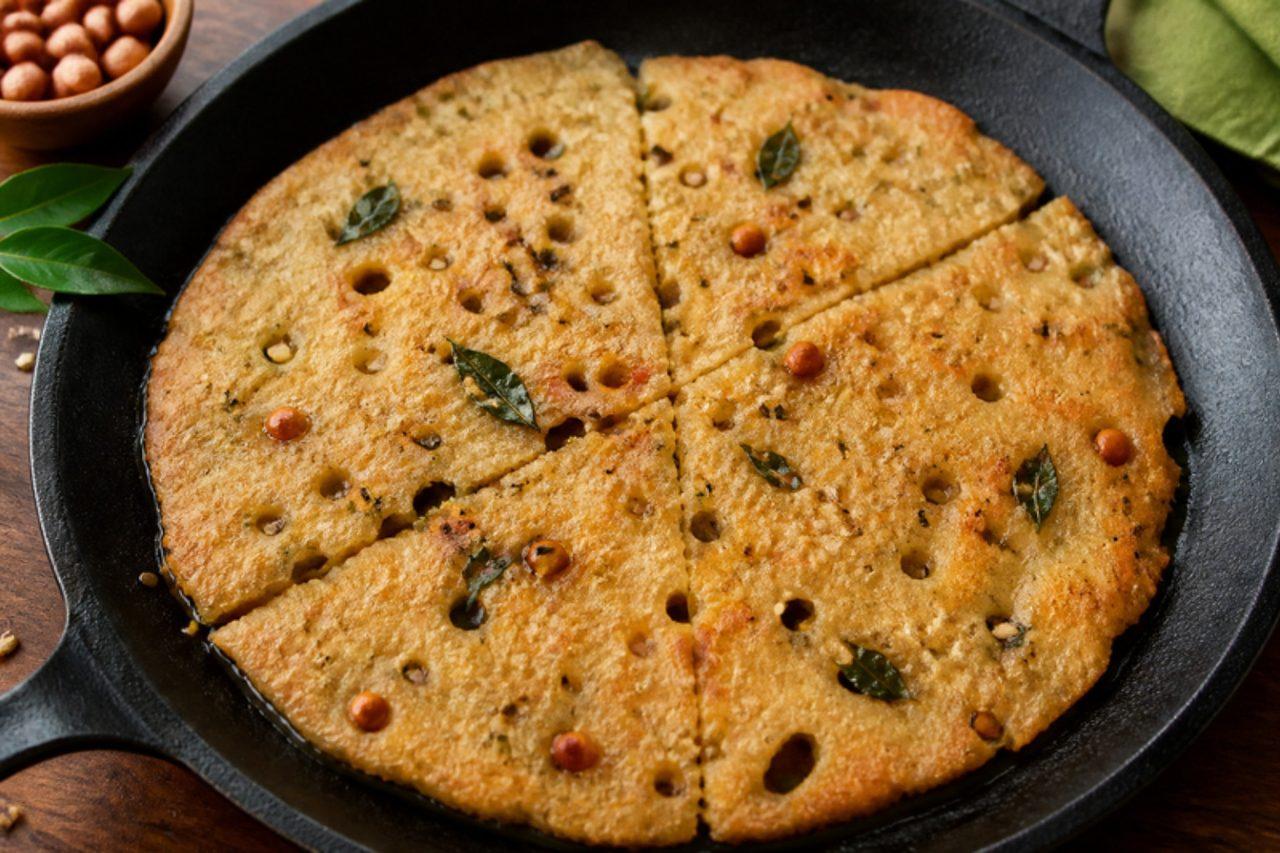
Sarva pindiRice flour and peanut flatbread

Sarva pindi, also called ginne appa or tapala chekka, is a thick, crisp rice-flour bread from rural Telangana, pressed by hand into a heavy pan, studded with holes and baked slowly in oil until the base is golden and crunchy. The dough is full of soaked chana dal, peanuts, sesame, green chilli, curry leaves and coriander, so every bite is savoury and nutty. It is the snack that waits on the stove when children come home from school, and a favourite for Sankranti and long train journeys because it keeps well. Chef's tip: press the dough into a cold pan, not a hot one; it spreads evenly and the holes stay open as it heats.

by KrazyBadal 0 views

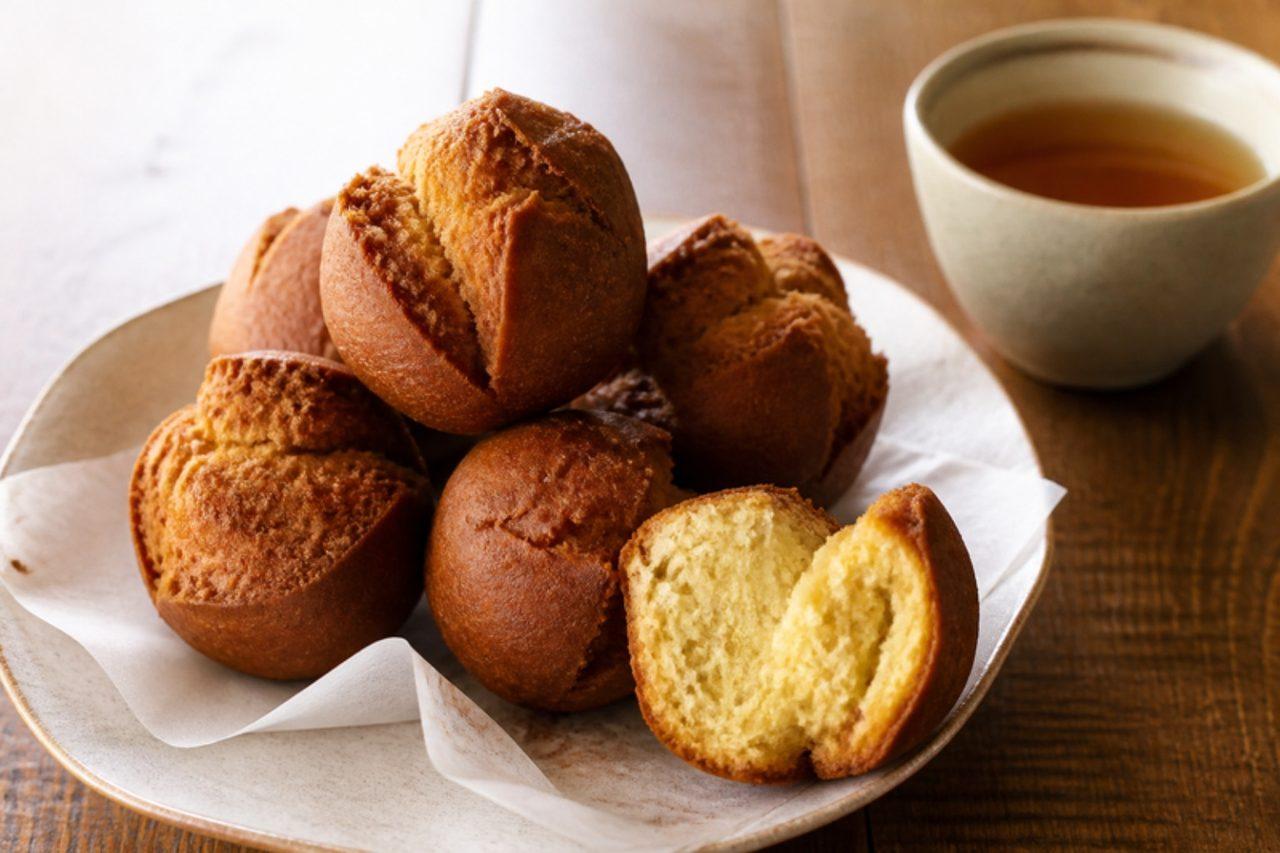
Sata andagiOkinawan doughnuts

In the Okinawan language, sata andagi simply means 'sugar deep-fried'. These round doughnuts came from Chinese sweets brought to the old Ryukyu kingdom and have been a family treat on the islands for centuries, made for celebrations and sold warm in paper bags at Naha's Makishi market. They are dense and cakey inside with a thick, crunchy crust, and as they fry they split open into a shape Okinawans call a smile, a sign of good luck. Okinawa's dark kokuto sugar gives them a caramel flavour; brown sugar works too. Chef's tip: fry in oil that is only warm, about 150°C. Slow frying lets the balls cook through and crack open, while hot oil seals them shut and leaves the middle raw.

by KrazyBadal 0 views

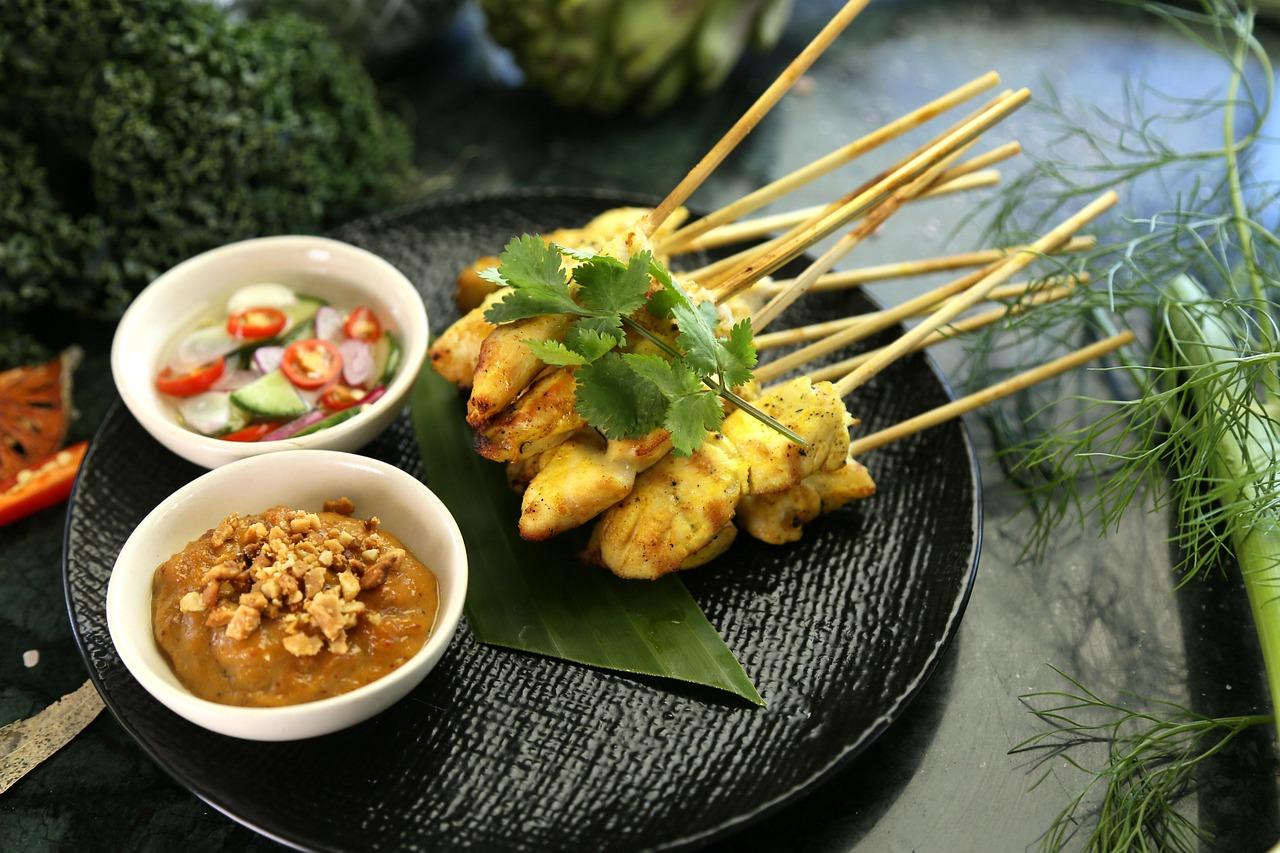
Satay (Kajang)Chicken satay

The town of Kajang, just south of Kuala Lumpur, built its name on satay, and evenings there still smell of lemongrass smoke drifting from long charcoal troughs. Kajang skewers are cut in larger chunks than most, soaked in a yellow marinade of turmeric, lemongrass, cumin and fennel, and grilled while being basted with oil brushed on through a lemongrass stalk. They come with a chunky, sweet-spicy peanut sauce, cubes of compressed rice (nasi impit), raw onion and cucumber. Order them by the dozen with friends as a starter or a whole supper. Chef's tip: thread a small piece of chicken skin or fat between the meat on each skewer; it melts over the coals and keeps the satay juicy.

by KrazyBadal 0 views

Showing 63 of 7,762 recipes

Show more recipes

Page 753 of 863