
Skip to content
WhatToEat.Today

Jain recipes: no onion, garlic or root vegetables

2,809

2809 Jain recipes with no onion, garlic, potato, carrot, fresh ginger or other root vegetables, and no mushrooms, eggs or honey. Hing, dry ginger and turmeric powder are fine. Each has photos, step-by-step instructions and cook times. The quickest, Apfelschorle, takes 2 minutes. Most take around 40 minutes.

Filter these by time, diet or cuisine · Make Jain your diet to see only these recipes everywhere on the site.

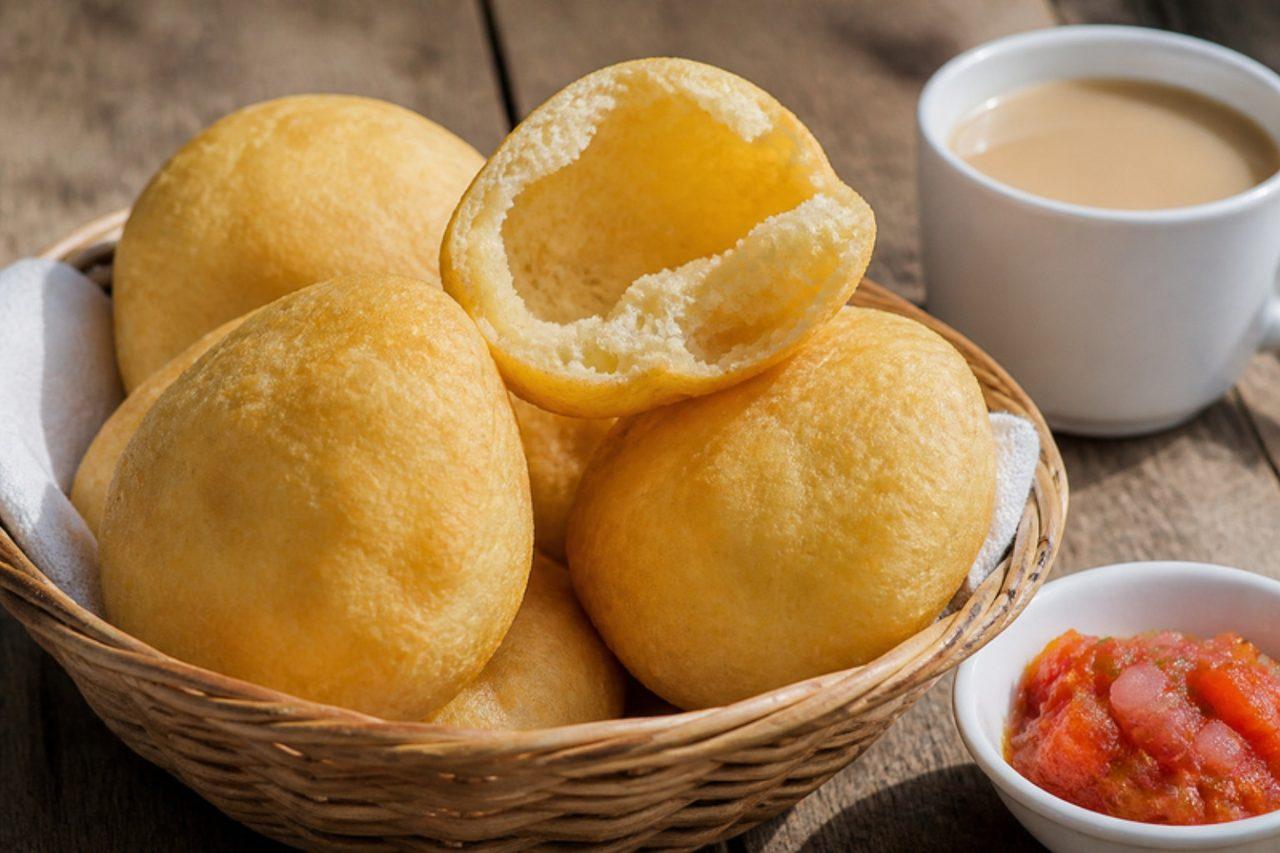
MandocasCorn and plantain ring fritters

Maracaibo breakfasts often start with mandocas, chewy loops of corn dough sweetened with mashed ripe plantain and dark panela, fried until almost mahogany and eaten with butter, salty white cheese and a cup of coffee. They are sold hot from bakeries and street carts all over Zulia. Venezuelan white cheeses are usually made with animal rennet; feta-style or other vegetarian salty cheeses work. The mistake most people make is frying too hot: the panela darkens and turns bitter before the dough cooks through. Chef's tip: the riper the plantain, with black skin, the softer and sweeter the mandocas.

by KrazyBadal 0 views

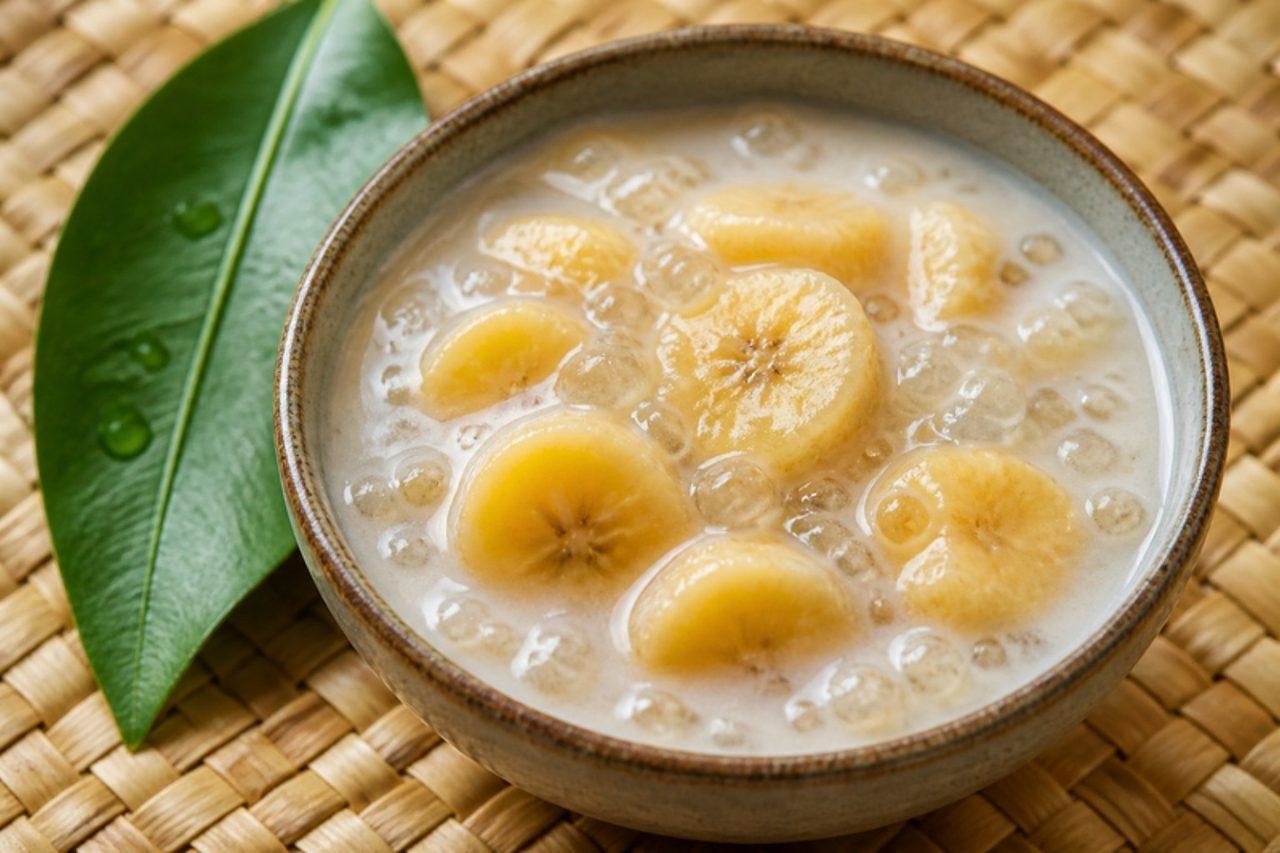
Suafa'iBanana and tapioca coconut soup

Suafa'i is a comforting Samoan sweet soup of ripe bananas and tapioca pearls cooked in water and finished with coconut cream, sometimes perfumed with lemon leaf. It is served for breakfast or as a warm dessert in Samoan homes in Apia and Auckland, especially for children and for anyone feeling unwell. A common mistake is adding the tapioca to cold water, which makes it clump; drop it into boiling water and stir. Chef's tip: use very ripe bananas so you need little or no sugar.

by KrazyBadal 0 views

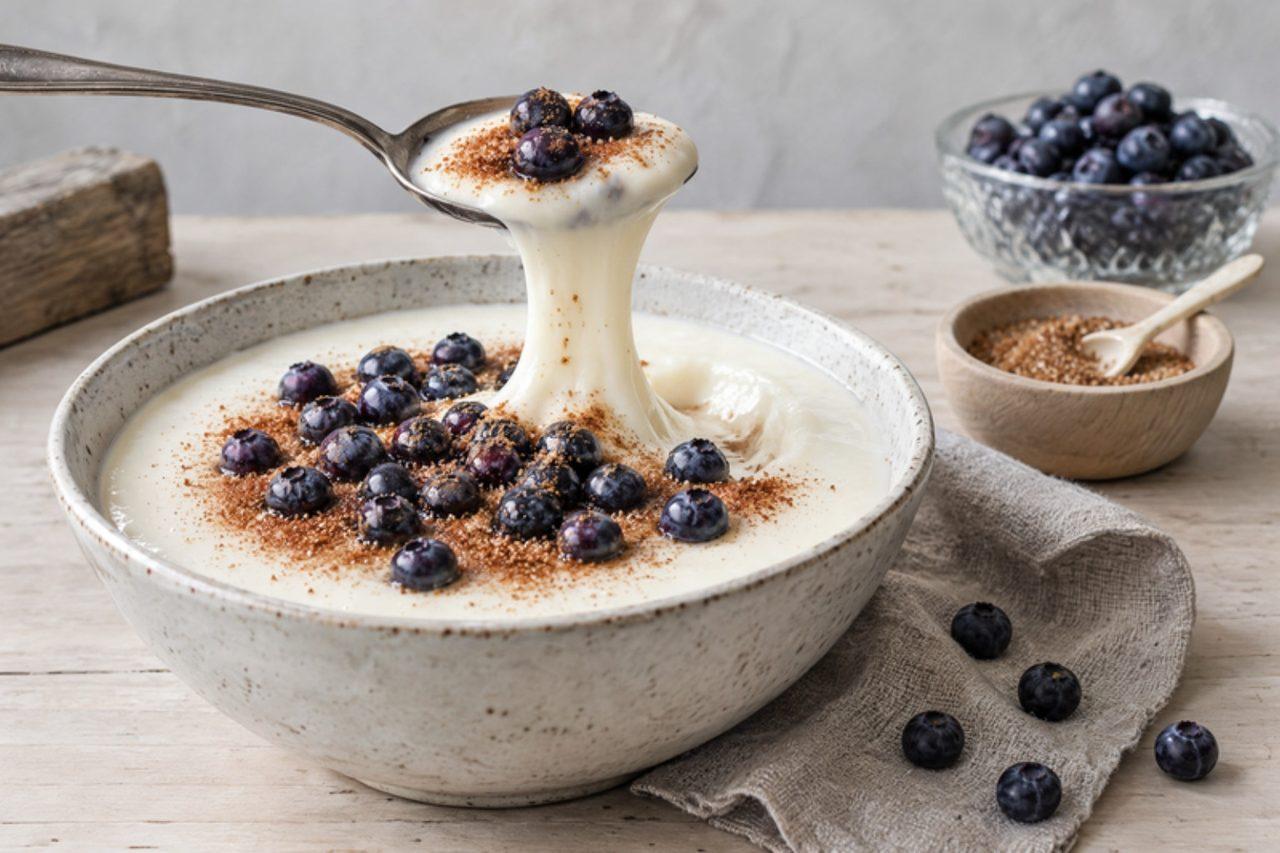
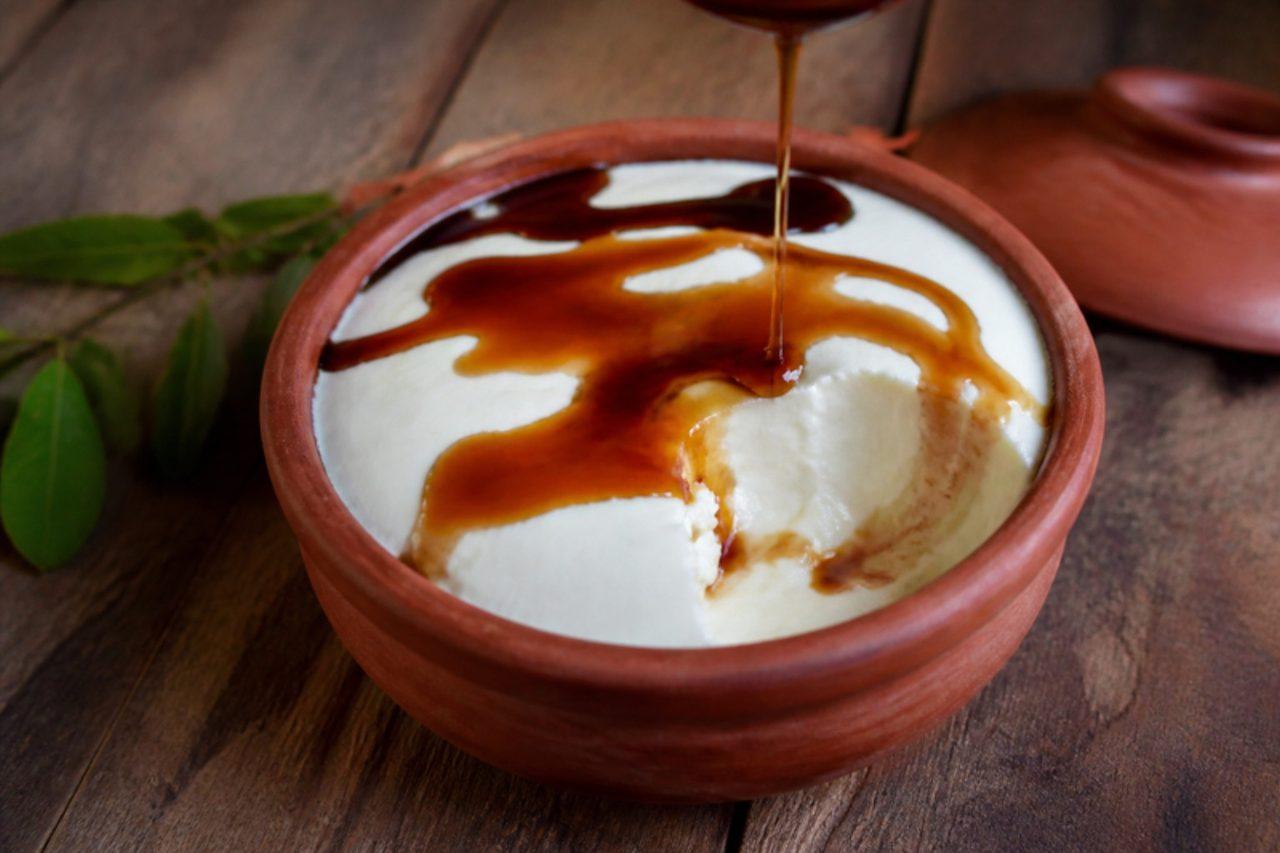
ViiliCultured milk

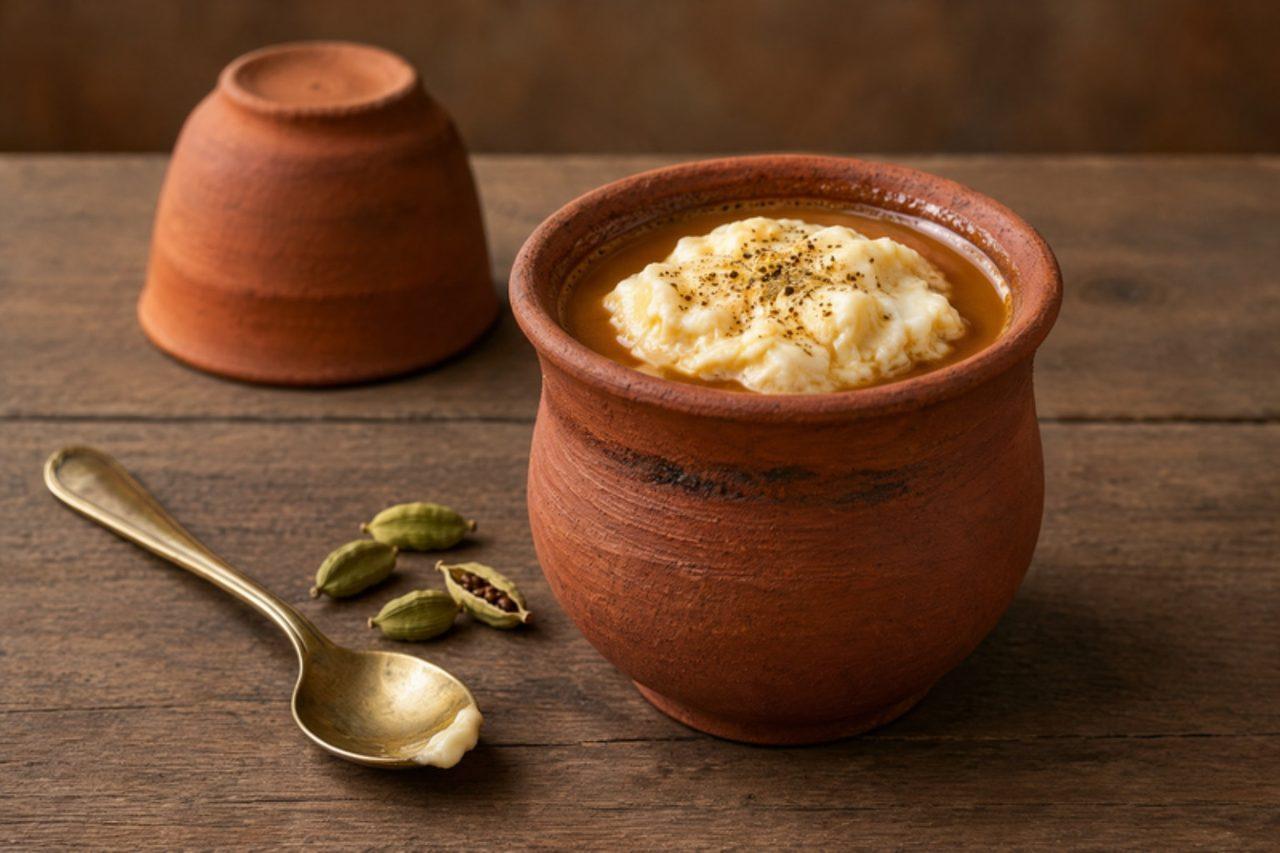
Viili is a Finnish breakfast staple with a texture all its own: a mild, slightly sour cultured milk that stretches in long ropy strands from the spoon, with a thin velvety layer of mould on top from the traditional culture. Finns eat it straight from the bowl with cinnamon and sugar, berries or muesli. It is set at room temperature, no yoghurt maker needed, using a few spoons of an existing viili as a starter. The common mistake is setting it somewhere too warm, which makes it watery and sour; viili wants a cool kitchen of 18–22 °C. Chef's tip: always use pasteurised milk, and save 2 tablespoons from each batch in a clean jar to start the next one.

by KrazyBadal 0 views

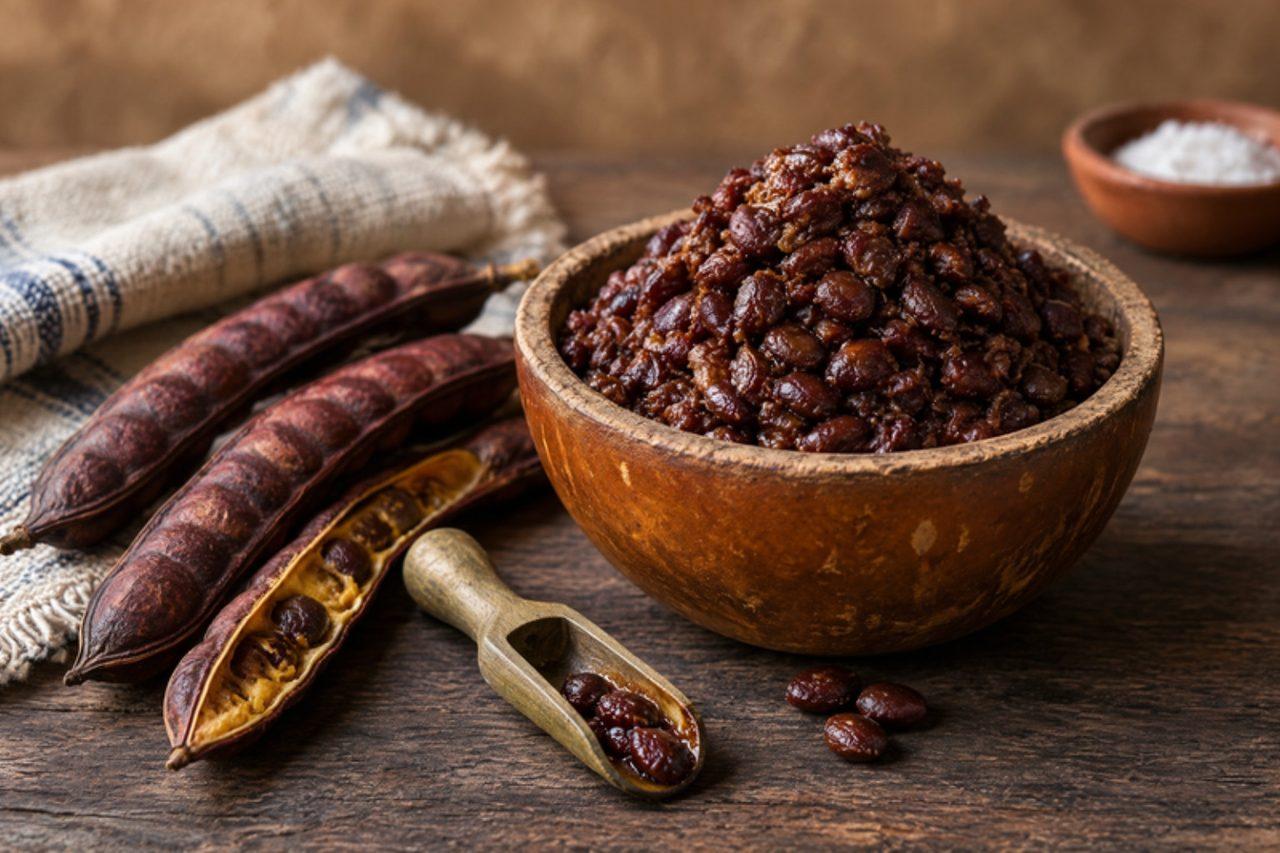
IruFermented locust beans

In Yoruba towns from Ibadan to Ogbomoso, iru is the smell of a good stew: a spoonful of the dark, fermented locust beans melted into efo riro, ofada ayamase, gbegiri and ewedu changes the whole pot. Making it is women's work passed down over generations, done in the dry season when the yellow pods of the African locust bean tree (igba) ripen. The seeds are boiled for hours, rubbed free of their black hulls, boiled again and wrapped warm in leaves for two or three days, when a sticky bacterial ferment covers them. Iru woro is left whole; iru pete is mashed. Expect a powerful ammonia-and-cheese smell, a soft, sticky texture and a deep savoury, almost meaty taste once cooked. Common mistake: fermenting too cool; below 30 °C the beans go sour and grey instead of developing the rich, sticky coat. Keep them in a warm oven with only the light on, or in a cooler box with a hot-water bottle. It is ready when the beans are dark brown, sticky and covered in fine white threads. Chef's tip: dried locust beans are sold at West African shops; fermented soybeans make a fair substitute.

by KrazyBadal 0 views

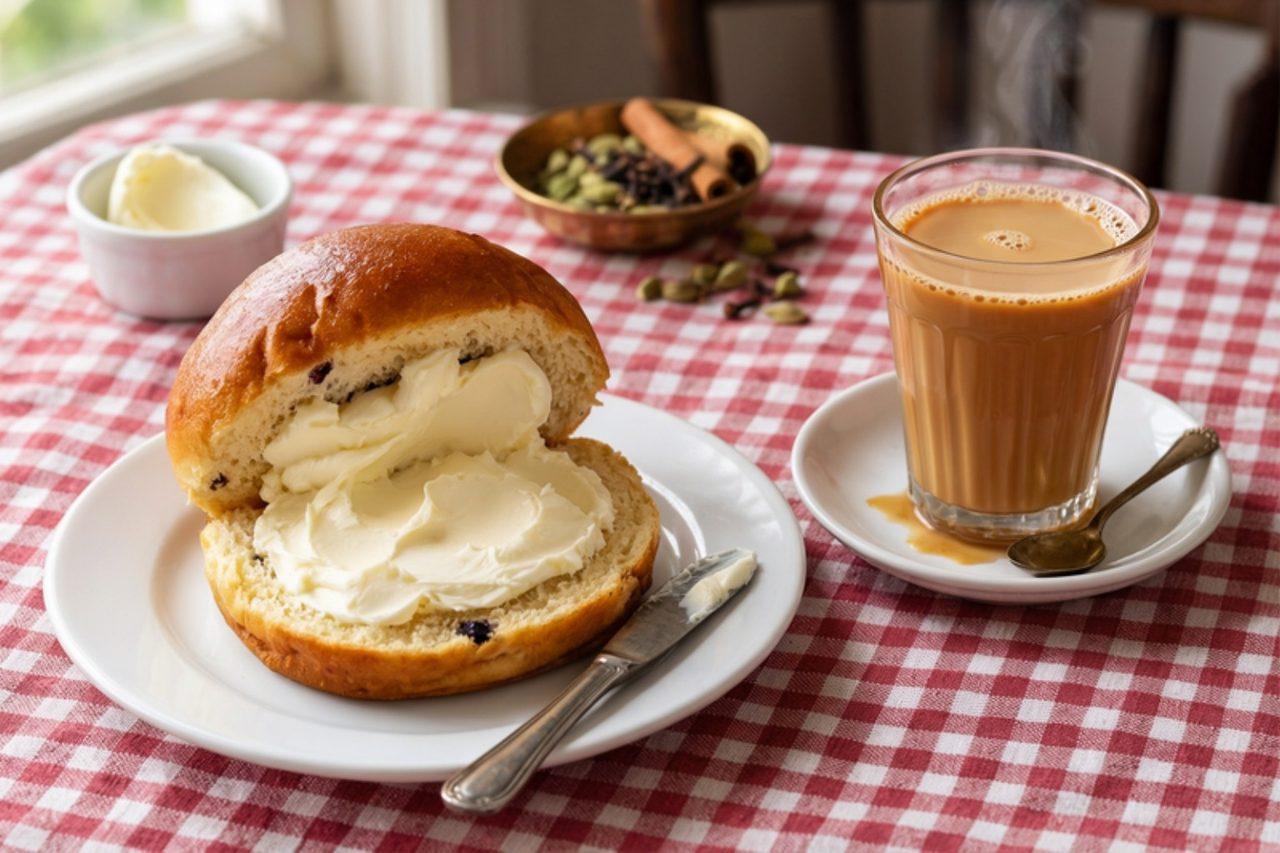
Bun maskaButtered sweet bun

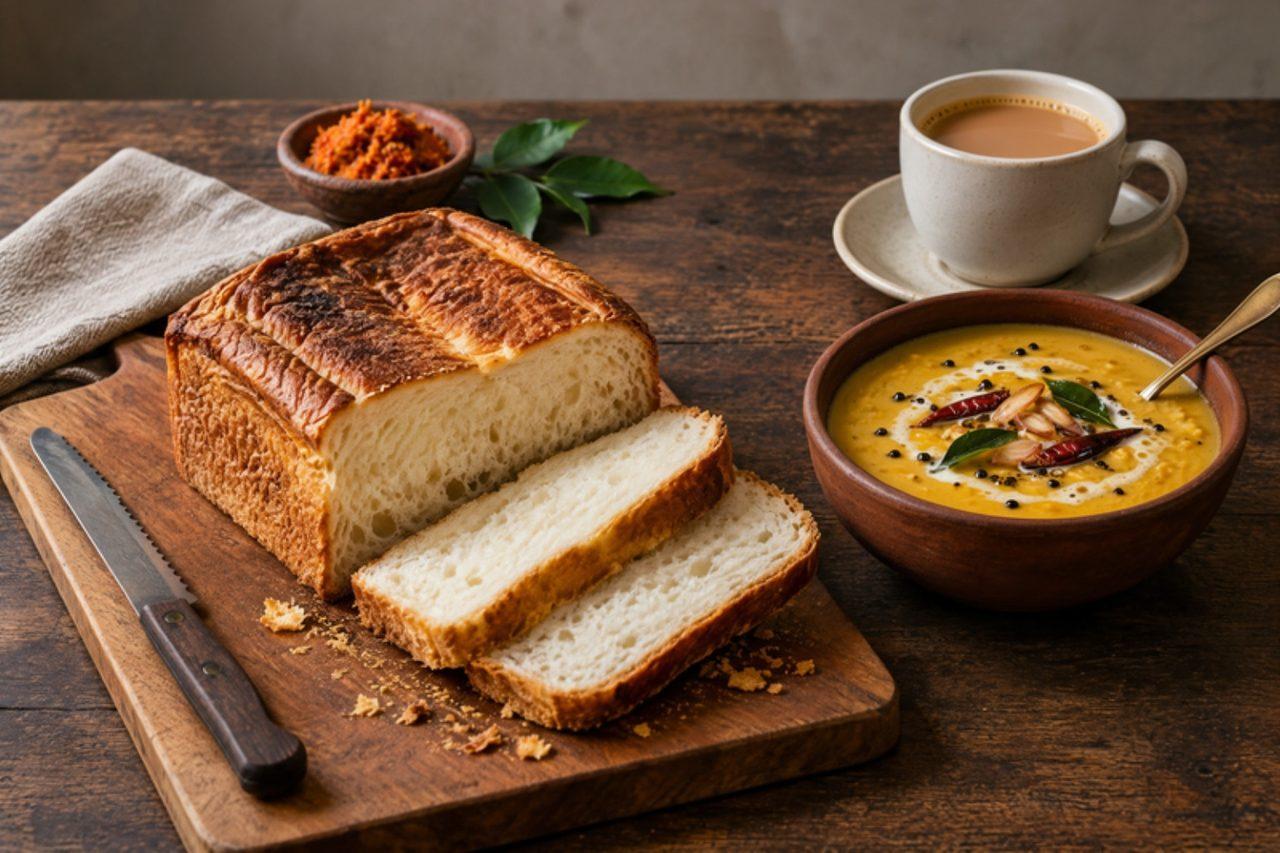
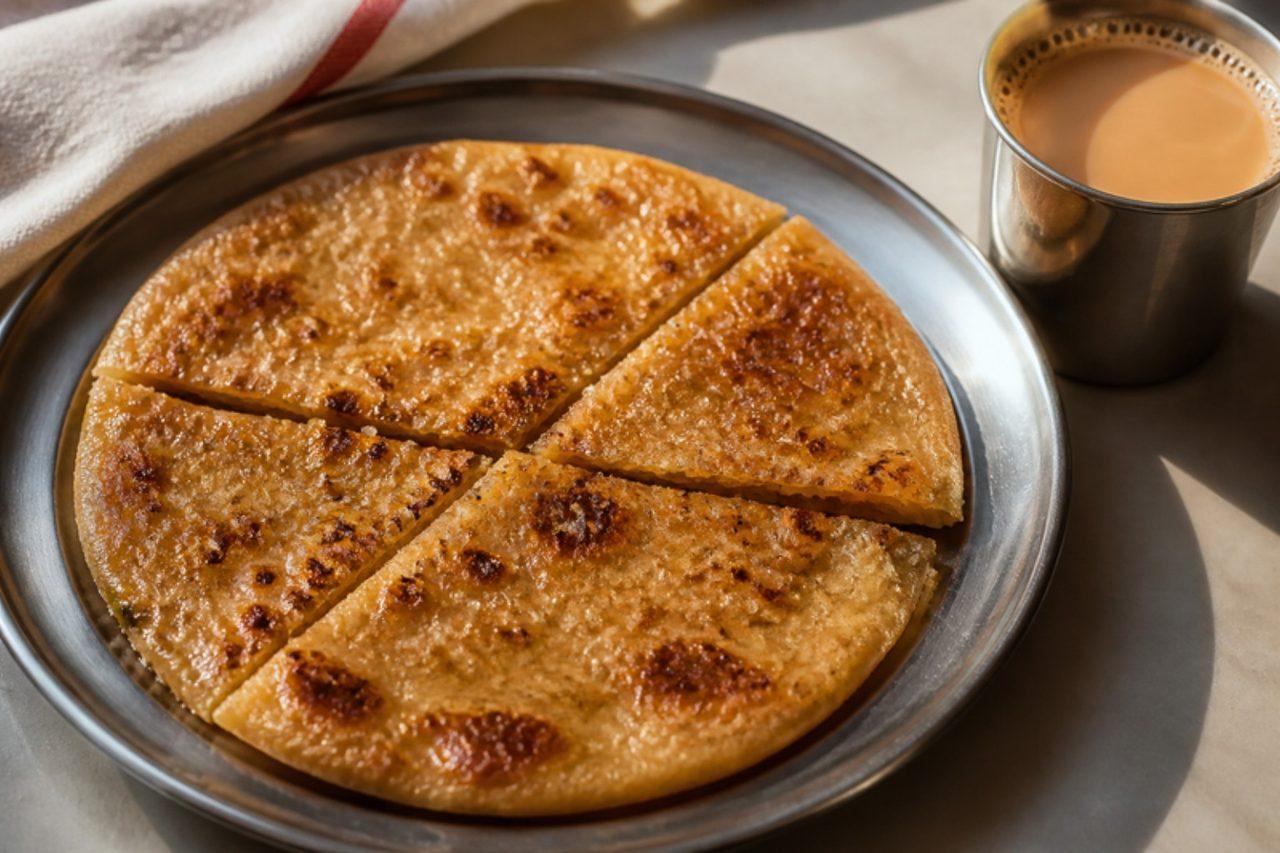
Bun maska belongs to Mumbai's old Irani cafés, the bentwood-chair rooms such as Kyani & Co near Dhobi Talao, where office workers and students start the day with a split, generously buttered sweet bun and a glass of strong milky chai. The bun is pillowy and faintly sweet, the salted butter is spread so thick you see teeth marks, and the whole point is to dip it into the hot tea. Children love it as a weekend breakfast. Chef's tip: let the butter soften at room temperature; cold butter tears the delicate crumb.

by KrazyBadal 0 views

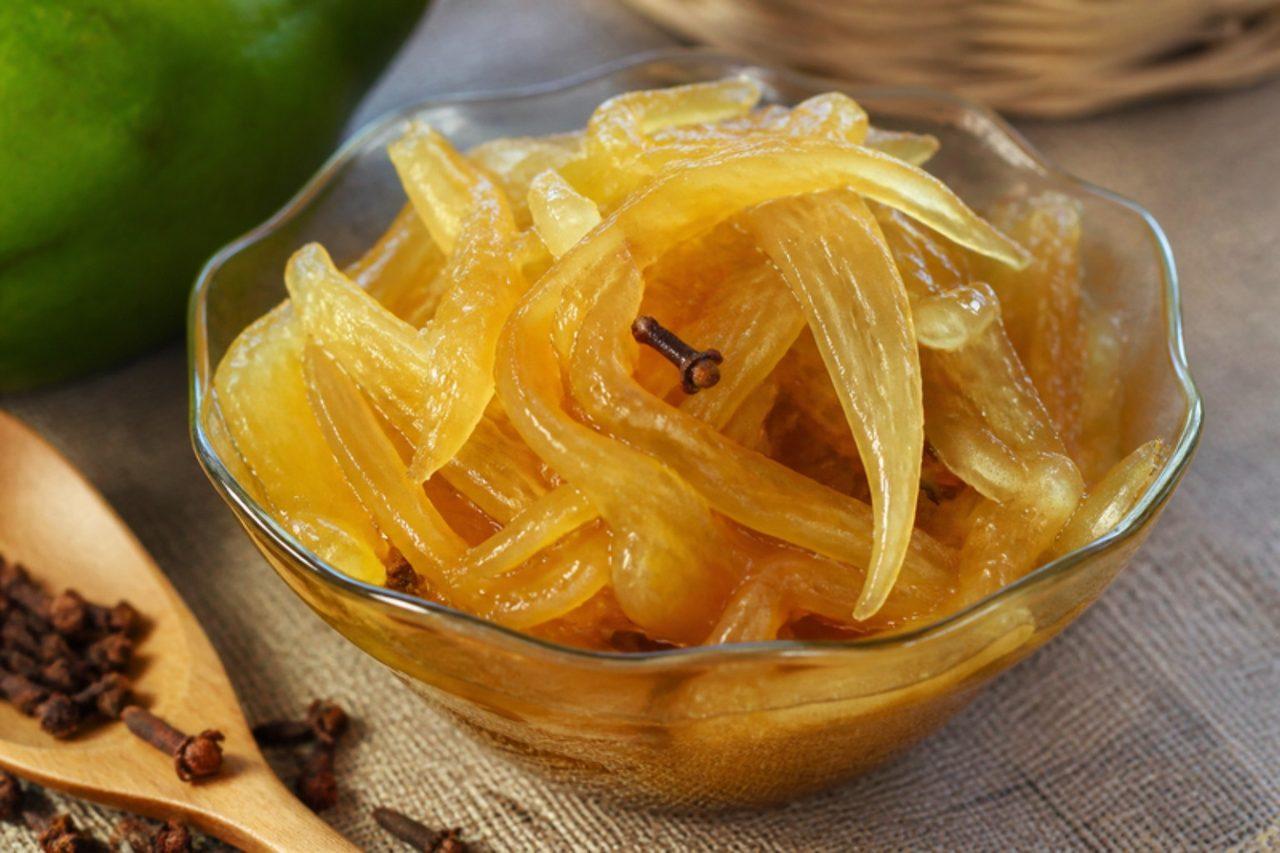
Dulce de lechosaPapaya in clove syrup

No Venezuelan Christmas plate is complete without a spoonful of dulce de lechosa beside the hallaca, pan de jamón and ensalada de gallina: strips of green papaya simmered in a dark panela syrup with cinnamon and cloves until translucent, sweet and gently chewy. Families make big jars in mid-December to share. The common mistake is cutting the strips too thin, so they fall apart in the syrup. Chef's tip: soak the strips in water with bicarbonate for 30 minutes first; it firms them so they keep their shape.

by KrazyBadal 0 views

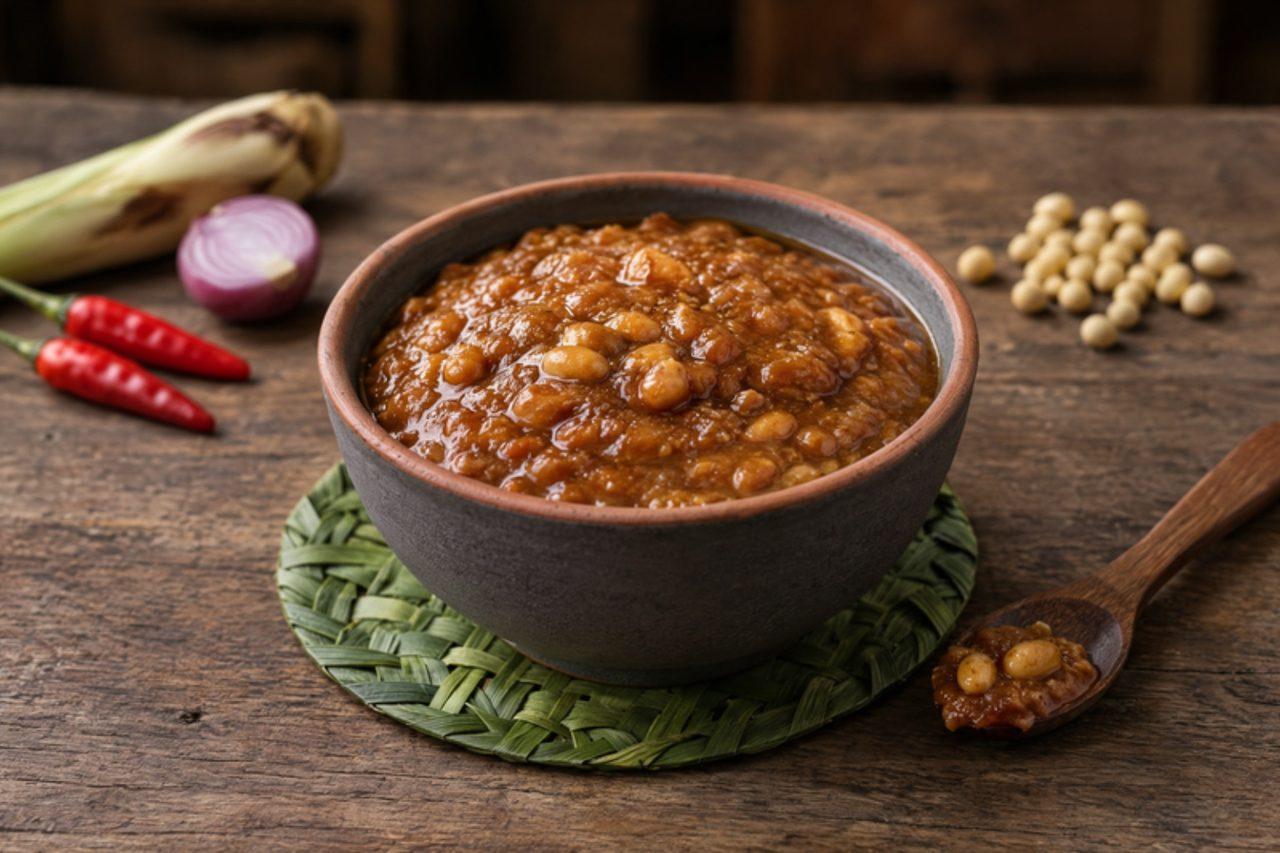
TaucoFermented soybean paste

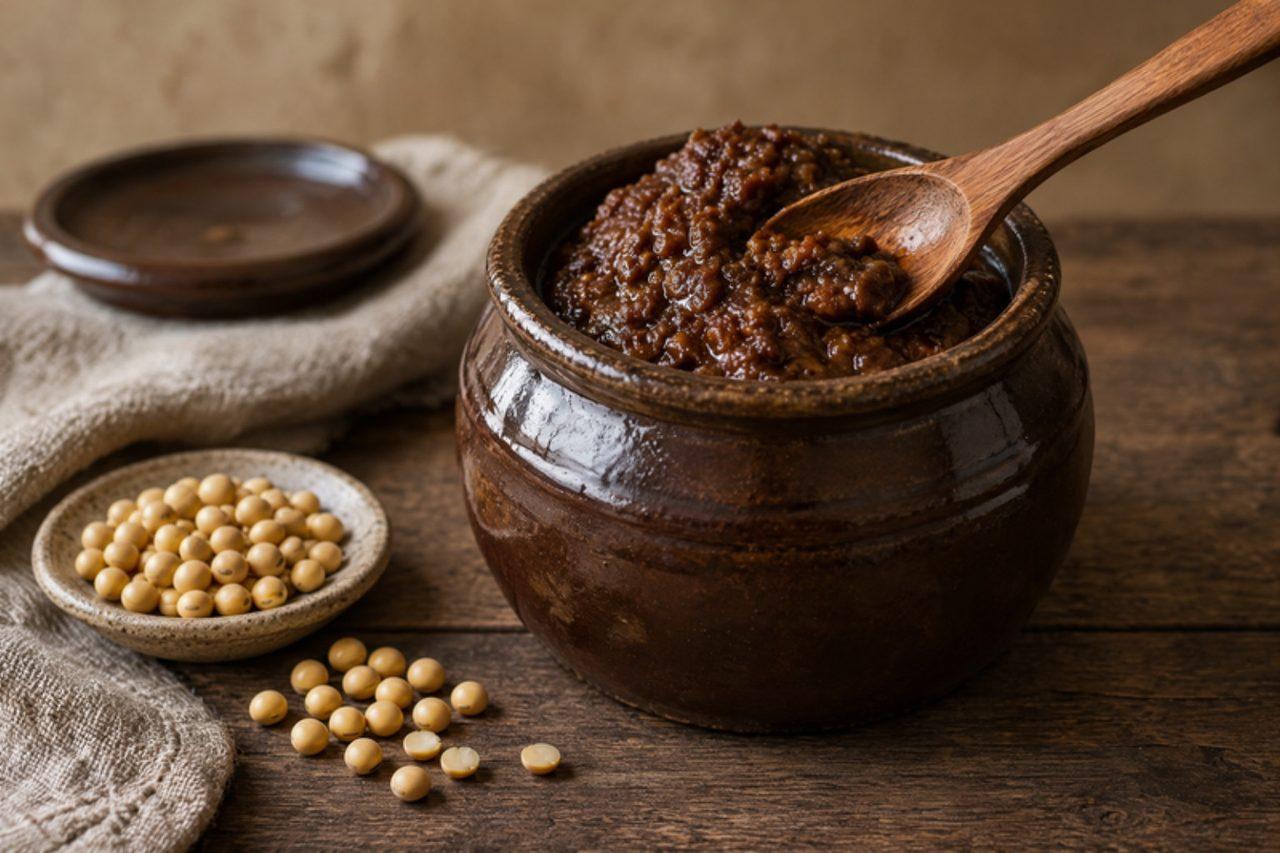
Cianjur, in the hills of West Java, has made tauco since the late 1800s, when Chinese Peranakan families brought the technique, and the town's sweet, thick version is still sold in squat jars to every traveller on the Puncak road. Sundanese and Peranakan cooks fry it with garlic and chilli for tumis tauco with tofu, long beans or kangkung, and add a spoonful to fish stews. The beans are first grown with a mould culture, then ripened in strong salt brine in the sun for weeks, and finally simmered with palm sugar. The result is salty-sweet and deeply savoury, like a soft, chunky miso with caramel notes, half-whole beans in a glossy brown sauce. Common mistake: fermenting the moulded beans in a sealed tub; they sweat, turn slimy and smell of ammonia. They need air and 28–32 °C. Readiness cues: after the mould stage, the beans are knitted with white fluff turning pale yellow-green; after brining, they are brown and smell like soy sauce; after cooking, the sauce is thick and glossy. Chef's tip: a pandan leaf and a slice of galangal in the final simmer give the Cianjur fragrance.

by KrazyBadal 0 views

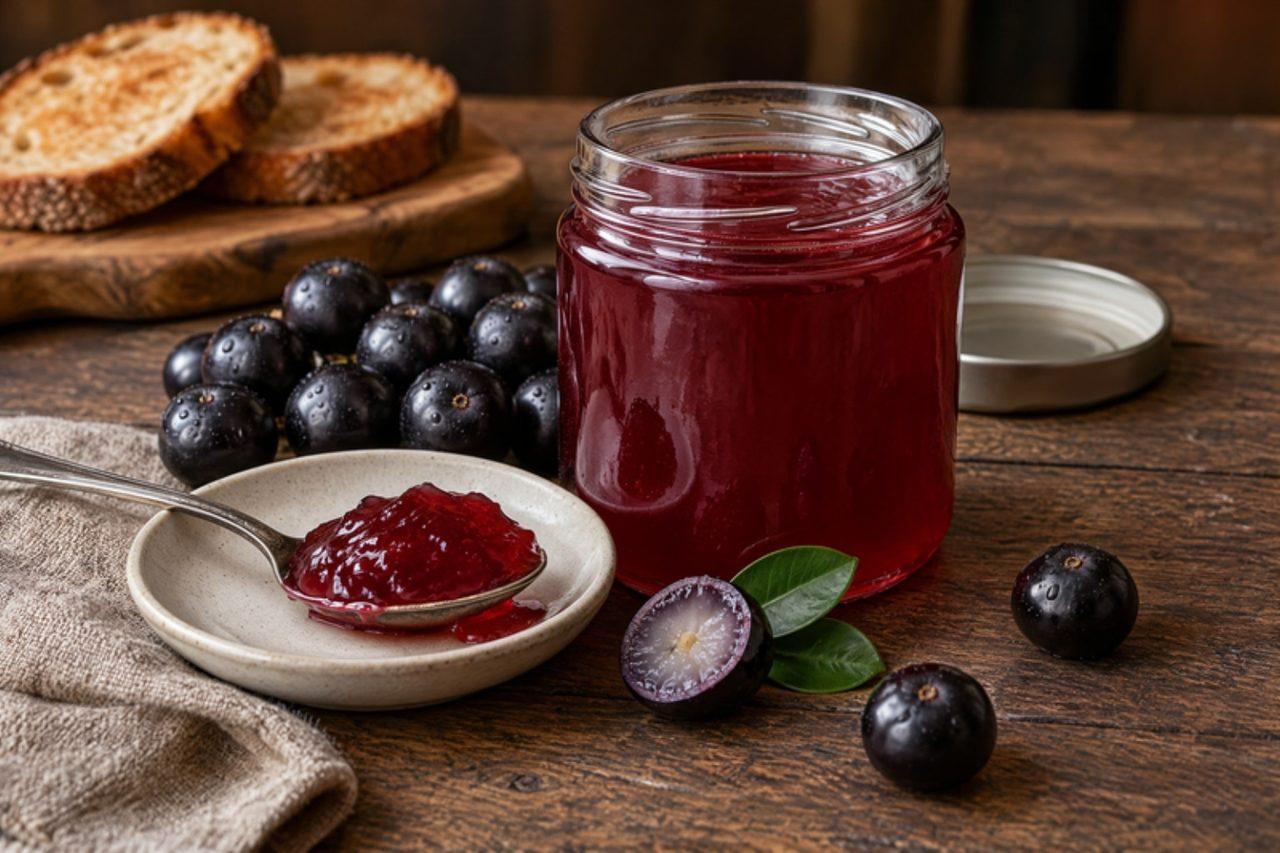
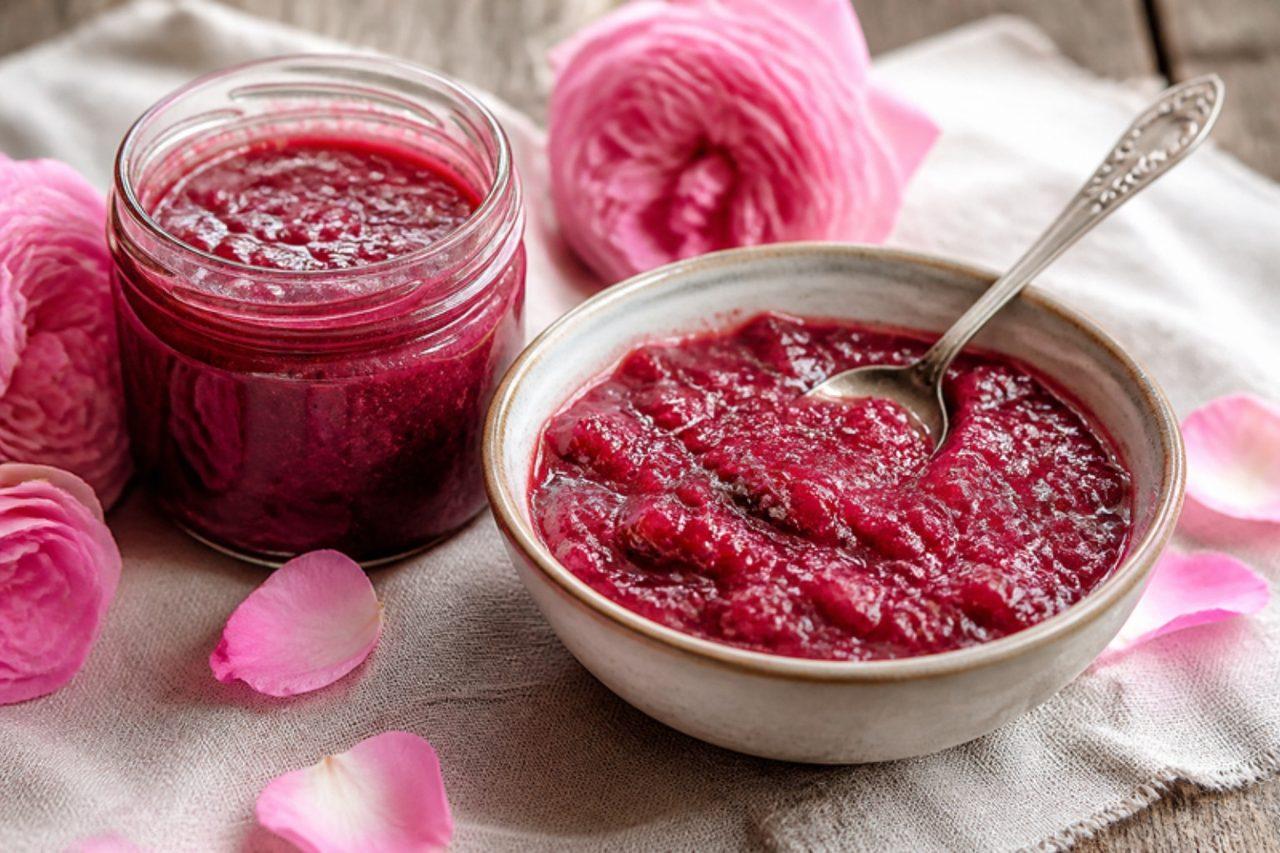
Geleia de jabuticabaJabuticaba jelly

Jabuticabas grow in clusters straight on the trunk of the tree, and in the Minas Gerais spring, from September to November, backyards from Sabará to the south of the state are suddenly covered in shiny black berries. The fruit starts to ferment two or three days after picking, so families turn the glut into jelly, liqueur and syrup; Sabará even celebrates the harvest with a festival. Boiling the berries whole draws colour, tannin and pectin out of the thick skins, so the jelly sets with no added pectin. It is deep ruby-purple, sweet and tart like a dark grape, with a faint astringent edge from the skins. Spread it on pão de queijo or toast, or serve it with fresh white cheese. Abroad, use Concord or other dark, slip-skin grapes, or muscadines. Common mistake: boiling past the setting point; the jelly darkens, turns gummy and the tannins taste bitter, so start testing early. It is ready at 104 °C, or when a drop on a frozen saucer wrinkles when pushed. Chef's tip: let the juice drip through the cloth without squeezing; pressing it makes the jelly cloudy.

by KrazyBadal 0 views

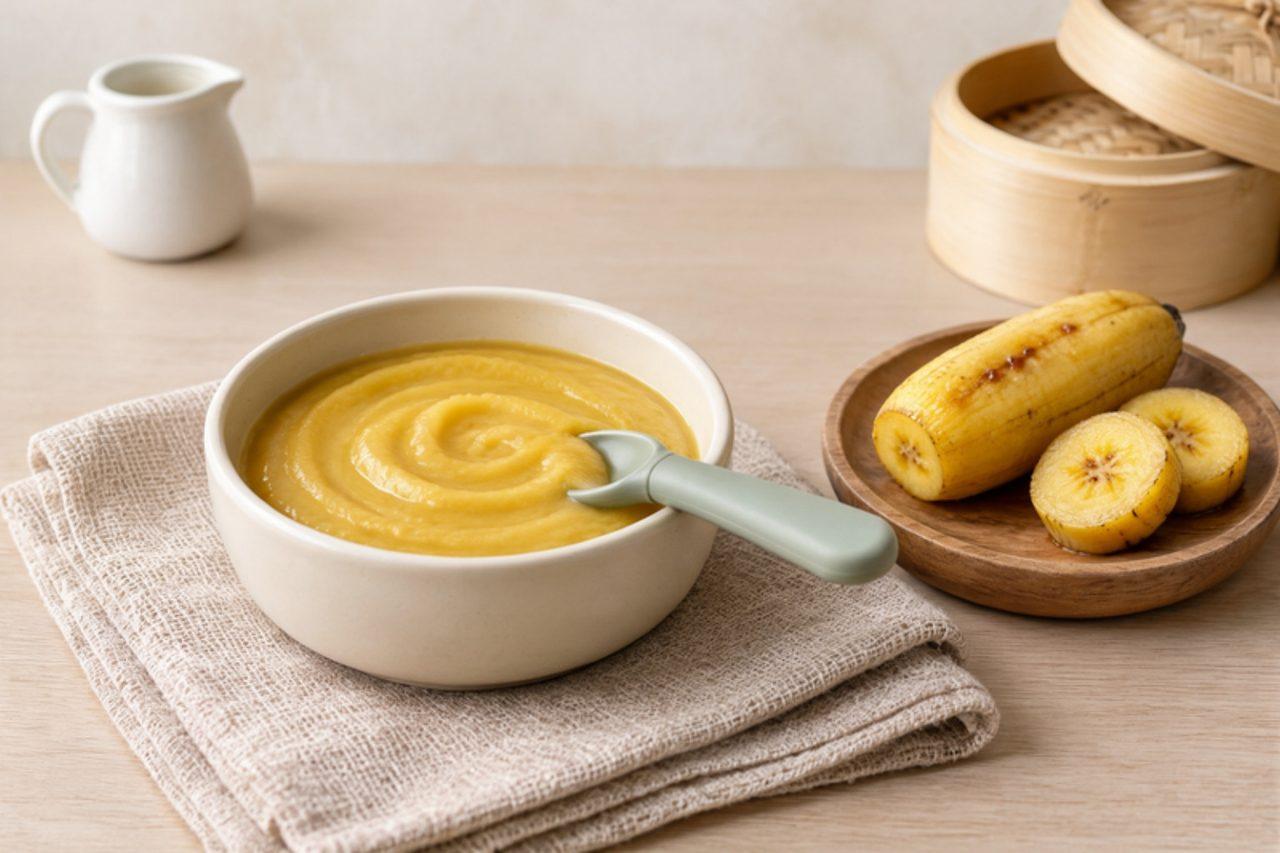
Steamed Nendran banana mash

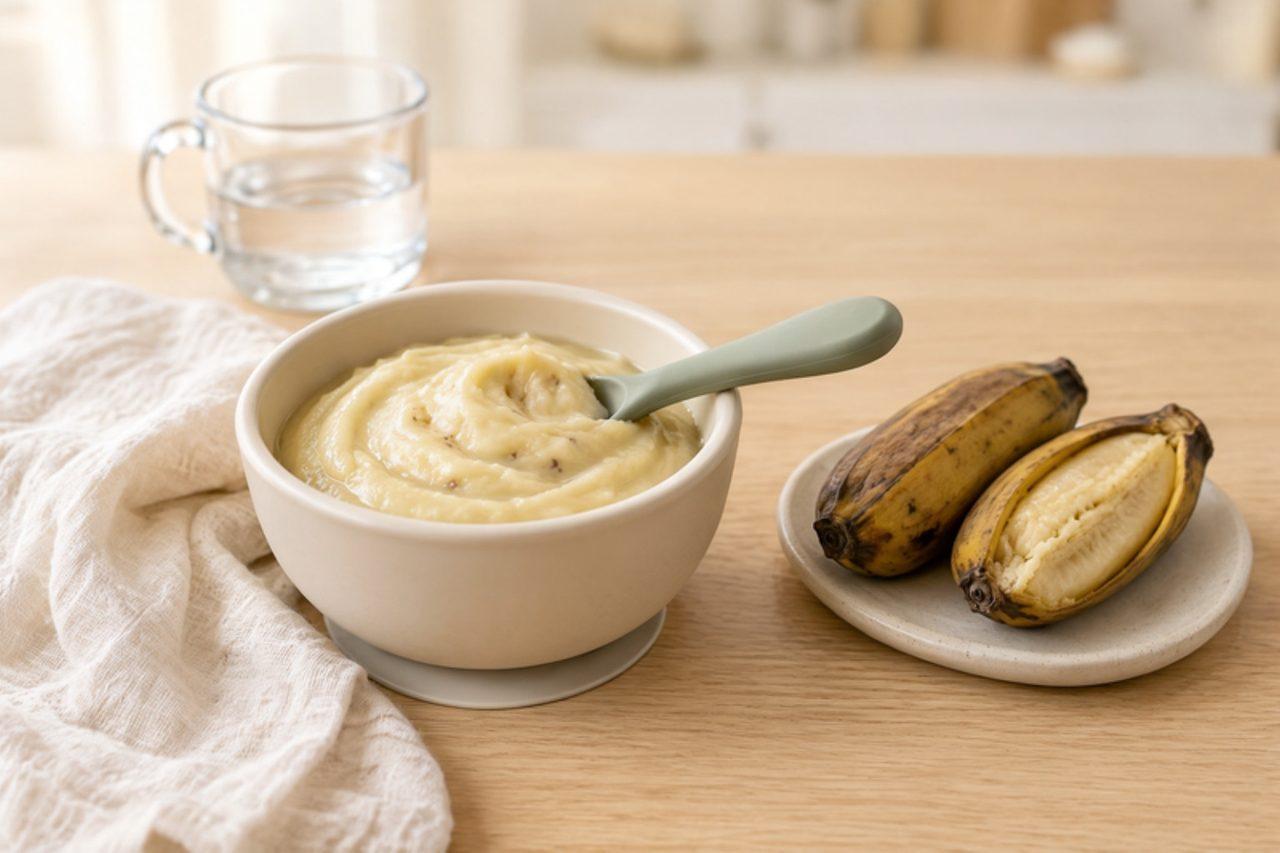
Nendran is the long, golden plantain of Kerala, sold in hands at every market from Palakkad to Thiruvananthapuram, and a steamed ripe Nendran is one of the first fruits a Malayali baby tastes. Raw, it is too firm and starchy for a six-month-old, so it is steamed in its skin until the flesh turns soft and orange-gold, the dark string of seeds in the centre is pulled out, and the rest is mashed smooth. It is naturally sweet, so nothing is added: no sugar, jaggery, honey or salt. It is free of the major allergens. Chef's tip: wait until the skin is fully yellow with black freckles; a green Nendran stays chalky however long you steam it.

by KrazyBadal 0 views

Sabudana kanji for babiesSago porridge for babies

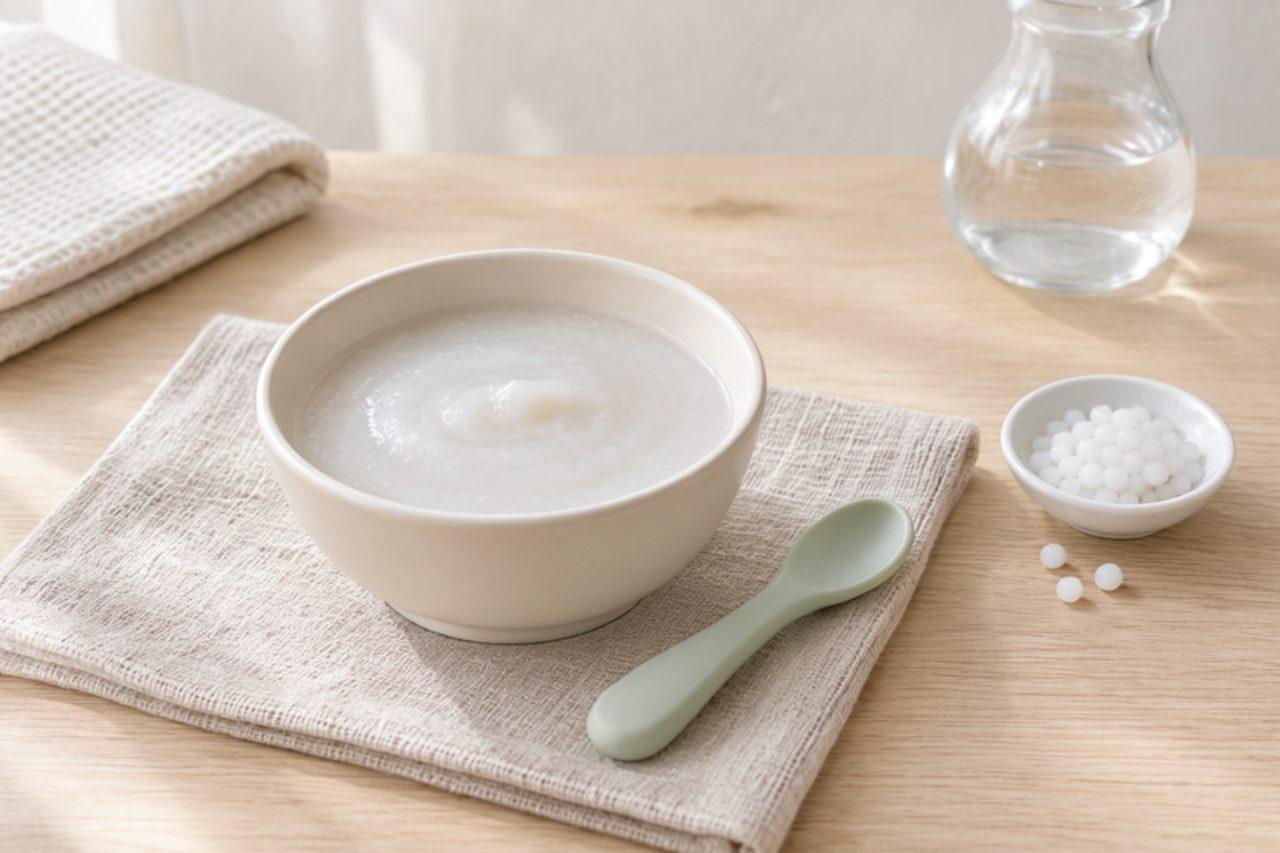
Sabudana (sago) is pantry food in Pune and Ahmedabad homes, best known for fasting khichdi, but mothers in Maharashtra and Gujarat also cook the pearls into a thin, soothing kanji for babies, especially in the hot weeks before the monsoon. The pearls are soaked, simmered until every one is glassy and clear, then blended so there is nothing for a baby to choke on. It tastes very mild and is mostly energy, so offer it alongside iron-rich foods rather than instead of them. No salt, sugar, jaggery or honey for babies; it is free of the major allergens. Chef's tip: a white dot in the middle of a pearl means it is still raw; simmer until none are left.

by KrazyBadal 0 views

Homemade doenjangFermented soybean paste

Doenjang starts in late autumn, after the soybean harvest, when Korean households used to boil beans in a cauldron, pound them into bricks and hang the meju from the rafters on straw ropes to grow a white, sweet-smelling bloom over the winter. In early spring, on a clear dry day, the bricks are dropped into salt brine in an onggi jar with dried chillies, jujubes and a red-hot piece of charcoal. Some six to eight weeks later the dark liquid is drawn off and boiled into soup soy sauce (guk-ganjang), and the softened bricks are mashed into doenjang, which ripens through the summer. It is chunkier, saltier and funkier than miso, with a nutty, almost smoky depth: the backbone of doenjang-jjigae, ssamjang and spinach namul. Common mistake: making the brick too thick or drying it in a warm, still room, so the centre rots before it dries; keep it about 6 cm thick and hang it where air moves. The paste is ready when it is mid-brown, smells of toasted nuts and soy, and tastes salty-sweet rather than sharp. Chef's tip: you can buy dried meju blocks from Korean grocers and start at the brining step.

300 minKoreanBasicsVeganGluten free
by KrazyBadal 0 views

Ají amarillo pasteYellow chilli paste

In Lima's markets ají amarillo is sold fresh all year, and most Peruvian cooks keep a tub of this paste in the fridge the way others keep tomato purée: it is the golden base of causa limeña, ají de gallina, papa a la huancaína, chupe and the sauce for tiraditos. The chillies are seeded, de-veined and blanched in three changes of water, which tames the heat and the raw grassiness, then peeled and blended with oil into a thick, silky, saffron-orange paste. It tastes fruity and sunny, almost like apricot and passion fruit, with a rounded, medium heat. Abroad, buy whole frozen ají amarillo from Latin grocers; dried ají mirasol, soaked, gives a darker, earthier paste. Common mistake: skipping the peeling; the thin skins leave papery flecks and a bitter edge. It is ready when it is completely smooth and holds a soft peak like thick hummus. This is a low-acid paste: keep it in the fridge for a week or freeze it, never on the shelf. Chef's tip: freeze it in an ice-cube tray; one cube is about a tablespoon, just right for a pot of ají de gallina.

by KrazyBadal 0 views

Mashed matooke for babiesMashed green banana for babies

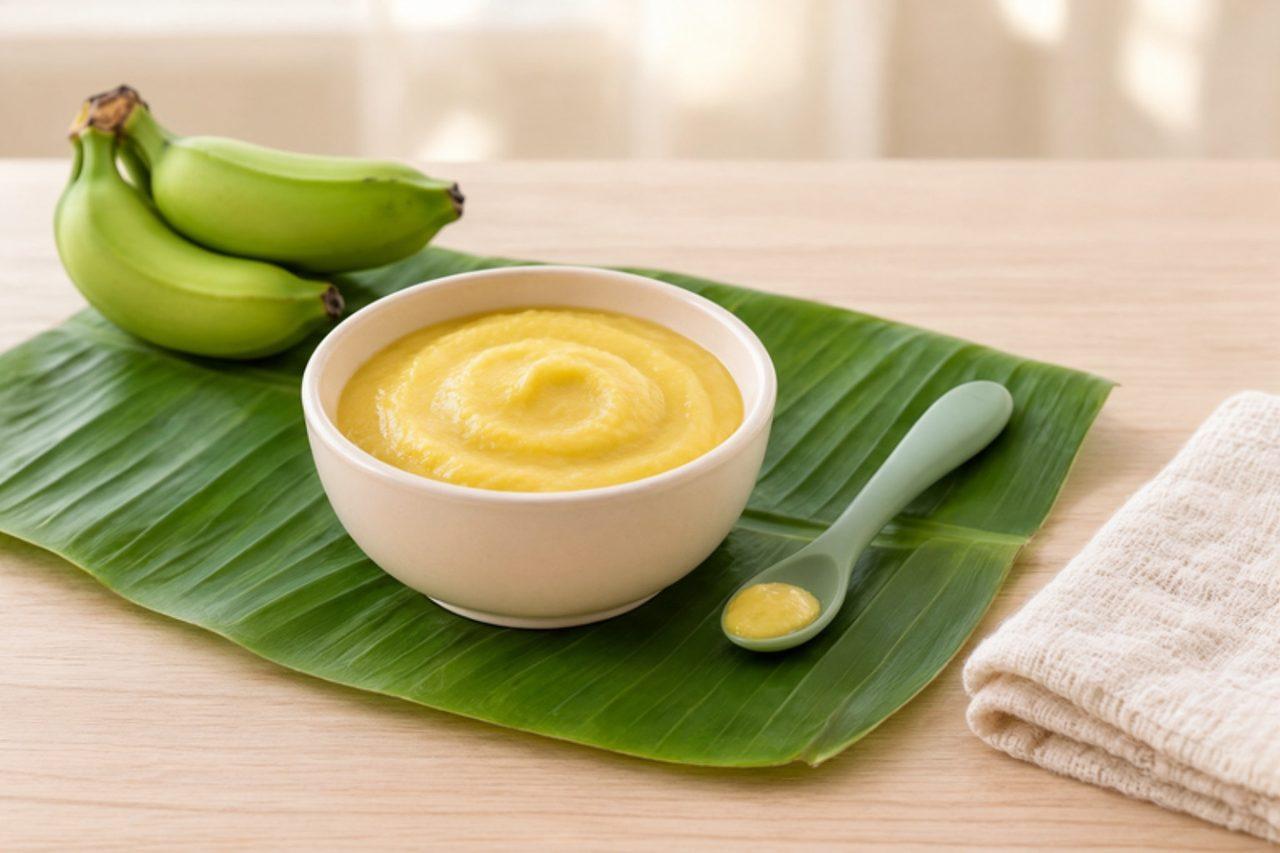
Matooke, the green cooking banana trucked into Kampala's Owino and Nakasero markets in great bunches, is Uganda's everyday staple, and the first food most Ugandan babies eat. The fingers are peeled, wrapped in banana leaves and steamed until they turn soft and golden, then mashed with a little of the steaming water into a smooth, mild, slightly earthy purée. Families feed it at the midday meal, on its own at first and later with groundnut sauce. Nothing is added for babies: no salt, sugar or honey. It is free of the major allergens. Chef's tip: oil your hands and knife before peeling; green matooke oozes a sticky sap that stains skin and boards.

by KrazyBadal 0 views

Papilla de quinua for babiesQuinoa and pumpkin puree for babies

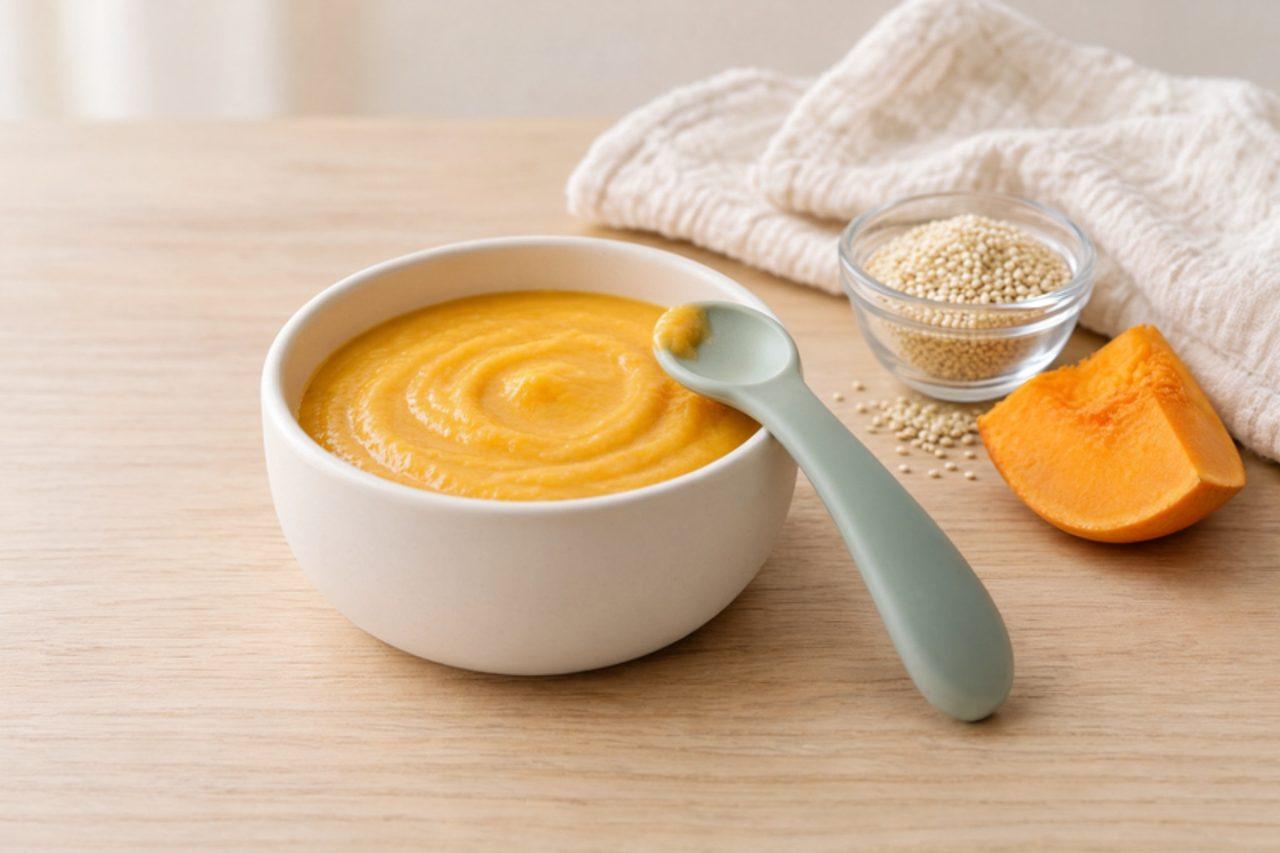
In the high Andes around Cusco, Puno and La Paz, quinoa is the grain families have fed babies for centuries, and papilla de quinua is the first porridge many Andean mothers make at six months. The seeds are washed hard to remove their bitter saponin coating, simmered until they burst and show a little white tail, then blended with sweet zapallo (pumpkin) or apple into a smooth, nutty porridge. It is rich in protein and iron for a plant food. For babies there is no salt, sugar, panela or honey. It is free of the major allergens. Chef's tip: rub the quinoa between your palms under running water until the water no longer foams; that foam is what tastes bitter.

by KrazyBadal 0 views

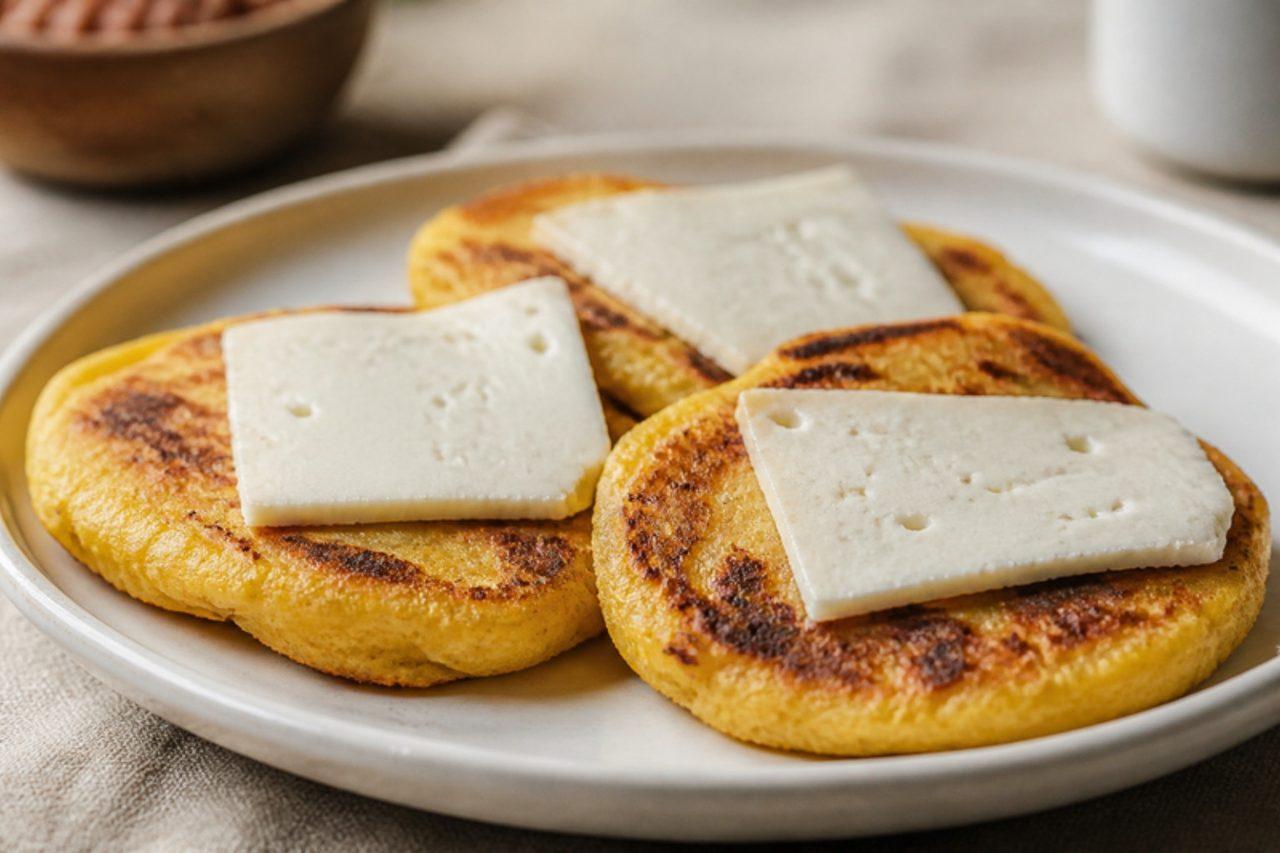
Tortilla changaThick corn griddle cake with cheese

In the Azuero Peninsula and the farming towns of Los Santos and Herrera, changa is the breakfast of corn season: young sweet corn ground with a little sugar and butter and cooked on a griddle into a thick, sweet, soft-centred cake, eaten hot with a slab of salty queso blanco on top. It is simpler and wetter than an arepa, closer to a corn pancake. The common mistake is using a hot pan, which burns the sugary outside before the middle sets. Panamanian white cheese is usually made with animal rennet; a vegetarian paneer-style or halloumi-style cheese works well. Chef's tip: grate or blend the kernels with some texture left in; perfectly smooth batter spreads too thin.

by KrazyBadal 0 views

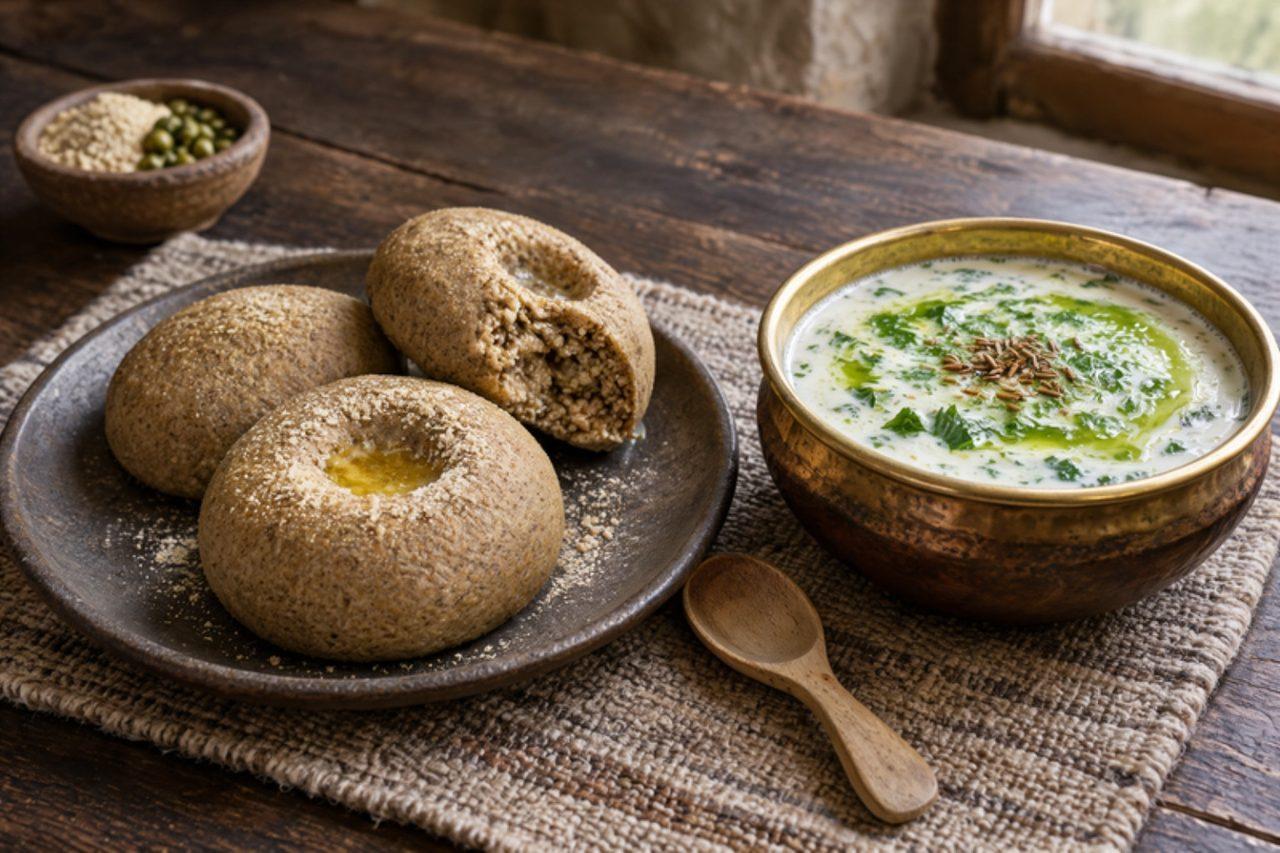
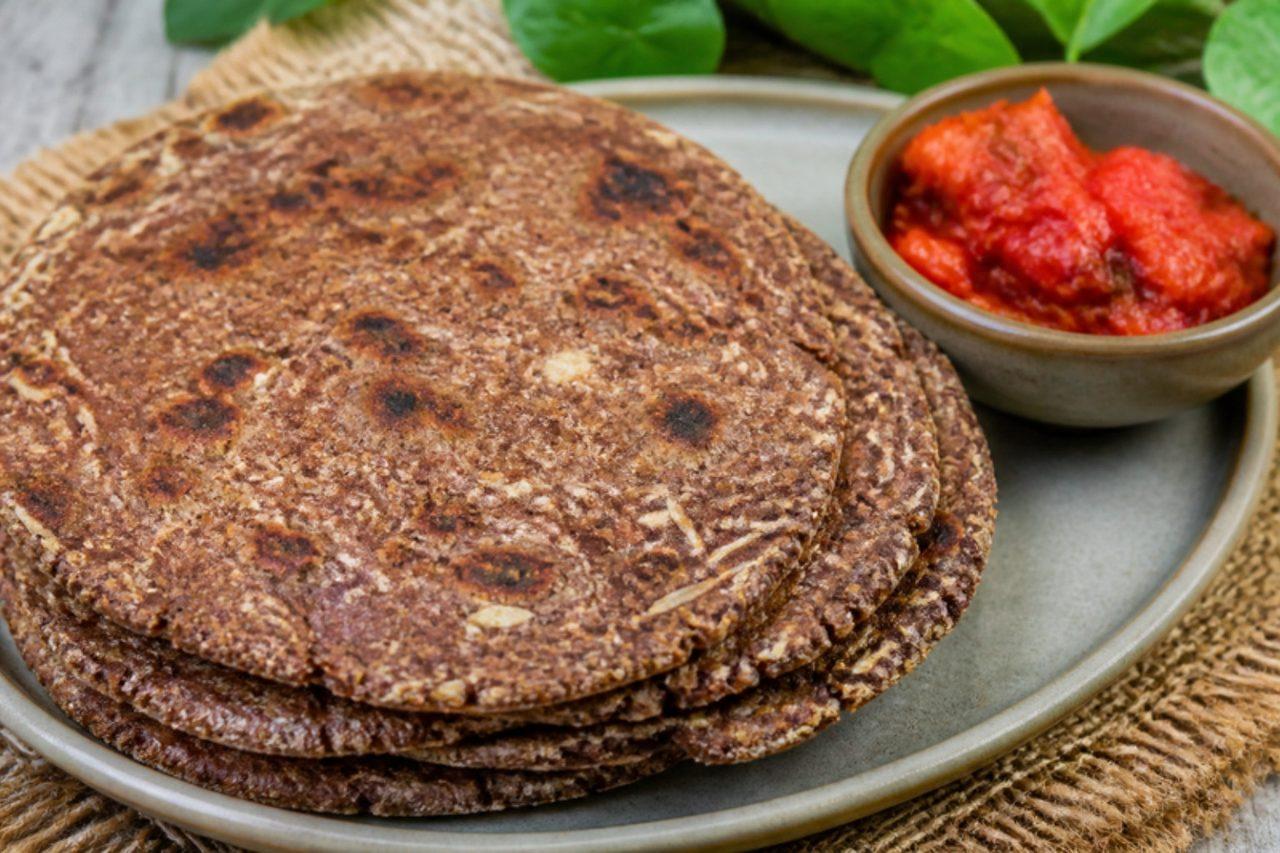
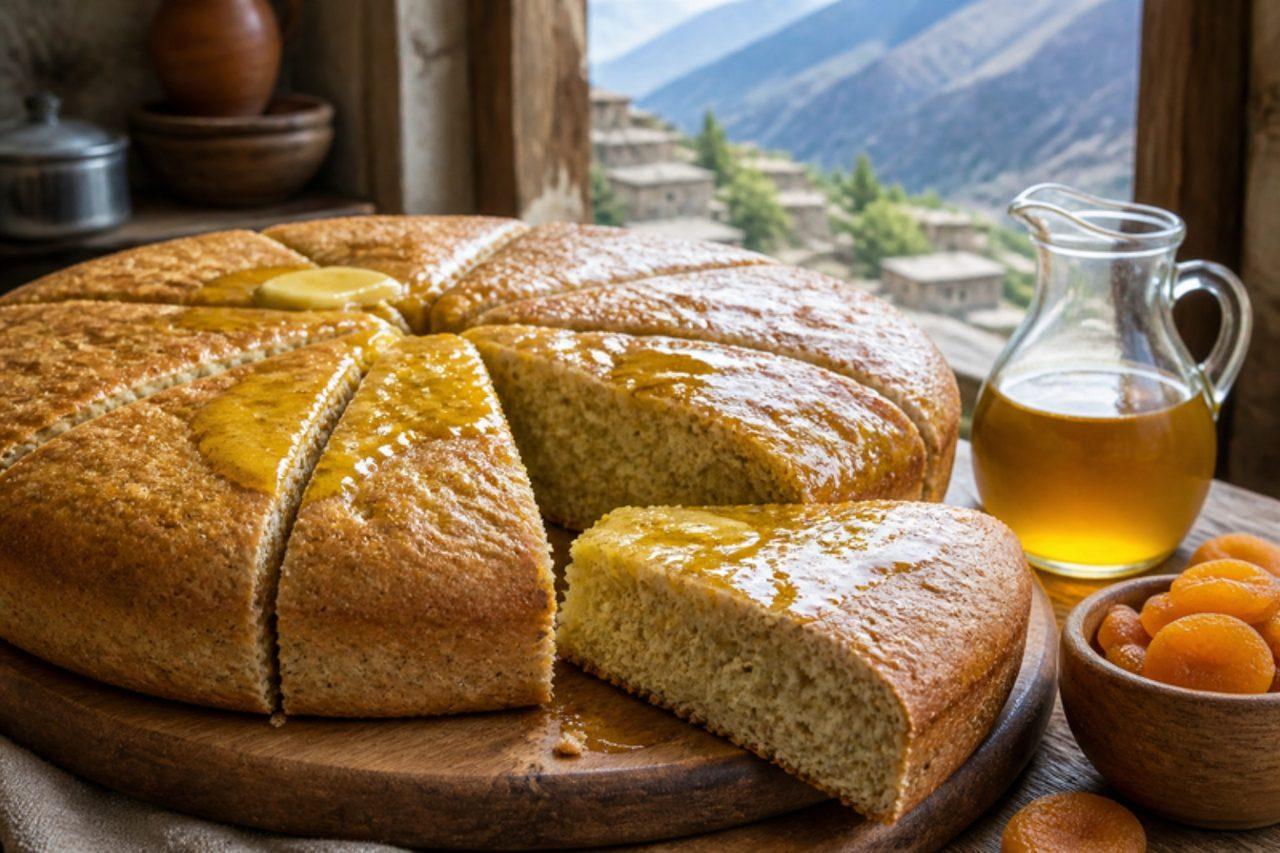
PabaRoasted barley and pea dough

Paba is the plain, sustaining staple of Ladakhi farm kitchens, especially in Zanskar and the Nubra valley, where roasted barley, dried peas and wheat are ground together and stirred into hot water with a little butter. It is eaten at lunch with tangtur, the cool curd-and-greens side, or with a thin vegetable soup, pinched off by hand. The texture is dense and earthy, with a nutty taste from the roasting. The most common mistake is adding the flour all at once, which leaves dry lumps in the middle; sprinkle it in while stirring hard. Chef's tip: toast the flours in a dry pan until they smell like biscuits before you start, even if the bag says roasted, because fresh toasting makes all the difference.

by KrazyBadal 0 views

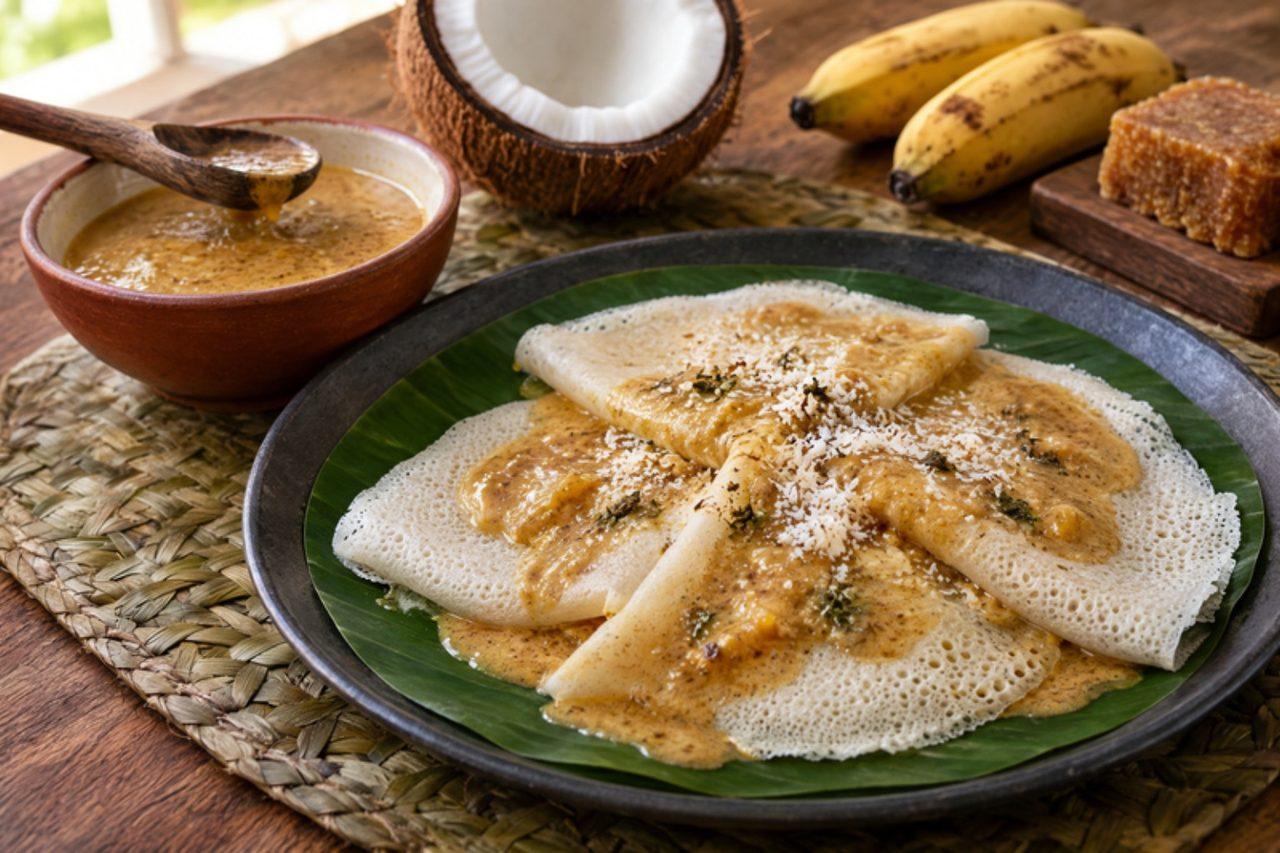
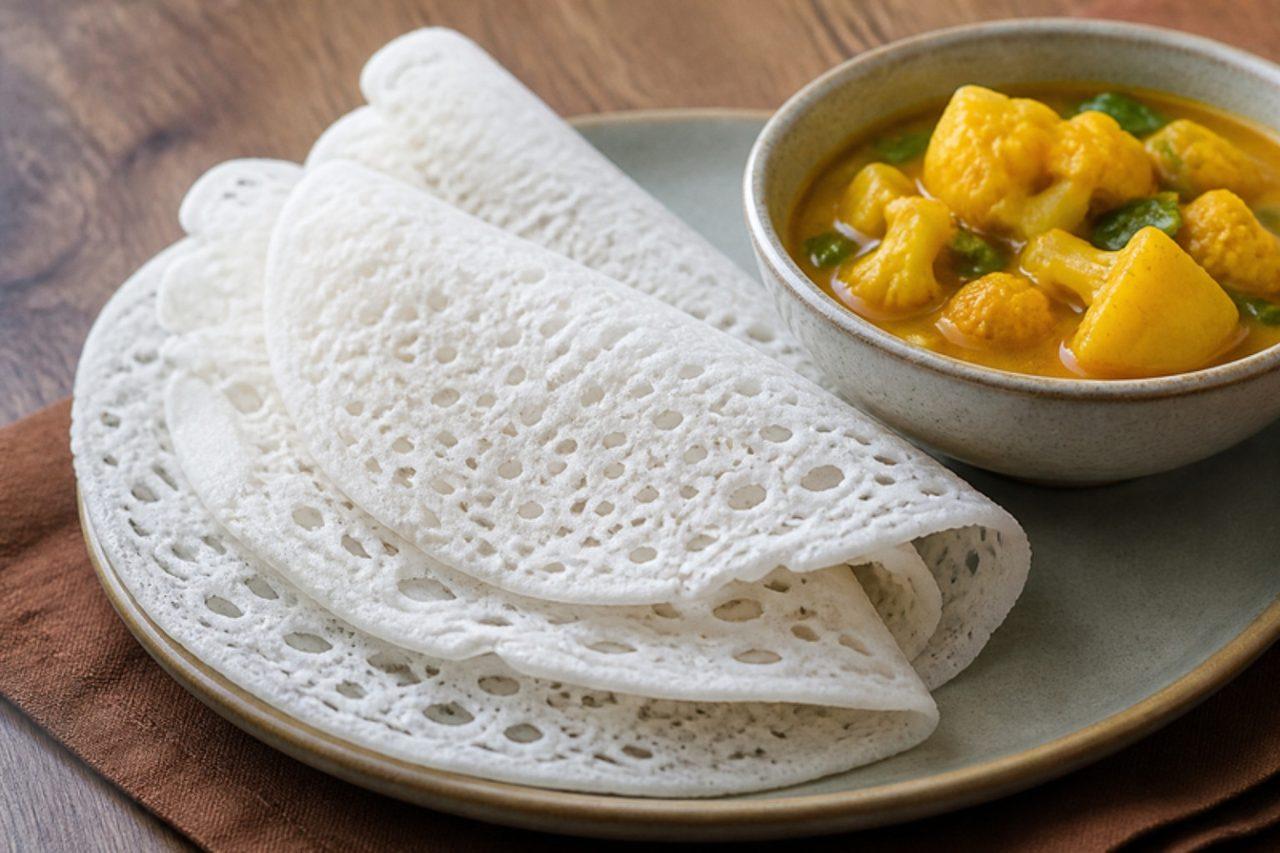
KilanjiRice crepes with coconut banana sauce

On the coral islands of Lakshadweep, kilanji is the treat for weddings, Eid mornings and a welcome guest. Thin, soft crepes of soaked rice and egg, or rice alone as here, are folded and drenched in a warm sauce of coconut milk sweetened with coconut jaggery and full of mashed ripe banana and cardamom. The islanders often add egg to the batter; this version keeps it vegan with a touch of cooked rice for softness. The common mistake is a gritty batter: the rice needs a full four hours' soak and a long, fine grind, or the crepes tear. Chef's tip: keep the sauce barely warm, never boiling, so the coconut milk stays silky.

by KrazyBadal 0 views

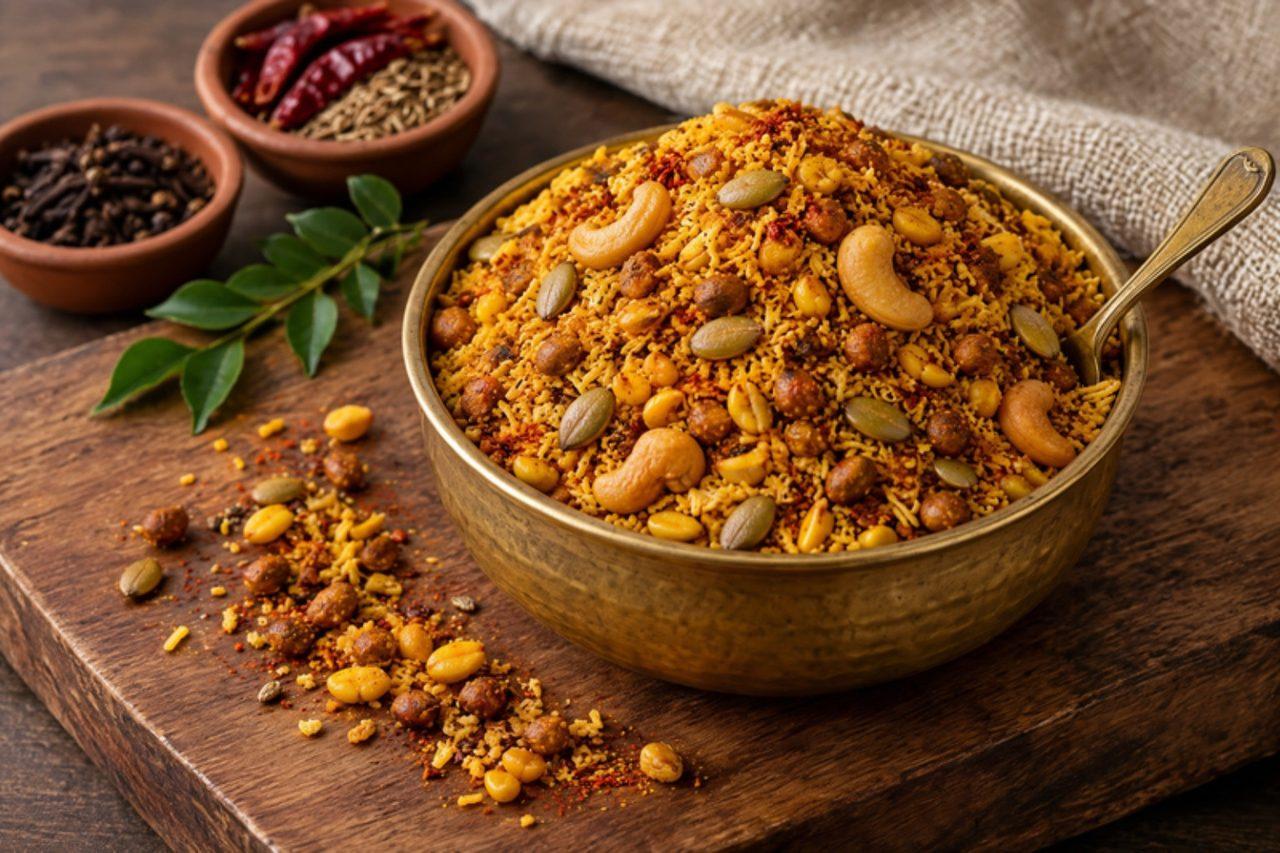
Agra dalmothFried lentil snack mix

Agra is famous for two sweets and one namkeen, and dalmoth is the namkeen: soaked masoor and chana dal fried until crunchy and tossed with chilli, black salt, dry mango and a little sugar, sold in big tins near the Taj and packed for every train journey. It is eaten with tea in the afternoon and handed round to guests at Diwali. The dal is fried dry, without any batter coating. The common mistake is frying the dal straight from soaking water; any moisture makes the oil spit dangerously and the dal chewy, so dry it on a cloth for at least an hour. Chef's tip: fry the masoor and chana separately, as they need different times to turn crisp.

by KrazyBadal 0 views

MoshOat and milk drink

In Guatemalan homes, mosh is what a mother hands a child on a chilly highland morning in Quetzaltenango or Huehuetenango: rolled oats cooked long and thin with water, milk, cinnamon and sugar, so it's drunk from a mug rather than eaten with a spoon. The common mistake is making it too thick like porridge; it should pour easily, so keep adding hot milk or water as the oats swell. Chef's tip: whisk it hard for a minute at the end; it breaks up the oats and makes the drink smooth and frothy.

by KrazyBadal 0 views

ShankarpaliFried sweet diamond biscuits

Every Maharashtrian Diwali faral box has a pile of shankarpali: small diamond-shaped biscuits, flaky and crisp, sweet with sugar dissolved in warm milk and ghee. Families make large batches in the week before Diwali alongside chakli and karanji, and the tin is raided until Tulsi Vivah. The common mistake is frying too hot, which browns them outside before the layers crisp, so they soften within a day; fry slowly until pale golden. Chef's tip: dissolve the sugar fully in the warm milk and ghee before adding flour, or sugar crystals burn in the oil as dark specks.

by KrazyBadal 0 views

Kluay pingGrilled banana

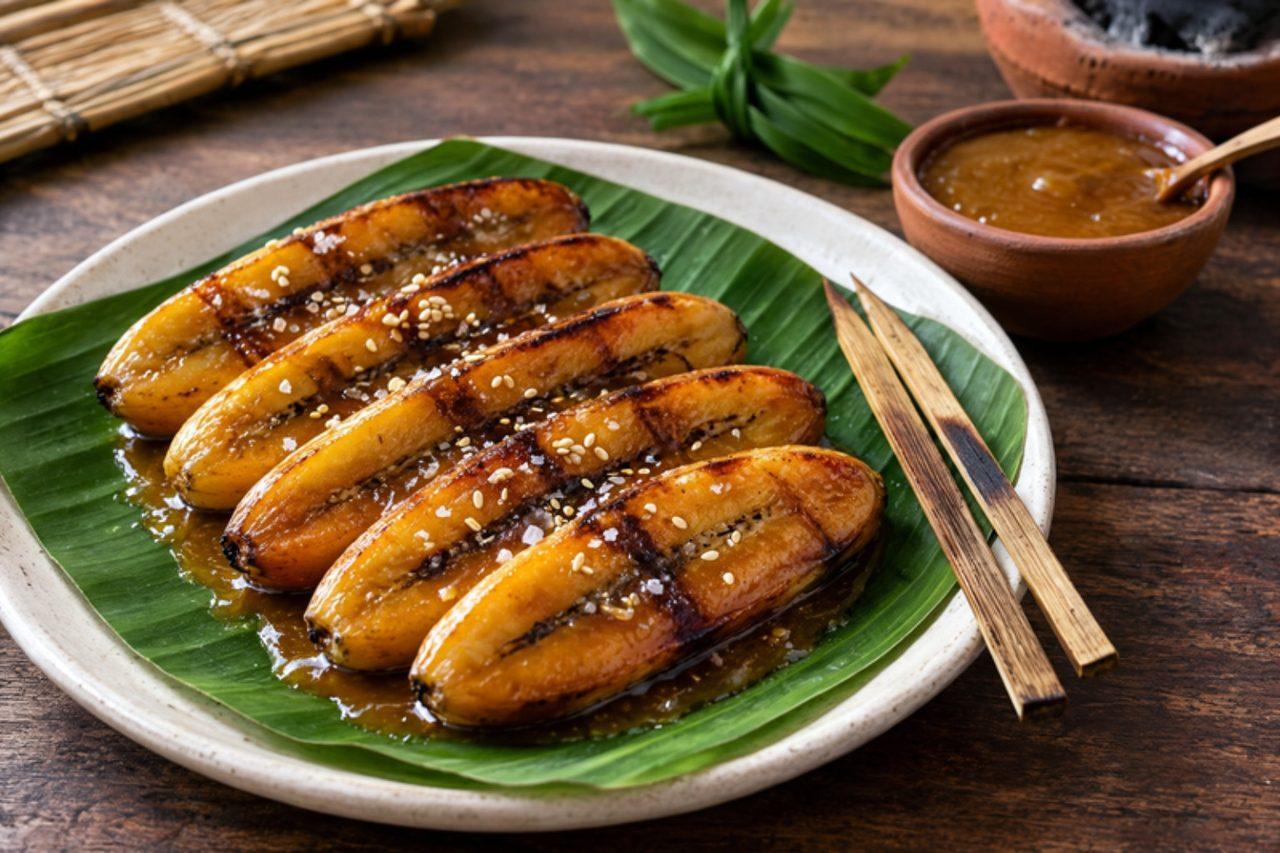
Kluay ping carts work the pavements of Silom and the lanes off Sukhumvit from mid-morning, when office workers want something sweet with their iced coffee. The vendor grills small, starchy nam wa bananas slowly over embers, presses each one flat with a wooden board and then brushes it with coconut cream cooked down with palm sugar and a pinch of salt. The outside turns sticky and smoky; the inside stays soft and fudgy. Ladyfinger bananas or firm, just-ripe small bananas work at home. Chef's tip: choose bananas that are yellow with no brown spots; overripe fruit turns to mush on the grill.

by KrazyBadal 0 views

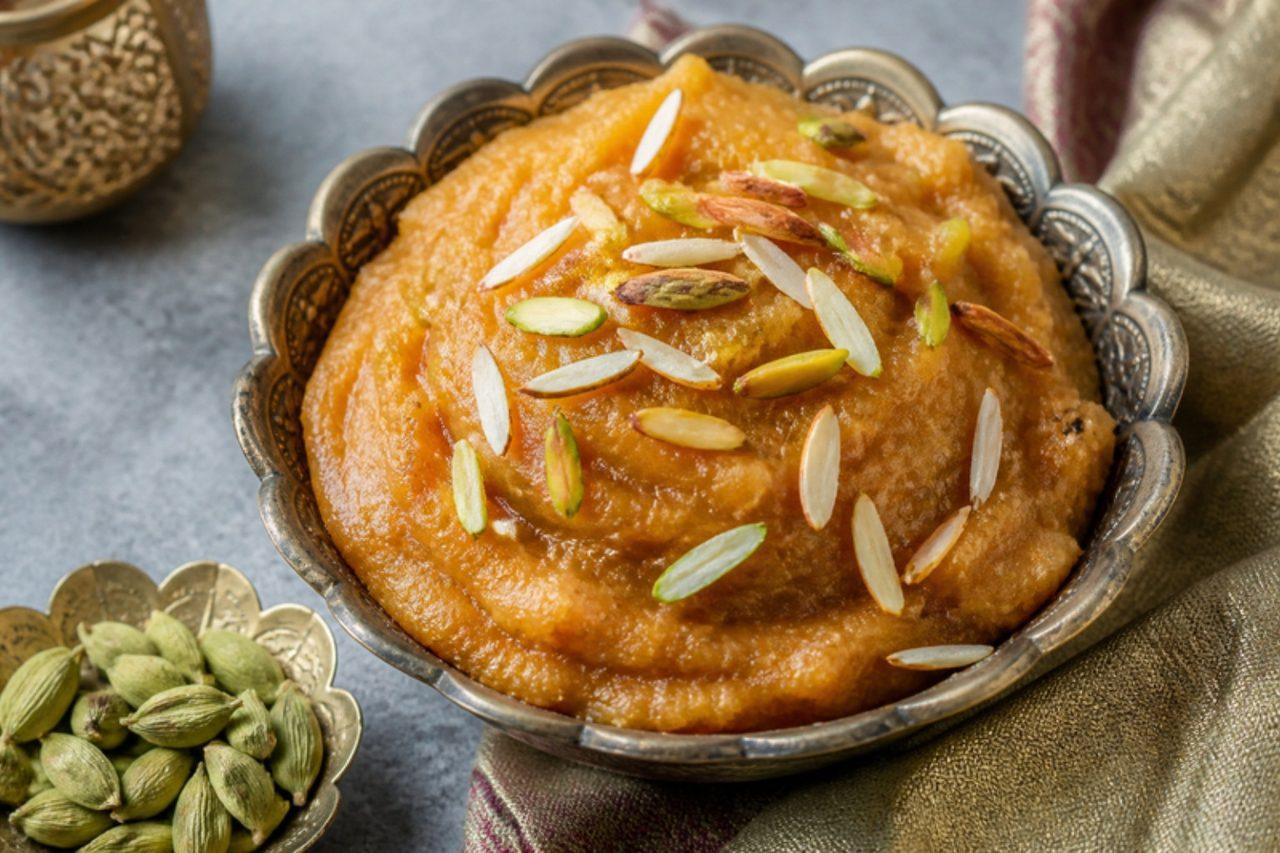
Kozhikode halwaCoconut oil halwa with cashews

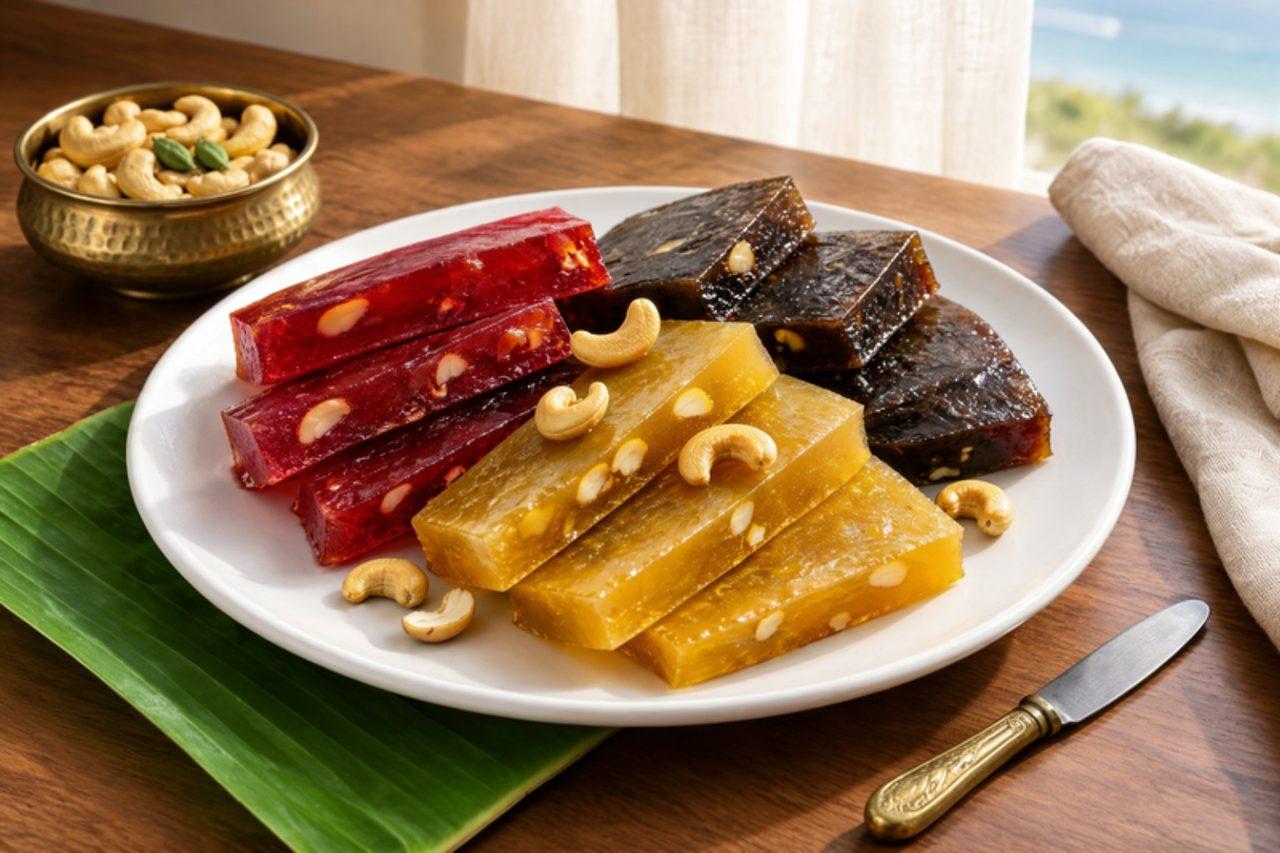
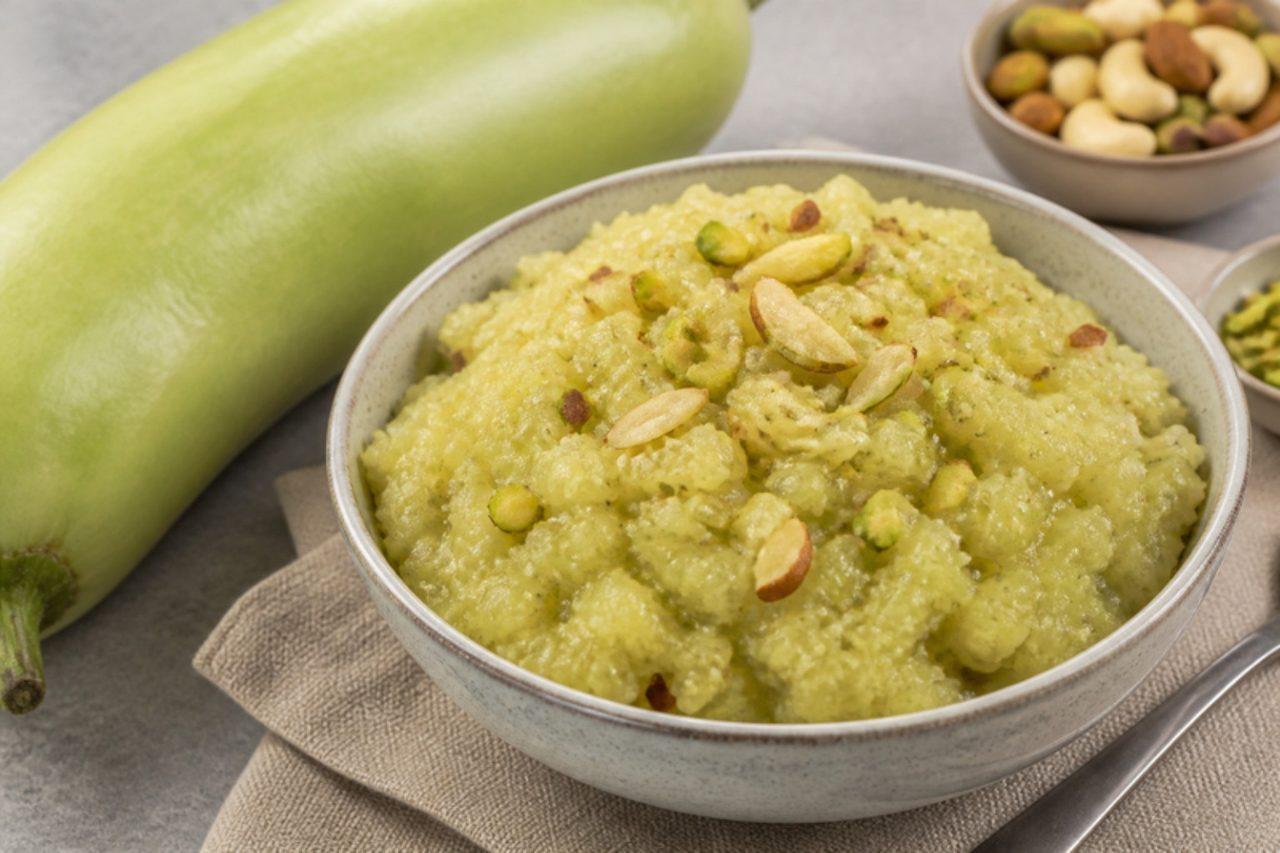
Walk down SM Street, 'Mittai Theruvu', in Kozhikode and you pass shop after shop stacked with jewel-coloured slabs of halwa, which Malabar families have bought for Eid, weddings and visits since the Arab trading days. The classic is made from wheat-flour milk (or plain flour) cooked for a long time with sugar and coconut oil or ghee until glossy, chewy and translucent, studded with cashews. The common mistake is rushing the cooking: the halwa must be stirred until it stops sticking, turns transparent and the fat seeps out at the edges, or it sets soft and cloudy. Chef's tip: add the oil a spoonful at a time only after the mixture thickens, so it is absorbed rather than floating.

by KrazyBadal 0 views

Braaied gem squashGem squash with sweetcorn and cheese

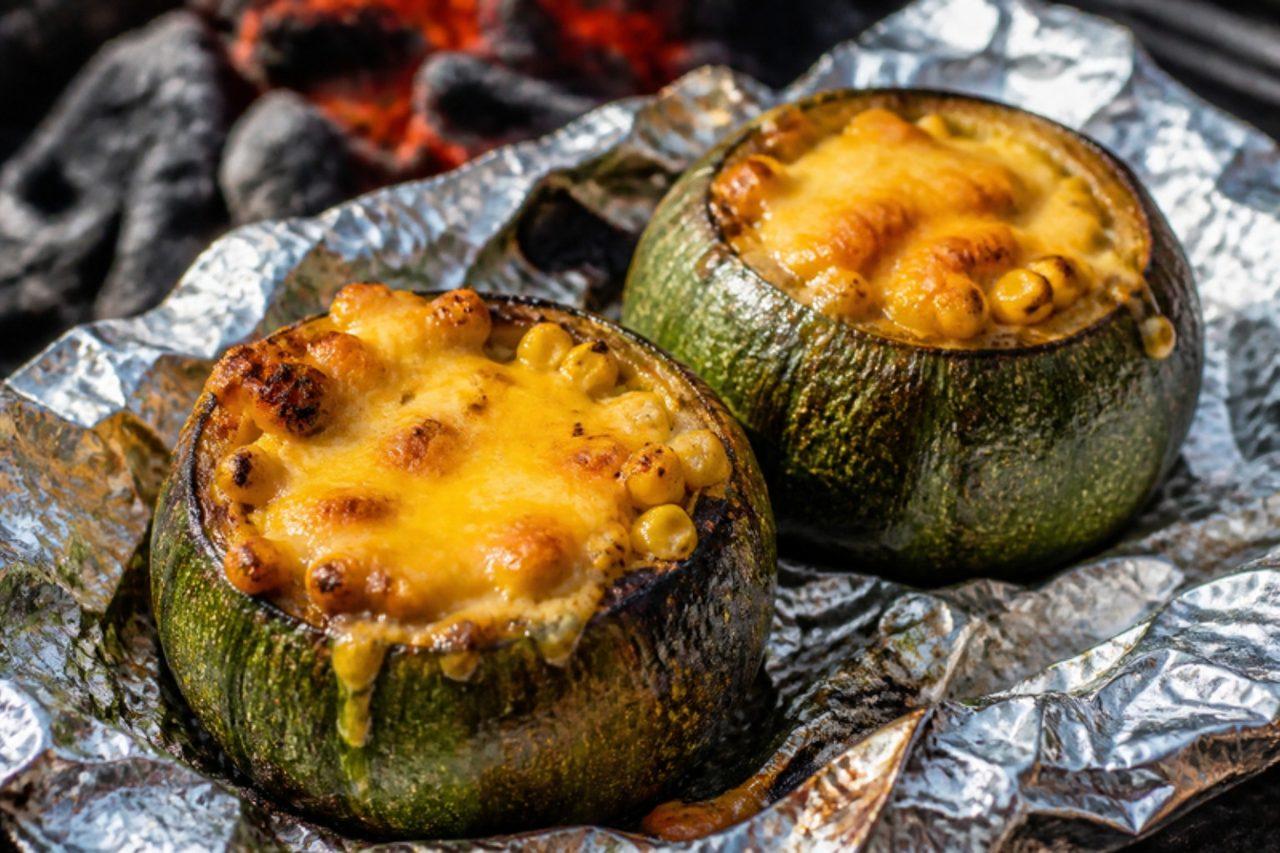
Small, round and dark green, gem squash is the vegetable South African children grow up scooping from the shell with a teaspoon, and at a weekend braai it goes into the coals wrapped in foil alongside the potatoes. The halves steam in their own juice until the orange flesh is tender and sweet, with a pool of melted butter, golden corn and cheese in the hollow. Serve them as a side for anything from the grid, or make a plate of them with pap tert and a tomato salad for a meat-free braai. Indoors, an oven gives the same result. Putting them straight onto flaming wood is the mistake: they char outside and stay hard inside, so wait for grey, glowing coals. Choose a vegetarian cheddar, since many are made with animal rennet. Chef's tip: trim a thin slice off the round base of each half so it sits flat and holds its filling.

by KrazyBadal 0 views

Dragon's beard candy

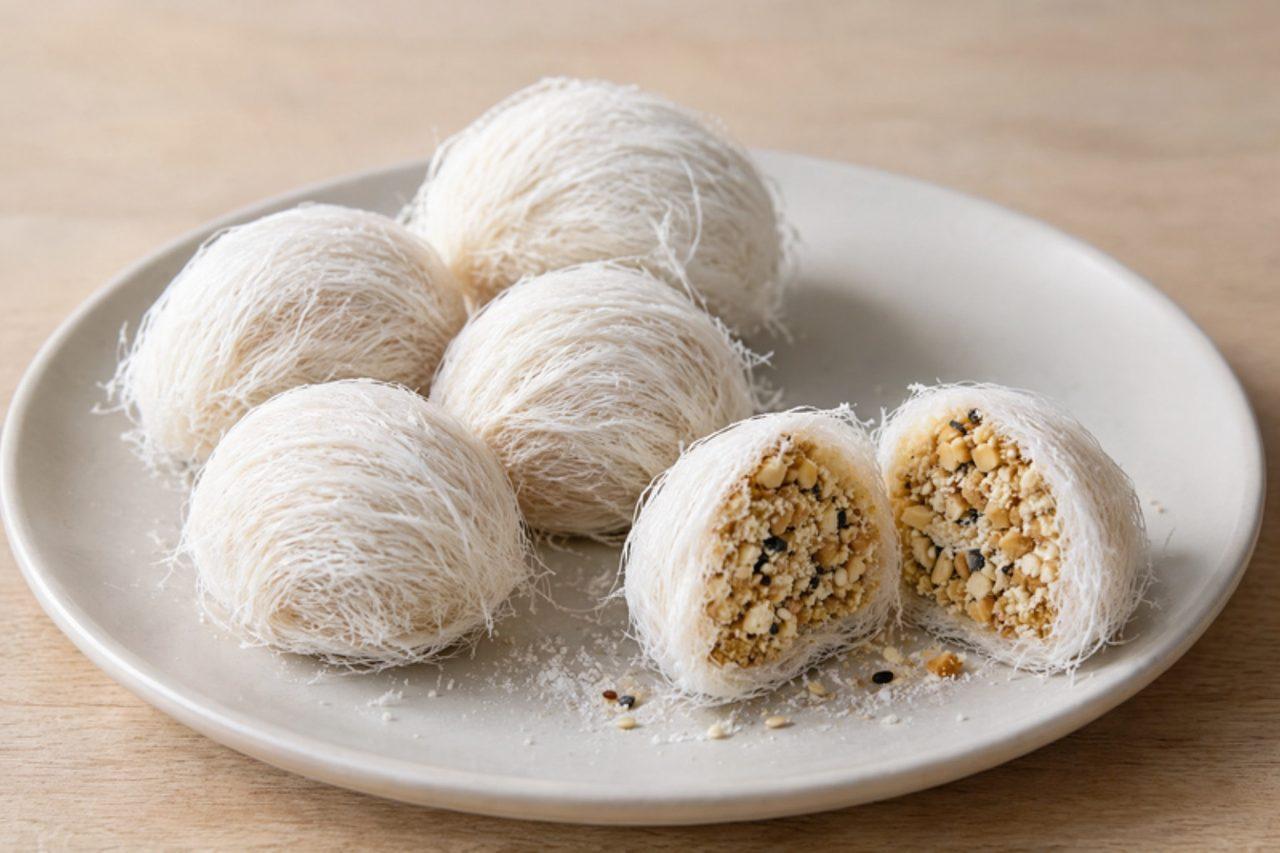
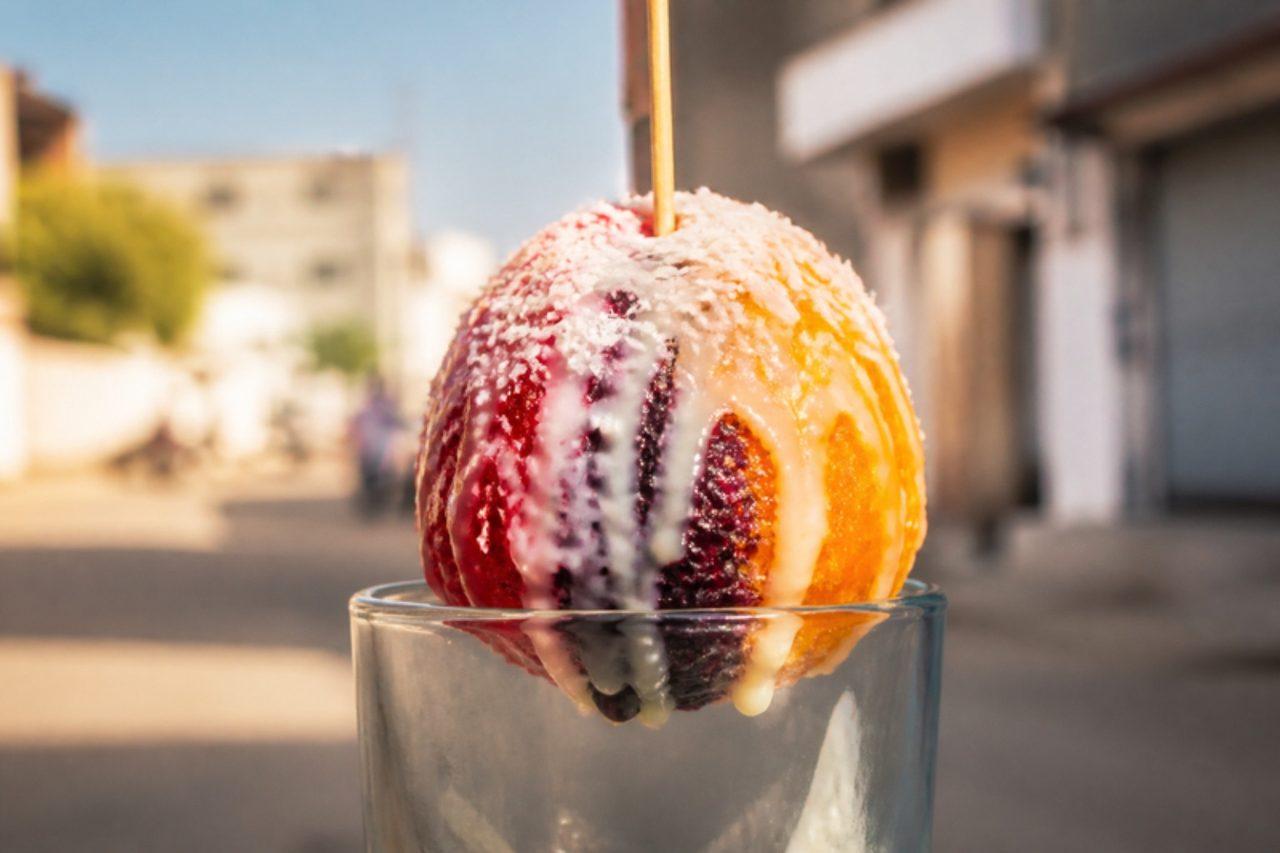
Dragon's beard candy is one of the old street crafts of Hong Kong, still demonstrated by a few hawkers in Tsim Sha Tsui and at Kowloon City snack shops, where children watch a hard disc of sugar stretched and folded in starch until it becomes a skein of hair-fine threads. Each cocoon is wrapped around a crunchy filling of peanuts, sesame and coconut and must be eaten within minutes, before it melts in the humidity. It takes practice; your first batch may be thicker threads, and that is fine. Contains peanuts and sesame; not for children under five, who can choke on the filling. Chef's tip: toast the cornflour first, as raw starch tastes chalky and is not safe to eat uncooked.

by KrazyBadal 0 views

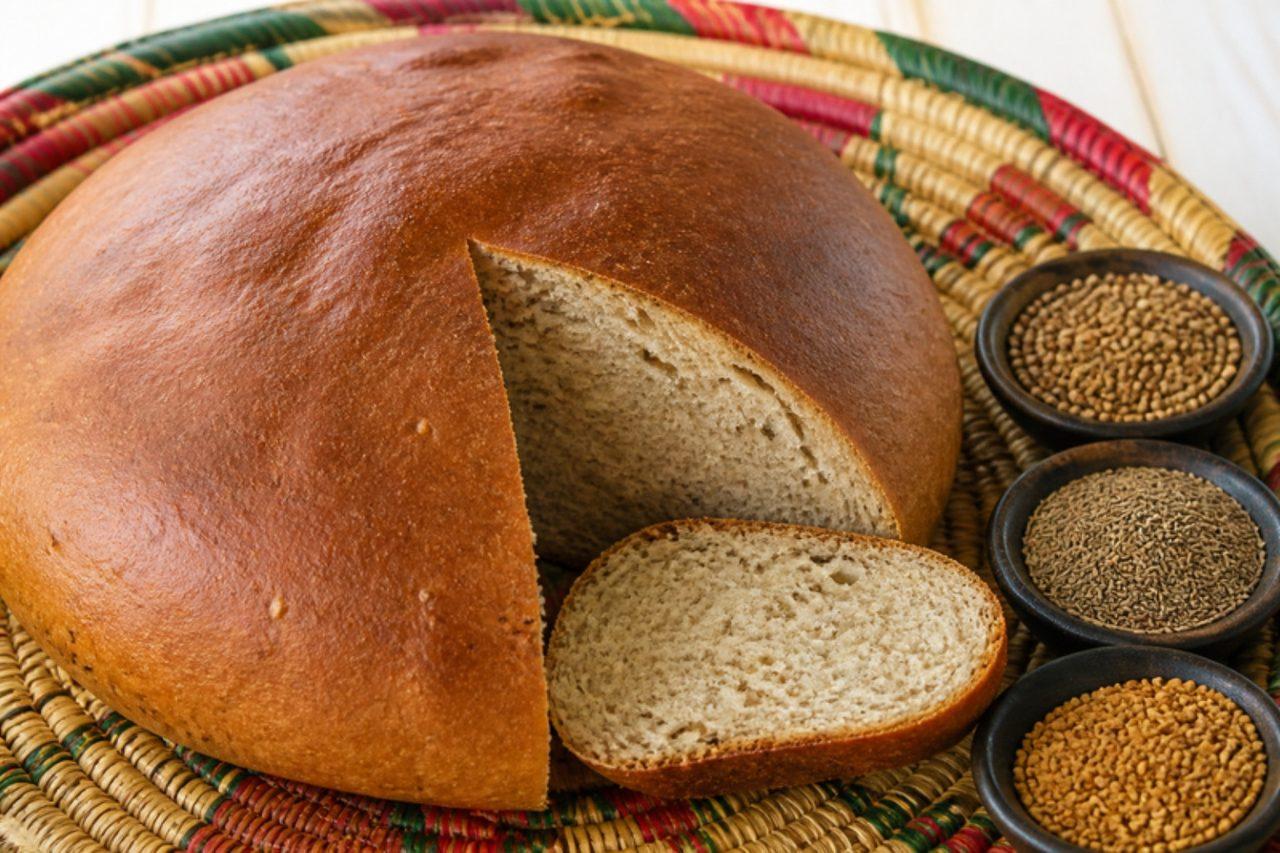
PotbroodPot-baked bread

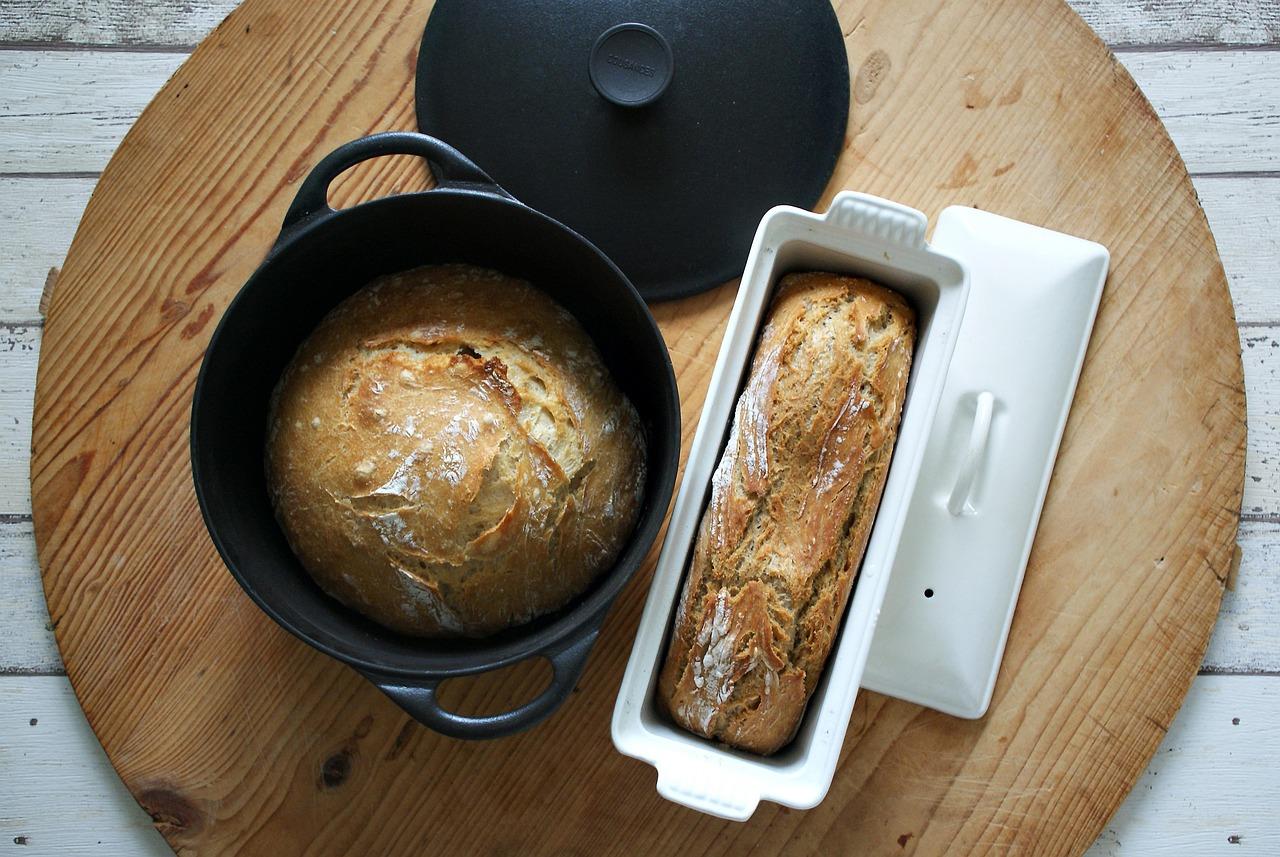
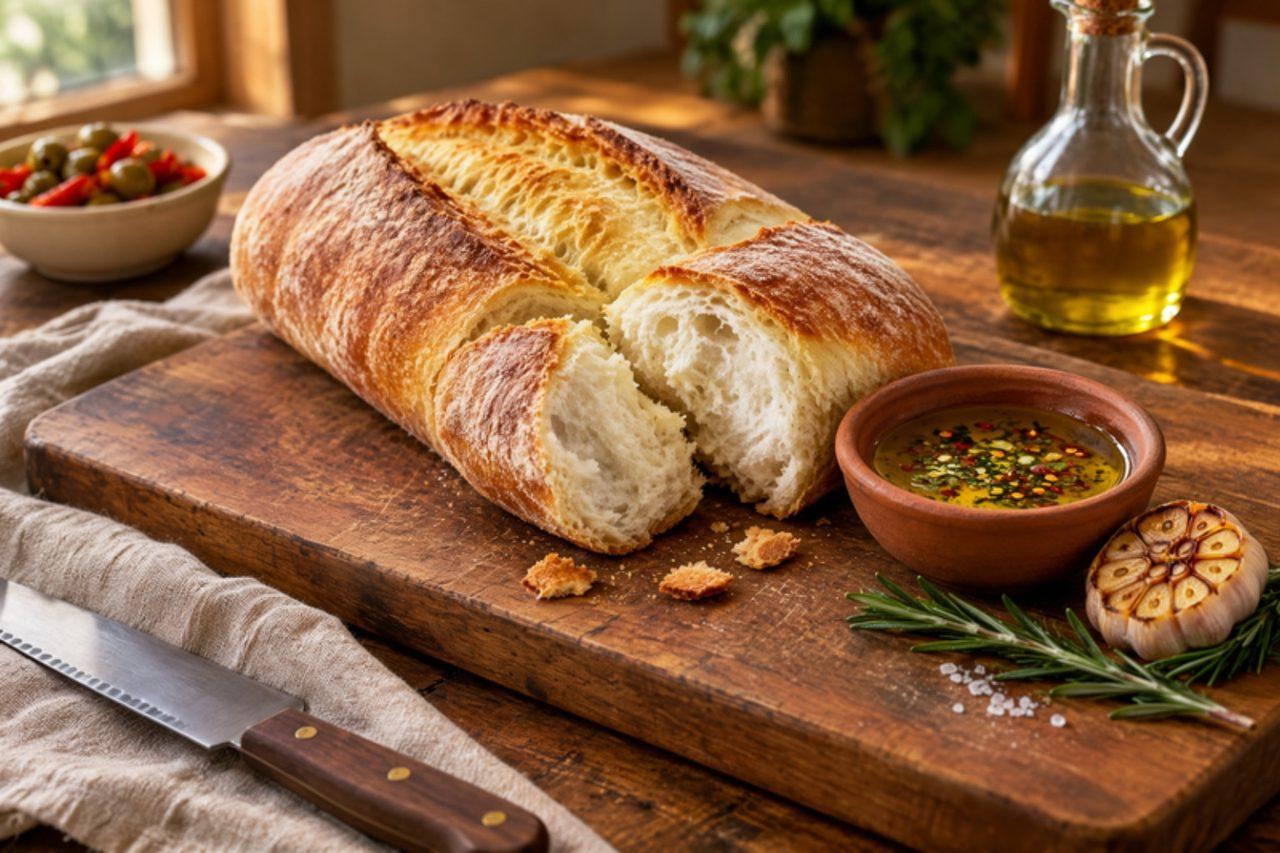
Out on Karoo farms, at the camp site or around the Saturday braai, potbrood is the loaf that bakes in a flat-bottomed cast-iron pot with coals underneath and heaped on the lid while the rest of the meal cooks. It comes out tall and round, with a thick, deep brown crust and a soft, slightly chewy crumb that tears beautifully, best eaten warm with butter and apricot jam or alongside a vegetable potjie. Indoors, a lidded cast-iron casserole in a hot oven does almost as well. Too many coals underneath is the mistake everyone makes once: the base burns long before the top is cooked, so put more heat on the lid than below. Chef's tip: grease the pot and dust it with flour so the loaf drops out cleanly.

by KrazyBadal 0 views

CuchuflíFilled wafer tubes

Cuchuflí are the thin, crisp wafer tubes filled with manjar that vendors sell from baskets on Chilean beaches and outside football stadiums, and that children beg for at the Fiestas Patrias fondas. At home you can bake the wafers yourself and roll them round a wooden spoon handle. The usual mistake is waiting too long to roll them: the wafers set within seconds and crack. Bake only three at a time. Chef's tip: fill them with a piping bag just before serving, or the manjar softens the wafer; dip the ends in melted chocolate if you like.

by KrazyBadal 0 views

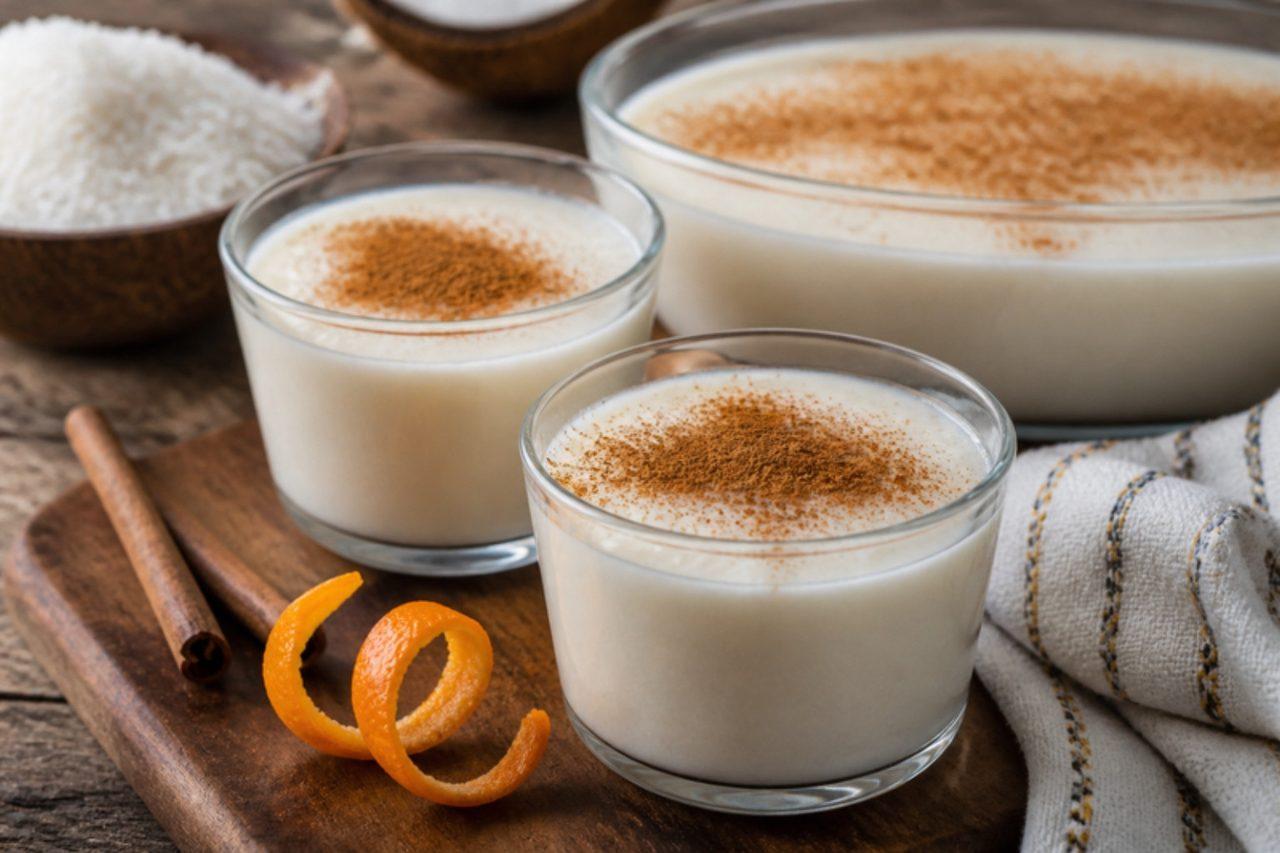
MelkkosCinnamon milk pudding

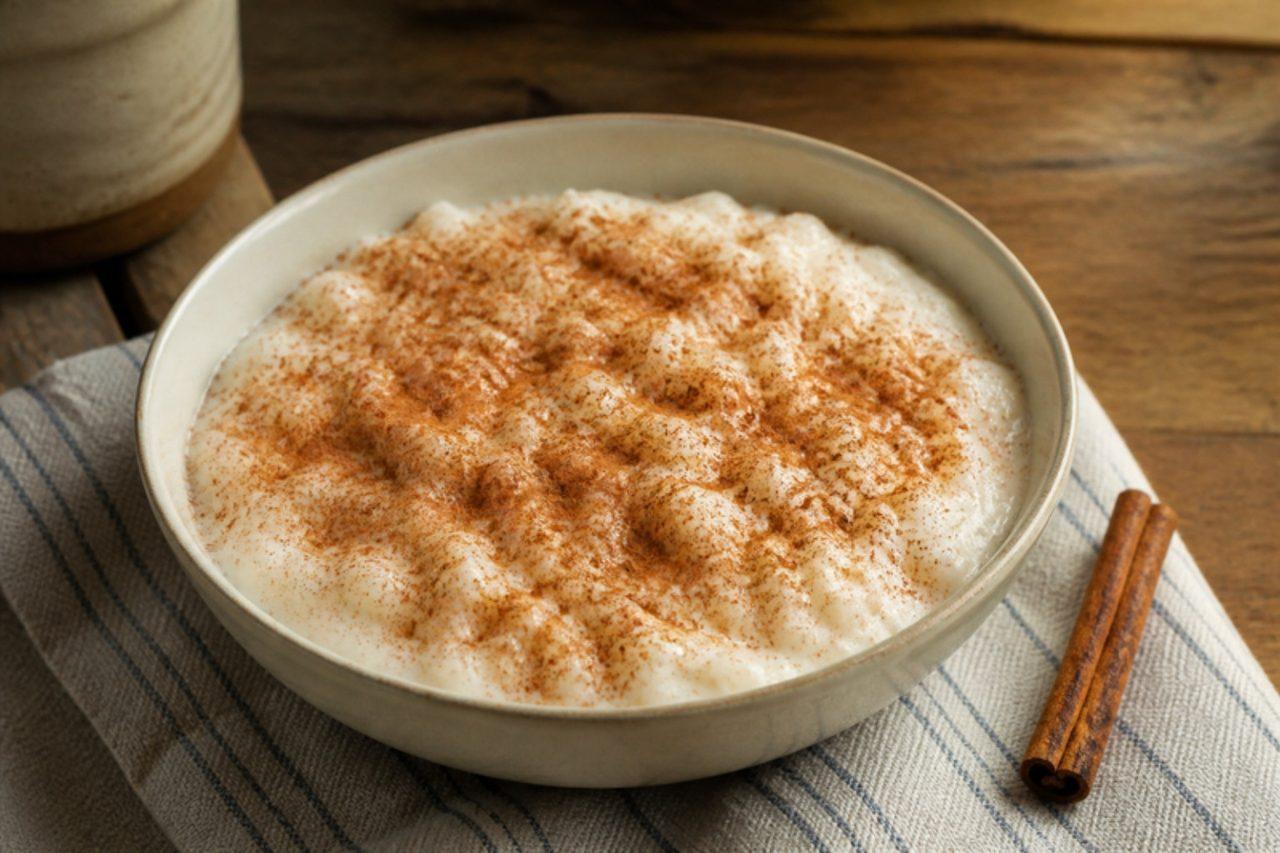
Ask a Karoo grandmother what supper was on a cold winter night on the farm and melkkos often comes up: a pot of hot milk thickened with little crumbs of flour and butter, ladled into bowls and dusted heavily with cinnamon sugar. It was the cheap, filling meal made when the cow was milking well, eaten as a pudding or as the whole evening meal with a slice of bread. The texture is soft and slightly lumpy, like a loose rice pudding, with tiny tender dumplings scattered through a silky, faintly sweet milk scented with cinnamon stick. Too much heat is the thing to avoid: milk catches quickly on the base of the pot and a scorched taste runs right through it. Chef's tip: rub the butter into the flour until it feels like coarse breadcrumbs with a few pea-sized bits, because those bigger bits become the best little dumplings.

by KrazyBadal 0 views

Pa thong koTwin fried dough sticks

Before the shutters go up along Yaowarat Road in Bangkok's Chinatown, the pa thong ko vendors are already frying: two strips of dough pressed together, stretched and dropped into a wok of oil, where they swell into hollow, crackly sticks shaped a little like a pair of legs. Office workers buy a paper bag on the way to the skytrain and eat them with a cup of hot soy milk, or tear them into pieces and dip them in green pandan custard or condensed milk. This home version is egg-free and dairy-free and is served with sweetened soy milk. Chef's tip: let the dough rest for the full hour; a relaxed dough stretches without tearing and puffs far more in the oil.

by KrazyBadal 0 views

Mupunga unedoviPeanut butter rice

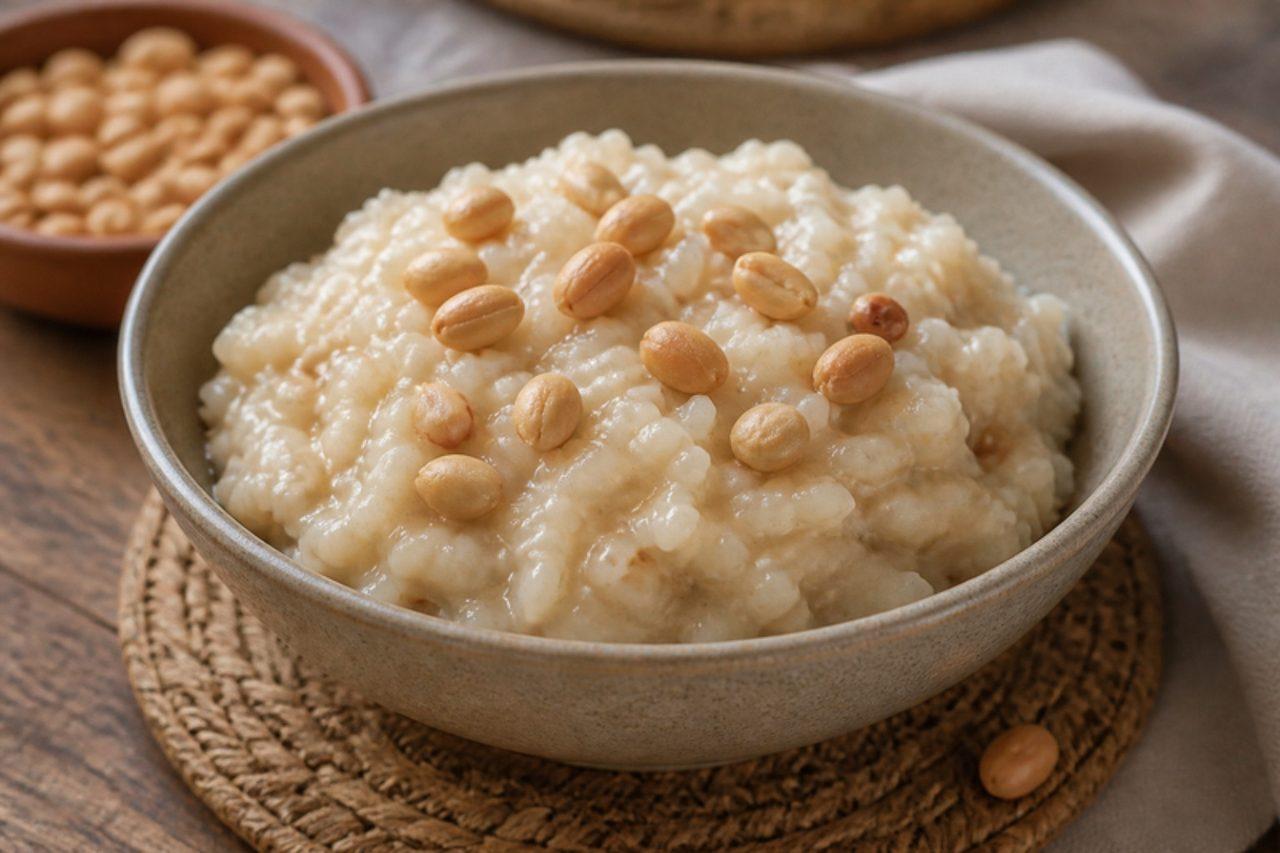
Ask someone who grew up in Masvingo or a Harare township about Sunday rice and many will describe mupunga unedovi: white rice cooked a little past fluffy, then beaten with dovi, the peanut butter that sits in every Zimbabwean kitchen. The grains turn creamy and almost risotto-like, savoury and nutty with a whisper of salt, and it is what a grandmother makes when there is no meat in the house. Eat it from a bowl on its own, or spoon it beside a tomato and onion relish, covo greens or a pot of sugar beans. The usual mistake is adding the peanut butter while the rice is still boiling hard, so it catches on the base of the pot and tastes scorched. Chef's tip: loosen the peanut butter with a ladle of the hot rice water first, so it melts into the grains instead of sitting in lumps.

by KrazyBadal 0 views

Nilagang saba mash for babiesBoiled banana mash for babies

Saba, the short, square-edged cooking banana piled in every palengke from Quezon City to Davao, is boiled in its skin for nilagang saging, a merienda (afternoon snack) eaten with a cup of coffee. For babies, the same boiled saba is peeled and mashed into a soft, peachy, honey-sweet purée, and it is one of the most common first foods in Filipino homes. Saba is firmer and starchier than an eating banana, which is why it is always cooked. Nothing is added: no salt, sugar or condensed milk under one. It is free of the major allergens. Chef's tip: pick saba whose skins are yellow with black spots; green ones are too starchy and can upset small tummies.

by KrazyBadal 0 views

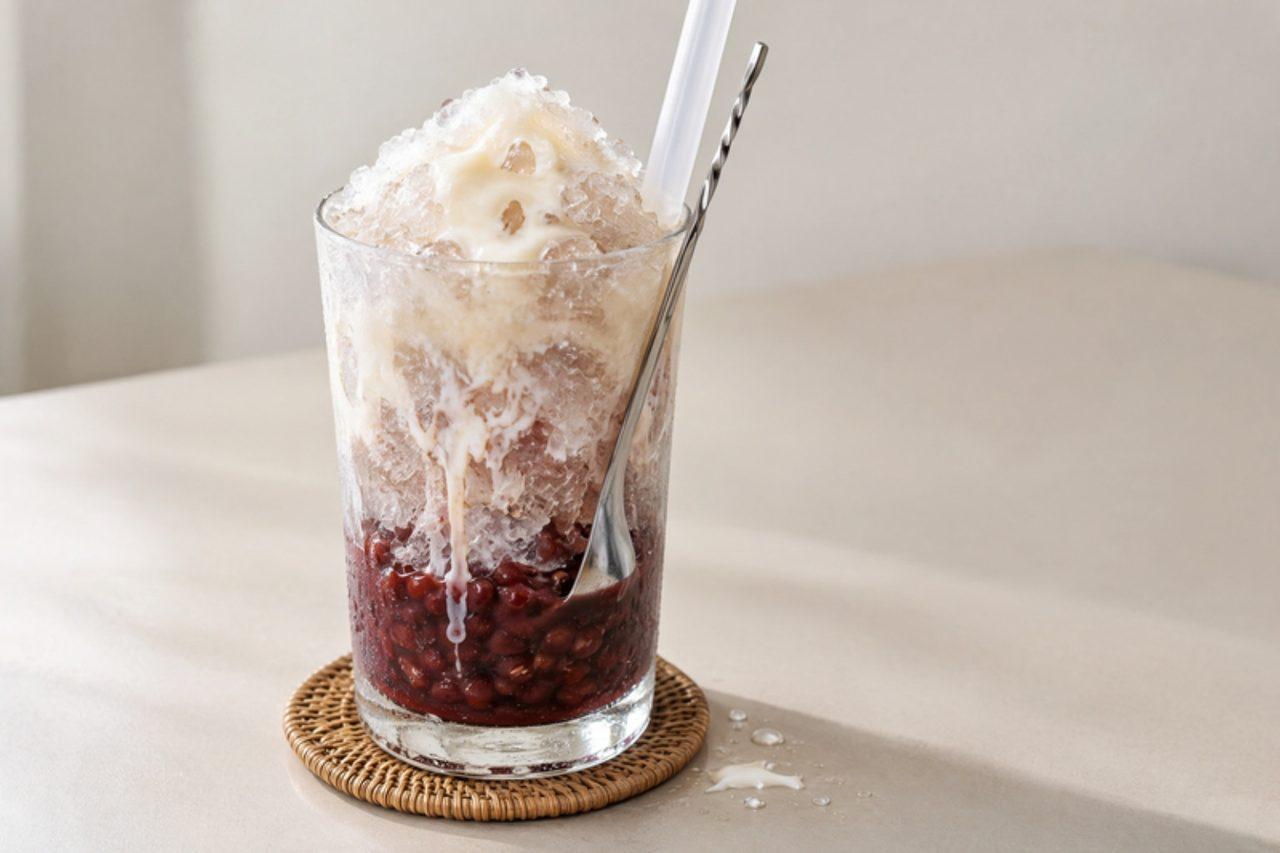
Hong Kong red bean iceRed bean shaved ice

Red bean ice is a cha chaan teng drink and dessert in one: tall glasses of sweet stewed adzuki beans, sugar syrup and crushed ice, topped with a layer of evaporated milk, served all summer at the old-school cafés of Sham Shui Po and Mong Kok and at the dai pai dong on Stanley Street. You stir with a long spoon, sip the cold milky liquid through a straw and spoon up the soft beans. The beans can be cooked a day ahead. Contains milk. Chef's tip: add the sugar only once the beans are completely soft; sugar added early keeps the skins tough.

by KrazyBadal 0 views

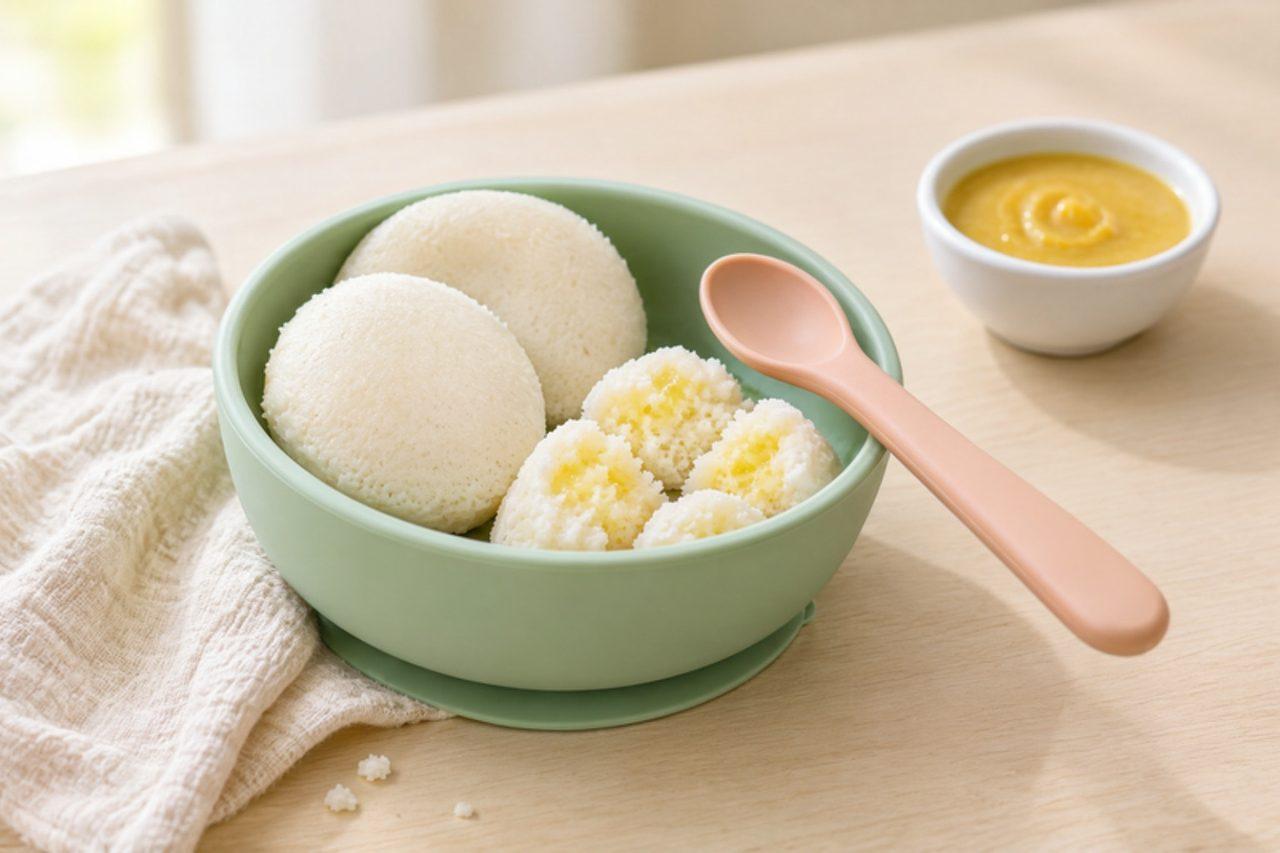
Soft idli for babies

Idli is breakfast across Tamil Nadu, from Chennai's Mylapore tiffin rooms to village kitchens, and a fluffy, plain idli is one of the first finger foods many South Indian babies hold. Since family batter is salted, parents make a separate salt-free batch for babies under one, or steam a few from it before the salt goes in. The cakes are pillowy, faintly sour and melt under the gums, torn into pieces or mashed with ghee or thin dal. They contain no gluten, egg, nuts, soya or sesame; they contain milk only if served with ghee. Chef's tip: grind the urad dal with ice-cold water until it is light and foamy; air in the batter, not salt, is what makes idli soft.

by KrazyBadal 0 views

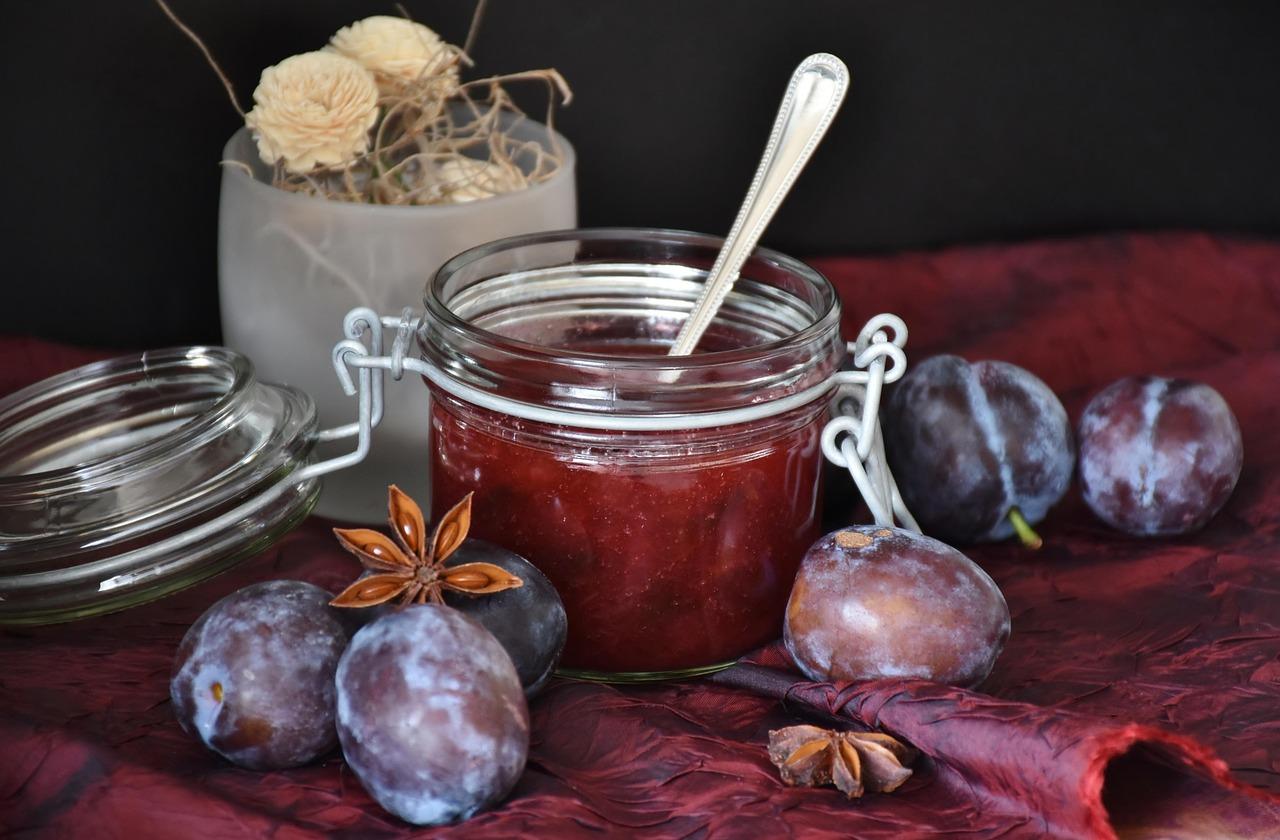
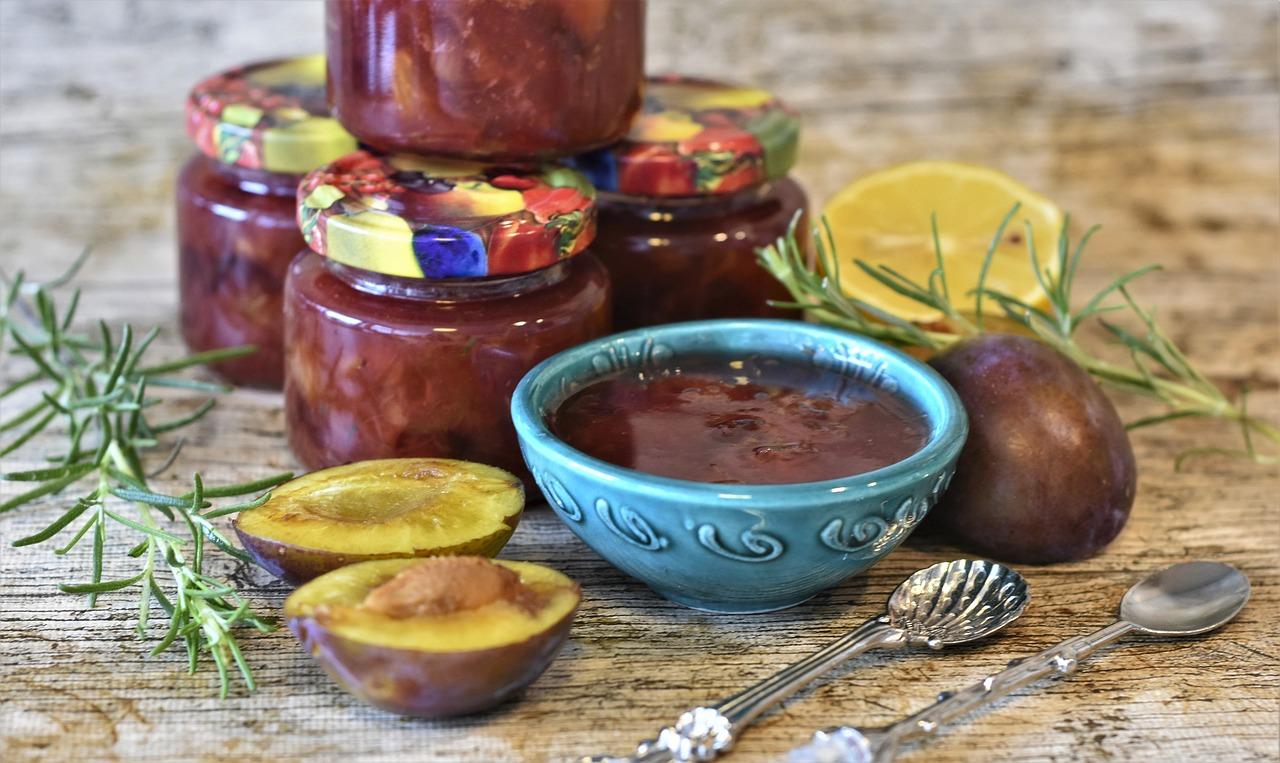
Davidson plum jam

Davidson plums grow on slender trees in the subtropical rainforests of northern New South Wales and south-east Queensland, ripening dark purple in summer. They are far too sour to eat raw but make a stunning deep-crimson jam with a sharp, tangy flavour, sold at farmers' markets around Byron Bay and the Sunshine Coast. Spread it on scones or serve with cheese. A common mistake is boiling it past the set; the plums are high in pectin and set fast. Chef's tip: if you can't find Davidson plums, use dark sour plums and add a squeeze of lemon.

by KrazyBadal 0 views

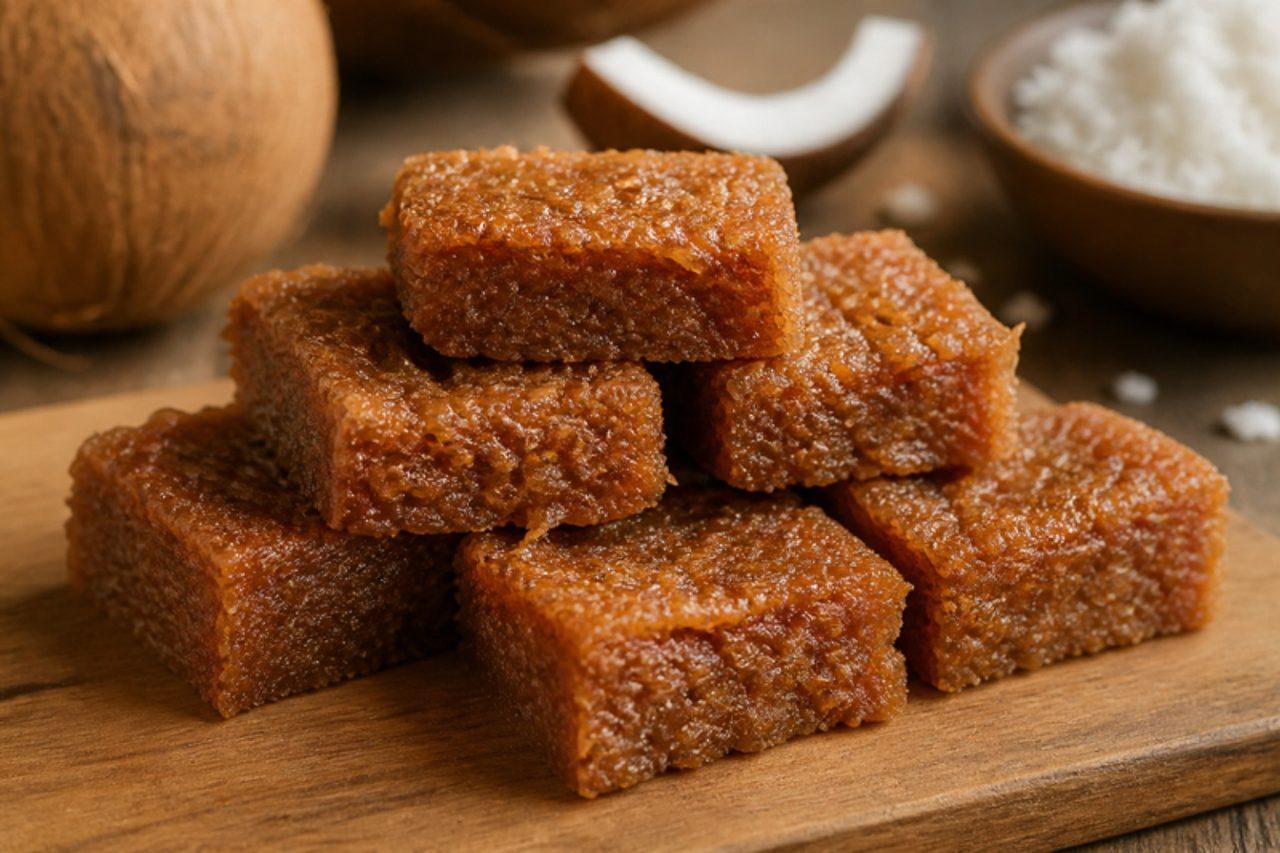
Conservas de cocoSpiced coconut bars

Along the roads of Zulia and down the Caribbean coast, sellers wrap conservas de coco in squares of paper: dense, chewy bars of grated coconut cooked in dark panela syrup with cinnamon and clove. Children buy them with their change after school. The mistake most people make is taking the pan off too early; the mixture never sets and stays sticky. Chef's tip: keep stirring until the mass pulls away in one lump and a spoon dragged across the base leaves a clean line.

by KrazyBadal 0 views

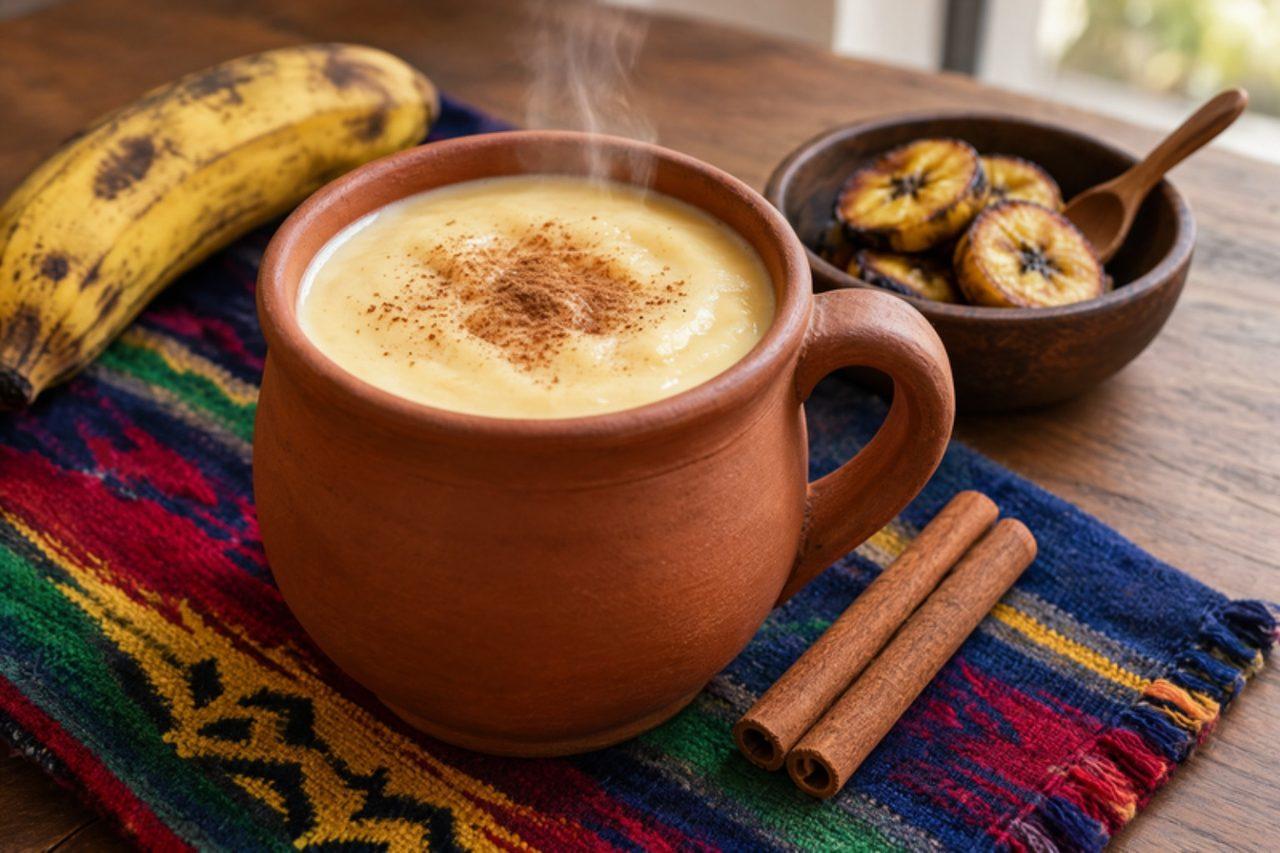
Atol de plátanoWarm plantain and milk drink

In Guatemalan markets, steaming pots of atol are sold from early morning: thick, sweet, drinkable porridges made from corn, rice, oats or, in this case, very ripe plantain blended with milk and cinnamon. Atol de plátano is creamy and fruity, a filling breakfast in a mug. The common mistake is boiling it hard after the milk goes in, which catches and burns on the bottom; keep it at a gentle bubble and stir. Chef's tip: simmer the plantain with the cinnamon in water first, then blend; this cooks the starch fully and gives a silky drink without any raw-banana taste.

by KrazyBadal 0 views

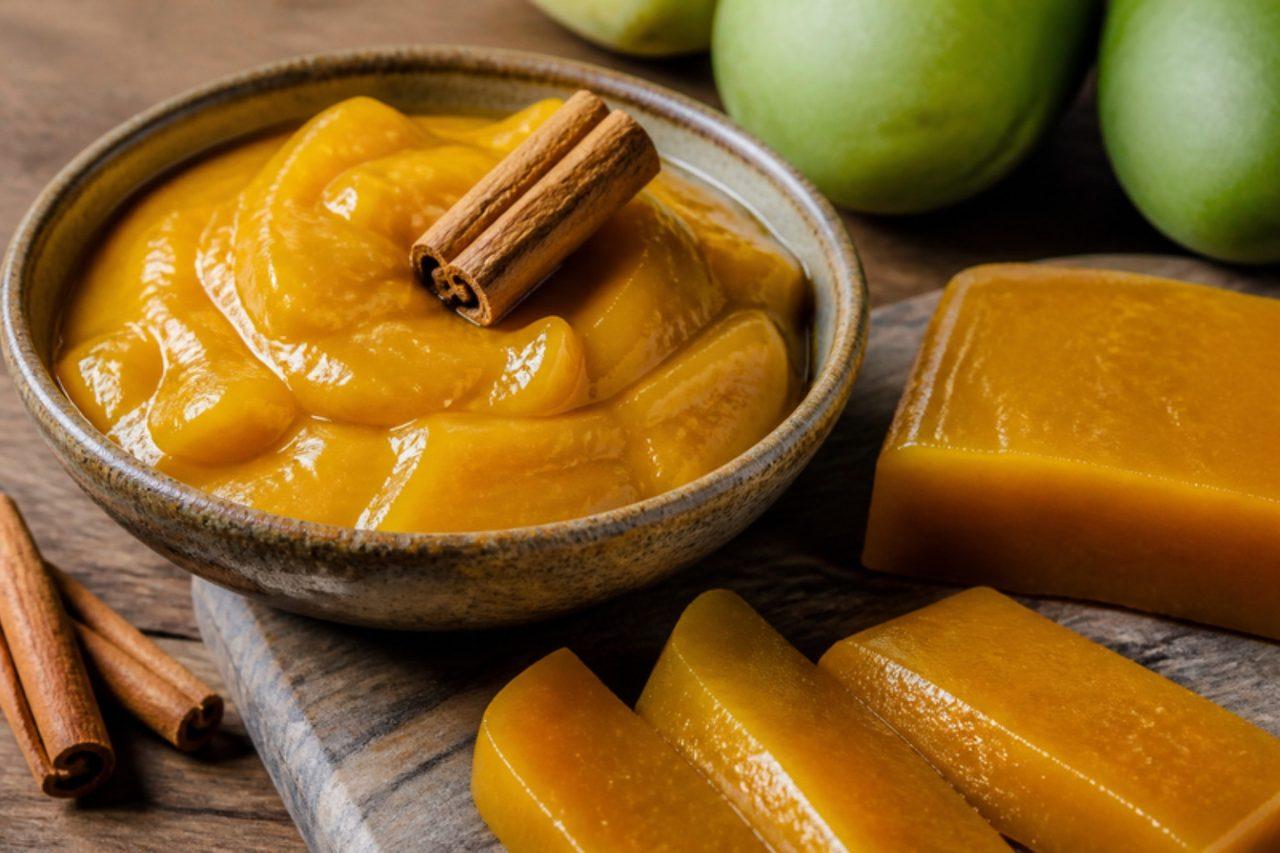
Jalea de mangoGreen mango paste

When the mango trees of Oriente are heavy in Lent, families in Sucre and Anzoátegui cook the hard green fruit with sugar and spice into jalea de mango, a thick tart-sweet paste set in a dish and cut into squares. It's eaten during Holy Week, often on a piece of crisp cassava bread. The mistake to avoid is skipping the sieve, which leaves stringy fibres. Chef's tip: use a long wooden spoon and keep your arm covered: the thick paste spits as it bubbles.

by KrazyBadal 0 views

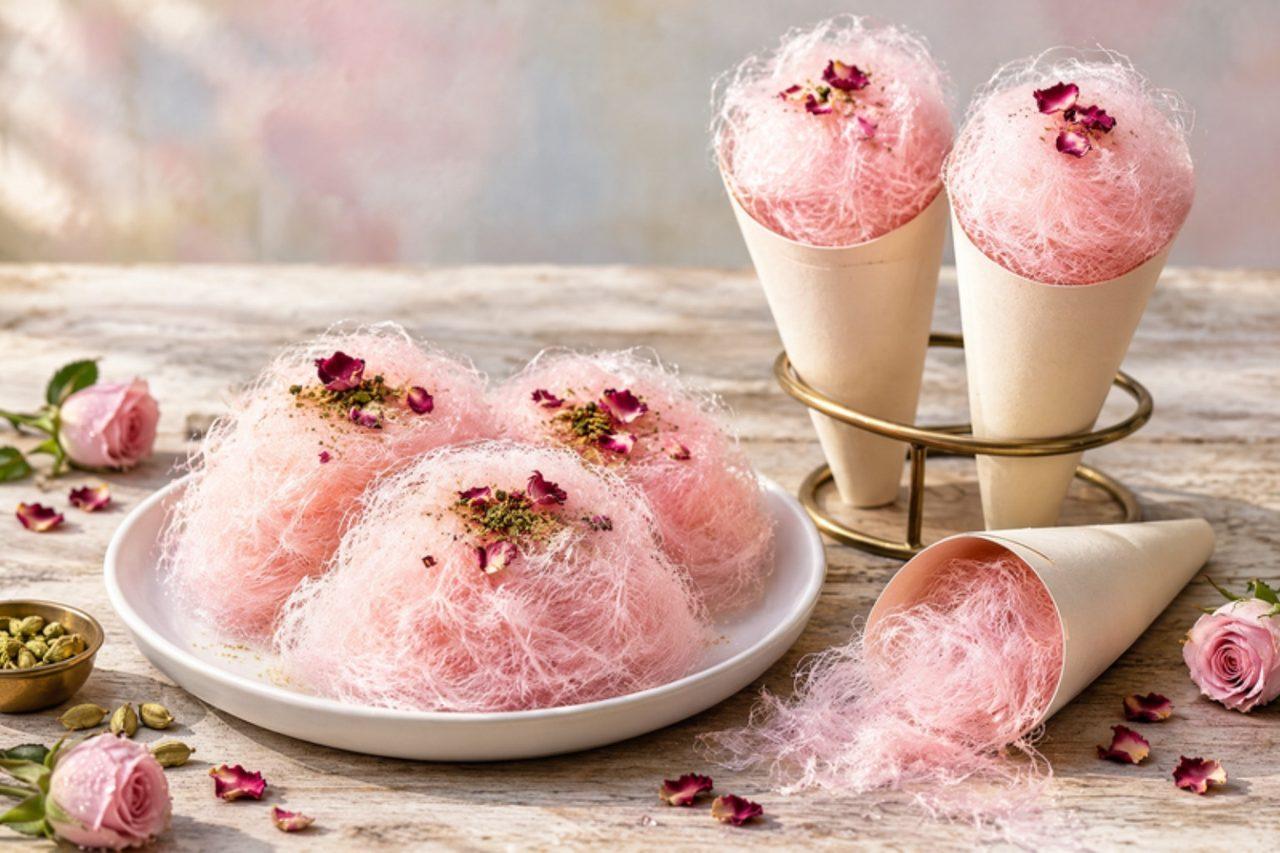
Bombai motai (Sri Lankan candyfloss)

On Galle Face Green at sunset, and at every Vesak fair, the bombai motai seller walks with a glass box of pink candyfloss and a little bell, handing it out in small cones. You can spin a home version without a machine: sugar boiled to the hard-crack stage, then flicked from a fork in thin threads over two spoon handles. Children love to watch, but they must stay well back while the sugar is hot. Contains no major allergens. Chef's tip: make it on a dry day; humidity melts the threads back into sticky sugar.

by KrazyBadal 0 views

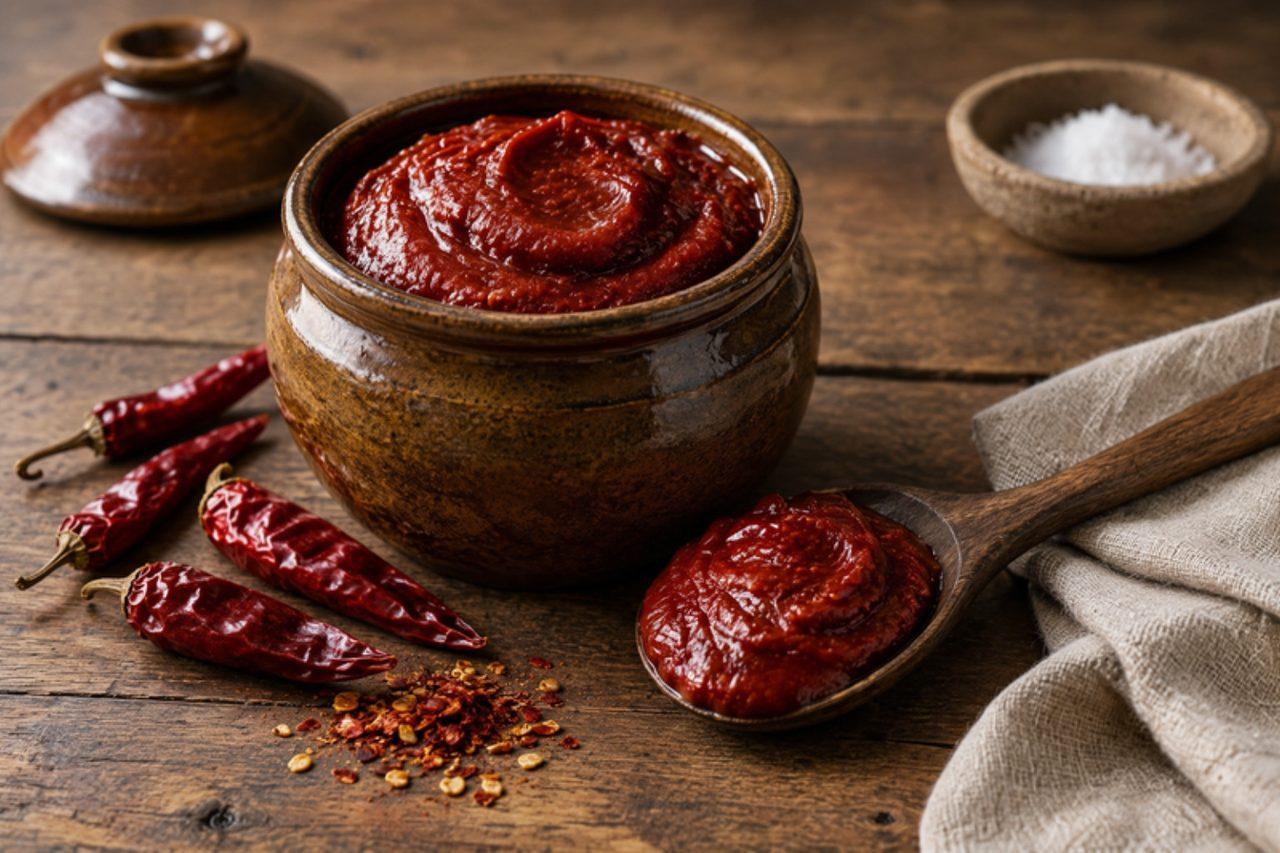
Homemade gochujangChilli bean paste

Sunchang, a small county in North Jeolla, is so tied to gochujang that it holds a jang festival every October, but the paste itself is traditionally made in the cold weeks of late winter, when there are no flies and it can ferment slowly in glazed onggi jars on the sunny jangdokdae terrace. Glutinous rice flour is broken down by barley malt into a sweet, runny porridge, boiled down, then beaten with fine chilli powder, fermented soybean (meju) powder, rice syrup and salt. Young, it is bright, sweet and fiery; after two or three months it darkens to brick red and gains a round, savoury depth, thick enough to hold a ridge on the spoon. It goes into bibimbap, tteokbokki, ssamjang, stews and marinades all year. Common mistake: adding the chilli and salt while the porridge is still hot, which dulls the colour and can make the paste turn sour; wait until it is lukewarm. It is ready when it is glossy, deep red, and smells sweet and earthy with no sharp, boozy note. Chef's tip: hold the malt and rice at 55–60 °C on a rice cooker's keep-warm setting; any hotter and the malt enzymes stop working, so the porridge never thins.

210 minKoreanBasicsVeganSpicy
by KrazyBadal 0 views

Batida de cocoCoconut cachaça cocktail

Along the barracas of Salvador's beaches and at the June São João parties across Bahia, batida de coco comes out of the blender in jugs, poured into plastic cups and drunk while the forró plays. It is a drink for adults only that hides its strength well: creamy, cold and sweet like a coconut milkshake, with cachaça warming the finish rather than shouting. The texture should be thick but pourable, pale ivory, with a soft froth on top. The common mistake is blending the ice for too long, which leaves a thin, watery drink that separates into a fatty layer within minutes. Blend the liquids smooth first, then add the ice and pulse only a few times, until the noise from the blender goes quiet and smooth. It is ready when no lumps of ice rattle and the batida coats the side of the glass. Because it tastes so gentle, keep the cups small and drink responsibly. Chef's tip: chill the cachaça, coconut milk and tin of condensed milk overnight, and you will need less ice and get a richer, denser batida.

by KrazyBadal 0 views

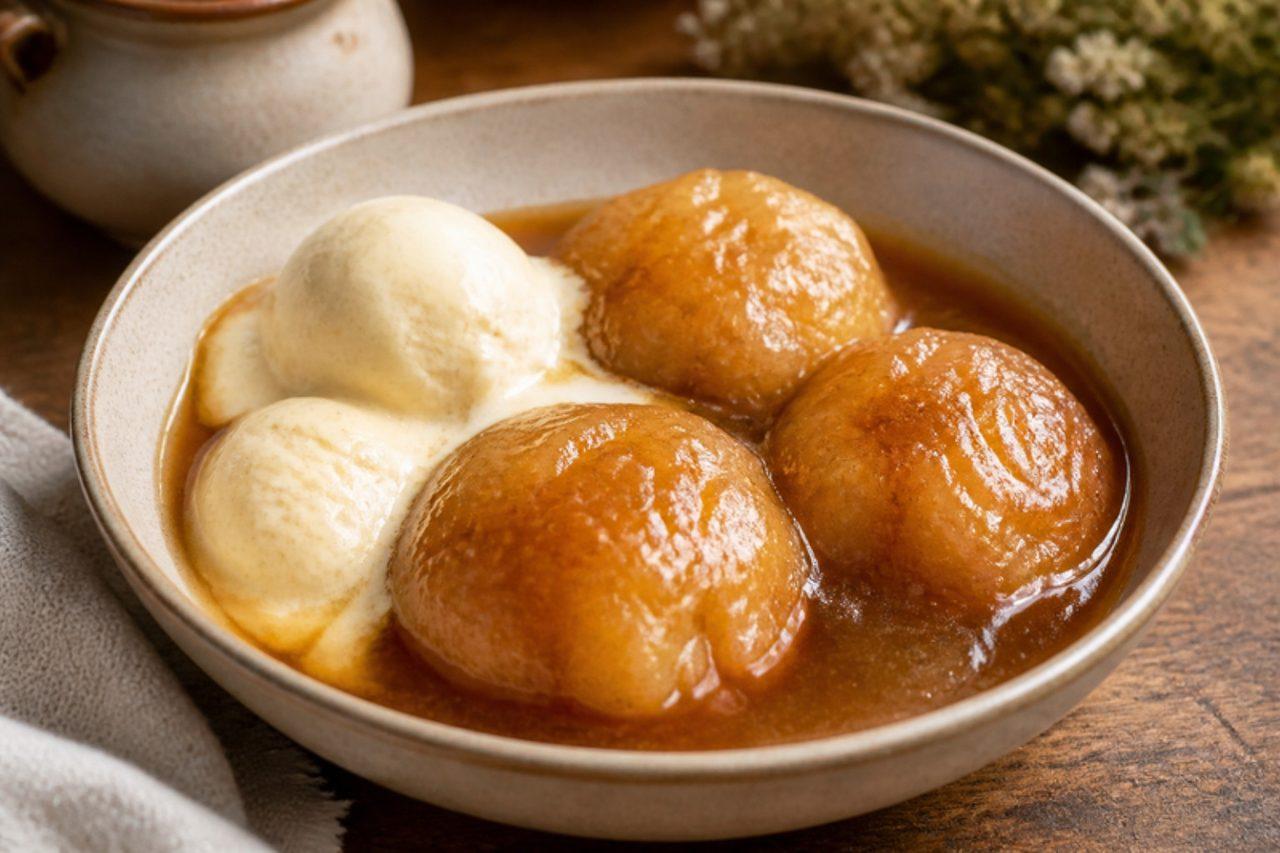
Golden syrup dumplings

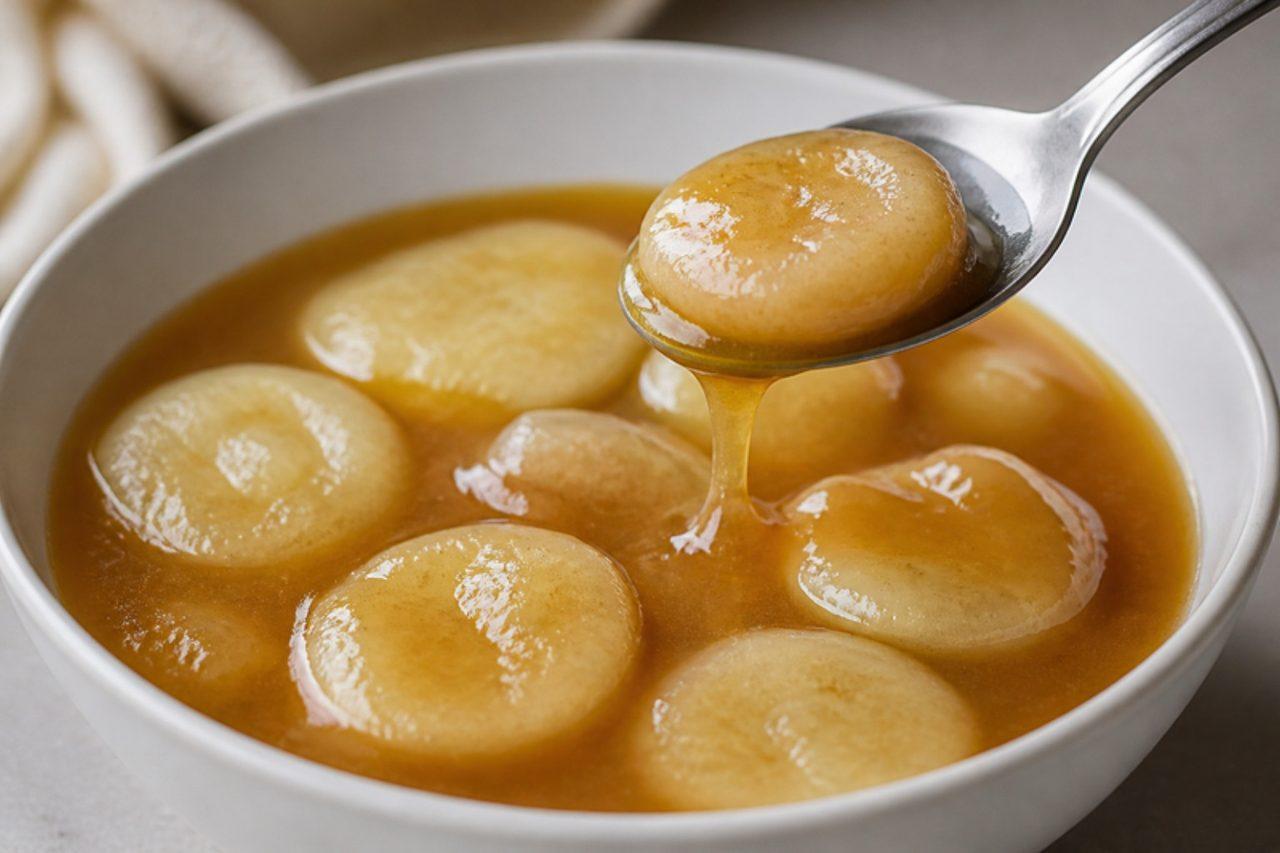
Golden syrup dumplings are a winter pudding from Australian country kitchens, made during the Depression and still cooked by grandmothers in the Riverina and the Victorian high country when the nights turn cold. Soft scone-dough balls simmer in a sauce of golden syrup, butter and brown sugar until they swell and turn sticky. Serve with vanilla ice cream or custard. A common mistake is a pan that's too small; the dumplings double in size and need space. Chef's tip: keep the lid on and resist peeking, so the tops steam light and fluffy.

by KrazyBadal 0 views

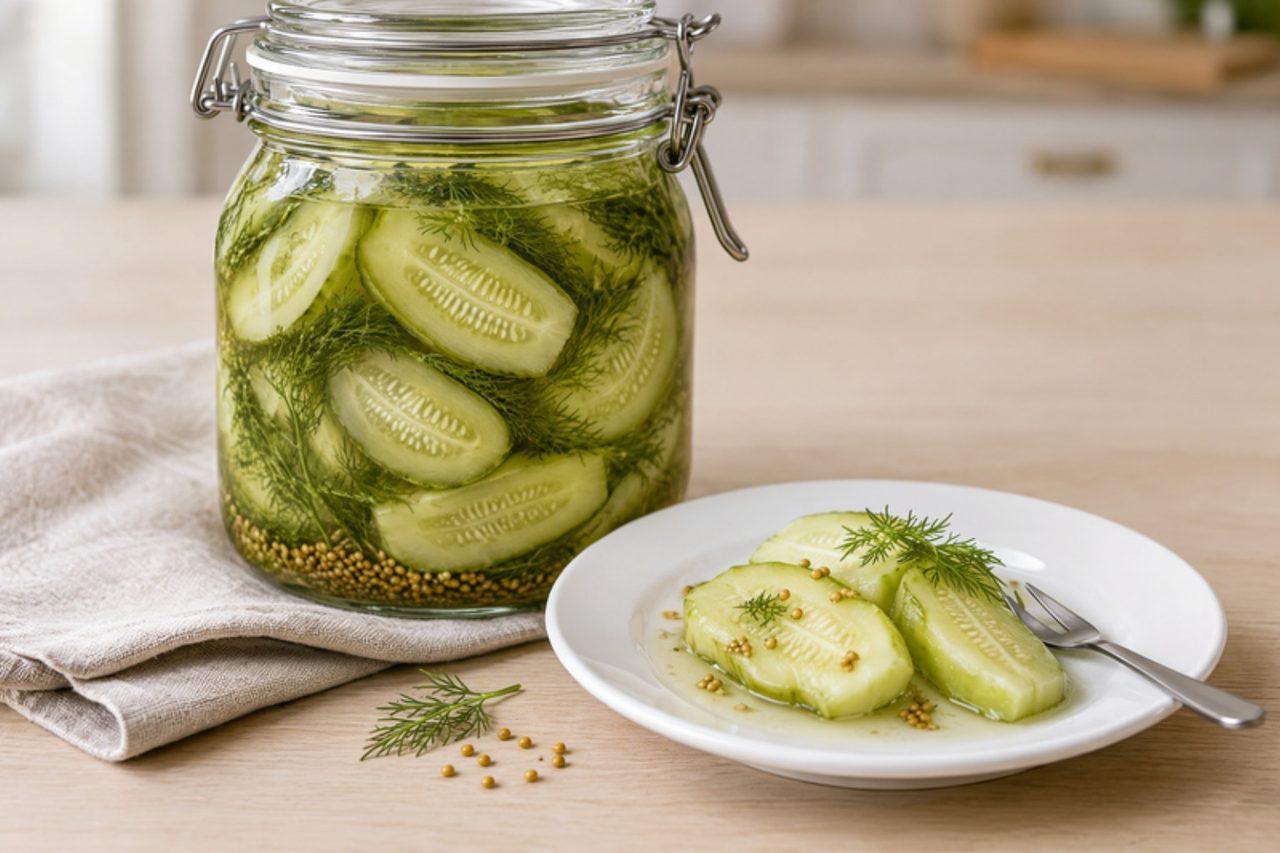
AsierSweet dill pickled cucumbers

Late August in Danish allotments means the asie, a fat yellow-green cucumber left on the vine until its skin turns thick and its seeds big, and the smell of hot vinegar in every kitchen. The cucumbers are peeled, seeded and salted overnight, then sealed in jars with a sweet vinegar lage, dill crowns and mustard seeds. Asier are a fixture of the Danish table all winter: beside frikadeller, flæskesteg and roast duck at Christmas, sliced onto smørrebrød with liver pâté, and with boiled potatoes and brown gravy on any Tuesday. The pickle is crisp yet tender, sweet first and then sharply sour, with dill and mustard on the finish. Common mistake: skipping the overnight salting, which leaves watery, flabby asier that dilute the vinegar. The salt draws the water out so the cucumber stays firm. They are ready after two weeks, when the flesh has turned translucent and sweet-sour right through. Chef's tip: no asier? Use large, overgrown ridge or field cucumbers; ordinary salad cucumbers are too watery.

by KrazyBadal 0 views

Finger bunsIced coconut finger buns

Finger buns are the classic Australian school canteen and tuckshop bun, sold in every suburban bakery and supermarket from Perth to Brisbane: soft, slightly sweet long rolls, sometimes with sultanas, topped with bright pink icing and a scatter of desiccated coconut. Kids eat them split and buttered. A common mistake is icing them warm, which makes it run off; let them cool completely. Chef's tip: brush them with a sugar glaze straight from the oven for a soft, shiny crust under the icing.

by KrazyBadal 0 views

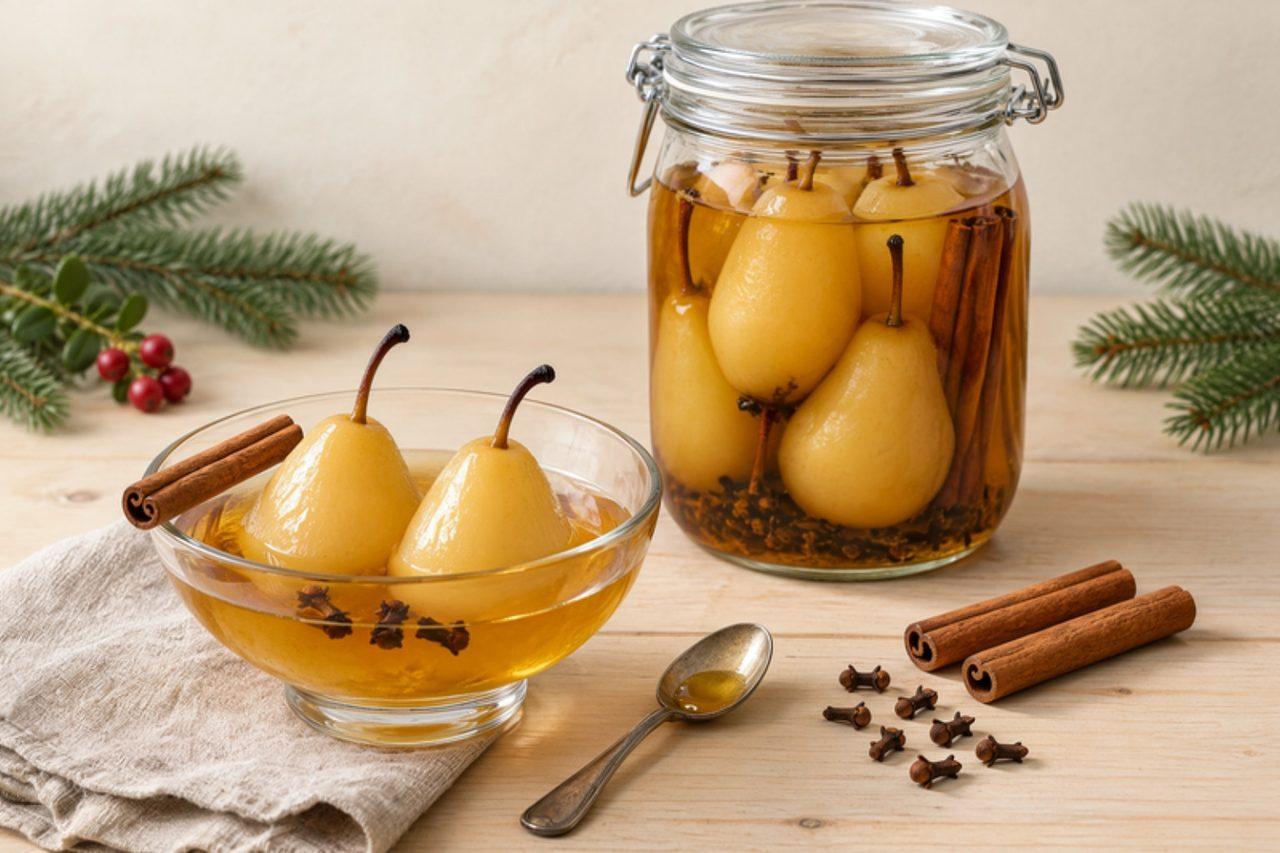
Syltade päronSpiced poached pears

When the Swedish julbord is laid in December, a bowl of syltade päron sits between the Christmas ham, the liver pâté and the brawn, and its spiced syrup cuts neatly through all that richness. The pears are put up in September from small, hard cooking varieties such as Gråpäron, picked just short of ripe and poached whole in sugar syrup with cinnamon, cloves and a good splash of vinegar. They taste sweet at first, then gently sour and warm; the flesh should be tender to the core yet hold its shape, amber and translucent at the edges. The usual mistake is reaching for ripe, juicy pears, which collapse into mush in the hot syrup: choose hard ones and keep the simmer gentle. They are done when a thin skewer slides in with only slight resistance, and the syrup is ready when it runs clear and slightly thick from a spoon. Give the jars at least a week before opening so the spice soaks in. Chef's tip: leave the stalks on so each pear looks whole on the plate and can be lifted out by it.

by KrazyBadal 0 views

Mela grattugiata (grated apple)

Ask any Italian nonna what a baby has for merenda, the mid-afternoon snack, and she will mime grating an apple: in homes from Turin to Bari, a sweet apple is grated very finely on the small holes of a grater and spooned up at once, before it turns brown. Paediatricians in Italy suggest it from six months, and for the first few times many parents steam the apple briefly so it is softer still. It tastes fresh and naturally sweet; the old habit of crumbling in a biscuit or a spoon of sugar is not for babies under one, and honey never. It is free of the major allergens. Chef's tip: a squeeze of lemon is often added to stop browning, but for babies simply grate it right before serving.

by KrazyBadal 0 views

Gohan oyaki (rice finger patties)

Oyaki means a little pan-cooked cake, and Japanese parents make gohan oyaki from leftover rice when babies around nine months start wanting to feed themselves. Mashed rice is mixed with steamed kabocha squash (or grated carrot) and a spoon of potato starch, shaped into finger-sized patties and cooked gently until lightly golden. They are soft and sweet inside, hold together in a small fist and squash easily against the gums. They are free of the major allergens: no milk, egg, gluten, nuts, soya, sesame or fish. Chef's tip: mash the rice while it is warm; cold rice will not stick together and the patties crumble.

by KrazyBadal 0 views

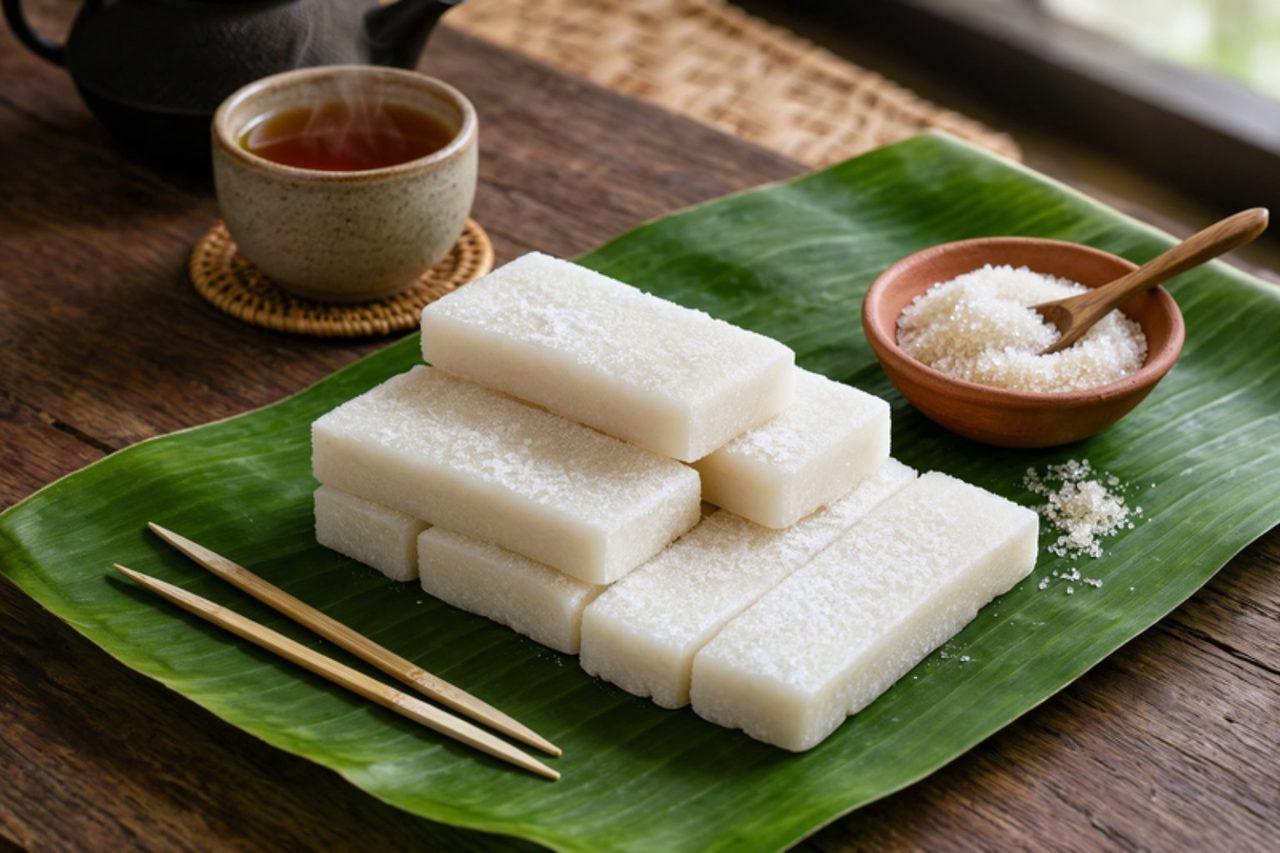
ChhangbanPounded sticky rice cakes

Chhangban are soft, chewy cakes that Mizo families make from steamed sticky rice pounded in a wooden mortar, traditionally for Christmas, Chapchar Kut and visits from relatives. They are eaten warm, dipped in sugar, or toasted the next day with a mug of black tea. The mistake people make is pounding cold rice: it will not come together, so work while it is steaming hot. Chef's tip: wet the pestle or your hands with salted water so the rice does not stick.

by KrazyBadal 0 views

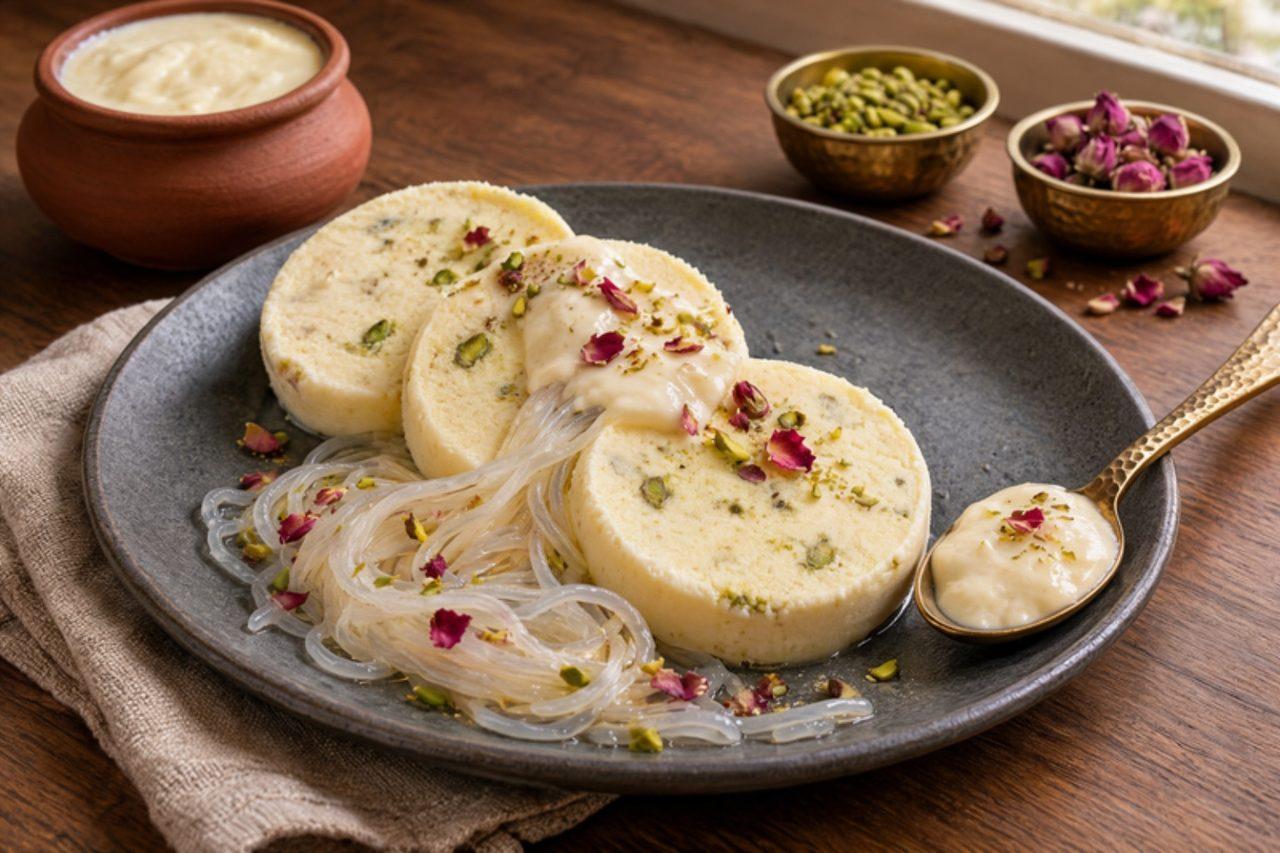
Lahori kulfaKulfi with falooda

On hot Lahore nights, families stroll to Gawalmandi food street and the old shops near Anarkali for kulfa: a whole cone of dense, cardamom-scented kulfi is sliced into fat discs, laid over soft falooda noodles and spooned over with rabri, the thick sweetened milk. It is cold, chewy and creamy in every mouthful. Contains milk and tree nuts (pistachio and almond); the falooda noodles may contain wheat. Chef's tip: scrape the bottom and sides of the pan constantly as the milk reduces; one scorched patch flavours the whole batch.

by KrazyBadal 0 views

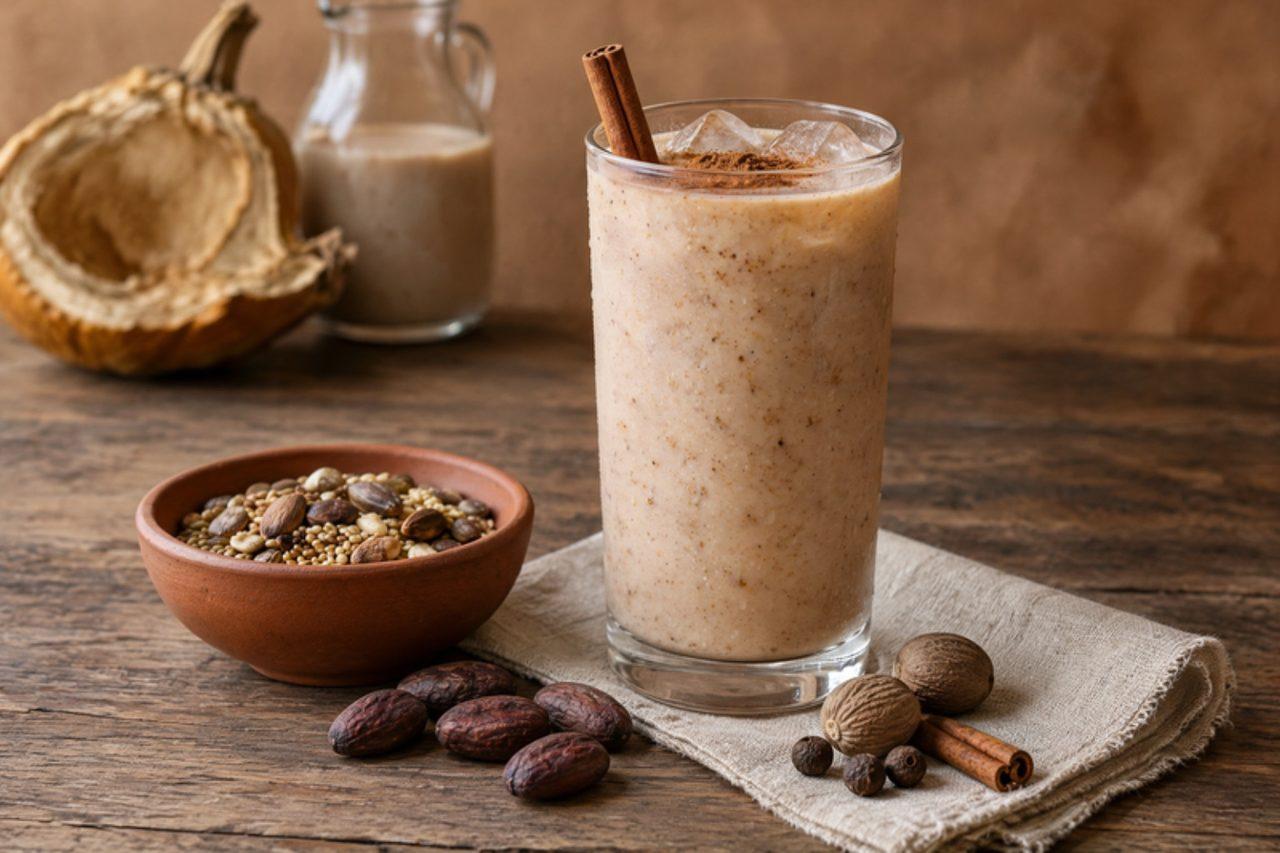
Horchata de morroMorro seed and rice drink

In El Salvador horchata means horchata de morro, made with the seeds of the morro or jícaro tree, whose round gourds also become cups and bowls. It is poured from big glass jars at pupuserías every evening, sold in plastic bags with a straw outside schools, and drunk at home with Sunday lunch. Markets in San Salvador and Santa Ana sell a ready-ground mix, but toasting your own is easy: rice, morro seeds, sesame, pumpkin seeds and cacao, with cinnamon and allspice. The drink is light brown, cool and creamy, with a nutty, toasted taste, a hint of chocolate and warm spice; quite different from the white Mexican rice horchata. The common mistake is skipping the soak and blending the powder straight with water; it stays gritty and tastes thin. Let it soak at least 30 minutes, or overnight in the fridge. It is ready when it is smooth, beige-brown, coats the glass faintly and smells of toasted seeds and cinnamon. Outside Central America, look for semilla de morro or horchata mix in Latin shops; if you cannot find it, use extra pumpkin seeds and sesame. Chef's tip: toast each seed separately, because they brown at different speeds.

by KrazyBadal 0 views

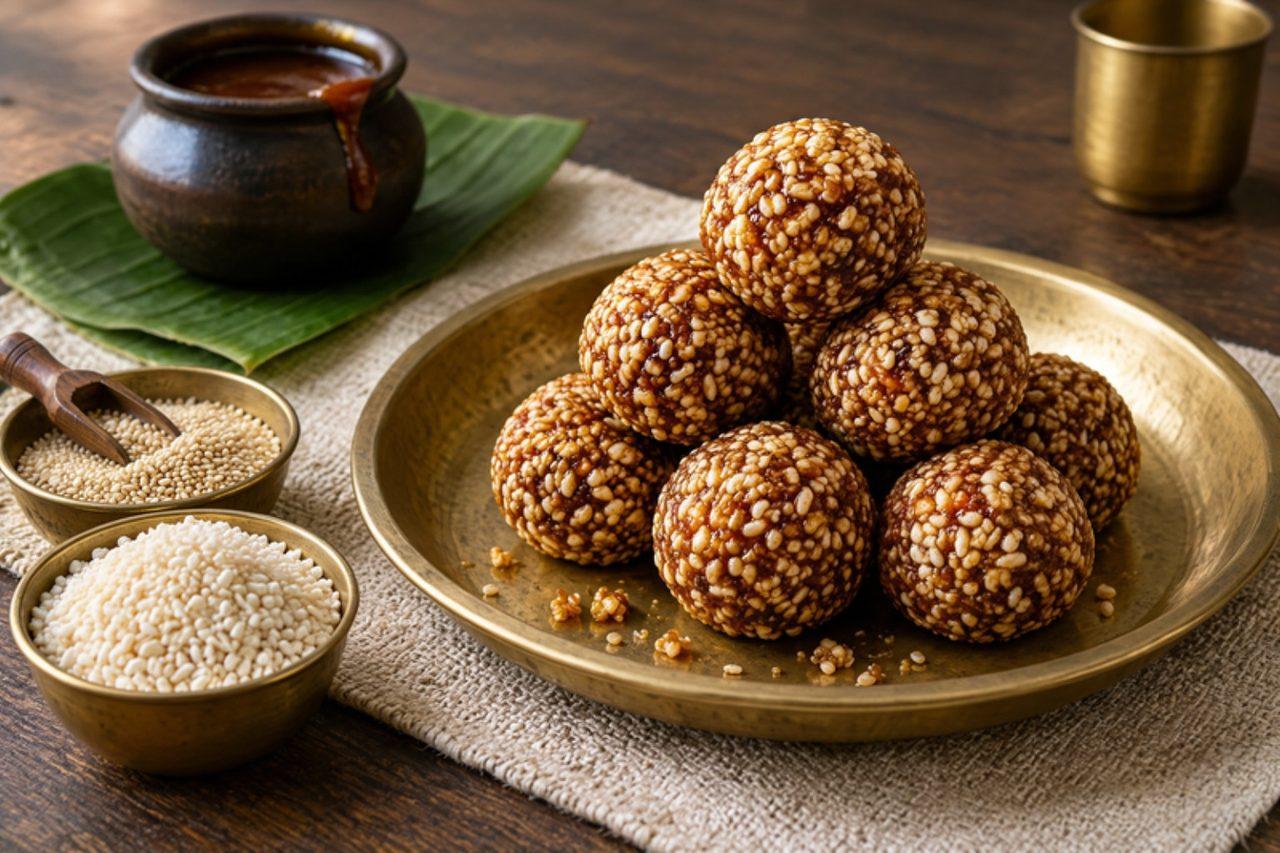
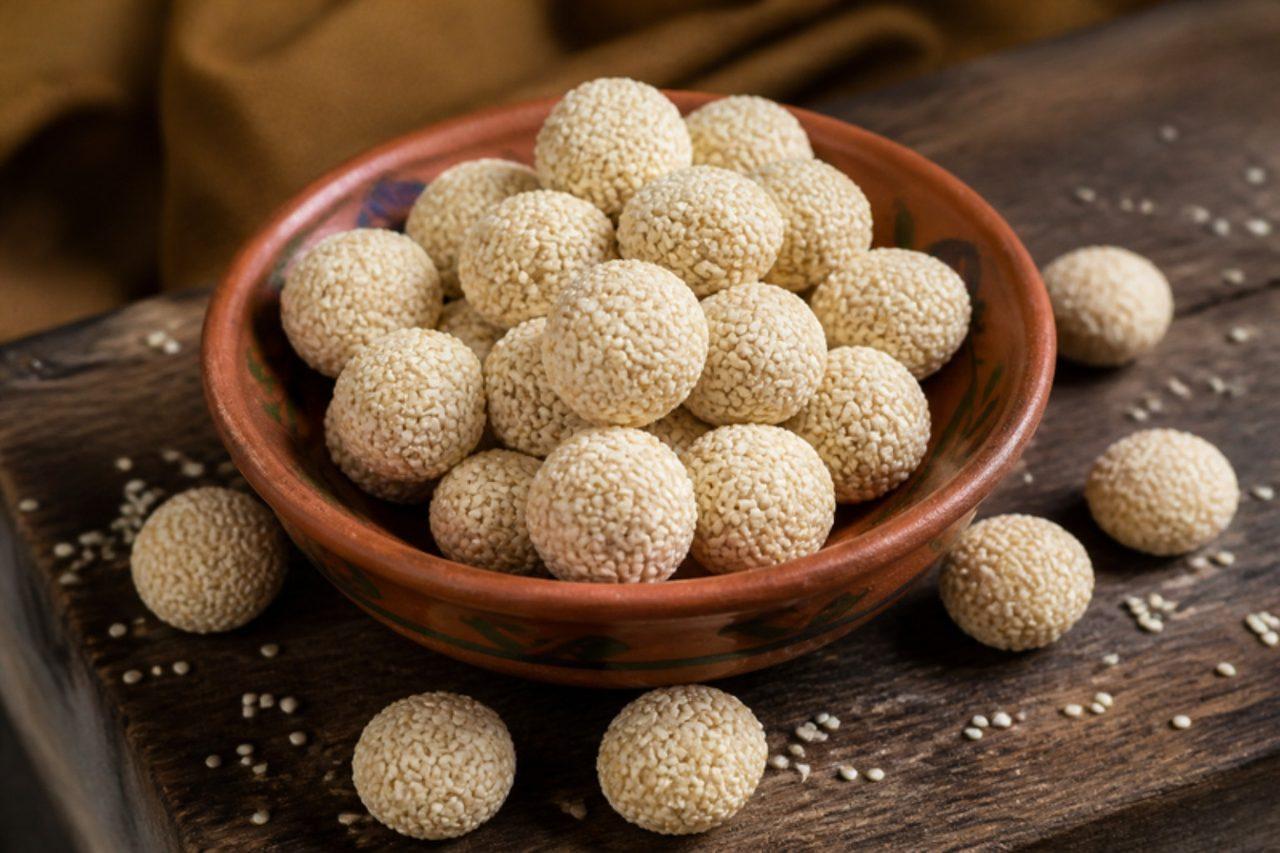
KabokPuffed rice and sesame balls

Kabok are crunchy balls of puffed rice and sesame bound with hot jaggery syrup, made in Meitei homes for Yaoshang, Cheiraoba and temple offerings. Black puffed rice is used in some villages, giving dark, toasty kabok. The key is the syrup: cook it to the hard-ball stage, when a drop in cold water sets into a firm ball, or the balls will fall apart. The common mistake is shaping with dry hands; wet them so the hot mixture doesn't stick or burn. Chef's tip: warm the puffed rice in the oven for a few minutes first so it stays crisp.

by KrazyBadal 0 views

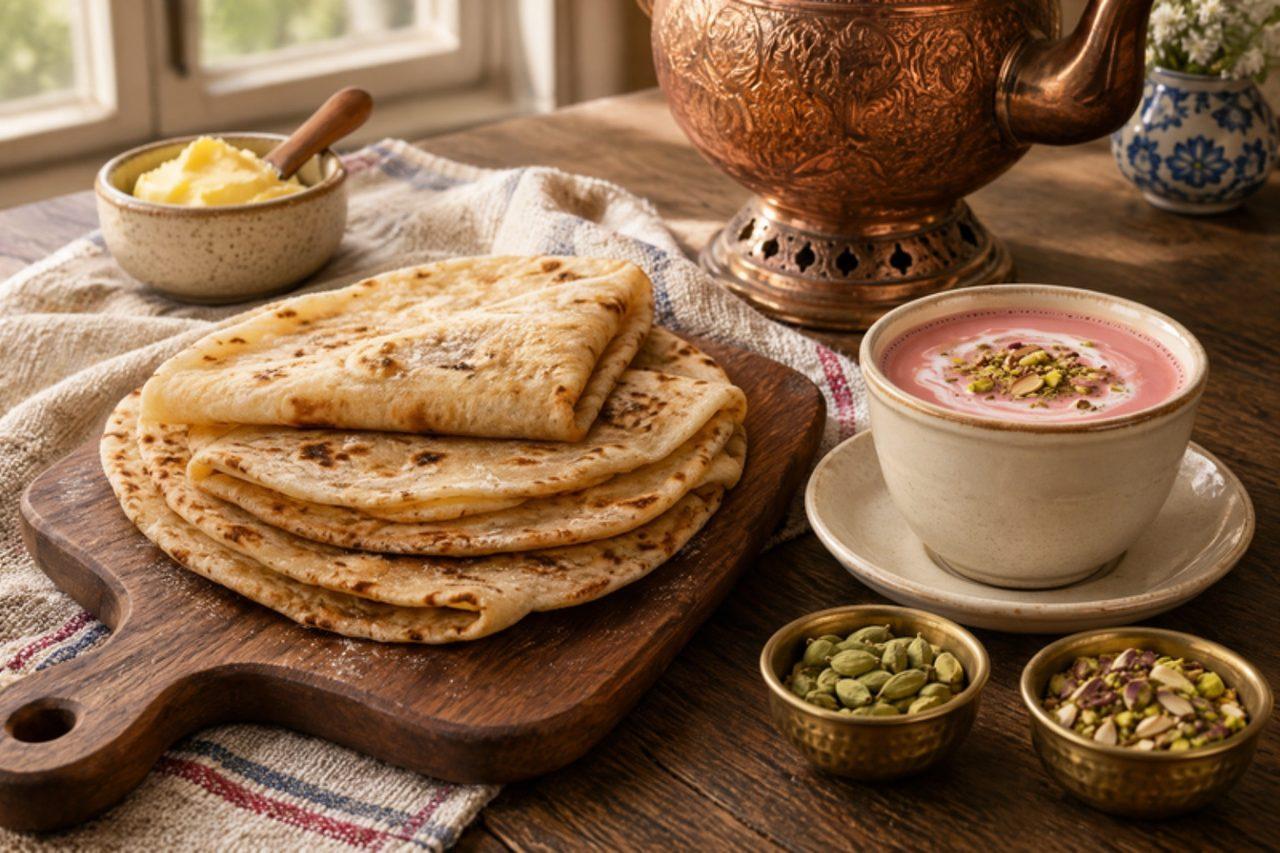
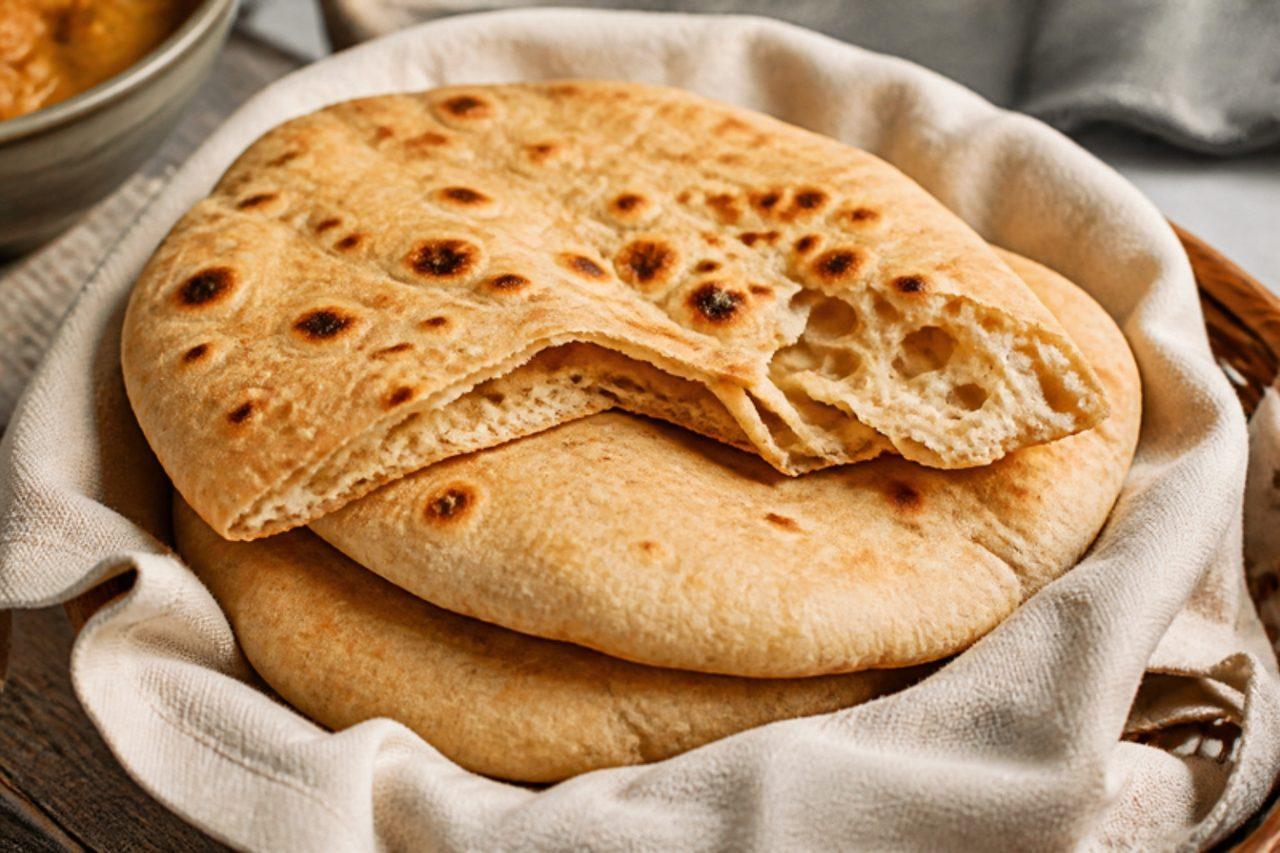
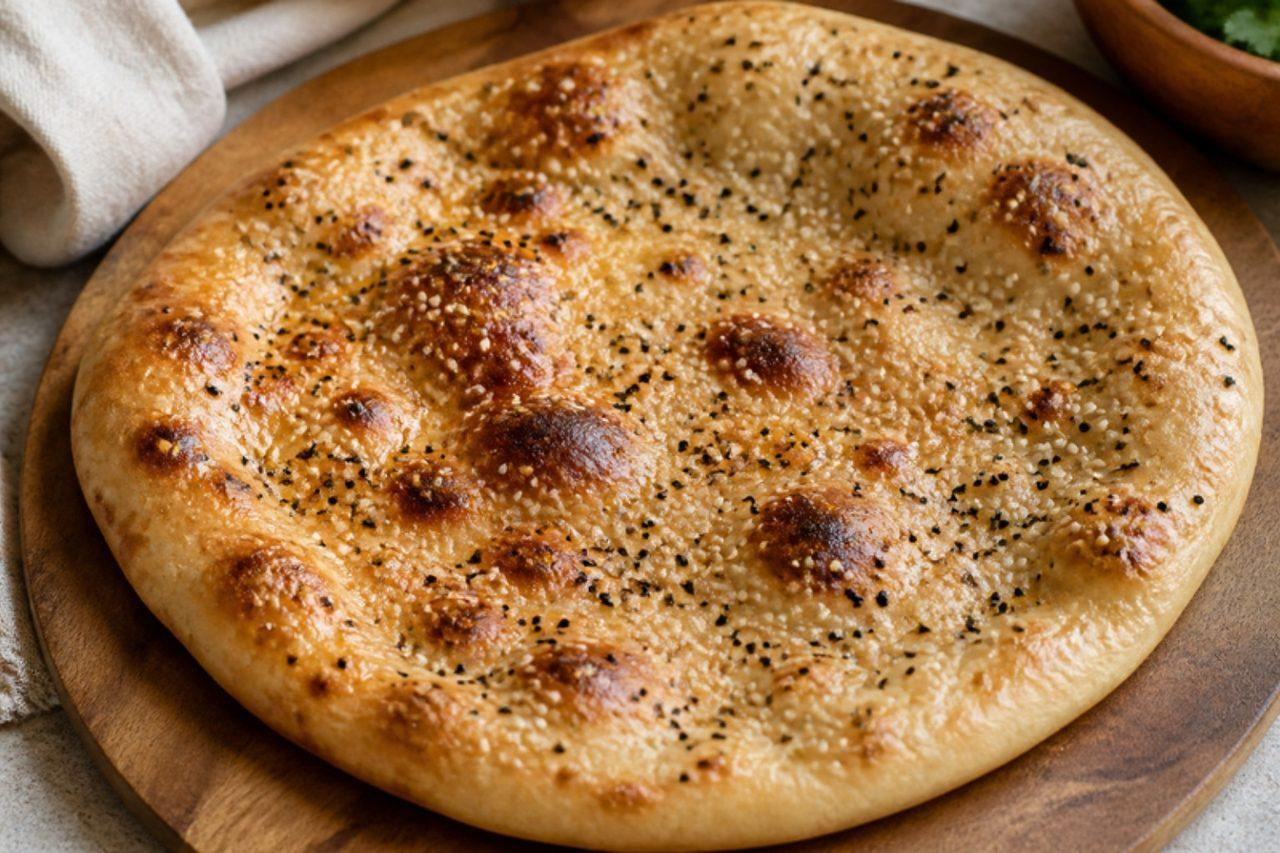
LavasaThin leavened flatbread

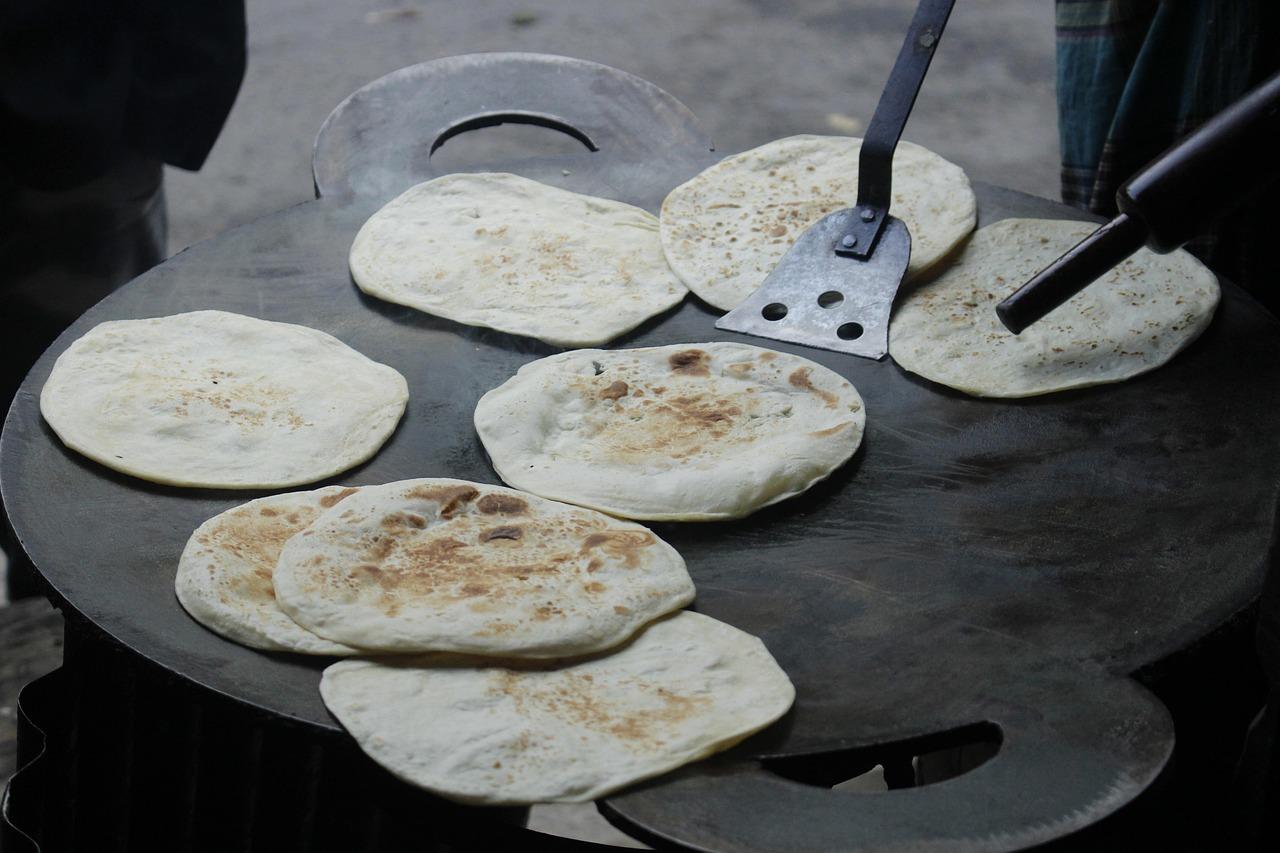
Every Kashmiri neighbourhood has its kandur, the baker who slaps breads onto the walls of a clay tandoor before dawn, and lavasa is the thin, soft, bubbly sheet bought for the afternoon or for wrapping hot seekh kebabs at weddings. It is lightly leavened, a little chewy and faintly smoky, and is eaten with noon chai or with harissa in winter. At home a very hot heavy pan or a pizza stone does a fine job. The common mistake is rolling it too thick; lavasa should be thin enough to see light through at the edges. Chef's tip: stack the breads under a clean cloth as they come off the heat, so the steam keeps them soft and foldable.

by KrazyBadal 0 views

Caipirinha

Brazil's national drink lives on every boteco counter in São Paulo, but it tastes best on a hot Saturday beside a pot of feijoada, or handed over from a beach vendor's cart. It is a short, rough-cut drink for adults only: a whole lime chopped into wedges, crushed with sugar right in the glass, packed with crushed ice and drowned in cachaça, the sugarcane spirit with a grassy, faintly funky edge that rum does not have. Each sip moves from sharp lime oil to cold sweetness to a warm cane finish, with a little crunchy sugar at the bottom to stir back up. The usual mistake is pounding the lime to a pulp: the white pith and the core turn bitter within minutes. Cut out the central white strip, press each wedge only until the juice runs and the skin smells of lime oil, then stop. It is ready when the sugar has mostly melted into a cloudy syrup and the glass frosts on the outside. Cachaça is strong, so sip slowly and drink responsibly. Chef's tip: roll the lime hard on the board before cutting and choose thin-skinned, heavy limes; a thick-skinned lime makes a bitter caipirinha however gently you muddle.

by KrazyBadal 0 views

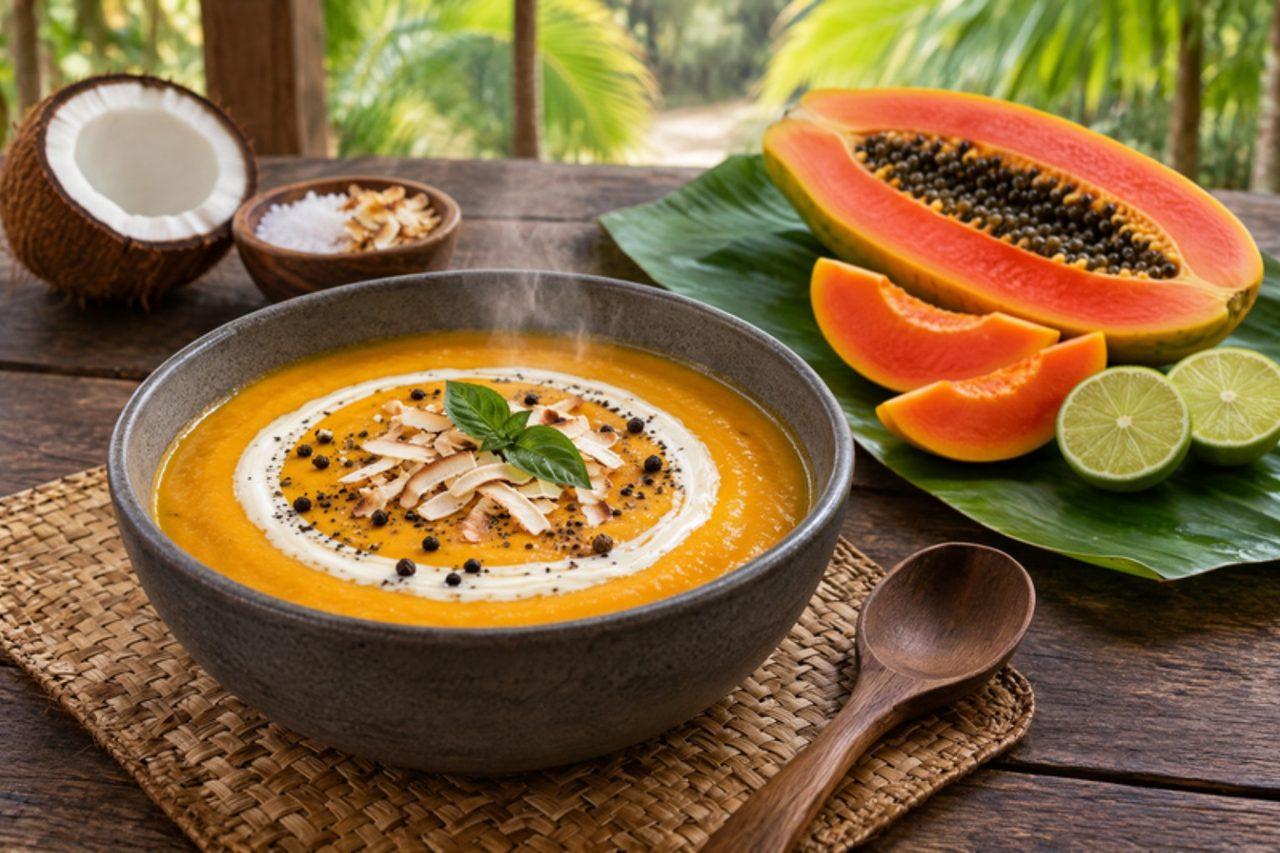
Supo esiPapaya and coconut cream soup

In Samoan villages a big pot of supo esi is a Sunday and everyday breakfast: ripe papaya simmered soft, thickened with tapioca or arrowroot, and enriched with fresh coconut cream (pe'epe'e), served warm with buttered bread or panikeke. It is sweet, silky and tropical, like a warm fruit pudding you drink. The common mistake is boiling it after the coconut cream goes in, which splits the cream into an oily film; add it at the end and only warm through. Chef's tip: a squeeze of lime at the end wakes up the papaya and stops it tasting flat.

by KrazyBadal 0 views

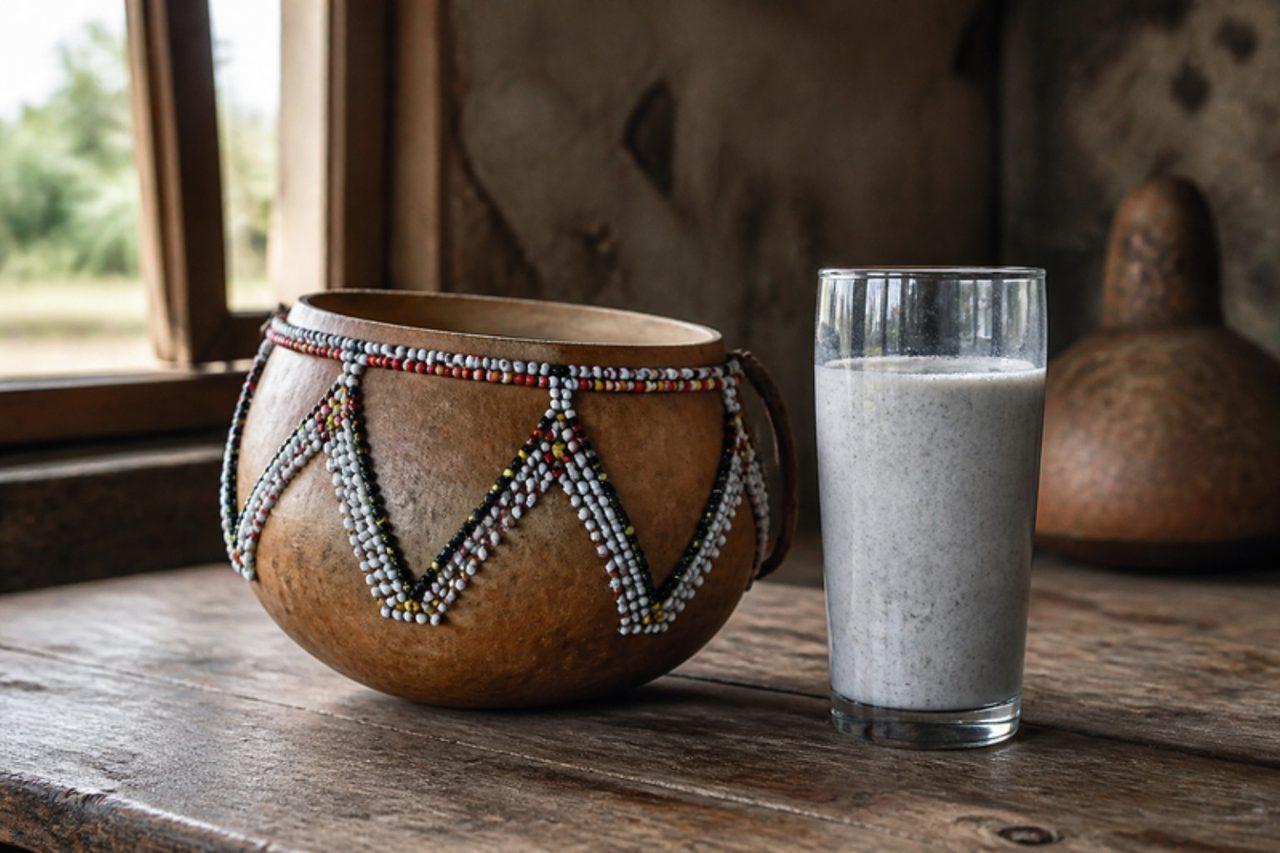
MursikSmoky fermented milk

When Kenyan marathon runners land back in Eldoret, relatives greet them with a gourd of mursik, the soured milk of Kalenjin homesteads across the Rift Valley highlands. Traditionally, milk sits for several days in a sotet, a long calabash whose inside has been scraped with a smouldering stick of senetwet (the tree often called the cromwell tree) so a lining of fine charcoal coats it; that charcoal gives mursik its smoky taste, grey flecks and long keeping. At home we skip raw milk and a wild ferment: pasteurised milk is soured with a live cultured buttermilk, and a jar smoked inside with untreated hardwood, or a pinch of food-grade activated charcoal, brings the flavour. Thick, sharp and smoky, it is drunk with ugali, sweet potatoes or after a long run, and the usual mistake is fermenting it somewhere too hot, where it splits into whey and tastes yeasty. Chef's tip: shake the jar hard before pouring, as herders shake the gourd, to make it smooth and drinkable.

by KrazyBadal 0 views

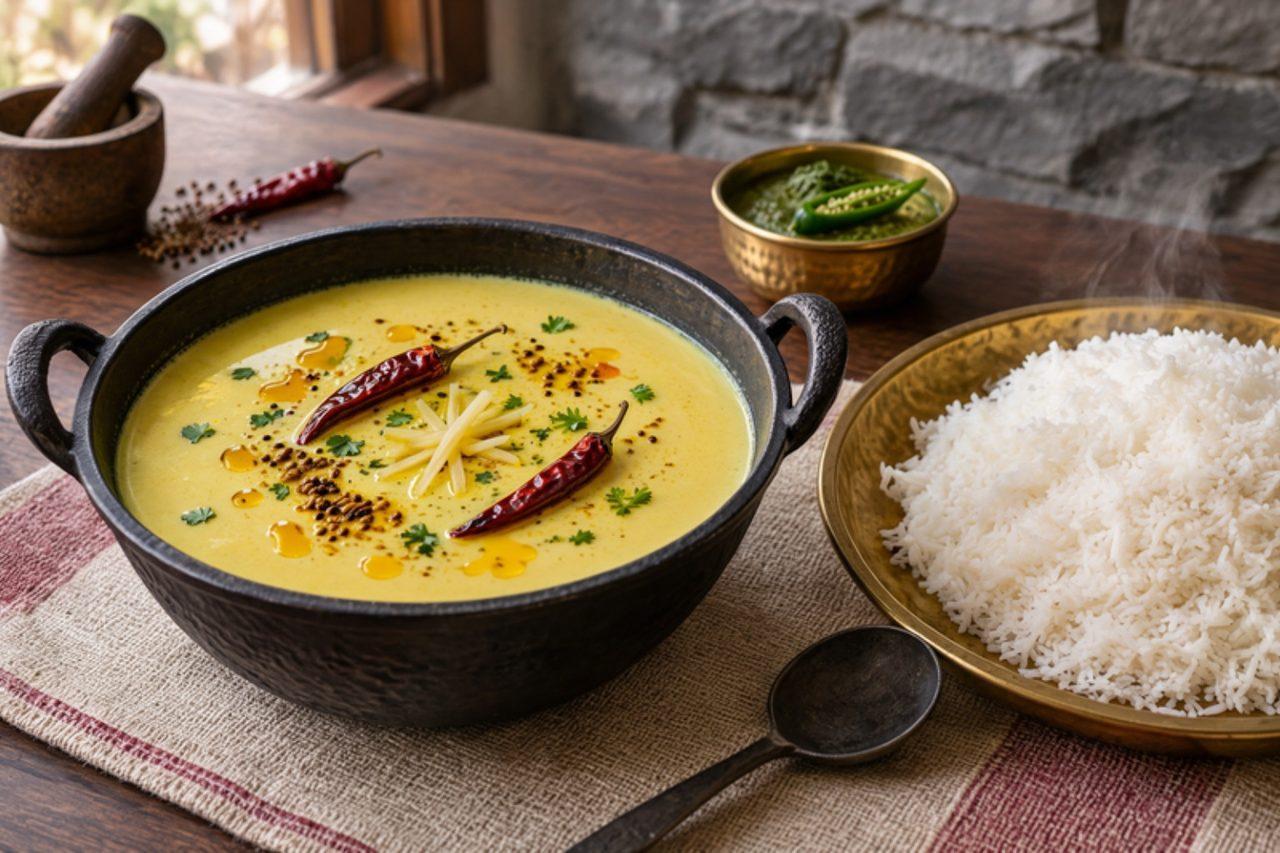
JholiYogurt and gram flour kadhi

Jholi is the thin, everyday kadhi of Kumaon, cooked when there is curd in the house and no time for pakoras, and spooned over rice for a quick lunch. It is tempered with jakhya, a tiny crunchy hill seed with a mustardy bite, and coloured gold with turmeric. Because there are no fritters, it is lighter and tangier than a Punjabi kadhi. The common mistake is letting it boil before the gram flour has cooked in, which splits the curd into grains. Chef's tip: keep stirring in one direction until the first bubble; after that the jholi is stable and can simmer on its own.

by KrazyBadal 0 views

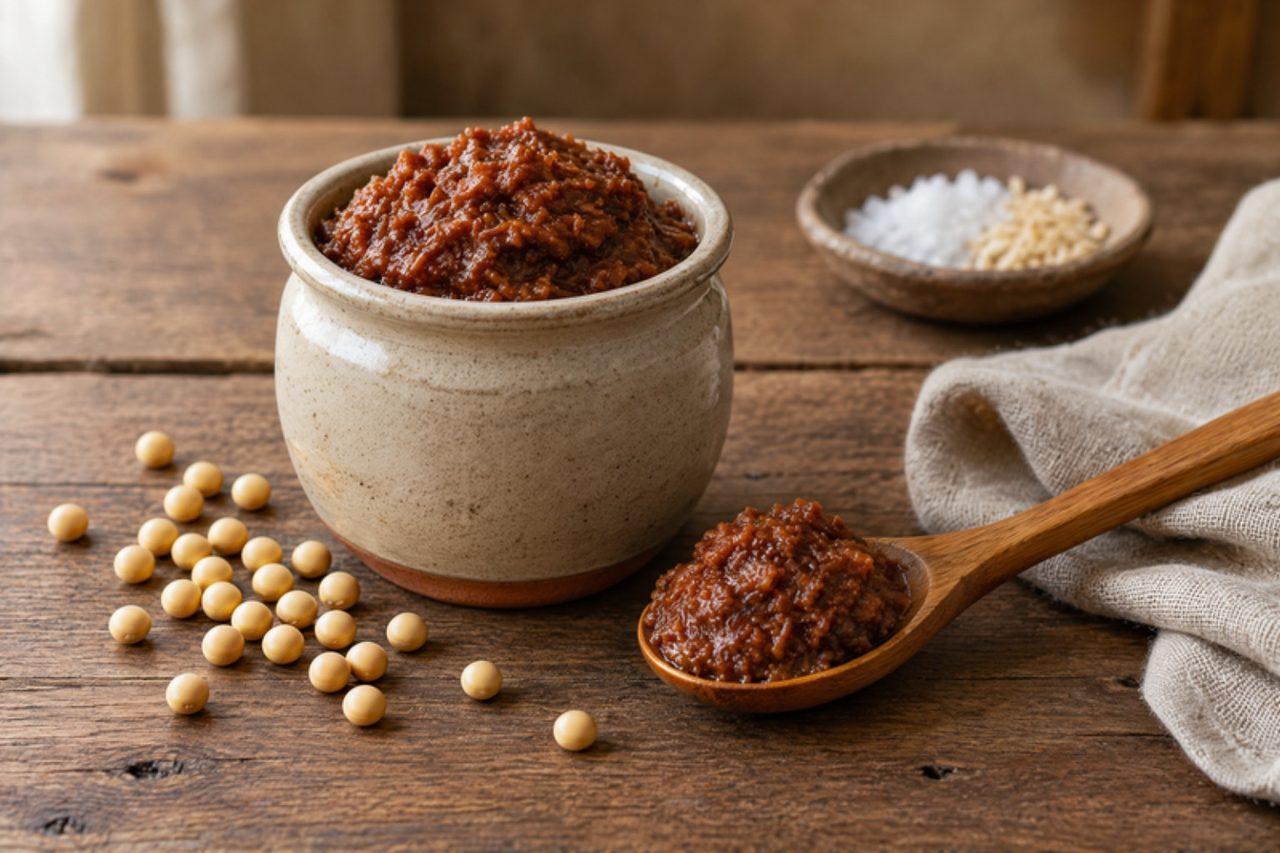
Temae misoHomemade miso

Temae miso means 'my own miso', and the phrase also means bragging about your own work, because every family thinks theirs is the best. Across rural Japan the cold months of January and February are miso-making season: the low temperatures let the mash settle in slowly before summer's warmth speeds up the fermentation. Dried soybeans are soaked, simmered until soft, mashed, mixed with rice koji and salt, then packed tightly into a crock under a salt cap and a weight. By autumn it has turned from pale beige to reddish brown, sweet-salty and rich, with a rounder, fruitier flavour than shop miso. The salt, about 12% of the finished weight, is what keeps it safe, so measure it rather than guessing. The common mistake is leaving air pockets when packing, which is where mould grows; throw the mash into the container in balls and press each one down hard. It is ready when it smells sweet and savoury like soy sauce, tastes well-balanced rather than raw and floury, and dark liquid (tamari) has pooled on top. Chef's tip: make it with friends; a kilo of beans is a lot of mashing, and the batch tastes better for the company.

by KrazyBadal 0 views

Shio kojiSalted rice koji

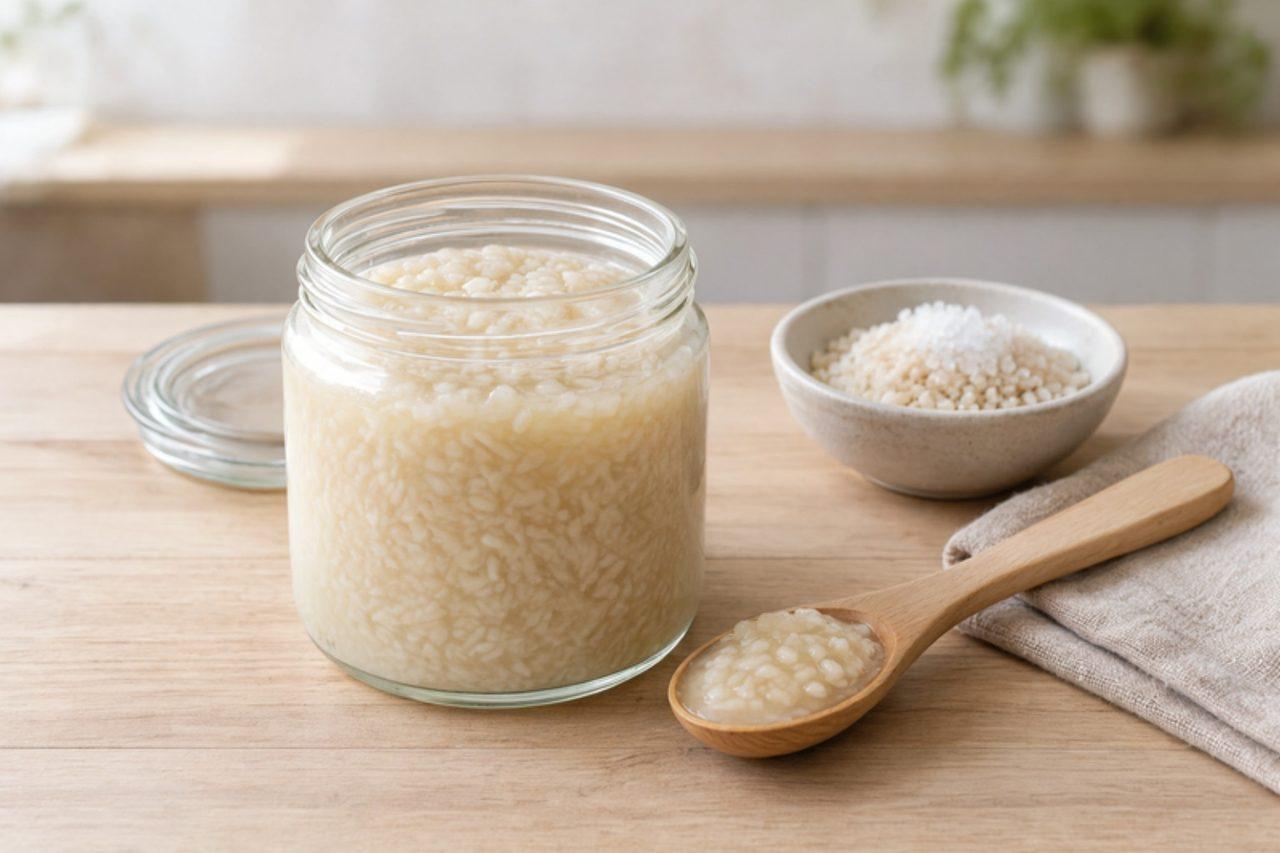
Shio koji is an old Tohoku pickling medium that swept Japanese home kitchens in the 2010s and never left. Rice koji, the grains cultured with the mould that also makes miso and sake, is rubbed with salt, covered with water and left on the counter for a week. Its enzymes break down starch and protein, so the result is a pale, porridge-like seasoning that tastes salty, mildly sweet and deeply savoury, with a fruity, sake-like scent. Use it all year in place of salt: rub it over chicken, pork or fish (about 10% of the weight) the night before grilling, toss it with vegetables for a quick overnight pickle, or stir it into dressings and soups. The common mistake is too little water: the grains must stay just covered, or the top dries and can grow mould. Stir once a day with a clean spoon and top up with a little water if needed. It is ready when the grains crush easily between your fingers, the mixture is thick and creamy, and it smells sweet rather than raw. A faint alcohol smell is normal. Chef's tip: blend the finished shio koji smooth with a stick blender; it spreads more evenly on meat and won't burn in spots.

by KrazyBadal 0 views

YujacheongYuja citron preserve

When the first frost comes to Goheung in South Jeolla and Namhae island in November, the yuja orchards turn gold, and households slice the knobbly, deeply perfumed fruit into sugar to make yujacheong. Through the winter, a few spoonfuls in a mug of hot water make yuja-cha, the tea Koreans reach for on cold evenings and when they feel a cold coming on; it is also spooned over yoghurt, toast or into salad dressings. It tastes floral, sharp and sweet, with tender strips of peel and a thick golden syrup. The sugar is what preserves it: equal weights of fruit and sugar, kept in the fridge once the sugar dissolves. The common mistake is leaving it warm too long: after a day or two on the counter it can start to ferment and fizz, so move it to the fridge as soon as the sugar has mostly melted. It is ready after about a week, when the peel is translucent and the syrup thick. No yuja? Use Meyer lemons, or two lemons for every mandarin. Bubbles or a boozy smell mean it has started to ferment: refrigerate it at once; mould means throw it away. Chef's tip: scrub the skins with baking soda first; you are eating the whole peel, so it must be spotless.

by KrazyBadal 0 views

Myoga no amazuzukeSweet pickled myoga ginger

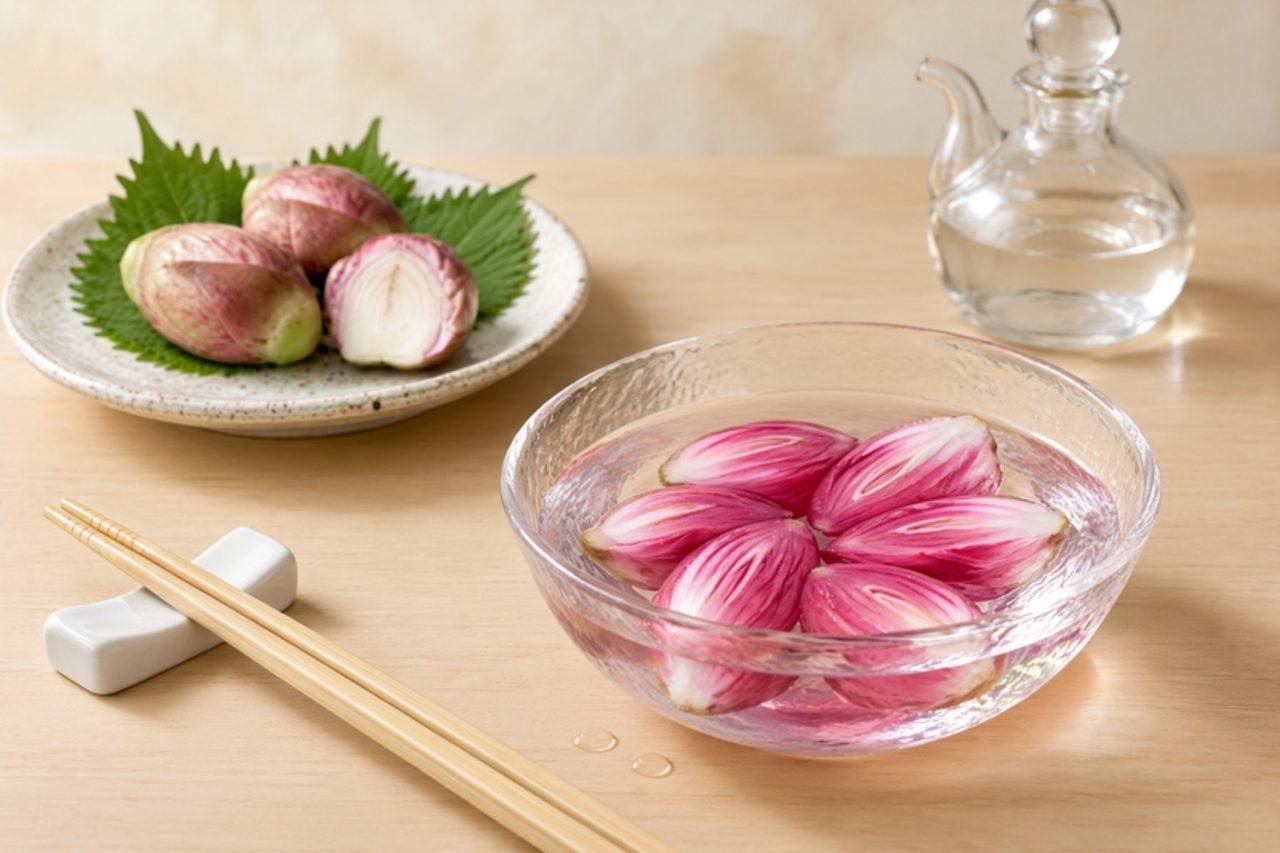
Myoga is the flower bud of a Japanese ginger plant, harvested from the shady corners of gardens across Japan from July to September, and its pickled form is one of summer's small pleasures. Halved buds are blanched and dropped into warm sweet vinegar, and within half an hour the pale purple-white layers blush a vivid pink. They taste crisp and fresh, gently sweet-sour, with the floral, slightly resinous bite that makes myoga unlike ordinary ginger. Serve them beside grilled fish, with cold somen noodles on a hot evening, or tucked into a bento. Look for myoga in Japanese grocers, often frozen; there is no real substitute, but young ginger or small shallots pickled the same way make a pleasing alternative. The common mistake is over-blanching: past 30 seconds the layers turn soft and floppy and lose their crunch. Pour the vinegar over while the buds are still hot, which sets the colour. They are ready when they are evenly pink and taste sour-sweet right through. Chef's tip: slice a few pickled buds into thin strips and fold them into sushi rice for a quick summer chirashi.

by KrazyBadal 0 views

Yuzu koshoYuzu and chilli paste

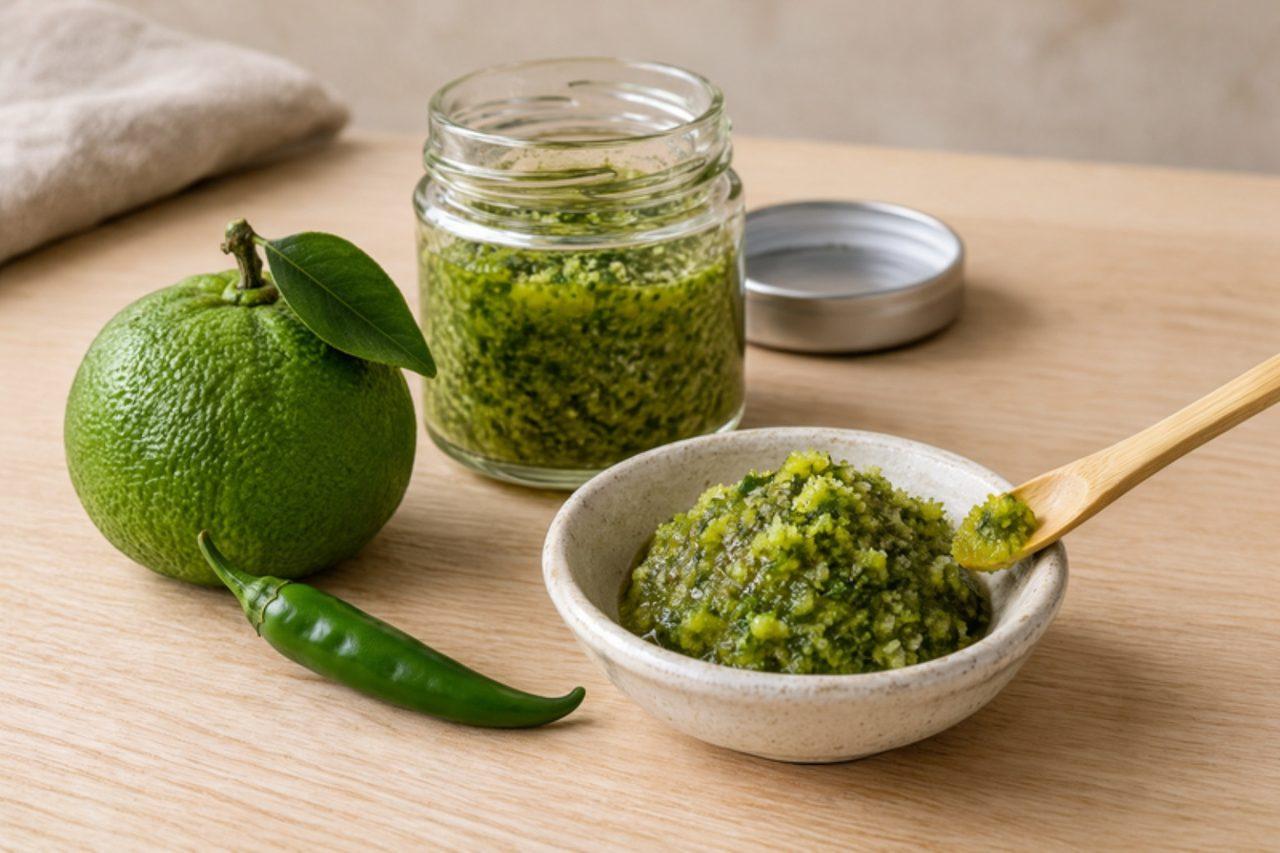
In the mountain villages of Kyushu, especially Oita and Fukuoka, families make yuzu kosho in late summer, when yuzu are still green and the chillies are at their hottest (in Kyushu dialect 'kosho' means chilli, not pepper). Zest and chillies are ground with salt in a suribachi until they turn into a bright, coarse paste, then left to mature for a week or more. A tiny dab lifts hot-pot, grilled chicken or fish, sashimi, miso soup and even a bowl of udon; it is intensely citrusy, salty and hot all at once. It is a fresh chilli paste, so it lives in the fridge or the freezer, never on the shelf, and the salt (about 15% of the paste) is what keeps it. The common mistake is grating into the white pith, which makes it bitter; take only the thin green layer. It is ready when the paste is fine, moist and evenly coloured and the raw chilli edge has softened into a rounded heat, after about a week. No yuzu? Use the zest of green limes with a little lemon, or sudachi or kabosu. Wear gloves when you handle the chillies. Chef's tip: ripe yellow yuzu with red chillies makes the orange version for winter; same method.

by KrazyBadal 0 views

MaesilcheongGreen plum syrup

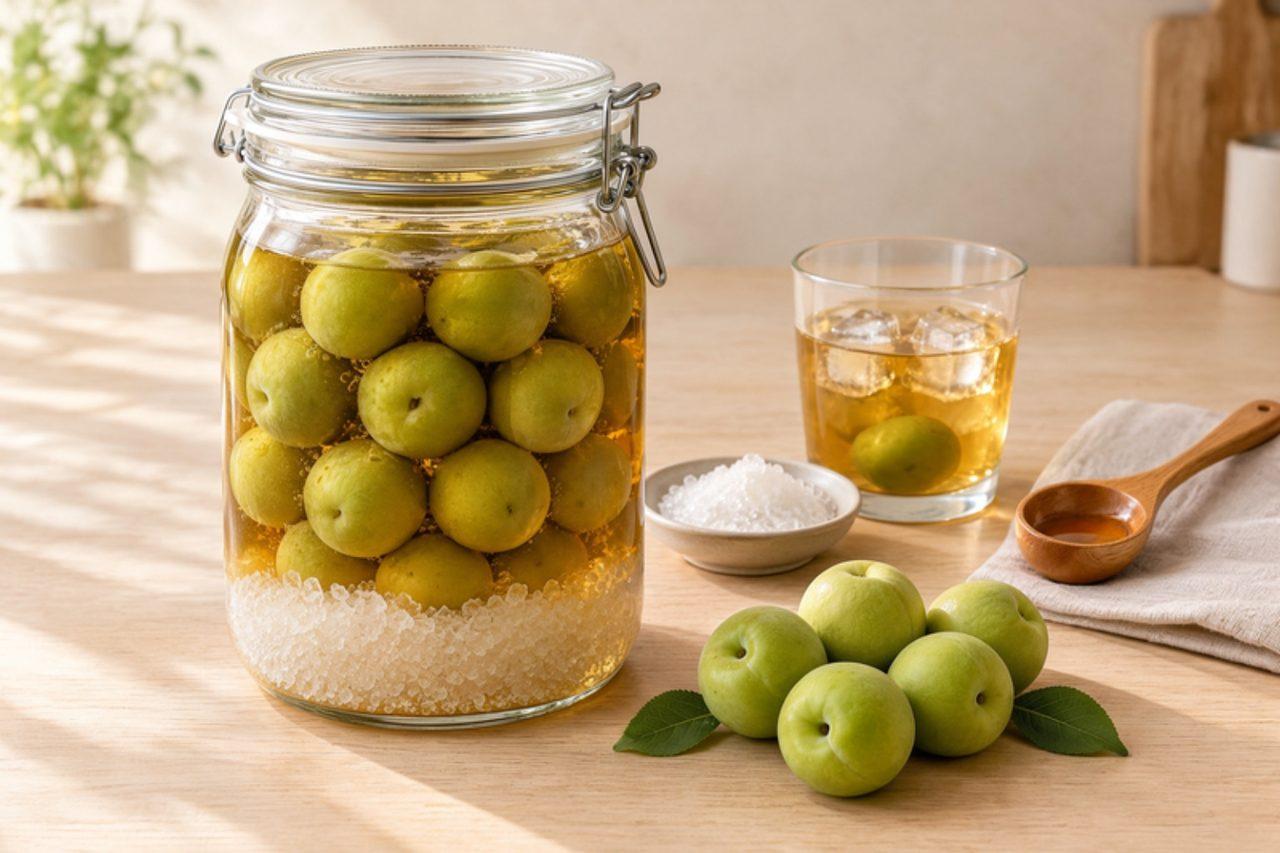
In early June, Gwangyang in South Jeolla holds its plum festival under hillsides of maesil trees, and across Korea families buy crates of hard green maesil plums to make maesilcheong. The plums are layered with an equal weight of sugar in big glass jars, and over 100 days the sugar draws out their juice into a tart, fruity amber syrup. It is the Korean kitchen's all-purpose sweetener: a spoonful in a marinade for bulgogi, in salad dressings and in kimchi, and diluted with cold water as a summer drink traditionally taken after a heavy meal. It tastes sweet, sour and almond-scented. Expect a little natural fermentation: a few bubbles and a trace of alcohol (well under 1%) are normal while the sugar dissolves, so keep the lid loose. The common mistake is wet fruit: any water left on the plums or stem scars can lead to mould, so dry them for hours. Ready when the plums have shrivelled and float, and the syrup is clear amber. Raw green plum stones contain compounds that release cyanide: never crush, bite or eat the stones, and remove the fruit after 100 days. No maesil? Use hard green apricots, with the same care. Chef's tip: use half brown sugar for a deeper colour and caramel note.

by KrazyBadal 0 views

Godamba rotiThin griddle flatbread

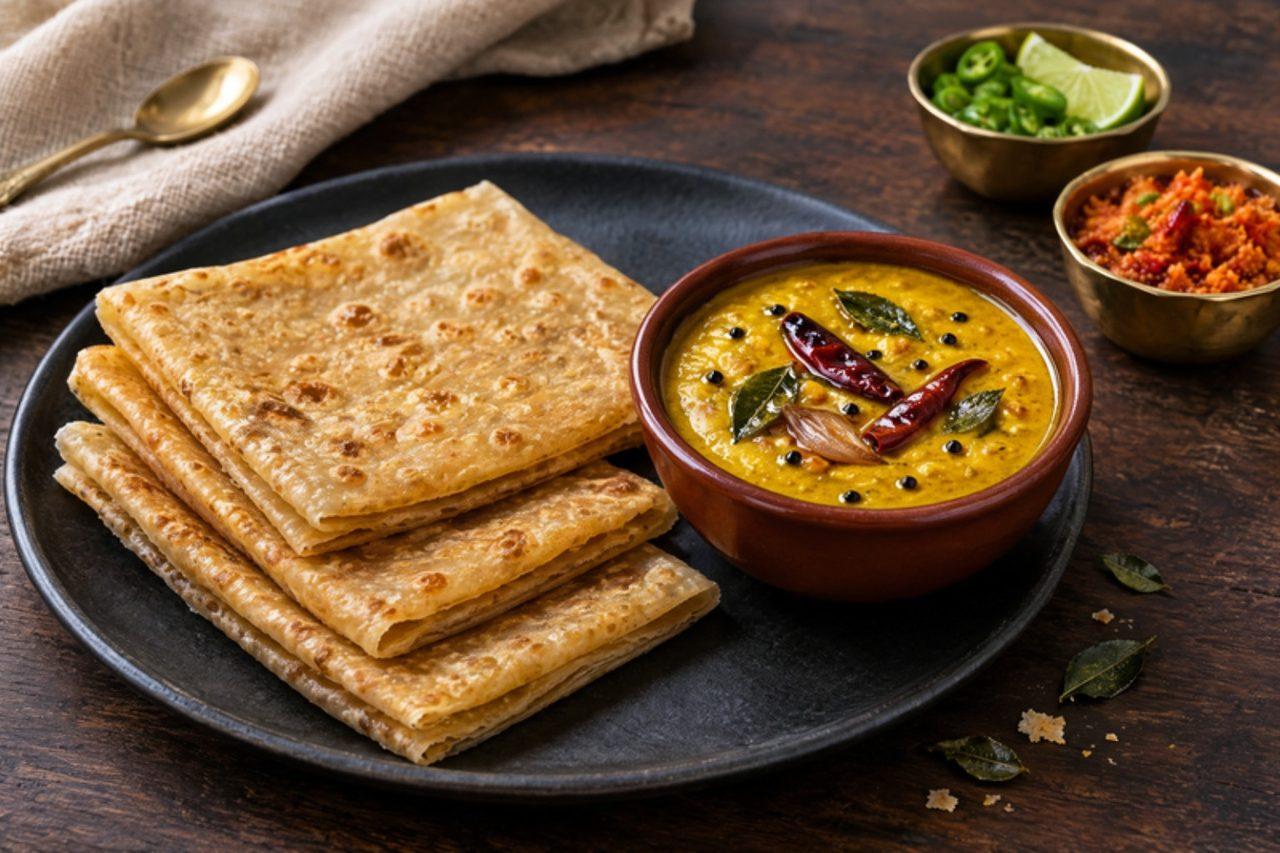
Walk down Galle Road through Wellawatte or Bambalapitiya in the evening and you hear the roti shops before you see them: one cook slapping balls of oiled dough into sheets so thin you can read through them, another clattering the kottu blades. That stretched sheet, folded into a square and cooked on the iron plate, is godamba roti, flaky and chewy, torn to scoop up dhal and chicken curry, or chopped up for kottu. Contains wheat. Chef's tip: rest the oiled dough balls for at least 2 hours; the gluten relaxes so the dough stretches thin without tearing.

by KrazyBadal 0 views

MesuFermented bamboo shoot pickle

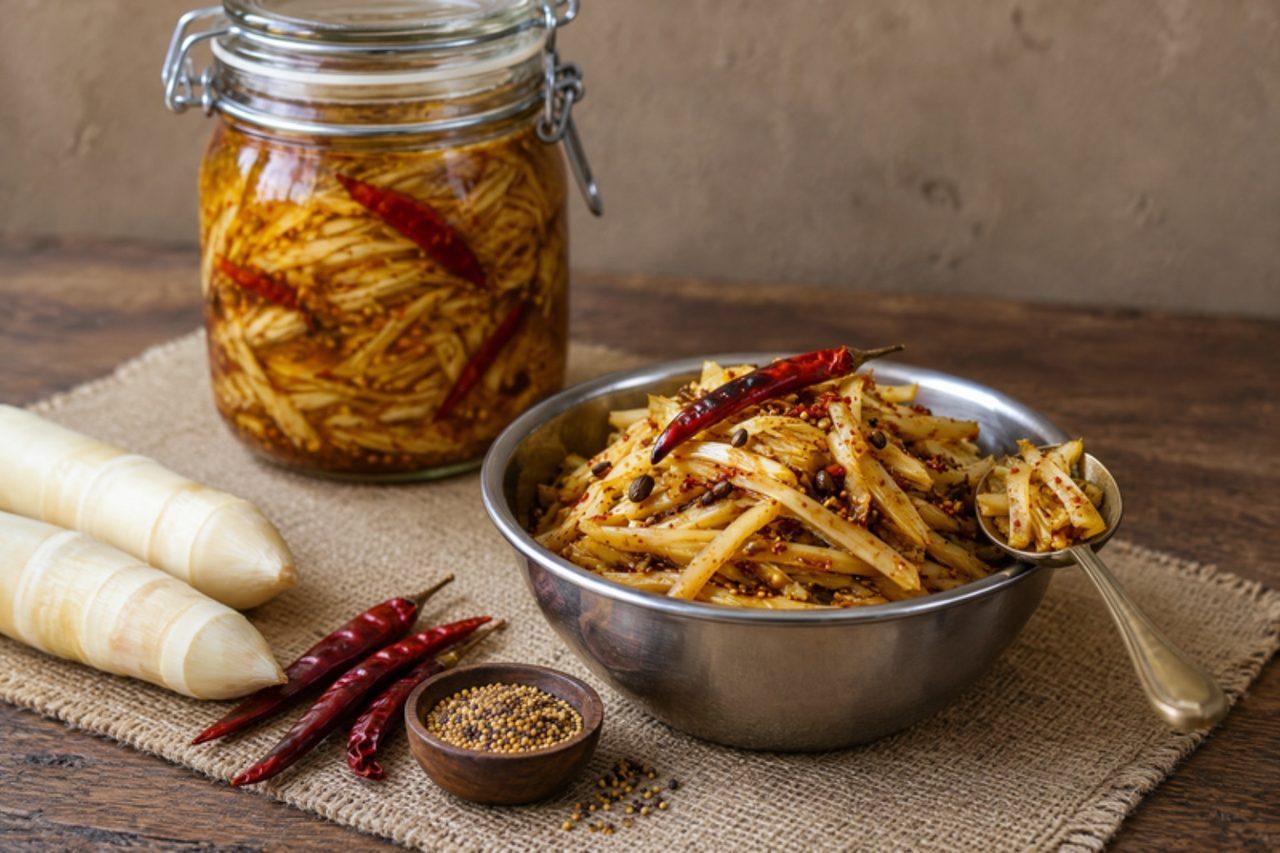
Lepcha and Nepali households in Sikkim shred tender bamboo shoots in the monsoon, when they push up fresh, and pack them tightly into glass jars or hollow bamboo to sour for one to two weeks. The finished mesu is eaten as a sharp pickle with rice and dal through the rest of the year. A common mistake is leaving shoots above the brine, which invites mould; press them down hard so the liquid always covers them. Keep the jar at 20–28 °C out of direct sun and taste from day 7: it is ready when pleasantly sour and pale yellow. Discard the batch if you see fuzzy, pink or black mould, if it smells putrid rather than sour, or if the shoots feel slimy. Chef's tip: short of time, buy ready-fermented bamboo shoot from a Northeast or Asian grocer and go straight to the tempering.

by KrazyBadal 0 views

Chilcano de piscoPisco and ginger ale highball

When Lima's grey winter finally lifts and summer reaches the beaches south of the city, the chilcano takes over from the pisco sour: lighter, longer and made for an afternoon. Peru even gives it a Semana del Chilcano each January, and it is poured at weekend lunches with chifa or fried fish. This is a highball for adults only: pisco poured over a tall glass of ice with fresh lime and ginger ale, finished with a few drops of bitters. It should taste crisp and fizzy, with the ginger and lime lifting the floral grape notes of the pisco rather than hiding them. The common mistake is using too little ice and warm ginger ale, which gives a sweet, diluted drink that goes flat in minutes. Fill the glass to the top with ice and keep the ginger ale in the fridge until the last second. It is ready when the glass is frosty, the bubbles race up the sides and the bitters drift through the top as a pink haze. Light it may be, but drink responsibly. Chef's tip: try a fruit-infused pisco, made by steeping passion fruit or mandarin peel in the bottle for a few days; Limeños love a chilcano de maracuyá.

by KrazyBadal 0 views

ChilreBuckwheat pancakes

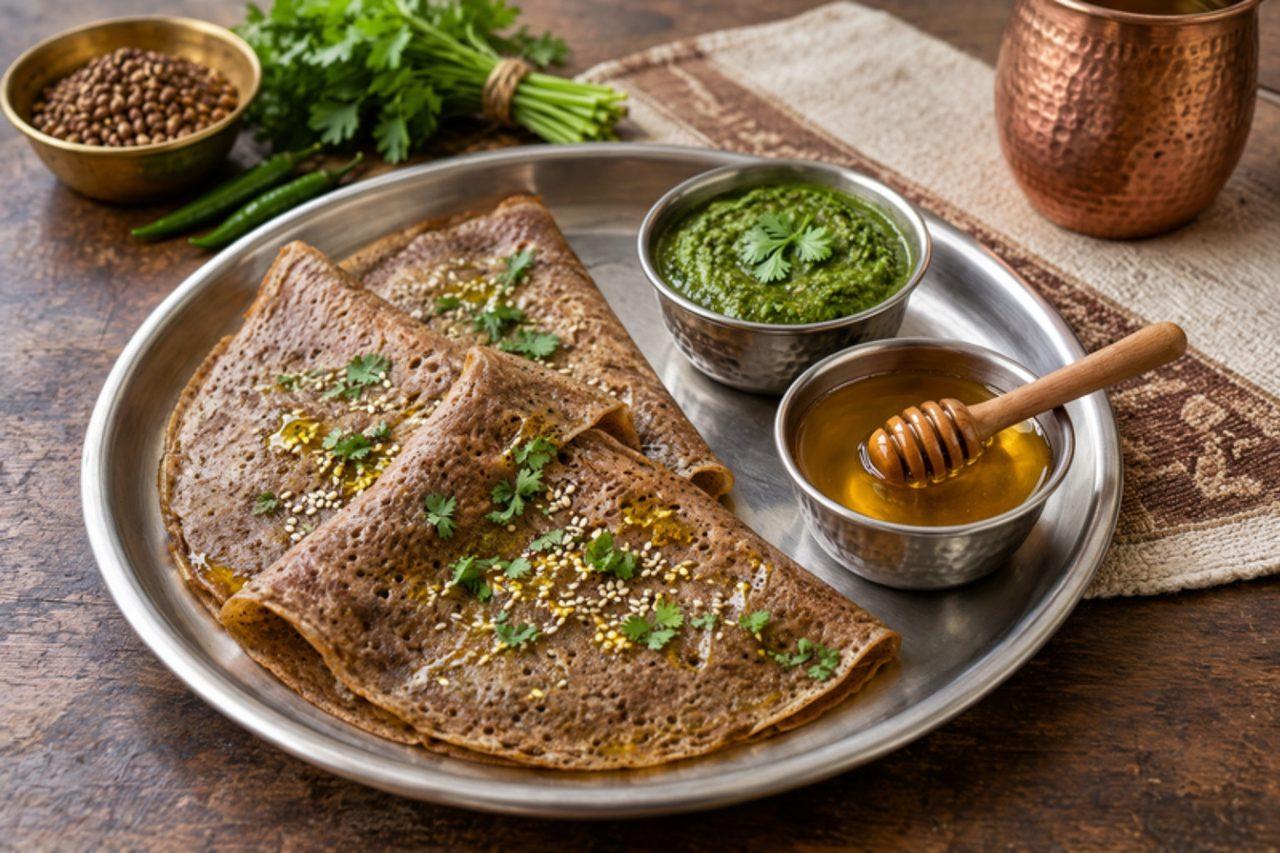
In the upper hills around Shimla and through Kinnaur, buckwheat (kuttu or ogla) grows where wheat struggles, and chilre are its everyday form: thin, lacy pancakes poured on a hot griddle for breakfast or a late-afternoon snack. They are eaten with a sharp mint-and-walnut chutney, or sweet with honey, and are naturally gluten free when made with pure buckwheat. The common mistake is making the batter too thick, so the chilre come out stodgy; it should pour like single cream. Chef's tip: let the batter rest 15 minutes so the buckwheat swells, and wipe the pan with an oiled cloth rather than pouring oil, for even, lacy pancakes.

by KrazyBadal 0 views

ResbaladeraBarley and rice milk drink

Resbaladera comes from Guanacaste, the dry, sunny cattle province of northwest Costa Rica, and is sold by the cup at the Fiestas de Santa Cruz in January, at the July celebrations of the Anexión in Liberia, and from carts at rodeos and turnos all through the hot months. Pearl barley and a little rice are cooked with cinnamon and cloves until bursting, then blended with milk and sweetened, giving a cold, slightly thick, creamy drink, smooth and milky like rice pudding in a glass, with warm spice and vanilla. The name hints at how easily it slips down. The common mistake is undercooking the barley: if the grains still have bite, the drink is gritty and thin however long you blend. Cook until they are swollen, split and very soft. It is ready when it is pale cream, completely smooth after straining and tastes of vanilla, cinnamon and nutmeg. Barley means it is not gluten free. Chef's tip: chill it properly before serving and stir in a splash of cold milk if it thickens in the fridge overnight; it should pour easily.

by KrazyBadal 0 views

Kangri khattaTangy chickpeas

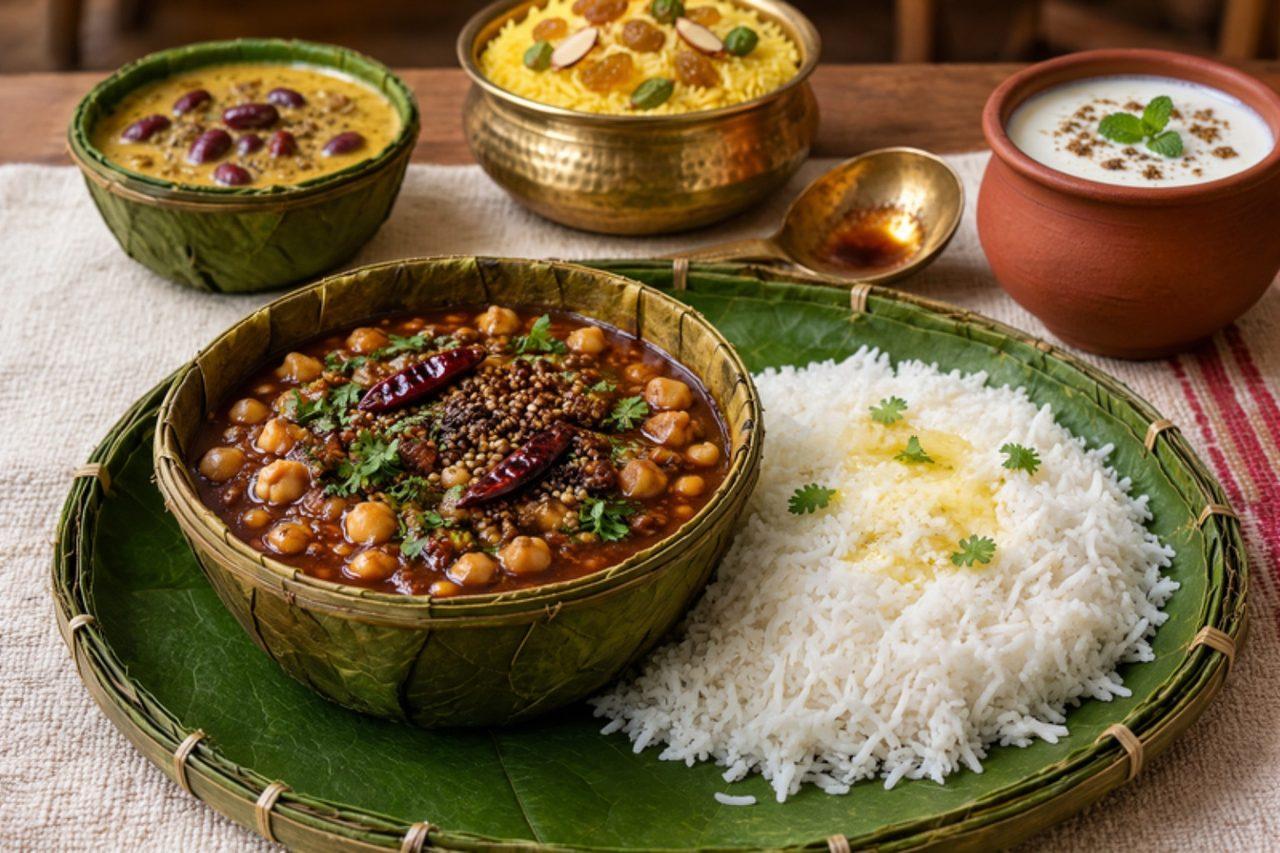
At a Kangra dham, the leaf-plate feast cooked by botis (Brahmin cooks) for weddings and village festivals, khatta comes towards the end, a dark, sweet-sour dish of chickpeas or pumpkin in a gravy soured with tamarind or dried mango and balanced with jaggery. It is served with rice and has no onion or garlic. The gravy is thin, glossy and almost black from the long-cooked tamarind. The common mistake is adding the tamarind to undercooked chickpeas; the acid stops them softening, so cook them fully first. Chef's tip: a teaspoon of rice flour or gram flour stirred into the gravy gives the dham-style gloss without making it heavy.

by KrazyBadal 0 views

NozawanazukePickled turnip greens

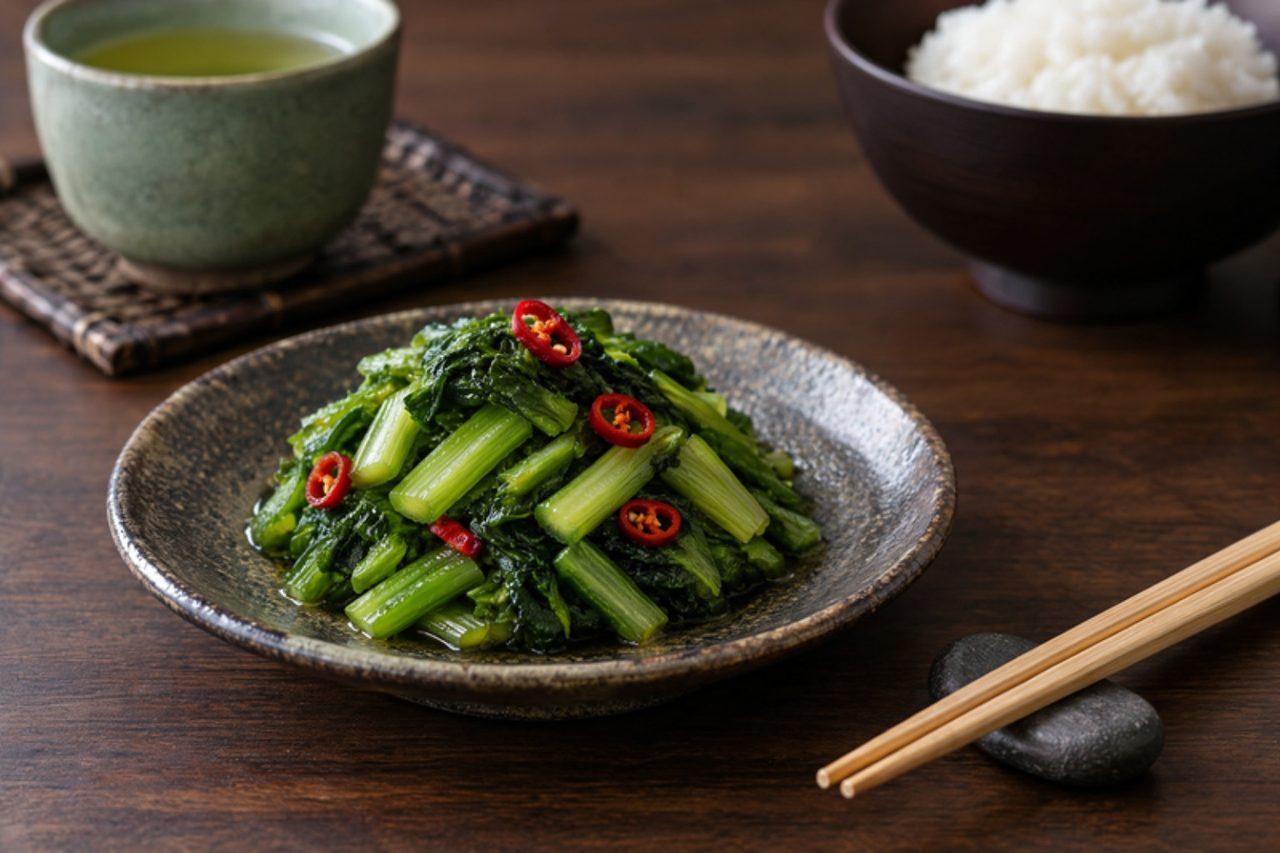
In the snowy hot-spring village of Nozawa Onsen in northern Nagano, early November is 'onsen washing' time: families carry armfuls of nozawana, a turnip relative with stalks taller than a child, to the steaming public spring to wash them, then salt them in big barrels for winter. The pickle is the region's tea-time snack, set out with green tea for neighbours, and the side for every winter meal. In the first weeks it is bright green, crisp and lightly salty (aozuke); by late winter it ferments to a golden-brown, sour 'ame-iro' stage, which locals chop and fry with sesame oil. Outside Japan use turnip greens, young mustard greens or the stems of komatsuna or choy sum. The common mistake is salting straight from cold water: rinsing in hand-hot water (around 40 °C) for a minute softens the stalks so the salt penetrates evenly. It is ready when the stalks are flexible, a vivid deep green and taste salty, juicy and fresh. Chef's tip: cut it into 3 cm lengths right before serving and toss with a drop of sesame oil and toasted sesame seeds.

by KrazyBadal 0 views

MabuyuCandied baobab seeds

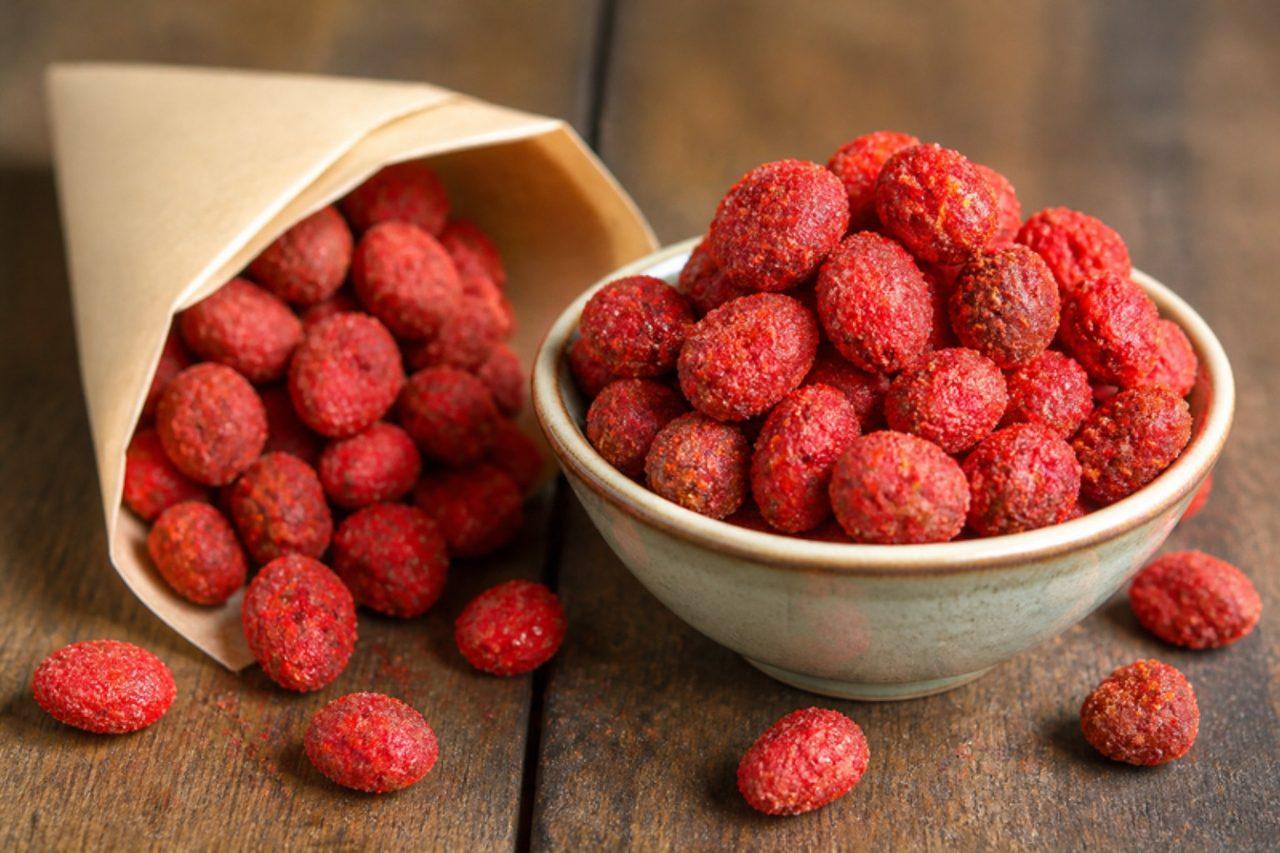
Twist-tied plastic packets of bright red mabuyu hang in every kiosk in Mombasa and Zanzibar, and school children suck on them for hours. Each baobab seed keeps a coat of its own chalky, lemony pulp, and boiling it in sugar syrup with chilli, cardamom and a touch of salt turns that coat into a crunchy, sweet, sour and hot shell. Buy dried baobab seeds with the pulp still on (sold as ubuyu or baobab seed pods at African grocers or online); powder or plain seeds won't work. Suck off the coating and pulp; the hard seed inside is not meant to be chewed and is not safe for small children. Chef's tip: once the seeds are in, keep stirring off the heat until the syrup suddenly turns cloudy and sandy; that is the moment the crust forms.

by KrazyBadal 0 views

SunkiFermented turnip greens

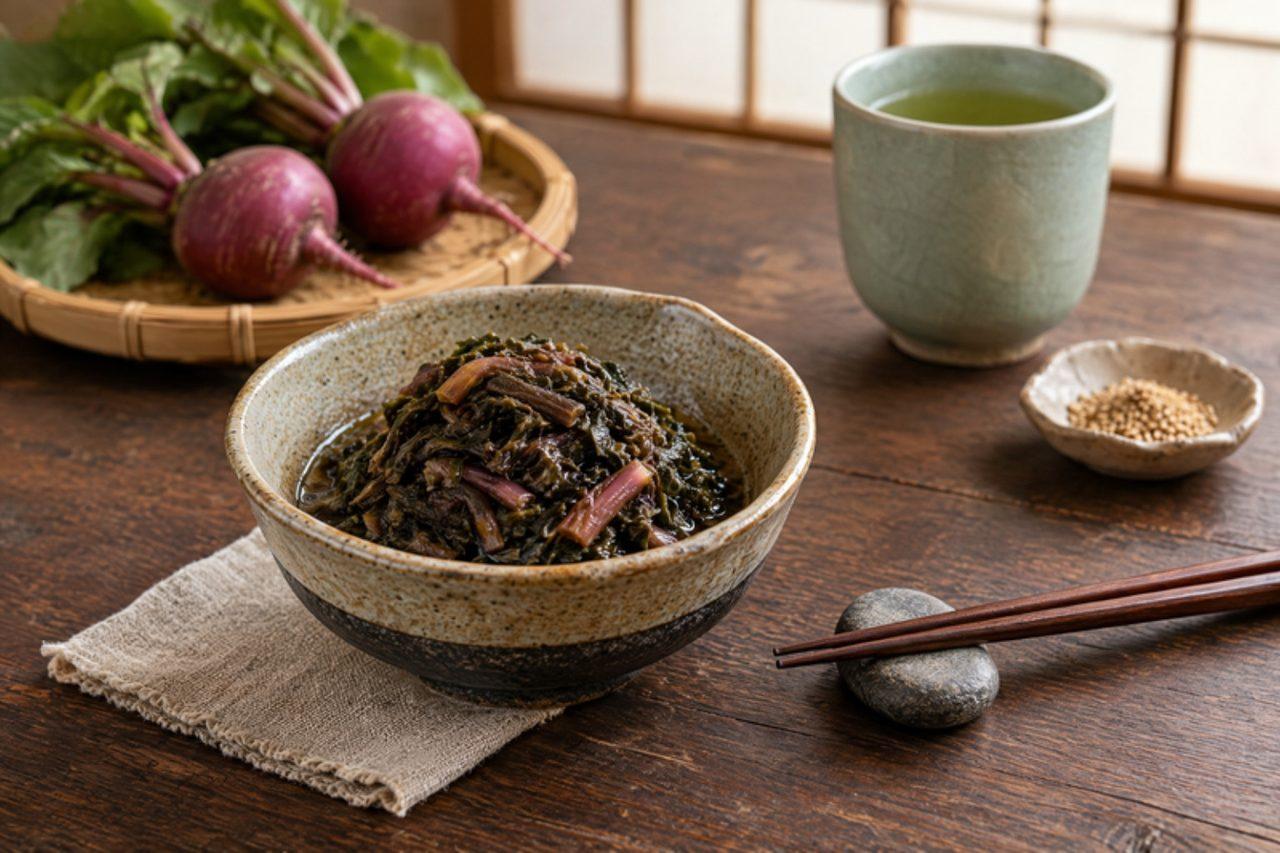
Sunki belongs to the high Kiso valley in Nagano, where salt was once too precious to spend on pickles. After the first frosts in November, villagers blanch the leaves and stalks of the red Otaki turnip, layer them in a wooden tub with a handful of last year's dried or frozen sunki as starter, and keep the tub wrapped and warm overnight so lactic bacteria take over. The result is completely unsalted, fiercely sour and earthy, with soft leaves in a rosy brine; it goes on hot soba as sunki soba, into miso soup and over rice. Because there is no salt to protect it, sourness is the only safety: it must become clearly sour within 2 days, and it must stay cold after that. If you have no sunki starter, use 100 ml brine from a live, unpasteurised sauerkraut (a little salt, but a reliable start). The common mistake is blanching with boiling water, which kills everything; the water should be about 70 °C. Normal signs are a pink brine, fine bubbles and a clean sour, yoghurt-like smell; bad signs are fuzzy mould, slime or a putrid smell, which mean discard. Chef's tip: freeze the finished sunki in small portions; it keeps its sourness and you keep a starter for next year.

by KrazyBadal 0 views

Gangaur guneFried dough shapes in syrup

Gangaur, Rajasthan's spring festival for Gauri, is when women fast and pray for their husbands and married daughters receive a sindhara of sweets from home, and gune are always in it. A ghee-rich dough is rolled thin, pleated or pressed into ribbed shapes and fried crisp, then dipped in sugar syrup or jaggery. They are crunchy, flaky and lightly sweet. The common mistake is under-rubbing the ghee into the flour, which makes them hard rather than short and flaky. Chef's tip: rub until the flour holds a clear fist mark when squeezed; that is when the gune will shatter, not crack.

by KrazyBadal 0 views

Lagmi (fresh palm sap)

In the oases of the Tunisian south, in Gabès, Tozeur, Nefta, Kebili and on Djerba, palm climbers cut a small wound at the crown of an ageing date palm and hang a clay pot under it overnight. By sunrise it holds lagmi: cloudy, ivory-white sap, cool and sweet, with notes of coconut water and fresh dates. It is sold in recycled bottles at the roadside and drunk the same morning, because the wild yeasts in it begin to ferment almost at once. By afternoon it is fizzy and sour, and by the next day it has become an alcoholic palm wine, also called lagmi, which is a different drink altogether. The common mistake is buying more than you can drink by lunchtime or leaving it in the sun: keep it on ice from the moment you get it. Fresh lagmi is ready to drink when it is sweet, smells clean and milky, and only a few tiny bubbles rise; once it tastes sour or prickles on the tongue, it has started to turn. It is raw and unpasteurised, so pregnant people, babies, older people and anyone unwell should skip it. Outside the oases, fresh coconut water is the closest stand-in. Chef's tip: chill the glasses too; lagmi is at its best ice-cold.

by KrazyBadal 0 views

BozaFermented millet drink

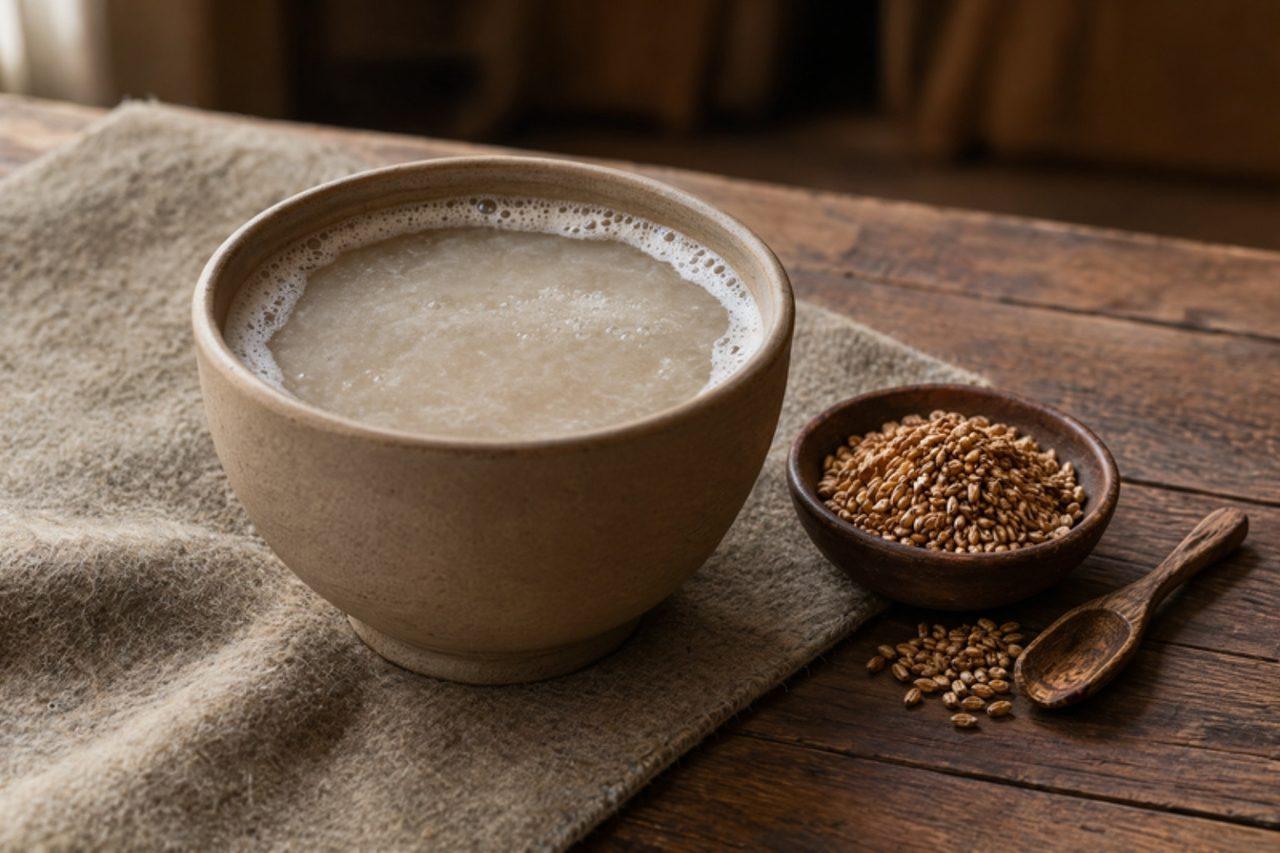
In Bulgaria boza is a breakfast habit: a plastic bottle of it from the corner pastry shop and a slice of hot, flaky banitsa, bought on the way to work or school, especially from autumn through to spring. Towns such as Radomir, Plovdiv and Sofia argue over whose is best. It is the colour of milky coffee, thick enough to coat the glass, sweet up front with a sour, bready finish and a faint prickle. Like every fermented grain drink it makes a trace of alcohol, well under 1% when drunk young. The base is millet flour, toasted for flavour, cooked into a thin porridge, then fermented for about a day before being strained and sweetened. The common mistake is adding the yeast while the porridge is still hot, which kills it and leaves you with sweet gruel; wait until it feels only just warm on your wrist. It is ready when the surface is covered in small bubbles, it smells like fresh bread with a sour edge and tastes pleasantly tangy. Chef's tip: keep back a glass of each batch in the fridge and use it instead of yeast next time; boza made from an old starter is rounder and more sour.

by KrazyBadal 0 views

Socată (elderflower fizz)

In late May and early June, when elder bushes bloom white along every Romanian village lane and riverbank, grandmothers fill big glass jars with water, sugar, lemon slices and elderflower heads and set them on a sunny windowsill or balcony. Three or four days later the jar is fizzing gently and socată, the most beloved summer drink of rural Romania, is bottled and chilled for haymaking days, family lunches and long evenings in the courtyard. It is sweet and floral, like honeyed lemonade with the scent of muscat grapes, with a light natural sparkle. Like all young ferments it makes a trace of alcohol, well under 1% if drunk within a week. The common mistake is washing the flowers or picking them after rain: the pollen and wild yeast that start the fermentation are rinsed away and nothing happens. Pick dry, fully open heads on a sunny morning and just shake off insects. It is ready to strain when fine bubbles rise steadily and it smells floral and slightly tangy. Use only the flowers: elder stems, leaves and unripe berries are toxic. Chef's tip: a few raisins in the jar give the yeast a boost if your flowers are slow.

by KrazyBadal 0 views

Charbat (Algerian lemon drink)

During Ramadan, as the afternoon wears on, vendors in Algiers' Bab El Oued, in Blida and Boufarik and in the old streets of Constantine fill plastic bags and jugs with ice-cold charbat for families to carry home before the call to iftar. It is lemonade made with lemon zest rubbed into sugar, a good splash of orange blossom water and a little milk, which turns it pale, opaque and silky and takes the sharp edge off the lemon. Served with zlabia, qalb el louz or straight after the dates and chorba, it tastes like lemon sherbet with a floral finish. The common mistake is adding the milk to strong, undiluted lemon juice, which curdles it into flecks; dilute the lemon fully, chill it, and only then pour in cold milk slowly while stirring. It is ready when it looks like pale lemon cream, smells of orange blossom and tastes sweet first, then tart. Lemon-and-milk drinks do not keep well, so make it the afternoon you serve it. Chef's tip: let the zest sit in the sugar for a good 10 minutes before adding water; the oils give charbat its perfume, far more than the juice alone.

by KrazyBadal 0 views

Anijsmelk (aniseed milk)

When the canals of Friesland freeze hard and the whole of the Netherlands goes out on skates, koek-en-zopie stalls appear on the ice selling erwtensoep, warm sausage and steaming cups of anijsmelk. At home it is a winter bedtime drink for children and grandparents alike, made either by crushing aniseed into simmering milk or, as many Dutch families do, by stirring in anijsblokjes, sugar cubes flavoured with aniseed. It tastes softly sweet and liquorice-like without being sharp, and it is smooth and warming, with a faint warmth on the tongue. The common mistake is boiling the milk: it rises over the pan, scorches on the base and forms a thick skin. Heat it slowly and stop when tiny bubbles appear around the edge. It is ready when the milk smells clearly of anise after steeping and has turned faintly ivory. Anise seeds are sold in spice shops; in a pinch use one star anise, though it tastes stronger and less sweet. There is no caffeine, which is why Dutch parents serve it at bedtime. Chef's tip: crush the seeds just before using, the oils fade quickly once ground.

by KrazyBadal 0 views

SlempSpiced saffron milk

Slemp is the Dutch holiday drink of earlier centuries: on Sinterklaas evening, around New Year and on skating days in the 18th and 19th centuries, a big kettle of milk was simmered with saffron, mace, cinnamon, cloves, lemon peel and a handful of tea leaves, and ladled into cups for family and visitors. Slemp evenings came back into fashion in Amsterdam museums and village fairs, and you can still buy dried 'slempkruiden' spice mixes in old-fashioned shops. The drink is golden, faintly floral from the saffron, warmly spiced and only lightly sweet, with a soft tea background; a spoon of cornflour gives it a slight body. The common mistake is throwing all the spices straight into boiling milk: cloves turn harsh and the milk catches. Steep the spices in the hot milk below the boil instead, then strain. It is ready when it has turned saffron-gold and smells of cinnamon and mace. The tea adds a small amount of caffeine. Chef's tip: soak the saffron in a spoon of warm milk for ten minutes first; the colour spreads more evenly and you need fewer threads.

by KrazyBadal 0 views

TogwaSweet fermented maize drink

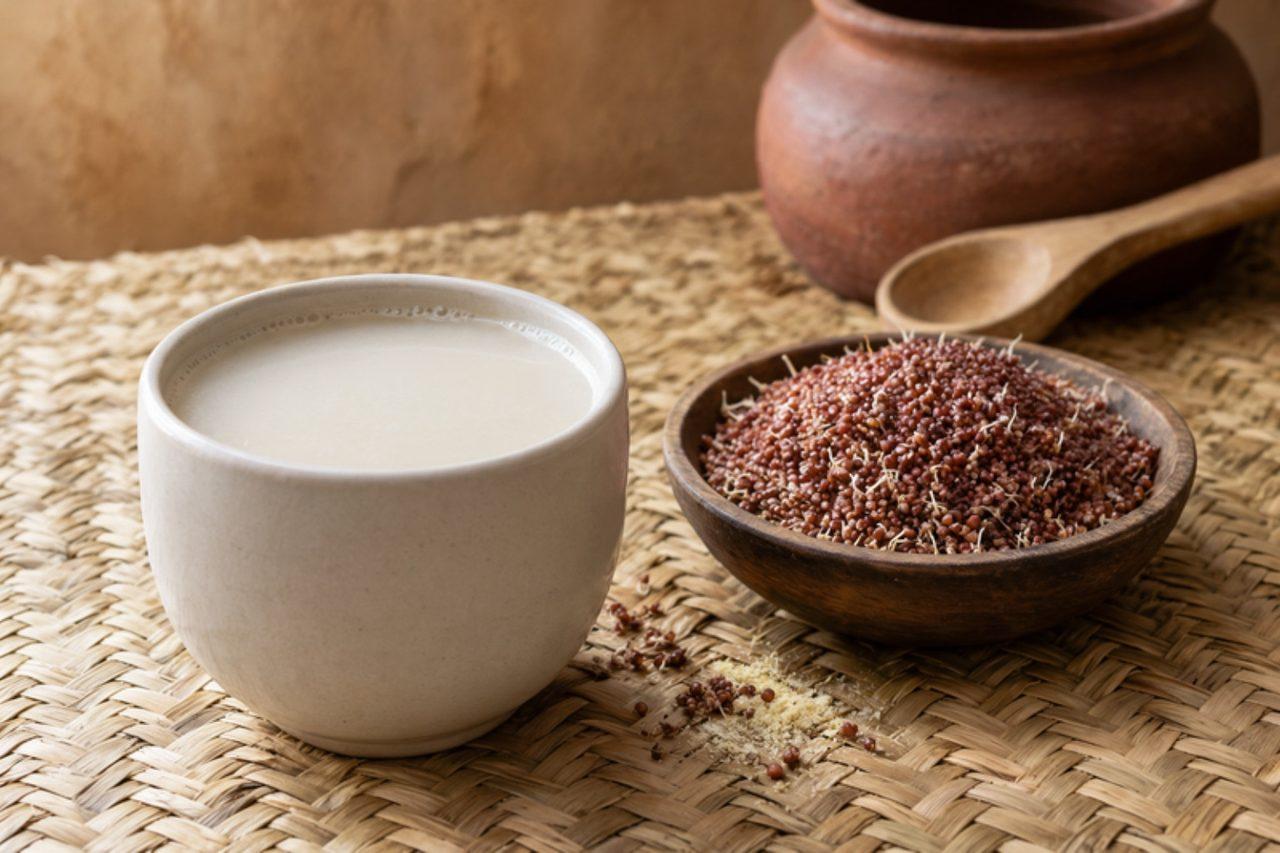
In Tanzania's Dodoma, Singida and Iringa regions, togwa is drunk through the hot, dry months and carried to workers in the fields at midday. It starts as a thin porridge of maize or sorghum flour. Once it cools a little, a handful of kimea, sprouted and dried finger millet ground to a malt, is stirred in, and its enzymes turn the starch to sugar so the thick gruel thins almost before your eyes and tastes sweet. Left overnight, it sours lightly. Good togwa is sweet-sour, smooth and drinkable, like a thin, tangy grain milk. Any alcohol is only a trace, well under 1%, if drunk within a day or two. The common mistake is stirring the kimea into gruel that is still boiling, which kills the enzymes and leaves it stodgy; wait until it is hot but bearable to touch, about 60 °C. It is ready when it has thinned to a pourable drink, tastes pleasantly sour and smells clean and slightly yeasty. If you cannot buy kimea, soak finger millet for 12 hours, sprout it for 2 days, dry it in the sun or a cool oven and grind it. Chef's tip: stir in the malt in two goes, half while warm to sweeten and half when cool to start the souring.

by KrazyBadal 0 views

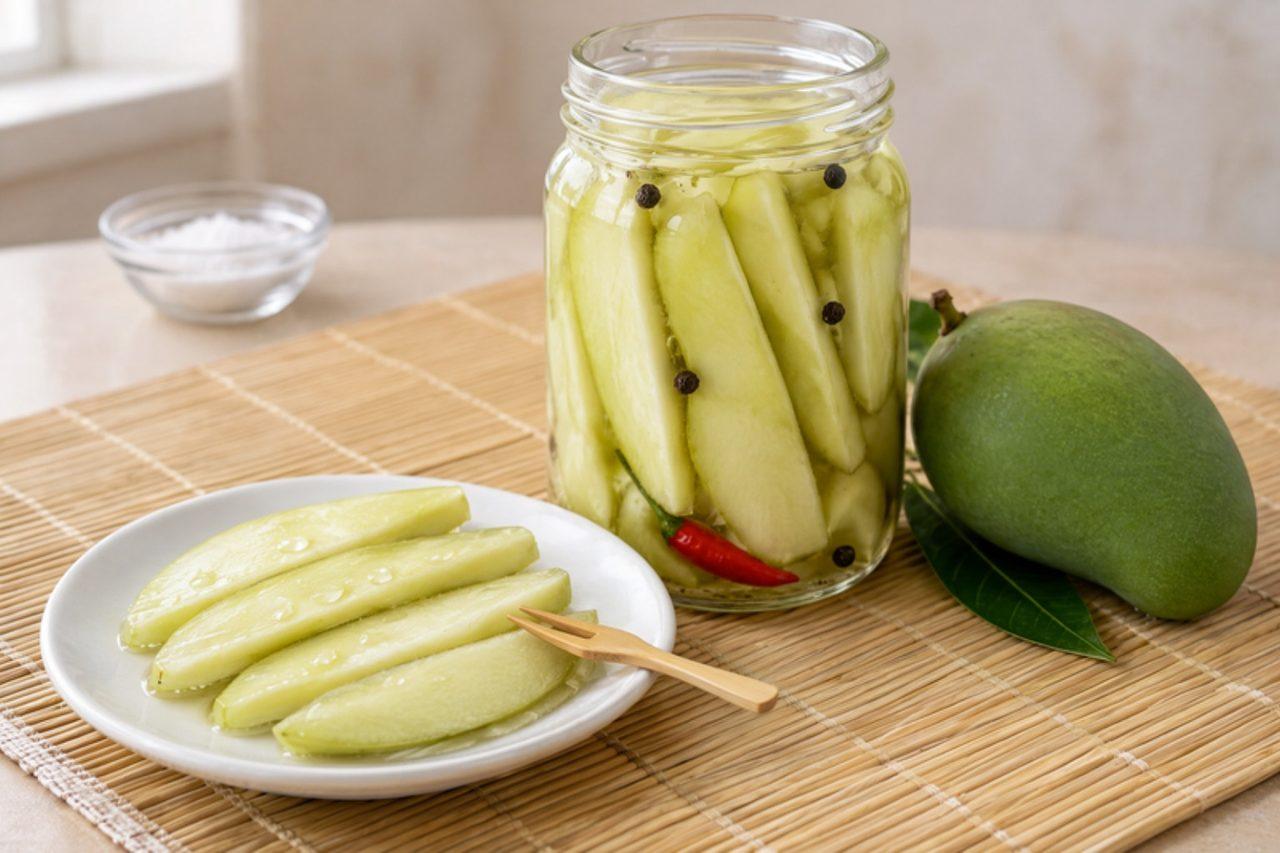
Burong manggaPickled green mango

From Pampanga to Pangasinan, the hot months of March to May bring piles of hard green carabao mangoes to every palengke, and many households slice them into a jar of burong mangga. A week in a sweet salt brine turns the mango from mouth-puckering to bright and juicy: still crunchy, sour at the core, salty-sweet on the outside. It is eaten on the side of inihaw na isda and pritong tilapia, with rice and fried pork at lunch, or as an afternoon merienda straight from the jar, and the brine is sometimes sipped too. Common mistake: using mangoes that have started to ripen; a yellow blush makes the slices go soft and slimy, so choose rock-hard, deep-green fruit. Because the brine has no vinegar it keeps only in the fridge. It is ready when the slices have turned from opaque white to a translucent yellow-green and taste evenly seasoned right through. Chef's tip: let the boiled brine cool completely before pouring, and add a few slices of fresh chilli if you like heat. Outside Asia, use firm green Thai or Indian mangoes from an Asian grocer.

by KrazyBadal 0 views

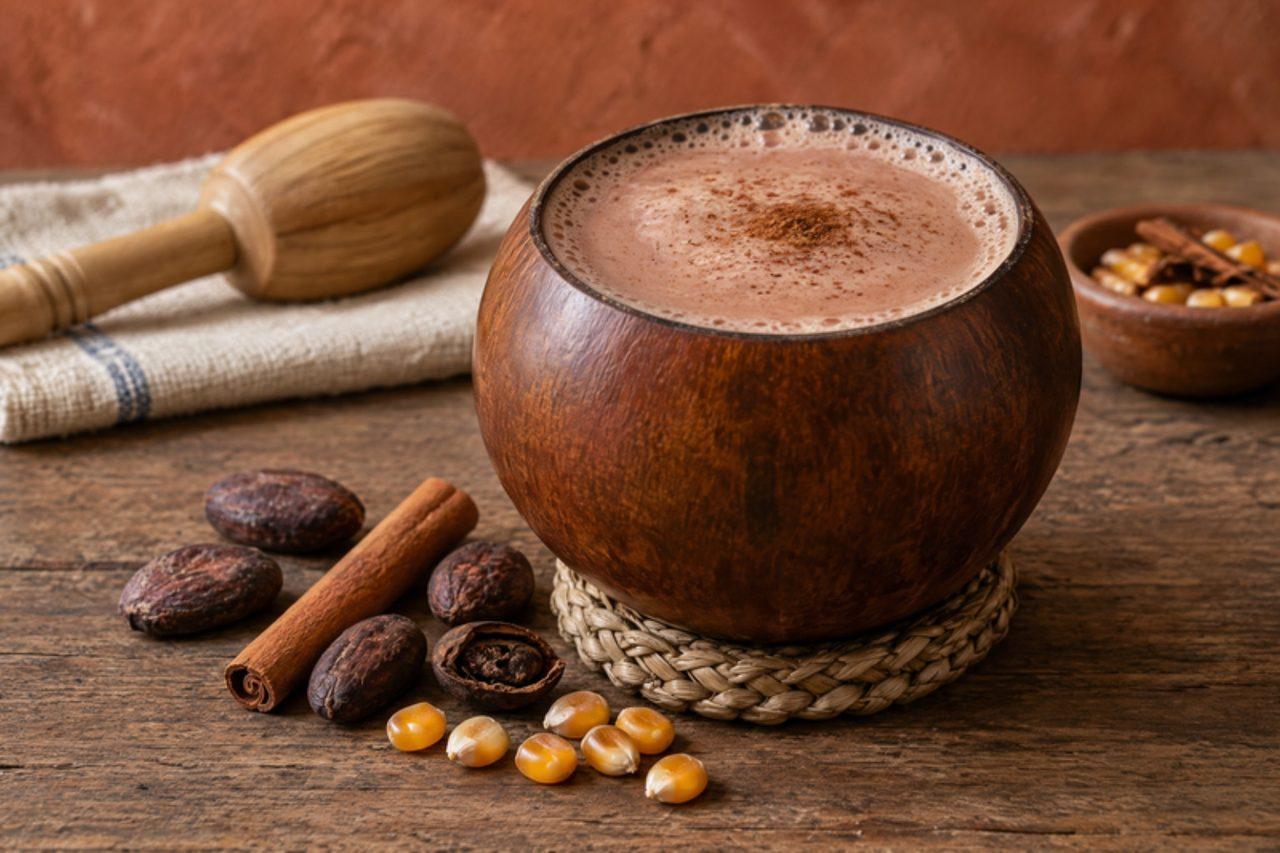
TisteMaize and cacao drink

In Nicaragua tiste belongs to the hot season and to the countryside around León, Chinandega and Masaya, where it is served in a jícara, a polished half-gourd, at fiestas patronales, at markets and to anyone arriving tired from the fields. Dried maize and cacao beans are toasted until fragrant, ground with cinnamon to a fine flour, then stirred into cold water with sugar. It is grainy in a pleasant way, with the taste of toasted corn, a deep cocoa bitterness and warm cinnamon; in the north they add a little achiote for colour. The common mistake is under-toasting the maize: it needs to go a deep golden-brown, with a few kernels popping, or the drink tastes raw and floury. It is ready when the powder smells like popcorn and chocolate, and the mixed drink is a cloudy cocoa brown that needs stirring as it settles. Traditionally the grinding was done on a stone; a high-powered blender or grain mill works well. If you cannot get dried maize, toast 150 g masa harina in a dry pan until golden instead. Chef's tip: make a double batch of the powder and keep it in a jar; it lasts a month and a glass takes one minute.

by KrazyBadal 0 views

GüirilaSweet corn tortilla with curd cheese

On the winding road north from Managua to Matagalpa and Jinotega, smoke from roadside griddles means güirilas: thick, sweet tortillas of freshly ground young corn, folded around a slab of salty cuajada and a spoonful of cream. The outside is lightly charred and the middle soft and custardy, a little like a corn pancake. Cuajada is a fresh cheese usually set with animal rennet; a vegetarian halloumi or fresh vegetarian cheese is a good swap. The most common mistake is a batter so runny that it spreads thin and tears when you flip it. Chef's tip: grind the corn in a blender in short bursts so a little texture remains, then stir in masa harina a spoonful at a time until the batter just holds a soft mound.

by KrazyBadal 0 views

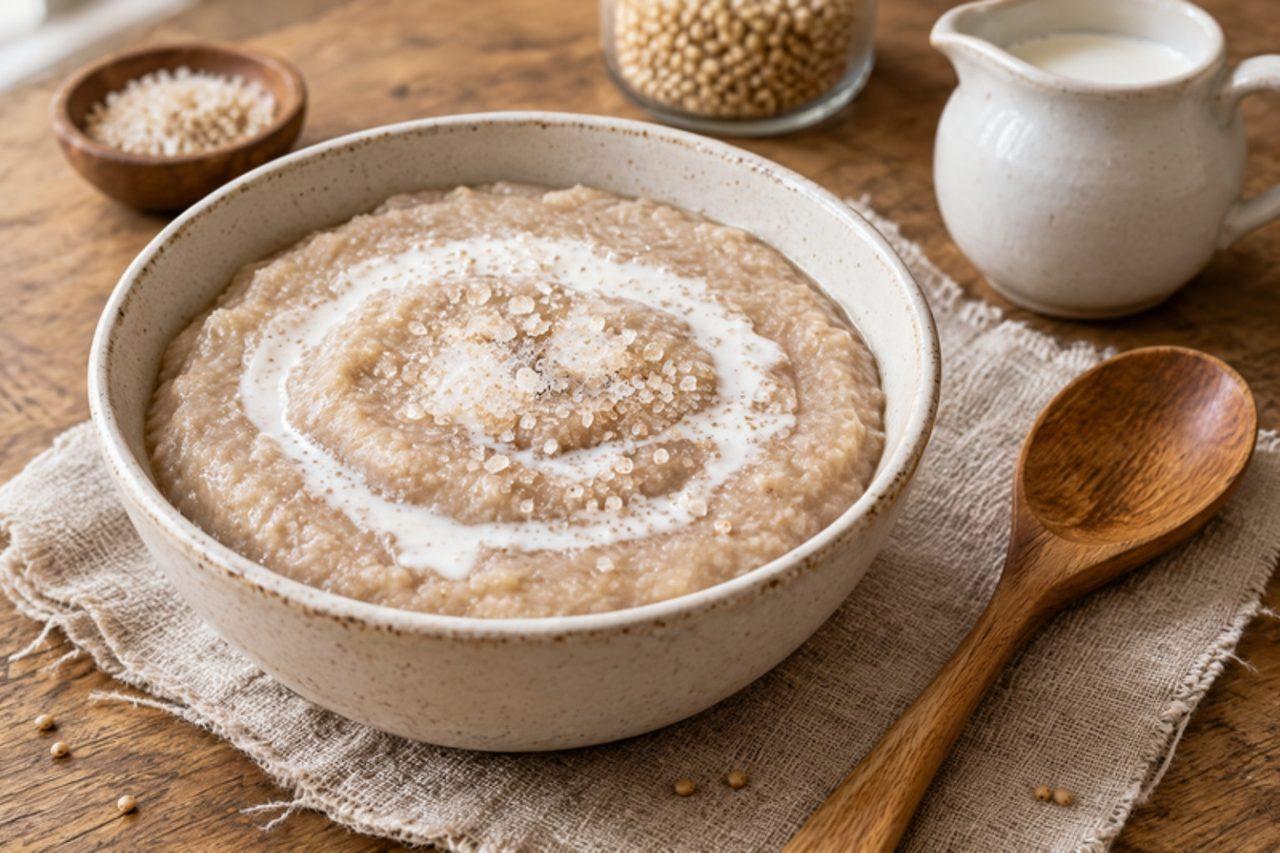
MotogoSoured sorghum porridge

In Botswana, motogo is the soft breakfast porridge made from mabele (sorghum meal), stirred in water until smooth and then soured with a splash of madila or maas, thick cultured milk, and sweetened with sugar. It has a gentle tang and a slightly earthy, nutty flavour, quite unlike oat porridge. The common mistake is adding the sour milk while it is still bubbling, which splits it; take the pot off the heat first. Chef's tip: for an even smoother motogo, soak the sorghum meal in the cold water for 20 minutes before cooking.

by KrazyBadal 0 views

Café chorreadoCloth-filtered coffee

Every Costa Rican grandmother has a chorreador: a small wooden stand holding a cloth bag, the bolsita, over a cup or jug. Hot water is poured through the grounds by hand, a little at a time, and the result is the coffee drunk at breakfast with gallo pinto and again at the afternoon cafecito around three, with a tamal, a slice of pan casero or a rosquilla. The cloth catches the oils and fine grounds, so the cup is clean, bright and smooth, with the soft acidity and caramel sweetness of Tarrazú and Central Valley beans. In the countryside the water is sometimes sweetened with tapa de dulce before it goes through. It is strong coffee, so mind the caffeine late in the day. The common mistake is pouring all the water in at once, which floods the bag and leaves weak, uneven coffee; pour in slow circles, in four or five goes. It is ready when the drips slow to a trickle and the coffee is dark reddish-brown and smells of toasted caramel. Never wash the bag with soap; rinse it in hot water and hang it to dry. Chef's tip: boil a new bag once with a spoonful of coffee before using it, to season the cloth.

by KrazyBadal 0 views

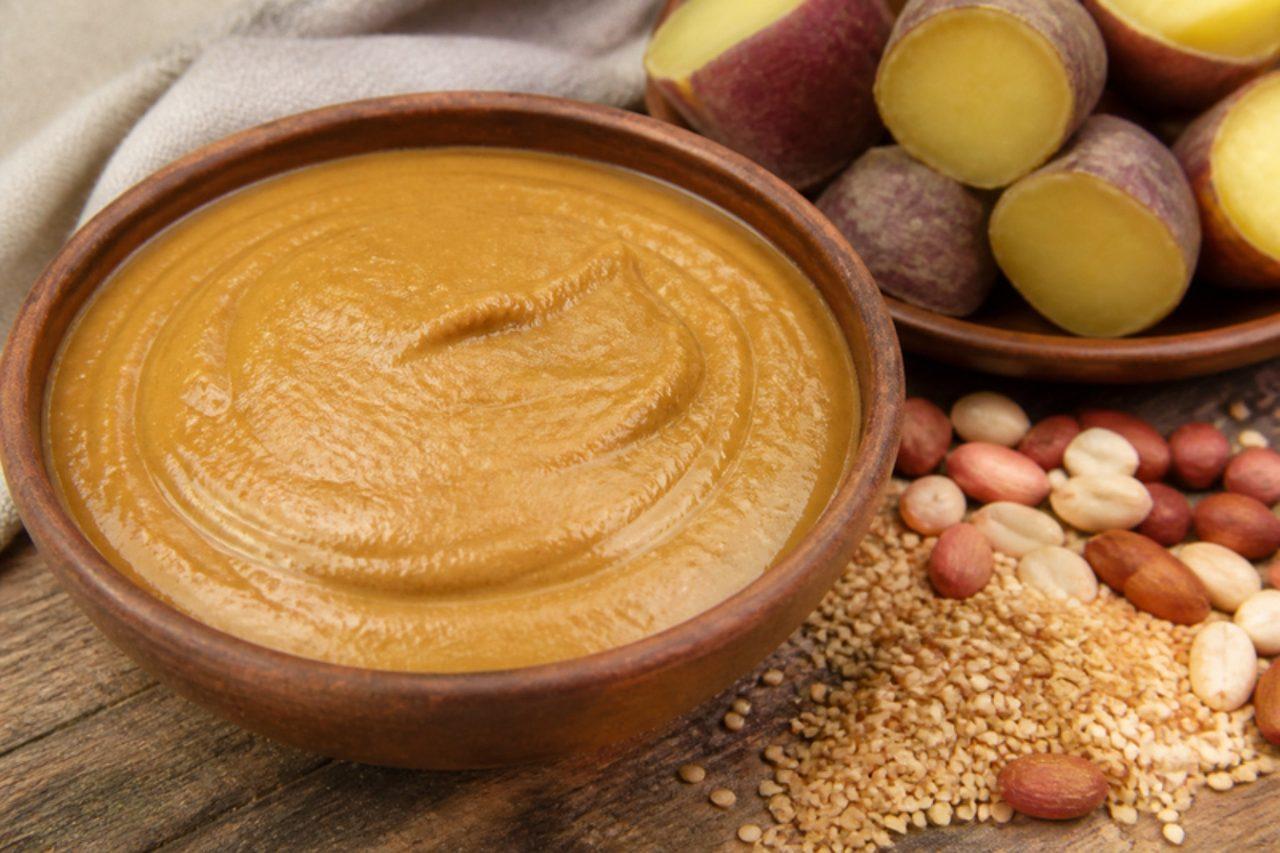
OdiiRoasted peanut paste

A jar of odii sits in almost every northern Ugandan kitchen, made by roasting groundnuts, often with a handful of sesame, and grinding them to a paste. Thinned with a little salted water, it becomes a smooth, toasty, savoury spread for bread and roasted cassava, a dip for boiled sweet potatoes, or the starting point for malakwang and boo. Freshly made, it tastes far deeper than shop peanut butter. The error to avoid is under-roasting: pale nuts give a flat, beany paste, so take them to an even mid-brown. Chef's tip: add the water a teaspoon at a time while stirring; the paste will first seize and thicken, then turn silky, so keep going past that point.

by KrazyBadal 0 views

Pan de aguaWater bread

In San Juan, Ponce and every small town in between, the panadería opens before sunrise and people line up for long loaves of pan de agua, a thin-crusted, airy white bread made with only flour, water, yeast, salt and a pinch of sugar. Torn warm, buttered and dunked in café con leche, it is the island's breakfast. The trick is steam: the dough is brushed with water and baked over a tray of hot water, which gives the light, crackly crust. The common mistake is adding too much flour while kneading; a sticky dough makes the open, airy crumb. Chef's tip: let the shaped loaves rise in a cold oven above a tray of just-boiled water, then remove them while the oven heats; the warm, humid air gives a fast, even rise.

by KrazyBadal 0 views

Maksym (Kyrgyz grain drink)

On summer days in Bishkek and Osh, blue and yellow street barrels sell maksym by the glass, next to chalap and kymyz. It is a sour grain drink of Kyrgyz herders: barley (or millet or corn) is toasted, ground and cooked with fried wheat flour into a thin gruel, then left overnight with a little of yesterday's batch until it turns pleasantly sour and slightly sparkling. It is drunk cold with plov, samsa or simply to cool down in July heat. It tastes nutty, like toast and rye bread, with a yogurt-like tang and a gentle salty edge; the texture is thicker than kvass, about like thin buttermilk. Like all ferments it develops a trace of alcohol, well under 1% when drunk young. The classic mistake is adding the starter while the gruel is still hot, which kills it; wait until it feels just warm, about 30 °C. It is ready when small bubbles rise, it smells pleasantly sour and a foamy cap forms. Keep it in the fridge in a loosely capped jug for 3–4 days; it gets sourer and more alcoholic as it sits. Discard if you see coloured mould, slime or smell anything rotten. Contains gluten. Chef's tip: toast the barley until it smells like coffee for the deepest flavour.

by KrazyBadal 0 views

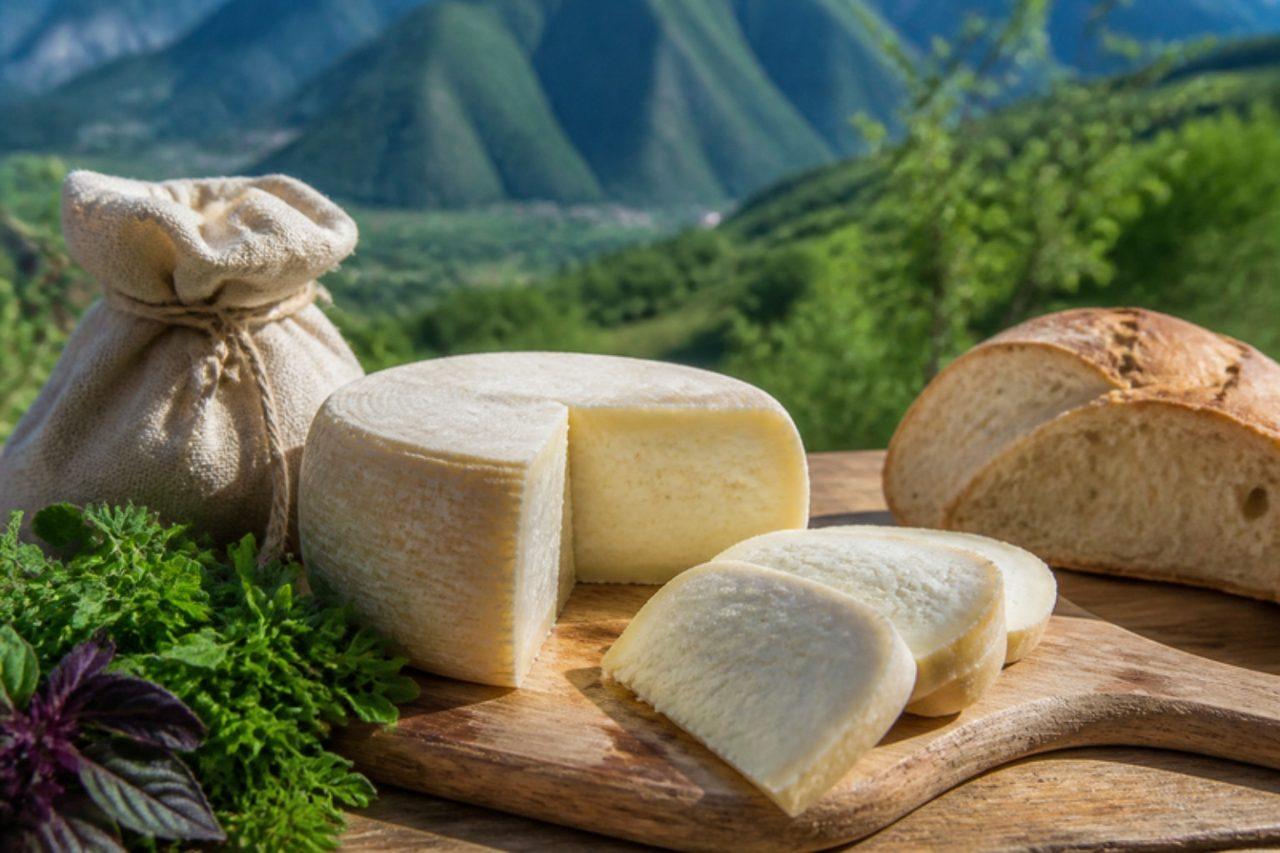
ShorSalted dry curd cheese

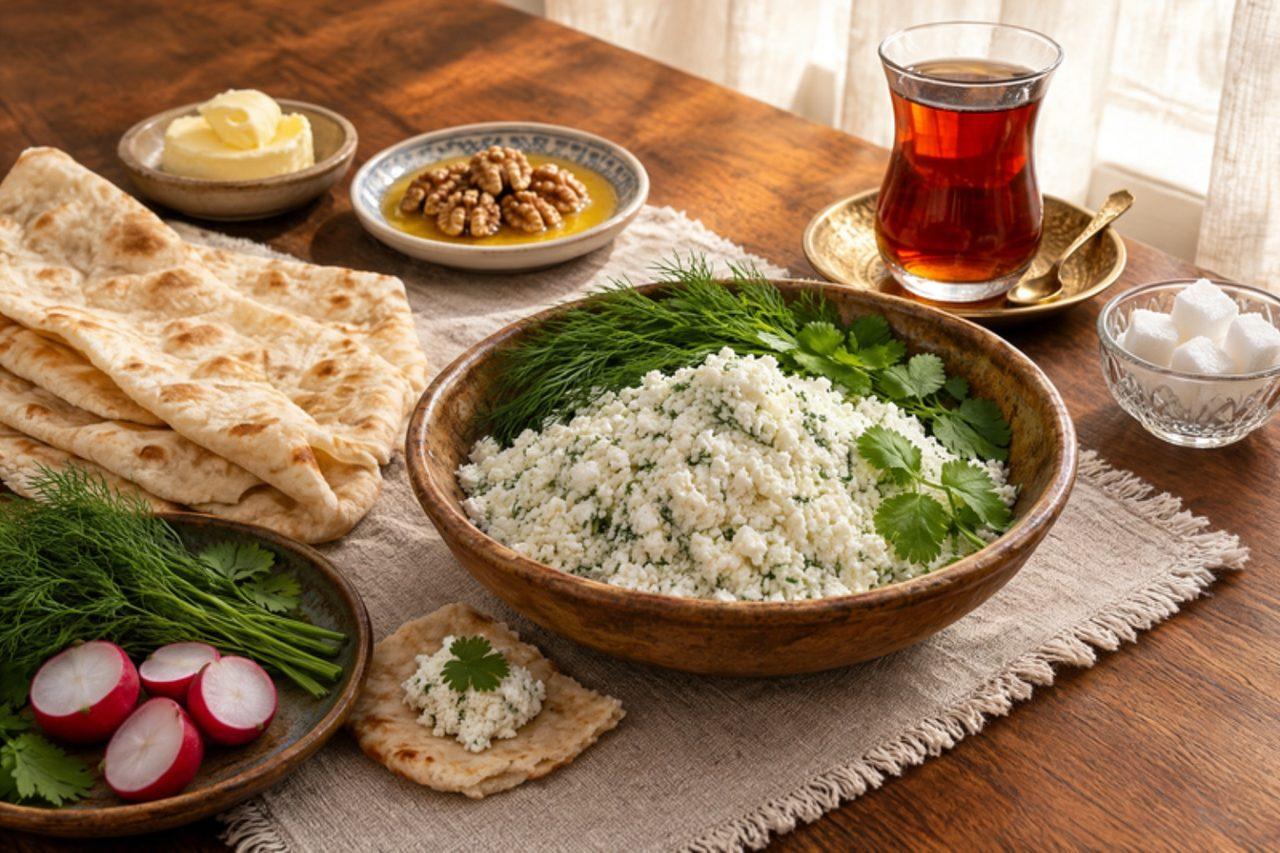
In Azerbaijani villages şor is made from what is left after churning butter from soured milk: the curds are heated, drained in a cloth, salted and left to dry into a crumbly, tangy cheese. On the breakfast table in Shaki or Ganja it sits beside fresh herbs, cucumbers, butter and bread, with tea in pear-shaped glasses. This home version uses natural yogurt and milk, and needs about 12 hours to drain and dry. It is set with acid and heat, so no rennet is used. The mistake is boiling the mixture hard, which makes rubbery curds; heat it gently until it just separates. Chef's tip: add the salt after draining, crumbling it through with your fingers, so you can taste and stop when it is pleasantly salty.

by KrazyBadal 0 views

Karnemelkse papButtermilk porridge

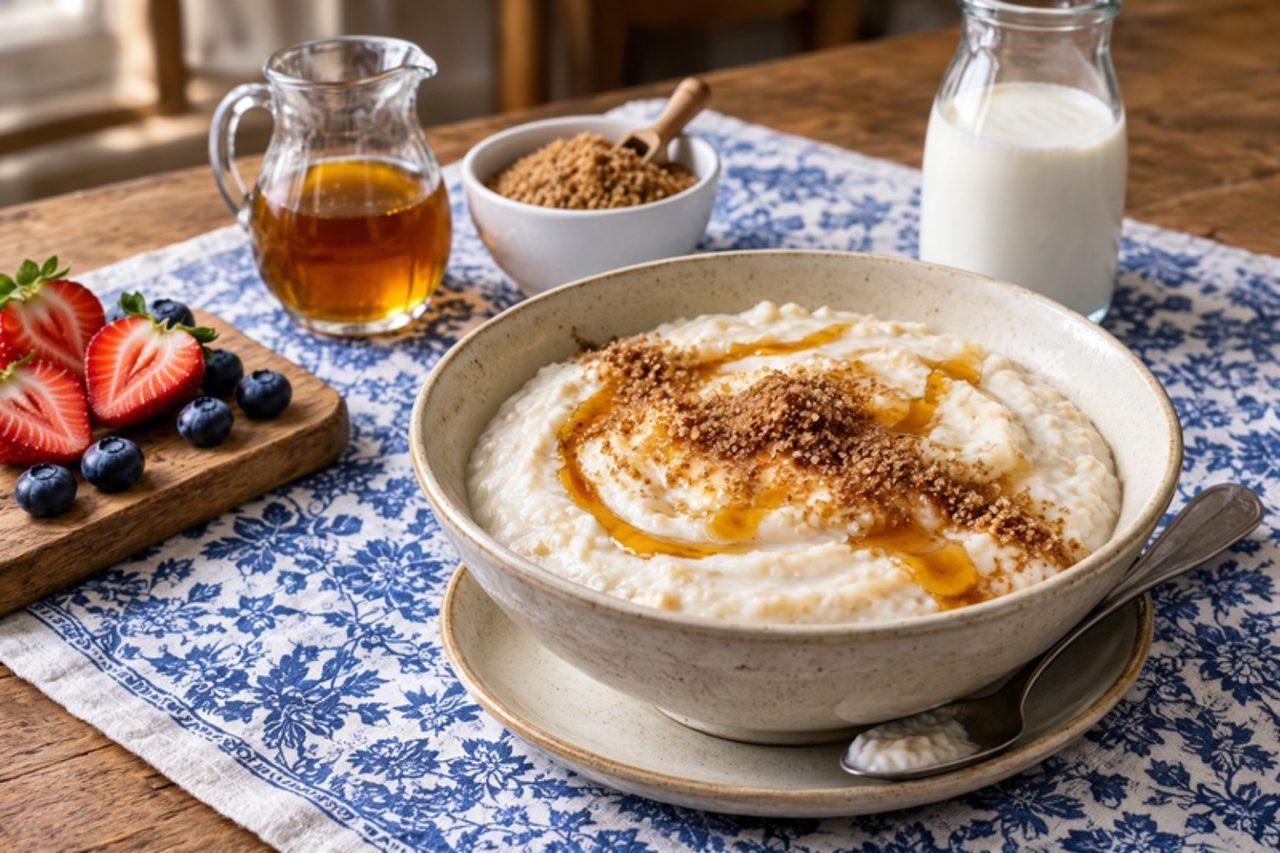
Karnemelkse pap, made with the buttermilk left over from Dutch farm churning, was breakfast and supper in the Netherlands for centuries, and many older Dutch people still remember it on cold winter mornings. Buttermilk is thickened with flour into a smooth, tangy porridge and eaten hot with stroop (syrup) or brown sugar. The common mistake is pouring cold buttermilk on flour and boiling hard, which splits the porridge into grainy lumps; mix a smooth paste first and keep the heat gentle. Chef's tip: stir constantly with a whisk, especially at the bottom of the pan, until it bubbles once, and it stays silky.

by KrazyBadal 0 views

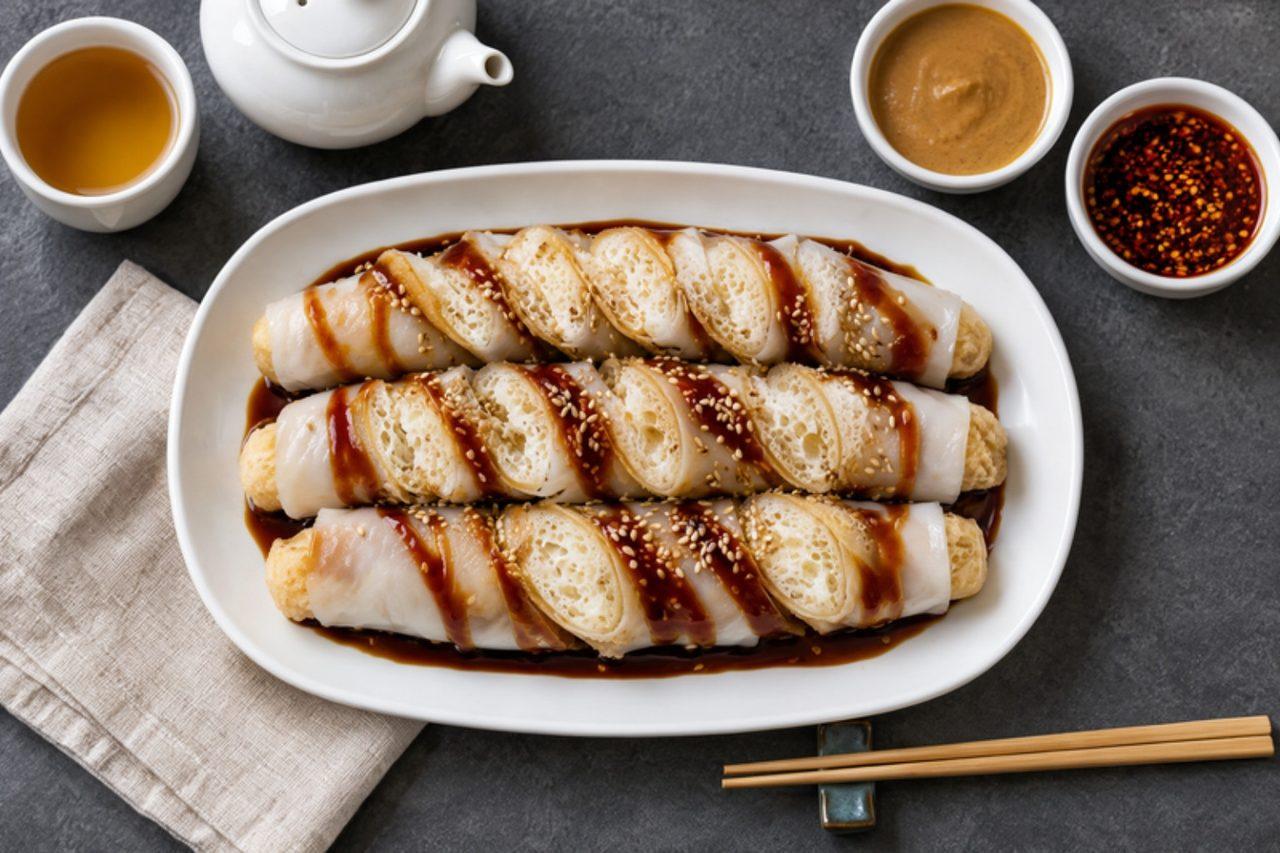
ZhaliangRice noodle roll with fried dough

In Hong Kong dim sum halls and congee shops, zhaliang is a morning favourite: a fried dough stick wrapped in a slippery steamed rice noodle sheet, cut into pieces and doused in sweet soy, with hoisin and sesame paste or seeds on the side. The joy is the contrast between soft and crisp. The mistake is wrapping a stale dough stick; re-crisp it in the oven first, or it turns leathery inside the sheet. Store-bought dough sticks sometimes contain egg or milk, so check the label for a vegan plate. Chef's tip: steam the rice sheets in a lightly oiled tin no thicker than 2 mm, and roll them round the dough stick while still hot so they cling.

by KrazyBadal 0 views

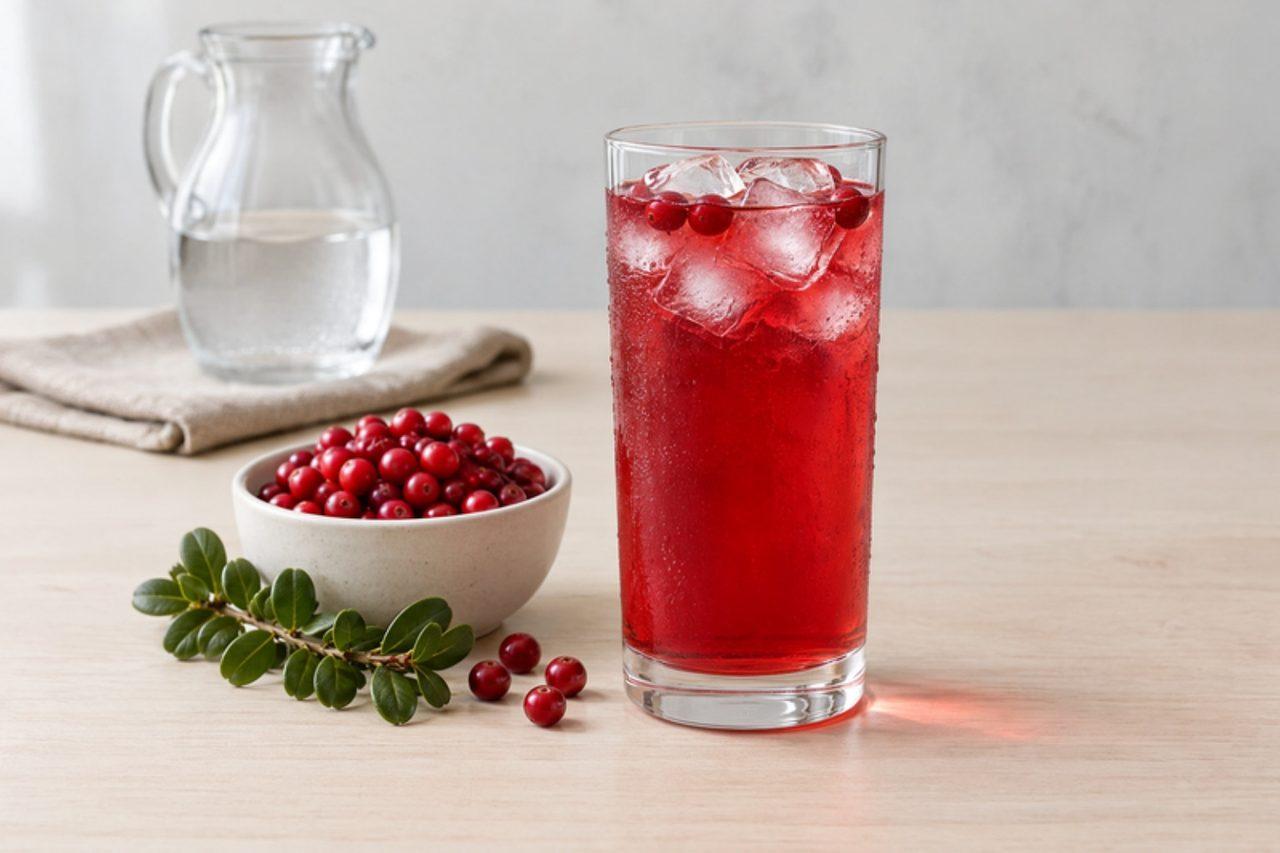
Lingondricka (lingonberry cordial)

In Sweden the jug of red lingondricka sits on the table at weekday dinners, in school canteens and at the julbord, poured beside meatballs, pyttipanna or a Saturday pea soup. Lingonberries grow wild in the forests of Norrland and Dalarna, and in late August families pick them by the bucket with a wooden berry rake. Cooked with sugar and strained, they become a cordial that is both sweet and sharp, with a slight bitter-almond edge from the skins, bright enough to cut through rich, creamy food. The common mistake is boiling the berries hard for a long time: the cordial turns jammy and brownish, and the pectin can make it set in the bottle. Bring it just to the boil, crush, then simmer only briefly. The syrup is ready when it is clear ruby, flows like a thin syrup and tastes tart then sweet. Lingonberries are sold frozen in Nordic and Eastern European shops; cranberries work as a substitute, with a little more sugar. Bottled hot into sterilised bottles it keeps 2 months in the fridge, or 6 months frozen. Throw it out if you see mould or it fizzes. Chef's tip: mix one part cordial to five of chilled sparkling water for a party version.

by KrazyBadal 0 views

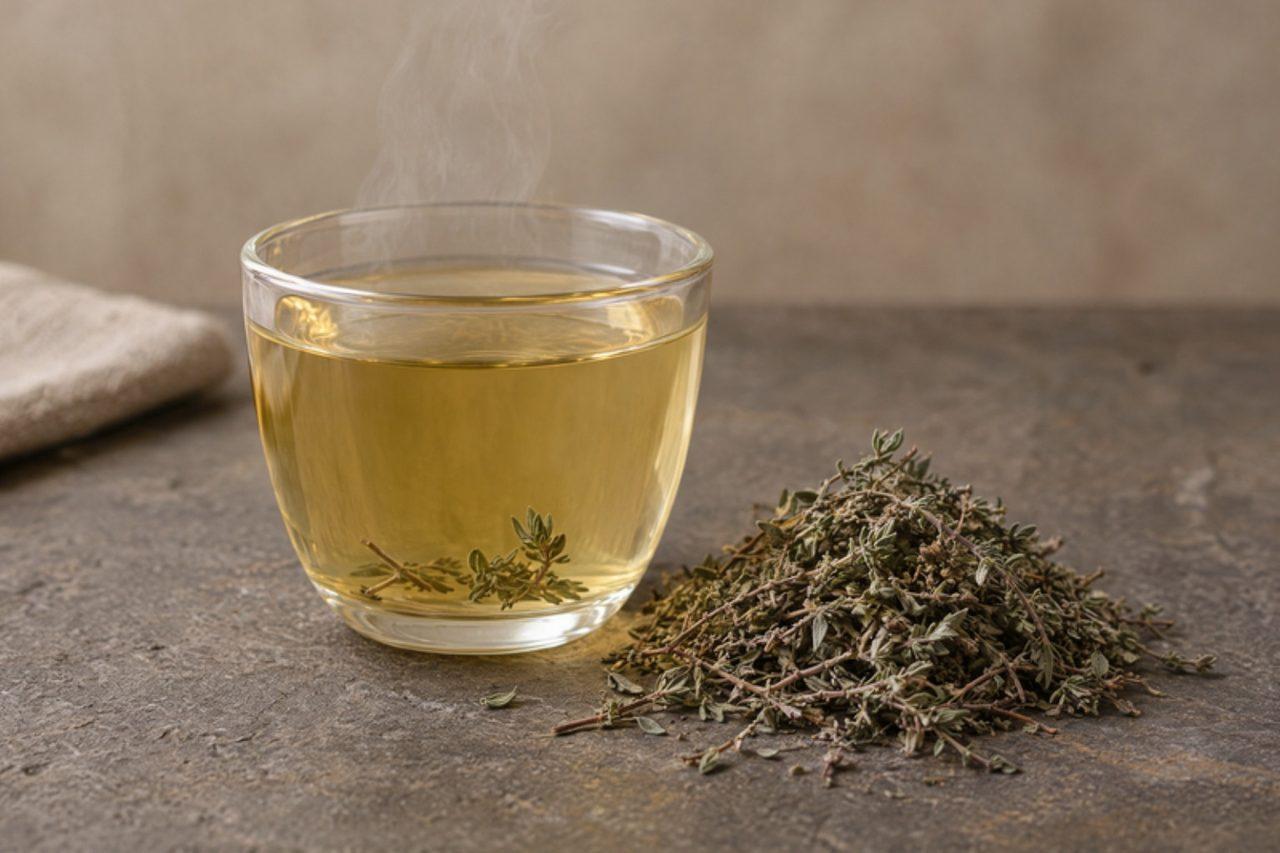
Urts tea (wild thyme tea)

Urts, the wild thyme that carpets the summer meadows around Aragats and Lake Sevan, is picked in June and July when it flowers purple, then tied in bunches and hung to dry. Every Armenian market sells it, and it is the tea served in village homes after a heavy khorovats lunch, in the evening before bed, or with a plate of dried fruit and gata on a winter visit. It brews to a pale gold, smells of summer hillsides and tastes softly peppery and herbal, a little like oregano and lemon. The common mistake is boiling the herb: it turns harsh and medicinal and loses its sweet, floral notes. Pour on water just off the boil and cover the pot so the aromatic oils stay in the tea. It is ready after 5–7 minutes, when the colour is light gold and it smells of thyme the moment you lift the lid. Outside Armenia, use dried wild thyme or a mild garden thyme with flowers, about two-thirds the amount. It is traditionally drunk for a tired stomach or a cough; drink it in normal amounts and check with a doctor if you are pregnant or on medication. Chef's tip: add a few dried mint leaves or a sprig of dried rose petals for a village blend.

by KrazyBadal 0 views

Koffie verkeerdCoffee with extra milk

Order a koffie verkeerd in any Dutch café or bruin café and you get a tall glass that is mostly steamed milk with a strong shot of coffee poured in, the 'wrong' way round compared with a normal black coffee. It is the Dutch morning cup at home and at work, usually with a speculaas biscuit on the saucer. The common mistake is boiling the milk, which makes it taste cooked and kills the foam; heat it only until it steams and small bubbles form at the edge, about 65 °C. Chef's tip: froth the milk by shaking it in a jar with the lid on before warming it in the microwave, and you get café-style foam without a machine.

by KrazyBadal 0 views

Lahpet yay (Burmese milk tea)

Yangon runs on lahpet yay. From before dawn, crowded teashops set out tiny plastic stools on the pavement, and the tea comes with mohinga, palata or a plate of samusa; people linger again at four in the afternoon to talk. The tea is a dark, very strong brew of cheap black leaf that has been boiled and kept hot in a kettle, mixed in the cup with condensed milk and evaporated milk. Regulars order in code: cho seint is sweet and creamy, kya seint is strong and less sweet, pawsein is the standard. It should be thick, silky, sweet, faintly smoky and bitter underneath. The common mistake is brewing it like ordinary tea: it ends up thin and the condensed milk just tastes of sugar. Boil the leaves hard and then let them stand so the liquor is almost black; the bitterness is needed to stand up to the milk. It is ready when the tea poured from height into the cup has a light froth and the colour of milk chocolate. It is strongly caffeinated, so not one for children or late evenings. Chef's tip: pour the finished tea between two jugs a few times to cool it slightly and give it the teashop froth.

by KrazyBadal 0 views

Tibetan fried breadPuffed fried bread

Trekkers in the Everest and Annapurna regions, and early risers in Kathmandu's Boudha neighbourhood, know this bread: rounds of dough slashed down the middle and fried until they puff, golden outside and soft inside. Tibetan families eat it with honey or jam, with a bowl of potato or chickpea curry, and with salty butter tea. The mistake is rolling the dough too thin; at about 1 cm thick it stays tender, while thin dough fries into a hard cracker. Chef's tip: let the shaped rounds rest for 10 minutes before frying so the gluten relaxes and the bread balloons evenly.

by KrazyBadal 0 views

Herbata z sokiem malinowymTea with raspberry syrup

In Polish homes a bottle of sok malinowy, the raspberry syrup made each July from garden or forest raspberries, waits in the pantry for winter. When someone comes in from the frost, or lies in bed with a cold, it goes into a glass of hot black tea, sometimes with a slice of lemon; grandmothers insist it makes you sweat the chill out, and the drink is traditionally given at the first sign of a sniffle. It also appears simply after a winter walk or with a slice of cake. The tea turns ruby, tastes of summer berries with a light tannic edge, and is sweet enough without sugar. The usual mistake is pouring syrup into boiling tea straight from the kettle: the fresh raspberry aroma cooks off and only sweetness is left. Let the tea cool for a minute or two first. It is ready when the tea is deep amber, the syrup has fully swirled through and it smells clearly of raspberries. No homemade syrup? Use a good shop-bought raspberry syrup, or make the quick one in the optional steps. Chef's tip: brew the tea weaker than usual, about two minutes, so the fruit stays in front.

by KrazyBadal 0 views

Ardeh shirehTahini and grape molasses spread

In Iranian homes, especially in Yazd and the central provinces, a small dish of ardeh shireh sits on the winter breakfast spread: smooth tahini swirled with dark grape molasses into a marbled, sticky spread that tastes like a grown-up peanut butter and jam. It is mopped up with warm flatbread and washed down with tea. The mistake is beating the two together until uniform; you lose the swirls and the spread turns dull. Fold just a few times. Chef's tip: stir the tahini jar well first, because the oil separates, and use runny, well-stirred tahini for the best ribbons. Serve with flatbread, or gluten-free crackers if you need it gluten free.

by KrazyBadal 0 views

Roast paanCrusty bakery loaf

Every Sri Lankan neighbourhood bakery turns out roast paan before dawn: square loaves baked close together in a wood-fired oven until the tops are dark and crusty while the sides stay soft and pull apart. Bought warm, it is torn and eaten with dhal curry, pol sambol, or kiri hodi, the mild coconut milk gravy. The mistake is baking at too low a temperature, which gives a pale, sandwich-style loaf; it needs a really hot oven and a final blast to blister the top. Allow about 2½ hours with rising. Chef's tip: bake the dough as four balls snug in one square tin so they rise into each other; pulling the soft sides apart is half the pleasure.

by KrazyBadal 0 views

Chintakaya pachadiGreen tamarind pickle

In Telangana and coastal Andhra, the tamarind trees hang heavy with tender green pods from December to February, and every household that can lays in a jar of chintakaya before the pods ripen and turn brown. The raw pods are pounded with salt and turmeric and left to mature into a sharp, olive-green base that keeps for the whole year. Small portions are then ground with chillies and finished with a crackling tadka whenever the family wants it. The taste is pure, mouth-puckering sourness with a fresh, almost apple-like green note, very different from ripe tamarind. Mix it into hot rice with sesame oil, or eat it with jonna rotte (sorghum flatbread) and raw onion. The common mistake is to let wet pods into the jar: wash the tamarind the day before, then spread it to dry completely. The salted base is very acidic and roughly 15% salt, so it keeps in a cool cupboard; the finished pachadi with chillies belongs in the fridge and is best within 3 weeks. It is ready when the paste is coarse, dark green and smells sharply sour. Chef's tip: roast dried chillies for a smoky winter version, or use green chillies for a brighter, fresher heat.

by KrazyBadal 0 views

LyangchaFried milk sweets in syrup

Travellers on the road from Kolkata to Bardhaman stop at Shaktigarh for one reason: lyangcha, cylindrical sweets of chhena and khoya fried almost black and soaked in light syrup, sold hot from roadside shops and carried home in clay pots. The outside is caramelised and slightly chewy, the inside soft, juicy and milky. They are a winter and wedding favourite across Bengal. The common mistake is frying on high heat to get the dark colour quickly; the outside burns while the centre stays raw and the sweet splits in the syrup. Low, patient heat gives an even mahogany shell. Chef's tip: a teaspoon of sugar kneaded into the dough helps it darken evenly.

by KrazyBadal 0 views

Winter melon tea

All over Taiwan, from Tainan's old markets to Taipei's night-market stalls, winter melon tea is sold in plastic cups packed with ice through the steaming summer. Despite the name there is no tea in it: chunks of winter melon are cooked down for hours with brown and white sugar until the melon disappears into a thick, dark, toffee-scented paste, which is set into blocks and later dissolved in hot water and chilled. The drink tastes of caramel and light molasses with a gentle, grassy melon note, and it is often mixed half and half with lemon juice or fresh milk. The common mistake is stopping too early, when the mixture is still runny: it will not set and it tastes boiled rather than caramelised. Keep stirring until a drop on a cold plate sets firm and the paste pulls away from the pan. Ready blocks keep 2 months in the fridge, or 6 months frozen; make the drink whenever you want it. If you cannot find winter melon (ash gourd, available frozen in Asian shops), there is no good substitute. Chef's tip: a final 10 minutes on low heat with constant stirring gives the deep, smoky colour that market versions have.

by KrazyBadal 0 views

Cola de monoCoffee and milk liqueur drink

In Santiago, December means cola de mono: bottles of cold, coffee-coloured spiced milk that families make days ahead and open on Christmas Eve and New Year's Eve, poured beside slices of pan de pascua, the dense Chilean fruit cake. The traditional version is for adults only, spiked with grape aguardiente; pour small glasses and drink responsibly. It tastes like a sweet, cold café con leche with cinnamon, clove and orange, the aguardiente adding a warm finish, and the texture is smooth and light, never thick. Each glass has about as much caffeine as a small, weak coffee, so use decaf for anyone sensitive. The classic mistake is adding the aguardiente while the milk is still hot: much of the alcohol steams away and the milk can catch and curdle. Let the spiced milk cool completely first. It is ready when the colour is an even tan, the spices smell strong but the milk tastes clean, and it is fridge-cold. It keeps 3–4 days in the fridge in clean bottles; shake before pouring and throw it out if it smells sour. Chef's tip: make it two days ahead; the spices keep blooming and it tastes noticeably rounder.

by KrazyBadal 0 views

HakusaizukeSalted napa cabbage pickle

In Japanese homes from Hokkaido to Kyushu, hakusaizuke appears when napa cabbage is cheap and sweet, from November through February. Big heads are quartered, dried for half a day on a sunny veranda, then salted in a wooden tub with kombu, dried chilli and slivers of yuzu peel, and pressed under a stone. A few days later the leaves are crisp, juicy, lightly salty and fragrant with citrus, and after a week they turn pleasantly sour. It is the everyday pickle beside breakfast rice and miso soup, or chopped into a hot-pot. Use about 3% salt by weight; less and it can spoil, more and it is too salty to enjoy. The common mistake is too light a weight at the start: the brine must rise over the cabbage within a day, so begin with twice the cabbage's weight and halve it once the liquid appears. It is ready when the white ribs are translucent and bend, the brine is clear to faintly cloudy, and it smells fresh and briny. If you cannot get yuzu, use strips of lemon peel with a little orange peel. Chef's tip: squeeze a slice firmly before serving and add a few drops of tamari and some toasted sesame seeds.

by KrazyBadal 0 views

Koko alaisaCocoa coconut rice

Koko alaisa is a Samoan breakfast and Sunday to'ona'i (after-church lunch) favourite, rice simmered in koko Samoa, the island's own roasted cocoa paste, with coconut cream, sugar and sometimes orange leaves for perfume. It is rich, chocolatey and comforting, like a warm chocolate rice pudding, and is often eaten alongside savoury food. If you can't find koko Samoa in a Pacific shop, use unsweetened 100% cocoa chocolate. A common mistake is letting it catch on the bottom; stir often in the last 15 minutes. Chef's tip: a strip of orange peel simmered with the rice gives the true island aroma.

by KrazyBadal 0 views

Pandu mirapakaya pachadiRipe red chilli pickle

Guntur is chilli country, and when the fields turn red between January and March, Andhra kitchens buy fresh, fully ripe red chillies by the kilo for this pachadi. The chillies are chopped, salted and packed with tamarind for two days, then ground coarse with roasted fenugreek and sealed under a tempering of gingelly oil, mustard and hing. The result is brick red, fiery and fruity rather than smoky, with a sour backbone from the tamarind and a faint bitterness from the methi. A teaspoon is mashed into hot rice with a spoon of ghee or sesame oil, and it is just as good beside idli, dosa or pesarattu. The big mistake is washing the chillies and grinding them while still damp: water is what makes this pachadi spoil, so wipe them dry and leave them on a cloth for a few hours. It is ready when the paste is thick and glossy and the oil pools on top. Salt here is high on purpose, about 12 g for every 100 g of chillies, and the tamarind makes it acidic; even so, keep it in the fridge, where it lasts up to 6 months. Chef's tip: mix in a few Byadgi or Kashmiri chillies with the hot Guntur ones for a deeper red without extra fire.

by KrazyBadal 0 views

Beijing douzhiFermented mung bean drink

Douzhi is the most famous acquired taste in Beijing: a hot, grey-green, sour drink made from the liquid left when mung beans are ground for starch, then fermented. Old Beijingers sip it at breakfast with crisp jiaoquan rings and shredded salted mustard pickles, and visitors either love it or never try it twice. At home you make a small batch by blending mung beans, settling out the starch and fermenting the cloudy water for a day. The mistake is letting it boil hard: it separates into watery and thick layers, so keep it at a gentle bubble. It must smell cleanly sour like yogurt; throw it away if it smells rotten, has mould, or turns pink or slimy. Chef's tip: stir it continuously as it heats and add a splash of the thinner liquid at the end, which keeps the classic smooth, slightly thick texture.

1440 minChineseDrinksVeganGluten free
by KrazyBadal 0 views

Lubia pokhteSpiced pinto beans

On cold winter mornings in Tehran, steam rises from street carts selling lubia pokhte: pinto beans simmered with a pinch of salt until soft as butter, ladled into a cup with some of their cooking liquid and sprinkled with golpar, the citrusy ground seed of Persian hogweed, plus a squeeze of lemon. It is cheap, warming and filling. The mistake is salting the water at the start; add salt once the beans are tender or the skins stay tough. Chef's tip: skim the foam in the first 10 minutes and keep the beans at a lazy simmer, never a rolling boil, so they stay whole but creamy inside.

by KrazyBadal 0 views

Papaya milk

Kaohsiung claims papaya milk as its own: the southern port city's fruit stalls, and the famous old shop on Liuhe night market's doorstep, have been blending it since the 1960s, when sweet red-fleshed papayas from Pingtung became cheap and plentiful. It is now sold all over Taiwan, a thick orange-pink shake in a tall cup, drunk on sticky evenings while walking between food stalls or in the morning with a scallion pancake. It tastes of ripe papaya and cold milk, sweet and mellow, with a smooth, slightly airy body. The classic mistake is making it in advance: papaya contains the enzyme papain, which starts working on milk proteins within about 20 minutes and leaves the drink bitter and curdled-looking. Blend it just before drinking. Your papaya is ripe when the skin is mostly yellow-orange and gives slightly to a thumb, and it smells sweet at the stalk end; it is ready to serve when it is fully smooth, foamy on top and evenly coloured. Children love it, and with little added sugar it is a fine after-school snack. Chef's tip: chill the papaya well beforehand so you need less ice and the shake stays thick.

by KrazyBadal 0 views

SwankGuyanese limeade

Swank is the simplest drink in Guyana and the one everybody's grandmother made: fresh limes from the yard squeezed into cold water and sweetened with brown Demerara sugar from the cane fields along the coast; nobody agrees where the odd name comes from. It turns up beside Sunday cook-up rice, at village cricket matches, at Mashramani in February and on any hot afternoon in Georgetown, New Amsterdam or the Essequibo coast, poured from an enamel jug full of ice. It is sharp, refreshing and gently caramel-sweet from the brown sugar, with a warm hint of nutmeg on top. The common mistake is squeezing the limes so hard, or leaving the lime shells in the jug, that bitter peel oil takes over; squeeze firmly but not to the last drop, and take the shells out. It is ready when the sugar has completely dissolved, it tastes bright, tart and sweet in balance, and the nutmeg smells warm on top. Make it fresh: lime juice turns bitter if it sits for more than a few hours. Chef's tip: dissolve the Demerara in a little warm water first; the large crystals take forever to melt in cold water.

by KrazyBadal 0 views

Blåbärssoppa (warm bilberry drink)

Every first Sunday of March, the 90-kilometre Vasaloppet ski race from Sälen to Mora is fuelled by blåbärssoppa: volunteers at the feeding stations hand thousands of skiers paper cups of the warm purple drink, and Swedes drink it from thermoses on winter hikes, after skating and on the ski slopes. It is made from wild bilberries, the small dark forest berries with purple flesh, cooked with sugar and thickened with potato starch so it is just thick enough to coat the cup. It is sweet, softly tart and tastes intensely of berries, with a silky, almost glossy body. The common mistake is stirring the starch straight into the hot pot: it forms jelly lumps at once. Always mix potato starch with cold water first, take the pot off the boil, then stir it in and bring back just to a bubble; long boiling thins it again. It is ready when it turns glossy and coats a spoon in a thin film. Bilberries are sold frozen in Nordic shops; cultivated blueberries work too, with a squeeze of lemon for sharpness. Chef's tip: it is just as good cold the next day, or served as a soup with whipped cream and almond biscuits.

by KrazyBadal 0 views

JiaoquanCrisp fried dough rings

Jiaoquan are the thin, shatteringly crisp fried rings that old Beijingers dunk into a bowl of sour douzhi, or tuck inside a sesame shaobing for breakfast. Street cooks use alum to make them puff; this home version uses baking powder and soda, with a long rest so the dough becomes stretchy. The mistake is cutting the rest short: tight dough will not stretch thin and the rings come out chewy. The dough needs about 3 hours in total, most of it hands-off. Chef's tip: keep the oil steady at about 170 °C and turn the rings constantly with chopsticks; they should stay pale gold, not brown, and sound hollow when tapped.

by KrazyBadal 0 views

Zeng gao (Xi'an steamed rice cakes with jujube)

Walk the lanes of Huimin Jie in Xi'an in the late afternoon and you will see small round cakes steaming in stacked cups, then flipped out and speared onto bamboo sticks for children heading home from school. They are made from glutinous rice flour rubbed to a damp crumb, layered with sweet jujube paste and steamed until the crumb fuses into a soft, springy cake with a dark red stripe through the middle. They are lightly sweet, chewy and best eaten warm. Chef's tip: rub the flour with water until it just clumps when squeezed, then sieve it, because a light, airy crumb is what makes the cake tender.

by KrazyBadal 0 views

Laphet yayBurmese milk tea

Burmese teashops, from the busy corners of Yangon to small-town Shan State, run on laphet yay: very strong black tea poured over condensed and evaporated milk, and customers order it by sweetness, from "pan pyar" (less sweet) to "cho seint" (extra sweet and creamy). It comes with samusa, palata or a bowl of mohinga. The mistake is weak tea: it must be brewed long and dark so it stands up to all that milk. Chef's tip: pour the finished tea from one jug to another from a height a few times; it cools slightly and gets the frothy top teashops are proud of.

by KrazyBadal 0 views

Piña colada

Two bars in 1950s San Juan claim to have created the piña colada, and Puerto Rico made it the island's official drink in 1978. It is the drink of hot afternoons on the beaches of Condado and Isla Verde, of hotel pools and of family parties where the blender runs all day. The rum version is for adults only, and because it tastes like a dessert it is easy to drink too fast, so keep to one or two and drink responsibly. A good piña colada is thick, frosty and smooth, coconut-sweet but kept fresh by the sharp acidity of pineapple, with the rum warming the finish. The common mistake is using coconut milk or unsweetened coconut cream instead of cream of coconut, the thick sweetened coconut syrup sold in tins and squeeze bottles: the drink comes out bland and splits into icy water and fat. If you only have coconut cream, blend in 2 tbsp sugar. It is ready when the drink is thick enough to hold a straw upright for a moment, has no crunchy ice and has turned a pale, creamy yellow. Chef's tip: freeze half of the pineapple juice into ice cubes the day before; you will need less ice and the colada stays thick to the last sip.

by KrazyBadal 0 views

Lüdou zhouRice and mung bean congee

In Beijing and across the north, a pot of lüdou zhou is what families cook on hot summer mornings: plain rice and mung beans simmered until the beans split and the rice turns creamy, believed to cool the body. It is eaten with salty pickled vegetables, a fried dough stick or a spoon of sugar for children. The mistake is putting the rice and beans in together; mung beans need a head start or you get mushy rice with hard beans. Chef's tip: once it is cooked, leave it to stand off the heat with the lid on for 10 minutes; it thickens into a silky congee without extra stirring.

by KrazyBadal 0 views

Mag na ladvaMoong dal laddus

Mag na ladva are a Central Gujarat favourite for Diwali and for lunchbox treats, rich with ghee yet light in texture because the moong dal is dry-roasted and ground before it ever meets fat. Cooked slowly in ghee, the ground dal turns sandy and smells of toasted nuts, then powdered sugar, cardamom and chopped nuts bind it into soft, crumbly laddus. The mistake many make is grinding the dal too fine and roasting it too fast, which gives a pasty laddu with a raw, beany aftertaste. Chef's tip: grind the dal to the texture of fine semolina, not flour, for the classic melt-in-the-mouth crumb.

by KrazyBadal 0 views

Refresco de linazaFlaxseed and pineapple drink

In La Paz, Cochabamba and Sucre the refresqueras at the market stalls ladle linaza from big glass jars alongside mocochinchi and somó, and at home it is a standard jug in the fridge for the midday almuerzo. Flaxseed is simmered with pineapple peel, cinnamon and cloves until the water turns faintly silky, then strained, sweetened and chilled. It is pale gold, smooth and almost slippery on the tongue, tasting of pineapple and spice, with lime to wake it up. It is traditionally drunk to cool down and to settle the stomach. The common mistake is simmering too long or leaving the seeds in as it cools: the liquid turns into a thick, slimy gel. Strain it while still hot, as soon as a spoon dipped in comes out lightly coated, like thin syrup. It is ready when it pours freely but feels smooth, and tastes sweet, spiced and fresh. Using the peel and core of a pineapple is the thrifty Bolivian way and gives more flavour than the flesh. Chef's tip: if it thickens too much in the fridge, whisk in cold water a little at a time until it pours easily again.

by KrazyBadal 0 views

ChichemeCold cracked corn drink

Chicheme comes from La Chorrera, just west of Panama City, where it is sold by the glass at the town's fairs alongside bollos and chorizo, and it is now drunk all over the country on hot afternoons. Cracked white corn is cooked until soft and swollen, then mixed with sweetened milk, cinnamon and vanilla and served very cold, so every sip has chewy grains in it. Undercooked corn is the classic mistake; the kernels must be soft right through or the drink feels gritty. Chef's tip: soak the corn overnight, and it cooks in under an hour instead of two.

by KrazyBadal 0 views

Leung cha (Cantonese herbal tea)

Across Guangdong and Hong Kong, the leung cha shop with its gleaming brass urns is a neighbourhood fixture. People drop in after a run of fried food, late nights or the heavy, humid weather of early summer, when Cantonese tradition says the body has too much 'heat', and down a bowl standing at the counter, then chase it with a dried plum. Brews range from the gentle 'five-flower tea' to fiercely bitter 24-herb mixes. This home version uses dried mesona (sin cho), prunella spike (ha fu cho), chrysanthemum and honeysuckle: dark brown, earthy and grassy, clearly bitter but rounded by the flowers and a little rock sugar. The common mistake is boiling everything together for an hour; the flowers turn harsh and muddy. Simmer the woody herbs first, add the flowers only for the last 10 minutes. It is ready when the liquor is the colour of strong tea and has reduced by about a third. It is traditionally drunk for comfort, not as medicine: skip it in pregnancy and check with a doctor if you take regular medication. Chef's tip: buy herbs pre-weighed as a packet from a Chinese herbalist, who will rinse-check them for grit and freshness.

by KrazyBadal 0 views

Martín FierroCheese with quince paste

Ask for dessert in a Montevideo bodegón or a country parador and you may be offered a Martín Fierro: a thick slice of fresh, mild cheese laid with an equal slice of dense quince or sweet-potato paste, named after the gaucho of the epic poem. It's salty against sweet, soft against firm, and takes two minutes to assemble. Uruguayan fresh cheese is usually made with animal rennet, so choose one with vegetarian rennet if that matters to you. The mistake is serving it fridge-cold, which dulls both flavours. Chef's tip: cut the cheese and paste to exactly the same thickness, about 1 cm, so every bite has both.

by KrazyBadal 0 views

Ivan-chai (fireweed tea)

Long before Chinese tea reached ordinary villages, peasants around Koporye near St Petersburg, and on through Karelia and the Arkhangelsk forests, were rolling and fermenting the leaves of fireweed, the tall pink-flowered plant that floods clearings every July. Ivan-chai is having a revival now, sold in paper bags at markets and drunk at the dacha in the evening from the samovar, because it has no caffeine and will not keep anyone awake. It brews to a clear amber with a soft, slightly fruity, honey-and-dried-apple taste and almost no bitterness. Granular kinds taste deeper, leaf kinds more floral. The common mistake is brewing it for two or three minutes like black tea; it needs a full 10 minutes in a warmed pot to open up, and it never turns bitter if you leave it longer. It is ready when the liquid is a deep golden-amber and smells of honey and dried fruit. It is traditionally drunk as a calming evening tea; if you are pregnant or on regular medication, check with a doctor before drinking it daily. Chef's tip: the same leaves give a second, lighter pot; just top up with fresh hot water and wait another 10 minutes.

by KrazyBadal 0 views

Ogura toastToast with sweet red bean

Walk into a kissaten coffee shop in Nagoya before 11 am, order a coffee, and the "morning service" brings a thick slab of toast spread with butter and a mound of ogura-an, coarse sweet azuki bean paste. The hot, salty butter melting into the cool, grainy beans is the whole point. The common mistake is thin sandwich bread: it goes limp under the paste, so use a 3–4 cm slice of shokupan or soft white bloomer. Chef's tip: butter the toast the second it comes out, then spread the bean paste only on half of each slice so every bite gets a different balance of salt and sweet.

by KrazyBadal 0 views

Berezovy sok (birch sap)

For two or three weeks at the end of March and into April, while there is still snow under the trees and before the buds open, the birches around Moscow, Tver, Vologda and across the north start to run. Families tap a few trees at the dacha and drink the sap straight from the jar: clear, cold, very faintly sweet, tasting of rainwater and fresh wood. Because it spoils within two or three days, villagers bottled the rest with sugar, raisins and lemon zest, letting it ferment slightly into a sparkling drink that kept into early summer; like any ferment it makes a trace of alcohol, well under 1% if drunk young. Only tap with the owner's permission, choose trees thicker than 20 cm, drill one small hole and plug it with a wooden peg afterwards so the tree heals. The common mistake is sealing the bottles tight at warm room temperature, which can make them burst; keep them cool and open the caps daily. The bottled sap is ready when the raisins float, a ring of fine bubbles forms on top and it tastes gently sparkling. Chef's tip: drink the first glass straight from the tree; it is never quite as good again.

by KrazyBadal 0 views

Nurungji porridgeScorched rice porridge

Every Korean home knows the golden crust that sticks to the bottom of the rice pot, and on cold mornings it is simmered in water into nurungji, a nutty, soothing porridge that tastes faintly of toast. Grandmothers serve it with kimchi and a few banchan for breakfast, or as a gentle meal after a heavy night. You can buy dried nurungji sheets in Korean shops, but it is easy to make your own from leftover rice. The common mistake is pulling the crust too soon: pale rice gives a flat, starchy porridge, so wait until it is deep gold. Chef's tip: break the crust into pieces before simmering but keep a few larger shards back and add them in the last minute, so the bowl has soft and slightly crunchy bits.

by KrazyBadal 0 views

KongjukSoybean and rice porridge

Kongjuk is the porridge Korean families make when they want something filling but plain: soaked soybeans ground into a milk with rice and cooked until it is thick, pale and creamy. It is a breakfast and a summer staple in the countryside, eaten with a little salt and some kimchi or radish on the side. The mistake to avoid is under-blending the beans: gritty bean skins make the porridge grainy, so blend long and fine, or sieve it. Stir often too, because soy milk catches on the bottom quickly. Chef's tip: skim off the loose skins after soaking by rubbing the beans between your palms under water; the porridge comes out silkier and whiter.

by KrazyBadal 0 views

Mauritian vanilla tea

In Mauritius the kettle goes on for dité at breakfast and again at four, when the heat of the day breaks and someone brings out gato piment, a packet of biscuits or a slice of gato patate. The tea is grown on the island's central plateau, around Curepipe and the Bois Chéri hills, and the local favourite is black tea perfumed with vanilla, the same vanilla that grows on the neighbouring islands. It is drunk strong, very sweet and milky, often with evaporated or condensed milk: a round, creamy cup with a soft caramel-vanilla scent and no bitterness. The common mistake is boiling the tea leaves with the milk until they stew; brew the tea in water first, then add hot milk. It is ready when the tea is the colour of milky caramel and the kitchen smells of vanilla. A cup has about as much caffeine as ordinary black tea. If you cannot find vanilla-scented Mauritian tea, a strong black tea and a split vanilla pod do the job well. Chef's tip: dry the used vanilla pod and bury it in your sugar jar; next time the sugar alone will scent the tea.

by KrazyBadal 0 views

EinspännerBlack coffee with whipped cream

The Einspänner is named after the one-horse carriages of old Vienna: coachmen waiting outside in winter supposedly liked their coffee under a lid of cream that kept it hot and stopped it slopping. Today it is served in a handled glass at classic coffee houses, a strong black mocha (a double espresso or Großer Brauner without milk) topped with a thick layer of cold, lightly sweetened whipped cream and a pinch of icing sugar. You do not stir it: you sip the hot, bitter coffee through the cold, sweet cream, so each mouthful is two temperatures and two textures. It is an afternoon or late-morning coffee, often with a slice of Sachertorte. The common mistake is runny cream that sinks and turns the drink into a milky latte; whip it until it just holds a peak and spoon it on gently so it floats. It is ready when the cream stands at least 2 cm above the coffee and slowly sinks at the edges. It is strong: a double shot of caffeine in one glass. Chef's tip: pour the coffee in first and wait ten seconds before adding the cream, so the crema settles and helps support the cap.

by KrazyBadal 0 views

NapolitainesJam shortbread sandwiches with pink icing

Pink, round and glossy, napolitaines sit in the front window of every pâtisserie in Port Louis and Quatre Bornes, and they come out at birthday teas, christenings and school fêtes. Two discs of tender, barely sweet butter shortbread are glued together with strawberry jam and dipped in a thin pink icing that sets to a crisp shell; the biscuit should crumble against the sweet glaze, not snap. The common mistake is baking them until golden: they must stay pale, or the shortbread turns hard and tastes toasted. Look for a vegetarian red food colouring, as many red colourings are made from cochineal insects. Chef's tip: chill the cut rounds for 15 minutes before baking so they keep their sharp edges and do not spread.

by KrazyBadal 0 views

Wiener MelangeCoffee with milk and foam

In Vienna you never simply order 'a coffee'; you order by name, and the Melange is the one most Viennese ask for. It arrives in a large cup on a small silver tray with a glass of water and often a tiny chocolate, and you may sit over it for an hour with the newspapers at Café Prückel or Hawelka, mid-morning or after lunch. Traditionally it is a mild, longer espresso (a Verlängerter) with roughly equal hot milk and a soft cap of milk foam; it is gentler than a cappuccino and the foam is looser and creamier. Expect a round, nutty, slightly sweet cup with little bitterness. The common mistake is overheating the milk: once it passes about 70 °C it smells cooked and loses its sweetness and the foam turns big-bubbled and dry. Stop when the jug is too hot to hold for more than a second or two. It is ready when the foam sits in a smooth, glossy dome about a finger thick and the coffee shows as a brown ring at the edge. One cup has about the caffeine of a single espresso. Chef's tip: always serve the glass of water alongside, as Vienna does; it is drunk first to clear the palate.

by KrazyBadal 0 views

Heukimja-jukBlack sesame rice porridge

This charcoal-grey porridge of roasted black sesame and rice is one of Korea's gentlest breakfasts, often made for elders, for people getting over a cold, or simply on a slow weekend morning. It is nutty, lightly sweet and smooth as cream. The mistake is burning the sesame: the seeds are already black, so you cannot judge by colour; toast them only until they crackle and smell nutty, or the porridge turns bitter. Chef's tip: grind the toasted seeds with a little of the soaked rice and water rather than on their own, which turns them into a smooth paste instead of an oily clump.

by KrazyBadal 0 views

Malai cha (cream tea)

In Bogura, the town famous for its sweet doi, and in the lanes of Old Dhaka around Nazira Bazar, tea stalls keep a wide karai of milk barely simmering all evening. Layers of skin build up on top; the tea-maker lifts them off as malai and lays a thick spoonful on every cup of strong, sweet milk tea, poured into small unglazed clay bhar that give the tea a faint earthy smell. People stand around after maghrib prayers or late at night, sipping through the cream and finally eating it with a finger. The tea is malty and syrupy-sweet; the malai is soft, rich and slightly caramelised. The usual mistake is boiling the milk hard: a rolling boil breaks the skin into flakes and you never get a thick sheet. Keep it at a lazy shiver and lift the skin every 5 minutes. The tea is ready when it is the colour of milky caramel and coats the back of a spoon; the malai is ready when it lifts off as a wrinkled, leathery sheet. Strong CTC tea makes this fairly caffeinated. Chef's tip: soak clay cups in water for ten minutes first, so they don't drink up the tea or smell dusty.

by KrazyBadal 0 views

EiskaffeeIced coffee with ice cream

On a hot July afternoon in any German or Austrian Eiscafé, from a Hamburg promenade to a Viennese Gastgarten, the tall glass with the long spoon is Eiskaffee. It is not iced coffee in the American sense: strong coffee, chilled, is poured over two scoops of vanilla ice cream and crowned with sweetened whipped cream, sometimes a wafer and a dusting of cocoa or grated chocolate. You drink the cold coffee through a straw while the ice cream slowly melts into it, then spoon up the creamy, half-frozen rest, so it is part drink, part dessert, eaten at the café in the afternoon rather than with a meal. The usual mistake is pouring hot or even warm coffee straight onto the ice cream: it melts at once into a thin, lukewarm, milky soup. Brew it earlier and chill it properly. It is ready when the coffee is fridge-cold, the scoops sit just proud of the surface and the cream holds soft peaks on top. It is moderately caffeinated, so keep it for adults and older teens. Chef's tip: freeze leftover coffee in ice-cube trays and add a couple to the glass so nothing gets diluted with water.

by KrazyBadal 0 views

Firi firiCoconut doughnuts

Firi firi are the twisted figure-eight doughnuts of Tahiti, sold every morning at the Papeete market and roadside stands, and eaten with a coffee or dipped in hot chocolate on Sunday mornings. The dough is made with coconut milk instead of dairy, so they're lightly sweet and coconut-scented with a soft, chewy inside. A common mistake is twisting the dough too tightly, which makes it spring back; let it rest first. Chef's tip: give them a short second rise after shaping so they fry up light.

by KrazyBadal 0 views

Yansoon (anise tea)

Every Cairo ahwa has yansoon on its menu, chalked up next to tea and helba, and in Egyptian homes it is the drink of evenings, colds and upset stomachs. It is made with green aniseed, often from Upper Egypt, simmered briefly and sweetened. People reach for it after a feast at Eid, during winter coughs, or simply at night because it is caffeine-free and traditionally drunk to calm and help sleep. It is pale gold and sweet, with a soft liquorice scent and a slightly peppery warmth at the end. Many Egyptian mothers give a weak version to infants, but herbal teas are not suitable for babies under six months; ask your doctor first. The common mistake is boiling the seeds for too long, which makes the tea cloudy and bitter: crush them lightly, boil for only a few minutes, then let them steep off the heat. Also do not swap in star anise, a different plant with a harsher taste. It is ready when the liquid is light golden and smells strongly of anise when you lift the lid. Chef's tip: a thin slice of lemon or a few drops of lemon juice brightens the cup without hiding the anise.

by KrazyBadal 0 views

TitiyasCoconut milk flatbread

Titiyas are the soft, slightly sweet flatbreads of Guam and the Marianas, cooked on a griddle and eaten warm at breakfast, with fiesta food or rolled round a piece of grilled meat. Flour titiyas are made with coconut milk, which keeps them tender and gives a faint coconut taste; there is also a corn version (titiyas mai'es). A common mistake is rolling them too thick; 5 mm cooks through without burning. Chef's tip: cook on a dry, medium-hot pan and wrap each one in a towel as it comes off so they stay soft.

by KrazyBadal 0 views

Faikakai topaiDumplings in caramel coconut syrup

Faikakai topai is a much-loved Tongan pudding, served at Sunday feasts and family celebrations in Nuku'alofa and in Tongan communities from Auckland to Utah. Simple flour dumplings are boiled, then smothered in a thick, toffee-like syrup of caramelised sugar and coconut cream called lolo. It is very sweet and best eaten warm. A common mistake is pulling the caramel off the heat too pale; let it turn a deep amber before adding the coconut cream. Chef's tip: roll the dumplings thin and flat so they cook quickly and soak up more syrup.

by KrazyBadal 0 views

Horchata lojanaHerbal flower infusion

In Loja and the valleys of Vilcabamba and Malacatos, horchata has nothing to do with rice: it is a pink herbal infusion of anything up to twenty garden plants, drunk hot at breakfast and after lunch, or cold from the fridge on warm afternoons. Markets sell the herbs in bundles: cedrón, hierbaluisa, toronjil, mint, chamomile, mallow, and the red-leaved escancel and ataco (red amaranth) that give the colour. It tastes lemony, floral and faintly silky, and turns from ruby to bright pink the moment lemon juice goes in. The common mistake is boiling all the herbs hard, which makes it bitter and grassy; only the tough flaxseed and lemongrass simmer, and the soft leaves steep off the heat. It is ready when the liquid is deep red-pink and smells of lemon and flowers. Abroad, Latin shops sell dried mixes; dried hibiscus gives the colour if you lack amaranth. It is traditionally drunk to settle the stomach; if you are pregnant or on medication, check with a doctor before drinking it daily. Chef's tip: add lemon at the table, glass by glass, to watch the colour change.

by KrazyBadal 0 views

Helba (fenugreek tea)

Helba is the other hot drink chalked on the board of every Egyptian coffee house, ordered in winter by students and old men playing dominoes alike. At home it is brewed when someone has a cold, after childbirth, or simply on chilly nights in the Delta, and is traditionally drunk to soothe the chest and the stomach. Fenugreek seeds are boiled until the water turns amber-yellow; the cup tastes nutty and toasty, like maple and celery, with a pleasant bitterness that sugar softens. Some people add a splash of milk at the end. Fenugreek is not advised during pregnancy, can lower blood sugar and may interact with blood thinners, so check with your doctor if you take medication; it can also make your sweat smell faintly of maple, which is harmless. The common mistake is boiling unrinsed seeds hard for a long time, which gives a slimy, very bitter tea. Rinse them, toast them briefly and boil only 8–10 minutes. It is ready when the liquid is clear golden-amber and smells of warm maple. Chef's tip: soak the seeds overnight first for a milder, rounder brew, and eat the softened seeds with a spoon as Egyptians do.

by KrazyBadal 0 views

Kaffeost (coffee with cheese)

In the far north, across Swedish Norrbotten and Finnish Lapland, coffee comes with cheese in the cup. Leipäjuusto, a mild, squeaky cheese baked or grilled until spotted brown (called kaffeost or 'bread cheese'), is cut into cubes and put in a cup, often a carved wooden kuksa, then hot black coffee is poured over. Sámi reindeer herders and Tornedalen farmers have made it this way for generations; it is a fireside or mid-morning drink on a cold day, and in some families a little sugar or a slice of dried reindeer meat goes in as well. The cheese warms through, softens slightly and soaks up the coffee, so you drink the coffee and then spoon out the warm, chewy, milky cubes. The common mistake is using a soft or melting cheese: it collapses into strings. Use proper leipäjuusto or halloumi, which keep their shape. It is ready when the cubes are hot to the centre, about 2 minutes, and slightly puffed. Strong coffee means real caffeine here, so it is an adult drink. Leipäjuusto is sold in Nordic shops; halloumi is the nearest substitute. Chef's tip: warm the cheese on a dry pan first for extra browned flavour.

by KrazyBadal 0 views

Lauki ka halwaBottle gourd halwa

Pale jade-green and soft, with tiny strands of gourd suspended in a creamy, cardamom-scented reduction, lauki ka halwa is what many Pakistani households make in summer, when the vines are heavy and bottle gourd is the cheapest thing in the sabzi mandi. It is lighter than carrot or dal halwa, gently sweet, and tastes of milk and ghee more than vegetable; families in Hyderabad, Karachi and Faisalabad serve it chilled on hot evenings or warm after a meal, and it is a favourite sweet for Ramadan iftar tables. The usual let-down is not squeezing out the gourd's water before cooking, which dilutes the milk and leaves the halwa thin and bland. Chef's tip: use a young, tender lauki with soft seeds, cook the grated gourd in ghee first until it softens, then add the milk, and stop when the halwa is moist and creamy, not dry, as it firms up as it cools.

by KrazyBadal 0 views

RewriSesame-coated sugar sweets

Children in Lahore grow up buying rewri by the paper cone from the old shops in Rang Mahal and from the carts at the Basant and Mela Chiraghan fairs, little white coins of hard candy crusted with toasted sesame that crack between the teeth and then melt slowly. The sugar is boiled to hard crack, pulled on a greased hook or with oiled hands until it turns opaque and white, flavoured with kewra, then cut into tiny pieces and rolled in sesame. It is a winter sweet, eaten with peanuts and gajak around the fire and handed out at shrines. The step that trips people up is pulling the sugar when it is either too hot to handle or already cooling into glass, so time it carefully and work fast. Chef's tip: wear clean, thick rubber gloves rubbed with ghee for pulling, and keep the candy near a warm oven door so it stays pliable while you cut. Take care: boiled sugar causes serious burns, so keep children away while it is hot.

by KrazyBadal 0 views

BalushahiFried pastry in cardamom syrup

Look in any mithai box carried to a Pakistani engagement or handed round when exam results come out, and balushahi will be there: a squat, doughnut-like round with a dimple in the centre, layered and flaky inside, glazed with a thin, crackly coat of syrup. It is made from a short dough of flour, ghee and yogurt that is barely kneaded, fried very slowly so it cooks through and turns crisp in tiny layers, then dipped in a thick cardamom syrup. Shops in Lahore's Walled City and in Rawalpindi's Raja Bazaar sell it by the kilo, and at home it is a sweet for Eid and winter tea. A common mistake is kneading the dough smooth like a chapati, which develops gluten and makes the balushahi hard instead of flaky. Chef's tip: fry them in ghee that is only just warm, so they float up slowly over several minutes; that slow start is what opens the layers.

by KrazyBadal 0 views

Chana daal halwaSplit chickpea halwa

This is the halwa of family gatherings on cold winter evenings and of Shab-e-Barat, when households in Karachi, Lahore and Multan cook trays of sweets to share with neighbours, and among them all it is the one that rewards hard work most. Split chickpeas are soaked overnight, simmered soft in milk, ground to a paste and then fried in ghee for the best part of an hour, until the raw beany taste is replaced by a deep, toasty, almost caramel flavour and a soft, slightly grainy texture. Cardamom, a little khoya and plenty of almonds and pistachios finish it, and it is eaten warm, or pressed into a tray and cut. It keeps well, so many families make a large pot. The fault that most often spoils it is adding the sugar before the dal paste has been fried long enough, which leaves it pasty and heavy. Chef's tip: stir until the paste turns golden and smells like roasted nuts and the ghee begins to seep out again, and only then add the sugar.

by KrazyBadal 0 views

DhodhaMilk, wheat and ghee fudge

Every bus that stops in Khushab, on the road between Sargodha and the Salt Range, is met by boys carrying boxes of dhodha, the town's famous sweet and a standard gift for anyone visiting family in Punjab. It is lighter in colour and softer than habshi halwa, a moist, crumbly fudge of slowly reduced milk, a little wheat flour, ghee and sugar, packed with almonds, pistachios and walnuts and pressed into slabs about two fingers thick. The flavour is milky and nutty with a gentle caramel note, and it is sliced and eaten with tea, especially in the cold months. Where people slip up is under-reducing the milk, so the dhodha never firms and stays soft like a halwa. Chef's tip: keep stirring after you add the sugar until the mass leaves the sides of the pan cleanly and holds a ridge when you draw the spoon through it, then press it into the tin while still warm.

by KrazyBadal 0 views

Lachha parathaLayered flaky paratha

The word lachha means a coil or a hank of thread, and the best way to understand the bread is to watch a paratha-maker at a Peshawar or Lahore breakfast stall pleat a thin sheet of ghee-smeared dough like a paper fan, wind it into a snail and roll it out again. On the tawa the layers separate into rings of crisp, flaky dough that you can pull apart with your fingers, and a quick scrunch between the palms when it comes off the heat opens them up even more. It is the paratha for Sunday breakfasts with omelette or chana, for Eid lunches with qorma and for weddings beside tandoori dishes. What lets most home cooks down is a stingy hand with the ghee between the pleats, which welds the layers back together. Chef's tip: dust each greased sheet with a little dry flour before pleating; the flour and ghee together keep the layers apart as they cook.

by KrazyBadal 0 views

MajareteCoconut rice-flour pudding

Puerto Rican grandmothers cook majarete on the stove in one pan, pour it into a dish and leave it to set while the Sunday dinner is eaten; it shows up again at Christmas beside the tembleque. Rice flour, coconut milk and whole milk are stirred with cinnamon and a little orange zest until they thicken into a silky, spoonable pudding, dusted with more cinnamon. In the Dominican Republic the same name goes to a version made with fresh grated corn. The common mistake is walking away from the pan; rice flour lumps and catches in seconds, so whisk constantly. Chef's tip: whisk the rice flour into the cold milks before the pan goes on the heat, and it will be perfectly smooth.

by KrazyBadal 0 views

Rose petal jam

Ask a Polish baker what goes inside a proper pączek and the answer is rose jam, not strawberry. In June, families gather the scented pink petals of wild beach roses (Rosa rugosa) from hedges along the Baltic coast and in gardens, then pound them with sugar into a sticky, intensely perfumed paste that keeps for a year. The flavour is floral and sweet with a little sharpness from lemon, lovely in doughnuts, swirled into yoghurt or spread on cheesecake. Pick only from plants that have not been sprayed and away from roads. Where most people go wrong is leaving the bitter white base of the petals on; snip it off. Chef's tip: lemon juice turns dull petals bright magenta, so add it right at the start.

by KrazyBadal 0 views

BereketeFenugreek and cumin Shabbat bread

Among Ethiopian Israelis in Kiryat Malakhi, Netanya and Ashkelon, the Friday meal begins when the eldest at the table blesses a round loaf of berekete and breaks it for everyone. The bread is plain, dense and wheaty, with a soft crumb and the warm, faintly bitter scent of fenugreek, cumin and coriander baked in. It is eaten with spiced lentils, cabbage and potatoes or with a little honey on Shabbat morning. The usual mistake is baking it in a hot oven like a white loaf, which burns the bottom before the thick centre cooks. Chef's tip: bake it in a covered heavy pan at a moderate heat, as it would be on a mitad, so it steams through before browning.

by KrazyBadal 0 views

Powidła śliwkowePlum butter

In the villages around Szydłów in the Świętokrzyskie hills, late-season Hungarian plums were once stirred in copper cauldrons over a fire for a day or more, until they became powidła, so thick a spoon stands up in it. The sugar in very ripe plums caramelises, turning the purée nearly black, glossy and intensely fruity with a slight bitterness. It fills pączki, drożdżówki and pierogi, and is spread on bread with butter. Traditional cooks spread the cooking over three days, letting the pot cool between sessions; an oven gets you there in an afternoon. The usual slip is cooking on the hob on high heat, which burns the bottom long before the plums thicken. Chef's tip: use the latest, ripest, wrinkly-skinned plums you can find; they need no sugar at all.

by KrazyBadal 0 views

Chhit rutiLacy rice flour flatbread

Chhit means a splash or a sprinkle, and that is exactly how this Chittagong bread is made: the cook dips her fingers in a thin rice batter and flicks it across a hot pan in criss-cross lines until it forms a fragile net. It cooks in seconds, is folded into a soft lacy square and stacked under a cloth, and comes out at Eid breakfasts, winter weddings and mezban-season family meals. Chittagonian households usually eat it with a dark beef kala bhuna or duck curry, but it is just as good with a vegetable korma, chhola bhuna or a sweet dish of milk and jaggery. If the batter is too thick it falls in blobs rather than threads, so it should run off your fingers like single cream. Chef's tip: wipe the pan with an oiled cloth between each ruti so the lace lifts cleanly without tearing.

by KrazyBadal 0 views

Khamiri rotiLeavened wholewheat flatbread

Long before packets of yeast reached Pakistani kitchens, households kept back a lump of yesterday's dough and worked it into the new batch, and khamiri roti is the bread that method makes: thicker and softer than a chapati, with an airy crumb and a gentle sourness. It is the standard bread of many neighbourhood tandoors from Multan to Peshawar, bought by the stack for lunch with chana, sabzi, dal or saag, and some families make it on a tawa during Ramadan because it stays soft until sehri. This version uses a little yeast and a long rise to get the same flavour without the starter. People often get it wrong by rolling it as thin as a chapati, which pushes out the gas and leaves a flat, leathery roti. Chef's tip: let the dough ferment for at least two and a half hours, or overnight in the fridge, and shape each roti by patting it out with your palms rather than with a rolling pin.

by KrazyBadal 0 views

MutanjanSweet coloured rice with candied fruit

If zarda is the everyday celebration rice, mutanjan is its showy older sibling: the grains are dyed in three or four colours, layered with khoya, tutti frutti, nuts and small milk sweets, and steamed so that a spoonful looks like confetti. It is a Lucknowi and old Delhi tradition that came to Karachi with the families who migrated in 1947, and it still turns up at nikah dinners and on Shab-e-Barat in Karachi and Hyderabad, as well as in the old mithai shops of Lahore. The texture should be soft, sticky-sweet and rich with ghee, the flavour heady with cardamom and kewra. The thing that ruins it most often is stirring the coloured rice together, which blurs the colours into a muddy brown. Chef's tip: colour the rice in separate bowls, layer it in the pot without mixing, and only fold it once, very lightly, after the dum.

by KrazyBadal 0 views

Lab-e-shireenFruit custard with vermicelli

The name means "sweet lips", and on Eid-ul-Fitr afternoons in Karachi and Lahore a glass bowl of it sits in nearly every fridge, waiting for guests who move from house to house. It is a cold, pourable vanilla custard folded through with toasted vermicelli, cubes of red and green jelly, banana, apple, grapes and tinned fruit, finished with cream and sometimes a scatter of nuts. Shop jelly is made with gelatine, so this version sets fruit juice with agar, which also holds up better at room temperature on a crowded table. A lot of cooks get the custard too thick, so once it chills it turns stiff and cannot coat the fruit. Chef's tip: make the jelly and the custard the night before, and stir in the fruit and cream only an hour or two before serving so the bananas stay pale and the vermicelli keeps a little bite.

by KrazyBadal 0 views

Kurakkan rotiFinger millet and coconut flatbread

Kurakkan, finger millet, was the grain of the dry chena plots and the hill villages long before white bread arrived, and these brown, nutty roti are still what many farming families around Badulla and Monaragala eat for breakfast or dinner. The flour is kneaded with plenty of fresh grated coconut and just enough water to hold, patted flat by hand and cooked on a dry clay pan until speckled and firm. They are dense and earthy, with a faint sweetness from the coconut, and taste best hot with a sharp spoonful of lunu miris or a mild dhal. Pressing the dough too thin is a classic error, because millet has no gluten and the roti crack and break; keep them about 5 mm thick. Chef's tip: shape them on a piece of oiled banana leaf or baking paper and flip them straight onto the pan, which saves them from tearing. Millet is naturally gluten free, but check the packet if you are cooking for coeliacs.

by KrazyBadal 0 views

Obwarzanek krakowskiBraided bread ring

Blue street carts on almost every corner of Kraków's Old Town sell these twisted rings from dawn, and locals grab one on the way to the tram the way others grab a coffee. Each ring is made from two thin ropes of firm yeast dough twisted together, dipped briefly in boiling water and baked, which gives a shiny, slightly chewy crust and a dense, close crumb, somewhere between a bagel and a pretzel. Eat them on the day, plain or split with butter or a vegan spread, or toss stale ones into soup. Where most people go wrong is making the dough too soft: it should feel stiff and smooth, or the twist blurs in the water. Chef's tip: boil the rings only until they float, 30 to 40 seconds, then top them while still wet so the seeds stick.

by KrazyBadal 0 views

Bakeapple jamCloudberry jam

Bakeapples, the amber cloudberries of the Labrador and Newfoundland bogs, ripen for a few weeks in late July and August, and families on the Northern Peninsula and the Labrador coast pick them by the bucket. Turned into jam, they taste of apricot, honey and wild herbs, and the soft seeds give it texture. It is spread on toast, tea biscuits and toutons, or stirred through cream. Frozen cloudberries work if you can't get fresh. A common mistake is boiling too long, which darkens the colour and dulls the flavour. Chef's tip: test the set early, on a cold saucer.

by KrazyBadal 0 views

Jamaican roast breadfruit

Portland roadsides smell of smoke when breadfruit is in season, with whole fruit sitting straight in wood fires until their green skins turn black. Inside, the flesh steams to a soft, fragrant cream somewhere between potato and fresh bread, and it is eaten in thick slices with ackee and saltfish, callaloo or a knob of butter, or fried the next morning. People often pick a fruit that is either too ripe (it turns mushy and sweet) or too young (it stays hard and gluey); you want a heavy, firm one with a little sap beading on the skin. A gas hob or a hot oven works when there is no open fire. Chef's tip: cut a small cross in the stem end before roasting so steam can escape, and push a skewer into it to check doneness without opening the fruit.

by KrazyBadal 0 views

Curd and treacle

Driving the southern coast road past Tangalle towards Hambantota, you pass stall after stall stacked with round clay chatties of meekiri, the firm, slightly sour curd made from buffalo milk, with bottles of dark kithul treacle hanging beside them. Turned out into a bowl and flooded with treacle, it is the South's great dessert: cool, rich and tangy against the smoky, toffee-like sweetness of the palm syrup, eaten after lunch or as a snack in the heat of the day. Setting it at home is easy with pasteurised buffalo milk or creamy whole cow's milk, a spoon of live curd and a warm spot overnight. The mistake that ruins most first batches is adding the starter while the milk is still too hot, which kills the culture and leaves you with warm milk in the morning. Chef's tip: unglazed clay pots draw out a little whey, which is why traditional curd is so thick; soak them in water and dry them well before using.

by KrazyBadal 0 views

Lukang ox tongue cakesSesame maltose flat pastries

Their name comes from the shape, long and flat like a tongue, not from any meat: in the old port town of Lukang, Changhua, these pastries are pressed on hot griddles along the lanes near Tianhou Temple and handed out warm in paper bags. Lukang's style is thicker and chewier than the cracker-crisp Yilan version, with a crisp, blistered shell and a sticky brown-sugar centre that pulls like soft toffee. Bakeries there use lard, so this vegetarian recipe uses vegetable shortening in the pastry and a little butter in the filling. A frequent mishap is rolling the filled dough with heavy hands, which bursts the skin and lets the syrup scorch in the pan. Chef's tip: cook them over a low heat and be patient; slow griddling lets the centre turn molten before the outside darkens.

by KrazyBadal 0 views

Kachi lassiMilk and water lassi

Harvest time in the Punjab is thirsty work: when the wheat is being cut in the April heat, a steel jug of kachi lassi is carried out to the workers: fresh milk thinned with cold water, stirred with sugar and poured over chunks of ice. Unlike yogurt lassi there is no tang, just a light, clean, milky sweetness that quenches thirst better than plain water, and in many villages it is the drink offered to any guest who arrives on a hot afternoon. Some people add a pinch of salt instead of sugar, or a few drops of rose water. The traditional kind uses raw milk straight from the buffalo; use pasteurised milk instead to be safe. The usual mistake is making it with too little water, which turns it heavy instead of refreshing. Chef's tip: whisk it hard or shake it in a jar so it turns frothy, which makes it feel even cooler.

by KrazyBadal 0 views

Doodh sodaMilk with lemon-lime soda

It sounds odd until you are standing in a crowd at a Lahore milk shop on a 45 °C June night, when a tall glass of doodh soda, foamy and sweet with a sharp citrus fizz, is the most refreshing thing in the city. The doodh-walas of Gawalmandi and Mozang chill milk in steel drums over ice, then pour it from a height into a glass with lemon-lime soda so that it froths like a milkshake, and people drink it straight after dinner or after a late plate of fried fish or chana. It tastes like a lighter, bubbly lassi, and children love it. What usually goes wrong is warm milk or flat soda, which makes it taste curdled rather than crisp. Chef's tip: chill both the milk and the soda until very cold, pour the milk first and add the soda in one go, then serve at once while the foam is high.

by KrazyBadal 0 views

PanjiriRoasted wheat flour with nuts

When a baby is born in a Punjabi home, one of the first things the grandmothers do is roast a huge karahi of panjiri, loose, golden crumbs of wholewheat flour fried in ghee and mixed with sugar, nuts, seeds, makhana and crunchy fried gond, meant to warm and strengthen the new mother through the forty days after birth. The same mixture is made in every household from Sialkot to Bahawalpur when the winter cold sets in, eaten by the spoonful with hot milk at night or sprinkled over a bowl of milk for breakfast. It tastes nutty, toasty and lightly sweet, with crunch in every mouthful. The usual way it goes wrong is roasting the flour too fast on a high flame, which browns the outside while the inside still tastes raw. Chef's tip: roast the flour slowly until it is the colour of pale biscuit and smells like baking cookies, and add the sugar only once the flour has cooled, so it stays crunchy rather than melting.

by KrazyBadal 0 views

GajakSesame jaggery brittle

Winter in Punjab has a sound, and it is the snap of gajak: thin, glossy sheets of toasted sesame bound in jaggery, sold from piled trays outside the sweet shops of Multan, Gujranwala and Lahore from the first cold week of December. It is nutty, crunchy and toffee-sweet, with the earthy depth of gur, and families keep a tin of it beside the heater to nibble after dinner with green tea or to share with visitors. The commercial kind is hammered and pulled into flaky layers, but the home version poured thin and rolled flat is what most households make. The pitfall is pulling the jaggery off the heat too early, which gives a brittle that turns chewy and sticky after a day. Chef's tip: test the syrup by dropping a little into cold water; it must snap cleanly at once, and that hard-crack stage is reached quickly, so have the sesame warm and ready. Take care: the syrup is far hotter than boiling water.

by KrazyBadal 0 views

Tahini cookies

Every Israeli bakery and grandmother's biscuit tin has ugiyot tahini, little domed cookies that crumble and melt on the tongue with a deep, toasty sesame flavour. They are baked for Shabbat coffee, for guests dropping by in Haifa or Jerusalem, and as an easy dairy-free sweet to follow a meat meal. This version uses oil rather than butter, so it is vegan. The mistake is baking until they turn golden all over; they firm up as they cool and should leave the oven pale with just-coloured bases. Chef's tip: stir the tahini jar thoroughly first, since the oil separates and a dry spoonful from the bottom makes sandy, dry cookies.

by KrazyBadal 0 views

Habshi halwaSprouted wheat and milk halwa

Few sweets demand as much patience as habshi halwa, the near-black, glossy, chewy slab that the old halwais of Lahore's Anarkali and Ichhra stir for most of a day in wide brass karahis. Full-cream milk is reduced with sprouted wheat flour (samnak) until the sugars caramelise and the mixture darkens from cream to coffee to deep mahogany, then ghee is worked in until it leaks out shining at the edges. The taste is of toffee, malt and toasted nuts, rich enough that a small square with tea is plenty, and it is a winter gift sent to relatives and given at weddings. Sprouting wheat takes two or three days, so plan ahead, or use the flour sold as samnak in South Asian shops. The mistake that spoils most batches is turning up the heat to save time, which scorches the milk on the base and makes the halwa bitter instead of deeply caramelised. Chef's tip: caramelise a third of the sugar separately to a dark amber before adding it, which gives the colour without hours of extra stirring.

by KrazyBadal 0 views

MarzanThick flour pudding with butter

When snow cuts off the villages of Baltistan around Skardu and Khaplu, marzan is the dish that keeps people going: wholewheat flour stirred into boiling water until it becomes a thick, smooth, heavy pudding, shaped into a mound with a well in the centre filled with melted butter and apricot-kernel oil. It is eaten communally by hand, each person pulling a piece from the edge and dipping it in the fat, and it is made for new mothers, for guests after a cold journey and for winter mornings. Some families eat it plain and savoury, others sweeten it with a little sugar or serve it with dried apricots, which is how it is written here. Lumps are the usual complaint, so add the flour slowly. Chef's tip: whisk the flour into the water a spoonful at a time, then switch to a sturdy wooden spoon and beat hard as it thickens; and use only food-grade culinary apricot-kernel oil, or more butter.

by KrazyBadal 0 views

NadughiWhey cheese with mint

Nadughi is the soft cheese shepherds skim from hot whey after making sulguni, light and slightly sweet, like a fresh ricotta. In Imereti and Samegrelo it is beaten with chopped mint and either spooned into a bowl or rolled up in thin sheets of stretched sulguni, a pretty starter for the supra table in spring. At home you can make it from milk and a little lemon. A common mistake is boiling the milk hard after the acid goes in; the curd turns tough and grainy instead of soft. Chef's tip: drain it only briefly; it should stay creamy and spreadable. Sulguni is often made with animal rennet, so choose vegetarian sheets or serve the nadughi in a bowl.

by KrazyBadal 0 views

Mákos gubaPoppy seed and bread roll pudding

On 24 December, after the fish soup and before the presents, many Hungarian families bring a dish of mákos guba to the table, because poppy seed is said to bring plenty in the year ahead. Stale crescent rolls (kifli) are sliced, soaked in warm vanilla milk, layered with sugared ground poppy seed and baked until the top crisps, so the inside is soft and puddingy while the edges turn crunchy. It is simple, very cheap and loved by children; serve it warm, with vanilla custard poured over if you want it richer. Older recipes pour honey over it instead of sugar. A common mistake is drowning the bread, which turns it to porridge; it should be moist but still hold its shape. Chef's tip: grind the poppy seed fresh in a coffee grinder, as pre-ground poppy goes bitter quickly.

by KrazyBadal 0 views

GiyalingBuckwheat pancakes

Buckwheat, known locally as bro, grows in the cold upper villages of Hunza and Nagar where wheat struggles, and giyaling are the thin, lacy pancakes made from its flour for breakfast. The batter is no more than buckwheat flour, water and a little milk, poured thin onto a hot griddle so the pancakes cook in a minute or two, with crisp edges and an earthy, nutty flavour. They are stacked and eaten warm, smeared with butter and a few drops of apricot-kernel oil, sometimes with a drizzle of honey and always with tea, especially on cold mornings. A thick, gloopy batter is the frequent mistake, because it makes heavy, raw-tasting pancakes. Chef's tip: rest the batter for 15 minutes, then thin it to the consistency of single cream, and buy flour labelled gluten-free if that matters to you, as buckwheat is often milled alongside wheat.

by KrazyBadal 0 views

Jamaican plantain tartsSpiced plantain turnovers

Bakeries across Jamaica sell plantain tarts in the glass case beside gizzada and bulla, each a half-moon of short pastry with a sticky, spiced ripe plantain filling and a pink-red rim from a dab of food colouring in the crimped edge. They are eaten as an afternoon snack with a cold drink or a cup of cocoa tea. People often use plantains that are only half ripe, and the filling never turns jammy; you want skins that are mostly black. The red edge is traditional but optional. Chef's tip: cook the filling until it is thick enough to hold a trail when you drag a spoon through it, or it will leak in the oven.

by KrazyBadal 0 views

Guda cheese

Tush shepherds make guda in summer huts high above the Alazani valley, pressing sheep's-milk curd into bags sewn from sheepskin, where it ripens into a crumbly, pungent cheese that travels down to Telavi markets in autumn. You cannot copy the sheepskin at home, but you can make a firm, salty sheep's-milk cheese and ripen it in a cloth in the fridge for two to three weeks, which gives a similar sharp, grassy bite. Traditionally the milk is set with animal rennet; vegetarian (microbial) rennet works the same way. A common mistake is cutting the curd before it gives a clean break, which leaves a soft, wet cheese that sours instead of ripening. Chef's tip: grate aged guda over hot ghomi or khinkali; its strong flavour goes a long way.

by KrazyBadal 0 views

PloyesBuckwheat griddle cakes

Ployes come from the Acadian villages of the Madawaska in north-west New Brunswick, on the border with Maine, where they are eaten at almost every meal in place of bread. The batter of light buckwheat flour, plain flour and baking powder is poured onto a very hot dry griddle and cooked on one side only, until the top is covered in tiny holes. Roll them with butter and molasses, or use them to mop up a stew. Chef's tip: let the batter rest 5 minutes so the bubbles start; without them you get flat pancakes instead of the lacy holes.

by KrazyBadal 0 views

BathithToasted flour and date bites

Bathith is an old Bedouin travel sweet from the United Arab Emirates, made from things that keep in the desert: flour toasted dark, dates and ghee, kneaded together into crumbly bites. Today it is served in Emirati homes with gahwa in the afternoon or put out at Ramadan, and it tastes of caramel, toasted nuts and warm cardamom, with a texture somewhere between shortbread crumble and fudge. It keeps well for a week in a tin. Under-toasting the flour is the mistake most often made: it must go a deep golden brown, or the bites taste pasty. Chef's tip: use the softest dates you can find and warm them with the ghee; they melt into a paste and bind the flour without extra fat.

by KrazyBadal 0 views

Diram fittiSprouted wheat bread with butter

High in the Hunza valley, diram is flour ground from wheat that has been soaked, sprouted and sun-dried, and it gives this thick, round bread a gentle natural sweetness and a faintly malty smell. Diram fitti is cooked slowly in a covered pan, then broken into rough pieces while still hot and drowned in melted butter and a little apricot-kernel oil, so it turns rich, soft and fragrant; in Karimabad and Altit it is made for guests, for festivals such as Ginani at harvest time and to feed someone through a hard winter. It is eaten with the hands, often with salty Hunza tea. Pale, raw centres are the common fault, so cook it slowly with the lid on. Chef's tip: sprouted wheat flour is sold in health-food shops; use only food-grade culinary apricot-kernel oil, or swap in walnut oil or more butter.

by KrazyBadal 0 views

Putu piringPalm sugar steamed rice cakes

Long lines form outside the putu piring stalls around Haig Road and Geylang Serai, especially in the evenings of Ramadan, for these soft white discs steamed one by one in shallow cone-shaped moulds. Each one hides a centre of gula melaka that melts into a dark, smoky syrup, and the cakes come off the steamer on a pandan leaf with a heap of fresh grated coconut, lightly salted, on top. The texture is crumbly and light, and the salt in the coconut keeps the palm sugar from cloying; eat them hot, with a cup of teh. The usual mistake is chopping the gula melaka too coarsely, so the big chunks never melt and stay grainy; shave or chop it fine. Chef's tip: steam the grated coconut with a pinch of salt and a pandan leaf for a few minutes first, so it stays fresh-tasting and keeps longer.

by KrazyBadal 0 views

Rosh kodomSyrup-soaked chhana balls in khoa

Named after the round, spiky flowers of the kadam tree that bloom in the monsoon, rosh kodom is a sweet within a sweet, made by the confectioners of Rajshahi and the northern districts for weddings and festivals. At its heart is a tiny rasgulla, soft and juicy from the syrup, which is drained and wrapped in a firm shell of sweetened khoa and then rolled in white poppy seeds, giving the knobbly look of the flower. Biting in, you get a dry, crumbly coat, a nutty crunch of poppy and a burst of syrup in the middle. Wrapping wet rasgullas is where it falls apart, so drain and pat the cores well or the khoa slides off. Chef's tip: the quick khoa here, made with milk powder, is easier than reducing litres of milk and gives a very similar fudgy shell.

by KrazyBadal 0 views

VaniliceVanilla jam shortbread cookies

No slava, the family saint's day feast in Serbia, goes by without a plate of vanilice, and every grandmother's tin holds a few hundred at Christmas. Two tiny fluted rounds of tender walnut shortbread are glued together with tart jam, usually apricot or rosehip, then rolled in vanilla sugar until snowy. They crumble at the first bite and turn soft and melting after a day or two in the tin. Many old recipes use lard; this one uses butter, so the biscuits are vegetarian. Where most people go wrong is baking them until golden: vanilice should stay pale, with only the faintest colour on the base, or they turn hard and lose their vanilla scent. Chef's tip: roll them in the sugar while they are still slightly warm from sandwiching, so the coating clings.

by KrazyBadal 0 views

Kancha gollaFresh cheese balls with cardamom

Natore, a quiet district town north of the Padma, is known throughout Bangladesh for one sweet, and a visit there is incomplete without a clay pot of kanchagolla to carry home. Kancha means raw, and the name is a joke at the sweet's expense: unlike rasgulla or chomchom, it is never boiled in syrup but simply kneaded fresh chhana with sugar, warmed in a pan for a few minutes and rolled into soft balls scented with cardamom. The texture is moist and faintly grainy, the taste milky and gently sweet, best eaten within a day or two. Cooking the mixture too long is what most home cooks get wrong; it turns dry and crumbly, more like sandesh. Chef's tip: make the chhana from full-fat milk and squeeze it only lightly, so plenty of moisture stays in for that melting Natore texture.

by KrazyBadal 0 views

Seven-layer tea

Visitors to the tea gardens of Srimangal, in Sylhet's Moulvibazar district, queue at small tea cabins to see a glass of tea striped in seven distinct bands, from creamy white at the bottom to pale green-gold at the top. The original recipe is a closely guarded secret of the tea-maker who made it famous, but the principle is simple physics: each layer carries a different amount of sugar, so the heaviest sits at the bottom and the lightest floats on top. This home version uses condensed milk, green tea, strong black tea, milk tea, lemon tea, spiced tea and plain tea, and it is drunk slowly, layer by layer, with a long spoon. Pouring too fast is what ruins it; each layer should trickle down the inside of the glass over the back of a spoon. Chef's tip: let all the brews cool to warm, about 50 °C, so temperature differences don't stir the layers.

by KrazyBadal 0 views

Cascos de guayaba con quesoGuava shells with white cheese

On Cuban tables from Havana to Pinar del Río, the most loved dessert is also one of the simplest: guava halves, scooped of their seeds and simmered in syrup until glossy and tender, served beside a slab of salty white cheese. The sweet, perfumed fruit and the sharp cheese balance each other perfectly. Cooks often overcook the shells until they fall apart; they should still hold their cup shape. Queso blanco and cream cheese are usually made with animal rennet or microbial enzymes depending on the maker, so check the label and choose a vegetarian one if needed. Chef's tip: simmer the scooped-out seeds and pulp in a little water, sieve them and add that purée to the syrup, which gives it a deep pink colour and real guava flavour.

by KrazyBadal 0 views

Gur wali rotiJaggery flatbread

In the cane-growing districts of Punjab, from Jhang to Mandi Bahauddin, the season when fresh gur comes out of the village kolhu is also the season for this roti, its dough kneaded with jaggery water instead of plain water so it turns a deep caramel brown on the tawa. It is crisp-edged and chewy in the middle with a toffee-like sweetness and the anise note of fennel, and mothers wrap it in a cloth for children to take to school or to the fields with a flask of tea. Some families add sesame, others a little ghee in the dough; both are good. The usual mistake is cooking it on a high flame, which burns the sugar in the jaggery black before the inside has cooked. Chef's tip: dissolve the gur in warm water and let it cool before kneading, otherwise the dough turns sticky and impossible to roll.

by KrazyBadal 0 views

Roghni naanSesame milk naan

"Roghan" is the oil or fat that gives this bread its name, and in the old tandoors around Lahore's Bhati Gate the naanbai stretch each round of milk-enriched dough, press grooves into it with their fingertips, slap on a wash of milk and oil and a fistful of sesame, and bake it in seconds against the clay wall. It comes out puffy at the rim, soft and slightly sweet in the middle, with a nutty, toasted top. Pakistanis buy it hot for Friday lunches and dinner parties to eat with karahi, nihari-style stews, haleem or a plain bowl of dal. A home oven turned to its highest setting with a heavy tray or stone inside does a fine job. Most failures come from a dough that is too stiff, which bakes into a dry, cracker-like disc instead of a pillow. Chef's tip: keep the dough tacky, oil your hands rather than flouring them when you shape it, and bake under the grill for the last minute to blister the sesame.

by KrazyBadal 0 views

Luang Prabang khao lamSticky rice with black beans

Lines of blackened bamboo tubes propped beside smouldering charcoal mark the khao lam sellers on the roads into Luang Prabang, busiest in the cool season after the November harvest, when new-crop sticky rice is at its sweetest. Inside each tube, rice and black beans have cooked slowly in salted coconut milk, picking up a faint smoky, grassy flavour from the bamboo lining. You split the tube, peel back the thin inner skin and eat the dense, chewy, gently sweet log by hand, often on the morning walk or on a bus journey. At home the tubes roast in the oven or over a barbecue, and a lidded dish lined with banana leaf works if you can't get bamboo. Overfilling the tubes is the usual slip: the rice swells, the plug pops and the coconut milk boils away. Chef's tip: soak the rice overnight; well-soaked grains cook evenly right to the centre of the tube.

by KrazyBadal 0 views

ZardaSweet saffron rice

Its name comes from the Persian word for yellow, and at a Pakistani shaadi the great degh of zarda arrives after the biryani and korma, glowing gold and fragrant with cardamom, cloves and kewra. The grains should be long, separate and glossy with ghee, sweet but not syrupy, studded with almonds, pistachios, plump raisins and often a few cubes of crumbled khoya or glacé cherries. Families also cook a smaller pot for Eid, for a new baby or to send round to neighbours on a happy day, and it is eaten warm or at room temperature on its own. The classic error is boiling the rice all the way before adding the sugar; the sugar then melts into syrup and the over-soft grains break into mush. Chef's tip: boil the rice only until it is two-thirds cooked with a firm centre, because it finishes cooking in the sugar's own moisture during the dum.

by KrazyBadal 0 views

Cheeni parathaSugar paratha

Every Punjabi grandmother has a version of this, usually made from the last ball of dough after the family's parathas are done: sugar sprinkled over ghee, folded inside and rolled out, then cooked until the sugar melts into sticky, caramelised seams. In villages around Sargodha and Faisalabad it is the treat a child gets dunked into a mug of sweet milky tea before school, and in winter it is sometimes made with jaggery instead. The outside should be crisp and blistered, the inside layered and chewy with pockets of melted sugar. The trap is too hot a tawa: the sugar bursts through and burns before the dough has cooked. Chef's tip: seal the edges well when you fold, keep the heat medium, and wipe the tawa between parathas so any escaped sugar does not scorch the next one.

by KrazyBadal 0 views

SakhanaWheat and date molasses soup

In Oman, and especially in Dhofar, sakhana is ladled out at Ramadan iftar after the dates and water, a thick, sweet, warming soup of cracked wheat cooked in milk with date molasses and cardamom. It is halfway between a porridge and a drink: smooth, gently sweet, the colour of milky coffee, with soft grains of wheat through it. Serve it hot in small bowls or cups, before the main meal, or as a comforting breakfast on cool mornings. Adding the milk at the start is a frequent error, since it can catch and scorch during the long cook; soften the wheat in water first. Chef's tip: a spoonful of ghee stirred in at the end gives the soup the silky finish Omani grandmothers insist on.

by KrazyBadal 0 views

Gola gandaShaved ice with syrups

Nothing says summer evening at Clifton beach or Burns Road quite like the clatter of a gola ganda cart, where a block of ice is shaved on a hand plane, packed round a stick into a fist-sized ball and doused in rose-pink, mango-orange and purple kala khatta syrups. It melts fast in the Karachi heat, so children lick it from the bottom as it drips, and the fancier stalls serve it in a plate with condensed milk, desiccated coconut and a pinch of chaat-style salt on the sour syrup. At home a hand ice shaver or a powerful blender makes snow fine enough to press into balls. The most common disappointment is ice crushed too coarsely, which will not hold together and lets the syrup run straight through. Chef's tip: freeze the ice from boiled and cooled drinking water in a shallow tray, and put the glasses or plates in the freezer too, so the gola keeps its shape for longer.

by KrazyBadal 0 views

Tumuro teaWild thyme tea

Tumuro is the small-leaved wild thyme that grows on the rocky slopes above Hunza and Gilgit, and in late summer families pick and dry bundles of it to brew through the year. The tea is pale gold and intensely aromatic, more resinous and floral than garden thyme, and it is drunk after heavy meals, by anyone with a cold and simply as a warming cup on a mountain evening; cafés in Karimabad serve it to visitors. Boiling it hard for a long time is the misstep that turns it bitter and medicinal. Chef's tip: if you cannot find tumuro, which is sometimes sold in Pakistani grocers and online as Hunza thyme, use dried garden thyme with a few fresh sprigs, steep it gently, and sweeten with a little sugar only if you like.

by KrazyBadal 0 views

KalachPadlock-shaped wheat bread

Street sellers in nineteenth-century Moscow shouted for kalachi hot from the oven, and the town of Murom near Vladimir had its own famous version. The loaf is shaped like a padlock with a thin arched handle; carters and labourers held it by the handle with grimy hands, ate the plump body and, so the story goes, left the handle for the poor, which gave Russian the phrase 'to come to the handle' for hitting rock bottom. The dough is lean and vegan, just flour, water, yeast and salt, kneaded firm and chilled, so the crumb comes out white, chewy and close under a thin crisp shell. Eat it warm with soup, or tear it with tea and jam. A common mistake is a slack dough; it must feel firm, or the handle loses its shape. Chef's tip: pour hot water into a tin on the oven floor as the bread goes in; the steam gives the glossy, pale crust.

by KrazyBadal 0 views

Khajoor ka halwaDate halwa

The oasis towns of Turbat and Panjgur in Makran grow some of Pakistan's finest dates, the soft, honeyed Begum Jangi and Muzawati among them, and after the late-summer harvest households turn the surplus into this rich, fudgy halwa. Dates are softened in warm milk, mashed and cooked down slowly in ghee until the mixture is dark and glossy and comes away from the pan, then finished with almonds, walnuts and cardamom. It needs little or no added sugar, and it is served in small portions at Eid, to new mothers and to guests with green tea. Using dry, hard dates without soaking is where it goes wrong, leaving the halwa lumpy and leathery. Chef's tip: choose soft, moist dates and blend them only briefly after soaking, so a few small pieces remain for texture.

by KrazyBadal 0 views

Jamaican fried dumplingsFried flour dumplings

A Jamaican Sunday breakfast plate nearly always has fried dumplings on it, golden rounds with a crisp shell and a soft, slightly chewy centre, served beside ackee and saltfish, callaloo, or simply split with butter and a cup of cocoa tea. Many families still call them johnny cakes. The dough is just flour, a little baking powder, salt and water, and the mistake people make is overworking it, which gives tough, heavy dumplings; knead only until smooth. Fry them over medium heat, not high, so the middle cooks before the outside browns. Chef's tip: press a thumb into the centre of each ball before frying, which helps it cook evenly and stops it puffing into a hollow ball.

by KrazyBadal 0 views

Trini fry bakePuffy fried breakfast bread

On Saturday and Sunday mornings across Port of Spain, a bowl of dough becomes a pile of golden, hollow-bellied bakes that get split open and stuffed with buljol, smoked herring, cheese or a fried egg. They are soft and slightly chewy inside with a thin, blistered crust, nothing like the dense coconut bake baked in the oven. The usual mistake is frying in oil that is not hot enough: the bakes soak up fat and stay flat instead of ballooning. A short rest for the dough helps them puff. Chef's tip: roll the rounds no thicker than 5 mm and spoon hot oil over the top as they fry, and almost every one will inflate like a pillow.

by KrazyBadal 0 views

Figgy duffSteamed raisin pudding

Figgy duff is the pudding that boils in its cloth bag alongside a Newfoundland Jiggs dinner on Sundays; in Newfoundland, raisins are called figs. Breadcrumbs, molasses, raisins and spices make a dark, soft, steamed pudding that is cut into thick slices and eaten hot with molasses coady (a butter-molasses sauce) or custard. This home version steams in a pudding basin rather than a cloth. A common mistake is letting the pan boil dry; keep a kettle hot for topping up. Chef's tip: soak the breadcrumbs and raisins first so the pudding is moist all through.

by KrazyBadal 0 views

MuhammarSweet saffron rice

Muhammar is a golden, gently sweet rice from Bahrain, cooked with date syrup or sugar, saffron and rosewater, and its natural partner is fried or grilled fish, especially safi or hamour, so that the sweet rice and the salty, crisp fish balance on the same plate. It is a Friday lunch and Ramadan dish in Manama and Muharraq, and each family argues for its own ratio of sweetness. The grains should be separate and glossy with a faint caramel colour, not sticky. The most common error is boiling the rice too long before steaming, which turns it mushy once the sugar goes in. Chef's tip: let a thin crust form on the base during the steam; Bahrainis prize those crunchy sweet bits.

by KrazyBadal 0 views

Showing 192 of 2,809 recipes

Show more recipes

Page 63 of 118

More Jain ideas

Other diets